WO2020162151A1 - 情報処理装置及びプログラム - Google Patents
情報処理装置及びプログラム Download PDFInfo
- Publication number
- WO2020162151A1 WO2020162151A1 PCT/JP2020/001695 JP2020001695W WO2020162151A1 WO 2020162151 A1 WO2020162151 A1 WO 2020162151A1 JP 2020001695 W JP2020001695 W JP 2020001695W WO 2020162151 A1 WO2020162151 A1 WO 2020162151A1
- Authority
- WO
- WIPO (PCT)
- Prior art keywords
- information
- simulation
- voice
- target
- filter
- Prior art date
- Legal status (The legal status is an assumption and is not a legal conclusion. Google has not performed a legal analysis and makes no representation as to the accuracy of the status listed.)
- Ceased
Links
Images

Classifications
-
- A—HUMAN NECESSITIES
- A61—MEDICAL OR VETERINARY SCIENCE; HYGIENE
- A61B—DIAGNOSIS; SURGERY; IDENTIFICATION
- A61B5/00—Measuring for diagnostic purposes; Identification of persons
Definitions
- the present invention relates to an information processing device and a program.
- Japanese Unexamined Patent Application Publication No. 2018-109599 discloses a technique for objectively evaluating the feeling when a finger is moved on the surface of an object, including the feeling when applying a cosmetic to the skin. ing.
- the feel of human skin changes with age. For example, for a certain person, the skin feel at 0 years old, the skin feel at 30 years old, and the skin feel at 60 years old are different. Therefore, it is useful for consumers of skin care products to know changes in the feel of the skin in time series in order to select an appropriate skin care product.
- the feel of the skin is evaluated based on the detection result of the sensor worn by the user. Therefore, the feel of the skin at the time of evaluation can be presented, but at the time of evaluation. It is not possible to present the feel of the skin at a different time (for example, when the user aged 30 years old is 0 years old and when the user is 60 years old).
- the purpose of the present invention is to present the feel of the past or future skin.
- One aspect of the present invention is An information processing device that executes a simulation of the feel of living tissue at a past or future time, A voice filter for reproducing a vibration sound generated by the vibration of the living tissue of a person, information about the elapsed time after birth of the person when the vibration sound is generated, and information about the elapsed time after birth of the simulation target person, Means for associating and storing, From the voice input device, a means for acquiring a target voice signal relating to a vibration sound when the living body tissue of the simulation subject vibrates, A means for specifying a simulation condition including a past or future time point and an elapsed time after birth of the simulation target person, A means for selecting a reference voice filter corresponding to the simulation condition from a plurality of voice filters, By applying the reference voice filter to the target voice signal, a means for generating a predicted voice signal relating to a vibration sound generated by the vibration of the biological tissue of the simulation target person at the past or future time point indicated by the simulation condition is provided. , A
- FIG. 8 is a diagram showing a data structure of a voice filter information database according to a modified example 1.
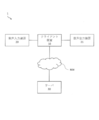
- FIG. 1 is a schematic diagram showing the configuration of the information processing system of this embodiment.
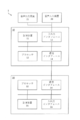
- FIG. 2 is a block diagram showing the configuration of the information processing system of FIG.
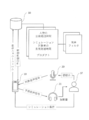
- the information processing system 1 includes a client device 10, a voice input device 20, a voice output device 21, and a server 30.
- the client device 10 and the server 30 are connected via a network (for example, the Internet or an intranet) NW.
- NW a network
- the client device 10 is an example of an information processing device that transmits a request to the server 30.
- the client device 10 is, for example, a smartphone, a tablet terminal, or a personal computer.
- the voice input device 20 is configured to generate a voice input signal and send the voice input signal to the client device 10.
- the voice input device 20 is, for example, a microphone.
- the voice output device 21 is configured to output a voice based on the voice output signal generated by the client device 10.
- the audio output device 21 is, for example, an earphone or a speaker.
- the server 30 is an example of an information processing device that provides the client device 10 with a response according to the request transmitted from the client device 10.
- the server 30 is, for example, a web server.
- the client device 10 includes a storage device 11, a processor 12, an input/output interface 13, and a communication interface 14.
- the storage device 11 is configured to store programs and data.
- the storage device 11 is, for example, a combination of a ROM (Read Only Memory), a RAM (Random Access Memory), and a storage (for example, a flash memory or a hard disk).
- the programs include, for example, the following programs.
- -OS Operating System
- Application for example, web browser
- the data includes, for example, the following data.
- -Database referred to in information processing-Data obtained by executing information processing that is, execution result of information processing
- the processor 12 is configured to realize the function of the client device 10 by activating a program stored in the storage device 11.
- the processor 12 is an example of a computer.
- the input/output interface 13 is configured to acquire a user instruction from an input device connected to the client device 10 and output information to an output device connected to the client device 10.
- the input device is, for example, a keyboard, a pointing device, a touch panel, or a combination thereof.
- the input device also includes the voice input device 20.
- the output device is, for example, a display.
- the output device also includes the audio output device 21.
- the communication interface 14 is configured to control communication between the client device 10 and the server 30.
- the server 30 includes a storage device 31, a processor 32, an input/output interface 33, and a communication interface 34.
- the storage device 31 is configured to store programs and data.
- the storage device 31 is, for example, a combination of a ROM, a RAM, and a storage (for example, a flash memory or a hard disk).
- the programs include, for example, the following programs.
- -OS program-Application program that executes information processing
- the data includes, for example, the following data. -Database referred to in information processing-Results of information processing execution
- the processor 32 is configured to realize the function of the server 30 by activating a program stored in the storage device 31.
- the processor 32 is an example of a computer.
- the input/output interface 33 is configured to acquire a user instruction from an input device connected to the server 30 and output information to an output device connected to the server 30.
- the input device is, for example, a keyboard, a pointing device, a touch panel, or a combination thereof.
- the output device is, for example, a display.
- the communication interface 34 is configured to control communication between the server 30 and the client device 10.
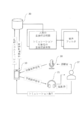
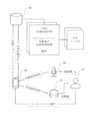
- FIG. 3 is an explanatory diagram of the outline of the present embodiment.
- the server 30 in FIG. 3 is an example of an information processing apparatus that executes a simulation of the feel of living tissue at a past or future time point.
- the server 30 includes a voice filter for reproducing a vibration sound generated by the vibration of the living body tissue of the person, information about the elapsed time after birth of the person when the vibration sound is generated, and the elapsed time after birth of the simulation target person ST.
- the information and the information are stored in association with each other.
- the server 30 acquires, via the client device 10, from the voice input device 20, a target voice signal regarding a vibration sound when the biological tissue of the simulation subject ST vibrates.
- the server 30 specifies a simulation condition including a past or future time point and an elapsed time after birth of the simulation target person ST.
- the server 30 selects a reference voice filter corresponding to the simulation condition from the plurality of voice filters.
- the server 30 applies the reference voice filter to the target voice signal to generate a predicted voice signal regarding a vibration sound generated by the vibration of the biological tissue of the simulation target person ST at the past or future time point indicated by the simulation condition.
- the server 30 presents the predicted audio signal by outputting the predicted audio signal to the audio output device 21 via the client device 10.
- the predicted voice signal is generated using the voice filter according to the combination of the elapsed time after birth of the simulation subject ST and the past or future time point.
- vibration and sound come from the same source of vibration.
- the vibration of the vibration source is perceived as a tactile sensation when sensed by a human tactile receptor, and as a sound when sensed by an auditory receptor. Therefore, tactile sensation and sound have similar properties, and it is known that the auditory sense also contributes to human perception of tactile sensation.
- the feeling of the living tissue at the past or future time point of the simulation target person ST can be presented also by using the sound as a medium.
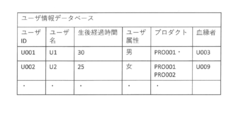
- FIG. 4 is a diagram showing a data structure of the user information database of this embodiment.
- the user information database of FIG. 4 stores user information about users.
- the user information database includes a "user ID” field, a "user name” field, a “user attribute” field, a “product” field, and a "related person” field. Each field is associated with each other.
- User identification information for identifying a user is stored in the “user ID” field.
- Information related to the user name (for example, text) is stored in the “user name” field.
- the postnatal time is, for example, at least one of the user's age, age, and age.
- the “user attribute” field stores user attribute information regarding the user attribute.
- the user attributes include at least one of the following, for example. ⁇ Gender ⁇ Occupation ⁇ Race ⁇ Location
- product information regarding a product desired by the user (for example, at least one product actually used by the user and product desired by the user) is stored.
- the product includes at least one of the following, for example. ⁇ Coating products (for example, cosmetics and care products) ⁇ Food and drink ⁇ Beauty equipment
- related person identification information user identification information of the user's related person (hereinafter referred to as “related person identification information”) is stored.
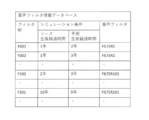
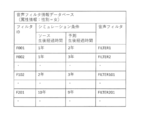
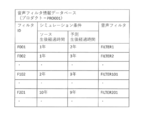
- FIG. 5 is a diagram showing a data structure of the voice filter information database of this embodiment.
- the voice filter information database of FIG. 5 stores voice filter information regarding voice filters.
- the voice filter information database includes a "filter ID” field, a "simulation condition” field, and a "voice filter” field. Each field is associated with each other.
- the filter identification information for identifying the audio filter is stored in the “filter ID” field.
- the “simulation condition” field includes a plurality of subfields (“source post-natal elapsed time” field and “predicted post-natal elapsed time” field).
- the “Source elapsed time” field stores information about the elapsed time of the person when the vibration sound occurs.
- the voice filter is stored in the "voice filter" field.
- the audio filter includes parameters for converting the audio signal. That is, the audio filter is associated with a combination of the source age after birth and the predicted age after birth.
- the filter ID “F001” is a voice for converting a voice at the time of birth “1 year” into a predicted voice at the time of life “2 years” (that is, a predicted voice 1 year after). It is a filter.
- the filter ID “F102” is a voice filter for converting a voice when the age after birth is “2 years” into a predicted voice when the time after birth is “3 years” (that is, a predicted voice after one year). is there.
- the filter ID “F102” is a voice filter for converting a voice when the age after birth is “10 years” into a predicted voice when the time after birth is “9 years” (that is, a predicted voice one year ago). is there.
- the voice filter information database stores voice filters for converting voice into future or past predicted voice.
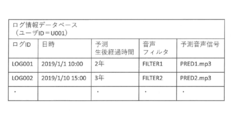
- FIG. 6 is a diagram showing the data structure of the log information database of this embodiment.
- the log information database of FIG. 6 stores log information of simulation results.
- the log information database is associated with the user ID.
- the log information database includes a "log ID” field, a "date and time” field, a "predicted postnatal elapsed time” field, a “voice filter” field, and a "predicted voice signal” field. Each field is associated with each other.
- the "log ID" field stores log identification information that identifies the log information.
- the voice filter selected in the simulation is stored in the "voice filter" field.
- Predictive audio signal generated by simulation is stored in the "Predictive audio signal" field.
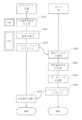
- FIG. 7 is a sequence diagram of information processing of this embodiment.
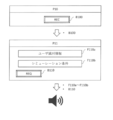
- FIG. 8 is a diagram showing an example of a screen displayed in the information processing of FIG.
- the client device 10 acquires a target audio signal (S110). Specifically, the processor 12 displays the screen P10 (FIG. 8) on the display.
- the screen P10 includes an operation object B100.
- the operation object B100 is an object that receives a user instruction to start recording by the voice input device 20.
- the voice input device 20 inputs a voice signal of a vibration sound (hereinafter referred to as “target voice signal”) generated by the vibration of the biological tissue of the simulation target person for a certain period of time.
- target voice signal a voice signal of a vibration sound generated by the vibration of the biological tissue of the simulation target person for a certain period of time.
- the processor 12 acquires a target voice signal from the voice input device 20.
- the client device 10 receives the simulation condition (S111). Specifically, the processor 12 displays the screen P11 (FIG. 8) on the display.
- the screen P11 includes an operation object B110 and field objects F110a and F110b.
- the field object F110a is an object that receives a user instruction of target user identification information for identifying a simulation target person.
- the field object F110b is an object that receives a user instruction of simulation conditions.
- the simulation condition includes a predicted elapsed time after birth.
- the operation object B110 is an object that receives a user instruction for starting a simulation request (S112).
- the client device 10 executes a simulation request (S112). Specifically, when the user inputs a user instruction to the field objects F110a and F110b and operates the operation object B110, the processor 12 transmits the simulation request data to the server 30.
- the simulation request data includes the following information. -Target voice signal input in step S110-Target user identification information input in field object F110a-Simulation condition input in field object F110b (that is, estimated postnatal elapsed time)
- the server 30 executes selection of a voice filter (S130). Specifically, the processor 32 identifies the target user record associated with the target user identification information included in the simulation request data with reference to the user information database (FIG. 4). The processor 32 identifies the information in the “elapsed time after birth” field of the target user record (that is, the source elapsed time after birth). The processor 32 refers to the voice filter information database (FIG. 5), and identifies a voice associated with a combination of the identified source post-natal elapsed time and the post-natal elapsed time (that is, the predicted post-natal elapsed time) included in the simulation request data. Select a filter (an example of “reference voice filter”).
- the server 30 executes generation of a predicted audio signal (S131). Specifically, the processor 32 generates the predicted audio signal by applying the audio filter selected in step S130 to the target audio signal included in the simulation request data.
- the predicted audio signal is predicted in the past or in the future, which corresponds to the combination of the postnatal elapsed time input to the field object F110b from the postnatal elapsed time of the simulation subject at the time of executing the information processing in FIG. It is a vibrating sound that represents the feel of living tissue.
- the server 30 updates the database (S132). Specifically, the processor 32 adds a new record to the log information database (FIG. 6) associated with the target user identification information included in the simulation request data. The following information is stored in each field of the new record. -New log identification information is stored in the "log ID" field. The information regarding the execution date and time of step S131 is stored in the "date and time” field. The predicted postnatal time included in the simulation request data is stored in the “predicted postnatal time” field. The voice filter selected in step S130 is stored in the "voice filter” field. The predicted voice signal generated in step S131 is stored in the “predicted voice signal” field.
- the server 30 executes the simulation response (S133). Specifically, the processor 32 sends the simulation response data to the client device 10.
- the simulation response data includes the predicted voice signal generated in step S131.
- the client device 10 presents a predicted voice (S114). Specifically, the processor 12 outputs the predicted audio signal included in the simulation response data to the audio output device 21. The audio output device 21 outputs the predicted audio signal output from the processor 12.
- the predicted voice signal is generated using the voice filter according to the combination of the elapsed time after birth of the simulation target person and the past or future time point.
- the feeling of the living tissue at the past or future time point of the simulation target person can be presented using the sound as a medium.
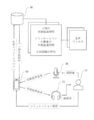
- FIG. 9 is an explanatory diagram of the outline of the first modification.
- a voice filter information about a postnatal elapsed time of a person when a vibration sound is generated, information about a postnatal elapsed time of a simulation target person ST, and a simulation target.
- Information relating to the attributes of the person ST is stored in association with each other.
- the simulation condition includes target attribute information regarding the attribute of the simulation target person ST.
- the target attribute information indicates, for example, at least one of gender, occupation, race, and location.
- the server 30 selects the voice filter associated with the reference attribute information corresponding to the target attribute information as the reference voice filter.
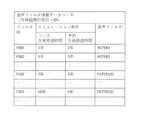
- FIG. 10 is a diagram showing a data structure of the voice filter information database according to the first modification.
- the voice filter information database of FIG. 10 stores voice filter information regarding voice filters corresponding to the attributes of a person.
- the voice filter information database is associated with the reference attribute information.
- step S130 the processor 32 of Modification 1 identifies the target user record associated with the target user identification information included in the simulation request data with reference to the user information database (FIG. 4).
- the processor 32 identifies the information in the “elapsed time after birth” field of the target user record (that is, the source elapsed time after birth).
- the processor 32 specifies the information (that is, the attribute of the simulation target person) in the “user attribute” field of the target user record.
- the processor 32 refers to the voice filter information database (FIG.
- a voice filter an example of “reference voice filter” associated with a combination of (predicted postnatal time) is selected.
- the server 30 selects the reference voice filter in consideration of the attributes of the simulation target person. Therefore, the voice filter more suitable for the person to be simulated is selected. As a result, it is possible to improve the accuracy of the touch that is reproduced by the predicted audio signal.
- the second modification is an example in which the sound filter is selected in consideration of the part of the biological tissue in which the feel is to be reproduced.
- FIG. 11 is an explanatory diagram of the outline of the second modification.
- the server 30 of the modification 2 includes a voice filter, information about a post-life elapsed time of a person when a vibration sound is generated, information about a post-life elapsed time of a simulation target person ST, and a vibration sound.
- the reference site information relating to the site of the biological tissue, which is the generation source of, is stored in association with each other.
- the simulation condition includes target part information regarding the part of the living body tissue of the simulation target person ST.
- the target part information indicates, for example, at least one of a face, an arm, a foot, a body, hair, an eyebrow, and a nail.
- the server 30 selects the audio filter associated with the reference part information corresponding to the target part information as the reference audio filter.
- FIG. 12 is a diagram showing a data structure of the voice filter information database according to the modified example 2.
- the voice filter information database of FIG. 12 stores voice filter information regarding voice filters corresponding to the body tissue part.
- the voice filter information database is associated with the part information.
- the simulation condition of the modification 2 includes the predicted elapsed time after birth and the information about the part of the living body tissue of the simulation subject.
- the processor 32 of the modified example 2 refers to the user information database (FIG. 4) to identify the target user record associated with the target user identification information included in the simulation request data.
- the processor 32 identifies the information in the “elapsed time after birth” field of the target user record (that is, the source elapsed time after birth).
- the server 30 refers to the voice filter information database (FIG. 12 ), and is included in the identified source postnatal elapsed time, the postnatal elapsed time included in the simulation request data (that is, the predicted postnatal elapsed time), and the simulation request data.
- An audio filter (an example of a “reference audio filter”) associated with a combination of pieces of information on a part of a biological tissue is selected.
- the server 30 selects the reference voice filter in consideration of the body tissue part. Therefore, an audio filter suitable for each part is selected. As a result, it is possible to improve the accuracy of the touch that is reproduced by the predicted audio signal.
- Modification 3 is an example in which a voice filter is selected in consideration of the product used by the simulation target person.
- FIG. 13 is an explanatory diagram of the outline of the third modification.
- the server 30 of the modification 3 includes a voice filter, information about the post-life elapsed time of the person when the vibration sound is generated, information about the post-life elapsed time of the simulation target person ST, and the vibration sound.
- the reference product information relating to the product used when the occurrence of the occurrence of the above is stored in association with the reference product information.
- the simulation condition includes target product information regarding the product used by the simulation target person.
- the target product information indicates, for example, at least one of a coated product, a food and drink, and a beauty device.
- the server 30 selects the audio filter associated with the reference part information corresponding to the target product information as the reference audio filter.
- FIG. 14 is a diagram showing a data structure of the voice filter information database according to the modified example 3.
- the voice filter information database in FIG. 14 stores voice filter information regarding voice filters corresponding to specific products.
- the voice filter information database is associated with the product information.
- the processor 32 of the modification 3 identifies the target user record associated with the target user identification information included in the simulation request data with reference to the user information database (FIG. 4).
- the processor 32 identifies the information in the “elapsed time after birth” field of the target user record (that is, the source elapsed time after birth).
- the processor 32 identifies the information in the “product” field of the target user record (that is, target product information).
- the processor 32 refers to the voice filter information database (FIG. 12) associated with the identified product information, and identifies the identified source postnatal elapsed time and the postnatal elapsed time included in the simulation request data (that is, the predicted postnatal elapsed time). ) Is selected as an audio filter (an example of a “reference audio filter”).
- the server 30 selects the reference voice filter in consideration of the desired product of the simulation subject ST. Therefore, an audio filter suitable for the desired product of the simulation subject ST is selected. As a result, it is possible to improve the accuracy of the touch that is reproduced by the predicted audio signal.
- Modification 4 Modification 4 will be described. Modification 4 is an example of presenting the feel of past or future living tissue using binaural sounds. FIG. 15 is an explanatory diagram of the outline of the modified example 4.
- the voice input device 20 of Modification 4 is configured to input a binaural sound.
- the audio output device 21 of Modification 4 is configured to output a binaural sound. That is, the audio input signal and the audio output signal are binaural sounds.
- the voice input device 20 of the modification 4 inputs the binaural sound in step S110.
- the processor 32 of the modification 4 generates a predicted audio signal for reproducing a binaural sound in step S131.
- the audio output device 21 of the modification 4 outputs the binaural sound corresponding to the predicted audio signal in step S114.
- a binaural sound is used to present a past or future feel.
- the reproducibility of the feel reproduced by the predicted audio signal can be improved.
- Modification 5 is an example in which a voice filter is selected by referring to the information of the blood relatives.
- the processor 32 of the modified example 5 is associated with the user identification information included in the simulation request data by referring to the user information database (FIG. 4) after generating the predicted voice signal in the generation of the predicted voice signal (S131). Identify relatives identification information.
- the processor 32 refers to the log information database (FIG. 6) associated with the related person identification information to identify the predicted voice signal associated with the predicted postnatal time included in the simulation request data.
- the processor 32 refers to the identified predicted voice signal (that is, the predicted voice signal at the predicted postnatal elapsed time of the blood relative of the simulation target person) and generates the predicted voice signal (that is, the predicted voice signal of the simulation target person). to correct.
- the predicted voice signal of the simulation target person is corrected using the predicted voice signal of the blood relative.
- people who are related to each other tend to have similar skin vibration characteristics. Therefore, the accuracy of the predicted voice signal can be improved.
- the first aspect of the present embodiment is An information processing apparatus (for example, a server 30) that executes a simulation of a feeling of a living tissue at a past or future time, A voice filter for reproducing a vibration sound generated by the vibration of a living body of a person, information about the elapsed time after birth of the person when the vibration sound occurs, and information about the elapsed time after birth of the simulation target person are associated with each other.
- Means for storing for example, the storage device 31 for storing the voice filter information database (FIG.
- a unit for example, a processor 32 that executes step S130 that acquires a target voice signal regarding a vibration sound when the biological tissue of the simulation target person ST vibrates from the voice input device 20,
- a means for example, the processor 32 that executes step S130 for specifying a simulation condition including a past or future time point and a post-natal elapsed time of the simulation target person,
- a means for selecting a reference voice filter corresponding to the simulation condition from a plurality of voice filters for example, the processor 32 executing step S130
- a means for generating a predictive voice signal related to a vibration sound generated by the vibration of the biological tissue of the simulation target person at the past or future time point indicated by the simulation condition for example, step S131
- a processor 32 for executing,
- a means for presenting the predicted audio signal via the audio output device for example, the processor 32 executing step S133
- It is an information processing device for example, the server 30).
- the server 30 when the server 30 inputs the target voice signal relating to the vibration sound when the living body tissue of the simulation target person ST vibrates, the server 30 receives past or future time points indicated by the simulation condition according to the target voice signal.
- the predicted voice signal regarding the vibration sound generated by the vibration of the biological tissue of the simulation target person ST in is output. As a result, the feeling of past or future skin can be presented to the simulation subject ST.
- the second aspect of the present embodiment is The means for storing associates the voice filter with reference attribute information relating to the attributes of a person and stores them,
- the simulation condition includes target attribute information regarding the attributes of the simulation target person,
- the means for selecting selects a voice filter associated with the reference attribute information corresponding to the target attribute information as a reference voice filter, It is an information processing device (for example, the server 30).
- the server 30 selects, as the reference voice filter, the voice filter associated with the reference attribute information corresponding to the target attribute information.
- the feel of the skin according to the attributes of the simulation subject ST can be presented.
- the third aspect of the present embodiment is The target attribute information and the reference attribute information indicate at least one of gender, occupation, race, and location, It is an information processing device (for example, the server 30).
- the feel of the skin according to at least one of the sex, occupation, race, and location of the simulation subject ST.
- the fourth aspect of the present embodiment is The storing means stores the voice filter in association with the reference site information regarding the site of the biological tissue that is the source of the vibration sound,
- the simulation condition includes target part information regarding the part of the living body tissue of the simulation target person,
- the selecting means selects an audio filter associated with the same reference part information as the target part information as the reference audio filter, It is an information processing device (for example, the server 30).
- the server 30 selects the audio filter corresponding to the target part of the biological tissue of the simulation target person. Accordingly, it is possible to present the feel of the skin according to the target site.
- the fifth aspect of the present embodiment is
- the reference part information and the target part information indicate at least one of face, arm, foot, torso, hair, eyebrow, and nail, It is an information processing device (for example, the server 30).
- the feel of the skin according to at least one of the face, arms, legs, torso, hair, eyebrows, and nails.
- the sixth aspect of the present embodiment is
- the storing means stores the voice filter in association with the reference product information regarding the product used when the vibration sound is generated,
- the simulation condition includes target product information regarding the desired product of the simulation target,
- the means for selecting selects an audio filter associated with reference product information corresponding to the target product information as a reference audio filter, It is an information processing device (for example, the server 30).
- the server 30 selects an audio filter according to the desired product of the simulation subject ST. As a result, the feel of the skin according to the desired product of the simulation target person ST can be presented.
- a seventh aspect of the present embodiment is
- the reference product information and the target product information are information indicating at least one of a coated product, food and drink, and a beauty device. It is an information processing device (for example, the server 30).
- the seventh aspect it is possible to present a desired coated product, food and drink of the simulation subject ST, and a feel of the skin according to the beauty device.
- the eighth aspect of the present embodiment is With reference to the predicted voice signal of the blood relatives of the simulation target, a means for correcting the generated predicted voice signal, The means for presenting the predicted speech signal presents the corrected predicted speech signal, It is an information processing device.
- the prediction voice signal of the simulation target person ST is corrected with reference to the prediction voice signal of the blood relative of the simulation target person ST. Therefore, the accuracy of the predicted voice signal can be improved.
- the ninth aspect of the present embodiment is It is a program for causing a computer (for example, the processor 32) to function as each unit described in any of the above.
- the storage device 11 may be connected to the client device 10 via the network NW.
- the storage device 31 may be connected to the server 30 via the network NW.
- Each of the above information processing steps can be executed by either the client device 10 or the server 30.
Landscapes
- Life Sciences & Earth Sciences (AREA)
- Health & Medical Sciences (AREA)
- Medical Informatics (AREA)
- Biophysics (AREA)
- Pathology (AREA)
- Engineering & Computer Science (AREA)
- Biomedical Technology (AREA)
- Heart & Thoracic Surgery (AREA)
- Physics & Mathematics (AREA)
- Molecular Biology (AREA)
- Surgery (AREA)
- Animal Behavior & Ethology (AREA)
- General Health & Medical Sciences (AREA)
- Public Health (AREA)
- Veterinary Medicine (AREA)
- Measuring And Recording Apparatus For Diagnosis (AREA)
- Information Retrieval, Db Structures And Fs Structures Therefor (AREA)
Abstract
過去又は未来の時点における生体組織の感触のシミュレーションを実行する情報処理装置は、人物の生体組織の振動によって発生する振動音を再現するための音声フィルタと、振動音が発生したときの人物の生後経過時間 に関する情報と、シミュレーション対象者の生後経過時間に関する情報と、を関連付けて記憶する手段と、音声入力装置から、シミュレーション対象者の生体組織が振動したときの振動音に関する対象音声信号を取得する手段を備え、過去又は未来の時点と、シミュレーション対象者の生後経過時間と、を含むシミュレーション条件を特定する手段を備え、複数の音声フィルタから、シミュレーション条件に対応する参照音声フィルタを選択する手段を備え、参照音声フィルタを対象音声信号に適用することにより、シミュレーション条件が示す過去又は未来の時点におけるシミュレーション対象者の生体組織の振動によって発生する振動音に関する予測音声信号を生成する手段を備え、音声出力装置を介して、予測音声信号を提示する手段を備える。
Description
本発明は、情報処理装置及びプログラムに関する。
一般に、皮膚を健康な状態に保つことは生活において必要なこととされており、また肌の感触は肌の状態と密接に関連している。そのため、肌ケア用品の使用効果を消費者に訴求する上で、肌の感触の評価は有用である。
例えば、特開2018-109599号公報には、指を対象物の表面で移動させたときの感触を、肌に化粧料を塗布する場合などの感触も含めて客観的に評価する技術が開示されている。
一般に、人間の肌の感触は、年齢と共に変化する。例えば、ある人物について、0歳のときの肌の感触と、30歳のときの肌の感触と、60歳のときの肌の感触は、それぞれ異なる。そのため、肌ケア用品の消費者にとって、時系列に沿った肌の感触の変化を知ることは、適切な肌ケア用品を選定する上で有用である。
しかし、特開2018-109599号公報の技術では、ユーザが装着したセンサの検出結果に基づいて肌の感触を評価するので、評価の時点における肌の感触を提示することはできるが、評価の時点とは異なる時点(例えば、30歳のユーザが0歳の時点及び60歳の時点)の肌の感触を提示することはできない。
このように、従来、過去又は未来の肌の感触を提示することはできない。
本発明の目的は、過去又は未来の肌の感触を提示することである。
本発明の一態様は、
過去又は未来の時点における生体組織の感触のシミュレーションを実行する情報処理装置であって、
人物の生体組織の振動によって発生する振動音を再現するための音声フィルタと、前記振動音が発生したときの前記人物の生後経過時間に関する情報と、シミュレーション対象者の生後経過時間に関する情報と、を関連付けて記憶する手段と、
音声入力装置から、シミュレーション対象者の生体組織が振動したときの振動音に関する対象音声信号を取得する手段を備え、
過去又は未来の時点と、前記シミュレーション対象者の生後経過時間と、を含むシミュレーション条件を特定する手段を備え、
複数の音声フィルタから、前記シミュレーション条件に対応する参照音声フィルタを選択する手段を備え、
前記参照音声フィルタを前記対象音声信号に適用することにより、前記シミュレーション条件が示す過去又は未来の時点における前記シミュレーション対象者の生体組織の振動によって発生する振動音に関する予測音声信号を生成する手段を備え、
音声出力装置を介して、前記予測音声信号を提示する手段を備える、
情報処理装置である。
本発明によれば、基準時点に対して過去又は未来の肌の感触を提示することができる。
以下、本発明の一実施形態について、図面に基づいて詳細に説明する。なお、実施形態を説明するための図面において、同一の構成要素には原則として同一の符号を付し、その繰り返しの説明は省略する。
(1)情報処理システムの構成
情報処理システムの構成について説明する。図1は、本実施形態の情報処理システムの構成を示す概略図である。図2は、図1の情報処理システムの構成を示すブロック図である。
情報処理システムの構成について説明する。図1は、本実施形態の情報処理システムの構成を示す概略図である。図2は、図1の情報処理システムの構成を示すブロック図である。
図1に示すように、情報処理システム1は、クライアント装置10と、音声入力装置20と、音声出力装置21と、サーバ30とを備える。
クライアント装置10及びサーバ30は、ネットワーク(例えば、インターネット又はイントラネット)NWを介して接続される。
クライアント装置10及びサーバ30は、ネットワーク(例えば、インターネット又はイントラネット)NWを介して接続される。
クライアント装置10は、サーバ30にリクエストを送信する情報処理装置の一例である。クライアント装置10は、例えば、スマートフォン、タブレット端末、又は、パーソナルコンピュータである。
音声入力装置20は、音声入力信号を生成し、且つ、クライアント装置10に音声入力信号を送信するように構成される。音声入力装置20は、例えば、マイクロフォンである。
音声出力装置21は、クライアント装置10によって生成された音声出力信号に基づく音声を出力するように構成される。音声出力装置21は、例えば、イヤホン又はスピーカである。
サーバ30は、クライアント装置10から送信されたリクエストに応じたレスポンスをクライアント装置10に提供する情報処理装置の一例である。サーバ30は、例えば、ウェブサーバである。
(1-1)クライアント装置の構成
クライアント装置10の構成について説明する。
クライアント装置10の構成について説明する。
図2に示すように、クライアント装置10は、記憶装置11と、プロセッサ12と、入出力インタフェース13と、通信インタフェース14とを備える。
記憶装置11は、プログラム及びデータを記憶するように構成される。記憶装置11は、例えば、ROM(Read Only Memory)、RAM(Random Access Memory)、及び、ストレージ(例えば、フラッシュメモリ又はハードディスク)の組合せである。
プログラムは、例えば、以下のプログラムを含む。
・OS(Operating System)のプログラム
・情報処理を実行するアプリケーション(例えば、ウェブブラウザ)のプログラム
・OS(Operating System)のプログラム
・情報処理を実行するアプリケーション(例えば、ウェブブラウザ)のプログラム
データは、例えば、以下のデータを含む。
・情報処理において参照されるデータベース
・情報処理を実行することによって得られるデータ(つまり、情報処理の実行結果)
・情報処理において参照されるデータベース
・情報処理を実行することによって得られるデータ(つまり、情報処理の実行結果)
プロセッサ12は、記憶装置11に記憶されたプログラムを起動することによって、クライアント装置10の機能を実現するように構成される。プロセッサ12は、コンピュータの一例である。
入出力インタフェース13は、クライアント装置10に接続される入力デバイスからユーザの指示を取得し、かつ、クライアント装置10に接続される出力デバイスに情報を出力するように構成される。
入力デバイスは、例えば、キーボード、ポインティングデバイス、タッチパネル、又は、それらの組合せである。また、入力デバイスは、音声入力装置20を含む。
出力デバイスは、例えば、ディスプレイである。また、出力デバイスは、音声出力装置21を含む。
入力デバイスは、例えば、キーボード、ポインティングデバイス、タッチパネル、又は、それらの組合せである。また、入力デバイスは、音声入力装置20を含む。
出力デバイスは、例えば、ディスプレイである。また、出力デバイスは、音声出力装置21を含む。
通信インタフェース14は、クライアント装置10とサーバ30との間の通信を制御するように構成される。
(1-2)サーバの構成
サーバ30の構成について説明する。
サーバ30の構成について説明する。
図2に示すように、サーバ30は、記憶装置31と、プロセッサ32と、入出力インタフェース33と、通信インタフェース34とを備える。
記憶装置31は、プログラム及びデータを記憶するように構成される。記憶装置31は、例えば、ROM、RAM、及び、ストレージ(例えば、フラッシュメモリ又はハードディスク)の組合せである。
プログラムは、例えば、以下のプログラムを含む。
・OSのプログラム
・情報処理を実行するアプリケーションのプログラム
・OSのプログラム
・情報処理を実行するアプリケーションのプログラム
データは、例えば、以下のデータを含む。
・情報処理において参照されるデータベース
・情報処理の実行結果
・情報処理において参照されるデータベース
・情報処理の実行結果
プロセッサ32は、記憶装置31に記憶されたプログラムを起動することによって、サーバ30の機能を実現するように構成される。プロセッサ32は、コンピュータの一例である。
入出力インタフェース33は、サーバ30に接続される入力デバイスからユーザの指示を取得し、かつ、サーバ30に接続される出力デバイスに情報を出力するように構成される。
入力デバイスは、例えば、キーボード、ポインティングデバイス、タッチパネル、又は、それらの組合せである。
出力デバイスは、例えば、ディスプレイである。
入力デバイスは、例えば、キーボード、ポインティングデバイス、タッチパネル、又は、それらの組合せである。
出力デバイスは、例えば、ディスプレイである。
通信インタフェース34は、サーバ30とクライアント装置10との間の通信を制御するように構成される。
(2)実施形態の概要
本実施形態の概要について説明する。図3は、本実施形態の概要の説明図である。
本実施形態の概要について説明する。図3は、本実施形態の概要の説明図である。
図3のサーバ30は、過去又は未来の時点における生体組織の感触のシミュレーションを実行する情報処理装置の一例である。
サーバ30には、人物の生体組織の振動によって発生する振動音を再現するための音声フィルタと、振動音が発生したときの人物の生後経過時間に関する情報と、シミュレーション対象者STの生後経過時間に関する情報と、が関連付けて記憶されている。
サーバ30には、人物の生体組織の振動によって発生する振動音を再現するための音声フィルタと、振動音が発生したときの人物の生後経過時間に関する情報と、シミュレーション対象者STの生後経過時間に関する情報と、が関連付けて記憶されている。
サーバ30は、クライアント装置10を介して、音声入力装置20から、シミュレーション対象者STの生体組織が振動したときの振動音に関する対象音声信号を取得する。
サーバ30は、過去又は未来の時点と、シミュレーション対象者STの生後経過時間と、を含むシミュレーション条件を特定する。
サーバ30は、複数の音声フィルタから、シミュレーション条件に対応する参照音声フィルタを選択する。
サーバ30は、参照音声フィルタを対象音声信号に適用することにより、シミュレーション条件が示す過去又は未来の時点におけるシミュレーション対象者STの生体組織の振動によって発生する振動音に関する予測音声信号を生成する。
サーバ30は、クライアント装置10を介して音声出力装置21に予測音声信号を出力することにより、予測音声信号を提示する。
サーバ30は、過去又は未来の時点と、シミュレーション対象者STの生後経過時間と、を含むシミュレーション条件を特定する。
サーバ30は、複数の音声フィルタから、シミュレーション条件に対応する参照音声フィルタを選択する。
サーバ30は、参照音声フィルタを対象音声信号に適用することにより、シミュレーション条件が示す過去又は未来の時点におけるシミュレーション対象者STの生体組織の振動によって発生する振動音に関する予測音声信号を生成する。
サーバ30は、クライアント装置10を介して音声出力装置21に予測音声信号を出力することにより、予測音声信号を提示する。
本実施形態によれば、シミュレーション対象者STの生後経過時間と、過去又は未来の時点と、の組合せに応じた音声フィルタを用いて予測音声信号を生成する。一般に、振動と音は同一の振動源から生じる。振動源の振動は、人間の触覚受容器が感知した場合には触感として知覚され、聴覚受容器が感知した場合には音として知覚される。そのため、触感と音は近い性質を持っており、人間の触感の認知には聴覚も寄与することが知られている。これにより、シミュレーション対象者STの過去又は未来の時点における生体組織の感触は、音声を媒体としても提示することができる。
(3)データベース
本実施形態のデータベースについて説明する。以下のデータベースは、記憶装置31に記憶される。
本実施形態のデータベースについて説明する。以下のデータベースは、記憶装置31に記憶される。
(3-1)ユーザ情報データベース
本実施形態のユーザ情報データベースについて説明する。図4は、本実施形態のユーザ情報データベースのデータ構造を示す図である。
本実施形態のユーザ情報データベースについて説明する。図4は、本実施形態のユーザ情報データベースのデータ構造を示す図である。
図4のユーザ情報データベースには、ユーザに関するユーザ情報が格納されている。
ユーザ情報データベースは、「ユーザID」フィールドと、「ユーザ名」フィールドと、「ユーザ属性」フィールドと、「プロダクト」フィールドと、「血縁者」フィールドと、を含む。各フィールドは、互いに関連付けられている。
ユーザ情報データベースは、「ユーザID」フィールドと、「ユーザ名」フィールドと、「ユーザ属性」フィールドと、「プロダクト」フィールドと、「血縁者」フィールドと、を含む。各フィールドは、互いに関連付けられている。
「ユーザID」フィールドには、ユーザを識別するユーザ識別情報が格納される。
「ユーザ名」フィールドには、ユーザ名に関する情報(例えば、テキスト)が格納される。
「生後経過時間」フィールドには、ユーザの生後経過時間に関する情報が格納される。生後経過時間は、例えば、ユーザの年齢、月齢、及び、日齢の少なくとも1つである。
「ユーザ属性」フィールドには、ユーザの属性に関するユーザ属性情報が格納される。ユーザの属性は、例えば、以下の少なくとも1つを含む。
・性別
・職業
・人種
・所在地
・性別
・職業
・人種
・所在地
「プロダクト」フィールドには、ユーザの所望のプロダクト(例えば、ユーザが実際に使用するプロダクト及びユーザが使用を希望するプロダクトの少なくとも1つ)に関するプロダクト情報が格納される。プロダクトは、例えば、以下の少なくとも1つを含む。
・塗布物(一例として、化粧料、及び、ケア用品)
・飲食物
・美容装置
・塗布物(一例として、化粧料、及び、ケア用品)
・飲食物
・美容装置
「血縁者」フィールドには、ユーザの血縁者のユーザ識別情報(以下、「血縁者識別情報」という)が格納される。
(3-2)音声フィルタ情報データベース
本実施形態の音声フィルタ情報データベースについて説明する。図5は、本実施形態の音声フィルタ情報データベースのデータ構造を示す図である。
本実施形態の音声フィルタ情報データベースについて説明する。図5は、本実施形態の音声フィルタ情報データベースのデータ構造を示す図である。
図5の音声フィルタ情報データベースには、音声フィルタに関する音声フィルタ情報が格納されている。
音声フィルタ情報データベースは、「フィルタID」フィールドと、「シミュレーション条件」フィールドと、「音声フィルタ」フィールドと、を含む。各フィールドは、互いに関連付けられている。
音声フィルタ情報データベースは、「フィルタID」フィールドと、「シミュレーション条件」フィールドと、「音声フィルタ」フィールドと、を含む。各フィールドは、互いに関連付けられている。
「フィルタID」フィールドには、音声フィルタを識別するフィルタ識別情報が格納される。
「シミュレーション条件」フィールドには、音声フィルタを参照するためのシミュレーション条件に関する情報が格納される。「シミュレーション条件」フィールドは、複数のサブフィールド(「ソース生後経過時間」フィールド及び「予測生後経過時間」フィールド)を含む。
「ソース生後経過時間」フィールドには、振動音が発生したときの人物の生後経過時間に関する情報が格納される。
「予測生後経過時間」フィールドには、シミュレーションの対象となる生後経過時間に関する情報が格納される。
「音声フィルタ」フィールドには、音声フィルタが格納される。音声フィルタは、音声信号を変換するためのパラメータを含む。つまり、音声フィルタは、ソース生後経過時間及び予測生後経過時間の組合せに関連付けられる。
例えば、フィルタID「F001」は、生後経過時間「1年」のときの音声を、生後経過時間「2年」のときの予測音声(つまり、1年後の予測音声)に変換するための音声フィルタである。
フィルタID「F102」は、生後経過時間「2年」のときの音声を、生後経過時間「3年」のときの予測音声(つまり、1年後の予測音声)に変換するための音声フィルタである。
フィルタID「F102」は、生後経過時間「10年」のときの音声を、生後経過時間「9年」のときの予測音声(つまり、1年前の予測音声)に変換するための音声フィルタである。
換言すると、音声フィルタ情報データベースには、音声を、未来又は過去の予測音声に変換するための音声フィルタが格納されている。
フィルタID「F102」は、生後経過時間「2年」のときの音声を、生後経過時間「3年」のときの予測音声(つまり、1年後の予測音声)に変換するための音声フィルタである。
フィルタID「F102」は、生後経過時間「10年」のときの音声を、生後経過時間「9年」のときの予測音声(つまり、1年前の予測音声)に変換するための音声フィルタである。
換言すると、音声フィルタ情報データベースには、音声を、未来又は過去の予測音声に変換するための音声フィルタが格納されている。
(3-3)ログ情報データベース
本実施形態のログ情報データベースについて説明する。図6は、本実施形態のログ情報データベースのデータ構造を示す図である。
本実施形態のログ情報データベースについて説明する。図6は、本実施形態のログ情報データベースのデータ構造を示す図である。
図6のログ情報データベースには、シミュレーション結果のログ情報が格納される。ログ情報データベースは、ユーザIDに関連付けられる。
ログ情報データベースは、「ログID」フィールドと、「日時」フィールドと、「予測生後経過時間」フィールドと、「音声フィルタ」フィールドと、「予測音声信号」フィールドと、を含む。各フィールドは、互いに関連付けられている。
ログ情報データベースは、「ログID」フィールドと、「日時」フィールドと、「予測生後経過時間」フィールドと、「音声フィルタ」フィールドと、「予測音声信号」フィールドと、を含む。各フィールドは、互いに関連付けられている。
「ログID」フィールドには、ログ情報を識別するログ識別情報が格納される。
「日時」フィールドには、シミュレーションの実行日時に関する情報が格納される。
「予測生後経過時間」フィールドには、シミュレーションの対象となる生後経過時間に関する情報が格納される。
「音声フィルタ」フィールドには、シミュレーションで選択された音声フィルタが格納される。
「予測音声信号」フィールドには、シミュレーションで生成された予測音声信号が格納される。
(4)情報処理
本実施形態の情報処理について説明する。図7は、本実施形態の情報処理のシーケンス図である。図8は、図7の情報処理において表示される画面例を示す図である。
本実施形態の情報処理について説明する。図7は、本実施形態の情報処理のシーケンス図である。図8は、図7の情報処理において表示される画面例を示す図である。
図7に示すように、クライアント装置10は、対象音声信号の取得(S110)を実行する。
具体的には、プロセッサ12は、画面P10(図8)をディスプレイに表示する。
具体的には、プロセッサ12は、画面P10(図8)をディスプレイに表示する。
画面P10は、操作オブジェクトB100を含む。
操作オブジェクトB100は、音声入力装置20による録音を開始させるためのユーザ指示を受け付けるオブジェクトである。
操作オブジェクトB100は、音声入力装置20による録音を開始させるためのユーザ指示を受け付けるオブジェクトである。
ユーザが操作オブジェクトB100を操作すると、音声入力装置20は、一定時間の間、シミュレーション対象者の生体組織の振動によって発生する振動音の音声信号(以下「対象音声信号」という)を入力する。
プロセッサ12は、音声入力装置20から対象音声信号を取得する。
プロセッサ12は、音声入力装置20から対象音声信号を取得する。
ステップS110の後、クライアント装置10は、シミュレーション条件の受付(S111)を実行する。
具体的には、プロセッサ12は、画面P11(図8)をディスプレイに表示する。
具体的には、プロセッサ12は、画面P11(図8)をディスプレイに表示する。
画面P11は、操作オブジェクトB110と、フィールドオブジェクトF110a~F110bを含む。
フィールドオブジェクトF110aは、シミュレーション対象者を識別する対象ユーザ識別情報のユーザ指示を受け付けるオブジェクトである。
フィールドオブジェクトF110bは、シミュレーション条件のユーザ指示を受け付けるオブジェクトである。シミュレーション条件は、予測生後経過時間を含む。
操作オブジェクトB110は、シミュレーションリクエスト(S112)を開始させるためのユーザ指示を受け付けるオブジェクトである。
フィールドオブジェクトF110aは、シミュレーション対象者を識別する対象ユーザ識別情報のユーザ指示を受け付けるオブジェクトである。
フィールドオブジェクトF110bは、シミュレーション条件のユーザ指示を受け付けるオブジェクトである。シミュレーション条件は、予測生後経過時間を含む。
操作オブジェクトB110は、シミュレーションリクエスト(S112)を開始させるためのユーザ指示を受け付けるオブジェクトである。
ステップS112の後、クライアント装置10は、シミュレーションリクエスト(S112)を実行する。
具体的には、ユーザがフィールドオブジェクトF110a~F110bにユーザ指示を入力し、且つ、操作オブジェクトB110を操作すると、プロセッサ12は、シミュレーションリクエストデータをサーバ30に送信する。
シミュレーションリクエストデータは、以下の情報を含む。
・ステップS110で入力された対象音声信号
・フィールドオブジェクトF110aに入力された対象ユーザ識別情報
・フィールドオブジェクトF110bに入力されたシミュレーション条件(つまり、予測生後経過時間)
具体的には、ユーザがフィールドオブジェクトF110a~F110bにユーザ指示を入力し、且つ、操作オブジェクトB110を操作すると、プロセッサ12は、シミュレーションリクエストデータをサーバ30に送信する。
シミュレーションリクエストデータは、以下の情報を含む。
・ステップS110で入力された対象音声信号
・フィールドオブジェクトF110aに入力された対象ユーザ識別情報
・フィールドオブジェクトF110bに入力されたシミュレーション条件(つまり、予測生後経過時間)
ステップS111の後、サーバ30は、音声フィルタの選択(S130)を実行する。
具体的には、プロセッサ32は、ユーザ情報データベース(図4)を参照して、シミュレーションリクエストデータに含まれる対象ユーザ識別情報に関連付けられた対象ユーザレコードを特定する。
プロセッサ32は、対象ユーザレコードの「生後経過時間」フィールドの情報(つまり、ソース生後経過時間)を特定する。
プロセッサ32は、音声フィルタ情報データベース(図5)を参照して、特定したソース生後経過時間、及び、シミュレーションリクエストデータに含まれる生後経過時間(つまり、予測生後経過時間)の組合せに関連付けられた音声フィルタ(「参照音声フィルタ」の一例)を選択する。
具体的には、プロセッサ32は、ユーザ情報データベース(図4)を参照して、シミュレーションリクエストデータに含まれる対象ユーザ識別情報に関連付けられた対象ユーザレコードを特定する。
プロセッサ32は、対象ユーザレコードの「生後経過時間」フィールドの情報(つまり、ソース生後経過時間)を特定する。
プロセッサ32は、音声フィルタ情報データベース(図5)を参照して、特定したソース生後経過時間、及び、シミュレーションリクエストデータに含まれる生後経過時間(つまり、予測生後経過時間)の組合せに関連付けられた音声フィルタ(「参照音声フィルタ」の一例)を選択する。
ステップS130の後、サーバ30は、予測音声信号の生成(S131)を実行する。
具体的には、プロセッサ32は、シミュレーションリクエストデータに含まれる対象音声信号に、ステップS130で選択された音声フィルタを適用することにより、予測音声信号を生成する。
予測音声信号は、図7の情報処理の実行時のシミュレーション対象者の生後経過時間から、フィールドオブジェクトF110bに入力された生後経過時間の組合せに対応する過去又は未来の時点において予測されるシミュレーション対象者の生体組織の感触を表す振動音である。
具体的には、プロセッサ32は、シミュレーションリクエストデータに含まれる対象音声信号に、ステップS130で選択された音声フィルタを適用することにより、予測音声信号を生成する。
予測音声信号は、図7の情報処理の実行時のシミュレーション対象者の生後経過時間から、フィールドオブジェクトF110bに入力された生後経過時間の組合せに対応する過去又は未来の時点において予測されるシミュレーション対象者の生体組織の感触を表す振動音である。
ステップS131の後、サーバ30は、データベースの更新(S132)を実行する。
具体的には、プロセッサ32は、シミュレーションリクエストデータに含まれる対象ユーザ識別情報に関連付けられたログ情報データベース(図6)に新規レコードを追加する。新規レコードの各フィールドには、以下の情報が格納される。
・「ログID」フィールドには、新規のログ識別情報が格納される。
・「日時」フィールドには、ステップS131の実行日時に関する情報が格納される。
・「予測生後経過時間」フィールドには、シミュレーションリクエストデータに含まれる予測生後経過時間が格納される。
・「音声フィルタ」フィールドには、ステップS130で選択された音声フィルタが格納される。
・「予測音声信号」フィールドには、ステップS131で生成された予測音声信号が格納される。
ステップS132の後、サーバ30は、シミュレーションレスポンス(S133)を実行する。
具体的には、プロセッサ32は、クライアント装置10にシミュレーションレスポンスデータを送信する。シミュレーションレスポンスデータは、ステップS131で生成された予測音声信号を含む。
具体的には、プロセッサ32は、クライアント装置10にシミュレーションレスポンスデータを送信する。シミュレーションレスポンスデータは、ステップS131で生成された予測音声信号を含む。
ステップS112の後、クライアント装置10は、予測音声の提示(S114)を実行する。
具体的には、プロセッサ12は、シミュレーションレスポンスデータに含まれる予測音声信号を音声出力装置21に出力する。
音声出力装置21は、プロセッサ12から出力された予測音声信号を出力する。
具体的には、プロセッサ12は、シミュレーションレスポンスデータに含まれる予測音声信号を音声出力装置21に出力する。
音声出力装置21は、プロセッサ12から出力された予測音声信号を出力する。
本実施形態によれば、シミュレーション対象者の生後経過時間と、過去又は未来の時点と、の組合せに応じた音声フィルタを用いて予測音声信号を生成する。これにより、シミュレーション対象者の過去又は未来の時点における生体組織の感触を、音声を媒体として提示することができる。
(5)変形例
本実施形態の変形例について説明する。
本実施形態の変形例について説明する。
(5-1)変形例1
変形例1について説明する。シミュレーション対象者の属性を考慮して、音声フィルタを選択する例である。
変形例1について説明する。シミュレーション対象者の属性を考慮して、音声フィルタを選択する例である。
(5-1-1)変形例1の概要
変形例1の概要について説明する。図9は、変形例1の概要の説明図である。
変形例1の概要について説明する。図9は、変形例1の概要の説明図である。
図9に示すように、変形例1のサーバ30には、音声フィルタと、振動音が発生したときの人物の生後経過時間に関する情報と、シミュレーション対象者STの生後経過時間に関する情報と、シミュレーション対象者STの属性に関する情報と、が関連付けて記憶されている。
シミュレーション条件は、シミュレーション対象者STの属性に関する対象属性情報を含む。対象属性情報は、例えば、性別、職業、人種、及び、所在地の少なくとも1つを示す。
シミュレーション条件は、シミュレーション対象者STの属性に関する対象属性情報を含む。対象属性情報は、例えば、性別、職業、人種、及び、所在地の少なくとも1つを示す。
サーバ30は、対象属性情報に対応する参照属性情報に関連付けられた音声フィルタを、参照音声フィルタとして選択する。
(5-1-2)音声フィルタ情報データベース
変形例1の音声フィルタ情報データベースについて説明する。図10は、変形例1の音声フィルタ情報データベースのデータ構造を示す図である。
変形例1の音声フィルタ情報データベースについて説明する。図10は、変形例1の音声フィルタ情報データベースのデータ構造を示す図である。
図10の音声フィルタ情報データベースには、人物の属性に対応する音声フィルタに関する音声フィルタ情報が格納されている。
音声フィルタ情報データベースは、参照属性情報に関連付けられる。
音声フィルタ情報データベースは、参照属性情報に関連付けられる。
(5-1-3)変形例1の情報処理
変形例1の情報処理について説明する。
変形例1の情報処理について説明する。
変形例1のプロセッサ32は、ステップS130において、ユーザ情報データベース(図4)を参照して、シミュレーションリクエストデータに含まれる対象ユーザ識別情報に関連付けられた対象ユーザレコードを特定する。
プロセッサ32は、対象ユーザレコードの「生後経過時間」フィールドの情報(つまり、ソース生後経過時間)を特定する。
プロセッサ32は、対象ユーザレコードの「ユーザ属性」フィールドの情報(つまり、シミュレーション対象者の属性)を特定する。
プロセッサ32は、特定したシミュレーション対象者の属性情報に関連付けられた音声フィルタ情報データベース(図10)を参照して、特定したソース生後経過時間、及び、シミュレーションリクエストデータに含まれる生後経過時間(つまり、予測生後経過時間)の組合せに関連付けられた音声フィルタ(「参照音声フィルタ」の一例)を選択する。
プロセッサ32は、対象ユーザレコードの「生後経過時間」フィールドの情報(つまり、ソース生後経過時間)を特定する。
プロセッサ32は、対象ユーザレコードの「ユーザ属性」フィールドの情報(つまり、シミュレーション対象者の属性)を特定する。
プロセッサ32は、特定したシミュレーション対象者の属性情報に関連付けられた音声フィルタ情報データベース(図10)を参照して、特定したソース生後経過時間、及び、シミュレーションリクエストデータに含まれる生後経過時間(つまり、予測生後経過時間)の組合せに関連付けられた音声フィルタ(「参照音声フィルタ」の一例)を選択する。
変形例1によれば、サーバ30は、シミュレーション対象者の属性を考慮して参照音声フィルタを選択する。したがって、シミュレーション対象者により適合した音声フィルタが選択される。これにより、予測音声信号によって再現される感触の精度を向上させることができる。
(5-2)変形例2
変形例2について説明する。変形例2は、感触を再現すべき生体組織の部位を考慮して、音声フィルタを選択する例である。
変形例2について説明する。変形例2は、感触を再現すべき生体組織の部位を考慮して、音声フィルタを選択する例である。
(5-2-1)変形例2の概要
変形例2の概要について説明する。図11は、変形例2の概要の説明図である。
変形例2の概要について説明する。図11は、変形例2の概要の説明図である。
図11に示すように、変形例2のサーバ30には、音声フィルタと、振動音が発生したときの人物の生後経過時間に関する情報と、シミュレーション対象者STの生後経過時間に関する情報と、振動音の発生源である生体組織の部位に関する参照部位情報と、が関連付けて記憶されている。
シミュレーション条件は、シミュレーション対象者STの生体組織の部位に関する対象部位情報を含む。対象部位情報は、例えば、顔、腕、足、胴体、毛髪、眉、及び、爪の少なくとも1つを示す。
シミュレーション条件は、シミュレーション対象者STの生体組織の部位に関する対象部位情報を含む。対象部位情報は、例えば、顔、腕、足、胴体、毛髪、眉、及び、爪の少なくとも1つを示す。
サーバ30は、対象部位情報に対応する参照部位情報に関連付けられた音声フィルタを、参照音声フィルタとして選択する。
(5-2-2)音声フィルタ情報データベース
変形例2の音声フィルタ情報データベースについて説明する。図12は、変形例2の音声フィルタ情報データベースのデータ構造を示す図である。
変形例2の音声フィルタ情報データベースについて説明する。図12は、変形例2の音声フィルタ情報データベースのデータ構造を示す図である。
図12の音声フィルタ情報データベースには、生体組織の部位に対応する音声フィルタに関する音声フィルタ情報が格納されている。
音声フィルタ情報データベースは、部位情報に関連付けられる。
音声フィルタ情報データベースは、部位情報に関連付けられる。
(5-2-3)変形例2の情報処理
変形例2の情報処理について説明する。
変形例2の情報処理について説明する。
変形例2のシミュレーション条件は、予測生後経過時間と、シミュレーション対象者の生体組織の部位に関する情報と、を含む。
変形例2のプロセッサ32は、ステップS130において、ユーザ情報データベース(図4)を参照して、シミュレーションリクエストデータに含まれる対象ユーザ識別情報に関連付けられた対象ユーザレコードを特定する。
プロセッサ32は、対象ユーザレコードの「生後経過時間」フィールドの情報(つまり、ソース生後経過時間)を特定する。
サーバ30は、音声フィルタ情報データベース(図12)を参照して、特定したソース生後経過時間、シミュレーションリクエストデータに含まれる生後経過時間(つまり、予測生後経過時間)、及び、シミュレーションリクエストデータに含まれる生体組織の部位に関する情報の組合せに関連付けられた音声フィルタ(「参照音声フィルタ」の一例)を選択する。
プロセッサ32は、対象ユーザレコードの「生後経過時間」フィールドの情報(つまり、ソース生後経過時間)を特定する。
サーバ30は、音声フィルタ情報データベース(図12)を参照して、特定したソース生後経過時間、シミュレーションリクエストデータに含まれる生後経過時間(つまり、予測生後経過時間)、及び、シミュレーションリクエストデータに含まれる生体組織の部位に関する情報の組合せに関連付けられた音声フィルタ(「参照音声フィルタ」の一例)を選択する。
変形例2によれば、サーバ30は、生体組織の部位を考慮して参照音声フィルタを選択する。したがって、部位毎に適合した音声フィルタが選択される。これにより、予測音声信号によって再現される感触の精度を向上させることができる。
(5-3)変形例3
変形例3について説明する。変形例3は、シミュレーション対象者が使用するプロダクトを考慮して、音声フィルタを選択する例である。
変形例3について説明する。変形例3は、シミュレーション対象者が使用するプロダクトを考慮して、音声フィルタを選択する例である。
(5-3-1)変形例3の概要
変形例3の概要について説明する。図13は、変形例3の概要の説明図である。
変形例3の概要について説明する。図13は、変形例3の概要の説明図である。
図13に示すように、変形例3のサーバ30には、音声フィルタと、振動音が発生したときの人物の生後経過時間に関する情報と、シミュレーション対象者STの生後経過時間に関する情報と、振動音が発生したときに使用されたプロダクトに関する参照プロダクト情報と、が関連付けて記憶されている。
シミュレーション条件は、シミュレーション対象者が使用するプロダクトに関する対象プロダクト情報を含む。対象プロダクト情報は、例えば、塗布物、飲食物、及び、美容装置の少なくとも1つを示す。
シミュレーション条件は、シミュレーション対象者が使用するプロダクトに関する対象プロダクト情報を含む。対象プロダクト情報は、例えば、塗布物、飲食物、及び、美容装置の少なくとも1つを示す。
サーバ30は、対象プロダクト情報に対応する参照部位情報に関連付けられた音声フィルタを、参照音声フィルタとして選択する。
(5-3-2)音声フィルタ情報データベース
変形例2の音声フィルタ情報データベースについて説明する。図14は、変形例3の音声フィルタ情報データベースのデータ構造を示す図である。
変形例2の音声フィルタ情報データベースについて説明する。図14は、変形例3の音声フィルタ情報データベースのデータ構造を示す図である。
図14の音声フィルタ情報データベースには、特定のプロダクトに対応する音声フィルタに関する音声フィルタ情報が格納されている。
音声フィルタ情報データベースは、プロダクト情報に関連付けられる。
音声フィルタ情報データベースは、プロダクト情報に関連付けられる。
(5-3-3)変形例3の情報処理
変形例2の情報処理について説明する。
変形例2の情報処理について説明する。
変形例3のプロセッサ32は、ステップS130において、ユーザ情報データベース(図4)を参照して、シミュレーションリクエストデータに含まれる対象ユーザ識別情報に関連付けられた対象ユーザレコードを特定する。
プロセッサ32は、対象ユーザレコードの「生後経過時間」フィールドの情報(つまり、ソース生後経過時間)を特定する。
プロセッサ32は、対象ユーザレコードの「プロダクト」フィールドの情報(つまり、対象プロダクト情報)を特定する。
プロセッサ32は、特定したプロダクト情報に関連付けられた音声フィルタ情報データベース(図12)を参照して、特定したソース生後経過時間、及び、シミュレーションリクエストデータに含まれる生後経過時間(つまり、予測生後経過時間)の組合せに関連付けられた音声フィルタ(「参照音声フィルタ」の一例)を選択する。
プロセッサ32は、対象ユーザレコードの「生後経過時間」フィールドの情報(つまり、ソース生後経過時間)を特定する。
プロセッサ32は、対象ユーザレコードの「プロダクト」フィールドの情報(つまり、対象プロダクト情報)を特定する。
プロセッサ32は、特定したプロダクト情報に関連付けられた音声フィルタ情報データベース(図12)を参照して、特定したソース生後経過時間、及び、シミュレーションリクエストデータに含まれる生後経過時間(つまり、予測生後経過時間)の組合せに関連付けられた音声フィルタ(「参照音声フィルタ」の一例)を選択する。
変形例3によれば、サーバ30は、シミュレーション対象者STの所望のプロダクトを考慮して参照音声フィルタを選択する。したがって、シミュレーション対象者STの所望のプロダクトに適合した音声フィルタが選択される。これにより、予測音声信号によって再現される感触の精度を向上させることができる。
(5-4)変形例4
変形例4について説明する。変形例4は、バイノーラル音を用いて過去又は未来の生体組織の感触を提示する例である。図15は、変形例4の概要の説明図である。
変形例4について説明する。変形例4は、バイノーラル音を用いて過去又は未来の生体組織の感触を提示する例である。図15は、変形例4の概要の説明図である。
図15に示すように、変形例4の音声入力装置20は、バイノーラル音を入力するように構成される。
変形例4の音声出力装置21は、バイノーラル音を出力するように構成される。
つまり、音声入力信号及び音声出力信号は、バイノーラル音である。
変形例4の音声出力装置21は、バイノーラル音を出力するように構成される。
つまり、音声入力信号及び音声出力信号は、バイノーラル音である。
変形例4の音声入力装置20は、ステップS110において、バイノーラル音を入力する。
変形例4のプロセッサ32は、ステップS131において、バイノーラル音を再生するための予測音声信号を生成する。
変形例4の音声出力装置21は、ステップS114において、予測音声信号に対応するバイノーラル音を出力する。
変形例4によれば、バイノーラル音を用いて、過去又は未来の感触を提示する。これにより、予測音声信号によって再現される感触の再現性を向上させることができる。
(5-5)変形例5
変形例5について説明する。変形例5は、血縁者の情報を参照して、音声フィルタを選択する例である。
変形例5について説明する。変形例5は、血縁者の情報を参照して、音声フィルタを選択する例である。
変形例5のプロセッサ32は、予測音声信号の生成(S131)において、予測音声信号を生成した後、ユーザ情報データベース(図4)を参照して、シミュレーションリクエストデータに含まれるユーザ識別情報に関連付けられた血縁者識別情報を特定する。
プロセッサ32は、血縁者識別情報に関連付けられたログ情報データベース(図6)を参照して、シミュレーションリクエストデータに含まれる予測生後経過時間に関連付けられた予測音声信号を特定する。
プロセッサ32は、特定した予測音声信号(つまり、シミュレーション対象者の血縁者の予測生後経過時間における予測音声信号)を参照して、生成した予測音声信号(つまり、シミュレーション対象者の予測音声信号)を補正する。
プロセッサ32は、血縁者識別情報に関連付けられたログ情報データベース(図6)を参照して、シミュレーションリクエストデータに含まれる予測生後経過時間に関連付けられた予測音声信号を特定する。
プロセッサ32は、特定した予測音声信号(つまり、シミュレーション対象者の血縁者の予測生後経過時間における予測音声信号)を参照して、生成した予測音声信号(つまり、シミュレーション対象者の予測音声信号)を補正する。
変形例5によれば、血縁者の予測音声信号を用いて、シミュレーション対象者の予測音声信号を補正する。一般に、血縁関係にある人同士は、肌の振動特性が類似する傾向にある。したがって、予測音声信号の精度を向上させることができる。
(6)本実施形態の小括
本実施形態について小括する。
本実施形態について小括する。
本実施形態の第1態様は、
過去又は未来の時点における生体組織の感触のシミュレーションを実行する情報処理装置(例えば、サーバ30)であって、
人物の生体組織の振動によって発生する振動音を再現するための音声フィルタと、振動音が発生したときの人物の生後経過時間に関する情報と、シミュレーション対象者の生後経過時間に関する情報と、を関連付けて記憶する手段(例えば、音声フィルタ情報データベース(図5)を記憶する記憶装置31)と、
音声入力装置20から、シミュレーション対象者STの生体組織が振動したときの振動音に関する対象音声信号を取得する手段(例えば、ステップS130を実行するプロセッサ32)を備え、
過去又は未来の時点と、シミュレーション対象者の生後経過時間と、を含むシミュレーション条件を特定する手段(例えば、ステップS130を実行するプロセッサ32)を備え、
複数の音声フィルタから、シミュレーション条件に対応する参照音声フィルタを選択する手段(例えば、ステップS130を実行するプロセッサ32)を備え、
参照音声フィルタを対象音声信号に適用することにより、シミュレーション条件が示す過去又は未来の時点におけるシミュレーション対象者の生体組織の振動によって発生する振動音に関する予測音声信号を生成する手段(例えば、ステップS131を実行するプロセッサ32)を備え、
音声出力装置を介して、予測音声信号を提示する手段(例えば、ステップS133を実行するプロセッサ32)を備える、
情報処理装置(例えば、サーバ30)である。
第1態様によれば、サーバ30は、シミュレーション対象者STの生体組織が振動したときの振動音に関する対象音声信号を入力すると、当該対象音声信号に応じて、シミュレーション条件が示す過去又は未来の時点におけるシミュレーション対象者STの生体組織の振動によって発生する振動音に関する予測音声信号を出力する。これにより、シミュレーション対象者STに対して、過去又は未来の肌の感触を提示することができる。
本実施形態の第2態様は、
記憶する手段は、音声フィルタと、人物の属性に関する参照属性情報と、を関連付けて記憶し、
シミュレーション条件は、シミュレーション対象者の属性に関する対象属性情報を含む、
選択する手段は、対象属性情報に対応する参照属性情報に関連付けられた音声フィルタを、参照音声フィルタとして選択する、
情報処理装置(例えば、サーバ30)である。
記憶する手段は、音声フィルタと、人物の属性に関する参照属性情報と、を関連付けて記憶し、
シミュレーション条件は、シミュレーション対象者の属性に関する対象属性情報を含む、
選択する手段は、対象属性情報に対応する参照属性情報に関連付けられた音声フィルタを、参照音声フィルタとして選択する、
情報処理装置(例えば、サーバ30)である。
第2態様によれば、サーバ30は、対象属性情報に対応する参照属性情報に関連付けられた音声フィルタを、参照音声フィルタとして選択する。これにより、シミュレーション対象者STの属性に応じた肌の感触を提示することができる。
本実施形態の第3態様は、
対象属性情報及び参照属性情報は、性別、職業、人種、及び、所在地の少なくとも1つを示す、
情報処理装置(例えば、サーバ30)である。
対象属性情報及び参照属性情報は、性別、職業、人種、及び、所在地の少なくとも1つを示す、
情報処理装置(例えば、サーバ30)である。
第3態様によれば、シミュレーション対象者STの性別、職業、人種、及び、所在地の少なくとも1つに応じた肌の感触を提示することができる。
本実施形態の第4態様は、
記憶する手段は、音声フィルタと、振動音の発生源である生体組織の部位に関する参照部位情報と、を関連付けて記憶し、
シミュレーション条件は、シミュレーション対象者の生体組織の部位に関する対象部位情報を含み、
選択する手段は、対象部位情報と同一の参照部位情報に関連付けられた音声フィルタを、参照音声フィルタとして選択する、
情報処理装置(例えば、サーバ30)である。
記憶する手段は、音声フィルタと、振動音の発生源である生体組織の部位に関する参照部位情報と、を関連付けて記憶し、
シミュレーション条件は、シミュレーション対象者の生体組織の部位に関する対象部位情報を含み、
選択する手段は、対象部位情報と同一の参照部位情報に関連付けられた音声フィルタを、参照音声フィルタとして選択する、
情報処理装置(例えば、サーバ30)である。
第4態様によれば、サーバ30は、シミュレーション対象者の生体組織の対象部位に対応する音声フィルタを選択する。これにより、対象部位に応じた肌の感触を提示することができる。
本実施形態の第5態様は、
参照部位情報及び対象部位情報は、顔、腕、足、胴体、毛髪、眉、及び、爪の少なくとも1つを示す、
情報処理装置(例えば、サーバ30)である。
参照部位情報及び対象部位情報は、顔、腕、足、胴体、毛髪、眉、及び、爪の少なくとも1つを示す、
情報処理装置(例えば、サーバ30)である。
第5態様によれば、顔、腕、足、胴体、毛髪、眉、及び、爪の少なくとも1つに応じた肌の感触を提示することができる。
本実施形態の第6態様は、
記憶する手段は、音声フィルタと、振動音が発生したときに使用されたプロダクトに関する参照プロダクト情報と、を関連付けて記憶し、
シミュレーション条件は、シミュレーション対象者の所望のプロダクトに関する対象プロダクト情報を含み、
選択する手段は、対象プロダクト情報に対応する参照プロダクト情報に関連付けられた音声フィルタを、参照音声フィルタとして選択する、
情報処理装置(例えば、サーバ30)である。
記憶する手段は、音声フィルタと、振動音が発生したときに使用されたプロダクトに関する参照プロダクト情報と、を関連付けて記憶し、
シミュレーション条件は、シミュレーション対象者の所望のプロダクトに関する対象プロダクト情報を含み、
選択する手段は、対象プロダクト情報に対応する参照プロダクト情報に関連付けられた音声フィルタを、参照音声フィルタとして選択する、
情報処理装置(例えば、サーバ30)である。
第6態様によれば、サーバ30は、シミュレーション対象者STの所望のプロダクトに応じた音声フィルタを選択する。これにより、シミュレーション対象者STの所望のプロダクトに応じた肌の感触を提示することができる。
本実施形態の第7態様は、
参照プロダクト情報及び対象プロダクト情報は、塗布物、飲食物、及び、美容装置の少なくとも1つを示す情報である、
情報処理装置(例えば、サーバ30)である。
参照プロダクト情報及び対象プロダクト情報は、塗布物、飲食物、及び、美容装置の少なくとも1つを示す情報である、
情報処理装置(例えば、サーバ30)である。
第7態様によれば、シミュレーション対象者STの所望の塗布物、飲食物、及び、美容装置に応じた肌の感触を提示することができる。
本実施形態の第8態様は、
シミュレーション対象者の血縁者の予測音声信号を参照して、生成された予測音声信号を補正する手段を備え、
予測音声信号を提示する手段は、補正された予測音声信号を提示する、
情報処理装置である。
シミュレーション対象者の血縁者の予測音声信号を参照して、生成された予測音声信号を補正する手段を備え、
予測音声信号を提示する手段は、補正された予測音声信号を提示する、
情報処理装置である。
第8態様によれば、シミュレーション対象者STの血縁者の予測音声信号を参照して、シミュレーション対象者STの予測音声信号を補正する。これにより、予測音声信号の精度を向上させることができる。
本実施形態の第9態様は、
コンピュータ(例えば、プロセッサ32)を、上記の何れかに記載の各手段として機能させるためのプログラムである。
コンピュータ(例えば、プロセッサ32)を、上記の何れかに記載の各手段として機能させるためのプログラムである。
(7)その他の変形例
記憶装置11は、ネットワークNWを介して、クライアント装置10と接続されてもよい。記憶装置31は、ネットワークNWを介して、サーバ30と接続されてもよい。
上記の情報処理の各ステップは、クライアント装置10及びサーバ30の何れでも実行可能である。
以上、本発明の実施形態について詳細に説明したが、本発明の範囲は上記の実施形態に限定されない。また、上記の実施形態は、本発明の主旨を逸脱しない範囲において、種々の改良や変更が可能である。また、上記の実施形態及び変形例は、組合せ可能である。
1 :情報処理システム
10 :クライアント装置
11 :記憶装置
12 :プロセッサ
13 :入出力インタフェース
14 :通信インタフェース
20 :音声入力装置
21 :音声出力装置
30 :サーバ
31 :記憶装置
32 :プロセッサ
33 :入出力インタフェース
34 :通信インタフェース
10 :クライアント装置
11 :記憶装置
12 :プロセッサ
13 :入出力インタフェース
14 :通信インタフェース
20 :音声入力装置
21 :音声出力装置
30 :サーバ
31 :記憶装置
32 :プロセッサ
33 :入出力インタフェース
34 :通信インタフェース
Claims (9)
- 過去又は未来の時点における生体組織の感触のシミュレーションを実行する情報処理装置であって、
人物の生体組織の振動によって発生する振動音を再現するための音声フィルタと、前記振動音が発生したときの前記人物の生後経過時間に関する情報と、シミュレーション対象者の生後経過時間に関する情報と、を関連付けて記憶する手段と、
音声入力装置から、シミュレーション対象者の生体組織が振動したときの振動音に関する対象音声信号を取得する手段を備え、
過去又は未来の時点と、前記シミュレーション対象者の生後経過時間と、を含むシミュレーション条件を特定する手段を備え、
複数の音声フィルタから、前記シミュレーション条件に対応する参照音声フィルタを選択する手段を備え、
前記参照音声フィルタを前記対象音声信号に適用することにより、前記シミュレーション条件が示す過去又は未来の時点における前記シミュレーション対象者の生体組織の振動によって発生する振動音に関する予測音声信号を生成する手段を備え、
音声出力装置を介して、前記予測音声信号を提示する手段を備える、
情報処理装置。 - 前記記憶する手段は、前記音声フィルタと、前記人物の属性に関する参照属性情報と、を関連付けて記憶し、
前記シミュレーション条件は、前記シミュレーション対象者の属性に関する対象属性情報を含む、
前記選択する手段は、前記対象属性情報に対応する参照属性情報に関連付けられた音声フィルタを、前記参照音声フィルタとして選択する、
請求項1に記載の情報処理装置。 - 前記対象属性情報及び前記参照属性情報は、性別、職業、人種、及び、所在地の少なくとも1つを示す、
請求項2に記載の情報処理装置。 - 前記記憶する手段は、前記音声フィルタと、振動音の発生源である生体組織の部位に関する参照部位情報と、を関連付けて記憶し、
前記シミュレーション条件は、前記シミュレーション対象者の生体組織の部位に関する対象部位情報を含み、
前記選択する手段は、前記対象部位情報と同一の参照部位情報に関連付けられた音声フィルタを、前記参照音声フィルタとして選択する、
請求項1~3の何れかに記載の情報処理装置。 - 前記参照部位情報及び前記対象部位情報は、顔、腕、足、胴体、毛髪、眉、及び、爪の少なくとも1つを示す、
請求項4に記載の情報処理装置。 - 前記記憶する手段は、前記音声フィルタと、振動音が発生したときに使用されたプロダクトに関する参照プロダクト情報と、を関連付けて記憶し、
前記シミュレーション条件は、前記シミュレーション対象者の所望のプロダクトに関する対象プロダクト情報を含み、
前記選択する手段は、前記対象プロダクト情報に対応する参照プロダクト情報に関連付けられた音声フィルタを、前記参照音声フィルタとして選択する、
請求項1~5の何れかに記載の情報処理装置。 - 前記参照プロダクト情報及び前記対象プロダクト情報は、塗布物、飲食物、及び、美容装置の少なくとも1つを示す情報である、
請求項6に記載の情報処理装置。 - 前記シミュレーション対象者の血縁者の予測音声信号を参照して、前記生成された予測音声信号を補正する手段を備え、
前記予測音声信号を提示する手段は、前記補正された予測音声信号を提示する、
請求項1~7の何れかに記載の情報処理装置。 - コンピュータを、請求項1~8の何れかに記載の各手段として機能させるためのプログラム。
Priority Applications (1)
| Application Number | Priority Date | Filing Date | Title |
|---|---|---|---|
| JP2020571072A JP7423555B2 (ja) | 2019-02-06 | 2020-01-20 | 情報処理装置及びプログラム |
Applications Claiming Priority (2)
| Application Number | Priority Date | Filing Date | Title |
|---|---|---|---|
| JP2019019560 | 2019-02-06 | ||
| JP2019-019560 | 2019-02-06 |
Publications (1)
| Publication Number | Publication Date |
|---|---|
| WO2020162151A1 true WO2020162151A1 (ja) | 2020-08-13 |
Family
ID=71947046
Family Applications (1)
| Application Number | Title | Priority Date | Filing Date |
|---|---|---|---|
| PCT/JP2020/001695 Ceased WO2020162151A1 (ja) | 2019-02-06 | 2020-01-20 | 情報処理装置及びプログラム |
Country Status (2)
| Country | Link |
|---|---|
| JP (1) | JP7423555B2 (ja) |
| WO (1) | WO2020162151A1 (ja) |
Cited By (1)
| Publication number | Priority date | Publication date | Assignee | Title |
|---|---|---|---|---|
| CN115902735A (zh) * | 2022-09-23 | 2023-04-04 | 上海东软医疗科技有限公司 | 一种磁共振成像系统的控制系统 |
Citations (5)
| Publication number | Priority date | Publication date | Assignee | Title |
|---|---|---|---|---|
| JPH05146412A (ja) * | 1991-02-06 | 1993-06-15 | Pola Chem Ind Inc | 皮膚表面形態の評価方法及び装置 |
| JP2001212087A (ja) * | 2000-01-31 | 2001-08-07 | Axiom Co Ltd | 肌年齢算出装置および肌年齢算出方法 |
| JP2007526473A (ja) * | 2004-03-04 | 2007-09-13 | セントレ ナシオナル デ ラ ルシェルシェ シエンティフィーク セエヌエールエス | 摩擦音響センサ |
| JP2012211886A (ja) * | 2011-03-24 | 2012-11-01 | Nippon Menaade Keshohin Kk | メラニン合成能力評価方法及び美容アドバイス方法並びにそれらを用いるメラニン合成能力評価システム及び美容アドバイスシステム |
| KR20170087806A (ko) * | 2016-01-21 | 2017-07-31 | 주식회사 엘지생활건강 | 피부 마찰 소리 분석을 통한 피부의 유연함 또는 부드러움 평가법 |
-
2020
- 2020-01-20 JP JP2020571072A patent/JP7423555B2/ja active Active
- 2020-01-20 WO PCT/JP2020/001695 patent/WO2020162151A1/ja not_active Ceased
Patent Citations (5)
| Publication number | Priority date | Publication date | Assignee | Title |
|---|---|---|---|---|
| JPH05146412A (ja) * | 1991-02-06 | 1993-06-15 | Pola Chem Ind Inc | 皮膚表面形態の評価方法及び装置 |
| JP2001212087A (ja) * | 2000-01-31 | 2001-08-07 | Axiom Co Ltd | 肌年齢算出装置および肌年齢算出方法 |
| JP2007526473A (ja) * | 2004-03-04 | 2007-09-13 | セントレ ナシオナル デ ラ ルシェルシェ シエンティフィーク セエヌエールエス | 摩擦音響センサ |
| JP2012211886A (ja) * | 2011-03-24 | 2012-11-01 | Nippon Menaade Keshohin Kk | メラニン合成能力評価方法及び美容アドバイス方法並びにそれらを用いるメラニン合成能力評価システム及び美容アドバイスシステム |
| KR20170087806A (ko) * | 2016-01-21 | 2017-07-31 | 주식회사 엘지생활건강 | 피부 마찰 소리 분석을 통한 피부의 유연함 또는 부드러움 평가법 |
Cited By (1)
| Publication number | Priority date | Publication date | Assignee | Title |
|---|---|---|---|---|
| CN115902735A (zh) * | 2022-09-23 | 2023-04-04 | 上海东软医疗科技有限公司 | 一种磁共振成像系统的控制系统 |
Also Published As
| Publication number | Publication date |
|---|---|
| JP7423555B2 (ja) | 2024-01-29 |
| JPWO2020162151A1 (ja) | 2021-12-09 |
Similar Documents
| Publication | Publication Date | Title |
|---|---|---|
| EP3403235B1 (en) | Sensor assisted evaluation of health and rehabilitation | |
| van den Broek et al. | Unobtrusive sensing of emotions (USE) | |
| Turchet et al. | Emotion rendering in plantar vibro-tactile simulations of imagined walking styles | |
| JP7470040B2 (ja) | 情報処理装置、プログラム、及び、情報処理方法 | |
| JP7300929B2 (ja) | 認知機能促進支援システム、学習システム、推定システム、及び認知機能促進支援方法 | |
| Paisa et al. | Tactile displays for auditory augmentation–A scoping review and reflections on music applications for hearing impaired users | |
| JP7423555B2 (ja) | 情報処理装置及びプログラム | |
| WO2023233979A1 (ja) | 気分推定プログラム | |
| JP2019028691A (ja) | 肌状態のケアに関する情報出力システム、情報出力プログラム及び情報出力方法 | |
| Fortin et al. | Laughter and tickles: Toward novel approaches for emotion and behavior elicitation | |
| TW201945898A (zh) | 資訊處理裝置及程式 | |
| JP7406502B2 (ja) | 情報処理装置、プログラム及び情報処理方法 | |
| JP7860274B2 (ja) | 評価値推定システム、評価値推定方法、評価値推定装置、評価値推定プログラム、及びそのプログラムを記録した記憶媒体 | |
| Dourou et al. | IoT-enabled analysis of subjective sound quality perception based on out-of-lab physiological measurements | |
| JP2002334339A (ja) | 感性活性化システム | |
| Scherer et al. | Exploring the acceptance of a virtual world for stress management: insights from a user-centric VR approach | |
| JP7195314B2 (ja) | バイノーラル音処理装置、情報処理装置、及び、プログラム | |
| JP7554515B2 (ja) | 振動情報提供システム、振動情報提供サーバ装置、振動情報取得装置、振動情報提供方法、振動情報提供用プログラムおよび振動情報取得用プログラム | |
| US20250132015A1 (en) | System and method for improving the wellbeing of an individual | |
| JPWO2020170845A1 (ja) | 情報処理装置、及び、プログラム | |
| JP5788870B2 (ja) | 生体リズム信号出力装置 | |
| Dal Palù et al. | From multisensory to multicognitive: The sound of a product is other than the sum of its parts | |
| JP6963669B1 (ja) | ソリューション提供システム及び携帯端末 | |
| JP7216084B2 (ja) | 情報処理装置、プログラム、及び、センシングデバイス | |
| JP2023131915A (ja) | 心理状態の埋め込み情報を生成するモデル、並びに該モデルを用いた評価プログラム、装置及び方法 |
Legal Events
| Date | Code | Title | Description |
|---|---|---|---|
| 121 | Ep: the epo has been informed by wipo that ep was designated in this application |
Ref document number: 20752075 Country of ref document: EP Kind code of ref document: A1 |
|
| ENP | Entry into the national phase |
Ref document number: 2020571072 Country of ref document: JP Kind code of ref document: A |
|
| NENP | Non-entry into the national phase |
Ref country code: DE |
|
| 122 | Ep: pct application non-entry in european phase |
Ref document number: 20752075 Country of ref document: EP Kind code of ref document: A1 |