WO2020045653A1 - フィチン酸エステル誘導体 - Google Patents
フィチン酸エステル誘導体 Download PDFInfo
- Publication number
- WO2020045653A1 WO2020045653A1 PCT/JP2019/034220 JP2019034220W WO2020045653A1 WO 2020045653 A1 WO2020045653 A1 WO 2020045653A1 JP 2019034220 W JP2019034220 W JP 2019034220W WO 2020045653 A1 WO2020045653 A1 WO 2020045653A1
- Authority
- WO
- WIPO (PCT)
- Prior art keywords
- formula
- group
- compound
- cells
- substituted
- Prior art date
- Legal status (The legal status is an assumption and is not a legal conclusion. Google has not performed a legal analysis and makes no representation as to the accuracy of the status listed.)
- Ceased
Links
- 0 *OP(O)(O[C@]([C@]([C@@]([C@@]([C@@]1OP(*)(*)=O)OP(*)(*)=O)OP(*)(*)=O)OP(*)(*)=O)[C@]1OP(*)(O)=O)=O Chemical compound *OP(O)(O[C@]([C@]([C@@]([C@@]([C@@]1OP(*)(*)=O)OP(*)(*)=O)OP(*)(*)=O)OP(*)(*)=O)[C@]1OP(*)(O)=O)=O 0.000 description 1
Images







Classifications
-
- A—HUMAN NECESSITIES
- A61—MEDICAL OR VETERINARY SCIENCE; HYGIENE
- A61P—SPECIFIC THERAPEUTIC ACTIVITY OF CHEMICAL COMPOUNDS OR MEDICINAL PREPARATIONS
- A61P35/00—Antineoplastic agents
- A61P35/02—Antineoplastic agents specific for leukemia
-
- A—HUMAN NECESSITIES
- A61—MEDICAL OR VETERINARY SCIENCE; HYGIENE
- A61K—PREPARATIONS FOR MEDICAL, DENTAL OR TOILETRY PURPOSES
- A61K8/00—Cosmetics or similar toiletry preparations
- A61K8/18—Cosmetics or similar toiletry preparations characterised by the composition
- A61K8/30—Cosmetics or similar toiletry preparations characterised by the composition containing organic compounds
- A61K8/55—Phosphorus compounds
-
- A—HUMAN NECESSITIES
- A61—MEDICAL OR VETERINARY SCIENCE; HYGIENE
- A61K—PREPARATIONS FOR MEDICAL, DENTAL OR TOILETRY PURPOSES
- A61K31/00—Medicinal preparations containing organic active ingredients
- A61K31/66—Phosphorus compounds
- A61K31/661—Phosphorus acids or esters thereof not having P—C bonds, e.g. fosfosal, dichlorvos, malathion or mevinphos
- A61K31/6615—Compounds having two or more esterified phosphorus acid groups, e.g. inositol triphosphate, phytic acid
-
- A—HUMAN NECESSITIES
- A61—MEDICAL OR VETERINARY SCIENCE; HYGIENE
- A61K—PREPARATIONS FOR MEDICAL, DENTAL OR TOILETRY PURPOSES
- A61K8/00—Cosmetics or similar toiletry preparations
- A61K8/18—Cosmetics or similar toiletry preparations characterised by the composition
- A61K8/30—Cosmetics or similar toiletry preparations characterised by the composition containing organic compounds
- A61K8/55—Phosphorus compounds
- A61K8/556—Derivatives containing from 2 to 10 oxyalkylene groups
-
- A—HUMAN NECESSITIES
- A61—MEDICAL OR VETERINARY SCIENCE; HYGIENE
- A61P—SPECIFIC THERAPEUTIC ACTIVITY OF CHEMICAL COMPOUNDS OR MEDICINAL PREPARATIONS
- A61P13/00—Drugs for disorders of the urinary system
- A61P13/04—Drugs for disorders of the urinary system for urolithiasis
-
- A—HUMAN NECESSITIES
- A61—MEDICAL OR VETERINARY SCIENCE; HYGIENE
- A61P—SPECIFIC THERAPEUTIC ACTIVITY OF CHEMICAL COMPOUNDS OR MEDICINAL PREPARATIONS
- A61P13/00—Drugs for disorders of the urinary system
- A61P13/12—Drugs for disorders of the urinary system of the kidneys
-
- A—HUMAN NECESSITIES
- A61—MEDICAL OR VETERINARY SCIENCE; HYGIENE
- A61P—SPECIFIC THERAPEUTIC ACTIVITY OF CHEMICAL COMPOUNDS OR MEDICINAL PREPARATIONS
- A61P17/00—Drugs for dermatological disorders
-
- A—HUMAN NECESSITIES
- A61—MEDICAL OR VETERINARY SCIENCE; HYGIENE
- A61P—SPECIFIC THERAPEUTIC ACTIVITY OF CHEMICAL COMPOUNDS OR MEDICINAL PREPARATIONS
- A61P3/00—Drugs for disorders of the metabolism
- A61P3/06—Antihyperlipidemics
-
- A—HUMAN NECESSITIES
- A61—MEDICAL OR VETERINARY SCIENCE; HYGIENE
- A61P—SPECIFIC THERAPEUTIC ACTIVITY OF CHEMICAL COMPOUNDS OR MEDICINAL PREPARATIONS
- A61P3/00—Drugs for disorders of the metabolism
- A61P3/08—Drugs for disorders of the metabolism for glucose homeostasis
- A61P3/10—Drugs for disorders of the metabolism for glucose homeostasis for hyperglycaemia, e.g. antidiabetics
-
- A—HUMAN NECESSITIES
- A61—MEDICAL OR VETERINARY SCIENCE; HYGIENE
- A61P—SPECIFIC THERAPEUTIC ACTIVITY OF CHEMICAL COMPOUNDS OR MEDICINAL PREPARATIONS
- A61P35/00—Antineoplastic agents
-
- A—HUMAN NECESSITIES
- A61—MEDICAL OR VETERINARY SCIENCE; HYGIENE
- A61P—SPECIFIC THERAPEUTIC ACTIVITY OF CHEMICAL COMPOUNDS OR MEDICINAL PREPARATIONS
- A61P35/00—Antineoplastic agents
- A61P35/04—Antineoplastic agents specific for metastasis
-
- A—HUMAN NECESSITIES
- A61—MEDICAL OR VETERINARY SCIENCE; HYGIENE
- A61P—SPECIFIC THERAPEUTIC ACTIVITY OF CHEMICAL COMPOUNDS OR MEDICINAL PREPARATIONS
- A61P37/00—Drugs for immunological or allergic disorders
- A61P37/02—Immunomodulators
- A61P37/04—Immunostimulants
-
- A—HUMAN NECESSITIES
- A61—MEDICAL OR VETERINARY SCIENCE; HYGIENE
- A61P—SPECIFIC THERAPEUTIC ACTIVITY OF CHEMICAL COMPOUNDS OR MEDICINAL PREPARATIONS
- A61P43/00—Drugs for specific purposes, not provided for in groups A61P1/00-A61P41/00
-
- A—HUMAN NECESSITIES
- A61—MEDICAL OR VETERINARY SCIENCE; HYGIENE
- A61P—SPECIFIC THERAPEUTIC ACTIVITY OF CHEMICAL COMPOUNDS OR MEDICINAL PREPARATIONS
- A61P9/00—Drugs for disorders of the cardiovascular system
-
- A—HUMAN NECESSITIES
- A61—MEDICAL OR VETERINARY SCIENCE; HYGIENE
- A61Q—SPECIFIC USE OF COSMETICS OR SIMILAR TOILETRY PREPARATIONS
- A61Q19/00—Preparations for care of the skin
-
- A—HUMAN NECESSITIES
- A61—MEDICAL OR VETERINARY SCIENCE; HYGIENE
- A61Q—SPECIFIC USE OF COSMETICS OR SIMILAR TOILETRY PREPARATIONS
- A61Q19/00—Preparations for care of the skin
- A61Q19/02—Preparations for care of the skin for chemically bleaching or whitening the skin
-
- C—CHEMISTRY; METALLURGY
- C07—ORGANIC CHEMISTRY
- C07F—ACYCLIC, CARBOCYCLIC OR HETEROCYCLIC COMPOUNDS CONTAINING ELEMENTS OTHER THAN CARBON, HYDROGEN, HALOGEN, OXYGEN, NITROGEN, SULFUR, SELENIUM OR TELLURIUM
- C07F9/00—Compounds containing elements of Groups 5 or 15 of the Periodic Table
- C07F9/02—Phosphorus compounds
- C07F9/06—Phosphorus compounds without P—C bonds
- C07F9/08—Esters of oxyacids of phosphorus
- C07F9/09—Esters of phosphoric acids
- C07F9/098—Esters of polyphosphoric acids or anhydrides
-
- C—CHEMISTRY; METALLURGY
- C07—ORGANIC CHEMISTRY
- C07F—ACYCLIC, CARBOCYCLIC OR HETEROCYCLIC COMPOUNDS CONTAINING ELEMENTS OTHER THAN CARBON, HYDROGEN, HALOGEN, OXYGEN, NITROGEN, SULFUR, SELENIUM OR TELLURIUM
- C07F9/00—Compounds containing elements of Groups 5 or 15 of the Periodic Table
- C07F9/02—Phosphorus compounds
- C07F9/06—Phosphorus compounds without P—C bonds
- C07F9/08—Esters of oxyacids of phosphorus
- C07F9/09—Esters of phosphoric acids
- C07F9/117—Esters of phosphoric acids with cycloaliphatic alcohols
Definitions
- the present invention relates to a phytic acid ester derivative and its use.
- Phytic acid (myo-inositol-1,2,3,4,5,6-phosphate, IP6) is biosynthesized in cells of mammals such as humans, and is a major phosphorous present in many plant tissues such as seeds. Storage form. It is also ingested from foods such as grains and beans. Part of it is absorbed and taken into cells by pinocytosis and the like.
- IP6 is known to have various activities such as increasing immunity, suppressing renal stone formation, lowering cholesterol, and reducing the risk of developing coronary artery disease and diabetes. Vucenik @ l. et @ al.
- Nutrition and Cancer, 2006, 55, 109 are antioxidants, increased immunity, anti-inflammatory, modification of Phase I and Pjase II enzymes, regulation of oncogenes, anti-angiogenic action, suppression of tumor metastasis, induction of apoptosis. It describes that IP6 has various actions such as increasing cell differentiation and suppressing cell proliferation.
- IP6 has many useful effects as described above, it has many negative charges derived from six phosphate groups, and thus it is difficult to pass through the cell membrane, and the amount of IP6 taken up by cells is limited. Also, IP6 has the property of chelating metals and hinders the absorption of minerals in the body.
- Table 2009-541222 states that an effective amount of a pharmaceutical composition comprising IP-6, a pharmaceutically acceptable salt thereof, or a pharmaceutically acceptable derivative thereof in any combination is administered to the mammal.
- a method for preventing or treating the acute and short-term adverse health effects of ionizing radiation exposure in a mammal, comprising the steps of claim 1 is described.
- the paragraph [0015] of Japanese Patent Application Publication No. 2009-541222 states, "With regard to IP-6, which is the subject of the present application, and derivatives thereof including pyrophosphate and / or inositol, those skilled in the art can refer to" inositol hexaphosphate, IP-6, and its derivatives.
- the analog has entered testing as a drug, one of which is to cover the phosphate with protecting groups to facilitate the passage of the molecule into the cell (13 July 2005). DOE report). " It is suggested that IP-6 and its derivatives, including pyrophosphate and / or inositol, may not currently be effective as protective agents. ] Has been described. Mention is made of covering the phosphate with protecting groups to facilitate the passage of the molecule into the cell. However, the document does not specifically describe what protecting group covers phosphate and whether the compound covering phosphate with protecting group really promotes the addition of molecules into cells, There is no suggestion as to what function the compound incorporated into has in cells.
- R 1 , R 2 , R 3 , R 4 , R 5 , R 6 , R 7 , R 8 , R 9 , R 10 , R 11 and R 12 are each independently H, Formula II
- Aspect 3 Aspect 1 or 2 wherein six or more of R 1 , R 2 , R 3 , R 4 , R 5 , R 6 , R 7 , R 8 , R 9 , R 10 , R 11 and R 12 are not H. Compound. [Aspect 4] Any one of embodiments 1-3, wherein not all of R 1 , R 2 , R 3 , R 4 , R 5 , R 6 , R 7 , R 8 , R 9 , R 10 , R 11 and R 12 are H. The compound according to item.
- C 1-6 alkyl or aryl is a substituent selected from the group consisting of halogen, C 1-4 alkyl, amino group, nitro group, phenyl group, hydroxyl group, thiol group, C 1-4 acyl and allyl group.
- At least one of —CH 2 — in formula II, —CH 2 —C 6 H 4 — in formula III, and —CH 2 —CH 2 — in formula IV is a halogen, C 1-4 alkyl, amino group 6.
- Aspect 11 The pharmaceutical composition according to aspect 9 or 10, for preventing or treating a disease selected from the group consisting of cancer, coronary artery disease, diabetes, and lithiasis.
- a disease selected from the group consisting of cancer, coronary artery disease, diabetes, and lithiasis.
- the pharmaceutical composition according to aspect 11, wherein the cancer is a cancer selected from the group consisting of leukemia, lymphoma, and myeloma.
- Aspect 13 13
- the pharmaceutical composition according to any one of aspects 9-12 which is administered orally, transdermally, intraperitoneally or intravenously.
- Pro-IP6 Phytate derivative
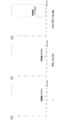
- FIG. 1 shows the results of measuring intracellular IP6 methyl ester by LC / MS.
- the vertical axis indicates relative intensity, and the horizontal axis indicates time (minutes).
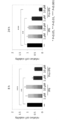
- FIG. 2 shows the results of an MTT assay using MT-2 cells (HTLV-transformed human T-cell leukemia cells). The vertical axis indicates the relative cell viability when the cell viability without adding IP6 and Pro-IP6 is 1. The horizontal axis shows the concentration of IP6 or Pro-IP6.
- FIG. 3 shows the results of an MTT assay using M8166 cells (human T-lymphoblastoid cells). The vertical axis indicates the relative cell viability when the cell viability without adding IP6 and Pro-IP6 is 1.
- the horizontal axis shows the concentration of IP6 or Pro-IP6.
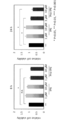
- FIG. 4 shows the results of an MTT assay using Jurkat cells (human T-lymphocyte cell line). The vertical axis indicates the relative cell viability when the cell viability without adding IP6 and Pro-IP6 is 1. The horizontal axis shows the concentration of IP6 or Pro-IP6.
- FIG. 5 shows the results of an MTT assay using K562 cells (chronic myeloid leukemia cells). The vertical axis indicates the relative cell viability when the cell viability without adding IP6 and Pro-IP6 is 1. The horizontal axis shows the concentration of IP6 or Pro-IP6.
- FIG. 4 shows the results of an MTT assay using Jurkat cells (human T-lymphocyte cell line). The vertical axis indicates the relative cell viability when the cell viability without adding IP6 and Pro-IP6 is 1. The horizontal axis shows the concentration of IP6 or Pro-IP6.
- FIG. 4 shows the results of an MTT assay using Jurkat cells (
- FIG. 6 shows the results of an MTT assay using PBMC (peripheral blood mononuclear cell) derived from a healthy subject.
- the vertical axis shows the relative cell viability when the cell viability without adding Pro-IP6 is 1.
- the horizontal axis indicates the concentration of Pro-IP6 added.
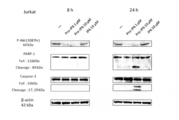
- FIG. 7 shows that Jurkat cells were treated with Pro-IP6 or IP6 for 8 hours or 24 hours, and then anti-phospho-Akt (Thr308) antibody, anti-PARP-1 antibody, Caspase-3 antibody, and anti- ⁇ -actin. The results of Western blotting using various antibodies are shown.
- FIG. 8 shows changes in tumor volume from day 1 to day 28 after transplantation after administration of Pro-IP6 or IP6 to HTLV-1 infected cell-transplanted mice.
- FIG. 9 is a diagram showing the tumor volume on day 28 after transplantation after administration of Pro-IP6 or IP6 to HTLV-1 infected cell-transplanted mice.
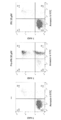
- FIG. 10 shows the results of a cell death discrimination test (flow cytometry) using Jurkat cells, which are leukemia cells derived from human T cells.
- FIG. 12 is a 3D photograph of a Hela cell fluorescence microscope with and without administration of Pro-IP6, showing the involvement of Pro-IP6 in the aggregation of the viral protein Gag or its MA region.
- the present invention relates to an ester derivative of phytic acid (myo-inositol-1,2,3,4,5,6-phosphate, IP6).
- the derivative compound of phytic acid ester has the structure of Formula I below.
- R 1 , R 2 , R 3 , R 4 , R 5 , R 6 , R 7 , R 8 , R 9 , R 10 , R 11 and R 12 are each independently H, Formula II
- the alkyl of the substituted or unsubstituted C 1-6 alkyl may be linear or branched, and is preferably linear.
- Alkyl of a substituted or unsubstituted C 1-6 alkyl includes, but is not limited to, methyl, ethyl, butyl, propyl, isopropyl, pentyl, t-butyl, isobutyl.
- substituted or unsubstituted C 1-6 alkyl may be selected from the group consisting of substituted or unsubstituted methyl, substituted or unsubstituted ethyl, and substituted or unsubstituted butyl.
- the substituted or unsubstituted aryl includes an aromatic hydrocarbon group derived from a simple aromatic ring and a polycyclic aromatic hydrocarbon group.
- the aryl is preferably an aromatic hydrocarbon group having a simple aromatic ring, that is, a C 6 aryl having 6 carbon atoms.
- Substituted or unsubstituted aryl includes, but is not limited to, phenyl, benzyl, tolyl, xylyl, nabutyl.
- C 1-6 alkyl or aryl When C 1-6 alkyl or aryl is substituted, the number and type of substituents are not particularly limited. All substitutable sites in C 1-6 alkyl or aryl may be substituted, only one site may be substituted, or unsubstituted. A plurality of positions in C 1-6 alkyl or aryl may be substituted with the same substituent or different substituents.
- the type of the substituent is not particularly limited. Non-limiting examples include substituents such as halogen, C 1-4 alkyl, amino, nitro, phenyl, hydroxyl, thiol, C 1-4 acyl, allyl. It may be a large substituent such as a phenyl group.
- C 1-6 alkyl or aryl in the compound of formula I is substituted with a substituent selected from the group consisting of halogen, C 1-4 alkyl, amino and nitro.
- the alkyl of C 1-4 alkyl may be linear or branched, and is preferably linear. Non-limiting examples include methyl, ethyl, butyl, propyl, isopropyl.
- Halogen includes, but is not limited to, fluorine, chlorine, bromine and iodine.
- C 1-4 alkyl may be linear or branched, and is preferably linear.
- C 1-4 alkyl is, without limitation, substituted or unsubstituted methyl, ethyl, butyl, propyl, isopropyl, t-butyl, isobutyl.
- Amino group is a generic term for a monovalent substituent obtained by removing hydrogen from ammonia, a primary amine or a secondary amine.
- the thiol group is a hydrogenated sulfur-terminated substituent and includes, but is not limited to, a methanethiol group, an ethanethiol group, and a thiophenol group.
- An acyl group is a substituent obtained by removing a hydroxyl group from an oxo acid.
- C 1-4 acyl includes, but is not limited to, a substituted or unsubstituted formyl group, an acetyl group, a propionyl group, a butanoyl group.
- —CH 2 — in Formula II, —CH 2 —C 6 H 4 — in Formula III, and —CH 2 —CH 2 — in Formula IV are optionally substituted with one or more substituents. Is also good.
- one or more of —CH 2 — in Formula II, —CH 2 —C 6 H 4 — in Formula III, and —CH 2 —CH 2 — in Formula IV are replaced by one or more substituents. Has been replaced.
- the number and types of the substituents are not particularly limited.
- the type of the substituent is not particularly limited. Non-limiting examples include substituents for halogen, C 1-4 alkyl, amino, nitro, phenyl, hydroxyl, thiol, C 1-4 acyl, allyl. It may be a large substituent such as a phenyl group.
- halogen C 1-4 alkyl, amino group, nitro group, phenyl group, hydroxyl group, thiol group, C 1-4 acyl and allyl group are as described above.
- one or more of —CH 2 — in Formula II, —CH 2 —C 6 H 4 — in Formula III, and —CH 2 —CH 2 — in Formula IV are halogen, C 1-4 It is substituted with a substituent selected from the group consisting of alkyl, amino and nitro.
- the alkyl of C 1-4 alkyl may be linear or branched, and is preferably linear. Non-limiting examples include methyl, ethyl, butyl, propyl, isopropyl.
- R 1 -R 12 are H.
- two or more, three or more, four or more of R 1 , R 2 , R 3 , R 4 , R 5 , R 6 , R 7 , R 8 , R 9 , R 10 , R 11 and R 12 5, 5 or more, 6 or more, 7 or more, 8 or more, 9 or more, 10 or more, 11 or more are not H.
- “Not H” refers to at least one group of R 1 , R 2 , R 3 , R 4 , R 5 , R 6 , R 7 , R 8 , R 9 , R 10 , R 11 , and R 12. It means that it is esterified.
- six or more of R 1 , R 2 , R 3 , R 4 , R 5 , R 6 , R 7 , R 8 , R 9 , R 10 , R 11 and R 12 are not H.
- R 1 , R 2 , R 3 , R 4 , R 5 , R 6 , R 7 , R 8 , R 9 , R 10 , R 11 and R 12 are H. . In one embodiment, all of R 1 , R 2 , R 3 , R 4 , R 5 , R 6 , R 7 , R 8 , R 9 , R 10 , R 11 and R 12 are butyryl oxymethyl or acetoxymethyl. It is.
- Example 6 shows that IP6 is generated from Pro-IP6 in Jurkat cells and shows the same antitumor activity as IP6.
- the compound of formula I (Pro-IP6) is hydrolyzed in vivo to produce R 1 , R 2 , R 3 , R 4 , R 5 , R 6 , R 7 , R 8 , R 9 , Some or all of R 10 , R 11 and R 12 are H.
- the compound of Formula I is myo-inositol dodecakis hexaphosphate (butyryloxymethyl) ester or myo-inositol hexaphosphate dodecasic (acetoxymethyl) ester.
- ester derivatives of phytic acid, 5,6 phosphoric acid, IP6), ie, compounds of the formula I, or specific compounds included in the formula I are referred to as “Pro-IP6”.
- Pro-IP6 has the meaning of a prodrug of IP6.
- a “prodrug” is a compound that is metabolized or converted to a biologically, pharmaceutically or therapeutically active form of the compound after in vivo administration.
- the method for synthesizing the compound of the formula I is not particularly limited.
- a known method for esterifying a phosphate group can be used.
- Those skilled in the art will appreciate that the type of R 1 , R 2 , R 3 , R 4 , R 5 , R 6 , R 7 , R 8 , R 9 , R 10 , R 11, and R 12 in Formula I is appropriately appropriate.
- Method is available.
- a carboxylic acid halogen alkyl ester is first synthesized from a carboxylic acid. This is reacted with a basic salt of IP6 activated by a strongly basic substituent such as triethylamine to obtain an ester derivative of IP6.
- compositions comprising a compound of formula I as described above.
- the compound of formula I exerts the function of the IP6 compound in vivo and in cells.
- a pharmaceutical composition comprising a compound of Formula I is selected from the group consisting of cell growth inhibition, cytotoxicity inhibition, increased immunity, cholesterol reduction, renal stone formation inhibition, cancer metastasis inhibition, and fibrosis inhibition. Has the activity to be All of these are known as IP6 activities.
- cell proliferation inhibition means a function of stopping cell proliferation.
- the “cell growth suppression” and “cancer metastasis suppression” effects on malignant cells including cancer cells can bring about cell killing effects and antitumor effects.
- Pro-IP6 has an activity of suppressing Akt phosphorylation and an activity of inducing apoptosis. These activities have also been reported as a mechanism for the antitumor activity of IP6.
- apoptosis-inducing activity refers to an activity capable of leading to apoptosis of cells characterized by activation of apoptosis-executing molecules and consequent nuclear condensation.
- “Inhibition of cell proliferation”, “Inhibition of cytotoxicity”, “Inhibition of kidney stone formation”, “Inhibition of cancer metastasis”, and “Inhibition of fibrosis” are each suppressed more than when Pro-IP6 is not administered. Means that. It is preferably, but not limited to, 3% or more, 5% or more, 8% or more, 10% or more, 15% or more, 20% or more, and 25% or more.
- “Lower cholesterol” means that the ratio of cholesterol in the ingested foods and beverages is reduced into the living body as compared with the case where Pro-IP6 is not administered. It is preferably, but not limited to, 3% or more, 5% or more, 8% or more, 10% or more, 15% or more, 20% or more, and 25% or more.
- Immunity refers to the recognition and killing of foreign cells (non-self substances), such as pathogens, and abnormal cells, such as cancer cells, in vivo in humans and animals. It is one of the mechanisms for maintaining homeostasis of a living body, in which a number of mechanisms for protecting the body from disease are accumulated. “Improved immunity” means that the ability to eliminate this non-self substance or abnormal cells is higher than when Pro-IP6 is not administered.
- the immunity is measured by, for example, measuring the number of leukocytes, the number of T cells (the number of CD4 T cells, the number of CD8 T cells, the ratio of CD4 / CD8 T cells, etc.), the number of B cells, the number of NK cells, etc., by a blood test, and comprehensively analyzing them. Can be checked.
- a pharmaceutical composition comprising a compound of Formula I prevents or prevents a disease involving a condition selected from the group consisting of cell proliferation, cytotoxicity, reduced immunity, elevated cholesterol, renal stone formation, cancer metastasis, and fibrosis. Useful for treating.
- the pharmaceutical composition comprising a compound of Formula I is a pharmaceutical composition for preventing or treating a disease selected from the group consisting of cancer, coronary artery disease, diabetes and lithiasis.
- the type of cancer is not particularly limited.
- the cancer is a cancer selected from the group consisting of leukemia, lymphoma, myeloma.
- liver cancer, glioma, neuroblastoma, sarcoma and cancer of lung, colon, breast, bladder, ovary, testis, prostate, testicular tumor, uterus, cervix, pancreas, stomach, large intestine, small intestine, and other organs The various types of cancer that may be involved may also be included.
- Coronary artery disease is a general term for diseases caused by partial or complete interruption of blood supply to the heart muscle.
- the main cause of coronary artery disease is that stenosis or occlusion occurs in the coronary artery due to arteriosclerosis caused by cholesterol or the like accumulated on the inner wall of the coronary artery.
- Representative diseases included in coronary artery disease include angina pectoris and myocardial infarction (for example, acute myocardial infarction).
- Diabetes is a disease indicating a state in which the blood sugar level or hemoglobin A1c level exceeds a certain standard. It is classified into type 1 diabetes, type 2 diabetes, diabetes due to genetic abnormality (young-onset adult type diabetes, etc.), secondary diabetes, gestational diabetes and the like.
- “Stone stone” includes stones in the kidneys and urinary tract, stones in the liver and bile transport pathways, and sarcoidosis in the salivary glands. IP6 is known to be useful for treating and preventing these stones.
- the compound of formula I can be administered in the form of a pharmaceutical composition comprising the compound of formula I, optionally in combination with a pharmaceutically or pharmacologically acceptable carrier.
- the type of pharmaceutically or pharmacologically acceptable carrier may be one or more.
- the pharmaceutical composition may include one or more compounds of formula I.
- the proportion of the compound of formula I contained in the pharmaceutical composition is not particularly limited and can be, without limitation, from 0.01 to about 100 weight percent.
- “Pharmaceutically” or “pharmaceutically acceptable carrier” means any carrier, diluent or excipient that is compatible with the other ingredients of the formulation and is not harmful to the subject. Based on the disclosure herein, formulating a pharmaceutical composition comprising a compound of Formula I is within the skill in the art.
- a pharmaceutical composition comprising a compound of Formula I according to standard techniques in the field of pharmaceuticals. For example, see Alphanso @ Gennaro, ed. , Remington's Pharmaceutical Sciences, 18th Ed. , (1990) Mack Publishing Co .; , Easton, Pa.
- the administration route of the pharmaceutical composition containing the compound of the formula I is not particularly limited. For example, they may be formulated into tablets, capsules, granules, troches, drinks and the like and orally administered. Alternatively, parenteral administration such as transdermal administration of a patch or the like, intraperitoneal administration, intravenous infusion or intravenous administration by injection or the like may be used. In addition, administration by intramuscular administration by intramuscular injection or the like, enteral administration, local administration, or the like is also possible. In one aspect, a pharmaceutical composition comprising a compound of Formula I is administered orally, transdermally, intraperitoneally or intravenously. Specific examples of the formulation (formulation) of the pharmaceutical composition containing the compound of the formula I are shown below.
- tablets, powders, granules, troches, capsules and the like for oral administration can be prepared by adding one or more excipients, disintegrants, binders or lubricants to a pharmaceutical composition comprising a compound of formula I. And then compression-molded, followed by coating for taste masking, enteric or long-lasting purposes, if necessary.
- Injectable preparations include, for example, a pharmaceutical composition containing the compound of the formula I, for example, as an aqueous injection together with a dispersing agent, preservative, isotonic agent or the like, or a vegetable oil such as olive oil, sesame oil, cottonseed oil, corn oil, or propylene glycol. Or the like, and then molded as an oily injection by dissolving, suspending or emulsifying the compound.
- An external preparation is produced, for example, by converting a pharmaceutical composition containing the compound of the formula I into a solid, semi-solid or liquid composition.
- the solid composition is produced by powdering the pharmaceutical composition as it is or by adding and mixing excipients, thickeners and the like.
- the liquid composition is produced by preparing an oily or aqueous suspension in almost the same manner as in the case of injection.
- the semi-solid composition is preferably an aqueous or oily gel or an ointment. Each of these compositions may contain a buffer, a preservative, and the like.
- External preparations include, for example, creams, lotions, gels, ointments and the like for topical administration.
- Suppositories are prepared, for example, by converting the pharmaceutical composition containing the compound of the formula I into an oily or aqueous solid, semi-solid or liquid composition.
- oily base used in such a composition, for example, glycerides of higher fatty acids (eg, cocoa butter, witepsols, etc.), intermediate fatty acids (eg, miglyols, etc.), or vegetable oils (eg, sesame oil, soybean oil, Cottonseed oil and the like).
- the aqueous gel base include natural gums, cellulose derivatives, vinyl polymers, acrylic acid polymers and the like.
- compositions comprising compounds of formula I may, if desired, further comprise one or more other active ingredients.
- “Other active ingredients” are selected from the group consisting of cell growth suppression, cytotoxicity suppression, immunity increase, cholesterol reduction, renal stone formation suppression, cancer metastasis suppression, and fibrosis suppression, similarly to the compound of formula I. It may be a component having the desired activity. Alternatively, a component having an activity other than these may be used.
- compositions comprising compounds of formula I may optionally further comprise stabilizers, antioxidants and preservatives.
- Suitable antioxidants include, for example, sulfurous acid, ascorbic acid, citric acid and its salts, and sodium EDTA.
- Suitable preservatives include, for example, benzalkonium chloride, methyl- or propyl-paraben, and chlorbutanol.
- a pharmaceutical composition comprising a compound of Formula I will depend on the size, mass, age and sex of the subject, the nature and stage of the disease to be treated, the aggression of the disease, the route of administration, and the specific nature of the radiation. Determined by the particular situation of the individual patient, including toxicity. Dosage amount and duration can also be determined experimentally using known test protocols or by extrapolation from in vivo or in vitro test data. The concentration ranges described herein are for illustrative purposes only and do not limit the scope or practice of the claimed composition.
- a dosage in a pharmaceutical composition comprising a compound of Formula I may range from about 0.01 to about 2000 mg / kg / day, more preferably from about 0.05 to about 1000 mg, of the active compound of Formula I. / Kg / day.
- a dose of about 1.0 to about 200 mg / kg / day, for example, about 50 mg / kg / day is a particularly suitable dose.
- the pharmaceutical compositions may be administered once a day, or may be divided into a number of smaller doses to be administered simultaneously or at intervals of time. The dose may be given in multiple doses, for example, two doses of 25 mg / kg. Higher or lower doses may be used.
- the compound of formula I (Pro-IP6) contained in the pharmaceutical composition is hydrolyzed in vivo to produce R 1 , R 2 , R 3 , R 4 , R 5 , R 6 , R 7 , Some or all of R 8 , R 9 , R 10 , R 11 and R 12 are H.
- the present invention also. It relates to the use of a compound of the formula I for the manufacture of a pharmaceutical composition.
- the present invention further comprises administering a compound of formula I to a subject in need thereof, including suppressing cell proliferation, suppressing cytotoxicity, increasing immunity, lowering cholesterol, suppressing kidney stone formation, suppressing cancer metastasis, and suppressing fibrosis. Conferring an activity selected from the group consisting of:
- the invention further comprises selecting from the group consisting of cell proliferation, cytotoxicity, reduced immunity, increased cholesterol, renal stone formation, cancer metastasis, and fibrosis, comprising administering to a subject in need of the compound of formula I.
- a method of preventing or treating a disease involving the condition being treated includes, for example, cancer, coronary artery disease, diabetes, Including calculus.
- the present invention still further relates to a method for preventing or treating a disease selected from the group consisting of cancer, coronary artery disease, diabetes and lithiasis, comprising administering a compound of formula I to a subject in need thereof.
- compositions comprising Formula I can be used safely on living organisms and are useful as pharmaceutical or cosmetic compositions.
- Cosmetic composition relates to a cosmetic composition comprising a compound of the formula I.
- the cosmetic composition has a whitening effect or a whitening effect.
- the use mode and amount of the cosmetic composition are not particularly limited.
- it may be an embodiment of a base cosmetic such as lotion (lotion), milky lotion (skin milk), cream, serum, gel, pack, mousse and the like.
- the composition of the cosmetic composition is not particularly limited, and may contain any component as long as it is a component acceptable as cosmetics.
- the cosmetic composition may contain water, a polyhydric alcohol, a water-soluble polymer compound, an oil-soluble component (oil, wax), a preservative, an antioxidant, a fragrance, etc. used in the cosmetic composition as required. Can be blended.
- the cosmetic composition may contain a polyhydric alcohol to exhibit a moisturizing function and a viscosity adjusting function.
- a polyhydric alcohol to exhibit a moisturizing function and a viscosity adjusting function.
- the water activity of the cosmetic composition can be reduced, and the propagation of microorganisms can be suppressed.
- the cosmetic composition may contain a water-soluble polymer compound.
- a water-soluble polymer compound that can be blended, any of a wide variety of synthetic polymers, natural polymers, and semi-synthetic polymers can be used. In particular, saccharides, proteins and complexes thereof are preferred.
- the cosmetic composition may include an oil-soluble component that dissolves in an oil-based medium.
- oil-soluble components usually, ultraviolet absorbers, antioxidants, anti-inflammatory agents, humectants, hair protectants, dispersants, solvents, whitening agents, anti-stain agents, cell activators, emollients, keratolytics, and electrification
- oils and fats such as olive oil, camellia oil, macadamia nut oil, castor oil, and fluids Hydrocarbons such as paraffin, paraffin, petrolatum, ceresin, microcrystalline wax, squalane, carnauba wax, candelilla wax, jojoba oil, beeswax, lanolin, etc., isopropyl myristate, 2-octyldodecyl myristate, 2-ethylhexane Esters such as cetyl acid and diisostearyl malate, palmitin , Stearic acid, fatty acids such as isostearic acid, higher alcohols such as cetyl alcohol, stearyl alcohol, isostearyl alcohol, 2-octyldodecanol, silicone oils such as methylpolysiloxane and methylphenylpolysiloxane, and fatty acid esters of glycerin And others, polymers,
- the cosmetic composition may contain an antioxidant in order to maintain stability.
- the antioxidant that can be used is not particularly limited, and examples thereof include a compound group composed of polyphenols and a radical scavenger.
- the cosmetic composition may contain a fragrance.
- a fragrance any of animal-based, plant-based, mineral-based natural flavors and synthetic flavors can be used.
- the present invention also relates to the use of the compounds of the formula I for the preparation of cosmetic compositions.
- compositions comprising a compound of Formula I.
- a composition comprising a compound of Formula I can also be used as a research reagent.
- the composition can be used as a research reagent to elucidate the intracellular signaling of IP6.
- IP6 since IP6 alone is hardly taken up into cells, it needs to be used in a large amount in order to use it as a reagent. However, since IP6 has a negative charge and is an acidic substance, it may affect the experimental environment and target cells.
- the research reagent according to the present invention it is possible to introduce into a cell in a small amount, and the effect on the experimental environment can be minimized by protecting the phosphate group. That is, by adding the research reagent to the cells according to the present invention, it is possible to efficiently introduce IP6 into the cells.
- Example 1 Synthesis of myo-inositol dodecakis (butyryloxymethyl) ester hexaphosphate
- myo-inositol dodecakis (butyryloxymethyl) ester hexaphosphate was synthesized according to the following route. First, butyric acid was used as a raw material to synthesize bromomethyl butyrate in two steps. This was reacted with IP6 triethylamine salt to obtain IP6 butyryloxymethyl ester (Pro-IP6). Finally, Pro-IP6 was purified using HPLC.
- Myo-inositol hexaphosphate Et 3 N salt obtained from Sigma-Aldrich (1.00 g, 1.51 mmol) was converted to a cation exchange resin (manufactured by Wako Pure Chemical Industries, Ltd.). The product was purified by Dowex 50WX8 (100-200 mesh), and Et 3 N (3 ml) was added to obtain a colorless solid myo-inositol hexaphosphate Et 3 N salt (3) (2.6 g, 92%).
- Example 2 Quantification of Intracellular IP6
- the uptake of Pro-IP6 into HeLa cells was quantified.
- HeLa cells (5 ⁇ 10 5 cells / well, 1 mL of culture solution) were seeded on a 3.5 cm dish and cultured for 24 hours. Thereafter, an aqueous solution (1%) of DMSO (1%, Fujifilm Wako Pure Chemical Industries, Ltd., IP6 (final concentration: 10 ⁇ MM, Sigma-Aldrich)) or Pro-IP6 (final concentration: 10 ⁇ M) synthesized in Example 1 was used. A DMSO solution (1%) was added, and the cells were further cultured for 30 minutes As a negative control, Hela cells cultured without addition of either IP6 or Pro-IP6 were added with the same amount of DMSO as described above.
- DMSO 1%, Fujifilm Wako Pure Chemical Industries, Ltd., IP6 (final concentration: 10 ⁇ MM, Sigma-Aldrich)
- Pro-IP6 final concentration: 10 ⁇ M synthesized in Example 1 was used.
- a DMSO solution (1%) was added, and the cells were further cultured for 30 minutes
- the cells were washed once with 1 ⁇ PBS ( ⁇ ), the cells were detached with a cell scraper, transferred to a 1.5 mL tube, and washed three times with 1 ⁇ PBS ( ⁇ ).
- 350 ⁇ l of MeOH (Fuji Film Wako Pure Chemical Industries, Ltd.) + 1% NP-40 (Nacalai Tesque) was added to the precipitate, and the mixture was sonicated (10 minutes).
- the crushed cell extract was added.
- the obtained sample (IP6 methyl ester) was subjected to LC / MS [column: Mastro C18 @ 2.1 mm x 100 mm, 3 m (Shimadzu GL), mobile phase: 0.1% formic acid solution (Fuji Film Wako Pure Chemical Industries, Ltd.), acetonitrile ( [Fuji Film Wako Pure Chemical Industries, Ltd.]] [LC: LC-20AD (Shimadzu), MS: amaZon @ speed (BRUKER)].
- IP6 was almost the same as that of the negative control, and was not substantially taken into Hela cells.
- Pro-IP6 an IP6 methyl ester at least 200 times that of IP6 was observed. This revealed that Pro-IP6 was well taken up into Hela cells, and that IP6 was generated from Pro-IP6 after being taken up into cells.
- Example 3 MTT Assay the cell killing effect of Pro-IP6 on four types of blood cancer cell lines and cells derived from healthy subjects was examined by MTT assay.
- the MTT assay is a colorimetric assay that measures the enzymatic activity of reducing MTT (3- (4,5-di-methylthiazol-2-yl) -2,5-diphenyltetraethylazolium bromide) to formazan dye (purple). It is. It is possible to examine the viability of the cultured cells by the MTT assay.
- Cancer cell line (1.74 ⁇ 10 4 cells / well, 200 ⁇ L of culture solution) MT-2 cells (HTLV-transformed human T-cell leukemia cells) M8166 cells (human T-lymphoblastoid cells) Jurkat cells (human T-lymphocyte cell line) K562 cells (chronic myeloid leukemia cells) Cells from healthy subjects (5.0 ⁇ 10 5 cells / well, 200 ⁇ L of culture solution) PBMC (Peripheral blood mononuclear cell)
- FIGS. As can be seen from FIGS. 2 to 5, in this example, the administration of Pro-IP6 reduced the relative cell viability of the hematological cancer cell line by 25% or more. A cell killing effect was shown. In contrast, IP6 had little effect. Among the cancer cell lines tested, M8166 and Jurkat were particularly effective, and most cells died at 10 ⁇ M.
- Pro-IP6 showed such a cell killing effect on cancer cells, whereas it did not show toxicity on healthy human peripheral blood mononuclear cells (PBMC) even at 10 ⁇ M (FIG. 6).
- PBMC peripheral blood mononuclear cells
- Example 4 Western blotting (1)
- the action mechanism of cell death by Pro-IP6 was examined by Western blotting using Jurkat cells and various antibodies.
- Jurkat cells (1 ⁇ 10 5 cells / well, 500 ⁇ L of culture solution) were seeded in a 24-well plate and cultured overnight. Thereafter, an aqueous solution (1%) of DMSO (1%, Fujifilm Wako Pure Chemical Industries, Ltd.), IP6 (final concentration: 10 ⁇ M, Sigma-Altrich), or a DMSO solution of Pro-IP6 (final concentration: 1 ⁇ M or 10 ⁇ M) ( 1%) and cultured for 8 or 24 hours. The supernatant was removed, and the cells were washed once with 1 ⁇ PBS ( ⁇ ), added with Laemmis sample buffer, and boiled at 100 ° C. for 1 hour to lyse the cells.
- DMSO 1%, Fujifilm Wako Pure Chemical Industries, Ltd.
- IP6 final concentration: 10 ⁇ M, Sigma-Altrich
- Pro-IP6 final concentration: 1 ⁇ M or 10 ⁇ M
- Example 5 Effect on HTLV-1 infected cell-transplanted mice
- HTLV-1 human T-cell leukemia virus type 1
- HTLV-1 mainly infects CD4-positive T-lymphocytes, and when the infected cells become cancerous, adult T-cell leukemia (adult T-cell leukemia), which is a refractory malignant tumor. : ATL).
- S1T cells one of the ATL cell lines, were used.
- mice Mouse A 5-week-old female NSG mouse (NOD. Cg-Prkdc scid Il2rg tm1Wjl / SzJ, Charles River Japan) was used. Mice were placed in sterilized cages (CLEA Japan) and sterilized bedding (Peperclean: Japan SLC), and 5 cages in each cage were bred for a total of 2 cages and 10 mice. As a feed, a gamma-irradiated feed was given, and as for water, hydrochloric acid was added to autoclaved sterilized water, and a hydrochloric acid aqueous solution maintained at pH 2.5 to 3.0 was freely taken. Mice were acclimated for one week after arrival.
- Drugs to be administered to mice were adjusted as follows. The daily dose was adjusted to 20 mg / kg. 1. DMSO 2 ⁇ l + saline 198 ⁇ l 2. IP 62 ⁇ l + physiological saline 196 ⁇ l + DMSO 2 ⁇ l (final concentration 7.1 mg / kg: 11 ⁇ mol / kg, DMSO 1%) 3. pro-IP 62 ⁇ l + physiological saline 198 ⁇ l (final concentration 20 mg / kg: 11 ⁇ mol / kg, DMSO 1%) 0.2 ml (DMSO 1%)
- the supernatant is discarded, washed again with 120 ml of D-PBS, suspended in 5 ml of D-PBS, and the number of cells is measured. Then, using D-PBS to obtain 0.2 ml: 5 ⁇ 10 7 / mouse. It was adjusted.
- DMSO was administered to the control group
- IP6 was administered to the IP6 administration group at 7.1 mg / kg
- pro-IP6 was administered to the pro-IP6 administration group at 20 mg / kg intraperitoneally.
- the mice were continuously administered for 28 days from the day of cell transplantation, and the body weight and tumor volume of each mouse were measured every day.
- the tumor volume was (minor axis mm) 2 ⁇ (major axis mm) ⁇ 0.5, and the minor axis and major axis were measured using calipers. Twenty-eight days after cell transplantation, all mice were euthanized by over-anesthesia with isoflurane. Next, all tumors were excised, and the tumor volume and tumor weight were measured.
- FIG. 8 shows the results of changes in tumor volume from day 1 to day 28 after transplantation.
- the tumor volume on day 28 after transplantation is shown in FIG.
- FIG. 9 in the Pro-IP6 administration group, the tumor volume was reduced by about 25% on the 28th day after transplantation as compared with the control group, clearly showing that Pro-IP6 has an antitumor effect. Was done.
- the tumor volume was not significantly different from the control group.
- Example 6 Synthesis of myo-inositol hexaphosphate dodecasic (acetoxymethyl) ester From myo-inositol hexaphosphate Et 3 N salt (3) synthesized in Example 1, as described below, (Acetoxymethyl) ester was synthesized.
- compound (3) (176.8 mg, 9.44 ⁇ 10 ⁇ 2 mmol) was azeotroped with acetonitrile (5 mL ⁇ 3 times), then dissolved in acetonitrile (2 mL), and DIPEA (0.2 mL) was added. The mixture was stirred under argon for 30 minutes and concentrated. Then, it was dissolved in acetonitrile (3.0 mL), bromomethyl acetate (1.0 g, 18.9 mmol) and DIPEA (0.4 mL) were added, and the mixture was stirred under argon for 3 days.
- Example 7 Cell death discrimination test (flow cytometry)
- a cell death discrimination test (flow cytometry) was performed using Jurkat cells, which are human T cell-derived leukemia cells.
- Jurkat cells (1 ⁇ 10 5 cells / well, 500 ⁇ L of culture solution) were seeded in a 24-well plate (Iwaki) and cultured overnight. Then, an aqueous solution (1%) of DMSO (1%, Fuji Film Wako Pure Chemical Industries, Ltd.), IP6 (final concentration: 10 ⁇ M, Sigma-Aldrich), and Pro-IP6 (myo-inositol dodecakis hexaphosphate synthesized in Example 1) A DMSO solution (1%) of (butyryloxymethyl) ester (4) (final concentration: 10 ⁇ M) was added, and the mixture was cultured for 24 hours.
- DMSO 1%, Fuji Film Wako Pure Chemical Industries, Ltd.
- IP6 final concentration: 10 ⁇ M, Sigma-Aldrich
- Pro-IP6 myo-inositol dodecakis hexaphosphate synthesized in Example 1
- Example 8 Western blotting (2)
- the mechanism of action of cell death by Pro-IP6 was examined by Western blotting using Jurkat cells and various antibodies.
- Jurkat cells (1 ⁇ 10 5 cells / well, 500 ⁇ L of culture solution) were seeded in a 24-well plate and cultured overnight. Thereafter, an aqueous solution (1%) of DMSO (1%, Fujifilm Wako Pure Chemical Industries, Ltd.), IP6 (final concentration: 10 ⁇ M, Sigma-Altrich), or a DMSO solution of Pro-IP6 (final concentration: 1 ⁇ M or 10 ⁇ M) ( 1%) and cultured for 8 or 24 hours. The supernatant was removed, and the cells were washed once with 1 ⁇ PBS ( ⁇ ), added with Laemmis sample buffer, and boiled at 100 ° C. for 1 hour to lyse the cells. This was electrophoresed and then transferred to a membrane (Millipore).
- DMSO 1%, Fujifilm Wako Pure Chemical Industries, Ltd.
- IP6 final concentration: 10 ⁇ M, Sigma-Altrich
- Pro-IP6 final concentration: 1 ⁇ M or 10 ⁇ M
- Anti-TRAF6 antibody CST
- anti-pAMPK antibody CST
- anti- ⁇ -actin antibody Sigma-Aldrich
- Example 9 Involvement of Pro-IP6 in the aggregation of viral protein Gag in cells
- HeLa cells (0.5 ⁇ 10 5 cells / well, 300 ⁇ L of culture solution) were seeded on 8-well chamber slides (Thermo fisher scientific) and cultured overnight.
- PUC or pEF-Gag (p17) cFLAG and pNL4-3 / Gag-Venus were introduced using Lipofectamine 3000 (Thermo fisher scientific) and cultured for 10 hours. Thereafter, DMSO (1%, Fuji Film Wako Pure Chemical Industries, Ltd.) or Pro-IP6 (final concentration: 10 ⁇ M) was added, and the cells were further cultured for 4 hours.
- the cells were fixed with 4% paraformaldehyde (Tokyo Kasei), stained with Hoechst 33342 (Thermo fisher scientific), and observed with a fluorescence microscope BZ-X800 (Keyence).
- FIG. 12 shows a 3D photograph of a fluorescence microscope (magnification ⁇ 1000). In the lower right photograph of FIG. 12, when Pro-IP6 was added, it was observed that the viral protein Gag or MA region aggregated in Hela cells.
- the compound of formula I is significantly incorporated into cells, and has the same action and effect as phytic acid (IP6), including a cell killing effect on malignant cells such as cancer cells, an antitumor effect, and the like.
- IP6 phytic acid
- Pro-IP6 does not show toxicity to normal cells.
- Pharmaceutical and cosmetic compositions comprising Formula I are useful as more effective and biosafe compositions than IP6.
Landscapes
- Health & Medical Sciences (AREA)
- Life Sciences & Earth Sciences (AREA)
- General Health & Medical Sciences (AREA)
- Chemical & Material Sciences (AREA)
- Veterinary Medicine (AREA)
- Public Health (AREA)
- Animal Behavior & Ethology (AREA)
- Organic Chemistry (AREA)
- Medicinal Chemistry (AREA)
- Pharmacology & Pharmacy (AREA)
- Nuclear Medicine, Radiotherapy & Molecular Imaging (AREA)
- General Chemical & Material Sciences (AREA)
- Chemical Kinetics & Catalysis (AREA)
- Engineering & Computer Science (AREA)
- Bioinformatics & Cheminformatics (AREA)
- Dermatology (AREA)
- Hematology (AREA)
- Diabetes (AREA)
- Epidemiology (AREA)
- Oncology (AREA)
- Immunology (AREA)
- Birds (AREA)
- Biochemistry (AREA)
- Molecular Biology (AREA)
- Obesity (AREA)
- Urology & Nephrology (AREA)
- Emergency Medicine (AREA)
- Endocrinology (AREA)
- Cardiology (AREA)
- Heart & Thoracic Surgery (AREA)
- Pharmaceuticals Containing Other Organic And Inorganic Compounds (AREA)
- Cosmetics (AREA)
Priority Applications (3)
| Application Number | Priority Date | Filing Date | Title |
|---|---|---|---|
| JP2020539644A JP7376107B2 (ja) | 2018-08-30 | 2019-08-30 | フィチン酸エステル誘導体 |
| US17/186,664 US20210177722A1 (en) | 2018-08-30 | 2021-02-26 | Phytic Acid Ester Derivative |
| US18/361,070 US20230381083A1 (en) | 2018-08-30 | 2023-07-28 | Phytic Acid Ester Derivative |
Applications Claiming Priority (2)
| Application Number | Priority Date | Filing Date | Title |
|---|---|---|---|
| JP2018-161944 | 2018-08-30 | ||
| JP2018161944 | 2018-08-30 |
Related Child Applications (1)
| Application Number | Title | Priority Date | Filing Date |
|---|---|---|---|
| US17/186,664 Continuation US20210177722A1 (en) | 2018-08-30 | 2021-02-26 | Phytic Acid Ester Derivative |
Publications (1)
| Publication Number | Publication Date |
|---|---|
| WO2020045653A1 true WO2020045653A1 (ja) | 2020-03-05 |
Family
ID=69643863
Family Applications (1)
| Application Number | Title | Priority Date | Filing Date |
|---|---|---|---|
| PCT/JP2019/034220 Ceased WO2020045653A1 (ja) | 2018-08-30 | 2019-08-30 | フィチン酸エステル誘導体 |
Country Status (3)
| Country | Link |
|---|---|
| US (2) | US20210177722A1 (https=) |
| JP (1) | JP7376107B2 (https=) |
| WO (1) | WO2020045653A1 (https=) |
Citations (3)
| Publication number | Priority date | Publication date | Assignee | Title |
|---|---|---|---|---|
| JPH05503914A (ja) * | 1988-06-30 | 1993-06-24 | シャムスディン,アブルカラム | 細胞増殖の抑制及びnk細胞活性の増強 |
| JP2003238414A (ja) * | 2001-12-13 | 2003-08-27 | Sangaku Renkei Kiko Kyushu:Kk | 医薬組成物 |
| JP2009541222A (ja) * | 2006-06-16 | 2009-11-26 | アイピー−6 リサーチ インコーポレイテッド | 核、日光、および他の放射線誘発の組織損傷の予防 |
Family Cites Families (4)
| Publication number | Priority date | Publication date | Assignee | Title |
|---|---|---|---|---|
| US5866548A (en) * | 1993-04-09 | 1999-02-02 | The Regents Of The University Of California | Caged membrane-permeant inositol phosphates |
| SE502574C2 (sv) * | 1994-01-25 | 1995-11-13 | Perstorp Ab | En farmaceutisk komposition med förbättrad biotillgänglighet hos inositolfosfat |
| EP1973398B1 (en) * | 2006-01-06 | 2016-01-06 | NormOxys, Inc. | Use of inositol-tripyrophosphate in treating tumors mediated by angiogenesis |
| CA2858570A1 (en) * | 2011-12-08 | 2013-06-13 | John E. Kulesza | Methods and compositions for alteration of skin pigmentation |
-
2019
- 2019-08-30 WO PCT/JP2019/034220 patent/WO2020045653A1/ja not_active Ceased
- 2019-08-30 JP JP2020539644A patent/JP7376107B2/ja active Active
-
2021
- 2021-02-26 US US17/186,664 patent/US20210177722A1/en not_active Abandoned
-
2023
- 2023-07-28 US US18/361,070 patent/US20230381083A1/en active Pending
Patent Citations (3)
| Publication number | Priority date | Publication date | Assignee | Title |
|---|---|---|---|---|
| JPH05503914A (ja) * | 1988-06-30 | 1993-06-24 | シャムスディン,アブルカラム | 細胞増殖の抑制及びnk細胞活性の増強 |
| JP2003238414A (ja) * | 2001-12-13 | 2003-08-27 | Sangaku Renkei Kiko Kyushu:Kk | 医薬組成物 |
| JP2009541222A (ja) * | 2006-06-16 | 2009-11-26 | アイピー−6 リサーチ インコーポレイテッド | 核、日光、および他の放射線誘発の組織損傷の予防 |
Non-Patent Citations (5)
| Title |
|---|
| CHEN, W. ET AL.: "Synthesis and in vitro anticancer activity evaluation of novel bioreversible phosphate inositol derivatives", EUROPEAN JOURNAL OF MEDICINAL CHEMISTRY, vol. 93, 9 February 2015 (2015-02-09), pages 172 - 181, XP029176755 * |
| KANOH, N. ET AL.: "Design and synthesis of the penta (acetoxymethyl) ester of dioctanoyl phosphatidy linositol-3, 5-bisphosphate", BIOORGANIC & MEDICINAL CHEMISTRY LETTERS, vol. 26, no. 23, 15 October 2016 (2016-10-15), pages 5770 - 5772, XP029815429 * |
| LAKETA, V. ET AL.: "Membrane-permeant phosphoinositide derivatives as modulators of growth factor signaling and neurite outgrowth", CHEMISTRY & BIOLOGY, vol. 16, no. 11, 25 November 2009 (2009-11-25), pages 1190 - 1196, XP026782608, DOI: 10.1016/j.chembiol.2009.10.005 * |
| MENTEL, M. ET AL.: "Photoactivatable and Cell - Membrane-Permeable Phosphatidylinositol 3, 4, 5- Trisphosphate", ANGEWANDTE CHEMIE , INTERNATIONAL EDITION, vol. 50, no. 16, 14 March 2011 (2011-03-14), pages 3811 - 3814, XP055538446, DOI: 10.1002/anie.201007796 * |
| PAVLOVIC, I. ET AL.: "Prometabolites of 5- Diphospho-myo-inositol Pentakisphosphate", ANGEWANDTE CHEMIE, vol. 54, no. 33, 27 May 2015 (2015-05-27), pages 9622 - 9626, XP055696660 * |
Also Published As
| Publication number | Publication date |
|---|---|
| JP7376107B2 (ja) | 2023-11-08 |
| US20230381083A1 (en) | 2023-11-30 |
| US20210177722A1 (en) | 2021-06-17 |
| JPWO2020045653A1 (ja) | 2021-08-26 |
Similar Documents
| Publication | Publication Date | Title |
|---|---|---|
| JP2763894B2 (ja) | 生物学的に活性なカルボン酸エステル類 | |
| KR20180120746A (ko) | 이카리인 및 이카리틴 유도체 | |
| ZA200308763B (en) | Methods for inhibiting angiogenesis. | |
| AU2002311985A1 (en) | Methods for inhibiting angiogenesis | |
| CN1394139A (zh) | 抗癌剂 | |
| CA2522980A1 (en) | Water soluble wortmannin derivatives | |
| WO2002094286A1 (fr) | Inhibiteurs de metastases cancereuses contenant des derives d'acide phosphatidique carbacycliques | |
| EP4226919A1 (en) | Ferroptosis inhibitor | |
| EP0768084B1 (en) | Cancerous metastasis inhibitor | |
| JP2025527175A (ja) | ウロリチン誘導体の治療的使用 | |
| CA2286750C (en) | Application and production process of a group of anticancer compounds | |
| EP2448588A1 (fr) | Methodes et compositions pour le traitement de cancers | |
| JP7376107B2 (ja) | フィチン酸エステル誘導体 | |
| JPH1067656A (ja) | 細胞接着抑制剤 | |
| KR20170129688A (ko) | 인돌아세트산의 코어구조를 함유하는 화합물 및 그의 용도 | |
| AU2015240775A1 (en) | Sigma-2 receptor ligand drug conjugates as antitumor compounds, methods of synthesis and uses thereof | |
| JP2014515026A (ja) | アカデシン誘導体、それを含有する製剤および組成物、その治療目的での使用、ならびにその合成法 | |
| CN101830819B (zh) | 苯丁酰基姜黄素衍生物及其在制备抗肿瘤药物中的应用 | |
| CN104744518B (zh) | 金属钌配合物及其制备方法和应用 | |
| CA2593202A1 (en) | Quaternary alkaloid derivatives of chelidonium majus l | |
| JP2003238414A (ja) | 医薬組成物 | |
| JP2005507869A (ja) | 特殊構造を持つ新規抗癌化合物の一群 | |
| Devi et al. | The Effect of Brown Seaweed (Sargassum sp.) Extract on Apoptosis Process in Breast Cancer–A Literature Review. | |
| US20040006138A1 (en) | Pharmaceutical composition useful for treating chronic myeloid leukemia | |
| WO2004004708A1 (en) | A pharmaceutical composition useful for treating chronic myeloid leukemia |
Legal Events
| Date | Code | Title | Description |
|---|---|---|---|
| 121 | Ep: the epo has been informed by wipo that ep was designated in this application |
Ref document number: 19853770 Country of ref document: EP Kind code of ref document: A1 |
|
| ENP | Entry into the national phase |
Ref document number: 2020539644 Country of ref document: JP Kind code of ref document: A |
|
| NENP | Non-entry into the national phase |
Ref country code: DE |
|
| 122 | Ep: pct application non-entry in european phase |
Ref document number: 19853770 Country of ref document: EP Kind code of ref document: A1 |