WO2019159306A1 - ユーザ装置及び無線通信方法 - Google Patents
ユーザ装置及び無線通信方法 Download PDFInfo
- Publication number
- WO2019159306A1 WO2019159306A1 PCT/JP2018/005359 JP2018005359W WO2019159306A1 WO 2019159306 A1 WO2019159306 A1 WO 2019159306A1 JP 2018005359 W JP2018005359 W JP 2018005359W WO 2019159306 A1 WO2019159306 A1 WO 2019159306A1
- Authority
- WO
- WIPO (PCT)
- Prior art keywords
- interference
- measurement report
- measurement
- cell
- access network
- Prior art date
- Legal status (The legal status is an assumption and is not a legal conclusion. Google has not performed a legal analysis and makes no representation as to the accuracy of the status listed.)
- Ceased
Links
Images




Classifications
-
- H—ELECTRICITY
- H04—ELECTRIC COMMUNICATION TECHNIQUE
- H04W—WIRELESS COMMUNICATION NETWORKS
- H04W24/00—Supervisory, monitoring or testing arrangements
- H04W24/10—Scheduling measurement reports ; Arrangements for measurement reports
-
- H—ELECTRICITY
- H04—ELECTRIC COMMUNICATION TECHNIQUE
- H04W—WIRELESS COMMUNICATION NETWORKS
- H04W4/00—Services specially adapted for wireless communication networks; Facilities therefor
- H04W4/30—Services specially adapted for particular environments, situations or purposes
- H04W4/40—Services specially adapted for particular environments, situations or purposes for vehicles, e.g. vehicle-to-pedestrians [V2P]
Definitions
- the present invention relates to a user apparatus and a wireless communication method for performing measurement of neighboring cells and transmitting a measurement report to a radio access network.
- LTE Long Term Evolution
- LTE-Advanced LTE-Advanced
- the user equipment In LTE, the user equipment (UE) is connected to a serving cell (connected cell (RRC ⁇ ⁇ Connected) in the radio resource control (RRC) layer) and reception quality (RSRP / RSRQ (Reference Signal) of neighboring cells formed in the vicinity of the serving cell.
- RRC radio resource control
- RSRP / RSRQ Reference Signal
- a measurement report including measurement results such as Received (Power / Reference Signal (Received Quality)
- E-UTRAN specifically, the radio base station (eNB).
- 3GPP is examining services and use cases using small unmanned aircraft (Unmanned Aerial Vehicles (UAV)) such as drones equipped with the same wireless communication module as UE (see Non-Patent Document 1).
- UAV Unmanned Aerial Vehicles
- a UE mounted on an unmanned aerial vehicle flies over the eNB (cell), so it is not easily affected by shielding such as buildings, and the propagation environment is likely to be visible. That is, such a UE is likely to receive interference from neighboring cells other than the serving cell.
- UAV unmanned aerial vehicle
- the UE may detect a radio link failure (RLF) before performing a measurement that triggers a handover to a neighboring cell because reception quality of the serving cell is greatly degraded. is there. For this reason, the said UE cannot start the handover etc. which are performed based on the measurement result of a neighboring cell, and may be unable to continue communication.
- RLF radio link failure
- the present invention has been made in view of such a situation, and it is an object of the present invention to provide a user apparatus and a wireless communication method that can perform measurement of a neighboring cell more reliably according to an interference state from the neighboring cell.
- One aspect of the present invention is a user apparatus (UE200) that performs measurement of neighboring cells (cells C2, C3) and transmits a measurement report (Measurement Report) to a radio access network (radio access network 20).
- UE200 user apparatus
- CSI-IM resource channel state information resource
- interference measurement unit 210 that measures interference from the neighboring cell, and when the interference satisfies a predetermined condition, transmits the measurement report
- a measurement report transmission unit (measurement report transmission unit 220).
- One aspect of the present invention is a wireless communication method for performing measurement of neighboring cells and transmitting a measurement report to a radio access network in a wireless communication system (wireless communication system 10), using a channel state information resource Measuring the interference from the neighboring cell, and transmitting the measurement report when the interference satisfies a predetermined condition.
- FIG. 1 is an overall schematic configuration diagram of a wireless communication system 10.
- FIG. 2 is a functional block configuration diagram of UE 200.
- FIG. 3 is a diagram illustrating a communication sequence related to transmission of measurement reports between the eNB 101 and the UE 200.
- FIG. 4 is a diagram showing a measurement report transmission operation flow by the UE 200.
- FIG. 5 is a diagram illustrating a definition example of Event C3.
- FIG. 6 is a diagram illustrating an example of ReportConfigEUTRA.
- FIG. 7 is a diagram illustrating an example of MeasObjectEUTRA.
- FIG. 8 is a diagram illustrating an example of MeasResults included in the Measurement Report.
- FIG. 9 is a diagram illustrating an example of a hardware configuration of the UE 200.
- FIG. 1 is an overall schematic configuration diagram of a radio communication system 10 according to the present embodiment.
- the radio communication system 10 is a radio communication system according to Long Term Evolution (LTE), and includes a radio access network 20, a mobile station 150 (hereinafter, UE 150), and a mobile station 200 (hereinafter, UE 200).
- LTE Long Term Evolution
- UE 150 mobile station 150
- UE 200 mobile station 200
- the radio access network 20 is an Evolved Universal Terrestrial Radio Access Network (E-UTRAN) defined in 3GPP, and includes a radio base station 101 (hereinafter, eNB101) to a radio base station 104 (hereinafter, eNB104).
- E-UTRAN Evolved Universal Terrestrial Radio Access Network
- eNB101 radio base station 101
- eNB104 radio base station 104
- the radio communication system 10 is not necessarily limited to LTE (E-UTRAN).
- the radio access network 20 may be a radio access network including a radio base station that performs radio communication with the UE 200 (user apparatus) defined as 5G.
- ENB101 to eNB104, UE150, and UE200 execute wireless communication in accordance with LTE specifications.
- the eNB 101 to eNB 104 form cells C1 to C4, respectively.
- UE 150 is a normal UE such as a smartphone.
- the UE 200 is mounted on a small unmanned aerial vehicle (UAV) such as the drone 50.
- UAV unmanned aerial vehicle
- UE 150 and UE 200 are assumed to have cell C1 as a serving cell. That is, the cell C2 and the cell C3 (neighboring cell) are formed in the vicinity of the serving cell cell C1.
- the serving cell may be referred to as PCell or PSCell (in the case of Dual Connectivity).
- Cell C4 disant cell is formed farther than cells C2 and C3.
- UE 150 and UE 200 can perform measurement of neighboring cells and transmit a measurement report (Measurement Report) to radio access network 20. Specifically, UE 150 and UE 200 transmit Measurement Report including the reception quality (such as RSRP / RSRQ) of the serving cell and neighboring cells to radio access network 20.
- Measurement Report including the reception quality (such as RSRP / RSRQ) of the serving cell and neighboring cells to radio access network 20.
- UE200 mounted on drone 50 flies over eNB101 to eNB104, it is not easily affected by shielding such as buildings, and the propagation environment is likely to be visible. For this reason, UE200 is easy to receive interference (refer the dotted line from the neighboring cell in a figure) from neighboring cells (and distant cells) other than a serving cell (cell C1).
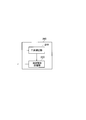
- FIG. 2 is a functional block configuration diagram of the UE 200. As illustrated in FIG. 2, the UE 200 includes an interference measurement unit 210 and a measurement report transmission unit 220.
- the interference measurement unit 210 measures interference from neighboring cells (cell C2 and cell C3). Note that the interference measurement unit 210 may measure interference in a distant cell (cell C4) when the line of sight is good.
- the interference measurement unit 210 measures interference received from neighboring cells using the channel state information resource.
- the channel state information resource means a channel state information (CSI) resource.
- CSI resources are defined in TS36.331, and CSI-RS (Reference Signal) and CSI-IM (Interference Measurement) are provided.
- the interference measurement unit 210 measures interference from neighboring cells using channel state information resources for interference measurement, specifically, CSI-IM resources.
- the measurement report transmission unit 220 transmits a measurement report including the measurement results of the serving cell and neighboring cells to the radio access network 20. Specifically, the measurement report transmission unit 220 transmits a measurement report including reception quality (such as RSRP / RSRQ) of the serving cell and neighboring cells to the radio access network 20.
- reception quality such as RSRP / RSRQ
- the measurement report transmission unit 220 transmits a measurement report when interference from neighboring cells satisfies a predetermined condition. Specifically, the measurement report transmission unit 220 transmits Measurement Report when the interference is greater than a predetermined threshold.
- the measurement report transmission unit 220 when the interference level (interference power) measured by the interference measurement unit 210 using the CSI-IM resource is equal to or greater than a predetermined threshold, the measurement report transmission unit 220 generates a Measurement Report indicating the measurement result of the neighboring cell. Send.
- the Measurement Report It is defined as a new event (here, called Event C3) that serves as a transmission trigger for.
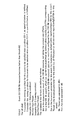
- FIG. 5 shows an example of Event C3.
- Event C3 can be newly defined in TS36.331, chapter 5.5.4, for example.
- Event C3 defines a case where the interference level (interference power) measured using the CSI-IM resource is larger than a predetermined threshold.
- Event C3 as with other existing events (for example, Event C1), entering conditions and leaving conditions are defined.
- the entering condition specifies whether or not the reception quality of the cell is included in the measurement report report target.
- the leaving condition defines whether or not the reception quality of the cell is to be removed from the measurement report report target.
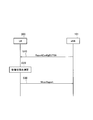
- FIG. 3 shows a communication sequence related to transmission of measurement reports between the eNB 101 and the UE 200.
- FIG. 4 shows a measurement report transmission operation flow by the UE 200.
- the UE 200 uses the cell C1 formed by the eNB 101 as a serving cell. As shown in FIG. 3, the UE 200 receives ReportConfigEUTRA (S10). ReportConfigEUTRA is included in RRC Connection Reconfiguration and the like.
- FIG. 6 shows an example of ReportConfigEUTRA.
- FIG. 7 shows an example of MeasObjectEUTRA.
- ReportConfigEUTRA includes a threshold (see underlined part) related to Event C3 shown in FIG. 5. Also, as shown in FIG. 7, MeasObjectEUTRA includes setting information related to CSI-IM (see the underlined portion). MeasObjectEUTRA defines a measurement object of Measurement Report (measurement report) applied to the E-UTRA cell, and is notified to UE 200 from radio access network 20 in advance. Information elements (IE) of ReportConfigEUTRA and MeasObjectEUTRA are defined in TS36.331.
- UE 200 measures the reception state based on the contents of the received ReportConfigEUTRA (S20). Specifically, UE 200 measures interference from neighboring cells (cell C2 and cell C3) using CSI-IM resources.
- UE 200 measures interference from Carrier Frequency to which the CSI-IM resource corresponds. Further, when the CSI-IM resource is set for each of the plurality of cells corresponding to the corresponding Carrier Frequency, the UE 200 measures interference from each cell in the corresponding Carrier Frequency.
- UE200 when the predetermined condition prescribed
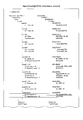
- MeasResults can include information (such as interference power) related to interference measured using CSI-IM resources (see underlined portion).
- UE 200 measures interference from neighboring cells (cell C2 and cell C3) using the CSI-IM resource (S110).
- the UE 200 performs measurement of the neighboring cell (S120). Specifically, UE 200 measures reception quality (such as RSRP / RSRQ) of neighboring cells. Note that the operation of S120 may be executed in parallel with the operation of S110, or may be executed immediately before the operation of S140 described later. In other words, S110 and S120 are operations that are not performed after S140. The operations of S110 and S120 correspond to S20 in FIG.
- the UE 200 determines whether or not the measured interference level (interference power) satisfies the condition defined by Event IV C3 (S130). Specifically, the UE 200 determines whether or not the interference level (interference power) measured using the CSI-IM resource is greater than a predetermined threshold.
- the UE 200 transmits a measurement report (Measurement Report) to the radio access network 20 (specifically, the eNB 101) (S140).
- the operation of S140 corresponds to S30 in FIG.
- the measurement report can include information related to interference (such as interference power) measured using the CSI-IM resource.
- UE 200 measures interference from neighboring cells using a channel state information resource (CSI-IM resource). For this reason, the interference state in UE200 mounted in drone 50 can be detected promptly and reliably. That is, according to UE200, the measurement of a neighbor cell can be more reliably performed according to the interference state from a neighbor cell.
- CSI-IM resource channel state information resource
- the UE 200 transmits a measurement report when the measured interference satisfies a predetermined condition. For this reason, even when the UE 200 receives interference from a neighboring cell, the radio access network 20 can realize control for reducing the interference based on the Measurement Report received from the UE 200.
- the control includes control of transmission power of eNB and UE, and eICIC (enhanced Inter-Cell Interference Coordination). Also, based on the Measurement Report, the UE 200 can be handed over to another appropriate cell that can reduce interference.
- eICIC enhanced Inter-Cell Interference Coordination
- the UE 200 transmits a Measurement-Report when the interference is greater than a predetermined threshold (when the Entering condition of Event-C3 is satisfied). For this reason, the radio access network 20 can recognize the amount of interference received from the cell or the carrier frequency. For cells with high interference or Carrier Frequency, by coordinating the network (eNB that forms a serving cell and eNB that forms a neighboring cell), the interference source cell is stopped, or interference control is performed by a method using eICIC. Can be realized.
- the UE 200 measures interference from neighboring cells using the CSI-IM resource. Therefore, it is possible to reliably measure interference from neighboring cells while using existing CSI resources.
- the UE 200 is mounted on the drone 50. For this reason, even in the case of UE 200 that easily receives interference from neighboring cells (and distant cells), the interference can be quickly and reliably reduced.
- the UE 200 is mounted on the drone 50 (UAV).
- the UE 200 is not necessarily a drone as long as it is an object flying over the eNB 101 to the eNB 104 (about 300 m from the ground).
- the flying object may be manned.
- the operation when the UE 200 flies over is disclosed.
- IMISV International Mobile Equipment Identity Software
- identification is performed by various methods such as (Version) or identification using contract type information, (ii) identification by separation of connection destination APN (Access Point Name), and considering the identification.
- Version International Mobile Equipment Identity
- APN Access Point Name
- interference from neighboring cells is measured using CSI-IM resources.
- CSI resources channel state information resources
- the CSI-IM resources are not necessarily required. If available, CSI-RS resources may be used together, or new CSI resources may be specified.
- the UE 200 transmits the Measurement Report when the interference from the neighboring cell becomes larger than the predetermined threshold, but transmits the Measurement Report when the interference becomes worse than the predetermined threshold. You may make it not.
- each functional block may be realized by one device physically and / or logically coupled, and two or more devices physically and / or logically separated may be directly and / or indirectly. (For example, wired and / or wireless) and may be realized by the plurality of devices.
- FIG. 9 is a diagram illustrating an example of a hardware configuration of the UE 200.
- the apparatus may be configured as a computer apparatus including a processor 1001, a memory 1002, a storage 1003, a communication apparatus 1004, an input apparatus 1005, an output apparatus 1006, a bus 1007, and the like.
- Each functional block (see FIG. 2) of the UE 200 is realized by any hardware element of the computer apparatus or a combination of the hardware elements.
- the processor 1001 controls the entire computer by operating an operating system, for example.
- the processor 1001 may be configured by a central processing unit (CPU) including an interface with peripheral devices, a control device, an arithmetic device, a register, and the like.
- CPU central processing unit
- the memory 1002 is a computer-readable recording medium, and includes, for example, at least one of ROM (Read Only Memory), EPROM (Erasable Programmable ROM), EEPROM (Electrically Erasable Programmable ROM), RAM (Random Access Memory), and the like. May be.
- the memory 1002 may be called a register, a cache, a main memory (main storage device), or the like.
- the memory 1002 can store a program (program code) that can execute the method according to the above-described embodiment, a software module, and the like.
- the storage 1003 is a computer-readable recording medium such as an optical disc such as a CD-ROM (Compact Disc ROM), a hard disk drive, a flexible disc, a magneto-optical disc (eg a compact disc, a digital versatile disc, a Blu-ray). (Registered trademark) disk, smart card, flash memory (for example, card, stick, key drive), floppy (registered trademark) disk, magnetic strip, and the like.
- the storage 1003 may be referred to as an auxiliary storage device.
- the recording medium described above may be, for example, a database including a memory 1002 and / or a storage 1003, a server, or other suitable medium.
- the communication device 1004 is hardware (transmission / reception device) for performing communication between computers via a wired and / or wireless network, and is also referred to as a network device, a network controller, a network card, a communication module, or the like.
- the input device 1005 is an input device (for example, a keyboard, a mouse, a microphone, a switch, a button, a sensor, etc.) that accepts an input from the outside.
- the output device 1006 is an output device (for example, a display, a speaker, an LED lamp, or the like) that performs output to the outside. Note that the input device 1005 and the output device 1006 may have an integrated configuration (for example, a touch panel).
- each device such as the processor 1001 and the memory 1002 is connected by a bus 1007 for communicating information.
- the bus 1007 may be configured with a single bus or may be configured with different buses between apparatuses.
- notification of information includes physical layer signaling (eg, DCI (Downlink Control Information), UCI (Uplink Control Information)), upper layer signaling (eg, RRC signaling, MAC (Medium Access Control) signaling, broadcast information (MIB ( Master (Information Block), SIB (System Information Block)), other signals, or combinations thereof, and RRC signaling may also be referred to as RRC messages, eg, RRC Connection Connection message, RRC It may be a Connection ⁇ ⁇ Reconfiguration message.
- RRC messages eg, RRC Connection Connection message, RRC It may be a Connection ⁇ ⁇ Reconfiguration message.
- input / output information may be stored in a specific location (for example, a memory) or may be managed by a management table.
- the input / output information can be overwritten, updated, or appended.
- the output information may be deleted.
- the input information may be transmitted to other devices.
- the specific operation performed by the eNB 101 to the eNB 104 may be performed by another network node (device). Further, the function of the eNB may be provided by a combination of a plurality of other network nodes.
- a channel and / or symbol may be a signal (signal) if there is a corresponding description.
- the signal may be a message.
- system and “network” may be used interchangeably.
- the parameter or the like may be represented by an absolute value, may be represented by a relative value from a predetermined value, or may be represented by other corresponding information.
- the radio resource may be indicated by an index.
- ENB101 to eNB104 can accommodate one or a plurality of (for example, three) cells (also called sectors).
- a base station accommodates multiple cells, the entire coverage area of the base station can be partitioned into multiple smaller areas, each smaller area being a base station subsystem (eg, indoor small base station RRH: Remote Radio Head) can also provide communication services.
- RRH Remote Radio Head
- the term “cell” or “sector” refers to part or all of the coverage area of a base station and / or base station subsystem that provides communication services in this coverage. Further, the terms “base station”, “eNB”, “cell”, and “sector” may be used interchangeably herein.
- the base station may be called by a term such as a fixed station (fixed station), NodeB, eNodeB (eNB), gNodeB (gNB), access point (access point), femtocell, or small cell.
- UE 200 is a subscriber station, mobile unit, subscriber unit, wireless unit, remote unit, mobile device, wireless device, wireless communication device, remote device, mobile subscriber station, access terminal, mobile terminal, wireless terminal by those skilled in the art. , Remote terminal, handset, user agent, mobile client, client, or some other appropriate terminology.
- the phrase “based on” does not mean “based only on”, unless expressly specified otherwise. In other words, the phrase “based on” means both “based only on” and “based at least on.”
- any reference to elements using designations such as “first”, “second”, etc. as used herein does not generally limit the amount or order of those elements. These designations can be used herein as a convenient way to distinguish between two or more elements. Thus, a reference to the first and second elements does not mean that only two elements can be employed there, or that in some way the first element must precede the second element.
- the measurement of the neighboring cell can be more reliably performed according to the interference state from the neighboring cell, which is useful.
- Wireless communication system 20 Wireless access network 50 Drone 101-104 eNB 150, 200 UE 210 Interference measurement unit 220 Measurement report transmission unit 1001 Processor 1002 Memory 1003 Storage 1004 Communication device 1005 Input device 1006 Output device 1007 Bus
Landscapes
- Engineering & Computer Science (AREA)
- Computer Networks & Wireless Communication (AREA)
- Signal Processing (AREA)
- Mobile Radio Communication Systems (AREA)
Abstract
UE200は、近隣セルの測定を実行し、無線アクセスネットワークに対して測定報告を送信する。具体的には、UE200は、チャネル状態情報リソースを用いて、近隣セルからの干渉を測定し、当該干渉が所定の条件を満たす場合、無線アクセスネットワークに対して測定報告を送信する。
Description
本発明は、近隣セルの測定を実行し、無線アクセスネットワークに対して測定報告を送信するユーザ装置及び無線通信方法に関する。
3rd Generation Partnership Project(3GPP)は、Long Term Evolution(LTE)を仕様化し、LTEの更なる高速化を目的としてLTE-Advanced(以下、LTE-Advancedを含めてLTEという)を仕様化している。
LTEでは、ユーザ装置(UE)が、サービングセル(無線リソース制御(RRC)レイヤにおける接続状態(RRC Connected)のセル)、及びサービングセルの近隣に形成される近隣セルの受信品質(RSRP/RSRQ(Reference Signal Received Power/Reference Signal Received Quality)など)の測定結果を含む測定報告(Measurement Report)を無線アクセスネットワーク(E-UTRAN)、具体的には、無線基地局(eNB))に送信することができる。
また、3GPPは、UEと同様の無線通信モジュールを搭載したドローンなど、小型の無人航空機(Unmanned Aerial Vehicles (UAV))を用いたサービス及びユースケースについて検討している(非特許文献1参照)。
3GPP TR 36.777 V15.0.0 Section 7 Potential enhancements for supporting aerial vehicles, 3rd Generation Partnership Project; Technical Specification Group Radio Access Network; Study on Enhanced LTE Support for Aerial Vehicles (Release 15)、3GPP、2017年12月
無人航空機(UAV)に搭載されるUEは、通常のUEと異なり、eNB(セル)の上空を飛行するため、ビルなどの遮蔽物の影響を受け難く、伝播環境が見通しとなり易い。つまり、このようなUEは、サービングセル以外の近隣セルからの干渉を受け易い。
このような干渉を受けると、UEは、サービングセルの受信品質が大きく劣化するため、近隣セルへのハンドオーバのトリガとなる測定を実行する前に、無線リンク障害(RLF)を検出してしまう場合がある。このため、当該UEは、近隣セルの測定結果に基づいて実行されるハンドオーバなどを起動できず、通信を継続できなくなる可能性がある。
そこで、本発明は、このような状況に鑑みてなされたものであり、近隣セルからの干渉状態に応じて、より確実に近隣セルの測定を実行し得るユーザ装置及び無線通信方法の提供を目的とする。
本発明の一態様は、近隣セル(セルC2, C3)の測定を実行し、無線アクセスネットワーク(無線アクセスネットワーク20)に対して測定報告(Measurement Report)を送信するユーザ装置(UE200)であって、チャネル状態情報リソース(CSI-IMリソース)を用いて、前記近隣セルからの干渉を測定する干渉測定部(干渉測定部210)と、前記干渉が所定の条件を満たす場合、前記測定報告を送信する測定報告送信部(測定報告送信部220)とを備える。
本発明の一態様は、無線通信システム(無線通信システム10)において、近隣セルの測定を実行し、無線アクセスネットワークに対して測定報告を送信する無線通信方法であって、チャネル状態情報リソースを用いて、前記近隣セルからの干渉を測定するステップと、前記干渉が所定の条件を満たす場合、前記測定報告を送信するステップとを含む。
以下、実施形態を図面に基づいて説明する。なお、同一の機能や構成には、同一または類似の符号を付して、その説明を適宜省略する。
(1)無線通信システムの全体概略構成
図1は、本実施形態に係る無線通信システム10の全体概略構成図である。無線通信システム10は、Long Term Evolution(LTE)に従った無線通信システムであり、無線アクセスネットワーク20、移動局150(以下、UE150)及び移動局200(以下、UE200)を含む。
図1は、本実施形態に係る無線通信システム10の全体概略構成図である。無線通信システム10は、Long Term Evolution(LTE)に従った無線通信システムであり、無線アクセスネットワーク20、移動局150(以下、UE150)及び移動局200(以下、UE200)を含む。
無線アクセスネットワーク20は、3GPPにおいて規定されるEvolved Universal Terrestrial Radio Access Network(E-UTRAN)であり、無線基地局101(以下、eNB101)~無線基地局104(以下、eNB104)を含む。なお、無線通信システム10は、必ずしもLTE(E-UTRAN)に限定されない。例えば、無線アクセスネットワーク20は、5Gとして規定されるUE200(ユーザ装置)と無線通信を実行する無線基地局を含む無線アクセスネットワークであってもよい。
eNB101~eNB104と、UE150, UE200は、LTEの仕様に従った無線通信を実行する。特に、本実施形態では、eNB101~eNB104は、セルC1~C4をそれぞれ形成する。UE150は、スマートフォンなどの通常のUEである。一方、UE200は、ドローン50などの小型の無人航空機(UAV)に搭載される。
ここでは、UE150及びUE200は、セルC1をサービングセルとしているものとする。つまり、サービングセルであるセルC1の近隣に、セルC2及びセルC3(近隣セル)が形成されている。なお、サービングセルは、PCellまたはPSCell(Dual Connectivityの場合)と呼ばれてもよい。セルC4(遠方セル)は、セルC2及びセルC3よりも遠方に形成される。
UE150及びUE200は、近隣セルの測定を実行し、無線アクセスネットワーク20に対して測定報告(Measurement Report)を送信することができる。具体的には、UE150及びUE200は、サービングセル及び近隣セルの受信品質(RSRP/RSRQなど)を含むMeasurement Reportを無線アクセスネットワーク20に送信する。
ドローン50に搭載されるUE200は、eNB101~eNB104の上空を飛行するため、ビルなどの遮蔽物の影響を受け難く、伝播環境が見通しとなり易い。このため、UE200は、サービングセル(セルC1)以外の近隣セル(及び遠方セル)からの干渉(図中の近隣セルからの点線参照)を受け易い。
(2)無線通信システムの機能ブロック構成
次に、無線通信システム10の機能ブロック構成について説明する。具体的には、UE200の機能ブロック構成について説明する。
次に、無線通信システム10の機能ブロック構成について説明する。具体的には、UE200の機能ブロック構成について説明する。
図2は、UE200の機能ブロック構成図である。図2に示すように、UE200は、干渉測定部210及び測定報告送信部220を備える。
干渉測定部210は、近隣セル(セルC2及びセルC3)からの干渉を測定する。なお、干渉測定部210は、見通しが良好な場合には、遠方セル(セルC4)における干渉を測定してもよい。
具体的には、干渉測定部210は、チャネル状態情報リソースを用いて、近隣セルから受ける干渉を測定する。本実施形態では、チャネル状態情報リソースとは、Channel State Information(CSI)のリソースを意味する。CSIのリソースは、TS36.331において規定されており、CSI-RS(Reference Signal)及びCSI-IM(Interference Measurement)が設けられている。
干渉測定部210は、干渉測定用のチャネル状態情報リソース、具体的には、CSI-IMリソースを用いて、近隣セルからの干渉を測定する。
測定報告送信部220は、無線アクセスネットワーク20に対して、サービングセル及び近隣セルの測定結果を含むMeasurement Reportを送信する。具体的には、測定報告送信部220は、サービングセル及び近隣セルの受信品質(RSRP/RSRQなど)を含むMeasurement Reportを無線アクセスネットワーク20に送信する。
測定報告送信部220は、近隣セルからの干渉が所定の条件を満たす場合、Measurement Reportを送信する。具体的には、測定報告送信部220は、当該干渉が所定の閾値よりも大きくなった場合、Measurement Reportを送信する。
つまり、測定報告送信部220は、干渉測定部210がCSI-IMリソースを用いて測定した干渉レベル(干渉電力)が所定の閾値以上となった場合、当該近隣セルの測定結果を示すMeasurement Reportを送信する。
このような「当該干渉が所定の閾値よりも大きくなった場合」、つまり、「CSI-IMリソースを用いて測定した干渉レベル(干渉電力)が所定の閾値以上となった場合」は、Measurement Reportの送信トリガとなる新規なイベント(ここでは、Event C3と呼ぶ)として規定される。
図5は、Event C3の規定例を示す。Event C3は、例えば、TS36.331の5.5.4章において新たに規定し得る。図5に示すように、Event C3は、CSI-IMリソースを用いて測定した干渉レベル(干渉電力)が所定の閾値よりも大きくなった場合について規定する。
Event C3では、既存の他のイベント(例えば、Event C1)と同様に、エンタリング条件及びリービング条件が規定される。エンタリング条件は、当該セルの受信品質をMeasurement Reportの報告対象に含めるか否かを規定する。リービング条件は、当該セルの受信品質をMeasurement Reportの報告対象から離脱させるか否かを規定する。
Event C3を用いたMeasurement Reportの送信動作については、さらに後述する。
(3)無線通信システムの動作
次に、無線通信システム10の動作について説明する。具体的には、UE200による測定報告の送信動作について説明する。上述したように、本実施形態では、UE200は、ドローン50に搭載されており、伝播環境が見通しとなり易い。
次に、無線通信システム10の動作について説明する。具体的には、UE200による測定報告の送信動作について説明する。上述したように、本実施形態では、UE200は、ドローン50に搭載されており、伝播環境が見通しとなり易い。
図3は、eNB101とUE200との測定報告の送信に関する通信シーケンスを示す。また、図4は、UE200による測定報告の送信動作フローを示す。
ここでは、UE200は、eNB101が形成するセルC1をサービングセルとしているものとする。図3に示すように、UE200は、ReportConfigEUTRAを受信する(S10)。ReportConfigEUTRAは、RRC Connection Reconfigurationなどに含まれる。
図6は、ReportConfigEUTRAの例を示す。また、図7は、MeasObjectEUTRAの例を示す。
図6に示すように、ReportConfigEUTRAには、図5に示したEvent C3に関する閾値(下線部参照)などが含まれる。また、図7に示すように、MeasObjectEUTRAには、CSI-IMに関する設定情報(下線部参照)が含まれる。MeasObjectEUTRAは、E-UTRAセルに適用されるMeasurement Report(測定報告)の測定オブジェクトを規定するものであり、無線アクセスネットワーク20からUE200に予め報知される。ReportConfigEUTRA及びMeasObjectEUTRAの情報要素(IE)は、TS36.331において規定されている。
UE200は、受信したReportConfigEUTRAの内容に基づいて、受信状態を測定する(S20)。具体的には、UE200は、CSI-IMリソースを用いて、近隣セル(セルC2及びセルC3)からの干渉を測定する。
より具体的には、UE200は、CSI-IMリソースが該当するCarrier Frequencyからの干渉を測定する。また、CSI-IMリソースが、該当するCarrier Frequencyと対応する複数セル毎に設定される場合、UE200は、該当するCarrier Frequencyにおける各セルからの干渉を測定する。
UE200は、Event C3によって規定される所定の条件を満たした場合、近隣セルのMeasurement Reportを無線アクセスネットワーク20、具体的には、eNB101に送信する(S30)。
図8は、Measurement Reportに含まれるMeasResultsの例を示す。図8に示すように、MeasResultsには、CSI-IMリソースを用いて測定した干渉に関する情報(干渉電力など)を含めることができる(下線部参照)。
次に、UE200による測定報告の送信動作フローについて説明する。図4に示すように、UE200は、CSI-IMリソースを用いて、近隣セル(セルC2及びセルC3)からの干渉を測定する(S110)。
また、UE200は、当該近隣セルの測定を実行する(S120)。具体的には、UE200は、近隣セルの受信品質(RSRP/RSRQなど)を測定する。なお、S120の動作は、S110の動作と並行して実行されてもよいし、後述するS140の動作直前に実行されてもよい。換言すれば、S110とS120とは、S140よりも後で行われることはない動作である。S110及びS120の動作は、図3のS20に相当する。
次いで、UE200は、測定した干渉レベル(干渉電力)が、Event C3によって規定される条件を満たすか否かを判定する(S130)。具体的には、UE200は、CSI-IMリソースを用いて測定した干渉レベル(干渉電力)が所定の閾値よりも大きくなったか否かを判定する。
Event C3によって規定される条件を満たす場合、UE200は、無線アクセスネットワーク20(具体的には、eNB101)に対して測定報告(Measurement Report)を送信する(S140)。S140の動作は、図3のS30に相当する。上述したように、測定報告には、CSI-IMリソースを用いて測定した干渉に関する情報(干渉電力など)を含めることができる。
(4)作用・効果
上述した実施形態によれば、以下の作用効果が得られる。UE200は、チャネル状態情報リソース(CSI-IMリソース)を用いて、近隣セルからの干渉を測定する。このため、ドローン50に搭載されているUE200における干渉状況を迅速かつ確実に検知できる。すなわち、UE200によれば、近隣セルからの干渉状態に応じて、より確実に近隣セルの測定を実行し得る。
上述した実施形態によれば、以下の作用効果が得られる。UE200は、チャネル状態情報リソース(CSI-IMリソース)を用いて、近隣セルからの干渉を測定する。このため、ドローン50に搭載されているUE200における干渉状況を迅速かつ確実に検知できる。すなわち、UE200によれば、近隣セルからの干渉状態に応じて、より確実に近隣セルの測定を実行し得る。
また、UE200は、測定した当該干渉が所定の条件を満たす場合、Measurement Reportを送信する。このため、無線アクセスネットワーク20は、UE200が近隣セルからの干渉を受けている場合でも、UE200から受信したMeasurement Reportに基づいて、当該干渉を低減する制御を実現し得る。
当該制御としては、eNB及びUEの送信電力の制御、及びeICIC(enhanced Inter-Cell Interference Coordination)が挙げられる。また、当該Measurement Reportに基づいて、干渉を低減し得る適切な他セルへのUE200のハンドオーバも実現し得る。
本実施形態では、UE200は、当該干渉が所定の閾値よりも大きくなった場合(Event C3のエンタリング条件を満たす場合)、Measurement Reportを送信する。このため、無線アクセスネットワーク20は、当該セルまたは当該Carrier Frequencyから受けた干渉量を認識できる。干渉の多いセルまたはCarrier Frequencyについて、ネットワーク(サービングセルを形成するeNB、及び近隣セルを形成するeNB)のコーディネーションを実行することによって、干渉源となるセルを停止したり、eICICによる方法によって、干渉制御を実現し得る。
本実施形態では、UE200は、CSI-IMリソースを用いて、近隣セルからの干渉を測定する。このため、既存のCSIリソースを利用しつつ、確実に近隣セルからの干渉を測定し得る。
本実施形態では、上述したように、UE200はドローン50に搭載されている。このため、近隣セル(及び遠方セル)からの干渉を受け易いUE200の場合でも、迅速かつ確実に当該干渉を低減し得る。
(5)その他の実施形態
以上、実施形態に沿って本発明の内容を説明したが、本発明はこれらの記載に限定されるものではなく、種々の変形及び改良が可能であることは、当業者には自明である。
以上、実施形態に沿って本発明の内容を説明したが、本発明はこれらの記載に限定されるものではなく、種々の変形及び改良が可能であることは、当業者には自明である。
例えば、上述した実施形態では、UE200がドローン50(UAV)に搭載されていたが、eNB101~eNB104の上空(地上から300m程度)を飛行する物体であれば、必ずしもドローンでなくても構わない。また、飛行する物体は、有人でも構わない。
なお、上述した実施形態では、UE200が上空を飛行する場合の動作について開示しているが、上空を飛行するユーザ装置か否かの判定を、(i)ユーザ装置のIMEISV(International Mobile Equipment Identity Software Version)または契約種別情報を用いた識別、(ii)接続先APN(Access Point Name)の分離による識別、など、種々の手法で識別し、当該識別を考慮した上述の実施形態も考えられる。これにより、本発明は、より柔軟な構成、より効率的な動作を実現し得る。
上述した実施形態では、CSI-IMリソースを用いて、近隣セルからの干渉が測定されていたが、チャネル状態情報リソース(CSIリソース)であれば、必ずしもCSI-IMリソースでなくても構わない。利用可能ならば、CSI-RSリソースを併用してもよいし、新たなCSIリソースが規定されてもよい。
上述した実施形態では、UE200は、近隣セルからの干渉が所定の閾値よりも大きくなった場合、Measurement Reportを送信していたが、当該干渉が所定の閾値よりも悪化した場合、Measurement Reportを送信しないようにしてもよい。
また、上述した実施形態の説明に用いたブロック構成図(図2)は、機能ブロックを示している。これらの機能ブロック(構成部)は、ハードウェア及び/またはソフトウェアの任意の組み合わせによって実現される。また、各機能ブロックの実現手段は特に限定されない。すなわち、各機能ブロックは、物理的及び/または論理的に結合した1つの装置により実現されてもよいし、物理的及び/または論理的に分離した2つ以上の装置を直接的及び/または間接的に(例えば、有線及び/または無線)で接続し、これら複数の装置により実現されてもよい。
さらに、上述したUE200は、本発明の処理を行うコンピュータとして機能してもよい。図9は、UE200のハードウェア構成の一例を示す図である。図9に示すように、当該装置は、プロセッサ1001、メモリ1002、ストレージ1003、通信装置1004、入力装置1005、出力装置1006及びバス1007などを含むコンピュータ装置として構成されてもよい。
UE200の各機能ブロック(図2参照)は、当該コンピュータ装置の何れかのハードウェア要素、または当該ハードウェア要素の組み合わせによって実現される。
プロセッサ1001は、例えば、オペレーティングシステムを動作させてコンピュータ全体を制御する。プロセッサ1001は、周辺装置とのインタフェース、制御装置、演算装置、レジスタなどを含む中央処理装置(CPU)で構成されてもよい。
メモリ1002は、コンピュータ読み取り可能な記録媒体であり、例えば、ROM(Read Only Memory)、EPROM(Erasable Programmable ROM)、EEPROM(Electrically Erasable Programmable ROM)、RAM(Random Access Memory)などの少なくとも1つで構成されてもよい。メモリ1002は、レジスタ、キャッシュ、メインメモリ(主記憶装置)などと呼ばれてもよい。メモリ1002は、上述した実施形態に係る方法を実行可能なプログラム(プログラムコード)、ソフトウェアモジュールなどを保存することができる。
ストレージ1003は、コンピュータ読み取り可能な記録媒体であり、例えば、CD-ROM(Compact Disc ROM)などの光ディスク、ハードディスクドライブ、フレキシブルディスク、光磁気ディスク(例えば、コンパクトディスク、デジタル多用途ディスク、Blu-ray(登録商標)ディスク)、スマートカード、フラッシュメモリ(例えば、カード、スティック、キードライブ)、フロッピー(登録商標)ディスク、磁気ストリップなどの少なくとも1つで構成されてもよい。ストレージ1003は、補助記憶装置と呼ばれてもよい。上述の記録媒体は、例えば、メモリ1002及び/またはストレージ1003を含むデータベース、サーバその他の適切な媒体であってもよい。
通信装置1004は、有線及び/または無線ネットワークを介してコンピュータ間の通信を行うためのハードウェア(送受信デバイス)であり、例えばネットワークデバイス、ネットワークコントローラ、ネットワークカード、通信モジュールなどともいう。
入力装置1005は、外部からの入力を受け付ける入力デバイス(例えば、キーボード、マウス、マイクロフォン、スイッチ、ボタン、センサなど)である。出力装置1006は、外部への出力を実施する出力デバイス(例えば、ディスプレイ、スピーカー、LEDランプなど)である。なお、入力装置1005及び出力装置1006は、一体となった構成(例えば、タッチパネル)であってもよい。
また、プロセッサ1001及びメモリ1002などの各装置は、情報を通信するためのバス1007で接続される。バス1007は、単一のバスで構成されてもよいし、装置間で異なるバスで構成されてもよい。
また、情報の通知は、上述した実施形態に限られず、他の方法で行われてもよい。例えば、情報の通知は、物理レイヤシグナリング(例えば、DCI(Downlink Control Information)、UCI(Uplink Control Information))、上位レイヤシグナリング(例えば、RRCシグナリング、MAC(Medium Access Control)シグナリング、報知情報(MIB(Master Information Block)、SIB(System Information Block))、その他の信号またはこれらの組み合わせによって実施されてもよい。また、RRCシグナリングは、RRCメッセージと呼ばれてもよく、例えば、RRC Connection Setupメッセージ、RRC Connection Reconfigurationメッセージなどであってもよい。
さらに、入出力された情報は、特定の場所(例えば、メモリ)に保存されてもよいし、管理テーブルで管理してもよい。入出力される情報は、上書き、更新、または追記され得る。出力された情報は削除されてもよい。入力された情報は他の装置へ送信されてもよい。
上述した実施形態におけるシーケンス及びフローチャートなどは、矛盾の無い限り、順序を入れ替えてもよい。
また、上述した実施形態において、eNB101~eNB104によって行われるとした特定動作は、他のネットワークノード(装置)によって行われることもある。また、複数の他のネットワークノードの組み合わせによって当該eNBの機能が提供されても構わない。
なお、本明細書で説明した用語及び/または本明細書の理解に必要な用語については、同一のまたは類似する意味を有する用語と置き換えてもよい。例えば、該当する記載がある場合、チャネル及び/またはシンボルは信号(シグナル)であってもよい。また、信号はメッセージであってもよい。また、「システム」及び「ネットワーク」という用語は、互換的に使用されてもよい。
さらに、パラメータなどは、絶対値で表されてもよいし、所定の値からの相対値で表されてもよいし、対応する別の情報で表されてもよい。例えば、無線リソースはインデックスで指示されるものであってもよい。
eNB101~eNB104(基地局)は、1つまたは複数(例えば、3つ)のセル(セクタとも呼ばれる)を収容することができる。基地局が複数のセルを収容する場合、基地局のカバレッジエリア全体は複数のより小さいエリアに区分でき、各々のより小さいエリアは、基地局サブシステム(例えば、屋内用の小型基地局RRH:Remote Radio Head)によって通信サービスを提供することもできる。
「セル」または「セクタ」という用語は、このカバレッジにおいて通信サービスを行う基地局、及び/または基地局サブシステムのカバレッジエリアの一部または全体を指す。さらに、「基地局」「eNB」、「セル」、及び「セクタ」という用語は、本明細書では互換的に使用され得る。基地局は、固定局(fixed station)、NodeB、eNodeB(eNB)、gNodeB(gNB)、アクセスポイント(access point)、フェムトセル、スモールセルなどの用語で呼ばれる場合もある。
UE200は、当業者によって、加入者局、モバイルユニット、加入者ユニット、ワイヤレスユニット、リモートユニット、モバイルデバイス、ワイヤレスデバイス、ワイヤレス通信デバイス、リモートデバイス、モバイル加入者局、アクセス端末、モバイル端末、ワイヤレス端末、リモート端末、ハンドセット、ユーザエージェント、モバイルクライアント、クライアント、またはいくつかの他の適切な用語で呼ばれる場合もある。
本明細書で使用する「に基づいて」という記載は、別段に明記されていない限り、「のみに基づいて」を意味しない。言い換えれば、「に基づいて」という記載は、「のみに基づいて」と「に少なくとも基づいて」の両方を意味する。
また、「含む(including)」、「含んでいる(comprising)」、及びそれらの変形の用語は、「備える」と同様に、包括的であることが意図される。さらに、本明細書或いは特許請求の範囲において使用されている用語「または(or)」は、排他的論理和ではないことが意図される。
本明細書で使用した「第1」、「第2」などの呼称を使用した要素へのいかなる参照も、それらの要素の量または順序を全般的に限定するものではない。これらの呼称は、2つ以上の要素間を区別する便利な方法として本明細書で使用され得る。したがって、第1及び第2の要素への参照は、2つの要素のみがそこで採用され得ること、または何らかの形で第1の要素が第2の要素に先行しなければならないことを意味しない。
本明細書の全体において、例えば、英語でのa, an, 及びtheのように、翻訳により冠詞が追加された場合、これらの冠詞は、文脈から明らかにそうではないことが示されていなければ、複数のものを含むものとする。
上記のように、本発明の実施形態を記載したが、この開示の一部をなす論述及び図面はこの発明を限定するものであると理解すべきではない。この開示から当業者には様々な代替実施の形態、実施例及び運用技術が明らかとなろう。
上述したように、本発明によれば、近隣セルからの干渉状態に応じて、より確実に近隣セルの測定を実行し得るため、有用である。
10 無線通信システム
20 無線アクセスネットワーク
50 ドローン
101~104 eNB
150, 200 UE
210 干渉測定部
220 測定報告送信部
1001 プロセッサ
1002 メモリ
1003 ストレージ
1004 通信装置
1005 入力装置
1006 出力装置
1007 バス
20 無線アクセスネットワーク
50 ドローン
101~104 eNB
150, 200 UE
210 干渉測定部
220 測定報告送信部
1001 プロセッサ
1002 メモリ
1003 ストレージ
1004 通信装置
1005 入力装置
1006 出力装置
1007 バス
Claims (5)
- 近隣セルの測定を実行し、無線アクセスネットワークに対して測定報告を送信するユーザ装置であって、
チャネル状態情報リソースを用いて、前記近隣セルからの干渉を測定する干渉測定部と、
前記干渉が所定の条件を満たす場合、前記測定報告を送信する測定報告送信部と
を備えるユーザ装置。 - 前記測定報告送信部は、前記干渉が所定の閾値よりも大きくなった場合、前記測定報告を送信する請求項1に記載のユーザ装置。
- 前記干渉測定部は、干渉測定用の前記チャネル状態情報リソースを用いて前記干渉を測定する請求項1に記載のユーザ装置。
- 前記ユーザ装置は、ドローンを含む無人航空機に搭載される請求項1に記載のユーザ装置。
- 無線通信システムにおいて、近隣セルの測定を実行し、無線アクセスネットワークに対して測定報告を送信する無線通信方法であって、
チャネル状態情報リソースを用いて、前記近隣セルからの干渉を測定するステップと、
前記干渉が所定の条件を満たす場合、前記測定報告を送信するステップと
を含む無線通信方法。
Priority Applications (2)
| Application Number | Priority Date | Filing Date | Title |
|---|---|---|---|
| PCT/JP2018/005359 WO2019159306A1 (ja) | 2018-02-15 | 2018-02-15 | ユーザ装置及び無線通信方法 |
| JP2019571901A JP7105257B2 (ja) | 2018-02-15 | 2018-02-15 | ユーザ装置及び無線通信方法 |
Applications Claiming Priority (1)
| Application Number | Priority Date | Filing Date | Title |
|---|---|---|---|
| PCT/JP2018/005359 WO2019159306A1 (ja) | 2018-02-15 | 2018-02-15 | ユーザ装置及び無線通信方法 |
Publications (1)
| Publication Number | Publication Date |
|---|---|
| WO2019159306A1 true WO2019159306A1 (ja) | 2019-08-22 |
Family
ID=67618606
Family Applications (1)
| Application Number | Title | Priority Date | Filing Date |
|---|---|---|---|
| PCT/JP2018/005359 Ceased WO2019159306A1 (ja) | 2018-02-15 | 2018-02-15 | ユーザ装置及び無線通信方法 |
Country Status (2)
| Country | Link |
|---|---|
| JP (1) | JP7105257B2 (ja) |
| WO (1) | WO2019159306A1 (ja) |
Citations (1)
| Publication number | Priority date | Publication date | Assignee | Title |
|---|---|---|---|---|
| JP2013058826A (ja) * | 2011-09-07 | 2013-03-28 | Sumitomo Electric Ind Ltd | 無線基地局装置、通信制御方法および通信制御プログラム |
Family Cites Families (3)
| Publication number | Priority date | Publication date | Assignee | Title |
|---|---|---|---|---|
| WO2014165711A1 (en) | 2013-04-03 | 2014-10-09 | Interdigital Patent Holdings, Inc. | Enhanced interference coordination mechanisms for small cell deployments |
| US10063304B2 (en) | 2014-06-16 | 2018-08-28 | Telefonaktiebolaget L M Ericsson (Publ) | Channel state information measurements for license-assisted access |
| MX373885B (es) | 2014-11-14 | 2020-03-26 | Interdigital Patent Holdings Inc | Métodos y procedimientos para mediciones de canal y mecanismos de reporte para un funcionamiento de evolución a largo plazo (lte) en una banda no autorizada. |
-
2018
- 2018-02-15 WO PCT/JP2018/005359 patent/WO2019159306A1/ja not_active Ceased
- 2018-02-15 JP JP2019571901A patent/JP7105257B2/ja active Active
Patent Citations (1)
| Publication number | Priority date | Publication date | Assignee | Title |
|---|---|---|---|---|
| JP2013058826A (ja) * | 2011-09-07 | 2013-03-28 | Sumitomo Electric Ind Ltd | 無線基地局装置、通信制御方法および通信制御プログラム |
Non-Patent Citations (2)
| Title |
|---|
| "Discussion on enhancements to measurement report mechanism for UAV", 3GPP TSG RAN WG2 MEETING #101 R2-1803743, 3GPP, 22 February 2018 (2018-02-22), pages 1 - 10, XP051400820 * |
| NTT DOCOMO: "Discussion on enhancements to measurement report mechanism for UAV", 3GPP TSG RAN WG2 MEETING #101 R2-1803713, 16 February 2018 (2018-02-16), pages 1 - 9, XP051400730 * |
Also Published As
| Publication number | Publication date |
|---|---|
| JP7105257B2 (ja) | 2022-07-22 |
| JPWO2019159306A1 (ja) | 2021-01-28 |
Similar Documents
| Publication | Publication Date | Title |
|---|---|---|
| JP7048712B2 (ja) | 無線通信システム及びユーザ装置 | |
| US11653276B2 (en) | Apparatus and method in wireless communication system and computer readable storage medium | |
| US11265749B2 (en) | Device, method, and computer readable storage medium in wireless communication system | |
| US11122456B2 (en) | Method for adjusting mobility-related parameters, a user equipment and a base station | |
| US11477729B2 (en) | Cell selection or access method, a user terminal, a maintenance method, and a base station | |
| CN110235462B (zh) | 用户装置及测量报告发送方法 | |
| WO2018207775A1 (ja) | ネットワーク装置及び無線通信方法 | |
| WO2019144909A1 (zh) | 无线通信方法和飞行用户设备 | |
| CN110495206B (zh) | 无线通信系统和用户装置 | |
| US20210168670A1 (en) | User equipment and measurement report transmitting method | |
| US20220361045A1 (en) | Communication device and communication method | |
| JP7269186B2 (ja) | ユーザ装置及び無線通信方法 | |
| JP2018148542A (ja) | 無線基地局及び無線通信方法 | |
| US20200187067A1 (en) | Cell disambiguation using dedicated cell-specific measurements | |
| JP7105257B2 (ja) | ユーザ装置及び無線通信方法 | |
| WO2018159798A1 (ja) | 無線基地局及び無線通信方法 | |
| JPWO2019194005A1 (ja) | 飛行体管理装置 | |
| WO2018159793A1 (ja) | ユーザ装置及び送信電力制御方法 |
Legal Events
| Date | Code | Title | Description |
|---|---|---|---|
| 121 | Ep: the epo has been informed by wipo that ep was designated in this application |
Ref document number: 18906337 Country of ref document: EP Kind code of ref document: A1 |
|
| ENP | Entry into the national phase |
Ref document number: 2019571901 Country of ref document: JP Kind code of ref document: A |
|
| NENP | Non-entry into the national phase |
Ref country code: DE |
|
| 122 | Ep: pct application non-entry in european phase |
Ref document number: 18906337 Country of ref document: EP Kind code of ref document: A1 |