WO2018192499A1 - 蛛网膜下腔出血的循环microRNA生物标记物和其应用 - Google Patents
蛛网膜下腔出血的循环microRNA生物标记物和其应用 Download PDFInfo
- Publication number
- WO2018192499A1 WO2018192499A1 PCT/CN2018/083412 CN2018083412W WO2018192499A1 WO 2018192499 A1 WO2018192499 A1 WO 2018192499A1 CN 2018083412 W CN2018083412 W CN 2018083412W WO 2018192499 A1 WO2018192499 A1 WO 2018192499A1
- Authority
- WO
- WIPO (PCT)
- Prior art keywords
- mir
- mirna
- sample
- sah
- mirnas
- Prior art date
- Legal status (The legal status is an assumption and is not a legal conclusion. Google has not performed a legal analysis and makes no representation as to the accuracy of the status listed.)
- Ceased
Links
Images
Classifications
-
- C—CHEMISTRY; METALLURGY
- C12—BIOCHEMISTRY; BEER; SPIRITS; WINE; VINEGAR; MICROBIOLOGY; ENZYMOLOGY; MUTATION OR GENETIC ENGINEERING
- C12Q—MEASURING OR TESTING PROCESSES INVOLVING ENZYMES, NUCLEIC ACIDS OR MICROORGANISMS; COMPOSITIONS OR TEST PAPERS THEREFOR; PROCESSES OF PREPARING SUCH COMPOSITIONS; CONDITION-RESPONSIVE CONTROL IN MICROBIOLOGICAL OR ENZYMOLOGICAL PROCESSES
- C12Q1/00—Measuring or testing processes involving enzymes, nucleic acids or microorganisms; Compositions therefor; Processes of preparing such compositions
- C12Q1/68—Measuring or testing processes involving enzymes, nucleic acids or microorganisms; Compositions therefor; Processes of preparing such compositions involving nucleic acids
- C12Q1/6876—Nucleic acid products used in the analysis of nucleic acids, e.g. primers or probes
- C12Q1/6883—Nucleic acid products used in the analysis of nucleic acids, e.g. primers or probes for diseases caused by alterations of genetic material
-
- A—HUMAN NECESSITIES
- A61—MEDICAL OR VETERINARY SCIENCE; HYGIENE
- A61K—PREPARATIONS FOR MEDICAL, DENTAL OR TOILETRY PURPOSES
- A61K31/00—Medicinal preparations containing organic active ingredients
- A61K31/70—Carbohydrates; Sugars; Derivatives thereof
- A61K31/7088—Compounds having three or more nucleosides or nucleotides
-
- C—CHEMISTRY; METALLURGY
- C12—BIOCHEMISTRY; BEER; SPIRITS; WINE; VINEGAR; MICROBIOLOGY; ENZYMOLOGY; MUTATION OR GENETIC ENGINEERING
- C12N—MICROORGANISMS OR ENZYMES; COMPOSITIONS THEREOF; PROPAGATING, PRESERVING, OR MAINTAINING MICROORGANISMS; MUTATION OR GENETIC ENGINEERING; CULTURE MEDIA
- C12N15/00—Mutation or genetic engineering; DNA or RNA concerning genetic engineering, vectors, e.g. plasmids, or their isolation, preparation or purification; Use of hosts therefor
- C12N15/09—Recombinant DNA-technology
- C12N15/11—DNA or RNA fragments; Modified forms thereof; Non-coding nucleic acids having a biological activity
- C12N15/113—Non-coding nucleic acids modulating the expression of genes, e.g. antisense oligonucleotides; Antisense DNA or RNA; Triplex- forming oligonucleotides; Catalytic nucleic acids, e.g. ribozymes; Nucleic acids used in co-suppression or gene silencing
-
- C—CHEMISTRY; METALLURGY
- C12—BIOCHEMISTRY; BEER; SPIRITS; WINE; VINEGAR; MICROBIOLOGY; ENZYMOLOGY; MUTATION OR GENETIC ENGINEERING
- C12Q—MEASURING OR TESTING PROCESSES INVOLVING ENZYMES, NUCLEIC ACIDS OR MICROORGANISMS; COMPOSITIONS OR TEST PAPERS THEREFOR; PROCESSES OF PREPARING SUCH COMPOSITIONS; CONDITION-RESPONSIVE CONTROL IN MICROBIOLOGICAL OR ENZYMOLOGICAL PROCESSES
- C12Q1/00—Measuring or testing processes involving enzymes, nucleic acids or microorganisms; Compositions therefor; Processes of preparing such compositions
- C12Q1/68—Measuring or testing processes involving enzymes, nucleic acids or microorganisms; Compositions therefor; Processes of preparing such compositions involving nucleic acids
-
- C—CHEMISTRY; METALLURGY
- C12—BIOCHEMISTRY; BEER; SPIRITS; WINE; VINEGAR; MICROBIOLOGY; ENZYMOLOGY; MUTATION OR GENETIC ENGINEERING
- C12Q—MEASURING OR TESTING PROCESSES INVOLVING ENZYMES, NUCLEIC ACIDS OR MICROORGANISMS; COMPOSITIONS OR TEST PAPERS THEREFOR; PROCESSES OF PREPARING SUCH COMPOSITIONS; CONDITION-RESPONSIVE CONTROL IN MICROBIOLOGICAL OR ENZYMOLOGICAL PROCESSES
- C12Q2600/00—Oligonucleotides characterized by their use
- C12Q2600/118—Prognosis of disease development
-
- C—CHEMISTRY; METALLURGY
- C12—BIOCHEMISTRY; BEER; SPIRITS; WINE; VINEGAR; MICROBIOLOGY; ENZYMOLOGY; MUTATION OR GENETIC ENGINEERING
- C12Q—MEASURING OR TESTING PROCESSES INVOLVING ENZYMES, NUCLEIC ACIDS OR MICROORGANISMS; COMPOSITIONS OR TEST PAPERS THEREFOR; PROCESSES OF PREPARING SUCH COMPOSITIONS; CONDITION-RESPONSIVE CONTROL IN MICROBIOLOGICAL OR ENZYMOLOGICAL PROCESSES
- C12Q2600/00—Oligonucleotides characterized by their use
- C12Q2600/158—Expression markers
-
- C—CHEMISTRY; METALLURGY
- C12—BIOCHEMISTRY; BEER; SPIRITS; WINE; VINEGAR; MICROBIOLOGY; ENZYMOLOGY; MUTATION OR GENETIC ENGINEERING
- C12Q—MEASURING OR TESTING PROCESSES INVOLVING ENZYMES, NUCLEIC ACIDS OR MICROORGANISMS; COMPOSITIONS OR TEST PAPERS THEREFOR; PROCESSES OF PREPARING SUCH COMPOSITIONS; CONDITION-RESPONSIVE CONTROL IN MICROBIOLOGICAL OR ENZYMOLOGICAL PROCESSES
- C12Q2600/00—Oligonucleotides characterized by their use
- C12Q2600/172—Haplotypes
Definitions
- the present invention relates to the field of preparation of molecular biology and disease diagnostic reagents.
- the present invention relates to microRNA biomarkers for subarachnoid hemorrhage and subsequent delayed cerebral infarction, and the microRNA is used for diagnosis or detection of subarachnoid hemorrhage and subsequent occurrence of delayed cerebral infarction
- kits or gene chips for the preparation of said diagnosis or detection, in particular in peripheral blood samples, including serum and plasma samples.
- SAH Subarachnoid hemorrhage
- Delayed cerebral infarction occurs in up to 44% of SAH patients, usually starting on days 4-7 after the initial bleeding. DCI is a recognized clinically relevant surrogate marker of neurological effects after SAH. According to known reports, related factors of delayed cerebral infarction after subarachnoid hemorrhage include age, initial neurological damage, intraventricular hemorrhage, subarachnoid hemorrhage load and aneurysm size.
- MicroRNAs are small (19-23 bp), non-coding and very conserved RNA molecules.
- the miRNA regulates gene expression after transcription by inhibiting mRNA translation or destabilizing the mRNA molecule.
- IA intracranial aneurysms
- SAH Subarachnoid hemorrhage
- the present invention provides biomarkers composed of miRNAs that indicate delayed cerebral infarction following subarachnoid hemorrhage.
- the present invention provides for detecting or diagnosing the prognosis of subarachnoid hemorrhage by detecting changes in the expression levels of miRNAs of said biomarkers in peripheral blood samples, including serum and plasma samples (especially for prognosis of delayed cerebral infarction) Methods and kits or gene chips for use in these methods.
- a biomarker for subarachnoid hemorrhage indicating a poor prognosis for the development of a delayed cerebral infarction (DCI)
- the marker comprising the following miRNA: miR -4463, miR-4532, miR-1290, miR-4793, miR-421, miR-4492, miR-574, miR-4689, miR-4449, miR-93-5p, miR-4497 and miR-297.
- miRNAs or any combination of a plurality of miRNAs thereof, can be used for the diagnosis of a poor prognosis of subarachnoid hemorrhage, which is the occurrence of delayed cerebral infarction (DCI).
- a biomarker for subarachnoid hemorrhage (SAH) indicative of a poor prognosis is provided, the late prognosis being the occurrence of delayed cerebral infarction (DCI), the marker consisting of the following miRNAs: miR-4463, miR-4532 and miR-1290.
- the marker further comprises miR-4793.
- the marker further comprises one or more of the following miRNAs: miR-421, miR-4492, miR-574, miR-4689, miR-4449, miR-93-5p, miR- 4497 and miR-297.
- the present invention provides methods for diagnosing poor prognosis of subarachnoid hemorrhage by measuring the expression levels of miRNAs described below: miR-4463, miR-4532 and miR-1290.
- the marker further comprises miR-4793.
- the poor prognosis is the occurrence of delayed cerebral infarction (DCI).
- the method diagnoses a poor prognosis of subarachnoid hemorrhage (SAH) by: a. measuring the expression level of the miRNA in a sample of the subject; b. comparing the sample of the subject The expression level of the miRNA is compared to the expression level of the miRNA in the disease-free control sample.
- SAH subarachnoid hemorrhage
- the decrease in the level of the miRNA in the test sample indicates a poor prognosis when the expression level of the miRNA in the sample of the subject is compared to the level of the corresponding miRNA in the disease-free control sample. That is, the possibility of DCI is greater.
- the sample is in a peripheral blood sample, such as a serum and plasma sample.
- the above method of the invention for diagnosing a poor prognosis of subarachnoid hemorrhage (SAH) by measuring the expression level of a miRNA further comprises measuring the expression level of one or more of the following miRNAs: miR- 421, miR-4492, miR-574, miR-4689, miR-4449, miR-93-5p, miR-4497 and miR-297.
- the invention also provides the use of an agent for measuring the expression level of a miRNA in a kit or device for preparing a prognosis for the diagnosis of subarachnoid hemorrhage (SAH), comprising an agent for measuring the expression level of a miRNA: miR -4463, miR-4532 and miR-1290.
- an agent for measuring the expression level of a miRNA: miR-4793 there is further included an agent for measuring the expression level of a miRNA: miR-4793.
- the poor prognosis is the occurrence of delayed cerebral infarction (DCI).
- the kit and device diagnose subarachnoid hemorrhage (SAH) by: a. measuring the expression level of the miRNA in a sample of the subject; b.
- the expression level of the miRNA in the sample is compared to the expression level of the miRNA in the disease-free control sample.
- the decrease in the level of the miRNA in the test sample indicates a poor prognosis when the expression level of the miRNA in the sample of the subject is compared to the level of the corresponding miRNA in the disease-free control sample. That is, the possibility of DCI is greater.
- the sample is in a peripheral blood sample, such as a serum and plasma sample.
- the above-described reagent for measuring the expression level of a miRNA of the present invention is used in a kit or device for preparing a prognosis for diagnosing subarachnoid hemorrhage (SAH), wherein said measuring miRNA Expression level reagents also include reagents that measure the expression levels of one or more of the following miRNAs: miR-421, miR-4492, miR-574, miR-4689, miR-4449, miR-93-5p, miR-4497 and miR -297.
- kits or devices for diagnosing the prognosis of subarachnoid hemorrhage including reagents for measuring the expression levels of miRNAs: miR-4463, miR-4532 and miR-1290 .
- an agent for measuring the expression level of a miRNA miR-4793.
- the poor prognosis is the occurrence of delayed cerebral infarction (DCI).
- the kit and device diagnose subarachnoid hemorrhage (SAH) by: a. measuring the expression level of the miRNA in a sample of the subject; b.
- the expression level of the miRNA in the sample is compared to the expression level of the miRNA in the disease-free control sample.
- the decrease in the level of the miRNA in the test sample indicates a poor prognosis when the expression level of the miRNA in the sample of the subject is compared to the level of the corresponding miRNA in the disease-free control sample. That is, the possibility of DCI is greater.
- the sample is in a peripheral blood sample, such as a serum and plasma sample.
- the kit or device of the invention described above for preparing a prognosis for the diagnosis of subarachnoid hemorrhage further comprises an agent for measuring the expression level of one or more of the following miRNAs: miR -421, miR-4492, miR-574, miR-4689, miR-4449, miR-93-5p, miR-4497 and miR-297.
- the aforementioned kit comprises the gene product of the miRNA.
- an agent that detects a gene product of the miRNA such as an antibody or antibody fragment that binds to the gene product, may also be included.
- the agent can also be labeled, such as by radiolabeling or biotin labeling, and the like.
- the aforementioned device is a gene chip, or a micromatrix.
- the chip includes antibodies and markers for the miRNA.
- the measurement of the expression level of a miRNA is carried out by detecting the presence of a transcribed polynucleotide or a portion thereof, wherein the transcribed polynucleotide comprises a coding region of a miRNA.
- miRNA As used herein, the terms “microRNA”, “microRNA”, “miR gene product”, “miR” and “miRNA” are used interchangeably to refer to a raw or processed RNA transcript from the miR gene. Since the miR gene product is not translated into a protein, the term “miR gene product” does not include a protein.
- Unprocessed miR gene transcripts also referred to as “miR precursors”, typically comprise an RNA transcript of about 70-100 nucleotides in length.
- the miR precursor can be digested into active 19-25 nucleotide RNA molecules.
- the active 19-25 nucleotide RNA molecule is also referred to as a "processed miR gene transcript” or a "mature miRNA”.
- the miRNA of the present invention mainly refers to a mammalian miRNA, particularly a human miRNA.
- the active 19-25 nucleotide RNA molecule can be passed through a natural processing pathway (eg, using intact cells or cell lysates) or through a synthetic processing pathway (eg, using an isolated processing enzyme, such as an isolated Dicer, Argonaut, or RNase III) is obtained from the miR precursor. It will be appreciated that the active 19-25 nucleotide RNA molecule can also be produced directly by biological or chemical synthesis without the need to process from the miR precursor. When a miRNA is referred to by a name herein, the name corresponds to both the precursor and the mature form, unless otherwise stated.
- the miRNA of the present invention mainly refers to a human miRNA.
- miR-4433 also means “hsa-miR-4433” herein.
- the miRNAs involved in the present invention include their miRNA family, family members and sequences thereof are disclosed, for example, at http://www.mirbase.org/.
- miRNA miRNA "miR-4463" herein is also referred to as “miR-4463”.
- tissue samples can be taken from a subject suspected of having lung cancer by conventional biopsy techniques.
- a blood sample can be taken from the subject and the leukocytes are separated for DNA extraction by standard techniques.
- blood or tissue samples are obtained from the subject prior to radiation therapy, chemotherapy or other therapeutic treatment.
- Corresponding control tissue or blood sample or control reference sample may be from unaffected tissue of the subject, from a population of normal or normal individuals, or from cultured cells corresponding to most cells in the sample of the subject get.
- control tissue or blood sample is then processed along with the sample from the subject such that the level of the miR gene product produced from a given miR gene in the cells from the subject sample can be correlated with the corresponding miR of the cells from the control sample.
- the level of gene products is relatively high.
- the reference sample can be obtained and processed separately from the test sample (eg, at different times), and the level of the miR gene product produced from a given miR gene in the cells from the test sample can be compared to the corresponding miR from the reference sample.
- the level of gene products is relatively high.
- the level of at least one miR gene product in the test sample is greater than the level of the corresponding miR gene product in the control sample (ie, the expression of the miR gene product is "incrementally regulated”).
- expression of a miR gene product is “incrementally regulated” when the amount of miR gene product in a cell or tissue sample from a subject is greater than the amount of the same gene product in a control cell or tissue sample.
- the level of at least one miR gene product in the test sample is less than the level of the corresponding miR gene product in the control sample (ie, the expression of the miR gene product is "down-regulated").
- Relative miR gene expression in control and normal samples can be determined relative to one or more RNA expression criteria.
- the criteria may include, for example, a zero miR gene expression level, a miR gene expression level in a standard cell line, a miR gene expression level in a subject's unaffected tissue, or a miR previously obtained from a normal human control population. The average level of gene expression.
- the level of miR gene product in a sample can be measured using any technique suitable for detecting the level of RNA expression in a biological sample. Suitable techniques for determining the level of RNA expression in a biological sample (e.g., cells, tissues) (e.g., Northern blot analysis, RT-PCR, in situ hybridization) are known to those skilled in the art.
- the relative number of miR gene transcripts in a cell can also be determined by reverse transcription of the miR gene transcript followed by amplification of the reverse transcribed transcript by polymerase chain reaction (RT-PCR).
- the level of miR gene transcript can be quantified by comparison to internal standards such as the level of mRNA from the "housekeeping" gene present in the same sample. Suitable "housekeeping" genes for use as internal standards include, for example, myosin or glyceraldehyde-3-phosphate dehydrogenase (G3PDH). Methods for quantitative and semi-quantitative RT-PCR and variations thereof are well known to those skilled in the art.
- a library of oligos of gene chips comprising a set of oligonucleotide (eg, oligodeoxynucleotide) probes specific for a set of miR genes can also be constructed.
- a biological sample can be assayed by reverse transcription of the RNA to produce a set of target oligodeoxynucleotides, which are then hybridized to probe oligodeoxynucleotides on the microarray to produce a hybridization or expression profile. The expression level of various microRNAs. The family then compares the hybridization profile of the test sample to a control sample to determine microRNAs with altered expression levels in solid cancer cells.
- probe oligonucleotide or “probe oligodeoxynucleotide” refers to an oligonucleotide that is capable of hybridizing to a target oligonucleotide.
- Target oligonucleotide or “target oligodeoxynucleotide” refers to a molecule to be detected (eg, by hybridization).
- miR-specific probe oligonucleotide or “probe oligonucleotide specific for miR” refers to having a hybrid that is selected to hybridize to a particular miR gene product or to a specific miR gene product. The sequence of probe oligonucleotides.
- Gene chips ie, microarrays, can be prepared from gene-specific oligonucleotide probes generated from known miRNA sequences.
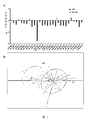
- Figure 1 is a graph of real-time quantitative PCR measurement and analysis of miRNAs for samples.
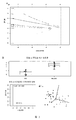
- Figure 2 is a graph showing the expression of the miRNA combination of the present invention (i.e., miR-4463, miR-4532, and miR-1290, and miR-4793) in a blood sample of SAH in patients with DCI and SAH without DCI in a sample. Horizontal LASSO algorithm analysis and results schematic.
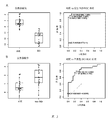
- Figure 3 is a blood sample of a combination of miRNAs of the invention (i.e., miR-4463, miR-4532, and miR-1290, and miR-4793) in a sample with SAI in DCI and SAH in patients without DCI, and LASSO algorithm analysis of the expression levels in the blood samples of the control group and a schematic of the results.
- miRNAs of the invention i.e., miR-4463, miR-4532, and miR-1290, and miR-4793
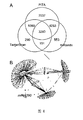
- Figure 4 is a downstream target analysis map of miRNAs in the biomarkers of the invention (i.e., miR-4463, miR-4532, and miR-1290, and miR-4793).
- the data in the table is %(N), mean ⁇ SD, or median.
- GCS Glasgow Coma Scale
- IVH intraventricular hemorrhage
- mRS modified Rankin Scale
- WFNS Grade World Neurosurgical Society World Federation of Neurosurgical Societies Grade
- DCI delayed cerebral infarction
- RNA isolation and quantitative real-time PCR were performed according to a conventional method including preparation of serum by adding 20% w/v CaCl 2 (Sigma, St. Louis, MO) to a plasma sample, followed by coagulation overnight and centrifugation. Total RNA was isolated from the obtained serum samples using the miRNeasy serum/plasma kit (Qiagen, Valencia, CA) according to the manufacturer's instructions.
- RNA extracted was measured by a Nanodrop 2000 UV-Vis spectrophotometer (Thermo Scientific, Waltham, MA). Ct values and melting curves were analyzed using Applied Biosystems SDS software (Applied Biosystems, Waltham, MA).
- the heat map with hierarchical clustering and PCA was calculated and displayed using R package 3.0.1 (R Foundation for Statistical Computing, Austria, Austria) using the functions pHeatmap and prcomp from the stats package, respectively.
- Rpackage pROC was used to map and visualize ROC curves, AUC and confidence intervals were calculated to assess the effectiveness of miRNA-based classifiers (Robin X, et al, BMC Bioinformatics. 2011; 12:77).
- R package glmnet was used to define a miRNA-based classifier by fitting the maximum likelihood fit LASSO regression model (Friedman J et al, J Stat Softw. 2010; 33: 1-22).
- the ⁇ value based on cross-validation is 0.07765104.
- the p value was calculated using the t test. A value of p ⁇ 0.05 was considered to be statistically significant.
- miRNA expression was measured using the chip Affymetrix GeneChip miRNA3.0 Arrays Kit (Affymetrix, Santa Clara, CA) according to the manufacturer's protocol manual; chip signals were scanned and acquired using Affymetrix Scanner 3000 7G (Affymetrix, Santa Clara, CA) analysis. From the phylogenetic tree diagram showing the heat map of the full data matrix of the above three groups of subjects, the miRNA expression profiles of the three groups of subjects have obvious clustering differences, indicating that the grouping of the 28 miRNAs can Distinguish between SAH patients with or without DCI.
- FIG. 1 shows the results of real-time fluorescent quantitative PCR.
- Figure 1A shows the expression levels of 28 SAH-related miRNAs measured by real-time PCR; the miRNA expression levels are normalized to the control, expressed as ⁇ Ct;
- Figure 1B is the two SAHs with or without DCI.
- Receiver operating characteristics analysis was used to evaluate individual miRNAs that can be used to distinguish and classify DCH from SAI and SAH without DCI (Hajian-Tilaki K.Caspian J Intern Med.2013) ; 4: 627-635). Based on sensitivity (true positive rate) and specificity (false positive rate) at different thresholds, ROC analysis can be used to select SAH that distinguishes between DCI and SAH that does not.
- a subject characteristic curve was drawn for the expression levels of qPCR measurements of the aforementioned 28 SAH-related miRNAs obtained in the SAH patient group with or without DCI.
- the results are shown in Table 3 below, and the area under the curve (AUC) exceeding 80% (p ⁇ 0.0005) includes the following miRNAs: miR-4463, miR-4532, miR-1290, miR-4793, miR-421, miR-4492 , miR-574, miR-4689, miR-4449, miR-93-5p, miR-4497 and miR-297.
- the AUC of miR-1290 at the threshold level of 8.653 the sensitivity (true positive rate) and specificity were 95.3% (95% CI: 0.897-1), 0.900 and 0.850, respectively.
- the miRNA combination of SAH in which DCI is generated can be characterized for analysis.
- the LASSO algorithm (least absolute shrinkage and selection operator method) analysis uses a combination of four miRNAs (ie miR-4463, miR-4532, miR-4793 and miR-1290) in the difference The accuracy of SAH in DCI and SAH in DCI did not occur. The result is shown in Figure 2.
- Figure 2 is a graph showing the expression levels of four miRNAs in a sample (i.e., miR-4463, miR-4532, miR-4793, and miR-1290) in blood samples of SAH in patients with DCI and SAH in patients without DCI.
- LASSO algorithm analysis and results schematic. 2A is the coefficient obtained by the LASSO algorithm; FIG.
- FIG. 2B shows the results of the above four miRNA combinations obtained by the LASSO algorithm for distinguishing between SAH in which DCI occurs and SAH in which DCI does not occur:
- Figure 2B shows the result box of the LASSO algorithm.
- the lower left side is the ROC curve of 4 miRNAs; the lower right side is the PCA curve of 4 miRNAs.
- the coefficient of miR-4793 is 0.09569081
- the contribution in the formula is smaller than that of the other three miRNAs (ie, miR-4463, miR-4532, and miR-1290), and can be calculated from three miRNAs (ie, miR-4463, The combination formed by miR-4532 and miR-1290) can also clearly distinguish between SAH in which DCI occurs and SAH type in which DCI does not occur.
- Figure 3 is a blood sample of a combination of the four miRNAs in a sample (i.e., miR-4463, miR-4532, miR-4793, and miR-1290) in a SAH in which DCI occurs and a SAH in which no DCI occurs, and Analysis of the expression level of the LASSO algorithm in the blood samples of the control group and the results.
- Figure 3A is a blood sample of the four miRNAs in a SAH patient who developed DCI and a blood sample in a control group
- Figure 3B is a blood sample of the four miRNAs in a SAH patient who does not develop DCI and Expression levels in blood samples from the control group.
- the activity of the four miRNAs was strongly in the blood samples of SAH patients who developed DCI. Inhibition, but still high activity in blood samples of SAH patients who do not develop DCI.
- the expression of these four miRNAs is heterogeneous in SAH in patients with DCI and SAH in patients without DCI.
- the activity under the curve (AUC) of the blood sample of the SAH patient who developed DCI was 99.3% (95% CI: 0.977–1, p ⁇ 0.0001);
- the AUC of the blood samples of the SAH patients with DCI was 82.0% (95% CI: 0.685-0.955, p ⁇ 0.0005) compared to the blood samples of the control subjects.
- FIG. 5 is a graph of downstream target analysis and results for four miRNAs of the invention (miR-4463, miR-4532, miR-4793 and miR-1290).
- FIG. 5A shows the results of three algorithms (ie, TargetScan algorithm, miRanda algorithm, and PITA algorithm);
- FIG. 5B is a network diagram of the analysis results.
- the present invention provides, for the first time, a biomarker that distinguishes and defines subarachnoid hemorrhage with or without delayed cerebral infarction, the biomarker comprising a combination of three miRNAs (ie, miR-4463, miR-4532) And miR-1290) or a combination of four miRNAs (ie miR-4463, miR-4532, miR-4793 and miR-1290).
- the biomarker comprising a combination of three miRNAs (ie, miR-4463, miR-4532) And miR-1290) or a combination of four miRNAs (ie miR-4463, miR-4532, miR-4793 and miR-1290).
- a biomarker that distinguishes and defines subarachnoid hemorrhage with or without delayed cerebral infarction
- the biomarker comprising a combination of three miRNAs (ie, miR-4463, miR-4532) And miR-1290) or
- miR-4532 is associated with chemoresistance in breast cancer cells; expression of miR-4793 is elevated in liver metastases in patients with sporadic colorectal cancer (sCRC).
- miR-1290 is associated with different types of cancer, including colorectal cancer, cervical cancer, cancer, non-small cell lung cancer, breast cancer, hepatocellular carcinoma, gastric cancer, laryngeal cancer, lymphocytic leukemia, esophageal squamous cell carcinoma (ESCC) , lung adenocarcinoma, prostate cancer, pancreatic and bladder cancer, and oral submucosal fibrosis, nonalcoholic fatty liver disease and chronic rhinosinusitis; miR-4463 has been shown to be polycystic ovary syndrome (PCOS) and occlusion Biomarker for arteriosclerosis (ASO). However, the association of these miRNAs with subarachnoid hemorrhage has not been reported.
- PCOS polycystic
- the biomarkers discovered by the present invention can effectively and accurately distinguish subarachnoid hemorrhage with or without delayed cerebral infarction.
- the present invention thus provides a method for distinguishing and judging SAH in which DCI occurs and SAH in which DCI does not occur.
- the classifier provided by the present invention for distinguishing and distinguishing between SAH in which DCI occurs and SAH in which DCI does not occur ie, a combination of miRNAs that facilitates the two types of SAH
- the miRNA combination of the invention is specific for SAH in which DCI occurs and SAH in which DCI does not occur.
- the method of the present invention can be used to detect the expression level of a related miRNA in a peripheral blood sample thereby achieving a prognostic diagnosis of delayed cerebral infarction caused by subarachnoid hemorrhage.
- Peripheral blood samples have the advantage of simple sampling operation, which can greatly facilitate the diagnosis of brain diseases.
- the peripheral blood circulating miRNA has relatively high stability, so that the miRNA biomarkers discovered by the present invention have a better application prospect than other biomarkers.
- the unit "degree” of temperature appearing in this document refers to degrees Celsius, or °C.
Landscapes
- Chemical & Material Sciences (AREA)
- Life Sciences & Earth Sciences (AREA)
- Health & Medical Sciences (AREA)
- Organic Chemistry (AREA)
- Engineering & Computer Science (AREA)
- Genetics & Genomics (AREA)
- Proteomics, Peptides & Aminoacids (AREA)
- Wood Science & Technology (AREA)
- Zoology (AREA)
- Molecular Biology (AREA)
- Analytical Chemistry (AREA)
- General Health & Medical Sciences (AREA)
- General Engineering & Computer Science (AREA)
- Biotechnology (AREA)
- Bioinformatics & Cheminformatics (AREA)
- Physics & Mathematics (AREA)
- Microbiology (AREA)
- Biochemistry (AREA)
- Biophysics (AREA)
- Immunology (AREA)
- Biomedical Technology (AREA)
- Pathology (AREA)
- Plant Pathology (AREA)
- Medicinal Chemistry (AREA)
- Pharmacology & Pharmacy (AREA)
- Epidemiology (AREA)
- Animal Behavior & Ethology (AREA)
- Public Health (AREA)
- Veterinary Medicine (AREA)
- Measuring Or Testing Involving Enzymes Or Micro-Organisms (AREA)
Abstract
提供了表明不良预后的蛛网膜下腔出血的生物标记物,所述不良预后为发生迟发性脑梗塞,所述标记物由以下miRNA组成:miR-4463,miR-4532和miR-1290,还可以包括miR-4793。还提供了采用所述生物标记物诊断蛛网膜下腔出血或其预后的方法,包含所述生物标记物诊断蛛网膜下腔出血或其预后的试剂盒和芯片,及其制备方法。
Description
本申请要求2017年4月19日提交的、申请号为201710258136.6、发明名称为“蛛网膜下腔出血的循环microRNA生物标记物和其应用”的中国专利申请的优先权,其全部内容通过引用结合在本申请中。
本发明涉及分子生物学和疾病诊断试剂制备领域。具体的,本发明涉及蛛网膜下腔出血和其后发生迟发性脑梗塞的microRNA生物标记物,以及所述microRNA在用于诊断或检测蛛网膜下腔出血和其后发生迟发性脑梗塞,以及制备用于所述诊断或检测的试剂盒或基因芯片的应用,特别是用在外周血样品,包括血清和血浆样品中。
蛛网膜下腔出血(Subarachnoid hemorrhage,SAH)占中风的3-5%左右,而且是年轻人中风的重要原因,在全球带来严重的社会经济负担。三分之一以上的SAH患者患有认知障碍,生活质量受损,可能无法回到患病前的工作。
迟发性脑梗塞(Delayed cerebral infarction,DCI)在高达44%的SAH患者中发生,通常在初次出血后第4至7天开始。DCI是一个公认的SAH后神经性影响的临床相关替代性标志。据已知报道,引起蛛网膜下腔出血后的迟发性脑梗塞的相关因素包括年龄,初期神经功能损伤,脑室内出血,蛛网膜下腔出血负荷和动脉瘤大小等。
微小RNA(miRNA)是一种小的(19-23bp),非编码和非常保守 的RNA分子。miRNA在转录后通过抑制mRNA翻译或使mRNA分子去稳定(destablize)来调节基因的表达。人类基因组中有1,881个miRNA,其中296个在miRBase 21.0被注释为高置信度。循环miRNAs已经被证明是脑血管病症的可能的诊断或预后生物标志物,这些脑血管病症包括例如在心肌梗塞,动脉粥样硬化,中风,脑梗死,高血压,颅内动脉瘤(IA)和蛛网膜下腔出血(SAH)等。
对蛛网膜下腔出血后的迟发性脑梗塞做出及时的预测和诊断对及时防治有重要的意义。然而本领域还需要一种对蛛网膜下腔出血后的迟发性脑梗塞的诊断,特别是通过特异性相关miRNA的表达水平来对蛛网膜下腔出血后的迟发性脑梗塞进行准确和快速的检测或预测的方法、试剂盒或基因芯片。
发明内容
本发明提供了表明蛛网膜下腔出血后的迟发性脑梗塞的由miRNA组成的生物标记物。本发明提供了通过在外周血样品,包括血清和血浆样品中检测所述生物标记物的miRNA的表达水平变化来检测或诊断蛛网膜下腔出血的预后(特别是对迟发性脑梗塞的预后)的方法以及用于这些方法的试剂盒或基因芯片。
在本发明的一个方面,提供了表明不良预后的蛛网膜下腔出血(SAH)的生物标记物,所述不良预后为发生迟发性脑梗塞(DCI),所述标记物包括以下miRNA:miR-4463,miR-4532,miR-1290,miR-4793,miR-421,miR-4492,miR-574,miR-4689,miR-4449,miR-93-5p,miR-4497和miR-297。上述miRNA中的一个,或其中多个miRNA的任意组合,可用于诊断诊断蛛网膜下腔出血的不良预后,,所述不良预后为发生迟发性脑梗塞(DCI)。
在本发明的一个方面,提供了表明不良预后的蛛网膜下腔出血(SAH)的生物标记物,所述不良预后为发生迟发性脑梗塞(DCI),所述标记物由以下miRNA组成:miR-4463,miR-4532和miR-1290。在本发明的其中又一个方面,所述标记物还包括miR-4793。在本发明的更进一个方面,所述标记物还包括一个或多个以下miRNA:miR-421,miR-4492,miR-574,miR-4689,miR-4449,miR-93-5p,miR-4497和miR-297。
本发明提供了通过测量下述miRNA的表达水平来诊断蛛网膜下腔出血的不良预后的方法:miR-4463,miR-4532和miR-1290。在本发明的其中又一个方面,所述标记物还包括miR-4793。所述不良预后为发生迟发性脑梗塞(DCI)。在本发明的其中一个方面,所述方法通过下述步骤诊断蛛网膜下腔出血(SAH)的不良预后:a.测量受试者样品中所述miRNA的表达水平;b.比较受试者样品中所述miRNA的表达水平与无患病对照样品中所述miRNA的表达水平。在本发明的其中又一个方面,当受试者样品中所述miRNA的表达水平与无患病对照样品中对应miRNA的水平相比,测试样品中所述miRNA的水平的降低,指示着不良预后,即发生DCI的可能性较大。在本发明的其中一个方面,其中所述样品为外周血样品,例如血清和血浆样品中。
在本发明的更进一个方面,上述本发明的通过测量miRNA的表达水平来诊断蛛网膜下腔出血(SAH)的不良预后的方法中还包括测量一个或多个以下miRNA的表达水平:miR-421,miR-4492,miR-574,miR-4689,miR-4449,miR-93-5p,miR-4497和miR-297。
本发明还提供了测量miRNA的表达水平的试剂在用于制备诊断蛛网膜下腔出血(SAH)的预后的试剂盒或装置中的用途,其中包括用测量下述miRNA的表达水平的试剂:miR-4463,miR-4532和miR-1290。 在本发明的其中又一个方面,其中还包括用于测量下述miRNA的表达水平的试剂:miR-4793。所述不良预后为发生迟发性脑梗塞(DCI)。在本发明的其中一个方面,其中所述试剂盒和装置通过下述步骤诊断蛛网膜下腔出血(SAH):a.测量受试者样品中所述miRNA的表达水平;b.比较受试者样品中所述miRNA的表达水平与无患病对照样品中所述miRNA的表达水平。在本发明的其中又一个方面,当受试者样品中所述miRNA的表达水平与无患病对照样品中对应miRNA的水平相比,测试样品中所述miRNA的水平的降低,指示着不良预后,即发生DCI的可能性较大。在本发明的其中一个方面,其中所述样品为外周血样品,例如血清和血浆样品中。
在本发明的更进一个方面,上述本发明的测量miRNA的表达水平的试剂在用于制备诊断蛛网膜下腔出血(SAH)的预后的试剂盒或装置中的用途中,所述测量miRNA的表达水平的试剂还包括测量一个或多个以下miRNA的表达水平的试剂:miR-421,miR-4492,miR-574,miR-4689,miR-4449,miR-93-5p,miR-4497和miR-297。
本发明还提供了用于诊断蛛网膜下腔出血(SAH)的预后的试剂盒或装置中,其中包括用于测量下述miRNA的表达水平的试剂:miR-4463,miR-4532和miR-1290。在本发明的其中又一个方面,其中还包括用于测量下述miRNA的表达水平的试剂:miR-4793。所述不良预后为发生迟发性脑梗塞(DCI)。在本发明的其中一个方面,其中所述试剂盒和装置通过下述步骤诊断蛛网膜下腔出血(SAH):a.测量受试者样品中所述miRNA的表达水平;b.比较受试者样品中所述miRNA的表达水平与无患病对照样品中所述miRNA的表达水平。在本发明的其中又一个方面,当受试者样品中所述miRNA的表达水平与无患病对照样品中对应miRNA的水平相比,测试样品中所述miRNA 的水平的降低,指示着不良预后,即发生DCI的可能性较大。在本发明的其中一个方面,其中所述样品为外周血样品,例如血清和血浆样品中。
在本发明的更进一个方面,上述本发明的用于制备诊断蛛网膜下腔出血(SAH)的预后的试剂盒或装置中,还包括测量一个或多个以下miRNA的表达水平的试剂:miR-421,miR-4492,miR-574,miR-4689,miR-4449,miR-93-5p,miR-4497和miR-297。
在本发明的其中又一个方面,前述试剂盒中包含所述miRNA的基因产物。在所述试剂盒中,还可以包含检测所述miRNA的基因产物的试剂,例如与所述基因产物结合的抗体或抗体片段。所述试剂还可被标记,例如被放射性标记或生物素标记等。
在本发明的其中又一个方面,前述装置为基因芯片,或称为微矩阵。所述芯片包括对针对miRNA的抗体和标记。
在本发明中,对miRNA的表达水平的测量通过检测转录的多核苷酸或其部分的存在来进行,其中转录的多核苷酸包含miRNA的编码区。
在本文中,术语“微小RNA”、“microRNA”、“miR基因产物”、“miR”和“miRNA”互换使用,是指来自miR基因的未加工的或加工过的RNA转录物。由于miR基因产物不翻译成蛋白,术语“miR基因产物”不包括蛋白。未加工的miR基因转录物也称作“miR前体”,通常包含长度为约70-100个核苷酸的RNA转录物。miR前体可以消化加工成有活性的19-25个核苷酸的RNA分子。该有活性的19-25个核苷酸的RNA分子也称作“加工过的miR基因转录物”或“成熟的miRNA”。本发明的miRNA主要是指哺乳动物的miRNA,特别是指人的miRNA。
所述有活性的19-25个核苷酸的RNA分子可以通过天然加工途径(例如,使用完整细胞或细胞裂解物)或通过合成加工途径(例如,使用分离的加工酶,例如分离的Dicer,Argonaut,或RNA酶III)从miR前体得到。应当理解,所述有活性的19-25个核苷酸的RNA分子也可以通过生物或化学合成直接生成,不必从miR前体加工。当在本文中用名称提及miRNA时,该名称对应着前体和成熟形式两者,除非另有说明。
本发明的miRNA主要是指人的miRNA。例如,在本文中,“miR-4433”也代表“hsa-miR-4433”。在本发明中涉及的miRNA包括其miRNA家族,其家族成员和序列在例如http://www.mirbase.org/等网站公开。
在本文中,蛋白符号不用斜体,并全部大写;基因符号使用斜体。但有时在本文中基因符号也不使用斜体。例如有时本文中的miRNA“miR-4463”也写为“miR-4463”。
有关miRNA的序列如下:


可以测量从受试者得到的生物样品的细胞中的miR基因产物的水平。例如,通过常规活检技术,可以从被怀疑患有肺癌的受试者取出组织样品。在另一个实施方案中,可以从受试者取出血液样品,并通过标准技术,分离白细胞用于DNA提取。优选地,在放疗、化疗或其它治疗性处理之前,从受试者得到血液或组织样品。相应的对照组织或血液样品或对照参照样品,可以从受试者的未受影响的组织、从正常人个体或正常个体的群体、或从与受试者样品中大多数细胞相对应的培养细胞得到。然后与来自受试者的样品一起,加工处理对照组织或血液样品,从而可以将来自受试者样品的细胞中从给定miR基因产生的miR基因产物的水平与来自对照样品的细胞的相应miR基因产物水平相对比。或者,可以与测试样品单独分开地得到和加工处理参照样品(例如在不同时间),并将来自测试样品的细胞中从给定miR基因产生的miR基因产物的水平与来自参照样品的相应的miR基因产物水平相对比。
在一个实施方案中,测试样品中至少一种miR基因产物的水平大于对照样品中的相应的miR基因产物的水平(即,miR基因产物的表达被 “增量调节”)。如本文使用的,当来自受试者的细胞或组织样品中miR基因产物的量大于对照细胞或组织样品中相同基因产物的量时,该miR基因产物的表达被“增量调节”。在另一个实施方案中,测试样品中至少一种miR基因产物的水平小于对照样品中的相应的miR基因产物的水平(即,miR基因产物的表达被“减量调节”)。如本文使用的,当从来自受试者的细胞或组织样品的基因产生的miR基因产物的量小于从对照细胞或组织样品中相同基因产生的量时,该miR基因产物的表达被“减量调节”。可以相对于一种或多种RNA表达标准,测定对照和正常样品中的相对miR基因表达。所述标准可包括,例如,零miR基因表达水平,标准细胞系中的miR基因表达水平,受试者的未受影响的组织中的miR基因表达水平,或以前对正常人对照群体得到的miR基因表达的平均水平。
使用适用于检测生物样品中的RNA表达水平的任意技术,可以测量样品中miR基因产物的水平。用于测定生物样品(例如,细胞,组织)中RNA表达水平的合适技术(例如,RNA印迹分析,RT-PCR,原位杂交)是本领域技术人员已知的。
通过逆转录miR基因转录物,随后通过聚合酶链式反应(RT-PCR)扩增逆转录的转录物,也可以测定细胞中miR基因转录物的相对数目。可通过与内部标准例如来自存在于相同样品中的“管家”基因的mRNA的水平比较,来定量miR基因转录物的水平。用作内部标准的合适的“管家”基因包括例如肌球蛋白或甘油醛-3-磷酸脱氢酶(G3PDH)。用于定量和半-定量RT-PCR的方法和其变化形式,是本领域技术人员众所周知的。
另外,还可构建基因芯片(即=微阵列)的寡物文库,其包含对于一组miR基因特异性的一组寡核苷酸(例如,寡脱氧核苷酸)探针。通过使用 该微阵列,可通过逆转录RNA以产生一组靶寡脱氧核苷酸,然后使其与微阵列上的探针寡脱氧核苷酸杂交,从而产生杂交或表达谱,来测定生物样品中多种微小RNA的表达水平。然后科将测试样品的杂交谱与对照样品进行比较,以确定在实体癌细胞中具有改变的表达水平的微小RNA。如本文所用的,“探针寡核苷酸”或“探针寡脱氧核苷酸”是指能够与靶寡核苷酸杂交的寡核苷酸。“靶寡核苷酸”或“靶寡脱氧核苷酸”是指待检测(例如通过杂交)的分子。“miR-特异性的探针寡核苷酸”或“对miR特异性的探针寡核苷酸”是指具有经选择与特定miR基因产物杂交或与该特定miR基因产物的逆转录物杂交的序列的探针寡核苷酸。
可以从由已知的miRNA序列产生的基因特异性寡核苷酸探针制备基因芯片,即微阵列。
图1为对样品的miRNA实时荧光定量PCR测量和分析图。
图2为对样品中的本发明的miRNA组合(即miR-4463,miR-4532,和miR-1290,以及miR-4793)在发生DCI的SAH和无发生DCI的SAH患者的血液样品中的表达水平的LASSO算法分析以及结果示意图。
图3为对样品中的本发明的miRNA的组合(即miR-4463,miR-4532,和miR-1290,以及miR-4793)在发生DCI的SAH和无发生DCI的SAH患者的血液样品,以及在对照组血液样品中的表达水平的LASSO算法分析以及结果示意图。
图4本发明的生物标记物中的miRNA(即miR-4463,miR-4532,和miR-1290,以及miR-4793)的下游靶标分析图。
下面将结合实施例进一步说明本发明的实质内容和有益效果,该实施例仅用于说明本发明而非对本发明的限制。
实施例1病人和样品
该研究获得香港新界东医院联网-中文大学(NTEC-CUHK)临床研究伦理联合委员会批准,并获得所有参与患者或其最近血亲的书面知情同意书。在健康对照(N=20),发生迟发性脑梗塞(DCI)的蛛网膜下腔出血(SAH)患者(N=20)的SAH后第7天,无发生DCI的SAH患者(N=20)的SAH后第7天,收集外周血miRNA。SAH患者自2012年至2013年期间来自香港中文大学威尔斯亲王医院。破裂性脑通过计算机断层扫描血管造影(CTA)诊断。相对于SAH患者,健康对照(n=20)是从没有重大医学风险(包括无吸烟史和高血压)的SAH患者家属招募的。病人情况和体征如表1所示。
表1受试者体征

表中数据为%(N),平均值±SD,或中位数。
其中:GCS,格拉斯哥昏迷分级(Glasgow Coma Scale);IVH,脑室内出血(Intraventricular hemorrhage);mRS,改良Rankin量表评分(modified Rankin Scale);3mo,3个月;WFNS Grade,世界神经外科学会分级(World Federation of Neurosurgical Societies Grade)
实施例2迟发性脑梗塞(DCI)定义
在本研究中,迟发性脑梗塞(DCI)被定义为在排除手术相关梗塞(Procedure related infarction)后,由CT鉴定的脑梗塞(Wong GK等,Journal of neurology,neurosurgery,and psychiatry.2012;83:1112-1117;Vergouwen MD等,Proposal of a multidisciplinary research group.Stroke;a journal of cerebral circulation.2010;41:2391-2395)。手术相关梗塞是指治疗后在约12-24h时在术后CT显示的低密度区。所有参与研究的病人在2-3周后进行CT延时扫描。DCI由两个神经放射医师达至一致同意确诊。
实施例3实时荧光定量PCR
根据标准程序采用EDTA管获得外周血样品。将样品立即置于冰上,并以在4℃,1000g离心15分钟。收集血浆部分,在-80℃等分分储。根据常规方法进行RNA分离和定量实时PCR,包括通过将20%w/v CaCl
2(Sigma,St.Louis,MO)加入到血浆样品中来制备血清,然后凝固过夜并离心。根据制造商的说明书,使用miRNeasy血清/血浆试剂盒(Qiagen,Valencia,CA)从得到的血清样品中分离总RNA。提取的RNA的量由Nanodrop 2000UV-Vis分光光度计(Thermo Scientific,Waltham,MA)测量。用Applied Biosystems SDS软件(Applied Biosystems,Waltham,MA)对Ct值和熔解曲线进行分析。
本研究对总共28个特定的miRNA进行表达分析。这28个miRNA是从与SAH相关的99种可能异常调控(deregulated)的miRNAs中(Su XW等,PLoS One.2015;10:e0144724),选择了在发生DCI和无发生DCI的SAH患者之间存在差异调节的前20个miRNA,以及选择了在SAH患者与健康对照之间存在差异调节的前8个miRNA(其中有两个与前述20个miRNA有重叠),以及miR-132-3p和miR-324-3p共有。表2是本研究中使用的miRNAs表达谱的qPCR引物的列表。
表2用于对miRNA进行qPCR的对应引物

实施例4统计分析方法
使用R package 3.0.1(R Foundation for Statistical Computing,Austria,Austria)分别使用来自stats包的函数pHeatmap和prcomp来计算并显示具有分层聚类和PCA(主成分分析)的热图。采用Rpackage pROC用于绘制和可视化ROC曲线,计算AUC和置信区间以评估基于miRNA的分类器(miRNA-based classifier)的有效性(Robin X,等,BMC Bioinformatics.2011;12:77)。使用不同的R package和函数构建四个分类模型来找到可以区分发生DCI或无发生DCI的SAH患者的分类器,即:线性支持向量机(the linear support vector machine,L-SVM:R package e1071,function svm,kernel=“linear”),非线性支持向量器(the non-linear support vector machine,Non-L-SVM:R package e1071,function svm,kernel=“redial”),线性判别分析(linear discriminant analysis,LDA:R package MASS,function lda)和逻辑回归(LR:R package stats,function glm,family=“binomial”)(Lin XJ等,Lancet Oncol.2015;16:804-815)。采用R package glmnet用于通过补偿最大似然度拟合LASSO回归模型来定义基于miRNA的分类器(Friedman J等,J Stat Softw.2010;33:1-22)。基于交叉验证(cross-validation)的λ值为0.07765104。采用t检验计算p值。p<0.05的值被认为具有统计学意义。
实施例5发生DCI或无发生DCI的SAH相关miRNA的分类群聚(Hierarchical clustering)分析
对来自以下三组被测者的28个miRNA进行分类群聚来对miRNA的平均表达进行作图分析:发生DCI的SAH、无发生DCI的SAH和 健康对照。根据制造商提供的操作方法手册,采用芯片Affymetrix GeneChip miRNA3.0 Arrays Kit(Affymetrix,Santa Clara,CA)测量miRNA表达;采用Affymetrix Scanner 3000 7G(Affymetrix,Santa Clara,CA)对芯片信号进行扫描和采集分析。从显示上述三组受试者的全数据矩阵的热图代表的系统树图看出,这三组受试者的miRNA表达图谱具有明显的聚类差异性,即表示这28个miRNA的分组能够区分发生DCI或无发生DCI的SAH患者。
实施例6
对这28个SAH相关miRNA的表达水平进行实时荧光定量PCR(qPCR),并采用主成分分析(Principal Component Analysis,PCA)进行模式识别,以评估发生或不发生DCI的两种SAH类型的间距联系(distance connectivity)。图1显示实时荧光定量PCR的结果。其中图1A给出的是实时荧光定量PCR测得的28个SAH相关miRNA的表达水平;miRNA表达水平经过相对对照的标准化,以ΔΔCt表示;图1B是所述发生或不发生DCI的两种SAH类型的miRNA表达水平的PCA图。
如图所示,PCA分析得到两个明显区别的发生DCI的SAH和不发生DCI的SAH类型的群聚,其产生的重叠很小,证明了可以通过特定的miRNA组合来对这两种SAH类型进行区分和分类。
实施例7评估用于表征发生DCI的SAH的单个miRNA
采用受试者特征曲线分析(receiver operating characteristics analysis,ROC analysis)对可以用于区分和分类发生DCI的SAH和不发生DCI的SAH的单个miRNA进行评估(Hajian-Tilaki K.Caspian J Intern Med.2013;4:627-635)。根据在不同阈值的敏感度(真阳性率)和特异性(假阳性率),ROC分析能被用于选择可区分发生DCI的SAH和不发生DCI的SAH。
对前述在发生或不发生DCI的SAH患者组别获得的28个SAH相关miRNA的qPCR测量的表达水平绘制受试者特征曲线(ROC curve)。结果如下表3所示,其曲线下面积(AUC)超过80%(p<0.0005)的包括以下miRNA:miR-4463,miR-4532,miR-1290,miR-4793,miR-421,miR-4492,miR-574,miR-4689,miR-4449,miR-93-5p,miR-4497和miR-297。其中,miR-1290在阈值水平8.653的AUC,敏感度(真阳性率)和特异性分别为95.3%(95%CI:0.897-1),0.900和0.850。
表3 SAH分类中各miRNA的表达


从这些miRNA中需要选择出能够区分发生或不发生DCI的SAH的miRNA组合。
实施例8用于表征发生DCI的SAH的miRNA组合
对本发明提供的用于区别发生DCI的SAH和无发生DCI的SAH,即可表征发生DCI的SAH的miRNA组合进行分析。
采用最小绝对值收敛和选择算子算法,即LASSO算法(least absolute shrinkage and selection operator method)分析采用四个miRNA的组合(即miR-4463,miR-4532,miR-4793和miR-1290)在区别发生DCI的SAH和无发生DCI的SAH的准确性。结果如图2所示。图2为对样品中的四个miRNA的组合(即miR-4463,miR-4532,miR-4793和miR-1290)在发生DCI的SAH和无发生DCI的SAH患者的血液样品中的表达水平的LASSO算法分析以及结果示意图。其中图2A是LASSO算法获得的系数;图2B显示出LASSO算法分析得到的上述四个miRNA组合用于区别发生DCI的SAH和无发生DCI的SAH的结果:图2B上部是LASSO算法结果箱线图;下部左侧为4个miRNA的ROC曲线;下部右侧是4个miRNA的PCA曲线。
ROC分析显示,根据LASSO算法得到的系数(其中miR-4463的为0.16589606;miR-4532的为0.43352951;miR-4793x0.09569081;miR-1290的为0.2602013),采用公式ln(Y/1-Y)=-4.29759355+miR-4463x0.16589606+miR-4532x0.43352951+miR-4793x0.09569081+miR-1290x0.2602013进行计算,所述四个miRNA的组合(即miR-4463,miR-4532,miR-4793和miR-1290)的曲线下面积 (AUC)达到100%(95%CI:1-1,p<0.0001)。PCA分析证明,所述四个miRNA的组合(即miR-4463,miR-4532,miR-4793和miR-1290)能够产生两个明显区别发生DCI的SAH和不发生DCI的SAH类型的群聚。
由于miR-4793的系数为0.09569081,在公式中的贡献相对其它三个miRNA(即miR-4463,miR-4532和miR-1290)的较小,可以计算出由三个miRNA(即miR-4463,miR-4532和miR-1290)形成的组合也能够明显区别发生DCI的SAH和不发生DCI的SAH类型。
图3为对样品中的所述四个miRNA的组合(即miR-4463,miR-4532,miR-4793和miR-1290)在发生DCI的SAH和无发生DCI的SAH患者的血液样品,以及在对照组血液样品中的表达水平的LASSO算法分析以及结果示意图。其中图3A中是所述4个miRNA在发生DCI的SAH患者的血液样品和在对照组血液样品中的表达水平;图3B是所述4个miRNA在不发生DCI的SAH患者的血液样品和在对照组血液样品中的表达水平。
意想不到的是,如图3所显示的,所述四个miRNA(即miR-4463,miR-4532,miR-4793和miR-1290)的活性在发生DCI的SAH患者的血液样品中被强烈地抑制,而在不发生DCI的SAH患者的血液样品中还是具有很高的活性。这四个miRNA在发生DCI的SAH和不发生DCI的SAH患者中的表达具有两相性,其中,在ROC分析中,四个miRNA(即miR-4463,miR-4532,miR-4793和miR-1290)的活性在发生DCI的SAH患者的血液样品中与对照组受试者的血液样品中比较,曲线下面积(AUC)达到99.3%(95%CI:0.977–1,p<0.0001);不发生DCI的SAH患者的血液样品中与对照组受试者的血液样品中比较,AUC达到82.0%(95%CI:0.685-0.955,p<0.0005)。这进一步证明了本发明的这 三个miRNA(miR-4463,miR-4532和miR-1290)或四个miRNA(miR-4463,miR-4532,miR-4793和miR-1290)的组合能够用于区别和定义发生DCI的SAH和不发生DCI的SAH。
实施例9
由于本发明采用的4个miRNA(miR-4463,miR-4532,miR-4793和miR-1290)的下游靶标和特定作用还没有明确的研究,发明人采用了3种算法(即TargetScan算法,miRanda算法和PITA算法)对这几个miRNA进行基因中心性分析(gene-centric analysis)来研究其共同和特异性的潜在靶标。图5是本发明4个miRNA(miR-4463,miR-4532,miR-4793和miR-1290)的下游靶标分析和结果图。图5A显示3种算法(即TargetScan算法,miRanda算法和PITA算法)的结果;图5B是分析结果的网络图。
如图4所示,这4个miRNA的下游靶点有相当多的重叠。由此,进一步证明这4个存在于影响到蛛网膜下腔出血后迟发性脑梗塞的共同调节途径中。
结论
本发明第一次提供了可区别和定义发生或不发生迟发性脑梗塞的蛛网膜下腔出血的生物标记物,该生物标记物包括三个miRNA的组合(即miR-4463,miR-4532和miR-1290)或是四个miRNA的组合(即miR-4463,miR-4532,miR-4793和miR-1290)。在本发明之前,本发明发现的上述生物标记物中的miRNA都没有被发现与SAH的病理相关。曾经有报道,miR-4532与乳腺癌细胞化学耐药有关;miR-4793的表达在散发性结直肠癌(sCRC)患者的肝转移中升高。miR-1290与不同类 型的癌症相关,包括结肠直肠癌,子宫颈癌,癌症,非小细胞肺癌,乳腺癌,肝细胞癌,胃癌,喉癌,淋巴细胞白血病,食管鳞状细胞癌(ESCC),肺腺癌,前列腺癌,胰腺癌和膀胱癌以及口腔黏膜下层纤维化,非酒精性脂肪性肝病和慢性鼻鼻窦炎;miR-4463已被证明是多囊卵巢综合征(PCOS)和闭塞性动脉硬化症(ASO)的生物标志物。但没有报道这些miRNA与蛛网膜下腔出血的关联。
本发明发现的生物标记物可有效和准确地区分发生或不发生迟发性脑梗塞的蛛网膜下腔出血。本发明由此提供了用于区分和判断发生DCI的SAH和无发生DCI的SAH的方法。本发明提供的用于分辨和区分发生DCI的SAH和无发生DCI的SAH的分类器(即简便这两种SAH的miRNA组合)还可以区分健康对照与发生或不发生DCI的SAH类型,进一步证明了本发明miRNA组合针对发生DCI的SAH和无发生DCI的SAH的特异性。
本发明的方法可用于在外周血样品中检测相关miRNA的表达水平由此实现对蛛网膜下腔出血引起的迟发性脑梗塞的预后诊断。外周血样品具有取样操作简单的优点,能大大方便对脑部病症的诊断。并且外周血循环miRNA具有相对较高的稳定性,使得本发明发现的miRNA生物标记物具有比其它生物标记物更好的应用前景。
上面是对本发明进行的说明,不能将其看成是对本发明进行的限制。除非另外指出,本发明的实践将使用有机化学、聚合物化学、生物技术等的常规技术,显然除在上述说明和实施例中所特别描述之外,还可以别的方式实现本发明。其它在本发明范围内的方面与改进将对本发明所属领域的技术人员显而易见。根据本发明的教导,许多改变和变化是可行的,因此其在本发明的范围之内。
如无特别表示,本文中出现的温度的单位“度”是指摄氏度,即℃。
Claims (20)
- 一种表明蛛网膜下腔出血的不良预后的生物标记物,所述不良预后为发生迟发性脑梗塞,所述标记物由以下miRNA组成:miR-4463,miR-4532和miR-1290。
- 权利要求2的生物标记物,其中所述标记物还包括miR-4793。
- 权利要求1的生物标记物,其中还包括一个或多个以下miRNA:miR-421,miR-4492,miR-574,miR-4689,miR-4449,miR-93-5p,miR-4497和miR-297。
- 测量miRNA的表达水平的试剂在用于制备诊断蛛网膜下腔出血的不良预后的试剂盒或装置中的用途,所述不良预后为发生迟发性脑梗塞,其中所述测量miRNA的表达水平的试剂用于测量下述miRNA的表达水平:miR-4463,miR-4532和miR-1290。
- 权利要求4的用途,其中所述标记物还包括miR-4793。
- 权利要求4的用途,其中所述miRNA还包括一个或多个以下miRNA:miR-421,miR-4492,miR-574,miR-4689,miR-4449,miR-93-5p,miR-4497和miR-297。
- 权利要求4的用途,其中所述试剂盒和装置通过下述步骤诊断蛛网膜下腔出血的不良预后:a.测量受试者样品中所述miRNA的表达水平;b.比较受试者样品中所述miRNA的表达水平与无患病对照样品中所述miRNA的表达水平。
- 权利要求7的用途,其中所述受试者样品为外周血样品。
- 诊断蛛网膜下腔出血的不良预后的试剂盒或装置,所述不良预后为发生迟发性脑梗塞,其中包含测量下述miRNA的表达水平的试 剂:miR-4463,miR-4532和miR-1290。
- 权利要求9的试剂盒或装置,其中所述标记物还包括miR-4793。
- 权利要求9的试剂盒或装置,其中所述miRNA还包括一个或多个以下miRNA:miR-421,miR-4492,miR-574,miR-4689,miR-4449,miR-93-5p,miR-4497和miR-297。
- 权利要求9的试剂盒或装置,其中所述试剂盒和装置通过下述步骤诊断蛛网膜下腔出血:a.测量受试者样品中所述miRNA的表达水平;b.比较受试者样品中所述miRNA的表达水平与无患病对照样品中所述miRNA的表达水平。
- 权利要求12的试剂盒或装置,其中所述受试者样品为外周血样品。
- 诊断蛛网膜下腔出血的不良预后的方法,所述不良预后为发生迟发性脑梗塞,其中包括测量受试者样品中下述miRNA的表达水平的步骤:miR-4463,miR-4532和miR-1290。
- 权利要求14的方法,其中还包括测量miR-4793的表达水平。
- 权利要求14的方法,其中所述miRNA还包括一个或多个以下miRNA:miR-421,miR-4492,miR-574,miR-4689,miR-4449,miR-93-5p,miR-4497和miR-297。
- 权利要求14的方法,其中包括以下步骤:a.测量受试者样品中所述miRNA的表达水平;b.比较受试者样品中所述miRNA的表达水平与无患病对照样品中所述miRNA的表达水平。
- 权利要求17的方法,其中所述受试者样品为外周血样品。
- 权利要求15的方法,其中所述miRNA还包括一个或多个以下miRNA:miR-421,miR-4492,miR-574,miR-4689,miR-4449,miR-93-5p,miR-4497和miR-297。
- 权利要求19的方法,其中所述受试者样品为外周血样品。
Applications Claiming Priority (2)
| Application Number | Priority Date | Filing Date | Title |
|---|---|---|---|
| CN201710258136.6A CN108728525B (zh) | 2017-04-19 | 2017-04-19 | 蛛网膜下腔出血的循环microRNA生物标记物和其应用 |
| CN201710258136.6 | 2017-04-19 |
Publications (1)
| Publication Number | Publication Date |
|---|---|
| WO2018192499A1 true WO2018192499A1 (zh) | 2018-10-25 |
Family
ID=63856487
Family Applications (1)
| Application Number | Title | Priority Date | Filing Date |
|---|---|---|---|
| PCT/CN2018/083412 Ceased WO2018192499A1 (zh) | 2017-04-19 | 2018-04-17 | 蛛网膜下腔出血的循环microRNA生物标记物和其应用 |
Country Status (2)
| Country | Link |
|---|---|
| CN (1) | CN108728525B (zh) |
| WO (1) | WO2018192499A1 (zh) |
Cited By (1)
| Publication number | Priority date | Publication date | Assignee | Title |
|---|---|---|---|---|
| CN109846904A (zh) * | 2019-02-19 | 2019-06-07 | 浙江大学 | 间充质干细胞外泌体在制备促进线粒体自噬制剂中的应用 |
Families Citing this family (4)
| Publication number | Priority date | Publication date | Assignee | Title |
|---|---|---|---|---|
| CN109868315B (zh) * | 2019-01-28 | 2022-09-02 | 皖南医学院第一附属医院(皖南医学院弋矶山医院) | 用于早期检测脑动脉瘤性蛛网膜下腔出血严重程度及预后的体外方法 |
| KR102360963B1 (ko) * | 2020-07-28 | 2022-02-09 | 고려대학교 산학협력단 | microRNA조합을 이용한 비알코올 지방간염 진단용 바이오마커 |
| CN112877432A (zh) * | 2021-02-08 | 2021-06-01 | 北京理工大学 | 一种用于胃癌早期检测的微生物传感器及其检测系统 |
| CN116769777A (zh) * | 2023-06-02 | 2023-09-19 | 南通大学 | 一种促进脊髓损伤后轴突再生的工程化外泌体、制备方法与应用 |
Citations (4)
| Publication number | Priority date | Publication date | Assignee | Title |
|---|---|---|---|---|
| WO2004059293A2 (en) * | 2002-12-24 | 2004-07-15 | Biosite Incorporated | Markers for differential diagnosis and methods of use thereof |
| CN103421905A (zh) * | 2013-08-20 | 2013-12-04 | 张飚 | 从血液中检测用于诊断脑卒中的microRNA的方法 |
| CN105349666A (zh) * | 2015-11-30 | 2016-02-24 | 北京泱深生物信息技术有限公司 | 缺血性脑卒中miRNA标记物 |
| CN105543389A (zh) * | 2016-02-03 | 2016-05-04 | 汕头大学医学院第一附属医院 | 脑卒中的miRNA分子标志物及其应用 |
Family Cites Families (1)
| Publication number | Priority date | Publication date | Assignee | Title |
|---|---|---|---|---|
| CN106086026A (zh) * | 2016-06-28 | 2016-11-09 | 叶瑞东 | 一种针对miR‑103‑3p反义寡聚核苷酸及应用 |
-
2017
- 2017-04-19 CN CN201710258136.6A patent/CN108728525B/zh active Active
-
2018
- 2018-04-17 WO PCT/CN2018/083412 patent/WO2018192499A1/zh not_active Ceased
Patent Citations (4)
| Publication number | Priority date | Publication date | Assignee | Title |
|---|---|---|---|---|
| WO2004059293A2 (en) * | 2002-12-24 | 2004-07-15 | Biosite Incorporated | Markers for differential diagnosis and methods of use thereof |
| CN103421905A (zh) * | 2013-08-20 | 2013-12-04 | 张飚 | 从血液中检测用于诊断脑卒中的microRNA的方法 |
| CN105349666A (zh) * | 2015-11-30 | 2016-02-24 | 北京泱深生物信息技术有限公司 | 缺血性脑卒中miRNA标记物 |
| CN105543389A (zh) * | 2016-02-03 | 2016-05-04 | 汕头大学医学院第一附属医院 | 脑卒中的miRNA分子标志物及其应用 |
Non-Patent Citations (3)
| Title |
|---|
| LU , G: "Circulating MicroRNAs in Delayed Cerebral infarction After Aneurysmal Subarachnoid Hemorrhage", J. AM. HEART ASSOC., vol. 6, no. 4, 25 April 2017 (2017-04-25), XP055613476 * |
| MIRZAEI, H.: "MicroRNA:Relevence to Stroke Diagnose, Prognosis and Therapy", JOURNAL OF CELLULAR PHYSIOLOGY, vol. 233, no. 2, 9 January 2017 (2017-01-09), pages 856 - 864, XP055613474 * |
| TAN, K. S.: "Expression Profile of MicroRNAs in Young Stroke Patients", PLOS ONE, 2 November 2009 (2009-11-02), XP055612276 * |
Cited By (1)
| Publication number | Priority date | Publication date | Assignee | Title |
|---|---|---|---|---|
| CN109846904A (zh) * | 2019-02-19 | 2019-06-07 | 浙江大学 | 间充质干细胞外泌体在制备促进线粒体自噬制剂中的应用 |
Also Published As
| Publication number | Publication date |
|---|---|
| CN108728525A (zh) | 2018-11-02 |
| CN108728525B (zh) | 2021-06-22 |
Similar Documents
| Publication | Publication Date | Title |
|---|---|---|
| JP7635186B2 (ja) | 胃がん診断用のマイクロrnaバイオマーカー | |
| CN108265106B (zh) | 用于在癌症患者中预测药物反应性的方法 | |
| JP2025118849A (ja) | 膵臓がんの検出キット又はデバイス及び検出方法 | |
| CN107429295B (zh) | 通过检测微小RNA(miRNA)的表达水平来确定患乳腺癌的风险的方法 | |
| JP5965481B2 (ja) | 皮膚t細胞リンパ腫(ctcl)の診断用マイクロrnaプロファイリング | |
| US20200131586A1 (en) | Methods and compositions for diagnosing or detecting lung cancers | |
| US20160244834A1 (en) | Sepsis biomarkers and uses thereof | |
| WO2018192499A1 (zh) | 蛛网膜下腔出血的循环microRNA生物标记物和其应用 | |
| JP2009528825A (ja) | デュークスb大腸がんの再発を予測するための分子的解析 | |
| CN105339797B (zh) | 早期乳腺癌的预后预测诊断用基因标记物及其用途 | |
| US20150064704A1 (en) | Complex sets of mirnas as non-invasive biomarkers for early diagnosis of acute myocardial infarction | |
| US20240352530A1 (en) | Circulating microrna panel for the early detection of breast cancer and methods thereof | |
| WO2009025790A1 (en) | Diagnostic and prognostic use of human bladder cancer-associated micro rnas | |
| JP7084034B2 (ja) | 神経芽腫の微小残存病変を評価するために用いられる試薬、およびそれを用いた生体試料の分析方法 | |
| US20190185945A1 (en) | Biomarkers of Oral, Pharyngeal and Laryngeal Cancers | |
| US20130084241A1 (en) | DEVELOPMENT OF miRNA DIAGNOSTICS TOOLS IN BLADDER CANCER | |
| US20180251836A1 (en) | Novel mirna biomarkers and use thereof | |
| US20150045243A1 (en) | Mirnas as non-invasive biomarkers for diagnosis | |
| JP6711968B2 (ja) | 子宮体がんのリンパ節転移能の評価方法 | |
| HK1257884B (zh) | 用於在癌症患者中预测药物反应性的方法 | |
| CN103571936A (zh) | 微核酸-196a分子及-196b分子侦测口腔癌的方法及其引物、探针与试剂盒 |
Legal Events
| Date | Code | Title | Description |
|---|---|---|---|
| 121 | Ep: the epo has been informed by wipo that ep was designated in this application |
Ref document number: 18787274 Country of ref document: EP Kind code of ref document: A1 |
|
| NENP | Non-entry into the national phase |
Ref country code: DE |
|
| 122 | Ep: pct application non-entry in european phase |
Ref document number: 18787274 Country of ref document: EP Kind code of ref document: A1 |