WO2017200248A1 - 비강-뇌 약물전달장치 - Google Patents
비강-뇌 약물전달장치 Download PDFInfo
- Publication number
- WO2017200248A1 WO2017200248A1 PCT/KR2017/005017 KR2017005017W WO2017200248A1 WO 2017200248 A1 WO2017200248 A1 WO 2017200248A1 KR 2017005017 W KR2017005017 W KR 2017005017W WO 2017200248 A1 WO2017200248 A1 WO 2017200248A1
- Authority
- WO
- WIPO (PCT)
- Prior art keywords
- drug
- lyophilized
- solvent
- container
- membrane
- Prior art date
- Legal status (The legal status is an assumption and is not a legal conclusion. Google has not performed a legal analysis and makes no representation as to the accuracy of the status listed.)
- Ceased
Links
Images


Classifications
-
- A—HUMAN NECESSITIES
- A61—MEDICAL OR VETERINARY SCIENCE; HYGIENE
- A61M—DEVICES FOR INTRODUCING MEDIA INTO, OR ONTO, THE BODY; DEVICES FOR TRANSDUCING BODY MEDIA OR FOR TAKING MEDIA FROM THE BODY; DEVICES FOR PRODUCING OR ENDING SLEEP OR STUPOR
- A61M11/00—Sprayers or atomisers specially adapted for therapeutic purposes
- A61M11/02—Sprayers or atomisers specially adapted for therapeutic purposes operated by air or other gas pressure applied to the liquid or other product to be sprayed or atomised
-
- A—HUMAN NECESSITIES
- A61—MEDICAL OR VETERINARY SCIENCE; HYGIENE
- A61M—DEVICES FOR INTRODUCING MEDIA INTO, OR ONTO, THE BODY; DEVICES FOR TRANSDUCING BODY MEDIA OR FOR TAKING MEDIA FROM THE BODY; DEVICES FOR PRODUCING OR ENDING SLEEP OR STUPOR
- A61M15/00—Inhalators
- A61M15/08—Inhaling devices inserted into the nose
-
- A—HUMAN NECESSITIES
- A61—MEDICAL OR VETERINARY SCIENCE; HYGIENE
- A61M—DEVICES FOR INTRODUCING MEDIA INTO, OR ONTO, THE BODY; DEVICES FOR TRANSDUCING BODY MEDIA OR FOR TAKING MEDIA FROM THE BODY; DEVICES FOR PRODUCING OR ENDING SLEEP OR STUPOR
- A61M31/00—Devices for introducing or retaining media, e.g. remedies, in cavities of the body
Definitions
- the present invention relates to a drug delivery device, and more particularly, to a nasal-brain drug delivery device that stores the drug in lyophilized form and thaws the lyophilized drug upon spraying and sprays it with the solute.
- the Drug Delivery System In the field of healthcare, the Drug Delivery System (DDS) is designed to deliver and release substances with pharmacological activity to cells, tissues, organs and organs for optimal efficacy using a variety of physicochemical techniques. A series of techniques to control. In other words, the drug delivery system aims to effectively maintain in vivo environment, maintain proper concentration in vivo and target directivity. As health concerns increase, effective and economic treatments for various diseases are required. Therefore, the drug delivery system is preparing for the transition to a customized dosing period in which the necessary amount according to the individual's condition is administered when and where it is needed.
- DDS Drug Delivery System
- Drug delivery systems can be classified according to delivery route, type of drug, and type of delivery technology. Depending on the route of delivery, it may be classified into oral, injectable, pulmonary inhalation, transdermal, mucosal, and implantable types.
- Pressurized Olfactory Delivery (POD device) of the drug delivery system can avoid gastrointestinal proteinase degradation, which is a disadvantage of oral administration, and is relatively easy to inject drugs and is used as an alternative route of injection.
- POD device Pressurized Olfactory Delivery
- research is being actively conducted to directly deliver the drug to the brain through the nasal cavity (nose-to-brain). This is because the nasal cavity is the only area where brain neurons are exposed to the outside, making it an effective spot for drug injection into the brain.
- injecting drugs into the brain through the nasal passages has difficulty in injecting drugs due to the blood-brain barrier on the path from the nasal passages to the brain.
- the inventors have invented a brain drug delivery device through the nasal cavity.
- One technical problem to be solved by the present invention is to provide a drug delivery device with excellent drug preservation effect.
- One technical problem to be solved by the present invention is to provide a drug delivery device that is easy to store the lyophilized drug and spray the freeze-dried drug.
- Another technical problem to be solved by the present invention is to provide a drug delivery device that is easy to replace the drug.
- the technical problem to be solved by the present invention is not limited to the above.
- Nasal-brain drug delivery device for storing the lyophilized drug
- a restore solvent container for storing the solvent to thaw the lyophilized drug
- the lyophilized drug and
- a compressor that provides a membrane and a propulsion force to prevent the incorporation of the solvent, wherein the driving force of the compressor includes opening the membrane to mix the lyophilized drug and the solvent to obtain the lyophilized drug.
- the thawed drug is configured to spray into the nasal cavity of the subject in a mecca position with the subject's head facing the chest.
- the recovery solvent container is made of a flexible
- the membrane may be opened by the increased internal pressure as the recovery solvent container is deformed by the driving force.
- the restoration solvent container may be opened by increasing the internal pressure of the restoration solvent container as the restoration solvent container moves toward the freeze-dried chemical container by the driving force.
- the compressor provides a driving force to one end of the recovery solvent container, the other end of the recovery solvent container may be blocked with the lyophilized chemical container by the membrane.
- one end of the recovery solvent container may include a receiving groove provided with the driving force.
- the lyophilized medicine container may include micropores for spraying the thawed medicine.
- the drug ejected from the micropores may be sprayed to the outside through the spray unit.
- the restoration solvent container, the membrane, and the lyophilized chemical container may be positioned based on the compressor.
- the apparatus may further include a first housing in which the compressor is accommodated, and a second housing in which the restoration solvent container, the membrane, and the lyophilized medicine container are accommodated, wherein the second housing is formed from the first housing.
- the longitudinal direction of the first housing and the longitudinal direction of the second housing may have an acute angle when the first housing and the second housing are coupled to each other.
- a nasal-brain drug delivery device includes a lyophilized drug container for storing a lyophilized drug, a restored solvent container for storing a solvent for thawing the lyophilized drug, and a lyophilized drug container; And a membrane formed between the restoration solvent containers, wherein the membrane blocks the mixing of the lyophilized drug and the solvent when the drug is stored, and is opened when the drug is sprayed so that the lyophilized drug is mixed with the solvent.
- the thawed medicine may be configured to be sprayed into the nasal cavity of the subject in a mecca position in which the head of the subject faces the chest.
- Nasal-brain drug delivery device is a lyophilized drug container for storing a lyophilized drug, a restore solvent container for storing a solvent for thawing the lyophilized drug, the lyophilized drug and And a compressor that provides a membrane and a propulsion force to prevent the incorporation of the solvent, wherein the driving force of the compressor includes opening the membrane to mix the lyophilized drug and the solvent to obtain the lyophilized drug.
- Thaw the thawed agent as well as thaw.
- the spray pressure of the thawed drug may be 6 to 20 psi.
- the spray pressure of the thawed drug may be 6 to 15psi.
- the nasal-brain drug delivery device is a lyophilized drug container for storing a lyophilized drug, a restore solvent container for storing a solvent for thawing the lyophilized drug, the lyophilized drug and the And a compressor that provides a membrane and a propulsion force to prevent the incorporation of solvent, and by opening the membrane by the driving force of the compressor, by mixing the lyophilized drug and the solvent to thaw the lyophilized drug. And to spray the thawed drug. Accordingly, the drug can be stored in a lyophilized state, thereby minimizing the effect of bacteria or enzymes on the drug.
- 1 is a block diagram for explaining the function of the drug delivery device according to an embodiment of the present invention.
- FIG. 2 is a view for explaining the overall configuration according to an embodiment of the present invention.
- FIG 3 is a view for explaining a freeze-dried drug storage structure according to an embodiment of the present invention.
- Figure 4 is a view for explaining the spraying process of the lyophilized medicine according to an embodiment of the present invention.
- FIG. 5 is a view for explaining a freeze-dried drug storage structure according to another embodiment of the present invention.
- FIG. 6 is a view for explaining the spraying process of the lyophilized medicine according to another embodiment of the present invention.
- FIG. 7 is a view for explaining a method of using a drug delivery device according to an embodiment of the present invention.
- FIG. 11 shows experimental results for explaining nasal-brain drug delivery efficiency according to drug injection pressure according to an embodiment of the present invention.
- first, second, and third are used to describe various components, but these components should not be limited by these terms. These terms are only used to distinguish one component from another. Thus, what is referred to as a first component in one embodiment may be referred to as a second component in another embodiment.
- first component in one embodiment may be referred to as a second component in another embodiment.
- second component in another embodiment.
- Each embodiment described and illustrated herein also includes its complementary embodiment.
- the term 'and / or' is used herein to include at least one of the components listed before and after.
- connection is used herein to mean both indirectly connecting a plurality of components, and directly connecting.
- FIG. 1 is a view for explaining the function of the nasal-brain drug delivery device according to an embodiment of the present invention.
- the nasal-brain drug delivery device will be abbreviated as drug delivery device.
- the drug delivery device may include a lyophilized drug container 110, a recovery solvent container 120, a compressor 130, and a sprayer 140.
- a lyophilized drug container 110 may include a lyophilized drug container 110, a recovery solvent container 120, a compressor 130, and a sprayer 140.
- the freeze-dried drug container 110 the drug may be stored in a lyophilized state. Freeze-drying the drug can be understood as freezing the drug and then lowering the atmospheric pressure to sublimate the solid water into a gas. That is, the freeze-dried drug container 110 may store the drug in the form of lyophilized powder (powder).
- the lyophilized drug container 110 may be stored by lyophilizing various drugs, and the type of drug is not particularly limited, but may include, for example, dementia, Parkinson's, depression, cancer treatment, ischemic drugs.
- the lyophilized drug container 110 is insulin (insulin), oxytosin (oxytosin), glutathione (Glutathione), ketamine (ketamine), Histone deacetylase inhibitors (HDAC inhibitors, HDCAi), paclitaxel, At least one of Taxol may be stored in lyophilized form.
- the restoration solvent container 120 may store a restoration solvent for thawing the lyophilized medicine.
- the restored solvent may be abbreviated as solvent for convenience.
- the restoration solvent container 120 is, for example, glycerol, propylene glycol, polyethylene glycol, polypropylene glycol, ethyl alcohol as the restoration solvent. , At least one of isopropyl alcohol, peanut oil, sterile water, sterile normal saline solution, and sterile phosphate buffer solution. Can be.
- the lyophilized drug of the lyophilized drug container 110 and the recovery solvent of the recovery solvent container 120 may be configured to be prevented from mixing with each other by a membrane.
- the membrane is opened, so that the lyophilized chemical of the lyophilized chemical container 110 and the restoration solvent of the restored solvent container 120 are mixed to freeze and restore the lyophilized chemical. .
- the compressor 130 may provide a driving force to the drug delivery device 100. More specifically, the compressor 130 provides driving force for spraying chemicals, and at the same time, by opening or breaking the membrane between the lyophilized chemical container 110 and the restoration solvent container 120, the lyophilization chemical and the restoration solvent Can be mixed.
- the compressor 130 may be driven in various ways.
- the compressor 130 may be provided in the form of a syringe type to provide a direct driving force to the operator.
- the compressor 130 may include a compressed gas, and may be provided in the form of providing a driving force by injecting the compressed gas according to the operator's operation.
- the compressed gas may be provided at a preset pressure.
- the compressor 130 includes compressed gas.
- the compressed gas may be made of a material that may be inhaled by the human body.
- the compressed gas may be made of at least one material of hydrofluoroalkane (HFA), nitrogen, chlorofluorocarbon (CFC), and air.
- HFA hydrofluoroalkane
- CFC chlorofluorocarbon
- the compressed gas is not necessarily a compressed gas and may be provided in the form of a compressed liquid.
- the sprayer 140 may provide a passage for mixing the lyophilized medicine with the restoration solvent to spray the thawed medicine through the driving force provided from the compressor 130.
- FIG. 2 is a view for explaining the overall configuration according to an embodiment of the present invention. In describing each component illustrated in FIG. 2, a portion corresponding to the configuration described with reference to FIG. 1 will be briefly described.
- the drug delivery device 100 may include a lyophilized drug container 210, a recovery solvent container 220, a compressor 230, and a sprayer 240.
- the lyophilized medicine container 210 shown in FIG. 2 corresponds to the lyophilized medicine container 110 shown in FIG. 1
- the restoration solvent container 220 shown in FIG. 2 is the restoration solvent shown in FIG. 1.
- the compressor 230 shown in FIG. 2 corresponds to the compressor 130 shown in FIG. 1, and the spraying unit 240 shown in FIG. 140, detailed description thereof will be omitted.
- the drug delivery device 100 may include a second housing 204 for receiving.
- the first housing 202 to accommodate the compressor 130 and the lyophilized chemical container 210, the restoration solvent container, a membrane (not shown) It may include a second housing 204 for receiving.
- the first housing 202 may receive the compressor 230.
- a propellant movement path 234 may be provided on the bottom surface of the first housing 202.
- the compressed gas outlet of the compressor 130 may be fitted to the propellant movement path 234.
- the propellant from the compressor 130 may move through the propellant movement path 234.
- the compressor 230 may emit a propellant while moving one end of the compressor 230 by a maximum distance of g as the operator pushes it. By limiting the moving distance of the compressor 230 to the g distance, the amount of compressed gas discharged once can be easily controlled.
- the compressor 230 may be electronically controlled.
- the operator may press the button provided on one side outer wall of the first housing 202 to provide a propellant having a predetermined pressure.
- the operator may be confused as to how much to press the compressor 230, but when the compressor 230 is driven electronically, the operator of the predetermined pressure by simply pressing a button Since the convenience of the operation and the accuracy of medical practice can be improved.
- a battery may be provided.
- the first housing 202 may provide an accommodation space for the compressor 230 to be replaced.
- the operator can provide a semi permanent life by replacing the compressor 230 according to the degree of use of the compressor 230.
- the second housing 204 may include a lyophilized chemical container 210, a membrane (not shown), a recovery solvent container 220, and provide a spray unit 240.
- the sprayer 240 of the second housing 204 may provide a jet port through which the chemical is injected.
- the spray unit 240 may include a spiral flow unit 242 and the injection hole 246 for effective discharge of the drug.
- the spiral flow 242 may induce the drug to form a spiral stream as the thawed drug is sprayed.
- the spiral flow unit 242 induces the drug to flow in a spiral unlike the case in which the drug flows in a straight line, so that the drug can effectively reach the nasal-brain drug delivery spot by avoiding the blood brain barrier.
- the spiral flow portion 242 may have a single spiral or double spiral structure.
- the injection hole 246 may provide an injection hole for ejecting the drug having a spiral stream by the spiral flow portion 242.
- One end of the sprayer 240 may be made of a material that is harmless to the human body because it directly contacts the nasal cavity.
- one end of the sprayer 240 may be made of stainless steel, and in particular, may be made of stainless steel covered with a FEP liner (fluorinated ethylene propylene liner).
- the thawing medicine injected through the injection hole 246 may be injected at a pressure of 6 to 20psi, specifically 6 to 15psi. If the pressure of the thawed drug to be injected is less than 6, there is a problem that does not reach the nasal-brain drug delivery spot, if greater than 15psi or 20psi, the pressure of the drug is large, there is a fear that damage to the biological membrane.
- the compressor 230 described above may provide the propellant electronically so that the pressure of the thawing chemical injected through the injection hole 246 is within a range of 6 to 15 psi, more specifically, 6 to 20 psi.
- the second housing 204 may accommodate the restoration solvent container 220, the membrane (not shown), and the lyophilized chemical container 210 in order. More specifically, one end of the restoration solvent container 220 may be in contact with one end of the propellant movement path 234 for providing the compressed gas of the compressor 230.
- the second housing 204 may further include a sealing member 206 for sealingly fixing the second housing 204 and the lyophilized medicine container 210.
- the sealing member 206 may fix the freeze-dried medicine container 210 to move relatively with respect to the second housing 204.
- the sealing member 206 may prevent the drug sprayed out of the freeze-dried drug container 210 is not sprayed in the direction of the injection hole 246, the back flow.
- the second housing 204 may be configured to be detachable from the first housing 202.
- the inner surface of the second housing 204 may be screwed through the thread 208 outside the first housing 202.
- the second housing 204 may be coupled to and detached from the first housing 202. Therefore, the operator may replace the lyophilized chemical container 210 and the restoration solvent container 220 according to the chemical spraying degree.
- the longitudinal direction of the first housing 202 and the longitudinal direction of the second housing 204 may form an acute angle ⁇ to each other.
- one end of the second housing 204 is directed toward the nasal inlet, thereby increasing convenience of operation.
- FIG. 3 is a view for explaining a freeze-dried drug storage structure according to an embodiment of the present invention.
- FIG. 3 may be understood to enlarge each component along the line a-a 'shown in FIG. 2.
- the lyophilized drug storage structure may include a lyophilized drug container 210, a restoration solvent container 220, and a membrane 218.
- the lyophilized medicine container 210 may store the lyophilized medicine 212 as described above.
- the lyophilized drug container 210 may include micropores 214 to which the lyophilized drug is thawed and sprayed.
- the micropores 214 may be formed smaller than the particle size of the lyophilized drug.
- the restoration solvent container 220 may include a restoration solvent 222 as described above.
- the restoration solvent container 220 may include a receiving groove 224 to allow one end of the propellant movement path 234 to be retracted. As a result, the compressed gas discharged through the propellant movement path 234 is introduced into the receiving groove 224 and pressurized, thereby minimizing propulsion force leakage.
- the recovery solvent container 220 may be made of, for example, a flexible material. Since the restoration solvent container 220 is made of a flexible material, the lyophilized medicine 212 and the restoration solvent 222 may be mixed. Detailed description thereof will be described later.
- the membrane 218 may prevent the mixing of the lyophilized medicine 212 of the lyophilized medicine container 210 and the restoration solvent 222 of the restoration solvent container 220. It may be provided between the 210 and the recovery solvent container 220.
- the lyophilized medicine 212 of the lyophilized medicine container 210 and the restoration solvent 222 of the restoration solvent container 220 should be prevented from mixing, thus providing a compact structure.
- the membrane 218 has a thin film structure that tends to break in the thickness direction of the membrane 218 because the lyophilized chemical 212 and the recovery solvent 222 should be removed to be mixed when the chemical is sprayed. Can be.
- the drug delivery device 100 may be stored separately so that the lyophilized drug and the restoration solvent for thawing the lyophilized drug do not mix with each other.
- FIG. 4 is a view for explaining the spraying process of the lyophilized medicine according to an embodiment of the present invention.
- FIG. 4 may be understood to enlarge each component along the line a-a 'shown in FIG. 2.
- the restoration solvent container 220 made of a flexible material is deformed by the compression force P provided.
- the internal pressure of the restoration solvent container 220 is increased.
- the increased internal pressure opens the membrane 218, whereby the restoration solvent 222 of the restoration solvent container 220 and the lyophilization chemical 212 of the lyophilization chemical container 210 are mixed.
- the lyophilized chemicals 212 are thawed and restored, and the thawed chemicals are ejected through the micropores 214.
- the thawed medicine may be ejected through the micropores 214 by receiving the pressure increase due to the volume expansion during the thawing process and the driving force through the compressed gas of the compressor 230.
- the chemical ejected through the micropores 214 may be sprayed into the nasal cavity through the spiral flow portion 242 and the injection hole 246.
- the lyophilized medicine container 210 described with reference to FIGS. 3 and 4 may not include the micropores 214.
- the surface on which the micropores 214 of the lyophilized chemical container 210 are formed may be provided as a partition wall that may be broken by compressed gas.
- the barrier rib may be configured to be more robust than the membrane so that the membrane may be sequentially opened after the membrane is opened.
- FIG. 5 is a view for explaining a freeze-dried drug storage structure according to another embodiment of the present invention.
- FIG. 5 may be understood to enlarge each component along the line a-a 'shown in FIG. 2.
- the freeze-dried drug storage structure may include a lyophilized drug container 310, a restoration solvent container 320, and a membrane 318.
- the lyophilized medicine container 310 may store the lyophilized medicine 312 as described above.
- the freeze-dried drug container 310 may include a micropores 314 to be sprayed by thawing the freeze-dried drug.
- the micropores 314 may be formed smaller than the particle size of the lyophilized drug.
- the restoration solvent container 320 may include a restoration solvent 322 as described above.
- the restoration solvent container 320 may include a receiving groove 324 so that one end of the propellant movement path 234 may be retracted. As a result, the compressed gas discharged through the propellant movement path 234 is introduced into the receiving groove 324 and pressurized, thereby minimizing propulsion force leakage.
- the recovery solvent container 220 may be made of, for example, a rigid material. Since the restoration solvent container 220 is made of a rigid material, the lyophilized medicine 212 and the restoration solvent 222 may be mixed. Detailed description thereof will be described later.
- the membrane 318 may prevent the mixing of the lyophilized medicine 312 of the lyophilized medicine container 310 and the restoration solvent 322 of the restoration solvent container 320 to prevent the lyophilized medicine container. It may be provided between the 310 and the recovery solvent container 320.
- the membrane 318 has a dense structure because the membrane 318 should prevent mixing of the lyophilized drug 312 of the lyophilized drug container 210 and the recovery solvent 322 of the recovery solvent container 320. Can have In addition, the membrane 318 has a thin film structure that tends to break in the thickness direction of the membrane 318 because the lyophilized chemical 312 and the recovery solvent 322 should be removed to be mixed when the chemical spray. Can be.
- the drug delivery device 100 may be stored separately so that the lyophilized drug and the restoration solvent for thawing the lyophilized drug do not mix with each other.
- FIG. 6 is a view for explaining the spraying process of the lyophilized medicine according to an embodiment of the present invention.
- FIG. 6 may be understood to enlarge each component along the line a-a 'shown in FIG. 2.
- the recovery solvent container 320 made of a rigid material is moved in the direction d of the lyophilized medicine container 310 by the compression force P provided.
- the restoration solvent container 320 may move inward with the inner wall of the restoration solvent container 320 along the outer wall of the lyophilized medicine container 310.
- the internal pressure of the restoration solvent container 320 increases.
- the increased internal pressure opens the membrane 318, whereby the restoration solvent 322 of the restoration solvent container 320 and the lyophilization chemical 312 of the lyophilization chemical container 310 are mixed.
- the lyophilized drug 312 is thawed and restored, the thawed drug is ejected through the micro-pores (314).
- the thawed medicine may be ejected through the micropores 314 by receiving the pressure increase due to the volume expansion during the thawing process and the driving force through the compressed gas of the compressor 230.
- the chemical ejected through the micropores 314 may be sprayed into the nasal cavity through the spiral flow portion 242 and the injection hole 246.
- the lyophilized chemical container 310 described with reference to FIGS. 5 and 6 may not include the micropores 314.
- the surface on which the micropores 314 of the lyophilized chemical container 310 are formed may be provided as a partition wall that may be broken by compressed gas.
- the barrier rib may be configured to be more robust than the membrane so that the membrane may be sequentially opened after the membrane is opened.
- the spray process of the lyophilized drug according to another embodiment of the present invention has been described above with reference to FIG. 6.
- the compressed gas of the compressor 230 acts as a mixing trigger of the freeze-dried chemical and the solvent.
- a button is provided for instructing mixing of the dry chemical and the solvent, and of course, as the operator presses the button, mixing of the freeze-drying chemical and the solvent may be started.
- FIG. 7 is a view for explaining a method of using a drug delivery device according to an embodiment of the present invention.
- the use example described with reference to FIG. 7 may be applied to both the drug storage structure shown in FIG. 3 and the drug storage structure shown in FIG. 5.
- one end of the drug delivery device 100 may be introduced into the entrance of the nasal cavity.
- the drug stored in the lyophilized form can be thawed and sprayed into the nasal cavity in a spiral form (see white arrow).
- Drugs sprayed into the nasal cavity can improve the nasal-brain drug delivery rate by accurately reaching the nasal-brain drug delivery spot.
- the drug delivery efficiency of the drug delivery device 100 is affected by the drug injection posture and drug injection pressure of the human body.
- the nasal-brain drug delivery efficiency related to the drug injection posture of the human body will be described with reference to FIGS. 8 to 10, and the nasal-brain drug delivery efficiency related to the drug injection pressure will be described with reference to FIG. 11.
- the subject When using the drug delivery device according to an embodiment of the present invention, the subject, for example, while maintaining the head of the subject in the form of a mecha (mecca position), must be used to maximize the nasal-brain drug delivery effect have.
- Drug injection in the mechaposition can provide the effect of eliminating the influx into other organs by allowing the drug to be delivered intensively to the brain through the nasal cavity.
- the mecha position may refer to a posture in which the head of the object faces the chest.
- it may be effective to provide a drug by inducing the above-mentioned mechaposition when the subject, for example, the subject is in a lifespan or when consciousness is lost.
- FIGS 8 and 9 illustrate nasal-brain drug delivery test results according to drug injection through mechaposition and drug injection through non-mechaposition according to an embodiment of the present invention.
- RVG peptides labeled with Alexa488, Alexa488, and RV-MAT labeled with Alexa488 were used.
- mechaposition in particular sleep mechaposition
- the drug delivery device can efficiently deliver the drug to the brain by injecting the drug through the nasal cavity of the subject, for example, in the state where the human body takes the mecha position, especially in the state of sleeping. have.
- FIG. 11 shows experimental results for explaining nasal-brain drug delivery efficiency according to drug injection pressure according to an embodiment of the present invention.
- the injection pressure of the drug delivery device may be 6 to 20 psi, for example, 6 to 15 psi.
- the injection pressure when the injection pressure is 6 to 20 psi, the injection pressure may be high enough to be transmitted to the brain while preventing damage to the biological membrane.
- the drug delivery device may improve the nasal-brain drug delivery efficiency by providing a propellant to inject the drug at a pressure of 6 to 20 psi. Furthermore, by configuring the operation of the compressor providing the propellant electronically, the convenience of the operation can be improved, and even in an emergency situation can be effectively coped.
- the drug delivery device may store the drug in a lyophilized state. Accordingly, since the drug is stored in a state where water is removed, the activity of bacteria or enzymes can be suppressed, thereby minimizing the risk of deterioration of the drug. In contrast, when the drug is stored in liquid form, the drug may be altered by the activity of bacteria or enzymes. Therefore, the expression of the pharmacological effect is limited, as well as there is a fear of causing secondary symptoms. However, the drug delivery device according to an embodiment of the present invention can improve the shelf life of the drug by lyophilizing and storing the drug.
- the drug delivery device stores the lyophilized drug and the restoration solvent for thawing and restoring the lyophilized drug. That is, the recovery solvents stored together with the lyophilized chemicals during chemical spraying are mixed with each other to thaw the lyophilized chemicals. More specifically, the lyophilized drug may be thawed by operating the compressor at the time of chemical spraying, as well as a driving force for spraying the thawed chemical may be provided to maximize convenience of use.
- the drug delivery device according to an embodiment of the present invention can be detached from the compressor in the first housing and can be removed from the freeze-dried chemical container and the recovery solvent container in the second housing can improve the convenience of exchange The life of the drug delivery device can be extended permanently.
- the nasal-brain drug delivery device has been described assuming, but not only the nasal-brain as well as a simple nasal drug delivery device or oral drug delivery device an embodiment of the present invention Of course, according to the drug delivery device can be applied.
- the drug delivery device may be configured to inject the drug at a predetermined pressure, for example, 6 to 20psi to improve the nasal-brain drug delivery efficiency.
- the drug delivery device can improve the nasal-brain drug delivery efficiency by injecting the drug through the nasal cavity while the subject takes the mecha position.
- Nasal-brain drug delivery device and method according to an embodiment of the present invention can be utilized as a device and a method for delivering the drug to the brain through the nasal cavity.
Landscapes
- Health & Medical Sciences (AREA)
- Engineering & Computer Science (AREA)
- Anesthesiology (AREA)
- Biomedical Technology (AREA)
- Heart & Thoracic Surgery (AREA)
- Hematology (AREA)
- Life Sciences & Earth Sciences (AREA)
- Animal Behavior & Ethology (AREA)
- General Health & Medical Sciences (AREA)
- Public Health (AREA)
- Veterinary Medicine (AREA)
- Otolaryngology (AREA)
- Bioinformatics & Cheminformatics (AREA)
- Pulmonology (AREA)
- Medicinal Preparation (AREA)
Abstract
비강-뇌 약물전달장치가 제공된다. 본 발명의 일 실시 예에 따른 비강-뇌 약물전달장치는 동결건조된 약품을 보관하는 동결건조 약품 컨테이너, 동결건조된 약품을 해동하는 솔벤트를 보관하는 복원 솔벤트 컨테이너, 동결건조된 약품과 솔벤트의 혼입을 방지하는 멤브레인 및 추진력을 제공하는 압축기를 포함하되, 상기 압축기의 추진력은, 상기 멤브레인을 오픈(open)함으로써, 상기 동결건조된 약품과 상기 솔벤트를 믹싱하여 상기 동결건조된 약품을 해동함은 물론 상기 해동된 약품을 분무시키도록 구성될 수 있다.
Description
본 발명은 약물전달장치에 관한 것으로, 보다 구체적으로는 동결건조된 형태로 약품을 보관하고 분무 시 동결건조된 약품을 해동하여 용질과 함께 분무하는 비강-뇌 약물전달장치에 관한 것이다.
의료보건 분야에 있어서, 약물전달시스템(Drug Delivery System: DDS)은 약리학적 활성을 갖는 물질을 다양한 물리화학적 기술을 이용하여 최적의 효력을 발휘하도록 세포, 조직, 장기 및 기관으로의 전달 및 방출을 제어하는 일련의 기술을 말한다. 즉, 약물전달시스템은 생체 내 환경에서 효과적 지속, 생체 내에서 적당한 농도 유지 및 표적 지향성을 그 목적으로 한다. 건강에 대한 관심이 증가함에 따라 각종 질병에 효과적이고 경제적인 치료가 요구되고 있다. 따라서, 약물전달시스템은 개인의 상태에 따라 필요한 양을 필요한 시기에, 필요한 곳에 투여하는 맞춤형 투약시대로의 전환을 준비하고 있다.
약물전달시스템은 전달경로, 약물의 종류 및 전달 기술의 형태에 따라 분류될 수 있다. 전달경로에 따라 경구형, 주사형, 폐흡입형, 경피형, 점막투여형, 삽입형으로 분류될 수 있으며, 용도에 따라 흡수촉진형, 약효지속형, 표적부위집중형으로 분류될 수 있다.
약물전달시스템 중 비강을 통한 약물전달장치(Pressurized Olfactory Delivery: POD device)는 경구 투여의 단점인 위장관 단백효소 분해를 피할 수 있으며 비교적 약물 주입이 쉽고 주사제형을 대체하는 투여경로로 활용되고 있다. 특히 비강을 통한 약물전달장치와 관련하여 비강을 통하여 약물을 직접 뇌로 전달(nose-to-brain)하기 위한 연구가 활발히 진행되고 있다. 비강은 뇌 뉴런이 외부로 노출된 유일한 영역이므로 뇌를 대상으로 하는 약물 주입에 효과적인 스팟(spot)으로 볼 수 있기 때문이다.
그러나, 비강을 통하여 뇌로 약물을 주입하는 것은, 비강에서 뇌로 향하는 경로 상의 혈뇌장벽(blood-brain barrier)에 의하여 약물 주입에 어려움이 있다.
이에 본 발명자들은, 비강을 통한 뇌 약물전달장치를 발명하게 되었다.
본 발명이 해결하고자 하는 일 기술적 과제는, 약품 보존 효과가 우수한 약물전달장치를 제공하는 데 있다.
본 발명이 해결하고자 하는 일 기술적 과제는 동결건조 약품의 보관 및 동결건조 약품의 분무가 용이한 약물전달장치를 제공하는 데 있다.
본 발명이 해결하고자 하는 다른 기술적 과제는, 약품의 교환이 용이한 약물전달장치를 제공하는 데 있다.
본 발명이 해결하고자 하는 기술적 과제는 상술된 것에 제한되지 않는다.
본 발명의 일 실시 예에 따른 비강-뇌 약물전달장치는, 동결건조된 약품을 보관하는 동결건조 약품 컨테이너, 상기 동결건조된 약품을 해동하는 솔벤트를 보관하는 복원 솔벤트 컨테이너, 상기 동결건조된 약품과 상기 솔벤트의 혼입을 방지하는 멤브레인 및 추진력을 제공하는 압축기를 포함하되, 상기 압축기의 추진력은, 상기 멤브레인을 오픈(open)함으로써, 상기 동결건조된 약품과 상기 솔벤트를 믹싱하여 상기 동결건조된 약품을 해동함은 물론 상기 해동된 약품을 분무시키고, 상기 해동된 약품은 대상체의 머리가 가슴을 향하는 메카포지션(mecca position)의 상태에서 상기 대상체의 비강으로 분무되도록 구성된다.
일 실시 예에 따르면, 상기 복원 솔벤트 컨테이너는 가요성으로 이루어지며, 상기 추진력에 의하여 상기 복원 솔벤트 컨테이너가 변형됨에 따라 증가한 내압에 의하여 상기 멤브레인이 오픈될 수 있다.
일 실시 예에 따르면, 상기 복원 솔벤트 컨테이너는, 상기 추진력에 의하여 상기 복원 솔벤트 컨테이너가 상기 동결건조 약품 컨테이너 방향으로 이동함에 따라 상기 복원 솔벤트 컨테이너의 내압이 증가하여 상기 멤브레인이 오픈될 수 있다.
일 실시 예에 따르면, 상기 압축기는 상기 복원 솔벤트 컨테이너의 일단으로 추진력을 제공하며, 상기 복원 솔벤트 컨테이너의 타단은 상기 멤브레인에 의하여 상기 동결건조 약품 컨테이너와 차단될 수 있다.
일 실시 예에 따르면, 상기 복원 솔벤트 컨테이너의 일단은 상기 추진력을 제공받는 수용홈을 포함할 수 있다.
일 실시 예에 따르면, 상기 동결건조 약품 컨테이너는 상기 해동된 약품을 분무하기 위한 미세공을 포함할 수 있다.
일 실시 예에 따르면, 분무부를 더 포함하며, 상기 미세공으로부터 분출된 약품은 상기 분무부를 통하여 외부로 분무될 수 있다.
일 실시 예에 따르면, 상기 압축기를 기준으로 상기 복원 솔벤트 컨테이너, 상기 멤브레인, 및 상기 동결건조 약품 컨테이너 순서로 위치할 수 있다.
일 실시 예에 따르면, 상기 압축기가 수용되는 제1 하우징 및 상기 복원 솔벤트 컨테이너, 상기 멤브레인, 상기 동결건조 약품 컨테이너가 수용되는 제2 하우징;을 더 포함하며, 상기 제2 하우징은 상기 제1 하우징으로부터 착탈되되, 상기 제1 하우징과 상기 제2 하우징의 결합시 상기 제1 하우징의 길이방향과 상기 제2 하우징의 길이방향은 예각을 가질 수 있다.
본 발명의 다른 실시 예에 따른 비강-뇌 약물전달장치는 동결건조된 약품을 보관하는 동결건조 약품 컨테이너, 상기 동결건조된 약품을 해동하는 솔벤트를 보관하는 복원 솔벤트 컨테이너 및 상기 동결건조된 약품 컨테이너와 상기 복원 솔벤트 컨테이너 사이에 형성된 멤브레인을 포함하며, 상기 멤브레인은 약품 보관 시에는 상기 동결건조된 약품과 상기 솔벤트의 혼입을 차단하며, 약품 분무 시에는 오픈됨으로써, 상기 동결건조된 약품이 상기 솔벤트와 혼입되어 해동되도록 구성되고, 상기 해동된 약품은 대상체의 머리가 가슴을 향하는 메카포지션(mecca position)의 상태에서 상기 대상체의 비강으로 분무되도록 구성될 수 있다.
본 발명의 또 다른 실시 예에 따른 비강-뇌 약물전달장치는 동결건조된 약품을 보관하는 동결건조 약품 컨테이너, 상기 동결건조된 약품을 해동하는 솔벤트를 보관하는 복원 솔벤트 컨테이너, 상기 동결건조된 약품과 상기 솔벤트의 혼입을 방지하는 멤브레인 및 추진력을 제공하는 압축기를 포함하되, 상기 압축기의 추진력은, 상기 멤브레인을 오픈(open)함으로써, 상기 동결건조된 약품과 상기 솔벤트를 믹싱하여 상기 동결건조된 약품을 해동함은 물론 상기 해동된 약품을 분무시키되. 상기 해동된 약품의 분무 압력은 6 내지 20psi일 수 있다.
또 다른 실시 예에 따르면, 상기 해동된 약품의 분무 압력은 6 내지 15psi일 수 있다.
본 발명의 실시 예에 따르면, 비강-뇌 약물전달장치는 동결건조된 약품을 보관하는 동결건조 약품 컨테이너, 상기 동결건조된 약품을 해동하는 솔벤트를 보관하는 복원 솔벤트 컨테이너, 상기 동결건조된 약품과 상기 솔벤트의 혼입을 방지하는 멤브레인 및 추진력을 제공하는 압축기를 포함하되, 상기 압축기의 추진력에 의하여 상기 멤브레인을 오픈(open)함으로써, 상기 동결건조된 약품과 상기 솔벤트를 믹싱하여 상기 동결건조된 약품을 해동하고, 상기 해동된 약품을 분무하도록 구성된다. 이에 따라, 약품을 동결건조 상태로 보관할 수 있으므로 세균이나 효소가 약품에 미치는 영향을 최소화할 수 있다.
도 1은 본 발명의 일 실시 예에 따른 약물전달장치의 기능을 설명하기 위한 블록도이다.
도 2는 본 발명의 일 실시 예에 따른 전반적인 구성을 설명하기 위한 도면이다.
도 3은 본 발명의 일 실시 예에 따른 동결건조 약품 보관 구조를 설명하기 위한 도면이다.
도 4는 본 발명의 일 실시 예에 따른 동결건조 약품의 분무 과정을 설명하기 위한 도면이다.
도 5는 본 발명의 다른 실시 예에 따른 동결건조 약품 보관 구조를 설명하기 위한 도면이다.
도 6은 본 발명의 다른 실시 예에 따른 동결건조 약품의 분무 과정을 설명하기 위한 도면이다.
도 7은 본 발명의 일 실시 예에 따른 약물전달장치의 사용 방법을 설명하기 위한 도면이다.
도 8 내지 도 10은 본 발명의 일 실시 예에 따른 자세에 따른 비강-뇌 약물 전달 효율을 설명하기 위한 실험 결과를 도시한다.
도 11은 본 발명의 일 실시 예에 따른 약물 분사 압력에 따른 비강-뇌 약물 전달 효율을 설명하기 위한 실험 결과를 도시한다.
이하, 첨부된 도면들을 참조하여 본 발명의 바람직한 실시 예를 상세히 설명할 것이다. 그러나 본 발명의 기술적 사상은 여기서 설명되는 실시 예에 한정되지 않고 다른 형태로 구체화 될 수도 있다. 오히려, 여기서 소개되는 실시 예는 개시된 내용이 철저하고 완전해질 수 있도록 그리고 당업자에게 본 발명의 사상이 충분히 전달될 수 있도록 하기 위해 제공되는 것이다.
본 명세서에서, 어떤 구성요소가 다른 구성요소 상에 있다고 언급되는 경우에 그것은 다른 구성요소 상에 직접 형성될 수 있거나 또는 그들 사이에 제 3의 구성요소가 개재될 수도 있다는 것을 의미한다. 또한, 도면들에 있어서, 형상, 크기 및 영역들의 두께는 기술적 내용의 효과적인 설명을 위해 과장된 것이다.
또한, 본 명세서의 다양한 실시 예 들에서 제1, 제2, 제3 등의 용어가 다양한 구성요소들을 기술하기 위해서 사용되었지만, 이들 구성요소들이 이 같은 용어들에 의해서 한정되어서는 안 된다. 이들 용어들은 단지 어느 구성요소를 다른 구성요소와 구별시키기 위해서 사용되었을 뿐이다. 따라서, 어느 한 실시 예에 제 1 구성요소로 언급된 것이 다른 실시 예에서는 제 2 구성요소로 언급될 수도 있다. 여기에 설명되고 예시되는 각 실시 예는 그것의 상보적인 실시 예도 포함한다. 또한, 본 명세서에서 '및/또는'은 전후에 나열한 구성요소들 중 적어도 하나를 포함하는 의미로 사용되었다.
명세서에서 단수의 표현은 문맥상 명백하게 다르게 뜻하지 않는 한 복수의 표현을 포함한다. 또한, "포함하다" 또는 "가지다" 등의 용어는 명세서상에 기재된 특징, 숫자, 단계, 구성요소 또는 이들을 조합한 것이 존재함을 지정하려는 것이지, 하나 또는 그 이상의 다른 특징이나 숫자, 단계, 구성요소 또는 이들을 조합한 것들의 존재 또는 부가 가능성을 배제하는 것으로 이해되어서는 안 된다. 또한, 본 명세서에서 "연결"은 복수의 구성 요소를 간접적으로 연결하는 것, 및 직접적으로 연결하는 것을 모두 포함하는 의미로 사용된다.
또한, 하기에서 본 발명을 설명함에 있어 관련된 공지 기능 또는 구성에 대한 구체적인 설명이 본 발명의 요지를 불필요하게 흐릴 수 있다고 판단되는 경우에는 그 상세한 설명은 생략할 것이다.
도 1은 본 발명의 일 실시 예에 따른 비강-뇌 약물전달장치의 기능을 설명하기 위한 도면이다. 이하에서는 설명의 편의를 위하여, 비강-뇌 약물전달장치를 약물전달장치로 약칭하기로 한다.
도 1을 참조하면, 본 발명의 일 실시 예에 따른 약물전달장치는, 동결건조 약품 컨테이너(110), 복원 솔벤트 컨테이너(120), 압축기(130) 및 분무부(140)를 포함하여 이루어질 수 있다. 이하 각 구성에 대하여 설명하기로 한다.
상기 동결건조 약품 컨테이너(110)는, 약품을 동결건조된 상태로 보관할 수 있다. 약품을 동결건조한다는 의미는 약물을 얼린 다음에 주위의 기압을 낮춰서 고체 상태의 물을 기체로 승화한다는 의미로 이해될 수 있다. 즉, 상기 동결건조 약품 컨테이너(110)는 동결건조된 파우더(powder) 형태로 약품을 보관할 수 있다.
상기 동결건조 약품 컨테이너(110)는 각 종 약물을 동결건조하여 보관할 수 있으며, 약물의 종류에는 특별히 제한이 않으나 예를 들어, 치매, 파킨슨, 우울증, 암치료, 허혈증 약제 등이 포함될 수 있다. 일 실시 예에 따르면, 상기 동결건조 약품 컨테이너(110)는 인슐린(insulin), 옥시토신(oxytosin), 글루타티온(Glutathione), 케타민(ketamine), Histone deacetylase inhibitors (HDAC inhibitors, HDCAi), 파클리탁셀(Paclitaxel), 택솔(Taxol) 중 적어도 하나를 동결건조된 형태로 보관할 수 있다.
상기 복원 솔벤트 컨테이너(120)는 상기 동결건조된 약품을 해동하는 복원 솔벤트를 보관할 수 있다. 이하에서 복원 솔벤트는 편의를 위하여 솔벤트로 약칭될 수 있다.
상기 복원 솔벤트 컨테이너(120)는 상기 복원 솔벤트로서, 예를 들어, 글리세롤(glycerol), 프로필렌 글리콜(propylene glycol), 폴리에틸렌 글리콜(polyethylene glycol), 폴리프로필렌 글리콜(polypropylene glycol), 에틸 알코올(ethyl alcohol), 이소프로필 알코올(isopropyl alcohol), 피넛 오일(peanut oil), 멸균정제수(sterile water), 멸균식염수(sterile normal saline solution), 멸균인산염 버퍼 용액(sterile phosphate buffer solution) 중 적어도 하나의 물질을 포함할 수 있다.
약품을 보관하는 모드에서는 상기 동결건조 약품 컨테이너(110)의 동결건조 약품과 상기 복원 솔벤트 컨테이너(120)의 복원 솔벤트는 멤브레인에 의하여 서로 혼입이 방지되도록 구성될 수 있다. 이와 달리, 약품을 분무하는 모드에서는 상기 멤브레인이 오픈됨으로써, 상기 동결건조 약품 컨테이너(110)의 동결건조 약품과 상기 복원 솔벤트 컨테이너(120)의 복원 솔벤트가 혼입되어 동결건조 약품이 해동 복원될 수 있다.
상기 압축기(130)는 상기 약물전달장치(100)에 추진력을 제공할 수 있다. 보다 구체적으로 상기 압축기(130)는 약품을 분무하는 추진력을 제공하는 동시에, 상기 동결건조 약품 컨테이너(110)와 상기 복원 솔벤트 컨테이너(120) 사이의 멤브레인을 오픈 즉 파손함으로써, 동결건조 약품과 복원 솔벤트를 믹싱시킬 수 있다.
상기 압축기(130)는 다양한 방식으로 구동될 수 있다. 상기 압축기(130)는 주사기 타입으로 조작자가 직접 추진력을 제공하는 형태로 마련될 수 있다. 이와 달리, 상기 압축기(130)는 압축가스를 포함하며, 조작자의 조작에 따라 압축가스를 분사함으로써, 추진력을 제공하는 형태로 마련될 수 있다. 이 경우, 예를 들어, 조작자가 일 측에 마련된 버튼을 누르면, 미리 설정된 압력으로 압축가스가 제공될 수 있다. 이하에서는 설명의 편의를 위하여 상기 압축기(130)가 압축가스를 포함하는 경우를 상정하기로 한다.
상기 압축가스는 인체에 흡입되어도 무방한 물질로 이루어질 수 있다. 예를 들어, 상기 압축가스는 하이드로 플루로알케인(Hydrofluoroalkane: HFA), 질소, 클로로 플루오로카본(choloroflourocarbon: CFC), 공기 중 적어도 하나의 물질로 이루어질 수 있다.
상기 압축가스는 반드시 압축가스일 필요는 없으며 압축 액체 형태로 제공될 수 있음은 물론이다.
상기 분무부(140)는 동결건조된 약품을 복원 솔벤트와 믹싱하여 해동된 약품을 상기 압축기(130)로부터 제공되는 추진력을 통하여 분무하는 통로를 제공할 수 있다.
이하, 도 2를 참조하여 본 발명의 일 실시 예에 따른 전반적인 구성을 설명하기로 한다.
도 2는 본 발명의 일 실시 예에 따른 전반적인 구성을 설명하기 위한 도면이다. 도 2에 도시된 각 구성요소를 설명함에 있어서, 도 1을 참고하여 설명한 구성과 대응되는 부분에 대해서는 설명을 간단히 한다.
도 2를 참조하면, 본 발명의 일 실시 예에 따른 약물전달장치(100)는 동결건조된 약품 컨테이너(210), 복원 솔벤트 컨테이너(220), 압축기(230) 및 분무부(240)를 포함할 수 있다. 도 2에 도시된 동결건조된 약품 컨테이너(210)는 도 1에 도시된 동결건조된 약품 컨테이너(110)에 대응되며, 도 2에 도시된 복원 솔벤트 컨테이너(220)는 도 1에 도시된 복원 솔벤트 컨테이너(120)에 대응되며, 도 2에 도시된 압축기(230)는 도 1에 도시된 압축기(130)에 대응되며, 도 2에 도시된 분무부(240)는 도 1에 도시된 분무부(140)에 대응하므로 구체적인 설명을 생략하기로 한다.
또한, 본 발명의 일 실시 예에 따른 약물전달장치(100)는 상기 압축기(130)를 수용하는 제1 하우징(202) 및 상기 동결건조 약품 컨테이너(210), 복원 솔벤트 컨테이너, 멤브레인(미도시)를 수용하는 제2 하우징(204)을 포함할 수 있다. 이하 각 구성에 대하여 상술하기로 한다.
상기 제1 하우징(202)은 상기 압축기(230)를 수용할 수 있다. 상기 제1 하우징(202)의 바닥면에는 추진체 이동로(234)가 마련될 수 있다. 상기 압축기(130)의 압축가스 유출구는 상기 추진체 이동로(234)에 끼움 맞춤 될 수 있다. 이로써, 상기 압축기(130)로부터의 추진체는 상기 추진체 이동로(234)를 통하여 이동할 수 있다.
또한, 상기 압축기(230)는 상기 압축기(230) 일단을 조작자가 푸쉬(push) 함에 따라 최대 g 거리 만큼 이동하면서 추진체를 방출할 수 있다. 상기 압축기(230)의 이동 거리를 g 거리로 제한함으로써, 1회 압축가스 방출량이 용이하게 제어될 수 있다.
이와 달리, 상기 압축기(230)는 전자식으로 제어될 수 있다. 이 경우, 조작자가 상기 제1 하우징(202)의 일 측 외벽에 마련된 버튼을 누르는 것만으로, 미리 정해진 압력의 추진체가 제공될 수 있다. 구급한 상황이 발생한 경우, 조작자가 어느 정도 세기로 압축기(230)를 눌러야 할지 혼동스러울 수 있으나, 상기 압축기(230)가 전자식으로 구동하는 경우, 조작자가 버튼을 누르는 것만으로도 미리 정해진 압력의 추진체가 제공될 수 있으므로 조작의 편의성 및 의료 행위의 정확도가 향상될 수 있다. 상기 압축기(230)가 전자식으로 제어되도록 하기 위하여, 배터리가 구비될 수 있음은 물론이다.
상기 제1 하우징(202)은 상기 압축기(230)가 교체 가능하도록 수용 공간을 제공할 수 있다. 따라서, 조작자는 상기 압축기(230)의 사용 정도에 따라 상기 압축기(230)를 교체함으로써, 반 영구적인 수명을 제공할 수 있다.
상기 제2 하우징(204)은 동결건조 약품 컨테이너(210), 멤브레인(미도시), 복원 솔벤트 컨테이너(220)를 포함할 수 있으며, 분무부(240)를 제공할 수 있다.
상기 제2 하우징(204)의 분무부(240)는 약품이 분사되는 분출구를 제공할 수 있다. 상기 분무부(240)는 약품의 효과적인 배출을 위하여 나선 유동부(242) 및 분사공(246)을 포함할 수 있다. 상기 나선 유동부(242)는 해동된 약품이 분무됨에 있어서 약품이 나선형의 스트림(stream)을 형성하도록 유도할 수 있다. 이로써, 상기 나선 유동부(242)는 약품이 직선으로 유동하는 경우와 달리 약품이 나선형으로 유동하도록 유도함으로써, 약물이 혈뇌장벽을 회피하여 비강-뇌 약물 전달 스팟에 효과적으로 도달할 수 있다. 이를 위하여 상기 나선 유동부(242)는 싱글 나선 또는 더블 나선의 구조를 가질 수 있다. 상기 분사공(246)은 상기 나선 유동부(242)에 의하여 나선형의 스트림을 가진 약품을 분출하는 분사 구멍을 제공할 수 있다.
상기 분무부(240)의 일 단은 비강에 직접 접촉하므로 인체에 무해한 물질로 이루어질 수 있다. 예를 들어, 상기 분무부(240)의 일 단은, 스테인리스 스틸로 이루어질 수 있으며, 특히, FEP 라이너(fluorinated ethylene propylene liner)로 덮힌 스테인리스 스틸로 이루어질 수 있다.
이 때, 상기 분사공(246)을 통하여 분사되는 해동 약품은 6 내지 20psi, 구체적으로 6 내지 15psi의 압력으로 분사될 수 있다. 만약 분사되는 해동 약품의 압력이 6보다 작은 경우, 비강-뇌 약물 전달 스팟에 이르지 못하는 문제가 발생하고, 15psi 또는 20psi 보다 큰 경우, 약품의 압력이 커서, 생체 멤브레인에 손상이 발생할 우려가 있다. 상기 분사공(246)을 통하여 분사되는 해동 약품의 압력이 6 내지 20psi 보다 구체적으로 6 내지 15psi의 범위 내에 있도록 앞서 설명한 압축기(230)는 전자식으로 추진체를 제공할 수 있다.
상기 제2 하우징(204)은 복원 솔벤트 컨테이너(220), 멤브레인(미도시) 및 동결건조 약품 컨테이너(210) 순서로 수용할 수 있다. 보다 구체적으로 상기 복원 솔벤트 컨테이너(220)의 일 단은 상기 압축기(230)의 압축가스를 제공하는 추진체 이동로(234)의 일 단과 접할 수 있다. 이로써, 상기 약물전달장치(100)의 각 구성은, 상기 압축기(130)를 기준으로 상기 복원 솔벤트 컨테이너(220), 멤브레인(미도시), 동결건조 약품 컨테이너(210), 분무부(240) 순서로 위치할 수 있다.
상기 제2 하우징(204)은 상기 제2 하우징(204)과 상기 동결건조된 약품 컨테이너(210)를 밀봉적으로 고정하는 실링부재(206)를 더 포함할 수 있다. 상기 실링부재(206)는 상기 제2 하우징(204)에 대하여 상기 동결건조된 약품 컨테이너(210)가 상대적으로 이동하지 않도록 고정시킬 수 있다. 또한, 상기 실링부재(206)는 상기 동결건조된 약품 컨테이너(210) 밖으로 분사된 약품이 상기 분사공(246) 방향으로 분사되지 못하고 역류하는 것을 방지할 수 있다.
상기 제2 하우징(204)은 상기 제1 하우징(202)으로부터 착탈 가능하도록 구성될 수 있다. 예를 들어, 상기 제2 하우징(204)의 내면은 상기 제1 하우징(202) 외측의 나사산(208)을 통하여 나사 결합할 수 있다. 이로써, 상기 제2 하우징(204)은 상기 제1 하우징(202)으로부터 결합 및 분리 가능할 수 있다. 따라서, 조작자는 약품 분무 정도에 따라 동결건조된 약품 컨테이너(210) 및 복원 솔벤트 컨테이너(220)를 교체할 수 있다.
상기 제1 하우징(202)과 상기 제2 하우징(204)은 결합 시 상기 제1 하우징(202)의 길이방향과 상기 제2 하우징(204)의 길이방향은 서로 예각(α)을 형성할 수 있다. 이로써, 상기 제2 하우징(204)의 일 단이 비강 입구로 향하게 되므로 조작의 편의성이 증대될 수 있다.
이상, 도 2를 참조하여 본 발명의 일 실시 예에 따른 약물전달장치의 전반적인 구성을 설명하였다. 이하, 도 3을 참조하여, 본 발명의 일 실시 예에 따른 동결건조 약품 보관 구조를 설명하기로 한다.
도 3은 본 발명의 일 실시 예에 따른 동결건조 약품 보관 구조를 설명하기 위한 도면이다. 도 3은 도 2에 도시된 a-a'라인을 따라 각 구성을 확대한 것으로 이해될 수 있다.
도 3을 참조하면, 본 발명의 일 실시 예에 따른 동결건조 약품 보관 구조는, 동결건조된 약품 컨테이너(210), 복원 솔벤트 컨테이너(220) 및 멤브레인(218)을 포함할 수 있다.
상기 동결건조된 약품 컨테이너(210)는 상술한 바와 같이 동결건조된 약품(212)을 보관할 수 있다. 상기 동결건조된 약품 컨테이너(210)는 동결건조된 약품이 해동되어 분무되는 미세공(214)을 포함할 수 있다. 상기 미세공(214)은 상기 동결건조된 약품의 입자 크기보다 작게 형성될 수 있다.
상기 복원 솔벤트 컨테이너(220)는 상술한 바와 같이 복원 솔벤트(222)를 포함할 수 있다. 상기 복원 솔벤트 컨테이너(220)는 상기 추진체 이동로(234)의 일 단이 인입될 수 있도록 수용홈(224)을 포함할 수 있다. 이로써, 상기 추진체 이동로(234)를 통하여 방출되는 압축가스는 상기 수용홈(224)에 인입되어 가압하게 되므로 추진력 누설을 최소화할 수 있다.
상기 복원 솔벤트 컨테이너(220)는 예를 들어, 가요성 물질로 이루어질 수 있다. 상기 복원 솔벤트 컨테이너(220)가 가요성 물질로 이루어짐으로써, 상기 동결건조된 약품(212)과 상기 복원 솔벤트(222)가 믹싱될 수 있다. 이에 대한 상세한 설명은 후술하기로 한다.
상기 멤브레인(218)은 상기 동결건조된 약품 컨테이너(210)의 동결건조된 약품(212)과 상기 복원 솔벤트 컨테이너(220)의 복원 솔벤트(222)의 혼입을 방지할 수 있도록 상기 동결건조된 약품 컨테이너(210)와 상기 복원 솔벤트 컨테이너(220)의 사이에 마련될 수 있다.
상기 멤브레인(218)은 약품 보관 시에는 상기 동결건조된 약품 컨테이너(210)의 동결건조된 약품(212)과 상기 복원 솔벤트 컨테이너(220)의 복원 솔벤트(222)의 혼입을 방지하여야 하므로 치밀한 구조를 가질 수 있다. 또한, 상기 멤브레인(218)은 약품 분무 시에는 상기 동결건조된 약품(212)과 복원 솔벤트(222)가 혼입될 수 있도록 제거되어야 하므로 상기 멤브레인(218)의 두께 방향으로 파단되기 쉬운 박막 구조를 가질 수 있다.
이로써, 본 발명의 일 실시 예에 따른 약물전달장치(100)는 동결건조된 약품과 동결건조된 약품을 해동하기 위한 복원 솔벤트가 서로 섞이지 않도록 구분하여 보관할 수 있다.
이상, 도 3을 참조하여, 본 발명의 일 실시 예에 따른 동결건조 약품 보관 구조를 설명하였다. 이하 도 4를 참조하여 본 발명의 일 실시 예에 따른 동결건조 약품의 분무 과정을 설명하기로 한다.
도 4는 본 발명의 일 실시 예에 따른 동결건조 약품의 분무 과정을 설명하기 위한 도면이다. 도 4는 도 2에 도시된 a-a'라인을 따라 각 구성을 확대한 것으로 이해될 수 있다.
도 4(a) 및 도 2를 함께 참조하면, 약품의 분무를 위하여 상기 압축기(230)의 압축가스가 방출되게 되면, 압축가스가 상기 추진체 이동로(234)를 통하여 상기 복원 솔벤트 컨테이너(220)의 수용홈(224)에 압축력(P)을 제공하게 된다.
계속하여 도 4(b)를 참조하면, 제공된 압축력(P)에 의하여 가요성 물질로 이루어진 상기 복원 솔벤트 컨테이너(220)가 변형되게 된다. 상기 복원 솔벤트 컨테이너(220)가 변형됨에 따라 상기 복원 솔벤트 컨테이너(220)의 내압이 증가하게 된다. 증가된 내압은 상기 멤브레인(218)을 오픈시키게 되며, 이로써, 상기 복원 솔벤트 컨테이너(220)의 복원 솔벤트(222)와 상기 동결건조 약품 컨테이너(210)의 동결건조 약품(212)이 혼합되게 된다. 따라서, 동결건조 약품(212)은 해동 복원되게 되고, 해동된 약품은 미세공(214)을 통하여 분출되게 된다. 이 때, 해동된 약품은 해동 과정에서의 부피 팽창에 따른 압력 증가와 상기 압축기(230)의 압축가스를 통한 추진력을 함께 제공받아 상기 미세공(214)을 통하여 분출(m)될 수 있다. 상기 미세공(214)을 통하여 분출된 약품은 나선 유동부(242) 및 분사공(246)을 통하여 비강으로 분무될 수 있다.
한편, 일 실시 예에 따르면 도 3 및 도 4를 참조하여 설명한 상기 동결건조 약품 컨테이너(210)는 상기 미세공(214)을 포함하지 않을 수 있다. 이 경우, 상기 동결건조 약품 컨테이너(210)의 미세공(214)이 형성되는 면은 압축가스에 의하여 파단될 수 있는 격벽으로 제공될 수 있다. 이 때, 상기 격벽은 상기 멤브레인이 오픈된 후 순차적으로 오픈될 수 있도록 상기 멤브레인보다 견고하게 구성될 수 있다.
이상 도 4를 참조하여 본 발명의 일 실시 예에 따른 동결건조 약품의 분무 과정을 설명하였다. 이하 도 5를 참조하여 본 발명의 다른 실시 예에 따른 동결건조 약품 보관 구조를 설명하기로 한다.
도 5는 본 발명의 다른 실시 예에 따른 동결건조 약품 보관 구조를 설명하기 위한 도면이다. 도 5는 도 2에 도시된 a-a'라인을 따라 각 구성을 확대한 것으로 이해될 수 있다.
도 5를 참조하면, 본 발명의 일 실시 예에 따른 동결건조 약품 보관 구조는, 동결건조된 약품 컨테이너(310), 복원 솔벤트 컨테이너(320) 및 멤브레인(318)을 포함할 수 있다.
상기 동결건조된 약품 컨테이너(310)는 상술한 바와 같이 동결건조된 약품(312)을 보관할 수 있다. 상기 동결건조된 약품 컨테이너(310)는 동결건조된 약품이 해동되어 분무되는 미세공(314)을 포함할 수 있다. 상기 미세공(314)은 상기 동결건조된 약품의 입자 크기보다 작게 형성될 수 있다.
상기 복원 솔벤트 컨테이너(320)는 상술한 바와 같이 복원 솔벤트(322)를 포함할 수 있다. 상기 복원 솔벤트 컨테이너(320)는 상기 추진체 이동로(234)의 일 단이 인입될 수 있도록 수용홈(324)을 포함할 수 있다. 이로써, 상기 추진체 이동로(234)를 통하여 방출되는 압축가스는 상기 수용홈(324)에 인입되어 가압하게 되므로 추진력 누설을 최소화할 수 있다.
상기 복원 솔벤트 컨테이너(220)는 예를 들어, 리지드(rigid)한 물질로 이루어질 수 있다. 상기 복원 솔벤트 컨테이너(220)가 리지드한 물질로 이루어짐으로써, 상기 동결건조된 약품(212)과 상기 복원 솔벤트(222)가 믹싱될 수 있다. 이에 대한 상세한 설명은 후술하기로 한다.
상기 멤브레인(318)은 상기 동결건조된 약품 컨테이너(310)의 동결건조된 약품(312)과 상기 복원 솔벤트 컨테이너(320)의 복원 솔벤트(322)의 혼입을 방지할 수 있도록 상기 동결건조된 약품 컨테이너(310)와 상기 복원 솔벤트 컨테이너(320)의 사이에 마련될 수 있다.
상기 멤브레인(318)은 약품 보관 시에는 상기 동결건조된 약품 컨테이너(210)의 동결건조된 약품(312)과 상기 복원 솔벤트 컨테이너(320)의 복원 솔벤트(322)의 혼입을 방지하여야 하므로 치밀한 구조를 가질 수 있다. 또한, 상기 멤브레인(318)은 약품 분무 시에는 상기 동결건조된 약품(312)과 복원 솔벤트(322)가 혼입될 수 있도록 제거되어야 하므로 상기 멤브레인(318)의 두께 방향으로 파단되기 쉬운 박막 구조를 가질 수 있다.
이로써, 본 발명의 일 실시 예에 따른 약물전달장치(100)는 동결건조된 약품과 동결건조된 약품을 해동하기 위한 복원 솔벤트가 서로 섞이지 않도록 구분하여 보관할 수 있다.
이상, 도 5를 참조하여, 본 발명의 다른 실시 예에 따른 동결건조 약품 보관 구조를 설명하였다. 이하 도 6을 참조하여 본 발명의 다른 실시 예에 따른 동결건조 약품의 분무 과정을 설명하기로 한다.
도 6은 본 발명의 일 실시 예에 따른 동결건조 약품의 분무 과정을 설명하기 위한 도면이다. 도 6은 도 2에 도시된 a-a'라인을 따라 각 구성을 확대한 것으로 이해될 수 있다.
도 6(a) 및 도 2를 함께 참조하면, 약품의 분무를 위하여 상기 압축기(230)의 압축가스가 방출되게 되면, 압축가스가 상기 추진체 이동로(234)를 통하여 상기 복원 솔벤트 컨테이너(320)의 수용홈(324)에 압축력(P)을 제공하게 된다.
계속하여 도 6(b)를 참조하면, 제공된 압축력(P)에 의하여 리지드한 물질로 이루어진 상기 복원 솔벤트 컨테이너(320)가 상기 동결건조된 약품 컨테이너(310) 방향(d)으로 이동하게 된다. 예를 들어, 상기 복원 솔벤트 컨테이너(320)는 상기 복원 솔벤트 컨테이너(320)의 내측벽이 상기 동결건조된 약품 컨테이너(310)의 외측벽을 따라 슬라이딩 이동할 수 있다. 상기 복원 솔벤트 컨테이너(320)가 이동함에 따라 상기 복원 솔벤트 컨테이너(320)의 내압이 증가하게 된다. 증가된 내압은 상기 멤브레인(318)을 오픈시키게 되며, 이로써, 상기 복원 솔벤트 컨테이너(320)의 복원 솔벤트(322)와 상기 동결건조 약품 컨테이너(310)의 동결건조 약품(312)이 혼합되게 된다. 따라서, 동결건조 약품(312)은 해동 복원되게 되고, 해동된 약품은 미세공(314)을 통하여 분출되게 된다. 이 때, 해동된 약품은 해동 과정에서의 부피 팽창에 따른 압력 증가와 상기 압축기(230)의 압축가스를 통한 추진력을 함께 제공받아 상기 미세공(314)을 통하여 분출(m)될 수 있다. 상기 미세공(314)을 통하여 분출된 약품은 나선 유동부(242) 및 분사공(246)을 통하여 비강으로 분무될 수 있다.
한편, 일 실시 예에 따르면 도 5 및 도 6을 참조하여 설명한 상기 동결건조 약품 컨테이너(310)는 상기 미세공(314)을 포함하지 않을 수 있다. 이 경우, 상기 동결건조 약품 컨테이너(310)의 미세공(314)이 형성되는 면은 압축가스에 의하여 파단될 수 있는 격벽으로 제공될 수 있다. 이 때, 상기 격벽은 상기 멤브레인이 오픈된 후 순차적으로 오픈될 수 있도록 상기 멤브레인보다 견고하게 구성될 수 있다.
이상 도 6을 참조하여 본 발명의 다른 실시 예에 따른 동결건조 약품의 분무 과정을 설명하였다. 도 3 내지 도 6을 참조하여 설명한 동결건조 약품 보관 구조 및 약품의 분무 과정에서는 압축기(230)의 압축가스가 동결 건조 약품과 솔벤트의 믹싱 트리거(trigger)로 작용함을 전제하였으나, 이와 달리, 동결 건조 약품과 솔벤트의 믹싱을 지시하기 위한 버튼이 마련되고, 조작자가 버튼을 누름에 따라, 동결 건조 약품과 솔벤트의 믹싱이 시작될 수 있음은 물론이다.
이하 도 7을 참조하여 본 발명의 일 실시 예에 따른 약물전달장치의 사용 방법을 설명하기로 한다.
도 7은 본 발명의 일 실시 예에 따른 약물전달장치의 사용 방법을 설명하기 위한 도면이다. 도 7을 참조하여 설명하는 사용 예는 상술한 도 3에 도시된 약품 보관 구조 및 도 5에 도시된 약품 보관 구조에 모두 적용될 수 있음은 물론이다.
도 7을 참조하면, 본 발명의 일 실시 예에 따른 약물전달장치(100)의 일 단은 비강의 입구에 인입될 수 있다. 약물전달장치(100)의 일 단이 비강의 입구에 인입된 상태에서 상기 압축기(230)를 푸쉬함으로써, 동결건조된 형태로 보관 중인 약품이 해동되어 비강으로 나선형 형태로 분무(흰색 화살표 참조)될 수 있다. 비강으로 분무된 약품은 비강-뇌 약물 전달 스팟이 정확하게 도달함으로써, 비강-뇌 약물 전달율을 향상시킬 수 있다. 이 때, 약물전달장치(100)의 약물 전달 효율은 인체의 약물 주입 자세 및 약물 분사 압력의 영향을 받게 된다. 이하에서는 도 8 내지 도 10을 참조하여 인체의 약물 주입 자세와 관련된 비강-뇌 약물 전달 효율을 설명하고, 도 11을 참조하여, 약물 분사 압력과 관련된 비강-뇌 약물 전달 효율을 설명하기로 한다.
도 8 내지 도 10은 본 발명의 일 실시 예에 따른 자세에 따른 비강-뇌 약물 전달 효율을 설명하기 위한 실험 결과를 도시한다.
본 발명의 일 실시 예에 따른 약물전달장치의 사용 시에는 대상체 예를 들어, 대상자의 머리를 메카포지션(mecca position)의 형태로 유지한 상태에서, 사용하여야 비강-뇌 약물전달 효과를 극대화할 수 있다. 메카포지션에서의 약물 주입은, 비강을 비강을 통하여 뇌에 집중적으로 약물이 전달되게 하므로 다른 장기로의 유입을 없애는 효과를 제공할 수 있다. 이 때 메카포지션이라 함은, 대상체의 머리가 가슴을 향하는 자세를 말할 수 있다. 또한, 본 발명의 일 실시 예에 따른 약물전달장치의 사용 시에는 대상체 예를 들어, 대상자가 수명상태일 때 또는 의식을 잃었을 때 상술한 메카포지션을 유도하여 약물을 제공하는 것이 효과적일 수 있다.
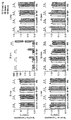
도 8 및 도 9는 본 발명의 일 실시 예에 따른 메카포지션을 통한 약물 주입과 비-메카포지션을 통한 약물 주입에 따른 비강-뇌 약물 전달 테스트 결과를 나타낸다.
도 8 및 도 9에 도시된 실험결과에서는 표시인자로서, Alexa488, Alexa488로 라벨링된 RVG 펩타이드 및 Alexa488로 라벨링된 RV-MAT을 사용하였다.
또한, 메카포지션에서의 비강-뇌 약물 전달 효과를 입증하기 위하여, 비-메카포지션에서의 수면 상태(i.e. 무의식 상태), 비-메카포지션에서의 비-수면 상태, 메카포지션에서의 수면 상태의 실험동물을 준비하였다. 즉, 도 8 및 도 9에서, 비-메카포지션에서의 수면 상태를 Sleeping으로 표시하였고, 비-메카포지션에서의 비-수면 상태를 Awake로 표시하였고, 메카포지션에서의 수면 상태(무의식 상태 포함)를 Mecca로 표시하였다.
본 테스트에서는 앞서 설명한 표시인자인 Alexa488, Alexa488로 라벨링된 RVG 펩타이드 및 Alexa488로 라벨링된 RV-MAT를 S, A 및 M 상태의 실험동물에 비강을 통하여 주입하였다.
주입 결과, 다른 장기에서는 실험동물의 자세에 따라 약물이 주입되는 정도의 차이가 없으나, 뇌에서는 실험동물이 메카포지션을 취한 경우에만 약물이 주입됨을 형광 발현 정도로 확인할 수 있었다. 특히 수면 중인 상태에서 메카포지션을 취한 경우, 형광 발현 정도가 우수한 것을 확인할 수 있었다.
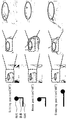
또한 도 10을 참조하면, 인체 모형을 앉은 자세, 메카포지션, 누운 자세로 구분하고 비강-뇌 약물 전달을 시도한 경우, 메카포지션의 경우 비강-뇌 약물 전달량이 많음을 확인할 수 있다.
즉, 메카포지션 특히 수면 상태의 메카포지션은 비강-뇌 약물 주입이 가능한 실질적으로 유일한 자세로 이해될 수 있다. 따라서, 본 발명의 일 실시 예에 따른 약물전달장치는 대상체 예를 들어, 인체가 메카포지션 특히 수면 중인 상태에서 메카포지션을 취한 상태에서 비강을 통하여 약물을 분사함으로써, 효율적으로 약물이 뇌로 전달될 수 있다.
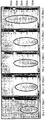
도 11은 본 발명의 일 실시 예에 따른 약물 분사 압력에 따른 비강-뇌 약물 전달 효율을 설명하기 위한 실험 결과를 도시한다.
도 11을 참조하면, 본 발명의 일 실시 예에 따른 약물전달장치의 분사 압력 (상술한 분사공(246) 출구 압력)은 6 내지 20psi 예를 들어, 6 내지 15 psi 일 수 있다. 도 11에서 분사 압력이 6 내지 20psi 인 경우, 분사 압력이 충분히 높아서 뇌까지 전달될 수 있으면서도 생체 멤브레인의 손상을 방지할 수 있다.
즉, 본 발명의 일 실시 예에 따른 약물전달장치는 6 내지 20psi의 압력으로 약물을 분사할 수 있도록 추진체를 제공함으로써, 비강-뇌 약물 전달 효율을 향상시킬 수 있다. 나아가 추진제를 제공하는 압축기의 조작을 전자식으로 구성함으로써, 조작의 편의성을 향상시킬 수 있고, 응급 상황 시에도 효과적으로 대처할 수 있다.
이상 도 1 내지 도 11을 참조하여 설명한 본 발명의 일 실시 예에 따른 약물전달장치는 약물을 동결건조 상태로 보관할 수 있다. 이에 따라 수분이 제거된 상태로 약품이 보관되므로 세균이나 효소의 활동을 억제할 수 있으므로 약품의 변질 우려를 최소화할 수 있다. 이와 달리, 약품을 액상 형태로 보관하는 경우에는 세균이나 효소의 활동에 의하여 약품이 변질될 수 있다. 따라서 약리효과의 발현이 제약됨은 물론, 2차 병증을 유발할 우려가 있다. 그러나, 본 발명의 일 실시 예에 따른 약물전달장치는 약품을 동결건조하여 보관함으로써, 약품의 보존성을 향상시킬 수 있다.
또한, 본 발명의 일 실시 예에 따른 약물전달장치는 동결건조된 약품과 동결건조된 약품을 해동 복원하는 복원 솔벤트를 함께 보관한다. 즉, 약품 분무 시에 동결건조된 약품과 함께 보관된 복원 솔벤트가 서로 혼합되어 동결건조된 약품이 해동된다. 보다 구체적으로 약품 분무 시에 압축기를 조작하는 것만으로 동결건조된 약품이 해동됨은 물론 해동된 약품을 분무하기 위한 추진력이 제공될 수 있으므로 사용 편의성이 극대화될 수 있다.
또한, 본 발명의 일 실시 예에 따른 약물전달장치는 제1 하우징 내의 압축기의 탈착이 가능하며 제2 하우징 내의 동결건조된 약품 컨테이너 및 복원 솔벤트 컨테이너의 탈착이 가능하므로 교환의 편의성을 향상시킬 수 있고 약물전달장치의 수명을 반영구적으로 연장시킬 수 있다.
본 발명의 일 실시 예에 따른 약물전달장치를 설명함에 있어서, 비강-뇌 약물전달장치를 상정하여 설명하였으나, 비강-뇌 뿐만 아니라 단순한 비강 약물전달장치 또는 구강 약물전달장치에도 본 발명의 일 실시 예에 따른 약물전달장치가 적용될 수 있음은 물론이다.
또한, 본 발명의 일 실시 예에 따른 약물전달장치는 비강-뇌 약물 전달 효율을 향상시키기 위하여 미리 정해진 압력 예를 들어, 6 내지 20psi로 약물을 분사하도록 구성될 수 있다. 나아가, 본 발명의 일 실시 예에 따른 약물전달장치는 대상체가 메카포지션을 취한 상태에서 약물을 비강을 통하여 분사함으로써, 비강-뇌 약물 전달 효율을 향상시킬 수 있다.
특히 종래에는 Olfactory region 약물을 전달하는 장치에 의하여 피부의 멤브레인이 파괴되는 문제, 비강-뇌 전달시 환자들은 의식이 있는 상태에서 흡입을 함으로 대부분의 약물들이 뇌로 안가고 폐로가는 문제, 비강-뇌 약물 전달 자체가 어려운 문제, 또한 위급한 상황시에 수동적으로 압력을 주었을 때 분사되는 압력의 차이에 의하여 약물의 전달양이 의료인에 따라서 다를 수 있는 문제점이 발생하였다. 그러나, 상술한 바와 같이 본 발명의 일 실시 예에 따른 약물전달장치의 약물 분사 압력 제어 및 자세 유도를 통하여 비강을 통하여 뇌로 약물을 효율적으로 전달할 수 있다.
이상, 본 발명을 바람직한 실시 예를 사용하여 상세히 설명하였으나, 본 발명의 범위는 특정 실시 예에 한정되는 것은 아니며, 첨부된 특허청구범위에 의하여 해석되어야 할 것이다. 또한, 이 기술분야에서 통상의 지식을 습득한 자라면, 본 발명의 범위에서 벗어나지 않으면서도 많은 수정과 변형이 가능함을 이해하여야 할 것이다.
본 발명의 일 실시 예에 따른 비강-뇌 약물전달장치와 사용 방법은 비강을 통하여 뇌에 약물을 전달하는 장치 및 사용 방법으로 활용될 수 있다.
Claims (12)
- 동결건조된 약품을 보관하는 동결건조 약품 컨테이너;상기 동결건조된 약품을 해동하는 솔벤트를 보관하는 복원 솔벤트 컨테이너;상기 동결건조된 약품과 상기 솔벤트의 혼입을 방지하는 멤브레인; 및추진력을 제공하는 압축기;를 포함하되,상기 압축기의 추진력은, 상기 멤브레인을 오픈(open)함으로써, 상기 동결건조된 약품과 상기 솔벤트를 믹싱하여 상기 동결건조된 약품을 해동함은 물론 상기 해동된 약품을 분무시키고,상기 해동된 약품은 대상체의 머리가 가슴을 향하는 메카포지션(mecca position)의 상태에서 상기 대상체의 비강으로 분무되도록 구성된 비강-뇌 약물전달장치.
- 제1 항에 있어서,상기 복원 솔벤트 컨테이너는 가요성으로 이루어지며, 상기 추진력에 의하여 상기 복원 솔벤트 컨테이너가 변형됨에 따라 증가한 내압에 의하여 상기 멤브레인이 오픈되는 비강-뇌 약물전달장치.
- 제1 항에 있어서,상기 복원 솔벤트 컨테이너는, 상기 추진력에 의하여 상기 복원 솔벤트 컨테이너가 상기 동결건조 약품 컨테이너 방향으로 이동함에 따라 상기 복원 솔벤트 컨테이너의 내압이 증가하여 상기 멤브레인이 오픈되는 비강-뇌 약물전달장치.
- 제1 항에 있어서,상기 압축기는 상기 복원 솔벤트 컨테이너의 일단으로 추진력을 제공하며, 상기 복원 솔벤트 컨테이너의 타단은 상기 멤브레인에 의하여 상기 동결건조 약품 컨테이너와 차단된, 비강-뇌 약물전달장치.
- 제4 항에 있어서,상기 복원 솔벤트 컨테이너의 일단은 상기 추진력을 제공받는 수용홈을 포함하는 비강-뇌 약물전달장치.
- 제1 항에 있어서,상기 동결건조 약품 컨테이너는 상기 해동된 약품을 분무하기 위한 미세공을 포함하는 비강-뇌 약물전달장치.
- 제6 항에 있어서,분무부를 더 포함하며,상기 미세공으로부터 분출된 약품은 상기 분무부를 통하여 외부로 분무되는 비강-뇌 약물전달장치.
- 제1 항에 있어서상기 압축기를 기준으로 상기 복원 솔벤트 컨테이너, 상기 멤브레인, 및 상기 동결건조 약품 컨테이너 순서로 위치하는 비강-뇌 약물전달장치.
- 제1 항에 있어서,상기 압축기가 수용되는 제1 하우징; 및상기 복원 솔벤트 컨테이너, 상기 멤브레인, 상기 동결건조 약품 컨테이너가 수용되는 제2 하우징;을 더 포함하며,상기 제2 하우징은 상기 제1 하우징으로부터 착탈되되, 상기 제1 하우징과 상기 제2 하우징의 결합시 상기 제1 하우징의 길이방향과 상기 제2 하우징의 길이방향은 예각을 가지는 비강-뇌 약물전달장치.
- 동결건조된 약품을 보관하는 동결건조 약품 컨테이너;상기 동결건조된 약품을 해동하는 솔벤트를 보관하는 복원 솔벤트 컨테이너; 및상기 동결건조된 약품 컨테이너와 상기 복원 솔벤트 컨테이너 사이에 형성된 멤브레인;을 포함하며,상기 멤브레인은 약품 보관 시에는 상기 동결건조된 약품과 상기 솔벤트의 혼입을 차단하며, 약품 분무 시에는 오픈됨으로써, 상기 동결건조된 약품이 상기 솔벤트와 혼입되어 해동되도록 구성되고,상기 해동된 약품은 대상체의 머리가 가슴을 향하는 메카포지션(mecca position)의 상태에서 상기 대상체의 비강으로 분무되도록 구성된 비강-뇌 약물전달장치.
- 동결건조된 약품을 보관하는 동결건조 약품 컨테이너;상기 동결건조된 약품을 해동하는 솔벤트를 보관하는 복원 솔벤트 컨테이너;상기 동결건조된 약품과 상기 솔벤트의 혼입을 방지하는 멤브레인; 및추진력을 제공하는 압축기;를 포함하되,상기 압축기의 추진력은, 상기 멤브레인을 오픈함으로써, 상기 동결건조된 약품과 상기 솔벤트를 믹싱하여 상기 동결건조된 약품을 해동함은 물론 상기 해동된 약품을 분무시키되.상기 해동된 약품의 분무 압력은 6 내지 20psi인 비강-뇌 약물전달장치.
- 제11 항에 있어서,상기 해동된 약품의 분무 압력은 6 내지 15psi인 비강-뇌 약물전달장치.
Priority Applications (1)
| Application Number | Priority Date | Filing Date | Title |
|---|---|---|---|
| US16/193,696 US11097073B2 (en) | 2016-05-17 | 2018-11-16 | Nose-to-brain drug delivery device |
Applications Claiming Priority (4)
| Application Number | Priority Date | Filing Date | Title |
|---|---|---|---|
| KR10-2016-0059895 | 2016-05-17 | ||
| KR20160059895 | 2016-05-17 | ||
| KR10-2017-0059980 | 2017-05-15 | ||
| KR1020170059980A KR101978554B1 (ko) | 2016-05-17 | 2017-05-15 | 비강-뇌 약물전달장치 |
Related Child Applications (1)
| Application Number | Title | Priority Date | Filing Date |
|---|---|---|---|
| US16/193,696 Continuation US11097073B2 (en) | 2016-05-17 | 2018-11-16 | Nose-to-brain drug delivery device |
Publications (1)
| Publication Number | Publication Date |
|---|---|
| WO2017200248A1 true WO2017200248A1 (ko) | 2017-11-23 |
Family
ID=60326071
Family Applications (1)
| Application Number | Title | Priority Date | Filing Date |
|---|---|---|---|
| PCT/KR2017/005017 Ceased WO2017200248A1 (ko) | 2016-05-17 | 2017-05-15 | 비강-뇌 약물전달장치 |
Country Status (1)
| Country | Link |
|---|---|
| WO (1) | WO2017200248A1 (ko) |
Citations (5)
| Publication number | Priority date | Publication date | Assignee | Title |
|---|---|---|---|---|
| US5765552A (en) * | 1990-09-26 | 1998-06-16 | Pharmachemie B.V. | Inhaler devices provided with a reservoir for several doses of medium for inhaling, transporting device, whirl chamber |
| KR20010080187A (ko) * | 1998-10-17 | 2001-08-22 | 클래스 하인츠-게르트 | 분무기용 2챔버 카트리지 |
| US20040045546A1 (en) * | 2002-09-05 | 2004-03-11 | Peirce Management, Llc | Pharmaceutical delivery system for oral inhalation through nebulization consisting of inert substrate impregnated with substance (S) to be solubilized or suspended prior to use |
| US20120085344A1 (en) * | 2009-02-27 | 2012-04-12 | Pari Pharma Gmbh | Method for operating an aerosol inhalation device and aerosol inhalation device |
| KR20140003582A (ko) * | 2011-01-31 | 2014-01-09 | 신 니뽄 바이오메디칼 라보라토리즈, 엘티디. | 비강내 전달 장치 |
-
2017
- 2017-05-15 WO PCT/KR2017/005017 patent/WO2017200248A1/ko not_active Ceased
Patent Citations (5)
| Publication number | Priority date | Publication date | Assignee | Title |
|---|---|---|---|---|
| US5765552A (en) * | 1990-09-26 | 1998-06-16 | Pharmachemie B.V. | Inhaler devices provided with a reservoir for several doses of medium for inhaling, transporting device, whirl chamber |
| KR20010080187A (ko) * | 1998-10-17 | 2001-08-22 | 클래스 하인츠-게르트 | 분무기용 2챔버 카트리지 |
| US20040045546A1 (en) * | 2002-09-05 | 2004-03-11 | Peirce Management, Llc | Pharmaceutical delivery system for oral inhalation through nebulization consisting of inert substrate impregnated with substance (S) to be solubilized or suspended prior to use |
| US20120085344A1 (en) * | 2009-02-27 | 2012-04-12 | Pari Pharma Gmbh | Method for operating an aerosol inhalation device and aerosol inhalation device |
| KR20140003582A (ko) * | 2011-01-31 | 2014-01-09 | 신 니뽄 바이오메디칼 라보라토리즈, 엘티디. | 비강내 전달 장치 |
Similar Documents
| Publication | Publication Date | Title |
|---|---|---|
| US20230061375A1 (en) | Methods and articles for delivering viable cells into solid tissue | |
| ES2642183T3 (es) | Dispositivo y método de pulverización | |
| CN101090745B (zh) | 用于冻干、复原和供给高效物质的方法和装置 | |
| JP3702295B1 (ja) | 脳の冷却装置及びこれに用いる流体注入装置 | |
| US11097073B2 (en) | Nose-to-brain drug delivery device | |
| JP2017529291A (ja) | 容器およびクロージャ | |
| US6237597B1 (en) | Endotracheal medication port adapter | |
| WO2019045247A1 (ko) | 역류방지밸브가 구비된 마이크로젯 약물 주사 장치 | |
| WO2022055050A1 (ko) | 분사되는 분말의 유량조절이 용이한 의료용 분말 분사장치 및 상기 분말 분사장치의 작동방법 | |
| WO2017200248A1 (ko) | 비강-뇌 약물전달장치 | |
| CN116261477A (zh) | 管腔可插入胶囊 | |
| WO2020071612A1 (ko) | 화장품 어플리케이터 | |
| ES2329832T3 (es) | Dispositivo de inyeccion y ampolla. | |
| US11690819B2 (en) | Respiratory tract delivery of levodopa and DOPA decarboxylase inhibitor for treatment of Parkinson's disease | |
| KR200450458Y1 (ko) | 약물 주입장치 | |
| JP2021503989A (ja) | 浸漬管を備えた鼻腔内装置 | |
| US20230277823A1 (en) | Lumen insertable capsule | |
| WO2016204368A1 (ko) | 약물 주입 장치 | |
| WO2019194475A1 (ko) | 치료물질 주입용 주사기 | |
| US20240293651A1 (en) | Capsule administering assembly | |
| WO2025079789A1 (ko) | 핸드피스용 헤드 및 이를 구비하는 액체 제트 주사 장치 |
Legal Events
| Date | Code | Title | Description |
|---|---|---|---|
| NENP | Non-entry into the national phase |
Ref country code: DE |
|
| 121 | Ep: the epo has been informed by wipo that ep was designated in this application |
Ref document number: 17799606 Country of ref document: EP Kind code of ref document: A1 |
|
| 122 | Ep: pct application non-entry in european phase |
Ref document number: 17799606 Country of ref document: EP Kind code of ref document: A1 |