WO2017199887A1 - レアメタル回収方法 - Google Patents
レアメタル回収方法 Download PDFInfo
- Publication number
- WO2017199887A1 WO2017199887A1 PCT/JP2017/018091 JP2017018091W WO2017199887A1 WO 2017199887 A1 WO2017199887 A1 WO 2017199887A1 JP 2017018091 W JP2017018091 W JP 2017018091W WO 2017199887 A1 WO2017199887 A1 WO 2017199887A1
- Authority
- WO
- WIPO (PCT)
- Prior art keywords
- classification
- titanium
- rare metal
- recovering
- residue
- Prior art date
- Legal status (The legal status is an assumption and is not a legal conclusion. Google has not performed a legal analysis and makes no representation as to the accuracy of the status listed.)
- Ceased
Links
Images


Classifications
-
- B—PERFORMING OPERATIONS; TRANSPORTING
- B03—SEPARATION OF SOLID MATERIALS USING LIQUIDS OR USING PNEUMATIC TABLES OR JIGS; MAGNETIC OR ELECTROSTATIC SEPARATION OF SOLID MATERIALS FROM SOLID MATERIALS OR FLUIDS; SEPARATION BY HIGH-VOLTAGE ELECTRIC FIELDS
- B03B—SEPARATING SOLID MATERIALS USING LIQUIDS OR USING PNEUMATIC TABLES OR JIGS
- B03B5/00—Washing granular, powdered or lumpy materials; Wet separating
- B03B5/48—Washing granular, powdered or lumpy materials; Wet separating by mechanical classifiers
-
- B—PERFORMING OPERATIONS; TRANSPORTING
- B07—SEPARATING SOLIDS FROM SOLIDS; SORTING
- B07B—SEPARATING SOLIDS FROM SOLIDS BY SIEVING, SCREENING, SIFTING OR BY USING GAS CURRENTS; SEPARATING BY OTHER DRY METHODS APPLICABLE TO BULK MATERIAL, e.g. LOOSE ARTICLES FIT TO BE HANDLED LIKE BULK MATERIAL
- B07B1/00—Sieving, screening, sifting, or sorting solid materials using networks, gratings, grids, or the like
-
- B—PERFORMING OPERATIONS; TRANSPORTING
- B07—SEPARATING SOLIDS FROM SOLIDS; SORTING
- B07B—SEPARATING SOLIDS FROM SOLIDS BY SIEVING, SCREENING, SIFTING OR BY USING GAS CURRENTS; SEPARATING BY OTHER DRY METHODS APPLICABLE TO BULK MATERIAL, e.g. LOOSE ARTICLES FIT TO BE HANDLED LIKE BULK MATERIAL
- B07B1/00—Sieving, screening, sifting, or sorting solid materials using networks, gratings, grids, or the like
- B07B1/46—Constructional details of screens in general; Cleaning or heating of screens
- B07B1/4609—Constructional details of screens in general; Cleaning or heating of screens constructional details of screening surfaces or meshes
-
- C—CHEMISTRY; METALLURGY
- C22—METALLURGY; FERROUS OR NON-FERROUS ALLOYS; TREATMENT OF ALLOYS OR NON-FERROUS METALS
- C22B—PRODUCTION AND REFINING OF METALS; PRETREATMENT OF RAW MATERIALS
- C22B3/00—Extraction of metal compounds from ores or concentrates by wet processes
- C22B3/20—Treatment or purification of solutions, e.g. obtained by leaching
- C22B3/26—Treatment or purification of solutions, e.g. obtained by leaching by liquid-liquid extraction using organic compounds
- C22B3/38—Treatment or purification of solutions, e.g. obtained by leaching by liquid-liquid extraction using organic compounds containing phosphorus
- C22B3/383—Tervalent phosphorus oxyacids, esters thereof
-
- C—CHEMISTRY; METALLURGY
- C22—METALLURGY; FERROUS OR NON-FERROUS ALLOYS; TREATMENT OF ALLOYS OR NON-FERROUS METALS
- C22B—PRODUCTION AND REFINING OF METALS; PRETREATMENT OF RAW MATERIALS
- C22B3/00—Extraction of metal compounds from ores or concentrates by wet processes
- C22B3/20—Treatment or purification of solutions, e.g. obtained by leaching
- C22B3/26—Treatment or purification of solutions, e.g. obtained by leaching by liquid-liquid extraction using organic compounds
- C22B3/38—Treatment or purification of solutions, e.g. obtained by leaching by liquid-liquid extraction using organic compounds containing phosphorus
- C22B3/384—Pentavalent phosphorus oxyacids, esters thereof
- C22B3/3846—Phosphoric acid, e.g. (O)P(OH)3
-
- C—CHEMISTRY; METALLURGY
- C22—METALLURGY; FERROUS OR NON-FERROUS ALLOYS; TREATMENT OF ALLOYS OR NON-FERROUS METALS
- C22B—PRODUCTION AND REFINING OF METALS; PRETREATMENT OF RAW MATERIALS
- C22B34/00—Obtaining refractory metals
- C22B34/10—Obtaining titanium, zirconium or hafnium
- C22B34/12—Obtaining titanium or titanium compounds from ores or scrap by metallurgical processing; preparation of titanium compounds from other titanium compounds see C01G23/00 - C01G23/08
- C22B34/1263—Obtaining titanium or titanium compounds from ores or scrap by metallurgical processing; preparation of titanium compounds from other titanium compounds see C01G23/00 - C01G23/08 obtaining metallic titanium from titanium compounds, e.g. by reduction
- C22B34/1268—Obtaining titanium or titanium compounds from ores or scrap by metallurgical processing; preparation of titanium compounds from other titanium compounds see C01G23/00 - C01G23/08 obtaining metallic titanium from titanium compounds, e.g. by reduction using alkali or alkaline-earth metals or amalgams
- C22B34/1272—Obtaining titanium or titanium compounds from ores or scrap by metallurgical processing; preparation of titanium compounds from other titanium compounds see C01G23/00 - C01G23/08 obtaining metallic titanium from titanium compounds, e.g. by reduction using alkali or alkaline-earth metals or amalgams reduction of titanium halides, e.g. Kroll process
-
- C—CHEMISTRY; METALLURGY
- C22—METALLURGY; FERROUS OR NON-FERROUS ALLOYS; TREATMENT OF ALLOYS OR NON-FERROUS METALS
- C22B—PRODUCTION AND REFINING OF METALS; PRETREATMENT OF RAW MATERIALS
- C22B34/00—Obtaining refractory metals
- C22B34/10—Obtaining titanium, zirconium or hafnium
- C22B34/14—Obtaining zirconium or hafnium
-
- C—CHEMISTRY; METALLURGY
- C22—METALLURGY; FERROUS OR NON-FERROUS ALLOYS; TREATMENT OF ALLOYS OR NON-FERROUS METALS
- C22B—PRODUCTION AND REFINING OF METALS; PRETREATMENT OF RAW MATERIALS
- C22B34/00—Obtaining refractory metals
- C22B34/20—Obtaining niobium, tantalum or vanadium
- C22B34/22—Obtaining vanadium
-
- C—CHEMISTRY; METALLURGY
- C22—METALLURGY; FERROUS OR NON-FERROUS ALLOYS; TREATMENT OF ALLOYS OR NON-FERROUS METALS
- C22B—PRODUCTION AND REFINING OF METALS; PRETREATMENT OF RAW MATERIALS
- C22B34/00—Obtaining refractory metals
- C22B34/20—Obtaining niobium, tantalum or vanadium
- C22B34/24—Obtaining niobium or tantalum
-
- C—CHEMISTRY; METALLURGY
- C22—METALLURGY; FERROUS OR NON-FERROUS ALLOYS; TREATMENT OF ALLOYS OR NON-FERROUS METALS
- C22B—PRODUCTION AND REFINING OF METALS; PRETREATMENT OF RAW MATERIALS
- C22B59/00—Obtaining rare earth metals
-
- C—CHEMISTRY; METALLURGY
- C22—METALLURGY; FERROUS OR NON-FERROUS ALLOYS; TREATMENT OF ALLOYS OR NON-FERROUS METALS
- C22B—PRODUCTION AND REFINING OF METALS; PRETREATMENT OF RAW MATERIALS
- C22B7/00—Working up raw materials other than ores, e.g. scrap, to produce non-ferrous metals and compounds thereof; Methods of a general interest or applied to the winning of more than two metals
- C22B7/006—Wet processes
- C22B7/007—Wet processes by acid leaching
-
- C—CHEMISTRY; METALLURGY
- C22—METALLURGY; FERROUS OR NON-FERROUS ALLOYS; TREATMENT OF ALLOYS OR NON-FERROUS METALS
- C22B—PRODUCTION AND REFINING OF METALS; PRETREATMENT OF RAW MATERIALS
- C22B7/00—Working up raw materials other than ores, e.g. scrap, to produce non-ferrous metals and compounds thereof; Methods of a general interest or applied to the winning of more than two metals
- C22B7/02—Working-up flue dust
-
- C—CHEMISTRY; METALLURGY
- C22—METALLURGY; FERROUS OR NON-FERROUS ALLOYS; TREATMENT OF ALLOYS OR NON-FERROUS METALS
- C22B—PRODUCTION AND REFINING OF METALS; PRETREATMENT OF RAW MATERIALS
- C22B3/00—Extraction of metal compounds from ores or concentrates by wet processes
- C22B3/04—Extraction of metal compounds from ores or concentrates by wet processes by leaching
- C22B3/06—Extraction of metal compounds from ores or concentrates by wet processes by leaching in inorganic acid solutions, e.g. with acids generated in situ; in inorganic salt solutions other than ammonium salt solutions
- C22B3/10—Hydrochloric acid, other halogenated acids or salts thereof
-
- C—CHEMISTRY; METALLURGY
- C22—METALLURGY; FERROUS OR NON-FERROUS ALLOYS; TREATMENT OF ALLOYS OR NON-FERROUS METALS
- C22B—PRODUCTION AND REFINING OF METALS; PRETREATMENT OF RAW MATERIALS
- C22B34/00—Obtaining refractory metals
- C22B34/10—Obtaining titanium, zirconium or hafnium
- C22B34/12—Obtaining titanium or titanium compounds from ores or scrap by metallurgical processing; preparation of titanium compounds from other titanium compounds see C01G23/00 - C01G23/08
-
- C—CHEMISTRY; METALLURGY
- C22—METALLURGY; FERROUS OR NON-FERROUS ALLOYS; TREATMENT OF ALLOYS OR NON-FERROUS METALS
- C22B—PRODUCTION AND REFINING OF METALS; PRETREATMENT OF RAW MATERIALS
- C22B34/00—Obtaining refractory metals
- C22B34/10—Obtaining titanium, zirconium or hafnium
- C22B34/12—Obtaining titanium or titanium compounds from ores or scrap by metallurgical processing; preparation of titanium compounds from other titanium compounds see C01G23/00 - C01G23/08
- C22B34/1218—Obtaining titanium or titanium compounds from ores or scrap by metallurgical processing; preparation of titanium compounds from other titanium compounds see C01G23/00 - C01G23/08 obtaining titanium or titanium compounds from ores or scrap by dry processes
- C22B34/1222—Obtaining titanium or titanium compounds from ores or scrap by metallurgical processing; preparation of titanium compounds from other titanium compounds see C01G23/00 - C01G23/08 obtaining titanium or titanium compounds from ores or scrap by dry processes using a halogen containing agent
-
- Y—GENERAL TAGGING OF NEW TECHNOLOGICAL DEVELOPMENTS; GENERAL TAGGING OF CROSS-SECTIONAL TECHNOLOGIES SPANNING OVER SEVERAL SECTIONS OF THE IPC; TECHNICAL SUBJECTS COVERED BY FORMER USPC CROSS-REFERENCE ART COLLECTIONS [XRACs] AND DIGESTS
- Y02—TECHNOLOGIES OR APPLICATIONS FOR MITIGATION OR ADAPTATION AGAINST CLIMATE CHANGE
- Y02P—CLIMATE CHANGE MITIGATION TECHNOLOGIES IN THE PRODUCTION OR PROCESSING OF GOODS
- Y02P10/00—Technologies related to metal processing
- Y02P10/20—Recycling
Definitions
- the present invention relates to a method for recovering rare metals. More specifically, the present invention relates to a method for recovering a rare metal from a product generated in a titanium smelting process.
- Titanium is refined from titanium ore by the crawl method.
- this crawl method titanium ore and coke are introduced into a fluidized bed reactor, and chlorine gas is injected from the lower part of the fluidized bed reactor.
- chlorine gas is injected from the lower part of the fluidized bed reactor.
- gaseous titanium tetrachloride is generated, recovered and reduced with magnesium or the like, and finally sponge titanium is generated.
- Patent Document 1 discloses a method for recovering useful metals from titanium ore. Specifically, a method of chlorinating titanium ore and leaching HCl of the resulting crude chlorination furnace residue is disclosed.
- invention 1 A method of recovering rare metals from chloride residues in titanium smelting, Classifying the chloride residue into coarse and fine particles; Collecting the fine particles, and a method comprising: The method, wherein the rare metal is at least one metal selected from Sc, V, Nb, Zr, Y, La, Ce, Pr, and Nd.
- invention 2 The method according to invention 1, further comprising a step of recovering rare metal from the fine particles.
- invention 3 The method according to invention 1 or 2, wherein the rare metal is Sc and / or V.
- invention 4 The method according to any one of Inventions 1 to 3, The method, wherein the step of classification is wet classification.
- invention 5 The method according to any one of Inventions 1 to 4, The method, wherein the classification step is a classification step with a value of 55 ⁇ m or less as a reference value.
- invention 6 The method according to any one of Inventions 1 to 4, The method, wherein the classification step is a classification step with a value of 40 ⁇ m or less as a reference value.
- invention 7) The method according to any one of Inventions 1 to 4, The method in which the step of classifying is a step of classifying with a value of 25 ⁇ m or less as a reference value.
- invention 8 A method according to any one of inventions 1 to 7, comprising: The method comprises Recovering Sc from the fine granules; Recovering V from the liquid after Sc recovery; The method further comprising:
- a rare metal (eg, Sc, V, etc.) recovery step is performed.
- recovery process of these metals can be implemented.
- the amount of objects to be collected eg, leaching target and solvent extraction target
- the facility scale of recovery eg, leaching-solvent extraction
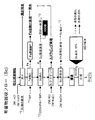
- FIG 2 shows a Sc recovery flow in an embodiment of the present invention.
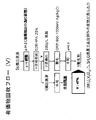
- the recovery flow of V in one embodiment of the present invention is shown.
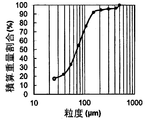
- category result of a chloride residue is shown.
- the classification result of Sc contained in a chloride residue is shown.
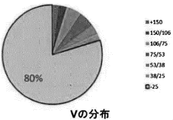
- the classification result of V contained in a chloride residue is shown. It is a flow figure about a crawl method (prior art).
- Titanium is generally purified from titanium ore by a crawl method.
- FIG. 6 shows a part of the flow. Titanium ore and coke are put into the fluidized bed reactor. And chlorine gas is blown in from the lower part of a fluidized bed reactor. Titanium ore reacts with chlorine gas to produce titanium tetrachloride. Titanium tetrachloride is in a gaseous state at the temperature in the reactor. This gaseous titanium tetrachloride is sent to the next cooling system and cooled. The cooled titanium tetrachloride becomes liquid and is recovered.
- titanium tetrachloride chloride residue gas state is sent to the next cooling system aboard the airflow pulverulent impurities it is sent to the cooling system together.
- the impurities include substances other than titanium (iron, scandium, vanadium, niobium, zirconium, aluminum, silicon, etc., some chlorides), unreacted ore, unreacted coke, and the like. These impurities are recovered in solid form in the cooling system. In this specification, this recovered substance is called a chloride residue.
- the chloride residue may be slurried or in the form of dry particles. Typically, valuable metals can be recovered using slurried materials.
- Chlorinated residue obtained in the above-mentioned process has various rare metals, for example, useful elements such as Sc, V, Nb, Zr, Y, La, Ce, Pr, and Nd. May be included. If these can be recovered, the disposal cost can be suppressed, and at the same time, the profit can be improved by using the recovered material.
- useful elements such as Sc, V, Nb, Zr, Y, La, Ce, Pr, and Nd. May be included. If these can be recovered, the disposal cost can be suppressed, and at the same time, the profit can be improved by using the recovered material.
- the present invention is not limited by the following theory, since the chlorination residue is a mixture generated in the process of titanium smelting, most of its components are derived from titanium concentrate. Titanium concentrate can be obtained by performing flotation, magnetic separation, specific gravity separation, etc. on the mined titanium ore to improve Ti quality. Therefore, it is considered that the Ti-containing particles which are the target product tend to form relatively large particles, while other
- the aforementioned chloride residue is in a high temperature state immediately after being recovered during titanium smelting, and needs to be cooled before performing a process for recovering valuable metals.
- the cooling method is not particularly limited, and may be cooled by means such as air cooling or water cooling.
- the chlorinated residue can be classified into coarse and fine particles.
- the classification method is not particularly limited, and may be dry or wet. More preferred is wet. This is because when the chloride residue is washed with water, it does not require the trouble of drying.
- a sieve having a specific size may be used.
- a hydraulic classifier, a horizontal water classifier, or a centrifugal settling classifier may be used.
- an air separator or an air classifier may be used as a dry classification.
- the reference value for classification is not particularly limited, and a size range containing a large amount of rare metals (for example, Sc, V, Nb, Zr, Y, La, Ce, Pr, or Nd) may be adopted as the upper limit value.
- the upper limit of the reference value may be 55 ⁇ m or less, 40 ⁇ m or less, or 25 ⁇ m or less.
- the lower limit of the reference value may be 10 ⁇ m or more, 15 ⁇ m or more, or 20 ⁇ m or more.
- the mesh size can be appropriately determined based on the classification reference value. For example, when classification is performed using 25 ⁇ m as a reference value, an opening of 25 ⁇ m (500 mesh for JIS standard) is used. And the thing which passed the sieve is made into a fine grain, and the thing which remained on the sieve is made into a coarse grain.
- Sc Recovery Method As a method for recovering Sc from the chloride residue, a known method can be used. For example, X. The method disclosed by Shaoquan et al. In Hydrometallurgy 42 (1996) 337-343 can be used (particularly, see “5. Extraction of Sc from Contaminate waste fluid from titanium whit”). Alternatively, as a more preferable method, Sc may be recovered by modifying such a method. More specifically, as shown in FIG. 1, a leaching method using HCl can be mentioned. First, leaching is performed by adding HCl and NaCl to fine particles of classified chloride residue.
- TBP tributyl phosphate
- Fe moves to the oil phase side, and other rare metals such as Sc move to the water phase side.
- the oil phase side is subjected to Fe back extraction, and the solution after Fe back extraction is discarded as waste water.
- V of V from the chloride residue a known method can be used as in the case of Sc.
- a known method can be used as in the case of Sc.
- V may be recovered by modifying such a method.
- V may be recovered using a liquid generated in the Sc recovery step. More specifically, as shown in FIG. 2, there is a leaching method using HCl.
- the pH of the leachate after the Sc recovery step described above is adjusted. More specifically, the pH can be adjusted to 1 to 3.
- V is moved to the oil phase side using D2EHPA. Thereafter, V is back-extracted using sulfuric acid. Furthermore, oxidation and neutralization treatment is performed (pH 2 to 2.5), and finally V oxide can be obtained.
- the leaching solution after the Sc recovery step is started, but instead, the chlorinated residue is leached with HCl, NaCl, etc., and Fe is moved to the oil phase side with TBP.
- Chlorinated residue is a substance recovered as a solid in a furnace for recovering titanium tetrachloride volatilized in titanium smelting.
- the chloride residue was obtained from Toho Titanium Co., Ltd.
- the chloride residue was in a slurry state that had been washed with water.
- each classified particle group was weighed.
- alkali melting-ICP emission spectroscopy was used (ICP-AES, manufactured by Seiko Instruments Inc., SPS7700).
- the results are shown in FIGS.
- the distribution rate “+150” represents a particle group remaining on a sieve having an opening of 150 ⁇ m.
- “ ⁇ 25” represents a particle group that has passed through a sieve having an opening of 25 ⁇ m.
- 150/106 represents a particle group that passes through a sieve having an opening of 150 ⁇ m and remains on the sieve having an opening of 106 ⁇ m. It was shown that 82% of Sc was present in the particles that passed through the 25 ⁇ m sieve.
- Example 2 Content of Sc and V in Particles after Classification Elemental analysis was performed on the above-described chloride residue in the same manner as in Example 1. Thereafter, the chlorinated residue was classified using a sieve having an opening of 500 mesh (JIS standard) (opening of 25 ⁇ m) (the classification conditions are the same as in Example 1). And the fine particle which passed the sieve was collect
Landscapes
- Chemical & Material Sciences (AREA)
- Engineering & Computer Science (AREA)
- Metallurgy (AREA)
- Manufacturing & Machinery (AREA)
- Materials Engineering (AREA)
- Mechanical Engineering (AREA)
- Organic Chemistry (AREA)
- Geology (AREA)
- General Life Sciences & Earth Sciences (AREA)
- Environmental & Geological Engineering (AREA)
- Life Sciences & Earth Sciences (AREA)
- Geochemistry & Mineralogy (AREA)
- Inorganic Chemistry (AREA)
- Manufacture And Refinement Of Metals (AREA)
Abstract
[課題]レアメタルを回収すること。 [解決手段] チタン製錬における塩化残渣からレアメタルを回収する方法であって、 前記塩化残渣を粗粒と細粒とに分級する工程と、 前記細粒を回収する工程と、を含む方法であり、 前記レアメタルは、Sc、V、Nb、Zr、Y、La、Ce、Pr、及びNdから選択される少なくとも1種以上の金属である、該方法。
Description
本発明はレアメタルを回収する方法に関する。より具体的には、チタン製錬の工程で生じた生成物からレアメタルを回収する方法に関する。
チタンはクロール法によりチタン鉱石から精製される。このクロール法では、チタン鉱石とコークスが流動床反応炉に投入され、塩素ガスが流動床反応炉の下部から吹入される。その結果、気体状の四塩化チタンが生成され、これを回収してマグネシウム等で還元し、最終的にはスポンジチタンが生成される。
しかし、チタン鉱石の中には、チタン以外にも有用な物質が含まれている。特許文献1では、チタン鉱石から有用な金属を回収するための方法が開示されている。具体的には、チタン鉱石を塩素化し、得られた粗製塩素化炉の残渣をHCl浸出する方法が開示されている。
クロール法では、流動塩化炉において、気体状態の四塩化チタンが生成される。そして、この四塩化チタンを流動塩化炉とは別のところで回収する。この際に、塩化残渣が大量に発生する。これを産業廃棄物として処理するにはコストがかかる。その一方で、この塩化残渣には、工業上有用な物質が含まれる。そこで、本発明は、塩化残渣から有用な物質を回収する方法を提供することを目的とする。
本発明者が鋭意研究を行った結果、塩化残渣中を分析すると、特定の有価物は、所定サイズ以下に多く偏在していることが分かった。
上記知見に基づき本発明は一側面において以下のように特定される。
(発明1)
チタン製錬における塩化残渣からレアメタルを回収する方法であって、
前記塩化残渣を粗粒と細粒とに分級する工程と、
前記細粒を回収する工程と、を含む方法であり、
前記レアメタルは、Sc、V、Nb、Zr、Y、La、Ce、Pr、及びNdから選択される少なくとも1種以上の金属である、該方法。
(発明2)
発明1に記載の方法であって、前記細粒からレアメタルを回収する工程を更に含む該方法。
(発明3)
発明1又は2に記載の方法であって、前記レアメタルがSc及び/又はVである該方法。
(発明4)
発明1~3いずれか1つに記載の方法であって、
分級する前記工程が、湿式分級である、該方法。
(発明5)
発明1~4いずれか1つに記載の方法であって、
分級する前記工程が、55μm以下の値を基準値として、分級する工程である、該方法。
(発明6)
発明1~4いずれか1つに記載の方法であって、
分級する前記工程が、40μm以下の値を基準値として、分級する工程である、該方法。
(発明7)
発明1~4いずれか1つに記載の方法であって、
分級する前記工程が、25μm以下の値を基準値として、分級する工程である、該方法。
(発明8)
発明1~7のいずれか1つに記載の方法であって、
前記方法が、
前記細粒からScを回収する工程と、
前記Sc回収後の液からVを回収する工程と、
を更に含む、該方法。
(発明1)
チタン製錬における塩化残渣からレアメタルを回収する方法であって、
前記塩化残渣を粗粒と細粒とに分級する工程と、
前記細粒を回収する工程と、を含む方法であり、
前記レアメタルは、Sc、V、Nb、Zr、Y、La、Ce、Pr、及びNdから選択される少なくとも1種以上の金属である、該方法。
(発明2)
発明1に記載の方法であって、前記細粒からレアメタルを回収する工程を更に含む該方法。
(発明3)
発明1又は2に記載の方法であって、前記レアメタルがSc及び/又はVである該方法。
(発明4)
発明1~3いずれか1つに記載の方法であって、
分級する前記工程が、湿式分級である、該方法。
(発明5)
発明1~4いずれか1つに記載の方法であって、
分級する前記工程が、55μm以下の値を基準値として、分級する工程である、該方法。
(発明6)
発明1~4いずれか1つに記載の方法であって、
分級する前記工程が、40μm以下の値を基準値として、分級する工程である、該方法。
(発明7)
発明1~4いずれか1つに記載の方法であって、
分級する前記工程が、25μm以下の値を基準値として、分級する工程である、該方法。
(発明8)
発明1~7のいずれか1つに記載の方法であって、
前記方法が、
前記細粒からScを回収する工程と、
前記Sc回収後の液からVを回収する工程と、
を更に含む、該方法。
本発明では、一側面において、塩化残渣を予め分級してから、レアメタル(例:Sc、V等)の回収工程を実施する。これにより、レアメタルの含有量を高めた状態で、これらの金属の回収工程を実施することができる。分級を行うことで回収対象(例:浸出対象及び溶媒抽出対象)の物量を少なくすることができる。つまり、未分級物を対象とする場合と比較すると、回収(例:浸出-溶媒抽出)の設備規模を小さくすることが可能になり、経済的に優位となる。
1.塩化残渣
1-1.チタンの精製
従来、チタンは、チタン鉱石からクロール法により精製されるのが一般的である。図6に流れの一部を示す。チタン鉱石とコークスを流動床反応炉に投入する。そして、流動床反応炉の下部から塩素ガスを吹入させる。チタン鉱石は塩素ガスと反応し、四塩化チタンを生じる。四塩化チタンは反応炉内の温度では気体状態にある。この気体状態の四塩化チタンが、次の冷却システムに送られ、冷却される。冷却された四塩化チタンは液体状になり、回収される。
1-1.チタンの精製
従来、チタンは、チタン鉱石からクロール法により精製されるのが一般的である。図6に流れの一部を示す。チタン鉱石とコークスを流動床反応炉に投入する。そして、流動床反応炉の下部から塩素ガスを吹入させる。チタン鉱石は塩素ガスと反応し、四塩化チタンを生じる。四塩化チタンは反応炉内の温度では気体状態にある。この気体状態の四塩化チタンが、次の冷却システムに送られ、冷却される。冷却された四塩化チタンは液体状になり、回収される。
1-2.塩化残渣
気体状態の四塩化チタンが次の冷却システムに送られる際に、気流に乗って微粉状の不純物が一緒に冷却システムに送られる。該不純物には、チタン以外の物質(鉄、スカンジウム、バナジウム、ニオブ、ジルコニウム、アルミニウム、シリコン等、一部は塩化物)、未反応の鉱石、未反応のコークス等が含まれる。こうした不純物は、冷却システムにおいて、固体の形状で回収される。本明細書では、この回収された物を塩化残渣と呼ぶ。塩化残渣はスラリー化してもよいし、乾燥粒子群の形態であってもよい。典型的には、スラリー化した物を用いて、有価金属を回収することができる。
気体状態の四塩化チタンが次の冷却システムに送られる際に、気流に乗って微粉状の不純物が一緒に冷却システムに送られる。該不純物には、チタン以外の物質(鉄、スカンジウム、バナジウム、ニオブ、ジルコニウム、アルミニウム、シリコン等、一部は塩化物)、未反応の鉱石、未反応のコークス等が含まれる。こうした不純物は、冷却システムにおいて、固体の形状で回収される。本明細書では、この回収された物を塩化残渣と呼ぶ。塩化残渣はスラリー化してもよいし、乾燥粒子群の形態であってもよい。典型的には、スラリー化した物を用いて、有価金属を回収することができる。
1-3.塩化残渣の品位
上述した工程で得られた塩化残渣は、様々なレアメタルを有しており、例えば、Sc、V、Nb、Zr、Y、La、Ce、Pr、及びNdのような有用な元素を含む可能性がある。これらを回収することができれば、廃棄コストを抑制することができると同時に、回収物を用いて利益を向上させることができる。以下の理論で本発明を限定するものではないが、塩化残渣は、チタン製錬の過程で生じる混合物であるため、その構成成分の多くはチタン精鉱に由来する。チタン精鉱は、採掘したチタン鉱石に対して浮選、磁選、比重選鉱等を実施し、Ti品位を高めることによって得ることができる。そのため、目的物であるTi含有粒子は比較的大きな粒子を形成する傾向にあると考えられ、一方でTi精鉱においては不純物である他のレアメタル元素については、精鉱製造時に微細な粒子としてTi精鉱付着して混入していると考えられる。
上述した工程で得られた塩化残渣は、様々なレアメタルを有しており、例えば、Sc、V、Nb、Zr、Y、La、Ce、Pr、及びNdのような有用な元素を含む可能性がある。これらを回収することができれば、廃棄コストを抑制することができると同時に、回収物を用いて利益を向上させることができる。以下の理論で本発明を限定するものではないが、塩化残渣は、チタン製錬の過程で生じる混合物であるため、その構成成分の多くはチタン精鉱に由来する。チタン精鉱は、採掘したチタン鉱石に対して浮選、磁選、比重選鉱等を実施し、Ti品位を高めることによって得ることができる。そのため、目的物であるTi含有粒子は比較的大きな粒子を形成する傾向にあると考えられ、一方でTi精鉱においては不純物である他のレアメタル元素については、精鉱製造時に微細な粒子としてTi精鉱付着して混入していると考えられる。
1-4.塩化残渣の前処理
上述した塩化残渣は、チタン製錬時に回収した直後は高温状態であり、有価金属を回収する処理を行う前に冷却する必要がある。冷却方法は、特に限定されず、空冷、又は水冷等の手段で冷却してもよい。
上述した塩化残渣は、チタン製錬時に回収した直後は高温状態であり、有価金属を回収する処理を行う前に冷却する必要がある。冷却方法は、特に限定されず、空冷、又は水冷等の手段で冷却してもよい。
また、後述する分級を行う前に、塩化残渣を水洗しておくことが好ましい。水洗することでFeCl2等の水溶性の不純物を除去することが出来るからである。また水洗であれば、上述した冷却処理も同時に行うことが出来る。
2.分級方法
水洗した後、塩化残渣は、分級を行い、粗粒と細粒とに分けることができる。分級の方法としては、特に限定されず、乾式でも湿式でもよい。より好ましいのは湿式である。これは、塩化残渣が水洗されている場合に、乾燥させる手間を必要としないからである。また、分級の方法として、特定の大きさの目開きの篩を用いてもよい。湿式の分級として、水力分級機、水平水流分級機、遠心沈降機の分級機械を使用してもよい。乾式の分級として、エアセパレータ、空気式の分級機を用いてもよい。
水洗した後、塩化残渣は、分級を行い、粗粒と細粒とに分けることができる。分級の方法としては、特に限定されず、乾式でも湿式でもよい。より好ましいのは湿式である。これは、塩化残渣が水洗されている場合に、乾燥させる手間を必要としないからである。また、分級の方法として、特定の大きさの目開きの篩を用いてもよい。湿式の分級として、水力分級機、水平水流分級機、遠心沈降機の分級機械を使用してもよい。乾式の分級として、エアセパレータ、空気式の分級機を用いてもよい。
分級の基準値については、特に限定されず、レアメタル(例えば、Sc、V、Nb、Zr、Y、La、Ce、Pr、又はNd)が多く含まれるサイズの範囲を上限値として採用すればよい。例えば、基準値の上限については、55μm以下、40μm以下、又は25μm以下であってもよい。基準値の下限については、10μm以上、15μm以上、又は20μm以上であってもよい。これにより、例えば、塩化残渣中に存在するScのうちの、少なくとも約82%(基準値を25μmにした場合)、約84%(基準値を38μmにした場合)、又は約88%(基準値を53μmにした場合)を回収することができる。また、塩化残渣中に存在するVのうちの、少なくとも約80%(基準値を25μmにした場合)、約82%(基準値を38μmにした場合)、又は約85%(基準値を53μmにした場合)を回収することができる。その他のレアメタルについても同様に所定量を回収することができる。その一方で、回収対象となる物量を減らすことができる。更には、他の不純物(例えば、Fe、コークス、未反応チタンなど)の多くは粗粒側に分配される。
分級手段として篩を用いる場合には、上記分級の基準値に基づいて、網目のサイズを適宜決定することができる。例えば、25μmを基準値として分級する場合には、目開きが25μm(JIS規格だと、500メッシュ)を使用する。そして、篩を通過した物を細粒とし、篩上に残った物を粗粒とする。
3.有価金属の回収方法
3-1.Scの回収方法
Scを塩化残渣から回収する方法としては、公知の方法を使用することができる。例えば、X.ShaoquanらがHydrometallurgy 42 (1996)337-343に開示した方法を用いることができる(特に、「5.Extraction of Sc from Sc-contaminating waste fluid from titanium white production」の章参照)。あるいは、より好ましい方法として、こうした方法を改変して、Scを回収してもよい。より具体的には、図1に示すように、HClを用いた浸出方法が挙げられる。まず、分級した塩化残渣の細粒に対して、HCl及びNaClを添加し、浸出処理を行う。浸出後液に対してTBP(リン酸トリブチル)を添加すると、油相側にFeが移動し、水相側にSc等の他のレアメタルが移動する。油相側についてはFe逆抽出を行い、Fe逆抽出後液を廃水として廃棄する。
3-1.Scの回収方法
Scを塩化残渣から回収する方法としては、公知の方法を使用することができる。例えば、X.ShaoquanらがHydrometallurgy 42 (1996)337-343に開示した方法を用いることができる(特に、「5.Extraction of Sc from Sc-contaminating waste fluid from titanium white production」の章参照)。あるいは、より好ましい方法として、こうした方法を改変して、Scを回収してもよい。より具体的には、図1に示すように、HClを用いた浸出方法が挙げられる。まず、分級した塩化残渣の細粒に対して、HCl及びNaClを添加し、浸出処理を行う。浸出後液に対してTBP(リン酸トリブチル)を添加すると、油相側にFeが移動し、水相側にSc等の他のレアメタルが移動する。油相側についてはFe逆抽出を行い、Fe逆抽出後液を廃水として廃棄する。
一方で、水相側の方は、D2EHPA(Bis(2-ethylhexyl)phosphate)及びTBPの混合溶媒を添加する。これにより、油相側にScが移動し、一方で、Sc以外のいくつかの元素(例えば、V、Nb、Y、La、Ce、Zr、Pr、又はNd等)については水相側(Sc抽出後液)に移動する。Sc抽出後液は、Sc以外の元素を回収するのに用いることができる。
また、Scが移動してきた油相側については、必要に応じて、HClやNaClを添加してスクラビングを行う。これにより、Tiの混入を減少させることができる。スクラビング後の水相側については廃水処理を行う。一方、スクラビング後の油相側については、NaOHを添加して、Sc逆抽出を行う。Sc逆抽出後の水相側の液を濾過してか焼し、最後はSc2O3の形で回収することができる。
上記方法では、予めHClとNaClを添加しているため、Fe抽出の際に重要となるClの量を多くすることができる。その一方で、HClの量は少なくすることができる。従って、中和する際のNaOHの量が少なくて済むという利点がある。
3-2.Vの回収方法
Vを塩化残渣から回収する方法についても、Scと同様公知の方法を用いることができる。例えば、三浦啓一らによる、Inorganic Materials, Vol.6, May213-219 (1999)、「重油燃焼灰のバナジウム回収」に示される方法を使用してもよい。あるいは、より好ましい方法として、こうした方法を改変して、Vを回収してもよい。例えば、Sc回収工程で生じる液を利用してVを回収してもよい。より具体的には、図2に示すように、HClを用いた浸出方法が挙げられる。上述したScの回収工程後の浸出液のpHを調整する。より具体的には、pHを1~3になるよう調整することができる。その後、D2EHPAを用いてVを油相側に移動させる。その後、硫酸を用いて、Vを逆抽出させる。更には、酸化及び中和処理を行い(pH2~2.5)、最終的にVの酸化物を得ることができる。
Vを塩化残渣から回収する方法についても、Scと同様公知の方法を用いることができる。例えば、三浦啓一らによる、Inorganic Materials, Vol.6, May213-219 (1999)、「重油燃焼灰のバナジウム回収」に示される方法を使用してもよい。あるいは、より好ましい方法として、こうした方法を改変して、Vを回収してもよい。例えば、Sc回収工程で生じる液を利用してVを回収してもよい。より具体的には、図2に示すように、HClを用いた浸出方法が挙げられる。上述したScの回収工程後の浸出液のpHを調整する。より具体的には、pHを1~3になるよう調整することができる。その後、D2EHPAを用いてVを油相側に移動させる。その後、硫酸を用いて、Vを逆抽出させる。更には、酸化及び中和処理を行い(pH2~2.5)、最終的にVの酸化物を得ることができる。
なお、図2のフロー図では、Sc回収工程後の浸出液から開始しているが、その代わりとして、塩化残渣をHCl及びNaCl等で浸出させ、TBPでFeを油相側へ移動させた後の水相側の溶液を用いて、行ってもよい(即ち、Scの回収工程を一部省略してもよい)。
3-3.他の有価金属の回収方法
上記では、ScやVを例示して、回収方法について説明した。しかし、これ以外の元素(例えば、Nb、Zr、Y、La、Ce、Pr、及びNd等)についても、公知の方法を用いて回収することができる。
上記では、ScやVを例示して、回収方法について説明した。しかし、これ以外の元素(例えば、Nb、Zr、Y、La、Ce、Pr、及びNd等)についても、公知の方法を用いて回収することができる。
実施例1 塩化残渣の粒度分布測定
塩化残渣は、チタン製錬において揮発した四塩化チタンを回収するための炉において、固形物として回収された物質である。該塩化残渣は、東邦チタニウム(株)から入手した。また、該塩化残渣は、水洗済みのスラリー状態であった。
塩化残渣は、チタン製錬において揮発した四塩化チタンを回収するための炉において、固形物として回収された物質である。該塩化残渣は、東邦チタニウム(株)から入手した。また、該塩化残渣は、水洗済みのスラリー状態であった。
前記塩化残渣に対して分級を行った。具体的には「JIS Z 8815-1994 ふるい分け試験方法通則」の手順に沿って以下の通り実施した。
(1)目開きの大きい篩が上段になる様に重ねる。
(2)最上段の篩に試料を入れて蓋をする。
(3)篩分け装置(Retsch社製 AS200)を「Amplitude:1.00」で作動させる。
(4)シャワーで散水し、最下段から出る液が透明になるまで篩う。
(5)篩を装置から取り出す。
(6)試料を回収し、濾過、秤量する。
結果を図3に示す。分級した結果、塩化残渣において、目開き25μmの篩を通過した粒子群は全体の約20%を占めることが示された。また、目開きが38μmの篩を通過した粒子群は全体の約22%、そして、目開きが53μmの篩を通過した粒子群は全体の約35%占めることが示された。
(1)目開きの大きい篩が上段になる様に重ねる。
(2)最上段の篩に試料を入れて蓋をする。
(3)篩分け装置(Retsch社製 AS200)を「Amplitude:1.00」で作動させる。
(4)シャワーで散水し、最下段から出る液が透明になるまで篩う。
(5)篩を装置から取り出す。
(6)試料を回収し、濾過、秤量する。
結果を図3に示す。分級した結果、塩化残渣において、目開き25μmの篩を通過した粒子群は全体の約20%を占めることが示された。また、目開きが38μmの篩を通過した粒子群は全体の約22%、そして、目開きが53μmの篩を通過した粒子群は全体の約35%占めることが示された。
次に、分級された各粒子群の秤量を行った。各粒子群の元素分析は、アルカリ融解‐ICP発光分光分析法を用いた(ICP-AES、セイコーインスツル株式会社製、SPS7700)。結果を図4及び5に示す。図中、分布率「+150」は、目開きが150μmの篩上に残った粒子群を表す。また、「-25」は、目開きが25μmの篩を通過した粒子群を表す。また、「150/106」は、目開きが150μmの篩を通過し且つ目開きが106μmの篩上に残った粒子群を表す。Scの82%が、25μmの篩を通過した粒子群に存在することが示された。同様にVの80%については、25μmの篩を通過した粒子群に存在することが示された。従って、25μmを基準値として分級することにより、スケールを減少させながら、これらの元素の8割以上を分配できることが示された。これにより、粒子群全体に占めるScやVの含有量が増加し回収量を向上させることができる。あるいは、25μmよりも、多少大きい基準値(例えば、55μm以下、40μm以下)で分級したとしても、同様の効果を得ることができる。
また、他の元素についても、同様の分析を行った。結果を表に示す。Zr、Nb等についても、ScやVと同様細粒側に偏在することが示された。このようにレアメタル元素は、分級することにより、スケールを減少させつつ、品位を高めることができることが示された。

実施例2 分級後の粒子におけるScとVの含有量
上述した塩化残渣について、実施例1と同様の方法で元素分析を行った。その後、目開きが500メッシュ(JIS規格)(目開き25μm)の篩を用いて塩化残渣を分級した(分級条件は実施例1と同じである)。そして、篩を通過した細粒を回収し、元素分析を行った。結果を下記の表に示す。その結果、分級前の塩化残渣中に存在していたScとVの多くは、分級後の細粒側に分配されることが示された。そして、分級後、細粒の全体に占めるScとVの含有量が増加した。他の元素についても同様の傾向が見られた。その一方で、元鉱の量と比べると細粒の量は十分の一近くまで減少した。
上述した塩化残渣について、実施例1と同様の方法で元素分析を行った。その後、目開きが500メッシュ(JIS規格)(目開き25μm)の篩を用いて塩化残渣を分級した(分級条件は実施例1と同じである)。そして、篩を通過した細粒を回収し、元素分析を行った。結果を下記の表に示す。その結果、分級前の塩化残渣中に存在していたScとVの多くは、分級後の細粒側に分配されることが示された。そして、分級後、細粒の全体に占めるScとVの含有量が増加した。他の元素についても同様の傾向が見られた。その一方で、元鉱の量と比べると細粒の量は十分の一近くまで減少した。

Claims (8)
- チタン製錬における塩化残渣からレアメタルを回収する方法であって、
前記塩化残渣を粗粒と細粒とに分級する工程と、
前記細粒を回収する工程と、を含む方法であり、
前記レアメタルは、Sc、V、Nb、Zr、Y、La、Ce、Pr、及びNdから選択される少なくとも1種以上の金属である、該方法。 - 請求項1に記載の方法であって、前記細粒からレアメタルを回収する工程を更に含む該方法。
- 請求項1又は2に記載の方法であって、前記レアメタルがSc及び/又はVである該方法。
- 請求項1~3いずれか1項に記載の方法であって、
分級する前記工程が、湿式分級である、該方法。 - 請求項1~4いずれか1項に記載の方法であって、
分級する前記工程が、55μm以下の値を基準値として、分級する工程である、該方法。 - 請求項1~4いずれか1項に記載の方法であって、
分級する前記工程が、40μm以下の値を基準値として、分級する工程である、該方法。 - 請求項1~4いずれか1項に記載の方法であって、
分級する前記工程が、25μm以下の値を基準値として、分級する工程である、該方法。 - 請求項1~7のいずれか1項に記載の方法であって、
前記方法が、
前記細粒からScを回収する工程と、
前記Sc回収工程後の液からVを回収する工程と、
を更に含む、該方法。
Priority Applications (6)
| Application Number | Priority Date | Filing Date | Title |
|---|---|---|---|
| CN201780028010.8A CN109072338A (zh) | 2016-05-16 | 2017-05-12 | 稀有金属回收方法 |
| RU2018144244A RU2710395C1 (ru) | 2016-05-16 | 2017-05-12 | Способ извлечения младшего металла и/или редкоземельного металла |
| JP2017562381A JP6410969B2 (ja) | 2016-05-16 | 2017-05-12 | レアメタル回収方法 |
| CN202310699014.6A CN116716494A (zh) | 2016-05-16 | 2017-05-12 | 稀有金属回收方法 |
| US16/302,478 US11299796B2 (en) | 2016-05-16 | 2017-05-12 | Method for recovering a minor metal and/or rare-earth metal |
| SA518400437A SA518400437B1 (ar) | 2016-05-16 | 2018-11-14 | طريقة لاستخلاص فلز ثانوي و/أو فلز أرضي نادر |
Applications Claiming Priority (2)
| Application Number | Priority Date | Filing Date | Title |
|---|---|---|---|
| JP2016-098305 | 2016-05-16 | ||
| JP2016098305 | 2016-05-16 |
Publications (1)
| Publication Number | Publication Date |
|---|---|
| WO2017199887A1 true WO2017199887A1 (ja) | 2017-11-23 |
Family
ID=60326544
Family Applications (1)
| Application Number | Title | Priority Date | Filing Date |
|---|---|---|---|
| PCT/JP2017/018091 Ceased WO2017199887A1 (ja) | 2016-05-16 | 2017-05-12 | レアメタル回収方法 |
Country Status (6)
| Country | Link |
|---|---|
| US (1) | US11299796B2 (ja) |
| JP (2) | JP6410969B2 (ja) |
| CN (2) | CN116716494A (ja) |
| RU (1) | RU2710395C1 (ja) |
| SA (1) | SA518400437B1 (ja) |
| WO (1) | WO2017199887A1 (ja) |
Cited By (3)
| Publication number | Priority date | Publication date | Assignee | Title |
|---|---|---|---|---|
| JP2021172844A (ja) * | 2020-04-22 | 2021-11-01 | Jx金属株式会社 | レアメタルの回収方法 |
| CN113634357A (zh) * | 2021-08-23 | 2021-11-12 | 禄丰新立钛业有限公司 | 一种四氯化钛收尘渣的回收方法 |
| JPWO2025100334A1 (ja) * | 2023-11-08 | 2025-05-15 |
Families Citing this family (1)
| Publication number | Priority date | Publication date | Assignee | Title |
|---|---|---|---|---|
| JP7499600B2 (ja) * | 2020-04-22 | 2024-06-14 | Jx金属株式会社 | レアメタルの回収方法 |
Citations (4)
| Publication number | Priority date | Publication date | Assignee | Title |
|---|---|---|---|---|
| JPH04107224A (ja) * | 1990-08-29 | 1992-04-08 | Nippon Steel Corp | チタンアナターゼ鉱石の製錬方法 |
| JP3410901B2 (ja) * | 1996-05-20 | 2003-05-26 | 株式会社東芝 | 増幅回路 |
| WO2016031699A1 (ja) * | 2014-08-26 | 2016-03-03 | 石原産業株式会社 | スカンジウムの分離方法 |
| JP2016050166A (ja) * | 2014-08-29 | 2016-04-11 | 東邦チタニウム株式会社 | 四塩化チタンの製造方法 |
Family Cites Families (13)
| Publication number | Priority date | Publication date | Assignee | Title |
|---|---|---|---|---|
| BE759753A (fr) * | 1969-12-02 | 1971-06-02 | Bayer Ag | Procede de preparation de concentres de dioxyde de titane a partir d'ilmenite |
| US4120694A (en) * | 1977-09-06 | 1978-10-17 | The United States Of America As Represented By The Secretary Of The Interior | Process for purifying a titanium-bearing material and upgrading ilmenite to synthetic rutile with sulfur trioxide |
| JPS60238429A (ja) * | 1984-05-12 | 1985-11-27 | メタルズ、プロダクシヨン、リサ−チ、インコ−ポレ−テツド | チタン金属スポンジ製造方法及び装置 |
| JPS6314826A (ja) * | 1986-07-07 | 1988-01-22 | Marubeni Kk | チタン鉱の製錬方法 |
| SU1475169A1 (ru) * | 1987-05-06 | 1999-05-27 | Березниковский филиал Всесоюзного научно-исследовательского и проектного института титана | Способ переработки отработанного хлоридного плава солевого титанового хлоратора |
| US5049363A (en) | 1989-08-03 | 1991-09-17 | Westinghouse Electric Corp. | Recovery of scandium, yttrium and lanthanides from titanium ore |
| RU2075521C1 (ru) * | 1993-08-16 | 1997-03-20 | АОО "Ависма" титано-магниевый комбинат" | Способ извлечения металлов из отработанного расплава производства тетрахлорида титана |
| CN101289754A (zh) * | 2008-06-04 | 2008-10-22 | 曹大力 | 制备金属钛及钛基合金的方法 |
| CN104874590B (zh) * | 2014-02-27 | 2017-09-26 | 龚家竹 | 氯化废渣的资源化处理方法 |
| JP6554761B2 (ja) * | 2014-06-18 | 2019-08-07 | リコーイメージング株式会社 | 動画撮像装置及び動画撮像方法 |
| CN104445386B (zh) * | 2015-01-06 | 2017-02-22 | 攀钢集团攀枝花钢铁研究院有限公司 | 熔盐氯化废渣的回收方法 |
| CN104894386A (zh) * | 2015-05-06 | 2015-09-09 | 三明学院 | 一种湿法冶金净化渣的循环利用方法 |
| CN105256130B (zh) * | 2015-10-20 | 2018-02-02 | 阿斯创钛业(营口)有限公司 | 一种回收含细粒金红石的氯化法钛白粉氯化炉吹出料的方法 |
-
2017
- 2017-05-12 JP JP2017562381A patent/JP6410969B2/ja active Active
- 2017-05-12 CN CN202310699014.6A patent/CN116716494A/zh active Pending
- 2017-05-12 RU RU2018144244A patent/RU2710395C1/ru active
- 2017-05-12 US US16/302,478 patent/US11299796B2/en active Active
- 2017-05-12 WO PCT/JP2017/018091 patent/WO2017199887A1/ja not_active Ceased
- 2017-05-12 CN CN201780028010.8A patent/CN109072338A/zh active Pending
-
2018
- 2018-07-24 JP JP2018138694A patent/JP6552689B2/ja active Active
- 2018-11-14 SA SA518400437A patent/SA518400437B1/ar unknown
Patent Citations (4)
| Publication number | Priority date | Publication date | Assignee | Title |
|---|---|---|---|---|
| JPH04107224A (ja) * | 1990-08-29 | 1992-04-08 | Nippon Steel Corp | チタンアナターゼ鉱石の製錬方法 |
| JP3410901B2 (ja) * | 1996-05-20 | 2003-05-26 | 株式会社東芝 | 増幅回路 |
| WO2016031699A1 (ja) * | 2014-08-26 | 2016-03-03 | 石原産業株式会社 | スカンジウムの分離方法 |
| JP2016050166A (ja) * | 2014-08-29 | 2016-04-11 | 東邦チタニウム株式会社 | 四塩化チタンの製造方法 |
Cited By (5)
| Publication number | Priority date | Publication date | Assignee | Title |
|---|---|---|---|---|
| JP2021172844A (ja) * | 2020-04-22 | 2021-11-01 | Jx金属株式会社 | レアメタルの回収方法 |
| JP7463181B2 (ja) | 2020-04-22 | 2024-04-08 | Jx金属株式会社 | レアメタルの回収方法 |
| CN113634357A (zh) * | 2021-08-23 | 2021-11-12 | 禄丰新立钛业有限公司 | 一种四氯化钛收尘渣的回收方法 |
| CN113634357B (zh) * | 2021-08-23 | 2024-02-13 | 云南国钛金属股份有限公司 | 一种四氯化钛收尘渣的回收方法 |
| JPWO2025100334A1 (ja) * | 2023-11-08 | 2025-05-15 |
Also Published As
| Publication number | Publication date |
|---|---|
| CN109072338A (zh) | 2018-12-21 |
| JP2018159136A (ja) | 2018-10-11 |
| JPWO2017199887A1 (ja) | 2018-06-14 |
| US11299796B2 (en) | 2022-04-12 |
| JP6552689B2 (ja) | 2019-07-31 |
| CN116716494A (zh) | 2023-09-08 |
| JP6410969B2 (ja) | 2018-10-24 |
| US20190292630A1 (en) | 2019-09-26 |
| RU2710395C1 (ru) | 2019-12-26 |
| SA518400437B1 (ar) | 2023-02-26 |
Similar Documents
| Publication | Publication Date | Title |
|---|---|---|
| JP6552689B2 (ja) | レアメタル回収方法 | |
| CA2248975C (en) | A process for the production titanium concentrate having a chemical composition similar to ilmenite from highly impure anatase ores | |
| AU2011256118B2 (en) | Method for the extraction and recovery of vanadium | |
| JP6666288B2 (ja) | レアメタル回収方法 | |
| JP6727918B2 (ja) | Scの回収方法 | |
| JP2016050166A (ja) | 四塩化チタンの製造方法 | |
| US20210156003A1 (en) | Recovery of metals from pyrite | |
| JP6842245B2 (ja) | Tiを精製する方法 | |
| JP7370919B2 (ja) | Scの抽出方法 | |
| Belardi et al. | Application of physical separation methods for the upgrading of titanium dioxide contained in a fine waste | |
| JP7022514B2 (ja) | 酸化チタン及びコークスの回収方法 | |
| EP0318231A1 (en) | Process for recovering titanium dioxide fines | |
| JP2019151862A (ja) | 銅製錬ダストからスズを回収する方法とスズ回収物。 | |
| Trujillo et al. | Titanium dioxide recovery from ilmenite contained in ferrotitaniferous sands from Mompiche Ecuador | |
| EP2118014B1 (en) | Process for reducing gangue build-up in the reactor during the chloride process that uses recycled ore | |
| JP4277108B2 (ja) | 飛灰からの重金属回収方法 | |
| JP6682349B2 (ja) | コークスの回収方法 | |
| JP7554573B2 (ja) | スカンジウムの回収方法 | |
| Moodley et al. | Chlorination of titania feedstocks | |
| JPH0688149A (ja) | チタン含有物質の精製方法 | |
| JP5987769B2 (ja) | 銅製錬ダストの処理方法、並びに銅製錬の操業方法 | |
| JP7463181B2 (ja) | レアメタルの回収方法 | |
| Yaraghi et al. | Microstructural study of leached nitrided Malaysian ilmenite with coal-polystyrene reductant | |
| Nkosi | Vanadium and titanium extraction from titaniferous slag using a roast-leach process | |
| JP2023102909A (ja) | チタン濃縮物の製造方法 |
Legal Events
| Date | Code | Title | Description |
|---|---|---|---|
| ENP | Entry into the national phase |
Ref document number: 2017562381 Country of ref document: JP Kind code of ref document: A |
|
| NENP | Non-entry into the national phase |
Ref country code: DE |
|
| 121 | Ep: the epo has been informed by wipo that ep was designated in this application |
Ref document number: 17799311 Country of ref document: EP Kind code of ref document: A1 |
|
| 122 | Ep: pct application non-entry in european phase |
Ref document number: 17799311 Country of ref document: EP Kind code of ref document: A1 |