WO2017179933A1 - 안지오텐신 ⅱ 수용체 작용제를 이용한 복수 난포 배양 방법 - Google Patents
안지오텐신 ⅱ 수용체 작용제를 이용한 복수 난포 배양 방법 Download PDFInfo
- Publication number
- WO2017179933A1 WO2017179933A1 PCT/KR2017/004038 KR2017004038W WO2017179933A1 WO 2017179933 A1 WO2017179933 A1 WO 2017179933A1 KR 2017004038 W KR2017004038 W KR 2017004038W WO 2017179933 A1 WO2017179933 A1 WO 2017179933A1
- Authority
- WO
- WIPO (PCT)
- Prior art keywords
- follicle
- angiotensin
- follicles
- culturing
- piles
- Prior art date
- Legal status (The legal status is an assumption and is not a legal conclusion. Google has not performed a legal analysis and makes no representation as to the accuracy of the status listed.)
- Ceased
Links
Images


Classifications
-
- C—CHEMISTRY; METALLURGY
- C12—BIOCHEMISTRY; BEER; SPIRITS; WINE; VINEGAR; MICROBIOLOGY; ENZYMOLOGY; MUTATION OR GENETIC ENGINEERING
- C12N—MICROORGANISMS OR ENZYMES; COMPOSITIONS THEREOF; PROPAGATING, PRESERVING, OR MAINTAINING MICROORGANISMS; MUTATION OR GENETIC ENGINEERING; CULTURE MEDIA
- C12N5/00—Undifferentiated human, animal or plant cells, e.g. cell lines; Tissues; Cultivation or maintenance thereof; Culture media therefor
- C12N5/06—Animal cells or tissues; Human cells or tissues
- C12N5/0602—Vertebrate cells
- C12N5/0603—Embryonic cells ; Embryoid bodies
- C12N5/0605—Cells from extra-embryonic tissues, e.g. placenta, amnion, yolk sac, Wharton's jelly
-
- C—CHEMISTRY; METALLURGY
- C12—BIOCHEMISTRY; BEER; SPIRITS; WINE; VINEGAR; MICROBIOLOGY; ENZYMOLOGY; MUTATION OR GENETIC ENGINEERING
- C12N—MICROORGANISMS OR ENZYMES; COMPOSITIONS THEREOF; PROPAGATING, PRESERVING, OR MAINTAINING MICROORGANISMS; MUTATION OR GENETIC ENGINEERING; CULTURE MEDIA
- C12N5/00—Undifferentiated human, animal or plant cells, e.g. cell lines; Tissues; Cultivation or maintenance thereof; Culture media therefor
- C12N5/06—Animal cells or tissues; Human cells or tissues
- C12N5/0602—Vertebrate cells
- C12N5/0681—Cells of the genital tract; Non-germinal cells from gonads
- C12N5/0682—Cells of the female genital tract, e.g. endometrium; Non-germinal cells from ovaries, e.g. ovarian follicle cells
-
- C—CHEMISTRY; METALLURGY
- C12—BIOCHEMISTRY; BEER; SPIRITS; WINE; VINEGAR; MICROBIOLOGY; ENZYMOLOGY; MUTATION OR GENETIC ENGINEERING
- C12N—MICROORGANISMS OR ENZYMES; COMPOSITIONS THEREOF; PROPAGATING, PRESERVING, OR MAINTAINING MICROORGANISMS; MUTATION OR GENETIC ENGINEERING; CULTURE MEDIA
- C12N5/00—Undifferentiated human, animal or plant cells, e.g. cell lines; Tissues; Cultivation or maintenance thereof; Culture media therefor
- C12N5/06—Animal cells or tissues; Human cells or tissues
- C12N5/0602—Vertebrate cells
- C12N5/0608—Germ cells
-
- C—CHEMISTRY; METALLURGY
- C12—BIOCHEMISTRY; BEER; SPIRITS; WINE; VINEGAR; MICROBIOLOGY; ENZYMOLOGY; MUTATION OR GENETIC ENGINEERING
- C12N—MICROORGANISMS OR ENZYMES; COMPOSITIONS THEREOF; PROPAGATING, PRESERVING, OR MAINTAINING MICROORGANISMS; MUTATION OR GENETIC ENGINEERING; CULTURE MEDIA
- C12N5/00—Undifferentiated human, animal or plant cells, e.g. cell lines; Tissues; Cultivation or maintenance thereof; Culture media therefor
- C12N5/06—Animal cells or tissues; Human cells or tissues
- C12N5/0602—Vertebrate cells
- C12N5/0608—Germ cells
- C12N5/0609—Oocytes, oogonia
-
- C—CHEMISTRY; METALLURGY
- C12—BIOCHEMISTRY; BEER; SPIRITS; WINE; VINEGAR; MICROBIOLOGY; ENZYMOLOGY; MUTATION OR GENETIC ENGINEERING
- C12N—MICROORGANISMS OR ENZYMES; COMPOSITIONS THEREOF; PROPAGATING, PRESERVING, OR MAINTAINING MICROORGANISMS; MUTATION OR GENETIC ENGINEERING; CULTURE MEDIA
- C12N2501/00—Active agents used in cell culture processes, e.g. differentation
- C12N2501/30—Hormones
- C12N2501/32—Angiotensins [AT], angiotensinogen
-
- C—CHEMISTRY; METALLURGY
- C12—BIOCHEMISTRY; BEER; SPIRITS; WINE; VINEGAR; MICROBIOLOGY; ENZYMOLOGY; MUTATION OR GENETIC ENGINEERING
- C12N—MICROORGANISMS OR ENZYMES; COMPOSITIONS THEREOF; PROPAGATING, PRESERVING, OR MAINTAINING MICROORGANISMS; MUTATION OR GENETIC ENGINEERING; CULTURE MEDIA
- C12N2501/00—Active agents used in cell culture processes, e.g. differentation
- C12N2501/998—Proteins not provided for elsewhere
Definitions
- the present invention relates to a method for culturing multiple follicles using an angiotensin II receptor agonist, and more particularly, to angiotensin II receptor agonist in a first culture step of culturing the separated plural follicle piles in a medium and a plurality of follicle piles cultivated in the culturing step. It relates to a follicle culturing method comprising a second culture step of culturing in a containing medium, and a composition for culturing a plurality of follicle piles comprising an angiotensin II receptor agonist.
- infertility is increasing due to various factors such as environmental pollution and lifestyle changes, and it is becoming an important social issue.
- various infertility procedures and assisted reproductive techniques are being developed.
- the most commonly used procedures include intrauterine insemination (IU) and in vitro fertilization-embryo. transfer, IVF-ET, in vitro fertilization).
- infertility treatment methods in vitro babies and embryos, ie in vitro fertilization, in vitro fertilization of eggs and sperm obtained through natural ovulation or overovulation, and implanting them into the uterus.
- in vitro babies and embryos ie in vitro fertilization, in vitro fertilization of eggs and sperm obtained through natural ovulation or overovulation, and implanting them into the uterus.
- over-ovulation injection it is necessary to develop a method for obtaining eggs by culturing the follicles in vitro.
- in vitro culture of follicles is an important biotechnological method for studying factors controlling egg development at different stages and is an alternative to preserving fertility.
- in vitro culture of follicles used by most researchers is a single follicle culture method in which a single follicle is collected and planted in vitro, which is labor-intensive and inefficient.
- ovarian tissue is rapidly denatured after extraction, it is highly necessary to extract only one follicle from a follicle pile cut out using a needle while looking at the microscope.
- one dominant follicle is usually selected and ovulated.
- the dominant follicle emits a topical secretion that suppresses the surrounding follicle growth (Reprod Fertil Dev). , 23 (3): 444-67).
- Reprod Fertil Dev the dominant follicle
- the peripheral follicle inhibitory action of dominant follicles will be able to in vitro culture of multiple follicles, which can be a promising method of biotechnology that can obtain a large amount of eggs compared to single follicle culture.
- Angiotensin II plays a role in early maturation, degeneration, and ovulation of follicles (Med Princ Pract., 22 (5): 475-9), and is known as a topical secretion factor acting through angiotensin receptors present in the ovaries. .
- angiotensin II can be used for in vitro culture using multiple follicle piles.
- angiotensin II receptor agonists specifically act on a plurality of follicle piles in which a large number of follicles are conjugated, thereby simultaneously all the follicles are collected.
- fertilization rate similar to that of fertilized with mature follicles obtained through conventional single follicle cultures appears, similarly to the difficulty of fertilizing eggs It was confirmed that this proceeds.
- the present invention was completed by culturing a plurality of follicle piles in a medium containing angiotensin II receptor agonist to obtain a large amount of eggs.
- One object of the present invention includes a first culture step of culturing the separated plurality of follicle piles in a medium and a second culture step of culturing the plurality of follicle piles cultured in the culture step in a medium containing an angiotensin II receptor agonist. It is to provide a follicle culturing method.
- Another object of the present invention is to provide a composition for culturing multiple follicle piles comprising an angiotensin II receptor agonist.
- the plural follicle dummy culture method of the present invention By using the plural follicle dummy culture method of the present invention, a plurality of follicle cultivation is possible to produce a large amount of eggs, the eggs obtained from this can be useful for in vitro fertilization and infertility studies.
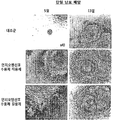
- FIG. 1 is a photograph confirming the growth and maturation of follicles following treatment with angiotensin II receptor agonist and angiotensin II receptor antagonist in single follicle culture.
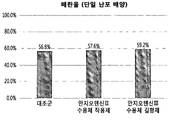
- Figure 2 is a graph confirming the ovulation rate of follicles following treatment with angiotensin II receptor agonists and angiotensin II receptor antagonists in single follicle culture.
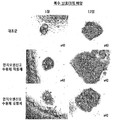
- Figure 3 is a photograph confirming the growth of follicles following treatment with angiotensin II receptor agonists and angiotensin II receptor antagonists in multi-follicle cluster culture.
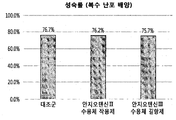
- Figure 4 is a graph confirming the maturation rate of follicles according to the treatment of angiotensin II receptor agonists and angiotensin II receptor antagonists in multiple follicle dummy cultures.
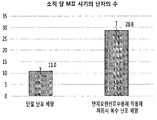
- 5 is a graph comparing the maturation rate of follicles following angiotensin II receptor agonist treatment in single follicle culture and multiple follicle dummy cultures.
- FIG. 6 is a graph comparing follicle fertilization rate according to angiotensin II receptor agonist treatment in single follicle culture and multiple follicle dummy cultures.
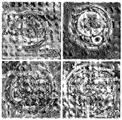
- Figure 7 is a photograph showing the progression of the embryos during fertilization of mature follicles obtained through single follicle culture and multiple follicle pile cultures.
- Figure 7 (a) is a photograph showing a mature egg obtained from a single follicle culture.
- FIG. 7B is a photograph showing mature eggs obtained from plural follicle dummy cultures.
- Figure 7 (c) is a photograph showing a fertilized embryo obtained from a single follicle culture.
- Figure 7 (d) is a photograph showing a fertilized embryo obtained from multiple follicle dummy culture.
- FIG. 8 is a photograph confirming the growth and maturation of the follicles obtained through a plurality of single follicle culture and a plurality of follicle pile culture.
- the present inventors have been conducting various studies to develop a method for obtaining a large number of follicles during in vitro culture of follicles, and specifically, a plurality of follicle piles in which angiotensin II receptor agonist is conjugated to two to four follicles. It was confirmed that it functions to mature and grow all follicles simultaneously. In addition, even when the fertilization using the mature follicles of the follicles, fertilization of the fertilized egg appears similar to the fertilization of the fertilized egg appears similar to the case of fertilization using a mature follicle of the existing single follicles. Therefore, it was found that a large amount of follicles can be obtained by culturing a plurality of follicle piles in a medium containing angiotensin II receptor agonist.
- a plurality of follicle piles are cultured in a medium containing angiotensin II receptor agonists.
- the present invention has great significance in that it promotes growth and maturation of most follicles present in a plurality of follicle piles.
- the present invention provides a method for culturing a plurality of isolated follicle piles in a medium, and a plurality of follicle piles cultured in the first culture step in a medium containing angiotensin II receptor agonist.
- a follicle culturing method comprising a second culture step of culturing.
- follicular culture refers to the process of raising artificial follicles in vitro under controlled conditions. Except for the essential technical idea provided by the present invention, the method of culturing the follicles can be carried out without limitation using methods well known in the art.
- the follicle culturing method of the present invention is particularly advantageous in that a plurality of follicles can be cultured in vitro.
- each step of the culture method will be described in detail.
- the first culture step is a step of pre-culturing the separated plurality of follicle piles in vitro. Through the first culture step, follicles existing in vivo can be adapted to grow and mature in vitro.
- multi-follicle cluster refers to a dummy consisting of a plurality of follicles joined together.
- the follicle grows in the ovary from the onset of menstruation to ovulation, during which the follicle grows through the process of primordial follicle, pre-antral follicle, antral follicle and mature follicle.
- the plurality of follicle piles may be in an electric follicle state, but are not limited thereto.
- the plurality of follicle piles may be formed in a state in which two to four electric follicles are bonded, but as long as more than one follicle is in a bonded state, the present invention is not limited thereto.
- the follicle may be derived from a mammal. Specifically, it may be derived from humans, cattle, sheep, pigs, horses, rabbits, goats, mice, hamsters and rats, but is not limited thereto.
- the separation of the plurality of follicle piles may be made directly from an isolated ovary or may be made from an ovary in vivo, but is not limited thereto, and all of the follicle separation methods known in the art are not limited thereto. May be included in the category.
- HBSS Hank's balanced salt solution
- the term "medium” refers to a medium that enables the growth and survival of cells, including follicular cells, in vitro, and is a conventional medium used in the art suitable for culturing cells. It may include all.
- the basic medium used for the culture is Dulbecco's Modified Eagle's Medium (DMEM), Minimal Essential Medium (MEM), Opti-MEM, Basic Medium Eagle (BME), RPMI1640, F-10, F-12, ⁇ Minimal Essential Medium ( ⁇ MEM). , GMEM (Glasgow's Minimal Essential Medium) and Iscove's Modified Dulbecco's Medium, but are not limited thereto.
- the medium may further include, but is not limited to, insulin, bovine serum, recombinant follicle stimulating hormone, and recombinant luteinizing hormone to induce follicle growth and maturation. .
- the medium of the present invention may further include growth factors, hormones, polypeptides and inorganic substances to help cultivate and maintain the follicle cells. More specifically, the growth factors, hormones, polypeptides and inorganic substances are Bovine Pituitary Extract, Epidermal Growth Factor, Insulin, Hydrocortisone, Transferrin, Epinephrine, CaCl 2 and Ampoterisin It may be selected from the group consisting of B.
- the medium may include antibiotics such as penicillin, streptomycin, or gentamicin to prevent bacterial infection.
- a cultured droplet is prepared in a culture dish using a culture medium comprising insulin, bovine serum, recombinant follicle stimulating hormone, and recombinant luteinizing hormone, and then a single motorized follicle or multiple follicle piles collected in each drop.
- a culture medium comprising insulin, bovine serum, recombinant follicle stimulating hormone, and recombinant luteinizing hormone
- the first culture step may be specifically performed for 2 to 6 days, but is not limited thereto.
- the second culture step is a step of growing and maturing follicles by culturing the plurality of follicle piles cultured in the first culture step in a medium containing angiotensin II receptor agonist.
- angiotensin II is a hormone that is known to play an important role in regulating blood pressure and blood volume in cardiovascular diseases as a major regulator of blood pressure promotion and aldosterone secretion.
- the angiotensin II can act through two receptors, called angiotensin II receptor type 1 and angiotensin II receptor type 2.
- the term "agonist” refers to any compound that binds to a receptor and activates the receptor, thereby activating a biological response, such as a signaling pathway.
- the angiotensin II receptor agonist may refer to any compound that binds to angiotensin II receptor and activates an angiotensin II induced signaling pathway.
- the angiotensin II receptor agonist may be any one selected from the group consisting of, for example, angiotensin II, CGP-42112, and novokinin trifluoroacetate salt, but binds to angiotensin II receptor As long as the signaling pathway induced by angiotensin II is activated, the type is not particularly limited.
- follicle culturing method of the present invention there may be different differences in use concentration and incubation period depending on the selection of any angiotensin II receptor agonist, but a plurality of follicle piles by the treatment within the range that the technical spirit of the present invention is not changed.
- Any angiotensin II receptor agonist capable of culturing should be considered to be within the scope of the present invention.
- the concentration of CGP-42112 as angiotensin II receptor agonist may be between 5 ug / mL and 20 ug / mL in the medium, specifically, between 5 ug / mL and 15 ug / mL in the medium, more Specifically, it may be 10 ug / mL in the medium, but as long as the CGP-42112 is treated in a plurality of follicle piles to exhibit the effect of growing and maturing all follicles in the plurality of follicle piles, it is not limited thereto.
- CGP-42112 was used as the angiotensin II receptor agonist, and was treated so that the concentration in the medium was 10 ug / mL from day 5.
- angiotensin II receptor antagonist refers to a drug that binds to a receptor and inhibits neurotransmitters or hormone function.
- growth means that the cells constituting the follicles proliferate to increase the overall size of the follicles.
- mature means that the follicle develops.
- follicle growth and maturation can be achieved through the multiple follicle culturing method of the present invention.
- the second culture step may be specifically performed for 5 to 20 days, but is not limited thereto.
- the growth and maturation of all follicles does not occur simultaneously even when the angiotensin II receptor agonist is treated.
- FIG. 8 it was confirmed that the growth and maturation of most follicles is promoted.
- the angiotensin II receptor agonist specifically acts upon culturing multiple follicle piles to allow healthy growth and maturation of all follicles.
- the follicle culturing method of the present invention may further comprise the step of obtaining an egg by inducing ovulation in a plurality of follicle piles cultured in the second culture step.
- the ovulation induction refers to a process of inducing the release of eggs from mature follicles.
- the substance used to induce ovulation may be human chorionic growth hormone (rhCG), human epidermal growth factor (hEGF), human menopausal gonadotropin (hMG), follicle stimulating hormone (FSH), but is not limited thereto.
- ovulation was induced by treating recombinant human chorionic growth hormone and human epidermal growth factor to induce ovulation.
- the present invention provides a composition for culturing multiple follicle piles comprising an angiotensin II receptor agonist.
- the present invention provides the use of multiple follicle dummy cultures of angiotensin II receptor agonists.
- angiotensin II angiotensin II receptor agonist and multiple follicle piles are as described above.
- the angiotensin II receptor agonist is treated in a plurality of follicle piles to simultaneously mature and grow all follicles, and even in the case of fertilization with sperm using the mature follicles of the follicles, the existing single follicles of mature follicles are used. Compared to the case of fertilization by sperm and similar fertilization rate appears and similarly, the embryo is difficult to proceed, so the angiotensin II receptor agonist can be usefully used as a composition for culturing multiple follicle piles.
- mice Female C57BL6 mice were used to isolate the motorized follicle to be used in the experiment. At this time, the mice were given a contrast period of 12 hours and water and food were freely ingested.
- the ovaries were isolated from 14-day-old mice and placed in Han's balanced salt solution (HBSS) containing 10% bovine serum, and mechanically the early stages of developmental follicles were mechanically developed using a 28-gauge syringe needle. Separated. At this time, the degenerated motorized follicles were removed and a healthy motorized follicle was used for the electric follicle culture.
- HBSS Han's balanced salt solution
- One isolated motorized follicle was used for single follicle culture, and a dummy consisting of two to four motorized follicles conjugated was used for multi-follicle cluster culture.
- Opti-MEM medium (Invitrogen) containing luteinizing hormone, LH, Luveris®, Merck Serono, 0.1 IU / mL was used, and every half of the medium was changed to fresh medium. The follicular morphology was observed using an inverted microscope (TE-2000; Nikon).
- angiotensin II receptor agonist CGP-42112, Sigma
- angiotensin II receptor antagonist Saralasin, Sigma
- rhCG human chorionic growth hormone
- hEGF human epidermal growth factor
- the ovulation rate was calculated by counting the number of ovulated follicles after administration of human chorionic growth hormone and human epidermal growth factor among the seeded follicles, and the maturation rate was the number of ovules at the MII stage in the number of ovulated eggs. Counting was calculated.
- In vitro fertilization was performed to evaluate the fertilization rate of eggs obtained by inducing ovulation. Specifically, sperm collected from 8-week-old male C57BL6 mice were fertilized in mature follicles ovulated in HTF (human tubal fluid) medium at 37 ° C. in a 5% CO 2 incubator. If cell division occurred or if a second polar body was observed with two pronuclei visible, it was considered to be modified.
- HTF human tubal fluid
- angiotensin II receptor antagonist In order to confirm the effect of angiotensin II in single follicle culture, the growth and maturity of follicles following angiotensin II receptor antagonist or angiotensin II receptor antagonist treatment were examined. To this end, the angiotensin II receptor agonist or angiotensin II receptor antagonist was treated in a single follicle by culturing a single follicle and observed the growth of follicles by inducing the ovulation in the cultured follicles.
- angiotensin II had no effect on follicle growth and maturation in single follicle culture.
- angiotensin II receptor agonist or angiotensin II receptor antagonist to a plurality of follicle piles by culturing the plurality of follicle piles.
- the growth of the follicles was observed, and the maturation rate was based on the living follicles of the plurality of follicle piles. It was confirmed.
- the multiple follicle piles treated with an angiotensin II receptor agonist or an angiotensin II receptor antagonist showed no single follicles treated with nothing. It was confirmed that the maturation rate appeared at a level similar to the (control, CTL) (Fig. 4). Thus, it was found that the maturation rate of follicles and angiotensin II were not correlated.
- angiotensin II in plural follicle dummy cultures, the maturation rate and fertilization rate of cultured follicles were examined.
- the angiotensin II receptor agonist was treated to incubate and induce ovulation, followed by fertilization of sperm in the ovulated mature follicles.
- the method of culturing a plurality of follicle piles established in the present invention enables the cultivation of a plurality of follicles, thereby producing a large amount of eggs, and efficiently producing eggs necessary for in vitro fertilization in vitro, and also various studies related to infertility. It is expected to be usefully used.
- the angiotensin II receptor agonist was treated in a plurality of single follicles or a plurality of follicle piles by the method of Examples 1 to 4 to observe the growth of the follicles while inducing ovulation in the cultured follicles to confirm the maturity of the follicles. .
- the results confirm that when culturing a plurality of follicles in the form of a single follicle, even if the angiotensin II receptor agonist is treated, growth and maturation of all follicles does not occur at the same time, and further, a plurality of single follicle cultures are impossible.
- the method of culturing multiple follicle piles of the present invention promotes the growth and maturation of most follicles, so that the angiotensin II receptor agonist can specifically grow and mature all follicles in healthy culture of the plural follicle piles. And it was found.
Landscapes
- Health & Medical Sciences (AREA)
- Engineering & Computer Science (AREA)
- Life Sciences & Earth Sciences (AREA)
- Biomedical Technology (AREA)
- Wood Science & Technology (AREA)
- Zoology (AREA)
- Organic Chemistry (AREA)
- Bioinformatics & Cheminformatics (AREA)
- Genetics & Genomics (AREA)
- Biotechnology (AREA)
- Chemical & Material Sciences (AREA)
- Biochemistry (AREA)
- Microbiology (AREA)
- General Engineering & Computer Science (AREA)
- General Health & Medical Sciences (AREA)
- Cell Biology (AREA)
- Developmental Biology & Embryology (AREA)
- Reproductive Health (AREA)
- Gynecology & Obstetrics (AREA)
- Pregnancy & Childbirth (AREA)
- Micro-Organisms Or Cultivation Processes Thereof (AREA)
Abstract
본 발명은 안지오텐신 Ⅱ 수용체 작용제를 이용한 복수 난포 배양 방법에 관한 것으로, 구체적으로, 분리된 복수 난포 더미를 배지에서 배양하는 제1배양 단계 및 상기 배양 단계에서 배양된 복수 난포 더미를 안지오텐신 Ⅱ 수용체 작용제를 포함하는 배지에서 배양하는 제2배양 단계를 포함하는 난포 배양 방법, 및 안지오텐신 Ⅱ 수용체 작용제를 포함하는 복수 난포 더미 배양용 조성물에 관한 것이다. 본 발명의 복수 난포 더미 배양 방법을 이용하면, 복수의 난포 배양이 가능하여 난자를 대량으로 생산할 수 있으므로, 이로부터 수득된 난자는 체외수정 및 불임 연구 등에 유용하게 이용될 수 있을 것이다.
Description
본 발명은 안지오텐신 Ⅱ 수용체 작용제를 이용한 복수 난포 배양 방법에 관한 것으로, 구체적으로, 분리된 복수 난포 더미를 배지에서 배양하는 제1배양 단계 및 상기 배양 단계에서 배양된 복수 난포 더미를 안지오텐신 Ⅱ 수용체 작용제를 포함하는 배지에서 배양하는 제2배양 단계를 포함하는 난포 배양 방법, 및 안지오텐신 Ⅱ 수용체 작용제를 포함하는 복수 난포 더미 배양용 조성물에 관한 것이다.
현대사회에서 환경오염, 생활습관 변화 등 다양한 요인에 의해서 불임이 증가하는 추세에 있으며, 사회적으로도 중요한 문제가 되고 있다. 이러한 불임 문제를 해결하고자 다양한 불임시술과 보조생식술이 개발되고 있으며, 현재 가장 많이 활용되는 시술로는 인공수정(intrauterine insemination, IU, 자궁내 정자 주입), 시험관 아기와 배아 시술(In vitro fertilization-embryo transfer, IVF-ET, 체외수정) 등이 있다.
불임을 치료하는 방법 중 시험관 아기와 배아 시술, 즉 체외수정의 경우에는 자연적인 배란 또는 과배란 주사를 통해 얻어진 난자와 정자를 체외에서 수정하여 자궁으로 이식시켜주는 방법으로 이루어진다. 다만, 과배란 주사의 부작용에 대한 문제가 있어 체외에서 난포를 배양하여 난자를 얻을 수 있는 방법의 개발이 필요한 실정이다.
난포의 체외배양은 여러 다른 단계의 난자발달을 조절하는 인자를 연구하기 위한 중요한 생체공학적 방법이며 가임력 보존을 위한 대안이기도 하다. 그러나 현재 대부분의 연구자에 의하여 사용되고 있는 난포의 체외배양 방법은 한 개의 난포를 채취하여 시험관 내에 심어주는 단일난포배양법으로서 노동집약적이고 효율이 낮다. 또한, 난소 조직은 적출 후 빠르게 조직이 변성되기 때문에, 현미경을 보면서 바늘을 이용하여 잘라낸 난포 더미로부터 한 개의 난포만을 채취하는 것은 고도의 기술이 필요하다.
또한, 체내에서 난포가 배란을 위해 성장하는 기간에는 보통 한 개의 우성(dominant) 난포가 선택되어 배란되는데, 일반적으로 우성난포는 주변의 난포 성장을 억제하는 국소분비물질을 배출하게 된다(Reprod Fertil Dev., 23(3):444-67). 이러한 현상에 기반하여 현재까지는 단일 난포의 체외배양만이 가능하였으며, 복수 난포의 체외배양은 어려운 실정이다. 만약 이러한 우성난포의 주변난포 억제작용을 극복할 수 있다면 복수 난포의 체외배양도 가능하게 될 것이며, 이는 단일난포 배양에 비하여 다량의 난자를 얻을 수 있는 생체공학의 유망한 방법이 될 수 있다.
한편, 안지오텐신 Ⅱ는 난포의 초기성숙과 퇴화, 배란 과정에서 역할을 하며(Med Princ Pract., 22(5):475-9), 난소에 존재하는 안지오텐신 수용체를 통하여 작용하는 국소분비인자로 알려져 있다. 그러나 안지오텐신 Ⅱ가 복수 난포 더미를 이용한 체외배양 용도로 이용될 수 있는지에 대해서는 현재까지 연구된 바 없다.
본 발명자들은 난포의 체외배양시 대량의 난포를 얻을 수 있는 방법을 개발하고자 예의 노력한 결과, 안지오텐신 Ⅱ 수용체 작용제가 다수의 난포가 접합된 상태로 이루어진 복수 난포 더미에 특이적으로 작용하여 모든 난포들을 동시에 성숙 및 성장시키고, 상기 난포로부터 획득된 성숙 난자를 이용하여 정자와 수정시킬 경우에도, 기존의 단일 난포 배양을 통해 수득한 성숙난포를 이용하여 수정시킬 경우와 유사한 수정율이 나타나고, 유사하게 수정란의 난할이 진행됨을 확인하였다. 이에, 안지오텐신 Ⅱ 수용체 작용제를 포함하는 배지에서 복수 난포 더미를 배양하여 대량의 난자를 얻을 수 있음을 규명함으로써 본 발명을 완성하였다.
본 발명의 하나의 목적은 분리된 복수 난포 더미를 배지에서 배양하는 제1배양 단계 및 상기 배양 단계에서 배양된 복수 난포 더미를 안지오텐신 Ⅱ 수용체 작용제를 포함하는 배지에서 배양하는 제2배양 단계를 포함하는 난포 배양 방법을 제공하는 것이다.
본 발명의 다른 하나의 목적은 안지오텐신 Ⅱ 수용체 작용제를 포함하는 복수 난포 더미 배양용 조성물을 제공하는 것이다.
본 발명의 또 다른 하나의 목적은 안지오텐신 Ⅱ 수용체 작용제를 복수 난포 더미 배양 용도를 제공하는 것이다.
본 발명의 복수 난포 더미 배양 방법을 이용하면, 복수의 난포 배양이 가능하여 난자를 대량으로 생산할 수 있으므로, 이로부터 수득된 난자는 체외수정 및 불임 연구 등에 유용하게 이용될 수 있을 것이다.
도 1은 단일 난포 배양(single follicle culture)시 안지오텐신 Ⅱ 수용체 작용제(Angiotensin Ⅱ receptor agonist) 및 안지오텐신 Ⅱ 수용체 길항제(Angiotensin Ⅱ receptor antagonist) 처리에 따른 난포의 성장 및 성숙을 확인한 사진이다.
도 2는 단일 난포 배양시 안지오텐신 Ⅱ 수용체 작용제 및 안지오텐신 Ⅱ 수용체 길항제 처리에 따른 난포의 배란율을 확인한 그래프이다.
도 3은 복수 난포 더미 배양(multi-follicle cluster culture)시 안지오텐신 Ⅱ 수용체 작용제 및 안지오텐신 Ⅱ 수용체 길항제 처리에 따른 난포의 성장을 확인한 사진이다.
도 4는 복수 난포 더미 배양시 안지오텐신 Ⅱ 수용체 작용제 및 안지오텐신 Ⅱ 수용체 길항제 처리에 따른 난포의 성숙률을 확인한 그래프이다.
도 5는 단일 난포 배양 및 복수 난포 더미 배양시 안지오텐신 Ⅱ 수용체 작용제 처리에 따른 난포의 성숙률을 비교한 그래프이다.
도 6은 단일 난포 배양 및 복수 난포 더미 배양시 안지오텐신 Ⅱ 수용체 작용제 처리에 따른 난포의 수정률을 비교한 그래프이다.
도 7은 단일 난포 배양 및 복수 난포 더미 배양을 통해 수득한 성숙난포의 수정시 배아의 난할이 진행됨을 나타낸 사진이다.
도 7의 (a)는 단일 난포 배양으로부터 얻어진 성숙 난자를 나타내는 사진이다.
도 7의 (b)는 복수 난포 더미 배양으로부터 얻어진 성숙 난자를 나타내는 사진이다.
도 7의 (c)는 단일 난포 배양으로부터 얻어진 수정된 배아를 나타내는 사진이다.
도 7의 (d)는 복수 난포 더미 배양으로부터 얻어진 수정된 배아를 나타내는 사진이다.
도 8은 복수의 단일 난포 배양 및 복수 난포 더미 배양을 통해 수득한 난포의 성장 및 성숙을 확인한 사진이다.
본 발명자들은 난포의 체외배양시 대량의 난포를 얻을 수 있는 방법을 개발하고자 다양한 연구를 수행하던 중, 안지오텐신 Ⅱ 수용체 작용제가 2개 내지 4개의 난포가 접합된 상태로 이루어진 복수 난포 더미에 특이적으로 작용하여 모든 난포들을 동시에 성숙 및 성장시킴을 확인하였다. 또한, 상기 난포의 성숙난포를 이용하여 수정시킬 경우에도, 기존의 단일 난포의 성숙난포를 이용하여 수정시킬 경우와 유사한 수정율이 나타나고 유사하게 수정란의 난할이 진행됨을 확인하였다. 따라서, 안지오텐신 Ⅱ 수용체 작용제를 포함하는 배지에서 복수 난포 더미를 배양하는 방법을 통해서 대량의 난포를 얻을 수 있음을 알 수 있었다.
또한, 복수의 난포를 단일 난포 형태로 배양하는 경우에 안지오텐신 Ⅱ 수용체 작용제를 처리하더라도 모든 난포들의 성장 및 성숙이 동시에 일어나지 않는 반면, 안지오텐신 Ⅱ 수용체 작용제를 포함하는 배지에 복수 난포 더미를 배양하는 방법을 이용하면 복수 난포 더미에 존재하는 대부분의 난포들의 성장 및 성숙을 촉진시킨다는 점에서 본 발명이 가지는 의의는 크다고 할 수 있다.
이를 구체적으로 설명하면 다음과 같다. 한편, 본 발명에서 개시된 각각의 설명 및 실시형태는 각각의 다른 설명 및 실시 형태에도 적용될 수 있다. 즉, 본 발명에서 개시된 다양한 요소들의 모든 조합이 본 발명의 범주에 속한다. 또한, 하기 기술된 구체적인 서술에 의하여 본 발명의 범주가 제한된다고 볼 수 없다.
상기 과제를 해결하기 위하여 하나의 양태로서, 본 발명은 분리된 복수 난포 더미를 배지에서 배양하는 제1배양 단계 및 상기 제1배양 단계에서 배양된 복수 난포 더미를 안지오텐신 Ⅱ 수용체 작용제를 포함하는 배지에서 배양하는 제2배양 단계를 포함하는 난포 배양 방법을 제공한다.
본 발명에서 사용된 용어 "난포 배양"은 조절된 조건 하에서 인공적으로 체외에서 살아있는 난포를 키우는 과정을 의미한다. 본 발명에서 제공하는 필수적인 기술적 사상을 제외하고, 상기 난포를 배양하는 방법은 당업계에 널리 알려져 있는 방법을 이용하여 제한없이 수행될 수 있다.
본 발명의 난포 배양 방법은 특히, 복수의 난포를 체외에서 배양할 수 있다는 장점이 있다. 이하, 상기 배양방법의 각 단계를 상세히 설명한다.
상기 제1배양 단계는 분리된 복수 난포 더미를 체외에서 사전 배양하는 단계이다. 제1배양 단계를 통해 생체 내 존재하고 있던 난포가 생체 외 조건에서 성장 및 성숙할 수 있도록 적응할 수 있다.
본 발명에서 사용된 용어 "복수 난포 더미(multi-follicle cluster)"는 복수의 난포가 접합된 상태로 이루어진 더미를 의미한다. 난포는 난소에서 생리시작일로부터 배란전까지 성장하며, 이 기간 동안 난포는 원시난포(primordial follicle), 전동난포(pre-antral follicle), 동난포(antral follicle) 및 성숙난포의 과정을 거치며 자라게 되는데, 본 발명에 있어서, 상기 복수 난포 더미는 전동 난포로 상태인 것 일 수 있으나, 이에 제한되지 않는다. 상기 복수 난포 더미는 구체적으로 2 내지 4개의 전동 난포가 접합된 상태로 이루어진 것일 수 있으나, 그 이상의 난포가 접합된 상태로 존재하는 한, 이에 제한되지 않는다.
본 발명에 있어서, 상기 난포는 포유동물 유래일 수 있다. 구체적으로, 인간, 소, 양, 돼지, 말, 토끼, 염소, 마우스, 햄스터 및 랫트 유래일 수 있으나, 이에 제한되지 않는다.
본 발명에 있어서, 복수 난포 더미의 분리는 분리된 난소에서 직접 이루어지는 것일 수 있고 또는 생체 내 난소에서 이루어지는 것일 수 있으나, 이에 제한되지 않고, 당업계에 공지된 난포 분리 방법을 제한 없이 모두 본 발명의 범주에 포함될 수 있다.
본 발명의 일 실시예에서는 분리된 난소를 HBSS(Hank's balanced salt solution) 넣어둔 후, 28-게이지(28-gauge) 주사기 바늘을 이용하여 발달 초기의 2 내지 4개의 전동 난포가 접합된 상태로 이루어진 복수 난포 더미를 분리하였다.
본 발명에서 사용된 용어 "배지"는 인 비트로(in vitro)에서 난포 세포를 비롯한 세포의 성장 및 생존을 지지할 수 있게 하는 배지를 의미하고, 세포의 배양에 적절한 당 분야에서 사용되는 통상의 배지를 모두 포함할 수 있다. 배양에 사용되는 기본 배지는 DMEM(Dulbecco's Modified Eagle's Medium), MEM(Minimal essential Medium), Opti-MEM, BME(Basal Medium Eagle), RPMI1640, F-10, F-12, αMEM(α Minimal essential Medium), GMEM(Glasgow's Minimal essential Medium) 및 Iscove's Modified Dulbecco's Medium 등 일 수 있으나, 이에 제한되지 않는다. 상기 배지에는 난포의 성장 및 성숙을 유도하기 위해 추가적으로 인슐린, 소혈청, 재조합 여포 자극 호르몬(recombinant follicle stimulating hormone) 및 재조합 황체 형성 호르몬(recombinant luteinizing hormone) 등 을 포함시킬 수 있으나, 이에 제한되는 것은 아니다.
또한, 본 발명의 배지에는 난포 세포의 배양 및 유지에 도움을 주는 성장인자, 호르몬, 폴리펩타이드 및 무기물질을 추가로 더 포함할 수 있다. 보다 구체적으로, 상기 성장인자, 호르몬, 폴리펩타이드 및 무기물질은 보빈 뇌하수체 추출물(Bovine Pituitary Extract), 상피세포 성장 인자(Epidermal Growth Factor), 인슐린, 하이드로코르티손, 트랜스페린, 에피네프린, CaCl2 및 암포테리신 B로 이루어진 그룹으로부터 선택되는 것일 수 있다. 또한 상기 배지는 세균 감염을 방지하기 위해 페니실린(penicillin), 스트렙토마이신(streptomycin) 또는 겐타마이신(gentamicin) 등의 항생제를 포함할 수 있다.
본 발명의 구체적인 일 실시예에서는 인슐린, 소혈청, 재조합 여포 자극 호르몬, 재조합 황체 형성 호르몬을 포함하는 배양액을 이용하여 배양접시에 배양점적을 만든 후 각각의 점적에 수집된 단일 전동 난포 또는 복수 난포 더미 1개씩을 시딩하고 37 ℃, 5 % CO2 배양기에서 약 2주동안 배양하였다.
상기 제1배양 단계는 구체적으로 2일 내지 6일 동안 수행되는 것일 수 있으나, 이에 제한되지 않는다.
상기 제2배양 단계는 상기 제1배양 단계에서 배양된 복수 난포 더미를 안지오텐신 Ⅱ 수용체 작용제가 포함된 배지에서 배양하여 난포를 성장 및 성숙시키는 단계이다.
본 발명에 사용된 용어 "안지오텐신 Ⅱ(angiotensin Ⅱ)"는 혈압증진 및 알도스테론 분비의 주요 조절자로서, 심혈관계질환에서 혈압 및 혈액량을 조절하는 중요한 역할을 담당하는 것으로 알려진 호르몬이다. 상기 안지오텐신 Ⅱ는 안지오텐신 Ⅱ 수용체 타입 1(angiotensin Ⅱ receptor type 1) 및 안지오텐신 Ⅱ 수용체 타입 2(angiotensin Ⅱ receptor type 2)로 불리는 두 수용체를 통해 작용할 수 있다.
본 발명에 사용된 용어 "작용제(agonist)"는 수용체와 결합되어 수용체를 활성화시킴으로써 신호전달경로와 같은 생물학적 반응을 활성화시키는 모든 화합물을 의미한다. 따라서, 상기 안지오텐신 Ⅱ 수용체 작용제는 안지오텐신 Ⅱ 수용체에 결합하여 안지오텐신 Ⅱ로 유도되는 신호전달경로를 활성화시키는 모든 화합물을 의미할 수 있다.
본 발명에 있어서, 상기 안지오텐신 Ⅱ 수용체 작용제는 예컨대 안지오텐신 Ⅱ, CGP-42112 및 노보키닌 트리플루오로아세테이트 염 (Novokinin trifluoroacetate salt)으로 이루어진 군에서 선택되는 어느 하나인 것일 수 있으나, 안지오텐신 Ⅱ 수용체에 결합하여 안지오텐신 Ⅱ로 유도되는 신호전달경로를 활성화시키는 한, 그 종류에 특별히 제한되지 않는다.
본 발명의 난포 배양 방법에 있어서 어떠한 안지오텐신 Ⅱ 수용체 작용제를 선택하는데에 따라 사용 농도 및 배양기간 등에 다른 차이가 있을 수 있으나, 본 발명의 기술적 사상이 변경되지 않는 범위 내에서 그 처리에 의해 복수 난포 더미의 배양이 가능한 안지오텐신 Ⅱ 수용체 작용제라면 모두 본 발명의 범주에 포함되는 것으로 보아야 한다.
일례로, 안지오텐신 Ⅱ 수용체 작용제로서 CGP-42112의 농도는 배지 내에서 5 ug/mL 내지 20 ug/mL일 수 있고, 구체적으로, 배지 내에서 5 ug/mL 내지 15 ug/mL일 수 있으며, 보다 구체적으로, 배지 내에서 10 ug/mL일 수 있으나, 상기 CGP-42112가 복수 난포 더미에 처리되어 복수 난포 더미 내 모든 난포들을 성장 및 성숙시키는 효과를 나타내는 한, 이에 제한되지 않는다.
본 발명의 구체적인 일 실시예에서는 상기 안지오텐신 Ⅱ 수용체 작용제로 CGP-42112를 사용하였고, 5일째부터 배지 내 농도가 10 ug/mL이 되도록 처리하였다.
본 발명에서 사용된 용어 "안지오텐신 Ⅱ 수용체 길항제(angiotensin Ⅱ receptor antagonist)"는 수용체와 결합되어 신경전달물질이나 호르몬 기능을 저해하는 약물을 의미한다.
본 발명에서 사용된 용어 "성장"은 난포를 구성하는 세포들이 증식하여 난포의 전체적인 크기가 커지는 것을 의미한다.
본 발명에서 사용된 용어 "성숙"은 난포가 발달하는 것을 의미한다.
추가적으로 본 발명의 복수 난포 배양 방법을 통해서 난포를 성장 및 성숙시킬 수 있다.
상기 제2배양 단계는 구체적으로 5 내지 20일 동안 수행되는 것일 수 있으나, 이에 제한되지 않는다.
본 발명의 구체적인 일 실시예에서는 아무것도 처리하지 않거나, 안지오텐신 Ⅱ 수용체 작용제 및 안지오텐신 Ⅱ 길항제를 처리하여 단일 난포 배양하는 경우, 단일 난포의 성장 및 성숙에 아무 영향을 미치지 않음을 확인하였다(도 1 내지 도 2). 또한, 아무것도 처리하지 않거나, 안지오텐신 Ⅱ 수용체 길항제를 처리하여 복수 난포 더미 배양하는 경우, 복수 난포 더미의 일부 난포들이 성장이 진행되지 않거나 세포사멸에 빠지는 현상이 나타남을 확인하였다(도 3). 반면, 안지오텐신 Ⅱ 수용체 작용제를 처리하여 복수 난포 더미 배양하는 경우, 복수 난포 더미의 모든 난포들이 동시에 성장이 촉진됨을 확인하였다(도 3).
한편, 아무것도 처리하지 않거나, 안지오텐신 Ⅱ 수용체 길항제 또는 안지오텐신 Ⅱ 수용체 작용제를 처리하여 복수 난포 더미 배양하는 경우, 살아있는 난포의 성숙률이 유사한 수준으로 나타남을 확인하였다(도 4). 따라서, 안지오텐신 Ⅱ 수용제 작용제는 복수 난포 더미 배양에 있어서 난포의 성장을 촉진시키는 역할을 하므로, 안지오텐신 Ⅱ 수용체 작용제를 처리함으로써 복수의 난포를 동시에 배양시킬 수 있음을 알 수 있었다.
본 발명의 구체적인 다른 일 실시예에서는 안지오텐신 Ⅱ 수용체 작용제를 처리하여 복수 난포 더미를 배양하는 경우, 모든 난포들은 동일한 조건으로 단일 난포 배양된 난포와 유사한 수준으로 성장 및 성숙이 촉진되고(도 5), 상기 난포를 이용하여 얻어진 성숙난포를 이용하여 정자와 수정시켰을 경우도 단일 난포 배양된 성숙난포를 이용하여 정자와 수정시켰을 경우와 비교하여 유사한 수준으로 배아의 난할이 진행됨을 알 수 있었다(도 6 및 도 7). 따라서, 본 발명의 방법을 이용할 경우, 복수의 난포 배양을 통해 난자를 대량으로 생산할 수 있으므로, 체외수정에 필요한 난자를 효율적으로 시험관 내에서 생산할 수 있고, 또한 불임과 관련된 다양한 연구에 유용하게 이용될 수 있을 것으로 기대된다.
본 발명의 구체적인 또 다른 일 실시예에서는 복수의 난포를 단일 난포 형태로 배양하는 경우, 안지오텐신 Ⅱ 수용체 작용제를 처리하더라도 모든 난포들의 성장 및 성숙이 동시에 일어나지 않는 반면, 본 발명의 복수 난포 더미 배양 방법으로 배양하는 경우, 대부분의 난포들의 성장 및 성숙이 촉진됨을 확인하였다(도 8). 따라서, 안지오텐신 Ⅱ 수용체 작용제는 복수 난포 더미 배양시에 특이적으로 작용하여 모든 난포들을 건강하게 성장 및 성숙시킬 수 있음을 알 수 있었다.
본 발명의 난포 배양 방법은 상기 제2배양 단계에서 배양된 복수 난포 더미에 배란을 유도하여 난자를 수득하는 단계를 추가로 포함하는 것일 수 있다.
상기 배란 유도는 성숙 난포로부터 난자를 배출할 수 있도록 유도하는 과정을 의미한다. 상기 배란 유도에 쓰이는 물질은 인간 융모막 성장 호르몬(rhCG), 인간 표피 성장 인자(hEGF), 인간 폐경 성선 자극 호르몬(hMG), 난포 자극 호르몬(FSH)일 수 있으나, 이에 제한되지 않는다.
본 발명의 구체적인 일 실시예에서는 배란을 유도하기 위하여 재조합 인간 융모막 성장 호르몬 및 인간 표피 성장인자를 처리하여 배란을 유도하였다.
다른 하나의 양태로서, 본 발명은 안지오텐신 Ⅱ 수용체 작용제를 포함하는 복수 난포 더미 배양용 조성물을 제공한다.
또 다른 하나의 양태로서, 본 발명은 안지오텐신 Ⅱ 수용체 작용제의 복수 난포 더미 배양 용도를 제공한다.
상기 안지오텐신 Ⅱ, 안지오텐신 Ⅱ 수용체 작용제 및 복수 난포 더미는 상기 설명한 바와 같다.
본 발명에 있어서, 상기 안지오텐신 Ⅱ 수용체 작용제를 복수 난포 더미에 처리하여 모든 난포들을 동시에 성숙 및 성장시키고, 상기 난포의 성숙난포를 이용하여 정자와 수정시킬 경우에도, 기존의 단일 난포의 성숙난포를 이용하여 정자와 수정시킬 경우와 비교하여 유사한 수정율이 나타나고 유사하게 배아의 난할이 진행됨을 확인하였으므로, 상기 안지오텐신 Ⅱ 수용체 작용제를 복수 난포 더미 배양용 조성물로 유용하게 이용될 수 있다.
이하, 하기 실시예들을 통하여 보다 상세하게 설명한다. 그러나 이들 실시예들은 본 발명을 예시적으로 설명하기 위한 것으로 본 발명의 범위가 이들 실시예에 한정되는 것은 아니다.
실시예 1. 마우스로부터 전동 난포(pre-antral)의 분리
실험에 사용될 전동 난포를 분리하기 위하여, 암컷 C57BL6 마우스를 이용하였다. 이때, 상기 마우스는 12시간씩 명암기간을 주고 물과 먹이는 자유롭게 섭취하도록 하였다.
구체적으로, 14일령된 마우스로부터 난소를 분리하여 10 % 소혈청이 함유된 HBSS(Hank's balanced salt solution)에 넣어 둔 후 28-게이지(28-gauge) 주사기 바늘을 이용하여 발달 초기 전동 난포를 기계적으로 분리하였다. 이때, 퇴화된 전동 난포를 제거하고 건강한 모양의 전동 난포를 전동 난포 배양에 이용하였다. 1개의 분리된 전동 난포를 단일 난포배양(single follicle culture)에 사용하였고, 2 내지 4개의 전동 난포가 접합된 상태로 이루어진 더미는 복수 난포 더미 배양(multi-follicle cluster culture)에 이용하였다.
실시예 2. 분리된 전동 난포의 체외배양
분리된 전동 난포를 체외 배양하기 위하여, 하기의 방법을 수행하였다.
배양접시(Falcon 3000, BD Biosciences, 60 x 15 mm)에 20 ㎕의 배양액 점적을 25개씩 만든 후 각각의 점적에 상기 수집된 단일 전동 난포 또는 2내지 4개의 전동 난포가 접합된 상태로 이루어진 복수 난포 더미 1개씩을 시딩(seeding)하고 37 ℃, 5 % CO2 배양기에서 약 2주동안 배양하였다. 이때 사용된 배양액은 10 mg/mL의 인슐린과 5 % 소혈청, 그리고 재조합 여포 자극 호르몬(recombinant follicle stimulating hormone, FSH, Gonal-F®, Merck Serono, 0.2 IU/mL)과 재조합 황체 형성 호르몬(recombinant luteinizing hormone, LH, Luveris®, Merck Serono, 0.1 IU/mL)이 포함된 Opti-MEM 배지(Invitrogen)를 사용하였고, 이틀마다 새 배지로 절반씩 갈아주었다. 배양과정에서 난포 형태는 역위현미경(TE-2000; Nikon)을 이용하여 관찰하였다.
실시예 3. 안지오텐신 Ⅱ 수용체(Angiotensin Ⅱ receptor)의 조절
안지오텐신 Ⅱ 수용체 조절에 따른 난포 배양 효과를 확인하기 위하여, 대조군, 안지오텐신 Ⅱ 수용체 작용제(Angiotensin Ⅱ receptor agonist, CGP-42112, Sigma) 처리군 및 안지오텐신 Ⅱ 수용체 길항제(Angiotensin Ⅱ receptor antagonist, Saralasin, Sigma) 처리군으로 나누어 비교분석하였다. 구체적으로, 안지오텐신 Ⅱ 수용체 작용제 또는 안지오텐신 Ⅱ 수용체 길항제를 배양 5일째부터 10 ug/mL 농도가 되도록 처리하였다.
실시예 4. 배란 유도
배양 12일 째 전동난포에서 동난포(antral follicle)로 성숙된 것을 확인한 후, 배란을 유도하기 위하여, 1.5 IU/mL의 재조합 인간 융모막 성장 호르몬(recombinant human chorionic growth hormone, rhCG, Ovidrel®, Merck Serono)과 5 ng/mL의 인간 표피 성장인자(human epidermal growth factor, hEGF)를 처리하여 배란을 유도하였다. 배란 유도한 후 16-18시간이 되었을 때, 배란율과 성숙률을 확인하였다.
구체적으로 상기 배란율은 시딩(seeding)한 난포 중 인간 융모막 성장 호르몬 및 인간 표피 성장인자를 투여한 후 배란된 난포의 수를 세어 계산하였고, 성숙률은 배란된 난자의 수 중 MII 시기의 난자의 수를 세어 계산하였다.
실시예 5. 체외수정 및 배아 확인
배란을 유도하여 수득한 난자의 수정률을 평가하기 위하여 체외수정을 실시하였다. 구체적으로 37 ℃, 5 % CO2 배양기 내 HTF(human tubal fluid) 배지에서 배란된 성숙난포에 8주령 수컷 C57BL6 마우스로부터 채취한 정자를 수정시켰다. 세포분열이 일어나거나 또는 두 개의 전핵이 보이면서 제 2극체가 관찰되면 수정된 것으로 간주하였다.
실험예 1. 단일 난포 배양시 안지오텐신 Ⅱ의 효과 확인
단일 난포 배양시 안지오텐신 Ⅱ의 효과를 확인하기 위하여, 안지오텐신 Ⅱ 수용체 작용제 또는 안지오텐신 Ⅱ 수용체 길항제 처리에 따른 난포의 성장 및 성숙도를 확인하고자 하였다. 이를 위해, 실시예 1 내지 실시예 4의 방법으로 안지오텐신 Ⅱ 수용체 작용제 또는 안지오텐신 Ⅱ 수용체 길항제를 단일 난포에 처리하여 배양하면서 난포의 성장을 관찰하고, 배양된 난포에 배란을 유도하여 배란율을 확인하였다.
실험결과, 5일 째 난포와 13일 째 난포의 성장을 비교하였을 때, 안지오텐신 Ⅱ 수용체 작용제(AT Ⅱ receptor agonist) 또는 안지오텐신 Ⅱ 수용체 길항제(AT Ⅱ receptor antagonist)를 처리한 단일 난포는 아무것도 처리하지 않은 단일 난포(대조군, CTL)와 유사한 수준으로 성장하는 것을 확인할 수 있었다(도 1). 또한, 안지오텐신 Ⅱ 수용체 작용제 또는 안지오텐신 Ⅱ 수용체 길항제를 처리한 단일 난포의 배란율도 아무것도 처리하지 않은 단일 난포와 비교하여 큰 차이가 없었다(도 2).
결론적으로 단일 난포 배양시에는 안지오텐신 Ⅱ가 난포의 성장 및 성숙에 아무 영향을 미치지 않는다는 것을 알 수 있었다.
실험예 2. 복수 난포 더미 배양시 안지오텐신 Ⅱ의 효과 확인
다음으로, 2 내지 4개의 난포가 접합된 상태로 이루어진 복수 난포 더미를 배양시 안지오텐신 Ⅱ의 효과를 확인하고자 하였다. 이를 위해, 실시예 1 내지 실시예 4의 방법으로 안지오텐신 Ⅱ 수용체 작용제 또는 안지오텐신 Ⅱ 수용체 길항제를 복수 난포 더미에 처리하여 배양하면서 난포의 성장을 관찰하고, 각 복수 난포 더미의 살아있는 난포를 기준으로 성숙률을 확인하였다.
실험결과, 5일째 복수 난포 더미와 13일째 복수 난포 더미를 비교하였을 때, 아무것도 처리하지 않은 대조군에서는 복수 난포 더미의 일부 난포들은 성장이 진행되지 않고 난포 내 난포액이 거의 축적되지 않음을 확인하였다. 그러나 안지오텐신 Ⅱ 수용체 작용제를 처리한 복수 난포 더미에서는 모든 난포들의 성장이 현저히 촉진되었고, 난포 내 난포액 축적이 증가됨를 확인하였다. 반면, 안지오텐신 Ⅱ 수용체 길항제를 처리한 복수 난포 더미의 일부 난포들은 동시에 자라지 않고 발달 도중에 세포사멸에 빠지는 현상을 확인하였다(도 3).
한편, 복수 난포 더미 배양시 살아있는 난포의 성숙률을 확인한 결과, 안지오텐신 Ⅱ 수용체 작용제(AT Ⅱ receptor agonist) 또는 안지오텐신 Ⅱ 수용체 길항제(AT Ⅱ receptor antagonist)를 처리한 복수 난포 더미는 아무것도 처리하지 않은 단일 난포(대조군,CTL)와 유사한 수준으로 성숙률이 나타난 것을 확인하였다(도 4). 따라서, 난포의 성숙률과 안지오텐신 Ⅱ는 상관관계가 있는 것은 아니라는 것을 알 수 있었다.
결론적으로, 대조군인 아무것도 처리하지 않은 복수 난포 더미 및 안지오텐신 Ⅱ 수용체 길항제를 처리한 복수 난포 더미의 일부 난포들은 성장이 진행되지 않았으나, 안지오텐신 Ⅱ 수용체 작용제를 처리한 복수 난포 더미의 모든 난포들은 성장이 촉진되므로, 안지오텐신 Ⅱ 수용체 작용제를 처리하면 복수의 난포를 동시에 배양시킬 수 있음을 알 수 있었다.
실험예
3. 단일 난포 배양 및 복수 난포 더미 배양시 난포의 성숙률 및 수정률 비교
복수 난포 더미 배양시 안지오텐신 Ⅱ의 효과를 추가적으로 확인하기 위하여, 배양된 난포의 성숙률 및 수정률을 확인하고자 하였다. 실시예 1 내지 5의 방법으로, 안지오텐신 Ⅱ 수용체 작용제를 처리하여 배양시키고 배란을 유도한 후 배란된 성숙난포에 정자를 수정시켰다.
실험결과, 복수 더미 배양시 다수의 난포를 동시에 배양하여 성숙 난포를 얻었으며 성숙률(26.8 %)은 단일 난포의 성숙률(11 %)과 유의한 수치임을 확인하였다(도 5). 또한, 상기 성숙된 난포를 수정시킨 결과, 단일 난포 배양 및 복수 난포 더미 배양은 수정률에 있어 서로 큰 차이가 나타나지 않았고(도 6), 수정된 배아의 난할이 진행됨을 확인하였다(도 7).
결론적으로, 안지오텐신 Ⅱ 수용체 작용제를 첨가하여 복수 난포 더미를 배양하는 경우, 모든 난포들은 동일한 조건으로 단일 난포 배양된 난포와 유사한 수준으로 성장 및 성숙이 촉진되고, 상기 난포를 이용하여 얻어진 난자를 정자와 수정시켰을 때도 유사한 수준으로 수정이 일어남을 알 수 있었다. 이에, 본 발명에서 확립된 복수 난포 더미 배양 방법은 복수의 난포 배양이 가능하므로, 난자를 대량으로 생산할 수 있어, 체외수정에 필요한 난자를 효율적으로 시험관 내에서 생산할 수 있으며, 또한 불임과 관련된 다양한 연구에 유용하게 이용될 수 있을 것으로 기대된다.
실험예 4. 복수의 단일 난포와 복수 난포 더미 배양시 난포의 성숙도 비교
본 발명에서 확립된 복수 난포 더미 배양 방법의 효과를 더 규명하기 위하여, 복수의 단일 난포를 배양하는 경우와 비교하고자 하였다. 이를 위해, 실시예 1 내지 4의 방법으로 안지오텐신 Ⅱ 수용체 작용제를 복수의 단일 난포 또는 복수 난포 더미에 처리하여 배양하면서 난포의 성장을 관찰하고, 배양된 난포에 배란을 유도하여 난포의 성숙도를 확인하였다.
실험결과, 복수의 단일 난포에 안지오텐신 Ⅱ 수용체 작용제를 처리하는 경우, 모든 난포들의 성장이 촉진되지 않고 발달 도중에 세포사멸에 빠지는 현상이 나타남을 확인하였고, 또한, 난포 내 난포액 축적이 거의 없어 성숙도 촉진되지 않음을 확인하였다(도 8의 하단).
반면, 복수 난포 더미에 안지오텐신 Ⅱ 수용체 작용제를 처리한 경우, 복수 난포 더미에 존재하는 모든 난포들이 현저하게 성장이 촉진됨을 확인하였다(도 8의 상단). 또한, 복수 난포 더미에 존재하는 모든 난포들은 난포 내 난포액 축적(흰색 화살표)과 건강한 모양의 성숙난포(노란색 화살표)가 뚜렷이 관찰됨을 확인하였다(도 8의 상단).
따라서, 상기 결과는 복수의 난포를 단일 난포 형태로 배양하는 경우에는 안지오텐신 Ⅱ 수용체 작용제를 처리하더라도 모든 난포들의 성장 및 성숙이 동시에 일어나지 일어나지 않으며, 더 나아가 복수의 단일 난포 배양은 불가능하다는 것을 확인한 것이다. 반면에, 본 발명의 복수 난포 더미 배양 방법은 대부분의 난포들의 성장 및 성숙이 촉진되므로, 안지오텐신 Ⅱ 수용체 작용제는 복수 난포 더미 배양시에 특이적으로 작용하여 모든 난포들을 건강하게 성장 및 성숙시킬 수 있음을 알 수 있었다.
본 명세서는 본 발명의 기술 분야에서 통상의 지식을 가진 자이면 충분히 인식하고 유추할 수 있는 내용은 그 상세한 기재를 생략하였으며, 본 명세서에 기재된 구체적인 예시들 이외에 본 발명의 기술적 사상이나 필수적 구성을 변경하지 않는 범위내에서 보다 다양한 변형이 가능하다. 따라서 본 발명은 본 명세서에서 구체적으로 설명하고 예시한 것과 다른 방식으로 실시될 수 있으며, 이는 본 발명의 기술 분야에 통상의 지식을 가진 자이면 이해할 수 있는 사항이다.
Claims (12)
- (a) 분리된 복수 난포 더미를 배지에서 배양하는 제1배양 단계; 및(b) 제1배양 단계에서 배양된 복수 난포 더미를 안지오텐신 Ⅱ 수용체 작용제를 포함하는 배지에서 배양하는 제2배양 단계를 포함하는, 난포 배양 방법.
- 제1항에 있어서, 상기 분리된 복수 난포 더미는 전동 난포(pre-antral follicle) 상태인, 방법.
- 제1항에 있어서, 상기 복수 난포 더미는 2 내지 4개의 전동 난포가 서로 접합된 상태인, 방법.
- 제1항에 있어서, 상기 안지오텐신 Ⅱ 수용체 작용제는 안지오텐신 Ⅱ, CGP-42112 및 노보키닌 트리플루오로아세테이트 염(Novokinin trifluoroacetate salt)으로 이루어진 군에서 선택되는 어느 하나인 것인, 방법.
- 제4항에 있어서, 상기 CGP-42112의 농도는 배지 내에서 5 ug/mL 내지 20 ug/mL인 것인, 방법.
- 제1항에 있어서, 상기 제1배양단계는 2일 내지 6일 동안 수행되는 것인, 방법.
- 제1항에 있어서, 상기 제2배양단계는 5 내지 20일 동안 수행되는 것인, 방법.
- 제1항에 있어서, 상기 제2배양 단계에서 배양된 복수 난포 더미에 배란을 유도하여 난자를 수득하는 단계를 추가로 포함하는, 방법.
- 안지오텐신 Ⅱ 수용체 작용제를 포함하는 복수 난포 더미 배양용 조성물.
- 제8항에 있어서, 상기 복수 난포 더미는 2 내지 4개의 전동 난포가 서로 접합된 상태인 것인, 조성물.
- 제8항에 있어서, 상기 안지오텐신 Ⅱ 수용체 작용제는 안지오텐신 Ⅱ, CGP-42112 및 노보키닌 트리플루오로아세테이트 염(Novokinin trifluoroacetate salt)으로 이루어진 군에서 선택되는 어느 하나인 것인, 조성물.
- 제8항에 있어서, 상기 CGP-42112의 농도는 상기 조성물 내 5 ug/mL 내지 20 ug/mL인 것인, 조성물.
Priority Applications (1)
| Application Number | Priority Date | Filing Date | Title |
|---|---|---|---|
| US16/092,993 US20190127705A1 (en) | 2016-04-14 | 2017-04-14 | Method for culturing multiple ovarian follicles by using angiotensin ii receptor agonist |
Applications Claiming Priority (2)
| Application Number | Priority Date | Filing Date | Title |
|---|---|---|---|
| KR10-2016-0045642 | 2016-04-14 | ||
| KR1020160045642A KR101788968B1 (ko) | 2016-04-14 | 2016-04-14 | 안지오텐신 ⅱ 수용체 작용제를 이용한 복수 난포 배양 방법 |
Publications (1)
| Publication Number | Publication Date |
|---|---|
| WO2017179933A1 true WO2017179933A1 (ko) | 2017-10-19 |
Family
ID=60041771
Family Applications (1)
| Application Number | Title | Priority Date | Filing Date |
|---|---|---|---|
| PCT/KR2017/004038 Ceased WO2017179933A1 (ko) | 2016-04-14 | 2017-04-14 | 안지오텐신 ⅱ 수용체 작용제를 이용한 복수 난포 배양 방법 |
Country Status (3)
| Country | Link |
|---|---|
| US (1) | US20190127705A1 (ko) |
| KR (1) | KR101788968B1 (ko) |
| WO (1) | WO2017179933A1 (ko) |
Citations (2)
| Publication number | Priority date | Publication date | Assignee | Title |
|---|---|---|---|---|
| KR20030081350A (ko) * | 2000-12-13 | 2003-10-17 | 브리제 유니버시타이트 브루셀 | 난포들의 시험관 내 배양 방법 |
| KR20080085426A (ko) * | 2007-03-20 | 2008-09-24 | 충남대학교산학협력단 | 돼지 난자의 체외 성숙 방법 |
-
2016
- 2016-04-14 KR KR1020160045642A patent/KR101788968B1/ko active Active
-
2017
- 2017-04-14 US US16/092,993 patent/US20190127705A1/en not_active Abandoned
- 2017-04-14 WO PCT/KR2017/004038 patent/WO2017179933A1/ko not_active Ceased
Patent Citations (2)
| Publication number | Priority date | Publication date | Assignee | Title |
|---|---|---|---|---|
| KR20030081350A (ko) * | 2000-12-13 | 2003-10-17 | 브리제 유니버시타이트 브루셀 | 난포들의 시험관 내 배양 방법 |
| KR20080085426A (ko) * | 2007-03-20 | 2008-09-24 | 충남대학교산학협력단 | 돼지 난자의 체외 성숙 방법 |
Non-Patent Citations (3)
| Title |
|---|
| GONCALVES, PAULO BAYARD ET AL.: "Role of Angiotensin in Ovarian Follicular Development and Ovulation in Mammals: A Review of Recent Advances", REPRODUCTION, vol. 143, 2012, pages 11 - 20, XP055433918 * |
| KIM, YONG JIN ET AL.: "Induction of Multiple Ovulation via Modulation of Angiotensin II Teceptors in in vitro Ovarian Follicle Culture Models", JOURNAL OF TISSUE ENGINEERING AND REGENERATIVE MEDICINE, 2 November 2016 (2016-11-02), XP055433930 * |
| SHUTTLEWORTH, G. ET AL.: "In vitro Development of Pig Preantral Follicles Cultured in a Serum-free Medium and the Effect of Angiotensin II", REPRODUCTION, vol. 123, 2002, pages 807 - 818, XP055433922 * |
Also Published As
| Publication number | Publication date |
|---|---|
| KR101788968B1 (ko) | 2017-10-23 |
| US20190127705A1 (en) | 2019-05-02 |
Similar Documents
| Publication | Publication Date | Title |
|---|---|---|
| Peters | Migration of gonocytes into the mammalian gonad and their differentiation | |
| Cognie et al. | Current status of embryo technologies in sheep and goat | |
| McGaughey et al. | Meiosis of mouse eggs before and after sperm penetration | |
| JP7138359B2 (ja) | 未成熟卵母細胞の体外成熟培養液、及びその応用 | |
| WO2017057892A1 (ko) | 스페로이드형 세포집합체를 함유하는 난소기능 개선용 약학조성물 및 이의 제조방법 | |
| Davachi et al. | Differential influence of ampullary and isthmic derived epithelial cells on zona pellucida hardening and in vitro fertilization in ovine | |
| CN105779377A (zh) | 一种分离鸡胚血来源的原始生殖干细胞的方法 | |
| Zhang et al. | Effects of melatonin on superovulation and transgenic embryo transplantation in small-tailed han sheep (Ovis aries) | |
| WO2019245278A1 (ko) | 돼지 만능성 줄기세포 배양용 배지 조성물 | |
| WO2019050350A2 (ko) | 줄기세포 유래 세르톨리유사세포, 그 제조방법, 및 그의 용도 | |
| US20050208651A1 (en) | Vitro maturation of immature human oocytes | |
| WO2012008733A2 (ko) | 1기 태반조직 유래 줄기세포 및 이를 함유하는 세포치료제 | |
| EP1293561B1 (en) | Monkey-origin embryonic stem cells | |
| WO2017179933A1 (ko) | 안지오텐신 ⅱ 수용체 작용제를 이용한 복수 난포 배양 방법 | |
| Berg et al. | Development of in vitro embryo production systems for red deer (Cervus elaphus): Part 2. The timing of in vitro nuclear oocyte maturation | |
| WO2018030735A1 (ko) | Tctp 단백질을 포함하는 난모세포 노화 방지 또는 수정능력 개선용 조성물 | |
| WO2018056795A1 (ko) | 탈락막 자궁내막 세포를 포함하는 자궁내막 손상 치료 또는 착상능 증진용 조성물 | |
| CN102676449B (zh) | 一种含ghrelin的羊胚胎体外培养液及其培养方法 | |
| WO2020213789A1 (ko) | 개과 동물의 난자를 유리화 동결하고 해동하는 방법 및 그에 따른 동결해동난자 | |
| KR102096522B1 (ko) | 비호르몬 또는 호르몬 배제 조건하의 원시 난포(primordial follicle) 체외 배양 배지 조성물 및 이를 이용한 체외 배양 방법 | |
| Aubid et al. | Isolation and culture of porcine primary fetal progenitors and neurons from the developing dorsal telencephalon | |
| WO2019147025A1 (ko) | Rad51 활성화제를 포함하는, 배아 발달용 조성물 및 이를 이용하여 배아 발달률을 향상시키는 방법 | |
| WO2021162426A1 (ko) | 그렐린 처리를 포함하는 뇌 신경질환 예방 또는 치료용 중간엽 줄기세포의 제조 방법 및 그의 이용 | |
| WO2022270932A1 (ko) | 위 세포 배양용 조성물 | |
| CN107841484B (zh) | 一种体外卵母细胞培养体系及其应用 |
Legal Events
| Date | Code | Title | Description |
|---|---|---|---|
| NENP | Non-entry into the national phase |
Ref country code: DE |
|
| 121 | Ep: the epo has been informed by wipo that ep was designated in this application |
Ref document number: 17782688 Country of ref document: EP Kind code of ref document: A1 |
|
| 122 | Ep: pct application non-entry in european phase |
Ref document number: 17782688 Country of ref document: EP Kind code of ref document: A1 |