WO2017170048A1 - 撮影装置、データ記憶方法、およびプログラム - Google Patents
撮影装置、データ記憶方法、およびプログラム Download PDFInfo
- Publication number
- WO2017170048A1 WO2017170048A1 PCT/JP2017/011479 JP2017011479W WO2017170048A1 WO 2017170048 A1 WO2017170048 A1 WO 2017170048A1 JP 2017011479 W JP2017011479 W JP 2017011479W WO 2017170048 A1 WO2017170048 A1 WO 2017170048A1
- Authority
- WO
- WIPO (PCT)
- Prior art keywords
- image data
- importance
- importance information
- storage means
- primary storage
- Prior art date
- Legal status (The legal status is an assumption and is not a legal conclusion. Google has not performed a legal analysis and makes no representation as to the accuracy of the status listed.)
- Ceased
Links
Images

Classifications
-
- H—ELECTRICITY
- H04—ELECTRIC COMMUNICATION TECHNIQUE
- H04N—PICTORIAL COMMUNICATION, e.g. TELEVISION
- H04N23/00—Cameras or camera modules comprising electronic image sensors; Control thereof
- H04N23/60—Control of cameras or camera modules
- H04N23/67—Focus control based on electronic image sensor signals
-
- H—ELECTRICITY
- H04—ELECTRIC COMMUNICATION TECHNIQUE
- H04N—PICTORIAL COMMUNICATION, e.g. TELEVISION
- H04N5/00—Details of television systems
- H04N5/76—Television signal recording
-
- H—ELECTRICITY
- H04—ELECTRIC COMMUNICATION TECHNIQUE
- H04N—PICTORIAL COMMUNICATION, e.g. TELEVISION
- H04N5/00—Details of television systems
- H04N5/76—Television signal recording
- H04N5/91—Television signal processing therefor
Definitions
- the present invention relates to a photographing apparatus for temporarily storing image data obtained by photographing in a primary storage means and then transferring the image data to a secondary storage means having a storage speed slower than that of the primary storage means, and data storage in this photographing apparatus. It relates to a method and a program.
- a photographing apparatus such as a digital camera or a digital video camera has a continuous shooting function for performing continuous shooting (so-called continuous shooting) on a subject a plurality of times in order to obtain a photographed image desired by a user. It has been.
- an imaging device having such a continuous shooting function devices of Patent Documents 1 and 2 have been proposed.
- an image is stored using a primary storage means such as a RAM (Random Access Memory) built in the apparatus and accessible at high speed as a buffer. After storing the data, the image data is transferred to an external recording medium having a relatively slow access speed.
- a primary storage means such as a RAM (Random Access Memory) built in the apparatus and accessible at high speed as a buffer.
- the image data is transferred to an external recording medium having a relatively slow access speed.
- the capacity of the primary storage means such as RAM is limited with respect to the capacity of the external recording medium, if the continuous shooting is continued for a long time, the capacity of the primary storage means will be insufficient.
- Patent Documents 1 and 2 a device is proposed in which the data rate is not increased unnecessarily by increasing the frame rate when the movement of the subject is fast and decreasing the frame rate when the movement of the subject is slow. Even in this case, if the continuous shooting is continued, the capacity of the primary storage means is still insufficient.
- the new image data cannot be written if the capacity of the primary storage means is insufficient, the image data generated when there is no space in the capacity of the primary storage means is discarded regardless of its importance. Image data that cannot be recorded is generated.
- the present invention has been made in view of the above circumstances, and is an imaging device capable of preferentially storing image data with high importance in an imaging device that captures a moving image and / or continuous still images, It is an object of the present invention to provide a data storage method and program in this photographing apparatus.
- the image capturing apparatus of the present invention is important for each of image capturing means for capturing moving images and / or continuous still images and acquiring image data for each frame and image data output from the image capturing means.
- Importance information adding means for assigning importance and indicating importance information indicating the set importance and image data with importance information added to the image data output from the photographing means are stored.
- the storage control means outputs the image data with importance information output from the imaging means and provided with importance information.
- Next memory In response to the fact that the primary storage means has no free space for storing new image data with importance information, the image data with importance information stored in the primary storage means is stored. Of these, the image data with importance information having a lower importance than the image data with importance information to be newly stored is replaced with the image data with importance information to be newly stored.
- the primary storage means and / or the secondary storage means may be built in the imaging apparatus main body or separate from the imaging apparatus. External storage means may be used.
- the photographing apparatus need not include the external storage means, and may include a connection means for connecting the external storage means. That's fine.
- Replace image data with importance information that is less important than image data with importance information to be newly stored with image data with importance information to be newly stored means that all of the old image data areas are new This includes not only the case where the image data area is replaced, but also the case where the old image data is erased and all or a part of the original surplus data area and a part of the erased old image data area are used as the new image data area.
- the storage control means includes importance information with lower importance than image data with importance information to be newly stored among the image data with importance information stored in the primary storage means.
- the image data with importance information with the lowest importance may be replaced with image data with importance information to be newly stored.
- the storage control means may move the image data with importance information stored in the primary storage means in order from the image data with importance information having the highest importance when moving to the secondary storage means. .
- the storage control means moves the image data with importance information stored in the primary storage means to the secondary storage means, the oldest important image data with importance information having the highest importance is transferred. It is good also as what moves in order from image data with degree information.
- the storage control means may move the image data with importance information stored in the primary storage means in order from the oldest image data with importance information when moving to the secondary storage means.
- the importance level information adding means may automatically set the importance level for the image data based on a preset importance level setting condition.
- pre-set importance setting conditions means the importance of image data such as shooting conditions such as zoom magnification, and detection states of various sensors such as an acceleration sensor and / or a brightness sensor. Any mode may be used as long as it is a condition that serves as an index for changing.
- the importance level information adding means may set the importance level for the image data based on the importance level setting condition input by the user.
- Importance information adding means for setting importance and giving importance information indicating the set importance, and storing image data with importance information added to the image data output from the photographing means
- Primary storage means for storing, image data with importance information output from the primary storage means, secondary storage means having a storage speed slower than the primary storage means, primary storage means and secondary storage means
- a data storage method in a photographing apparatus including a connection means for connecting the image data with importance information output from the photographing means and attached with importance information is stored in the primary storage means.
- the program of the present invention is for causing a computer to execute the data storage method of the present invention.
- the imaging device of the present invention the data storage method and program in this imaging device temporarily store image data obtained by imaging in the primary storage means, and then store it in the secondary storage means having a storage speed slower than that of the primary storage means.
- image data with high importance can be preferentially stored.
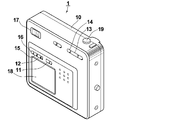
- FIG. 1 is a rear view of a digital camera as a photographing apparatus according to an embodiment of the present invention.
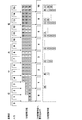
- Front view of the digital camera shown in FIG. Functional block diagram of the digital camera shown in FIG. Timing chart showing the flow of image data in the digital camera shown in FIG. Timing chart showing the flow of image data in a digital camera as a photographing apparatus according to another embodiment of the present invention Timing chart showing the flow of image data in a digital camera as a conventional photographing device
- FIG. 1 is a rear view of a digital camera as a photographing apparatus according to an embodiment of the present invention
- FIG. 2 is a front view of the digital camera shown in FIG.
- an operation mode switch 11, a menu / OK button 12, a zoom / up / down arrow lever 13, and a left / right arrow button 14 are provided on the back of the main body 10 of the digital camera 1 as an interface for operation by a photographer.
- a Back button 15 and a display switching button 16 are provided, and a finder 17 for photographing and a liquid crystal monitor 18 for photographing and reproduction are further provided.
- a shutter button 19 is provided on the upper surface of the main body 10.
- the operation mode switch 11 is a slide switch for switching each operation mode of a still image shooting mode, a moving image shooting mode, and a playback mode.
- the liquid crystal monitor 18 displays various menus for setting the shooting mode, flash emission mode, self-timer on / off, recording pixel number, sensitivity, and the like. 18 is a button for confirming the selection / setting based on the menu displayed in FIG.
- the zoom / up / down arrow lever 13 tilts the lever in the up / down direction to adjust the telephoto / wide angle at the time of shooting, and to move the cursor in the menu screen displayed on the liquid crystal monitor 18 up and down for various settings. It is a lever for.
- the left and right arrow buttons 14 are buttons for moving and displaying the cursor in the menu screen displayed on the liquid crystal monitor 18 during various settings.
- the Back button 15 is a button for stopping various setting operations when pressed and displaying the previous screen on the liquid crystal monitor 18.
- the display switching button 16 is a button for switching on / off the display of the liquid crystal monitor 18, various guide displays, on / off of character display, and the like when pressed.
- the finder 17 is used for a photographer to look into the subject for composition and focus when photographing a subject.
- the subject image seen from the finder 17 is projected through the finder window 23 on the front surface of the main body 10.
- the liquid crystal monitor 18 functions as an electronic viewfinder by displaying a through image for checking a subject at the time of photographing, and displays a still image and a moving image after photographing and various setting menus.
- a photographing lens 20, a lens cover 21, a power switch 22, a finder window 23, a flash 24, and a self-timer lamp 25 are provided on the entire surface of the main body 10 of the digital camera 1, and on the side surface.
- a media slot 26 is provided.
- the photographing lens 20 is used to form an image of a subject on a predetermined imaging surface (CCD (Charge Coupled Device) or the like inside the main body 10), and is constituted by a focus lens, a zoom lens, or the like.
- CCD Charge Coupled Device
- the lens cover 21 covers the surface of the photographic lens 20 when the digital camera 1 is turned off or in the playback mode, and protects the photographic lens 20 from dirt and dust.
- the power switch 22 is a switch for switching on / off the power of the digital camera 1.
- the flash 24 is for instantaneously irradiating the subject with light necessary for photographing while the shutter button 19 is pressed and the shutter inside the main body 10 is opened.
- the self-timer lamp 25 is used to notify the subject of the shutter opening / closing timing, that is, the start and end of exposure when shooting with the self-timer.
- the media slot 26 is a filling port for filling an external recording medium 70 such as a memory card.
- an external recording medium 70 such as a memory card.
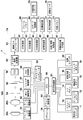
- Fig. 3 shows a functional block diagram of the digital camera.
- the operation system of the digital camera As shown in FIG. 3, as the operation system of the digital camera 1, the above-described operation mode switch 11, menu / OK button 12, zoom / up / down arrow lever 13, left / right arrow button 14, Back (return) button 15, display switching button 16, a shutter button 19, a power switch 22, and an operation system control unit 81 that is an interface for transmitting operation contents of these switches, buttons, and levers to the CPU 80.
- a flash 24 and a flash control unit 83 for controlling the flash 24 are provided.
- a focus lens 20a and a zoom lens 20b are provided as components constituting the photographing lens 20.
- Each of these lenses is step-driven by a focus lens driving unit 51 and a zoom lens driving unit 52 including a motor and a motor driver, and is configured to be movable in the optical axis direction.
- the focus lens driving unit 51 performs step driving of the focus lens 20 a based on the focus driving amount data output from the AF (Auto-Focus) processing unit 62.
- the zoom lens driving unit 52 controls step driving of the zoom lens 20 b based on the operation amount data of the zoom / up / down arrow lever 13.
- the diaphragm 54 is driven by a diaphragm driving unit 55 including a motor and a motor driver.
- the aperture driving unit 55 adjusts the aperture diameter of the aperture 54 based on aperture value data output from an AE (Auto-Exposure) processing unit 63.
- the shutter 56 is a mechanical shutter and is driven by a shutter drive unit 57 including a motor and a motor driver.
- the shutter drive unit 57 controls the opening and closing of the shutter 56 according to a signal generated by pressing the shutter button 19 and the shutter speed data output from the AE processing unit 63.
- a CCD 58 as a photographing element is provided behind the optical system.
- the CCD 58 has a photoelectric surface in which a large number of light receiving elements are arranged in a matrix, and subject light that has passed through the optical system is imaged on the photoelectric surface and subjected to photoelectric conversion.
- a microlens array (not shown) for condensing light on each pixel and a color filter array (not shown) in which RGB filters are regularly arranged are arranged. Yes.
- the CCD 58 reads out the charge accumulated for each pixel line by line in synchronization with the vertical transfer clock signal and horizontal transfer clock signal supplied from the CCD control unit 59 and outputs them as a serial analog image signal.
- the charge accumulation time in each pixel is determined by an electronic shutter drive signal given from the CCD controller 59.
- the imaging unit 100 includes the optical system, the CCD 58, and the CCD control unit 59.
- the analog image signal output from the CCD 58 is input to the analog signal processing unit 60.
- the analog signal processing unit 60 includes a correlated double sampling circuit that removes noise from the analog image signal, an auto gain controller that adjusts the gain of the analog image signal, and an A / D (A / D) that converts the analog image signal into digital image data. Analog / Digital) converter.
- the digital image data converted into the digital signal is CCD-RAW data having RGB density values for each pixel.
- the timing generator 82 generates a timing signal. This timing signal is input to the shutter drive unit 57, the CCD control unit 59, and the analog signal processing unit 60, and the operation of the shutter button 19 and the opening / closing of the shutter 56 are performed. The charge capturing of the CCD 58 and the processing of the analog signal processing unit 60 are synchronized.
- the image input controller 61 writes the CCD-RAW data input from the analog signal processing unit 60 into the frame memory 68.
- the imaging unit 100, the analog signal processing unit 60, and the image input controller 61 constitute an imaging unit of the present invention.
- the display control unit 72 is for displaying the image data stored in the frame memory 68 on the liquid crystal monitor 18 as a through image.
- the display control unit 72 combines a luminance (Y) signal and a color (C) signal into one.
- the signal is converted into a composite signal and output to the liquid crystal monitor 18.
- Through images are acquired at predetermined time intervals and displayed on the liquid crystal monitor 18 while the shooting mode is selected.
- the display control unit 72 causes the liquid crystal monitor 18 to display an image based on the image data recorded in the external recording medium 70 and read out by the media control unit 69.
- the internal memory 73 stores various constants set in the digital camera 1, a program executed by the CPU 80 described later, and the like.
- the AF processing unit 62 detects a focus position based on the image data, determines a focus setting value (focus drive amount), and outputs focus drive amount data.
- a focus position detection method for example, a passive method is used in which a focus position is detected using a feature that the contrast of an image is high when a desired subject is in focus.
- the AE processing unit 63 measures subject luminance (photometric value) based on the image data, determines an exposure setting value such as an aperture value and a shutter speed based on the measured subject luminance, and obtains the aperture value data and the shutter speed data. Output.
- the AWB (Auto White Balance) processing unit 64 automatically adjusts the white balance at the time of imaging, and the white balance adjustment processing is performed for image signals of the three primary colors of red (R), green (G), and blue (B).
- the gain is individually adjusted so that a white object is achromatic when it is photographed, that is, it is adjusted to reproduce appropriate white under any light source. Note that the AWB processing unit 64 can adjust the white balance before and after the actual imaging.
- the image processing unit 65 performs image quality correction processing such as gamma correction processing, contour enhancement (sharpness) processing, contrast processing, noise reduction processing, and the like on the image data, and converts the CCD-RAW data into Y data that is a luminance signal, YC processing is performed for conversion into YC data composed of Cb data as a blue color difference signal and Cr data as a red color difference signal.
- image processing unit 65 also causes the AWB processing unit 64 to perform white balance adjustment processing on the image data.
- the compression / decompression processing unit 66 performs compression processing on the image data that has been subjected to processing such as image quality correction by the image processing unit 65 in a compression format such as JPEG, and generates an image data file. Based on the Exif format or the like, a tag that stores supplementary information such as the shooting date and time and the number of images captured during continuous shooting is added to the image data file.
- the compression / decompression processing unit 66 reads the compressed image data file from the external recording medium 70 in the reproduction mode, and performs decompression processing.
- the decompressed image data is output to the display control unit 72, and the display control unit 72 displays an image based on the image data on the liquid crystal monitor 18.
- the importance level information adding unit (importance level information adding unit) 67 sets the importance level for each of the image data files output from the photographing unit and created by the compression / decompression processing unit 66, and sets the set importance level. Importance information indicating the degree is given.
- the importance level information is stored in the tag together with the information such as the shooting date and time based on the Exif format or the like.
- the frame memory 68 is an image data file with importance information to which importance information is added by the importance information adding unit 67 in addition to a function as a working memory used when performing various digital image processing on image data.
- an SDRAM Synchronous Dynamic Random Access Memory
- the frame memory 68 is directly connected to the data bus 74 by wiring (connection means) not shown.
- the media control unit (connection means) 69 corresponds to the media slot 26 in FIG. 2, and reads an image data file or the like recorded in an external recording medium (secondary storage means) 70 or writes an image data file.
- a storage control unit (storage control unit) 71 flows image data from the photographing unit to the frame memory (primary storage unit) 68, and the frame memory (primary storage unit) 68 to the external recording medium (secondary storage unit). ) Controls the flow of image data to 70.
- the CPU 80 controls each part of the main body of the digital camera 1 in accordance with operations of various buttons, levers, switches, and signals from the respective function blocks.
- the data bus 74 includes an image input controller 61, various processing units 62 to 66, importance level information adding unit 67, frame memory 68, media control unit 69, storage control unit 71, display control unit 72, internal memory 73, and CPU 80. And various signals and data are transmitted / received via the data bus 74.
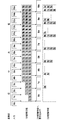
- FIG. 4 is a timing chart showing the flow of image data in the digital camera 1.
- the digital camera 1 temporarily stores image data obtained by shooting in a frame memory (primary storage means) 68 and then stores an external recording medium (secondary storage) whose storage speed is slower than that of the frame memory (primary storage means) 68.
- Storage means) 70 is configured to transfer the image data.
- the importance level information adding unit (importance level information adding unit) 67 sets the importance level for each of the image data files output from the photographing unit and created by the compression / decompression processing unit 66, and sets the importance level.
- the importance level information indicating is given.
- the importance setting method assigned to each image data file may be automatically set for image data based on preset importance setting conditions. Alternatively, the importance may be set for the image data based on the importance setting condition input by the user.
- the “importance level setting condition” is also set as a shooting condition such as a zoom magnification or a detection state of various sensors such as an acceleration sensor and / or a brightness sensor. Any mode may be used as long as it is a condition that serves as an index for changing.
- the zoom range is divided into three, and the image data of the image shot in the telephoto zoom range is shot in the highest importance level a (high importance level) and the intermediate zoom range.
- the image data of the captured image has a medium importance level b (medium level of importance), and the image data captured in the wide-angle zoom range has the lowest level of importance level c (low importance level). .
- the importance of the image data of an important image such as an image in which the subject is photographed is set high.
- the importance is set to b as the image data of the image photographed in the intermediate zoom range in the 4th to 6th frames, and the telephoto in the 7th to 9th frames.
- the importance is set to a as image data of an image shot in the zoom range on the side, and the importance is set to c as image data of an image shot in the zoom range on the wide angle side in other frames.
- the image data file with importance level information is indicated by “0c”, “4b”, and “7a” in which an alphabetical character indicating the importance level is added after the frame number. The same is used in the description of.
- the storage control unit (storage control unit) 71 sequentially stores the image data file with importance level information to which the importance level information is added in the frame memory (primary storage unit) 68.
- FIG. 4 shows an example in which the capacity of the frame memory (primary storage means) 68 is the capacity of three image data files with importance information.
- the important information stored in the frame memory (primary storage means) 68 is stored.
- the image data file with degree information the image data file with importance information having a lower importance than the image data file with importance information to be newly stored is replaced with the image data file with importance information to be newly stored.
- it is preferable to replace the image data file with importance information with the lowest importance with an image data file with importance information to be newly stored such an example is shown in FIG.
- the frame memory (primary storage means) 68 when the 5b image data file is stored in the frame memory (primary storage means) 68, there is no space in the frame memory (primary storage means) 68. Therefore, the frame memory (primary storage means) Among the image data files with importance information stored in 68, the newer 3c image data file is converted into the 5b image data file from the 2c and 3c image data files having lower importance than the 5b image data file. replace.
- the frame memory (primary storage means) 68 when the 7a image data file is stored in the frame memory (primary storage means) 68, the frame memory (primary storage means) 68 has no space, so it is stored in the frame memory (primary storage means) 68.
- the image data files with importance information excluding the 5b image data file being written to the external recording medium 70
- the image data files of 2c and 6b, which are less important than the 7a image data file are the most.
- the less important 2c image data file is replaced with the 7a image data file.
- the frame memory (primary storage means) 68 when storing the 11c image data file in the frame memory (primary storage means) 68, the frame memory (primary storage means) 68 is not empty, but the importance level is higher than the 11c image data file to be newly stored. Is not present in the frame memory (primary storage means) 68, the 11c image data file is discarded.
- Image data files other than those described above are also stored in the frame memory (primary storage means) 68 in accordance with the rules described above.
- the storage control unit (storage control unit) 71 stores the image data file with importance information stored in the frame memory (primary storage unit) 68 in an external recording medium (secondary storage unit) with a predetermined priority. Move to 70.
- the movement priority order at this time There is no particular limitation on the movement priority order at this time, but here, an example in which images are transferred in order from the image data file with importance information having the highest importance will be described.
- the oldest image data with importance information is transferred in order. .
- the image data with the importance information of 0c, 1c, 4b, 5b, 7a, 8a, 9a is stored in the external recording medium (secondary storage means) 70.
- the file will be stored.
- Counting by importance the number of image data files of importance a (high importance) is three, the number of image data files of importance b (medium importance) is two, importance c (low importance) The number of image data files is two.
- FIG. 6 is a timing chart showing the flow of image data in a digital camera as a conventional photographing apparatus.
- the secondary storage means stores 0, 1, 2, 3, 4, 6, 8 Seven image data files are stored. Counting by importance, the number of image data files with high importance (7-9 frames) is 1, the number of image data files with medium importance (4-6 frames) is 2, and the importance is low (0- The number of image data files (3, 10 to 15 frames) is four.
- image data with high importance is preferentially stored in consideration of the importance of image data, so that more important image data is recorded externally. It can be stored in a medium (secondary storage means) 70.
- the imaging device of this invention was not limited only to the said embodiment, The various correction and change were given from the structure of the said embodiment. Are also within the scope of the present invention.
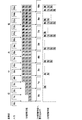
- FIG. 5 is a timing chart showing the flow of image data in a digital camera as a photographing apparatus according to another embodiment of the present invention.
- the number of image data files with the highest importance is reduced by one.
- the number of highly important image data files is increased by one as compared with the conventional mode shown in FIG.
- the digital camera is described as an example of the photographing device in the present invention.
- the scope of the present invention is not limited to this, and for example, a mobile phone with a camera, a PDA (Personal Digital Assistant) with a camera, etc. It can also be applied to other electronic devices having an electronic imaging function.
- the primary storage means is not limited to the above-described SDRAM built in the apparatus, and any storage means including external storage means such as an external recording medium may be used.
- the secondary storage means is not limited to the external recording medium as described above, and any storage means such as a built-in memory, HDD (hard disk drive), or SSD (solid state drive) may be used. .
Landscapes
- Engineering & Computer Science (AREA)
- Multimedia (AREA)
- Signal Processing (AREA)
- Studio Devices (AREA)
- Television Signal Processing For Recording (AREA)
Abstract
【課題】重要度の高い画像データを優先して記憶させることが可能な撮影装置、この撮影装置におけるデータ記憶方法およびプログラムを提供する。 【解決手段】撮影により得られた画像データを一旦1次記憶手段(68)に記憶し、その後1次記憶手段(68)よりも記憶速度が遅い2次記憶手段(70)に画像データを移す撮影装置において、撮影手段から出力され重要度情報が付与された重要度情報付画像データを1次記憶手段(68)に記憶させる際に、1次記憶手段(68)に新たな重要度情報付画像データを記憶させるための空き容量が無い場合に、1次記憶手段(68)に記憶されている重要度情報付画像データのうち、新たに記憶させる重要度情報付画像データよりも重要度が低い重要度情報付画像データを、新たに記憶させる重要度情報付画像データに置き換える。
Description
本発明は、撮影により得られた画像データを一旦1次記憶手段に記憶し、その後1次記憶手段よりも記憶速度が遅い2次記憶手段に画像データを移す撮影装置、この撮影装置におけるデータ記憶方法およびプログラムに関するものである。
従来よりデジタルカメラやデジタルビデオカメラなどの撮影装置において、ユーザーの所望する撮影画像を取得するために、被写体に対して複数回の連続撮影(いわゆる連写)を行う連写機能を有するものが知られている。このような連写機能を有する撮影装置として、特許文献1および2の装置が提案されている。
ところで、デジタルカメラやデジタルビデオカメラなどの撮影装置において、高いフレームレートで連写を行い続けると大量の画像データが発生することになるが、比較的アクセス速度が遅い外部記録メディアに対して大量の画像データを書き込もうとすると、画像データの発生に対して画像データの書き込みが間に合わず、記録できない画像データが発生してしまうことになる。
そのため、一般的には、大容量の画像データを外部記録メディアに記録する際に、まず装置に内蔵され高速にアクセス可能なRAM(Random Access Memory)などの1次記憶手段をバッファとして用いて画像データを記憶した後、比較的アクセス速度が遅い外部記録メディアに画像データを移すことが行われている。
しかしながら、外部記録メディアの容量に対してRAMなどの1次記憶手段の容量は少なく限りがあるため、長時間連写を行い続けると1次記憶手段の容量が不足してしまうことになる。
特許文献1および2では、被写体の動きが速い時にはフレームレートを上げ、被写体の動きが遅い時にはフレームレートを下げるなどして、データ容量が無駄に大きくならないようにする工夫が提案されているが、このような態様とした場合であっても、連写を行い続けると1次記憶手段の容量が不足することに変わりはない。
そして、1次記憶手段の容量が不足すると新たな画像データの書き込みができないため、1次記憶手段の容量に空きが無い状態で発生した画像データは、その重要度に関わらず破棄されてしまい、記録できない画像データが発生してしまうことになる。
そのため、最終的に外部記録メディアに保存された撮影データ中に、被写体の決定的瞬間を捉えた画像および/または被写体が大きく写っている画像のような重要度が高い画像データが記録されていないおそれがあった。
本発明は上記事情に鑑みなされたものであり、動画の撮影および/または連続した静止画の撮影を行う撮影装置において、重要度の高い画像データを優先して記憶させることが可能な撮影装置、この撮影装置におけるデータ記憶方法およびプログラムを提供することを目的とするものである。
本発明の撮影装置は、動画の撮影および/または連続した静止画の撮影を行い、フレーム毎に画像データの取得を行う撮影手段と、撮影手段から出力された画像データの各々に対して、重要度を設定し、設定した重要度を示す重要度情報を付与する重要度情報付与手段と、撮影手段から出力された画像データに対し重要度情報が付与された重要度情報付画像データを記憶する1次記憶手段と、1次記憶手段から出力された重要度情報付画像データを記憶する、1次記憶手段よりも記憶速度が遅い2次記憶手段と、1次記憶手段および2次記憶手段を接続する接続手段と、1次記憶手段および2次記憶手段を制御する記憶制御手段とを備え、記憶制御手段は、撮影手段から出力され重要度情報が付与された重要度情報付画像データを1次記憶手段に記憶させる際に、1次記憶手段に新たな重要度情報付画像データを記憶させるための空き容量が無いことに応答し、1次記憶手段に記憶されている重要度情報付画像データのうち、新たに記憶させる重要度情報付画像データよりも重要度が低い重要度情報付画像データを、新たに記憶させる重要度情報付画像データに置き換えるものである。
上記本発明の撮影装置および後述の本発明のデータ記憶方法において、1次記憶手段および/または2次記憶手段は、撮影装置本体に内蔵されたものとしてもよいし、撮影装置とは別体の外部記憶手段としてもよい。なお、1次記憶手段および/または2次記憶手段を外部記憶手段とした場合には、撮影装置としては外部記憶手段を含む必要は無く、外部記憶手段を接続するための接続手段を備えていればよい。
また、「新たに記憶させる重要度情報付画像データよりも重要度が低い重要度情報付画像データを新たに記憶させる重要度情報付画像データに置き換える」とは、古い画像データ領域の全てを新しい画像データ領域に置き換える場合だけでなく、古い画像データを消去し、もともとあった余剰データ領域の全部または一部と消去した古い画像データ領域の一部を新しい画像データ領域とする場合も含む。
本発明の撮影装置において、記憶制御手段は、1次記憶手段に記憶されている重要度情報付画像データのうち、新たに記憶させる重要度情報付画像データよりも重要度が低い重要度情報付画像データを新たに記憶させる重要度情報付画像データに置き換える際に、最も重要度が低い重要度情報付画像データを、新たに記憶させる重要度情報付画像データに置き換えるものとしてもよい。
また、記憶制御手段は、1次記憶手段に記憶されている重要度情報付画像データを2次記憶手段に移す際に、最も重要度が高い重要度情報付画像データから順に移すものとしてもよい。この場合、記憶制御手段は、1次記憶手段に記憶されている重要度情報付画像データを2次記憶手段に移す際に、最も重要度が高い重要度情報付画像データの中で最も古い重要度情報付画像データから順に移すものとしてもよい。
また、記憶制御手段は、1次記憶手段に記憶されている重要度情報付画像データを2次記憶手段に移す際に、最も古い重要度情報付画像データから順に移すものとしてもよい。
また、重要度情報付与手段は、予め設定された重要度の設定条件に基づいて、画像データに対して自動的に重要度を設定するものとしてもよい。
ここで「予め設定された重要度の設定条件」とは、ズーム倍率等の撮影条件としたり、加速度センサーおよび/または明るさセンサー等の各種センサーの検出状態としたりするなど、画像データの重要度を変更する指標となる条件であればどのような態様としてもよい。
また、重要度情報付与手段は、ユーザーから入力された重要度の設定条件に基づいて、画像データに対して重要度を設定するものとしてもよい。
本発明のデータ記憶方法は、動画の撮影および/または連続した静止画の撮影を行い、フレーム毎に画像データの取得を行う撮影手段と、撮影手段から出力された画像データの各々に対して、重要度を設定し、設定した重要度を示す重要度情報を付与する重要度情報付与手段と、撮影手段から出力された画像データに対し重要度情報が付与された重要度情報付画像データを記憶する1次記憶手段と、1次記憶手段から出力された重要度情報付画像データを記憶する、1次記憶手段よりも記憶速度が遅い2次記憶手段と、1次記憶手段および2次記憶手段を接続する接続手段とを備える撮影装置におけるデータ記憶方法であって、撮影手段から出力され重要度情報が付与された重要度情報付画像データを1次記憶手段に記憶させる際に、1次記憶手段に新たな重要度情報付画像データを記憶させるための空き容量が無いことに応答し、1次記憶手段に記憶されている重要度情報付画像データのうち、新たに記憶させる重要度情報付画像データよりも重要度が低い重要度情報付画像データを、新たに記憶させる重要度情報付画像データに置き換えるものである。
本発明のプログラムは、本発明のデータ記憶方法をコンピュータに実行させるためのものである。
本発明の撮影装置、この撮影装置におけるデータ記憶方法およびプログラムは、撮影により得られた画像データを一旦1次記憶手段に記憶し、その後1次記憶手段よりも記憶速度が遅い2次記憶手段に画像データを移す場合に、重要度の高い画像データを優先して記憶させることができる。
以下、本発明の一実施形態について図面を参照して詳細に説明する。図1は本発明の一実施形態にかかる撮影装置としてのデジタルカメラの背面図、図2は図1に示すデジタルカメラの前面図である。
図1に示すように、デジタルカメラ1の本体10の背面には、撮影者による操作のためのインターフェースとして、動作モードスイッチ11、メニュー/OKボタン12、ズーム/上下矢印レバー13、左右矢印ボタン14、Back(戻る)ボタン15、表示切替ボタン16が設けられ、更に撮影のためのファインダ17および撮影並びに再生のための液晶モニタ18が設けられている。また本体10の上面には、シャッタボタン19が設けられている。
動作モードスイッチ11は、静止画撮影モード、動画撮影モード、再生モードの各動作モードを切り替えるためのスライドスイッチである。
メニュー/OKボタン12は、押下される毎に撮影モード、フラッシュ発光モード、セルフタイマーオン/オフ、記録画素数や感度などの設定を行うための各種メニューを液晶モニタ18に表示させたり、液晶モニタ18に表示されたメニューに基づく選択・設定を確定させたりするためのボタンである。
ズーム/上下矢印レバー13は、上下方向にレバーを倒すことによって、撮影時には望遠/広角の調整を行い、各種設定時には液晶モニタ18に表示されるメニュー画面中のカーソルを上下に移動して表示させるためのレバーである。
左右矢印ボタン14は、各種設定時に液晶モニタ18に表示されるメニュー画面中のカーソルを左右に移動して表示させるためのボタンである。
Back(戻る)ボタン15は、押下されることによって各種設定操作を中止し、液晶モニタ18に1つ前の画面を表示するためのボタンである。表示切替ボタン16は、押下されることによって液晶モニタ18の表示のオン/オフ、各種ガイド表示、文字表示のオン/オフなどを切り替えるためのボタンである。
ファインダ17は、撮影者が被写体を撮影する際に構図やピントを合わせるために覗くためのものである。ファインダ17から見える被写体像は、本体10の前面にあるファインダ窓23を介して映し出される。
以上説明した各ボタンおよびスイッチなどの操作によって設定された内容は、液晶モニタ18中の表示や、ファインダ17内のランプ、スライドレバーの位置などによって確認可能となっている。
また液晶モニタ18は、撮影の際に被写体確認用のスルー画像が表示されることにより、電子ビューファインダとして機能する他、撮影後の静止画や動画の再生表示、各種設定メニューの表示を行う。
また、図2に示すように、デジタルカメラ1の本体10の全面には、撮影レンズ20、レンズカバー21、電源スイッチ22、ファインダ窓23、フラッシュ24およびセルフタイマーランプ25が設けられ、側面にはメディアスロット26が設けられている。
撮影レンズ20は、被写体像を所定の結像面上(本体10内部にあるCCD(Charge Coupled Device)など)に結像させるためのものであり、フォーカスレンズやズームレンズなどによって構成される。
レンズカバー21は、デジタルカメラ1の電源がオフ状態のとき、再生モードであるときなどに撮影レンズ20の表面を覆い、汚れやゴミなどから撮影レンズ20を保護するものである。電源スイッチ22は、デジタルカメラ1の電源のオン/オフを切り替えるためのスイッチである。
フラッシュ24は、シャッタボタン19が押下され、本体10の内部にあるシャッタが開いている間に、撮影に必要な光を被写体に対して瞬間的に照射するためのものである。
セルフタイマーランプ25は、セルフタイマーによって撮影する際に、シャッタの開閉タイミングすなわち露光の開始および終了を被写体に知らせるためものである。
メディアスロット26は、メモリカードなどの外部記録メディア70が充填されるための充填口であり、外部記録メディア70が充填されると、データの読み取り/書き込みが行われる。
図3に上記デジタルカメラの機能ブロック図を示す。図3に示すように、デジタルカメラ1の操作系として、前述の動作モードスイッチ11、メニュー/OKボタン12、ズーム/上下矢印レバー13、左右矢印ボタン14、Back(戻り)ボタン15、表示切替ボタン16、シャッタボタン19、電源スイッチ22と、これらのスイッチ、ボタン、レバー類の操作内容をCPU80に伝えるためのインターフェースである操作系制御部81が設けられている。
また、フラッシュ24およびこのフラッシュ24を制御するフラッシュ制御部83が設けられている。
また、撮影レンズ20を構成するものとして、フォーカスレンズ20aおよびズームレンズ20bが設けられている。これらの各レンズは、モータとモータドライバからなるフォーカスレンズ駆動部51、ズームレンズ駆動部52によってステップ駆動され、光軸方向に移動可能な構成となっている。フォーカスレンズ駆動部51は、AF(Auto Focus)処理部62から出力されるフォーカス駆動量データに基づいてフォーカスレンズ20aをステップ駆動する。ズームレンズ駆動部52は、ズーム/上下矢印レバー13の操作量データに基づいてズームレンズ20bのステップ駆動を制御する。
絞り54は、モータとモータドライバとからなる絞り駆動部55によって駆動される。この絞り駆動部55は、AE(Auto Exposure)処理部63から出力される絞り値データに基づいて絞り54の絞り径の調整を行う。
シャッタ56は、メカニカルシャッタであり、モータとモータドライバとからなるシャッタ駆動部57によって駆動される。シャッタ駆動部57は、シャッタボタン19の押下により発生する信号と、AE処理部63から出力されるシャッタ速度データとに応じてシャッタ56の開閉の制御を行う。
上記光学系の後方には、撮影素子であるCCD58を有している。CCD58は、多数の受光素子がマトリクス状に配置されてなる光電面を有しており、光学系を通過した被写体光が光電面に結像され、光電変換される。光電面の前方には、各画素に光を集光させるためのマイクロレンズアレイ(不図示)と、RGB各色のフィルタが規則的に配列されてなるカラーフィルタアレイ(不図示)とが配置されている。
CCD58は、CCD制御部59から供給される垂直転送クロック信号および水平転送クロック信号に同期して、画素毎に蓄積された電荷を1ラインずつ読み出してシリアルなアナログ画像信号として出力する。各画素における電荷の蓄積時間、即ち露出時間は、CCD制御部59から与えられる電子シャッタ駆動信号によって決定される。そして上記光学系およびCCD58、CCD制御部59を含めて撮像部100が構成される。
CCD58が出力するアナログ画像信号は、アナログ信号処理部60に入力される。このアナログ信号処理部60は、アナログ画像信号のノイズ除去を行う相関2重サンプリング回路と、アナログ画像信号のゲイン調整を行うオートゲインコントローラと、アナログ画像信号をデジタル画像データに変換するA/D(Analog/Digital)コンバータとからなる。そしてこのデジタル信号に変換されたデジタル画像データは、画素毎にRGBの濃度値を持つCCD-RAWデータである。
タイミングジェネレータ82は、タイミング信号を発生させるものであり、このタイミング信号がシャッタ駆動部57、CCD制御部59、アナログ信号処理部60に入力されて、シャッタボタン19の操作と、シャッタ56の開閉、CCD58の電荷取り込み、アナログ信号処理部60の処理の同期が取られる。
画像入力コントローラ61は、上記アナログ信号処理部60から入力されたCCD-RAWデータをフレームメモリ68に書き込むものである。そして上記撮像部100、アナログ信号処理部60、および画像入力コントローラ61により、本発明の撮影手段が構成される。
表示制御部72は、フレームメモリ68に格納された画像データをスルー画像として液晶モニタ18に表示させるためのものであり、例えば、輝度(Y)信号と色(C)信号を一緒にして1つの信号としたコンポジット信号に変換して、液晶モニタ18に出力する。スルー画像は、撮影モードが選択されている間、所定時間間隔で取得されて液晶モニタ18に表示される。また、表示制御部72は、外部記録メディア70に記録され、メディア制御部69によって読み出された画像データファイルに含まれる画像データに基づいた画像を液晶モニタ18に表示させる。
内部メモリ73は、デジタルカメラ1において設定される各種定数、および、後述のCPU80が実行するプログラムなどを格納するものである。
AF処理部62は、画像データに基づいて焦点位置を検出して合焦設定値(フォーカス駆動量)を決定し、フォーカス駆動量データを出力する。焦点位置の検出方式としては、例えば、所望とする被写体にピントが合った状態では画像のコントラストが高くなるという特徴を利用して合焦位置を検出するパッシブ方式が適用される。
AE処理部63は、画像データに基づいて被写体輝度(測光値)を測定し、測定した被写体輝度に基づいて絞り値およびシャッタスピードなどの露出設定値を決定し、絞り値データおよびシャッタスピードデータを出力する。
AWB(Auto White Balance)処理部64は、撮像時のホワイトバランスを自動調整するものであり、ホワイトバランス調整処理は赤(R)、緑(G)、青(B)の3原色の画像信号のゲインを個別に調整することで白いものを撮影した時に無彩色となるようにする、つまりどのような光源の下でも適切な白色を再現するように調整するものである。なお、AWB処理部64は、撮像前でも、本撮像後でもホワイトバランスの調整を行うことができる。
画像処理部65は、画像データに対してガンマ補正処理、輪郭強調(シャープネス)処理、コントラスト処理、ノイズ低減処理などの画質補正処理を施すとともに、CCD-RAWデータを輝度信号であるYデータと、青色色差信号であるCbデータおよび赤色色差信号であるCrデータとからなるYCデータに変換するYC処理を行う。また画像処理部65はAWB処理部64に、画像データに対してホワイトバランス調整処理を行わせる。
圧縮/伸長処理部66は、画像処理部65によって画質補正などの処理が行われた画像データに対して、例えばJPEGなどの圧縮形式で圧縮処理を行って、画像データファイルを生成する。この画像データファイルには、Exif形式などに基づいて、撮影日時や、連写時に何番目に撮像された画像であるかなどの付帯情報が格納されたタグが付加される。またこの圧縮/伸長処理部66は、再生モードにおいては外部記録メディア70から圧縮された画像データファイルを読み出し、伸長処理を行う。伸長後の画像データは表示制御部72に出力され、表示制御部72は画像データに基づいた画像を液晶モニタ18に表示する。
重要度情報付与部(重要度情報付与手段)67は、撮影手段から出力され、上記圧縮/伸長処理部66において作成された画像データファイルの各々に対して、重要度を設定し、設定した重要度を示す重要度情報を付与するものである。この重要度情報は、Exif形式などに基づいて、上記の撮影日時などの情報とともにタグに格納される。
フレームメモリ68は、画像データに対して各種デジタル画像処理を行う際に使用する作業用メモリとしての機能の他、重要度情報付与部67によって重要度情報が付与された重要度情報付画像データファイルを記憶する1次記憶手段としての機能を有し、例えば、一定周期のバスクロック信号に同期してデータ転送を行うSDRAM(Synchronous Dynamic Random Access Memory)が使用される。このフレームメモリ68は、不図示の配線(接続手段)によりデータバス74に直結される。
メディア制御部(接続手段)69は、図2におけるメディアスロット26に相当し、外部記録メディア(2次記憶手段)70に記録された画像データファイルなどの読み出し、または画像データファイルの書き込みを行う。
記憶制御部(記憶制御手段)71は、撮影手段からフレームメモリ(1次記憶手段)68への画像データの流れ、および、フレームメモリ(1次記憶手段)68から外部記録メディア(2次記憶手段)70への画像データの流れを制御するものである。
CPU80は、各種ボタン、レバー、スイッチの操作や各機能ブロックからの信号に応じて、デジタルカメラ1の本体各部を制御する。またデータバス74は、画像入力コントローラ61、各種処理部62~66、重要度情報付与部67、フレームメモリ68、メディア制御部69、記憶制御部71、表示制御部72、内部メモリ73、およびCPU80に接続されており、このデータバス74を介して各種信号、データの送受信が行われる。
次に、上記の構成のデジタルカメラ1における連写時の画像データの記憶処理について説明する。図4はこのデジタルカメラ1における画像データの流れを示すタイミングチャートである。
このデジタルカメラ1は、撮影により得られた画像データを一旦フレームメモリ(1次記憶手段)68に記憶し、その後フレームメモリ(1次記憶手段)68よりも記憶速度が遅い外部記録メディア(2次記憶手段)70に画像データを移すように構成されている。
重要度情報付与部(重要度情報付与手段)67は、撮影手段から出力され、圧縮/伸長処理部66において作成された画像データファイルの各々に対して、重要度を設定し、設定した重要度を示す重要度情報を付与する。
各画像データファイルに付与する重要度の設定方法については、特に制限はなく、予め設定された重要度の設定条件に基づいて、画像データに対して自動的に重要度を設定するようにしてもよいし、ユーザーから入力された重要度の設定条件に基づいて、画像データに対して重要度を設定するようにしてもよい。また、「予め設定された重要度の設定条件」についても、ズーム倍率等の撮影条件としたり、加速度センサーおよび/または明るさセンサー等の各種センサーの検出状態としたりするなど、画像データの重要度を変更する指標となる条件であればどのような態様としてもよい。
ここでは、一例として、撮影時のズーム倍率に基づいて自動的に重要度を設定する態様について説明する。本実施形態においては、ズーム範囲を3つに分割し、望遠側のズーム範囲で撮影された画像の画像データは最も重要度が高い重要度a(重要度高)、中間のズーム範囲で撮影された画像の画像データは中間の重要度である重要度b(重要度中)、広角側のズーム範囲で撮影された画像の画像データは最も重要度が低い重要度c(重要度低)とする。これにより、例えば被写体のアップが撮影されている画像のような重要な画像の画像データの重要度が高く設定されることになる。
図4に示す例では、0~15フレームまでの撮影の中で、4~6フレームでは中間のズーム範囲で撮影された画像の画像データとして重要度がbに設定され、7~9フレームでは望遠側のズーム範囲で撮影された画像の画像データとして重要度がaに設定され、それ以外のフレームでは広角側のズーム範囲で撮影された画像の画像データとして重要度がcに設定される。なお、図4中において、重要度情報付画像データファイルは、フレーム番号の後ろに重要度を示す英字が付与され、「0c」、「4b」、「7a」のように表記しており、以下の説明においても同様に表記する。
まず、記憶制御部(記憶制御手段)71は、重要度情報が付与された重要度情報付画像データファイルを順次フレームメモリ(1次記憶手段)68に記憶させる。図4では、フレームメモリ(1次記憶手段)68の容量が、重要度情報付画像データファイル3つ分の容量である例を示す。
このとき、フレームメモリ(1次記憶手段)68に新たな重要度情報付画像データファイルを記憶させるための空き容量が無い場合には、フレームメモリ(1次記憶手段)68に記憶されている重要度情報付画像データファイルのうち、新たに記憶させる重要度情報付画像データファイルよりも重要度が低い重要度情報付画像データファイルを、新たに記憶させる重要度情報付画像データファイルに置き換える。その際には、最も重要度が低い重要度情報付画像データファイルを、新たに記憶させる重要度情報付画像データファイルに置き換えることが好ましいため、図4ではそのような例について示している。
図4の例では、例えば5b画像データファイルをフレームメモリ(1次記憶手段)68に記憶させる際に、フレームメモリ(1次記憶手段)68に空きがないため、フレームメモリ(1次記憶手段)68に記憶されている重要度情報付画像データファイルのうち、5b画像データファイルよりも重要度が低い2cと3cの画像データファイルの中から、新しい方の3c画像データファイルを5b画像データファイルに置き換える。
また、例えば7a画像データファイルをフレームメモリ(1次記憶手段)68に記憶させる際も、フレームメモリ(1次記憶手段)68に空きがないため、フレームメモリ(1次記憶手段)68に記憶されている重要度情報付画像データファイルのうち(外部記録メディア70に書き込み中の5b画像データファイルを除く)、7a画像データファイルよりも重要度が低い2cと6bの画像データファイルの中から、最も重要度が低い方の2c画像データファイルを7a画像データファイルに置き換える。
また、例えば11c画像データファイルをフレームメモリ(1次記憶手段)68に記憶させる際も、フレームメモリ(1次記憶手段)68に空きがないが、新たに記憶させる11c画像データファイルよりも重要度が低い重要度情報付画像データファイルがフレームメモリ(1次記憶手段)68内にないため、この11c画像データファイルについては破棄される。
上記説明以外の画像データファイルについても、上記で説明した規則に従ってフレームメモリ(1次記憶手段)68に記憶される。
また、記憶制御部(記憶制御手段)71は、フレームメモリ(1次記憶手段)68に記憶されている重要度情報付画像データファイルを、所定の優先順位で外部記録メディア(2次記憶手段)70に移す。このときの移動優先順位については特に制限はないが、ここでは、最も重要度が高い重要度情報付画像データファイルから順に移す例について説明する。なお、フレームメモリ(1次記憶手段)68中に最も重要度が高い重要度情報付画像データファイルが複数ある場合には、その中で最も古い重要度情報付画像データから順に移すようにしている。
その結果、図4に示す例の範囲では、最終的には外部記録メディア(2次記憶手段)70に、0c、1c、4b、5b、7a、8a、9aの7つの重要度情報付画像データファイルが記憶されることになる。重要度別に数えると、重要度a(重要度高)の画像データファイルの数が3つ、重要度b(重要度中)の画像データファイルの数が2つ、重要度c(重要度低)の画像データファイルの数が2つとなる。
ここで、参考として、従来の撮影装置としてのデジタルカメラにおける画像データの流れについて説明する。図6は従来の撮影装置としてのデジタルカメラにおける画像データの流れを示すタイミングチャートである。
従来は、撮影により得られた画像データを1次記憶手段に記憶する際、また、1次記憶手段から2次記憶手段に画像データを移す際に、画像データの重要度を考慮せず、画像データの先着順に移動させていた。
その結果、図4に示す例と撮影装置の構成を同じとした場合、図6に示す例では、最終的には2次記憶手段に、0、1、2、3、4、6、8の7つの画像データファイルが記憶されることになる。重要度別に数えると、重要度高(7~9フレーム)の画像データファイルの数が1つ、重要度中(4~6フレーム)の画像データファイルの数が2つ、重要度低(0~3、10~15フレーム)の画像データファイルの数が4つとなる。
すなわち、上記本実施形態のデジタルカメラ1のように、画像データの重要度を考慮して、重要度の高い画像データを優先して記憶させることで、重要度が高い画像データをより多く外部記録メディア(2次記憶手段)70に保存させることができる。
以上、本発明をその好適な実施形態に基づいて説明したが、本発明の撮影装置は、上記実施形態にのみ限定されるものではなく、上記実施形態の構成から種々の修正および変更を施したものも、本発明の範囲に含まれる。
例えば、フレームメモリ(1次記憶手段)68に記憶されている重要度情報付画像データファイルを外部記録メディア(2次記憶手段)70に移す際の優先順位については、上記のように最も重要度が高い重要度情報付画像データファイルから順に移す態様に限らず、最も古い重要度情報付画像データから順(先着順)に移す態様としてもよい。図5は本発明の他の実施形態にかかる撮影装置としてのデジタルカメラにおける画像データの流れを示すタイミングチャートである。
図5に示すように、フレームメモリ(1次記憶手段)68に記憶されている重要度情報付画像データファイルを外部記録メディア(2次記憶手段)70に移す際に先着順で移すと、最終的には外部記録メディア(2次記憶手段)70に、0c、1c、2c、4b、5b、7a、8aの7つの重要度情報付画像データファイルが記憶されることになる。重要度別に数えると、重要度a(重要度高)の画像データファイルの数が2つ、重要度b(重要度中)の画像データファイルの数が2つ、重要度c(重要度低)の画像データファイルの数が3つとなる。
図4に示す上記実施形態のように最も重要度が高い重要度情報付画像データファイルから順に移す態様と比較すると、重要度高の画像データファイルの数が1つ少なくなっているが、図6に示す従来の態様と比較すると、重要度高の画像データファイルの数が1つ多くなっており、このような態様としても本発明の効果を得ることができる。
また、上記実施形態では、本発明における撮影装置としてデジタルカメラを例に説明したが、本発明の適用範囲はこれに限定されず、例えば、カメラ付き携帯電話、カメラ付きPDA(Personal Digital Assistant)など、電子撮像機能を備えた他の電子機器に対しても適用可能である。
また、1次記憶手段についても、上記のような装置内蔵のSDRAMに限らず、外部記録メディアのような外部記憶手段を含むどのような記憶手段を用いてもよい。また、2次記憶手段についても、上記のような外部記録メディアに限らず、装置内蔵のメモリやHDD(hard disk drive)やSSD(solid state drive)など、どのような記憶手段を用いてもよい。
また、上記以外にも、本発明の趣旨を逸脱しない範囲において適宜設計変更可能である。
1 デジタルカメラ
10 本体
11 動作モードスイッチ
12 メニュー/OKボタン
13 ズーム/上下矢印レバー
14 左右矢印ボタン
15 Back(戻る)ボタン
16 表示切替ボタン
17 ファインダ
18 液晶モニタ
19 シャッタボタン
20 撮影レンズ
20a フォーカスレンズ
20b ズームレンズ
21 レンズカバー
22 電源スイッチ
23 ファインダ窓
24 フラッシュ
25 セルフタイマーランプ
26 メディアスロット
51 フォーカスレンズ駆動部
52 ズームレンズ駆動部
54 絞り
55 絞り駆動部
56 シャッタ
57 シャッタ駆動部
58 CCD
59 CCD制御部
60 アナログ信号処理部
61 画像入力コントローラ
62 AF処理部
63 AE処理部
64 AWB処理部
65 画像処理部
66 圧縮/伸長処理部
67 重要度情報付与部(重要度情報付与手段)
68 フレームメモリ(1次記憶手段)
69 メディア制御部(接続手段)
70 外部記録メディア(2次記憶手段)
71 記憶制御部(記憶制御手段)
72 表示制御部
73 内部メモリ
74 データバス
80 CPU
81 操作系制御部
82 タイミングジェネレータ
83 フラッシュ制御部
100 撮像部
10 本体
11 動作モードスイッチ
12 メニュー/OKボタン
13 ズーム/上下矢印レバー
14 左右矢印ボタン
15 Back(戻る)ボタン
16 表示切替ボタン
17 ファインダ
18 液晶モニタ
19 シャッタボタン
20 撮影レンズ
20a フォーカスレンズ
20b ズームレンズ
21 レンズカバー
22 電源スイッチ
23 ファインダ窓
24 フラッシュ
25 セルフタイマーランプ
26 メディアスロット
51 フォーカスレンズ駆動部
52 ズームレンズ駆動部
54 絞り
55 絞り駆動部
56 シャッタ
57 シャッタ駆動部
58 CCD
59 CCD制御部
60 アナログ信号処理部
61 画像入力コントローラ
62 AF処理部
63 AE処理部
64 AWB処理部
65 画像処理部
66 圧縮/伸長処理部
67 重要度情報付与部(重要度情報付与手段)
68 フレームメモリ(1次記憶手段)
69 メディア制御部(接続手段)
70 外部記録メディア(2次記憶手段)
71 記憶制御部(記憶制御手段)
72 表示制御部
73 内部メモリ
74 データバス
80 CPU
81 操作系制御部
82 タイミングジェネレータ
83 フラッシュ制御部
100 撮像部
Claims (9)
- 動画の撮影および/または連続した静止画の撮影を行い、フレーム毎に画像データの取得を行う撮影手段と、
前記撮影手段から出力された前記画像データの各々に対して、重要度を設定し、設定した前記重要度を示す重要度情報を付与する重要度情報付与手段と、
前記撮影手段から出力された前記画像データに対し前記重要度情報が付与された重要度情報付画像データを記憶する1次記憶手段と、
前記1次記憶手段から出力された前記重要度情報付画像データを記憶する、前記1次記憶手段よりも記憶速度が遅い2次記憶手段と、
前記1次記憶手段および前記2次記憶手段を接続する接続手段と、
前記1次記憶手段および前記2次記憶手段を制御する記憶制御手段とを備え、
前記記憶制御手段は、前記撮影手段から出力され前記重要度情報が付与された前記重要度情報付画像データを前記1次記憶手段に記憶させる際に、前記1次記憶手段に新たな前記重要度情報付画像データを記憶させるための空き容量が無いことに応答し、前記1次記憶手段に記憶されている前記重要度情報付画像データのうち、新たに記憶させる前記重要度情報付画像データよりも前記重要度が低い前記重要度情報付画像データを、新たに記憶させる前記重要度情報付画像データに置き換えるものである
撮影装置。 - 前記記憶制御手段は、前記1次記憶手段に記憶されている前記重要度情報付画像データのうち、新たに記憶させる前記重要度情報付画像データよりも前記重要度が低い前記重要度情報付画像データを新たに記憶させる前記重要度情報付画像データに置き換える際に、最も前記重要度が低い前記重要度情報付画像データを、新たに記憶させる前記重要度情報付画像データに置き換えるものである
請求項1記載の撮影装置。 - 前記記憶制御手段は、前記1次記憶手段に記憶されている前記重要度情報付画像データを前記2次記憶手段に移す際に、最も前記重要度が高い前記重要度情報付画像データから順に移すものである
請求項1または2記載の撮影装置。 - 前記記憶制御手段は、前記1次記憶手段に記憶されている前記重要度情報付画像データを前記2次記憶手段に移す際に、最も前記重要度が高い前記重要度情報付画像データの中で最も古い前記重要度情報付画像データから順に移すものである
請求項3記載の撮影装置。 - 前記記憶制御手段は、前記1次記憶手段に記憶されている前記重要度情報付画像データを前記2次記憶手段に移す際に、最も古い前記重要度情報付画像データから順に移すものである
請求項1または2記載の撮影装置。 - 前記重要度情報付与手段は、予め設定された前記重要度の設定条件に基づいて、前記画像データに対して自動的に前記重要度を設定するものである
請求項1から5いずれか1項記載の撮影装置。 - 前記重要度情報付与手段は、ユーザーから入力された前記重要度の設定条件に基づいて、前記画像データに対して前記重要度を設定するものである
請求項1から5のいずれか1項記載の撮影装置。 - 動画の撮影および/または連続した静止画の撮影を行い、フレーム毎に画像データの取得を行う撮影手段と、
前記撮影手段から出力された前記画像データの各々に対して、重要度を設定し、設定した前記重要度を示す重要度情報を付与する重要度情報付与手段と、
前記撮影手段から出力された前記画像データに対し前記重要度情報が付与された重要度情報付画像データを記憶する1次記憶手段と、
前記1次記憶手段から出力された前記重要度情報付画像データを記憶する、前記1次記憶手段よりも記憶速度が遅い2次記憶手段と、
前記1次記憶手段および前記2次記憶手段を接続する接続手段と
を備える撮影装置におけるデータ記憶方法であって、
前記撮影手段から出力され前記重要度情報が付与された前記重要度情報付画像データを前記1次記憶手段に記憶させる際に、前記1次記憶手段に新たな前記重要度情報付画像データを記憶させるための空き容量が無いことに応答し、前記1次記憶手段に記憶されている前記重要度情報付画像データのうち、新たに記憶させる前記重要度情報付画像データよりも前記重要度が低い前記重要度情報付画像データを、新たに記憶させる前記重要度情報付画像データに置き換える
データ記憶方法。 - 請求項8記載のデータ記憶方法をコンピュータに実行させるためのプログラム。
Applications Claiming Priority (2)
| Application Number | Priority Date | Filing Date | Title |
|---|---|---|---|
| JP2016-067334 | 2016-03-30 | ||
| JP2016067334 | 2016-03-30 |
Publications (1)
| Publication Number | Publication Date |
|---|---|
| WO2017170048A1 true WO2017170048A1 (ja) | 2017-10-05 |
Family
ID=59965372
Family Applications (1)
| Application Number | Title | Priority Date | Filing Date |
|---|---|---|---|
| PCT/JP2017/011479 Ceased WO2017170048A1 (ja) | 2016-03-30 | 2017-03-22 | 撮影装置、データ記憶方法、およびプログラム |
Country Status (1)
| Country | Link |
|---|---|
| WO (1) | WO2017170048A1 (ja) |
Citations (4)
| Publication number | Priority date | Publication date | Assignee | Title |
|---|---|---|---|---|
| WO2001037563A1 (en) * | 1999-11-18 | 2001-05-25 | Fujitsu Limited | Endless video recorder |
| JP2003274323A (ja) * | 2002-03-14 | 2003-09-26 | Canon Inc | 静止画撮影装置、格納制御方法、プログラム、及び記憶媒体 |
| JP2008205650A (ja) * | 2007-02-16 | 2008-09-04 | Sony Corp | 画像処理装置及び画像処理方法、撮像装置、並びにコンピュータ・プログラム |
| JP2012165103A (ja) * | 2011-02-04 | 2012-08-30 | Mitsubishi Electric Corp | 映像信号記録装置 |
-
2017
- 2017-03-22 WO PCT/JP2017/011479 patent/WO2017170048A1/ja not_active Ceased
Patent Citations (4)
| Publication number | Priority date | Publication date | Assignee | Title |
|---|---|---|---|---|
| WO2001037563A1 (en) * | 1999-11-18 | 2001-05-25 | Fujitsu Limited | Endless video recorder |
| JP2003274323A (ja) * | 2002-03-14 | 2003-09-26 | Canon Inc | 静止画撮影装置、格納制御方法、プログラム、及び記憶媒体 |
| JP2008205650A (ja) * | 2007-02-16 | 2008-09-04 | Sony Corp | 画像処理装置及び画像処理方法、撮像装置、並びにコンピュータ・プログラム |
| JP2012165103A (ja) * | 2011-02-04 | 2012-08-30 | Mitsubishi Electric Corp | 映像信号記録装置 |
Similar Documents
| Publication | Publication Date | Title |
|---|---|---|
| US7706674B2 (en) | Device and method for controlling flash | |
| TWI420902B (zh) | 相機、相機之控制程式及相機之控制方法 | |
| KR100731192B1 (ko) | 촬상장치 및 그 제어 방법 | |
| US7668451B2 (en) | System for and method of taking image | |
| JP4796007B2 (ja) | 撮像装置 | |
| JP4189820B2 (ja) | 撮像装置及び画像記録方法 | |
| JP4977569B2 (ja) | 撮影制御装置、撮影制御方法、撮影制御プログラム、および撮影装置 | |
| US20070223040A1 (en) | Apparatus, method and program for image display | |
| JP2008263478A (ja) | 撮像装置 | |
| JP4516035B2 (ja) | 合焦位置決定方法および装置 | |
| JP2007235640A (ja) | 撮影装置及び方法 | |
| WO2017170048A1 (ja) | 撮影装置、データ記憶方法、およびプログラム | |
| JP2007225897A (ja) | 合焦位置決定装置及び方法 | |
| JP4328960B2 (ja) | 撮影装置及びその画像記録方法 | |
| JP2007212723A (ja) | 合焦位置決定方法および装置 | |
| JP7410088B2 (ja) | 撮像素子、撮像装置、画像データ出力方法、及びプログラム | |
| JP2008227839A (ja) | 撮像装置 | |
| JP5129879B2 (ja) | 撮像装置及びその制御方法、プログラム | |
| JP2001238168A (ja) | デジタルカメラ | |
| JP2007266692A (ja) | 撮像方法および装置 | |
| JP4181352B2 (ja) | デジタルカメラ | |
| KR101369750B1 (ko) | 디지털 촬영장치 및 그 제어 방법 | |
| JP5113213B2 (ja) | 撮像方法および装置 | |
| JP2009089036A (ja) | 機器および画像処理方法 | |
| JP2008054128A (ja) | 撮像装置、画像表示装置及びそのプログラム |
Legal Events
| Date | Code | Title | Description |
|---|---|---|---|
| NENP | Non-entry into the national phase |
Ref country code: DE |
|
| 121 | Ep: the epo has been informed by wipo that ep was designated in this application |
Ref document number: 17774589 Country of ref document: EP Kind code of ref document: A1 |
|
| 122 | Ep: pct application non-entry in european phase |
Ref document number: 17774589 Country of ref document: EP Kind code of ref document: A1 |
|
| NENP | Non-entry into the national phase |
Ref country code: JP |