WO2017154074A1 - フィルタ装置、フィルタ方法、非一時的な記録媒体およびプログラム - Google Patents
フィルタ装置、フィルタ方法、非一時的な記録媒体およびプログラム Download PDFInfo
- Publication number
- WO2017154074A1 WO2017154074A1 PCT/JP2016/056982 JP2016056982W WO2017154074A1 WO 2017154074 A1 WO2017154074 A1 WO 2017154074A1 JP 2016056982 W JP2016056982 W JP 2016056982W WO 2017154074 A1 WO2017154074 A1 WO 2017154074A1
- Authority
- WO
- WIPO (PCT)
- Prior art keywords
- question
- user
- items
- answer
- filter device
- Prior art date
- Legal status (The legal status is an assumption and is not a legal conclusion. Google has not performed a legal analysis and makes no representation as to the accuracy of the status listed.)
- Ceased
Links
Images



Classifications
-
- G—PHYSICS
- G06—COMPUTING OR CALCULATING; COUNTING
- G06F—ELECTRIC DIGITAL DATA PROCESSING
- G06F16/00—Information retrieval; Database structures therefor; File system structures therefor
Definitions
- the present invention relates to a filter device, a filter method, a non-temporary recording medium, and a program.
- the input person when the input person inputs a search condition in which there is no target item in the population data, when the data is searched with the search condition, nothing is found as a search result.
- the input person wants to select some of the many items included in the data, the input of such a search condition is meaningless.
- the input user enters a search condition that includes all the items included in the population data, when searching for data using that search condition, all items included in the population data will be hit. End up. Even in that case, the input of the search condition is meaningless for the purpose of selecting some of the many items included in the data. As described above, if the input user arbitrarily selects a search condition, an inappropriate search condition may be input, which leads to deterioration in efficiency.
- Patent Document 1 discloses a technique in which a computer selects a question and presents the question and answer candidates to the question to the user. When the user selects one answer, the computer performs a search based on the selected answer and extracts a corresponding item. Thereby, compared with the case where a user inputs search conditions, it is going to implement
- a computer presents a question to an input person according to a predetermined rule.
- the question and answer candidate which a computer presents to an input person are fixed, and the content of the data which the computer has recorded is not reflected. Therefore, the question and answer candidate to be presented are search conditions that are inefficient in extracting from the population (a condition in which there are almost no items corresponding to the population, or a condition in which most items in the population are applicable).
- search conditions that are inefficient in extracting from the population (a condition in which there are almost no items corresponding to the population, or a condition in which most items in the population are applicable).
- the present invention is intended to solve the above-mentioned problem, and when narrowing down items from a set of items according to a user input, efficient narrowing down is realized by presenting a question according to the status of the set of items.
- the purpose is to do.
- a filter device includes: A filter device that extracts items from data recorded with a plurality of items according to an input by a user, A storage unit for storing a set including items; A selection unit that selects a question to be presented to the user from a group of questions including a plurality of questions prepared in advance or generated from the stored set, An inquiry unit that asks the user for an answer to the selected question; A removal unit that removes an item that does not correspond to the answer by the user from the stored set, The selection unit selects, from the question group, a question having the highest expected value of the number of items to be removed from the stored set by an answer. It is characterized by that.
- the removing unit determines whether an item that does not correspond to the answer by the user included in the stored set is similar to the answer by the user, and determines the item that is determined to be not similar to the stored set Remove from the It may be a thing.
- the question is for extracting items classified into one group from items belonging to the stored set classified into a predetermined number of groups;
- the selection unit generates the question in which the number of items classified into one of the groups satisfies a predetermined criterion in relation to the number of items classified into the other group. It may be a thing.
- the inquiry unit records an input answer for each of the selected questions
- the selection unit calculates an expected value of the number of items to be removed based on a ratio that an answer is input by an input person different from the user for each of the selected questions. It may be a thing.
- the item is a record that records data indicating the purchased product and the color of the product
- the selection unit selects a question related to data indicating the color of the product recorded in the record; It may be a thing.
- a filter method includes: A filter method for extracting items from data recorded with a plurality of items according to an input by a user, A storage step for storing a set including items; A selection step of selecting a question to be presented to the user from a group of questions including a plurality of questions prepared in advance or generated from the stored set; A querying step for asking the user for an answer to the selected question; Removing the item that does not correspond to the answer by the user from the stored set, In the selection step, a question is selected from the question group that has the highest expected value of the number of items to be removed from the stored set by an answer; It is characterized by that.
- a recording medium that records a program for extracting items according to an input by a user from data recorded with a plurality of items, On the computer, A storage procedure for storing a set including items; A selection procedure for selecting a question to be presented to the user from a group of questions including a plurality of questions prepared in advance or generated from the stored set; An inquiry procedure for asking the user for an answer to the selected question; Removing an item that does not correspond to the answer by the user from the stored set; In the selection procedure, from the question group, a question that has the highest expected value of the number of items to be removed from the stored set by an answer is selected. A program characterized by that is recorded.
- a program for extracting items from data recorded with a plurality of items according to an input by a user, On the computer, A storage procedure for storing a set including items; A selection procedure for selecting a question to be presented to the user from a group of questions including a plurality of questions prepared in advance or generated from the stored set; An inquiry procedure for asking the user for an answer to the selected question; A removal procedure for removing items not corresponding to the answer by the user from the stored set; In the selection procedure, from the question group, a question that has the highest expected value of the number of items to be removed from the stored set by an answer is selected. It is characterized by that.
- the filter device 100 records data that is a set including a large number of items.
- the filter device 100 has a function of narrowing down the set by extracting items that meet the conditions input by the user from the set.
- the filter device 100 when a predetermined condition (the number of items included in the set is equal to or less than a certain number, or the number of extractions exceeds the limit) is satisfied, The items included in the set are presented to the user.
- the filter device 100 further accepts an input from the user and further extracts an item from the set.
- the user can narrow down the number according to a desired condition from a set including a large number of items at the beginning, and can confirm the content of the item that matches the desired condition.
- the present embodiment deals with a purchase history of a credit card as an example.
- the purchase history a large number of records indicating that the user has settled with a credit card held are recorded.
- One record included in the data recording the purchase history records information related to one settlement.
- the user wants to check the payment details (store or purchase details) when purchasing a certain product, but forgets the correct details.
- the user uses the filter device 100 to extract the record (item) corresponding to the target settlement from the data recording the purchase history, and confirms the exact settlement content by referring to the record. Can do.
- the filter device In the record that is an item, information indicating the contents of the settlement is recorded.
- one item includes the time of use, the amount of money used, the place used (the store location, or the store is an actual store with an actual store, Or is it a mail order store through the Internet or a catalog), the currency used, etc. are recorded as information indicating the contents of the settlement.
- the filter device Based on these pieces of information, extracts items from the data recorded as the purchase history of the user (data on which a plurality of items are recorded) according to the input by the user. To present.
- the filter device 100 presents the question and answer candidates for the question to the user.
- the filter device 100 receives an input for selecting one of the presented answer candidates from the user, extracts an item according to the content, and presents the result to the user.
- the filter device 100 when presenting the question and answer candidates to the user, selects a question that can be effectively extracted according to the status of the set serving as a population.
- the filter device 100 includes question data 23 that records a question to be presented to the user in association with the answer candidate, and is removed from the set of questions (multiple questions) recorded in the question data 23 by the answer. Choose questions that increase the number of items. Therefore, when a user answers a question presented by the filter device 100, items can be effectively extracted from the set.
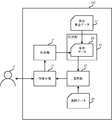
- the filter device 100 includes each functional unit shown in FIG. 1, and refers to and records each data shown in FIG.
- a user U is a credit card holder and intends to refer to information indicating a specific settlement from his / her credit card purchase history.
- the filter device 100 narrows down items according to an input from the user U from purchase history data that is a collection of a large number of items, and presents the items to the user U.
- the filter device 100 stores the set data 22, the selection unit 12 that selects a question to be presented to the user U from the questions recorded in the question data 23, presents the selected question to the user U, and answers An inquiring unit 13 for requesting and a removing unit 14 for removing items that do not correspond to the answer by the user U from the set data 22.
- the storage unit 11 stores set data 22.
- the storage unit 11 reads out all the items recorded in the original set data 21 in which the entire purchase history of the user U is recorded, and stores it as the set data 22. Further, when the removal unit 14 described later performs a process of removing some items from the aggregate data 22, the storage unit 11 updates the contents of the aggregate data 22 accordingly.
- the selection unit 12 selects a question to be presented to the user U from the questions (question group) recorded in the question data 23. For each question recorded in the question data 23, the selection unit 12 calculates an expected value of the number of items to be removed from the set data 22 by an answer, and selects a question having the largest expected value.
- the inquiry unit 13 presents the user U with the question selected by the selection unit 12 and the answer candidate for the question, and requests the user U to select one answer from the presented answer candidates.
- the inquiry unit 13 receives an input from the user U to select one of the presented answer candidates.
- the removal unit 14 removes items that do not correspond to the answer by the user U from the collective data 22.
- the removal unit 14 reads the items recorded in the collective data 22 and determines whether or not it matches the answer from the user U.
- the removal unit 14 deletes the item determined not to match from the aggregate data 22. As a result, items that do not correspond to the answer by the user U are removed from the collective data 22 held by the storage unit 11.
- the filter device 100 has a configuration in which the operation start by the user U and the extracted set data 22 are presented to the user U.
- the original collective data 21 is data in which a purchase history with a credit card held by the user U is recorded.
- the original aggregate data 21 is recorded in the filter device 100 in FIG. 1, the present invention is not limited to this, and the filter device 100 accesses the original aggregate data 21 recorded in another device. May be.
- the collective data 22 is data indicating a purchase history by the user U that is stored in the storage unit 11.
- the storage unit 11 reads an item recorded in the original set data 21 and records it as set data 22 before narrowing down the items. Furthermore, when the removal unit 14 removes some items from the held set data 22, the storage unit 11 stores the set of items after removing some items as the set data 22 again. Thereby, the set of items can be narrowed down by the condition input by the user U without damaging the data of the original set data 21.
- the question data 23 is data in which a question group including questions for the inquiry unit 13 to make an inquiry to the user U is recorded.
- the selection unit 12 selects one question from the question group recorded in the question data 23.
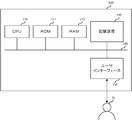
- the filter device 100 includes, as hardware, a CPU (Central Processing Unit) 110, a ROM (Read Only Memory) 111, a RAM (Random Access Memory) 112, a storage device 120, A user interface 150 is provided, and these are connected to each other via an internal bus 190.
- a CPU Central Processing Unit
- ROM Read Only Memory
- RAM Random Access Memory
- a user interface 150 is provided, and these are connected to each other via an internal bus 190.
- the CPU 110 controls the entire filter device 100 by executing programs stored in the ROM 111, the RAM 112, and the storage device 120.
- the CPU 110 reads programs to be executed from the ROM 111, the RAM 112, and the storage device 120 as necessary, and stores data on the RAM 112 and the storage device 120 as necessary.
- the ROM 111 stores a program necessary for the CPU 110 to operate, for example, a program that the CPU 110 executes first when the filter device 100 is activated.
- the RAM 112 functions as a work area when the CPU 110 executes a program.
- the RAM 112 records a program being executed by the CPU 110 or temporary data necessary for the CPU 110 to execute the program, and provides the CPU 110 with the request from the CPU 110.
- the storage device 120 includes a storage device such as a hard disk drive or a flash memory, and stores data necessary for the filter device 100 to operate.
- the storage device 120 records, for example, a program to be executed by the CPU 110 or data to be referred to when the CPU 110 executes the program, and provides it to the CPU 110 in response to a request from the CPU 110. Further, the storage device 120 records data output from the CPU 110 in response to a request from the CPU 110. In particular, each data to be described later is recorded in the storage device 120.
- the user interface 150 is an interface for the filter device 100 to present information to the user U and to accept an input operation from the user U.
- the user interface 150 can be implemented in various forms.
- the user interface 150 may include a speaker that presents questions and answer candidates to the user, and a microphone that picks up a voice input indicating an answer from the user.
- the filter device 100 presents the question and the answer candidate to the question as an audio signal to the user via the speaker.
- the user interface 150 includes a microphone and a speaker.
- the user interface 150 may include a connection interface to a telephone line.
- the filter device 100 connects to a telephone terminal owned by the user via a telephone line via the user interface 150.
- the filter device 100 presents the question and the answer candidate to the question as an audio signal to the user U through the speaker of the connected telephone terminal.
- the telephone terminal outputs a signal indicating that the push button has been pressed via the telephone line. To do.
- the filter device 100 receives a signal indicating that the push button has been pressed, the filter device 100 receives the response from the user U based on the information indicated by the signal.
- the user interface 150 may include a network interface for connecting the filter device 100 to the network.
- the filter device 100 presents questions and answer candidates to the terminal device of the user U connected via a network such as the Internet. Further, the filter device 100 receives an answer input by the user U via the network.
- the internal bus 190 relays the exchange of information between components (CPU 110, ROM 111, RAM 112, storage device 120, user interface 150, etc.) in the filter device 100. For example, when the CPU 110 reads necessary data from the storage device 120, the CPU 110 reads data from the storage device 120 via the internal bus 190.
- the filter device 100 functions as an element (the storage unit 11, the selection unit 12, the inquiry unit 13, and the removal unit 14) that realizes each function described above by operating the hardware described so far in cooperation.
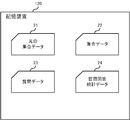
- the original set data 21, set data 22, and question data 23 are recorded. Further, the question answering statistical data 24 may be recorded as an arbitrary component in the storage device 120.
- the storage device 120 records other data such as programs necessary for the operation of the filter device 100, but is not clearly shown in FIG.
- the question answer statistics data 24 is data in which the number of times selected so far for each answer of the question recorded in the question data 23 is recorded.
- the filter device 100 records answers inputted by many users including the user U in the question answer statistical data 24 and uses them for selection of questions and answer candidates to be presented to the user U later.
- the filter device 100 can extract items more effectively by selecting a question using data in which answers input by not only the user U but also other users are recorded.
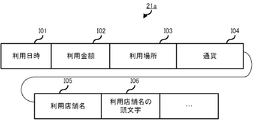
- a record 21 a is recorded in the original aggregate data 21 in which the contents of the settlement using the user U's credit card are recorded.
- the record 21a includes data I01 indicating the date and time when the credit card was used, data I02 indicating the amount of use of the credit card, data I03 indicating the location where the credit card was used, and the currency in which the credit card was paid.
- Data I04, data I05 indicating the name of the store where the credit card is used, data I06 indicating the initial of the name of the store used, and the like are included.
- a number of records that record the contents of settlement are recorded as in the record 21a.
- a large number of records such as the record 21a are recorded in the collective data 22 as well.
- the question data 23 records the question contents, the answer candidates for the question, and the number of items to be removed from the aggregate data 22 when the answer candidates are selected. Is done.
- a question asking whether or not the credit card to be extracted was used this year is recorded.
- answer candidates options of YES and NO are recorded.
- the number of items to be removed when there is a YES answer in association with the YES answer candidate is 68, and when there is a NO answer in association with the NO answer candidate, it is removed. It is recorded that the number of items to be processed is 23.
- the questions recorded in the question data 23 are not limited to the two choice questions. For example, in FIG. In the column 2 is recorded a question asking when it was used. For that question, four candidates, “within the last 2 months”, “within the last 6 months”, “within the most recent 1 year”, and “over 1 year ago” are recorded as answer candidates, and are deleted in correspondence with each other. The number of items to be recorded is also recorded.
- the questions and answer candidates recorded in the question data 23 may be preset or may be dynamically generated.
- the questions may be set in advance, and the filter device 100 may dynamically generate answer candidates according to the status of the aggregate data 22.
- the filter device 100 may use the question answer statistical data 24. As shown in FIG. 6, in the question answer statistical data 24, for each answer candidate recorded in the question data 23, the number of times the user has answered and the answer candidate is answered when the question is made. The percentage is recorded. In the example of FIG. In one question, it is recorded that the answer candidate of YES in the past has been selected by the user 26 times and the answer candidate of NO has been selected 15 times. Similarly, no. When one question is presented, it is recorded that in the past, the rate of answering YES is 0.634 and the rate of answering NO is 0.366.
- the question answer statistical data 24 is used when the selection unit 12 calculates an expected value of the number of items to be removed when selecting a question.
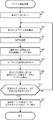
- the filter device 100 receives the start operation by the user U and executes the item extraction process shown in FIG.
- the operation of each step of the item extraction process is realized by the CPU 110 of the filter device 100 executing a program.
- the filter device 100 extracts items that match the conditions input by the user U from the items recorded in the original set data 21 and presents them to the user U.
- the filter device 100 copies the item recorded in the original aggregate data 21 to the aggregate data 22 (step S10).
- the filter device 100 reads data recorded in the original aggregate data 21 from the storage device 120 and records the read data as aggregate data 22 in the storage device 120.
- the filter device 100 refers to the set data 22 and the question data 23 and calculates the number of items to be removed when each answer candidate is answered by the user U for each question recorded in the question data 23. (Step S20). Specifically, the filter device 100 reads out one question recorded in the question data 23 and reads out answer candidates recorded in association with the question. The filter device 100 calculates, for each of the read answer candidates, the number of items to be removed from the set data 22 when the user U selects the read answer candidate for the read question. To record.
- the filter device 100 selects a question to be presented to the user U (step S30).
- the filter device 100 calculates an expected value of the number of items to be removed from the aggregate data 22 by asking each question recorded in the question data 23.
- the filter device 100 selects a question having the largest calculated expected value. A method for calculating the expected value will be described later.
- the CPU 110 realizes a function as the selection unit 12.
- the filter device 100 presents the selected question and answer candidate to the user U (step S40).
- the filter device 100 presents the selected question and answer candidates to the question to the user U via the user interface 150.
- the filter device 100 receives an answer from the user U (step S50).
- the filter device 100 receives an operation input by the user U via the user interface 150, and determines an answer input by the operation.
- the CPU 110 implements a function as the inquiry unit 13.
- the filter device 100 removes the item from the collective data 22 based on the received answer (step S60).
- the filter device 100 deletes items that do not match the answer by the user U from the aggregate data 22.
- the CPU 110 realizes a function as the removal unit 14.
- the filter device 100 determines whether or not the aggregate data 22 satisfies a predetermined condition for presenting contents to the user U (step S70).
- the predetermined condition is, for example, that the number of items recorded in the set data 22 is equal to or less than a specified number, or that the data is copied from the original set data 21 to the set data 22 in step S10.
- the number of times of removal is equal to or greater than a prescribed number.
- step S70 When it is determined in step S70 that the aggregate data 22 does not satisfy the predetermined condition (step S70: NO), the filter device 100 returns the process to step S20 and executes the processes after step S20 again.
- step S70 determines whether the aggregate data 22 satisfies the predetermined condition. If it is determined in step S70 that the aggregate data 22 satisfies the predetermined condition (step S70: YES), the filter device 100 presents the items recorded in the aggregate data 22 to the user U ( Step S80).
- the filter apparatus 100 complete
- the CPU 110 stores set data 22 (set including items) in the storage device 120. Accordingly, the CPU 110 and the storage device 120 operate in cooperation to provide a function as the storage unit 11.
- the filter device 100 By executing this item extraction processing, the filter device 100 presents to the user U the items extracted according to the input by the user U from the data in which a plurality of items are recorded. For example, when the user U wants to confirm information related to a specific payment by the credit card used by the user U but does not accurately store the specific content, the user U can extract the item by using the filter device 100 to extract the item. It becomes possible to narrow down the settlement. During this time, the filter device 100 presents the user U with questions for effectively narrowing down the purchase history, such as the approximate timing of payment, price range, payment currency, and the like, and accepts answers from the user U. Since the filter device 100 selects a question that can be effectively narrowed down according to the status of the set data serving as the population, the burden on the user U can be reduced.
- step S30 of the item extraction process the selection unit 12 of the filter device 100 determines the number of items to be removed from the set of items recorded in the set data 22 by answering each question recorded in the question data 23. Calculate and compare expected values. This will be described with reference to question data 23a shown in FIG. 8A and question answer statistical data 24a shown in FIG. 8B.
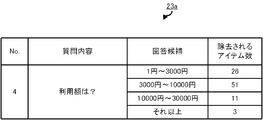
- the question data 23a In the question data 23a shown in FIG. 8A, one question, four answer candidates for the question, and the number of items removed by each answer candidate are recorded.
- the question data 23a records a question asking the amount of credit card used for the target item (payment record). “1 yen to 3000 yen”, “3000 yen to 10,000 yen”, “10000” are the answer candidates. Four are recorded, from “Yen to 30000 Yen” and “More”.
- the question data 23a records that the number of items to be removed is “26”, “51”, “11”, and “3” when each answer candidate is answered.
- the filter device 100 calculates the expected value of the number of items to be removed by the question asking about the credit card usage amount in the target item as follows.
- the filter device 100 answers “26” which is the number of items to be removed when the user U selects the answer candidate “1 to 3000 yen” and the answer candidate “1 to 3000 yen” in the past.
- a value obtained by multiplying “0.079”, which is the ratio, is calculated, and an expected value “2.054” is calculated for this answer candidate.
- the expected value is calculated as “9.129”, “4.884”, and “0.894” for each of the answer candidates “3,000 yen to 10,000 yen”, “10000 yen to 30000 yen”, and “more than that”.
- the sum “16.961” is calculated as the expected value of the number of items to be removed when this question is asked.
- the filter device 100 calculates a numerical value of L1 ⁇ P1 + L2 ⁇ P2 to LN ⁇ PN as an expected value of the number of items to be removed when the question Q is made.
- the filter device 100 calculates an expected value of the number of items to be removed for each question recorded in the question data 23, and selects a question having the largest value. Since the filter device 100 selects and presents a question with a high number of items to be removed to the user U, it is possible to efficiently extract items from the set of items.
- the rate at which each answer candidate is answered is P1, P2 to PN
- the sum of P1 to PN does not necessarily have to be 1. This is because the user may not select any answer candidate.
- the ratio that the user does not select any answer candidate may be P0, and the sum of P0 to PN may be handled as 1.
- the filter device 100 does not remove the item from the aggregate data 22, the value of L0 in that case is zero.
- the removal unit 14 removes items that do not correspond to the user's answer from the aggregate data 22.
- the removal unit 14 may leave the item in the collective data 22 as long as the item has contents similar to the answer.
- the removal unit 14 determines whether or not an item that does not correspond to the answer by the user included in the aggregate data 22 is similar to the answer by the user, and removes only the items that are determined not to be similar from the aggregate data 22. You may do.
- the filter device 100 may define a “similar range” in addition to the “corresponding range” in the answer.
- a filter device is applied to a range such as “1 to 3000 yen” as a corresponding range and “3000 to 4000 yen” as a similar range.
- 100 defines.
- the filter device 100 also reads “3000 to 4000 yen” in the range of “1 to 3000 yen” from the collective data 22. Items that do not fall within the range of "" are removed. Therefore, even when there is an error in the contents answered by the user U, the filter device 100 can leave the item intended by the user U in the collective data 22.
- step S20 of the item extraction process (the number of items to be removed) In the same manner, the calculation is performed on the premise that similar items are left in the set data 22.
- the data recorded in the question data 23 is set in advance, and the selection unit 12 selects a question from the data.
- the filter device 100 is not limited to this, and the question presented to the user U may be dynamically generated according to the state of the aggregate data 22. In this case, after adding the generated question to the question data 23, the filter device 100 selects a question from the question group recorded in the question data 23 according to the expected value of the number of items to be removed.
- the number of answer candidates that the filter device 100 generates for one question is determined in a range of 2 to 4 or the like.
- the number of answer candidates to be generated is a number for classifying items recorded in the set data 22 into groups.
- the selection unit 12 of the filter device 100 generates questions and answer candidates so that the number of items classified into each group satisfies a predetermined criterion in relation to the number of items classified into other groups.
- the predetermined standard is, for example, that the ratio of the number of items classified into each group is within a predetermined range.
- the filter device 100 presents a question asking about a credit card usage amount in a target item (payment record) and a range of the usage amount as answer candidates. Further, it is assumed that the number of answer candidates to be presented is four.
- the filter device 100 analyzes the “use amount” data in the items belonging to the collective data 22 and sorts the items based on the use amount. In addition, the filter device 100 identifies an item with the largest usage amount among the items belonging to the lower quarter in the sorted items, and records the usage amount. Here, it is assumed that the specified usage amount is “D1”. Similarly, the filter device 100 uses the amount of usage “D2” of the item having the largest usage amount among the items belonging to the lower half of the sorted items, and the usage amount of the lower 4 minutes of the sorted items. The usage amount “D3” of the item having the largest usage amount among the items belonging to 3 is specified.
- the filter device 100 After specifying D1 to D3, the filter device 100 generates four answer candidates of “1 Yen to D1 Yen”, “D1 Yen to D2 Yen”, “D2 Yen to D3 Yen”, and “More”.
- the filter device 100 records the generated question set (the question asking about the credit card usage amount and the generated four answer candidates) in the question data 23. After that, the filter device 100 selects a question from each question recorded in the question data 23 based on the expected value.
- the filter device 100 dynamically generates questions and answer candidates according to the status of the collective data 22, thereby enabling the user U to present a question reflecting the status of the items included in the collective data 22. . Therefore, it becomes possible to narrow down items more efficiently.
- the filter device 100 records the question answer statistical data 24, and the expected value of the number of items to be removed based on the ratio of the answer input by an input person different from the user U. Was calculated.
- the method for calculating the expected value of the number of items to be removed is arbitrary. For example, in the case of a question asking about the credit card usage amount, the expected value may be calculated based on the range of the usage amount range recorded in each answer candidate.
- the item when the item is a credit card usage history, the item is a record that records information indicating the purchased product and data indicating the color of the purchased product.
- the selection unit 12 may make a selection related to data indicating the color of the product recorded in the record.
- the filter device 100 analyzes the recorded image data, generates data indicating the color of the target product, and records it in each record.
- the question data 23 includes a question for extracting an item based on data indicating the color of the target product recorded in each item (record) (for example, “Is the purchased product a red color?”) ) Is recorded.
- the filter apparatus 100 can receive the answer by the user U by the question based on a visual image, and can narrow down an item.
- the filter device according to the embodiment of the present invention is not limited to one realized by one unit.
- a plurality of computers may share the functions of the respective units described above to provide each function as one system including the plurality of computers.
Landscapes
- Engineering & Computer Science (AREA)
- Theoretical Computer Science (AREA)
- Data Mining & Analysis (AREA)
- Databases & Information Systems (AREA)
- Physics & Mathematics (AREA)
- General Engineering & Computer Science (AREA)
- General Physics & Mathematics (AREA)
- Information Retrieval, Db Structures And Fs Structures Therefor (AREA)
Abstract
フィルタ装置(100)は、元の集合データ(21)から、ユーザ(U)による入力に従ってアイテムを抽出する。記憶部(11)は、集合データ(22)を記憶する。選択部(12)は、質問データ(23)から、ユーザ(U)に提示する質問を選択する。問合せ部(13)は、選択された質問に対する回答をユーザ(U)に求める。除去部(14)は、集合データ(22)から、ユーザ(U)による回答に該当しないアイテムを除去する。選択部(12)は、質問データ(23)から、回答により集合データ(22)から除去されるアイテムの数の期待値が最多となる質問を選択する。
Description
本発明は、フィルタ装置、フィルタ方法、非一時的な記録媒体およびプログラムに関する。
蓄積されたデータから、入力者に入力された検索条件に合致するデータを抽出するための技術が存在する。このとき、入力者が任意に検索条件を選択するものとした場合、検索条件として適切でないものが入力されることがある。
例えば、入力者が、母集団となるデータには対象となるアイテムが全くない検索条件を入力した場合、その検索条件でデータを検索すると、検索結果として何もヒットしない。入力者が、データに含まれる多数のアイテムからいくつかを選択したい場合には、そのような検索条件の入力は無意味である。
逆に、入力者が、母集団となるデータに含まれるアイテムがすべて該当する検索条件を入力した場合、その検索条件でデータを検索すると、母集団となるデータに含まれるアイテムがすべてヒットしてしまう。その場合も、データに含まれる多数のアイテムからいくつかを選択するという目的の上では、検索条件の入力が無意味である。このように、入力者が検索条件を任意に選択するものとすると、不適切な検索条件が入力されることがあり、効率の悪化につながっている。
こういった課題を解決するため、検索システムが質問および回答候補を入力者に提示し、入力者による選択入力(回答)を受け付ける技術が存在する。例えば特許文献1では、コンピュータが質問を選択し、質問およびその質問への回答候補をユーザに提示する技術が開示されている。ユーザが一つの回答を選択すると、コンピュータは選択された回答による検索を実施し、該当するアイテムを抽出する。これにより、ユーザが検索条件を入力する場合に比べ、効率のよい抽出を実現しようとするものである。
しかしながら、従来技術においては、その時点における母集団の状況に応じた選択肢の提示をすることはできない。そのため、母集団からアイテムを抽出するための条件を設定するうえで、より効率のよい手法が望まれている。
特許文献1が提示する技術では、コンピュータは予め定められたルールに従って質問を入力者に提示する。特許文献1で示されている例では、コンピュータが入力者に提示する質問および回答候補は固定されており、コンピュータが記録しているデータの内容が反映されていない。そのため、提示する質問および回答候補が、母集団から抽出を行う上で効率の悪い検索条件(母集団に該当するアイテムがほとんどない条件、あるいは母集団にあるアイテムのほとんどが該当する条件)となることがある。
本発明は、上記の課題を解決しようとするものであり、アイテムの集合から、ユーザの入力に従ってアイテムを絞り込むうえで、アイテムの集合の状況に応じた質問を提示することで効率よい絞り込みを実現することを目的とする。
上記目的を達成するため、本発明の第1の観点にかかるフィルタ装置は、
複数のアイテムが記録されたデータから、ユーザによる入力に従ってアイテムを抽出するフィルタ装置であって、
アイテムを含む集合を記憶する記憶部、
あらかじめ用意され、または、前記記憶された集合から生成された複数の質問を含む質問群から、前記ユーザに提示する質問を選択する選択部、
前記選択された質問に対する回答を前記ユーザに求める問合せ部、
前記記憶された集合から、前記ユーザによる回答に該当しないアイテムを除去する除去部、を備え、
前記選択部は、前記質問群から、回答により前記記憶された集合から除去されるアイテムの数の期待値が最多となる質問を選択する、
ことを特徴とする。
複数のアイテムが記録されたデータから、ユーザによる入力に従ってアイテムを抽出するフィルタ装置であって、
アイテムを含む集合を記憶する記憶部、
あらかじめ用意され、または、前記記憶された集合から生成された複数の質問を含む質問群から、前記ユーザに提示する質問を選択する選択部、
前記選択された質問に対する回答を前記ユーザに求める問合せ部、
前記記憶された集合から、前記ユーザによる回答に該当しないアイテムを除去する除去部、を備え、
前記選択部は、前記質問群から、回答により前記記憶された集合から除去されるアイテムの数の期待値が最多となる質問を選択する、
ことを特徴とする。
本発明の第1の観点にかかるフィルタ装置において、
前記除去部は、前記記憶された集合に含まれる前記ユーザによる回答に該当しないアイテムが、前記ユーザによる回答に類似するか否かを判定し、当該類似しないと判定したアイテムを前記記憶された集合から除去する、
ものであってもよい。
前記除去部は、前記記憶された集合に含まれる前記ユーザによる回答に該当しないアイテムが、前記ユーザによる回答に類似するか否かを判定し、当該類似しないと判定したアイテムを前記記憶された集合から除去する、
ものであってもよい。
本発明の第1の観点にかかるフィルタ装置において、
前記質問は、あらかじめ定められた数のグループに分類された前記記憶された集合に属するアイテムから、一つのグループに分類されたアイテムを抽出するためのものであり、
前記選択部は、前記グループの一つに分類されたアイテムの数が、他の前記グループに分類されたアイテムの数との関係において所定の基準を満たす前記質問を生成する、
ものであってもよい。
前記質問は、あらかじめ定められた数のグループに分類された前記記憶された集合に属するアイテムから、一つのグループに分類されたアイテムを抽出するためのものであり、
前記選択部は、前記グループの一つに分類されたアイテムの数が、他の前記グループに分類されたアイテムの数との関係において所定の基準を満たす前記質問を生成する、
ものであってもよい。
本発明の第1の観点にかかるフィルタ装置において、
前記問合せ部は、前記選択された質問ごとに、入力された回答を記録し、
前記選択部は、前記選択された質問ごとに、前記ユーザとは異なる入力者により回答が入力された割合に基づいて、前記除去されるアイテムの数の期待値を算出する、
ものであってもよい。
前記問合せ部は、前記選択された質問ごとに、入力された回答を記録し、
前記選択部は、前記選択された質問ごとに、前記ユーザとは異なる入力者により回答が入力された割合に基づいて、前記除去されるアイテムの数の期待値を算出する、
ものであってもよい。
本発明の第1の観点にかかるフィルタ装置において、
前記アイテムは、購入された商品および当該商品の色を示すデータを記録したレコードであり、
前記選択部は、前記レコードに記録されている前記商品の色を示すデータにかかわる質問を選択する、
ものであってもよい。
前記アイテムは、購入された商品および当該商品の色を示すデータを記録したレコードであり、
前記選択部は、前記レコードに記録されている前記商品の色を示すデータにかかわる質問を選択する、
ものであってもよい。
上記目的を達成するため、本発明の第2の観点にかかるフィルタ方法は、
複数のアイテムが記録されたデータから、ユーザによる入力に従ってアイテムを抽出するフィルタ方法であって、
アイテムを含む集合を記憶する記憶ステップ、
あらかじめ用意され、または、前記記憶された集合から生成された複数の質問を含む質問群から、前記ユーザに提示する質問を選択する選択ステップ、
前記選択された質問に対する回答を前記ユーザに求める問合せステップ、
前記記憶された集合から、前記ユーザによる回答に該当しないアイテムを除去する除去ステップ、を備え、
前記選択ステップでは、前記質問群から、回答により前記記憶された集合から除去されるアイテムの数の期待値が最多となる質問を選択する、
ことを特徴とする。
複数のアイテムが記録されたデータから、ユーザによる入力に従ってアイテムを抽出するフィルタ方法であって、
アイテムを含む集合を記憶する記憶ステップ、
あらかじめ用意され、または、前記記憶された集合から生成された複数の質問を含む質問群から、前記ユーザに提示する質問を選択する選択ステップ、
前記選択された質問に対する回答を前記ユーザに求める問合せステップ、
前記記憶された集合から、前記ユーザによる回答に該当しないアイテムを除去する除去ステップ、を備え、
前記選択ステップでは、前記質問群から、回答により前記記憶された集合から除去されるアイテムの数の期待値が最多となる質問を選択する、
ことを特徴とする。
上記目的を達成するため、本発明の第3の観点にかかる記録媒体は、
複数のアイテムが記録されたデータから、ユーザによる入力に従ってアイテムを抽出するプログラムを記録した非一時的な記録媒体であって、
コンピュータに、
アイテムを含む集合を記憶する記憶手順、
あらかじめ用意され、または、前記記憶された集合から生成された複数の質問を含む質問群から、前記ユーザに提示する質問を選択する選択手順、
前記選択された質問に対する回答を前記ユーザに求める問合せ手順、
前記記憶された集合から、前記ユーザによる回答に該当しないアイテムを除去する除去手順、を実行させ、
前記選択手順では、前記質問群から、回答により前記記憶された集合から除去されるアイテムの数の期待値が最多となる質問を選択する、
ことを特徴とするプログラムを記録する。
複数のアイテムが記録されたデータから、ユーザによる入力に従ってアイテムを抽出するプログラムを記録した非一時的な記録媒体であって、
コンピュータに、
アイテムを含む集合を記憶する記憶手順、
あらかじめ用意され、または、前記記憶された集合から生成された複数の質問を含む質問群から、前記ユーザに提示する質問を選択する選択手順、
前記選択された質問に対する回答を前記ユーザに求める問合せ手順、
前記記憶された集合から、前記ユーザによる回答に該当しないアイテムを除去する除去手順、を実行させ、
前記選択手順では、前記質問群から、回答により前記記憶された集合から除去されるアイテムの数の期待値が最多となる質問を選択する、
ことを特徴とするプログラムを記録する。
上記目的を達成するため、本発明の第4の観点にかかるプログラムは、
複数のアイテムが記録されたデータから、ユーザによる入力に従ってアイテムを抽出するプログラムであって、
コンピュータに、
アイテムを含む集合を記憶する記憶手順、
あらかじめ用意され、または、前記記憶された集合から生成された複数の質問を含む質問群から、前記ユーザに提示する質問を選択する選択手順、
前記選択された質問に対する回答を前記ユーザに求める問合せ手順、
前記記憶された集合から、前記ユーザによる回答に該当しないアイテムを除去する除去手順、を実行させ、
前記選択手順では、前記質問群から、回答により前記記憶された集合から除去されるアイテムの数の期待値が最多となる質問を選択する、
ことを特徴とする。
複数のアイテムが記録されたデータから、ユーザによる入力に従ってアイテムを抽出するプログラムであって、
コンピュータに、
アイテムを含む集合を記憶する記憶手順、
あらかじめ用意され、または、前記記憶された集合から生成された複数の質問を含む質問群から、前記ユーザに提示する質問を選択する選択手順、
前記選択された質問に対する回答を前記ユーザに求める問合せ手順、
前記記憶された集合から、前記ユーザによる回答に該当しないアイテムを除去する除去手順、を実行させ、
前記選択手順では、前記質問群から、回答により前記記憶された集合から除去されるアイテムの数の期待値が最多となる質問を選択する、
ことを特徴とする。
本発明によれば、アイテムの集合の状況に応じた質問を提示することで、効率よいアイテムの絞り込みを実現することができる。
以下、本発明の実施の形態について添付図面を参照しつつ説明する。
<実施の形態>
本実施の形態にかかるフィルタ装置100は、多数のアイテムを含む集合であるデータを記録する。フィルタ装置100は、集合からユーザが入力する条件に合致するアイテムを抽出することによって集合を絞り込む機能を備える。フィルタ装置100は、抽出を行った結果、所定の条件(集合に含まれるアイテムの数が一定の数以下となる、または、抽出の回数が限度以上となる等)が充足されると、その時点で集合に含まれるアイテムをユーザに提示する。一方、所定の条件が充足されていない場合、フィルタ装置100は、さらにユーザからの入力を受け付け、さらに集合からのアイテムの抽出を行う。ユーザは、当初は多数のアイテムが含まれていた集合から、所望の条件に応じて数を絞り込み、所望の条件に合致するアイテムの内容を確認することができる。
本実施の形態にかかるフィルタ装置100は、多数のアイテムを含む集合であるデータを記録する。フィルタ装置100は、集合からユーザが入力する条件に合致するアイテムを抽出することによって集合を絞り込む機能を備える。フィルタ装置100は、抽出を行った結果、所定の条件(集合に含まれるアイテムの数が一定の数以下となる、または、抽出の回数が限度以上となる等)が充足されると、その時点で集合に含まれるアイテムをユーザに提示する。一方、所定の条件が充足されていない場合、フィルタ装置100は、さらにユーザからの入力を受け付け、さらに集合からのアイテムの抽出を行う。ユーザは、当初は多数のアイテムが含まれていた集合から、所望の条件に応じて数を絞り込み、所望の条件に合致するアイテムの内容を確認することができる。
多数のアイテムを含む集合として、本実施の形態では、例としてクレジットカードの購入履歴を扱う。購入履歴を記録したデータには、ユーザが保有するクレジットカードで決済したことを示すレコードが多数記録されている。購入履歴を記録したデータに含まれるレコード一つが、一回の決済に関する情報を記録する。
ユーザは、ある商品を購入した時の決済内容(販売店や購入内容)を確認したいが、正確な内容を忘れてしまったとする。そのような場合、ユーザは、フィルタ装置100を利用し、対象の決済に対応するレコード(アイテム)を、購入履歴を記録したデータから抽出し、参照することにより、正確な決済内容を確認することができる。
アイテムであるレコードには、その決済の内容を示す情報が記録されている。ユーザが保有するクレジットカードの購入履歴においては、一つのアイテムには、使用時期、使用金額、使用された場所(店舗の位置、または、販売店が実際の店舗を備えた実店舗であるか、またはインターネットやカタログを通じた通信販売店であるか)、利用された通貨などが、その決済の内容を示す情報として記録されている。本実施の形態にかかるフィルタ装置は、これらの情報に基づいて、そのユーザの購入履歴として記録されているデータ(複数のアイテムが記録されたデータ)から、ユーザによる入力に従ってアイテムを抽出し、ユーザに提示する。
抽出にあたり、フィルタ装置100は、ユーザに質問と、その質問に対する回答候補を提示する。フィルタ装置100は、ユーザから、提示された回答候補のうち一つを選択する入力を受け付け、その内容に応じてアイテムの抽出し、その結果をユーザに提示する。
フィルタ装置100は、ユーザに質問と回答候補とを提示する際、母集団となる集合の状況に応じ、効果的な抽出が行えるような質問を選択する。フィルタ装置100は、ユーザに提示する質問とその回答候補とを関連付けて記録する質問データ23を備え、質問データ23に記録されている質問群(多数の質問)から、回答により集合から除去されるアイテムの数が多くなるような質問を選択する。そのため、フィルタ装置100が提示する質問にユーザが回答することで、集合からアイテムを効果的に抽出することができる。
本実施の形態にかかるフィルタ装置100は、図1に示す各機能部を備え、また図1に示す各データを参照し、また記録する。図1において、ユーザUはクレジットカードの保有者であり、自身のクレジットカードによる購入履歴から、特定の決済を示す情報を参照しようとしている。フィルタ装置100は、多数のアイテムの集合である購入履歴データから、ユーザUからの入力に従ってアイテムを絞り込み、ユーザUに提示する。
フィルタ装置100は、集合データ22を記憶する記憶部11、質問データ23に記録されている質問からユーザUに提示する質問を選択する選択部12、選択された質問をユーザUに提示し、回答を求める問合せ部13、集合データ22からユーザUによる回答に該当しないアイテムを除去する除去部14、を備える。
記憶部11は、集合データ22を記憶する。記憶部11は、ユーザUの購入履歴の全体が記録されている元の集合データ21に記録されているアイテムをすべて読み出し、集合データ22として記憶する。また、記憶部11は、後述する除去部14が集合データ22から一部のアイテムを除去する処理を行うと、それに応じて集合データ22の内容を更新する。
選択部12は、質問データ23に記録されている質問(質問群)からユーザUに提示する質問を選択する。選択部12は、質問データ23に記録されている各質問について、回答により集合データ22から除去されるアイテムの数の期待値を算出し、期待値が最多となる質問を選択する。
問合せ部13は、選択部12が選択した質問と、その質問に対する回答候補とをユーザUに提示し、提示された回答候補から一つを選択する回答をユーザUに要求する。また、問合せ部13は、ユーザUから、提示された回答候補のうち一つを選択する入力を受け付ける。
除去部14は、集合データ22からユーザUによる回答に該当しないアイテムを除去する。除去部14は、集合データ22に記録されているアイテムを読み出し、ユーザUによる回答に合致するかどうかを判定する。除去部14は、合致しないと判定したアイテムを、集合データ22から削除する。この結果、記憶部11が保持する集合データ22から、ユーザUによる回答に該当しないアイテムが除去される。
また、このほかに、フィルタ装置100は、ユーザUによる動作開始の操作、および、抽出された集合データ22をユーザUに提示する構成を備える。
元の集合データ21は、ユーザUが保有するクレジットカードによる購入履歴が記録されたデータである。元の集合データ21は、図1ではフィルタ装置100の内部に記録されているが、これに限られず、他の機器に記録されている元の集合データ21にフィルタ装置100がアクセスする形態であってもよい。
集合データ22は、記憶部11が内部に保有する、ユーザUによる購入履歴を示すデータである。後述するように、記憶部11は、アイテムの絞り込みを行う前に元の集合データ21に記録されているアイテムを読みとり、集合データ22として記録する。さらに、記憶部11は、保持している集合データ22から除去部14が一部のアイテムを除去すると、一部のアイテムが除去された後のアイテムの集合を再び集合データ22として記憶する。これにより、元の集合データ21のデータを損なうことなく、アイテムの集合をユーザUが入力した条件より絞り込むことができる。
質問データ23は、問合せ部13がユーザUに問い合わせるための質問からなる質問群を記録したデータである。選択部12は、質問データ23に記録されている質問群から1つの質問を選択する。
本実施の形態にかかるフィルタ装置100は、図2に示すように、ハードウェアとして、CPU(Central Processing Unit)110、ROM(Read Only Memory)111、RAM(Random Access Memory)112、記憶装置120、ユーザインタフェース150を備え、これらが内部バス190を介して互いに接続された構成を有する。
CPU110は、ROM111、RAM112および記憶装置120が記憶するプログラムを実行することにより、フィルタ装置100の全体を制御する。CPU110は、必要に応じてROM111、RAM112、記憶装置120から実行するプログラムを読み出し、また必要に応じてRAM112、記憶装置120上にデータを保存する。
ROM111は、CPU110が稼動する上で必要となるプログラム、例えばフィルタ装置100の起動時にCPU110が最初に実行するプログラム等を記憶する。
RAM112は、CPU110がプログラムを実行する際にワークエリアとして機能する。すなわち、RAM112は、CPU110が実行中のプログラム、あるいは、CPU110がプログラムを実行する上で必要となる一時的なデータを記録し、CPU110からの要求に応じてCPU110に提供する。
記憶装置120は、ハードディスクドライブやフラッシュメモリ等の記憶装置を備え、フィルタ装置100が稼動するために必要なデータを記憶する。記憶装置120は、例えば、CPU110が実行するためのプログラム、あるいはCPU110がプログラムを実行する上で参照するデータを記録し、CPU110からの要求に応じてCPU110に提供する。また、記憶装置120は、CPU110からの要求に応じ、CPU110から出力されたデータを記録する。記憶装置120には、特に、後述する各データが記録される。
ユーザインタフェース150は、フィルタ装置100が情報をユーザUに提示し、またユーザUからの入力操作を受け付けるためのインタフェースである。 ユーザインタフェース150は、いろいろな形態で実装可能である。例えば、ユーザインタフェース150は、ユーザに質問と回答候補を提示するスピーカと、ユーザからの回答を示す音声入力を拾うマイクを備えるものであってもよい。フィルタ装置100は、スピーカを介し、質問および質問への回答候補を音声信号としてユーザに提示する。また、ユーザが回答内容を話すと、マイクを通じて入力された音声信号を解析し、受け付ける。この場合、ユーザインタフェース150は、マイクおよびスピーカを備える。
これに限られず、ユーザインタフェース150は、電話回線への接続インタフェースを備えていてもよい。その場合、フィルタ装置100は、ユーザインタフェース150を介し、電話回線を通じてユーザが保有する電話端末に接続する。フィルタ装置100は、接続する電話端末のスピーカを介し、質問および質問への回答候補を音声信号としてユーザUに提示する。また、ユーザUが、提示された回答候補から1つを選択する回答を、電話端末のプッシュボタンにより入力すると、電話端末は、当該プッシュボタンが押されたことを示す信号を電話回線経由で出力する。フィルタ装置100は、プッシュボタンが押されたことを示す信号を受領すると、当該信号が示す情報に基づき、ユーザUからの回答として受領する。
ほかにも、ユーザインタフェース150は、フィルタ装置100をネットワークに接続するためのネットワークインターフェースを備えるものであってもよい。この場合、フィルタ装置100は、インターネットなどのネットワークを介して接続するユーザUの端末装置に質問および回答候補を提示する。また、フィルタ装置100は、ネットワークを介してユーザUが入力する回答を受領する。
内部バス190は、フィルタ装置100内の構成要素(CPU110、ROM111、RAM112、記憶装置120、ユーザインタフェース150等)間での情報のやり取りを中継する。例えば、CPU110が必要なデータを記憶装置120から読み出すとき、CPU110は、内部バス190を介して記憶装置120からデータを読み出す。
フィルタ装置100は、ここまで述べた各ハードウェアを協同して動作させることにより、前述した各機能を実現する要素(記憶部11、選択部12、問合せ部13、除去部14)として機能する。
記憶装置120には、図3に示されるように、元の集合データ21と、集合データ22と、質問データ23と、が記録される。さらに記憶装置120には、質問回答統計データ24が任意の構成要素として記録されていてもよい。記憶装置120には、他にもフィルタ装置100が稼働するうえで必要となるプログラムなどのデータが記録されるが、図3には明示しない。
質問回答統計データ24は、質問データ23に記録されている質問の各回答について、それまでに選択されてきた回数を記録したデータである。フィルタ装置100は、ユーザUを含む多くのユーザによって入力された回答を質問回答統計データ24に記録し、のちにユーザUに提示する質問および回答候補の選択に活用する。フィルタ装置100は、ユーザUだけでなく、他のユーザにより入力された回答も記録されたデータを用いて質問を選択することにより、より効果的にアイテムを抽出することを可能とする。
元の集合データ21には、図4に示すように、ユーザUのクレジットカードが用いられた決済の内容を記録したレコード21aが記録される。レコード21aには、クレジットカードが利用された日時を示すデータI01、そのクレジットカードの利用金額を示すデータI02、クレジットカードが利用された場所を示すデータI03、クレジットカードによる支払が行われた通貨を示すデータI04、クレジットカードが利用された店舗名を示すデータI05、利用店舗名の頭文字を示すデータI06、などが含まれる。元の集合データ21には、レコード21aのように、決済の内容を記録したレコードが多数記録される。また、集合データ22においても、同様に、レコード21aのようなレコードが多数記録される。
質問データ23には、図5に示すように、質問内容と、その質問への回答候補と、回答候補が選択された場合に集合データ22から除去されるアイテムの数とが対応付けられて記録される。図5に示した例においては、No.1の欄に、抽出対象となるクレジットカードの利用が今年に行われたか否かを問う質問が記録されている。また、その回答候補として、YESおよびNOの選択肢が記録されている。さらに、YESの回答候補に対応付けて、YESの回答があった場合に除去されるアイテム数が68であること、および、NOの回答候補に対応付けて、NOの回答があった場合に除去されるアイテム数が23であることが記録されている。
質問データ23に記録される質問は、二択の質問に限られない。例えば、図5では、No.2の欄には、利用した時期がいつであるかを問う質問が記録されている。その質問については、回答候補として「直近2か月以内」「直近6か月以内」「直近1年以内」「1年以上前」の4候補が記録されており、それぞれに対応付けて除去されるアイテム数も記録されている。
質問データ23に記録される質問および回答候補は、予め設定されているものであってもよいし、また、動的に生成されるものであってもよい。また、質問はあらかじめ設定されており、集合データ22の状況に応じてフィルタ装置100が動的に回答候補を生成するものであってもよい。
質問データ23に記録される質問および回答候補が予め設定されているものである場合、フィルタ装置100は質問回答統計データ24を利用するものであってもよい。質問回答統計データ24には、図6に示すように、質問データ23に記録されている各回答候補について、ユーザにより回答された回数、および、その質問がなされたときにその回答候補が回答された割合が記録される。図6の例では、No.1の質問において、過去、YESの回答候補が26回ユーザにより選択されており、NOの回答候補が15回選択されたことが記録されている。それと同様、No.1の質問を提示した場合、過去、YESが回答される割合が0.634、NOが回答される割合が0.366であることが記録されている。
質問回答統計データ24は、選択部12が質問を選択する際に、除去されるアイテム数の期待値を算出する際に利用される。
フィルタ装置100は、ユーザUによる開始操作を受けて、図7に示すアイテム抽出処理を実行する。アイテム抽出処理の各ステップの動作は、フィルタ装置100のCPU110がプログラムを実行することにより実現される。アイテム抽出処理により、フィルタ装置100は、元の集合データ21に記録されているアイテムから、ユーザUが入力する条件に合致するアイテムを抽出し、ユーザUに提示する。
アイテム抽出処理の最初に、フィルタ装置100は、元の集合データ21に記録されているアイテムを、集合データ22にコピーする(ステップS10)。フィルタ装置100は、記憶装置120から元の集合データ21に記録されているデータを読み出し、読み出したデータを記憶装置120に集合データ22として記録する。
次にフィルタ装置100は、集合データ22および質問データ23を参照し、質問データ23に記録されている各質問について、それぞれの回答候補がユーザUにより回答された場合に除去されるアイテム数を算出する(ステップS20)。具体的には、フィルタ装置100は、質問データ23に記録されている質問を一つ読み出し、その質問に対応付けて記録されている回答候補を読み出す。フィルタ装置100は、読み出した質問に、ユーザUが読み出された回答候補を選択した場合に集合データ22から除去されるアイテム数を、読み出された回答候補のそれぞれについて算出し、質問データ23に記録する。
次に、フィルタ装置100は、ユーザUに提示する質問を選択する(ステップS30)。フィルタ装置100は、質問データ23に記録されている各質問について、その質問をすることにより集合データ22から除去されるアイテム数の期待値を算出する。フィルタ装置100は、算出された期待値が最多となる質問を選択する。期待値の算出方法については後述する。ステップS30を実行することにより、CPU110は、選択部12としての機能を実現する。
次に、フィルタ装置100は、選択された質問および回答候補をユーザUに提示する(ステップS40)。フィルタ装置100は、ユーザインタフェース150を介し、選択された質問およびその質問への回答候補をユーザUに提示する。
次に、フィルタ装置100は、ユーザUによる回答を受け付ける(ステップS50)。フィルタ装置100は、ユーザインタフェース150を介してユーザUにより入力された操作を受領し、それにより入力された回答を判別する。ステップS40およびS50を実行することにより、CPU110は、問合せ部13としての機能を実現する。
次に、フィルタ装置100は、受け付けた回答に基づいて、集合データ22からアイテムを除去する(ステップS60)。フィルタ装置100は、集合データ22から、ユーザUによる回答に合致しないアイテムを削除する。ステップS60を実行することにより、CPU110は、除去部14としての機能を実現する。
次に、フィルタ装置100は、集合データ22が、ユーザUに内容を提示するための所定の条件を充足しているか否かを判定する(ステップS70)。所定の条件とは、例えば集合データ22に記録されているアイテムの数が規定の数以下であること、または、ステップS10で元の集合データ21から集合データ22にデータがコピーされてからアイテムの除去(ステップS60の処理)が行われた回数が規定の回数以上であること、などである。
ステップS70で、集合データ22が所定の条件を充足していないと判定した場合(ステップS70:NO)、フィルタ装置100は、処理をステップS20に戻し、再びステップS20以降の処理を実行する。
一方、ステップS70で、集合データ22が所定の条件を充足していると判定した場合(ステップS70:YES)、フィルタ装置100は、集合データ22に記録されているアイテムをユーザUに提示する(ステップS80)。フィルタ装置100は、ステップS80を終えると、アイテム抽出処理を終了する。
ここまで述べたアイテム抽出処理において、CPU110は、記憶装置120に集合データ22(アイテムを含む集合)を記憶する。これにより、CPU110および記憶装置120が連携して動作することにより、記憶部11としての機能を提供する。
このアイテム抽出処理を実行することにより、フィルタ装置100は、複数のアイテムが記録されたデータから、ユーザUによる入力に従って抽出したアイテムをユーザUに提示する。例えばユーザUが、自身が使ったクレジットカードによる特定の決済に関する情報を確認したいが、具体的な内容を正確に記憶していない場合、フィルタ装置100を用いてアイテムを抽出することにより、対象となる決済を絞り込むことができる。この間、フィルタ装置100は、ユーザUに、決済のおよその時期や価格帯、決済通貨など、購入履歴を効果的に絞り込むための質問を提示し、ユーザUによる回答を受け付ける。フィルタ装置100は、母集団となる集合データの状況に応じて、効果的に絞り込むことができる質問を選択するため、ユーザUにかかる負担を軽減することができる。
アイテム抽出処理のステップS30において、フィルタ装置100の選択部12は、質問データ23に記録されている各質問について、回答により集合データ22に記録されているアイテムの集合から除去されるアイテムの数の期待値を算出し、比較する。この点について、図8Aに示される質問データ23a、および図8Bに示される質問回答統計データ24aを例に説明する。
図8Aに示されている質問データ23aにおいては、一つの質問と、その質問に対する4つの回答候補と、各回答候補により除去されるアイテムの数が記録されている。質問データ23aには、対象となるアイテム(決済の記録)におけるクレジットカードの利用額を問う質問が記録されており、その回答候補として「1円~3000円」「3000円~10000円」「10000円~30000円」「それ以上」の4つが記録されている。また、質問データ23aには、各回答候補が回答された場合に、それぞれ除去されるアイテム数が「26」「51」「11」「3」であることが記録されている。
図8Bに示されている質問回答統計データ24aにおいては、図8Aに示された質問データ23aに記録されている同じ回答候補について、それぞれ過去に回答された回数および回答された割合が記録されている。すなわち、回答候補の「1円~3000円」「3000円~10000円」「10000円~30000円」「それ以上」のそれぞれについて、回答された回数が「12」「27」「67」「45」であること、またその割合が「0.079」「0.179」「0.444」「0.298」であることが記録されている。
質問データ23aおよび質問回答統計データ24aに基づき、フィルタ装置100は、対象となるアイテムにおけるクレジットカードの利用額を問う質問により除去されるアイテムの数の期待値を、以下のように算出する。
フィルタ装置100は、回答候補「1円~3000円」をユーザUが選択した場合に除去されるアイテムの数である「26」、および、過去に回答候補「1円~3000円」が回答された割合である「0.079」を乗じた値を計算し、この回答候補について期待値を「2.054」を算出する。同様に、回答候補「3000円~10000円」「10000円~30000円」「それ以上」のそれぞれについて、期待値を「9.129」「4.884」「0.894」と算出する。そのうえで、これらの総和「16.961」を、この質問をした場合に除去されるアイテム数の期待値として算出する。
一般化すると、質問Qに対して回答候補A1、A2~ANがあり、各回答候補により除去されるアイテム数がそれぞれL1、L2~LN、また各回答候補が回答される割合をP1、P2~PNとする。この場合、フィルタ装置100は、質問Qをした場合に除去されるアイテム数の期待値として、L1×P1+L2×P2~LN×PNの数値を算出する。
フィルタ装置100は、質問データ23に記録されている各質問について、それぞれ除去されるアイテム数の期待値を算出し、その値が最多である質問を選択する。フィルタ装置100は、除去されるアイテム数が高い質問を選択してユーザUに提示するため、アイテムの集合から、効率よくアイテムを抽出することが可能となる。
各回答候補が回答される割合をP1、P2~PNとした場合に、P1からPNの総和が必ずしも1にならなくともよい。ユーザがどの回答候補も選ばないケースが生じうるからである。その場合、ユーザがどの回答候補も選ばない割合をP0とし、P0~PNの総和が1となるように取り扱ってもよい。ユーザがどの回答候補も選ばなかった場合は、フィルタ装置100は集合データ22からアイテムを除去しないとすると、その場合のL0の値はゼロとなる。
また、ここまで述べた実施の形態では、除去部14は、ユーザによる回答に該当しないアイテムを集合データ22から除去している。しかし、フィルタ装置100が用いられる状況においては、ユーザUは、対象となるアイテムの詳細な内容を正確に把握していないことが想定される。そのため、除去部14は、ユーザによる回答に該当しないアイテムであっても、回答に類似する内容のアイテムであれば、集合データ22に残すものであってもよい。言い換えると、除去部14は、集合データ22に含まれるユーザによる回答に該当しないアイテムが、ユーザによる回答に類似するか否かを判定し、当該類似しないと判定したアイテムのみを集合データ22から除去するものであってもよい。
例えば、図8Aにおいて示された質問データ23aにおいては、回答候補として4つ「1円~3000円」「3000円~10000円」「10000円~30000円」「それ以上」が記録されている。しかし、ユーザUが、質問データ23aの質問がなされた場合に、念頭に置いている決済での利用価格が3000円前後であった場合に、回答候補「1円~3000円」と「3000円~10000円」の選択肢で選択を誤る場合がある。例えばユーザUが抽出したいアイテムでの利用価格が「2980円」である一方、ユーザUが誤って「3000円~10000円」を選択してしまうケースも想定される。このような場合に備え、フィルタ装置100は、回答に「該当する範囲」のほかに「類似する範囲」を規定するものであってもよい。
具体的には、例えば質問データ23aの回答候補「1円~3000円」について、該当する範囲として「1円~3000円」、および類似する範囲として「3000円~4000円」といった範囲をフィルタ装置100は規定する。ユーザUが、質問に対して「1円~3000円」を選択する回答をした場合、フィルタ装置100は、集合データ22から、「1円~3000円」の範囲にも「3000円~4000円」の範囲にも該当しないアイテムを除去する。そのため、ユーザUが回答した内容に誤りがあった場合にも、フィルタ装置100は、ユーザUが意図するアイテムを集合データ22に残すことができる。
フィルタ装置100が、ユーザの回答に該当するアイテムおよび類似するアイテムを集合データ22に残し、それ以外のアイテムを集合データ22から除去する場合、アイテム抽出処理のステップS20の処理(除去されるアイテム数の算出)も同様に、類似するアイテムは集合データ22に残す前提で計算される。
ここまで述べた実施の形態では、質問データ23に記録されているデータはあらかじめ設定されており、その中から選択部12が質問を選択するものであった。しかし、フィルタ装置100はこれに限られず、ユーザUに提示する質問を、集合データ22の状態に応じて動的に生成するものであってもよい。この場合、フィルタ装置100は生成した質問を質問データ23に追加したうえで、除去されるアイテム数の期待値によって質問データ23に記録されている質問群から質問を選択する。
質問および回答候補を生成する場合、フィルタ装置100が1つの質問に対して生成する回答候補の数は、2から4などの範囲内であらかじめ定められている。生成する回答候補の数は、集合データ22に記録されているアイテムを、グループに分類する数である。フィルタ装置100の選択部12は、各グループに分類されたアイテムの数が、他のグループに分類されたアイテムの数との関係において所定の基準を満たすように、質問および回答候補を生成する。所定の基準とは、例えば、各グループに分類されたアイテムの数の比が所定の範囲内であることなどである。
具体例として、フィルタ装置100は、対象となるアイテム(決済の記録)におけるクレジットカードの利用額を問う質問と、その利用額の範囲を回答候補として提示するものとする。また、提示する回答候補の数は4であるとする。
この場合、フィルタ装置100は、集合データ22に属するアイテムにおける「利用額」のデータを解析し、その利用額に基づいてアイテムをソートする。そのうえでフィルタ装置100は、ソートされたアイテムにおいて、利用額が下位4分の1に属するアイテムのなかで最も利用額が大きいアイテムを特定し、その利用額を記録する。ここで、特定された利用額を「D1」とする。フィルタ装置100は同様に、ソートされたアイテムにおいて利用額が下位2分の1に属するアイテムのなかで最も利用額が大きいアイテムの利用額「D2」およびソートされたアイテムにおいて利用額が下位4分の3に属するアイテムのなかで最も利用額が大きいアイテムの利用額「D3」を特定する。
D1~D3を特定したうえで、フィルタ装置100は、「1円~D1円」「D1円~D2円」「D2円~D3円」「それ以上」の4つの回答候補を生成する。回答候補を生成すると、フィルタ装置100は、生成した質問セット(クレジットカードの利用額を問う質問と、生成した4つの回答候補)とを質問データ23に記録する。そののち、フィルタ装置100は質問データ23に記録されている各質問から、期待値に基づいて質問を選択する。
フィルタ装置100が、集合データ22の状況に応じて質問および回答候補を動的に生成することにより、集合データ22に含まれるアイテムの状況を反映した質問をユーザUに提示することが可能になる。そのため、より効率よくアイテムを絞り込むことが可能となる。
ここまで述べた実施の形態では、フィルタ装置100は、質問回答統計データ24を記録し、ユーザUとは異なる入力者により回答が入力された割合に基づいて、除去されるアイテムの数の期待値を算出した。しかし、除去されるアイテムの数の期待値の算出方法は任意である。例えば、クレジットカードの利用額を問う質問であれば、各回答候補に記録されている利用額の範囲の幅などに基づいて期待値を算出してもよい。
また、アイテムがクレジットカードの利用履歴である場合、そのアイテムは、購入された商品を示す情報、および、購入された商品の色を示すデータを記録したレコードとなる。その場合、選択部12は、そのレコードに記録されている商品の色を示すデータにかかわる選択をするものであってもよい。
具体的には、元の集合データ21および集合データ22に含まれるレコードにおいて、クレジットカードにより購入された商品を示す情報と、その商品の画像データとが記録されているものであってもよい。この場合、フィルタ装置100は、記録されている画像データを解析し、対象商品の色を示すデータを生成して各レコードに記録する。
質問データ23には、各アイテム(レコード)に記録されている対象商品の色を示すデータに基づいてアイテムを抽出する質問(例えば、「購入された商品は赤系の色であるか?」など)が記録される。これにより、フィルタ装置100は、視覚的なイメージに基づく質問により、ユーザUによる回答を受け付け、アイテムを絞り込むことができる。
本発明の実施の形態にかかるフィルタ装置は、1台で実現されるものに限定されない。複数のコンピュータが上述した各部の機能を分担することにより、それらの複数のコンピュータからなる1つのシステムとして各機能を提供するものであってもよい。
また、ここまで述べた実施の形態は、本発明を説明するためのものであり、本発明の範囲を限定するものではない。つまり、本発明の範囲は、実施の形態ではなく、請求の範囲によって示される。そして、請求の範囲内およびそれと同等の発明の意義の範囲内で施される様々な変形が、本発明の範囲内とみなされる。
11:記憶部
12:選択部
13:問合せ部
14:除去部
21:元の集合データ
22:集合データ
23:質問データ
24:質問回答統計データ
100:フィルタ装置
110:CPU
111:ROM
112:RAM
120:記憶装置
150:ユーザインタフェース
190:内部バス
U:ユーザ
12:選択部
13:問合せ部
14:除去部
21:元の集合データ
22:集合データ
23:質問データ
24:質問回答統計データ
100:フィルタ装置
110:CPU
111:ROM
112:RAM
120:記憶装置
150:ユーザインタフェース
190:内部バス
U:ユーザ
Claims (8)
- 複数のアイテムが記録されたデータから、ユーザによる入力に従ってアイテムを抽出するフィルタ装置であって、
アイテムを含む集合を記憶する記憶部、
あらかじめ用意され、または、前記記憶された集合から生成された複数の質問を含む質問群から、前記ユーザに提示する質問を選択する選択部、
前記選択された質問に対する回答を前記ユーザに求める問合せ部、
前記記憶された集合から、前記ユーザによる回答に該当しないアイテムを除去する除去部、を備え、
前記選択部は、前記質問群から、回答により前記記憶された集合から除去されるアイテムの数の期待値が最多となる質問を選択する、
ことを特徴とするフィルタ装置。 - 前記除去部は、前記記憶された集合に含まれる前記ユーザによる回答に該当しないアイテムが、前記ユーザによる回答に類似するか否かを判定し、当該類似しないと判定したアイテムを前記記憶された集合から除去する、
ことを特徴とする請求項1に記載のフィルタ装置。 - 前記質問は、あらかじめ定められた数のグループに分類された前記記憶された集合に属するアイテムから、一つのグループに分類されたアイテムを抽出するためのものであり、
前記選択部は、前記グループの一つに分類されたアイテムの数が、他の前記グループに分類されたアイテムの数との関係において所定の基準を満たす前記質問を生成する、
ことを特徴とする請求項1または2に記載のフィルタ装置。 - 前記問合せ部は、前記選択された質問ごとに、入力された回答を記録し、
前記選択部は、前記選択された質問ごとに、前記ユーザとは異なる入力者により回答が入力された割合に基づいて、前記除去されるアイテムの数の期待値を算出する、
ことを特徴とする請求項1から3のいずれか1項に記載のフィルタ装置。 - 前記アイテムは、購入された商品および当該商品の色を示すデータを記録したレコードであり、
前記選択部は、前記レコードに記録されている前記商品の色を示すデータにかかわる質問を選択する、
ことを特徴とする請求項1から4のいずれか1項に記載のフィルタ装置。 - 複数のアイテムが記録されたデータから、ユーザによる入力に従ってアイテムを抽出するフィルタ方法であって、
アイテムを含む集合を記憶する記憶ステップ、
あらかじめ用意され、または、前記記憶された集合から生成された複数の質問を含む質問群から、前記ユーザに提示する質問を選択する選択ステップ、
前記選択された質問に対する回答を前記ユーザに求める問合せステップ、
前記記憶された集合から、前記ユーザによる回答に該当しないアイテムを除去する除去ステップ、を備え、
前記選択ステップでは、前記質問群から、回答により前記記憶された集合から除去されるアイテムの数の期待値が最多となる質問を選択する、
ことを特徴とするフィルタ方法。 - 複数のアイテムが記録されたデータから、ユーザによる入力に従ってアイテムを抽出するプログラムを記録した非一時的な記録媒体であって、
コンピュータに、
アイテムを含む集合を記憶する記憶手順、
あらかじめ用意され、または、前記記憶された集合から生成された複数の質問を含む質問群から、前記ユーザに提示する質問を選択する選択手順、
前記選択された質問に対する回答を前記ユーザに求める問合せ手順、
前記記憶された集合から、前記ユーザによる回答に該当しないアイテムを除去する除去手順、を実行させ、
前記選択手順では、前記質問群から、回答により前記記憶された集合から除去されるアイテムの数の期待値が最多となる質問を選択する、
ことを特徴とするプログラムを記録した非一時的な記録媒体。 - 複数のアイテムが記録されたデータから、ユーザによる入力に従ってアイテムを抽出するプログラムであって、
コンピュータに、
アイテムを含む集合を記憶する記憶手順、
あらかじめ用意され、または、前記記憶された集合から生成された複数の質問を含む質問群から、前記ユーザに提示する質問を選択する選択手順、
前記選択された質問に対する回答を前記ユーザに求める問合せ手順、
前記記憶された集合から、前記ユーザによる回答に該当しないアイテムを除去する除去手順、を実行させ、
前記選択手順では、前記質問群から、回答により前記記憶された集合から除去されるアイテムの数の期待値が最多となる質問を選択する、
ことを特徴とするプログラム。
Priority Applications (2)
| Application Number | Priority Date | Filing Date | Title |
|---|---|---|---|
| PCT/JP2016/056982 WO2017154074A1 (ja) | 2016-03-07 | 2016-03-07 | フィルタ装置、フィルタ方法、非一時的な記録媒体およびプログラム |
| JP2018503868A JP6450051B2 (ja) | 2016-03-07 | 2016-03-07 | フィルタ装置、フィルタ方法、非一時的な記録媒体およびプログラム |
Applications Claiming Priority (1)
| Application Number | Priority Date | Filing Date | Title |
|---|---|---|---|
| PCT/JP2016/056982 WO2017154074A1 (ja) | 2016-03-07 | 2016-03-07 | フィルタ装置、フィルタ方法、非一時的な記録媒体およびプログラム |
Publications (1)
| Publication Number | Publication Date |
|---|---|
| WO2017154074A1 true WO2017154074A1 (ja) | 2017-09-14 |
Family
ID=59789055
Family Applications (1)
| Application Number | Title | Priority Date | Filing Date |
|---|---|---|---|
| PCT/JP2016/056982 Ceased WO2017154074A1 (ja) | 2016-03-07 | 2016-03-07 | フィルタ装置、フィルタ方法、非一時的な記録媒体およびプログラム |
Country Status (2)
| Country | Link |
|---|---|
| JP (1) | JP6450051B2 (ja) |
| WO (1) | WO2017154074A1 (ja) |
Citations (2)
| Publication number | Priority date | Publication date | Assignee | Title |
|---|---|---|---|---|
| JP2003255992A (ja) * | 2002-03-06 | 2003-09-10 | Canon Inc | 対話システムおよびその制御方法 |
| JP2011076360A (ja) * | 2009-09-30 | 2011-04-14 | Oki Electric Industry Co Ltd | 情報処理装置及び情報処理方法 |
Family Cites Families (4)
| Publication number | Priority date | Publication date | Assignee | Title |
|---|---|---|---|---|
| JP2985805B2 (ja) * | 1996-12-20 | 1999-12-06 | 日本電気株式会社 | 情報検索装置 |
| JP4434972B2 (ja) * | 2005-01-21 | 2010-03-17 | 日本電気株式会社 | 情報提供システム、情報提供方法及びそのプログラム |
| JP5287161B2 (ja) * | 2008-11-14 | 2013-09-11 | 富士通株式会社 | 生体認証装置、方法及びプログラム |
| JP5419531B2 (ja) * | 2009-04-23 | 2014-02-19 | キヤノン株式会社 | 情報処理装置及び情報処理装置の制御方法 |
-
2016
- 2016-03-07 JP JP2018503868A patent/JP6450051B2/ja active Active
- 2016-03-07 WO PCT/JP2016/056982 patent/WO2017154074A1/ja not_active Ceased
Patent Citations (2)
| Publication number | Priority date | Publication date | Assignee | Title |
|---|---|---|---|---|
| JP2003255992A (ja) * | 2002-03-06 | 2003-09-10 | Canon Inc | 対話システムおよびその制御方法 |
| JP2011076360A (ja) * | 2009-09-30 | 2011-04-14 | Oki Electric Industry Co Ltd | 情報処理装置及び情報処理方法 |
Also Published As
| Publication number | Publication date |
|---|---|
| JP6450051B2 (ja) | 2019-01-09 |
| JPWO2017154074A1 (ja) | 2019-01-10 |
Similar Documents
| Publication | Publication Date | Title |
|---|---|---|
| CN106156092B (zh) | 数据处理方法及装置 | |
| CN109299245A (zh) | 知识点召回的方法和装置 | |
| WO2024212949A1 (zh) | 搜索结果展示方法、装置、计算机设备及存储介质 | |
| CN107608979B (zh) | 识别用户潜在求助的知识点的方法及装置 | |
| CN111832062A (zh) | 一种表格文件中针对选区数据脱敏的方法及装置 | |
| WO2017128685A1 (zh) | 一种交易处理方法以及交易系统 | |
| CN110955681B (zh) | 一种信息处理方法、装置、电子设备及存储介质 | |
| CN112231550A (zh) | 一种信贷金融产品推荐处理方法及装置 | |
| CN110929153A (zh) | 个性化启动页推送方法、装置及系统 | |
| CN111191046A (zh) | 一种实现信息搜索的方法、装置、计算机存储介质及终端 | |
| JP6450051B2 (ja) | フィルタ装置、フィルタ方法、非一時的な記録媒体およびプログラム | |
| CN107330709A (zh) | 确定目标对象的方法及装置 | |
| CN110717109B (zh) | 推荐数据的方法、装置、电子设备及存储介质 | |
| CN107609972A (zh) | 一种风险业务识别方法和装置 | |
| CN111160989A (zh) | 一种信息处理方法及装置 | |
| CN116662621A (zh) | 一种数据查询方法、装置、计算机设备及存储介质 | |
| CN116228287A (zh) | 基于众包需求的匹配方法、装置、电子设备和存储介质 | |
| CN115062074A (zh) | 贷款催收方法和装置 | |
| CN115809265A (zh) | 一种基于机器人流程自动化的风险客户筛查方法及装置 | |
| CN114417136A (zh) | 一种用户对象推荐的方法和装置 | |
| CN112418670A (zh) | 一种案件分配方法、装置、设备及介质 | |
| CN111311353B (zh) | 用户购买意向评估方法、系统及终端设备 | |
| TWM580230U (zh) | Financial Services Application Review System | |
| CN120687495A (zh) | 信息推荐方法及其相关设备 | |
| CN108154433A (zh) | 基于资源增值对象与资源对象的处理方法及装置 |
Legal Events
| Date | Code | Title | Description |
|---|---|---|---|
| WWE | Wipo information: entry into national phase |
Ref document number: 2018503868 Country of ref document: JP |
|
| NENP | Non-entry into the national phase |
Ref country code: DE |
|
| 121 | Ep: the epo has been informed by wipo that ep was designated in this application |
Ref document number: 16893406 Country of ref document: EP Kind code of ref document: A1 |
|
| 122 | Ep: pct application non-entry in european phase |
Ref document number: 16893406 Country of ref document: EP Kind code of ref document: A1 |