WO2017138205A1 - 店舗設計支援装置及び店舗設計支援方法 - Google Patents
店舗設計支援装置及び店舗設計支援方法 Download PDFInfo
- Publication number
- WO2017138205A1 WO2017138205A1 PCT/JP2016/083740 JP2016083740W WO2017138205A1 WO 2017138205 A1 WO2017138205 A1 WO 2017138205A1 JP 2016083740 W JP2016083740 W JP 2016083740W WO 2017138205 A1 WO2017138205 A1 WO 2017138205A1
- Authority
- WO
- WIPO (PCT)
- Prior art keywords
- information
- consumer
- store
- design support
- history
- Prior art date
- Legal status (The legal status is an assumption and is not a legal conclusion. Google has not performed a legal analysis and makes no representation as to the accuracy of the status listed.)
- Ceased
Links
Images







Classifications
-
- G—PHYSICS
- G06—COMPUTING OR CALCULATING; COUNTING
- G06Q—INFORMATION AND COMMUNICATION TECHNOLOGY [ICT] SPECIALLY ADAPTED FOR ADMINISTRATIVE, COMMERCIAL, FINANCIAL, MANAGERIAL OR SUPERVISORY PURPOSES; SYSTEMS OR METHODS SPECIALLY ADAPTED FOR ADMINISTRATIVE, COMMERCIAL, FINANCIAL, MANAGERIAL OR SUPERVISORY PURPOSES, NOT OTHERWISE PROVIDED FOR
- G06Q30/00—Commerce
- G06Q30/02—Marketing; Price estimation or determination; Fundraising
- G06Q30/0281—Customer communication at a business location, e.g. providing product or service information, consulting
-
- G—PHYSICS
- G06—COMPUTING OR CALCULATING; COUNTING
- G06F—ELECTRIC DIGITAL DATA PROCESSING
- G06F16/00—Information retrieval; Database structures therefor; File system structures therefor
- G06F16/20—Information retrieval; Database structures therefor; File system structures therefor of structured data, e.g. relational data
- G06F16/21—Design, administration or maintenance of databases
- G06F16/219—Managing data history or versioning
-
- G—PHYSICS
- G06—COMPUTING OR CALCULATING; COUNTING
- G06F—ELECTRIC DIGITAL DATA PROCESSING
- G06F16/00—Information retrieval; Database structures therefor; File system structures therefor
- G06F16/20—Information retrieval; Database structures therefor; File system structures therefor of structured data, e.g. relational data
- G06F16/28—Databases characterised by their database models, e.g. relational or object models
- G06F16/284—Relational databases
- G06F16/285—Clustering or classification
- G06F16/287—Visualization; Browsing
-
- G—PHYSICS
- G06—COMPUTING OR CALCULATING; COUNTING
- G06Q—INFORMATION AND COMMUNICATION TECHNOLOGY [ICT] SPECIALLY ADAPTED FOR ADMINISTRATIVE, COMMERCIAL, FINANCIAL, MANAGERIAL OR SUPERVISORY PURPOSES; SYSTEMS OR METHODS SPECIALLY ADAPTED FOR ADMINISTRATIVE, COMMERCIAL, FINANCIAL, MANAGERIAL OR SUPERVISORY PURPOSES, NOT OTHERWISE PROVIDED FOR
- G06Q30/00—Commerce
- G06Q30/02—Marketing; Price estimation or determination; Fundraising
-
- G—PHYSICS
- G06—COMPUTING OR CALCULATING; COUNTING
- G06Q—INFORMATION AND COMMUNICATION TECHNOLOGY [ICT] SPECIALLY ADAPTED FOR ADMINISTRATIVE, COMMERCIAL, FINANCIAL, MANAGERIAL OR SUPERVISORY PURPOSES; SYSTEMS OR METHODS SPECIALLY ADAPTED FOR ADMINISTRATIVE, COMMERCIAL, FINANCIAL, MANAGERIAL OR SUPERVISORY PURPOSES, NOT OTHERWISE PROVIDED FOR
- G06Q30/00—Commerce
- G06Q30/06—Buying, selling or leasing transactions
-
- G—PHYSICS
- G06—COMPUTING OR CALCULATING; COUNTING
- G06Q—INFORMATION AND COMMUNICATION TECHNOLOGY [ICT] SPECIALLY ADAPTED FOR ADMINISTRATIVE, COMMERCIAL, FINANCIAL, MANAGERIAL OR SUPERVISORY PURPOSES; SYSTEMS OR METHODS SPECIALLY ADAPTED FOR ADMINISTRATIVE, COMMERCIAL, FINANCIAL, MANAGERIAL OR SUPERVISORY PURPOSES, NOT OTHERWISE PROVIDED FOR
- G06Q30/00—Commerce
- G06Q30/06—Buying, selling or leasing transactions
- G06Q30/0601—Electronic shopping [e-shopping]
- G06Q30/0623—Electronic shopping [e-shopping] by investigating goods or services
- G06Q30/0625—Electronic shopping [e-shopping] by investigating goods or services by formulating product or service queries, e.g. using keywords or predefined options
- G06Q30/0627—Electronic shopping [e-shopping] by investigating goods or services by formulating product or service queries, e.g. using keywords or predefined options by specifying product or service characteristics, e.g. product dimensions
-
- G—PHYSICS
- G06—COMPUTING OR CALCULATING; COUNTING
- G06Q—INFORMATION AND COMMUNICATION TECHNOLOGY [ICT] SPECIALLY ADAPTED FOR ADMINISTRATIVE, COMMERCIAL, FINANCIAL, MANAGERIAL OR SUPERVISORY PURPOSES; SYSTEMS OR METHODS SPECIALLY ADAPTED FOR ADMINISTRATIVE, COMMERCIAL, FINANCIAL, MANAGERIAL OR SUPERVISORY PURPOSES, NOT OTHERWISE PROVIDED FOR
- G06Q30/00—Commerce
- G06Q30/06—Buying, selling or leasing transactions
- G06Q30/0601—Electronic shopping [e-shopping]
- G06Q30/0631—Recommending goods or services
-
- G—PHYSICS
- G06—COMPUTING OR CALCULATING; COUNTING
- G06Q—INFORMATION AND COMMUNICATION TECHNOLOGY [ICT] SPECIALLY ADAPTED FOR ADMINISTRATIVE, COMMERCIAL, FINANCIAL, MANAGERIAL OR SUPERVISORY PURPOSES; SYSTEMS OR METHODS SPECIALLY ADAPTED FOR ADMINISTRATIVE, COMMERCIAL, FINANCIAL, MANAGERIAL OR SUPERVISORY PURPOSES, NOT OTHERWISE PROVIDED FOR
- G06Q30/00—Commerce
- G06Q30/06—Buying, selling or leasing transactions
- G06Q30/0601—Electronic shopping [e-shopping]
- G06Q30/0641—Electronic shopping [e-shopping] utilising user interfaces specially adapted for shopping
- G06Q30/0643—Electronic shopping [e-shopping] utilising user interfaces specially adapted for shopping graphically representing goods, e.g. 3D product representation
Definitions
- the present invention relates to a store design support apparatus and a store design support method, and more particularly, to a store design support apparatus and a store design support method that use consumer information on an electronic commerce site.
- Patent Document 1 discloses a technology that uses information such as a purchase history of a consumer among a shopping site operator (former), a consumer (secondary), a garment dealer (one), and a garment manufacturer (single). Is described (FIG. 1).
- Patent Literature 2 a client computer is installed in a store, an apparel company, a manufacturer, and the like, and order information and the like are transmitted from the client computer to the server, and the transmitted order information and the like are stored and stored in the server.
- This information describes the technology used for inventory adjustment.
- JP 2002-183539 A Japanese Patent Laid-Open No. 10-232898
- store design can be performed effectively based on store design based on information about consumers targeted by the store.
- the store mentioned above is a store in the real space (actual store).
- the geographical conditions such as consumers differ depending on the area where the actual store exists, and the consumer's preference targeted by the actual store, etc. It needs to be considered in various store designs.
- Patent Documents 1 and 2 do not mention various designs of actual stores using information on consumers targeted at actual stores. That is, as in the techniques described in Patent Documents 1 and 2, sales of real stores are made even if various designs related to real stores are made using information including information on consumers that are not targeted at real stores. It may be difficult to improve the efficiency effectively.
- the present invention has been made in view of such circumstances, and an object of the present invention is to provide a store design support apparatus and a store design support method for supporting various designs of an actual store in accordance with consumer trends targeted at the actual store. Is to provide.
- the store design support apparatus stores the first consumer attribute information indicating the attribute of the first consumer in the electronic commerce site and the information related to the behavior history of the first consumer in association with each other.
- Database an attribute information acquisition unit that acquires second consumer attribute information indicating the attribute of the second consumer in the actual store, and a first consumer that matches the second consumer attribute information from the database
- a history information acquisition unit that acquires information related to the behavior history of the first consumer having attribute information, and an output that outputs information related to design support of the actual store based on the information related to the behavior history acquired by the history information acquisition unit A section.
- the information regarding the behavior history of the consumer of the electronic commerce site that matches the attribute of the consumer (second consumer) of the actual store is acquired, and the actual store is based on the acquired information regarding the behavior history.
- Information related to design support is output.
- the history information acquisition unit acquires the first consumer's preference information as information related to the behavior history, and the output unit outputs information related to the arrangement of salesclerks in the actual store as information related to design support of the actual store. To do.
- information related to the design support of the actual store information related to the arrangement of the store clerk of the actual store is output, and therefore, a store clerk capable of responding well to the consumer preference of the actual store is arranged.
- Can support store design as information related to the design support of the actual store, information related to the arrangement of the store clerk of the actual store is output, and therefore, a store clerk capable of responding well to the consumer preference of the actual store is arranged.
- the first consumer attribute information and the second consumer attribute information include at least one of regional information, age information, and gender information.
- the first consumer attribute information and the second consumer attribute information include at least one of regional information, age information, and gender information. Information on consumer behavior history can be acquired.
- the history information acquisition unit acquires information related to the click rate of the product display as information related to the action history
- the output unit uses information related to the product store design in the actual store as information related to design support of the actual store. Output.
- the information related to the click rate of the product display is acquired as the information related to the action history, and the information related to the product purchase design in the actual store is output as the information related to the design support of the actual store.
- the history information acquisition unit acquires information about the click rate of the product display posted on the top page of the electronic commerce site as information about the action history, and the output unit uses the actual store design support as information about the actual store design support. Outputs information on the design of storefront display products in stores.
- the information about the click rate of the product display posted on the top page in the electronic commerce site is acquired as the information about the action history, and the information on the storefront display product at the actual store is used as the information about the design support of the actual store Information about the design is output.
- this aspect can support the design of the store display goods of the consumer's liking made into the target of a real store.
- the history information acquisition unit acquires information related to the click rate to the coordinated product display as information related to the action history
- the output unit coordinates information displayed in the actual store as information related to design support of the actual store. Is output.
- information related to the click rate to the coordinated product display is acquired as information related to the action history, and coordinated exhibition information at the actual store is output as information related to design support of the actual store.
- this aspect can display the consumer's favorite coordinated goods made into the target of a real store.
- the history information acquisition unit acquires information on the order of browsing products or coordinated order as information on the action history, and the output unit arranges shelves in the actual store as information on design support of the actual store. Output information about product placement.
- information on the order of browsing or coordinating the products is acquired as information on the action history, and information on shelf arrangement or product arrangement in the actual store is output as information on design support of the actual store.
- this aspect can support the design of shelf arrangement
- the history information acquisition unit acquires information on a click rate to a link of a product other than the product handled by the electronic commerce site as information on the action history, and the output unit acquires novelty as information on design support of the actual store. Output information about product design.
- this aspect information on the click rate to a link of a product other than the product handled by the electronic commerce site is acquired as information on the action history, and information on the design of the novelty product is output.
- this aspect can support the design of novelty products in accordance with the consumer's preference as the target of the actual store.
- the store design support method stores the first consumer attribute information indicating the attribute of the first consumer in the electronic commerce site and the information related to the behavior history of the first consumer in association with each other.
- a method for supporting store design using a database the step of obtaining second consumer attribute information indicating the attribute of the second consumer in the actual store, and the second consumer attribute information matching the second consumer attribute information from the database Acquiring information related to the behavior history of the first consumer having the first consumer attribute information, and outputting information related to design support of the actual store based on the information related to the behavior history.
- information on the behavior history of the consumer of the electronic commerce site that matches the consumer attribute of the actual store is acquired, and information on the design support of the actual store is output based on the acquired information on the behavior history Therefore, it is possible to support various designs of actual stores in accordance with consumer trends targeted at actual stores.
- an e-commerce site is a website on the Internet where merchandise is bought and sold.
- a consumer of an electronic commerce site can purchase goods on the electronic commerce site by connecting to the Internet.
- the actual store refers to a store provided in an actual building, and refers to a store that purchases and sells products. Since consumers in actual stores actually go to the stores and purchase products, they often go to stores in the consumer's living area (for example, in the vicinity of their homes or workplaces).
- FIG. 1 is a conceptual diagram showing an example of a usage pattern of the store design support apparatus of the present invention.
- the store design support device 10 a plurality of consumer terminals 11, and a plurality of electronic commerce sites EC0 to ECn are connected via a network 12 such as the Internet.
- the store design support device 10 uses the consumer terminal 11 via the network 12 and the purchase history of the purchase of products on the EC site (EC0 to ECn) by the consumer, and the consumer uses the consumer terminal 11.
- the history of browsing the merchandise on the EC site (EC0 to ECn) selection of merchandise image, coordination operation, etc.
- the store design support apparatus 10 can acquire a purchase history, a browsing history, and the like in the consumer terminal 11 by a known method.
- the consumer terminal 11 retrieves and purchases products handled by the EC site (EC0 to ECn) via the store design support apparatus 10, and the store design support apparatus 10 purchases and browses the history of the consumer terminal 11. To get.
- the EC site (EC0 to ECn) sends information related to the product (for example, product image, brand, inventory, price, size, recommended product, purchase information, etc.) from the consumer terminal 11 via the store design support device 10.
- information related to the product for example, product image, brand, inventory, price, size, recommended product, purchase information, etc.
- the consumer terminal 11 is a terminal that is operated when a consumer searches for or purchases a product such as clothes.
- the user terminal 13 is a terminal used by the user of the store design support apparatus 10.
- the user of the store design support apparatus 10 is, for example, an actual store owner or an actual store designer.
- the user operates the user terminal 13 to receive support for various designs of the actual store.
- the consumer terminal 11 and the user terminal 13 are portable terminals such as smartphones and tablet devices, personal computers, and the like.
- the consumer terminal 11 and the user terminal 13 will be described. Since the consumer terminal 11 and the user terminal 13 have the same configuration, the user terminal 13 will be mainly described here.
- FIG. 2 is a perspective view showing an external configuration of the user terminal 13, and is a front perspective view.
- the user terminal 13 is composed of a tablet computer as shown in FIG.
- the user terminal 13 includes a flat plate-like casing 101 having a rectangular outline, and the casing 101 has a touch panel display 102 that also serves as a display unit 126 (FIG. 3) and an input unit 128 (FIG. 3), and operation buttons 103.
- FIG. 3 is a block diagram showing a system configuration of the user terminal 13.
- the user terminal 13 includes a CPU (Central Processing Unit) 110 that controls the overall operation of the user terminal 13, and a main memory 114 and a nonvolatile memory 116 are connected to the CPU 110 via a system bus 112.
- Mobile communication unit 118 wireless local area network (LAN) communication unit 120, short-range wireless communication unit 122, wired communication unit 124, display unit 126, input unit 128, key input unit 130, audio processing unit 132, image The processing unit 134 and the like are connected.
- LAN local area network
- the CPU 110 reads an operation program (OS (Operating System) and an application program that operates on the OS), standard data, and the like stored in the non-volatile memory 116, expands them in the main memory 114, and operates the operation program. By executing the above, it functions as a control unit that controls the operation of the entire computer.
- OS Operating System
- the main memory 114 is composed of, for example, a RAM (Random Access Memory) and functions as a work memory for the CPU 110.
- a RAM Random Access Memory
- the non-volatile memory 116 is composed of, for example, a flash EEPROM (EEPROM: Electrically Erasable Programmable Read Only Memory), and stores the above-described operation program and various fixed data.
- the nonvolatile memory 116 functions as a storage unit of the user terminal 13 and stores various data.
- the mobile communication unit 118 is a third-generation mobile communication system that conforms to the IMT-2000 standard (International Mobile Telecommunications-2000) and a fourth-generation mobile communication system that conforms to the IMT-Advanced standard (International Mobile Telecommunications-Advanced). Based on this, data is transmitted / received to / from a nearby base station (not shown) via the antenna 118A.
- IMT-2000 International Mobile Telecommunications-2000
- IMT-Advanced International Mobile Telecommunications-Advanced
- the wireless LAN communication unit 120 is connected to a predetermined wireless LAN communication standard (for example, IEEE 802.11a / b / g / n standard, for example) with the wireless LAN access point or an external device capable of wireless LAN communication via the antenna 120A. ) To perform wireless LAN communication.
- a predetermined wireless LAN communication standard for example, IEEE 802.11a / b / g / n standard, for example
- the short-range wireless communication unit 122 transmits / receives data to / from another Bluetooth (registered trademark) standard device within the range of, for example, class 2 (within a radius of about 10 m) via the antenna 122A.
- Bluetooth registered trademark
- the wired communication unit 124 performs communication according to a predetermined communication standard with an external device connected by a cable via the external connection terminal 106. For example, USB (USB: Universal Serial Bus) communication is performed.
- USB Universal Serial Bus
- the display unit 126 is composed of a color LCD (LCD: Liquid Crystal Display) panel that constitutes a display part of the touch panel display 102 and a drive circuit thereof, and displays various images.
- LCD Liquid Crystal Display
- the input unit 128 constitutes a touch panel portion of the touch panel display 102.
- the input unit 128 is configured integrally with the color LCD panel using a transparent electrode.
- the input unit 128 generates and outputs two-dimensional position coordinate information corresponding to the user's touch operation.
- the key input unit 130 includes a plurality of operation buttons 103 provided on the housing 101 of the user terminal 13 and a drive circuit thereof.
- the audio processing unit 132 converts the digital audio data provided via the system bus 112 into an analog signal and outputs it from the speaker 104.
- the image processing unit 134 digitizes an analog image signal output from the built-in camera 105 equipped with a photographing lens and an image sensor, performs necessary signal processing, and outputs the result.
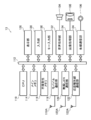
- FIG. 4 is a diagram showing functional blocks of the store design support apparatus 10.
- the store design support apparatus 10 mainly includes an attribute information acquisition unit 21, a history information acquisition unit 23, an output unit 25, a database 29, and a communication unit 30.
- the store design support apparatus 10 is configured by a general server or the like, and an attribute information acquisition unit 21, a history information acquisition unit 23, an output unit 25, a database 29, and a communication by operating one or more internal CPUs.
- the unit 30 is controlled.
- the database 29 is constructed on a recording medium such as an HDD (Hard Driv Drive) using a known language such as SQL.
- the user terminal 13, the consumer terminal 11, and the EC site are connected to the network 12 in addition to the store design support apparatus 10, but are omitted.
- HDD Hard Driv Drive
- the communication unit 30 has an input function and an output function, and inputs various information to the store design support device 10 and outputs information from the store design support device 10. For example, consumer attribute information of a consumer at an actual store is input from the network 12 to the communication unit 30, and the communication unit 30 transmits the consumer attribute information input to the attribute information acquisition unit 21. Further, for example, the communication unit 30 receives information related to design support for the actual store output from the output unit 25 and transmits the information to the user terminal 13 via the network 12.
- the information relating to the design support of the actual store refers to information useful when various designs of the actual store are performed.
- Attribute information acquisition unit 21 acquires consumer attribute information indicating the attributes of consumers in the actual store. That is, the user of the store design support apparatus 10 inputs consumer attribute information related to a consumer of an actual store that is designed using the user terminal 13, and the attribute information acquisition unit 21 receives the input consumer via the network 12. Get attribute information.
- the consumer attribute information is information including at least one of consumer's local information, age information, and gender information. Consumer's local information is a consumer's residence, work place, shopping area, etc., and is location information of the consumer's living area. The area information may be information having a range such as an area within 30 km from Tokyo.
- age information is information about the age or age of consumers.
- Gender information is information about the sex of the consumer.
- the attribute information acquisition unit 21 transmits the acquired consumer attribute information of the consumer in the actual store to the history information acquisition unit 23.
- the history information acquisition unit 23 acquires information on the behavior history of the consumer of the EC site having the consumer attribute information that matches the consumer attribute information of the consumer at the actual store from the database 29. For example, if the history information acquisition unit 23 acquires regional information (address, work location, or shopping area) as consumer attribute information of a consumer at a real store, the EC having regional information that matches the regional information. Get a history of consumer behavior on your site. In addition, for example, when the history information acquisition unit 23 acquires age information as consumer attribute information of a consumer at a real store, the history information acquisition unit 23 acquires the consumer action history of an EC site having age information that matches the age information. To do. For example, when the history information acquisition unit 23 acquires gender information as consumer attribute information of a consumer at a real store, the history information acquisition unit 23 acquires a consumer's behavior history of an EC site having gender information that matches the gender information. To do.
- the database 27 mainly includes a consumer database (described as a consumer DB in the figure) 26 and a product database (described as a product DB in the figure) 27.
- the consumer database 26 stores consumer attribute information indicating consumer attributes on the EC site and information related to behavior history in association with each other.
- the design feature amount of the product obtained by analyzing the product image indicating the product for each product and the information related to the sales result of the product are registered in association with each other.
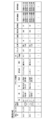
- FIG. 5 shows a storage configuration example of the product database 27.
- the product database 27 registers and manages product information for each product, and analyzes product category information, product image data, and product images using a product ID (identification) that identifies the product as a key.
- the obtained design feature values physical measurement values such as color feature values, pattern feature values, shape feature values, and texture feature values, sensitivity words, and weaving
- the inventory distribution number is the quantity of inventory delivery, and the inventory distribution number may be indicated by a ratio (delivery ratio).
- the product ID is for uniquely identifying the product.
- the same product ID may be given as the same product having the same color, pattern, shape, and texture that affects the image of the product (clothing), or the pattern, shape, and texture may be different but different in color.
- the same product ID may be given to the same product.
- Category information indicates the category of goods (clothes) and is information on tops, pants, blouses, skirts, T-shirts, dresses, etc.
- the product information registered in the product database 27 can be collected from the EC site excluding the design feature quantity, and the design feature quantity is stored in an image analysis unit (not shown) on the store design support apparatus 10 side. ) Is obtained by analyzing product image data, and is provided as a part of product information. Specifically, an image using a classifier obtained by a machine learning technique such as SVM, RealVMAdaBoost, AdaBoost, and feature quantities such as a wavelet feature quantity, a Haar-like feature quantity, an Edgelet feature quantity, an EOH feature quantity, and an HOG feature quantity.
- the design feature value is acquired by performing the analysis.
- the sensitivity word included in the design feature amount can be obtained based on the physical measurement value obtained by analyzing the image data of the product.
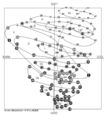
- FIG. 6 is a language image scale showing sensitivity words arranged in the sensitivity space
- FIG. 7 is a single color (130 colors) monochrome image scale arranged in the sensitivity space.
- the image scales shown in FIGS. 6 and 7 are the image scales disclosed by Nippon Color Design Laboratory Co., Ltd. (“Color System” written by Shigejun Kobayashi (Kodansha), and http: //www.ncd- see ri.co.jp/about/image_system.html).
- the sensitivity space shown in FIG. 6 and FIG. 7 is a space defined by a horizontal axis indicating the degree of WARM (warm) / COOL (cold) and a vertical axis indicating the degree of HARD (soft) / SOFT (soft). is there.
- the language image scale shown in FIG. 6 has 64 sensitivity words arranged in the above sensitivity space.
- 130 single colors are arranged in the sensitivity space.
- the symbols shown in FIG. 7 are V (bibit), S (strong), B (bright), P (pale), Vp (berry pale), Lgr (light grayish), L (light), Gr ( Greish), Dl (Dal), Dp (Deep), Dk (Dark), and Dgr (Dark Greish).
- 1 is red
- 2 is orange
- 3 is yellow
- 4 is yellow-green
- 5 green
- 6 is blue-green
- 7 blue
- 8 blue-violet.
- 9 is purple and 10 is magenta.
- 121 is white and 130 is black.
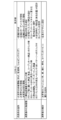
- FIG. 8 shows a storage configuration example of the consumer database 26.
- the consumer database 26 registers and manages consumer attribute information for each consumer. Using the consumer ID that identifies the consumer as a key, regional information on information about the living area such as the home of the consumer, age information on information about the consumer's age, gender information about the sex of the consumer, on the consumer's EC site The behavior history and consumer preference information are stored in association with each other.
- the preference information is information indicating a consumer's preference, and particularly information indicating a preference for a product.
- the behavior history of the consumer on the EC site is information on various operations performed by the consumer on the EC site. For example, as an action history, viewing (clicking) the detailed display of products posted on the EC site, selecting (clicking) a product image (single product or coordinated product) posted on the top page of the EC site, The selection (click), the order in which the products are viewed or coordinated, and the selection of products other than the products handled by the EC site.
- action history it is not restricted to the above-mentioned thing, The action history of various consumers can be recorded.
- the consumer preference information is, for example, information on what kind of fashion the consumer is interested in.
- the consumer's preference information may be determined and given based on the consumer's behavior history, or the consumer himself / herself may input the preference information and store it.
- the output unit 25 outputs information related to the design support of the actual store based on the information related to the action history acquired by the history information acquisition unit 23.
- the output unit 25 obtains information on the behavior history of the consumer of the EC site having consumer attribute information that matches the consumer targeted at the actual store, and supports design of the actual store based on the information on the behavior history. Output information about.
- FIG. 9 is a diagram showing a correspondence table between information on the EC site and information on the actual store that the output unit 25 has.
- the output unit 25 uses the correspondence table shown in FIG. 9 to output information related to design support for the actual store based on information related to the consumer's behavior history.
- the information regarding the design support of the actual store output by the output unit 25 is information selected by a user instruction or information of a preset type. For example, when the user issues an instruction to output information related to the support for product purchase design via the input unit 128 of the user terminal 13, the output unit 25 outputs matching consumer attribute information according to the instruction.
- the information regarding the click rate of the product detail display is output from the consumer's behavior history. Specifically, the output unit 25 acquires the design feature amount of the product displayed on the product details from the product database 27, and outputs information related to the support for the purchase design of the product.
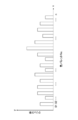
- FIG. 10 is an example of information related to design support for an actual store output by the output unit 25.
- the x axis indicates the color palette No. and the y axis indicates the click rate.
- the click rate indicates the ratio of the number of clicks for selecting each color to the total number of clicks for selecting a color, for example.
- the color palette No. uniquely indicates a color and is a number assigned to each color.
- the color palette is a thumbnail display of the color palette.
- the user can display a graph as shown in FIG. 10 on the display unit 126 of the user terminal 13 and perform a stocking design of a product in an actual store with reference to the graph. That is, by referring to the graph of FIG. 10 and purchasing a product with a color pallet having a high click rate, the user can perform a purchase design that meets the demand of the consumer targeted at the actual store.
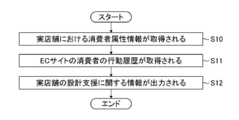
- FIG. 11 is a diagram showing an operation flow of the store design support apparatus 10.
- the attribute information acquisition unit 21 acquires the attribute information of the consumer targeted by the actual store where the user performs various designs (step S10). For example, this attribute information is input by the user via the user terminal 13, and the attribute information acquisition unit 21 acquires consumer attribute information via the network 12 and the communication unit 30. Thereafter, the attribute information acquisition unit 21 transmits the acquired consumer attribute information to the history information acquisition unit 23.
- the history information acquisition unit 23 acquires a consumer behavior history of an EC site having consumer attribute information that matches the consumer attribute information acquired from the attribute information acquisition unit 21 (step S11). Then, the history information acquisition unit 23 transmits information regarding the acquired action history to the output unit 25. Thereafter, the output unit 25 outputs information related to design support of the actual store based on the command from the user terminal 13 or preset based on the information related to the acquired action history (step S12).
- the first example of the information regarding the design support of the actual store output by the output unit 25 is a case where the output unit 25 receives a command regarding the design of the display of the coordinated product at the actual store from the user terminal 13.
- the output unit 25 uses coordinated exhibition information in the actual store as information on design support of the actual store. Is output.
- coordinated exhibition information is information on coordinated products to be exhibited.
- FIG. 12 is a graph related to coordinated exhibition information, which is output from the output unit 25 and displayed on the display unit 126 of the user terminal 13.
- the x-axis in FIG. 12 indicates coordinate No, and the y-axis indicates the click rate.
- FIG. 13 is a conceptual diagram showing tops design feature values (color, pattern, weave, and texture) and bottoms design feature values for the coordinate No. shown in FIG. As shown in FIG. 13, each coordinate No is associated with a combination of tops and bottoms, and each of the tops and bottoms has a design feature amount.
- the user displays products with the same coordinator as Coordinate No77 at the actual store.
- the user may coordinate and display tops and bottoms having the same design feature amount as the coordinate No 77 in the actual store instead of the same product as the coordinate No 77.
- FIG.12 and FIG.13 demonstrated regarding the example of coordination with tops and bottoms, it is the same as that of the above-mentioned description also about a single goods. That is, the history information acquisition unit 23 acquires information on the click rate of the product display posted on the top page on the EC site as information on the action history, and the output unit 25 designs the actual store based on the correspondence table. As information related to support, information related to the design of storefront display products in an actual store is output.
- the second example of the information regarding the design support of the actual store output by the output unit 25 is a case where the output unit 25 receives a command from the user terminal 13 regarding the design of the actual store shelf arrangement or product arrangement.
- the history information acquisition unit 23 acquires information about the order in which the products are viewed or coordinated as information about the behavior history, and the output unit 25 uses the shelf arrangement or the product at the actual store as information about the design support of the actual store. Output information about placement.
- FIG. 14 is a graph of information relating to shelf arrangement or product arrangement, which is output from the output unit 25 and displayed on the display unit 126 of the user terminal 13.
- the x-axis in FIG. 14 indicates the flow line No, and the y-axis indicates the click rate.
- FIG. 15 is a conceptual diagram showing a flow line related to the flow line No shown in FIG. As shown in FIG. 15, the order of products is given to each flow line No.
- the user designs a flow line similar to the flow line No35 at the actual store. That is, the user can design the actual store so that the shelves of the actual store or the arrangement of the products are arranged in the order of tops, bottoms, coats, and hats. It is possible to design a real store that suits the requirements.
- a third example of information related to design support for an actual store that is output by the output unit 25 is a case where the output unit 25 receives an instruction from the user terminal 13 regarding the design of a novelty product in the actual store.
- the output unit 25 displays information on the design support of the actual store as Output information about novelty product design.
- FIG. 16 is a graph showing information related to the design of novelty products, which is output from the output unit 25 and displayed on the display unit 126 of the user terminal 13.
- the x-axis in FIG. 16 indicates the link No, and the y-axis indicates the click rate.
- FIG. 17 is a diagram showing the product classification and products related to the link No. shown in FIG. As shown in FIG. 17, each link No is associated with a product category and a product.
- the user sets the product classification or product of link No 45 as a novelty product.
- the user can design the store according to the preference of the consumer who is the target of the actual store by designing the stationery, which is the product classification of the link No. 45, as a novelty product.
- a fourth example of information related to design support for an actual store that is output by the output unit 25 is a case where the output unit 25 receives an instruction regarding the design of the arrangement of store staff in the actual store from the user terminal 13.
- the output unit 25 uses information related to the arrangement of salesclerks in the actual store as information related to design support of the actual store. Is output.
- FIG. 18 is a graph showing the preference information, which is output from the output unit 25 and displayed on the display unit 126 of the user terminal 13.
- the x axis in FIG. 18 indicates the preference type No, and the y axis indicates the click rate.
- FIG. 19 is a conceptual diagram showing the preference classification regarding the preference type No. shown in FIG. As shown in FIG. 19, a preference classification is assigned to each preference type No.
- the user preferentially arranges store clerk who is strong in business fashion of the preference type No. 60, so that the user can meet the preference of the consumer targeted at the actual store.
- Store design For example, in consideration of the high click rate of the preference type No. 60, the user preferentially arranges store clerk who is strong in business fashion of the preference type No. 60, so that the user can meet the preference of the consumer targeted at the actual store. Store design.
Landscapes
- Business, Economics & Management (AREA)
- Engineering & Computer Science (AREA)
- Accounting & Taxation (AREA)
- Finance (AREA)
- Theoretical Computer Science (AREA)
- Development Economics (AREA)
- Strategic Management (AREA)
- General Physics & Mathematics (AREA)
- Physics & Mathematics (AREA)
- General Business, Economics & Management (AREA)
- Marketing (AREA)
- Economics (AREA)
- Databases & Information Systems (AREA)
- Entrepreneurship & Innovation (AREA)
- Game Theory and Decision Science (AREA)
- Data Mining & Analysis (AREA)
- General Engineering & Computer Science (AREA)
- Management, Administration, Business Operations System, And Electronic Commerce (AREA)
Abstract
実店舗のターゲットとする消費者の動向に沿った実店舗の各種設計を支援する店舗設計支援装置及び店舗設計支援方法を提供する。店舗設計支援装置10は、データベース26と、実店舗における第2の消費者の属性を示す第2の消費者属性情報を取得する属性情報取得部21と、データベース26から第2の消費者属性情報と合致する第1の消費者属性情報を有する第1の消費者の行動履歴に関する情報を取得する履歴情報取得部23と、履歴情報取得部23で取得された行動履歴に関する情報に基づいて、実店舗の設計支援に関する情報を出力する出力部25と、を備える。
Description
本発明は、店舗設計支援装置及び店舗設計支援方法に関し、特に電子商取引サイトにおける消費者の情報を利用する店舗設計支援装置及び店舗設計支援方法である。
近年、インターネット上における電子商取引サイト(ECサイト)で商品が売買される機会が増えている。
特許文献1には、ショッピングサイト運営者(甲)、消費者(乙)、衣服販売業者(丙)、及び衣服製造業者(丁)の間での消費者の購入履歴などの情報を利用する技術が記載されている(図1)。
特許文献2には、販売店、アパレル企業、及びメーカー等にクライアントコンピュータを設置して、そのクライアントコンピュータからサーバに注文情報等を送信し、サーバには送信された注文情報等が記憶され、記憶された情報は在庫の調整等に利用される技術が記載されている。
ここで店舗の展示品、仕入れ、棚配置、及び店員配置などの各種設計を行う場合には、店舗のターゲットとする消費者の好み等の情報を得て、その情報に基づいて各種設計を行うことが重要である。すなわち、店舗のターゲットとする消費者に関しての情報に基づいて店舗設計が行われることにより、店舗の売上を効果的に向上させることができる。ここで上記した店舗とは実空間上の店舗(実店舗)であり、例えば実店舗の存在する地域により消費者が異なる等の地理的条件及び実店舗がターゲットとする消費者の好みなどが実店舗の各種設計において考慮される必要がある。
しかしながら、特許文献1及び2では、実店舗のターゲットとする消費者に関する情報を利用して、実店舗の各種設計を行うことに関しては言及されていない。すなわち、特許文献1及び2に記載されている技術のように、実店舗のターゲットとしない消費者に関する情報も含まれた情報を利用して、実店舗に関する各種設計を行っても実店舗の売り上げを効果的に向上させることは困難な場合がある。
本発明はこのような事情に鑑みてなされたもので、その目的は、実店舗のターゲットとする消費者の動向に沿った実店舗の各種設計を支援する店舗設計支援装置及び店舗設計支援方法を提供することである。
本発明の一の態様である店舗設計支援装置は、電子商取引サイトにおける第1の消費者の属性を示す第1の消費者属性情報と第1の消費者の行動履歴に関する情報とが関連付けて記憶されたデータベースと、実店舗における第2の消費者の属性を示す第2の消費者属性情報を取得する属性情報取得部と、データベースから第2の消費者属性情報と合致する第1の消費者属性情報を有する第1の消費者の行動履歴に関する情報を取得する履歴情報取得部と、履歴情報取得部で取得された行動履歴に関する情報に基づいて、実店舗の設計支援に関する情報を出力する出力部と、を備える。
本態様によれば、実店舗の消費者(第2の消費者)の属性と合致する電子商取引サイトの消費者の行動履歴に関する情報が取得され、取得された行動履歴に関する情報に基づいて実店舗の設計支援に関する情報が出力される。これにより、本態様は、実店舗のターゲットとする消費者の動向に沿った実店舗の各種設計を支援することができる。
好ましくは、履歴情報取得部は、行動履歴に関する情報として、第1の消費者の嗜好情報を取得し、出力部は、実店舗の設計支援に関する情報として、実店舗の店員の配置に関する情報を出力する。
本態様によれば、実店舗の設計支援に関する情報として、実店舗の店員の配置に関する情報を出力するので、実店舗のターゲットとする消費者の嗜好に良く対応することが可能な店員を配置した店舗設計を支援することができる。
好ましくは、第1の消費者属性情報及び第2の消費者属性情報は、地域情報、年代情報、及び性別情報のうち少なくとも一つを含む。
本態様によれば、第1の消費者属性情報及び第2の消費者属性情報は、地域情報、年代情報、及び性別情報のうち少なくとも一つを含むので、より正確に実店舗のターゲットとする消費者の行動履歴に関する情報を取得することができる。
好ましくは、履歴情報取得部は、行動履歴に関する情報として、商品表示のクリック率に関する情報を取得し、出力部は、実店舗の設計支援に関する情報として、実店舗での商品の仕入れ設計に関する情報を出力する。
本態様によれば、行動履歴に関する情報として商品表示のクリック率に関する情報が取得され、実店舗の設計支援に関する情報として、実店舗での商品の仕入れ設計に関する情報が出力される。これにより、本態様は、実店舗のターゲットとする消費者の需要に沿った商品の仕入れを支援することができる。
好ましくは、履歴情報取得部は、行動履歴に関する情報として、電子商取引サイトにおけるトップページに掲載された商品表示のクリック率に関する情報を取得し、出力部は、実店舗の設計支援に関する情報として、実店舗での店頭ディスプレイ商品の設計に関する情報を出力する。
本態様によれば、行動履歴に関する情報として、電子商取引サイトにおけるトップページに掲載された商品表示のクリック率に関する情報が取得され、実店舗の設計支援に関する情報として、実店舗での店頭ディスプレイ商品の設計に関する情報が出力される。これにより、本態様は、実店舗のターゲットとする消費者の好みの店頭ディスプレイ商品の設計を支援することができる。
好ましくは、履歴情報取得部は、行動履歴に関する情報として、コーディネートされた商品表示へのクリック率に関する情報を取得し、出力部は、実店舗の設計支援に関する情報として、実店舗でのコーディネート展示情報を出力する。
本態様によれば、行動履歴に関する情報として、コーディネートされた商品表示へのクリック率に関する情報が取得され、実店舗の設計支援に関する情報として、実店舗でのコーディネート展示情報が出力される。これにより、本態様は、実店舗のターゲットとする消費者の好みのコーディネートされた商品を展示することができる。
好ましくは、履歴情報取得部は、行動履歴に関する情報として、商品を閲覧した順序又はコーディネートした順序に関する情報を取得し、出力部は、実店舗の設計支援に関する情報として、実店舗での棚配置又は商品配置に関する情報を出力する。
本態様によれば、行動履歴に関する情報として、商品を閲覧した順序又はコーディネートした順序に関する情報が取得され、実店舗の設計支援に関する情報として、実店舗での棚配置又は商品配置に関する情報が出力される。これにより、本態様は、実店舗のターゲットとする消費者の動向に沿った棚配置又は商品配置の設計を支援することができる。
好ましくは、履歴情報取得部は、行動履歴に関する情報として、電子商取引サイトが取り扱う商品以外の商品のリンクへのクリック率に関する情報を取得し、出力部は、実店舗の設計支援に関する情報として、ノベルティー商品の設計に関する情報を出力する。
本態様によれば、行動履歴に関する情報として、電子商取引サイトが取り扱う商品以外の商品のリンクへのクリック率に関する情報が取得され、ノベルティー商品の設計に関する情報が出力される。これにより、本態様は、実店舗のターゲットとする消費者の好みに沿ったノベルティー商品の設計を支援することができる。
本発明の他の態様である店舗設計支援方法は、電子商取引サイトにおける第1の消費者の属性を示す第1の消費者属性情報と第1の消費者の行動履歴に関する情報とが関連付けて記憶されたデータベースを利用した店舗設計支援方法であって、実店舗における第2の消費者の属性を示す第2の消費者属性情報を取得するステップと、データベースから第2の消費者属性情報と合致する第1の消費者属性情報を有する第1の消費者の行動履歴に関する情報を取得するステップと、行動履歴に関する情報に基づいて、実店舗の設計支援に関する情報を出力するステップと、を含む。
本発明によれば、実店舗の消費者の属性と合致する電子商取引サイトの消費者の行動履歴に関する情報が取得され、取得された行動履歴に関する情報に基づいて実店舗の設計支援に関する情報が出力されるので、実店舗のターゲットとする消費者の動向に沿った実店舗の各種設計を支援することができる。
以下、添付図面に従って本発明に係る店舗設計支援装置及び店舗設計支援方法の実施の形態について説明する。以下の実施の形態では「衣類を取り扱う店舗」の各種設計行為に関して説明を行うが、本発明が対象とする実店舗は「衣類を取り扱う店舗」に限定されず、他の商品を取り扱う実店舗の場合にも本発明を適用することが可能である。また、以下で説明する例では「第1の消費者」を「電子商取引サイトの消費者」として、「第2の消費者」を「実店舗の消費者」として説明を行う、よって「第1の消費者属性情報」は「電子商取引サイトの消費者の属性情報」であり、「第2の消費者属性情報」は「実店舗の消費者の属性情報」である。
ここで電子商取引サイト(ECサイト)とは、商品の売買が行われるインターネットのウェッブサイトのことである。電子商取引サイトの消費者は、インターネットに接続すれば、電子商取引サイトで商品の購入をすることが可能である。また実店舗とは、実際の建物に設けられた店舗のことであり、商品を仕入れて販売する店舗のことをいう。実店舗の消費者は、実際にその店舗に行って商品を購入するので、消費者の生活圏内(例えば、住居又は職場の近隣等)にある店舗に行くことが多い。
図1は、本発明の店舗設計支援装置の利用形態の一例を示す概念図である。示された利用形態では、店舗設計支援装置10と、複数の消費者端末11と、複数の電子商取引サイトEC0~ECnとがインターネット等のネットワーク12を介して接続されて構成されている。
店舗設計支援装置10は、ネットワーク12を介して、消費者が消費者端末11を利用してECサイト(EC0~ECn)の商品を購入する購入履歴、及び消費者が消費者端末11を利用してECサイト(EC0~ECn)の商品を閲覧等(商品画像の選択、コーディネート操作等)を行った履歴を蓄積して記憶することができる。店舗設計支援装置10は公知の方法により、消費者端末11における購入履歴、及び閲覧履歴等を取得することができる。例えば消費者端末11は、店舗設計支援装置10を介して、ECサイト(EC0~ECn)の取り扱っている商品を検索及び購入し、店舗設計支援装置10は消費者端末11の購入履歴及び閲覧履歴を取得する。
ECサイト(EC0~ECn)は、商品に関する情報(例えば、商品画像、ブランド、在庫、価格、サイズ、お勧め商品、及び購買情報等)を、消費者端末11から店舗設計支援装置10を経由してアクセスしたユーザに対して、又は店舗設計支援装置10を経由せずにアクセスしたユーザに対して、ECサイトが取り扱っている商品に関する情報を提供する機能を備える。
消費者端末11は、消費者が洋服等の商品を検索又は購入する際に操作する端末である。
ユーザ端末13は、店舗設計支援装置10のユーザが使用する端末である。店舗設計支援装置10のユーザは、例えば実店舗のオーナーであったり、実店舗の設計者である。ユーザはユーザ端末13を操作して、実店舗の各種設計の支援の提供を受ける。
なお、消費者端末11及びユーザ端末13は、スマートフォン、タブレットデバイス等のポータブル端末やパソコンなどである。
次に、消費者端末11及びユーザ端末13について説明する。消費者端末11及びユーザ端末13は同様の構成であるので、ここではユーザ端末13を主に説明する。
図2は、ユーザ端末13の外観構成を示す斜視図であり、正面斜視図である。
ユーザ端末13は、図2に示すように、タブレット型のコンピュータで構成される。ユーザ端末13は、矩形の輪郭を有する平板状の筐体101を備え、その筐体101に表示部126(図3)と入力部128(図3)とを兼ねたタッチパネルディスプレイ102、操作ボタン103、スピーカー104、内蔵カメラ105、外部接続端子106等を備えて構成される。
図3は、ユーザ端末13のシステム構成を示すブロック図である。
図3に示すように、ユーザ端末13は、ユーザ端末13の全体の動作を制御するCPU(Central Processing Unit)110を備え、このCPU110にシステムバス112を介して、メインメモリ114、不揮発性メモリ116、モバイル通信部118、無線LAN(LAN:Local Area Network)通信部120、近距離無線通信部122、有線通信部124、表示部126、入力部128、キー入力部130、音声処理部132、画像処理部134等が接続されて構成される。
CPU110は、不揮発性メモリ116に記憶された動作プログラム(OS(Operating System)、及び、そのOS上で動作するアプリケーションプログラム)、及び、定型データ等を読み出し、メインメモリ114に展開して、動作プログラムを実行することにより、このコンピュータ全体の動作を制御する制御部として機能する。
メインメモリ114は、たとえば、RAM(Random Access Memory)で構成され、CPU110のワークメモリとして機能する。
不揮発性メモリ116は、たとえば、フラッシュEEPROM(EEPROM:Electrically Erasable Programmable Read Only Memory)で構成され、上述した動作プログラムや各種定型データを記憶する。また、不揮発性メモリ116は、ユーザ端末13の記憶部として機能し、各種データを記憶する。
モバイル通信部118は、IMT-2000規格(International Mobile Telecommunication-2000)に準拠した第3世代移動通信システム、及び、IMT-Advance規格(International Mobile Telecommunications-Advanced)に準拠した第4世代移動通信システムに基づき、アンテナ118Aを介して、最寄りの図示しない基地局との間でデータの送受を実行する。
無線LAN通信部120は、アンテナ120Aを介して、無線LANアクセスポイントや無線LAN通信が可能な外部機器との間で所定の無線LAN通信規格(たとえば、例えばIEEE802.11a/b/g/n規格)に従った無線LAN通信を行う。
近距離無線通信部122は、アンテナ122Aを介して、たとえばクラス2(半径約10m内)の範囲内にある他のBluetooth(登録商標)規格の機器とデータの送受を実行する。
有線通信部124は、外部接続端子106を介してケーブルで接続された外部機器との間で所定の通信規格に従った通信を行う。たとえば、USB(USB: Universal Serial Bus)通信を行う。
表示部126は、タッチパネルディスプレイ102のディスプレイ部分を構成するカラーLCD(LCD:Liquid Crystal Display)パネルと、その駆動回路と、で構成され、各種画像を表示する。
入力部128は、タッチパネルディスプレイ102のタッチパネル部分を構成する。入力部128は、透明電極を用いてカラーLCDパネルと一体的に構成される。入力部128は、ユーザのタッチ操作に対応した2次元の位置座標情報を生成して出力する。
キー入力部130は、ユーザ端末13の筐体101に備えられた複数の操作ボタン103と、その駆動回路と、で構成される。
音声処理部132は、システムバス112を介して与えられるデジタル音声データをアナログ化してスピーカー104から出力する。
画像処理部134は、撮影レンズ及びイメージセンサーを備えた内蔵カメラ105から出力されるアナログの画像信号をデジタル化し、所要の信号処理を施して出力する。
図4は、店舗設計支援装置10の機能ブロックを示した図である。店舗設計支援装置10は、主に属性情報取得部21、履歴情報取得部23、出力部25、データベース29、及び通信部30から構成されている。店舗設計支援装置10は一般的なサーバー等により構成され、内部の一つ又は複数のCPUが動作することにより、属性情報取得部21、履歴情報取得部23、出力部25、データベース29、及び通信部30が制御される。また、データベース29はHDD(Hard Disc Drive)等の記録媒体上に、公知のSQL等の言語によって構築されている。なお、ネットワーク12には図1で説明したように店舗設計支援装置10以外にもユーザ端末13、消費者端末11、及びECサイトが接続されているが、省略されている。
通信部30は、入力機能及び出力機能を有しており、店舗設計支援装置10への各種情報の入力及び店舗設計支援装置10からの情報の出力を行う。例えば通信部30には、ネットワーク12から実店舗の消費者の消費者属性情報が入力され、通信部30は属性情報取得部21に入力された消費者属性情報を送信する。また例えば通信部30は、出力部25から出力される実店舗の設計支援に関する情報を受信してネットワーク12を介してユーザ端末13に送信する。ここで実店舗の設計支援に関する情報とは、実店舗の各種の設計を行う場合に有用な情報のことをいう。
属性情報取得部21は、実店舗の消費者の属性を示す消費者属性情報を取得する。すなわち、店舗設計支援装置10のユーザが、ユーザ端末13を使用して設計する実店舗の消費者に関する消費者属性情報を入力し、ネットワーク12を介して属性情報取得部21は入力された消費者属性情報を取得する。ここで、消費者属性情報とは、消費者の地域情報、年代情報、及び性別情報のうち少なくとも一つを含む情報のことである。消費者の地域情報とは、消費者の住居、勤務地、ショッピングエリア等であり、消費者の生活圏の場所情報のことである。なお地域情報は、例えば東京から30km圏内の地域というように範囲を持たせた情報であってもよい。
また年代情報とは、消費者の年齢又は年代に関する情報のことである。また、性別情報とは消費者の性別に関する情報のことである。属性情報取得部21は、取得した実店舗における消費者の消費者属性情報を履歴情報取得部23に送信する。
履歴情報取得部23は、データベース29から実店舗の消費者の消費者属性情報と合致する消費者属性情報を有するECサイトの消費者の行動履歴に関する情報を取得する。例えば、履歴情報取得部23は、実店舗の消費者の消費者属性情報として地域情報(住所、勤務地、又はショッピングエリア)を取得した場合には、その地域情報と合致する地域情報を有するECサイトの消費者の行動履歴を取得する。また例えば、履歴情報取得部23は、実店舗の消費者の消費者属性情報として年代情報を取得した場合には、その年代情報と合致する年代情報を有するECサイトの消費者の行動履歴を取得する。また例えば、履歴情報取得部23は、実店舗の消費者の消費者属性情報として性別情報を取得した場合には、その性別情報と合致する性別情報を有するECサイトの消費者の行動履歴を取得する。
データベース27は、主に消費者データベース(図中では消費者DBと記載されている)26及び商品データベース(図中では商品DBと記載されている)27を備えている。
消費者データベース26は、ECサイトにおける消費者の属性を示す消費者属性情報と行動履歴に関する情報とが関連付けて記憶されている。商品データベース27は、商品毎に商品を示す商品画像を解析して得た商品のデザイン特徴量と、商品の販売実績に関する情報とが関連付けて登録されている。
図5は、商品データベース27の記憶構成例に関して示している。
商品データベース27は、商品毎に商品の情報を登録、管理するものであり、商品を特定する商品ID(identification)をキーとして、商品のカテゴリ情報、商品の画像データ、商品の画像を解析して得たデザイン特徴量(色特徴量、柄特徴量、形特徴量、及び質感特徴量等の物理計測値、感性語、及び織り)、ECサイトを示すサイト情報、ブランド情報、在庫情報、サイズ(S、M、L、又はフリー等)情報、価格情報、製造数量、販売数量、ECサイトにおける販売店舗情報、及び在庫分配数量を関連付けて記憶する。なお在庫分配数とは在庫の配送の数量であり、在庫分配数は割合(配送割合)で示してもよい。
ここで、商品IDは、商品を一意に特定するためのものである。例えば、商品(服)のイメージに影響がある色、柄、形、及び質感が同じものを同じ商品として、同じ商品IDが付与されてもよいし、色が異なるが柄、形、及び質感が同じ商品に対して同じ商品IDが付与されてもよい。
カテゴリ情報とは、商品(服)の範疇を示すもので、トップス、パンツ、ブラウス、スカート、Tシャツ、ワンピース等の情報である。
なお、商品データベース27に登録される商品の情報は、デザイン特徴量を除いてECサイトから収集できるようになっており、デザイン特徴量は、店舗設計支援装置10側の画像解析部(図示せず)が商品の画像データを解析して取得し、商品の情報の一部として付与される。具体的には、SVM、Real AdaBoost、AdaBoostといった機械学習手法によって得られる識別器及び、ウェーブレット特徴量、Haar-like特徴量、Edgelet特徴量、EOH特徴量、HOG特徴量といった特徴量を用いて画像解析を行うことによりデザイン特徴量を取得する。
また、デザイン特徴量に含まれる感性語は、商品の画像データを解析して得た物理計測値に基づいて求めることができる。
図6は感性空間に配置される感性語を示す言語イメージスケールであり、図7は感性空間に配置される単色(130色)の単色イメージスケールである。なお、図6及び図7に示すイメージスケールは、株式会社日本カラーデザイン研究所から開示されたイメージスケールを示す(小林重順著「カラーシステム」(講談社)、及びhttp://www.ncd-ri.co.jp/about/image_system.htmlを参照)。
図6及び図7に示す感性空間は、WARM(暖かい)/COOL(冷たい)の程度を示す横軸、及びHARD(かたい)/SOFT(やわらかい)の程度を示す縦軸により規定された空間である。
図6に示す言語イメージスケールは、上記感性空間内に64個の感性語が配置されている。また、図7に示す単色イメージスケールは、上記感性空間内に130色の単色が配置されている。図7に示した各記号は、V(ビビット)、S(ストロング)、B(ブライト)、P(ペール)、Vp(ベリー・ペール)、Lgr(ライト・グレイッシュ)、L(ライト)、Gr(グレイッシュ)、Dl(ダル)、Dp(ディープ)、Dk(ダーク)、Dgr(ダーク・グレイッシュ)である。また、数字で示した130色のうちの代表的なものとして、1は赤、2は橙、3は黄、4は黄緑、5は緑、6は青緑、7は青、8は青紫、9は紫、10は赤紫である。また、121は白、130は黒である。
図6及び図7に示すように、感性語と物理計測値(図7の例では、単色)との間には相関があることが分かる。従って、物理計測値と感性語との関係を示す変換テーブル又は変換式を予め準備し、商品の画像を解析して物理計測値を測定し、測定した物理計測値を、変換テーブル等を使用することにより感性語に変換することができる。
図8は、消費者データベース26の記憶構成例を示している。
消費者データベース26は、消費者毎に消費者属性情報を登録及び管理するものである。消費者を特定する消費者IDをキーとして、消費者の住まい等の生活圏に関する情報の地域情報、消費者の年齢に関する情報の年代情報、消費者の性別に関する性別情報、消費者のECサイトにおける行動履歴、及び消費者の嗜好情報を関連付けて記憶する。ここで嗜好情報とは、消費者の好みを示す情報であり、特に商品に対しての好みに関して示す情報である。
ここで、消費者のECサイトにおける行動履歴とは、消費者がECサイト上で行う様々な操作に関する情報である。例えば行動履歴として、ECサイトに掲載されている商品の詳細表示の閲覧(クリック)、ECサイトのトップページに掲載された商品画像(単品又はコーディネート品)の選択(クリック)、コーディネートされた商品の選択(クリック)、商品を閲覧又はコーディネートした順番、及びECサイトが取り扱う商品以外の商品の選択である。なお、行動履歴としては、上述のものには限られず、様々な消費者の行動履歴を記録することができる。
また消費者の嗜好情報は、例えば消費者が何系のファッションに興味があるのか等の情報である。消費者の嗜好情報は、消費者の行動履歴によって決定され付与されてもよいし、消費者自身が嗜好情報を入力しそれが記憶されてもよい。
図4に戻って出力部25は、履歴情報取得部23で取得された行動履歴に関する情報に基づいて、実店舗の設計支援に関する情報を出力する。すなわち出力部25は、実店舗のターゲットとする消費者と合致する消費者属性情報を有するECサイトの消費者の行動履歴に関する情報取得し、その行動履歴に関する情報に基づいて、実店舗の設計支援に関する情報を出力する。
図9は、出力部25が有するECサイトに関する情報と実店舗に関する情報との対応テーブルを示す図である。出力部25は、図9に示された対応テーブルを使用して、消費者の行動履歴に関する情報に基づいて、実店舗の設計支援に関する情報を出力する。
出力部25が出力する実店舗の設計支援に関する情報は、ユーザの指令による選択又は予め設定された種類の情報が出力される。例えば、ユーザがユーザ端末13の入力部128を介して、商品の仕入れ設計の支援に関する情報の出力の指令をした場合には、その指令に応じて出力部25は、合致する消費者属性情報を有する消費者の行動履歴から商品詳細表示のクリック率に関しての情報を出力する。具体的には出力部25は、商品詳細表示された商品のデザイン特徴量を商品データベース27から取得して、商品の仕入れ設計の支援に関する情報を出力する。
図10は、出力部25が出力する実店舗の設計支援に関する情報の一例である。図10に示されたグラフではx軸は色パレットNoを示しy軸はクリック率が示されている。ここでクリック率とは、例えば色の選択の全クリック回数に対して各色の選択のクリック回数の割合を示している。また色パレットNoは一意的に色を示すものであり各色に付与された番号であり、色パレットは色パレットのサムネイル表示である。ユーザは、ユーザ端末13の表示部126に図10に示すようなグラフを表示させ、グラフを参照して実店舗での商品の仕入れ設計を行うことができる。すなわち、ユーザは図10のグラフを参照し、クリック率が高い色パレットの商品を仕入れることにより、実店舗のターゲットとする消費者の需要に沿った仕入れ設計を行うことができる。
図11は、店舗設計支援装置10の動作フローを示した図である。
先ず属性情報取得部21は、ユーザが各種設計を行う実店舗のターゲットとする消費者の属性情報を取得する(ステップS10)。例えば、この属性情報はユーザがユーザ端末13を介して入力し、属性情報取得部21はネットワーク12及び通信部30を介して消費者属性情報を取得する。その後、属性情報取得部21は取得した消費者属性情報を履歴情報取得部23に送信する。履歴情報取得部23は、属性情報取得部21から取得した消費者属性情報と合致する消費者属性情報を有するECサイトの消費者の行動履歴を取得する(ステップS11)。そして、履歴情報取得部23は、取得した行動履歴に関する情報を出力部25に送信する。その後、出力部25は、取得した行動履歴に関する情報に基づいて、ユーザ端末13からの指令に基づいて又は予め設定された実店舗の設計支援に関する情報を出力する(ステップS12)。
上述の各構成及び機能は、任意のハードウェア、ソフトウェア、或いは両者の組み合わせによって適宜実現可能である。例えば、上述の処理ステップ(処理手順)をコンピュータに実行させるプログラム、そのようなプログラムを記録したコンピュータ読み取り可能な記録媒体(非一時的記録媒体)、或いはそのようなプログラムをインストール可能なコンピュータに対しても本発明を適用することが可能である。
次に、出力部25が出力する実店舗の設計支援に関する情報の例に関して説明する。
<第1の例>
出力部25が出力する実店舗の設計支援に関する情報の第1の例は、ユーザ端末13から実店舗のコーディネート商品の展示の設計に関しての指令を出力部25が受けた場合である。
出力部25が出力する実店舗の設計支援に関する情報の第1の例は、ユーザ端末13から実店舗のコーディネート商品の展示の設計に関しての指令を出力部25が受けた場合である。
履歴情報取得部23が、行動履歴に関する情報として、コーディネートされた商品表示へのクリック率に関する情報を取得した場合、出力部25は、実店舗の設計支援に関する情報として、実店舗でのコーディネート展示情報を出力する。ここでコーディネート展示情報とは、展示するコーディネートされた商品の情報である。
図12は、コーディネート展示情報に関して示したグラフであり、出力部25から出力され、ユーザ端末13の表示部126に表示されるものである。図12中のx軸はコーディネートNoを示し、y軸はクリック率を示している。
また図13は、図12に示されたコーディネートNoに関してのトップスのデザイン特徴量(色、柄、織り、及び質感)、及びボトムスのデザイン特徴量を示す概念図である。図13に示すように、各コーディネートNoにはトップスとボトムスとの組み合わせが関連付けられており、トップス及びボトムスの各々は、デザイン特徴量を有している。
例えばユーザは、コーディネートNo77のクリック率が高いことを考慮して、コーディネートNo77と同一のコーディネートの商品の展示を実店舗で行う。またユーザは、コーディネートNo77と同一の商品でなく、コーディネートNo77と同様のデザイン特徴量を有するトップ及びボトムスをコーディネートして実店舗で展示してもよい。
これにより、ユーザは、実店舗のターゲットとする消費者の好みに合ったコーディネートの商品を展示をすることができる。
なお、図12及び図13は、トップスとボトムスとのコーディネートの例に関して説明を行ったが、単一の商品に関しても上述の説明と同様である。すなわち、履歴情報取得部23が、行動履歴に関する情報として、ECサイトにおけるトップページに掲載された商品表示のクリック率に関する情報を取得し、出力部25は、対応テーブルに基づいて、実店舗の設計支援に関する情報として、実店舗での店頭ディスプレイ商品の設計に関する情報を出力する。
<第2の例>
出力部25が出力する実店舗の設計支援に関する情報の第2の例は、ユーザ端末13から実店舗の棚配置又は商品配置の設計に関しての指令を出力部25が受けた場合である。
出力部25が出力する実店舗の設計支援に関する情報の第2の例は、ユーザ端末13から実店舗の棚配置又は商品配置の設計に関しての指令を出力部25が受けた場合である。
履歴情報取得部23は、行動履歴に関する情報として、商品を閲覧した順序又はコーディネートした順序に関する情報を取得し、出力部25は、実店舗の設計支援に関する情報として、実店舗での棚配置又は商品配置に関する情報を出力する。
図14は、棚配置又は商品配置に関する情報のグラフであり、出力部25から出力され、ユーザ端末13の表示部126に表示されるものである。図14中のx軸は動線Noを示し、y軸はクリック率を示している。
また図15は、図14に示された動線Noに関しての動線を示す概念図である。図15に示すように、各動線Noには商品の順番が付与されている。
例えばユーザは、動線No35のクリック率が高いことを考慮して、動線No35と同様な動線の設計を実店舗で行う。すなわち、ユーザは、実店舗の棚配置又は商品の配置を、トップス、ボトムス、コート、及び帽子の順に配置するように、実店舗の設計を行うことにより、実店舗がターゲットとする消費者の動向にあった実店舗の設計を行うことができる。
<第3の例>
出力部25が出力する実店舗の設計支援に関する情報の第3の例は、ユーザ端末13から実店舗のノベルティー商品の設計に関しての指令を出力部25が受けた場合である。
出力部25が出力する実店舗の設計支援に関する情報の第3の例は、ユーザ端末13から実店舗のノベルティー商品の設計に関しての指令を出力部25が受けた場合である。
履歴情報取得部23が、行動履歴に関する情報として、ECサイトが取り扱う商品以外の商品のリンクへのクリック率に関する情報を取得した場合には、出力部25は、実店舗の設計支援に関する情報として、ノベルティー商品の設計に関する情報を出力する。
図16は、ノベルティー商品の設計に関する情報に関して示したグラフであり、出力部25から出力され、ユーザ端末13の表示部126に表示されるものである。図16中のx軸はリンクNoを示し、y軸はクリック率を示している。
また図17は、図16に示されたリンクNoに関しての商品分類と商品とを示す図である。図17に示すように、各リンクNoには商品分類及び商品が関連付けられている。
例えばユーザは、リンクNo45のクリック率が高いことを考慮して、リンクNo45の商品分類又は商品をノベルティー商品にする。ずなわち、ユーザは、リンクNo45の商品分類である文房具をノベルティー商品として設計することにより、実店舗のターゲットとする消費者の好みにあった店舗設計を行うことができる。
<第4の例>
出力部25が出力する実店舗の設計支援に関する情報の第4の例は、ユーザ端末13から実店舗の店員の配置の設計に関しての指令を出力部25が受けた場合である。
出力部25が出力する実店舗の設計支援に関する情報の第4の例は、ユーザ端末13から実店舗の店員の配置の設計に関しての指令を出力部25が受けた場合である。
履歴情報取得部23が、行動履歴に関する情報として、ECサイトの消費者の嗜好情報を取得した場合には、出力部25は、実店舗の設計支援に関する情報として、実店舗の店員の配置に関する情報を出力する。
図18は、嗜好情報に関して示したグラフであり、出力部25から出力され、ユーザ端末13の表示部126に表示されるものである。図18中のx軸は嗜好タイプNoを示し、y軸はクリック率を示している。
また図19は、図18に示された嗜好タイプNoに関しての嗜好分類を示す概念図である。図19に示すように、各嗜好タイプNoには嗜好分類が付与されている。
例えばユーザは、嗜好タイプNo60のクリック率が高いことを考慮して、嗜好タイプNo60のビジネス系のファッションに強い店員を優先的に配置することにより、実店舗のターゲットとする消費者の好みにあった店舗設計を行うことができる。
以上で本発明の例に関して説明してきたが、本発明は上述した実施の形態に限定されず、本発明の精神を逸脱しない範囲で種々の変形が可能であることは言うまでもない。
10 店舗設計支援装置
11 消費者端末
12 ネットワーク
13 ユーザ端末
21 属性情報取得部
23 履歴情報取得部
25 出力部
26 消費者データベース
27 商品データベース
29 データベース
30 通信部
101 筐体
102 タッチパネルディスプレイ
103 操作ボタン
104 スピーカー
105 内蔵カメラ
106 外部接続端子
110 CPU
112 システムバス
114 メインメモリ
116 不揮発性メモリ
118 モバイル通信部
118A アンテナ
120 通信部
120 無線LAN通信部
120A アンテナ
122 近距離無線通信部
122A アンテナ
124 有線通信部
126 表示部
128 入力部
130 キー入力部
132 音声処理部
134 画像処理部ステップS10~S12 店舗設計支援工程
11 消費者端末
12 ネットワーク
13 ユーザ端末
21 属性情報取得部
23 履歴情報取得部
25 出力部
26 消費者データベース
27 商品データベース
29 データベース
30 通信部
101 筐体
102 タッチパネルディスプレイ
103 操作ボタン
104 スピーカー
105 内蔵カメラ
106 外部接続端子
110 CPU
112 システムバス
114 メインメモリ
116 不揮発性メモリ
118 モバイル通信部
118A アンテナ
120 通信部
120 無線LAN通信部
120A アンテナ
122 近距離無線通信部
122A アンテナ
124 有線通信部
126 表示部
128 入力部
130 キー入力部
132 音声処理部
134 画像処理部ステップS10~S12 店舗設計支援工程
Claims (9)
- 電子商取引サイトにおける第1の消費者の属性を示す第1の消費者属性情報と前記第1の消費者の行動履歴に関する情報とが関連付けて記憶されたデータベースと、
実店舗における第2の消費者の属性を示す第2の消費者属性情報を取得する属性情報取得部と、
前記データベースから前記第2の消費者属性情報と合致する前記第1の消費者属性情報を有する前記第1の消費者の前記行動履歴に関する情報を取得する履歴情報取得部と、
前記履歴情報取得部で取得された前記行動履歴に関する情報に基づいて、前記実店舗の設計支援に関する情報を出力する出力部と、
を備える店舗設計支援装置。 - 前記履歴情報取得部は、前記行動履歴に関する情報として、前記第1の消費者の嗜好情報を取得し、
前記出力部は、前記実店舗の設計支援に関する情報として、前記実店舗の店員の配置に関する情報を出力する請求項1に記載の店舗設計支援装置。 - 前記第1の消費者属性情報及び前記第2の消費者属性情報は、地域情報、年代情報、及び性別情報のうち少なくとも一つを含む請求項1又は2に記載の店舗設計支援装置。
- 前記履歴情報取得部は、前記行動履歴に関する情報として、商品表示のクリック率に関する情報を取得し、
前記出力部は、前記実店舗の設計支援に関する情報として、前記実店舗での商品の仕入れ設計に関する情報を出力する請求項1から3のいずれか1項に記載の店舗設計支援装置。 - 前記履歴情報取得部は、前記行動履歴に関する情報として、電子商取引サイトにおけるトップページに掲載された商品表示のクリック率に関する情報を取得し、
前記出力部は、前記実店舗の設計支援に関する情報として、前記実店舗での店頭ディスプレイ商品の設計に関する情報を出力する請求項1から4のいずれか1項に記載の店舗設計支援装置。 - 前記履歴情報取得部は、前記行動履歴に関する情報として、コーディネートされた商品表示へのクリック率に関する情報を取得し、
前記出力部は、前記実店舗の設計支援に関する情報として、前記実店舗でのコーディネート展示情報を出力する請求項1から5のいずれか1項に記載の店舗設計支援装置。 - 前記履歴情報取得部は、前記行動履歴に関する情報として、商品を閲覧した順序又はコーディネートした順序に関する情報を取得し、
前記出力部は、前記実店舗の設計支援に関する情報として、前記実店舗での棚配置又は商品配置に関する情報を出力する請求項1から6のいずれか1項に記載の店舗設計支援装置。 - 前記履歴情報取得部は、前記行動履歴に関する情報として、前記電子商取引サイトが取り扱う商品以外の商品のリンクへのクリック率に関する情報を取得し、
前記出力部は、前記実店舗の設計支援に関する情報として、ノベルティー商品の設計に関する情報を出力する請求項1から7のいずれか1項に記載の店舗設計支援装置。 - 電子商取引サイトにおける第1の消費者の属性を示す第1の消費者属性情報と前記第1の消費者の行動履歴に関する情報とが関連付けて記憶されたデータベースを利用した店舗設計支援方法であって、
実店舗における第2の消費者の属性を示す第2の消費者属性情報を取得するステップと、
前記データベースから前記第2の消費者属性情報と合致する前記第1の消費者属性情報を有する前記第1の消費者の前記行動履歴に関する情報を取得するステップと、
前記行動履歴に関する情報に基づいて、前記実店舗の設計支援に関する情報を出力するステップと、
を含む店舗設計支援方法。
Priority Applications (2)
| Application Number | Priority Date | Filing Date | Title |
|---|---|---|---|
| JP2017566517A JP6542399B2 (ja) | 2016-02-10 | 2016-11-15 | 店舗設計支援装置及び店舗設計支援方法 |
| US16/032,255 US20180322545A1 (en) | 2016-02-10 | 2018-07-11 | Store design assistance device and store design assistance method |
Applications Claiming Priority (2)
| Application Number | Priority Date | Filing Date | Title |
|---|---|---|---|
| JP2016-023814 | 2016-02-10 | ||
| JP2016023814 | 2016-02-10 |
Related Child Applications (1)
| Application Number | Title | Priority Date | Filing Date |
|---|---|---|---|
| US16/032,255 Continuation US20180322545A1 (en) | 2016-02-10 | 2018-07-11 | Store design assistance device and store design assistance method |
Publications (1)
| Publication Number | Publication Date |
|---|---|
| WO2017138205A1 true WO2017138205A1 (ja) | 2017-08-17 |
Family
ID=59563239
Family Applications (1)
| Application Number | Title | Priority Date | Filing Date |
|---|---|---|---|
| PCT/JP2016/083740 Ceased WO2017138205A1 (ja) | 2016-02-10 | 2016-11-15 | 店舗設計支援装置及び店舗設計支援方法 |
Country Status (3)
| Country | Link |
|---|---|
| US (1) | US20180322545A1 (ja) |
| JP (1) | JP6542399B2 (ja) |
| WO (1) | WO2017138205A1 (ja) |
Families Citing this family (1)
| Publication number | Priority date | Publication date | Assignee | Title |
|---|---|---|---|---|
| TWI743844B (zh) * | 2020-06-18 | 2021-10-21 | 遠東百貨股份有限公司 | 資訊顯示系統及其操作方法 |
Citations (3)
| Publication number | Priority date | Publication date | Assignee | Title |
|---|---|---|---|---|
| JP2008204157A (ja) * | 2007-02-20 | 2008-09-04 | Annie:Kk | Pos顧客管理ネットワークシステム |
| JP2013097465A (ja) * | 2011-10-28 | 2013-05-20 | Furyu Kk | 推奨情報提示システムおよび写真シール機 |
| JP2016018326A (ja) * | 2014-07-07 | 2016-02-01 | 東芝テック株式会社 | 情報提示装置およびプログラム |
Family Cites Families (4)
| Publication number | Priority date | Publication date | Assignee | Title |
|---|---|---|---|---|
| US20150032507A1 (en) * | 2009-07-30 | 2015-01-29 | Staples, Inc. | Automated targeting of information to an application visitor based on merchant business rules and analytics of benefits gained from automated targeting of information to the application visitor |
| US9882955B2 (en) * | 2013-01-09 | 2018-01-30 | RetailNext, Inc. | Wireless analytics in physical spaces |
| US20150193784A1 (en) * | 2014-01-08 | 2015-07-09 | Radioshack Corporation | Systems and Methods for Selecting a Sales Channel in a Brick and Mortar Store |
| JP2016024479A (ja) * | 2014-07-16 | 2016-02-08 | 株式会社Samurai | 販売支援システム |
-
2016
- 2016-11-15 JP JP2017566517A patent/JP6542399B2/ja active Active
- 2016-11-15 WO PCT/JP2016/083740 patent/WO2017138205A1/ja not_active Ceased
-
2018
- 2018-07-11 US US16/032,255 patent/US20180322545A1/en not_active Abandoned
Patent Citations (3)
| Publication number | Priority date | Publication date | Assignee | Title |
|---|---|---|---|---|
| JP2008204157A (ja) * | 2007-02-20 | 2008-09-04 | Annie:Kk | Pos顧客管理ネットワークシステム |
| JP2013097465A (ja) * | 2011-10-28 | 2013-05-20 | Furyu Kk | 推奨情報提示システムおよび写真シール機 |
| JP2016018326A (ja) * | 2014-07-07 | 2016-02-01 | 東芝テック株式会社 | 情報提示装置およびプログラム |
Also Published As
| Publication number | Publication date |
|---|---|
| US20180322545A1 (en) | 2018-11-08 |
| JPWO2017138205A1 (ja) | 2018-11-01 |
| JP6542399B2 (ja) | 2019-07-10 |
Similar Documents
| Publication | Publication Date | Title |
|---|---|---|
| JP7688851B2 (ja) | 検索システム、および検索方法 | |
| US20200342320A1 (en) | Non-binary gender filter | |
| JP6345872B2 (ja) | 商品推奨装置、商品推奨方法及びプログラム | |
| KR102087362B1 (ko) | 사용자 보유 의류에 기초한 패션 코디 추천 방법 및 장치 | |
| JP2002288482A (ja) | 服飾情報サーバ装置及び服飾情報管理方法 | |
| US11080436B2 (en) | Product design assistance device and product design assistance method | |
| US10290041B2 (en) | Online product recommendation method and device | |
| JP2009288928A (ja) | 服飾検索方法及び装置、服飾検索プログラム、並びに服飾登録装置 | |
| KR20200101139A (ko) | 객체 인식 방법 및 이를 지원하는 전자 장치 | |
| US9799065B1 (en) | Associating items based at least in part on physical location information | |
| KR20110020104A (ko) | 코디 검색 시스템 및 서비스 제공 방법 | |
| US20250336170A1 (en) | Three-dimensional models of users wearing clothing items | |
| KR102502148B1 (ko) | 온라인 의류 판매 플랫폼 서비스 제공 방법 및 장치 | |
| JP6208634B2 (ja) | コーディネートサーバ、コーディネートシステム、及びコーディネート方法 | |
| JP6158766B2 (ja) | 統計データ生成サーバ装置、統計データ生成システム、及び統計データ生成方法 | |
| JP6542399B2 (ja) | 店舗設計支援装置及び店舗設計支援方法 | |
| JP2013186535A (ja) | ファッションアイテム販促システム、ファッションアイテム販促方法、買い替えアイテム検索装置、及びプログラム | |
| KR20130112613A (ko) | 스마트 기기를 이용한 잡지 형태의 제품 광고 서비스 제공 방법 | |
| KR20230006431A (ko) | 온라인 의류 판매 및 관리 플랫폼 서비스 제공 방법 및 장치 | |
| JP2019133611A (ja) | 情報ネットワークマネキンシステム | |
| JP2006133981A (ja) | アイテムコーディネート支援方法及びシステム並びに情報通信端末 | |
| JP2023042472A (ja) | 情報処理装置、情報処理方法、及び情報処理プログラム | |
| Ahmed | The Role of Augmented Reality in Enhancing User Experiences in Retail | |
| KR20160021345A (ko) | 상품 판매시스템 및 그 방법 | |
| JP2023110177A (ja) | インテリアスタイル提案支援システム |
Legal Events
| Date | Code | Title | Description |
|---|---|---|---|
| 121 | Ep: the epo has been informed by wipo that ep was designated in this application |
Ref document number: 16889906 Country of ref document: EP Kind code of ref document: A1 |
|
| WWE | Wipo information: entry into national phase |
Ref document number: 2017566517 Country of ref document: JP |
|
| NENP | Non-entry into the national phase |
Ref country code: DE |
|
| 122 | Ep: pct application non-entry in european phase |
Ref document number: 16889906 Country of ref document: EP Kind code of ref document: A1 |