WO2016190301A1 - 生分解性樹脂シート - Google Patents
生分解性樹脂シート Download PDFInfo
- Publication number
- WO2016190301A1 WO2016190301A1 PCT/JP2016/065298 JP2016065298W WO2016190301A1 WO 2016190301 A1 WO2016190301 A1 WO 2016190301A1 JP 2016065298 W JP2016065298 W JP 2016065298W WO 2016190301 A1 WO2016190301 A1 WO 2016190301A1
- Authority
- WO
- WIPO (PCT)
- Prior art keywords
- biodegradable resin
- resin sheet
- resin layer
- biodegradable
- layer
- Prior art date
- Legal status (The legal status is an assumption and is not a legal conclusion. Google has not performed a legal analysis and makes no representation as to the accuracy of the status listed.)
- Ceased
Links
Images




Classifications
-
- A—HUMAN NECESSITIES
- A01—AGRICULTURE; FORESTRY; ANIMAL HUSBANDRY; HUNTING; TRAPPING; FISHING
- A01G—HORTICULTURE; CULTIVATION OF VEGETABLES, FLOWERS, RICE, FRUIT, VINES, HOPS OR SEAWEED; FORESTRY; WATERING
- A01G13/00—Protection of plants
-
- B—PERFORMING OPERATIONS; TRANSPORTING
- B32—LAYERED PRODUCTS
- B32B—LAYERED PRODUCTS, i.e. PRODUCTS BUILT-UP OF STRATA OF FLAT OR NON-FLAT, e.g. CELLULAR OR HONEYCOMB, FORM
- B32B27/00—Layered products comprising a layer of synthetic resin
-
- C—CHEMISTRY; METALLURGY
- C08—ORGANIC MACROMOLECULAR COMPOUNDS; THEIR PREPARATION OR CHEMICAL WORKING-UP; COMPOSITIONS BASED THEREON
- C08L—COMPOSITIONS OF MACROMOLECULAR COMPOUNDS
- C08L67/00—Compositions of polyesters obtained by reactions forming a carboxylic ester link in the main chain; Compositions of derivatives of such polymers
Definitions
- the present invention relates to a biodegradable resin sheet suitable for degradation control with a degrading enzyme.
- biodegradable resin sheet Since the biodegradable resin sheet is decomposed and disappears by the action of microorganisms and the like existing in the environment, the resin sheet is rarely left after use to contaminate the environment. Therefore, biodegradable resin sheets are utilized for various applications such as agricultural members, building members, food packaging, and the like. In particular, when used as an agricultural member, the biodegradable resin sheet is effective for suppressing the growth of weeds, controlling the growth temperature of crops, protecting crops from pests, and the like.
- biodegradable resin sheets for agriculture in this case, also referred to as “biodegradable multi-film”
- biodegradable multi-film When using biodegradable resin sheets for agriculture (in this case, also referred to as “biodegradable multi-film”), after the start of use, physicochemical effects of sunlight and rain, and biodegradation effects by soil microorganisms, etc. As a result, biodegradation of the biodegradable resin sheet proceeds. After biodegradation progresses, at the time of the next cultivation, crop residues can be poured into the soil with a cultivator or the like, and at the same time, the biodegradable resin sheet can be fragmented and embedded in the soil.
- the fragments of the biodegradable resin sheet embedded in the soil are decomposed as nutrients for microorganisms due to the action of microorganisms in the soil and become water and carbon dioxide, so the biodegradable resin sheet continues to remain in the soil. There is nothing. Therefore, even if it does not bother to remove the sheet, the next cultivation can be performed without affecting the environment.
- non-biodegradable agricultural resin sheets are required to be treated according to the Industrial Waste Treatment Law.
- fully degradable biodegradable resin sheets if agricultural producers pour themselves into the soil, they are treated as industrial waste (intermediate treatment).
- Patent Document 1 discloses a biodegradable multi-film formed from at least two layers of a first layer and a second layer having different decomposition rates by adding an additive or selecting a resin component. It is disclosed.
- the biodegradable multifilm described in the same document gradually undergoes biodegradation after the start of use, and the biodegradation rate varies depending on the type of additive and the type of resin component.
- a biodegradable multifilm having an optimal biodegradation rate is selected from various biodegradable multifilms having different biodegradation rates according to the period of use. Must be selected.
- the cultivation environment of crops is diverse, and sunshine, rainfall, and the activity of microorganisms in the field soil cannot be predicted. Therefore, the biodegradable multifilm used at the time of crop harvesting may not be sufficiently biodegraded as expected by the user, and the usefulness of the biodegradable multifilm cannot be fully enjoyed.
- a biodegradable multi-film that has not been sufficiently biodegraded is squeezed with a cultivator, the biodegradable multi-film is entangled with the rotary of the cultivator and the cultivating workability is lowered. Therefore, in such a case, the field cannot be used until the biodegradation of the biodegradable multifilm is sufficiently advanced, and the field cannot be utilized efficiently.
- Biodegradable resin sheets subjected to enzymatic degradation in the same document are polybutylene succinate (hereinafter referred to as “PBS”) film, polybutylene succinate adipate (hereinafter referred to as “PBSA”) film, PBS / PBSA mixed film.
- PBS polybutylene succinate
- PBSA polybutylene succinate adipate
- PBS / PBSA mixed film PBS / PBSA mixed film.
- Each film is also a one-layer biodegradable resin sheet.
- the biodegradable resin sheet is degraded by a degrading enzyme, which is too high or too low to adjust.
- a degrading enzyme which is too high or too low to adjust.
- the biodegradable resin sheet of the same document is used as a biodegradable multi-film
- the biodegradable resin sheet has a too high degree of degradation, the enzymatically decomposed biodegradable resin sheet will be fragmented and If it is touched, it will be scattered around.
- the degree of decomposition of the biodegradable resin sheet is too low, the biodegradable resin sheet becomes entangled with the claws of the cultivator at the time of tillage, causing failure of the tiller.
- JP 2012-205552 A JP 2013-023643 A JP 2010-99066 A
- an object of the present invention is to provide a biodegradable resin sheet that can be appropriately decomposed in a timely manner.
- the biodegradable resin sheet of the present invention includes at least two of a first biodegradable resin layer (also simply referred to as a first resin layer) and a second biodegradable resin layer (also simply referred to as a second resin layer).
- a biodegradable resin sheet having a layer also simply referred to as a resin sheet
- the degradation rate of the first biodegradable resin layer by a degrading enzyme is faster than that of the second biodegradable resin layer.
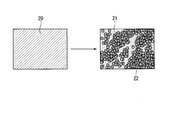
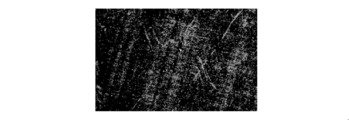
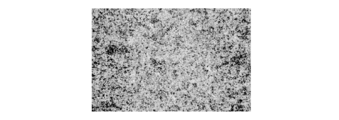
- FIG. 1 It is sectional drawing which shows one Embodiment of the biodegradable resin sheet of this invention. It is a schematic diagram of the layer surface of the enzymatic decomposition process of the biodegradable resin layer containing the component A and the component B. It is a scanning probe microscope image of the layer surface at the time of carrying out the enzyme decomposition
- Biodegradable resin sheet One embodiment of the biodegradable resin sheet of the present invention will be described.
- the biodegradable resin sheet 10 of the present embodiment includes a first biodegradable resin layer 11 and a second biodegradable resin layer 12, and the first biodegradable resin layer 11 and the second biodegradable resin layer 12.
- the functional resin layer 12 is laminated.
- the degradation rate of the first biodegradable resin layer 11 by the degrading enzyme is faster than that of the second biodegradable resin layer 12.
- the degradation rate indicates the rate of decrease (%) in the mass of the biodegradable resin sheet after the degrading enzyme treatment relative to the mass of the biodegradable resin sheet before the treatment with the degrading enzyme.
- the degradation rate of the first biodegradable resin layer by the degrading enzyme is the first biodegradable resin after the degrading enzyme treatment with respect to the mass of the first biodegradable resin layer before the treatment with the degrading enzyme.
- the reduction rate (%) of the mass of the layer is shown. The same applies to the second biodegradable resin layer.
- the mass reduction rate of the biodegradable resin sheet by the degrading enzyme is preferably 10% or more and 70% or less, and more preferably 14% or more and 65% or less.
- a degrading enzyme is a peptide or protein capable of degrading a biodegradable resin.
- Degradation of a biodegradable resin sheet by a degrading enzyme is mainly due to hydrolysis.
- a degrading enzyme is used for the process which accelerates
- the degrading enzyme include biodegradable plastic degrading enzymes produced by yeast, filamentous fungi, actinomycetes and the like isolated from rice and wheat, and mutants and homologs thereof.
- a biodegradable plastic degrading enzyme (hereinafter referred to as “PaE”) produced by the yeast Pseudozyma antartica disclosed in Japanese Patent No. 4915593 is disclosed.
- the PaE is also produced from the JCM10317 strain and other Pseudozyma antarctica.
- biodegradable plastic degrading enzyme (PCLE) produced by the filamentous fungus 47-9 strain disclosed in Japanese Patent No. 5082125, and actinomycete B12-1 strain disclosed in Japanese Patent Laid-Open No. 2013-99 are produced. Examples include biodegradable plastic degrading enzymes, but other degrading enzymes may be used.
- Degrading enzymes PaE and PCLE can strongly degrade polybutylene succinate (PBS) and polybutylene succinate adipate (PBSA).
- Degrading enzymes PaE and PCLE completely decompose a sheet in which PBS, PBSA, and PBAT [polybutylene adipate terephthalate] are mixed.
- the biodegradable plastic degrading enzyme produced by the actinomycete B12-1 strain has a high degrading activity against polylactic acid (PLA).
- the degradation enzyme is preferably PaE having high degrading activity against PBSA, PBS, and PBAT.
- the degrading enzyme may be a culture solution of microorganisms that produce the decomposing enzyme, a microorganism disruption solution, or a product extracted and purified from these.
- a nucleic acid encoding a degrading enzyme is recombined into bacteria, eukaryotic microorganisms, cultured cells, etc., and a degrading enzyme is artificially expressed, and a solution obtained by removing the recombinant from the culture solution or cell extract, It may be extracted and purified from this solution.
- the nucleic acid encoding the degrading enzyme is preferably one that has been mutated so as to obtain a stable degrading enzyme that is not easily inactivated by heat, ultraviolet light, pH fluctuation or the like.
- the biodegradable resin has a function as a resin in a product at the time of use, and is decomposed by the action of various microorganisms existing in soil, surroundings and water.
- Specific biodegradable resins include, for example, PBS obtained from 1,4 butanediol and succinic acid on an aliphatic polyester obtained by polycondensation reaction of glycol (diol) and polycarboxylic acid (for example, Bionore 1000).
- the first biodegradable resin layer 11 and the second biodegradable resin layer 12 have a range in which the degradation rate of the first biodegradable resin layer 11 by a degrading enzyme is faster than that of the second biodegradable resin layer 12.
- at least one selected from known biodegradable resins as exemplified above is included as a biodegradable resin composition.
- the first biodegradable resin layer 11 and the second biodegradable resin layer 12 will be described in detail.
- the biodegradable resin composition used for the first biodegradable resin layer 11 is a biodegradable resin that can be decomposed or easily decomposed by the above-described decomposing enzyme, and in particular, has a decomposition rate by the decomposing enzyme. It is faster than the biodegradable resin composition used for the second biodegradable resin layer 12.
- the biodegradable resin composition used for the first biodegradable resin layer 11 is a component that is particularly easily decomposed by PaE among known biodegradable resins (hereinafter referred to as “component A”), PBS, PBSA. , PBAT, or a mixture of two or more thereof.
- component A the first biodegradable resin layer 11 includes PHBH, which is a component (hereinafter referred to as “component B”) that is particularly difficult to decompose by a degrading enzyme among known biodegradable resins. , PLA, or a mixture of two or more thereof.
- component A and component B may be appropriately selected so that the degradation rate by the degrading enzyme, preferably PaE, is faster than the biodegradable resin in the second biodegradable resin layer 12.
- the content ratio of component A in the first biodegradable resin layer is preferably 30% by mass or more and 100% by mass or less, and 50% by mass or more and 100% by mass or less with respect to 100% by mass of the first biodegradable resin layer. Is more preferable, and 65 mass% or more and 100 mass% or less is further more preferable. If the content rate of the component A is more than the said lower limit, the decomposition rate by a decomposing enzyme will become quicker and the effect by this invention will become easier to be acquired.
- the first biodegradable resin layer 11 includes an antioxidant, an ultraviolet ray inhibitor, an antiblocking agent (for example, talc and higher fatty acid salts), a lubricant (higher fatty acid metal salt, waxes, etc.), starches and corn starch. And additives such as coloring agents may be included as appropriate.
- the biodegradable resin composition used for the second biodegradable resin layer 12 has a degradation rate by a degrading enzyme higher than that of the biodegradable resin used for the first biodegradable resin layer 11. It is slow.
- the biodegradable resin composition used for the second biodegradable resin layer 12 is preferably one that is not easily degraded by a degrading enzyme, and more preferably one that is not degraded by a degrading enzyme.
- the biodegradable resin composition used for the second biodegradable resin layer 12 is made of a biodegradable resin sheet so that the degradation fragments of the biodegradable resin sheet 10 are not scattered even when decomposition by a degrading enzyme starts.
- the component B is preferably included.
- the second biodegradable resin layer 12 may contain component A.
- the content ratio of component B in the second biodegradable resin layer 12 is determined so that the degradation rate by the degrading enzyme is slower than that of the first biodegradable resin layer 11, while the second biodegradable resin layer 12 10 mass% or more and 100 mass% or less are preferable with respect to 100 mass%, 35 mass% or more and 100 mass% or less are more preferable, and 60 mass% or more and 100 mass% or less are more preferable. If the content rate of component B is more than the said lower limit, it will become easy to control the decomposition rate of the biodegradable sheet, and the effect of preventing the fragmentation of the biodegradable resin sheet will be further improved. Moreover, if the content rate of the component B is below the said upper limit, the scattering prevention effect will improve.
- the second biodegradable resin layer 12 includes an antioxidant, an ultraviolet light inhibitor, an anti-blocking agent (for example, higher fatty acid salts), a lubricant (higher fatty acid metal salts, waxes, etc.), starches and corn starches, Additives such as colorants may be included as appropriate.
- an anti-blocking agent for example, higher fatty acid salts
- a lubricant higher fatty acid metal salts, waxes, etc.
- Additives such as colorants may be included as appropriate.
- the total thickness of the first biodegradable resin layer 11 and the second biodegradable resin layer 12 in the biodegradable resin sheet 10 is 0.005 mm or more. It is preferably 5.0 mm or less, and more preferably 0.01 mm or more and 3.0 mm or less. That is, the biodegradable resin sheet 10 includes a so-called “film” having a thickness. If the total thickness of the biodegradable resin sheet 10 is within the above range, the sheet can be molded by a general cooling method in the molding method described later, and the sheet moldability is good. Moreover, if the thickness of the biodegradable resin sheet 10 is more than the said lower limit, the intensity
- the thickness of the 1st biodegradable resin layer 11 and the 2nd biodegradable resin layer 12 in the biodegradable resin sheet 10 is set suitably, the sum total of the thickness of both layers is the above-mentioned biodegradability. It is preferable to set the thickness of the entire resin sheet 10 within a preferable range. For example, when the degradation rate by the degrading enzyme is increased, the thickness of the entire biodegradable resin sheet 10 may be reduced, and when the thickness of the entire biodegradable resin sheet 10 is specified. The ratio of the thickness of the first biodegradable resin layer 11 to the thickness of the second biodegradable resin layer 12 may be increased.
- the thickness of the second biodegradable resin layer 12 is such that when the biodegradable resin sheet 10 is decomposed by a degrading enzyme, the fragments of the biodegradable resin sheet 10 are prevented from being scattered around. It is set appropriately with care. For example, in a biodegradable resin sheet whose use is a biodegradable multifilm and the total thickness is 0.01 mm or more and 0.02 mm or less, the second biodegradable resin layer 12 is formed by 0.005 mm or more and 0. If the thickness is set to 0.01 mm or less, the shape of the biodegradable resin sheet can be maintained, the decomposed fragments are less likely to be scattered around, and the soil can be easily poured.
- Method for producing biodegradable resin sheet As a method for producing the biodegradable resin sheet 10, a first biodegradable resin layer and a second biodegradable resin layer are coextruded using a multilayer T-die molding device, a multilayer inflation molding device, or the like. Thus, the method of simultaneous multilayer molding (inflation method) is applied.
- the method for decomposing the biodegradable resin sheet 10 includes a step of attaching a degrading enzyme to the biodegradable resin sheet 10.
- the biodegradable resin sheet 10 When the biodegradable resin sheet 10 is decomposed with a degrading enzyme, it can be selected whether the degrading enzyme is attached to either the first biodegradable resin layer 11 or the second biodegradable resin layer 12. However, when the degrading enzyme is attached to the second biodegradable resin layer 12, the degrading enzyme may penetrate the second biodegradable resin layer 12 and come into contact with the first biodegradable resin layer 11. Therefore, it is preferable that the second biodegradable resin layer 12 contains the component A. Furthermore, the degradation rate of the biodegradable resin sheet 10 by the degrading enzyme is slower than when the degrading enzyme is attached to the first biodegradable resin layer 11.
- the degrading enzyme when it is desired to perform the decomposition process of the biodegradable resin sheet 10 in a shorter time, it is preferable to attach the degrading enzyme to the first biodegradable resin layer 11. Note that when the degrading enzyme is attached to the second biodegradable resin layer 12, the degradation rate by the degrading enzyme is slower than when it is attached to the first biodegradable resin layer 11. This does not impair the effects of the invention.
- the biodegradable resin sheet 10 When the biodegradable resin sheet 10 is used, it is determined in advance which of the first biodegradable resin layer 11 or the second biodegradable resin layer 12 the degrading enzyme is attached to, in the future,
- the biodegradable resin sheet 10 is preferably stretched with the layer to which the enzyme is attached facing upward.
- the biodegradable resin is added from above.
- the first biodegradable resin layer is spread as an upper layer.
- the biodegradable resin sheet 10 When a degrading enzyme is allowed to act on the biodegradable resin sheet 10, the biodegradable resin sheet 10 starts to be decomposed by the decomposing enzyme.
- the degradation of the biodegradable resin sheet 10 due to the action of the degrading enzyme is a reaction in a liquid phase, and is mainly due to hydrolysis. Therefore, the step of attaching the degrading enzyme to the biodegradable resin sheet 10 is preferably performed in a state where the decomposing enzyme is dissolved in the aqueous solution.
- the microbial culture filtrate containing the decomposing enzyme As a method of bringing the decomposing enzyme into a solution in an aqueous solution, the microbial culture filtrate containing the decomposing enzyme, its concentrated or diluted solution, or an aqueous solution (hereinafter referred to as “degrading”) by dissolving the decomposing enzyme in a solvent containing water in advance.
- the enzyme solution is referred to as “enzyme solution”), and a method of attaching the decomposing enzyme solution to the biodegradable resin sheet 10 is mentioned.
- a powdery degrading enzyme may be dissolved in a solvent containing water on the biodegradable resin sheet 10 to form an aqueous solution.
- the biodegradable resin sheet 10 may be moistened with a solvent containing water, and a powdery degrading enzyme may be sprayed on the wetted part, or the biodegradable resin sheet 10 may be powdered.
- a decomposition enzyme may be sprayed, and then a solvent containing water may be sprayed.
- a method in which the decomposing enzyme solution is attached to the biodegradable resin sheet 10 in advance after being used as the decomposing enzyme solution is preferable.
- the solvent for dissolving the decomposing enzyme is not particularly limited as long as it contains water and does not deactivate the enzyme activity.
- the said dilution liquid can use the same thing as the solvent which melt
- the solvent may contain various additives such as a stabilizer and a buffer.
- the decomposition treatment time is preferably from 30 minutes to 2 days, more preferably from 3 hours to 1 day, and even more preferably from 5 hours to 12 hours. If the time of the decomposition treatment is equal to or greater than the lower limit value, the biodegradable resin sheet 10 is sufficiently decomposed, and if it is equal to or less than the upper limit value, the next operation can be started quickly.
- an enzyme is a peptide or protein, it is easily deactivated by high temperature or ultraviolet rays.
- the biodegradable resin sheet has two layers, a first biodegradable resin layer and a second biodegradable resin layer. Moreover, the degradation rate of the first biodegradable resin layer by the degrading enzyme is faster than that of the second biodegradable resin layer.
- FIG. 2 is a schematic diagram of the layer surface of the enzymatic degradation process in the case where the biodegradable resin layer 20 (left of the figure) in the biodegradable resin sheet of the present invention contains the above-mentioned component A and component B mixedly. Indicates.
- the region 21 occupied by the component A is decomposed by the degrading enzyme, the region 22 occupied by the component B is scattered (right in the figure). This state can also be confirmed by scanning probe microscope images (FIG. 3).
- a biodegradable resin obtained by mixing a resin that is difficult to biodegrade with a degrading enzyme such as PLA such as PLA and that has a long biodegradation time in soil and a resin that is easily biodegradable with a degrading enzyme.
- a degrading enzyme such as PLA such as PLA and that has a long biodegradation time in soil
- a resin that is easily biodegradable with a degrading enzyme When the sheet is used in soil, it is presumed that the resin that is easily decomposed is first decomposed by the treatment with the decomposing enzyme, and the resin that is difficult to biodegrade is scattered in the soil. Since the resin which is hardly biodegraded in this way has a large surface area in contact with moisture in the soil, it can be expected that biodegradation and hydrolysis proceed faster than usual.
- the resin scattered without being decomposed hardly appears (see FIG. 4).
- the biodegradable resin sheet since the biodegradable resin sheet has these two biodegradable resin layers, the biodegradable resin sheet can be decomposed with a degrading enzyme at appropriate times.
- a degrading enzyme for example, when the biodegradable resin sheet of the present invention is used as a biodegradable multi-film, the growth of the crop is unexpectedly fast, the harvest is finished, and it is desired to perform the next cultivation, the biodegradable resin of the present invention Depending on the method of disassembling the sheet, timely disassembly can be performed.
- the biodegradable resin sheet has already decomposed, and the usefulness of the biodegradable resin sheet cannot be enjoyed. Can be reduced.
- the biodegradable resin sheet of the present invention is not gradually decomposed unlike the conventional biodegradable resin sheet, it can be used in accordance with the convenience of the user.
- the method for decomposing a biodegradable resin sheet of the present invention since the decomposition proceeds sufficiently in several hours after attaching a degrading enzyme, the following operation can be performed during the day.
- a degrading enzyme is attached to the biodegradable resin sheet during the previous day, and the next operation, for example, a squeezing operation can be performed the next day.
- the biodegradable resin sheet since the biodegradable resin sheet has the two biodegradable resin layers described above, the biodegradable resin sheet can be appropriately decomposed with a degrading enzyme. For example, when used as a biodegradable multi-film, it is unlikely that the biodegradable resin sheet has a too high degree of degradation and the enzymatically decomposed biodegradable resin sheet is shattered and scattered around. On the other hand, the degree of decomposition of the biodegradable resin sheet is too low, and it is difficult for the biodegradable resin sheet to be entangled with the claws of the cultivator during the rolling-in operation and cause a failure of the cultivator.
- biodegradable resin sheet of the present invention may include three or more biodegradable resin layers.
- FIG. 5 shows a biodegradable resin sheet 30 having three biodegradable resin layers. Of the three layers, each surface layer is a first biodegradable resin layer 31 and the core layer is a second layer. This is a biodegradable resin layer 32.
- FIG. 6 shows a biodegradable resin sheet 40 having three biodegradable resin layers. Of the three layers, each surface layer is the second biodegradable resin layer 42 and the core layer is the first. This is a biodegradable resin layer 41.
- the biodegradable resin composition used for the first biodegradable resin layers 31 and 41 is the same as that used for the first biodegradable resin layer 11 described above, and the second biodegradable resin layer 32 is used.
- the biodegradable resin composition used for the second biodegradable resin layer 12 is the same as that used for the second biodegradable resin layer 12 described above.
- the degradation rate of the biodegradable resin sheet 40 shown in FIG. 6 by the degrading enzyme is slower than that of the biodegradable resin sheet 30 shown in FIG. Therefore, one of the biodegradable resin sheets 30 and 40 shown in FIGS. 5 and 6 can be selected depending on a desired decomposition rate. For example, when it is desired that the biodegradable resin sheet is decomposed in a shorter time, it is preferable to select the biodegradable resin sheet 30 shown in FIG.
- the two layers of the first biodegradable resin layer 31 in FIG. 5 described above and the two layers of the second biodegradable resin layer 42 in FIG. 6 described above may be different from each other in the degradation rate by the decomposing enzyme. Good. That is, in this embodiment, if at least the first biodegradable resin layer and the second biodegradable resin layer are provided one by one, the above-described effects of the present invention can be obtained. Among them, in order to increase the degradation rate by the degrading enzyme, it is preferable that the first biodegradable resin layer is located on any surface layer in the biodegradable resin sheet. In particular, when the biodegradable resin sheet is used by being spread horizontally on soil or the like, the first biodegradable resin layer may be the uppermost layer in order to facilitate attachment of degrading enzymes from above. More preferred.
- biodegradable resin sheets 30 and 40 having the three biodegradable resin layers shown in FIGS. 5 and 6 and have a vertically symmetrical structure around the core layer it is not necessary to distinguish between the front and the back during use. Incorrect use such as using the biodegradable resin sheet upside down can be prevented.
- Biodegradable resin sheet having four or more biodegradable resin layers As other embodiment of the biodegradable resin sheet of this invention, a biodegradable resin sheet provided with the biodegradable resin layer of four or more layers is mentioned. In addition, if any one of the four or more biodegradable resin layers is the first biodegradable resin layer and the other one is the second biodegradable resin layer, other than these The layer may be any biodegradable resin layer. That is, in this embodiment, if at least the first biodegradable resin layer and the second biodegradable resin layer are provided one by one, the above-described effects of the present invention can be obtained.
- the first biodegradable resin layer is located on any surface layer in the biodegradable resin sheet.
- the first biodegradable resin layer may be the uppermost layer in order to facilitate attachment of degrading enzymes from above. More preferred.
- the biodegradable resin composition used for the first biodegradable resin layer of the present embodiment is the same as that used for the first biodegradable resin layer 11 described above, and the second biodegradable resin layer is the same.
- the biodegradable resin composition used for the resin layer is the same as that used for the second biodegradable resin layer 12 described above.
- biodegradable resin sheet of the present invention is not particularly limited, and examples thereof include agricultural use, forestry use, building use, packaging use, and miscellaneous goods. Above all, if the biodegradable resin sheet is used for agriculture, the above-described effects of the present invention can be easily obtained.
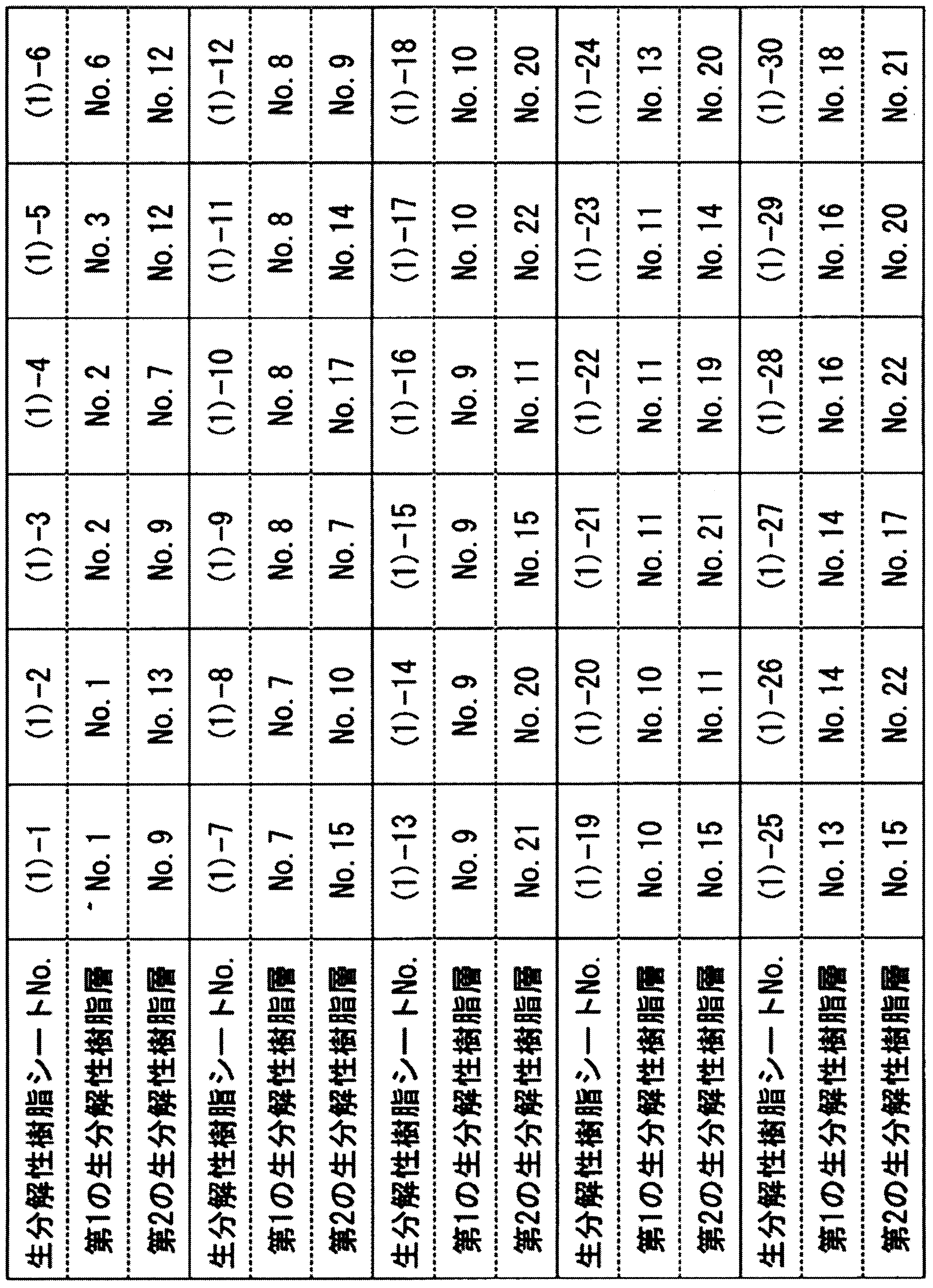
- Table 1 shows the biodegradable resin composition (components A and B) constituting the biodegradable resin layer (No. 1 to 25) and the content ratio of each composition.
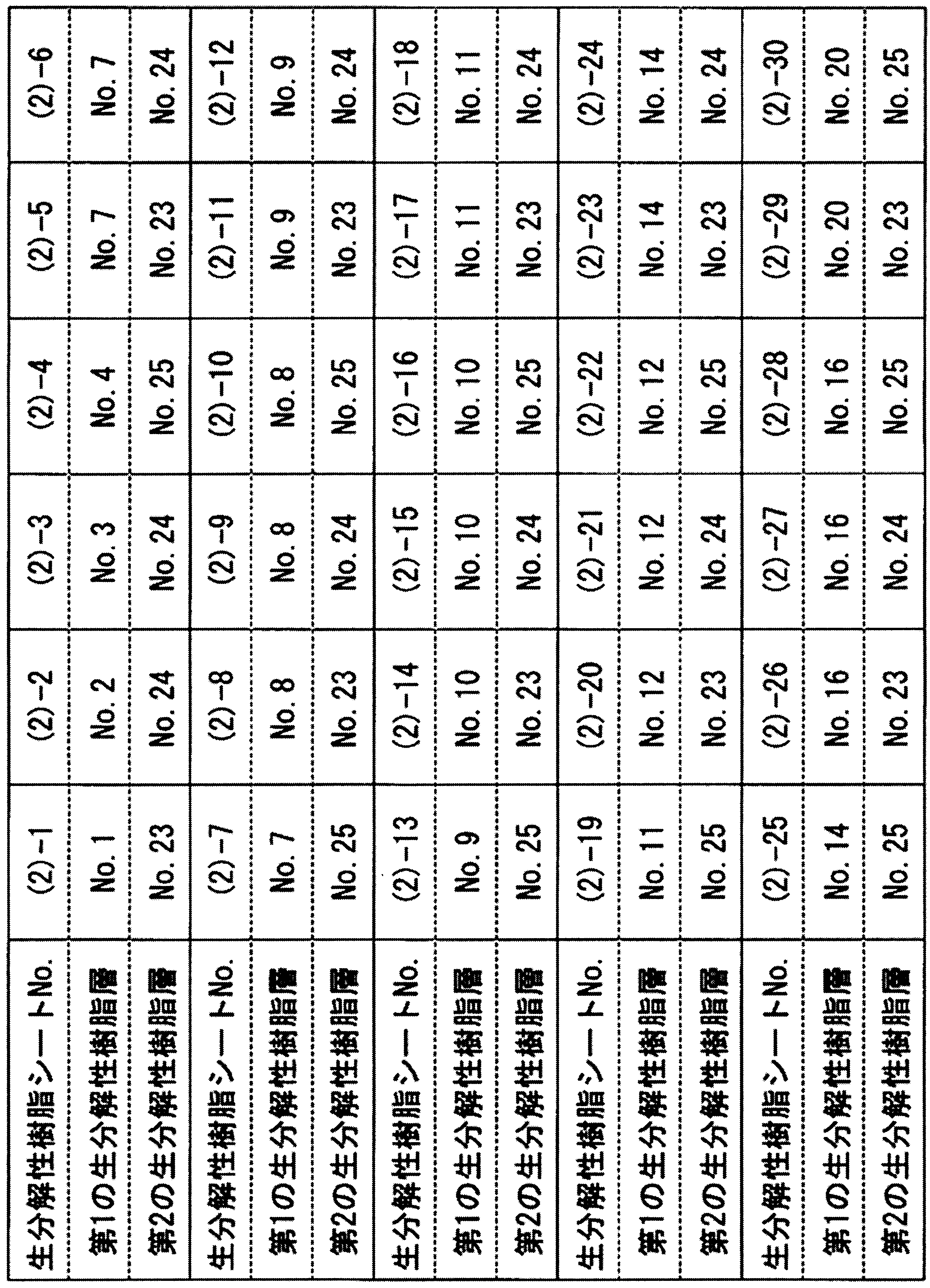
- the first biodegradable resin layer and the second biodegradable resin layer are selected from the biodegradable resin layers (No. 1 to 25) shown in Table 1 and combined.
- the example of manufacture of the completed biodegradable resin sheet is shown.
- Table 2 shows a production example of a combination in which the degradation rate of the first biodegradable resin layer by the degrading enzyme is faster than that of the second biodegradable resin layer.
- Table 3 shows the first biodegradable resin layer.
- a production example of a combination in which the resin layer can be decomposed by the decomposing enzyme and the second biodegradable resin layer is not decomposed by the decomposing enzyme is shown.
- the reduction rate (%) of the mass after the decomposition treatment with respect to the mass of the biodegradable resin sheet before being put in was calculated.
- a biodegradable resin sheet is placed in a solution containing only 20 mM Tris-HCl buffer (H8.0) without adding a degrading enzyme and allowed to stand as described above, There was no change in the mass of the degradable resin sheet.
- Method for measuring enzyme activity The enzyme activity of the decomposing enzyme solution was measured according to the degrading enzyme activity measuring method described in JP-A-2013-23643.
- the transmittance obtained by the turbidimeter is converted into absorbance by the following formula (I), and the enzyme activity is determined from the obtained absorbance by the following formula (II).
- a t -log (X / 100 ) ⁇ (I)
- C (A 0 ⁇ A 15 ) ⁇ (enzyme dilution ratio in reaction solution) / 15 [U] (II)
- a t represents the absorbance at time t (min)
- X is in showing transmittance.
- C represents the enzyme activity
- a 0 and A 15 are each time of mixing
- the enzyme activity obtained from this result is defined as the titer [U] of the degradation enzyme solution.
- Examples 1 to 5 In accordance with the layer structure of the biodegradable resin sheet shown in Table 4, the biodegradability of Examples 1 to 5 comprising three biodegradable resin layers as shown in FIG. A resin sheet was produced.
- the thickness of the two surface layers (first biodegradable resin layer) of the biodegradable resin sheet of each example is 5.4 ⁇ m, and the thickness of the core layer (second biodegradable resin layer) is 7.
- the thickness was 2 ⁇ m. That is, the thickness of the biodegradable resin sheet in each example is 18 ⁇ m, and the thickness ratio of each layer is 3: 4: 3.
- Biodegradable resin layer No. containing only component A A single-layer biodegradable resin sheet consisting of 1 and having a thickness of 18 ⁇ m (Comparative Example 1) was produced.
- Biodegradable resin layer No. In place of Biodegradable Resin Layer No. 1 A biodegradable resin sheet of Comparative Example 2 was produced in the same manner as Comparative Example 1 except that 3 was used.
- Table 4 shows the layer structure of the biodegradable resin sheet of each example. Moreover, the biodegradability evaluation test by said decomposing enzyme was done using the biodegradable resin sheet of each case. Table 4 shows the results of the biodegradability evaluation test.
- Example 1 Since Example 1 has a high component A ratio in the first biodegradable resin layer, it can be decomposed by about 60% with 1 U decomposing enzyme solution, and component A in the surface layer was almost decomposed. Recognize. In Examples 2 to 5, since PBAT or component B is contained in the surface layer, there is a difference in mass reduction rate when using 1 U decomposing enzyme solution and 5 U decomposing enzyme solution, but 5 U decomposing enzyme solution. Then, it can be seen that the component A in the surface layer was almost decomposed. In these biodegradable resin films of Examples 1 to 5, even when the surface layer was decomposed, the intermediate layer was not decomposed and the sheet form was maintained.
- a single-layer biodegradable resin sheet (Comparative Examples 1 and 2) composed of a biodegradable resin layer containing only component A is decomposed in an enzyme solution into a small piece state in a 5 U decomposing enzyme solution, and is subjected to mass measurement. The sample for could not be collected.
- the biodegradable resin sheet of the present invention can easily maintain the sheet shape even when it is decomposed by a degrading enzyme.
- a biodegradable resin sheet having a thickness of 18 ⁇ m provided with a conductive resin layer was produced by an inflation method.
- the combination of the first biodegradable resin layer and the second biodegradable resin layer in the biodegradable resin sheet is shown in Table 2 below.
- the combination of (1) -11 was followed.
- the biodegradable resin sheet of Example 6 was obtained by cutting this biodegradable resin sheet into a width of 950 mm and a length of 5 m.
- the biodegradable resin sheet of Example 6 was spread on the field by a general multi-film spreading method, and was maintained for about 4 months from the beginning of May to the beginning of August. At this time, the biodegradable resin sheet covered the field surface without growing the crop.
- the sample of the biodegradable resin sheet is embedded in the soil of the main field in advance to examine the degradation state. It was. It was confirmed that the sample piece was not completely decomposed even after being embedded for 4 months, and the form of the sheet was maintained.
- a decomposition enzyme solution was sprayed on the surface layer on the side not touching the field, and the degradation state was observed.
- the decomposing enzyme solution an enzyme solution having an enzyme titer of 10 U was used as a stock solution, and 900 mL of ion-exchanged water was added to 100 mL of this stock solution to make a total volume of 1000 mL.
- the entire 1000 mL of the decomposing enzyme solution was sprayed so as to be substantially uniform with respect to the surface area of 0.5 m 2 of the biodegradable resin sheet of Example 6.
- the decomposing enzyme solution was sprayed on the surface area of 2 m 2 of the biodegradable resin sheet of Example 6.
- 1000 U of decomposing enzyme solution contains 1000 U of decomposing enzyme as a titer. Since the whole amount of the degrading enzyme solution was sprayed on the surface area of 0.5 m 2 of the biodegradable resin sheet of Example 6, the titer of the degrading enzyme applied per unit area of the biodegradable resin sheet was 2000 U / a m 2.
- the decomposition enzyme solution was sprayed around 18:00, and a sample for measurement was collected at 9:00 on the next day. At that time, the biodegradable resin sheet maintained the sheet form, and no scattering due to decomposition occurred.
- a tensile test was performed on each biodegradable resin sheet immediately after production, after the stretching for about 4 months, and after the degradation enzyme solution was sprayed after the stretching, in accordance with JIS Z1702.
- the test piece was dumbbell-shaped and the tensile speed was 500 mm / min.
- Table 5 shows the measurement results of fracture strength and elongation by a tensile test.
- the biodegradable resin sheet after the expansion which has been decomposed by being spread on the field, has a significantly lower breaking strength and elongation than those immediately after production.
- the breaking strength and elongation were further reduced.
- FIG. 7A to 7C show surface observation images of the biodegradable resin sheet of Example 6 using a confocal laser microscope.
- FIG. 7A is a surface observation image of the biodegradable resin sheet after stretching for about 4 months
- FIG. 7B is a surface observation image after spraying the degrading enzyme solution on the biodegradable resin sheet after stretching
- FIG. 7C show surface observation images of the surface which was contacting the soil of the field of the biodegradable resin sheet of FIG. 7A.
- FIGS. 7A and 7B the surface of the biodegradable resin sheet sprayed with the degrading enzyme solution had been decomposed.
- FIG. 7C the surface which was contacting the soil of the biodegradable resin sheet had progressed decomposition
- the biodegradable resin sheet of the present invention can be suitably used for, for example, agricultural members, forestry members, building members, packaging members, sundries and the like. Specifically, it can be used for biodegradable multifilms, fumigation sheets, cushioning materials, garbage bags, plastic bags, barrier packaging materials, and the like.
Landscapes
- Health & Medical Sciences (AREA)
- Chemical & Material Sciences (AREA)
- General Health & Medical Sciences (AREA)
- Medicinal Chemistry (AREA)
- Polymers & Plastics (AREA)
- Organic Chemistry (AREA)
- Chemical Kinetics & Catalysis (AREA)
- Toxicology (AREA)
- Life Sciences & Earth Sciences (AREA)
- Environmental Sciences (AREA)
- Laminated Bodies (AREA)
- Protection Of Plants (AREA)
- Compositions Of Macromolecular Compounds (AREA)
Abstract
本発明は、適時、適度に分解処理することができる生分解性樹脂シートを提供する。本発明の生分解性樹脂シートは、第1の生分解性樹脂層と第2の生分解性樹脂層を有する生分解性樹脂シートであり、前記第1の生分解性樹脂層の分解酵素による分解速度が、前記第2の生分解性樹脂層よりも速い。前記生分解性樹脂シートは、生分解性樹脂層を3層以上備えることが好ましく、前記第1の生分解性樹脂層が表面層に位置することが好ましい。
Description
本発明は、分解酵素での分解制御に適した生分解性樹脂シートに関する。
本願は、2015年5月25日に、日本出願された特願2015-105813号に基づき優先権を主張し、その内容をここに援用する。
本願は、2015年5月25日に、日本出願された特願2015-105813号に基づき優先権を主張し、その内容をここに援用する。
生分解性樹脂シートは、環境中に存在する微生物等の作用により分解し消滅するため、使用後、樹脂シートが残存して環境を汚染するようなことが少ない。そのため、生分解性樹脂シートは、農業用部材、建築用部材、食品用包装等、様々な用途に活用されている。
中でも、農業用部材として用いる場合、生分解性樹脂シートは、雑草の生育の抑制、作物の生育温度の制御、作物の害虫からの保護等に有効である。
中でも、農業用部材として用いる場合、生分解性樹脂シートは、雑草の生育の抑制、作物の生育温度の制御、作物の害虫からの保護等に有効である。
生分解性樹脂シートを農業用に用いる場合(この場合、「生分解性マルチフィルム」とも称する。)、使用開始後、日照や降雨の物理化学的な作用と、土壌の微生物等による生分解作用により生分解性樹脂シートの生分解が進む。生分解が進んだ後、次の耕運の際に、耕運機等により作物残渣を土に鋤き込むと同時に生分解性樹脂シートも断片化し、土壌中に埋め込むことができる。土壌中に埋め込まれた生分解性樹脂シートの断片は、土壌中の微生物の作用等により微生物の栄養として分解され、水と二酸化炭素になるため、土壌中に生分解性樹脂シートが残存し続けることはない。そのため、わざわざシートを除去する作業をしなくても、環境に影響を及ぼさずに次の耕作を行うことができる。
我が国においては、非生分解性の農業用樹脂シートについては、産業廃棄物処理法に基づく処理が義務づけられている。また、完全分解性の生分解性樹脂シートについては、農業生産者が自ら土壌に鋤き込む場合、産業廃棄物の処理(中間処理)に該当するとして、同法に基づく処理基準を守るため、生分解性樹脂シートが周囲に飛散することが無いようにしっかりと鋤き込むなど、飛散流出の防止が求められている。
これまで、生分解性樹脂シートの有用性を高めるために、土壌における生分解性樹脂シートの分解速度を制御する技術が開発されている。
例えば、特許文献1には、添加剤を添加するか、樹脂成分を選択することにより、分解速度の異なる第1の層と第2の層の少なくとも2層から形成された生分解性マルチフィルムが開示されている。
しかしながら、同文献に記載の生分解性マルチフィルムは、使用開始後から徐々に生分解が進み、しかも、添加剤の種類や樹脂成分の種類により生分解速度が異なる。そのため、同文献に記載の生分解性マルチフィルムを用いるには、生分解速度が異なる様々な生分解性マルチフィルムの中から、使用期間に合わせて最適な生分解速度の生分解性マルチフィルムを選択する必要がある。
例えば、特許文献1には、添加剤を添加するか、樹脂成分を選択することにより、分解速度の異なる第1の層と第2の層の少なくとも2層から形成された生分解性マルチフィルムが開示されている。
しかしながら、同文献に記載の生分解性マルチフィルムは、使用開始後から徐々に生分解が進み、しかも、添加剤の種類や樹脂成分の種類により生分解速度が異なる。そのため、同文献に記載の生分解性マルチフィルムを用いるには、生分解速度が異なる様々な生分解性マルチフィルムの中から、使用期間に合わせて最適な生分解速度の生分解性マルチフィルムを選択する必要がある。
しかし、作物の栽培環境は多様で、日照や降雨、畑土中の微生物の活性は、予測できない。そのため、使用者が予想していたよりも、作物収穫時に使用した生分解性マルチフィルムの生分解が充分でない場合があり、生分解性マルチフィルムの有用性を充分に享受できない。
生分解が充分に進んでいない生分解性マルチフィルムを耕運機で鋤き込むと、前記生分解性マルチフィルムが耕運機のロータリーに絡まり、耕運作業性が低下する。そのため、このような場合、生分解性マルチフィルムの生分解が充分に進むまで畑を使用できず、畑を効率よく活用することができない。あるいは、畑を効率よく活用するには、土壌から生分解性マルチフィルムを除去する作業を行うしかないが、この場合、除去した生分解性マルチフィルムの処理に困る。
また、使用者が予想していたよりも早く生分解性マルチフィルムが既に分解してしまう場合も、生分解性マルチフィルムの有用性を充分に享受し得ない。そのうえ、断片化した生分解性マルチフィルムが周囲に飛散する場合もある。
生分解が充分に進んでいない生分解性マルチフィルムを耕運機で鋤き込むと、前記生分解性マルチフィルムが耕運機のロータリーに絡まり、耕運作業性が低下する。そのため、このような場合、生分解性マルチフィルムの生分解が充分に進むまで畑を使用できず、畑を効率よく活用することができない。あるいは、畑を効率よく活用するには、土壌から生分解性マルチフィルムを除去する作業を行うしかないが、この場合、除去した生分解性マルチフィルムの処理に困る。
また、使用者が予想していたよりも早く生分解性マルチフィルムが既に分解してしまう場合も、生分解性マルチフィルムの有用性を充分に享受し得ない。そのうえ、断片化した生分解性マルチフィルムが周囲に飛散する場合もある。
一方、生分解性樹脂シートを適時に分解処理するために、近年、分解酵素を用いる方法が開発されている(特許文献2、3)。同文献で酵素分解の対象となった生分解性樹脂シートは、ポリブチレンサクシネート(以下、「PBS」と称する。)フィルム、ポリブチレンサクシネートアジペート(以下、「PBSA」と称する。)フィルム、PBS/PBSA混合フィルムである。いずれのフィルムも、1層の生分解性樹脂シートである。
しかしながら、同文献の方法では、分解酵素による生分解性樹脂シートの分解度が高すぎたり低すぎたりし、調整しにくい。例えば、同文献の生分解性樹脂シートを生分解性マルチフィルムとして用いる場合、生分解性樹脂シートの分解度が高すぎると、酵素分解した生分解性樹脂シートが断片化し、すき込む前に風であおられると周囲に飛散してしまう。一方、生分解性樹脂シートの分解度が低すぎると、耕運の際、生分解性樹脂シートが耕運機の爪に絡まり、耕運機の故障の原因となる。
本発明は上記事情に鑑み、適時、適度に分解処理することができる生分解性樹脂シートを提供することを目的とする。
本発明の生分解性樹脂シートは、第1の生分解性樹脂層(単に第1の樹脂層とも云う)と第2の生分解性樹脂層(単に第2の樹脂層とも云う)の少なくとも2層を有する生分解性樹脂シート(単に樹脂シートとも云う)であり、前記第1の生分解性樹脂層の分解酵素による分解速度が、前記第2の生分解性樹脂層よりも速い。
本発明によれば、適時、適度に分解処理することができる生分解性樹脂シートを提供することができる。
<生分解性樹脂シート>
本発明の生分解性樹脂シートの一実施形態を説明する。
本発明の生分解性樹脂シートの一実施形態を説明する。
(2層の生分解性樹脂層を備える生分解性樹脂シート)
図1に、本発明の生分解性樹脂シートの一実施形態を示す。本実施形態の生分解性樹脂シート10は、第1の生分解性樹脂層11と第2の生分解性樹脂層12を有し、第1の生分解性樹脂層11と第2の生分解性樹脂層12は積層されている。
ここで、前記第1の生分解性樹脂層11の分解酵素による分解速度は、前記第2の生分解性樹脂層12よりも速い。
分解速度とは、分解酵素で処理する前の生分解性樹脂シートの質量に対する分解酵素処理後の生分解性樹脂シートの質量の減少率(%)を示したものである。
同様に、第1の生分解性樹脂層の分解酵素による分解速度とは、分解酵素で処理する前の第1の生分解性樹脂層の質量に対する分解酵素処理後の第1の生分解性樹脂層の質量の減少率(%)を示したものである。第2の生分解性樹脂層についても同様である。
分解酵素による生分解性樹脂シートの質量減少率は、10%以上70%以下が好ましく、14%以上65%以下がより好ましい。
図1に、本発明の生分解性樹脂シートの一実施形態を示す。本実施形態の生分解性樹脂シート10は、第1の生分解性樹脂層11と第2の生分解性樹脂層12を有し、第1の生分解性樹脂層11と第2の生分解性樹脂層12は積層されている。
ここで、前記第1の生分解性樹脂層11の分解酵素による分解速度は、前記第2の生分解性樹脂層12よりも速い。
分解速度とは、分解酵素で処理する前の生分解性樹脂シートの質量に対する分解酵素処理後の生分解性樹脂シートの質量の減少率(%)を示したものである。
同様に、第1の生分解性樹脂層の分解酵素による分解速度とは、分解酵素で処理する前の第1の生分解性樹脂層の質量に対する分解酵素処理後の第1の生分解性樹脂層の質量の減少率(%)を示したものである。第2の生分解性樹脂層についても同様である。
分解酵素による生分解性樹脂シートの質量減少率は、10%以上70%以下が好ましく、14%以上65%以下がより好ましい。
[分解酵素]
本発明において分解酵素とは、生分解性樹脂を分解できるペプチド又はタンパク質である。分解酵素による生分解性樹脂シートの分解は、主として加水分解による。分解酵素は、使用後の生分解性樹脂シートの分解を促進する処理に用いられる。
分解酵素としては、例えば、イネやムギ等から単離される酵母、糸状菌、放線菌等が産生する生分解性プラスチック分解酵素及びその変異体やホモログが挙げられる。
具体的には、特許第4915593号公報に開示される酵母Pseudozyma antarctica(シュードザイマ・アンタークティカ)が産生する生分解性プラスチック分解酵素(以下、これを「PaE」という。)が挙げられる。前記PaEは、JCM10317株や、他のPseudozyma antarcticaからも産生される。また、特許第5082125号公報に開示される糸状菌47-9株が産生する生分解性プラスチック分解酵素(PCLE)、特開2013-99号公報に開示される放線菌B12-1株が産生する生分解性プラスチック分解酵素等が挙げられるが、これら以外の分解酵素でもよい。分解酵素PaEやPCLEは、ポリブチレンサクシネート(PBS)、ポリブチレンサクシネート・アジペート(PBSA)を強力に分解できる。分解酵素PaEやPCLEは、PBS、PBSA、PBAT[ポリブチレンアジペート・テレフタレート]を混合したシートも完全に分解する。また、放線菌B12-1株が産生する生分解性プラスチック分解酵素は、ポリ乳酸(PLA)に対する分解活性が高い。
中でも、分解酵素は、PBSA、PBS、及びPBATに対する分解活性が高いPaEが好ましい。
本発明において分解酵素とは、生分解性樹脂を分解できるペプチド又はタンパク質である。分解酵素による生分解性樹脂シートの分解は、主として加水分解による。分解酵素は、使用後の生分解性樹脂シートの分解を促進する処理に用いられる。
分解酵素としては、例えば、イネやムギ等から単離される酵母、糸状菌、放線菌等が産生する生分解性プラスチック分解酵素及びその変異体やホモログが挙げられる。
具体的には、特許第4915593号公報に開示される酵母Pseudozyma antarctica(シュードザイマ・アンタークティカ)が産生する生分解性プラスチック分解酵素(以下、これを「PaE」という。)が挙げられる。前記PaEは、JCM10317株や、他のPseudozyma antarcticaからも産生される。また、特許第5082125号公報に開示される糸状菌47-9株が産生する生分解性プラスチック分解酵素(PCLE)、特開2013-99号公報に開示される放線菌B12-1株が産生する生分解性プラスチック分解酵素等が挙げられるが、これら以外の分解酵素でもよい。分解酵素PaEやPCLEは、ポリブチレンサクシネート(PBS)、ポリブチレンサクシネート・アジペート(PBSA)を強力に分解できる。分解酵素PaEやPCLEは、PBS、PBSA、PBAT[ポリブチレンアジペート・テレフタレート]を混合したシートも完全に分解する。また、放線菌B12-1株が産生する生分解性プラスチック分解酵素は、ポリ乳酸(PLA)に対する分解活性が高い。
中でも、分解酵素は、PBSA、PBS、及びPBATに対する分解活性が高いPaEが好ましい。
分解酵素は、その分解酵素を産生する微生物の培養液や、微生物破砕液、あるいはこれらから抽出し、精製したものであってもよい。
また、分解酵素をコードする核酸を細菌、真核微生物、培養細胞等に組換えて、分解酵素を人工的に発現させ、それらの培養液または菌体抽出液から組み換え体を除去した溶液や、この溶液からから抽出、精製したものであってもよい。この場合、分解酵素をコードする核酸は、熱や紫外線、pH変動等により失活しにくい安定的な分解酵素等が得られるように、変異が加えられたものであることが好ましい。
また、分解酵素をコードする核酸を細菌、真核微生物、培養細胞等に組換えて、分解酵素を人工的に発現させ、それらの培養液または菌体抽出液から組み換え体を除去した溶液や、この溶液からから抽出、精製したものであってもよい。この場合、分解酵素をコードする核酸は、熱や紫外線、pH変動等により失活しにくい安定的な分解酵素等が得られるように、変異が加えられたものであることが好ましい。
[生分解性樹脂]
本発明において、生分解性樹脂とは、使用時には製品中で樹脂としての機能を有し、土壌中、周囲、水中に存在する様々な微生物の働きにより分解されるものである。
具体的な生分解性樹脂としては、例えば、グリコール(ジオール)と多価カルボン酸との重縮合反応で得られる脂肪族ポリエステルに1,4ブタンジオールとコハク酸から得られるPBS(例えば、ビオノーレ1000シリーズ(昭和電工(株)製)、GS Pla(三菱化学(株)製))、PBSにアジピン酸を共重合したPBSA(例えば、ビオノーレ3000シリーズ(昭和電工(株)製))、エチレングリコールとコハク酸とから得られるポリエチレンサクシネート(PES)、ヒドロキシアルカン酸と多価カルボン酸とから得られる脂肪族ポリエステル共重合体のポリ(3-ヒドロキシアルカノエート)(中でも、ポリ(3-ヒドロキシブチレート-co-3-ヒドロキシヘキサノエート)(PHBH)(例えば、アオニレックス((株)カネカ製))、脂肪族ポリエステルとテレフタル酸エステルの共重合体として1,4ブタンジオールとアジピン酸とテレフタル酸との共重合体であるPBAT(例えば、エコフレックス ビー・エー・エス・エフ社製)、1,4-ブタンジオールとコハク酸とテレフタル酸の共重合体であるポリブチレンテレフタレートサクシネート(PBTS)(例えば、バイオマックス(デュポン社製))、PLA(例えば、REVODE(海正生物材料社製)、Ingeo(ネイチャーワークス社製))、ポリカプロラクトン(PCL)(例えば、CAPA6800(パーストープ社製))等が挙げられる。
第1の生分解性樹脂層11及び第2の生分解性樹脂層12は、第1の生分解性樹脂層11の分解酵素による分解速度が第2の生分解性樹脂層12よりも速い範囲で、上記例示するような公知の生分解性樹脂の中から選択された少なくとも1種を、生分解性樹脂組成として含む。
以下、第1の生分解性樹脂層11及び第2の生分解性樹脂層12について詳述する。
本発明において、生分解性樹脂とは、使用時には製品中で樹脂としての機能を有し、土壌中、周囲、水中に存在する様々な微生物の働きにより分解されるものである。
具体的な生分解性樹脂としては、例えば、グリコール(ジオール)と多価カルボン酸との重縮合反応で得られる脂肪族ポリエステルに1,4ブタンジオールとコハク酸から得られるPBS(例えば、ビオノーレ1000シリーズ(昭和電工(株)製)、GS Pla(三菱化学(株)製))、PBSにアジピン酸を共重合したPBSA(例えば、ビオノーレ3000シリーズ(昭和電工(株)製))、エチレングリコールとコハク酸とから得られるポリエチレンサクシネート(PES)、ヒドロキシアルカン酸と多価カルボン酸とから得られる脂肪族ポリエステル共重合体のポリ(3-ヒドロキシアルカノエート)(中でも、ポリ(3-ヒドロキシブチレート-co-3-ヒドロキシヘキサノエート)(PHBH)(例えば、アオニレックス((株)カネカ製))、脂肪族ポリエステルとテレフタル酸エステルの共重合体として1,4ブタンジオールとアジピン酸とテレフタル酸との共重合体であるPBAT(例えば、エコフレックス ビー・エー・エス・エフ社製)、1,4-ブタンジオールとコハク酸とテレフタル酸の共重合体であるポリブチレンテレフタレートサクシネート(PBTS)(例えば、バイオマックス(デュポン社製))、PLA(例えば、REVODE(海正生物材料社製)、Ingeo(ネイチャーワークス社製))、ポリカプロラクトン(PCL)(例えば、CAPA6800(パーストープ社製))等が挙げられる。
第1の生分解性樹脂層11及び第2の生分解性樹脂層12は、第1の生分解性樹脂層11の分解酵素による分解速度が第2の生分解性樹脂層12よりも速い範囲で、上記例示するような公知の生分解性樹脂の中から選択された少なくとも1種を、生分解性樹脂組成として含む。
以下、第1の生分解性樹脂層11及び第2の生分解性樹脂層12について詳述する。
[第1の生分解性樹脂層11]
第1の生分解性樹脂層11に用いられる生分解性樹脂組成は、生分解性樹脂の中でも上述の分解酵素により分解可能なもの又は分解されやすいものであり、特に、分解酵素による分解速度が第2の生分解性樹脂層12に用いられる生分解性樹脂組成よりも速いものである。
第1の生分解性樹脂層11に用いられる生分解性樹脂組成は、生分解性樹脂の中でも上述の分解酵素により分解可能なもの又は分解されやすいものであり、特に、分解酵素による分解速度が第2の生分解性樹脂層12に用いられる生分解性樹脂組成よりも速いものである。
第1の生分解性樹脂層11に用いられる生分解性樹脂組成は、公知の生分解性樹脂の中でもPaEにより特に分解されやすい成分(以下、「成分A」という。)である、PBS、PBSA、PBAT、又はこれらのうち2種以上の混合物を含むのが好ましい。
また、第1の生分解性樹脂層11には、成分Aに加えて、公知の生分解性樹脂の中でも分解酵素により特に分解されにくい成分(以下、「成分B」という。)である、PHBH、PLA、又はこれらのうち2種以上の混合物を含ませてもよい。
成分Aと成分Bの組合せは、分解酵素、好ましくはPaEによる分解速度が、第2の生分解性樹脂層12における生分解性樹脂よりも速くなるように適宜選択すればよい。
また、第1の生分解性樹脂層11には、成分Aに加えて、公知の生分解性樹脂の中でも分解酵素により特に分解されにくい成分(以下、「成分B」という。)である、PHBH、PLA、又はこれらのうち2種以上の混合物を含ませてもよい。
成分Aと成分Bの組合せは、分解酵素、好ましくはPaEによる分解速度が、第2の生分解性樹脂層12における生分解性樹脂よりも速くなるように適宜選択すればよい。
第1の生分解性樹脂層における成分Aの含有割合は、第1の生分解性樹脂層100質量%に対して、30質量%以上100質量%以下が好ましく、50質量%以上100質量%以下がより好ましく、65質量%以上100質量%以下がさらに好ましい。成分Aの含有割合が前記下限値以上であれば、分解酵素による分解速度がより速くなり、本発明による効果がより得られやすくなる。
第1の生分解性樹脂層11には、酸化防止剤、紫外線防止剤、ブロッキング防止剤(例えば、タルクや高級脂肪酸塩等)、滑剤(高級脂肪酸金属塩、ワックス類等)、でんぷん類やコーンスターチ類、着色剤などの添加剤を適宜含ませてもよい。
[第2の生分解性樹脂層]
第2の生分解性樹脂層12に用いられる生分解性樹脂組成は、生分解性樹脂の中でも、分解酵素による分解速度が第1の生分解性樹脂層11に用いられる生分解性樹脂よりも遅いものである。また、第2の生分解性樹脂層12に用いられる生分解性樹脂組成は、分解酵素により分解されにくいものが好ましく、分解酵素により分解されないものがより好ましい。
第2の生分解性樹脂層12に用いられる生分解性樹脂組成は、生分解性樹脂の中でも、分解酵素による分解速度が第1の生分解性樹脂層11に用いられる生分解性樹脂よりも遅いものである。また、第2の生分解性樹脂層12に用いられる生分解性樹脂組成は、分解酵素により分解されにくいものが好ましく、分解酵素により分解されないものがより好ましい。
第2の生分解性樹脂層12に用いられる生分解性樹脂組成には、分解酵素による分解が開始しても生分解性樹脂シート10の分解断片が飛散しないように、生分解性樹脂シートの形状を維持させる点から、成分Bを含ませるのが好ましい。
また、第2の生分解性樹脂層12には、成分Aを含ませてもよい。
また、第2の生分解性樹脂層12には、成分Aを含ませてもよい。
第2の生分解性樹脂層12における成分Bの含有割合は、第1の生分解性樹脂層11よりも分解酵素による分解速度が遅くなるように考慮しつつ、第2の生分解性樹脂層100質量%に対して、10質量%以上100質量%以下が好ましく、35質量%以上100質量%以下がより好ましく、60質量%以上100質量%以下がさらに好ましい。成分Bの含有割合が前記下限値以上であれば、生分解性シートの分解速度をコントロールしやすくなり、また、生分解性樹脂シートの分解断片の飛散防止効果がより向上する。また、成分Bの含有割合が前記上限値以下であれば、飛散防止効果が向上する。
第2の生分解性樹脂層12には、酸化防止剤、紫外線防止剤、ブロッキング防止剤(例えば、高級脂肪酸塩等)、滑剤(高級脂肪酸金属塩、ワックス類等)、でんぷん類やコーンスターチ類、着色剤などの添加剤を適宜含ませてもよい。
[生分解性樹脂層に用いられる生分解性樹脂の組合せ]
第1の生分解性樹脂層に用いられる生分解性樹脂と第2の生分解性樹脂層に用いられる生分解性樹脂の好ましい組合せの例を、以下にまとめる。
(1)第1の生分解性樹脂層の分解酵素による分解速度が、第2の生分解性樹脂層よりも速い組合せ。
(2)第1の生分解性樹脂層が分解酵素により分解可能であり、かつ、第2の生分解性樹脂層が分解酵素により分解されない組合せ。
なお、これらの組合せの製造例を、後述の実施例で示す。
第1の生分解性樹脂層に用いられる生分解性樹脂と第2の生分解性樹脂層に用いられる生分解性樹脂の好ましい組合せの例を、以下にまとめる。
(1)第1の生分解性樹脂層の分解酵素による分解速度が、第2の生分解性樹脂層よりも速い組合せ。
(2)第1の生分解性樹脂層が分解酵素により分解可能であり、かつ、第2の生分解性樹脂層が分解酵素により分解されない組合せ。
なお、これらの組合せの製造例を、後述の実施例で示す。
(生分解性樹脂シートの厚さ)
生分解性樹脂シート10における第1の生分解性樹脂層11及び第2の生分解性樹脂層12の合計の厚さ(生分解性樹脂シート10の全体の厚さ)は、0.005mm以上5.0mm以下であることが好ましく、0.01mm以上3.0mm以下であることがより好ましい。すなわち、生分解性樹脂シート10は、いわゆる「フィルム」と称される厚さのものも含まれる。生分解性樹脂シート10の全体の厚みが前記範囲内であれば、後述する成形方法における一般的な冷却方法により成形が可能でありシート成形性がよい。また、生分解性樹脂シート10の厚みが前記下限値以上であれば、シートの強度を確保できる。
生分解性樹脂シート10における第1の生分解性樹脂層11及び第2の生分解性樹脂層12の合計の厚さ(生分解性樹脂シート10の全体の厚さ)は、0.005mm以上5.0mm以下であることが好ましく、0.01mm以上3.0mm以下であることがより好ましい。すなわち、生分解性樹脂シート10は、いわゆる「フィルム」と称される厚さのものも含まれる。生分解性樹脂シート10の全体の厚みが前記範囲内であれば、後述する成形方法における一般的な冷却方法により成形が可能でありシート成形性がよい。また、生分解性樹脂シート10の厚みが前記下限値以上であれば、シートの強度を確保できる。
生分解性樹脂シート10における第1の生分解性樹脂層11及び第2の生分解性樹脂層12の厚さは適宜設定されるが、両層の厚さの合計が、上述の生分解性樹脂シート10全体の厚さの好ましい範囲となるように設定するのが好ましい。
例えば、分解酵素による分解速度をより速くさせる場合には、生分解性樹脂シート10全体の厚さを薄くすればよく、さらに生分解性樹脂シート10全体の厚さが特定されている場合には、第2の生分解性樹脂層12の厚みに対する第1の生分解性樹脂層11の厚さの割合を高めればよい。また、第2の生分解性樹脂層を厚くする場合は第1の生分解性樹脂層の樹脂組成を分解酵素による分解速度が速いものとすれば全体の分解速度を速くすることが可能である。
また、第2の生分解性樹脂層12の厚さは、分解酵素により生分解性樹脂シート10を分解する際、生分解性樹脂シート10の分解断片が周囲に飛散するのを防止する点を留意しながら適宜設定される。例えば、用途が生分解性マルチフィルムであり、全体の厚さが0.01mm以上0.02mm以下である生分解性樹脂シートにおいては、第2の生分解性樹脂層12を0.005mm以上0.01mm以下に設定すれば、生分解性樹脂シートの形状を維持でき、分解断片が周囲に飛散しにくくなり、土壌への鋤き込みも容易になる。
例えば、分解酵素による分解速度をより速くさせる場合には、生分解性樹脂シート10全体の厚さを薄くすればよく、さらに生分解性樹脂シート10全体の厚さが特定されている場合には、第2の生分解性樹脂層12の厚みに対する第1の生分解性樹脂層11の厚さの割合を高めればよい。また、第2の生分解性樹脂層を厚くする場合は第1の生分解性樹脂層の樹脂組成を分解酵素による分解速度が速いものとすれば全体の分解速度を速くすることが可能である。
また、第2の生分解性樹脂層12の厚さは、分解酵素により生分解性樹脂シート10を分解する際、生分解性樹脂シート10の分解断片が周囲に飛散するのを防止する点を留意しながら適宜設定される。例えば、用途が生分解性マルチフィルムであり、全体の厚さが0.01mm以上0.02mm以下である生分解性樹脂シートにおいては、第2の生分解性樹脂層12を0.005mm以上0.01mm以下に設定すれば、生分解性樹脂シートの形状を維持でき、分解断片が周囲に飛散しにくくなり、土壌への鋤き込みも容易になる。
(生分解性樹脂シートの製造方法)
上記生分解性樹脂シート10の製造方法としては、多層Tダイ成形装置や多層インフレーション成形装置等を用い、第1の生分解性樹脂層と第2の生分解性樹脂層とを共押出成形して同時多層成形する方法(インフレーション法)が適用される。
上記生分解性樹脂シート10の製造方法としては、多層Tダイ成形装置や多層インフレーション成形装置等を用い、第1の生分解性樹脂層と第2の生分解性樹脂層とを共押出成形して同時多層成形する方法(インフレーション法)が適用される。
(生分解性樹脂シートの分解方法)
生分解性樹脂シート10の分解方法は、分解酵素を生分解性樹脂シート10に付着させる工程を備える。
生分解性樹脂シート10の分解方法は、分解酵素を生分解性樹脂シート10に付着させる工程を備える。
生分解性樹脂シート10を分解酵素により分解処理する際、第1の生分解性樹脂層11又は第2の生分解性樹脂層12のいずれに分解酵素を付着させるか選択することができる。
ただし、分解酵素を第2の生分解性樹脂層12に付着させると、分解酵素が、第2の生分解性樹脂層12を浸透し、第1の生分解性樹脂層11に接触することが必要であり、そのために第2の生分解性樹脂層12には成分Aが含まれることが好ましい。さらに、分解酵素による生分解性樹脂シート10の分解速度は、分解酵素を第1の生分解性樹脂層11に付着させた場合に比べて遅くなる。したがって、生分解性樹脂シート10の分解処理をより短時間で行うことを望む場合には、第1の生分解性樹脂層11に分解酵素を付着させるのが好ましい。
なお、分解酵素を第2の生分解性樹脂層12に付着させた場合、第1の生分解性樹脂層11に付着させた場合に比べ、分解酵素による分解速度が遅くなるものの、後述する本発明による作用効果を損ねるほどではない。
ただし、分解酵素を第2の生分解性樹脂層12に付着させると、分解酵素が、第2の生分解性樹脂層12を浸透し、第1の生分解性樹脂層11に接触することが必要であり、そのために第2の生分解性樹脂層12には成分Aが含まれることが好ましい。さらに、分解酵素による生分解性樹脂シート10の分解速度は、分解酵素を第1の生分解性樹脂層11に付着させた場合に比べて遅くなる。したがって、生分解性樹脂シート10の分解処理をより短時間で行うことを望む場合には、第1の生分解性樹脂層11に分解酵素を付着させるのが好ましい。
なお、分解酵素を第2の生分解性樹脂層12に付着させた場合、第1の生分解性樹脂層11に付着させた場合に比べ、分解酵素による分解速度が遅くなるものの、後述する本発明による作用効果を損ねるほどではない。
生分解性樹脂シート10を使用する際には、あらかじめ第1の生分解性樹脂層11又は第2の生分解性樹脂層12のいずれに分解酵素を付着させるかを決めておき、将来、分解酵素を付着させる層を表側に向けて前記生分解性樹脂シート10を展張するのがよい。例えば、生分解性樹脂シート10を土壌等の上に水平方向に展張して用いる場合であって、分解処理をより短時間で行うことを望む場合には、上方から分解酵素を生分解性樹脂シート10に付着させやすくするため、第1の生分解性樹脂層を上層にして展張する。
分解酵素を生分解性樹脂シート10に作用させると、前記分解酵素による前記生分解性樹脂シート10の分解が開始する。この分解酵素の作用による生分解性樹脂シート10の分解は、液相での反応であり、主として、加水分解による。したがって、分解酵素を前記生分解性樹脂シート10に付着させる工程は、分解酵素が水溶液に溶解された状態で行うことが好ましい。
分解酵素が水溶液に溶解された状態にする方法としては、分解酵素を含む微生物培養濾液、その濃縮液若しくは希釈液、又は、あらかじめ水を含む溶媒に分解酵素を溶解して水溶液(以下、「分解酵素液」という。)としてから、前記分解酵素液を生分解性樹脂シート10に付着させる方法が挙げられる。この方法の他、生分解性樹脂シート10上で水を含む溶媒に粉末の分解酵素を溶解させ、水溶液としてもよい。例えば、水を含む溶媒で生分解性樹脂シート10を湿らせておき、その湿らせた部分に粉末状の分解酵素を散布してもよいし、又は、生分解性樹脂シート10に粉末状の分解酵素を散布しておき、次いで水を含む溶媒を噴霧してもよい。
中でも、あらかじめ分解酵素液としてから、前記分解酵素液を生分解性樹脂シート10に付着させる方法が好ましい。
分解酵素が水溶液に溶解された状態にする方法としては、分解酵素を含む微生物培養濾液、その濃縮液若しくは希釈液、又は、あらかじめ水を含む溶媒に分解酵素を溶解して水溶液(以下、「分解酵素液」という。)としてから、前記分解酵素液を生分解性樹脂シート10に付着させる方法が挙げられる。この方法の他、生分解性樹脂シート10上で水を含む溶媒に粉末の分解酵素を溶解させ、水溶液としてもよい。例えば、水を含む溶媒で生分解性樹脂シート10を湿らせておき、その湿らせた部分に粉末状の分解酵素を散布してもよいし、又は、生分解性樹脂シート10に粉末状の分解酵素を散布しておき、次いで水を含む溶媒を噴霧してもよい。
中でも、あらかじめ分解酵素液としてから、前記分解酵素液を生分解性樹脂シート10に付着させる方法が好ましい。
分解酵素を溶解する溶媒としては、水を含み、酵素活性を失活させないものであれば、特に制限されない。
なお、前記希釈液は、分解酵素を溶解する溶媒と同じものを用いることができる。
なお、前記希釈液は、分解酵素を溶解する溶媒と同じものを用いることができる。
前記溶媒には、安定化剤、緩衝剤等の各種添加剤を含ませることができる。
分解処理の時間は、30分以上2日以内が好ましく、3時間以上1日以内がより好ましく、5時間以上12時間以内がさらに好ましい。
分解処理の時間が前記下限値以上であれば、生分解性樹脂シート10の分解が充分となり、前記上限値以下であれば、次の作業を早く始められる。
分解処理の時間が前記下限値以上であれば、生分解性樹脂シート10の分解が充分となり、前記上限値以下であれば、次の作業を早く始められる。
一般に、酵素は、ペプチド又はタンパク質であるため、高温又は紫外線等により失活しやすい。
(本発明による作用効果)
生分解性樹脂シートは、第1の生分解性樹脂層と第2の生分解性樹脂層の2層を有する。しかも、前記第1の生分解性樹脂層の分解酵素による分解速度は、該第2の生分解性樹脂層よりも速い。
生分解性樹脂シートは、第1の生分解性樹脂層と第2の生分解性樹脂層の2層を有する。しかも、前記第1の生分解性樹脂層の分解酵素による分解速度は、該第2の生分解性樹脂層よりも速い。
図2に、本発明の生分解性樹脂シートにおける生分解性樹脂層20(同図左)が、上述の成分Aと成分Bとが混在して含む場合の酵素分解過程の層表面の模式図を示す。成分Aが占めていた領域21が分解酵素により分解されると、成分Bが占めていた領域22が散在する状態となる(同図右)。この状態は走査型プローブ顕微鏡画像によっても確認できる(図3)。この結果から、PLAのようなPaE等の分解酵素により生分解され難くかつ土中での生分解時間が長い樹脂と、分解酵素により生分解されやすい樹脂とを混合して得た生分解性樹脂シートを土壌に使用した場合、分解酵素による処理によって、分解されやすい樹脂が先に分解され、生分解され難い樹脂が土壌中に散在する状態になると推定される。このようにして散在する生分解され難い樹脂は、土壌中の水分に触れる表面積が増えるため、生分解や加水分解が通常よりも早く進行するという効果が期待できる。
なお、成分Aのみを含む生分解性樹脂層では、PaEにより分解された場合、分解されずに散在する樹脂はほとんどみあたらない(図4参照)。
なお、成分Aのみを含む生分解性樹脂層では、PaEにより分解された場合、分解されずに散在する樹脂はほとんどみあたらない(図4参照)。
本発明においては、生分解性樹脂シートがこれら2層の生分解性樹脂層を有することにより、適時、分解酵素により生分解性樹脂シートを分解処理することができる。
例えば、本発明の生分解性樹脂シートを生分解性マルチフィルムとして用いる場合、作物の生長が予想外に速く、収穫が終わり、次の耕作を行いたくなったとき、本発明の生分解性樹脂シートの分解方法により、適時分解処理ができる。一方、作物の生長が予想外に遅く、収穫を予定よりも先に延ばしたくなったとき、生分解性樹脂シートが既に分解してしまい、生分解性樹脂シートの有用性を享受し得なくなることを低減できる。
また、本発明の生分解性樹脂シートは、従来の生分解性樹脂シートのように徐々に分解するものではないため、利用者の都合に合わせて用いることができる。例えば、本発明の生分解性樹脂シートの分解方法によれば、分解酵素を付着させて数時間で分解が充分に進むため、当日中に次の作業を行えるようにもなる。また、前日中に生分解性樹脂シートに分解酵素を付着させておき、翌日に次の作業、例えば、漉き込み作業を行えるようにもなる。
例えば、本発明の生分解性樹脂シートを生分解性マルチフィルムとして用いる場合、作物の生長が予想外に速く、収穫が終わり、次の耕作を行いたくなったとき、本発明の生分解性樹脂シートの分解方法により、適時分解処理ができる。一方、作物の生長が予想外に遅く、収穫を予定よりも先に延ばしたくなったとき、生分解性樹脂シートが既に分解してしまい、生分解性樹脂シートの有用性を享受し得なくなることを低減できる。
また、本発明の生分解性樹脂シートは、従来の生分解性樹脂シートのように徐々に分解するものではないため、利用者の都合に合わせて用いることができる。例えば、本発明の生分解性樹脂シートの分解方法によれば、分解酵素を付着させて数時間で分解が充分に進むため、当日中に次の作業を行えるようにもなる。また、前日中に生分解性樹脂シートに分解酵素を付着させておき、翌日に次の作業、例えば、漉き込み作業を行えるようにもなる。
さらに、本発明においては、生分解性樹脂シートが上述の2層の生分解性樹脂層を有することにより、適度に、分解酵素により生分解性樹脂シートを分解処理することができる。
例えば、生分解性マルチフィルムとして用いる場合、生分解性樹脂シートの分解度が高すぎ、酵素分解した生分解性樹脂シートが粉々になり周囲に飛散してしまうようなことは起こりにくい。一方、生分解性樹脂シートの分解度が低すぎ、漉き込み作業の際、生分解性樹脂シートが耕運機の爪に絡まり、耕運機の故障の原因となるようなことも起こりにくい。
例えば、生分解性マルチフィルムとして用いる場合、生分解性樹脂シートの分解度が高すぎ、酵素分解した生分解性樹脂シートが粉々になり周囲に飛散してしまうようなことは起こりにくい。一方、生分解性樹脂シートの分解度が低すぎ、漉き込み作業の際、生分解性樹脂シートが耕運機の爪に絡まり、耕運機の故障の原因となるようなことも起こりにくい。
<生分解性樹脂シートの他の実施形態>
本発明の生分解性樹脂シートの他の実施形態を説明する。
本発明の生分解性樹脂シートは、生分解性樹脂層を3層以上備えていてもよい。
本発明の生分解性樹脂シートの他の実施形態を説明する。
本発明の生分解性樹脂シートは、生分解性樹脂層を3層以上備えていてもよい。
(3層の生分解性樹脂層を備える生分解性樹脂シート)
図5,6に、本発明の生分解性樹脂シートの他の実施形態を示す。
図5は、3層の生分解性樹脂層を備える生分解性樹脂シート30であり、前記3層のうち、各表面層が第1の生分解性樹脂層31であり、芯層が第2の生分解性樹脂層32である。
図6は、3層の生分解性樹脂層を備える生分解性樹脂シート40であり、前記3層のうち、各表面層が第2の生分解性樹脂層42であり、芯層が第1の生分解性樹脂層41である。
第1の生分解性樹脂層31,41に用いられる生分解性樹脂組成は、上述の第1の生分解性樹脂層11に用いられるものと同じであり、第2の生分解性樹脂層32,42に用いられる生分解性樹脂組成は、上述の第2の生分解性樹脂層12に用いられるものと同じである。
図5,6に、本発明の生分解性樹脂シートの他の実施形態を示す。
図5は、3層の生分解性樹脂層を備える生分解性樹脂シート30であり、前記3層のうち、各表面層が第1の生分解性樹脂層31であり、芯層が第2の生分解性樹脂層32である。
図6は、3層の生分解性樹脂層を備える生分解性樹脂シート40であり、前記3層のうち、各表面層が第2の生分解性樹脂層42であり、芯層が第1の生分解性樹脂層41である。
第1の生分解性樹脂層31,41に用いられる生分解性樹脂組成は、上述の第1の生分解性樹脂層11に用いられるものと同じであり、第2の生分解性樹脂層32,42に用いられる生分解性樹脂組成は、上述の第2の生分解性樹脂層12に用いられるものと同じである。
図6に示す生分解性樹脂シート40であれば、分解酵素が、表面層の第2の生分解性樹脂層42を浸透し、芯層の第1の生分解性樹脂層41に接触するまでに時間がかかる。そのため、分解酵素による図6に示す生分解性樹脂シート40の分解速度は、図5に示す生分解性樹脂シート30よりも遅くなる。
したがって、所望の分解速度により、図5,6に示す生分解性樹脂シート30,40のいずれかを選択することができる。例えば、生分解性樹脂シートの分解処理をより短時間で行うことを望む場合には、図5に示す生分解性樹脂シート30を選択するのが好ましい。
したがって、所望の分解速度により、図5,6に示す生分解性樹脂シート30,40のいずれかを選択することができる。例えば、生分解性樹脂シートの分解処理をより短時間で行うことを望む場合には、図5に示す生分解性樹脂シート30を選択するのが好ましい。
上述の図5における第1の生分解性樹脂層31の2層及び上述の図6における第2の生分解性樹脂層42の2層は、それぞれ互いに分解酵素による分解速度が異なっているものでもよい。
すなわち、本実施形態においては、少なくとも、第1の生分解性樹脂層と第2の生分解性樹脂層とを1層ずつ備えていれば、上述の本発明による作用効果が得られる。
中でも、分解酵素による分解速度を上げるためには、第1の生分解性樹脂層が生分解性樹脂シートにおけるいずれかの表面層に位置するのが好ましい。特に、生分解性樹脂シートを土壌等の上に水平方向に展張して用いる場合には、上方から分解酵素を付着させやすくするため、第1の生分解性樹脂層は最上層であることがより好ましい。
すなわち、本実施形態においては、少なくとも、第1の生分解性樹脂層と第2の生分解性樹脂層とを1層ずつ備えていれば、上述の本発明による作用効果が得られる。
中でも、分解酵素による分解速度を上げるためには、第1の生分解性樹脂層が生分解性樹脂シートにおけるいずれかの表面層に位置するのが好ましい。特に、生分解性樹脂シートを土壌等の上に水平方向に展張して用いる場合には、上方から分解酵素を付着させやすくするため、第1の生分解性樹脂層は最上層であることがより好ましい。
図5,6に示す3層の生分解性樹脂層を備える生分解性樹脂シート30,40であって、芯層を中心に上下対称の構造であれば、使用時に表裏を見分ける必要がないため、生分解性樹脂シートの表裏を逆にして使用する等の誤使用を防ぐことができる。
(4層以上の生分解性樹脂層を備える生分解性樹脂シート)
本発明の生分解性樹脂シートの他の実施形態としては、4層以上の生分解性樹脂層を備える生分解性樹脂シートが挙げられる。また、4層以上の生分解性樹脂層のうち、いずれか1層が第1の生分解性樹脂層であり、他の1層が第2の生分解性樹脂層であれば、これら以外の層がいずれの生分解性樹脂層であっても構わない。
すなわち、本実施形態においては、少なくとも、第1の生分解性樹脂層と第2の生分解性樹脂層とを1層ずつ備えていれば、上述の本発明による作用効果が得られる。
中でも、分解酵素による分解速度を上げるためには、第1の生分解性樹脂層が生分解性樹脂シートにおけるいずれかの表面層に位置するのが好ましい。特に、生分解性樹脂シートを土壌等の上に水平方向に展張して用いる場合には、上方から分解酵素を付着させやすくするため、第1の生分解性樹脂層は最上層であることがより好ましい。
なお、本実施形態の第1の生分解性樹脂層に用いられる生分解性樹脂組成は、上述の第1の生分解性樹脂層11に用いられるものと同じであり、第2の生分解性樹脂層に用いられる生分解性樹脂組成は、上述の第2の生分解性樹脂層12に用いられるものと同じである。
本発明の生分解性樹脂シートの他の実施形態としては、4層以上の生分解性樹脂層を備える生分解性樹脂シートが挙げられる。また、4層以上の生分解性樹脂層のうち、いずれか1層が第1の生分解性樹脂層であり、他の1層が第2の生分解性樹脂層であれば、これら以外の層がいずれの生分解性樹脂層であっても構わない。
すなわち、本実施形態においては、少なくとも、第1の生分解性樹脂層と第2の生分解性樹脂層とを1層ずつ備えていれば、上述の本発明による作用効果が得られる。
中でも、分解酵素による分解速度を上げるためには、第1の生分解性樹脂層が生分解性樹脂シートにおけるいずれかの表面層に位置するのが好ましい。特に、生分解性樹脂シートを土壌等の上に水平方向に展張して用いる場合には、上方から分解酵素を付着させやすくするため、第1の生分解性樹脂層は最上層であることがより好ましい。
なお、本実施形態の第1の生分解性樹脂層に用いられる生分解性樹脂組成は、上述の第1の生分解性樹脂層11に用いられるものと同じであり、第2の生分解性樹脂層に用いられる生分解性樹脂組成は、上述の第2の生分解性樹脂層12に用いられるものと同じである。
<生分解性樹脂シートの用途>
本発明の生分解性樹脂シートの用途としては、特に限定されず、例えば、農業用、林業用、建築用、包装用、雑貨用等が挙げられる。中でも、生分解性樹脂シートを農業用とすれば、上述の本発明による作用効果が得られやすい。
本発明の生分解性樹脂シートの用途としては、特に限定されず、例えば、農業用、林業用、建築用、包装用、雑貨用等が挙げられる。中でも、生分解性樹脂シートを農業用とすれば、上述の本発明による作用効果が得られやすい。
以下に、製造例を示して本発明をより具体的に説明する。ただし、本発明は、以下の製造例に限定されない。
<製造例>
表1に、生分解性樹脂層(No.1~25)を構成する、生分解性樹脂組成(成分A及び成分Bの種類)と各組成の含有割合を示す。
<製造例>
表1に、生分解性樹脂層(No.1~25)を構成する、生分解性樹脂組成(成分A及び成分Bの種類)と各組成の含有割合を示す。
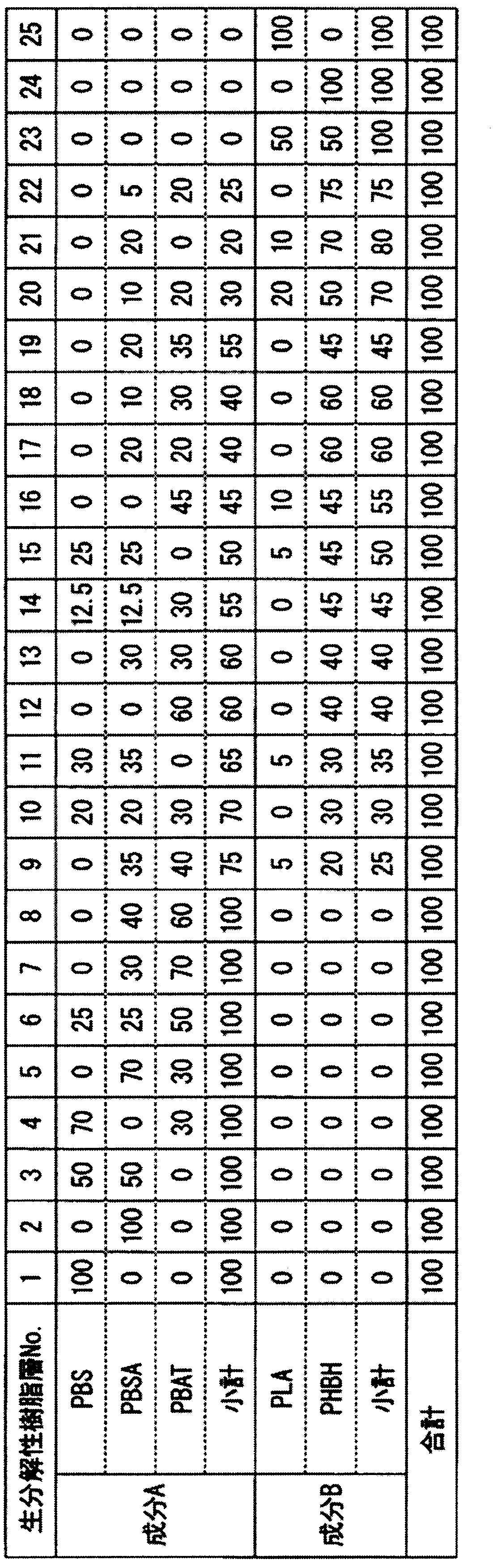
表2,3には、第1の生分解性樹脂層と第2の生分解性樹脂層を、表1で示した生分解性樹脂層(No.1~25)からそれぞれ選択し、組合せて完成させた生分解性樹脂シートの製造例を示す。表2には、第1の生分解性樹脂層の分解酵素による分解速度が、第2の生分解性樹脂層よりも速い組合せの製造例を示し、表3には、第1の生分解性樹脂層が分解酵素により分解可能であり、かつ、第2の生分解性樹脂層が分解酵素により分解されない組合せの製造例を示す。
<実施例>
[分解酵素による生分解性評価]
特開2013-48563号公報に記載されている方法で、PaEを含むPseudozyma antarctica培養液のろ過液を調整し、酵素活性に基づく濃度の測定を行った(測定方法は下記に示す)。その後、酵素の量が1U、5Uとなるように20mMトリス塩酸緩衝液(pH8.0)で調整した溶液50mLをねじ口瓶に入れた。次いで、前記溶液に各生分解性樹脂シート(3cm×3cm)を入れ、23℃にて24時間静置した後、残存する生分解性樹脂シートを回収し、乾燥後の質量を測定し、溶液に入れる前の生分解性樹脂シートの質量に対する分解処理後の質量の減少率(%)を算出した。なお、分解酵素を加えず、20mMトリス塩酸緩衝液(H8.0)のみの溶液に生分解性樹脂シートを入れ、上記のように静置した場合は、溶液に入れる前と静置後の生分解性樹脂シートの質量に変化はなかった。
〔酵素活性の測定方法〕
分解酵素液の酵素活性の測定は、特開2013-23643号公報に記載されている分解酵素の活性測定方法に従い行われた。具体的には、内径10mmの試験管に、20mMのTris-HCL緩衝液(pH6.8)と、基質として、所定量のPBSAエマルジョンEM-301溶液を水に懸濁した液30μLと、を添加して混合する。次いで、前記試験管に、分解酵素液(上記ろ過液)を適量添加し、ボルテックスで撹拌し、濁度計を用いて660nmにおける透過率を測定する。その後、30℃において、220rpmで試験管を振とうしながら混合時及び混合後15分の透過率を求める。濁度計により得られた透過率を以下の式(I)により吸光度に変換し、得られた吸光度から以下の式(II)により酵素活性を求める。
At=-log(X/100) ・・・(I)
C=(A0-A15)×(反応液中の酵素希釈率)/15[U] ・・・(II)
(式(I)中、Atは時間t(min)における吸光度を示し、Xは透過率を示す。式(II)中、Cは酵素活性を示し、A0及びA15は、それぞれ混合時及び混合後15分における吸光度を示す。)
この結果から得られた酵素活性を分解酵素液の力価[U]とする。
[分解酵素による生分解性評価]
特開2013-48563号公報に記載されている方法で、PaEを含むPseudozyma antarctica培養液のろ過液を調整し、酵素活性に基づく濃度の測定を行った(測定方法は下記に示す)。その後、酵素の量が1U、5Uとなるように20mMトリス塩酸緩衝液(pH8.0)で調整した溶液50mLをねじ口瓶に入れた。次いで、前記溶液に各生分解性樹脂シート(3cm×3cm)を入れ、23℃にて24時間静置した後、残存する生分解性樹脂シートを回収し、乾燥後の質量を測定し、溶液に入れる前の生分解性樹脂シートの質量に対する分解処理後の質量の減少率(%)を算出した。なお、分解酵素を加えず、20mMトリス塩酸緩衝液(H8.0)のみの溶液に生分解性樹脂シートを入れ、上記のように静置した場合は、溶液に入れる前と静置後の生分解性樹脂シートの質量に変化はなかった。
〔酵素活性の測定方法〕
分解酵素液の酵素活性の測定は、特開2013-23643号公報に記載されている分解酵素の活性測定方法に従い行われた。具体的には、内径10mmの試験管に、20mMのTris-HCL緩衝液(pH6.8)と、基質として、所定量のPBSAエマルジョンEM-301溶液を水に懸濁した液30μLと、を添加して混合する。次いで、前記試験管に、分解酵素液(上記ろ過液)を適量添加し、ボルテックスで撹拌し、濁度計を用いて660nmにおける透過率を測定する。その後、30℃において、220rpmで試験管を振とうしながら混合時及び混合後15分の透過率を求める。濁度計により得られた透過率を以下の式(I)により吸光度に変換し、得られた吸光度から以下の式(II)により酵素活性を求める。
At=-log(X/100) ・・・(I)
C=(A0-A15)×(反応液中の酵素希釈率)/15[U] ・・・(II)
(式(I)中、Atは時間t(min)における吸光度を示し、Xは透過率を示す。式(II)中、Cは酵素活性を示し、A0及びA15は、それぞれ混合時及び混合後15分における吸光度を示す。)
この結果から得られた酵素活性を分解酵素液の力価[U]とする。
[実施例1~5]
表4に示す生分解性樹脂シートの層構成に従い、表1の生分解性樹脂層を組み合わせて図5に示すような3層の生分解性樹脂層を備える実施例1~5の生分解性樹脂シートを作製した。
各例の生分解性樹脂シートの2つの表面層(第1の生分解性樹脂層)の厚さはそれぞれ5.4μm、芯層(第2の生分解性樹脂層)の厚さは7.2μmとした。すなわち、各例の生分解性樹脂シートの厚さは18μmであり、各層の厚さの比は3:4:3である。
なお、実施例1~5の生分解性樹脂シートにおける第1の生分解性樹脂層と第2の生分解性樹脂層の組合せは、それぞれ表2~3の(1)-5、(1)-6、(1)-9、(1)-19、(2)-6に示すものである。
表4に示す生分解性樹脂シートの層構成に従い、表1の生分解性樹脂層を組み合わせて図5に示すような3層の生分解性樹脂層を備える実施例1~5の生分解性樹脂シートを作製した。
各例の生分解性樹脂シートの2つの表面層(第1の生分解性樹脂層)の厚さはそれぞれ5.4μm、芯層(第2の生分解性樹脂層)の厚さは7.2μmとした。すなわち、各例の生分解性樹脂シートの厚さは18μmであり、各層の厚さの比は3:4:3である。
なお、実施例1~5の生分解性樹脂シートにおける第1の生分解性樹脂層と第2の生分解性樹脂層の組合せは、それぞれ表2~3の(1)-5、(1)-6、(1)-9、(1)-19、(2)-6に示すものである。
[比較例1,2]
成分Aのみを含む生分解性樹脂層No.1からなる厚さ18μmの単層の生分解性樹脂シート(比較例1)を作製した。
生分解性樹脂層No.1に代えて、生分解性樹脂層No.3を用いたこと以外は比較例1と同様にして比較例2の生分解性樹脂シートを作製した。
表4に各例の生分解性樹脂シートの層構成を示す。
また、各例の生分解性樹脂シートを用いて、上記の分解酵素による生分解性評価試験を行った。表4に生分解性評価試験の結果を示す。
成分Aのみを含む生分解性樹脂層No.1からなる厚さ18μmの単層の生分解性樹脂シート(比較例1)を作製した。
生分解性樹脂層No.1に代えて、生分解性樹脂層No.3を用いたこと以外は比較例1と同様にして比較例2の生分解性樹脂シートを作製した。
表4に各例の生分解性樹脂シートの層構成を示す。
また、各例の生分解性樹脂シートを用いて、上記の分解酵素による生分解性評価試験を行った。表4に生分解性評価試験の結果を示す。

実施例1は第1の生分解性樹脂層中の成分A比率が高いため、1Uの分解酵素液で約60%の分解が可能であり、表面層中の成分Aがほぼ分解されたことがわかる。
また、実施例2~5は表面層中にPBATあるいは成分Bが含まれるため1Uの分解酵素液と5Uの分解酵素液を用いた場合では質量減少率に差があるが、5Uの分解酵素液では表面層中の成分Aがほぼ分解されたことがわかる。
これら実施例1~5の生分解性樹脂フィルムは表面層が分解されても中間層が分解されずにシート形態を維持していた。
一方、成分Aのみを含む生分解性樹脂層からなる単層の生分解性樹脂シート(比較例1、2)は、5Uの分解酵素液では、酵素液中で分解されて小片状態となり質量測定のための試料を捕集することができなかった。
このように、本発明の生分解性樹脂シートは分解酵素で分解してもシート形状を維持することが容易である。
また、実施例2~5は表面層中にPBATあるいは成分Bが含まれるため1Uの分解酵素液と5Uの分解酵素液を用いた場合では質量減少率に差があるが、5Uの分解酵素液では表面層中の成分Aがほぼ分解されたことがわかる。
これら実施例1~5の生分解性樹脂フィルムは表面層が分解されても中間層が分解されずにシート形態を維持していた。
一方、成分Aのみを含む生分解性樹脂層からなる単層の生分解性樹脂シート(比較例1、2)は、5Uの分解酵素液では、酵素液中で分解されて小片状態となり質量測定のための試料を捕集することができなかった。
このように、本発明の生分解性樹脂シートは分解酵素で分解してもシート形状を維持することが容易である。
[実施例6]
第1の生分解性樹脂層を表面層とし、第2の生分解性樹脂層を芯層とする層比が表面層:芯層:表面層=1:2:1である3層の生分解性樹脂層を備えた厚さが18μmの生分解性樹脂シートをインフレーション法により製造した。前記生分解性樹脂シートにおける第1の生分解性樹脂層と第2の生分解性樹脂層の組合せは、表2の生分解性樹脂シートNo.(1)-11の組合せに従った。この生分解性樹脂シートを幅950mm×長さ5mに裁断したものを実施例6の生分解性樹脂シートとした。
実施例6の生分解性樹脂シートを、一般的なマルチフィルムの展張方法により畑に展張し、5月初旬から8月初旬にわたり約4か月間維持した。この際、作物は栽培せずに前記生分解性樹脂シートが畑表面を覆うようにした。また、生分解性樹脂の分解性は土壌の状態(存在する微生物など)に影響されるため、事前に本畑の土壌中に上記生分解性樹脂シートのサンプル片を埋設して分解状態を調べた。前記サンプル片は4か月埋設された後でも完全に分解されずシートの形態が維持されることを確認した。
上記畑に展張された状態で約4か月間維持された実施例6の生分解性樹脂シートに対し、畑に触れていない側の表面層に分解酵素液を散布して分解状態を観察した。前記分解酵素液としては、10Uの酵素力価を有する酵素液を原液とし、この原液100mLにイオン交換水900mLを加え総量1000mLとしたものを用いた。前記分解酵素液の散布方法としては、前記分解酵素液1000mLの全量を、実施例6の生分解性樹脂シートの表面積0.5m2に対してほぼ均一となるように散布した。同様にして、実施例6の生分解性樹脂シートの表面積2m2に対して前記分解酵素液を散布した。なお、上記分解酵素液1000mL中には力価として1000Uの分解酵素が含まれる。この分解酵素液の全量を実施例6の生分解性樹脂シートの表面積0.5m2に対して散布したため、前記生分解性樹脂シートの単位面積あたりに作用させた分解酵素の力価は2000U/m2である。
上記分解酵素液の散布は18時頃に行い、翌日9時に測定用の試料を採取した。その際、生分解性樹脂シートはシート形態を維持しており分解による飛散などは生じなかった。
製造直後、上記約4か月間の展張後、及び前記展張後に分解酵素液を散布した後のそれぞれの生分解性樹脂シートについて、JIS Z1702に準拠して引張試験を行った。なお、試験片はダンベル状とし、引張速度は500mm/minとした。
表5に引張試験による破壊強度及び伸びの測定結果を示す。
第1の生分解性樹脂層を表面層とし、第2の生分解性樹脂層を芯層とする層比が表面層:芯層:表面層=1:2:1である3層の生分解性樹脂層を備えた厚さが18μmの生分解性樹脂シートをインフレーション法により製造した。前記生分解性樹脂シートにおける第1の生分解性樹脂層と第2の生分解性樹脂層の組合せは、表2の生分解性樹脂シートNo.(1)-11の組合せに従った。この生分解性樹脂シートを幅950mm×長さ5mに裁断したものを実施例6の生分解性樹脂シートとした。
実施例6の生分解性樹脂シートを、一般的なマルチフィルムの展張方法により畑に展張し、5月初旬から8月初旬にわたり約4か月間維持した。この際、作物は栽培せずに前記生分解性樹脂シートが畑表面を覆うようにした。また、生分解性樹脂の分解性は土壌の状態(存在する微生物など)に影響されるため、事前に本畑の土壌中に上記生分解性樹脂シートのサンプル片を埋設して分解状態を調べた。前記サンプル片は4か月埋設された後でも完全に分解されずシートの形態が維持されることを確認した。
上記畑に展張された状態で約4か月間維持された実施例6の生分解性樹脂シートに対し、畑に触れていない側の表面層に分解酵素液を散布して分解状態を観察した。前記分解酵素液としては、10Uの酵素力価を有する酵素液を原液とし、この原液100mLにイオン交換水900mLを加え総量1000mLとしたものを用いた。前記分解酵素液の散布方法としては、前記分解酵素液1000mLの全量を、実施例6の生分解性樹脂シートの表面積0.5m2に対してほぼ均一となるように散布した。同様にして、実施例6の生分解性樹脂シートの表面積2m2に対して前記分解酵素液を散布した。なお、上記分解酵素液1000mL中には力価として1000Uの分解酵素が含まれる。この分解酵素液の全量を実施例6の生分解性樹脂シートの表面積0.5m2に対して散布したため、前記生分解性樹脂シートの単位面積あたりに作用させた分解酵素の力価は2000U/m2である。
上記分解酵素液の散布は18時頃に行い、翌日9時に測定用の試料を採取した。その際、生分解性樹脂シートはシート形態を維持しており分解による飛散などは生じなかった。
製造直後、上記約4か月間の展張後、及び前記展張後に分解酵素液を散布した後のそれぞれの生分解性樹脂シートについて、JIS Z1702に準拠して引張試験を行った。なお、試験片はダンベル状とし、引張速度は500mm/minとした。
表5に引張試験による破壊強度及び伸びの測定結果を示す。
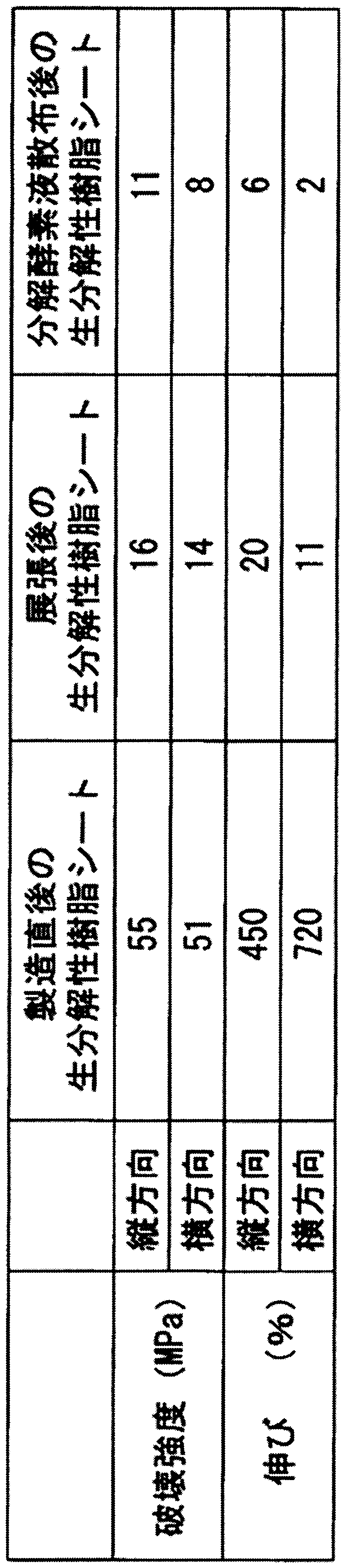
畑に展張されたことで分解が進んだ展張後の生分解性樹脂シートは、破壊強度及び伸びが製造直後のものと比較して大幅に低下していた。前記展張後の生分解性樹脂シートに上記のように分解酵素液を散布した結果、破壊強度及び伸びがさらに低下した。
図7A~Cに、実施例6の生分解性樹脂シートの共焦点レーザ顕微鏡による表面観察画像を示す。図7Aは、約4か月間の展張後の生分解性樹脂シートの表面観察画像、図7Bは、前記展張後の生分解性樹脂シートに分解酵素液を散布した後の表面観察画像、図7Cは、図7Aの生分解性樹脂シートの畑の土壌に接触していた面の表面観察画像である。図7A、Bに示すように、分解酵素液を散布した生分解性樹脂シートの表面は分解が進んでいた。また、図7Cに示すように生分解性樹脂シートの土壌に接触していた面は、土壌による分解が進んでいた。
本発明の生分解性樹脂シートは、例えば、農業用部材、林業用部材、建築用部材、包装用部材、雑貨等に好適に使用できる。具体的には、生分解性マルチフィルム、燻蒸用シート、緩衝材、ゴミ袋、レジ袋、バリヤ性包装材等に使用できる。
10,30,40 生分解性樹脂シート;
11,31,41 第1の生分解性樹脂層;
12,32,42 第2の生分解性樹脂層;
20 生分解性樹脂層;
21 成分Aが占めていた領域;
22 成分Bが占めていた領域
11,31,41 第1の生分解性樹脂層;
12,32,42 第2の生分解性樹脂層;
20 生分解性樹脂層;
21 成分Aが占めていた領域;
22 成分Bが占めていた領域
Claims (10)
- 第1の生分解性樹脂層と第2の生分解性樹脂層を有する生分解性樹脂シートであり、前記第1の生分解性樹脂層の分解酵素による分解速度が、前記第2の生分解性樹脂層よりも速い、生分解性樹脂シート。
- 生分解性樹脂層を3層以上備える、請求項1に記載の生分解性樹脂シート。
- 前記第1の生分解性樹脂層が表面層に位置する、請求項2に記載の生分解性樹脂シート。
- 農業用である、請求項1~3のいずれか一項に記載の生分解性樹脂シート。
- 生分解性樹脂組成は、ポリブチレンサクシネート、ポリブチレンサクシネート・アジペート、ポリブチレンアジペート・テレフタレート、又はこれらのうち2種以上の混合物から選択される分解酵素により分解されやすい成分Aと、
ポリ(3-ヒドロキシブチレート-co-3-ヒドロキシヘキサノエート、ポリ乳酸、又はこれらのうち2種以上の混合物から選択される分解酵素により分解されにくい成分Bとを含有することを特徴とする、請求項1に記載の生分解性樹脂シート。 - 前記第1の生分解性樹脂層に用いられる生分解性樹脂組成は、ポリブチレンサクシネート、ポリブチレンサクシネート・アジペート、ポリブチレンアジペート・テレフタレート、又はこれらのうち2種以上の混合物から選択される成分Aを含有することを特徴とする、請求項1に記載の生分解性樹脂シート。
- 前記第1の生分解性樹脂層における前記成分Aの含有割合は、第1の生分解性樹脂100質量%に対して、30質量%以上100質量%以下であることを特徴とする、請求項5又は6に記載の生分解性樹脂シート。
- 前記第2の生分解性樹脂層における前記成分Bの含有割合は、第2の生分解性樹脂100質量%に対して、10質量%以上100質量%以下である、請求項5に記載の生分解性樹脂シート。
- 生分解性樹脂シートにおける第1の生分解性樹脂層及び第2の生分解性樹脂層の厚さの合計が、0.005mm以上5.0mm以下であることを特徴とする、請求項1~8に記載の生分解性樹脂シート。
- 分解酵素による生分解性樹脂シートの質量減少率が、10%以上70%以下であることを特徴とする、請求項1に記載の生分解性樹脂シート。
Applications Claiming Priority (2)
| Application Number | Priority Date | Filing Date | Title |
|---|---|---|---|
| JP2015-105813 | 2015-05-25 | ||
| JP2015105813A JP2016215589A (ja) | 2015-05-25 | 2015-05-25 | 生分解性樹脂シート |
Publications (1)
| Publication Number | Publication Date |
|---|---|
| WO2016190301A1 true WO2016190301A1 (ja) | 2016-12-01 |
Family
ID=57393898
Family Applications (1)
| Application Number | Title | Priority Date | Filing Date |
|---|---|---|---|
| PCT/JP2016/065298 Ceased WO2016190301A1 (ja) | 2015-05-25 | 2016-05-24 | 生分解性樹脂シート |
Country Status (2)
| Country | Link |
|---|---|
| JP (1) | JP2016215589A (ja) |
| WO (1) | WO2016190301A1 (ja) |
Cited By (3)
| Publication number | Priority date | Publication date | Assignee | Title |
|---|---|---|---|---|
| WO2019189367A1 (ja) * | 2018-03-30 | 2019-10-03 | 三菱ケミカル株式会社 | 成形体、シート及び容器、並びに管状体、ストロー、綿棒及び風船用スティック |
| JP2019178206A (ja) * | 2018-03-30 | 2019-10-17 | 三菱ケミカル株式会社 | 成形体、シート及び容器 |
| WO2022075233A1 (ja) * | 2020-10-07 | 2022-04-14 | 株式会社カネカ | 多層フィルム、および包材 |
Families Citing this family (2)
| Publication number | Priority date | Publication date | Assignee | Title |
|---|---|---|---|---|
| EP3839379A3 (en) | 2016-11-02 | 2021-06-30 | Ngk Insulators, Ltd. | Magnetic member for magnetic refrigerator |
| KR102128081B1 (ko) * | 2020-04-06 | 2020-06-30 | 유한회사 새한팩 | 친환경 생분해성 다층 랩 필름 |
Citations (7)
| Publication number | Priority date | Publication date | Assignee | Title |
|---|---|---|---|---|
| JPH1180524A (ja) * | 1997-09-10 | 1999-03-26 | Gunze Ltd | 生分解性マルチングフィルム |
| JP2002335780A (ja) * | 2001-05-17 | 2002-11-26 | Okura Ind Co Ltd | マルチフィルム |
| JP2005237225A (ja) * | 2004-02-24 | 2005-09-08 | Mikado Kako Kk | 農業用分解マルチフィルム |
| JP2005271272A (ja) * | 2004-03-23 | 2005-10-06 | Achilles Corp | 生分解性樹脂多層フィルムまたはシート |
| JP2010149493A (ja) * | 2008-12-23 | 2010-07-08 | Toray Saehan Inc | 防曇性及び離型性に優れた生分解性多層シート及びその製造方法 |
| JP2012205552A (ja) * | 2011-03-30 | 2012-10-25 | C I Kasei Co Ltd | 生分解性マルチフィルム |
| JP2014144553A (ja) * | 2013-01-28 | 2014-08-14 | Shin Etsu Polymer Co Ltd | 生分解性樹脂シート及びその製造方法 |
-
2015
- 2015-05-25 JP JP2015105813A patent/JP2016215589A/ja active Pending
-
2016
- 2016-05-24 WO PCT/JP2016/065298 patent/WO2016190301A1/ja not_active Ceased
Patent Citations (7)
| Publication number | Priority date | Publication date | Assignee | Title |
|---|---|---|---|---|
| JPH1180524A (ja) * | 1997-09-10 | 1999-03-26 | Gunze Ltd | 生分解性マルチングフィルム |
| JP2002335780A (ja) * | 2001-05-17 | 2002-11-26 | Okura Ind Co Ltd | マルチフィルム |
| JP2005237225A (ja) * | 2004-02-24 | 2005-09-08 | Mikado Kako Kk | 農業用分解マルチフィルム |
| JP2005271272A (ja) * | 2004-03-23 | 2005-10-06 | Achilles Corp | 生分解性樹脂多層フィルムまたはシート |
| JP2010149493A (ja) * | 2008-12-23 | 2010-07-08 | Toray Saehan Inc | 防曇性及び離型性に優れた生分解性多層シート及びその製造方法 |
| JP2012205552A (ja) * | 2011-03-30 | 2012-10-25 | C I Kasei Co Ltd | 生分解性マルチフィルム |
| JP2014144553A (ja) * | 2013-01-28 | 2014-08-14 | Shin Etsu Polymer Co Ltd | 生分解性樹脂シート及びその製造方法 |
Cited By (4)
| Publication number | Priority date | Publication date | Assignee | Title |
|---|---|---|---|---|
| WO2019189367A1 (ja) * | 2018-03-30 | 2019-10-03 | 三菱ケミカル株式会社 | 成形体、シート及び容器、並びに管状体、ストロー、綿棒及び風船用スティック |
| JP2019178206A (ja) * | 2018-03-30 | 2019-10-17 | 三菱ケミカル株式会社 | 成形体、シート及び容器 |
| JP7106936B2 (ja) | 2018-03-30 | 2022-07-27 | 三菱ケミカル株式会社 | 成形体、シート及び容器 |
| WO2022075233A1 (ja) * | 2020-10-07 | 2022-04-14 | 株式会社カネカ | 多層フィルム、および包材 |
Also Published As
| Publication number | Publication date |
|---|---|
| JP2016215589A (ja) | 2016-12-22 |
Similar Documents
| Publication | Publication Date | Title |
|---|---|---|
| Kaushal et al. | Recent insight into enzymatic degradation of plastics prevalent in the environment: A mini-review | |
| De Luca et al. | Poly (lactic acid) and its blends for packaging application: a review | |
| WO2016190301A1 (ja) | 生分解性樹脂シート | |
| Vayshbeyn et al. | Poly (lactic acid)-based blends: A comprehensive review | |
| JP6598859B2 (ja) | 生分解性多層フィルム | |
| Nath et al. | Studies on poly (butylene succinate) and poly (butylene succinate-co-adipate)-based biodegradable plastics for sustainable flexible packaging and agricultural applications: a comprehensive review | |
| US20180142073A1 (en) | Biodecomposable film material and method for making the same | |
| Šerá et al. | Accelerated biodegradation of agriculture film based on aromatic–aliphatic copolyester in soil under mesophilic conditions | |
| WO2006075553A1 (ja) | 艶消しフィルムまたはシート | |
| KR20210005339A (ko) | 내가수성이 우수한 생분해 멀칭필름 및 그의 제조방법 | |
| JP2020050855A (ja) | 生分解性樹脂組成物、マスターバッチ及びその成形体 | |
| JP2017086040A (ja) | 生分解性プラスチックを効率良く分解する方法 | |
| JP2017086040A6 (ja) | 生分解性プラスチックを効率良く分解する方法 | |
| EP4053207A1 (en) | Renewable resin composition and product manufactured from same | |
| JP6056368B2 (ja) | フィルム | |
| JP2016208849A (ja) | 生分解性フィルム | |
| JP5030435B2 (ja) | ポリ乳酸系樹脂積層フィルム、その製造方法、及びその易分解化処理方法 | |
| JP2005237225A (ja) | 農業用分解マルチフィルム | |
| JP2012177045A (ja) | ポリ乳酸系フィルム | |
| Râpă et al. | Degradation study by trichoderma spp. of poly (3-hydroxybuthyrate) and wood fibers composites | |
| JP2018100382A (ja) | 生分解性樹脂シートの分解方法 | |
| JPWO2008044651A1 (ja) | ポリ乳酸系接着剤 | |
| EP4101642B1 (en) | Seedling-growing pot body with long-term stability, and decomposition promotion method therefor | |
| JP4811772B2 (ja) | ポリd−ヒドロキシ酪酸の生分解方法 | |
| JP2005192465A (ja) | 生分解性農業用マルチフィルム |
Legal Events
| Date | Code | Title | Description |
|---|---|---|---|
| 121 | Ep: the epo has been informed by wipo that ep was designated in this application |
Ref document number: 16800006 Country of ref document: EP Kind code of ref document: A1 |
|
| NENP | Non-entry into the national phase |
Ref country code: DE |
|
| 122 | Ep: pct application non-entry in european phase |
Ref document number: 16800006 Country of ref document: EP Kind code of ref document: A1 |