WO2015178176A1 - 管理システム - Google Patents
管理システム Download PDFInfo
- Publication number
- WO2015178176A1 WO2015178176A1 PCT/JP2015/062797 JP2015062797W WO2015178176A1 WO 2015178176 A1 WO2015178176 A1 WO 2015178176A1 JP 2015062797 W JP2015062797 W JP 2015062797W WO 2015178176 A1 WO2015178176 A1 WO 2015178176A1
- Authority
- WO
- WIPO (PCT)
- Prior art keywords
- regeneration
- unit
- reproduction
- management system
- vehicle
- Prior art date
- Legal status (The legal status is an assumption and is not a legal conclusion. Google has not performed a legal analysis and makes no representation as to the accuracy of the status listed.)
- Ceased
Links
Images



Classifications
-
- F—MECHANICAL ENGINEERING; LIGHTING; HEATING; WEAPONS; BLASTING
- F01—MACHINES OR ENGINES IN GENERAL; ENGINE PLANTS IN GENERAL; STEAM ENGINES
- F01N—GAS-FLOW SILENCERS OR EXHAUST APPARATUS FOR MACHINES OR ENGINES IN GENERAL; GAS-FLOW SILENCERS OR EXHAUST APPARATUS FOR INTERNAL-COMBUSTION ENGINES
- F01N3/00—Exhaust or silencing apparatus having means for purifying, rendering innocuous, or otherwise treating exhaust
- F01N3/02—Exhaust or silencing apparatus having means for purifying, rendering innocuous, or otherwise treating exhaust for cooling, or for removing solid constituents of, exhaust
- F01N3/021—Exhaust or silencing apparatus having means for purifying, rendering innocuous, or otherwise treating exhaust for cooling, or for removing solid constituents of, exhaust by means of filters
- F01N3/023—Exhaust or silencing apparatus having means for purifying, rendering innocuous, or otherwise treating exhaust for cooling, or for removing solid constituents of, exhaust by means of filters using means for regenerating the filters, e.g. by burning trapped particles
-
- F—MECHANICAL ENGINEERING; LIGHTING; HEATING; WEAPONS; BLASTING
- F01—MACHINES OR ENGINES IN GENERAL; ENGINE PLANTS IN GENERAL; STEAM ENGINES
- F01N—GAS-FLOW SILENCERS OR EXHAUST APPARATUS FOR MACHINES OR ENGINES IN GENERAL; GAS-FLOW SILENCERS OR EXHAUST APPARATUS FOR INTERNAL-COMBUSTION ENGINES
- F01N3/00—Exhaust or silencing apparatus having means for purifying, rendering innocuous, or otherwise treating exhaust
- F01N3/08—Exhaust or silencing apparatus having means for purifying, rendering innocuous, or otherwise treating exhaust for rendering innocuous
- F01N3/10—Exhaust or silencing apparatus having means for purifying, rendering innocuous, or otherwise treating exhaust for rendering innocuous by thermal or catalytic conversion of noxious components of exhaust
- F01N3/18—Exhaust or silencing apparatus having means for purifying, rendering innocuous, or otherwise treating exhaust for rendering innocuous by thermal or catalytic conversion of noxious components of exhaust characterised by methods of operation; Control
-
- F—MECHANICAL ENGINEERING; LIGHTING; HEATING; WEAPONS; BLASTING
- F02—COMBUSTION ENGINES; HOT-GAS OR COMBUSTION-PRODUCT ENGINE PLANTS
- F02D—CONTROLLING COMBUSTION ENGINES
- F02D41/00—Electrical control of supply of combustible mixture or its constituents
- F02D41/02—Circuit arrangements for generating control signals
- F02D41/04—Introducing corrections for particular operating conditions
-
- F—MECHANICAL ENGINEERING; LIGHTING; HEATING; WEAPONS; BLASTING
- F02—COMBUSTION ENGINES; HOT-GAS OR COMBUSTION-PRODUCT ENGINE PLANTS
- F02D—CONTROLLING COMBUSTION ENGINES
- F02D45/00—Electrical control not provided for in groups F02D41/00 - F02D43/00
-
- G—PHYSICS
- G06—COMPUTING OR CALCULATING; COUNTING
- G06Q—INFORMATION AND COMMUNICATION TECHNOLOGY [ICT] SPECIALLY ADAPTED FOR ADMINISTRATIVE, COMMERCIAL, FINANCIAL, MANAGERIAL OR SUPERVISORY PURPOSES; SYSTEMS OR METHODS SPECIALLY ADAPTED FOR ADMINISTRATIVE, COMMERCIAL, FINANCIAL, MANAGERIAL OR SUPERVISORY PURPOSES, NOT OTHERWISE PROVIDED FOR
- G06Q50/00—Information and communication technology [ICT] specially adapted for implementation of business processes of specific business sectors, e.g. utilities or tourism
- G06Q50/10—Services
-
- Y—GENERAL TAGGING OF NEW TECHNOLOGICAL DEVELOPMENTS; GENERAL TAGGING OF CROSS-SECTIONAL TECHNOLOGIES SPANNING OVER SEVERAL SECTIONS OF THE IPC; TECHNICAL SUBJECTS COVERED BY FORMER USPC CROSS-REFERENCE ART COLLECTIONS [XRACs] AND DIGESTS
- Y02—TECHNOLOGIES OR APPLICATIONS FOR MITIGATION OR ADAPTATION AGAINST CLIMATE CHANGE
- Y02A—TECHNOLOGIES FOR ADAPTATION TO CLIMATE CHANGE
- Y02A50/00—TECHNOLOGIES FOR ADAPTATION TO CLIMATE CHANGE in human health protection, e.g. against extreme weather
- Y02A50/20—Air quality improvement or preservation, e.g. vehicle emission control or emission reduction by using catalytic converters
Definitions
- the present invention relates to a management system, and more particularly to management of a vehicle equipped with an exhaust purification device equipped with a filter (hereinafter referred to as DPF) that collects particulate matter (hereinafter referred to as PM) in exhaust discharged from an internal combustion engine.
- DPF exhaust purification device equipped with a filter
- PM particulate matter
- the vehicle becomes inoperable and may affect the operation of the carrier.
- it is necessary to perform maintenance or the like by placing the vehicle in the vehicle before the failure occurs in the DPF. That is, it is preferable to notify a manager, a driver, or the like as a report when the function of the DPF shows a downward trend.
- An object of the present invention is to provide a management system capable of improving operation by notifying the DPF functional decline tendency as appropriate.
- a management system collects particulate matter in exhaust gas discharged from an internal combustion engine, and exhaust purification having a filter that can be regenerated by combustion removal of accumulated particulate matter.
- a management system for a vehicle equipped with a device wherein a reproduction information acquisition unit that acquires reproduction information of the filter and a reproduction state of the filter tend to decrease based on reproduction information acquired by the reproduction information acquisition unit
- a reproduction state diagnosing unit for diagnosing whether or not there is and a notification unit for notifying a diagnosis result of the reproduction state diagnosing unit are provided.
- the regeneration state diagnosing unit may diagnose whether or not the collection function of the filter tends to decrease based on a regeneration interval from the end of automatic regeneration to the start of the next automatic regeneration.
- the regeneration state diagnosis unit may diagnose whether or not the regeneration function of the filter tends to decrease based on the occurrence frequency of regeneration incomplete with respect to regeneration completion.
- the reproduction state diagnosis unit may diagnose whether or not the automatic reproduction function tends to be lowered based on the execution frequency of manual reproduction.
- the regeneration state diagnosing unit may diagnose whether or not the particulate matter combustion removal function tends to decrease based on the occurrence frequency of regeneration failure and the execution frequency of manual regeneration.
- the notification unit may notify that the maintenance is recommended together with the diagnosis result when the reproduction state diagnosis unit diagnoses the tendency to decrease.
- the regeneration state diagnosing unit diagnoses whether the combustion removal efficiency of particulate matter during regeneration tends to decrease based on the frequency of occurrence of regeneration interruption during execution of automatic regeneration or manual regeneration, and the notification unit When the regeneration state diagnosis unit diagnoses that there is a tendency to decrease, it may notify that the execution of manual regeneration is recommended together with the diagnosis result.
- FIG. 1 is a schematic diagram of a vehicle to which a management system according to an embodiment of the present invention is applied. It is a schematic diagram of a management system concerning one embodiment of the present invention.
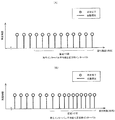
- the PM collection function diagnosis of the present embodiment (A) illustrates an example in which the function is good, and (B) illustrates an example in which the function has a tendency to decrease.
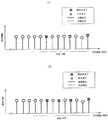
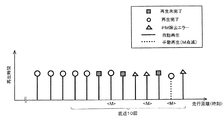
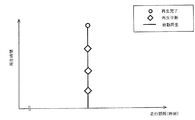
- the DPF regeneration function diagnosis of the present embodiment (A) illustrates an example of a state in which the function is good, and (B) illustrates an example in which the function is declining. It is a figure explaining an example in which the function shows a decreasing tendency about automatic reproduction function diagnosis of this embodiment. It is a figure explaining an example in which the function shows a decreasing tendency about PM oxidation removal function diagnosis of this embodiment. It is a figure explaining an example which shows the tendency for the efficiency concerned about PM oxidation efficiency diagnosis of this embodiment.
- FIG. 1 is a schematic diagram of a vehicle 1 to which the management system of this embodiment is applied.
- An exhaust purification device 10 provided in the exhaust passage 3 of the engine 2 is mounted on the vehicle 1.
- the exhaust purification device 10 includes a fuel injection device 11, an oxidation catalyst (hereinafter referred to as DOC) 12, an exhaust temperature sensor 13, a DPF 14, a differential pressure sensor 15 and the like in order from the exhaust upstream side.
- DOC oxidation catalyst
- the fuel injection device 11 injects unburned fuel (mainly HC) into the exhaust passage 3 in response to an instruction signal input from the ECU. In addition, when using the post injection by the multistage injection of the engine 2, this fuel injection device 11 may be omitted.
- the DOC 12 oxidizes this and raises the exhaust gas temperature.
- the DPF 14 collects PM in the exhaust gas on the surface of the partition wall, and when the amount of accumulated PM reaches a predetermined amount, so-called forced regeneration is performed to remove the PM.
- the forced regeneration is performed by supplying unburned fuel to the DOC 12 by the fuel injection device 11 or post injection, and raising the exhaust temperature flowing into the DPF 14 to the PM combustion temperature.
- the exhaust purification device 10 of the present embodiment is configured to be able to execute “automatic regeneration” and “manual regeneration” as forced regeneration.
- Automatic regeneration refers to when the travel distance of the vehicle 1 reaches a predetermined distance, when the differential pressure across the DPF detected by the differential pressure sensor 15 reaches a predetermined threshold, or when various sensors detect the regeneration timing of the DPF 14. A playback that starts automatically in some cases.
- Manual regeneration refers to regeneration started when the vehicle 1 is stopped and the driver turns on an operation button (not shown). In this manual regeneration, the manual regeneration mark M blinks on the display panel of the cab and the driver is prompted to perform manual regeneration, and the manual regeneration mark M is not blinking. Any manual regeneration that is performed is included.
- FIG. 2 shows a schematic diagram of the management system of this embodiment.
- the management system includes a vehicle-side terminal device 20 mounted on the vehicle 1 and a management-side terminal device 40 installed at a location different from the vehicle 1 (for example, a management-side office or the like).
- the vehicle-side terminal device 20 and the management-side terminal device 40 are connected so as to be capable of wireless communication via a network N such as a mobile phone line.
- a base station (not shown) that functions as a server may be provided between the vehicle-side terminal device 20 and the management-side terminal device 40.
- the base station and the management-side terminal device 40 may be connected via the Internet or the like, and data may be transmitted from the base station in response to a request from the management-side terminal device 40.
- the vehicle-side terminal device 20 includes a reproduction information acquisition / storage unit 21 and a data transmission unit 22. In the illustrated example, only one vehicle 1 is shown. However, when managing a plurality of vehicles, the vehicle-side terminal device 20 may be mounted for each vehicle.
- the reproduction information acquisition / storage unit 21 acquires the reproduction information shown in the following (1) to (6) and stores it as data.
- Regeneration completion refers to, for example, a case where the DPF inlet temperature can be maintained at or above the PM combustion temperature for a predetermined period required for PM combustion removal during the execution period of automatic regeneration or manual regeneration.
- Regeneration incomplete means, for example, a case where the DPF inlet temperature cannot be maintained at the PM combustion temperature or higher for a predetermined period required for PM combustion removal during the execution period of automatic regeneration or manual regeneration.
- the reproduction interruption is a case where reproduction is temporarily interrupted by an ignition key OFF operation, idling stop or the like during execution of automatic reproduction or manual reproduction.
- the PM removal error refers to a case where the differential pressure across the DPF at the end of automatic regeneration or at the end of manual regeneration is greater than or equal to a predetermined threshold value and regeneration of the DPF 14 has failed.
- the data transmission unit 22 wirelessly transmits various reproduction information data stored in the reproduction information acquisition / storage unit 21.
- the timing for transmitting the reproduction information data can be arbitrarily set.
- the reproduction information data may be transmitted once or several times a day, or may be transmitted in real time.
- the management-side terminal device 40 includes a data reception unit 41 that receives reproduction information data transmitted from the data transmission unit 22, a reproduction state diagnosis unit 42 that performs various diagnoses, and a notification unit 43 that reports diagnosis results. Yes.
- the reproduction state diagnosis unit 42 Based on the reproduction information data received by the data receiving unit 41, the reproduction state diagnosis unit 42 performs various function diagnosis of the PM collection function, the DPF regeneration function, the automatic regeneration function, the PM oxidation removal function, and the PM oxidation efficiency. To do. Details of each of these diagnostic items will be described below.
- the “decreasing tendency” used for diagnosis means a state before the DPF 14 fails.
- the PM collection function is diagnosed based on a travel distance from the end of automatic regeneration to the start of the next automatic regeneration (hereinafter referred to as a regeneration interval). For example, as shown in FIG. 3A, when the average value of the reproduction intervals for the latest 10 times is equal to or greater than the normal interval, the PM collection function is diagnosed as “good”.
- the PM trapping function is diagnosed as “decreasing tendency”. This is because it is considered that the PM trapping function of the DPF 14 is significantly lowered due to the accumulation of ash. Note that if any manual regeneration is executed during the last 10 automatic regenerations, recovery of the PM collection function is expected, so it may be excluded from the diagnosis.
- the DPF regeneration function is diagnosed based on whether or not the frequency of uncompleted regeneration with respect to regeneration completion has increased in the most recent automatic regeneration (including manual regeneration). For example, as shown in FIG. 4A, the DPF regeneration function is “good” when regeneration incomplete has occurred n times (where n ⁇ 10) or less in the last 10 automatic regenerations or manual regenerations. Is diagnosed.
- the DPF regeneration function is “ Diagnosed as “declining trend”. This is because there is a possibility that the exhaust temperature has not been raised to the PM combustion temperature due to the deterioration of the DOC 12 or that the in-pipe injection cannot be performed due to the malfunction of the fuel injection device 11 or the like. It should be noted that in the most recent five automatic regenerations or manual regenerations, if regeneration incomplete has not occurred, recovery of the DPF regeneration function is expected, so it may be excluded from the diagnosis.
- the automatic reproduction function is diagnosed based on the frequency of manual reproduction executed when the manual reproduction mark M blinks in the most recent reproductions. For example, as shown in FIG. 5, when the manual regeneration performed during the manual regeneration mark M blinking occurs more than n times (however, n ⁇ 10) among the 10 most recent regenerations, the automatic regeneration function is “decreased”. Diagnosed as “trend”. This is because it is considered that PM regeneration is not promoted even by automatic regeneration, and manual regeneration is frequently prompted by blinking of the manual regeneration mark M. On the other hand, when the condition is not satisfied, the automatic reproduction function is diagnosed as “good”.
- the PM oxidation removal function is diagnosed based on the frequency of occurrence of PM removal errors and the frequency of manual regeneration executed when the manual regeneration mark M blinks. For example, as shown in FIG. 6, when the PM removal error has occurred n times (however, n ⁇ 10) and manual regeneration has been performed n times (where n ⁇ 10) during the last 10 times of playback.
- the PM oxidation function is diagnosed as “decreasing tendency”. This is because it is considered that oxidation removal of the soot component has hardly progressed even if automatic regeneration or manual regeneration is performed. On the other hand, when the condition is not satisfied, the PM oxidation removal function is diagnosed as “good”.
- the PM oxidation efficiency is diagnosed based on the occurrence frequency of regeneration interruption during execution of automatic regeneration or manual regeneration. For example, as shown in FIG. 7, if regeneration interruption occurs three or more times for one automatic regeneration (or manual regeneration), the PM oxidation efficiency during the regeneration is diagnosed as “decreasing tendency”. This is because the temperature rise of the DPF 14 does not proceed due to frequent interruptions, and it is considered that the PM oxidation efficiency is reduced. On the other hand, when the condition is not satisfied, the PM oxidation efficiency is diagnosed as “good”.
- the notification unit 43 notifies each diagnosis result executed by the reproduction state diagnosis unit 42 as a report. For example, an item diagnosed as “good” is displayed as such, and an item diagnosed as “declining trend” is displayed as such. In addition, when there is an item diagnosed as “declining trend”, it is also displayed that maintenance by warehousing is required. More specifically, if any of the PM collection function, DPF regeneration function, automatic regeneration function, and PM oxidation removal function is diagnosed as “decreasing trend”, it is recommended that the vehicle be inspected for maintenance. Message is displayed. Further, when it is diagnosed that the PM oxidation efficiency tends to decrease, a message indicating that any manual regeneration performed by stopping the vehicle 1 is recommended is displayed.
- the report notification method may be either screen display by the display device 44 or paper output by the printing unit 45.
- various functions of the DPF 14 are diagnosed based on the regeneration information data of the DPF 14 transmitted from the vehicle 1. Is done.
- these various functions are diagnosed as “decreasing tendency” before the failure, it is notified that maintenance is recommended along with the diagnosis result. That is, it becomes possible for the administrator and the driver to grasp the time when the vehicle 1 needs to be inspected, such as the maintenance time of the DPF 14, before the occurrence of the failure, and the operation management can be improved with certainty.
- the vehicle 1 has been described as a truck, but it can be widely applied to other vehicles such as a passenger car and a bus.
- the exhaust purification device 10 is not limited to the DPF 14 and can be widely applied to exhaust purification devices including a NOx purification catalyst such as SCR or LNT.
Landscapes
- Engineering & Computer Science (AREA)
- Chemical & Material Sciences (AREA)
- Combustion & Propulsion (AREA)
- Mechanical Engineering (AREA)
- General Engineering & Computer Science (AREA)
- Business, Economics & Management (AREA)
- Tourism & Hospitality (AREA)
- Health & Medical Sciences (AREA)
- Primary Health Care (AREA)
- Theoretical Computer Science (AREA)
- Human Resources & Organizations (AREA)
- Marketing (AREA)
- Economics (AREA)
- Strategic Management (AREA)
- Physics & Mathematics (AREA)
- General Business, Economics & Management (AREA)
- General Physics & Mathematics (AREA)
- General Health & Medical Sciences (AREA)
- Chemical Kinetics & Catalysis (AREA)
- Toxicology (AREA)
- Processes For Solid Components From Exhaust (AREA)
- Exhaust Gas After Treatment (AREA)
- Electrical Control Of Air Or Fuel Supplied To Internal-Combustion Engine (AREA)
- Combined Controls Of Internal Combustion Engines (AREA)
- Management, Administration, Business Operations System, And Electronic Commerce (AREA)
Abstract
車両運行管理システムに関し、DPFの各種機能の低下傾向を適宜通知する。 内燃機関2から排出される排気中の粒子状物質を捕集すると共に、堆積した粒子状物質の燃焼除去により再生可能なフィルタ14を備えた排気浄化装置10を搭載する車両1の管理システムであって、フィルタ14の再生情報を取得する再生情報取得部21と、再生情報取得部21によって取得された再生情報に基づいて、フィルタ14の再生状態が低下傾向にあるか否かを診断する再生状態診断部42と、再生状態診断部42の診断結果を通知する通知部43と、を備えた。
Description
本発明は、管理システムに関し、特に、内燃機関から排出される排気中の粒子状物質(以下、PM)を捕集するフィルタ(以下、DPFという)を備えた排気浄化装置を搭載する車両の管理システムに関する。
従来、複数台の車両を所有する運送業者等の管理用端末に各車両の運行データを送信して運行状況を通知することで、運行管理の向上を図るシステムが開発されている(例えば、特許文献1参照)。
一般的に、運送業者が所有するトラック等の車両には、DPFを備えた排気浄化装置が搭載されている。DPFは、PM捕集量に限度があるため、堆積したPMを定期的に燃焼除去するいわゆる強制再生を行う必要がある(例えば、特許文献2参照)。
ところで、DPFに劣化や目詰まり等による故障が生じると、車両は走行不能状態になり、運送業者の運行に影響を及ぼす可能性がある。このような影響を事前に回避するためには、DPFに故障が生じる前に車両を入庫させて、メンテナンス等を行う必要がある。すなわち、DPFの機能が低下傾向を示した時点で、管理者や運転者等にレポートとして通知することが好ましい。
本発明の目的は、DPFの機能低下傾向を適宜通知することで、運行の向上を図ることができる管理システムを提供することにある。
上記目的を達成するため、本発明の管理システムは、内燃機関から排出される排気中の粒子状物質を捕集すると共に、堆積した粒子状物質の燃焼除去により再生可能なフィルタを備えた排気浄化装置を搭載する車両の管理システムであって、前記フィルタの再生情報を取得する再生情報取得部と、前記再生情報取得部によって取得された再生情報に基づいて、前記フィルタの再生状態が低下傾向にあるか否かを診断する再生状態診断部と、前記再生状態診断部の診断結果を通知する通知部とを備えることを特徴とする。
前記再生状態診断部は、自動再生終了から次の自動再生開始までの再生インターバルに基づいて、前記フィルタの捕集機能が低下傾向にあるか否かを診断するものでもよい。
前記再生状態診断部は、再生完了に対する再生未完了の発生頻度に基づいて、前記フィルタの再生機能が低下傾向にあるか否かを診断するものでもよい。
前記再生状態診断部は、手動再生の実行頻度に基づいて自動再生機能が低下傾向にあるか否かを診断するものでもよい。
前記再生状態診断部は、再生失敗の発生頻度及び、手動再生の実行頻度に基づいて、再生時における粒子状物質の燃焼除去機能が低下傾向にあるか否かを診断するものでもよい。
前記通知部は、前記再生状態診断部が低下傾向と診断した場合に、該診断結果と併せてメンテナンスを推奨する旨を通知するものでもよい。
前記再生状態診断部は、自動再生又は手動再生の実行中における再生中断の発生頻度に基づいて、再生時における粒子状物質の燃焼除去効率が低下傾向にあるか否かを診断し、前記通知部は、前記再生状態診断部が低下傾向と診断した場合に、該診断結果と併せて手動再生の実行を推奨する旨を通知するものでもよい。
前記車両に搭載された車両側端末装置と、該車両側端末装置とネットワークを介して接続されて前記車両とは異なる場所に設置可能な管理側端末装置とを備え、前記車両側端末装置が、前記再生情報取得部と、該再生情報取得部で取得された再生情報を前記ネットワークを介して送信する送信部とを含み、前記管理側端末装置が、前記送信部から送信される再生情報を受信する受信部と、前記再生状態診断部と、前記通知部とを含むものでもよい。
以下、添付図面に基づいて、本発明の一実施形態に係る管理システムを説明する。
図1は、本実施形態の管理システムが適用される車両1の概略図である。車両1には、エンジン2の排気通路3に設けられた排気浄化装置10が搭載されている。排気浄化装置10は、排気上流側から順に、燃料噴射装置11、酸化触媒(以下、DOC)12、排気温度センサ13、DPF14及び、差圧センサ15等を備えている。
燃料噴射装置11は、ECUから入力される指示信号に応じて、排気通路3内に未燃燃料(主にHC)を噴射する。なお、エンジン2の多段噴射によるポスト噴射を用いる場合は、この燃料噴射装置11を省略してもよい。DOC12は、燃料噴射装置11又はポスト噴射によってHCが供給されると、これを酸化して排気温度を上昇させる。DPF14は、排気中のPMを隔壁表面に捕集すると共に、PM堆積量が所定量に達すると、これを燃焼除去するいわゆる強制再生が実行される。強制再生は、燃料噴射装置11又はポスト噴射によってDOC12に未燃燃料を供給し、DPF14に流入する排気温度をPM燃焼温度まで昇温することで行われる。
本実施形態の排気浄化装置10は、強制再生として、「自動再生」及び、「手動再生」を実行可能に構成されている。自動再生とは、車両1の走行距離が所定距離に達した場合、差圧センサ15によって検出されるDPF前後差圧が所定閾値に達した場合又は、各種センサ等がDPF14の再生時期を検出した場合に自動的に開始される再生をいう。手動再生とは、車両1を停車させて運転者が操作ボタン(不図示)をON操作することにより開始される再生をいう。この手動再生には、運転室の表示パネルに手動再生マークMを点滅させて運転者に手動再生を促すことで実行される受動的な手動再生及び、手動再生マークMが点滅していない状態で実行される任意の手動再生が含まれる。
図2は、本実施形態の管理システムの概略図を示している。管理システムは、車両1に搭載された車両側端末装置20と、車両1とは異なる場所(例えば、管理側の事務所等)に設置された管理側端末装置40とを備えている。これら車両側端末装置20及び管理側端末装置40は、携帯電話回線等のネットワークNを介して無線通信可能に接続されている。なお、車両側端末装置20と管理側端末装置40との間に、サーバとして機能する図示しない基地局を設けてもよい。この場合は、基地局と管理側端末装置40とをインターネット等で接続し、管理側端末装置40からの要求に応じて基地局からデータを送信するように構成すればよい。
車両側端末装置20は、再生情報取得蓄積部21と、データ送信部22とを備えている。なお、図示例では、一台の車両1のみを示しているが、複数台を管理する場合は各車両毎に車両側端末装置20を搭載すればよい。
再生情報取得蓄積部21は、以下(1)~(6)に示す再生情報を取得してデータとして蓄積する。(1)自動・手動再生が開始された車両1の走行距離、(2)自動再生・手動再生に要した再生時間、(3)自動再生・手動再生の再生完了、(4)自動再生・手動再生の再生未完了、(5)自動再生・手動再生の再生中断、(6)PM除去エラー。
再生完了とは、例えば、自動再生又は手動再生の実行期間中にPMの燃焼除去に必要な所定期間、DPF入口温度をPM燃焼温度以上で維持できた場合をいう。再生未完了とは、例えば、自動再生又は手動再生の実行期間中にPMの燃焼除去に必要な所定期間、DPF入口温度をPM燃焼温度以上で維持できなかった場合をいう。再生中断とは、自動再生又は手動再生実行中にイグニッションキーOFF操作やアイドリングストップ等によって、再生が一時的に中断した場合をいう。PM除去エラーとは、自動再生終了時又は手動再生終了時のDPF前後差圧が所定の閾値以上であって、DPF14の再生が失敗に終わった場合をいう。
データ送信部22は、再生情報取得蓄積部21に蓄積された各種再生情報データを無線送信する。再生情報データを送信するタイミングは任意に設定可能であり、例えば、1日に1回又は数回送信してもよく、リアルタイムで送信することも可能である。
管理側端末装置40は、データ送信部22から送信される再生情報データを受信するデータ受信部41と、各種診断を行う再生状態診断部42と、診断結果をレポートする通知部43とを備えている。
再生状態診断部42は、データ受信部41によって受信された再生情報データに基づいて、PM捕集機能、DPF再生機能、自動再生機能、PM酸化除去機能及び、PM酸化効率の各種機能診断を実行する。以下、これら各診断項目の詳細について説明する。なお、診断に用いられる「低下傾向」とは、DPF14が故障する前の状態を意味するものとする。
[PM捕集機能診断]
PM捕集機能は、自動再生終了から次の自動再生開始までの走行距離(以下、再生インターバルという)に基づいて診断される。例えば、図3(A)に示すように、直近10回分の再生インターバル平均値が正常時のインターバル以上の場合、PM捕集機能は「良好」と診断される。
PM捕集機能は、自動再生終了から次の自動再生開始までの走行距離(以下、再生インターバルという)に基づいて診断される。例えば、図3(A)に示すように、直近10回分の再生インターバル平均値が正常時のインターバル以上の場合、PM捕集機能は「良好」と診断される。
一方、図3(B)に示すように、直近10回分の再生インターバル平均値が継続して正常時のインターバルよりも短い場合、PM捕集機能は「低下傾向」と診断される。このような状態は、アッシュの堆積によってDPF14のPM捕集機能が著しく低下していると考えられるためである。なお、直近10回の自動再生の間に任意の手動再生が実行された場合は、PM捕集機能の回復が期待されるため、当該診断から除外してもよい。
[DPF再生機能診断]
DPF再生機能は、直近数回分の自動再生(手動再生を含む)において、再生完了に対する再生未完了の発生頻度が増加したか否かに基づいて診断される。例えば、図4(A)に示すように、直近10回の自動再生又は手動再生において、再生未完了の発生がn回(但し、n<10)以下の場合に、DPF再生機能は「良好」と診断される。
DPF再生機能は、直近数回分の自動再生(手動再生を含む)において、再生完了に対する再生未完了の発生頻度が増加したか否かに基づいて診断される。例えば、図4(A)に示すように、直近10回の自動再生又は手動再生において、再生未完了の発生がn回(但し、n<10)以下の場合に、DPF再生機能は「良好」と診断される。
一方、図4(B)に示すように、直近10回の自動再生又は手動再生において、再生未完了が非連続にn回以上(但し、n<10)発生した場合に、DPF再生機能は「低下傾向」と診断される。このような状態は、DOC12の劣化により排気温度がPM燃焼温度まで昇温されていないか、あるいは、燃料噴射装置11の不調等により排気管内噴射が行えていない可能性が考えられるためである。なお、直近5回の自動再生又は手動再生において、再生未完了が発生していない場合は、DPF再生機能の回復が期待されるため、当該診断から除外してもよい。
[自動再生機能診断]
自動再生機能は、直近数回分の再生において、手動再生マークMの点滅時に実行された手動再生の頻度に基づいて診断される。例えば、図5に示すように、直近10回の再生のうち、手動再生マークM点滅時に実行された手動再生がn回以上(但し、n<10)発生した場合に、自動再生機能は「低下傾向」と診断される。このような状態は、自動再生によってもPMの燃焼除去が進まず、手動再生マークMの点滅により手動再生が頻繁に促されたと考えられるためである。一方、条件不成立の場合は、自動再生機能は「良好」と診断される。
自動再生機能は、直近数回分の再生において、手動再生マークMの点滅時に実行された手動再生の頻度に基づいて診断される。例えば、図5に示すように、直近10回の再生のうち、手動再生マークM点滅時に実行された手動再生がn回以上(但し、n<10)発生した場合に、自動再生機能は「低下傾向」と診断される。このような状態は、自動再生によってもPMの燃焼除去が進まず、手動再生マークMの点滅により手動再生が頻繁に促されたと考えられるためである。一方、条件不成立の場合は、自動再生機能は「良好」と診断される。
[PM酸化除去機能診断]
PM酸化除去機能は、PM除去エラーの発生頻度及び、手動再生マークMの点滅時に実行された手動再生の頻度に基づいて診断される。例えば、図6に示すように、直近10回の再生中において、PM除去エラーがn回(但し、n<10)発生し、且つ手動再生がn回(但し、n<10)行われた場合、PM酸化機能は「低下傾向」と診断される。このような状態は、自動再生や手動再生を行っても、スート成分の酸化除去が殆ど進んでいないと考えられるためである。一方、条件不成立の場合は、PM酸化除去機能は「良好」と診断される。
PM酸化除去機能は、PM除去エラーの発生頻度及び、手動再生マークMの点滅時に実行された手動再生の頻度に基づいて診断される。例えば、図6に示すように、直近10回の再生中において、PM除去エラーがn回(但し、n<10)発生し、且つ手動再生がn回(但し、n<10)行われた場合、PM酸化機能は「低下傾向」と診断される。このような状態は、自動再生や手動再生を行っても、スート成分の酸化除去が殆ど進んでいないと考えられるためである。一方、条件不成立の場合は、PM酸化除去機能は「良好」と診断される。
[PM酸化効率診断]
PM酸化効率は、自動再生又は手動再生の実行中における再生中断の発生頻度に基づいて診断される。例えば、図7に示すように、1回の自動再生(又は、手動再生)につき、再生中断が3回以上発生した場合、当該再生時のPM酸化効率は「低下傾向」と診断される。このような状態は、中断の頻発によりDPF14の温度昇温が進まず、PM酸化効率の低下を招いていると考えられるためである。一方、条件不成立の場合は、PM酸化効率は「良好」と診断される。
PM酸化効率は、自動再生又は手動再生の実行中における再生中断の発生頻度に基づいて診断される。例えば、図7に示すように、1回の自動再生(又は、手動再生)につき、再生中断が3回以上発生した場合、当該再生時のPM酸化効率は「低下傾向」と診断される。このような状態は、中断の頻発によりDPF14の温度昇温が進まず、PM酸化効率の低下を招いていると考えられるためである。一方、条件不成立の場合は、PM酸化効率は「良好」と診断される。
通知部43は、再生状態診断部42によって実行された各診断結果をレポートとして通知する。例えば、「良好」と診断された項目についてはその旨を表示し、「低下傾向」と診断された項目についてはその旨を表示する。また、「低下傾向」と診断された項目がある場合は、車両入庫によるメンテナンス等が必要な旨も表示する。より詳しくは、PM捕集機能、DPF再生機能、自動再生機能、PM酸化除去機能の何れか一項目でも「低下傾向」と診断された場合は、メンテナンスのために車両の点検入庫を推奨する旨のメッセージを表示する。また、PM酸化効率が低下傾向と診断された場合は、車両1を停車させて行う任意の手動再生を推奨する旨のメッセージを表示する。なお、レポートの通知方法は、表示装置44による画面表示、あるいは、印刷部45による用紙出力の何れであってもよい。
次に、本実施形態に係る管理システムの作用効果について説明する。
本実施形態では、車両1から送信されるDPF14の再生情報データに基づいて、DPF14の各種機能(PM捕集機能、DPF再生機能、自動再生機能、PM酸化除去機能及び、PM酸化効率)が診断される。そして、これら各種機能が故障前の「低下傾向」と診断された場合は、当該診断結果と併せてメンテナンス等を推奨する旨が通知されるようになっている。すなわち、DPF14のメンテナンス時期等、車両1の入庫点検が必要になる時期を管理者や運転者に故障発生前に把握させることが可能となり、運行管理の向上を確実に図ることができる。
なお、本発明は、上述の実施形態に限定されるものではなく、本発明の趣旨を逸脱しない範囲で、適宜変形して実施することが可能である。
例えば、上述の実施形態において、車両1はトラックとして説明したが、乗用車やバス等の他の車両にも広く適用することが可能である。また、排気浄化装置10は、DPF14に限定されず、SCRやLNT等のNOx浄化触媒を備える排気浄化装置にも広く適用することが可能である。
Claims (8)
- 内燃機関から排出される排気中の粒子状物質を捕集すると共に、堆積した粒子状物質の燃焼除去により再生可能なフィルタを備えた排気浄化装置を搭載する車両の管理システムであって、
前記フィルタの再生情報を取得する再生情報取得部と、
前記再生情報取得部によって取得された再生情報に基づいて、前記フィルタの再生状態が低下傾向にあるか否かを診断する再生状態診断部と、
前記再生状態診断部の診断結果を通知する通知部と、を備える
ことを特徴とする管理システム。 - 前記再生状態診断部は、自動再生終了から次の自動再生開始までの再生インターバルに基づいて、前記フィルタの捕集機能が低下傾向にあるか否かを診断する
請求項1に記載の管理システム。 - 前記再生状態診断部は、再生完了に対する再生未完了の発生頻度に基づいて、前記フィルタの再生機能が低下傾向にあるか否かを診断する
請求項1又は2に記載の管理システム。 - 前記再生状態診断部は、手動再生の実行頻度に基づいて自動再生機能が低下傾向にあるか否かを診断する
請求項1から3の何れか一項に記載の管理システム。 - 前記再生状態診断部は、再生失敗の発生頻度及び、手動再生の実行頻度に基づいて、再生時における粒子状物質の燃焼除去機能が低下傾向にあるか否かを診断する
請求項1から4の何れか一項に記載の管理システム。 - 前記通知部は、前記再生状態診断部が低下傾向と診断した場合に、該診断結果と併せてメンテナンスを推奨する旨を通知する
請求項1から5の何れか一項に記載の管理システム。 - 前記再生状態診断部は、自動再生又は手動再生の実行中における再生中断の発生頻度に基づいて、再生時における粒子状物質の燃焼除去効率が低下傾向にあるか否かを診断し、
前記通知部は、前記再生状態診断部が低下傾向と診断した場合に、該診断結果と併せて手動再生の実行を推奨する旨を通知する
請求項1に記載の管理システム。 - 前記車両に搭載された車両側端末装置と、該車両側端末装置とネットワークを介して接続されて前記車両とは異なる場所に設置可能な管理側端末装置とを備え、
前記車両側端末装置が、前記再生情報取得部と、該再生情報取得部で取得された再生情報を前記ネットワークを介して送信する送信部とを含み、
前記管理側端末装置が、前記送信部から送信される再生情報を受信する受信部と、前記再生状態診断部と、前記通知部とを含む
請求項1から7の何れか一項に記載の管理システム。
Applications Claiming Priority (2)
| Application Number | Priority Date | Filing Date | Title |
|---|---|---|---|
| JP2014-105315 | 2014-05-21 | ||
| JP2014105315A JP6435641B2 (ja) | 2014-05-21 | 2014-05-21 | 管理システム |
Publications (1)
| Publication Number | Publication Date |
|---|---|
| WO2015178176A1 true WO2015178176A1 (ja) | 2015-11-26 |
Family
ID=54553850
Family Applications (1)
| Application Number | Title | Priority Date | Filing Date |
|---|---|---|---|
| PCT/JP2015/062797 Ceased WO2015178176A1 (ja) | 2014-05-21 | 2015-04-28 | 管理システム |
Country Status (2)
| Country | Link |
|---|---|
| JP (1) | JP6435641B2 (ja) |
| WO (1) | WO2015178176A1 (ja) |
Cited By (1)
| Publication number | Priority date | Publication date | Assignee | Title |
|---|---|---|---|---|
| CN116168473A (zh) * | 2023-03-13 | 2023-05-26 | 瑞修得信息科技(无锡)有限公司 | 行车再生信息提醒方法、装置、设备及存储介质 |
Families Citing this family (3)
| Publication number | Priority date | Publication date | Assignee | Title |
|---|---|---|---|---|
| JP6699301B2 (ja) * | 2016-04-04 | 2020-05-27 | いすゞ自動車株式会社 | 異常検出装置、異常検出方法及び異常検出システム |
| JP6737110B2 (ja) * | 2016-09-29 | 2020-08-05 | 富士通株式会社 | フィルタ装置、車両、フィルタ装置の監視システム、及び、フィルタ装置の監視プログラム |
| JP2023109245A (ja) * | 2022-01-27 | 2023-08-08 | 株式会社小松製作所 | 運転指示システムおよび運転指示方法 |
Citations (5)
| Publication number | Priority date | Publication date | Assignee | Title |
|---|---|---|---|---|
| JP2005054631A (ja) * | 2003-08-01 | 2005-03-03 | Nissan Diesel Motor Co Ltd | 排気浄化装置 |
| JP2005282421A (ja) * | 2004-03-29 | 2005-10-13 | Denso Corp | パティキュレートフィルタ再生処理装置の検査システム |
| JP2008121631A (ja) * | 2006-11-15 | 2008-05-29 | Mitsubishi Motors Corp | 内燃機関の排気浄化装置 |
| JP2008196428A (ja) * | 2007-02-14 | 2008-08-28 | Shin Caterpillar Mitsubishi Ltd | 機体診断方法および機体診断システム |
| JP2010203297A (ja) * | 2009-03-02 | 2010-09-16 | Hitachi Constr Mach Co Ltd | 作業機械 |
-
2014
- 2014-05-21 JP JP2014105315A patent/JP6435641B2/ja active Active
-
2015
- 2015-04-28 WO PCT/JP2015/062797 patent/WO2015178176A1/ja not_active Ceased
Patent Citations (5)
| Publication number | Priority date | Publication date | Assignee | Title |
|---|---|---|---|---|
| JP2005054631A (ja) * | 2003-08-01 | 2005-03-03 | Nissan Diesel Motor Co Ltd | 排気浄化装置 |
| JP2005282421A (ja) * | 2004-03-29 | 2005-10-13 | Denso Corp | パティキュレートフィルタ再生処理装置の検査システム |
| JP2008121631A (ja) * | 2006-11-15 | 2008-05-29 | Mitsubishi Motors Corp | 内燃機関の排気浄化装置 |
| JP2008196428A (ja) * | 2007-02-14 | 2008-08-28 | Shin Caterpillar Mitsubishi Ltd | 機体診断方法および機体診断システム |
| JP2010203297A (ja) * | 2009-03-02 | 2010-09-16 | Hitachi Constr Mach Co Ltd | 作業機械 |
Cited By (1)
| Publication number | Priority date | Publication date | Assignee | Title |
|---|---|---|---|---|
| CN116168473A (zh) * | 2023-03-13 | 2023-05-26 | 瑞修得信息科技(无锡)有限公司 | 行车再生信息提醒方法、装置、设备及存储介质 |
Also Published As
| Publication number | Publication date |
|---|---|
| JP6435641B2 (ja) | 2018-12-12 |
| JP2015218708A (ja) | 2015-12-07 |
Similar Documents
| Publication | Publication Date | Title |
|---|---|---|
| CN101379284B (zh) | 废气净化系统的控制方法及废气净化系统 | |
| CN103225534B (zh) | 碳烟传感器监测 | |
| CN102782267B (zh) | Dpf的再生控制装置、再生控制方法及再生支持系统 | |
| CN109281739B (zh) | 一种接线检测方法及检测装置 | |
| US9879587B2 (en) | Diagnosing oxidation catalyst device with hydrocarbon storage | |
| US8282706B2 (en) | Engine exhaust after-treatment system | |
| CA2876191A1 (en) | Method for detecting abnormally frequent diesel particulate filter regeneration, engine and exhaust aftertreatment system, and warning system and method | |
| JP6435641B2 (ja) | 管理システム | |
| CN109424406B (zh) | 集成式尾气无线监控装置 | |
| US12188390B2 (en) | Diagnosis device and diagnosis method | |
| CN103527294A (zh) | 一种后处理系统的控制方法、后处理电控单元和控制器 | |
| CN114876616B (zh) | 一种发动机尾气处理系统的故障检测及处理方法 | |
| CN114705406B (zh) | 一种dpf故障诊断方法、装置及车辆 | |
| CN110295985B (zh) | 一种检测柴油氧化催化器移除的方法及装置 | |
| WO2015178177A1 (ja) | 車両用管理システム | |
| CN103790684A (zh) | 一种氧化催化器的故障检测方法及装置 | |
| KR102049351B1 (ko) | 디젤 미립자 필터의 서비스 재생 방법 | |
| US9080494B2 (en) | Particulate filter monitoring methods and systems | |
| CN114658521A (zh) | 柴油车的控制方法和装置、柴油车 | |
| US12230076B2 (en) | Control device and notification method | |
| CN118167464A (zh) | Dpf故障的检测方法、装置及发动机 | |
| JP4636278B2 (ja) | 内燃機関の排気浄化装置 | |
| KR20230030091A (ko) | 운행자동차 배출가스 저감장치 관리시스템 | |
| KR102586924B1 (ko) | 그을음 퇴적기울기 방식 필터재생방법 및 차량 필터보호 시스템 | |
| KR101888767B1 (ko) | Pm 센서의 고장 판정 방법 |
Legal Events
| Date | Code | Title | Description |
|---|---|---|---|
| 121 | Ep: the epo has been informed by wipo that ep was designated in this application |
Ref document number: 15795883 Country of ref document: EP Kind code of ref document: A1 |
|
| NENP | Non-entry into the national phase |
Ref country code: DE |
|
| 122 | Ep: pct application non-entry in european phase |
Ref document number: 15795883 Country of ref document: EP Kind code of ref document: A1 |