WO2015045236A1 - 配船計画作成装置及び配船計画作成方法 - Google Patents
配船計画作成装置及び配船計画作成方法 Download PDFInfo
- Publication number
- WO2015045236A1 WO2015045236A1 PCT/JP2014/003658 JP2014003658W WO2015045236A1 WO 2015045236 A1 WO2015045236 A1 WO 2015045236A1 JP 2014003658 W JP2014003658 W JP 2014003658W WO 2015045236 A1 WO2015045236 A1 WO 2015045236A1
- Authority
- WO
- WIPO (PCT)
- Prior art keywords
- ship
- orders
- combination
- order
- processed
- Prior art date
- Legal status (The legal status is an assumption and is not a legal conclusion. Google has not performed a legal analysis and makes no representation as to the accuracy of the status listed.)
- Ceased
Links
Images





Classifications
-
- G—PHYSICS
- G06—COMPUTING OR CALCULATING; COUNTING
- G06Q—INFORMATION AND COMMUNICATION TECHNOLOGY [ICT] SPECIALLY ADAPTED FOR ADMINISTRATIVE, COMMERCIAL, FINANCIAL, MANAGERIAL OR SUPERVISORY PURPOSES; SYSTEMS OR METHODS SPECIALLY ADAPTED FOR ADMINISTRATIVE, COMMERCIAL, FINANCIAL, MANAGERIAL OR SUPERVISORY PURPOSES, NOT OTHERWISE PROVIDED FOR
- G06Q10/00—Administration; Management
- G06Q10/08—Logistics, e.g. warehousing, loading or distribution; Inventory or stock management
- G06Q10/083—Shipping
Definitions
- the present invention relates to a ship allocation plan creation apparatus and a ship allocation plan creation method for creating a ship allocation plan for processing an order that defines a loading place, a landing place, a loading date, a landing date, and cargo, and in particular, an order.
- the present invention relates to a ship assignment plan creation device and a ship assignment plan creation method for creating a ship assignment plan when there are a plurality of ships and ships.
- such a ship allocation plan creation device has the following problems.
- the loading operation that defines the loading place, loading date, and loading and the loading operation that defines the landing site, lifting date, and loading are handled as independent loading operations, respectively. Therefore, a search process to reach a cargo handling corresponding to the one cargo handling is required, and the processing time is increased.
- the correspondence between loading and unloading is a pre-determined fact that what is carried from where to where, but if this is automated, it will be warped. There was a risk of inefficiency.
- the present invention has been made to solve such problems, and incorporates a determination method that has been performed by humans in the past, and a ship allocation plan creation device and a ship allocation plan for creating a ship allocation plan that guarantees effectiveness.
- the purpose is to provide a creation method.
- the ship allocation plan creation apparatus of the present invention creates a ship allocation plan for processing a plurality of orders with a loading place, a landing place, a loading date, a landing date and a cargo by a plurality of ships.
- a grouping means for grouping a plurality of orders that can be processed almost simultaneously with one ship as one order, and a combination of the orders that can be processed by each of the plurality of ships An order combination extracting means for extracting for each ship while allowing an overlapping process in which one order is processed by a plurality of ships, and one of the orders to be processed by one ship from the combination of orders.
- a low-cost combination extracting unit that extracts a combination of orders with a low processing cost by comparing processing costs corresponding to the combinations of orders when there are a plurality of combinations of orders extracted by It is as.
- the ship assignment plan creation method of the present invention is a ship assignment plan creation method for creating a ship assignment plan for processing a plurality of orders in which a loading place, a landing place, a loading date, a landing date, and a cargo are processed by a plurality of ships.
- An order combination extraction step for extracting for each ship while allowing overlap processing to be processed by the ship, and the plurality of orders while excluding the combination of orders processed by one ship from among the order combinations A process combination extraction step for extracting a combination of the orders in which each order of the process is processed in a single step, and the above-described processing extracted in the process combination extraction step.
- the combination of Zehnder there are multiple some as a method having a low-cost combination extracting step of extracting a combination of low the order of processing cost by comparing the processing costs corresponding to the combination of each of the orders, the.
- the ship allocation plan creation device and the ship allocation plan creation method of the present invention it is possible to create a ship allocation plan that guarantees effectiveness.
- the ship allocation plan creating apparatus is a computer including a CPU, a ROM, a RAM, etc., and the operation as various means according to the present invention is realized by the cooperation of hardware and software, A ship allocation plan for processing a plurality of orders defining a loading place, a landing place, a loading date, a landing date, and a freight by a plurality of ships is prepared.
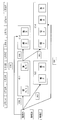
- the ship allocation plan creation device has input means such as a keyboard and a mouse for inputting a plurality of orders, and an order as shown in FIG.
- the input order S (for example, orders S1 to S6) to be input can be input for each input item such as cargo handling, cargo handling and cargo.
- a loading date and a loading site are input to the loading handle, respectively, and a loading date and a landing site are input to the loading handle, respectively.
- cargo items for example, oil types of petroleum products
- quantities, and the like that are transported from the loading site to the landing site are input to the cargo.
- the input order S that has been input can be grouped into orders that can be processed by one ship based on predetermined constraints. For example, there are two grouping constraint conditions for grouping. One is a ship with a ship date and a landing date that are the same day or close to each other, and an order that is the same or close to each other. The other condition is that the processing period from the loading date to the landing date is almost the same, and in the middle of the route from the loading location to the landing location, It is a condition that orders such as at least one of loading and unloading sites are grouped as orders that can be processed by one ship.
- the ship allocation plan creation device for example, the loading date and the landing date of the input order S1 and the input order S2, and the loading location and the landing location are the same or In this case, since each is the same, as shown in FIG. 1B, a grouping process for outputting these input orders S1 and S2 as an output order G1 that can be processed by one ship is performed. Execute. Further, the ship allocation plan creation device, based on the second grouping restriction condition, for example, almost overlaps the processing period from the loading date to the lifting date of the input order S5 and the input order S6, and the product of the input order S5.
- the cargo to be loaded does not exceed the average loadable capacity of each ship.
- Grouping can also be performed. For example, when the input order S1 and the input order S2 are output orders G of the same group, it is determined whether or not the total cargo volume (volume and weight) of the cargo X and the cargo Y exceeds the average loadable capacity of a plurality of ships. Thus, grouping can be performed when not exceeding, and grouping can be prevented when exceeding.
- the ship allocation plan creating apparatus extracts combinations of orders that can be processed by one ship by combining these independent output orders G1 to G4.
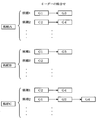
- the ship allocation plan creating apparatus stores the orders in time series in the order of early processing start period (for example, loading date) as shown in FIG.
- output orders G with overlapping processing periods for example, output orders G1 and G2, output orders G3 and G4 are arranged in parallel along the time axis
- output orders G without overlapping processing periods for example, output order G1 And G3, and output orders G2 and G4 are stored in series along the time axis.
- the ship allocation plan creation device extracts combinations of output orders G that can be processed by one ship based on the arrangement of the output orders G in time series.
- the combination is extracted with reference to the processing constraint conditions as shown below.
- each output order G can be processed independently, for example, processing from the location of the ship (including the initial location) to the processing start location (loading location) of each output order G It is possible to move by the start deadline (loading date), it is possible to move from the processing start point (loading point) of the output order G to the processing end point (lifting point) by the processing end deadline (lifting date), output
- the cargo item of order G is an item of cargo that can be loaded on the ship, and the cargo of output order G is within the range of the loadable capacity of the vessel.
- a processing constraint condition for determining whether or not processing is possible when the output order G is combined in time series for example, one of the output orders G that substantially overlap the processing period is extracted. It is possible to move to the processing start place (loading place) of the subsequent output order G by the processing start deadline (loading date), from the first output order G combined in time series to the last output order G Can be processed within the processing period defined in the above.
- the ship allocation plan creation device extracts an order combination for each ship in consideration of these processing constraint conditions.
- the cargo items of the output orders G1 to G4 are first considered, and it is determined whether or not the cargo is an item that can be loaded on the ship A. When it is determined that the item can be loaded, it is further determined whether or not the cargo is within the range of the loadable amount of the ship A. When the above determination is cleared, next, it is determined whether or not it is possible to move directly to the loading place of each of the output orders G1 to G4 in consideration of the current position (initial position) of the ship A. At this time, the movement capacity (maximum speed) of the ship A input in advance is referred to.
- the output order G1 is extracted as the output order G that clears the processing constraint condition and has the earliest processing start period (OK in the figure).
- the output order G2 for which the determination could not be cleared is excluded from the extraction candidates (NG in the figure).
- output orders G3 and G4 are also extracted as output orders G that can be directly moved from the initial location and processed (OK in the figure).
- the output order G that cannot clear one determination is not subjected to subsequent determination, and is excluded from extraction candidates at that time, so that useless determination processing is not performed. Therefore, the extraction process can be speeded up.
- each of the plurality of ships is processed in the longest period from the loading date to the lifting date.
- Possible output order G combinations can also be extracted. For example, as shown in FIG. 3, it is assumed that there are an output order G10 and an output order G11 with overlapping processing periods, and at least one of the output orders G of these output orders G Assume that at least one of them has a grace period.
- the grace period means that there is a grace period before the current day for loading days, and that there is a grace period after that day for lifting days.
- the output order G11 it is determined whether or not the output order G11 can be processed after the output order G10 is processed, and whether or not the output order G10 can be processed after the output order G11 is processed. Is performed based on the aforementioned processing constraint conditions. For example, whether or not the output order G11 can be processed in two days on January 4th and 5th after processing the output order G10 on January 2nd and 3rd, or on January 2nd and 3rd After processing the output order G11 in two days, it can be determined whether or not the output order G10 can be processed in two days on January 4th and 5th. Thereby, the combinations of orders to be extracted can be increased.
- An optimal distribution can be extracted according to the breakdown of the loadable space in the ship. For example, as shown in FIG. 4, the cargo loadable space in vessel A is divided into tanks 1 to 5, and cargoes of the same item can be mixed and loaded, but different items of cargo. When it is impossible to mix and load the cargo, it is possible to load the cargo with the optimum distribution according to these conditions.
- the output order G20 is loaded with freight X on January 7th with 1,200 loaded with freight X on 200th with 3600 loaded with freight Y on January 9, loaded with freight X with 1400 and freight Y on January 9.
- This is an example of 3600 frying, and the cargo of such output order G20 is loaded in tanks 1 to 5 each having a predetermined loading capacity without mixing cargo X and cargo Y.
- the cargo X loaded on January 7 is 1200, it is assumed that the cargo X is loaded in any of the tanks 3 to 5 having the same capacity.
- the remaining tank capacity is the tank capacity other than the cargo X loaded, that is, the capacity of the tank 1 and the tank 2 and the capacity of any two tanks 3 to 5 not loaded with the cargo X.
- the capacity of this remaining tank is equal to the capacity obtained by adding the cargo X200 and the cargo Y3600 on January 8, so that these can be loaded, but the cargo X200 and the cargo Y3600 on January 8 must be mixed. It will not be possible to load all cargo.
- cargo X1200 loaded on January 7 is distributed and loaded on tanks 1 and 2
- cargo X200 on January 8 is loaded into the empty capacity of tanks 1 and 2, so tanks 3-5 If the cargo Y3600 of January 8 is loaded, all the cargo can be loaded without mixing the cargo X and the cargo Y.
- the ship allocation plan creation device searches for such optimal allocation and loads cargo.
- FIG. 5 shows combinations of output orders G extracted by clearing the processing constraint conditions as described above.
- combinations of output orders G that can be processed are extracted for each ship in a single and time-series manner.
- candidate 1 for processing output order G3 after processing output order G1, candidate 2 for processing output order G4 after processing output order G2, and the like are extracted as combinations of output orders G that can be processed by ship A.
- candidate 1 for processing output order G3 after processing output order G1, candidate 2 for processing output order G2 alone, and the like are extracted as combinations of output orders G that ship B can process.
- candidate 1 for processing output order G4 after processing output order G2 output order G2 after processing output order G1, candidate 2 for processing in order of output order G4, etc.
- candidate 1 for processing output order G4 after processing output order G2 output order G2 after processing output order G1, candidate 2 for processing in order of output order G4, etc.
- a plurality of output orders G are excluded from the combinations (candidates) of the output orders G extracted in this way while excluding combinations of output orders G that one ship processes in duplicate.
- a combination of output orders G each of which is processed through is extracted.
- a process for extracting a combination of output orders G in which each of the plurality of output orders G is processed will be described with reference to FIG.
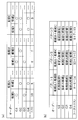
- FIG. 6A is a chart in which the combinations (candidates) of the output orders G that can be processed by each ship extracted in FIG.
- the cost for example, transportation cost including fuel cost, usage fee, etc.
- Candidates that exclude combinations of candidates for the same ship and combinations in which two or more output orders G are processed as a combination constraint, and clear the condition that each of the plurality of output orders G is processed in a single manner The combination of is extracted.
- each of the plurality of output orders G1 to G4 is processed one by one.
- Such combinations are excluded because the ship cannot process multiple candidates at the same time.
- the output orders G1 and G3 are a combination in which both the ship A and the ship B are overlapped (two or more kinds of processing). Excluded because there is no.
- the condition that the candidate of the same ship is not a combination of candidates and that one output order G is not processed in two or more ways is cleared.
- the output order G4 is an unprocessed combination, and is excluded because the condition that each of the plurality of output orders G1 to G4 is processed one by one is not cleared. Further, in the combination of the candidate 1 of the ship A and the candidate 1 of the ship C, the condition that the candidate of the same ship is not a combination of the candidates and that one output order G is not processed in two or more ways is cleared. . Further, the condition that each of the plurality of output orders G1 to G4 is processed one by one is also cleared. Therefore, a combination of the candidate 1 of the ship A and the candidate 1 of the ship C is extracted as a combination that satisfies these combination constraint conditions.
- the candidate 2 of the ship A and the candidates 1 and 2 of the ships B and C are combined to extract a combination that clears the combination constraint condition.
- Such extraction processing is performed by a brute force method among all ship candidates, and candidate combinations that satisfy (clear) all combination constraint conditions are extracted.
- a combination of two ships is used as a candidate combination.
- an extraction process is performed to determine whether or not a condition is satisfied for a combination of three or more ships.
- FIG. 6B is a chart showing candidate combinations that have cleared all of the combination constraint conditions.
- pattern 1 is composed of a combination of candidate 2 of ship A and candidate 1 of ship B
- pattern 2 is composed of a combination of candidate 1 of ship A and candidate 1 of ship C
- pattern 3 is composed of ship B.
- a candidate 1 for ship C is composed of ship B.
- the total cost (total cost) when each combination is implemented is described.
- the total cost is compared to extract the candidate combination with the lowest cost. For example, in the example shown in FIG. 6B, the total cost of pattern 1 is “14”, the total cost of pattern 2 is “17”, and the total cost of pattern 3 is “13”. Pattern 3 that is a combination of candidates related to “13” with the lowest cost is extracted as the optimum ship allocation plan.
- the candidate combination thus extracted is not a combination of candidates of the same ship, but is not a combination in which one output order G is processed in two or more ways, and each of the plurality of output orders G1 to G4 is processed in one way.
- the combination of output orders G that can be processed substantially and inexpensively because the combination constraint condition is satisfied and the combination is extracted as a low-cost combination. It has become.
- Such a ship allocation plan is output, for example, via an output means such as a liquid crystal display device included in the ship allocation plan creation apparatus, and a ship operation schedule according to this ship allocation plan is formulated.
- a combination of output orders G in which all output orders G are processed in a single way is extracted.
- such combinations are not always extracted and are not processed by any ship.
- an output order G that remains unprocessed remains.
- the ship A outputs orders G1, G2, the ship B orders G1, G2, and the ship C orders G2, G2.
- the output order G4 does not belong to any combination and is not processed by any ship. It is impossible to create a ship allocation plan while leaving such an unprocessed output order G. Therefore, ships that can be processed for each output order G are allocated in advance.
- Dredgers are ships that can accept a single order by temporary request, and processing restrictions such as the possibility of loading cargo in each output order G and the possibility of moving to the destination (loading site, landing site) As a result of determining the condition, it is extracted in advance as a ship that can be processed.
- the output order G4 that is not processed by any ship is processed by at least the charter D, and an unprocessed order may remain. It will be resolved.
- a combination of a ship and a dredger in which each of the plurality of orders G1 to G4 is processed is extracted as shown in FIG. 7B.
- pattern 1 is a combination of ship A, dredger B and dredger D
- pattern 2 is a combination of ship B, dredger B and dredger D
- pattern 3 is ship C, dredger A and dredger D.
- each of the plurality of orders G1 to G4 is processed in a single process.
- the bottom row of the chart shows the total cost (total cost) when each combination is implemented, so when multiple patterns are extracted in this way, the total cost is compared.
- Pattern 2 which is the lowest cost pattern is extracted. In this way, by allocating dredgers that can be processed for all the output orders G in advance, a ship allocation plan can be created without delay.
- the process as described above is realized by executing a program related to a ship assignment plan creation process stored in a storage means such as a hard disk or a ROM provided in the ship assignment plan creation apparatus.
- a flowchart showing an outline of a program related to the ship allocation plan creation processing will be described with reference to FIG.
- This flowchart shows a procedure for creating a ship assignment plan. By following this procedure, the ship assignment plan creating method according to the present invention is realized.
- an initial information setting process is executed (S1).
- the initial position of each ship position at the time of planning
- the date and time when the ship becomes usable released from the previous process, etc.
- the input order S shown in FIG. Set (input) initial information such as
- the already set input orders S are grouped (S2), and a plurality of orders that can be processed almost simultaneously in one ship are combined into one order.
- S2 the already set input orders S
- a plurality of orders that can be processed almost simultaneously in one ship are combined into one order.
- combinations of orders in which the loading date and the landing date are close to each other and the loading place and the landing location are close to each other are searched from the input order S shown in FIG.
- the processing periods from the loading date to the landing date are almost overlapped, and at least one of the loading place and the landing site of another order exists in the middle of the route from the loading place to the landing place of a certain order.
- Such orders are searched from the input order S shown in FIG. 1A, and are combined into one order.
- the suitability of the combination of each ship and the output order G output by the order grouping process is determined (S3).
- suitability for example, when there is a restriction on the cargo items that can be handled by a certain ship based on the processing constraints described above, whether or not the cargo items included in the output order satisfy this restriction.
- there is a limit on the size (capacity, etc.) of ships that can be entered at each port of loading and unloading it is determined whether or not each of the plurality of ships can clear the limit.
- the suitability between each output order G and each ship is determined, and the combination of the output order G and the ship having the compatibility with each other is extracted. Will not be.
- each cargo of the output order G based on the above processing constraint conditions is within the range of the loadable amount of each ship, and according to the breakdown of the loadable space in each ship.
- the process of extracting the optimum distribution is performed (S4).
- a comparison is made with the loadable amount, and a vessel having a maximum loadable amount larger than the maximum cargo amount is extracted. Ships with a maximum load capacity smaller than the maximum cargo volume are excluded from candidates as unprocessable ships.
- the process which searches the optimal distribution of a cargo in the extracted ship is performed.
- the cargo quantities of the same type of cargo are summed, and a combination of tanks having capacities that are equal to or larger than the total value and are approximated is extracted.
- Ships that are not searched for an optimal distribution are excluded from candidates as unprocessable ships.
- Such processing is preferably performed in the combination of the output order G and the ship determined to be mutually adaptable by executing the constraint check processing.
- each ship it is determined whether or not each ship can process the output order G in terms of time (S5).
- S5 ship candidates that can process each output order G have been narrowed down to some extent. Therefore, in this process, it is determined whether or not the ship that is a candidate at this time can process the output order G that is adaptable to the ship.
- output orders G that can be processed independently by each ship are connected in time series and combined, and it is determined whether or not each ship can move between the connected output orders G (S6).
- output orders G that can be processed independently by each ship are arranged in time series in the order of early processing start period (for example, product day) (see FIG. 2), and processing periods overlap.
- the orders G to be processed are arranged in parallel along the time axis, and the orders G whose processing periods do not overlap are arranged in series along the time axis.
- the preceding output order G in the number of days between the preceding output order G and the following output order G (for example, the number of days from the lift date of the preceding output order G to the loading date of the subsequent output order G, time, etc.) After the processing, it is determined whether or not each ship can move before the processing of the subsequent output order G starts.
- each ship is processed after the preceding output order G processing until the processing start of each succeeding output order G. It is determined whether or not can move. Further, when a plurality of output orders G subsequent to the preceding output order G are arranged in series, not only the output order G immediately following the output order G after the preceding output order G processing but also The output order G is skipped (skip), and in combination with the subsequent output order G, it is also determined whether or not each ship can move before the processing of the output order G starts.
- a grace period is set for at least one of the loading date and the lifting date.
- each ship temporally changes from the first order to the last order of the combination.
- a final determination is made as to whether or not processing is possible (S7). That is, in this process, the determination result executed in the above-described schedule check process (S5) and the determination result of the process possibility between the output orders G executed in the order combination process (S6) are referred to respectively.
- a final determination is made as to whether or not the ship is capable of temporally processing from the first order to the last order of the combination. Thereby, the combination of the output order G which each ship can process in time series will be extracted reliably.
- a combination of output orders G (candidates) for which the total schedule is checked is combined, and a plurality of orders are processed in a single process while excluding combinations of output orders G that one ship processes in duplicate.
- a combination (pattern) of the output orders G to be output is extracted (S8). In this process, whether it is not a combination of candidates of the same ship and whether one output order G is not a combination that is processed more than once, whether or not there is an unprocessed output order G, etc.
- the combination (pattern) of the output order G in which each of the plurality of orders is processed in a row is extracted while performing the determination related to the combination constraint condition (see FIG. 6B). Further, when there is an unprocessed output order G, a dredger can be applied as described above (see FIG. 7). By executing such processing, a combination of vessels that can reliably process each output order G is extracted.
- the cost comparison process when there are multiple patterns extracted in the above process, that is, when there are multiple combinations of output orders G in which each of the multiple orders is processed, the total cost of each of these patterns is compared. Then, the pattern with the lowest cost is extracted as the optimum ship allocation plan (S9: see FIGS. 6B and 7B). Thereby, the ship allocation plan which consists of the combination of the ship which can process cheaply, processing each output order G reliably is produced.
- the ship allocation plan created in this way is output to output means such as a liquid crystal display device, for example, by executing the output process (S10).
- S10 the output process
- the present invention can be widely used to create a ship allocation plan for processing an order that defines a loading place, a landing place, a loading date, a lifting date, and cargo.
Landscapes
- Business, Economics & Management (AREA)
- Engineering & Computer Science (AREA)
- Economics (AREA)
- Quality & Reliability (AREA)
- Entrepreneurship & Innovation (AREA)
- Human Resources & Organizations (AREA)
- Marketing (AREA)
- Operations Research (AREA)
- Development Economics (AREA)
- Strategic Management (AREA)
- Tourism & Hospitality (AREA)
- Physics & Mathematics (AREA)
- General Business, Economics & Management (AREA)
- General Physics & Mathematics (AREA)
- Theoretical Computer Science (AREA)
- Management, Administration, Business Operations System, And Electronic Commerce (AREA)
Abstract
一の船舶(A~D)でほぼ同時期に処理可能な複数のオーダー(S)同士を一つのオーダー(G)としてグループ化するグループ化手段(S2)と、複数の船舶(A~D)それぞれが処理可能なオーダー(G)の組合せを、一のオーダー(G)が複数の船舶(A~D)により処理される重複処理を許容しながら船舶(A~D)ごとに抽出するオーダー組合せ抽出手段(S3~S7)と、オーダー(G)の組合せの中から、一の船舶(A~D)が重複して処理するオーダー(G)の組合せを除外しながら複数のオーダー(G)それぞれが一通り処理されるオーダー(G)の組合せを抽出する一通り処理組合せ抽出手段(S8)と、一通り処理組合せ抽出手段(S8)により抽出されたオーダー(G)の組合せが複数あるときに、それぞれのオーダー(G)の組合せに対応する処理コストを比較して処理コストの低いオーダー(G)の組合せを抽出する低コスト組合せ抽出手段(S9)と、を備える。
Description
本発明は、積地、揚地、積日、揚日及び貨物を定めたオーダーを処理するための船舶の配船計画を作成する配船計画作成装置及び配船計画作成方法に関し、特に、オーダーと船舶とがそれぞれ複数存在する場合の配船計画を作成する配船計画作成装置及び配船計画作成方法に関する。
積地、揚地、積日、揚日及び貨物を定めたオーダーを処理するための船舶の配船計画を作成する配船計画作成装置が知られている(例えば、特許文献1)。
この配船計画作成装置では、例えば、積地、積日及び積荷を定めた積荷役と、揚地、揚日及び揚荷を定めた揚荷役とをそれぞれ独立した荷役として扱い、各荷役を配船ネートワークで接続し、接続された各荷役の組合せを所定の制約条件に基づいて取捨選択しながら最適な組合せを抽出するようになっている。
この配船計画作成装置では、例えば、積地、積日及び積荷を定めた積荷役と、揚地、揚日及び揚荷を定めた揚荷役とをそれぞれ独立した荷役として扱い、各荷役を配船ネートワークで接続し、接続された各荷役の組合せを所定の制約条件に基づいて取捨選択しながら最適な組合せを抽出するようになっている。
しかしながら、このような配船計画作成装置では、以下のような問題があった。
例えば、特許文献1の配船計画作成装置では、積地、積日及び積荷を定めた積荷役と、揚地、揚日及び揚荷を定めた揚荷役とをそれぞれ独立した荷役として扱うことから、一の揚荷役と対応関係にある積荷役にたどり着く探索処理が必要とされ、処理時間が増大することになる。
本来、このような積荷役と揚荷役との対応関係は、何をどこからどこへ運ぶという予め決っている既成の事実であるにもかかわらず、このようなことまで自動化してしまうと、反って効率が悪くなるおそれがあった。
例えば、特許文献1の配船計画作成装置では、積地、積日及び積荷を定めた積荷役と、揚地、揚日及び揚荷を定めた揚荷役とをそれぞれ独立した荷役として扱うことから、一の揚荷役と対応関係にある積荷役にたどり着く探索処理が必要とされ、処理時間が増大することになる。
本来、このような積荷役と揚荷役との対応関係は、何をどこからどこへ運ぶという予め決っている既成の事実であるにもかかわらず、このようなことまで自動化してしまうと、反って効率が悪くなるおそれがあった。
また、複数のオーダーのうちには、積地、揚地が共通し、積日、揚日が近いオーダー同士もある。このようなときには、従来では人間の判断により複数のオーダーを一つのオーダーにまとめていたが、このような判断を自動的に処理可能な配船計画作成装置が求められていた。
本発明は、このような問題を解決するためになされたもので、従来人間が行っていた判断手法を取り入れ、実効性の担保される配船計画を作成する配船計画作成装置及び配船計画作成方法の提供を目的とする。
上記目的を達成するため、本発明の配船計画作成装置は、積地、揚地、積日、揚日及び貨物を定めた複数のオーダーを複数の船舶によって処理するための配船計画を作成する配船計画作成装置であって、一の船舶でほぼ同時期に処理可能な複数のオーダー同士を一つのオーダーとしてグループ化するグループ化手段と、複数の船舶それぞれが処理可能な前記オーダーの組合せを、一のオーダーが複数の船舶により処理される重複処理を許容しながら船舶ごとに抽出するオーダー組合せ抽出手段と、前記オーダーの組合せの中から、一の船舶が重複して処理する前記オーダーの組合せを除外しながら前記複数のオーダーそれぞれが一通り処理される前記オーダーの組合せを抽出する一通り処理組合せ抽出手段と、前記一通り処理組合せ抽出手段により抽出された前記オーダーの組合せが複数あるときに、それぞれの前記オーダーの組合せに対応する処理コストを比較して処理コストの低い前記オーダーの組合せを抽出する低コスト組合せ抽出手段と、を備える構成としてある。
本発明の配船計画作成方法は、積地、揚地、積日、揚日及び貨物を定めた複数のオーダーを複数の船舶によって処理するための配船計画を作成する配船計画作成方法であって、一の船舶でほぼ同時期に処理可能な複数のオーダー同士を一つのオーダーとしてグループ化するグループ化工程と、複数の船舶それぞれが処理可能な前記オーダーの組合せを、一のオーダーが複数の船舶により処理される重複処理を許容しながら船舶ごとに抽出するオーダー組合せ抽出工程と、前記オーダーの組合せの中から、一の船舶が重複して処理する前記オーダーの組合せを除外しながら前記複数のオーダーそれぞれが一通り処理される前記オーダーの組合せを抽出する一通り処理組合せ抽出工程と、前記一通り処理組合せ抽出工程により抽出された前記オーダーの組合せが複数あるときに、それぞれの前記オーダーの組合せに対応する処理コストを比較して処理コストの低い前記オーダーの組合せを抽出する低コスト組合せ抽出工程と、を有する方法としてある。
本発明の配船計画作成装置及び配船計画作成方法によれば、実効性の担保される配船計画を作成することができる。
以下、本発明に係る配船計画作成装置及び配船計画作成方法の好ましい実施形態について図1~図8を参照しながら説明する。
本実施形態に係る配船計画作成装置は、CPU、ROM、RAM等を備えるコンピュータであって、ハードウェアとソフトウェアとが協働することにより、本発明に係る各種手段としての動作が実現され、積地、揚地、積日、揚日及び貨物を定めた複数のオーダーを複数の船舶によって処理するための配船計画を作成するようになっている。
例えば、配船計画作成装置は、複数のオーダーを入力するキーボード、マウスなどの入力手段を有し、これらを介して、図1(a)に示すようなオーダーを入力することができる。
入力される入力オーダーS(例えば、オーダーS1~S6)は、積荷役、揚荷役、及び貨物などの入力項目ごとに入力できるようになっている。
例えば、積荷役には、積荷の積日と積地がそれぞれ入力され、揚荷役には、揚荷の揚日と揚地がそれぞれ入力される。また、貨物には、積地から揚地まで輸送される貨物の品目(例えば、石油製品の油種)及び数量等が入力される。
入力される入力オーダーS(例えば、オーダーS1~S6)は、積荷役、揚荷役、及び貨物などの入力項目ごとに入力できるようになっている。
例えば、積荷役には、積荷の積日と積地がそれぞれ入力され、揚荷役には、揚荷の揚日と揚地がそれぞれ入力される。また、貨物には、積地から揚地まで輸送される貨物の品目(例えば、石油製品の油種)及び数量等が入力される。
入力された入力オーダーSは、所定の制約条件に基づいて一の船舶で処理可能なオーダーにグループ化することもできる。
グループ化を行うグループ化制約条件には、例えば、二つあり、一つは、積日及び揚日がそれぞれ同日又は近く、かつ積地及び揚地がそれぞれ同じ又は近いオーダー同士を、一の船舶で処理可能なオーダーとするという条件、もう一つは、積日から揚日までの処理期間がほぼ重複し、かつ、あるオーダーの積地から揚地までのルートの途中に、他のオーダーの積地及び揚地の少なくともいずれか一方が存在するようなオーダー同士を、一の船舶で処理可能なオーダーとしてグループ化するという条件である。
グループ化を行うグループ化制約条件には、例えば、二つあり、一つは、積日及び揚日がそれぞれ同日又は近く、かつ積地及び揚地がそれぞれ同じ又は近いオーダー同士を、一の船舶で処理可能なオーダーとするという条件、もう一つは、積日から揚日までの処理期間がほぼ重複し、かつ、あるオーダーの積地から揚地までのルートの途中に、他のオーダーの積地及び揚地の少なくともいずれか一方が存在するようなオーダー同士を、一の船舶で処理可能なオーダーとしてグループ化するという条件である。
具体的には、配船計画作成装置は、一つ目のグループ化制約条件に基づいて、例えば、入力オーダーS1と入力オーダーS2の積日及び揚日と、積地及び揚地がそれぞれ同じ又は近いか否かを判定し、この場合それぞれが同じなので、図1(b)に示すように、これらの入力オーダーS1,S2を一の船舶で処理可能な出力オーダーG1として出力するグループ化処理を実行する。
また、配船計画作成装置は、二つ目のグループ化制約条件に基づいて、例えば、入力オーダーS5と入力オーダーS6の積日から揚日までの処理期間がほぼ重複し、入力オーダーS5の積地Aから揚地Dまでのルート(例えば、A-B-C-Dの順)の途中に、入力オーダーS6の積地B及び/又は揚地Cがあるか否かを判定し、この場合、入力オーダーS5の積日から揚日までの処理期間の中に、入力オーダーS6の積日から揚日までの処理期間が含まれ、かつ、入力オーダーS5のルートの途中に入力オーダーS6のルートが含まれるので、図1(b)に示すように、これらの入力オーダーS5,S6を一の船舶で処理可能な出力オーダーG4として出力するグループ化処理を実行する。
このようなグループ化処理の実行により、従来から人間が行っていた判断手法に沿った計画が作成されて、少ない船舶を効率的に利用できる。
また、配船計画作成装置は、二つ目のグループ化制約条件に基づいて、例えば、入力オーダーS5と入力オーダーS6の積日から揚日までの処理期間がほぼ重複し、入力オーダーS5の積地Aから揚地Dまでのルート(例えば、A-B-C-Dの順)の途中に、入力オーダーS6の積地B及び/又は揚地Cがあるか否かを判定し、この場合、入力オーダーS5の積日から揚日までの処理期間の中に、入力オーダーS6の積日から揚日までの処理期間が含まれ、かつ、入力オーダーS5のルートの途中に入力オーダーS6のルートが含まれるので、図1(b)に示すように、これらの入力オーダーS5,S6を一の船舶で処理可能な出力オーダーG4として出力するグループ化処理を実行する。
このようなグループ化処理の実行により、従来から人間が行っていた判断手法に沿った計画が作成されて、少ない船舶を効率的に利用できる。
なお、これらのグループ化制約条件に基づいて複数の入力オーダーSを一の船舶で処理可能な出力オーダーGにグループ化するときには、積荷となる貨物が各船舶の平均的な積載可能量を超えないようにグループ化を行うこともできる。
例えば、入力オーダーS1と入力オーダーS2を同じグループの出力オーダーGとするときには、貨物Xと貨物Yの合計貨物量(体積、重量)が複数の船舶の平均積載可能量を超えるか否かを判定して、超えないときにはグループ化を行い、超えるときにはグループ化を行わないようにすることができる。
入力オーダーSに基づいて上記のようなグループ化処理を実行することにより、配船計画作成装置は、図1(b)に示すように、グループ化できない入力オーダーS(例えば、入力オーダーS3(=G2),入力オーダーS4(=G3))、及びグループ化された入力オーダーS(入力オーダーS1,S2及びS5,S6)を、それぞれ独立した出力オーダーG1~G4として出力する。
例えば、入力オーダーS1と入力オーダーS2を同じグループの出力オーダーGとするときには、貨物Xと貨物Yの合計貨物量(体積、重量)が複数の船舶の平均積載可能量を超えるか否かを判定して、超えないときにはグループ化を行い、超えるときにはグループ化を行わないようにすることができる。
入力オーダーSに基づいて上記のようなグループ化処理を実行することにより、配船計画作成装置は、図1(b)に示すように、グループ化できない入力オーダーS(例えば、入力オーダーS3(=G2),入力オーダーS4(=G3))、及びグループ化された入力オーダーS(入力オーダーS1,S2及びS5,S6)を、それぞれ独立した出力オーダーG1~G4として出力する。
配船計画作成装置は、これら独立した出力オーダーG1~G4同士を組合せることにより、一の船舶で処理可能なオーダーの組合せを抽出する。
オーダーの組合せの抽出にあたり、配船計画作成装置では、図2に示すように、各オーダーを処理開始期間(例えば、積日)の早い順に時系列的に並べて記憶している。
例えば、処理期間の重複する出力オーダーG(例えば、出力オーダーG1及びG2、出力オーダーG3及びG4)は、時間軸に沿って並列に並べ、処理期間の重複しない出力オーダーG(例えば、出力オーダーG1及びG3、出力オーダーG2及びG4)は、時間軸に沿って直列に並べて記憶する。
配船計画作成装置は、このような時系列的な出力オーダーGの配置に基づいて、一の船舶で処理可能な出力オーダーGの組合せを抽出する。
抽出される出力オーダーGの組合せは、一つでも複数でもよく、組合せの抽出は、一の船舶が各出力オーダーGそれぞれを単独で処理可能かどうか、各出力オーダーGを時系列的に組合せたときに一の船舶がトータルで処理可能かどうかという観点に基づいて行う。
組合せの抽出は、以下に示すような処理制約条件を参照しながら行われる。
オーダーの組合せの抽出にあたり、配船計画作成装置では、図2に示すように、各オーダーを処理開始期間(例えば、積日)の早い順に時系列的に並べて記憶している。
例えば、処理期間の重複する出力オーダーG(例えば、出力オーダーG1及びG2、出力オーダーG3及びG4)は、時間軸に沿って並列に並べ、処理期間の重複しない出力オーダーG(例えば、出力オーダーG1及びG3、出力オーダーG2及びG4)は、時間軸に沿って直列に並べて記憶する。
配船計画作成装置は、このような時系列的な出力オーダーGの配置に基づいて、一の船舶で処理可能な出力オーダーGの組合せを抽出する。
抽出される出力オーダーGの組合せは、一つでも複数でもよく、組合せの抽出は、一の船舶が各出力オーダーGそれぞれを単独で処理可能かどうか、各出力オーダーGを時系列的に組合せたときに一の船舶がトータルで処理可能かどうかという観点に基づいて行う。
組合せの抽出は、以下に示すような処理制約条件を参照しながら行われる。
単独でそれぞれの出力オーダーGを処理可能かどうかの判定を行うときの処理制約条件としては、例えば、船舶の所在(初期地を含む)から出力オーダーGそれぞれの処理開始地(積地)へ処理開始期限(積日)までに移動可能であること、出力オーダーGの処理開始地(積地)から処理終了地(揚地)へ処理終了期限(揚日)までに移動可能であること、出力オーダーGの貨物の品目が船舶の積載可能な貨物の品目であること、出力オーダーGの貨物が船舶の積載可能量の範囲内であることなどがある。
また、出力オーダーGを時系列的に組合せたときに処理可能かどうかの判定を行うときの処理制約条件としては、例えば、処理期間のほぼ重複する出力オーダーGはいずれか一つを抽出すること、後続する出力オーダーGの処理開始地(積地)へ処理開始期限(積日)までに移動可能であること、時系列的に組合された先頭の出力オーダーGから最後尾の出力オーダーGまでに定められた処理期間内に処理可能であることなどがある。
配船計画作成装置は、これらの処理制約条件を参酌して、オーダーの組合せの抽出を船舶ごとに行う。
また、出力オーダーGを時系列的に組合せたときに処理可能かどうかの判定を行うときの処理制約条件としては、例えば、処理期間のほぼ重複する出力オーダーGはいずれか一つを抽出すること、後続する出力オーダーGの処理開始地(積地)へ処理開始期限(積日)までに移動可能であること、時系列的に組合された先頭の出力オーダーGから最後尾の出力オーダーGまでに定められた処理期間内に処理可能であることなどがある。
配船計画作成装置は、これらの処理制約条件を参酌して、オーダーの組合せの抽出を船舶ごとに行う。
ここで、船舶Aの処理可能なオーダーの組合せを抽出する処理について、図2を参照しながら説明する。
例えば、まず、出力オーダーG1~G4それぞれの貨物の品目を参酌して、船舶Aの積載可能な品目の貨物か否かの判定を行う。積載可能な品目と判定されたときには、さらに、その貨物が船舶Aの積載可能量の範囲内か否かの判定を行う。
上記の判定をクリアしたときには、次に、船舶Aの現在位置(初期地)を参酌して、出力オーダーG1~G4それぞれの積地に直接移動可能か否かの判定を行う。このときには、予め入力された船舶Aの移動能力(最大速度)を参照する。直接移動可能と判定されたときには、さらに、出力オーダーG1~G4それぞれの積地から最終の揚地へ揚日までに移動可能か否かの判定を行う。
このような判定により、処理制約条件をクリアし処理開始期間の最も早い出力オーダーGとして、例えば、出力オーダーG1が抽出される(図中OK)。一方、上記の判定過程において、判定をクリアできなかった出力オーダーG2は抽出候補から除外される(図中NG)。また、初期地から直接移動して処理可能な出力オーダーGとして、例えば、出力オーダーG3、G4もそれぞれ抽出される(図中OK)。
なお、上記の判定過程において、一の判定をクリアできない出力オーダーGはそれ以降の判定は行われず、その時点で抽出候補から除外されるようになっており、無駄な判定処理が行われないことから抽出処理の高速化が図られるようになっている。
例えば、まず、出力オーダーG1~G4それぞれの貨物の品目を参酌して、船舶Aの積載可能な品目の貨物か否かの判定を行う。積載可能な品目と判定されたときには、さらに、その貨物が船舶Aの積載可能量の範囲内か否かの判定を行う。
上記の判定をクリアしたときには、次に、船舶Aの現在位置(初期地)を参酌して、出力オーダーG1~G4それぞれの積地に直接移動可能か否かの判定を行う。このときには、予め入力された船舶Aの移動能力(最大速度)を参照する。直接移動可能と判定されたときには、さらに、出力オーダーG1~G4それぞれの積地から最終の揚地へ揚日までに移動可能か否かの判定を行う。
このような判定により、処理制約条件をクリアし処理開始期間の最も早い出力オーダーGとして、例えば、出力オーダーG1が抽出される(図中OK)。一方、上記の判定過程において、判定をクリアできなかった出力オーダーG2は抽出候補から除外される(図中NG)。また、初期地から直接移動して処理可能な出力オーダーGとして、例えば、出力オーダーG3、G4もそれぞれ抽出される(図中OK)。
なお、上記の判定過程において、一の判定をクリアできない出力オーダーGはそれ以降の判定は行われず、その時点で抽出候補から除外されるようになっており、無駄な判定処理が行われないことから抽出処理の高速化が図られるようになっている。
さらに、抽出された出力オーダーG1よりも処理開始期間の遅い、後続する出力オーダーG3,G4があるときには、抽出された出力オーダーGに続いて後続する出力オーダーGを船舶Aが処理可能か否かの判定を行う。
このときには、抽出された出力オーダーG1の処理終了から後続する出力オーダーG3、G4の処理開始地(積地)へ処理開始期限(積日)までに移動可能であるか否かの判定を行う。
例えば、船舶Aが出力オーダーG1処理終了後から移動してオーダーG3の処理開始地(積地)へ処理開始期限(積日)までに移動可能であるときには(図中OK)、出力オーダーG1と出力オーダーG3の組合せが抽出されることになる。一方、出力オーダーG1処理終了後から移動して出力オーダーG4の処理開始地(積地)へ処理開始期限(積日)までに移動不能である(間に合わない)ときには(図中NG)、この組合せは抽出されない。
このような判定より、船舶Aが処理可能な出力オーダーGの組合せとして、出力オーダーG1、出力オーダーG3、出力オーダーG4それぞれの単独組合せ、出力オーダーG1処理後出力オーダーG3を処理する時系列的組合せが抽出されることになる。
このような判定を、複数の出力オーダーGそれぞれに対して行うとともに、複数の船舶A~Cごとに実行することにより、各船舶の処理可能な出力オーダーGの組合せが抽出されることになる。
なお、船舶によっては、処理制約条件を満たさない限り処理可能なオーダーの組合せがないときもあり、また、出力オーダーGによっては、処理可能な船舶が複数該当することもある。
このときには、抽出された出力オーダーG1の処理終了から後続する出力オーダーG3、G4の処理開始地(積地)へ処理開始期限(積日)までに移動可能であるか否かの判定を行う。
例えば、船舶Aが出力オーダーG1処理終了後から移動してオーダーG3の処理開始地(積地)へ処理開始期限(積日)までに移動可能であるときには(図中OK)、出力オーダーG1と出力オーダーG3の組合せが抽出されることになる。一方、出力オーダーG1処理終了後から移動して出力オーダーG4の処理開始地(積地)へ処理開始期限(積日)までに移動不能である(間に合わない)ときには(図中NG)、この組合せは抽出されない。
このような判定より、船舶Aが処理可能な出力オーダーGの組合せとして、出力オーダーG1、出力オーダーG3、出力オーダーG4それぞれの単独組合せ、出力オーダーG1処理後出力オーダーG3を処理する時系列的組合せが抽出されることになる。
このような判定を、複数の出力オーダーGそれぞれに対して行うとともに、複数の船舶A~Cごとに実行することにより、各船舶の処理可能な出力オーダーGの組合せが抽出されることになる。
なお、船舶によっては、処理制約条件を満たさない限り処理可能なオーダーの組合せがないときもあり、また、出力オーダーGによっては、処理可能な船舶が複数該当することもある。
また、出力オーダーGの組合せの抽出にあたり、積日及び揚日のうち少なくともいずれか一方に猶予期間が設定されているときに、積日から揚日に亘る最長期間において、複数の船舶それぞれが処理可能な出力オーダーGの組合せを抽出することもできる。
例えば、図3に示すように、処理期間が重複する出力オーダーG10と出力オーダーG11があるものとし、これらの出力オーダーGのうちの少なくとも一方の出力オーダーGにおいて、積日及び揚日のうちの少なくともいずれか一方に猶予期間が設定されているものとする。なお、猶予期間は、積日に対しては当日以前に猶予期間があり、揚日に対しては当日以降に猶予期間があることを意味する。
このようなときに、出力オーダーG10の処理後、出力オーダーG11を処理することができるか否かの判定と、出力オーダーG11の処理後、出力オーダーG10を処理することができるか否かの判定を前述の処理制約条件に基づいて行う。例えば、1月2日、3日の二日間で出力オーダーG10の処理後、1月4日、5日の二日間で出力オーダーG11を処理可能か否か、又は1月2日、3日の二日間で出力オーダーG11の処理後、1月4日、5日の二日間で出力オーダーG10を処理可能か否かの判定などを行うこともできる。
これにより、抽出されるオーダーの組合せを増加させることができる。
例えば、図3に示すように、処理期間が重複する出力オーダーG10と出力オーダーG11があるものとし、これらの出力オーダーGのうちの少なくとも一方の出力オーダーGにおいて、積日及び揚日のうちの少なくともいずれか一方に猶予期間が設定されているものとする。なお、猶予期間は、積日に対しては当日以前に猶予期間があり、揚日に対しては当日以降に猶予期間があることを意味する。
このようなときに、出力オーダーG10の処理後、出力オーダーG11を処理することができるか否かの判定と、出力オーダーG11の処理後、出力オーダーG10を処理することができるか否かの判定を前述の処理制約条件に基づいて行う。例えば、1月2日、3日の二日間で出力オーダーG10の処理後、1月4日、5日の二日間で出力オーダーG11を処理可能か否か、又は1月2日、3日の二日間で出力オーダーG11の処理後、1月4日、5日の二日間で出力オーダーG10を処理可能か否かの判定などを行うこともできる。
これにより、抽出されるオーダーの組合せを増加させることができる。
また、前述の処理制約条件の一つである、貨物が船舶の積載可能量の範囲内であるか否かの判定にあたり、単に船舶の最大積載可能量と貨物量とを比較するのではなく、船舶内の積載可能空間の内訳に応じて最適な配分を抽出することもできる。
例えば、図4に示すように、船舶A内において貨物の積載可能空間がタンク1~5に分割されている場合であって、同じ品目の貨物は混ぜて積載することができるものの異なる品目の貨物を混ぜて積載することができないようなときには、これらの条件に従った最適な配分で貨物を積載することができる。
例えば、図4に示すように、船舶A内において貨物の積載可能空間がタンク1~5に分割されている場合であって、同じ品目の貨物は混ぜて積載することができるものの異なる品目の貨物を混ぜて積載することができないようなときには、これらの条件に従った最適な配分で貨物を積載することができる。
具体的には、出力オーダーG20が、1月7日に貨物Xを1200積み、1月8日に貨物Xを200と貨物Yを3600積み、1月9日に貨物Xを1400と貨物Yを3600揚げるという内容の注文であり、このような出力オーダーG20の貨物を、貨物Xと貨物Yを混合することなく、それぞれ所定の積載容量を有するタンク1~5に積載するときを例に挙げて説明する。
この場合、1月7日に積む貨物Xは1200であることから、これと容量の等しいタンク3~5のいずれかに貨物Xを積むものとする。そうすると、残りのタンクの容量は、貨物Xを積載した以外のタンク容量、すなわち、タンク1とタンク2の容量と、貨物Xを積載しないタンク3~5のいずれか2つのタンクの容量とを足し合わせた容量(3800=500+900+1200+1200)となる。この残りのタンクの容量は、1月8日の貨物X200と貨物Y3600を足し合わせた容量に等しいのでこれらを積載可能であるものの、1月8日の貨物X200と貨物Y3600とを混合しなければすべての貨物を積載することができないことになる。
一方、1月7日に積む貨物X1200を、タンク1とタンク2に分配して積載し、1月8日の貨物X200を、タンク1とタンク2の空き容量に積み込むことで、タンク3~5に1月8日の貨物Y3600を積み込めば、貨物Xと貨物Yとを混合させずにすべての貨物を積み込むことができる。
配船計画作成装置は、このような最適な配分を探索して貨物を積載するようになっている。
この場合、1月7日に積む貨物Xは1200であることから、これと容量の等しいタンク3~5のいずれかに貨物Xを積むものとする。そうすると、残りのタンクの容量は、貨物Xを積載した以外のタンク容量、すなわち、タンク1とタンク2の容量と、貨物Xを積載しないタンク3~5のいずれか2つのタンクの容量とを足し合わせた容量(3800=500+900+1200+1200)となる。この残りのタンクの容量は、1月8日の貨物X200と貨物Y3600を足し合わせた容量に等しいのでこれらを積載可能であるものの、1月8日の貨物X200と貨物Y3600とを混合しなければすべての貨物を積載することができないことになる。
一方、1月7日に積む貨物X1200を、タンク1とタンク2に分配して積載し、1月8日の貨物X200を、タンク1とタンク2の空き容量に積み込むことで、タンク3~5に1月8日の貨物Y3600を積み込めば、貨物Xと貨物Yとを混合させずにすべての貨物を積み込むことができる。
配船計画作成装置は、このような最適な配分を探索して貨物を積載するようになっている。
具体的には、最適な配分の探索は、同じ品目の貨物同士の貨物量を合計し、この合計値以上であって近似する容量のタンクの組合せを抽出することにより行われる。
例えば、上記の例では、貨物X(1400=1200+200)と、貨物Y(3600)それぞれの合計貨物量を品目ごとに算出し、それぞれの合計貨物量以上であって近似する容量のタンクの組合せを抽出する。
この例では、貨物X1400と貨物Y3600とを混ぜることなく双方を積載可能なタンクの組合せは、タンク1,2とタンク3~5とに、貨物X1400と貨物Y3600をそれぞれ積載する組合せしか存在しないのでこの組合せが抽出されることになる。
例えば、上記の例では、貨物X(1400=1200+200)と、貨物Y(3600)それぞれの合計貨物量を品目ごとに算出し、それぞれの合計貨物量以上であって近似する容量のタンクの組合せを抽出する。
この例では、貨物X1400と貨物Y3600とを混ぜることなく双方を積載可能なタンクの組合せは、タンク1,2とタンク3~5とに、貨物X1400と貨物Y3600をそれぞれ積載する組合せしか存在しないのでこの組合せが抽出されることになる。
以上のような処理制約条件をクリアして抽出された出力オーダーGの組合せを図5に示す。
このように、処理可能な出力オーダーGの組合せが単独及び時系列それぞれの態様で船舶ごとに抽出される。
例えば、船舶Aが処理可能な出力オーダーGの組合せの候補として、出力オーダーG1処理後出力オーダーG3を処理する候補1、出力オーダーG2処理後出力オーダーG4を処理する候補2などが抽出される。また、船舶Bが処理可能な出力オーダーGの組合せの候補として、出力オーダーG1処理後出力オーダーG3を処理する候補1、出力オーダーG2を単独処理する候補2などが抽出される。また、船舶Cが処理可能な出力オーダーGの組合せの候補として、出力オーダーG2処理後出力オーダーG4を処理する候補1、出力オーダーG1処理後出力オーダーG2、出力オーダーG4の順に処理する候補2などが抽出される。
このように複数の船舶A~Cそれぞれが処理可能な出力オーダーの組合せが、一の出力オーダーGが複数の船舶A~Cにより処理される重複処理を許容しながら船舶ごとに抽出されることになる。
このように、処理可能な出力オーダーGの組合せが単独及び時系列それぞれの態様で船舶ごとに抽出される。
例えば、船舶Aが処理可能な出力オーダーGの組合せの候補として、出力オーダーG1処理後出力オーダーG3を処理する候補1、出力オーダーG2処理後出力オーダーG4を処理する候補2などが抽出される。また、船舶Bが処理可能な出力オーダーGの組合せの候補として、出力オーダーG1処理後出力オーダーG3を処理する候補1、出力オーダーG2を単独処理する候補2などが抽出される。また、船舶Cが処理可能な出力オーダーGの組合せの候補として、出力オーダーG2処理後出力オーダーG4を処理する候補1、出力オーダーG1処理後出力オーダーG2、出力オーダーG4の順に処理する候補2などが抽出される。
このように複数の船舶A~Cそれぞれが処理可能な出力オーダーの組合せが、一の出力オーダーGが複数の船舶A~Cにより処理される重複処理を許容しながら船舶ごとに抽出されることになる。
さらに、配船計画作成装置では、このように抽出された出力オーダーGの組合せ(候補)の中から、一の船舶が重複して処理する出力オーダーGの組合せを除外しながら複数の出力オーダーGそれぞれが一通り処理される出力オーダーGの組合せを抽出する。
複数の出力オーダーGそれぞれが一通り処理される出力オーダーGの組合せを抽出する処理について、図6を参照しながら説明する。
複数の出力オーダーGそれぞれが一通り処理される出力オーダーGの組合せを抽出する処理について、図6を参照しながら説明する。
図6(a)は、図5において抽出された各船舶が処理可能な出力オーダーGの組合せ(候補)を表形式にまとめた図表である。また、図表の最下段行には、各候補を実施したときのコスト(例えば、燃料費、使用料等を含めた輸送コスト)が記載されている。
抽出された出力オーダーGの組合せ(候補)の中から、複数の出力オーダーGそれぞれが一通り処理される出力オーダーGの組合せを抽出する処理では、各船舶の候補同士を組合せたときに、その組合せ制約条件として、同一船舶の候補同士の組合せ及び一の出力オーダーGが二通り以上処理される組合せを除外し、かつ、複数の出力オーダーGそれぞれが一通り処理されるという条件をクリアする候補の組合せを抽出する。
抽出された出力オーダーGの組合せ(候補)の中から、複数の出力オーダーGそれぞれが一通り処理される出力オーダーGの組合せを抽出する処理では、各船舶の候補同士を組合せたときに、その組合せ制約条件として、同一船舶の候補同士の組合せ及び一の出力オーダーGが二通り以上処理される組合せを除外し、かつ、複数の出力オーダーGそれぞれが一通り処理されるという条件をクリアする候補の組合せを抽出する。
具体的には、例えば、船舶Aの候補1と船舶Aの候補2との組合せでは、複数の出力オーダーG1~G4それぞれが一通り処理されるものの、同一船舶の候補同士の組合せとなり、一の船舶が複数の候補を同時期に処理することはできないことから、このような組合せは除外されることになる。
また、船舶Aの候補1と船舶Bの候補1との組合せでは、例えば、出力オーダーG1及びG3が船舶A及び船舶Bの双方で重複処理(二通り以上処理)される組合せとなり、現実的ではないので除外される。
船舶Aの候補1と船舶Bの候補2との組合せでは、同一船舶の候補同士の組合せでないこと及び一の出力オーダーGが二通り以上処理される組合せでないことの条件をクリアしているものの、出力オーダーG4が未処理となる組合せであり、複数の出力オーダーG1~G4それぞれが一通り処理されるという条件をクリアしていないので除外される。
また、船舶Aの候補1と船舶Cの候補1との組合せでは、同一船舶の候補同士の組合せでないこと及び一の出力オーダーGが二通り以上処理される組合せでないことの条件をクリアしている。さらに、複数の出力オーダーG1~G4それぞれが一通り処理されるという条件もクリアしている。そこでこれらの組合せ制約条件をクリアする組合せとして、船舶Aの候補1と船舶Cの候補1との組合せを抽出する。
同様に、船舶Aの候補2と各船舶B,Cのそれぞれの候補1,2とを組合せて、組合せ制約条件をクリアする組合せを抽出する。
このような抽出処理を、すべての船舶の候補間で総当り方式により行い、すべての組合せ制約条件を満たす(クリアする)候補の組合せを抽出する。なお、上記の例では候補の組合せとして二隻の船舶の組合せとしたが、三隻以上の舶の組合せについても条件を満たすか否かの抽出処理を行う。
また、船舶Aの候補1と船舶Bの候補1との組合せでは、例えば、出力オーダーG1及びG3が船舶A及び船舶Bの双方で重複処理(二通り以上処理)される組合せとなり、現実的ではないので除外される。
船舶Aの候補1と船舶Bの候補2との組合せでは、同一船舶の候補同士の組合せでないこと及び一の出力オーダーGが二通り以上処理される組合せでないことの条件をクリアしているものの、出力オーダーG4が未処理となる組合せであり、複数の出力オーダーG1~G4それぞれが一通り処理されるという条件をクリアしていないので除外される。
また、船舶Aの候補1と船舶Cの候補1との組合せでは、同一船舶の候補同士の組合せでないこと及び一の出力オーダーGが二通り以上処理される組合せでないことの条件をクリアしている。さらに、複数の出力オーダーG1~G4それぞれが一通り処理されるという条件もクリアしている。そこでこれらの組合せ制約条件をクリアする組合せとして、船舶Aの候補1と船舶Cの候補1との組合せを抽出する。
同様に、船舶Aの候補2と各船舶B,Cのそれぞれの候補1,2とを組合せて、組合せ制約条件をクリアする組合せを抽出する。
このような抽出処理を、すべての船舶の候補間で総当り方式により行い、すべての組合せ制約条件を満たす(クリアする)候補の組合せを抽出する。なお、上記の例では候補の組合せとして二隻の船舶の組合せとしたが、三隻以上の舶の組合せについても条件を満たすか否かの抽出処理を行う。
図6(b)は、組合せ制約条件をすべてクリアした候補の組合せを示した図表である。
例えば、パターン1は、船舶Aの候補2と船舶Bの候補1との組合せからなり、パターン2は、船舶Aの候補1と船舶Cの候補1との組合せからなり、パターン3は、船舶Bの候補1と船舶Cの候補1との組合せからなる。また、図表の最下段行には、各組合せを実施したときのコストの合計値(トータルコスト)が記載されている。
例えば、パターン1は、船舶Aの候補2と船舶Bの候補1との組合せからなり、パターン2は、船舶Aの候補1と船舶Cの候補1との組合せからなり、パターン3は、船舶Bの候補1と船舶Cの候補1との組合せからなる。また、図表の最下段行には、各組合せを実施したときのコストの合計値(トータルコスト)が記載されている。
組合せ制約条件をすべてクリアする候補の組合せ(パターン)が一つしか存在しないときには、選択の余地はなくその一つの組合せが最適な配船計画として抽出される。
一方、図6(b)に示すようにすべての条件を満たす候補の組合せ(パターン)が複数存在するときには、トータルコストを比較して最もコストの低い候補の組合せを抽出する。
例えば、図6(b)に示す例では、パターン1のトータルコストは「14」であり、パターン2のトータルコストは「17」であり、パターン3のトータルコストは「13」であることから、最もコストの低い「13」に係る候補の組合せであるパターン3が最適な配船計画として抽出されることになる。
このようにして抽出された候補の組合せは、同一船舶の候補同士の組合せでなく、一の出力オーダーGが二通り以上処理される組合せでもなく、複数の出力オーダーG1~G4それぞれが一通り処理されるという組合せ制約条件を満たし、さらに、コストの低い組合せとして抽出されることから、各船舶が実質的かつ安価に処理可能な出力オーダーGの組合せであり、実情に即した最適な配船計画となっている。
このような配船計画は、例えば、配船計画作成装置に備える液晶表示装置などの出力手段を介して出力され、この配船計画に従った船舶の運航スケジュールが策定されることになる。
一方、図6(b)に示すようにすべての条件を満たす候補の組合せ(パターン)が複数存在するときには、トータルコストを比較して最もコストの低い候補の組合せを抽出する。
例えば、図6(b)に示す例では、パターン1のトータルコストは「14」であり、パターン2のトータルコストは「17」であり、パターン3のトータルコストは「13」であることから、最もコストの低い「13」に係る候補の組合せであるパターン3が最適な配船計画として抽出されることになる。
このようにして抽出された候補の組合せは、同一船舶の候補同士の組合せでなく、一の出力オーダーGが二通り以上処理される組合せでもなく、複数の出力オーダーG1~G4それぞれが一通り処理されるという組合せ制約条件を満たし、さらに、コストの低い組合せとして抽出されることから、各船舶が実質的かつ安価に処理可能な出力オーダーGの組合せであり、実情に即した最適な配船計画となっている。
このような配船計画は、例えば、配船計画作成装置に備える液晶表示装置などの出力手段を介して出力され、この配船計画に従った船舶の運航スケジュールが策定されることになる。
なお、上記の例では、すべての出力オーダーGが一通り処理される出力オーダーGの組合せが抽出されたが、このような組合せは常に抽出されるとは限らず、いずれの船舶によっても処理されない未処理となる出力オーダーGが残存してしまうときもある。
例えば、図7(a)に示すように、それぞれの船舶が処理可能な組合せ(候補)として、船舶Aが出力オーダーG1,G2を、船舶BがオーダーG1,G2を、船舶CがオーダーG2,G3をという組合せが抽出された場合、出力オーダーG4はいずれの組合せにも属さず、いずれの船舶によっても処理されないことになる。
このような未処理となる出力オーダーGを放置したまま配船計画を作成することはできない。そこで、すべての出力オーダーGそれぞれに対して処理可能な船舶を予め充当しておく。
例えば、図7(a)に示すように、それぞれの船舶が処理可能な組合せ(候補)として、船舶Aが出力オーダーG1,G2を、船舶BがオーダーG1,G2を、船舶CがオーダーG2,G3をという組合せが抽出された場合、出力オーダーG4はいずれの組合せにも属さず、いずれの船舶によっても処理されないことになる。
このような未処理となる出力オーダーGを放置したまま配船計画を作成することはできない。そこで、すべての出力オーダーGそれぞれに対して処理可能な船舶を予め充当しておく。
具体的には、図7(a)の図表右側列に示すように、各出力オーダーGを処理可能な船舶として傭船A~Dを予め用意しておく。傭船は、一時的な依頼により単発的なオーダーを受け付け可能な船舶であり、それぞれの出力オーダーGにおける貨物の積載可能性、目的地(積地、揚地)への移動可能性などの処理制約条件を判定した結果、処理可能な船舶として予め抽出されたものである。
このような傭船A~Dを予め用意しておくことにより、いずれの船舶によっても処理されない出力オーダーG4は少なくとも傭船Dにより処理されることになり、未処理となるオーダーが残存してしまうことが解消される。これにより、複数のオーダーG1~G4それぞれが一通り処理される船舶及び傭船の組合せが、図7(b)に示すように抽出されることになる。
例えば、パターン1は、船舶Aと傭船Bと傭船Dとの組合せからなり、パターン2は、船舶Bと傭船Bと傭船Dとの組合せからなり、パターン3は、船舶Cと傭船Aと傭船Dとの組合せからなり、いずれのパターンにおいても、複数のオーダーG1~G4それぞれが一通り処理されることになる。また、図表の最下段行には、各組合せを実施したときのコストの合計値(トータルコスト)が記載されているので、このように複数のパターンが抽出されたときには、トータルコストを比較して最もコストの低いパターンであるパターン2が抽出される。
このように、すべての出力オーダーGそれぞれに対して処理可能な傭船を予め充当しておくことにより、滞りなく配船計画を作成することができる。
このような傭船A~Dを予め用意しておくことにより、いずれの船舶によっても処理されない出力オーダーG4は少なくとも傭船Dにより処理されることになり、未処理となるオーダーが残存してしまうことが解消される。これにより、複数のオーダーG1~G4それぞれが一通り処理される船舶及び傭船の組合せが、図7(b)に示すように抽出されることになる。
例えば、パターン1は、船舶Aと傭船Bと傭船Dとの組合せからなり、パターン2は、船舶Bと傭船Bと傭船Dとの組合せからなり、パターン3は、船舶Cと傭船Aと傭船Dとの組合せからなり、いずれのパターンにおいても、複数のオーダーG1~G4それぞれが一通り処理されることになる。また、図表の最下段行には、各組合せを実施したときのコストの合計値(トータルコスト)が記載されているので、このように複数のパターンが抽出されたときには、トータルコストを比較して最もコストの低いパターンであるパターン2が抽出される。
このように、すべての出力オーダーGそれぞれに対して処理可能な傭船を予め充当しておくことにより、滞りなく配船計画を作成することができる。
以上説明したような処理は、配船計画作成装置に備えるハードディスク、ROMなどの記憶手段に記憶された配船計画作成処理に係るプログラムの実行により実現される。
ここで、配船計画作成処理に係るプログラムの概要を示すフローチャートについて図8を参照しながら説明する。このフローチャートは、配船計画を作成する手順を示すもので、この手順に従うことにより、本発明に係る配船計画作成方法が実現されることになる。
ここで、配船計画作成処理に係るプログラムの概要を示すフローチャートについて図8を参照しながら説明する。このフローチャートは、配船計画を作成する手順を示すもので、この手順に従うことにより、本発明に係る配船計画作成方法が実現されることになる。
配船計画作成処理では、まず、初期情報設定処理を実行する(S1)。初期情報設定処理では、例えば、それぞれの船舶の初期位置(計画作成時の位置)、船舶が使用可能となる(前の処理から解放されるなど)日時、図1(a)に示す入力オーダーSなどの初期情報の設定(入力)を行う。
続いて、オーダーグループ化処理では、既に設定された入力オーダーSのグループ化を行い(S2)、一の船舶でほぼ同時期に処理可能な複数のオーダー同士を一つのオーダーにまとめる。
例えば、積日及び揚日がそれぞれ近く、かつ積地及び揚地がそれぞれ近いオーダーの組合せを、図1(a)に示す入力オーダーSの中から探索して、一つのオーダーにまとめる。また、積日から揚日までの処理期間がほぼ重複し、かつ、あるオーダーの積地から揚地までのルートの途中に、他のオーダーの積地及び揚地の少なくともいずれか一方が存在するようなオーダー同士を、図1(a)に示す入力オーダーSの中から探索して、一つのオーダーにまとめる。
このようなオーダーグループ化処理を介在させることにより、入力オーダーSをすべて総当り的に組合せて処理可能なオーダーの組合せを抽出するよりも配船計画の実情に即して実効性があり、処理時間の短縮化も図れる。
例えば、積日及び揚日がそれぞれ近く、かつ積地及び揚地がそれぞれ近いオーダーの組合せを、図1(a)に示す入力オーダーSの中から探索して、一つのオーダーにまとめる。また、積日から揚日までの処理期間がほぼ重複し、かつ、あるオーダーの積地から揚地までのルートの途中に、他のオーダーの積地及び揚地の少なくともいずれか一方が存在するようなオーダー同士を、図1(a)に示す入力オーダーSの中から探索して、一つのオーダーにまとめる。
このようなオーダーグループ化処理を介在させることにより、入力オーダーSをすべて総当り的に組合せて処理可能なオーダーの組合せを抽出するよりも配船計画の実情に即して実効性があり、処理時間の短縮化も図れる。
続いて、制約条件チェック処理では、各船舶とオーダーグループ化処理により出力された出力オーダーGとの組合せの適合性の判定を行う(S3)。
この適合性の判定では、前述の処理制約条件に基づき、例えば、ある一の船舶が取り扱い可能な貨物の品目に制限があるときには、出力オーダーに含まれる貨物の品目がこの制限を満たしているか否かの判定、積地及び揚地それぞれの港において入港可能な船舶の大きさ(容量など)に制限があるときに、複数の船舶それぞれがその制限をクリア可能か否かの判定などを行う。
この制約条件チェック処理の実行により、それぞれの出力オーダーGと各船舶との適否が判定され、相互に適応性を有する出力オーダーGと船舶の組合せが抽出され、不適な組合せはその後の処理において組合されないことになる。
この適合性の判定では、前述の処理制約条件に基づき、例えば、ある一の船舶が取り扱い可能な貨物の品目に制限があるときには、出力オーダーに含まれる貨物の品目がこの制限を満たしているか否かの判定、積地及び揚地それぞれの港において入港可能な船舶の大きさ(容量など)に制限があるときに、複数の船舶それぞれがその制限をクリア可能か否かの判定などを行う。
この制約条件チェック処理の実行により、それぞれの出力オーダーGと各船舶との適否が判定され、相互に適応性を有する出力オーダーGと船舶の組合せが抽出され、不適な組合せはその後の処理において組合されないことになる。
積載条件チェック処理では、前述の処理制約条件に基づく出力オーダーGのそれぞれの貨物が各船舶の積載可能量の範囲内であるか否かの判定と、各船舶内の積載可能空間の内訳に応じて最適な配分を抽出する処理を行う(S4)。
出力オーダーGのそれぞれの貨物が各船舶の積載可能量の範囲内であるか否かの判定では、複数の出力オーダーGそれぞれにおいて積荷が最大となるタイミングでの最大貨物量と、各船舶の最大積載可能量との比較を行い、最大積載可能量が最大貨物量よりも大きい船舶を抽出する。最大積載可能量が最大貨物量よりも小さい船舶は処理不能な船舶として候補から除外される。
さらに、抽出された船舶において、貨物の最適な配分を探索する処理を実行する。
最適な配分を探索する処理では、同じ種類の貨物同士の貨物量を合計し、この合計値以上であって近似する容量のタンクの組合せを抽出する。最適な配分の探索されない船舶は処理不能な船舶として候補から除外される。
このような処理は、制約条件チェック処理の実行により相互に適応性を有すると判定された出力オーダーGと船舶の組合せにおいて行うことが好ましい。
出力オーダーGのそれぞれの貨物が各船舶の積載可能量の範囲内であるか否かの判定では、複数の出力オーダーGそれぞれにおいて積荷が最大となるタイミングでの最大貨物量と、各船舶の最大積載可能量との比較を行い、最大積載可能量が最大貨物量よりも大きい船舶を抽出する。最大積載可能量が最大貨物量よりも小さい船舶は処理不能な船舶として候補から除外される。
さらに、抽出された船舶において、貨物の最適な配分を探索する処理を実行する。
最適な配分を探索する処理では、同じ種類の貨物同士の貨物量を合計し、この合計値以上であって近似する容量のタンクの組合せを抽出する。最適な配分の探索されない船舶は処理不能な船舶として候補から除外される。
このような処理は、制約条件チェック処理の実行により相互に適応性を有すると判定された出力オーダーGと船舶の組合せにおいて行うことが好ましい。
続いて、スケジュールチェック処理では、各船舶が出力オーダーGをそれぞれ時間的に処理可能か否かの判定を行う(S5)。
この処理に至るまでに、それぞれの出力オーダーGを処理可能な船舶の候補はある程度に絞り込まれている。そこで、この処理では、この時点で候補となっている船舶がこれと適応性を有する出力オーダーGを時間的に処理可能か否かの判定を行う。
例えば、前述の処理制約条件に基づき、船舶の初期地(計画作成時の所在)からオーダーGの処理開始地(積地)へ処理開始期限(積日)までに移動可能であるか否かの判定、次の目的地(積地又は揚地)へ処理開始期限(積日又は揚日)までに移動可能であるか否かの判定などを行い、各出力オーダーGを単独で処理可能か否かの判定を候補となっている船舶ごとに行う。
また、積日及び前記揚日のうち少なくともいずれか一方に猶予期間が設定されているときに、積日から揚日に亘る最短時間と最長期間それぞれにおいて、時間的に処理可能か否かの判定を行う。
ここまでの処理に実行により、各船舶が単独で処理可能な出力オーダーGが確実に抽出されることになる。
この処理に至るまでに、それぞれの出力オーダーGを処理可能な船舶の候補はある程度に絞り込まれている。そこで、この処理では、この時点で候補となっている船舶がこれと適応性を有する出力オーダーGを時間的に処理可能か否かの判定を行う。
例えば、前述の処理制約条件に基づき、船舶の初期地(計画作成時の所在)からオーダーGの処理開始地(積地)へ処理開始期限(積日)までに移動可能であるか否かの判定、次の目的地(積地又は揚地)へ処理開始期限(積日又は揚日)までに移動可能であるか否かの判定などを行い、各出力オーダーGを単独で処理可能か否かの判定を候補となっている船舶ごとに行う。
また、積日及び前記揚日のうち少なくともいずれか一方に猶予期間が設定されているときに、積日から揚日に亘る最短時間と最長期間それぞれにおいて、時間的に処理可能か否かの判定を行う。
ここまでの処理に実行により、各船舶が単独で処理可能な出力オーダーGが確実に抽出されることになる。
オーダー組合せ処理では、各船舶が単独で処理可能な出力オーダーGを時系列的につなげて組合せるとともに、つなげた出力オーダーG間を各船舶が移動可能か否かの判定を行う(S6)。
例えば、前述の処理制約条件に基づき、各船舶が単独で処理可能な出力オーダーGを処理開始期間(例えば、積日)の早いオーダー順に時系列的に並べ(図2参照)、処理期間の重複するオーダーGは、時間軸に沿って並列に並べ、処理期間の重複しないオーダーGは、時間軸に沿って直列に並べる。
そして、先行する出力オーダーGと後続する出力オーダーG間の日数(例えば、先行する出力オーダーGの揚日から後続する出力オーダーGの積日までの日数、時間など)において、先行する出力オーダーG処理後、後続する出力オーダーGの処理開始までに各船舶が移動可能か否かの判定を行う。
例えば、前述の処理制約条件に基づき、各船舶が単独で処理可能な出力オーダーGを処理開始期間(例えば、積日)の早いオーダー順に時系列的に並べ(図2参照)、処理期間の重複するオーダーGは、時間軸に沿って並列に並べ、処理期間の重複しないオーダーGは、時間軸に沿って直列に並べる。
そして、先行する出力オーダーGと後続する出力オーダーG間の日数(例えば、先行する出力オーダーGの揚日から後続する出力オーダーGの積日までの日数、時間など)において、先行する出力オーダーG処理後、後続する出力オーダーGの処理開始までに各船舶が移動可能か否かの判定を行う。
この判定は、先行する出力オーダーGに対して後続する複数の出力オーダーGが並列に並べられているときには、先行する出力オーダーG処理後、それぞれの後続する出力オーダーGの処理開始までに各船舶が移動可能か否かの判定を行う。また、先行する出力オーダーGに対して後続する複数の出力オーダーGがそれぞれ直列に並べられているときには、先行する出力オーダーG処理後、後続する直後の出力オーダーGのみならず、後続する直後の出力オーダーGをスキップし(飛ばし)、さらに後続の出力オーダーGと組合せてこの出力オーダーGの処理開始までに各船舶が移動可能か否かの判定も行う。
また、時間軸に沿って並列に並べられ、処理期間の重複する出力オーダーG同士であっても、積日及び揚日のうち少なくともいずれか一方に猶予期間が設定されており、例えば、一方を処理後に他方を処理可能なときには、これらの出力オーダーG間の日数において、各船舶が移動可能か否かの判定を行う。
このような判定を各船舶が単独で処理可能な出力オーダーGすべてに対して行うことで、移動可能と判定された出力オーダーG同士が順次連結され、時系列的に連続して処理可能なオーダーの組合せ(候補)が抽出されることになる(図5参照)。
また、時間軸に沿って並列に並べられ、処理期間の重複する出力オーダーG同士であっても、積日及び揚日のうち少なくともいずれか一方に猶予期間が設定されており、例えば、一方を処理後に他方を処理可能なときには、これらの出力オーダーG間の日数において、各船舶が移動可能か否かの判定を行う。
このような判定を各船舶が単独で処理可能な出力オーダーGすべてに対して行うことで、移動可能と判定された出力オーダーG同士が順次連結され、時系列的に連続して処理可能なオーダーの組合せ(候補)が抽出されることになる(図5参照)。
トータルスケジュールチェック処理では、上記の処理で抽出された時系列的に連続して処理可能な出力オーダーGの組合せそれぞれに対して、各船舶がその組合せの先頭オーダーから最後尾オーダーまでを時間的に処理可能か否かの最終判定を行う(S7)。
すなわち、この処理では、前述したスケジュールチェック処理(S5)で実行された判定結果と、オーダー組合せ処理(S6)で実行した出力オーダーG間における処理可能性の判定結果とをそれぞれ参照して、各船舶がその組合せの先頭オーダーから最後尾オーダーまでを時間的に処理可能か否かの最終判定を行う。
これにより、各船舶が時系列的に処理可能な出力オーダーGの組合せが確実に抽出されることになる。
すなわち、この処理では、前述したスケジュールチェック処理(S5)で実行された判定結果と、オーダー組合せ処理(S6)で実行した出力オーダーG間における処理可能性の判定結果とをそれぞれ参照して、各船舶がその組合せの先頭オーダーから最後尾オーダーまでを時間的に処理可能か否かの最終判定を行う。
これにより、各船舶が時系列的に処理可能な出力オーダーGの組合せが確実に抽出されることになる。
候補抽出処理では、トータルスケジュールのチェックされた出力オーダーGの組合せ(候補)をそれぞれ組合せて、一の船舶が重複して処理する出力オーダーGの組合せを除外しながら複数のオーダーそれぞれが一通り処理される出力オーダーGの組合せ(パターン)を抽出する(S8)。
この処理では、同一船舶の候補同士の組合せでないこと及び一の出力オーダーGが二通り以上処理される組合せでないことの条件を満たしているかどうか、未処理となる出力オーダーGが存在しないかどうかなどの組合せ制約条件に係る判定を行いながら、複数のオーダーそれぞれが一通り処理される出力オーダーGの組合せ(パターン)を抽出する(図6(b)参照)。
また、未処理となる出力オーダーGが存在するときには、前述したように傭船を適用することもできる(図7参照)。
このような処理の実行により、各出力オーダーGを確実に処理することのできる船舶の組合せが抽出されることになる。
この処理では、同一船舶の候補同士の組合せでないこと及び一の出力オーダーGが二通り以上処理される組合せでないことの条件を満たしているかどうか、未処理となる出力オーダーGが存在しないかどうかなどの組合せ制約条件に係る判定を行いながら、複数のオーダーそれぞれが一通り処理される出力オーダーGの組合せ(パターン)を抽出する(図6(b)参照)。
また、未処理となる出力オーダーGが存在するときには、前述したように傭船を適用することもできる(図7参照)。
このような処理の実行により、各出力オーダーGを確実に処理することのできる船舶の組合せが抽出されることになる。
コスト比較処理では、上記の処理において抽出されたパターンが複数あるとき、すなわち、複数のオーダーそれぞれが一通り処理される出力オーダーGの組合せが複数あるときに、これらのパターンそれぞれのトータルコストを比較して最もコストの低いパターンを、最適な配船計画として抽出する(S9:図6(b)、図7(b)参照)。
これにより、各出力オーダーGを確実に処理しつつ安価に処理可能な船舶の組合せからなる配船計画が作成されることになる。
このように作成された配船計画は、出力処理の実行により、例えば、液晶表示装置などの出力手段に出力されることになる(S10)。
以上のように、配船計画作成処理の実行により、配船計画を効率的に作成できるとともに、従来から人間が判断して行っていた配船計画の実情に沿った実効性のある計画を作成することができる。
これにより、各出力オーダーGを確実に処理しつつ安価に処理可能な船舶の組合せからなる配船計画が作成されることになる。
このように作成された配船計画は、出力処理の実行により、例えば、液晶表示装置などの出力手段に出力されることになる(S10)。
以上のように、配船計画作成処理の実行により、配船計画を効率的に作成できるとともに、従来から人間が判断して行っていた配船計画の実情に沿った実効性のある計画を作成することができる。
以上説明したように、本実施形態の配船計画作成装置及び配船計画作成方法によれば、実効性の担保される配船計画を作成することができる。
以上、本発明の配船計画作成装置及び配船計画作成方法の好ましい実施形態について説明したが、本発明に係る配船計画作成装置及び配船計画作成方法は上述した実施形態にのみ限定されるものではなく、本発明の範囲で種々の変更実施が可能であることはいうまでもない。
本発明は、積地、揚地、積日、揚日及び貨物を定めたオーダーを処理するための船舶の配船計画の作成に広く利用することができる。
上記に本発明の実施形態及び/又は実施例を幾つか詳細に説明したが、当業者は、本発明の新規な教示及び効果から実質的に離れることなく、これら例示である実施形態及び/又は実施例に多くの変更を加えることが容易である。従って、これらの多くの変更は本発明の範囲に含まれる。
本願のパリ優先の基礎となる日本出願明細書の内容を全てここに援用する。
本願のパリ優先の基礎となる日本出願明細書の内容を全てここに援用する。
Claims (4)
- 積地、揚地、積日、揚日及び貨物を定めた複数のオーダーを複数の船舶によって処理するための配船計画を作成する配船計画作成装置であって、
一の船舶でほぼ同時期に処理可能な複数のオーダー同士を一つのオーダーとしてグループ化するグループ化手段と、
複数の船舶それぞれが処理可能な前記オーダーの組合せを、一のオーダーが複数の船舶により処理される重複処理を許容しながら船舶ごとに抽出するオーダー組合せ抽出手段と、
前記オーダーの組合せの中から、一の船舶が重複して処理する前記オーダーの組合せを除外しながら前記複数のオーダーそれぞれが一通り処理される前記オーダーの組合せを抽出する一通り処理組合せ抽出手段と、
前記一通り処理組合せ抽出手段により抽出された前記オーダーの組合せが複数あるときに、それぞれの前記オーダーの組合せに対応する処理コストを比較して処理コストの低い前記オーダーの組合せを抽出する低コスト組合せ抽出手段と、を備える
ことを特徴とする配船計画作成装置。 - 前記船舶以外の予備の船舶として複数のオーダーそれぞれを処理可能な傭船を、各オーダーに対して少なくとも一の傭船を設定する傭船設定手段を備え、
前記一通り処理組合せ抽出手段は、前記オーダーの組合せにおいていずれの船舶によっても処理されないオーダーがあるときには、そのオーダーに対して前記傭船を組み入れて前記オーダーの組合せを抽出する
ことを特徴とする請求項1記載の配船計画作成装置。 - 前記オーダー組合せ抽出手段は、
前記積日及び前記揚日のうち少なくともいずれか一方に猶予期間が設定されているときに、前記積日から前記揚日に亘る最長期間において、複数の船舶それぞれが処理可能な前記オーダーの組合せを抽出する
ことを特徴とする請求項1又は2記載の配船計画作成装置。 - 積地、揚地、積日、揚日及び貨物を定めた複数のオーダーを複数の船舶によって処理するための配船計画を作成する配船計画作成方法であって、
一の船舶でほぼ同時期に処理可能な複数のオーダー同士を一つのオーダーとしてグループ化するグループ化工程と、
複数の船舶それぞれが処理可能な前記オーダーの組合せを、一のオーダーが複数の船舶により処理される重複処理を許容しながら船舶ごとに抽出するオーダー組合せ抽出工程と、
前記オーダーの組合せの中から、一の船舶が重複して処理する前記オーダーの組合せを除外しながら前記複数のオーダーそれぞれが一通り処理される前記オーダーの組合せを抽出する一通り処理組合せ抽出工程と、
前記一通り処理組合せ抽出工程により抽出された前記オーダーの組合せが複数あるときに、それぞれの前記オーダーの組合せに対応する処理コストを比較して処理コストの低い前記オーダーの組合せを抽出する低コスト組合せ抽出工程と、を有する
ことを特徴とする配船計画作成方法。
Applications Claiming Priority (2)
| Application Number | Priority Date | Filing Date | Title |
|---|---|---|---|
| JP2013-203996 | 2013-09-30 | ||
| JP2013203996A JP6043707B2 (ja) | 2013-09-30 | 2013-09-30 | 配船計画作成装置及び配船計画作成方法 |
Publications (1)
| Publication Number | Publication Date |
|---|---|
| WO2015045236A1 true WO2015045236A1 (ja) | 2015-04-02 |
Family
ID=52742418
Family Applications (1)
| Application Number | Title | Priority Date | Filing Date |
|---|---|---|---|
| PCT/JP2014/003658 Ceased WO2015045236A1 (ja) | 2013-09-30 | 2014-07-10 | 配船計画作成装置及び配船計画作成方法 |
Country Status (3)
| Country | Link |
|---|---|
| JP (1) | JP6043707B2 (ja) |
| TW (1) | TW201528202A (ja) |
| WO (1) | WO2015045236A1 (ja) |
Cited By (1)
| Publication number | Priority date | Publication date | Assignee | Title |
|---|---|---|---|---|
| WO2025204343A1 (ja) * | 2024-03-28 | 2025-10-02 | Eneos株式会社 | 配船計画作成装置、配船計画作成方法、及び記録媒体 |
Families Citing this family (2)
| Publication number | Priority date | Publication date | Assignee | Title |
|---|---|---|---|---|
| JP2017033378A (ja) * | 2015-08-04 | 2017-02-09 | 国立研究開発法人 海上・港湾・航空技術研究所 | 配船計画策定支援方法及び配船計画策定支援システム |
| JP6820619B2 (ja) * | 2019-11-12 | 2021-01-27 | 国立研究開発法人 海上・港湾・航空技術研究所 | 配船計画策定支援方法及び配船計画策定支援システム |
Citations (3)
| Publication number | Priority date | Publication date | Assignee | Title |
|---|---|---|---|---|
| JPH07302285A (ja) * | 1994-05-09 | 1995-11-14 | Kawasaki Steel Corp | 輸送計画作成装置および方法 |
| JP2012086948A (ja) * | 2010-10-20 | 2012-05-10 | Jfe Steel Corp | 輸送計画作成方法および輸送計画作成装置 |
| JP2012148896A (ja) * | 2010-12-28 | 2012-08-09 | Jfe Steel Corp | 配送計画作成装置及び配送計画作成プログラム |
Family Cites Families (1)
| Publication number | Priority date | Publication date | Assignee | Title |
|---|---|---|---|---|
| JP5339230B2 (ja) * | 2008-03-24 | 2013-11-13 | 公益財団法人鉄道総合技術研究所 | 配船計画作成装置、プログラム及び配船計画作成方法 |
-
2013
- 2013-09-30 JP JP2013203996A patent/JP6043707B2/ja active Active
-
2014
- 2014-07-10 WO PCT/JP2014/003658 patent/WO2015045236A1/ja not_active Ceased
- 2014-07-31 TW TW103126211A patent/TW201528202A/zh unknown
Patent Citations (3)
| Publication number | Priority date | Publication date | Assignee | Title |
|---|---|---|---|---|
| JPH07302285A (ja) * | 1994-05-09 | 1995-11-14 | Kawasaki Steel Corp | 輸送計画作成装置および方法 |
| JP2012086948A (ja) * | 2010-10-20 | 2012-05-10 | Jfe Steel Corp | 輸送計画作成方法および輸送計画作成装置 |
| JP2012148896A (ja) * | 2010-12-28 | 2012-08-09 | Jfe Steel Corp | 配送計画作成装置及び配送計画作成プログラム |
Cited By (1)
| Publication number | Priority date | Publication date | Assignee | Title |
|---|---|---|---|---|
| WO2025204343A1 (ja) * | 2024-03-28 | 2025-10-02 | Eneos株式会社 | 配船計画作成装置、配船計画作成方法、及び記録媒体 |
Also Published As
| Publication number | Publication date |
|---|---|
| JP2015067427A (ja) | 2015-04-13 |
| JP6043707B2 (ja) | 2016-12-14 |
| TW201528202A (zh) | 2015-07-16 |
Similar Documents
| Publication | Publication Date | Title |
|---|---|---|
| Lee et al. | A neighborhood search heuristic for pre-marshalling export containers | |
| Chen et al. | Integrated scheduling of crane handling and truck transportation in a maritime container terminal | |
| JP6065866B2 (ja) | 運搬積付計画作成方法および運搬積付計画作成装置 | |
| CN103942670B (zh) | 一种钢绞线产成品仓储与配运方法 | |
| Wu et al. | An integrated programming model for storage management and vehicle scheduling at container terminals | |
| Carlo et al. | Priority rules for twin automated stacking cranes that collaborate | |
| JP5445634B2 (ja) | 運搬積付計画作成方法および運搬積付計画作成装置 | |
| JP6043707B2 (ja) | 配船計画作成装置及び配船計画作成方法 | |
| Van Vianen et al. | Simulation-based rescheduling of the stacker–reclaimer operation | |
| KR20090115274A (ko) | 개별 컨테이너 적하순서 계획 방법 | |
| Ries et al. | A fuzzy logic model for the container stacking problem at container terminals | |
| JP5811694B2 (ja) | 倉庫作業計画作成システムおよび倉庫作業計画作成方法 | |
| CN116157344A (zh) | 集装箱堆存计划装置、集装箱堆存计划系统和集装箱堆存计划方法 | |
| JP5272534B2 (ja) | 船舶運航計画作成方法および装置 | |
| JPH07302285A (ja) | 輸送計画作成装置および方法 | |
| CN101303590B (zh) | 一种自动化码头集装箱的双箱生成方法 | |
| JP6468235B2 (ja) | 配船計画作成方法、製鉄所操業方法、及び配船計画作成装置 | |
| JP2009205446A (ja) | 置場運用計画装置および運用方法 | |
| Ahmed et al. | Improving productivity of yard trucks in port container terminal using computer simulation | |
| KR20100048004A (ko) | 자동화 컨테이너 터미널에서 이종 장비간 통합 일정계획방법 | |
| JP5482377B2 (ja) | 船積み計画作成方法および船積み計画作成プログラム | |
| JP5870663B2 (ja) | 配送計画作成装置及び配送計画作成プログラム | |
| JP2004018137A5 (ja) | ||
| JP2018100166A (ja) | ヤード管理装置、ヤード管理方法、およびプログラム | |
| Yu | Truck scheduling for cross docking systems with multiple receiving and shipping docks |
Legal Events
| Date | Code | Title | Description |
|---|---|---|---|
| 121 | Ep: the epo has been informed by wipo that ep was designated in this application |
Ref document number: 14849467 Country of ref document: EP Kind code of ref document: A1 |
|
| NENP | Non-entry into the national phase |
Ref country code: DE |
|
| 122 | Ep: pct application non-entry in european phase |
Ref document number: 14849467 Country of ref document: EP Kind code of ref document: A1 |