WO2014192248A1 - 人物探索システム、人物探索方法及び車載装置 - Google Patents
人物探索システム、人物探索方法及び車載装置 Download PDFInfo
- Publication number
- WO2014192248A1 WO2014192248A1 PCT/JP2014/002639 JP2014002639W WO2014192248A1 WO 2014192248 A1 WO2014192248 A1 WO 2014192248A1 JP 2014002639 W JP2014002639 W JP 2014002639W WO 2014192248 A1 WO2014192248 A1 WO 2014192248A1
- Authority
- WO
- WIPO (PCT)
- Prior art keywords
- vehicle
- driver
- face image
- image information
- database
- Prior art date
- Legal status (The legal status is an assumption and is not a legal conclusion. Google has not performed a legal analysis and makes no representation as to the accuracy of the status listed.)
- Ceased
Links
Images




Classifications
-
- G—PHYSICS
- G06—COMPUTING OR CALCULATING; COUNTING
- G06V—IMAGE OR VIDEO RECOGNITION OR UNDERSTANDING
- G06V10/00—Arrangements for image or video recognition or understanding
- G06V10/40—Extraction of image or video features
- G06V10/44—Local feature extraction by analysis of parts of the pattern, e.g. by detecting edges, contours, loops, corners, strokes or intersections; Connectivity analysis, e.g. of connected components
- G06V10/443—Local feature extraction by analysis of parts of the pattern, e.g. by detecting edges, contours, loops, corners, strokes or intersections; Connectivity analysis, e.g. of connected components by matching or filtering
- G06V10/449—Biologically inspired filters, e.g. difference of Gaussians [DoG] or Gabor filters
-
- G—PHYSICS
- G06—COMPUTING OR CALCULATING; COUNTING
- G06V—IMAGE OR VIDEO RECOGNITION OR UNDERSTANDING
- G06V40/00—Recognition of biometric, human-related or animal-related patterns in image or video data
- G06V40/10—Human or animal bodies, e.g. vehicle occupants or pedestrians; Body parts, e.g. hands
- G06V40/16—Human faces, e.g. facial parts, sketches or expressions
-
- G—PHYSICS
- G07—CHECKING-DEVICES
- G07C—TIME OR ATTENDANCE REGISTERS; REGISTERING OR INDICATING THE WORKING OF MACHINES; GENERATING RANDOM NUMBERS; VOTING OR LOTTERY APPARATUS; ARRANGEMENTS, SYSTEMS OR APPARATUS FOR CHECKING NOT PROVIDED FOR ELSEWHERE
- G07C5/00—Registering or indicating the working of vehicles
- G07C5/08—Registering or indicating performance data other than driving, working, idle, or waiting time, with or without registering driving, working, idle or waiting time
- G07C5/0841—Registering performance data
- G07C5/085—Registering performance data using electronic data carriers
- G07C5/0866—Registering performance data using electronic data carriers the electronic data carrier being a digital video recorder in combination with video camera
-
- H—ELECTRICITY
- H04—ELECTRIC COMMUNICATION TECHNIQUE
- H04N—PICTORIAL COMMUNICATION, e.g. TELEVISION
- H04N21/00—Selective content distribution, e.g. interactive television or video on demand [VOD]
- H04N21/40—Client devices specifically adapted for the reception of or interaction with content, e.g. set-top-box [STB]; Operations thereof
- H04N21/43—Processing of content or additional data, e.g. demultiplexing additional data from a digital video stream; Elementary client operations, e.g. monitoring of home network or synchronising decoder's clock; Client middleware
- H04N21/442—Monitoring of processes or resources, e.g. detecting the failure of a recording device, monitoring the downstream bandwidth, the number of times a movie has been viewed, the storage space available from the internal hard disk
- H04N21/44213—Monitoring of end-user related data
- H04N21/44218—Detecting physical presence or behaviour of the user, e.g. using sensors to detect if the user is leaving the room or changes his face expression during a TV programme
-
- H—ELECTRICITY
- H04—ELECTRIC COMMUNICATION TECHNIQUE
- H04N—PICTORIAL COMMUNICATION, e.g. TELEVISION
- H04N7/00—Television systems
- H04N7/18—Closed-circuit television [CCTV] systems, i.e. systems in which the video signal is not broadcast
Definitions
- the present disclosure relates to a person search system, a person search method, and an in-vehicle device using a driver's face image photographed by an in-vehicle camera.
- Patent Document 1 a technique has been proposed in which a driver's sleepiness level or a side-view driving is detected from a driver's face image and a warning sound is output as necessary.
- Patent Document 2 a technique for detecting the sign of the failure before the vehicle breaks down from a slight change in the driver's facial expression
- Patent Document 3 A technique (Patent Document 3) that prevents the vehicle from being stolen by determining whether or not the driver's face image matches the registered face image has been proposed.
- the in-vehicle camera is not only a feature that a clear face image can be obtained, but also a big image that a face image can be obtained from the front direction of the driver under the same conditions in any vehicle.
- any of the proposed techniques has a problem that it is difficult to say that this feature is fully utilized.
- a person search system and a person search that effectively use the feature of an in-vehicle camera that a clear and uniform face image can be obtained with any vehicle. It is an object to provide a method and an in-vehicle device.
- the person search system includes a vehicle and a database connected to the vehicle via a predetermined communication line.
- the vehicle includes an in-vehicle camera provided in front of the driver's seat, a generation unit that generates driver face image information by capturing a driver's face image with the in-vehicle camera, and position information acquisition that acquires vehicle position information.
- a transmitter for transmitting the driver face image information and the position information to the database.
- the database includes a search target person storage unit that stores searcher face image information based on the search target person's face image, a collation unit that matches the driver face image information transmitted by the transmission unit with the searcher face image information, If the driver face image information matches the searcher face image information as a result of the verification by the verification unit, a position information storage unit that stores the positional information transmitted by the transmission unit in association with the search target person is provided.
- a person search method using a vehicle according to the second aspect of the present disclosure and a database connected to the vehicle via a predetermined communication line is provided on the vehicle by an in-vehicle camera provided in front of the driver's seat.
- Driver face image information is generated by photographing a face image
- vehicle position information is acquired by the vehicle
- driver face image information and position information are transmitted from the vehicle to the database
- the vehicle The driver face image information transmitted from the searcher face is collated with the searcher face image information based on the face image of the search target person.
- the driver face image information matches the searcher face image information in the database, Storing location information in association with image information.
- An in-vehicle device that is mounted on a vehicle according to the third aspect of the present disclosure and that is communicably connected via a line to a database that stores searcher face image information based on the face image of the search target person is a driver's seat of the vehicle
- a generation unit that generates driver face image information based on a driver's face image taken by an in-vehicle camera provided in front of the vehicle
- a position information acquisition unit that acquires vehicle position information
- a driver face image A transmission unit that transmits information and position information to a database.
- the position information transmitted by the transmission unit matches the searcher face image information stored in the database, the position information transmitted by the transmission unit is stored in the database in association with the search target person.
- the on-vehicle device it is possible to effectively utilize the feature of the on-vehicle camera that a clear and uniform face image can be obtained for any vehicle.
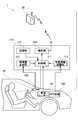
- FIG. 1 is an explanatory diagram illustrating a configuration of a person search system according to an embodiment of the present disclosure.
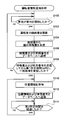
- FIG. 2 is a flowchart of driver information transmission processing executed by the control unit of the embodiment.
- FIG. 3 is a flowchart of search target person detection processing executed by the database of the embodiment.
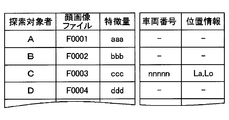
- FIG. 4 is an explanatory diagram conceptually showing the stored contents of the database of this embodiment.
- FIG. 5 is a flowchart of driver information transmission processing executed by the control unit according to the first modification of the present disclosure.
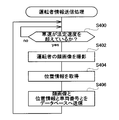
- FIG. 6 is a flowchart of driver information transmission processing executed by the control unit according to the second modification of the present disclosure.
- FIG. 7 is a flowchart of search target person detection processing executed by the database according to the second modification of the present disclosure.
- FIG. 8 is a flowchart of a driver information transmission process executed by the control unit of the third modification of the present disclosure.
- FIG. 1 shows a configuration of a person search system 1 of the present embodiment.
- the person search system 1 includes an in-vehicle camera 100 that is mounted on a vehicle 10 and captures a driver's face image, a process that generates a facial feature amount from the driver's face image, and the like.
- the control device 110 that performs the above and the vehicle 10 are provided at a place different from the vehicle 10 and are configured by a database 20 that registers information on the search target person.
- the in-vehicle camera 100 is an upper part of the instrument panel and is provided in front of the driver's seat and at a predetermined distance (for example, about 1 meter) from the driver's seat, and emits near-infrared light that is invisible to humans, The driver's face image is taken by detecting the reflected light.
- the control device 110 includes a control unit 111, a feature amount generation unit 112, a position information acquisition unit 113, a communication unit 114, and a storage unit 115.
- the control part 111 outputs the request signal which requests
- the feature amount generation unit 112 receives a face image taken by the in-vehicle camera 100, the feature amount generation unit 112 generates a feature amount of the face (shape, size, etc. of eyes, nose, mouth, etc.) from the face image, and the control unit 111 Output to.
- the position information acquisition unit 113 acquires the position information of the vehicle 10 based on the GPS signal received by the GPS device 130 from a GPS satellite (not shown), and outputs the position information to the control unit 111.
- the communication unit 114 receives feature amounts and position information from the control unit 111 and transmits these pieces of information to the database 20 connected via a predetermined wireless communication line.
- the storage unit 115 stores a vehicle number of the vehicle 10 (information that can identify the vehicle 10), and the vehicle number is also transmitted to the database 20 together with the feature amount and the position information.
- the database 20 is obtained from the face images of persons who need to search for whereabouts, such as criminals who are seeking to be dispatched, missing persons where search requests have been issued, and the like. Feature values are registered in advance. Then, when the database 20 receives the feature amount of the driver from the vehicle 10, the driver of the vehicle 10 can check the feature amount with the feature amount of the search target person registered in the database 20. It is judged whether it corresponds to a person.
- FIG. 2 shows a flowchart of driver information transmission processing executed by the control unit 111 of this embodiment.
- the control unit 111 starts a driver information transmission process and determines whether the vehicle 10 has started running (S100). Whether or not the vehicle 10 has started traveling is determined by the control unit 111 detecting that the speed detected by the vehicle speed sensor 120 is not zero. As a result, if the vehicle 10 has not started running (S100: no), this determination process is repeated, and the vehicle 10 is in a standby state until the vehicle 10 starts running.
- the control unit 111 When the vehicle 10 starts running (S100: yes), the control unit 111 outputs a request signal for requesting a face image to the in-vehicle camera 100, and causes the in-vehicle camera 100 to capture the driver's face image (S102). ).
- the in-vehicle camera 100 can shoot a clear face image even at night while suppressing the possibility that the driver feels dazzling by photographing using near-infrared light invisible to humans.
- the face image photographed by the in-vehicle camera 100 is output to the feature amount generation unit 112, and the feature amount generation unit 112 generates a face feature amount from the face image (S104).
- a known method used when performing so-called face recognition can be used when generating the feature amount. For example, feature points of facial parts such as the corners of the eyes and the eyes are extracted from the captured face image, and features such as the shape and size of the facial parts (eyes, nose, mouth, etc.) based on those feature points Generate quantity.
- the control unit 111 reads the vehicle number of the vehicle 10 from the storage unit 115, and transmits it from the communication unit 114 to the database 20 together with the generated feature amount (S106). Since the vehicle number is information unique to the vehicle 10, the database 20 that has received the feature amount and the vehicle number can identify the vehicle 10 on which the driver having the feature amount is aboard.
- the control unit 111 determines whether or not a coincidence signal is received from the database 20 within a first predetermined time (for example, 15 seconds) after transmitting the feature amount and the vehicle number (S108).
- a first predetermined time for example, 15 seconds
- the control unit 111 of the vehicle 10 determines whether or not the communication unit 114 has received the coincidence signal within the first predetermined time after transmitting the feature amount and the vehicle number ( S108).
- the position information acquisition unit 113 displays the driver's whereabouts. Is acquired from the GPS device 130 (S110). Subsequently, the control unit 111 transmits the vehicle number of the vehicle 10 together with the position information from the communication unit 114 to the database 20 (S112). That is, the position information and the vehicle number of the vehicle 10 that the search target person is driving are transmitted to the database 20 by performing the processes of S110 and S112. And the process which transmits these information is repeated whenever the 2nd predetermined time (for example, 10 second) passes (S114). For this reason, even if the position of the vehicle 10 that the search target person is driving moves, the database 20 can acquire the latest position of the search target person.
- the 2nd predetermined time for example, 10 second
- the driver of the vehicle 10 It is considered that the database 20 has determined that the search target person is not a search target person (if the feature amount transmitted from the vehicle 10 does not match the search target person). In this case, returning to the process of S100 at the head, when the vehicle 10 starts running again, a series of processes after S102 are repeated.
- the driver of the vehicle 10 may change driving to another person while the engine is started, and it is considered that the vehicle 10 is temporarily stopped at the time of the change. For this reason, as described above, when the vehicle 10 starts running (from a stopped state) (S100: yes), if a series of processes after S102 is repeated, the engine of the vehicle 10 is activated. Even if the driver changes as it is, it is possible to determine whether or not the driver after the change is a search target person.
- the vehicle 10 when the vehicle 10 according to the present embodiment receives the coincidence signal after transmitting the feature amount, the driver having the feature amount is the search target person.
- the position information and the vehicle number of the vehicle 10 are periodically transmitted to the database 20 in order to track the person.
- FIG. 3 shows a flowchart of the search target person detection process executed by the database 20.
- the database 20 determines whether or not the driver of the vehicle 10 is a search target person by performing the following processing in accordance with various information transmitted from the vehicle 10, and the driver If it is a search target person, the position is detected.
- the database 20 first determines whether or not the feature amount and the vehicle number are received from the vehicle 10 (S200). As described above with reference to FIG. 2, the feature amount and the vehicle number are transmitted from the vehicle 10 when the vehicle 10 starts traveling.
- the feature amount and the vehicle number have not been received (S200: no)
- the location information and the vehicle number are transmitted from the vehicle 10 when the database 21 determines that the driver of the vehicle 10 is a search target person (a coincidence signal has been received).
- the position information and the vehicle number information are repeatedly transmitted from the vehicle 10 in order to track the vehicle 10 driven by the search target person.
- the received feature amount is collated with the feature amount of the search target person registered in the database 20 (S204).
- FIG. 4 conceptually shows the information stored in the database 20.
- the search target person, the file name of the face image of the search target person (face image file), and the feature amount extracted from the face image are registered in advance in the database 20. Further, it is possible to store a vehicle number and position information in association with each search target person.
- the database 20 collates the feature amount received from the vehicle 10 with the feature amount of the search target person registered in advance in the process of S204.
- the vehicle number is stored in association with the matched search target person (S208). ).
- the vehicle number of the vehicle 10 driven by the search target person is stored.
- the feature number received from the vehicle 10 matches the feature amount of the search target person “C”, so that the vehicle number “nnnnn” of the vehicle 10 is associated with the search target person “C”. It is remembered.
- the database 20 transmits a coincidence signal indicating that the driver of the vehicle 10 is a search target person to the vehicle 10 (S210).
- the database 20 returns to the process of S200 at the head and repeats the series of processes described above. Even when it is determined in S206 that the driver of the vehicle 10 is not a search target person (S206: no), the process returns to the top S200 as it is, and the series of processes described above is repeated.
- the vehicle 10 that has received the coincidence signal from the database 20, that is, the vehicle 10 that is determined to be driven by the search target person, transmits the position information and the vehicle number to the database 20 as described above (FIG. 2). Of S112). Therefore, when the database 20 receives the position information and the vehicle number (S202: yes), the database 20 identifies the search target person whose vehicle number has already been stored in the process of S208 described above, and corresponds to the search target person. In addition, the positional information is stored (S212). Thereby, the position information of the search target person (vehicle 10 driven by) is stored. In the example shown in FIG. 4, the position information “La, Lo” is stored in association with the search target person “C” by receiving the vehicle number of the search target person “C”.
- the position information and the vehicle number are transmitted from the vehicle 10 to the database 20 every second predetermined time (see S114 in FIG. 2), and thus stored in the database 20.
- the position information is also updated every second predetermined time.
- the position information of the search target person is stored in this way (S212), the position information and the vehicle number together with the identification information (name, etc.) of the search target person are notified to the searcher (search person in charge) (S214).
- search person in charge search person in charge
- a person in charge of searching when a person to be searched is a criminal or a missing person, a staff member of a police station (related organization) searching for these persons can be exemplified.
- the person in charge of the search finds out the person to be searched for based on the position information of the vehicle 10 and the vehicle number.
- a face image is displayed from the front of the driver while the vehicle 10 is traveling with the in-vehicle camera 100 provided in front of the driver's seat and within a predetermined distance from the driver's seat.
- a feature is generated from the face image and transmitted to the database 20.
- the database 20 stores the feature amount of the search target person in advance, and if the feature amount of the driver transmitted from the vehicle 10 matches the feature amount of the search target person, the driver of the vehicle 10
- the position information transmitted from the vehicle 10 is stored as the position information of the search target person.
- a face image photographed under various conditions is used. For example, a face image photographed from a horizontal direction or a face image photographed from a distance is used. It was used. Face images shot under such various conditions need to be subjected to heavy correction processing when the feature amount is collated with the feature amount of the search target person, or an accurate feature amount can be extracted. Since it was not possible, it was difficult to find a search target person.
- the in-vehicle camera 100 is provided in front of the driver's seat and at a predetermined distance (for example, about 1 meter) from the driver's seat. A clear face image can be obtained.
- the in-vehicle camera 100 is provided in front of the driver's seat and at a short distance from the driver's seat. A face image can be obtained. Since the feature amount is generated from such a clear and homogeneous face image and the feature amount is collated with the feature amount of the search target person, the search target person can be easily found with high accuracy.
- the vehicle 10 driven by the search target person transmits the position information of the vehicle 10 to the database 20, so that the position of the search target person can be specified.
- the control device 110 corresponds to an in-vehicle device.
- the control unit 111 and the feature value generation unit 112 capture the driver's feature value (driver face) by capturing the driver's face image with the in-vehicle camera 100 when the vehicle 10 starts to travel. Image information). Therefore, the control unit 111 and the feature amount generation unit 112 of the present embodiment correspond to the “generation unit” in the present disclosure.
- the position information acquisition unit 113 of the present embodiment acquires the position information of the vehicle 10, it corresponds to the “position information acquisition unit” in the present disclosure.
- the communication unit 114 transmits the driver's feature amount (driver face image information) and position information to the database, and thus corresponds to the “transmission unit” in the present disclosure.
- the database according to the present embodiment stores feature amounts (searcher face image information) based on the face image of the search target person. Further, the feature amount (driver face image information) of the driver transmitted by the communication unit 114 (transmission unit) of the vehicle 10 is collated with the feature amount (searcher face image information) of the search target person. Further, as a result of the collation, if the driver's feature amount (driver face image information) matches the search subject's feature amount (searcher face image information), the communication unit 114 ( The position information transmitted by the transmission unit) is stored. Therefore, the database according to the present embodiment corresponds to the “search target person storage unit”, “collation unit”, and “position information storage unit” in the present disclosure.
- the driver's feature amount is described as being transmitted from the communication unit 114 of the vehicle 10, but the driver's face image may be transmitted instead of the feature amount.
- the database 20 is good also as producing
- the vehicle 10 often starts running without the driver changing, such as when the vehicle 10 is temporarily stopped based on a traffic light or a sign. Accordingly, it is possible to determine whether or not the driver has been changed in the vehicle 10 and to transmit the feature amount of the driver to the database 20 when it is determined that the driver has changed.
- FIG. 5 shows a flowchart of the driver information transmission process of the first modification.
- the control unit 111 starts the driver information transmission process when the engine is started, based on the vehicle speed detected by the vehicle speed sensor 120, as in the embodiment. It is determined whether or not 10 has started running (S300). When the vehicle 10 starts running (S300: yes), the in-vehicle camera 100 captures the driver's face image (S302), and causes the feature amount generation unit 112 to generate a feature amount from the face image (S304).
- the feature amount generated from the driver's face image is stored at a predetermined address in the storage unit 115 (S306). Then, the control unit 111 determines whether or not the feature amount generated this time matches the feature amount generated previously (S308). That is, also in the first modification, as in the above-described embodiment, until the coincidence signal is received, the driver's face image is photographed and a feature amount is generated from the face image.
- the feature amount generated immediately before (the feature amount generated from the face image captured immediately before) is read from the storage unit 115, and such feature amount and the newly generated feature this time are included. It is determined whether or not the amounts match (S308).
- the control unit 111 transmits the feature amount generated this time together with the vehicle number of the vehicle 10 from the communication unit 114 to the database 20 (S310). Thereby, it is possible to determine whether or not the driver after the change is a search target person at the timing of the change of the driver.
- the feature amount and the vehicle number are not transmitted to the database 20, so that the amount of information transmitted from the vehicle 10 to the database 20 can be suppressed.
- the control unit 111 initializes (clears) the feature amount stored in the storage unit 115. Therefore, when the feature amount generated this time is generated from the face image first taken after the engine is started, the feature amount that can be compared in the determination process of S308 described above (generated immediately before). Feature amount) does not exist. In this case, of course, the feature quantity generated this time (the feature quantity generated first after the engine is started) is transmitted to the database 20 together with the vehicle number (S310).
- the communication unit 114 according to the first modification includes the newly generated driver feature amount (driver face image information) and the driver feature generated before the feature amount (the driver face image information).
- the newly generated feature amount (driver face image information) of the driver is transmitted to the database 20. Accordingly, the communication unit 114 of the first modification corresponds to the “communication unit” in the present disclosure.
- FIG. 6 shows a flowchart of the driver information transmission process of the second modification.
- the control unit 111 determines whether or not the vehicle speed of the vehicle 10 exceeds the legal speed (S400). Whether or not the vehicle 10 exceeds the legal speed is determined by the control unit 111 detecting that the speed detected by the vehicle speed sensor 120 exceeds the legal speed stored in the storage unit 115. As a result, if the legal speed is not exceeded (S400: no), this determination process is repeated.
- the control unit 111 outputs a request signal for requesting a face image to the in-vehicle camera 100, and causes the in-vehicle camera 100 to capture the driver's face image (S402).
- generation part 112 of the modification 2 will output this face image (driver face image information) to the control part 111 as it is, if a face image is received from the vehicle-mounted camera 100.
- this face image is a clue when finding out the driver of the vehicle 10 that has violated the speed.
- the position information acquisition unit 113 is caused to acquire the position information of the vehicle 10 from the GPS device 130 (S404). And a driver
- the face image of the driver of the vehicle 10 is transmitted to the database 20.
- the database 20 receives the face image of the driver of the vehicle 10
- the database 20 performs processing for searching for the driver regardless of whether or not the driver is registered (stored) in advance.
- FIG. 7 shows a flowchart of the search target person detection process according to the second modification.
- the database 20 determines whether or not a face image, position information, and a vehicle number have been received (S500). As a result, if these pieces of information have not been received (S500: no), this determination process is repeated, and a standby state is entered until reception.
- the face image received from the vehicle 10 is displayed together with the position information and the vehicle number at the police station. Etc. (S510).
- a member of the related organization that performs the search uses the face image, position information, and vehicle number received by the database 20 from the vehicle 10. Using the clue, the driver of the vehicle 10 can be found.
- the present invention is not limited to such a case.
- a criminal such as when the driver steals the vehicle 10 and drives the vehicle, It is good also as searching for a driver.
- whether or not the driver of the vehicle 10 is a criminal may be determined as follows.
- a feature amount generated from a face image of the owner of the vehicle 10 or the family of the owner is stored in the storage unit 115 in advance. And if the control part 111 judges that the vehicle 10 started driving
- the control unit 111 transmits the driver's face image captured by the in-vehicle camera 100 together with the position information and the vehicle number of the vehicle 10 from the communication unit 114 to the database 20 in the same manner as the process of S406 described above. .
- the staff of the related organization that performs the search uses the face image, the position information, and the vehicle number received by the database 20 from the vehicle 10 as clues. Can find a driver.
- FIG. 8 shows a flowchart of the driver information transmission process of the third modification. Also in the third modification, the control unit 111 determines whether or not the vehicle 10 has started traveling based on the speed detected by the vehicle speed sensor 120 (S600). As a result, if the vehicle 10 has not started running (S600: no), this determination process is repeated, and the vehicle 10 enters a standby state until the vehicle 10 starts running.
- the control unit 111 determines that the steering angle of the steering wheel is within a predetermined range including the straight traveling direction of the vehicle 10 (eg, ⁇ 10 degrees with the straight traveling direction of the vehicle 10 being 0 degrees). It is determined whether the angle is within the range of +10 degrees (S602).
- the steering angle of the steering wheel is detected by a steering angle sensor (not shown) provided in the vehicle 10 and output to the control unit 111.
- a request signal for requesting a face image is output to the in-vehicle camera 100 to cause the in-vehicle camera 100 to capture the driver's face image ( S604).
- the feature amount generation unit 112 generates a feature amount from the photographed face image (S606).
- Modification 3 when the steering angle of the steering wheel is within a predetermined range and the traveling direction of the vehicle is in a state close to straight traveling, a face image is captured to generate a feature amount. In this way, it is possible to generate a feature amount by capturing a clear face image from the front of the driver with a high probability.
- the steering wheel is largely turned to either the left or right, so that the driver Is likely to drive while looking at the left or right direction.
- the vehicle speed detected by the vehicle speed sensor 120 it is determined whether or not the vehicle 10 is traveling (S608).
- the steering angle sensor of the third modification corresponds to the “steering angle detection unit” in the present disclosure because it detects the steering angle of the steering wheel of the vehicle 10.
- the control unit 111 and the feature amount generation unit 112 of Modification 3 generate the feature amount (driver face image information) of the driver when the steering angle is within a predetermined range including the straight traveling direction of the vehicle 10. . Therefore, the control unit 111 and the feature value generation unit 112 of Modification 3 correspond to the “generation unit” in the present disclosure.
- the above disclosure includes the following aspects.
- the in-vehicle camera 100 provided in front of the driver's seat captures the driver's face image information by photographing the driver's face image while the vehicle 10 is traveling.
- the driver face image information and the position information of the vehicle 10 are generated and transmitted to the database 20.
- the database 20 stores in advance searcher face image information based on the face image of the search target person. When the driver face image information matches the searcher face image information, the database 20 is associated with the search target person from the vehicle 10.
- the transmitted position information of the vehicle 10 is stored.
- the in-vehicle camera 100 is provided in front of the driver's seat and at a relatively short distance (for example, 1 meter) from the driver's seat, so that a clear face image of the driver can be obtained and the driver's face with high accuracy is obtained. Image information can be obtained. Further, since the in-vehicle camera 100 captures the driver's face image at the same angle and at the same distance regardless of the vehicle 10, it can obtain uniform driver face image information. Can do. Since the database 20 matches the face image information with high accuracy and homogeneity in this way with the searcher face image information, the search target person can be found easily and with high accuracy. Further, since the vehicle 10 transmits not only the driver face image information but also the position information (simultaneously or separately) to the database 20, when the search target person is found, the position of the search target person can be specified. .
- the steering angle of the steering wheel is detected, and when the steering angle is within a predetermined range including the straight traveling direction of the vehicle 10, the driver face image information is generated. It is good as well.
- the traveling direction of the vehicle 10 is almost straight, the driver is likely driving while looking forward. Therefore, when the steering angle of the steering wheel is within a predetermined range and the traveling direction of the vehicle 10 is almost in a straight line, a face image is taken to generate driver face image information. In this way, it is possible to generate driver face image information by capturing a clear face image from the front of the driver with a high probability.
- the driver face image information may be generated when the vehicle 10 starts to travel.
- the person search system 1 when the newly generated driver face image information is different from the driver face image information generated before the driver face image information, the person search system 1 is newly added.
- the generated driver face image information may be transmitted to the database 20.
- the newly generated driver face image information is different from the driver face image information generated before that when the driver changes. Since the driver image information is transmitted to the database 20 when the driver changes in this way, it is possible to determine whether or not the driver after this change is a search target person at the timing when the driver changes. It becomes.
- the in-vehicle device 110 is mounted on the vehicle 10 and is communicably connected to a database 20 in which searcher face image information based on a search target person's face image is stored via a line. Yes.
- the in-vehicle device 110 includes generation units 111 and 112 that generate driver face image information based on the driver's face image captured by the in-vehicle camera 100 provided in front of the driver's seat of the vehicle 10, and the vehicle 10.
- a position information acquisition unit 113 that acquires position information and a transmission unit 114 that transmits driver face image information and position information to the database 20 are provided.
- the position information transmitted by the transmission unit 114 is associated with the search target person in the database. 20 is stored.
- the in-vehicle device 110 a homogeneous driver face image photographed by the in-vehicle camera is transmitted to the database 20, and the database 20 is thus accurate and has uniform facial image information as searcher face image information. Since collation is performed, a search target person can be easily found with high accuracy.
- the vehicle-mounted device 110 transmits not only the driver face image information but also the position information (simultaneously or separately) to the database 20, when the search target person is found, the position of the search target person is specified. Can do.
Landscapes
- Engineering & Computer Science (AREA)
- Physics & Mathematics (AREA)
- Multimedia (AREA)
- Biodiversity & Conservation Biology (AREA)
- Biomedical Technology (AREA)
- General Health & Medical Sciences (AREA)
- Molecular Biology (AREA)
- Computer Vision & Pattern Recognition (AREA)
- Health & Medical Sciences (AREA)
- Life Sciences & Earth Sciences (AREA)
- Theoretical Computer Science (AREA)
- General Physics & Mathematics (AREA)
- Fittings On The Vehicle Exterior For Carrying Loads, And Devices For Holding Or Mounting Articles (AREA)
- Time Recorders, Dirve Recorders, Access Control (AREA)
- Collating Specific Patterns (AREA)
- Closed-Circuit Television Systems (AREA)
- Alarm Systems (AREA)
- Traffic Control Systems (AREA)
Abstract
人物探索システムは、車両と、車両と所定の通信回線を介して接続されたデータベースとを備える。車両は、運転席の前方に設けられた車載カメラと、車載カメラで運転者の顔画像を撮影することによって運転者顔画像情報を生成する生成部と、車両の位置情報を取得する位置情報取得部と、運転者顔画像情報および位置情報をデータベースへ送信する送信部とを備える。データベースは、探索対象者の顔画像に基づく探索者顔画像情報を記憶する探索対象者記憶部と、送信部によって送信された運転者顔画像情報を探索者顔画像情報と照合する照合部と、照合部による照合の結果、運転者顔画像情報が探索者顔画像情報に一致したら、探索対象者に対応付けて送信部によって送信された位置情報を記憶する位置情報記憶部とを備える。
Description
本開示は、2013年5月29日に出願された日本出願番号2013-112816号に基づくもので、ここにその記載内容を援用する。
本開示は、車載カメラで撮影された運転者の顔画像を利用した人物探索システム、人物探索方法及び車載装置に関する。
近年では、多くの車両に運転者の顔画像を撮影するカメラ(車載カメラ)が搭載されている。この車載カメラは、人間にとっては不可視な近赤外光を用いて撮影することにより、運転者が眩しく感じる虞を抑制しつつ、鮮明な顔画像を撮影することが可能である。そこで、このような車載カメラの特徴を利用して、様々な技術が提案されている。
たとえば、運転者の顔画像から運転者の眠気度や脇見運転を検出して、必要に応じて警告音を出力する技術が提案されている(特許文献1)。あるいは、運転者は故障の発生前にその兆候を感じ取ることに着目して、運転者の表情の僅かな変化から、車両が故障する前に故障の兆候を検出する技術(特許文献2)や、運転者の顔画像が登録した顔画像と一致するか否かを判断することによって車両の盗難を防止する技術(特許文献3)が提案されている。
しかし、車載カメラは、単に鮮明な顔画像が得られるという特徴だけでなく、どのような車両であっても、同じような条件で、しかも、運転者の正面方向から顔画像が得られるという大きな特徴も有しており、上記の提案されている何れの技術においても、この特徴を十分に活用しているとは言い難いという課題があった。
この開示は、上述した課題に鑑みてなされたものであり、どのような車両であっても、鮮明で均質な顔画像が得られるという車載カメラの特徴を有効に活用した人物探索システム、人物探索方法及び車載装置を提供することを目的とする。
本開示の第1態様による人物探索システムは、車両と、車両と所定の通信回線を介して接続されたデータベースとを備える。車両は、運転席の前方に設けられた車載カメラと、車載カメラで運転者の顔画像を撮影することによって運転者顔画像情報を生成する生成部と、車両の位置情報を取得する位置情報取得部と、運転者顔画像情報および位置情報をデータベースへ送信する送信部とを備える。データベースは、探索対象者の顔画像に基づく探索者顔画像情報を記憶する探索対象者記憶部と、送信部によって送信された運転者顔画像情報を探索者顔画像情報と照合する照合部と、照合部による照合の結果、運転者顔画像情報が探索者顔画像情報に一致したら、探索対象者に対応付けて送信部によって送信された位置情報を記憶する位置情報記憶部とを備える。
上記人物探索システムによると、どのような車両であっても、鮮明で均質な顔画像が得られるという車載カメラの特徴を有効に活用することができる。
本開示の第2態様による車両と、車両と所定の通信回線を介して接続されたデータベースとを用いた人物探索方法は、車両にて、運転席の前方に設けられた車載カメラで運転者の顔画像を撮影することによって運転者顔画像情報を生成し、車両にて、車両の位置情報を取得し、運転者顔画像情報と位置情報とを車両からデータベースへ送信し、データベースにて、車両から送信された運転者顔画像情報を、探索対象者の顔画像に基づく探索者顔画像情報と照合し、データベースにて、運転者顔画像情報が探索者顔画像情報に一致したら、探索者顔画像情報に対応付けて位置情報を記憶することを含む。
上記人物探索方法によると、どのような車両であっても、鮮明で均質な顔画像が得られるという車載カメラの特徴を有効に活用することができる。
本開示の第3態様による車両に搭載され、探索対象者の顔画像に基づく探索者顔画像情報が記憶されているデータベースと回線を介して通信可能に接続された車載装置は、車両の運転席の前方に設けられた車載カメラで撮影された運転者の顔画像に基づいて、運転者顔画像情報を生成する生成部と、車両の位置情報を取得する位置情報取得部と、運転者顔画像情報および位置情報をデータベースへ送信する送信部とを備える。送信部によって送信された運転者顔画像情報が、データベースに記憶されている探索者顔画像情報に一致した場合、送信部によって送信された位置情報は、探索対象者に対応付けてデータベースに記憶される。
上記車載装置によると、どのような車両であっても、鮮明で均質な顔画像が得られるという車載カメラの特徴を有効に活用することができる。
本開示についての上記目的およびその他の目的、特徴や利点は、添付の図面を参照しながら下記の詳細な記述により、より明確になる。その図面は、
図1は、本開示の一実施例による人物探索システムの構成を示す説明図であり、
図2は、実施例の制御部が実行する運転者情報送信処理のフローチャートであり、
図3は、実施例のデータベースが実行する探索対象者検出処理のフローチャートであり、
図4は、本実施例のデータベースの記憶内容を概念的に示す説明図であり、
図5は、本開示の変形例1の制御部が実行する運転者情報送信処理のフローチャートであり、
図6は、本開示の変形例2の制御部が実行する運転者情報送信処理のフローチャートであり、
図7は、本開示の変形例2のデータベースが実行する探索対象者検出処理のフローチャートであり、
図8は、本開示の変形例3の制御部が実行する運転者情報送信処理のフローチャートである。
以下では、上述した本開示の内容を明確にするために実施例について説明する。
A.装置構成:
図1には、本実施例の人物探索システム1の構成が示されている。図示されるように、本実施例の人物探索システム1は、車両10に搭載されて運転者の顔画像を撮影する車載カメラ100や、運転者の顔画像から顔の特徴量を生成する処理などを行う制御装置110、車両10とは別の場所に設けられ、探索対象者に関する情報を登録するデータベース20などから構成されている。
図1には、本実施例の人物探索システム1の構成が示されている。図示されるように、本実施例の人物探索システム1は、車両10に搭載されて運転者の顔画像を撮影する車載カメラ100や、運転者の顔画像から顔の特徴量を生成する処理などを行う制御装置110、車両10とは別の場所に設けられ、探索対象者に関する情報を登録するデータベース20などから構成されている。
車載カメラ100は、インストルメントパネル上部であって、運転席の前方および運転席から所定距離程度(例えば1メートル程度)に設けられており、人間には不可視な近赤外光を照射して、反射した光を検知することによって運転者の顔画像を撮影する。制御装置110は、図示されるように、制御部111と、特徴量生成部112と、位置情報取得部113と、通信部114と、記憶部115とを備えている。
このうち、制御部111は、車両10が備える車速センサー120で検出された車両10の状態(停止/走行)に基づいて、顔画像を要求する要求信号を車載カメラ100へ出力する。特徴量生成部112は、車載カメラ100で撮影された顔画像を受け取ると、その顔画像から顔の特徴量(目、鼻、口などの形状や大きさなど)を生成して、制御部111に出力する。
また、位置情報取得部113は、GPS装置130がGPS衛星(図示省略)から受信したGPS信号に基づいて、車両10の位置情報を取得して、制御部111に出力する。通信部114は、制御部111から特徴量や位置情報を受け取り、これらの情報を、所定の無線通信回線で接続されたデータベース20へ送信する。また、記憶部115には、車両10の車両番号(車両10を識別可能な情報)が記憶されており、この車両番号も特徴量や位置情報とともにデータベース20へ送信される。
一方、データベース20には、指名手配中の犯罪者や、捜索願が出された行方不明者等の居場所を探索する必要のある人物(探索対象者)の顔画像や、その顔画像から得られた特徴量が予め登録されている。そして、データベース20は、車両10から運転者の特徴量を受信すると、その特徴量を、データベース20に登録されている探索対象者の特徴量と照合することで、車両10の運転者が探索対象者に該当するか否かを判断する。
B.運転者情報送信処理:
図2には、本実施例の制御部111が実行する運転者情報送信処理のフローチャートが示されている。制御部111は、車両10のエンジンが起動されると運転者情報送信処理を開始し、車両10が走行を開始したか否かを判断する(S100)。車両10が走行を開始したか否かは、車速センサー120で検出された速度がゼロでないことを制御部111が検出することで判断する。この結果、車両10が走行を開始していなければ(S100:no)、この判断処理を繰り返し、車両10が走行を開始するまで待機状態となる。
図2には、本実施例の制御部111が実行する運転者情報送信処理のフローチャートが示されている。制御部111は、車両10のエンジンが起動されると運転者情報送信処理を開始し、車両10が走行を開始したか否かを判断する(S100)。車両10が走行を開始したか否かは、車速センサー120で検出された速度がゼロでないことを制御部111が検出することで判断する。この結果、車両10が走行を開始していなければ(S100:no)、この判断処理を繰り返し、車両10が走行を開始するまで待機状態となる。
そして、車両10が走行を開始したら(S100:yes)、制御部111は、顔画像を要求する要求信号を車載カメラ100へ出力して、車載カメラ100に運転者の顔画像を撮影させる(S102)。車載カメラ100は、人間には不可視な近赤外光を用いて撮影することにより、運転者が眩しく感じる虞を抑制しつつ、夜間であっても鮮明な顔画像を撮影することができる。
そして、車載カメラ100で撮影された顔画像は、特徴量生成部112に出力され、特徴量生成部112では、その顔画像から顔の特徴量を生成する(S104)。尚、特徴量を生成する際には、いわゆる顔認識を行うときに用いられる周知の方法を利用することができる。たとえば、撮影された顔画像から目尻や目頭などの顔のパーツの特徴点を抽出し、それらの特徴点に基づいて、顔のパーツ(目や鼻、口など)の形状、大きさなどの特徴量を生成する。
こうして運転者の顔の特徴量を生成したら(S104)、制御部111は、記憶部115から車両10の車両番号を読み出し、生成した特徴量とともに通信部114からデータベース20へ送信する(S106)。車両番号は車両10に固有の情報であることから、特徴量および車両番号を受信したデータベース20は、この特徴量を有する運転者が搭乗している車両10を識別することが可能となる。
続いて、制御部111は、特徴量および車両番号を送信してから第1所定時間(例えば15秒)以内に、データベース20から一致信号を受信したか否かを判断する(S108)。ここで、詳しくは後述するが、データベース20は、車両10から特徴量を受信すると、その特徴量を有する探索対象者が存在するか否か、すなわち、車両10の運転者が探索対象者であるか否かを判断する。この結果、車両10の運転者が探索対象者であると判断された場合(受信した特徴量が探索対象者に一致した場合)、データベース20は、その旨を示す一致信号を車両10へ送信する。そこで、上述のS108の処理では、車両10の制御部111は、特徴量および車両番号を送信してから第1所定時間以内に、通信部114が一致信号を受信したか否かを判断する(S108)。
この結果、通信部114が一致信号を受信した場合(S108:yes)、すなわち、データベース20によって運転者が探索対象者であると判断された場合は、位置情報取得部113が、運転者の居場所である車両10の位置情報をGPS装置130から取得する(S110)。続いて、制御部111は、この位置情報とともに車両10の車両番号を、通信部114からデータベース20へ送信する(S112)。すなわち、S110およびS112の処理を行うことで、探索対象者が運転している車両10の位置情報および車両番号をデータベース20に送信する。そして、これらの情報を送信する処理は、第2所定時間(例えば10秒)が経過する度に繰り返される(S114)。このため、探索対象者が運転している車両10の位置が移動しても、データベース20は探索対象者の最新の位置を取得することができる。
これに対して、S108の処理で、特徴量および車両番号を送信してから第1所定時間以内に一致信号を受信していないと判断された場合は(S108:no)、車両10の運転者は探索対象者ではないと(車両10から送信された特徴量が探索対象者に一致しないと)データベース20が判断したものと考えられる。この場合は、先頭のS100の処理に戻って、再度、車両10が走行を開始したら、S102以降の一連の処理を繰り返す。
ここで、車両10の運転者は、エンジンを起動した状態のまま別の者へ運転を交代することもあり、交代時は車両10を一旦停止させるものと考えられる。このため、上述したように、車両10が(停止した状態から)走行を開始したら(S100:yes)、S102以降の一連の処理を繰り返すこととしておけば、車両10のエンジンが起動された状態のまま運転者が交代することがあっても、その交代後の運転者について探索対象者であるか否かを判断することができる。
以上に説明したように、本実施例の車両10は、特徴量を送信した後に一致信号を受信した場合は、該特徴量を有する運転者は探索対象者であるので、該運転者(探索対象者)を追跡すべく、車両10の位置情報および車両番号をデータベース20へ定期的に送信する。
C.探索対象者検出処理:
図3には、データベース20が実行する探索対象者検出処理のフローチャートが示されている。データベース20は、車両10から送信されてきた各種情報に応じて、次のような処理を行うことで、車両10の運転者が探索対象者であるか否かを判断するとともに、該運転者が探索対象者である場合はその位置を検出する。
図3には、データベース20が実行する探索対象者検出処理のフローチャートが示されている。データベース20は、車両10から送信されてきた各種情報に応じて、次のような処理を行うことで、車両10の運転者が探索対象者であるか否かを判断するとともに、該運転者が探索対象者である場合はその位置を検出する。
データベース20は、探索対象者検出処理を開始すると、先ず始めに、特徴量および車両番号を車両10から受信したか否かを判断する(S200)。図2を用いて前述したように、特徴量および車両番号が車両10から送信されるのは、車両10が走行を開始した場合である。
S200の判断処理の結果、特徴量および車両番号を受信していなければ(S200:no)、今度は、位置情報および車両番号を車両10から受信したか否かを判断する(S202)。図2を用いて前述したように、位置情報および車両番号が車両10から送信されるのは、車両10の運転者が探索対象者であるとデータベース21で判断された場合(一致信号を受信した後)であり、これら位置情報および車両番号情報は、探索対象者が運転する車両10を追跡するために、繰り返し車両10から送信される。
S202の判断処理の結果、位置情報および車両番号を受信していなければ(S202:no)、そのまま先頭のS200処理に戻る。
これに対して、車両10から特徴量および車両番号を受信した場合は(S200:yes)、受信した特徴量を、データベース20に登録されている探索対象者の特徴量と照合する(S204)。
図4には、データベース20が記憶している情報が概念的に示されている。図示されるように、データベース20には、探索対象者と、その探索対象者の顔画像のファイル名(顔画像ファイル)と、顔画像から抽出した特徴量とが、予め登録されている。また、各探索対象者に対応付けて、車両番号および位置情報を記憶することが可能である。
データベース20は、S204の処理で、車両10から受信した特徴量と、予め登録されている探索対象者の特徴量とを照合する。その結果、車両10から受信した特徴量が何れかの探索対象者の特徴量に一致している場合は(S206:yes)、該一致した探索対象者に対応付けて車両番号を記憶する(S208)。これにより、探索対象者が運転する車両10の車両番号が記憶される。図4に示す例では、車両10から受信した特徴量と探索対象者「C」の特徴量とが一致したことにより、探索対象者「C」に対応付けて車両10の車両番号「nnnnn」が記憶されている。
続いて、データベース20は、車両10の運転者が探索対象者であることを示す一致信号を車両10へ送信する(S210)。こうして一致信号を送信したら、データベース20は、先頭のS200の処理に戻って上述した一連の処理を繰り返す。尚、S206の判断処理で、車両10の運転者が探索対象者ではないと判断された場合も(S206:no)、そのまま先頭のS200の処理に戻って、上述した一連の処理を繰り返す。
ここで、データベース20から一致信号を受信した車両10、すなわち、探索対象者が運転していると判断された車両10は、前述したように位置情報および車両番号をデータベース20へ送信する(図2のS112参照)。そこで、データベース20は、この位置情報および車両番号を受信すると(S202:yes)、該車両番号が既に上述したS208の処理で記憶されている探索対象者を特定して、該探索対象者に対応付けて位置情報を記憶する(S212)。これにより、探索対象者(が運転する車両10)の位置情報が記憶される。図4に示す例では、探索対象者「C」の車両番号を受信したことにより、探索対象者「C」に対応付けて位置情報「La,Lo」が記憶されている。
尚、図2を用いて前述したように、位置情報および車両番号は、第2所定時間毎に車両10からデータベース20へ送信されることから(図2のS114参照)、データベース20に記憶される位置情報も第2所定時間毎に更新される。
こうして、探索対象者の位置情報を記憶したら(S212)、該位置情報および車両番号を探索対象者の識別情報(氏名等)と併せて、探索を行う者(探索担当者)に報知する(S214)。尚、探索担当者としては、探索対象者が犯罪者や行方不明者などの場合、これらの人物を探索する警察署(関係機関)の係員などを例示することができる。もちろん、探索担当者は、車両10の位置情報や車両番号を手がかりに探索対象者を見つけ出すこととなる。
以上に説明したように、本実施例の人物探索システム1では、運転席の前方および運転席から所定距離以内に設けられた車載カメラ100で車両10の走行中に運転者の前方から顔画像を撮影して、その顔画像から生成された特徴量をデータベース20へ送信する。データベース20は、探索対象者の特徴量を予め記憶しており、該探索対象者の特徴量に車両10から送信された運転者の特徴量が一致したら、その車両10の運転者が探索対象者であると判断し、該車両10から送信された位置情報を探索対象者の位置情報として記憶する。
このような人物を探索するシステムでは、従来であれば、様々な条件で撮影された顔画像が利用されており、例えば、横方向から撮影された顔画像や、遠方から撮影された顔画像が利用されていた。このような様々な条件下で撮影された顔画像は、その特徴量を探索対象者の特徴量と照合するに際して負担の大きい補正処理を施す必要があったり、正確な特徴量を抽出することができなかったりするため、探索対象者を見つけ出すことが困難であった。
これに対して、本実施例の人物探索システム1では、車載カメラ100が運転席の前方および運転席から所定距離程度(例えば1メートル程度)に設けられているので、運転者の正面を近くから撮影した鮮明な顔画像を得ることができる。
また、ほとんどの車両において、車載カメラ100は運転席の前方で、しかも運転席から近距離に設けられているので、これらの車両同士で、顔画像の撮影条件を近似させることができ、均質な顔画像を得ることができる。そして、このように鮮明で均質な顔画像から特徴量を生成して、該特徴量を探索対象者の特徴量と照合するので、容易に且つ高い精度で探索対象者を見つけ出すことができる。また、探索対象者が見つかった場合は、該探索対象者が運転する車両10は該車両10の位置情報をデータベース20に送信するので、該探索対象者の位置を特定することができる。
本開示において、制御装置110は、車載装置に対応している。尚、本実施例の制御部111および特徴量生成部112は、車両10の走行が開始されると、車載カメラ100で運転者の顔画像を撮影することによって運転者の特徴量(運転者顔画像情報)を生成する。従って、本実施例の制御部111および特徴量生成部112は本開示における「生成部」に対応している。また、本実施例の位置情報取得部113は、車両10の位置情報を取得することから、本開示における「位置情報取得部」に対応している。また、本実施例の通信部114は、運転者の特徴量(運転者顔画像情報)および位置情報をデータベースに送信することから、本開示における「送信部」に対応している。
また、本実施例のデータベースは、探索対象者の顔画像に基づく特徴量(探索者顔画像情報)を記憶する。また、車両10の通信部114(送信部)によって送信された運転者の特徴量(運転者顔画像情報)を探索対象者の特徴量(探索者顔画像情報)と照合する。また、照合の結果、運転者の特徴量(運転者顔画像情報)が探索対象者の特徴量(探索者顔画像情報)に一致したら、探索対象者に対応付けて車両10の通信部114(送信部)によって送信された位置情報を記憶する。従って、本実施例のデータベースは、本開示における「探索対象者記憶部」,「照合部」,「位置情報記憶部」に対応している。
また、上述した実施例では、車両10の通信部114から、運転者の特徴量が送信されるものとして説明したが、特徴量ではなく、運転者の顔画像を送信することとしてもよい。そして、データベース20は、受信した顔画像から特徴量を生成し、その特徴量を、探索対象者の特徴量と照合することとしてもよい。こうすれば、車両10の制御装置110は、特徴量を生成する処理が不要になるため、制御装置110の処理負荷を軽減することができる。
D.変形例
上述した実施例の人物探索システム1には、幾つかの変形例が存在する。以下では、これらの変形例について実施例との相違点に焦点を当てて説明する。尚、以下に説明する変形例においては、上述した実施例と同様な構成については同じ符号を付すこととして、詳細な説明は省略する。
上述した実施例の人物探索システム1には、幾つかの変形例が存在する。以下では、これらの変形例について実施例との相違点に焦点を当てて説明する。尚、以下に説明する変形例においては、上述した実施例と同様な構成については同じ符号を付すこととして、詳細な説明は省略する。
D-1.変形例1:
上述した実施例では、車両10が一致信号を受信するまでは(データベース20で、車両10の運転者が探索対象者であると判断されるまでは)、車両10が走行を開始するたびに、運転者が交代した可能性があるので、運転者の特徴量をデータベース20へ送信するものとして説明した。
上述した実施例では、車両10が一致信号を受信するまでは(データベース20で、車両10の運転者が探索対象者であると判断されるまでは)、車両10が走行を開始するたびに、運転者が交代した可能性があるので、運転者の特徴量をデータベース20へ送信するものとして説明した。
もっとも、車両10は、信号機や標識に基づき一旦停止する場合等のように、運転者が交代しないまま走行を開始する場合も多い。従って、車両10で運転者が交代したか否かを判断し、運転者が交代したと判断した場合に、運転者の特徴量をデータベース20に送信することとしてもよい。
図5には、変形例1の運転者情報送信処理のフローチャートが示されている。変形例1の運転者情報送信処理を開始すると、制御部111は、実施例と同様に、エンジンが起動されたら運転者情報送信処理を開始して、車速センサー120が検出した車速に基づき、車両10が走行を開始したか否かを判断する(S300)。そして、車両10が走行を開始したら(S300:yes)、車載カメラ100で運転者の顔画像を撮影し(S302)、特徴量生成部112にその顔画像から特徴量を生成させる(S304)。
続いて、変形例1の運転者情報送信処理では、運転者の顔画像から生成した特徴量を、記憶部115の所定アドレスに記憶する(S306)。そして、制御部111は、今回生成された特徴量が、以前に生成された特徴量と一致するか否かを判断する(S308)。すなわち、本変形例1においても、上述した実施例と同様に、一致信号を受信するまでは、運転者の顔画像を撮影して該顔画像から特徴量を生成する。
そこで、S308の処理では、直前に生成された特徴量(直前に撮影された顔画像から生成された特徴量)を記憶部115から読み出し、そのような特徴量と、今回新たに生成された特徴量とが一致するか否かを判断する(S308)。
この結果、今回生成された特徴量が、直前に生成された特徴量と一致しないと判断された場合は(S308:no)、今回生成された特徴量を有する運転者は、直前に生成された特徴量を有する運転者とは別であるから、運転者が交代したもの判断できる。従って、この場合は、制御部111は、今回生成された特徴量を車両10の車両番号とともに通信部114からデータベース20へ送信する(S310)。これにより、運転者の交代のタイミングで、交代後の運転者が探索対象者であるか否かを判断することができる。
また、運転者が交代したと判断されていない場合は、特徴量および車両番号をデータベース20へ送信しないので、車両10からデータベース20に送信される情報量を抑制することができる。
こうして特徴量をデータベース20へ送信した(S310)後は、上述した実施例と同様に、特徴量および車両番号を送信してから第1所定時間以内に一致信号を受信したか否かを判断し(S312)、第1所定時間以内に一致信号を受信していれば(S312:yes)、車両10の運転者が探索対象者であるとデータベース20によって判断されたことから、車両10の位置情報を取得し、その位置情報および車両番号をデータベース20へ送信する処理を、第2所定時間が経過する度に繰り返す(S314~S318)。
ここで、制御部111は、エンジンが起動(あるいは停止)されると、記憶部115に記憶されている特徴量を初期化(クリア)する。したがって、今回生成された特徴量が、エンジンが起動されてから最初に撮影された顔画像から生成されたものである場合、上述したS308の判断処理において、比較できる特徴量(直前に生成された特徴量)が存在しない。この場合、当然ながら、今回生成された特徴量(エンジンが起動されてから最初に生成された特徴量)は、車両番号とともにデータベース20へ送信される(S310)。
尚、変形例1の通信部114は、新たに生成された運転者の特徴量(運転者顔画像情報)と該特徴量(該運転者顔画像情報)より前に生成された運転者の特徴量(運転者顔画像情報)とが異なる場合に、新たに生成された運転者の特徴量(運転者顔画像情報)をデータベース20に送信する。従って、変形例1の通信部114は、本開示における「通信部」に対応している。
D-2.変形例2:
上述した実施例では、データベース20に予め登録されている探索対象者を探索するものとして説明した。これに対して、データベース20に予め登録されていなくても、交通違反等によって、車両10の運転者を探索する必要性が生じた場合に、該運転者を探索することとしてもよい。
上述した実施例では、データベース20に予め登録されている探索対象者を探索するものとして説明した。これに対して、データベース20に予め登録されていなくても、交通違反等によって、車両10の運転者を探索する必要性が生じた場合に、該運転者を探索することとしてもよい。
図6には、変形例2の運転者情報送信処理のフローチャートが示されている。変形例2の運転者情報送信処理を開始すると、制御部111は、車両10の車速が法定速度を超えているか否かを判断する(S400)。車両10が法定速度を超えているか否かは、車速センサー120で検出された速度が、記憶部115に記憶されている法定速度を超えたことを制御部111が検出することで判断する。この結果、法定速度を超えていなければ(S400:no)、この判断処理を繰り返す。
これに対して、車両10の車速が法定速度を超えている(速度違反の)場合は(S400:yes)、該車両10の運転者の探索を開始すべく、次の処理を行う。まず、制御部111は、顔画像を要求する要求信号を車載カメラ100へ出力して、車載カメラ100に運転者の顔画像を撮影させる(S402)。
そして、変形例2の特徴量生成部112は、車載カメラ100から顔画像を受け取ると、そのまま該顔画像(運転者顔画像情報)を制御部111へ出力する。この顔画像は、後述するように、速度違反を行った車両10の運転者を見つけ出す際の手がかりとなる。
続いて、位置情報取得部113に、GPS装置130から車両10の位置情報を取得させる(S404)。そして、運転者の顔画像を、車両10の位置情報および車両番号とともに、通信部114からデータベース20へ送信する(S406)。
以上に説明したように、変形例2では、車両10の車速が法定速度を超えている(速度違反の)場合に、該車両10の運転者の顔画像がデータベース20へ送信される。データベース20は、車両10の運転者の顔画像を受信すると、その運転者が予め登録(記憶)されているか否かに拘らず、その運転者を探索するための処理を行う。
図7には、変形例2の探索対象者検出処理のフローチャートが示されている。変形例2の探索対象者検出処理を開始すると、データベース20は、顔画像,位置情報,車両番号を受信したか否かを判断する(S500)。この結果、これらの情報を受信していなければ(S500:no)、この判断処理を繰り返し、受信するまで待機状態となる。
これに対して、これらの情報を受信した場合は(S500:yes)、受信した顔画像から顔の特徴量を生成する(S502)。そして、生成された特徴量を、予め登録(記憶)された探索対象者の特徴量と照合する(S504)。この結果、生成された特徴量が探索対象者の特徴量と一致した場合、すなわち、車両10の運転者が予め登録(記憶)された探索対象者であると判断された場合(S506:yes)、警察署等の関係機関へ、予めデータベース20に登録されている探索対象者に関する情報(関連情報)と、位置情報,車両番号を報知する(S508)。探索を行う関係機関の係員は、これらの情報を手がかりにして、車両10の運転者を見つけ出すことができる。
これに対して、S506の判断処理で、車両10の運転者が探索対象者ではないと判断された場合(S506:no)、車両10から受信した顔画像を、位置情報および車両番号とともに警察署等の関係機関へ報知する(S510)。これにより、車両10の運転者がデータベース20に予め登録された探索対象者でなくても、探索を行う関係機関の係員は、車両10からデータベース20が受信した顔画像,位置情報,車両番号を手がかりにして、車両10の運転者を見つけ出すことができる。
尚、上述した変形例2では、運転者が探索する必要のある者と判断される条件として、運転者が交通違反を行った場合を例にして説明した。しかし、このような場合に限られるものではなく、たとえば、運転者が車両10を盗んで運転しているときなど、犯罪を行っている者(犯罪者)であると判断された場合に、その運転者を探索することとしてもよい。
ここで、車両10の運転者が犯罪者であるか否かは、次のようにして判断してもよい。予め、車両10の持ち主や、持ち主の家族などの顔画像から生成した特徴量を記憶部115に記憶させておく。そして、制御部111は、車両10が走行を開始したと判断したら、車載カメラ100に運転者の顔画像を撮影させる。続いて、その運転者の顔画像から特徴量を生成して、生成された特徴量(運転者の特徴量)と、記憶部115に記憶されている候補者の特徴量とが一致するか否かを判断する。
この結果、運転者の特徴量が候補者の特徴量と一致した場合、その運転者は正規の運転者(候補者)であると考えられる。これに対して、運転者の特徴量が候補者の特徴量と一致しない場合、その運転者は正規の運転者(候補者)ではない者(不審者)と考えることができる。この場合は、制御部111は、上述のS406の処理と同様に、車載カメラ100で撮影された運転者の顔画像を、車両10の位置情報および車両番号とともに通信部114からデータベース20へ送信する。このようにすることで、運転者が正規の運転者でない場合に、探索を行う関係機関の係員は、車両10からデータベース20が受信した顔画像,位置情報,車両番号を手がかりにして、車両10の運転者を見つけ出すことができる。
D-3.変形例3:
上述した実施例では、運転者の顔画像を撮影する処理は、車両10の走行中に行うものとして説明した。これに限らず、運転者の顔画像を撮影する処理は、車両10の走行中であって、ハンドルの操舵角が所定範囲内であるときに行うこととしてもよい。
上述した実施例では、運転者の顔画像を撮影する処理は、車両10の走行中に行うものとして説明した。これに限らず、運転者の顔画像を撮影する処理は、車両10の走行中であって、ハンドルの操舵角が所定範囲内であるときに行うこととしてもよい。
図8には、変形例3の運転者情報送信処理のフローチャートが示されている。変形例3においても制御部111が、車速センサー120で検出された速度に基づいて、車両10が走行を開始したか否かを判断する(S600)。この結果、車両10が走行を開始していなければ(S600:no)、この判断処理を繰り返し、車両10が走行を開始するまで待機状態となる。
そして、車両10が走行を開始したら(S600:yes)、制御部111は、ハンドルの操舵角が車両10の直進方向を含む所定範囲内(例えば、車両10の直進方向を0度として-10度~+10度の範囲内)であるか否かを判断する(S602)。ハンドルの操舵角は、車両10が備える操舵角センサー(図示省略)によって検出されて、制御部111に出力される。
その結果、ハンドルの操舵角が所定範囲内である場合は(S602:yes)、顔画像を要求する要求信号を車載カメラ100へ出力して、車載カメラ100に運転者の顔画像を撮影させる(S604)。そして、特徴量生成部112に、撮影した顔画像から特徴量を生成させる(S606)。
ここで、車両10の進行方向が直進に近い状態であれば、運転者は前方を見ながら運転している可能性が高い。そこで、変形例3では、ハンドルの操舵角が所定範囲内であることで車両の進行方向が直進に近い状態にあるときに、顔画像を撮影して特徴量を生成する。こうすれば、高い確率で運転者の正面からの鮮明な顔画像を撮影して、特徴量を生成することが可能となる。
この後は、図2を用いて前述したS106の処理(特徴量および車両番号をデータベース20へ送信する処理)に移って、上述した実施例の場合と同様に、それ以降の一連の処理を実行する。
これに対して、S602の判断処理で、ハンドルの操舵角が所定範囲内ではないと判断された場合は(S602:no)、ハンドルが左右の何れかへ大きく切られているために、運転者は左右の何れかの方向を見ながら運転している可能性が高い。この場合は、車速センサー120が検出した車速に基づいて、車両10が走行中であるか否かを判断する(S608)。
この結果、車両10が走行中であると判断されたら(S608:yes)、再度、上述したS602の処理に戻り、ハンドルの操舵角が所定の範囲内であるか否かを判断する(S602)。こうすることで、いずれ、車両10の走行中にハンドルの操舵角が所定範囲内となったら(車両10が直進に近い状態となったら)、運転者の顔画像を撮影する(S604)。
尚、S608の判断処理で、車両10が走行中ではないと判断された場合(S608:no)、すなわち、車両10が直進に近い状態にならないまま走行を停止した場合は、先頭のS600の処理に戻って、再度、車両10が走行を開始したら(S600:yes)、S602以降の上述した処理を繰り返す。
尚、変形例3の操舵角センサーは、車両10のハンドルの操舵角を検出することから、本開示における「操舵角検出部」に対応している。また、変形例3の制御部111および特徴量生成部112は、操舵角が車両10の直進方向を含む所定範囲内である場合に、運転者の特徴量(運転者顔画像情報)を生成する。従って、変形例3の制御部111および特徴量生成部112は、本開示における「生成部」に対応している。
上記の開示は、次の態様を含む。
本開示一態様によるによる人物探索システム1および人物探索方法は、運転席の前方に設けられた車載カメラ100で、車両10の走行中に運転者の顔画像を撮影して運転者顔画像情報を生成し、該運転者顔画像情報および車両10の位置情報をデータベース20へ送信する。データベース20は、探索対象者の顔画像に基づく探索者顔画像情報を予め記憶しており、該探索者顔画像情報に運転者顔画像情報が一致したら、探索対象者に対応付けて車両10から送信された車両10の位置情報を記憶する。
車載カメラ100は、運転席の前方で、しかも運転席の比較的近距離(例えば1メートル)に設けられているので、運転者の鮮明な顔画像を得ることができ、精度の良い運転者顔画像情報を得ることができる。また、車載カメラ100は、どのような車両10であっても、同じような角度で、且つ、同じような距離で運転者の顔画像を撮影するので、均質な運転者顔画像情報を得ることができる。そして、データベース20は、このように精度が良く、しかも均質な顔画像情報を探索者顔画像情報と照合するので、容易に且つ高い精度で探索対象者を見つけ出すことができる。また、車両10は運転者顔画像情報だけでなく位置情報も(同時にまたは別々に)データベース20に送信するので、該探索対象者を見つけ出した場合は該探索対象者の位置を特定することができる。
また、上述した本開示の人物探索システム1においては、ハンドルの操舵角を検出して、該操舵角が車両10の直進方向を含む所定範囲内である場合に、運転者顔画像情報を生成することとしてもよい。
車両10の進行方向が直進に近い状態であれば、運転者は前方を見ながら運転している可能性が高い。そこで、ハンドルの操舵角が所定範囲内であることで車両10の進行方向が直進に近い状態にあるときに、顔画像を撮影して運転者顔画像情報を生成する。こうすれば、高い確率で運転者の正面からの鮮明な顔画像を撮影して、運転者顔画像情報を生成することが可能となる。
また、上述した本開示の人物探索システム1においては、車両10の走行が開始されると運転者顔画像情報を生成することとしてもよい。
車両10の走行が開始される場合は、車両10を一旦停止させて運転者が交代した後に該車両10の走行が開始された可能性がある。このように、運転者が交代した可能性がある場合に運転者画像情報を生成するので、運転者が交代したタイミングを逃さずに、この交代後の運転者が探索対象者であるか否かを判断することが可能となる。
また、上述した本開示の人物探索システム1においては、新たに生成された運転者顔画像情報と該運転者顔画像情報より前に生成された運転者顔画像情報とが異なる場合に、新たに生成された運転者顔画像情報をデータベース20に送信することとしてもよい。
新たに生成された運転者顔画像情報と、それより前に生成された運転者顔画像情報が異なるのは、運転者が交代した場合である。このように運転者が交代した場合に運転者画像情報をデータベース20に送信するので、運転者が交代したタイミングでこの交代後の運転者が探索対象者であるか否かを判断することが可能となる。
本開示の他の一態様による車載装置110は、車両10に搭載され、探索対象者の顔画像に基づく探索者顔画像情報が記憶されているデータベース20と回線を介して通信可能に接続されている。車載装置110は、車両10の運転席の前方に設けられた車載カメラ100で撮影された運転者の顔画像に基づいて、運転者顔画像情報を生成する生成部111、112と、車両10の位置情報を取得する位置情報取得部113と、運転者顔画像情報および位置情報をデータベース20へ送信する送信部114とを備える。送信部114によって送信された運転者顔画像情報が、データベース20に記憶されている探索者顔画像情報に一致した場合、送信部114によって送信された位置情報は、探索対象者に対応付けてデータベース20に記憶される。この車載装置110によると、車載カメラにより撮影された均質な運転者顔画像をデータベース20へ送信し、データベース20は、このように精度が良く、しかも均質な顔画像情報を探索者顔画像情報と照合するので、容易に且つ高い精度で探索対象者を見つけ出すことができる。また、車載装置110は、運転者顔画像情報だけでなく位置情報も(同時にまたは別々に)データベース20に送信するので、該探索対象者を見つけ出した場合は該探索対象者の位置を特定することができる。
本開示は、実施例に準拠して記述されたが、本開示は当該実施例や構造に限定されるものではないと理解される。本開示は、様々な変形例や均等範囲内の変形をも包含する。加えて、様々な組み合わせや形態、さらには、それらに一要素のみ、それ以上、あるいはそれ以下、を含む他の組み合わせや形態をも、本開示の範疇や思想範囲に入るものである。
Claims (6)
- 車両と、前記車両と所定の通信回線を介して接続されたデータベースとを備えた人物探索システムであって、
前記車両は、
運転席の前方に設けられた車載カメラと、
前記車載カメラで運転者の顔画像を撮影することによって運転者顔画像情報を生成する生成部と、
前記車両の位置情報を取得する位置情報取得部と、
前記運転者顔画像情報および前記位置情報を前記データベースへ送信する送信部と
を備え、
前記データベースは、
探索対象者の顔画像に基づく探索者顔画像情報を記憶する探索対象者記憶部と、
前記送信部によって送信された前記運転者顔画像情報を前記探索者顔画像情報と照合する照合部と、
前記照合部による照合の結果、前記運転者顔画像情報が前記探索者顔画像情報に一致したら、前記探索対象者に対応付けて前記送信部によって送信された前記位置情報を記憶する位置情報記憶部と
を備える人物探索システム。 - 前記車両は、前記車両のハンドルの操舵角を検出する操舵角検出部をさらに備え、
前記生成部は、前記操舵角が前記車両の直進方向を含む所定範囲内である場合に、前記運転者顔画像情報を生成する請求項1に記載の人物探索システム。 - 前記生成部は、前記車両の走行が開始されると前記運転者顔画像情報を生成する請求項1または請求項2に記載の人物探索システム。
- 前記送信部は、新たに生成された前記運転者顔画像情報と該運転者顔画像情報より前に生成された前記運転者顔画像情報とが異なる場合に、前記新たに生成された運転者顔画像情報を前記データベースに送信する請求項1ないし請求項3の何れか一項に記載の人物探索システム。
- 車両と、前記車両と所定の通信回線を介して接続されたデータベースとを用いた人物探索方法であって、
前記車両にて、運転席の前方に設けられた車載カメラで運転者の顔画像を撮影することによって運転者顔画像情報を生成し、
前記車両にて、前記車両の位置情報を取得し、
前記運転者顔画像情報と前記位置情報とを前記車両から前記データベースへ送信し、
前記データベースにて、前記車両から送信された前記運転者顔画像情報を、探索対象者の顔画像に基づく探索者顔画像情報と照合し、
前記データベースにて、前記運転者顔画像情報が前記探索者顔画像情報に一致したら、前記探索者顔画像情報に対応付けて前記位置情報を記憶すること
を含む人物探索方法。 - 車両に搭載され、探索対象者の顔画像に基づく探索者顔画像情報が記憶されているデータベースと回線を介して通信可能に接続された車載装置であって、
前記車両の運転席の前方に設けられた車載カメラで撮影された運転者の顔画像に基づいて、運転者顔画像情報を生成する生成部と、
前記車両の位置情報を取得する位置情報取得部と、
前記運転者顔画像情報および前記位置情報を前記データベースへ送信する送信部と
を備え、
前記送信部によって送信された前記運転者顔画像情報が、前記データベースに記憶されている前記探索者顔画像情報に一致した場合、前記送信部によって送信された前記位置情報は、前記探索対象者に対応付けて前記データベースに記憶される車載装置。
Applications Claiming Priority (2)
| Application Number | Priority Date | Filing Date | Title |
|---|---|---|---|
| JP2013112816A JP6052062B2 (ja) | 2013-05-29 | 2013-05-29 | 人物探索システム |
| JP2013-112816 | 2013-05-29 |
Publications (1)
| Publication Number | Publication Date |
|---|---|
| WO2014192248A1 true WO2014192248A1 (ja) | 2014-12-04 |
Family
ID=51988301
Family Applications (1)
| Application Number | Title | Priority Date | Filing Date |
|---|---|---|---|
| PCT/JP2014/002639 Ceased WO2014192248A1 (ja) | 2013-05-29 | 2014-05-20 | 人物探索システム、人物探索方法及び車載装置 |
Country Status (2)
| Country | Link |
|---|---|
| JP (1) | JP6052062B2 (ja) |
| WO (1) | WO2014192248A1 (ja) |
Cited By (5)
| Publication number | Priority date | Publication date | Assignee | Title |
|---|---|---|---|---|
| WO2017002240A1 (ja) * | 2015-07-01 | 2017-01-05 | 株式会社日立国際電気 | 監視システム、撮影側装置、及び照合側装置 |
| CN107466223A (zh) * | 2015-04-09 | 2017-12-12 | 宝马股份公司 | 用于电子多功能装置的控制 |
| CN110113540A (zh) * | 2019-06-13 | 2019-08-09 | 广州小鹏汽车科技有限公司 | 一种车辆拍摄方法、装置、车辆和可读介质 |
| CN110443213A (zh) * | 2019-08-12 | 2019-11-12 | 北京比特大陆科技有限公司 | 面部检测方法、目标检测方法和装置 |
| CN111078927A (zh) * | 2019-12-19 | 2020-04-28 | 罗普特科技集团股份有限公司 | 基于家谱数据识别驾驶员身份的方法、装置、存储介质 |
Families Citing this family (6)
| Publication number | Priority date | Publication date | Assignee | Title |
|---|---|---|---|---|
| CN106355675A (zh) * | 2016-08-31 | 2017-01-25 | 重庆市朗信智能科技开发有限公司 | 一种obd隐藏式汽车行车记录设备 |
| JP6402787B2 (ja) | 2017-01-27 | 2018-10-10 | 日本電気株式会社 | 監視システム、監視センター装置、搭載装置、監視方法、処理方法、プログラム |
| JP6933161B2 (ja) * | 2018-03-02 | 2021-09-08 | 日本電気株式会社 | 画像処理装置、画像処理方法、プログラム |
| WO2020213638A1 (ja) * | 2019-04-18 | 2020-10-22 | 日本電気株式会社 | 人物特定装置、人物特定方法および記録媒体 |
| JP2021119436A (ja) * | 2020-01-30 | 2021-08-12 | 荘太郎 林 | 交通事故と逃げ得が急激に大幅に激減する自動車。 |
| JP7581972B2 (ja) | 2021-03-04 | 2024-11-13 | 株式会社Jvcケンウッド | 検知機能制御装置、検知機能制御方法、及びプログラム |
Citations (2)
| Publication number | Priority date | Publication date | Assignee | Title |
|---|---|---|---|---|
| JP2006260483A (ja) * | 2005-03-18 | 2006-09-28 | Toshiba Corp | 顔照合システム及び顔照合方法 |
| JP2009059259A (ja) * | 2007-09-03 | 2009-03-19 | Masahiro Watanabe | 車両運行管理システム |
-
2013
- 2013-05-29 JP JP2013112816A patent/JP6052062B2/ja not_active Expired - Fee Related
-
2014
- 2014-05-20 WO PCT/JP2014/002639 patent/WO2014192248A1/ja not_active Ceased
Patent Citations (2)
| Publication number | Priority date | Publication date | Assignee | Title |
|---|---|---|---|---|
| JP2006260483A (ja) * | 2005-03-18 | 2006-09-28 | Toshiba Corp | 顔照合システム及び顔照合方法 |
| JP2009059259A (ja) * | 2007-09-03 | 2009-03-19 | Masahiro Watanabe | 車両運行管理システム |
Cited By (8)
| Publication number | Priority date | Publication date | Assignee | Title |
|---|---|---|---|---|
| CN107466223A (zh) * | 2015-04-09 | 2017-12-12 | 宝马股份公司 | 用于电子多功能装置的控制 |
| WO2017002240A1 (ja) * | 2015-07-01 | 2017-01-05 | 株式会社日立国際電気 | 監視システム、撮影側装置、及び照合側装置 |
| JPWO2017002240A1 (ja) * | 2015-07-01 | 2018-04-19 | 株式会社日立国際電気 | 監視システム、撮影側装置、及び照合側装置 |
| US10198802B2 (en) | 2015-07-01 | 2019-02-05 | Hitachi Kokusai Electric Inc. | Monitoring system, photography-side device, and verification-side device |
| CN110113540A (zh) * | 2019-06-13 | 2019-08-09 | 广州小鹏汽车科技有限公司 | 一种车辆拍摄方法、装置、车辆和可读介质 |
| CN110113540B (zh) * | 2019-06-13 | 2021-06-04 | 广州小鹏汽车科技有限公司 | 一种车辆拍摄方法、装置、车辆和可读介质 |
| CN110443213A (zh) * | 2019-08-12 | 2019-11-12 | 北京比特大陆科技有限公司 | 面部检测方法、目标检测方法和装置 |
| CN111078927A (zh) * | 2019-12-19 | 2020-04-28 | 罗普特科技集团股份有限公司 | 基于家谱数据识别驾驶员身份的方法、装置、存储介质 |
Also Published As
| Publication number | Publication date |
|---|---|
| JP2014232421A (ja) | 2014-12-11 |
| JP6052062B2 (ja) | 2016-12-27 |
Similar Documents
| Publication | Publication Date | Title |
|---|---|---|
| JP6052062B2 (ja) | 人物探索システム | |
| US8606492B1 (en) | Driver log generation | |
| US20170009509A1 (en) | Device and method for opening trunk of vehicle, and recording medium for recording program for executing method | |
| JP6509361B2 (ja) | 駐車支援装置及び駐車支援方法 | |
| US11587442B2 (en) | System, program, and method for detecting information on a person from a video of an on-vehicle camera | |
| CN111325088B (zh) | 信息处理系统、记录介质以及信息处理方法 | |
| JP2019091255A (ja) | 情報処理装置、運転者モニタリングシステム、情報処理方法、及び情報処理プログラム | |
| CN108327719A (zh) | 辅助车辆行驶的方法及装置 | |
| CN109383519B (zh) | 信息处理方法、信息处理系统和记录介质 | |
| CN111464736A (zh) | 服务器、服务器控制方法、车辆、车辆控制方法以及存储程序的存储介质 | |
| JP6048246B2 (ja) | 車間距離計測装置及び車間距離計測方法 | |
| JP2009237897A (ja) | 画像認識装置 | |
| JP2002342883A (ja) | 危険運転抑制装置 | |
| JP6288204B1 (ja) | 車両用制限速度検出装置 | |
| JP2011197728A (ja) | 共用車両管理装置 | |
| JP6331232B2 (ja) | 車両用制限速度検出装置 | |
| CN116895058A (zh) | 物体信息取得方法以及用于实现该方法的系统 | |
| CN112639902B (zh) | 队列车辆判别装置和车辆 | |
| CN116071918B (zh) | 使用车辆相机的用于数据通信的系统、用于该系统的方法及车辆 | |
| CN111523366A (zh) | 信息处理设备、信息处理方法和程序 | |
| CN119422189A (zh) | 地图生成装置以及地图生成方法 | |
| JP7110254B2 (ja) | 捜索システム | |
| JP7030000B2 (ja) | 情報処理方法、情報処理システム、および、プログラム | |
| JP2023104122A (ja) | 情報処理装置、情報処理方法、および、情報処理装置用プログラム | |
| JP6288205B1 (ja) | 車両用制限速度検出装置 |
Legal Events
| Date | Code | Title | Description |
|---|---|---|---|
| 121 | Ep: the epo has been informed by wipo that ep was designated in this application |
Ref document number: 14805017 Country of ref document: EP Kind code of ref document: A1 |
|
| NENP | Non-entry into the national phase |
Ref country code: DE |
|
| 122 | Ep: pct application non-entry in european phase |
Ref document number: 14805017 Country of ref document: EP Kind code of ref document: A1 |