WO2011152231A1 - 放送補完データ伝送装置および放送補完データ伝送方法、ならびに放送システム - Google Patents
放送補完データ伝送装置および放送補完データ伝送方法、ならびに放送システム Download PDFInfo
- Publication number
- WO2011152231A1 WO2011152231A1 PCT/JP2011/061686 JP2011061686W WO2011152231A1 WO 2011152231 A1 WO2011152231 A1 WO 2011152231A1 JP 2011061686 W JP2011061686 W JP 2011061686W WO 2011152231 A1 WO2011152231 A1 WO 2011152231A1
- Authority
- WO
- WIPO (PCT)
- Prior art keywords
- broadcast
- content
- time
- data transmission
- request
- Prior art date
- Legal status (The legal status is an assumption and is not a legal conclusion. Google has not performed a legal analysis and makes no representation as to the accuracy of the status listed.)
- Ceased
Links
Images

Classifications
-
- H—ELECTRICITY
- H04—ELECTRIC COMMUNICATION TECHNIQUE
- H04N—PICTORIAL COMMUNICATION, e.g. TELEVISION
- H04N7/00—Television systems
- H04N7/16—Analogue secrecy systems; Analogue subscription systems
- H04N7/173—Analogue secrecy systems; Analogue subscription systems with two-way working, e.g. subscriber sending a programme selection signal
-
- H—ELECTRICITY
- H04—ELECTRIC COMMUNICATION TECHNIQUE
- H04L—TRANSMISSION OF DIGITAL INFORMATION, e.g. TELEGRAPHIC COMMUNICATION
- H04L67/00—Network arrangements or protocols for supporting network services or applications
- H04L67/01—Protocols
- H04L67/02—Protocols based on web technology, e.g. hypertext transfer protocol [HTTP]
-
- H—ELECTRICITY
- H04—ELECTRIC COMMUNICATION TECHNIQUE
- H04H—BROADCAST COMMUNICATION
- H04H20/00—Arrangements for broadcast or for distribution combined with broadcast
- H04H20/16—Arrangements for broadcast or for distribution of identical information repeatedly
-
- H—ELECTRICITY
- H04—ELECTRIC COMMUNICATION TECHNIQUE
- H04H—BROADCAST COMMUNICATION
- H04H60/00—Arrangements for broadcast applications with a direct linking to broadcast information or broadcast space-time; Broadcast-related systems
- H04H60/02—Arrangements for generating broadcast information; Arrangements for generating broadcast-related information with a direct linking to broadcast information or to broadcast space-time; Arrangements for simultaneous generation of broadcast information and broadcast-related information
- H04H60/07—Arrangements for generating broadcast information; Arrangements for generating broadcast-related information with a direct linking to broadcast information or to broadcast space-time; Arrangements for simultaneous generation of broadcast information and broadcast-related information characterised by processes or methods for the generation
-
- H—ELECTRICITY
- H04—ELECTRIC COMMUNICATION TECHNIQUE
- H04H—BROADCAST COMMUNICATION
- H04H60/00—Arrangements for broadcast applications with a direct linking to broadcast information or broadcast space-time; Broadcast-related systems
- H04H60/09—Arrangements for device control with a direct linkage to broadcast information or to broadcast space-time; Arrangements for control of broadcast-related services
- H04H60/11—Arrangements for counter-measures when a portion of broadcast information is unavailable
-
- H—ELECTRICITY
- H04—ELECTRIC COMMUNICATION TECHNIQUE
- H04H—BROADCAST COMMUNICATION
- H04H60/00—Arrangements for broadcast applications with a direct linking to broadcast information or broadcast space-time; Broadcast-related systems
- H04H60/09—Arrangements for device control with a direct linkage to broadcast information or to broadcast space-time; Arrangements for control of broadcast-related services
- H04H60/11—Arrangements for counter-measures when a portion of broadcast information is unavailable
- H04H60/12—Arrangements for counter-measures when a portion of broadcast information is unavailable wherein another information is substituted for the portion of broadcast information
-
- H—ELECTRICITY
- H04—ELECTRIC COMMUNICATION TECHNIQUE
- H04L—TRANSMISSION OF DIGITAL INFORMATION, e.g. TELEGRAPHIC COMMUNICATION
- H04L67/00—Network arrangements or protocols for supporting network services or applications
- H04L67/50—Network services
- H04L67/56—Provisioning of proxy services
- H04L67/565—Conversion or adaptation of application format or content
-
- H—ELECTRICITY
- H04—ELECTRIC COMMUNICATION TECHNIQUE
- H04L—TRANSMISSION OF DIGITAL INFORMATION, e.g. TELEGRAPHIC COMMUNICATION
- H04L67/00—Network arrangements or protocols for supporting network services or applications
- H04L67/50—Network services
- H04L67/56—Provisioning of proxy services
- H04L67/565—Conversion or adaptation of application format or content
- H04L67/5651—Reducing the amount or size of exchanged application data
-
- H—ELECTRICITY
- H04—ELECTRIC COMMUNICATION TECHNIQUE
- H04N—PICTORIAL COMMUNICATION, e.g. TELEVISION
- H04N21/00—Selective content distribution, e.g. interactive television or video on demand [VOD]
- H04N21/40—Client devices specifically adapted for the reception of or interaction with content, e.g. set-top-box [STB]; Operations thereof
- H04N21/43—Processing of content or additional data, e.g. demultiplexing additional data from a digital video stream; Elementary client operations, e.g. monitoring of home network or synchronising decoder's clock; Client middleware
- H04N21/442—Monitoring of processes or resources, e.g. detecting the failure of a recording device, monitoring the downstream bandwidth, the number of times a movie has been viewed, the storage space available from the internal hard disk
- H04N21/44209—Monitoring of downstream path of the transmission network originating from a server, e.g. bandwidth variations of a wireless network
-
- H—ELECTRICITY
- H04—ELECTRIC COMMUNICATION TECHNIQUE
- H04N—PICTORIAL COMMUNICATION, e.g. TELEVISION
- H04N21/00—Selective content distribution, e.g. interactive television or video on demand [VOD]
- H04N21/60—Network structure or processes for video distribution between server and client or between remote clients; Control signalling between clients, server and network components; Transmission of management data between server and client, e.g. sending from server to client commands for recording incoming content stream; Communication details between server and client
- H04N21/63—Control signaling related to video distribution between client, server and network components; Network processes for video distribution between server and clients or between remote clients, e.g. transmitting basic layer and enhancement layers over different transmission paths, setting up a peer-to-peer communication via Internet between remote STB's; Communication protocols; Addressing
- H04N21/637—Control signals issued by the client directed to the server or network components
- H04N21/6375—Control signals issued by the client directed to the server or network components for requesting retransmission, e.g. of data packets lost or corrupted during transmission from server
-
- H—ELECTRICITY
- H04—ELECTRIC COMMUNICATION TECHNIQUE
- H04N—PICTORIAL COMMUNICATION, e.g. TELEVISION
- H04N21/00—Selective content distribution, e.g. interactive television or video on demand [VOD]
- H04N21/60—Network structure or processes for video distribution between server and client or between remote clients; Control signalling between clients, server and network components; Transmission of management data between server and client, e.g. sending from server to client commands for recording incoming content stream; Communication details between server and client
- H04N21/63—Control signaling related to video distribution between client, server and network components; Network processes for video distribution between server and clients or between remote clients, e.g. transmitting basic layer and enhancement layers over different transmission paths, setting up a peer-to-peer communication via Internet between remote STB's; Communication protocols; Addressing
- H04N21/64—Addressing
- H04N21/6408—Unicasting
-
- H—ELECTRICITY
- H04—ELECTRIC COMMUNICATION TECHNIQUE
- H04H—BROADCAST COMMUNICATION
- H04H2201/00—Aspects of broadcast communication
- H04H2201/30—Aspects of broadcast communication characterised by the use of a return channel, e.g. for collecting users' opinions, for returning broadcast space/time information or for requesting data
Definitions
- the present invention relates to a broadcast supplement data transmission apparatus, a broadcast supplement data transmission method, and a broadcast system that complement missing data in content data transmitted by broadcast waves.
- the ISDB-Tmm standard which is an extension of the terrestrial digital broadcasting standard, has been studied as a broadcasting / communication system. Among them, a file casting function that distributes downloadable content via broadcast waves is also being considered. ing.
- missing data information for broadcast data received by a receiving device is notified to the data broadcasting device using a communication network, and the missing data is retransmitted via the communication network. It is described.
- Patent Document 1 it may be desirable to reject a missing data request from a receiving device depending on the broadcast program organization.
- the content transmission device responding to the missing data request May notify the receiving device that there is a second broadcast and wait until the second broadcast. This is because the use of the communication network is reduced as much as possible, and it is more efficient in terms of traffic load on the communication network to receive data by broadcast waves.
- the present invention provides a broadcast supplemental data transmission apparatus and broadcast supplemental data transmission that can reduce traffic on a communication network as much as possible when supplementing missing data in broadcast content data. It is an object to provide a method and a broadcasting system.
- the broadcast supplemental data transmission device of the present invention is the broadcast supplemental data transmission device that supplements missing data of content using a communication network in response to a request from the reception device.
- the broadcast supplemental data transmission method in the broadcast supplemental data transmission method for supplementing missing data of content using a communication network in response to a request from the receiving device, the missing data including time information is received from the receiving device.
- the presence / absence of rebroadcasting of content including missing data is determined based on the time information included in the retransmission request. If it is determined that there is rebroadcast, the content is not transmitted via the communication network, and if it is determined that there is no rebroadcast, the content is transmitted via the communication network. This makes it possible to supplement the missing data of the content data with rebroadcast without using the communication network and to supplement the missing data by rebroadcasting, thereby reducing the traffic on the communication network. .
- the time information may be a content reception time in the receiving device.
- the time information may be a time at which the receiving device transmits a retransmission request for missing data.
- the transmission unit when the transmission unit determines that there is a rebroadcast by the determination unit, the transmission unit further transmits a signal indicating an error to the reception device.
- the signal indicating the error is received, it may be possible to recognize that there is a rebroadcast.
- the receiving device when it is determined that there is a rebroadcast, a signal indicating an error is transmitted to the receiving device, and when the signal indicating the error is received, the receiving device recognizes that there is a rebroadcast. be able to. Therefore, it is possible to efficiently prepare for rebroadcasting on the receiving device side.
- the determination means compares the time indicated by the time information included in the retransmission request with the update time of the content, so that the time after the time of the time information The presence or absence of rebroadcasting may be determined.
- the time indicated by the time information included in the retransmission request is compared with a predetermined rebroadcast broadcast time to determine whether or not there is a rebroadcast after the time of the time information. Can do. Therefore, the presence / absence of rebroadcast can be determined with certainty.
- the receiving means may receive a conditional request including time information in HTTP as a retransmission request.
- an existing WEB server that responds to an HTTP request can be used as a broadcast supplementary data transmission apparatus by receiving a conditional request including time information in HTTP as a retransmission request. Moreover, since it can respond also to an existing WEB server that is not elegant, it is possible to introduce a device at a low cost, and it is easy to distribute a plurality of broadcast supplemental data transmission devices. Therefore, it is possible to disperse communication network traffic and missing data requests.
- broadcast complementary data transmission apparatus in addition to the broadcast complementary data transmission apparatus and the broadcast complementary data transmission method of the present invention, it can be regarded as a broadcasting system. These inventions are different in category and have the same operational effects as the apparatus.
- the receiving device includes the broadcasting Detecting means for detecting missing data in the content received from the device; and when the detected data is detected by the detecting means, a request for retransmission of the content including the missing data is sent to the broadcast complementary data transmission device, Requesting means for transmitting together with time information indicating the time when the content is received or the time when the retransmission is requested.
- the receiving device includes: Detecting means for detecting missing data in the content received from the broadcast device; and when the detected data is detected by the detecting means, a request for retransmission of the content including the missing data is sent to the broadcast complementary data transmission device.
- a request means for transmitting together with time information indicating the time at which the content is received or the time at which the retransmission is requested, and receiving an error message from the broadcast complementary data transmission device in response to a request from the request means, Acquisition means for acquiring rebroadcast time information of the content, and rebroadcast time information acquired by the acquisition means The indicated time and a control means for broadcasting reception state.
- the rebroadcast time information of the content is acquired, and the broadcast can be received at the time indicated by the acquired rebroadcast time information.
- the content to be rebroadcast can be reliably received.
- missing data in content data with rebroadcasting can be supplemented by rebroadcasting without using a communication network, thereby reducing traffic on the communication network. be able to.
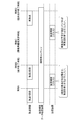
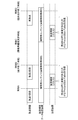
- FIG. 1 is a system configuration diagram showing a system configuration of a broadcasting system 10 in the present embodiment. It is explanatory drawing which showed the broadcast schedule and the broadcast complementation timing. It is explanatory drawing which showed typically the acquisition process of the content data at the time of using "IF
- FIG. 1 is a system configuration diagram showing a system configuration of a broadcasting system 10 in the present embodiment.
- the broadcast system 10 includes a broadcast supplemental data transmission device 100, a reception device 200, and a broadcast device 300.
- the broadcast supplemental data transmission apparatus 100 includes a storage unit 101, a content DB 102, an update time change unit 103, an HTTP response unit 104 (reception unit, determination unit, transmission unit), and a communication unit 105.
- the broadcast supplemental data transmission device 100 is a server for storing broadcast content data, and distributes content data in response to a request from the reception device 200.
- the broadcast supplemental data transmission apparatus 100 is configured by a computer system including a CPU, a RAM, a ROM, a communication module, and the like, and the CPU operates according to a program stored in the ROM, so that content data Distribution processing and the like can be executed.
- a computer system including a CPU, a RAM, a ROM, a communication module, and the like, and the CPU operates according to a program stored in the ROM, so that content data Distribution processing and the like can be executed.
- components of the broadcast supplemental data transmission apparatus 100 will be described.
- the storage unit 101 is a part for storing supplemental content data in the content DB 102.
- the storage unit 101 stores content data for complementation in the content DB 102 in accordance with an operation by an operator of the broadcast supplemental data transmission device 100.
- the content DB 102 is a database that stores content data for complementation, and is an identifier that can identify a block in a predetermined block unit so that a data block including missing data can be extracted according to a request from the receiving device 200. Are stored in association with each other. Further, the content DB 102 stores a broadcast program table in which content data names (or content identifiers) and broadcast time zones are associated with each other.
- the update time changing unit 103 is a part that changes the update time of the content data.
- the change process is performed by an operator operation of the broadcast complementary data transmission apparatus 100, and the update time can be changed even if the content data itself is not updated.
- This update time indicates the broadcast time of the second broadcast or rebroadcast, and the update time may be changed in conjunction with the broadcast time zone of the content data in the broadcast program guide.
- the HTTP response unit 104 is a part that responds to a retransmission request for missing data received via the communication unit 105. More specifically, when receiving a request signal to which a conditional request header transmitted from the receiving device 200 is added, the HTTP response unit 104 performs processing according to the case where the condition is satisfied.
- the HTTP response unit 104 performs broadcast supplementation in which IF Unmodified Since ⁇ broadcast reception time ⁇ is added as a conditional request header together with the content name of the content data (or its identifier) and the identifier of the data block including the missing data.
- the broadcast reception time of the content is checked against the update time of the content stored in the content DB, and if the update time is set at a time later than the legal transmission / reception time, It is determined that the content data is scheduled to be rebroadcast. If it is determined that there is a rebroadcast schedule, the HTTP response unit 104 transmits an error message to the receiving apparatus 200. If it is determined that there is no rebroadcast schedule, the HTTP response unit 104 starts transmission processing of content data including missing data.
- the communication unit 105 functions as a communication module.
- the communication unit 105 delivers a request signal transmitted from the reception device 200 to the HTTP response unit 104, and transmits various signals output from the HTTP response unit 104 to the reception device 200.
- the part to send is a communication module.
- the receiving apparatus 200 includes a broadcast receiving unit 201 (control unit), a decoding unit 202, a missing data specifying unit 203 (detecting unit), an HTTP request unit 204 (requesting unit), and a communication unit. 205 and a broadcast time acquisition unit 206 (acquisition means).
- the receiving device 200 is, for example, a portable terminal, and is configured from a computer system including a CPU, RAM, ROM, communication module, and the like. The CPU operates according to a program stored in the ROM. , Content reception processing, request processing, and the like can be executed.
- components of the receiving device 200 will be described.
- the broadcast receiving unit 201 is a part that receives content data broadcast from the broadcast device 300.
- the decryption unit 202 is a part that decrypts the broadcast content data.
- the missing data specifying unit 203 is a part that specifies missing data when there is missing data in the received content data.
- the content data is composed of a plurality of data blocks, and when there is missing data in one of them, the data block including the missing data can be specified by an identifier indicating the data block.
- the missing data specifying unit 203 may determine whether or not there is data loss when content is received by the communication unit 205, or may determine whether or not there is data loss during playback or reading of the content. Also good.
- the HTTP request unit 204 is a part that transmits a broadcast supplement request for requesting retransmission of the missing data specified by the missing data specifying unit 203 to the broadcast supplemented data transmission apparatus 100.
- the HTTP request unit 204 uses the time information indicating the time when the content data is received as a condition of the conditional request header, and the conditional request header is associated with the block identifier indicating the content identifier and the missing data.
- the supplement request is transmitted to the broadcast supplement data transmission apparatus 100 using the communication unit 205.
- the time for transmitting the broadcast supplement request may be set instead of the time when the content data is received.
- the communication unit 205 executes a function as a communication module, and transmits a broadcast complement request from the HTTP request unit 204 to the broadcast supplemental data transmission device 100. This is the part that receives the response.
- the broadcast time acquisition unit 206 When the broadcast time acquisition unit 206 receives a response signal indicating an error in response to a broadcast supplement request that is a retransmission request for missing data from the broadcast supplement data transmission device 100, the broadcast time acquisition unit 206 is stored in the broadcast supplement data transmission device 100. This is a part for accessing the program guide data reflecting the update time and acquiring the second broadcast time or rebroadcast time of the content data that is the target of the broadcast supplement request. When the acquired second broadcast time or re-broadcast time is reached, the broadcast receiving unit 201 is turned on so that a broadcast wave of the content data from the broadcast device 300 can be received, and enters a state of making a kind of reception reservation. .
- the broadcast device 300 is a part that broadcasts encoded content data.
- the broadcast device 300 includes a content DB 301, an encoding unit 302, and a broadcast transmission unit 303.
- the content DB 301 is a part that stores content data to be broadcast.
- the content DB 301 stores the broadcast time in association with the content data.
- the encoding unit 302 is a part that encodes content data stored in the content DB.
- the broadcast transmission unit 303 refers to the broadcast time of the content data stored in the content DB 301. When the broadcast time is reached, the broadcast transmission unit 303 causes the encoding unit 302 to perform an encoding process to broadcast the encoded content data. It is a part to do.
- the broadcast device 300 copies the broadcast content data to the broadcast supplemental data transmission device 100 as necessary. This copy process may be performed by an operator of the broadcast supplemental data transmission apparatus 100 or the broadcast apparatus 300, or may be automatically performed via a communication network.
- FIG. 2 is an explanatory diagram showing a broadcast schedule and broadcast supplement timing.
- the broadcasting device 300 broadcasts the content data for the first time and ends the broadcasting at time A.
- Receiving device 200 that has received the content data includes a content identifier and an identifier that identifies a data block that includes the missing data when the content data is detected to be missing at the time of reception or playback of the content.
- the broadcast supplement request is transmitted to the broadcast supplement data transmission apparatus 100.
- the broadcast device 300 performs the second broadcast of the same content data so that the time B becomes the broadcast end time, it is more efficient for the reception device 200 to wait for the second broadcast. . Therefore, even if a broadcast supplement request is transmitted, the broadcast supplement data transmission apparatus 100 transmits a response signal indicating an error in response to the request, and performs a missing data supplement process to the reception apparatus 200. Wait until the second broadcast.
- the operator of the broadcasting apparatus 300 may decide to reorganize a program at time C after time B.
- FIG. 2 shows that rebroadcasting is performed so that the time D becomes the broadcast end time.
- the receiving apparatus 200 determines that the content includes missing data by playing back the content, and sends a broadcast supplement request to the broadcast supplement data transmission apparatus 100.
- the broadcast supplemental data transmission apparatus 100 transmits a response signal indicating an error in response to the request, and waits until rebroadcast.
- FIG. 3 is an explanatory diagram showing the broadcast schedule and the broadcast supplement timing, and schematically showing the content data acquisition process when “IF Unmodified Since ⁇ time ⁇ ” in the HTTP GET method is used.
- FIG. 3 is an explanatory diagram showing the broadcast schedule and the broadcast supplement timing, and schematically showing the content data acquisition process when “IF Unmodified Since ⁇ time ⁇ ” in the HTTP GET method is used.
- the broadcasting device 300 broadcasts the same content data twice so that each of the time A and the time B becomes the broadcast end time.
- the receiving apparatus 200 transmits a signal including “GET HTTP1.1 IF Unmodified Since ⁇ time A ⁇ ” as a broadcast complement request that is a retransmission request. Transmit to device 100.
- the broadcast supplemental data transmission device 100 stores time B, which is the second broadcast time, as the update time of the content data, and compares the time B, which is the second broadcast time, with the time A, so that the content is updated.
- the necessity of resending data is determined.
- the time A which is the reception end time of the content data, is a condition requirement, but this is an example, and may be, for example, a broadcast start time, or a broadcast supplement request is transmitted as described above. It is good also as time (for example, arbitrary time between the time A and the time B).
- the broadcast supplemental data transmission apparatus 100 is one of error notifications that do not satisfy the conditions described in the broadcast supplementation request “412”. “Precondition Failed” is transmitted to the receiving apparatus 200.
- the receiving device 200 accesses the program guide data stored in the broadcast supplemental data transmission device 100 and acquires the rebroadcast time of content data including missing data. Then, the receiving device 200 makes the content data broadcast at that time receivable.
- the broadcast device 300 program reorganization is determined.
- the subsequent time D is determined as the rebroadcast time of the content data.
- the time D is stored in the content DB 102 as the update time.
- the broadcast supplemental data transmission apparatus 100 changes only the update time even if the content data itself is not updated. Thereby, it can respond to the conditional request of HTTP.
- This update time is a future time.
- the broadcast supplement request is transmitted again.
- a request signal including “GET HTTP / 1.1 IF Unmodified Since ⁇ time B ⁇ ” is transmitted to the broadcast complement data transmission apparatus 100 as a broadcast complement request.
- the receiving device 200 may want to view or supplement the content data immediately, regardless of whether or not rebroadcasting is performed. In that case, the receiving apparatus 200 transmits a broadcast supplement request to the broadcast supplemental data transmission apparatus 100 without attaching a conditional request header in response to a user operation, thereby immediately via the communication network.
- Content data can be complemented.
- the broadcast supplemental data transmission device 100 transmits “412 Precondition” Failed ”, which is one of error notifications, to the receiving device 200.
- the receiving device 200 accesses the program guide data stored in the broadcast supplemental data transmission device 100 and acquires the rebroadcast time of content data including missing data. Then, the content data broadcast at that time is made receivable.
- rebroadcast time As the update time in this way, if the device can use HTTP, no extension is added to the existing HTTP response server, and a special protocol is used. In addition, missing data can be complemented using rebroadcast.
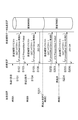
- Fig. 4 shows a more detailed sequence diagram.
- the broadcast transmission unit 303 broadcasts the first content data so that the time A becomes the broadcast end time (S101).
- the missing data specifying unit 203 of the receiving device 200 receives the broadcast content data and detects missing data from the content data. Then, the HTTP request unit 204 transmits “GETHTTP / 1.1 If Unmodified Since time A” as the broadcast supplement request to the broadcast supplement data transmission apparatus 100.
- “412Precondition Failed” is transmitted from the broadcast supplemental data transmission device 100 (S103).
- the receiving device 200 obtains the rebroadcast time from the broadcast supplemental data transmission device 100, and when it reaches that time, it makes the broadcast wave receivable.
- the broadcast transmission unit 303 broadcasts the second content data so that the time B becomes the broadcast end time (S104).
- the receiving device 200 receives the content data broadcast for the second time. Then, missing data is detected from the content data, and “GET HTTP / 1.1 If Unmodified Since time B” is transmitted to the broadcast complement data transmission apparatus 100 as a broadcast complement request (S105).
- “200OK" is transmitted, and the content data is retransmitted.
- time D is determined as the rebroadcast time (S201), and the broadcast supplementary data transmission device 100 stores the time D as the update time of the content data.
- “GET HTTP / 1.1 If Unmodified Since time B” is transmitted from the receiving device 200 to the broadcast supplementary data transmission device 100 as a broadcast supplement request (S202).
- “412 Precondition Failed” is transmitted to the reception apparatus 200 as a response to the broadcast supplement request (S203).
- the receiving device 200 obtains the rebroadcast time from the broadcast supplemental data transmission device 100, and when it reaches that time, the receiving device 200 enters a broadcast wave receivable state. Here, information of time D is acquired, and the broadcast is received at the time D.
- rebroadcasting is performed from the broadcast device 300 so that the time D becomes the broadcast end time (S204).
- the receiving device 200 receives the rebroadcast content data.
- missing data is detected from the content data, and “GET HTTP / 1.1 If Unmodified Since time D” is transmitted to the broadcast complement data transmission apparatus 100 as a broadcast complement request (S205).
- “200OK” is transmitted, and the content data is retransmitted (S206).
- the broadcast supplemental data transmission apparatus 100 of the present embodiment when “GET HTTP / 1.1 If Unmodified Since time information”, which is a retransmission request of missing data including time information, is received from the receiving device 200, it is included in the retransmission request. Based on the time information, the HTTP response unit 104 determines whether or not the second broadcast or rebroadcast of the content including the missing data is present. When the HTTP response unit 104 determines that there is a rebroadcast, “412Precondition Failed”, which is one of error notifications, is transmitted as a response to the receiving device 200, and the content is transmitted via the communication network. Absent. In the present embodiment, the second broadcast or rebroadcast is referred to as rebroadcast unless otherwise specified.
- the HTTP response unit 104 determines that there is no rebroadcast, it transmits “200“ OK ”as a response to the receiving device 200 to transmit the content via the communication network. This makes it possible to supplement the missing data of the content data with rebroadcast without using the communication network and to supplement the missing data by rebroadcasting, thereby reducing the traffic on the communication network. .
- the second time after the time of the time information can be determined. Therefore, it is possible to reliably determine the presence or absence of the second broadcast or rebroadcast.
- the receiving device 200 may use the content reception time in the receiving device 200 as the time information to be included in the broadcast supplement request, may be the transmission time of the broadcast supplement request, and may be any time in between. Also good.
- the HTTP response part 104 can compare with the time slot
- the broadcast supplementary data transmission apparatus 100 determines that there is a rebroadcast, it transmits an error signal “412 Precondition Failed” to the receiving device 200, and the receiving device 200 receives the “412 Precondition”.
- “Failed” is received, it can be recognized that there is a rebroadcast. Therefore, it is possible to efficiently prepare for rebroadcasting on the receiving device 200 side.
- the receiving device 200 can obtain the rebroadcast time zone by accessing the program guide data stored in the broadcast supplemental data transmission device 100, and can receive the content data during the time zone. This makes it possible to reliably receive content data and supplement missing data.
- an existing WEB server that responds to an HTTP request can be used for the broadcast supplemental data transmission apparatus 100.
- it can respond also to an existing WEB server that is not elegant it is possible to introduce a device at a low cost, and it is easy to distribute the broadcast supplemental data transmission device 100 to a plurality of devices. Therefore, it is possible to disperse communication network traffic and missing data requests.
- DESCRIPTION OF SYMBOLS 10 ... Broadcasting system, 100 ... Broadcast complementary data transmission apparatus, 101 ... Storage part, 102 ... Content DB, 103 ... Update time change part, 104 ... HTTP response part, 105 ... Communication part, 200 ... Reception apparatus, 201 ... Broadcast reception , 202 ... Decoding part, 203 ... Missing data specifying part, 204 ... HTTP request part, 205 ... Communication part, 206 ... Broadcasting time acquisition part, 300 ... Broadcasting apparatus, 301 ... Content DB, 302 ... Encoding part, 303 ... Broadcast transmission part.
Landscapes
- Engineering & Computer Science (AREA)
- Signal Processing (AREA)
- Computer Networks & Wireless Communication (AREA)
- Multimedia (AREA)
- Databases & Information Systems (AREA)
- Two-Way Televisions, Distribution Of Moving Picture Or The Like (AREA)
- Data Exchanges In Wide-Area Networks (AREA)
Abstract
Description
Claims (9)
- 受信装置からの要求に応じてコンテンツの欠損データを、通信網を利用して補完する放送補完データ伝送装置において、
前記受信装置から時刻情報を含んだ欠損データの再送要求を受信する受信手段と、
前記受信手段により欠損データの再送要求を受信すると、当該再送要求に含まれる時刻情報に基づいて、前記欠損データを含んだコンテンツの再放送の有無を判断する判断手段と、
前記判断手段により再放送があると判断されると、通信網を介した前記コンテンツの送信を行わず、再放送が無いと判断されると、通信網を介した前記コンテンツの送信を行う送信手段とを備える放送補完データ伝送装置。 - 前記時刻情報は、前記受信装置においてコンテンツの受信時刻であることを特徴とする請求項1に記載の放送補完データ伝送装置。
- 前記時刻情報は、前記受信装置において、欠損データの再送要求を送信した時刻であることを特徴とする請求項1に記載の放送補完データ伝送装置。
- 前記送信手段は、前記判断手段により再放送があると判断されると、さらに、エラーの旨の信号を前記受信装置に送信し、
前記受信装置においては、当該エラーの旨の信号を受信すると、再放送がある旨認識可能にすることを特徴とする請求項1から3のいずれか一項に記載の放送補完データ伝送装置。 - 前記判断手段は、
再送要求に含まれている時刻情報により示される時刻と、当該コンテンツの更新時間と比較することで、当該時刻情報の時刻以降の再放送の有無を判断することを特徴とする請求項1から4のいずれか一項に記載の放送補完データ伝送装置。 - 前記受信手段は、再送要求として、HTTPにおける時刻情報を含んだ条付きリクエストを受信することを特徴とする請求項1から5のいずれか一項に記載の放送補完データ伝送装置。
- 請求項1から6のいずれか一項に記載の放送補完データ伝送装置と、コンテンツの放送を行う放送装置と、前記放送装置からコンテンツの受信を行う受信装置とを備える放送システムにおいて、
前記受信装置は、
前記放送装置から受信したコンテンツの欠損データを検出する検出手段と、
前記検出手段により欠損データが検出されると、前記放送補完データ伝送装置に対して、前記欠損データを含んだコンテンツの再送要求を、前記コンテンツの受信時の時刻または前記再送要求時の時刻を示す時刻情報とともに送信する要求手段と、を備えることを特徴とする放送システム。 - 請求項4に記載の放送補完データ伝送装置と、コンテンツの放送を行う放送装置と、前記放送装置からコンテンツの受信を行う受信装置とを備える放送システムにおいて、
前記受信装置は、
前記放送装置から受信したコンテンツの欠損データを検出する検出手段と、
前記検出手段により欠損データが検出されると、前記放送補完データ伝送装置に対して、前記欠損データを含んだコンテンツの再送要求を、前記コンテンツの受信時の時刻または前記再送要求時の時刻を示す時刻情報とともに送信する要求手段と、
前記要求手段の要求に応じて、前記放送補完データ伝送装置から、エラーの旨を受信すると、前記コンテンツの再放送時刻情報を取得する取得手段と、
前記取得手段により取得された再放送時刻情報で示された時刻に放送受信可能状態にする制御手段とを備える放送システム。 - 受信装置からの要求に応じてコンテンツの欠損データを、通信網を利用して補完する放送補完データ伝送方法において、
前記受信装置から時刻情報を含んだ欠損データの再送要求を受信する受信ステップと、
前記受信ステップにより欠損データの再送要求を受信すると、当該再送要求に含まれる時刻情報に基づいて、前記欠損データを含んだコンテンツの再放送の有無を判断する判断ステップと、
前記判断ステップにより再放送があると判断されると、通信網を介した前記コンテンツの送信を行わず、再放送が無いと判断されると、通信網を介した前記コンテンツの送信を行う送信ステップとを備える放送補完データ伝送方法。
Priority Applications (4)
| Application Number | Priority Date | Filing Date | Title |
|---|---|---|---|
| BR112012030464A BR112012030464A2 (pt) | 2010-05-31 | 2011-05-20 | dispositivo de difusão de transmissão de dados suplementares e métodos de difusão de transmissão de dados suplementares, e sistema de difusão |
| CN2011800265149A CN102934457A (zh) | 2010-05-31 | 2011-05-20 | 广播插补数据传输装置及广播插补数据传输方法和广播系统 |
| US13/699,403 US20130124677A1 (en) | 2010-05-31 | 2011-05-20 | Broadcast supplemental data transmission device and broadcast supplemental data transmission method, and broadcast system |
| KR1020127033791A KR101410405B1 (ko) | 2010-05-31 | 2011-05-20 | 방송 보완 데이터 전송 장치, 방송 보완 데이터 전송 방법, 및 방송 시스템 |
Applications Claiming Priority (2)
| Application Number | Priority Date | Filing Date | Title |
|---|---|---|---|
| JP2010124632A JP5075225B2 (ja) | 2010-05-31 | 2010-05-31 | 放送補完データ伝送装置および放送補完データ伝送方法、ならびに放送システム |
| JP2010-124632 | 2010-05-31 |
Publications (1)
| Publication Number | Publication Date |
|---|---|
| WO2011152231A1 true WO2011152231A1 (ja) | 2011-12-08 |
Family
ID=45066610
Family Applications (1)
| Application Number | Title | Priority Date | Filing Date |
|---|---|---|---|
| PCT/JP2011/061686 Ceased WO2011152231A1 (ja) | 2010-05-31 | 2011-05-20 | 放送補完データ伝送装置および放送補完データ伝送方法、ならびに放送システム |
Country Status (7)
| Country | Link |
|---|---|
| US (1) | US20130124677A1 (ja) |
| JP (1) | JP5075225B2 (ja) |
| KR (1) | KR101410405B1 (ja) |
| CN (1) | CN102934457A (ja) |
| BR (1) | BR112012030464A2 (ja) |
| PE (1) | PE20131191A1 (ja) |
| WO (1) | WO2011152231A1 (ja) |
Cited By (1)
| Publication number | Priority date | Publication date | Assignee | Title |
|---|---|---|---|---|
| CN103814582A (zh) * | 2013-11-05 | 2014-05-21 | 华为技术有限公司 | 视频业务数据传输方法、数据接收装置和数据发送装置 |
Families Citing this family (4)
| Publication number | Priority date | Publication date | Assignee | Title |
|---|---|---|---|---|
| JP2013239836A (ja) * | 2012-05-14 | 2013-11-28 | Sharp Corp | マルチメディア放送受信装置及びプログラム |
| JP7094809B2 (ja) * | 2018-07-10 | 2022-07-04 | キヤノン株式会社 | 情報処理装置、情報処理装置の制御方法、及びプログラム |
| JP7104338B2 (ja) * | 2020-02-12 | 2022-07-21 | ダイキン工業株式会社 | データ収集システム、受信側装置、及びデータ収集方法 |
| KR20250048631A (ko) | 2023-10-03 | 2025-04-10 | 서준혁 | 송신 코드를 활용한 로그인 없는 일회용 클라우드 파일 업로드 시스템 |
Citations (6)
| Publication number | Priority date | Publication date | Assignee | Title |
|---|---|---|---|---|
| JP2000354003A (ja) * | 1999-06-10 | 2000-12-19 | Fujitsu Ten Ltd | 車載用データ受信装置 |
| JP2002232478A (ja) * | 2000-11-06 | 2002-08-16 | Matsushita Electric Ind Co Ltd | 送信装置、受信装置及び放送データ配信方法 |
| JP2004193920A (ja) * | 2002-12-11 | 2004-07-08 | Toshiba Corp | 番組配信システム及び受信装置 |
| JP2005328267A (ja) * | 2004-05-13 | 2005-11-24 | Next Wave:Kk | コンテンツ配信システム |
| JP2010067305A (ja) * | 2008-09-10 | 2010-03-25 | Panasonic Corp | 録画装置及び録画方法 |
| WO2010035652A1 (ja) * | 2008-09-26 | 2010-04-01 | 株式会社エヌ・ティ・ティ・ドコモ | データ受信端末、データ配信サーバ、データ配信システム、およびデータ配信方法 |
Family Cites Families (3)
| Publication number | Priority date | Publication date | Assignee | Title |
|---|---|---|---|---|
| CN1394411A (zh) * | 2000-11-06 | 2003-01-29 | 松下电器产业株式会社 | 发送装置、接收装置及广播数据的分发方法 |
| US20040268419A1 (en) * | 2003-06-24 | 2004-12-30 | Microsoft Corporation | Interactive content without embedded triggers |
| JP4662340B2 (ja) * | 2005-02-21 | 2011-03-30 | アルパイン株式会社 | デジタル放送受信器 |
-
2010
- 2010-05-31 JP JP2010124632A patent/JP5075225B2/ja not_active Expired - Fee Related
-
2011
- 2011-05-20 PE PE2012002239A patent/PE20131191A1/es not_active Application Discontinuation
- 2011-05-20 WO PCT/JP2011/061686 patent/WO2011152231A1/ja not_active Ceased
- 2011-05-20 US US13/699,403 patent/US20130124677A1/en not_active Abandoned
- 2011-05-20 BR BR112012030464A patent/BR112012030464A2/pt not_active IP Right Cessation
- 2011-05-20 CN CN2011800265149A patent/CN102934457A/zh active Pending
- 2011-05-20 KR KR1020127033791A patent/KR101410405B1/ko not_active Expired - Fee Related
Patent Citations (6)
| Publication number | Priority date | Publication date | Assignee | Title |
|---|---|---|---|---|
| JP2000354003A (ja) * | 1999-06-10 | 2000-12-19 | Fujitsu Ten Ltd | 車載用データ受信装置 |
| JP2002232478A (ja) * | 2000-11-06 | 2002-08-16 | Matsushita Electric Ind Co Ltd | 送信装置、受信装置及び放送データ配信方法 |
| JP2004193920A (ja) * | 2002-12-11 | 2004-07-08 | Toshiba Corp | 番組配信システム及び受信装置 |
| JP2005328267A (ja) * | 2004-05-13 | 2005-11-24 | Next Wave:Kk | コンテンツ配信システム |
| JP2010067305A (ja) * | 2008-09-10 | 2010-03-25 | Panasonic Corp | 録画装置及び録画方法 |
| WO2010035652A1 (ja) * | 2008-09-26 | 2010-04-01 | 株式会社エヌ・ティ・ティ・ドコモ | データ受信端末、データ配信サーバ、データ配信システム、およびデータ配信方法 |
Cited By (2)
| Publication number | Priority date | Publication date | Assignee | Title |
|---|---|---|---|---|
| CN103814582A (zh) * | 2013-11-05 | 2014-05-21 | 华为技术有限公司 | 视频业务数据传输方法、数据接收装置和数据发送装置 |
| CN103814582B (zh) * | 2013-11-05 | 2017-06-20 | 华为技术有限公司 | 视频业务数据传输方法和数据发送装置 |
Also Published As
| Publication number | Publication date |
|---|---|
| BR112012030464A2 (pt) | 2017-06-20 |
| KR101410405B1 (ko) | 2014-06-20 |
| JP2011254134A (ja) | 2011-12-15 |
| PE20131191A1 (es) | 2013-10-19 |
| US20130124677A1 (en) | 2013-05-16 |
| JP5075225B2 (ja) | 2012-11-21 |
| CN102934457A (zh) | 2013-02-13 |
| KR20130018948A (ko) | 2013-02-25 |
Similar Documents
| Publication | Publication Date | Title |
|---|---|---|
| US11575961B2 (en) | Reception apparatus, transmission apparatus, and data processing method | |
| US9154833B2 (en) | Information processing apparatus, data management method, and program | |
| US8214856B2 (en) | Emergency alert system for video on demand viewers | |
| US20210250631A1 (en) | Adaptive Bitrate Streaming Of Live Content with Manifest Update Push Notification or Long Poll | |
| CN1285079A (zh) | 用于传送信息的方法 | |
| EP3497831B1 (en) | Improved adaptive bit rate streaming of live content | |
| JP5075225B2 (ja) | 放送補完データ伝送装置および放送補完データ伝送方法、ならびに放送システム | |
| US20090181646A1 (en) | System and method for binding notification types to applications for a notification framework | |
| KR20110112199A (ko) | 실시간 방송 신호에 포함된 비실시간 콘텐트를 수신하는 방법 및 장치 | |
| CN114040232A (zh) | 投屏系统、方法、电子设备和存储介质 | |
| US11831702B2 (en) | Method for broadcasting DASH/HLS hybrid multimedia streams | |
| US20090213777A1 (en) | Distribution apparatus and receiving apparatus for reproducing predetermined contents | |
| US11388485B2 (en) | Receiving device, receiving method, transmission device, and transmission method | |
| US11611799B2 (en) | ATSC 3 application context switching and sharing | |
| US20150295977A1 (en) | Media Playing Method And Device | |
| JP7615241B2 (ja) | 端末装置 | |
| US11711568B2 (en) | Techniques for ATSC 3.0 broadcast boundary area management using plural tuners handing off between presentation and scanning | |
| EP3280148B1 (en) | Method and device for communicating between devices in multimedia system | |
| KR101699351B1 (ko) | 파일 정정 배포 모드를 요청하는 방법 | |
| JP2022183813A (ja) | 受信装置、クライアント端末装置、およびプログラム | |
| KR20070040273A (ko) | 디지털 방송 시스템에서 신뢰성 보장 전송 서비스 제공방법 | |
| CN101438588B (zh) | 在数据分发业务中利用更改对象来传输静态对象的更改的方法、以及发送器和接收器 | |
| WO2023012756A1 (en) | Techniques for atsc 3.0 broadcast boundary area management using plural tuners handing off between presentation and scanning | |
| KR101377942B1 (ko) | 이동통신 단말기의 방송 관련 정보 처리 방법 및 이를이용한 이동통신 단말기, 그리고 방송 시스템 | |
| KR20090070712A (ko) | 휴대 방송 서비스에서 방송 안내 정보 제공 방법 및 시스템 |
Legal Events
| Date | Code | Title | Description |
|---|---|---|---|
| WWE | Wipo information: entry into national phase |
Ref document number: 201180026514.9 Country of ref document: CN |
|
| 121 | Ep: the epo has been informed by wipo that ep was designated in this application |
Ref document number: 11789640 Country of ref document: EP Kind code of ref document: A1 |
|
| WWE | Wipo information: entry into national phase |
Ref document number: 002239-2012 Country of ref document: PE |
|
| NENP | Non-entry into the national phase |
Ref country code: DE |
|
| ENP | Entry into the national phase |
Ref document number: 20127033791 Country of ref document: KR Kind code of ref document: A |
|
| WWE | Wipo information: entry into national phase |
Ref document number: 11296/DELNP/2012 Country of ref document: IN |
|
| WWE | Wipo information: entry into national phase |
Ref document number: 13699403 Country of ref document: US |
|
| 122 | Ep: pct application non-entry in european phase |
Ref document number: 11789640 Country of ref document: EP Kind code of ref document: A1 |
|
| REG | Reference to national code |
Ref country code: BR Ref legal event code: B01A Ref document number: 112012030464 Country of ref document: BR |
|
| ENP | Entry into the national phase |
Ref document number: 112012030464 Country of ref document: BR Kind code of ref document: A2 Effective date: 20121129 |