US9949947B2 - Delphinidin for combating melanoma cells - Google Patents
Delphinidin for combating melanoma cells Download PDFInfo
- Publication number
- US9949947B2 US9949947B2 US14/651,262 US201314651262A US9949947B2 US 9949947 B2 US9949947 B2 US 9949947B2 US 201314651262 A US201314651262 A US 201314651262A US 9949947 B2 US9949947 B2 US 9949947B2
- Authority
- US
- United States
- Prior art keywords
- delphinidin
- composition
- cells
- cyclodextrin
- complex
- Prior art date
- Legal status (The legal status is an assumption and is not a legal conclusion. Google has not performed a legal analysis and makes no representation as to the accuracy of the status listed.)
- Expired - Fee Related, expires
Links
- 0 *C1=CC(C2=[O+]C3=CC([7*])=C([6*])C([5*])=C3C=C2[3*])=CC(*)=C1*.C.C.C.C.C.C.C.C.C.C.C.C.C.C Chemical compound *C1=CC(C2=[O+]C3=CC([7*])=C([6*])C([5*])=C3C=C2[3*])=CC(*)=C1*.C.C.C.C.C.C.C.C.C.C.C.C.C.C 0.000 description 2
Images


Classifications
-
- A—HUMAN NECESSITIES
- A61—MEDICAL OR VETERINARY SCIENCE; HYGIENE
- A61K—PREPARATIONS FOR MEDICAL, DENTAL OR TOILETRY PURPOSES
- A61K31/00—Medicinal preparations containing organic active ingredients
- A61K31/33—Heterocyclic compounds
- A61K31/335—Heterocyclic compounds having oxygen as the only ring hetero atom, e.g. fungichromin
- A61K31/35—Heterocyclic compounds having oxygen as the only ring hetero atom, e.g. fungichromin having six-membered rings with one oxygen as the only ring hetero atom
- A61K31/352—Heterocyclic compounds having oxygen as the only ring hetero atom, e.g. fungichromin having six-membered rings with one oxygen as the only ring hetero atom condensed with carbocyclic rings, e.g. methantheline
-
- A—HUMAN NECESSITIES
- A61—MEDICAL OR VETERINARY SCIENCE; HYGIENE
- A61K—PREPARATIONS FOR MEDICAL, DENTAL OR TOILETRY PURPOSES
- A61K31/00—Medicinal preparations containing organic active ingredients
- A61K31/70—Carbohydrates; Sugars; Derivatives thereof
- A61K31/7042—Compounds having saccharide radicals and heterocyclic rings
-
- A—HUMAN NECESSITIES
- A61—MEDICAL OR VETERINARY SCIENCE; HYGIENE
- A61K—PREPARATIONS FOR MEDICAL, DENTAL OR TOILETRY PURPOSES
- A61K38/00—Medicinal preparations containing peptides
- A61K38/16—Peptides having more than 20 amino acids; Gastrins; Somatostatins; Melanotropins; Derivatives thereof
- A61K38/17—Peptides having more than 20 amino acids; Gastrins; Somatostatins; Melanotropins; Derivatives thereof from animals; from humans
- A61K38/177—Receptors; Cell surface antigens; Cell surface determinants
- A61K38/1793—Receptors; Cell surface antigens; Cell surface determinants for cytokines; for lymphokines; for interferons
-
- A—HUMAN NECESSITIES
- A61—MEDICAL OR VETERINARY SCIENCE; HYGIENE
- A61K—PREPARATIONS FOR MEDICAL, DENTAL OR TOILETRY PURPOSES
- A61K38/00—Medicinal preparations containing peptides
- A61K38/16—Peptides having more than 20 amino acids; Gastrins; Somatostatins; Melanotropins; Derivatives thereof
- A61K38/17—Peptides having more than 20 amino acids; Gastrins; Somatostatins; Melanotropins; Derivatives thereof from animals; from humans
- A61K38/19—Cytokines; Lymphokines; Interferons
- A61K38/191—Tumor necrosis factors [TNF], e.g. lymphotoxin [LT], i.e. TNF-beta
-
- A—HUMAN NECESSITIES
- A61—MEDICAL OR VETERINARY SCIENCE; HYGIENE
- A61K—PREPARATIONS FOR MEDICAL, DENTAL OR TOILETRY PURPOSES
- A61K45/00—Medicinal preparations containing active ingredients not provided for in groups A61K31/00 - A61K41/00
- A61K45/06—Mixtures of active ingredients without chemical characterisation, e.g. antiphlogistics and cardiaca
-
- A61K47/48969—
-
- A—HUMAN NECESSITIES
- A61—MEDICAL OR VETERINARY SCIENCE; HYGIENE
- A61K—PREPARATIONS FOR MEDICAL, DENTAL OR TOILETRY PURPOSES
- A61K47/00—Medicinal preparations characterised by the non-active ingredients used, e.g. carriers or inert additives; Targeting or modifying agents chemically bound to the active ingredient
- A61K47/50—Medicinal preparations characterised by the non-active ingredients used, e.g. carriers or inert additives; Targeting or modifying agents chemically bound to the active ingredient the non-active ingredient being chemically bound to the active ingredient, e.g. polymer-drug conjugates
- A61K47/69—Medicinal preparations characterised by the non-active ingredients used, e.g. carriers or inert additives; Targeting or modifying agents chemically bound to the active ingredient the non-active ingredient being chemically bound to the active ingredient, e.g. polymer-drug conjugates the conjugate being characterised by physical or galenical forms, e.g. emulsion, particle, inclusion complex, stent or kit
- A61K47/6949—Medicinal preparations characterised by the non-active ingredients used, e.g. carriers or inert additives; Targeting or modifying agents chemically bound to the active ingredient the non-active ingredient being chemically bound to the active ingredient, e.g. polymer-drug conjugates the conjugate being characterised by physical or galenical forms, e.g. emulsion, particle, inclusion complex, stent or kit inclusion complexes, e.g. clathrates, cavitates or fullerenes
- A61K47/6951—Medicinal preparations characterised by the non-active ingredients used, e.g. carriers or inert additives; Targeting or modifying agents chemically bound to the active ingredient the non-active ingredient being chemically bound to the active ingredient, e.g. polymer-drug conjugates the conjugate being characterised by physical or galenical forms, e.g. emulsion, particle, inclusion complex, stent or kit inclusion complexes, e.g. clathrates, cavitates or fullerenes using cyclodextrin
-
- A—HUMAN NECESSITIES
- A61—MEDICAL OR VETERINARY SCIENCE; HYGIENE
- A61P—SPECIFIC THERAPEUTIC ACTIVITY OF CHEMICAL COMPOUNDS OR MEDICINAL PREPARATIONS
- A61P35/00—Antineoplastic agents
-
- A—HUMAN NECESSITIES
- A61—MEDICAL OR VETERINARY SCIENCE; HYGIENE
- A61K—PREPARATIONS FOR MEDICAL, DENTAL OR TOILETRY PURPOSES
- A61K2300/00—Mixtures or combinations of active ingredients, wherein at least one active ingredient is fully defined in groups A61K31/00 - A61K41/00
-
- B—PERFORMING OPERATIONS; TRANSPORTING
- B82—NANOTECHNOLOGY
- B82Y—SPECIFIC USES OR APPLICATIONS OF NANOSTRUCTURES; MEASUREMENT OR ANALYSIS OF NANOSTRUCTURES; MANUFACTURE OR TREATMENT OF NANOSTRUCTURES
- B82Y5/00—Nanobiotechnology or nanomedicine, e.g. protein engineering or drug delivery
Definitions
- compositions comprising
- Malignant melanoma also known by the term “black skin cancer”, is a malignant degeneration of pigment cells, the so-called melanocytes. Cancer has a tendency even in an early stage to spread metastases via the circulatory and lymphatic systems. Malignant melanoma is curable, at least if it is diagnosed and treated early.
- Vaccine therapy is also known, i.e. active immunotherapy by means of tumor inoculation using tumor vaccines in order to stimulate the body's own resistance for specific combating of cancer cells.
- features of the tumor for example, protein molecules produced by the tumor cells or cell fragments of the tumor cells
- the immune cells are presented to the immune cells via the vaccines administered such that the immune cells recognize these features as foreign and attack the body's own cells, which bear these features.
- chemotherapy i.e. medical treatment with chemical substances that damage or inhibit tumor cells (cytostatics), is of practical relevance.
- the object of the present invention is to provide an effective remedy as an alternative or supplement to the treatment options for malignant melanoma known from the prior art.
- composition according to the invention is used for treating a subject or an individual suffering from malignant melanoma.
- subject comprises living animals and humans.
- the purpose of this treatment is the at least partial killing or neutralization of the tumor cells.
- Negtralization or “killing” signifies, in the context of the present invention, the at least partial destruction or disintegration or inactivation or proliferation of tumor cells.
- the present invention also refers to a method for treating a subject suffering from malignant melanoma, in which a therapeutically active amount of the composition according to the invention is administered to the subject.
- a therapeutically active amount of the composition according to the invention is administered to the subject.
- Of particular interest here is combating the melanoma cells with the active ingredient on the one hand while as far as possible leaving unaffected the vitality and proliferation of the non-cancerous cells on the other hand.
- treatment signifies, in the context of the present invention, complete or partial achievement of the following specified results: completely or partially reducing the clinical picture; improving at least one of the clinical symptoms or indicators associated with the disease; delaying, suppressing or providing protection from the progression of the disease; or completely or partially delaying, suppressing or providing protection from onset or development of the disease.
- the subject to be treated is a human or animal, preferably a mammal.
- Veterinary medical treatment besides the treatment of livestock or wild animals (e.g. sheep, cats, horses, cows, pigs), also includes laboratory animals (e.g. rats, mice, guinea pigs, monkeys).
- composition comprising a complex of delphinidin and a sulfoalkyl ether ⁇ -cyclodextrin and/or delphinidin or salts thereof” includes the composition as a monopreparation, i.e. without further therapeutically active components. Alternatively, the composition may comprise at least one further therapeutically active substance.
- the composition according to the invention can be administered alone or in combination with at least one other therapeutic substance for reducing one or more symptoms of malignant melanoma.
- the administration of the composition according to the invention can be administered simultaneously with the other therapeutic substance, which can be a constituent of the same composition or is provided in another composition. Alternatively, the composition according to the invention can be administered before or after the administration of the other therapeutic substance.
- the composition according to the invention can be administered via the same route of administration as or a different route of administration to the other therapeutic substance.
- the further therapeutically active substance is preferably a Tumor necrosis factor-Related Apoptosis-Inducing Ligand (TRAIL).
- TRAIL Tumor necrosis factor-Related Apoptosis-Inducing Ligand
- the further therapeutically active substance is selected from the group consisting of cytostatics, interferons, preferably alpha- and/or beta-interferons, more preferably interferon alpha-2a and alpha-2b, and tumor vaccines. The latter can also be combined and applied in combination with TRAIL.
- metastases have already formed in other organs, a combination of chemotherapy and immunotherapy, and radiation treatment of individual metastases may be appropriate in order to achieve regressions.
- Interferons are typically used in chemotherapy, particularly IFN-alpha formed in white blood cells (leucocytes) and IFN-beta formed in connective tissue cells (fibroblasts), which inhibit the growth of healthy as well as malignant cells and stimulate the immune system.
- a pure interferon obtained by gene technology is usually relied on in cancer therapy, for example, interferon alpha-2a (Roferon®) and interferon alpha-2b (IntronA®) approved for cancer treatment in Germany.
- Cytostatics are prepared synthetically or are derived from naturally-occurring cytotoxins which trigger the programmed cell death (apoptosis) of the tumor cells.
- chemotherapeutic agents which may be used in the context of the present invention include bortezomib (Velcade®, Millennium), melphalan, prednisone, vincristine, carmustine, cyclophosphamide, dexamethasone, thalidomide, doxorubicin, cisplatin, etoposide and cytarabine.
- radiotherapy can additionally be used.
- radioactive drugs so-called “radiopharmaceuticals”
- radiotherapy is preferably used locally in a limited manner. This means that the preferably electromagnetic radiation and particle beams as well act locally in this case limited to the irradiated area and damage the tumor cells, particularly the DNA in the cell nucleus, by ionization and formation of free radicals and breaks in the DNA of the tumor cells.
- screens can be used.
- the administration of the active ingredient of the invention by way of monotherapy or in combination with TRAIL or other or further therapeutic active ingredients, for example selected from the group consisting of cytostatics, interferons and tumor vaccines can also be done as a so-called regional therapy, for example by targeted injection (e.g. by means of a catheter) in body regions, body cavities or into the blood vessels of the tumor region or organ in which the tumor is located. Permeation of the affected area or organ is also possible by means of regional perfusion, in which the medicament flows through the area (e.g. arm or leg) or the organ on completion of the remaining circulation and is passed directly through again without reaching the rest of the body.
- composition according to the invention is preferably provided and administered as a pharmaceutical composition.
- pharmaceutical composition comprises one or more active ingredients and one or more inactive ingredients which function as carriers for the active ingredient(s).
- the pharmaceutical composition allows the complex according to the invention or the composition according to the invention to be administered by the oral, rectal, parenteral, including intraperitoneal, percutaneous, subcutaneous, intramuscular, intravenous, ophthalmic, pulmonary or nasal routes.
- a parenteral administration form may be, for example, a tablet, capsule, solution, suspension or dispersion.
- An ophthalmic, pulmonary or nasal administration form may be, for example, an aerosol, solution, cream, paste, lotion, gel, salve, suspension or dispersion.
- compositions according to the invention can be administered intravenously to a subject by means of a pharmaceutically acceptable carrier (e.g. physiological saline solution).
- a pharmaceutically acceptable carrier e.g. physiological saline solution
- a formulation in aqueous solution preferably in physiologically acceptable buffers (e.g. Hank's solution, Ringer's solution or physiologically buffered saline solution), is suitable for injection.
- physiologically acceptable buffers e.g. Hank's solution, Ringer's solution or physiologically buffered saline solution
- parenteral administration including intravenous, subcutaneous, intramuscular and intraperitoneal administration, an aqueous or oily solution or a solid formulation is also useful.
- the proportion of active ingredient in the pharmaceutical composition may vary and is typically between 2 and 60% by weight of the dose unit.
- the proportion of active ingredient is accordingly selected such that an effective dose is achieved.
- the delphinidin or salts thereof and/or the complex of delphinidin and the sulfoalkyl ether ⁇ -cyclodextrin are used in a galenic preparation for controlled and/or delayed release of the delphinidin.
- Salt or “pharmaceutically acceptable salt” is any salt of a compound of the present invention, acceptable from a pharmaceutical standpoint, which can liberate the pharmaceutically effective active ingredient or active metabolite thereof after administration. Salts of the compositions and complexes of the present invention may be derived from inorganic or organic acids and bases.
- the anthocyanidin delphinidin may be used in “pure form” or “purified”, which signifies that undesired components have been removed.
- the substituents in this formula are selected from the group consisting of hydrogen, hydroxyl group, and methoxy group.
- Cyclodextrins which can be complexed with the anthocyanidin delphinidin in accordance with the invention, are cyclic oligosaccharides of glucose molecules linked by ⁇ -1,4-glycosidic bonds.
- ⁇ -cyclodextrin has seven glucose units.
- hydroxyl groups of the glucose unit in a sulfoalkyl alcohol are etherified.
- generally only some of the 21 hydroxyl groups of a ⁇ -cyclodextrin are etherified.
- the preparation of sulfoalkyl ether cyclodextrins is familiar to those skilled in the art and is described, for example, in U.S. Pat. No. 5,134,127 or WO 2009/134347 A2.
- Sulfoalkyl ether groups are used in cyclodextrins in the prior art to increase their hydrophilicity or water solubility. Sulfoalkyl ether groups contribute to a particular degree to increasing the stability of the complex of anthocyanidins and correspondingly substituted ⁇ -cyclodextrin and thus substantially improve the storage stability and formulatability of the anthocyanidins, which are particularly sensitive to oxidation.
- the complex according to the invention may be formulated as an aqueous solution or solid, stable on storage, as will be shown in even more detail below.
- a sulfoalkyl ether ⁇ -cyclodextrin preferably a sulfobutyl ether ⁇ -cyclodextrin (SBE- ⁇ -CD) or a sulfoethyl ether ⁇ -cyclodextrin, which increases, surprisingly, the solubility and stability of the active ingredient.
- the degree of substitution of the cyclodextrin with sulfoalkyl ether groups is preferably 3 to 8, more preferably 4 to 8, more preferably 5 to 8, more preferably 6 to 7.
- Suitable sulfobutyl ether ⁇ -cyclodextrins having a mean degree of substitution of 6 to 7 are described, for example, in WO 2009/134347 A2 and are commercially available under the trade name Captisol®.
- Corresponding cyclodextrins having a degree of substitution of 4 to 5, for example 4.2, can likewise be used.
- the anthocyanidin used in complexed form in accordance with the invention is delphinidin.
- the chemical structure corresponds to the formula given above with the following substitution pattern
- the invention also relates to an aqueous solution of the composition according to the invention for use as a medicament for the treatment of malignant melanoma.
- the preparation of the complex according to the invention, and also a corresponding aqueous solution comprises the following steps:
- step a) preference is given to preparing an aqueous solution comprising 5 to 10% by weight of the cyclodextrin used. It is particularly preferred in the context of the invention if the pH of the aqueous solution is adjusted during or after, but preferably before, addition of the delphinidin, to a pH of 7 or less, preferably 6 or less, more preferably 5 or less, more preferably 4 to 5. It has been shown that, at this pH, a higher concentration of the complex in aqueous solution can be established.
- the concentration of the delphinidin, calculated as the chloride is preferably at least 0.5 mg/ml, more preferably at least 1.0 mg/ml, more preferably at least 1.5 mg/ml, more preferably 2.0 mg/ml.
- the particularly preferred concentration range of at least 2.0 mg/ml can be established in particular in an aqueous solution having a pH between 4 and 5.
- the mixing of the constituents of the aqueous solution can be accomplished by stirring with preferred periods for the mixing of 2 to 20 h.
- the mixing is preferably carried out in the dark in order to avoid light-induced oxidation.
- the invention further relates to a solid for use as a medicament in the treatment of malignant melanoma, which can be obtained in accordance with the invention by removing the solvent from an aqueous solution according to the invention described above.
- the removal can preferably be effected by freeze drying (lyophilization).
- Both the aqueous medicinal solution according to the invention and the medicinal solid have good storage stability.
- FIG. 1 shows histograms of cells of the human melanoma cell line A-375 treated with delphinidin-SBE- ⁇ -CD (b) and untreated (a).
- FIG. 2 a shows the dose-dependent induction of apoptosis by delphinidin-SBE- ⁇ -CD and delphinidin Cl compared to the controls SBE- ⁇ -CD, DMSO and untreated A-375 cells at low cell confluence, determined by the sub-G1 peak method.
- FIG. 2 b shows the dose-dependent induction of apoptosis by delphinidin-SBE- ⁇ -CD compared to delphinidin Cl and the controls SBE- ⁇ -CD, DMSO and untreated A-375 cells at high cell confluence, determined by the sub-G1 peak method.
- FIG. 3 a shows the dose-dependent effect on cell viability of delphinidin-SBE- ⁇ -CD and delphinidin Cl compared to the controls SBE- ⁇ -CD, DMSO and untreated A-375 cells at low cell confluence, determined by the WST-1 assay.
- FIG. 3 b shows the dose-dependent effect on cell viability of delphinidin-SBE- ⁇ -CD compared to delphinidin Cl and the controls SBE- ⁇ -CD, DMSO and untreated A-375 cells at high cell confluence, determined by the WST-1 assay.
- FIG. 4 shows micrographs of untreated A-375 cells and A-375 cells treated with delphinidin-SBE- ⁇ -CD, delphinidin Cl and SBE- ⁇ -CD.
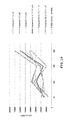
- FIG. 5 shows cell number and cell proliferation (real-time cell monitoring) of high cell confluence A-375 cells treated with delphinidin-SBE- ⁇ -CD compared to untreated cells, using the xCELLigence system.
- FIG. 6 shows cell number and cell proliferation (real-time cell monitoring) of low cell confluence A-375 cells treated with delphinidin-SBE- ⁇ -CD compared to untreated cells, using the xCELLigence system.
- FIG. 7 shows cell number and cell proliferation (real-time cell monitoring) of high cell confluence A-375 cells treated with delphinidin Cl compared to untreated cells, using the xCELLigence system.
- FIG. 8 shows cell number and cell proliferation (real-time cell monitoring) of low cell confluence A-375 cells treated with delphinidin Cl compared to untreated cells, using the xCELLigence system.
- FIG. 9 shows cell number and cell proliferation (real-time cell monitoring) of high cell confluence A-375 cells treated with SBE- ⁇ -CD compared to untreated cells, using the xCELLigence system.
- FIG. 10 shows cell number and cell proliferation (real-time cell monitoring) of low cell confluence A-375 cells treated with SBE- ⁇ -CD compared to untreated cells, using the xCELLigence system.
- FIG. 11 a shows the induction of apoptosis by delphinidin-SBE- ⁇ -CD with and without TRAIL compared to the controls (untreated cells or cells treated only with TRAIL) at low cell confluence, determined by the sub-G1 peak method.
- FIG. 11 b shows the induction of apoptosis by delphinidin-SBE- ⁇ -CD with and without TRAIL compared to the controls (untreated cells or cells treated only with TRAIL, cells treated with SBE- ⁇ -CD) at high cell confluence, determined by the sub-G1 peak method.
- FIG. 12 a shows the effect on cell viability of delphinidin-SBE- ⁇ -CD with TRAIL compared to delphinidin-SBE- ⁇ -CD alone and the controls (untreated cells or cells treated only with TRAIL) at low cell confluence, determined by the WST-1 assay.
- FIG. 12 b shows the effect on cell viability of delphinidin-SBE- ⁇ -CD with TRAIL compared to delphinidin-SBE- ⁇ -CD alone and the controls (untreated cells or cells treated only with TRAIL, cells treated with SBE- ⁇ -CD) at high cell confluence, determined by the WST-1 assay.
- FIG. 13 shows micrographs of untreated A-375 cells, A-375 cells treated only with TRAIL, treated only with delphinidin-SBE- ⁇ -CD and treated with delphinidin-SBE- ⁇ -CD and TRAIL.
- FIG. 14 shows cell number and cell proliferation (real-time cell monitoring) of high cell confluence A-375 cells treated with TRAIL, delphinidin-SBE- ⁇ -CD, TRAIL and delphinidin-SBE- ⁇ -CD compared to untreated cells, using the xCELLigence system.
- FIG. 15 shows cell number and cell proliferation (real-time cell monitoring) of high cell confluence A-375 cells treated with TRAIL, delphinidin Cl, TRAIL and delphinidin Cl compared to untreated cells, using the xCELLigence system.
- FIG. 16 shows cell number and cell proliferation (real-time cell monitoring) of high cell confluence A-375 cells treated with TRAIL (0.02 ⁇ g/ml), SBE- ⁇ -CD (30 ⁇ g/ml), TRAIL (0.02 ⁇ g/ml) and SBE- ⁇ -CD (30 ⁇ g/ml) compared to untreated cells, using the xCELLigence system.
- FIG. 17 shows cell number and cell proliferation (real-time cell monitoring) of high cell confluence A-375 cells treated with TRAIL (0.02 ⁇ g/ml), SBE- ⁇ -CD (1000 ⁇ g/ml), TRAIL (0.02 ⁇ g/ml) and SBE- ⁇ -CD (1000 ⁇ g/ml) compared to untreated cells, using the xCELLigence system.
- FIG. 18 shows the effect of delphinidin Cl and the delphinidin-SBE- ⁇ -CD complex at concentrations of 0.1 ⁇ M, 3.2 ⁇ M and 100 ⁇ M compared to active ingredient-free control medium on the vitality of endothelial cells using the ATP luminescence assay.
- FIG. 19 shows the effect of delphinidin Cl and the delphinidin-SBE- ⁇ -CD complex at concentrations of 0.1 ⁇ M, 3.2 ⁇ M and 100 ⁇ M compared to active ingredient-free control medium on the vitality of human fibroblasts using the ATP luminescence assay.
- the column used was a Waters ⁇ BridgeTM C18, 35 ⁇ l, 150 mm ⁇ 4.6 mm.
- the mobile phases were as follows:
- Phase A Water 950 ml, methanol 50 ml, formic acid 10 ml
- Phase B Water 50 ml, methanol 950 ml, formic acid 10 ml
- Calibration solution A reference solution of delphinidin was prepared by weighing 10 mg of delphinidin chloride into a 10 ml flask and dissolving in dilution solution 1. After dissolution, the solution was diluted approximately 10-fold with dilution solution 2 to produce an approximate concentration of 0.1 mg/ml.
- control calibration solution was prepared in the same manner.
- the calibration solutions were immediately analyzed by HPLC since delphinidin chloride is unstable in solution.
- Neutral aqueous solutions were prepared comprising 10% by weight of the respective cyclodextrin. Due to the lack of solubility of ⁇ -CD, a concentration of only 2% by weight was selected.
- the suspensions were stirred at 30° C. for 20 h in the dark. The suspensions were then filtered through a membrane filter of 0.22 ⁇ m pore size.
- Cyclodextrin Delphinidin Cyclodextrin concentration chloride 0 0.07 mg/ml ⁇ -CD 10% 0.14 mg/ml ⁇ -CD 2% 0.05 mg/ml ⁇ -CD 10% 0.21 mg/ml HPBCD 10% 0.19 mg/ml SBE- ⁇ -CD 10% 0.66 mg/ml
- a complex according to the invention is formulated as a solid.
- a delphinidin/HPBCD complex and a delphinidin/starch formulation are prepared in the form of a solid.
- Example 3.1 This was processed in the same manner as Example 3.1, but a significant amount of material was filtered off during the filtration which indicates that the solubilization was significantly less effective than using SBE- ⁇ -CD according to Example 3.1.
- Example 3.1 is in accordance with the invention, while Examples 3.2 and 3.3 are comparative examples.
- the delphinidin content of the solids (calculated as delphinidin chloride and given in % by weight) was determined by the HPLC method described above. The results are given in the following table.
- a delphinidin complex can be prepared in accordance with the invention, which has high stability and thus good storage suitability even under a pure oxygen atmosphere.
- the complex also has good solubility in aqueous, particularly slightly acidic solutions, such that delphinidin may be formulated in accordance with the invention in a variety of ways.
- the stability of the solid according to the invention is just as good as a formulation with starch (Example 3.3), but this comparative example cannot be formulated as an aqueous solution.
- the column used was a Waters ⁇ BridgeTM C18, 35 ⁇ l, 150 mm ⁇ 4.6 mm.
- the mobile phases were as follows:
- Phase A Water 770 ml, methanol 230 ml, formic acid 10 ml
- Phase B Water 50 ml, methanol 950 ml, formic acid 10 ml
- Calibration solution A reference solution of delphinidin was prepared by weighing 10 mg of delphinidin chloride into a 10 ml flask and dissolving in dilution solution 1. After dissolution, the solution was diluted approximately 10-fold with dilution solution 2 to produce an approximate concentration of 0.1 mg/ml.
- control calibration solution was prepared in the same manner.
- the calibration solutions were immediately analyzed by HPLC since delphinidin chloride is unstable in solution.
- delphinidin/SBE- ⁇ -CD from Example 3.1 inventive delphinidin/SBE- ⁇ -CD from Example 3.1 inventive
- delphinidin comparative example
- a starting concentration based on the delphinidin
- the solutions were prepared at room temperature and subsequently stored in the dark at 37° C. in closed vials.
- the delphinidin content was determined after 1, 2, 3 and 4 h.
- the table below gives the content determined as a percentage of the starting concentration stated above.
- delphinidin-SBE- ⁇ -CD delphinidin-SBE- ⁇ -CD
- delphinidin-SBE- ⁇ -CD sulfobutyl ether ⁇ -cyclodextrin
- the cell line was cultured at 37° C., 5% CO 2 in DMEM (Dulbecco's Modified Eagle's Medium from Gibco, Düsseldorf, Germany) supplemented with 10% FCS (Fetal Calf Serum) and antibiotics.
- DMEM Dulbecco's Modified Eagle's Medium from Gibco, Düsseldorf, Germany
- FCS Fetal Calf Serum
- the method is based on the lower DNA content of apoptotic cells compared to vital cells.
- a feature of apoptosis is the cleavage of DNA into short DNA fragments by endonucleases, whereby the content of low molecular weight DNA is increased and the proportion of high molecular weight DNA is reduced in apoptotic cells compared to vital cells.
- induced lysis (permeabilization) of the cell membrane the low molecular weight DNA fragments leak out from the apoptotic cells.
- PI propidium iodide
- Propidium iodide has been incorporated into the DNA and fluoresces in two narrow peaks: the cells in the G1 phase (left peak) with single DNA content, and cells in the G2 phase (right peak) with double DNA content.
- a sub-G1 peak upstream of the left peak is virtually missing.
- Histogram b in contrast shows a broad sub-G1 peak. This shows the proportion of apoptotic cell nuclei after 24 hour treatment with delphinidin-SBE- ⁇ -CD.
- the cells were incubated for 24 hours with 10-3000 ⁇ g of delphinidin-SBE- ⁇ -CD per ml of cell suspension or 15-120 ⁇ M purified delphinidin chloride (hereinafter delphinidin Cl) per ml of cell suspension, where cells treated with the complex partner SBE- ⁇ -CD and also DMSO, and untreated cells, served as controls.
- delphinidin Cl purified delphinidin chloride
- the cells were subsequently harvested by means of trypsinization, washed with ice-cold phosphate-buffered saline solution (PBS) and incubated for 1 hour with the staining buffer comprising 0.1% sodium citrate, 0.1% Triton X-100 and PI (40 ⁇ g/ml; Sigma-Aldrich, Taufkirchen, Germany), before then measuring and evaluating the DNA content of the cell nuclei by flow cytometry (FACSCalibur and CellQuest software; Becton Dickinson, Heidelberg). The mean was calculated from the respective triplicate measurements, where the measured values for the control cells served as reference for the t-test.
- PBS ice-cold phosphate-buffered saline solution
- the effect of the substances investigated on the cell viability of the test cell line was quantified using the WST-1 assay (Water Soluble Tetrazolium) from Roche Diagnostics.
- the WST-1 assay is designed to detect an intact respiratory chain in cells, wherein vital cells having an intact mitochondrial succinate tetrazolium dehydrogenase system cause an enzymatic conversion of the weakly red-colored tetrazolium salt WST-1 (4-[3-(4-iodophenyl)-2-(4-nitrophenyl)-2H-5-tetrazolio]-1,3-benzene disulfonate) to the dark red formazan. This color change can be measured photometrically in a spectrophotometer and evaluated.
- the cells were incubated analogously to Example 6 for 24 hours with 10-3000 ⁇ g of delphinidin-SBE- ⁇ -CD per ml of cell suspension or 15-120 ⁇ M purified delphinidin Cl per ml of cell suspension, where cells treated with the complex partner SBE- ⁇ -CD and also DMSO, and untreated cells, served as controls.
- the WST-1 assay such as described in detail in Plötz et al.
- Example 7 Analogous to Example 6, the experiment in Example 7 was also carried out both at low (low cell confluence) and higher cell density (higher cell confluence), of which the results processed graphically are shown in FIGS. 3 a (low cell confluence) and 3 b (higher cell confluence).
- the xCELLigence system is a microelectronic biosensor system for cell-based, label-free analyses which provides dynamic cell data in real time.
- the culture plates of the xCELLigence system are equipped with microelectrodes at the bottom of each well to measure changes in electrical impedance. Quantitative changes in impedance correlate with the number and strength of the cell contacts using the underlying electrodes.
- Delphinidin-SBE- ⁇ -CD shows a complete decline in cell proliferation (cf. FIGS. 5 and 6 ) in accordance with the high rates of apoptosis (Example 6) and the loss of cell vitality (Example 7) and particularly strong antiproliferative effects from a concentration of 1000 ⁇ g/mL in FIG. 5 and a complete blockade of cell proliferation from 500 ⁇ g/ml in FIG. 6 .
- the effect of the delphinidin-SBE- ⁇ -CD complex in combination with the proapoptotic death ligand TRAIL was investigated using the sub-G1 peak method, against which the cell line A-375 has only moderate apoptosis sensitivity.
- the cells were incubated for 24 hours with 30-1000 ⁇ g of delphinidin-SBE- ⁇ -CD per ml of cell suspension with and without 0.02 ⁇ g of TRAIL per ml of cell suspension, where cells treated with the complex partner SBE- ⁇ -CD and untreated cells served as controls.
- Example 10 the cell viability of the test cell line was investigated analogously to Example 7, with the difference that the cells were exposed to the combination of delphinidin-SBE- ⁇ -CD complexes and TRAIL.
- the cells were incubated for 24 hours with 30-1000 ⁇ g of delphinidin-SBE- ⁇ -CD per ml of cell suspension with and without 0.02 ⁇ g/ml of TRAIL per ml of cell suspension, where cells treated with the complex partner SBE- ⁇ -CD and untreated cells served as controls.
- Example 10 The experiment in Example 10, analogous to Example 9, was also carried out both at low (low cell confluence) and higher cell density (higher cell confluence), of which the results processed graphically are shown in FIGS. 12 a (low cell confluence) and 12 b (higher cell confluence)
- Delphinidin-SBE- ⁇ -CD in combination with TRAIL shows synergistic and stronger blocking of cell proliferation (cf. FIG. 14 ) in accordance with the increased rates of apoptosis (Example 9) and greater loss of cell vitality (Example 10) compared to delphinidin-SBE- ⁇ -CD alone. Stronger blocking of cell proliferation can also be observed in the combination of delphinidin Cl with TRAIL compared to TRAIL alone and delphinidin alone (cf. FIG. 15 ). No intensification of TRAIL sensitivity by SBE- ⁇ -CD could be observed (cf. FIGS. 16 and 17 ), i.e. the intensification of antiproliferative effects described above are uniquely attributable to the active ingredient delphinidin investigated in the delphinidin-SBE- ⁇ -CD in combination with TRAIL.
- the cells used were primary, even isolated fibroblasts and microvascular endothelial cells from human donor skin.
- the tissue cell structure was dissolved by means of a one-hour incubation with trypsin-EDTA solution.
- stop medium was added to the skin.
- the piece of skin was then swirled twice in PBS resulting in a suspension of fibroblasts.
- the fibroblasts obtained were centrifuged at 4° C. for 5 min at 100 revolutions per minute and were used after quantification.
- the human dermal microvascular endothelial cells were obtained by the standard method known to those skilled in the art of Hewett and Murray (1993) [Hewett P. W. and Murray J. C. (1993) Immunomagnetic purification of human microvessel endothelial cells using Dynabeads coated monoclonal antibodies to PECAM-1 . Eur J Cell Biol 62: 451-454; Hewett P. W. & Murray J. C. (1993) Human microvessel endothelial cells: Isolation, culture and characterization. In Vitro Cell Biol: 823-830].
- the intracellular ATP content decreases to a large degree due to degradation mediated by ATPases.
- the ATP content liberated by lysis can thus be used as a measure for the number of vital cells.
- the liberated ATP is coupled to a reaction catalyzed by the enzyme luciferase, in which the ATP-dependent oxidation of the substrate luciferin to oxyluciferin, carbon dioxide, AMP and inorganic phosphate takes place in the presence of Mg 2+ , with release of light.
- the amount of light released correlated with the ATP content is measured and provides a directly quantifiable conclusion about the vitality of the cells investigated. This is measured in RLU (relative light units), an independent unit which reflects the amount of ATP in the sample.
- Kits and instruments for ATP determination are known to those skilled in the art, for example, the ATP test kit from Biothema, AB, Haning, Sweden, and the portable luminometer Lumino® from STRATEC Biomedical Systems AG, Birkenfeld, Germany.
- 50 ⁇ l of the sample to be investigated are usually pipetted into a glass tube, 50 ⁇ l of the extractant reagent B/S added thereto for cell lysis and 400 ⁇ l of ATP-HS reagent added and, after subsequent mixing, the sealed tube is placed in the luminometer for automatic measurement and evaluation of the light emission.
- the human fibroblasts or endothelial cells with Dulbecco's Modified Eagle's Medium (DMEM medium) were seeded in the present case in 96-well microtiter plates (5000 cells/well) and cultured for 3 days.
- DMEM medium Dulbecco's Modified Eagle's Medium
- the substance treatment was carried out at time intervals of Day 1-Day 4 (endothelial cells) and 4 h, 24 h, h and 96 h (fibroblasts), where active ingredient delphinidin Cl or delphindin-SBE- ⁇ -CD complex dissolved in 100 ⁇ l of DMEM medium was added to 3 wells respectively at various concentrations (0.1 ⁇ M; 3.2 ⁇ M; 100 ⁇ M). Cells with substance-free medium were used as a reference control. Depletion of the substances occurred after 3 hours, followed by washing with Dulbecco's phosphate-buffered saline (PBS). The endpoint measurement was carried out using the WST-1 assay already mentioned in Example 7.
- PBS Dulbecco's phosphate-buffered saline
Landscapes
- Health & Medical Sciences (AREA)
- Life Sciences & Earth Sciences (AREA)
- Chemical & Material Sciences (AREA)
- General Health & Medical Sciences (AREA)
- Medicinal Chemistry (AREA)
- Pharmacology & Pharmacy (AREA)
- Veterinary Medicine (AREA)
- Public Health (AREA)
- Animal Behavior & Ethology (AREA)
- Epidemiology (AREA)
- Engineering & Computer Science (AREA)
- Bioinformatics & Cheminformatics (AREA)
- Immunology (AREA)
- Proteomics, Peptides & Aminoacids (AREA)
- Gastroenterology & Hepatology (AREA)
- Zoology (AREA)
- Molecular Biology (AREA)
- Cell Biology (AREA)
- Chemical Kinetics & Catalysis (AREA)
- General Chemical & Material Sciences (AREA)
- Nuclear Medicine, Radiotherapy & Molecular Imaging (AREA)
- Organic Chemistry (AREA)
- Pharmaceuticals Containing Other Organic And Inorganic Compounds (AREA)
- Medicinal Preparation (AREA)
- Medicines That Contain Protein Lipid Enzymes And Other Medicines (AREA)
- Medicines Containing Antibodies Or Antigens For Use As Internal Diagnostic Agents (AREA)
- Nanotechnology (AREA)
- Inorganic Chemistry (AREA)
- Biophysics (AREA)
- Biotechnology (AREA)
- General Engineering & Computer Science (AREA)
- Medical Informatics (AREA)
- Crystallography & Structural Chemistry (AREA)
Applications Claiming Priority (7)
| Application Number | Priority Date | Filing Date | Title |
|---|---|---|---|
| DE102012222777.6 | 2012-12-11 | ||
| DE102012222777 | 2012-12-11 | ||
| DE102012222777 | 2012-12-11 | ||
| EP13150909.3 | 2013-01-11 | ||
| EP13150909 | 2013-01-11 | ||
| EP13150909 | 2013-01-11 | ||
| PCT/EP2013/074957 WO2014090583A1 (de) | 2012-12-11 | 2013-11-28 | Delphinidin zur bekämpfung von melanomzellen |
Publications (2)
| Publication Number | Publication Date |
|---|---|
| US20150328336A1 US20150328336A1 (en) | 2015-11-19 |
| US9949947B2 true US9949947B2 (en) | 2018-04-24 |
Family
ID=49679524
Family Applications (2)
| Application Number | Title | Priority Date | Filing Date |
|---|---|---|---|
| US14/651,262 Expired - Fee Related US9949947B2 (en) | 2012-12-11 | 2013-11-28 | Delphinidin for combating melanoma cells |
| US14/651,264 Expired - Fee Related US9511047B2 (en) | 2012-12-11 | 2013-11-28 | Delphinidin for combating melanoma cells |
Family Applications After (1)
| Application Number | Title | Priority Date | Filing Date |
|---|---|---|---|
| US14/651,264 Expired - Fee Related US9511047B2 (en) | 2012-12-11 | 2013-11-28 | Delphinidin for combating melanoma cells |
Country Status (8)
| Country | Link |
|---|---|
| US (2) | US9949947B2 (cg-RX-API-DMAC7.html) |
| EP (2) | EP2931287B1 (cg-RX-API-DMAC7.html) |
| JP (2) | JP6234475B2 (cg-RX-API-DMAC7.html) |
| KR (2) | KR102164174B1 (cg-RX-API-DMAC7.html) |
| CN (2) | CN104936601A (cg-RX-API-DMAC7.html) |
| CA (2) | CA2893883A1 (cg-RX-API-DMAC7.html) |
| HK (1) | HK1215392A1 (cg-RX-API-DMAC7.html) |
| WO (2) | WO2014090583A1 (cg-RX-API-DMAC7.html) |
Families Citing this family (2)
| Publication number | Priority date | Publication date | Assignee | Title |
|---|---|---|---|---|
| US9925274B2 (en) | 2012-11-15 | 2018-03-27 | Sapiotec Gmbh | Delphinidin complex as an antiphlogistic or immunosuppressive active ingredient |
| CN104936601A (zh) * | 2012-12-11 | 2015-09-23 | 赛博尔泰克股份公司 | 用于对抗黑色素瘤细胞的飞燕草素 |
Citations (49)
| Publication number | Priority date | Publication date | Assignee | Title |
|---|---|---|---|---|
| JPS5946228A (ja) | 1982-09-08 | 1984-03-15 | Zeria Shinyaku Kogyo Kk | 生物学的に活性な有機化合物の水溶性及びリンパ移行性薬剤の製造方法 |
| EP0214647A2 (de) | 1985-09-10 | 1987-03-18 | CHINOIN Gyogyszer és Vegyészeti Termékek Gyára RT. | Inklusionskomplexe von 7-Isopropoxy-isoflavon mit Cyclodextrinen, Verfahren zu deren Herstellung und diese Inklusionskomplexe enthaltende pharmazeutische Präparate |
| EP0390496A1 (en) | 1989-03-28 | 1990-10-03 | IDB HOLDING S.p.A. | Intermediates useful for the synthesis of delphinidin chloride |
| US5134127A (en) | 1990-01-23 | 1992-07-28 | University Of Kansas | Derivatives of cyclodextrins exhibiting enhanced aqueous solubility and the use thereof |
| WO1996032135A1 (en) | 1995-04-10 | 1996-10-17 | Farmarc Nederland Bv Of Citco Trust International Management (T.I.M.) B.V. | Pharmaceutical composition |
| WO1997017977A1 (en) | 1995-11-15 | 1997-05-22 | Everest-Todd Research & Development Limited | Topical compositions containing a beta-cyclodextrin and an amino polysaccharide |
| WO1999024073A1 (en) | 1997-11-10 | 1999-05-20 | Thissen Laboratoires S.A. | Pharmaceutical compositions containing cyclodextrins and taxoids |
| WO1999042211A1 (en) | 1998-02-18 | 1999-08-26 | Daicel Chemical Industries, Ltd. | Oxidation catalyst system and method of oxidation with the same |
| GB2350297A (en) | 1999-05-27 | 2000-11-29 | Abbott Lab | Injectable halogenated anesthetic formulation in emulsion form |
| WO2001030391A2 (en) | 1999-10-27 | 2001-05-03 | Farmarc Nederland Bv | Pharmaceutical composition containing midazolam |
| WO2002074200A1 (en) | 2001-03-20 | 2002-09-26 | Cydex, Inc. | Formulations containing propofol and a sulfoalkyl ether cyclodextrin |
| US6576261B1 (en) | 1999-08-11 | 2003-06-10 | Josef Pitha | Potentiation of inclusion complex formation of cyclodextrin derivatives |
| JP2003171274A (ja) | 2001-12-07 | 2003-06-17 | Tomihiko Higuchi | 薬剤耐性菌感染症治療のための医薬組成物および消毒剤 |
| JP2003522207A (ja) | 1998-02-23 | 2003-07-22 | サイクロプス・イーエイチエフ | 高エネルギーシクロデキストリン複合体 |
| WO2003063824A2 (en) | 2002-02-01 | 2003-08-07 | Shimoda Biotech (Pty) Ltd | Pharmaceutical composition |
| WO2003080079A1 (en) | 2002-03-19 | 2003-10-02 | Cydex, Inc. | Use of sulfoalkyl ether cyclodextrin as a preservative |
| US6699849B1 (en) | 1998-02-23 | 2004-03-02 | Cyclops, Ehf. | Cyclodextrin complexes of benzodiazepines |
| US20040101933A1 (en) | 2000-09-12 | 2004-05-27 | Hitoshi Matsumoto | Process for producing purified anthocyanin and crystalline anthocyanin |
| US20050013880A1 (en) | 2003-03-06 | 2005-01-20 | Magnuson Bernadene Ann | Anthocyanin-rich compositions and methods for inhibiting cancer cell growth |
| CN1672534A (zh) | 2004-03-25 | 2005-09-28 | 吴朝琴 | 冻干草霉加工工艺 |
| CN1696304A (zh) | 2004-05-13 | 2005-11-16 | 深圳新鹏生物工程有限公司 | 重组人可溶性肿瘤坏死因子相关凋亡诱导配体制备方法 |
| WO2006076387A2 (en) | 2005-01-11 | 2006-07-20 | The Government Of The United States Of America As Represented By The Secretary Of The Department Of Health And Human Services, Centers For Disease Control And Prevention | Cyanidin-3-glucoside as an anti-neoplastic agent |
| EP1704858A1 (en) | 2004-01-14 | 2006-09-27 | Otsuka Pharmaceutical Factory, Inc. | Propofol-containing fat emulsion preparation |
| KR20070026284A (ko) | 2006-12-12 | 2007-03-08 | 한국화학연구원 | 안토시아닌을 포함하는 뇌경색 또는 뇌졸중 예방 및 개선용건강식품 |
| KR20070028640A (ko) * | 2005-08-30 | 2007-03-13 | 한국화학연구원 | 안토시아닌을 포함하는 뇌세포 보호제와 뇌경색 및 뇌졸중예방 또는 치료제 |
| US20070093448A1 (en) | 2005-04-13 | 2007-04-26 | Juergen Westermann | Complexes that consist of vitamin D compounds or analogs thereof with a 5Z,7E,10(19)-triene system and methylated derivatives of beta-cyclodextrin |
| US20070232688A1 (en) | 2006-04-03 | 2007-10-04 | Forbes Medi-Tech Inc. | Novel sterol/stanol phosphorylnitroderivatives and use thereof in treating or preventing cardiovascular disease, its underlying conditions and other disorders |
| WO2008070490A2 (en) | 2006-11-28 | 2008-06-12 | Wisconsin Alumni Research Foundation | Fluoropolymer-based emulsions for the intravenous delivery of fluorinated volatile anesthetics |
| WO2008126979A1 (en) | 2007-04-11 | 2008-10-23 | Industry-Academic Cooperation Foundation Gyeongsang National University | Pharmaceutical composition for the prevention and treatment of the ischemia-reperfusion injury in the flaps or tissues containing anthocyanin extracted from the black soybean seed coat |
| WO2009018326A2 (en) | 2007-07-31 | 2009-02-05 | Limerick Biopharma, Inc. | Soluble pyrone analogs methods and compositions |
| JP2009167174A (ja) | 2007-12-17 | 2009-07-30 | Nippon Seiyaku Kogyo Kk | 吸収性骨疾患の予防・治療剤 |
| US20090270348A1 (en) | 2008-04-28 | 2009-10-29 | Antle Vincent | Sulfoalkyl Ether Cyclodextrin Compositions |
| US20110015145A1 (en) | 2003-03-28 | 2011-01-20 | Ares Trading S.A. | Cladribine formulations for improved oral and transmucosal delivery |
| US20110028386A1 (en) | 2009-06-05 | 2011-02-03 | Hodges Robert S | Antimicrobial Peptides |
| WO2011048479A2 (en) | 2009-10-21 | 2011-04-28 | Maqui New Life S.A. | Compositions that include anthocyanidins and methods of use |
| WO2011086146A1 (de) | 2010-01-14 | 2011-07-21 | Sapiotec Gmbh | Flurankomplex |
| US20110224168A1 (en) | 2010-03-13 | 2011-09-15 | Lajos Szente | Fat-binding compositions |
| US20120083460A1 (en) | 2009-03-25 | 2012-04-05 | San Ei Gen F.F.I., Inc. | Readily water-soluble isoquercitrin composition |
| DE102010042615A1 (de) | 2010-10-19 | 2012-04-19 | Wacker Chemie Ag | 1:1, 2:1- oder 3:1-Komplex bestehend aus einem Cyclodextrin oder Cyclodextrinderivat und einem halogeniertem Ether, seine Herstellung und seine Verwendung als Schlafmittel |
| WO2012090018A1 (en) | 2010-12-31 | 2012-07-05 | Eastpond Laboratories Limited | Cellular hydration compositions containing cyclodextrins |
| WO2013144306A1 (de) | 2012-03-30 | 2013-10-03 | Sapiotec Gmbh | Verwendung von delphinidin gegen staphylococcus aureus |
| WO2013144297A1 (de) | 2012-03-30 | 2013-10-03 | Sapiotec Gmbh | Anthocyanidin-komplex |
| WO2014060548A1 (de) | 2012-10-17 | 2014-04-24 | Sapiotec Gmbh | Anthocyanidin-komplex zur behandlung von multiplem myelom |
| WO2014075935A1 (de) | 2012-11-15 | 2014-05-22 | Sapiotec Gmbh | Delphinidinkomplex als antiphlogistischer oder immunsuppressiver wirkstoff |
| WO2014090583A1 (de) | 2012-12-11 | 2014-06-19 | Sapiotec Gmbh | Delphinidin zur bekämpfung von melanomzellen |
| US8980882B2 (en) | 2008-04-04 | 2015-03-17 | Norbert Roewer | Pharmaceutical preparation comprising permethylated cyclodextrin |
| US9006215B2 (en) | 2011-02-04 | 2015-04-14 | Norbert Roewer | Pharmaceutical preparation comprising propofol salt and cyclodextrin |
| WO2015128437A1 (de) | 2014-02-28 | 2015-09-03 | Sapiotec Gmbh | Anthocyanidin-komplex |
| WO2015128419A1 (de) | 2014-02-28 | 2015-09-03 | Sapiotec Gmbh | Verfahren zur herstellung eines flurankomplexes |
Family Cites Families (3)
| Publication number | Priority date | Publication date | Assignee | Title |
|---|---|---|---|---|
| US5376645A (en) * | 1990-01-23 | 1994-12-27 | University Of Kansas | Derivatives of cyclodextrins exhibiting enhanced aqueous solubility and the use thereof |
| DE69635480T2 (de) * | 1995-06-29 | 2006-08-17 | Immunex Corp., Thousand Oaks | Apoptosis induzierendes cytokin |
| JP2004238336A (ja) * | 2003-02-07 | 2004-08-26 | Sanei Gen Ffi Inc | 水易溶性包接フラボノイド類の製造方法 |
-
2013
- 2013-11-28 CN CN201380064614.XA patent/CN104936601A/zh active Pending
- 2013-11-28 JP JP2015546927A patent/JP6234475B2/ja not_active Expired - Fee Related
- 2013-11-28 EP EP13815384.6A patent/EP2931287B1/de not_active Not-in-force
- 2013-11-28 HK HK16103394.8A patent/HK1215392A1/zh unknown
- 2013-11-28 CA CA2893883A patent/CA2893883A1/en not_active Abandoned
- 2013-11-28 KR KR1020157018731A patent/KR102164174B1/ko not_active Expired - Fee Related
- 2013-11-28 US US14/651,262 patent/US9949947B2/en not_active Expired - Fee Related
- 2013-11-28 KR KR1020157018732A patent/KR20150107742A/ko not_active Withdrawn
- 2013-11-28 US US14/651,264 patent/US9511047B2/en not_active Expired - Fee Related
- 2013-11-28 JP JP2015546930A patent/JP6234476B2/ja not_active Expired - Fee Related
- 2013-11-28 EP EP13798323.5A patent/EP2931286B1/de not_active Not-in-force
- 2013-11-28 WO PCT/EP2013/074957 patent/WO2014090583A1/de not_active Ceased
- 2013-11-28 WO PCT/EP2013/074991 patent/WO2014090586A1/de not_active Ceased
- 2013-11-28 CN CN201380064588.0A patent/CN104918622A/zh active Pending
- 2013-11-28 CA CA2893881A patent/CA2893881C/en not_active Expired - Fee Related
Patent Citations (64)
| Publication number | Priority date | Publication date | Assignee | Title |
|---|---|---|---|---|
| JPS5946228A (ja) | 1982-09-08 | 1984-03-15 | Zeria Shinyaku Kogyo Kk | 生物学的に活性な有機化合物の水溶性及びリンパ移行性薬剤の製造方法 |
| EP0214647A2 (de) | 1985-09-10 | 1987-03-18 | CHINOIN Gyogyszer és Vegyészeti Termékek Gyára RT. | Inklusionskomplexe von 7-Isopropoxy-isoflavon mit Cyclodextrinen, Verfahren zu deren Herstellung und diese Inklusionskomplexe enthaltende pharmazeutische Präparate |
| US4826963A (en) | 1985-09-10 | 1989-05-02 | Chinoin Gyogyszer Es Vegyeszeti Termekek Gyara, R.T. | Inclusion complex of 7-isopropoxy-isoflavon formed with cyclodextrin, the preparation thereof and pharmaceutical compositions containing these compounds as active ingredient |
| EP0390496A1 (en) | 1989-03-28 | 1990-10-03 | IDB HOLDING S.p.A. | Intermediates useful for the synthesis of delphinidin chloride |
| US5134127A (en) | 1990-01-23 | 1992-07-28 | University Of Kansas | Derivatives of cyclodextrins exhibiting enhanced aqueous solubility and the use thereof |
| WO1996032135A1 (en) | 1995-04-10 | 1996-10-17 | Farmarc Nederland Bv Of Citco Trust International Management (T.I.M.) B.V. | Pharmaceutical composition |
| WO1997017977A1 (en) | 1995-11-15 | 1997-05-22 | Everest-Todd Research & Development Limited | Topical compositions containing a beta-cyclodextrin and an amino polysaccharide |
| WO1999024073A1 (en) | 1997-11-10 | 1999-05-20 | Thissen Laboratoires S.A. | Pharmaceutical compositions containing cyclodextrins and taxoids |
| WO1999042211A1 (en) | 1998-02-18 | 1999-08-26 | Daicel Chemical Industries, Ltd. | Oxidation catalyst system and method of oxidation with the same |
| US6699849B1 (en) | 1998-02-23 | 2004-03-02 | Cyclops, Ehf. | Cyclodextrin complexes of benzodiazepines |
| JP2003522207A (ja) | 1998-02-23 | 2003-07-22 | サイクロプス・イーエイチエフ | 高エネルギーシクロデキストリン複合体 |
| GB2350297A (en) | 1999-05-27 | 2000-11-29 | Abbott Lab | Injectable halogenated anesthetic formulation in emulsion form |
| US6576261B1 (en) | 1999-08-11 | 2003-06-10 | Josef Pitha | Potentiation of inclusion complex formation of cyclodextrin derivatives |
| WO2001030391A2 (en) | 1999-10-27 | 2001-05-03 | Farmarc Nederland Bv | Pharmaceutical composition containing midazolam |
| US20040101933A1 (en) | 2000-09-12 | 2004-05-27 | Hitoshi Matsumoto | Process for producing purified anthocyanin and crystalline anthocyanin |
| US7034013B2 (en) | 2001-03-20 | 2006-04-25 | Cydex, Inc. | Formulations containing propofol and a sulfoalkyl ether cyclodextrin |
| WO2002074200A1 (en) | 2001-03-20 | 2002-09-26 | Cydex, Inc. | Formulations containing propofol and a sulfoalkyl ether cyclodextrin |
| US20050164986A1 (en) | 2001-03-20 | 2005-07-28 | Mosher Gerold L. | Use of sulfoalkyl ether cyclodextrin as a preservative |
| JP2004526730A (ja) | 2001-03-20 | 2004-09-02 | サイデックス・インコーポレイテッド | プロポフォール及びスルホアルキルエーテルシクロデキストリン含有製剤 |
| JP2003171274A (ja) | 2001-12-07 | 2003-06-17 | Tomihiko Higuchi | 薬剤耐性菌感染症治療のための医薬組成物および消毒剤 |
| US20050239746A1 (en) | 2002-02-01 | 2005-10-27 | Penkler Lawrence J | Pharmaceutical composition |
| JP2005522422A (ja) | 2002-02-01 | 2005-07-28 | シモダ、バイオテック(プロプライエタリー)リミテッド | 医薬組成物 |
| WO2003063824A2 (en) | 2002-02-01 | 2003-08-07 | Shimoda Biotech (Pty) Ltd | Pharmaceutical composition |
| WO2003080079A1 (en) | 2002-03-19 | 2003-10-02 | Cydex, Inc. | Use of sulfoalkyl ether cyclodextrin as a preservative |
| US20050013880A1 (en) | 2003-03-06 | 2005-01-20 | Magnuson Bernadene Ann | Anthocyanin-rich compositions and methods for inhibiting cancer cell growth |
| US20110015145A1 (en) | 2003-03-28 | 2011-01-20 | Ares Trading S.A. | Cladribine formulations for improved oral and transmucosal delivery |
| EP1704858A1 (en) | 2004-01-14 | 2006-09-27 | Otsuka Pharmaceutical Factory, Inc. | Propofol-containing fat emulsion preparation |
| CN1672534A (zh) | 2004-03-25 | 2005-09-28 | 吴朝琴 | 冻干草霉加工工艺 |
| CN1696304A (zh) | 2004-05-13 | 2005-11-16 | 深圳新鹏生物工程有限公司 | 重组人可溶性肿瘤坏死因子相关凋亡诱导配体制备方法 |
| WO2006076387A2 (en) | 2005-01-11 | 2006-07-20 | The Government Of The United States Of America As Represented By The Secretary Of The Department Of Health And Human Services, Centers For Disease Control And Prevention | Cyanidin-3-glucoside as an anti-neoplastic agent |
| US20070093448A1 (en) | 2005-04-13 | 2007-04-26 | Juergen Westermann | Complexes that consist of vitamin D compounds or analogs thereof with a 5Z,7E,10(19)-triene system and methylated derivatives of beta-cyclodextrin |
| KR20070028640A (ko) * | 2005-08-30 | 2007-03-13 | 한국화학연구원 | 안토시아닌을 포함하는 뇌세포 보호제와 뇌경색 및 뇌졸중예방 또는 치료제 |
| US20070232688A1 (en) | 2006-04-03 | 2007-10-04 | Forbes Medi-Tech Inc. | Novel sterol/stanol phosphorylnitroderivatives and use thereof in treating or preventing cardiovascular disease, its underlying conditions and other disorders |
| WO2008070490A2 (en) | 2006-11-28 | 2008-06-12 | Wisconsin Alumni Research Foundation | Fluoropolymer-based emulsions for the intravenous delivery of fluorinated volatile anesthetics |
| KR20070026284A (ko) | 2006-12-12 | 2007-03-08 | 한국화학연구원 | 안토시아닌을 포함하는 뇌경색 또는 뇌졸중 예방 및 개선용건강식품 |
| WO2008126979A1 (en) | 2007-04-11 | 2008-10-23 | Industry-Academic Cooperation Foundation Gyeongsang National University | Pharmaceutical composition for the prevention and treatment of the ischemia-reperfusion injury in the flaps or tissues containing anthocyanin extracted from the black soybean seed coat |
| WO2009018326A2 (en) | 2007-07-31 | 2009-02-05 | Limerick Biopharma, Inc. | Soluble pyrone analogs methods and compositions |
| JP2009167174A (ja) | 2007-12-17 | 2009-07-30 | Nippon Seiyaku Kogyo Kk | 吸収性骨疾患の予防・治療剤 |
| US8980882B2 (en) | 2008-04-04 | 2015-03-17 | Norbert Roewer | Pharmaceutical preparation comprising permethylated cyclodextrin |
| US20090270348A1 (en) | 2008-04-28 | 2009-10-29 | Antle Vincent | Sulfoalkyl Ether Cyclodextrin Compositions |
| WO2009134347A2 (en) | 2008-04-28 | 2009-11-05 | Cydex Pharmaceuticals, Inc. | Sulfoalkyl ether cyclodextrin compositions |
| US20120083460A1 (en) | 2009-03-25 | 2012-04-05 | San Ei Gen F.F.I., Inc. | Readily water-soluble isoquercitrin composition |
| US20110028386A1 (en) | 2009-06-05 | 2011-02-03 | Hodges Robert S | Antimicrobial Peptides |
| WO2011048479A2 (en) | 2009-10-21 | 2011-04-28 | Maqui New Life S.A. | Compositions that include anthocyanidins and methods of use |
| WO2011086146A1 (de) | 2010-01-14 | 2011-07-21 | Sapiotec Gmbh | Flurankomplex |
| US9125953B2 (en) | 2010-01-14 | 2015-09-08 | Sapiotec Gmbh | Halogenated ether complex |
| US20110224168A1 (en) | 2010-03-13 | 2011-09-15 | Lajos Szente | Fat-binding compositions |
| DE102010042615A1 (de) | 2010-10-19 | 2012-04-19 | Wacker Chemie Ag | 1:1, 2:1- oder 3:1-Komplex bestehend aus einem Cyclodextrin oder Cyclodextrinderivat und einem halogeniertem Ether, seine Herstellung und seine Verwendung als Schlafmittel |
| WO2012090018A1 (en) | 2010-12-31 | 2012-07-05 | Eastpond Laboratories Limited | Cellular hydration compositions containing cyclodextrins |
| US9006215B2 (en) | 2011-02-04 | 2015-04-14 | Norbert Roewer | Pharmaceutical preparation comprising propofol salt and cyclodextrin |
| WO2013144306A1 (de) | 2012-03-30 | 2013-10-03 | Sapiotec Gmbh | Verwendung von delphinidin gegen staphylococcus aureus |
| WO2013144303A1 (de) | 2012-03-30 | 2013-10-03 | Sapiotec Gmbh | Antibakterielle wirkstoffe auf der basis anthocyanidin- cyclodextrin- komplexen |
| WO2013144297A1 (de) | 2012-03-30 | 2013-10-03 | Sapiotec Gmbh | Anthocyanidin-komplex |
| US20150087822A1 (en) | 2012-03-30 | 2015-03-26 | Sapiotec Gmbh | Anthocyanidin complex |
| US20150051273A1 (en) | 2012-03-30 | 2015-02-19 | Sapiotec Gmbh | Use of delphinidin against staphylococcus aureus |
| WO2014060548A1 (de) | 2012-10-17 | 2014-04-24 | Sapiotec Gmbh | Anthocyanidin-komplex zur behandlung von multiplem myelom |
| US20150258202A1 (en) | 2012-10-17 | 2015-09-17 | Sapiotec Gmbh | Anthocyanidin complex for the treatment of multiple myeloma |
| WO2014075935A1 (de) | 2012-11-15 | 2014-05-22 | Sapiotec Gmbh | Delphinidinkomplex als antiphlogistischer oder immunsuppressiver wirkstoff |
| US20150306247A1 (en) | 2012-11-15 | 2015-10-29 | Sapiotec Gmbh | Delphinidin complex as an antiphlogistic or immunosuppressive active ingredient |
| WO2014090586A1 (de) | 2012-12-11 | 2014-06-19 | Sapiotec Gmbh | Delphinidin zur bekämpfung von melanomzellen |
| WO2014090583A1 (de) | 2012-12-11 | 2014-06-19 | Sapiotec Gmbh | Delphinidin zur bekämpfung von melanomzellen |
| US20150320719A1 (en) | 2012-12-11 | 2015-11-12 | Sapiotec Gmbh | Delphinidin for combating melanoma cells |
| WO2015128437A1 (de) | 2014-02-28 | 2015-09-03 | Sapiotec Gmbh | Anthocyanidin-komplex |
| WO2015128419A1 (de) | 2014-02-28 | 2015-09-03 | Sapiotec Gmbh | Verfahren zur herstellung eines flurankomplexes |
Non-Patent Citations (45)
| Title |
|---|
| Abdollahzadeh et al., Antibacterial and Antifungal Activities of Punica Granatum Peel Extracts Against Oral Pathogens. Journal of Dentistry, Tehran University of Medical Sciences 2011; 8: 1-6. |
| Afaq et al., Delphinidin, an anthocyanidin in pigmented fruits and vegetables, protects human HaCaT keratinocytes and mouse skin against UVB-mediated oxidative stress and apoptosis, J Invest Dermatol. Jan. 2007;127(1):222-32. |
| Armstrong et al., Separation of drug stereoisomers by the formation of beta-cyclodextrin inclusion complexes. Science. May 30, 1986;232(4754):1132-5. |
| ATCC product sheet for A-375 [A375] (ATCC CRL-1619), retrieved Nov. 16, 2015, 3 pages. |
| Bertuglia et al., Microvascular Effects of a Natural Flavonoid (IdB 1056) During Ischemia-Reperfusion Injury, Pharmacological Research 1990; 22:52, Abstract. |
| Biofiles: Nutrition Research. Sigma-Aldrich. 2007;2:1-28. |
| Biolink synthetic anthocyanin molecules becomes cancer fighters, www.biolink.no/biolink/cancer-articles95-6.html, May 22, 2009, 4 pages. |
| Biolink, Biolink synthetic anthocyanin molecules becomes cancer fighters, dated May 22, 2009, http://www.biolink.no/biolink/cancer-article95-6.html, retrieved Feb. 21, 2013, 4 pages. * |
| Braga et al., Inclusion of molybdenocene dichloride (Cp2MoC12) in 2-hydroxypropyl- and trimethyl-beta-cyclodextrin: Structural and biological properties. Journal of Organometallic Chemistry, 2005; 690:2905-2912. |
| Brewster et al., Cyclodextrins as pharmaceutical solubilizers. Adv Drug Deliv Rev. Jul. 30, 2007;59(7):645-66. |
| Bruggen, Detection of phenotypic differences on human malignant melanoma lines and their variant sublines with monoclonal antibodies, Cancer Immunol Immunother, 1983, 15:200-205. |
| Burdulis et al., "Comparative Study of Anthocyanin Composition, Antimicrobial and Antioxidant Activity in Bilberry (Vaccinium myrtillus L.) and Blueberry (Vaccinium corymbosum L.) Fruits." Acta Poloniae Pharmaceutica 2009; 66:399-408. |
| Cyclobond Handbook, A Guide to Using Cyclodextrin Bonded Phases for Chiral LC Seperations, 6th ed., 2002, Advanced Seperation Technologies, Inc., pp. 1-58. |
| Eftink et al., Calorimetric studies of p-nitrophenol binding to alpha- and beta-cyclodextrin. Bioorganic Chemistry. 1981;10:388-398. |
| English translation of IPRP for International Patent Application PCT/EP2011/050428, dated Aug. 16, 2012, 8 pages. |
| Hornle et al., Caspase-3 cleaves XIAP in a positive feedback loop to sensitize melanoma cells to TRAIL-induced apoptosis. Oncogene. Feb. 3, 2011;30(5):575-87. |
| Hutajalu et al., "Identification of Phenol and Delphinidine in the Telangs flower (Clitoria ternatea L.) and Its Effectivity to Staphylococcus aureus as Eyes Bacteria Disease." Journal of Agro-Based Industry 2008; 25: 35-44. |
| Ibrahium, Efficiency of Pomegranate Peel Extract as Antimicrobial, Antioxidant and Protective Agents. World Journal of Agricultural Sciences 2010; 6: 338-344. |
| Immel, Ph.D. Thesis, Darmstadt University of Technology, 1995. Computer Simulation of Chemical and Biological Properties of Saccharides: Sucrose, Fructose, Cyclodextrins, and Starch; Chapter 7. "Some Reflections on the Multitude of Cyclodextrin Isomers: Astronomic Numbers as a Justification for Computational Studies prior to Synthesis", 9 pages. |
| International Search Report for PCT/EP2013/056707, dated Mar. 28, 2013, 13 pages. With Translation. |
| International Search Report for PCT/EP2013/056725 dated Apr. 7, 2013, 17 pages. With Translation. |
| International Search Report for PCT/EP2013/071779 dated Dec. 10, 2013, 12 pages. With Translation. |
| International Search Report for PCT/EP2015/054023 dated Mar. 23, 2015, 10 pages. With Translation. |
| International Search Report for PCT/EP2015/054084 dated May 4, 2015, 17 pages. With Translation. |
| Jara et al., The interaction of solvtochromic pyridiniophenolates with cyclodextrins. Tetrahedron. 2006;62:7817-7823. |
| Kamei et al., "Suppression of tumor cell growth by anthocyanins in vitro." Cancer Invest 1995; 13: 590-594. |
| Kanakis et al., DNA Interaction with Naturally Occurring Antioxidant Flavonoids Quercetin, Kaempferol, and Delphinidin, pp. 719-724, published online: May 15, 2012. * |
| Kumoro et al, Solubility of Delphinidin in Water and Various Organic Solvents between (298.15 and 343.15) K; 2012; J. Chem. Eng. Data; 55: 2603-2606. * |
| Kumoro et al., Solubility of Delphinidin in Water and Various Organic Solvents between (298.15 and 343.15)K. J Chem Eng Data. 2012;55:2603-2606. |
| Lecis et al., Novel SMAC-mimetics synergistically stimulate melanoma cell death in combination with TRAIL and Bortezomib. Br J Cancer. Jun. 8, 2010;102(12):1707-16. |
| Naber, Staphylococcus aureus Bacteremia: Epidemiology, Pathophysiology, and Management Strategies. Clin Infect Dis. 2009;48(Suppl 4):S231-S237. |
| Pehamberger, Adjuvant interferon alfa-2a treatment in resected primary stage II cutaneous melanoma. Austrian Malignant Melanoma Cooperative Group, Journal of Clinical Oncology, vol. 16, No. 4 (April), 1998: pp. 1425-1429. * |
| Riccardi et al., Analysis of apoptosis by propidium iodide staining and flow cytometry. Nat. Protoc., 2006, 1:1458-1461. |
| Scarabelli et al., Targeting STAT1 by myricetin and delphinidin provides efficient protection of the heart from ischemia/reperfusion-induced injury, FEBS Lett. Feb. 4, 2009;583(3):531-41. |
| Serafino et al., Differentiation of human melanoma cells induced by cyanidin-3-O-beta-glucopyranoside, FASEB J. Dec. 2004;18(15):1940-2. |
| Stella et al., Cyclodextrins: their future in drug formulation and delivery. Pharm Res. May 1997;14(5):556-67. |
| U.S. Appl. No. 14/389,474, filed Sep. 2014, Roewer. * |
| U.S. Appl. No. 14/432,654, filed Mar. 2015, Roewer. * |
| U.S. Appl. No. 14/443,166, filed May 2015, Roewer. * |
| Ueda et al., Evaluation of a sulfobutyl ether beta-cyclodextrin as a solubilizing/stabilizing agent for several drugs, Drug Dev Ind Pharm. Sep. 1998;24(9):863-7. |
| Ukoka et al., Tannins and other phytochemical of the Samanaea saman pods and their antimicrobial activities, African Journal of Pure and Applied Chemistry 2011; 5: 237-244. |
| Vierstein et al., Intravenous anasthesia with isoflurane in the rabbit. Pharm Pharmacol Lett, 1994; 3:165-168. |
| Vierstein et al., Preparation and central action of propofol/hydroxypropyl-beta-cyclodextrin complexes in rabbits. Arzneimittelforschung. Aug. 1993;43(8):818-21. |
| Voersmann et. al., J. Invest. Dermatol. (2012) S129, Abstract #737. * |
| Wang et al., Anthocyanins and their role in cancer prevention, Cancer Lett. Oct. 8, 2008;269(2):281-90. |
Also Published As
| Publication number | Publication date |
|---|---|
| KR20150107742A (ko) | 2015-09-23 |
| JP6234476B2 (ja) | 2017-11-22 |
| JP2016502984A (ja) | 2016-02-01 |
| CA2893881C (en) | 2020-09-22 |
| US20150328336A1 (en) | 2015-11-19 |
| EP2931287A1 (de) | 2015-10-21 |
| US20150320719A1 (en) | 2015-11-12 |
| US9511047B2 (en) | 2016-12-06 |
| CA2893883A1 (en) | 2014-06-19 |
| KR20150107741A (ko) | 2015-09-23 |
| KR102164174B1 (ko) | 2020-10-12 |
| CN104936601A (zh) | 2015-09-23 |
| EP2931286B1 (de) | 2017-10-04 |
| JP6234475B2 (ja) | 2017-11-22 |
| CA2893881A1 (en) | 2014-06-19 |
| EP2931287B1 (de) | 2017-10-04 |
| WO2014090583A1 (de) | 2014-06-19 |
| HK1216229A1 (zh) | 2016-10-28 |
| JP2016502985A (ja) | 2016-02-01 |
| EP2931286A1 (de) | 2015-10-21 |
| HK1215392A1 (zh) | 2016-08-26 |
| WO2014090586A1 (de) | 2014-06-19 |
| CN104918622A (zh) | 2015-09-16 |
Similar Documents
| Publication | Publication Date | Title |
|---|---|---|
| Shahbazi et al. | The mechanisms of surface chemistry effects of mesoporous silicon nanoparticles on immunotoxicity and biocompatibility | |
| Huang et al. | The genotype-dependent influence of functionalized multiwalled carbon nanotubes on fetal development | |
| Onodera et al. | Involvement of cholesterol depletion from lipid rafts in apoptosis induced by methyl-β-cyclodextrin | |
| Tang et al. | Honokiol nanoparticles based on epigallocatechin gallate functionalized chitin to enhance therapeutic effects against liver cancer | |
| Gigliotti et al. | Enhanced cytotoxic effect of camptothecin nanosponges in anaplastic thyroid cancer cells in vitro and in vivo on orthotopic xenograft tumors | |
| US9949947B2 (en) | Delphinidin for combating melanoma cells | |
| Huang et al. | Copper-coordinated nanomedicine for the concurrent treatment of lung cancer through the induction of cuproptosis and apoptosis | |
| CN101537185A (zh) | 一种肿瘤细胞主动靶向载药系统及其制备方法和应用 | |
| Wu et al. | Fluorescent hyaluronic acid nanoprodrug: A tumor-activated autophagy inhibitor for synergistic cancer therapy | |
| US20150258202A1 (en) | Anthocyanidin complex for the treatment of multiple myeloma | |
| US9925274B2 (en) | Delphinidin complex as an antiphlogistic or immunosuppressive active ingredient | |
| ES2269504T3 (es) | Uso de agentes complejantes con cortisol en cuadros de tratamimento de transtornos relacionados con hipercortisolemia. | |
| Chen et al. | Ultrasmall Ag6Cu2 clusters for accelerating wound healing through the activation of antibacterial activity and endogenous anti-inflammatory property | |
| HK1216229B (en) | Delphinidin for combating melanoma cells | |
| CN109646684B (zh) | 环孢菌素h环糊精及其用途 | |
| Li et al. | A mitochondria-targeted nanozyme for myocardial ischemia/reperfusion injury with synergistic antioxidant and anti-inflammatory properties | |
| CN120661678A (zh) | 一种基于天然产物线粒体靶向自组装protac纳米材料及其制备方法与应用 |
Legal Events
| Date | Code | Title | Description |
|---|---|---|---|
| AS | Assignment |
Owner name: SAPIOTEC GMBH, GERMANY Free format text: ASSIGNMENT OF ASSIGNORS INTEREST;ASSIGNORS:ROEWER, NORBERT;BROSCHEIT, JENS;REEL/FRAME:036650/0077 Effective date: 20150922 |
|
| STCF | Information on status: patent grant |
Free format text: PATENTED CASE |
|
| FEPP | Fee payment procedure |
Free format text: MAINTENANCE FEE REMINDER MAILED (ORIGINAL EVENT CODE: REM.); ENTITY STATUS OF PATENT OWNER: LARGE ENTITY |
|
| LAPS | Lapse for failure to pay maintenance fees |
Free format text: PATENT EXPIRED FOR FAILURE TO PAY MAINTENANCE FEES (ORIGINAL EVENT CODE: EXP.); ENTITY STATUS OF PATENT OWNER: LARGE ENTITY |
|
| STCH | Information on status: patent discontinuation |
Free format text: PATENT EXPIRED DUE TO NONPAYMENT OF MAINTENANCE FEES UNDER 37 CFR 1.362 |
|
| FP | Lapsed due to failure to pay maintenance fee |
Effective date: 20220424 |