US9757455B2 - Oral therapeutic compound delivery system - Google Patents
Oral therapeutic compound delivery system Download PDFInfo
- Publication number
- US9757455B2 US9757455B2 US12/085,645 US8564506A US9757455B2 US 9757455 B2 US9757455 B2 US 9757455B2 US 8564506 A US8564506 A US 8564506A US 9757455 B2 US9757455 B2 US 9757455B2
- Authority
- US
- United States
- Prior art keywords
- dissolution
- acid
- rpm
- swallow formulation
- hcl
- Prior art date
- Legal status (The legal status is an assumption and is not a legal conclusion. Google has not performed a legal analysis and makes no representation as to the accuracy of the status listed.)
- Active, expires
Links
Images




Classifications
-
- A—HUMAN NECESSITIES
- A61—MEDICAL OR VETERINARY SCIENCE; HYGIENE
- A61K—PREPARATIONS FOR MEDICAL, DENTAL OR TOILETRY PURPOSES
- A61K45/00—Medicinal preparations containing active ingredients not provided for in groups A61K31/00 - A61K41/00
- A61K45/06—Mixtures of active ingredients without chemical characterisation, e.g. antiphlogistics and cardiaca
-
- A—HUMAN NECESSITIES
- A61—MEDICAL OR VETERINARY SCIENCE; HYGIENE
- A61K—PREPARATIONS FOR MEDICAL, DENTAL OR TOILETRY PURPOSES
- A61K31/00—Medicinal preparations containing organic active ingredients
- A61K31/16—Amides, e.g. hydroxamic acids
- A61K31/165—Amides, e.g. hydroxamic acids having aromatic rings, e.g. colchicine, atenolol, progabide
- A61K31/167—Amides, e.g. hydroxamic acids having aromatic rings, e.g. colchicine, atenolol, progabide having the nitrogen of a carboxamide group directly attached to the aromatic ring, e.g. lidocaine, paracetamol
-
- A—HUMAN NECESSITIES
- A61—MEDICAL OR VETERINARY SCIENCE; HYGIENE
- A61K—PREPARATIONS FOR MEDICAL, DENTAL OR TOILETRY PURPOSES
- A61K31/00—Medicinal preparations containing organic active ingredients
- A61K31/33—Heterocyclic compounds
- A61K31/395—Heterocyclic compounds having nitrogen as a ring hetero atom, e.g. guanethidine or rifamycins
- A61K31/435—Heterocyclic compounds having nitrogen as a ring hetero atom, e.g. guanethidine or rifamycins having six-membered rings with one nitrogen as the only ring hetero atom
- A61K31/4353—Heterocyclic compounds having nitrogen as a ring hetero atom, e.g. guanethidine or rifamycins having six-membered rings with one nitrogen as the only ring hetero atom ortho- or peri-condensed with heterocyclic ring systems
- A61K31/437—Heterocyclic compounds having nitrogen as a ring hetero atom, e.g. guanethidine or rifamycins having six-membered rings with one nitrogen as the only ring hetero atom ortho- or peri-condensed with heterocyclic ring systems the heterocyclic ring system containing a five-membered ring having nitrogen as a ring hetero atom, e.g. indolizine, beta-carboline
-
- A—HUMAN NECESSITIES
- A61—MEDICAL OR VETERINARY SCIENCE; HYGIENE
- A61K—PREPARATIONS FOR MEDICAL, DENTAL OR TOILETRY PURPOSES
- A61K9/00—Medicinal preparations characterised by special physical form
- A61K9/20—Pills, tablets, discs, rods
- A61K9/2004—Excipients; Inactive ingredients
- A61K9/2009—Inorganic compounds
-
- A—HUMAN NECESSITIES
- A61—MEDICAL OR VETERINARY SCIENCE; HYGIENE
- A61K—PREPARATIONS FOR MEDICAL, DENTAL OR TOILETRY PURPOSES
- A61K9/00—Medicinal preparations characterised by special physical form
- A61K9/20—Pills, tablets, discs, rods
- A61K9/2004—Excipients; Inactive ingredients
- A61K9/2013—Organic compounds, e.g. phospholipids, fats
-
- A—HUMAN NECESSITIES
- A61—MEDICAL OR VETERINARY SCIENCE; HYGIENE
- A61K—PREPARATIONS FOR MEDICAL, DENTAL OR TOILETRY PURPOSES
- A61K9/00—Medicinal preparations characterised by special physical form
- A61K9/20—Pills, tablets, discs, rods
- A61K9/2004—Excipients; Inactive ingredients
- A61K9/2022—Organic macromolecular compounds
- A61K9/205—Polysaccharides, e.g. alginate, gums; Cyclodextrin
- A61K9/2054—Cellulose; Cellulose derivatives, e.g. hydroxypropyl methylcellulose
-
- A—HUMAN NECESSITIES
- A61—MEDICAL OR VETERINARY SCIENCE; HYGIENE
- A61K—PREPARATIONS FOR MEDICAL, DENTAL OR TOILETRY PURPOSES
- A61K9/00—Medicinal preparations characterised by special physical form
- A61K9/20—Pills, tablets, discs, rods
- A61K9/2004—Excipients; Inactive ingredients
- A61K9/2022—Organic macromolecular compounds
- A61K9/205—Polysaccharides, e.g. alginate, gums; Cyclodextrin
- A61K9/2059—Starch, including chemically or physically modified derivatives; Amylose; Amylopectin; Dextrin
-
- A—HUMAN NECESSITIES
- A61—MEDICAL OR VETERINARY SCIENCE; HYGIENE
- A61P—SPECIFIC THERAPEUTIC ACTIVITY OF CHEMICAL COMPOUNDS OR MEDICINAL PREPARATIONS
- A61P1/00—Drugs for disorders of the alimentary tract or the digestive system
- A61P1/04—Drugs for disorders of the alimentary tract or the digestive system for ulcers, gastritis or reflux esophagitis, e.g. antacids, inhibitors of acid secretion, mucosal protectants
-
- A—HUMAN NECESSITIES
- A61—MEDICAL OR VETERINARY SCIENCE; HYGIENE
- A61P—SPECIFIC THERAPEUTIC ACTIVITY OF CHEMICAL COMPOUNDS OR MEDICINAL PREPARATIONS
- A61P1/00—Drugs for disorders of the alimentary tract or the digestive system
- A61P1/08—Drugs for disorders of the alimentary tract or the digestive system for nausea, cinetosis or vertigo; Antiemetics
-
- A—HUMAN NECESSITIES
- A61—MEDICAL OR VETERINARY SCIENCE; HYGIENE
- A61P—SPECIFIC THERAPEUTIC ACTIVITY OF CHEMICAL COMPOUNDS OR MEDICINAL PREPARATIONS
- A61P15/00—Drugs for genital or sexual disorders; Contraceptives
- A61P15/10—Drugs for genital or sexual disorders; Contraceptives for impotence
-
- A—HUMAN NECESSITIES
- A61—MEDICAL OR VETERINARY SCIENCE; HYGIENE
- A61P—SPECIFIC THERAPEUTIC ACTIVITY OF CHEMICAL COMPOUNDS OR MEDICINAL PREPARATIONS
- A61P17/00—Drugs for dermatological disorders
-
- A—HUMAN NECESSITIES
- A61—MEDICAL OR VETERINARY SCIENCE; HYGIENE
- A61P—SPECIFIC THERAPEUTIC ACTIVITY OF CHEMICAL COMPOUNDS OR MEDICINAL PREPARATIONS
- A61P23/00—Anaesthetics
-
- A—HUMAN NECESSITIES
- A61—MEDICAL OR VETERINARY SCIENCE; HYGIENE
- A61P—SPECIFIC THERAPEUTIC ACTIVITY OF CHEMICAL COMPOUNDS OR MEDICINAL PREPARATIONS
- A61P25/00—Drugs for disorders of the nervous system
- A61P25/04—Centrally acting analgesics, e.g. opioids
-
- A—HUMAN NECESSITIES
- A61—MEDICAL OR VETERINARY SCIENCE; HYGIENE
- A61P—SPECIFIC THERAPEUTIC ACTIVITY OF CHEMICAL COMPOUNDS OR MEDICINAL PREPARATIONS
- A61P25/00—Drugs for disorders of the nervous system
- A61P25/06—Antimigraine agents
-
- A—HUMAN NECESSITIES
- A61—MEDICAL OR VETERINARY SCIENCE; HYGIENE
- A61P—SPECIFIC THERAPEUTIC ACTIVITY OF CHEMICAL COMPOUNDS OR MEDICINAL PREPARATIONS
- A61P25/00—Drugs for disorders of the nervous system
- A61P25/20—Hypnotics; Sedatives
-
- A—HUMAN NECESSITIES
- A61—MEDICAL OR VETERINARY SCIENCE; HYGIENE
- A61P—SPECIFIC THERAPEUTIC ACTIVITY OF CHEMICAL COMPOUNDS OR MEDICINAL PREPARATIONS
- A61P27/00—Drugs for disorders of the senses
- A61P27/16—Otologicals
-
- A—HUMAN NECESSITIES
- A61—MEDICAL OR VETERINARY SCIENCE; HYGIENE
- A61P—SPECIFIC THERAPEUTIC ACTIVITY OF CHEMICAL COMPOUNDS OR MEDICINAL PREPARATIONS
- A61P29/00—Non-central analgesic, antipyretic or antiinflammatory agents, e.g. antirheumatic agents; Non-steroidal antiinflammatory drugs [NSAID]
-
- A—HUMAN NECESSITIES
- A61—MEDICAL OR VETERINARY SCIENCE; HYGIENE
- A61P—SPECIFIC THERAPEUTIC ACTIVITY OF CHEMICAL COMPOUNDS OR MEDICINAL PREPARATIONS
- A61P37/00—Drugs for immunological or allergic disorders
- A61P37/08—Antiallergic agents
Definitions
- the present invention relates generally to therapeutic formulations. More particularly, this present invention provides an oral delivery system for a therapeutic compound that is an acid, base, amphoteric or unionized compound or a salt thereof with pharmacological, physiological or biochemical activity or a proactive form thereof.
- the present invention even more particularly provides rapid dissolution of a swallow formulation comprising a therapeutic compound that is an acid, base, amphoteric or unionized compound or a salt thereof which facilitates the rapid delivery of the therapeutic compound to the circulatory system.
- Solid dosage forms for oral administration can be categorized into three major groups. Those described as swallow formulations are intended to be swallowed whole. Those described as orally disintegrating or orally dissolving or chewable, are intended to be dispersed or dissolved in the mouth before swallowing. The third group is generally called dispersible or soluble formulations that are intended to be dissolved or dispersed in liquid before administration, such that the patient swallows the resultant solution or dispersion.
- NSAIDs Non-Steroidal Anti-Inflammatory Drugs
- Other swallow formulations may be designed for immediate release providing fast dissolution of the active ingredient, with the aim of achieving fast absorption and fast onset of action.
- This present invention relates to formulations manufactured as immediate release solid dosage forms intended to be swallowed intact, which will achieve fast dissolution with fast absorption of the active ingredient.
- Such formulations generally contain effervescent couples such as citric acid and sodium bicarbonate in large amounts.
- effervescent couples such as citric acid and sodium bicarbonate
- U.S. Pat. No. 6,245,353 (Tritthart et al) describes a tablet containing cetirizine with an effervescent couple for disintegration in water prior to administration.
- a variety of effervescent formulations which are intended to be dispersed and/or dissolved prior to administration are disclosed for example in U.S. Pat. No. 4,704,269 (Korab et al), U.S. Pat. No. 4,309,408 (Pathak et al) and U.S. Pat. No. 4,942,039 (Duvall et al).
- US Patent Application 20050147671 (Reiner at al) describes a fast absorbing formulation of diclofenac and one or more alkali metal carbonates or bicarbonates in small amounts. This disclosure predominantly relates to effervescent powder formulations added to water before administration.
- U.S. Pat. No. 4,834,966 (Gazzaninga et al) describes granulates which are completely dissolved in water and administered as an aqueous solution which results in reduced time to reach peak plasma concentration.
- the granules containing arginine, ibuprofen and sodium bicarbonate reportedly provide enhanced dissolution of ibuprofen in water.
- the purpose of the present invention is to incorporate the advantages of improved absorption and reproducibility of dispersible and/or soluble formulations into swallow formulations that are more convenient, and remain the preferred dosage form for many patients, particularly for regular use.
- bicarbonates In swallow formulations, the use of bicarbonates has been described to act as a disintegrant through the production of gaseous carbon dioxide when the base reacts with acid.
- U.S. Pat. No. 5,681,583 (Conte et al) uses agents such as sodium bicarbonate in one layer of a multi-layered controlled-release swallow tablet.
- the sodium bicarbonate effervesces in contact with acid solutions achieving fast disintegration and dissolution of the drug into water and the intestinal fluid.
- U.S. Pat. No. 6,197,336 (Grassano et al) describes a swallow formulation containing a ternary mixture of ibuprofen with arginine and linear PVP which, when blended with other ingredients including 5-10% sodium bicarbonate (15-40 mg) with respect to ibuprofen, is readily compressible and achieves complete dissolution in pH 7.2 phosphate buffer in 10 minutes.
- US Patent Application 20020034540 (Price et al) describes a compressed dosage form containing at least 35% by weight ibuprofen with sufficient alkali metal carbonate or bicarbonate in the range 5-15% of the tablet weight, such that the crushing strength of the tablet is 6.5-15 Kp and the disintegration time is less than 10 minutes. This discloses the use of alkali metal carbonates as a disintegrant in the range 25-75 mg per tablet.
- bicarbonates are their use to improve the taste and palatability of orally dispersible or soluble dosage forms of some drugs.
- bicarbonates This benefit of bicarbonates is noted by Reiner et al in US Patent Applications 20050147671 and 20050215643. They describe the use of relatively low levels of alkali metal bicarbonates, 20-80% by weight with respect to diclofenac (10-40 mg for a 50 mg dose), in various dosage forms including soluble or dispersible powders, two layered tablets and liquid drop solutions.
- the alkali metal bicarbonates improve the palatability of the powder formulations that are intended for mixing with water before ingestion. In vivo, such formulations achieve faster and more reproducible absorption with higher peak plasma concentrations than commercially available products.
- Some publications teach the inclusion of about 630 mg sodium bicarbonate in swallow tablets so as to provide isotonic conditions in the stomach which promote absorption of the drug.
- U.S. Pat. No. 6,316,025 (Grattan) describes a swallow tablet of paracetamol, an unionized drug, containing 300 mg to 1000 mg of sodium bicarbonate per tablet with a paracetamol to sodium bicarbonate ratio of between 0.74 and 1.
- Grattan et al. Eur. J. Pharm. Biopharm 49(3): 225-229, 2000, subsequently reported that a formulation with 630 mg sodium bicarbonate provided improved pharmacokinetic outcomes. It was suggested that this was due to an osmotic effect of the level of sodium bicarbonate, which would be isotonic when two tablets are ingested with 100 mL of water and which would promote absorption.
- US Patent Application 20040204475 (Humphrey) teaches the use of sufficient sodium bicarbonate with eletriptan, a basic drug, to create an isotonic solution in the duodenum, with examples containing 630 mg per tablet.
- U.S. Pat. No. 6,699,885 (Phillips) relates to formulations including omeprazole and bicarbonate or carbonate to protect the omeprazole from gastric acid degradation in amounts from about 250 mg to 4,000 mg, thus comprising the major proportion of the tablet by weight. This teaches the use of high levels of antacid to neutralise the gastric contents and so protect the drug from degradation. This eliminates the need for enteric coating which delays dissolution and absorption.
- Dissolution testing provides a convenient in vitro method to measure the dissolution of a formulation, which is one factor that can be used in predicting its in vivo dissolution.
- Fast in vitro dissolution under test conditions it typically indicative of fast in vivo dissolution. In turn, this typically favours the fastest possible absorption of the drug to the extent of the inherent absorption characteristics of that drug.
- the FDA Guidances for Industry based on the Biopharmaceutics Classification System (BCS) Guidance and in vitro dissolution testing assigns drugs to one of four classes depending on their solubility and intestinal permeability.
- BCS Class 1 drugs with high solubility and high permeability, rapid in vitro dissolution correlates with fast in vivo dissolution and fast absorption.
- a point-to-point IVIVC is expected for poorly water soluble drugs where there is no intestinal permeability limitation (Class 2), but IVIVC is less likely for Class 3 and Class 4 drugs which are permeability limited.
- Certain dissolution media can be used to assess the effect of different formulations in modifying gastric pH and the impact of this on drug dissolution.
- WO 2004/017976 (Tian et al) describes a fast dissolving and fast disintegrating, taste masked oral dosage form comprising the basic compound sildenafil.
- the specification describes the use of any pharmaceutically acceptable pH raising agent to inhibit dissolution of sildenafil, preventing dissolution of sildenafil in the mouth and thus masking the bitter taste of the drug.
- Agents that raise or increase the pH include sodium carbonate, sodium bicarbonate, calcium carbonate and magnesium carbonate.
- US Patent Application 20050032867 (Baker et al) describes a fast disintegrating and dispersing sumatriptan formulation comprising about 5 to about 50% by weight base component.
- the base component of the formulation reacts with the acid component of the stomach, sumatriptan or acid component of the tablet to generate gas so as to facilitate the dissolution of the drug and hence its absorption.
- U.S. Pat. No. 5,854,226 (Penkler et al) is directed to such formulations that minimize gastric irritation and achieve rapid absorption. These contain an inclusion complex of the NSAID with cyclodextrin and an alkali agent present in an amount capable of forming an alkaline diffusion layer around the composition in the gastrointestinal tract.
- Another example is directed to the provision of small tablets (around 330 mg, including about 220 mg naproxen) which are easy to manufacture and rapidly absorbed.
- International patent application WO 2005/041938 (Gruber et al) relates to non-effervescent formulations, comprising 30 to 90 wt % sodium naproxen and 1 to 70 wt % auxiliary agent, comprising at least one basic auxiliary agent. Dissolution testing disclosed in the examples shows no greater than 50 wt % dissolution within 300 sec using 1000 mL of 0.1 N hydrochloric acid and paddle speed of 50 rpm (using the European Pharmacopeia method).
- a further example described in U.S. Pat. No. 6,165,506 is a fast dissolving naproxen formulation comprising nanoparticulate naproxen (less than 600 nm particle size) having adsorbed to it surface a surface modifying agent such as polyvinylpyrrolidone.
- Both WO 2005/041938 and U.S. Pat. No. 6,165,506 teach manufacture of a small tablet having low levels of a base such as sodium bicarbonate, alone or with an organic acid to increase dissolution rate by the resultant effervescence. Furthermore both applications teach comparatively low levels of binders and disintegrants, which are essentially substituted by the base/acid. Neither contain sufficient base to increase pH in vivo.
- a base such as sodium bicarbonate
- WO 9744023 (Reiner et al) deals with the use of sodium and potassium bicarbonate to enhance absorption of salts of diclofenac. They disclose the use of low levels of bicarbonate, 10-40 mg relative to a 50 mg dose of diclofenac which also masks the bitter taste of the drug since the low amount of bicarbonate used will not significantly increase the pH and the solubility of the drug remains low.
- the rate of dissolution is further enhanced as the particle size of the therapeutic agent is reduced and the surface area correspondingly increased.
- therapeutic compositions intended for administration intact are defined in which the addition of bases to the therapeutic compounds enable enhanced in vitro dissolution of the therapeutic agent.
- the present invention defines therapeutic compositions in which the addition of bases such as soluble carbonates or bicarbonates to therapeutic compounds chosen from the group comprising acids, bases, amphoterics, unionized actives, their salts, their proactive forms or combinations thereof will enable enhanced in vitro dissolution of the therapeutic agent.
- the present invention relates generally to therapeutic formulations and more particularly fast dissolving swallow formulations for a therapeutic compound chosen from the group comprising acids, bases, amphoterics, unionized actives, their salts, their proactive forms or combinations thereof with pharmacological, physiological or biochemical activity.
- the present invention provides a swallow formulation comprising,
- a therapeutic compound that is chosen from the group comprising acids, bases, amphoterics or unionized actives, their salts, their proactive forms or combinations thereof, and
- the therapeutic compound exhibits a dissolution profile chosen from the group comprising,
- the swallow formulation further comprises an agent which facilitates water uptake into the dosage form.
- the swallow formulation of the present invention exhibits enhanced dissolution of the therapeutic compound from the formulation.
- the swallow formulation comprises,
- a therapeutic compound chosen from the group comprising acids, unionized compounds, their salts, proactive forms or combinations thereof, and
- a pH modulating agent that includes one or more soluble bicarbonates in an amount that will neutralise about 0.1 to 10 millimoles of hydrochloric acid
- At least about 40% of the therapeutic compound is dissolved from the swallow formulation within 240 seconds in USP dissolution apparatus 2 with 900 mL 0.0033 N hydrochloric acid at 30 rpm and 37° C.
- At least about 20% of the therapeutic compound is dissolved from the swallow formulation within 180 seconds in USP dissolution apparatus 2 with 900 mL 0.0033 N hydrochloric acid at 30 rpm and 37° C.
- at least about 25% of the therapeutic compound is dissolved from the swallow formulation within 180 seconds.
- greater than 5% of the therapeutic compound is dissolved from the swallow formulation within 30 minutes in USP dissolution apparatus 2 with 900 mL 0.0033 N hydrochloric acid at 0 rpm and 37° C.
- the present invention provides a swallow formulation comprising
- a therapeutic compound chosen from the group comprising bases, amphoterics, their salts, their or proactive forms or combinations thereof, and
- At least about 90% of the therapeutic compound is dissolved from the swallow formulation within 180 seconds at 30 rpm in USP dissolution apparatus 2 with 900 mL 0.0033 N hydrochloric acid at 30 rpm and 37° C.
- the present invention further provides a swallow formulation comprising
- a therapeutic compound chosen from the group comprising bases, amphoterics, their salts, their proactive forms or combinations thereof, and
- At least about 20% or the therapeutic compound is dissolved from the swallow formulation within 300 seconds at 30 rpm in USP dissolution apparatus 2 with 900 mL 0.0033 N hydrochloric acid at 30 rpm and 37° C.
- the present invention further provides a swallow formulation comprising
- the dissolution rate is greater than 5% at 30 minutes at 0 rpm. More typically the dissolution rate is greater than 20% at 30 minutes at 0 rpm.
- the dissolution rage is greater than 5% at 300 seconds at 0 rpm. More typically the dissolution rate is greater than 20% at 300 seconds at 0 rpm.
- a dissolution medium comprising 900 mL of 0.0033 N hydrochloric acid contains 3 millimoles of hydrochloric acid, approximating the amount of acid estimated to be present in the residual gastric contents in a fasted subject.
- This amount of acid can be completely neutralized by high amounts of bases used as pH modulating agents, so that the pH of the dissolution medium will change depending on the levels of pH modulating agents used in a formulation. This is particularly important for investigating the dissolution of drugs where their solubilities are pH dependent.
- Dissolution results using 900 mL 0.0033 N hydrochloric acid will be of importance in vivo as the acidity of gastric contents varies significantly.
- Low acid or neutral conditions are associated with the fed and partial prandial states, as well as in patients with suppressed gastric function.
- dissolution performance of solid dosage forms will also be important in neutral dissolution media such as deionized water and full cream milk which simulates the fed state.
- An ideal formulation designed for fast absorption such as the subject of this invention, should demonstrate fast dissolution in all such dissolution media.
- the dissolution profiles demonstrate the intrinsic characteristics of the fast dissolving formulations of this invention which are able to enhance the dissolution of the drugs without any external stirring. Dissolution results without stirring may be of in vivo significance in conditions where there is gut stasis or reduced gastric motility.
- the preferred amount of pH modulating agent is an amount sufficient to enhance the dissolution of the therapeutic compound from the swallow formulation. This amount will vary depending on the therapeutic compound, and also on the composition of the pH modulating agent which can contain both bases and acids. Preferably the pH modulating agent will be in an amount so as not to increase the pH of a 900 mL 0.0033 N hydrochloric acid dissolution medium that contains 3 millimoles of hydrochloric acid to greater than 6.
- the swallow formulation further comprises an agent which facilitates water uptake.
- the swallow formulation of the present invention exhibits enhanced dissolution of the therapeutic compound from the formulation.
- the fast dissolving oral delivery system may contain a combination of pharmaceutically acceptable excipients or other components such as water uptake agents, disintegrants, preservatives, colors, anti-oxidants, emulsifiers, sweeteners, flavoring agents, binders, glidants and lubricants.
- the fast dissolving delivery system may also contain one or more pharmaceutically active agents.
- the oral solid dosage form may be administered by swallowing with water or any other liquid.
- pH modulating agent is an amount sufficient to enhance the dissolution of the therapeutic compound from the swallow formulation. This amount will vary depending on the therapeutic compound.
- Another aspect of the invention provides a dosage form such as a coated tablet, uncoated tablet, capsule, powder, paste, cachet, colloid, gel or melt.
- the present invention contemplates a method for delivering a therapeutic compound that is chosen from the group comprising acids, bases, amphoterics or unionized actives, their salts, their proactive forms or combinations thereof, by oral delivery including administration such as by swallowing, the method comprising orally delivering, including administering, a formulation comprising a therapeutic compound with an appropriate amount of one or more pH modulating agents wherein at least one of the pH modulating agents is a bicarbonate so as to enhance the dissolution of the therapeutic compound from the swallow formulation.
- the present invention further contemplates a method for delivering a diagnostic agent that is chosen from the group comprising acids, bases, amphoterics or unionized actives, their salts, their proactive forms or combinations thereof, by oral delivery including administration such as by swallowing, the method comprising orally delivering, including administering, a formulation comprising a diagnostic agent with an appropriate amount of one or more pH modulating agents wherein at least one of the pH modulating agents is a bicarbonate so as to enhance the dissolution of the diagnostic agent from the swallow formulation.
- FIG. 1 dissolution of ibuprofen sodium and ibuprofen mixtures in 900 mL 0.0033N HCl at 30 rpm.
- FIG. 2 Dissolution of ibuprofen in 900 mL 0.0033N HCl at 30 rpm.
- FIG. 3 Dissolution of diclofenac potassium in 900 mL 0.0033N HCl at 30 rpm.
- FIG. 4 Dissolution of paracetamol in 900 mL 0.0033N HCl at 30 rpm.
- FIG. 5 Dissolution of naproxen in 900 mL 0.0033N HCl at 30 rpm.
- FIG. 6 Dissolution of naproxen sodium in 900 mL 0.0033N HCl at 30 rpm.
- FIG. 7 Dissolution of gemfibrozil in 900 mL 0.0033N HCl at 30 rpm.
- FIG. 8 Dissolution of furosemide in 900 mL 0.0033N HCl at 30 rpm.
- FIG. 9 Dissolution profile for temazepam in 900 mL 0.0033N HCl at 30 rpm.
- FIG. 10 Dissolution profile for montelukast sodium in 900 mL 0.0033N HCl at 30 rpm.
- FIG. 11 Dissolution profile for a mixture of ibuprofen and sodium ibuprofen in 900 mL 0.0033N HCl at 0 rpm.
- FIG. 12 Dissolution profile for ibuprofen in 900 mL 0.0033N HCl at 0 rpm.
- FIG. 13 Dissolution profiles for diclofenac potassium in 900 mL 0.0033N HCl at 0 rpm.
- FIG. 14 Dissolution profile for paracetamol commercial products in 900 mL 0.0033N HCl at 0 rpm.
- FIG. 15 Dissolution profiles for paracetamol in 900 mL 0.0033N HCl at 0 rpm.
- FIG. 16 Dissolution profiles for naproxen in 900 mL 0.0033N HCl at 0 rpm.
- FIG. 17 Dissolution profiles for naproxen sodium in 900 mL 0.0033N HCl at 0 rpm.
- FIG. 18 Dissolution profiles for gemfibrozil in 900 mL 0.0033N HCl at 0 rpm.
- FIG. 19 Dissolution profiles for furosemide in 900 mL 0.0033N HCl at 0 rpm.
- FIG. 20 Dissolution profiles for temazepam in 900 mL 0.0033N HCl at 0 rpm.
- FIG. 21 Dissolution profiles for montelukast sodium in 900 mL 0.0033N HCl at 0 rpm.
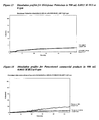
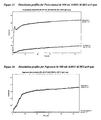
- FIG. 22 Dissolution profiles for prednisolone 5 mg in 900 mL 0.0033N HCl at 30 rpm.
- FIG. 23 Dissolution profiles for prednisolone 25 mg in 900 mL 0.0033N HCl at 30 rpm.
- FIG. 24 Dissolution profiles for prednisolone 5 mg in 900 mL 0.0033N HCl at 0 rpm.
- FIG. 25 Dissolution profiles for prednisolone 25 mg in 900 mL 0.0033N HCl at 0 rpm.
- FIG. 26 Dissolution profiles for dexamethasone in 900 mL 0.0033N HCl at 30 rpm.
- FIG. 27 Dissolution profiles for dexamethasone in 900 mL 0.0033N HCl at 0 rpm.
- FIG. 28 Dissolution profiles for fexofenadine hydrochloride in 900 mL 0.0033N HCl at 30 rpm.
- FIG. 29 Dissolution profiles for fexofenadine hydrochloride in 900 mL 0.0033N HCl at 0 rpm.
- FIG. 30 Dissolution profiles for pseudoephedrine hydrochloride in 900 mL 0.0033N HCl at 30 rpm.
- FIG. 31 Dissolution profiles for pseudoephedrine hydrochloride in 900 mL 0.0033N HCl at 0 rpm.
- FIG. 32 Dissolution profiles for eletriptan hydrobromide in 900 mL 0.0033N HCl at 30 rpm.
- FIG. 33 Dissolution profiles for eletriptan hydrobromide in 900 mL 0.0033N HCl at 0 rpm.
- FIG. 34 Dissolution profiles for rizatriptan benzoate in 900 mL 0.0033N HCl at 30 rpm.
- FIG. 35 Dissolution profiles for rizatriptan benzoate in 900 mL 0.0033N HCl at 0 rpm.
- FIG. 36 Dissolution profiles for metoclopramide hydrochloride in 900 mL 0.0033N HCl at 30 rpm.
- FIG. 37 Dissolution profiles for metoclopramide hydrochloride in 900 mL 0.0033N HCl at 0 rpm.
- FIG. 38 Dissolution profiles for loperamide hydrochloride in 900 mL 0.0033N HCl at 30 rpm.
- FIG. 39 Dissolution profiles for loperamide hydrochloride in 900 mL 0.0033N HCl at 0 rpm.
- FIG. 40 Dissolution profiles for codeine phosphate in 900 mL 0.0033N HCl at 30 rpm.
- FIG. 41 Dissolution profiles for codeine phosphate in 900 mL 0.0033N HCl at 0 rpm.
- FIG. 42 Dissolution profiles for tramadol hydrochloride in 900 mL 0.0033N HCl at 30 rpm.
- FIG. 43 Dissolution profiles for tramadol hydrochloride in 900 mL 0.0033N HCl at 0 rpm.
- FIG. 44 Dissolution profiles for diazepam in 900 mL 0.0033N HCl at 30 rpm.
- FIG. 45 Dissolution profiles for diazepam in 900 mL 0.0033N HCl at 0 rpm.
- FIG. 46 Dissolution profiles for lorazepam in 900 mL 0.0033N HCl at 30 rpm.
- FIG. 47 Dissolution profiles for lorazepam in 900 mL 0.0033N HCl at 0 rpm.
- FIG. 48 Dissolution profiles for alprazolam in 900 mL 0.0033N HCl at 30 rpm.
- FIG. 49 Dissolution profiles for alprazolam in 900 mL 0.0033N HCl at 0 rpm.
- FIG. 50 Dissolution profiles for sildenafil citrate in 900 mL 0.0033N HCl at 30 rpm.
- FIG. 51 Dissolution profiles for sildenafil citrate in 900 mL 0.0033N HCl at 0 rpm.
- FIG. 52 Dissolution profiles for ondansetron hydrochloride in 900 mL 0.0033N HCl at 30 rpm.
- FIG. 53 Dissolution profiles for ondansetron hydrochloride in 900 mL 0.0033N HCl at 0 rpm.
- FIG. 54 Dissolution profiles for zolmitriptan in 900 mL 0.0033N HCl at 30 rpm.
- FIG. 55 Dissolution profiles for zolmitriptan in 900 mL 0.0033N HCl at 0 rpm.
- FIG. 56 Dissolution profiles for zolpidem tartrate in 900 mL 0.0033N HCl at 30 rpm.
- FIG. 57 Dissolution profiles for zolpidem tartrate in 900 mL 0.0033N HCl at 0 rpm.
- FIG. 58 Dissolution profiles for cetirizine dihydrochloride in 900 mL 0.0033N HCl at 30 rpm.
- FIG. 59 Dissolution profiles for cetirizine dihydrochloride in 900 mL 0.0033N HCl at 0 rpm.
- FIG. 60 Dissolution profiles for paracetamol in 900 mL 0.0033N HCl at 30 rpm comparing two wet granulated formulations with two fast acting commercial products.
- FIG. 61 Dissolution profiles for paracetamol in 900 mL 0.0033N HCl at 0 rpm comparing two wet granulated formulations with two fast acting commercial products.
- FIG. 62 Dissolution profiles for paracetamol and tramadol hydrochloride in 900 mL 0.0033N HCl at 30 rpm.
- FIG. 63 Dissolution profiles for paracetamol and tramadol hydrochloride in 900 mL 0.0033N HCl at 0 rpm.
- FIG. 64 Dissolution of ibuprofen formulations in 200 mL water at 30 rpm as an example of a neutral Dissolution medium.
- FIG. 65 Dissolution of paracetamol formulations in 200 mL full cream milk at 30 rpm and 37° C., which approximates the fed state.
- FIG. 66 Dissolution of zolpidem tartrate formulations in 200 mL full cream milk at 30 rpm and 37° C., which approximates the fed state.
- a “therapeutic compound” includes any pharmacologically, physiologically or biochemically active compound or proactive form thereof.
- terapéutica compound includes a single therapeutic compound, as well as two or more therapeutic compounds
- a pH modulating agent includes a single pH modulating agent, as well as two or more pH modulating agents
- reference to “a water uptake agent” includes a single water uptake agent, as well as two or more water uptake agents; and so forth.
- unionized refers to a drug that is largely unionized between approximately pH 2 and pH 8. Of course the person skilled in the art will understand that there will be some extent of unionization of almost any drug in the right pH. Typically the unionized drug will be >50% ionized below pH 2 and above pH 8.
- a “swallow formulation” is any formulation which is administered to a subject by the action of swallowing the dosage form intact.
- the dosage form comprising the swallow formulation may be a coated tablet or capsule which does not have the same dissolution characteristics of the swallow formulation contained therein.
- therapeutic compound refers to any pharmaceutically acceptable and pharmacologically active ingredients of those active agents specifically mentioned herein including but not limited to salts, esters, amides, pro-drugs, active metabolites, analogs and the like.
- active agent When the terms “active agent”, “compound”, “pharmacologically active agent”, “medicament”, “active”, “drug”, and “drug component” are used, then it is to be understood that this includes those compounds per se as well as pharmaceutically acceptable, pharmacologically active salts, esters, amides, pro-drugs, metabolites, analogs, etc.
- agent Compound
- compound may be a single molecule or a composite of molecules.
- diagnostic agents are defined as “active ingredients” above, excepting that they are used for diagnostic, not therapeutic purposes.
- an effective amount or “therapeutically effective amount” of a therapeutic compound as used herein means that a sufficient amount of a therapeutic compound is used to provide the desired therapeutic effect or the desired physiological or biochemical event including the amelioration of symptoms being treated or prevented.
- undesirable effects e.g. side effects, are sometimes manifested along with the desired therapeutic effect; hence, a practitioner balances the potential benefits against the potential risks in determining what an appropriate “effective amount” is.
- administering is considered herein synonymous with “delivering”, “providing”, “introducing” or “swallowing”.
- pharmaceutically acceptable excipient a pharmaceutical vehicle comprised of a material that is not biologically or otherwise undesirable, i.e. the oral dosage form may be administered to a subject along with a therapeutic compound without causing any or a substantial adverse reaction.
- Excipients may include carriers and other additives such as diluents, binders, detergents, colouring agents, flavoring agents, wetting or emulsifying agents, preservatives, glidants, lubricants and the like as well as disintegrants.
- treating and “treatment” as used herein refer to reduction or amelioration in severity and/or frequency of symptoms, elimination of symptoms and/or underlying cause and/or prevention of the occurrence of symptoms and/or their underlying cause.
- “treating” a patient involves prevention of a particular disorder or adverse physiological event in a susceptible individual, as well as treatment of a clinically symptomatic individual by inhibiting or causing regression of a particular condition.
- a method of treating a patient in need of pain relief encompasses both preventing pain as well as treating conditions of pain.
- “Patient” as used herein refers to an animal, preferably a mammal and more preferably human who can benefit from the pharmaceutical formulations and methods of the present invention. There is no limitation on the type of animal that could benefit from the presently described pharmaceutical formulations and methods. A patient regardless of whether a human or non-human animal may be referred to as an individual, subject, animal, host or recipient.
- the compounds and methods of the present invention have applications in human medicine, veterinary medicine as well as in general, domestic or wild animal husbandry.
- an “animal” includes an avian species such as a poultry bird, an aviary bird or game bird.
- the preferred animals are humans or other primates, livestock animals, laboratory test animals, companion animals or captive wild animals.
- a human is the most preferred target.
- a “pH modulating agent” includes one or more than one pH modulating agents which alter the pH of an aqueous solution. These may include acids, bases or a combination of one or more acids and/or bases.
- the carbonate may be any pharmaceutically acceptable soluble carbonate or a mixture thereof and includes bicarbonate.
- Reference to a “bicarbonate” or a “carbonate” includes a single agent or multiple (i.e. two or more) agents.
- Preferred carbonates include but are not limited to sodium bicarbonate, sodium carbonate, potassium bicarbonate, potassium carbonate, calcium bicarbonate, calcium carbonate, magnesium bicarbonate, magnesium carbonate, ammonium bicarbonate, ammonium carbonate, sodium glycine carbonate, disodium glycine carbonate, arginine carbonate, lysine carbonate and/or other pharmaceutically acceptable carbonates or homologs or functional equivalents thereof and combinations thereof.
- the swallow formulation may include pharmaceutically acceptable acids or acidic salts including citric acid, tartaric acid, succinic acid, ascorbic acid, malic acid, fumaric acid, metatartaric acid, adipic acid, sodium acid citrate, potassium acid citrate, glycine citrate, potassium acid tartrate, sodium acid tartrate, aspartic acid, glutamic acid, glycine, leucine, tyrosine, tryptophan, glycine fumarate, glycine hydrochloride, monophosphate glycine and combinations thereof.
- These pharmaceutically acceptable acids or acidic salts may for example, be included in the swallow formulation as further pH modulating agents.
- a “water uptake agent” is any agent which will facilitate the uptake of water by absorbing, dissolving in or wicking water, used alone or in combination. These may include wicking agents, disintegrants, binders, carriers and other hydrophilic excipients. Generally, but not exclusively, a “water uptake agent” facilitates uptake of water into the swallow formulation.
- Suitable water uptake agents include cross-linked polyvinylpyrrolidone (crospovidone), croscarmellose sodium, sodium starch glycolate, starch, starch derivatives, hydroxypropylcellulose, low substituted hydroxypropylcellulose, hydroxypropylmethylcellulose, alginic acid, sodium alginate, calcium sulphate, calcium carboxymethylcellulose, microcrystalline cellulose, powdered cellulose, colloidal silicon dioxide, docusate sodium, guar gum, magnesium aluminium silicate, methylcellulose, polacrilin potassium, silicified microcrystalline cellulose, magnesium oxide, tragacanth, mannitol, sorbitol, xylitol, sucrose, lactose, fructose, maltose, polyethylene glycol, aminoacids, cyclodextrin, urea and/or polyvinylpyrrolidone (povidone, PVP).
- crospovidone cross-linked polyvinylpyrrolidon
- the bicarbonate assists with the dissolution in a number of ways.
- the effervescence ie the release of the gas, carbon dioxide (CO 2 ) when bicarbonate reacts with stomach or exogenous acid.
- CO 2 carbon dioxide
- the advantage provided by the CO 2 release can be measured indirectly by measuring the rate of dissolution of the tablet without any stirring (ie at 0 rpm). At 0 rpm, the formulation itself will provide the only source of stirring from the gas produced.
- dissolution media containing lower levels of acid such as 0.0033 N hydrochloric acid
- 0.0033 N hydrochloric acid allows greater discrimination between formulations with different rates of production of carbon dioxide and may be especially important in mimicking the effects of low gastric acid levels (achlorhydria) seen in a significant proportion of the human population.
- the effect of tablet formulations on drug dissolution will be dependent on the nature and amount of the drug included in each tablet, and the levels of base and acid used in the formulation.
- optimised amounts and ratios of acids and bases can significantly improve the dissolution of a range of different drugs as a result of the effect of the acid-base couple on the micro pH in the tablet and on the pH of the dissolution medium, which in turn can change the solubility of a drug.
- appropriate effervescent formulations may compensate for reduced gastric acid content which is either inherent (eg achlorhydria) or induced (eg by antacid or food).
- suitable active agents include and are not limited to analgesics, antipyretics, anti-inflammatory agents, antidepressants, anti-asthma agents, antibiotics, antivirals, antifungals, anticonvulsants, antidiabetics, anti-gout agents, antihistamines and anti-allergy agents, antihypertensives, anti-migraine agents, anti-muscarinics, antinauseants, antineoplastics, antipsoriatics, antispasmodics and motility agents, antithrombotics, bone modulating agents, bronchodilators, cardiovascular drugs, diuretics, diagnostic agents, dopaminergics, anxiolytics, sedatives, hypnotics and antipsychotics, immunomodulators, lipid regulating agents, muscle relaxants, nutritional supplements, sedatives, thyroid agents, uricosurics, vasodilators and vitamins.
- analgesics include and are not limited to analgesics, antipyretics,
- Preferred therapeutic compounds include those which can exist in the unionized form under acidic conditions including those with one or more acidic groups and pharmaceutically acceptable salts thereof.
- NSAIDs such as acetyl salicylic acid, diclofenac, fenoprofen, ibuprofen, indomethacin, ketoprofen, meclofenamic acid, mefenamic acid, naproxen, piroxicam, sulindac, rofecoxib, antibiotics such as penicillins, cephalosporins, quinolones, tetracyclines and sulphonamides, trimethoprim, weakly basic benzodiazepines such as temazepam and flunitrazepam, barbiturates, bisphosphonates such as pamidronic acid, risedronic acid and zoledronic acid, statins such as atorvastin, simvastatin, cerivastin, fluvastin and pravastat
- Preferred therapeutic compounds include those which have one or more base groups such as but not limited opiates such as hyrocodone, oxycodone, the triptans including eletriptan, rizatriptan, zolmitriptan; the benzodiazepines including diazepam, flurazepam, flunitrazepam, temazepam, alprazolam, lorazepam; fexofenadine; metoclopramide, loperamide, zolpidem, zopiclone, loratadine, ondansetron, granisetron, tadalafil, vardenafil, sildenafil, ranitidine, famotidine, codeine, fentanyl, tramadol, pseudoephedrine, phenylpropanolamine, dextromethorphan, chlorpheniramine, diphenhydramine, cetirizine, and cimetidine and pharmaceutical
- Preferred therapeutic compounds include combinations of drugs such as paracetamol and tramadol. Without wishing to be bound by theory, it is believed that certain combinations of drugs may result in synergistic dissolution effects. For example, combination of a base and acid may achieve improved dissolution at lower levels of pH modulating agent. Again, without wishing to be bound by theory, it is believed that intrinsic microstirring in the tablet may effectively promote the dissolution of the lesser soluble drug compared with the mixing achieved as a result of the reaction between the base and the acid (of the pH modulating agent) in the dissolution medium.
- the carbonate is present in an amount from about 1% to about 75% by weight of swallow formulation and in an amount that will neutralise between about 0.01 and 10 millimoles of hydrochloric acid. More preferably the carbonate is present in an amount from about 10% to about 70% by weight in the swallow formulation and in an amount that will neutralise between about 0.02 and 8 millimoles of hydrochloric acid.
- the carbonate component of the pH modulating agent is present in an amount from about 1 mg to about 450 mg in the swallow formulation, more preferably 2 mg to 400 mg.
- the carbonate component in the pH modulating agent is present in an amount greater than about 8 mg in the swallow formulation. Examples of particular amounts of carbonate include 8 to 850 mg per swallow formulation. More preferably the carbonate is present in an amount from about 15 mg to 700 mg.
- the carbonate is sodium bicarbonate and/or potassium bicarbonate and is present in an amount from about 5% to 75% by weight of the swallow formulation.
- the water uptake agent may be present in an amount from 5% to 95%, or 10% to 90% or more preferably from 20% to 60% by weight of the swallow formulation and more preferably between 30% and 50% by weight of the swallow formulation.
- the ratio of water uptake agent to pH modulating agent is between 0.1:1 and 20:1. More preferably the ratio of water uptake agent to pH modulating agent is between 0.3:1 and 15:1 or even more preferably between 0.5:1 and 8:1 by weight.
- the therapeutic compound is an acid
- unionized species or a salt thereof at least 70% of the therapeutic compound is dissolved from the swallow formulation within 120 seconds in USP dissolution apparatus 2 with 900 mL 0.0033 N hydrochloric acid at 30 rpm and 37° C. Even more preferably, at least 80% is dissolved in 120 seconds and even more preferably, at least 90% is dissolved in 120 seconds.
- an amphoteric or a salt thereof at least 50% of the therapeutic compound is dissolved from the swallow formulation within 240 seconds in USP dissolution apparatus 2 with 900 mL 0.0033 N hydrochloric acid at 30 rpm and 37° C.
- at least 60% of the therapeutic compound is dissolved from the swallow formulation within 300 seconds in USP dissolution apparatus 2 with 900 mL 0.0033 N hydrochloric acid at 30 rpm and 37° C. Even more preferably, at least 60% is dissolved in 240 seconds.
- the therapeutic compound is ibuprofen.
- the carbonate is present in an amount between 5% and 75% by weight of the swallow formulation. More preferably the carbonate is present in an amount between 10% and 70%. More preferably the carbonate is present in an amount between 15 mg and 700 mg.
- the bicarbonate is sodium bicarbonate.
- the salt of an acidic therapeutic compound is ibuprofen sodium.
- the carbonate is present in an amount between 5% and 75% by weight of the swallow formulation. More preferably the carbonate is present in an amount between 10% and 70% by weight of the swallow formulation. More preferably the carbonate is present in an amount between 15 mg and 700 mg.
- the bicarbonate is sodium bicarbonate or potassium bicarbonate or a mixture thereof.
- the acidic therapeutic compound is diclofenac.
- the bicarbonate is present in an amount between 5% and 75% by weight of the swallow formulation. More preferably the carbonate is present in an amount between 10% and 70% by weight of the swallow formulation. More preferably the carbonate is present in an amount between 15 mg and 700 mg.
- the bicarbonate is sodium bicarbonate.
- the therapeutic compound is a basic compound chosen from the group comprising zolmitriptan, alprazolam, lorazepam, diazepam or combinations thereof.
- the carbonate is present in an amount between 1% and 50% by weight of the swallow formulation. More preferably the carbonate is present in an amount between 1% and 40%.
- the carbonate is present in an amount between 1 mg and 450 mg or more preferably in an amount between 1 mg and 350 mg.
- the carbonate is sodium bicarbonate.
- the swallow formulation further comprises up to 50% by weight of a pharmaceutically acceptable acid.
- the therapeutic compound is a salt of a basic therapeutic compound chosen from the group comprising sildenafil citrate, pseudoephedrine hydrochloride, eletriptan hydrobromide, rizatriptan benzoate, metoclopramide hydrochloride, loperamide hydrochloride, codeine phosphate, tramadol hydrochloride, zolpidem tartrate, ondansetron hydrochloride or combinations thereof.
- the carbonate is present in an amount between 1% and 50% by weight of the swallow formulation. More preferably the carbonate is present in an amount between 1% and 40% by weight of the swallow formulation.
- the carbonate is present in an amount between 1 mg and 450 mg, more preferably and amount between 1 mg and 350 mg.
- the carbonate is a bicarbonate such as sodium bicarbonate or potassium bicarbonate or a mixture thereof.
- the swallow formulation further comprises up to 50% by weight of a pharmaceutically acceptable acid.
- the therapeutic compound is an amphoteric compound chosen from the group consisting of cetirizine, lorazepam or combinations thereof.
- the carbonate is present in an amount between 1% and 50% by weight of the swallow formulation. More preferably the carbonate is present in an amount between 1% and 40% by weight of the swallow formulation. Preferably the carbonate is present in an amount between 1 mg and 450 mg or more preferably in an amount between 1 mg and 300 mg.
- the carbonate is sodium bicarbonate.
- the swallow formulation may comprise up to 50% by weight of a pharmaceutically acceptable acid such as tartaric acid.
- the therapeutic compound is a salt of an amphoteric compound chosen from the group consisting of fexofenadine hydrochloride, cetirizine hydrochloride or combinations thereof.
- the carbonate is present in an amount between 1% and 50% by weight of the swallow formulation.
- the carbonate is present in an amount between 1% and 40% by weight of the swallow formulation or more preferably in an amount between 1 mg and 300 mg. More preferably the carbonate is present in an amount between 1 mg and 450 mg.
- the carbonate is sodium bicarbonate.
- the swallow formulation may comprise up to 50% by weight of a pharmaceutically acceptable acid such as tartaric acid.
- the swallow formulation may also comprise one or more pharmaceutically acceptable excipients or other components such as carriers, glidants, emulsifiers, diluents, binders, preservatives, wicking agents and/or disintegrants.
- pharmaceutically acceptable excipients or other components such as carriers, glidants, emulsifiers, diluents, binders, preservatives, wicking agents and/or disintegrants.
- the swallow formulation may further contain flavouring agents, colouring agents and sweeteners.
- the swallow formulation is co-administered with an aqueous fluid such as water.
- the co-administered fluid may be administered, before, after or with the swallow formulation.
- Another aspect of the present invention is directed to a swallow formulation
- a swallow formulation comprising a therapeutic compound that is an acid or a salt of an acid with pH modulating agents that include an appropriate amount of one or more soluble carbonates and which permits at least about 50% of the therapeutic compound to dissolve from the swallow formulation within 300 seconds in USP dissolution apparatus 2 with 900 mL 0.0033 N hydrochloric acid at 30 rpm and 37° C.
- said dosage form further comprising one or more pharmaceutically acceptable carriers, diluents and/or excipients, wherein the swallow formulation is co-administered with fluid.
- the swallow formulation may comprise one or more therapeutic agents.
- the swallow formulation may comprise one or more diagnostic agents.
- the present invention provides a swallow formulation comprising two or more therapeutic compounds with pH modulating agents that include one or more carbonates in an appropriate amount wherein at least one of the therapeutic compounds is an acid or a salt of an acid and at least 50% dissolves from the swallow formulation within 300 seconds in USP dissolution apparatus 2 with 900 mL 0.0033 N hydrochloric acid at 30 rpm and 37° C.
- a dosage form comprising a swallow formulation comprising a therapeutic compound that is an acid, a salt of an acid or an unionized compound with pH modulating agents that include one or more soluble carbonates and wherein at least about 50% of the therapeutic compound is dissolved from the swallow formulation within 300 seconds in USP dissolution apparatus 2 with 900 mL 0.0033 N hydrochloric acid at 30 rpm and 37° C.
- a dosage form comprising a swallow formulation comprising a therapeutic compound with a volume median diameter (D 50 ) below 350 ⁇ m and surface area greater than 0.07 m 2 ⁇ g ⁇ 1 with pH modulating agents that include one or more soluble carbonates and wherein at least about 50% of the therapeutic compound is dissolved from the swallow formulation within 300 seconds in USP dissolution apparatus 2 with 900 mL 0.0033 N hydrochloric acid at 30 rpm and 37° C.
- D 50 volume median diameter
- the dosage form may be a tablet, capsule, powder or other unit presentation.
- the dosage form of the present invention may be a coated, uncoated and/or layered tablet.
- Suitable coatings include water soluble polymer based coatings such as polyvinyl alcohol (PVA), povidone or hypromellose. Suitable coating polymers may also be a derivative of cellulose (cellulose acetophthalate, hypromellose phthalate) or a derivative of an acrylic polymer (methacrylate acid copolymer).
- the dosage form may contain one or more further pharmaceutically active agents.
- the dosage form is a multi-phase release dosage form containing a further therapeutic compound having a dissolution of less than 70% in 180 seconds in USP dissolution apparatus 2 with 900 mL 0.0033 N hydrochloric acid at 30 rpm and 37° C.
- compositions of the present invention have been tested to assess the effect of sodium bicarbonate and sodium bicarbonate/acid combinations on the dissolution rate of actives under neutral conditions such as in milk that better approximates the fed state, or in water that better approximates conditions where gastric acid is not present or has been neutralised. These results have been compared with dissolution in 0.015 N hydrochloric acid, which approximates the fasted state.
- the formulations of the present invention exhibit effective dissolution in both fed and fasted states in vivo. Furthermore, it is preferred that the microstirring of the formulations exhibit a faster rate of dissolution in the fed state compared with products that do not produce microstirring, such as those currently commercially available.
- the paddle speed could be viewed as an analogue to the different degrees of gastric motility that occur during the gastric emptying cycle. For example, the paddle speed of 0 rpm approximates to low gastric motility and the faster paddle speed of 30 rpm could more closely approximate to higher gastric motility.
- Swallow formulations of the present invention may be manufactured by admixing the ingredients simultaneously or sequentially and then converting into a dosage unit such as a tablet, capsule or the like.
- Tablets of the present invention may be manufactured by direct compression or by granulation of one or more components, dry blending and then compression.
- the present invention further contemplates a method for the amelioration or prevention of the symptoms associated with a disease or disorder, including pain, fever, inflammation, discomfort, migraine, infections, musculoskeletal system, respiratory conditions, allergic reactions, nausea, gastrointestinal disorders, alimentary system, endocrine system, insomnia, sleep disorders, neoplasms, bone disease, osteoporosis, blood disorders, cardiovascular system, immune system, genitourinary system, central nervous system, hormonal conditions, metabolic disorders and nutritional deficiencies in a subject, the method comprising administering to said subject a swallow formulation comprising a therapeutic compound that is an acid, a salt of an acid or an unionized compound and one or more soluble bicarbonates, the therapeutic compound having enhanced dissolution from the swallow formulation, the administration being for a time and under conditions to prevent or ameliorate symptoms of the condition.
- a swallow formulation comprising a therapeutic compound that is an acid, a salt of an acid or an unionized compound and one or more soluble bicarbonates, the therapeutic compound having enhanced dissolution from the swallow formulation, the administration being
- Conditions contemplated herein include any condition associated with a disease or disorder in need of treatment. Conditions include but are not limited to conditions associated with pain, fever, inflammation, discomfort, migraine, infections, musculoskeletal system, respiratory conditions, allergic reactions, nausea, gastrointestinal disorders, alimentary system, endocrine system, insomnia, sleep disorders, neoplasms, bone disease, osteoporosis, blood disorders, cardiovascular system, immune system, genitourinary system, nervous system, hormonal disorders, skin disorders, metabolic disorders and nutritional deficiencies, and conditions requiring hormonal and steroidal treatment.
- Another aspect of the present invention contemplates a method for management of a condition in a subject experiencing the condition or anticipating to experience the condition, said method comprising administering to said subject an oral delivery system comprising a therapeutic compound chosen from the group comprising acids, bases, amphoterics, unionized compounds, their salts, their proactive forms and mixtures thereof to treat the condition with pH modulating agents that include one or more soluble carbonates, the therapeutic compound having enhanced dissolution from the swallow formulation, the administration being for a time and under conditions to prevent or ameliorate symptoms of the condition.
- a therapeutic compound chosen from the group comprising acids, bases, amphoterics, unionized compounds, their salts, their proactive forms and mixtures thereof to treat the condition with pH modulating agents that include one or more soluble carbonates, the therapeutic compound having enhanced dissolution from the swallow formulation, the administration being for a time and under conditions to prevent or ameliorate symptoms of the condition.
- Another aspect of the present invention contemplates a method for diagnosing a condition in a subject experiencing the condition or anticipating to experience the condition, said method comprising administering to said subject an oral delivery system comprising a diagnostic agent chosen from the group comprising acids, bases, amphoterics, unionized compounds, their salts, their proactive forms and mixtures thereof to diagnose the condition with pH modulating agents that include one or more soluble bicarbonates, the diagnostic agent having enhanced dissolution from the swallow formulation, the administration being for a time and under conditions to diagnose the condition.
- a diagnostic agent chosen from the group comprising acids, bases, amphoterics, unionized compounds, their salts, their proactive forms and mixtures thereof to diagnose the condition with pH modulating agents that include one or more soluble bicarbonates, the diagnostic agent having enhanced dissolution from the swallow formulation, the administration being for a time and under conditions to diagnose the condition.
- These methods may also involve the oral dosage form having one or more pharmaceutically acceptable excipients.
- the present invention is further described by the following non-limiting examples which relate to the following acid, unionized, basic and amphoteric actives and their salts. All examples include a formulation with bicarbonate in accordance with the present invention. Comparative dissolution data are provided for commercial products sourced in Australia or USA.
- Examples 1 to 14 relate to the following acid or unionized actives or salts thereof
- Examples 15 to 31 relate to the following basic or amphoteric actives or salts thereof:
- Examples 32 and 33 relate to granulated formulations of the unionized drug paracetamol alone and in a combination formulation containing paracetamol 325 mg with the salt of a basic drug, tramadol hydrochloride 37.5 mg.
- Examples 34-36 relate to the dissolution of ibuprofen (acid), paracetamol (unionized) and zolpidem tartrate (salt of a basic drug) in neutral dissolution media such as water and milk.
- This amount of acid can be completely neutralized by high amounts of bases used as pH modulating agents in examples of this present invention, so that the pH of the dissolution medium will change depending on the levels of pH modulating agents used. This is particularly important for investigating the dissolution of drugs where their solubility is pH dependent. For example, the solubility of a base or its salt such as tramadol hydrochloride is reduced as the pH increases, whereas the solubility of an acid or its salt such as ibuprofen is reduced as the pH increases. In contrast, the solubility of the unionized drug paracetamol is independent of the pH.
- the dissolution profiles demonstrate the intrinsic characteristics of the fast dissolving formulations of this invention which are able to enhance the dissolution of the drugs without any external stirring. Dissolution results without stirring may be of in vivo significance in conditions where there is gut stasis or reduced gastric activity.
- Dissolution media were prepared by diluting an appropriate volume of 32% w/w concentrated hydrochloric acid (HCl) (AR quality from Rowe Scientific) with purified water from an in-house Millipore Elix® water system.
- HCl hydrochloric acid
- the amount of dissolution medium circulating through the spectrophotometer was so small as to have negligible effect on the main body of dissolution media.
- Drug concentrations for the paracetamol/tramadol formulations of Example 33 and paracetamol and zolpidem tartrate formulations tested in milk of Example 35 and 36 were measured by HPLC analysis in samples taken at selected intervals.
- HPLC analyses were conducted using Waters equipment comprising a 501 or 510 pump with a 969 photodiode array or 486 absorbance detector, 717 with auto sampler and sample cooler. A suitable C18 column and guard column were used. Results were processed using Waters Empower software.
- Solution pH was measured using a TPS WP81 pH, Salinity, Temperature & Conductivity Meter.
- IVIVC in vitro in vivo correlation
- preferred in vitro dissolution target rates were set based on measurements using USP apparatus 2 with 900 mL 0.0033 N hydrochloric acid at 30 rpm and 37° C.
- the preferred target rates were greater than 50% dissolution at 300 seconds, greater than 40% dissolution in 240 seconds, or more preferably greater than 20% dissolution at 180 seconds.
- test samples were prepared by dry blending the ingredients prior to compression unless otherwise stated in the examples.
- the powder blend was compressed with suitable size tooling on a rotary press to produce tablets with hardness in the range 3-12 Kp.
- the volume median diameter (D 50 ) of the therapeutic compounds was less than 350 ⁇ m and the surface area was greater than 0.07 m 2 ⁇ g ⁇ 1 .
- test formulations were prepared by reformulation of commercial product. Purchased tablets were crushed in a mortar and pestle, and passed through a 500 ⁇ m or 280 ⁇ m screen to remove the majority of any film coating. The resultant powder was dry blended proportionally with other ingredients before compression.
- Example 1 is a combination of a salt of an acid and an acid.
- Examples 2, 5, 7 and 8 are acids.
- Examples 3, 6 and 10 are salts of acids.
- Examples 4 and 9 are unionized drugs where Example 4 is paracetamol, an unionized compound for which good in vitro in vivo correlation (IVIVC) has been established.
- Tables 2 to 21 set out the formulations and their corresponding dissolution rates.
- FIGS. 1 to 10 depict graphically the dissolution results in 900 mL 0.0033 N hydrochloric acid at 30 rpm.
- bicarbonates in accordance with the present invention substantially increases in vitro dissolution of the therapeutic agents exemplified compared with the use of other antacids that cause a similar increase in pH of the dissolution medium. In those examples, improved dissolution is evident at lower pH values than those achieved with other antacids.
- Ibuprofen Sodium/Ibuprofen Formulations Formulation 1 2 Sodium bicarbonate (mg) 0 400 Microcrystalline cellulose (mg) 714 327 Croscarmellose sodium (mg) 100 50 Ibuprofen sodium (mg) 226 113 Ibuprofen (mg) 0 100 Magnesium stearate (mg) 10 10 Total (mg) 1050 1000 Bicarbonate (%) 0 40
- Ibuprofen Formulations Formulation 1 2 3 Sodium bicarbonate (mg) 0 400 600 Microcrystalline cellulose (mg) 740 340 540 Croscarmellose sodium (mg) 50 50 50 50 Ibuprofen (mg) 200 200 200 200 Magnesium stearate (mg) 10 10 10 Total (mg) 1000 1000 1400 Bicarbonate (%) 0 40 43
- This example includes two comparative formulations, 3 and 4, where high pH is achieved with sodium carbonate, another antacid, but where significantly improved dissolution is not demonstrated in the absence of bicarbonate.
- Diclofenac Potassium Formulations Formulation 1 2 3 4 Diclofenac potassium (mg) 50 50 50 50 50 50 50 Sodium bicarbonate (mg) 0 600 0 0 Sodium carbonate (mg) 0 0 443 443 Microcrystalline cellulose (mg) 702 290 397 397 Sodium starch glycolate (mg) 40 50 50 50 50 50 Crospovidone (mg) 0 0 50 0 Starch 1500 (mg) 0 0 0 50 Magnesium stearate (mg) 8 10 10 10 10 Total (mg) 800 1000 1000 1000 Bicarbonate (%) 0 60 0 0 0
- This example compares two formulations of the present invention, one using a bicarbonate alone (Formulation 2) and the other using a bicarbonate in combination with an organic acid (Formulation 3) with a standard tablet containing neither (Formulation 1).
- Formulation 2 was prepared by granulating the paracetamol, Starch 1500, Povidone K30 and 40% of the Crospovidone with the equivalent of 170 mg deionized water per tablet. The wet mass was screened through a 1.7 mm mesh and dried to less than 2% w/w moisture content. The dry granules were screened through a 355 ⁇ m mesh and blended with the sodium bicarbonate and magnesium stearate prior to compression.
- Two granules were prepared for Formulation 3.
- Both granules were wet screened through a 1.7 mm mesh and dried to less than 2% w/w moisture content. The dry granules were screened through a 1 mm mesh and blended proportionally with the equivalent of 60 mg Crospovidone and 9 mg stearic acid per tablet prior to compression.
- Formulation 1 was prepared by reformulation of commercial product.
- Naproxen Formulation 1 Commercial Product Naproxen (mg) 250 250 Sodium bicarbonate (mg) 400 0 Microcrystalline cellulose (mg) 242 0 Croscarmellose sodium, povidone K30, ⁇ ⁇ magnesium stearate, iron oxide yellow Total (mg) 950 268 Bicarbonate (%) 42 0
- This example contains two formulations prepared by reformulation of commercial product. to demonstrate the improved dissolution by adding an organic acid to the bicarbonate.
- Formulation 1 contains bicarbonate with an organic acid.
- Formulation 2 contains bicarbonate only.
- This example was prepared by reformulation of commercial product.
- Gemfibrozil 600 600 Sodium bicarbonate (mg) 500 0 Microcrystalline cellulose, silica, calcium ⁇ ⁇ stearate, pregelatinised maize starch, hydroxy propyl cellulose, macrogol 3350, polysorbate 80, methyl hydroxybenzoate, hypromellose, candelilla wax, opaspray white Crospovidone (mg) 50 0 Total (mg) 1420 870 Bicarbonate (%) 35 0
- This example was prepared by reformulation of commercial product.
- Furosemide Formulation 1 Commercial product Furosemide (mg) 40 40 Sodium bicarbonate (mg) 400 0 Microcrystalline cellulose (mg) 300 0 Crospovidone (mg) 50 0 Lactose, maize starch, pregelatinised ⁇ ⁇ maize starch, magnesium stearate Total (mg) 910 160 Bicarbonate (%) 44 0
- This example was prepared by reformulation of commercial product.
- Temazepam (mg) 10 10 Sodium bicarbonate (mg) 20 0 Citric acid (mg) 10 0 Crospovidone (mg) 10 0 Microcrystalline cellulose, lactose, ⁇ ⁇ maize starch, sunset yellow lake, magnesium stearate Total (mg) 218 178 Bicarbonate (%) 9 0
- Formulation 2 demonstrates the use of citric acid with a higher level of bicarbonate to achieve faster dissolution than using sodium bicarbonate alone, Formulation, 1.
- Montelukast Sodium Formulations Commercial 1 2 product Montelukast sodium (mg) 10.4 10.4 10.4 Sodium bicarbonate (mg) 400 600 0 Citric acid anhydrous(mg) 0 76 0 Microcrystalline cellulose, croscarmellose ⁇ ⁇ ⁇ sodium, lactose, magnesium stearate, film coating agents Total (mg) 700 1016 204 Bicarbonate (%) 57 59 0
- Table 22 and Table 23 summarise the dissolution results for prednisolone and dexamethasone at 30 rpm and 0 rpm respectively.
- Tables 24 to 29 set out the formulations and corresponding dissolution data at both 30 rpm and 0 rpm.
- Table 22 summarises the dissolution data for formulations that demonstrate the present invention in 900 mL 0.0033 N hydrochloric acid in USP apparatus 2 at 30 rpm and 37° C.:
- Table 23 summarises the dissolution data for formulations that demonstrate the present invention in 900 mL 0.0033 N hydrochloric acid using USP apparatus 2 at 0 rpm and 37° C.:
- bicarbonates in accordance with the present invention substantially increases in vitro dissolution of the therapeutic agents exemplified under no stir conditions highlighting the role of microstirring in enhancing dissolution.
- Formulations were compressed using 8 mm round shallow concave punches.
- the commercial products were uncoated round tablets with a break-bar.
- the 5 mg tablet was flat bevelled edge with a diameter of 6.5 mm, and the 25 mg tablet was shallow convex with a diameter of 10 mm.
- Formulations were compressed using 15 mm ⁇ 5 mm oval shaped shallow concave punches.
- the commercial product was a 8 mm uncoated round flat tablet with a break-bar.
- the present invention is further described by the following non-limiting examples which compare the dissolution profiles for all the acids and unionized drugs exemplified, and their solubilities.
- This example demonstrates the dissolution rates of the formulations from the examples of acid and unionized drugs in 900 ml 0.0033 N HCl. without stirring (0 rpm) and with string (30 rpm).
- Table 30 summarises dissolution data for formulations of this present invention and two examples of commercial paracetamol tablets which are formulated for fast action.
- FIGS. 1 to 27 depict graphically the dissolution results.
- Table 31 summarises the solubility of a range of acid and unionized drugs formulated according to the invention as compared with celecoxib, a low solubility drug that does not meet the dissolution performance of the invention.
- This Example demonstrates that if the solubility of the drug can be increased by a change in pH, then complete dissolution can be achieved in 900 mL of the dissolution medium when formulated in accordance with the present invention.
- solubilities of the acidic compounds ibuprofen and gemfibrozil are increased at higher pH and so complete dissolution can be achieved.
- solubility of celecoxib remains low when formulated according to the present invention, and only around 1.6% of the dose will dissolve in 900 mL.
- celecoxib cannot meet the dissolution specification of this invention which requires more than 50% of the drug to dissolve in 300 seconds in 900 mL 0.0033 N hydrochloric acid in USP dissolution apparatus 2 at 30 rpm.
- Examples 15 and 30 are salts of amphoteric drugs.
- Examples 16 to 22, 26, 27 and 29 are salts of basic drugs.
- Examples 23, 25 and 27 are bases.
- Example 24 is an amphoteric drug.
- Example 26 to 30 the formulations designated ‘1’ are always the comparative examples containing no carbonate. All other formulations of Examples 15 to 30 contain carbonate in accordance with the present invention.
- Example 31 summarises the solubility data for the basic and amphoteric drugs exemplified.
- Table 32 summarises the dissolution results for Examples 15 to 30 at 30 rpm and 0 rpm.
- Table 33 summarises the effect of using sodium bicarbonate alone or with an organic acid on the dissolution of selected drugs at 0 rpm.
- Tables 34 to 77 set out the formulations of the examples and their corresponding dissolution rates.
- Table 78 provides a summary of aqueous solubility data for all drugs exemplified in Examples 15 to 30 of the patent application.
- FIGS. 28 to 59 depict graphically the dissolution results for Examples 15 to 30.
- pH modulating agents in accordance with the present invention substantially increases in vitro dissolution of the therapeutic agents exemplified.
- Table 32 summarises the dissolution data for formulation examples that demonstrate the present invention in 900 mL 0.0033 N hydrochloric acid using USP apparatus 2 at 30 rpm and 0 rpm at 37° C.:
- the formulations in this example were prepared by reformulation of commercial product.
- Fexofenadine Hydrochloride Formulations Formulation Commercial 1 2 product Fexofenadine hydrochloride (mg) 180 180 180 Sodium bicarbonate (mg) 50 50 0 Fumaric acid (mg) 0 35 0 Microcrystalline cellulose (mg) ⁇ + 150 ⁇ + 150 ⁇ Croscarmellose sodium (mg) ⁇ + 30 ⁇ + 30 ⁇ Pregelatinised maize starch, ⁇ ⁇ ⁇ magnesium stearate Total (mg) 850 885 620 pH modulating agent (%) 5.9 9.6 0 Hardness (Kp) 14 14 >33 Disintegration time in 0.0033 N 60 ⁇ 40 180 HCl (sec)
- Formulations 1 and 2 were compressed using 19 mm ⁇ 9 mm oval shaped punches.
- the commercial product was a 18 mm ⁇ 8 mm coated oval shaped convex tablet.
- the formulations in this example were prepared by reformulation of commercial product.
- Pseudoephedrine Hydrochloride Formulations Formulation Commercial 1 2 product Pseudoephedrine hydrochloride (mg) 60 60 60 Sodium bicarbonate (mg) 30 30 0 Citric acid anhydrous (mg) 0 23 0 Microcrystalline cellulose (mg) 80 120 0 Crospovidone (mg) 15 20 0 Lactose ⁇ ⁇ ⁇ Magnesium stearate (mg) 3 3 0 Total (mg) 365 433 237 pH modulating agent (%) 8.2 12.2 0 Hardness (Kp) 6 3 1.5 Disintegration time in 0.0033 N 120 40 22 HCl (Sec)
- Tablets 1 and 2 were compressed using 15 mm ⁇ 5 mm oval shallow concave punches with a break bar.
- the commercial tablets were uncoated 8.5 mm diameter round flat bevelled edge with a break-bar.
- the formulations in this example were prepared by reformulation of commercial product.
- Eletriptan Hydrobromide Formulations Formulation Commercial 1 2 product Eletriptan Hydrobromide (mg) 48.5 48.5 48.5 Sodium bicarbonate (mg) 20 40 0 Fumaric acid (mg) 0 28 0 Microcrystalline cellulose (mg) ⁇ + 70 ⁇ + 70 ⁇ Croscarmellose sodium (mg) ⁇ + 10 ⁇ + 10 ⁇ Lactose, magnesium stearate, ⁇ ⁇ ⁇ coating and colorings Total (mg) 300 348 204 pH modulating agent (%) 6.7 19.5 0 Hardness (Kp) 6 4 — Disintegration time in 0.0033 N 28 50 — HCl (Sec)
- Formulations 1 and 2 were compressed using 10 mm round shallow concave punches.
- the commercial product was coated 8.5 mm diameter round biconvex tablets.
- Formulations 1 and 2 were compressed using 8 mm round shallow concave punches.
- the commercial product from the USA was an uncoated 12 ⁇ 5 mm oval capsule shaped tablet.
- the formulations in this example were prepared by reformulation of commercial product.
- Metoclopramide Hydrochloride Formulations Formulation Commercial 1 2 product Metoclopramide Hydrochloride 10 10 10 (mg) Sodium bicarbonate (mg) 20 20 0 Fumaric acid (mg) 0 15 0 Microcrystalline cellulose ⁇ + 80 ⁇ + 80 ⁇ (mg) Crospovidone (mg) 15 15 0 Lactose anhydrous, colloidal ⁇ ⁇ ⁇ anhydrous silica Pregelatinised maize starch ⁇ + 3 ⁇ + 3 ⁇ Magnesium stearate (mg) ⁇ + 3 ⁇ + 3 ⁇ Total (mg) 244 259 126 pH modulating agent (%) 8.2 13.5 0 Hardness (Kp) 8 8 — Disintegration time in 0.0033 N 146 146 — HCl (Sec)
- Formulations 1 and 2 were compressed using 8 mm round shallow concave punches.
- the commercial tablets from the USA were uncoated 7 mm diameter round convex.
- the formulations in this example were prepared by reformulation of commercial product.
- Loperamide Hydrochloride Formulations Formulation Commercial 1 2 product Loperamide Hydrochloride (mg) 2 2 2 Sodium bicarbonate (mg) 20 20 0 Malic acid (mg) 0 16 0 Microcrystalline cellulose (mg) ⁇ + 80 ⁇ + 80 ⁇ Crospovidone (mg) 15 15 0 Calcium phosphate, colloidal ⁇ ⁇ ⁇ silica anhydrous, colour Magnesium stearate (mg) ⁇ + 3 ⁇ + 3 ⁇ Total (mg) 268 284 150 pH modulating agent (%) 7.5 7.5 0 Hardness (Kp) 5.5 5 5.5 Disintegration time in 0.0033 N 7 11 57 HCl (Sec)
- Formulations 1 and 2 were compressed using 8 mm round shallow concave punches.
- the commercial product was an uncoated 9 mm ⁇ 4.5 mm capsule shaped tablet.
- the formulations in this example were prepared by reformulation of commercial product.
- Formulations 1 and 2 were compressed using 8 mm round shallow concave punches.
- the commercial tablets were uncoated 5.6 mm round shallow convex.
- Formulations were compressed using 7 mm round shallow concave punches.
- the commercial tablets were coated 13 ⁇ 5 mm capsule shaped.
- the formulations in this example were prepared by reformulation of commercial product.
- Diazepam (mg) 5 5 5 5 Sodium bicarbonate (mg) 20 20 0 Fumaric acid (mg) 0 14 0 Microcrystalline cellulose (mg) 80 80 0 Crospovidone (mg) 15 15 0 Maize starch, lactose, colour QY ⁇ ⁇ ⁇ CI147005 (E104) Magnesium stearate (mg) ⁇ + 3 ⁇ + 3 ⁇ Total (mg) 288 302 170 pH modulating agent (%) 6.94 11.2 0 Hardness (Kp) 10 8 — Disintegration time in 0.0033 N 79 37 — HCl (Sec)
- Formulations 1 and 2 were compressed using 8 mm round shallow concave punches.
- the commercial tablets were uncoated 8 mm round flat bevelled edge with break 10 bar.
- the formulations in this example were prepared by reformulation of commercial product.
- Formulations 1 and 2 were compressed using 15 mm ⁇ 5 mm oval shallow concave punches with break bar.
- the commercial tablets were uncoated 7 mm round convex with an enlarged break bar.
- the formulations in this example were prepared by reformulation of commercial product.
- Formulations 1 and 2 were compressed using 8 mm round shallow concave punches.
- the commercial product was a flat 9 mm ⁇ 5 mm oval uncoated tablet with a break-bar.
- Formulation 4 was prepared by the following wet granulation method using the ingredients as itemised in Table 68:
- Blend Items 1, 2 and 3. Prepare a 1.3% w/w solution of 4 in deionised water and spray onto the blended powders in a granulator or mixer to produce a granule suitable for compression. Dry the granules at 50° C. to a moisture content ⁇ 3% and screen through a 850 micron sieve. Screen Items 5-7 through a 250 micron sieve and blend with the dried granules. Screen Item 8 through a 250 micron sieve and blend with the granule mix. Compress to the maximum hardness such that the disintegration time is less than 30 seconds and friability is less than 0.1%.
- Ondansetron Hydrochloride Formulations Formulation 1 2 Sodium bicarbonate (mg) 0 20 Microcrystalline cellulose (mg) 180 140 Crospovidone (mg) 10 10 Glycine (mg) 0 18 Ondansetron hydrochloride (mg) 8 10 Magnesium stearate (mg) 2 2 Carbonate (%) 0 10 Total (mg) 200 200
- Zolpidem Tartrate Formulations Formulation 1 2 3 Zolpidem tartrate (mg) 10 10 10 Sodium bicarbonate (mg) 0 50 50 Microcrystalline cellulose (mg) 178 83 89.6 Sodium starch glycolate (mg) 10 10 10 Tartaric acid 99% (mg) 0 45 0 Citric acid anhydrous (mg) 0 0 38.4 Magnesium stearate (mg) 2 2 2 Carbonate (%) 0 25 25 Total (mg) 200 200 200 200 200
- the present invention is further described by the following additional non-limiting examples which relate to the unionized drug paracetamol, and a combination product that contains this unionized drug with the salt of a basic drug.
- Example 32 covers paracetamol tablet formulations manufactured by a granulation process containing either sodium bicarbonate alone as the only pH modulating agent, or a combination of sodium bicarbonate and fumaric acid. These are compared with two commercial fast dissolving paracetamol products, Product X from the USA, and Product Y from Australia which contains 630 mg sodium bicarbonate as a pH modulating agent.
- Example 33 covers tablet formulations manufactured by a granulation process containing paracetamol with the hydrochloride salt of a base analgesic drug, tramadol hydrochloride.
- One formulation contains sodium bicarbonate alone as the pH modulating agent, and the other a combination of sodium bicarbonate and fumaric acid. These are compared with a commercial product sourced from the USA containing the same doses of paracetamol and tramadol hydrochloride.
- Example 32 drug concentrations were measured continuously by UV absorbents.
- Example 33 concentrations of both drugs were measured by HLPC on samples drawn or taken at 1, 2, 3, 5, 10, 15, 20 and 30 minutes where the stirring speed was increased after 20 minutes from 30 rpm to 250 rpm.
- Tables 79-86 set out the formulations and their corresponding dissolution data.
- FIGS. 60-63 depict graphically the dissolution results.
- Tables 79 and 80 summarise the percentages of the total dose of the drug dissolved for the two examples under different dissolution conditions, namely 900 mL 0.0033 N hydrochloric acid at 30 rpm and at 0 rpm respectively. These include dissolution data for commercially available products.
- Table 81 details the formulations for the two paracetamol formulations, 1 and 2 from Example 32.
- Tables 82 and 83 summarise the paracetamol dissolution data for the two formulations compared with the two commercial products, X and Y under the different dissolution conditions, namely 900 mL 0.0033 N hydrochloric acid at 30 rpm and at 0 rpm respectively.
- Table 84 details the formulations for the two combination paracetamol with tramadol hydrochloride formulations from Example 33.
- Table 85 and 86 summarises the dissolution data for paracetamol and tramadol hydrochloride from the combination formulations of Example 33 compared with the commercial product in 900 mL 0.0033 N hydrochloric acid at 30 rpm and at 0 rpm respectively.
- FIGS. 60 and 61 illustrate the paracetamol dissolution profiles for the two paracetamol formulations of Example 32 compared with Products X and Y under different dissolution conditions, namely 900 mL 0.0033 N hydrochloric acid at 30 rpm and at 0 rpm respectively.
- FIGS. 62 and 63 illustrate the dissolution profiles for paracetamol and tramadol hydrochloride from the combination formulations of Example 33 compared with the commercial product in 900 mL 0.0033 N hydrochloric acid at 30 rpm and at 0 rpm respectively.
- pH modulating agents in accordance with the present invention substantially increases the in vitro dissolution of the active ingredients from formulations containing paracetamol alone and in combination with other drugs such tramadol hydrochloride.
- Table 79 summarises the dissolution data for formulation examples containing paracetamol alone (Example 32), and paracetamol with tramadol hydrochloride (Example 33) that demonstrate the present invention in 900 mL 0.0033 N hydrochloric acid using USP apparatus 2 at 30 rpm and 37° C.
- Table 80 summarises the dissolution data for formulation examples containing paracetamol alone (Example 32), and paracetamol with tramadol hydrochloride (Example 33) that demonstrate the present invention in 900 mL 0.0033 N hydrochloric acid using USP apparatus 2 at 0 rpm and 37° C.:
- pH modulating agents in accordance with the present invention substantially increases in vitro dissolution of the therapeutic agents exemplified under conditions without stirring (0 rpm) that highlight the role of microstirring in enhancing dissolution.
- Formulations that contain a base alone and do not demonstrate these rates of dissolution are considered sub-optimal and would be reformulated to optimise the pH modulating agents for maximum dissolution.
- Blend Items 1, 2 and 5. Spray the granulating solution onto the powder blend in a granulator or mixer to form a granule suitable for compression. Dry the granules at 70° C. inlet temperature in a fluid bed dryer to a loss on drying of ⁇ 1% after heating at 100° C. for 5 minutes. Screen through a 1,000 ⁇ m sieve. Screen Items 3 and 9 through a 280 ⁇ m sieve and blend with the dried granules. Screen Item 10 through a 280 ⁇ m sieve and blend with the granule mix. Compress using 19 mm ⁇ 9 mm oval shallow concave tooling with a break bar on one face to suitable hardness and disintegration time.
- Blend Items 1 to 6 Spray Item 8 onto the powder mix in a granulator or mixer to form a granule suitable for compression. Dry the granules at 40° C. to a loss on drying of ⁇ 1% after heating at 50° C. for 20 min. Screen the granules through a 500 ⁇ m sieve. Screen Item 9 through a 280 ⁇ m sieve and blend with the dry granules. Screen Item 10 through a 280 ⁇ m sieve and blend with the granule mix. Compress using 19 mm ⁇ 9 mm oval shallow concave tooling with a break bar on one face to suitable hardness and disintegration time.
- dissolution data are summarised in Table 82 and the dissolution profiles are presented in FIG. 60 .
- dissolution data are summarised in Table 83 and the dissolution profiles are presented in FIG. 61 .
- Blend Items 1, 3, and 7. Spray the granulating solution onto the powder mix in a granulator or mixer to form a granule suitable for compression. Dry the granules at 50° C. to achieve moisture content ⁇ 1%. Screen the granules through a 1,000 ⁇ m sieve. Screen Items 2, 13 and 15 through a 280 ⁇ m sieve, and blend with the granules. Screen Item 17 through a 280 ⁇ m sieve and blend with the granule mix. Compress using 19 mm ⁇ 7 mm oval shallow concave tooling with a break bar on one face to suitable hardness and disintegration time.
- This method of manufacture involves a double granulation.
- Blend Items 1, 2 and 3. Spray the granulating solution onto the powder blend in a granulator or mixer to form a granule suitable for compression. Dry the granules at 70° C. inlet temperature in a fluid bed dryer to a loss on drying of ⁇ 1% after heating at 50° C. for 20 minutes.
- Formulation 33-1 with the higher level of bicarbonate alone (28%) shows slower dissolution for both drugs although the dissolution of the more soluble tramadol hydrochloride (around 30 mg/ml) is faster than that of the paracetamol with a solubility around 14 mg/ml. Dissolution of this formulation does not show significantly improved dissolution compared with the commercial product.
- Tables 85 and 86 show the dissolution data for the two drugs from the combination formulations 33-1 and 33-2 at 30 rpm and 0 rpm respectively.
- the basic salt tramadol hydrochloride is more soluble than the unionized drug, paracetamol having a solubility in water around 30 mg/mL compared with 14 mg/mL for paracetamol.
- the dose of tramadol hydrochloride needs around 1 mL of water for total dissolution compared to around 27 mL for the dose of paracetamol.
- Formulation 33-1 with the higher level of bicarbonate alone (28%) shows slower dissolution for both drugs although the dissolution of the more soluble tramadol hydrochloride is faster than that of the paracetamol. Dissolution of this formulation does not show significantly improved dissolution compared with the commercial product.
- Example 34-36 show the effect of sodium bicarbonate alone and in combination with an organic acid on the dissolution of ibuprofen, paracetamol and zolpidem tartrate under neutral conditions.
- Table 87 details the formulations for ibuprofen.
- Tables 88-90 summarise the dissolution data for ibuprofen, paracetamol and zolpidem tartrate respectively.
- FIG. 64 shows the dissolution profiles of ibuprofen formulations in 200 mL water at 30 rpm as an example of a neutral dissolution medium.
- FIGS. 65 and 66 show the dissolution profiles for formulations of paracetamol and zolpidem tartrate in 200 mL full cream milk at 30 rpm which approximates the fed state.
- Dissolution was run in 200 mL of the dissolution medium in USP dissolution apparatus 2, stirring at 30 rpm at 37° C. as this lower volume better approximates the likely volumes encountered in vivo.
- 200 mL 0.015 N hydrochloric acid was used as the acidic dissolution medium for comparison as this is more representative of in vivo levels of acid and volumes in the fasted state when a tablet is ingested with around 150 mL of water.
- Full cream milk (Pauls, Parmalat Australia Ltd) containing 3.3% protein, 3.6% fat and 4.8% carbohydrate as sugars was used as a neutral dissolution medium to represent the fed state.
- the fats and proteins act as a buffer and also increase the viscosity.
- continuous flow direct measurement of the drug by UV absorbance cannot be used and samples were taken periodically for extraction and assay by HPLC.
- the sampling procedure involved the withdrawal of 3 using an autopipette, replacing the sample with the same volume of full cream milk equilibrated at 37° C. Samples were taken at 1, 2, 3, 5, 10, 15, 20 and 30 minutes after adding the tablet into the dissolution vessel. After 30 minutes the stirring speed was increased from 30 rpm to 250 rpm to achieve maximum dissolution and a sample was taken at 45 minutes. The sample was mixed 1:1 with acetonitrile and centrifuged at 13,000 rpm for 20 minutes. The supernatant was passed through a 0.45 micron filter and then the drug content analysed by HPLC.
- HPLC methods were used for the measurement of paracetamol and zolpidem tartrate, no suitable HPLC method was available for ibuprofen. Therefore for ibuprofen, testing was undertaken in 200 ml purified water to approximate fed conditions where the gastric pH would be neutral rather than acidic. This does not have any buffering capacity and has a low viscosity but has a similar pH to full cream milk, ⁇ pH 6.5. Test formulations were each dissolved in 200 mL full cream milk to determine their effect on the pH of the milk at 37° C. The concentration of ibuprofen in water was measured in a flow through cuvette by UV spectroscopy at a wavelength of 232 nm
- Dissolution results were compared for three ibuprofen formulations according to this present invention, with four commercial products sourced from Australia. These were two standard tablet formulations (AST, NST) and two liquid capsules of the same brands (ALC, NLC) containing solubilised drug that are marketed with “fast relief” claims.
- Formulation 3 contained 400 mg sodium bicarbonate alone
- Formulation 1 contained 200 mg bicarbonate with 136 mg fumaric acid
- Formulation 2 contained a lower amount of bicarbonate 100 mg with 68 mg fumaric acid.
- Dissolution results in 200 mL water at 30 rpm are summarised for the commercial products and fast dissolving formulations of the present invention in Table 88. Dissolution profiles are shown in FIG. 64 .
- the formulations of the present invention showed fast dissolution in 200 mL water used to approximate fed state or neutral pH conditions, with the extent of dissolution being related to the final pH achieved.
- Lower levels of sodium bicarbonate combined with a 1:1 stoichiometric amount of fumaric acid also achieve fast dissolution but the pH is limited by the final pH which is lower than with 400 mg sodium bicarbonate alone.
- neutral or alkaline media and in more viscous media such as milk, it is expected that formulations containing sodium bicarbonate with an organic acid will perform better.
- This example describes the dissolution of three paracetamol formulations according to the present invention when tested in 200 mL full cream milk and compared with the two commercial products described in Example 32.
- Product X contains no bicarbonate.
- Product Y contains 630 mg sodium bicarbonate per tablet.
- One example contains only 200 mg bicarbonate and is formulation 2 described in Example 4, designated Ex 4-2.
- a second example contains 200 mg bicarbonate with 34 mg fumaric acid and is formulation 2 described in Example 32, designated Ex 32-2.
- the third example contains 200 mg bicarbonate with an equimolar quantity of fumaric acid, 134 mg. These tablets were made using the same method as described in Example 32, but containing the increased amount of fumaric acid and compressed at 1035 mg instead of 933 mg. This example is designated Ex 35-1.
- Table 89 summarises the dissolution data and FIG. 65 shows the dissolution profiles for these five tablets when tested in 200 mL full cream milk.
- This example describes the dissolution profiles of a zolpidem tartrate formulation according to the present invention and a commercial tablet in different dissolution media.
- the tablets tested were made according to formulation 3 described in Example 29 (Ex 29-3).
- FIG. 66 shows the dissolution profiles for these tablets when tested in 200 mL full cream milk, 200 mL 0.0033 N hydrochloric acid and 200 mL 0.015 N hydrochloric acid.
- the formulation according to the present invention demonstrates fast dissolution exceeding 80% dissolution in 300 seconds, in all three dissolution media, regardless of the pH.
- the commercial product showed much slower dissolution in milk compared with the two acidic dissolution media, reaching only 7% dissolved after 15 minutes.
Landscapes
- Health & Medical Sciences (AREA)
- Life Sciences & Earth Sciences (AREA)
- Chemical & Material Sciences (AREA)
- Pharmacology & Pharmacy (AREA)
- Animal Behavior & Ethology (AREA)
- Veterinary Medicine (AREA)
- Public Health (AREA)
- General Health & Medical Sciences (AREA)
- Medicinal Chemistry (AREA)
- Epidemiology (AREA)
- Nuclear Medicine, Radiotherapy & Molecular Imaging (AREA)
- Organic Chemistry (AREA)
- General Chemical & Material Sciences (AREA)
- Chemical Kinetics & Catalysis (AREA)
- Engineering & Computer Science (AREA)
- Bioinformatics & Cheminformatics (AREA)
- Pain & Pain Management (AREA)
- Biomedical Technology (AREA)
- Neurology (AREA)
- Neurosurgery (AREA)
- Inorganic Chemistry (AREA)
- Molecular Biology (AREA)
- Biophysics (AREA)
- Anesthesiology (AREA)
- Otolaryngology (AREA)
- Hospice & Palliative Care (AREA)
- Immunology (AREA)
- Dermatology (AREA)
- Gynecology & Obstetrics (AREA)
- Endocrinology (AREA)
- Reproductive Health (AREA)
- Pulmonology (AREA)
- Rheumatology (AREA)
- Medicinal Preparation (AREA)
- Pharmaceuticals Containing Other Organic And Inorganic Compounds (AREA)
- Acyclic And Carbocyclic Compounds In Medicinal Compositions (AREA)
Applications Claiming Priority (7)
| Application Number | Priority Date | Filing Date | Title |
|---|---|---|---|
| AU2005906628A AU2005906628A0 (en) | 2005-11-28 | Oral therapeutic compound delivery system | |
| AU2005906628 | 2005-11-28 | ||
| AU2006901973A AU2006901973A0 (en) | 2006-04-13 | Oral therapeutic compound delivery system | |
| AU2006901964 | 2006-04-13 | ||
| AU2006901973 | 2006-04-13 | ||
| AU2006901964A AU2006901964A0 (en) | 2006-04-13 | Oral therapeutic compound delivery system | |
| PCT/AU2006/001798 WO2007059591A1 (en) | 2005-11-28 | 2006-11-28 | Oral therapeutic compound delivery system |
Publications (2)
| Publication Number | Publication Date |
|---|---|
| US20090311327A1 US20090311327A1 (en) | 2009-12-17 |
| US9757455B2 true US9757455B2 (en) | 2017-09-12 |
Family
ID=38066857
Family Applications (1)
| Application Number | Title | Priority Date | Filing Date |
|---|---|---|---|
| US12/085,645 Active 2030-07-14 US9757455B2 (en) | 2005-11-28 | 2006-11-28 | Oral therapeutic compound delivery system |
Country Status (7)
| Country | Link |
|---|---|
| US (1) | US9757455B2 (enExample) |
| EP (3) | EP3263117A1 (enExample) |
| JP (1) | JP2009517346A (enExample) |
| AU (1) | AU2006317530B2 (enExample) |
| CA (1) | CA2629904C (enExample) |
| HK (1) | HK1248521A1 (enExample) |
| WO (1) | WO2007059591A1 (enExample) |
Cited By (4)
| Publication number | Priority date | Publication date | Assignee | Title |
|---|---|---|---|---|
| US20160271375A1 (en) * | 2013-12-17 | 2016-09-22 | Biovision Technologies, Inc. | Methods for treating sinus diseases |
| US10046143B2 (en) | 2013-12-17 | 2018-08-14 | Biovision Technologies Llc | Surgical device for performing a sphenopalatine ganglion block procedure |
| US10525240B1 (en) | 2018-06-28 | 2020-01-07 | Sandler Scientific LLC | Sino-nasal rinse delivery device with agitation, flow-control and integrated medication management system |
| WO2020194117A1 (en) | 2019-03-26 | 2020-10-01 | Johnson & Johnson Consumer Inc. | Immediate release dosage form |
Families Citing this family (18)
| Publication number | Priority date | Publication date | Assignee | Title |
|---|---|---|---|---|
| US7201920B2 (en) | 2003-11-26 | 2007-04-10 | Acura Pharmaceuticals, Inc. | Methods and compositions for deterring abuse of opioid containing dosage forms |
| EP3216445A1 (en) * | 2004-05-28 | 2017-09-13 | Imaginot Pty Ltd. | Oral therapeutic compound delivery system |
| EP3263117A1 (en) | 2005-11-28 | 2018-01-03 | Imaginot Pty Ltd. | Oral therapeutic compound delivery system |
| EP2522343A1 (en) | 2006-03-28 | 2012-11-14 | Javelin Pharmaceuticals, Inc. | Formulations of Low Dose Diclofenac and Beta-Cyclodextrin |
| GB0607085D0 (en) | 2006-04-07 | 2006-05-17 | Smithkline Beecham Corp | Novel compositions |
| DE102006056458A1 (de) * | 2006-11-28 | 2008-05-29 | Grünenthal GmbH | Arzneimittelzubereitung von Tramadol und Acetaminophen |
| US11135188B2 (en) | 2009-05-11 | 2021-10-05 | Bayer Healthcare Llc | Method and composition to improve absorption of therapeutic agents |
| EP3064064A1 (en) | 2009-09-30 | 2016-09-07 | Acura Pharmaceuticals, Inc. | Methods and compositions for deterring abuse |
| WO2013129889A2 (ko) * | 2012-02-28 | 2013-09-06 | 주식회사 서울제약 | 실데나필을 유효성분으로 함유하며 고미가 은폐된 고함량 속용필름 |
| CN104968333B (zh) | 2012-11-30 | 2018-07-10 | 阿库拉制药公司 | 活性药物成分的自调节释放 |
| BR112016015175A2 (pt) * | 2013-12-31 | 2017-08-08 | Ctc Bio Inc | Formulação farmacêutica, método para a fabricação de uma formulação farmacêutica compreendendo sildenafila e clomipramina e comprimido |
| WO2015115586A1 (ja) | 2014-01-31 | 2015-08-06 | 塩野義製薬株式会社 | 徐放性製剤 |
| JP6510628B2 (ja) | 2014-03-26 | 2019-05-15 | サン・ファーマ・アドバンスト・リサーチ・カンパニー・リミテッド | 乱用防止即時放出性被覆リザーバ固体剤形 |
| WO2017002718A1 (ja) * | 2015-07-01 | 2017-01-05 | 株式会社明治 | 継粉形成抑制剤 |
| WO2017040607A1 (en) | 2015-08-31 | 2017-03-09 | Acura Pharmaceuticals, Inc. | Methods and compositions for self-regulated release of active pharmaceutical ingredient |
| CN105343111B (zh) * | 2015-11-05 | 2018-03-16 | 新乡医学院第一附属医院 | 用于治疗咽喉肿痛或嗓子嘶哑的中药组合物及其制备方法 |
| EP4243781A1 (en) | 2020-11-13 | 2023-09-20 | Bayer HealthCare, LLC | Oral bilayer tablets comprising acetylsalicylic acid and pseudoephedrine, methods of preparing and using thereof |
| KR20250108848A (ko) * | 2024-01-09 | 2025-07-16 | 국립부경대학교 산학협력단 | 해삼 유래 세포외소포를 포함하는 아토피 예방 및 치료용 조성물 |
Citations (132)
| Publication number | Priority date | Publication date | Assignee | Title |
|---|---|---|---|---|
| US3390049A (en) | 1964-12-23 | 1968-06-25 | Smith Kline French Lab | Pharmaceutical tablets coated with wax-free ammonia solubilized water soluble shellac |
| US3851032A (en) | 1973-04-23 | 1974-11-26 | Sterling Drug Inc | Process of preparing a solid fine crystalline paracetamol polymer complex composition |
| GB1410909A (en) | 1971-10-26 | 1975-10-22 | Sterling Winthrop Group Ltd | Pharmaceutical compositions |
| US4309408A (en) | 1978-11-16 | 1982-01-05 | Beecham Group Limited | Effervescent powders |
| GB2103087A (en) | 1981-07-13 | 1983-02-16 | Bristol Myers Co | Analgesic compositions |
| US4687662A (en) | 1985-08-30 | 1987-08-18 | Warner-Lambert Company | Therapeutic effervescent composition |
| US4704405A (en) | 1986-08-25 | 1987-11-03 | Merck & Co., Inc. | Rapid acting combination of sodium sulindac and a base |
| US4704269A (en) | 1985-06-11 | 1987-11-03 | Hudson Pharmaceutical Corporation | Effervescent antacid and analgesic compositions |
| US4824664A (en) | 1986-01-22 | 1989-04-25 | Laboratoires Smith Kline & French | Effervescent couples, histamine H2 -antagonist effervescent compositions containing them and their preparation |
| US4834966A (en) | 1986-08-01 | 1989-05-30 | Zambon S.P.A. | Pharmaceutical composition with analgesic activity |
| US4942039A (en) | 1989-05-09 | 1990-07-17 | Miles Inc. | Effervescent analgesic antacid composition having reduced sodium content |
| US5019399A (en) | 1987-08-31 | 1991-05-28 | Lejus Medical Aktiebolag | Granular product (IV) |
| US5064656A (en) | 1989-11-14 | 1991-11-12 | Dr. Gergely & Co. | Uncoated pharmaceutical reaction tablet |
| US5075291A (en) | 1989-11-22 | 1991-12-24 | Ici Americas Inc. | Crystalline sugar alcohol containing uniformly dispersed particulate pharmaceutical compound |
| US5102665A (en) | 1988-06-24 | 1992-04-07 | Glaxo Group Limited | Pharmaceutical compositions |
| US5118528A (en) | 1986-12-31 | 1992-06-02 | Centre National De La Recherche Scientifique | Process for the preparation of dispersible colloidal systems of a substance in the form of nanoparticles |
| US5145684A (en) | 1991-01-25 | 1992-09-08 | Sterling Drug Inc. | Surface modified drug nanoparticles |
| US5158779A (en) | 1984-12-14 | 1992-10-27 | Gerhard Gergely | Particles of hydrophobic or sparingly soluble substance |
| US5178878A (en) | 1989-10-02 | 1993-01-12 | Cima Labs, Inc. | Effervescent dosage form with microparticles |
| US5225197A (en) | 1989-04-28 | 1993-07-06 | Beecham Group Plc | Pharmaceutical formulation |
| US5260304A (en) | 1989-09-07 | 1993-11-09 | Gerhard Gergely | Pharmaceutical preparation binding with gastric acid |
| US5262171A (en) | 1991-11-25 | 1993-11-16 | Isp Investments Inc. | Pharmaceutical tablet with PVP having enhanced drug dissolution rate |
| US5273759A (en) | 1990-06-27 | 1993-12-28 | Lipopharm Inc. | Method and composition for treating the migraine complex |
| US5312626A (en) | 1991-07-01 | 1994-05-17 | Gerhard Gergely | Lozenge or chewable tablet |
| US5348745A (en) | 1989-05-09 | 1994-09-20 | Miles Inc. | Aqueous granulation solution and a method of tablet granulation |
| US5348475A (en) | 1991-05-08 | 1994-09-20 | Jeneric/Pentron Inc. | Trimodal method of curing dental restorative compositions |
| US5419898A (en) | 1992-12-25 | 1995-05-30 | Senju Pharmacuetical Co., Ltd. | Antiallergic composition for ophthalmic or nasal use |
| US5424075A (en) | 1991-03-27 | 1995-06-13 | Miles Inc. | Delivery system for enhanced onset and increased potency |
| US5425950A (en) | 1991-10-30 | 1995-06-20 | Glaxo Group Limited | Controlled release pharmaceutical compositions |
| US5527540A (en) | 1993-04-15 | 1996-06-18 | Gerhard Gergely | Effervescent system having an alkali-sensitive and/or metal-sensitive, pharmaceutical active substance, and process for its preparation |
| US5587179A (en) | 1992-01-13 | 1996-12-24 | Gerhard Gergeky | Pharmaceutical formulation in the form of an effervescent and/or disintegrating tablet or of instant granulate, and process for their preparation |
| US5593693A (en) | 1993-09-07 | 1997-01-14 | Gerhard Gergely | Effervescent mixture with alkali metal salts or lysinates of acidic, insoluble or slightly soluble active ingredients |
| US5639475A (en) | 1995-02-03 | 1997-06-17 | Eurand America, Incorporated | Effervescent microcapsules |
| US5670170A (en) | 1990-04-27 | 1997-09-23 | Beecham Group P.L.C. | Pharamaceutical formulation |
| US5681583A (en) | 1993-07-09 | 1997-10-28 | Apr Applied Pharma Research Sa | Multilayered controlled-release oral solid pharmaceutical forms |
| WO1997044023A1 (en) | 1996-05-17 | 1997-11-27 | Apr Patent Holder S.A. | Pharmaceutical compositions based on diclofenac |
| US5733578A (en) | 1995-11-15 | 1998-03-31 | Edward Mendell Co., Inc. | Directly compressible high load acetaminophen formulations |
| US5750145A (en) | 1995-07-28 | 1998-05-12 | Bristol-Myers Squibb Company | Stable gelatin coated aspirin tablets |
| US5759575A (en) | 1993-09-09 | 1998-06-02 | Gerhard Gergely | Effervescent granules and process for their preparation |
| US5762951A (en) | 1990-09-04 | 1998-06-09 | Bayer Aktiengesellschaft | Effervescent composition and tablet made there from |
| US5792473A (en) | 1994-03-01 | 1998-08-11 | Gerhard Gergely | Granular product or tablet containing an effervescent system and an active pharmaceutical substance, as well as a method for its preparation |
| WO1998035666A1 (en) | 1997-02-13 | 1998-08-20 | Nanosystems Llc | Formulations of nanoparticle naproxen tablets |
| WO1998038983A2 (en) | 1997-03-05 | 1998-09-11 | Smithkline Beecham Plc | Swallow tablet comprising paracetamol |
| US5807578A (en) | 1995-11-22 | 1998-09-15 | Lab Pharmaceutical Research International Inc. | Fast-melt tablet and method of making same |
| US5807577A (en) | 1995-11-22 | 1998-09-15 | Lab Pharmaceutical Research International Inc. | Fast-melt tablet and method of making same |
| US5814337A (en) | 1992-10-07 | 1998-09-29 | Beecham Group Plc | Pharmaceutical formulation |
| US5840737A (en) | 1996-01-04 | 1998-11-24 | The Curators Of The University Of Missouri | Omeprazole solution and method for using same |
| US5854226A (en) | 1994-11-15 | 1998-12-29 | Farmarc Nederland Bv | Pharmaceutical composition |
| US5858410A (en) | 1994-11-11 | 1999-01-12 | Medac Gesellschaft Fur Klinische Spezialpraparate | Pharmaceutical nanosuspensions for medicament administration as systems with increased saturation solubility and rate of solution |
| US5863559A (en) | 1991-03-08 | 1999-01-26 | Glaxo Group Limited | Oral dosage form for treating migraine |
| US5869095A (en) | 1995-07-31 | 1999-02-09 | Gerhard Gergely | Chewable tablet with an effervescent action |
| US5914129A (en) | 1996-07-23 | 1999-06-22 | Mauskop; Alexander | Analgesic composition for treatment of migraine headaches |
| US5922355A (en) | 1996-08-22 | 1999-07-13 | Research Triangle Pharmaceuticals | Composition and method of preparing microparticles of water-insoluble substances |
| CA2326809A1 (en) | 1998-03-31 | 1999-10-07 | Asta Medica Aktiengesellschaft | Solid, quick dissolving cetirizine formulations |
| DE19814392A1 (de) | 1998-03-31 | 1999-10-07 | Hermes Fabrik Pharm Praeparate | Calciumhaltige Brausetablette mit einem Antihistaminikum als Wirkstoff |
| WO2000013672A1 (en) | 1998-09-04 | 2000-03-16 | Elan Pharma International Ltd | New solid dose form of nanoparticulate naproxen |
| WO2000057857A1 (en) | 1999-03-25 | 2000-10-05 | Yuhan Corporation | Rapidly disintegrable tablet for oral administration |
| US6149938A (en) | 1997-07-25 | 2000-11-21 | Elan Pharma International Limited | Process for the preparation of a granulate suitable to the preparation of rapidly disintegrable mouth-soluble tablets and compositions obtained thereby |
| US6156506A (en) | 1994-05-26 | 2000-12-05 | Canon Kabushiki Kaisha | Method for detecting a target substance in a sample, utilizing pyrylium compound |
| US6160020A (en) | 1996-12-20 | 2000-12-12 | Mcneill-Ppc, Inc. | Alkali metal and alkaline-earth metal salts of acetaminophen |
| US6171617B1 (en) | 1996-02-20 | 2001-01-09 | Losan Pharma Gmbh | Effervescent ibuprofen preparation and process for the production thereof |
| US6197336B1 (en) | 1998-07-30 | 2001-03-06 | Zambon Group S.P.A. | Fast dissolving compositions having analgesic activity |
| US6210711B1 (en) | 1997-01-16 | 2001-04-03 | Pierre Fabre Medicament | Effervescent microspheres and method for making them |
| US6214386B1 (en) | 1995-11-22 | 2001-04-10 | Recordati, S.A. | Prompt-release oral pharmaceutical compositions for extemporaneous suspensions |
| US6242002B1 (en) | 1998-03-31 | 2001-06-05 | Arzneimittelwerk Dresden Gmbh | Effervescent formulations |
| US6258814B1 (en) | 2000-10-13 | 2001-07-10 | Schering Corporation | Method of using cetirizine and pharmaceutical compositions containing the same for inducing sleep |
| US6274172B1 (en) | 1995-07-05 | 2001-08-14 | Smithkline Beecham Laboratoires Pharmaceutiques | Therapeutic effervescent compositions |
| US20010014340A1 (en) | 1996-06-14 | 2001-08-16 | Motohiro Ohta | Intrabuccally rapidly disintegrating tablet |
| US6277409B1 (en) | 2000-02-11 | 2001-08-21 | Mcneil-Ppc, Inc. | Protective coating for tablet |
| US6284272B1 (en) | 1997-07-23 | 2001-09-04 | Chiesi Farmaceutici S.P.A. | Pharmaceutical compositions containing an effervescent acid-base couple |
| US6309668B1 (en) | 1994-02-01 | 2001-10-30 | Aventis Pharma Limited | Abuse resistant tablets |
| US6348485B1 (en) | 1998-06-09 | 2002-02-19 | Takeda Chemical Industries, Ltd. | Method for treating or preventing sleep disorders |
| US6350470B1 (en) | 1998-04-29 | 2002-02-26 | Cima Labs Inc. | Effervescent drug delivery system for oral administration |
| US20020031547A1 (en) | 1996-12-25 | 2002-03-14 | Yamanouchi Pharmaceutical Co., Ltd. | Immediately disintegrable medicinal composition |
| US20020034540A1 (en) | 1996-02-21 | 2002-03-21 | Ian Ashley Price | Dosage form of ibuprofen |
| US6383471B1 (en) * | 1999-04-06 | 2002-05-07 | Lipocine, Inc. | Compositions and methods for improved delivery of ionizable hydrophobic therapeutic agents |
| US6391337B2 (en) | 1995-11-15 | 2002-05-21 | Edward Mendell Co., Inc. | Directly compressible high load acetaminophen formulations |
| US20020071864A1 (en) | 1999-03-25 | 2002-06-13 | Yuhan Corporation | Rapidly disintegrable tablet for oral administration |
| US6432450B1 (en) | 1999-09-09 | 2002-08-13 | Gerhard Gergely | Effervescent granules with delayed effervescent effect |
| US20020110578A1 (en) | 1998-03-27 | 2002-08-15 | Pather Sathasivan Indiran | Sublingual buccal effervescent |
| US6479551B1 (en) | 1996-11-12 | 2002-11-12 | Pozen Inc. | Treatment of migraine headache |
| US6488961B1 (en) | 1996-09-20 | 2002-12-03 | Ethypharm, Inc. | Effervescent granules and methods for their preparation |
| US6489346B1 (en) | 1996-01-04 | 2002-12-03 | The Curators Of The University Of Missouri | Substituted benzimidazole dosage forms and method of using same |
| WO2002100319A2 (de) | 2001-06-13 | 2002-12-19 | Boehringer Ingelheim Pharma Gmbh & Co. Kg | Verfahren zur reinigung von hartgelatinekapseln |
| WO2002100391A1 (en) | 2001-06-08 | 2002-12-19 | Smithkline Beecham P.L.C. | Swallow tablet comprising paracetamol |
| US6514531B1 (en) | 1998-12-04 | 2003-02-04 | Sanofi-Synthelabo | Controlled-release dosage forms comprising zolpidem or a salt thereof |
| US20030026834A1 (en) * | 2001-04-10 | 2003-02-06 | Fahkreddin Jamali | NSAIDs composition containing tartaric acid |
| US20030035833A1 (en) | 2000-12-06 | 2003-02-20 | Xiaorong He | Rapidly dispersing pharmaceutical composition |
| WO2003026610A2 (en) | 2001-09-25 | 2003-04-03 | Ranbaxy Laboratories Limited | Process for the preparation of fast dissolving dosage form |
| US20030069213A1 (en) | 1997-09-30 | 2003-04-10 | Noritaka Ii | Oral preparation |
| WO2003035036A1 (en) | 2001-10-26 | 2003-05-01 | Merck Frosst Canada & Co. | Montelukast granule formulation |
| US20030091626A1 (en) | 2001-11-14 | 2003-05-15 | Toshifumi Katsuta | Orally disintegrating solid preparations and processes for the production thereof |
| US20030096013A1 (en) | 2000-12-22 | 2003-05-22 | Jane Werling | Preparation of submicron sized particles with polymorph control |
| WO2003047552A2 (en) | 2001-12-05 | 2003-06-12 | Glaxo Group Limited | Pharmaceutical composition comprising a 5ht1 receptor agonist |
| US6589556B2 (en) | 2000-07-05 | 2003-07-08 | Capricorn Pharma, Inc. | Rapid-melt semi-solid compositions, methods of making same and methods of using same |
| US20030170301A1 (en) | 2002-03-11 | 2003-09-11 | Fred Wehling | Effervescent composition including stevia |
| WO2003074029A1 (en) | 2002-03-07 | 2003-09-12 | Vectura Limited | Fast melt multiparticulate formulations for oral delivery |
| US6620433B2 (en) | 2000-11-03 | 2003-09-16 | Laboratorios Belmac, S.A. | Dispersible and soluble galenic paracetamol formulation, method for its preparation and its applications |
| US20030185886A1 (en) | 2000-05-26 | 2003-10-02 | Hanmi Pharm. Co., Ltd. | Process for the preparation of rapidly disintegrating tablet |
| WO2003082247A2 (en) | 2002-03-26 | 2003-10-09 | Teva Pharmaceutical Industries Ltd. | Drug microparticles |
| US6638535B2 (en) | 2000-04-13 | 2003-10-28 | Synthon Bv | Modified release formulations containing a hypnotic agent |
| US20030203007A1 (en) | 1998-08-28 | 2003-10-30 | Eisai Co., Ltd. | Pharmaceutical composition reduced in bitter taste and the like |
| US6645988B2 (en) | 1996-01-04 | 2003-11-11 | Curators Of The University Of Missouri | Substituted benzimidazole dosage forms and method of using same |
| US6649186B1 (en) | 1996-09-20 | 2003-11-18 | Ethypharm | Effervescent granules and methods for their preparation |
| US20030215500A1 (en) | 1996-06-14 | 2003-11-20 | Motohiro Ohta | Intrabuccally rapidly disintegrating tablet and a production method of the tablets |
| US6667056B2 (en) | 1997-07-23 | 2003-12-23 | Chiesi Farmaceutici S.P.A. | Pharmaceutical compositions containing an effervescent acid-base couple |
| US20030236183A1 (en) | 1998-08-21 | 2003-12-25 | Karel De Bruijn | Oral formulation |
| WO2004004705A2 (en) | 2002-07-03 | 2004-01-15 | Shannon Biotechnology Ltd | Pharmaceutical formulations for preparing drink products |
| US20040014680A1 (en) | 2000-10-16 | 2004-01-22 | Hiroaki Nakagami | Medicinal compositions quickly disintegrating in the oral cavity and process for producing the same |
| WO2004012708A1 (de) | 2002-07-30 | 2004-02-12 | Grünenthal GmbH | Intravenös applizierbare, pharmazeutische darreichungsform |
| US6699885B2 (en) | 1996-01-04 | 2004-03-02 | The Curators Of The University Of Missouri | Substituted benzimidazole dosage forms and methods of using same |
| WO2004017976A1 (en) | 2002-08-21 | 2004-03-04 | Phoqus Pharmaceuticals Limited, | Fast dissolving and taste masked oral dosage form comprising sildenafil |
| US20040071772A1 (en) | 2001-03-06 | 2004-04-15 | Shoichi Narita | Preparations quickly disintegrating in oral cavity |
| US6750237B1 (en) | 1999-12-03 | 2004-06-15 | Astrazeneca Ab | Pharmaceutical formulations containing zolmitriptan |
| US20040180089A1 (en) | 2002-12-26 | 2004-09-16 | Pozen Inc. | Multilayer dosage forms containing NSAIDs and triptans |
| US20040204475A1 (en) | 2003-04-11 | 2004-10-14 | Humphrey Michael John | Pharmaceutical combination |
| US20040247677A1 (en) | 2003-06-06 | 2004-12-09 | Pascal Oury | Multilayer orodispersible tablet |
| US20050042281A1 (en) * | 2003-08-21 | 2005-02-24 | Singh Nikhilesh N. | Compositions for delivering therapeutic agents across the oral mucosa |
| WO2005041938A1 (en) | 2003-10-30 | 2005-05-12 | Bayer Consumer Care Ag | Non-effervescent form of sodium naproxen comprising i.a. sodium hydrogen carbonate |
| US20050136120A1 (en) | 2002-07-30 | 2005-06-23 | Heinrich Kugelmann | Intravenous pharmaceutical form of administration |
| US20050147671A1 (en) | 1996-05-17 | 2005-07-07 | Alberto Reiner | Pharmaceutical compositions based on diclofenac |
| WO2005115345A1 (en) | 2004-05-28 | 2005-12-08 | Imaginot Pty Ltd | Oral therapeutic compound delivery system |
| WO2005115344A1 (en) | 2004-05-28 | 2005-12-08 | Imaginot Pty Ltd | Oral delivery system |
| WO2007059591A1 (en) | 2005-11-28 | 2007-05-31 | Imaginot Pty Ltd | Oral therapeutic compound delivery system |
| US20070141144A1 (en) | 2004-05-28 | 2007-06-21 | Roberts Michael S | Oral delivery system |
| WO2007077135A1 (en) | 2005-12-30 | 2007-07-12 | Krka, Tovarna Zdravil, D.D., Novo Mesto | Pharmaceutical composition containing montelukast |
| US20070184101A1 (en) | 2006-02-09 | 2007-08-09 | Teva Pharmaceutical Industries Ltd. | Stable pharmaceutical formulations of montelukast sodium |
| WO2008014175A2 (en) | 2006-07-28 | 2008-01-31 | Dr. Reddy's Laboratories Ltd. | Granular pharmaceutical compositions |
| WO2008124081A2 (en) | 2007-04-04 | 2008-10-16 | Teva Pharmaceutical Industries Ltd. | Rapid dissolution of combination products |
| US20090124657A1 (en) | 2007-08-14 | 2009-05-14 | Ramesh Kappala | Pharmaceutical compositions comprising montelukast |
| WO2009153305A2 (en) | 2008-06-19 | 2009-12-23 | Sandoz Ag | Pharmaceutical compositions of montelukast sodium |
| US8048449B2 (en) | 2005-12-27 | 2011-11-01 | Jubilant Organosys Ltd. | Mouth dissolving pharmaceutical composition and process for preparing the same |
Family Cites Families (15)
| Publication number | Priority date | Publication date | Assignee | Title |
|---|---|---|---|---|
| US648961A (en) * | 1899-08-11 | 1900-05-08 | Alfred Mcleod | Game apparatus. |
| US667056A (en) * | 1900-02-20 | 1901-01-29 | Harry Anderson | Ice-plow. |
| US4942036A (en) * | 1988-08-25 | 1990-07-17 | Blair Geho W | Therapy by vesicle delivery to the hydroxyapatite of bone |
| US5262179A (en) | 1989-09-13 | 1993-11-16 | Nicholas Kiwi Pty Ltd. | Non-effervescent ibuprofen compositions |
| US5138528A (en) * | 1991-02-06 | 1992-08-11 | Amp Incorporated | Electrical packaging system and components therefor |
| US5078291A (en) * | 1991-03-11 | 1992-01-07 | Uni-Spray Nozzles Inc. | Reusable closure device for bottles |
| DE19614408A1 (de) * | 1996-04-12 | 1997-10-16 | Philips Patentverwaltung | Editieranordnung |
| US6743605B1 (en) * | 1998-06-24 | 2004-06-01 | Enzo Life Sciences, Inc. | Linear amplification of specific nucleic acid sequences |
| US6494521B2 (en) * | 1999-04-16 | 2002-12-17 | William J. Hennessey | Head impact energy absorbing sun visor pivot rod connection interface cover |
| US7831494B2 (en) * | 1999-11-01 | 2010-11-09 | Accenture Global Services Gmbh | Automated financial portfolio coaching and risk management system |
| JP2002032051A (ja) * | 2000-07-18 | 2002-01-31 | Sony Corp | 表示装置およびその駆動方法、ならびに携帯端末 |
| US6746670B2 (en) * | 2000-08-15 | 2004-06-08 | Schering Corporation | Regulatory T cells; methods |
| JP2002123228A (ja) * | 2000-10-17 | 2002-04-26 | Seiko Epson Corp | 電気光学パネル、その駆動方法および電子機器 |
| BRPI0410807A (pt) * | 2003-06-06 | 2006-06-27 | Glaxo Group Ltd | composição farmacêutica, e, método pata tratar um mamìfero sofrendo de ou susceptìvel a condições associadas com dor cefálica |
| EP1718303A4 (en) * | 2004-02-10 | 2010-09-01 | Santarus Inc | COMBINATION OF INHIBITOR OF PROTON PUMP, BUFFER AND NON-STEROIDAL ANTI-INFLAMMATORY DRUG |
-
2006
- 2006-11-28 EP EP17182843.7A patent/EP3263117A1/en active Pending
- 2006-11-28 WO PCT/AU2006/001798 patent/WO2007059591A1/en not_active Ceased
- 2006-11-28 US US12/085,645 patent/US9757455B2/en active Active
- 2006-11-28 EP EP18200779.9A patent/EP3449928A1/en not_active Withdrawn
- 2006-11-28 AU AU2006317530A patent/AU2006317530B2/en active Active
- 2006-11-28 EP EP06817548A patent/EP1954298A4/en not_active Ceased
- 2006-11-28 JP JP2008541551A patent/JP2009517346A/ja active Pending
- 2006-11-28 CA CA2629904A patent/CA2629904C/en active Active
-
2018
- 2018-06-14 HK HK18107737.3A patent/HK1248521A1/en unknown
Patent Citations (160)
| Publication number | Priority date | Publication date | Assignee | Title |
|---|---|---|---|---|
| US3390049A (en) | 1964-12-23 | 1968-06-25 | Smith Kline French Lab | Pharmaceutical tablets coated with wax-free ammonia solubilized water soluble shellac |
| GB1410909A (en) | 1971-10-26 | 1975-10-22 | Sterling Winthrop Group Ltd | Pharmaceutical compositions |
| US3851032A (en) | 1973-04-23 | 1974-11-26 | Sterling Drug Inc | Process of preparing a solid fine crystalline paracetamol polymer complex composition |
| US4309408A (en) | 1978-11-16 | 1982-01-05 | Beecham Group Limited | Effervescent powders |
| GB2103087A (en) | 1981-07-13 | 1983-02-16 | Bristol Myers Co | Analgesic compositions |
| US5158779A (en) | 1984-12-14 | 1992-10-27 | Gerhard Gergely | Particles of hydrophobic or sparingly soluble substance |
| US4704269A (en) | 1985-06-11 | 1987-11-03 | Hudson Pharmaceutical Corporation | Effervescent antacid and analgesic compositions |
| US4687662A (en) | 1985-08-30 | 1987-08-18 | Warner-Lambert Company | Therapeutic effervescent composition |
| US4824664A (en) | 1986-01-22 | 1989-04-25 | Laboratoires Smith Kline & French | Effervescent couples, histamine H2 -antagonist effervescent compositions containing them and their preparation |
| US4834966A (en) | 1986-08-01 | 1989-05-30 | Zambon S.P.A. | Pharmaceutical composition with analgesic activity |
| US4704405A (en) | 1986-08-25 | 1987-11-03 | Merck & Co., Inc. | Rapid acting combination of sodium sulindac and a base |
| US5118528A (en) | 1986-12-31 | 1992-06-02 | Centre National De La Recherche Scientifique | Process for the preparation of dispersible colloidal systems of a substance in the form of nanoparticles |
| US5019399A (en) | 1987-08-31 | 1991-05-28 | Lejus Medical Aktiebolag | Granular product (IV) |
| US5102665A (en) | 1988-06-24 | 1992-04-07 | Glaxo Group Limited | Pharmaceutical compositions |
| US5962022A (en) | 1989-04-28 | 1999-10-05 | Smithkline Beecham Plc | Pharmaceutical formulation with effervescent couple |
| US5225197A (en) | 1989-04-28 | 1993-07-06 | Beecham Group Plc | Pharmaceutical formulation |
| US5348745A (en) | 1989-05-09 | 1994-09-20 | Miles Inc. | Aqueous granulation solution and a method of tablet granulation |
| US4942039A (en) | 1989-05-09 | 1990-07-17 | Miles Inc. | Effervescent analgesic antacid composition having reduced sodium content |
| US5260304A (en) | 1989-09-07 | 1993-11-09 | Gerhard Gergely | Pharmaceutical preparation binding with gastric acid |
| US5178878A (en) | 1989-10-02 | 1993-01-12 | Cima Labs, Inc. | Effervescent dosage form with microparticles |
| US5064656A (en) | 1989-11-14 | 1991-11-12 | Dr. Gergely & Co. | Uncoated pharmaceutical reaction tablet |
| US5075291A (en) | 1989-11-22 | 1991-12-24 | Ici Americas Inc. | Crystalline sugar alcohol containing uniformly dispersed particulate pharmaceutical compound |
| US6051254A (en) | 1990-04-07 | 2000-04-18 | Smithkline Beecham Plc | Pharmaceutical formulation |
| US6077536A (en) | 1990-04-07 | 2000-06-20 | Beecham Group Plc | Pharmaceutical formulation |
| US5670170A (en) | 1990-04-27 | 1997-09-23 | Beecham Group P.L.C. | Pharamaceutical formulation |
| US5273759A (en) | 1990-06-27 | 1993-12-28 | Lipopharm Inc. | Method and composition for treating the migraine complex |
| US5762951A (en) | 1990-09-04 | 1998-06-09 | Bayer Aktiengesellschaft | Effervescent composition and tablet made there from |
| US5145684A (en) | 1991-01-25 | 1992-09-08 | Sterling Drug Inc. | Surface modified drug nanoparticles |
| US5863559A (en) | 1991-03-08 | 1999-01-26 | Glaxo Group Limited | Oral dosage form for treating migraine |
| US6020001A (en) | 1991-03-08 | 2000-02-01 | Glaxo Group Limited | Compositions for treating migraine |
| US6368627B1 (en) | 1991-03-08 | 2002-04-09 | Glaxo Group Limited | Compositions |
| US5424075A (en) | 1991-03-27 | 1995-06-13 | Miles Inc. | Delivery system for enhanced onset and increased potency |
| US5348475A (en) | 1991-05-08 | 1994-09-20 | Jeneric/Pentron Inc. | Trimodal method of curing dental restorative compositions |
| US5312626A (en) | 1991-07-01 | 1994-05-17 | Gerhard Gergely | Lozenge or chewable tablet |
| US5425950A (en) | 1991-10-30 | 1995-06-20 | Glaxo Group Limited | Controlled release pharmaceutical compositions |
| US5262171A (en) | 1991-11-25 | 1993-11-16 | Isp Investments Inc. | Pharmaceutical tablet with PVP having enhanced drug dissolution rate |
| US5587179A (en) | 1992-01-13 | 1996-12-24 | Gerhard Gergeky | Pharmaceutical formulation in the form of an effervescent and/or disintegrating tablet or of instant granulate, and process for their preparation |
| US5814337A (en) | 1992-10-07 | 1998-09-29 | Beecham Group Plc | Pharmaceutical formulation |
| US5419898A (en) | 1992-12-25 | 1995-05-30 | Senju Pharmacuetical Co., Ltd. | Antiallergic composition for ophthalmic or nasal use |
| US5527540A (en) | 1993-04-15 | 1996-06-18 | Gerhard Gergely | Effervescent system having an alkali-sensitive and/or metal-sensitive, pharmaceutical active substance, and process for its preparation |
| US5681583A (en) | 1993-07-09 | 1997-10-28 | Apr Applied Pharma Research Sa | Multilayered controlled-release oral solid pharmaceutical forms |
| US5593693A (en) | 1993-09-07 | 1997-01-14 | Gerhard Gergely | Effervescent mixture with alkali metal salts or lysinates of acidic, insoluble or slightly soluble active ingredients |
| US5759575A (en) | 1993-09-09 | 1998-06-02 | Gerhard Gergely | Effervescent granules and process for their preparation |
| US6309668B1 (en) | 1994-02-01 | 2001-10-30 | Aventis Pharma Limited | Abuse resistant tablets |
| US5792473A (en) | 1994-03-01 | 1998-08-11 | Gerhard Gergely | Granular product or tablet containing an effervescent system and an active pharmaceutical substance, as well as a method for its preparation |
| US6156506A (en) | 1994-05-26 | 2000-12-05 | Canon Kabushiki Kaisha | Method for detecting a target substance in a sample, utilizing pyrylium compound |
| US5858410A (en) | 1994-11-11 | 1999-01-12 | Medac Gesellschaft Fur Klinische Spezialpraparate | Pharmaceutical nanosuspensions for medicament administration as systems with increased saturation solubility and rate of solution |
| US5854226A (en) | 1994-11-15 | 1998-12-29 | Farmarc Nederland Bv | Pharmaceutical composition |
| US5639475A (en) | 1995-02-03 | 1997-06-17 | Eurand America, Incorporated | Effervescent microcapsules |
| US5709886A (en) | 1995-02-03 | 1998-01-20 | Eurand America, Incorporated | Effervescent microcapsules |
| US6274172B1 (en) | 1995-07-05 | 2001-08-14 | Smithkline Beecham Laboratoires Pharmaceutiques | Therapeutic effervescent compositions |
| US5750145A (en) | 1995-07-28 | 1998-05-12 | Bristol-Myers Squibb Company | Stable gelatin coated aspirin tablets |
| US5869095A (en) | 1995-07-31 | 1999-02-09 | Gerhard Gergely | Chewable tablet with an effervescent action |
| US5733578A (en) | 1995-11-15 | 1998-03-31 | Edward Mendell Co., Inc. | Directly compressible high load acetaminophen formulations |
| US6217907B1 (en) | 1995-11-15 | 2001-04-17 | Edward Mendell Co., Inc. | Directly compressible high load acetaminophen formulations |
| US6391337B2 (en) | 1995-11-15 | 2002-05-21 | Edward Mendell Co., Inc. | Directly compressible high load acetaminophen formulations |
| US6214386B1 (en) | 1995-11-22 | 2001-04-10 | Recordati, S.A. | Prompt-release oral pharmaceutical compositions for extemporaneous suspensions |
| US5807577A (en) | 1995-11-22 | 1998-09-15 | Lab Pharmaceutical Research International Inc. | Fast-melt tablet and method of making same |
| US5807578A (en) | 1995-11-22 | 1998-09-15 | Lab Pharmaceutical Research International Inc. | Fast-melt tablet and method of making same |
| US6489346B1 (en) | 1996-01-04 | 2002-12-03 | The Curators Of The University Of Missouri | Substituted benzimidazole dosage forms and method of using same |
| US6780882B2 (en) | 1996-01-04 | 2004-08-24 | The Curators Of The University Of Missouri | Substituted benzimidazole dosage forms and method of using same |
| US6699885B2 (en) | 1996-01-04 | 2004-03-02 | The Curators Of The University Of Missouri | Substituted benzimidazole dosage forms and methods of using same |
| US5840737A (en) | 1996-01-04 | 1998-11-24 | The Curators Of The University Of Missouri | Omeprazole solution and method for using same |
| US6645988B2 (en) | 1996-01-04 | 2003-11-11 | Curators Of The University Of Missouri | Substituted benzimidazole dosage forms and method of using same |
| US6171617B1 (en) | 1996-02-20 | 2001-01-09 | Losan Pharma Gmbh | Effervescent ibuprofen preparation and process for the production thereof |
| US20020034540A1 (en) | 1996-02-21 | 2002-03-21 | Ian Ashley Price | Dosage form of ibuprofen |
| US20050147671A1 (en) | 1996-05-17 | 2005-07-07 | Alberto Reiner | Pharmaceutical compositions based on diclofenac |
| US20050215643A1 (en) | 1996-05-17 | 2005-09-29 | Alberto Reiner | Pharmaceutical compositions based on diclofenac |
| WO1997044023A1 (en) | 1996-05-17 | 1997-11-27 | Apr Patent Holder S.A. | Pharmaceutical compositions based on diclofenac |
| US20030215500A1 (en) | 1996-06-14 | 2003-11-20 | Motohiro Ohta | Intrabuccally rapidly disintegrating tablet and a production method of the tablets |
| US20010014340A1 (en) | 1996-06-14 | 2001-08-16 | Motohiro Ohta | Intrabuccally rapidly disintegrating tablet |
| US5914129A (en) | 1996-07-23 | 1999-06-22 | Mauskop; Alexander | Analgesic composition for treatment of migraine headaches |
| US5922355A (en) | 1996-08-22 | 1999-07-13 | Research Triangle Pharmaceuticals | Composition and method of preparing microparticles of water-insoluble substances |
| US6649186B1 (en) | 1996-09-20 | 2003-11-18 | Ethypharm | Effervescent granules and methods for their preparation |
| US6488961B1 (en) | 1996-09-20 | 2002-12-03 | Ethypharm, Inc. | Effervescent granules and methods for their preparation |
| US6479551B1 (en) | 1996-11-12 | 2002-11-12 | Pozen Inc. | Treatment of migraine headache |
| US6160020A (en) | 1996-12-20 | 2000-12-12 | Mcneill-Ppc, Inc. | Alkali metal and alkaline-earth metal salts of acetaminophen |
| US20030003146A1 (en) | 1996-12-25 | 2003-01-02 | Yamanouchi Pharmaceutical Co., Ltd. | Rapidly disintegrable pharmaceutical composition |
| US20020031547A1 (en) | 1996-12-25 | 2002-03-14 | Yamanouchi Pharmaceutical Co., Ltd. | Immediately disintegrable medicinal composition |
| US6210711B1 (en) | 1997-01-16 | 2001-04-03 | Pierre Fabre Medicament | Effervescent microspheres and method for making them |
| WO1998035666A1 (en) | 1997-02-13 | 1998-08-20 | Nanosystems Llc | Formulations of nanoparticle naproxen tablets |
| US6316025B1 (en) | 1997-03-05 | 2001-11-13 | Smithkline Beecham Plc | Swallow tablet comprising paracetamol |
| WO1998038983A2 (en) | 1997-03-05 | 1998-09-11 | Smithkline Beecham Plc | Swallow tablet comprising paracetamol |
| US6667056B2 (en) | 1997-07-23 | 2003-12-23 | Chiesi Farmaceutici S.P.A. | Pharmaceutical compositions containing an effervescent acid-base couple |
| US6284272B1 (en) | 1997-07-23 | 2001-09-04 | Chiesi Farmaceutici S.P.A. | Pharmaceutical compositions containing an effervescent acid-base couple |
| US6149938A (en) | 1997-07-25 | 2000-11-21 | Elan Pharma International Limited | Process for the preparation of a granulate suitable to the preparation of rapidly disintegrable mouth-soluble tablets and compositions obtained thereby |
| US20030069213A1 (en) | 1997-09-30 | 2003-04-10 | Noritaka Ii | Oral preparation |
| US20020110578A1 (en) | 1998-03-27 | 2002-08-15 | Pather Sathasivan Indiran | Sublingual buccal effervescent |
| DE19814392A1 (de) | 1998-03-31 | 1999-10-07 | Hermes Fabrik Pharm Praeparate | Calciumhaltige Brausetablette mit einem Antihistaminikum als Wirkstoff |
| CA2326809A1 (en) | 1998-03-31 | 1999-10-07 | Asta Medica Aktiengesellschaft | Solid, quick dissolving cetirizine formulations |
| US6245353B1 (en) * | 1998-03-31 | 2001-06-12 | Asta Medica Ag | Solid, rapidly disintegrating cetirizine formulations |
| US6242002B1 (en) | 1998-03-31 | 2001-06-05 | Arzneimittelwerk Dresden Gmbh | Effervescent formulations |
| US6509036B2 (en) | 1998-04-29 | 2003-01-21 | Cima Labs Inc. | Effervescent drug delivery system for oral administration |
| US20030133976A1 (en) | 1998-04-29 | 2003-07-17 | Pather S. Indiran | Effervescent drug delivery system for oral administration |
| US6350470B1 (en) | 1998-04-29 | 2002-02-26 | Cima Labs Inc. | Effervescent drug delivery system for oral administration |
| US6641838B2 (en) | 1998-04-29 | 2003-11-04 | Cima Labs Inc. | Effervescent drug delivery system for oral administration |
| US20020076439A1 (en) | 1998-04-29 | 2002-06-20 | Pather S. Indiran | Effervescent drug delivery system for oral administration |
| US6348485B1 (en) | 1998-06-09 | 2002-02-19 | Takeda Chemical Industries, Ltd. | Method for treating or preventing sleep disorders |
| US6197336B1 (en) | 1998-07-30 | 2001-03-06 | Zambon Group S.P.A. | Fast dissolving compositions having analgesic activity |
| US20030236183A1 (en) | 1998-08-21 | 2003-12-25 | Karel De Bruijn | Oral formulation |
| US20030203007A1 (en) | 1998-08-28 | 2003-10-30 | Eisai Co., Ltd. | Pharmaceutical composition reduced in bitter taste and the like |
| WO2000013672A1 (en) | 1998-09-04 | 2000-03-16 | Elan Pharma International Ltd | New solid dose form of nanoparticulate naproxen |
| US6165506A (en) | 1998-09-04 | 2000-12-26 | Elan Pharma International Ltd. | Solid dose form of nanoparticulate naproxen |
| US6514531B1 (en) | 1998-12-04 | 2003-02-04 | Sanofi-Synthelabo | Controlled-release dosage forms comprising zolpidem or a salt thereof |
| WO2000057857A1 (en) | 1999-03-25 | 2000-10-05 | Yuhan Corporation | Rapidly disintegrable tablet for oral administration |
| US20020071864A1 (en) | 1999-03-25 | 2002-06-13 | Yuhan Corporation | Rapidly disintegrable tablet for oral administration |
| US6383471B1 (en) * | 1999-04-06 | 2002-05-07 | Lipocine, Inc. | Compositions and methods for improved delivery of ionizable hydrophobic therapeutic agents |
| US6432450B1 (en) | 1999-09-09 | 2002-08-13 | Gerhard Gergely | Effervescent granules with delayed effervescent effect |
| US6750237B1 (en) | 1999-12-03 | 2004-06-15 | Astrazeneca Ab | Pharmaceutical formulations containing zolmitriptan |
| US6277409B1 (en) | 2000-02-11 | 2001-08-21 | Mcneil-Ppc, Inc. | Protective coating for tablet |
| US6638535B2 (en) | 2000-04-13 | 2003-10-28 | Synthon Bv | Modified release formulations containing a hypnotic agent |
| US20030185886A1 (en) | 2000-05-26 | 2003-10-02 | Hanmi Pharm. Co., Ltd. | Process for the preparation of rapidly disintegrating tablet |
| US6589556B2 (en) | 2000-07-05 | 2003-07-08 | Capricorn Pharma, Inc. | Rapid-melt semi-solid compositions, methods of making same and methods of using same |
| US6258814B1 (en) | 2000-10-13 | 2001-07-10 | Schering Corporation | Method of using cetirizine and pharmaceutical compositions containing the same for inducing sleep |
| US20040014680A1 (en) | 2000-10-16 | 2004-01-22 | Hiroaki Nakagami | Medicinal compositions quickly disintegrating in the oral cavity and process for producing the same |
| US6620433B2 (en) | 2000-11-03 | 2003-09-16 | Laboratorios Belmac, S.A. | Dispersible and soluble galenic paracetamol formulation, method for its preparation and its applications |
| US20030035833A1 (en) | 2000-12-06 | 2003-02-20 | Xiaorong He | Rapidly dispersing pharmaceutical composition |
| US20030096013A1 (en) | 2000-12-22 | 2003-05-22 | Jane Werling | Preparation of submicron sized particles with polymorph control |
| US20040071772A1 (en) | 2001-03-06 | 2004-04-15 | Shoichi Narita | Preparations quickly disintegrating in oral cavity |
| US20030026834A1 (en) * | 2001-04-10 | 2003-02-06 | Fahkreddin Jamali | NSAIDs composition containing tartaric acid |
| WO2002100391A1 (en) | 2001-06-08 | 2002-12-19 | Smithkline Beecham P.L.C. | Swallow tablet comprising paracetamol |
| US20040170681A1 (en) | 2001-06-08 | 2004-09-02 | Grattan Timothy James | Swallow tablet comprising paracetamol |
| WO2002100319A2 (de) | 2001-06-13 | 2002-12-19 | Boehringer Ingelheim Pharma Gmbh & Co. Kg | Verfahren zur reinigung von hartgelatinekapseln |
| WO2003026610A2 (en) | 2001-09-25 | 2003-04-03 | Ranbaxy Laboratories Limited | Process for the preparation of fast dissolving dosage form |
| WO2003035036A1 (en) | 2001-10-26 | 2003-05-01 | Merck Frosst Canada & Co. | Montelukast granule formulation |
| US20030091626A1 (en) | 2001-11-14 | 2003-05-15 | Toshifumi Katsuta | Orally disintegrating solid preparations and processes for the production thereof |
| WO2003047552A2 (en) | 2001-12-05 | 2003-06-12 | Glaxo Group Limited | Pharmaceutical composition comprising a 5ht1 receptor agonist |
| US20050032867A1 (en) | 2001-12-05 | 2005-02-10 | Baker Robert William | Pharmaceutical composition comprising a 5ht1 receptor agonist |
| WO2003074029A1 (en) | 2002-03-07 | 2003-09-12 | Vectura Limited | Fast melt multiparticulate formulations for oral delivery |
| US20030175355A1 (en) | 2002-03-07 | 2003-09-18 | Tobyn Michael John | Fast melt multiparticulate formulations for oral delivery |
| US20030170301A1 (en) | 2002-03-11 | 2003-09-11 | Fred Wehling | Effervescent composition including stevia |
| WO2003082247A2 (en) | 2002-03-26 | 2003-10-09 | Teva Pharmaceutical Industries Ltd. | Drug microparticles |
| WO2004004705A2 (en) | 2002-07-03 | 2004-01-15 | Shannon Biotechnology Ltd | Pharmaceutical formulations for preparing drink products |
| US20050136120A1 (en) | 2002-07-30 | 2005-06-23 | Heinrich Kugelmann | Intravenous pharmaceutical form of administration |
| WO2004012708A1 (de) | 2002-07-30 | 2004-02-12 | Grünenthal GmbH | Intravenös applizierbare, pharmazeutische darreichungsform |
| WO2004017976A1 (en) | 2002-08-21 | 2004-03-04 | Phoqus Pharmaceuticals Limited, | Fast dissolving and taste masked oral dosage form comprising sildenafil |
| US20040180089A1 (en) | 2002-12-26 | 2004-09-16 | Pozen Inc. | Multilayer dosage forms containing NSAIDs and triptans |
| US20040204475A1 (en) | 2003-04-11 | 2004-10-14 | Humphrey Michael John | Pharmaceutical combination |
| US20040247677A1 (en) | 2003-06-06 | 2004-12-09 | Pascal Oury | Multilayer orodispersible tablet |
| US20050042281A1 (en) * | 2003-08-21 | 2005-02-24 | Singh Nikhilesh N. | Compositions for delivering therapeutic agents across the oral mucosa |
| US20070134317A1 (en) | 2003-10-30 | 2007-06-14 | Bayer Consumer Care Ag | Non-effervescent form of sodium naproxen comprising i.a. sodium hydrogen carbonate |
| WO2005041938A1 (en) | 2003-10-30 | 2005-05-12 | Bayer Consumer Care Ag | Non-effervescent form of sodium naproxen comprising i.a. sodium hydrogen carbonate |
| WO2005115344A1 (en) | 2004-05-28 | 2005-12-08 | Imaginot Pty Ltd | Oral delivery system |
| WO2005115345A1 (en) | 2004-05-28 | 2005-12-08 | Imaginot Pty Ltd | Oral therapeutic compound delivery system |
| US20050276847A1 (en) | 2004-05-28 | 2005-12-15 | Roberts Michael S | Oral delivery system |
| US20070141144A1 (en) | 2004-05-28 | 2007-06-21 | Roberts Michael S | Oral delivery system |
| US20080287456A1 (en) | 2004-05-28 | 2008-11-20 | Imaginot Pty Ltd | Oral Therapeutic Compound Delivery System |
| WO2007059591A1 (en) | 2005-11-28 | 2007-05-31 | Imaginot Pty Ltd | Oral therapeutic compound delivery system |
| US8048449B2 (en) | 2005-12-27 | 2011-11-01 | Jubilant Organosys Ltd. | Mouth dissolving pharmaceutical composition and process for preparing the same |
| WO2007077135A1 (en) | 2005-12-30 | 2007-07-12 | Krka, Tovarna Zdravil, D.D., Novo Mesto | Pharmaceutical composition containing montelukast |
| US20070184101A1 (en) | 2006-02-09 | 2007-08-09 | Teva Pharmaceutical Industries Ltd. | Stable pharmaceutical formulations of montelukast sodium |
| WO2007092031A1 (en) | 2006-02-09 | 2007-08-16 | Teva Pharmaceutical Industries Ltd. | Stable pharmaceutical formulations of montelukast sodium |
| EP1818057A1 (en) | 2006-02-09 | 2007-08-15 | Teva Pharmaceutical Industries Ltd. | Stable pharmaceutical formulations of montelukast sodium |
| US20070184108A1 (en) | 2006-02-09 | 2007-08-09 | Julia Hrakovsky | Stable pharmaceutical formulations of montelukast sodium |
| EP2158911A1 (en) | 2006-02-09 | 2010-03-03 | Teva Pharmaceutical Industries Ltd | Stable pharmaceutical formulations of montelukast sodium |
| US20100120848A1 (en) | 2006-02-09 | 2010-05-13 | Teva Pharmaceutical Industries Ltd. | Stable pharmaceutical formulations of montelukast sodium |
| WO2008014175A2 (en) | 2006-07-28 | 2008-01-31 | Dr. Reddy's Laboratories Ltd. | Granular pharmaceutical compositions |
| WO2008124081A2 (en) | 2007-04-04 | 2008-10-16 | Teva Pharmaceutical Industries Ltd. | Rapid dissolution of combination products |
| US20090124657A1 (en) | 2007-08-14 | 2009-05-14 | Ramesh Kappala | Pharmaceutical compositions comprising montelukast |
| WO2009153305A2 (en) | 2008-06-19 | 2009-12-23 | Sandoz Ag | Pharmaceutical compositions of montelukast sodium |
Non-Patent Citations (91)
| Title |
|---|
| "Disintegration", Physical Tests, (701) p. 2411. |
| Amendment dated Aug. 12, 2010 in U.S. Appl. No. 11/597,341. |
| Amidon et al. Pharm. Res (1995) 12(3) 413-20. |
| Anteer et al, J.Pharm.Sci, 72:955-958 (1983). |
| Arthur H. Goldberg et al., Increasing Dissolution Rates and Gastrointestinal Absorption of Drugs Via Solid Solutions and Eutectic Mixtures I, 54 J. Pharm. Sci., 1145-1148 (1965). |
| Avdeef, "Solubility of sparingly-soluble ionizable drugs", Advanced Drug Delivery Reviews (2007), vol. 59, pp. 568-590. |
| Babalola et al., "Correlation between in vitro and in vivo parameters of commercial paracetamol tablets," (2001), Afr. J. Med Sci, 30, pp. 275-280. |
| Balan et al, J.Pharm. Sci 90(8) (2001) 1176-1185. |
| Balasubramaniam et al., "Effect of Superdisintegrants on Dissolution of Cationic Drugs", Dissolution Technologies (2008), pp. 18-25. |
| Bergstrom et al., "Accuracy of calculated pH-dependent aqueous drug solubility", European Journal of Pharmaceutical Sciences (2004), vol. 22, pp. 387-398. |
| Borin et al., "Single dose bioavailahility, of acetaminophen following oral administration," (1989), International Journal of Pharmaceutics, 54, pp. 199-209. |
| Canadian Search Report dated Nov. 14, 2012 in Application No. CA 2629904. |
| Carnaby-Mann et al., "Pill Swallowing by Adults With Dysphagia", Arch Otolaryngol Head Neck Surg (2005), vol. 131, pp. 970-975. |
| Chen et al, Chem. Pharm. Bull (Tokyo) 46(3): 478-81 (1998). |
| Clements et al., Clin.Pharmacol. Ther. 24:420-431 (1978). |
| Dominguez et al., "Bioequivalence study of paracetamol tablets: In vitro-in vivo correlation," (2000), Drug Development and Industrial Pharmacy, 26(8), pp. 821-828. |
| Douroumis, "Practical approaches of taste masking technologies in oral solid forms", Expert Opin. Drug Deliv. (2007), vol. 4(4), pp. 417-426. |
| El Banna et al, Int. J. Pharm. 208(1-2): 87-99 (1997). |
| European Official Communication dated Apr. 25, 2012 issued in corresponding European Patent Application No. 05 742 209.9. |
| European Search Opinion dated Sep. 21, 2012 in European Patent Application No. 06 81 7548. |
| Femi-Oweyo et al, Int. J. Pharm. 112(1)-17-23 (1994). |
| Final Office Action dated Dec. 30, 2008 issued in U.S. Appl. No. 11/604,972. |
| Final Office Action dated Oct. 13, 2011 issued in U.S. Appl. No. 11/604,972. |
| Final Office Action dated Oct. 25, 2010 issued in U.S. Appl. No. 11/597,341. |
| Florence et al., Physicochemical Principles of Pharmacy, Third Edition, pp. 163-167. |
| Garekani et al, Int. J. Pharm. 208(1-2):87-99 (1997). |
| Garekani et al, Int. J. Pharm. 208: 101-110 (2000). |
| Garekani et al, Int. J. Pharm. 208: 87-89 (2000). |
| Garekani et al. Drug Dev. Ind. Pharm. 2a(2): 173-179 (2003). |
| Garekani et al. Int. J. Pharm. 208: 101-110 (2000). |
| Goldberg et al, J.Pharm.Biophrm 49(3):225-229 (2000). |
| Grattan et al, Eur J.Pharm. Biophrm 49(3):225-229 (2000). |
| Gunn, Cooper & Gunn's Dispensing for Pharmaceutical Students 11th Edition: p. 102 (1965). |
| H.M. El-Banna et al., The Application of Solid Dispersion Technique in the Preparation of Therapeutic Tablets, 32(8-9) Die Phamazie, 511-515 (1977). |
| Heading et al, Brit.J.Pharmacol. 47:415-521 (1973). |
| Hedges et al., "A comparison of the absorption of effervescent preparations of paracetamol and penicillin V (Phenoxymethylpenicillin) with solid dose forms of these drugs," (1974), J. Clin. Pharmacol., 14, pp. 363-368. |
| Hekimoglu et al., "Comparative bioavailability of three batches of four commercial acetaminophen tablets," (1991), European Journal of Drug Metabolism and Pharmacokinetics, pp. 228-232. |
| Hekimoglu et al., "Comparative bioavailability of three commercial acetaminophen tablets," (1987), International J. Clin. Pharmacol., 25(2), pp. 93-96. |
| http://www.ncbi.nlm.nih.gov/pubmedhealth/PMH0000003/ viewed on Mar. 7, 2012. * |
| Ishikawa et al., "Pharmacokinetics of acetaminophen from rapidly disintegrating compressed tablet prepared using microcrystalline cellulose (PH-M-06) and spherical sugar granules," Chem. Pharm. Bull. (2001), 49(2), pp. 230-232. |
| Ivanov et al., Direct cytotoxicity of non-steroidal anti-inflammatory drugs in acidic media: model study on human erythrocytes with DIDS-inhibited anion exchanger, 2002, Pharmazie, vol. 57 (12), p. 848, abstract only. |
| Jaroninski et al, N. Eng.J.Med. 325:1315-1316 (1991). |
| Kelly et al, Phamiaceutical Research, 20(10) 1668-1673, Oct. 2003 entitled Comparison of the Rates of Disintegration, Gastric Emptying and Drug Absorption Following Administration of a New and Conventional Paracetamol Formulation Using Gamma Scintigraphy. |
| Kolloffel et al., Rectal administration of paracetamol a comparison of a solution and suppositories in adult volunteers, 1996, Pharmacy World and Science, vol. 18, No. 1, pp. 26-29. |
| L. Kalantzi, et al. "Biowaiver monographs for immediate release solid oral dosage forms: Acetaminophen (paracetamol)" Journal of Pharmaceutical Sciences vol. 95, Issue 1, pp. 4-14. |
| Lieberman et al, Pharmaceutical Dosage Forms: Tablets vol. 1 (1989) pp. 5-12, 69. |
| Lloyd et al (Eur.J.Pharm and Biopharm 48(1):59-65 (199). |
| M. Iwuagwu, A. Onyekwell, Tropical J. Pharm Res. 1(1):29-37 (2002). |
| Moolenaar et al., Biopharmaceutics of rectal adminstration of drugs in man, 1979, Pharmaceutish Weekblad Scientific Edition, vol. 1, pp. 689-694. |
| Neuvonon et al, Clin. Pharmacokinet. 27(2) 120-8 (1994). |
| Nielson et al, European Journal of Clinical Pharmacology, 42(3): 261-264 (1992). |
| Non-Final Office Action dated Jun. 5, 2008 issued in U.S. Appl. No. 11/604,972. |
| Non-Final Office Action dated Mar. 30, 2011 issued in U.S. Appl. No. 11/604,972. |
| Non-Final Office Action dated Oct. 13, 2009 issued in U.S. Appl. No. 11/604,972. |
| Office Action dated Aug. 27, 2010 in U.S. Appl. No. 11/604,972. |
| Office Action dated Feb. 27, 2013 in U.S. Appl. No. 11/597,341, filed Jun. 11, 2008. |
| Office Action dated Feb. 27, 2013 in U.S. Appl. No. 13/618,728, filed Sep. 14, 2012. |
| Office Action dated Mar. 21, 2012 issued in U.S. Appl. No. 11/597,341. |
| Office Action dated May 12, 2010 in U.S. Appl. No. 11/597,341. |
| Office Action dated May 25, 2010 in U.S. Appl. No. 11/604,972. |
| Office Action from related U.S. Appl. No. 11/597,341, mailed May 12, 2010. |
| Overgaard et al., "Patients' evaluation of shape, size and colour of solid dosage forms", Pharm World Sci (2001), vol. 23(5), pp. 185-188. |
| Particle characterization in Excipients, drug products, and drug substances, accessed Oct. 7, 2009. http:www.geochem.sgs.com/lsnewsqc/lsnewwsqu-july-issue/particle-characterisation-in-excipients-drug-products-and drug-substances-Iss-newsletter.htm. |
| Particle characterization in Excipients, drug products, and drug substances, accessed Oct. 7, 2009. http:www.geochem.sgs.com/lsnewsqc/lsnewwsqu—july—issue/particle—characterisation—in—excipients—drug—products—and drug—substances—Iss—newsletter.htm. |
| Prescott, American Journal of Therapeutics 7(2): 143-147 (2000). |
| Prescott, Medical Clinics of North America, 58:907-916 (1974). |
| Retaco et al., "Bioavailibility study of paracetamol tablets in saliva and urine," (1996), European Journal of Drug Metabolism and Pharmacokinetibs, 4, pp. 295-300. |
| Rostami-Hodjegan et al, Drug Dev. & Ind Pharm. 28:533-543 (2002). |
| Rostami-Hodjegan et al, Drug Dev. & Ind. Pharm. 28:523-531 (2002). |
| Rubinstein et al., The effect of Excipient Solubility on the in-vitro and in-vivo properties of bendrofluazide tablets 5mg, 1977, vol. 3, No. 5, pp. 439-450, Abstract Only. |
| Ruinstein et al, J.Pharm.Pharmacol., 26(6):363-366 (1977). |
| Rumack et al, Pediatrics 62(Suppl):898-903 (1978). |
| Rumble et al, Clin. Pharmacokinet. 20(2): 167-173 (1991). |
| Rygnestad et al., "Absorption of effervescent paracetamol tablets relative to ordinary paracetamol tablets in healthy volunteers," (2000), Eur J. Clin Pharmacol, 56, pp. 141-143. |
| Segre, Eugene J., M.D. The New England Journal of Medicine. Effects of Antacids on Naproxen Absorption. vol. 291. No. 11 pp. 582-583. (1974). |
| Sekikawa et al, Chem. Phann. Bull 27:(5): 1106-1111 (1979). |
| Sekikawa et al, chem. Pharm. Bull. 27:1223-1230 (1979). |
| Sekikawa et al, Chem. Pharm. Bull. 27:31-37 (1979). |
| Sevilla-Tirado et al., "Bioavailability of two new formulations of paracetamol compared with three marketed formulations, in healthy volunteers," (2003), Methods Find Exp Clin Pharmacol, 25(7), pp. 531-535. |
| Shaw et al, British Pharmaceutical Conference 2001, Abstract Book: 196. |
| Shaw et al, Drug Dev. & Ind. Pharm. 28:1147-1153 (2002). |
| Shaw, L.R. et al., "The Effect of Selected Water-Soluble Excipients on the Dissolution of Paracetamol and Ibuprofen," Drug Development and Industrial Pharmacy, 31:515-525, 2005. |
| Shi et al, Chin. J. Hosp. Pharm. 14:291-293 (1994). |
| Sohi et al., "Taste Masking Technologies in Oral Pharmaceuticals: Recent Developments and Approaches", Drug Development and Industrial Pharmacy (2004), vol. 30(5), pp. 429-448. |
| Soininen et al., "Dissolution rate of different kinds of granulated micronized paracetamol with adjuvant incorporated either inter-or intragranularly,"-(1981), Acta Pharm. Fenn, 90, pp. 153-162. |
| Sotiropoulus et al., "Comparative bioavailability of three commercial acetaminophen tablets," (1981), Journal of Pharmaceutical Sciences, 70(4), pp. 422-425. |
| Supplementary European Search Report dated Sep. 21, 2012 in European Patent Application No. 06 81 7548. |
| The Dissolution of Paracetamol Tablets and the in Vitro Transfer of Paracetamol with and Without Sorbitol, 20 British Pharmaceutical Conference, 228S-231S. |
| US Pharmacopeia, Particle Size Distribution Estimation by Analytical Sieving, accessed Oct. 7, 2009. http://www.pharmacopeia.cn/v29240/usp29nf24sO-c786.html. |
| US Pharmacopeia, Particle Size Distribution Estimation by Analytical Sieving, accessed Oct. 7, 2009. http://www.pharmacopeia.cn/v29240/usp29nf24sO—c786.html. |
| Walters, J. Pharm. Pharmacol. 20:228s-231s (1968). |
Cited By (10)
| Publication number | Priority date | Publication date | Assignee | Title |
|---|---|---|---|---|
| US20160271375A1 (en) * | 2013-12-17 | 2016-09-22 | Biovision Technologies, Inc. | Methods for treating sinus diseases |
| US10016580B2 (en) * | 2013-12-17 | 2018-07-10 | Biovision Technologies, Llc | Methods for treating sinus diseases |
| US10046143B2 (en) | 2013-12-17 | 2018-08-14 | Biovision Technologies Llc | Surgical device for performing a sphenopalatine ganglion block procedure |
| US10589072B2 (en) | 2013-12-17 | 2020-03-17 | Biovision Technologies, Llc | Methods for treating sinus diseases |
| US11058855B2 (en) | 2013-12-17 | 2021-07-13 | Biovision Technologies, Llc | Surgical device for performing a sphenopalatine ganglion block procedure |
| US10525240B1 (en) | 2018-06-28 | 2020-01-07 | Sandler Scientific LLC | Sino-nasal rinse delivery device with agitation, flow-control and integrated medication management system |
| WO2020194117A1 (en) | 2019-03-26 | 2020-10-01 | Johnson & Johnson Consumer Inc. | Immediate release dosage form |
| US11779541B2 (en) | 2019-03-26 | 2023-10-10 | Johnson & Johnson Consumer Inc. | Immediate release dosage form |
| EP4473962A2 (en) | 2019-03-26 | 2024-12-11 | Johnson & Johnson Consumer Inc. | Immediate release dosage form |
| US12296049B2 (en) | 2019-03-26 | 2025-05-13 | Kenvue Brands Llc | Immediate release dosage form |
Also Published As
| Publication number | Publication date |
|---|---|
| CA2629904C (en) | 2018-07-10 |
| US20090311327A1 (en) | 2009-12-17 |
| EP1954298A1 (en) | 2008-08-13 |
| JP2009517346A (ja) | 2009-04-30 |
| AU2006317530A1 (en) | 2007-05-31 |
| WO2007059591A1 (en) | 2007-05-31 |
| EP1954298A4 (en) | 2012-10-31 |
| EP3263117A1 (en) | 2018-01-03 |
| EP3449928A1 (en) | 2019-03-06 |
| HK1248521A1 (en) | 2018-10-19 |
| AU2006317530B2 (en) | 2011-09-01 |
| CA2629904A1 (en) | 2007-05-31 |
Similar Documents
| Publication | Publication Date | Title |
|---|---|---|
| HK1248521A1 (en) | Oral therapeutic compound delivery system | |
| US20200000707A1 (en) | Oral Therapeutic Compound Delivery System | |
| ES2663135T3 (es) | Formulaciones orales de deferasirox | |
| JP2009517346A5 (enExample) | ||
| KR101400064B1 (ko) | 건식 직타 속붕괴성 정제 | |
| CN101927002B (zh) | 一种药物涂层组合物 | |
| US11925613B2 (en) | Eflornithine and sulindac, fixed dose combination formulation | |
| US20230240999A1 (en) | Novel fine particle coating (drug-containing hollow particle and method for manufacturing same) | |
| DK2640363T3 (en) | Pharmaceutical composition with citrate and bicarbonate salts, use thereof for the treatment of cystinuria | |
| US20130165459A1 (en) | Pharmaceutical composition and dosage forms of elinogrel and methods of use thereof | |
| CN104853750B (zh) | N-[5-[2-(3,5-二甲氧基苯基)乙基]-2h-吡唑-3-基]-4-[(3r,5s)-3,5-二甲基哌嗪-1-基]苯甲酰胺的医药配制品 | |
| Venkateswarlu et al. | Formulation development and in vitro evaluation of mouth dissolving tablets of pioglitazone hydrochloride | |
| US20210346303A1 (en) | Coating method | |
| ES2725009T3 (es) | Comprimidos con un alto contenido de principios activos útiles para el tratamiento de la pérdida de cabello o la estimulación de su crecimiento | |
| HK40031570A (en) | Novel fine particle coating (drug-containing hollow particle and method for manufacturing same) | |
| Zimmer et al. | Superdisintegrants in new solid dosage forms–a review |
Legal Events
| Date | Code | Title | Description |
|---|---|---|---|
| AS | Assignment |
Owner name: IMAGINOT PTY LTD., AUSTRALIA Free format text: ASSIGNMENT OF ASSIGNORS INTEREST;ASSIGNOR:DAVIDSON, GEORGE ALEXANDER;REEL/FRAME:022495/0438 Effective date: 20080715 Owner name: IMAGINOT PTY LTD., AUSTRALIA Free format text: ASSIGNMENT OF ASSIGNORS INTEREST;ASSIGNORS:ROBERTS, MICHAEL STEPHEN;JIANG, RUOYING;ELLIOTT, GERALDINE ANN;AND OTHERS;SIGNING DATES FROM 20080612 TO 20080729;REEL/FRAME:022496/0227 |
|
| AS | Assignment |
Owner name: IMAGINOT PTY LTD., AUSTRALIA Free format text: CORRECTIVE ASSIGNMENT TO CORRECT THE ASSIGNOR INFORMATION, ADDING THE NAME OF THE SECOND INVENTOR/ASSIGNOR, GEORGE ALEXANDER DAVIDSON, PREVIOUSLY RECORDED ON REEL 022496 FRAME 0227. ASSIGNOR(S) HEREBY CONFIRMS THE NAME OF THE SECOND ASSIGNOR SHOULD BE GEORGE ALEXANDER DAVIDSON;ASSIGNORS:ROBERTS, MICHAEL STEPHEN;DAVIDSON, GEORGE ALEXANDER;JIANG, RUOYING;AND OTHERS;SIGNING DATES FROM 20080612 TO 20080729;REEL/FRAME:022627/0409 |
|
| AS | Assignment |
Owner name: MCNEIL-PPC, INC., NEW JERSEY Free format text: ASSIGNMENT OF ASSIGNORS INTEREST;ASSIGNOR:IMAGINOT;REEL/FRAME:032351/0680 Effective date: 20130912 |
|
| AS | Assignment |
Owner name: JOHNSON & JOHNSON CONSUMER INC., NEW JERSEY Free format text: MERGER AND CHANGE OF NAME;ASSIGNORS:MCNEIL-PPC, INC.;JOHNSON & JOHNSON CONSUMER INC.;REEL/FRAME:036042/0443 Effective date: 20150623 |
|
| STCF | Information on status: patent grant |
Free format text: PATENTED CASE |
|
| MAFP | Maintenance fee payment |
Free format text: PAYMENT OF MAINTENANCE FEE, 4TH YEAR, LARGE ENTITY (ORIGINAL EVENT CODE: M1551); ENTITY STATUS OF PATENT OWNER: LARGE ENTITY Year of fee payment: 4 |
|
| AS | Assignment |
Owner name: CHENANGO ZERO LLC, NEW JERSEY Free format text: MERGER;ASSIGNOR:JOHNSON & JOHNSON CONSUMER INC.;REEL/FRAME:059618/0521 Effective date: 20211012 Owner name: JOHNSON & JOHNSON CONSUMER INC., NEW JERSEY Free format text: MERGER AND CHANGE OF NAME;ASSIGNORS:CHENANGO TWO LLC;CURRAHEE HOLDING COMPANY INC.;REEL/FRAME:058888/0210 Effective date: 20211012 Owner name: CHENANGO TWO LLC, NEW JERSEY Free format text: MERGER;ASSIGNOR:CHENANGO ZERO LLC;REEL/FRAME:058888/0133 Effective date: 20211012 |
|
| AS | Assignment |
Owner name: JOHNSON & JOHNSON CONSUMER INC., NEW JERSEY Free format text: CERTIFICATE OF CONVERSION;ASSIGNOR:JOHNSON & JOHNSON CONSUMER INC.;REEL/FRAME:062438/0521 Effective date: 20230103 Owner name: JOHNSON & JOHNSON CONSUMER INC., NEW JERSEY Free format text: ASSIGNMENT OF ASSIGNORS INTEREST;ASSIGNOR:JOHNSON & JOHNSON CONSUMER INC.;REEL/FRAME:062438/0372 Effective date: 20230102 |
|
| AS | Assignment |
Owner name: KENVUE BRANDS LLC, NEW JERSEY Free format text: CHANGE OF NAME;ASSIGNOR:JOHNSON & JOHNSON CONSUMER INC.;REEL/FRAME:069268/0963 Effective date: 20241028 |
|
| MAFP | Maintenance fee payment |
Free format text: PAYMENT OF MAINTENANCE FEE, 8TH YEAR, LARGE ENTITY (ORIGINAL EVENT CODE: M1552); ENTITY STATUS OF PATENT OWNER: LARGE ENTITY Year of fee payment: 8 |