US20170058025A1 - Methods of using anti-ang2 antibodies - Google Patents
Methods of using anti-ang2 antibodies Download PDFInfo
- Publication number
- US20170058025A1 US20170058025A1 US15/308,187 US201515308187A US2017058025A1 US 20170058025 A1 US20170058025 A1 US 20170058025A1 US 201515308187 A US201515308187 A US 201515308187A US 2017058025 A1 US2017058025 A1 US 2017058025A1
- Authority
- US
- United States
- Prior art keywords
- functional part
- antibody
- medi1
- ang2
- cancer
- Prior art date
- Legal status (The legal status is an assumption and is not a legal conclusion. Google has not performed a legal analysis and makes no representation as to the accuracy of the status listed.)
- Abandoned
Links
Images



Classifications
-
- A—HUMAN NECESSITIES
- A61—MEDICAL OR VETERINARY SCIENCE; HYGIENE
- A61K—PREPARATIONS FOR MEDICAL, DENTAL OR TOILETRY PURPOSES
- A61K39/00—Medicinal preparations containing antigens or antibodies
- A61K39/395—Antibodies; Immunoglobulins; Immune serum, e.g. antilymphocytic serum
-
- C—CHEMISTRY; METALLURGY
- C07—ORGANIC CHEMISTRY
- C07K—PEPTIDES
- C07K16/00—Immunoglobulins [IG], e.g. monoclonal or polyclonal antibodies
- C07K16/18—Immunoglobulins [IG], e.g. monoclonal or polyclonal antibodies against material from animals or humans
- C07K16/22—Immunoglobulins [IG], e.g. monoclonal or polyclonal antibodies against material from animals or humans against growth factors ; against growth regulators
-
- A—HUMAN NECESSITIES
- A61—MEDICAL OR VETERINARY SCIENCE; HYGIENE
- A61K—PREPARATIONS FOR MEDICAL, DENTAL OR TOILETRY PURPOSES
- A61K31/00—Medicinal preparations containing organic active ingredients
- A61K31/33—Heterocyclic compounds
- A61K31/335—Heterocyclic compounds having oxygen as the only ring hetero atom, e.g. fungichromin
- A61K31/337—Heterocyclic compounds having oxygen as the only ring hetero atom, e.g. fungichromin having four-membered rings, e.g. taxol
-
- A—HUMAN NECESSITIES
- A61—MEDICAL OR VETERINARY SCIENCE; HYGIENE
- A61K—PREPARATIONS FOR MEDICAL, DENTAL OR TOILETRY PURPOSES
- A61K31/00—Medicinal preparations containing organic active ingredients
- A61K31/33—Heterocyclic compounds
- A61K31/395—Heterocyclic compounds having nitrogen as a ring hetero atom, e.g. guanethidine or rifamycins
- A61K31/495—Heterocyclic compounds having nitrogen as a ring hetero atom, e.g. guanethidine or rifamycins having six-membered rings with two or more nitrogen atoms as the only ring heteroatoms, e.g. piperazine or tetrazines
- A61K31/505—Pyrimidines; Hydrogenated pyrimidines, e.g. trimethoprim
- A61K31/517—Pyrimidines; Hydrogenated pyrimidines, e.g. trimethoprim ortho- or peri-condensed with carbocyclic ring systems, e.g. quinazoline, perimidine
-
- A—HUMAN NECESSITIES
- A61—MEDICAL OR VETERINARY SCIENCE; HYGIENE
- A61K—PREPARATIONS FOR MEDICAL, DENTAL OR TOILETRY PURPOSES
- A61K31/00—Medicinal preparations containing organic active ingredients
- A61K31/33—Heterocyclic compounds
- A61K31/555—Heterocyclic compounds containing heavy metals, e.g. hemin, hematin, melarsoprol
-
- A—HUMAN NECESSITIES
- A61—MEDICAL OR VETERINARY SCIENCE; HYGIENE
- A61K—PREPARATIONS FOR MEDICAL, DENTAL OR TOILETRY PURPOSES
- A61K39/00—Medicinal preparations containing antigens or antibodies
- A61K39/395—Antibodies; Immunoglobulins; Immune serum, e.g. antilymphocytic serum
- A61K39/39533—Antibodies; Immunoglobulins; Immune serum, e.g. antilymphocytic serum against materials from animals
- A61K39/3955—Antibodies; Immunoglobulins; Immune serum, e.g. antilymphocytic serum against materials from animals against proteinaceous materials, e.g. enzymes, hormones, lymphokines
-
- A—HUMAN NECESSITIES
- A61—MEDICAL OR VETERINARY SCIENCE; HYGIENE
- A61K—PREPARATIONS FOR MEDICAL, DENTAL OR TOILETRY PURPOSES
- A61K39/00—Medicinal preparations containing antigens or antibodies
- A61K39/395—Antibodies; Immunoglobulins; Immune serum, e.g. antilymphocytic serum
- A61K39/39533—Antibodies; Immunoglobulins; Immune serum, e.g. antilymphocytic serum against materials from animals
- A61K39/39558—Antibodies; Immunoglobulins; Immune serum, e.g. antilymphocytic serum against materials from animals against tumor tissues, cells, antigens
-
- A—HUMAN NECESSITIES
- A61—MEDICAL OR VETERINARY SCIENCE; HYGIENE
- A61K—PREPARATIONS FOR MEDICAL, DENTAL OR TOILETRY PURPOSES
- A61K45/00—Medicinal preparations containing active ingredients not provided for in groups A61K31/00 - A61K41/00
- A61K45/06—Mixtures of active ingredients without chemical characterisation, e.g. antiphlogistics and cardiaca
-
- A—HUMAN NECESSITIES
- A61—MEDICAL OR VETERINARY SCIENCE; HYGIENE
- A61P—SPECIFIC THERAPEUTIC ACTIVITY OF CHEMICAL COMPOUNDS OR MEDICINAL PREPARATIONS
- A61P35/00—Antineoplastic agents
-
- A—HUMAN NECESSITIES
- A61—MEDICAL OR VETERINARY SCIENCE; HYGIENE
- A61K—PREPARATIONS FOR MEDICAL, DENTAL OR TOILETRY PURPOSES
- A61K39/00—Medicinal preparations containing antigens or antibodies
- A61K2039/505—Medicinal preparations containing antigens or antibodies comprising antibodies
-
- A—HUMAN NECESSITIES
- A61—MEDICAL OR VETERINARY SCIENCE; HYGIENE
- A61K—PREPARATIONS FOR MEDICAL, DENTAL OR TOILETRY PURPOSES
- A61K39/00—Medicinal preparations containing antigens or antibodies
- A61K2039/505—Medicinal preparations containing antigens or antibodies comprising antibodies
- A61K2039/507—Comprising a combination of two or more separate antibodies
-
- A—HUMAN NECESSITIES
- A61—MEDICAL OR VETERINARY SCIENCE; HYGIENE
- A61K—PREPARATIONS FOR MEDICAL, DENTAL OR TOILETRY PURPOSES
- A61K39/00—Medicinal preparations containing antigens or antibodies
- A61K2039/545—Medicinal preparations containing antigens or antibodies characterised by the dose, timing or administration schedule
-
- A—HUMAN NECESSITIES
- A61—MEDICAL OR VETERINARY SCIENCE; HYGIENE
- A61K—PREPARATIONS FOR MEDICAL, DENTAL OR TOILETRY PURPOSES
- A61K2300/00—Mixtures or combinations of active ingredients, wherein at least one active ingredient is fully defined in groups A61K31/00 - A61K41/00
-
- C—CHEMISTRY; METALLURGY
- C07—ORGANIC CHEMISTRY
- C07K—PEPTIDES
- C07K2317/00—Immunoglobulins specific features
- C07K2317/20—Immunoglobulins specific features characterized by taxonomic origin
- C07K2317/21—Immunoglobulins specific features characterized by taxonomic origin from primates, e.g. man
-
- C—CHEMISTRY; METALLURGY
- C07—ORGANIC CHEMISTRY
- C07K—PEPTIDES
- C07K2317/00—Immunoglobulins specific features
- C07K2317/50—Immunoglobulins specific features characterized by immunoglobulin fragments
- C07K2317/56—Immunoglobulins specific features characterized by immunoglobulin fragments variable (Fv) region, i.e. VH and/or VL
- C07K2317/565—Complementarity determining region [CDR]
-
- C—CHEMISTRY; METALLURGY
- C07—ORGANIC CHEMISTRY
- C07K—PEPTIDES
- C07K2317/00—Immunoglobulins specific features
- C07K2317/90—Immunoglobulins specific features characterized by (pharmaco)kinetic aspects or by stability of the immunoglobulin
- C07K2317/94—Stability, e.g. half-life, pH, temperature or enzyme-resistance
Definitions
- This application relates to the field of biotechnology and medicine.
- MEDI1/5 is a human IgG1 ⁇ antibody which preferentially binds to angiopoietin 2 (Ang2), and to a much lesser extent, Ang1.
- Ang2 is a proangiogenic cytokine which exhibits broad expression in the remodeling vasculature of human tumors, but limited expression in normal tissues, making it an attractive candidate target for antiangiogenic cancer therapy.
- Growing evidence supports the hypothesis that blocking Ang2-Tie2 receptor interactions would be an effective antiangiogenic therapy for the treatment of solid tumors.
- Ang2 is almost exclusively expressed by endothelial cells. Ang2 upregulation has been observed in response to stress, such as hypoxia, as well as cytokine and angiogenic stimulation by histamine, VEGF, and FGF. In normal adult tissue, Ang2 is detectable in ovary, placenta and uterus, which are predominant sites of vascular remodeling. In neoplastic settings, increased Ang2 expression has been correlated spatially with areas of angiogenesis (e.g., breast, colon, lung, renal, prostate, and ovarian cancers).
- Increased expression of Ang2 shifts the balance of vessel growth to a more plastic state that is responsive to additional proangiogenic cytokines such as VEGF, as well as recruitment of Tie2-expressing monocytes (TEMs) to tumors.
- VEGF proangiogenic cytokines
- TEMs Tie2-expressing monocytes
- elevated Ang2 expression has been identified in renal, colon, lung, breast, liver, prostate, gastric, ovarian and melanoma skin cancers, as well as in gliomas.
- increased Ang2 expression has been correlated with worse histological grade, more advanced tumor stage, and adverse prognosis in colorectal, gastric, breast and bladder cancers, as well as glioblastoma multiforme (GBM).
- GBM glioblastoma multiforme
- NSCLC non-small cell lung cancer
- Bevacizumab was first approved in 2004 in combination with intravenous 5-fluorouracil-based chemotherapy in the first-line setting for patients with metastatic carcinoma of the colon or rectum. It was later approved in conjunction with second-line treatment of colorectal cancer (CRC) as well as other solid tumors including nonsquamous non-small cell lung cancer (NSCLC) (with carboplatin and paclitaxel, first-line treatment), glioblastoma (single agent for recurrent disease) and metastatic renal cell carcinoma (mRCC) (with interferon alpha).
- CRCC colorectal cancer
- NSCLC nonsquamous non-small cell lung cancer
- glioblastoma single agent for recurrent disease
- mRCC metastatic renal cell carcinoma
- a method of treating cancer or inhibiting angiogenesis in a patient comprising
- the antibody or functional part thereof comprises the same heavy and light chain CDRs as MEDI1/5.
- the antibody or functional part thereof is MEDI1/5 or a functional part thereof.
- the anti-Ang2 antibody or functional part thereof is administered at a dose from about 200 mg to about 1000 mg.
- the anti-Ang2 antibody or functional part thereof is administered at a dose from about 300 mg to about 1500 mg.
- the anti-Ang2 antibody or functional part thereof is administered at a dose from about 1000 mg to about 1500 mg.
- the anti-Ang2 antibody or functional part thereof is administered at a dose of about 1000 mg.
- the anti-Ang2 antibody or functional part thereof is administered at a dose of about 1500 mg.
- the anti-Ang2 antibody or functional part thereof is administered an IV infusion over from about 60 to about 90 minutes.
- the patient receives multiple doses.
- the dosage cycle is about every 14 days
- the dosage cycle is about every 21 days.
- the anti-Ang2 is coadministered with at least one additional therapeutic agent.
- At least one additional therapeutic agent is chosen from at least one of carboplatin, capecitabine, gemcitabine, or paclitaxel.
- At least one additional therapeutic agent is carboplatin and paclitaxel.
- At least one additional therapeutic agent is cediranib.
- At least one additional therapeutic agent is an anti-VEGF antibody or functional part thereof.
- the antibody is bevacizumab.
- the patient has ovarian cancer.
- the patient has glioblastoma multiforme.
- FIG. 1 provides the overall clinical study design.
- FIG. 2A illustrates the mean serum MEDI1/5 concentration-time profiles for MEDI1/5 administered at 5, 10, 20, 100, 300, 1000, and 1500 mg. Mean serum concentrations increased with an increase of MEDI1/5 dose levels.
- FIG. 2B shows the mean serum MEDI1/5 concentration-time profiles for MEDI1/5 administered at 60 mg Q2W, 200 mg Q2W, 600 mg Q23W, and 1000 mg Q2W. Mean serum concentrations increased with an increase of MEDI1/5 dose levels.
- FIG. 3 illustrates total Ang2 levels concentration-time profiles for MEDI1/5 administered at 5, 10, 20, 100, 300, 1000, and 1500 mg.
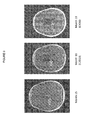
- FIG. 4 provides results of brain scans in a patient diagnosed with gliosarcoma.
- FIG. 5 provides results of brain scans in a patient diagnosed with glioblastoma multiforme.
- FIG. 6 provides additional scans from the patient diagnosed with glioblastoma multiforme from FIG. 5 .
- FIG. 7 provides additional scans from the patient diagnosed with glioblastoma multiform from FIGS. 5 and 6 .
- Table 1 provides a listing of certain sequences referenced in present embodiments. The CDRs are provided in bold.
- VEGF vascular endothelial growth factor
- Ang2 vascular endothelial growth factor
- an anti-Ang2 antibody or functional part thereof may be combined with bevacizumab, an anti-VEGF antibody, to improve control of angiogenesis in solid tumors.
- an anti-Ang2 antibody or functional part thereof may be provided alone or in combination with other active ingredients.
- MEDI1/5 maps to the fibronectin domain required for Ang2 binding to the Tie2 receptor and thus, treatment with MEDI1/5 should prevent Ang2-Tie2 interaction. This is further supported by the finding that MEDI1/5 has substantially greater affinity for human Ang2 over human Ang1. Likewise, ex vivo treatment of cancer patient serum with MEDI1/5 has demonstrated suppression of endogenous Ang2 and also endogenous Ang1, albeit higher concentrations of MEDI1/5 were needed to suppress Ang1. In vivo, MEDI1/5 has demonstrated anti-angiogenic and anti-tumor activities in preclinical models. This evidence and the exemplary evidence provided herein supports the methods of treatment disclosed.
- the patient has cancer.
- the present methods may use any anti-Ang2 antibody or functional part thereof.
- the anti-Ang2 antibody or functional part thereof has the same heavy chain variable region and light chain variable region as MEDI1/5 (SEQ ID NOs: 1 and 2).
- the anti-Ang2 antibody or functional part thereof has the same heavy and light chain CDRs as MEDI1/5 (CDRs shown in bold in SEQ ID NOs: 1 and 2).
- the antibody or functional part thereof binds to the same epitope as MEDI1/5.
- the antibody functional part is a functional part of the antibody MEDI1/5.
- the anti-Ang2 antibody or functional part thereof is disclosed in U.S. Pat. No. 8,507,656, for example col. 11, line 56 through col. 20, which is incorporated by reference in its entirety herein for the description of anti-Ang2 antibodies and functional parts thereof.
- antibodies or functional parts are capable of binding Ang-2, treating cancer, inhibiting angiogenesis, antagonizing Ang-2 and/or antagonizing Tie-2.
- the antibody or functional part thereof comprises a variable light chain comprising a sequence chosen from 3.19.3 light chain, MEDI1; MEDI2; MEDI3; MEDI4; and MEDI6 as incorporated by reference from U.S. Pat. No. 8,507,656.
- the antibody or functional part thereof is an IgG1 or an IgG2 isotype antibody or functional part thereof.
- the antibody or functional part thereof further comprises a variable heavy chain region comprising a sequence chosen from 3.19.3 heavy chain and MEDI5 as incorporated by reference from U.S. Pat. No. 8,507,656.
- the antibody or functional part thereof binds to the same epitope as any one of fully human monoclonal antibodies chosen from 3.19.3, MEDI1/5, MEDI2/5, MEDI3/5, MEDI6/5, and MEDI4/5 as incorporated by reference from U.S. Pat. No. 8,507,656.
- the antibody is a fully human monoclonal antibody chosen from: 3.19.3, MEDI1/5, MEDI2/5, MEDI3/5, MEDI6/5, and MEDI4/5 as incorporated by reference from U.S. Pat. No. 8,507,656.
- the antibody functional part is a functional part of a fully human monoclonal antibody chosen from: 3.19.3, MEDI1/5, MEDI2/5, MEDI3/5, MEDI6/5, and MEDI4/5 as incorporated by reference from U.S. Pat. No. 8,507,656.
- varying dosage approaches may be used for the anti-Ang2 antibody or functional part thereof.
- the anti Ang2-antibody or functional part thereof may be administered at a dose from about 200 mg to about 1500 mg, from about 1000 mg to about 1500 mg, from about 750 mg to about 1250 mg, or from about 900 mg to about 1100 mg.
- functional part thereof may be administered at a dose of about 200 mg, about 300 mg, about 600 mg, about 750 mg, about 1000 mg, about 1250 mg, or about 1500 mg.
- the anti-Ang2 antibody or functional part thereof is administered an IV infusion over from about 60 to about 90 minutes.
- IV infusion may be over about 60 minutes and the dosage may be less than about 1000 mg.
- the IV infusion may be over about 90 minutes and the dosage may be greater than or equal to about 1000 mg.
- the patient receives one dosage. In another mode, the patient receives multiple doses.
- the dosage cycle is one week, two weeks, three weeks, four weeks, five weeks, or six weeks. In one embodiment, the dosage cycle is about every 7 days, about every 14 days, about every 21 or about every 28 days. By a 21 day dosage cycle, for example, we mean receiving the dose on day 1 and then having an additional 20 days of not receiving a dose, followed by receiving the next dose on day 22 and so on.
- a dose of 1500 mg is provided every 21 days. In another embodiment, a dose of 1000 mg is provided every 14 days.
- a dose of from about 300 mg to about 1500 mg is provided every 21 days. In another embodiment, a dose of from about 200 mg to about 1000 mg is provided every 14 days.
- there are at least 2 dosage cycles i.e., the patient receives two doses). In another embodiment, there are at least 3, 4, 5, 6, 7, 8, 9, 10, 11, 12, or more than 12 dosage cycles. In one embodiment, there are from 12 to 18 dosage cycles. In another embodiment, there are from 12 to 31 dosage cycles.
- the anti-Ang2 antibody or functional part thereof may be administered alone. In another embodiment, the anti-Ang2 antibody or functional part thereof may be coadministered with at least one additional therapeutic agent. In one mode, the anti-Ang2 antibody or functional part is coadministered with two or more additional therapeutic agents.
- the coadministration may be concurrent administration or sequential administration. The sequential administration may occur on the same day or on different days. If the sequential administration occurs on different days, it may occur on the same dosage cycle or a different dosage cycle.
- At least one additional therapeutic agent is at least one chemotherapeutic agent.
- the chemotherapeutic agent may be chosen from at least one of carboplatin, capecitabine, gemcitabine, or paclitaxel.
- the at least one chemotherapeutic agent is carboplatin and paclitaxel.
- the at least one chemotherapeutic agent is carboplatin and gemcitabine.
- the dosage cycle for the additional therapeutic agent is three days, one week, two weeks, three weeks, four weeks, five weeks, or six weeks. In one embodiment, the dosage cycle for the additional therapeutic agent is about every 3 days, 7 days, 14 days, 21 days, or about every 28 days.
- the chemotherapeutic agent is paclitaxel, in one embodiment, it may be administered at about 80 mg/m 2 . If the chemotherapeutic agent is paclitaxel, in one embodiment, it may be administered at about 175 mg/m 2 . If the chemotherapeutic agent is gemcitabine, in one embodiment, it may be administered at about 1000 mg/m 2 . If the chemotherapeutic agent is carboplatin, in one embodiment, it may be administered at about AUC 4 or 5.
- the AUC-based dosing for carboplatin may be determined using the Follow-Up for Action Letter for Protocols Sponsored by the National Cancer Institute that Use Carboplatin, dated Oct. 14, 2010, which is incorporated by reference in its entirety for carboplatin dosing guidelines.
- the Calvert Formula is used, wherein
- GFR is the glomerular filtration rate.
- the GFR is estimated by using the serum creatinine level.
- the maximum carboplatin dose does not exceed the target AUC (mg min/mL) ⁇ 150 mL/min.
- the maximum carboplatin dose may be about 750 mg for an AUC of 5 and about 600 mg for an AUC of 4.
- GFR may be measured directly or a minimum creatinine level of 0.6 mg/dL may be used.
- At least one additional therapeutic agent is an antibody or functional part thereof.
- the antibody or functional part thereof may be chosen from an anti-VEGF antibody or functional part thereof.
- the antibody or functional part thereof may be chosen from bevacizumab.
- the bevacizumab is administered at about 10 mg/kg or about 15 mg/kg.
- the bevacizumab may be administered at from about 10 mg/kg to about 15 mg/kg.
- the bevacizumab may be administered every two weeks or every three weeks.
- another agent may be chosen that inhibits VEGF or the VEGF pathway.
- at least one additional therapeutic agent may be cediranib, an inhibitor of vascular endothelial growth factor receptor.
- the patient has cancer. In one embodiment, the patient has ovarian cancer. In another embodiment, the patient has glioblastoma multiforme.
- the cancer is breast cancer, colon cancer, lung cancer, renal cancer, prostate cancer, ovarian cancer, cervical cancer, liver cancer, gastric cancer, bladder cancer, skin cancer, leukemia, or brain cancer.
- the skin cancer is melanoma
- the brain cancer is glioma
- the brain cancer is glioblastoma multiforme
- the lung cancer is non-small cell lung cancer.
- the cancer is biliary (cholangiocarcinoma), bladder, blood, bone, brain, breast, central nervous system cancer, chest, colon, colorectal, endometrial cancer, epidermoid carcinoma, esophageal, eye, gastroesophageal, glioblastoma, glioma, head and neck, kidney, laryngeal, leukemia, liver (such as hepatocellular carcinoma), lung, lymph nodes, lymphoma, melanoma, mesothelioma, mouth, myeloma, non-small cell lung carcinoma, ovary, pancreas, pediatric malignancies, prostate, rectum, salivary gland, sarcoma, small bowel adenocarcinoma, small cell lung carcinoma, stomach, testes, throat, thyroid, and/or uterus.
- cholangiocarcinoma cholangiocarcinoma
- bladder blood, bone, brain, breast, central nervous system cancer, chest, colon, color
- Additional cancers include, but are not limited to, the following: leukemias such as but not limited to, acute leukemia, acute lymphocytic leukemia, acute myelocytic leukemias such as myeloblastic, promyelocytic, myelomonocytic, monocytic, erythroleukemia leukemias and myelodysplastic syndrome, chronic leukemias such as but not limited to, chronic myelocytic (granulocytic) leukemia, chronic lymphocytic leukemia, hairy cell leukemia; polycythemia vera; lymphomas such as but not limited to Hodgkin's disease, non-Hodgkin's disease; multiple myelomas such as but not limited to smoldering multiple mycloma, nonsecretory myeloma, osteosclerotic myeloma, plasma cell leukemia, solitary plasmacytoma and extramedullary plasmacytoma; Waldenstrom'
- cancers include myxosarcoma, osteogenic sarcoma, endotheliosarcoma, lymphangioendotheliosarcoma, mesotheliorna, synovioma, hemangioblastoma, epithelial carcinoma, cystadenocarcinoma, bronchogenic carcinoma, sweat gland carcinoma, sebaceous gland carcinoma, papillary carcinoma and papillary adenocarcinomas. It is also contemplated that cancers caused by aberrations in apoptosis can also be treated by the methods and compositions of the invention.
- Such cancers may include, but not be limited to, follicular lymphomas, carcinomas with p53 mutations, hormone dependent tumors of the breast, prostate and ovary, and precancerous lesions such as familial adenomatous polyposis, and myelodysplastic syndromes.
- the Karnofsky performance status index allows patients to be classified as to their functional impairment. The lower the Karnofsky score, the worse the survival for most serious illnesses.
- the patient has a Karnofsky performance status greater than or equal to about 60. In another embodiment, the patient has a Karnofsky performance status greater than or equal to about 70.
- a nucleic acid encoding an antibody or functional part may be administered.
- antibodies or functional parts are produced by the host's machinery.
- produced antibodies or functional parts are capable of binding Ang-2, treating cancer, inhibiting angiogenesis, antagonizing Ang-2 and/or antagonizing Tie-2.
- a nucleic acid encoding a functional part of an antibody refers a nucleic acid at least 30 base pairs long, at least 50 base pairs long, or at least 100 base pairs long, comprising at least one expression characteristic (in kind not necessarily in amount) as a nucleic acid encoding an antibody.
- a nucleic acid encoding a functional part of an antibody at least encodes an amino acid sequence comprising two or optionally three CDRs of the antibodies described herein.
- An isolated antibody producing cell capable of producing an antibody or functional part is also provided. Certain methods of producing an antibody or functional part thereof are provided in U.S. Pat. No. 8,507,656, for example col. 21, line 4 through col. 25, line 27, which is incorporated by reference in its entirety herein for the description of methods of making antibodies and functional parts thereof.
- the antibodies or functional parts described herein may be manufactured from a hybridoma that secretes the antibody or functional part thereof or from a recombinantly produced cell that has been transformed or transfected with a gene or genes encoding the antibody or functional part.
- One embodiment includes a method of producing the antibody or functional part by culturing host cells under conditions wherein a nucleic acid is expressed to produce the antibody or functional part thereof, followed by recovering the antibody or functional part thereof.
- a variety of cell lines may be used for expressing the antibody or functional part, including, but not limited to, mammalian cell lines.
- the cell lines may be human.
- bacterial or insect cell lines may be used.
- the cell lines include Chinese hamster ovary (CHO) cells, variants of CHO cells (for example DG44), 293 cells and NSO cells.
- cell lines include VERY, BHK, Hela, COS, MDCK, 293F, 293T, 3T3, W138, BT483, Hs578T, HTB2, BT20 and T47D, CRL7O3O and HsS78Bst cells.
- Recombinant expression utilizes construction of an expression vector containing a polynucleotide that encodes the antibody or functional part. Once a polynucleotide has been obtained, a vector for the production of the antibody or functional part thereof may be produced by recombinant DNA technology well known in the art. Expression vectors may include appropriate transcriptional and translational control signals. This may be accomplished using in vitro recombinant DNA techniques, synthetic techniques, and in vivo genetic recombination. In one embodiment, a replicable vector comprises a nucleic acid sequence encoding an antibody or functional part operably linked to a heterologous promoter.
- host-expression vector systems may be utilized to express antibodies or functional parts as described in U.S. Pat. No. 5,807,715.
- mammalian cells such as Chinese hamster ovary cells (CHO), in conjunction with a vector such as the major intermediate early gene promoter element from human cytomegalovirus, are an effective expression system for antibodies (Foecking et al., Gene, 45:101 (1986); and Cockett et al., Bio/Technology, 8:2 (1990)).
- a host cell strain may be chosen which modulates the expression of inserted sequences, or modifies and processes the gene product in the specific fashion desired.
- Such modifications e.g., glycosylation
- processing e.g., cleavage
- protein products may be important for the function of the protein.
- Different host cells have characteristic and specific mechanisms for the post-translational processing and modification of proteins and gene products. Appropriate cell lines or host systems can be chosen to ensure the correct modification and processing of the protein of the invention.
- eukaryotic host cells which possess the cellular machinery for proper processing of the primary transcript, glycosylation, and phosphorylation of the gene product may be used.
- a number of expression vectors may be selected depending upon the use intended for the antibody or functional part being expressed. For example, when a large quantity of such an antibody or functional part is to be produced, for the generation of pharmaceutical compositions comprising an antibody or functional part, vectors which direct the expression of high levels of fusion protein products that are readily purified may be desirable.
- vectors include, but are not limited to, the E. coli expression vector pUR278 (Ruther et al., EMBO, 12:1791 (1983)), in which the coding sequence may be ligated individually into the vector in frame with the lac Z coding region so that a fusion protein is produced; pIN vectors (Inouye & Inouye, 1985, Nucleic Acids Res.
- pGEX vectors may also be used to express foreign polypeptides as fusion proteins with glutathione-S-transferase (GST).
- GST glutathione-S-transferase
- fusion proteins are soluble and can easily be purified from lysed cells by adsorption and binding to glutathione-agarose affinity matrix followed by elution in the presence of free glutathione.
- the pGEX vectors are designed to introduce a thrombin and/or factor Xa protease cleavage sites into the expressed polypeptide so that the cloned target gene product can be released from the GST moiety.
- Autographa californica nuclear polyhedrosis virus (AcNPV) is used as a vector to express foreign genes.
- the virus grows in Spodoptera frugiperda cells.
- the protein coding sequence may be cloned individually into non-essential regions (for example, the polyhedrin gene) of the virus and placed under control of an AcNPV promoter (for example, the polyhedrin promoter).
- a number of virus based expression systems may be utilized.
- the coding sequence of interest may be ligated to an adenovirus transcription/translation control complex, e.g., the late promoter and tripartite leader sequence.
- This chimeric gene may then be inserted in the adenovirus genome by in vitro or in vivo recombination. Insertion into a non-essential region of the viral genome (e.g., region E1 or E3) will result in a recombinant virus that is viable and capable of expressing the antibody or functional part in infected hosts (e.g., see, Logan & Shenk, Proc. Natl.
- Specific initiation signals may also be required for efficient translation of inserted antibody or functional part coding sequences. These signals include the ATG initiation codon and adjacent sequences. Furthermore, the initiation codon should generally be in frame with the reading frame of the desired coding sequence to ensure translation of the entire insert. These exogenous translational control signals and initiation codons can be of a variety of origins, both natural and synthetic. The efficiency of expression may be enhanced by the inclusion of appropriate transcription enhancer elements, transcription terminators, etc. (see, e.g., Bittner et al., Methods in Enzymol., 153:51-544(1987)).
- Stable expression can be used for long-term, high-yield production of recombinant proteins.
- cell lines which stably express the protein molecule may be generated.
- Host cells can be transformed with an appropriately engineered vector comprising expression control elements (e.g., promoter, enhancer, transcription terminators, polyadenylation sites, etc.), and a selectable marker gene.
- expression control elements e.g., promoter, enhancer, transcription terminators, polyadenylation sites, etc.
- cells may be allowed to grow for 1-2 days in an enriched media, and then are switched to a selective media.
- the selectable marker in the recombinant plasmid confers resistance to the selection and allows cells that stably integrated the plasmid into their chromosomes to grow and form foci which in turn can be cloned and expanded into cell lines.
- Plasmids that encode an antibody or functional part can be used to introduce the gene/cDNA into any cell line suitable for production in culture.
- a number of selection systems may be used, including, but not limited to, the herpes simplex virus thymidine kinase (Wigler et al., Cell, 11:223 (1977)), hypoxanthineguanine phosphoribosyltransferase (Szybalska & Szybalski, Proc. Natl. Acad. Sci. USA, 48:202 (1992)), and adenine phosphoribosyltransferase (Lowy et al., Cell, 22:8-17 (1980)) genes can be employed in tk-, hgprt- or aprT-cells, respectively.
- antimetabolite resistance can be used as the basis of selection for the following genes: dhfr, which confers resistance to methotrexate (Wigler et al., Natl. Acad. Sci. USA, 77:357 (1980); O'Hare et al., Proc. Natl. Acad. Sci. USA, 78:1527 (1981)); gpt, which confers resistance to mycophenolic acid (Mulligan & Berg, Proc. Natl. Acad. Sci. USA, 78:2072 (1981)); neo, which confers resistance to the aminoglycoside G-418 (Wu and Wu, Biotherapy 3:87-95 (1991); Tolstoshev, Ann. Rev.
- an antibody or functional part may be produced by recombinant expression, it may be purified by any method known in the art for purification of an immunoglobulin molecule, for example, by chromatography (e.g., ion exchange, affinity, particularly by affinity for the specific antigens Protein A or Protein G, and sizing column chromatography), centrifugation, differential solubility, or by any other standard technique for the purification of proteins.
- chromatography e.g., ion exchange, affinity, particularly by affinity for the specific antigens Protein A or Protein G, and sizing column chromatography
- centrifugation e.g., centrifugation, differential solubility, or by any other standard technique for the purification of proteins.
- the proteins of the present invention or fragments thereof may be fused to heterologous polypeptide sequences described herein or otherwise known in the art to facilitate purification.
- the Phase 1 study is a 3+3 dose escalation (monotherapy [mTx] and combination) in adults with advanced solid tumors with mTx expansion into platinum-resistant ovarian cancer (prOC) and glioblastoma multiforme (GBM) (NCT01248949).
- prOC platinum-resistant ovarian cancer
- GBM glioblastoma multiforme
- M MEDI1/5
- C carboplatin/paclitaxel
- T paclitaxel
- B bevacizumab
- MEDI1/5 5, 10, 20, 100, 300, 1000, or 1500 mg
- an intermediate dose could be chosen for dose escalation.
- MEDI1/5 was administered on Day 1 of each cycle of treatment as a 60-minute IV infusion for doses less than 1000 mg, or 90-minute infusion for doses 1000 mg and greater (to reduce the potential for infusion reactions at higher doses), until unacceptable toxicity, documentation of disease progression, or other reasons for subject discontinuation.
- Intra-subject dose-escalation was not allowed, but dose modification for toxicities was allowed.
- the overall study design is outlined in FIG. 1 .
- the maximum tolerated dose was not defined in either mTx or combination arms.
- Non-hematologic grade ⁇ 3 trAEs in the combination arms included one patient (1.6%) of each of the following: nausea, acute pancreatitis, vomiting, fatigue, peripheral edema, infusion related reaction, decreased ejection fraction, increased troponins, decreased appetite, dehydration, peripheral neuropathy, nephrotic syndrome, female genital tract fistula, and scrotal edema. Additionally, two patients (3.2%) experienced proteinuria and four patients (6.3%) experienced hypertension.
- trAE events (heme and non-heme) are summarized by total number of patients in the table below:
- the non-hematologic grade ⁇ 3 events are summarized as follows for mTx and combination treatment by total number of events in the table below:
- the rate of treatment-related grade 3 or 4 adverse events was 22% in the monotherapy group and 38% overall in the combination groups.
- Treatment-related grade 3 or 4 adverse events with MEDI1/5 were also compared to historical bevacizumab data in Table 6.
- Exposure of M approached a linear range beyond 100 mg Q3W or 60 mg Q2W.
- the mean serum MEDI1/5 concentration-time profiles during the first dose (Day 1 to Day 22 of Q3W regimen, Day 1 to Day 15 of Q2W regimen) after IV administrations of MEDI1/5 at 5, 10, 20, 100, 300, 1000, and 1500 mg are illustrated in FIGS. 2A-B .
- the serum concentration data from the first dosing were analyzed using non-compartmental analysis.
- the exposure of MEDI1/5 based on C max and AUC after the first dose demonstrated a more than dose-proportional increase.
- Dose-dependent apparent clearance and terminal half-life were also observed.
- MEDI1/5 PK approached a linear range approximately beyond 100 mg Q3W or 60 mg Q2W.
- the estimated mean PK parameters are presented in the table below.
- Table 9 provides data on patients enrolled in the study with a variety of types of cancers, additional disease-specific information is as follows.
- One ovarian cancer patient had stable diseases lasting ⁇ 52 weeks (MEDI1/5 and bevacizumab arm) and one ovarian cancer patient had partial response lasting ⁇ 52 weeks (MEDI1/5 and paclitaxel arm).
- Responses were also observed in patients with lung cancer, cervical cancer, and renal cell carcinoma (one response in each) in the combination therapy arms.
- Example 2 Brain scan results from certain patients presented in Example 2 are also provided. All patients were bevacizumab na ⁇ ve.
- a first patient had a diagnosis of glioblastoma multiforme (MGMT ⁇ ) in what is designated as month 1 with surgical resection in month 1, and adj temodar/RT during month 2.
- the patient was treated for 8 weeks with MEDI1/5 (1000 mg q2w) and bevacizumab (10 mg/kg q2w). No steroids were used through treatment.
- Brain scans at baseline (month 3) and after treatment (month 6) are provided in FIG. 4 showing a complete response (FLAIR showed a partial response).
- a second patient had a diagnosis of gliosarcoma (MGMT+) in what is designated as month 1. She received RT/temodar in month 14-15 with maintenance temodar ending on month 10. The patient was treated for 8 weeks with MEDI1/5 (1000 mg q2w) and bevacizumab (10 mg/kg q2w). A 24% reduction in the tumor was seen on the scans, as shown in FIG. 5 (T2 FLAIR also improved), see also FIG. 6 (C+ Axial), and FIG. 7 (Axial FLAIR).
- a third patient had a diagnosis of glioblastoma multiforme (MGMT+) in what is designated month 1, with surgical resection at the same time, and adj temodar/RT from month 2 to month 13.
- the patient was treated for 8 weeks with MEDI1/5 (1000 mg q2w) and bevacizumab (10 mg/kg q2w). This patient did not demonstrate a response during the time period of the scan.
- a method of treating cancer in a patient comprising
- a method of inhibiting angiogenesis in a patient comprising
- chemotherapeutic agent is chosen from at least one of carboplatin, capecitabine, gemcitabine, or paclitaxel.
- chemotherapeutic agent is carboplatin and paclitaxel.
- chemotherapeutic agent is administered every week, every two weeks, every three weeks, or monthly.
- total dose (mg) (target AUC) ⁇ (GFR+25)
- GFR is estimated by using the serum creatinine level.
- the term about refers to a numeric value, including, for example, whole numbers, fractions, and percentages, whether or not explicitly indicated.
- the term about generally refers to a range of numerical values (e.g., +/ ⁇ 5-10% of the recited value) that one of ordinary skill in the art would consider equivalent to the recited value (e.g., having the same function or result).
- the term about may include numerical values that are rounded to the nearest significant figure.
Landscapes
- Health & Medical Sciences (AREA)
- Chemical & Material Sciences (AREA)
- Life Sciences & Earth Sciences (AREA)
- Medicinal Chemistry (AREA)
- General Health & Medical Sciences (AREA)
- Veterinary Medicine (AREA)
- Public Health (AREA)
- Animal Behavior & Ethology (AREA)
- Pharmacology & Pharmacy (AREA)
- Epidemiology (AREA)
- Organic Chemistry (AREA)
- Immunology (AREA)
- Engineering & Computer Science (AREA)
- Microbiology (AREA)
- Bioinformatics & Cheminformatics (AREA)
- Mycology (AREA)
- Molecular Biology (AREA)
- Biochemistry (AREA)
- Proteomics, Peptides & Aminoacids (AREA)
- Biophysics (AREA)
- Genetics & Genomics (AREA)
- Endocrinology (AREA)
- Oncology (AREA)
- Biomedical Technology (AREA)
- Nuclear Medicine, Radiotherapy & Molecular Imaging (AREA)
- General Chemical & Material Sciences (AREA)
- Chemical Kinetics & Catalysis (AREA)
- Medicines Containing Antibodies Or Antigens For Use As Internal Diagnostic Agents (AREA)
- Peptides Or Proteins (AREA)
- Pharmaceuticals Containing Other Organic And Inorganic Compounds (AREA)
- Medicines That Contain Protein Lipid Enzymes And Other Medicines (AREA)
- Acyclic And Carbocyclic Compounds In Medicinal Compositions (AREA)
Priority Applications (1)
| Application Number | Priority Date | Filing Date | Title |
|---|---|---|---|
| US15/308,187 US20170058025A1 (en) | 2014-05-07 | 2015-05-06 | Methods of using anti-ang2 antibodies |
Applications Claiming Priority (4)
| Application Number | Priority Date | Filing Date | Title |
|---|---|---|---|
| US201461989884P | 2014-05-07 | 2014-05-07 | |
| US201462005525P | 2014-05-30 | 2014-05-30 | |
| US15/308,187 US20170058025A1 (en) | 2014-05-07 | 2015-05-06 | Methods of using anti-ang2 antibodies |
| PCT/US2015/029447 WO2015171747A1 (en) | 2014-05-07 | 2015-05-06 | Methods of using anti-ang2 antibodies |
Publications (1)
| Publication Number | Publication Date |
|---|---|
| US20170058025A1 true US20170058025A1 (en) | 2017-03-02 |
Family
ID=54392949
Family Applications (1)
| Application Number | Title | Priority Date | Filing Date |
|---|---|---|---|
| US15/308,187 Abandoned US20170058025A1 (en) | 2014-05-07 | 2015-05-06 | Methods of using anti-ang2 antibodies |
Country Status (12)
| Country | Link |
|---|---|
| US (1) | US20170058025A1 (enExample) |
| EP (1) | EP3139956A4 (enExample) |
| JP (1) | JP2017514854A (enExample) |
| KR (1) | KR20170003651A (enExample) |
| CN (1) | CN107206067A (enExample) |
| AU (1) | AU2015256052A1 (enExample) |
| CA (1) | CA2946906A1 (enExample) |
| HK (1) | HK1244445A1 (enExample) |
| IL (1) | IL248391A0 (enExample) |
| RU (1) | RU2016147521A (enExample) |
| SG (1) | SG11201609168PA (enExample) |
| WO (1) | WO2015171747A1 (enExample) |
Families Citing this family (7)
| Publication number | Priority date | Publication date | Assignee | Title |
|---|---|---|---|---|
| US9732131B2 (en) | 2006-02-27 | 2017-08-15 | Calviri, Inc. | Identification and use of novopeptides for the treatment of cancer |
| CN109863171B (zh) | 2016-08-23 | 2023-08-04 | 免疫医疗有限公司 | 抗vegf-a和抗ang2抗体及其用途 |
| EP3630131B1 (en) | 2017-06-02 | 2022-08-31 | Arizona Board of Regents on behalf of Arizona State University | A method to create personalized canine cancer vaccines |
| US12025615B2 (en) | 2017-09-15 | 2024-07-02 | Arizona Board Of Regents On Behalf Of Arizona State University | Methods of classifying response to immunotherapy for cancer |
| US20220204603A1 (en) * | 2019-02-25 | 2022-06-30 | Pharmabcine Inc. | Anti-ang2 antibody and use thereof |
| EP3950725A4 (en) | 2019-05-08 | 2023-07-19 | Daikin Industries, Ltd. | Fluoropolymer production method and fluoropolymer |
| EP4038222A4 (en) | 2019-10-02 | 2023-10-18 | Arizona Board of Regents on behalf of Arizona State University | Methods and compositions for identifying neoantigens for use in treating and preventing cancer |
Family Cites Families (7)
| Publication number | Priority date | Publication date | Assignee | Title |
|---|---|---|---|---|
| US8507656B2 (en) * | 2008-01-28 | 2013-08-13 | Medimmune Limited | Stabilized angiopoietin-2 antibodies and uses thereof |
| JO3182B1 (ar) * | 2009-07-29 | 2018-03-08 | Regeneron Pharma | مضادات حيوية بشرية عالية الالفة مع تولد الاوعية البشرية - 2 |
| US8980268B2 (en) * | 2009-07-29 | 2015-03-17 | Regeneron Pharamceuticals, Inc. | Methods for treating cancer by administering an anti-Ang-2 antibody |
| SG10201401123VA (en) * | 2010-02-23 | 2014-08-28 | Genentech Inc | Anti-Angiogenesis Therapy For The Treatment Of Ovarian Cancer |
| CN102250247B (zh) * | 2011-06-15 | 2013-06-19 | 常州亚当生物技术有限公司 | 一种抗vegf/ang2双特异性抗体及其应用 |
| BR112014012187A2 (pt) * | 2011-11-21 | 2017-05-30 | Motorola Mobility Llc | determinação implícita e determinação implícita e explícita combinadas de imagem colocalizada para predição temporal |
| EP3446709A1 (en) * | 2012-08-07 | 2019-02-27 | F. Hoffmann-La Roche AG | Combination therapy for the treatment of glioblastoma |
-
2015
- 2015-05-06 EP EP15788683.9A patent/EP3139956A4/en not_active Withdrawn
- 2015-05-06 AU AU2015256052A patent/AU2015256052A1/en not_active Abandoned
- 2015-05-06 CA CA2946906A patent/CA2946906A1/en not_active Abandoned
- 2015-05-06 KR KR1020167034326A patent/KR20170003651A/ko not_active Ceased
- 2015-05-06 US US15/308,187 patent/US20170058025A1/en not_active Abandoned
- 2015-05-06 JP JP2016566641A patent/JP2017514854A/ja active Pending
- 2015-05-06 CN CN201580035986.9A patent/CN107206067A/zh active Pending
- 2015-05-06 SG SG11201609168PA patent/SG11201609168PA/en unknown
- 2015-05-06 HK HK18103973.5A patent/HK1244445A1/zh unknown
- 2015-05-06 RU RU2016147521A patent/RU2016147521A/ru not_active Application Discontinuation
- 2015-05-06 WO PCT/US2015/029447 patent/WO2015171747A1/en not_active Ceased
-
2016
- 2016-10-19 IL IL248391A patent/IL248391A0/en unknown
Also Published As
| Publication number | Publication date |
|---|---|
| HK1244445A1 (zh) | 2018-08-10 |
| RU2016147521A3 (enExample) | 2018-12-27 |
| JP2017514854A (ja) | 2017-06-08 |
| EP3139956A1 (en) | 2017-03-15 |
| EP3139956A4 (en) | 2017-11-29 |
| AU2015256052A1 (en) | 2016-11-10 |
| CN107206067A (zh) | 2017-09-26 |
| SG11201609168PA (en) | 2016-12-29 |
| IL248391A0 (en) | 2016-11-30 |
| RU2016147521A (ru) | 2018-06-09 |
| KR20170003651A (ko) | 2017-01-09 |
| CA2946906A1 (en) | 2015-11-12 |
| WO2015171747A1 (en) | 2015-11-12 |
Similar Documents
| Publication | Publication Date | Title |
|---|---|---|
| CA2946906A1 (en) | Methods of using anti-ang2 antibodies | |
| Zorko et al. | Cell-penetrating peptides in protein mimicry and cancer therapeutics | |
| Shimamoto et al. | Peptibodies: A flexible alternative format to antibodies | |
| Chappelow et al. | Neovascular age-related macular degeneration: potential therapies | |
| Bonomini et al. | New treatment approaches for the anemia of CKD | |
| Temraz et al. | Methods of overcoming treatment resistance in colorectal cancer | |
| Caruso et al. | Incretin-based therapies for the treatment of obesity-related diseases | |
| JP2021184727A (ja) | 長時間作用型fgf21融合タンパク質およびそれを含む医薬組成物 | |
| Saw et al. | Biomedical applications of a novel class of high-affinity peptides | |
| EP4414381A1 (en) | Il-10 monomer fusion protein and use thereof | |
| KR20160005950A (ko) | 표적화 부위, 절단 부위, 및 세포막 투과 부위를 포함하는 융합 단백질 및 그의 용도 | |
| Liu et al. | Targeted EpCAM-binding for the development of potent and effective anticancer proteins | |
| PT2285416E (pt) | Conjugados para o tratamento de mesotelioma | |
| US20240336664A1 (en) | Sulfated polypeptides for systemic delivery | |
| EP2663318B1 (en) | Pharmaceutical composition for treating cancer | |
| Macdougall | Development of recombinant erythropoietin and erythropoietin analogs | |
| Li et al. | A new perspective in the research of antibody drug conjugate | |
| Bertino et al. | Benefits and limitations of antiangiogenic agents in patients with non-small cell lung cancer | |
| KR102371980B1 (ko) | 췌장암 예방 또는 치료용 조성물 | |
| ES2737723T3 (es) | Composiciones que comprenden IL-31 y usos de esta | |
| Joshi et al. | A first-in-human, phase 1a/b, dose-escalation/expansion study of BG-68501, a selective CDK2 inhibitor, as monotherapy or in combination with fulvestrant for patients with HR+/HER2-breast cancer and other advanced solid tumors: first disclosure of clinical data | |
| US20230405123A1 (en) | Compositions of nanoparticles for treatment of cancer | |
| Zhang et al. | A phase I dose-escalation and dose-expansion study of tibremciclib, a novel CDK4/6 inhibitor, monotherapy and in combination with fulvestrant in HR-positive/HER2-negative advanced breast cancer | |
| US20260070964A1 (en) | Il-12 gene therapy and anti-vegf combination for treating cancer | |
| Calfa et al. | Antibodies and antibody-fusion proteins as anti-angiogenic, anti-tumor agents |
Legal Events
| Date | Code | Title | Description |
|---|---|---|---|
| AS | Assignment |
Owner name: MEDIMMUNE, LLC, MARYLAND Free format text: ASSIGNMENT OF ASSIGNORS INTEREST;ASSIGNOR:SIKORSKI, ROBERT;REEL/FRAME:040283/0599 Effective date: 20161110 |
|
| AS | Assignment |
Owner name: MEDIMMUNE, LLC, MARYLAND Free format text: ASSIGNMENT OF ASSIGNORS INTEREST;ASSIGNOR:LAI, DOMINIC W.;REEL/FRAME:042575/0492 Effective date: 20161006 Owner name: MEDIMMUNE, LLC, MARYLAND Free format text: ASSIGNMENT OF ASSIGNORS INTEREST;ASSIGNOR:MEMORIAL SLOAN KETTERING CANCER CENTER;REEL/FRAME:042575/0783 Effective date: 20161014 Owner name: MEMORIAL SLOAN KETTERING CANCER CENTER, NEW YORK Free format text: ASSIGNMENT OF ASSIGNORS INTEREST;ASSIGNORS:HYMAN, DAVID;RIZVI, NAIYER A.;SIGNING DATES FROM 20161007 TO 20161012;REEL/FRAME:042575/0654 |
|
| AS | Assignment |
Owner name: MEDIMMUNE LIMITED, UNITED KINGDOM Free format text: ASSIGNMENT OF ASSIGNORS INTEREST;ASSIGNOR:MEDIMMUNE, LLC;REEL/FRAME:042765/0462 Effective date: 20170620 |
|
| STPP | Information on status: patent application and granting procedure in general |
Free format text: NON FINAL ACTION MAILED |
|
| STCB | Information on status: application discontinuation |
Free format text: ABANDONED -- FAILURE TO RESPOND TO AN OFFICE ACTION |