US12128013B2 - Toxic aldehyde related diseases and treatment - Google Patents
Toxic aldehyde related diseases and treatment Download PDFInfo
- Publication number
- US12128013B2 US12128013B2 US18/236,795 US202318236795A US12128013B2 US 12128013 B2 US12128013 B2 US 12128013B2 US 202318236795 A US202318236795 A US 202318236795A US 12128013 B2 US12128013 B2 US 12128013B2
- Authority
- US
- United States
- Prior art keywords
- compound
- methyl
- aminomethyl
- compounds
- pharmaceutically acceptable
- Prior art date
- Legal status (The legal status is an assumption and is not a legal conclusion. Google has not performed a legal analysis and makes no representation as to the accuracy of the status listed.)
- Active
Links
Images


Classifications
-
- A—HUMAN NECESSITIES
- A61—MEDICAL OR VETERINARY SCIENCE; HYGIENE
- A61K—PREPARATIONS FOR MEDICAL, DENTAL OR TOILETRY PURPOSES
- A61K31/00—Medicinal preparations containing organic active ingredients
- A61K31/13—Amines
- A61K31/135—Amines having aromatic rings, e.g. ketamine, nortriptyline
- A61K31/137—Arylalkylamines, e.g. amphetamine, epinephrine, salbutamol, ephedrine or methadone
-
- A—HUMAN NECESSITIES
- A61—MEDICAL OR VETERINARY SCIENCE; HYGIENE
- A61K—PREPARATIONS FOR MEDICAL, DENTAL OR TOILETRY PURPOSES
- A61K31/00—Medicinal preparations containing organic active ingredients
- A61K31/13—Amines
-
- A—HUMAN NECESSITIES
- A61—MEDICAL OR VETERINARY SCIENCE; HYGIENE
- A61K—PREPARATIONS FOR MEDICAL, DENTAL OR TOILETRY PURPOSES
- A61K31/00—Medicinal preparations containing organic active ingredients
- A61K31/185—Acids; Anhydrides, halides or salts thereof, e.g. sulfur acids, imidic, hydrazonic or hydroximic acids
- A61K31/19—Carboxylic acids, e.g. valproic acid
- A61K31/195—Carboxylic acids, e.g. valproic acid having an amino group
- A61K31/197—Carboxylic acids, e.g. valproic acid having an amino group the amino and the carboxyl groups being attached to the same acyclic carbon chain, e.g. gamma-aminobutyric acid [GABA], beta-alanine, epsilon-aminocaproic acid or pantothenic acid
-
- A—HUMAN NECESSITIES
- A61—MEDICAL OR VETERINARY SCIENCE; HYGIENE
- A61K—PREPARATIONS FOR MEDICAL, DENTAL OR TOILETRY PURPOSES
- A61K31/00—Medicinal preparations containing organic active ingredients
- A61K31/33—Heterocyclic compounds
- A61K31/395—Heterocyclic compounds having nitrogen as a ring hetero atom, e.g. guanethidine or rifamycins
- A61K31/41—Heterocyclic compounds having nitrogen as a ring hetero atom, e.g. guanethidine or rifamycins having five-membered rings with two or more ring hetero atoms, at least one of which being nitrogen, e.g. tetrazole
-
- A—HUMAN NECESSITIES
- A61—MEDICAL OR VETERINARY SCIENCE; HYGIENE
- A61K—PREPARATIONS FOR MEDICAL, DENTAL OR TOILETRY PURPOSES
- A61K31/00—Medicinal preparations containing organic active ingredients
- A61K31/33—Heterocyclic compounds
- A61K31/395—Heterocyclic compounds having nitrogen as a ring hetero atom, e.g. guanethidine or rifamycins
- A61K31/41—Heterocyclic compounds having nitrogen as a ring hetero atom, e.g. guanethidine or rifamycins having five-membered rings with two or more ring hetero atoms, at least one of which being nitrogen, e.g. tetrazole
- A61K31/42—Oxazoles
- A61K31/423—Oxazoles condensed with carbocyclic rings
-
- A—HUMAN NECESSITIES
- A61—MEDICAL OR VETERINARY SCIENCE; HYGIENE
- A61K—PREPARATIONS FOR MEDICAL, DENTAL OR TOILETRY PURPOSES
- A61K31/00—Medicinal preparations containing organic active ingredients
- A61K31/33—Heterocyclic compounds
- A61K31/395—Heterocyclic compounds having nitrogen as a ring hetero atom, e.g. guanethidine or rifamycins
- A61K31/435—Heterocyclic compounds having nitrogen as a ring hetero atom, e.g. guanethidine or rifamycins having six-membered rings with one nitrogen as the only ring hetero atom
-
- A—HUMAN NECESSITIES
- A61—MEDICAL OR VETERINARY SCIENCE; HYGIENE
- A61K—PREPARATIONS FOR MEDICAL, DENTAL OR TOILETRY PURPOSES
- A61K31/00—Medicinal preparations containing organic active ingredients
- A61K31/33—Heterocyclic compounds
- A61K31/395—Heterocyclic compounds having nitrogen as a ring hetero atom, e.g. guanethidine or rifamycins
- A61K31/435—Heterocyclic compounds having nitrogen as a ring hetero atom, e.g. guanethidine or rifamycins having six-membered rings with one nitrogen as the only ring hetero atom
- A61K31/438—The ring being spiro-condensed with carbocyclic or heterocyclic ring systems
-
- A—HUMAN NECESSITIES
- A61—MEDICAL OR VETERINARY SCIENCE; HYGIENE
- A61K—PREPARATIONS FOR MEDICAL, DENTAL OR TOILETRY PURPOSES
- A61K31/00—Medicinal preparations containing organic active ingredients
- A61K31/33—Heterocyclic compounds
- A61K31/395—Heterocyclic compounds having nitrogen as a ring hetero atom, e.g. guanethidine or rifamycins
- A61K31/435—Heterocyclic compounds having nitrogen as a ring hetero atom, e.g. guanethidine or rifamycins having six-membered rings with one nitrogen as the only ring hetero atom
- A61K31/47—Quinolines; Isoquinolines
-
- A—HUMAN NECESSITIES
- A61—MEDICAL OR VETERINARY SCIENCE; HYGIENE
- A61K—PREPARATIONS FOR MEDICAL, DENTAL OR TOILETRY PURPOSES
- A61K8/00—Cosmetics or similar toiletry preparations
- A61K8/18—Cosmetics or similar toiletry preparations characterised by the composition
- A61K8/30—Cosmetics or similar toiletry preparations characterised by the composition containing organic compounds
- A61K8/40—Cosmetics or similar toiletry preparations characterised by the composition containing organic compounds containing nitrogen
- A61K8/41—Amines
-
- A—HUMAN NECESSITIES
- A61—MEDICAL OR VETERINARY SCIENCE; HYGIENE
- A61K—PREPARATIONS FOR MEDICAL, DENTAL OR TOILETRY PURPOSES
- A61K8/00—Cosmetics or similar toiletry preparations
- A61K8/18—Cosmetics or similar toiletry preparations characterised by the composition
- A61K8/30—Cosmetics or similar toiletry preparations characterised by the composition containing organic compounds
- A61K8/40—Cosmetics or similar toiletry preparations characterised by the composition containing organic compounds containing nitrogen
- A61K8/44—Aminocarboxylic acids or derivatives thereof, e.g. aminocarboxylic acids containing sulfur; Salts; Esters or N-acylated derivatives thereof
-
- A—HUMAN NECESSITIES
- A61—MEDICAL OR VETERINARY SCIENCE; HYGIENE
- A61K—PREPARATIONS FOR MEDICAL, DENTAL OR TOILETRY PURPOSES
- A61K8/00—Cosmetics or similar toiletry preparations
- A61K8/18—Cosmetics or similar toiletry preparations characterised by the composition
- A61K8/30—Cosmetics or similar toiletry preparations characterised by the composition containing organic compounds
- A61K8/49—Cosmetics or similar toiletry preparations characterised by the composition containing organic compounds containing heterocyclic compounds
-
- A—HUMAN NECESSITIES
- A61—MEDICAL OR VETERINARY SCIENCE; HYGIENE
- A61K—PREPARATIONS FOR MEDICAL, DENTAL OR TOILETRY PURPOSES
- A61K8/00—Cosmetics or similar toiletry preparations
- A61K8/18—Cosmetics or similar toiletry preparations characterised by the composition
- A61K8/30—Cosmetics or similar toiletry preparations characterised by the composition containing organic compounds
- A61K8/49—Cosmetics or similar toiletry preparations characterised by the composition containing organic compounds containing heterocyclic compounds
- A61K8/4906—Cosmetics or similar toiletry preparations characterised by the composition containing organic compounds containing heterocyclic compounds with one nitrogen as the only hetero atom
- A61K8/4926—Cosmetics or similar toiletry preparations characterised by the composition containing organic compounds containing heterocyclic compounds with one nitrogen as the only hetero atom having six membered rings
-
- A—HUMAN NECESSITIES
- A61—MEDICAL OR VETERINARY SCIENCE; HYGIENE
- A61P—SPECIFIC THERAPEUTIC ACTIVITY OF CHEMICAL COMPOUNDS OR MEDICINAL PREPARATIONS
- A61P1/00—Drugs for disorders of the alimentary tract or the digestive system
-
- A—HUMAN NECESSITIES
- A61—MEDICAL OR VETERINARY SCIENCE; HYGIENE
- A61P—SPECIFIC THERAPEUTIC ACTIVITY OF CHEMICAL COMPOUNDS OR MEDICINAL PREPARATIONS
- A61P11/00—Drugs for disorders of the respiratory system
-
- A—HUMAN NECESSITIES
- A61—MEDICAL OR VETERINARY SCIENCE; HYGIENE
- A61P—SPECIFIC THERAPEUTIC ACTIVITY OF CHEMICAL COMPOUNDS OR MEDICINAL PREPARATIONS
- A61P11/00—Drugs for disorders of the respiratory system
- A61P11/06—Antiasthmatics
-
- A—HUMAN NECESSITIES
- A61—MEDICAL OR VETERINARY SCIENCE; HYGIENE
- A61P—SPECIFIC THERAPEUTIC ACTIVITY OF CHEMICAL COMPOUNDS OR MEDICINAL PREPARATIONS
- A61P17/00—Drugs for dermatological disorders
-
- A—HUMAN NECESSITIES
- A61—MEDICAL OR VETERINARY SCIENCE; HYGIENE
- A61P—SPECIFIC THERAPEUTIC ACTIVITY OF CHEMICAL COMPOUNDS OR MEDICINAL PREPARATIONS
- A61P17/00—Drugs for dermatological disorders
- A61P17/02—Drugs for dermatological disorders for treating wounds, ulcers, burns, scars, keloids, or the like
-
- A—HUMAN NECESSITIES
- A61—MEDICAL OR VETERINARY SCIENCE; HYGIENE
- A61P—SPECIFIC THERAPEUTIC ACTIVITY OF CHEMICAL COMPOUNDS OR MEDICINAL PREPARATIONS
- A61P17/00—Drugs for dermatological disorders
- A61P17/06—Antipsoriatics
-
- A—HUMAN NECESSITIES
- A61—MEDICAL OR VETERINARY SCIENCE; HYGIENE
- A61P—SPECIFIC THERAPEUTIC ACTIVITY OF CHEMICAL COMPOUNDS OR MEDICINAL PREPARATIONS
- A61P17/00—Drugs for dermatological disorders
- A61P17/10—Anti-acne agents
-
- A—HUMAN NECESSITIES
- A61—MEDICAL OR VETERINARY SCIENCE; HYGIENE
- A61P—SPECIFIC THERAPEUTIC ACTIVITY OF CHEMICAL COMPOUNDS OR MEDICINAL PREPARATIONS
- A61P19/00—Drugs for skeletal disorders
- A61P19/02—Drugs for skeletal disorders for joint disorders, e.g. arthritis, arthrosis
-
- A—HUMAN NECESSITIES
- A61—MEDICAL OR VETERINARY SCIENCE; HYGIENE
- A61P—SPECIFIC THERAPEUTIC ACTIVITY OF CHEMICAL COMPOUNDS OR MEDICINAL PREPARATIONS
- A61P21/00—Drugs for disorders of the muscular or neuromuscular system
- A61P21/02—Muscle relaxants, e.g. for tetanus or cramps
-
- A—HUMAN NECESSITIES
- A61—MEDICAL OR VETERINARY SCIENCE; HYGIENE
- A61P—SPECIFIC THERAPEUTIC ACTIVITY OF CHEMICAL COMPOUNDS OR MEDICINAL PREPARATIONS
- A61P25/00—Drugs for disorders of the nervous system
-
- A—HUMAN NECESSITIES
- A61—MEDICAL OR VETERINARY SCIENCE; HYGIENE
- A61P—SPECIFIC THERAPEUTIC ACTIVITY OF CHEMICAL COMPOUNDS OR MEDICINAL PREPARATIONS
- A61P25/00—Drugs for disorders of the nervous system
- A61P25/14—Drugs for disorders of the nervous system for treating abnormal movements, e.g. chorea, dyskinesia
- A61P25/16—Anti-Parkinson drugs
-
- A—HUMAN NECESSITIES
- A61—MEDICAL OR VETERINARY SCIENCE; HYGIENE
- A61P—SPECIFIC THERAPEUTIC ACTIVITY OF CHEMICAL COMPOUNDS OR MEDICINAL PREPARATIONS
- A61P25/00—Drugs for disorders of the nervous system
- A61P25/28—Drugs for disorders of the nervous system for treating neurodegenerative disorders of the central nervous system, e.g. nootropic agents, cognition enhancers, drugs for treating Alzheimer's disease or other forms of dementia
-
- A—HUMAN NECESSITIES
- A61—MEDICAL OR VETERINARY SCIENCE; HYGIENE
- A61P—SPECIFIC THERAPEUTIC ACTIVITY OF CHEMICAL COMPOUNDS OR MEDICINAL PREPARATIONS
- A61P27/00—Drugs for disorders of the senses
-
- A—HUMAN NECESSITIES
- A61—MEDICAL OR VETERINARY SCIENCE; HYGIENE
- A61P—SPECIFIC THERAPEUTIC ACTIVITY OF CHEMICAL COMPOUNDS OR MEDICINAL PREPARATIONS
- A61P27/00—Drugs for disorders of the senses
- A61P27/02—Ophthalmic agents
-
- A—HUMAN NECESSITIES
- A61—MEDICAL OR VETERINARY SCIENCE; HYGIENE
- A61P—SPECIFIC THERAPEUTIC ACTIVITY OF CHEMICAL COMPOUNDS OR MEDICINAL PREPARATIONS
- A61P27/00—Drugs for disorders of the senses
- A61P27/02—Ophthalmic agents
- A61P27/12—Ophthalmic agents for cataracts
-
- A—HUMAN NECESSITIES
- A61—MEDICAL OR VETERINARY SCIENCE; HYGIENE
- A61P—SPECIFIC THERAPEUTIC ACTIVITY OF CHEMICAL COMPOUNDS OR MEDICINAL PREPARATIONS
- A61P29/00—Non-central analgesic, antipyretic or antiinflammatory agents, e.g. antirheumatic agents; Non-steroidal antiinflammatory drugs [NSAID]
-
- A—HUMAN NECESSITIES
- A61—MEDICAL OR VETERINARY SCIENCE; HYGIENE
- A61P—SPECIFIC THERAPEUTIC ACTIVITY OF CHEMICAL COMPOUNDS OR MEDICINAL PREPARATIONS
- A61P3/00—Drugs for disorders of the metabolism
-
- A—HUMAN NECESSITIES
- A61—MEDICAL OR VETERINARY SCIENCE; HYGIENE
- A61P—SPECIFIC THERAPEUTIC ACTIVITY OF CHEMICAL COMPOUNDS OR MEDICINAL PREPARATIONS
- A61P3/00—Drugs for disorders of the metabolism
- A61P3/04—Anorexiants; Antiobesity agents
-
- A—HUMAN NECESSITIES
- A61—MEDICAL OR VETERINARY SCIENCE; HYGIENE
- A61P—SPECIFIC THERAPEUTIC ACTIVITY OF CHEMICAL COMPOUNDS OR MEDICINAL PREPARATIONS
- A61P3/00—Drugs for disorders of the metabolism
- A61P3/06—Antihyperlipidemics
-
- A—HUMAN NECESSITIES
- A61—MEDICAL OR VETERINARY SCIENCE; HYGIENE
- A61P—SPECIFIC THERAPEUTIC ACTIVITY OF CHEMICAL COMPOUNDS OR MEDICINAL PREPARATIONS
- A61P3/00—Drugs for disorders of the metabolism
- A61P3/08—Drugs for disorders of the metabolism for glucose homeostasis
- A61P3/10—Drugs for disorders of the metabolism for glucose homeostasis for hyperglycaemia, e.g. antidiabetics
-
- A—HUMAN NECESSITIES
- A61—MEDICAL OR VETERINARY SCIENCE; HYGIENE
- A61P—SPECIFIC THERAPEUTIC ACTIVITY OF CHEMICAL COMPOUNDS OR MEDICINAL PREPARATIONS
- A61P31/00—Antiinfectives, i.e. antibiotics, antiseptics, chemotherapeutics
- A61P31/04—Antibacterial agents
-
- A—HUMAN NECESSITIES
- A61—MEDICAL OR VETERINARY SCIENCE; HYGIENE
- A61P—SPECIFIC THERAPEUTIC ACTIVITY OF CHEMICAL COMPOUNDS OR MEDICINAL PREPARATIONS
- A61P37/00—Drugs for immunological or allergic disorders
-
- A—HUMAN NECESSITIES
- A61—MEDICAL OR VETERINARY SCIENCE; HYGIENE
- A61P—SPECIFIC THERAPEUTIC ACTIVITY OF CHEMICAL COMPOUNDS OR MEDICINAL PREPARATIONS
- A61P37/00—Drugs for immunological or allergic disorders
- A61P37/02—Immunomodulators
-
- A—HUMAN NECESSITIES
- A61—MEDICAL OR VETERINARY SCIENCE; HYGIENE
- A61P—SPECIFIC THERAPEUTIC ACTIVITY OF CHEMICAL COMPOUNDS OR MEDICINAL PREPARATIONS
- A61P37/00—Drugs for immunological or allergic disorders
- A61P37/08—Antiallergic agents
-
- A—HUMAN NECESSITIES
- A61—MEDICAL OR VETERINARY SCIENCE; HYGIENE
- A61P—SPECIFIC THERAPEUTIC ACTIVITY OF CHEMICAL COMPOUNDS OR MEDICINAL PREPARATIONS
- A61P39/00—General protective or antinoxious agents
- A61P39/02—Antidotes
-
- A—HUMAN NECESSITIES
- A61—MEDICAL OR VETERINARY SCIENCE; HYGIENE
- A61P—SPECIFIC THERAPEUTIC ACTIVITY OF CHEMICAL COMPOUNDS OR MEDICINAL PREPARATIONS
- A61P43/00—Drugs for specific purposes, not provided for in groups A61P1/00-A61P41/00
-
- A—HUMAN NECESSITIES
- A61—MEDICAL OR VETERINARY SCIENCE; HYGIENE
- A61P—SPECIFIC THERAPEUTIC ACTIVITY OF CHEMICAL COMPOUNDS OR MEDICINAL PREPARATIONS
- A61P9/00—Drugs for disorders of the cardiovascular system
-
- A—HUMAN NECESSITIES
- A61—MEDICAL OR VETERINARY SCIENCE; HYGIENE
- A61P—SPECIFIC THERAPEUTIC ACTIVITY OF CHEMICAL COMPOUNDS OR MEDICINAL PREPARATIONS
- A61P9/00—Drugs for disorders of the cardiovascular system
- A61P9/10—Drugs for disorders of the cardiovascular system for treating ischaemic or atherosclerotic diseases, e.g. antianginal drugs, coronary vasodilators, drugs for myocardial infarction, retinopathy, cerebrovascula insufficiency, renal arteriosclerosis
-
- A—HUMAN NECESSITIES
- A61—MEDICAL OR VETERINARY SCIENCE; HYGIENE
- A61Q—SPECIFIC USE OF COSMETICS OR SIMILAR TOILETRY PREPARATIONS
- A61Q19/00—Preparations for care of the skin
-
- A—HUMAN NECESSITIES
- A61—MEDICAL OR VETERINARY SCIENCE; HYGIENE
- A61Q—SPECIFIC USE OF COSMETICS OR SIMILAR TOILETRY PREPARATIONS
- A61Q19/00—Preparations for care of the skin
- A61Q19/08—Anti-ageing preparations
-
- C—CHEMISTRY; METALLURGY
- C08—ORGANIC MACROMOLECULAR COMPOUNDS; THEIR PREPARATION OR CHEMICAL WORKING-UP; COMPOSITIONS BASED THEREON
- C08K—Use of inorganic or non-macromolecular organic substances as compounding ingredients
- C08K5/00—Use of organic ingredients
- C08K5/04—Oxygen-containing compounds
-
- C—CHEMISTRY; METALLURGY
- C08—ORGANIC MACROMOLECULAR COMPOUNDS; THEIR PREPARATION OR CHEMICAL WORKING-UP; COMPOSITIONS BASED THEREON
- C08K—Use of inorganic or non-macromolecular organic substances as compounding ingredients
- C08K5/00—Use of organic ingredients
- C08K5/04—Oxygen-containing compounds
- C08K5/07—Aldehydes; Ketones
- C08K5/08—Quinones
-
- C—CHEMISTRY; METALLURGY
- C08—ORGANIC MACROMOLECULAR COMPOUNDS; THEIR PREPARATION OR CHEMICAL WORKING-UP; COMPOSITIONS BASED THEREON
- C08K—Use of inorganic or non-macromolecular organic substances as compounding ingredients
- C08K5/00—Use of organic ingredients
- C08K5/16—Nitrogen-containing compounds
- C08K5/17—Amines; Quaternary ammonium compounds
- C08K5/18—Amines; Quaternary ammonium compounds with aromatically bound amino groups
Definitions
- MDA malondialdehyde
- 4HNE 4-hydroxyl-2-nonenal
- 8-OHdg 8-hydroxy-2-deoxyguanosine
- Novel small molecule therapeutics can be used to scavenge “escaped” retinaldehyde in the retina, thus reducing A2E formation and lessening the risk of AMD (Jordan et al. (2006)).
- Aldehydes are implicated in diverse pathological conditions such as dry eye, cataracts, keratoconus, Fuch's endothelial dystrophy in the cornea, uveitis, allergic conjunctivitis, ocular cicatricial pemphigoid, conditions associated with photorefractive keratectomy (PRK) healing or other corneal healing, conditions associated with tear lipid degradation or lacrimal gland dysfunction, inflammatory ocular conditions such as ocular rosacea (with or without meibomian gland dysfunction), and non-ocular disorders or conditions such as skin cancer, psoriasis, contact dermatitis, atopic dermatitis, acne vulgaris, Sjogren-Larsson Syndrome, ischemic-reperfusion injury, inflammation, diabetes, neurodegeneration (e.g., Parkinson's disease), scleroderma, amyotrophic lateral sclerosis, autoimmune disorders (e.g., lupus), cardiovascular disorders (e.g., athe
- MDA, HNE and other toxic aldehydes are generated by a myriad of metabolic mechanisms involving: fatty alcohols, sphingolipids, glycolipids, phytol, fatty acids, arachadonic acid metabolism (Rizzo (2007)), polyamine metabolism (Wood et al. (2006)), lipid peroxidation, oxidative metabolism (Buddi et al. (2002), Zhou et al. (2005)), and glucose metabolism (Pozzi et al. (2009)).
- Aldehydes can cross link with primary amino groups and other chemical moieties on proteins, phospholipids, carbohydrates, and DNA, leading in many cases to toxic consequences, such as mutagenesis and carcinogenesis (Marnett (2002)).
- MDA ulcerative colitis .
- corneas keratoconus, bullous and other keratopathy, and Fuch's endothelial dystrophy corneas (Buddi et al. (2002)).
- skin disorders e.g., Sjogren-Larsson Syndrome
- octadecanal and hexadecanal Rosgren-Larsson Syndrome
- increased lipid peroxidation and resultant aldehyde generation are associated with the toxic effects of blister agents (Sciuto et al. (2004) and Pal et al. (2009)).
- the invention relates to a method of treating, preventing, and/or reducing a risk of a disease, disorder, or condition in which aldehyde toxicity is implicated in the pathogenesis, by administering a compound (e.g., a primary amine compound) described herein.
- a compound e.g., a primary amine compound
- the invention also relates to the use of a compound (e.g., a primary amine compound) described herein in the manufacture of a medicament for the treatment, prevention, and/or reduction of a risk of a disease, disorder, or condition in which aldehyde toxicity is implicated in the pathogenesis, or the use of a compound (e.g., a primary amine compound) described herein in treating, preventing, and/or reducing a risk of a disease, disorder, or condition in which aldehyde toxicity is implicated in the pathogenesis.
- a compound e.g., a primary amine compound
- a disease, disorder, or condition in which aldehyde toxicity is implicated in the pathogenesis is an ocular disease, disorder, or condition, including, but not limited to, a corneal disease (e.g., dry eye syndrome, cataracts, keratoconus, bullous and other keratopathy, and Fuch's endothelial dystrophy), other ocular disorders or conditions (e.g., allergic conjunctivitis, ocular cicatricial pemphigoid, conditions associated with PRK healing and other corneal healing, and conditions associated with tear lipid degradation or lacrimal gland dysfunction), and other ocular conditions associated with high aldehyde levels as a result of inflammation (e.g., uveitis, scleritis, ocular Stevens Johnson Syndrome, and ocular rosacea (with or without meibomian gland dysfunction)).
- a corneal disease e.g., dry eye syndrome, cataracts, keratoconus, bullous and other
- a disease, disorder, or condition in which aldehyde toxicity is implicated in the pathogenesis is a skin disorder or condition or a cosmetic indication.
- the disease, disorder, or condition includes, but is not limited to, psoriasis, scleroderma, topical (discoid) lupus, contact dermatitis, atopic dermatitis, allergic dermatitis, radiation dermatitis, acne vulgaris, Sjogren-Larsson Syndrome and other ichthyosis, and the cosmetic indication is solar elastosis/wrinkles, skin tone firmness, puffiness, eczema, smoke or irritant induced skin changes, dermal incision, and a skin condition associated burn and/or wound.
- a disease, disorder, or condition in which aldehyde toxicity is implicated in the pathogenesis is a condition associated with the toxic effects of blister agents or burns from alkali agents.
- a disease, disorder, or condition in which aldehyde toxicity is implicated in the pathogenesis is an autoimmune, immune-mediated, inflammatory, cardiovascular, or neurological disease.
- the disease, disorder, or condition includes, but is not limited to, lupus, scleroderma, asthma, chronic obstructive pulmonary disease (COPD), rheumatoid arthritis, inflammatory bowel disease, sepsis, atherosclerosis, ischemic-reperfusion injury, Parkinson's disease, Alzheimer's disease, multiple sclerosis, amyotrophic lateral sclerosis, diabetes, metabolic syndrome, and fibrotic diseases.
- COPD chronic obstructive pulmonary disease
- a compound (e.g., a primary amine compound) described herein can be administered topically or systemically, as described in detail below.
- FIG. 1 A plot showing that Compound 9 rapidly reacts with and traps the two most common pathogenic aldehydes: malondialdehye (MDA) and 4-hydroxynonenal (HNE)
- MDA malondialdehye
- HNE 4-hydroxynonenal
- FIG. 2 Bar graphs showing that Compound 9 prevents aldehyde-mediated cell death in neurons
- FIG. 3 A bar graph showing broad downregulation of inflammatory cytokines by a single dose of Compound 9
- FIG. 4 Bar graphs showing the anti-inflammatory profile of a single-dose of Compound 9 in response to LPS treatment
- FIG. 5 Bar graphs showing the efficacy of a single dose of Compound 9 in (A) contact dermatitis and (B) allergic dermatitis
- FIG. 6 (A) a plot and a table showing the mucositis score over time in hamsters subject to 40 Gy irradiation and treated with or without Compound 9, (B) photographs of cheeks of hamsters subject to 40 Gy irradiation and treated with or without Compound 9
- FIG. 7 A bar plot showing that Compound 9 treatment diminishes radiation induced fibrosis in hamsters subject to 40 Gy irradiation
- the invention relates to compounds (e.g., a primary amine compound) for the treatment, prevention, and/or reduction of a risk of diseases, disorders, or conditions in which aldehyde toxicity is implicated in the pathogenesis.
- compounds e.g., a primary amine compound
- Examples of the diseases, disorders, or conditions in which aldehyde toxicity is implicated include an ocular disease, disorder, or condition, including, but not limited to, a corneal disease (e.g., dry eye syndrome, cataracts, keratoconus, bullous and other keratopathy, and Fuch's endothelial dystrophy), other ocular disorders or conditions (e.g., allergic conjunctivitis, ocular cicatricial pemphigoid, conditions associated with PRK healing and other corneal healing, and conditions associated with tear lipid degradation or lacrimal gland dysfunction), and other ocular conditions associated with high aldehyde levels as a result of inflammation (e.g., uveitis, scleritis, ocular Stevens Johnson Syndrome, ocular rosacea (with or without meibomian gland dysfunction)).
- a corneal disease e.g., dry eye syndrome, cataracts, keratoconus, bullous and other keratopathy,
- the ocular disease, disorder, or condition is not macular degeneration, such as age-related macular degeneration (“AMD”), or Stargardt's disease.
- AMD age-related macular degeneration
- the ocular disease, disorder, or condition is dry eye syndrome, ocular rosacea, or uveitis.
- Examples of the diseases, disorders, conditions, or indications in which aldehyde toxicity is implicated also include non-ocular disorders, including psoriasis, topical (discoid) lupus, contact dermatitis, atopic dermatitis, allergic dermatitis, radiation dermatitis, acne vulgaris, Sjogren-Larsson Syndrome and other ichthyosis, solar elastosis/wrinkles, skin tone firmness, puffiness, eczema, smoke or irritant induced skin changes, dermal incision, a skin condition associated burn and/or wound, lupus, scleroderma, asthma, chronic obstructive pulmonary disease (COPD), rheumatoid arthritis, inflammatory bowel disease, sepsis, atherosclerosis, ischemic-reperfusion injury, Parkinson's disease, Alzheimer's disease, multiple sclerosis, amyotrophic lateral sclerosis, diabetes, metabolic syndrome, and fibrotic diseases
- the non-ocular disorder is a skin disease, disorder, or condition selected from contact dermatitis, atopic dermatitis, allergic dermatitis, and. radiation dermatitis.
- the non-ocular disorder is a skin disease, disorder, or condition selected from Sjogren-Larsson Syndrome and a cosmetic indication associated burn and/or wound.
- Examples of the diseases, disorders, or conditions in which aldehyde toxicity is implicated further include conditions associated with the toxic effects of blister agents or burns from alkali agents.
- the compounds described herein reduce or eliminate toxic aldehydes and thus treat, prevent, and/or reduce a risk of these diseases or disorders.
- Certain compounds comprising primary amine groups are found to be useful in scavenging toxic aldehydes, such as MDA and HNE.
- the compounds described herein undergo a Schiff base condensation with MDA, HNE, or other toxic aldehydes, and form a complex with the aldehydes in an energetically favorable reaction, thus reducing or eliminating aldehydes available for reaction with a protein, lipid, carbohydrate, or DNA.
- compounds described herein can react with aldehydes to form a compound having a closed-ring structure that contains the aldehydes, thus trapping the aldehydes and preventing the aldehydes from being released back into the cellular milieu.
- Compound 9 Compound 9
- primary amine compounds described in US 2012/0295895 and Maeda et al. (2012), the contents of each of which are incorporated herein by reference in their entirety, can reduce levels of all trans-retinal and prevent accumulation of conjugation products in the retina.
- the primary compounds described therein are thus useful in scavenging and trapping aldehydes, such as MDA and HNE.
- compounds disclosed therein with an optical coherence tomography (OCT) grade of 2 or less are useful in scavenging and trapping aldehydes, such as MDA and HNE.
- OCT optical coherence tomography
- compounds disclosed therein with an OCT grade of 1 or less are useful in scavenging and trapping aldehydes, such as MDA and HNE.
- Particular examples include 3-(aminomethyl)-5-methylhexanoic acid (both stereoisomers), 6-(trifluromethoxy)benzothiazol-2-amine, and 3-ethyl-5-methyl-2-(aminoethoxy)methyl-4-(2-chlorophenyl)-6-methyl-1,4-dihydropyridine-3,5-dicarboxylate.
- a disease, disorder, or condition described herein such as an ocular disease, disorder, or condition (e.g., dry eye syndrome, conditions associated with PRK or other corneal healing, uveitis, scleritis, ocular Stevens Johnson syndrome, ocular rosacea (with or without meibomian gland dysfunction), cataracts, keratoconus, bullous and other keratopathy, and endothelial dystrophy and related disorders).
- an ocular disease, disorder, or condition e.g., dry eye syndrome, conditions associated with PRK or other corneal healing, uveitis, scleritis, ocular Stevens Johnson syndrome, ocular rosacea (with or without meibomian gland dysfunction), cataracts, keratoconus, bullous and other keratopathy, and endothelial dystrophy and related disorders.
- ocular disease, disorder, or condition e.g., dry eye syndrome, conditions associated with PRK or other corneal healing, uveitis, scleritis, ocular Stevens Johnson syndrome, ocular rosacea (with or without meibomian gland dysfunction), cataracts, keratoconus, bullous and other keratopathy, and endothelial dystrophy and related disorders.
- an ocular disease, disorder, or condition e.g., dry eye syndrome, conditions associated with PRK or other corneal healing, uveitis, scleritis, ocular Stevens Johnson syndrome, ocular rosacea (with or without meibomian gland dysfunction), cataracts, keratoconus, bullous and other keratopathy, and endothelial dystrophy and related disorders.
- the invention relates to the treatment, prevention, and/or reduction of a risk of an ocular disease, disorder, or condition in which aldehyde toxicity is implicated in the pathogenesis, comprising administering to a subject in need thereof a compound described herein.
- the ocular disease, disorder, or condition includes, but is not limited to, a corneal disease (e.g., dry eye syndrome, cataracts, keratoconus, bullous and other keratopathy, and Fuch's endothelial dystrophy in the cornea), other ocular disorders or conditions (e.g., allergic conjunctivitis, ocular cicatricial pemphigoid, conditions associated with PRK healing and other corneal healing, and conditions associated with tear lipid degradation or lacrimal gland dysfunction), and other ocular conditions where inflammation leads to high aldehyde levels (e.g., uveitis, scleritis, ocular Stevens Johnson Syndrome, ocular rosacea (with or without meibomian gland dysfunction)).
- a corneal disease e.g., dry eye syndrome, cataracts, keratoconus, bullous and other keratopathy, and Fuch's endothelial dystrophy in the cornea
- the ocular disease, disorder, or condition does not include macular degeneration, such as AMD, or Stargardt's disease.
- the amount or concentration of MDA or HNE is increased in the ocular tissues or cells.
- the amount or concentration of aldehydes e.g., MDA or HNE
- the amount or concentration of aldehydes is increased for at least 1.1 fold, 1.2 fold, 1.3 fold, 1.4 fold, 1.5 fold, 2 fold, 2.5 fold, 5 fold, 10 fold as compared to that in normal ocular tissues or cells.
- Compounds described herein, such as Compound 9 decrease aldehyde (e.g., MDA and HNE) concentration in a time-dependent manner.
- aldehydes e.g., MDA or HNE
- MDA or HNE aldehydes
- the ocular disease, disorder, or condition is dry eye syndrome.
- the ocular disease, disorder, or condition is a condition associated with PRK healing and other corneal healing.
- the invention is directed to advancing PRK healing or other corneal healing, comprising administering to a subject in need thereof a compound described herein.
- the ocular disease, disorder, or condition is an ocular condition associated with high aldehyde levels as a result of inflammation (e.g., uveitis, scleritis, ocular Stevens Johnson Syndrome, and ocular rosacea (with or without meibomian gland dysfunction).
- the ocular disease, disorder, or condition is keratoconus, cataracts, bullous and other keratopathy, Fuchs' endothelial dystrophy, ocular cicatricial pemphigoid, or allergic conjunctivitis.
- the compound described herein may be administered topically or systemically, as described herein below.
- the invention relates to the treatment, prevention, and/or reduction of a risk of each of the ocular diseases, disorders, or conditions described herein, comprising administering a compound of formula (I):
- the invention relates to the treatment, prevention, and/or reduction of a risk of each of the ocular diseases, disorders, or conditions described herein, comprising administering a compound of each of the various illustrations and/or examples of the compounds of formula (I) described herein.
- the invention relates to the treatment, prevention, and/or reduction of a risk of each of the ocular diseases, disorders, or conditions described herein, comprising administering Compound (9):
- the invention relates to the treatment, prevention, and/or reduction of a risk of each of the ocular diseases, disorders, or conditions described herein, comprising administering a compound of formula (II):
- the invention relates to the treatment, prevention, and/or reduction of a risk of each of the ocular diseases, disorders, or conditions described herein, comprising administering a compound of each of the various illustrations and/or examples of the compounds of formula (II) described herein.
- the invention relates to the treatment, prevention, and/or reduction of a risk of each of the ocular diseases, disorders, or conditions described herein, comprising administering a compound selected from the compounds listed in Table 2.
- the compound is (S)-3-(aminomethyl)-5-methylhexanoic acid or (R)-3-(aminomethyl)-5-methylhexanoic acid, or pharmaceutically acceptable salts or racemic mixtures thereof.
- the invention relates to the treatment, prevention, and/or reduction of a risk of each of the ocular diseases, disorders, or conditions described herein, comprising administering Compound (11):
- the compound is:
- the invention relates to the treatment, prevention, and/or reduction of a risk of each of the ocular diseases, disorders, or conditions described herein, comprising administering a compound of any one of formulae (IIIa)-(IIIf):
- the invention relates to the treatment, prevention, and/or reduction of a risk of each of the ocular diseases, disorders, or conditions described herein, comprising administering a compound of each of the various illustrations and/or examples of the compounds of each of formulae (IIIa)-(IIIf) described herein.
- the invention relates to the treatment, prevention, and/or reduction of a risk of each of the ocular diseases, disorders, or conditions described herein, comprising administering a compound selected from Compounds (1)-(8):
- the compound is Compound (1) or (2).
- the invention relates to the treatment, prevention, and/or reduction of a risk of each of the ocular diseases, disorders, or conditions described herein, comprising administering Compound (10):
- the invention relates to the treatment, prevention, and/or reduction of a risk of each of the ocular diseases, disorders, or conditions described herein, comprising administering a compound of formula (IV):
- the invention relates to the treatment, prevention, and/or reduction of a risk of each of the ocular diseases, disorders, or conditions described herein, comprising administering a compound of formula (IVa) or formula (IVb):
- the invention relates to the treatment, prevention, and/or reduction of a risk of each of the ocular diseases, disorders, or conditions described herein, comprising administering a compound of each of the various illustrations and/or examples of the compounds of each of formula (IV), (IVa), and (IVb) described herein.
- the invention relates to the treatment, prevention, and/or reduction of a risk of each of the ocular diseases, disorders, or conditions described herein, comprising administering a compound selected from Compounds (12)-(18):
- the invention relates to the treatment, prevention, and/or reduction of a risk of a skin disorder or condition or a cosmetic indication, in which aldehyde toxicity is implicated in the pathogenesis, comprising administering to a subject in need thereof a compound described herein.
- the skin disorder or condition includes, but is not limited to, psoriasis, scleroderma, topical (discoid) lupus, contact dermatitis, atopic dermatitis, allergic dermatitis, radiation dermatitis, acne vulgaris, and Sjogren-Larsson Syndrome and other ichthyosis, and the cosmetic indication is solar elastosis/wrinkles, skin tone firmness, puffiness, eczema, smoke or irritant induced skin changes, dermal incision, or a skin condition associated burn and/or wound.
- SLS Sjogren-Larsson Syndrome
- aldehyde dehydrogenase that metabolizes aldehydes is dysfunctional in SLS patients.
- compounds that reduce or eliminate aldehydes can be used to treat, prevent, and/or reduction of a risk of skin disorders or conditions in which aldehyde toxicity is implicated in the pathogenesis, such as those described herein.
- aldehyde-mediated inflammation including fibrosis and elastosis (Chairpotto et al.
- Compound (9) is effective against contact dermatitis in a phorbol myristate acetate model and allergic dermatitis in an oxazolone model.
- the skin disease, disorder, or condition is psoriasis, scleroderma, topical (discoid) lupus, contact dermatitis, atopic dermatitis, allergic dermatitis, radiation dermatitis, acne vulgaris, or Sjogren-Larsson Syndrome and other ichthyosis.
- the skin disease, disorder, or condition is contact dermatitis, atopic dermatitis, allergic dermatitis, radiation dermatitis, or Sjogren-Larsson Syndrome and other ichthyosis.
- the cosmetic indication is solar elastosis/wrinkles, skin tone firmness, puffiness, eczema, smoke or irritant induced skin changes, dermal incision, or a skin condition associated burn and/or wound.
- the invention relates to the treatment, prevention, and/or reduction of a risk of each of the skin disorders or conditions or cosmetic indications described herein, comprising administering a compound of formula (I):
- the invention relates to the treatment, prevention, and/or reduction of a risk of each of the skin disorders or conditions or cosmetic indications described herein, comprising administering a compound of each of the various illustrations and/or examples of the compounds of formula (I) described herein.
- the invention relates to the treatment, prevention, and/or reduction of a risk of each of the skin disorders or conditions or cosmetic indications described herein, comprising administering Compound (9):
- the invention relates to the treatment, prevention, and/or reduction of a risk of each of the skin disorders or conditions or cosmetic indications described herein, comprising administering a compound of formula (II):
- the invention relates to the treatment, prevention, and/or reduction of a risk of each of the skin disorders or conditions or cosmetic indications described herein, comprising administering a compound of each of the various illustrations and/or examples of the compounds of formula (II) described herein.
- the invention relates to the treatment, prevention, and/or reduction of a risk of each of the skin disorders or conditions or cosmetic indications described herein, comprising administering a compound selected from the compounds listed in Table 2.
- the compound is (S)-3-(aminomethyl)-5-methylhexanoic acid or (R)-3-(aminomethyl)-5-methylhexanoic acid, or pharmaceutically acceptable salts or racemic mixtures thereof.
- the invention relates to the treatment, prevention, and/or reduction of a risk of each of the skin disorders or conditions or cosmetic indications described herein, comprising administering Compound (11):
- the compound is:
- the invention relates to the treatment, prevention, and/or reduction of a risk of each of the skin disorders or conditions or cosmetic indications described herein, comprising administering a compound of any one of formulae (IIIa)-(IIIf):
- the invention relates to the treatment, prevention, and/or reduction of a risk of each of the skin disorders or conditions or cosmetic indications described herein, comprising administering a compound of each of the various illustrations and/or examples of the compounds of each of formulae (IIIa)-(IIIf) described herein.
- the invention relates to the treatment, prevention, and/or reduction of a risk of each of the skin disorders or conditions or cosmetic indications described herein, comprising administering a compound selected from Compounds (1)-(8):
- the compound is Compound (1) or (2)
- the invention relates to the treatment, prevention, and/or reduction of a risk of each of the skin disorders or conditions or cosmetic indications described herein, comprising administering Compound (10):
- the invention relates to the treatment, prevention, and/or reduction of a risk of each of the skin disorders or conditions or cosmetic indications described herein, comprising administering a compound of formula (IV):
- the invention relates to the treatment, prevention, and/or reduction of a risk of each of the skin disorders or conditions or cosmetic indications described herein, comprising administering a compound of formula (IVa) or formula (IVb):
- the invention relates to the treatment, prevention, and/or reduction of a risk of each of the skin disorders or conditions or cosmetic indications described herein, comprising administering a compound of each of the various illustrations and/or examples of the compounds of each of formula (IV), (IVa), and (IVb) described herein.
- the invention relates to the treatment, prevention, and/or reduction of a risk of each of the skin disorders or conditions or cosmetic indications described herein, comprising administering a compound selected from Compounds (12)-(18):
- the invention relates to the treatment, prevention, and/or reduction of a risk of a condition associated with the toxic effects of blister agents or burns from alkali agents in which aldehyde toxicity is implicated in the pathogenesis, comprising administering to a subject in need thereof a compound described herein.
- Blister agents include, but are not limited to, sulfur mustard, nitrogen mustard, and phosgene oxime. Toxic or injurious effects of blister agents include pain, irritation, and/or tearing in the skin, eye, and/or mucous, and conjunctivitis and/or corneal damage to the eye.
- Sulfur mustard is the compound bis(2-chlorethyl) sulfide.
- Nitrogen mustard includes the compounds bis(2-chlorethyl)ethylamine, bis(2-chlorethyl)methylamine, and tris(2-chlorethyl)amine.
- Sulfur mustard or its analogs can cause an increase in oxidative stress and in particular in HNE levels, and by depleting the antioxidant defense system and thereby increasing lipid peroxidation, may induce an oxidative stress response and thus increase aldehyde levels (Jafari et al. (2010); Pal et al. (2009)).
- Antioxidants, such as Silibinin when applied topically, attenuate skin injury induced from exposure to sulfur mustard or its analogs, and increased activities of antioxidant enzymes may be a compensatory response to reactive oxygen species generated by the sulfur mustard (Jafari et al. (2010); Tewari-Singh et al. (2012)).
- aldehydes such as compounds described herein, can be used to treat, prevent, and/or reduce a risk of a condition associated with the toxic effects of blister agents, such as sulfur mustard, nitrogen mustard, and phosgene oxime.
- Alkali agents include, but are not limited to, lime, lye, ammonia, and drain cleaners.
- Compounds that reduce or eliminate aldehydes, such as compounds described herein, can be used to treat, prevent, and/or reduce a risk of a condition associated with burns from an alkali agent.
- the invention relates to the treatment, prevention, and/or reduction of a risk of the condition associated with the toxic effects of blister agents or burns from alkali agents described herein, comprising administering a compound of formula (I):
- the invention relates to the treatment, prevention, and/or reduction of a risk of the condition associated with the toxic effects of blister agents or burns from alkali agents described herein, comprising administering a compound of each of the various illustrations and/or examples of the compounds of formula (I) described herein.
- the invention relates to the treatment, prevention, and/or reduction of a risk of the condition associated with the toxic effects of blister agents or burns from alkali agents described herein, comprising administering Compound (9):
- the invention relates to the treatment, prevention, and/or reduction of a risk of the condition associated with the toxic effects of blister agents or burns from alkali agents described herein, comprising administering a compound of formula (II):
- the invention relates to the treatment, prevention, and/or reduction of a risk of the condition associated with the toxic effects of blister agents or burns from alkali agents described herein, comprising administering a compound of each of the various illustrations and/or examples of the compounds of formula (II) described herein.
- the invention relates to the treatment, prevention, and/or reduction of a risk of the condition associated with the toxic effects of blister agents or burns from alkali agents described herein, comprising administering a compound selected from the compounds listed in Table 2.
- the compound is (S)-3-(aminomethyl)-5-methylhexanoic acid or (R)-3-(aminomethyl)-5-methylhexanoic acid, or pharmaceutically acceptable salts or racemic mixtures thereof.
- the invention relates to the treatment, prevention, and/or reduction of a risk of the condition associated with the toxic effects of blister agents or burns from alkali agents described herein, comprising administering Compound (11):
- the compound is:
- the invention relates to the treatment, prevention, and/or reduction of a risk of the condition associated with the toxic effects of blister agents or burns from alkali agents described herein, comprising administering a compound of any one of formulae (IIIa)-(IIIf):
- the invention relates to the treatment, prevention, and/or reduction of a risk of the condition associated with the toxic effects of blister agents or burns from alkali agents described herein, comprising administering a compound of each of the various illustrations and/or examples of the compounds of each of formulae (IIIa)-(IIIf) described herein.
- the invention relates to the treatment, prevention, and/or reduction of a risk of the condition associated with the toxic effects of blister agents or burns from alkali agents described herein, comprising administering a compound selected from Compounds (1)-(8):
- the compound is Compound (1) or (2).
- the invention relates to the treatment, prevention, and/or reduction of a risk of the condition associated with the toxic effects of blister agents or burns from alkali agents described herein, comprising administering Compound (10):
- the invention relates to the treatment, prevention, and/or reduction of a risk of the condition associated with the toxic effects of blister agents or burns from alkali agents described herein, comprising administering a compound of formula (IV):
- the invention relates to the treatment, prevention, and/or reduction of a risk of the condition associated with the toxic effects of blister agents or burns from alkali agents described herein, comprising administering a compound of formula (IVa) or formula (IVb):
- the invention relates to the treatment, prevention, and/or reduction of a risk of the condition associated with the toxic effects of blister agents or burns from alkali agents described herein, comprising administering a compound of each of the various illustrations and/or examples of the compounds of each of formula (IV), (IVa), and (IVb) described herein.
- the invention relates to the treatment, prevention, and/or reduction of a risk of the condition associated with the toxic effects of blister agents or burns from alkali agents described herein, comprising administering a compound selected from Compounds (12)-(18):
- the invention relates to the treatment, prevention, and/or reduction of a risk of an autoimmune, immune-mediated, inflammatory, cardiovascular, or neurological disease, disorder, or condition, or metabolic syndrome, or diabetes, in which aldehyde toxicity is implicated in the pathogenesis, comprising administering to a subject in need thereof a compound described herein.
- the autoimmune or immune-mediated disease, disorder, or condition includes, but is not limited to, lupus, scleroderma, asthma, chronic obstructive pulmonary disease (COPD), and rheumatoid arthritis.
- the inflammatory disease, disorder, or condition includes, but is not limited to, rheumatoid arthritis, inflammatory bowel disease (e.g., Crohn's disease and ulcerative colitis), sepsis, and fibrosis (e.g., renal, hepatic, pulmonary, and cardiac fibrosis).
- the cardiovascular disease, disorder, or condition includes, but is not limited to, atherosclerosis and ischemic-reperfusion injury.
- the neurological disease, disorder, or condition includes, but is not limited to, Parkinson's disease, Alzheimer's disease, multiple sclerosis, amyotrophic lateral sclerosis, and the neurological aspects of Sjogren-Larsson Syndrome (cognitive delay and spasticity).
- a disease, disorder, or condition listed herein may involve more than one pathological mechanisms.
- a disease, disorder, or condition listed herein may involve dysregulation in the immunological response and inflammatory response.
- the above categorization of a disease, disorder, or condition is not absolute, and the disease, disorder, or condition may be considered an immunological, an inflammatory, a cardiovascular, a neurological, and/or metabolic disease, disorder, or condition.
- aldehydes levels are elevated in multiple sclerosis, amyotrophic lateral sclerosis, autoimmune diseases such as lupus, rheumatoid arthritis, lupus, psoriasis, scleroderma, and fibrotic diseases, and increased levels of HNE and MDA are implicated in the progression of atherosclerosis and diabetes (J. Cell. Mol.
- MDA is further implicated in the increased formation of foam cells leading to atherosclerosis (Leibundgut et al., Current Opinion in Pharmacology 13: 168 (2013)).
- aldehyde-related toxicity plays an important role in the pathogenesis of many inflammatory lung diseases, such as asthma and chronic obstructive pulmonary disease (COPD) (Bartoli et al., Mediators of Inflammation 2011, Article 891752).
- COPD chronic obstructive pulmonary disease
- compounds that reduce or eliminate aldehydes can be used to treat, prevent, and/or reduce a risk of an autoimmune, immune-mediated, inflammatory, cardiovascular, or neurological disease, disorder, or condition, or metabolic syndrome, or diabetes.
- compounds described herein, such as Compound 9 prevent aldehyde-mediated cell death in neurons.
- compounds described herein downregulate a broad spectrum of pro-inflammatory cytokines and/or upregulate anti-inflammatory cytokines, which indicates that compounds described herein are useful in treating inflammatory diseases, such as multiple sclerosis and amyotrophic lateral sclerosis.
- the invention relates to the treatment, prevention, and/or reduction of a risk of each of the autoimmune, immune-mediated, inflammatory, cardiovascular, or neurological diseases, disorders, or conditions, or metabolic syndromes, or diabetes described herein, comprising administering a compound of formula (I):
- the invention relates to the treatment, prevention, and/or reduction of a risk of each of the autoimmune, immune-mediated, inflammatory, cardiovascular, or neurological diseases, disorders, or conditions, or metabolic syndromes, or diabetes described herein, comprising administering a compound of each of the various illustrations and/or examples of the compounds of formula (I) described herein.
- the invention relates to the treatment, prevention, and/or reduction of a risk of each of the autoimmune, immune-mediated, inflammatory, cardiovascular, or neurological diseases, disorders, or conditions, or metabolic syndromes, or diabetes described herein, comprising administering Compound (9):
- the invention relates to the treatment, prevention, and/or reduction of a risk of each of the autoimmune, immune-mediated, inflammatory, cardiovascular, or neurological diseases, disorders, or conditions, or metabolic syndromes, or diabetes described herein, comprising administering a compound of formula (II):
- the invention relates to the treatment, prevention, and/or reduction of a risk of each of the autoimmune, immune-mediated, inflammatory, cardiovascular, or neurological diseases, disorders, or conditions, or metabolic syndromes, or diabetes described herein, comprising administering a compound of each of the various illustrations and/or examples of the compounds of formula (II) described herein.
- the invention relates to the treatment, prevention, and/or reduction of a risk of each of the autoimmune, immune-mediated, inflammatory, cardiovascular, or neurological diseases, disorders, or conditions, or metabolic syndromes, or diabetes described herein, comprising administering a compound selected from the compounds listed in Table 2.
- the compound is (S)-3-(aminomethyl)-5-methylhexanoic acid or (R)-3-(aminomethyl)-5-methylhexanoic acid, or pharmaceutically acceptable salts or racemic mixtures thereof.
- the invention relates to the treatment, prevention, and/or reduction of a risk of each of the autoimmune, immune-mediated, inflammatory, cardiovascular, or neurological diseases, disorders, or conditions, or metabolic syndromes, or diabetes described herein, comprising administering Compound (11):
- the compound is:
- the invention relates to the treatment, prevention, and/or reduction of a risk of each of the autoimmune, immune-mediated, inflammatory, cardiovascular, or neurological diseases, disorders, or conditions, or metabolic syndromes, or diabetes described herein, comprising administering a compound of any one of formulae (IIIa)-(IIIf):
- the invention relates to the treatment, prevention, and/or reduction of a risk of each of the autoimmune, immune-mediated, inflammatory, cardiovascular, or neurological diseases, disorders, or conditions, or metabolic syndromes, or diabetes described herein, comprising administering a compound of each of the various illustrations and/or examples of the compounds of each of formulae (IIIa)-(IIIf) described herein.
- the invention relates to the treatment, prevention, and/or reduction of a risk of each of the autoimmune, immune-mediated, inflammatory, cardiovascular, or neurological diseases, disorders, or conditions, or metabolic syndromes, or diabetes described herein, comprising administering a compound selected from Compounds (1)-(8):
- the compound is Compound (1) or (2).
- the invention relates to the treatment, prevention, and/or reduction of a risk of each of the autoimmune, immune-mediated, inflammatory, cardiovascular, or neurological diseases, disorders, or conditions, or metabolic syndromes, or diabetes described herein, comprising administering Compound (10):
- the invention relates to the treatment, prevention, and/or reduction of a risk of each of the autoimmune, immune-mediated, inflammatory, cardiovascular, or neurological diseases, disorders, or conditions, or metabolic syndromes, or diabetes described herein, comprising administering a compound of formula (IV):
- the invention relates to the treatment, prevention, and/or reduction of a risk of each of the autoimmune, immune-mediated, inflammatory, cardiovascular, or neurological diseases, disorders, or conditions, or metabolic syndromes, or diabetes described herein, comprising administering a compound of formula (IVa) or formula (IVb):
- the invention relates to the treatment, prevention, and/or reduction of a risk of each of the autoimmune, immune-mediated, inflammatory, cardiovascular, or neurological diseases, disorders, or conditions, or metabolic syndromes, or diabetes described herein, comprising administering a compound of each of the various illustrations and/or examples of the compounds of each of formula (IV), (IVa), and (IVb) described herein.
- the invention relates to the treatment, prevention, and/or reduction of a risk of each of the autoimmune, immune-mediated, inflammatory, cardiovascular, or neurological diseases, disorders, or conditions, or metabolic syndromes, or diabetes described herein, comprising administering a compound selected from Compounds (12)-(18):
- compounds that can be used in the invention are compounds that contain one or more primary amine groups and react with aldehydes (e.g., MDA and HNE) to form a complex, for example, through a Schiff base condensation mechanism.
- aldehydes e.g., MDA and HNE
- the aldehyde complex so formed has a closed-ring structure, thus preventing the aldehyde from being released from the complex and back into the cellular milieu, where the aldehyde can react with various cellular targets, such as a protein, lipid, carbohydrate, and DNA, and interfere with numerous normal physiological processes, thus resulting in diseases, disorders, and other undesirable conditions.
- compounds that can be used in the invention are compounds which react with and thus decrease or eliminate aldehydes (e.g., MDA and HNE).
- the compounds decrease the amount or concentration of aldehydes by at least 10%, 20%, 30%, 40%, 50%, 60%, 70%, 80%, or 90%, as compared to the amount or concentration of alde
- compounds described in the invention may possess activities in addition to reacting with aldehydes.
- compounds described herein may affect the expression or amount of chemokines in the cells.
- compounds described herein may downregulate a broad spectrum of pro-inflammatory cytokines, including but not limited to, IL-5 and IL-1 ⁇ , IL-12, IL-17, and TNF.
- compounds described herein may upregulate anti-inflammatory cytokines, including but not limited to, IL-10.
- compounds described herein may downregulate other cytokines involved in inflammation, including but not limited to, eotaxin, IP-10, LIF, MCP-1, MIG, MIP, and RANTES.
- compounds described herein may prevent aldehyde-mediated death of various types of cells, such as neurons.
- compounds that can be used in the invention include a compound of formula (I):
- X, Y, and Z are each independently N, CH, or C(NH 2 ), provided that one of X, Y, and Z is N;
- p 0, 1, 2, or 3;
- each R B is independently halogen, hydroxyl, carbamoyl, amino, or unsubstituted or substituted aryl;
- Q a is C 1 -C 6 straight chain alkyl
- R a is unsubstituted or substituted C 1 -C 8 straight chain or C 3 -C 8 branched alkyl.
- R a is C 1 -C 8 straight chain or C 3 -C 8 branched alkyl substituted with one or more substituents independently selected from alkenyl, alkynyl, halogen, hydroxyl, alkylcarbonyloxy, arylcarbonyloxy, alkoxycarbonyloxy, aryloxycarbonyloxy, carboxylate, alkylcarbonyl, arylcarbonyl, alkoxycarbonyl, aminocarbonyl, alkylaminocarbonyl, dialkylaminocarbonyl, alkylthiocarbonyl, alkoxyl, phosphate, phosphonato, phosphinato, cyano, NH 2 , alkylamino, dialkylamino, arylamino, diarylamino, alkylarylamino, acylamino, alkylcarbonylamino, arylcarbonylamino, carbamoyl, ureido, amidino, imino
- R B is aryl substituted with one or more substituents independently selected from halogen, hydroxyl, alkoxy, alkylcarbonyloxy, arylcarbonyloxy, alkoxycarbonyloxy, aryloxycarbonyloxy, carboxylate, alkylaminocarbonyl, aralkylaminocarbonyl, alkenylaminocarbonyl, alkylcarbonyl, arylcarbonyl, aralkylcarbonyl, alkenylcarbonyl, alkoxycarbonyl, aminocarbonyl, alkylthiocarbonyl, phosphate, phosphonato, phosphinato, cyano, NH 2 , alkylamino, dialkylamino, arylamino, diarylamino, alkylarylamino, acylamino, alkylcarbonylamino, arylcarbonylamino, carbamoyl, ureido, amidino, imino,
- the compounds of formula (I) are the compounds wherein X is CH; Z is N; Y is C(NH 2 ).
- the compounds of formula (I) are the compounds wherein p is 1. In another illustration, the compounds of formula (I) are the compounds wherein R A is
- the compounds of formula (I) are the compounds wherein p is 1 and R A is
- the compounds of formula (I) are the compounds wherein p is 1; R A is
- each Q a is methyl
- the compounds of formula (I) are the compounds wherein R B is halogen, hydroxyl, carbamoyl, amino, or aryl.
- the compounds of formula (I) are the compounds wherein R B is halogen.
- the compounds of formula (I) are the compounds wherein p is 1; R A is
- the compounds of formula (I) are the compounds wherein p is 1; R A is
- each Q a is methyl; and R B is halogen.
- R B is Cl.
- a compound of formula (I) is Compound (9):
- compounds that can be used in the invention include a compound of formula (II):
- R B1 is unsubstituted or substituted C 1 -C 8 straight chain or C 3 -C 8 branched alkyl, C 2 -C 8 straight chain or C 3 -C 8 branched alkenyl, C 1 -C 6 alkoxy, C 3 -C 7 cycloalkyl, C 1 -C 6 alkyl-C 3 -C 7 cycloalkyl, hydroxyl, C 1 -C 6 alkylphenoxy, phenyl, or substituted phenyl;
- R B2 is H, unsubstituted or substituted C 1 -C 6 straight chain or C 3 -C 6 branched alkyl, phenyl, or substituted phenyl;
- R B3 is H, unsubstituted or substituted C 1 -C 6 straight chain or branched C 3 -C 6 alkyl, or carboxyl.
- the compounds of formula (II) are the compounds wherein R B3 is H.
- the compounds of formula (II) are the compounds wherein R B2 is H. In another illustration, the compounds of formula (II) are the compounds wherein R B2 is unsubstituted C 1 -C 6 straight chain alkyl. In a further illustration, the compounds of formula (II) are the compounds wherein R B2 is unsubstituted methyl. In another illustration, the compounds of formula (II) are the compounds wherein R B2 is unsubstituted C 3 -C 6 branched alkyl. In another illustration, the compounds of formula (II) are the compounds wherein R B2 is unsubstituted phenyl.
- the compounds of formula (II) are the compounds wherein R B1 is unsubstituted C 1 -C 8 straight chain or C 3 -C 8 branched alkyl, or C 1 -C 8 straight chain or C 3 -C 8 branched alkyl substituted with one or more substituents independently selected from
- the compounds of formula (II) are the compounds wherein R B1 is unsubstituted C 1 -C 6 alkoxy, or C 1 -C 6 alkoxy substituted with F or Cl.
- the compounds of formula (II) are the compounds wherein R B1 is unsubstituted phenyl, or phenyl substituted with one or more substituents independently selected from F, Cl, unsubstituted C 1 -C 6 alkoxy, and nitro.
- the compounds of formula (II) are the compounds wherein R B1 is unsubstituted phenoxy, or phenoxy substituted with one or more substituents independently selected from F, Cl, unsubstituted C 1 -C 6 alkoxy, and nitro.
- the compounds of formula (II) are the compounds wherein R B1 is unsubstituted C 3 -C 6 cycloalkyl.
- the compounds of formula (II) are the compounds wherein R B1 is unsubstituted C 2 -C 8 straight chain alkenyl.
- the compounds of formula (II) are the compounds wherein R B3 is H; R B2 is H; and RBI is one of the substituents described above.
- the compounds of formula (II) are the compounds wherein R B3 is H; R B2 is unsubstituted C 1 -C 6 straight chain alkyl or unsubstituted phenyl; and RBI is unsubstituted methyl.
- compounds of formula (II) include the compounds in Table 2. Yet further the compounds of formula (II) are (S)-3-(aminomethyl)-5-methylhexanoic acid and (R)-3-(aminomethyl)-5-methylhexanoic acid, or pharmaceutically acceptable salts or racemic mixtures thereof.
- compounds that can be used in the invention include Compound (11):
- compounds that can be used in the invention include a compound of one of formulae (IIIa)-(IIIf):
- each R 0 is independently halogen, CF 2 H, CF 3 , R b2 , OR b1 , COOR b1 , CON(R b1 ) 2 , N(R b2 ) 2 , NR b1 COR b1 , NR b1 COOR b2 , NR b1 CON(R b1 ) 2 , NR b1 SO 2 R b2 , SO 2 R b2 , SO 2 N(R b1 ) 2 , unsubstituted phenyl, or phenyl substituted with 1-3 substituents independently selected from F, Cl, CF 2 H, CF 3 , OR b1 , and R b2 , or two such substituents, together with the carbon atoms of the phenyl rings to which they are attached, form a five-or six-membered ring having a structure selected from
- any two R 0 when attached to adjacent atoms, any two R 0 , together with the atoms to which they are attached, form a five- or six-membered ring having a structure selected from
- each R b1 is independently H, C 1 -C 6 straight chain or C 3 -C 6 branched alkyl, or C 3 -C 6 cycloalkyl;
- each R b2 is independently C 1 -C 6 straight chain or C 3 -C 6 branched alkyl, or C 3 -C 6 cycloalkyl;
- each R b3 is independently H, C 1 -C 6 straight chain or C 3 -C 6 branched alkyl, or halogen;
- each Q b is independently H, C 1 -C 6 straight chain or C 3 -C 6 branched alkyl, or C 1 -C 6 straight chain or C 3 -C 6 branched alkyl substituted with 1-6 F, or
- both Q b together with the carbon atom to which they are attached, form a C 3 -C 6 carbocycle or a saturated heterocycle selected from
- n 0, 1, 2, or 3.
- formula (IIIa) include Compounds (1)-(8) and pharmaceutically acceptable salts thereof:
- the compound is Compound (1) or (2).
- formula (IIIf) include Compound (10) and pharmaceutically acceptable salts thereof:
- Examples of the compounds of this aspect include a compound of any one of formulae (IIIa)-(IIIf), wherein n is 0, 1 or 2. For example, n is 1.
- Examples of the compounds of this aspect include a compound of any one of formulae (IIIa)-(IIIf), wherein each R 0 is independently selected from F, Cl, Br, CF 2 H, CF 3 , R b2 , OR b1 , COOR b1 , CON(R b1 ) 2 , N(R b2 ) 2 , NR b1 COR b1 , NR b1 COOR b2 , NR b1 CON(R b1 ) 2 , NR b1 SO 2 R b2 , SO 2 R b2 , SO 2 N(R b1 ) 2 , unsubstituted phenyl, and phenyl substituted with 1-3 substituents as listed above.
- each R 0 is independently selected from F, Cl, Br, CF 2 H, CF 3 and R b2 .
- each R 0 is independently selected from F, Cl and Br.
- n is 0, 1 or 2 and each R 0 is independently selected from F, Cl, Br, CF 2 H, CF 3 , R b2 , OR b1 , COOR b1 , CON(R b1 ) 2 , N(R b2 ) 2 , NR b1 COR b1 , NR b1 COOR b2 , NR b1 CON(R b1 ) 2 , NR b1 SO 2 R b2 , SO 2 R b2 , SO 2 N(R b1 ) 2 , unsubstituted phenyl, and phenyl substituted with 1-3 substituents as listed above.
- n is 0, 1 or 2 and each R 0 is independently selected from F, Cl, Br, CF 2 H, CF 3 and R b2 .
- n is 0, 1 or 2 and each R 0 is independently selected from F, Cl and Br.
- Examples of the compounds of this aspect include a compound of any one of formulae (IIIa)-(IIIf), wherein at least one Q b is C 1 -C 6 straight chain alkyl.
- at least one Q b is methyl, ethyl or propyl.
- each Q b is methyl.
- n is 0, 1 or 2 and at least one Q b is C 1 -C 6 straight chain alkyl (e.g., methyl, ethyl and propyl).
- n is 0, 1 or 2 and each Q b is methyl.
- at least one Q b is C 1 -C 6 straight chain alkyl substituted with 1-6 F.
- At least one Q b is methyl, ethyl or propyl substituted with 1-6 F.
- at least one Q b is CH 2 F, CHF 2 , or CF 3 .
- each Q b is CF 3 .
- n is 0, 1 or 2 and at least one Q b is C 1 -C 6 straight chain alkyl substituted with 1-6 F (e.g., methyl, ethyl or propyl substituted with 1-6 F).
- n is 0, 1 or 2 and each Q b is CF 3 .
- Examples of the compounds of this aspect include a compound of any one of formula (IIIa)-(IIIf), wherein both Q b , together with the carbon atom to which they are attached, form a C 3 -C 6 carbocycle or a saturated heterocycle, each of which is optionally substituted with one or more R b3 , wherein each R b3 is independently methyl, ethyl, propyl, fluorine, chlorine or bromine (e.g., each R b3 is independently methyl or fluorine).
- both Q b together with the carbon atom to which they are attached, form a C 3 -C 6 carbocycle or a saturated heterocycle, each of which is optionally substituted with one or more R b3 , wherein each R b3 is independently methyl, ethyl, propyl, fluorine, chlorine or bromine (e.g., each R b3 is independently methyl or fluorine).
- both Q b together with the carbon atom to which they are attached
- each R b1 is independently H or C 1 -C 6 straight chain alkyl.
- each R b1 is independently H, methyl, ethyl or propyl.
- Examples of the compounds of this aspect include a compound of any one of formula (IIIa)-(IIIf), wherein each R b2 is independently methyl, ethyl or propyl.
- compounds that can be used in the invention include a compound of formula (IV):
- A′ and R′ together with the two adjacent carbon atoms to which they are attached, form a five-membered heteroaryl ring containing one nitrogen atom and one oxygen atom, wherein the heteroaryl ring is substituted with R C ′, wherein “1”, “2”, “3”, “4”, “5”, and “6” denote the points of attachment of the heteroaryl ring to the phenyl ring, provided that when the heteroaryl ring is
- R C1 is C(Q C ) 2 OH
- R C2 is absent
- R C ′ is absent, and that when the heteroaryl ring is
- R C1 is absent, R C2 is NH 2 , and R C ′ is absent;
- R C1 is C(Q C ) 2 OH, or R C1 is absent when A′ and R′, together with the two adjacent carbon atoms to which they are attached, form
- R C2 is NH 2 , or R C2 is absent when A′ and R′, together with the two adjacent carbon atoms to which they are attached, form
- each Q C is independently C 1 -C 6 alkyl or C 3 -C 6 cycloalkyl, or two Q C , together with the carbon atom to which they are attached, form a C 3 -C 6 carbocyclic ring or a saturated heterocycle selected from
- R C ′ is C 1 -C 10 alkyl, C 1 -C 10 alkyl substituted with C 3 -C 6 cycloalkyl, C 3 -C 6 cycloalkyl, aryl, aryl substituted with C 1 -C 6 alkyl, or C 1 -C 6 alkoxy, or R C ′ is absent when A′ and R′, together with the two adjacent carbon atoms to which they are attached, form
- q is 0, 1, or 2, provided that when R C ′ is phenyl, q is not 0;
- each T is independently halogen, C 1 -C 10 alkyl, C 1 -C 10 alkyl substituted with C 3 -C 6 cycloalkyl, C 3 -C 6 cycloalkyl, or cyano.
- A′ and R′ together with the two adjacent carbon atoms to which they are attached, form a five-membered heteroaryl ring containing one nitrogen atom and one oxygen atom, wherein the heteroaryl ring is substituted with R C ′.
- R C ′ is C 3 -C 6 cycloalkyl (e.g., cyclopropyl and cyclobutyl), aryl (e.g., phenyl), or aryl (e.g., phenyl) substituted with C 1 -C 6 alkyl (e.g., methyl, ethyl, propyl, and butyl).
- R C ′ is phenyl, phenyl substituted with methyl, cyclopropyl, or cyclobutyl.
- R C ′ is C 1 -C 10 alkyl (e.g., methyl, ethyl, propyl, and butyl) or C1-C 10 alkyl (e.g., methyl, ethyl, propyl, and butyl) substituted with C 3 -C 6 cycloalkyl (e.g., cyclopropyl and cyclobutyl).
- R C ′ is C 1 -C 6 alkoxy (e.g., methoxy, ethoxy, and propoxy).
- R C1 is C(Q C ) 2 OH and R C2 is NH 2 .
- each Q C is independently C 1 -C 6 alkyl (e.g., methyl, ethyl, propyl, and butyl). In a further example, each Q C is methyl.
- A′ and R′ together with the two adjacent carbon atoms to which they are attached, form
- A′ and R′ together with the two adjacent carbon atoms to which they are attached, form
- each Q C is independently C 1 -C 6 alkyl (e.g., methyl, ethyl, propyl, and butyl). In a further example, each Q C is methyl.
- q is 1 or 2. In a further example, q is 1.
- each T is independently halogen (e.g., F, Cl, and Br). In a further example, each T is independently F or Cl. In another example, each T is independently C 1 -C 10 alkyl (e.g., methyl, ethyl, propyl, and butyl) or C 1 -C 10 alkyl (e.g., methyl, ethyl, propyl, and butyl) substituted with C 3 -C 6 cycloalkyl (e.g., cyclopropyl and cyclobutyl). In another example, each T is independently C 3 -C 6 cycloalkyl (e.g., cyclopropyl and cyclobutyl).
- A′ and R′ together with the two adjacent carbon atoms to which they are attached, form a five-membered heteroaryl ring containing one nitrogen atom and one oxygen atom, wherein the heteroaryl ring is substituted with R C ′; R C ′ is aryl, aryl substituted with methyl, or cyclopropyl; q is 1; T is Cl; R C1 is C(Q C ) 2 OH; R C2 is NH 2 ; and each Q C is methyl.
- R C2 is NH 2 ; each Q C is methyl; and q is 0.
- R C1 is C(Q C ) 2 OH; each Q C is methyl; and q is 0.
- the compounds of formula (IV) are the compounds of formula (IVa):
- a and R together with the two adjacent carbon atoms to which they are attached, form a five-membered heteroaryl ring containing one nitrogen atom and one oxygen atom, wherein the heteroaryl ring is substituted with R C ;
- R C is C 1 -C 10 alkyl, C 1 -C 10 alkyl substituted with C 3 -C 6 cycloalkyl, C 3 -C 6 cycloalkyl, aryl, aryl substituted with C 1 -C 6 alkyl, or C 1 -C 6 alkoxy;
- q 1 is 1 or 2;
- each T 1 is independently halogen, C1-C 10 alkyl, C 1 -C 10 alkyl substituted with C 3 -C 6 cycloalkyl, C 3 -C 6 cycloalkyl, or cyano;
- each Q C is independently C 1 -C 6 alkyl or C 3 -C 6 cycloalkyl, or two Q C , together with the carbon atom to which they are attached, form a C 3 -C 6 carbocyclic ring or a saturated heterocycle selected from
- R C is C 3 -C 6 cycloalkyl (e.g., cyclopropyl and cyclobutyl), aryl (e.g., phenyl), or aryl (e.g., phenyl) substituted with C 1 -C 6 alkyl (e. g., methyl, ethyl, propyl, and butyl).
- R C is phenyl, phenyl substituted with methyl, cyclopropyl, or cyclobutyl.
- R C is C 1 -C 10 alkyl (e.g., methyl, ethyl, propyl, and butyl) or C 1 -C 10 alkyl (e.g., methyl, ethyl, propyl, and butyl) substituted with C 3 -C 6 cycloalkyl (e.g., cyclopropyl and cyclobutyl).
- R C is C 1 -C 6 alkoxy (e.g., methoxy, ethoxy, and propoxy).
- each Q C is independently C 1 -C 6 alkyl (e.g., methyl, ethyl, propyl, and butyl). In a further example, each Q C is methyl.
- q 1 is 1.
- each T 1 is independently halogen (e.g., F, Cl, and Br). In a further example, each T 1 is independently F or Cl. In another example, each T 1 is independently C 1 -C10 alkyl (e.g., methyl, ethyl, propyl, and butyl) or C 1 -C 10 alkyl (e.g., methyl, ethyl, propyl, and butyl) substituted with C 3 -C 6 cycloalkyl (e.g., cyclopropyl and cyclobutyl). In another example, each T 1 is independently C 3 -C 6 cycloalkyl (e.g., cyclopropyl and cyclobutyl).
- R C is aryl, aryl substituted with methyl, or cyclopropyl; q 1 is 1; T 1 is Cl; and each Q C is methyl.
- R C is C 1 -C 10 alkyl, C 1 -C 10 alkyl substituted with C 3 -C 6 cycloalkyl, C 3 -C 6 cycloalkyl, aryl, aryl substituted with C 2 -C 6 alkyl, or C 1 -C 6 alkoxy;
- T 1 is F, Cl, C 1 -C 10 alkyl, C 1 -C 10 alkyl substituted with C 3 -C 6 cycloalkyl, C 3 -C 6 cycloalkyl, or cyano;
- each Q C is independently C 1 -C 6 alkyl or C 3 -C 6 cycloalkyl, or two Q C , together with the carbon atom to which they are attached, form a C 3 -C 6 carbocyclic ring or a saturated heterocycle selected from
- R C is C 3 -C 6 cycloalkyl (e.g., cyclopropyl and cyclobutyl), aryl (e.g., phenyl), or aryl (e.g., phenyl) substituted with C 1 -C 6 alkyl (e.g., methyl, ethyl, propyl, and butyl).
- R C is phenyl, phenyl substituted with methyl, cyclopropyl, or cyclobutyl.
- R C is phenyl or phenyl substituted with methyl.
- R C is C 1 -C 10 alkyl (e.g., methyl, ethyl, propyl, and butyl) or C 1 -C 10 alkyl (e.g., methyl, ethyl, propyl, and butyl) substituted with C 3 -C 6 cycloalkyl (e.g., cyclopropyl and cyclobutyl).
- R C is C 1 -C 6 alkoxy (e.g., methoxy, ethoxy, and propoxy).
- each Q C is independently C 1 -C 6 alkyl (e.g., methyl, ethyl, propyl, and butyl). In a further example, each Qc is methyl.
- T 1 is Cl.
- T 1 is C 1 -C 10 alkyl (e.g., methyl, ethyl, propyl, and butyl) or C 1 -C 10 alkyl (e.g., methyl, ethyl, propyl, and butyl) substituted with C 3 -C 6 cycloalkyl (e.g., cyclopropyl and cyclobutyl).
- T 1 is independently C 3 -C 6 cycloalkyl (e.g., cyclopropyl and cyclobutyl).
- R C is aryl or aryl substituted with methyl; T 1 is Cl; and each Q C is methyl.
- R C is C 3 -C 6 cycloalkyl, aryl, or aryl substituted with C 1 -C 6 alkyl;
- T 1 is F, Cl, methyl, cyclopropyl, cyclobutyl, or cyano
- each Q C is independently C 1 -C 6 alkyl or C 3 -C 6 cycloalkyl
- T 1 is F, Cl, methyl, or cyano
- R C is C 1 -C 10 alkyl, C 1 -C 10 alkyl substituted with C 3 -C 6 cycloalkyl, C 3 -C 6 cycloalkyl, aryl, aryl substituted with C 1 -C 6 alkyl, or C 1 -C 6 alkoxy;
- q 1 is 1 or 2;
- each T 1 is independently F, Cl, C 1 -C 10 alkyl, C 1 -C 10 alkyl substituted with C 3 -C 6 cycloalkyl, C 3 -C 6 cycloalkyl, or cyano;
- each Q C is independently C 1 -C 6 alkyl or C 3 -C 6 cycloalkyl, or two Q C , together with the carbon atom to which they are attached, form a C 3 -C 6 carbocyclic ring or a saturated heterocycle selected from
- R C is C 3 -C 6 cycloalkyl (e.g., cyclopropyl and cyclobutyl), aryl (e.g., phenyl), or aryl (e.g., phenyl) substituted with C 1 -C 6 alkyl (e.g., methyl, ethyl, propyl, and butyl).
- R C is phenyl, phenyl substituted with methyl, cyclopropyl, or cyclobutyl.
- R C is cyclopropyl or cyclobutyl.
- R C is C 1 -C 10 alkyl (e.g., methyl, ethyl, propyl, and butyl) or C 1 -C 10 alkyl (e.g., methyl, ethyl, propyl, and butyl) substituted with C 3 -C 6 cycloalkyl (e.g., cyclopropyl and cyclobutyl).
- R C is C 1 -C 6 alkoxy (e.g., methoxy, ethoxy, and propoxy).
- each Q C is independently C 1 -C 6 alkyl (e.g., methyl, ethyl, propyl, and butyl). In a further example, each Q C is methyl.
- q 1 is 1.
- each T 1 is Cl.
- each T 1 is independently C 1 -C 10 alkyl (e.g., methyl, cthyl, propyl, and butyl) or C 1 -C 10 alkyl (e.g., methyl, ethyl, propyl, and butyl) substituted with C 3 -C 6 cycloalkyl (e.g., cyclopropyl and cyclobutyl).
- each T 1 is independently C 3 -C 6 cycloalkyl (e.g., cyclopropyl and cyclobutyl).
- R C is cyclopropyl; qi is 1; T 1 is Cl; and each Q C is methyl.
- R C is C 3 -C 6 cycloalkyl, aryl, or aryl substituted with C 1 -C 6 alkyl;
- T 1 is F, Cl, methyl, cyclopropyl, cyclobutyl, or cyano
- each Q C is independently C 1 -C 6 alkyl or C 1 -C 6 cycloalkyl, or a pharmaceutically acceptable salt thereof.
- R C , T 1 , and Q C are defined above in formula (IVa2) or (IVa3).
- R C is C 3 -C 6 cycloalkyl, aryl, or aryl substituted with C 1 -C 6 alkyl;
- T 1 is F, Cl, methyl, cyclobutyl, cyclopropyl, or cyano
- each Q C is independently C 1 -C 6 alkyl or C 1 -C 6 cycloalkyl, or a pharmaceutically acceptable salt thereof.
- R C is cyclopropyl or cyclobutyl
- T 1 is F or CI
- each Q C is independently C 1 -C 6 alkyl.
- R C is C 1 -C 10 alkyl, C 1 -C 10 alkyl substituted with C 3 -C 6 cycloalkyl, C 3 -C 6 cycloalkyl, aryl, aryl substituted with C 1 -C 6 alkyl, or C 1 -C 6 alkoxy;
- q 1 is 1 or 2;
- each T 1 is independently F, Cl, C 1 -C 10 alkyl, C 3 -C 6 cycloalkyl, C 1 -C 10 alkyl substituted with C 3 -C 6 cycloalkyl, or cyano;
- each Q C is independently C 1 -C 6 alkyl or C 3 -C 6 cycloalkyl, or two Q C , together with the carbon atom to which they are attached, form a C 3 -C 6 carbocyclic ring or a saturated heterocycle selected from
- R C is C 3 -C 6 cycloalkyl (e.g., cyclopropyl and cyclobutyl), aryl (e.g., phenyl), or aryl (e.g., phenyl) substituted with C 1 -C 6 alkyl (e.g., methyl, ethyl, propyl, and butyl).
- R C is phenyl, phenyl substituted with methyl, cyclopropyl, or cyclobutyl.
- R C is cyclopropyl or cyclobutyl.
- R C is C 1 -C 10 alkyl (e.g., methyl, ethyl, propyl, and butyl) or C 1 -C 10 alkyl (e.g., methyl, ethyl, propyl, and butyl) substituted with C 3 -C 6 cycloalkyl (e.g., cyclopropyl and cyclobutyl).
- R C is C 1 -C 6 alkoxy (e.g., methoxy, ethoxy, and propoxy).
- each Q C is independently C 1 -C 6 alkyl (e.g., methyl, ethyl, propyl, and butyl). In a further example, each Q C is methyl.
- q is 1.
- each T 1 is Cl.
- each T 1 is independently C 1 -C 10 alkyl (e.g., methyl, ethyl, propyl, and butyl) or C 1 -C 10 alkyl (e.g., methyl, ethyl, propyl, and butyl) substituted with C 3 -C 6 cycloalkyl (e.g., cyclopropyl and cyclobutyl).
- each T 1 is independently C 3 -C 6 cycloalkyl (e.g., cyclopropyl and cyclobutyl).
- R C is cyclopropyl; q 1 is 1; T 1 is Cl; and each Q C is methyl.
- R C is C 3 -C 6 cycloalkyl, aryl, or aryl substituted with C 1 -C 6 alkyl;
- T 1 is F, Cl, methyl, cyclopropyl, cyclobutyl, or cyano
- each Q C is independently C 1 -C 6 alkyl or C 1 -C 6 cycloalkyl, or a pharmaceutically acceptable salt thereof.
- the compounds of formula (IV) are the compounds of formula (IVb):
- R U and R Z is C(Q C ) 2 OH, and the other is NH 2 ;
- each Q C is independently C 1 -C 6 alkyl or C 3 -C 6 cycloalkyl, or two Q C , together with the carbon atom to which they are attached, form a C 3 -C 6 carbocyclic ring or a saturated heterocycle selected from
- q 2 is 0, 1, or 2;
- each T 2 is independently halogen, C 1 -C 10 alkyl, C 1 -C 10 alkyl substituted with C 3 -C 6 cycloalkyl, C 3 -C 6 cycloalkyl, or cyano.
- each Q C is independently C 1 -C 6 alkyl (e.g., methyl, ethyl, propyl, and butyl). In a further example, each Q C is methyl.
- q 2 is 0 or 1. In a further example, q 2 is 0.
- each T 2 is independently halogen (e.g., F, Cl, and Br). In a further example, each T 2 is independently F or Cl. In another example, each T 2 is independently C1-C10 alkyl (e.g., methyl, ethyl, propyl, and butyl) or C 1 -C 10 alkyl (e.g., methyl, ethyl, propyl, and butyl) substituted with C 3 -C 6 cycloalkyl (e.g., cyclopropyl and cyclobutyl). In another example, each T 2 is independently C 3 -C 6 cycloalkyl (e.g., cyclopropyl and cyclobutyl).
- q 2 is 0; and each Q C is methyl.
- q 2 is 0, 1, or 2;
- each T 2 is independently F, Cl, C 1 -C 10 alkyl, C 1 -C 10 alkyl substituted with C 3 -C 6 cycloalkyl, C 3 -C 6 cycloalkyl, or cyano.
- q 2 is 0 or 1. In a further example, q 2 is 0.
- each T 2 is Cl.
- each T 2 is independently C 1 -C 10 alkyl (e.g., methyl, ethyl, propyl, and butyl) or C 1 -C 10 alkyl (e.g., methyl, ethyl, propyl, and butyl) substituted with C 3 -C 6 cycloalkyl (e.g., cyclopropyl and cyclobutyl).
- each T 2 is independently C 3 -C 6 cycloalkyl (e.g., cyclopropyl and cyclobutyl).
- Compounds that can be used in the invention include the compounds listed in Tables 1 and 2.
- alkyl As used herein, “alkyl”, “C 1 , C 2 , C 3 , C 4 , C 5 or C 6 alkyl” or “C 1 -C 6 alkyl” is intended to include C 1 , C 2 , C 3 , C 4 , C 5 or C 6 straight chain (linear) saturated aliphatic hydrocarbon groups and C 3 , C 4 , C 5 or C 6 branched saturated aliphatic hydrocarbon groups.
- C 1 -C 6 alkyl is intended to include C 1 , C 2 , C 3 , C 4 , C 5 and C 6 alkyl groups.
- alkyl examples include, moieties having from one to six carbon atoms, such as, but not limited to, methyl, ethyl, n-propyl, i-propyl, n-butyl, s-butyl, t-butyl, n-pentyl, s-pentyl or n-hexyl.
- a straight chain or branched alkyl has six or fewer carbon atoms (e.g., C 1 -C 6 for straight chain, C 3 -C 6 for branched chain), and in another embodiment, a straight chain or branched alkyl has four or fewer carbon atoms.
- cycloalkyl As used herein, the term “cycloalkyl”, “C 3 , C 4 , C 5 , C 6 , C 7 or C 8 cycloalkyl” or “C 3 -C 8 cycloalkyl” is intended to include hydrocarbon rings having from three to eight carbon atoms in their ring structure. In one embodiment, a cycloalkyl group has five or six carbons in the ring structure.
- substituted alkyl refers to alkyl moieties having substituents replacing one or more hydrogen atoms on one or more carbons of the hydrocarbon backbone.
- substituents can include, for example, halogen, hydroxyl, alkylcarbonyloxy, arylcarbonyloxy, alkoxycarbonyloxy, aryloxycarbonyloxy, carboxylate, alkylcarbonyl, arylcarbonyl, alkoxycarbonyl, aminocarbonyl, alkylaminocarbonyl, dialkylaminocarbonyl.
- alkylthiocarbonyl alkoxyl, phosphate, phosphonato, phosphinato, cyano, NH 2 , alkylamino, dialkylamino, arylamino, diarylamino, alkylarylamino, acylamino (the term “acylamino” includes alkylcarbonylamino, arylcarbonylamino, carbamoyl, and ureido), amidino, imino, sulfhydryl, alkylthio, arylthio, thiocarboxylate, sulfate, alkylsulfinyl, sulfamoyl, sulfonamido, trifluoromethyl, azido, heterocyclyl, alkylaryl, and an aromatic or heteroaromatic moiety.
- Alkenyl includes unsaturated aliphatic groups analogous in length and possible substitution to the alkyls described above, but that contain at least one double bond.
- alkenyl includes straight chain alkenyl groups (e.g., ethenyl, propenyl, butenyl, pentenyl, hexenyl, heptenyl, octenyl, nonenyl, decenyl), branched alkenyl groups, cycloalkenyl (e.g., alicyclic) groups (e.g., cyclopropenyl, cyclopentenyl, cyclohexenyl, cycloheptenyl, cyclooctenyl), alkyl or alkenyl substituted cycloalkenyl groups, and cycloalkyl or cycloalkenyl substituted alkenyl groups.
- a straight chain or branched alkenyl group has six or fewer carbon atoms in its backbone (e.g., C 2 -C 6 for straight chain, C 3 -C 6 for branched chain).
- cycloalkenyl groups may have from five to eight carbon atoms in their ring structure, and in one embodiment, cycloalkenyl groups have five or six carbons in the ring structure.
- C 2 -C 6 includes alkenyl groups containing two to six carbon atoms.
- C 3 -C 6 includes alkenyl groups containing three to six carbon atoms.
- Aryl includes groups with aromaticity, including “conjugated”, or multicyclic, systems with at least one aromatic ring. Examples include phenyl, benzyl, etc.
- Heteroaryl groups are aryl groups, as defined above, having from one to four heteroatoms in the ring structure, and may also be referred to as “aryl heterocycles” or “heteroaromatics”.
- the term “heteroaryl” is intended to include a stable 5-, 6-, or 7-membered monocyclic or 7-, 8-, 9-, 10-, 11- or 12-membered bicyclic aromatic heterocyclic ring which consists of carbon atoms and one or more heteroatoms, e.g., 1 or 1-2 or 1-3 or 1-4 or 1-5 or 1-6 heteroatoms, independently selected from the group consisting of nitrogen, oxygen and sulfur.
- the nitrogen atom may be substituted or unsubstituted (i.e., N or NR wherein R is H or other substituents, as defined).
- heteroaryl groups include pyrrole, furan, thiophene, thiazole, isothiazole, imidazole, triazole, tetrazole, pyrazole, oxazole, isoxazole, pyridine, pyrazine, pyridazine, pyrimidine, and the like.
- the rings In the case of multicyclic aromatic rings, only one of the rings needs to be aromatic (e.g., 2,3-dihydroindole), although all of the rings may be aromatic (e.g., quinoline).
- the second ring can also be fused or bridged.
- the aryl or heteroaryl aromatic ring can be substituted at one or more ring positions with such substituents as described above, for example, alkyl, alkenyl, akynyl, halogen, hydroxyl, alkoxy, alkylcarbonyloxy, arylcarbonyloxy, alkoxycarbonyloxy, aryloxycarbonyloxy, carboxylate, alkylcarbonyl, alkylaminocarbonyl, aralkylaminocarbonyl, alkenylaminocarbonyl, alkylcarbonyl, arylcarbonyl, aralkylcarbonyl, alkenylcarbonyl, alkoxycarbonyl, aminocarbonyl, alkylthiocarbonyl, phosphate, phosphonato, phosphinato, amino (including alkylamino, dialkylamino, arylamino, diarylamino and alkylarylamino), acylamino (including alkylcarbonylamino
- alkoxy or “alkoxyl” includes substituted and unsubstituted alkyl, alkenyl and alkynyl groups covalently linked to an oxygen atom.
- alkoxy groups or alkoxyl radicals include, but are not limited to, methoxy, ethoxy, isopropyloxy, propoxy, butoxy and pentoxy groups.
- substituted alkoxy groups include halogenated alkoxy groups.
- the alkoxy groups can be substituted with groups such as alkenyl, alkynyl, halogen, hydroxyl, alkylcarbonyloxy, arylcarbonyloxy, alkoxycarbonyloxy, aryloxycarbonyloxy, carboxylate, alkylcarbonyl, arylcarbonyl, alkoxycarbonyl, aminocarbonyl, alkylaminocarbonyl, dialkylaminocarbonyl, alkylthiocarbonyl, alkoxyl, phosphate, phosphonato, phosphinato, amino (including alkylamino, dialkylamino, arylamino, diarylamino, and alkylarylamino), acylamino (including alkylcarbonylamino, arylcarbonylamino, carbamoyl and ureido), amidino, imino, sulfhydryl, alkylthio, arylthio, thiocarboxylate, s
- “carbocycle” or “carbocyclic ring” is intended to include any stable monocyclic, bicyclic or tricyclic ring having the specified number of carbons, any of which may be saturated, unsaturated, or aromatic.
- a C 3 -C 14 carbocycle is intended to include a monocyclic, bicyclic or tricyclic ring having 3, 4, 5, 6, 7, 8, 9, 10, 11, 12, 13 or 14 carbon atoms.
- carbocycles include, but are not limited to, cyclopropyl, cyclobutyl, cyclobutenyl, cyclopentyl, cyclopentenyl, cyclohexyl, cycloheptenyl, cycloheptyl, cycloheptenyl, adamantyl, cyclooctyl, cyclooctenyl, cyclooctadienyl, fluorenyl, phenyl, naphthyl, indanyl, adamantyl and tetrahydronaphthyl.
- Bridged rings are also included in the definition of carbocycle, including, for example, [3.3.0]bicyclooctane, [4.3.0]bicyclononane, [4.4.0]bicyclodecane and [2.2.2]bicyclooctane.
- a bridged ring occurs when one or more carbon atoms link two non-adjacent carbon atoms.
- bridge rings are one or two carbon atoms. It is noted that a bridge always converts a monocyclic ring into a tricyclic ring. When a ring is bridged, the substituents recited for the ring may also be present on the bridge. Fused (e.g., naphthyl, tetrahydronaphthyl) and spiro rings are also included.
- heterocycle includes any ring structure (saturated or partially unsaturated) which contains at least one ring heteroatom (e.g., N, O or S).
- heterocycles include, but are not limited to, morpholine, pyrrolidine, tetrahydrothiophene, piperidine, piperazine and tetrahydrofuran.
- heterocyclic groups include, but are not limited to, acridinyl, azocinyl, benzimidazolyl, benzofuranyl, benzothiofuranyl, benzothiophenyl, benzoxazolyl, benzoxazolinyl, benzthiazolyl, benztriazolyl, benztetrazolyl, benzisoxazolyl, benzisothiazolyl, benzimidazolinyl, carbazolyl, 4aH-carbazolyl, carbolinyl, chromanyl, chromenyl, cinnolinyl, decahydroquinolinyl, 2H,6H-1,5,2-dithiazinyl, dihydrofuro[2,3-b]tetrahydrofuran, furanyl, furazanyl, imidazolidinyl, imidazolinyl, imidazolyl, 1H-indazolyl, indol,
- substituted means that any one or more hydrogen atoms on the designated atom is replaced with a selection from the indicated groups, provided that the designated atom's normal valency is not exceeded, and that the substitution results in a stable compound.
- a substituent is keto (i.e., ⁇ O)
- 2 hydrogen atoms on the atom are replaced.
- Keto substituents are not present on aromatic moieties.
- Ring double bonds as used herein, are double bonds that are formed between two adjacent ring atoms (e.g., C ⁇ C, C ⁇ N or N ⁇ N).
- “Stable compound” and “stable structure” are meant to indicate a compound that is sufficiently robust to survive isolation to a useful degree of purity from a reaction mixture, and formulation into an efficacious therapeutic agent.
- any variable e.g., R 1
- its definition at each occurrence is independent of its definition at every other occurrence.
- R 1 at each occurrence is selected independently from the definition of R 1 .
- substituents and/or variables are permissible, but only if such combinations result in stable compounds.
- the present invention is also directed to the use of a compound described herein in the manufacture of a medicament for the treatment, prevention, and/or reduction of a risk of a disease, disorder, or condition in which aldehyde toxicity is implicated in the pathogenesis.
- this aspect of the invention is directed to the use of a compound described herein in the manufacture of a medicament for the treatment, prevention, and/or reduction of a risk of (1) an ocular disease, disorder, or condition, including, but not limited to, a corneal disease (e.g., dry eye syndrome, cataracts, keratoconus, bullous and other keratopathy, and Fuch's endothelial dystrophy), other ocular disorders or conditions (e.g., allergic conjunctivitis, ocular cicatricial pemphigoid, conditions associated with PRK healing and other corneal healing, and conditions associated with tear lipid degradation or lacrimal gland dysfunction), and other ocular conditions associated with high aldehyde levels as a result of inflammation (e.g., uveitis, scleritis, ocular Stevens Johnson Syndrome, and ocular rosacea (with or without meibomian gland dysfunction)), (2) a skin disorder or condition or a cosmetic indication.
- the disease, disorder, or condition includes, but is not limited to, psoriasis, topical (discoid) lupus, contact dermatitis, atopic dermatitis, allergic dermatitis, radiation dermatitis, acne vulgaris, Sjogren-Larsson Syndrome and other ichthyosis, solar elastosis/wrinkles, skin tone firmness, puffiness, eczema, smoke or irritant induced skin changes, dermal incision, and a skin condition associated burn and wound, (3) a condition associated with the toxic effects of blister agents or burns from alkali agents, or (4) an autoimmune, immune-mediated, inflammatory, cardiovascular, or neurological disease (e.g., lupus, scleroderma, asthma, chronic obstructive pulmonary disease (COPD), rheumatoid arthritis, inflammatory bowel disease, sepsis, atherosclerosis, ischemic-reperfusion injury, Parkinson's disease, Alzheimer'
- a “patient,” “subject,” or “host” to be treated by the subject method may mean either a human or non-human animal, such as primates, mammals, and vertebrates.
- administering of or “administering a” should be understood to mean providing a compound or a salt thereof or a pharmaceutical composition to a patient in need of treatment, prevention, or reduction in risk or a symptom.
- treating includes inhibiting a disease, disorder or condition in a subject, e.g., impeding its progress; and relieving the disease, disorder or condition, e.g., causing regression of the disease, disorder and/or condition. Treating the disease, disorder or condition includes ameliorating at least one symptom of the particular disease, disorder or condition, even if the underlying pathophysiology is not affected.
- preventing is art-recognized and includes stopping a disease, disorder or condition from occurring in a subject which may be predisposed to the disease, disorder and/or condition but has not yet been diagnosed as having it. Preventing a condition related to a disease includes stopping the condition from occurring after the disease has been diagnosed but before the condition has been diagnosed.
- reducing the risk of means that the likelihood of a subject to suffer from a disease, disorder or condition is decreased, for example, from between 50% and 100% to between 0 and 90%, between 0 and 80%, between 0 and 70%, between 0 and 60%, or between 0 and 50%, or decreased by 10%, 20%, 30%, 40%, 50%, 60%, 70%, 80%, or 90%.
- symptom is defined as an indication of disease, illness, injury, or that something is not right in the body. Symptoms are felt or noticed by the individual experiencing the symptom, but may not easily be noticed by others. Others are defined as non-health-care professionals.
- the present invention is also directed to the use of a compound described herein in treating, preventing, and/or reducing a risk of a disease, disorder, or condition in which aldehyde toxicity is implicated in the pathogenesis. More specifically this aspect of the invention is directed to the use of a compound described herein in treating, preventing, and/or reducing a risk of (1) an ocular disease, disorder, or condition, including, but not limited to, a corneal disease (e.g., dry eye syndrome, cataracts, keratoconus, bullous and other keratopathy, and Fuch's endothelial dystrophy), other ocular disorders or conditions (e.g., allergic conjunctivitis, ocular cicatricial pemphigoid, conditions associated with PRK healing and other corneal healing, and conditions associated with tear lipid degradation or lacrimal gland dysfunction), and other ocular conditions associated with high aldehyde levels as a result of inflammation (e.g., uveitis,
- the disease, disorder, or condition includes, but is not limited to, psoriasis, topical (discoid) lupus, contact dermatitis, atopic dermatitis, allergic dermatitis, radiation dermatitis, acne vulgaris, Sjogren-Larsson Syndrome and other ichthyosis, solar elastosis/wrinkles, skin tone firmness, puffiness, eczema, smoke or irritant induced skin changes, dermal incision, and a skin condition associated burn and wound, (3) a condition associated with the toxic effects of blister agents or burns from alkali agents, or (4) an autoimmune, immune-mediated, inflammatory, cardiovascular, or neurological disease (e.g., lupus, scleroderma, asthma, chronic obstructive pulmonary disease (COPD), rheumatoid arthritis, inflammatory bowel disease, sepsis, atherosclerosis, ischemic-reperfusion injury, Parkinson's disease, Alzheimer'
- compositions, polymers and other materials and/or dosage forms which are, within the scope of sound medical judgment, suitable for use in contact with the tissues of human beings and animals without excessive toxicity, irritation, allergic response, or other problem or complication, commensurate with a reasonable benefit/risk ratio.
- pharmaceutically acceptable salts is art-recognized, and includes relatively non-toxic, inorganic and organic acid addition salts, and inorganic and organic base addition salts, including without limitation, the compounds described herein.
- pharmaceutically acceptable salts include those derived from mineral acids, such as hydrochloric acid and sulfuric acid, and those derived from organic acids, such as ethanesulfonic acid, benzenesulfonic acid, p-toluenesulfonic acid, and the like.
- suitable inorganic bases for the formation of salts include the hydroxides, carbonates, and bicarbonates of ammonia, sodium, lithium, potassium, calcium, magnesium, aluminum, zinc and the like.
- Salts may also be formed with suitable organic bases, including those that are non-toxic and strong enough to form such salts.
- the class of such organic bases may include mono-, di-, and trialkylamines, such as methylamine, dimethylamine, and triethylamine; mono-, di- or trihydroxyalkylamines such as mono-, di-, and triethanolamine; amino acids, such as arginine and lysine; guanidine; N-methylglucosamine; N-methylglucamine; L-glutamine; N-methylpiperazine; morpholine; ethylenediamine; N-benzylphenethylamine; (trihydroxymethyl)aminocthane; and the like. See, for example, J. Pharm. Sci. 66:1-19 (1977).
- the compounds described herein may be administered in the parent form or as a pharmaceutically acceptable salt.
- a compound described herein should be understood to include both.
- Pharmaceutically acceptable salts can be prepared from a parent compound that contains basic or acidic moieties by conventional chemical methods. Acid addition salts would include, but are not limited to, hydrochloride, hydrobromide, hydroiodide, nitrate, sulfate, bisulfate, phosphate, acid phosphate, isonicotinate, acetate, lactate, salicylate, citrate, tartrate, pantothenate, bitartrate, ascorbate, succinate, maleate, gentisinate, fumarate, gluconate, glucaronate, saccharate, formate, benzoate, glutamate, methanesulfonate, ethanesulfonate, benzensulfonate, p-toluenesulfonate and pamoate (i.e., 1,1′-m
- Suitable base salts include, but are not limited to, aluminum, calcium, lithium, magnesium, potassium, sodium, zinc, and diethanolamine salts.
- Suitable base salts include, but are not limited to, aluminum, calcium, lithium, magnesium, potassium, sodium, zinc, and diethanolamine salts.
- phrases “pharmaceutically acceptable carrier” is art-recognized, and includes, for example, pharmaceutically acceptable materials, compositions or vehicles, such as a liquid or solid filler, diluent, excipient, solvent or encapsulating material, involved in carrying or transporting any subject composition from one organ, or portion of the body, to another organ, or portion of the body.
- a pharmaceutically acceptable carrier is non-pyrogenic.
- materials which may serve as pharmaceutically acceptable carriers include: (1) sugars, such as lactose, glucose and sucrose; (2) starches, such as corn starch and potato starch; (3) cellulose, and its derivatives, such as sodium carboxymethyl cellulose, ethyl cellulose and cellulose acetate; (4) powdered tragacanth; (5) malt; (6) gelatin; (7) talc; (8) excipients, such as cocoa butter and suppository waxes; (9) oils, such as peanut oil, cottonseed oil, sunflower oil, sesame oil, olive oil, corn oil and soybean oil; (10) glycols, such as propylene glycol; (11) polyols, such as glycerin, sorbitol, mannitol and polyethylene glycol; (12) esters, such as ethyl oleate and ethyl laurate; (13) agar; (14) buffering agents, such as magnesium hydroxide and aluminum hydroxide; (15) alg
- a “pharmaceutical composition” is a formulation containing the disclosed compounds in a form suitable for administration to a subject.
- the pharmaceutical composition is in bulk or in unit dosage form.
- the unit dosage form is any of a variety of forms, including, for example, a tablet, a capsule, an IV bag, a vial, or a single pump on an aerosol inhaler.
- the quantity of active ingredient (e.g., a formulation of the disclosed compound or salts thereof) in a unit dose of composition is an effective amount and is varied according to the particular treatment involved.
- the active compound is mixed under sterile conditions with a pharmaceutically acceptable carrier, and optionally with any preservatives, buffers, or propellants that may be required.
- the compounds described herein may be administered with a pharmaceutically acceptable carrier in a pharmaceutical composition.
- the pharmaceutical compositions of the present invention encompass any composition made by admixing a therapeutically effective amount of a compound described herein with a pharmaceutically acceptable carrier.
- the administration may be by systemic means.
- Systemic administration refers to a route of administration of the compounds or pharmaceutical compositions described therein such that the effect associated with the administration of the compounds or pharmaceutical composition is felt throughout the body, and is not limited to a specific location at which or a particular means by which the compounds or pharmaceutical compositions are administered.
- a systemic administration includes, but is not limited to, an oral, a nasal, a parenteral, a subcutaneous, an intraocular, an intradermal, an intramuscular, an intravenous, an intraperitoneal, an intrathecal, intra-vesicular, intra-ventricular, intra-peritoneal, intra-parenchymal, a transdermal, and a transmucosal administration.
- Eye drops typically comprise an effective amount of at least one compound described herein and a carrier capable of being safely applied to an eye.
- the eye drops are in the form of an isotonic solution, and the pH of the solution is adjusted so that there is no irritation of the eye.
- the epithelial barrier interferes with penetration of molecules into the eye.
- most currently used ophthalmic drugs are supplemented with some form of penetration . enhancer.
- penetration enhancers work by loosening the tight junctions of the most superior epithelial cells (Burstein, Trans Ophthalmol Soc UK 104: 402 (1985); Ashton et al., J Pharmacol Exp Ther 259: 719 (1991); Green et al., Am J Ophthalmol 72: 897 (1971)).
- the most commonly used penetration enhancer is benzalkonium chloride (Tang et al., J Pharm Sci 83: 85 (1994); Burstein et al, Invest Ophthalmol Vis Sci 19: 308 (1980)), which also works as preservative against microbial contamination.
- Topical administration may be in the form of a cream, suspension, emulsion, ointment, drops, oil, lotion, patch, tape, inhalant, spray, or controlled release topical formulations including gels, films, patches, and adhesives.
- Intra-ocular administration may take the form of subconjunctival, subtenon's capsule, retrobulbar or intravitreal injections, depots or implants. Compounds administered by these routes may be in solution or suspension form.
- Administration of compounds by depot injection may contain pharmaceutically acceptable carriers or excipients; these may be natural or synthetic and may be biodegradable or non-biodegradable and facilitate drug release in a controlled manner.
- Implants used for controlled release of compound may be composed of natural or synthetic, biodegradable or non-biodegradable materials.
- the carrier is acceptable in that it is compatible with the other components of the composition and is not injurious to the patient.
- Some examples of carriers include (1) sugars such as lactose glucose and sucrose, (2) starches such as corn starch and potato starch, (3) cellulose and (4) cyclodextrins.
- a useful topical formulation is described in PCT publication WO 2011/072141, the contents of which are herein incorporated by reference.
- Formulations for topical administration to the skin can include, for example, ointments, creams, gels and pastes comprising the primary amine compound in a pharmaceutical acceptable carrier.
- the formulation of the primary amine compound for topical use includes the preparation of oleaginous or water-soluble ointment bases, as is well known to those in the art.
- these formulations may include vegetable oils, animal fats, and, for example, semisolid hydrocarbons obtained from petroleum.
- Particular components used may include white ointment, yellow ointment, cetyl esters wax, oleic acid, olive oil, paraffin, petrolatum, white petrolatum, spermaceti, starch glycerite, white wax, yellow wax, lanolin, anhydrous lanolin and glyceryl monostearate.
- Various water-soluble ointment bases may also be used, including glycol ethers and derivatives, polyethylene glycols, polyoxyl 40 stearate and polysorbates.
- the formulations for topical administration may contain the compound used in the present application at a concentration in the range of 0.001-10%, 0.05-10%, 0.1-10%, 0.2-10%, 0.5-10%, 1-10%, 2-10%, 3-10%, 4-10%, 5-10%, or 7-10% (weight/volume), or in the range of 0.001-2.0%, 0.001-1.5%, or 0.001-1.0%, (weight/volume), or in the range of 0.05-2.0%, 0.05-1.5%, or 0.05-1.0%, (weight/volume), or in the range of 0.1-5.0%, 0.1-2.0%, 0.1-1.5%, or 0.1-1.0% (weight/volume), or in the range of 0.5-5.0%, 0.5-2.0%, 0.5-1.5%, or 0.5-1.0% (weight/volume), or in the range of 1-5.0%, 1-2.0%, or 1-1.5% (weight/volume).
- the formulations for topical administration may also contain the compound used in the present application at a concentration in the range of 0.001-2.5%, 0.01-2.5%, 0.05-2.0%, 0.1-2.0%, 0.2-2.0%, 0.5-2.0%, or 1-2.0% (weight/weight), or in the range of 0.001-2.0%, 0.001-1.5%, 0.001-1.0%, or 0.001-5% (weight/weight).
- the composition may contain the active compound at a concentration of 0.01-20%, 0.02-15%, 0.04-10%, 0.06-5%, 0.08-1%, or 0.09-0.5% (weight/volume) with or without pH and/or osmotic adjustment to the solution. More particularly, the eye drop formulation may contain a compound described herein at a concentration of 0.09-0.5% (weight/volume), such as 0.1%.
- the pharmaceutical compositions encompass a composition made by admixing a therapeutically effective amount of a compound described herein with an oligomeric or a polymeric carrier such as a cyclodextrin, or chemically modified cyclodextrin, including trimethyl- ⁇ -cyclodextrin, 2-hydroxyethyl- ⁇ -cyclodextrin, 2-hydroxypropyl- ⁇ -cyclodextrin, 3-hydroxypropyl- ⁇ -cyclodextrin, and B-cyclodextrin sulfobutylether sodium salt (or potassium salt).
- Exemplifying an oligomeric or a polymeric carrier is ⁇ -cyclodextrin sulfobutylether sodium salt.
- the amount of ⁇ -cyclodextrin sulfobutylether sodium salt in the composition may range from about 0.01% to 30% weight/volume.
- the concentration of ⁇ -cyclodextrin sulfobutylether sodium salt is 5-25% weight/volume.
- concentration of ⁇ -cyclodextrin sulfobutylether sodium salt is 6-20% weight/volume.
- concentration of ⁇ -cyclodextrin sulfobutylether is 6-12% weight/volume.
- Further exemplifying the concentration of ⁇ -cyclodextrin sulfobutylether is 9-10% weight/volume, including 9.5% weight/volume.
- the amount of the compound described herein in the composition may range 0.01-20%, 0.02-15%, 0.04-10%, 0.06-5%, 0.08-1%, or 0.09-0.5% (weight/volume). More particularly, the composition may contain a compound described herein at a concentration of 0.09-0.5% (weight/volume), such as 0.1%.
- compositions containing the active ingredient may be in a form suitable for oral use, for example, as tablets, troches, lozenges, aqueous or oily suspensions, dispersible powders or granules, emulsions, hard or soft capsules, or syrups or elixirs.
- Compositions intended for oral use may be prepared according to any method known to the art for the manufacture of pharmaceutical compositions and such compositions may contain one or more agents selected from the group consisting of sweetening agents, flavoring agents, coloring agents and preserving agents in order to provide pharmaceutically elegant and palatable preparations.
- the active drug component can be combined with an oral, non-toxic pharmaceutically acceptable inert carrier such as ethanol, glycerol, water and the like.
- an oral, non-toxic pharmaceutically acceptable inert carrier such as ethanol, glycerol, water and the like.
- suitable binders, lubricants, disintegrating agents and coloring agents can also be incorporated into the mixture.
- suitable binders include starch, magnesium aluminum silicate, starch paste, gelatin, methylcellulose, sodium carboxymethylcellulose and/or polyvinylpyrrolidone, natural sugars such as glucose or beta-lactose, corn sweeteners, natural and synthetic gums such as acacia, tragacanth or sodium alginate, polyethylene glycol, waxes and the like.
- Lubricants used in these dosage forms include sodium oleate, sodium stearate, magnesium stearate, sodium benzoate, sodium acetate, sodium chloride, silica, talcum, stearic acid, its magnesium or calcium salt and/or polyethyleneglycol and the like.
- Disintegrators include, without limitation, starch, methyl cellulose, agar, bentonite, xanthan gum starches, agar, alginic acid or its sodium salt, or effervescent mixtures, croscarmellose or its sodium salt, and the like.
- Diluents include, e.g., lactose, dextrose, sucrose, mannitol, sorbitol, cellulose and/or glycine.
- Tablets contain the active ingredient in admixture with non-toxic pharmaceutically acceptable excipients which are suitable for the manufacture of tablets.
- excipients may be for example, inert diluents, such as calcium carbonate, sodium carbonate, lactose, calcium phosphate or sodium phosphate; granulating and disintegrating agents, for example, corn starch, or alginic acid; binding agents, for example starch, gelatin or acacia, and lubricating agents, for example magnesium stearate, stearic acid or talc.
- the tablets may be uncoated or they may be coated by known techniques to delay disintegration and absorption in the gastrointestinal tract and thereby provide a sustained action over a longer period.
- a therapeutically effective dose, of a compound described herein in an oral formulation may vary from 0.01 mg/kg to 50 mg/kg patient body weight per day, more particularly 0.01 to 10 mg/kg, which can be administered in single or multiple doses per day.
- the drug can be delivered in the form of tablets or capsules containing 1 mg to 500 mg of the active ingredient specifically, 1 mg, 5 mg, 10 mg, 20 mg, 50 mg, 100 mg, 250 mg, and 500 mg, or in the forms of tables or capsules containing at least 1%, 2%, 5%, 10%, 15%, 20%, 25%, 30%, 40%, 50% (w/w) of the active ingredient.
- the capsules may contain 50 mg of the active ingredient, or 5-10% (w/w) of the active ingredient.
- the tablets may contain 100 mg of the active ingredient, or 20-50% (w/w) of the active ingredient.
- the tablet may contain, in addition to the active ingredient, a disintegrant (e.g., croscarmellose or its sodium salt and methyl cellulose), a diluent (e.g., microcrystalline cellulose), and a lubricant (e.g., sodium stearate and magnesium stearate).
- a disintegrant e.g., croscarmellose or its sodium salt and methyl cellulose
- a diluent e.g., microcrystalline cellulose
- a lubricant e.g., sodium stearate and magnesium stearate
- the compounds are delivered in the form of an aerosol spray from pressured container or dispenser, which contains a suitable propellant, e.g., a gas such as carbon dioxide, or a nebulizer.
- a suitable propellant e.g., a gas such as carbon dioxide, or a nebulizer.
- penetrants appropriate to the barrier to be permeated are used in the formulation.
- penetrants are generally known in the art, and include, for example, for transmucosal administration, detergents, bile salts, and fusidic acid derivatives.
- Transmucosal administration can be accomplished through the use of nasal sprays or suppositories.
- the active compounds are formulated into ointments, salves, gels, or creams as generally known in the art.
- Parenteral formulations comprising a compound described herein can be prepared in aqueous isotonic solutions or suspensions, and suppositories are advantageously prepared from fatty emulsions or suspensions.
- the formulations may be sterilized and/or contain adjuvants, such as preserving, stabilizing, wetting or emulsifying agents, solution promoters, salts for regulating the osmotic pressure and/or buffers. In addition, they may also contain other therapeutically valuable substances.
- the compositions are prepared according to conventional methods, and may contain about 0.1 to 75%, preferably about 1 to 50%, of a compound described herein.
- parenteral administration and “administered parenterally” are art-recognized terms, and include modes of administration other than enteral and topical administration, such as injections, and include, without limitation, intravenous, intramuscular, intrapleural, intravascular, intrapericardial, intraarterial, intrathecal, intracapsular, intraorbital, intracardiac, intradermal, intraperitoneal, transtracheal, subcutaneous, subcuticular, intra-articular, subcapsular, subarachnoid, intraspinal and intrasternal injection and infusion.
- mice Male C57BI/6 mice were dosed with Compound 9 30 minutes before they were exposed to LPS (20 mg/kg). Two hours after the LPS exposure, blood was collected from the mice and an ELISA was conducted to determine the amount of circulating cytokines. As shown in FIGS. 3 and 4 , Compound 9 treatment led to reduction in proinflammatory cytokines, such as IL-5 and IL-1 ⁇ , IL-17, and TNF. Also, FIG. 4 shows that Compound 9 treatment resulted in elevated anti-inflammatory cytokines, such as IL-10. In addition, various other chemokines, such as eotaxin, IL-12, IP-10, LIF, MCP-1, MIG, MIP, and RANTES, were also decreased by Compound 9 treatment.
- proinflammatory cytokines such as IL-5 and IL-1 ⁇ , IL-17, and TNF.
- FIG. 4 shows that Compound 9 treatment resulted in elevated anti-inflammatory cytokines, such as IL-10.
- various other chemokines such
- PMA excipient 20 ⁇ L of ethanol
- both the right and left pinna thickness was determined. Measurements were determined at least twice from the same region of both ears, with care taken not to include hair or folded pinna. The results are shown in FIG. 5 A .
- OXL oxazolone
- each of Compounds 1, 2, 9, 12, 14, and 16 reacts and traps MDA.
- 4-bromo-6-chloro-quinolin-3-amine (2-2).
- a mixture of 25 g (2-1) and 50 g POBr 3 in 100 mL dry DMF was stirred at 80° C. for 1 h.
- the reaction mixture was cooled to room temperature, diluted with 2 L CH 2 Cl 2 , and transferred to a separatory funnel containing 1 L ice water.
- the organic layer was separated, washed with ice water (3 ⁇ 1 L), dried with MgSO 4 , and evaporated to provide crude 4-bromo-6-chloroquinolin-4-ol as a light brown solid (38 g, 100% crude yield).
- the quinolinol was dissolved in 750 mL glacial HOAc, 36 g iron powder was added, and the stirred mixture was heated under Ar at 60° C. until the color turned to grey.
- the mixture was diluted with 2 L EtOAc, filtered through Celite, and the Celite was washed with EtOAc.
- the combined filtrates were passed through a short silica gel column which was washed with EtOAc until all (2-2) was recovered.
- the combined fractions were evaporated to dryness and the residue was crystallized from hexanes-EtOAc to provide (2-2) as a tan solid.
- the mixture was partitioned between 500 mL DCM and 500 mL brine.
- the organic layer was separated, washed with brine (2 ⁇ 100 mL), and then mixed with a solution of 4.0 g NaOH in 300 mL water. After stirring at room temperature for 1 h, the mixture was acidified with 10 ml. 12 N aqueous HCl with stirring.
- the organic layer was separated, dried with MgSO 4 , and evaporated. The residue was separated by silica gel column chromatography with hexanes-EtOAc as eluent to give (14-2) as a white solid.
- tert-Butyl (4-chloro-3-cyclopropylbenzisoxazol-6-yl)carbamate 14-8.
- 6-Amino-4-chloro-3-cyclopropylbenzisoxazole 14-9.
- the 4.09 g crude (14-8) was dissolved in 10 mL DCM, followed by addition of 10 mL TFA. The mixture was stirred at room temperature for 30 min. The solvent was removed, and the residue was partitioned between 200 mL DCM and 200 mL 10% NaHCO 3 . The organic layer was separated, washed with water (2 ⁇ 50 mL), dried with MgSO 4 and evaporated. The residue was separated by silica gel column chromatography with hexanes-EtOAc as eluent to give pure (14-9) as a white solid.
- Cyclopropanecarboxylic acid methoxymethylamide (15-1).
- a suspension of 9.75 g N,O-dimethylhydroxylamine hydrochloride and 9.7 mL pyridine in 200 mL DCM was stirred at room temperature for 10 min, and then cooled in an ice bath with stirring.
- To the suspension was added dropwise a solution of 9.03 mL cyclopropanecarbonyl chloride in 40 mL DCM with vigorous stirring. After complete addition, the mixture was stirred at 0° C. for 30 min, and then at room temperature for 1 h.
- the solution was diluted with 100 mL DCM, washed with brine (3 ⁇ 200 mL), and dried with MgSO 4 .
- the solvent was evaporated, and the residue vacuum distilled.
- the fraction collected at 43-45° C. /1 mmHg gave (15-1) as a colorless liquid.
- reaction mixture was poured into 400 mL cold 1:1 MeOH/1 N HCl under stirring. After further stirring for 30 min, the mixture was extracted with DCM (3 ⁇ 200 mL). The combined organic layers were dried with MgSO 4 and evaporated to give crude (15-3) as a light brown oil.
- N-(7-Chloro-3-cyclopropylbenzisoxazol-5-yl)acetamide (15-6).
- a solution of 2.01 g (15-5) in 40 mL dry DMF was protected with argon and stirred with ice bath cooling.
- To the solution was added in portions 1.48 g 60% NaH in mineral oil under vigorous stirring.
- the reaction mixture was stirred at room temperature for 1.5 h, and then was carefully added into a mixture of 300 mL saturated NaHCO 3 and 300 mL EtOAc under stirring.
- the organic layer was separated, washed with water (3 ⁇ 50 mL), dried with MgSO 4 and evaporated.
- the residue was separated by column chromatography with hexanes-EtOAc as eluent to give pure (15-6) as a white solid.
- tert-Butyl (7-chloro-3-cyclopropylbenzisoxazol-5-yl)carbamate (15-8).
- the above crude (15-7) was dissolved in 100 mL MeOH.
- the solution was basified with 0.1 ml. 25 wt. % NaOMe/MeOH, and then stirred at room temperature for 30 min.
- To the solution was added 1 g solid NH 4 Cl, and the solvent was evaporated. The residue was partitioned between 300 mL 0.1 N HCl/brine and 300 mL EtOAc.
- reaction mixture was partitioned between 300 mL 1 N HCl/brine and 300 mL FtOAc.
- the organic layer was separated, washed with 100 mL 0.1 N HCl/brine, dried with MgSO 4 and evaporated.
- the residue was separated by silica gel column chromatography with hexanes/EtOAc/HOAc as eluent to give (15-9) as an off-white foam.
- Methyl 5-[(tert-butoxycarbonyl)amino-7-chloro-3-cyclopropylbenzisoxazole-6-carboxylate (15-10).
- a solution of 815 mg (15-9) and 5 mL MeOH in 10 mL DCM was stirred with ice bath cooling.
- To the solution was added dropwise 2.31 mL 2 M trimethylsilyldiazomethane (TMSCHN 2 ) in hexanes under stirring. After complete addition, the solution was stirred at room temperature for 10 min and evaporated. The residue was dissolved in 100 mL DCM, and the solution was passed through a short silica gel column. The column was eluted with MeOH-DCM, and the combined fractions were evaporated to give (15-10) as an off-white solid.
- TMSCHN 2 trimethylsilyldiazomethane
- Methyl 5-amino-7-chloro-3-cyclopropylbenzisoxazole-6-carboxylate (15-11).
- a solution of 813 mg (15-10) in 10 mL DCM was stirred with ice bath cooling. To it was added dropwise 10 mL TFA with stirring. After complete addition, the mixture was stirred at room temperature for 30 min and evaporated. The residue was partitioned between 200 mL saturated NaHCO 3 and 200 mL EtOAc. The organic layer was separated, washed with water (2 ⁇ 50 mL), dried with MgSO 4 , and evaporated to give (15-11) as a yellow oil, which solidified on standing.
Landscapes
- Health & Medical Sciences (AREA)
- Life Sciences & Earth Sciences (AREA)
- Veterinary Medicine (AREA)
- Public Health (AREA)
- General Health & Medical Sciences (AREA)
- Animal Behavior & Ethology (AREA)
- Chemical & Material Sciences (AREA)
- Medicinal Chemistry (AREA)
- Pharmacology & Pharmacy (AREA)
- Organic Chemistry (AREA)
- Chemical Kinetics & Catalysis (AREA)
- Epidemiology (AREA)
- Nuclear Medicine, Radiotherapy & Molecular Imaging (AREA)
- General Chemical & Material Sciences (AREA)
- Bioinformatics & Cheminformatics (AREA)
- Engineering & Computer Science (AREA)
- Dermatology (AREA)
- Birds (AREA)
- Diabetes (AREA)
- Immunology (AREA)
- Neurology (AREA)
- Hematology (AREA)
- Obesity (AREA)
- Neurosurgery (AREA)
- Biomedical Technology (AREA)
- Pulmonology (AREA)
- Polymers & Plastics (AREA)
- Gerontology & Geriatric Medicine (AREA)
- Emergency Medicine (AREA)
- Ophthalmology & Optometry (AREA)
- Orthopedic Medicine & Surgery (AREA)
- Physical Education & Sports Medicine (AREA)
- Pain & Pain Management (AREA)
- Heart & Thoracic Surgery (AREA)
- Cardiology (AREA)
- Rheumatology (AREA)
- Vascular Medicine (AREA)
- Communicable Diseases (AREA)
- Toxicology (AREA)
- Endocrinology (AREA)
Abstract
Description
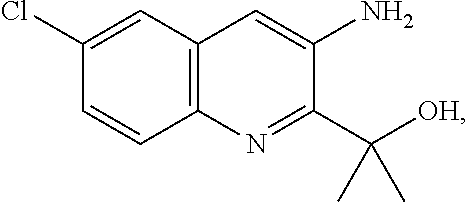
disclosed in PCT publication WO 2006/127945, rapidly traps MDA and HNE, even in the presence of peptides and phospholipids, which are the biological targets of these aldehydes.

are found to be useful in treating a disease, disorder, or condition described herein, such as an ocular disease, disorder, or condition (e.g., dry eye syndrome, conditions associated with PRK or other corneal healing, uveitis, scleritis, ocular Stevens Johnson syndrome, ocular rosacea (with or without meibomian gland dysfunction), cataracts, keratoconus, bullous and other keratopathy, and endothelial dystrophy and related disorders).

or a pharmaceutically acceptable salt thereof, wherein each of the variables in formula (I) is described in detail below.

or a pharmaceutically acceptable salt thereof.

or a pharmaceutically acceptable salt thereof, wherein each of the variables in formula (II) is described in detail below.

or a pharmaceutically acceptable salt thereof.


or a pharmaceutically acceptable salt thereof, wherein each of the variables in formulae (IIIa)-(IIIf) is described in detail below.

or a pharmaceutically acceptable salt thereof. Preferably, the compound is Compound (1) or (2).

or a pharmaceutically acceptable salt thereof.

or a pharmaceutically acceptable salt thereof, wherein each of the variables in formula (IV) is described in detail below.

or a pharmaceutically acceptable salt thereof, wherein each of the variables in formulae (IVa) and (IVb) is described in detail below.

or a pharmaceutically acceptable salt thereof.

or a pharmaceutically acceptable salt thereof, wherein each of the variables in formula (I) is described in detail below.

or a pharmaceutically acceptable salt thereof.

or a pharmaceutically acceptable salt thereof, wherein each of the variables in formula (II) is described in detail below.

or a pharmaceutically acceptable salt thereof.


or a pharmaceutically acceptable salt thereof, wherein each of the variables in formulae (IIIa)-(IIIf) is described in detail below.

or a pharmaceutically acceptable salt thereof. Preferably, the compound is Compound (1) or (2)

or a pharmaceutically acceptable salt thereof.

or a pharmaceutically acceptable salt thereof, wherein each of the variables in formula (IV) is described in detail below.

or a pharmaceutically acceptable salt thereof, wherein each of the variables in formulae (IVa) and (IVb) is described in detail below.

or a pharmaceutically acceptable salt thereof.

or a pharmaceutically acceptable salt thereof, wherein each of the variables in formula (I) is described in detail below.

or a pharmaceutically acceptable salt thereof.

or a pharmaceutically acceptable salt thereof, wherein cach of the variables in formula (II) is described in detail below.

or a pharmaceutically acceptable salt thereof.


or a pharmaceutically acceptable salt thereof, wherein each of the variables in formulae (IIIa)-(IIIf) is described in detail below.

or a pharmaceutically acceptable salt thereof. Preferably, the compound is Compound (1) or (2).

or a pharmaceutically acceptable salt thereof.

or a pharmaceutically acceptable salt thereof, wherein each of the variables in formula (IV) is described in detail below.

or a pharmaceutically acceptable salt thereof, wherein each of the variables in formulae (IVa) and (IVb) is described in detail below.

or a pharmaceutically acceptable salt thereof.

or a pharmaceutically acceptable salt thereof, wherein each of the variables in formula (I) is described in detail below.

or a pharmaceutically acceptable salt thereof.

or a pharmaceutically acceptable salt thereof, wherein each of the variables in formula (II) is described in detail below.

or a pharmaceutically acceptable salt thereof.


or a pharmaceutically acceptable salt thereof, wherein each of the variables in formulae (IIIa)-(IIIf) is described in detail below.

or a pharmaceutically acceptable salt thereof. Preferably, the compound is Compound (1) or (2).

or a pharmaceutically acceptable salt thereof.

or a pharmaceutically acceptable salt thereof, wherein each of the variables in formula (IV) is described in detail below.

or a pharmaceutically acceptable salt thereof, wherein each of the variables in formulae (IVa) and (IVb) is described in detail below.

or a pharmaceutically acceptable salt thereof.
Compounds Useful in the Invention

or a pharmaceutically acceptable salt thereof, wherein:


In a further illustration, the compounds of formula (I) are the compounds wherein p is 1 and RA is

In yet a further illustration, the compounds of formula (I) are the compounds wherein p is 1; RA is

and each Qa is methyl.

and RB is halogen. In yet a further illustration, the compounds of formula (I) are the compounds wherein p is 1; RA is

each Qa is methyl; and RB is halogen. In one exemplification, RB is Cl.


or a pharmaceutically acceptable salt thereof, wherein:
-
- hydroxyl, F, Cl,
- unsubstituted C1-C6 alkoxy, C1-C6 alkoxy substituted with halogen or phenyl,
- unsubstituted phenyl, phenyl substituted with one or more substituents independently selected from F, Cl, and unsubstituted C1-C6 alkoxy,
- unsubstituted phenoxy, and phenoxy substituted with one or more substituents independently selected from F, Cl, unsubstituted C1-C6 alkyl, C1-C6 alkyl substituted with F or Cl, unsubstituted C1-C6 alkoxy, and nitro.

or a pharmaceutically acceptable salt thereof.

or a pharmaceutically acceptable salt thereof, wherein:

wherein “*” denotes the positions of the carbon atoms to which the substituents are attached on the phenyl ring, or

wherein “*” denotes the positions of the atoms to which the two R0 are attached, or

wherein “*” denotes the position of the carbon atom to which both Qb are attached, wherein the carbocycle or the heterocycle is optionally substituted with one or more Rb3; and

or a pharmaceutically acceptable salt thereof.

wherein “*” denotes the position of the carbon atom to which both Qb are attached.

Preferably, the compound is Compound (1) or (2).

or a pharmaceutically acceptable salt thereof.


wherein “*” denotes the position of the carbon atom to which the two Qb are attached.

or a pharmaceutically acceptable salt thereof, wherein:

then RC1 is C(QC)2OH, RC2 is absent, and RC′ is absent, and that when the heteroaryl ring is

then RC1 is absent, RC2 is NH2, and RC′ is absent;


wherein “*” denotes the position of the carbon atom to which the two QC are attached;


In another example, A′ and R′, together with the two adjacent carbon atoms to which they are attached, form

In one example, each QC is independently C1-C6 alkyl (e.g., methyl, ethyl, propyl, and butyl). In a further example, each QC is methyl.

RC2 is NH2; each QC is methyl; and q is 0. In another further example of formula (IV), A′ and R′, together with the two adjacent carbon atoms to which they are attached, form

RC1 is C(QC)2OH; each QC is methyl; and q is 0.

or a pharmaceutically acceptable salt thereof, wherein:

wherein “*” denotes the position of the carbon atom to which the two QC are attached.

or a pharmaceutically acceptable salt thereof, wherein:

wherein “*” denotes the position of the carbon atom to which the two QC are attached.

or a pharmaceutically acceptable salt thereof.

or a pharmaceutically acceptable salt thereof, wherein:

wherein “*” denotes the position of the carbon atom to which the two QC are attached.

or a pharmaceutically acceptable salt thereof, wherein RC, T1, and QC are defined above in formula (IVa2) or (IVa3).

or a pharmaceutically acceptable salt thereof.

or a pharmaceutically acceptable salt thereof, wherein:

wherein “*” denotes the position of the carbon atom to which the two QC are attached.

or a pharmaceutically acceptable salt thereof.

or a pharmaceutically acceptable salt thereof, wherein:

wherein “*” denotes the position of the carbon atom to which the two QC are attached;

or a pharmaceutically acceptable salt thereof, wherein:

| TABLE 1 | |
| | |
| # | |
| 1 |
 |
| 2 |
 |
| 3 |
 |
| 4 |
 |
| 5 |
 |
| 6 |
 |
| 7 |
 |
| 8 |
 |
| 9 |
 |
| 10 |
 |
| 11 |
 |
| 12 |
 |
| 13 |
 |
| 14 |
 |
| 15 |
 |
| 16 |
 |
| 17 |
 |
| 18 |
 |
| TABLE 2 |
| 3-aminomethyl-5-methylhexanoic acid, |
| 3-aminomethyl-5-methylheptanoic acid, |
| 3-aminomethyl-5-methyl-octanoic acid, |
| 3-aminomethyl-5-methyl-nonanoic acid, |
| 3-aminomethyl-5-methyl-decanoic acid, |
| 3-aminomethyl-5-methyl-undecanoic acid, |
| 3-aminomethyl-5-methyl-dodecanoic acid, |
| 3-aminomethyl-5-methyl-tridecanoic acid, |
| 3-aminomethyl-5-cyclopropyl-hexanoic acid, |
| 3-aminomethyl-5-cyclobutyl-hexanoic acid, |
| 3-aminomethyl-5-cyclopentyl-hexanoic acid, |
| 3-aminomethyl-5-cyclohexyl-hexanoic acid, |
| 3-aminomethyl-5-trifluoromethyl-hexanoic acid, |
| 3-aminomethyl-5-phenyl-hexanoic acid, |
| 3-aminomethyl-5-(2-chlorophenyl)-hexanoic acid, |
| 3-aminomethyl-5-(3-chlorophenyl)-hexanoic acid, |
| 3-aminomethyl-5-(4-chlorophenyl)-hexanoic acid, |
| 3-aminomethyl-5-(2-methoxyphenyl)-hexanoic acid, |
| 3-aminomethyl-5-(3-methoxyphenyl)-hexanoic acid, |
| 3-aminomethyl-5-(4-methoxyphenyl)-hexanoic acid, |
| 3-aminomethyl-5-benzyl-hexanoic acid, |
| (S)-3-aminomethyl-5-methylhexanoic acid, |
| (R)-3-aminomethyl-5-methylhexanoic acid, |
| (3R,4S)-3-aminomethyl-4,5-dimethyl-hexanoic acid, |
| 3-aminomethyl-4,5-dimethyl-hexanoic acid, |
| (3R,4S)-3-aminomethyl-4,5-dimethyl-hexanoic acid MP; |
| (3S,4S)-3-aminomethyl-4,5-dimethyl-hexanoic acid, |
| (3R,4R)-3-aminomethyl-4,5-dimethyl-hexanoic acid MP; |
| 3-aminomethyl-4-isopropyl-hexanoic acid, |
| 3-aminomethyl-4-isopropyl-heptanoic acid, |
| 3-aminomethyl-4-isopropyl-octanoic acid, |
| 3-aminomethyl-4-isopropyl-nonanoic acid, |
| 3-aminomethyl-4-isopropyl-decanoic acid, |
| 3-aminomethyl-4-phenyl-5-methyl-hexanoic acid, |
| (3S,5S)-3-aminomethyl-5-methoxy-hexanoic acid, |
| (3S,5S)-3-aminomethyl-5-ethoxy-hexanoic acid, |
| (3S,5S)-3-aminomethyl-5-propoxy-hexanoic acid, |
| (3S,5S)-3-aminomethyl-5-isopropoxy-hexanoic acid, |
| (3S,5S)-3-aminomethyl-5-tert-butoxy-hexanoic acid, |
| (3S,5S)-3-aminomethyl-5-fluoromethoxy-hexanoic acid, |
| (3S,5S)-3-aminomethyl-5-(2-fluoro-ethoxy)-hexanoic acid, |
| (3S,5S)-3-aminomethyl-5-(3,3,3-trifluoro-propoxy)-hexanoic acid, |
| (3S,5S)-3-aminomethyl-5-phenoxy-hexanoic acid, |
| (3S,5S)-3-aminomethyl-5-(4-chloro-phenoxy)-hexanoic acid, |
| (3S,5S)-3-aminomethyl-5-(3-chloro-phenoxy)-hexanoic acid, |
| (3S,5S)-3-aminomethyl-5-(2-chloro-phenoxy)-hexanoic acid, |
| (3S,5S)-3-aminomethyl-5-(4-fluoro-phenoxy)-hexanoic acid, |
| (3S,5S)-3-aminomethyl-5-(3-fluoro-phenoxy)-hexanoic acid, |
| (3S,5S)-3-aminomethyl-5-(2-fluoro-phenoxy)-hexanoic acid, |
| (3S,5S)-3-aminomethyl-5-(4-methoxy-phenoxy)-hexanoic acid, |
| (3S,5S)-3-aminomethyl-5-(3-methoxy-phenoxy)-hexanoic acid, |
| (3S,5S)-3-aminomethyl-5-(2-methoxy-phenoxy)-hexanoic acid, |
| (3S,5S)-3-aminomethyl-5-(4-nitro-phenoxy)-hexanoic acid, |
| (3S,5S)-3-aminomethyl-5-(3-nitro-phenoxy)-hexanoic acid, |
| (3S,5S)-3-aminomethyl-5-(2-nitro-phenoxy)-hexanoic acid, |
| (3S,5S)-3-aminomethyl-6-hydroxy-5-methyl-hexanoic acid, |
| (3S,5S)-3-aminomethyl-6-methoxy-5-methyl-hexanoic acid, |
| (3S,5S)-3-aminomethyl-6-ethoxy-5-methyl-hexanoic acid, |
| (3S,5S)-3-aminomethyl-5-methyl-6-propoxy-hexanoic acid, |
| (3S,5S)-3-aminomethyl-6-isopropoxy-5-methyl-hexanoic acid, |
| (3S,5S)-3-aminomethyl-6-tert-butoxy-5-methyl-hexanoic acid, |
| (3S,5S)-3-aminomethyl-6-fluoromethoxy-5-methyl-hexanoic acid, |
| (3S,5S)-3-aminomethyl-6-(2-fluoro-ethoxy)-5-methyl-hexanoic acid, |
| (3S,5S)-3-aminomethyl-5-methyl-6-(3,3,3-trifluoro-propoxy)-hexanoic acid, |
| (3S,5S)-3-aminomethyl-5-methyl-6-phenoxy-hexanoic acid, |
| (3S,5S)-3-aminomethyl-6-(4-chloro-phenoxy)-5-methyl-hexanoic acid, |
| (3S,5S)-3-aminomethyl-6-(3-chloro-phenoxy)-5-methyl-hexanoic acid, |
| (3S,5S)-3-aminomethyl-6-(2-chloro-phenoxy)-5-methyl-hexanoic acid, |
| (3S,5S)-3-aminomethyl-6-(4-fluoro-phenoxy)-5-methyl-hexanoic acid, |
| (3S,5S)-3-aminomethyl-6-(3-fluoro-phenoxy)-5-methyl-hexanoic acid, |
| (3S,5S)-3-aminomethyl-6-(2-fluoro-phenoxy)-5-methyl-hexanoic acid, |
| (3S,5S)-3-aminomethyl-6-(4-methoxy-phenoxy)-5-methyl-hexanoic acid, |
| (3S,5S)-3-aminomethyl-6-(3-methoxy-phenoxy)-5-methyl-hexanoic acid, |
| (3S,5S)-3-aminomethyl-6-(2-methoxy-phenoxy)-5-methyl-hexanoic acid, |
| (3S,5S)-3-aminomethyl-5-methyl 6-(4-trifluoromethyl-phenoxy)-hexanoic |
| acid, |
| (3S,5S)-3-aminomethyl-5-methyl 6-(3-trifluoromethyl-phenoxy)-hexanoic |
| acid, |
| (3S,5S)-3-aminomethyl-5-methyl 6-(2-trifluoromethyl-phenoxy)-hexanoic |
| acid, |
| (3S,5S)-3-aminomethyl-5-methyl 6-(4-nitro-phenoxy)-hexanoic acid, |
| (3S,5S)-3-aminomethyl-5-methyl 6-(3-nitro-phenoxy)-hexanoic acid, |
| (3S,5S)-3-aminomethyl-5-methyl 6-(2-nitro-phenoxy)-hexanoic acid, |
| (3S,5S)-3-aminomethyl-6-benzyloxy-5-methyl-hexanoic acid, |
| (3S,5S)-3-aminomethyl-7-hydroxy-5-methyl-heptanoic acid, |
| (3S,5S)-3-aminomethyl-7-methoxy-5-methyl-heptanoic acid, |
| (3S,5S)-3-aminomethyl-7-ethoxy-5-methyl-heptanoic acid, |
| (3S,5S)-3-aminomethyl-5-methyl-7-propoxy-heptanoic acid, |
| (3S,5S)-3-aminomethyl-7-isopropoxy-5-methyl-heptanoic acid, |
| (3S,5S)-3-aminomethyl-7-tert-butoxy-5-methyl-heptanoic acid, |
| (3S,5S)-3-aminomethyl-7-fluoromethoxy-5-methyl-heptanoic acid, |
| (3S,5S)-3-aminomethyl-7-(2-fluoro-ethoxy)-5-methyl-heptanoic acid, |
| (3S,5S)-3-aminomethyl-5-methyl-7-(3,3,3-trifluoro-propoxy)-heptanoic acid, |
| (3S,5S)-3-aminomethyl-7-benzyloxy-5-methyl-heptanoic acid, |
| (3S,5S)-3-aminomethyl-5-methyl-7-phenoxy-heptanoic acid, |
| (3S,5S)-3-aminomethyl-7-(4-chloro-phenoxy)-5-methyl-heptanoic acid, |
| (3S,5S)-3-aminomethyl-7-(3-chloro-phenoxy)-5-methyl-heptanoic acid, |
| (3S,5S)-3-aminomethyl-7-(2-chloro-phenoxy)-5-methyl-heptanoic acid, |
| (3S,5S)-3-aminomethyl-7-(4-fluoro-phenoxy)-5-methyl-heptanoic acid, |
| (3S,5S)-3-aminomethyl-7-(3-fluoro-phenoxy)-5-methyl-heptanoic acid, |
| (3S,5S)-3-aminomethyl-7-(2-fluoro-phenoxy)-5-methyl-heptanoic acid, |
| (3S,5S)-3-aminomethyl-7-(4-methoxy-phenoxy)-5-methyl-heptanoic acid, |
| (3S,5S)-3-aminomethyl-7-(3-methoxy-phenoxy)-5-methyl-heptanoic acid, |
| (3S,5S)-3-aminomethyl-7-(2-methoxy-phenoxy)-5-methyl-heptanoic acid, |
| (3S,5S)-3-aminomethyl-5-methyl-7-(4-trifluoromethyl-phenoxy)-heptanoic |
| acid, |
| (3S,5S)-3-aminomethyl-5-methyl-7-(3-trifluoromethyl-phenoxy)-heptanoic |
| acid, |
| (3S,5S)-3-aminomethyl-5-methyl-7-(2-trifluoromethyl-phenoxy)-heptanoic |
| acid, |
| (3S,5S)-3-aminomethyl-5-methyl-7-(4-nitro-phenoxy)-heptanoic acid, |
| (3S,5S)-3-aminomethyl-5-methyl-7-(3-nitro-phenoxy)-heptanoic acid, |
| (3S,5S)-3-aminomethyl-5-methyl-7-(2-nitro-phenoxy)-heptanoic acid, |
| (3S,5S)-3-aminomethyl-5-methyl-6-phenyl-hexanoic acid, |
| (3S,5S)-3-aminomethyl-6-(4-chloro-phenyl)-5-methyl-hexanoic acid, |
| (3S,5S)-3-aminomethyl-6-(3-chloro-phenyl)-5-methyl-hexanoic acid, |
| (3S,5S)-3-aminomethyl-6-(2-chloro-phenyl)-5-methyl-hexanoic acid, |
| (3S,5S)-3-aminomethyl-6-(4-methoxy-phenyl)-5-methyl-hexanoic acid, |
| (3S,5S)-3-aminomethyl-6-(3-methoxy-phenyl)-5-methyl-hexanoic acid, |
| (3S,5S)-3-aminomethyl-6-(2-methoxy-phenyl)-5-methyl-hexanoic acid, |
| (3S,5S)-3-aminomethyl-6-(4-fluoro-phenyl)-5-methyl-hexanoic acid, |
| (3S,5S)-3-aminomethyl-6-(3-fluoro-phenyl)-5-methyl-hexanoic acid, |
| (3S,5S)-3-aminomethyl-6-(2-fluoro-phenyl)-5-methyl-hexanoic acid, |
| (3S,5R)-3-aminomethyl-5-methyl-7-phenyl-heptanoic acid, |
| (3S,5R)-3-aminomethyl-7-(4-chloro-phenyl)-5-methyl-heptanoic acid, |
| (3S,5R)-3-aminomethyl-7-(3-chloro-phenyl)-5-methyl-heptanoic acid, |
| (3S,5R)-3-aminomethyl-7-(2-chloro-phenyl)-5-methyl-heptanoic acid, |
| (3S,5R)-3-aminomethyl-7-(4-methoxy-phenyl)-5-methyl-heptanoic acid, |
| (3S,5R)-3-aminomethyl-7-(3-methoxy-phenyl)-5-methyl-heptanoic acid, |
| (3S,5R)-3-aminomethyl-7-(2-methoxy-phenyl)-5-methyl-heptanoic acid, |
| (3S,5R)-3-aminomethyl-7-(4-fluoro-phenyl)-5-methyl-heptanoic acid, |
| (3S,5R)-3-aminomethyl-7-(3-fluoro-phenyl)-5-methyl-heptanoic acid, |
| (3S,5R)-3-aminomethyl-7-(2-fluoro-phenyl)-5-methyl-heptanoic acid, |
| (3S,5R)-3-aminomethyl-5-methyl-oct-7-enoic acid, |
| (3S,5R)-3-aminomethyl-5-methyl-non-8-enoic acid, |
| (E)-(3S,5S)-3-aminomethyl-5-methyl-oct-6-enoic acid, |
| (Z)-(3S,5S)-3-aminomethyl-5-methyl-oct-6-enoic acid, |
| (Z)-(3S,5S)-3-aminomethyl-5-methyl-non-6-enoic acid, |
| (E)-(3S,55)-3-aminomethyl-5-methyl-non-6-enoic acid, |
| (E)-(3S,5R)-3-aminomethyl-5-methyl-non-7-enoic acid, |
| (Z)-(3S,5R)-3-aminomethyl-5-methyl-non-7-enoic acid, |
| (Z)-(3S,5R)-3-aminomethyl-5-methyl-dec-7-enoic acid, |
| (E)-(3S,5R)-3-aminomethyl-5-methyl-undec-7-enoic acid, |
| (3S,5S)-3-aminomethyl-5,6,6-trimethyl-heptanoic acid, |
| (3S,5S)-3-aminomethyl-5,6-dimethyl-heptanoic acid, |
| (3S,5S)-3-aminomethyl-5-cyclopropyl-hexanoic acid, |
| (3S,5S)-3-aminomethyl-5-cyclobutyl-hexanoic acid, |
| (3S,5S)-3-aminomethyl-5-cyclopentyl-hexanoic acid, |
| (3S,5S)-3-aminomethyl-5-cyclohexyl-hexanoic acid, |
| (3S,5R)-3-aminomethyl-5-methyl-heptanoic acid, |
| (3S,5R)-3-aminomethyl-5-methyl-octanoic acid, |
| (3S,5R)-3-aminomethyl-5-methyl-nonanoic acid, |
| (3S,5R)-3-aminomethyl-5-methyl-decanoic acid, |
| (3S,5R)-3-aminomethyl-5-methyl-undecanoic acid, |
| (3S,5R)-3-aminomethyl-5-methyl-dodecanoic acid, |
| (3S,5R)-3-aminomethyl-5,9-dimethyl-decanoic acid, |
| (3S,5R)-3-aminomethyl-5,7-dimethyl-octanoic acid, |
| (3S,5R)-3-aminomethyl-5,8-dimethyl-nonanoic acid, |
| (3S,5R)-3-aminomethyl-6-cyclopropyl-5-methyl-hexanoic acid, |
| (3S,5R)-3-aminomethyl-6-cyclobutyl-5-methyl-hexanoic acid, |
| (3S,5R)-3-aminomethyl-6-cyclopentyl-5-methyl-hexanoic acid, |
| (3S,5R)-3-aminomethyl-6-cyclohexyl-5-methyl-hexanoic acid, |
| (3S,5R)-3-aminomethyl-7-cyclopropyl- 5-methyl-heptanoic acid, |
| (3S,5R)-3-aminomethyl-7-cyclobutyl-5-methyl-heptanoic acid, |
| (3S,5R)-3-aminomethyl-7-cyclopentyl-5-methyl-heptanoic acid, |
| (3S,5R)-3-aminomethyl-7-cyclohexyl-5-methyl-heptanoic acid, |
| (3S,5R)-3-aminomethyl-8-cyclopropyl-5-methyl-octanoic acid, |
| (3S,5R)-3-aminomethyl-8-cyclobutyl-5-methyl-octanoic acid, |
| (3S,5R)-3-aminomethyl-8-cyclopentyl-5-methyl-octanoic acid, |
| (3S,5R)-3-aminomethyl-8-cyclohexyl-5-methyl-octanoic acid, |
| (3S,5S)-3-aminomethyl-6-fluoro-5-methyl-hexanoic acid, |
| (3S,5S)-3-aminomethyl-7-fluoro-5-methyl-heptanoic acid, |
| (3S,5R)-3-arninomethyl-8-fluoro-5-methyl-octanoic acid, |
| (3S,5R)-3-aminomethyl-9-fluoro-5-methyl-nonanoic acid, |
| (3S,5S)-3-aminomethyl-7,7,7-trifluoro-5-methyl-heptanoic acid, |
| (3S,5R)-3-aminomethyl-8,8,8-trifluoro-5-methyl-octanoic acid, |
| (3S,5R)-3-aminomethyl-5-methyl-8-phenyl-octanoic acid, |
| (3S,5S)-3-aminomethyl-5-methyl-6-phenyl-hexanoic acid, |
| (3S,5R)-3-aminomethyl-5-methyl-7-phenyl-heptanoic acid. |
- Aldini, G. et al., “The carbonyl scavenger carnosine ameliorates dyslipidemia and renal function in Zucker obese rats,” L. Cell Med. 15: 1339-1354 (2010).
- Batista, T. M. et al., “Age-dependent changes in rat lacrimal gland anti-oxidant and vesicular related protein expression profiles,” Molecular Vision 18: 194-202 (2012).
- Bartoli, M.L. et al., Mediators Of Inflammation, Article 891752.
- Buddi, R. et al., “Evidence of Oxidative Stress in Human Corneal Diseases,” J. of Histochem & Cytochem 50: 341-351 (2002).
- Fitzmaurice, A.G. et al., “Aldehyde dehydrogenase inhibition as a pathogenic mechanism in Parkinson's disease,” PNAC 110: 636-41 (2013).
- Hassan, S. Z. et al., “Oxidative stress in systemic lupus erythematosus and rheumatoid arthritis patients: relationship to disease manifestations and activity,” Int. J. Rheum. Dis. 14: 325-31 (2011).
- Jafari, M. et al., “Evaluation of plasma, erythrocytes, and bronchoalveolar lavage fluid antioxidant defense system in sulfur mustard-injured patients,” Clinical Toxicology 48: 184-192 (2010).
- Jordan et al., WO 2006/127945.
- Kenney, M. C. et al., “The Cascade Hypothesis of Keratoconus,” Contact Lens & Anterior Eye 26: 139-146 (2003).
- Kamino, K. et al., Biochem Res Commun. 273: 192-6 (2000).
- Leibundgut, G., “Oxidation-specific epitopes and immunological responses: Translational biotheranostic implications foir atherosclerosis,” Current Opinion in Pharmacology 13: 168-179 (2013).
- Maeda, A. et al., “Primary amines protect against retinal degeneration in mouse models of retinopathies,” Nature Chemical Biology 8: 170-178 (2012).
- Marnett, L. J., “Oxy radicals, lipid peroxidation and DNA damage,” Toxicology 181-182: 219-222 (2002).
- Nakamura, S. et al., “Involvement of Oxidative Stress on Corneal Epithelial Alterations in a Blink-Suppressed Dry Eye,” Investigative Ophthalmology & Visual Science 48: 1552-1558 (2007).
- Negre-Salvayre, A. et al., “Advanced lipid peroxidation end products in oxidative damage to proteins. Potential role in diseases and therapeutic prospects for the inhibitors,” British Journal of Pharmacology 153: 6-20 (2008).
- Niwa, Y. et al., “Protein oxidative damage in the stratum corneum: evidence for a link between environmental oxidants and the changing prevalence and nature of atopic dermatitis in Japan,” Br. J. Dermatol. 149: 248-254 (2003).
- Pal, A. et al., “Sulfur mustard analog induces oxidative stress and activates signaling cascades in the skin of SKH-1 hairless mice,” Free Radic Biol Med. 47: 1640-1651 (2009).
- Palczewski, et al. US2012/0295895.
- Reed, T. T., “Lipid Peroxidation and neurodegenerative disease,” Free Radic Biol Med. 51: 1302-19, (2011).
- Rizzo, W. B. et al., “Ichtyosis in Sjogren-Larsson syndrome reflects defective barrier function due to abnormal lamellar body structure and secretion,” Arch Dermatol Res 302: 443-451 (2010).
- Sciuto, A. M. et al., “Therapeutic treatments of phosgene-induced lung injury,” Inhal Toxicol. 16: 565-80 (abstract) (2004).
- Sikar, A. A. et al., “Nitric oxide and malondialdehyde levels in plasma and tissue of psoriasis patients,” J. Eur Acad Dermatol Venereol 26: 833-7 (2012).
- Tewari-Singh, N. et al., “Silibinin Attenuates Sulfur Mustard Analog-Induced Skin Injury by Targeting Multiple Pathways Connecting Oxidative Stress and Inflammation,” PLOS One 7: e46149 (2009).
- Tikly, M. et al., “Lipid peroxidation and trace elements in systemic sclerosis,” Clin. Rheumatol 25: 320-4 (2006).
- Wood, P. L. et al., “Neurotoxicity of reactive aldehydes: The concept of ‘aldehyde load’ as demonstrated by neuroprotection with hydroxylamines,” Brain Research 1095: 190-199 (2006).
- Wood, P. L., et al., “The concept of aldehyde load in neurodegenerative mechanisms: Cytotoxicity of the polyamine degradation products hydrogen peroxide, acrolein, 3-aminopropanal, 3-acetamidopropanal and 4-aminobutanal in a retinal ganglion cell line,” Brain Res. 1145: 150-6 (2007).
- Zarkovic, K., “4-hydroxynonenal and neurodegenerative disease,” Mol Aspects Med. 24: 293-303 (2003).
- Zhou et al., “Mechanisms for the Induction of HNE- MDA- and AGE-adducts, RAGE and VEGF in Retinal Pigment Epithelial Cells.” Exp. Eye Res. 80: 567-80 (2005).
Claims (20)


Priority Applications (2)
| Application Number | Priority Date | Filing Date | Title |
|---|---|---|---|
| US18/236,795 US12128013B2 (en) | 2013-01-23 | 2023-08-22 | Toxic aldehyde related diseases and treatment |
| US18/904,373 US20250127733A1 (en) | 2013-01-23 | 2024-10-02 | Toxic aldehyde related diseases and treatment |
Applications Claiming Priority (11)
| Application Number | Priority Date | Filing Date | Title |
|---|---|---|---|
| US201361755613P | 2013-01-23 | 2013-01-23 | |
| US201361901796P | 2013-11-08 | 2013-11-08 | |
| PCT/US2014/012762 WO2014116836A2 (en) | 2013-01-23 | 2014-01-23 | Toxic aldehyde related diseases and treatment |
| US201514760039A | 2015-07-09 | 2015-07-09 | |
| US15/590,708 US10213395B2 (en) | 2013-01-23 | 2017-05-09 | Toxic aldehyde related diseases and treatment |
| US16/262,364 US10543181B2 (en) | 2013-01-23 | 2019-01-30 | Toxic aldehyde related diseases and treatment |
| US16/277,865 US10588874B2 (en) | 2013-01-23 | 2019-02-15 | Toxic aldehyde related diseases and treatment |
| US16/773,654 US11007157B2 (en) | 2013-01-23 | 2020-01-27 | Toxic aldehyde related diseases and treatment |
| US17/227,568 US11701331B2 (en) | 2013-01-23 | 2021-04-12 | Toxic aldehyde related diseases and treatment |
| US17/653,827 US11771664B2 (en) | 2013-01-23 | 2022-03-07 | Toxic aldehyde related diseases and treatment |
| US18/236,795 US12128013B2 (en) | 2013-01-23 | 2023-08-22 | Toxic aldehyde related diseases and treatment |
Related Parent Applications (1)
| Application Number | Title | Priority Date | Filing Date |
|---|---|---|---|
| US17/653,827 Continuation US11771664B2 (en) | 2013-01-23 | 2022-03-07 | Toxic aldehyde related diseases and treatment |
Related Child Applications (1)
| Application Number | Title | Priority Date | Filing Date |
|---|---|---|---|
| US18/904,373 Continuation US20250127733A1 (en) | 2013-01-23 | 2024-10-02 | Toxic aldehyde related diseases and treatment |
Publications (2)
| Publication Number | Publication Date |
|---|---|
| US20240189260A1 US20240189260A1 (en) | 2024-06-13 |
| US12128013B2 true US12128013B2 (en) | 2024-10-29 |
Family
ID=51228191
Family Applications (9)
| Application Number | Title | Priority Date | Filing Date |
|---|---|---|---|
| US14/760,039 Active US9687481B2 (en) | 2013-01-23 | 2014-01-23 | Toxic aldehyde related diseases and treatment |
| US15/590,708 Active US10213395B2 (en) | 2013-01-23 | 2017-05-09 | Toxic aldehyde related diseases and treatment |
| US16/262,364 Active US10543181B2 (en) | 2013-01-23 | 2019-01-30 | Toxic aldehyde related diseases and treatment |
| US16/277,865 Active US10588874B2 (en) | 2013-01-23 | 2019-02-15 | Toxic aldehyde related diseases and treatment |
| US16/773,654 Active US11007157B2 (en) | 2013-01-23 | 2020-01-27 | Toxic aldehyde related diseases and treatment |
| US17/227,568 Active US11701331B2 (en) | 2013-01-23 | 2021-04-12 | Toxic aldehyde related diseases and treatment |
| US17/653,827 Active 2034-01-23 US11771664B2 (en) | 2013-01-23 | 2022-03-07 | Toxic aldehyde related diseases and treatment |
| US18/236,795 Active US12128013B2 (en) | 2013-01-23 | 2023-08-22 | Toxic aldehyde related diseases and treatment |
| US18/904,373 Pending US20250127733A1 (en) | 2013-01-23 | 2024-10-02 | Toxic aldehyde related diseases and treatment |
Family Applications Before (7)
| Application Number | Title | Priority Date | Filing Date |
|---|---|---|---|
| US14/760,039 Active US9687481B2 (en) | 2013-01-23 | 2014-01-23 | Toxic aldehyde related diseases and treatment |
| US15/590,708 Active US10213395B2 (en) | 2013-01-23 | 2017-05-09 | Toxic aldehyde related diseases and treatment |
| US16/262,364 Active US10543181B2 (en) | 2013-01-23 | 2019-01-30 | Toxic aldehyde related diseases and treatment |
| US16/277,865 Active US10588874B2 (en) | 2013-01-23 | 2019-02-15 | Toxic aldehyde related diseases and treatment |
| US16/773,654 Active US11007157B2 (en) | 2013-01-23 | 2020-01-27 | Toxic aldehyde related diseases and treatment |
| US17/227,568 Active US11701331B2 (en) | 2013-01-23 | 2021-04-12 | Toxic aldehyde related diseases and treatment |
| US17/653,827 Active 2034-01-23 US11771664B2 (en) | 2013-01-23 | 2022-03-07 | Toxic aldehyde related diseases and treatment |
Family Applications After (1)
| Application Number | Title | Priority Date | Filing Date |
|---|---|---|---|
| US18/904,373 Pending US20250127733A1 (en) | 2013-01-23 | 2024-10-02 | Toxic aldehyde related diseases and treatment |
Country Status (13)
| Country | Link |
|---|---|
| US (9) | US9687481B2 (en) |
| EP (1) | EP2948149B1 (en) |
| JP (5) | JP6514114B2 (en) |
| KR (2) | KR102435676B1 (en) |
| CN (3) | CN117045653A (en) |
| AU (2) | AU2014209387B2 (en) |
| CA (2) | CA3195807A1 (en) |
| HK (1) | HK1217439A1 (en) |
| IL (1) | IL239735B (en) |
| MX (2) | MX383535B (en) |
| RU (2) | RU2018145691A (en) |
| SG (1) | SG11201505587YA (en) |
| WO (1) | WO2014116836A2 (en) |
Families Citing this family (29)
| Publication number | Priority date | Publication date | Assignee | Title |
|---|---|---|---|---|
| AU2006249866B2 (en) | 2005-05-26 | 2011-10-13 | Aldeyra Therapeutics, Inc. | Compositions and methods of treating retinal disease |
| WO2011072141A1 (en) | 2009-12-11 | 2011-06-16 | Neuron Systems, Inc. | Compositions and methods for the treatment of macular degeneration |
| AU2013361314A1 (en) | 2012-12-20 | 2015-07-02 | Aldeyra Therapeutics, Inc. | Peri-carbinols |
| CN117045653A (en) | 2013-01-23 | 2023-11-14 | 奥尔德拉医疗公司 | Diseases and treatments associated with toxic aldehydes |
| US10111862B2 (en) | 2013-01-25 | 2018-10-30 | Aldeyra Therapeutics, Inc. | Traps in the treatment of macular degeneration |
| WO2016021706A1 (en) * | 2014-08-08 | 2016-02-11 | カズマパートナーズ株式会社 | Condensed heterocyclic compound |
| US10550085B2 (en) | 2015-08-21 | 2020-02-04 | Aldeyra Therapeutics, Inc. | Deuterated compounds and uses thereof |
| KR20180073553A (en) * | 2015-08-21 | 2018-07-02 | 알데이라 테라퓨틱스, 아이엔씨. | Aldehyde conjugates and uses thereof |
| CN105085427B (en) * | 2015-08-21 | 2018-06-05 | 中国科学院广州生物医药与健康研究院 | A class of benzo[d]isoxazole compounds and their application |
| KR20180116416A (en) | 2016-02-28 | 2018-10-24 | 알데이라 테라퓨틱스, 아이엔씨. | Treatment of allergic eye disease with cyclodextrin |
| CA3022665A1 (en) * | 2016-05-09 | 2017-11-16 | Aldeyra Therapeutics, Inc. | Combination treatment of ocular inflammatory disorders and diseases |
| WO2018039192A1 (en) * | 2016-08-22 | 2018-03-01 | Aldeyra Therapeutics, Inc. | Aldehyde trapping compounds and uses thereof |
| CA3054811A1 (en) | 2017-03-16 | 2018-09-20 | Aldeyra Therapeutics, Inc. | Polymorphic compounds and uses thereof |
| WO2019075136A1 (en) * | 2017-10-10 | 2019-04-18 | Aldeyra Therapeutics, Inc. | Treatment of inflammatory disorders |
| TWI685338B (en) * | 2017-12-14 | 2020-02-21 | 柯瑞 伊里阿斯 J | Prevention and treatment of human metabolic syndrome including type 2 diabetes, steatohepatitis and related conditions using non-absorbable, orally administered compounds |
| WO2020028820A1 (en) | 2018-08-03 | 2020-02-06 | Aldeyra Therapeutics, Inc. | Topical compositions and methods of preparation and use |
| AU2019319740A1 (en) | 2018-08-06 | 2021-03-25 | Aldeyra Therapeutics, Inc. | Polymorphic compounds and uses thereof |
| EP3856478A4 (en) | 2018-09-25 | 2022-06-08 | Aldeyra Therapeutics, Inc. | FORMULATIONS FOR THE TREATMENT OF DRY EYE DISEASE |
| US11786518B2 (en) | 2019-03-26 | 2023-10-17 | Aldeyra Therapeutics, Inc. | Ophthalmic formulations and uses thereof |
| WO2020223717A1 (en) | 2019-05-02 | 2020-11-05 | Aldeyra Therapeutics, Inc. | Process for preparation of aldehyde scavenger and intermediates |
| JP2022530967A (en) | 2019-05-02 | 2022-07-05 | アルデイラ セラピューティクス, インコーポレイテッド | Polymorphic compounds and their use |
| EP3785694A1 (en) * | 2019-08-30 | 2021-03-03 | Hangzhou Ocean Pearl Industrial Co., Ltd. | Eyeliner product and method thereof |
| CA3159453A1 (en) * | 2019-12-30 | 2021-07-08 | Huijun YIN | Tricyclic compound, and preparation method therefor and medical use thereof |
| US20230149383A1 (en) * | 2020-04-13 | 2023-05-18 | Aldeyra Therapeutics, Inc. | Quinoline compounds for treating lung, liver, and kidney diseases, disorders, or conditions |
| WO2021231792A1 (en) | 2020-05-13 | 2021-11-18 | Aldeyra Therapeutics, Inc. | Pharmaceutical formulations and uses thereof |
| JP7488166B2 (en) * | 2020-09-25 | 2024-05-21 | Jswアフティ株式会社 | Targets and deposition equipment |
| EP4273150A4 (en) * | 2020-12-29 | 2024-04-24 | The National Institutes of Pharmaceutical R&D Co., Ltd | TRICYCLIC COMPOUND, METHOD FOR PREPARING IT AND ITS MEDICAL USE |
| WO2022267930A1 (en) * | 2021-06-25 | 2022-12-29 | 中国医药研究开发中心有限公司 | Tricyclic compound, preparation method therefor and medical use thereof |
| AU2022303386A1 (en) * | 2021-07-02 | 2023-12-14 | Aldeyra Therapeutics, Inc. | Heterocyclic aldehyde trapping compounds and uses thereof |
Citations (169)
| Publication number | Priority date | Publication date | Assignee | Title |
|---|---|---|---|---|
| SU50906A1 (en) | 1935-12-20 | 1936-11-30 | А.И. Бурляев | Spindle for spinning machines |
| US2086186A (en) | 1933-10-10 | 1937-07-06 | Us Rubber Co | Treatment of rubber |
| US3912748A (en) | 1972-05-18 | 1975-10-14 | Lilly Industries Ltd | Benzoxazole derivatives |
| SU509046A1 (en) | 1975-02-21 | 1984-06-23 | Всесоюзный научно-исследовательский химико-фармацевтический институт им.Серго Орджоникидзе | Derivatives of 2-carbethoxy-3-aminoindole having antiinflammatory effect and process for preparing same |
| EP0186367A2 (en) | 1984-12-10 | 1986-07-02 | Warner-Lambert Company | Acidic indole compounds and their use as antiallergy agents |
| US4668626A (en) | 1984-10-12 | 1987-05-26 | Director Of National Food Research Institute, Ministry Of Agriculture, Forestry And Fisheries | Method for the preparation of branched cyclodextrins |
| EP0245054A1 (en) | 1986-05-06 | 1987-11-11 | Ici Americas Inc. | Quinoline amides |
| US4956351A (en) | 1987-07-01 | 1990-09-11 | Janssen Pharmaceutica N.V. Frame-543 | Antiviral pharmaceutical compositions containing cyclodextrins |
| US5024998A (en) | 1987-12-30 | 1991-06-18 | University Of Florida | Pharmaceutical formulations for parenteral use |
| US5032392A (en) | 1986-09-04 | 1991-07-16 | Vision Pharmaceuticals | Aqueous ophthalmic solutions for the treatment of dryness and/or irritation of human or animal eyes |
| EP0483881A1 (en) | 1990-11-02 | 1992-05-06 | Merrell Pharmaceuticals Inc. | 3-Amidoindolyl derivatives |
| JPH04264422A (en) | 1990-10-22 | 1992-09-21 | Bausch & Lomb Inc | Method and composition for cleaning contact lens |
| JPH06239748A (en) | 1992-12-25 | 1994-08-30 | Senju Pharmaceut Co Ltd | Cetirizine-containing composition for antiallergic eye drop and nasal drop |
| US5376645A (en) | 1990-01-23 | 1994-12-27 | University Of Kansas | Derivatives of cyclodextrins exhibiting enhanced aqueous solubility and the use thereof |
| JPH0725758A (en) | 1993-05-14 | 1995-01-27 | Taiho Yakuhin Kogyo Kk | Topical antiallergic agent |
| WO1995007274A1 (en) | 1993-09-06 | 1995-03-16 | Knoll Ag | Bicyclic aromatic compounds as therapeutic agents |
| US5472954A (en) | 1992-07-14 | 1995-12-05 | Cyclops H.F. | Cyclodextrin complexation |
| US5493027A (en) | 1993-01-22 | 1996-02-20 | Board Of Regents, The University Of Texas System | Anticonvulsive agents and uses thereof |
| JPH08175985A (en) | 1994-12-26 | 1996-07-09 | Lion Corp | Eye drops |
| WO1996022992A1 (en) | 1995-01-27 | 1996-08-01 | Abbott Laboratories | Tricyclic substituted hexahydrobenz[e]isoindole alpha-1 adrenergic antagonists |
| US5576311A (en) | 1994-11-30 | 1996-11-19 | Pharmos Corporation | Cyclodextrins as suspending agents for pharmaceutical suspensions |
| JPH09169647A (en) | 1995-12-06 | 1997-06-30 | Lab Chauvin Sa | Medicine composition based on mequitazine |
| US5668117A (en) | 1991-02-22 | 1997-09-16 | Shapiro; Howard K. | Methods of treating neurological diseases and etiologically related symptomology using carbonyl trapping agents in combination with previously known medicaments |
| JPH09285529A (en) | 1996-02-19 | 1997-11-04 | San Contact Lens:Kk | Composition for disinfecting hydrous soft contact lens and its use |
| WO1998005645A1 (en) | 1996-08-01 | 1998-02-12 | Dow Agrosciences Llc | 4-substituted quinoline derivatives having fungicidal activity |
| US5767109A (en) | 1993-10-20 | 1998-06-16 | Sanchez; Robert A. | Complexing urushiols |
| JPH10306022A (en) | 1997-05-06 | 1998-11-17 | Lion Corp | Eye drops |
| GB2327672A (en) | 1997-07-23 | 1999-02-03 | Merck & Co Inc | 4-(1,2,3,4-Tetrahydro-1,8-naphthyridin-7-yl)butanoyl-glycyl-3(S)-quinolin-3-yl-beta-alanine |
| WO1999046237A1 (en) | 1998-03-12 | 1999-09-16 | Novo Nordisk A/S | Modulators of protein tyrosine phosphatases |
| US5998488A (en) | 1994-12-26 | 1999-12-07 | Lion Corporation | Ophthalmic composition |
| US6107300A (en) | 1996-03-27 | 2000-08-22 | Dupont Pharmaceuticals | Arylamino fused pyrimidines |
| JP2001041757A (en) | 1999-07-28 | 2001-02-16 | Matsushita Electric Ind Co Ltd | Digital map location information transmission method and device for implementing the method |
| US6191127B1 (en) | 1997-05-02 | 2001-02-20 | Schering Aktiengesellschaft | Substituted heterocycles and their use in medicaments |
| WO2001041757A1 (en) | 1999-12-10 | 2001-06-14 | Senju Pharmaceutical Co., Ltd. | Cyclodextrin-containing pharmaceutical composition |
| WO2001051919A2 (en) | 2000-01-07 | 2001-07-19 | Transform Pharmaceuticals, Inc. | High-throughput formation, identification, and analysis of diverse solid-forms |
| JP2001318350A (en) | 2000-05-11 | 2001-11-16 | Lion Corp | Solution for contact lenses |
| JP2002003364A (en) | 2000-06-23 | 2002-01-09 | Lion Corp | Ophthalmic solution, ophthalmic composition and adsorption suppression method |
| US6358948B1 (en) | 1999-05-04 | 2002-03-19 | American Home Products Corporation | Quinazolinone and benzoxazine derivatives as progesterone receptor modulators |
| US6444221B1 (en) | 1992-06-30 | 2002-09-03 | Howard K. Shapiro | Methods of treating chronic inflammatory diseases using carbonyl trapping agents |
| US6492520B1 (en) | 1996-08-06 | 2002-12-10 | Pfizer Inc | Substituted pyrido-or pyrimido-containing 6,6- or 6,7-bicyclic derivatives |
| US6498154B1 (en) | 1999-05-04 | 2002-12-24 | Wyeth | Cyclic regimens using quinazolinone and benzoxazine derivatives |
| US6515010B1 (en) | 1999-11-15 | 2003-02-04 | Smithkline Beecham Corporation | Carvedilol methanesulfonate |
| US6525056B2 (en) | 1997-09-02 | 2003-02-25 | Bristol-Myers Squibb Company | Heterocyclyl-substituted ring-fused pyridines and pyrimidines as corticotropin releasing hormone (CRH) antagonists, useful for treating cns and stress-related disorders |
| US6569879B2 (en) | 2000-02-18 | 2003-05-27 | Merck & Co., Inc. | Aryloxyacetic acids for diabetes and lipid disorders |
| US20040132636A1 (en) | 2002-12-13 | 2004-07-08 | Dooley David James | Pharmaceutical uses for alpha2delta ligands |
| WO2004082622A2 (en) | 2003-03-14 | 2004-09-30 | University Of Washington | Retinoid replacements and opsin agonists and methods for the use thereof |
| US20040198828A1 (en) | 2003-01-17 | 2004-10-07 | Abelson Mark B. | Combinational use of long-acting and short-acting anti-histamines for ocular allergies |
| WO2004091630A1 (en) | 2003-04-18 | 2004-10-28 | Advanced Medicine Research Institute | Remedies for diseases to be applied to eye |
| US20040235892A1 (en) | 2003-05-22 | 2004-11-25 | Yujia Dai | Indazole and benzisoxazole kinase inhibitors |
| US20050020603A1 (en) | 2003-05-22 | 2005-01-27 | Yujia Dai | Indazole, benzisoxazole, and benzisothiazole kinase inhibitors |
| WO2005035506A1 (en) | 2003-10-15 | 2005-04-21 | Ube Industries, Ltd. | Novel indazole derivative |
| US20050090553A1 (en) | 1992-06-30 | 2005-04-28 | Shapiro Howard K. | Compositions and method for treatment of chronic inflammatory diseases |
| WO2005040151A1 (en) | 2003-10-27 | 2005-05-06 | Astellas Pharma Inc. | Pyrazine derivatives and pharmaceutical use thereof |
| JP2005132834A (en) | 2003-10-09 | 2005-05-26 | Kyowa Hakko Kogyo Co Ltd | Quinoline derivatives |
| WO2005051328A2 (en) | 2003-11-20 | 2005-06-09 | Othera Pharmaceuticals, Inc. | Amelioration of macular degeneration and other ophthalmic diseases |
| JP2005187407A (en) | 2003-12-25 | 2005-07-14 | Lion Corp | Ophthalmic composition for allergic eye diseases |
| WO2005079774A2 (en) | 2004-02-17 | 2005-09-01 | President And Fellows Of Harvard College | Management of ophthalmologic disorders, including macular degeneration |
| US20050197292A1 (en) | 2004-01-30 | 2005-09-08 | Glennda Smithson | Compositions and methods for treating T-cell mediated pathological conditions |
| US20050234018A1 (en) | 2004-04-15 | 2005-10-20 | Allergan, Inc. | Drug delivery to the back of the eye |
| WO2006000421A2 (en) | 2004-06-24 | 2006-01-05 | Wacker-Chemie Gmbh | Ige antibody repressing agent comprising alpha cyclodextrin |
| WO2006002473A1 (en) | 2004-07-02 | 2006-01-12 | Adelaide Research & Innovation Pty Ltd | Method of controlling damage mediated by alpha, beta-unsaturated aldehydes |
| US20060014786A1 (en) | 2002-05-17 | 2006-01-19 | Rajeev Raut | Opthalmic pharmaceutical compositions and methods for treating ocular inflammation |
| WO2006049968A1 (en) | 2004-10-28 | 2006-05-11 | Merck & Co., Inc. | Pyrimidine and quinoline potentiators of metabotropic glutamate receptors |
| US20060111318A1 (en) | 2003-04-18 | 2006-05-25 | Advanced Medicine Research Institute | Agent for treating eye diseases |
| WO2006077821A1 (en) | 2005-01-19 | 2006-07-27 | Dainippon Sumitomo Pharma Co., Ltd. | Aromatic sulfone compound as aldosterone receptor modulator |
| US7083803B2 (en) | 2003-09-19 | 2006-08-01 | Advanced Ocular Systems Limited | Ocular solutions |
| US20060183909A1 (en) | 2001-07-20 | 2006-08-17 | Martine Schmitt | Compositions derived from quinoline and quinoxaline, preparation and use thereof |
| US20060189608A1 (en) | 2005-02-23 | 2006-08-24 | Alcon, Inc. | Methods for treating ocular angiogenesis, retinal edema, retinal ischemia, and diabetic retinopathy using selective RTK inhibitors |
| CN1830964A (en) | 2005-03-11 | 2006-09-13 | 中国科学院上海药物研究所 | 4-substituted anilino-3-nitroquinoline compounds and their preparation methods and uses |
| US20060257488A1 (en) | 2005-05-10 | 2006-11-16 | Cytophil, Inc. | Injectable hydrogels and methods of making and using same |
| WO2006127945A1 (en) | 2005-05-26 | 2006-11-30 | Neuron Systems | Compositions and methods of treating retinal disease |
| US20070243257A1 (en) | 2004-09-17 | 2007-10-18 | Sanofi-Aventis | Pharmaceutical composition comprising a solid dispersion with a polymer matrix containing a continuous polydextrose phase and a continuous phase of a polymer other than polydextrose |
| WO2007118276A1 (en) | 2006-04-14 | 2007-10-25 | Prana Biotechnology Ltd | Method of treatment of age-related macular degeneration(amd) |
| US20070297981A1 (en) | 2006-01-25 | 2007-12-27 | Ousler George W Iii | Formulations and methods for treating dry eye |
| WO2008014602A1 (en) | 2006-07-25 | 2008-02-07 | Envivo Pharmaceuticals, Inc. | Quinoline derivatives |
| WO2008052086A1 (en) | 2006-10-24 | 2008-05-02 | Wyeth | Benzodioxane derivatives and uses thereof |
| US20080108818A1 (en) | 2006-08-14 | 2008-05-08 | Xiaoming Chen | Maleate, tosylate, fumarate and oxalate salts of 5-(1-(S)-amino-2-hydroxyethyl)-N-[(2,4-difluorophenyl)-methy]-2-[8-methoxy-2-(triflouromethy)-5-quinoline]-4-oxazolecarboxamide and preparation process therefore |
| US20080241256A1 (en) | 2007-03-30 | 2008-10-02 | Liisa Kuhn | Targeted active agent delivery system based on calcium phosphate nanoparticles |
| WO2009045479A1 (en) | 2007-10-05 | 2009-04-09 | Acucela Inc. | Alkoxy compounds for disease treatment |
| US20090118503A1 (en) | 2007-06-20 | 2009-05-07 | Kevin Sprott | Faah inhibitors |
| US7531564B2 (en) | 2001-12-05 | 2009-05-12 | Wyeth | Substituted benzoxazoles as estrogenic agents |
| WO2009102418A1 (en) | 2008-02-11 | 2009-08-20 | University Of Washington | Methods for the treatment and prevention of age-related retinal dysfunction |
| WO2010048332A2 (en) | 2008-10-22 | 2010-04-29 | Acucela, Inc. | Compounds for treating ophthalmic diseases and disorders |
| JP4466875B2 (en) | 2006-04-05 | 2010-05-26 | ライオン株式会社 | Eye drops for soft contact lenses |
| US20100240624A1 (en) | 2009-03-17 | 2010-09-23 | Aciex Therapeutics, Inc. | Ophthalmic Formulations of Ketotifen and Methods of Use |
| WO2010133672A1 (en) | 2009-05-20 | 2010-11-25 | Clanotech Ab | Derivatives of quinoline-3-carboxylic acid and their medical use |
| US7842312B2 (en) | 2005-12-29 | 2010-11-30 | Cordis Corporation | Polymeric compositions comprising therapeutic agents in crystalline phases, and methods of forming the same |
| US20100331315A1 (en) | 2009-06-18 | 2010-12-30 | Mustapha Haddach | Rhodanines and related heterocycles as kinase inhibitors |
| WO2011008202A1 (en) | 2009-07-15 | 2011-01-20 | Vanderbilt University | Isoketal scavengers and mitigation of disorders involving oxidative injury |
| US20110071091A1 (en) | 2009-09-23 | 2011-03-24 | Chowhan Masood A | Injectable aqueous ophthalmic composition and method of use therefor |
| US20110105450A1 (en) | 2009-06-05 | 2011-05-05 | Aciex Therapeutics, Inc. | Ophthalmic formulations of fluticasone and methods of use |
| WO2011071995A2 (en) | 2009-12-08 | 2011-06-16 | Case Western Reserve University | Compounds and methods of treating ocular disorders |
| WO2011072141A1 (en) | 2009-12-11 | 2011-06-16 | Neuron Systems, Inc. | Compositions and methods for the treatment of macular degeneration |
| WO2011078204A1 (en) | 2009-12-24 | 2011-06-30 | 浜理薬品工業株式会社 | Prophylactic or therapeutic agent for hyperlipemia, and anti-fatigue agent |
| JP2011203665A (en) | 2010-03-26 | 2011-10-13 | Ophtecs Corp | Defogging product and defogging method for contact lens |
| US20110257271A1 (en) | 2010-03-17 | 2011-10-20 | Concert Pharmaceuticals, Inc. | Derivatives of dimethylcurcumin |
| US8158609B1 (en) | 2006-11-02 | 2012-04-17 | Novartis Ag | Use of cyclodextrins as an active ingredient for treating dry AMD and solubilizing drusen |
| US20120108585A1 (en) | 2008-08-12 | 2012-05-03 | Sirtris Pharmaceuticals, Inc. | Benzoxazoles, benzthiazoles and related analogs as sirtuin modulators |
| WO2012097173A2 (en) | 2011-01-12 | 2012-07-19 | Ventirx Pharmaceuticals, Inc. | Substituted benzoazepines as toll-like receptor modulators |
| WO2012105887A1 (en) | 2011-01-31 | 2012-08-09 | Tim Bowden | Active principle for mitigating undesired medical conditions |
| US20120295967A1 (en) | 2011-05-19 | 2012-11-22 | Gamache Daniel A | High concentration olopatadine ophthalmic composition |
| US8435965B2 (en) | 2005-12-27 | 2013-05-07 | Lion Corporation | Composition for soft contact lens and adsorption suppressing method |
| JP5194218B2 (en) | 2006-06-05 | 2013-05-08 | 株式会社メニコンネクト | Preservation method of hydrous contact lens and hydrous contact lens preserved by the preservation method |
| US20130165419A1 (en) | 2011-12-21 | 2013-06-27 | Insite Vision Incorporated | Combination anti-inflammatory ophthalmic compositions |
| US8490764B2 (en) | 2007-05-30 | 2013-07-23 | Margaret Simester | Portable storage and changing station |
| US20130190500A1 (en) | 2011-12-12 | 2013-07-25 | Neuron Systems, Inc. | Process to prepare 6-chloro-3-amino-2-(2-hydroxypropyl)-1-azanaphthalene |
| US20140038918A1 (en) | 2011-01-20 | 2014-02-06 | Cornell University | Treatments for retinal disorders |
| US20140050797A1 (en) | 2006-08-31 | 2014-02-20 | Aptalis Pharmatech, Inc. | Drug delivery systems comprising solid solutions of wealkly basic drugs |
| WO2014100425A1 (en) | 2012-12-20 | 2014-06-26 | Aldexa Therapeutics, Inc. | Peri-carbinols |
| WO2014116836A2 (en) | 2013-01-23 | 2014-07-31 | Aldexa Therapeutics, Inc. | Toxic aldehyde related diseases and treatment |
| WO2014116593A1 (en) | 2013-01-25 | 2014-07-31 | Aldexa Therapeutics, Inc. | Novel traps in the treatment of macular degeneration |
| US20140235722A1 (en) | 2008-11-11 | 2014-08-21 | Novartis Ag | Organic Compounds |
| WO2015002893A1 (en) | 2013-07-02 | 2015-01-08 | The Trustees Of Columbia University In The City Of New York | Clearance of bioactive lipids from membrane structures by cyclodextrins |
| US9067963B2 (en) | 2012-08-01 | 2015-06-30 | Lewis and Clark Pharmaceuticals, LLC | N-alkyl 2-(disubstituted)alkynyladenosine-5-uronamides as A2A agonists |
| CN104884049A (en) | 2012-11-08 | 2015-09-02 | 克莱尔塞德生物医学股份有限公司 | Methods and devices for treating ocular diseases in human subjects |
| WO2015187942A1 (en) | 2014-06-04 | 2015-12-10 | Case Western Reserve University | Compositions and methods of treating diabetic retinopathy |
| US20160009698A1 (en) | 2013-02-27 | 2016-01-14 | Almirall S.A. | SALTS OF 2-AMINO-1-HYDROXYETHYL-8-HYDROXYQUINOLIN-2(1H)-ONE DERIVATIVES HAVING BOTH β2 ADRENERGIC RECEPTOR AGONIST AND M3 MUSCARINIC RECEPTOR ANTAGONIST ACTIVITIES |
| US20160030449A1 (en) | 2014-07-29 | 2016-02-04 | Therapeuticsmd, Inc. | Transdermal cream |
| US9259427B2 (en) | 2012-01-06 | 2016-02-16 | Rosemont Pharmaceuticals Ltd | Methotrexate composition |
| US20160052930A1 (en) | 2014-08-21 | 2016-02-25 | Pfizer Inc. | Aminopyrimidinyl compounds |
| US20160136231A1 (en) | 2011-10-13 | 2016-05-19 | Rogne Bioscience, Inc. | Topical formulations of chemerin c15 peptides for the treatment of dermatological conditions |
| US20160151381A1 (en) | 2010-09-01 | 2016-06-02 | Arena Pharmaceuticals, Inc. | Salts of lorcaserin with optically active acids |
| WO2016085939A2 (en) | 2014-11-24 | 2016-06-02 | Case Western Reserve University | Compounds and methods of treating ocular disorders |
| US9364430B2 (en) | 2010-10-29 | 2016-06-14 | Relmada Therapeutics, Inc. | Compositions of (-)-17-(cyclobutylmethyl)morphinan-3,14-diol |
| CN105704440A (en) | 2014-11-25 | 2016-06-22 | 霍尼韦尔国际公司 | System and Method of Contextual Adjustment of Video Fidelity to Protect Privac |
| US9375408B2 (en) | 2014-09-02 | 2016-06-28 | Bhupinder Singh | Methods of making a deuterated or a non-deuterated molecule and pharmaceutical formulations for treatment |
| WO2016165626A1 (en) | 2015-04-15 | 2016-10-20 | Beigene, Ltd. | Maleate salts of a b-raf kinase inhibitor, crystalline forms, methods of preparation, and uses therefore |
| WO2017035082A1 (en) | 2015-08-21 | 2017-03-02 | Aldeyra Therapeutics, Inc. | Aldehyde conjugates and uses thereof |
| WO2017035077A1 (en) | 2015-08-21 | 2017-03-02 | Aldeyra Therapeutics, Inc. | Deuterated compounds and uses thereof |
| US20170095449A1 (en) | 2010-02-26 | 2017-04-06 | Xenon Pharmaceuticals Inc. | Pharmaceutical compositions of spiro-oxindole compound for topical administration and their use as therapeutic agents |
| US20170143627A1 (en) | 2014-06-25 | 2017-05-25 | Synergia Bio Sciences Private Limited | A pharmaceutical oil-in-water nano-emulsion |
| WO2017147617A1 (en) | 2016-02-28 | 2017-08-31 | Aldeyra Therapeutics, Inc. | Treatment of allergic eye conditions with cyclodextrins |
| US9817701B2 (en) | 2011-12-12 | 2017-11-14 | International Business Machines Corporation | Threshold computing in a distributed computing system |
| WO2017196881A1 (en) | 2016-05-09 | 2017-11-16 | Aldeyra Therapeutics, Inc. | Combination treatment of ocular inflammatory disorders and diseases |
| WO2017214201A1 (en) | 2016-06-06 | 2017-12-14 | Thesan Pharmaceuticals, Inc. | Formulations for substituted 3-pyrrolidines, compositions containing, and uses of, same |
| US20170354655A1 (en) | 2014-11-17 | 2017-12-14 | Pharmacyclics Llc | Tlr inhibitor and bruton's tyrosine kinase inhibitor combinations |
| US20180050989A1 (en) | 2016-08-22 | 2018-02-22 | Aldeyra Therapeutics, Inc. | Aldehyde trapping compounds and uses thereof |
| WO2018039197A1 (en) | 2016-08-22 | 2018-03-01 | Aldeyra Therapeutics, Inc. | Aldehyde trapping compounds and methods of use thereof |
| WO2018064354A1 (en) | 2016-09-28 | 2018-04-05 | Medicon Pharmaceuticals, Inc. | Compositions and methods for treating ophthalmic conditions |
| WO2018067860A1 (en) | 2016-10-05 | 2018-04-12 | Mitobridge, Inc. | Crystalline and salt forms of ppar agonist compounds |
| WO2018071619A1 (en) | 2016-10-12 | 2018-04-19 | Ps Therapies Ltd | Artificial tear, contact lens and drug vehicle compositions and methods of use thereof |
| WO2018091859A1 (en) | 2016-11-18 | 2018-05-24 | Warneford Healthcare Limited | Ophthalmic compositions comprising a cyclodextrin as sole active agent |
| US20180235980A1 (en) | 2013-01-23 | 2018-08-23 | Semnur Pharmaceuticals, Inc. | Pharmaceutical formulation |
| US10058095B2 (en) | 2013-03-15 | 2018-08-28 | Deuteria Agrochemicals, Llc | Deuterium-enriched aldehydes |
| US20180265474A1 (en) | 2017-03-16 | 2018-09-20 | Aldeyra Therapeutics, Inc. | Polymorphic compounds and uses thereof |
| US20190054023A1 (en) | 2015-12-18 | 2019-02-21 | Midatech Pharma (Wales) Limited | Sustained release cyclosporine-loaded microparticles |
| US20190087646A1 (en) | 2017-09-20 | 2019-03-21 | Google Llc | Systems and Methods of Detecting and Responding to a Visitor to a Smart Home Environment |
| US20190105322A1 (en) | 2017-10-10 | 2019-04-11 | Aldeyra Therapeutics, Inc. | Treatment of inflammatory disorders |
| WO2020018498A1 (en) | 2018-07-16 | 2020-01-23 | Aldeyra Therapeutics, Inc. | Cyclodextrin formulations |
| WO2020028820A1 (en) | 2018-08-03 | 2020-02-06 | Aldeyra Therapeutics, Inc. | Topical compositions and methods of preparation and use |
| WO2020033344A1 (en) | 2018-08-06 | 2020-02-13 | Aldeyra Therapeutics, Inc. | Polymorphic compounds and uses thereof |
| WO2020068986A1 (en) | 2018-09-25 | 2020-04-02 | Aldeyra Therapeutics, Inc. | Formulations for treatment of dry eye disease |
| WO2020072621A1 (en) | 2018-10-02 | 2020-04-09 | Aldeyra Therapeutics, Inc. | Contact lens solutions and kits |
| WO2020118045A1 (en) | 2018-12-05 | 2020-06-11 | Aldeyra Therapeutics, Inc. | Injectable formulations |
| CN111527530A (en) | 2017-12-14 | 2020-08-11 | 路创技术有限责任公司 | Privacy mode for wireless audio devices |
| WO2020198064A1 (en) | 2019-03-26 | 2020-10-01 | Aldeyra Therapeutics, Inc. | Ophthalmic formulations and uses thereof |
| WO2020223685A1 (en) | 2019-05-02 | 2020-11-05 | Aldeyra Therapeutics, Inc. | Polymorphic compounds and uses thereof |
| WO2020223717A1 (en) | 2019-05-02 | 2020-11-05 | Aldeyra Therapeutics, Inc. | Process for preparation of aldehyde scavenger and intermediates |
| WO2021051003A1 (en) | 2019-09-13 | 2021-03-18 | Aldeyra Therapeutics, Inc. | Ophthalmic formulations of methotrexate |
| CN112541870A (en) | 2020-12-07 | 2021-03-23 | 北京大米科技有限公司 | Video processing method and device, readable storage medium and electronic equipment |
| CN112800947A (en) | 2021-01-27 | 2021-05-14 | 上海电气集团股份有限公司 | Video monitoring method, system, electronic equipment and storage medium |
| CN113168511A (en) | 2018-09-24 | 2021-07-23 | 莫维迪乌斯有限公司 | Method and apparatus for generating an occlusion image based on selective privacy and/or location tracking |
| WO2021195211A1 (en) | 2020-03-24 | 2021-09-30 | Aldeyra Therapeutics, Inc. | Quinoline compounds for treating respiratory disorders and viral infections |
| WO2021211625A1 (en) | 2020-04-13 | 2021-10-21 | Aldeyra Therapeutics, Inc. | Quinoline compounds for treating lung, liver, and kidney diseases, disorders, or conditions |
| WO2021231792A1 (en) | 2020-05-13 | 2021-11-18 | Aldeyra Therapeutics, Inc. | Pharmaceutical formulations and uses thereof |
| WO2021248031A1 (en) | 2020-06-04 | 2021-12-09 | Aldeyra Therapeutics, Inc. | Dry eye disease biomarkers and their use for treatment |
| US20220211691A1 (en) | 2021-01-07 | 2022-07-07 | Aldeyra Therapeutics, Inc. | Treatment of dry eye disease |
| WO2022150580A1 (en) | 2021-01-07 | 2022-07-14 | Aldeyra Therapeutics, Inc. | Treatment of dry eye disease |
| WO2023278816A1 (en) | 2021-07-02 | 2023-01-05 | Aldeyra Therapeutics, Inc. | Heterocyclic aldehyde trapping compounds and uses thereof |
Family Cites Families (3)
| Publication number | Priority date | Publication date | Assignee | Title |
|---|---|---|---|---|
| US1020234A (en) | 1911-12-27 | 1912-03-12 | Charles Ward | Water-tube boiler. |
| US5742954A (en) | 1996-11-22 | 1998-04-28 | Softub, Inc. | Electrically powered spa jet unit |
| CN109642009B (en) | 2016-08-09 | 2021-12-10 | 科思创德国股份有限公司 | Silane-functional polymeric polyurethanes |
-
2014
- 2014-01-23 CN CN202311132218.8A patent/CN117045653A/en active Pending
- 2014-01-23 CA CA3195807A patent/CA3195807A1/en active Pending
- 2014-01-23 HK HK16105462.0A patent/HK1217439A1/en unknown
- 2014-01-23 MX MX2015009383A patent/MX383535B/en unknown
- 2014-01-23 JP JP2015553925A patent/JP6514114B2/en active Active
- 2014-01-23 EP EP14743711.5A patent/EP2948149B1/en active Active
- 2014-01-23 RU RU2018145691A patent/RU2018145691A/en not_active Application Discontinuation
- 2014-01-23 CN CN201480005853.2A patent/CN105120866B/en active Active
- 2014-01-23 KR KR1020217011262A patent/KR102435676B1/en active Active
- 2014-01-23 KR KR1020157022673A patent/KR102243169B1/en active Active
- 2014-01-23 SG SG11201505587YA patent/SG11201505587YA/en unknown
- 2014-01-23 WO PCT/US2014/012762 patent/WO2014116836A2/en not_active Ceased
- 2014-01-23 CN CN202010058756.7A patent/CN111135171B/en active Active
- 2014-01-23 US US14/760,039 patent/US9687481B2/en active Active
- 2014-01-23 AU AU2014209387A patent/AU2014209387B2/en active Active
- 2014-01-23 RU RU2015126016A patent/RU2676694C9/en active
- 2014-01-23 CA CA2898631A patent/CA2898631C/en active Active
-
2015
- 2015-07-01 IL IL239735A patent/IL239735B/en active IP Right Grant
- 2015-07-21 MX MX2019012878A patent/MX2019012878A/en unknown
-
2017
- 2017-05-09 US US15/590,708 patent/US10213395B2/en active Active
-
2018
- 2018-10-05 AU AU2018241154A patent/AU2018241154A1/en not_active Abandoned
- 2018-10-22 JP JP2018198154A patent/JP7221021B2/en active Active
-
2019
- 2019-01-30 US US16/262,364 patent/US10543181B2/en active Active
- 2019-02-15 US US16/277,865 patent/US10588874B2/en active Active
-
2020
- 2020-01-27 US US16/773,654 patent/US11007157B2/en active Active
- 2020-02-25 JP JP2020029608A patent/JP2020079305A/en not_active Withdrawn
-
2021
- 2021-04-12 US US17/227,568 patent/US11701331B2/en active Active
-
2022
- 2022-03-07 US US17/653,827 patent/US11771664B2/en active Active
- 2022-09-22 JP JP2022151228A patent/JP7457401B2/en active Active
-
2023
- 2023-08-22 US US18/236,795 patent/US12128013B2/en active Active
-
2024
- 2024-03-08 JP JP2024036019A patent/JP2024057103A/en active Pending
- 2024-10-02 US US18/904,373 patent/US20250127733A1/en active Pending
Patent Citations (313)
| Publication number | Priority date | Publication date | Assignee | Title |
|---|---|---|---|---|
| US2086186A (en) | 1933-10-10 | 1937-07-06 | Us Rubber Co | Treatment of rubber |
| SU50906A1 (en) | 1935-12-20 | 1936-11-30 | А.И. Бурляев | Spindle for spinning machines |
| US3912748A (en) | 1972-05-18 | 1975-10-14 | Lilly Industries Ltd | Benzoxazole derivatives |
| SU509046A1 (en) | 1975-02-21 | 1984-06-23 | Всесоюзный научно-исследовательский химико-фармацевтический институт им.Серго Орджоникидзе | Derivatives of 2-carbethoxy-3-aminoindole having antiinflammatory effect and process for preparing same |
| US4668626A (en) | 1984-10-12 | 1987-05-26 | Director Of National Food Research Institute, Ministry Of Agriculture, Forestry And Fisheries | Method for the preparation of branched cyclodextrins |
| EP0186367A2 (en) | 1984-12-10 | 1986-07-02 | Warner-Lambert Company | Acidic indole compounds and their use as antiallergy agents |
| EP0245054A1 (en) | 1986-05-06 | 1987-11-11 | Ici Americas Inc. | Quinoline amides |
| US5032392A (en) | 1986-09-04 | 1991-07-16 | Vision Pharmaceuticals | Aqueous ophthalmic solutions for the treatment of dryness and/or irritation of human or animal eyes |
| US4956351A (en) | 1987-07-01 | 1990-09-11 | Janssen Pharmaceutica N.V. Frame-543 | Antiviral pharmaceutical compositions containing cyclodextrins |
| US5024998A (en) | 1987-12-30 | 1991-06-18 | University Of Florida | Pharmaceutical formulations for parenteral use |
| US5376645A (en) | 1990-01-23 | 1994-12-27 | University Of Kansas | Derivatives of cyclodextrins exhibiting enhanced aqueous solubility and the use thereof |
| JPH04264422A (en) | 1990-10-22 | 1992-09-21 | Bausch & Lomb Inc | Method and composition for cleaning contact lens |
| US5364637A (en) | 1990-10-22 | 1994-11-15 | Bausch & Lomb Incorporated | Method and composition for cleaning contact lenses with cyclodextrins |
| EP0483881A1 (en) | 1990-11-02 | 1992-05-06 | Merrell Pharmaceuticals Inc. | 3-Amidoindolyl derivatives |
| US5668117A (en) | 1991-02-22 | 1997-09-16 | Shapiro; Howard K. | Methods of treating neurological diseases and etiologically related symptomology using carbonyl trapping agents in combination with previously known medicaments |
| US6444221B1 (en) | 1992-06-30 | 2002-09-03 | Howard K. Shapiro | Methods of treating chronic inflammatory diseases using carbonyl trapping agents |
| US20050090553A1 (en) | 1992-06-30 | 2005-04-28 | Shapiro Howard K. | Compositions and method for treatment of chronic inflammatory diseases |
| US5472954A (en) | 1992-07-14 | 1995-12-05 | Cyclops H.F. | Cyclodextrin complexation |
| JPH06239748A (en) | 1992-12-25 | 1994-08-30 | Senju Pharmaceut Co Ltd | Cetirizine-containing composition for antiallergic eye drop and nasal drop |
| US5419898A (en) | 1992-12-25 | 1995-05-30 | Senju Pharmacuetical Co., Ltd. | Antiallergic composition for ophthalmic or nasal use |
| US5493027A (en) | 1993-01-22 | 1996-02-20 | Board Of Regents, The University Of Texas System | Anticonvulsive agents and uses thereof |
| JPH0725758A (en) | 1993-05-14 | 1995-01-27 | Taiho Yakuhin Kogyo Kk | Topical antiallergic agent |
| WO1995007274A1 (en) | 1993-09-06 | 1995-03-16 | Knoll Ag | Bicyclic aromatic compounds as therapeutic agents |
| US5767109A (en) | 1993-10-20 | 1998-06-16 | Sanchez; Robert A. | Complexing urushiols |
| US5576311A (en) | 1994-11-30 | 1996-11-19 | Pharmos Corporation | Cyclodextrins as suspending agents for pharmaceutical suspensions |
| JPH08175985A (en) | 1994-12-26 | 1996-07-09 | Lion Corp | Eye drops |
| US5998488A (en) | 1994-12-26 | 1999-12-07 | Lion Corporation | Ophthalmic composition |
| WO1996022992A1 (en) | 1995-01-27 | 1996-08-01 | Abbott Laboratories | Tricyclic substituted hexahydrobenz[e]isoindole alpha-1 adrenergic antagonists |
| JPH09169647A (en) | 1995-12-06 | 1997-06-30 | Lab Chauvin Sa | Medicine composition based on mequitazine |
| JPH09285529A (en) | 1996-02-19 | 1997-11-04 | San Contact Lens:Kk | Composition for disinfecting hydrous soft contact lens and its use |
| JP3736916B2 (en) | 1996-02-19 | 2006-01-18 | 株式会社サンコンタクトレンズ | Disinfecting composition for hydrous soft contact lens and its use |
| US6107300A (en) | 1996-03-27 | 2000-08-22 | Dupont Pharmaceuticals | Arylamino fused pyrimidines |
| WO1998005645A1 (en) | 1996-08-01 | 1998-02-12 | Dow Agrosciences Llc | 4-substituted quinoline derivatives having fungicidal activity |
| US6492520B1 (en) | 1996-08-06 | 2002-12-10 | Pfizer Inc | Substituted pyrido-or pyrimido-containing 6,6- or 6,7-bicyclic derivatives |
| US6191127B1 (en) | 1997-05-02 | 2001-02-20 | Schering Aktiengesellschaft | Substituted heterocycles and their use in medicaments |
| JPH10306022A (en) | 1997-05-06 | 1998-11-17 | Lion Corp | Eye drops |
| GB2327672A (en) | 1997-07-23 | 1999-02-03 | Merck & Co Inc | 4-(1,2,3,4-Tetrahydro-1,8-naphthyridin-7-yl)butanoyl-glycyl-3(S)-quinolin-3-yl-beta-alanine |
| US6525056B2 (en) | 1997-09-02 | 2003-02-25 | Bristol-Myers Squibb Company | Heterocyclyl-substituted ring-fused pyridines and pyrimidines as corticotropin releasing hormone (CRH) antagonists, useful for treating cns and stress-related disorders |
| WO1999046237A1 (en) | 1998-03-12 | 1999-09-16 | Novo Nordisk A/S | Modulators of protein tyrosine phosphatases |
| US6358948B1 (en) | 1999-05-04 | 2002-03-19 | American Home Products Corporation | Quinazolinone and benzoxazine derivatives as progesterone receptor modulators |
| US6498154B1 (en) | 1999-05-04 | 2002-12-24 | Wyeth | Cyclic regimens using quinazolinone and benzoxazine derivatives |
| JP2001041757A (en) | 1999-07-28 | 2001-02-16 | Matsushita Electric Ind Co Ltd | Digital map location information transmission method and device for implementing the method |
| US6515010B1 (en) | 1999-11-15 | 2003-02-04 | Smithkline Beecham Corporation | Carvedilol methanesulfonate |
| WO2001041757A1 (en) | 1999-12-10 | 2001-06-14 | Senju Pharmaceutical Co., Ltd. | Cyclodextrin-containing pharmaceutical composition |
| WO2001051919A2 (en) | 2000-01-07 | 2001-07-19 | Transform Pharmaceuticals, Inc. | High-throughput formation, identification, and analysis of diverse solid-forms |
| JP2003519698A (en) | 2000-01-07 | 2003-06-24 | トランスフォーム ファーマスーティカルズ,インコーポレイテッド | High-throughput formation, identification and analysis of various solid forms |
| US6569879B2 (en) | 2000-02-18 | 2003-05-27 | Merck & Co., Inc. | Aryloxyacetic acids for diabetes and lipid disorders |
| JP2001318350A (en) | 2000-05-11 | 2001-11-16 | Lion Corp | Solution for contact lenses |
| JP2002003364A (en) | 2000-06-23 | 2002-01-09 | Lion Corp | Ophthalmic solution, ophthalmic composition and adsorption suppression method |
| JP4748289B2 (en) | 2000-06-23 | 2011-08-17 | ライオン株式会社 | Eye drops, ophthalmic composition, and adsorption suppression method |
| US20060183909A1 (en) | 2001-07-20 | 2006-08-17 | Martine Schmitt | Compositions derived from quinoline and quinoxaline, preparation and use thereof |
| US7531564B2 (en) | 2001-12-05 | 2009-05-12 | Wyeth | Substituted benzoxazoles as estrogenic agents |
| US20060014786A1 (en) | 2002-05-17 | 2006-01-19 | Rajeev Raut | Opthalmic pharmaceutical compositions and methods for treating ocular inflammation |
| US20040132636A1 (en) | 2002-12-13 | 2004-07-08 | Dooley David James | Pharmaceutical uses for alpha2delta ligands |
| US20040198828A1 (en) | 2003-01-17 | 2004-10-07 | Abelson Mark B. | Combinational use of long-acting and short-acting anti-histamines for ocular allergies |
| WO2004082622A2 (en) | 2003-03-14 | 2004-09-30 | University Of Washington | Retinoid replacements and opsin agonists and methods for the use thereof |
| EP2301549A1 (en) | 2003-04-18 | 2011-03-30 | Advanced Medicine Research Institute | Remedies for diseases to be applied to eye |
| WO2004091630A1 (en) | 2003-04-18 | 2004-10-28 | Advanced Medicine Research Institute | Remedies for diseases to be applied to eye |
| US20060111318A1 (en) | 2003-04-18 | 2006-05-25 | Advanced Medicine Research Institute | Agent for treating eye diseases |
| EP1621199A1 (en) | 2003-04-18 | 2006-02-01 | Advanced Medicine Research Institute | Remedies for diseases to be applied to eye |
| US7297709B2 (en) | 2003-05-22 | 2007-11-20 | Abbott Laboratories | Indazole, benzisoxazole, and benzisothiazole kinase inhibitors |
| US20050020603A1 (en) | 2003-05-22 | 2005-01-27 | Yujia Dai | Indazole, benzisoxazole, and benzisothiazole kinase inhibitors |
| US20040235892A1 (en) | 2003-05-22 | 2004-11-25 | Yujia Dai | Indazole and benzisoxazole kinase inhibitors |
| US7083803B2 (en) | 2003-09-19 | 2006-08-01 | Advanced Ocular Systems Limited | Ocular solutions |
| JP2005132834A (en) | 2003-10-09 | 2005-05-26 | Kyowa Hakko Kogyo Co Ltd | Quinoline derivatives |
| US20070129404A1 (en) | 2003-10-15 | 2007-06-07 | Masahiko Hagihara | Novel indazole derivatives |
| US7563906B2 (en) | 2003-10-15 | 2009-07-21 | Ube Industries, Ltd. | Indazole derivatives |
| EP1679308A1 (en) | 2003-10-15 | 2006-07-12 | Ube Industries, Ltd. | Novel indazole derivative |
| WO2005035506A1 (en) | 2003-10-15 | 2005-04-21 | Ube Industries, Ltd. | Novel indazole derivative |
| WO2005040151A1 (en) | 2003-10-27 | 2005-05-06 | Astellas Pharma Inc. | Pyrazine derivatives and pharmaceutical use thereof |
| CN1882339A (en) | 2003-11-20 | 2006-12-20 | 奥特拉药物公司 | Amelioration of macular degeneration and other ophthalmic diseases |
| US20050130906A1 (en) | 2003-11-20 | 2005-06-16 | Matier William L. | Amelioration of macular degeneration and other ophthalmic diseases |
| WO2005051328A2 (en) | 2003-11-20 | 2005-06-09 | Othera Pharmaceuticals, Inc. | Amelioration of macular degeneration and other ophthalmic diseases |
| JP2005187407A (en) | 2003-12-25 | 2005-07-14 | Lion Corp | Ophthalmic composition for allergic eye diseases |
| US20050197292A1 (en) | 2004-01-30 | 2005-09-08 | Glennda Smithson | Compositions and methods for treating T-cell mediated pathological conditions |
| WO2005079774A2 (en) | 2004-02-17 | 2005-09-01 | President And Fellows Of Harvard College | Management of ophthalmologic disorders, including macular degeneration |
| US20050234018A1 (en) | 2004-04-15 | 2005-10-20 | Allergan, Inc. | Drug delivery to the back of the eye |
| JP2007532648A (en) | 2004-04-15 | 2007-11-15 | アラーガン、インコーポレイテッド | Drug delivery to the back of the eye |
| WO2005105067A2 (en) | 2004-04-15 | 2005-11-10 | Allergan, Inc. | Aqueous solutions comprising prednisolone and a cyclodextrin derivative |
| JP2006008568A (en) | 2004-06-24 | 2006-01-12 | Cyclochem:Kk | IgE antibody inhibitor and food |
| WO2006000421A2 (en) | 2004-06-24 | 2006-01-05 | Wacker-Chemie Gmbh | Ige antibody repressing agent comprising alpha cyclodextrin |
| WO2006002473A1 (en) | 2004-07-02 | 2006-01-12 | Adelaide Research & Innovation Pty Ltd | Method of controlling damage mediated by alpha, beta-unsaturated aldehydes |
| US20070243257A1 (en) | 2004-09-17 | 2007-10-18 | Sanofi-Aventis | Pharmaceutical composition comprising a solid dispersion with a polymer matrix containing a continuous polydextrose phase and a continuous phase of a polymer other than polydextrose |
| US9084730B2 (en) | 2004-09-17 | 2015-07-21 | Sanofi | Pharmaceutical composition comprising a solid dispersion with a polymer matrix containing a continuous polydextrose phase and a continuous phase of a polymer other than polydextrose |
| CN101048384A (en) | 2004-10-28 | 2007-10-03 | 默克公司 | Pyrimidine and quinoline potentiators of metabotropic glutamate receptors |
| WO2006049968A1 (en) | 2004-10-28 | 2006-05-11 | Merck & Co., Inc. | Pyrimidine and quinoline potentiators of metabotropic glutamate receptors |
| WO2006077821A1 (en) | 2005-01-19 | 2006-07-27 | Dainippon Sumitomo Pharma Co., Ltd. | Aromatic sulfone compound as aldosterone receptor modulator |
| US20100160304A1 (en) | 2005-01-19 | 2010-06-24 | Dainippon Sumitomo Pharma Co., Ltd | Aromatic sulfone compound as aldosterone receptor modulator |
| US20060189608A1 (en) | 2005-02-23 | 2006-08-24 | Alcon, Inc. | Methods for treating ocular angiogenesis, retinal edema, retinal ischemia, and diabetic retinopathy using selective RTK inhibitors |
| CN1830964A (en) | 2005-03-11 | 2006-09-13 | 中国科学院上海药物研究所 | 4-substituted anilino-3-nitroquinoline compounds and their preparation methods and uses |
| US20060257488A1 (en) | 2005-05-10 | 2006-11-16 | Cytophil, Inc. | Injectable hydrogels and methods of making and using same |
| US20150209333A1 (en) | 2005-05-26 | 2015-07-30 | Aldexa Therapeutics, Inc. | Compositions and methods of treating retinal disease |
| WO2006127945A1 (en) | 2005-05-26 | 2006-11-30 | Neuron Systems | Compositions and methods of treating retinal disease |
| US20190210971A1 (en) | 2005-05-26 | 2019-07-11 | Aldeyra Therapeutics, Inc. | Compositions and methods of treating retinal disease |
| JP2008542291A (en) | 2005-05-26 | 2008-11-27 | ニューロン システムズ | Compositions and methods for treating retinal diseases |
| CN101321742A (en) | 2005-05-26 | 2008-12-10 | 神经元系统公司 | Compositions and methods for treating retinal diseases |
| US8940764B2 (en) | 2005-05-26 | 2015-01-27 | Aldexa Therapeutics, Inc. | Compositions and methods of treating retinal disease |
| US8940721B2 (en) | 2005-05-26 | 2015-01-27 | Aldexa Therapeutics, Inc. | Compositions and methods of treating retinal disease |
| US20230041335A1 (en) | 2005-05-26 | 2023-02-09 | Aldeyra Therapeutics, Inc. | Compositions and methods of treating retinal disease |
| US20090182009A1 (en) | 2005-05-26 | 2009-07-16 | Neuron Systems, Inc. | Compositions and methods of treating retinal disease |
| EP1888548A1 (en) | 2005-05-26 | 2008-02-20 | Neuron Systems | Compositions and methods of treating retinal disease |
| US20210269402A1 (en) | 2005-05-26 | 2021-09-02 | Aldeyra Therapeutics, Inc. | Compositions and methods of treating retinal disease |
| US9896419B2 (en) | 2005-05-26 | 2018-02-20 | Aldeyra Therapeutics, Inc. | Compositions and methods of treating retinal disease |
| US20070135481A1 (en) | 2005-05-26 | 2007-06-14 | Thomas Jordan | Compositions and methods of treating retinal disease |
| US20150209345A1 (en) | 2005-05-26 | 2015-07-30 | Aldeyra Therapeutics, Inc. | Compositions and methods of treating retinal disease |
| US20110263645A1 (en) | 2005-05-26 | 2011-10-27 | Neuron Systems, Inc. | Compositions and Methods of Treating Retinal Disease |
| US20240174614A1 (en) | 2005-05-26 | 2024-05-30 | Aldeyra Therapeutics, Inc. | Compositions and methods of treating retinal disease |
| US10913722B2 (en) | 2005-05-26 | 2021-02-09 | Aldeyra Therapeutics, Inc. | Compositions and methods of treating retinal disease |
| US10202348B2 (en) | 2005-05-26 | 2019-02-12 | Aldeyra Therapeutics, Inc. | Compositions and methods of treating retinal disease |
| US7973025B2 (en) | 2005-05-26 | 2011-07-05 | Neuron Systems, Inc. | Compositions and methods of treating retinal disease |
| US20170320829A1 (en) | 2005-05-26 | 2017-11-09 | Aldeyra Therapeutics, Inc. | Compositions and methods of treating retinal disease |
| US9364471B2 (en) | 2005-05-26 | 2016-06-14 | Aldeyra Therapeutics, Inc. | Compositions and methods of treating retinal disease |
| US20160168098A1 (en) | 2005-05-26 | 2016-06-16 | Aldeyra Therapeutics, Inc. | Compositions and methods of treating retinal disease |
| US9650342B2 (en) | 2005-05-26 | 2017-05-16 | Aldeyra Therapeutics, Inc. | Compositions and methods of treating retinal disease |
| US20180194733A1 (en) | 2005-05-26 | 2018-07-12 | Aldeyra Therapeutics, Inc. | Compositions and methods of treating retinal disease |
| US11724987B2 (en) | 2005-05-26 | 2023-08-15 | Aldeyra Therapeutics, Inc. | Compositions and methods of treating retinal disease |
| US9265759B2 (en) | 2005-05-26 | 2016-02-23 | Aldeyra Therapeutics, Inc. | Compositions and methods of treating retinal disease |
| US8435965B2 (en) | 2005-12-27 | 2013-05-07 | Lion Corporation | Composition for soft contact lens and adsorption suppressing method |
| US7842312B2 (en) | 2005-12-29 | 2010-11-30 | Cordis Corporation | Polymeric compositions comprising therapeutic agents in crystalline phases, and methods of forming the same |
| US20070297981A1 (en) | 2006-01-25 | 2007-12-27 | Ousler George W Iii | Formulations and methods for treating dry eye |
| JP4466875B2 (en) | 2006-04-05 | 2010-05-26 | ライオン株式会社 | Eye drops for soft contact lenses |
| WO2007118276A1 (en) | 2006-04-14 | 2007-10-25 | Prana Biotechnology Ltd | Method of treatment of age-related macular degeneration(amd) |
| CN101534826A (en) | 2006-04-14 | 2009-09-16 | 普拉纳生物技术有限公司 | Methods of treating age-related macular degeneration (AMD) |
| JP5194218B2 (en) | 2006-06-05 | 2013-05-08 | 株式会社メニコンネクト | Preservation method of hydrous contact lens and hydrous contact lens preserved by the preservation method |
| WO2008014602A1 (en) | 2006-07-25 | 2008-02-07 | Envivo Pharmaceuticals, Inc. | Quinoline derivatives |
| CN101611009A (en) | 2006-07-25 | 2009-12-23 | 伊维沃制药股份有限公司 | Quinoline |
| US7956189B2 (en) | 2006-08-14 | 2011-06-07 | Schering Corporation | Maleate, tosylate, fumarate and oxalate salts of 5-(1-(S)-amino-2-hydroxyethyl)-N-[(2,4-difluorophenyl)-methy]-2-[8-methoxy-2-(triflouromethy)-5-quinoline]-4-oxazolecarboxamide and preparation process therefore |
| US20080108818A1 (en) | 2006-08-14 | 2008-05-08 | Xiaoming Chen | Maleate, tosylate, fumarate and oxalate salts of 5-(1-(S)-amino-2-hydroxyethyl)-N-[(2,4-difluorophenyl)-methy]-2-[8-methoxy-2-(triflouromethy)-5-quinoline]-4-oxazolecarboxamide and preparation process therefore |
| US10864166B2 (en) | 2006-08-31 | 2020-12-15 | Adare Pharmaceuticals, Inc. | Drug delivery systems comprising solid solutions of weakly basic drugs |
| US20140050797A1 (en) | 2006-08-31 | 2014-02-20 | Aptalis Pharmatech, Inc. | Drug delivery systems comprising solid solutions of wealkly basic drugs |
| WO2008052086A1 (en) | 2006-10-24 | 2008-05-02 | Wyeth | Benzodioxane derivatives and uses thereof |
| US8158609B1 (en) | 2006-11-02 | 2012-04-17 | Novartis Ag | Use of cyclodextrins as an active ingredient for treating dry AMD and solubilizing drusen |
| US20080241256A1 (en) | 2007-03-30 | 2008-10-02 | Liisa Kuhn | Targeted active agent delivery system based on calcium phosphate nanoparticles |
| US8490764B2 (en) | 2007-05-30 | 2013-07-23 | Margaret Simester | Portable storage and changing station |
| US20090118503A1 (en) | 2007-06-20 | 2009-05-07 | Kevin Sprott | Faah inhibitors |
| US7982071B2 (en) | 2007-10-05 | 2011-07-19 | Acucela Inc. | Alkoxy compounds for disease treatment |
| WO2009045479A1 (en) | 2007-10-05 | 2009-04-09 | Acucela Inc. | Alkoxy compounds for disease treatment |
| RU2565448C2 (en) | 2008-02-11 | 2015-10-20 | Юниверсити Оф Вашингтон | Methods for treatment and prevention of age-related dysfunction of retina |
| WO2009102418A1 (en) | 2008-02-11 | 2009-08-20 | University Of Washington | Methods for the treatment and prevention of age-related retinal dysfunction |
| RU2010137842A (en) | 2008-02-11 | 2012-03-20 | Юниверсити Оф Вашингтон (Us) | METHODS OF TREATMENT AND PREVENTION OF AGE-DETECTED RETAIN DEFUNCTION |
| US20120108585A1 (en) | 2008-08-12 | 2012-05-03 | Sirtris Pharmaceuticals, Inc. | Benzoxazoles, benzthiazoles and related analogs as sirtuin modulators |
| WO2010048332A2 (en) | 2008-10-22 | 2010-04-29 | Acucela, Inc. | Compounds for treating ophthalmic diseases and disorders |
| JP2012506449A (en) | 2008-10-22 | 2012-03-15 | アキュセラ インコーポレイテッド | Compounds for treating eye diseases and disorders |
| US20140235722A1 (en) | 2008-11-11 | 2014-08-21 | Novartis Ag | Organic Compounds |
| US20100240624A1 (en) | 2009-03-17 | 2010-09-23 | Aciex Therapeutics, Inc. | Ophthalmic Formulations of Ketotifen and Methods of Use |
| WO2010133672A1 (en) | 2009-05-20 | 2010-11-25 | Clanotech Ab | Derivatives of quinoline-3-carboxylic acid and their medical use |
| US20110105450A1 (en) | 2009-06-05 | 2011-05-05 | Aciex Therapeutics, Inc. | Ophthalmic formulations of fluticasone and methods of use |
| US20100331315A1 (en) | 2009-06-18 | 2010-12-30 | Mustapha Haddach | Rhodanines and related heterocycles as kinase inhibitors |
| WO2011008202A1 (en) | 2009-07-15 | 2011-01-20 | Vanderbilt University | Isoketal scavengers and mitigation of disorders involving oxidative injury |
| US20110071091A1 (en) | 2009-09-23 | 2011-03-24 | Chowhan Masood A | Injectable aqueous ophthalmic composition and method of use therefor |
| US8722669B2 (en) | 2009-12-08 | 2014-05-13 | Case Western Reserve University | Compounds and methods of treating ocular disorders |
| WO2011071995A2 (en) | 2009-12-08 | 2011-06-16 | Case Western Reserve University | Compounds and methods of treating ocular disorders |
| US20140235604A1 (en) | 2009-12-08 | 2014-08-21 | Case Western Reserve University | Compounds and methods of treating ocular disorders |
| WO2011072141A1 (en) | 2009-12-11 | 2011-06-16 | Neuron Systems, Inc. | Compositions and methods for the treatment of macular degeneration |
| US20120302601A1 (en) | 2009-12-11 | 2012-11-29 | Neuron Systems, Inc. | Compositions and methods for the treatment of macular degeneration |
| US20180092882A1 (en) | 2009-12-11 | 2018-04-05 | Aldeyra Therapeutics, Inc. | Compositions and methods for the treatment of macular degeneration |
| US20240148700A1 (en) | 2009-12-11 | 2024-05-09 | Aldeyra Therapeutics, Inc. | Compositions and methods for the treatment of macular degeneration |
| JP2015057437A (en) | 2009-12-11 | 2015-03-26 | アルデクサ セラピューティクス, インコーポレイテッド | Composition and method for treatment of macular degeneration |
| US9814701B2 (en) | 2009-12-11 | 2017-11-14 | Aldeyra Therapeutics, Inc. | Compositions and methods for the treatment of macular degeneration |
| WO2011078204A1 (en) | 2009-12-24 | 2011-06-30 | 浜理薬品工業株式会社 | Prophylactic or therapeutic agent for hyperlipemia, and anti-fatigue agent |
| US20170095449A1 (en) | 2010-02-26 | 2017-04-06 | Xenon Pharmaceuticals Inc. | Pharmaceutical compositions of spiro-oxindole compound for topical administration and their use as therapeutic agents |
| US8575221B2 (en) | 2010-03-17 | 2013-11-05 | Concert Pharmaceuticals, Inc. | Derivatives of dimethylcurcumin |
| US20110257271A1 (en) | 2010-03-17 | 2011-10-20 | Concert Pharmaceuticals, Inc. | Derivatives of dimethylcurcumin |
| JP2011203665A (en) | 2010-03-26 | 2011-10-13 | Ophtecs Corp | Defogging product and defogging method for contact lens |
| US20160151381A1 (en) | 2010-09-01 | 2016-06-02 | Arena Pharmaceuticals, Inc. | Salts of lorcaserin with optically active acids |
| US9364430B2 (en) | 2010-10-29 | 2016-06-14 | Relmada Therapeutics, Inc. | Compositions of (-)-17-(cyclobutylmethyl)morphinan-3,14-diol |
| WO2012097173A2 (en) | 2011-01-12 | 2012-07-19 | Ventirx Pharmaceuticals, Inc. | Substituted benzoazepines as toll-like receptor modulators |
| US10463687B2 (en) | 2011-01-20 | 2019-11-05 | Cornell University | Treatments for retinal disorders |
| US20140038918A1 (en) | 2011-01-20 | 2014-02-06 | Cornell University | Treatments for retinal disorders |
| WO2012105887A1 (en) | 2011-01-31 | 2012-08-09 | Tim Bowden | Active principle for mitigating undesired medical conditions |
| JP2014515355A (en) | 2011-05-19 | 2014-06-30 | アルコン リサーチ, リミテッド | Ophthalmic composition of high concentration olopatadine |
| US8791154B2 (en) | 2011-05-19 | 2014-07-29 | Alcon Research, Ltd. | High concentration olopatadine ophthalmic composition |
| US20120295967A1 (en) | 2011-05-19 | 2012-11-22 | Gamache Daniel A | High concentration olopatadine ophthalmic composition |
| US20160136231A1 (en) | 2011-10-13 | 2016-05-19 | Rogne Bioscience, Inc. | Topical formulations of chemerin c15 peptides for the treatment of dermatological conditions |
| US20130190500A1 (en) | 2011-12-12 | 2013-07-25 | Neuron Systems, Inc. | Process to prepare 6-chloro-3-amino-2-(2-hydroxypropyl)-1-azanaphthalene |
| US9817701B2 (en) | 2011-12-12 | 2017-11-14 | International Business Machines Corporation | Threshold computing in a distributed computing system |
| US20130165419A1 (en) | 2011-12-21 | 2013-06-27 | Insite Vision Incorporated | Combination anti-inflammatory ophthalmic compositions |
| US9259427B2 (en) | 2012-01-06 | 2016-02-16 | Rosemont Pharmaceuticals Ltd | Methotrexate composition |
| US9067963B2 (en) | 2012-08-01 | 2015-06-30 | Lewis and Clark Pharmaceuticals, LLC | N-alkyl 2-(disubstituted)alkynyladenosine-5-uronamides as A2A agonists |
| US20150258120A1 (en) | 2012-11-08 | 2015-09-17 | Clearside Biomedical, Inc. | Methods and devices for the treatment of ocular diseases in human subjects |
| CN104884049A (en) | 2012-11-08 | 2015-09-02 | 克莱尔塞德生物医学股份有限公司 | Methods and devices for treating ocular diseases in human subjects |
| JP2015535293A (en) | 2012-11-08 | 2015-12-10 | クリアサイド バイオメディカル,インコーポレイテッド | Methods and devices for the treatment of ocular disorders in human subjects |
| US20150344432A1 (en) | 2012-12-20 | 2015-12-03 | Aldexa Therapeutics, Inc. | Peri-carbinols |
| US9604997B2 (en) | 2012-12-20 | 2017-03-28 | Aldeyra Therapeutics, Inc. | Peri-carbinols |
| WO2014100425A1 (en) | 2012-12-20 | 2014-06-26 | Aldexa Therapeutics, Inc. | Peri-carbinols |
| US20200368182A1 (en) | 2013-01-23 | 2020-11-26 | Aldeyra Therapeutics, Inc. | Toxic aldehyde related diseases and treatment |
| US20180235980A1 (en) | 2013-01-23 | 2018-08-23 | Semnur Pharmaceuticals, Inc. | Pharmaceutical formulation |
| US10543181B2 (en) | 2013-01-23 | 2020-01-28 | Aldeyra Therapeutics, Inc. | Toxic aldehyde related diseases and treatment |
| WO2014116836A2 (en) | 2013-01-23 | 2014-07-31 | Aldexa Therapeutics, Inc. | Toxic aldehyde related diseases and treatment |
| US20190247334A1 (en) | 2013-01-23 | 2019-08-15 | Aldeyra Therapeutics, Inc. | Toxic aldehyde related diseases and treatment |
| US9687481B2 (en) | 2013-01-23 | 2017-06-27 | Aldeyra Therapeutics, Inc. | Toxic aldehyde related diseases and treatment |
| US20170239196A1 (en) | 2013-01-23 | 2017-08-24 | Aldeyra Therapeutics, Inc. | Toxic aldehyde related diseases and treatment |
| US20190231715A1 (en) | 2013-01-23 | 2019-08-01 | Aldeyra Therapeutics, Inc. | Toxic aldehyde related diseases and treatment |
| US11701331B2 (en) | 2013-01-23 | 2023-07-18 | Aldeyra Therapeutics, Inc. | Toxic aldehyde related diseases and treatment |
| US10744144B2 (en) | 2013-01-23 | 2020-08-18 | Semnur Pharmaceuticals, Inc. | Pharmaceutical formulation |
| US11771664B2 (en) | 2013-01-23 | 2023-10-03 | Aldeyra Therapeutics, Inc. | Toxic aldehyde related diseases and treatment |
| US11007157B2 (en) | 2013-01-23 | 2021-05-18 | Aldeyra Therapeutics, Inc. | Toxic aldehyde related diseases and treatment |
| US10213395B2 (en) | 2013-01-23 | 2019-02-26 | Aldeyra Therapeutics, Inc. | Toxic aldehyde related diseases and treatment |
| US20150335632A1 (en) | 2013-01-23 | 2015-11-26 | Aldeyra Therapeutics, Inc. | Toxic aldehyde related diseases and treatment |
| US20220202745A1 (en) | 2013-01-23 | 2022-06-30 | Aldeyra Therapeutics, Inc. | Toxic aldehyde related diseases and treatment |
| US10588874B2 (en) | 2013-01-23 | 2020-03-17 | Aldeyra Therapeutics, Inc. | Toxic aldehyde related diseases and treatment |
| US20210275469A1 (en) | 2013-01-23 | 2021-09-09 | Aldeyra Therapeutics, Inc. | Toxic aldehyde related diseases and treatment |
| JP2016508994A (en) | 2013-01-23 | 2016-03-24 | アルデイラ セラピューティクス, インコーポレイテッド | Toxic aldehyde-related diseases and treatment |
| CN105120866A (en) | 2013-01-23 | 2015-12-02 | 奥尔德拉医疗公司 | Diseases and Treatments Associated with Toxic Aldehydes |
| US20150344447A1 (en) | 2013-01-25 | 2015-12-03 | Aldeyra Therapeutics, Inc. | Novel traps in the treatment of macular degeneration |
| US10111862B2 (en) | 2013-01-25 | 2018-10-30 | Aldeyra Therapeutics, Inc. | Traps in the treatment of macular degeneration |
| US20190125729A1 (en) | 2013-01-25 | 2019-05-02 | Aldeyra Therapeutics, Inc. | Novel traps in the treatment of macular degeneration |
| WO2014116593A1 (en) | 2013-01-25 | 2014-07-31 | Aldexa Therapeutics, Inc. | Novel traps in the treatment of macular degeneration |
| US9562039B2 (en) | 2013-02-27 | 2017-02-07 | Almirall, S.A. | Salts of 2-amino-1-hydroxyethyl-8-hydroxyquinolin-2(1H)-one derivatives having both β2 adrenergic receptor agonist and M3 muscarinic receptor antagonist activities |
| US20160009698A1 (en) | 2013-02-27 | 2016-01-14 | Almirall S.A. | SALTS OF 2-AMINO-1-HYDROXYETHYL-8-HYDROXYQUINOLIN-2(1H)-ONE DERIVATIVES HAVING BOTH β2 ADRENERGIC RECEPTOR AGONIST AND M3 MUSCARINIC RECEPTOR ANTAGONIST ACTIVITIES |
| US10058095B2 (en) | 2013-03-15 | 2018-08-28 | Deuteria Agrochemicals, Llc | Deuterium-enriched aldehydes |
| WO2015002893A1 (en) | 2013-07-02 | 2015-01-08 | The Trustees Of Columbia University In The City Of New York | Clearance of bioactive lipids from membrane structures by cyclodextrins |
| WO2015187942A1 (en) | 2014-06-04 | 2015-12-10 | Case Western Reserve University | Compositions and methods of treating diabetic retinopathy |
| US10736842B2 (en) | 2014-06-25 | 2020-08-11 | Synergia Bio Sciences Private Limited | Pharmaceutical oil-in-water nano-emulsion |
| US20170143627A1 (en) | 2014-06-25 | 2017-05-25 | Synergia Bio Sciences Private Limited | A pharmaceutical oil-in-water nano-emulsion |
| US20160030449A1 (en) | 2014-07-29 | 2016-02-04 | Therapeuticsmd, Inc. | Transdermal cream |
| US10098894B2 (en) | 2014-07-29 | 2018-10-16 | Therapeuticsmd, Inc. | Transdermal cream |
| US20160052930A1 (en) | 2014-08-21 | 2016-02-25 | Pfizer Inc. | Aminopyrimidinyl compounds |
| US9663526B2 (en) | 2014-08-21 | 2017-05-30 | Pfizer Inc. | Aminopyrimidinyl compounds |
| US10781158B2 (en) | 2014-09-02 | 2020-09-22 | Bhupinder Singh | Methods of protecting an organ using tetrahydrocurcumin and phosphatidylcholine |
| US9375408B2 (en) | 2014-09-02 | 2016-06-28 | Bhupinder Singh | Methods of making a deuterated or a non-deuterated molecule and pharmaceutical formulations for treatment |
| US20170029354A1 (en) | 2014-09-02 | 2017-02-02 | Bhupinder Singh | Methods of making a deuterated or a non-deuterated molecule and pharmaceutical formulations for treatment |
| US20170354655A1 (en) | 2014-11-17 | 2017-12-14 | Pharmacyclics Llc | Tlr inhibitor and bruton's tyrosine kinase inhibitor combinations |
| WO2016085939A2 (en) | 2014-11-24 | 2016-06-02 | Case Western Reserve University | Compounds and methods of treating ocular disorders |
| CN105704440A (en) | 2014-11-25 | 2016-06-22 | 霍尼韦尔国际公司 | System and Method of Contextual Adjustment of Video Fidelity to Protect Privac |
| WO2016165626A1 (en) | 2015-04-15 | 2016-10-20 | Beigene, Ltd. | Maleate salts of a b-raf kinase inhibitor, crystalline forms, methods of preparation, and uses therefore |
| US11459300B2 (en) | 2015-08-21 | 2022-10-04 | Aldeyra Therapeutics, Inc. | Deuterated compounds and uses thereof |
| JP2018530524A (en) | 2015-08-21 | 2018-10-18 | アルデイラ セラピューティクス, インコーポレイテッド | Aldehyde conjugates and uses thereof |
| US20180250306A1 (en) | 2015-08-21 | 2018-09-06 | Aldeyra Therapeutics, Inc. | Aldehyde conjugates and uses thereof |
| US20200199075A1 (en) | 2015-08-21 | 2020-06-25 | Aldeyra Therapeutics, Inc. | Deuterated compounds and uses thereof |
| JP2018523700A (en) | 2015-08-21 | 2018-08-23 | アルデイラ セラピューティクス, インコーポレイテッド | Deuterated compounds and uses thereof |
| KR20180073554A (en) | 2015-08-21 | 2018-07-02 | 알데이라 테라퓨틱스, 아이엔씨. | Deuterated compounds and uses thereof |
| US11845722B2 (en) | 2015-08-21 | 2023-12-19 | Aldeyra Therapeutics, Inc. | Deuterated compounds and uses thereof |
| US20220354857A1 (en) | 2015-08-21 | 2022-11-10 | Aldeyra Therapeutics, Inc. | Aldehyde conjugates and uses thereof |
| CN108135867A (en) | 2015-08-21 | 2018-06-08 | 奥尔德拉医疗公司 | Aldehyde conjugates and their uses |
| US20200246345A1 (en) | 2015-08-21 | 2020-08-06 | Aldeyra Therapeutics, Inc. | Aldehyde conjugates and uses thereof |
| US20210347735A1 (en) | 2015-08-21 | 2021-11-11 | Aldeyra Therapeutics, Inc. | Deuterated compounds and uses thereof |
| US20180354905A1 (en) | 2015-08-21 | 2018-12-13 | Aldeyra Therapeutics, Inc. | Deuterated compounds and uses thereof |
| US20240132451A1 (en) | 2015-08-21 | 2024-04-25 | Aldeyra Therapeutics, Inc. | Deuterated compounds and uses thereof |
| US11046650B2 (en) | 2015-08-21 | 2021-06-29 | Aldeyra Therapeutics, Inc. | Deuterated compounds and uses thereof |
| US20230174491A1 (en) | 2015-08-21 | 2023-06-08 | Aldeyra Therapeutics, Inc. | Deuterated compounds and uses thereof |
| US10550085B2 (en) | 2015-08-21 | 2020-02-04 | Aldeyra Therapeutics, Inc. | Deuterated compounds and uses thereof |
| WO2017035077A1 (en) | 2015-08-21 | 2017-03-02 | Aldeyra Therapeutics, Inc. | Deuterated compounds and uses thereof |
| WO2017035082A1 (en) | 2015-08-21 | 2017-03-02 | Aldeyra Therapeutics, Inc. | Aldehyde conjugates and uses thereof |
| US20190054023A1 (en) | 2015-12-18 | 2019-02-21 | Midatech Pharma (Wales) Limited | Sustained release cyclosporine-loaded microparticles |
| US10426790B2 (en) | 2016-02-28 | 2019-10-01 | Aldeyra Therapeutics, Inc. | Treatment of allergic eye conditions with cyclodextrins |
| WO2017147617A1 (en) | 2016-02-28 | 2017-08-31 | Aldeyra Therapeutics, Inc. | Treatment of allergic eye conditions with cyclodextrins |
| US20170266220A1 (en) | 2016-02-28 | 2017-09-21 | Aldeyra Therapeutics, Inc. | Treatment of allergic eye conditions with cyclodextrins |
| JP2019507756A (en) | 2016-02-28 | 2019-03-22 | アルデイラ セラピューティクス, インコーポレイテッド | Treatment of allergic eye conditions using cyclodextrin |
| US11129823B2 (en) | 2016-05-09 | 2021-09-28 | Aldeyra Therapeutics, Inc. | Combination treatment of ocular inflammatory disorders and diseases |
| US20190183878A1 (en) | 2016-05-09 | 2019-06-20 | Aldeyra Therapeutics, Inc. | Combination treatment of ocular inflammatory disorders and diseases |
| US20220184057A1 (en) | 2016-05-09 | 2022-06-16 | Aldeyra Therapeutics, Inc. | Combination treatment of ocular inflammatory disorders and diseases |
| WO2017196881A1 (en) | 2016-05-09 | 2017-11-16 | Aldeyra Therapeutics, Inc. | Combination treatment of ocular inflammatory disorders and diseases |
| WO2017214201A1 (en) | 2016-06-06 | 2017-12-14 | Thesan Pharmaceuticals, Inc. | Formulations for substituted 3-pyrrolidines, compositions containing, and uses of, same |
| WO2018039192A1 (en) | 2016-08-22 | 2018-03-01 | Aldeyra Therapeutics, Inc. | Aldehyde trapping compounds and uses thereof |
| CN109640983A (en) | 2016-08-22 | 2019-04-16 | 奥尔德拉医疗公司 | Aldehyde captures compound and its purposes |
| US20180050989A1 (en) | 2016-08-22 | 2018-02-22 | Aldeyra Therapeutics, Inc. | Aldehyde trapping compounds and uses thereof |
| WO2018039197A1 (en) | 2016-08-22 | 2018-03-01 | Aldeyra Therapeutics, Inc. | Aldehyde trapping compounds and methods of use thereof |
| CA3032609A1 (en) | 2016-08-22 | 2018-03-01 | Aldeyra Therapeutics, Inc. | Aldehyde trapping compounds and methods of use thereof |
| US20200062712A1 (en) | 2016-08-22 | 2020-02-27 | Aldeyra Therapeutics, Inc. | Aldehyde trapping compounds and uses thereof |
| WO2018064354A1 (en) | 2016-09-28 | 2018-04-05 | Medicon Pharmaceuticals, Inc. | Compositions and methods for treating ophthalmic conditions |
| WO2018067860A1 (en) | 2016-10-05 | 2018-04-12 | Mitobridge, Inc. | Crystalline and salt forms of ppar agonist compounds |
| WO2018071619A1 (en) | 2016-10-12 | 2018-04-19 | Ps Therapies Ltd | Artificial tear, contact lens and drug vehicle compositions and methods of use thereof |
| WO2018091859A1 (en) | 2016-11-18 | 2018-05-24 | Warneford Healthcare Limited | Ophthalmic compositions comprising a cyclodextrin as sole active agent |
| WO2018170476A1 (en) | 2017-03-16 | 2018-09-20 | Aldeyra Therapeutics, Inc. | Polymorphic compounds and uses thereof |
| US20180265474A1 (en) | 2017-03-16 | 2018-09-20 | Aldeyra Therapeutics, Inc. | Polymorphic compounds and uses thereof |
| US10414732B2 (en) | 2017-03-16 | 2019-09-17 | Aldeyra Therapeutics, Inc. | Polymorphic compounds and uses thereof |
| US20190087646A1 (en) | 2017-09-20 | 2019-03-21 | Google Llc | Systems and Methods of Detecting and Responding to a Visitor to a Smart Home Environment |
| US20230293527A1 (en) | 2017-10-10 | 2023-09-21 | Aldeyra Therapeutics, Inc. | Treatment of inflammatory disorders |
| US11040039B2 (en) | 2017-10-10 | 2021-06-22 | Aldeyra Therapeutics, Inc. | Treatment of inflammatory disorders |
| US11583529B2 (en) | 2017-10-10 | 2023-02-21 | Aldeyra Therapeutics, Inc. | Treatment of inflammatory disorders |
| US20190105322A1 (en) | 2017-10-10 | 2019-04-11 | Aldeyra Therapeutics, Inc. | Treatment of inflammatory disorders |
| US20230248727A1 (en) | 2017-10-10 | 2023-08-10 | Aldeyra Therapeutics, Inc. | Treatment of inflammatory disorders |
| US20210353628A1 (en) | 2017-10-10 | 2021-11-18 | Aldeyra Therapeutics, Inc. | Treatment of inflammatory disorders |
| WO2019075136A1 (en) | 2017-10-10 | 2019-04-18 | Aldeyra Therapeutics, Inc. | Treatment of inflammatory disorders |
| CN111527530A (en) | 2017-12-14 | 2020-08-11 | 路创技术有限责任公司 | Privacy mode for wireless audio devices |
| WO2020018498A1 (en) | 2018-07-16 | 2020-01-23 | Aldeyra Therapeutics, Inc. | Cyclodextrin formulations |
| US20200038392A1 (en) | 2018-08-03 | 2020-02-06 | Aldeyra Therapeutics, Inc. | Topical compositions and methods of preparation and use |
| WO2020028820A1 (en) | 2018-08-03 | 2020-02-06 | Aldeyra Therapeutics, Inc. | Topical compositions and methods of preparation and use |
| WO2020033344A1 (en) | 2018-08-06 | 2020-02-13 | Aldeyra Therapeutics, Inc. | Polymorphic compounds and uses thereof |
| US20220017475A1 (en) | 2018-08-06 | 2022-01-20 | Aldeyra Therapeutics, Inc. | Polymorphic compounds and uses thereof |
| US11312692B1 (en) | 2018-08-06 | 2022-04-26 | Aldeyra Therapeutics, Inc. | Polymorphic compounds and uses thereof |
| CN113168511A (en) | 2018-09-24 | 2021-07-23 | 莫维迪乌斯有限公司 | Method and apparatus for generating an occlusion image based on selective privacy and/or location tracking |
| US20220133629A1 (en) | 2018-09-25 | 2022-05-05 | Aldeyra Therapeutics, Inc. | Formulations for treatment of dry eye disease |
| US20200121591A1 (en) | 2018-09-25 | 2020-04-23 | Aldeyra Therapeutics, Inc. | Formulations for treatment of dry eye disease |
| WO2020068986A1 (en) | 2018-09-25 | 2020-04-02 | Aldeyra Therapeutics, Inc. | Formulations for treatment of dry eye disease |
| US11197821B2 (en) | 2018-09-25 | 2021-12-14 | Aldeyra Therapeutics, Inc. | Formulations for treatment of dry eye disease |
| US20210317385A1 (en) | 2018-10-02 | 2021-10-14 | Aldeyra Therapeutics, Inc. | Contact lens solutions and kits |
| WO2020072621A1 (en) | 2018-10-02 | 2020-04-09 | Aldeyra Therapeutics, Inc. | Contact lens solutions and kits |
| WO2020118045A1 (en) | 2018-12-05 | 2020-06-11 | Aldeyra Therapeutics, Inc. | Injectable formulations |
| US20220133697A1 (en) | 2018-12-05 | 2022-05-05 | Aldeyra Therapeutics, Inc. | Injectable formulations |
| WO2020198064A1 (en) | 2019-03-26 | 2020-10-01 | Aldeyra Therapeutics, Inc. | Ophthalmic formulations and uses thereof |
| US11786518B2 (en) | 2019-03-26 | 2023-10-17 | Aldeyra Therapeutics, Inc. | Ophthalmic formulations and uses thereof |
| US20200323841A1 (en) | 2019-03-26 | 2020-10-15 | Aldeyra Therapeutics, Inc. | Ophthalmic formulations and uses thereof |
| US20240139173A1 (en) | 2019-03-26 | 2024-05-02 | Aldeyra Therapeutics, Inc. | Ophthalmic formulations and uses thereof |
| WO2020223685A1 (en) | 2019-05-02 | 2020-11-05 | Aldeyra Therapeutics, Inc. | Polymorphic compounds and uses thereof |
| WO2020223717A1 (en) | 2019-05-02 | 2020-11-05 | Aldeyra Therapeutics, Inc. | Process for preparation of aldehyde scavenger and intermediates |
| US20210393612A1 (en) | 2019-05-02 | 2021-12-23 | Aldeyra Therapeutics, Inc. | Polymorphic compounds and uses thereof |
| US20220089542A1 (en) | 2019-05-02 | 2022-03-24 | Aldeyra Therapeutics, Inc. | Process for preparation of aldehyde scavenger and intermediates |
| WO2021051003A1 (en) | 2019-09-13 | 2021-03-18 | Aldeyra Therapeutics, Inc. | Ophthalmic formulations of methotrexate |
| WO2021195211A1 (en) | 2020-03-24 | 2021-09-30 | Aldeyra Therapeutics, Inc. | Quinoline compounds for treating respiratory disorders and viral infections |
| US20230131929A1 (en) | 2020-03-24 | 2023-04-27 | Aldeyra Therapeutics, Inc. | Quinoline compounds for treating respiratory disorders and viral infections |
| US20230149383A1 (en) | 2020-04-13 | 2023-05-18 | Aldeyra Therapeutics, Inc. | Quinoline compounds for treating lung, liver, and kidney diseases, disorders, or conditions |
| WO2021211625A1 (en) | 2020-04-13 | 2021-10-21 | Aldeyra Therapeutics, Inc. | Quinoline compounds for treating lung, liver, and kidney diseases, disorders, or conditions |
| WO2021231792A1 (en) | 2020-05-13 | 2021-11-18 | Aldeyra Therapeutics, Inc. | Pharmaceutical formulations and uses thereof |
| US20210393527A1 (en) | 2020-05-13 | 2021-12-23 | Aldeyra Therapeutics, Inc. | Pharmaceutical formulations and uses thereof |
| US20230228744A1 (en) | 2020-06-04 | 2023-07-20 | Aldeyra Therapeutics, Inc. | Dry eye disease biomarkers and their use for treatment |
| WO2021248031A1 (en) | 2020-06-04 | 2021-12-09 | Aldeyra Therapeutics, Inc. | Dry eye disease biomarkers and their use for treatment |
| CN112541870A (en) | 2020-12-07 | 2021-03-23 | 北京大米科技有限公司 | Video processing method and device, readable storage medium and electronic equipment |
| WO2022150580A1 (en) | 2021-01-07 | 2022-07-14 | Aldeyra Therapeutics, Inc. | Treatment of dry eye disease |
| US20220211691A1 (en) | 2021-01-07 | 2022-07-07 | Aldeyra Therapeutics, Inc. | Treatment of dry eye disease |
| CN112800947A (en) | 2021-01-27 | 2021-05-14 | 上海电气集团股份有限公司 | Video monitoring method, system, electronic equipment and storage medium |
| WO2023278816A1 (en) | 2021-07-02 | 2023-01-05 | Aldeyra Therapeutics, Inc. | Heterocyclic aldehyde trapping compounds and uses thereof |
Non-Patent Citations (568)
Also Published As
Similar Documents
| Publication | Publication Date | Title |
|---|---|---|
| US12128013B2 (en) | Toxic aldehyde related diseases and treatment | |
| US20130324540A1 (en) | Use of glutaric acid derivatives or the pharmaceutically acceptable salts thereof as anti-arrhythmic agents | |
| Class et al. | Patent application title: TOXIC ALDEHYDE RELATED DISEASES AND TREATMENT | |
| WO2024050434A1 (en) | ISOQUINOLINE COMPOUNDS AND THEIR USE IN TREATING AhR MEDIATED DISEASES | |
| JP2025529076A (en) | Tapinaro and its analogue formulations for use in treating AhR-mediated diseases |
Legal Events
| Date | Code | Title | Description |
|---|---|---|---|
| FEPP | Fee payment procedure |
Free format text: ENTITY STATUS SET TO UNDISCOUNTED (ORIGINAL EVENT CODE: BIG.); ENTITY STATUS OF PATENT OWNER: LARGE ENTITY |
|
| AS | Assignment |
Owner name: ALDEXA THERAPEUTICS, INC., MASSACHUSETTS Free format text: ASSIGNMENT OF ASSIGNORS INTEREST;ASSIGNORS:BRADY, TODD;YOUNG, SCOTT L.;KINNEY, WILLIAM A.;AND OTHERS;SIGNING DATES FROM 20150701 TO 20150711;REEL/FRAME:065396/0209 Owner name: ALDEYRA THERAPEUTICS, INC., MASSACHUSETTS Free format text: CHANGE OF NAME;ASSIGNOR:ALDEXA THERAPEUTICS, INC.;REEL/FRAME:065396/0267 Effective date: 20140317 |
|
| STPP | Information on status: patent application and granting procedure in general |
Free format text: RESPONSE TO NON-FINAL OFFICE ACTION ENTERED AND FORWARDED TO EXAMINER |
|
| STPP | Information on status: patent application and granting procedure in general |
Free format text: NOTICE OF ALLOWANCE MAILED -- APPLICATION RECEIVED IN OFFICE OF PUBLICATIONS |
|
| STPP | Information on status: patent application and granting procedure in general |
Free format text: PUBLICATIONS -- ISSUE FEE PAYMENT VERIFIED |
|
| STCF | Information on status: patent grant |
Free format text: PATENTED CASE |