US11617767B2 - Armed dual CAR-T compositions and methods for cancer immunotherapy - Google Patents
Armed dual CAR-T compositions and methods for cancer immunotherapy Download PDFInfo
- Publication number
- US11617767B2 US11617767B2 US17/531,635 US202117531635A US11617767B2 US 11617767 B2 US11617767 B2 US 11617767B2 US 202117531635 A US202117531635 A US 202117531635A US 11617767 B2 US11617767 B2 US 11617767B2
- Authority
- US
- United States
- Prior art keywords
- amino acid
- seq
- binding
- cell
- acid sequence
- Prior art date
- Legal status (The legal status is an assumption and is not a legal conclusion. Google has not performed a legal analysis and makes no representation as to the accuracy of the status listed.)
- Active
Links
Images




Classifications
-
- A—HUMAN NECESSITIES
- A61—MEDICAL OR VETERINARY SCIENCE; HYGIENE
- A61K—PREPARATIONS FOR MEDICAL, DENTAL OR TOILETRY PURPOSES
- A61K35/00—Medicinal preparations containing materials or reaction products thereof with undetermined constitution
- A61K35/12—Materials from mammals; Compositions comprising non-specified tissues or cells; Compositions comprising non-embryonic stem cells; Genetically modified cells
- A61K35/14—Blood; Artificial blood
- A61K35/17—Lymphocytes; B-cells; T-cells; Natural killer cells; Interferon-activated or cytokine-activated lymphocytes
-
- C—CHEMISTRY; METALLURGY
- C07—ORGANIC CHEMISTRY
- C07K—PEPTIDES
- C07K16/00—Immunoglobulins [IG], e.g. monoclonal or polyclonal antibodies
- C07K16/18—Immunoglobulins [IG], e.g. monoclonal or polyclonal antibodies against material from animals or humans
- C07K16/28—Immunoglobulins [IG], e.g. monoclonal or polyclonal antibodies against material from animals or humans against receptors, cell surface antigens or cell surface determinants
- C07K16/2863—Immunoglobulins [IG], e.g. monoclonal or polyclonal antibodies against material from animals or humans against receptors, cell surface antigens or cell surface determinants against receptors for growth factors, growth regulators
-
- C—CHEMISTRY; METALLURGY
- C07—ORGANIC CHEMISTRY
- C07K—PEPTIDES
- C07K14/00—Peptides having more than 20 amino acids; Gastrins; Somatostatins; Melanotropins; Derivatives thereof
- C07K14/435—Peptides having more than 20 amino acids; Gastrins; Somatostatins; Melanotropins; Derivatives thereof from animals; from humans
- C07K14/705—Receptors; Cell surface antigens; Cell surface determinants
- C07K14/70503—Immunoglobulin superfamily
- C07K14/70514—CD4
-
- A—HUMAN NECESSITIES
- A61—MEDICAL OR VETERINARY SCIENCE; HYGIENE
- A61K—PREPARATIONS FOR MEDICAL, DENTAL OR TOILETRY PURPOSES
- A61K40/00—Cellular immunotherapy
- A61K40/10—Cellular immunotherapy characterised by the cell type used
- A61K40/11—T-cells, e.g. tumour infiltrating lymphocytes [TIL] or regulatory T [Treg] cells; Lymphokine-activated killer [LAK] cells
-
- A—HUMAN NECESSITIES
- A61—MEDICAL OR VETERINARY SCIENCE; HYGIENE
- A61K—PREPARATIONS FOR MEDICAL, DENTAL OR TOILETRY PURPOSES
- A61K40/00—Cellular immunotherapy
- A61K40/30—Cellular immunotherapy characterised by the recombinant expression of specific molecules in the cells of the immune system
- A61K40/31—Chimeric antigen receptors [CAR]
-
- A—HUMAN NECESSITIES
- A61—MEDICAL OR VETERINARY SCIENCE; HYGIENE
- A61K—PREPARATIONS FOR MEDICAL, DENTAL OR TOILETRY PURPOSES
- A61K40/00—Cellular immunotherapy
- A61K40/40—Cellular immunotherapy characterised by antigens that are targeted or presented by cells of the immune system
- A61K40/41—Vertebrate antigens
- A61K40/42—Cancer antigens
- A61K40/4202—Receptors, cell surface antigens or cell surface determinants
- A61K40/4203—Receptors for growth factors
- A61K40/4204—Epidermal growth factor receptors [EGFR]
-
- A—HUMAN NECESSITIES
- A61—MEDICAL OR VETERINARY SCIENCE; HYGIENE
- A61K—PREPARATIONS FOR MEDICAL, DENTAL OR TOILETRY PURPOSES
- A61K40/00—Cellular immunotherapy
- A61K40/40—Cellular immunotherapy characterised by antigens that are targeted or presented by cells of the immune system
- A61K40/41—Vertebrate antigens
- A61K40/42—Cancer antigens
- A61K40/4202—Receptors, cell surface antigens or cell surface determinants
- A61K40/4203—Receptors for growth factors
- A61K40/4205—Her-2/neu/ErbB2, Her-3/ErbB3 or Her 4/ ErbB4
-
- A—HUMAN NECESSITIES
- A61—MEDICAL OR VETERINARY SCIENCE; HYGIENE
- A61K—PREPARATIONS FOR MEDICAL, DENTAL OR TOILETRY PURPOSES
- A61K40/00—Cellular immunotherapy
- A61K40/40—Cellular immunotherapy characterised by antigens that are targeted or presented by cells of the immune system
- A61K40/41—Vertebrate antigens
- A61K40/42—Cancer antigens
- A61K40/4256—Tumor associated carbohydrates
- A61K40/4258—Gangliosides, e.g. GM2, GD2 or GD3
-
- A—HUMAN NECESSITIES
- A61—MEDICAL OR VETERINARY SCIENCE; HYGIENE
- A61P—SPECIFIC THERAPEUTIC ACTIVITY OF CHEMICAL COMPOUNDS OR MEDICINAL PREPARATIONS
- A61P35/00—Antineoplastic agents
-
- C—CHEMISTRY; METALLURGY
- C07—ORGANIC CHEMISTRY
- C07K—PEPTIDES
- C07K14/00—Peptides having more than 20 amino acids; Gastrins; Somatostatins; Melanotropins; Derivatives thereof
- C07K14/435—Peptides having more than 20 amino acids; Gastrins; Somatostatins; Melanotropins; Derivatives thereof from animals; from humans
- C07K14/705—Receptors; Cell surface antigens; Cell surface determinants
- C07K14/70503—Immunoglobulin superfamily
- C07K14/7051—T-cell receptor (TcR)-CD3 complex
-
- C—CHEMISTRY; METALLURGY
- C07—ORGANIC CHEMISTRY
- C07K—PEPTIDES
- C07K14/00—Peptides having more than 20 amino acids; Gastrins; Somatostatins; Melanotropins; Derivatives thereof
- C07K14/435—Peptides having more than 20 amino acids; Gastrins; Somatostatins; Melanotropins; Derivatives thereof from animals; from humans
- C07K14/705—Receptors; Cell surface antigens; Cell surface determinants
- C07K14/715—Receptors; Cell surface antigens; Cell surface determinants for cytokines; for lymphokines; for interferons
- C07K14/7155—Receptors; Cell surface antigens; Cell surface determinants for cytokines; for lymphokines; for interferons for interleukins [IL]
-
- C—CHEMISTRY; METALLURGY
- C07—ORGANIC CHEMISTRY
- C07K—PEPTIDES
- C07K16/00—Immunoglobulins [IG], e.g. monoclonal or polyclonal antibodies
- C07K16/18—Immunoglobulins [IG], e.g. monoclonal or polyclonal antibodies against material from animals or humans
- C07K16/28—Immunoglobulins [IG], e.g. monoclonal or polyclonal antibodies against material from animals or humans against receptors, cell surface antigens or cell surface determinants
- C07K16/2803—Immunoglobulins [IG], e.g. monoclonal or polyclonal antibodies against material from animals or humans against receptors, cell surface antigens or cell surface determinants against the immunoglobulin superfamily
- C07K16/2809—Immunoglobulins [IG], e.g. monoclonal or polyclonal antibodies against material from animals or humans against receptors, cell surface antigens or cell surface determinants against the immunoglobulin superfamily against the T-cell receptor (TcR)-CD3 complex
-
- C—CHEMISTRY; METALLURGY
- C07—ORGANIC CHEMISTRY
- C07K—PEPTIDES
- C07K16/00—Immunoglobulins [IG], e.g. monoclonal or polyclonal antibodies
- C07K16/18—Immunoglobulins [IG], e.g. monoclonal or polyclonal antibodies against material from animals or humans
- C07K16/32—Immunoglobulins [IG], e.g. monoclonal or polyclonal antibodies against material from animals or humans against translation products of oncogenes
-
- A—HUMAN NECESSITIES
- A61—MEDICAL OR VETERINARY SCIENCE; HYGIENE
- A61K—PREPARATIONS FOR MEDICAL, DENTAL OR TOILETRY PURPOSES
- A61K2239/00—Indexing codes associated with cellular immunotherapy of group A61K40/00
- A61K2239/27—Indexing codes associated with cellular immunotherapy of group A61K40/00 characterized by targeting or presenting multiple antigens
- A61K2239/29—Multispecific CARs
-
- A—HUMAN NECESSITIES
- A61—MEDICAL OR VETERINARY SCIENCE; HYGIENE
- A61K—PREPARATIONS FOR MEDICAL, DENTAL OR TOILETRY PURPOSES
- A61K2239/00—Indexing codes associated with cellular immunotherapy of group A61K40/00
- A61K2239/31—Indexing codes associated with cellular immunotherapy of group A61K40/00 characterized by the route of administration
-
- A—HUMAN NECESSITIES
- A61—MEDICAL OR VETERINARY SCIENCE; HYGIENE
- A61K—PREPARATIONS FOR MEDICAL, DENTAL OR TOILETRY PURPOSES
- A61K2239/00—Indexing codes associated with cellular immunotherapy of group A61K40/00
- A61K2239/38—Indexing codes associated with cellular immunotherapy of group A61K40/00 characterised by the dose, timing or administration schedule
-
- A—HUMAN NECESSITIES
- A61—MEDICAL OR VETERINARY SCIENCE; HYGIENE
- A61K—PREPARATIONS FOR MEDICAL, DENTAL OR TOILETRY PURPOSES
- A61K2239/00—Indexing codes associated with cellular immunotherapy of group A61K40/00
- A61K2239/46—Indexing codes associated with cellular immunotherapy of group A61K40/00 characterised by the cancer treated
- A61K2239/47—Brain; Nervous system
-
- A—HUMAN NECESSITIES
- A61—MEDICAL OR VETERINARY SCIENCE; HYGIENE
- A61K—PREPARATIONS FOR MEDICAL, DENTAL OR TOILETRY PURPOSES
- A61K2239/00—Indexing codes associated with cellular immunotherapy of group A61K40/00
- A61K2239/46—Indexing codes associated with cellular immunotherapy of group A61K40/00 characterised by the cancer treated
- A61K2239/49—Breast
-
- A—HUMAN NECESSITIES
- A61—MEDICAL OR VETERINARY SCIENCE; HYGIENE
- A61K—PREPARATIONS FOR MEDICAL, DENTAL OR TOILETRY PURPOSES
- A61K2239/00—Indexing codes associated with cellular immunotherapy of group A61K40/00
- A61K2239/46—Indexing codes associated with cellular immunotherapy of group A61K40/00 characterised by the cancer treated
- A61K2239/53—Liver
-
- C—CHEMISTRY; METALLURGY
- C07—ORGANIC CHEMISTRY
- C07K—PEPTIDES
- C07K2317/00—Immunoglobulins specific features
- C07K2317/30—Immunoglobulins specific features characterized by aspects of specificity or valency
- C07K2317/31—Immunoglobulins specific features characterized by aspects of specificity or valency multispecific
-
- C—CHEMISTRY; METALLURGY
- C07—ORGANIC CHEMISTRY
- C07K—PEPTIDES
- C07K2317/00—Immunoglobulins specific features
- C07K2317/50—Immunoglobulins specific features characterized by immunoglobulin fragments
- C07K2317/56—Immunoglobulins specific features characterized by immunoglobulin fragments variable (Fv) region, i.e. VH and/or VL
- C07K2317/569—Single domain, e.g. dAb, sdAb, VHH, VNAR or nanobody®
-
- C—CHEMISTRY; METALLURGY
- C07—ORGANIC CHEMISTRY
- C07K—PEPTIDES
- C07K2317/00—Immunoglobulins specific features
- C07K2317/60—Immunoglobulins specific features characterized by non-natural combinations of immunoglobulin fragments
- C07K2317/62—Immunoglobulins specific features characterized by non-natural combinations of immunoglobulin fragments comprising only variable region components
- C07K2317/622—Single chain antibody (scFv)
-
- C—CHEMISTRY; METALLURGY
- C07—ORGANIC CHEMISTRY
- C07K—PEPTIDES
- C07K2319/00—Fusion polypeptide
- C07K2319/01—Fusion polypeptide containing a localisation/targetting motif
- C07K2319/03—Fusion polypeptide containing a localisation/targetting motif containing a transmembrane segment
Definitions
- CAR chimeric antigen receptor
- the present disclosure is based, in part, on the discovery that T lymphocytes that have been engineered to express both a chimeric antigen receptor (CAR) (e.g., a bi-specific CAR that is capable of binding to HER2 and IL13R ⁇ 2) and a T-cell engager that is capable of binding to CD3 and a TAA (e.g., a tumor antigen, such as a glioblastoma tumor antigen) exhibit enhanced efficacy in treating certain types of cancers (e.g., tumors).
- CAR chimeric antigen receptor
- TAA e.g., a tumor antigen, such as a glioblastoma tumor antigen
- the disclosure generally relates to polynucleotides comprising a sequence that encodes one or more CARs, one or more T-cell engagers, or a combination thereof, vectors (e.g., expression vectors), fusion proteins, host cells, T lymphocytes, compositions (e.g., pharmaceutical compositions) and kits comprising the polynucleotides; and methods of using said polynucleotides, vectors, fusion proteins, host cells, T lymphocytes, compositions and kits, for example, to treat a cancer in a subject.
- vectors e.g., expression vectors
- fusion proteins fusion proteins
- host cells e.g., T lymphocytes
- compositions e.g., pharmaceutical compositions
- the disclosure provides a polynucleotide, wherein the polynucleotide comprises a sequence encoding a chimeric antigen receptor (CAR) and a T-cell engager, wherein the CAR is capable of binding to one or more first tumor associated antigens (TAAs) and the T-cell engager is capable of binding to T-cell and a second TAA.
- CAR chimeric antigen receptor
- TAAs tumor associated antigens
- the disclosure provides a T-cell engager, wherein the T-cell engager is capable of binding to a T cell, a first TAA epitope, and a second TAA epitope.
- the T-cell engager is produced in situ by a CAR T-cell through an interaction of a CAR and a first TAA.
- the disclosure provides a polynucleotide comprising a sequence encoding a T-cell engager, wherein the T-cell engager is capable of binding to a T cell, a first TAA epitope, and a second TAA epitope.
- the disclosure provides a polynucleotide, wherein the polynucleotide comprises a sequence encoding an amino acid sequence having at least 90% identical to at least one amino acid sequence independently selected from SEQ ID NOs: SEQ ID NOs: 2-4, SEQ ID NOs: 11-13 and 52, SEQ ID NOs: 15-17, SEQ ID NOs: 21-23 and 109-111, SEQ ID NOs: 49 and 50, SEQ ID NOs: 53-70, SEQ ID NOs: 72-82, SEQ ID NOs:83-104, SEQ ID NOs: 120-137, SEQ ID NOs: 139-149, SEQ ID NOs: 150-171, SEQ ID NOs: 188-191, SEQ ID NOs: 204 and 206-214, SEQ ID NOs: 215-221, or SEQ ID NOs: 242-291, or a combination thereof.
- the disclosure provides a vector, wherein the vector comprises one or more polynucleotides described herein.
- the disclosure provides a fusion protein encoded by any one of the polynucleotide or vector described herein.
- the disclosure provides a host cell, wherein the host cell comprises one or more polynucleotides, vectors, or fusion proteins described herein.
- the disclosure provides a T lymphocyte comprising one or more polynucleotides, vectors, or fusion proteins described herein.
- the disclosure provides a composition, wherein the composition comprises one or more polynucleotides, vectors, fusion proteins, host cells, or T lymphocytes described herein.
- the disclosure provides a pharmaceutical composition, wherein the pharmaceutical composition comprises one or more of the polynucleotides, vectors, fusion proteins, host cells, or T lymphocytes described herein, and a pharmaceutically acceptable carrier.
- the disclosure provides a kit, wherein the kit comprises a container and, optionally, an instruction for use, wherein the container comprises one or more of the compositions (e.g., pharmaceutical compositions) described herein.
- the kit comprises a container and, optionally, an instruction for use, wherein the container comprises one or more of the compositions (e.g., pharmaceutical compositions) described herein.
- the disclosure provides a use of one or more polynucleotides, vectors, fusion proteins, host cells, T lymphocytes, compositions (e.g., pharmaceutical compositions), or kits described herein, for the preparation of a medicament for treating cancer in a subject in need thereof.
- the disclosure provides one or more polynucleotides, vectors, fusion proteins, host cells, T lymphocytes, compositions (e.g., pharmaceutical compositions), or kits described herein, for use in treating cancer in a subject in need thereof.
- the disclosure provides one or more T lymphocytes, compositions, pharmaceutical compositions described herein, for use in treating cancer in a subject in need thereof.
- the disclosure provides one or more T lymphocytes described herein, for use in treating cancer in a subject in need thereof.
- the disclosure provides a method of treating cancer in a subject in need thereof, comprising administering to the subject an effective dosage of one or more T lymphocytes, or compositions (e.g., pharmaceutical compositions), described herein.
- the disclosure provides a T-cell engager (TE or BiTE) capable of binding to a T cell, a first TAA epitope, and a second TAA epitope, wherein the T-cell engager is produced in situ by a CAR T-cell (e.g., is released or secreted by a CAR T-cell) through an interaction of a CAR and a first TAA.
- TE T-cell engager
- BiTE T-cell engager
- the disclosure provides a polypeptide comprising an amino acid sequence that is at least 90% identical to at least one amino acid sequence set forth in SEQ ID NOs: 2-4, 15-17 and 242-291.
- the disclosure provides a polypeptide that specifically binds glypican-3 (GPC3), wherein the polypeptide comprises a heavy chain complementarity determining region 1 (HCDR1), a heavy chain complementarity determining region 2 (HCDR2) and a heavy chain complementarity determining region 3 (HCDR3), each comprising an amino acid sequence that is at least 90% identical to the amino acid sequence of a HCDR1, HCDR2 and HCDR3, respectively, of a heavy chain variable region (V H ) amino acid sequence set forth in SEQ ID NO: 284, SEQ ID NO: 286 or SEQ ID NO: 289.
- HCDR1 heavy chain complementarity determining region 1
- HCDR2 heavy chain complementarity determining region 2
- HCDR3 heavy chain complementarity determining region 3
- one or more of the polynucleotides, vectors, fusion proteins, host cells, T lymphocytes, or compositions (e.g., pharmaceutical compositions) described in this disclosure provide superior (sometimes unexpected) results in killing or otherwise rendering cancer cells less effective when comparing to what other polynucleotides, vectors, fusion proteins, host cells, T lymphocytes, or compositions (e.g., pharmaceutical compositions) can.
- one or more of the polynucleotides, vectors, fusion proteins, host cells, T lymphocytes, or compositions (e.g., pharmaceutical compositions) described in this disclosure can be used to effectively treat cancers, inter alia, with reduced side effects.
- FIG. 1 is a graphic representation of a non-limiting example of Dual-CAR structures of the disclosure.
- FIG. 2 shows average targeting percentages in GBM cancer cell lines.
- U87, U87 KO and U373 were engineered to express luciferase and eGFP.
- To generate knockout cell (U87 KO) IL13R ⁇ 2 was knocked out in U87 using CRISPR-cas9 gene editing. Three rounds of FACS assays were performed to determine the targets positive percentage of each cell line.
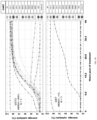
- FIG. 4 shows results of RTCA (real time cytolysis assay)-based killing assay.
- the target cancer cell line is GBM line U373.
- FIG. 5 shows results of RTCA-based killing assay.
- the target cancer cell line is GBM line T98G.
- FIG. 6 is a graphic representation of non-limiting examples of T-cell engager structures of the disclosure.
- FIG. 10 is a graphic representation of non-limiting examples of Dual-CAR_BiTE structures of the disclosure.
- FIG. 11 shows results of luciferase-based killing assay.
- the BiTEs used here were produced by constructs of Dual CAR-BiTE in 293T cells.
- GFP GFP Pan T cells
- PT Pan T cells
- NT only SR13 BiTE without T cells.
- FIG. 12 shows results of RTCA-based killing assay.
- the target cancer cell line is GBM line U373.
- the BiTEs used here were produced by constructs of Dual CAR-BiTE in 293T cells.
- FIG. 14 shows results of luciferase-based killing assay.
- the BiTEs used here were produced by constructs of Dual CAR-BiTE in 293T cells.
- FIG. 15 shows results of NFAT-based BiTE induced T cell activation assay.
- the BiTEs used here were produced by constructs of Dual CAR-BiTE in 293T cells.
- FIG. 16 shows results of luciferase-based killing assay, 20 hours after BiTE treatment of GBM line U87 using the E/T ratio of 0.5.
- FIG. 17 shows results of NFAT-based BiTE inducing T cell activation assay.
- FIG. 20 shows results of RTCA-based killing assay.
- the target cancer cell line is GBM line U87.
- FIG. 21 shows results of RTCA-based killing assay.
- the target cancer cell line is GBM line T98G.
- FIG. 22 shows results of RTCA-based killing assay.
- the target cancer cell line is GBM line U87.
- FIG. 25 shows results of luciferase-based serial killing assay.
- serial 5 killing assay the expanded CAR-T cells were diluted to corresponding E/T ratio concentration.
- FIG. 26 shows results of T cell expansion capability assay during CART serial killing.
- the expanded CAR-T cells were diluted to corresponding E/T ratio concentration.
- SK serial killing.
- SR26 two-armed BiTE CAR-T cell
- SR25 one-armed BiTE CAR-T cell
- SR27 control CD19 BiTE CAR-T cell
- SR9 dual CAR-T cell
- FIG. 29 shows FACS results characterizing cell surface expression of tumor-associated antigen (TAA) in the U87 GBM line expressing GFP and luciferase.
- TAA tumor-associated antigen
- SR26 shows continuous cytolytic activity compared to SR24 and SR25.
- FIGS. 31 A-B show FACS results characterizing TAA expression in the U251 GBM line expressing GFP and luciferase.
- EGFR, Her2 and IL13R2a were detected using anti-human EGFR, anti-Her2 and anti-IL13R2a antibody clones.
- the target cancer cell line is the A431 HER2-positive breast cancer cell line.
- SR26 two-armed BiTE CAR-T cell shows better continuous cytolytic activity compared to SR24 and SR25 (one-armed BiTE CAR-T cells) and SR27 (CAR-T cell).
- FIG. 33 shows EGFR, HER2 and IL13R ⁇ 2 expression level in the HER2-positive breast cancer cell line A431.
- the target cancer cell line is the MCF-7 HER2-positive breast cancer cell line.
- SR26 two-armed BiTE CAR-T cell shows better continuous cytolytic activity compared to SR24 and SR25 (one-armed BiTE CAR-T cells) and SR27 (CAR-T cell).
- FIG. 35 shows EGFR, HER2 and IL13R ⁇ 2 expression levels in the HER2-positive breast cancer cell line MCF-7.
- the target cancer cell line is NSCLC cell line (H-1944).
- SR26 two-armed BiTE CAR-T cell
- SR25 one-armed BiTE CAR-T cells
- SR27 CAR-T cell
- FIG. 37 shows EGFR, HER2 and IL13R ⁇ 2 expression levels in the NSCLC cell line H1944.
- the target cancer cell line is NSCLC cell line (H-1915).
- SR26 two-armed BiTE CAR-T cell
- SR25 one-armed BiTE CAR-T cells
- SR27 CAR-T cell
- FIG. 39 shows EGFR, HER2 and IL13R ⁇ 2 expression levels in the brain metastatic NSCLC cell line H1915.
- FIGS. 40 A-C show therapeutic efficacies of SR26 in U87, one of the most malignant GBM models.
- FIG. 40 A shows the BLI results at critical time points.
- D_ ⁇ 1 One day prior to treatment;
- D_n n days post treatment.
- Xenograft 10,000 luciferase-labeled U87 cells were injected into right front brain.
- Treatment one, 200,000 CAR + T cell injection 4 days post tumor xenograft.
- FIG. 40 B shows BLI radiance results of individual mouse.
- FIG. 40 C shows the survival rate.
- FIG. 41 depicts the workflow of the PK/Distribution study of SR26 (two-armed BiTE CAR-T cells) with the following abbreviations: H, heart; L, live; Spl, spleen; Lu, lung; K, kidney; Br, brain; Spi, spinal cord; Bm, bone marrow; Bl, blood.
- FIG. 42 shows PK/Distribution.
- CAR and BiTE genes were only detected in the brain, and not in the genomic DNA of the heart, liver, spleen, lung, kidney, bone marrow, spine cord or blood, suggesting that the infused CAR-T cells are restricted in the brain.
- the CAR-T cells penetrated into the brain tissue, and the penetrated CAR-T cells gradually lost viability or re-entered quiescent state due to a lack of related tumor antigen stimulation in the GBM-free mice.
- M1 mouse #1
- M2 mouse #2
- M3 mouse #3.
- FIG. 43 depicts the toxicology study schedule and workflow with the following abbreviations: H, heart; L, live; Spl, spleen; Lu, lung; K, kidney; Br, brain; Spi, spinal cord; Bm, bone marrow; Bl, blood. UNT, un-treated.
- FIGS. 44 A-B show therapeutic efficacies of SR26 in U87, one of the most malignant GBM models.
- FIG. 44 A shows the BLI results at critical time points with the following abbreviations: D_ ⁇ 1: One day prior to treatment; D_n: n days post treatment.
- FIG. 44 B shows the BLI radiance results of individual mouse (top panel) and average total radiance (bottom panel).
- FIG. 45 summarizes results of toxicology studies. SR26 efficiently eradicates the GBM tumor, and no abnormal effects were observed in SR26-treated mice in acute (day 2) and chronic (day 14) studies.
- FIG. 46 is a graphic representation of a non-limiting example of HER2 CARs.
- FIG. 47 are graphic representations of non-limiting examples of one-arm Vhh_EGFR_BiTEs (top), and two-arm Vhh_EGFR_BiTEs combined with IL13R ⁇ 2 CAR (bottom).
- FIG. 48 is a graphic representation of a non-limiting example of two-Arm_EGFR_BiTE armed dual-CAR-Ts.
- FIG. 49 shows results of an RTCA-based killing assay.
- six lead anti-HER2 Vhh nanobody clones SR72, SR78-SR80, SR82 and SR87
- the data each is the average of three parallel second round repeats of the RTCA assay.
- the E/T 1/2; the pan T cells were from Healthy Donor 2; SR9, a dual CAR-T targeting both HER2 and IL13R ⁇ 2, was used as a positive control; the IL13R ⁇ 2 are positive in both U87 (45%) and U373 (42%).
- FIG. 50 shows quantitative results of cytokine release.
- lead anti-HER2 Vhh nanobody clones were further validated by quantifying the cytokine release.
- the data each is the average of six parallel repeats of the CAR-T treated GBM cancer cell line U373.
- the E/T 1/8; the pan T cells were from Healthy Donor 2.
- FIG. 51 shows results of an RTCA-based killing assay for further validating the anti-HER2 Vhh nanobody lead clones (SR72, SR78-80, SR82 and SR87).
- the breast cancer cell line MCF-7 with lower HER2 expression was used as the target cell.
- the data each is the average of three parallel repeats of the RTCA assay.
- the E/T 1/8; the pan T cells were from Healthy Donor 2; SR115, trastuzumab scFv CAR-T, was used as a control.
- FIGS. 52 A- 52 D show the specificity of the anti-HER2 Vhh nanobody clones in the GBM cancer cell line U373.
- the GBM cancer cell line U373, both WT & HER2 KO were used for the side-by-side flow staining assay.
- the data each is the results of the first-round study.
- the Her2 antibody is the commercially available primary antibody labeled with PE and used as a control.
- FIGS. 53 A- 53 D show the specificity of the anti-HER2 Vhh nanobody clones in the GBM cancer cell line U373.
- the GBM cancer cell line U373, both WT & HER2 KO were used for the side-by-side flow staining assay.
- the data each is the results of the second-round study.
- the Her2 antibody is the commercially available primary antibody labeled with PE and used as a control.
- FIGS. 54 A- 54 D show the specificity of the anti-HER2 Vhh nanobody clones in the GBM cancer cell line U373.
- the GBM cancer cell line U373, both WT & HER2 KO were used for the side-by-side flow staining assay.
- the data each is the results of the third-round study.
- the Her2 antibody is the commercially available primary antibody labeled with PE and used as a control.
- FIG. 55 summarizes results of studies, shown in FIGS. 52 A- 54 E , of the anti-HER2 Vhh nanobody lead clones (SR72, SR78-80, SR82 and SR87) with the following abbreviations: WT: wild-type GBM cancer cell line U373; KO: HER2 knockout U373 cell line.
- FIG. 57 shows results of RTCA-based killing assay.
- the RTCA-based CAR-T killing activity assay showed that SR142 is the top clone of tandem HER2 Vhh CAR-T; the single Vhh HER2 CAR-T SR82 still has compelling killing activity when compared to those tandem CAR-T cells.
- the breast cancer cell line MCF-7 with lower HER2 expression was used as the target cell.
- the data each is the average of four parallel repeats of the RTCA assay.
- the E/T 1/8; the pan T cells were from Healthy Donor 2.
- FIG. 58 shows results of an RTCA-based killing assay.
- the RTCA-based CAR-T killing activity assay showed that SR141 and SR142 are the top clones of tandem HER2 Vhh CAR-T; the single Vhh HER2 CAR-T SR82 has compelling killing activity when compared to those tandem CAR-T cells.
- the GBM cell line U373 was used as the target cell.
- the data each is the average of four parallel repeats of the RTCA assay.
- the E/T 1/8; the pan T cells were from Healthy Donor 2.
- FIG. 59 shows results of an RTCA-based killing assay.
- the RTCA-based CAR-T killing activity assay showed that SR147 is the lead clone of tandem HER2 Vhh CAR-Ts.
- the breast cancer cell line A431 was used as the target cell.
- the data each is the average of 6 parallel repeats of the RTCA assay.
- the E/T 1/8; the pan T cells were from Healthy Donor 2.
- FIG. 60 shows results of RTCA-based killing assay.
- the RTCA-based CAR-T killing activity assay showed that SR147 is the lead clone of tandem HER2 Vhh CAR-Ts.
- the breast cancer cell line BT474 was used as the target cell.
- the data each is the average of six parallel repeats of the RTCA assay.
- the E/T 1/8; the pan T cells were from Healthy Donor 2.
- FIG. 61 shows results of an RTCA-based killing assay.
- the RTCA-based CAR-T killing activity assay showed that SR147 is the lead clone of tandem HER2 Vhh CAR-Ts.
- the NSCLC cell line H1944 was used as the target cell.
- the data each is the average of six parallel repeats of the RTCA assay.
- the E/T 1/16; the pan T cells were from Healthy Donor 2.
- FIG. 62 shows results of an RTCA-based killing assay.
- the RTCA-based CAR-T killing activity assay showed that SR147 is the lead clone of tandem HER2 Vhh CAR-Ts.
- the GBM cancer cell line U251 was used as the target cell.
- the data each is the average of six parallel repeats of the RTCA assay.
- the E/T 1/16; the pan T cells were from Healthy Donor 2.
- FIG. 64 shows results of an RTCA-based cellular growth index assay.
- the cellular growth index of the wild-type GBM cell line U373 (U373 WT) is comparable to that of the EGFR knockout U373 (U373_EGFR KO).
- FIG. 65 shows results of an RTCA-based killing assay.
- FIGS. 66 A- 66 D show the specificity of the anti-EGFR Vhh nanobody clones in the GBM cancer cell line U373.
- the GBM cancer cell line U373, both WT & HER2 KO were used for the side-by-side flow staining assay.
- the data each is the results of the first-round study.
- the EGFR Ab antibody is the commercially available primary antibody labeled with PE and used as a control.
- FIGS. 67 A- 67 D show the specificity of the anti-EGFR Vhh nanobody clones in the GBM cancer cell line U373.
- the GBM cancer cell line U373, both WT & HER2 KO were used for the side-by-side flow staining assay.
- the data each is the results of the second-round study.
- the EGFR Ab antibody is the commercially available primary antibody labeled with PE and used as a control.
- FIGS. 68 A- 68 D show the specificity of the anti-EGFR Vhh nanobody clones in the GBM cancer cell line U373.
- the GBM cancer cell line U373, both WT & HER2 KO were used for the side-by-side flow staining assay.
- the data each is the results of the third-round study.
- the EGFR Ab antibody is the commercially available primary antibody labeled with PE and used as a control.
- FIG. 69 summarizes results of studies, shown in FIGS. 66 A- 68 E , of the anti-EGFR Vhh nanobody lead clones (SR56, SR59-80, 7D12 and 38G7) with the following abbreviations: WT: wild-type GBM cancer cell line U373; KO: EGFR knockout U373 cell line.
- FIG. 70 summarizes the K D values of the anti-EGFR Vhh nanobody lead clones SR56, SR59, 7D12 and 38G7.
- FIG. 71 shows results of RTCA-based killing assay.
- the RTCA based killing study was performed. The data each is the average of six parallel repeats.
- FIG. 72 is a graphic representation of a non-limiting example of two-Arm EGFR BiTE armed HER2 Vhh CAR-Ts.
- FIG. 75 shows results of an RTCA-based killing assay.
- the RTCA based killing study was performed. The data each is the average of six parallel repeats.
- FIG. 77 shows results of an RTCA-based killing assay.
- the RTCA based killing study was performed. The data each is the average of six parallel repeats.
- FIG. 79 shows results of an RTCA-based killing assay.
- the RTCA based killing study was performed. The data each is the average of six parallel repeats.
- FIG. 80 shows results of an RTCA-based killing assay.
- the RTCA based killing study was performed. The data each is the average of six parallel repeats.
- FIG. 84 is a graphic representation of a non-limiting example of GPC-3 CARs.
- FIG. 86 shows results of an RTCA-based killing assay.
- the RTCA based killing study was performed. The data each is the average of three parallel repeats.
- FIG. 87 shows results of an RTCA-based killing assay.
- the RTCA based killing study was performed. The data each is the average of three parallel repeats.
- FIG. 88 shows results of an RTCA-based killing assay.
- the RTCA based killing study was performed. The data each is the average of six parallel repeats.
- FIG. 89 shows results of RTCA-based killing assay.
- the RTCA based killing study was performed. The data each is the average of four parallel repeats.
- FIG. 90 shows results of an RTCA-based killing assay.
- the RTCA based killing study was performed. The data each is the average of four parallel repeats.
- FIG. 92 shows results of an RTCA-based killing assay.
- FIG. 93 shows results of an NFAT cell-based luciferase assay.
- the NFAT cell-based luciferase assay was performed. The data each is the average of six parallel repeats.
- FIG. 94 shows results of an NFAT cell-based luciferase assay.
- the NFAT cell-based luciferase assay was performed. The data each is the average of six parallel repeats.
- FIG. 95 shows results of an NFAT cell-based luciferase assay.
- the NFAT cell-based luciferase assay was performed. The data each is the average of six parallel repeats.
- the disclosure provides a polynucleotide, wherein the polynucleotide comprises a sequence encoding a chimeric antigen receptor (CAR) and a T-cell engager (TE or BiTE), wherein the CAR is capable of binding to one or more first TAAs, and wherein the T-cell engager (TE or BiTE) is capable of binding to T-cell and a second TAA.
- the T-cell engager is capable of binding to CD2, CD3, VLA-1, CD8, CD4, CCR6, CXCR5, CD25, CD31, CD45RO, CD197, CD127, CD38, CD27, CD196, CD277, or CXCR3.
- the T-cell engager is capable of binding to CD2, CD3, CD31, or CD277.
- the T-cell engager is capable of binding to CD3.
- the polynucleotide comprises deoxyribonucleotides. In certain embodiments, the polynucleotide comprises ribonucleotides.
- Non-limiting examples of polynucleotides include single-, double- or multi-stranded DNA or RNA, DNA-RNA hybrids, or a polymer comprising purine and pyrimidine bases, or other natural, chemically or biochemically modified, non-natural, or derivatized nucleotide bases.
- the backbone of the polynucleotide can comprise sugars and phosphate groups, modified or substituted sugar or phosphate groups, a polymer of synthetic subunits such as phosphoramidates, or a combination thereof.
- the CAR is monospecific. In other embodiments, the CAR is bispecific. In certain embodiments, the CAR is capable of binding two epitopes of a first TAA. In particular embodiments, the CAR is capable of binding two first TAAs.
- the one or more first TAAs, the second TAA, or both are expressed on a hematologic cancer cell selected from leukemia (e.g., acute leukemias, chronic leukemias), lymphoma (e.g., B-cell lymphoma, T-cell lymphoma) and multiple myeloma cells.
- leukemia e.g., acute leukemias, chronic leukemias
- lymphoma e.g., B-cell lymphoma, T-cell lymphoma
- multiple myeloma cells e.g., myeloma cells.
- the one or more first TAAs and the second TAA each independently is expressed on a solid tumor cell (e.g., a tumor of the breast, lung, prostate, colon, bladder, ovary, kidney, stomach, colon, rectum, testes, head and/or neck, pancreas, brain, skin). Accordingly, in some embodiments, the one or more first TAAs and the second TAA each independently is expressed on a solid tumor cell selected from breast, lung, prostate, colon, bladder, ovarian, renal, gastric, rectal, colorectal, testicular, head and neck, pancreatic, brain and skin cancer cells.
- a solid tumor cell e.g., a tumor of the breast, lung, prostate, colon, bladder, ovary, kidney, stomach, colon, rectum, testes, head and/or neck, pancreas, brain, skin.
- the solid tumor is a brain tumor, breast cancer, lung cancer or liver cancer.
- the brain tumor is glioblastoma (GBM).
- the GBM is primary glioblastoma multiforme.
- the GBM is recurrent glioblastoma multiforme.
- the brain tumor is a brain metastatic tumor.
- the brain metastatic tumor is non-small cell lung cancer brain metastases (NSCLCBM), small cell lung cancer brain metastases (SCLCBM), HER2-positive metastatic breast cancer or triple-negative breast cancer brain metastases (TNBCBM).
- the liver cancer is hepatocellular carcinoma (HCC).
- the one or more first TAAs are each independently selected from colon cancer antigen 19.9; a gastric cancer mucin; antigen 4.2; glycoprotein A33 (gpA33); ADAM-9; gastric cancer antigen AH6; ALCAM; malignant human lymphocyte antigen APO-1; cancer antigen B1; B7 H3; beta-catenin; blood group ALeb/Ley; Burkitt's lymphoma antigen-38.13, colonic adenocarcinoma antigen C14; ovarian carcinoma antigen CA125; Carboxypeptidase M; CD5; CD19; CD20; CD22; CD23; CD25; CD27; CD30; CD33; CD36; CD45; CD46; CD52; CD79a/CD79b; CD103; CD317; CDK4; carcinoembryonic antigen (CEA); CEACAM5; CEACAM6; C017-iA; CO-43 (blood group Leb); CO-514 (blood group Lea)
- the one or more first TAAs are each independently selected from interleukin-13 receptor subunit alpha-2 (IL13R ⁇ 2), human epidermal growth factor receptor 2 (HER2), epidermal growth factor receptor (EGFR), EGFR variant III (EGFRvIII), glypican-3 (GPC3) and combinations thereof.
- IL13R ⁇ 2 interleukin-13 receptor subunit alpha-2
- HER2 human epidermal growth factor receptor 2
- EGFR epidermal growth factor receptor
- EGFRvIII EGFR variant III
- GPC3 glypican-3
- the CAR comprises a mutein, a single-chain variable fragment (scFv), a nanobody, or a combination thereof. In certain embodiments, the CAR comprises a mutein and a scFv, two nanobodies, a mutein and two nanobodies, or a scFv and a nanobody.
- the CAR comprises:
- sequence identity can be at least about: 65%, 70%, 75%, 80%, 85%, 90%, 91%, 92%, 93%, 94%, 95%, 96%, 97%, 98% or 99%.
- sequence identity is about: 60%, 65%, 70%, 75%, 80%, 85%, 90%, 91%, 92%, 93%, 94%, 95%, 96%, 97%, 98% or 99%.
- sequence identity is about: 60-99%, 65-99%, 65-95%, 70-99%, 70-98%, 70-95%, 70-90%, 75-98%, 75-97%, 75-90%, 75-85%, 80-97%, 80-96%, 80-85%, 85-96%, 85-95% or 90-95%.
- the amino acid substitution(s) in a CAR or T-cell engager (TE or BiTE) of the disclosure can be substitutions with a canonical amino acid or a non-canonical amino acid.
- Non-canonical amino acids include, but are not limited to D-amino acids, such as D versions of the canonical L-amino acids.
- the amino acid substitutions include at least one conservative substitution.
- the amino acid substitutions include at least one highly conservative substitution.
- the at least one amino acid substitution is at least: 2, 3, 4, 5, 6, 7, 8, 9, 10, 11, 12, 13, 14, 15, 16, 17, 18, 19, 20, 21, 22, 23, 24, 25, 26, 27, 28, 29, 30, 31, 32, 33, 34, 35, 36, 37, 38, 39, 40, 41, 42, 43, 44 or 45 amino acid substitutions.
- the at least one amino acid substitution is about 1-45 amino acid substitutions, for example, about: 1-40, 2-45, 2-40, 3-40, 3-35, 4-35, 4-30, 5-30, 5-25, 6-25, 6-20, 7-20, 7-15, 8-15, 8-14, 9-14, 9-12 or 10-12 amino acid substitutions.
- the at least one amino acid substitution is about 1-25 amino acid substitutions, for example, about: 1-22, 2-22, 2-20, 3-20, 3-18, 4-18, 4-16, 5-16, 5-14, 6-14, 6-12, 7-12, 7-10 or 8-10 amino acid substitutions.
- the at least one amino acid substitution is about 1-12 amino acid substitutions, for example, about: 1-11, 2-11, 2-10, 3-10, 3-9, 4-9, 4-8, 5-8, 5-7 or 6-7 amino acid substitutions.
- the CAR (e.g., bi-specific CAR) further comprises a linker, a CD8a signal peptide, a CD8a hinge, a CD28 transmembrane domain, a 4-1BB costimulatory domain or a CD3 ⁇ signaling domain, or a combination thereof.
- the bi-specific CAR further comprises a CD8a signal peptide, a CD8a hinge, a CD28 transmembrane domain, a 4-1BB costimulatory domain and a CD3 ⁇ signaling domain.
- the linker comprises an amino acid sequence that is at least 90% (e.g., 91%, 92%, 93%, 94%, 95%, 96%, 97%, 98% or 99%) identical to the amino acid sequence of SEQ ID NO: 5.
- the CD8a signal peptide comprises an amino acid sequence that is at least 90% (e.g., 91%, 92%, 93%, 94%, 95%, 96%, 97%, 98% or 99%) identical to the amino acid sequence of SEQ ID NO: 6.
- the CD8a hinge comprises an amino acid sequence that is at least 90% (e.g., 91%, 92%, 93%, 94%, 95%, 96%, 97%, 98% or 99%) identical to the amino acid sequence of SEQ ID NO: 7.
- the CD28 transmembrane domain comprises an amino acid sequence that is at least 90% (e.g., 91%, 92%, 93%, 94%, 95%, 96%, 97%, 98% or 99%) identical to the amino acid sequence of SEQ ID NO: 8.
- the 4-1BB costimulatory domain comprises an amino acid sequence that is at least 90% (e.g., 91%, 92%, 93%, 94%, 95%, 96%, 97%, 98% or 99%) identical to the amino acid sequence of SEQ ID NO: 9.
- the CD3 ⁇ signaling domain comprises an amino acid sequence that is at least 90% (e.g., 91%, 92%, 93%, 94%, 95%, 96%, 97%, 98% or 99%) identical to the amino acid sequence of SEQ ID NO: 10.
- the linker comprises 1 or 2 amino acid substitutions, relative to the amino acid sequence of SEQ ID NO: 5.
- the CD8a signal peptide comprises 1 or 2 amino acid substitutions, relative to the amino acid sequence of SEQ ID NO: 6.
- the CD8a hinge comprises about 1-5 amino acid substitutions, relative to the amino acid sequence of SEQ ID NO: 7.
- the CD28 transmembrane domain comprises about 1-3 amino acid substitutions, relative to the amino acid sequence of SEQ ID NO: 8.
- the 4-1BB costimulatory domain comprises about 1-5 amino acid substitutions, relative to the amino acid sequence of SEQ ID NO: 9.
- the CD3 ⁇ signaling domain comprises about 1-12 amino acid substitutions, relative to the amino acid sequence of SEQ ID NO: 10.
- the linker comprises the amino acid sequence of SEQ ID NO: 5.
- the CD8a signal peptide comprises the amino acid sequence of SEQ ID NO: 6.
- the CD8a hinge comprises the amino acid sequence of SEQ ID NO: 7.
- the CD28 transmembrane domain comprises the amino acid sequence of SEQ ID NO: 8.
- the 4-1BB costimulatory domain comprises the amino acid sequence of SEQ ID NO: 9.
- the CD3 ⁇ signaling domain comprises the amino acid sequence of SEQ ID NO: 10.
- the second TAA is IL13R ⁇ 2, HER2, EGFR, EGFRvIII, or GPC3.
- the T-cell engager (TE or BiTE) comprises a scFv, a nanobody, or a combination thereof.
- the EGFR or EGFRvIII-binding nanobody comprises an amino acid sequence that is at least 60% identical to at least one amino acid sequence set forth in SEQ ID NOs: 15-17 and 260-281. In some embodiments, the GPC3-binding nanobody comprises an amino acid sequence that is at least 60% identical to at least one amino acid sequence set forth in SEQ ID NOs: 282-291.
- sequence identity can be at least about: 65%, 70%, 75%, 80%, 85%, 90%, 91%, 92%, 93%, 94%, 95%, 96%, 97%, 98% or 99%.
- sequence identity is about: 60%, 65%, 70%, 75%, 80%, 85%, 90%, 91%, 92%, 93%, 94%, 95%, 96%, 97%, 98% or 99%.
- sequence identity is about: 60-99%, 65-99%, 65-95%, 70-99%, 70-98%, 70-95%, 70-90%, 75-98%, 75-97%, 75-90%, 75-85%, 80-97%, 80-96%, 80-85%, 85-96%, 85-95% or 90-95%.
- the EGFR or EGFRvIII-binding nanobody comprises an amino acid sequence that is at least 90% (e.g., 91%, 92%, 93%, 94%, 95%, 96%, 97%, 98% or 99%) identical to at least one amino acid sequence set forth in SEQ ID NOs: 15-17 and 260-281.
- the GPC3-binding nanobody comprises an amino acid sequence that is at least 90% (e.g., 91%, 92%, 93%, 94%, 95%, 96%, 97%, 98% or 99%) identical to at least one amino acid sequence set forth in SEQ ID NOs: 282-291.
- the at least one amino acid substitution is at least: 2, 3, 4, 5, 6, 7, 8, 9, 10, 11, 12, 13, 14, 15, 16, 17, 18, 19, 20, 21, 22, 23, 24, 25, 26, 27, 28, 29, 30, 31, 32, 33, 34, 35, 36, 37, 38, 39, 40, 41, 42, 43, 44 or 45 amino acid substitutions.
- the at least one amino acid substitution is about 1-45 amino acid substitutions, for example, about: 1-40, 2-45, 2-40, 3-40, 3-35, 4-35, 4-30, 5-30, 5-25, 6-25, 6-20, 7-20, 7-15, 8-15, 8-14, 9-14, 9-12 or 10-12 amino acid substitutions.
- the at least one amino acid substitution is about 1-25 amino acid substitutions, for example, about: 1-22, 2-22, 2-20, 3-20, 3-18, 4-18, 4-16, 5-16, 5-14, 6-14, 6-12, 7-12, 7-10 or 8-10 amino acid substitutions.
- the at least one amino acid substitution is about 1-12 amino acid substitutions, for example, about: 1-11, 2-11, 2-10, 3-10, 3-9, 4-9, 4-8, 5-8, 5-7 or 6-7 amino acid substitutions.
- the T-cell engager (TE or BiTE) comprises a signal peptide.
- the signal peptide comprises the amino acid sequence of SEQ ID NO:19.
- the sequence identity is about: 60-99%, 65-99%, 65-95%, 70-99%, 70-98%, 70-95%, 70-90%, 75-98%, 75-97%, 75-90%, 75-85%, 80-97%, 80-96%, 80-85%, 85-96%, 85-95% or 90-95%.
- the T-cell engager comprises an amino acid sequence that is at least 90% (e.g., 91%, 92%, 93%, 94%, 95%, 96%, 97%, 98% or 99%) identical to at least one amino acid sequence set forth in SEQ ID NO: 21-27, 109-111, 176-178 and 292.
- the T-cell engager comprises at least one amino acid substitution, relative to at least one amino acid sequence set forth in SEQ ID NO: 21-23 and 109-111.
- the at least one amino acid substitution is at least: 2, 3, 4, 5, 6, 7, 8, 9, 10, 11, 12, 13, 14, 15, 16, 17, 18, 19, 20, 21, 22, 23, 24, 25, 26, 27, 28, 29, 30, 31, 32, 33, 34, 35, 36, 37, 38, 39, 40, 41, 42, 43, 44 or 45 amino acid substitutions.
- the at least one amino acid substitution is about 1-45 amino acid substitutions, for example, about: 1-40, 2-45, 2-40, 3-40, 3-35, 4-35, 4-30, 5-30, 5-25, 6-25, 6-20, 7-20, 7-15, 8-15, 8-14, 9-14, 9-12 or 10-12 amino acid substitutions.
- the at least one amino acid substitution is about 1-25 amino acid substitutions, for example, about: 1-22, 2-22, 2-20, 3-20, 3-18, 4-18, 4-16, 5-16, 5-14, 6-14, 6-12, 7-12, 7-10 or 8-10 amino acid substitutions.
- the T-cell engager comprises at least one amino acid substitution, relative to at least one amino acid sequence set forth in SEQ ID NO: 24-27, 176-178 and 292.
- the at least one amino acid substitution is at least: 2, 3, 4, 5, 6, 7, 8, 9, 10, 11, 12, 13, 14, 15, 16, 17, 18, 19, 20, 21, 22, 23, 24, 25, 26, 27, 28, 29, 30, 31, 32, 33, 34, 35, 36, 37, 38, 39, 40, 41, 42, 43, 44, 45, 50, 55, 60, 65 or 70 amino acid substitutions.
- the at least one amino acid substitution is about 1-70 amino acid substitutions, for example, about: 1-65, 1-60, 1-55, 5-55, 5-50, 10-50, 10-45, 15-45, 15-40, 20-40, 20-35, 25-35 or 25-30 amino acid substitutions.
- the T-cell engager (TE or BiTE) comprises about 1-55 amino acid substitutions, relative to at least one amino acid sequence set forth in SEQ ID NO: 24-27, 176-178 and 292.
- the T-cell engager (TE or BiTE) comprises the amino acid sequence of any one of SEQ ID NO: 24-27, 176-178 and 292.
- the polynucleotide encodes an amino acid sequence that is at least 60% identical to at least one amino acid sequence set forth in SEQ ID NOs: 31-38, SEQ ID NOs: 106-108, SEQ ID NOs: 112-119, SEQ ID NOs: 173-175, SEQ ID NOs: 179-186, SEQ ID NOs: 192-203, SEQ ID NOs: 222-237 or SEQ ID NOs: 239-241, or a combination thereof.
- the sequence identity can be at least about: 65%, 70%, 75%, 80%, 85%, 90%, 91%, 92%, 93%, 94%, 95%, 96%, 97%, 98% or 99%.
- sequence identity is about: 60%, 65%, 70%, 75%, 80%, 85%, 90%, 91%, 92%, 93%, 94%, 95%, 96%, 97%, 98% or 99%.
- sequence identity is about: 60-99%, 65-99%, 65-95%, 70-99%, 70-98%, 70-95%, 70-90%, 75-98%, 75-97%, 75-90%, 75-85%, 80-97%, 80-96%, 80-85%, 85-96%, 85-95% or 90-95%.
- the polynucleotide encodes an amino acid sequence that is at least 90% (e.g., 91%, 92%, 93%, 94%, 95%, 96%, 97%, 98% or 99%) identical to at least one amino acid sequence independently selected from SEQ ID NOs: 31-38, SEQ ID NOs: 106-108, SEQ ID NOs: 112-119, SEQ ID NOs: 173-175, SEQ ID NOs: 179-186, SEQ ID NOs: 192-203, SEQ ID NOs: 222-237 or SEQ ID NOs: 239-241, or a combination thereof.
- the polynucleotide encodes an amino acid sequence comprising at least one amino acid substitution, relative to at least one amino acid sequence independently selected from SEQ ID NOs: 31-38, SEQ ID NOs: 106-108, SEQ ID NOs: 112-119, SEQ ID NOs: 173-175, SEQ ID NOs: 179-186, SEQ ID NOs: 192-203, SEQ ID NOs: 222-237 or SEQ ID NOs: 239-241.
- the at least one amino acid substitution is at least: 2, 3, 4, 5, 6, 7, 8, 9, 10, 11, 12, 13, 14, 15, 16, 17, 18, 19, 20, 21, 22, 23, 24, 25, 26, 27, 28, 29, 30, 31, 32, 33, 34, 35, 36, 37, 38, 39, 40, 41, 42, 43, 44, 45, 50, 55 or 60 amino acid substitutions.
- the at least one amino acid substitution is about 1-60 amino acid substitutions, for example, about: 1-55, 1-50, 1-45, 2-45, 2-40, 3-40, 3-35, 4-35, 4-30, 5-30, 5-25, 6-25, 6-20, 7-20, 7-15, 8-15, 8-14, 9-14, 9-12 or 10-12 amino acid substitutions.
- the polynucleotide encodes an amino acid sequence comprising about 1-50 amino acid substitutions, relative to at least one amino acid sequence independently selected from SEQ ID NOs: 31-38, SEQ ID NOs: 106-108, SEQ ID NOs: 112-119, SEQ ID NOs: 173-175, SEQ ID NOs: 179-186, SEQ ID NOs: 192-203, SEQ ID NOs: 222-237 or SEQ ID NOs: 239-241.
- the polynucleotide encodes an amino acid sequence set forth in SEQ ID NOs: 31-38, SEQ ID NOs: 106-108, SEQ ID NOs: 112-119, SEQ ID NOs: 173-175, SEQ ID NOs: 179-186, SEQ ID NOs: 192-203, SEQ ID NOs: 222-237 or SEQ ID NOs: 239-241.
- the disclosure provides a first polynucleotide and a second polynucleotide, wherein the first polynucleotide comprises a sequence encoding a chimeric antigen receptor (CAR) and the second polynucleotide comprises a T-cell engager (TE or BiTE), wherein the CAR is capable of binding to one or more first TAAs, and wherein the T-cell engager (TE or BiTE) is capable of binding to T-cell and a second TAA.
- the first polynucleotide comprises a polynucleotide as defined herein.
- the second polynucleotide comprises a polynucleotide as defined herein.
- the disclosure provides a polynucleotide that comprises a sequence encoding a bi-specific CAR that is capable of binding to HER2 and IL13R ⁇ 2, wherein the bi-specific CAR comprises an IL13 mutein linked to a HER2-binding scFv via a linker sequence.
- the IL13 mutein comprises the amino acid sequence of SEQ ID NO: 1 (Table 1).
- the IL13 mutein comprises, consists essentially of, or consists of an amino acid sequence that is at least 60% identical to the amino acid sequence of SEQ ID NO: 1.
- sequence identity to SEQ ID NO: 1 can be at least about: 65%, 70%, 75%, 80%, 85%, 90%, 91%, 92%, 93%, 94%, 95%, 96%, 97%, 98% or 99%.
- sequence identity is about: 60%, 65%, 70%, 75%, 80%, 85%, 90%, 91%, 92%, 93%, 94%, 95%, 96%, 97%, 98% or 99%.
- the sequence identity is about: 60-99%, 65-99%, 65-95%, 70-99%, 70-98%, 70-95%, 70-90%, 75-98%, 75-97%, 75-90%, 75-85%, 80-97%, 80-96%, 80-85%, 85-96%, 85-95% or 90-95%.
- the IL13 mutein comprises an amino acid sequence that is at least 90% identical to the amino acid sequence of SEQ ID NO: 1.
- the IL13 mutein comprises at least one amino acid substitution, relative to SEQ ID NO: 1. In some embodiments, the IL13 mutein comprises at least: 2, 3, 4, 5, 6, 7, 8, 9, 10, 11, 12, 13, 14, 15, 16, 17, 18, 19, 20, 21, 22, 23, 24, 25, 26, 27, 28, 29, 30, 31, 32, 33, 34, 35, 36, 37, 38, 39, 40, 41, 42, 43, 44 or 45 amino acid substitutions, relative to SEQ ID NO: 1. In some embodiments, the IL13 mutein comprises about 1-45 amino acid substitutions, relative to the amino acid sequence of SEQ ID NO: 1.
- the IL13 mutein comprises about: 1-40, 2-45, 2-40, 3-40, 3-35, 4-35, 4-30, 5-30, 5-25, 6-25, 6-20, 7-20, 7-15, 8-15, 8-14, 9-14, 9-12 or 10-12 amino acid substitutions, relative to the amino acid sequence of SEQ ID NO: 1. In some embodiments, the IL13 mutein comprises about 1-12 amino acid substitutions, relative to the amino acid sequence of SEQ ID NO: 1. In some embodiments, the IL13 mutein comprises about: 1-11, 2-12, 2-11, 3-11, 3-10, 4-10, 4-9, 5-9, 5-8, 6-8 or 6-7 amino acid substitutions, relative to the amino acid sequence of SEQ ID NO: 1. In some embodiments, the IL13 mutein comprises up to about: 45, 40, 35, 30, 25, 20, 15, 10, 6 or 5 amino acid substitutions, relative to the amino acid sequence of SEQ ID NO: 1.
- the HER2-binding scFv comprises, consists essentially of, or consists of the amino acid sequence of SEQ ID NO: 2, 3 or 4 (Table 1). In some embodiments, the HER2-binding scFv comprises, consists essentially of, or consists of the amino acid sequence of SEQ ID NO: 4.
- the HER2-binding scFv comprises, consists essentially of, or consists of an amino acid sequence that is at least 60% identical to the amino acid sequence of SEQ ID NO: 2, 3 or 4, or a combination thereof.
- sequence identity to SEQ ID NO: 2, 3 or 4, or a combination thereof can be at least about: 65%, 70%, 75%, 80%, 85%, 90%, 91%, 92%, 93%, 94%, 95%, 96%, 97%, 98% or 99%.
- the sequence identity is about: 60%, 65%, 70%, 75%, 80%, 85%, 90%, 91%, 92%, 93%, 94%, 95%, 96%, 97%, 98% or 99%.
- the sequence identity is about: 60-99%, 65-99%, 65-95%, 70-99%, 70-98%, 70-95%, 70-90%, 75-98%, 75-97%, 75-90%, 75-85%, 80-97%, 80-96%, 80-85%, 85-96%, 85-95% or 90-95%.
- the HER2-binding scFv comprises an amino acid sequence that is at least 90% identical to the amino acid sequence of SEQ ID NO: 2, 3 or 4, or a combination thereof.
- the HER2-binding scFv comprises, consists essentially of, or consists of an amino acid sequence that is at least 60% identical to the amino acid sequence of SEQ ID NO: 4.
- sequence identity to SEQ ID NO: 4 can be at least about: 65%, 70%, 75%, 80%, 85%, 90%, 91%, 92%, 93%, 94%, 95%, 96%, 97%, 98% or 99%.
- sequence identity is about: 60%, 65%, 70%, 75%, 80%, 85%, 90%, 91%, 92%, 93%, 94%, 95%, 96%, 97%, 98% or 99%.
- the sequence identity is about: 60-99%, 65-99%, 65-95%, 70-99%, 70-98%, 70-95%, 70-90%, 75-98%, 75-97%, 75-90%, 75-85%, 80-97%, 80-96%, 80-85%, 85-96%, 85-95% or 90-95%.
- the HER2-binding scFv comprises an amino acid sequence that is at least 90% identical to the amino acid sequence of SEQ ID NO: 4.
- the HER2-binding scFv comprises at least one amino acid substitution, relative to SEQ ID NO: 2, 3 or 4, or a combination thereof. In some embodiments, the HER2-binding scFv comprises at least: 2, 3, 4, 5, 6, 7, 8, 9, 10, 11, 12, 13, 14, 15, 16, 17, 18, 19, 20, 21, 22, 23, 24, 25, 26, 27, 28, 29, 30, 31, 32, 33, 34, 35, 36, 37, 38, 39, 40, 41, 42, 43, 44, 45, 50, 55, 60, 65, 70, 75, 80, 85, 90 or 95 amino acid substitutions, relative to SEQ ID NO: 2, 3 or 4, or a combination thereof.
- the HER2-binding scFv comprises about 1-95 amino acid substitutions, relative to the amino acid sequence of SEQ ID NO: 2, 3 or 4, or a combination thereof. In some embodiments, the HER2-binding scFv comprises about: 1-90, 2-95, 2-90, 4-90, 4-85, 6-85, 6-80, 8-80, 8-75, 10-75, 10-70, 15-70, 15-65, 20-65, 20-60, 25-60, 25-50, 30-50 or 30-40 amino acid substitutions, relative to the amino acid sequence of SEQ ID NO: 2, 3 or 4, or a combination thereof.
- the HER2-binding scFv comprises about 1-25 amino acid substitutions, relative to the amino acid sequence of SEQ ID NO: 2, 3 or 4, or a combination thereof. In some embodiments, the HER2-binding scFv comprises about: 1-24, 2-25, 2-24, 3-24, 3-22, 4-22, 4-20, 5-20, 5-18, 6-18, 6-16, 7-16, 7-14, 8-14, 8-12 or 10-12 amino acid substitutions, relative to the amino acid sequence of SEQ ID NO: 2, 3 or 4, or a combination thereof.
- the HER2-binding scFv comprises up to about: 95, 90, 85, 80, 75, 70, 65, 60, 55, 50, 45, 40, 35, 30, 25, 20, 15, 10, 6 or 5 amino acid substitutions, relative to the amino acid sequence of SEQ ID NO: 2, 3 or 4, or a combination thereof.
- the amino acid substitutions include at least one conservative substitution. In some embodiments, the amino acid substitutions include at least one highly conservative substitution.
- the HER2-binding scFv comprises at least one amino acid substitution, relative to SEQ ID NO: 4.
- the HER2-binding scFv comprises at least: 2, 3, 4, 5, 6, 7, 8, 9, 10, 11, 12, 13, 14, 15, 16, 17, 18, 19, 20, 21, 22, 23, 24, 25, 26, 27, 28, 29, 30, 31, 32, 33, 34, 35, 36, 37, 38, 39, 40, 41, 42, 43, 44, 45, 50, 55, 60, 65, 70, 75, 80, 85, 90 or 95 amino acid substitutions, relative to SEQ ID NO: 4.
- the HER2-binding scFv comprises about 1-95 amino acid substitutions, relative to the amino acid sequence of SEQ ID NO: 4.
- the HER2-binding scFv comprises about: 1-90, 2-95, 2-90, 4-90, 4-85, 6-85, 6-80, 8-80, 8-75, 10-75, 10-70, 15-70, 15-65, 20-65, 20-60, 25-60, 25-50, 30-50 or 30-40 amino acid substitutions, relative to the amino acid sequence of SEQ ID NO: 4. In some embodiments, the HER2-binding scFv comprises about 1-25 amino acid substitutions, relative to the amino acid sequence of SEQ ID NO: 4.
- the HER2-binding scFv comprises about: 1-24, 2-25, 2-24, 3-24, 3-22, 4-22, 4-20, 5-20, 5-18, 6-18, 6-16, 7-16, 7-14, 8-14, 8-12 or 10-12 amino acid substitutions, relative to the amino acid sequence of SEQ ID NO: 4.
- the HER2-binding scFv comprises up to about: 95, 90, 85, 80, 75, 70, 65, 60, 55, 50, 45, 40, 35, 30, 25, 20, 15, 10, 6 or 5 amino acid substitutions, relative to the amino acid sequence of SEQ ID NO: 4.
- the amino acid substitutions include at least one conservative substitution.
- the amino acid substitutions include at least one highly conservative substitution.
- the linker comprises the amino acid sequence of SEQ ID NO: 5 (Table 1). In some embodiments, the linker comprises an amino acid sequence that is at least 90% (e.g., 91%, 92%, 93%, 94%, 95%, 96%, 97%, 98% or 99%) identical to the amino acid sequence of SEQ ID NO: 5. In some embodiments, the linker comprises at least one amino acid substitution (e.g., 1, 2 or 3 amino acid substitutions), relative to SEQ ID NO: 5. In some embodiments, the amino acid substitutions include at least one conservative substitution. In some embodiments, the amino acid substitutions include at least one highly conservative substitution.
- the CD8a signal peptide comprises the amino acid sequence of SEQ ID NO: 6 (Table 1). In some embodiments, the CD8a signal peptide comprises an amino acid sequence that is at least 90% (e.g., 91%, 92%, 93%, 94%, 95%, 96%, 97%, 98% or 99%) identical to the amino acid sequence of SEQ ID NO: 6. In some embodiments, the CD8a signal peptide comprises at least one amino acid substitution (e.g., 1, 2 or 3 amino acid substitutions), relative to SEQ ID NO: 6. In some embodiments, the amino acid substitutions include at least one conservative substitution. In some embodiments, the amino acid substitutions include at least one highly conservative substitution.
- the CD8 ⁇ hinge comprises the amino acid sequence of SEQ ID NO: 7 (Table 1). In some embodiments, the CD8 ⁇ hinge comprises an amino acid sequence that is at least 80% (e.g., 81%, 82%, 83%, 84%, 85%, 86%, 87%, 88%, 89%, 90%, 91%, 92%, 93%, 94%, 95%, 96%, 97%, 98% or 99%) identical to the amino acid sequence of SEQ ID NO: 7. In some embodiments, the CD8 ⁇ hinge comprises an amino acid sequence that is at least 90% identical to the amino acid sequence of SEQ ID NO: 7.
- the CD8 ⁇ hinge comprises at least one amino acid substitution (e.g., 1, 2, 3, 4 or 5 amino acid substitutions), relative to SEQ ID NO: 7.
- the amino acid substitutions include at least one conservative substitution.
- the amino acid substitutions include at least one highly conservative substitution.
- the CD28 transmembrane domain comprises the amino acid sequence of SEQ ID NO: 8 (Table 1). In some embodiments, the CD28 transmembrane domain comprises an amino acid sequence that is at least 90% (e.g., 91%, 92%, 93%, 94%, 95%, 96%, 97%, 98% or 99%) identical to the amino acid sequence of SEQ ID NO: 8. In some embodiments, the CD28 transmembrane domain comprises at least one amino acid substitution (e.g., 1, 2 or 3 amino acid substitutions), relative to SEQ ID NO: 8. In some embodiments, the amino acid substitutions include at least one conservative substitution. In some embodiments, the amino acid substitutions include at least one highly conservative substitution.
- the 4-1BB costimulatory domain comprises the amino acid sequence of SEQ ID NO: 9 (Table 1). In some embodiments, the 4-1BB costimulatory domain comprises an amino acid sequence that is at least 90% (e.g., 91%, 92%, 93%, 94%, 95%, 96%, 97%, 98% or 99%) identical to the amino acid sequence of SEQ ID NO: 9. In some embodiments, the 4-1BB costimulatory domain comprises at least one amino acid substitution (e.g., 1, 2, 3 or 4 amino acid substitutions), relative to SEQ ID NO: 9. In some embodiments, the amino acid substitutions include at least one conservative substitution. In some embodiments, the amino acid substitutions include at least one highly conservative substitution.
- the CD3 ⁇ signaling domain comprises the amino acid sequence of SEQ ID NO: 10 (Table 1).
- the CD3 ⁇ signaling domain comprises an amino acid sequence that is at least 60% identical to the amino acid sequence of SEQ ID NO: 10.
- the sequence identity to SEQ ID NO: 10 can be at least about: 65%, 70%, 75%, 80%, 85%, 90%, 91%, 92%, 93%, 94%, 95%, 96%, 97%, 98% or 99%.
- the sequence identity is about: 60%, 65%, 70%, 75%, 80%, 85%, 90%, 91%, 92%, 93%, 94%, 95%, 96%, 97%, 98% or 99%.
- the sequence identity is about: 60-99%, 65-99%, 65-95%, 70-99%, 70-98%, 70-95%, 70-90%, 75-98%, 75-97%, 75-90%, 75-85%, 80-97%, 80-96%, 80-85%, 85-96%, 85-95% or 90-95%.
- the CD3 ⁇ signaling domain comprises an amino acid sequence that is at least 90% identical to the amino acid sequence of SEQ ID NO: 10.
- the CD3 ⁇ signaling domain comprises at least one amino acid substitution, relative to SEQ ID NO: 10. In some embodiments, the CD3 ⁇ signaling domain comprises at least: 2, 3, 4, 5, 6, 7, 8, 9, 10, 11, 12, 13, 14, 15, 16, 17, 18, 19, 20, 21, 22, 23, 24, 25, 26, 27, 28, 29, 30, 31, 32, 33, 34, 35, 36, 37, 38, 39, 40, 41, 42, 43, 44 or 45 amino acid substitutions, relative to SEQ ID NO: 10. In some embodiments, the CD3 ⁇ signaling domain comprises about 1-45 amino acid substitutions, relative to the amino acid sequence of SEQ ID NO: 10.
- the CD8 ⁇ signal peptide is N-terminal to IL13 mutein, which is N-terminal to the linker, which is N-terminal to the HER2-binding scFv, which is N-terminal to the CD8 ⁇ hinge, which is N-terminal to the CD28 transmembrane domain, which is N-terminal to the 4-1BB costimulatory domain, which is N-terminal to the CD3 ⁇ signaling domain ( FIG. 1 ).
- the bi-specific CAR comprises the amino acid sequence of SEQ ID NO: 11, 12 or 13 (Table 1).
- the sequence identity is about: 60-99%, 65-99%, 65-95%, 70-99%, 70-98%, 70-95%, 70-90%, 75-98%, 75-97%, 75-90%, 75-85%, 80-97%, 80-96%, 80-85%, 85-96%, 85-95% or 90-95%.
- the bi-specific CAR comprises an amino acid sequence that is at least 80%, 85%, 90%, 95%, 98%, or 99% identical to the amino acid sequence of SEQ ID NO: 11, 12 or 13, or a combination thereof.
- the bi-specific CAR comprises at least one amino acid substitution, relative to SEQ ID NO: 11, 12 or 13, or a combination thereof.
- the bi-specific CAR comprises at least: 2, 3, 4, 5, 6, 7, 8, 9, 10, 11, 12, 13, 14, 15, 16, 17, 18, 19, 20, 21, 22, 23, 24, 25, 26, 27, 28, 29, 30, 31, 32, 33, 34, 35, 36, 37, 38, 39, 40, 41, 42, 43, 44, 45, 50, 55, 60, 65, 70, 75, 80, 85, 90, 95, 100, 110 or 120 amino acid substitutions, relative to SEQ ID NO: 11, 12 or 13, or a combination thereof.
- the bi-specific CAR comprises about 1-25 amino acid substitutions, relative to the amino acid sequence of SEQ ID NO: 11, 12 or 13, or a combination thereof. In some embodiments, the bi-specific CAR comprises about: 1-24, 2-25, 2-24, 3-24, 3-22, 4-22, 4-20, 5-20, 5-18, 6-18, 6-16, 7-16, 7-14, 8-14, 8-12 or 10-12 amino acid substitutions, relative to the amino acid sequence of SEQ ID NO: 11, 12 or 13, or a combination thereof.
- the bi-specific CAR comprises up to about: 95, 90, 85, 80, 75, 70, 65, 60, 55, 50, 45, 40, 35, 30, 25, 20, 15, 10, 6 or 5 amino acid substitutions, relative to the amino acid sequence of SEQ ID NO: 11, 12 or 13, or a combination thereof.
- the amino acid substitutions include at least one conservative substitution. In some embodiments, the amino acid substitutions include at least one highly conservative substitution.
- the disclosure provides a polynucleotide that comprises a sequence encoding a T-cell engager (TE or BiTE) that is capable of binding to a T cell, a first TAA epitope, and a second TAA epitope.
- TE T-cell engager
- the first TAA epitope and the second TAA epitope are on a second TAA.
- the first TAA epitope and the second TAA epitope are on two second TAAs.
- the T-cell engager comprises a first binding moiety and a second binding moiety.
- the first binding moiety is capable of binding to a surface antigen on T-cell.
- the second binding moiety is capable of binding to a first TAA.
- the T-cell engager (TE or BiTE) comprises a third binding moiety and the third binding moiety is capable of binding to a second TAA.
- the first TAA and the second TAA are the same.
- the first binding moiety and the second binding moiety are capable of binding to two different epitopes. In some embodiments, the first TAA and the second TAA are different.
- the TAA is a glioblastoma tumor antigen.
- the TAA is HER2, GPC3, EGFR, or EGFRvIII.
- the TAA is HER2.
- the TAA is GPC3.
- the TAA is EFGR.
- the TAA is EGFRvIII.
- the T-cell engager (TE or BiTE) comprises a CD3-binding scFv.
- the T-cell engager (TE or BiTE) comprises at least one EGFR-binding nanobody. In some embodiments, the T-cell engager (TE or BiTE) comprises at least one EGFRvIII-binding nanobody. In some embodiments, the T-cell engager (TE or BiTE) comprises at least one GPC3-binding nanobody. In some embodiments, the T-cell engager (TE or BiTE) comprises two EGFR-binding nanobodies. In some embodiments, the T-cell engager (TE or BiTE) comprises two EGFRvIII-binding nanobodies. In some embodiments, the T-cell engager (TE or BiTE) comprises two GPC3-binding nanobodies.
- the T-cell engager comprises one EGFR-binding nanobody and one EGFRvIII-binding nanobody. In some embodiments, the T-cell engager (TE or BiTE) comprises one EGFR-binding nanobody and one GPC3-binding nanobody. In some embodiments, the T-cell engager (TE or BiTE) comprises one GPC3-binding nanobody and one EGFRvIII-binding nanobody.
- the T-cell engager (TE or BiTE) comprises a linker, a signal peptide or a peptide tag, or a combination thereof.
- the polynucleotide is isolated (e.g., produced synthetically or via molecular cloning). In some embodiments, the polynucleotide is integrated into the genomic DNA of a host cell (e.g., a T lymphocyte). In some embodiments, the polynucleotide is extrachromosomal (e.g., on a plasmid, on a viral vector) within a host cell. In some embodiments, the polynucleotide is a DNA. In some embodiments, the polynucleotide is a RNA.
- the polynucleotide can be inserted into a plasmid or vector, such as a viral vector (e.g., a lentiviral vector).
- a viral vector e.g., a lentiviral vector
- the polynucleotide can include one or more modified nucleotides (e.g., one or more chemically modified nucleotides).
- the first nanobody and the second nanobody each independently comprises an amino acid sequence that is at least 60% identical to at least one amino acid sequence set forth in SEQ ID NOs: 24-27, 176-178 and 292.
- the sequence identity can be at least about: 65%, 70%, 75%, 80%, 85%, 90%, 91%, 92%, 93%, 94%, 95%, 96%, 97%, 98% or 99%.
- the sequence identity is about: 60%, 65%, 70%, 75%, 80%, 85%, 90%, 91%, 92%, 93%, 94%, 95%, 96%, 97%, 98% or 99%.
- the first nanobody, the second nanobody, or both comprise an amino acid sequence that is at least 90% (e.g., 91%, 92%, 93%, 94%, 95%, 96%, 97%, 98% or 99%) identical to at least one amino acid sequence set forth in SEQ ID NOs: 24-27, 176-178 and 292.
- the first nanobody and the second nanobody each independently comprises an amino acid sequence having at least one amino acid substitution, relative to at least one amino acid sequence set forth in SEQ ID NOs: 24-27, 176-178 and 292.
- the at least one amino acid substitution is at least: 2, 3, 4, 5, 6, 7, 8, 9, 10, 11, 12, 13, 14, 15, 16, 17, 18, 19, 20, 21, 22, 23, 24, 25, 26, 27, 28, 29, 30, 31, 32, 33, 34, 35, 36, 37, 38, 39, 40, 41, 42, 43, 44, 45, 50, 55 or 60 amino acid substitutions.
- the at least one amino acid substitution is about 1-60 amino acid substitutions, for example, about: 1-55, 1-50, 1-45, 2-45, 2-40, 3-40, 3-35, 4-35, 4-30, 5-30, 5-25, 6-25, 6-20, 7-20, 7-15, 8-15, 8-14, 9-14, 9-12 or 10-12 amino acid substitutions.
- the first nanobody, the second nanobody, or both comprise an amino acid sequence having at least one bout 1-50 amino acid substitutions, relative to at least one amino acid sequence set forth in SEQ ID NOs: 24-27, 176-178 and 292.
- the first nanobody and the second nanobody each independently comprises an amino acid sequence set forth in SEQ ID NOs: 24-27, 176-178 and 292.
- the CD3-binding scFv comprises the amino acid sequence of SEQ ID NO: 14 (Table 2).
- the sequence identity is about: 60-99%, 65-99%, 65-95%, 70-99%, 70-98%, 70-95%, 70-90%, 75-98%, 75-97%, 75-90%, 75-85%, 80-97%, 80-96%, 80-85%, 85-96%, 85-95% or 90-95%.
- the CD3-binding scFv comprises an amino acid sequence that is at least 90% identical to the amino acid sequence of SEQ ID NO: 14.
- the CD3-binding scFv comprises at least one amino acid substitution, relative to SEQ ID NO: 14.
- the CD3-binding scFv comprises at least: 2, 3, 4, 5, 6, 7, 8, 9, 10, 11, 12, 13, 14, 15, 16, 17, 18, 19, 20, 21, 22, 23, 24, 25, 26, 27, 28, 29, 30, 31, 32, 33, 34, 35, 36, 37, 38, 39, 40, 41, 42, 43, 44, 45, 50, 55, 60, 65, 70, 75, 80, 85, 90 or 95 amino acid substitutions, relative to SEQ ID NO: 14.
- the CD3-binding scFv comprises about 1-95 amino acid substitutions, relative to the amino acid sequence of SEQ ID NO: 14.
- the CD3-binding scFv comprises about: 1-90, 2-95, 2-90, 4-90, 4-85, 6-85, 6-80, 8-80, 8-75, 10-75, 10-70, 15-70, 15-65, 20-65, 20-60, 25-60, 25-50, 30-50 or 30-40 amino acid substitutions, relative to the amino acid sequence of SEQ ID NO: 14. In some embodiments, the CD3-binding scFv comprises about 1-25 amino acid substitutions, relative to the amino acid sequence of SEQ ID NO: 14.
- the CD3-binding scFv comprises about: 1-24, 2-25, 2-24, 3-24, 3-22, 4-22, 4-20, 5-20, 5-18, 6-18, 6-16, 7-16, 7-14, 8-14, 8-12 or 10-12 amino acid substitutions, relative to the amino acid sequence of SEQ ID NO: 14. In some embodiments, the CD3-binding scFv comprises up to about: 95, 90, 85, 80, 75, 70, 65, 60, 55, 50, 45, 40, 35, 30, 25, 20, 15, 10, 6 or 5 amino acid substitutions, relative to the amino acid sequence of SEQ ID NO: 14. In some embodiments, the amino acid substitutions include at least one conservative substitution. In some embodiments, the amino acid substitutions include at least one highly conservative substitution.
- TAA Tumor Associated Antigen
- the TAA is a glioblastoma tumor antigen.
- the glioblastoma tumor antigen is EGFR.
- the T-cell engager (TE or BiTE) comprises at least one EGFR-binding nanobody.
- the EGFR-binding nanobody comprises the amino acid sequence of SEQ ID NO: 15, 16 or 17 (Table 2).
- the EGFR-binding nanobody comprises an amino acid sequence that is at least 60% identical to the amino acid sequence of SEQ ID NO: 15, 16 or 17, or a combination thereof.
- sequence identity to SEQ ID NO: 15, 16 or 17, or a combination thereof can be at least about: 65%, 70%, 75%, 80%, 85%, 90%, 91%, 92%, 93%, 94%, 95%, 96%, 97%, 98% or 99%.
- sequence identity is about: 60%, 65%, 70%, 75%, 80%, 85%, 90%, 91%, 92%, 93%, 94%, 95%, 96%, 97%, 98% or 99%.
- the sequence identity is about: 60-99%, 65-99%, 65-95%, 70-99%, 70-98%, 70-95%, 70-90%, 75-98%, 75-97%, 75-90%, 75-85%, 80-97%, 80-96%, 80-85%, 85-96%, 85-95% or 90-95%.
- the EGFR-binding nanobody comprises an amino acid sequence that is at least 90% identical to the amino acid sequence of SEQ ID NO: 15, 16 or 17, or a combination thereof.
- the EGFR-binding nanobody comprises at least one amino acid substitution, relative to SEQ ID NO: 15, 16 or 17, or a combination thereof. In some embodiments, the EGFR-binding nanobody comprises at least: 2, 3, 4, 5, 6, 7, 8, 9, 10, 11, 12, 13, 14, 15, 16, 17, 18, 19, 20, 21, 22, 23, 24, 25, 26, 27, 28, 29, 30, 31, 32, 33, 34, 35, 36, 37, 38, 39, 40, 41, 42, 43, 44 or 45 amino acid substitutions, relative to SEQ ID NO: 15, 16 or 17, or a combination thereof. In some embodiments, the EGFR-binding nanobody comprises about 1-45 amino acid substitutions, relative to the amino acid sequence of SEQ ID NO: 15, 16 or 17, or a combination thereof.
- the EGFR-binding nanobody comprises about: 1-40, 2-45, 2-40, 3-40, 3-35, 4-35, 4-30, 5-30, 5-25, 6-25, 6-20, 7-20, 7-15, 8-15, 8-14, 9-14, 9-12 or 10-12 amino acid substitutions, relative to the amino acid sequence of SEQ ID NO: 15, 16 or 17, or a combination thereof. In some embodiments, the EGFR-binding nanobody comprises about 1-12 amino acid substitutions, relative to the amino acid sequence of SEQ ID NO: 15, 16 or 17, or a combination thereof.
- the EGFR-binding nanobody comprises about: 1-11, 2-12, 2-11, 3-11, 3-10, 4-10, 4-9, 5-9, 5-8, 6-8 or 6-7 amino acid substitutions, relative to the amino acid sequence of SEQ ID NO: 15, 16 or 17, or a combination thereof. In some embodiments, the EGFR-binding nanobody comprises up to about: 45, 40, 35, 30, 25, 20, 15, 10, 6 or 5 amino acid substitutions, relative to the amino acid sequence of SEQ ID NO: 15, 16 or 17, or a combination thereof. In some embodiments, the amino acid substitutions include at least one conservative substitution. In some embodiments, the amino acid substitutions include at least one highly conservative substitution.
- the glioblastoma cancer is EGFRvIII.
- the T-cell engager (TE or BiTE) comprises at least one EGFRvIII-binding nanobody.
- the EGFRvIII-binding nanobody comprises the amino acid sequence of SEQ ID NO: 15, 16 or 17 (Table 2).
- the EGFRvIII-binding nanobody comprises an amino acid sequence that is at least 60% identical to the amino acid sequence of SEQ ID NO: 15, 16 or 17, or a combination thereof.
- sequence identity to SEQ ID NO: 15, 16 or 17, or a combination thereof can be at least about: 65%, 70%, 75%, 80%, 85%, 90%, 91%, 92%, 93%, 94%, 95%, 96%, 97%, 98% or 99%.
- the sequence identity is about: 60%, 65%, 70%, 75%, 80%, 85%, 90%, 91%, 92%, 93%, 94%, 95%, 96%, 97%, 98% or 99%.
- the sequence identity is about: 60-99%, 65-99%, 65-95%, 70-99%, 70-98%, 70-95%, 70-90%, 75-98%, 75-97%, 75-90%, 75-85%, 80-97%, 80-96%, 80-85%, 85-96%, 85-95% or 90-95%.
- the EGFRvIII-binding nanobody comprises an amino acid sequence that is at least 90% identical to the amino acid sequence of SEQ ID NO: 15, 16 or 17, or a combination thereof.
- the EGFRvIII-binding nanobody comprises at least one amino acid substitution, relative to SEQ ID NO: 15, 16 or 17, or a combination thereof. In some embodiments, the EGFRvIII-binding nanobody comprises at least: 2, 3, 4, 5, 6, 7, 8, 9, 10, 11, 12, 13, 14, 15, 16, 17, 18, 19, 20, 21, 22, 23, 24, 25, 26, 27, 28, 29, 30, 31, 32, 33, 34, 35, 36, 37, 38, 39, 40, 41, 42, 43, 44 or 45 amino acid substitutions, relative to SEQ ID NO: 15, 16 or 17, or a combination thereof. In some embodiments, the EGFRvIII-binding nanobody comprises about 1-45 amino acid substitutions, relative to the amino acid sequence of SEQ ID NO: 15, 16 or 17, or a combination thereof.
- the EGFRvIII-binding nanobody comprises about: 1-40, 2-45, 2-40, 3-40, 3-35, 4-35, 4-30, 5-30, 5-25, 6-25, 6-20, 7-20, 7-15, 8-15, 8-14, 9-14, 9-12 or 10-12 amino acid substitutions, relative to the amino acid sequence of SEQ ID NO: 15, 16 or 17, or a combination thereof. In some embodiments, the EGFRvIII-binding nanobody comprises about 1-12 amino acid substitutions, relative to the amino acid sequence of SEQ ID NO: 15, 16 or 17, or a combination thereof.
- the EGFRvIII-binding nanobody comprises about: 1-11, 2-12, 2-11, 3-11, 3-10, 4-10, 4-9, 5-9, 5-8, 6-8 or 6-7 amino acid substitutions, relative to the amino acid sequence of SEQ ID NO: 15, 16 or 17, or a combination thereof. In some embodiments, the EGFRvIII-binding nanobody comprises up to about: 45, 40, 35, 30, 25, 20, 15, 10, 6 or 5 amino acid substitutions, relative to the amino acid sequence of SEQ ID NO: 15, 16 or 17, or a combination thereof. In some embodiments, the amino acid substitutions include at least one conservative substitution. In some embodiments, the amino acid substitutions include at least one highly conservative substitution.
- the T-cell engager (TE or BiTE) comprises at least one GPC3-binding nanobody.
- the GPC3-binding nanobody comprises the amino acid sequence of any one of SEQ ID NO: 282-291. In particular embodiments, the GPC3-binding nanobody comprises the amino acid sequence of SEQ ID NO: 284, 286 or 289.
- the GPC3-binding nanobody comprises an amino acid sequence that is at least 60% identical to the amino acid sequence of any one of SEQ ID NO: 282-291, or a combination thereof.
- sequence identity to any one of SEQ ID NO: 282-291, or a combination thereof can be at least about: 65%, 70%, 75%, 80%, 85%, 90%, 91%, 92%, 93%, 94%, 95%, 96%, 97%, 98% or 99%.
- the sequence identity is about: 60%, 65%, 70%, 75%, 80%, 85%, 90%, 91%, 92%, 93%, 94%, 95%, 96%, 97%, 98% or 99%.
- the sequence identity is about: 60-99%, 65-99%, 65-95%, 70-99%, 70-98%, 70-95%, 70-90%, 75-98%, 75-97%, 75-90%, 75-85%, 80-97%, 80-96%, 80-85%, 85-96%, 85-95% or 90-95%.
- the GPC3-binding nanobody comprises an amino acid sequence that is at least 90% identical to the amino acid sequence of any one of SEQ ID NO: 282-291, or a combination thereof.
- the GPC3-binding nanobody comprises at least one amino acid substitution, relative to any one of SEQ ID NO: 282-291, or a combination thereof.
- the GPC3-binding nanobody comprises at least: 2, 3, 4, 5, 6, 7, 8, 9, 10, 11, 12, 13, 14, 15, 16, 17, 18, 19, 20, 21, 22, 23, 24, 25, 26, 27, 28, 29, 30, 31, 32, 33, 34, 35, 36, 37, 38, 39, 40, 41, 42, 43, 44 or 45 amino acid substitutions, relative to any one of SEQ ID NO: 282-291, or a combination thereof.
- the GPC3-binding nanobody comprises about 1-45 amino acid substitutions, relative to the amino acid sequence of any one of SEQ ID NO: 282-291, or a combination thereof.
- the GPC3-binding nanobody comprises about: 1-40, 2-45, 2-40, 3-40, 3-35, 4-35, 4-30, 5-30, 5-25, 6-25, 6-20, 7-20, 7-15, 8-15, 8-14, 9-14, 9-12 or 10-12 amino acid substitutions, relative to the amino acid sequence of any one of SEQ ID NO: 282-291, or a combination thereof. In some embodiments, the GPC3-binding nanobody comprises about 1-12 amino acid substitutions, relative to the amino acid sequence of any one of SEQ ID NO: 282-291, or a combination thereof.
- the GPC3-binding nanobody comprises about: 1-11, 2-12, 2-11, 3-11, 3-10, 4-10, 4-9, 5-9, 5-8, 6-8 or 6-7 amino acid substitutions, relative to the amino acid sequence of any one of SEQ ID NO: 282-291, or a combination thereof. In some embodiments, the GPC3-binding nanobody comprises up to about: 45, 40, 35, 30, 25, 20, 15, 10, 6 or 5 amino acid substitutions, relative to the amino acid sequence of any one of SEQ ID NO: 282-291, or a combination thereof. In some embodiments, the amino acid substitutions include at least one conservative substitution. In some embodiments, the amino acid substitutions include at least one highly conservative substitution.
- the T-cell engager comprises at least one EGFR-binding nanobody or EGFR-binding scFv linked to a CD3-binding scFv via a linker sequence. In some embodiments, the T-cell engager (TE or BiTE) comprises at least one EGFRvIII-binding nanobody or EGFRvIII-binding scFv linked to a CD3-binding scFv via a linker sequence. In some embodiments, the linker sequence comprises GGGGS (SEQ ID NO: 18) (Table 2).
- the T-cell engager (TE or BiTE) comprises at least one GPC3-binding nanobody or GPC3-binding scFv linked to a CD3-binding scFv via a linker sequence.
- the T-cell engager (TE or BiTE) comprises a signal peptide.
- the signal peptide comprises an amino acid sequence that is at least 90% identical to the amino acid sequence of SEQ ID NO: 19 (Table 2).
- the signal peptide comprises the amino acid sequence of SEQ ID NO: 19. In some embodiments, the signal peptide comprises an amino acid sequence that is at least 90% (e.g., 91%, 92%, 93%, 94%, 95%, 96%, 97%, 98% or 99%) identical to the amino acid sequence of SEQ ID NO: 19. In some embodiments, the signal peptide comprises at least one amino acid substitution (e.g., 1, 2 or 3 amino acid substitutions), relative to SEQ ID NO: 19. In some embodiments, the amino acid substitutions include at least one conservative substitution. In some embodiments, the amino acid substitutions include at least one highly conservative substitution.
- the peptide tag comprises a poly-histidine sequence, for example, 6 ⁇ His (SEQ ID NO: 20) (Table 2).
- the T-cell engager (TE or BiTE) comprises one EGFR-binding nanobody.
- the signal peptide is N-terminal to the EGFR-binding nanobody, which is N-terminal to the linker, which is N-terminal to the CD3-binding scFv ( FIG. 6 , top panel).
- the T-cell engager (TE or BiTE) comprises one EGFRvIII-binding nanobody.
- the signal peptide is N-terminal to the EGFRvIII-binding nanobody, which is N-terminal to the linker, which is N-terminal to the CD3-binding scFv ( FIG. 6 , top panel).
- the T-cell engager (TE or BiTE) comprises one GPC3-binding nanobody.
- the signal peptide is N-terminal to the GPC3-binding nanobody, which is N-terminal to the linker, which is N-terminal to the CD3-binding scFv ( FIG. 6 , top panel).
- the T-cell engager (TE or BiTE) comprises the amino acid sequence of SEQ ID NO: 21, 22, 23 (Table 2), 109, 110 or 111.
- the T-cell engager comprises an amino acid sequence that is at least 60% identical to the amino acid sequence of SEQ ID NO: 21, 22, 23, 109, 110 or 111, or a combination thereof.
- the sequence identity to SEQ ID NO: 21, 22, 23, 109, 110 or 111, or a combination thereof can be at least about: 65%, 70%, 75%, 80%, 85%, 90%, 91%, 92%, 93%, 94%, 95%, 96%, 97%, 98% or 99%.
- the sequence identity is about: 60%, 65%, 70%, 75%, 80%, 85%, 90%, 91%, 92%, 93%, 94%, 95%, 96%, 97%, 98% or 99%.
- the sequence identity is about: 60-99%, 65-99%, 65-95%, 70-99%, 70-98%, 70-95%, 70-90%, 75-98%, 75-97%, 75-90%, 75-85%, 80-97%, 80-96%, 80-85%, 85-96%, 85-95% or 90-95%.
- the T-cell engager comprises an amino acid sequence that is at least 80%, 85%, 90%, 95%, 98%, or 99% identical to the amino acid sequence of SEQ ID NO: 21, 22, 23, 109, 110 or 111, or a combination thereof.
- the T-cell engager comprises at least one amino acid substitution, relative to SEQ ID NO: 21, 22, 23, 109, 110 or 111, or a combination thereof.
- the T-cell engager comprises at least: 2, 3, 4, 5, 6, 7, 8, 9, 10, 11, 12, 13, 14, 15, 16, 17, 18, 19, 20, 21, 22, 23, 24, 25, 26, 27, 28, 29, 30, 31, 32, 33, 34, 35, 36, 37, 38, 39, 40, 41, 42, 43, 44, 45, 50, 55, 60, 65, 70, 75, 80, 85, 90, 95, 100, 110, 120, 130, 140, 150 or 160 amino acid substitutions, relative to SEQ ID NO: 21, 22, 23, 109, 110 or 111, or a combination thereof.
- the T-cell engager comprises about 1-160 amino acid substitutions, relative to the amino acid sequence of SEQ ID NO: 21, 22, 23, 109, 110 or 111, or a combination thereof. In some embodiments, the T-cell engager (TE or BiTE) comprises about: 1-140, 2-160, 2-140, 4-140, 4-120, 6-120, 6-100, 8-100, 8-80, 10-80, 10-60, 15-60, 15-50, 20-50, 20-40, 25-40 or 25-30 amino acid substitutions, relative to the amino acid sequence of SEQ ID NO: 21, 22, 23, 109, 110 or 111, or a combination thereof.
- the T-cell engager comprises about 1-60 amino acid substitutions, relative to the amino acid sequence of SEQ ID NO: 21, 22, 23, 109, 110 or 111, or a combination thereof. In some embodiments, the T-cell engager (TE or BiTE) comprises about 1-25 amino acid substitutions, relative to the amino acid sequence of SEQ ID NO: 21, 22, 23, 109, 110 or 111, or a combination thereof.
- the T-cell engager (TE or BiTE) comprises about: 1-24, 2-25, 2-24, 3-24, 3-22, 4-22, 4-20, 5-20, 5-18, 6-18, 6-16, 7-16, 7-14, 8-14, 8-12 or 10-12 amino acid substitutions, relative to the amino acid sequence of SEQ ID NO: 21, 22, 23, 109, 110 or 111, or a combination thereof.
- the T-cell engager comprises up to about: 160, 150, 140, 130, 120, 110, 100, 95, 90, 85, 80, 75, 70, 65, 60, 55, 50, 45, 40, 35, 30, 25, 20, 15, 10, 6 or 5 amino acid substitutions, relative to the amino acid sequence of SEQ ID NO: 21, 22, 23, 109, 110 or 111, or a combination thereof.
- the amino acid substitutions include at least one conservative substitution. In some embodiments, the amino acid substitutions include at least one highly conservative substitution.
- the T-cell engager (TE or BiTE) comprises one EGFR-binding scFv.
- the signal peptide is N-terminal to the EGFR-binding scFv, which is N-terminal to the linker, which is N-terminal to the CD3-binding scFv ( FIG. 6 , top panel).
- the T-cell engager comprises at least two EGFR-binding nanobodies. In some embodiments, the T-cell engager (TE or BiTE) comprises two EGFR-binding nanobodies. In some embodiments, the signal peptide is N-terminal to the first EGFR-binding nanobody, which is N-terminal to the first linker, which is N-terminal to the second EGFR-binding nanobody, which is N-terminal to the second linker, which is N-terminal to the CD3-binding scFv ( FIG. 6 , middle panel).
- the T-cell engager (TE or BiTE) comprises one EGFRvIII-binding scFv.
- the signal peptide is N-terminal to the EGFRvIII-binding scFv, which is N-terminal to the linker, which is N-terminal to the CD3-binding scFv ( FIG. 6 , top panel).
- the T-cell engager comprises at least two EGFRvIII-binding nanobodies. In some embodiments, the T-cell engager (TE or BiTE) comprises two EGFRvIII-binding nanobodies.
- the signal peptide is N-terminal to the first EGFRvIII-binding nanobody, which is N-terminal to the first linker, which is N-terminal to the second EGFRvIII-binding nanobody, which is N-terminal to the second linker, which is N-terminal to the CD3-binding scFv ( FIG. 6 , middle panel).
- the T-cell engager (TE or BiTE) comprises at least one EGFR-binding nanobody and at least one EGFRvIII-binding nanobody.
- the signal peptide is N-terminal to the EGFR-binding nanobody, which is N-terminal to the first linker, which is N-terminal to the EGFRvIII-binding nanobody, which is N-terminal to the second linker, which is N-terminal to the CD3-binding scFv.
- the signal peptide is N-terminal to the EGFRvIII-binding nanobody, which is N-terminal to the first linker, which is N-terminal to the EGFR-binding nanobody, which is N-terminal to the second linker, which is N-terminal to the CD3-binding scFv.
- the T-cell engager (TE or BiTE) comprises one GPC3-binding scFv.
- the signal peptide is N-terminal to the GPC3-binding scFv, which is N-terminal to the linker, which is N-terminal to the CD3-binding scFv ( FIG. 6 , top panel).
- the T-cell engager comprises at least two GPC3-binding nanobodies. In some embodiments, the T-cell engager (TE or BiTE) comprises two GPC3-binding nanobodies.
- the signal peptide is N-terminal to the first GPC3-binding nanobody, which is N-terminal to the first linker, which is N-terminal to the second GPC3-binding nanobody, which is N-terminal to the second linker, which is N-terminal to the CD3-binding scFv ( FIG. 6 , middle panel).
- the T-cell engager (TE or BiTE) comprises the amino acid sequence of SEQ ID NO: 24, 25 (Table 2), 176 or 177.
- the T-cell engager comprises an amino acid sequence that is at least 60% identical to the amino acid sequence of SEQ ID NO: 24, 25, 176 or 177, or a combination thereof.
- the sequence identity to SEQ ID NO: 24, 25, 176 or 177, or a combination thereof can be at least about: 65%, 70%, 75%, 80%, 85%, 90%, 91%, 92%, 93%, 94%, 95%, 96%, 97%, 98% or 99%.
- the sequence identity is about: 60%, 65%, 70%, 75%, 80%, 85%, 90%, 91%, 92%, 93%, 94%, 95%, 96%, 97%, 98% or 99%.
- the sequence identity is about: 60-99%, 65-99%, 65-95%, 70-99%, 70-98%, 70-95%, 70-90%, 75-98%, 75-97%, 75-90%, 75-85%, 80-97%, 80-96%, 80-85%, 85-96%, 85-95% or 90-95%.
- the T-cell engager comprises an amino acid sequence that is at least 80%, 85%, 90%, 95%, 98%, or 99% identical to the amino acid sequence of SEQ ID NO: 24, 25, 176 or 177, or a combination thereof.
- the T-cell engager comprises at least one amino acid substitution, relative to SEQ ID NO: 24, 25, 176 or 177, or a combination thereof.
- the T-cell engager comprises at least: 2, 3, 4, 5, 6, 7, 8, 9, 10, 11, 12, 13, 14, 15, 16, 17, 18, 19, 20, 21, 22, 23, 24, 25, 26, 27, 28, 29, 30, 31, 32, 33, 34, 35, 36, 37, 38, 39, 40, 41, 42, 43, 44, 45, 50, 55, 60, 65, 70, 75, 80, 85, 90, 95, 100, 110, 120, 130, 140, 150, 160, 170.
- the T-cell engager comprises about 1-210 amino acid substitutions, relative to the amino acid sequence of SEQ ID NO: 24, 25, 176 or 177, or a combination thereof.
- the T-cell engager comprises about: 1-200, 2-210, 2-200, 4-200, 4-180, 6-180, 6-160, 8-160, 8-140, 10-140, 10-120, 15-120, 15-100, 20-100, 20-80, 25-80, 25-60, 30-60 or 30-40 amino acid substitutions, relative to the amino acid sequence of SEQ ID NO: 24, 25, 176 or 177, or a combination thereof.
- the T-cell engager comprises about 1-60 amino acid substitutions, relative to the amino acid sequence of SEQ ID NO: 24, 25, 176 or 177, or a combination thereof.
- the T-cell engager comprises about 1-25 amino acid substitutions, relative to the amino acid sequence of SEQ ID NO: 24, 25, 176 or 177, or a combination thereof. In some embodiments, the T-cell engager (TE or BiTE) comprises about: 1-24, 2-25, 2-24, 3-24, 3-22, 4-22, 4-20, 5-20, 5-18, 6-18, 6-16, 7-16, 7-14, 8-14, 8-12 or 10-12 amino acid substitutions, relative to the amino acid sequence of SEQ ID NO: 24, 25, 176 or 177, or a combination thereof.
- the T-cell engager comprises up to about: 160, 150, 140, 130, 120, 110, 100, 95, 90, 85, 80, 75, 70, 65, 60, 55, 50, 45, 40, 35, 30, 25, 20, 15, 10, 6 or 5 amino acid substitutions, relative to the amino acid sequence of SEQ ID NO: 24, 25, 176 or 177, or a combination thereof.
- the amino acid substitutions include at least one conservative substitution. In some embodiments, the amino acid substitutions include at least one highly conservative substitution.
- the T-cell engager comprises at least two EGFR-binding scFv. In some embodiments, the T-cell engager (TE or BiTE) comprises two EGFR-binding scFv. In some embodiments, the signal peptide is N-terminal to the first EGFR-binding scFv, which is N-terminal to the first linker, which is N-terminal to the second EGFR-binding scFv, which is N-terminal to the second linker, which is N-terminal to the CD3-binding scFv.
- the T-cell engager comprises at least two EGFRvIII-binding scFv. In some embodiments, the T-cell engager (TE or BiTE) comprises two EGFRvIII-binding scFv.
- the signal peptide is N-terminal to the first EGFRvIII-binding scFv, which is N-terminal to the first linker, which is N-terminal to the second EGFRvIII-binding scFv, which is N-terminal to the second linker, which is N-terminal to the CD3-binding scFv.
- the T-cell engager comprises at least one EGFR-binding scFv and at least one EGFRvIII-binding scFv. In some embodiments, the T-cell engager (TE or BiTE) comprises one EGFR-binding scFv and one EGFRvIII-binding scFv. In some embodiments, the signal peptide is N-terminal to the EGFR-binding scFv, which is N-terminal to the first linker, which is N-terminal to the EGFRvIII-binding scFv, which is N-terminal to the second linker, which is N-terminal to the CD3-binding scFv.
- the signal peptide is N-terminal to the EGFRvIII-binding scFv, which is N-terminal to the first linker, which is N-terminal to the EGFR-binding scFv, which is N-terminal to the second linker, which is N-terminal to the CD3-binding scFv.
- the T-cell engager comprises at least two GPC3-binding scFv. In some embodiments, the T-cell engager (TE or BiTE) comprises two GPC3-binding scFv.
- the signal peptide is N-terminal to the first GPC3-binding scFv, which is N-terminal to the first linker, which is N-terminal to the second GP3-binding scFv, which is N-terminal to the second linker, which is N-terminal to the CD3-binding scFv.
- the signal peptide is N-terminal to the first EGFR-binding nanobody, which is N-terminal to the first linker, which is N-terminal to the CD3-binding scFv, which is N-terminal to the second linker, which is N-terminal to the second EGFR-binding nanobody ( FIG. 6 , bottom panel).
- the signal peptide is N-terminal to the first EGFRvIII-binding nanobody, which is N-terminal to the first linker, which is N-terminal to the CD3-binding scFv, which is N-terminal to the second linker, which is N-terminal to the second EGFRvIII-binding nanobody ( FIG. 6 , bottom panel).
- the signal peptide is N-terminal to the first GPC3-binding nanobody, which is N-terminal to the first linker, which is N-terminal to the CD3-binding scFv, which is N-terminal to the second linker, which is N-terminal to the second GPC3-binding nanobody.
- the signal peptide is N-terminal to the EGFR-binding nanobody, which is N-terminal to the first linker, which is N-terminal to the CD3-binding scFv, which is N-terminal to the second linker, which is N-terminal to the EGFRvIII-binding nanobody.
- the signal peptide is N-terminal to the EGFRvIII-binding nanobody, which is N-terminal to the first linker, which is N-terminal to the CD3-binding scFv, which is N-terminal to the second linker, which is N-terminal to the EGFR-binding nanobody.
- the T-cell engager (TE or BiTE) comprises the amino acid sequence of SEQ ID NO: 26 or 27 (Table 2) or 178 or 292.
- the T-cell engager comprises an amino acid sequence that is at least 60% identical to the amino acid sequence of SEQ ID NO: 26, 27, 178 or 292, or a combination thereof.
- the sequence identity to SEQ ID NO: 26, 27, 178 or 292, or a combination thereof can be at least about: 65%, 70%, 75%, 80%, 85%, 90%, 91%, 92%, 93%, 94%, 95%, 96%, 97%, 98% or 99%.
- the sequence identity is about: 60%, 65%, 70%, 75%, 80%, 85%, 90%, 91%, 92%, 93%, 94%, 95%, 96%, 97%, 98% or 99%.
- the sequence identity is about: 60-99%, 65-99%, 65-95%, 70-99%, 70-98%, 70-95%, 70-90%, 75-98%, 75-97%, 75-90%, 75-85%, 80-97%, 80-96%, 80-85%, 85-96%, 85-95% or 90-95%.
- the T-cell engager comprises an amino acid sequence that is at least 80%, 85%, 90%, 95%, 98%, or 99% identical to the amino acid sequence of SEQ ID NO: 26, 27, 178 or 292, or a combination thereof.
- the T-cell engager comprises at least one amino acid substitution, relative to SEQ ID NO: 26, 27, 178 or 292, or a combination thereof.
- the T-cell engager comprises at least: 2, 3, 4, 5, 6, 7, 8, 9, 10, 11, 12, 13, 14, 15, 16, 17, 18, 19, 20, 21, 22, 23, 24, 25, 26, 27, 28, 29, 30, 31, 32, 33, 34, 35, 36, 37, 38, 39, 40, 41, 42, 43, 44, 45, 50, 55, 60, 65, 70, 75, 80, 85, 90, 95, 100, 110, 120, 130, 140, 150, 160, 170.
- the T-cell engager comprises about 1-210 amino acid substitutions, relative to the amino acid sequence of SEQ ID NO: 26, 27, 178 or 292, or a combination thereof.
- the T-cell engager comprises about: 1-200, 2-210, 2-200, 4-200, 4-180, 6-180, 6-160, 8-160, 8-140, 10-140, 10-120, 15-120, 15-100, 20-100, 20-80, 25-80, 25-60, 30-60 or 30-40 amino acid substitutions, relative to the amino acid sequence of SEQ ID NO: 26, 27, 178 or 292, or a combination thereof.
- the T-cell engager comprises about 1-60 amino acid substitutions, relative to the amino acid sequence of SEQ ID NO: 26, 27, 178 or 292, or a combination thereof.
- the T-cell engager comprises about 1-25 amino acid substitutions, relative to the amino acid sequence of SEQ ID NO: 26, 27, 178 or 292, or a combination thereof. In some embodiments, the T-cell engager (TE or BiTE) comprises about: 1-24, 2-25, 2-24, 3-24, 3-22, 4-22, 4-20, 5-20, 5-18, 6-18, 6-16, 7-16, 7-14, 8-14, 8-12 or 10-12 amino acid substitutions, relative to the amino acid sequence of SEQ ID NO: 26, 27, 178 or 292, or a combination thereof.
- the T-cell engager comprises up to about: 160, 150, 140, 130, 120, 110, 100, 95, 90, 85, 80, 75, 70, 65, 60, 55, 50, 45, 40, 35, 30, 25, 20, 15, 10, 6 or 5 amino acid substitutions, relative to the amino acid sequence of SEQ ID NO: 26, 27, 178 or 292, or a combination thereof.
- the amino acid substitutions include at least one conservative substitution. In some embodiments, the amino acid substitutions include at least one highly conservative substitution.
- the signal peptide is N-terminal to the first EGFR-binding scFv, which is N-terminal to the first linker, which is N-terminal to the CD3-binding scFv, which is N-terminal to the second linker, which is N-terminal to the second EGFR-binding scFv.
- the signal peptide is N-terminal to the first EGFRvIII-binding scFv, which is N-terminal to the first linker, which is N-terminal to the CD3-binding scFv, which is N-terminal to the second linker, which is N-terminal to the second EGFRvIII-binding scFv.
- the signal peptide is N-terminal to the first GPC3-binding scFv, which is N-terminal to the first linker, which is N-terminal to the CD3-binding scFv, which is N-terminal to the second linker, which is N-terminal to the second GPC3-binding scFv.
- the signal peptide is N-terminal to the EGFR-binding scFv, which is N-terminal to the first linker, which is N-terminal to the CD3-binding scFv, which is N-terminal to the second linker, which is N-terminal to the EGFRvIII-binding scFv.
- the signal peptide is N-terminal to the EGFRvIII-binding scFv, which is N-terminal to the first linker, which is N-terminal to the CD3-binding scFv, which is N-terminal to the second linker, which is N-terminal to the EGFR-binding scFv.
- T-Cell Engager (TE or BiTE)
- the disclosure provides a T-cell engager (TE or BiTE) capable of binding to a T cell, a first TAA epitope, and a second TAA epitope, wherein the T-cell engager is produced in situ by a CAR T-cell, is secreted or released by a CAR T c-cell, or a combination thereof, through an interaction of a CAR and a first TAA.
- the T-cell engager TE or BiTE
- the T-cell engager is defined as any one of the T-cell engagers (TEs or BiTEs) described herein.
- the T-cell engager (TE or BiTE) is encoded in a polynucleotide having a sequence encoding the CAR.
- the CAR T-cell comprises a polynucleotide comprising a sequence encoding the T-cell engager (TE or BiTE).
- the CAR T-cell comprises a polynucleotide comprising a sequence encoding the CAR.
- the CAR T-cell comprises a polynucleotide comprising a sequence encoding the T-cell engager (TE or BiTE) and a sequence encoding the CAR.
- the CAR T-cell comprises a first polynucleotide comprising a sequence encoding the T-cell engager (TE or BiTE) and a second polynucleotide comprising a sequence encoding the CAR.
- the CAR is capable of binding to a first TAA.
- the first TAA is CEA, GPC3, MUC-1, EpCAM, HER receptors, PEM, Caludi 6, Cluadi-18.2, mesothelin, A33, G250, carbohydrate antigens Ley, Lex, Leb, PSMA, TAG-72, STEAP1, CD166, CD24, CD44, E-cadherin, SPARC, ErbB2, ErbB3, MUC1, LMP2, idiotype, HPV E6&E7, EGFR, EGFRvIII, HER-2/neu, MAGE A3, NY-ESO-1, GD2, PSMA, PCSA, PSA, MelanA/MART1, CD19, CD20, CD22, CD33, CD5, CD70, or BCMA.
- the first TAA is HER2, GPC3, EGFR, EGFRvIII, or GPC3.
- the T-cell engager (TE or BiTE) is capable of binding to CD2, CD3, VLA-1, CD8, CD4, CCR6, CXCR5, CD25, CD31, CD45RO, CD197, CD127, CD38, CD27, CD196, CD277, or CXCR3.
- the T-cell engager (TE or BiTE) is capable of binding to CD2, CD3, CD31, or CD277.
- the T-cell engager (TE or BiTE) is capable of binding to CD3.
- first TAA epitope and the second TAA epitope are on a second TAA. In some embodiments, the first TAA epitope and the second TAA epitope are on two second TAAs.
- the second TAA is CEA, GPC3, MUC-1, EpCAM, HER receptors, PEM, Caludi 6, Cluadi-18.2, mesothelin, A33, G250, carbohydrate antigens Ley, Lex, Leb, PSMA, TAG-72, STEAP1, CD166, CD24, CD44, E-cadherin, SPARC, ErbB2, ErbB3, MUC1, LMP2, idiotype, HPV E6&E7, EGFR, EGFRvIII, HER-2/neu, MAGE A3, NY-ESO-1, GD2, PSMA, PCSA, PSA, MelanA/MART1, CD19, CD20, CD22, CD33, CD5, CD70, or BCMA.
- the first TAA is HER2, GPC3, EGFR, EGFRvIII, or GPC3.
- the second TAA each independently is EGFR, EGFRvIII, or GPC-3.
- the T-cell engager comprises a single-chain variable fragment (scFv), a nanobody, or a combination thereof.
- the T-cell engager (TE or BiTE) is produced in situ by a CAR T cell. In certain embodiments, the T-cell engager (TE or BiTE) is produced proximate to a CAR T cell. In certain embodiments, the T-cell engager (TE or BiTE) is produced proximate to a CAR T cell and a tumor cell. In certain embodiments, the CAR T cell secrets a T-cell engager (TE or BiTE).
- the CAR T cell is activated. In certain embodiments, the CAR T cell is activated by a molecule in the environment where the CAR T cell is in. In certain embodiments, the CAR T cell is activated by a molecule in the tumor microenvironment where the CAR T cell is in. In certain embodiments, the CAR T cell is activated by an antigen. In particular embodiments, the CAR T cell is activated by an TAA. In particular embodiments, the CAR T cell is activated by an interaction between a surface receptor on the CAR T cell and an TAA. For example, the surface receptor on the CAR T cell can be a CAR.
- the CAR T cell is activated via an immune synapse.
- the T-cell engager (TE or BiTE) is produced by a CAR T cell upon a T cell activation via an immune synapse through an interaction of CAR and a TAA.
- the disclosure provides a polynucleotide comprising a sequence that encodes a fusion protein of any one of the dual-CARs described herein and any one of the T-cell engager (TE or BiTE) described herein.
- the TAA (e.g., glioblastoma cancer antigen) is EGFRvIII.
- the T-cell engager comprises at least one of the EGFRvIII-binding nanobodies described herein. In some embodiments, the T-cell engager (TE or BiTE) comprises at least two of the EGFRvIII-binding nanobodies described herein. In some embodiments, the T-cell engager (TE or BiTE) comprises any one of the anti-EGFR antibodies described herein.
- the TAA is GPC3.
- the T-cell engager comprises at least one of the GPC3-binding nanobodies described herein. In some embodiments, the T-cell engager (TE or BiTE) comprises at least two of the GPC3-binding nanobodies described herein. In some embodiments, the T-cell engager (TE or BiTE) comprises any one of the anti-GPC3 antibodies described herein.
- the T-cell engager (TE or BiTE) further comprises any one of the linkers described herein, any one of the signal peptides described herein, any one of the peptide tags described herein, or a combination thereof.
- the self-cleaving T2A Peptide comprises the amino acid sequence of SEQ ID NO: 28 (Table 3). In some embodiments, the self-cleaving T2A peptide comprises an amino acid sequence that is at least 90% (e.g., 91%, 92%, 93%, 94%, 95%, 96%, 97%, 98% or 99%) identical to the amino acid sequence of SEQ ID NO: 28. In some embodiments, the self-cleaving T2A peptide comprises at least one amino acid substitution (e.g., 1, 2 or 3 amino acid substitutions), relative to SEQ ID NO: 28. In some embodiments, the amino acid substitutions include at least one conservative substitution. In some embodiments, the amino acid substitutions include at least one highly conservative substitution.
- the dual-CAR_BiTE fusion protein comprises one anti-EGFR antibody or antigen-binding fragment thereof.
- the CD8 ⁇ signal peptide is N-terminal to IL13 mutein, which is N-terminal to the (GGGGS) 3 linker, which is N-terminal to the HER2-binding scFv, which is N-terminal to the CD8 ⁇ hinge, which is N-terminal to the CD28 transmembrane domain, which is N-terminal to the 4-1BB costimulatory domain, which is N-terminal to the CD3 ⁇ signaling domain, which is N-terminal to the self-cleaving T2A peptide, which is N-terminal to the signal peptide, which is N-terminal to the anti-EGFR antibody, which is N-terminal to the linker, which is N-terminal to the CD3-binding scFv ( FIG. 10 , top panel).
- the anti-EGFR antibody is Cetuximab. In some embodiments, the antigen-binding fragment is the scFv of Cetuximab.
- the dual-CAR_BiTE fusion protein comprises an amino acid sequence that is at least 60% identical to the amino acid sequence of SEQ ID NO: 31 or 35, or a combination thereof.
- the sequence identity to SEQ ID NO: 31 or 35, or a combination thereof can be at least about: 65%, 70%, 75%, 80%, 85%, 90%, 91%, 92%, 93%, 94%, 95%, 96%, 97%, 98% or 99%.
- the sequence identity is about: 60%, 65%, 70%, 75%, 80%, 85%, 90%, 91%, 92%, 93%, 94%, 95%, 96%, 97%, 98% or 99%.
- the sequence identity is about: 60-99%, 65-99%, 65-95%, 70-99%, 70-98%, 70-95%, 70-90%, 75-98%, 75-97%, 75-90%, 75-85%, 80-97%, 80-96%, 80-85%, 85-96%, 85-95% or 90-95%.
- the dual-CAR_BiTE fusion protein comprises an amino acid sequence that is at least 80%, 85%, 90%, 95%, 98%, or 99% identical to the amino acid sequence of SEQ ID NO: 31 or 35, or a combination thereof.
- the dual-CAR_BiTE fusion protein comprises at least one amino acid substitution, relative to SEQ ID NO: 31 or 35, or a combination thereof.
- the dual-CAR_BiTE fusion protein comprises at least: 2, 3, 4, 5, 6, 7, 8, 9, 10, 11, 12, 13, 14, 15, 16, 17, 18, 19, 20, 21, 22, 23, 24, 25, 26, 27, 28, 29, 30, 31, 32, 33, 34, 35, 36, 37, 38, 39, 40, 41, 42, 43, 44, 45, 50, 55, 60, 65, 70, 75, 80, 85, 90, 95, 100, 150, 200, 250, 300, 350 or 400 amino acid substitutions, relative to SEQ ID NO: 31 or 35, or a combination thereof.
- the dual-CAR_BiTE fusion protein comprises about 1-400 amino acid substitutions, relative to the amino acid sequence of SEQ ID NO: 31 or 35, or a combination thereof. In some embodiments, the dual-CAR_BiTE fusion protein comprises about: 1-400, 2-350, 2-300, 4-300, 4-250, 6-250, 6-200, 8-200, 8-150, 10-150, 10-100, 15-100, 15-80, 20-80, 20-60, 25-60 or 25-40 amino acid substitutions, relative to the amino acid sequence of SEQ ID NO: 31 or 35, or a combination thereof.
- the dual-CAR_BiTE fusion protein comprises about 1-60 amino acid substitutions, relative to the amino acid sequence of SEQ ID NO: 31 or 35, or a combination thereof. In some embodiments, the dual-CAR_BiTE fusion protein comprises about 1-25 amino acid substitutions, relative to the amino acid sequence of SEQ ID NO: 31 or 35, or a combination thereof. In some embodiments, the dual-CAR_BiTE fusion protein comprises about: 1-24, 2-25, 2-24, 3-24, 3-22, 4-22, 4-20, 5-20, 5-18, 6-18, 6-16, 7-16, 7-14, 8-14, 8-12 or 10-12 amino acid substitutions, relative to the amino acid sequence of SEQ ID NO: 31 or 35, or a combination thereof.
- the dual-CAR_BiTE fusion protein comprises at least one amino acid substitution, relative to SEQ ID NO: 32 or 36, or a combination thereof.
- the dual-CAR_BiTE fusion protein comprises at least: 2, 3, 4, 5, 6, 7, 8, 9, 10, 11, 12, 13, 14, 15, 16, 17, 18, 19, 20, 21, 22, 23, 24, 25, 26, 27, 28, 29, 30, 31, 32, 33, 34, 35, 36, 37, 38, 39, 40, 41, 42, 43, 44, 45, 50, 55, 60, 65, 70, 75, 80, 85, 90, 95, 100, 150, 200, 250, 300, 350 or 400 amino acid substitutions, relative to SEQ ID NO: 32 or 36, or a combination thereof.
- the dual-CAR_BiTE fusion protein comprises about 1-400 amino acid substitutions, relative to the amino acid sequence of SEQ ID NO: 32 or 36, or a combination thereof. In some embodiments, the dual-CAR_BiTE fusion protein comprises about: 1-400, 2-350, 2-300, 4-300, 4-250, 6-250, 6-200, 8-200, 8-150, 10-150, 10-100, 15-100, 15-80, 20-80, 20-60, 25-60 or 25-40 amino acid substitutions, relative to the amino acid sequence of SEQ ID NO: 32 or 36, or a combination thereof.
- the dual-CAR_BiTE fusion protein comprises about 1-120 amino acid substitutions, relative to the amino acid sequence of SEQ ID NO: 32 or 36, or a combination thereof. In some embodiments, the dual-CAR_BiTE fusion protein comprises about: 1-110, 2-110, 2-100, 4-100, 4-90, 6-90, 6-80, 8-80, 8-70, 10-70, 10-60, 15-60, 15-50, 20-50, 20-40, 25-40 or 25-30 amino acid substitutions, relative to the amino acid sequence of SEQ ID NO: 32 or 36, or a combination thereof.
- the dual-CAR_BiTE fusion protein comprises about 1-60 amino acid substitutions, relative to the amino acid sequence of SEQ ID NO: 32 or 36, or a combination thereof. In some embodiments, the dual-CAR_BiTE fusion protein comprises about 1-25 amino acid substitutions, relative to the amino acid sequence of SEQ ID NO: 32 or 36, or a combination thereof. In some embodiments, the dual-CAR_BiTE fusion protein comprises about: 1-24, 2-25, 2-24, 3-24, 3-22, 4-22, 4-20, 5-20, 5-18, 6-18, 6-16, 7-16, 7-14, 8-14, 8-12 or 10-12 amino acid substitutions, relative to the amino acid sequence of SEQ ID NO: 32 or 36, or a combination thereof.
- the dual-CAR_BiTE fusion protein comprises up to about: 400, 350, 300, 250, 200, 150, 100, 95, 90, 85, 80, 75, 70, 65, 60, 55, 50, 45, 40, 35, 30, 25, 20, 15, 10, 6 or 5 amino acid substitutions, relative to the amino acid sequence of SEQ ID NO: 32 or 36, or a combination thereof.
- the amino acid substitutions include at least one conservative substitution. In some embodiments, the amino acid substitutions include at least one highly conservative substitution.
- the dual-CAR_BiTE fusion protein comprises at least two EGFRvIII-binding nanobodies. In some embodiments, the dual-CAR_BiTE fusion protein comprises two EGFRvIII-binding nanobodies.
- the dual-CAR_BiTE fusion protein comprises at least one EGFR-binding nanobody and at least one EGFRvIII-binding nanobody. In some embodiments, the dual-CAR_BiTE fusion protein comprises one EGFR-binding nanobody and one EGFRvIII-binding nanobody.
- the CD8 ⁇ signal peptide is N-terminal to IL13 mutein, which is N-terminal to the (GGGGS) 3 linker, which is N-terminal to the HER2-binding scFv, which is N-terminal to the CD8 ⁇ hinge, which is N-terminal to the CD28 transmembrane domain, which is N-terminal to the 4-1BB costimulatory domain, which is N-terminal to the CD3 ⁇ signaling domain, which is N-terminal to the self-cleaving T2A peptide, which is N-terminal to the signal peptide, which is N-terminal to the EGFRvIII-binding nanobody, which is N-terminal to the linker, which is N-terminal to the CD3-binding scFv, which is N-terminal to the linker, which is to the EGFR-binding nanobody.
- the dual-CAR_BiTE fusion protein comprises at least two GPC3-binding nanobodies. In some embodiments, the dual-CAR_BiTE fusion protein comprises two GPC3-binding nanobodies.
- the CD8 ⁇ signal peptide is N-terminal to IL13 mutein, which is N-terminal to the (GGGGS) 3 linker, which is N-terminal to the HER2-binding scFv, which is N-terminal to the CD8 ⁇ hinge, which is N-terminal to the CD28 transmembrane domain, which is N-terminal to the 4-1BB costimulatory domain, which is N-terminal to the CD3 ⁇ signaling domain, which is N-terminal to the self-cleaving T2A peptide, which is N-terminal to the signal peptide, which is N-terminal to the first GPC3-binding nanobody, which is N-terminal to the linker, which is N-terminal to the CD
- the dual-CAR_BiTE fusion protein comprises an amino acid sequence that is at least 60% identical to the amino acid sequence of SEQ ID NO: 33 or 37, or a combination thereof.
- the sequence identity to SEQ ID NO: 33 or 37, or a combination thereof can be at least about: 65%, 70%, 75%, 80%, 85%, 90%, 91%, 92%, 93%, 94%, 95%, 96%, 97%, 98% or 99%.
- the sequence identity is about: 60%, 65%, 70%, 75%, 80%, 85%, 90%, 91%, 92%, 93%, 94%, 95%, 96%, 97%, 98% or 99%.
- the sequence identity is about: 60-99%, 65-99%, 65-95%, 70-99%, 70-98%, 70-95%, 70-90%, 75-98%, 75-97%, 75-90%, 75-85%, 80-97%, 80-96%, 80-85%, 85-96%, 85-95% or 90-95%.
- the dual-CAR_BiTE fusion protein comprises an amino acid sequence that is at least 80%, 85%, 90%, 95%, 98%, or 99% identical to the amino acid sequence of SEQ ID NO: 33 or 37, or a combination thereof.
- the dual-CAR_BiTE fusion protein comprises at least one amino acid substitution, relative to SEQ ID NO: 33 or 37, or a combination thereof.
- the dual-CAR_BiTE fusion protein comprises at least: 2, 3, 4, 5, 6, 7, 8, 9, 10, 11, 12, 13, 14, 15, 16, 17, 18, 19, 20, 21, 22, 23, 24, 25, 26, 27, 28, 29, 30, 31, 32, 33, 34, 35, 36, 37, 38, 39, 40, 41, 42, 43, 44, 45, 50, 55, 60, 65, 70, 75, 80, 85, 90, 95, 100, 150, 200, 250, 300, 350, 400 or 450 amino acid substitutions, relative to SEQ ID NO: 33 or 37, or a combination thereof.
- the dual-CAR_BiTE fusion protein comprises about 1-60 amino acid substitutions, relative to the amino acid sequence of SEQ ID NO: 33 or 37, or a combination thereof. In some embodiments, the dual-CAR_BiTE fusion protein comprises about 1-25 amino acid substitutions, relative to the amino acid sequence of SEQ ID NO: 33 or 37, or a combination thereof. In some embodiments, the dual-CAR_BiTE fusion protein comprises about: 1-24, 2-25, 2-24, 3-24, 3-22, 4-22, 4-20, 5-20, 5-18, 6-18, 6-16, 7-16, 7-14, 8-14, 8-12 or 10-12 amino acid substitutions, relative to the amino acid sequence of SEQ ID NO: 33 or 37, or a combination thereof.
- the dual-CAR_BiTE fusion protein comprises up to about: 400, 350, 300, 250, 200, 150, 100, 95, 90, 85, 80, 75, 70, 65, 60, 55, 50, 45, 40, 35, 30, 25, 20, 15, 10, 6 or 5 amino acid substitutions, relative to the amino acid sequence of SEQ ID NO: 33 or 37, or a combination thereof.
- the amino acid substitutions include at least one conservative substitution. In some embodiments, the amino acid substitutions include at least one highly conservative substitution.
- the polynucleotide comprises a nucleotide sequence that is codon-optimized for a mammalian (e.g., human) cell.
- sequence identity can be at least about: 65%, 70%, 75%, 80%, 85%, 90%, 91%, 92%, 93%, 94%, 95%, 96%, 97%, 98% or 99%.
- sequence identity is about: 60%, 65%, 70%, 75%, 80%, 85%, 90%, 91%, 92%, 93%, 94%, 95%, 96%, 97%, 98% or 99%.
- sequence identity is about: 60-99%, 65-99%, 65-95%, 70-99%, 70-98%, 70-95%, 70-90%, 75-98%, 75-97%, 75-90%, 75-85%, 80-97%, 80-96%, 80-85%, 85-96%, 85-95% or 90-95%.
- the disclosure provides a vector comprising any one or more of the polynucleotides described herein.
- the vector is a non-viral vector.
- non-viral vectors include plasmids, bacterial artificial chromosomes (BACs), cosmids, linear artificial chromosomes.
- the vector (e.g., expression vector) further comprises an expression control polynucleotide sequence operably linked to the polynucleotide, a polynucleotide sequence encoding a selectable marker, or both.
- the expression control polynucleotide sequence comprises a promoter sequence, an enhancer sequence, or both.
- the expression control polynucleotide sequence comprises an inducible promoter sequence.
- a nucleic acid molecule comprising a nucleotide sequence encoding a fusion protein described herein can be introduced and expressed in suitable host cell (e.g., E. coli ), and the expressed fusion protein can be isolated/purified from the host cell (e.g., in inclusion bodies) using routine methods and readily available reagents.
- suitable host cell e.g., E. coli
- DNA fragments coding for different protein sequences e.g., a light-responsive domain, a heterologous peptide component
- the fusion gene can be synthesized by conventional techniques including automated DNA synthesizers.
- PCR amplification of nucleic acid fragments can be carried out using anchor primers that give rise to complementary overhangs between two consecutive nucleic acid fragments that can subsequently be annealed and re-amplified to generate a chimeric nucleic acid sequence (see Ausubel et al., Current Protocols in Molecular Biology, 1992).
- the host cell is useful for receiving, maintaining, reproducing and/or amplifying a vector.
- Non-limiting examples of expression host cells include mammalian cells such as immune cells (e.g., T lymphocytes, B lymphocytes, NK cells), hybridoma cells, Chinese hamster ovary (CHO) cells, COS cells, human embryonic kidney (HEK), yeast cells such as Pichia pastoris cells, or bacterial cells such as DH5a, etc.
- immune cells e.g., T lymphocytes, B lymphocytes, NK cells
- hybridoma cells e.g., Chinese hamster ovary (CHO) cells, COS cells, human embryonic kidney (HEK), yeast cells such as Pichia pastoris cells, or bacterial cells such as DH5a, etc.
- the disclosure provides a T lymphocyte, comprising any one or more of the polynucleotides, expression vectors, or fusion proteins described herein.
- the disclosure provides a T lymphocyte comprising:
- the disclosure provides a T lymphocyte comprising a first polynucleotide comprising a sequence encoding a T-cell engager (TE or BiTE) that is capable of binding to T-cell and a second TAA epitope.
- the T lymphocyte comprises a second polynucleotide comprising a sequence encoding a CAR that is capable of binding to one or more first TAA.
- each of the first and second polynucleotides is independently provided herein.
- the first and second polynucleotides are connected.
- the first and second polynucleotides are separated.
- the one or more first TAAs, the second TAA, or both are expressed on a hematologic cancer cell selected from leukemia (e.g., acute leukemias, chronic leukemias), lymphoma (e.g., B-cell lymphoma, T-cell lymphoma) and multiple myeloma cells.
- leukemia e.g., acute leukemias, chronic leukemias
- lymphoma e.g., B-cell lymphoma, T-cell lymphoma
- multiple myeloma cells e.g., myeloma cells.
- the one or more first TAAs and the second TAA each independently is expressed on a solid tumor cell (e.g., a tumor of the breast, lung, prostate, colon, bladder, ovary, kidney, stomach, colon, rectum, testes, head and/or neck, pancreas, brain, skin). Accordingly, in some embodiments, the one or more first TAAs and the second TAA each independently is expressed on a solid tumor cell selected from breast, lung, prostate, colon, bladder, ovarian, renal, gastric, rectal, colorectal, testicular, head and neck, pancreatic, brain and skin cancer cells.
- a solid tumor cell e.g., a tumor of the breast, lung, prostate, colon, bladder, ovary, kidney, stomach, colon, rectum, testes, head and/or neck, pancreas, brain, skin.
- the one or more first TAAs are each independently selected from colon cancer antigen 19.9; a gastric cancer mucin; antigen 4.2; glycoprotein A33 (gpA33); ADAM-9; gastric cancer antigen AH6; ALCAM; malignant human lymphocyte antigen APO-1; cancer antigen B1; B7 H3; beta-catenin; blood group ALeb/Ley; Burkitt's lymphoma antigen-38.13, colonic adenocarcinoma antigen C14; ovarian carcinoma antigen CA125; Carboxypeptidase M; CD5; CD19; CD20; CD22; CD23; CD25; CD27; CD30; CD33; CD36; CD45; CD46; CD52; CD79a/CD79b; CD103; CD317; CDK4; carcinoembryonic antigen (CEA); CEACAM5; CEACAM6; C017-iA; CO-43 (blood group Leb); CO-514 (blood group Lea)
- the one or more first TAAs are each independently selected from interleukin-13 receptor subunit alpha-2 (IL13R ⁇ 2), human epidermal growth factor receptor 2 (HER2), epidermal growth factor receptor (EGFR), EGFR variant III (EGFRvIII), glypican-3 (GPC3) and combinations thereof.
- IL13R ⁇ 2 interleukin-13 receptor subunit alpha-2
- HER2 human epidermal growth factor receptor 2
- EGFR epidermal growth factor receptor
- EGFRvIII EGFR variant III
- GPC3 glypican-3
- the second TAA is IL13R ⁇ 2, HER2, EGFR, EGFRvIII, or GPC3.
- the disclosure provides a T lymphocyte comprising:
- the T lymphocyte comprises the polynucleotide comprising a sequence encoding a bi-specific CAR that is capable of binding to HER2 and IL13R ⁇ 2, and the second polynucleotide comprising a sequence encoding a T-cell engager (TE or BiTE) that is capable of binding to CD3 and a TAA (e.g., a glioblastoma tumor antigen).
- TE or BiTE T-cell engager
- the polynucleotide is any one of the polynucleotides encoding a bi-specific CAR that targets HER2 and IL13R ⁇ 2 described herein.
- the second polynucleotide is any one of the polynucleotides encoding a T-cell engager (TE or BiTE) that is capable of binding to CD3 and a TAA (e.g., a glioblastoma tumor antigen) described herein.
- TE T-cell engager
- TAA e.g., a glioblastoma tumor antigen
- the T lymphocyte comprises the third polynucleotide comprising a sequence encoding a fusion protein of a bi-specific CAR that is capable of binding to HER2 and IL13R ⁇ 2, and a T-cell engager (TE or BiTE) that is capable of binding to CD3 and a TAA (e.g., a glioblastoma tumor antigen).
- TE or BiTE T-cell engager
- the third polynucleotide is any one of the polynucleotides encoding a dual-CAR and T-cell engager (TE or BiTE) fusion protein described herein.
- the disclosure provides a T lymphocyte comprising:
- the T lymphocyte comprises a third polynucleotide comprising a sequence encoding a fusion protein of a bi-specific CAR that is capable of binding to HER2, and a T-cell engager (TE or BiTE) that is capable of binding to CD3 and a TAA.
- the third polynucleotide is any one of the polynucleotides encoding a dual-CAR and T-cell engager (TE or BiTE) fusion protein described herein.
- the T lymphocyte expresses (e.g., secrets) the bi-specific CAR that is capable of binding to HER2.
- the disclosure provides a T lymphocyte comprising:
- the T lymphocyte comprises the polynucleotide comprising a sequence encoding a bi-specific CAR that is capable of binding to EGFR or EGFRvIII, and the second polynucleotide comprising a sequence encoding a T-cell engager (TE or BiTE) that is capable of binding to CD3 and a TAA.
- the polynucleotide is any one of the polynucleotides encoding a bi-specific CAR that targets EGFR or EGFRvIII described herein.
- the second polynucleotide is any one of the polynucleotides encoding a T-cell engager (TE or BiTE) that is capable of binding to CD3 and a TAA described herein.
- the T lymphocyte comprises a third polynucleotide comprising a sequence encoding a fusion protein of a bi-specific CAR that is capable of binding to EGFR or EGFRvIII, and a T-cell engager (TE or BiTE) that is capable of binding to CD3 and a TAA.
- the third polynucleotide is any one of the polynucleotides encoding a dual-CAR and T-cell engager (TE or BiTE) fusion protein described herein.
- the T lymphocyte expresses (e.g., secrets) the bi-specific CAR that is capable of binding to EGFR or EGFRvIII.
- the bi-specific CAR is capable of binding to two epitopes of one EGFR or EGFRvIII. In some embodiments, the bi-specific CAR is capable of binding to two EGFRs or EGFRvIIIs.
- the disclosure provides a T lymphocyte comprising:
- the T lymphocyte comprises the polynucleotide comprising a sequence encoding a bi-specific CAR that is capable of binding to GPC3, and the second polynucleotide comprising a sequence encoding a T-cell engager (TE or BiTE) that is capable of binding to CD3 and a TAA.
- the polynucleotide is any one of the polynucleotides encoding a bi-specific CAR that targets GPC3 described herein.
- the second polynucleotide is any one of the polynucleotides encoding a T-cell engager (TE or BiTE) that is capable of binding to CD3 and a TAA described herein.
- the T lymphocyte comprises a third polynucleotide comprising a sequence encoding a fusion protein of a bi-specific CAR that is capable of binding to GPC3, and a T-cell engager (TE or BiTE) that is capable of binding to CD3 and a TAA.
- the third polynucleotide is any one of the polynucleotides encoding a dual-CAR and T-cell engager (TE or BiTE) fusion protein described herein.
- the T lymphocyte expresses (e.g., secrets) the bi-specific CAR that is capable of binding to GPC3.
- the bi-specific CAR is capable of binding to two epitopes of one GPC3. In some embodiments, the bi-specific CAR is capable of binding to two GPC3.
- the T-cell of the disclosure can be any T-cell, such as a cultured T-cell, e.g., a primary T-cell, or a T-cell from a cultured T-cell line, or a T-cell obtained from a mammal. If obtained from a mammal, the T-cell can be obtained from numerous sources, including but not limited to blood, bone marrow, lymph node, the thymus, or other tissues or fluids. T-cells can also be enriched for or purified.
- the T-cell preferably is a human T-cell (e.g., isolated from a human).
- the T-cell can be of any developmental stage, including but not limited to, a CD4 + /CD8 + double positive T-cell, a CD4 + helper T-cell, e.g., Th, and Th 2 cells, a CD8 + T-cell (e.g., a cytotoxic T-cell), a tumor infiltrating cell, a memory T-cell, a naive T-cell, and the like.
- the T-cell is a CD8 + T-cell or a CD4 + T-cell.
- T-cell lines are available from, e.g., the American Type Culture Collection (ATCC, Manassas, Va.), and the German Collection of Microorganisms and Cell Cultures (DSMZ) and include, for example, Jurkat cells (ATCC TIB-152), Sup-Tl cells (ATCC CRL-1942), RPMI 8402 cells (DSMZ ACC-290), Karpas 45 cells (DSMZ ACC-545), and derivatives thereof.
- ATCC American Type Culture Collection
- DSMZ German Collection of Microorganisms and Cell Cultures
- the T lymphocytes can be autologous cells, syngeneic cells or allogenic cells.
- the one or more polynucleotides of the disclosure may be introduced into a cell using physical or chemical methods, for example, by transfection, transformation, or transduction.
- Many transfection techniques are known in the art and include, for example, calcium phosphate DNA co-precipitation (see, e.g., Murray E. J. (ed.), Methods in Molecular Biology, Vol. 7, Gene Transfer and Expression Protocols, Humana Press (1991)); DEAE-dextran; electroporation; cationic liposome-mediated transfection; tungsten particle-facilitated microparticle bombardment (Johnston, Nature, 346: 776-77 (1990)); and strontium phosphate DNA co-precipitation (Brash et al., Mol. Cell Biol., 7: 2031-34 (1987)).
- Phage or viral vectors can be introduced into host cells, after growth of infectious particles in suitable packaging cells, many of which are commercially available.
- a retrovirus is used to deliver a polynucleotide encoding bi-specific CAR, T-cell engager (TE or BiTE), or both into T lymphocytes of the disclosure.
- Retroviruses are a common tool for gene delivery (Miller, 2000, Nature 357: 455-60).
- Non-limiting examples of retroviruses suitable for use in particular embodiments include Moloney murine leukemia virus (M-MuLV), Moloney murine sarcoma virus (MoMSV), Harvey murine sarcoma virus (HaMuSV), murine mammary tumor virus (MuMTV), gibbon ape leukemia virus (GaLV), feline leukemia virus (FLV), spumavirus, Friend murine leukemia virus, Murine Stem Cell Virus (MSCV) and Rous Sarcoma Virus (RSV)) and lentivirus.
- M-MuLV Moloney murine leukemia virus
- MoMSV Moloney murine sarcoma virus
- HaMuSV Harvey murine sarcoma virus
- MuMTV murine mammary tumor virus
- GaLV gibbon ape leukemia virus
- FLV feline leukemia virus
- RSV Rous Sarcoma Virus
- Non-limiting examples of lentiviruses include human immunodeficiency virus (e.g., HIV type 1 and HIV type 2), visna-maedi virus (VMV), caprine arthritis-encephalitis virus (CAEV), equine infectious anemia virus (EIAV), feline immunodeficiency virus (FIV), bovine immune deficiency virus (BIV), and simian immunodeficiency virus (SIV).
- human immunodeficiency virus e.g., HIV type 1 and HIV type 2
- VMV visna-maedi virus
- CAEV caprine arthritis-encephalitis virus
- EIAV equine infectious anemia virus
- FV feline immunodeficiency virus
- BIV bovine immune deficiency virus
- SIV simian immunodeficiency virus
- T lymphocytes of the disclosure can be maintained with the use of cytokines such as, for example, IL-2, IL-4, IL-7, IL-9, IL-15 and IL-21.
- cytokines such as, for example, IL-2, IL-4, IL-7, IL-9, IL-15 and IL-21.
- T lymphocytes of the disclosure can be contacted with a population of cancer cells (e.g., GBM cells) ex vivo, in vivo, or in vitro.
- a population of cancer cells e.g., GBM cells
- the T lymphocytes described herein can be cultured ex vivo under conditions to express the bi-specific CAR and T-cell engager (TE or BiTE), and then directly transferred into a subject (e.g., a mammal such as a human) affected by cancer (e.g., a solid tumor such as GBM).
- a subject e.g., a mammal such as a human
- cancer e.g., a solid tumor such as GBM.
- ACT adaptive cell transfer
- Adoptive cell transfer methods to treat various types of cancers are known in the art and disclosed in, for example, Gattinoni et al., Nat. Rev. Immunol, 6(5): 383-93 (2006); June, J. Clin. Invest., 117(6): 1466-76 (2007); Rapoport et al., Blood, 117(3): 788-97 (2011); and Barber et al., Gene Therapy, 18: 509-16 (2011)).
- the T lymphocytes of the disclosure may be introduced into a mammal, e.g., a human, using a variety of techniques and reagents known to those of skill in the art.
- the T lymphocytes are introduced at the site of the tumor.
- the T lymphocytes are modified to hone to the cancer.
- the number of cells that are employed will depend upon circumstances, such as the purpose for the introduction, the lifetime of the T lymphocytes, the number of administrations, etc.
- compositions Compositions, Pharmaceutical Compositions, and Kits
- the disclosure provides a composition comprising any one or more of the polynucleotides, vectors, fusion proteins, host cells, or T lymphocytes described herein. In some embodiments, the composition comprises any one or more of the T lymphocytes described herein.
- the disclosure provides a pharmaceutical composition
- a pharmaceutical composition comprising any one or more of the composition described herein and a pharmaceutically acceptable carrier, excipient, stabilizer, diluent or tonifier.
- the composition or pharmaceutical further comprises a cryopreservation medium comprising about 2%, about 5%, or about 10% dimethyl sulfoxide (DMSO), wherein the cryopreservation medium is substantially free of serum.
- a cryopreservation medium comprising about 2%, about 5%, or about 10% dimethyl sulfoxide (DMSO), wherein the cryopreservation medium is substantially free of serum.
- the composition or pharmaceutical composition is in a storage vial.
- the disclosure provides a composition comprising T lymphocytes, wherein at least a portion of the T lymphocytes comprise:
- the disclosure provides a T lymphocyte comprising a first polynucleotide comprising a sequence encoding a T-cell engager (TE or BiTE) that is capable of binding to T-cell and a second TAA epitope.
- the T lymphocyte comprises a second polynucleotide comprising a sequence encoding a CAR that is capable of binding to one or more first TAA.
- each of the first and second polynucleotides is independently provided herein.
- the first and second polynucleotides are connected.
- the first and second polynucleotides are separated.
- the T-cell engager is capable of binding to CD2, CD3, VLA-1, CD8, CD4, CCR6, CXCR5, CD25, CD31, CD45RO, CD197, CD127, CD38, CD27, CD196, CD277, or CXCR3.
- the T-cell engager is capable of binding to CD2, CD3, CD31, or CD277.
- the T-cell engager is capable of binding to CD3.
- the one or more first TAAs and the second TAA each independently is expressed on a hematologic cancer (e.g., leukemia, lymphoma, myeloma) cell.
- Hematologic cancers that can be treated according to the methods described herein include leukemias (e.g., acute leukemias, chronic leukemias), lymphomas (e.g., B-cell lymphoma, T-cell lymphoma) and multiple myeloma.
- the one or more first TAAs, the second TAA, or both are expressed on a hematologic cancer cell selected from leukemia (e.g., acute leukemias, chronic leukemias), lymphoma (e.g., B-cell lymphoma, T-cell lymphoma) and multiple myeloma cells.
- leukemia e.g., acute leukemias, chronic leukemias
- lymphoma e.g., B-cell lymphoma, T-cell lymphoma
- multiple myeloma cells e.g., myeloma cells.
- the one or more first TAAs and the second TAA each independently is expressed on a solid tumor cell (e.g., a tumor of the breast, lung, prostate, colon, bladder, ovary, kidney, stomach, colon, rectum, testes, head and/or neck, pancreas, brain, skin). Accordingly, in some embodiments, the one or more first TAAs and the second TAA each independently is expressed on a solid tumor cell selected from breast, lung, prostate, colon, bladder, ovarian, renal, gastric, rectal, colorectal, testicular, head and neck, pancreatic, brain and skin cancer cells.
- a solid tumor cell e.g., a tumor of the breast, lung, prostate, colon, bladder, ovary, kidney, stomach, colon, rectum, testes, head and/or neck, pancreas, brain, skin.
- the one or more first TAAs are each independently selected from colon cancer antigen 19.9; a gastric cancer mucin; antigen 4.2; glycoprotein A33 (gpA33); ADAM-9; gastric cancer antigen AH6; ALCAM; malignant human lymphocyte antigen APO-1; cancer antigen B1; B7 H3; beta-catenin; blood group ALeb/Ley; Burkitt's lymphoma antigen-38.13, colonic adenocarcinoma antigen C14; ovarian carcinoma antigen CA125; Carboxypeptidase M; CD5; CD19; CD20; CD22; CD23; CD25; CD27; CD30; CD33; CD36; CD45; CD46; CD52; CD79a/CD79b; CD103; CD317; CDK4; carcinoembryonic antigen (CEA); CEACAM5; CEACAM6; C017-iA; CO-43 (blood group Leb); CO-514 (blood group Lea)
- the one or more first TAAs are each independently selected from interleukin-13 receptor subunit alpha-2 (IL13R ⁇ 2), human epidermal growth factor receptor 2 (HER2), epidermal growth factor receptor (EGFR), EGFR variant III (EGFRvIII), glypican-3 (GPC3) and combinations thereof.
- IL13R ⁇ 2 interleukin-13 receptor subunit alpha-2
- HER2 human epidermal growth factor receptor 2
- EGFR epidermal growth factor receptor
- EGFRvIII EGFR variant III
- GPC3 glypican-3
- the second TAA is IL13R ⁇ 2, HER2, EGFR, EGFRvIII, or GPC3.
- the disclosure provides a composition comprising T lymphocytes, wherein at least a portion of the T lymphocytes comprise:
- the TAA is a glioblastoma tumor antigen.
- the first polynucleotide is any one of the polynucleotides encoding a bi-specific CAR that targets HER2 and IL13R ⁇ 2, described herein.
- the second polynucleotide is any one of the polynucleotides encoding a T-cell engager (TE or BiTE) that is capable of binding to CD3 and a TAA (e.g., a glioblastoma tumor antigen) described herein.
- the third polynucleotide is any one of the polynucleotides encoding a dual-CAR and T-cell engager (TE or BiTE) fusion protein described herein.
- the disclosure provides a composition comprising T lymphocytes, wherein at least a portion of the T lymphocytes comprise:
- the T lymphocyte comprises the polynucleotide comprising a sequence encoding a bi-specific CAR that is capable of binding to HER2, and the second polynucleotide comprising a sequence encoding a T-cell engager (TE or BiTE) that is capable of binding to CD3 and a TAA.
- the polynucleotide is any one of the polynucleotides encoding a bi-specific CAR that targets HER2 described herein.
- the second polynucleotide is any one of the polynucleotides encoding a T-cell engager (TE or BiTE) that is capable of binding to CD3 and a TAA described herein.
- the T lymphocyte comprises a third polynucleotide comprising a sequence encoding a fusion protein of a bi-specific CAR that is capable of binding to HER2, and a T-cell engager (TE or BiTE) that is capable of binding to CD3 and a TAA.
- the third polynucleotide is any one of the polynucleotides encoding a dual-CAR and T-cell engager (TE or BiTE) fusion protein described herein.
- the T lymphocyte expresses (e.g., secrets) the bi-specific CAR that is capable of binding to HER2.
- the bi-specific CAR is capable of binding to two epitopes of one HER2. In some embodiments, the bi-specific CAR is capable of binding to two HER2.
- the disclosure provides a composition comprising T lymphocytes, wherein at least a portion of the T lymphocytes comprise:
- the T lymphocyte comprises the polynucleotide comprising a sequence encoding a bi-specific CAR that is capable of binding to EGFR or EGFRvIII, and the second polynucleotide comprising a sequence encoding a T-cell engager (TE or BiTE) that is capable of binding to CD3 and a TAA.
- the polynucleotide is any one of the polynucleotides encoding a bi-specific CAR that targets EGFR or EGFRvIII described herein.
- the second polynucleotide is any one of the polynucleotides encoding a T-cell engager (TE or BiTE) that is capable of binding to CD3 and a TAA described herein.
- the T lymphocyte comprises a third polynucleotide comprising a sequence encoding a fusion protein of a bi-specific CAR that is capable of binding to EGFR or EGFRvIII, and a T-cell engager (TE or BiTE) that is capable of binding to CD3 and a TAA.
- the third polynucleotide is any one of the polynucleotides encoding a dual-CAR and T-cell engager (TE or BiTE) fusion protein described herein.
- the bi-specific CAR is capable of binding to two epitopes of one EGFR or EGFRvIII. In some embodiments, the bi-specific CAR is capable of binding to two EGFRs or EGFRvIIIs.
- the disclosure provides a composition comprising T lymphocytes, wherein at least a portion of the T lymphocytes comprise:
- the T lymphocyte comprises a third polynucleotide comprising a sequence encoding a fusion protein of a bi-specific CAR that is capable of binding to GPC3, and a T-cell engager (TE or BiTE) that is capable of binding to CD3 and a TAA.
- the third polynucleotide is any one of the polynucleotides encoding a dual-CAR and T-cell engager (TE or BiTE) fusion protein described herein.
- the T lymphocyte expresses (e.g., secrets) the bi-specific CAR that is capable of binding to GPC3.
- the bi-specific CAR is capable of binding to two epitopes of one GPC3. In some embodiments, the bi-specific CAR is capable of binding to two GPC3.
- the composition (e.g., pharmaceutical composition) of the disclosure is formulated for a suitable administration schedule and route.
- administration routes include oral, rectal, mucosal, intravenous, intramuscular, subcutaneous and topical, etc.
- the composition (e.g., pharmaceutical composition) of the disclosure is stored in the form of an aqueous solution or a dried formulation (e.g., lyophilized).
- the composition e.g., pharmaceutical composition
- infusion e.g., intracranial ventricular injection, intracranial infusion or intravenous infusion.
- the composition (e.g., pharmaceutical composition) is formulated to be administered with a second therapeutic agent as a combination therapy.
- the disclosure provides a kit comprising a container and, optionally, an instruction for use, wherein the container comprises any one or more of the compositions or pharmaceutical compositions described herein.
- the disclosure provides use of any one or more of the polynucleotides, vectors, fusion proteins, host cells, T lymphocytes, compositions (e.g., pharmaceutical compositions), or kits described herein for the preparation of a medicament for treating cancer in a subject in need thereof.
- the disclosure provides use of any one or more T lymphocytes, compositions (e.g., pharmaceutical compositions), or kits described herein for the preparation of a medicament for treating cancer in a subject in need thereof.
- the disclosure provides any one or more of the polynucleotides, vectors, fusion proteins, host cells, T lymphocytes, compositions (e.g., pharmaceutical compositions), or kits described herein for use in treating cancer in a subject in need thereof.
- the disclosure provides any one or more of the T lymphocytes, compositions (e.g., pharmaceutical compositions), or kits described herein for use in treating cancer in a subject in need thereof.
- the disclosure provides a method of treating cancer in a subject in need thereof, comprising administering to the subject an effective dosage of any one or more of the T lymphocytes, compositions, or pharmaceutical compositions described herein.
- the cancer is a solid tumor, e.g., breast, lung, prostate, colon, bladder, ovary, kidney, stomach, colon, rectum, testes, head and/or neck, pancreas, brain, or skin cancer.
- the cancer is a solid tumor cell selected from breast, lung, prostate, colon, bladder, ovarian, renal, gastric, rectal, colorectal, testicular, head and neck, pancreatic, brain and skin cancer.
- the cancer is a hematologic cancer, for example, leukemia, lymphoma, or myeloma.
- Hematologic cancers that can be treated according to the methods described herein include leukemias (e.g., acute leukemias, chronic leukemias), lymphomas (e.g., B-cell lymphoma, T-cell lymphoma) and multiple myeloma.
- the cancer is a hematologic cancer cell selected from leukemia (e.g., acute leukemias, chronic leukemias), lymphoma (e.g., B-cell lymphoma, T-cell lymphoma) and multiple myeloma.
- the solid tumor is a brain tumor, breast cancer, lung cancer or liver cancer.
- the brain tumor is glioblastoma (GBM).
- the GBM is primary glioblastoma multiforme.
- the GBM is recurrent glioblastoma multiforme.
- the brain tumor is a brain metastatic tumor.
- the brain metastatic tumor is non-small cell lung cancer brain metastases (NSCLCBM), small cell lung cancer brain metastases (SCLCBM), HER2-positive metastatic breast cancer or triple-negative breast cancer brain metastases (TNBCBM).
- the liver cancer is hepatocellular carcinoma (HCC).
- the disclosure provides use of any one of the compositions (e.g., polynucleotides, T lymphocytes) or pharmaceutical compositions described herein for the preparation of a medicament for treating a tumor (e.g., a solid tumor such as glioblastoma) in a subject in need thereof.
- a tumor e.g., a solid tumor such as glioblastoma
- the disclosure provides a method of treating a subject in need thereof, comprising administering to the subject an effective dosage of T lymphocytes, wherein at least a portion of the T lymphocytes comprise:
- the disclosure provides a T lymphocyte comprising a first polynucleotide comprising a sequence encoding a T-cell engager (TE or BiTE) that is capable of binding to T-cell and a second TAA epitope.
- the T lymphocyte comprises a second polynucleotide comprising a sequence encoding a CAR that is capable of binding to one or more first TAA.
- each of the first and second polynucleotides is independently provided herein.
- the first and second polynucleotides are connected.
- the first and second polynucleotides are separated.
- the disclosure provides a method of treating a subject in need thereof, comprising administering to the subject an effective dosage of T lymphocytes, wherein at least a portion of the T lymphocytes comprise a polynucleotide comprising a sequence encoding a CAR that is capable of binding to one or more first TAAs, and a sequence encoding a T-cell engager (TE or BiTE) that is capable of binding to T-cell and a second TAA.
- T lymphocytes comprise a polynucleotide comprising a sequence encoding a CAR that is capable of binding to one or more first TAAs, and a sequence encoding a T-cell engager (TE or BiTE) that is capable of binding to T-cell and a second TAA.
- the disclosure provides a method of treating a subject in need thereof, comprising administering to the subject an effective dosage of T lymphocytes, wherein at least a portion of the T lymphocytes comprise a first polynucleotide comprising a sequence encoding a CAR that is capable of binding to one or more first TAAs, and a second polynucleotide comprising a sequence encoding a T-cell engager (TE or BiTE) that is capable of binding to T-cell and a second TAA, where the first and second polynucleotides are separated.
- T lymphocytes comprising a sequence encoding a CAR that is capable of binding to one or more first TAAs
- a second polynucleotide comprising a sequence encoding a T-cell engager (TE or BiTE) that is capable of binding to T-cell and a second TAA, where the first and second polynucleotides are separated.
- the T-cell engager is capable of binding to CD2, CD3, VLA-1, CD8, CD4, CCR6, CXCR5, CD25, CD31, CD45RO, CD197, CD127, CD38, CD27, CD196, CD277, or CXCR3.
- the T-cell engager is capable of binding to CD2, CD3, CD31, or CD277.
- the T-cell engager is capable of binding to CD3.
- the one or more first TAAs and the second TAA each independently is expressed on a hematologic cancer (e.g., leukemia, lymphoma, myeloma) cell.
- Hematologic cancers that can be treated according to the methods described herein include leukemias (e.g., acute leukemias, chronic leukemias), lymphomas (e.g., B-cell lymphoma, T-cell lymphoma) and multiple myeloma.
- the one or more first TAAs, the second TAA, or both are expressed on a hematologic cancer cell selected from leukemia (e.g., acute leukemias, chronic leukemias), lymphoma (e.g., B-cell lymphoma, T-cell lymphoma) and multiple myeloma cells.
- leukemia e.g., acute leukemias, chronic leukemias
- lymphoma e.g., B-cell lymphoma, T-cell lymphoma
- multiple myeloma cells e.g., myeloma cells.
- the one or more first TAAs and the second TAA each independently is expressed on a solid tumor cell (e.g., a tumor of the breast, lung, prostate, colon, bladder, ovary, kidney, stomach, colon, rectum, testes, head and/or neck, pancreas, brain, skin). Accordingly, in some embodiments, the one or more first TAAs and the second TAA each independently is expressed on a solid tumor cell selected from breast, lung, prostate, colon, bladder, ovarian, renal, gastric, rectal, colorectal, testicular, head and neck, pancreatic, brain and skin cancer cells.
- a solid tumor cell e.g., a tumor of the breast, lung, prostate, colon, bladder, ovary, kidney, stomach, colon, rectum, testes, head and/or neck, pancreas, brain, skin.
- the one or more first TAAs are each independently selected from colon cancer antigen 19.9; a gastric cancer mucin; antigen 4.2; glycoprotein A33 (gpA33); ADAM-9; gastric cancer antigen AH6; ALCAM; malignant human lymphocyte antigen APO-1; cancer antigen B1; B7 H3; beta-catenin; blood group ALeb/Ley; Burkitt's lymphoma antigen-38.13, colonic adenocarcinoma antigen C14; ovarian carcinoma antigen CA125; Carboxypeptidase M; CD5; CD19; CD20; CD22; CD23; CD25; CD27; CD30; CD33; CD36; CD45; CD46; CD52; CD79a/CD79b; CD103; CD317; CDK4; carcinoembryonic antigen (CEA); CEACAM5; CEACAM6; C017-iA; CO-43 (blood group Leb); CO-514 (blood group Lea)
- the one or more first TAAs are each independently selected from interleukin-13 receptor subunit alpha-2 (IL13R ⁇ 2), human epidermal growth factor receptor 2 (HER2), epidermal growth factor receptor (EGFR), EGFR variant III (EGFRvIII), glypican-3 (GPC3) and combinations thereof.
- IL13R ⁇ 2 interleukin-13 receptor subunit alpha-2
- HER2 human epidermal growth factor receptor 2
- EGFR epidermal growth factor receptor
- EGFRvIII EGFR variant III
- GPC3 glypican-3
- the second TAA is IL13R ⁇ 2, HER2, EGFR, EGFRvIII, or GPC3.
- the disclosure provides a method of treating a subject in need thereof, comprising administering to the subject an effective dosage of T lymphocytes, wherein at least a portion of the T lymphocytes comprise:
- the disclosure provides a method of treating a subject in need thereof, comprising administering to the subject an effective dosage of T lymphocytes, wherein at least a portion of the T lymphocytes comprise:
- the bi-specific CAR is capable of binding to two epitopes of one HER2. In some embodiments, the bi-specific CAR is capable of binding to two HER2.
- the disclosure provides a method of treating a subject in need thereof, comprising administering to the subject an effective dosage of T lymphocytes, wherein at least a portion of the T lymphocytes comprise:
- the bi-specific CAR is capable of binding to two epitopes of one EGFR or EGFRvIII. In some embodiments, the bi-specific CAR is capable of binding to two EGFRs or EGFRvIIIs.
- the disclosure provides a method of treating a subject in need thereof, comprising administering to the subject an effective dosage of T lymphocytes, wherein at least a portion of the T lymphocytes comprise:
- the bi-specific CAR is capable of binding to two epitopes of one GPC3. In some embodiments, the bi-specific CAR is capable of binding to two GPC3.
- the TAA is a glioblastoma tumor antigen.
- the T lymphocytes are allogeneic or syngeneic T lymphocytes.
- the T lymphocytes are autologous T lymphocytes.
- the human subject is an infant (less than 1 year old). In some embodiments, the human subject is less than 11 years old. In some embodiments, the human subject is 11 years or older. In some embodiments, the human subject is 12 years or older. In some embodiments, the human subject is 12-17 years old. In some embodiments, the human subject is less than 18 years old. In some embodiments, the human subject is an adult (18 years or older). In some embodiments, the human subject is 40 years or older, e.g., at least: 45, 50, 55, 60, 65, 70, 75, 80, 85, 90 years old. In some embodiments, the human subject is elderly (65 years or older). In some embodiments, the human subject is 18 years or older.
- a subject to be treated according to the methods described herein may be one who has been diagnosed with a particular condition, or one at risk of developing such conditions. Diagnosis may be performed by any method or technique known in the art. One skilled in the art will understand that a subject to be treated according to the present disclosure may have been subjected to standard tests or may have been identified, without examination, as one at risk due to the presence of one or more risk factors associated with the disease or condition.
- the mammalian subject has cancer.
- the cancer is a hematologic cancer. In some embodiments, the cancer is a hematologic cancer and the bi-specific CAR is capable of binding to (e.g., targets) CD19, CD20, CD22, CD30, CD33, CD123, CD138, BCMA, or a combination thereof.
- the hematologic cancer is leukemia.
- the leukemia is selected from acute lymphoblastic leukemia (ALL), acute myeloid leukemia (AML), chronic lymphocytic leukemia (CLL), chronic myeloid leukemia (CML), hairy cell leukemia (HCL), myelodysplastic syndromes (MDS), and combinations thereof.
- ALL acute lymphoblastic leukemia
- AML acute myeloid leukemia
- CLL chronic lymphocytic leukemia
- CML chronic myeloid leukemia
- HCL hairy cell leukemia
- MDS myelodysplastic syndromes
- the hematologic cancer comprises lymphoma.
- the lymphoma comprises Hodgkin lymphoma.
- the Hodgkin lymphoma is selected from nodular sclerosis Hodgkin lymphoma (NSCHL), mixed cellularity Hodgkin lymphoma (MCcHL), lymphocyte-rich Hodgkin's disease (LRCHL), lymphocyte-depleted Hodgkin's disease (LDHL), and combinations thereof.
- NSCHL nodular sclerosis Hodgkin lymphoma
- MCcHL mixed cellularity Hodgkin lymphoma
- LRCHL lymphocyte-rich Hodgkin's disease
- LDHL lymphocyte-depleted Hodgkin's disease
- the lymphoma comprises non-Hodgkin lymphoma (NHL).
- NDL non-Hodgkin lymphoma
- the non-Hodgkin lymphoma comprises a B cell lymphoma.
- the B cell lymphoma is selected from diffuse large B-cell lymphoma (DLBCL), primary mediastinal B cell lymphoma (PMBCL), follicular lymphoma (FL), small lymphocytic lymphoma (SLL), marginal zone lymphoma (MZL), mantle cell lymphoma (MCL), Waldenstrom's macroglobulinemia (WMG), Burkitt lymphoma (BL), and combinations thereof.
- DLBCL diffuse large B-cell lymphoma
- PMBCL primary mediastinal B cell lymphoma
- FL follicular lymphoma
- SLL small lymphocytic lymphoma
- MZL marginal zone lymphoma
- WMG Waldenstrom's macroglobulinemia
- BL Burkitt lymphoma
- the hematologic cancer comprises multiple myeloma.
- the multiple myeloma is selected from light chain multiple myeloma (LCMM), non-secretory multiple myeloma (NSMM), solitary plasmacytoma (SP), extramedullary plasmacytoma (EMP), monoclonal gammopathy of undetermined significance (MGUS), smoldering Multiple Myeloma (SMM), Immunoglobulin D multiple myeloma (IgD MM), Immunoglobulin E (IgE) multiple myeloma, and combinations thereof.
- LCMM light chain multiple myeloma
- NMM non-secretory multiple myeloma
- SP solitary plasmacytoma
- EMP extramedullary plasmacytoma
- MGUS monoclonal gammopathy of undetermined significance
- SMM smoldering Multiple Myeloma
- IgD MM Immunoglobulin D multiple myeloma
- IgE Immunoglobulin
- the solid tumor is a tumor of the breast, lung, prostate, colon, bladder, ovary, kidney, stomach, colon, rectum, testes, head and/or neck, pancreas, brain, skin, or a combination thereof.
- the solid tumor is selected from bladder cancer, brain cancer, breast cancer, cervical cancer, colon cancer, colorectal cancer, fallopian tube cancer, gastric cancer, genitourinary cancer, head and neck cancer, liver cancer, lung cancer, melanoma, nasopharyngeal carcinoma (NPC), pancreatic cancer, prostate cancer, ovarian cancer, rectal cancer, renal cancer, skin cancer, stomach cancer, testicular cancer, thyroid cancer, urethral cancer, and combinations thereof.
- the solid tumor is selected from breast cancer, squamous non-small cell lung cancer (NSCLC), non-squamous NSCLC, lung adenocarcinoma, mesothelioma, kidney clear cell carcinoma, kidney papillary cell carcinoma, hepatocellular carcinoma (HCC), castration-resistant prostate cancer, squamous cell carcinoma of the head and neck, carcinomas of the esophagus, carcinomas of the gastrointestinal tract, endometriosis, and combinations thereof.
- NSCLC non-small cell lung cancer
- NSCLC non-squamous NSCLC
- lung adenocarcinoma mesothelioma
- kidney clear cell carcinoma kidney papillary cell carcinoma
- hepatocellular carcinoma HCC
- castration-resistant prostate cancer squamous cell carcinoma of the head and neck, carcinomas of the esophagus, carcinomas of the gastrointestinal tract, endometriosis, and combinations thereof.
- the solid tumor is selected from breast cancer, squamous non-small cell lung cancer (NSCLC), non-squamous NSCLC, lung adenocarcinoma, hepatocellular carcinoma (HCC), and combinations thereof.
- the solid tumor is breast cancer.
- the solid tumor is NSCLC.
- the solid tumor is lung adenocarcinoma.
- the solid tumor is mesothelioma.
- the solid tumor is HCC.
- the solid tumor is a metastatic lesion of the cancer.
- the cancer is a glioblastoma (GBM), breast cancer, or lung cancer.
- the cancer is GBM.
- the subject is newly diagnosed with glioblastoma.
- the subject has relapsed from or is refractory to a prior glioblastoma therapy.
- the cancer is breast cancer.
- the breast cancer is HER2-positive breast cancer.
- the cancer is lung cancer.
- the lung cancer is brain metastatic lung cancer.
- At least about 10% of the T lymphocytes that are administered to the subject express the bi-specific CAR and the T-cell engager (TE or BiTE). For example, at least 15%, at least 20%, at least 25%, at least 30%, at least 35%, at least 40%, at least 45%, least 50%, at least 55%, at least 60%, at least 65%, at least 70% or at least 75% of the T lymphocytes that are administered to the subject express the bi-specific CAR and the T-cell engager (TE or BiTE). In some embodiments, about 10-80% of the T lymphocytes express the bi-specific CAR and the T-cell engager (TE or BiTE).
- T lymphocytes express the bi-specific CAR and the T-cell engager (TE or BiTE).
- At least 10% of the T lymphocytes express the bi-specific CAR.
- at least 15%, at least 20%, at least 25%, at least 30%, at least 35%, at least 40%, at least 45%, least 50%, at least 55%, at least 60%, at least 65%, at least 70% or at least 75% of the T lymphocytes express the bi-specific CAR.
- about 10-80% of the T lymphocytes express the bi-specific CAR.
- about: 10-75%, 15-75%, 15-70%, 20-70%, 20-65%, 25-65%, 25-60%, 30-60%, 30-55%, 35-55%, 35-50% or 40-50% of the T lymphocytes express the bi-specific CAR.
- a T lymphocyte comprises 1-4 copies of a polynucleotide encoding each of the bi-specific CAR and the T-cell engager (TE or BiTE) per T lymphocyte.
- the T lymphocyte can comprise about: 0, 1, 2, 3, or 4 or 1-4, 1-3, 1-2, 2-4 or 2-3 copies of a polynucleotide comprising each of the bi-specific CAR and the T-cell engager (TE or BiTE).
- the method is used for prophylactic therapy. In some embodiments, the method is used as first-line therapy. In some embodiments, the method is used as second-line therapy. In some embodiments, the method is used as third-line therapy.
- the method is used for treating cancer.
- the T lymphocytes are administered as a single infusion (e.g., a single intracranial ventricular, intracranial, or intravenous infusion). In some embodiments, the T lymphocytes are administered as two or more infusions (e.g., intracranial ventricular, intracranial, or intravenous infusions, or a combination thereof).
- the method further comprises administering a therapeutically effective amount of a second therapeutic agent to the subject.
- the method further comprises administering to the subject a therapy (e.g., chemotherapy) before, during or after administration of the T lymphocytes, or a combination thereof.
- a therapy e.g., chemotherapy
- a brief chemotherapy may be administered before CAR-T therapy to improve the efficacy.
- the method further comprises managing CAR-T therapy associated CRS and neurological toxicity during or after administration of the T lymphocytes.
- Administration of the two or more therapeutic agents encompasses co-administration of the therapeutic agents in a substantially simultaneous manner, such as in a pharmaceutical combination.
- administration encompasses co-administration in multiple containers, or separate containers (e.g., capsules, powders, and liquids) for each therapeutic agent.
- Such administration also encompasses use of each type of therapeutic agent in a sequential manner, either at approximately the same time or at different times.
- the composition described herein and the second therapeutic agent can be administered via the same administration route or via different administration routes.
- the disclosure provides a method of inducing T cell-mediated cytolysis of tumor cells, comprising contacting the glioblastoma cells with an effective dosage of T lymphocytes, wherein at least a portion of the T lymphocytes comprise:
- the disclosure provides a T lymphocyte comprising a first polynucleotide comprising a sequence encoding a T-cell engager (TE or BiTE) that is capable of binding to T-cell and a second TAA epitope.
- the T lymphocyte comprises a second polynucleotide comprising a sequence encoding a CAR that is capable of binding to one or more first TAA.
- each of the first and second polynucleotides is independently provided herein.
- the first and second polynucleotides are connected.
- the first and second polynucleotides are separated.
- the disclosure provides a method of inducing T cell-mediated cytolysis of tumor cells, comprising contacting the glioblastoma cells with an effective dosage of T lymphocytes, wherein at least a portion of the T lymphocytes comprise a polynucleotide comprising a sequence encoding a CAR that is capable of binding to one or more first TAAs, and a sequence encoding a T-cell engager (TE or BiTE) that is capable of binding to T-cell and a second TAA.
- TE or BiTE T-cell engager
- the disclosure provides a method of treating a subject in need thereof, comprising administering to the subject an effective dosage of T lymphocytes, wherein at least a portion of the T lymphocytes comprise a first polynucleotide comprising a sequence encoding a CAR that is capable of binding to one or more first TAAs, and a second polynucleotide comprising a sequence encoding a T-cell engager (TE or BiTE) that is capable of binding to T-cell and a second TAA, where the first and second polynucleotides are separated.
- T lymphocytes comprising a sequence encoding a CAR that is capable of binding to one or more first TAAs
- a second polynucleotide comprising a sequence encoding a T-cell engager (TE or BiTE) that is capable of binding to T-cell and a second TAA, where the first and second polynucleotides are separated.
- the one or more first TAAs and the second TAA each independently is expressed on a hematologic cancer (e.g., leukemia, lymphoma, myeloma) cell.
- Hematologic cancers that can be treated according to the methods described herein include leukemias (e.g., acute leukemias, chronic leukemias), lymphomas (e.g., B-cell lymphoma, T-cell lymphoma) and multiple myeloma.
- the one or more first TAAs, the second TAA, or both are expressed on a hematologic cancer cell selected from leukemia (e.g., acute leukemias, chronic leukemias), lymphoma (e.g., B-cell lymphoma, T-cell lymphoma) and multiple myeloma cells.
- leukemia e.g., acute leukemias, chronic leukemias
- lymphoma e.g., B-cell lymphoma, T-cell lymphoma
- multiple myeloma cells e.g., myeloma cells.
- the one or more first TAAs and the second TAA each independently is expressed on a solid tumor cell (e.g., a tumor of the breast, lung, prostate, colon, bladder, ovary, kidney, stomach, colon, rectum, testes, head and/or neck, pancreas, brain, skin). Accordingly, in some embodiments, the one or more first TAAs and the second TAA each independently is expressed on a solid tumor cell selected from breast, lung, prostate, colon, bladder, ovarian, renal, gastric, rectal, colorectal, testicular, head and neck, pancreatic, brain and skin cancer cells.
- a solid tumor cell e.g., a tumor of the breast, lung, prostate, colon, bladder, ovary, kidney, stomach, colon, rectum, testes, head and/or neck, pancreas, brain, skin.
- the one or more first TAAs are each independently selected from colon cancer antigen 19.9; a gastric cancer mucin; antigen 4.2; glycoprotein A33 (gpA33); ADAM-9; gastric cancer antigen AH6; ALCAM; malignant human lymphocyte antigen APO-1; cancer antigen B1; B7 H3; beta-catenin; blood group ALeb/Ley; Burkitt's lymphoma antigen-38.13, colonic adenocarcinoma antigen C14; ovarian carcinoma antigen CA125; Carboxypeptidase M; CD5; CD19; CD20; CD22; CD23; CD25; CD27; CD30; CD33; CD36; CD45; CD46; CD52; CD79a/CD79b; CD103; CD317; CDK4; carcinoembryonic antigen (CEA); CEACAM5; CEACAM6; C017-iA; CO-43 (blood group Leb); CO-514 (blood group Lea)
- the one or more first TAAs are each independently selected from interleukin-13 receptor subunit alpha-2 (IL13R ⁇ 2), human epidermal growth factor receptor 2 (HER2), epidermal growth factor receptor (EGFR), EGFR variant III (EGFRvIII), glypican-3 (GPC3) and combinations thereof.
- IL13R ⁇ 2 interleukin-13 receptor subunit alpha-2
- HER2 human epidermal growth factor receptor 2
- EGFR epidermal growth factor receptor
- EGFRvIII EGFR variant III
- GPC3 glypican-3
- the TAA is a glioblastoma tumor antigen.
- the first polynucleotide is any one of the polynucleotides encoding a bi-specific CAR that targets HER2 and IL13R ⁇ 2 described herein.
- the second polynucleotide is any one of the polynucleotides encoding a T-cell engager (TE or BiTE) that is capable of binding to CD3 and a glioblastoma tumor antigen described herein.
- the third polynucleotide is any one of the polynucleotides encoding a dual-CAR and T-cell engager (TE or BiTE) fusion protein described herein.
- the disclosure provides a method of inducing T cell-mediated cytolysis of tumor cells, comprising contacting the glioblastoma cells with an effective dosage of T lymphocytes, wherein at least a portion of the T lymphocytes comprise:
- the T lymphocyte expresses (e.g., secrets) the bi-specific CAR that is capable of binding to HER2.
- the bi-specific CAR is capable of binding to two epitopes of one HER2. In some embodiments, the bi-specific CAR is capable of binding to two HER2.
- the disclosure provides a method of inducing T cell-mediated cytolysis of tumor cells, comprising contacting the glioblastoma cells with an effective dosage of T lymphocytes, wherein at least a portion of the T lymphocytes comprise:
- the bi-specific CAR is capable of binding to two epitopes of one EGFR or EGFRvIII. In some embodiments, the bi-specific CAR is capable of binding to two EGFRs or EGFRvIIIs.
- the T lymphocyte expresses (e.g., secrets) the bi-specific CAR that is capable of binding to GPC3.
- the bi-specific CAR is capable of binding to two epitopes of one GPC3. In some embodiments, the bi-specific CAR is capable of binding to two GPC3.
- the glioblastoma cells are in any of the subjects described herein, and contacting the glioblastoma cells with an effective dosage of T lymphocytes is performed by administering to the subject the effective dosage of T lymphocytes.
- the disclosure provides a T lymphocyte, wherein the T lymphocyte comprises a polynucleotide comprising a sequence encoding a fusion protein of a bi-specific CAR that is capable of binding to two TAAs (e.g., two different antigens expressed on the surface of a cancer cell) and a T-cell engager (TE or BiTE) that is capable of binding to T-cell (e.g., CD3) and a TAA.
- TAAs e.g., two different antigens expressed on the surface of a cancer cell
- TE or BiTE T-cell engager
- the disclosure provides a polynucleotide, wherein the polynucleotide comprising a sequence encoding the fusion protein described herein.
- the disclosure provides an expression vector, wherein the expression vector comprises the polynucleotide described herein.
- the disclosure provides a host cell, wherein the host cell comprises the polynucleotide or expression vector of described herein.
- the disclosure provides a kit, wherein the kit comprises a container and optionally an instruction for use, wherein the container comprises the pharmaceutical composition described herein.
- the disclosure provides use of a composition or pharmaceutical composition described herein, for the preparation of a medicament for treating a tumor described herein in a subject in need thereof described herein.
- the disclosure provides a method of inducing T cell-mediated cytolysis of tumor cells, comprising contacting the tumor cells with an effective dosage of T lymphocytes, wherein at least a portion of the T lymphocytes comprise a polynucleotide comprising a sequence encoding a fusion protein of a bi-specific CAR and a T-cell engager (TE or BiTE) that is capable of binding to T-cell (e.g., CD3) and a TAA (e.g., a tumor antigen such as a glioblastoma tumor antigen).
- TE or BiTE T-cell engager
- the bi-specific CAR further comprises:
- the TAA is an EGFR antigen. In some embodiments, the TAA is an EGFRvIII antigen.
- the T-cell engager comprises an amino acid sequence that is at least 90% identical to the amino acid sequence of SEQ ID NO: 21, 22, 23, 24, 25, 26, 27, 109, 110, 111, 176, 177, 178 or 292. In some embodiments, the T-cell engager (TE or BiTE) comprises about 1-40 amino acid substitutions, relative to the amino acid sequence of SEQ ID NO: 21, 22, 23, 109, 110 or 111, or a combination of thereof. In some embodiments, the T-cell engager (TE or BiTE) comprises about 1-55 amino acid substitutions, relative to the amino acid sequence of SEQ ID NO: 24, 25, 26, 27, 176, 177, 178 or 292, or a combination of thereof. In some embodiments, the T-cell engager (TE or BiTE) comprises the amino acid sequence of SEQ ID NO: 21, 22, 23, 24, 25, 26, 27, 176, 177, 178 or 292.
- the T-cell engager (TE or BiTE) comprises:
- the fusion protein comprises an amino acid sequence that is at least 90% identical to the amino acid sequence of SEQ ID NO: 31, 32, 33, 34, 35, 36, 37 or 38, or a combination of thereof.
- the fusion protein comprises about 1-100 amino acid substitutions, relative to the amino acid sequence of SEQ ID NO: 31, 32, 33, 34, 35, 36, 37 or 38, or a combination of thereof. In some embodiments, the fusion protein comprises about 1-100 amino acid substitutions, relative to the amino acid sequence of SEQ ID NO: 37. In some embodiments, the fusion protein comprises the amino acid sequence of SEQ ID NO: 31, 32, 33, 34, 35, 36, 37 or 38. In some embodiments, the fusion protein comprises the amino acid sequence of SEQ ID NO: 37.
- the disclosure provides a polypeptide comprising an amino acid sequence that is at least 60% identical to at least one amino acid sequence set forth in SEQ ID NOs: 2-4, 15-17 and 242-291.
- the sequence identity can be at least about: 65%, 70%, 75%, 80%, 85%, 90%, 91%, 92%, 93%, 94%, 95%, 96%, 97%, 98% or 99%.
- the sequence identity is about: 60%, 65%, 70%, 75%, 80%, 85%, 90%, 91%, 92%, 93%, 94%, 95%, 96%, 97%, 98% or 99%.
- sequence identity is about: 60-99%, 65-99%, 65-95%, 70-99%, 70-98%, 70-95%, 70-90%, 75-98%, 75-97%, 75-90%, 75-85%, 80-97%, 80-96%, 80-85%, 85-96%, 85-95% or 90-95%.
- sequence identity is at least 90% (e.g., 91%, 92%, 93%, 94%, 95%, 96%, 97%, 98% or 99%).
- the polypeptide comprises at least one amino acid substitution, relative to at least one amino acid sequence set forth in SEQ ID NO: 2-4, 15-17 and 242-291.
- the at least one amino acid substitution is at least: 2, 3, 4, 5, 6, 7, 8, 9, 10, 11 or 12 amino acid substitutions.
- the at least one amino acid substitution is about 1-12 amino acid substitutions, for example, about: 1-11, 2-11, 2-10, 3-10, 3-9, 4-9, 4-8, 5-8, 5-7 or 6-7 amino acid substitutions.
- the polypeptide comprises an amino acid sequence that is identical to one amino acid sequence set forth in SEQ ID NOs: 2-4, 15-17 and 242-291.
- the disclosure provides a polypeptide that specifically binds GPC3, wherein the polypeptide comprises a heavy chain complementarity determining region 1 (HCDR1), a heavy chain complementarity determining region 2 (HCDR2) and a heavy chain complementarity determining region 3 (HCDR3), each comprising an amino acid sequence that is at least 90% identical to the amino acid sequence of a HCDR1, HCDR2 and HCDR3, respectively, of a heavy chain variable region (VH) amino acid sequence set forth in SEQ ID NO: 284, SEQ ID NO: 286 or SEQ ID NO: 289.
- the sequence identity is at least: 91%, 92%, 93%, 94%, 95%, 96%, 97%, 98% or 99%.
- the HCDR1, HCDR2 and HCDR3 are identical to the HCDR1, HCDR2 and HCDR3, respectively, of the VH amino acid sequence set forth in SEQ ID NO: 284, SEQ ID NO: 286 or SEQ ID NO: 289
- the HCDR1, HCDR2 and HCDR3 are at least 90% (e.g., at least: 91%, 92%, 93%, 94%, 95%, 96%, 97%, 98% or 99%) identical the amino acid sequences set forth in:
- the amino acid sequence of the polypeptide is at least 85% (e.g., at least: 86%, 87%, 88%, 89%, 90%, 91%, 92%, 93%, 94%, 95%, 96%, 97%, 98% or 99%) identical to the amino acid sequence set forth in SEQ ID NO: 284, SEQ ID NO: 286 or SEQ ID NO: 289.
- the amino acid sequence of the polypeptide is identical to the amino acid sequence set forth in SEQ ID NO: 284, SEQ ID NO: 286 or SEQ ID NO: 289.
- the polypeptide is a nanobody.
- the term “comprise,” and variations such as “comprises” and “comprising”, will be understood to imply the inclusion of, e.g., a stated integer or step or group of integers or steps, but not the exclusion of any other integer or step or group of integer or step.
- the term “comprising” can be substituted with the term “containing” or “including.”
- the conjunctive term “and/or” between multiple recited elements is understood as encompassing both individual and combined options. For instance, where two elements are conjoined by “and/or,” a first option refers to the applicability of the first element without the second. A second option refers to the applicability of the second element without the first. A third option refers to the applicability of the first and second elements together. Any one of these options is understood to fall within the meaning, and, therefore, satisfy the requirement of the term “and/or” as used herein. Concurrent applicability of more than one of the options is also understood to fall within the meaning, and, therefore, satisfy the requirement of the term “and/or.”
- an “antigen” is a substance that can be recognized by an antibody, B cell or T cell.
- tumor associated antigen or “TAA” refers to a protein or polypeptide antigen that is expressed by a cancer cell (e.g., a tumor cell).
- a TAA may be one or more surface proteins or polypeptides, nuclear proteins or glycoproteins, or fragments thereof, of a cancer cell (e.g., a tumor cell).
- TAAs include, but are not limited to, colon cancer antigen 19.9; a gastric cancer mucin; antigen 4.2; glycoprotein A33 (gpA33); ADAM-9; gastric cancer antigen AH6; ALCAM; malignant human lymphocyte antigen APO-1; cancer antigen B1; B7 H3; beta-catenin; blood group ALeb/Ley; Burkitt's lymphoma antigen-38.13, colonic adenocarcinoma antigen C14; ovarian carcinoma antigen CA125; Carboxypeptidase M; CD5; CD19; CD20; CD22; CD23; CD25; CD27; CD30; CD33; CD36; CD45; CD46; CD52; CD79a/CD79b; CD103; CD317; CDK4; carcinoembryonic antigen (CEA); CEACAM5; CEACAM6; C017-iA; CO-43 (blood group Leb); CO-514 (blood group Lea); CTA-1;
- TAA is CEA, GPC3, MUC-1, EpCAM, HER receptors, PEM, Caludi 6, Cluadi-18.2, mesothelin, A33, G250, carbohydrate antigens Ley, Lex, Leb, PSMA, TAG-72, STEAP1, CD166, CD24, CD44, E-cadherin, SPARC, ErbB2, ErbB3, MUC1, LMP2, idiotype, HPV E6&E7, EGFR, EGFRvIII, HER-2/neu, MAGE A3, NY-ESO-1, GD2, PSMA, PCSA, PSA, MelanA/MART1, CD19, CD20, CD22, CD33, CD5, CD70, or BCMA.
- the TAA is on a cancer cell that is not a tumor cell. In other embodiments, the TAA is on a tumor cell.
- protein as used herein, is synonymous with the term “peptide” or “polypeptide,” and is understood to mean a chain of amino acids arranged linearly and joined together by peptide bonds between the carboxyl and amino groups of adjacent amino acid residues.
- polypeptide can refer to a full-length amino acid sequence of a protein, or to a fragment thereof.
- T-cell engager refers to a molecule (e.g., an antibody) that is capable of binding to an epitope, including one, two, or more epitopes.
- the T-cell engager is capable of binding to a surface antigen on T-cell and a TAA.
- the T-cell engager is capable of binding to a surface antigen on T-cell and at least two TAA epitopes.
- the at least two epitopes are on a TAA.
- the T-cell engager is capable of binding to a surface antigen on T-cell and at least two TAAs.
- examples of a surface antigen on T-cell can include CD2, CD3, VLA-1, CD8, CD4, CCR6, CXCR5, CD25, CD31, CD45RO, CD197, CD127, CD38, CD27, CD196, CD277, or CXCR3.
- the term “BiTE,” “T-cell engager,” and “TE” can be used interchangeably.
- conservative amino acid substitution(s) or “conservative substitution(s)” refers to an amino acid substitution having a value of 0 or greater in BLOSUM62.
- highly conservative amino acid substitution(s) or “highly conservative substitution(s)” refers to an amino acid substitution having a value of at least 1 (e.g., at least 2) in BLOSUM62.
- the term “expression vector” refers to a replicable nucleic acid from which one or more proteins can be expressed when the expression vector is transformed into a suitable expression host cell.
- the term “promoter” refers to a region of DNA to which RNA polymerase binds and initiates the transcription of a gene.
- the term “operably linked” means that the nucleic acid is positioned in the recombinant polynucleotide, e.g., vector, in such a way that enables expression of the nucleic acid under control of the element (e.g., promoter) to which it is linked.
- the term “selectable marker element” is an element that confers a trait suitable for artificial selection. Selectable marker elements can be negative or positive selection markers.
- sequence identity refers to the extent to which two nucleotide sequences, or two amino acid sequences, have the same residues at the same positions when the sequences are aligned to achieve a maximal level of identity, expressed as a percentage.
- sequence alignment and comparison typically one sequence is designated as a reference sequence, to which a test sequences are compared.
- sequence identity between reference and test sequences is expressed as the percentage of positions across the entire length of the reference sequence where the reference and test sequences share the same nucleotide or amino acid upon alignment of the reference and test sequences to achieve a maximal level of identity.
- two sequences are considered to have 70% sequence identity when, upon alignment to achieve a maximal level of identity, the test sequence has the same nucleotide or amino acid residue at 70% of the same positions over the entire length of the reference sequence.
- Alignment of sequences for comparison to achieve maximal levels of identity can be readily performed by a person of ordinary skill in the art using an appropriate alignment method or algorithm.
- the alignment can include introduced gaps to provide for the maximal level of identity. Examples include the local homology algorithm of Smith & Waterman, Adv. Appl. Math. 2:482 (1981), the homology alignment algorithm of Needleman & Wunsch, J. Mol. Biol. 48:443 (1970), the search for similarity method of Pearson & Lipman, Proc. Nat'l. Acad. Sci.
- test and reference sequences are input into a computer, subsequent coordinates are designated, if necessary, and sequence algorithm program parameters are designated.
- sequence comparison algorithm calculates the percent sequence identity for the test sequence(s) relative to the reference sequence, based on the designated program parameters.
- a commonly used tool for determining percent sequence identity is Protein Basic Local Alignment Search Tool (BLASTP) available through National Center for Biotechnology Information, National Library of Medicine, of the United States National Institutes of Health. (Altschul et al., 1990).
- the term “subject” or “patient” refers to a mammal (e.g., a human).
- the subject is a mammal.
- the subject is a mammal selected from a dog, a cat, a mouse, a rat, a hamster, a guinea pig, a horse, a pig, a sheep, a cow, a chimpanzee, a macaque, a cynomolgus, and a human.
- the subject is a primate.
- the subject is a human.
- a therapeutically effective amount is an amount effective, at dosages and for periods of time necessary, to achieve a desired therapeutic result (e.g., treatment, healing, inhibition or amelioration of physiological response or condition, etc.).
- a desired therapeutic result e.g., treatment, healing, inhibition or amelioration of physiological response or condition, etc.
- the full therapeutic effect does not necessarily occur by administration of one dose and may occur only after administration of a series of doses.
- a therapeutically effective amount may be administered in one or more administrations.
- a therapeutically effective amount may vary according to factors such as disease state, age, sex, and weight of a mammal, mode of administration and the ability of a therapeutic, or combination of therapeutics, to elicit a desired response in an individual.
- Desired response or desired results include effects at the cellular level, tissue level, or clinical results.
- a therapeutically effective amount or synonym thereto depends upon the context in which it is being applied. For example, in some embodiments it is an amount of the composition sufficient to achieve a treatment response as compared to the response obtained without administration of the composition. In other embodiments, it is an amount that results in a beneficial or desired result in a subject as compared to a control. As defined herein, a therapeutically effective amount of a composition of the present disclosure may be readily determined by one of ordinary skill by routine methods known in the art. Dosage regimen and route of administration may be adjusted to provide the optimum therapeutic response.
- treating refers to the medical management of a subject with the intent to improve, ameliorate, stabilize (i.e., not worsen), prevent or cure a disease, pathological condition, or disorder-such as the particular indications exemplified herein.
- This term includes active treatment (treatment directed to improve the disease, pathological condition, or disorder), causal treatment (treatment directed to the cause of the associated disease, pathological condition, or disorder), palliative treatment (treatment designed for the relief of symptoms), preventative treatment (treatment directed to minimizing or partially or completely inhibiting the development of the associated disease, pathological condition, or disorder); and supportive treatment (treatment employed to supplement another therapy).
- Treatment also includes diminishment of the extent of the disease or condition; preventing spread of the disease or condition; delay or slowing the progress of the disease or condition; amelioration or palliation of the disease or condition; and remission (whether partial or total), whether detectable or undetectable. “Treatment” can also mean prolonging survival as compared to expected survival if not receiving treatment. Those in need of treatment include those already with the condition or disorder, as well as those prone to have the condition or disorder or those in which the condition or disorder is to be prevented.
- the term “ameliorating” or “palliating” a disease or condition means that the extent and/or undesirable clinical manifestations of the disease, disorder, or condition are lessened and/or time course of the progression is slowed or lengthened, as compared to the extent or time course in the absence of treatment.
- a “vector” refers to a nucleic acid molecule which may be employed to introduce a nucleic acid sequence or gene into a cell, either in vitro, ex vivo, or in vivo.
- Embodiment 1 is a T lymphocyte, comprising:
- Embodiment 2 is the T lymphocyte of embodiment 1, wherein the T lymphocyte comprises the polynucleotide comprising the sequence encoding the bi-specific CAR and the polynucleotide comprising the sequence encoding the BiTE.
- Embodiment 3 is the T lymphocyte of embodiment 1, wherein the T lymphocyte comprises the polynucleotide comprising the sequence encoding the fusion protein of the bi-specific CAR and the BiTE.
- Embodiment 4 is the T lymphocyte of any one of embodiments 1-3, wherein the bi-specific CAR comprises an IL13 mutein linked to a HER2-binding single-chain variable fragment (scFv) via a linker sequence.
- the bi-specific CAR comprises an IL13 mutein linked to a HER2-binding single-chain variable fragment (scFv) via a linker sequence.
- Embodiment 5 is the T lymphocyte of embodiment 4, wherein the IL13 mutein comprises an amino acid sequence that is at least 90% identical to the amino acid sequence of SEQ ID NO: 1.
- Embodiment 6 is the T lymphocyte of embodiment 4, wherein the IL13 mutein comprises about 1-12 amino acid substitutions, relative to the amino acid sequence of SEQ ID NO: 1.
- Embodiment 7 is the T lymphocyte of embodiment 4, wherein the IL13 mutein comprises the amino acid sequence of SEQ ID NO: 1.
- Embodiment 8 is the T lymphocyte of any one of embodiments 1-7, wherein the HER2-binding scFv comprises an amino acid sequence that is at least 90% identical to the amino acid sequence of SEQ ID NO: 2, 3 or 4, or a combination thereof.
- Embodiment 9 is the T lymphocyte of embodiment 8, wherein the HER2-binding scFv comprises an amino acid sequence that is at least 90% identical to the amino acid sequence of SEQ ID NO: 4.
- Embodiment 10 is the T lymphocyte of any one of embodiments 1-7, the HER2-binding scFv comprises about 1-25 amino acid substitutions, relative to the amino acid sequence of SEQ ID NO: 2, 3 or 4, or a combination of thereof.
- Embodiment 11 is the T lymphocyte of embodiment 10, wherein the HER2-binding scFv comprises about 1-25 amino acid substitutions, relative to the amino acid sequence of SEQ ID NO: 4.
- Embodiment 12 is the T lymphocyte of any one of embodiments 1-7, wherein the HER2-binding scFv comprises the amino acid sequence of SEQ ID NO: 2, 3 or 4.
- Embodiment 13 is the T lymphocyte of embodiment 12, wherein the HER2-binding scFv comprises the amino acid sequence of SEQ ID NO: 4.
- Embodiment 14 is the T lymphocyte of embodiment 6, 10 or 11, wherein the amino acid substitutions are conservative substitutions.
- Embodiment 15 is the T lymphocyte of embodiment 6, 10 or 11, wherein the amino acid substitutions are highly conservative substitutions.
- Embodiment 16 is the T lymphocyte of any one of embodiments 1-15, wherein the bi-specific CAR further comprises:
- Embodiment 17 is the T lymphocyte of embodiment 16, wherein: a) the linker comprises an amino acid sequence that is at least 90% identical to the amino acid sequence of SEQ ID NO: 5;
- Embodiment 18 is the T lymphocyte of embodiment 16, wherein: a) the linker comprises about 1 or 2 amino acid substitutions, relative to the amino acid sequence of SEQ ID NO: 5;
- Embodiment 19 is the T lymphocyte of embodiment 16, wherein:
- Embodiment 20 is the T lymphocyte of any one of embodiments 1-19, wherein the bi-specific CAR comprises an amino acid sequence that is at least 90% identical to the amino acid sequence of SEQ ID NO: 11, 12 or 13 or a combination of thereof.
- Embodiment 21 is the T lymphocyte of any one of embodiments 1-19, wherein the bi-specific CAR comprises about 1-60 amino acid substitutions, relative to the amino acid sequence of SEQ ID NO: 11, 12 or 13 or a combination of thereof.
- Embodiment 22 is the T lymphocyte of any one of embodiments 1-19, wherein the bi-specific CAR comprises the amino acid sequence of SEQ ID NO: 11, 12 or 13.
- Embodiment 23 is the T lymphocyte of any one of embodiments 1-22, wherein the T lymphocyte expresses the bi-specific CAR.
- Embodiment 24 is the T lymphocyte of any one of embodiments 1-23, wherein the BiTE comprises a CD3-binding single-chain variable fragment (scFv).
- the BiTE comprises a CD3-binding single-chain variable fragment (scFv).
- Embodiment 25 is the T lymphocyte of embodiment 24, wherein the CD3-binding scFv comprises an amino acid sequence that is at least 90% identical to the amino acid sequence of SEQ ID NO: 14.
- Embodiment 27 is the T lymphocyte of embodiment 24, wherein the CD3-binding scFv comprises the amino acid sequence of SEQ ID NO: 14.
- Embodiment 28 is the T lymphocyte of any one of embodiments 1-27, wherein the TAA is an epidermal growth factor receptor (EGFR) antigen.
- EGFR epidermal growth factor receptor
- Embodiment 29 is the T lymphocyte of any one of embodiments 1-27, wherein the TAA is an EGFRvIII antigen.
- Embodiment 32 is the T lymphocyte of embodiment 30 or 31, wherein:
- Embodiment 33 is the T lymphocyte of embodiment 30 or 31, wherein:
- Embodiment 34 is the T lymphocyte of embodiment 30 or 31, wherein:
- Embodiment 35 is the T lymphocyte of any one of embodiments 29-34, wherein the BiTE further comprises a signal peptide and a 6 ⁇ His tag sequence (SEQ ID NO: 20).
- Embodiment 36 is the T lymphocyte of embodiment 35, wherein the signal peptide comprises an amino acid sequence that is at least 90% identical to the amino acid sequence of SEQ ID NO: 19.
- Embodiment 37 is the T lymphocyte of embodiment 35, wherein the signal peptide comprises an amino acid sequence that is at least 90% identical to the amino acid sequence of SEQ ID NO: 19.
- Embodiment 38 is the T lymphocyte of embodiment 35, wherein the signal peptide comprises about 1 or 2 amino acid substitutions, relative to the amino acid sequence of SEQ ID NO:19.
- Embodiment 39 is the T lymphocyte of embodiment 35, wherein the signal peptide comprises the amino acid sequence of SEQ ID NO:19.
- Embodiment 40 is the T lymphocyte of any one of embodiments 29-39, wherein the BiTE comprises an amino acid sequence that is at least 90% identical to the amino acid sequence of SEQ ID NO: 21, 22, 23, 24, 25, 26 or 27.
- Embodiment 41 is the T lymphocyte of any one of embodiments 29-39, wherein the BiTE comprises about 1-40 amino acid substitutions, relative to the amino acid sequence of SEQ ID NO: 21, 22 or 23, or a combination of thereof.
- Embodiment 42 is the T lymphocyte of any one of embodiments 29-39, wherein the BiTE comprises about 1-55 amino acid substitutions, relative to the amino acid sequence of SEQ ID NO: 24, 25, 26 or 27, or a combination of thereof.
- Embodiment 43 is the T lymphocyte of any one of embodiments 29-39, wherein the BiTE comprises the amino acid sequence of SEQ ID NO: 21, 22, 23, 24, 25, 26 or 27.
- Embodiment 44 is the T lymphocyte of embodiment 29, wherein the BiTE comprises:
- Embodiment 45 is the T lymphocyte of embodiment 44, wherein:
- Embodiment 46 is the T lymphocyte of embodiment 44, wherein:
- Embodiment 47 is the T lymphocyte of embodiment 44, wherein:
- Embodiment 48 is the T lymphocyte of any one of embodiments 1-47, wherein the T lymphocyte secretes the BiTE.
- Embodiment 49 is the T lymphocyte of any one of embodiments 3-48, wherein the fusion protein further comprises a self-cleaving T2A Peptide (SEQ ID NO: 28).
- Embodiment 50 is the T lymphocyte of any one of embodiments 3-49, wherein the fusion protein comprises an amino acid sequence that is at least 90% identical to the amino acid sequence of SEQ ID NO: 31, 32, 33, 34, 35, 36, 37 or 38, or a combination of thereof.
- Embodiment 51 is the T lymphocyte of any one of embodiments 3-49, wherein the fusion protein comprises about 1-100 amino acid substitutions, relative to the amino acid sequence of SEQ ID NO: 31, 32, 33, 34, 35, 36, 37 or 38, or a combination of thereof.
- Embodiment 52 is the T lymphocyte of embodiment 51, wherein the fusion protein comprises about 1-100 amino acid substitutions, relative to the amino acid sequence of SEQ ID NO: 37.
- Embodiment 53 is the T lymphocyte of any one of embodiments 3-49, wherein the fusion protein comprises the amino acid sequence of SEQ ID NO: 31, 32, 33, 34, 35, 36, 37 or 38.
- Embodiment 55 is a fusion protein of a bi-specific chimeric antigen receptor (CAR) that is capable of binding to HER2 and IL13R ⁇ 2, and a BiTE that is capable of binding to CD3 and a TAA.
- CAR bi-specific chimeric antigen receptor
- Embodiment 56 is a polynucleotide comprising a sequence encoding the fusion protein of embodiment 55.
- Embodiment 57 is an expression vector comprising the polynucleotide of embodiment 56.
- Embodiment 58 is a host cell comprising the polynucleotide of embodiment 51 or the expression vector of embodiment 57.
- Embodiment 59 is a composition comprising T lymphocytes, wherein at least a portion of the T lymphocytes comprise:
- Embodiment 60 is the composition of embodiment 59, further comprising a cryopreservation medium comprising about 2%, about 5%, or about 10% dimethyl sulfoxide (DMSO) and substantially free of serum.
- a cryopreservation medium comprising about 2%, about 5%, or about 10% dimethyl sulfoxide (DMSO) and substantially free of serum.
- Embodiment 61 is the composition of embodiment 59 or 60 in a storage vial.
- Embodiment 62 is a pharmaceutical composition comprising the composition of embodiment 59 or 60 and a pharmaceutically acceptable carrier.
- Embodiment 63 is a kit comprising a container and optionally an instruction for use, wherein the container comprises the pharmaceutical composition of embodiment 62.
- Embodiment 64 is use of a composition of embodiment 59 or 60 or the pharmaceutical composition of embodiment 57, for the preparation of a medicament for treating glioblastoma in a subject in need thereof.
- Embodiment 65 is a method of treating cancer in a subject in need thereof, comprising administering to the subject an effective dosage of T lymphocytes, wherein at least a portion of the T lymphocytes comprise:
- Embodiment 66 is a method of treating glioblastoma in a subject in need thereof, comprising administering to the subject an effective dosage of T lymphocytes, wherein at least a portion of the T lymphocytes comprise:
- Embodiment 67 is the method of embodiment 65 or 66, wherein the T lymphocytes are allogeneic T lymphocytes.
- Embodiment 68 is the method of any one of embodiments 65-67, wherein at least 10% of the T lymphocytes express the bi-specific CAR and the BiTE.
- Embodiment 69 is the method of embodiment 68, wherein about 15-75% of the T lymphocytes express the bi-specific CAR and the BiTE.
- Embodiment 70 is the method of any one of embodiments 65-69, wherein the T lymphocytes are administered as a single intravenous infusion.
- Embodiment 71 is the method of any one of embodiments 65-69, wherein the T lymphocytes are administered as two or more intravenous infusions.
- Embodiment 72 is the method of any one of embodiments 65-71, further comprising administering to the subject a chemotherapy before administration of the T lymphocytes.
- Embodiment 73 is the method of any one of embodiments 65-72, wherein the subject is 18 years of age or older.
- Embodiment 74 is the method of any one of embodiments 65-73, wherein the subject is newly diagnosed with glioblastoma.
- Embodiment 75 is the method of any one of embodiments 65-73, wherein the subject has relapsed from or is refractory to a prior glioblastoma therapy.
- Embodiment 76 is the method of any one of embodiments 65-75, wherein the subject is a human patient.
- Embodiment 77 is a method of inducing T cell-mediated cytolysis of cancer cells, comprising contacting the cancer cells with an effective dosage of T lymphocytes, wherein at least a portion of the T lymphocytes comprise:
- Embodiment 78 is a method of inducing T cell-mediated cytolysis of glioblastoma cells, comprising contacting the glioblastoma cells with an effective dosage of T lymphocytes, wherein at least a portion of the T lymphocytes comprise:
- Embodiment 79 is the method of embodiment 78, wherein the glioblastoma cells are in a subject, and contacting the glioblastoma cells with an effective dosage of T lymphocytes is performed by administering to the subject the effective dosage of T lymphocytes.
- Embodiment 80 is a T lymphocyte, comprising a polynucleotide comprising a sequence encoding a fusion protein of a bi-specific CAR that is capable of binding to two different antigens expressed on the surface of a cancer cell, and a BiTE that is capable of binding to CD3 and a TAA.
- Embodiment 81 is a fusion protein, comprising a bi-specific chimeric antigen receptor (CAR) that is capable of binding to two different antigens expressed on the surface of a cancer cell and a BiTE that is capable of binding to CD3 and a TAA.
- CAR bi-specific chimeric antigen receptor
- Embodiment 82 is a polynucleotide comprising a sequence encoding the fusion protein of embodiment 81.
- Embodiment 83 is an expression vector comprising the polynucleotide of embodiment 82.
- Embodiment 84 is a host cell comprising the polynucleotide of embodiment 82 or the expression vector of embodiment 83.
- Embodiment 85 is a composition comprising T lymphocytes, wherein at least a portion of the T lymphocytes comprise a polynucleotide comprising a sequence encoding a fusion protein of a bi-specific chimeric antigen receptor (CAR) that is capable of binding to two different antigens expressed on the surface of a cancer cell and a BiTE that is capable of binding to CD3 and a TAA.
- CAR bi-specific chimeric antigen receptor
- Embodiment 86 is a pharmaceutical composition comprising the composition of embodiment 85 and a pharmaceutically acceptable carrier.
- Embodiment 87 is a kit comprising a container and optionally an instruction for use, wherein the container comprises the pharmaceutical composition of embodiment 86.
- Embodiment 88 is use of a composition of embodiment 85 or the pharmaceutical composition of embodiment 86, for the preparation of a medicament for treating tumor in a subject in need thereof.
- Embodiment 89 is a method of treating a tumor in a subject in need thereof, comprising administering to the subject an effective dosage of T lymphocytes, wherein at least a portion of the T lymphocytes comprise a polynucleotide comprising a sequence encoding a fusion protein of a bi-specific CAR that is capable of binding to two different antigens expressed on the surface of a cancer cell and a BiTE that is capable of binding to CD3 and a TAA.
- Embodiment 90 is a method of inducing T cell-mediated cytolysis of tumor cells, comprising contacting the tumor cells with an effective dosage of T lymphocytes, wherein at least a portion of the T lymphocytes comprise a polynucleotide comprising a sequence encoding a fusion protein of a bi-specific CAR that is capable of binding to two different antigens expressed on the surface of a cancer cell and a BiTE that is capable of binding to CD3 and a TAA.
- Embodiment 91 is the T lymphocyte of embodiment 80, the fusion protein of embodiment 81, the polynucleotide of embodiment 82, the expression vector of embodiment 83, the host cell of embodiment 84, the composition of embodiment 85, the pharmaceutical composition of embodiment 86, the kit of embodiment 87, the use of embodiment 88, or the method of embodiment 89 or 90, wherein the tumor is a hematologic tumor.
- Embodiment 92 is the T lymphocyte, fusion protein, polynucleotide, expression vector, host cell, composition, pharmaceutical composition, kit, use, or method of embodiment 91, wherein the bi-specific CAR targets CD19, CD20, CD22, CD30, CD33, CD123, CD138, BCMA, or a combination thereof.
- Embodiment 93 is the T lymphocyte of embodiment 80, the fusion protein of embodiment 81, the polynucleotide of embodiment 82, the expression vector of embodiment 83, the host cell of embodiment 84, the composition of embodiment 85, the pharmaceutical composition of embodiment 86, the kit of embodiment 87, the use of embodiment 88, or the method of embodiment 89 or 90, wherein the tumor is a solid tumor.
- Embodiment 94 is the T lymphocyte, fusion protein, polynucleotide, expression vector, host cell, composition, pharmaceutical composition, kit, use or method of embodiment 93, wherein the tumor is glioblastoma, breast cancer, or lung cancer.
- Embodiment 95 is the T lymphocyte, fusion protein, polynucleotide, expression vector, host cell, composition, pharmaceutical composition, kit, use or method of embodiment 94, wherein the breast cancer is HER2-positive breast cancer.
- Embodiment 96 is the T lymphocyte, fusion protein, polynucleotide, expression vector, host cell, composition, pharmaceutical composition, kit, use or method of embodiment 94, wherein the lung cancer is brain metastatic lung cancer.
- Replication-incompetent lentiviruses were produced by co-transfecting the CAR vectors and packaging vectors, SBILVPK1, SBILVPK2 and SBILVPK3 (third generation, in-house lentiviral packaging vectors synthesized by GENEWIZ, Inc.), into HEK293T cells using the TransIT-VirusGEN® Transfection Reagent (Mirus Bio, Madison, Wis., Cat #MIR 6700) following manufacturer's protocol.
- the viral supernatants were harvested 48 hours after transfection, filtered through a 0.45 ⁇ m filter (EMD Millipore, Burlington, Mass., Cat #SE1M003M00), and concentrated by centrifugation at 4° C., 10,000 ⁇ g for 4 hours.
- the viral pellet was resuspended in 1.0 mL of 1 ⁇ Phosphate-buffered saline (PBS), aliquoted, and stored at ⁇ 80° C.
- PBS Phosphate-buff
- Pan T-cells were isolated from fresh peripheral blood leukopaks obtained from consenting healthy blood donors (HemaCare, Los Angeles, Calif.) by negative selection using the EasySep Human T cells isolation kit (STEMCELL Technologies, Vancouver, BC, Canada, Cat #17951). Pan T-cells were activated with anti-CD3/CD28 beads at a 1:1 ratio (Dynabeads, Gibco; Thermo Fisher Scientific, Inc., Waltham, Cat #11132D) in a 12-well plate with 300 U/mL IL-2 (PeproTech, Inc., Rocky Hill, N.J., Cat #200-02). Twenty-four hours after activation, T cells were transduced with the lentivirus.
- CAR T-cell cultures were expanded in fresh X-VIVOTM 15 media (Lonza Group, Basel, Switzerland, Cat #BE02-053Q) supplemented with 300 U/mL IL-2 using G-Rex plates for 8 days.
- CAR expression was analyzed using flow cytometry and CAR T cells were collected and resuspended in cryopreservation medium (CryoStor® CS10, STEMCELL technologies, Vancouver, BC, Canada, Cat #7930), aliquoted and stored in liquid nitrogen.
- Luciferase-expressing GBM cells at a concentration of 20,000 cells/well, were plated in 96-well plates.
- effector CAR T cells were added at an effector-to-target (E:T) ratio of 1:1, 0.5:1, 0.25:1, or 0.125:1, or BiTE collected from supernatant of CAR T-cells were co-added with untransduced T-cells (UN) at E:T ratio of 1:1 or 0.5:1. Plates were incubated at 37° C. for 24 hours.
- E:T effector-to-target
- UN untransduced T-cells
- D-firefly luciferin potassium salt (PerkinElmer, Inc., Waltham, Mass., Cat #122799) was added to the wells, and luminescence was measured with a microplate reader (Molecular Devices LLC, San Jose, Calif.). Target cells incubated without effector cells or BiTE were used to measure spontaneous death and set the baseline measurement.
- GBM cell lines were plated at 20,000 cells/well in RTCA plates (ACEA Biosciences, San Diego, Calif., Cat #6472451001). Cell index was recorded as a measure of cell impedance using the xCELLigence RTCA SP instrument (ACEA Biosciences, San Diego, Calif.).
- effector CAR T cells were added at an E:T ratio of 1:1, 0.5:1, 0.25:1, or 0.125:1 or BiTE collected from supernatant of the CAR T cells and UN T cells were added at E:T ratio of 1:1 or 0.5:1. Plates were docked in the RTCA instrument and incubated at 37° C. for a period of 1-5 days.
- GBM cells at a concentration of 20,000 cells/well were plated in 96-well plates.
- Jurkat (NFAT-Luciferase) reporter cells BPS Bioscience, Inc., San Diego, Calif., Cat #60621
- BiTE BiTE collected from CAR T-cells supernatant
- luciferase activity was assessed using the ONE-StepTM Luciferase assay system (BPS Bioscience, Inc., San Diego, Calif., Cat #60690-1) and luminescence was measured in a microplate reader (Molecular Devices LLC, San Jose, Calif.).
- cytokine release analysis For cytokine release analysis, supernatants from effector cells or BiTE/UN T-cells cocultured with GBM cell lines were analyzed for IL2 cytokine expression (R&D Systems, Minneapolis, Minn., Cat #D2050) or IFN-7 (R&D Systems, Minneapolis, Minn., Cat #DIF50) according to manufacturer's protocol.
- IL2 cytokine expression R&D Systems, Minneapolis, Minn., Cat #D2050
- IFN-7 R&D Systems, Minneapolis, Minn., Cat #DIF50
- target-associated antigen TAA
- anti-EGFR BV711 anti-human EGFR, BioLegend, San Diego, Calif., Cat #352919
- anti-Her2 BV421 anti-human CD340, BioLegend, San Diego, Calif., Cat #324420
- anti-IL13R2a APC anti-human CD213a2, BioLegend, San Diego, Calif., Cat #354405
- T cells For T cells, the following antibodies were used: BV421 anti-human CD3 Antibody (BioLegend, San Diego, Calif., Cat #317344), APC anti-human CD8 Antibody (BioLegend, San Diego, Calif., Cat #344722), PE anti-human CD4 Antibody (BioLegend, San Diego, Calif., Cat #357404).
- antigen was used: FITC-Labeled Human IL-13 R alpha 2 Protein and His Tag (ACROBiosystems, Newark, Del., Cat #IL2-H1F2H3-25ug-290).
- FACS Buffer Flow Cytometry Staining Buffer
- cancer cell lines were plated at 20,000 cells per well in RTCA plates (ACEA Bioscience, San Diego, Calif., #6472451001). Cell index was recorded as a measure of cell impedance using the xCELLigence RTCA SP instrument (ACEA Bioscience, San Diego, Calif.).
- effector CAR T-cells were added at an E:T ratio of 1:1, 1:2, 1:4, 1:8, 1:16, 1:32 or 1:64; or BiTE collected from the supernatant of CAR T-cells or control (UN) T cells were added at an E:T ratio of 1:1 or 1:2. Plates were docked in the RTCA instrument and incubated at 37° C. for 1-5 days.
- IC Intra-Cranial
- INT Intra-Tumor
- the GBM tumor xenograft was carried out as follows: (1) 10,000 luciferase labeled-U87 cells, in 2 ⁇ l, were intra-cranially injected into the right front brain; (2) the injection coordinates were ML (2.0 mm), AP (0.5 mm) and DV (2.5 mm_1 ⁇ l, 2.25 mm_1 ⁇ l); and (3) the injection rate was 1 ⁇ l/minute.
- mice Heart, liver, spleen, lung, kidney, bone marrow, spinal cord, blood and brain of NSG mice were collected in 1 ⁇ PBS solution. Each sample was obtained from three different mice.
- the sequences of the genes for the CAR and BiTE were used to design primers and dual-labeled probes (5′ 6-FAM/ZEN/3′ IBFQ) using IDT PrimerQuest Tool. All primers and probes have melting temperatures of between 62° C. and 68° C., and amplicon length ranging of 108-146 bp. All other parameters were kept at the default setting. All primers used in this study are listed in Table 6.
- qPCR real-time quantitative PCR
- Reproducibility was verified by assaying, in triplicate, each sample with one primer set for detecting the CAR region and another primer set for detecting the BiTE region.
- the PCR efficiency (E) values were calculated from the slope of standard curves using a purified “CAR/BiTE” plasmid.
- a reference gene Actb, a mouse housekeeping gene, IDT #Mm.PT.39a.22214843.g was evaluated with each sample, running together in the same plate with all other primer sets.
- mice were anesthetized with 3% isoflurane inhaled with 0.5 liter/minute oxygen. Once anesthetized, mice were administered 0.15 ml of 30 mg/ml luciferin, IP. After waiting for ten minutes, imaging was performed using the Spectral Instruments Imaging Ami to capture dorsal views. After imaging, animals were weighed and monitored for recovery from anesthesia.
- mice were first euthanized in a 2.6-liter gas chamber with CO 2 at a flow rate of 30-70% of the chambers volume/min. Maximum blood volume was then collected via terminal cardiac puncture in EDTA tubes. After harvesting the heart, the lung, brain, spleen, spinal cord, liver, bone marrow and kidney were harvested for analysis.
- the one-arm BiTEs were constructed and screened using luciferase-based cytolysis assay ( FIG. 6 ). After the lead clones of the one-arm BiTE were identified ( FIG. 7 ), the two-domain and two-arm BiTEs were constructed ( FIG. 6 ). The lead clones of two-domain and two-arm BiTE were identified using both luciferase-based cytolysis assay and NFAT-based BiTE-mediated T cell activation assay ( FIGS. 8 & 9 ). The related killing activity scales are listed in Table 9.
- the combination constructs of “IL13R ⁇ 2-HER2 Dual CAR_EGFR-BiTE” were constructed as shown in FIG. 10 .
- the BiTEs produced by both HEK293T cells FIGS. 11 - 14
- primary human T cells FIG. 16
- the capabilities of the BiTEs produced by HEK293T cells FIG. 15
- by primary T cells FIG. 17
- the synergistic cytolysis activities of the “Dual-CAR_BiTE” clones were analyzed using both luciferase-based killing assay ( FIGS. 18 & 19 ) and RTCA-based cytolysis assay ( FIGS. 20 - 22 ).
- cytokines released by the CAR T cells were assessed using ELISA assays. Both IL-2 and IFN ⁇ were tested ( FIGS. 23 & 24 ). Through these serial assays, the lead clone of BiTE-armed dual CAR-T, SR26, was identified. The related killing activity scales are listed in Table 9.
- the two-armed BiTE CAR-T cells show a much stronger cytolytic activity to GBM cancer cells than one-armed counter BiTE CAR-T cells (see, e.g., FIGS. 20 , 21 and 27 - 31 B ).
- results of the real time cytolytic assay show that the two-armed BiTE CAR-T cells also confer stronger cytolytic activities than the one-armed BiTE CAR-T cells in other caner types, including HER2-positive breast cancer, lung cancer and brain metastatic lung cancer ( FIGS. 32 - 39 ).
- the two-armed BiTE CAR-T cells may be widely applicable for treating many different cancers.
- Example 7 The Two-Armed BiTE CAR-T Cells Show Therapeutic Efficacy in U87, a Highly Aggressive GBM Model
- PK studies were performed to evaluate the in vivo pharmacokinetics/bio-distribution of SR26. Both the CAR gene and the BiTE gene were only detected in the brain. Neither was detectable in the genomic DNA of the heart, liver, spleen, lung, kidney, bone marrow, spine cord or blood. The data suggest that the infused CAR-T cells were restricted to the brain. The CAR-T cells can penetrate brain tissue, and the penetrated CAR-T cells gradually lose viability or re-enter the quiescent state due to a lack of related tumor antigen stimulation in the GBM free mice ( FIGS. 41 and 42 ).
- EGFR_BiTE armed dual tandem HER2 CAR-T therapy was developed for HER2 + breast cancer brain metastases.
- the lead clones of nanobody based EGFR_BiTE and HER2 CAR were the same ones identified in the development of the second generation of BiTE-armed CAR-T therapy for GBM ( FIGS. 46 , 49 - 62 , 47 and 63 - 71 ).
- the top BiTE armed CAR composition clones (SR165-SR170) were developed.
- the related killing activity scales are listed in Table 9.
- EGFR_BiTE armed dual tandem EGFR CAR-T therapy was developed for lung cancer brain metastases.
- the lead clones of nanobody based EGFR_BiTE were the same ones identified in the development of the second generation of BiTE-armed CAR-T therapy for GBM ( FIGS. 47 and 63 - 71 ).
- the lead clones of nanobody based EGFR_CAR were identified using the strategy in FIG. 73 and the experimental approaches in FIGS. 75 - 78 . Using the strategy in FIG. 74 and detail experimental screening assays ( FIGS.
- GPC-3_BiTE armed dual tandem GPC-3 CAR-T therapy was developed for hepatocellular carcinoma.
- the lead clones of nanobody based GPC-3 CAR were identified from top anti-GPC-3 nanobody clones developed in house ( FIGS. 84 , 86 - 88 and 96 ).
- FIG. 85 the lead clone of nanobody based GPC-3 two-arm BiTE (FIGS. 91 and 92 ) was identified, whose capacity to induce T cell activation was confirmed using NFAT assay ( FIGS. 93 - 95 ).
- Amino Acid Sequence 1 IL13 mutein SPGPVPPSTALRYLIEELVNITQNQKAPLCNGSMVWSINLTAGMYCAA LESLINVSGCSAIEKTQRMLSGFCPHKVSAGQFSSLHVRDTKIEVAQF VKDLLLHLKKLFREGRFN 2 HER2 scFv (4D5) DIQMTQSPSSLSASVGDRVTITCRASQDVNTAVAWYQQKPGKAPKLLI YSASFLESGVPSRFSGSGSGTDFTLTISSLQPEDFATYYCQQHYTTPP TFGQGTKVEIKGGGGSGGGGSGGGGSEVQLVESGGGLVQPGGSLRLSC AASGFNIKDTYIHWVRQAPGKGLEWVARIYPTNGYTRYADSVKGRFTI SADDSKNTLYLQMNSLRAEDTAVYYCARWGGD
- Amino Acid Sequences 28 Self-cleaving T2A Peptide GSGEGRGSLLTCGDVEENPGP 29 Cetuximab (anti-EGFR) DILLTQSPVILSVSPGERVSFSCRASQSIGTNIHWYQQRTNGSPRLLIKYASESISGIPSRFSGSGSGTDFTLSINS VESEDIADYYCQQNNNWPTTFGAGTKLELKGGGGSGGGGSGGGGSQVQLKQSGPGLVQPSQSLSITCTVSGFSLTNY GVHWVRQSPGKGLEWLGVIWSGGNTDYNTPFTSRLSINKDNSKSQVFFKMNSLQSNDTAIYYCARALTYYDYEFAYW GQGTLVTVSA 30 anti-CD19_Blinatumomab DIQLTQSPASLAVSLGQRATISCKASQSVDYDGDSY
- TABLE 9 Killing Activities The killing activities of T-cells each identified by the Composition, SEQ ID No., and/or Clone Number prepared by using the relevant methods disclosed herein are assessed by using the relevant assays and are summarized herein. Certain entries in the following table are included for the purpose of comparison.
Landscapes
- Health & Medical Sciences (AREA)
- Life Sciences & Earth Sciences (AREA)
- Chemical & Material Sciences (AREA)
- General Health & Medical Sciences (AREA)
- Immunology (AREA)
- Organic Chemistry (AREA)
- Public Health (AREA)
- Veterinary Medicine (AREA)
- Animal Behavior & Ethology (AREA)
- Epidemiology (AREA)
- Medicinal Chemistry (AREA)
- Biochemistry (AREA)
- Proteomics, Peptides & Aminoacids (AREA)
- Biophysics (AREA)
- Genetics & Genomics (AREA)
- Molecular Biology (AREA)
- Cell Biology (AREA)
- Zoology (AREA)
- Toxicology (AREA)
- Gastroenterology & Hepatology (AREA)
- Pharmacology & Pharmacy (AREA)
- Chemical Kinetics & Catalysis (AREA)
- General Chemical & Material Sciences (AREA)
- Nuclear Medicine, Radiotherapy & Molecular Imaging (AREA)
- Oncology (AREA)
- Medicines Containing Material From Animals Or Micro-Organisms (AREA)
- Micro-Organisms Or Cultivation Processes Thereof (AREA)
- Biomedical Technology (AREA)
- Biotechnology (AREA)
- Developmental Biology & Embryology (AREA)
- Virology (AREA)
- Medicines That Contain Protein Lipid Enzymes And Other Medicines (AREA)
- Engineering & Computer Science (AREA)
- Hematology (AREA)
- Medicinal Preparation (AREA)
- Medicines Containing Antibodies Or Antigens For Use As Internal Diagnostic Agents (AREA)
- Peptides Or Proteins (AREA)
Priority Applications (2)
| Application Number | Priority Date | Filing Date | Title |
|---|---|---|---|
| US17/531,635 US11617767B2 (en) | 2020-11-20 | 2021-11-19 | Armed dual CAR-T compositions and methods for cancer immunotherapy |
| US18/148,487 US20230277592A1 (en) | 2020-11-20 | 2022-12-30 | Armed Dual CAR-T Compositions and Methods For Cancer Immunotherapy |
Applications Claiming Priority (3)
| Application Number | Priority Date | Filing Date | Title |
|---|---|---|---|
| US202063116402P | 2020-11-20 | 2020-11-20 | |
| US202163243486P | 2021-09-13 | 2021-09-13 | |
| US17/531,635 US11617767B2 (en) | 2020-11-20 | 2021-11-19 | Armed dual CAR-T compositions and methods for cancer immunotherapy |
Related Child Applications (1)
| Application Number | Title | Priority Date | Filing Date |
|---|---|---|---|
| US18/148,487 Division US20230277592A1 (en) | 2020-11-20 | 2022-12-30 | Armed Dual CAR-T Compositions and Methods For Cancer Immunotherapy |
Publications (2)
| Publication Number | Publication Date |
|---|---|
| US20220160766A1 US20220160766A1 (en) | 2022-05-26 |
| US11617767B2 true US11617767B2 (en) | 2023-04-04 |
Family
ID=78918580
Family Applications (2)
| Application Number | Title | Priority Date | Filing Date |
|---|---|---|---|
| US17/531,635 Active US11617767B2 (en) | 2020-11-20 | 2021-11-19 | Armed dual CAR-T compositions and methods for cancer immunotherapy |
| US18/148,487 Pending US20230277592A1 (en) | 2020-11-20 | 2022-12-30 | Armed Dual CAR-T Compositions and Methods For Cancer Immunotherapy |
Family Applications After (1)
| Application Number | Title | Priority Date | Filing Date |
|---|---|---|---|
| US18/148,487 Pending US20230277592A1 (en) | 2020-11-20 | 2022-12-30 | Armed Dual CAR-T Compositions and Methods For Cancer Immunotherapy |
Country Status (5)
| Country | Link |
|---|---|
| US (2) | US11617767B2 (https=) |
| EP (1) | EP4247850A1 (https=) |
| JP (1) | JP2023550148A (https=) |
| TW (1) | TW202237649A (https=) |
| WO (1) | WO2022109611A1 (https=) |
Cited By (1)
| Publication number | Priority date | Publication date | Assignee | Title |
|---|---|---|---|---|
| US20240076403A1 (en) * | 2020-12-18 | 2024-03-07 | Simcere Zaiming Pharmaceutical Co., Ltd. | Her2 antibody and application thereof |
Families Citing this family (5)
| Publication number | Priority date | Publication date | Assignee | Title |
|---|---|---|---|---|
| US12600801B2 (en) * | 2022-07-11 | 2026-04-14 | Fred Hutchinson Cancer Center | Single-domain antibodies that bind ROR1 |
| WO2024118866A1 (en) * | 2022-12-01 | 2024-06-06 | Modernatx, Inc. | Gpc3-specific antibodies, binding domains, and related proteins and uses thereof |
| WO2024253596A1 (en) * | 2023-06-07 | 2024-12-12 | Agency For Science, Technology And Research | Her2 chimeric antigen receptor secreting |
| CN121666446A (zh) * | 2023-06-07 | 2026-03-13 | 新加坡科技研究局 | Gpc3嵌合抗原受体分泌 |
| WO2025140489A1 (en) * | 2023-12-29 | 2025-07-03 | Vibrant Pharma Limited | Multispecific antibodies and uses thereof |
Citations (83)
| Publication number | Priority date | Publication date | Assignee | Title |
|---|---|---|---|---|
| US5821337A (en) | 1991-06-14 | 1998-10-13 | Genentech, Inc. | Immunoglobulin variants |
| WO2001008660A2 (en) | 1999-08-02 | 2001-02-08 | The Regents Of The University Of Michigan | Targeted fiberless radiative effectors |
| US6576232B1 (en) | 1998-04-03 | 2003-06-10 | The Penn State Research Foundation | IL13 mutants |
| US6723538B2 (en) | 1999-03-11 | 2004-04-20 | Micromet Ag | Bispecific antibody and chemokine receptor constructs |
| WO2005040220A1 (en) | 2003-10-16 | 2005-05-06 | Micromet Ag | Multispecific deimmunized cd3-binders |
| WO2005077982A1 (en) | 2004-02-16 | 2005-08-25 | Micromet Ag | Less immunogenic binding molecules |
| WO2006008096A1 (en) | 2004-07-16 | 2006-01-26 | Micromet Ag | Expression-enhanced polypeptides |
| US7060808B1 (en) | 1995-06-07 | 2006-06-13 | Imclone Systems Incorporated | Humanized anti-EGF receptor monoclonal antibody |
| WO2007056061A2 (en) | 2005-11-02 | 2007-05-18 | Duke University | Concurrent chemotherapy and immunotherapy |
| WO2008119565A2 (en) | 2007-04-03 | 2008-10-09 | Micromet Ag | Cross-species-specific binding domain |
| CN101321784A (zh) | 2005-10-11 | 2008-12-10 | 埃博灵克斯股份有限公司 | 针对egfr和igf-ir的纳米抗体tm和多肽 |
| WO2009025846A2 (en) | 2007-08-22 | 2009-02-26 | The Regents Of The University Of California | Activatable binding polypeptides and methods of identification and use thereof |
| US7514537B2 (en) | 2001-04-30 | 2009-04-07 | City Of Hope | Chimeric immunoreceptor useful in treating human gliomas |
| CN100509850C (zh) | 2003-05-31 | 2009-07-08 | 麦克罗梅特股份公司 | 用于治疗b细胞相关疾病的包含双特异性抗cd3、抗cd19抗体构建体的药物组合物 |
| US20090252681A1 (en) | 2005-10-11 | 2009-10-08 | Ablynx N.V. | Nanobodies and Polypeptides Against EGFR and IGF-IR |
| US7902338B2 (en) | 2003-07-31 | 2011-03-08 | Immunomedics, Inc. | Anti-CD19 antibodies |
| EP1798240B1 (en) | 2005-12-15 | 2011-04-27 | Industrial Technology Research Institute | Recombinant triplex scaffold-based polypeptides |
| WO2012050374A2 (en) | 2010-10-13 | 2012-04-19 | Innocell, Inc. | Immunotherapy for solid tumors |
| WO2012138997A1 (en) | 2011-04-07 | 2012-10-11 | Amgen Inc. | Novel egfr binding proteins |
| US8324353B2 (en) | 2001-04-30 | 2012-12-04 | City Of Hope | Chimeric immunoreceptor useful in treating human gliomas |
| US8399645B2 (en) | 2003-11-05 | 2013-03-19 | St. Jude Children's Research Hospital, Inc. | Chimeric receptors with 4-1BB stimulatory signaling domain |
| WO2013132044A1 (en) | 2012-03-08 | 2013-09-12 | F. Hoffmann-La Roche Ag | Combination therapy of antibodies against human csf-1r and uses thereof |
| WO2013158856A2 (en) | 2012-04-20 | 2013-10-24 | Emergent Product Development Seattle, Llc | Cd3 binding polypeptides |
| US20130280220A1 (en) | 2012-04-20 | 2013-10-24 | Nabil Ahmed | Chimeric antigen receptor for bispecific activation and targeting of t lymphocytes |
| WO2014028560A2 (en) | 2012-08-14 | 2014-02-20 | Ibc Pharmaceuticals, Inc. | T-cell redirecting bispecific antibodies for treatment of disease |
| WO2014079000A1 (en) | 2012-11-21 | 2014-05-30 | Wuhan Yzy Biopharma Co., Ltd. | Bispecific antibody |
| WO2014130657A1 (en) | 2013-02-20 | 2014-08-28 | The Trustees Of The University Of Pennsylvania | Treatment of cancer using humanized anti-egfrviii chimeric antigen receptor |
| US8822647B2 (en) | 2008-08-26 | 2014-09-02 | City Of Hope | Method and compositions using a chimeric antigen receptor for enhanced anti-tumor effector functioning of T cells |
| WO2014153002A1 (en) | 2013-03-14 | 2014-09-25 | The California Institute For Biomedical Research | Bispecific antibodies and uses thereof |
| WO2014172584A1 (en) | 2013-04-17 | 2014-10-23 | Baylor College Of Medicine | IMMUNOSUPPRESSIVE TGF-β SIGNAL CONVERTER |
| WO2014201021A2 (en) | 2013-06-10 | 2014-12-18 | Dana-Farber Cancer Institute, Inc. | Methods and compositions for reducing immunosupression by tumor cells |
| WO2015158636A1 (en) | 2014-04-13 | 2015-10-22 | Affimed Gmbh | Trifunctional antigen-binding molecule |
| WO2015168474A1 (en) | 2014-04-30 | 2015-11-05 | President And Fellows Of Harvard College | Fusion proteins for treating cancer and related methods |
| WO2015184403A2 (en) | 2014-05-30 | 2015-12-03 | Henlius Biotech Co., Ltd. | Anti-epidermal growth factor receptor (egfr) antibodies |
| US9212229B2 (en) | 2010-09-08 | 2015-12-15 | Chemotherapeutisches Forschungsinstitut Georg-Speyer-Haus | Chimeric antigen receptors with an optimized hinge region |
| WO2016004875A1 (en) | 2014-07-09 | 2016-01-14 | Shanghai Birdie Biotech, Inc. | Combination therapy compositions and methods for treating cancers |
| WO2016020309A1 (en) | 2014-08-04 | 2016-02-11 | F. Hoffmann-La Roche Ag | Bispecific t cell activating antigen binding molecules |
| WO2016049641A1 (en) | 2014-09-28 | 2016-03-31 | The Regents Of The University Of California | Modulation of stimulatory and non-stimulatory myeloid cells |
| WO2016112870A1 (en) | 2015-01-16 | 2016-07-21 | Tse-Wen Chang | Molecular constructs with targeting and effector elements |
| WO2016123122A1 (en) | 2015-01-26 | 2016-08-04 | Baylor College Of Medicine | Universal immune cells for cancer immunotherapy |
| WO2016123143A1 (en) | 2015-01-26 | 2016-08-04 | The University Of Chicago | CAR T-CELLS RECOGNIZING CANCER-SPECIFIC IL 13Rα2 |
| WO2016123675A1 (en) | 2015-02-05 | 2016-08-11 | The University Of Queensland | Targeting constructs for delivery of payloads |
| CN105874061A (zh) | 2013-02-26 | 2016-08-17 | 纪念斯隆-凯特琳癌症中心 | 用于免疫疗法的组合物和方法 |
| WO2016146894A1 (en) | 2015-03-17 | 2016-09-22 | Tilt Biotherapeutics Oy | Oncolytic adenoviruses coding for bi-specific antibodies and methods and uses related thereto |
| WO2016179003A1 (en) | 2015-05-01 | 2016-11-10 | Genentech, Inc. | Masked anti-cd3 antibodies and methods of use |
| US9492563B2 (en) | 2012-10-30 | 2016-11-15 | Esperance Pharmaceuticals, Inc. | Antibody/drug conjugates and methods of use |
| WO2016180982A1 (en) | 2015-05-13 | 2016-11-17 | Ablynx N.V. | T cell recruiting polypeptides based on cd3 reactivity |
| WO2017070395A1 (en) | 2015-10-20 | 2017-04-27 | Kite Pharma, Inc. | Methods of preparing t cells for t cell therapy |
| WO2017093410A1 (en) | 2015-12-03 | 2017-06-08 | Ucb Biopharma Sprl | Method employing bispecific protein complex |
| WO2017136829A1 (en) | 2016-02-05 | 2017-08-10 | City Of Hope | Administration of engineered t cells for treatment of cancers in the central nervous system |
| WO2017134301A1 (en) | 2016-02-05 | 2017-08-10 | Orionis Biosciences Nv | Clec9a binding agents |
| WO2017156178A1 (en) | 2016-03-08 | 2017-09-14 | Maverick Therapeutics, Inc. | Inducible binding proteins and methods of use |
| US9765156B2 (en) | 2012-07-13 | 2017-09-19 | The Trustees Of The University Of Pennsylvania | Enhancing activity of CAR T cells by co-introducing a bispecific antibody |
| WO2017165464A1 (en) | 2016-03-21 | 2017-09-28 | Elstar Therapeutics, Inc. | Multispecific and multifunctional molecules and uses thereof |
| WO2017173321A1 (en) | 2016-03-31 | 2017-10-05 | Neon Therapeutics, Inc. | Neoantigens and methods of their use |
| WO2017178572A1 (en) | 2016-04-13 | 2017-10-19 | Vivia Biotech, S.L | Ex vivo bite-activated t cells |
| WO2017186928A1 (en) | 2016-04-29 | 2017-11-02 | Curevac Ag | Rna encoding an antibody |
| US9856322B2 (en) | 2003-11-05 | 2018-01-02 | St Jude Children's Research Hospital, Inc. | Chimeric receptors with 4-1BB stimulatory signaling domain |
| WO2018013918A2 (en) | 2016-07-15 | 2018-01-18 | Novartis Ag | Treatment and prevention of cytokine release syndrome using a chimeric antigen receptor in combination with a kinase inhibitor |
| US20180021440A1 (en) | 2015-04-14 | 2018-01-25 | Benhealth Biopharmaceutic (Shenzhen) Co., Ltd. | Bispecific antibody capable of being combined with immune cells to enhance tumor killing capability, and preparation method therefor and application thereof |
| WO2018014260A1 (en) | 2016-07-20 | 2018-01-25 | Nanjing Legend Biotech Co., Ltd. | Multispecific antigen binding proteins and methods of use thereof |
| WO2018035141A1 (en) | 2016-08-16 | 2018-02-22 | Bluebird Bio, Inc. | Il-10 receptor alpha homing endonuclease variants, compositions, and methods of use |
| WO2018039333A1 (en) | 2016-08-23 | 2018-03-01 | Bluebird Bio, Inc. | Tim3 homing endonuclease variants, compositions, and methods of use |
| WO2018041827A1 (en) | 2016-08-29 | 2018-03-08 | Psioxus Therapeutics Limited | Adenovirus armed with bispecific t cell engager (bite) |
| US20180085400A1 (en) * | 2015-03-26 | 2018-03-29 | The Trustees Of Dartmouth College | Anti-mica antigen binding fragments, fusion molecules, cells which express and methods of using |
| WO2018075820A2 (en) | 2016-10-20 | 2018-04-26 | Celgene Corporation | Cereblon-based heterodimerizable chimeric antigen receptors |
| WO2018102606A1 (en) | 2016-11-30 | 2018-06-07 | Intrexon Corporation | Steroid administration and immunotherapy |
| CN108289952A (zh) | 2015-11-19 | 2018-07-17 | 雷维托普有限公司 | 用于对非所要细胞进行重定向杀灭的两组分系统的功能性抗体片段互补作用 |
| WO2018132494A1 (en) | 2017-01-10 | 2018-07-19 | Intrexon Corporation | Modulating expression of polypeptides via new gene switch expression systems |
| WO2018141910A1 (en) | 2017-02-02 | 2018-08-09 | Amgen Research (Munich) Gmbh | Low ph pharmaceutical composition comprising t cell engaging antibody constructs |
| WO2018191748A1 (en) | 2017-04-14 | 2018-10-18 | The General Hospital Corporation | Chimeric antigen receptor t cells targeting the tumor microenvironment |
| WO2018197502A1 (en) | 2017-04-24 | 2018-11-01 | Glenmark Pharmaceuticals S.A. | T cell redirecting bispecific antibodies for the treatment of egfr positive cancers |
| WO2018204907A1 (en) | 2017-05-05 | 2018-11-08 | Amgen Inc. | Pharmaceutical composition comprising bispecific antibody constructs for improved storage and administration |
| WO2018226897A1 (en) | 2017-06-07 | 2018-12-13 | Intrexon Corporation | Expression of novel cell tags |
| WO2019075405A1 (en) | 2017-10-14 | 2019-04-18 | Cytomx Therapeutics, Inc. | ANTIBODIES, ACTIVISTIC ANTIBODIES, BISPECIFIC ANTIBODIES, AND BISPECIFICALLY ACTIVATED ANTIBODIES AND METHODS OF USE THEREOF |
| WO2019118513A1 (en) | 2017-12-12 | 2019-06-20 | Pionyr Immunotherapeutics, Inc. | Anti-trem2 antibodies and related methods |
| WO2019157533A1 (en) * | 2018-02-12 | 2019-08-15 | The General Hospital Corporation | Chimeric antigen receptors targeting the tumor microenvironment |
| WO2019175658A1 (en) | 2018-03-14 | 2019-09-19 | Novimmune Sa | Anti-cd3 epsilon antibodies and methods of use thereof |
| US10519241B2 (en) | 2015-07-31 | 2019-12-31 | Amgen Research (Munich) Gmbh | Antibody constructs for EGFRVIII and CD3 |
| WO2020033837A1 (en) | 2018-08-09 | 2020-02-13 | Maverick Therapeutics, Inc. | Coexpression and purification method of conditionally activated binding proteins |
| CN111320694A (zh) | 2020-02-15 | 2020-06-23 | 广西科技大学 | 一种由重链抗体的可变区组成的纳米抗体gn2及其制备方法和应用 |
| WO2020176897A1 (en) | 2019-02-28 | 2020-09-03 | The Board Of Trustees Of The Leland Stanford Junior University | Chimeric antigen receptors and uses thereof |
| WO2021041725A1 (en) | 2019-08-27 | 2021-03-04 | The Trustees Of The Univeristy Of Pennsylvania | SYNTHETIC CARS TO TREAT IL13Rα2 POSITIVE HUMAN AND CANINE TUMORS |
-
2021
- 2021-11-19 JP JP2023530782A patent/JP2023550148A/ja active Pending
- 2021-11-19 US US17/531,635 patent/US11617767B2/en active Active
- 2021-11-19 EP EP21827521.2A patent/EP4247850A1/en active Pending
- 2021-11-19 WO PCT/US2021/072533 patent/WO2022109611A1/en not_active Ceased
- 2021-11-22 TW TW110143409A patent/TW202237649A/zh unknown
-
2022
- 2022-12-30 US US18/148,487 patent/US20230277592A1/en active Pending
Patent Citations (101)
| Publication number | Priority date | Publication date | Assignee | Title |
|---|---|---|---|---|
| US5821337A (en) | 1991-06-14 | 1998-10-13 | Genentech, Inc. | Immunoglobulin variants |
| US6407213B1 (en) | 1991-06-14 | 2002-06-18 | Genentech, Inc. | Method for making humanized antibodies |
| US7060808B1 (en) | 1995-06-07 | 2006-06-13 | Imclone Systems Incorporated | Humanized anti-EGF receptor monoclonal antibody |
| US6576232B1 (en) | 1998-04-03 | 2003-06-10 | The Penn State Research Foundation | IL13 mutants |
| US6723538B2 (en) | 1999-03-11 | 2004-04-20 | Micromet Ag | Bispecific antibody and chemokine receptor constructs |
| WO2001008660A2 (en) | 1999-08-02 | 2001-02-08 | The Regents Of The University Of Michigan | Targeted fiberless radiative effectors |
| US8497118B2 (en) | 2001-04-30 | 2013-07-30 | City Of Hope | Chimeric immunoreceptor useful in treating human cancers |
| US8324353B2 (en) | 2001-04-30 | 2012-12-04 | City Of Hope | Chimeric immunoreceptor useful in treating human gliomas |
| US9217025B2 (en) | 2001-04-30 | 2015-12-22 | City Of Hope | Chimeric immunoreceptor useful in treating human cancers |
| US7514537B2 (en) | 2001-04-30 | 2009-04-07 | City Of Hope | Chimeric immunoreceptor useful in treating human gliomas |
| CN100509850C (zh) | 2003-05-31 | 2009-07-08 | 麦克罗梅特股份公司 | 用于治疗b细胞相关疾病的包含双特异性抗cd3、抗cd19抗体构建体的药物组合物 |
| US7635472B2 (en) | 2003-05-31 | 2009-12-22 | Micromet Ag | Pharmaceutical compositions comprising bispecific anti-cd3, anti-cd19 antibody constructs for the treatment of b-cell related disorders |
| US7902338B2 (en) | 2003-07-31 | 2011-03-08 | Immunomedics, Inc. | Anti-CD19 antibodies |
| WO2005040220A1 (en) | 2003-10-16 | 2005-05-06 | Micromet Ag | Multispecific deimmunized cd3-binders |
| US8399645B2 (en) | 2003-11-05 | 2013-03-19 | St. Jude Children's Research Hospital, Inc. | Chimeric receptors with 4-1BB stimulatory signaling domain |
| US9856322B2 (en) | 2003-11-05 | 2018-01-02 | St Jude Children's Research Hospital, Inc. | Chimeric receptors with 4-1BB stimulatory signaling domain |
| US9605049B2 (en) | 2003-11-05 | 2017-03-28 | St. Jude Children's Research Hospital, Inc. | Chimeric receptors with 4-1BB stimulatory signaling domain |
| WO2005077982A1 (en) | 2004-02-16 | 2005-08-25 | Micromet Ag | Less immunogenic binding molecules |
| WO2006008096A1 (en) | 2004-07-16 | 2006-01-26 | Micromet Ag | Expression-enhanced polypeptides |
| US9834590B2 (en) | 2004-11-04 | 2017-12-05 | St. Jude Children's Research Hospital, Inc. | Chimeric receptors with 4-1BB stimulatory signaling domain |
| US20090252681A1 (en) | 2005-10-11 | 2009-10-08 | Ablynx N.V. | Nanobodies and Polypeptides Against EGFR and IGF-IR |
| CN101321784A (zh) | 2005-10-11 | 2008-12-10 | 埃博灵克斯股份有限公司 | 针对egfr和igf-ir的纳米抗体tm和多肽 |
| WO2007056061A2 (en) | 2005-11-02 | 2007-05-18 | Duke University | Concurrent chemotherapy and immunotherapy |
| EP1798240B1 (en) | 2005-12-15 | 2011-04-27 | Industrial Technology Research Institute | Recombinant triplex scaffold-based polypeptides |
| WO2008119565A2 (en) | 2007-04-03 | 2008-10-09 | Micromet Ag | Cross-species-specific binding domain |
| WO2009025846A2 (en) | 2007-08-22 | 2009-02-26 | The Regents Of The University Of California | Activatable binding polypeptides and methods of identification and use thereof |
| US8822647B2 (en) | 2008-08-26 | 2014-09-02 | City Of Hope | Method and compositions using a chimeric antigen receptor for enhanced anti-tumor effector functioning of T cells |
| CN102209556A (zh) | 2008-11-07 | 2011-10-05 | 埃姆诺医药有限公司 | 改良的抗cd19抗体 |
| US10556969B2 (en) | 2010-09-08 | 2020-02-11 | Chemotherapeticshes Forshungsinstitut Georg-Speyer-Haus | Chimeric antigen receptors with an optimized hinge region |
| US9815908B2 (en) | 2010-09-08 | 2017-11-14 | Chemotherapeutisches Forschungsinstitut Georg-Speyer-Haus | Chimeric antigen receptors with an optimized hinge region |
| US9212229B2 (en) | 2010-09-08 | 2015-12-15 | Chemotherapeutisches Forschungsinstitut Georg-Speyer-Haus | Chimeric antigen receptors with an optimized hinge region |
| WO2012050374A2 (en) | 2010-10-13 | 2012-04-19 | Innocell, Inc. | Immunotherapy for solid tumors |
| WO2012138997A1 (en) | 2011-04-07 | 2012-10-11 | Amgen Inc. | Novel egfr binding proteins |
| WO2013132044A1 (en) | 2012-03-08 | 2013-09-12 | F. Hoffmann-La Roche Ag | Combination therapy of antibodies against human csf-1r and uses thereof |
| US20130280220A1 (en) | 2012-04-20 | 2013-10-24 | Nabil Ahmed | Chimeric antigen receptor for bispecific activation and targeting of t lymphocytes |
| WO2013158856A2 (en) | 2012-04-20 | 2013-10-24 | Emergent Product Development Seattle, Llc | Cd3 binding polypeptides |
| US9765156B2 (en) | 2012-07-13 | 2017-09-19 | The Trustees Of The University Of Pennsylvania | Enhancing activity of CAR T cells by co-introducing a bispecific antibody |
| US10696749B2 (en) | 2012-07-13 | 2020-06-30 | The Trustees Of The University Of Pennsylvania | Enhancing activity of CAR T cells by co-introducing a bispecific antibody |
| WO2014028560A2 (en) | 2012-08-14 | 2014-02-20 | Ibc Pharmaceuticals, Inc. | T-cell redirecting bispecific antibodies for treatment of disease |
| US9492563B2 (en) | 2012-10-30 | 2016-11-15 | Esperance Pharmaceuticals, Inc. | Antibody/drug conjugates and methods of use |
| WO2014079000A1 (en) | 2012-11-21 | 2014-05-30 | Wuhan Yzy Biopharma Co., Ltd. | Bispecific antibody |
| WO2014130657A1 (en) | 2013-02-20 | 2014-08-28 | The Trustees Of The University Of Pennsylvania | Treatment of cancer using humanized anti-egfrviii chimeric antigen receptor |
| US10124023B2 (en) | 2013-02-26 | 2018-11-13 | Memorial Sloan-Kettering Cancer Center | Compositions and methods for immunotherapy |
| US20190083534A1 (en) | 2013-02-26 | 2019-03-21 | Memorial Sloan-Kettering Cancer Center | Compositions and methods for immunotherapy |
| CN105874061A (zh) | 2013-02-26 | 2016-08-17 | 纪念斯隆-凯特琳癌症中心 | 用于免疫疗法的组合物和方法 |
| WO2014153002A1 (en) | 2013-03-14 | 2014-09-25 | The California Institute For Biomedical Research | Bispecific antibodies and uses thereof |
| WO2014172584A1 (en) | 2013-04-17 | 2014-10-23 | Baylor College Of Medicine | IMMUNOSUPPRESSIVE TGF-β SIGNAL CONVERTER |
| WO2014201021A2 (en) | 2013-06-10 | 2014-12-18 | Dana-Farber Cancer Institute, Inc. | Methods and compositions for reducing immunosupression by tumor cells |
| WO2015158636A1 (en) | 2014-04-13 | 2015-10-22 | Affimed Gmbh | Trifunctional antigen-binding molecule |
| WO2015168474A1 (en) | 2014-04-30 | 2015-11-05 | President And Fellows Of Harvard College | Fusion proteins for treating cancer and related methods |
| WO2015184403A2 (en) | 2014-05-30 | 2015-12-03 | Henlius Biotech Co., Ltd. | Anti-epidermal growth factor receptor (egfr) antibodies |
| WO2015184403A3 (en) | 2014-05-30 | 2016-01-21 | Henlius Biotech Co., Ltd. | Anti-epidermal growth factor receptor (egfr) antibodies |
| WO2016004875A1 (en) | 2014-07-09 | 2016-01-14 | Shanghai Birdie Biotech, Inc. | Combination therapy compositions and methods for treating cancers |
| WO2016020309A1 (en) | 2014-08-04 | 2016-02-11 | F. Hoffmann-La Roche Ag | Bispecific t cell activating antigen binding molecules |
| WO2016049641A1 (en) | 2014-09-28 | 2016-03-31 | The Regents Of The University Of California | Modulation of stimulatory and non-stimulatory myeloid cells |
| WO2016112870A1 (en) | 2015-01-16 | 2016-07-21 | Tse-Wen Chang | Molecular constructs with targeting and effector elements |
| US11219644B2 (en) * | 2015-01-26 | 2022-01-11 | Baylor College Of Medicine | Universal immune cells for cancer immunotherapy |
| WO2016123143A1 (en) | 2015-01-26 | 2016-08-04 | The University Of Chicago | CAR T-CELLS RECOGNIZING CANCER-SPECIFIC IL 13Rα2 |
| WO2016123122A1 (en) | 2015-01-26 | 2016-08-04 | Baylor College Of Medicine | Universal immune cells for cancer immunotherapy |
| US20180085399A1 (en) * | 2015-01-26 | 2018-03-29 | Baylor College Of Medicine | Universal immune cells for cancer immunotherapy |
| WO2016123675A1 (en) | 2015-02-05 | 2016-08-11 | The University Of Queensland | Targeting constructs for delivery of payloads |
| WO2016146894A1 (en) | 2015-03-17 | 2016-09-22 | Tilt Biotherapeutics Oy | Oncolytic adenoviruses coding for bi-specific antibodies and methods and uses related thereto |
| US20180085400A1 (en) * | 2015-03-26 | 2018-03-29 | The Trustees Of Dartmouth College | Anti-mica antigen binding fragments, fusion molecules, cells which express and methods of using |
| US10744157B2 (en) * | 2015-03-26 | 2020-08-18 | The Trustees Of Dartmouth College | Anti-MICA antigen binding fragments, fusion molecules, cells which express and methods of using |
| US20180021440A1 (en) | 2015-04-14 | 2018-01-25 | Benhealth Biopharmaceutic (Shenzhen) Co., Ltd. | Bispecific antibody capable of being combined with immune cells to enhance tumor killing capability, and preparation method therefor and application thereof |
| WO2016179003A1 (en) | 2015-05-01 | 2016-11-10 | Genentech, Inc. | Masked anti-cd3 antibodies and methods of use |
| WO2016180982A1 (en) | 2015-05-13 | 2016-11-17 | Ablynx N.V. | T cell recruiting polypeptides based on cd3 reactivity |
| US10519241B2 (en) | 2015-07-31 | 2019-12-31 | Amgen Research (Munich) Gmbh | Antibody constructs for EGFRVIII and CD3 |
| WO2017070395A1 (en) | 2015-10-20 | 2017-04-27 | Kite Pharma, Inc. | Methods of preparing t cells for t cell therapy |
| US10035856B2 (en) | 2015-11-19 | 2018-07-31 | Revitope Limited | Functional antibody fragment complementation for a two-components system for redirected killing of unwanted cells |
| CN108289952A (zh) | 2015-11-19 | 2018-07-17 | 雷维托普有限公司 | 用于对非所要细胞进行重定向杀灭的两组分系统的功能性抗体片段互补作用 |
| WO2017093410A1 (en) | 2015-12-03 | 2017-06-08 | Ucb Biopharma Sprl | Method employing bispecific protein complex |
| WO2017134301A1 (en) | 2016-02-05 | 2017-08-10 | Orionis Biosciences Nv | Clec9a binding agents |
| WO2017136829A1 (en) | 2016-02-05 | 2017-08-10 | City Of Hope | Administration of engineered t cells for treatment of cancers in the central nervous system |
| WO2017156178A1 (en) | 2016-03-08 | 2017-09-14 | Maverick Therapeutics, Inc. | Inducible binding proteins and methods of use |
| WO2017165464A1 (en) | 2016-03-21 | 2017-09-28 | Elstar Therapeutics, Inc. | Multispecific and multifunctional molecules and uses thereof |
| WO2017173321A1 (en) | 2016-03-31 | 2017-10-05 | Neon Therapeutics, Inc. | Neoantigens and methods of their use |
| WO2017178572A1 (en) | 2016-04-13 | 2017-10-19 | Vivia Biotech, S.L | Ex vivo bite-activated t cells |
| WO2017186928A1 (en) | 2016-04-29 | 2017-11-02 | Curevac Ag | Rna encoding an antibody |
| WO2018013918A2 (en) | 2016-07-15 | 2018-01-18 | Novartis Ag | Treatment and prevention of cytokine release syndrome using a chimeric antigen receptor in combination with a kinase inhibitor |
| WO2018014260A1 (en) | 2016-07-20 | 2018-01-25 | Nanjing Legend Biotech Co., Ltd. | Multispecific antigen binding proteins and methods of use thereof |
| WO2018035141A1 (en) | 2016-08-16 | 2018-02-22 | Bluebird Bio, Inc. | Il-10 receptor alpha homing endonuclease variants, compositions, and methods of use |
| WO2018039333A1 (en) | 2016-08-23 | 2018-03-01 | Bluebird Bio, Inc. | Tim3 homing endonuclease variants, compositions, and methods of use |
| WO2018041827A1 (en) | 2016-08-29 | 2018-03-08 | Psioxus Therapeutics Limited | Adenovirus armed with bispecific t cell engager (bite) |
| WO2018075820A2 (en) | 2016-10-20 | 2018-04-26 | Celgene Corporation | Cereblon-based heterodimerizable chimeric antigen receptors |
| WO2018102606A1 (en) | 2016-11-30 | 2018-06-07 | Intrexon Corporation | Steroid administration and immunotherapy |
| WO2018132494A1 (en) | 2017-01-10 | 2018-07-19 | Intrexon Corporation | Modulating expression of polypeptides via new gene switch expression systems |
| WO2018141910A1 (en) | 2017-02-02 | 2018-08-09 | Amgen Research (Munich) Gmbh | Low ph pharmaceutical composition comprising t cell engaging antibody constructs |
| WO2018191748A1 (en) | 2017-04-14 | 2018-10-18 | The General Hospital Corporation | Chimeric antigen receptor t cells targeting the tumor microenvironment |
| WO2018197502A1 (en) | 2017-04-24 | 2018-11-01 | Glenmark Pharmaceuticals S.A. | T cell redirecting bispecific antibodies for the treatment of egfr positive cancers |
| WO2018204907A1 (en) | 2017-05-05 | 2018-11-08 | Amgen Inc. | Pharmaceutical composition comprising bispecific antibody constructs for improved storage and administration |
| WO2018226897A1 (en) | 2017-06-07 | 2018-12-13 | Intrexon Corporation | Expression of novel cell tags |
| WO2019075405A1 (en) | 2017-10-14 | 2019-04-18 | Cytomx Therapeutics, Inc. | ANTIBODIES, ACTIVISTIC ANTIBODIES, BISPECIFIC ANTIBODIES, AND BISPECIFICALLY ACTIVATED ANTIBODIES AND METHODS OF USE THEREOF |
| WO2019118513A1 (en) | 2017-12-12 | 2019-06-20 | Pionyr Immunotherapeutics, Inc. | Anti-trem2 antibodies and related methods |
| US20210038646A1 (en) * | 2018-02-12 | 2021-02-11 | The General Hospital Corporation | Chimeric antigen receptors targeting the tumor microenvironment |
| WO2019157533A1 (en) * | 2018-02-12 | 2019-08-15 | The General Hospital Corporation | Chimeric antigen receptors targeting the tumor microenvironment |
| WO2019175658A1 (en) | 2018-03-14 | 2019-09-19 | Novimmune Sa | Anti-cd3 epsilon antibodies and methods of use thereof |
| WO2020033837A1 (en) | 2018-08-09 | 2020-02-13 | Maverick Therapeutics, Inc. | Coexpression and purification method of conditionally activated binding proteins |
| WO2020176897A1 (en) | 2019-02-28 | 2020-09-03 | The Board Of Trustees Of The Leland Stanford Junior University | Chimeric antigen receptors and uses thereof |
| WO2021041725A1 (en) | 2019-08-27 | 2021-03-04 | The Trustees Of The Univeristy Of Pennsylvania | SYNTHETIC CARS TO TREAT IL13Rα2 POSITIVE HUMAN AND CANINE TUMORS |
| CN111320694A (zh) | 2020-02-15 | 2020-06-23 | 广西科技大学 | 一种由重链抗体的可变区组成的纳米抗体gn2及其制备方法和应用 |
Non-Patent Citations (20)
| Title |
|---|
| Akhavan, D. et al., "CAR T cells for brain tumors: Lessons learned and road ahead," Immunological Reviews, vol. 290; 60-84 (2019). |
| Bielamowicz et al. "Trivalent CAR T cells overcome interpatient antigenic variability in glioblastoma", Neuro Oncol. Mar. 27, 2018;20(4):506-518. |
| Bi-specific T-cell engager—Wikipedia pp. 1-2; downloaded Apr. 8, 2022. * |
| Brown et al. "Clinical chimeric antigen receptor-T cell therapy: a new and promising treatment modality for glioblastoma" Clinical & Translational Immunology May 20, 2019;8(5):e1050:1-20. |
| Chanier, T. and Chames, P., "Nanobody Engineering: Toward Next Generation Immunotherapies and Immunoimages of Cancer," Antibodies, vol. 8; No. 13; 21 pages (2019). |
| Choi et al. "CAR-T cells secreting BiTEs circumvent antigen escape without detectable toxicity" Nat Biotechnol 37, 1049-1058 (2019). |
| Choi, B.D. et al., "CAR-T cells secreting BiTEs circumvent antigen escape without detectable toxicity," Nature Biotechnology, vol. 37; 1049-1058 (2019). |
| Fajardo et al. "Oncolytic Adenoviral Delivery of an EGFR-Targeting T-cell Engager Improves Antitumor Efficacy" Cancer Res. Apr. 15, 2017;77(8):2052-2063. |
| Gedeon et al. "An EGFRvIII-targeted bispecific T-cell engager overcomes limitations of the standard of care for glioblastoma", Expert Rev Clin Pharmacol Jul. 2013; 6(4): 375-386. |
| Harwood, S.L. et al., "ATTACK, a novel bispecific T cell-recruiting antibody with trivalent EGFR binding and monovalent CD3 binding for cancer immunotherapy," Oncoimmunology, vol. 7; No. 1;e1377874 14 page (2018). |
| Hegde et al. "Combinational Targeting Offsets Antigen Escape and Enhances Effector Functions of Adoptively Transferred T Cells in Glioblastoma", Mol. Ther. Nov. 2013;21(11):2087-2101. |
| Hegde et al. "Tandem CAR T cells targeting HER2 and IL13Rα2 mitigate tumor antigen escape", J Clin Invest. Aug. 1, 2016;126(8):3036-3052. |
| Kimchi-Sarfaty Cet al., A "silent" polymorphism in the MDR1 gene changes substrate specificity.Science. Jan. 26, 2007;315(5811): 525-8. * |
| Migliorini et al. "CAR T-Cell Therapies in Glioblastoma: A First Look" Clin Cancer Res. Feb. 1, 2018;24(3):535-540. |
| Ngo, in The Protein Folding Problem and Tertiary Structure Prediction, Merz et al. (eds.), Birkhauser Boston: Boston, MA, pp. 433 and 492-495, 1994. * |
| Notification of Transmittal of The International Search Report and Written Opinion for International Application No. PCT/US2021/072533, entitled: "Armed Dual CAR-T Compositions and Methods For Cancer Immunotherapy," dated Apr. 25, 2022. |
| Panch, S.R. et al., "Effect of Cryopreservation on Autologous Chimeric Antigen Receptor T Cell Characteristics," Molecular Therapy, vol. 27; No. 7; 1275-1285 (2019). |
| Ross et al. 2017; Bispecific T cell engager (BiTE®) antibody constructs can mediate bystander tumor cell killing PLOS One pp. 1-24. * |
| Rudinger (in Peptide Hormones, Parsons (ed.), University Park Press: Baltimore, MD, pp. 1-7, 1976. * |
| Slaney, C.Y. et al., "CARs versus BiTEs. A Comparison between T Cell-Redirection Strategies for Cancer Treatment," Cancer Discov, vol. 8; No. 8; 924-934 (2018). |
Cited By (1)
| Publication number | Priority date | Publication date | Assignee | Title |
|---|---|---|---|---|
| US20240076403A1 (en) * | 2020-12-18 | 2024-03-07 | Simcere Zaiming Pharmaceutical Co., Ltd. | Her2 antibody and application thereof |
Also Published As
| Publication number | Publication date |
|---|---|
| US20220160766A1 (en) | 2022-05-26 |
| JP2023550148A (ja) | 2023-11-30 |
| US20230277592A1 (en) | 2023-09-07 |
| EP4247850A1 (en) | 2023-09-27 |
| TW202237649A (zh) | 2022-10-01 |
| WO2022109611A1 (en) | 2022-05-27 |
Similar Documents
| Publication | Publication Date | Title |
|---|---|---|
| US11617767B2 (en) | Armed dual CAR-T compositions and methods for cancer immunotherapy | |
| US20250002558A1 (en) | Constitutively active cytokine receptors for cell therapy | |
| TWI728309B (zh) | 一種結合bcma的嵌合抗原受體(car)及其應用 | |
| JP7198670B2 (ja) | 免疫調整性il2r融合タンパク質およびその使用 | |
| JP7560882B2 (ja) | 遺伝子修飾免疫細胞の生存及び増加を特異的に刺激するための方法 | |
| ES2904301T3 (es) | Receptores de células T dirigidos contra Bob1 y usos de los mismos | |
| CN105408473B (zh) | 工程化嵌合抗原受体(car)t细胞的人应用 | |
| US11591407B2 (en) | Engineered antigen presenting cells and uses thereof | |
| KR20180095511A (ko) | 표적화된 암 요법 | |
| US20130071414A1 (en) | Engineered cd19-specific t lymphocytes that coexpress il-15 and an inducible caspase-9 based suicide gene for the treatment of b-cell malignancies | |
| CN103946952A (zh) | 用于治疗癌症的rna改造的t细胞 | |
| WO2017159736A1 (ja) | 免疫機能制御因子を発現する免疫担当細胞及び発現ベクター | |
| Fabian et al. | Therapeutic efficacy of combined vaccination against tumor pericyte-associated antigens DLK1 and DLK2 in mice | |
| JP2022519704A5 (https=) | ||
| CN111655278A (zh) | 免疫治疗性癌症控制中的混合谱系激酶结构域样蛋白 | |
| Shabaneh et al. | Safety switch optimization enhances antibody-mediated elimination of CAR T cells | |
| US20240277769A1 (en) | Preparation and application of chimeric antigen receptor immune cell constructed on basis of lox1 | |
| JP2025512886A (ja) | キメラサイトカイン受容体 | |
| Hu et al. | Genetically modified cancer vaccines: Current status and future prospects | |
| CN116917328A (zh) | 用于癌症免疫治疗的武装双car-t组合物和方法 | |
| HK40105226A (zh) | 用於癌症免疫治疗的武装双car-t组合物和方法 | |
| WO2023093888A1 (zh) | 基于efna1构建的嵌合抗原受体免疫细胞制备及其应用 | |
| WO2017117890A1 (zh) | Il-12/cd107a融合蛋白及其制法和用途 | |
| Ochi et al. | Requisite considerations for successful adoptive immunotherapy with engineered T-lymphocytes using tumor antigen-specific T-cell receptor gene transfer | |
| US20260015421A1 (en) | Non-Signaling Chimeric Antigen Receptor Gamma Delta T-Cells |
Legal Events
| Date | Code | Title | Description |
|---|---|---|---|
| FEPP | Fee payment procedure |
Free format text: ENTITY STATUS SET TO UNDISCOUNTED (ORIGINAL EVENT CODE: BIG.); ENTITY STATUS OF PATENT OWNER: LARGE ENTITY |
|
| AS | Assignment |
Owner name: SIMCERE INNOVATION, INC., MASSACHUSETTS Free format text: ASSIGNMENT OF ASSIGNORS INTEREST;ASSIGNORS:REN, SHENGJUN;DAHCHE, HANAN;SIGNING DATES FROM 20211208 TO 20211214;REEL/FRAME:058394/0818 |
|
| FEPP | Fee payment procedure |
Free format text: PETITION RELATED TO MAINTENANCE FEES GRANTED (ORIGINAL EVENT CODE: PTGR); ENTITY STATUS OF PATENT OWNER: LARGE ENTITY |
|
| STPP | Information on status: patent application and granting procedure in general |
Free format text: RESPONSE TO NON-FINAL OFFICE ACTION ENTERED AND FORWARDED TO EXAMINER |
|
| STPP | Information on status: patent application and granting procedure in general |
Free format text: FINAL REJECTION MAILED |
|
| STPP | Information on status: patent application and granting procedure in general |
Free format text: RESPONSE AFTER FINAL ACTION FORWARDED TO EXAMINER |
|
| STPP | Information on status: patent application and granting procedure in general |
Free format text: NOTICE OF ALLOWANCE MAILED -- APPLICATION RECEIVED IN OFFICE OF PUBLICATIONS |
|
| STPP | Information on status: patent application and granting procedure in general |
Free format text: NOTICE OF ALLOWANCE MAILED -- APPLICATION RECEIVED IN OFFICE OF PUBLICATIONS |
|
| STCF | Information on status: patent grant |
Free format text: PATENTED CASE |