US11213583B2 - Methods and compositions for treating cancer and infectious diseases - Google Patents
Methods and compositions for treating cancer and infectious diseases Download PDFInfo
- Publication number
- US11213583B2 US11213583B2 US15/116,485 US201515116485A US11213583B2 US 11213583 B2 US11213583 B2 US 11213583B2 US 201515116485 A US201515116485 A US 201515116485A US 11213583 B2 US11213583 B2 US 11213583B2
- Authority
- US
- United States
- Prior art keywords
- day
- immune
- antibody
- cancer
- cells
- Prior art date
- Legal status (The legal status is an assumption and is not a legal conclusion. Google has not performed a legal analysis and makes no representation as to the accuracy of the status listed.)
- Active
Links
Images




Classifications
-
- A—HUMAN NECESSITIES
- A61—MEDICAL OR VETERINARY SCIENCE; HYGIENE
- A61K—PREPARATIONS FOR MEDICAL, DENTAL OR TOILETRY PURPOSES
- A61K39/00—Medicinal preparations containing antigens or antibodies
- A61K39/395—Antibodies; Immunoglobulins; Immune serum, e.g. antilymphocytic serum
- A61K39/39533—Antibodies; Immunoglobulins; Immune serum, e.g. antilymphocytic serum against materials from animals
- A61K39/3955—Antibodies; Immunoglobulins; Immune serum, e.g. antilymphocytic serum against materials from animals against proteinaceous materials, e.g. enzymes, hormones, lymphokines
-
- A—HUMAN NECESSITIES
- A61—MEDICAL OR VETERINARY SCIENCE; HYGIENE
- A61K—PREPARATIONS FOR MEDICAL, DENTAL OR TOILETRY PURPOSES
- A61K31/00—Medicinal preparations containing organic active ingredients
- A61K31/33—Heterocyclic compounds
- A61K31/395—Heterocyclic compounds having nitrogen as a ring hetero atom, e.g. guanethidine or rifamycins
- A61K31/435—Heterocyclic compounds having nitrogen as a ring hetero atom, e.g. guanethidine or rifamycins having six-membered rings with one nitrogen as the only ring hetero atom
- A61K31/4353—Heterocyclic compounds having nitrogen as a ring hetero atom, e.g. guanethidine or rifamycins having six-membered rings with one nitrogen as the only ring hetero atom ortho- or peri-condensed with heterocyclic ring systems
- A61K31/436—Heterocyclic compounds having nitrogen as a ring hetero atom, e.g. guanethidine or rifamycins having six-membered rings with one nitrogen as the only ring hetero atom ortho- or peri-condensed with heterocyclic ring systems the heterocyclic ring system containing a six-membered ring having oxygen as a ring hetero atom, e.g. rapamycin
-
- A—HUMAN NECESSITIES
- A61—MEDICAL OR VETERINARY SCIENCE; HYGIENE
- A61K—PREPARATIONS FOR MEDICAL, DENTAL OR TOILETRY PURPOSES
- A61K39/00—Medicinal preparations containing antigens or antibodies
- A61K39/0005—Vertebrate antigens
- A61K39/0011—Cancer antigens
-
- A—HUMAN NECESSITIES
- A61—MEDICAL OR VETERINARY SCIENCE; HYGIENE
- A61K—PREPARATIONS FOR MEDICAL, DENTAL OR TOILETRY PURPOSES
- A61K39/00—Medicinal preparations containing antigens or antibodies
- A61K39/39—Medicinal preparations containing antigens or antibodies characterised by the immunostimulating additives, e.g. chemical adjuvants
-
- A—HUMAN NECESSITIES
- A61—MEDICAL OR VETERINARY SCIENCE; HYGIENE
- A61K—PREPARATIONS FOR MEDICAL, DENTAL OR TOILETRY PURPOSES
- A61K40/00—Cellular immunotherapy
- A61K40/10—Cellular immunotherapy characterised by the cell type used
- A61K40/11—T-cells, e.g. tumour infiltrating lymphocytes [TIL] or regulatory T [Treg] cells; Lymphokine-activated killer [LAK] cells
-
- A—HUMAN NECESSITIES
- A61—MEDICAL OR VETERINARY SCIENCE; HYGIENE
- A61K—PREPARATIONS FOR MEDICAL, DENTAL OR TOILETRY PURPOSES
- A61K40/00—Cellular immunotherapy
- A61K40/10—Cellular immunotherapy characterised by the cell type used
- A61K40/19—Dendritic cells
-
- A—HUMAN NECESSITIES
- A61—MEDICAL OR VETERINARY SCIENCE; HYGIENE
- A61K—PREPARATIONS FOR MEDICAL, DENTAL OR TOILETRY PURPOSES
- A61K40/00—Cellular immunotherapy
- A61K40/20—Cellular immunotherapy characterised by the effect or the function of the cells
- A61K40/24—Antigen-presenting cells [APC]
-
- A—HUMAN NECESSITIES
- A61—MEDICAL OR VETERINARY SCIENCE; HYGIENE
- A61K—PREPARATIONS FOR MEDICAL, DENTAL OR TOILETRY PURPOSES
- A61K40/00—Cellular immunotherapy
- A61K40/40—Cellular immunotherapy characterised by antigens that are targeted or presented by cells of the immune system
- A61K40/41—Vertebrate antigens
- A61K40/42—Cancer antigens
- A61K40/4271—Melanoma antigens
- A61K40/4273—Glycoprotein 100 [Gp100]
-
- A—HUMAN NECESSITIES
- A61—MEDICAL OR VETERINARY SCIENCE; HYGIENE
- A61K—PREPARATIONS FOR MEDICAL, DENTAL OR TOILETRY PURPOSES
- A61K40/00—Cellular immunotherapy
- A61K40/40—Cellular immunotherapy characterised by antigens that are targeted or presented by cells of the immune system
- A61K40/41—Vertebrate antigens
- A61K40/42—Cancer antigens
- A61K40/428—Undefined tumor antigens, e.g. tumor lysate or antigens targeted by cells isolated from tumor
-
- A—HUMAN NECESSITIES
- A61—MEDICAL OR VETERINARY SCIENCE; HYGIENE
- A61K—PREPARATIONS FOR MEDICAL, DENTAL OR TOILETRY PURPOSES
- A61K45/00—Medicinal preparations containing active ingredients not provided for in groups A61K31/00 - A61K41/00
- A61K45/06—Mixtures of active ingredients without chemical characterisation, e.g. antiphlogistics and cardiaca
-
- A—HUMAN NECESSITIES
- A61—MEDICAL OR VETERINARY SCIENCE; HYGIENE
- A61P—SPECIFIC THERAPEUTIC ACTIVITY OF CHEMICAL COMPOUNDS OR MEDICINAL PREPARATIONS
- A61P31/00—Antiinfectives, i.e. antibiotics, antiseptics, chemotherapeutics
-
- A—HUMAN NECESSITIES
- A61—MEDICAL OR VETERINARY SCIENCE; HYGIENE
- A61P—SPECIFIC THERAPEUTIC ACTIVITY OF CHEMICAL COMPOUNDS OR MEDICINAL PREPARATIONS
- A61P35/00—Antineoplastic agents
-
- A—HUMAN NECESSITIES
- A61—MEDICAL OR VETERINARY SCIENCE; HYGIENE
- A61P—SPECIFIC THERAPEUTIC ACTIVITY OF CHEMICAL COMPOUNDS OR MEDICINAL PREPARATIONS
- A61P43/00—Drugs for specific purposes, not provided for in groups A61P1/00-A61P41/00
-
- C—CHEMISTRY; METALLURGY
- C07—ORGANIC CHEMISTRY
- C07K—PEPTIDES
- C07K16/00—Immunoglobulins [IGs], e.g. monoclonal or polyclonal antibodies
- C07K16/18—Immunoglobulins [IGs], e.g. monoclonal or polyclonal antibodies against material from animals or humans
- C07K16/28—Immunoglobulins [IGs], e.g. monoclonal or polyclonal antibodies against material from animals or humans against receptors, cell surface antigens or cell surface determinants
- C07K16/2803—Immunoglobulins [IGs], e.g. monoclonal or polyclonal antibodies against material from animals or humans against receptors, cell surface antigens or cell surface determinants against the immunoglobulin superfamily
- C07K16/2812—Immunoglobulins [IGs], e.g. monoclonal or polyclonal antibodies against material from animals or humans against receptors, cell surface antigens or cell surface determinants against the immunoglobulin superfamily against CD4
-
- A—HUMAN NECESSITIES
- A61—MEDICAL OR VETERINARY SCIENCE; HYGIENE
- A61K—PREPARATIONS FOR MEDICAL, DENTAL OR TOILETRY PURPOSES
- A61K39/00—Medicinal preparations containing antigens or antibodies
- A61K2039/505—Medicinal preparations containing antigens or antibodies comprising antibodies
-
- A—HUMAN NECESSITIES
- A61—MEDICAL OR VETERINARY SCIENCE; HYGIENE
- A61K—PREPARATIONS FOR MEDICAL, DENTAL OR TOILETRY PURPOSES
- A61K39/00—Medicinal preparations containing antigens or antibodies
- A61K2039/505—Medicinal preparations containing antigens or antibodies comprising antibodies
- A61K2039/507—Comprising a combination of two or more separate antibodies
-
- A—HUMAN NECESSITIES
- A61—MEDICAL OR VETERINARY SCIENCE; HYGIENE
- A61K—PREPARATIONS FOR MEDICAL, DENTAL OR TOILETRY PURPOSES
- A61K39/00—Medicinal preparations containing antigens or antibodies
- A61K2039/51—Medicinal preparations containing antigens or antibodies comprising whole cells, viruses or DNA/RNA
- A61K2039/515—Animal cells
- A61K2039/5154—Antigen presenting cells [APCs], e.g. dendritic cells or macrophages
-
- A—HUMAN NECESSITIES
- A61—MEDICAL OR VETERINARY SCIENCE; HYGIENE
- A61K—PREPARATIONS FOR MEDICAL, DENTAL OR TOILETRY PURPOSES
- A61K39/00—Medicinal preparations containing antigens or antibodies
- A61K2039/545—Medicinal preparations containing antigens or antibodies characterised by the dose, timing or administration schedule
-
- A—HUMAN NECESSITIES
- A61—MEDICAL OR VETERINARY SCIENCE; HYGIENE
- A61K—PREPARATIONS FOR MEDICAL, DENTAL OR TOILETRY PURPOSES
- A61K39/00—Medicinal preparations containing antigens or antibodies
- A61K2039/555—Medicinal preparations containing antigens or antibodies characterised by a specific combination antigen/adjuvant
- A61K2039/55511—Organic adjuvants
- A61K2039/55544—Bacterial toxins
-
- A—HUMAN NECESSITIES
- A61—MEDICAL OR VETERINARY SCIENCE; HYGIENE
- A61K—PREPARATIONS FOR MEDICAL, DENTAL OR TOILETRY PURPOSES
- A61K2239/00—Indexing codes associated with cellular immunotherapy of group A61K40/00
- A61K2239/31—Indexing codes associated with cellular immunotherapy of group A61K40/00 characterized by the route of administration
-
- A—HUMAN NECESSITIES
- A61—MEDICAL OR VETERINARY SCIENCE; HYGIENE
- A61K—PREPARATIONS FOR MEDICAL, DENTAL OR TOILETRY PURPOSES
- A61K2239/00—Indexing codes associated with cellular immunotherapy of group A61K40/00
- A61K2239/46—Indexing codes associated with cellular immunotherapy of group A61K40/00 characterised by the cancer treated
- A61K2239/57—Skin; melanoma
Definitions
- the present invention relates to molecular immunology and cell biology. Specifically described herein are compositions and methods for treating cancer or infectious diseases using CD4 lymphocyte depleting agents alone or in a combination with any one or more of an immune check point inhibitor, an adoptive immune therapeutic, an immune adjuvant, or an immune modulating agent.
- the immune system can provide protection against cancers. Effective immune stimulation produces long-lasting memory lymphocytes, capable of rapidly responding to repeat antigen challenge.
- CD4 expressing lymphocytes include both helper T cells and regulatory T cells. T helper cells are critical to mounting an adoptive immune response. However, regulatory T cells (Tregs) inhibit the function of cytotoxic T cells and normally function to limit an immune response. Therefore, CD4 depletion was evaluated as a strategy for removing Treg activity. Although only a small fraction of CD4 lymphocytes are Treg cells, CD4 depletion remains an effective approach for depleting Treg activity, and importantly, it has the potential for rapid translation to clinical use. Humanized CD4 depleting antibodies have been evaluated as a strategy to inhibit the immune system in clinical trials for autoimmune disorder.
- CD4 lymphocyte depleting antibody to stimulate the immune system.
- therapies against cancer and infectious diseases in subjects by combining depletion of CD4+ lymphocytes with any one or more of an immune check point inhibitor, an adoptive immune therapeutic, an immune adjuvant, and an immune modulating agent, or a combination thereof.
- Various embodiments of the present invention provide methods for treating, preventing, reducing the severity of and/or slowing the progression of a condition in a subject.
- the method includes providing a composition comprising a CD4 lymphocyte depleting agent and administering a therapeutically effective amount of the composition to the subject, thereby treating, preventing, reducing the severity of and/or slowing the progression of the condition in the subject.
- Various embodiments of the present invention provide methods for treating, preventing, reducing the severity of and/or slowing the progression of a condition in a subject.
- the method includes providing a CD4 lymphocyte depleting agent and at least one additional agent selected from the group consisting of an immune check point inhibitor, an adoptive immune therapeutic, an immune adjuvant, and an immune modulating agent; and administering a therapeutically effective amount of the CD4 lymphocyte depleting agent and a therapeutically effective amount of the at least one of an immune check point inhibitor, an adoptive immune therapeutic, an immune adjuvant, and an immune modulating agent to the subject, thereby treating, preventing, reducing the severity of and/or slowing the progression of the condition in the subject.
- the methods further comprise administering a therapeutically effective amount of mTOR inhibitor.
- Various embodiments of the present invention provide methods for treating, preventing, reducing the severity of and/or slowing the progression of a condition in a subject.
- the methods include providing a CD4 lymphocyte depleting agent and an adoptive immune therapeutic agent (for example, a dendritic cell (DC) vaccine) and administering a therapeutically effective amount of the CD4 lymphocyte depleting agent and a therapeutically effective amount of the adoptive immune therapeutic agent thereby treating, preventing, reducing the severity of and/or slowing the progression of the condition in the subject.
- an adoptive immune therapeutic agent for example, a dendritic cell (DC) vaccine
- Various embodiments of the present invention provide methods for treating, preventing, reducing the severity of and/or slowing the progression of a condition in a subject.
- the methods include providing a CD4 lymphocyte depleting agent and a checkpoint inhibitor (for example, an anti-PD-1 antibody) and administering a therapeutically effective amount of the CD4 lymphocyte depleting agent and a therapeutically effective amount of the checkpoint inhibitor thereby treating, preventing, reducing the severity of and/or slowing the progression of the condition in the subject.
- a checkpoint inhibitor for example, an anti-PD-1 antibody
- Various embodiments of the present invention provide methods for treating, preventing, reducing the severity of and/or slowing the progression of a condition in a subject.
- the methods include providing a CD4 lymphocyte depleting agent, a dendritic cell (DC) vaccine and an mTOR inhibitor and administering an effective amount each of the CD4 lymphocyte depleting agent, dendritic cell vaccine and an mTOR inhibitor thereby treating, preventing, reducing the severity of and/or slowing the progression of the condition in the subject.
- DC dendritic cell
- compositions comprising a CD4 lymphocyte depleting agent.
- compositions comprising any one of an immune check point inhibitor, an adoptive immune therapeutic, an immune adjuvant, and an immune modulating agent.
- kits for treating, preventing, reducing the severity of and/or slowing the progression of a condition in a subject includes a CD4 lymphocyte depleting agent and instructions for using the composition to treat, prevent, reduce the severity of and/or slow the progression of the condition in the subject.
- kits for treating, preventing, reducing the severity of and/or slowing the progression of a condition in a subject includes a CD4 lymphocyte depleting agent and at least one of an immune check point inhibitor, an adoptive immune therapeutic, an immune adjuvant, and an immune modulating agent.
- the kit further comprises instructions for using the CD4 lymphocyte depleting agent and the at least one of the immune check point inhibitor, the adoptive immune therapeutic, the immune adjuvant, and the immune modulating agent to treat, prevent, reduce the severity of and/or slow the progression of the condition in the subject.
- the condition is cancer.
- the cancer may be any of kidney cancer, melanoma, prostate cancer, breast cancer, glioblastoma, lung cancer, colon cancer, or bladder cancer.
- the condition is an infectious disease.
- compositions and kits of the present invention find utility in the treatment of cancer or infectious diseases.
- the methods, compositions and kits of the present invention find utility in the treatment of certain subsets of malignant neoplastic cell proliferative disorders or diseases, including but not limited to carcinomas and melanomas.
- carcinomas include renal cell carcinomas.
- FIG. 1 depicts, in accordance with various embodiments of the invention, that there are both immune stimulating and inhibiting effects of mTOR inhibition; however the net effect is enhanced anti-tumor immunity.
- B16 tumor cells were injected subcutaneously in the flank on day 0.
- B16 tumor growth (left) and survival (right) curves are shown. Results are representative of duplicate experiments.
- Thy1.1 Pmel-1 lymphocytes were adoptively transfer into Thy1.2 B6 mice, which received tumor lysate-pulsed DC vaccine on day ⁇ 6, and daily temsirolimus for 5 days.
- Splenocytes were harvested on day 0, and stained for CD8, Thy1.1, Tbet, Eomes and CD4/FoxP3 and analyzed by flow cytometry. Representative result (left) and summary data (right) are provided. Results are representative of duplicate experiments.
- Lymphocytes were characterized with in vitro mixed cultures using pmel-1 lymphocytes and tumor lysate-pulsed, CpG activated DCs treated with temsirolimus for 48 hours. Lymphocytes were stained for CD8, Thy1.1, Tbet, Eomes and CD4/FoxP3 and analyzed by flow cytometry. Representative result (left) and summary data (right) are provided. Results are representative of duplicate experiments. *p ⁇ 0.05, **p ⁇ 0.01,***p ⁇ 0.005.
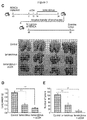
- FIG. 2 depicts, in accordance with various embodiments of the invention, that CD4 depletion enhanced the antitumor effect of mTor inhibition.
- CD4 lymphocytes were depleted with ⁇ CD4 antibody on days 6 and 10. Mice were treated with daily temsirolimus on days 14 to 34. Tumor growth was monitored. Results are representative of triplicate experiments.
- lymphocytes were harvested on day 45, restimulated with CA9 peptide, and stained for CD8 and IFN ⁇ .
- spleen, lymph node and blood were collected on days 0, 1, 10.
- Lymphocytes were stained for CD4, CD8 and FoxP3 and analyzed by flow cytometry.
- c-e The percentages of CD4 cells in the spleen, lymph node and blood on days 0, 1, and 10 following CD4 depletion are reported.
- d percentages of splenocytes that are CD4 or CD8 positive are reported, and percent of CD4 cells that are FoxP3 positive is reported.
- e In the same experiment, the absolute numbers of splenocytes positive for CD4, CD8, and CD4/FoxP3 are reported. *p ⁇ 0.05, **p ⁇ 0.01,***p ⁇ 0.005.
- FIG. 3 depicts, in accordance with various embodiments of the invention, that combination of CD4 depletion and temsirolimus generated anti-tumor immunity that was dependent on memory CD8 cells.
- (b) Tumor-bearing mice (n 8) treated with temsirolimus and CD4 depletion, and then rechallenged with RENCA-CA9 35 days after primary tumor implantation. CD8 cells were depleted by injecting ⁇ CD8 antibody on day 36.
- lymphoctes Lymphocytes were harvested from mice treated with temsirolimus and CD4 depletion. The lymphoctes were cultured in vitro with CA9 peptide and IL2 (10 u/ml) for 3 days and then adoptively transferred into na ⁇ ve B6 mice, which were challenged 24 hrs later with 2 ⁇ 10 5 RENCA tumor cells injected i.v. Lungs were collected 30 days after the i.v. tumor challenge. Lung weight (d) and number of lung tumor deposits (e) were determined. IL2, interleukin-2, *p ⁇ 0.05, **p ⁇ 0.01,***p ⁇ 0.005.
- FIG. 4 depicts, in accordance with various embodiments of the invention, that combination of CD4 depletion and temsirolimus treatment enhanced function of CD8 memory cells.
- Lymphocytes from Thy1.1 Pmel-1 mice were adoptively transferred into Thy1.2 B6 mice, which were stimulated with tumor lysate-pulsed DC vaccine and treated with ⁇ CD4 antibody on days 7 and 10, and daily temsirolimus on days 10 to 24. Results are representative of triplicate experiments.
- FIG. 5 depicts, in accordance with various embodiments of the invention, that the combination of FoxP3+ Treg depletion and temsirolimus enhanced CTL function in vivo.
- CD4+FoxP3+ cells were assessed by flow cytometry using peripheral lymphocytes obtained before and after treating mice with diphtheria toxin.
- the in vivo CTL results were analyzed by flow cytometry using splenocytes harvested 14 hrs following injection of target cells. CTL, cytotoxic T lymphocyte, *p ⁇ 0.05, **p ⁇ 0.01,***p ⁇ 0.005.
- FIG. 6 depicts, in accordance with various embodiments of the invention, that adoptive transfer of FoxP3+ Tregs reduced CTL function in vivo in mice treated with the combination of CD4 depletion and temsirolimus.
- B6 received tumor lysate-pulsed DC vaccine, and were treated intraperitoneally with ⁇ CD4 antibody on days 6 and 10, and daily temsirolimus on days 14 to 24.
- Tregs sorted from lymphocytes from GFP-FoxP3 mice that received tumor lysate-pulsed DC vaccine, were adoptively transferred on day 20 and in vivo CTL assay was performed on day 35.
- FIG. 7 depicts, in accordance with various embodiments of the invention, that after treatment with CD4 depletion, Treg population that recovers is less immunosuppressive.
- Mice were treated using the experimental scheme outlined in FIG. 4 a . On day 45, splenocytes were examined by flow cytometry for CD4+FoxP3+ cells.
- the splenocytes that recovered after CD4 depletion were used to enrich for CD4+ cells, which were then sorted by CD25 status. For the resulting groups, representative flow cytometry for CD4+CD25+ status and CD4+CD25 ⁇ status are shown.
- CD4+CD25 ⁇ cells were co-cultured with DCs pulsed with B16 tumor lysate.
- CD4+CD25 ⁇ cells were analyzed by flow cytometry for IFN ⁇ or IL4 expression.
- CD4+CD25+ cells were co-cultured with DCs pulsed with B16 tumor lysate and CD8 cells from mice immunized with DCs pulsed with B16 tumor lysate.
- CD8 cell proliferation was monitored by flow cytometry using a CFSE dilution assay. *p ⁇ 0.05, **p ⁇ 0.01,***p ⁇ 0.005.
- FIG. 8 depicts, in accordance with various embodiments of the invention, that tumor increases Tregs.
- the percent of CD4 cells expressing FoxP3 were examined from lymph nodes, spleen, bone marrow and peripheral blood lymphocytes (PBL) from tumor bearing mice ( ⁇ 1 cm in diameter) and control mice without tumor. Flow cytometry results are shown.
- FIG. 9 depicts, in accordance with various embodiments of the invention, that ⁇ CD4 antibody depletes effector CD4 subtypes.
- Splenocytes were collected before (day 0) and 1 or 10 days after administering ⁇ CD4 antibody, and analyzed by flow cytometry. The number of total splenocytes staining for CD4 and IL-2, IL-4 or IL-17 is shown.
- Percent of CD4 cells staining for IL-2, IL-4 or IL-17 is shown.
- FIG. 10 depicts, in accordance with various embodiments of the invention, that CD4 depletion prior to immune stimulation prevents formation of CD8 memory cells.
- the experimental scheme is similar to FIG. 4 .
- An additional group is included where ⁇ CD4 antibody is administered on day ⁇ 1 and +1 (Group A).
- FIG. 11 depicts, in accordance with various embodiments of the invention, that Depletion of Tregs or CD4 cells enhance antitumor effect.
- FIG. 12 depicts, in accordance with various embodiments of the invention, that CD4 depletion enhances PD-1 blockade antitumor effect.
- FIG. 13 depicts, in accordance with various embodiments of the invention, that CD4 depletion enhances to tumor-specific cellular immunity.
- FIG. 14 depicts, in accordance with various embodiments of the invention, that combination of anti-CD4 antibody, Temsirolimus and dendritic cell vaccine exhibited enhanced anti-tumor activity.
- the term “comprising” or “comprises” is used in reference to compositions, methods, and respective component(s) thereof, that are useful to an embodiment, yet open to the inclusion of unspecified elements, whether useful or not. It will be understood by those within the art that, in general, terms used herein are generally intended as “open” terms (e.g., the term “including” should be interpreted as “including but not limited to,” the term “having” should be interpreted as “having at least,” the term “includes” should be interpreted as “includes but is not limited to,” etc.).
- the terms “treat,” “treatment,” “treating,” or “amelioration” when used in reference to a disease, disorder or medical condition refer to both therapeutic treatment and prophylactic or preventative measures, wherein the object is to prevent, reverse, alleviate, ameliorate, inhibit, lessen, slow down or stop the progression or severity of a symptom or condition.
- the term “treating” includes reducing or alleviating at least one adverse effect or symptom of a condition. Treatment is generally “effective” if one or more symptoms or clinical markers are reduced. Alternatively, treatment is “effective” if the progression of a disease-state is reduced or halted.
- treatment includes not just the improvement of symptoms or markers, but also a cessation or at least slowing of progress or worsening of symptoms that would be expected in the absence of treatment. Also, “treatment” may mean to pursue or obtain beneficial results, or lower the chances of the individual developing the condition even if the treatment is ultimately unsuccessful. Those in need of treatment include those already with the condition as well as those prone to have the condition or those in whom the condition is to be prevented.
- “Beneficial results” or “desired results” may include, but are in no way limited to, lessening or alleviating the severity of the disease condition, preventing the disease condition from worsening, curing the disease condition, preventing the disease condition from developing, lowering the chances of a patient developing the disease condition, decreasing morbidity and mortality, and prolonging a patient's life or life expectancy.
- “beneficial results” or “desired results” may be alleviation of one or more symptom(s), diminishment of extent of the deficit, stabilized (i.e., not worsening) state of cancer progression, delay or slowing of metastasis or invasiveness, and amelioration or palliation of symptoms associated with the cancer.
- administering refers to the placement an agent as disclosed herein into a subject by a method or route which results in at least partial localization of the agents at a desired site.
- cancer refers to an uncontrolled growth of cells which interferes with the normal functioning of the bodily organs and systems, and/or all neoplastic cell growth and proliferation, whether malignant or benign, and all pre-cancerous and cancerous cells and tissues. Included in this definition are benign and malignant cancers, as well as dormant tumors or micro-metastases.
- cancer refers to a cancer arising from epithelial cells.
- invasive refers to the ability to infiltrate and destroy surrounding tissue. Melanoma is an invasive form of skin tumor.
- cancer examples include, but are not limited to B-cell lymphomas (Hodgkin's lymphomas and/or non-Hodgkins lymphomas), brain tumor, breast cancer, colon cancer, lung cancer, hepatocellular cancer, gastric cancer, pancreatic cancer, cervical cancer, ovarian cancer, liver cancer, bladder cancer, cancer of the urinary tract, thyroid cancer, renal cancer, carcinoma, melanoma, head and neck cancer, brain cancer, and prostate cancer, including but not limited to androgen-dependent prostate cancer and androgen-independent prostate cancer.
- B-cell lymphomas Hodgkin's lymphomas and/or non-Hodgkins lymphomas
- brain tumor breast cancer
- colon cancer lung cancer
- gastric cancer pancreatic cancer
- cervical cancer ovarian cancer
- liver cancer bladder cancer
- cancer of the urinary tract thyroid cancer
- renal cancer carcinoma
- melanoma head and neck cancer
- brain cancer and prostate cancer, including but not limited to androgen-dependent prostate cancer and androgen-independent prostate cancer
- Conditions and “disease conditions,” as used herein may include, cancers, tumors or infectious diseases.
- the conditions include but are in no way limited to any form of malignant neoplastic cell proliferative disorders or diseases.
- conditions include any one or more of kidney cancer, melanoma, prostate cancer, breast cancer, glioblastoma, lung cancer, colon cancer, or bladder cancer.
- Immunocell refers to the cells of the mammalian immune system including but not limited to antigen presenting cells, B-cells, basophils, cytotoxic T-cells, dendritic cells, eosinophils, granulocytes, helper T-cells, leukocytes, lymphocytes, macrophages, mast cells, memory cells, monocytes, natural killer cells, neutrophils, phagocytes, plasma cells and T-cells.
- antigen presenting cells B-cells, basophils, cytotoxic T-cells, dendritic cells, eosinophils, granulocytes, helper T-cells, leukocytes, lymphocytes, macrophages, mast cells, memory cells, monocytes, natural killer cells, neutrophils, phagocytes, plasma cells and T-cells.
- Immuno response refers to immunities including but not limited to innate immunity, humoral immunity, cellular immunity, immunity, inflammatory response, acquired (adaptive) immunity, autoimmunity and/or overactive immunity
- sample or “biological sample” as used herein denotes a sample taken or isolated from a biological organism, e.g., a tumor sample from a subject.
- exemplary biological samples include, but are not limited to, a biofluid sample; serum; plasma; urine; saliva; a tumor sample; a tumor biopsy and/or tissue sample etc.
- the term also includes a mixture of the above-mentioned samples.
- sample also includes untreated or pretreated (or pre-processed) biological samples.
- a sample can comprise one or more cells from the subject.
- a sample can be a tumor cell sample, e.g. the sample can comprise cancerous cells, cells from a tumor, and/or a tumor biopsy.
- a “subject” means a human or animal. Usually the animal is a vertebrate such as a primate, rodent, domestic animal or game animal. Primates include chimpanzees, cynomologous monkeys, spider monkeys, and macaques, e.g., Rhesus. Rodents include mice, rats, woodchucks, ferrets, rabbits and hamsters. Domestic and game animals include cows, horses, pigs, deer, bison, buffalo, feline species, e.g., domestic cat, and canine species, e.g., dog, fox, wolf. The terms, “patient”, “individual” and “subject” are used interchangeably herein.
- the subject is mammal.
- the mammal can be a human, non-human primate, mouse, rat, dog, cat, horse, or cow, but are not limited to these examples.
- the methods described herein can be used to treat domesticated animals and/or pets.
- a subject can be one who has been previously diagnosed with or identified as suffering from or having a disease-state in need of monitoring (e.g., cancer or infectious disease) or one or more complications related to such a disease-state, and optionally, have already undergone treatment for the disease-state or the one or more complications related to the disease/condition.
- a subject can also be one who has not been previously diagnosed as having a disease-state or one or more complications related to the disease/condition.
- a subject can be one who exhibits one or more risk factors for a disease-state or one or more complications related to a disease-state or a subject who does not exhibit risk factors.
- a “subject in need” of treatment for a particular disease-state can be a subject having that disease/condition, diagnosed as having that condition, or at risk of developing that disease.
- statically significant or “significantly” refers to statistical evidence that there is a difference. It is defined as the probability of making a decision to reject the null hypothesis when the null hypothesis is actually true. The decision is often made using the p-value.
- CD4 lymphocytes refer to lymphocytes that express CD4, i.e., lymphocytes that are CD4+.
- CD4 lymphocytes may be T cells that express CD4.
- T-cell and “T-lymphocyte” are interchangeable and used synonymously herein. Examples include but are not limited to na ⁇ ve T cells, central memory T cells, effector memory T cells or combinations thereof.
- “Therapeutic agents” as used herein refers to agents that are used to, for example, treat, inhibit, prevent, mitigate the effects of, reduce the severity of, reduce the likelihood of developing, slow the progression of and/or cure, a disease.
- Diseases targeted by the therapeutic agents include but are not limited to infectious diseases, carcinomas, sarcomas, lymphomas, leukemia, germ cell tumors, blastomas, antigens expressed on various immune cells, and antigens expressed on cells associated with various hematologic diseases, and/or inflammatory diseases.
- a CD4 lymphocyte depleting agent is used alone or in combination with various other therapies and agents to target the immune system to treat cancer and/or infectious diseases.
- therapies and agents that can be used in combination with a CD4 lymphocyte depleting agent include but are not limited to immune check point inhibitors, adoptive immune therapies, immune adjuvants, and immune modulating agents.
- the present invention provides a method of treating, preventing, reducing the severity of and/or slowing the progression of a condition in a subject.
- the method includes providing a composition comprising a CD4 lymphocyte depleting agent and administering a therapeutically effective amount of the composition to the subject, thereby treating, preventing, reducing the severity of and/or slowing the progression of the condition in the subject.
- the condition is cancer or an infectious disease.
- the subject has been diagnosed with cancer.
- the subject has been diagnosed with an infectious disease.
- the subject has had the disease for an amount of time long enough to prime the immune system prior to administration of the composition comprising a CD4 lymphocyte depleting agent.
- the amount of time for which the subject has had the condition is 1 day or more, 2 days or more, 3 days or more, 4 days or more, 5 days or more, 6 days or more, 7 days or more, 8 days or more, 9 days or more, 10 days or more, 15 days or more, 20 days or more, 1 month or more, 2 months or more, 3 months or more, 4 months or more, 5 months or more, 6 months or more, 1 year or more, or combinations thereof.
- the present invention provides methods for treating, preventing, reducing the severity of and/or slowing the progression of a condition in a subject.
- the methods include providing a CD4 lymphocyte depleting agent and at least one additional agent selected from the group consisting of an immune check point inhibitor, an adoptive immune therapeutic agent, an immune adjuvant, and an immune modulating agent; and administering a therapeutically effective amount of the CD4 lymphocyte depleting agent and a therapeutically effective amount of at least one of an immune check point inhibitor, an adoptive immune therapeutic agent, an immune adjuvant, and an immune modulating agent to the subject, thereby treating, preventing, reducing the severity of and/or slowing the progression of the condition in the subject.
- the methods further comprise administering an mTOR inhibitor to the subject.
- the CD4 lymphocyte depleting agent and the additional agent may be administered sequentially or simultaneously.
- the condition is cancer. In some embodiments, the condition is an infectious disease.
- the present invention provides methods for treating, preventing, reducing the severity of and/or slowing the progression of a condition in a subject.
- the methods include providing a CD4 lymphocyte depleting agent and an adoptive immune therapeutic agent and administering a therapeutically effective amount of the CD4 lymphocyte depleting agent and a therapeutically effect amount of the adoptive immune therapeutic agent to the subject so as to treat, inhibit, prevent, reduce the severity and/or slow the progression of the condition in the subject.
- the CD4 lymphocyte depleting agent is an anti-CD4 antibody or a fragment thereof or a variant thereof and the adoptive immune therapeutic agent is a dendritic cell vaccine.
- the condition is cancer or an infectious disease.
- anti-CD4 antibody and dendritic cell vaccine are administered simultaneously. In some embodiments, the anti-CD4 antibody and the dendritic cell vaccine are administered sequentially. In some embodiments, the methods may further comprise administering an effective amount of an mTOR inhibitor, sequentially or simultaneously with the CD4 lymphocyte depleting agent and the adoptive immune therapeutic agent.
- the present invention provides methods for treating, preventing, reducing the severity of and/or slowing the progression of a condition in a subject.
- the methods include providing a CD4 lymphocyte depleting agent and an immune checkpoint inhibitor and administering a therapeutically effective amount of the CD4 lymphocyte depleting agent and a therapeutically effective amount of the immune checkpoint inhibitor to the subject so as to treat, inhibit, prevent, reduce the severity and/or slow the progression of the condition in the subject.
- the CD4 lymphocyte depleting agent is an anti-CD4 antibody or a fragment thereof or a variant thereof and the checkpoint inhibitor is an anti-PD-1 antibody or a fragment thereof or a variant thereof.
- the condition is cancer or an infectious disease.
- anti-CD4 antibody and anti-PD-1 antibody are administered simultaneously. In some embodiments, the anti-CD4 antibody and the anti-PD-1 antibody are administered sequentially.
- the methods may further comprise administering an mTOR inhibitor. In some embodiments, the methods may further comprise administering an effective amount of an mTOR inhibitor, sequentially or simultaneously with the CD4 lymphocyte depleting agent and the checkpoint inhibitor.
- the present invention provides methods for treating, preventing, reducing the severity of and/or slowing the progression of a condition in a subject.
- the methods include providing a CD4 lymphocyte depleting agent, an adoptive immune therapeutic agent and an mTOR inhibitor and administering a therapeutically effective amount of the CD4 lymphocyte depleting agent, a therapeutically effective amount of the adoptive immune therapeutic agent and a therapeutically effective amount of the mTOR inhibitor to the subject so as to treat, inhibit, prevent, reduce the severity and/or slow the progression of the condition in the subject.
- the CD4 lymphocyte depleting agent is an anti-CD4 antibody or a fragment thereof or a variant thereof.
- the adoptive immune therapeutic agent is a dendritic cell vaccine.
- the mTOR inhibitor is temsirolimus.
- the condition is cancer or an infectious disease.
- anti-CD4 antibody, dendritic cell vaccine and the mTOR inhibitor are administered simultaneously.
- anti-CD4 antibody, dendritic cell vaccine and the mTOR inhibitor are administered sequentially.
- the methods described herein may be used to prevent metastasis of cancer or prevent recurrence of cancer in a subject in need thereof.
- the CD4 lymphocyte depleting agent may be any one or more of small molecule, a peptide, an antibody or a fragment thereof, and a nucleic acid molecule.
- the antibody specifically binds CD4 on CD4-expressing T cells such as regulatory T cells (Treg cells).
- An antibody for example, anti-CD4 antibody or anti-PD-1 antibody
- These antibodies can be from any source, e.g., rat, mouse, guinea pig, dog, cat, rabbit, pig, cow, horse, goat, donkey or human.
- Fragments of antibodies may be any one or more of Fab, F(ab′)2, Fv fragments or their fusion proteins.
- the CD4 lymphocyte depleting agent is a humanized anti-CD4 antibody or a fragment thereof.
- the CD4 lymphocyte depleting agents are zanolimumab, keliximab, and OKT4.
- the CD4 lymphocyte depleting agent and the additional agent are administered concurrently. In other embodiments, the CD4 lymphocyte depleting agent and the additional agent are administered sequentially. For example, the CD4 lymphocyte depleting agent is administered before, during or after administering the additional agent. In further embodiments, the the CD4 lymphocyte depleting agent and the additional agent are administered with food or without food. In accordance with the invention, the CD4 lymphocyte depleting agent and/or the additional agent may be used in combination with other agents, including but not limited to cancer vaccines and chemotherapeutic agents. As described herein, the additional agent is any one or more of an immune check point inhibitor, an adoptive immune therapeutic agent, an immune adjuvant, and an immune modulating agent.
- the additional agent is an immune checkpoint inhibitor.
- immune checkpoint inhibitors include but are not limited to anti-PD-1 antibodies such as Lambrolizumab (MK-3475), Nivolumab (BMS-936558) and Pidilizumab (CT-011), anti-PD-L1 antibodies such as MPDL3280A(RG7446), MEDI4736 and BMS-936559, anti-PD-L2 antibodies, B7-DC-Fc fusion proteins such as AMP-224, anti-CTLA-4 antibodies such as tremelimumab (CP-675,206) and ipilimumab (MDX-010), antibodies against the B7/CD28 receptor superfamily, anti-Indoleamine (2,3)-dioxygenase (IDO) antibodies, anti-IDO1 antibodies, anti-IDO2 antibodies, tryptophan, tryptophan mimetic, 1-methyl tryptophan (1-MT)), Indoximod (D-1-methyl tryptophan (D
- the immune checkpoint inhibitor is selected from the group consisting of an antibody against PD-1, an antibody against PD-L1, an antibody against PD-L2, an antibody against CTLA-4, an antibody against KIR, an antibody against IDO1, an antibody against IDO2, an antibody against TIM-3, an antibody against LAG-3, an antibody against OX40R, and an antibody against PS, or a combination thereof.
- the additional agent is an adoptive immune therapeutic.
- the adoptive immune therapeutic is selected from the group consisting of a dendritic cell vaccine, a peptide vaccine, a chimeric T cell antigen-based therapy, T cell-based therapy, an immune cytokine, a heat shock protein-based vaccine, a tumor lysate-based vaccine, a viral vector carrying a tumor antigen, a viral vaccine, a bacterial vaccine, and a fungal vaccine, or a combination thereof. Additional information can be found in Radvanyi et al. Clin Cancer Res. 2012 Dec. 15; 18(24):6758-70; Epub 2012 Oct. 2, which is incorporated herein by reference in its entirety as though fully set forth.
- the additional agent is an immune adjuvant.
- adjuvants include but are not limited to cationic liposome-DNA complex JVRS-100, aluminum hydroxide vaccine adjuvant, aluminum phosphate vaccine adjuvant, aluminum potassium sulfate adjuvant, Alhydrogel, ISCOM(s)TM, Freund's Complete Adjuvant, Freund's Incomplete Adjuvant, CpG DNA Vaccine Adjuvant, Cholera toxin, Cholera toxin B subunit, Liposomes, Saponin Vaccine Adjuvant, DDA Adjuvant, Squalene-based Adjuvants, Etx B subunit Adjuvant, IL-12 Vaccine Adjuvant, LTK63 Vaccine Mutant Adjuvant, TiterMax Gold Adjuvant, Ribi Vaccine Adjuvant, Montanide ISA 720 Adjuvant, Corynebacterium -derived P40 Vaccine Adjuvant, MPLTM Adjuvant, AS04, AS02, Lipopolys
- the immune adjuvant is selected from the group consisting of an aluminum salt, a virosome and an oil-based adjuvant, or a combination thereof.
- the additional agent is an immune modulating agent.
- the immune modulating agent is selected from the group consisting of an mTOR inhibitor, a STAT inhibitor, a TGF ⁇ receptor inhibitor, and a tyrosine kinase inhibitor, or a combination thereof.
- the methods may further include administering an mTOR inhibitor to the subject.
- the mTOR inhibitor may be any one or more of a small molecule, a peptide, an antibody or a fragment thereof, a nucleic acid molecule and/or a macrolide compound.
- the antibody specifically binds mTOR so as to inhibit mTOR.
- the antibody may be any one or more of a monoclonal antibody or fragment thereof, a polyclonal antibody or a fragment thereof, a chimeric antibody, a humanized antibody, a human antibody or a fragment thereof, or a single chain antibody.
- antibodies can be from any source, e.g., rat, mouse, guinea pig, dog, cat, rabbit, pig, cow, horse, goat, donkey or human. Fragments of antibodies may be any one or more of Fab, F(ab′)2, Fv fragments or their fusion proteins.
- the mTOR inhibitor is a macrolide compound.
- macrolide compounds that may be used with the claimed invention include but are not limited to temsirolimus (CCI-779) or a pharmaceutical equivalent, analog, derivative or a salt thereof, evirolimus (RAD-001) or a pharmaceutical equivalent, analog, derivative or a salt thereof, and/or sirolimus (rapamycin) or a pharmaceutical equivalent, analog, derivative or a salt thereof.
- the additional agent is a STAT inhibitor.
- STAT inhibitors include but are not limited to SOCS (supressors of cytokine signaling), PIAS (protein inhibitors of activated stats) including PIAS1, PIAS2, PIAS3, PIAS4, PIASxa, PIASxb, and PIASy, Nifuroxazide (5-Nitro-2-furaldehyde-p-hydroxybenzoylhydrazone), N-[2-(1, 3, 4-oxadiazolyl)]-4-Quinolinecarboxamide, non-peptidic small molecule inhibitors, Stattic, STA-21, LLL-3, LLL12, XZH-5, S31-201, SF-1066, SF-1087, 17o, Cryptotanshinon, FLL32, C188-9, LY5, BP-1108, BP-1075, Galiellalactone, JQ1, STX-0119, FLLL11, FLLL12, FLLL32, FLLL62
- the additional agent is a JAK inhibitor.
- JAK inhibitors include but are not limited to Tyrphostin AG490, CP-690550, ruxolitinib (INCB018424), TG101348 (SAR 30253), lestaurtinib (CEP701), CYT387, pacritinib (SB1518), AZD1480, XL019, and LY2784544. Additional information can be found in Mascarenhas et al. (Biology and clinical management of myeloproliferative neoplasms and development of the JAK inhibitor ruxolitinib, Curr Med Chem. 2012; 19(26):4399-413), which is incorporated herein by reference in its entirety as though fully set forth.
- the additional agent is a TGF ⁇ receptor inhibitor.
- TGF ⁇ receptor inhibitors include but are not limited to dominant negative TGF- ⁇ Type II receptors (T ⁇ RII), ligand traps, the soluble T ⁇ RII ectodomain, the soluble betaglycan ectodomain, recombinant Fc-fusion proteins containing the soluble ectodomain of either T ⁇ RII (T ⁇ RII-Fc) or the type III receptor/betaglycan, soluble human ⁇ 2-macroglobulin plasma protein, fully humanized pan-TGF- ⁇ monoclonal neutralizing antibodies including Lerdelimumab (CAT-152), Metelimumab (CAT-192) and GC-1008 (Fresolimumab), and 1D11; antisense oligonucleotides (ASO) designed to hybridize to their complementary RNA sequence and accelerate mRNA degradation, AP12009 (Trabedersen) and AP-11014; receptor kinase inhibitors
- ASO
- the additional agent is a tyrosine kinase inhibitor.
- tyrosine kinase inhibitors include but are not limited to sunitinib, erlotinib, vandetanib, cediranib, brivanib, foretinib, and dovitinib. Additional information can be found in Huynh H. (Molecularly targeted therapy in hepatocellular carcinoma, Biochem Pharmacol. 2010 Sep. 1; 80(5):550-60. Epub 2010 Apr. 4), which is incorporated herein by reference in its entirety as though fully set forth.
- the methods described herein further comprise administering a chemotherapeutic agent to the subject being administered a composition comprising CD4 lymphocyte depleting agent or a composition comprising a CD4 lymphocyte depleting agent and an additional agent selected from the group consisting of an immune check point inhibitor, an adoptive immune therapeutic, an immune adjuvant, and an immune modulating agent.
- Non-limiting examples of chemotherapeutic agents can include alkylating agents such as thiotepa and CYTOXAN® cyclosphosphamide; alkyl sulfonates such as busulfan, improsulfan and piposulfan; aziridines such as benzodopa, carboquone, meturedopa, and uredopa; ethylenimines and methylamelamines including altretamine, triethylenemelamine, trietylenephosphoramide, triethiylenethiophosphoramide and trimethylolomelamine; acetogenins (especially bullatacin and bullatacinone); a camptothecin (including the synthetic analogue topotecan); bryostatin; callystatin; CC-1065 (including its adozelesin, carzelesin and bizelesin synthetic analogues); cryptophycins (particularly cryptophycin 1 and cryptophycin 8);
- dynemicin including dynemicin A; bisphosphonates, such as clodronate; an esperamicin; as well as neocarzinostatin chromophore and related chromoprotein enediyne antiobiotic chromophores), aclacinomysins, actinomycin, authramycin, azaserine, bleomycins, cactinomycin, carabicin, caminomycin, carzinophilin, chromomycinis, dactinomycin, daunorubicin, detorubicin, 6-diazo-5-oxo-L-norleucine, ADRIAMYCIN® doxorubicin (including morpholino-doxorubicin, cyanomorpholino-doxorubicin, 2-pyrrolino-doxorubicin and deoxydoxorubicin), epi
- cancer examples include but are not limited to, carcinoma, blastoma, and sarcoma. More particular examples of such cancers include, but are not limited to, basal cell carcinoma, biliary tract cancer; bladder cancer; bone cancer; brain and CNS cancer; breast cancer; cancer of the peritoneum; cervical cancer; choriocarcinoma; colon and rectum cancer; connective tissue cancer; cancer of the digestive system; endometrial cancer; esophageal cancer; eye cancer; cancer of the head and neck; gastric cancer (including gastrointestinal cancer); glioblastoma; hepatic carcinoma; hepatoma; intra-epithelial neoplasm; kidney or renal cancer; larynx cancer; liver cancer; lung cancer (e.g., small-cell lung cancer, non-small cell lung cancer, adenocarcinoma of the lung, and squamous carcinoma of the lung); lymphoma including Hodgkin's and non-Hodgkin's lymphoma; mela
- the condition may be a malignant neoplastic cell proliferative disorder or disease. Still in accordance with the invention, the condition may be renal cell carcinoma or melanoma. Diseases targeted by the therapeutic agents include carcinomas, sarcomas, germ cell tumors and/or blastomas.
- infectious diseases are caused by infectious bacteria.
- infectious bacteria include: Helicobacterpyloris, Borelia burgdorferi, Legionella pneumophilia, Mycobacteria sps (such as M. tuberculosis, M. avium, M. intracellulare, M. kansaii, M.
- compositions and methods described herein are contemplated for use in treating infections with these bacterial agents.
- Other infectious organisms include: Plasmodium falciparum and Toxoplasma gondii .
- the compositions and methods described herein are contemplated for use in treating infections with these agents.
- viral antigens may be any antigens present in infectious viruses and that induce an immune response in a subject.
- infectious viruses include: Retroviridae (for example, HIV); Picornaviridae (for example, polio viruses, hepatitis A virus; enteroviruses, human coxsackie viruses, rhinoviruses, echoviruses); Calciviridae (such as strains that cause gastroenteritis); Togaviridae (for example, equine encephalitis viruses, rubella viruses); Flaviridae (for example, dengue viruses, encephalitis viruses, yellow fever viruses); Coronaviridae (for example, coronaviruses); Rhabdoviridae (for example, vesicular stomatitis viruses, rabies viruses); Filoviridae (for example, ebola viruses); Paramyxoviridae (for example, parainfluenza viruses, mumps virus, measles virus, respiratory syncytial virus
- fungal infections examples include but are not limited to: aspergillosis; thrush (caused by Candida albicans ); cryptococcosis (caused by Cryptococcus ); and histoplasmosis.
- infectious fungi examples include, but are not limited to, Cryptococcus neoformans, Histoplasma capsulatum, Coccidioides immitis, Blastomyces dermatitidis, Chlamydia trachomatis, Candida albicans .
- the compositions and methods described herein are contemplated for use in treating infections with these fungal agents.
- the subject is a human.
- the subject is a a mammalian including but not limited to human, monkey, ape, dog, cat, cow, horse, goat, pig, rabbit, mouse and rat.
- the composition is administered intravenously, intramuscularly, subcutaneously, intraperitoneally, orally or via inhalation.
- various routes may be utilized to administer the composition of the claimed methods, including but not limited to aerosol, nasal, oral, transmucosal, transdermal, parenteral, implantable pump, continuous infusion, topical application, capsules and/or injections.
- the CD4 lymphocyte depleting agent is administered at 100-200 mg/day, 200-300 mg/day, 300-400 mg/day, 400-500 mg/day, 500-600 mg/day, 600-700 mg/day, 700-800 mg/day, 800-900 mg/day, 900-1000 mg/day, 1000-1100 mg/day, 1100-1200 mg/day, 1200-1300 mg/day, 1300-1400 mg/day, 1400-1500 mg/day, 1500-1600 mg/day, 1600-1700 mg/day, 1700-1800 mg/day, 1800-1900 mg/day or 1900-2000 mg/day.
- the additional agent is administered at 0.1-0.5 mg/day, 0.5-1.0 mg/day, 1.0-1.5 mg/day, 1.5-2.0 mg/day, 2.0-2.5 mg/day, 2.5-5 mg/day, 5-10 mg/day, 10-15 mg/day, 15-20 mg/day, 20-25 mg/day, 25-30 mg/day, 30-35 mg/day, 35-40 mg/day, 40-45 mg/day, 45-50 mg/day, 50-55 mg/day, 55-60 mg/day, 60-65 mg/day, 65-70 mg/day, 70-75 mg/day, 75-80 mg/day, 80-85 mg/day, 85-90 mg/day, 90-95 mg/day or 95-100 mg/day.
- the present invention provides a composition comprising a CD4 lymphocyte depleting agent.
- the present invention provides compositions comprising at least one of an immune check point inhibitor, an adoptive immune therapeutic, an immune adjuvant, and an immune modulating agent. Examples of immune check point inhibitor, an adoptive immune therapeutic, an immune adjuvant, and an immune modulating agent are described herein.
- a composition comprising a CD4 lymphocyte depleting agent and a composition comprising an additional agent are two separate compositions.
- the CD4 lymphocyte depleting agents and/or the additional agents useful in the treatment of disease in mammals will often be prepared substantially free of naturally-occurring immunoglobulins or other biological molecules.
- Preferred CD4 lymphocyte depleting agents and/or the additional agents will also exhibit minimal toxicity when administered to a mammal.
- compositions according to the invention can contain any pharmaceutically acceptable excipient.
- “Pharmaceutically acceptable excipient” means an excipient that is useful in preparing a pharmaceutical composition that is generally safe, non-toxic, and desirable, and includes excipients that are acceptable for veterinary use as well as for human pharmaceutical use. Such excipients may be solid, liquid, semisolid, or, in the case of an aerosol composition, gaseous.
- excipients include but are not limited to starches, sugars, microcrystalline cellulose, diluents, granulating agents, lubricants, binders, disintegrating agents, wetting agents, emulsifiers, coloring agents, release agents, coating agents, sweetening agents, flavoring agents, perfuming agents, preservatives, antioxidants, plasticizers, gelling agents, thickeners, hardeners, setting agents, suspending agents, surfactants, humectants, carriers, stabilizers, and combinations thereof.
- compositions according to the invention may be formulated for delivery via any route of administration.
- Route of administration may refer to any administration pathway known in the art, including but not limited to aerosol, nasal, oral, transmucosal, transdermal, parenteral, enteral, topical or local.
- Parenteral refers to a route of administration that is generally associated with injection, including intraorbital, infusion, intraarterial, intracapsular, intracardiac, intradermal, intramuscular, intraperitoneal, intrapulmonary, intraspinal, intrasternal, intrathecal, intrauterine, intravenous, subarachnoid, subcapsular, subcutaneous, transmucosal, or transtracheal.
- the compositions may be in the form of solutions or suspensions for infusion or for injection, or as lyophilized powders. Via the parenteral route, the compositions may be in the form of solutions or suspensions for infusion or for injection.
- the pharmaceutical compositions can be in the form of tablets, gel capsules, sugar-coated tablets, syrups, suspensions, solutions, powders, granules, emulsions, microspheres or nanospheres or lipid vesicles or polymer vesicles allowing controlled release.
- the compositions are administered by injection. Methods for these administrations are known to one skilled in the art.
- compositions according to the invention can contain any pharmaceutically acceptable carrier.
- “Pharmaceutically acceptable carrier” as used herein refers to a pharmaceutically acceptable material, composition, or vehicle that is involved in carrying or transporting a compound of interest from one tissue, organ, or portion of the body to another tissue, organ, or portion of the body.
- the carrier may be a liquid or solid filler, diluent, excipient, solvent, or encapsulating material, or a combination thereof.
- Each component of the carrier must be “pharmaceutically acceptable” in that it must be compatible with the other ingredients of the formulation. It must also be suitable for use in contact with any tissues or organs with which it may come in contact, meaning that it must not carry a risk of toxicity, irritation, allergic response, immunogenicity, or any other complication that excessively outweighs its therapeutic benefits.
- compositions according to the invention can also be encapsulated, tableted or prepared in an emulsion or syrup for oral administration.
- Pharmaceutically acceptable solid or liquid carriers may be added to enhance or stabilize the composition, or to facilitate preparation of the composition.
- Liquid carriers include syrup, peanut oil, olive oil, glycerin, saline, alcohols and water.
- Solid carriers include starch, lactose, calcium sulfate, dihydrate, terra alba, magnesium stearate or stearic acid, talc, pectin, acacia, agar or gelatin.
- the carrier may also include a sustained release material such as glyceryl monostearate or glyceryl distearate, alone or with a wax.
- the pharmaceutical preparations are made following the conventional techniques of pharmacy involving milling, mixing, granulation, and compressing, when necessary, for tablet forms; or milling, mixing and filling for hard gelatin capsule forms.
- a liquid carrier When a liquid carrier is used, the preparation will be in the form of a syrup, elixir, emulsion or an aqueous or non-aqueous suspension.
- Such a liquid formulation may be administered directly p.o. or filled into a soft gelatin capsule.
- the pharmaceutical compositions according to the invention may be delivered in a therapeutically effective amount.
- the precise therapeutically effective amount is that amount of the composition that will yield the most effective results in terms of efficacy of treatment in a given subject. This amount will vary depending upon a variety of factors, including but not limited to the characteristics of the therapeutic compound (including activity, pharmacokinetics, pharmacodynamics, and bioavailability), the physiological condition of the subject (including age, sex, disease type and stage, general physical condition, responsiveness to a given dosage, and type of medication), the nature of the pharmaceutically acceptable carrier or carriers in the formulation, and the route of administration.
- formulants may be added to the composition.
- a liquid formulation may be preferred.
- these formulants may include oils, polymers, vitamins, carbohydrates, amino acids, salts, buffers, albumin, surfactants, bulking agents or combinations thereof.
- Carbohydrate formulants include sugar or sugar alcohols such as monosaccharides, disaccharides, or polysaccharides, or water soluble glucans.
- the saccharides or glucans can include fructose, dextrose, lactose, glucose, mannose, sorbose, xylose, maltose, sucrose, dextran, pullulan, dextrin, alpha and beta cyclodextrin, soluble starch, hydroxethyl starch and carboxymethylcellulose, or mixtures thereof
- “Sugar alcohol” is defined as a C4 to C8 hydrocarbon having an —OH group and includes galactitol, inositol, mannitol, xylitol, sorbitol, glycerol, and arabitol.
- sugars or sugar alcohols mentioned above may be used individually or in combination. There is no fixed limit to amount used as long as the sugar or sugar alcohol is soluble in the aqueous preparation. In one embodiment, the sugar or sugar alcohol concentration is between 1.0 w/v % and 7.0 w/v %, more preferable between 2.0 and 6.0 w/v %.
- Amino acids formulants include levorotary (L) forms of carnitine, arginine, and betaine; however, other amino acids may be added.
- polymers as formulants include polyvinylpyrrolidone (PVP) with an average molecular weight between 2,000 and 3,000, or polyethylene glycol (PEG) with an average molecular weight between 3,000 and 5,000.
- PVP polyvinylpyrrolidone
- PEG polyethylene glycol
- a buffer in the composition it is also preferred to use a buffer in the composition to minimize pH changes in the solution before lyophilization or after reconstitution.
- Most any physiological buffer may be used including but not limited to citrate, phosphate, succinate, and glutamate buffers or mixtures thereof.
- the concentration is from 0.01 to 0.3 molar.
- Surfactants that can be added to the formulation are shown in EP Nos. 270,799 and 268,110.
- liposome Another drug delivery system for increasing circulatory half-life is the liposome.
- Methods of preparing liposome delivery systems are discussed in Gabizon et al., Cancer Research (1982) 42:4734; Cafiso, Biochem Biophys Acta (1981) 649:129; and Szoka, Ann Rev Biophys Eng (1980) 9:467.
- Other drug delivery systems are known in the art and are described in, e.g., Poznansky et al., DRUG DELIVERY SYSTEMS (R. L. Juliano, ed., Oxford, N.Y. 1980), pp. 253-315; M. L. Poznansky, Pharm Revs (1984) 36:277.
- the liquid pharmaceutical composition may be lyophilized to prevent degradation and to preserve sterility.
- Methods for lyophilizing liquid compositions are known to those of ordinary skill in the art.
- the composition may be reconstituted with a sterile diluent (Ringer's solution, distilled water, or sterile saline, for example) which may include additional ingredients.
- a sterile diluent Finger's solution, distilled water, or sterile saline, for example
- the composition is administered to subjects using those methods that are known to those skilled in the art.
- compositions of the invention may be sterilized by conventional, well-known sterilization techniques.
- the resulting solutions may be packaged for use or filtered under aseptic conditions and lyophilized, the lyophilized preparation being combined with a sterile solution prior to administration.
- the compositions may contain pharmaceutically-acceptable auxiliary substances as required to approximate physiological conditions, such as pH adjusting and buffering agents, tonicity adjusting agents and the like, for example, sodium acetate, sodium lactate, sodium chloride, potassium chloride, calcium chloride, and stabilizers (e.g., 1-20% maltose, etc.).
- the present invention provides a kit for treating, preventing, reducing the severity of and/or slowing the progression of a condition in a subject.
- the kit comprises a composition comprising a CD4 lymphocyte depleting agent and instructions for using the composition to treat, prevent, reduce the severity of and/or slow the progression of the condition in the subject.
- the present invention provides a kit for treating, preventing, reducing the severity of and/or slowing the progression of a condition in a subject.
- the kit comprises a composition comprising a CD4 lymphocyte depleting agent and a composition comprising at least one additional agent selected from the group consisting of an immune check point inhibitor, an adoptive immune therapeutic, an immune adjuvant, and an immune modulating agent; and instructions for using the composition to treat, prevent, reduce the severity of and/or slow the progression of the condition in the subject.
- the kit is an assemblage of materials or components, including at least one of the inventive compositions.
- the kit contains a composition including a drug delivery molecule complexed with a therapeutic agent, as described above.
- the kit is configured particularly for the purpose of treating mammalian subjects. In another embodiment, the kit is configured particularly for the purpose of treating human subjects. In further embodiments, the kit is configured for veterinary applications, treating subjects such as, but not limited to, farm animals, domestic animals, and laboratory animals.
- Instructions for use may be included in the kit. “Instructions for use” typically include a tangible expression describing the technique to be employed in using the components of the kit to affect a desired outcome.
- the kit also contains other useful components, such as, diluents, buffers, pharmaceutically acceptable carriers, syringes, catheters, applicators, pipetting or measuring tools, bandaging materials or other useful paraphernalia as will be readily recognized by those of skill in the art.
- the materials or components assembled in the kit can be provided to the practitioner stored in any convenient and suitable ways that preserve their operability and utility.
- the components can be in dissolved, dehydrated, or lyophilized form; they can be provided at room, refrigerated or frozen temperatures.
- the components are typically contained in suitable packaging material(s).
- packaging material refers to one or more physical structures used to house the contents of the kit, such as inventive compositions and the like.
- the packaging material is constructed by well-known methods, preferably to provide a sterile, contaminant-free environment.
- the term “package” refers to a suitable solid matrix or material such as glass, plastic, paper, foil, and the like, capable of holding the individual kit components.
- a package can be a glass vial used to contain suitable quantities of a composition containing a CD lymphocyte depleting agent or a composition containing a CD lymphocyte depleting agent and at least one additional agent selected from the group consisting of an immune check point inhibitor, an adoptive immune therapeutic, an immune adjuvant, and an immune modulating agent.
- the packaging material generally has an external label which indicates the contents and/or purpose of the kit and/or its components.
- the effective amounts of the CD4 lymphocyte depleting agent in the claimed methods, compositions and/or kits may be in the range of about 100-200 mg/day, 200-300 mg/day, 300-400 mg/day, 400-500 mg/day, 500-600 mg/day, 600-700 mg/day, 700-800 mg/day, 800-900 mg/day, 900-1000 mg/day, 1000-1100 mg/day, 1100-1200 mg/day, 1200-1300 mg/day, 1300-1400 mg/day, 1400-1500 mg/day, 1500-1600 mg/day, 1600-1700 mg/day, 1700-1800 mg/day, 1800-1900 mg/day or 1900-2000 mg/day.
- the CD4 lymphocyte depleting agent is a humanized anti-CD4 antibody (for example zanolimumab).
- the effective amounts of the CD4 lymphocyte depleting agent in the claimed methods, compositions and/or kits may be in the range of about 100-200 mg/week, 200-300 mg/week, 300-400 mg/week, 400-500 mg/week, 500-600 mg/week, 600-700 mg/week, 700-800 mg/week, 800-900 mg/week, 900-1000 mg/week, 1000-1100 mg/week, 1100-1200 mg/week, 1200-1300 mg/week, 1300-1400 mg/week, 1400-1500 mg/week, 1500-1600 mg/week, 1600-1700 mg/week, 1700-1800 mg/week, 1800-1900 mg/week or 1900-2000 mg/week.
- the CD4 lymphocyte depleting agent is a humanized anti-CD4 antibody (for example zanolimumab). Zanolimumab may be administered at a dose of 980 mg per week.
- the effective amounts of the additional agent in the claimed methods, compositions and/or kits may be in the range of about 0.1-0.5 mg/day, 0.5-1.0 mg/day, 1.0-1.5 mg/day, 1.5-2 mg/day, 2.0-2.5 mg/day, 2.5-5 mg/day, 5-10 mg/day, 10-15 mg/day, 15-20 mg/day, 20-25 mg/day, 25-30 mg/day, 30-35 mg/day, 35-40 mg/day, 40-45 mg/day, 45-50 mg/day, 50-55 mg/day, 55-60 mg/day, 60-65 mg/day, 65-70 mg/day, 70-75 mg/day, 75-80 mg/day, 80-85 mg/day, 85-90 mg/day, 90-95 mg/day, 95-100 mg/day, 0.75-10 mg/day or 2-10 mg/day.
- the additional agents are any of immune check point inhibitor, an adoptive immune therapeutic, an immune adjuvant or an immune modulating agent.
- the effective amounts of the additional agent in the claimed methods, compositions and/or kits may be in the range of about 1-5 mg/week, 5-10 mg/week, 10-15 mg/week, 15-20 mg/week, 20-25 mg/week, 25-30 mg/week, 30-35 mg/week, 35-40 mg/week, 40-45 mg/week, 45-50 mg/week, 50-55 mg/week, 55-60 mg/week, 60-65 mg/week, 65-70 mg/week, 70-75 mg/day, 75-80 mg/mg, 80-85 mg/mg, 85-90 mg/week, 90-95 mg/week or 95-100 mg/week.
- the additional agents are any of immune check point inhibitor, an adoptive immune therapeutic, an immune adjuvant or an immune modulating agent.
- the at least one additional agent comprises temsirolimus administered at a dose of 25 mg over 30-60 minutes per week, evirolimus administered at a dose of 0.75-10 mg per day and/or rapamycin administered at a dose of 2-10 mg per day.
- the CD4 lymphocyte depleting agent and the additional agent may be administered simultaneously at the aforementioned dosages using the appropriate modes of administration, for instance, the modes of administration recommended by the manufacturer for each of the CD4 lymphocyte depleting agent and the additional agent.
- the CD4 lymphocyte depleting agent and the additional agent may be administered sequentially at the aforementioned dosages.
- the additional agent may be administered, for example, daily at the aforementioned dosages and the CD4 lymphocyte depleting agent (for example a humanized anti-CD4 antibody) may be administered for example, daily, weekly, biweekly, every fortnight and/or monthly at the aforementioned dosages.
- the additional agent may be administered, for example, daily, weekly, biweekly, every fortnight and/or monthly, at the aforementioned dosages and the CD4 lymphocyte depleting agent (for example a humanized anti-CD4 antibody) may be administered, for example, daily at the aforementioned dosages.
- each of the additional agent and the CD4 lymphocyte depleting agent may be administered daily, weekly, biweekly, every fortnight and/or monthly, wherein the additional agent is administered at the aforementioned dosages on a day different than the day on which the CD4 lymphocyte depleting agent is administered at the aforementioned dosages.
- the cancer vaccine dose would depend on the vaccine being used.
- the effective dose of the cancer vaccine may be determined by one skilled in the art (such as the physician) or it may be administered per the manufacturers' recommendation.
- the first dose of the cancer vaccine is administered on day 0 and the second dose is administered on day 7.
- the additional agent may be administered on days 2-32, at the aforementioned dosages.
- 2-3 weekly doses of anti-CD4 depleting agent may be administered starting on day 10, at the aforementioned dosages.
- a heat shock protein-based vaccine a heat shock protein (for example, hsp110 or grp170) may be complexed with a tumor antigen (such as gp100) and subsequently administered.
- a complex of hsp110 and gp100 at 2.5 mg/kg may be administered intradermally.
- Typical dosages of an effective amount of the CD4 lymphocyte depleting agent or the additional agent can be in the ranges recommended by the manufacturer where known therapeutic compounds are used, and also as indicated to the skilled artisan by the in vitro responses in cells or in vivo responses in animal models.
- the FDA approved dosage for Temsirolimus is 25 mg administered intravenously over 30-60 min every week, for Evirolimus is 0.75 mg-10 mg per day administered orally, for Rapamycin is about 2-10 mg per day administered orally and for Zanolimumab is about 980 mg per week administered intravenously.
- the same or similar dosing can be used in accordance with various embodiments of the present invention, or an alternate dosage may be used in connection with alternate embodiments of the invention.
- the actual dosage can depend upon the judgment of the physician, the condition of the patient, and the effectiveness of the therapeutic method based, for example, on the in vitro responsiveness of relevant cultured cells or histocultured tissue sample, or the responses observed in the appropriate animal models.
- mice Female C57BL/6J, BALB/c mice and Pmel-1 mice, 6-8 week old, were purchased from Jackson laboratory (Bar Harbor, Me.) and housed under pathogen-free conditions. FoxP3-GFP transgenic mice express Green Fluorescent Protein under the control of the mouse Foxp3 (forkhead box P3) promoter. DEREG (DEpletion of REGulatory T cells) transgenic mice was generated and described by T. S. Lahl K, Loddenkemper C, Drouin C, Freyer J, Amason J, Eberl G, et al. J Exp Med. 2007; 204:57-63. All experiments involving animals were in compliance with federal and state standards, which include the federal Animal Welfare Act and the NIH guide for the care and use of laboratory animals.
- B16 cells (mouse melanoma cell line) were transduced with human gp100 (human melanoma antigen) (B16-gp100).
- RENCA is a murine renal cell carcinoma (RCC) cell line. The cells were maintained in DMEM or RPMI 1640 medium supplemented with 10% heat-inactivated fetal bovine serum (FBS; Life Technologies, Grand Island, N.Y.), 2 mmol/L of L-glutamine, 100 units/mL of penicillin, and 100 ⁇ g/mL of streptomycin.
- Mouse tumors were generated by subcutaneously injecting 2 ⁇ 10 5 cells into the flank: B16 tumors into C57BL/6 mice and RENCA tumors into Balb/C mice. Tumor diameter was measured with calipers twice a week and tumor volume was calculated (shortest diameter 2 ⁇ longest diameter/2). In the lung metastasis model, tumor cells were injected intravenously through the tail vein. Lung metastases were counted using a dissection microscope.
- mAb monoclonal antibodies
- Biolegend San Diego: anti-CD4 (GK 1.5 and RM4-5), anti-CD8 (53-6.7), anti-CD16/CD32(9.3), anti-CD90.1 (OX-7), anti-CD11c (N418), anti-Bcl2 (BCL/10C4), anti-T-bet (4B10), anti-CD62L (MEL-14), anti-CD279 (PD-1,29F.1A12), anti-FoxP3 (FJK-16s), anti-IFN- ⁇ (XMG1.2), anti-IL-2 (JES6.5H4), anti-IL-4 (11B11), IL-17A (eBio1787).
- CellTrace 5- (and 6-)carboxyfluorescein diacetate succinimidyl ester (CFSE) cell proliferation kit was purchased from Molecular Probes (Eugene, Oreg.). Temsirolimus was purchased from LC Laboratory (Woburn, Mass.).
- CD8 and CD4 T-cells were negatively enriched using mouse CD8 or CD4 recovery column kits (Cedarlane Labs, Burlington, N.C.). Purity of CD8 and CD4 cells after negative selection was greater than 85%. FoxP3-GFP cells or antibody stained CD4+CD25+ cells were sorted by MoFlo Cell Sorter (Fort Collins, Colo.).
- mice were harvested from femurs and tibias and then placed in 12 well plates at a density of 1 ⁇ 10 6 cells per well with 10% FBS and 10 ng/ml mouse GM-CSF. The cells were fed every 2 days and harvested 7-9 days later. 75-90% of cells were CD11c positive.
- DC vaccine for treatment of mice DCs were pulsed with tumor cell lysate and activated with 10 ug/ml CpG. DCs were subcutaneously injected into mouse.
- DC was pulsed with 10 ng/ml mouse gp100 peptide (amino acids 25-33, which is presented by H2-Db class I molecules, Alpha Diagnostic International, San Antonio, Tex.) and activated with 10 ug/ml CpG for 2 hours.
- DC was washed with PBS, and co-cultured with CFSE labeled Pmel-1 cells.
- Pmel-1 cells proliferation was analyzed by FACscan.
- Pmel-1 lymphocytes were isolated from lymph nodes and spleen of na ⁇ ve Pmel-1 mice.
- CD8 lymphocytes were enriched by negative selection using Cedarlane purification column. At least 85% of the resulting cells were CD8+. 5 ⁇ 10 5 cells were transferred into B57BL/6 mice. The day after adoptive transfer, mice received tumor lysate pulsed DC vaccine. To deplete CD4 cells, ⁇ CD4 was administered approximately 7 and 9 days later; mice were inject ip with 250 ug of CD4 mAb (clone GK1.5). To deplete CD8 cells, mice received 250 ug of CD8 mAb (clone 2.43). To deplete FoxP3 cells in DEREG mice, 5 ⁇ g DT was injected.
- Flow cytometry was used to confirm depletion of target cells.
- 15 ⁇ g temsirolimus was injected i.p. each day for 2 weeks.
- Flow cytometry was used to analyze memory cells and Treg cells.
- mTOR inhibition can enhance the formation of immune memory, which can help clear infections and decrease tumor growth. This was a surprising finding because mTOR inhibitors are used to suppress the immune system in patients who have had solid organ transplants. Temsirolimus is a rapamycin analog and one of the first mTOR inhibitors approved by the US, Food and Drug Administration (FDA) as a cancer treatment. In our preclinical model, mTOR inhibition with temsirolimus enhanced the antitumor immunity of tumor lysate-pulsed DCs (referred to here as DC vaccine) ( FIG. 1 a ).
- DC vaccine tumor lysate-pulsed DCs
- Temsirolimus can directly inhibit the growth of some tumors, therefore a tumor prevention study was performed to assess the immune effects of temsirolimus.
- DC vaccine By administering DC vaccine and temsirolimus 13 days prior to tumor challenge, there is no possibility for a direct antitumor effect, and any decrease in tumor growth can be attributed to immune stimulation.
- Administering DC vaccine alone decreased growth of B16 tumor cells in mice, however, most mice eventually died due to tumor growth. In contrast, the combination of DC vaccine and temsirolimus resulted in 100% survival and completely prevented the growth of B16 tumor cells.
- Thy1.1 Pmel-1 lymphocytes were adoptively transferred into Thy1.2 B6 mice ( FIG. 1 b ).
- Pmel-1 transgenic mice carry a rearranged T cell receptor that recognizes a gp100 epitope (amino acids 25-33) presented by H2-Db MHC class I molecules.
- Lymphocytes were harvested from B6 mice after they were treated with DC vaccine and temsirolimus.
- Temsirolimus had both immune stimulating and immune suppressing effects when administered with the DC vaccine.
- Temsirolimus slightly decreased the percent of CD8 cells that were Pmel-1 lymphocytes (p-value 0.08), however, Pmel-1 lymphocytes had increased expression of Eomes, which is an early marker for memory cell formation.
- Temsirolimus produced a net antitumor immune response despite an increase in Tregs. Furthermore, the presence of tumor itself increased Tregs ( FIG. 8 ). Therefore, we hypothesized that the antitumor immunity induced by mTOR inhibition can be further enhanced by targeting Tregs.
- Tregs Currently there is no clinical strategy to selectively remove Tregs; however, it is feasible to deplete all CD4 lymphocytes. However, CD4 effector cells are required for immune activation. Therefore, in our mouse model, CD4 lymphocytes were depleted with ⁇ CD4 antibody ( ⁇ CD4) starting 6 days after immune stimulation by the implanted tumor ( FIG. 2 ).
- FIG. 1 shows the results in a mouse model of melanoma.
- lymphocytes were harvested on day 45 and assessed for tumor-specific IFN- ⁇ response ( FIG. 2 b ).
- Treatment with either ⁇ CD4 or temsirolimus produced some IFN- ⁇ response; however, the combination treatment produced the largest IFN- ⁇ response.
- na ⁇ ve mice were treated with a single dose of ⁇ CD4. Nearly all CD4 cells were depleted from the peripheral blood, spleen and lymph nodes by the next day ( FIG. 2 c ) while CD8 cells were preserved ( FIG. 2 d ).
- FoxP3+CD4+ cells were depleted and remained low even 10 days following administration of ⁇ CD4 ( FIG. 2 e ).
- a single dose of ⁇ CD4 reduced the population of all CD4 subsets ( FIG. 9 ).
- temsirolimus can have a direct antitumor effect, it was important to establish that the combination of ⁇ CD4 and temsirolimus was generating an effective antitumor immunity dependent on CD8 lymphocytes.
- Balb/c mice bearing RENCA tumors were treated with temsirolimus alone for 10 days and then challenged with a second RENCA tumor ( FIG. 3 a ).
- Mice injected with ⁇ CD8 antibody ( ⁇ CD8) to deplete CD8 effectors cells had increased growth of the second RENCA tumor, indicating that even temsirolimus alone works at least in part by stimulating an immune response.
- CD8 lymphocytes By depleting CD8 cells, anti-tumor activity was shown to be dependent on CD8 cells. Further confirmation of immune stimulation was provided by transferring CD8 lymphocytes from treated mice to na ⁇ ve mice. In a very aggressive tumor model, the transferred lymphocytes were effective in controlling growth of metastatic deposits.
- splenocytes were harvest before ( FIG. 4 b ) or after ( FIG. 4 c ) rechallenging mice with DC vaccine on day 46. Immediately prior to rechallenge, there was no significant difference in percent of Pmel-1 lymphocytes in the experimental groups ( FIG. 4 b ). However, the CD8 lymphocytes from mice treated with both ⁇ CD4 and temsirolimus had significantly higher expression of memory markers Eomes and BCL2. The CD8 lymphocytes from this group had significantly higher expression of CD62L, which is a marker for highly effective central memory cells.
- the Pmel-1 cells in the combination treatment group had the greatest expansion and CD8 cells had the highest Tbet and IL2 expression ( FIG. 4 c ).
- the expanded CD8 cells from the combination treatment group had the highest expression of Eomes, an early memory marker.
- the combination therapy produced CD8 lymphocytes with the strongest memory phenotype capable of rapidly expanding in response to a repeat antigen challenge.
- Tregs were present during immune priming since CD4 depletion was initiated at least 6 days after immune stimulation.
- Tregs are necessary, during immune priming, for CD8 memory formation. Therefore, in our treatment models, Tregs were depleted at least 6 days after primary immune stimulation. However, we verified the importance of having CD4 cells during immune priming. When CD4 depletion was performed prior to immune priming, CD8 memory formation was poor, as indicated by a weak tumor-specific CD8 expansion after stimulation of memory cells and low Eomes expression ( FIG. 10 ).
- DEREG Depletion of REGulatory T cells
- DT diphtheria toxin
- DT was administered on days 6 and 10, in place of ⁇ CD4 ( FIG. 5 a ).
- the immune system was stimulated with DC vaccine and specific immune memory was assessed on day 35 by in vivo CTL ( FIG. 5 c ).
- DT administration removed nearly all CD4+FoxP3+ lymphocytes ( FIG. 5 b ). Specific killing significantly increased in mice treated with DT and temsirolimus when compared to control groups ( FIG. 5 c , right most panel). Therefore, removing Tregs had a similar immune effect to CD4 depletion.
- Treg depletion As the underlying mechanism for immune stimulation following CD4 depletion, Tregs were replaced after CD4 depletion ( FIG. 6 a ). Mice treated with ⁇ CD4 and temsirolimus developed the best specific immune memory as assessed by in vivo CTL ( FIG. 6 b ). However, when Tregs from mice treated with DC vaccine were adoptively transferred, specific killing decreased to that of control mice that only received the DC vaccine ( FIG. 6 b , right most panel). These experiments confirm that with ⁇ CD4 it is the Treg depletion that enhances specific immune memory formation.
- the Treg population eventually recovers ( FIG. 7 a ).
- the differences in absolute number of Tregs in the spleen were not statistically significant. However, the treatments may have had a long-term effect on Treg function. Therefore, we assessed the immunosuppressive function of the recovered Tregs.
- CD4 lymphocytes were sorted based on CD25 status ( FIG. 7 b ). The vast majority of the CD4+CD25+ cells were FoxP3 positive and were considered Tregs, and the vast majority of CD4+CD25 ⁇ cells were FoxP3 negative and were considered CD4 effector cells. In functional studies, control CD4+CD25+ cells suppressed the proliferation of CD8 lymphocytes.
- CD4+CD25+ that recovered after CD4 depletion were less immunosuppressive, possibly because they were less likely to be tumor-specific Tregs ( FIG. 7 d ).
- the recovered CD4 effector cells were also less effective as indicated by lower IFN ⁇ and IL4 secretion ( FIG. 7 c ). It is possible that both CD4 effector cells and Tregs were less likely to be tumor-specific.
- Immunotherapeutic approaches have proven effective for the treatment of solid tumors.
- the FDA approved sipuleucel-T which became the first commercially available cancer vaccine for the treatment of a solid tumor.
- Ipilimumab a monoclonal antibody targeting CTLA4
- Immune checkpoint inhibitors that target CTLA4 and PD-1 are being actively investigated in a large number of clinical trials for various malignancies.
- immune-based therapies can even be curative in subsets of patients with metastatic disease, but recent advances in immunotherapy reaffirm that durable complete responses are possible. Therefore, immunotherapy is one of the most promising approaches to cancer therapy.
- Anti-CD4 Antibody Exhibits Anti-Tumor Activity
- CD4 lymphocytes were depleted with ⁇ CD4 antibody on days 6 and 10 ( FIG. 13A ).
- Lymphocytes were harvested on day 45, restimulated with CA9 peptide, and stained for CD8 and IFN ⁇ . Results are representative of duplicate experiments ( FIG. 13B ).
- splenocytes were harvest on day 45 and cultured with IL2, RENCA lysate and CA9 peptide.
- Target cells were prepared by labeling RENCA cells with CFSE.
- Effector and target cells were co-cultured at a ratio of 50:1 and analyzed by FACS for the percent of CFSE+ cells that were 7-AAD positive and annexin V negative ( FIG. 13C ). Histograms provide mean+SEM. *p ⁇ 0.05.
- B16 tumor growth curve shows that anti-CD4 antibody has anti-tumor effect ( FIG. 13D ). As shown in FIG. 13 , CD4 depletion produces tumor-specific CD8 cells capable of activating and tumor cell killing in the presence of tumor antigen.
- CD4 Lymphocyte Depleting Agent CD4 Lymphocyte Depleting Agent
- Adoptive Immune Therapeutic Agent mTOR Inhibitor Enhances Anti-Tumor Affect
Landscapes
- Health & Medical Sciences (AREA)
- Life Sciences & Earth Sciences (AREA)
- General Health & Medical Sciences (AREA)
- Animal Behavior & Ethology (AREA)
- Veterinary Medicine (AREA)
- Public Health (AREA)
- Epidemiology (AREA)
- Chemical & Material Sciences (AREA)
- Medicinal Chemistry (AREA)
- Pharmacology & Pharmacy (AREA)
- Immunology (AREA)
- Chemical Kinetics & Catalysis (AREA)
- General Chemical & Material Sciences (AREA)
- Organic Chemistry (AREA)
- Microbiology (AREA)
- Mycology (AREA)
- Nuclear Medicine, Radiotherapy & Molecular Imaging (AREA)
- Engineering & Computer Science (AREA)
- Bioinformatics & Cheminformatics (AREA)
- Oncology (AREA)
- Endocrinology (AREA)
- Communicable Diseases (AREA)
- Biochemistry (AREA)
- Biophysics (AREA)
- Genetics & Genomics (AREA)
- Molecular Biology (AREA)
- Proteomics, Peptides & Aminoacids (AREA)
- Medicines Containing Antibodies Or Antigens For Use As Internal Diagnostic Agents (AREA)
- Medicines That Contain Protein Lipid Enzymes And Other Medicines (AREA)
- Medicines Containing Material From Animals Or Micro-Organisms (AREA)
- Pharmaceuticals Containing Other Organic And Inorganic Compounds (AREA)
- Medicinal Preparation (AREA)
Priority Applications (1)
| Application Number | Priority Date | Filing Date | Title |
|---|---|---|---|
| US15/116,485 US11213583B2 (en) | 2014-02-05 | 2015-02-05 | Methods and compositions for treating cancer and infectious diseases |
Applications Claiming Priority (3)
| Application Number | Priority Date | Filing Date | Title |
|---|---|---|---|
| US201461936168P | 2014-02-05 | 2014-02-05 | |
| PCT/US2015/014687 WO2015120198A1 (en) | 2014-02-05 | 2015-02-05 | Methods and compositions for treating cancer and infectious diseases |
| US15/116,485 US11213583B2 (en) | 2014-02-05 | 2015-02-05 | Methods and compositions for treating cancer and infectious diseases |
Related Parent Applications (1)
| Application Number | Title | Priority Date | Filing Date |
|---|---|---|---|
| PCT/US2015/014687 A-371-Of-International WO2015120198A1 (en) | 2014-02-05 | 2015-02-05 | Methods and compositions for treating cancer and infectious diseases |
Related Child Applications (1)
| Application Number | Title | Priority Date | Filing Date |
|---|---|---|---|
| US17/533,065 Continuation US20220152198A1 (en) | 2014-02-05 | 2021-11-22 | Methods and compositions for treating cancer and infectious diseases |
Publications (2)
| Publication Number | Publication Date |
|---|---|
| US20170007698A1 US20170007698A1 (en) | 2017-01-12 |
| US11213583B2 true US11213583B2 (en) | 2022-01-04 |
Family
ID=53778458
Family Applications (2)
| Application Number | Title | Priority Date | Filing Date |
|---|---|---|---|
| US15/116,485 Active US11213583B2 (en) | 2014-02-05 | 2015-02-05 | Methods and compositions for treating cancer and infectious diseases |
| US17/533,065 Pending US20220152198A1 (en) | 2014-02-05 | 2021-11-22 | Methods and compositions for treating cancer and infectious diseases |
Family Applications After (1)
| Application Number | Title | Priority Date | Filing Date |
|---|---|---|---|
| US17/533,065 Pending US20220152198A1 (en) | 2014-02-05 | 2021-11-22 | Methods and compositions for treating cancer and infectious diseases |
Country Status (6)
| Country | Link |
|---|---|
| US (2) | US11213583B2 (enExample) |
| EP (1) | EP3102233B1 (enExample) |
| JP (3) | JP2017507931A (enExample) |
| CN (1) | CN105979961B (enExample) |
| CA (1) | CA2937035A1 (enExample) |
| WO (1) | WO2015120198A1 (enExample) |
Cited By (1)
| Publication number | Priority date | Publication date | Assignee | Title |
|---|---|---|---|---|
| US20220152198A1 (en) * | 2014-02-05 | 2022-05-19 | Cedars-Sinai Medical Center | Methods and compositions for treating cancer and infectious diseases |
Families Citing this family (28)
| Publication number | Priority date | Publication date | Assignee | Title |
|---|---|---|---|---|
| WO2010077634A1 (en) | 2008-12-09 | 2010-07-08 | Genentech, Inc. | Anti-pd-l1 antibodies and their use to enhance t-cell function |
| US8906374B2 (en) | 2010-04-20 | 2014-12-09 | Cedars-Sinai Medical Center | Combination therapy with CD4 lymphocyte depletion and mTOR inhibitors |
| EP3757130A1 (en) | 2013-09-26 | 2020-12-30 | Costim Pharmaceuticals Inc. | Methods for treating hematologic cancers |
| JOP20200094A1 (ar) | 2014-01-24 | 2017-06-16 | Dana Farber Cancer Inst Inc | جزيئات جسم مضاد لـ pd-1 واستخداماتها |
| JOP20200096A1 (ar) | 2014-01-31 | 2017-06-16 | Children’S Medical Center Corp | جزيئات جسم مضاد لـ tim-3 واستخداماتها |
| EP3338800A1 (en) * | 2014-02-21 | 2018-06-27 | IDAC Theranostics, Inc. | Therapeutic agent for solid cancer |
| ME03558B (me) | 2014-03-14 | 2020-07-20 | Novartis Ag | Molekuli anti-lag-3 antiтela i njihove upotrebe |
| RU2016142476A (ru) | 2014-03-31 | 2018-05-07 | Дженентек, Инк. | Комбинированная терапия, включающая антиангиогенезные агенты и агонисты, связывающие ох40 |
| ES2818800T3 (es) * | 2014-06-11 | 2021-04-14 | Idac Theranostics Inc | Método para reducir los efectos secundarios de un agente de control del punto de control inmunitario |
| KR20170060042A (ko) | 2014-09-13 | 2017-05-31 | 노파르티스 아게 | Alk 억제제의 조합 요법 |
| MX389663B (es) | 2014-10-14 | 2025-03-20 | Novartis Ag | Moleculas de anticuerpo que se unen a pd-l1 y usos de las mismas. |
| JP2017537166A (ja) * | 2014-12-05 | 2017-12-14 | エイチ リー モフィット キャンサー センター アンド リサーチ インスティテュート インコーポレイテッド | 癌免疫療法におけるアジュバントとしてのブロモドメイン阻害剤 |
| WO2016203025A1 (en) * | 2015-06-17 | 2016-12-22 | Curevac Ag | Vaccine composition |
| EP3827846B1 (en) | 2015-08-18 | 2024-10-02 | Rakuten Medical, Inc. | Compositions, combinations and related methods for photoimmunotherapy |
| CN114699525A (zh) | 2015-08-18 | 2022-07-05 | 乐天医药生技股份有限公司 | 酞菁染料偶联物的制造方法及稳定偶联物 |
| KR20180053674A (ko) | 2015-10-02 | 2018-05-23 | 에프. 호프만-라 로슈 아게 | 공자극 tnf 수용체에 특이적인 이중특이성 항체 |
| MA45123A (fr) | 2016-05-27 | 2019-04-10 | Agenus Inc | Anticorps anti-tim-3 et leurs méthodes d'utilisation |
| WO2018027204A1 (en) | 2016-08-05 | 2018-02-08 | Genentech, Inc. | Multivalent and multiepitopic anitibodies having agonistic activity and methods of use |
| WO2018031507A1 (en) * | 2016-08-09 | 2018-02-15 | Angimmune, Llc | Treatment of cancer using a combination of immunomodulation and check point inhibitors |
| CA3037380A1 (en) | 2016-10-11 | 2018-04-19 | Agenus Inc. | Anti-lag-3 antibodies and methods of use thereof |
| US11407831B2 (en) * | 2017-10-30 | 2022-08-09 | Ube Industries, Ltd. | Pharmaceutical composition administered in combination with substituted dihydropyrrolopyrazole compound and immunotherapeutic agent |
| KR102721494B1 (ko) * | 2018-04-17 | 2024-10-24 | 국립암센터 | 고갈성 항 cd4 단일클론항체를 포함하는 항암 t 세포치료제 보조용 조성물 및 이의 용도 |
| SG11202102878TA (en) * | 2018-09-27 | 2021-04-29 | Genocea Biosciences Inc | Treatment methods |
| KR102300846B1 (ko) * | 2019-11-01 | 2021-09-09 | 서울대학교산학협력단 | 면역 활성 개선용 조성물 및 이의 방법 |
| CN114980919A (zh) * | 2019-11-18 | 2022-08-30 | 儿童医学中心公司 | 过度活化驻留树突状细胞的刺激物用于癌症免疫疗法 |
| JP2023513477A (ja) * | 2020-01-30 | 2023-03-31 | エーペックスイミューン セラピューティクス インコーポレイテッド | Pla2g2dアンタゴニストによる癌またはウイルス感染を処置するための方法および組成物 |
| CN115197320A (zh) | 2021-04-07 | 2022-10-18 | 中美冠科生物技术(太仓)有限公司 | 新型抗cd4抗体 |
| CN121001742A (zh) * | 2023-02-06 | 2025-11-21 | Gmp生物技术有限公司 | 用于癌症的mtor治疗剂 |
Citations (19)
| Publication number | Priority date | Publication date | Assignee | Title |
|---|---|---|---|---|
| WO1997001002A1 (en) | 1995-06-21 | 1997-01-09 | British Gas Plc | Method of filling an excavated opening |
| WO2004045512A2 (en) | 2002-11-15 | 2004-06-03 | Genmab A/S | Human monoclonal antibodies against cd25 |
| US20060051357A1 (en) | 2002-07-31 | 2006-03-09 | Andreas Katopodis | Tolerance induction with help of a combination of a lfa-1 inhibitor and a costimulation inhibitor and or a mtor inhibitor |
| WO2006050172A2 (en) | 2004-10-29 | 2006-05-11 | University Of Southern California | Combination cancer immunotherapy with co-stimulatory molecules |
| WO2007130555A2 (en) | 2006-05-02 | 2007-11-15 | Providence Health System | Augmentation of immune response to cancer vaccine |
| US20080031882A1 (en) | 2006-06-19 | 2008-02-07 | Liang Spencer C | Methods of modulating IL-22 and IL-17 |
| US20080112888A1 (en) | 2006-06-30 | 2008-05-15 | Schering Corporation | Igfbp2 biomarker |
| US20090226430A1 (en) | 1991-07-25 | 2009-09-10 | Biogen Idec Inc. | Recombinant anti-cd4 antibodies for human therapy |
| US20090311249A1 (en) | 2006-06-02 | 2009-12-17 | Luca Gianni | Capecitabine Combination Therapy |
| US20100055102A1 (en) * | 2008-08-25 | 2010-03-04 | Solomon Langermann | Compositions of pd-1 antagonists and methods of use |
| US20100196311A1 (en) | 2009-01-14 | 2010-08-05 | Kim Hyung L | METHODS AND COMPOSITIONS CONTAINING mTOR INHIBITORS FOR ENHANCING IMMUNE RESPONSES |
| WO2010124498A1 (en) | 2009-04-30 | 2010-11-04 | Beijing Cellonis Biotechnology Co., Ltd | A resistance-screened tumor stem cell, its antigen composition, an anti-tumor dendritic cell loading with said antigens, their preparation methods, uses and kits thereof as well as a dendritic cell vaccine |
| US20100310573A1 (en) * | 2008-12-26 | 2010-12-09 | Kyowa Hakko Kirin Co., Ltd. | Anti-cd4 antibody |
| WO2011109789A2 (en) * | 2010-03-05 | 2011-09-09 | The Johns Hopkins University | Compositions and methods for targeted immunomodulatory antibodies and fusion proteins |
| WO2011133636A1 (en) | 2010-04-20 | 2011-10-27 | Cedars-Sinai Medical Center | COMBINATION THERAPY WITH CD4 LYMPHOCYTE DEPLETION AND mTOR INHIBITORS |
| WO2011139738A2 (en) * | 2010-04-28 | 2011-11-10 | Tenx Biopharma, Inc. | Therapies using zanolimumab to enhance the immune response |
| WO2013043647A1 (en) | 2011-09-19 | 2013-03-28 | The Johns Hopkins University | Cancer immunotherapy |
| WO2015120198A1 (en) | 2014-02-05 | 2015-08-13 | Cedars-Sinai Medical Center | Methods and compositions for treating cancer and infectious diseases |
| US20170328887A1 (en) | 2014-12-02 | 2017-11-16 | The University Of Tokyo | Method for assessing therapeutic effect of anti-cancer agent having anti-cd4 antibody as active ingredient |
Family Cites Families (4)
| Publication number | Priority date | Publication date | Assignee | Title |
|---|---|---|---|---|
| CA1294215C (en) | 1986-10-27 | 1992-01-14 | Ze'ev Shaked | Pharmaceutical compositions of recombinant beta-interferon and formulation processes |
| CA1292686C (en) | 1986-10-27 | 1991-12-03 | Ze'ev Shaked | Pharmaceutical compositions of recombinant interleukin-2 and formulation process |
| US5530101A (en) | 1988-12-28 | 1996-06-25 | Protein Design Labs, Inc. | Humanized immunoglobulins |
| CN106413751A (zh) * | 2014-05-21 | 2017-02-15 | 辉瑞大药厂 | 用于治疗癌症的抗ccr4抗体和4‑1bb激动剂的组合 |
-
2015
- 2015-02-05 CN CN201580007415.4A patent/CN105979961B/zh active Active
- 2015-02-05 US US15/116,485 patent/US11213583B2/en active Active
- 2015-02-05 EP EP15747022.0A patent/EP3102233B1/en active Active
- 2015-02-05 WO PCT/US2015/014687 patent/WO2015120198A1/en not_active Ceased
- 2015-02-05 CA CA2937035A patent/CA2937035A1/en active Pending
- 2015-02-05 JP JP2016550261A patent/JP2017507931A/ja active Pending
-
2020
- 2020-08-28 JP JP2020144077A patent/JP7328187B2/ja active Active
-
2021
- 2021-11-22 US US17/533,065 patent/US20220152198A1/en active Pending
-
2023
- 2023-08-03 JP JP2023126665A patent/JP7767361B2/ja active Active
Patent Citations (31)
| Publication number | Priority date | Publication date | Assignee | Title |
|---|---|---|---|---|
| US20090226430A1 (en) | 1991-07-25 | 2009-09-10 | Biogen Idec Inc. | Recombinant anti-cd4 antibodies for human therapy |
| WO1997001002A1 (en) | 1995-06-21 | 1997-01-09 | British Gas Plc | Method of filling an excavated opening |
| US20060051357A1 (en) | 2002-07-31 | 2006-03-09 | Andreas Katopodis | Tolerance induction with help of a combination of a lfa-1 inhibitor and a costimulation inhibitor and or a mtor inhibitor |
| WO2004045512A2 (en) | 2002-11-15 | 2004-06-03 | Genmab A/S | Human monoclonal antibodies against cd25 |
| WO2006050172A2 (en) | 2004-10-29 | 2006-05-11 | University Of Southern California | Combination cancer immunotherapy with co-stimulatory molecules |
| US20090317407A1 (en) * | 2006-05-02 | 2009-12-24 | Lacelle Michael G | Augmentation of immune response to cancer vaccine |
| WO2007130555A2 (en) | 2006-05-02 | 2007-11-15 | Providence Health System | Augmentation of immune response to cancer vaccine |
| US20090311249A1 (en) | 2006-06-02 | 2009-12-17 | Luca Gianni | Capecitabine Combination Therapy |
| US20080031882A1 (en) | 2006-06-19 | 2008-02-07 | Liang Spencer C | Methods of modulating IL-22 and IL-17 |
| US20080112888A1 (en) | 2006-06-30 | 2008-05-15 | Schering Corporation | Igfbp2 biomarker |
| US20100055102A1 (en) * | 2008-08-25 | 2010-03-04 | Solomon Langermann | Compositions of pd-1 antagonists and methods of use |
| US20100310573A1 (en) * | 2008-12-26 | 2010-12-09 | Kyowa Hakko Kirin Co., Ltd. | Anti-cd4 antibody |
| US20100196311A1 (en) | 2009-01-14 | 2010-08-05 | Kim Hyung L | METHODS AND COMPOSITIONS CONTAINING mTOR INHIBITORS FOR ENHANCING IMMUNE RESPONSES |
| WO2010124498A1 (en) | 2009-04-30 | 2010-11-04 | Beijing Cellonis Biotechnology Co., Ltd | A resistance-screened tumor stem cell, its antigen composition, an anti-tumor dendritic cell loading with said antigens, their preparation methods, uses and kits thereof as well as a dendritic cell vaccine |
| WO2011109789A2 (en) * | 2010-03-05 | 2011-09-09 | The Johns Hopkins University | Compositions and methods for targeted immunomodulatory antibodies and fusion proteins |
| US9427463B2 (en) | 2010-04-20 | 2016-08-30 | Cedars-Sinai Medical Center | Combination therapy with CD4 lymphocyte depletion and mTOR inhibitors |
| US20170021016A1 (en) | 2010-04-20 | 2017-01-26 | Cedars-Sinai Medical Center | Combination therapy with cd4 lymphocyte depletion and mtor inhibitors |
| US20130028898A1 (en) * | 2010-04-20 | 2013-01-31 | Cedars-Sinai Medical Center | Combination therapy with cd4 lymphocyte depletion and mtor inhibitors |
| US8906374B2 (en) | 2010-04-20 | 2014-12-09 | Cedars-Sinai Medical Center | Combination therapy with CD4 lymphocyte depletion and mTOR inhibitors |
| US20150064180A1 (en) | 2010-04-20 | 2015-03-05 | Cedars-Sinai Medical Center | Combination therapy with cd4 lymphocyte depletion and mtor inhibitors |
| US20190015504A1 (en) | 2010-04-20 | 2019-01-17 | Cedars-Sinai Medical Center | Combination therapy with cd4 lymphocyte depletion and mtor inhibitors |
| WO2011133636A1 (en) | 2010-04-20 | 2011-10-27 | Cedars-Sinai Medical Center | COMBINATION THERAPY WITH CD4 LYMPHOCYTE DEPLETION AND mTOR INHIBITORS |
| US10039825B2 (en) | 2010-04-20 | 2018-08-07 | Cedars-Sinai Medical Center | Combination therapy with CD4 lymphocyte depletion and MTOR inhibitors |
| WO2011139738A2 (en) * | 2010-04-28 | 2011-11-10 | Tenx Biopharma, Inc. | Therapies using zanolimumab to enhance the immune response |
| WO2013043647A1 (en) | 2011-09-19 | 2013-03-28 | The Johns Hopkins University | Cancer immunotherapy |
| CN105979961A (zh) | 2014-02-05 | 2016-09-28 | 西达-赛奈医疗中心 | 用于治疗癌症和感染性疾病的方法和组合物 |
| EP3102233A1 (en) | 2014-02-05 | 2016-12-14 | Cedars-Sinai Medical Center | Methods and compositions for treating cancer and infectious diseases |
| JP2017507931A (ja) | 2014-02-05 | 2017-03-23 | シーダーズ−サイナイ メディカル センター | がん及び感染症の治療方法並びに治療用組成物 |
| CA2937035A1 (en) | 2014-02-05 | 2015-08-13 | Cedars-Sinai Medical Center | Methods and compositions for treating cancer and infectious diseases |
| WO2015120198A1 (en) | 2014-02-05 | 2015-08-13 | Cedars-Sinai Medical Center | Methods and compositions for treating cancer and infectious diseases |
| US20170328887A1 (en) | 2014-12-02 | 2017-11-16 | The University Of Tokyo | Method for assessing therapeutic effect of anti-cancer agent having anti-cd4 antibody as active ingredient |
Non-Patent Citations (49)
| Title |
|---|
| Alan G. Ramsay, Immune Checkpoint Blockade Immunotherapy to Activate Anti-Tumour T-Cell Immunity, 2013, British J. of Haematoloty, vol. 162, pp. 313-325. |
| ANNEMIEKE TH DEN BOER, GEERTJE J.D VAN MIERLO, MARIEKE F FRANSEN, CORNELIS J.M MELIEF, RIENK OFFRINGA, RENE E.M TOES: "CD4+ T Cells Are Able to Promote Tumor Growth through Inhibition of Tumor-Specific CD8+ T-Cell Responses in Tumor-Bearing Hosts", CANCER RESEARCH, AACR, UNITED STATES, 1 August 2005 (2005-08-01), United States , pages 6984 - 6989, XP055610713, Retrieved from the Internet <URL:http://cancerres.aacrjournals.org/content/65/15/6984.full-text.pdf> DOI: 10.1158/0008-5472.CAN-04-3344 |
| Annemieke Th. Den Boer et al: "CD4+ T Cells Are Able to Promote Tumor Growth through Inhibition of Tumor-Specific CD8+ T-Cell Responses in Tumor-Bearing Hosts", Cancer Research, Aug. 1, 2005 (Aug. 1, 2005), pp. 6984-6989, XP55610713,United States, DOI: 10.1158/0008-5472.CAN-04-3344, Retrieved from the Internet:URL :http://cancerres.aacrjournals.org/content/65/15/6984.full-text.pdf. |
| Arora et al., Effect of CD4-Depleting Antibody on the Development of Cryptococcus Neoformans-Induced Allergic Bronchopulmonary Mycosis in Mice, Infection and Immunity, 2006, vol. 74(7), pp. 4339-4348. |
| Balmana et al. BRCA in breast cancer: ESMO Clinical Recommendations. Ann Oncol (2009). 20(Supplemental 4): iv 19-20. |
| Cancer information from National Institute of Cancer, Apr. 29, 2010, pp. 1-2. (Year: 2010). * |
| Choi et al., Mechanisms Involved in Synergistic Anticancer Immunity of Anti-4-1BB and Anti-CD4 Therapy, 2007, Cancer Res., vol. 67(18), pp. 8891-8899. |
| Croce, M. et al.,"Transient depletion of CD4+ T cells augments IL-21-based immunotherapy of disseminated neuroblastoma in syngeneic mice", International Journal of Cancer (2009), vol. 127, pp. 1141-1150. |
| European Search Report for EP15747022.0 dated Oct. 25, 2017, 24 pages. |
| First Office Action issued by from the Indian Patent Office dated Oct. 14, 2020. |
| Fukui et al.. Anti-tumor activity of dendritic cells transfected with mRNA for receptor for hyaluronan-mediated motility is mediated by CD4+ T cells, 2006, Cancer Immunol. Immunother, vol. 55, pp. 538-546. |
| Goding et al. Restoring immune function of tumor-specific CD4+ T cells during recurrence of melanoma. J Immunol (2013). 090(9):4899-4909. |
| Jacobs, J. F. M. et al.,"Dendritic Cell Vaccination in Combination with Anti-CD25 Monoclonal Antibody Treatment: A Phase I/II Study in Metastatic Melanoma Patients", Clinical Cancer Research (2010), vol. 16(20), pp. 5067-5078. |
| Jing et al. Depletion of CD4 T cells enhances immunotherapy for neuroblastoma after syngeneic HSCT but compromises development of antitumor immune memory. Blood (2009). 113(18):4449-4457. |
| K. Takeda et al: "Combination Therapy of Established Tumors by Antibodies Targeting Immune Activating and Suppressing Molecules",The Journal of Immunology, vol. 184, No. 10, Apr. 16, 2010 (Apr. 16, 2010), pp. 5493-5501, XP055123621,ISSN: 0022-1767, DOI: 10.4049/jimmunol.0903033. |
| K. TAKEDA, Y. KOJIMA, T. UNO, Y. HAYAKAWA, M. W. L. TENG, H. YOSHIZAWA, H. YAGITA, F. GEJYO, K. OKUMURA, M. J. SMYTH: "Combination Therapy of Established Tumors by Antibodies Targeting Immune Activating and Suppressing Molecules", THE JOURNAL OF IMMUNOLOGY, AMERICAN ASSOCIATION OF IMMUNOLOGISTS, vol. 184, no. 10, 15 May 2010 (2010-05-15), pages 5493 - 5501, XP055123621, ISSN: 00221767, DOI: 10.4049/jimmunol.0903033 |
| Kataja et al. Primary breast cancer: ESMO Clinical Recommendations for diagnosis, treatment and follow-up. Ann Oncol (2009). 20(Supplemental 4): iv 10-14. |
| Kim et al., Clinical Efficacy of Zanolimumab (HuMax-CD4): Two Phase 2 Studies in Refractory Cutaneous T-Cell Lymphoma, Blood, 2007, vol. 109(11), pp. 4655-4622. |
| Li et al. CD8+ T-Cell Depletion and Rapamycin Synergize with Combined Coreceptor/Stimulation Blockade to Induce Robust Limb Allograft Tolerance in Mice. Am J Transplant (2008). 8:2527-2536. |
| Llewellyn-Smith et al., Effects of anti-CD4 antibody treatment on lymphocyte subsets and stimulated tumor necrosis factor a production: a study of 29 multiple sclerosis patients entered into a clinical trial of cM-T412, 1997, Neurology, vol. 48, pp. 810-816. Abstract only, 2 Pages. |
| Madeleine Devic, Systemic Monotherapy vs. Combination Therapy for CTCL: Rationale and Future Strategies, Cancer Network, Oncology Journal, 2007, vol. 21, 5 pages. |
| Marzec et al. IL-2-and IL-15-induced activation of the rapamycin-sensitive mTORC1 pathway in malignatnt CD4+ T lymphocytes. Blood (2008).111:2181-89. |
| Mkrtichyan et al., Eur. J. Immunol. 2011, 41:2977-2986. (Year: 2011). * |
| Morse et al. Depletion of human regulatory T cells specifically enhances antigen-specific immune responses to cancer vaccines. Blood (2008). 112:610-618. |
| Nelson et al. Screening for Breast Cancer: An Update for the U.S. Preventive Services Task Force. Ann Intern Med (2009).151:727-737. |
| Notice of Reasons for Rejection of Japanese Patent Application No. 2016-550261, dated Oct. 22, 2018, 12 Pages. |
| P Penaloza-Macmaster et al: "Severely exhausted CD8 T cells are refractory to rescue by PD-1 blockade, but re-invigorate following concomitant CD4 T cell depletion in vivo (P6097)", J Immunol, Jan. 1, 2013 (Jan. 1, 2013), XP55610809, [retrieved on Aug. 5, 2019]. |
| Partial Search Report for EP15747022.0 dated Aug. 7, 2017, 15 pages. |
| PCT/US2011/033191 International Preliminary Report on Patentability dated Oct. 23, 2012; 6 pages. |
| PCT/US2011/033191 International Search Report and Written Opinion dated Jun. 29, 2011; 7 pages. |
| PCT/US2015/014687 International Preliminary Report on Patentability dated Aug. 18, 2016; 7 pages. |
| PCT/US2015/014687 International Search Report and Written Opinion dated Apr. 21, 2015; 8 pages. |
| Radvanyi et al. Antagonist Antibodies to PD-1 and B7-H1 (PD-L1)in the Treatment of Advanced Human Cancer-Letter. Clin Cancer Res (2013). 19(19): 2 pages. |
| Rep et al., Treatment with depleting CD4 monoclonal antibody results in a preferential loss of circulating naive T cells but does not affect IFN-g secreting TH1 cells in humans, 1997, J. Clin Invest., vol. 99, pp. 2225-2231. |
| Restifo et al. Adoptive immunotherapy for cancer: harnessing the T cell response. Nature Reviews (2012). 12:269-281. |
| Rider et al. A Human CD4 Monoclonal Antibody for the Treatment of T-Cell Lymphoma Combines Inhibition of T-Cell Signaling by a Dual Mechanism with Potent Fc-Dependent Effector Activity. Cancer Res. (2007). 67(2):9945-53. |
| Ruuls et al., Novel Human Antibody Therapeutics: The Age of the Umabs, 2008, Biotechnol. J., vol. 3, pp. 1157-1171. |
| Saroj et al. An overview on Immunomodulation. Journal of Advanced Scientific Research (2012). 3(1):7-12. |
| Teng et al., Multiple Antitumor Mechanisms Downstream of Prophylactic Regulatory T-Cell Depletion, 2010, Cancer Res., vol. 70(7), pp. 2665-2674. |
| The Office Action in European Patent Application No. 15747022.0, dated Aug. 9, 2019. |
| The Second Office Action in Chinese Patent Application No. 201580007415.4, dated Sep. 16, 2019. |
| The translation of the Notice of Reasons for Rejection in Japanese Patent Application No. 2016-550261, dated Jun. 17, 2019. |
| Toka et al. CD4+ CD25+ T Cells Regulate Vaccine-Generated Primary and Memory CD8+ T-Cell Responses against Herpes Simplex Virus Type 1. J Virol (2004). 78(23): 13082-13089. |
| Ueha, S. et al.,"Robust Antitumor Effects of Combined Anti-CD4-Depleting Antibody and Anti-PD-1/PD-L1 Immune Checkpoint Antibody Treatment in Mice", Cancer Immunology Research (Jun. 2015), vol. 3(6), pp. 631-640. |
| Van der Lubbe et al., Treatment with a chimeric CD4 monoclonal antibody is associated with a relative loss of CD4/CD45RA cells in patients with rheumatoid arthritis, 1997, J. Autoimmun., vol. 10(1), pp. 87-97. Abstract only, 2 Pages. |
| Wang et al., Foxp3+ T Cells Inhibit Antitumor Immune Memory Modulated by mTOR Inhibition, 2014, Cancer Research, vol. 74(8), 13 Pages. |
| Zeng Jing et al: "Anti-PD-1 Blockade and Stereotactic Radiation Produce Long-Term Survival in Mice With Intracranial Gliomas", International Journal of Radiation: Oncology Biology Physics, Pergamon Press, USA,vol. 86, No. 2, Feb. 22, 2013 (Feb. 22, 2013), pp. 343-349, XP028531184, ISSN: 0360-3016, DOI: 10.1016/J.IJROBP.2012.12.025. |
| ZENG JING; SEE ALFRED P.; PHALLEN JILLIAN; JACKSON CHRISTOPHER M.; BELCAID ZINEB; RUZEVICK JACOB; DURHAM NICHOLAS; MEYER CHRISTIAN: "Anti-PD-1 Blockade and Stereotactic Radiation Produce Long-Term Survival in Mice With Intracranial Gliomas", INTERNATIONAL JOURNAL OF RADIATION: ONCOLOGY BIOLOGY PHYSICS., PERGAMON PRESS., USA, vol. 86, no. 2, 22 February 2013 (2013-02-22), USA , pages 343 - 349, XP028531184, ISSN: 0360-3016, DOI: 10.1016/j.ijrobp.2012.12.025 |
| Zhang, B. et al.,"Depletion of Regulatory T Cells Facilitates Growth of Established Tumors: A Mechanism Involving the Regulation of Myeloid-Derived Suppressor Cells by Lipoxin A 4", The Journal of Immunology (Dec. 2010), vol. 185, pp. 7199-7206. |
Cited By (1)
| Publication number | Priority date | Publication date | Assignee | Title |
|---|---|---|---|---|
| US20220152198A1 (en) * | 2014-02-05 | 2022-05-19 | Cedars-Sinai Medical Center | Methods and compositions for treating cancer and infectious diseases |
Also Published As
| Publication number | Publication date |
|---|---|
| JP7328187B2 (ja) | 2023-08-16 |
| WO2015120198A1 (en) | 2015-08-13 |
| CA2937035A1 (en) | 2015-08-13 |
| JP7767361B2 (ja) | 2025-11-11 |
| JP2023133525A (ja) | 2023-09-22 |
| JP2017507931A (ja) | 2017-03-23 |
| EP3102233A1 (en) | 2016-12-14 |
| CN105979961B (zh) | 2020-12-18 |
| US20220152198A1 (en) | 2022-05-19 |
| US20170007698A1 (en) | 2017-01-12 |
| EP3102233A4 (en) | 2017-11-22 |
| JP2020196754A (ja) | 2020-12-10 |
| EP3102233B1 (en) | 2025-12-17 |
| CN105979961A (zh) | 2016-09-28 |
Similar Documents
| Publication | Publication Date | Title |
|---|---|---|
| JP7767361B2 (ja) | がん及び感染症の治療方法並びに治療用組成物 | |
| US20240382572A1 (en) | Combinations of checkpoint inhibitors and therapeutics to treat cancer | |
| JP7162632B2 (ja) | 細胞免疫療法前の細胞毒性プレコンディショニングの代替 | |
| US11779555B2 (en) | Combination of immunotherapy with local chemotherapy for the treatment of malignancies | |
| JP2022003043A (ja) | 養子t細胞療法と腫瘍溶解性ウイルス補助療法とを組み合わせる方法 | |
| WO2011116299A2 (en) | Myeloid derived suppressor cell inhibiting agents | |
| AU2016259020A1 (en) | Dendritic cell immunotherapy | |
| US20250025489A1 (en) | Methods of vaccination in premalignant settings | |
| JP2020532553A (ja) | 組み合わせがん療法 | |
| NL2020886B1 (en) | T-cell based immunotherapy | |
| WO2020092696A1 (en) | Ex vivo activation and expansion of t cells for adoptive cell transfer therapy | |
| NL2019548B1 (en) | T-cell based immunotherapy | |
| WO2025080539A1 (en) | Adoptive macrophages as cancer vaccines | |
| WO2019054865A1 (en) | T-cell based immunotherapy | |
| HK40008076B (en) | Replacement of cytotoxic preconditioning before cellular immunotherapy | |
| HK40008076A (en) | Replacement of cytotoxic preconditioning before cellular immunotherapy |
Legal Events
| Date | Code | Title | Description |
|---|---|---|---|
| AS | Assignment |
Owner name: CEDARS-SINAI MEDICAL CENTER, CALIFORNIA Free format text: ASSIGNMENT OF ASSIGNORS INTEREST;ASSIGNORS:KIM, HYUNG;WANG, YANPING;SIGNING DATES FROM 20150209 TO 20150302;REEL/FRAME:039335/0575 |
|
| STPP | Information on status: patent application and granting procedure in general |
Free format text: NON FINAL ACTION MAILED |
|
| STPP | Information on status: patent application and granting procedure in general |
Free format text: RESPONSE TO NON-FINAL OFFICE ACTION ENTERED AND FORWARDED TO EXAMINER |
|
| STPP | Information on status: patent application and granting procedure in general |
Free format text: FINAL REJECTION MAILED |
|
| STPP | Information on status: patent application and granting procedure in general |
Free format text: DOCKETED NEW CASE - READY FOR EXAMINATION |
|
| STPP | Information on status: patent application and granting procedure in general |
Free format text: NON FINAL ACTION MAILED |
|
| STPP | Information on status: patent application and granting procedure in general |
Free format text: RESPONSE TO NON-FINAL OFFICE ACTION ENTERED AND FORWARDED TO EXAMINER |
|
| STPP | Information on status: patent application and granting procedure in general |
Free format text: FINAL REJECTION MAILED |
|
| STPP | Information on status: patent application and granting procedure in general |
Free format text: DOCKETED NEW CASE - READY FOR EXAMINATION |
|
| STPP | Information on status: patent application and granting procedure in general |
Free format text: NOTICE OF ALLOWANCE MAILED -- APPLICATION RECEIVED IN OFFICE OF PUBLICATIONS |
|
| STPP | Information on status: patent application and granting procedure in general |
Free format text: PUBLICATIONS -- ISSUE FEE PAYMENT VERIFIED |
|
| STCF | Information on status: patent grant |
Free format text: PATENTED CASE |
|
| MAFP | Maintenance fee payment |
Free format text: PAYMENT OF MAINTENANCE FEE, 4TH YR, SMALL ENTITY (ORIGINAL EVENT CODE: M2551); ENTITY STATUS OF PATENT OWNER: SMALL ENTITY Year of fee payment: 4 |