RU2564503C2 - Pilger mill roll for 273-630 mm diameter pipes rolling - Google Patents
Pilger mill roll for 273-630 mm diameter pipes rolling Download PDFInfo
- Publication number
- RU2564503C2 RU2564503C2 RU2014101193/02A RU2014101193A RU2564503C2 RU 2564503 C2 RU2564503 C2 RU 2564503C2 RU 2014101193/02 A RU2014101193/02 A RU 2014101193/02A RU 2014101193 A RU2014101193 A RU 2014101193A RU 2564503 C2 RU2564503 C2 RU 2564503C2
- Authority
- RU
- Russia
- Prior art keywords
- pipes
- angle
- diameter
- transverse
- section
- Prior art date
Links
Landscapes
- Reduction Rolling/Reduction Stand/Operation Of Reduction Machine (AREA)
Abstract
Description
Изобретение относится к трубопрокатному инструменту, а именно к способу калибровки валков пилигримовых станов для прокатки труб диаметром от 273 до 630 мм и может быть использовано на трубопрокатных установках с пилигримовыми станами при прокатке товарных и передельных труб диаметром 273, 299, 325, 351, 402, 426, 465, 500, 530, 550, 610 и 630 мм с разными толщинами стенок из слитков, НЛЗ, слитков-заготовок ЭШП и кованых заготовок из разных марок стали и сплавов.The invention relates to a pipe rolling tool, and in particular to a method for calibrating rolls of pilgrim mills for rolling pipes with a diameter of 273 to 630 mm and can be used in pipe rolling plants with pilgrim mills when rolling commodity and conversion pipes with a diameter of 273, 299, 325, 351, 402, 426, 465, 500, 530, 550, 610 and 630 mm with different wall thicknesses from ingots, NLZ, ingot blanks ESR and forged blanks from different grades of steel and alloys.
В практике ТПУ с пилигримовыми станами известен валок, содержащий по окружности бочки ручей с последовательно расположенными по длине бойком, полирующим участком, углом продольного выпуска и холостым участком, при этом боек выполнен с переменным возрастающим поперечным сечением по длине, а полирующий - с постоянным сечением в виде круга с тангенциальными выпусками, значение которых для прокатки труб диаметром 273 - 550 мм являются величиной постоянной и составляет 22° (ТИ 158-Тр.ТБ1-23-2000).In practice, TPU with pilgrim mills is known for a roll containing a circumference of a barrel of a stream with a striker sequentially arranged along the length, a polishing section, a longitudinal discharge angle and a blank section, while the striker is made with a variable increasing cross section along the length, and polishing with a constant section in in the form of a circle with tangential outlets, the value of which for rolling pipes with a diameter of 273 - 550 mm is a constant value and is 22 ° (TI 158-Tr. TB1-23-2000).
Недостатком этих валков является то, что в них прокатывают гильзы с отношением Dг/Sг от 5,0 до 12,0 в толстостенные трубы с отношением Dт/Sт от 4,5 до 20,0 и тонкостенные трубы с отношением Dт/Sт от 30,0 до 53,0. Валки имеют один угол поперечного выпуска, равный 22°, что при прокатке тонкостенных труб диаметром 426 мм и более приводит к переполнению калибра (прокатка труб размером 273×8 мм с отношением Dт/Sт=34 из гильз размером 460 хвн. 290 мм с отношением Dг/Sг=5,4, прокатка труб размером 426×8 мм с отношением Dт/Sт=53 из гильз размером 620 хвн. 440 мм с отношением Dг/Sг=6,9, прокатка труб размером 630×25 мм с отношением Dт/Sт=25 из гильз размером 720 хвн. 600 мм с отношением Dг/Sг=12). Переполнение калибра при прокатке труб из углеродистых и малолегированных марок стали приводит к увеличению бунтов и подрезов, которые при последующих подачах гильз в очаг деформации на наружной поверхности труб образуют бугры (повышенная поперечная и продольная разностенность, повышенная кривизна на один погонный метр трубы), закататы и продольные риски. Закаты, поперечная и продольная разностенность, повышенная кривизна на один погонный метр являются браковочным признаком, а риски, не выводящие толщину стенки за пределы минусового поля допуска, портят товарный вид труб. Для исключения переполнения калибров необходимо снижать подачу гильз в очаг деформации, т.е. снижать производительность пилигримового стана. Переполнение калибра из легированных и труднодеформированных марок стали и сплавов приводит к образованию рванин по вершине калибра. Поэтому трубы из данных марок стали и сплавов на ТПУ 8-16″ с пилигримовыим станами производят с толщинами стенок более 20 мм, значения которых возрастают с увеличение диаметра. Снижать подачу в данном случае не целесообразно, т.к. это приведет к увеличению машинного времени прокатки, а следовательно, к снижению температуры конца прокатки и затяжкам дорнов в гильзах-трубах. Для исключения переполнения калибров, приводящего к образованию на наружной поверхности труб бугров, закатов, рисок, рванин, и снижение производительности пилигримовых станов необходимо перераспределить поперечную и продольную деформации на полирующих участках калибров пилигримовых валков за счет изменения углов поперечных выпусков (тангенциальных выпусков) в зависимости от диаметра прокатываемых гильз и труб.The disadvantage of these rolls is that they are rolled sleeves with a ratio of D g / S g from 5.0 to 12.0 in thick-walled pipes with a ratio of D t / S t from 4.5 to 20.0 and thin-walled pipes with a ratio of D t / S t from 30.0 to 53.0. The rolls have one transverse outlet angle equal to 22 °, which, when rolling thin-walled pipes with a diameter of 426 mm or more, leads to overfilling of the gauge (rolling pipes of 273 × 8 mm with a ratio of D t / S t = 34 from sleeves of 460 mm. with a ratio of D g / S g = 5.4, rolling pipes with a size of 426 × 8 mm with a ratio of D t / S t = 53 from sleeves measuring 620 mm 440 mm with a ratio of D g / S g = 6.9, rolling pipes 630 × 25 mm in size with a ratio of D t / S t = 25 from sleeves of size 720 x 600 mm with a ratio of D g / S g = 12). Overfilling of the gauge during rolling of pipes made of carbon and low-alloy steel grades leads to an increase in riots and undercuts, which upon subsequent supply of sleeves to the deformation zone on the outer surface of the pipes form tubercles (increased transverse and longitudinal difference, increased curvature per meter of pipe), sunsets and longitudinal risks. Sunsets, lateral and longitudinal delinquency, increased curvature per meter are defective, and risks that do not bring the wall thickness beyond the negative tolerance range spoil the presentation of the pipes. To avoid overfilling of gauges, it is necessary to reduce the supply of sleeves to the deformation zone, i.e. reduce the performance of the pilgrim mill. Overflow of the gauge from alloyed and hardly deformed grades of steel and alloys leads to the formation of flaws at the top of the caliber. Therefore, pipes from these grades of steel and alloys on TPU 8-16 ″ with pilgrim mills are produced with wall thicknesses of more than 20 mm, the values of which increase with increasing diameter. It is not advisable to reduce the feed in this case, because this will lead to an increase in the machine rolling time and, consequently, to a decrease in the temperature of the end of the rolling and tightening of the mandrels in the tube sleeves. In order to avoid overfilling of gauges, which leads to the formation of tubercles, sunsets, scratches, flaws on the outer surface of the pipes, and a decrease in the performance of pilgrim mills, it is necessary to redistribute the transverse and longitudinal deformations on the polishing sections of the calibers of the pilgrim rolls by changing the angles of the transverse outflows (tangential outlets) depending on diameter of rolled sleeves and pipes.
Известен валок пилигримового стана, содержащий по окружности бочки ручей круглого поперечного сечения с выпусками, длина которого составлена из последовательно расположенных бойка, образованного радиусом гребня валка увеличивающейся величины, полирующего участка, имеющего постоянный радиус гребня валка, угла продольного выпуска и холостого участка, причем выпуски поперечного сечения изменяются по длине бойка от 32-37° до 20-22° в сечении перехода на полирующий участок и постоянным углом поперечного выпуска на полирующем участке (Ю.Ф. Шевакин, А.З. Глейберг. "Производство труб", Металлургия, Москва, 1968, с.139-140, 160).Known roll pilgrim mill, containing around the circumference of the barrel a stream of circular cross-section with outlets, the length of which is composed of sequentially brisk formed by the radius of the crest of the roll of increasing magnitude, a polishing section having a constant radius of the crest of the roll, the angle of the longitudinal release and idle section, and the transverse sections vary along the length of the striker from 32-37 ° to 20-22 ° in the cross section of the transition to the polishing section and a constant angle of the transverse outlet in the polishing section (Yu.F. Shev Kin, AZ Gleyberg. "Production of pipes," Metallurgy, Moscow, 1968 s.139-140, 160).
Недостаток данных валков, как и выше указанного аналога, заключается в том, что прокатка гильз в тонкостенные трубы диаметром 426 мм и более приводит к переполнению калибра и образованию на наружной поверхности труб бугров, закатов, рисок и рванин. Для снижения или полного исключения бугров, закатов и рисок на трубах из углеродистых и низколегированных марок стали необходимо снижать подачу гильз в очаг деформации, а следовательно, снижать производительность пилигримовых станов. Для снижения или полного исключения рванин по вершине калибра при прокатке труб из легированных и труднодеформируемых марок стали и сплавов необходимо идти только на увеличение толщины стенки, т.е. производить передельные трубы с последующей механической обработкой - расточкой и обточкой в товарные или передельные для последующего переката их на станах ХПТ в товарные.The disadvantage of these rolls, as above the analogue above, is that rolling the sleeves into thin-walled pipes with a diameter of 426 mm or more leads to overflow of the caliber and the formation of tubercles, sunsets, scratches and flaws on the outer surface of the pipes. In order to reduce or completely eliminate mounds, sunsets and scratches on pipes made of carbon and low alloy steel grades, it is necessary to reduce the supply of sleeves to the deformation zone and, therefore, to reduce the productivity of pilgrim mills. To reduce or completely eliminate flaws at the top of the caliber when rolling pipes from alloyed and difficult to deform grades of steel and alloys, it is only necessary to increase the wall thickness, i.e. to produce conversion pipes with subsequent mechanical processing - boring and turning into commodity or conversion ones for their subsequent rolling on the HPT mills to commodity ones.
В практике ТПУ с пилигримовыми станами известен валок пилигримового стана, содержащий по окружности бочки ручей круглого поперечного сечения с выпусками, длина которого составлена из последовательно расположенных бойка, образованного радиусом гребня валка, увеличивающейся величины, полирующего участка, имеющего постоянный радиус гребня валка, угла продольного выпуска и холостого участка, выпуски поперечного сечения ручья на одной трети протяженности бойка выполнены постоянными по величине, а на остальной части бойка - плавно уменьшающимися до значения выпусков полирующего участка, при этом радиус гребня валка в конце участка с постоянной величиной выпуска составляет 1,3 радиуса гребня его начала (авт. свид. СССР №554019, бюллетень ОИПОТЗ №14, 1977 г.).In practice, TPU with pilgrim mills, a roll of a pilgrim mill is known, comprising a round circular creek with outlets around the barrel circumference, the length of which is made up of successively arranged strikers formed by the radius of the roll ridge, an increasing size, a polishing section with a constant radius of the roll ridge, and a longitudinal outlet angle and the idle section, the outlets of the cross section of the stream on one third of the length of the striker are made constant in magnitude, and on the rest of the striker - gradually decreasing up to the values of the outlets of the polishing section, while the radius of the roll ridge at the end of the section with a constant output is 1.3 times the radius of the ridge of its beginning (ed. certificate of the USSR No. 554019, OIPOTZ Bulletin No. 14, 1977).
Использование данных валков обеспечивает прокат труб из гильз с большими отклонениями диаметров от номинала, т.е. прокат труб из гильз большего диаметра, за счет чего снижается расходный коэффициент металла, исключаются потери времени на перевалки валков, но данные валки не дают возможности вести процесс прокатки товарных и передельных труб диаметром 426 мм и более без образования бугров, закатов, рисок и рванин, что приводит к снижению величины подачи гильз-труб в очаг деформации, увеличению толщины стенок труб, снижению производительности пилигримового стана и повышенным расходным коэффициентам металла.The use of these rolls provides tube rental from sleeves with large deviations of diameters from the nominal, i.e. rolling pipes from sleeves of larger diameter, which reduces the expenditure coefficient of the metal, eliminates the loss of time for transshipment of rolls, but these rolls do not make it possible to carry out the rolling process of commodity and conversion pipes with a diameter of 426 mm or more without the formation of knolls, sunsets, scratches and flaws, which leads to a decrease in the supply of sleeve tubes to the deformation zone, an increase in the wall thickness of the pipes, a decrease in the productivity of the pilgrim mill and an increased expenditure coefficient of the metal.
Наиболее близким по техническому решению (прототипом) является валок пилигримового стана для прокатки тонкостенных труб, содержащий по окружности бочки ручей с последовательно расположенными по длине бойком, полирующим участком, углом продольного выпуска и холостым участком, при этом боек выполнен с переменным возрастающим поперечным сечением по длине, а полирующий - с постоянным сечением в виде круга с тангенциальнвми выпусками 22° (А.В. Сафьянов, Л.И. Лапин и др. / Определение оптимального угла поперечного выпуска валков пилигримового стана для прокатки тонкостенных труб. // Сборник ВЗМИ. №6. с.126-134. 1976).The closest technical solution (prototype) is a roll of a pilgrim mill for rolling thin-walled pipes, containing around the circumference of the barrel a stream with sequentially spaced striker, polishing section, longitudinal outlet angle and a blank section, while the striker is made with a variable increasing cross section along the length and polishing - with a constant cross section in the form of a circle with tangential 22 ° outlets (A.V. Safyanov, L.I. Lapin et al. / Determination of the optimal transverse angle of the pilgrim rolls with ana for rolling thin-walled pipes. // Collection VZMI. №6. s.126-134. 1976).
Данные валки при прокатке труб из пластичных марок сталей диаметром до 426 мм с отношением Dт/Sт от 25 до 53 дают возможность вести процесс прокатки с увеличением дозированной подачи на 5,0-8,0%, но прокатка труб диаметром более 426 мм с превышением подачи металла в очаг деформации вальцовщиком на 1-2 мм приводит к переполнению калибра и образованию повышенной разностенности, а на наружной поверхности тела труб закатов и рисок, а следовательно, к повышенному браку труб и расходному коэффициенту металла.These rolls when rolling pipes from plastic grades of steel with a diameter of up to 426 mm with a ratio of D t / S t from 25 to 53 make it possible to carry out the rolling process with an increase in dosed feed by 5.0-8.0%, but rolling pipes with a diameter of more than 426 mm exceeding the supply of metal to the deformation zone by the roller mill by 1-2 mm leads to overflow of the caliber and the formation of increased difference, and on the outer surface of the body of the pipes of sunsets and scratches, and consequently, to increased marriage of pipes and the expenditure coefficient of the metal.
Задачей изобретения является производства качественных товарных и передельных труб диаметром от 273 до 630 мм с разными толщинами стенок, снижение брака труб по разностенности, исключения рисок на теле труб и сквозных рванин за счет случайного превышения подачи, превышающей данный рубеж для данного сортамента труб, а следовательно, снижение расходного коэффициента металла и повышение производительности ТПУ с пилигримовыми станами при прокатке товарных и передельных труб всего размерного ряда.The objective of the invention is the production of high-quality commodity and conversion pipes with a diameter of 273 to 630 mm with different wall thicknesses, reducing the rejection of pipes by difference, eliminating marks on the pipe body and through flaws due to the accidental excess of the feed exceeding this boundary for this pipe assortment, and therefore , a decrease in the expenditure coefficient of the metal and an increase in the productivity of TPU with pilgrim mills when rolling commodity and conversion pipes of the entire size range.
Технический результат достигается тем, что в валке пилигримового стана для прокатки труб диаметром от 273 до 630 мм, содержащем по окружности бочки ручей круглого сечения с тангенциальными выпусками, состоящий из последовательно расположенных бойка с углами Θб=90-120°, образованного радиусом гребня валка, увеличивающейся величины и углом поперечного выпуска αп.в.б., плавно изменяющимся от точки коррекции бойка, равной 17°, с 33° до 22°, до начала полирующего участка, полирующего участка с углами Θп=60-90° с постоянным сечением и углом поперечного выпуска αп.в.п=22°, угола продольного выпуска Θп.в.=30-40° с углом поперечного выпуска αп.в.у.п.в., плавно увеличивающимся с 22° до 33° от конца полирующего участка до начала холостого участка валка и холостого участка с углом Θх=160° с постоянным сечением и углом поперечного выпуска αп.в.х.у.=33°, углы поперечного выпуска на полирующем участке валков для прокатки каждого диаметра труб выполнены постоянными, а их значения увеличиваются с возрастанием размерного ряда труб на величину, определяемую из выражения 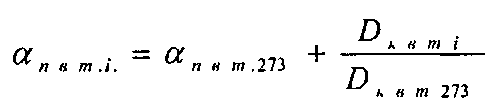
Сущность способа заключается в том, что с целью исключения переполнения калибра при прокатке товарных и передельных труб диаметром от 273 до 630 мм, приводящего к повышенной поперечной разностенности, закатам, рискам и надрывам (рванинам) на наружной поверхности труб и повышения производительности ТПУ с пилигримовыми станами, углы поперечного выпуска на полирующем участке валков для прокатки каждого диаметра труб выполнены постоянными, а их значения увеличиваются с возрастанием размерного ряда труб на величину, определяемую из выражения 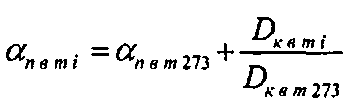
Сравнение заявляемого валка не только с прототипом, но и с другими техническими решениями в данной области техники, не позволило выявить в них признаки, отличающие заявляемый валок от прототипа, что соответствует патентоспособности "изобретательский уровень".Comparison of the inventive roll not only with the prototype, but also with other technical solutions in this technical field, did not reveal the features that distinguish the inventive roll from the prototype, which corresponds to the patentability of "inventive step".
Изобретение осуществлено на ТПА 8-16″ с пилигримовыми станами ОАО "ЧТПЗ" при прокатке товарных труб размером 530×17 мм из стали марки 20 по ТУ 14-ЗР-55-2001 и 530×32 мм из стали марки 09Г2С по ТУ 14-3-1128-2000. 10.10.2013 г. на стане №1 были установлены валки с диаметром бочки 1150 мм и углом поперечного выпуска 24° (предлагаемая технология), а на стане №2 валки с углом поперечного выпуска 22° (существующая технология). В валках, изготовленных в соответствии с формулой изобретения, на стане №1 были прокатаны 3 трубы размером 530×32 мм из стали марки 09Г2С по ТУ 14-3-1128-2000 из кованой заготовки размером 530×100×1700±25 мм. Одновременно на стане №2 в валках углом поперечного выпуска 22° (существующая калибровка) были прокатаны 3 трубы размером 530×32 мм из стали 09Г2С. При прокатке труб размером 530×32 мм в валках существующей калибровки максимальная разностенность составила от 6,0 до 11,2 мм (по ТУ 14-3-1128-2000) не более 8,0 мм, а кривизна труб на 1 погонный метр (бугристость) составила от 2,75 до 3,5 мм (по ТУ не более 2,0 мм). При прокатке труб в валках существующей калибровки в производство задано 12,173 тн металла, принято 18,8 м труб размером 530×32 мм общей массой 7,837 тн. Расходный коэффициент металла по трубам данной партии составил 1,553. При прокатке труб размером 530×32 мм в валках предлагаемой калибровки максимальная разностенность составила от 4,8 до 6,2 мм (по ТУ 14-3-1128-2000) не более 8,0 мм, а кривизна труб на 1 погонный метр (бугристость) составила от 1,65 до 1,8 мм (по ТУ не более 2,0 мм), т.е. трубы по геометрическим размерам полностью отвечали требованиям ТУ. При прокатке труб в валках предлагаемой калибровки в производство задано 12,169 тн металла, принято 20,4 м труб размером 530×32 мм общей массой 8,596 тн. Расходный коэффициент металла по трубам данной партии составил 1,416, т.е. получено снижение расходного коэффициента металла на 137 кг на каждой тонне труб. 15.11.2013 г. на стане №1 в валках с диаметром бочки 1150 мм и углом поперечного выпуска 24° (предлагаемая технология) были прокатаны трубы размером 530×17 мм из стали марки 20 по ТУ 14-3Р-55-2001, а на стане №2 в валках с углом поперечного выпуска 22° (существующая технология). На стане №1 были прокатаны 3 трубы размером 530×17 мм из стали марки 20 по ТУ 14-3Р-55-2001 из кованой заготовки размером 530×100×1700±25 мм. Одновременно на стане №2 в валках углом поперечного выпуска 22° (существующая калибровка) были прокатаны 3 трубы размером 530×17 мм из стали марки 20. При прокатке труб размером 530×17 мм в валках существующей калибровки максимальная разностенность составила от 4,45 до 5,5 мм (по ТУ 14-3Р-55-2001) не более 4,25 мм, а кривизна труб на 1 погонный метр (бугристость) составила от 2,87 до 4,25 мм (по ТУ не более 2,0 мм). При прокатке труб в валках существующей калибровки в производство задано 11,990 тн металла, принято 31,85 м труб размером 530×17 мм общей массой 7,235 тн. Расходный коэффициент металла по трубам данной партии составил 1,657. При прокатке труб размером 530×17 мм в валках предлагаемой калибровки максимальная разностенность составила от 3,75 до 4,2 мм (по ТУ 14-3Р-55-2001 не более 4,25 мм), а кривизна труб на 1 погонный метр (бугристость) составила от 1,75 до 2,0 мм (по ТУ не более 2,0 мм), т.е. трубы по геометрическим размерам полностью отвечали требованиям ТУ. При прокатке труб в валках предлагаемой калибровки в производство задано 11,990 тн металла, принято 36,35 м труб размером 530×17 мм общей массой 8,258 тн. Расходный коэффициент металла по трубам данной партии составил 1,452, т.е. получено снижение расходного коэффициента металла на 205 кг на каждой тонне труб. Данные по прокатке труб размером 530×32 мм из стали 09Г2С по ТУ 14-3-1128-2000 и труб размером 530×17 мм из стали марки 20 по ТУ14-3Р-55-2001 приведены в таблице 1.The invention was carried out on TPA 8-16 ″ with pilgrim mills of ChTPZ OJSC when rolling commodity pipes 530 × 17 mm in size from steel of grade 20 according to TU 14-ЗР-55-2001 and 530 × 32 mm from steel of grade 09Г2С according to TU 14- 3-1128-2000. 10.10.2013, rolls with a barrel diameter of 1150 mm and a lateral outlet angle of 24 ° (proposed technology) were installed at mill No. 1, and rolls with a lateral outlet angle of 22 ° (existing technology) were installed at mill No. 2. In rolls made in accordance with the claims, on mill No. 1, 3 pipes of 530 × 32 mm in size made of 09G2S steel according to TU 14-3-1128-2000 from forged billets in size 530 × 100 × 1700 ± 25 mm were rolled. At the same time, at mill No. 2 in rolls with a transverse angle of 22 ° (existing calibration), 3 pipes 530 × 32 mm in size made of 09G2S steel were rolled. When rolling pipes 530 × 32 mm in rolls of the existing calibration, the maximum difference was from 6.0 to 11.2 mm (according to TU 14-3-1128-2000) not more than 8.0 mm, and the pipe curvature per 1 meter ( tuberosity) ranged from 2.75 to 3.5 mm (according to TU not more than 2.0 mm). When rolling pipes in rolls of the existing calibration, 12.173 tons of metal were set into production, 18.8 m of pipes 530 × 32 mm in size with a total weight of 7.837 tons were adopted. The expenditure coefficient of the metal in the pipes of this batch amounted to 1,553. When rolling pipes 530 × 32 mm in rolls of the proposed calibration, the maximum difference was from 4.8 to 6.2 mm (according to TU 14-3-1128-2000) not more than 8.0 mm, and the pipe curvature per 1 meter ( tuberosity) ranged from 1.65 to 1.8 mm (according to technical specifications not more than 2.0 mm), i.e. pipes in geometric dimensions fully met the requirements of TU. When rolling pipes in the rolls of the proposed calibration, 12.169 tons of metal were set into production, 20.4 m of pipes 530 × 32 mm in size with a total weight of 8.596 tons were adopted. The expenditure coefficient of the metal in the pipes of this batch was 1.416, i.e. a decrease in the expenditure coefficient of the metal by 137 kg was obtained for each ton of pipes. November 15, 2013, at mill No. 1 in rolls with a barrel diameter of 1150 mm and a lateral outlet angle of 24 ° (the proposed technology), pipes 530 × 17 mm in size 20 were rolled from steel of grade 20 according to TU 14-3R-55-2001, and camp No. 2 in rolls with a transverse angle of 22 ° (existing technology). At mill No. 1, 3 pipes 530 × 17 mm in size were made of steel of grade 20 according to TU 14-3R-55-2001 from forged billets of 530 × 100 × 1700 ± 25 mm in size. At the same time, at mill No. 2, rolls with a transverse angle of 22 ° (existing calibration) were rolled 3 pipes 530 × 17 mm in size from steel grade 20. When rolling pipes 530 × 17 mm in rolls of the existing calibration, the maximum difference was from 4.45 to 5.5 mm (according to TU 14-3R-55-2001) not more than 4.25 mm, and the pipe curvature per 1 meter (tuberosity) ranged from 2.87 to 4.25 mm (according to TU not more than 2.0 mm). When rolling pipes in rolls of the existing calibration, 11,990 tons of metal were set into production, 31.85 m of pipes 530 × 17 mm in size with a total weight of 7.235 tons were adopted. The expenditure coefficient of the metal in the pipes of this batch was 1.657. When rolling pipes 530 × 17 mm in rolls of the proposed calibration, the maximum difference was from 3.75 to 4.2 mm (according to TU 14-3R-55-2001 no more than 4.25 mm), and the pipe curvature per 1 meter ( tuberosity) ranged from 1.75 to 2.0 mm (according to technical specifications not more than 2.0 mm), i.e. pipes in geometric dimensions fully met the requirements of TU. When rolling pipes in rolls of the proposed calibration, 11,990 tons of metal were set into production, 36.35 m of pipes 530 × 17 mm in size with a total weight of 8,258 tons were adopted. The expenditure coefficient of the metal in the pipes of this batch was 1.452, i.e. a decrease in the expenditure coefficient of the metal by 205 kg was obtained for each ton of pipes. The data on rolling pipes 530 × 32 mm in size from 09G2S steel according to TU 14-3-1128-2000 and pipes 530 × 17 mm in size from steel grade 20 according to TU14-3R-55-2001 are given in table 1.


Из таблицы видно, что средняя длина труб размером 530×32 мм на сдаче, прокатанных на стане №1, составила 6,8 м, а на стане №2 - 6,27 м, т.е. короче на 7,8%. При прокатке труб размером 530×17 мм на стане №1 средняя длина труб составила 12,12 м, а на стане №2 - 10,62 мм, т.е. корче на 12,4%. Отрезы от труб, прокатанных на стане №2, производились по кривизне и толщине стенки.It can be seen from the table that the average length of pipes 530 × 32 mm in size at the mill rolled at mill No. 1 was 6.8 m, and at mill No. 2 it was 6.27 m, i.e. shorter by 7.8%. When rolling pipes 530 × 17 mm in size at mill No. 1, the average pipe length was 12.12 m, and at mill No. 2 it was 10.62 mm, i.e. 12.4% shorter. Cuts from pipes rolled at mill No. 2 were made according to the curvature and wall thickness.
Таким образом, использование валков пилигримового стана для прокатки труб диаметром от 273 до 630 мм, на которых углы поперечного выпуска на полирующих участках выполнены по предлагаемой методике, снижает поперечную и продольную разностенность, кривизну на 1 погонный метр труб, рванины при прокатке тонкостенных труб с отношением D/S≥53, расходный коэффициент металла при переделе слиток, НЛЗ или кованая заготовка - товарная труба, при одновременном повышении производительности пилигримовых станов за счет увеличения подачи гильз в очаг деформации, а следовательно, снижает стоимость товарных труб всего размерного ряда с разными толщинами стенок из разным марок стали и сплавов.Thus, the use of rolls of a pilgrim mill for rolling pipes with a diameter of 273 to 630 mm, at which the corners of the transverse outlet on the polishing sections are made according to the proposed method, reduces the transverse and longitudinal delta, the curvature per 1 meter of pipes, flaws when rolling thin-walled pipes with the ratio D / S≥53, the expenditure coefficient of the metal during the redistribution of the ingot, NLZ or forged billet - a commodity pipe, while increasing the productivity of pilgrim mills by increasing the supply of sleeves to the deformation zone tion, and therefore, reduces the cost of commodity pipes of the entire size range with different wall thicknesses from different grades of steel and alloys.
Claims (2)

αп.в.т.i = αп.в.т.273 + Dк.в.т.i / Dк.в.т.273,
где αп.в.т.i. - угол поперечного выпуска полирующего участка валка для прокатки труб i-го диаметра, град;
αп.в.т.273=22° - угол поперечного выпуска полирующего участка валка с диаметром калибра для прокатки труб диаметром 273 мм, град;
Dк.в.т.i. - диаметр калибра валка для прокатки труб i-го диаметра, мм;
Dк.в.т.273 - диаметр калибра валка для прокатки труб диаметром 273 мм, мм. 1. A roll of a pilgrim mill for rolling pipes with a diameter of 273 to 630 mm, containing a round-shaped brook with tangential outlets around the circumference of the barrel, consisting of a consecutive striker formed by the increasing radius of the roll crest within an angle of Θ b = 90-120 ° with a smoothly changing angle of transverse release α p.v.b. polishing area within the angle Θ p = 60-90 ° with a constant cross section with the angle of transverse release α p.v.i. , section of longitudinal release within the angle Θ p.v. = 30–40 ° with a gradually increasing transverse outlet angle α p.v.p.a. and a single section with a constant cross section and an angle of transverse release α p.v.h.u. = 33 °
α p.t.i i = α p.t. 273 + D q.i.i / D q.i. 273,
where α a.a.t.i. - the angle of the transverse release of the polishing section of the roll for rolling pipes of the i-th diameter, degrees;
α p.v.t.273 = 22 ° - the angle of the transverse outlet of the polishing section of the roll with a caliber diameter for rolling pipes with a diameter of 273 mm, degrees;
D K.V.T.i. - diameter of the caliber of the roll for rolling pipes of the i-th diameter, mm;
D KVT.273 - the diameter of the caliber roll for rolling pipes with a diameter of 273 mm, mm
Priority Applications (1)
| Application Number | Priority Date | Filing Date | Title |
|---|---|---|---|
| RU2014101193/02A RU2564503C2 (en) | 2014-01-15 | 2014-01-15 | Pilger mill roll for 273-630 mm diameter pipes rolling |
Applications Claiming Priority (1)
| Application Number | Priority Date | Filing Date | Title |
|---|---|---|---|
| RU2014101193/02A RU2564503C2 (en) | 2014-01-15 | 2014-01-15 | Pilger mill roll for 273-630 mm diameter pipes rolling |
Publications (2)
| Publication Number | Publication Date |
|---|---|
| RU2014101193A RU2014101193A (en) | 2015-07-20 |
| RU2564503C2 true RU2564503C2 (en) | 2015-10-10 |
Family
ID=53611492
Family Applications (1)
| Application Number | Title | Priority Date | Filing Date |
|---|---|---|---|
| RU2014101193/02A RU2564503C2 (en) | 2014-01-15 | 2014-01-15 | Pilger mill roll for 273-630 mm diameter pipes rolling |
Country Status (1)
| Country | Link |
|---|---|
| RU (1) | RU2564503C2 (en) |
Cited By (1)
| Publication number | Priority date | Publication date | Assignee | Title |
|---|---|---|---|---|
| RU2847999C1 (en) * | 2024-12-11 | 2025-10-16 | Акционерное общество "Челябинский трубопрокатный завод" (АО "ЧТПЗ") | Pilgrim rolling mill for rolling pipes with a diameter of 508 mm with increased wall thickness accuracy |
Citations (3)
| Publication number | Priority date | Publication date | Assignee | Title |
|---|---|---|---|---|
| US4494284A (en) * | 1980-05-24 | 1985-01-22 | Schmolz & Bickenbach | Roll |
| RU2294251C2 (en) * | 2004-12-27 | 2007-02-27 | ОАО "Челябинский трубопрокатный завод" | Roll of pilger mill for rolling thick-wall large- and mean-diameter tubes |
| RU2294250C2 (en) * | 2005-03-09 | 2007-02-27 | ОАО "Челябинский трубопрокатный завод" | Roll of pilger mill for rolling thin-wall tubes |
-
2014
- 2014-01-15 RU RU2014101193/02A patent/RU2564503C2/en not_active IP Right Cessation
Patent Citations (3)
| Publication number | Priority date | Publication date | Assignee | Title |
|---|---|---|---|---|
| US4494284A (en) * | 1980-05-24 | 1985-01-22 | Schmolz & Bickenbach | Roll |
| RU2294251C2 (en) * | 2004-12-27 | 2007-02-27 | ОАО "Челябинский трубопрокатный завод" | Roll of pilger mill for rolling thick-wall large- and mean-diameter tubes |
| RU2294250C2 (en) * | 2005-03-09 | 2007-02-27 | ОАО "Челябинский трубопрокатный завод" | Roll of pilger mill for rolling thin-wall tubes |
Cited By (1)
| Publication number | Priority date | Publication date | Assignee | Title |
|---|---|---|---|---|
| RU2847999C1 (en) * | 2024-12-11 | 2025-10-16 | Акционерное общество "Челябинский трубопрокатный завод" (АО "ЧТПЗ") | Pilgrim rolling mill for rolling pipes with a diameter of 508 mm with increased wall thickness accuracy |
Also Published As
| Publication number | Publication date |
|---|---|
| RU2014101193A (en) | 2015-07-20 |
Similar Documents
| Publication | Publication Date | Title |
|---|---|---|
| EP2085159B1 (en) | Process for manufacturing metal pipe with extremely thin wall by cold rolling | |
| RU2294251C2 (en) | Roll of pilger mill for rolling thick-wall large- and mean-diameter tubes | |
| JP4888252B2 (en) | Seamless pipe cold rolling method | |
| RU2516148C1 (en) | Roll of pilgrim mill for rolling of tube stocks with size 290h11-12 mm from low-ductile boron-containing steels of grades 04h14t3r1f-sh and 04h14t5r2f-sh | |
| RU2207200C2 (en) | Method for making seamless hot rolled large-diameter tubes at high accuracy of wall in tube rolling lines with pilger mills | |
| RU2545932C2 (en) | ROLL OF PILGER MILL FOR ROLLING OF HEAVY-WALL 630×56 mm PIPES OF HARDLY-DEFORMED STEEL AND ALLOY GRADES FOR NUCLEAR POWER PRODUCTION STRUCTURES FROM ESR SLEEVES AND HOLLOW INGOTS SIZED TO 690-720×70-90×3400 mm | |
| RU2537342C2 (en) | PILGER MILL ROLL FOR HOT ROLLING OF 610(10-40mm-PIPES | |
| RU2847999C1 (en) | Pilgrim rolling mill for rolling pipes with a diameter of 508 mm with increased wall thickness accuracy | |
| RU2523379C2 (en) | ROLL OF PILGER MILL FOR ROLLING SEAMLESS HOT-ROLLED 610×28-32 AND 630×28-32 mm PIPES FOR PIPELINES OF BOILER UNIT INERMEDIATE STEAM SUPERHEATING FROM ESR "690×bh590×3300-3500", "700×bh580×3200±50" AND "720×bh600×3200±50" mm SLEEVES AND HOLLOW INGOTS | |
| RU2542131C1 (en) | Roll of pilger mill for rolling of thin-wall tubes with diameter of 508 mm with increased accuracy as to wall | |
| RU2527516C1 (en) | PILGER MILL ROLL FOR HOT ROLLING OF 610×28-40 mm PIPES | |
| Sherkunov et al. | The usage of 156 mm diameter continuous cast billets on “140” pipe-rolling plant for pipe production | |
| RU2502570C1 (en) | Method of production of seamless hot-rolled large- and medium-diameter pipes from steel and alloys at pipe rolling plants with pilgrim mills from tubular blanks | |
| RU2537637C2 (en) | Pilger mill roll for hot rolling of 530 and 550 mm thin-wall pipes | |
| RU2554246C1 (en) | Roller of helical rolling mill | |
| RU2550041C2 (en) | MANUFACTURING METHOD OF SEMI-FINISHED HOT-ROLLED MECHANICALLY PROCESSED PIPES WITH SIZE OF 325×12 mm WITH INCREASED ACCURACY AS TO DIAMETER AND WALL FROM STEEL GRADES "12Х12М1БФРУ-Ш", "16Х12МВСФБР-Ш" FOR REROLLING ON "ХПТ" 450 AND "ХПТ" 250 MILLS INTO SEMI-FINISHED PIPE WORKPIECES WITH SIZE OF 202±1,2×3,5+0,3/-0,2 mm AND FURTHER SHAPING INTO HEXAGONAL PIPE WORKPIECES WITH FLAT-TO-FLAT SIZE OF 181,8±0,4×3,5+0,3/-0,2×3750+20/-0 mm AND 175±0,4×2,5+0,3/-0,2×2680+20/-0 mm FOR FAST NEUTRON REACTORS OF NEW GENERATION | |
| RU2294250C2 (en) | Roll of pilger mill for rolling thin-wall tubes | |
| RU2547053C1 (en) | PRODUCTION OF HEXAGON PIPE BILLETS OF "TURN KEY" 181,8×3,5+0,3/-0,2×3750+20/-0 mm OF "12Х12М1БФРУ-Ш (ЭП450У-Ш)"-GRADE STEEL | |
| RU2527828C1 (en) | PILGER MILL ROLL FOR ROLLING 630×28 mm "09Г2С" STEEL FOR GAS PIPES OF GAS LIFT SYSTEMS AND GAS FIELD CONSTRUCTION FROM HOLLOW INGOTS OF ELECTROSLAG REMELTING SIZED TO "720×65×3400±50" mm | |
| RU2401170C1 (en) | Method of asymmetric cold rolling of pipes | |
| RU2553727C1 (en) | METHOD OF MANUFACTURING OF SEAMLESS HOT FINISHED MACHINED PIPES WITH SIZE ID489+3,0/-0×19,5+3,0/-0×4090+40/-0 AND ID489+3,0/-0×19,5+3,0/-0×2500+40/-30 mm OUT OF STEEL GRADE "38ХН3МФА" FOR BOTTLES MANUFACTURING | |
| RU2013137966A (en) | METHOD FOR PRODUCING COLD-ROLLED COMMODITY PIPES OF 150X2X1200 MM SIZE OF IMPROVED ACCURACY IN DIAMETER AND WALL FROM STEEL 12KH12M1FBRU-SH (EP 450U-SH) FOR NEWLY GENERATED NON-BREAKING REACTORS | |
| RU2557390C1 (en) | PRODUCTION OF SEAMLESS HOT-STRAINED MACHINED HIGHER-STRENGTH 630×16 mm PIPES OF 08X18H10T-GRADE STEEL FOR NUCLEAR POWER PRODUCTION STRUCTURES | |
| RU2553323C1 (en) | Method of piercing of blanks and ingots-blanks of electroslag melting in helical rolling mill to shell-blanks and shell-blanks piercing-rolling to shells | |
| RU2533614C1 (en) | PRU WITH PILGER MILLS FOR ROLLING OF SEAMLESS HOT-ROLLED 273-630 mm-DIA PIPES |
Legal Events
| Date | Code | Title | Description |
|---|---|---|---|
| MM4A | The patent is invalid due to non-payment of fees |
Effective date: 20180116 |