JP7635289B2 - Weekly and monthly disposable water gradient contact lenses - Google Patents
Weekly and monthly disposable water gradient contact lenses Download PDFInfo
- Publication number
- JP7635289B2 JP7635289B2 JP2023049850A JP2023049850A JP7635289B2 JP 7635289 B2 JP7635289 B2 JP 7635289B2 JP 2023049850 A JP2023049850 A JP 2023049850A JP 2023049850 A JP2023049850 A JP 2023049850A JP 7635289 B2 JP7635289 B2 JP 7635289B2
- Authority
- JP
- Japan
- Prior art keywords
- contact lens
- lens
- meth
- less
- vinyl
- Prior art date
- Legal status (The legal status is an assumption and is not a legal conclusion. Google has not performed a legal analysis and makes no representation as to the accuracy of the status listed.)
- Active
Links
- XLYOFNOQVPJJNP-UHFFFAOYSA-N water Substances O XLYOFNOQVPJJNP-UHFFFAOYSA-N 0.000 title claims description 357
- 229910001868 water Inorganic materials 0.000 title claims description 335
- 230000003442 weekly effect Effects 0.000 title description 6
- 239000000017 hydrogel Substances 0.000 claims description 401
- -1 dimethylaminoethyl Chemical group 0.000 claims description 309
- 239000000178 monomer Substances 0.000 claims description 235
- 239000000463 material Substances 0.000 claims description 205
- 229920001296 polysiloxane Polymers 0.000 claims description 202
- 229920002554 vinyl polymer Polymers 0.000 claims description 194
- 125000000391 vinyl group Chemical group [H]C([*])=C([H])[H] 0.000 claims description 193
- NIXOWILDQLNWCW-UHFFFAOYSA-M Acrylate Chemical compound [O-]C(=O)C=C NIXOWILDQLNWCW-UHFFFAOYSA-M 0.000 claims description 151
- 238000000034 method Methods 0.000 claims description 146
- HRPVXLWXLXDGHG-UHFFFAOYSA-N Acrylamide Chemical compound NC(=O)C=C HRPVXLWXLXDGHG-UHFFFAOYSA-N 0.000 claims description 137
- LYCAIKOWRPUZTN-UHFFFAOYSA-N Ethylene glycol Chemical group OCCO LYCAIKOWRPUZTN-UHFFFAOYSA-N 0.000 claims description 74
- 239000013590 bulk material Substances 0.000 claims description 65
- 229920001223 polyethylene glycol Polymers 0.000 claims description 60
- NIXOWILDQLNWCW-UHFFFAOYSA-N acrylic acid group Chemical group C(C=C)(=O)O NIXOWILDQLNWCW-UHFFFAOYSA-N 0.000 claims description 32
- 125000000217 alkyl group Chemical group 0.000 claims description 29
- ATVJXMYDOSMEPO-UHFFFAOYSA-N 3-prop-2-enoxyprop-1-ene Chemical compound C=CCOCC=C ATVJXMYDOSMEPO-UHFFFAOYSA-N 0.000 claims description 19
- QYKIQEUNHZKYBP-UHFFFAOYSA-N Vinyl ether Chemical compound C=COC=C QYKIQEUNHZKYBP-UHFFFAOYSA-N 0.000 claims description 19
- 229950004354 phosphorylcholine Drugs 0.000 claims description 18
- UYMKPFRHYYNDTL-UHFFFAOYSA-N ethenamine Chemical compound NC=C UYMKPFRHYYNDTL-UHFFFAOYSA-N 0.000 claims description 17
- 125000002887 hydroxy group Chemical group [H]O* 0.000 claims description 16
- HNJBEVLQSNELDL-UHFFFAOYSA-N pyrrolidin-2-one Chemical compound O=C1CCCN1 HNJBEVLQSNELDL-UHFFFAOYSA-N 0.000 claims description 12
- 150000003926 acrylamides Chemical class 0.000 claims description 9
- 230000008961 swelling Effects 0.000 claims description 7
- 229920002379 silicone rubber Polymers 0.000 claims description 6
- 239000004945 silicone rubber Substances 0.000 claims description 4
- 125000000325 methylidene group Chemical group [H]C([H])=* 0.000 claims 1
- YHHSONZFOIEMCP-UHFFFAOYSA-O phosphocholine Chemical compound C[N+](C)(C)CCOP(O)(O)=O YHHSONZFOIEMCP-UHFFFAOYSA-O 0.000 claims 1
- 239000010410 layer Substances 0.000 description 356
- 239000000243 solution Substances 0.000 description 235
- 238000000576 coating method Methods 0.000 description 191
- FAPWRFPIFSIZLT-UHFFFAOYSA-M Sodium chloride Chemical compound [Na+].[Cl-] FAPWRFPIFSIZLT-UHFFFAOYSA-M 0.000 description 184
- 239000000203 mixture Substances 0.000 description 184
- 239000011248 coating agent Substances 0.000 description 182
- 238000007373 indentation Methods 0.000 description 138
- 239000011780 sodium chloride Substances 0.000 description 128
- 210000003811 finger Anatomy 0.000 description 97
- LOKCTEFSRHRXRJ-UHFFFAOYSA-I dipotassium trisodium dihydrogen phosphate hydrogen phosphate dichloride Chemical compound P(=O)(O)(O)[O-].[K+].P(=O)(O)([O-])[O-].[Na+].[Na+].[Cl-].[K+].[Cl-].[Na+] LOKCTEFSRHRXRJ-UHFFFAOYSA-I 0.000 description 72
- 239000002953 phosphate buffered saline Substances 0.000 description 72
- KFZMGEQAYNKOFK-UHFFFAOYSA-N Isopropanol Chemical compound CC(C)O KFZMGEQAYNKOFK-UHFFFAOYSA-N 0.000 description 71
- 239000004205 dimethyl polysiloxane Substances 0.000 description 69
- 229920000435 poly(dimethylsiloxane) Polymers 0.000 description 69
- 229920002845 Poly(methacrylic acid) Polymers 0.000 description 68
- 238000012360 testing method Methods 0.000 description 68
- 125000003178 carboxy group Chemical group [H]OC(*)=O 0.000 description 58
- 230000001351 cycling effect Effects 0.000 description 58
- 229920002125 Sokalan® Polymers 0.000 description 56
- 239000004584 polyacrylic acid Substances 0.000 description 55
- 238000004806 packaging method and process Methods 0.000 description 54
- 238000005299 abrasion Methods 0.000 description 48
- BDERNNFJNOPAEC-UHFFFAOYSA-N propan-1-ol Chemical compound CCCO BDERNNFJNOPAEC-UHFFFAOYSA-N 0.000 description 47
- 239000004971 Cross linker Substances 0.000 description 45
- HHKZCCWKTZRCCL-UHFFFAOYSA-N bis-tris propane Chemical compound OCC(CO)(CO)NCCCNC(CO)(CO)CO HHKZCCWKTZRCCL-UHFFFAOYSA-N 0.000 description 45
- 239000007989 BIS-Tris Propane buffer Substances 0.000 description 44
- ZJXZSIYSNXKHEA-UHFFFAOYSA-N ethyl dihydrogen phosphate Chemical compound CCOP(O)(O)=O ZJXZSIYSNXKHEA-UHFFFAOYSA-N 0.000 description 44
- PEDCQBHIVMGVHV-UHFFFAOYSA-N Glycerine Chemical compound OCC(O)CO PEDCQBHIVMGVHV-UHFFFAOYSA-N 0.000 description 42
- 238000009472 formulation Methods 0.000 description 41
- 229920000642 polymer Polymers 0.000 description 41
- 239000000523 sample Substances 0.000 description 40
- DNIAPMSPPWPWGF-UHFFFAOYSA-N Propylene glycol Chemical compound CC(O)CO DNIAPMSPPWPWGF-UHFFFAOYSA-N 0.000 description 39
- 238000002360 preparation method Methods 0.000 description 39
- 239000004743 Polypropylene Substances 0.000 description 36
- 229920001577 copolymer Polymers 0.000 description 36
- 229920001155 polypropylene Polymers 0.000 description 36
- 239000007864 aqueous solution Substances 0.000 description 34
- 230000009467 reduction Effects 0.000 description 33
- 229920000447 polyanionic polymer Polymers 0.000 description 31
- 229910052760 oxygen Inorganic materials 0.000 description 29
- 230000005855 radiation Effects 0.000 description 29
- QVGXLLKOCUKJST-UHFFFAOYSA-N atomic oxygen Chemical compound [O] QVGXLLKOCUKJST-UHFFFAOYSA-N 0.000 description 28
- 238000000605 extraction Methods 0.000 description 28
- 239000001301 oxygen Substances 0.000 description 28
- 229920002873 Polyethylenimine Polymers 0.000 description 26
- BDAGIHXWWSANSR-UHFFFAOYSA-N methanoic acid Natural products OC=O BDAGIHXWWSANSR-UHFFFAOYSA-N 0.000 description 26
- 125000000524 functional group Chemical group 0.000 description 25
- 239000007983 Tris buffer Substances 0.000 description 24
- 125000002924 primary amino group Chemical group [H]N([H])* 0.000 description 24
- 150000003254 radicals Chemical class 0.000 description 24
- 238000002834 transmittance Methods 0.000 description 23
- 238000011282 treatment Methods 0.000 description 23
- 238000004519 manufacturing process Methods 0.000 description 22
- 230000008569 process Effects 0.000 description 22
- HEMHJVSKTPXQMS-UHFFFAOYSA-M Sodium hydroxide Chemical compound [OH-].[Na+] HEMHJVSKTPXQMS-UHFFFAOYSA-M 0.000 description 21
- 125000001495 ethyl group Chemical group [H]C([H])([H])C([H])([H])* 0.000 description 21
- 125000002496 methyl group Chemical group [H]C([H])([H])* 0.000 description 21
- 239000002904 solvent Substances 0.000 description 21
- UIIMBOGNXHQVGW-UHFFFAOYSA-M Sodium bicarbonate Chemical compound [Na+].OC([O-])=O UIIMBOGNXHQVGW-UHFFFAOYSA-M 0.000 description 20
- 238000004630 atomic force microscopy Methods 0.000 description 20
- 229920001477 hydrophilic polymer Polymers 0.000 description 20
- UWHCKJMYHZGTIT-UHFFFAOYSA-N tetraethylene glycol Chemical compound OCCOCCOCCOCCO UWHCKJMYHZGTIT-UHFFFAOYSA-N 0.000 description 20
- ZSZRUEAFVQITHH-UHFFFAOYSA-N 2-(2-methylprop-2-enoyloxy)ethyl 2-(trimethylazaniumyl)ethyl phosphate Chemical compound CC(=C)C(=O)OCCOP([O-])(=O)OCC[N+](C)(C)C ZSZRUEAFVQITHH-UHFFFAOYSA-N 0.000 description 19
- 150000001875 compounds Chemical class 0.000 description 19
- 230000005923 long-lasting effect Effects 0.000 description 19
- 238000000465 moulding Methods 0.000 description 19
- 239000003960 organic solvent Substances 0.000 description 19
- 230000035699 permeability Effects 0.000 description 19
- 230000007704 transition Effects 0.000 description 19
- HONIICLYMWZJFZ-UHFFFAOYSA-O azetidin-1-ium Chemical compound C1C[NH2+]C1 HONIICLYMWZJFZ-UHFFFAOYSA-O 0.000 description 18
- 239000000975 dye Substances 0.000 description 18
- 239000003623 enhancer Substances 0.000 description 17
- PYJNAPOPMIJKJZ-UHFFFAOYSA-N phosphorylcholine chloride Chemical compound [Cl-].C[N+](C)(C)CCOP(O)(O)=O PYJNAPOPMIJKJZ-UHFFFAOYSA-N 0.000 description 17
- 238000006243 chemical reaction Methods 0.000 description 16
- 238000004132 cross linking Methods 0.000 description 16
- 238000007598 dipping method Methods 0.000 description 16
- 239000003999 initiator Substances 0.000 description 16
- HONIICLYMWZJFZ-UHFFFAOYSA-N azetidine Chemical group C1CNC1 HONIICLYMWZJFZ-UHFFFAOYSA-N 0.000 description 15
- 239000008055 phosphate buffer solution Substances 0.000 description 15
- 229920000768 polyamine Polymers 0.000 description 15
- XXROGKLTLUQVRX-UHFFFAOYSA-N allyl alcohol Chemical compound OCC=C XXROGKLTLUQVRX-UHFFFAOYSA-N 0.000 description 14
- 230000002209 hydrophobic effect Effects 0.000 description 14
- 238000005259 measurement Methods 0.000 description 14
- 125000000467 secondary amino group Chemical group [H]N([*:1])[*:2] 0.000 description 14
- 238000010186 staining Methods 0.000 description 14
- 125000003396 thiol group Chemical group [H]S* 0.000 description 14
- OZAIFHULBGXAKX-UHFFFAOYSA-N 2-(2-cyanopropan-2-yldiazenyl)-2-methylpropanenitrile Chemical compound N#CC(C)(C)N=NC(C)(C)C#N OZAIFHULBGXAKX-UHFFFAOYSA-N 0.000 description 13
- OSWFIVFLDKOXQC-UHFFFAOYSA-N 4-(3-methoxyphenyl)aniline Chemical compound COC1=CC=CC(C=2C=CC(N)=CC=2)=C1 OSWFIVFLDKOXQC-UHFFFAOYSA-N 0.000 description 13
- 238000003618 dip coating Methods 0.000 description 13
- 235000019253 formic acid Nutrition 0.000 description 13
- 238000002156 mixing Methods 0.000 description 13
- 235000019799 monosodium phosphate Nutrition 0.000 description 13
- 239000011541 reaction mixture Substances 0.000 description 13
- 230000002829 reductive effect Effects 0.000 description 13
- AJPJDKMHJJGVTQ-UHFFFAOYSA-M sodium dihydrogen phosphate Chemical compound [Na+].OP(O)([O-])=O AJPJDKMHJJGVTQ-UHFFFAOYSA-M 0.000 description 13
- 229910000162 sodium phosphate Inorganic materials 0.000 description 13
- 239000002344 surface layer Substances 0.000 description 13
- GAWIXWVDTYZWAW-UHFFFAOYSA-N C[CH]O Chemical group C[CH]O GAWIXWVDTYZWAW-UHFFFAOYSA-N 0.000 description 12
- WHNWPMSKXPGLAX-UHFFFAOYSA-N N-Vinyl-2-pyrrolidone Chemical compound C=CN1CCCC1=O WHNWPMSKXPGLAX-UHFFFAOYSA-N 0.000 description 12
- KRKNYBCHXYNGOX-UHFFFAOYSA-N citric acid Chemical compound OC(=O)CC(O)(C(O)=O)CC(O)=O KRKNYBCHXYNGOX-UHFFFAOYSA-N 0.000 description 12
- 239000013024 dilution buffer Substances 0.000 description 12
- 239000007789 gas Substances 0.000 description 12
- XLYOFNOQVPJJNP-ZSJDYOACSA-N heavy water Substances [2H]O[2H] XLYOFNOQVPJJNP-ZSJDYOACSA-N 0.000 description 12
- 239000008363 phosphate buffer Substances 0.000 description 12
- FASUFOTUSHAIHG-UHFFFAOYSA-N 3-methoxyprop-1-ene Chemical compound COCC=C FASUFOTUSHAIHG-UHFFFAOYSA-N 0.000 description 11
- BRLQWZUYTZBJKN-UHFFFAOYSA-N Epichlorohydrin Chemical compound ClCC1CO1 BRLQWZUYTZBJKN-UHFFFAOYSA-N 0.000 description 11
- VEXZGXHMUGYJMC-UHFFFAOYSA-N Hydrochloric acid Chemical compound Cl VEXZGXHMUGYJMC-UHFFFAOYSA-N 0.000 description 11
- 239000004599 antimicrobial Substances 0.000 description 11
- 125000004435 hydrogen atom Chemical group [H]* 0.000 description 11
- 125000001570 methylene group Chemical group [H]C([H])([*:1])[*:2] 0.000 description 11
- 125000001436 propyl group Chemical group [H]C([*])([H])C([H])([H])C([H])([H])[H] 0.000 description 11
- IMROMDMJAWUWLK-UHFFFAOYSA-N Ethenol Chemical compound OC=C IMROMDMJAWUWLK-UHFFFAOYSA-N 0.000 description 10
- 238000005520 cutting process Methods 0.000 description 10
- 238000006073 displacement reaction Methods 0.000 description 10
- XJRBAMWJDBPFIM-UHFFFAOYSA-N methyl vinyl ether Chemical compound COC=C XJRBAMWJDBPFIM-UHFFFAOYSA-N 0.000 description 10
- PNLUGRYDUHRLOF-UHFFFAOYSA-N n-ethenyl-n-methylacetamide Chemical compound C=CN(C)C(C)=O PNLUGRYDUHRLOF-UHFFFAOYSA-N 0.000 description 10
- 235000017557 sodium bicarbonate Nutrition 0.000 description 10
- 229910000030 sodium bicarbonate Inorganic materials 0.000 description 10
- PXQLVRUNWNTZOS-UHFFFAOYSA-N sulfanyl Chemical compound [SH] PXQLVRUNWNTZOS-UHFFFAOYSA-N 0.000 description 10
- DLOWKEKJLORCGV-VQIWZBOASA-N Ins-1-P-Cer(t20:0/2-OH-24:0) Chemical compound CCCCCCCCCCCCCCCCCCCCCCC(O)C(=O)N[C@H]([C@H](O)C(O)CCCCCCCCCCCCCCCC)COP(O)(=O)O[C@H]1[C@H](O)[C@@H](O)[C@H](O)[C@@H](O)[C@H]1O DLOWKEKJLORCGV-VQIWZBOASA-N 0.000 description 9
- 239000003795 chemical substances by application Substances 0.000 description 9
- 229920003023 plastic Polymers 0.000 description 9
- 239000004033 plastic Substances 0.000 description 9
- 239000008213 purified water Substances 0.000 description 9
- 150000003839 salts Chemical class 0.000 description 9
- 238000004381 surface treatment Methods 0.000 description 9
- PMNLUUOXGOOLSP-UHFFFAOYSA-N 2-mercaptopropanoic acid Chemical compound CC(S)C(O)=O PMNLUUOXGOOLSP-UHFFFAOYSA-N 0.000 description 8
- MSXVEPNJUHWQHW-UHFFFAOYSA-N 2-methylbutan-2-ol Chemical compound CCC(C)(C)O MSXVEPNJUHWQHW-UHFFFAOYSA-N 0.000 description 8
- QTBSBXVTEAMEQO-UHFFFAOYSA-N Acetic acid Chemical compound CC(O)=O QTBSBXVTEAMEQO-UHFFFAOYSA-N 0.000 description 8
- XUIMIQQOPSSXEZ-UHFFFAOYSA-N Silicon Chemical compound [Si] XUIMIQQOPSSXEZ-UHFFFAOYSA-N 0.000 description 8
- 125000003277 amino group Chemical group 0.000 description 8
- 125000004069 aziridinyl group Chemical group 0.000 description 8
- 238000002474 experimental method Methods 0.000 description 8
- 239000012530 fluid Substances 0.000 description 8
- 229920001519 homopolymer Polymers 0.000 description 8
- 229910052739 hydrogen Inorganic materials 0.000 description 8
- 229910052757 nitrogen Inorganic materials 0.000 description 8
- NJPPVKZQTLUDBO-UHFFFAOYSA-N novaluron Chemical compound C1=C(Cl)C(OC(F)(F)C(OC(F)(F)F)F)=CC=C1NC(=O)NC(=O)C1=C(F)C=CC=C1F NJPPVKZQTLUDBO-UHFFFAOYSA-N 0.000 description 8
- 230000002093 peripheral effect Effects 0.000 description 8
- 125000001997 phenyl group Chemical group [H]C1=C([H])C([H])=C(*)C([H])=C1[H] 0.000 description 8
- 238000006116 polymerization reaction Methods 0.000 description 8
- 239000004926 polymethyl methacrylate Substances 0.000 description 8
- 239000000126 substance Substances 0.000 description 8
- RYFMWSXOAZQYPI-UHFFFAOYSA-K trisodium phosphate Chemical compound [Na+].[Na+].[Na+].[O-]P([O-])([O-])=O RYFMWSXOAZQYPI-UHFFFAOYSA-K 0.000 description 8
- 229960000834 vinyl ether Drugs 0.000 description 8
- QRIMLDXJAPZHJE-UHFFFAOYSA-N 2,3-dihydroxypropyl 2-methylprop-2-enoate Chemical compound CC(=C)C(=O)OCC(O)CO QRIMLDXJAPZHJE-UHFFFAOYSA-N 0.000 description 7
- 125000005103 alkyl silyl group Chemical group 0.000 description 7
- 239000007795 chemical reaction product Substances 0.000 description 7
- 230000002354 daily effect Effects 0.000 description 7
- 239000001257 hydrogen Substances 0.000 description 7
- 239000004615 ingredient Substances 0.000 description 7
- 239000000314 lubricant Substances 0.000 description 7
- 238000010979 pH adjustment Methods 0.000 description 7
- 229920000962 poly(amidoamine) Polymers 0.000 description 7
- 229910052710 silicon Inorganic materials 0.000 description 7
- 239000010703 silicon Substances 0.000 description 7
- 125000003808 silyl group Chemical group [H][Si]([H])([H])[*] 0.000 description 7
- 239000000080 wetting agent Substances 0.000 description 7
- MHAJPDPJQMAIIY-UHFFFAOYSA-N Hydrogen peroxide Chemical compound OO MHAJPDPJQMAIIY-UHFFFAOYSA-N 0.000 description 6
- ISWSIDIOOBJBQZ-UHFFFAOYSA-N Phenol Chemical compound OC1=CC=CC=C1 ISWSIDIOOBJBQZ-UHFFFAOYSA-N 0.000 description 6
- YCUVUDODLRLVIC-UHFFFAOYSA-N Sudan black B Chemical compound C1=CC(=C23)NC(C)(C)NC2=CC=CC3=C1N=NC(C1=CC=CC=C11)=CC=C1N=NC1=CC=CC=C1 YCUVUDODLRLVIC-UHFFFAOYSA-N 0.000 description 6
- 238000000089 atomic force micrograph Methods 0.000 description 6
- 239000000872 buffer Substances 0.000 description 6
- 239000012986 chain transfer agent Substances 0.000 description 6
- 125000000118 dimethyl group Chemical group [H]C([H])([H])* 0.000 description 6
- 239000011888 foil Substances 0.000 description 6
- 229920001427 mPEG Polymers 0.000 description 6
- 238000012986 modification Methods 0.000 description 6
- 230000004048 modification Effects 0.000 description 6
- 238000005498 polishing Methods 0.000 description 6
- 229920003229 poly(methyl methacrylate) Polymers 0.000 description 6
- HRXKRNGNAMMEHJ-UHFFFAOYSA-K trisodium citrate Chemical compound [Na+].[Na+].[Na+].[O-]C(=O)CC(O)(CC([O-])=O)C([O-])=O HRXKRNGNAMMEHJ-UHFFFAOYSA-K 0.000 description 6
- 125000000954 2-hydroxyethyl group Chemical group [H]C([*])([H])C([H])([H])O[H] 0.000 description 5
- IJGRMHOSHXDMSA-UHFFFAOYSA-N Atomic nitrogen Chemical compound N#N IJGRMHOSHXDMSA-UHFFFAOYSA-N 0.000 description 5
- 108020004414 DNA Proteins 0.000 description 5
- LCGLNKUTAGEVQW-UHFFFAOYSA-N Dimethyl ether Chemical compound COC LCGLNKUTAGEVQW-UHFFFAOYSA-N 0.000 description 5
- 239000002202 Polyethylene glycol Substances 0.000 description 5
- QAOWNCQODCNURD-UHFFFAOYSA-N Sulfuric acid Chemical compound OS(O)(=O)=O QAOWNCQODCNURD-UHFFFAOYSA-N 0.000 description 5
- 238000004833 X-ray photoelectron spectroscopy Methods 0.000 description 5
- 239000002253 acid Substances 0.000 description 5
- 125000003647 acryloyl group Chemical group O=C([*])C([H])=C([H])[H] 0.000 description 5
- 239000012867 bioactive agent Substances 0.000 description 5
- 238000004140 cleaning Methods 0.000 description 5
- 238000005859 coupling reaction Methods 0.000 description 5
- 238000001723 curing Methods 0.000 description 5
- 239000011521 glass Substances 0.000 description 5
- WGCNASOHLSPBMP-UHFFFAOYSA-N hydroxyacetaldehyde Natural products OCC=O WGCNASOHLSPBMP-UHFFFAOYSA-N 0.000 description 5
- 238000007544 microindentation test Methods 0.000 description 5
- 229920002451 polyvinyl alcohol Polymers 0.000 description 5
- 238000010526 radical polymerization reaction Methods 0.000 description 5
- 238000007789 sealing Methods 0.000 description 5
- 229960000999 sodium citrate dihydrate Drugs 0.000 description 5
- 239000007787 solid Substances 0.000 description 5
- 238000004528 spin coating Methods 0.000 description 5
- 230000003068 static effect Effects 0.000 description 5
- IEJPPSMHUUQABK-UHFFFAOYSA-N 2,4-diphenyl-4h-1,3-oxazol-5-one Chemical compound O=C1OC(C=2C=CC=CC=2)=NC1C1=CC=CC=C1 IEJPPSMHUUQABK-UHFFFAOYSA-N 0.000 description 4
- ZWEHNKRNPOVVGH-UHFFFAOYSA-N 2-Butanone Chemical compound CCC(C)=O ZWEHNKRNPOVVGH-UHFFFAOYSA-N 0.000 description 4
- QKNYBSVHEMOAJP-UHFFFAOYSA-N 2-amino-2-(hydroxymethyl)propane-1,3-diol;hydron;chloride Chemical compound Cl.OCC(N)(CO)CO QKNYBSVHEMOAJP-UHFFFAOYSA-N 0.000 description 4
- KCXVZYZYPLLWCC-UHFFFAOYSA-N EDTA Chemical compound OC(=O)CN(CC(O)=O)CCN(CC(O)=O)CC(O)=O KCXVZYZYPLLWCC-UHFFFAOYSA-N 0.000 description 4
- VVQNEPGJFQJSBK-UHFFFAOYSA-N Methyl methacrylate Chemical compound COC(=O)C(C)=C VVQNEPGJFQJSBK-UHFFFAOYSA-N 0.000 description 4
- 238000010546 Norrish type I reaction Methods 0.000 description 4
- ZYFVNVRFVHJEIU-UHFFFAOYSA-N PicoGreen Chemical compound CN(C)CCCN(CCCN(C)C)C1=CC(=CC2=[N+](C3=CC=CC=C3S2)C)C2=CC=CC=C2N1C1=CC=CC=C1 ZYFVNVRFVHJEIU-UHFFFAOYSA-N 0.000 description 4
- 239000004372 Polyvinyl alcohol Substances 0.000 description 4
- WCUXLLCKKVVCTQ-UHFFFAOYSA-M Potassium chloride Chemical compound [Cl-].[K+] WCUXLLCKKVVCTQ-UHFFFAOYSA-M 0.000 description 4
- PPBRXRYQALVLMV-UHFFFAOYSA-N Styrene Chemical compound C=CC1=CC=CC=C1 PPBRXRYQALVLMV-UHFFFAOYSA-N 0.000 description 4
- 125000003545 alkoxy group Chemical group 0.000 description 4
- 238000004458 analytical method Methods 0.000 description 4
- 239000007975 buffered saline Substances 0.000 description 4
- BTANRVKWQNVYAZ-UHFFFAOYSA-N butan-2-ol Chemical compound CCC(C)O BTANRVKWQNVYAZ-UHFFFAOYSA-N 0.000 description 4
- WERYXYBDKMZEQL-UHFFFAOYSA-N butane-1,4-diol Chemical compound OCCCCO WERYXYBDKMZEQL-UHFFFAOYSA-N 0.000 description 4
- 229960004106 citric acid Drugs 0.000 description 4
- 235000015165 citric acid Nutrition 0.000 description 4
- 230000007423 decrease Effects 0.000 description 4
- 230000000694 effects Effects 0.000 description 4
- 238000011156 evaluation Methods 0.000 description 4
- 229920000578 graft copolymer Polymers 0.000 description 4
- 238000010438 heat treatment Methods 0.000 description 4
- 125000001449 isopropyl group Chemical group [H]C([H])([H])C([H])(*)C([H])([H])[H] 0.000 description 4
- 239000012633 leachable Substances 0.000 description 4
- 230000003278 mimic effect Effects 0.000 description 4
- 230000003287 optical effect Effects 0.000 description 4
- 150000002894 organic compounds Chemical class 0.000 description 4
- 239000002861 polymer material Substances 0.000 description 4
- 239000003505 polymerization initiator Substances 0.000 description 4
- 239000002243 precursor Substances 0.000 description 4
- 230000035484 reaction time Effects 0.000 description 4
- 239000011734 sodium Substances 0.000 description 4
- 238000004659 sterilization and disinfection Methods 0.000 description 4
- 238000012719 thermal polymerization Methods 0.000 description 4
- CWERGRDVMFNCDR-UHFFFAOYSA-N thioglycolic acid Chemical compound OC(=O)CS CWERGRDVMFNCDR-UHFFFAOYSA-N 0.000 description 4
- 150000003573 thiols Chemical class 0.000 description 4
- CYIGRWUIQAVBFG-UHFFFAOYSA-N 1,2-bis(2-ethenoxyethoxy)ethane Chemical compound C=COCCOCCOCCOC=C CYIGRWUIQAVBFG-UHFFFAOYSA-N 0.000 description 3
- AFXKUUDFKHVAGI-UHFFFAOYSA-N 1-methyl-3-methylidenepyrrolidin-2-one Chemical compound CN1CCC(=C)C1=O AFXKUUDFKHVAGI-UHFFFAOYSA-N 0.000 description 3
- ZZDBHIVVDUTWJC-UHFFFAOYSA-N 1-methyl-5-methylidenepyrrolidin-2-one Chemical compound CN1C(=C)CCC1=O ZZDBHIVVDUTWJC-UHFFFAOYSA-N 0.000 description 3
- SMZOUWXMTYCWNB-UHFFFAOYSA-N 2-(2-methoxy-5-methylphenyl)ethanamine Chemical compound COC1=CC=C(C)C=C1CCN SMZOUWXMTYCWNB-UHFFFAOYSA-N 0.000 description 3
- 125000000022 2-aminoethyl group Chemical group [H]C([*])([H])C([H])([H])N([H])[H] 0.000 description 3
- WROUWQQRXUBECT-UHFFFAOYSA-N 2-ethylacrylic acid Chemical compound CCC(=C)C(O)=O WROUWQQRXUBECT-UHFFFAOYSA-N 0.000 description 3
- NEYTXADIGVEHQD-UHFFFAOYSA-N 2-hydroxy-2-(prop-2-enoylamino)acetic acid Chemical compound OC(=O)C(O)NC(=O)C=C NEYTXADIGVEHQD-UHFFFAOYSA-N 0.000 description 3
- RLWDBZIHAUEHLO-UHFFFAOYSA-N 3-[3-tert-butyl-5-(5-chlorobenzotriazol-2-yl)-4-hydroxyphenyl]propyl 2-methylprop-2-enoate Chemical compound CC(C)(C)C1=CC(CCCOC(=O)C(=C)C)=CC(N2N=C3C=C(Cl)C=CC3=N2)=C1O RLWDBZIHAUEHLO-UHFFFAOYSA-N 0.000 description 3
- QOXOZONBQWIKDA-UHFFFAOYSA-N 3-hydroxypropyl Chemical group [CH2]CCO QOXOZONBQWIKDA-UHFFFAOYSA-N 0.000 description 3
- VDORPYPVQAFLTR-UHFFFAOYSA-N 5-methyl-3-methylidenepyrrolidin-2-one Chemical compound CC1CC(=C)C(=O)N1 VDORPYPVQAFLTR-UHFFFAOYSA-N 0.000 description 3
- CSCPPACGZOOCGX-UHFFFAOYSA-N Acetone Chemical compound CC(C)=O CSCPPACGZOOCGX-UHFFFAOYSA-N 0.000 description 3
- 238000012935 Averaging Methods 0.000 description 3
- NOWKCMXCCJGMRR-UHFFFAOYSA-N Aziridine Chemical group C1CN1 NOWKCMXCCJGMRR-UHFFFAOYSA-N 0.000 description 3
- 229920000089 Cyclic olefin copolymer Polymers 0.000 description 3
- 239000004713 Cyclic olefin copolymer Substances 0.000 description 3
- YMWUJEATGCHHMB-UHFFFAOYSA-N Dichloromethane Chemical compound ClCCl YMWUJEATGCHHMB-UHFFFAOYSA-N 0.000 description 3
- VGGSQFUCUMXWEO-UHFFFAOYSA-N Ethene Chemical compound C=C VGGSQFUCUMXWEO-UHFFFAOYSA-N 0.000 description 3
- XEKOWRVHYACXOJ-UHFFFAOYSA-N Ethyl acetate Chemical compound CCOC(C)=O XEKOWRVHYACXOJ-UHFFFAOYSA-N 0.000 description 3
- 239000005977 Ethylene Substances 0.000 description 3
- WVSMEHKNDSWLEM-LGDJGHNWSA-N Ins-1-P-Cer(t20:0/2,3-OH-26:0) Chemical compound CCCCCCCCCCCCCCCCCCCCCCCC(O)C(O)C(=O)N[C@H]([C@H](O)C(O)CCCCCCCCCCCCCCCC)COP(O)(=O)O[C@H]1[C@H](O)[C@@H](O)[C@H](O)[C@@H](O)[C@H]1O WVSMEHKNDSWLEM-LGDJGHNWSA-N 0.000 description 3
- MPWLRUHDXQRDFI-BBKCMACZSA-N Ins-1-P-Cer(t20:0/26:0) Chemical compound CCCCCCCCCCCCCCCCCCCCCCCCCC(=O)N[C@H]([C@H](O)C(O)CCCCCCCCCCCCCCCC)COP(O)(=O)O[C@H]1[C@H](O)[C@@H](O)[C@H](O)[C@@H](O)[C@H]1O MPWLRUHDXQRDFI-BBKCMACZSA-N 0.000 description 3
- CERQOIWHTDAKMF-UHFFFAOYSA-N Methacrylic acid Chemical compound CC(=C)C(O)=O CERQOIWHTDAKMF-UHFFFAOYSA-N 0.000 description 3
- ZMXDDKWLCZADIW-UHFFFAOYSA-N N,N-Dimethylformamide Chemical compound CN(C)C=O ZMXDDKWLCZADIW-UHFFFAOYSA-N 0.000 description 3
- SECXISVLQFMRJM-UHFFFAOYSA-N N-Methylpyrrolidone Chemical compound CN1CCCC1=O SECXISVLQFMRJM-UHFFFAOYSA-N 0.000 description 3
- 229910019142 PO4 Inorganic materials 0.000 description 3
- NBIIXXVUZAFLBC-UHFFFAOYSA-N Phosphoric acid Chemical compound OP(O)(O)=O NBIIXXVUZAFLBC-UHFFFAOYSA-N 0.000 description 3
- 239000004698 Polyethylene Substances 0.000 description 3
- VYPSYNLAJGMNEJ-UHFFFAOYSA-N Silicium dioxide Chemical compound O=[Si]=O VYPSYNLAJGMNEJ-UHFFFAOYSA-N 0.000 description 3
- ZJCCRDAZUWHFQH-UHFFFAOYSA-N Trimethylolpropane Chemical compound CCC(CO)(CO)CO ZJCCRDAZUWHFQH-UHFFFAOYSA-N 0.000 description 3
- KAPCRJOPWXUMSQ-UHFFFAOYSA-N [2,2-bis[3-(aziridin-1-yl)propanoyloxymethyl]-3-hydroxypropyl] 3-(aziridin-1-yl)propanoate Chemical compound C1CN1CCC(=O)OCC(COC(=O)CCN1CC1)(CO)COC(=O)CCN1CC1 KAPCRJOPWXUMSQ-UHFFFAOYSA-N 0.000 description 3
- 238000013019 agitation Methods 0.000 description 3
- 125000002947 alkylene group Chemical group 0.000 description 3
- 229910052782 aluminium Inorganic materials 0.000 description 3
- XAGFODPZIPBFFR-UHFFFAOYSA-N aluminium Chemical compound [Al] XAGFODPZIPBFFR-UHFFFAOYSA-N 0.000 description 3
- 238000004873 anchoring Methods 0.000 description 3
- MSWZFWKMSRAUBD-UHFFFAOYSA-N beta-D-galactosamine Natural products NC1C(O)OC(CO)C(O)C1O MSWZFWKMSRAUBD-UHFFFAOYSA-N 0.000 description 3
- OTBHHUPVCYLGQO-UHFFFAOYSA-N bis(3-aminopropyl)amine Chemical group NCCCNCCCN OTBHHUPVCYLGQO-UHFFFAOYSA-N 0.000 description 3
- KGBXLFKZBHKPEV-UHFFFAOYSA-N boric acid Chemical compound OB(O)O KGBXLFKZBHKPEV-UHFFFAOYSA-N 0.000 description 3
- 239000004327 boric acid Substances 0.000 description 3
- 235000010338 boric acid Nutrition 0.000 description 3
- 239000005388 borosilicate glass Substances 0.000 description 3
- 239000007853 buffer solution Substances 0.000 description 3
- 239000006172 buffering agent Substances 0.000 description 3
- 230000015556 catabolic process Effects 0.000 description 3
- 238000012512 characterization method Methods 0.000 description 3
- 238000000151 deposition Methods 0.000 description 3
- 230000008021 deposition Effects 0.000 description 3
- MTHSVFCYNBDYFN-UHFFFAOYSA-N diethylene glycol Chemical compound OCCOCCO MTHSVFCYNBDYFN-UHFFFAOYSA-N 0.000 description 3
- BNIILDVGGAEEIG-UHFFFAOYSA-L disodium hydrogen phosphate Chemical compound [Na+].[Na+].OP([O-])([O-])=O BNIILDVGGAEEIG-UHFFFAOYSA-L 0.000 description 3
- 229910000397 disodium phosphate Inorganic materials 0.000 description 3
- 235000019800 disodium phosphate Nutrition 0.000 description 3
- 230000002708 enhancing effect Effects 0.000 description 3
- 229910052732 germanium Inorganic materials 0.000 description 3
- GNPVGFCGXDBREM-UHFFFAOYSA-N germanium atom Chemical compound [Ge] GNPVGFCGXDBREM-UHFFFAOYSA-N 0.000 description 3
- 238000003384 imaging method Methods 0.000 description 3
- 238000011065 in-situ storage Methods 0.000 description 3
- 238000011534 incubation Methods 0.000 description 3
- 230000010220 ion permeability Effects 0.000 description 3
- 150000008040 ionic compounds Chemical class 0.000 description 3
- IQPQWNKOIGAROB-UHFFFAOYSA-N isocyanate group Chemical group [N-]=C=O IQPQWNKOIGAROB-UHFFFAOYSA-N 0.000 description 3
- 239000007788 liquid Substances 0.000 description 3
- 239000012528 membrane Substances 0.000 description 3
- FQPSGWSUVKBHSU-UHFFFAOYSA-N methacrylamide Chemical compound CC(=C)C(N)=O FQPSGWSUVKBHSU-UHFFFAOYSA-N 0.000 description 3
- RQAKESSLMFZVMC-UHFFFAOYSA-N n-ethenylacetamide Chemical compound CC(=O)NC=C RQAKESSLMFZVMC-UHFFFAOYSA-N 0.000 description 3
- ZQXSMRAEXCEDJD-UHFFFAOYSA-N n-ethenylformamide Chemical compound C=CNC=O ZQXSMRAEXCEDJD-UHFFFAOYSA-N 0.000 description 3
- NBIIXXVUZAFLBC-UHFFFAOYSA-K phosphate Chemical compound [O-]P([O-])([O-])=O NBIIXXVUZAFLBC-UHFFFAOYSA-K 0.000 description 3
- 239000010452 phosphate Substances 0.000 description 3
- 229920000573 polyethylene Polymers 0.000 description 3
- 230000000379 polymerizing effect Effects 0.000 description 3
- XTUSEBKMEQERQV-UHFFFAOYSA-N propan-2-ol;hydrate Chemical compound O.CC(C)O XTUSEBKMEQERQV-UHFFFAOYSA-N 0.000 description 3
- WGYKZJWCGVVSQN-UHFFFAOYSA-N propylamine Chemical group CCCN WGYKZJWCGVVSQN-UHFFFAOYSA-N 0.000 description 3
- 150000004040 pyrrolidinones Chemical class 0.000 description 3
- 150000003335 secondary amines Chemical group 0.000 description 3
- 238000005507 spraying Methods 0.000 description 3
- 239000003381 stabilizer Substances 0.000 description 3
- XOAAWQZATWQOTB-UHFFFAOYSA-N taurine Chemical compound NCCS(O)(=O)=O XOAAWQZATWQOTB-UHFFFAOYSA-N 0.000 description 3
- 239000012085 test solution Substances 0.000 description 3
- 238000012546 transfer Methods 0.000 description 3
- DTGKSKDOIYIVQL-WEDXCCLWSA-N (+)-borneol Chemical group C1C[C@@]2(C)[C@@H](O)C[C@@H]1C2(C)C DTGKSKDOIYIVQL-WEDXCCLWSA-N 0.000 description 2
- PUPZLCDOIYMWBV-UHFFFAOYSA-N (+/-)-1,3-Butanediol Chemical compound CC(O)CCO PUPZLCDOIYMWBV-UHFFFAOYSA-N 0.000 description 2
- 229920002818 (Hydroxyethyl)methacrylate Polymers 0.000 description 2
- GVJHHUAWPYXKBD-UHFFFAOYSA-N (±)-α-Tocopherol Chemical compound OC1=C(C)C(C)=C2OC(CCCC(C)CCCC(C)CCCC(C)C)(C)CCC2=C1C GVJHHUAWPYXKBD-UHFFFAOYSA-N 0.000 description 2
- MJYFYGVCLHNRKB-UHFFFAOYSA-N 1,1,2-trifluoroethyl 2-methylprop-2-enoate Chemical compound CC(=C)C(=O)OC(F)(F)CF MJYFYGVCLHNRKB-UHFFFAOYSA-N 0.000 description 2
- ZXHDVRATSGZISC-UHFFFAOYSA-N 1,2-bis(ethenoxy)ethane Chemical compound C=COCCOC=C ZXHDVRATSGZISC-UHFFFAOYSA-N 0.000 description 2
- KOMNUTZXSVSERR-UHFFFAOYSA-N 1,3,5-tris(prop-2-enyl)-1,3,5-triazinane-2,4,6-trione Chemical compound C=CCN1C(=O)N(CC=C)C(=O)N(CC=C)C1=O KOMNUTZXSVSERR-UHFFFAOYSA-N 0.000 description 2
- UEIPWOFSKAZYJO-UHFFFAOYSA-N 1-(2-ethenoxyethoxy)-2-[2-(2-ethenoxyethoxy)ethoxy]ethane Chemical compound C=COCCOCCOCCOCCOC=C UEIPWOFSKAZYJO-UHFFFAOYSA-N 0.000 description 2
- VXNZUUAINFGPBY-UHFFFAOYSA-N 1-Butene Chemical compound CCC=C VXNZUUAINFGPBY-UHFFFAOYSA-N 0.000 description 2
- WKBPZYKAUNRMKP-UHFFFAOYSA-N 1-[2-(2,4-dichlorophenyl)pentyl]1,2,4-triazole Chemical compound C=1C=C(Cl)C=C(Cl)C=1C(CCC)CN1C=NC=N1 WKBPZYKAUNRMKP-UHFFFAOYSA-N 0.000 description 2
- SAMJGBVVQUEMGC-UHFFFAOYSA-N 1-ethenoxy-2-(2-ethenoxyethoxy)ethane Chemical compound C=COCCOCCOC=C SAMJGBVVQUEMGC-UHFFFAOYSA-N 0.000 description 2
- PBGPBHYPCGDFEZ-UHFFFAOYSA-N 1-ethenylpiperidin-2-one Chemical compound C=CN1CCCCC1=O PBGPBHYPCGDFEZ-UHFFFAOYSA-N 0.000 description 2
- LPCWIFPJLFCXRS-UHFFFAOYSA-N 1-ethylcyclopentan-1-ol Chemical compound CCC1(O)CCCC1 LPCWIFPJLFCXRS-UHFFFAOYSA-N 0.000 description 2
- ARXJGSRGQADJSQ-UHFFFAOYSA-N 1-methoxypropan-2-ol Chemical compound COCC(C)O ARXJGSRGQADJSQ-UHFFFAOYSA-N 0.000 description 2
- IHPYMWDTONKSCO-UHFFFAOYSA-N 2,2'-piperazine-1,4-diylbisethanesulfonic acid Chemical compound OS(=O)(=O)CCN1CCN(CCS(O)(=O)=O)CC1 IHPYMWDTONKSCO-UHFFFAOYSA-N 0.000 description 2
- BJELTSYBAHKXRW-UHFFFAOYSA-N 2,4,6-triallyloxy-1,3,5-triazine Chemical compound C=CCOC1=NC(OCC=C)=NC(OCC=C)=N1 BJELTSYBAHKXRW-UHFFFAOYSA-N 0.000 description 2
- SMCPCQHSVZGAAI-UHFFFAOYSA-N 2-(5-chlorobenzotriazol-2-yl)-6-methoxy-4-prop-2-enylphenol Chemical compound COC1=CC(CC=C)=CC(N2N=C3C=C(Cl)C=CC3=N2)=C1O SMCPCQHSVZGAAI-UHFFFAOYSA-N 0.000 description 2
- OZDGMOYKSFPLSE-UHFFFAOYSA-N 2-Methylaziridine Chemical compound CC1CN1 OZDGMOYKSFPLSE-UHFFFAOYSA-N 0.000 description 2
- JDSQBDGCMUXRBM-UHFFFAOYSA-N 2-[2-(2-butoxypropoxy)propoxy]propan-1-ol Chemical compound CCCCOC(C)COC(C)COC(C)CO JDSQBDGCMUXRBM-UHFFFAOYSA-N 0.000 description 2
- HWSSEYVMGDIFMH-UHFFFAOYSA-N 2-[2-[2-(2-methylprop-2-enoyloxy)ethoxy]ethoxy]ethyl 2-methylprop-2-enoate Chemical compound CC(=C)C(=O)OCCOCCOCCOC(=O)C(C)=C HWSSEYVMGDIFMH-UHFFFAOYSA-N 0.000 description 2
- VCYCUECVHJJFIQ-UHFFFAOYSA-N 2-[3-(benzotriazol-2-yl)-4-hydroxyphenyl]ethyl 2-methylprop-2-enoate Chemical compound CC(=C)C(=O)OCCC1=CC=C(O)C(N2N=C3C=CC=CC3=N2)=C1 VCYCUECVHJJFIQ-UHFFFAOYSA-N 0.000 description 2
- JKMHFZQWWAIEOD-UHFFFAOYSA-N 2-[4-(2-hydroxyethyl)piperazin-1-yl]ethanesulfonic acid Chemical compound OCC[NH+]1CCN(CCS([O-])(=O)=O)CC1 JKMHFZQWWAIEOD-UHFFFAOYSA-N 0.000 description 2
- AJTVSSFTXWNIRG-UHFFFAOYSA-N 2-[bis(2-hydroxyethyl)amino]ethanesulfonic acid Chemical compound OCC[NH+](CCO)CCS([O-])(=O)=O AJTVSSFTXWNIRG-UHFFFAOYSA-N 0.000 description 2
- MSWZFWKMSRAUBD-IVMDWMLBSA-N 2-amino-2-deoxy-D-glucopyranose Chemical compound N[C@H]1C(O)O[C@H](CO)[C@@H](O)[C@@H]1O MSWZFWKMSRAUBD-IVMDWMLBSA-N 0.000 description 2
- CETWDUZRCINIHU-UHFFFAOYSA-N 2-heptanol Chemical compound CCCCCC(C)O CETWDUZRCINIHU-UHFFFAOYSA-N 0.000 description 2
- RIWRBSMFKVOJMN-UHFFFAOYSA-N 2-methyl-1-phenylpropan-2-ol Chemical compound CC(C)(O)CC1=CC=CC=C1 RIWRBSMFKVOJMN-UHFFFAOYSA-N 0.000 description 2
- WFRBDWRZVBPBDO-UHFFFAOYSA-N 2-methyl-2-pentanol Chemical compound CCCC(C)(C)O WFRBDWRZVBPBDO-UHFFFAOYSA-N 0.000 description 2
- NGDNVOAEIVQRFH-UHFFFAOYSA-N 2-nonanol Chemical compound CCCCCCCC(C)O NGDNVOAEIVQRFH-UHFFFAOYSA-N 0.000 description 2
- DLHQZZUEERVIGQ-UHFFFAOYSA-N 3,7-dimethyl-3-octanol Chemical compound CCC(C)(O)CCCC(C)C DLHQZZUEERVIGQ-UHFFFAOYSA-N 0.000 description 2
- DVLFYONBTKHTER-UHFFFAOYSA-N 3-(N-morpholino)propanesulfonic acid Chemical compound OS(=O)(=O)CCCN1CCOCC1 DVLFYONBTKHTER-UHFFFAOYSA-N 0.000 description 2
- MXLMTQWGSQIYOW-UHFFFAOYSA-N 3-methyl-2-butanol Chemical compound CC(C)C(C)O MXLMTQWGSQIYOW-UHFFFAOYSA-N 0.000 description 2
- PQOSNJHBSNZITJ-UHFFFAOYSA-N 3-methyl-3-heptanol Chemical compound CCCCC(C)(O)CC PQOSNJHBSNZITJ-UHFFFAOYSA-N 0.000 description 2
- JEWXYDDSLPIBBO-UHFFFAOYSA-N 3-methyl-3-octanol Chemical compound CCCCCC(C)(O)CC JEWXYDDSLPIBBO-UHFFFAOYSA-N 0.000 description 2
- ODHCTXKNWHHXJC-UHFFFAOYSA-N 5-oxoproline Chemical compound OC(=O)C1CCC(=O)N1 ODHCTXKNWHHXJC-UHFFFAOYSA-N 0.000 description 2
- OZAIFHULBGXAKX-VAWYXSNFSA-N AIBN Substances N#CC(C)(C)\N=N\C(C)(C)C#N OZAIFHULBGXAKX-VAWYXSNFSA-N 0.000 description 2
- XKRFYHLGVUSROY-UHFFFAOYSA-N Argon Chemical compound [Ar] XKRFYHLGVUSROY-UHFFFAOYSA-N 0.000 description 2
- KAKZBPTYRLMSJV-UHFFFAOYSA-N Butadiene Chemical compound C=CC=C KAKZBPTYRLMSJV-UHFFFAOYSA-N 0.000 description 2
- 229920002134 Carboxymethyl cellulose Polymers 0.000 description 2
- RGHNJXZEOKUKBD-SQOUGZDYSA-N D-gluconic acid Chemical compound OC[C@@H](O)[C@@H](O)[C@H](O)[C@@H](O)C(O)=O RGHNJXZEOKUKBD-SQOUGZDYSA-N 0.000 description 2
- 102000053602 DNA Human genes 0.000 description 2
- RWSOTUBLDIXVET-UHFFFAOYSA-N Dihydrogen sulfide Chemical class S RWSOTUBLDIXVET-UHFFFAOYSA-N 0.000 description 2
- DHMQDGOQFOQNFH-UHFFFAOYSA-N Glycine Chemical compound NCC(O)=O DHMQDGOQFOQNFH-UHFFFAOYSA-N 0.000 description 2
- AEMRFAOFKBGASW-UHFFFAOYSA-N Glycolic acid Chemical compound OCC(O)=O AEMRFAOFKBGASW-UHFFFAOYSA-N 0.000 description 2
- 229930186217 Glycolipid Natural products 0.000 description 2
- WOBHKFSMXKNTIM-UHFFFAOYSA-N Hydroxyethyl methacrylate Chemical compound CC(=C)C(=O)OCCO WOBHKFSMXKNTIM-UHFFFAOYSA-N 0.000 description 2
- ZCVMWBYGMWKGHF-UHFFFAOYSA-N Ketotifene Chemical compound C1CN(C)CCC1=C1C2=CC=CC=C2CC(=O)C2=C1C=CS2 ZCVMWBYGMWKGHF-UHFFFAOYSA-N 0.000 description 2
- CERQOIWHTDAKMF-UHFFFAOYSA-M Methacrylate Chemical compound CC(=C)C([O-])=O CERQOIWHTDAKMF-UHFFFAOYSA-M 0.000 description 2
- 238000006957 Michael reaction Methods 0.000 description 2
- 229920001410 Microfiber Polymers 0.000 description 2
- FXHOOIRPVKKKFG-UHFFFAOYSA-N N,N-Dimethylacetamide Chemical compound CN(C)C(C)=O FXHOOIRPVKKKFG-UHFFFAOYSA-N 0.000 description 2
- MBBZMMPHUWSWHV-BDVNFPICSA-N N-methylglucamine Chemical compound CNC[C@H](O)[C@@H](O)[C@H](O)[C@H](O)CO MBBZMMPHUWSWHV-BDVNFPICSA-N 0.000 description 2
- JOCBASBOOFNAJA-UHFFFAOYSA-N N-tris(hydroxymethyl)methyl-2-aminoethanesulfonic acid Chemical compound OCC(CO)(CO)NCCS(O)(=O)=O JOCBASBOOFNAJA-UHFFFAOYSA-N 0.000 description 2
- 208000022873 Ocular disease Diseases 0.000 description 2
- 241001365789 Oenanthe crocata Species 0.000 description 2
- KFSLWBXXFJQRDL-UHFFFAOYSA-N Peracetic acid Chemical compound CC(=O)OO KFSLWBXXFJQRDL-UHFFFAOYSA-N 0.000 description 2
- 229920003171 Poly (ethylene oxide) Polymers 0.000 description 2
- KWYUFKZDYYNOTN-UHFFFAOYSA-M Potassium hydroxide Chemical compound [OH-].[K+] KWYUFKZDYYNOTN-UHFFFAOYSA-M 0.000 description 2
- FOIXSVOLVBLSDH-UHFFFAOYSA-N Silver ion Chemical compound [Ag+] FOIXSVOLVBLSDH-UHFFFAOYSA-N 0.000 description 2
- CDBYLPFSWZWCQE-UHFFFAOYSA-L Sodium Carbonate Chemical compound [Na+].[Na+].[O-]C([O-])=O CDBYLPFSWZWCQE-UHFFFAOYSA-L 0.000 description 2
- DKGAVHZHDRPRBM-UHFFFAOYSA-N Tert-Butanol Chemical compound CC(C)(C)O DKGAVHZHDRPRBM-UHFFFAOYSA-N 0.000 description 2
- WYURNTSHIVDZCO-UHFFFAOYSA-N Tetrahydrofuran Chemical compound C1CCOC1 WYURNTSHIVDZCO-UHFFFAOYSA-N 0.000 description 2
- XTXRWKRVRITETP-UHFFFAOYSA-N Vinyl acetate Chemical compound CC(=O)OC=C XTXRWKRVRITETP-UHFFFAOYSA-N 0.000 description 2
- LXEKPEMOWBOYRF-UHFFFAOYSA-N [2-[(1-azaniumyl-1-imino-2-methylpropan-2-yl)diazenyl]-2-methylpropanimidoyl]azanium;dichloride Chemical compound Cl.Cl.NC(=N)C(C)(C)N=NC(C)(C)C(N)=N LXEKPEMOWBOYRF-UHFFFAOYSA-N 0.000 description 2
- OEOQTSUNXODXQL-UHFFFAOYSA-N [2-[3-(2-methylaziridin-1-yl)propanoyloxy]-2-[3-(2-methylaziridin-1-yl)propanoyloxymethyl]butyl] 3-(2-methylaziridin-1-yl)propanoate Chemical compound C1C(C)N1CCC(=O)OCC(OC(=O)CCN1C(C1)C)(CC)COC(=O)CCN1CC1C OEOQTSUNXODXQL-UHFFFAOYSA-N 0.000 description 2
- 150000001252 acrylic acid derivatives Chemical class 0.000 description 2
- 125000003282 alkyl amino group Chemical group 0.000 description 2
- 150000001408 amides Chemical class 0.000 description 2
- 239000003242 anti bacterial agent Substances 0.000 description 2
- 238000013459 approach Methods 0.000 description 2
- 239000012298 atmosphere Substances 0.000 description 2
- 238000010560 atom transfer radical polymerization reaction Methods 0.000 description 2
- 230000008901 benefit Effects 0.000 description 2
- OWMVSZAMULFTJU-UHFFFAOYSA-N bis-tris Chemical compound OCCN(CCO)C(CO)(CO)CO OWMVSZAMULFTJU-UHFFFAOYSA-N 0.000 description 2
- 229910021538 borax Inorganic materials 0.000 description 2
- 239000002775 capsule Substances 0.000 description 2
- 125000004432 carbon atom Chemical group C* 0.000 description 2
- 235000010948 carboxy methyl cellulose Nutrition 0.000 description 2
- 230000008859 change Effects 0.000 description 2
- 239000003086 colorant Substances 0.000 description 2
- 230000002301 combined effect Effects 0.000 description 2
- 230000000052 comparative effect Effects 0.000 description 2
- 238000007796 conventional method Methods 0.000 description 2
- 230000008878 coupling Effects 0.000 description 2
- 238000010168 coupling process Methods 0.000 description 2
- 239000003431 cross linking reagent Substances 0.000 description 2
- UFULAYFCSOUIOV-UHFFFAOYSA-N cysteamine Chemical compound NCCS UFULAYFCSOUIOV-UHFFFAOYSA-N 0.000 description 2
- 230000001419 dependent effect Effects 0.000 description 2
- ZQMIGQNCOMNODD-UHFFFAOYSA-N diacetyl peroxide Chemical compound CC(=O)OOC(C)=O ZQMIGQNCOMNODD-UHFFFAOYSA-N 0.000 description 2
- 238000010586 diagram Methods 0.000 description 2
- 235000014113 dietary fatty acids Nutrition 0.000 description 2
- 238000010790 dilution Methods 0.000 description 2
- 239000012895 dilution Substances 0.000 description 2
- 239000012153 distilled water Substances 0.000 description 2
- 229940079593 drug Drugs 0.000 description 2
- 239000003814 drug Substances 0.000 description 2
- 125000003700 epoxy group Chemical group 0.000 description 2
- FJKIXWOMBXYWOQ-UHFFFAOYSA-N ethenoxyethane Chemical compound CCOC=C FJKIXWOMBXYWOQ-UHFFFAOYSA-N 0.000 description 2
- LZCLXQDLBQLTDK-UHFFFAOYSA-N ethyl 2-hydroxypropanoate Chemical compound CCOC(=O)C(C)O LZCLXQDLBQLTDK-UHFFFAOYSA-N 0.000 description 2
- 239000004744 fabric Substances 0.000 description 2
- 239000000194 fatty acid Substances 0.000 description 2
- 229930195729 fatty acid Natural products 0.000 description 2
- 150000004665 fatty acids Chemical class 0.000 description 2
- 150000002191 fatty alcohols Chemical class 0.000 description 2
- 239000010408 film Substances 0.000 description 2
- 239000000499 gel Substances 0.000 description 2
- 229960002442 glucosamine Drugs 0.000 description 2
- VOZRXNHHFUQHIL-UHFFFAOYSA-N glycidyl methacrylate Chemical compound CC(=C)C(=O)OCC1CO1 VOZRXNHHFUQHIL-UHFFFAOYSA-N 0.000 description 2
- 229920000669 heparin Polymers 0.000 description 2
- 229960002897 heparin Drugs 0.000 description 2
- QNVRIHYSUZMSGM-UHFFFAOYSA-N hexan-2-ol Chemical compound CCCCC(C)O QNVRIHYSUZMSGM-UHFFFAOYSA-N 0.000 description 2
- ZOCHHNOQQHDWHG-UHFFFAOYSA-N hexan-3-ol Chemical compound CCCC(O)CC ZOCHHNOQQHDWHG-UHFFFAOYSA-N 0.000 description 2
- VLKZOEOYAKHREP-UHFFFAOYSA-N hexane Substances CCCCCC VLKZOEOYAKHREP-UHFFFAOYSA-N 0.000 description 2
- 229920002674 hyaluronan Polymers 0.000 description 2
- 229960003160 hyaluronic acid Drugs 0.000 description 2
- 230000036571 hydration Effects 0.000 description 2
- 238000006703 hydration reaction Methods 0.000 description 2
- 125000002768 hydroxyalkyl group Chemical group 0.000 description 2
- CBOIHMRHGLHBPB-UHFFFAOYSA-N hydroxymethyl Chemical compound O[CH2] CBOIHMRHGLHBPB-UHFFFAOYSA-N 0.000 description 2
- 238000007654 immersion Methods 0.000 description 2
- 238000010348 incorporation Methods 0.000 description 2
- 238000003780 insertion Methods 0.000 description 2
- 230000037431 insertion Effects 0.000 description 2
- 229960004958 ketotifen Drugs 0.000 description 2
- JVTAAEKCZFNVCJ-UHFFFAOYSA-N lactic acid Chemical compound CC(O)C(O)=O JVTAAEKCZFNVCJ-UHFFFAOYSA-N 0.000 description 2
- 239000004816 latex Substances 0.000 description 2
- 229920000126 latex Polymers 0.000 description 2
- 239000011159 matrix material Substances 0.000 description 2
- 229910052751 metal Inorganic materials 0.000 description 2
- 239000002184 metal Substances 0.000 description 2
- UIUXUFNYAYAMOE-UHFFFAOYSA-N methylsilane Chemical compound [SiH3]C UIUXUFNYAYAMOE-UHFFFAOYSA-N 0.000 description 2
- 239000003658 microfiber Substances 0.000 description 2
- 238000000386 microscopy Methods 0.000 description 2
- 239000002480 mineral oil Substances 0.000 description 2
- 229940088644 n,n-dimethylacrylamide Drugs 0.000 description 2
- YLGYACDQVQQZSW-UHFFFAOYSA-N n,n-dimethylprop-2-enamide Chemical compound CN(C)C(=O)C=C YLGYACDQVQQZSW-UHFFFAOYSA-N 0.000 description 2
- JFNLZVQOOSMTJK-KNVOCYPGSA-N norbornene Chemical compound C1[C@@H]2CC[C@H]1C=C2 JFNLZVQOOSMTJK-KNVOCYPGSA-N 0.000 description 2
- SJWFXCIHNDVPSH-UHFFFAOYSA-N octan-2-ol Chemical compound CCCCCCC(C)O SJWFXCIHNDVPSH-UHFFFAOYSA-N 0.000 description 2
- NMRPBPVERJPACX-UHFFFAOYSA-N octan-3-ol Chemical compound CCCCCC(O)CC NMRPBPVERJPACX-UHFFFAOYSA-N 0.000 description 2
- 150000002924 oxiranes Chemical group 0.000 description 2
- 230000036961 partial effect Effects 0.000 description 2
- JYVLIDXNZAXMDK-UHFFFAOYSA-N pentan-2-ol Chemical compound CCCC(C)O JYVLIDXNZAXMDK-UHFFFAOYSA-N 0.000 description 2
- AQIXEPGDORPWBJ-UHFFFAOYSA-N pentan-3-ol Chemical compound CCC(O)CC AQIXEPGDORPWBJ-UHFFFAOYSA-N 0.000 description 2
- 150000002978 peroxides Chemical class 0.000 description 2
- 150000003904 phospholipids Chemical class 0.000 description 2
- 235000011007 phosphoric acid Nutrition 0.000 description 2
- 239000000049 pigment Substances 0.000 description 2
- 229920000765 poly(2-oxazolines) Polymers 0.000 description 2
- 229920001281 polyalkylene Polymers 0.000 description 2
- 229920001282 polysaccharide Polymers 0.000 description 2
- 239000005017 polysaccharide Substances 0.000 description 2
- 239000013641 positive control Substances 0.000 description 2
- BWHMMNNQKKPAPP-UHFFFAOYSA-L potassium carbonate Chemical compound [K+].[K+].[O-]C([O-])=O BWHMMNNQKKPAPP-UHFFFAOYSA-L 0.000 description 2
- 239000001103 potassium chloride Substances 0.000 description 2
- 235000011164 potassium chloride Nutrition 0.000 description 2
- 239000001508 potassium citrate Substances 0.000 description 2
- QEEAPRPFLLJWCF-UHFFFAOYSA-K potassium citrate (anhydrous) Chemical compound [K+].[K+].[K+].[O-]C(=O)CC(O)(CC([O-])=O)C([O-])=O QEEAPRPFLLJWCF-UHFFFAOYSA-K 0.000 description 2
- 239000000047 product Substances 0.000 description 2
- FBCQUCJYYPMKRO-UHFFFAOYSA-N prop-2-enyl 2-methylprop-2-enoate Chemical compound CC(=C)C(=O)OCC=C FBCQUCJYYPMKRO-UHFFFAOYSA-N 0.000 description 2
- 239000000376 reactant Substances 0.000 description 2
- 239000000985 reactive dye Substances 0.000 description 2
- 239000012088 reference solution Substances 0.000 description 2
- 238000012712 reversible addition−fragmentation chain-transfer polymerization Methods 0.000 description 2
- 239000010980 sapphire Substances 0.000 description 2
- 229910052594 sapphire Inorganic materials 0.000 description 2
- 229910052708 sodium Inorganic materials 0.000 description 2
- 239000001509 sodium citrate Substances 0.000 description 2
- 235000010339 sodium tetraborate Nutrition 0.000 description 2
- 150000003408 sphingolipids Chemical class 0.000 description 2
- 239000012086 standard solution Substances 0.000 description 2
- 238000011146 sterile filtration Methods 0.000 description 2
- 230000001954 sterilising effect Effects 0.000 description 2
- 238000003756 stirring Methods 0.000 description 2
- 125000001424 substituent group Chemical group 0.000 description 2
- RVEZZJVBDQCTEF-UHFFFAOYSA-N sulfenic acid Chemical class SO RVEZZJVBDQCTEF-UHFFFAOYSA-N 0.000 description 2
- 208000024891 symptom Diseases 0.000 description 2
- OPQYOFWUFGEMRZ-UHFFFAOYSA-N tert-butyl 2,2-dimethylpropaneperoxoate Chemical compound CC(C)(C)OOC(=O)C(C)(C)C OPQYOFWUFGEMRZ-UHFFFAOYSA-N 0.000 description 2
- RSPCKAHMRANGJZ-UHFFFAOYSA-N thiohydroxylamine Chemical class SN RSPCKAHMRANGJZ-UHFFFAOYSA-N 0.000 description 2
- 210000003813 thumb Anatomy 0.000 description 2
- LENZDBCJOHFCAS-UHFFFAOYSA-N tris Chemical compound OCC(N)(CO)CO LENZDBCJOHFCAS-UHFFFAOYSA-N 0.000 description 2
- BSVBQGMMJUBVOD-UHFFFAOYSA-N trisodium borate Chemical compound [Na+].[Na+].[Na+].[O-]B([O-])[O-] BSVBQGMMJUBVOD-UHFFFAOYSA-N 0.000 description 2
- 125000002348 vinylic group Chemical group 0.000 description 2
- NOOLISFMXDJSKH-UTLUCORTSA-N (+)-Neomenthol Chemical compound CC(C)[C@@H]1CC[C@@H](C)C[C@@H]1O NOOLISFMXDJSKH-UTLUCORTSA-N 0.000 description 1
- DNIAPMSPPWPWGF-VKHMYHEASA-N (+)-propylene glycol Chemical compound C[C@H](O)CO DNIAPMSPPWPWGF-VKHMYHEASA-N 0.000 description 1
- ZQTYQMYDIHMKQB-RRKCRQDMSA-N (1s,3r,4r)-bicyclo[2.2.1]heptan-3-ol Chemical compound C1C[C@H]2[C@H](O)C[C@@H]1C2 ZQTYQMYDIHMKQB-RRKCRQDMSA-N 0.000 description 1
- FVQMJJQUGGVLEP-UHFFFAOYSA-N (2-methylpropan-2-yl)oxy 2-ethylhexaneperoxoate Chemical compound CCCCC(CC)C(=O)OOOC(C)(C)C FVQMJJQUGGVLEP-UHFFFAOYSA-N 0.000 description 1
- QEQBMZQFDDDTPN-UHFFFAOYSA-N (2-methylpropan-2-yl)oxy benzenecarboperoxoate Chemical compound CC(C)(C)OOOC(=O)C1=CC=CC=C1 QEQBMZQFDDDTPN-UHFFFAOYSA-N 0.000 description 1
- KDGNCLDCOVTOCS-UHFFFAOYSA-N (2-methylpropan-2-yl)oxy propan-2-yl carbonate Chemical compound CC(C)OC(=O)OOC(C)(C)C KDGNCLDCOVTOCS-UHFFFAOYSA-N 0.000 description 1
- QBYIENPQHBMVBV-HFEGYEGKSA-N (2R)-2-hydroxy-2-phenylacetic acid Chemical compound O[C@@H](C(O)=O)c1ccccc1.O[C@@H](C(O)=O)c1ccccc1 QBYIENPQHBMVBV-HFEGYEGKSA-N 0.000 description 1
- KIUKXJAPPMFGSW-DNGZLQJQSA-N (2S,3S,4S,5R,6R)-6-[(2S,3R,4R,5S,6R)-3-Acetamido-2-[(2S,3S,4R,5R,6R)-6-[(2R,3R,4R,5S,6R)-3-acetamido-2,5-dihydroxy-6-(hydroxymethyl)oxan-4-yl]oxy-2-carboxy-4,5-dihydroxyoxan-3-yl]oxy-5-hydroxy-6-(hydroxymethyl)oxan-4-yl]oxy-3,4,5-trihydroxyoxane-2-carboxylic acid Chemical compound CC(=O)N[C@H]1[C@H](O)O[C@H](CO)[C@@H](O)[C@@H]1O[C@H]1[C@H](O)[C@@H](O)[C@H](O[C@H]2[C@@H]([C@@H](O[C@H]3[C@@H]([C@@H](O)[C@H](O)[C@H](O3)C(O)=O)O)[C@H](O)[C@@H](CO)O2)NC(C)=O)[C@@H](C(O)=O)O1 KIUKXJAPPMFGSW-DNGZLQJQSA-N 0.000 description 1
- SDOFMBGMRVAJNF-SLPGGIOYSA-N (2r,3r,4r,5s)-6-aminohexane-1,2,3,4,5-pentol Chemical compound NC[C@H](O)[C@@H](O)[C@H](O)[C@H](O)CO SDOFMBGMRVAJNF-SLPGGIOYSA-N 0.000 description 1
- WDQLRJPDYLYTMJ-IJNKSVJISA-N (2r,3r,4s,5r)-2-[[(2r,3r,4s,5r)-3,4,5-trihydroxyoxan-2-yl]amino]oxane-3,4,5-triol Chemical compound O[C@@H]1[C@@H](O)[C@H](O)CO[C@H]1N[C@H]1[C@H](O)[C@@H](O)[C@H](O)CO1 WDQLRJPDYLYTMJ-IJNKSVJISA-N 0.000 description 1
- WCWOEQFAYSXBRK-FPRJBGLDSA-N (2r,3r,4s,5r,6r)-2-amino-6-(hydroxymethyl)oxane-3,4,5-triol Chemical compound N[C@@H]1O[C@H](CO)[C@H](O)[C@H](O)[C@H]1O WCWOEQFAYSXBRK-FPRJBGLDSA-N 0.000 description 1
- NOBYOEQUFMGXBP-UHFFFAOYSA-N (4-tert-butylcyclohexyl) (4-tert-butylcyclohexyl)oxycarbonyloxy carbonate Chemical compound C1CC(C(C)(C)C)CCC1OC(=O)OOC(=O)OC1CCC(C(C)(C)C)CC1 NOBYOEQUFMGXBP-UHFFFAOYSA-N 0.000 description 1
- 125000004178 (C1-C4) alkyl group Chemical group 0.000 description 1
- BJEPYKJPYRNKOW-REOHCLBHSA-N (S)-malic acid Chemical compound OC(=O)[C@@H](O)CC(O)=O BJEPYKJPYRNKOW-REOHCLBHSA-N 0.000 description 1
- NALFRYPTRXKZPN-UHFFFAOYSA-N 1,1-bis(tert-butylperoxy)-3,3,5-trimethylcyclohexane Chemical compound CC1CC(C)(C)CC(OOC(C)(C)C)(OOC(C)(C)C)C1 NALFRYPTRXKZPN-UHFFFAOYSA-N 0.000 description 1
- HSLFISVKRDQEBY-UHFFFAOYSA-N 1,1-bis(tert-butylperoxy)cyclohexane Chemical compound CC(C)(C)OOC1(OOC(C)(C)C)CCCCC1 HSLFISVKRDQEBY-UHFFFAOYSA-N 0.000 description 1
- CCNDOQHYOIISTA-UHFFFAOYSA-N 1,2-bis(2-tert-butylperoxypropan-2-yl)benzene Chemical compound CC(C)(C)OOC(C)(C)C1=CC=CC=C1C(C)(C)OOC(C)(C)C CCNDOQHYOIISTA-UHFFFAOYSA-N 0.000 description 1
- LDVVTQMJQSCDMK-UHFFFAOYSA-N 1,3-dihydroxypropan-2-yl formate Chemical compound OCC(CO)OC=O LDVVTQMJQSCDMK-UHFFFAOYSA-N 0.000 description 1
- YPFDHNVEDLHUCE-UHFFFAOYSA-N 1,3-propanediol Substances OCCCO YPFDHNVEDLHUCE-UHFFFAOYSA-N 0.000 description 1
- LAVARTIQQDZFNT-UHFFFAOYSA-N 1-(1-methoxypropan-2-yloxy)propan-2-yl acetate Chemical compound COCC(C)OCC(C)OC(C)=O LAVARTIQQDZFNT-UHFFFAOYSA-N 0.000 description 1
- VAZJLPXFVQHDFB-UHFFFAOYSA-N 1-(diaminomethylidene)-2-hexylguanidine Polymers CCCCCCN=C(N)N=C(N)N VAZJLPXFVQHDFB-UHFFFAOYSA-N 0.000 description 1
- RWNUSVWFHDHRCJ-UHFFFAOYSA-N 1-butoxypropan-2-ol Chemical compound CCCCOCC(C)O RWNUSVWFHDHRCJ-UHFFFAOYSA-N 0.000 description 1
- KEMYALYETOKJCG-UHFFFAOYSA-N 1-butyl-3-methylidenepyrrolidin-2-one Chemical compound CCCCN1CCC(=C)C1=O KEMYALYETOKJCG-UHFFFAOYSA-N 0.000 description 1
- SKNUPXIXICTRJE-UHFFFAOYSA-N 1-butyl-4-chlorobenzene Chemical compound CCCCC1=CC=C(Cl)C=C1 SKNUPXIXICTRJE-UHFFFAOYSA-N 0.000 description 1
- JNOZGFXJZQXOSU-UHFFFAOYSA-N 1-chloro-2-methylpropan-2-ol Chemical compound CC(C)(O)CCl JNOZGFXJZQXOSU-UHFFFAOYSA-N 0.000 description 1
- GXZPMXGRNUXGHN-UHFFFAOYSA-N 1-ethenoxy-2-methoxyethane Chemical compound COCCOC=C GXZPMXGRNUXGHN-UHFFFAOYSA-N 0.000 description 1
- NAGSMIOYEJTYQT-UHFFFAOYSA-N 1-ethenyl-3,3,5-trimethylpyrrolidin-2-one Chemical compound CC1CC(C)(C)C(=O)N1C=C NAGSMIOYEJTYQT-UHFFFAOYSA-N 0.000 description 1
- HGMWQAGLTXDVEW-UHFFFAOYSA-N 1-ethenyl-3-(2-methylbutyl)aziridin-2-one Chemical compound CCC(C)CC1N(C=C)C1=O HGMWQAGLTXDVEW-UHFFFAOYSA-N 0.000 description 1
- NPUAUCYAGZMPTI-UHFFFAOYSA-N 1-ethenyl-3-(4-methylpentan-2-yl)aziridin-2-one Chemical compound CC(C)CC(C)C1N(C=C)C1=O NPUAUCYAGZMPTI-UHFFFAOYSA-N 0.000 description 1
- JFUWJIKJUNAHEN-UHFFFAOYSA-N 1-ethenyl-3-ethylpyrrolidin-2-one Chemical compound CCC1CCN(C=C)C1=O JFUWJIKJUNAHEN-UHFFFAOYSA-N 0.000 description 1
- SBEBZMZHYUEOPQ-UHFFFAOYSA-N 1-ethenyl-3-methylpiperidin-2-one Chemical compound CC1CCCN(C=C)C1=O SBEBZMZHYUEOPQ-UHFFFAOYSA-N 0.000 description 1
- UBPXWZDJZFZKGH-UHFFFAOYSA-N 1-ethenyl-3-methylpyrrolidin-2-one Chemical compound CC1CCN(C=C)C1=O UBPXWZDJZFZKGH-UHFFFAOYSA-N 0.000 description 1
- HKOOECSKKYAKJJ-UHFFFAOYSA-N 1-ethenyl-3-pentan-2-ylaziridin-2-one Chemical compound CCCC(C)C1N(C=C)C1=O HKOOECSKKYAKJJ-UHFFFAOYSA-N 0.000 description 1
- CUFXUHMJEIELHB-UHFFFAOYSA-N 1-ethenyl-4,4-dimethylpiperidin-2-one Chemical compound CC1(C)CCN(C=C)C(=O)C1 CUFXUHMJEIELHB-UHFFFAOYSA-N 0.000 description 1
- CRJHKHYPIUPQSX-UHFFFAOYSA-N 1-ethenyl-4,5-dimethylpyrrolidin-2-one Chemical compound CC1CC(=O)N(C=C)C1C CRJHKHYPIUPQSX-UHFFFAOYSA-N 0.000 description 1
- JBKFPCSZNWLZAS-UHFFFAOYSA-N 1-ethenyl-4-methylpiperidin-2-one Chemical compound CC1CCN(C=C)C(=O)C1 JBKFPCSZNWLZAS-UHFFFAOYSA-N 0.000 description 1
- LWWJIQWIJBMGKE-UHFFFAOYSA-N 1-ethenyl-4-methylpyrrolidin-2-one Chemical compound CC1CN(C=C)C(=O)C1 LWWJIQWIJBMGKE-UHFFFAOYSA-N 0.000 description 1
- IXUHPUSIYSUGNR-UHFFFAOYSA-N 1-ethenyl-5,5-dimethylpyrrolidin-2-one Chemical compound CC1(C)CCC(=O)N1C=C IXUHPUSIYSUGNR-UHFFFAOYSA-N 0.000 description 1
- LKAFOGJENXOWMO-UHFFFAOYSA-N 1-ethenyl-5-methylpiperidin-2-one Chemical compound CC1CCC(=O)N(C=C)C1 LKAFOGJENXOWMO-UHFFFAOYSA-N 0.000 description 1
- HQGPZXPTJWUDQR-UHFFFAOYSA-N 1-ethenyl-5-methylpyrrolidin-2-one Chemical compound CC1CCC(=O)N1C=C HQGPZXPTJWUDQR-UHFFFAOYSA-N 0.000 description 1
- GIQLJJKZKUIRIU-UHFFFAOYSA-N 1-ethenyl-6-ethylpiperidin-2-one Chemical compound CCC1CCCC(=O)N1C=C GIQLJJKZKUIRIU-UHFFFAOYSA-N 0.000 description 1
- FFDNCQYZAAVSSF-UHFFFAOYSA-N 1-ethenyl-6-methylpiperidin-2-one Chemical compound CC1CCCC(=O)N1C=C FFDNCQYZAAVSSF-UHFFFAOYSA-N 0.000 description 1
- JWYVGKFDLWWQJX-UHFFFAOYSA-N 1-ethenylazepan-2-one Chemical compound C=CN1CCCCCC1=O JWYVGKFDLWWQJX-UHFFFAOYSA-N 0.000 description 1
- MMWFQFGXFPTUIF-UHFFFAOYSA-N 1-ethenylpyrrolidin-2-one 2-hydroxyethyl 2-methylprop-2-enoate 2-(2-methylprop-2-enoyloxy)ethyl 2-methylprop-2-enoate prop-2-enyl 2-methylprop-2-enoate Chemical compound C=CN1CCCC1=O.CC(=C)C(=O)OCCO.CC(=C)C(=O)OCC=C.CC(=C)C(=O)OCCOC(=O)C(C)=C MMWFQFGXFPTUIF-UHFFFAOYSA-N 0.000 description 1
- NXBDLTJZZIKTKL-UHFFFAOYSA-N 1-ethenylpyrrolidin-2-one 2-hydroxyethyl 2-methylprop-2-enoate 2-methylprop-2-enoic acid 2-(2-methylprop-2-enoyloxy)ethyl 2-methylprop-2-enoate Chemical compound CC(=C)C(O)=O.C=CN1CCCC1=O.CC(=C)C(=O)OCCO.CC(=C)C(=O)OCCOC(=O)C(C)=C NXBDLTJZZIKTKL-UHFFFAOYSA-N 0.000 description 1
- JOLQKTGDSGKSKJ-UHFFFAOYSA-N 1-ethoxypropan-2-ol Chemical compound CCOCC(C)O JOLQKTGDSGKSKJ-UHFFFAOYSA-N 0.000 description 1
- VZPULCFQAMRUMH-UHFFFAOYSA-N 1-ethyl-3-methylidenepyrrolidin-2-one Chemical compound CCN1CCC(=C)C1=O VZPULCFQAMRUMH-UHFFFAOYSA-N 0.000 description 1
- CXNYYQBHNJHBNH-UHFFFAOYSA-N 1-ethyl-5-methylidenepyrrolidin-2-one Chemical compound CCN1C(=C)CCC1=O CXNYYQBHNJHBNH-UHFFFAOYSA-N 0.000 description 1
- 239000012956 1-hydroxycyclohexylphenyl-ketone Substances 0.000 description 1
- CAKWRXVKWGUISE-UHFFFAOYSA-N 1-methylcyclopentan-1-ol Chemical compound CC1(O)CCCC1 CAKWRXVKWGUISE-UHFFFAOYSA-N 0.000 description 1
- QIGOESOMEANKQI-UHFFFAOYSA-N 1-methylcyclopentane-1,3-diol Chemical compound CC1(O)CCC(O)C1 QIGOESOMEANKQI-UHFFFAOYSA-N 0.000 description 1
- FENFUOGYJVOCRY-UHFFFAOYSA-N 1-propoxypropan-2-ol Chemical compound CCCOCC(C)O FENFUOGYJVOCRY-UHFFFAOYSA-N 0.000 description 1
- WZAPDMOCOACDGU-UHFFFAOYSA-N 1-tert-butyl-3-methylidenepyrrolidin-2-one Chemical compound CC(C)(C)N1CCC(=C)C1=O WZAPDMOCOACDGU-UHFFFAOYSA-N 0.000 description 1
- HQOVXPHOJANJBR-UHFFFAOYSA-N 2,2-bis(tert-butylperoxy)butane Chemical compound CC(C)(C)OOC(C)(CC)OOC(C)(C)C HQOVXPHOJANJBR-UHFFFAOYSA-N 0.000 description 1
- PIZHFBODNLEQBL-UHFFFAOYSA-N 2,2-diethoxy-1-phenylethanone Chemical compound CCOC(OCC)C(=O)C1=CC=CC=C1 PIZHFBODNLEQBL-UHFFFAOYSA-N 0.000 description 1
- GDOBGDUGIFUCJV-UHFFFAOYSA-N 2,2-dimethylbutane;2-methylprop-2-enoic acid Chemical compound CCC(C)(C)C.CC(=C)C(O)=O.CC(=C)C(O)=O.CC(=C)C(O)=O GDOBGDUGIFUCJV-UHFFFAOYSA-N 0.000 description 1
- PLSMHHUFDLYURK-UHFFFAOYSA-N 2,3,4-trimethyl-3-pentanol Chemical compound CC(C)C(C)(O)C(C)C PLSMHHUFDLYURK-UHFFFAOYSA-N 0.000 description 1
- IKECULIHBUCAKR-UHFFFAOYSA-N 2,3-dimethylbutan-2-ol Chemical compound CC(C)C(C)(C)O IKECULIHBUCAKR-UHFFFAOYSA-N 0.000 description 1
- FMLSQAUAAGVTJO-UHFFFAOYSA-N 2,4-dimethylpentan-2-ol Chemical compound CC(C)CC(C)(C)O FMLSQAUAAGVTJO-UHFFFAOYSA-N 0.000 description 1
- DMWVYCCGCQPJEA-UHFFFAOYSA-N 2,5-bis(tert-butylperoxy)-2,5-dimethylhexane Chemical compound CC(C)(C)OOC(C)(C)CCC(C)(C)OOC(C)(C)C DMWVYCCGCQPJEA-UHFFFAOYSA-N 0.000 description 1
- LCPVQAHEFVXVKT-UHFFFAOYSA-N 2-(2,4-difluorophenoxy)pyridin-3-amine Chemical compound NC1=CC=CN=C1OC1=CC=C(F)C=C1F LCPVQAHEFVXVKT-UHFFFAOYSA-N 0.000 description 1
- OAYXUHPQHDHDDZ-UHFFFAOYSA-N 2-(2-butoxyethoxy)ethanol Chemical compound CCCCOCCOCCO OAYXUHPQHDHDDZ-UHFFFAOYSA-N 0.000 description 1
- WMDZKDKPYCNCDZ-UHFFFAOYSA-N 2-(2-butoxypropoxy)propan-1-ol Chemical compound CCCCOC(C)COC(C)CO WMDZKDKPYCNCDZ-UHFFFAOYSA-N 0.000 description 1
- SBASXUCJHJRPEV-UHFFFAOYSA-N 2-(2-methoxyethoxy)ethanol Chemical compound COCCOCCO SBASXUCJHJRPEV-UHFFFAOYSA-N 0.000 description 1
- CUDYYMUUJHLCGZ-UHFFFAOYSA-N 2-(2-methoxypropoxy)propan-1-ol Chemical compound COC(C)COC(C)CO CUDYYMUUJHLCGZ-UHFFFAOYSA-N 0.000 description 1
- XMNIXWIUMCBBBL-UHFFFAOYSA-N 2-(2-phenylpropan-2-ylperoxy)propan-2-ylbenzene Chemical compound C=1C=CC=CC=1C(C)(C)OOC(C)(C)C1=CC=CC=C1 XMNIXWIUMCBBBL-UHFFFAOYSA-N 0.000 description 1
- XYVAYAJYLWYJJN-UHFFFAOYSA-N 2-(2-propoxypropoxy)propan-1-ol Chemical compound CCCOC(C)COC(C)CO XYVAYAJYLWYJJN-UHFFFAOYSA-N 0.000 description 1
- OEPOKWHJYJXUGD-UHFFFAOYSA-N 2-(3-phenylmethoxyphenyl)-1,3-thiazole-4-carbaldehyde Chemical compound O=CC1=CSC(C=2C=C(OCC=3C=CC=CC=3)C=CC=2)=N1 OEPOKWHJYJXUGD-UHFFFAOYSA-N 0.000 description 1
- SXGZJKUKBWWHRA-UHFFFAOYSA-N 2-(N-morpholiniumyl)ethanesulfonate Chemical compound [O-]S(=O)(=O)CC[NH+]1CCOCC1 SXGZJKUKBWWHRA-UHFFFAOYSA-N 0.000 description 1
- RBUACGOFWUSJNX-UHFFFAOYSA-N 2-(benzotriazol-2-yl)-4-ethenylphenol Chemical compound OC1=CC=C(C=C)C=C1N1N=C2C=CC=CC2=N1 RBUACGOFWUSJNX-UHFFFAOYSA-N 0.000 description 1
- ACUZDYFTRHEKOS-SNVBAGLBSA-N 2-Decanol Natural products CCCCCCCC[C@@H](C)O ACUZDYFTRHEKOS-SNVBAGLBSA-N 0.000 description 1
- QNVRIHYSUZMSGM-LURJTMIESA-N 2-Hexanol Natural products CCCC[C@H](C)O QNVRIHYSUZMSGM-LURJTMIESA-N 0.000 description 1
- GJKGAPPUXSSCFI-UHFFFAOYSA-N 2-Hydroxy-4'-(2-hydroxyethoxy)-2-methylpropiophenone Chemical compound CC(C)(O)C(=O)C1=CC=C(OCCO)C=C1 GJKGAPPUXSSCFI-UHFFFAOYSA-N 0.000 description 1
- XNWFRZJHXBZDAG-UHFFFAOYSA-N 2-METHOXYETHANOL Chemical compound COCCO XNWFRZJHXBZDAG-UHFFFAOYSA-N 0.000 description 1
- IMSODMZESSGVBE-UHFFFAOYSA-N 2-Oxazoline Chemical compound C1CN=CO1 IMSODMZESSGVBE-UHFFFAOYSA-N 0.000 description 1
- SPSNALDHELHFIJ-UHFFFAOYSA-N 2-[(1-cyano-1-cyclopropylethyl)diazenyl]-2-cyclopropylpropanenitrile Chemical compound C1CC1C(C)(C#N)N=NC(C)(C#N)C1CC1 SPSNALDHELHFIJ-UHFFFAOYSA-N 0.000 description 1
- PFHOSZAOXCYAGJ-UHFFFAOYSA-N 2-[(2-cyano-4-methoxy-4-methylpentan-2-yl)diazenyl]-4-methoxy-2,4-dimethylpentanenitrile Chemical compound COC(C)(C)CC(C)(C#N)N=NC(C)(C#N)CC(C)(C)OC PFHOSZAOXCYAGJ-UHFFFAOYSA-N 0.000 description 1
- WYGWHHGCAGTUCH-UHFFFAOYSA-N 2-[(2-cyano-4-methylpentan-2-yl)diazenyl]-2,4-dimethylpentanenitrile Chemical compound CC(C)CC(C)(C#N)N=NC(C)(C#N)CC(C)C WYGWHHGCAGTUCH-UHFFFAOYSA-N 0.000 description 1
- WAEVWDZKMBQDEJ-UHFFFAOYSA-N 2-[2-(2-methoxypropoxy)propoxy]propan-1-ol Chemical compound COC(C)COC(C)COC(C)CO WAEVWDZKMBQDEJ-UHFFFAOYSA-N 0.000 description 1
- DDSXHBMICAUYKG-UHFFFAOYSA-N 2-[2-[[1,3-dihydroxy-2-(hydroxymethyl)propan-2-yl]amino]propan-2-ylamino]-2-(hydroxymethyl)propane-1,3-diol Chemical compound OCC(NC(C)(C)NC(CO)(CO)CO)(CO)CO DDSXHBMICAUYKG-UHFFFAOYSA-N 0.000 description 1
- KRSIODKTBYBKQU-UHFFFAOYSA-N 2-[3-tert-butyl-4-hydroxy-5-(5-methoxybenzotriazol-2-yl)phenoxy]ethyl 2-methylprop-2-enoate Chemical compound N1=C2C=C(OC)C=CC2=NN1C1=CC(OCCOC(=O)C(C)=C)=CC(C(C)(C)C)=C1O KRSIODKTBYBKQU-UHFFFAOYSA-N 0.000 description 1
- IEPUABWMJBVAAN-UHFFFAOYSA-N 2-[4-[[4-[4-[2-(2-methylprop-2-enoyloxy)ethyl]anilino]-9,10-dioxoanthracen-1-yl]amino]phenyl]ethyl 2-methylprop-2-enoate Chemical compound C1=CC(CCOC(=O)C(=C)C)=CC=C1NC(C=1C(=O)C2=CC=CC=C2C(=O)C=11)=CC=C1NC1=CC=C(CCOC(=O)C(C)=C)C=C1 IEPUABWMJBVAAN-UHFFFAOYSA-N 0.000 description 1
- SUSSMAWGVJTGOM-UHFFFAOYSA-N 2-[[4-[2-(2-methylprop-2-enoyloxy)ethylamino]-9,10-dioxoanthracen-1-yl]amino]ethyl 2-methylprop-2-enoate Chemical compound O=C1C2=CC=CC=C2C(=O)C2=C1C(NCCOC(=O)C(C)=C)=CC=C2NCCOC(=O)C(=C)C SUSSMAWGVJTGOM-UHFFFAOYSA-N 0.000 description 1
- MSWZFWKMSRAUBD-GASJEMHNSA-N 2-amino-2-deoxy-D-galactopyranose Chemical compound N[C@H]1C(O)O[C@H](CO)[C@H](O)[C@@H]1O MSWZFWKMSRAUBD-GASJEMHNSA-N 0.000 description 1
- MSWZFWKMSRAUBD-CBPJZXOFSA-N 2-amino-2-deoxy-D-mannopyranose Chemical compound N[C@@H]1C(O)O[C@H](CO)[C@@H](O)[C@@H]1O MSWZFWKMSRAUBD-CBPJZXOFSA-N 0.000 description 1
- POAOYUHQDCAZBD-UHFFFAOYSA-N 2-butoxyethanol Chemical compound CCCCOCCO POAOYUHQDCAZBD-UHFFFAOYSA-N 0.000 description 1
- VUIWJRYTWUGOOF-UHFFFAOYSA-N 2-ethenoxyethanol Chemical compound OCCOC=C VUIWJRYTWUGOOF-UHFFFAOYSA-N 0.000 description 1
- ZACVGCNKGYYQHA-UHFFFAOYSA-N 2-ethylhexoxycarbonyloxy 2-ethylhexyl carbonate Chemical compound CCCCC(CC)COC(=O)OOC(=O)OCC(CC)CCCC ZACVGCNKGYYQHA-UHFFFAOYSA-N 0.000 description 1
- KKOWZRLUUCIGQY-UHFFFAOYSA-N 2-hydroxyethyl 2-methylprop-2-enoate 2-methylprop-2-enoic acid 2-(2-methylprop-2-enoyloxy)ethyl 2-methylprop-2-enoate Chemical compound CC(=C)C(O)=O.CC(=C)C(=O)OCCO.CC(=C)C(=O)OCCOC(=O)C(C)=C KKOWZRLUUCIGQY-UHFFFAOYSA-N 0.000 description 1
- BQZJOQXSCSZQPS-UHFFFAOYSA-N 2-methoxy-1,2-diphenylethanone Chemical compound C=1C=CC=CC=1C(OC)C(=O)C1=CC=CC=C1 BQZJOQXSCSZQPS-UHFFFAOYSA-N 0.000 description 1
- YXYJVFYWCLAXHO-UHFFFAOYSA-N 2-methoxyethyl 2-methylprop-2-enoate Chemical compound COCCOC(=O)C(C)=C YXYJVFYWCLAXHO-UHFFFAOYSA-N 0.000 description 1
- GROXSGRIVDMIEN-UHFFFAOYSA-N 2-methyl-n-prop-2-enylprop-2-enamide Chemical compound CC(=C)C(=O)NCC=C GROXSGRIVDMIEN-UHFFFAOYSA-N 0.000 description 1
- RFSCGDQQLKVJEJ-UHFFFAOYSA-N 2-methylbutan-2-yl benzenecarboperoxoate Chemical compound CCC(C)(C)OOC(=O)C1=CC=CC=C1 RFSCGDQQLKVJEJ-UHFFFAOYSA-N 0.000 description 1
- WTXBAYPZJKPZHX-UHFFFAOYSA-N 2-methyldecan-2-ol Chemical compound CCCCCCCCC(C)(C)O WTXBAYPZJKPZHX-UHFFFAOYSA-N 0.000 description 1
- ACBMYYVZWKYLIP-UHFFFAOYSA-N 2-methylheptan-2-ol Chemical compound CCCCCC(C)(C)O ACBMYYVZWKYLIP-UHFFFAOYSA-N 0.000 description 1
- KRIMXCDMVRMCTC-UHFFFAOYSA-N 2-methylhexan-2-ol Chemical compound CCCCC(C)(C)O KRIMXCDMVRMCTC-UHFFFAOYSA-N 0.000 description 1
- KBCNUEXDHWDIFX-UHFFFAOYSA-N 2-methyloctan-2-ol Chemical compound CCCCCCC(C)(C)O KBCNUEXDHWDIFX-UHFFFAOYSA-N 0.000 description 1
- QCDWFXQBSFUVSP-UHFFFAOYSA-N 2-phenoxyethanol Chemical compound OCCOC1=CC=CC=C1 QCDWFXQBSFUVSP-UHFFFAOYSA-N 0.000 description 1
- XGLHYBVJPSZXIF-UHFFFAOYSA-N 2-phenylbutan-2-ol Chemical compound CCC(C)(O)C1=CC=CC=C1 XGLHYBVJPSZXIF-UHFFFAOYSA-N 0.000 description 1
- BDCFWIDZNLCTMF-UHFFFAOYSA-N 2-phenylpropan-2-ol Chemical compound CC(C)(O)C1=CC=CC=C1 BDCFWIDZNLCTMF-UHFFFAOYSA-N 0.000 description 1
- GCYHRYNSUGLLMA-UHFFFAOYSA-N 2-prop-2-enoxyethanol Chemical compound OCCOCC=C GCYHRYNSUGLLMA-UHFFFAOYSA-N 0.000 description 1
- 125000003903 2-propenyl group Chemical group [H]C([*])([H])C([H])=C([H])[H] 0.000 description 1
- DXIJHCSGLOHNES-UHFFFAOYSA-N 3,3-dimethylbut-1-enylbenzene Chemical compound CC(C)(C)C=CC1=CC=CC=C1 DXIJHCSGLOHNES-UHFFFAOYSA-N 0.000 description 1
- JLBSALKQZIWAFD-UHFFFAOYSA-N 3,5-dimethylpiperidin-2-one Chemical compound CC1CNC(=O)C(C)C1 JLBSALKQZIWAFD-UHFFFAOYSA-N 0.000 description 1
- UJTICEIMISHYHJ-UHFFFAOYSA-N 3-(2-carboxyethenylamino)propanoic acid Chemical compound OC(=O)CCNC=CC(O)=O UJTICEIMISHYHJ-UHFFFAOYSA-N 0.000 description 1
- UURVHRGPGCBHIC-UHFFFAOYSA-N 3-(ethenoxycarbonylamino)propanoic acid 4-[[[[[[[[[[[[[[[[[[[[[[[[[[[4-ethenoxycarbonyloxybutyl(dimethyl)silyl]oxy-dimethylsilyl]oxy-dimethylsilyl]oxy-dimethylsilyl]oxy-dimethylsilyl]oxy-dimethylsilyl]oxy-dimethylsilyl]oxy-dimethylsilyl]oxy-dimethylsilyl]oxy-dimethylsilyl]oxy-dimethylsilyl]oxy-dimethylsilyl]oxy-dimethylsilyl]oxy-dimethylsilyl]oxy-dimethylsilyl]oxy-dimethylsilyl]oxy-dimethylsilyl]oxy-dimethylsilyl]oxy-dimethylsilyl]oxy-dimethylsilyl]oxy-dimethylsilyl]oxy-dimethylsilyl]oxy-dimethylsilyl]oxy-dimethylsilyl]oxy-dimethylsilyl]oxy-dimethylsilyl]oxy-dimethylsilyl]butyl ethenyl carbonate 1-ethenylpyrrolidin-2-one ethenyl N-[3-tris(trimethylsilyloxy)silylpropyl]carbamate Chemical compound C=CN1CCCC1=O.OC(=O)CCNC(=O)OC=C.C[Si](C)(C)O[Si](CCCNC(=O)OC=C)(O[Si](C)(C)C)O[Si](C)(C)C.C[Si](C)(CCCCOC(=O)OC=C)O[Si](C)(C)O[Si](C)(C)O[Si](C)(C)O[Si](C)(C)O[Si](C)(C)O[Si](C)(C)O[Si](C)(C)O[Si](C)(C)O[Si](C)(C)O[Si](C)(C)O[Si](C)(C)O[Si](C)(C)O[Si](C)(C)O[Si](C)(C)O[Si](C)(C)O[Si](C)(C)O[Si](C)(C)O[Si](C)(C)O[Si](C)(C)O[Si](C)(C)O[Si](C)(C)O[Si](C)(C)O[Si](C)(C)O[Si](C)(C)O[Si](C)(C)O[Si](C)(C)CCCCOC(=O)OC=C UURVHRGPGCBHIC-UHFFFAOYSA-N 0.000 description 1
- NMRPBPVERJPACX-QMMMGPOBSA-N 3-Octanol Natural products CCCCC[C@@H](O)CC NMRPBPVERJPACX-QMMMGPOBSA-N 0.000 description 1
- KARGMXZXPAWXQJ-UHFFFAOYSA-N 3-[3-(benzotriazol-2-yl)-4-hydroxyphenyl]propyl 2-methylprop-2-enoate Chemical compound CC(=C)C(=O)OCCCC1=CC=C(O)C(N2N=C3C=CC=CC3=N2)=C1 KARGMXZXPAWXQJ-UHFFFAOYSA-N 0.000 description 1
- HVCOBJNICQPDBP-UHFFFAOYSA-N 3-[3-[3,5-dihydroxy-6-methyl-4-(3,4,5-trihydroxy-6-methyloxan-2-yl)oxyoxan-2-yl]oxydecanoyloxy]decanoic acid;hydrate Chemical compound O.OC1C(OC(CC(=O)OC(CCCCCCC)CC(O)=O)CCCCCCC)OC(C)C(O)C1OC1C(O)C(O)C(O)C(C)O1 HVCOBJNICQPDBP-UHFFFAOYSA-N 0.000 description 1
- ZOPSJJCUEOEROC-NSQCPRBHSA-N 3-[[butyl(dimethyl)silyl]oxy-dimethylsilyl]propyl 2-methylprop-2-enoate;n,n-dimethylprop-2-enamide;1-ethenylpyrrolidin-2-one;2-hydroxyethyl 2-methylprop-2-enoate;[(2r)-2-hydroxy-3-[3-[methyl-bis(trimethylsilyloxy)silyl]propoxy]propyl] 2-methylprop-2-enoat Chemical compound CN(C)C(=O)C=C.C=CN1CCCC1=O.CC(=C)C(=O)OCCO.CC(=C)C(=O)OCCOC(=O)C(C)=C.CCCC[Si](C)(C)O[Si](C)(C)CCCOC(=O)C(C)=C.CC(=C)C(=O)OC[C@H](O)COCCC[Si](C)(O[Si](C)(C)C)O[Si](C)(C)C ZOPSJJCUEOEROC-NSQCPRBHSA-N 0.000 description 1
- NWBTXZPDTSKZJU-UHFFFAOYSA-N 3-[dimethyl(trimethylsilyloxy)silyl]propyl 2-methylprop-2-enoate Chemical compound CC(=C)C(=O)OCCC[Si](C)(C)O[Si](C)(C)C NWBTXZPDTSKZJU-UHFFFAOYSA-N 0.000 description 1
- KQIGMPWTAHJUMN-UHFFFAOYSA-N 3-aminopropane-1,2-diol Chemical compound NCC(O)CO KQIGMPWTAHJUMN-UHFFFAOYSA-N 0.000 description 1
- UOQHWNPVNXSDDO-UHFFFAOYSA-N 3-bromoimidazo[1,2-a]pyridine-6-carbonitrile Chemical compound C1=CC(C#N)=CN2C(Br)=CN=C21 UOQHWNPVNXSDDO-UHFFFAOYSA-N 0.000 description 1
- GAVHQOUUSHBDAA-UHFFFAOYSA-N 3-butyl-1-ethenylaziridin-2-one Chemical compound CCCCC1N(C=C)C1=O GAVHQOUUSHBDAA-UHFFFAOYSA-N 0.000 description 1
- WNDLTOTUHMHNOC-UHFFFAOYSA-N 3-ethylhexan-3-ol Chemical compound CCCC(O)(CC)CC WNDLTOTUHMHNOC-UHFFFAOYSA-N 0.000 description 1
- XKIRHOWVQWCYBT-UHFFFAOYSA-N 3-ethylpentan-3-ol Chemical compound CCC(O)(CC)CC XKIRHOWVQWCYBT-UHFFFAOYSA-N 0.000 description 1
- HNVRRHSXBLFLIG-UHFFFAOYSA-N 3-hydroxy-3-methylbut-1-ene Chemical compound CC(C)(O)C=C HNVRRHSXBLFLIG-UHFFFAOYSA-N 0.000 description 1
- KYWJZCSJMOILIZ-UHFFFAOYSA-N 3-methylhexan-3-ol Chemical compound CCCC(C)(O)CC KYWJZCSJMOILIZ-UHFFFAOYSA-N 0.000 description 1
- ACOUENYDWAONBH-UHFFFAOYSA-N 3-methylidene-1-propan-2-ylpyrrolidin-2-one Chemical compound CC(C)N1CCC(=C)C1=O ACOUENYDWAONBH-UHFFFAOYSA-N 0.000 description 1
- XVGZUJYMDCFKIZ-UHFFFAOYSA-N 3-methylidene-1-propylpyrrolidin-2-one Chemical compound CCCN1CCC(=C)C1=O XVGZUJYMDCFKIZ-UHFFFAOYSA-N 0.000 description 1
- VZBFPIMCUSPDLS-UHFFFAOYSA-N 3-methylnonan-3-ol Chemical compound CCCCCCC(C)(O)CC VZBFPIMCUSPDLS-UHFFFAOYSA-N 0.000 description 1
- VFXXTYGQYWRHJP-UHFFFAOYSA-N 4,4'-azobis(4-cyanopentanoic acid) Chemical compound OC(=O)CCC(C)(C#N)N=NC(C)(CCC(O)=O)C#N VFXXTYGQYWRHJP-UHFFFAOYSA-N 0.000 description 1
- YEJRWHAVMIAJKC-UHFFFAOYSA-N 4-Butyrolactone Chemical compound O=C1CCCO1 YEJRWHAVMIAJKC-UHFFFAOYSA-N 0.000 description 1
- IGSYEZFZPOZFNC-UHFFFAOYSA-N 4-O-alpha-D-Galactopyranuronosyl-D-galacturonic acid Natural products OC1C(O)C(O)OC(C(O)=O)C1OC1C(O)C(O)C(O)C(C(O)=O)O1 IGSYEZFZPOZFNC-UHFFFAOYSA-N 0.000 description 1
- GNROHGFUVTWFNG-UHFFFAOYSA-N 4-ethylheptan-4-ol Chemical compound CCCC(O)(CC)CCC GNROHGFUVTWFNG-UHFFFAOYSA-N 0.000 description 1
- IQXKGRKRIRMQCQ-UHFFFAOYSA-N 4-methylheptan-4-ol Chemical compound CCCC(C)(O)CCC IQXKGRKRIRMQCQ-UHFFFAOYSA-N 0.000 description 1
- GDCOAKPWVJCNGI-UHFFFAOYSA-N 4-methylnonan-4-ol Chemical compound CCCCCC(C)(O)CCC GDCOAKPWVJCNGI-UHFFFAOYSA-N 0.000 description 1
- RXSIKQJQLQRQQY-UHFFFAOYSA-N 4-methyloctan-4-ol Chemical compound CCCCC(C)(O)CCC RXSIKQJQLQRQQY-UHFFFAOYSA-N 0.000 description 1
- OHSMKBPEDBXYDU-UHFFFAOYSA-N 4-propan-2-ylheptan-4-ol Chemical compound CCCC(O)(C(C)C)CCC OHSMKBPEDBXYDU-UHFFFAOYSA-N 0.000 description 1
- SJTPBRMACCDJPZ-UHFFFAOYSA-N 4-propylheptan-4-ol Chemical compound CCCC(O)(CCC)CCC SJTPBRMACCDJPZ-UHFFFAOYSA-N 0.000 description 1
- SQDAZGGFXASXDW-UHFFFAOYSA-N 5-bromo-2-(trifluoromethoxy)pyridine Chemical compound FC(F)(F)OC1=CC=C(Br)C=N1 SQDAZGGFXASXDW-UHFFFAOYSA-N 0.000 description 1
- IZSRJDGCGRAUAR-MROZADKFSA-N 5-dehydro-D-gluconic acid Chemical compound OCC(=O)[C@@H](O)[C@H](O)[C@@H](O)C(O)=O IZSRJDGCGRAUAR-MROZADKFSA-N 0.000 description 1
- XVUWMCJNMDQXKX-UHFFFAOYSA-N 5-ethyl-3-methylidenepyrrolidin-2-one Chemical compound CCC1CC(=C)C(=O)N1 XVUWMCJNMDQXKX-UHFFFAOYSA-N 0.000 description 1
- YNQNQJPLBDEVRW-UHFFFAOYSA-N 5-methylidene-1-propan-2-ylpyrrolidin-2-one Chemical compound CC(C)N1C(=C)CCC1=O YNQNQJPLBDEVRW-UHFFFAOYSA-N 0.000 description 1
- RRUNPGIXAGEPSW-UHFFFAOYSA-N 5-methylidene-1-propylpyrrolidin-2-one Chemical compound CCCN1C(=C)CCC1=O RRUNPGIXAGEPSW-UHFFFAOYSA-N 0.000 description 1
- FMNDXLWVYMQMHF-UHFFFAOYSA-N 6-[2-carboxy-6-(1-carboxy-1,3,4-trihydroxy-5-oxopentan-2-yl)oxy-4,5-dihydroxyoxan-3-yl]oxy-3,4,5-trihydroxyoxane-2-carboxylic acid Chemical compound OC1C(O)C(OC(C(O)C(C=O)O)C(O)C(O)=O)OC(C(O)=O)C1OC1C(O)C(O)C(O)C(C(O)=O)O1 FMNDXLWVYMQMHF-UHFFFAOYSA-N 0.000 description 1
- JZOFPXOORACDRC-UHFFFAOYSA-N 6-[3-tert-butyl-4-hydroxy-5-(5-methoxybenzotriazol-2-yl)phenyl]-2-methylhex-1-en-3-one Chemical compound OC1=C(C=C(C=C1C(C)(C)C)CCCC(C(=C)C)=O)N1N=C2C(=N1)C=CC(=C2)OC JZOFPXOORACDRC-UHFFFAOYSA-N 0.000 description 1
- HOSGXJWQVBHGLT-UHFFFAOYSA-N 6-hydroxy-3,4-dihydro-1h-quinolin-2-one Chemical group N1C(=O)CCC2=CC(O)=CC=C21 HOSGXJWQVBHGLT-UHFFFAOYSA-N 0.000 description 1
- LPEKGGXMPWTOCB-UHFFFAOYSA-N 8beta-(2,3-epoxy-2-methylbutyryloxy)-14-acetoxytithifolin Natural products COC(=O)C(C)O LPEKGGXMPWTOCB-UHFFFAOYSA-N 0.000 description 1
- 239000007991 ACES buffer Substances 0.000 description 1
- NLHHRLWOUZZQLW-UHFFFAOYSA-N Acrylonitrile Chemical compound C=CC#N NLHHRLWOUZZQLW-UHFFFAOYSA-N 0.000 description 1
- VHUUQVKOLVNVRT-UHFFFAOYSA-N Ammonium hydroxide Chemical compound [NH4+].[OH-] VHUUQVKOLVNVRT-UHFFFAOYSA-N 0.000 description 1
- 102000001049 Amyloid Human genes 0.000 description 1
- 108010094108 Amyloid Proteins 0.000 description 1
- 239000004342 Benzoyl peroxide Substances 0.000 description 1
- OMPJBNCRMGITSC-UHFFFAOYSA-N Benzoylperoxide Chemical compound C=1C=CC=CC=1C(=O)OOC(=O)C1=CC=CC=C1 OMPJBNCRMGITSC-UHFFFAOYSA-N 0.000 description 1
- BVKZGUZCCUSVTD-UHFFFAOYSA-M Bicarbonate Chemical class OC([O-])=O BVKZGUZCCUSVTD-UHFFFAOYSA-M 0.000 description 1
- DKPFZGUDAPQIHT-UHFFFAOYSA-N Butyl acetate Natural products CCCCOC(C)=O DKPFZGUDAPQIHT-UHFFFAOYSA-N 0.000 description 1
- BJPIVBZECMJCAQ-UHFFFAOYSA-K C(C)(=O)[O-].C(C)(=O)[O-].C(C)(=O)[O-].C(CCCCCCCCC)(=O)NCCN.[Na+].[Na+].[Na+] Chemical compound C(C)(=O)[O-].C(C)(=O)[O-].C(C)(=O)[O-].C(CCCCCCCCC)(=O)NCCN.[Na+].[Na+].[Na+] BJPIVBZECMJCAQ-UHFFFAOYSA-K 0.000 description 1
- OXJGJKIURHREKH-UHFFFAOYSA-O CC(=C)C(=O)OCCP(=O)=C(O)C[N+](C)(C)C Chemical compound CC(=C)C(=O)OCCP(=O)=C(O)C[N+](C)(C)C OXJGJKIURHREKH-UHFFFAOYSA-O 0.000 description 1
- VUPQGHRFECWTTL-UHFFFAOYSA-N CCCC(C)CC1N(C=C)C1=O Chemical compound CCCC(C)CC1N(C=C)C1=O VUPQGHRFECWTTL-UHFFFAOYSA-N 0.000 description 1
- 229910004261 CaF 2 Inorganic materials 0.000 description 1
- BVKZGUZCCUSVTD-UHFFFAOYSA-L Carbonate Chemical compound [O-]C([O-])=O BVKZGUZCCUSVTD-UHFFFAOYSA-L 0.000 description 1
- 229920002567 Chondroitin Polymers 0.000 description 1
- 229920001287 Chondroitin sulfate Polymers 0.000 description 1
- PMATZTZNYRCHOR-CGLBZJNRSA-N Cyclosporin A Chemical compound CC[C@@H]1NC(=O)[C@H]([C@H](O)[C@H](C)C\C=C\C)N(C)C(=O)[C@H](C(C)C)N(C)C(=O)[C@H](CC(C)C)N(C)C(=O)[C@H](CC(C)C)N(C)C(=O)[C@@H](C)NC(=O)[C@H](C)NC(=O)[C@H](CC(C)C)N(C)C(=O)[C@H](C(C)C)NC(=O)[C@H](CC(C)C)N(C)C(=O)CN(C)C1=O PMATZTZNYRCHOR-CGLBZJNRSA-N 0.000 description 1
- 108010036949 Cyclosporine Proteins 0.000 description 1
- FBPFZTCFMRRESA-FSIIMWSLSA-N D-Glucitol Natural products OC[C@H](O)[C@H](O)[C@@H](O)[C@H](O)CO FBPFZTCFMRRESA-FSIIMWSLSA-N 0.000 description 1
- FBPFZTCFMRRESA-KVTDHHQDSA-N D-Mannitol Chemical compound OC[C@@H](O)[C@@H](O)[C@H](O)[C@H](O)CO FBPFZTCFMRRESA-KVTDHHQDSA-N 0.000 description 1
- AEMOLEFTQBMNLQ-YMDCURPLSA-N D-galactopyranuronic acid Chemical compound OC1O[C@H](C(O)=O)[C@H](O)[C@H](O)[C@H]1O AEMOLEFTQBMNLQ-YMDCURPLSA-N 0.000 description 1
- FBPFZTCFMRRESA-JGWLITMVSA-N D-glucitol Chemical compound OC[C@H](O)[C@@H](O)[C@H](O)[C@H](O)CO FBPFZTCFMRRESA-JGWLITMVSA-N 0.000 description 1
- RGHNJXZEOKUKBD-UHFFFAOYSA-N D-gluconic acid Natural products OCC(O)C(O)C(O)C(O)C(O)=O RGHNJXZEOKUKBD-UHFFFAOYSA-N 0.000 description 1
- PHOQVHQSTUBQQK-SQOUGZDYSA-N D-glucono-1,5-lactone Chemical compound OC[C@H]1OC(=O)[C@H](O)[C@@H](O)[C@@H]1O PHOQVHQSTUBQQK-SQOUGZDYSA-N 0.000 description 1
- NOOLISFMXDJSKH-UHFFFAOYSA-N DL-menthol Natural products CC(C)C1CCC(C)CC1O NOOLISFMXDJSKH-UHFFFAOYSA-N 0.000 description 1
- 230000002112 DNA intercalation Effects 0.000 description 1
- 229920004943 Delrin® Polymers 0.000 description 1
- FEWJPZIEWOKRBE-JCYAYHJZSA-N Dextrotartaric acid Chemical compound OC(=O)[C@H](O)[C@@H](O)C(O)=O FEWJPZIEWOKRBE-JCYAYHJZSA-N 0.000 description 1
- IAJILQKETJEXLJ-UHFFFAOYSA-N Galacturonsaeure Natural products O=CC(O)C(O)C(O)C(O)C(O)=O IAJILQKETJEXLJ-UHFFFAOYSA-N 0.000 description 1
- 239000004471 Glycine Substances 0.000 description 1
- 239000007995 HEPES buffer Substances 0.000 description 1
- UFHFLCQGNIYNRP-UHFFFAOYSA-N Hydrogen Chemical compound [H][H] UFHFLCQGNIYNRP-UHFFFAOYSA-N 0.000 description 1
- 239000007836 KH2PO4 Substances 0.000 description 1
- YIVJZNGAASQVEM-UHFFFAOYSA-N Lauroyl peroxide Chemical compound CCCCCCCCCCCC(=O)OOC(=O)CCCCCCCCCCC YIVJZNGAASQVEM-UHFFFAOYSA-N 0.000 description 1
- OYHQOLUKZRVURQ-HZJYTTRNSA-N Linoleic acid Chemical compound CCCCC\C=C/C\C=C/CCCCCCCC(O)=O OYHQOLUKZRVURQ-HZJYTTRNSA-N 0.000 description 1
- 239000007993 MOPS buffer Substances 0.000 description 1
- OFOBLEOULBTSOW-UHFFFAOYSA-N Malonic acid Chemical compound OC(=O)CC(O)=O OFOBLEOULBTSOW-UHFFFAOYSA-N 0.000 description 1
- 229930195725 Mannitol Natural products 0.000 description 1
- 229920001730 Moisture cure polyurethane Polymers 0.000 description 1
- KWYHDKDOAIKMQN-UHFFFAOYSA-N N,N,N',N'-tetramethylethylenediamine Chemical compound CN(C)CCN(C)C KWYHDKDOAIKMQN-UHFFFAOYSA-N 0.000 description 1
- YOCBKMGIFSUGDK-UHFFFAOYSA-N N-[3-(5-chlorobenzotriazol-2-yl)-4-hydroxyphenyl]-2-methylprop-2-enamide Chemical compound CC(=C)C(=O)NC1=CC=C(O)C(N2N=C3C=C(Cl)C=CC3=N2)=C1 YOCBKMGIFSUGDK-UHFFFAOYSA-N 0.000 description 1
- BVILYQIASATHST-UHFFFAOYSA-N N-[4-hydroxy-3-(5-methoxybenzotriazol-2-yl)phenyl]-2-methylprop-2-enamide Chemical compound N1=C2C=C(OC)C=CC2=NN1C1=CC(NC(=O)C(C)=C)=CC=C1O BVILYQIASATHST-UHFFFAOYSA-N 0.000 description 1
- HLJYBXJFKDDIBI-UHFFFAOYSA-N O=[PH2]C(=O)C1=CC=CC=C1 Chemical compound O=[PH2]C(=O)C1=CC=CC=C1 HLJYBXJFKDDIBI-UHFFFAOYSA-N 0.000 description 1
- NFFRLZCGHFMGEP-UHFFFAOYSA-N OC(C(C(C(C(C(C(C(C(F)(F)F)(F)F)(F)F)(F)F)(F)F)(F)F)(F)F)=C(C(C(N(F)F)(F)F)(F)F)C(C(C(F)(F)F)(F)F)=S)=O Chemical compound OC(C(C(C(C(C(C(C(C(F)(F)F)(F)F)(F)F)(F)F)(F)F)(F)F)(F)F)=C(C(C(N(F)F)(F)F)(F)F)C(C(C(F)(F)F)(F)F)=S)=O NFFRLZCGHFMGEP-UHFFFAOYSA-N 0.000 description 1
- MKLMIAPFPNFEEL-UHFFFAOYSA-N OC1=C(C=C(C=C1C(C)(C)C)CCCC(C=C)=O)N1N=C2C(=N1)C=CC(=C2)OC Chemical compound OC1=C(C=C(C=C1C(C)(C)C)CCCC(C=C)=O)N1N=C2C(=N1)C=CC(=C2)OC MKLMIAPFPNFEEL-UHFFFAOYSA-N 0.000 description 1
- 239000007990 PIPES buffer Substances 0.000 description 1
- 229930040373 Paraformaldehyde Natural products 0.000 description 1
- 229920001774 Perfluoroether Polymers 0.000 description 1
- 229920002319 Poly(methyl acrylate) Polymers 0.000 description 1
- 239000004952 Polyamide Substances 0.000 description 1
- 239000004697 Polyetherimide Substances 0.000 description 1
- 229920000954 Polyglycolide Polymers 0.000 description 1
- 229920002413 Polyhexanide Polymers 0.000 description 1
- 239000004642 Polyimide Substances 0.000 description 1
- 239000004793 Polystyrene Substances 0.000 description 1
- 229920002396 Polyurea Polymers 0.000 description 1
- 241001415846 Procellariidae Species 0.000 description 1
- IWYDHOAUDWTVEP-UHFFFAOYSA-N R-2-phenyl-2-hydroxyacetic acid Natural products OC(=O)C(O)C1=CC=CC=C1 IWYDHOAUDWTVEP-UHFFFAOYSA-N 0.000 description 1
- ALLWOAVDORUJLA-UHFFFAOYSA-N Rebamipida Chemical compound C=1C(=O)NC2=CC=CC=C2C=1CC(C(=O)O)NC(=O)C1=CC=C(Cl)C=C1 ALLWOAVDORUJLA-UHFFFAOYSA-N 0.000 description 1
- QMVTUWFKSBQTRV-UHFFFAOYSA-N S-[3-tris(trimethylsilyloxy)silylpropyl] prop-2-enethioate Chemical compound C(=C)C(=O)SCCC[Si](O[Si](C)(C)C)(O[Si](C)(C)C)O[Si](C)(C)C QMVTUWFKSBQTRV-UHFFFAOYSA-N 0.000 description 1
- UIIMBOGNXHQVGW-DEQYMQKBSA-M Sodium bicarbonate-14C Chemical compound [Na+].O[14C]([O-])=O UIIMBOGNXHQVGW-DEQYMQKBSA-M 0.000 description 1
- FEWJPZIEWOKRBE-UHFFFAOYSA-N Tartaric acid Natural products [H+].[H+].[O-]C(=O)C(O)C(O)C([O-])=O FEWJPZIEWOKRBE-UHFFFAOYSA-N 0.000 description 1
- 229920002362 Tetronic® 1304 Polymers 0.000 description 1
- GSEJCLTVZPLZKY-UHFFFAOYSA-N Triethanolamine Chemical compound OCCN(CCO)CCO GSEJCLTVZPLZKY-UHFFFAOYSA-N 0.000 description 1
- 239000007984 Tris EDTA buffer Substances 0.000 description 1
- 229920004738 ULTEM® Polymers 0.000 description 1
- BZHJMEDXRYGGRV-UHFFFAOYSA-N Vinyl chloride Chemical compound ClC=C BZHJMEDXRYGGRV-UHFFFAOYSA-N 0.000 description 1
- 229930003427 Vitamin E Natural products 0.000 description 1
- TVXBFESIOXBWNM-UHFFFAOYSA-N Xylitol Natural products OCCC(O)C(O)C(O)CCO TVXBFESIOXBWNM-UHFFFAOYSA-N 0.000 description 1
- CXNDOZZRTDUFAP-UHFFFAOYSA-N [2-hydroxy-5-methoxy-3-(5-methoxybenzotriazol-2-yl)phenyl]methyl 2-methylprop-2-enoate Chemical compound N1=C2C=C(OC)C=CC2=NN1C1=CC(OC)=CC(COC(=O)C(C)=C)=C1O CXNDOZZRTDUFAP-UHFFFAOYSA-N 0.000 description 1
- OFQNHOCFIWEGJL-UHFFFAOYSA-N [2-hydroxy-5-methoxy-3-(5-methylbenzotriazol-2-yl)phenyl]methyl 2-methylprop-2-enoate Chemical compound COC1=CC(COC(=O)C(C)=C)=C(O)C(N2N=C3C=C(C)C=CC3=N2)=C1 OFQNHOCFIWEGJL-UHFFFAOYSA-N 0.000 description 1
- ROWSHEZYONOOTN-UHFFFAOYSA-N [2-hydroxy-5-methoxy-3-[5-(trifluoromethyl)benzotriazol-2-yl]phenyl]methyl 2-methylprop-2-enoate Chemical compound COC1=CC(COC(=O)C(C)=C)=C(O)C(N2N=C3C=C(C=CC3=N2)C(F)(F)F)=C1 ROWSHEZYONOOTN-UHFFFAOYSA-N 0.000 description 1
- QYPFCGAMZYCMNM-UHFFFAOYSA-N [2-hydroxy-5-methyl-3-[5-(trifluoromethyl)benzotriazol-2-yl]phenyl]methyl 2-methylprop-2-enoate Chemical compound CC(=C)C(=O)OCC1=CC(C)=CC(N2N=C3C=C(C=CC3=N2)C(F)(F)F)=C1O QYPFCGAMZYCMNM-UHFFFAOYSA-N 0.000 description 1
- CQASBOLQSRQKBZ-UHFFFAOYSA-N [3-(5-chlorobenzotriazol-2-yl)-2-hydroxy-5-methoxyphenyl]methyl 2-methylprop-2-enoate Chemical compound COC1=CC(COC(=O)C(C)=C)=C(O)C(N2N=C3C=C(Cl)C=CC3=N2)=C1 CQASBOLQSRQKBZ-UHFFFAOYSA-N 0.000 description 1
- OYBKYRLDXVLYAQ-UHFFFAOYSA-N [3-(5-fluorobenzotriazol-2-yl)-2-hydroxy-5-methoxyphenyl]methyl 2-methylprop-2-enoate Chemical compound COC1=CC(COC(=O)C(C)=C)=C(O)C(N2N=C3C=C(F)C=CC3=N2)=C1 OYBKYRLDXVLYAQ-UHFFFAOYSA-N 0.000 description 1
- AQQMDSIQWSFSAE-UHFFFAOYSA-N [3-(benzotriazol-2-yl)-2-hydroxy-5-methoxyphenyl]methyl 2-methylprop-2-enoate Chemical compound COC1=CC(COC(=O)C(C)=C)=C(O)C(N2N=C3C=CC=CC3=N2)=C1 AQQMDSIQWSFSAE-UHFFFAOYSA-N 0.000 description 1
- CKIDCRFWPRVLEU-UHFFFAOYSA-N [3-(benzotriazol-2-yl)-4-hydroxyphenyl] prop-2-enoate Chemical compound OC1=CC=C(OC(=O)C=C)C=C1N1N=C2C=CC=CC2=N1 CKIDCRFWPRVLEU-UHFFFAOYSA-N 0.000 description 1
- 238000002835 absorbance Methods 0.000 description 1
- 235000011054 acetic acid Nutrition 0.000 description 1
- YRKCREAYFQTBPV-UHFFFAOYSA-N acetylacetone Natural products CC(=O)CC(C)=O YRKCREAYFQTBPV-UHFFFAOYSA-N 0.000 description 1
- 125000004442 acylamino group Chemical group 0.000 description 1
- 230000002411 adverse Effects 0.000 description 1
- 239000003570 air Substances 0.000 description 1
- 125000004414 alkyl thio group Chemical group 0.000 description 1
- 125000005233 alkylalcohol group Chemical group 0.000 description 1
- LCLHHZYHLXDRQG-UHFFFAOYSA-N alpha-D-Galacturono-tri-saccharide Natural products OC1C(O)C(O)OC(C(O)=O)C1OC1C(O)C(O)C(OC2C(C(O)C(O)C(O2)C(O)=O)O)C(C(O)=O)O1 LCLHHZYHLXDRQG-UHFFFAOYSA-N 0.000 description 1
- BJEPYKJPYRNKOW-UHFFFAOYSA-N alpha-hydroxysuccinic acid Natural products OC(=O)C(O)CC(O)=O BJEPYKJPYRNKOW-UHFFFAOYSA-N 0.000 description 1
- 229910000147 aluminium phosphate Inorganic materials 0.000 description 1
- 125000003368 amide group Chemical group 0.000 description 1
- 150000001413 amino acids Chemical class 0.000 description 1
- 235000011114 ammonium hydroxide Nutrition 0.000 description 1
- ROOXNKNUYICQNP-UHFFFAOYSA-N ammonium peroxydisulfate Substances [NH4+].[NH4+].[O-]S(=O)(=O)OOS([O-])(=O)=O ROOXNKNUYICQNP-UHFFFAOYSA-N 0.000 description 1
- VAZSKTXWXKYQJF-UHFFFAOYSA-N ammonium persulfate Chemical compound [NH4+].[NH4+].[O-]S(=O)OOS([O-])=O VAZSKTXWXKYQJF-UHFFFAOYSA-N 0.000 description 1
- 229910001870 ammonium persulfate Inorganic materials 0.000 description 1
- 229940072049 amyl acetate Drugs 0.000 description 1
- PGMYKACGEOXYJE-UHFFFAOYSA-N anhydrous amyl acetate Natural products CCCCCOC(C)=O PGMYKACGEOXYJE-UHFFFAOYSA-N 0.000 description 1
- 229920006187 aquazol Polymers 0.000 description 1
- 229910052786 argon Inorganic materials 0.000 description 1
- 239000012300 argon atmosphere Substances 0.000 description 1
- 150000005840 aryl radicals Chemical class 0.000 description 1
- 238000003149 assay kit Methods 0.000 description 1
- OGBUMNBNEWYMNJ-UHFFFAOYSA-N batilol Chemical class CCCCCCCCCCCCCCCCCCOCC(O)CO OGBUMNBNEWYMNJ-UHFFFAOYSA-N 0.000 description 1
- 235000019400 benzoyl peroxide Nutrition 0.000 description 1
- 230000033228 biological regulation Effects 0.000 description 1
- 230000005540 biological transmission Effects 0.000 description 1
- 230000015572 biosynthetic process Effects 0.000 description 1
- MQDJYUACMFCOFT-UHFFFAOYSA-N bis[2-(1-hydroxycyclohexyl)phenyl]methanone Chemical compound C=1C=CC=C(C(=O)C=2C(=CC=CC=2)C2(O)CCCCC2)C=1C1(O)CCCCC1 MQDJYUACMFCOFT-UHFFFAOYSA-N 0.000 description 1
- LBSPZZSGTIBOFG-UHFFFAOYSA-N bis[2-(4,5-dihydro-1h-imidazol-2-yl)propan-2-yl]diazene;dihydrochloride Chemical compound Cl.Cl.N=1CCNC=1C(C)(C)N=NC(C)(C)C1=NCCN1 LBSPZZSGTIBOFG-UHFFFAOYSA-N 0.000 description 1
- QUZSUMLPWDHKCJ-UHFFFAOYSA-N bisphenol A dimethacrylate Chemical compound C1=CC(OC(=O)C(=C)C)=CC=C1C(C)(C)C1=CC=C(OC(=O)C(C)=C)C=C1 QUZSUMLPWDHKCJ-UHFFFAOYSA-N 0.000 description 1
- 150000001642 boronic acid derivatives Chemical class 0.000 description 1
- 239000008366 buffered solution Substances 0.000 description 1
- 229940043232 butyl acetate Drugs 0.000 description 1
- YXMVRBZGTJFMLH-UHFFFAOYSA-N butylsilane Chemical compound CCCC[SiH3] YXMVRBZGTJFMLH-UHFFFAOYSA-N 0.000 description 1
- 238000011088 calibration curve Methods 0.000 description 1
- 229910052799 carbon Inorganic materials 0.000 description 1
- 239000001768 carboxy methyl cellulose Substances 0.000 description 1
- 229920003064 carboxyethyl cellulose Polymers 0.000 description 1
- 239000008112 carboxymethyl-cellulose Substances 0.000 description 1
- WROHVVIPQXODQM-LYSKQWNXSA-N carboxymethyl-β-cyclodextrin sodium salt Chemical compound O([C@@H]([C@H]([C@@H]1O)O)O[C@H]2[C@@H](O)[C@@H]([C@@H](O[C@@H]3[C@@H](COCC(O)=O)O[C@@H]([C@H]([C@@H]3O)O)O[C@@H]3[C@@H](COCC(O)=O)O[C@@H]([C@H]([C@@H]3O)O)O[C@@H]3[C@@H](COCC(O)=O)O[C@@H]([C@H]([C@@H]3O)O)O[C@@H]3[C@@H](COCC(O)=O)O[C@@H]([C@H]([C@@H]3O)O)O3)O[C@@H]2COCC(O)=O)O)[C@H](COCC(O)=O)[C@H]1O[C@@H]1[C@@H](O)[C@H](O)[C@H]3[C@@H](COCC(O)=O)O1 WROHVVIPQXODQM-LYSKQWNXSA-N 0.000 description 1
- 238000005266 casting Methods 0.000 description 1
- 125000002091 cationic group Chemical group 0.000 description 1
- 239000001913 cellulose Substances 0.000 description 1
- 229920002678 cellulose Polymers 0.000 description 1
- 125000003636 chemical group Chemical group 0.000 description 1
- 239000013626 chemical specie Substances 0.000 description 1
- YACLQRRMGMJLJV-UHFFFAOYSA-N chloroprene Chemical compound ClC(=C)C=C YACLQRRMGMJLJV-UHFFFAOYSA-N 0.000 description 1
- 229940059329 chondroitin sulfate Drugs 0.000 description 1
- 229960001265 ciclosporin Drugs 0.000 description 1
- 150000001860 citric acid derivatives Chemical class 0.000 description 1
- 238000007906 compression Methods 0.000 description 1
- 230000006835 compression Effects 0.000 description 1
- 238000012790 confirmation Methods 0.000 description 1
- 238000011109 contamination Methods 0.000 description 1
- 239000013068 control sample Substances 0.000 description 1
- 238000007334 copolymerization reaction Methods 0.000 description 1
- 210000004087 cornea Anatomy 0.000 description 1
- 238000012937 correction Methods 0.000 description 1
- 239000007822 coupling agent Substances 0.000 description 1
- 238000005336 cracking Methods 0.000 description 1
- VBWIZSYFQSOUFQ-UHFFFAOYSA-N cyclohexanecarbonitrile Chemical compound N#CC1CCCCC1 VBWIZSYFQSOUFQ-UHFFFAOYSA-N 0.000 description 1
- HPXRVTGHNJAIIH-UHFFFAOYSA-N cyclohexanol Chemical compound OC1CCCCC1 HPXRVTGHNJAIIH-UHFFFAOYSA-N 0.000 description 1
- OIWOHHBRDFKZNC-UHFFFAOYSA-N cyclohexyl 2-methylprop-2-enoate Chemical compound CC(=C)C(=O)OC1CCCCC1 OIWOHHBRDFKZNC-UHFFFAOYSA-N 0.000 description 1
- 125000000113 cyclohexyl group Chemical group [H]C1([H])C([H])([H])C([H])([H])C([H])(*)C([H])([H])C1([H])[H] 0.000 description 1
- KBLWLMPSVYBVDK-UHFFFAOYSA-N cyclohexyl prop-2-enoate Chemical compound C=CC(=O)OC1CCCCC1 KBLWLMPSVYBVDK-UHFFFAOYSA-N 0.000 description 1
- XCIXKGXIYUWCLL-UHFFFAOYSA-N cyclopentanol Chemical compound OC1CCCC1 XCIXKGXIYUWCLL-UHFFFAOYSA-N 0.000 description 1
- BTQLDZMOTPTCGG-UHFFFAOYSA-N cyclopentyl prop-2-enoate Chemical compound C=CC(=O)OC1CCCC1 BTQLDZMOTPTCGG-UHFFFAOYSA-N 0.000 description 1
- 229930182912 cyclosporin Natural products 0.000 description 1
- 238000007405 data analysis Methods 0.000 description 1
- CLRLHXKNIYJWAW-QBTAGHCHSA-N deaminoneuraminic acid Chemical compound OC[C@@H](O)[C@@H](O)[C@@H]1OC(O)(C(O)=O)C[C@H](O)[C@H]1O CLRLHXKNIYJWAW-QBTAGHCHSA-N 0.000 description 1
- ACUZDYFTRHEKOS-UHFFFAOYSA-N decan-2-ol Chemical compound CCCCCCCCC(C)O ACUZDYFTRHEKOS-UHFFFAOYSA-N 0.000 description 1
- XJOBOFWTZOKMOH-UHFFFAOYSA-N decanoyl decaneperoxoate Chemical compound CCCCCCCCCC(=O)OOC(=O)CCCCCCCCC XJOBOFWTZOKMOH-UHFFFAOYSA-N 0.000 description 1
- 230000007547 defect Effects 0.000 description 1
- 239000008367 deionised water Substances 0.000 description 1
- 229910021641 deionized water Inorganic materials 0.000 description 1
- 239000000412 dendrimer Substances 0.000 description 1
- 229920000736 dendritic polymer Polymers 0.000 description 1
- 238000013461 design Methods 0.000 description 1
- 238000001514 detection method Methods 0.000 description 1
- LSXWFXONGKSEMY-UHFFFAOYSA-N di-tert-butyl peroxide Chemical compound CC(C)(C)OOC(C)(C)C LSXWFXONGKSEMY-UHFFFAOYSA-N 0.000 description 1
- NBIIXXVUZAFLBC-UHFFFAOYSA-M dihydrogenphosphate Chemical compound OP(O)([O-])=O NBIIXXVUZAFLBC-UHFFFAOYSA-M 0.000 description 1
- VFHVQBAGLAREND-UHFFFAOYSA-N diphenylphosphoryl-(2,4,6-trimethylphenyl)methanone Chemical compound CC1=CC(C)=CC(C)=C1C(=O)P(=O)(C=1C=CC=CC=1)C1=CC=CC=C1 VFHVQBAGLAREND-UHFFFAOYSA-N 0.000 description 1
- ZPWVASYFFYYZEW-UHFFFAOYSA-L dipotassium hydrogen phosphate Chemical compound [K+].[K+].OP([O-])([O-])=O ZPWVASYFFYYZEW-UHFFFAOYSA-L 0.000 description 1
- 229910000396 dipotassium phosphate Inorganic materials 0.000 description 1
- 235000019797 dipotassium phosphate Nutrition 0.000 description 1
- UZLGHNUASUZUOR-UHFFFAOYSA-L dipotassium;3-carboxy-3-hydroxypentanedioate Chemical compound [K+].[K+].OC(=O)CC(O)(C([O-])=O)CC([O-])=O UZLGHNUASUZUOR-UHFFFAOYSA-L 0.000 description 1
- 150000002016 disaccharides Chemical class 0.000 description 1
- 239000002526 disodium citrate Substances 0.000 description 1
- 235000019262 disodium citrate Nutrition 0.000 description 1
- CEYULKASIQJZGP-UHFFFAOYSA-L disodium;2-(carboxymethyl)-2-hydroxybutanedioate Chemical compound [Na+].[Na+].[O-]C(=O)CC(O)(C(=O)O)CC([O-])=O CEYULKASIQJZGP-UHFFFAOYSA-L 0.000 description 1
- CDMADVZSLOHIFP-UHFFFAOYSA-N disodium;3,7-dioxido-2,4,6,8,9-pentaoxa-1,3,5,7-tetraborabicyclo[3.3.1]nonane;decahydrate Chemical compound O.O.O.O.O.O.O.O.O.O.[Na+].[Na+].O1B([O-])OB2OB([O-])OB1O2 CDMADVZSLOHIFP-UHFFFAOYSA-N 0.000 description 1
- QZYRMODBFHTNHF-UHFFFAOYSA-N ditert-butyl benzene-1,2-dicarboperoxoate Chemical compound CC(C)(C)OOC(=O)C1=CC=CC=C1C(=O)OOC(C)(C)C QZYRMODBFHTNHF-UHFFFAOYSA-N 0.000 description 1
- ODQWQRRAPPTVAG-GZTJUZNOSA-N doxepin Chemical compound C1OC2=CC=CC=C2C(=C/CCN(C)C)/C2=CC=CC=C21 ODQWQRRAPPTVAG-GZTJUZNOSA-N 0.000 description 1
- 238000001035 drying Methods 0.000 description 1
- 229920001971 elastomer Polymers 0.000 description 1
- 238000010894 electron beam technology Methods 0.000 description 1
- 238000005516 engineering process Methods 0.000 description 1
- 150000002148 esters Chemical class 0.000 description 1
- RQOUVVOOPXZSQH-UHFFFAOYSA-N ethenyl (2,2,4-trimethyl-4-silyloxypentan-3-yl) carbonate Chemical compound [SiH3]OC(C)(C)C(C(C)(C)C)OC(=O)OC=C RQOUVVOOPXZSQH-UHFFFAOYSA-N 0.000 description 1
- KZJNAICCMJTRKF-UHFFFAOYSA-N ethenyl 2-trimethylsilylethyl carbonate Chemical compound C[Si](C)(C)CCOC(=O)OC=C KZJNAICCMJTRKF-UHFFFAOYSA-N 0.000 description 1
- RWEUKWCZWYHIQA-UHFFFAOYSA-N ethenyl 3-trimethylsilylpropyl carbonate Chemical compound C[Si](C)(C)CCCOC(=O)OC=C RWEUKWCZWYHIQA-UHFFFAOYSA-N 0.000 description 1
- NDXTZJDCEOXFOP-UHFFFAOYSA-N ethenyl 3-tris(trimethylsilyloxy)silylpropyl carbonate Chemical compound C[Si](C)(C)O[Si](O[Si](C)(C)C)(O[Si](C)(C)C)CCCOC(=O)OC=C NDXTZJDCEOXFOP-UHFFFAOYSA-N 0.000 description 1
- MEGHWIAOTJPCHQ-UHFFFAOYSA-N ethenyl butanoate Chemical compound CCCC(=O)OC=C MEGHWIAOTJPCHQ-UHFFFAOYSA-N 0.000 description 1
- FXPHJTKVWZVEGA-UHFFFAOYSA-N ethenyl hydrogen carbonate Chemical compound OC(=O)OC=C FXPHJTKVWZVEGA-UHFFFAOYSA-N 0.000 description 1
- ILHMPZFVDISGNP-UHFFFAOYSA-N ethenyl n-[3-tris(trimethylsilyloxy)silylpropyl]carbamate Chemical compound C[Si](C)(C)O[Si](O[Si](C)(C)C)(O[Si](C)(C)C)CCCNC(=O)OC=C ILHMPZFVDISGNP-UHFFFAOYSA-N 0.000 description 1
- BLZSRIYYOIZLJL-UHFFFAOYSA-N ethenyl pentanoate Chemical compound CCCCC(=O)OC=C BLZSRIYYOIZLJL-UHFFFAOYSA-N 0.000 description 1
- UIWXSTHGICQLQT-UHFFFAOYSA-N ethenyl propanoate Chemical compound CCC(=O)OC=C UIWXSTHGICQLQT-UHFFFAOYSA-N 0.000 description 1
- KRAZQXAPJAYYJI-UHFFFAOYSA-N ethenyl trimethylsilylmethyl carbonate Chemical compound C[Si](C)(C)COC(=O)OC=C KRAZQXAPJAYYJI-UHFFFAOYSA-N 0.000 description 1
- 229940093499 ethyl acetate Drugs 0.000 description 1
- 229940116333 ethyl lactate Drugs 0.000 description 1
- 230000003203 everyday effect Effects 0.000 description 1
- 230000005284 excitation Effects 0.000 description 1
- 230000001747 exhibiting effect Effects 0.000 description 1
- ZQTYQMYDIHMKQB-UHFFFAOYSA-N exo-norborneol Chemical compound C1CC2C(O)CC1C2 ZQTYQMYDIHMKQB-UHFFFAOYSA-N 0.000 description 1
- 238000007667 floating Methods 0.000 description 1
- 125000003709 fluoroalkyl group Chemical group 0.000 description 1
- 238000007306 functionalization reaction Methods 0.000 description 1
- 239000005350 fused silica glass Substances 0.000 description 1
- 229940098330 gamma linoleic acid Drugs 0.000 description 1
- VZCCETWTMQHEPK-UHFFFAOYSA-N gamma-Linolensaeure Natural products CCCCCC=CCC=CCC=CCCCCC(O)=O VZCCETWTMQHEPK-UHFFFAOYSA-N 0.000 description 1
- VZCCETWTMQHEPK-QNEBEIHSSA-N gamma-linolenic acid Chemical compound CCCCC\C=C/C\C=C/C\C=C/CCCCC(O)=O VZCCETWTMQHEPK-QNEBEIHSSA-N 0.000 description 1
- WIGCFUFOHFEKBI-UHFFFAOYSA-N gamma-tocopherol Natural products CC(C)CCCC(C)CCCC(C)CCCC1CCC2C(C)C(O)C(C)C(C)C2O1 WIGCFUFOHFEKBI-UHFFFAOYSA-N 0.000 description 1
- 229910000078 germane Inorganic materials 0.000 description 1
- 239000000174 gluconic acid Substances 0.000 description 1
- 235000012208 gluconic acid Nutrition 0.000 description 1
- 229950006191 gluconic acid Drugs 0.000 description 1
- 235000012209 glucono delta-lactone Nutrition 0.000 description 1
- 229960003681 gluconolactone Drugs 0.000 description 1
- 150000004676 glycans Chemical class 0.000 description 1
- 125000003055 glycidyl group Chemical group C(C1CO1)* 0.000 description 1
- 238000010559 graft polymerization reaction Methods 0.000 description 1
- 125000005843 halogen group Chemical group 0.000 description 1
- 210000004247 hand Anatomy 0.000 description 1
- MNWFXJYAOYHMED-UHFFFAOYSA-M heptanoate Chemical compound CCCCCCC([O-])=O MNWFXJYAOYHMED-UHFFFAOYSA-M 0.000 description 1
- QWVBGCWRHHXMRM-UHFFFAOYSA-N hexadecoxycarbonyloxy hexadecyl carbonate Chemical compound CCCCCCCCCCCCCCCCOC(=O)OOC(=O)OCCCCCCCCCCCCCCCC QWVBGCWRHHXMRM-UHFFFAOYSA-N 0.000 description 1
- FUZZWVXGSFPDMH-UHFFFAOYSA-M hexanoate Chemical compound CCCCCC([O-])=O FUZZWVXGSFPDMH-UHFFFAOYSA-M 0.000 description 1
- 125000004051 hexyl group Chemical group [H]C([H])([H])C([H])([H])C([H])([H])C([H])([H])C([H])([H])C([H])([H])* 0.000 description 1
- 239000008240 homogeneous mixture Substances 0.000 description 1
- 230000003301 hydrolyzing effect Effects 0.000 description 1
- 150000002432 hydroperoxides Chemical class 0.000 description 1
- 229920001480 hydrophilic copolymer Polymers 0.000 description 1
- 230000005660 hydrophilic surface Effects 0.000 description 1
- 230000006872 improvement Effects 0.000 description 1
- 230000000977 initiatory effect Effects 0.000 description 1
- 238000001746 injection moulding Methods 0.000 description 1
- 230000005865 ionizing radiation Effects 0.000 description 1
- 150000002576 ketones Chemical class 0.000 description 1
- 239000004310 lactic acid Substances 0.000 description 1
- 235000014655 lactic acid Nutrition 0.000 description 1
- 229940099563 lactobionic acid Drugs 0.000 description 1
- 229960001120 levocabastine Drugs 0.000 description 1
- ZCGOMHNNNFPNMX-KYTRFIICSA-N levocabastine Chemical compound C1([C@@]2(C(O)=O)CCN(C[C@H]2C)[C@@H]2CC[C@@](CC2)(C#N)C=2C=CC(F)=CC=2)=CC=CC=C1 ZCGOMHNNNFPNMX-KYTRFIICSA-N 0.000 description 1
- 230000000670 limiting effect Effects 0.000 description 1
- CDOSHBSSFJOMGT-UHFFFAOYSA-N linalool Chemical compound CC(C)=CCCC(C)(O)C=C CDOSHBSSFJOMGT-UHFFFAOYSA-N 0.000 description 1
- OYHQOLUKZRVURQ-IXWMQOLASA-N linoleic acid Natural products CCCCC\C=C/C\C=C\CCCCCCCC(O)=O OYHQOLUKZRVURQ-IXWMQOLASA-N 0.000 description 1
- 235000020778 linoleic acid Nutrition 0.000 description 1
- 229960004232 linoleic acid Drugs 0.000 description 1
- 150000002632 lipids Chemical class 0.000 description 1
- 238000010550 living polymerization reaction Methods 0.000 description 1
- 238000011068 loading method Methods 0.000 description 1
- 229960004305 lodoxamide Drugs 0.000 description 1
- RVGLGHVJXCETIO-UHFFFAOYSA-N lodoxamide Chemical compound OC(=O)C(=O)NC1=CC(C#N)=CC(NC(=O)C(O)=O)=C1Cl RVGLGHVJXCETIO-UHFFFAOYSA-N 0.000 description 1
- 238000004020 luminiscence type Methods 0.000 description 1
- 239000001630 malic acid Substances 0.000 description 1
- 235000011090 malic acid Nutrition 0.000 description 1
- 229960002510 mandelic acid Drugs 0.000 description 1
- 239000000594 mannitol Substances 0.000 description 1
- 235000010355 mannitol Nutrition 0.000 description 1
- 230000007246 mechanism Effects 0.000 description 1
- 229940041616 menthol Drugs 0.000 description 1
- HEBKCHPVOIAQTA-UHFFFAOYSA-N meso ribitol Natural products OCC(O)C(O)C(O)CO HEBKCHPVOIAQTA-UHFFFAOYSA-N 0.000 description 1
- 125000005395 methacrylic acid group Chemical group 0.000 description 1
- ZQMHJBXHRFJKOT-UHFFFAOYSA-N methyl 2-[(1-methoxy-2-methyl-1-oxopropan-2-yl)diazenyl]-2-methylpropanoate Chemical compound COC(=O)C(C)(C)N=NC(C)(C)C(=O)OC ZQMHJBXHRFJKOT-UHFFFAOYSA-N 0.000 description 1
- 229940057867 methyl lactate Drugs 0.000 description 1
- 230000000813 microbial effect Effects 0.000 description 1
- 235000010446 mineral oil Nutrition 0.000 description 1
- 239000002444 monopotassium citrate Substances 0.000 description 1
- 235000015861 monopotassium citrate Nutrition 0.000 description 1
- 229910000402 monopotassium phosphate Inorganic materials 0.000 description 1
- 235000019796 monopotassium phosphate Nutrition 0.000 description 1
- 150000002772 monosaccharides Chemical class 0.000 description 1
- HWPKGOGLCKPRLZ-UHFFFAOYSA-M monosodium citrate Chemical compound [Na+].OC(=O)CC(O)(C([O-])=O)CC(O)=O HWPKGOGLCKPRLZ-UHFFFAOYSA-M 0.000 description 1
- 239000002524 monosodium citrate Substances 0.000 description 1
- 235000018342 monosodium citrate Nutrition 0.000 description 1
- MBHINSULENHCMF-UHFFFAOYSA-N n,n-dimethylpropanamide Chemical compound CCC(=O)N(C)C MBHINSULENHCMF-UHFFFAOYSA-N 0.000 description 1
- RKISUIUJZGSLEV-UHFFFAOYSA-N n-[2-(octadecanoylamino)ethyl]octadecanamide Chemical compound CCCCCCCCCCCCCCCCCC(=O)NCCNC(=O)CCCCCCCCCCCCCCCCC RKISUIUJZGSLEV-UHFFFAOYSA-N 0.000 description 1
- MRDPSMYETIZHSQ-UHFFFAOYSA-N n-[2-hydroxy-3-[3-tris(trimethylsilyloxy)silylpropoxy]propyl]-2-methylprop-2-enamide Chemical compound CC(=C)C(=O)NCC(O)COCCC[Si](O[Si](C)(C)C)(O[Si](C)(C)C)O[Si](C)(C)C MRDPSMYETIZHSQ-UHFFFAOYSA-N 0.000 description 1
- IFYDWYVPVAMGRO-UHFFFAOYSA-N n-[3-(dimethylamino)propyl]tetradecanamide Chemical compound CCCCCCCCCCCCCC(=O)NCCCN(C)C IFYDWYVPVAMGRO-UHFFFAOYSA-N 0.000 description 1
- PUKBPIIUNNWYDU-UHFFFAOYSA-N n-[[3-(benzotriazol-2-yl)-2-hydroxy-5-(2,4,4-trimethylpentan-2-yl)phenyl]methyl]-2-methylprop-2-enamide Chemical compound CC(=C)C(=O)NCC1=CC(C(C)(C)CC(C)(C)C)=CC(N2N=C3C=CC=CC3=N2)=C1O PUKBPIIUNNWYDU-UHFFFAOYSA-N 0.000 description 1
- QQZOPKMRPOGIEB-UHFFFAOYSA-N n-butyl methyl ketone Natural products CCCCC(C)=O QQZOPKMRPOGIEB-UHFFFAOYSA-N 0.000 description 1
- GORGQKRVQGXVEB-UHFFFAOYSA-N n-ethenyl-n-ethylacetamide Chemical compound CCN(C=C)C(C)=O GORGQKRVQGXVEB-UHFFFAOYSA-N 0.000 description 1
- DFMIMUDDPBAKFS-UHFFFAOYSA-N n-ethenyl-n-ethylformamide Chemical compound CCN(C=C)C=O DFMIMUDDPBAKFS-UHFFFAOYSA-N 0.000 description 1
- KYKIFKUTBWKKRE-UHFFFAOYSA-N n-ethenylpropan-2-amine Chemical compound CC(C)NC=C KYKIFKUTBWKKRE-UHFFFAOYSA-N 0.000 description 1
- CHDKQNHKDMEASZ-UHFFFAOYSA-N n-prop-2-enoylprop-2-enamide Chemical compound C=CC(=O)NC(=O)C=C CHDKQNHKDMEASZ-UHFFFAOYSA-N 0.000 description 1
- CNPHCSFIDKZQAK-UHFFFAOYSA-N n-prop-2-enylprop-2-enamide Chemical compound C=CCNC(=O)C=C CNPHCSFIDKZQAK-UHFFFAOYSA-N 0.000 description 1
- RQTOOFIXOKYGAN-UHFFFAOYSA-N nedocromil Chemical compound CCN1C(C(O)=O)=CC(=O)C2=C1C(CCC)=C1OC(C(O)=O)=CC(=O)C1=C2 RQTOOFIXOKYGAN-UHFFFAOYSA-N 0.000 description 1
- 229960004398 nedocromil Drugs 0.000 description 1
- 239000013642 negative control Substances 0.000 description 1
- 230000007935 neutral effect Effects 0.000 description 1
- 230000003472 neutralizing effect Effects 0.000 description 1
- 239000012299 nitrogen atmosphere Substances 0.000 description 1
- 125000004433 nitrogen atom Chemical group N* 0.000 description 1
- 238000010606 normalization Methods 0.000 description 1
- 108020004707 nucleic acids Proteins 0.000 description 1
- 102000039446 nucleic acids Human genes 0.000 description 1
- 150000007523 nucleic acids Chemical class 0.000 description 1
- 239000003921 oil Substances 0.000 description 1
- 229920001542 oligosaccharide Polymers 0.000 description 1
- 150000002482 oligosaccharides Chemical class 0.000 description 1
- 239000002997 ophthalmic solution Substances 0.000 description 1
- 125000001147 pentyl group Chemical group C(CCCC)* 0.000 description 1
- 239000012466 permeate Substances 0.000 description 1
- JRKICGRDRMAZLK-UHFFFAOYSA-L persulfate group Chemical group S(=O)(=O)([O-])OOS(=O)(=O)[O-] JRKICGRDRMAZLK-UHFFFAOYSA-L 0.000 description 1
- FZGSCNQUWMMDIG-UHFFFAOYSA-N phenyl(phosphanyl)methanone Chemical compound PC(=O)C1=CC=CC=C1 FZGSCNQUWMMDIG-UHFFFAOYSA-N 0.000 description 1
- 238000005240 physical vapour deposition Methods 0.000 description 1
- NXGWSWBWEQYMND-UHFFFAOYSA-N piperazine;prop-2-enamide Chemical compound NC(=O)C=C.NC(=O)C=C.C1CNCCN1 NXGWSWBWEQYMND-UHFFFAOYSA-N 0.000 description 1
- XIPFMBOWZXULIA-UHFFFAOYSA-N pivalamide Chemical compound CC(C)(C)C(N)=O XIPFMBOWZXULIA-UHFFFAOYSA-N 0.000 description 1
- 238000009832 plasma treatment Methods 0.000 description 1
- 229920001983 poloxamer Polymers 0.000 description 1
- 229920000083 poly(allylamine) Polymers 0.000 description 1
- 229920002401 polyacrylamide Polymers 0.000 description 1
- 229920002647 polyamide Polymers 0.000 description 1
- 229920000728 polyester Polymers 0.000 description 1
- 229920001601 polyetherimide Polymers 0.000 description 1
- 239000004633 polyglycolic acid Substances 0.000 description 1
- 229920001721 polyimide Polymers 0.000 description 1
- 229920000193 polymethacrylate Polymers 0.000 description 1
- 229920005862 polyol Polymers 0.000 description 1
- 150000003077 polyols Chemical class 0.000 description 1
- 229920006324 polyoxymethylene Polymers 0.000 description 1
- 229920001184 polypeptide Polymers 0.000 description 1
- 229920001451 polypropylene glycol Polymers 0.000 description 1
- 229920002223 polystyrene Polymers 0.000 description 1
- 229920000166 polytrimethylene carbonate Polymers 0.000 description 1
- 229920000036 polyvinylpyrrolidone Polymers 0.000 description 1
- 239000001267 polyvinylpyrrolidone Substances 0.000 description 1
- 235000013855 polyvinylpyrrolidone Nutrition 0.000 description 1
- 238000011417 postcuring Methods 0.000 description 1
- 239000011736 potassium bicarbonate Substances 0.000 description 1
- 235000015497 potassium bicarbonate Nutrition 0.000 description 1
- 229910000028 potassium bicarbonate Inorganic materials 0.000 description 1
- 235000015320 potassium carbonate Nutrition 0.000 description 1
- 229910000027 potassium carbonate Inorganic materials 0.000 description 1
- 229960002635 potassium citrate Drugs 0.000 description 1
- 235000011082 potassium citrates Nutrition 0.000 description 1
- GNSKLFRGEWLPPA-UHFFFAOYSA-M potassium dihydrogen phosphate Chemical compound [K+].OP(O)([O-])=O GNSKLFRGEWLPPA-UHFFFAOYSA-M 0.000 description 1
- TYJJADVDDVDEDZ-UHFFFAOYSA-M potassium hydrogencarbonate Chemical compound [K+].OC([O-])=O TYJJADVDDVDEDZ-UHFFFAOYSA-M 0.000 description 1
- USHAGKDGDHPEEY-UHFFFAOYSA-L potassium persulfate Chemical compound [K+].[K+].[O-]S(=O)(=O)OOS([O-])(=O)=O USHAGKDGDHPEEY-UHFFFAOYSA-L 0.000 description 1
- WKZJASQVARUVAW-UHFFFAOYSA-M potassium;hydron;2-hydroxypropane-1,2,3-tricarboxylate Chemical compound [K+].OC(=O)CC(O)(C(O)=O)CC([O-])=O WKZJASQVARUVAW-UHFFFAOYSA-M 0.000 description 1
- 239000003755 preservative agent Substances 0.000 description 1
- 150000003141 primary amines Chemical class 0.000 description 1
- 108090000765 processed proteins & peptides Proteins 0.000 description 1
- 102000004196 processed proteins & peptides Human genes 0.000 description 1
- 238000012545 processing Methods 0.000 description 1
- QTECDUFMBMSHKR-UHFFFAOYSA-N prop-2-enyl prop-2-enoate Chemical compound C=CCOC(=O)C=C QTECDUFMBMSHKR-UHFFFAOYSA-N 0.000 description 1
- HJWLCRVIBGQPNF-UHFFFAOYSA-N prop-2-enylbenzene Chemical compound C=CCC1=CC=CC=C1 HJWLCRVIBGQPNF-UHFFFAOYSA-N 0.000 description 1
- 125000002572 propoxy group Chemical group [*]OC([H])([H])C(C([H])([H])[H])([H])[H] 0.000 description 1
- LLHKCFNBLRBOGN-UHFFFAOYSA-N propylene glycol methyl ether acetate Chemical compound COCC(C)OC(C)=O LLHKCFNBLRBOGN-UHFFFAOYSA-N 0.000 description 1
- 102000004169 proteins and genes Human genes 0.000 description 1
- 108090000623 proteins and genes Proteins 0.000 description 1
- 239000010453 quartz Substances 0.000 description 1
- 229950004535 rebamipide Drugs 0.000 description 1
- 238000011160 research Methods 0.000 description 1
- 239000011347 resin Substances 0.000 description 1
- 229920005989 resin Polymers 0.000 description 1
- 239000005060 rubber Substances 0.000 description 1
- 238000010079 rubber tapping Methods 0.000 description 1
- 239000012488 sample solution Substances 0.000 description 1
- 238000005070 sampling Methods 0.000 description 1
- DRNXZGJGRSUXHW-UHFFFAOYSA-N silyl carbamate Chemical compound NC(=O)O[SiH3] DRNXZGJGRSUXHW-UHFFFAOYSA-N 0.000 description 1
- 239000008149 soap solution Substances 0.000 description 1
- NLAIHECABDOZBR-UHFFFAOYSA-M sodium 2,2-bis(2-methylprop-2-enoyloxymethyl)butyl 2-methylprop-2-enoate 2-hydroxyethyl 2-methylprop-2-enoate 2-methylprop-2-enoate Chemical compound [Na+].CC(=C)C([O-])=O.CC(=C)C(=O)OCCO.CCC(COC(=O)C(C)=C)(COC(=O)C(C)=C)COC(=O)C(C)=C NLAIHECABDOZBR-UHFFFAOYSA-M 0.000 description 1
- 235000017550 sodium carbonate Nutrition 0.000 description 1
- 229910000029 sodium carbonate Inorganic materials 0.000 description 1
- NLJMYIDDQXHKNR-UHFFFAOYSA-K sodium citrate Chemical compound O.O.[Na+].[Na+].[Na+].[O-]C(=O)CC(O)(CC([O-])=O)C([O-])=O NLJMYIDDQXHKNR-UHFFFAOYSA-K 0.000 description 1
- 235000011083 sodium citrates Nutrition 0.000 description 1
- CHQMHPLRPQMAMX-UHFFFAOYSA-L sodium persulfate Substances [Na+].[Na+].[O-]S(=O)(=O)OOS([O-])(=O)=O CHQMHPLRPQMAMX-UHFFFAOYSA-L 0.000 description 1
- 159000000000 sodium salts Chemical class 0.000 description 1
- 239000000600 sorbitol Substances 0.000 description 1
- 235000010356 sorbitol Nutrition 0.000 description 1
- 230000003595 spectral effect Effects 0.000 description 1
- 238000000992 sputter etching Methods 0.000 description 1
- 239000007858 starting material Substances 0.000 description 1
- 229920006301 statistical copolymer Polymers 0.000 description 1
- 125000003011 styrenyl group Chemical group [H]\C(*)=C(/[H])C1=C([H])C([H])=C([H])C([H])=C1[H] 0.000 description 1
- 125000000547 substituted alkyl group Chemical group 0.000 description 1
- 239000000758 substrate Substances 0.000 description 1
- 235000011149 sulphuric acid Nutrition 0.000 description 1
- 239000002352 surface water Substances 0.000 description 1
- 239000004094 surface-active agent Substances 0.000 description 1
- 239000011975 tartaric acid Substances 0.000 description 1
- 235000002906 tartaric acid Nutrition 0.000 description 1
- 229960003080 taurine Drugs 0.000 description 1
- SWAXTRYEYUTSAP-UHFFFAOYSA-N tert-butyl ethaneperoxoate Chemical compound CC(=O)OOC(C)(C)C SWAXTRYEYUTSAP-UHFFFAOYSA-N 0.000 description 1
- CIHOLLKRGTVIJN-UHFFFAOYSA-N tert‐butyl hydroperoxide Chemical compound CC(C)(C)OO CIHOLLKRGTVIJN-UHFFFAOYSA-N 0.000 description 1
- YLQBMQCUIZJEEH-UHFFFAOYSA-N tetrahydrofuran Natural products C=1C=COC=1 YLQBMQCUIZJEEH-UHFFFAOYSA-N 0.000 description 1
- 238000001029 thermal curing Methods 0.000 description 1
- 239000010409 thin film Substances 0.000 description 1
- 238000000411 transmission spectrum Methods 0.000 description 1
- 150000003626 triacylglycerols Chemical class 0.000 description 1
- ZIBGPFATKBEMQZ-UHFFFAOYSA-N triethylene glycol Chemical compound OCCOCCOCCO ZIBGPFATKBEMQZ-UHFFFAOYSA-N 0.000 description 1
- UFTFJSFQGQCHQW-UHFFFAOYSA-N triformin Chemical compound O=COCC(OC=O)COC=O UFTFJSFQGQCHQW-UHFFFAOYSA-N 0.000 description 1
- 230000001960 triggered effect Effects 0.000 description 1
- SVTUWEUXLNHYPF-UHFFFAOYSA-N trimethyl-[propyl-bis(trimethylsilyloxy)silyl]oxysilane Chemical compound CCC[Si](O[Si](C)(C)C)(O[Si](C)(C)C)O[Si](C)(C)C SVTUWEUXLNHYPF-UHFFFAOYSA-N 0.000 description 1
- GETQZCLCWQTVFV-UHFFFAOYSA-N trimethylamine Chemical compound CN(C)C GETQZCLCWQTVFV-UHFFFAOYSA-N 0.000 description 1
- WUUHFRRPHJEEKV-UHFFFAOYSA-N tripotassium borate Chemical compound [K+].[K+].[K+].[O-]B([O-])[O-] WUUHFRRPHJEEKV-UHFFFAOYSA-N 0.000 description 1
- 235000015870 tripotassium citrate Nutrition 0.000 description 1
- LWIHDJKSTIGBAC-UHFFFAOYSA-K tripotassium phosphate Chemical compound [K+].[K+].[K+].[O-]P([O-])([O-])=O LWIHDJKSTIGBAC-UHFFFAOYSA-K 0.000 description 1
- 229910000404 tripotassium phosphate Inorganic materials 0.000 description 1
- 235000019798 tripotassium phosphate Nutrition 0.000 description 1
- 229940038773 trisodium citrate Drugs 0.000 description 1
- 235000019263 trisodium citrate Nutrition 0.000 description 1
- 235000019801 trisodium phosphate Nutrition 0.000 description 1
- 229910000406 trisodium phosphate Inorganic materials 0.000 description 1
- 238000002604 ultrasonography Methods 0.000 description 1
- LVLANIHJQRZTPY-UHFFFAOYSA-N vinyl carbamate Chemical compound NC(=O)OC=C LVLANIHJQRZTPY-UHFFFAOYSA-N 0.000 description 1
- 238000012800 visualization Methods 0.000 description 1
- 229930003231 vitamin Natural products 0.000 description 1
- 235000013343 vitamin Nutrition 0.000 description 1
- 239000011782 vitamin Substances 0.000 description 1
- 229940088594 vitamin Drugs 0.000 description 1
- 229940046009 vitamin E Drugs 0.000 description 1
- 235000019165 vitamin E Nutrition 0.000 description 1
- 239000011709 vitamin E Substances 0.000 description 1
- 238000005303 weighing Methods 0.000 description 1
- 239000000811 xylitol Substances 0.000 description 1
- HEBKCHPVOIAQTA-SCDXWVJYSA-N xylitol Chemical compound OC[C@H](O)[C@@H](O)[C@H](O)CO HEBKCHPVOIAQTA-SCDXWVJYSA-N 0.000 description 1
- 235000010447 xylitol Nutrition 0.000 description 1
- 229960002675 xylitol Drugs 0.000 description 1
Images
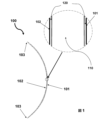

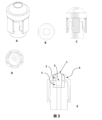


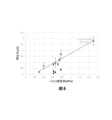
Classifications
-
- C—CHEMISTRY; METALLURGY
- C08—ORGANIC MACROMOLECULAR COMPOUNDS; THEIR PREPARATION OR CHEMICAL WORKING-UP; COMPOSITIONS BASED THEREON
- C08F—MACROMOLECULAR COMPOUNDS OBTAINED BY REACTIONS ONLY INVOLVING CARBON-TO-CARBON UNSATURATED BONDS
- C08F283/00—Macromolecular compounds obtained by polymerising monomers on to polymers provided for in subclass C08G
- C08F283/12—Macromolecular compounds obtained by polymerising monomers on to polymers provided for in subclass C08G on to polysiloxanes
- C08F283/124—Macromolecular compounds obtained by polymerising monomers on to polymers provided for in subclass C08G on to polysiloxanes on to polysiloxanes having carbon-to-carbon double bonds
-
- B—PERFORMING OPERATIONS; TRANSPORTING
- B05—SPRAYING OR ATOMISING IN GENERAL; APPLYING FLUENT MATERIALS TO SURFACES, IN GENERAL
- B05D—PROCESSES FOR APPLYING FLUENT MATERIALS TO SURFACES, IN GENERAL
- B05D5/00—Processes for applying liquids or other fluent materials to surfaces to obtain special surface effects, finishes or structures
-
- B—PERFORMING OPERATIONS; TRANSPORTING
- B29—WORKING OF PLASTICS; WORKING OF SUBSTANCES IN A PLASTIC STATE IN GENERAL
- B29D—PRODUCING PARTICULAR ARTICLES FROM PLASTICS OR FROM SUBSTANCES IN A PLASTIC STATE
- B29D11/00—Producing optical elements, e.g. lenses or prisms
- B29D11/00009—Production of simple or compound lenses
- B29D11/00038—Production of contact lenses
-
- B—PERFORMING OPERATIONS; TRANSPORTING
- B29—WORKING OF PLASTICS; WORKING OF SUBSTANCES IN A PLASTIC STATE IN GENERAL
- B29D—PRODUCING PARTICULAR ARTICLES FROM PLASTICS OR FROM SUBSTANCES IN A PLASTIC STATE
- B29D11/00—Producing optical elements, e.g. lenses or prisms
- B29D11/00009—Production of simple or compound lenses
- B29D11/00038—Production of contact lenses
- B29D11/00048—Production of contact lenses composed of parts with dissimilar composition
-
- B—PERFORMING OPERATIONS; TRANSPORTING
- B29—WORKING OF PLASTICS; WORKING OF SUBSTANCES IN A PLASTIC STATE IN GENERAL
- B29D—PRODUCING PARTICULAR ARTICLES FROM PLASTICS OR FROM SUBSTANCES IN A PLASTIC STATE
- B29D11/00—Producing optical elements, e.g. lenses or prisms
- B29D11/00009—Production of simple or compound lenses
- B29D11/00038—Production of contact lenses
- B29D11/00125—Auxiliary operations, e.g. removing oxygen from the mould, conveying moulds from a storage to the production line in an inert atmosphere
-
- B—PERFORMING OPERATIONS; TRANSPORTING
- B29—WORKING OF PLASTICS; WORKING OF SUBSTANCES IN A PLASTIC STATE IN GENERAL
- B29D—PRODUCING PARTICULAR ARTICLES FROM PLASTICS OR FROM SUBSTANCES IN A PLASTIC STATE
- B29D11/00—Producing optical elements, e.g. lenses or prisms
- B29D11/00865—Applying coatings; tinting; colouring
-
- B—PERFORMING OPERATIONS; TRANSPORTING
- B65—CONVEYING; PACKING; STORING; HANDLING THIN OR FILAMENTARY MATERIAL
- B65B—MACHINES, APPARATUS OR DEVICES FOR, OR METHODS OF, PACKAGING ARTICLES OR MATERIALS; UNPACKING
- B65B55/00—Preserving, protecting or purifying packages or package contents in association with packaging
- B65B55/22—Immersing contents in protective liquids
-
- C—CHEMISTRY; METALLURGY
- C08—ORGANIC MACROMOLECULAR COMPOUNDS; THEIR PREPARATION OR CHEMICAL WORKING-UP; COMPOSITIONS BASED THEREON
- C08L—COMPOSITIONS OF MACROMOLECULAR COMPOUNDS
- C08L33/00—Compositions of homopolymers or copolymers of compounds having one or more unsaturated aliphatic radicals, each having only one carbon-to-carbon double bond, and only one being terminated by only one carboxyl radical, or of salts, anhydrides, esters, amides, imides or nitriles thereof; Compositions of derivatives of such polymers
- C08L33/02—Homopolymers or copolymers of acids; Metal or ammonium salts thereof
-
- C—CHEMISTRY; METALLURGY
- C08—ORGANIC MACROMOLECULAR COMPOUNDS; THEIR PREPARATION OR CHEMICAL WORKING-UP; COMPOSITIONS BASED THEREON
- C08L—COMPOSITIONS OF MACROMOLECULAR COMPOUNDS
- C08L79/00—Compositions of macromolecular compounds obtained by reactions forming in the main chain of the macromolecule a linkage containing nitrogen with or without oxygen or carbon only, not provided for in groups C08L61/00 - C08L77/00
- C08L79/04—Polycondensates having nitrogen-containing heterocyclic rings in the main chain; Polyhydrazides; Polyamide acids or similar polyimide precursors
-
- C—CHEMISTRY; METALLURGY
- C08—ORGANIC MACROMOLECULAR COMPOUNDS; THEIR PREPARATION OR CHEMICAL WORKING-UP; COMPOSITIONS BASED THEREON
- C08L—COMPOSITIONS OF MACROMOLECULAR COMPOUNDS
- C08L83/00—Compositions of macromolecular compounds obtained by reactions forming in the main chain of the macromolecule a linkage containing silicon with or without sulfur, nitrogen, oxygen or carbon only; Compositions of derivatives of such polymers
- C08L83/04—Polysiloxanes
-
- C—CHEMISTRY; METALLURGY
- C09—DYES; PAINTS; POLISHES; NATURAL RESINS; ADHESIVES; COMPOSITIONS NOT OTHERWISE PROVIDED FOR; APPLICATIONS OF MATERIALS NOT OTHERWISE PROVIDED FOR
- C09D—COATING COMPOSITIONS, e.g. PAINTS, VARNISHES OR LACQUERS; FILLING PASTES; CHEMICAL PAINT OR INK REMOVERS; INKS; CORRECTING FLUIDS; WOODSTAINS; PASTES OR SOLIDS FOR COLOURING OR PRINTING; USE OF MATERIALS THEREFOR
- C09D133/00—Coating compositions based on homopolymers or copolymers of compounds having one or more unsaturated aliphatic radicals, each having only one carbon-to-carbon double bond, and at least one being terminated by only one carboxyl radical, or of salts, anhydrides, esters, amides, imides, or nitriles thereof; Coating compositions based on derivatives of such polymers
- C09D133/02—Homopolymers or copolymers of acids; Metal or ammonium salts thereof
-
- G—PHYSICS
- G02—OPTICS
- G02B—OPTICAL ELEMENTS, SYSTEMS OR APPARATUS
- G02B1/00—Optical elements characterised by the material of which they are made; Optical coatings for optical elements
- G02B1/04—Optical elements characterised by the material of which they are made; Optical coatings for optical elements made of organic materials, e.g. plastics
- G02B1/041—Lenses
- G02B1/043—Contact lenses
-
- G—PHYSICS
- G02—OPTICS
- G02B—OPTICAL ELEMENTS, SYSTEMS OR APPARATUS
- G02B1/00—Optical elements characterised by the material of which they are made; Optical coatings for optical elements
- G02B1/10—Optical coatings produced by application to, or surface treatment of, optical elements
- G02B1/18—Coatings for keeping optical surfaces clean, e.g. hydrophobic or photo-catalytic films
-
- G—PHYSICS
- G02—OPTICS
- G02C—SPECTACLES; SUNGLASSES OR GOGGLES INSOFAR AS THEY HAVE THE SAME FEATURES AS SPECTACLES; CONTACT LENSES
- G02C7/00—Optical parts
- G02C7/02—Lenses; Lens systems ; Methods of designing lenses
- G02C7/04—Contact lenses for the eyes
- G02C7/049—Contact lenses having special fitting or structural features achieved by special materials or material structures
-
- B—PERFORMING OPERATIONS; TRANSPORTING
- B05—SPRAYING OR ATOMISING IN GENERAL; APPLYING FLUENT MATERIALS TO SURFACES, IN GENERAL
- B05D—PROCESSES FOR APPLYING FLUENT MATERIALS TO SURFACES, IN GENERAL
- B05D1/00—Processes for applying liquids or other fluent materials
- B05D1/18—Processes for applying liquids or other fluent materials performed by dipping
-
- B—PERFORMING OPERATIONS; TRANSPORTING
- B05—SPRAYING OR ATOMISING IN GENERAL; APPLYING FLUENT MATERIALS TO SURFACES, IN GENERAL
- B05D—PROCESSES FOR APPLYING FLUENT MATERIALS TO SURFACES, IN GENERAL
- B05D1/00—Processes for applying liquids or other fluent materials
- B05D1/36—Successively applying liquids or other fluent materials, e.g. without intermediate treatment
- B05D1/38—Successively applying liquids or other fluent materials, e.g. without intermediate treatment with intermediate treatment
-
- B—PERFORMING OPERATIONS; TRANSPORTING
- B05—SPRAYING OR ATOMISING IN GENERAL; APPLYING FLUENT MATERIALS TO SURFACES, IN GENERAL
- B05D—PROCESSES FOR APPLYING FLUENT MATERIALS TO SURFACES, IN GENERAL
- B05D3/00—Pretreatment of surfaces to which liquids or other fluent materials are to be applied; After-treatment of applied coatings, e.g. intermediate treating of an applied coating preparatory to subsequent applications of liquids or other fluent materials
- B05D3/002—Pretreatement
-
- B—PERFORMING OPERATIONS; TRANSPORTING
- B05—SPRAYING OR ATOMISING IN GENERAL; APPLYING FLUENT MATERIALS TO SURFACES, IN GENERAL
- B05D—PROCESSES FOR APPLYING FLUENT MATERIALS TO SURFACES, IN GENERAL
- B05D3/00—Pretreatment of surfaces to which liquids or other fluent materials are to be applied; After-treatment of applied coatings, e.g. intermediate treating of an applied coating preparatory to subsequent applications of liquids or other fluent materials
- B05D3/02—Pretreatment of surfaces to which liquids or other fluent materials are to be applied; After-treatment of applied coatings, e.g. intermediate treating of an applied coating preparatory to subsequent applications of liquids or other fluent materials by baking
-
- B—PERFORMING OPERATIONS; TRANSPORTING
- B05—SPRAYING OR ATOMISING IN GENERAL; APPLYING FLUENT MATERIALS TO SURFACES, IN GENERAL
- B05D—PROCESSES FOR APPLYING FLUENT MATERIALS TO SURFACES, IN GENERAL
- B05D5/00—Processes for applying liquids or other fluent materials to surfaces to obtain special surface effects, finishes or structures
- B05D5/10—Processes for applying liquids or other fluent materials to surfaces to obtain special surface effects, finishes or structures to obtain an adhesive surface
-
- B—PERFORMING OPERATIONS; TRANSPORTING
- B29—WORKING OF PLASTICS; WORKING OF SUBSTANCES IN A PLASTIC STATE IN GENERAL
- B29K—INDEXING SCHEME ASSOCIATED WITH SUBCLASSES B29B, B29C OR B29D, RELATING TO MOULDING MATERIALS OR TO MATERIALS FOR MOULDS, REINFORCEMENTS, FILLERS OR PREFORMED PARTS, e.g. INSERTS
- B29K2083/00—Use of polymers having silicon, with or without sulfur, nitrogen, oxygen, or carbon only, in the main chain, as moulding material
-
- B—PERFORMING OPERATIONS; TRANSPORTING
- B29—WORKING OF PLASTICS; WORKING OF SUBSTANCES IN A PLASTIC STATE IN GENERAL
- B29K—INDEXING SCHEME ASSOCIATED WITH SUBCLASSES B29B, B29C OR B29D, RELATING TO MOULDING MATERIALS OR TO MATERIALS FOR MOULDS, REINFORCEMENTS, FILLERS OR PREFORMED PARTS, e.g. INSERTS
- B29K2105/00—Condition, form or state of moulded material or of the material to be shaped
- B29K2105/0058—Liquid or visquous
- B29K2105/0061—Gel or sol
-
- C—CHEMISTRY; METALLURGY
- C08—ORGANIC MACROMOLECULAR COMPOUNDS; THEIR PREPARATION OR CHEMICAL WORKING-UP; COMPOSITIONS BASED THEREON
- C08L—COMPOSITIONS OF MACROMOLECULAR COMPOUNDS
- C08L2201/00—Properties
- C08L2201/10—Transparent films; Clear coatings; Transparent materials
-
- C—CHEMISTRY; METALLURGY
- C08—ORGANIC MACROMOLECULAR COMPOUNDS; THEIR PREPARATION OR CHEMICAL WORKING-UP; COMPOSITIONS BASED THEREON
- C08L—COMPOSITIONS OF MACROMOLECULAR COMPOUNDS
- C08L2201/00—Properties
- C08L2201/54—Aqueous solutions or dispersions
-
- G—PHYSICS
- G02—OPTICS
- G02B—OPTICAL ELEMENTS, SYSTEMS OR APPARATUS
- G02B2207/00—Coding scheme for general features or characteristics of optical elements and systems of subclass G02B, but not including elements and systems which would be classified in G02B6/00 and subgroups
- G02B2207/109—Sols, gels, sol-gel materials
Landscapes
- Health & Medical Sciences (AREA)
- Engineering & Computer Science (AREA)
- Physics & Mathematics (AREA)
- Ophthalmology & Optometry (AREA)
- Chemical & Material Sciences (AREA)
- Mechanical Engineering (AREA)
- General Physics & Mathematics (AREA)
- Optics & Photonics (AREA)
- Manufacturing & Machinery (AREA)
- Organic Chemistry (AREA)
- Chemical Kinetics & Catalysis (AREA)
- Polymers & Plastics (AREA)
- Medicinal Chemistry (AREA)
- General Health & Medical Sciences (AREA)
- Life Sciences & Earth Sciences (AREA)
- Materials Engineering (AREA)
- Wood Science & Technology (AREA)
- Eyeglasses (AREA)
- Treatments Of Macromolecular Shaped Articles (AREA)
Description
本発明は、広義には1週間又は1ヶ月用使い捨て水勾配コンタクトレンズに関し、具体的には、耐久性があり、高水分で、柔軟で、耐指擦り性があり、且つ比較的厚いヒドロゲルコーティングをその上に有し、またポリカチオン型抗菌剤の取り込みに対して比較的高い耐久性を有するシリコーンヒドロゲルコンタクトレンズに関する。 The present invention relates generally to weekly or monthly disposable water gradient contact lenses, and more particularly to silicone hydrogel contact lenses that are durable, high moisture, soft, finger rub resistant, and have a relatively thick hydrogel coating thereon and that are relatively resistant to the uptake of polycation-type antimicrobial agents.
ソフトコンタクトレンズの新規な部類である水勾配シリコーンヒドロゲルコンタクトレンズが開発され、1日使い捨てコンタクトレンズDAILIES(登録商標)TOTAL1(登録商標)(Alcon)として市場導入されて成功を収めた。このシリコーンヒドロゲルコンタクトレンズの新規な部類は、コアから表面までの含水率が33%から80%超まで向上した水勾配構造形態を有することを特徴とする(米国特許第8480227号明細書を参照されたい)。この独特な設計により、高い潤滑性を有し、且つ極めて柔軟な、高水分のレンズ表面が提供され、それにより、より優れた着用快適性を患者に提供することができる。 A new class of soft contact lenses, water-gradient silicone hydrogel contact lenses, has been developed and successfully marketed as the daily disposable contact lens DAILIES® TOTAL1® (Alcon). This new class of silicone hydrogel contact lenses is characterized by a water-gradient structural morphology that increases the water content from the core to the surface from 33% to over 80% (see U.S. Pat. No. 8,480,227). This unique design provides a highly lubricated and extremely soft high-moisture lens surface, which can provide patients with improved wearing comfort.
こうした柔軟なコンタクトレンズは、米国特許第8,529,057号明細書に記載される費用効率の高い方法に従って製造することができる。水勾配シリコーンヒドロゲルコンタクトレンズは、コンタクトレンズをポリアニオン性ポリマーのコーティング溶液にディッピングし、続いてレンズパッケージ内でオートクレーブ中に水溶性の高度分岐親水性ポリマー材料を固着層に直接共有結合させることにより、各コンタクトレンズ上に固着層を形成することによって製造することができる。水溶性の高度分岐親水性ポリマー材料は、ポリアミドアミン-エピクロロヒドリン(PAE)と湿潤剤とを、表面ゲルの所望の潤滑性を達成しながらも表面欠陥(例えば表面亀裂など)を最小化又は排除するような湿潤剤に対するPAEの様々な濃度比及び所与の反応時間にわたる反応温度で部分的に反応させることによって調製される。 Such soft contact lenses can be manufactured according to the cost-effective method described in U.S. Pat. No. 8,529,057. Water-gradient silicone hydrogel contact lenses can be manufactured by forming an anchoring layer on each contact lens by dipping the contact lens into a coating solution of a polyanionic polymer, followed by covalently bonding a water-soluble highly branched hydrophilic polymer material directly to the anchoring layer during autoclaving in the lens package. The water-soluble highly branched hydrophilic polymer material is prepared by partially reacting polyamidoamine-epichlorohydrin (PAE) with a wetting agent at various concentration ratios of PAE to wetting agent and reaction temperatures for a given reaction time that minimizes or eliminates surface defects (e.g., surface cracks) while achieving the desired lubricity of the surface gel.
新規に開発された水勾配シリコーンヒドロゲルコンタクトレンズは、その極めて柔軟で、高水分で、比較的厚いヒドロゲルコーティングのために、より優れた着用快適性を患者に提供することができるが、これらは市場における全てのレンズケア溶液との適合性を有さない場合がある。例えば、これらの新規なコンタクトレンズは、ポリアニオン性材料の固着層が存在するために、多量のポリカチオン型抗菌剤(例えば、大半の多目的レンズケア溶液中で共通して見出されるポリヘキサメチレンビグアニド、ポリクオタニウム-1(別称Polyquad(登録商標))など)を取り込む(吸収する)可能性があり、そのため市場に存在する一部の多目的レンズケア溶液との適合性を有さない場合がある。コンタクトレンズによって吸着されるこれらのポリカチオン型抗菌剤は、レンズが患者によって装着されると眼内に放出される場合があり、一部の人にびまん性角膜染色及び製品の不耐性などの望ましからぬ臨床症状を引き起こす場合がある。一部の多目的レンズケア溶液との不適合性のために、ほぼ毎日レンズケア溶液で洗浄及び消毒する必要のある新規に開発された水勾配シリコーンヒドロゲルコンタクトレンズは、1週間又は1ヶ月用使い捨てコンタクトレンズとしての使用に適さない場合がある。 Although the newly developed water-gradient silicone hydrogel contact lenses can provide patients with better wearing comfort due to their extremely soft, high moisture, and relatively thick hydrogel coating, they may not be compatible with all lens care solutions on the market. For example, these new contact lenses may take up (absorb) a large amount of polycation-type antibacterial agents (e.g., polyhexamethylene biguanide, polyquaternium-1 (also known as Polyquad®), etc., commonly found in most multipurpose lens care solutions) due to the presence of an anchoring layer of polyanionic material, and therefore may not be compatible with some multipurpose lens care solutions on the market. These polycation-type antibacterial agents adsorbed by the contact lenses may be released into the eye when the lenses are worn by the patient, which may cause undesirable clinical symptoms such as diffuse corneal staining and product intolerance in some people. Due to incompatibility with some multi-purpose lens care solutions, newly developed water-gradient silicone hydrogel contact lenses that require near-daily cleaning and disinfection with lens care solutions may not be suitable for use as weekly or monthly disposable contact lenses.
米国特許出願公開第2015/0166205A1号明細書及び同第2016/0326046A1号明細書は、ポリアミドアミン-エピクロロヒドリン(PAE)の使用を伴う1工程を追加することによって、水勾配コンタクトレンズにおけるポリカチオン型抗菌剤の付着及び堆積しやすさを低下させるための方法を開示している。しかしながら、これらの方法はいくつかの欠点を伴う。例えば、これらの方法によって、ヒドロゲルコーティング含有コンタクトレンズにおけるポリカチオン型抗菌剤の付着及び堆積しやすさは低下され得るが、結果として得られるコンタクトレンズの潤滑性、湿潤性、及び/又は親水性も同時に低下し、またポリカチオン型抗菌剤の付着及び堆積の低減は、コンタクトレンズに市場の全ての多目的レンズケア溶液との適合性を付与するには十分でない場合がある。更に、これらの方法によって得られたコンタクトレンズは、多目的レンズケア溶液を伴うレンズケアレジームで必要とされる指擦り、又はレンズの製造若しくは取り扱い中の不注意によるレンズの反転に耐え抜くことができない場合があるが、これは、コンタクトレンズの指擦り及びレンズの反転は、コンタクトレンズが反転するか又は指と指との間で擦られた後に暗視野下で目に見ることのできる亀裂線から明らかとなるように、コンタクトレンズ上のヒドロゲルコーティングを損傷させる場合があるためである。 US Patent Publication Nos. 2015/0166205 A1 and 2016/0326046 A1 disclose methods for reducing the adhesion and deposition of polycationic antimicrobial agents on water-gradient contact lenses by adding a step involving the use of polyamidoamine-epichlorohydrin (PAE). However, these methods have several drawbacks. For example, although these methods can reduce the adhesion and deposition of polycationic antimicrobial agents on hydrogel-coated contact lenses, the lubricity, wettability, and/or hydrophilicity of the resulting contact lenses are also reduced, and the reduction in the adhesion and deposition of polycationic antimicrobial agents may not be sufficient to render the contact lenses compatible with all multipurpose lens care solutions on the market. Furthermore, contact lenses obtained by these methods may not be able to survive finger rubbing required in lens care regimes involving multipurpose lens care solutions, or inadvertent lens inversion during lens manufacture or handling, because finger rubbing and lens inversion may damage the hydrogel coating on the contact lens, as evidenced by crack lines visible to the eye under dark field after the contact lens is inverted or rubbed between fingers.
したがって、高い耐指擦り性を有しながらも多目的レンズケア溶液を含む全てのレンズケア溶液と適合性である、1週間又は1ヶ月用使い捨て水勾配コンタクトレンズに対するニーズが依然として存在する。 Therefore, a need remains for disposable weekly or monthly water gradient contact lenses that are highly resistant to finger rubs yet are compatible with all lens care solutions, including multipurpose lens care solutions.
本発明は、一部の態様では、高く望まれる水勾配構造形態を備えるだけではなく、約0.4マイクログラム/レンズ以下のポリクオタニウム-1取り込み率(「PU」)、並びに30サイクルの指擦り処理(すなわち、30日間のレンズケアレジームをシミュレートする)後、又はシミュレートされた研磨サイクリング処理後に少なくとも10秒間の水崩壊時間(water-break-up time)(WBUT)を有することを特徴とする長時間持続する表面親水性及び湿潤性を有するコンタクトレンズを提供する。本発明のコンタクトレンズは、所望の水勾配構造形態、及び比較的厚く、極めて柔軟で、且つ高水分のヒドロゲル表面層を有するため、より優れた着用快適性を提供することができる。より重要なことに、本発明の水勾配コンタクトレンズは、市場に存在する多目的レンズケア溶液と適合性があり、日常的なレンズケアレジームにおいて遭遇する過酷なレンズケア取り扱い条件(例えば指擦り、不注意によるコンタクトレンズの反転など)を耐えることができる。このため、これらは1週間又は1ヶ月用使い捨てコンタクトレンズとしての使用に好適である。 In some aspects, the present invention provides contact lenses that not only have a highly desirable water gradient structural morphology, but also have a polyquaternium-1 uptake rate ("PU") of about 0.4 micrograms/lens or less, and long-lasting surface hydrophilicity and wettability, characterized by a water-break-up time (WBUT) of at least 10 seconds after 30 cycles of finger rubbing (i.e., simulating a 30-day lens care regime) or after simulated abrasion cycling. The contact lenses of the present invention can provide better wearing comfort because they have a desired water gradient structural morphology and a relatively thick, highly flexible, and highly hydrated hydrogel surface layer. More importantly, the water gradient contact lenses of the present invention are compatible with multi-purpose lens care solutions available on the market and can withstand harsh lens care handling conditions encountered in daily lens care regimes (e.g., finger rubbing, inadvertent contact lens inversion, etc.). As such, they are suitable for use as disposable contact lenses for one week or one month.
本発明は、その他の態様では、所望の柔軟性を備える外表面層を備えるだけではなく、約0.4マイクログラム/レンズ以下のポリクオタニウム-1取り込み率(「PU」)、並びに30サイクルの指擦り処理(すなわち、30日間のレンズケアレジームをシミュレートする)後に少なくとも10秒間の水崩壊時間(WBUT)を有することを特徴とする長時間持続する表面親水性及び湿潤性を有するコンタクトレンズを提供する。本発明のコンタクトレンズは、比較的厚く、極めて柔軟な表面層を有するため、より優れた着用快適性を提供することができる。より重要なことに、本発明のコンタクトレンズは、市場に存在する多目的レンズケア溶液と適合性があり、日常的なレンズケアレジームにおいて遭遇する過酷なレンズケア取り扱い条件(例えば指擦り、不注意によるコンタクトレンズの反転など)を耐えることができる。このため、これらは1週間又は1ヶ月用使い捨てコンタクトレンズとしての使用に好適である。 In another aspect, the present invention provides contact lenses that not only have an outer surface layer with desired flexibility, but also have long-lasting surface hydrophilicity and wettability, characterized by a polyquaternium-1 uptake rate ("PU") of about 0.4 micrograms/lens or less, and a water break-down time (WBUT) of at least 10 seconds after 30 cycles of finger rubbing (i.e., simulating a 30-day lens care regime). The contact lenses of the present invention have a relatively thick and extremely soft surface layer, which can provide better wearing comfort. More importantly, the contact lenses of the present invention are compatible with multi-purpose lens care solutions available on the market and can withstand harsh lens care handling conditions encountered in daily lens care regimes (e.g., finger rubbing, inadvertent contact lens inversion, etc.). As such, they are suitable for use as weekly or monthly disposable contact lenses.
本発明のこれら及びその他の態様は、以下の現在好ましい実施形態の説明から明らかになるであろう。発明を実施するための形態は、本発明を例示しているに過ぎず、本発明の範囲を限定するものではなく、本発明は添付の特許請求の範囲及びその均等物により定義される。当業者には明らかとなるように、本発明の多くの変形及び修正が、本開示の新規な概念の趣旨及び範囲から逸脱することなく実現可能である。 These and other aspects of the invention will become apparent from the following description of the presently preferred embodiments. The detailed description is merely illustrative of the invention and does not limit the scope of the invention, which is defined by the appended claims and equivalents thereof. As will be apparent to those skilled in the art, many variations and modifications of the invention are possible without departing from the spirit and scope of the novel concepts of the present disclosure.
別段の規定がない限り、本明細書で使用される全ての技術及び科学用語は、本発明が属する当該技術分野における当業者によって一般的に理解されている意味と同一の意味を有する。一般に、本明細書で用いられる用語、及び実験手順は、当該技術分野で周知され、且つ一般的に使用されている。これらの手順には、当該技術分野及び様々な一般的参考文献で提供されるものなどの従来法が用いられる。用語が単数形で提供される場合、本発明者らは同用語の複数形も意図している。本明細書で用いられる用語、及び以下で説明される実験手順は、当該技術分野で周知され、且つ一般的に使用されているものである。 Unless otherwise specified, all technical and scientific terms used herein have the same meaning as commonly understood by one of ordinary skill in the art to which this invention belongs. In general, the terms and experimental procedures used herein are well known and commonly used in the art. These procedures use conventional methods such as those provided in the art and various general references. Where a term is provided in the singular, the inventors also contemplate the plural of the same term. The terms used herein and the experimental procedures described below are well known and commonly used in the art.
本願で使用するとき、「約(about)」は、「約」として参照される数が、引用される数に、その引用される数の1~10%を加算又は減算した数を含むことを意味する。
As used in this application, "about" means that a number referred to as "about" includes the recited number plus or
「コンタクトレンズ」とは、着用者の眼上又は眼内に配置され得る構造体を指す。コンタクトレンズは、使用者の視力を矯正、改善、又は修正することができるが、そうである必要はない。コンタクトレンズは、当該技術分野において既知の、又は後に開発された任意の適した材料からなるものであってよく、ハードレンズ、硬質ガス透過性レンズ、ソフトレンズ、又はハイブリッドレンズであってよい。 "Contact lens" refers to a structure that may be placed on or in the eye of a wearer. A contact lens may, but need not, correct, improve, or modify the user's vision. A contact lens may be made of any suitable material known or later developed in the art and may be a hard lens, a rigid gas permeable lens, a soft lens, or a hybrid lens.
「ハードコンタクトレンズ」とは、バルク(コア)材料として硬質プラスチック(例えばポリメチルメタクリレート)を含むコンタクトレンズを指す。 "Hard contact lens" refers to a contact lens that contains a hard plastic (e.g., polymethyl methacrylate) as the bulk (core) material.
「硬質ガス透過性コンタクトレンズ」とは、バルク(コア)材料としてガス透過性材料(例えばフルオロシリコーンアクリレートから製造された材料)を含むコンタクトレンズを指す。 "Rigid gas permeable contact lens" refers to a contact lens that includes a gas permeable material (e.g., a material made from fluorosilicone acrylate) as the bulk (core) material.
ソフトコンタクトレンズは、非シリコーンヒドロゲルレンズ、シリコーンヒドロゲルレンズ、又はシリコーンレンズであってよい。「ヒドロゲルコンタクトレンズ」とは、非シリコーンヒドロゲルのバルク(コア)材料を含むコンタクトレンズを指す。「シリコーンヒドロゲルコンタクトレンズ」とは、シリコーンヒドロゲルのバルク(コア)材料を含むコンタクトレンズを指す。「シリコーンコンタクトレンズ」とは、3次元ポリマーネットワーク(すなわちポリマーマトリックス)を有し、水不溶性であり、完全水和時に約7.5重量%未満(好ましくは約5重量%未満、より好ましくは約2.5重量%未満、更により好ましくは約1重量%未満)の水を保持することができる、そのバルク(又はコア又はベース)材料としての架橋シリコーン材料から製造されたコンタクトレンズを指す。 A soft contact lens may be a non-silicone hydrogel lens, a silicone hydrogel lens, or a silicone lens. "Hydrogel contact lens" refers to a contact lens that includes a non-silicone hydrogel bulk (core) material. "Silicone hydrogel contact lens" refers to a contact lens that includes a silicone hydrogel bulk (core) material. "Silicone contact lens" refers to a contact lens made from a crosslinked silicone material as its bulk (or core or base) material that has a three-dimensional polymer network (i.e., polymer matrix), is water insoluble, and can retain less than about 7.5% by weight (preferably less than about 5% by weight, more preferably less than about 2.5% by weight, and even more preferably less than about 1% by weight) of water when fully hydrated.
ハイブリッドコンタクトレンズは、シリコーンヒドロゲル又は標準ヒドロゲルレンズ材料から製造された辺縁帯によって包囲される、ガス透過性レンズ材料から製造された中央光学帯を有する。 Hybrid contact lenses have a central optic zone made from a gas permeable lens material surrounded by a peripheral zone made from silicone hydrogel or standard hydrogel lens material.
「ヒドロゲル」又は「ヒドロゲル材料」とは、水不溶性であるが、完全水和時にその3次元ポリマーネットワーク(すなわちポリマーマトリックス)内に少なくとも10重量%の水を保持することができる架橋ポリマー材料を指す。 "Hydrogel" or "hydrogel material" refers to a crosslinked polymeric material that is water-insoluble but can retain at least 10% by weight of water within its three-dimensional polymeric network (i.e., polymeric matrix) when fully hydrated.
本願で使用するとき、用語「非シリコーンヒドロゲル」とは、理論的にシリコンを含まないヒドロゲルを指す。 As used herein, the term "non-silicone hydrogel" refers to a hydrogel that theoretically does not contain silicone.
本願で使用するとき、用語「シリコーンヒドロゲル」とはシリコーンを含有するヒドロゲルを指す。シリコーンヒドロゲルは、典型的には、少なくとも1つのシリコーン含有ビニルモノマー、若しくは少なくとも1つのシリコーン含有ビニルマクロマー、又はエチレン系不飽和基を有する少なくとも1つのシリコーン含有プレポリマーを含む重合性組成物を共重合することによって得られる。 As used herein, the term "silicone hydrogel" refers to a hydrogel that contains silicone. Silicone hydrogels are typically obtained by copolymerizing a polymerizable composition that includes at least one silicone-containing vinyl monomer, or at least one silicone-containing vinyl macromer, or at least one silicone-containing prepolymer having ethylenically unsaturated groups.
本明細書で使用するとき、「親水性」とは、脂質よりも水とより容易に結合する材料、又はその一部分を説明する。 As used herein, "hydrophilic" describes a material, or a portion thereof, that associates more readily with water than with lipids.
「ビニルモノマー」とは、1つの唯一のエチレン系不飽和基を有し、溶媒可溶性であり、化学線的又は熱的に重合可能である化合物を指す。 "Vinyl monomer" refers to a compound that has one and only one ethylenically unsaturated group, is solvent soluble, and is polymerizable actinically or thermally.
溶媒中の化合物又は材料に関連する用語「可溶性」とは、化合物又は材料が室温(すなわち、約25±3℃)において溶媒中で溶解して、少なくとも約0.05重量%の濃度を有する溶液が得られることを意味する。 The term "soluble" in reference to a compound or material in a solvent means that the compound or material dissolves in the solvent at room temperature (i.e., about 25±3° C.) to provide a solution having a concentration of at least about 0.05% by weight.
溶媒中の化合物又は材料に関連する用語「不溶性」とは、化合物又は材料が室温(上記で定義されるとおり)において溶媒中で溶解して、0.005重量%未満の濃度を有する溶液が得られることを意味する。 The term "insoluble" in reference to a compound or material in a solvent means that the compound or material dissolves in the solvent at room temperature (as defined above) to give a solution having a concentration of less than 0.005% by weight.
本願で使用するとき、用語「エチレン系不飽和基」は、本明細書においては広義で使用され、少なくとも1個の>C=C<基を含有するいかなる基も包括することが意図される。例示的なエチレン系不飽和基としては、(メタ)アクリロイル

、アリル、ビニル、スチレニル、又はその他のC=C含有基が挙げられるが、これらに限定されない。
As used herein, the term "ethylenically unsaturated group" is used broadly herein and is intended to encompass any group that contains at least one >C=C< group. Exemplary ethylenically unsaturated groups include (meth)acryloyl,
, allyl, vinyl, styrenyl, or other C═C containing groups.
用語「(メタ)アクリルアミド」とは、メタクリルアミド及び/又はアクリルアミドを指す。 The term "(meth)acrylamide" refers to methacrylamide and/or acrylamide.
用語「(メタ)アクリレート」とは、メタクリレート及び/又はアクリレートを指す。 The term "(meth)acrylate" refers to methacrylate and/or acrylate.
本明細書で使用するとき、重合性組成物、プレポリマー、又は材料の硬化、架橋、又は重合に関連する「化学線的」とは、硬化(例えば架橋及び/又は重合)が、例えばUV/可視光照射、電離放射線(たとえばγ線又はX線照射)、マイクロ波照射などの化学線照射によって実施されることを意味する。熱硬化又は化学線硬化法は当業者に周知されている。 As used herein, "actinically" in reference to curing, crosslinking, or polymerization of a polymerizable composition, prepolymer, or material means that the curing (e.g., crosslinking and/or polymerization) is effected by actinic radiation, such as, for example, UV/visible light radiation, ionizing radiation (e.g., gamma or x-ray radiation), microwave radiation, etc. Thermal curing or actinic curing methods are well known to those skilled in the art.
本明細書で使用するとき、「親水性ビニルモノマー」とは、典型的にはホモポリマーとして、水溶性であるか、又は少なくとも10重量パーセントの水を吸収できるポリマーが得られるビニルモノマーを指す。 As used herein, "hydrophilic vinyl monomer" refers to a vinyl monomer that, typically as a homopolymer, results in a polymer that is water soluble or capable of absorbing at least 10 weight percent water.
本明細書で使用するとき、「疎水性ビニルモノマー」とは、典型的にはホモポリマーとして、水不溶性であり、10重量パーセント未満の水を吸収できるポリマーが得られるビニルモノマーを指す。 As used herein, "hydrophobic vinyl monomer" refers to a vinyl monomer that, typically as a homopolymer, results in a polymer that is water insoluble and can absorb less than 10 weight percent water.
「ブレンドビニルモノマー(blending vinylic monomer)」とは、重合性組成物の親水性及び疎水性重合性成分の両方を溶解して溶液を形成することのできるビニルモノマーを指す。 "Blending vinylic monomer" refers to a vinyl monomer that is capable of dissolving both the hydrophilic and hydrophobic polymerizable components of a polymerizable composition to form a solution.
「アクリルモノマー」とは、唯一の(メタ)アクリロイル基を有するビニルモノマーを指す。 "Acrylic monomer" refers to a vinyl monomer that has only one (meth)acryloyl group.
「N-ビニルアミドモノマー」は、アミド基の窒素原子に直接結合したビニル基(-CH=CH2)を有するアミド化合物を指す。 "N-vinyl amide monomer" refers to an amide compound having a vinyl group (--CH=CH 2 ) attached directly to the nitrogen atom of the amide group.
「マクロマー」又は「プレポリマー」とは、エチレン系不飽和基を含有し、700ダルトンを超える数平均分子量を有する化合物又はポリマーを指す。 "Macromer" or "prepolymer" refers to a compound or polymer that contains ethylenically unsaturated groups and has a number average molecular weight greater than 700 Daltons.
本願で使用するとき、用語「ビニルクロスリンカー(vinylic crosslinker)」とは、少なくとも2個のエチレン系不飽和基を有する化合物を指す。「ビニル架橋剤(vinylic crosslinking agent)」とは、それぞれが700ダルトン以下の数平均分子量を有するビニルクロスリンカーのサブクラスを意味する。 As used herein, the term "vinylic crosslinker" refers to a compound having at least two ethylenically unsaturated groups. "Vinyl crosslinking agent" refers to a subclass of vinyl crosslinkers each having a number average molecular weight of 700 Daltons or less.
本願で使用するとき、用語「ポリマー」とは、1つ以上のモノマー、マクロマー、プレポリマー、及び/又はこれらの組み合わせを重合又は架橋することによって形成される材料を意味する。 As used herein, the term "polymer" means a material formed by polymerizing or crosslinking one or more monomers, macromers, prepolymers, and/or combinations thereof.
本願で使用するとき、ポリマー材料(モノマー材料又はマクロマー材料を含む)の用語「分子量」とは、別段の記載のない限り、又は試験条件によって別段の指示がされない限り、数平均分子量を意味する。 As used herein, the term "molecular weight" of a polymeric material (including monomeric or macromeric materials) means number average molecular weight, unless otherwise specified or unless otherwise dictated by the test conditions.
「ポリシロキサンセグメント」とは、

の式を有するそれぞれ相互に独立した少なくとも3つの連続的に且つ直接連結したシロキサン単位(二価ラジカル)からなるポリマー鎖を指し、式中、R1’及びR2’は、独立してC1~C10アルキル、C1~C4アルキル-若しくはC1~C4-アルコキシ置換フェニル、C1~C10フルオロアルキル、C1~C10フルオロエーテル、C6~C18アリールラジカル、-alk-(OC2H4)γ1-ORo(式中、alkはC1~C6アルキルジラジカル、RoはH若しくはC1~C4アルキル、及びγ1は1~10の整数である)、ヒドロキシル基(-OH)、カルボキシル基(-COOH)、-NR3’R4’、-NR3’-のアミノ結合、-CONR3’-のアミド結合、-CONR3’R4’のアミド、-OCONH-のウレタン結合、及びC1~C4アルコキシ基からなる群から選択される少なくとも1つの官能基を有するC2~C40有機ラジカル、又は直鎖親水性ポリマー鎖(式中、互いに独立するR3’及びR4’は、水素又はC1~C15アルキルである)からなる群から選択される2つの置換基である。
"Polysiloxane segment" means
where R 1 ' and R 2 ' are independently C 1 -
「ポリシロキサンビニルモノマー」とは、少なくとも1つのポリシロキサンセグメント、及び唯一のエチレン系不飽和基を含む化合物を指す。 "Polysiloxane vinyl monomer" refers to a compound that contains at least one polysiloxane segment and only one ethylenically unsaturated group.
「ポリシロキサンビニルクロスリンカー」とは、少なくとも1つのポリシロキサンセグメント、及び少なくとも2つのエチレン系不飽和基を含む化合物を指す。 "Polysiloxane vinyl crosslinker" refers to a compound that contains at least one polysiloxane segment and at least two ethylenically unsaturated groups.
「鎖延長ポリシロキサンビニルクロスリンカー」とは、少なくとも2つのエチレン系不飽和基及び少なくとも2つのポリシロキサンセグメントを含み、その各対が1つの二価ラジカルによって連結されている化合物を指す。 "Chain-extended polysiloxane vinyl crosslinker" refers to a compound that contains at least two ethylenically unsaturated groups and at least two polysiloxane segments, each pair of which is linked by a divalent radical.
「ポリカルボシロキサン」とは、

の式を有するそれぞれ相互に独立した少なくとも3つの連続的に且つ直接連結したシロキサン単位(二価ラジカル)からなるポリマー鎖である少なくとも1つのポリカルボシロキサンセグメントを含む化合物を指し、式中、n1は2又は3の整数であり、相互に独立したR1”、R2”、R3”、及びR4”はC1~C6アルキルラジカル(好ましくはメチル)である。
What is "polycarbosiloxane"?
where n1 is an integer of 2 or 3, and R 1 '', R 2 '', R 3 '', and R 4 ' ', each independently of the other , are C 1 -C 6 alkyl radicals (preferably methyl).
「ポリカルボシロキサンビニルモノマー」とは、少なくとも1つのポリカルボシロキサンセグメント、及び唯一のエチレン系不飽和基を含む化合物を指す。 "Polycarbosiloxane vinyl monomer" refers to a compound that contains at least one polycarbosiloxane segment and only one ethylenically unsaturated group.
「ポリカルボシロキサンビニルクロスリンカー」とは、少なくとも1つのポリカルボシロキサンセグメント、及び少なくとも2つのエチレン系不飽和基を含む化合物を指す。 "Polycarbosiloxane vinyl crosslinker" refers to a compound that contains at least one polycarbosiloxane segment and at least two ethylenically unsaturated groups.
本明細書で使用するとき、用語「流体」とは、材料が液体のように流れることができることを示す。 As used herein, the term "fluid" indicates that the material can flow like a liquid.
本願で使用するとき、重合性組成物に関連する用語「透明な(clear)」とは、重合性組成物が透き通った(transparent)溶液又は液状混合物である(すなわち、400~700nmの範囲内で85%以上の光透過率を有する)ことを意味する。 As used herein, the term "clear" in reference to a polymerizable composition means that the polymerizable composition is a transparent solution or liquid mixture (i.e., has a light transmittance of 85% or greater in the range of 400-700 nm).
用語「アルキル」とは、直鎖又は分岐鎖アルカン化合物から水素原子を除去することによって得られる一価ラジカルを指す。アルキル基(ラジカル)は、有機化合物中で他の1つの基と1つの結合を形成する。 The term "alkyl" refers to a monovalent radical obtained by removing a hydrogen atom from a straight- or branched-chain alkane compound. An alkyl group (radical) forms one bond with one other group in an organic compound.
用語「アルキレン二価基」又は「アルキレンジラジカル」又は「アルキルジラジカル」とは、アルキルから1個の水素原子を除去することによって得られる二価ラジカルを交換可能に指す。アルキレン二価基は、有機化合物中で他の基と2つの結合を形成する。 The terms "alkylene diradical" or "alkylene diradical" or "alkyl diradical" refer interchangeably to a divalent radical obtained by removing one hydrogen atom from an alkyl. An alkylene diradical forms two bonds with other groups in an organic compound.
用語「アルキルトリラジカル」は、アルキルから2つの水素原子を除去することによって得られる三価ラジカルを指す。アルキルトリラジカルは、有機化合物中で他の基と3つの結合を形成する。 The term "alkyl triradical" refers to a trivalent radical obtained by removing two hydrogen atoms from an alkyl. An alkyl triradical forms three bonds with other groups in organic compounds.
用語「アルコキシ」又は「アルコキシル」とは、直鎖又は分枝鎖アルキルアルコールのヒドロキシル基から水素原子を除去することによって得られる一価ラジカルを指す。アルコキシ基(ラジカル)は、有機化合物中で他の1つの基と1つの結合を形成する。 The term "alkoxy" or "alkoxyl" refers to a monovalent radical obtained by removing a hydrogen atom from the hydroxyl group of a straight-chain or branched-chain alkyl alcohol. An alkoxy group (radical) forms one bond with one other group in an organic compound.
本願で使用するとき、用語「アミノ基」とは、別段の記載のない限り、式-NHR’の一級又は二級アミノ基を指し、式中、R’は、水素又はC1~C20の非置換又は置換の直鎖又は分岐鎖のアルキル基である。 As used herein, unless otherwise specified, the term "amino group" refers to a primary or secondary amino group of formula -NHR', where R' is hydrogen or a C1 - C20 unsubstituted or substituted straight or branched chain alkyl group.
本願における、アルキルジラジカル又はアルキルラジカルに関連する用語「置換される」は、アルキルジラジカル又はアルキルラジカルが、アルキルジラジカル又はアルキルラジカルの1個の水素原子を置き換え、且つ、ヒドロキシ(-OH)、カルボキシ(-COOH)、-NH2、スルフヒドリル(-SH)、C1~C4アルキル、C1~C4アルコキシ、C1~C4アルキルチオ(硫化アルキル)、C1~C4アシルアミノ、C1~C4アルキルアミノ、ジ-C1~C4アルキルアミノ、ハロゲン原子(Br又はCl)及びこれらの組み合わせからなる群から選択される、少なくとも1つの置換基を含むことを意味する。 In this application, the term "substituted" in connection with an alkyl diradical or alkyl radical means that the alkyl diradical or alkyl radical contains at least one substituent replacing one hydrogen atom of the alkyl diradical or alkyl radical and selected from the group consisting of hydroxy (-OH), carboxy (-COOH), -NH2 , sulfhydryl (-SH), C1 - C4 alkyl, C1 - C4 alkoxy, C1 - C4 alkylthio (alkyl sulfide), C1 - C4 acylamino, C1- C4 alkylamino, di- C1 -C4 alkylamino, halogen atoms (Br or Cl), and combinations thereof.
本願における、「オキサゾリン」とは、

の化合物を指し、式中、R1は水素、メチル、エチル、N-ピロリドニルメチル、N-ピロリドニルエチル、N-ピロリドニルプロピル、又は-alk-(OC2H4)m3-OR”(式中、alkはC1~C4アルキルジラジカルであり、R”はC1~C4アルキル(好ましくは、メチル)であり、m3は1~10(好ましくは、1~5)の整数である)の一価ラジカルである。
In this application, "oxazoline" means
where R1 is hydrogen, methyl, ethyl, N-pyrrolidonylmethyl, N-pyrrolidonylethyl, N-pyrrolidonylpropyl, or a monovalent radical of -alk-( OC2H4 ) m3 -OR " where alk is a C1 - C4 alkyl diradical, R" is a C1 - C4 alkyl (preferably methyl), and m3 is an integer from 1 to 10 (preferably 1 to 5).
本願における、用語「ポリオキサゾリン」とは、

のポリマー又はポリマーセグメントを指し、式中、R1は水素、メチル、エチル、N-ピロリドニルメチル、N-ピロリドニルエチル、N-ピロリドニルプロピル、又は-alk-(OC2H4)m3-OR”(式中、alkはC1~C4アルキルジラジカルであり、R”はC1~C4アルキル(好ましくは、メチル)であり、m3は1~10(好ましくは、1~5)の整数であり、xは5~500の整数である)の一価ラジカルである。
In this application, the term "polyoxazoline" means
where R1 is hydrogen, methyl, ethyl, N-pyrrolidonylmethyl, N-pyrrolidonylethyl, N-pyrrolidonylpropyl, or a monovalent radical of -alk-( OC2H4 ) m3 -OR " where alk is a C1 - C4 alkyl diradical, R" is a C1 -C4 alkyl (preferably methyl), m3 is an integer from 1 to 10 (preferably 1 to 5), and x is an integer from 5 to 500.
本願における、用語「ポリ(2-オキサゾリン-co-エチレンイミン)」とは、

の式を有する統計コポリマー又はそのポリマーセグメントを指し、式中、R1は水素、メチル、エチル、N-ピロリドニルメチル、N-ピロリドニルエチル、N-ピロリドニルプロピル、又は-alk-(OC2H4)m3-OR”(式中、alkはC1~C4アルキルジラジカルであり、R”はC1~C4アルキル(好ましくは、メチル)であり、m3は1~10(好ましくは、1~5)の整数であり、xは5~500の整数であり、zはx以下の整数である)の一価ラジカルである。ポリ(2-オキサゾリン-co-エチレンイミン)は、ポリオキサゾリンを加水分解することによって得られる。
In this application, the term "poly(2-oxazoline-co-ethyleneimine)" means
or a polymer segment thereof, where R1 is hydrogen, methyl, ethyl, N-pyrrolidonylmethyl, N-pyrrolidonylethyl, N-pyrrolidonylpropyl, or a monovalent radical of -alk-( OC2H4 ) m3 -OR " where alk is a C1 - C4 alkyl diradical, R" is a C1-C4 alkyl (preferably methyl), m3 is an integer from 1 to 10 (preferably 1 to 5), x is an integer from 5 to 500, and z is an integer less than or equal to x. Poly( 2 -oxazoline-co-ethyleneimine) can be obtained by hydrolyzing polyoxazoline.
本願における、用語「ポリ(2-オキサゾリン-co-エチレンイミン)-エピクロロヒドリン」とは、ポリ(2-オキサゾリン-co-エチレンイミン)をエピクロロヒドリンと反応させて、ポリ(2-オキサゾリン-co-エチレンイミン)の二級アミン基の全て又は相当な割合(≧90%)をアゼチジニウム基に変換することによって得られるポリマーを指す。ポリ(2-オキサゾリン-co-エチレンイミン)-エピクロロヒドリンの例は、同時係属の米国特許出願公開第2016/0061995A1号明細書に開示されている。 As used herein, the term "poly(2-oxazoline-co-ethyleneimine)-epichlorohydrin" refers to a polymer obtained by reacting poly(2-oxazoline-co-ethyleneimine) with epichlorohydrin to convert all or a substantial percentage (≧90%) of the secondary amine groups of poly(2-oxazoline-co-ethyleneimine) to azetidinium groups. Examples of poly(2-oxazoline-co-ethyleneimine)-epichlorohydrin are disclosed in co-pending U.S. Patent Application Publication No. 2016/0061995 A1.
「エピクロロヒドリン官能化ポリアミン」又は「エピクロロヒドリン官能化ポリアミドアミン」とは、ポリアミン又はポリアミドアミンをエピクロロヒドリンと反応させて、ポリアミン又はポリアミドアミンの二級アミン基の全て又は相当な割合をアゼチジニウム基に変換することによって得られるポリマーを指す。 "Epichlorohydrin-functionalized polyamine" or "epichlorohydrin-functionalized polyamidoamine" refers to a polymer obtained by reacting a polyamine or polyamidoamine with epichlorohydrin to convert all or a substantial percentage of the secondary amine groups of the polyamine or polyamidoamine to azetidinium groups.
用語「ポリアミドアミン-エピクロロヒドリン」とは、エピクロロヒドリン官能化アジピン酸-ジエチレントリアミンコポリマーを指す。 The term "polyamidoamine-epichlorohydrin" refers to epichlorohydrin-functionalized adipic acid-diethylenetriamine copolymer.
本願における、用語「アゼチジニウム」又は「3-ヒドロキシアゼチジニウム」は、

の正荷電した(すなわちカチオン性の)二価ラジカル(又は基若しくは部分)を指す。
In this application, the term "azetidinium" or "3-hydroxyazetidinium" refers to
"Catalyzed" refers to a positively charged (i.e. cationic) divalent radical (or group or moiety) of the formula:
ポリマー材料又は官能基に関連する用語「熱架橋性」とは、ポリマー材料又は官能基が、比較的高温(約40℃~約140℃)で別の材料又は官能基との架橋(又はカップリング)反応を行うことができるが、一方で、ポリマー材料又は官能基は、約5℃~約15℃の温度で約1時間の期間で検出可能な程度まで別の材料又は官能基と同じ架橋反応(又はカップリング反応)を行うことができないことを意味する。 The term "thermally crosslinkable" in reference to a polymeric material or functional group means that the polymeric material or functional group is capable of undergoing a crosslinking (or coupling) reaction with another material or functional group at relatively high temperatures (about 40°C to about 140°C), while the polymeric material or functional group is not capable of undergoing the same crosslinking (or coupling) reaction with another material or functional group to a detectable extent at a temperature of about 5°C to about 15°C for a period of about 1 hour.
用語「アズラクトン」は、式

の一価ラジカルを指し、式中、pは0又は1であり、互いに独立する3R及び4RはC1~C8アルキル(好ましくはメチル)である。
The term "azlactone" means a compound of the formula
where p is 0 or 1 and 3R and 4R , independently of each other, are C1 - C8 alkyl (preferably methyl).
用語「アジリジン基」とは、式

の一価ラジカルを指し、式中R1は水素、メチル、又はエチルである。
The term "aziridine group" means a group of the formula
where R1 is hydrogen, methyl, or ethyl.
本願で使用するとき、用語「ホスホリルコリン」は、式

の双性イオン基を指し、式中、nは1~5の整数であり、相互に独立するR1、R2、及びR3は、C1~C8アルキル又はC1~C8ヒドロキシアルキルである。
As used herein, the term "phosphorylcholine" refers to a compound of the formula
wherein n is an integer from 1 to 5, and R 1 , R 2 , and R 3 , each independently, are C 1 -C 8 alkyl or C 1 -C 8 hydroxyalkyl.
本願で使用するとき、用語「反応性ビニルモノマー」は、カルボキシル基、一級アミノ基、及び二級アミノ基からなる群から選択される少なくとも1つの反応性官能基を有する任意のビニルモノマーを指す。 As used herein, the term "reactive vinyl monomer" refers to any vinyl monomer having at least one reactive functional group selected from the group consisting of a carboxyl group, a primary amino group, and a secondary amino group.
本願で使用するとき、用語「非反応性ビニルモノマー」とは、カルボキシル基、一級アミノ基、二級アミノ基、エポキシド基、イソシアネート基、アズラクトン基、又はアジリジン基を含まない任意のビニルモノマー(親水性又は疎水性ビニルモノマーのいずれか)を指す。 As used herein, the term "non-reactive vinyl monomer" refers to any vinyl monomer (either hydrophilic or hydrophobic vinyl monomer) that does not contain a carboxyl group, a primary amino group, a secondary amino group, an epoxide group, an isocyanate group, an azlactone group, or an aziridine group.
フリーラジカル開始剤は、光開始剤又は熱開始剤のいずれかであってよい。「光開始剤」とは、光の使用によってフリーラジカル架橋/重合反応を開始する化学薬品を指す。「熱開始剤」とは、熱エネルギーの使用によってラジカル架橋/重合反応を開始する化学薬品を指す。 Free radical initiators can be either photoinitiators or thermal initiators. "Photoinitiators" refer to chemicals that initiate free radical crosslinking/polymerization reactions through the use of light. "Thermal initiators" refer to chemicals that initiate radical crosslinking/polymerization reactions through the use of thermal energy.
「化学線の空間的制限」とは、光線形態のエネルギー放射が、例えば、マスク若しくはスクリーン又はそれらの組み合わせによって方向付けられて、空間的に制限された様式で、明確な周囲境界を有する領域と衝突する行為又はプロセスを指す。UV線の空間的制限は、米国特許第6,800,225号明細書(図1~図11)、並びに同第6,627,124号明細書(図1~図9)、同第7,384,590号明細書(図1~図6)、及び同第7,387,759号明細書(図1~図6)の図面に概略的に示されるように、放射線(例えば、UV)透過性領域、放射線透過性領域を包囲する放射線(例えば、UV)不透過性領域、及び放射線不透過性領域と放射線透過性領域との間の境界である投射輪郭を有するマスク又はスクリーンを使用することによって得られる。マスク又はスクリーンは、マスク又はスクリーンの投影輪郭によって画定された横断面プロファイルを有する放射線(例えば、UV線)のビームを空間的に投射することを可能にする。放射線(例えば、UV線)の投射されたビームは、型の第1の成形表面から第2の成形表面までの投射されたビームの経路上に位置するレンズ配合物に衝突する放射線(例えば、UV線)を制限する。結果として得られるコンタクトレンズは、第1の成形表面によって画定される前表面、第2の成形表面によって画定される反対側の後表面、及び投射UVビームの断面プロファイル(すなわち、放射線の空間的制限)によって画定されるレンズ端部を含む。架橋のために使用される放射線は、放射エネルギー、特にUV線、ガンマ線、電子線又は熱線であり、一方でエネルギーの良好な制限、もう一方でエネルギーの効率的な使用を達成するために、放射エネルギーは、好ましくは実質的に平行なビームの形態である。 "Spatial confinement of actinic radiation" refers to the act or process in which energy radiation in the form of light rays is directed, for example by a mask or screen or a combination thereof, to impinge on an area having a well-defined peripheral boundary in a spatially confined manner. Spatial confinement of UV radiation is achieved by using a mask or screen having radiation (e.g., UV) transparent regions, radiation (e.g., UV) opaque regions surrounding the radiation transparent regions, and a projection contour that is the boundary between the radiation opaque and radiation transparent regions, as shown diagrammatically in the drawings of U.S. Pat. No. 6,800,225 (FIGS. 1-11), as well as U.S. Pat. Nos. 6,627,124 (FIGS. 1-9), 7,384,590 (FIGS. 1-6), and 7,387,759 (FIGS. 1-6). The mask or screen allows for spatial projection of a beam of radiation (e.g., UV radiation) having a cross-sectional profile defined by the projection contour of the mask or screen. The projected beam of radiation (e.g., UV radiation) limits the radiation (e.g., UV radiation) impinging on the lens formulation located on the path of the projected beam from the first molding surface to the second molding surface of the mold. The resulting contact lens comprises a front surface defined by the first molding surface, an opposing rear surface defined by the second molding surface, and a lens edge defined by the cross-sectional profile of the projected UV beam (i.e., the spatial limit of the radiation). The radiation used for crosslinking is radiant energy, in particular UV radiation, gamma radiation, electron beams or thermal radiation, and in order to achieve good energy limiting on the one hand and efficient use of energy on the other hand, the radiant energy is preferably in the form of a substantially parallel beam.
材料の固有「酸素透過度」、Dkiは、酸素が材料を通過する速度である。本願で使用するとき、ヒドロゲル(シリコーン又は非シリコーン)又はコンタクトレンズに関連した用語「酸素透過度(Dk)」とは、米国特許出願公開第2012/0026457A1号明細書の実施例1で説明される手順に従って約34~35℃で測定され、境界層効果により生じた酸素流量に対する表面抵抗に対して補正される補正酸素透過度(Dkc)を意味する。酸素透過度は、単位barrerで慣例的に表され、ここで、「barrer」は、[(cm3酸素)(mm)/(cm2)(秒)(mmHg)]×10-10と定義される。 The intrinsic "oxygen permeability" of a material, Dk i , is the rate at which oxygen passes through the material. As used herein, the term "oxygen permeability (Dk)" in the context of a hydrogel (silicone or non-silicone) or contact lens means the corrected oxygen permeability (Dk c ) measured at about 34-35° C. according to the procedure described in Example 1 of US 2012/0026457 A1 and corrected for the surface resistance to oxygen flow caused by boundary layer effects. Oxygen permeability is conventionally expressed in units of barrers, where a "barrer" is defined as [(cm 3 oxygen)(mm)/(cm 2 )(sec)( mmHg )]×10 −10 .
レンズ又は材料の「酸素伝達率」、Dk/tは、酸素が、測定される領域にわたって平均厚さt[単位mm]を有する特定のレンズ又は材料を通過する速度である。酸素伝達率は、単位barrer/mmで慣例的に表され、ここで、「barrer/mm」は、[(cm3酸素)/(cm2)(秒)(mmHg)]×10-9と定義される。 The "oxygen transmissibility" of a lens or material, Dk/t, is the rate at which oxygen passes through a particular lens or material having an average thickness t [in mm] over the area being measured. Oxygen transmissibility is conventionally expressed in units of barrers/mm, where "barrers/mm" is defined as [( cm3 oxygen)/( cm2 )(sec)(mmHg)]× 10-9 .
本明細書で使用するとき、「眼科的適合性」とは、眼球環境を有意に損傷することなしに、且つ有意な使用者の不快感なしに、長時間眼球環境と密接に接触することのできる材料、又は材料の表面を指す。 As used herein, "ophthalmological compatibility" refers to a material, or surface of a material, that can be in intimate contact with the ocular environment for extended periods of time without significant damage to the ocular environment and without significant user discomfort.
コンタクトレンズを滅菌及び保存するためのパッケージング溶液に関連する用語「眼科的に安全」とは、溶液中で保存されたコンタクトレンズが、オートクレーブ処理後のすすぎ洗いなしに眼上に直接置いても安全であること、且つ溶液が、コンタクトレンズを介した眼との日常的な接触に対して安全で、十分に快適であることを意味する。オートクレーブ処理後の眼科的に安全なパッケージング溶液は、眼に適合性の張度及びpHを有し、且つ国際ISO規格及びU.S.FDA規制に準ずる眼刺激性又は眼細胞傷害性材料を実質的に含まない。 The term "ophthalmically safe" in relation to a packaging solution for sterilizing and storing contact lenses means that a contact lens stored in the solution is safe to place directly on the eye without rinsing after autoclaving, and that the solution is safe and sufficiently comfortable for everyday contact with the eye through a contact lens. An ophthalmically safe packaging solution after autoclaving has an eye-compatible tonicity and pH, and is substantially free of eye-irritating or eye-cytotoxic materials in accordance with International ISO standards and U.S. FDA regulations.
本願で使用するとき、コンタクトレンズに関連する用語「水勾配」とは、コンタクトレンズのコアから表面まで通過する間に含水率の増加が観察され、コンタクトレンズの表面付近であり且つコンタクトレンズの表面を含む領域で最大含水率に達することを意味する。コンタクトレンズのコアから表面までの含水率の増加は、コンタクトレンズの表面付近であり且つコンタクトレンズの表面を含む領域で含水率が最大となる限りにおいて、連続的且つ/又は段階的であってよいことが理解されよう。 As used herein, the term "water gradient" in relation to contact lenses means an increase in water content observed passing from the core to the surface of the contact lens, reaching a maximum water content in a region near and including the surface of the contact lens. It will be understood that the increase in water content from the core to the surface of the contact lens may be continuous and/or gradual, so long as the maximum water content is in a region near and including the surface of the contact lens.
本願で使用するとき、コンタクトレンズの用語「断面」とは、ナイフ又は切断道具を用いて、レンズの前表面及び後表面のいずれかに対して実質的に垂直な角度でレンズを切断することにより得られるレンズ断面を指す。当業者は、コンタクトレンズの断面を得るためには、コンタクトレンズを手動で(すなわち、手で切断)又はクライオスタミクロトーム(Cryosta Microtome)若しくはラスを用いて切断することを周知している。得られたコンタクトレンズの断面は、イオンエッチング又は類似の技術を用いて研磨することができる。 As used herein, the term "cross section" of a contact lens refers to a lens cross section obtained by cutting the lens with a knife or cutting tool at an angle substantially perpendicular to either the anterior or posterior surface of the lens. Those skilled in the art are aware that to obtain a cross section of a contact lens, the contact lens may be cut manually (i.e., by hand cutting) or with a Cryosta Microtome or lath. The resulting cross section of the contact lens may be polished using ion etching or similar techniques.
コンタクトレンズ又は材料に関連した用語「弾性率(modulus)」又は「弾性率(elastic modulus)」は、コンタクトレンズ又は材料の剛性の尺度である引張弾性率又はヤング弾性率を意味する。弾性率は、ANSI Z80.20規格に従う方法を使用して測定することができる。当業者は、シリコーンヒドロゲル材料又はコンタクトレンズの弾性率を決定する方法を周知している。例えば、全ての市販のコンタクトレンズは、報告された弾性率の値を有する。 The term "modulus" or "elastic modulus" in relation to contact lenses or materials means the tensile or Young's modulus, which is a measure of the stiffness of a contact lens or material. The modulus can be measured using methods according to the ANSI Z80.20 standard. Those skilled in the art are familiar with methods for determining the modulus of elasticity of silicone hydrogel materials or contact lenses. For example, all commercially available contact lenses have a reported modulus value.
用語「表面弾性率(surface modulus)」、「表面柔軟性」、「表面弾性率(surface elastic modulus)」、「表面ヤング弾性率」又は「表面圧縮係数」は、本願では互換的に使用され、当業者に既知のように、ナノ押込法を用いて、完全水和状態(リン酸緩衝溶液中でpH約7.3±0.2)の材料表面又はコンタクトレンズ断面で原子間力顕微鏡法(AFM)によって測定されるナノメカニカル特性(弾性特性)を意味する。Jan Domke及びManfred Radmacherは、薄膜の弾性特性がAFMで測定可能であることを報告した(Langmuir 1998,14,3320-3325)。AFMナノ押込法は、Gonzalez-Meijome JM,Almeida JB and Parafita MA in Microscopy:Science,Technology,Applications and Education,“Analysis of Surface Mechanical Properties of Unworn and Worn Silicone Hydrogel Contact Lenses Using Nanoindentation with AFM”,pp554-559,A.Mendez-Vilas and J.Diaz(Eds.),Formatex Research Center,Badajoz,Spain(2010)によって記載される実験手順に従って実施することができる。コンタクトレンズの前表面又は後表面ではなく、コンタクトレンズの断面の表面(これらの論文中のGonzalez-Meijome JM,Almeida JB and Parafita MAにより実施)が、AFMでのナノ押込法を用いて分析されることに留意されたい。ナノ押込法、Peakforce QNM法、及びHarmonic Force法は、Kim Sweers,et al.in Nanoscale Research Letters 2011,6:270の論文における表題「Nanomechanical properties of a-synuclein amyloid fibrils:a comparative study by nanoindentation,harmonic force microscopy,and Peakforce QNM」に記載されている。また、完全水和コンタクトレンズの断面の前表面からバルク又はバルクから後表面(逆もまた同様)にわたり、AFMを用いて表面弾性率の測定を実施すると、コンタクトレンズの断面にわたる表面弾性率プロファイルは、コンタクトレンズの断面の表面の前表面と後表面との間の最短線に沿って確定することができることも理解されよう。更に、良好な近似値として、任意の実験的及び直接的に測定された量は、測定された量が表面弾性率に比例する限りにおいて、表面弾性率を表すために使用することができることが更に理解されよう。或いは、様々なサイズのコロイド球体が表面弾性率を測定するために用いられる場合は、マイクロ押込法又はナノ押込法が用いてもよい。 The terms "surface modulus", "surface flexibility", "surface elastic modulus", "surface Young's modulus" or "surface compressibility modulus" are used interchangeably herein and refer to nanomechanical (elastic) properties measured by atomic force microscopy (AFM) on the surface of a material or contact lens cross section in a fully hydrated state (pH 7.3±0.2 in phosphate buffer solution) using nanoindentation techniques, as known to those skilled in the art. Jan Domke and Manfred Radmacher reported that the elastic properties of thin films can be measured with AFM (Langmuir 1998, 14, 3320-3325). The AFM nanoindentation method is described by Gonzalez-Meijome JM, Almeida JB and Parafita MA in Microscopy: Science, Technology, Applications and Education, “Analysis of Surface Mechanical Properties of Unborn and Worn Silicone Hydrogel Contact Lenses Using "Nanoindentation with AFM", pp554-559, A. Mendez-Vilas and J. This can be carried out according to the experimental procedures described by Diaz (Eds.), Formatex Research Center, Badajoz, Spain (2010). It should be noted that the cross-sectional surface of the contact lens (performed by Gonzalez-Meijome JM, Almeida JB and Parafita MA in these papers) is analyzed using the nanoindentation method with AFM, rather than the anterior or posterior surface of the contact lens. The nanoindentation method, the Peakforce QNM method and the Harmonic Force method are described in Kim Sweers, et al. This is described in an article entitled "Nanomechanical properties of a-synuclein amyloid fibrils: a comparative study by nanoindentation, harmonic force microscopy, and Peakforce QNM" in Nanoscale Research Letters 2011, 6:270. It will also be appreciated that when surface modulus measurements are performed using AFM from the anterior surface to the bulk or from the bulk to the posterior surface (or vice versa) of a cross-section of a fully hydrated contact lens, the surface modulus profile across the cross-section of the contact lens can be determined along the shortest line between the anterior and posterior surfaces of the cross-section of the contact lens. It will be further understood that, as a good approximation, any experimentally and directly measured quantity can be used to represent the surface modulus, so long as the measured quantity is proportional to the surface modulus. Alternatively, micro- or nano-indentation techniques may be used, where colloidal spheres of various sizes are used to measure the surface modulus.
本願で使用するとき、コンタクトレンズに関連する用語「内部層」又は「バルク材料」とは、コンタクトレンズの3次元形状を有し、中央の湾曲面(コンタクトレンズを2つの部分に分割し、一方は前表面を含有し、もう一方は後表面を含有する)を含み、可変の厚さを有する層を交換可能に意味する。 As used herein, the terms "inner layer" or "bulk material" in relation to a contact lens refer interchangeably to a layer that has the three-dimensional shape of the contact lens, includes a central curved surface (dividing the contact lens into two portions, one containing the anterior surface and the other containing the posterior surface), and has a variable thickness.
本願で使用するとき、コンタクトレンズに関連する用語「外表面ヒドロゲル層」とは、コンタクトレンズ表面上の最外ヒドロゲル層を意味し、これは前面外部ヒドロゲル層及び後面外部ヒドロゲル層からなり、また内部層(又はレンズバルク材料)を完全に被覆する。 As used herein, the term "external surface hydrogel layer" in relation to contact lenses means the outermost hydrogel layer on the contact lens surface, which consists of the anterior outer hydrogel layer and the posterior outer hydrogel layer, and which completely covers the inner layer (or lens bulk material).
本願で使用するとき、コンタクトレンズに関連する用語「前面外部ヒドロゲル層」は、コンタクトレンズの前表面を含み、厚さが実質的に均一であり(すなわち、厚さの変動は、その層の平均厚さから約20%以下である)、且つ少なくとも約0.25μmの平均厚さを有するヒドロゲル層を意味する。 As used herein, the term "front outer hydrogel layer" in relation to a contact lens means a hydrogel layer that includes the front surface of the contact lens, that is substantially uniform in thickness (i.e., that varies in thickness by no more than about 20% from the average thickness of the layer), and that has an average thickness of at least about 0.25 μm.
本願で使用するとき、コンタクトレンズに関連する用語「後面外部ヒドロゲル層」は、コンタクトレンズの後表面を含み、厚さが実質的に均一であり(すなわち、厚さの変動は、その層の平均厚さから約20%以下である)、且つ少なくとも約0.25μmの平均厚さを有するヒドロゲル層を意味する。 As used herein, the term "posterior outer hydrogel layer" in relation to a contact lens means a hydrogel layer that includes the posterior surface of a contact lens, that is substantially uniform in thickness (i.e., the thickness varies by no more than about 20% from the average thickness of the layer), and that has an average thickness of at least about 0.25 μm.
本願で使用するとき、コンタクトレンズに関連する用語「移行層」は、内部層(又はレンズバルク材料)と前面外部ヒドロゲル層及び後面外部ヒドロゲル層のうちの1つとの間に位置する層ポリマー材料(layer polymeric material)を意味する。各移行層は、厚さが実質的に均一である(すなわち、厚さの変動は、その層の平均厚さから約20%以下である)。 As used herein, the term "transition layer" in the context of contact lenses means a layer polymeric material located between the inner layer (or lens bulk material) and one of the anterior and posterior outer hydrogel layers. Each transition layer is substantially uniform in thickness (i.e., the thickness varies by no more than about 20% from the average thickness of that layer).
本願では、前面若しくは外部ヒドロゲル層又は移行層の「平均厚さ」は、指定された状態、例えば、完全水和状態若しくは完全に水和したときの(すなわち、リン酸緩衝溶液中、pH約7.3±0.2)、又は乾燥状態の(例えば完全にオーブン乾燥された)コンタクトレンズの断面上でAFMを用いて測定された「前面外部ヒドロゲル層の厚さ」、「後面外部ヒドロゲル層の厚さ」、又は「移行層の厚さ」と単に称される。 In this application, the "average thickness" of the anterior or posterior hydrogel layer or transition layer is simply referred to as the "anterior posterior hydrogel layer thickness," "posterior posterior hydrogel layer thickness," or "transition layer thickness" measured using an AFM on a cross-section of a contact lens in a specified state, e.g., in a fully hydrated state or when fully hydrated (i.e., in a phosphate buffer solution, pH about 7.3±0.2), or in a dry state (e.g., fully oven dried).
図1は、好ましい実施形態による本発明のコンタクトレンズを概略的に示す。本発明の好ましい実施形態によれば、コンタクトレンズ100は、前表面(又はフロントカーブ若しくは凸面)101と、使用者によって着用されると眼球の角膜上に置かれる反対側の後表面(又はベースカーブ若しくは凹面)102と、を有する。コンタクトレンズ100は、内(又は中間)層(又はレンズバルク材料)110と、前面及び後面外部ヒドロゲル層120と、を備える。内部層110はコンタクトレンズ100のバルク材料であり、コンタクトレンズ100に酷似した3次元形状を有する。前面及び後面外部ヒドロゲル層120は厚さが実質的に均一であり、内部層110の含水率よりも高い含水率を有する、シリコーンを実質的に含まない(好ましくはシリコーンを全く含まない)ヒドロゲル材料から製造される。前面及び後面外部ヒドロゲル層120は、コンタクトレンズ100の周辺縁部103で一体化し、内部層110を完全に被覆する。
1 shows a schematic diagram of a contact lens of the present invention according to a preferred embodiment. According to a preferred embodiment of the present invention, the
図2は、別の好ましい実施形態による本発明のコンタクトレンズを概略的に示す。コンタクトレンズ100は、内(又は中間)層(又はレンズバルク材料)110と、前面及び後面外部ヒドロゲル層120と、2つの移行層115と、を備える。2つの移行層115のそれぞれは、内部層110と、2つの外部ヒドロゲル層120のうちの1つと、の間に位置する。
2 shows a schematic representation of a contact lens of the present invention according to another preferred embodiment. The
本願で使用するとき、コンタクトレンズ又はポリマー材料に関連する用語「平衡含水率」とは、食塩水(約0.79重量% NaCl)中で完全に水和(平衡)したときにコンタクトレンズ又はポリマー材料内に存在し、室温(上記で定義したとおり)で測定される水の量(重量%で表される)を意味する。 As used herein, the term "equilibrium water content" in relation to a contact lens or polymeric material means the amount of water (expressed as weight percent) present in a contact lens or polymeric material when fully hydrated (equilibrium) in saline (approximately 0.79 wt. % NaCl) and measured at room temperature (as defined above).
本願で使用するとき、コンタクトレンズ上の用語「架橋コーティング」又は「ヒドロゲルコーティング」又は「ヒドロゲル層」は、完全に水和したときに水を含有することができる3次元ネットワークを有する架橋ポリマー材料を表すために互換的に使用される。架橋ポリマー材料の3次元ネットワークは、架橋連結を介して2つ以上の直鎖又は分岐鎖ポリマーを架橋することにより形成することができる。 As used herein, the terms "crosslinked coating" or "hydrogel coating" or "hydrogel layer" on a contact lens are used interchangeably to refer to a crosslinked polymeric material having a three-dimensional network that can contain water when fully hydrated. The three-dimensional network of the crosslinked polymeric material can be formed by crosslinking two or more linear or branched polymers through crosslinking links.
本願で使用するとき、本発明のコンタクトレンズの前面又は後面外部ヒドロゲル層に関連する用語「水膨張率」は、

に従ってAFMにより決定される値を意味し、式中、WSRは、前面及び後面外部ヒドロゲル層のうちの1つの水膨張率であり、LWetは、完全水和状態(すなわち、リン酸緩衝溶液中pH約7.3±0.2)のコンタクトレンズの断面をAFMで測定した、完全水和状態(完全に水和したとき)のコンタクトレンズの前面又は後面外部ヒドロゲル層の平均厚さであり、LDryは、乾燥状態(オーブン乾燥された)のコンタクトレンズの断面をAFMで測定した、乾燥状態のコンタクトレンズのその前面又は後面外部ヒドロゲル層の平均厚さである。
As used herein, the term "water swelling ratio" in relation to the anterior or posterior outer hydrogel layer of the contact lens of the present invention means
where WSR is the water swelling ratio of one of the front and rear outer hydrogel layers, L Wet is the average thickness of the front or rear outer hydrogel layer of a contact lens in a fully hydrated state (i.e., in phosphate buffer solution at a pH of about 7.3±0.2) as measured by AFM on a cross-section of the contact lens in a fully hydrated state (i.e., in phosphate buffer solution at a pH of about 7.3±0.2), and L Dry is the average thickness of the front or rear outer hydrogel layer of a contact lens in a dry state (oven dried) as measured by AFM on a cross-section of the contact lens.
コンタクトレンズの外表面ヒドロゲル層の水膨張率は、外表面ヒドロゲル層が有する平衡含水率に比例するものと考えられる。外表面ヒドロゲル層の水膨張率が高いほど、外表面ヒドロゲル層の平衡含水率は高くなる。更に、外表面ヒドロゲル層の水膨張率は、外表面ヒドロゲル層の網目寸法に比例し、そのため外表面ヒドロゲル層の柔軟性に比例するものと考えられる。ヒドロゲルの網目寸法は、ヒドロゲルの架橋密度に反比例し、一方で架橋鎖の長さに比例する。外表面ヒドロゲル層の水膨張率が高いほど、外表面ヒドロゲル層はより柔軟性になる。したがって、水膨張率は、外表面ヒドロゲル層の平衡含水率及び柔軟性の両方の良好な指標になり得る。 The water expansion rate of the outer surface hydrogel layer of a contact lens is considered to be proportional to the equilibrium water content of the outer surface hydrogel layer. The higher the water expansion rate of the outer surface hydrogel layer, the higher the equilibrium water content of the outer surface hydrogel layer. Furthermore, the water expansion rate of the outer surface hydrogel layer is considered to be proportional to the mesh size of the outer surface hydrogel layer, and therefore to the flexibility of the outer surface hydrogel layer. The mesh size of the hydrogel is inversely proportional to the crosslink density of the hydrogel, which in turn is proportional to the length of the crosslinked chains. The higher the water expansion rate of the outer surface hydrogel layer, the more flexible the outer surface hydrogel layer will be. Thus, the water expansion rate can be a good indicator of both the equilibrium water content and flexibility of the outer surface hydrogel layer.
本願で使用するとき、用語「400nmの押込深さにおける表面圧縮力」又は「400nmの押込深さにおける押込力」とは、実施例1に記載のマイクロ押込又はナノ押込試験で測定される、荷重曲線に沿った押込深さにおける平均化された垂直力を指す。 As used herein, the term "surface compressive force at an indentation depth of 400 nm" or "indentation force at an indentation depth of 400 nm" refers to the averaged normal force at the indentation depth along the loading curve, as measured in the microindentation or nanoindentation test described in Example 1.
本願で使用するとき、コンタクトレンズに関連する用語「押込力の減少」又は「Δ(IF)400nm」とは、コンタクトレンズのバルク弾性率(MPa)に基づき予測された400nmの押込深さにおける押込力(μN)と、実施例1に記載されるマイクロ押込又はナノ押込試験での、コンタクトレンズの400nmの押込深さにおける測定された押込力(μN)と、の間の差を意味し、これは以下の等式によって計算することができ、

式中、(IF)tは、コンタクトレンズのマイクロ押込又はナノ押込試験で測定された400nmの押込深さにおける押込力であり、(IF)0は、バルク弾性率と、マイクロ押込又はナノ押込試験で測定された400nmの押込深さにおける押込力と、の間の関係、(IF)0=kE’+bに基づき予測された400nmの押込深さにおける押込力であり、「k」及び「b」はそれぞれ、その上にヒドロゲルコーティングを一切有さず、且つ異なるバルク弾性率を有するいくつかのコンタクトレンズでの一連のマイクロ押込又はナノ押込試験において確立される相関係数及び実験的補正係数である。実施例1に記載されるマイクロ押込試験が使用される場合、「k」は13.98であり、「b」は0.62である。実施例1に記載されるナノ押込試験が使用される場合、「k」は2.12であり、「b」は-0.38である。
As used herein, the term "reduction in indentation force" or "Δ(IF) 400nm " in relation to a contact lens means the difference between the predicted indentation force (μN) at an indentation depth of 400 nm based on the bulk modulus (MPa) of the contact lens and the measured indentation force (μN) at an indentation depth of 400 nm of the contact lens in the micro- or nano-indentation test described in Example 1, which can be calculated by the following equation:
where (IF) t is the indentation force at a 400 nm indentation depth measured in a micro- or nano-indentation test of the contact lens, (IF) 0 is the predicted indentation force at a 400 nm indentation depth based on the relationship between the bulk modulus and the indentation force at a 400 nm indentation depth measured in a micro- or nano-indentation test, (IF) 0 =kE'+b, and "k" and "b" are a correlation coefficient and an empirical correction factor, respectively, established in a series of micro- or nano-indentation tests on several contact lenses having no hydrogel coating thereon and different bulk moduli. When the micro- or nano-indentation test described in Example 1 is used, "k" is 13.98 and "b" is 0.62. When the nano-indentation test described in Example 1 is used, "k" is 2.12 and "b" is -0.38.
全てのコンタクトレンズがその表面において異なる機械的特性を有し得る。具体的には、コンタクトレンズがその上にソフトヒドロゲルコーティングを有する場合。コンタクトレンズの表面付近であり、且つ表面を含む領域の機械的特性は、マイクロ押込又はナノ押込試験において変位の関数として表面圧縮力又は押込力を測定することにより特性決定することができる。 Every contact lens can have different mechanical properties at its surface. Specifically, if the contact lens has a soft hydrogel coating thereon. The mechanical properties of the region near and including the surface of the contact lens can be characterized by measuring the surface compressive or indentation force as a function of displacement in micro- or nano-indentation testing.
ソフトヒドロゲルコーティングをその上に全く含まないコンタクトレンズの場合、所定の変位又は押込深さ(例えば400nm)における押込力は、バルク(ヤング)弾性率と良好に関連し(すなわち、400nmの押込深さにおけるバルク弾性率と押込力との間の線形バルク弾性率-押込力関係が存在する)、その一方で、その上にソフトヒドロゲルコーティングを有するコンタクトレンズの場合、400nmの押込深さにおける押込力は、線形バルク弾性率-押込力関係に基づいて予測されるものよりもはるかに小さい(すなわち400nmの押込深さにおける押込力の減少)ことが判明している。400nmの押込深さにおける押込力の減少、すなわちΔ(IF)400nmは、水勾配構造形態を有するコンタクトレンズを定量的に特性決定するのに用いることができるものと考えられる。コンタクトレンズが、その上に十分厚い(≧0.25μm)外表面ヒドロゲル層を有する場合、これは約40%以上の400nmの押込深さにおける押込力の減少(Δ(IF)400nm)を有することになる。水勾配コンタクトレンズのΔ(IF)400nmの値は、コンタクトレンズ上の外表面ヒドロゲル層の柔軟性及び厚さの両方に依存することも考えられる。400nmの押込深さにおける押込力の減少(Δ(IF)400nm)は、コンタクトレンズの外表面ヒドロゲル層(又は外表面層)の柔軟性及び/又は厚さに比例している。Δ(IF)400nmが大きいほど、外表面ヒドロゲル層(又は外表面層)はより柔軟且つ/又はより厚くなり、角膜表面に誘発される力はより小さくなる。したがって、Δ(IF)400nmは、水勾配コンタクトレンズ上の外表面ヒドロゲル層(又は外表面層)の柔軟性及び厚さの組み合わせ効果の良好な指標となり得る。 It has been found that for contact lenses that do not have any soft hydrogel coating thereon, the indentation force at a given displacement or indentation depth (e.g., 400 nm) correlates well with the bulk (Young's) elastic modulus (i.e., there is a linear bulk modulus-indentation force relationship between bulk modulus and indentation force at an indentation depth of 400 nm), while for contact lenses that have a soft hydrogel coating thereon, the indentation force at a 400 nm indentation depth is much less than would be predicted based on the linear bulk modulus-indentation force relationship (i.e., a decrease in indentation force at an indentation depth of 400 nm). It is believed that the decrease in indentation force at an indentation depth of 400 nm, i.e., Δ(IF) 400 nm , can be used to quantitatively characterize contact lenses having a water gradient structural morphology. If a contact lens has a sufficiently thick (≧0.25 μm) outer surface hydrogel layer thereon, it will have a reduction in indentation force (Δ(IF) 400 nm ) at an indentation depth of 400 nm of about 40% or more. It is also believed that the value of Δ(IF) 400 nm of a water gradient contact lens depends on both the flexibility and thickness of the outer surface hydrogel layer on the contact lens. The reduction in indentation force (Δ(IF) 400 nm ) at an indentation depth of 400 nm is proportional to the flexibility and/or thickness of the outer surface hydrogel layer (or outer surface layer) of the contact lens. The larger Δ(IF) 400 nm , the softer and/or thicker the outer surface hydrogel layer (or outer surface layer) is, and the smaller the force induced on the corneal surface. Therefore, Δ(IF) 400 nm can be a good indicator of the combined effect of the flexibility and thickness of the outer surface hydrogel layer (or outer surface layer) on a water gradient contact lens.
本願で使用するとき、コンタクトレンズに関連する用語「正規化された表面圧縮力」又は「NSCF」とは、コンタクトレンズの弾性率に対する、コンタクトレンズの400nmの押込深さにおける表面圧縮力又は押込力(実施例1に記載されるように1mmのプローブ寸法を用いるマイクロ押込試験で決定される)の比を意味し、これはμN/MPaの単位を有し、すなわち、

である。
As used herein, the term "normalized surface compressive force" or "NSCF" in relation to contact lenses means the ratio of the surface compressive force or indentation force at an indentation depth of 400 nm of a contact lens (as determined by microindentation testing using a probe size of 1 mm as described in Example 1) to the elastic modulus of the contact lens, which has units of μN/MPa, i.e.,
It is.
コンタクトレンズがその上に外表面ヒドロゲル層を有さない場合、これは、コンタクトレンズのバルク弾性率に関わらず、1mmのコロイドプローブで測定して約14μN/MPa又はそれよりわずかに高い正規化された表面圧縮力を有することになることが判明している。したがって、コンタクトレンズの弾性率にわたる表面圧縮力の正規化は、表面圧縮力に対するコンタクトレンズのバルク材料の寄与を均等にするように意図されることが考えられる。しかしながら、コンタクトレンズがその上に十分厚い外表面ヒドロゲル層を有する場合、これは約14μN/MPa未満の正規化表面圧縮力(400nmの押込深さにおける)を有することになる。Δ(IF)400nmと同様に、400nmの押込深さにおける正規化された表面圧縮力を用いて、水勾配構造形態を有するコンタクトレンズを定性的且つ定量的に特性決定することができるものと考えられる。コンタクトレンズがその上に十分厚い(≧0.25μm)外表面ヒドロゲル層を有する場合、これは、約12μN/MPa以下の正規化表面圧縮力(400nmの押込深さにおける)を有することになる。また、水勾配コンタクトレンズの400nmの押込深さにおける正規化された表面圧縮力(NSCF)は、コンタクトレンズ上の外表面ヒドロゲル層の柔軟性及び厚さの両方に依存することも理解されよう。そのNSCFは、コンタクトレンズの外表面ヒドロゲル層(又は外表面層)の柔軟性に比例している。400nmの押込深さにおける正規化された表面圧縮力が小さいほど、外表面ヒドロゲル層(又は外表面層)はより柔軟になり、角膜表面に誘発される力はより小さくなる。そのNSCFは、外表面ヒドロゲル層(又は外表面層)の厚さに反比例している。外表面ヒドロゲル層(又は外表面層)がより厚いほど、400nmの押込深さにおける正規化された表面圧縮力はより小さくなる。したがって、400nmの押込深さにおける正規化された表面圧縮力は、水勾配コンタクトレンズ上の外表面ヒドロゲル層(又は外表面層)の柔軟性及び厚さの組み合わせ効果の良好な指標となり得る。 It has been found that if a contact lens does not have an outer surface hydrogel layer thereon, it will have a normalized surface compressive force of about 14 μN/MPa or slightly higher, as measured with a 1 mm colloidal probe, regardless of the bulk modulus of the contact lens. It is therefore believed that the normalization of the surface compressive force over the modulus of the contact lens is intended to equalize the contribution of the bulk material of the contact lens to the surface compressive force. However, if a contact lens has a sufficiently thick outer surface hydrogel layer thereon, it will have a normalized surface compressive force (at an indentation depth of 400 nm) of less than about 14 μN/MPa. It is believed that the normalized surface compressive force at an indentation depth of 400 nm, similar to Δ(IF) 400 nm, can be used to qualitatively and quantitatively characterize contact lenses having a water gradient structural morphology. If a contact lens has a sufficiently thick (≧0.25 μm) outer surface hydrogel layer thereon, it will have a normalized surface compressive force of about 12 μN/MPa or less (at an indentation depth of 400 nm). It will also be appreciated that the normalized surface compressive force (NSCF) of a water gradient contact lens at an indentation depth of 400 nm depends on both the flexibility and thickness of the outer surface hydrogel layer on the contact lens. The NSCF is proportional to the flexibility of the outer surface hydrogel layer (or outer surface layer) of the contact lens. The smaller the normalized surface compressive force at an indentation depth of 400 nm, the more flexible the outer surface hydrogel layer (or outer surface layer) is, and the smaller the force induced on the corneal surface. The NSCF is inversely proportional to the thickness of the outer surface hydrogel layer (or outer surface layer). The thicker the outer surface hydrogel layer (or outer surface layer), the smaller the normalized surface compressive force at an indentation depth of 400 nm. Therefore, the normalized surface compressive force at an indentation depth of 400 nm can be a good indicator of the combined effect of the flexibility and thickness of the outer surface hydrogel layer (or outer surface layer) on a water gradient contact lens.
本願で使用するとき、コンタクトレンズに関連する用語「ポリクオタニウム-1取り込み率」又は「PU」は、実施例1に記載の手順に従って測定される、コンタクトレンズによって吸収されるポリクオタニウム-1の量を意味する。 As used herein, the term "Polyquaternium-1 Uptake" or "PU" in relation to contact lenses means the amount of Polyquaternium-1 absorbed by a contact lens as measured according to the procedure described in Example 1.
本願で使用するとき、コンタクトレンズに関連する用語「長時間持続する表面親水性及び湿潤性」とは、30サイクルの指擦り処理後、又はシミュレートされた研磨サイクリング処理後に、コンタクトレンズが少なくとも10秒間の水崩壊時間(WBUT)を有することを意味する。コンタクトレンズのWBUTの判定、指擦り処理のサイクル、及びシミュレートされた研磨サイクリング処理は、実施例1に記載の手順に従って実施される。 As used herein, the term "long-lasting surface hydrophilicity and wettability" in relation to contact lenses means that the contact lenses have a water break-down time (WBUT) of at least 10 seconds after 30 cycles of finger rubbing or simulated abrasion cycling. The determination of the WBUT of the contact lenses, the cycles of finger rubbing, and the simulated abrasion cycling are performed according to the procedures described in Example 1.
本願で使用するとき、コンタクトレンズに関連する用語「長時間持続する潤滑性」とは、30サイクルの指擦り処理後、又はシミュレートされた研磨サイクリング処理後に、コンタクトレンズが約2.0以下の摩擦評点を有することを意味する。コンタクトレンズの摩擦評点の判定、指擦り処理のサイクル、及びシミュレートされた研磨サイクリング処理は、実施例1に記載の手順に従って実施される。 As used herein, the term "long-lasting lubricity" in relation to contact lenses means that the contact lenses have a friction rating of about 2.0 or less after 30 cycles of finger rubbing or simulated abrasion cycling. The determination of the friction rating of the contact lenses, the cycles of finger rubbing, and the simulated abrasion cycling are performed according to the procedures described in Example 1.
本願で使用するとき、用語「30サイクルの指擦り処理」又は「nサイクルの指擦り処理」とは、コンタクトレンズが30回又はn回の指擦り手順の反復に供され、この指擦り手順は、コンタクトレンズをRENU(登録商標)多目的レンズケア溶液(又は等価物、すなわち米国特許第5858937号明細書の表Iに開示される多目的レンズケア溶液)を用いて20秒間指擦りし(使い捨てパウダーフリーラテックス手袋を着用しながら)、続いて指擦りされたコンタクトレンズをリン酸緩衝生理食塩水で少なくとも20秒間すすぎ洗いすることから本質的になることを意味する。30回又はn回の指擦りのサイクルは、30日間又はn日間のレンズケアレジームにおける毎日の洗浄及び消毒を妥当に模倣することができる。 As used herein, the term "30 cycles of finger rubbing" or "n cycles of finger rubbing" means that a contact lens is subjected to 30 or n repeated finger rubbing procedures, which consist essentially of finger rubbing the contact lens with RENU® Multipurpose Lens Care Solution (or equivalent, i.e., the Multipurpose Lens Care Solution disclosed in Table I of U.S. Pat. No. 5,858,937) for 20 seconds (while wearing disposable powder-free latex gloves), followed by rinsing the finger-rubbed contact lens with phosphate buffered saline for at least 20 seconds. The 30 or n finger rubbing cycles can reasonably mimic the daily cleaning and disinfection of a 30-day or n-day lens care regime.
「UVA」とは、315~380ナノメートルの波長において生じる放射を指し、「UVB」とは、280~315ナノメートルで生じる放射を指し、「バイオレット」とは、380~440ナノメートルの波長において生じる放射を指す。 "UVA" refers to radiation occurring at wavelengths between 315 and 380 nanometers, "UVB" refers to radiation occurring at wavelengths between 280 and 315 nanometers, and "Violet" refers to radiation occurring at wavelengths between 380 and 440 nanometers.
「UVA透過率」(又は「UVA %T」)、「UVB透過率」又は「UVB %T」、及び「バイオレット透過率」又は「バイオレット%T」は、次式を使用して計算され、
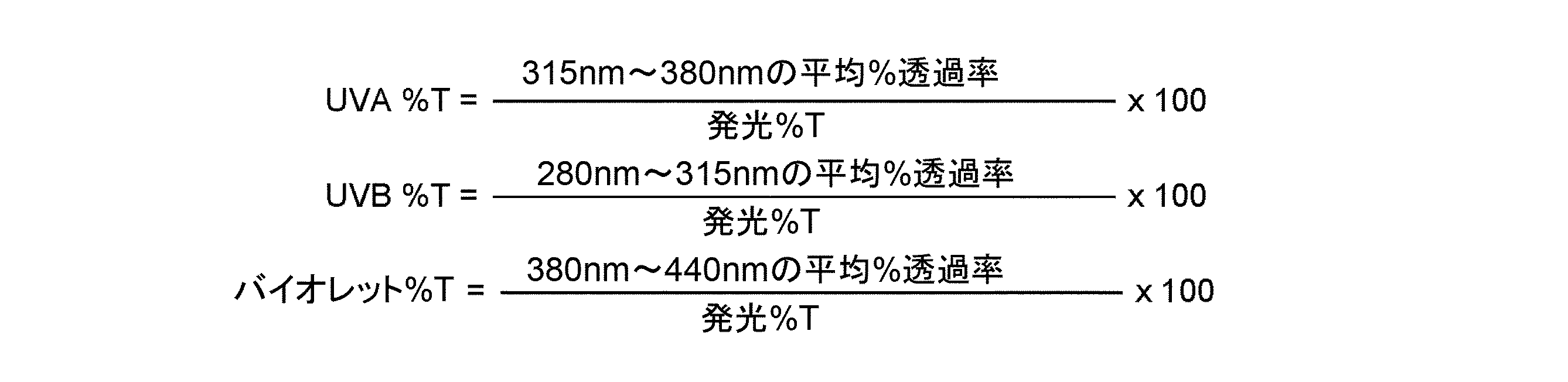
式中、発光%Tは、以下の式によって決定される。
発光%T=780~380nmの平均%透過率。
"UVA Transmittance" (or "UVA %T"), "UVB Transmittance" or "UVB %T", and "Violet Transmittance" or "Violet %T" are calculated using the following formulas:
where the luminescence %T is determined by the following formula:
Emission %T = average % transmittance from 780 to 380 nm.
シリコーンヒドロゲルコンタクトレンズに関連する用語「本質的に湿潤性」とは、シリコーンヒドロゲルレンズ配合物を熱的又は化学線的に重合(すなわち硬化)させることによってシリコーンヒドロゲルコンタクトレンズが形成された後で、シリコーンヒドロゲルコンタクトレンズが一切の表面処理に供されることなしに約10秒以上の水崩壊時間(WBUT)、及び約80度以下の捕捉気泡による水接触角(WCAcb)を有することを意味する。本発明によれば、WBUT及びWCAcbは、実施例1に記載される手順に従って測定される。 The term "essentially wettable" in reference to silicone hydrogel contact lenses means that after the silicone hydrogel contact lenses are formed by thermally or actinically polymerizing (i.e., curing) a silicone hydrogel lens formulation, the silicone hydrogel contact lenses have a water break-up time (WBUT) of about 10 seconds or more and a water contact angle with trapped air bubbles (WCA cb ) of about 80 degrees or less without being subjected to any surface treatment. In accordance with the present invention, WBUT and WCA cb are measured according to the procedure described in Example 1.
本明細書で使用するとき、「表面修飾」又は「表面処理」とは、物品が、その物品の形成の前又は後で、(1)コーティングを物品の表面に適用する、(2)化学種を物品の表面に吸着させる、(3)物品の表面上の化学基の化学的性質(例えば静電荷)を変化させる、又は(4)物品の表面特性をその他の点で修飾する、表面処理プロセス(又は表面修飾プロセス)にて処理されていること意味する。例示的な表面処理プロセスとしては、エネルギー(例えばプラズマ、静電荷、照射、又は他のエネルギー源)による表面処理、化学処理、物品の表面上への親水性ビニルモノマー又はマクロマーのグラフト化、米国特許第6719929号明細書に開示される金型転写(mold-transfer)コーティングプロセス、米国特許第6367929号明細書及び同第6822016号明細書で提案されるコンタクトレンズを製造するためのレンズ配合物への湿潤剤の組み込み、米国特許第7858000号明細書で開示されている強化金型転写コーティング、並びに米国特許第8147897号明細書及び同第8409599号明細書、及び米国特許出願公開第2011/0134387号明細書、同第2012/0026457号明細書、及び同第2013/0118127号明細書で開示されるコンタクトレンズの表面上への1つ以上の親水性ポリマーの1つ以上の層の共有結合又は物理蒸着からなる親水性コーティングが挙げられるが、これらに限定されない。 As used herein, "surface modification" or "surface treatment" means that an article has been treated, either before or after formation of the article, with a surface treatment process (or surface modification process) that (1) applies a coating to the surface of the article, (2) adsorbs a chemical species to the surface of the article, (3) changes the chemical nature (e.g., electrostatic charge) of chemical groups on the surface of the article, or (4) otherwise modifies the surface properties of the article. Exemplary surface treatment processes include, but are not limited to, surface treatment with energy (e.g., plasma, electrostatic charge, irradiation, or other energy sources), chemical treatment, grafting of hydrophilic vinyl monomers or macromers onto the surface of the article, mold-transfer coating process disclosed in U.S. Pat. No. 6,719,929, incorporation of wetting agents into lens formulations for producing contact lenses as proposed in U.S. Pat. Nos. 6,367,929 and 6,822,016, enhanced mold transfer coating as disclosed in U.S. Pat. No. 7,858,000, and hydrophilic coatings consisting of covalent bonding or physical vapor deposition of one or more layers of one or more hydrophilic polymers onto the surface of a contact lens as disclosed in U.S. Pat. Nos. 8,147,897 and 8,409,599, and U.S. Patent Publication Nos. 2011/0134387, 2012/0026457, and 2013/0118127.
レンズバルク材料又はコンタクトレンズに関連しての「硬化後表面処理」とは、レンズ配合物の硬化(すなわち熱的又は化学線的重合)によって形成されたレンズバルク材料又はコンタクトレンズが形成された後に実施される表面処理プロセスを意味する。「レンズ配合物」とは、当業者に周知されるコンタクトレンズ又はレンズバルク材料を製造するために必要な全ての重合性成分を含む重合性組成物を指す。 "Post-cure surface treatment" in the context of a lens bulk material or contact lens means a surface treatment process that is performed after the lens bulk material or contact lens formed by curing (i.e., thermal or actinic polymerization) of a lens formulation. "Lens formulation" refers to a polymerizable composition that contains all of the polymerizable components necessary to produce a contact lens or lens bulk material as known to those skilled in the art.
「有機系溶液」とは、有機系溶媒、及び有機系溶媒中に溶解された1種以上の溶質からなる均一な混合物である溶液を指す。有機系コーティング溶液とは、溶液中の溶質として少なくとも1つのポリマーコーティング材料を含有する有機系溶液を指す。 "Organic solution" refers to a solution that is a homogeneous mixture of an organic solvent and one or more solutes dissolved in the organic solvent. An organic coating solution refers to an organic solution that contains at least one polymeric coating material as a solute in the solution.
「有機系溶媒」は、1種以上の有機溶媒、及び溶媒系の重量に対して約40重量%以下、好ましくは約30重量%以下、より好ましくは約20重量%以下、更により好ましくは10重量%以下、特には約5重量%以下の水からなる溶媒系を意味することが意図される。 "Organic solvent" is intended to mean a solvent system consisting of one or more organic solvents and about 40% or less by weight of water, based on the weight of the solvent system, preferably about 30% or less by weight, more preferably about 20% or less by weight, even more preferably 10% or less by weight, and especially about 5% or less by weight of water.
本発明は、広義には、コンタクトレンズの内側から外側にかけての固有の水勾配、及び比較的長時間持続する湿潤性/親水性を提供する層状構造形態を有するのみならず、耐指擦り性でもあり、且つ多目的レンズケア溶液を含むレンズケア溶液と適合性がある、1週間又は1ヶ月用使い捨て水勾配コンタクトレンズに関する。層状構造形態は、約70重量%以下の平衡含水率を有する内部層(すなわちレンズバルク材料)と、内部層(又はレンズバルク材料)を完全に被覆し、内部層(又はレンズバルク材料)の平衡含水率の少なくとも1.2倍(好ましくは少なくとも80重量%)の平衡含水率、及び完全に水和したときに十分な厚さ(約0.25μm~約25μm)を有する、外表面ヒドロゲル層(前面外部ヒドロゲル層及び後面外部ヒドロゲル層からなる)と、を備える。 The present invention broadly relates to a disposable water gradient contact lens for one week or one month use that has a layered structure morphology that provides a unique water gradient from the inside to the outside of the contact lens and relatively long-lasting wettability/hydrophilicity, but is also finger rub resistant and compatible with lens care solutions, including multi-purpose lens care solutions. The layered structure morphology comprises an inner layer (i.e., lens bulk material) having an equilibrium water content of about 70% by weight or less, and an outer surface hydrogel layer (consisting of a front outer hydrogel layer and a rear outer hydrogel layer) that completely covers the inner layer (or lens bulk material), has an equilibrium water content of at least 1.2 times (preferably at least 80% by weight) the equilibrium water content of the inner layer (or lens bulk material), and has a sufficient thickness (about 0.25 μm to about 25 μm) when fully hydrated.
本発明によれば、外表面ヒドロゲル層は、より優れた着用快適性を提供するためには、比較的高い水膨張率を有するのみならず、十分な厚さも有さなければならない。外表面ヒドロゲル層の比較的高い水膨張率によって、コンタクトレンズが高い平衡含水率を備えて極めて柔軟な表面を有することが保証され得る。しかし、外表面ヒドロゲル層が薄すぎる場合、外表面ヒドロゲル層はわずかな圧縮力によってレンズバルク材料に対して完全に潰れてしまいやすくなり、本発明のコンタクトレンズの水勾配構造機構に関連する利点を失う。所定の高い水膨張率では、本発明のコンタクトレンズによって提供される着用快適性は、その外表面ヒドロゲル層の厚さが増加するに伴い向上し、続いて特定の厚さ値を過ぎると横ばいになるものと考えられる。 According to the present invention, the outer surface hydrogel layer must not only have a relatively high water expansion rate but also have a sufficient thickness to provide better wearing comfort. The relatively high water expansion rate of the outer surface hydrogel layer can ensure that the contact lens has a very soft surface with a high equilibrium water content. However, if the outer surface hydrogel layer is too thin, it will be easily completely collapsed against the lens bulk material by a slight compressive force, losing the advantages associated with the water gradient structure mechanism of the contact lens of the present invention. At a given high water expansion rate, it is believed that the wearing comfort provided by the contact lens of the present invention will improve with increasing thickness of its outer surface hydrogel layer, and then plateau beyond a certain thickness value.
本発明は、水勾配コンタクトレンズの多目的レンズケア溶液との不適合性、及び耐指擦り性の低さに関連する従来技術に存在する問題を解決する。厚い外表面ヒドロゲル層を形成するためには、コンタクトレンズ上に反応性ポリアニオン性ポリマー(例えばカルボキシル含有ポリアニオン性ポリマー)の比較的厚いアンカー層(すなわち、反応性ベースコーティング)が必要であることが判明している。アンカー層がより厚いほど、外表面ヒドロゲル層は厚くなる。しかしながら、比較的厚いアンカー層は、アンカー層中でより高い濃度の反応性基(例えばカルボキシル基)、及びレンズケア溶液中に存在するポリカチオン型抗菌剤のより高い取り込み率をもたらす。水勾配コンタクトレンズによるポリカチオン型抗菌剤の取り込み率を低下させる過去の試みは、主に、アンカー層の厚さの低減、及びより高いpKa値を有するポリアニオン性材料の使用に依存していた。こうしたアプローチは外表面ヒドロゲル層を過度に薄くし、そのため外表面ヒドロゲル層の耐久性及び/又は潤滑性が低下し、結果として得られるコンタクトレンズによって提供される着用快適性が損なわれる。 The present invention solves problems present in the prior art related to the incompatibility of water gradient contact lenses with multi-purpose lens care solutions and poor finger rub resistance. It has been found that a relatively thick anchor layer (i.e., reactive base coating) of a reactive polyanionic polymer (e.g., a carboxyl-containing polyanionic polymer) on the contact lens is necessary to form a thick outer surface hydrogel layer. The thicker the anchor layer, the thicker the outer surface hydrogel layer. However, a relatively thick anchor layer results in a higher concentration of reactive groups (e.g., carboxyl groups) in the anchor layer and a higher uptake rate of the polycation-type antimicrobial agent present in the lens care solution. Past attempts to reduce the uptake rate of polycation-type antimicrobial agents by water gradient contact lenses have relied primarily on reducing the thickness of the anchor layer and using polyanionic materials with higher pKa values. Such approaches result in an excessively thin outer surface hydrogel layer, which reduces the durability and/or lubricity of the outer surface hydrogel layer and impairs the wearing comfort provided by the resulting contact lens.
製造中の水勾配コンタクトレンズ及び/又は予成形された水勾配コンタクトレンズのアンカー層及び外表面ヒドロゲル層を、小型で可撓性の親水性除電剤(charge neutralizer)で処理して、水勾配コンタクトレンズ中の大部分又は大半の負荷電基を非荷電のエステル結合に変換し、同時にアンカー層を架橋して、コンタクトレンズ上の外表面ヒドロゲル層の湿潤性、親水性、及び潤滑性に対する影響を及ぼすことなく、又は影響を最小限にして、コンタクトレンズ上の外表面ヒドロゲル層の耐久性を強化し得ることが判明している。 It has been found that the anchor layer and outer surface hydrogel layer of a water gradient contact lens in manufacture and/or a preformed water gradient contact lens can be treated with a small, flexible, hydrophilic charge neutralizer to convert most or most of the negatively charged groups in the water gradient contact lens to uncharged ester bonds and simultaneously crosslink the anchor layer to enhance the durability of the outer surface hydrogel layer on the contact lens with no or minimal effect on the wettability, hydrophilicity, and lubricity of the outer surface hydrogel layer on the contact lens.
SiHyコンタクトレンズ上のヒドロゲルコーティングの耐久性は、ポリアニオン性ポリマーからなるその下部ベースコーティングが形成される加工条件に大きく依存していることも判明している。ベースコーティングが単一のコーティング工程で所与のコーティング期間(例えば50分)SiHyコンタクトレンズに塗布され(すなわち、これをポリアニオン性ポリマーの唯一のコーティング溶液(pH<4.5)と接触させることによる)、その後1回以上のすすぎ工程が続く場合、こうしたベースコーティング上に形成されるヒドロゲルコーティングの耐久性は、コーティング中のSiHyコンタクトレンズの屈折力(すなわち、中央部の厚さ)によって変動し得る。例えば、-10.0ジオプターの屈折力を有するコーティング済みSiHyコンタクトレンズのヒドロゲルコーティングの耐久性は、-3.0ジオプターの屈折力を有するコーティング済みSiHyコンタクトレンズのヒドロゲルコーティングの耐久性よりも劣る。コーティング期間を長くしても、コンタクトレンズの屈折力(中央部の厚さ)によるヒドロゲルコーティングの耐久性の変動を改善することはできなかった。しかしながら、SiHyコンタクトレンズを、より短いコーティング期間(例えば25分間)であってもポリアニオン性ポリマーの1つのコーティング溶液(低pHを有する)と接触させ、続いて中性又はわずかに塩基性のpHを有する緩衝生理食塩水ですすぎ、続いてより短い期間(例えば25分間)ポリアニオン性ポリマーの別のコーティング溶液(低pHを有する)と再び接触させるによってベースコーティングがSiHyコンタクトレンズ上に塗布されると、こうしたベースコーティング上に形成されるヒドロゲルコーティングの耐久性は著しく改善され得、コーティング中のSiHyコンタクトレンズの屈折力(すなわち、中央部の厚さ)によって変動しないことが判明している。 It has also been found that the durability of hydrogel coatings on SiHy contact lenses is highly dependent on the processing conditions under which its underlying base coating, consisting of a polyanionic polymer, is formed. When a base coating is applied to a SiHy contact lens in a single coating step (i.e., by contacting it with a sole coating solution of polyanionic polymer (pH<4.5)) for a given coating period (e.g., 50 minutes) followed by one or more rinsing steps, the durability of the hydrogel coating formed on such a base coating may vary with the refractive power (i.e., central thickness) of the SiHy contact lens during coating. For example, the durability of the hydrogel coating on a coated SiHy contact lens having a refractive power of -10.0 diopters is inferior to the durability of the hydrogel coating on a coated SiHy contact lens having a refractive power of -3.0 diopters. Increasing the coating period did not improve the variation in the durability of the hydrogel coating with the refractive power (central thickness) of the contact lens. However, it has been found that when a base coating is applied onto a SiHy contact lens by contacting the lens with one coating solution of a polyanionic polymer (having a low pH) even for a shorter coating period (e.g., 25 minutes), followed by rinsing with a buffered saline solution having a neutral or slightly basic pH, and then contacting the lens again with another coating solution of a polyanionic polymer (having a low pH) for a shorter period (e.g., 25 minutes), the durability of the hydrogel coating formed on such a base coating can be significantly improved and does not vary with the refractive power (i.e., center thickness) of the SiHy contact lens being coated.
更に、その上にヒドロゲルコーティングを有するコーティング済みSiHyコンタクトレンズのPUは、その上に(ポリアニオン性ポリマーの)ベースコーティングを有する処理済みSiHyコンタクトレンズを、ベースコーティング上にヒドロゲルコーティングを形成する前にすすぎ洗いするために用いられる緩衝生理食塩水のpH及び/又は塩濃度(すなわちイオン強度)に大きく依存することが判明している。より高いpH及び/又はより高いイオン強度(より高い塩濃度)を有するすすぎ溶液を用いることによって、より低いPUは達成され得る。水勾配コンタクトレンズのヒドロゲルコーティングの耐久性を著しく改善させる方法に関する上記で説明された発見と組み合わせると、この発見によって、耐久性のあるヒドロゲルコーティング及び最小化されたPUを有する水勾配コンタクトレンズを製造することが可能となり得る。 Furthermore, it has been found that the PU of a coated SiHy contact lens having a hydrogel coating thereon is highly dependent on the pH and/or salt concentration (i.e., ionic strength) of the buffered saline solution used to rinse the treated SiHy contact lens having a base coating (of a polyanionic polymer) thereon prior to forming the hydrogel coating on the base coating. Lower PU can be achieved by using a rinse solution having a higher pH and/or higher ionic strength (higher salt concentration). Combined with the discovery described above regarding how to significantly improve the durability of hydrogel coatings on water gradient contact lenses, this discovery may enable the production of water gradient contact lenses with durable hydrogel coatings and minimized PU.
本発明は、多目的レンズケア溶液との適合性があり、且つ耐指擦り性があり、そのため1週間又は1ヶ月用使い捨てコンタクトレンズとしての使用に好適な水勾配コンタクトレンズを提供する。本発明のコンタクトレンズは、所望の水勾配構造形態、及び比較的厚く、極めて柔軟で、且つ高水分のヒドロゲル表面層を有するため、より優れた着用快適性を提供することができる。 The present invention provides water gradient contact lenses that are compatible with multipurpose lens care solutions and resistant to finger rubbing, making them suitable for use as weekly or monthly disposable contact lenses. The contact lenses of the present invention have a desired water gradient structural morphology and a relatively thick, highly flexible, and highly water-rich hydrogel surface layer, which can provide greater wearing comfort.
本発明は、一態様では、約0.40又は0.30マイクログラム/レンズ以下(好ましくは約0.20マイクログラム/レンズ以下、より好ましくは約0.15マイクログラム/レンズ以下、更により好ましくは約0.10マイクログラム/レンズ以下、最も好ましくは約0.05マイクログラム/レンズ以下)のポリクオタニウム-1取り込み率(「PU」)と、30サイクルの指擦り処理後、又はシミュレートされた研磨サイクリング処理後に、少なくとも10秒間(好ましくは少なくとも12.5秒間、より好ましくは少なくとも15秒間、更により好ましくは少なくとも17.5秒間、最も好ましくは少なくとも20秒間)の水崩壊時間を有することを特徴とする長時間持続する表面親水性及び湿潤性、並びに/又は2.0以下(好ましくは約1.5以下、より好ましくは約1.0以下、更により好ましくは約0.5以下)の摩擦評点を有することを特徴とする長時間持続する潤滑性と、を有するコンタクトレンズを提供し、コンタクトレンズは、前表面及び反対側の後表面と、前表面から後表面への方向に、前面外部ヒドロゲル層、レンズ材料の内部層、及び後面外部ヒドロゲル層を備える層状構造形態と、を備え、内部層は、約70重量%以下の第1の平衡含水率を有し、互いに独立する前面及び後面外部ヒドロゲル層が約0.25μm~約25μmの厚さと、第1の平衡含水率よりも高い第2の平衡含水率と、を有し、互いに独立する前面及び後面外部ヒドロゲル層は、少なくとも140%(好ましくは少なくとも170%、より好ましくは少なくとも200%、更により好ましくは少なくとも250%、最も好ましくは少なくとも300%)の水膨張率を有する。好ましくは、コンタクトレンズは、コンタクトレンズを指と指との間で10回擦った後で、暗視野下で目に見える表面亀裂線を実質的に含まない(すなわち3つ未満)か、又は好ましくは全く含まない。
In one aspect, the present invention provides a polyquaternium-1 uptake rate ("PU") of about 0.40 or 0.30 micrograms/lens or less (preferably about 0.20 micrograms/lens or less, more preferably about 0.15 micrograms/lens or less, even more preferably about 0.10 micrograms/lens or less, and most preferably about 0.05 micrograms/lens or less), a long-lasting surface hydrophilicity and wettability characterized by a water disintegration time of at least 10 seconds (preferably at least 12.5 seconds, more preferably at least 15 seconds, even more preferably at least 17.5 seconds, and most preferably at least 20 seconds) after 30 cycles of finger rubbing or simulated abrasion cycling, and/or a surface hydrophilicity of 2.0 or less (preferably about 1.5 or less, more preferably about 1.0 and long-lasting lubricity characterized by a friction rating of about 0.5 or less, and even more preferably about 0.5 or less, the contact lens comprising a front surface and an opposite rear surface, and a lamellar structural morphology comprising, in a direction from the front surface to the rear surface, a front outer hydrogel layer, an inner layer of lens material, and a rear outer hydrogel layer, the inner layer having a first equilibrium water content of about 70% by weight or less, the independent front and rear outer hydrogel layers having a thickness of about 0.25 μm to about 25 μm and a second equilibrium water content higher than the first equilibrium water content, the independent front and rear outer hydrogel layers having a water swelling ratio of at least 140% (preferably at least 170%, more preferably at least 200%, even more preferably at least 250%, and most preferably at least 300%). Preferably, the contact lens is substantially free (i.e., less than three) or preferably free of surface crack lines visible under dark field after the contact lens is rubbed between a
本発明は、別の態様では、約0.40又は0.30マイクログラム/レンズ以下(好ましくは約0.20マイクログラム/レンズ以下、より好ましくは約0.15マイクログラム/レンズ以下、更により好ましくは約0.10マイクログラム/レンズ以下、最も好ましくは約0.05マイクログラム/レンズ以下)のポリクオタニウム-1取り込み率(「PU」)と、30サイクルの指擦り処理後、又はシミュレートされた研磨サイクリング処理後に、少なくとも10秒間(好ましくは少なくとも12.5秒間、より好ましくは少なくとも15秒間、更により好ましくは少なくとも17.5秒間、最も好ましくは少なくとも20秒間)の水崩壊時間を有することを特徴とする長時間持続する表面親水性及び湿潤性、並びに/又は2.0以下(好ましくは約1.5以下、より好ましくは約1.0以下、更により好ましくは約0.5以下)の摩擦評点を有することを特徴とする長時間持続する潤滑性と、コンタクトレンズの内側から外側までの含水率勾配と、を有するコンタクトレンズを提供し、コンタクトレンズは、完全水和状態のコンタクトレンズの後表面から前表面までの断面にわたって原子間力顕微鏡法で測定して約0.25μm~約25μmの厚さを有する外表面ヒドロゲル層で完全に被覆されたレンズバルク材料を備え、レンズバルク材料は約70重量%以下の第1の平衡含水率を有し、外表面ヒドロゲル層は、第1の平衡含水率の少なくとも1.2倍であり、少なくとも80重量%である第2の平衡含水率を有する。好ましくは、コンタクトレンズは、コンタクトレンズを指と指との間で10回擦った後で、暗視野下で目に見える表面亀裂線を実質的に含まない(すなわち3つ未満)か、又は好ましくは全く含まない。
In another aspect, the present invention provides a polyquaternium-1 uptake rate ("PU") of about 0.40 or 0.30 micrograms/lens or less (preferably about 0.20 micrograms/lens or less, more preferably about 0.15 micrograms/lens or less, even more preferably about 0.10 micrograms/lens or less, and most preferably about 0.05 micrograms/lens or less) and a long-lasting surface hydrophilicity and wettability characterized by a water disintegration time of at least 10 seconds (preferably at least 12.5 seconds, more preferably at least 15 seconds, even more preferably at least 17.5 seconds, and most preferably at least 20 seconds) after 30 cycles of finger rubbing or simulated abrasion cycling; and/or a friction rating of 2.0 or less (preferably about 1.5 or less, more preferably about 1.0 or less, even more preferably about 0.5 or less), and a water content gradient from the inside to the outside of the contact lens, the contact lens comprising a lens bulk material completely covered with an outer surface hydrogel layer having a thickness of about 0.25 μm to about 25 μm as measured by atomic force microscopy across a cross section from the posterior surface to the anterior surface of the fully hydrated contact lens, the lens bulk material having a first equilibrium water content of about 70% by weight or less, and the outer surface hydrogel layer having a second equilibrium water content that is at least 1.2 times the first equilibrium water content and is at least 80% by weight. Preferably, the contact lens is substantially free (i.e., less than three) or preferably free of surface crack lines visible under dark field after the contact lens is rubbed between a
本発明は、更なる態様では、前表面及び反対側の後表面、約0.40又は0.30マイクログラム/レンズ以下(好ましくは約0.20マイクログラム/レンズ以下、より好ましくは約0.15マイクログラム/レンズ以下、更により好ましくは約0.10マイクログラム/レンズ以下、最も好ましくは約0.05マイクログラム/レンズ以下)のポリクオタニウム-1取り込み率(「PU」)と、30サイクルの指擦り処理後、又はシミュレートされた研磨サイクリング処理後に、少なくとも10秒間(好ましくは少なくとも12.5秒間、より好ましくは少なくとも15秒間、更により好ましくは少なくとも17.5秒間、最も好ましくは少なくとも20秒間)の水崩壊時間を有することを特徴とする長時間持続する表面親水性及び湿潤性、並びに/又は2.0以下(好ましくは約1.5以下、より好ましくは約1.0以下、更により好ましくは約0.5以下)の摩擦評点を有することを特徴とする長時間持続する潤滑性と、コンタクトレンズの断面の表面の前表面と後表面との間の最短線に沿って、前表面を含み、且つその近位にある前外側帯と、最短線の中央部を含み、且つその周辺にある内部帯と、後表面を含み、且つその近位にある後外側帯と、を備える断面表面弾性率プロファイル(cross-sectional surface-modulus profile)を有することを特徴とする構造形態と、を有するコンタクトレンズを提供し、前外側帯は平均前表面弾性率(

として指定される)を有し、一方で後外側帯は平均後表面弾性率(

として指定される)を有し、内部帯は平均内部表面弾性率(

として指定される)を有し、

のうち少なくとも1つは少なくとも約20%である。好ましくは、コンタクトレンズは、コンタクトレンズを指と指との間で10回擦った後で、暗視野下で目に見える表面亀裂線を実質的に含まない(すなわち3つ未満)か、又は好ましくは全く含まない。
In a further aspect, the present invention provides a lens having a polyquaternium-1 uptake ("PU") of about 0.40 or 0.30 micrograms/lens or less (preferably about 0.20 micrograms/lens or less, more preferably about 0.15 micrograms/lens or less, even more preferably about 0.10 micrograms/lens or less, and most preferably about 0.05 micrograms/lens or less) on the front surface and on the opposite rear surface, and a polyquaternium-1 uptake ("PU") of about 0.20 micrograms/lens or less, more preferably about 0.15 micrograms/lens or less, even more preferably about 0.10 micrograms/lens or less, and most preferably about 0.05 micrograms/lens or less for at least 10 seconds (preferably at least 12.5 seconds, more preferably at least 15 seconds, and even more preferably at least 17 seconds) after 30 cycles of finger rubbing or simulated abrasion cycling. and/or a structural morphology characterized by a cross-sectional surface-modulus profile along a shortest line between the anterior and posterior surfaces of a cross-sectional surface of the contact lens, the cross-sectional surface-modulus profile comprising an anterior-lateral zone including and proximal to the anterior surface, an inner zone including and peripheral to a central portion of the shortest line, and a posterior-lateral zone including and proximal to the posterior surface, the anterior-lateral zone having an average anterior surface modulus (
), while the posterolateral zone has an average posterior surface modulus (
), and the inner zone has an average inner surface modulus (
)
is at least about 20%. Preferably, the contact lens is substantially free (i.e., less than three), and preferably free, of surface crack lines visible under dark field after the contact lens is rubbed between a
本発明は、別の更なる態様では、1mmのマイクロ押込プローブを用いて、約12μN/MPa以下(好ましくは約10μN/MPa以下、より好ましくは約8μN/MPa以下、更により好ましくは約6μN/MPa以下、最も好ましくは約4μN/MPa以下)の400nmの押込深さにおける正規化された表面圧縮力と、約0.4又は0.30マイクログラム/レンズ以下(好ましくは約0.20マイクログラム/レンズ以下、より好ましくは約0.15マイクログラム/レンズ以下、更により好ましくは約0.10マイクログラム/レンズ以下、最も好ましくは約0.05マイクログラム/レンズ以下)のポリクオタニウム-1取り込み率(「PU」)と、30サイクルの指擦り処理後、又はシミュレートされた研磨サイクリング処理後に、少なくとも10秒間(好ましくは少なくとも12.5秒間、より好ましくは少なくとも15秒間、更により好ましくは少なくとも17.5秒間、最も好ましくは少なくとも20秒間)の水崩壊時間を有することを特徴とする長時間持続する表面親水性及び湿潤性、並びに/又は2.0以下(好ましくは約1.5以下、より好ましくは約1.0以下、更により好ましくは約0.5以下)の摩擦評点を有することを特徴とする長時間持続する潤滑性と、を有するコンタクトレンズを提供し、コンタクトレンズは、前表面及び反対側の後表面と、前表面から後表面への方向に、前面外部ヒドロゲル層、レンズ材料の内部層、及び後面外部ヒドロゲル層を備える層状構造形態と、を備える。好ましくは、コンタクトレンズは、コンタクトレンズを指と指との間で10回擦った後で、暗視野下で目に見える表面亀裂線を実質的に含まない(すなわち3つ未満)か、又は好ましくは全く含まない。
In another further aspect, the present invention provides a lens having a normalized surface compression force at an indentation depth of 400 nm using a 1 mm microindentation probe of about 12 μN/MPa or less (preferably about 10 μN/MPa or less, more preferably about 8 μN/MPa or less, even more preferably about 6 μN/MPa or less, and most preferably about 4 μN/MPa or less), a polyquaternium-1 uptake rate ("PU") of about 0.4 or 0.30 micrograms/lens or less (preferably about 0.20 micrograms/lens or less, more preferably about 0.15 micrograms/lens or less, even more preferably about 0.10 micrograms/lens or less, and most preferably about 0.05 micrograms/lens or less), and a polyquaternium-1 uptake rate ("PU") of about 0.5 or 0.6 micrograms/lens or less after 30 cycles of finger rubbing or simulated finger rubbing. The present invention provides a contact lens having a long-lasting surface hydrophilicity and wettability characterized by a water disintegration time of at least 10 seconds (preferably at least 12.5 seconds, more preferably at least 15 seconds, even more preferably at least 17.5 seconds, and most preferably at least 20 seconds) after abrasion cycling treatment, and/or a long-lasting lubricity characterized by a friction rating of 2.0 or less (preferably about 1.5 or less, more preferably about 1.0 or less, and even more preferably about 0.5 or less), the contact lens having an anterior surface and an opposite posterior surface, and a layered structural morphology comprising, in the direction from the anterior surface to the posterior surface, a front outer hydrogel layer, an inner layer of lens material, and a rear outer hydrogel layer. Preferably, the contact lens is substantially free (i.e., less than three) or preferably free of surface crack lines visible under dark field after the contact lens is rubbed between a finger and a
本発明は、なお更なる態様では、1mmのマイクロ押込プローブを用いて、約12μN/MPa以下(好ましくは約10μN/MPa以下、より好ましくは約8μN/MPa以下、更により好ましくは約6μN/MPa以下、最も好ましくは約4μN/MPa以下)の400nmの押込深さにおける正規化された表面圧縮力と、約0.30マイクログラム/レンズ以下(好ましくは約0.20マイクログラム/レンズ以下、より好ましくは約0.15マイクログラム/レンズ以下、更により好ましくは約0.10マイクログラム/レンズ以下、最も好ましくは約0.05マイクログラム/レンズ以下)のポリクオタニウム-1取り込み率(「PU」)と、30サイクルの指擦り処理後、又はシミュレートされた研磨サイクリング処理後に、少なくとも10秒間(好ましくは少なくとも12.5秒間、より好ましくは少なくとも15秒間、更により好ましくは少なくとも17.5秒間、最も好ましくは少なくとも20秒間)の水崩壊時間を有することを特徴とする長時間持続する表面親水性及び湿潤性、並びに/又は2.0以下(好ましくは約1.5以下、より好ましくは約1.0以下、更により好ましくは約0.5以下)の摩擦評点を有することを特徴とする長時間持続する潤滑性と、を有するコンタクトレンズを提供し、コンタクトレンズはポリマー材料であるレンズバルク材料を備える。 In a still further aspect, the present invention relates to a method for producing a PU lens having a normalized surface compressive force at an indentation depth of 400 nm of about 12 μN/MPa or less (preferably about 10 μN/MPa or less, more preferably about 8 μN/MPa or less, even more preferably about 6 μN/MPa or less, and most preferably about 4 μN/MPa or less) using a 1 mm microindentation probe, and a polyquaternium-1 uptake rate ("PU") of about 0.30 micrograms/lens or less (preferably about 0.20 micrograms/lens or less, more preferably about 0.15 micrograms/lens or less, even more preferably about 0.10 micrograms/lens or less, and most preferably about 0.05 micrograms/lens or less). "); long-lasting surface hydrophilicity and wettability, characterized by a water disintegration time of at least 10 seconds (preferably at least 12.5 seconds, more preferably at least 15 seconds, even more preferably at least 17.5 seconds, and most preferably at least 20 seconds) after 30 cycles of finger rubbing or simulated abrasion cycling; and/or long-lasting lubricity, characterized by a friction rating of 2.0 or less (preferably about 1.5 or less, more preferably about 1.0 or less, and even more preferably about 0.5 or less), wherein the contact lens comprises a lens bulk material that is a polymeric material.
本発明は、なお別の更なる態様では、約50%以上(好ましくは約55%以上、より好ましくは約60%以上、更により好ましくは約65%以上、最も好ましくは約70%以上)の400nmの押込深さにおける押込力の減少、すなわちΔ(IF)400nmと、約0.4又は0.30マイクログラム/レンズ以下(好ましくは約0.20マイクログラム/レンズ以下、より好ましくは約0.15マイクログラム/レンズ以下、更により好ましくは約0.10マイクログラム/レンズ以下、最も好ましくは約0.05マイクログラム/レンズ以下)のポリクオタニウム-1取り込み率(「PU」)と、30サイクルの指擦り処理後、又はシミュレートされた研磨サイクリング処理後に、少なくとも10秒間(好ましくは少なくとも12.5秒間、より好ましくは少なくとも15秒間、更により好ましくは少なくとも17.5秒間、最も好ましくは少なくとも20秒間)の水崩壊時間を有することを特徴とする長時間持続する表面親水性及び湿潤性、並びに/又は2.0以下(好ましくは約1.5以下、より好ましくは約1.0以下、更により好ましくは約0.5以下)の摩擦評点を有することを特徴とする長時間持続する潤滑性と、を有するコンタクトレンズを提供し、コンタクトレンズは、前表面及び反対側の後表面と、前表面から後表面への方向に、前面外部ヒドロゲル層、レンズ材料の内部層、及び後面外部ヒドロゲル層を備える層状構造形態と、を備える。好ましくは、コンタクトレンズは、コンタクトレンズを指と指との間で10回擦った後で、暗視野下で目に見える表面亀裂線を実質的に含まない(すなわち3つ未満)か、又は好ましくは全く含まない。
In yet another further aspect, the present invention provides a lens having a reduction in indentation force at an indentation depth of 400 nm, i.e., Δ(IF)400 nm, of about 50% or more (preferably about 55% or more, more preferably about 60% or more, even more preferably about 65% or more, and most preferably about 70% or more), a polyquaternium-1 uptake rate ("PU") of about 0.4 or 0.30 micrograms/lens or less (preferably about 0.20 micrograms/lens or less, more preferably about 0.15 micrograms/lens or less, even more preferably about 0.10 micrograms/lens or less, and most preferably about 0.05 micrograms/lens or less), and after 30 cycles of finger rubbing or simulated abrasion cycling. , long-lasting surface hydrophilicity and wettability characterized by a water disintegration time of at least 10 seconds (preferably at least 12.5 seconds, more preferably at least 15 seconds, even more preferably at least 17.5 seconds, and most preferably at least 20 seconds), and/or long-lasting lubricity characterized by a friction rating of 2.0 or less (preferably about 1.5 or less, more preferably about 1.0 or less, and even more preferably about 0.5 or less), the contact lens having an anterior surface and an opposite posterior surface, and a layered structural morphology comprising, in the direction from the anterior surface to the posterior surface, a front outer hydrogel layer, an inner layer of lens material, and a rear outer hydrogel layer. Preferably, the contact lens is substantially free (i.e., less than three) or preferably free of surface crack lines visible under dark field after rubbing the contact lens between a finger and a
本発明は、なお別の更なる態様では、約40%以上(好ましくは約50%以上、より好ましくは約55%以上、更により好ましくは約60%以上、最も好ましくは約65%以上)の400nmの押込深さにおける押込力の減少、すなわちΔ(IF)400nmと、約0.30マイクログラム/レンズ以下(好ましくは約0.20マイクログラム/レンズ以下、より好ましくは約0.15マイクログラム/レンズ以下、更により好ましくは約0.10マイクログラム/レンズ以下、最も好ましくは約0.05マイクログラム/レンズ以下)のポリクオタニウム-1取り込み率(「PU」)と、30サイクルの指擦り処理後、又はシミュレートされた研磨サイクリング処理後に、少なくとも10秒間(好ましくは少なくとも12.5秒間、より好ましくは少なくとも15秒間、更により好ましくは少なくとも17.5秒間、最も好ましくは少なくとも20秒間)の水崩壊時間を有することを特徴とする長時間持続する表面親水性及び湿潤性、並びに/又は2.0以下(好ましくは約1.5以下、より好ましくは約1.0以下、更により好ましくは約0.5以下)の摩擦評点を有することを特徴とする長時間持続する潤滑性と、を提供し、コンタクトレンズはポリマー材料であるレンズバルク材料を備える。 In yet another further aspect, the present invention relates to a method for producing a 400 nm indentation depth reduction in indentation force, i.e., Δ(IF), of about 40% or more (preferably about 50% or more, more preferably about 55% or more, even more preferably about 60% or more, and most preferably about 65% or more). 400 nm ; a polyquaternium-1 uptake ("PU") of about 0.30 micrograms/lens or less (preferably about 0.20 micrograms/lens or less, more preferably about 0.15 micrograms/lens or less, even more preferably about 0.10 micrograms/lens or less, and most preferably about 0.05 micrograms/lens or less); long-lasting surface hydrophilicity and wettability characterized by a water disintegration time of at least 10 seconds (preferably at least 12.5 seconds, more preferably at least 15 seconds, even more preferably at least 17.5 seconds, and most preferably at least 20 seconds) after 30 cycles of finger rubbing or simulated abrasion cycling; and/or long-lasting lubricity characterized by a friction rating of 2.0 or less (preferably about 1.5 or less, more preferably about 1.0 or less, and even more preferably about 0.5 or less), wherein the contact lens comprises a lens bulk material that is a polymeric material.
コンタクトレンズの押込力の減少が、Optics11 Piuma及び約9.0μmの先端部半径を有するPiumaプローブを用いることによってナノ押込試験で決定される場合、400nmの押込深さにおける押込力の減少、すなわちΔ(IF)400nmは、

によって計算され、
式中、(IF)tは、コンタクトレンズの400nmの押込深さにおける測定された押込力であり、E’はコンタクトレンズのバルク弾性率(E’)である。
When the reduction in indentation force of a contact lens is determined in a nanoindentation test by using an Optics 11 Piuma and a Piuma probe having a tip radius of about 9.0 μm, the reduction in indentation force at an indentation depth of 400 nm, i.e., Δ(IF) 400 nm , is given by:
It is calculated by
where (IF) t is the measured indentation force at an indentation depth of 400 nm of the contact lens and E' is the bulk modulus of elasticity (E') of the contact lens.
コンタクトレンズの押込力の減少が、Bruker製Hysitron(登録商標)BioSoft(商標)In-Situ Indenter及び1mmの半球形ホウケイ酸ガラスプローブを用いることによってマイクロ押込試験で決定される場合、400nmの押込深さにおける押込力の減少、すなわちΔ(IF)400nmは、

によって計算され、
式中、(IF)tは、コンタクトレンズの400nmの押込深さにおける測定された押込力であり、E’はコンタクトレンズのバルク弾性率(E’)である。
When the reduction in indentation force of a contact lens is determined by microindentation testing using a Bruker Hysitron® BioSoft™ In-Situ Indenter and a 1 mm hemispherical borosilicate glass probe, the reduction in indentation force at an indentation depth of 400 nm, i.e., Δ(IF) 400 nm , is given by:
It is calculated by
where (IF) t is the measured indentation force at an indentation depth of 400 nm of the contact lens and E' is the bulk modulus of elasticity (E') of the contact lens.
本発明の様々な態様の全てによれば、本発明のコンタクトレンズの内部層又はレンズバルク材料は、予成形コンタクトレンズから直接誘導することができる。予成形コンタクトレンズは、それが水勾配構造形態を有していない限り、任意のレンズ製造プロセスに従って製造された後に一切の表面処理を受けていない任意のコンタクトレンズ、プラズマ処理された任意のコンタクトレンズ、又は任意の市販のコンタクトレンズであってよい。当業者は、予成形コンタクトレンズの製造方法を熟知している。当業者は、予成形コンタクトレンズの製造方法を熟知している。例えば、予成形コンタクトレンズは、例えば米国特許第3408429号明細書に記載される従来型の「スピンキャスティング金型」中で、又は米国特許第4347198号明細書、同第5508317号明細書、同第5583463号明細書、同第5789464号明細書、及び同第5849810号明細書に記載される静止形態のフルキャスト成形プロセスによって、若しくはカスタマイズされたコンタクトレンズを製造する際に用いられるポリマー材料のボタンを旋盤切削することによって製造することができる。キャスト成形においては、レンズ配合物は、コンタクトレンズを製造するために典型的には金型に分配され、金型中で硬化(すなわち、重合、及び/又は架橋)する。 According to all of the various aspects of the present invention, the inner layer or lens bulk material of the contact lens of the present invention can be derived directly from a preformed contact lens. The preformed contact lens can be any contact lens that has not undergone any surface treatment after being manufactured according to any lens manufacturing process, any contact lens that has been plasma treated, or any commercially available contact lens, so long as it does not have a water gradient structure morphology. Those skilled in the art are familiar with methods of manufacturing preformed contact lenses. Those skilled in the art are familiar with methods of manufacturing preformed contact lenses. For example, preformed contact lenses can be manufactured in a conventional "spin casting mold" as described, for example, in U.S. Pat. No. 3,408,429, or by a static full cast molding process as described in U.S. Pat. Nos. 4,347,198, 5,508,317, 5,583,463, 5,789,464, and 5,849,810, or by lathe cutting buttons of polymeric materials used in manufacturing customized contact lenses. In cast molding, a lens formulation is typically dispensed into a mold and cured (i.e., polymerized and/or crosslinked) in the mold to produce a contact lens.
コンタクトレンズを製造するためのレンズ金型は当業者に周知されており、また、例えば、キャスト成形又はスピンキャスティングで用いられる。例えば、金型(キャスト成形用の)は、一般に、少なくとも2つの金型セクション(若しくは部分)又は金型半体、すなわち第1及び第2の金型半体を備える。第1の金型半体は、第1の成形(又は光学)面を画定し、第2の金型半体、第2の成形(又は光学)面を画定する。第1及び第2の金型半体は、互いを受容して、その結果第1の成形表面と第2の成形表面との間にレンズ形成空洞が形成されるように構成される。金型半体の成形表面は、金型の空洞形成表面であり、レンズ形成材料と直接接触する。 Lens molds for producing contact lenses are well known to those skilled in the art and are used, for example, in cast molding or spin casting. For example, a mold (for cast molding) generally comprises at least two mold sections (or portions) or mold halves, namely a first and a second mold half. The first mold half defines a first molding (or optical) surface and the second mold half defines a second molding (or optical) surface. The first and second mold halves are configured to receive each other such that a lens-forming cavity is formed between the first and second molding surfaces. The molding surfaces of the mold halves are the cavity-forming surfaces of the mold and are in direct contact with the lens-forming material.
コンタクトレンズをキャスト成形するための金型セクションの製造方法は、一般的には当業者に周知されている。本発明のプロセスは、任意の特定の金型形成方法に限定されない。実際に、本発明では任意の金型形成方法を用いてもよい。第1及び第2の金型半体は、射出成形又は旋盤切削など様々な技法によって形成することができる。金型半体を形成するための好適なプロセスの例は、米国特許第4444711号明細書、同第4460534号明細書、同第5843346号明細書、及び同第5894002号明細書に開示されている。 Methods of manufacturing mold sections for cast molding contact lenses are generally known to those skilled in the art. The process of the present invention is not limited to any particular mold forming method. Indeed, any mold forming method may be used with the present invention. The first and second mold halves may be formed by a variety of techniques, such as injection molding or lathe cutting. Examples of suitable processes for forming the mold halves are disclosed in U.S. Pat. Nos. 4,444,711, 4,460,534, 5,843,346, and 5,894,002.
コンタクトレンズ製造のための金型を製造するために、金型製造に関して当該技術分野で知られている実質的に全ての材料を用いることができる。例えば、ポリエチレン、ポリプロピレン、ポリスチレン、PMMA、Topas(登録商標)COCグレード8007-S10(Ticona GmbH(Frankfurt,Germany及びSummit,New Jersey)製のエチレンとノルボルネンとの透明な非晶質コポリマー)などのポリマー材料を用いてよい。石英ガラス及びサファイアなどの紫外線の透過を可能にするその他の材料を用いてもよい。 To manufacture molds for contact lens production, virtually any material known in the art for mold manufacturing can be used. For example, polymeric materials such as polyethylene, polypropylene, polystyrene, PMMA, Topas® COC grade 8007-S10 (a transparent amorphous copolymer of ethylene and norbornene from Ticona GmbH, Frankfurt, Germany and Summit, New Jersey) may be used. Other materials that allow transmission of ultraviolet light, such as quartz glass and sapphire, may also be used.
好ましい実施形態では、再利用可能な金型が用いられ、レンズ形成組成物は化学線の空間的制限下で化学線的に硬化されてコンタクトレンズを形成する。好ましい再利用可能な金型の例は、米国特許第6627124号明細書、同第6800225号明細書、同第7384590号明細書、及び同第7387759号明細書に開示されるものである。再利用可能な金型は、石英ガラス、サファイア、CaF2、環状オレフィンコポリマー(例えば、Ticona GmbH(Frankfurt,Germany及びSummit,New Jersey)製Topas(登録商標)COCグレード8007-S10(エチレンとノルボルネンとの透明な非晶質コポリマー)、Zeon Chemicals LP(Louisville,KY)製Zeonex(登録商標)及びZeonor(登録商標))、ポリメチルメタクリレート(PMMA)、DuPont(Delrin)製ポリオキシメチレン、G.E.Plastics製Ultem(登録商標)(ポリエーテルイミド)、PrimoSpire(登録商標)などから製造することができる。 In a preferred embodiment, a reusable mold is used and the lens forming composition is actinically cured under the spatial confinement of actinic radiation to form a contact lens. Examples of preferred reusable molds are those disclosed in U.S. Patent Nos. 6,627,124, 6,800,225, 7,384,590, and 7,387,759. Reusable molds can be fabricated from fused silica, sapphire, CaF 2 , cyclic olefin copolymers (e.g., Topas® COC grade 8007-S10 (a transparent amorphous copolymer of ethylene and norbornene) from Ticona GmbH (Frankfurt, Germany and Summit, New Jersey), Zeonex® and Zeonor® from Zeon Chemicals LP (Louisville, KY)), polymethyl methacrylate (PMMA), polyoxymethylene from DuPont (Delrin), Ultem® (polyetherimide) from G. E. Plastics, PrimoSpire®, and the like.
本発明によれば、重合性組成物は、任意の既知の方法によって金型によって形成された空洞内に導入(分配)することができる。 According to the present invention, the polymerizable composition can be introduced (distributed) into the cavity formed by the mold by any known method.
重合性組成物が金型内に分配された後で、これは重合されてコンタクトレンズを生成する。好ましくは金型中のレンズ形成組成物を化学線の空間的制限に晒し、重合性組成物中の重合性成分を架橋させることによって、熱的又は化学線的に架橋が開始されてもよい。 After the polymerizable composition is dispensed into the mold, it is polymerized to produce a contact lens. Crosslinking may be initiated thermally or actinically, preferably by exposing the lens-forming composition in the mold to the spatial confines of actinic radiation to crosslink the polymerizable components in the polymerizable composition.
金型から成形された物品を取り出すことができるように金型を開くことは、それ自身既知である方法で行われてもよい。 Opening the mould so that the moulded article can be removed from it may be done in a manner known per se.
成形されたコンタクトレンズはレンズ抽出に供して未重合の重合性成分を除去してもよい。抽出溶媒は、当業者に既知の任意の溶媒であってよい。適切な抽出溶媒の例は後述されるものである。 The molded contact lenses may be subjected to lens extraction to remove unpolymerized polymerizable components. The extraction solvent may be any solvent known to those skilled in the art. Examples of suitable extraction solvents are described below.
好ましい実施形態では、予成形コンタクトレンズは、レンズバルク材料として硬質プラスチック材料を含むハードコンタクトレンズである。好ましくは、硬質プラスチック材料は架橋ポリメチルアクリレートである。当業者は、架橋ポリメチルメタクリレートを含む硬質プラスチック材料の製造方法を熟知している。 In a preferred embodiment, the preformed contact lens is a hard contact lens that includes a hard plastic material as the lens bulk material. Preferably, the hard plastic material is crosslinked polymethyl acrylate. Those skilled in the art are familiar with methods for producing hard plastic materials that include crosslinked polymethyl methacrylate.
別の好ましい実施形態では、予成形コンタクトレンズは硬質ガス透過性コンタクトレンズである。当業者は硬質ガス透過性コンタクトレンズの製造方法を知っている。 In another preferred embodiment, the preformed contact lens is a rigid gas permeable contact lens. Those skilled in the art know how to make rigid gas permeable contact lenses.
別の好ましい実施形態では、予成形コンタクトレンズは、硬質ガス透過性レンズ材料から製造された中央光学帯を有し、ヒドロゲル材料から製造された辺縁帯によって包囲されたハイブリッドコンタクトレンズである。 In another preferred embodiment, the preformed contact lens is a hybrid contact lens having a central optic zone made from a rigid gas permeable lens material surrounded by a peripheral zone made from a hydrogel material.
別の好ましい実施形態では、予成形コンタクトレンズは、レンズバルク材料として架橋シリコーン材料を含むソフトシリコーンコンタクトレンズである。有用な架橋シリコーン材料としては、任意の既知の方法によってシリコーン組成物を架橋することによって得られた架橋ポリシロキサン、シリコーンエラストマ、シリコーンゴムなどが挙げられるが、これらに限定されない。シリコーンコンタクトレンズは、当業者に周知される任意の種類の従来技術(例えば、旋盤切削製造法、スピンキャスト製造法、キャスト成形製造法など)によって調製することができる。 In another preferred embodiment, the preformed contact lens is a soft silicone contact lens comprising a crosslinked silicone material as the lens bulk material. Useful crosslinked silicone materials include, but are not limited to, crosslinked polysiloxanes, silicone elastomers, silicone rubbers, etc. obtained by crosslinking silicone compositions by any known method. Silicone contact lenses can be prepared by any type of conventional technique known to those skilled in the art (e.g., lathe cutting manufacturing method, spin casting manufacturing method, cast molding manufacturing method, etc.).
別の好ましい実施形態では、予成形コンタクトレンズは非シリコーンヒドロゲルコンタクトレンズ(又はいわゆる従来のヒドロゲルコンタクトレンズ)である。 In another preferred embodiment, the preformed contact lenses are non-silicone hydrogel contact lenses (or so-called conventional hydrogel contact lenses).
予成形非シリコーンヒドロゲルコンタクトレンズは、任意の市販される非シリコーンヒドロゲルコンタクトレンズであってもよく、又は任意の既知の方法によって製造されてもよい。例えば、予成形非シリコーンヒドロゲルコンタクトレンズの製造のために、キャスト成形若しくはスピンキャスト成形のための、又はコンタクトレンズの旋盤切削に用いられるロッドを製造するための非シリコーンヒドロゲルレンズ配合物は、典型的には、(1)(a)少なくとも1つの親水性ビニルモノマー(例えば、ヒドロキシエチルメタクリレート、グリセロールメタクリレート、N-ビニルピロリドン、又はこれらの組み合わせ)と、(b)架橋剤、疎水性ビニルモノマー、潤滑剤(又はいわゆるレンズ配合物に組み込まれた内部湿潤剤)、フリーラジカル開始剤(光開始剤又は熱開始剤)、UV吸収性ビニルモノマー、高エネルギー可視光線(「HEVL」)吸収性ビニルモノマー、視認性着色剤(visibility tinting agent)(例えば、反応染料、重合性染料、顔料、又はこれらの混合物)、抗菌剤(例えば、好ましくは銀ナノ粒子)、生物活性剤、及びこれらの組み合わせからなる群から選択される少なくとも1つの構成成分と、を含むモノマー混合物、又は(2)1つ以上の水溶性プレポリマーと、親水性ビニルモノマー、架橋剤、疎水性ビニルモノマー、潤滑剤(又はいわゆるレンズ配合物に組み込まれた内部湿潤剤)、フリーラジカル開始剤(光開始剤又は熱開始剤)、UV吸収性ビニルモノマー、HEVL吸収性ビニルモノマー、視認性着色剤(例えば、反応染料、重合性染料、顔料、又はこれらの混合物)、抗菌剤(例えば、好ましくは銀ナノ粒子)、生物活性剤、及びこれらの組み合わせからなる群から選択される少なくとも1つの構成成分と、を含む水溶液のいずれかである。得られた予成形ヒドロゲルコンタクトレンズは、当業者に周知されるように、続いて未重合成分を得られたレンズから除去するための抽出溶媒による抽出、及び水和プロセスに供することができる。ヒドロゲルレンズ配合物中に存在する潤滑剤は、潤滑剤を含まない対照のヒドロゲルレンズ配合物から得られた対照の予成形ヒドロゲルコンタクトレンズの潤滑性と比較して、予成形ヒドロゲルコンタクトレンズの潤滑性を改善し得ることが理解されよう。 Preformed non-silicone hydrogel contact lenses may be any commercially available non-silicone hydrogel contact lens or may be manufactured by any known method. For example, non-silicone hydrogel lens formulations for manufacturing preformed non-silicone hydrogel contact lenses, for cast molding or spin casting, or for manufacturing rods used in lathe cutting of contact lenses typically contain (1) (a) at least one hydrophilic vinyl monomer (e.g., hydroxyethyl methacrylate, glycerol methacrylate, N-vinylpyrrolidone, or combinations thereof) and (b) at least one hydrophilic vinyl monomer (e.g., hydroxyethyl methacrylate, glycerol methacrylate, N-vinylpyrrolidone, or combinations thereof) and ... and (2) an aqueous solution comprising one or more water-soluble prepolymers and at least one component selected from the group consisting of hydrophilic vinyl monomers, crosslinking agents, hydrophobic vinyl monomers, lubricants (or so-called internal wetting agents incorporated into the lens formulation), free radical initiators (photoinitiators or thermal initiators), UV absorbing vinyl monomers, HEVL absorbing vinyl monomers, visibility colorants (e.g., reactive dyes, polymerizable dyes, pigments, or mixtures thereof), antimicrobial agents (e.g., preferably silver nanoparticles), bioactive agents, and combinations thereof. The resulting preformed hydrogel contact lens may then be subjected to extraction with an extraction solvent to remove unpolymerized components from the resulting lens, and a hydration process, as is well known to those skilled in the art. It will be appreciated that the lubricant present in the hydrogel lens formulation may improve the lubricity of the preformed hydrogel contact lens as compared to the lubricity of a control preformed hydrogel contact lens obtained from a control hydrogel lens formulation that does not contain the lubricant.
水溶性プレポリマーの例としては、米国特許第5583163号明細書及び同第6303687号明細書に記載される水溶性架橋性ポリ(ビニルアルコール)プレポリマー、米国特許第6995192号明細書に記載される水溶性ビニル基末端ポリウレタンプレポリマー、米国特許第5849841号明細書に開示されるポリビニルアルコール、ポリエチレンイミン、又はポリビニルアミンの誘導体、米国特許第6479587号明細書及び同第7977430号明細書に記載される水溶性架橋性ポリウレアプレポリマー、架橋性ポリアクリルアミド、米国特許第5712356号明細書に開示されるビニルラクタム、MMA、及びコモノマーの架橋性統計コポリマー、米国特許第5665840号明細書に開示されるビニルラクタム、ビニルアセテート、及びビニルアルコールの架橋性コポリマー、米国特許第6492478号明細書に開示される架橋性側鎖を含むポリエーテル-ポリエステルコポリマー、米国特許第6165408号明細書に開示される分枝鎖ポリアルキレングリコール-ウレタンプレポリマー、米国特許第6221303号明細書に開示されるポリアルキレングリコール-テトラ(メタ)アクリレートプレポリマー、米国特許第6472489号明細書に開示される架橋性ポリアリルアミングルコノラクトンプレポリマーが挙げられるが、これらに限定されない。 Examples of water-soluble prepolymers include water-soluble crosslinkable poly(vinyl alcohol) prepolymers described in U.S. Pat. Nos. 5,583,163 and 6,303,687, water-soluble vinyl-terminated polyurethane prepolymers described in U.S. Pat. No. 6,995,192, polyvinyl alcohol, polyethyleneimine, or polyvinylamine derivatives disclosed in U.S. Pat. No. 5,849,841, water-soluble crosslinkable polyurea prepolymers, crosslinkable polyacrylamides described in U.S. Pat. Nos. 6,479,587 and 7,977,430, vinyl lactams, MMA, and comonomers disclosed in U.S. Pat. No. 5,712,356, and the like. crosslinkable statistical copolymers of vinyl lactam, vinyl acetate, and vinyl alcohol disclosed in U.S. Pat. No. 5,665,840; polyether-polyester copolymers containing crosslinkable side chains disclosed in U.S. Pat. No. 6,492,478; branched polyalkylene glycol-urethane prepolymers disclosed in U.S. Pat. No. 6,165,408; polyalkylene glycol-tetra(meth)acrylate prepolymers disclosed in U.S. Pat. No. 6,221,303; and crosslinkable polyallylamine gluconolactone prepolymers disclosed in U.S. Pat. No. 6,472,489.
多数の非シリコーンヒドロゲルレンズ配合物が、本願の出願日までに公開された多数の特許及び特許出願で説明されており、また市販の非シリコーンヒドロゲルコンタクトレンズを製造するのに使用されている。市販の非シリコーンヒドロゲルコンタクトレンズの例としては、alfafilcon A、acofilcon A、deltafilcon A、etafilcon A、focofilcon A、helfilcon A、helfilcon B、hilafilcon B、hioxifilcon A、hioxifilcon B、hioxifilcon D、methafilcon A、methafilcon B、nelfilcon A、nesofilcon A、ocufilcon A、ocufilcon B、ocufilcon C、ocufilcon D、omafilcon A、phemfilcon A、polymacon、samfilcon A、telfilcon A、tetrafilcon A、及びvifilcon Aが挙げられるが、これらに限定されない。 Numerous non-silicone hydrogel lens formulations have been described in numerous patents and patent applications published up to the filing date of this application and are used to manufacture commercially available non-silicone hydrogel contact lenses. Examples of commercially available non-silicone hydrogel contact lenses include alfafilcon A, acofilcon A, deltafilcon A, etafilcon A, focofilcon A, helfilcon A, helfilcon B, hilafilcon B, hioxifilcon A, hioxifilcon B, hioxifilcon D, methafilcon A, methafilcon B, nelfilcon A, nesofilcon A, ocufilcon A, ocufilcon B, ocufilcon C, ocufilcon D, and omafilcon. A, phemfilcon A, polymercon, samfilcon A, telfilcon A, tetrafilcon A, and vifilcon A are included, but are not limited to these.
好ましい実施形態では、内部層は、好ましくはヒドロキシエチル(メタ)アクリレート、グリセロール(メタ)アクリレート、3-ヒドロキシプロピル(メタ)アクリレート、2-ヒドロキシプロピル(メタ)アクリレート、3-アミノ-2-ヒドロキシプロピル(メタ)アクリレート、N-2-ヒドロキシエチル(メタ)アクリルアミド、N-3-ヒドロキシプロピル(メタ)アクリルアミド、N-2-ヒドロキシプロピル(メタ)アクリルアミド、N-2,3-ジヒドロキシプロピル(メタ)アクリルアミド、N-トリス(ヒドロキシメチル)メチル(メタ)アクリルアミド、ビニルアルコール、アリルアルコール、及びこれらの組み合わせからなる群から選択される、より好ましくはヒドロキシエチル(メタ)アクリレート、グリセロール(メタ)アクリレート、及びビニルアルコールからなる群から選択される、少なくとも1つのヒドロキシル含有ビニルモノマーの反復単位を少なくとも50モル%備える非シリコーンヒドロゲル材料からなる。反復単位のモル百分率は、非シリコーンヒドロゲルコンタクトレンズを製造するための非シリコーンヒドロゲルレンズ配合物に基づいて計算することができる。 In a preferred embodiment, the inner layer is made of a non-silicone hydrogel material comprising at least 50 mole % repeat units of at least one hydroxyl-containing vinyl monomer, preferably selected from the group consisting of hydroxyethyl (meth)acrylate, glycerol (meth)acrylate, 3-hydroxypropyl (meth)acrylate, 2-hydroxypropyl (meth)acrylate, 3-amino-2-hydroxypropyl (meth)acrylate, N-2-hydroxyethyl (meth)acrylamide, N-3-hydroxypropyl (meth)acrylamide, N-2-hydroxypropyl (meth)acrylamide, N-2,3-dihydroxypropyl (meth)acrylamide, N-tris(hydroxymethyl)methyl (meth)acrylamide, vinyl alcohol, allyl alcohol, and combinations thereof, more preferably selected from the group consisting of hydroxyethyl (meth)acrylate, glycerol (meth)acrylate, and vinyl alcohol. The mole percentage of repeat units can be calculated based on the non-silicone hydrogel lens formulation for producing the non-silicone hydrogel contact lens.
別の好ましい実施形態では、予成形コンタクトレンズは非シリコーンヒドロゲルコンタクトレンズ、好ましくは天然に湿潤性のシリコーンヒドロゲルコンタクトレンズである。 In another preferred embodiment, the preformed contact lenses are non-silicone hydrogel contact lenses, preferably naturally wettable silicone hydrogel contact lenses.
予成形シリコーンヒドロゲルコンタクトレンズは、任意の市販されるシリコーンヒドロゲルコンタクトレンズであってもよく、又は任意の既知の方法によって製造されてもよい。例えば、予成形シリコーンヒドロゲル(SiHy)コンタクトレンズの製造のために、キャスト成形若しくはスピンキャスト成形のための、又はコンタクトレンズの旋盤切削に用いられるSiHyロッドを製造するためのSiHyレンズ配合物は、一般に、当業者に既知であるように、シリコーン含有ビニルモノマー、シリコーン含有ビニルクロスリンカー、シリコーン含有プレポリマー、親水性ビニルモノマー、疎水性ビニルモノマー、非シリコーンビニルクロスリンカー、フリーラジカル開始剤(光開始剤又は熱開始剤)、シリコーン含有プレポリマー、及びこれらの組み合わせからなる群から選択される少なくとも1つの構成成分を含む。得られた予成形SiHyコンタクトレンズは、当業者に周知されるように、続いて未重合成分を得られたレンズから除去するための抽出溶媒による抽出、及び水和プロセスに供することができる。更に、予成形SiHyコンタクトレンズはカラーコンタクトレンズ(すなわち、当業者に周知されるように、少なくとも1つのカラーパターンがその上に印刷されたSiHyコンタクトレンズ)であってもよい。 The preformed silicone hydrogel contact lens may be any commercially available silicone hydrogel contact lens or may be produced by any known method. For example, a SiHy lens formulation for producing a preformed silicone hydrogel (SiHy) contact lens, for cast molding or spin casting molding, or for producing a SiHy rod used in lathe cutting of a contact lens, generally includes at least one component selected from the group consisting of a silicone-containing vinyl monomer, a silicone-containing vinyl crosslinker, a silicone-containing prepolymer, a hydrophilic vinyl monomer, a hydrophobic vinyl monomer, a non-silicone vinyl crosslinker, a free radical initiator (photoinitiator or thermal initiator), a silicone-containing prepolymer, and combinations thereof, as known to those skilled in the art. The resulting preformed SiHy contact lens may be subsequently subjected to extraction with an extraction solvent to remove unpolymerized components from the resulting lens, and a hydration process, as known to those skilled in the art. Additionally, the preformed SiHy contact lens may be a colored contact lens (i.e., a SiHy contact lens having at least one color pattern printed thereon, as known to those skilled in the art).
本発明によれば、シリコーン含有ビニルモノマーは、当業者に既知の任意のシリコーン含有ビニルモノマーであってよい。好ましいシリコーン含有ビニルモノマーの例としては、それぞれがビス(トリアルキルシリルオキシ)アルキルシリル基又はトリス(トリアルキルシリルオキシ)シリル基を有するビニルモノマー、ポリシロキサンビニルモノマー、ポリカルボシロキサンビニルモノマー、3-メタクリロキシプロピルペンタメチルジシロキサン、t-ブチルジメチル-シロキシエチルビニルカーボネート、トリメチルシリルエチルビニルカーボネート、及びトリメチルシリルメチルビニルカーボネート、並びにこれらの組み合わせが挙げられるが、これらに限定されない。 According to the present invention, the silicone-containing vinyl monomer may be any silicone-containing vinyl monomer known to those skilled in the art. Examples of preferred silicone-containing vinyl monomers include, but are not limited to, vinyl monomers each having a bis(trialkylsilyloxy)alkylsilyl group or a tris(trialkylsilyloxy)silyl group, polysiloxane vinyl monomers, polycarbosiloxane vinyl monomers, 3-methacryloxypropylpentamethyldisiloxane, t-butyldimethyl-siloxyethyl vinyl carbonate, trimethylsilylethyl vinyl carbonate, and trimethylsilylmethyl vinyl carbonate, and combinations thereof.
それぞれがビス(トリアルキルシリルオキシ)アルキルシリル基又はトリス(トリアルキルシリルオキシ)シリル基を有する好ましいビニルモノマーの例としては、トリス(トリメチルシリルオキシ)シリルプロピル(メタ)アクリレート、[3-(メタ)アクリロキシ-2-ヒドロキシプロピルオキシ]プロピルビス(トリメチルシロキシ)メチルシラン、[3-(メタ)アクリロキシ-2-ヒドロキシプロピルオキシ]プロピルビス(トリメチルシロキシ)ブチルシラン、3-(メタ)アクリロキシ-2-(2-ヒドロキシエトキシ)-プロピルオキシ)プロピルビス(トリメチルシロキシ)メチルシラン、3-(メタ)アクリロキシ-2-ヒドロキシプロピルオキシ)プロピルトリス(トリメチルシロキシ)シラン、N-[トリス(トリメチルシロキシ)シリルプロピル]-(メタ)アクリルアミド、N-(2-ヒドロキシ-3-(3-(ビス(トリメチルシリルオキシ)メチルシリル)プロピルオキシ)プロピル)-2-メチル(メタ)アクリルアミド、N-(2-ヒドロキシ-3-(3-(ビス(トリメチルシリルオキシ)メチルシリル)プロピルオキシ)プロピル)(メタ)アクリルアミド、N-(2-ヒドロキシ-3-(3-(トリス(トリメチルシリルオキシ)シリル)プロピルオキシ)プロピル)-2-メチルアクリルアミド、N-(2-ヒドロキシ-3-(3-(トリス(トリメチルシリルオキシ)シリル)プロピルオキシ)プロピル)(メタ)アクリルアミド、N-[トリス(ジメチルプロピルシロキシ)シリルプロピル]-(メタ)アクリルアミド、N-[トリス(ジメチルフェニルシロキシ)シリルプロピル]-(メタ)アクリルアミド、N-[トリス(ジメチルエチルシロキシ)シリルプロピル](メタ)アクリルアミド、N,N-ビス[2-ヒドロキシ-3-(3-(ビス(トリメチルシリルオキシ)メチルシリル)プロピルオキシ)プロピル]-2-メチル(メタ)アクリルアミド、N,N-ビス[2-ヒドロキシ-3-(3-(ビス(トリメチルシリルオキシ)メチルシリル)プロピルオキシ)プロピル](メタ)アクリルアミド、N,N-ビス[2-ヒドロキシ-3-(3-(トリス(トリメチルシリルオキシ)シリル)プロピルオキシ)プロピル]-2-メチル(メタ)アクリルアミド、N,N-ビス[2-ヒドロキシ-3-(3-(トリス(トリメチルシリルオキシ)シリル)プロピルオキシ)プロピル](メタ)アクリルアミド、N-[2-ヒドロキシ-3-(3-(t-ブチルジメチルシリル)プロピルオキシ)プロピル]-2-メチル(メタ)アクリルアミド、N-[2-ヒドロキシ-3-(3-(t-ブチルジメチルシリル)プロピルオキシ)プロピル](メタ)アクリルアミド、N,N-ビス[2-ヒドロキシ-3-(3-(t-ブチルジメチルシリル)プロピルオキシ)プロピル]-2-メチル(メタ)アクリルアミド、N-2-(メタ)アクリロキシエチル-O-(メチル-ビス-トリメチルシロキシ-3-プロピル)シリルカルバメート、3-(トリメチルシリル)プロピルビニルカーボネート、3-(ビニルカルボニルチオ)プロピル-トリス(トリメチル-シロキシ)シラン、3-[トリス(トリメチルシロキシ)シリル]プロピルビニルカルバメート、3-[トリス(トリメチルシロキシ)シリル]プロピルアリルカルバメート、3-[トリス(トリメチルシロキシ)シリル]プロピルビニルカーボネート、米国特許第9097840号明細書、同第9103965号明細書、及び同第9475827号明細書に開示されるもの、並びにこれらの混合物が挙げられるがこれらに限定されない。上記の好ましいシリコーン含有ビニルモノマーは、商業的供給者から得ることもでき、又は米国特許第7214809号明細書、同第8475529号明細書、同第8658748号明細書、同第9097840号明細書、同第9103965号明細書、及び同第9475827号明細書に記載される手順に従って調製することもできる。 Examples of preferred vinyl monomers each having a bis(trialkylsilyloxy)alkylsilyl group or a tris(trialkylsilyloxy)silyl group include tris(trimethylsilyloxy)silylpropyl(meth)acrylate, [3-(meth)acryloxy-2-hydroxypropyloxy]propylbis(trimethylsiloxy)methylsilane, [3-(meth)acryloxy-2-hydroxypropyloxy]propylbis(trimethylsiloxy)butylsilane, 3-(meth)acryloxy-2-(2-hydroxyethoxy)-propyloxy)propylbis(trimethylsiloxy)methylsilane, 3-(meth)acryloxy-2-hydroxypropyloxy)propyltris(trimethylsiloxy)silane, N-[tris(trimethylsiloxy)silylpropyl]-(meth)acrylamide, N-(2-hydroxy-3-(3 -(bis(trimethylsilyloxy)methylsilyl)propyloxy)propyl)-2-methyl(meth)acrylamide, N-(2-hydroxy-3-(3-(bis(trimethylsilyloxy)methylsilyl)propyloxy)propyl)(meth)acrylamide, N-(2-hydroxy-3-(3-(tris(trimethylsilyloxy)silyl)propyloxy)propyl)-2-methylacrylamide, N-(2-hydroxy-3-(3-(tris(trimethylsilyloxy)silyl)propyloxy)propyl)(meth)acrylamide, N-[tris(dimethylpropylsiloxy)silylpropyl]-(meth)acrylamide, N-[tris(dimethylphenylsiloxy)silylpropyl]-(meth)acrylamide, N-[tris(dimethylethylsiloxy)silylpropyl](meth)acrylamide, N,N-bis[2-hydroxy N,N-bis[2-hydroxy-3-(3-(bis(trimethylsilyloxy)methylsilyl)propyloxy)propyl]-2-methyl(meth)acrylamide, N,N-bis[2-hydroxy-3-(3-(bis(trimethylsilyloxy)methylsilyl)propyloxy)propyl]-2-methyl(meth)acrylamide, N,N-bis[2-hydroxy-3-(3-(tris(trimethylsilyloxy)silyl)propyloxy)propyl]-2-methyl(meth)acrylamide, N,N-bis[2-hydroxy-3-(3-(tris(trimethylsilyloxy)silyl)propyloxy)propyl]-2-methyl(meth)acrylamide, N-[2-hydroxy-3-(3-(t-butyldimethylsilyl)propyloxy)propyl]-2-methyl(meth)acrylamide, N-[2-hydroxy-3-(3-(t-butyldimethylsilyl)propyloxy)propyl]-2-methyl(meth)acrylamide arylamide, N,N-bis[2-hydroxy-3-(3-(t-butyldimethylsilyl)propyloxy)propyl]-2-methyl(meth)acrylamide, N-2-(meth)acryloxyethyl-O-(methyl-bis-trimethylsiloxy-3-propyl)silyl carbamate, 3-(trimethylsilyl)propyl vinyl carbonate, 3-(vinylcarbonylthio)propyl-tris(trimethylsiloxy)silane, 3-[tris(trimethylsiloxy)silyl]propyl vinyl carbamate, 3-[tris(trimethylsiloxy)silyl]propyl allyl carbamate, 3-[tris(trimethylsiloxy)silyl]propyl vinyl carbonate, those disclosed in U.S. Pat. Nos. 9,097,840, 9,103,965, and 9,475,827, and mixtures thereof. The above preferred silicone-containing vinyl monomers can be obtained from commercial suppliers or can be prepared according to the procedures described in U.S. Pat. Nos. 7,214,809, 8,475,529, 8,658,748, 9,097,840, 9,103,965, and 9,475,827.
好ましいポリシロキサンビニルモノマーの例としては、モノ(メタ)アクリロイル末端(mono-(meth)acryloyl-terminated)が挙げられるがこれらに限定されず、式(I)のモノアルキル末端ポリシロキサンとしては、α-(メタ)アクリロキシプロピル末端ω-ブチル(又はω-メチル)末端ポリジメチルシロキサン、α-(メタ)アクリロキシ-2-ヒドロキシプロピルオキシプロピル末端ω-ブチル(又はω-メチル)末端ポリジメチルシロキサン、α-(2-ヒドロキシル-メタクリロキシプロピルオキシプロピル)-ω-ブチル-デカメチルペンタシロキサン、α-[3-(メタ)アクリロキシエトキシ-2-ヒドロキシプロピルオキシプロピル]末端ω-ブチル(又はω-メチル)末端ポリジメチルシロキサン、α-[3-(メタ)アクリロキシ-プロピルオキシ-2-ヒドロキシプロピルオキシプロピル]末端ω-ブチル(又はω-メチル)末端ポリジメチルシロキサン、α-[3-(メタ)アクリロキシイソプロピルオキシ-2-ヒドロキシプロピルオキシプロピル]末端ω-ブチル(又はω-メチル)末端ポリジメチルシロキサン、α-[3-(メタ)アクリロキシブチルオキシ-2-ヒドロキシプロピルオキシプロピル]末端ω-ブチル(又はω-メチル)末端ポリジメチルシロキサン、α-[3-(メタ)アクリロキシエチルアミノ-2-ヒドロキシプロピルオキシプロピル]末端ω-ブチル(又はω-メチル)末端ポリジメチルシロキサン、α-[3-(メタ)アクリロキシプロピルアミノ-2-ヒドロキシプロピルオキシプロピル]末端ω-ブチル(又はω-メチル)末端ポリジメチルシロキサン、α-[3-(メタ)アクリロキシ-ブチルアミノ-2-ヒドロキシプロピルオキシプロピル]末端ω-ブチル(又はω-メチル)末端ポリジメチルシロキサン、α-(メタ)アクリロキシ(ポリエチレンオキシ)-2-ヒドロキシプロピルオキシプロピル]末端ω-ブチル(又はω-メチル)末端ポリジメチルシロキサン、α-[(メタ)アクリロキシ-2-ヒドロキシプロピルオキシ-エトキシプロピル]末端ω-ブチル(又はω-メチル)末端ポリジメチルシロキサン、α-[(メタ)アクリロキシ-2-ヒドロキシプロピル-N-エチルアミノプロピル]末端ω-ブチル(又はω-メチル)末端ポリジメチルシロキサン、α-[(メタ)アクリロキシ-2-ヒドロキシプロピル-アミノプロピル]末端ω-ブチル(又はω-メチル)末端ポリジメチルシロキサン、α-[(メタ)アクリロキシ-2-ヒドロキシプロピルオキシ-(ポリエチレンオキシ)プロピル]末端ω-ブチル(又はω-メチル)末端ポリジメチルシロキサン、α-(メタ)アクリロイルアミドプロピルオキシプロピル末端ω-ブチル(又はω-メチル)末端ポリジメチルシロキサン、α-N-メチル-(メタ)アクリロイルアミドプロピルオキシプロピル末端ω-ブチル(又はω-メチル)末端ポリジメチルシロキサン、α-[3-(メタ)アクリルアミドエトキシ-2-ヒドロキシプロピルオキシ-プロピル]末端ω-ブチル(又はω-メチル)ポリジメチルシロキサン、α-[3-(メタ)アクリルアミドプロピルオキシ-2-ヒドロキシプロピルオキシプロピル]末端ω-ブチル(又はω-メチル)末端ポリジメチルシロキサン、α-[3-(メタ)アクリルアミドイソプロピルオキシ-2-ヒドロキシプロピルオキシプロピル]末端ω-ブチル(又はω-メチル)末端ポリジメチルシロキサン、α-[3-(メタ)アクリルアミドブチルオキシ-2-ヒドロキシプロピルオキシプロピル]末端ω-ブチル(又はω-メチル)末端ポリジメチルシロキサン、α-[3-(メタ)アクリロイルアミド-2-ヒドロキシプロピルオキシプロピル]末端ω-ブチル(又はω-メチル)ポリジメチルシロキサン、α-[3-[N-メチル-(メタ)アクリロイルアミド]-2-ヒドロキシプロピルオキシプロピル]末端ω-ブチル(又はω-メチル)末端ポリジメチルシロキサン、N-メチル-N’-(プロピルテトラ(ジメチルシロキシ)ジメチルブチルシラン)(メタ)アクリルアミド、N-(2,3-ジヒドロキシプロパン)-N’-(プロピルテトラ(ジメチルシロキシ)ジメチルブチルシラン)(メタ)アクリルアミド、(メタ)アクリロイルアミドプロピルテトラ(ジメチルシロキシ)ジメチルブチルシラン、モノビニルカーボネート末端モノアルキル末端ポリジメチルシロキサン、モノビニルカルバメート末端モノアルキル末端ポリジメチルシロキサン、米国特許第9097840号明細書及び同第9103965号明細書に開示されるもの、並びにこれらの混合物が挙げられるがこれらに限定されない。上記の好ましいポリシロキサンビニルモノマーは、商業的供給者(例えば信越化学工業株式会社、Gelestなど)から得ることもでき、或いは、例えば米国特許第6867245号明細書、同第8415405号明細書、同第8475529号明細書、同第8614261号明細書、及び同第9217813号明細書などの特許に記載される手順に従い、又は当業者に周知されるカップリング反応に基づき、ヒドロキシアルキル(メタ)アクリレート若しくは(メタ)アクリルアミド若しくは(メタ)アクリロキシポリエチレングリコールをモノエポキシプロピルオキシプロピル末端ポリジメチルシロキサンと反応させることによって、グリシジル(メタ)アクリレートをモノカルビノール末端ポリジメチルシロキサン、モノアミノプロピル末端ポリジメチルシロキサン、若しくはモノエチルアミノプロピル末端ポリジメチルシロキサンと反応させることによって、若しくはイソシアナトエチル(メタ)アクリレートをモノカルビノール末端ポリジメチルシロキサンと反応させることによって、調製することもできる。 Examples of preferred polysiloxane vinyl monomers include, but are not limited to, mono-(meth)acryloyl-terminated, and examples of monoalkyl-terminated polysiloxanes of formula (I) include α-(meth)acryloxypropyl-terminated ω-butyl (or ω-methyl)-terminated polydimethylsiloxane, α-(meth)acryloxy-2-hydroxypropyloxypropyl-terminated ω-butyl (or ω-methyl)-terminated polydimethylsiloxane, α-(2-hydroxypropyloxypropyl)-terminated ω-butyl (or ω-methyl)-terminated polydimethylsiloxane, α-(2-hydroxypropyloxypropyl)-terminated ω-butyl (or ω-methyl)-terminated polydimethylsiloxane, α-[3-(meth)acryloxyethoxy-2-hydroxypropyloxypropyl]-ω-butyl (or ω-methyl) terminated polydimethylsiloxane, α-[3-(meth)acryloxypropyloxy-2-hydroxypropyloxypropyl]-ω-butyl (or ω-methyl) terminated polydimethylsiloxane, α-[3-(meth)acryloxyisopropyloxy-2-hydroxypropyloxypropyl]-ω-butyl (or ω-methyl) terminated polydimethylsiloxane, α-[3-(meth)acryloxyisopropyloxy-2-hydroxypropyloxypropyl]-ω-butyl (or ω-methyl) terminated polydimethylsiloxane, [3-(meth)acryloxybutyloxy-2-hydroxypropyloxypropyl] polydimethylsiloxane having an ω-butyl (or ω-methyl) end, α-[3-(meth)acryloxyethylamino-2-hydroxypropyloxypropyl] polydimethylsiloxane having an ω-butyl (or ω-methyl) end, α-[3-(meth)acryloxypropylamino-2-hydroxypropyloxypropyl] polydimethylsiloxane having an ω-butyl (or ω-methyl) end, α-[3-(meth)acryloxypropylamino-2-hydroxypropyloxypropyl] polydimethylsiloxane having an ω-butyl (or ω-methyl) end, polydimethylsiloxane having an α-[(meth)acryloxy-2-hydroxypropyloxypropyl] end and an ω-butyl (or ω-methyl) end, polydimethylsiloxane having an α-[(meth)acryloxy-2-hydroxypropyloxy-ethoxypropyl] end and an ω-butyl (or ω-methyl) end, polydimethylsiloxane having an α-[(meth)acryloxy-2-hydroxypropyl-N-ethylaminopropyl] end and an ω-butyl (or ω-methyl) end, polydimethylsiloxane having an α-[(meth)acryloxy-2-hydroxypropyl-aminopropyl] end group and an ω-butyl (or ω-methyl) end group, polydimethylsiloxane having an α-[(meth)acryloxy-2-hydroxypropyloxy-(polyethyleneoxy)propyl] end group and an ω-butyl (or ω-methyl) end group, polydimethylsiloxane having an α-(meth)acryloylamide propyloxypropyl end group and an α-N-methyl ... polydimethylsiloxane having an α-[3-(meth)acrylamide ethoxy-2-hydroxypropyloxypropyl] end group and an ω-butyl (or ω-methyl) end group, polydimethylsiloxane having an α-[3-(meth)acrylamide propyloxy-2-hydroxypropyloxypropyl] end group and an ω-butyl (or ω-methyl) end group, polydimethylsiloxane having an α-[3-(meth)acrylamide isopropyloxy-2-hydroxypropyloxypropyl] end group and an ω-butyl (or ω-methyl) end group, polydimethylsiloxane having an α-[3-(meth)acrylamide isopropyloxy-2-hydroxypropyloxypropyl] end group and an ω-butyl (or ω-methyl) end group, polydimethylsiloxane having an α-[3-(meth)acryloylamide-2-hydroxypropyloxypropyl] end group and an ω-butyl (or ω-methyl) end group, polydimethylsiloxane having an α-[3-[N-methyl-(meth)acryloylamide] ... N-methyl-N'-(propyltetra(dimethylsiloxy)dimethylbutylsilane)(meth)acryloylamide These include, but are not limited to, acrylamide, N-(2,3-dihydroxypropane)-N'-(propyltetra(dimethylsiloxy)dimethylbutylsilane)(meth)acrylamide, (meth)acryloylamidopropyltetra(dimethylsiloxy)dimethylbutylsilane, monovinyl carbonate terminated monoalkyl terminated polydimethylsiloxane, monovinyl carbamate terminated monoalkyl terminated polydimethylsiloxane, those disclosed in U.S. Pat. Nos. 9,097,840 and 9,103,965, and mixtures thereof. The preferred polysiloxane vinyl monomers can be obtained from commercial suppliers (e.g., Shin-Etsu Chemical Co., Ltd., Gelest, etc.) or can be prepared by reacting hydroxyalkyl (meth)acrylate or (meth)acrylamide or (meth)acryloxypolyethylene glycol with monoepoxypropyloxypropyl terminated polydimethylsiloxane, by reacting glycidyl (meth)acrylate with monocarbinol terminated polydimethylsiloxane, monoaminopropyl terminated polydimethylsiloxane, or monoethylaminopropyl terminated polydimethylsiloxane, or by reacting isocyanatoethyl (meth)acrylate with monocarbinol terminated polydimethylsiloxane, according to procedures described in patents such as U.S. Pat. Nos. 6,867,245, 8,415,405, 8,475,529, 8,614,261, and 9,217,813, or based on coupling reactions well known to those skilled in the art.
任意のポリカルボシロキサンビニルモノマーを本発明で用いることができる。好ましいポリカルボシロキサンビニルモノマーの例としては、米国特許第7915323号明細書、及び同第8420711号明細書、並びに米国特許出願公開第2012/244088A1号明細書、及び同第2012/245249A1号明細書で開示されるものが挙げられるがこれらに限定されない。 Any polycarbosiloxane vinyl monomer can be used in the present invention. Examples of preferred polycarbosiloxane vinyl monomers include, but are not limited to, those disclosed in U.S. Pat. Nos. 7,915,323 and 8,420,711, and U.S. Patent Application Publication Nos. 2012/244088 A1 and 2012/245249 A1.
任意の好適なシリコーン含有ビニルクロスリンカーを本発明で用いることができる。好ましいシリコーン含有ビニルクロスリンカーの例としては、ポリシロキサンビニルクロスリンカー、ポリカルボシロキサンビニルクロスリンカー、及びこれらの組み合わせが挙げられるがこれらに限定されない。 Any suitable silicone-containing vinyl crosslinker can be used in the present invention. Examples of preferred silicone-containing vinyl crosslinkers include, but are not limited to, polysiloxane vinyl crosslinkers, polycarbosiloxane vinyl crosslinkers, and combinations thereof.
任意の好適なポリシロキサンビニルクロスリンカーを本発明で用いることができる。好ましいポリシロキサンビニルクロスリンカーの例は、ジ-(メタ)アクリロイル末端ポリジメチルシロキサン、ジ-ビニルカーボネート末端ポリジメチルシロキサン、ジ-ビニルカルバメート末端ポリジメチルシロキサン、N,N,N’,N’-テトラキス(3-メタクリロキシ-2-ヒドロキシプロピル)-α,ω-ビス-3-アミノプロピル-ポリジメチルシロキサン、米国特許第5,760,100号明細書に記載されるマクロマーA、マクロマーB、マクロマーC、及びマクロマーDからなる群から選択されるポリシロキサン含有マクロマー、米国特許第4136250号明細書、同第4153641号明細書、同第4182822号明細書、同第4189546号明細書、同第4343927号明細書、同第4254248号明細書、同第4355147号明細書、同第4276402号明細書、同第4327203号明細書、同第4341889号明細書、同第4486577号明細書、同第4543398号明細書、同第4605712号明細書、同第4661575号明細書、同第4684538号明細書、同第4703097号明細書、同第4833218号明細書、同第4837289号明細書、同第4954586号明細書、同第4954587号明細書、同第5010141号明細書、同第5034461号明細書、同第5070170号明細書、同第5079319号明細書、同第5039761号明細書、同第5346946号明細書、同第5358995号明細書、同第5387632号明細書、同第5416132号明細書、同第5451617号明細書、同第5486579号明細書、同第5962548号明細書、同第5981675号明細書、同第6039913号明細書、同第6762264号明細書に開示されるポリシロキサン含有マクロマー、米国特許第4259467号明細書、同第4260725号明細書、及び同第4261875号明細書に開示されるポリシロキサン含有マクロマーである。 Any suitable polysiloxane vinyl crosslinker can be used in the present invention. Examples of preferred polysiloxane vinyl crosslinkers include di-(meth)acryloyl-terminated polydimethylsiloxane, di-vinyl carbonate-terminated polydimethylsiloxane, di-vinyl carbamate-terminated polydimethylsiloxane, N,N,N',N'-tetrakis(3-methacryloxy-2-hydroxypropyl)-α,ω-bis-3-aminopropyl-polydimethylsiloxane, Macromer A, Macromer B, Macromer C, Macromer D, Macromer E, Macromer F, Macromer G, Macromer H, Macromer I ... Polysiloxane-containing macromers selected from the group consisting of Macromer C, Macromer D, U.S. Pat. Nos. 4,136,250, 4,153,641, 4,182,822, 4,189,546, 4,343,927, 4,254,248, 4,355,147, 4,276,402, 4,327,203, 4,341,889, 4,486,577, and 4,543,398. Specification, No. 4605712, No. 4661575, No. 4684538, No. 4703097, No. 4833218, No. 4837289, No. 4954586, No. 4954586 4954587 specification, 5010141 specification, 5034461 specification, 5070170 specification, 5079319 specification, 5039761 specification, 5346946 specification, 535899 Polysiloxane-containing macromers disclosed in U.S. Patent Nos. 5, 5,387,632, 5,416,132, 5,451,617, 5,486,579, 5,962,548, 5,981,675, 6,039,913, and 6,762,264; and polysiloxane-containing macromers disclosed in U.S. Patent Nos. 4,259,467, 4,260,725, and 4,261,875.
好ましいジ-(メタ)アクリロイルオキシ末端ポリシロキサンビニルクロスリンカーの例としては、グリシジルメタクリレートとジ-アミノ末端ポリジメチルシロキサンとの反応生成物、グリシジルメタクリレートとジ-ヒドロキシル末端ポリジメチルシロキサンとの反応生成物、イソシアントエチル(isocyantoethyl)(メタ)アクリレートとジ-ヒドロキシル末端ポリジメチルシロキサンとの反応生成物、米国特許第10081697号明細書で開示される、それぞれが1つのメチル置換基と、2~6のヒドロキシル基を有する1つの一価C4~C40有機ラジカル置換基と、を有する親水性化シロキサン単位をそれぞれ有するジ-(メタ)アクリロイルオキシ末端ポリシロキサンビニルクロスリンカー、米国特許出願公開第201008843A1号明細書、及び同第20120088844A1号明細書で開示される鎖延長ポリシロキサベ(polysiloxabe)ビニルクロスリンカー、米国特許第5034461号明細書、同第5416132号明細書、同第5449729号明細書、同第5760100号明細書、同第7423074号明細書、及び同第8529057号明細書に記載される鎖延長ポリシロキサンビニルクロスリンカー、米国特許出願公開第2018-0100053号明細書に記載される鎖延長ポリシロキサンビニルクロスリンカー、米国特許出願公開第2018-0100038号明細書に記載される鎖延長ポリシロキサンビニルクロスリンカー、米国特許第8993651号明細書に記載される鎖延長ポリシロキサンビニルクロスリンカー、α,ω-ビス[3-(メタ)アクリルアミドプロピル]末端ポリジメチルシロキサン、α,ω-ビス[3-(メタ)アクリロキシプロピル]末端ポリジメチルシロキサン、α,ω-ビス[3-(メタ)アクリロキシ-2-ヒドロキシプロピルオキシプロピル]末端ポリジメチルシロキサン、α,ω-ビス[3-(メタ)アクリロキシエトキシ-2-ヒドロキシプロピルオキシプロピル]末端ポリジメチルシロキサン、α,ω-ビス[3-(メタ)アクリロキシプロピルオキシ-2-ヒドロキシプロピルオキシプロピル]末端ポリジメチルシロキサン、α,ω-ビス[3-(メタ)アクリロキシ-イソプロピルオキシ-2-ヒドロキシプロピルオキシプロピル]末端ポリジメチルシロキサン、α,ω-ビス[3-(メタ)アクリロキシブチルオキシ-2-ヒドロキシプロピルオキシプロピル]末端ポリジメチルシロキサン、α,ω-ビス[3-(メタ)アクリルアミドエトキシ-2-ヒドロキシプロピルオキシプロピル]末端ポリジメチルシロキサン、α,ω-ビス[3-(メタ)アクリルアミドプロピルオキシ-2-ヒドロキシプロピルオキシプロピル]末端ポリジメチルシロキサン、α,ω-ビス[3-(メタ)アクリルアミドイソプロピルオキシ-2-ヒドロキシプロピルオキシプロピル]末端ポリジメチルシロキサン、α,ω-ビス[3-(メタ)アクリルアミドブチルオキシ-2-ヒドロキシプロピルオキシプロピル]末端ポリジメチルシロキサン、α,ω-ビス[3-(メタ)アクリロキシエチルアミノ-2-ヒドロキシプロピルオキシプロピル]末端ポリジメチルシロキサン、α,ω-ビス[3-(メタ)アクリロキシプロピルアミノ-2-ヒドロキシプロピルオキシプロピル]末端ポリジメチルシロキサン、α,ω-ビス[3-(メタ)アクリロキシブチルアミノ-2-ヒドロキシプロピルオキシプロピル]末端ポリジメチルシロキサン、α,ω-ビス[(メタ)アクリルアミドエチルアミノ-2-ヒドロキシプロピルオキシ-プロピル]末端ポリジメチルシロキサン、α,ω-ビス[3-(メタ)アクリルアミドプロピルアミノ-2-ヒドロキシプロピルオキシプロピル]末端ポリジメチルシロキサン、α,ω-ビス[3-(メタ)アクリルアミド-ブチルアミノ-2-ヒドロキシプロピルオキシプロピル]末端ポリジメチルシロキサン、α,ω-ビス[(メタ)アクリロキシ-2-ヒドロキシプロピルオキシ-エトキシプロピル]末端ポリジメチルシロキサン、α,ω-ビス[(メタ)アクリロキシ-2-ヒドロキシプロピル-N-エチルアミノプロピル]末端ポリジメチルシロキサン、α,ω-ビス[(メタ)アクリロキシ-2-ヒドロキシプロピル-アミノプロピル]ポリジメチルシロキサン、α,ω-ビス[(メタ)アクリロキシ-2-ヒドロキシプロピルオキシ-(ポリエチレンオキシ)プロピル]末端ポリジメチルシロキサン、α,ω-ビス[(メタ)アクリロキシエチルアミノ-カルボニルオキシ-エトキシプロピル]末端ポリジメチルシロキサン、α,ω-ビス[(メタ)アクリロキシエチルアミノ-カルボニルオキシ-(ポリエチレンオキシ)プロピル]末端ポリジメチルシロキサンが挙げられるがこれらに限定されない。 Examples of preferred di-(meth)acryloyloxy terminated polysiloxane vinyl crosslinkers include the reaction product of glycidyl methacrylate with a di-amino terminated polydimethylsiloxane, the reaction product of glycidyl methacrylate with a di-hydroxyl terminated polydimethylsiloxane, the reaction product of isocyantoethyl (meth)acrylate with a di-hydroxyl terminated polydimethylsiloxane, the reaction product of one monovalent C 4 -C dimethylsiloxane each having one methyl substituent and 2 to 6 hydroxyl groups as disclosed in U.S. Pat. No. 1,008,1697. di-(meth)acryloyloxy terminated polysiloxane vinyl crosslinkers each having hydrophilized siloxane units having 40 organic radical substituents; chain extended polysiloxabe vinyl crosslinkers as disclosed in U.S. Patent Application Publication Nos. 201008843A1 and 20120088844A1; U.S. Patent Nos. 5,034,461; 5,416,132; 5,449,729; 5,760,100; Nos. 7,423,074 and 8,529,057, chain-extended polysiloxane vinyl crosslinkers described in U.S. Patent Application Publication No. 2018-0100053, chain-extended polysiloxane vinyl crosslinkers described in U.S. Patent Application Publication No. 2018-0100038, chain-extended polysiloxane vinyl crosslinkers described in U.S. Patent No. 8,993,651, α,ω-bis[3-(meth)acrylamide] [3-(meth)acryloxypropyl]-terminated polydimethylsiloxane, [3-(meth)acryloxypropyl]-terminated polydimethylsiloxane, [3-(meth)acryloxy-2-hydroxypropyloxypropyl]-terminated polydimethylsiloxane, [3-(meth)acryloxyethoxy-2-hydroxypropyloxypropyl]-terminated polydimethylsiloxane, [3-(meth)acryloxypropyloxy-2-hydroxypropyloxypropyl]-terminated polydimethylsiloxane, Dimethylsiloxane, α,ω-bis[3-(meth)acryloxy-isopropyloxy-2-hydroxypropyloxypropyl]-terminated polydimethylsiloxane, α,ω-bis[3-(meth)acryloxybutyloxy-2-hydroxypropyloxypropyl]-terminated polydimethylsiloxane, α,ω-bis[3-(meth)acrylamide ethoxy-2-hydroxypropyloxypropyl]-terminated polydimethylsiloxane, α,ω-bis[3-(meth)acrylamide propyloxy-2-hydroxypropyloxypropyl]-terminated polydimethylsiloxane, -hydroxypropyloxypropyl] terminated polydimethylsiloxane, α,ω-bis[3-(meth)acrylamide isopropyloxy-2-hydroxypropyloxypropyl] terminated polydimethylsiloxane, α,ω-bis[3-(meth)acrylamide butyloxy-2-hydroxypropyloxypropyl] terminated polydimethylsiloxane, α,ω-bis[3-(meth)acryloxyethylamino-2-hydroxypropyloxypropyl] terminated polydimethylsiloxane, α,ω-bis[3-(meth)acryloxypropylamino-2-hydroxypropyloxypropyl] terminated polydimethylsiloxane, α,ω-bis[3-(meth)acryloxypropylamino-2-hydroxypropyloxypropyl] terminated polydimethylsiloxane, α,ω-bis[3-(meth)acryloxybutylamino-2-hydroxypropyloxypropyl] terminated polydimethylsiloxane, α,ω-bis[(meth)acrylamide ethylamino-2-hydroxypropyloxy-propyl] terminated polydimethylsiloxane, α,ω-bis[3-(meth)acryloxypropylamino-2-hydroxypropyloxypropyl] terminated polydimethylsiloxane ] terminated polydimethylsiloxane, α,ω-bis[3-(meth)acrylamide-butylamino-2-hydroxypropyloxypropyl] terminated polydimethylsiloxane, α,ω-bis[(meth)acryloxy-2-hydroxypropyloxy-ethoxypropyl] terminated polydimethylsiloxane, α,ω-bis[(meth)acryloxy-2-hydroxypropyl-N-ethylaminopropyl] terminated polydimethylsiloxane, α,ω-bis[(meth)acryloxy-2-hydroxypropyl-aminopropyl]polydimethylsiloxane, α,ω-bis[(meth)acryloxy-2-hydroxypropyloxy-(polyethyleneoxy)propyl] terminated polydimethylsiloxane, α,ω-bis[(meth)acryloxyethylamino-carbonyloxy-ethoxypropyl] terminated polydimethylsiloxane, α,ω-bis[(meth)acryloxyethylamino-carbonyloxy-(polyethyleneoxy)propyl] terminated polydimethylsiloxane, but are not limited to these.
任意のポリカルボシロキサンビニルクロスリンカーを本発明で用いることができる。好ましいポリカルボシロキサンビニルクロスリンカーの例としては、米国特許第7915323号明細書、及び同第8420711号明細書、並びに米国特許出願公開第2012/0244088号明細書、及び同第2012/0245249号明細書で開示されるものが挙げられるがこれらに限定されない。 Any polycarbosiloxane vinyl crosslinker can be used in the present invention. Examples of preferred polycarbosiloxane vinyl crosslinkers include, but are not limited to, those disclosed in U.S. Pat. Nos. 7,915,323 and 8,420,711, and U.S. Patent Application Publication Nos. 2012/0244088 and 2012/0245249.
任意の親水性ビニルモノマーを本発明で用いることができる。好ましい親水性ビニルモノマーの例は、アルキル(メタ)アクリルアミド(後述)、ヒドロキシル含有アクリルモノマー(後述)、アミノ含有アクリルモノマー(後述)、カルボキシル含有アクリルモノマー(後述)、N-ビニルアミドモノマー(後述)、メチレン含有ピロリドンモノマー(すなわち、それぞれが3又は5位でピロリドン環に結合したメチレン基を有するピロリドン誘導体)(後述)、C1~C4アルコキシエトキシ基を有するアクリルモノマー(後述)、ビニルエーテルモノマー(後述)、アリルエーテルモノマー(後述)、ホスホリルコリンノ含有ビニルモノマー(後述)、N-2-ヒドロキシエチルビニルカルバメート、N-カルボキシビニル-β-アラニン(VINAL)、N-カルボキシビニル-α-アラニン、及びこれらの組み合わせである。 Any hydrophilic vinyl monomer can be used in the present invention. Examples of preferred hydrophilic vinyl monomers are alkyl(meth)acrylamides (described below), hydroxyl-containing acrylic monomers (described below), amino-containing acrylic monomers (described below), carboxyl-containing acrylic monomers (described below), N-vinylamide monomers (described below), methylene-containing pyrrolidone monomers (i.e., pyrrolidone derivatives having a methylene group attached to the pyrrolidone ring at the 3- or 5-position, respectively) (described below), acrylic monomers having C1 - C4 alkoxyethoxy groups (described below), vinyl ether monomers (described below), allyl ether monomers (described below), phosphorylcholine-containing vinyl monomers (described below), N-2-hydroxyethyl vinyl carbamate, N-carboxyvinyl-β-alanine (VINAL), N-carboxyvinyl-α-alanine, and combinations thereof.
アルキル(メタ)アクリルアミドの例としては、(メタ)アクリルアミド、N,N-ジメチル(メタ)アクリルアミド、N-エチル(メタ)アクリルアミド、N,N-ジエチル(メタ)アクリルアミド、N-プロピル(メタ)アクリルアミド、N-イソプロピル(メタ)アクリルアミド、N-3-メトキシプロピル(メタ)アクリルアミド、及びこれらの組み合わせが挙げられるがこれらに限定されない。 Examples of alkyl(meth)acrylamides include, but are not limited to, (meth)acrylamide, N,N-dimethyl(meth)acrylamide, N-ethyl(meth)acrylamide, N,N-diethyl(meth)acrylamide, N-propyl(meth)acrylamide, N-isopropyl(meth)acrylamide, N-3-methoxypropyl(meth)acrylamide, and combinations thereof.
ヒドロキシル含有アクリルモノマーの例としては、N-2-ヒドロキシルエチル(hydroxylethyl)(メタ)アクリルアミド、N,N-ビス(ヒドロキシエチル)(メタ)アクリルアミド、N-3-ヒドロキシプロピル(メタ)アクリルアミド、N-2-ヒドロキシプロピル(メタ)アクリルアミド、N-2,3-ジヒドロキシプロピル(メタ)アクリルアミド、N-トリス(ヒドロキシメチル)メチル(メタ)アクリルアミド、2-ヒドロキシエチル(メタ)アクリレート、3-ヒドロキシプロピル(メタ)アクリレート、2-ヒドロキシプロピル(メタ)アクリレート、グリセロールメタクリレート(GMA)、ジ(エチレングリコール)(メタ)アクリレート、トリ(エチレングリコール)(メタ)アクリレート、テトラ(エチレングリコール)(メタ)アクリレート、最大1500の数平均分子量を有するポリ(エチレングリコール)(メタ)アクリレート、最大1500の数平均分子量を有するポリ(エチレングリコール)エチル(メタ)アクリルアミド、及びこれらの組み合わせが挙げられるがこれらに限定されない。 Examples of hydroxyl-containing acrylic monomers include, but are not limited to, N-2-hydroxyethyl (meth)acrylamide, N,N-bis(hydroxyethyl) (meth)acrylamide, N-3-hydroxypropyl (meth)acrylamide, N-2-hydroxypropyl (meth)acrylamide, N-2,3-dihydroxypropyl (meth)acrylamide, N-tris(hydroxymethyl)methyl (meth)acrylamide, 2-hydroxyethyl (meth)acrylate, 3-hydroxypropyl (meth)acrylate, 2-hydroxypropyl (meth)acrylate, glycerol methacrylate (GMA), di(ethylene glycol) (meth)acrylate, tri(ethylene glycol) (meth)acrylate, tetra(ethylene glycol) (meth)acrylate, poly(ethylene glycol) (meth)acrylate having a number average molecular weight of up to 1500, poly(ethylene glycol)ethyl (meth)acrylamide having a number average molecular weight of up to 1500, and combinations thereof.
アミノ含有アクリルモノマーの例としては、N-2-アミノエチル(メタ)アクリルアミド、N-2-メチルアミノエチル(メタ)アクリルアミド、N-2-エチルアミノエチル(メタ)アクリルアミド、N-2-ジメチルアミノエチル(メタ)アクリルアミド、N-3-アミノプロピル(メタ)アクリルアミド、N-3-メチルアミノプロピル(メタ)アクリルアミド、N-3-ジメチルアミノプロピル(メタ)アクリルアミド、2-アミノエチル(メタ)アクリレート、2-メチルアミノエチル(メタ)アクリレート、2-エチルアミノエチル(メタ)アクリレート、3-アミノプロピル(メタ)アクリレート、3-メチルアミノプロピル(メタ)アクリレート、3-エチルアミノプロピル(メタ)アクリレート、3-アミノ-2-ヒドロキシプロピル(メタ)アクリレート、トリメチルアンモニウム2-ヒドロキシプロピル(メタ)アクリレートヒドロクロリド、ジメチルアミノエチル(メタ)アクリレート、及びこれらの組み合わせが挙げられるがこれらに限定されない。 Examples of amino-containing acrylic monomers include, but are not limited to, N-2-aminoethyl(meth)acrylamide, N-2-methylaminoethyl(meth)acrylamide, N-2-ethylaminoethyl(meth)acrylamide, N-2-dimethylaminoethyl(meth)acrylamide, N-3-aminopropyl(meth)acrylamide, N-3-methylaminopropyl(meth)acrylamide, N-3-dimethylaminopropyl(meth)acrylamide, 2-aminoethyl(meth)acrylate, 2-methylaminoethyl(meth)acrylate, 2-ethylaminoethyl(meth)acrylate, 3-aminopropyl(meth)acrylate, 3-methylaminopropyl(meth)acrylate, 3-ethylaminopropyl(meth)acrylate, 3-amino-2-hydroxypropyl(meth)acrylate, trimethylammonium 2-hydroxypropyl(meth)acrylate hydrochloride, dimethylaminoethyl(meth)acrylate, and combinations thereof.
カルボキシル含有アクリルモノマーの例としては、2-(メタ)アクリルアミドグリコール酸、(メタ)アクリル酸、エチルアクリル酸、及びこれらの組み合わせが挙げられるがこれらに限定されない。 Examples of carboxyl-containing acrylic monomers include, but are not limited to, 2-(meth)acrylamidoglycolic acid, (meth)acrylic acid, ethylacrylic acid, and combinations thereof.
好ましいN-ビニルアミドモノマーの例としては、N-ビニルピロリドン(別称N-ビニル-2-ピロリドン)、N-ビニル-3-メチル-2-ピロリドン、N-ビニル-4-メチル-2-ピロリドン、N-ビニル-5-メチル-2-ピロリドン、N-ビニル-6-メチル-2-ピロリドン、N-ビニル-3-エチル-2-ピロリドン、N-ビニル-4,5-ジメチル-2-ピロリドン、N-ビニル-5,5-ジメチル-2-ピロリドン、N-ビニル-3,3,5-トリメチル-2-ピロリドン、N-ビニルピペリドン(別称N-ビニル-2-ピペリドン)、N-ビニル-3-メチル-2-ピペリドン、N-ビニル-4-メチル-2-ピペリドン、N-ビニル-5-メチル-2-ピペリドン、N-ビニル-6-メチル-2-ピペリドン、N-ビニル-6-エチル-2-ピペリドン、N-ビニル-3,5-ジメチル-2-ピペリドン、N-ビニル-4,4-ジメチル-2-ピペリドン、N-ビニルカプロラクタム(別称N-ビニル-2-カプロラクタム)、N-ビニル-3-メチル-2-カプロラクタム、N-ビニル-4-メチル-2-カプロラクタム、N-ビニル-7-メチル-2-カプロラクタム、N-ビニル-7-エチル-2-カプロラクタム、N-ビニル-3,5-ジメチル-2-カプロラクタム、N-ビニル-4,6-ジメチル-2-カプロラクタム、N-ビニル-3,5,7-トリメチル-2-カプロラクタム、N-ビニル-N-メチルアセトアミド、N-ビニルホルムアミド、N-ビニルアセトアミド、N-ビニルイソプロピルアミド、N-ビニル-N-エチルアセトアミド、N-ビニル-N-エチルホルムアミド、及びこれらの混合物が挙げられるがこれらに限定されない。好ましくは、N-ビニルアミドモノマーは、N-ビニルピロリドン、N-ビニル-N-メチルアセトアミド、又はこれらの組み合わせである。 Examples of preferred N-vinylamide monomers include N-vinylpyrrolidone (also known as N-vinyl-2-pyrrolidone), N-vinyl-3-methyl-2-pyrrolidone, N-vinyl-4-methyl-2-pyrrolidone, N-vinyl-5-methyl-2-pyrrolidone, N-vinyl-6-methyl-2-pyrrolidone, N-vinyl-3-ethyl-2-pyrrolidone, N-vinyl-4,5-dimethyl-2-pyrrolidone, N-vinyl-5,5-dimethyl-2-pyrrolidone, N-vinyl-3,3,5-trimethyl-2-pyrrolidone, N-vinylpiperidone (also known as N-vinyl-2-piperidone), N-vinyl-3-methyl-2-piperidone, N-vinyl-4-methyl-2-piperidone, N-vinyl-5-methyl-2-piperidone, N-vinyl-6-methyl-2-piperidone, N-vinyl-6-ethyl-2-piperidone, N-vinyl- These include, but are not limited to, 3,5-dimethyl-2-piperidone, N-vinyl-4,4-dimethyl-2-piperidone, N-vinyl caprolactam (also known as N-vinyl-2-caprolactam), N-vinyl-3-methyl-2-caprolactam, N-vinyl-4-methyl-2-caprolactam, N-vinyl-7-methyl-2-caprolactam, N-vinyl-7-ethyl-2-caprolactam, N-vinyl-3,5-dimethyl-2-caprolactam, N-vinyl-4,6-dimethyl-2-caprolactam, N-vinyl-3,5,7-trimethyl-2-caprolactam, N-vinyl-N-methylacetamide, N-vinylformamide, N-vinylacetamide, N-vinylisopropylamide, N-vinyl-N-ethylacetamide, N-vinyl-N-ethylformamide, and mixtures thereof. Preferably, the N-vinylamide monomer is N-vinylpyrrolidone, N-vinyl-N-methylacetamide, or a combination thereof.
好ましいメチレン含有(=CH2)ピロリドンモノマーの例としては、1-メチル-3-メチレン-2-ピロリドン、1-エチル-3-メチレン-2-ピロリドン、1-メチル-5-メチレン-2-ピロリドン、1-エチル-5-メチレン-2-ピロリドン、5-メチル-3-メチレン-2-ピロリドン、5-エチル-3-メチレン-2-ピロリドン、1-n-プロピル-3-メチレン-2-ピロリドン、1-n-プロピル-5-メチレン-2-ピロリドン、1-イソプロピル-3-メチレン-2-ピロリドン、1-イソプロピル-5-メチレン-2-ピロリドン、1-n-ブチル-3-メチレン-2-ピロリドン、1-tert-ブチル-3-メチレン-2-ピロリドン、及びこれらの組み合わせが挙げられるがこれらに限定されない。 Examples of preferred methylene-containing (=CH 2 ) pyrrolidone monomers include, but are not limited to, 1-methyl-3-methylene-2-pyrrolidone, 1-ethyl-3-methylene-2-pyrrolidone, 1-methyl-5-methylene-2-pyrrolidone, 1-ethyl-5-methylene-2-pyrrolidone, 5-methyl-3-methylene-2-pyrrolidone, 5-ethyl-3-methylene-2-pyrrolidone, 1-n-propyl-3-methylene-2-pyrrolidone, 1-n-propyl-5-methylene-2-pyrrolidone, 1-isopropyl-3-methylene-2-pyrrolidone, 1-isopropyl-5-methylene-2-pyrrolidone, 1-n-butyl-3-methylene-2-pyrrolidone, 1-tert-butyl-3-methylene-2-pyrrolidone, and combinations thereof.
C1~C4アルコキシエトキシ基を有する好ましいアクリルモノマーの例としては、エチレングリコールメチルエーテル(メタ)アクリレート、ジ(エチレングリコール)メチルエーテル(メタ)アクリレート、トリ(エチレングリコール)メチルエーテル(メタ)アクリレート、テトラ(エチレングリコール)メチルエーテル(メタ)アクリレート、最大1500の重量平均分子量を有するC1~C4アルコキシポリ(エチレングリコール)(メタ)アクリレート、最大1500の数平均分子量を有するメトキシ-ポリ(エチレングリコール)エチル(メタ)アクリルアミド、及びこれらの組み合わせが挙げられるがこれらに限定されない。 Examples of preferred acrylic monomers having a C 1 -C 4 alkoxyethoxy group include, but are not limited to, ethylene glycol methyl ether (meth)acrylate, di(ethylene glycol) methyl ether (meth)acrylate, tri(ethylene glycol) methyl ether (meth)acrylate, tetra(ethylene glycol) methyl ether (meth)acrylate, C 1 -C 4 alkoxy poly(ethylene glycol) (meth)acrylate having a weight average molecular weight of up to 1500, methoxy-poly(ethylene glycol)ethyl (meth)acrylamide having a number average molecular weight of up to 1500, and combinations thereof.
好ましいビニルエーテルモノマーの例としては、エチレングリコールモノビニルエーテル、ジ(エチレングリコール)モノビニルエーテル、トリ(エチレングリコール)モノビニルエーテル、テトラ(エチレングリコール)モノビニルエーテル、ポリ(エチレングリコール)モノビニルエーテル、エチレングリコールメチルビニルエーテル、ジ(エチレングリコール)メチルビニルエーテル、トリ(エチレングリコール)メチルビニルエーテル、テトラ(エチレングリコール)メチルビニルエーテル、ポリ(エチレングリコール)メチルビニルエーテル、及びこれらの組み合わせが挙げられるがこれらに限定されない。 Examples of preferred vinyl ether monomers include, but are not limited to, ethylene glycol monovinyl ether, di(ethylene glycol) monovinyl ether, tri(ethylene glycol) monovinyl ether, tetra(ethylene glycol) monovinyl ether, poly(ethylene glycol) monovinyl ether, ethylene glycol methyl vinyl ether, di(ethylene glycol) methyl vinyl ether, tri(ethylene glycol) methyl vinyl ether, tetra(ethylene glycol) methyl vinyl ether, poly(ethylene glycol) methyl vinyl ether, and combinations thereof.
好ましいアリルエーテルモノマーの例としては、アリルアルコール、エチレングリコールモノアリルエーテル、ジ(エチレングリコール)モノアリルエーテル、トリ(エチレングリコール)モノアリルエーテル、テトラ(エチレングリコール)モノアリルエーテル、ポリ(エチレングリコール)モノアリルエーテル、エチレングリコールメチルアリルエーテル、ジ(エチレングリコール)メチルアリルエーテル、トリ(エチレングリコール)メチルアリルエーテル、テトラ(エチレングリコール)メチルアリルエーテル、ポリ(エチレングリコール)メチルアリルエーテル、及びこれらの組み合わせが挙げられるがこれらに限定されない。 Examples of preferred allyl ether monomers include, but are not limited to, allyl alcohol, ethylene glycol monoallyl ether, di(ethylene glycol) monoallyl ether, tri(ethylene glycol) monoallyl ether, tetra(ethylene glycol) monoallyl ether, poly(ethylene glycol) monoallyl ether, ethylene glycol methyl allyl ether, di(ethylene glycol) methyl allyl ether, tri(ethylene glycol) methyl allyl ether, tetra(ethylene glycol) methyl allyl ether, poly(ethylene glycol) methyl allyl ether, and combinations thereof.
好ましいホスホリルコリン含有ビニルモノマーの例としては、(メタ)アクリロイルオキシエチルホスホリルコリン(別称MPC、又は2-((メタ)アクリロイルオキシ)エチル-2’-(トリメチルアンモニオ)エチルホスフェート)、(メタ)アクリロイルオキシプロピルホスホリルコリン(別称3-((メタ)アクリロイルオキシ)プロピル-2’-(トリメチルアンモニオ)エチルホスフェート)、4-((メタ)アクリロイルオキシ)ブチル-2’-(トリメチルアンモニオ)エチルホスフェート、2-[(メタ)アクリロイルアミノ]エチル-2’-(トリメチルアンモニオ)エチルホスフェート、3-[(メタ)アクリロイルアミノ]プロピル-2’-(トリメチルアンモニオ)エチルホスフェート、4-[(メタ)アクリロイルアミノ]ブチル-2’-(トリメチルアンモニオ)エチルホスフェート、5-((メタ)アクリロイルオキシ)ペンチル-2’-(トリメチルアンモニオ)エチルホスフェート、6-((メタ)アクリロイルオキシ)ヘキシル-2’-(トリメチルアンモニオ)-エチルホスフェート、2-((メタ)アクリロイルオキシ)エチル-2’-(トリエチルアンモニオ)エチルホスフェート、2-((メタ)アクリロイルオキシ)エチル-2’-(トリプロピルアンモニオ)エチルホスフェート、2-((メタ)アクリロイルオキシ)エチル-2’-(トリブチルアンモニオ)エチルホスフェート、2-((メタ)アクリロイルオキシ)プロピル-2’-(トリメチルアンモニオ)-エチルホスフェート、2-((メタ)アクリロイルオキシ)ブチル-2’-(トリメチルアンモニオ)エチルホスフェート、2-((メタ)アクリロイルオキシ)ペンチル-2’-(トリメチルアンモニオ)エチルホスフェート、2-((メタ)アクリロイルオキシ)ヘキシル-2’-(トリメチルアンモニオ)エチルホスフェート、2-(ビニルオキシ)エチル-2’-(トリメチルアンモニオ)エチルホスフェート、2-(アリルオキシ)エチル-2’-(トリメチルアンモニオ)エチルホスフェート、2-(ビニルオキシカルボニル)エチル-2’-(トリメチルアンモニオ)エチルホスフェート、2-(アリルオキシカルボニル)エチル-2’-(トリメチルアンモニオ)-エチルホスフェート、2-(ビニルカルボニルアミノ)エチル-2’-(トリメチルアンモニオ)エチルホスフェート、2-(アリルオキシカルボニルアミノ)エチル-2’-(トリメチルアンモニオ)エチルホスフェート、2-(ブテノイルオキシ)エチル-2’-(トリメチルアンモニオ)エチルホスフェート、及びこれらの組み合わせが挙げられるがこれらに限定されない。 Examples of preferred phosphorylcholine-containing vinyl monomers include (meth)acryloyloxyethyl phosphorylcholine (also known as MPC, or 2-((meth)acryloyloxy)ethyl-2'-(trimethylammonio)ethyl phosphate), (meth)acryloyloxypropyl phosphorylcholine (also known as 3-((meth)acryloyloxy)propyl-2'-(trimethylammonio)ethyl phosphate), 4-((meth)acryloyloxy)butyl-2'-(trimethylammonio)ethyl phosphate, 2-[(meth)acryloylamino]ethyl-2'-(trimethylammonio)ethyl phosphate, 3-[ (meth)acryloylamino]propyl-2'-(trimethylammonio)ethyl phosphate, 4-[(meth)acryloylamino]butyl-2'-(trimethylammonio)ethyl phosphate, 5-((meth)acryloyloxy)pentyl-2'-(trimethylammonio)ethyl phosphate, 6-((meth)acryloyloxy)hexyl-2'-(trimethylammonio)-ethyl phosphate, 2-((meth)acryloyloxy)ethyl-2'-(triethylammonio)ethyl phosphate, 2-((meth)acryloyloxy)ethyl-2'-(tripropylammonio)ethyl phosphate, 2- ((meth)acryloyloxy)ethyl-2'-(tributylammonio)ethyl phosphate, 2-((meth)acryloyloxy)propyl-2'-(trimethylammonio)-ethyl phosphate, 2-((meth)acryloyloxy)butyl-2'-(trimethylammonio)ethyl phosphate, 2-((meth)acryloyloxy)pentyl-2'-(trimethylammonio)ethyl phosphate, 2-((meth)acryloyloxy)hexyl-2'-(trimethylammonio)ethyl phosphate, 2-(vinyloxy)ethyl-2'-(trimethylammonio)ethyl phosphate, 2-(allyloxy )ethyl-2'-(trimethylammonio)ethyl phosphate, 2-(vinyloxycarbonyl)ethyl-2'-(trimethylammonio)ethyl phosphate, 2-(allyloxycarbonyl)ethyl-2'-(trimethylammonio)-ethyl phosphate, 2-(vinylcarbonylamino)ethyl-2'-(trimethylammonio)ethyl phosphate, 2-(allyloxycarbonylamino)ethyl-2'-(trimethylammonio)ethyl phosphate, 2-(butenoyloxy)ethyl-2'-(trimethylammonio)ethyl phosphate, and combinations thereof, but are not limited thereto.
本発明によれば、任意の疎水性ビニルモノマーが本発明中にあってよい。好ましい疎水性ビニルモノマーの例としては、メチル(メタ)アクリレート、エチル(メタ)アクリレート、プロピル(メタ)アクリレート、イソプロピル(メタ)アクリレート、シクロヘキシル(メタ)アクリレート、2-エチルヘキシル(メタ)アクリレート、ビニルアセテート、ビニルプロピオネート、酪酸ビニル、吉草酸ビニル、スチレン、クロロプレン、塩化ビニル、塩化ビニリデン、(メタ)アクリロニトリル、1-ブテン、ブタジエン、ビニルトルエン、ビニルエチルエーテル、パーフルオロヘキシルエチル-チオ-カルボニル-アミノエチル-メタクリレート、イソボルニル(メタ)アクリレート、トリフルオロエチル(メタ)アクリレート、ヘキサフルオロ-イソプロピル(メタ)アクリレート、ヘキサフルオロブチル(メタ)アクリレート、及びこれらの組み合わせが挙げられる。 According to the present invention, any hydrophobic vinyl monomer may be present in the present invention. Examples of preferred hydrophobic vinyl monomers include methyl (meth)acrylate, ethyl (meth)acrylate, propyl (meth)acrylate, isopropyl (meth)acrylate, cyclohexyl (meth)acrylate, 2-ethylhexyl (meth)acrylate, vinyl acetate, vinyl propionate, vinyl butyrate, vinyl valerate, styrene, chloroprene, vinyl chloride, vinylidene chloride, (meth)acrylonitrile, 1-butene, butadiene, vinyl toluene, vinyl ethyl ether, perfluorohexylethyl-thio-carbonyl-aminoethyl-methacrylate, isobornyl (meth)acrylate, trifluoroethyl (meth)acrylate, hexafluoro-isopropyl (meth)acrylate, hexafluorobutyl (meth)acrylate, and combinations thereof.
本発明によれば、任意の非シリコーンビニルクロスリンカーが本発明中にあってよい。好ましい非シリコーンビニル架橋剤の例としては、エチレングリコールジ-(メタ)アクリレート、ジエチレングリコールジ-(メタ)アクリレート、トリエチレングリコールジ-(メタ)アクリレート、テトラエチレングリコールジ-(メタ)アクリレート、グリセロールジ-(メタ)アクリレート、1,3-プロパンジオールジ-(メタ)アクリレート、1,3-ブタンジオールジ-(メタ)アクリレート、1,4-ブタンジオールジ-(メタ)アクリレート、グリセロール1,3-ジグリセロレートジ-(メタ)アクリレート、エチレンビス[オキシ(2-ヒドロキシプロパン-1,3-ジイル)]ジ-(メタ)アクリレート、ビス[2-(メタ)アクリロキシエチル]ホスフェート、トリメチロールプロパンジ-(メタ)アクリレート、及び3,4-ビス[(メタ)アクリロイル]テトラヒドロフアン(tetrahydrofuan)、ジアクリルアミド、ジメタクリルアミド、N,N-ジ(メタ)アクリロイル-N-メチルアミン、N,N-ジ(メタ)アクリロイル-N-エチルアミン、N,N’-メチレンビス(メタ)アクリルアミド、N,N’-エチレンビス(メタ)アクリルアミド、N,N’-ジヒドロキシエチレンビス(メタ)アクリルアミド、N,N’-プロピレンビス(メタ)アクリルアミド、N,N’-2-ヒドロキシプロピレンビス(メタ)アクリルアミド、N,N’-2,3-ジヒドロキシブチレンビス(メタ)アクリルアミド、1,3-ビス(メタ)アクリルアミドプロパン-2-イル二水素ホスフェート、ピペラジンジアクリルアミド、テトラエチレングリコールジビニルエーテル、トリエチレングリコールジビニルエーテル、ジエチレングリコールジビニルエーテル、エチレングリコールジビニルエーテル、トリアリルイソシアヌレート、トリアリルシアヌレート、トリメチロプロパン(trimethylopropane)トリメタクリレート、ペンタエリスリトールテトラメタクリレート、ビスフェノールAジメタクリレート、アリルメタクリレート、アリルアクリレート、N-アリル-メタクリルアミド、N-アリル-アクリルアミド、及びこれらの組み合わせが挙げられるがこれらに限定されない。好ましい非シリコーンビニル架橋剤は、テトラ(エチレングリコール)ジ-(メタ)アクリレート、トリ(エチレングリコール)ジ-(メタ)アクリレート、エチレングリコールジ-(メタ)アクリレート、ジ(エチレングリコール)ジ-(メタ)アクリレート、テトラエチレングリコールジビニルエーテル、トリエチレングリコールジビニルエーテル、ジエチレングリコールジビニルエーテル、エチレングリコールジビニルエーテル、トリアリルイソシアヌレート、トリアリルシアヌレート、及びこれらの組み合わせである。 According to the present invention, any non-silicone vinyl crosslinker may be present in the present invention. Examples of preferred non-silicone vinyl crosslinkers include ethylene glycol di-(meth)acrylate, diethylene glycol di-(meth)acrylate, triethylene glycol di-(meth)acrylate, tetraethylene glycol di-(meth)acrylate, glycerol di-(meth)acrylate, 1,3-propanediol di-(meth)acrylate, 1,3-butanediol di-(meth)acrylate, 1,4-butanediol di-(meth)acrylate, glycerol 1,3-diglycerolate di-(meth)acrylate, 1,4-butanediol di-(meth)acrylate, 1,5-dimethylphenyl di-(meth)acrylate, 1,6-dimethylphenyl di-(meth)acrylate, 1,7-dimethylphenyl di-(meth)acrylate, 1,8-dimethylphenyl di-(meth)acrylate, 1,9-dimethylphenyl di-(meth)acrylate, 1,10-dimethylphenyl di-(meth)acrylate, 1,11-dimethylphenyl di-(meth)acrylate, 1,12-dimethylphenyl di-(meth)acrylate, 1,13-dimethylphenyl di-(meth)acrylate, 1,14-dimethylphenyl di-(meth)acrylate, 1,15-dimethylphenyl di-(meth)acrylate, 1,16-dimethylphenyl di-(meth)acrylate, 1,17-dimethylphenyl di-(meth)acrylate, 1,18-dimethylphenyl di-(meth)acrylate, 1,19-dimethylphenyl di-(meth)acrylate, 1,20-dimethylphenyl di-(meth)acrylate, 1,21-dimethylphenyl di-(meth)acrylate, 1,22-dimethylphenyl di-(meth)acrylate, 1,23-dimethylphenyl di-(meth)acrylate, 1,24-dimethylphenyl di-(meth)acrylate, 1,25-dimethylphenyl di-(meth)acrylate, 1,26-dimethylphenyl di-(meth)acrylate, 1,27-dimethylphenyl di-(meth) meth)acrylate, ethylene bis[oxy(2-hydroxypropane-1,3-diyl)]di-(meth)acrylate, bis[2-(meth)acryloxyethyl]phosphate, trimethylolpropane di-(meth)acrylate, and 3,4-bis[(meth)acryloyl]tetrahydrofuan, diacrylamide, dimethacrylamide, N,N-di(meth)acryloyl-N-methylamine, N,N-di(meth)acryloyl-N-ethylamine, N,N'-methylene bis These include, but are not limited to, (meth)acrylamide, N,N'-ethylene bis(meth)acrylamide, N,N'-dihydroxyethylene bis(meth)acrylamide, N,N'-propylene bis(meth)acrylamide, N,N'-2-hydroxypropylene bis(meth)acrylamide, N,N'-2,3-dihydroxybutylene bis(meth)acrylamide, 1,3-bis(meth)acrylamidopropan-2-yl dihydrogen phosphate, piperazine diacrylamide, tetraethylene glycol divinyl ether, triethylene glycol divinyl ether, diethylene glycol divinyl ether, ethylene glycol divinyl ether, triallyl isocyanurate, triallyl cyanurate, trimethylpropane trimethacrylate, pentaerythritol tetramethacrylate, bisphenol A dimethacrylate, allyl methacrylate, allyl acrylate, N-allyl methacrylamide, N-allyl acrylamide, and combinations thereof. Preferred non-silicone vinyl crosslinkers are tetra(ethylene glycol) di-(meth)acrylate, tri(ethylene glycol) di-(meth)acrylate, ethylene glycol di-(meth)acrylate, di(ethylene glycol) di-(meth)acrylate, tetraethylene glycol divinyl ether, triethylene glycol divinyl ether, diethylene glycol divinyl ether, ethylene glycol divinyl ether, triallyl isocyanurate, triallyl cyanurate, and combinations thereof.
任意の熱重合開始剤を本発明で用いることができる。好適な熱重合開始剤は当業者に既知であり、例えば、ペルオキシド、ヒドロペルオキシド、アゾ-ビス(アルキル又はシクロアルキルニトリル)、過硫酸塩、過炭酸塩、又はこれらの混合物を含む。好ましい熱重合開始剤の例としては、過酸化ベンゾイル、t-ブチルペルオキシド、t-アミルルペルオキシベンゾエート、2,2-ビス(tert-ブチルペルオキシ)ブタン、1,1-ビス(tert-ブチルペルオキシ)シクロヘキサン、2,5-ビス(tert-ブチルペルオキシ)-2,5-ジメチルヘキサン、2,5-ビス(tert-ブチルペルオキシ)-2,5-ジメチル-3-ヘキサン、ビス(1-(tert-ブチルペルオキシ)-1-メチルエチル)ベンゼン、1,1-ビス(tert-ブチルペルオキシ)-3,3,5-トリメチルシクロヘキサン、ジ-t-ブチルジペルオキシフタレート、t-ブチルヒドロペルオキシド、t-ブチルペルアセテート、t-ブチルペルオキシベンゾエート、t-ブチルペルオキシイソプロピルカーボネート、アセチルペルオキシド、ラウロイルペルオキシド、デカノイルペルオキシド、ジセチルペルオキシジカーボネート、ジ(4-t-ブチルシクロヘキシル)ペルオキシジカーボネート(Perkadox 16S)、ジ(2-エチルヘキシル)ペルオキシジカーボネート、t-ブチルペルオキシピバレート(Lupersol 11)、t-ブチルペルオキシ-2-エチルヘキサノエート(Trigonox 21-C50)、2,4-ペンタンジオンペルオキシド、ジクミルペルオキシド、過酢酸、過硫酸カリウム、過硫酸ナトリウム、過硫酸アンモニウム、2,2’-アゾビス(4-メトキシ-2,4-ジメチルバレロニトリル)(VAZO 33)、2,2’-アゾビス[2-(2-イミダゾリン-2-イル)プロパン]ジヒドロクロリド(VAZO 44)、2,2’-アゾビス(2-アミジノプロパン)ジヒドロクロリド(VAZO 50)、2,2’-アゾビス(2,4-ジメチルバレロニトリル)(VAZO 52)、2,2’-アゾビス(イソブチロニトリル)(VAZO 64又はAIBN)、2,2’-アゾビス-2-メチルブチロニトリル(VAZO 67)、1,1-アゾビス(1-シクロヘキサンカルボニトリル)(VAZO 88)、2,2’-アゾビス(2-シクロプロピルプロピオニトリル)、2,2’-アゾビス(メチルイソブチレート)、4,4’-アゾビス(4-シアノバレリアン酸)、及びこれらの組み合わせが挙げられるがこれらに限定されない。好ましくは、熱開始剤は、2,2’-アゾビス(イソブチロニトリル)(AIBN又はVAZO 64)である。 Any thermal polymerization initiator may be used in the present invention. Suitable thermal polymerization initiators are known to those skilled in the art and include, for example, peroxides, hydroperoxides, azo-bis(alkyl or cycloalkylnitriles), persulfates, percarbonates, or mixtures thereof. Examples of preferred thermal polymerization initiators include benzoyl peroxide, t-butyl peroxide, t-amyl peroxybenzoate, 2,2-bis(tert-butylperoxy)butane, 1,1-bis(tert-butylperoxy)cyclohexane, 2,5-bis(tert-butylperoxy)-2,5-dimethylhexane, 2,5-bis(tert-butylperoxy)-2,5-dimethyl-3-hexane, bis(1-(tert-butylperoxy)-1-methylethyl)benzene, 1,1-bis(tert-butylperoxy)-3,3,5-trimethylcyclohexane, di-t-butyl diperoxyphthalate, t-butyl hydroperoxide, t-butyl peracetate, t-butyl peroxybenzoate, t-butyl peroxy isopropyl carbonate, acetyl peroxide, lauroyl peroxide, decanoyl peroxide, dicetyl peroxydicarbonate, di(4-t-butylcyclohexyl) peroxydicarbonate (Perkadox 16S), di(2-ethylhexyl)peroxydicarbonate, t-butyl peroxypivalate (Lupersol 11), t-butylperoxy-2-ethylhexanoate (Trigonox 21-C50), 2,4-pentanedione peroxide, dicumyl peroxide, peracetic acid, potassium persulfate, sodium persulfate, ammonium persulfate, 2,2'-azobis(4-methoxy-2,4-dimethylvaleronitrile) (VAZO 33), 2,2'-azobis[2-(2-imidazolin-2-yl)propane]dihydrochloride (VAZO 44), 2,2'-azobis(2-amidinopropane)dihydrochloride (VAZO 50), 2,2'-azobis(2,4-dimethylvaleronitrile) (VAZO Examples of suitable thermal initiators include, but are not limited to, 2,2'-azobis(isobutyronitrile) (VAZO 64 or AIBN), 2,2'-azobis-2-methylbutyronitrile (VAZO 67), 1,1-azobis(1-cyclohexanecarbonitrile) (VAZO 88), 2,2'-azobis(2-cyclopropylpropionitrile), 2,2'-azobis(methylisobutyrate), 4,4'-azobis(4-cyanovaleric acid), and combinations thereof. Preferably, the thermal initiator is 2,2'-azobis(isobutyronitrile) (AIBN or VAZO 64).
好適な光開始剤は、ベンゾインメチルエーテル、ジエトキシアセトフェノン、ベンゾイルホスフィンオキシド、1-ヒドロキシシクロヘキシルフェニルケトン、並びにDarocur及びIrgacurタイプ、好ましくはDarocur 1173(登録商標)及びDarocur 2959(登録商標)、ゲルマニウム系ノリッシュI型光開始剤(例えば米国特許第7,605,190号明細書に記載されるもの)である。ベンゾイルホスフィン開始剤の例としては、2,4,6-トリメチルベンゾイルジフェニロホスフィンオキシド(trimethylbenzoyldiphenylophosphine oxide)、ビス-(2,6-ジクロロベンゾイル)-4-N-プロピルフェニルホスフィンオキシド、及びビス-(2,6-ジクロロベンゾイル)-4-N-ブチルフェニルホスフィンオキシドが挙げられる。例えばマクロマーに組み込み可能な、又は特別なモノマーとして使用可能な反応性光開始剤もまた好適である。反応性光開始剤の例は、欧州特許第632,329号明細書に開示される。 Suitable photoinitiators are benzoin methyl ether, diethoxyacetophenone, benzoylphosphine oxide, 1-hydroxycyclohexyl phenyl ketone, and Darocur and Irgacur types, preferably Darocur 1173® and Darocur 2959®, germanium-based Norrish Type I photoinitiators (such as those described in U.S. Pat. No. 7,605,190). Examples of benzoylphosphine initiators include 2,4,6-trimethylbenzoyldiphenylphosphine oxide, bis-(2,6-dichlorobenzoyl)-4-N-propylphenylphosphine oxide, and bis-(2,6-dichlorobenzoyl)-4-N-butylphenylphosphine oxide. Reactive photoinitiators that can be incorporated into macromers or used as special monomers are also suitable. Examples of reactive photoinitiators are disclosed in EP 632,329.
親水性セグメント及び疎水性セグメントを含む任意のシリコン含有プレポリマーを本発明で用いることができる。こうしたシリコーン含有プレポリマーの例としては、米国特許第6039913号明細書、同第7091283号明細書、同第7268189号明細書、同第7238750号明細書、同第7521519号明細書、同第8383744号明細書、及び同第8642712号明細書、並びに米国特許出願公開第2008/0015315A1号明細書、同第2008/0143958A1号明細書、同第2008/0143003A1号明細書、同第2008/0234457A1号明細書、同第2008/0231798A1号明細書に記載されるものが挙げられる。 Any silicon-containing prepolymer containing hydrophilic and hydrophobic segments can be used in the present invention. Examples of such silicone-containing prepolymers include those described in U.S. Pat. Nos. 6,039,913, 7,091,283, 7,268,189, 7,238,750, 7,521,519, 8,383,744, and 8,642,712, as well as U.S. Patent Application Publication Nos. 2008/0015315 A1, 2008/0143958 A1, 2008/0143003 A1, 2008/0234457 A1, and 2008/0231798 A1.
SiHyコンタクトレンズ配合物は、例えば、当業者に既知のUV吸収性ビニルモノマー、HEVL吸収性ビニルモノマー、視認性着色剤(例えば、当業者に周知される反応染料、重合性染料、顔料、又はこれらの混合物)、抗菌剤(例えば、好ましくは銀ナノ粒子)、生物活性剤、浸出性潤滑剤、浸出性涙液安定剤、及びこれらの混合物などの当業者に既知のその他の必須成分を更に含んでもよい。 The SiHy contact lens formulation may further include other essential ingredients known to those skilled in the art, such as, for example, UV absorbing vinyl monomers, HEVL absorbing vinyl monomers, visibility colorants (e.g., reactive dyes, polymeric dyes, pigments, or mixtures thereof known to those skilled in the art), antimicrobial agents (e.g., preferably silver nanoparticles), bioactive agents, leachable lubricants, leachable tear stabilizers, and mixtures thereof.
本発明の好ましい実施形態によれば、本発明の予成形シリコーンヒドロゲルコンタクトレンズは、1つ以上のUV吸収性ビニルモノマー、及び任意選択的に(しかし好ましくは)1つ以上のUV/HEVL吸収性ビニルモノマーの反復単位を更に含んでもよい(しかし、これらを含むことが好ましい)。用語「UV/HEVL吸収ビニルモノマー」とは、UV光及び高エネルギー可視光線(すなわち、380nm~440nmの波長を有する光)を吸収することのできるビニルモノマーを指す。 In accordance with a preferred embodiment of the present invention, the preformed silicone hydrogel contact lenses of the present invention may further comprise (but preferably include) repeat units of one or more UV absorbing vinyl monomers, and optionally (but preferably) one or more UV/HEVL absorbing vinyl monomers. The term "UV/HEVL absorbing vinyl monomers" refers to vinyl monomers that can absorb UV light and high energy visible light (i.e., light having wavelengths between 380 nm and 440 nm).
本発明の予成形SiHyコンタクトレンズを調製するために任意の好適なUV吸収ビニルモノマー及びUV/HEVL吸収ビニルモノマーを重合性組成物中で用いてもよい。好ましいUV吸収及びUV/HEVL吸収ビニルモノマーの例としては、2-(2-ヒドロキシ-5-ビニルフェニル)-2H-ベンゾトリアゾール、2-(2-ヒドロキシ-5-アクリルイルオキシ(acrylyloxy)フェニル)-2H-ベンゾトリアゾール、2-(2-ヒドロキシ-3-メタクリルアミドメチル-5-tertオクチルフェニル)ベンゾトリアゾール、2-(2’-ヒドロキシ-5’-メタクリルアミドフェニル)-5-クロロベンゾトリアゾール、2-(2’-ヒドロキシ-5’-メタクリルアミドフェニル)-5-メトキシベンゾトリアゾール、2-(2’-ヒドロキシ-5’-メタクリルオキシプロピル-3’-t-ブチル-フェニル)-5-クロロベンゾトリアゾール、2-(2’-ヒドロキシ-5’-メタクリルオキシプロピルフェニル)ベンゾトリアゾール、2-ヒドロキシ-5-メトキシ-3-(5-(トリフルオロメチル)-2H-ベンゾ[d][1,2,3]トリアゾール-2-イル)ベンジルメタクリレート(WL-1)、2-ヒドロキシ-5-メトキシ-3-(5-メトキシ-2H-ベンゾ[d][1,2,3]トリアゾール-2-イル)ベンジルメタクリレート(WL-5)、3-(5-フルオロ-2H-ベンゾ[d][1,2,3]トリアゾール-2-イル)-2-ヒドロキシ-5-メトキシベンジルメタクリレート(WL-2)、3-(2H-ベンゾ[d][1,2,3]トリアゾール-2-イル)-2-ヒドロキシ-5-メトキシベンジルメタクリレート(WL-3)、3-(5-クロロ-2H-ベンゾ[d][1,2,3]トリアゾール-2-イル)-2-ヒドロキシ-5-メトキシベンジルメタクリレート(WL-4)、2-ヒドロキシ-5-メトキシ-3-(5-メチル-2H-ベンゾ[d][1,2,3]トリアゾール-2-イル)ベンジルメタクリレート(WL-6)、2-ヒドロキシ-5-メチル-3-(5-(トリフルオロメチル)-2H-ベンゾ[d][1,2,3]トリアゾール-2-イル)ベンジルメタクリレート(WL-7)、4-アリル-2-(5-クロロ-2H-ベンゾ[d][1,2,3]トリアゾール-2-イル)-6-メトキシフェノール(WL-8)、2-{2’-ヒドロキシ-3’-tert-5’[3”-(4”-ビニルベンジルオキシ)プロポキシ]フェニル}-5-メトキシ-2H-ベンゾトリアゾール、フェノール、2-(5-クロロ-2H-ベンゾトリアゾール-2-イル)-6-(1,1-ジメチルエチル)-4-エテニル-(UVAM)、2-[2’-ヒドロキシ-5’-(2-メタクリロキシエチル)フェニル)]-2H-ベンゾトリアゾール(2-プロペン酸,2-メチル-,2-[3-(2H-ベンゾトリアゾール-2-イル)-4-ヒドロキシフェニル]エチルエステル、Norbloc)、2-{2’-ヒドロキシ-3’-tert-ブチル-5’-[3’-メタクリロイルオキシプロポキシ]フェニル}-2H-ベンゾトリアゾール、2-{2’-ヒドロキシ-3’-tert-ブチル-5’-[3’-メタクリロイルオキシプロポキシ]フェニル}-5-メトキシ-2H-ベンゾトリアゾール(UV13)、2-{2’-ヒドロキシ-3’-tert-ブチル-5’-[3’-メタクリロイルオキシプロポキシ]フェニル}-5-クロロ-2H-ベンゾトリアゾール(UV28)、2-[2’-ヒドロキシ-3’-tert-ブチル-5’-(3’-アクリロイルオキシプロポキシ)フェニル]-5-トリフルオロメチル-2H-ベンゾトリアゾール(UV23)、2-(2’-ヒドロキシ-5-メタクリルアミドフェニル)-5-メトキシベンゾトリアゾール(UV6)、2-(3-アリル-2-ヒドロキシ-5-メチルフェニル)-2H-ベンゾトリアゾール(UV9)、2-(2-ヒドロキシ-3-メタリル-5-メチルフェニル)-2H-ベンゾトリアゾール(UV12)、2-3’-t-ブチル-2’-ヒドロキシ-5’-(3”-ジメチルビニルシリルプロポキシ)-2’-ヒドロキシ-フェニル)-5-メトキシベンゾトリアゾール(UV15)、2-(2’-ヒドロキシ-5’-メタクリロイルプロピル-3’-tert-ブチル-フェニル)-5-メトキシ-2H-ベンゾトリアゾール(UV16)、2-(2’-ヒドロキシ-5’-アクリロイルプロピル-3’-tert-ブチル-フェニル)-5-メトキシ-2H-ベンゾトリアゾール(UV16A)、2-メチルアクリル酸3-[3-tert-ブチル-5-(5-クロロベンゾトリアゾール-2-イル)-4-ヒドロキシフェニル]-プロピルエステル(16-100,CAS#96478-15-8)、2-(3-(tert-ブチル)-4-ヒドロキシ-5-(5-メトキシ-2H-ベンゾ[d][1,2,3]トリアゾール-2-イル)フェノキシ)エチルメタクリレート(16-102)、フェノール、2-(5-クロロ-2H-ベンゾトリアゾール-2-イル)-6-メトキシ-4-(2-プロペン-1-イル)(CAS#1260141-20-5)、2-[2-ヒドロキシ-5-[3-(メタクリロイルオキシ)プロピル]-3-tert-ブチルフェニル]-5-クロロ-2H-ベンゾトリアゾール、フェノール、2-(5-エテニル-2H-ベンゾトリアゾール-2-イル)-4-メチル-、ホモポリマー(9CI)(CAS#83063-87-0)が挙げられるがこれらに限定されない。本発明によれば、重合性組成物は、重合性組成物中の全重合性成分の量に関連して、約0.1重量%~約3.0重量%、好ましくは約0.2重量%~約2.5重量%、より好ましくは約0.3重量%~約2.0重量%の1つ以上のUV吸収ビニルモノマーを含む。 Any suitable UV absorbing vinyl monomer and UV/HEVL absorbing vinyl monomer may be used in the polymerizable composition to prepare the preformed SiHy contact lenses of the present invention. Examples of preferred UV absorbing and UV/HEVL absorbing vinyl monomers include 2-(2-hydroxy-5-vinylphenyl)-2H-benzotriazole, 2-(2-hydroxy-5-acrylyloxyphenyl)-2H-benzotriazole, 2-(2-hydroxy-3-methacrylamidomethyl-5-tert-octylphenyl)benzotriazole, 2-(2'-hydroxy-5'-methacrylamidophenyl)-5-chlorobenzotriazole, 2-(2'-hydroxy-5'-methacrylamidophenyl)-5-methoxy ... 2-(2'-hydroxy-5'-methacryloxypropylphenyl)benzotriazole, 2-hydroxy-5-methoxy-3-(5-(trifluoromethyl)-2H-benzo[d][1,2,3]triazol-2-yl)benzyl methacrylate (WL-1), 2-hydroxy-5-methoxy-3-(5-methoxy-2H-benzo[d][1,2,3]triazol-2-yl)benzyl methacrylate (WL-5), 3-(5-fluoro-2H-benzo[d][1,2,3]triazol-2-yl)-2-hydroxy-5-methoxybenzyl methacrylate (WL-2), 3-(2H-benzo[d][1,2,3]triazol-2-yl)-2-hydroxy-5-methoxybenzyl methacrylate (WL-3), 3-(5-chloro-2H-benzo[d][1,2,3]triazol-2-yl)-2-hydroxy-5-methoxybenzyl methacrylate (WL-4), 2-hydroxy-5-methoxy-3-(5-methyl-2H-benzo[d][1,2,3]triazol-2-yl)benzyl methacrylate (WL-6), 2-hydroxy-5-methyl-3-(5-(trifluoromethyl)-2H-benzo[d][1,2,3]triazol-2-yl)benzyl Methacrylate (WL-7), 4-allyl-2-(5-chloro-2H-benzo[d][1,2,3]triazol-2-yl)-6-methoxyphenol (WL-8), 2-{2'-hydroxy-3'-tert-5'[3"-(4"-vinylbenzyloxy)propoxy]phenyl}-5-methoxy-2H-benzotriazole, phenol, 2-(5-chloro-2H-benzotriazol-2-yl)-6-(1,1-dimethylethyl)-4-ethenyl-(UVAM), 2-[2'-hydroxy-5'-(2-methacryloxyethyl)phenyl)]-2H-benzotriazole (2-propenoic acid, 2-methyl-, 2-[3-( 2H-benzotriazol-2-yl)-4-hydroxyphenyl]ethyl ester, Norbloc), 2-{2'-hydroxy-3'-tert-butyl-5'-[3'-methacryloyloxypropoxy]phenyl}-2H-benzotriazole, 2-{2'-hydroxy-3'-tert-butyl-5'-[3'-methacryloyloxypropoxy]phenyl}-5-methoxy-2H-benzotriazole (UV13), 2-{2'-hydroxy-3'-tert-butyl-5'-[3'-methacryloyloxypropoxy]phenyl}-5-chloro-2H-benzotriazole (UV28), 2-[2'-hydroxy -3'-tert-butyl-5'-(3'-acryloyloxypropoxy)phenyl]-5-trifluoromethyl-2H-benzotriazole (UV23), 2-(2'-hydroxy-5-methacrylamidophenyl)-5-methoxybenzotriazole (UV6), 2-(3-allyl-2-hydroxy-5-methylphenyl)-2H-benzotriazole (UV9), 2-(2-hydroxy-3-methallyl-5-methylphenyl)-2H-benzotriazole (UV12), 2-3'-t-butyl-2'-hydroxy-5'-(3"-dimethylvinylsilylpropoxy)-2'-hydroxy-phenyl)-5-methoxybenzo triazole (UV15), 2-(2'-hydroxy-5'-methacryloylpropyl-3'-tert-butyl-phenyl)-5-methoxy-2H-benzotriazole (UV16), 2-(2'-hydroxy-5'-acryloylpropyl-3'-tert-butyl-phenyl)-5-methoxy-2H-benzotriazole (UV16A), 2-methylacrylic acid 3-[3-tert-butyl-5-(5-chlorobenzotriazol-2-yl)-4-hydroxyphenyl]-propyl ester (16-100, CAS#96478-15-8), 2-(3-(tert-butyl)-4-hydroxy-5-(5-methoxy-2 H-benzo[d][1,2,3]triazol-2-yl)phenoxy)ethyl methacrylate (16-102), Phenol, 2-(5-chloro-2H-benzotriazol-2-yl)-6-methoxy-4-(2-propen-1-yl) (CAS# 1260141-20-5), 2-[2-hydroxy-5-[3-(methacryloyloxy)propyl]-3-tert-butylphenyl]-5-chloro-2H-benzotriazole, Phenol, 2-(5-ethenyl-2H-benzotriazol-2-yl)-4-methyl-, homopolymer (9CI) (CAS# 83063-87-0). According to the present invention, the polymerizable composition comprises from about 0.1% to about 3.0% by weight, preferably from about 0.2% to about 2.5% by weight, and more preferably from about 0.3% to about 2.0% by weight, of one or more UV-absorbing vinyl monomers, relative to the amount of all polymerizable components in the polymerizable composition.
紫外線及び高エネルギー可視光線(HEVL)を吸収することができるビニルモノマーが本発明で使用される場合、ゲルマニウム系のノリッシュI型光開始剤及び約400~約550nmの領域の光を含む光源が、フリーラジカル重合を開始するために好ましくは使用される。約400~約550nmの領域の光を含む光源を用いた照射下でフリーラジカル重合を開始することができる限りにおいて任意のゲルマニウム系のノリッシュI型光開始剤が本発明で使用され得る。Germane系のノリッシュI型光開始剤の例は、米国特許第7605190号明細書に記載されるアシルゲルマニウム化合物である。 When vinyl monomers capable of absorbing ultraviolet and high energy visible light (HEVL) are used in the present invention, a germanium-based Norrish Type I photoinitiator and a light source comprising light in the range of about 400 to about 550 nm are preferably used to initiate free radical polymerization. Any germanium-based Norrish Type I photoinitiator can be used in the present invention so long as it is capable of initiating free radical polymerization under irradiation with a light source comprising light in the range of about 400 to about 550 nm. Examples of Germane-based Norrish Type I photoinitiators are the acylgermanium compounds described in U.S. Pat. No. 7,605,190.
生物活性剤は、眼の疾患を予防するか、又は眼疾患の症状を軽減させることのできる任意の化合物である。生物活性剤は、薬物、アミノ酸(例えばタウリン、グリシンなど)、ポリペプチド、タンパク質、核酸、又はこれらの任意の組み合わせであってよい。本明細書で有用な薬物の例としては、レバミピド、ケトチフェン、オラプチジン、クロモグリコレート、シクロスポリン、ネドクロミル、レボカバスチン、ロドキサミド、ケトチフェン、又はこれらの薬学的に許容可能な塩若しくはエステルが挙げられるがこれらに限定されない。生物活性剤の他の例としては、2-ピロリドン-5-カルボン酸(PCA)、α-ヒドロキシル酸(例えば、グリコール酸、乳酸、リンゴ酸、酒石酸、マンデル酸及びクエン酸並びにそれらの塩など)、リノール酸及びγ-リノール酸、並びにビタミン(例えば、B5、A、B6など)が挙げられる。 A bioactive agent is any compound capable of preventing ocular disease or alleviating the symptoms of ocular disease. A bioactive agent may be a drug, an amino acid (e.g., taurine, glycine, etc.), a polypeptide, a protein, a nucleic acid, or any combination thereof. Examples of drugs useful herein include, but are not limited to, rebamipide, ketotifen, olaptidine, cromoglycolate, cyclosporine, nedocromil, levocabastine, lodoxamide, ketotifen, or pharma- ceutically acceptable salts or esters thereof. Other examples of bioactive agents include 2-pyrrolidone-5-carboxylic acid (PCA), alpha-hydroxyl acids (e.g., glycolic acid, lactic acid, malic acid, tartaric acid, mandelic acid, and citric acid and their salts, etc.), linoleic acid and gamma-linoleic acid, and vitamins (e.g., B5, A, B6, etc.).
浸出性潤滑剤の例としては、ムチン様材料(例えば、ポリグリコール酸)及び非架橋性親水性ポリマー(すなわち、エチレン系不飽和基を含まない)が挙げられるがこれらに限定されない。エチレン系不飽和基を全く含まない任意の親水性ポリマー又はコポリマーを浸出性潤滑剤として使用することができる。非架橋性親水性ポリマーの好ましい例としては、ポリビニルアルコール(PVA)、ポリアミド、ポリイミド、ポリラクトン、ビニルラクタムのホモポリマー、1つ以上の親水性ビニル系コモノマーの存在下又は不在下での少なくとも1つのビニルラクタムのコポリマー、アクリルアミド又はメタクリルアミドのホモポリマー、アクリルアミド又はメタクリルアミドと1つ以上の親水性ビニルモノマーとのコポリマー、ポリエチレンオキシド(すなわち、ポリエチレングリコール(PEG))、ポリオキシエチレン誘導体、ポリ-N-N-ジメチルアクリルアミド、ポリアクリル酸、ポリ2エチルオキサゾリン、ヘパリン多糖、多糖、及びこれらの混合物が挙げられるがこれらに限定されない。非架橋性親水性ポリマーの数平均分子量Mnは、好ましくは5,000~1,000,000である。 Examples of leachable lubricants include, but are not limited to, mucin-like materials (e.g., polyglycolic acid) and non-crosslinkable hydrophilic polymers (i.e., free of ethylenically unsaturated groups). Any hydrophilic polymer or copolymer that does not contain any ethylenically unsaturated groups can be used as a leachable lubricant. Preferred examples of non-crosslinkable hydrophilic polymers include, but are not limited to, polyvinyl alcohol (PVA), polyamides, polyimides, polylactones, homopolymers of vinyllactams, copolymers of at least one vinyllactam with or without one or more hydrophilic vinyl comonomers, homopolymers of acrylamide or methacrylamide, copolymers of acrylamide or methacrylamide with one or more hydrophilic vinyl monomers, polyethylene oxide (i.e., polyethylene glycol (PEG)), polyoxyethylene derivatives, poly-N-N-dimethylacrylamide, polyacrylic acid, poly 2-ethyloxazoline, heparin polysaccharides, polysaccharides, and mixtures thereof. The number average molecular weight Mn of the non-crosslinkable hydrophilic polymer is preferably from 5,000 to 1,000,000.
浸出性涙液安定化剤の例としては、リン脂質、モノグリセリド、ジグリセリド、トリグリセリド、糖脂質、グリセロ糖脂質、スフィンゴ脂質、スフィンゴ糖脂質、脂肪アルコール、脂肪酸、鉱油、及びこれらの混合物が挙げられるが、これらに限定されない。好ましくは、涙液安定化剤は、リン脂質、モノグリセリド、ジグリセリド、トリグリセリド、糖脂質、グリセロ糖脂質、スフィンゴ脂質、スフィンゴ糖脂質、8~36の炭素原子を有する脂肪酸、8~36の炭素原子を有する脂肪アルコール、又はこれらの混合物である。 Examples of exudative tear stabilizers include, but are not limited to, phospholipids, monoglycerides, diglycerides, triglycerides, glycolipids, glyceroglycolipids, sphingolipids, sphingoglycolipids, fatty alcohols, fatty acids, mineral oils, and mixtures thereof. Preferably, the tear stabilizer is a phospholipid, monoglyceride, diglyceride, triglyceride, glycolipid, glyceroglycolipid, sphingolipid, sphingoglycolipid, fatty acid having 8 to 36 carbon atoms, fatty alcohol having 8 to 36 carbon atoms, or mixtures thereof.
重合性組成物(SiHyレンズ配合物)は、全ての重合性成分とその他の必須成分とを混合することによって調製される無溶媒の透明な液体であってもよく、又は全ての望ましい成分を、当業者に既知の、水と、水と混和性の1つ以上の有機溶媒と、の混合物、有機溶媒、若しくは1つ以上の有機溶媒の混合物などの任意の好適な溶媒中に溶解することによって調製される溶液であってもよい。用語「溶媒」とは、フリーラジカル重合反応に関与できない化学物質を指す。 The polymerizable composition (SiHy lens formulation) may be a solvent-free clear liquid prepared by mixing all the polymerizable components and other essential ingredients, or it may be a solution prepared by dissolving all the desired components in any suitable solvent known to those skilled in the art, such as a mixture of water and one or more organic solvents miscible with water, an organic solvent, or a mixture of one or more organic solvents. The term "solvent" refers to a chemical that cannot participate in a free radical polymerization reaction.
無溶媒レンズSiHyレンズ配合物(solventless lens SiHy lens formulation)は、典型的には、無溶媒SiHyレンズ配合物の他の全ての重合性成分を溶解するために反応性溶媒として少なくとも1つのブレンドビニルモノマーを含む。好ましいブレンドビニルモノマーの例としては、C1~C10アルキル(メタ)アクリレート(例えば、メチル(メタ)アクリレート、エチル(メタ)アクリレート、プロピル(メタ)アクリレート、イソプロピル(メタ)アクリレート、2-エチルヘキシル(メタ)アクリレート、ペンチル(メタ)アクリレート、ヘキシル(メタ)アクリレート、など)、シクロペンチルアクリレート、シクロヘキシルメタクリレート、シクロヘキシルアクリレート、イソボルニル(メタ)アクリレート、スチレン、4,6-トリメチルスチレン(TMS)、t-ブチルスチレン(TBS)、トリフルオロエチル(メタ)アクリレート、ヘキサフルオロ-イソプロピル(メタ)アクリレート、ヘキサフルオロブチル(メタ)アクリレート、又はこれらの組み合わせが挙げられる。好ましくは、無溶媒SiHyレンズ配合物の調製にメチルメタクリレートがブレンドビニルモノマーとして用いられる。 Solventless lens SiHy lens formulations typically contain at least one blend vinyl monomer as a reactive solvent to dissolve all other polymerizable components of the solventless SiHy lens formulation. Examples of preferred blending vinyl monomers include C1 - C10 alkyl (meth)acrylates (e.g., methyl (meth)acrylate, ethyl (meth)acrylate, propyl (meth)acrylate, isopropyl (meth)acrylate, 2-ethylhexyl (meth)acrylate, pentyl (meth)acrylate, hexyl (meth)acrylate, etc.), cyclopentyl acrylate, cyclohexyl methacrylate, cyclohexyl acrylate, isobornyl (meth)acrylate, styrene, 4,6-trimethylstyrene (TMS), t-butylstyrene (TBS), trifluoroethyl (meth)acrylate, hexafluoro-isopropyl (meth)acrylate, hexafluorobutyl (meth)acrylate, or combinations thereof. Preferably, methyl methacrylate is used as the blending vinyl monomer in the preparation of the solventless SiHy lens formulation.
任意の溶媒を本発明で用いることができる。好ましい有機溶媒の例としては、テトラヒドロフラン、トリプロピレングリコールメチルエーテル、ジプロピレングリコールメチルエーテル、エチレングリコールn-ブチルエーテル、ケトン(例えば、アセトン、メチルエチルケトン、など)、ジエチレングリコールn-ブチルエーテル、ジエチレングリコールメチルエーテル、エチレングリコールフェニルエーテル、プロピレングリコールメチルエーテル、プロピレングリコールメチルエーテルアセテート、ジプロピレングリコールメチルエーテルアセテート、プロピレングリコールn-プロピルエーテル、ジプロピレングリコールn-プロピルエーテル、トリプロピレングリコールn-ブチルエーテル、プロピレングリコールn-ブチルエーテル、ジプロピレングリコールn-ブチルエーテル、トリプロピレングリコールn-ブチルエーテル、プロピレングリコールフェニルエーテルジプロピレングリコールジメチルエーテル、ポリエチレングリコール、ポリプロピレングリコール、エチルアセテート、ブチルアセテート、アミルアセテート、メチルラクテート、エチルラクテート、i-プロピルラクテート、塩化メチレン、2-ブタノール、1-プロパノール、2-プロパノール、メントール、シクロヘキサノール、シクロペンタノール、及びエキソノルボルネオール、2-ペンタノール、3-ペンタノール、2-ヘキサノール、3-ヘキサノール、3-メチル-2-ブタノール、2-ヘプタノール、2-オクタノール、2-ノナノール、2-デカノール、3-オクタノール、ノルボルネオール、tert-ブタノール、tert-アミルアルコール、2-メチル-2-ペンタノール、2,3-ジメチル-2-ブタノール、3-メチル-3-ペンタノール、1-メチルシクロヘキサノール、2-メチル-2-ヘキサノール、3,7-ジメチル-3-オクタノール、1-クロロ-2-メチル-2-プロパノール、2-メチル-2-ヘプタノール、2-メチル-2-オクタノール、2-2-メチル-2-ノナノール、2-メチル-2-デカノール、3-メチル-3-ヘキサノール、3-メチル-3-ヘプタノール、4-メチル-4-ヘプタノール、3-メチル-3-オクタノール、4-メチル-4-オクタノール、3-メチル-3-ノナノール、4-メチル-4-ノナノール、3-メチル-3-オクタノール、3-エチル-3-ヘキサノール、3-メチル-3-ヘプタノール、4-エチル-4-ヘプタノール、4-プロピル-4-ヘプタノール、4-イソプロピル-4-ヘプタノール、2,4-ジメチル-2-ペンタノール、1-メチルシクロペンタノール、1-エチルシクロペンタノール、1-エチルシクロペンタノール、3-ヒドロキシ-3-メチル-1-ブテン、4-ヒドロキシ-4-メチル-1-シクロペンタノール、2-フェニル-2-プロパノール、2-メトキシ-2-メチル-2-プロパノール2,3,4-トリメチル-3-ペンタノール、3,7-ジメチル-3-オクタノール、2-フェニル-2-ブタノール、2-メチル-1-フェニル-2-プロパノール、及び3-エチル-3-ペンタノール、1-エトキシ-2-プロパノール、1-メチル-2-プロパノール、t-アミルアルコール、イソプロパノール、1-メチル-2-ピロリドン、N,N-ジメチルプロピオンアミド、ジメチルホルムアミド、ジメチルアセトアミド、ジメチルプロピオンアミド、N-メチルピロリジノン、並びにこれらの混合物が挙げられるがこれらに限定されない。 Any solvent can be used in the present invention. Examples of preferred organic solvents include tetrahydrofuran, tripropylene glycol methyl ether, dipropylene glycol methyl ether, ethylene glycol n-butyl ether, ketones (e.g., acetone, methyl ethyl ketone, etc.), diethylene glycol n-butyl ether, diethylene glycol methyl ether, ethylene glycol phenyl ether, propylene glycol methyl ether, propylene glycol methyl ether acetate, dipropylene glycol methyl ether acetate, propylene glycol n-propyl ether, dipropylene glycol n-propyl ether, tripropylene glycol n-butyl ether, propylene glycol n-butyl ether, dipropylene glycol n-butyl ether, tripropylene glycol n-butyl ether, propylene ethylene glycol phenyl ether dipropylene glycol dimethyl ether, polyethylene glycol, polypropylene glycol, ethyl acetate, butyl acetate, amyl acetate, methyl lactate, ethyl lactate, i-propyl lactate, methylene chloride, 2-butanol, 1-propanol, 2-propanol, menthol, cyclohexanol, cyclopentanol, and exonorborneol, 2-pentanol, 3-pentanol, 2-hexanol, 3-hexanol, 3-methyl-2-butanol, 2-heptanol, 2-octanol, 2-nonanol, 2-decanol, 3-octanol, norborneol, tert-butanol, tert-amyl alcohol, 2-methyl-2-pentanol, 2,3-dimethyl-2-butanol, 3-methyl-3-pentanol 1-methylcyclohexanol, 2-methyl-2-hexanol, 3,7-dimethyl-3-octanol, 1-chloro-2-methyl-2-propanol, 2-methyl-2-heptanol, 2-methyl-2-octanol, 2-2-methyl-2-nonanol, 2-methyl-2-decanol, 3-methyl-3-hexanol, 3-methyl-3-heptanol, 4-methyl-4-heptanol, 3-methyl -3-octanol, 4-methyl-4-octanol, 3-methyl-3-nonanol, 4-methyl-4-nonanol, 3-methyl-3-octanol, 3-ethyl-3-hexanol, 3-methyl-3-heptanol, 4-ethyl-4-heptanol, 4-propyl-4-heptanol, 4-isopropyl-4-heptanol, 2,4-dimethyl-2-pentanol, 1-methylcyclopentanol, 1 -ethylcyclopentanol, 1-ethylcyclopentanol, 3-hydroxy-3-methyl-1-butene, 4-hydroxy-4-methyl-1-cyclopentanol, 2-phenyl-2-propanol, 2-methoxy-2-methyl-2-propanol, 2,3,4-trimethyl-3-pentanol, 3,7-dimethyl-3-octanol, 2-phenyl-2-butanol, 2-methyl-1-phenyl-2-propanol, and 3-ethyl-3-pentanol, 1-ethoxy-2-propanol, 1-methyl-2-propanol, t-amyl alcohol, isopropanol, 1-methyl-2-pyrrolidone, N,N-dimethylpropionamide, dimethylformamide, dimethylacetamide, dimethylpropionamide, N-methylpyrrolidinone, and mixtures thereof.
多数のSiHyレンズ配合物が、本願の出願日までに公開された多数の特許及び特許出願で説明されており、市販のSiHyコンタクトレンズの製造に用いられている。市販のSiHyコンタクトレンズの例としては、asmofilcon A、balafilcon A、comfilcon A、delefilcon A、efrofilcon A、enfilcon A、fanfilcon A、galyfilcon A、lotrafilcon A、lotrafilcon B、narafilcon A、narafilcon B、senofilcon A、senofilcon B、senofilcon C、smafilcon A、somofilcon A、及びstenfilcon Aが挙げられるがこれらに限定されない。 Numerous SiHy lens formulations have been described in numerous patents and patent applications published up to the filing date of this application and are used in the manufacture of commercially available SiHy contact lenses. Examples of commercially available SiHy contact lenses include, but are not limited to, asmofilcon A, balafilcon A, comfilcon A, delefilcon A, efrofilcon A, enfilcon A, fanfilcon A, galyfilcon A, lotrafilcon A, lotrafilcon B, narafilcon A, narafilcon B, senofilcon A, senofilcon B, senofilcon C, smafilcon A, somofilcon A, and stenfilcon A.
SiHyレンズ配合物(すなわち、重合性組成物)は、当業者に周知されるように好ましくはコンタクトレンズのキャスト成形用の金型内で熱的又は化学線的に硬化(重合)され得る。 The SiHy lens formulation (i.e., the polymerizable composition) can be cured (polymerized) thermally or actinically, preferably in a mold for casting the contact lens, as is well known to those skilled in the art.
熱重合は、例えば25~120℃、好ましくは40~100℃の温度で便利に実施される。反応時間は広範な範囲内で変動してもよいが、便利には、例えば1~24時間、又は好ましくは2~12時間である。重合反応で使用される成分及び溶媒をあらかじめ脱ガスし、不活性雰囲気下、例えば窒素又はアルゴン雰囲気下で上記の共重合反応を実施することが有利である。 Thermal polymerization is conveniently carried out at temperatures of, for example, 25 to 120°C, preferably 40 to 100°C. The reaction time may vary within wide limits, but is conveniently, for example, 1 to 24 hours, or preferably 2 to 12 hours. It is advantageous to previously degas the components and solvents used in the polymerization reaction and to carry out the above copolymerization reaction under an inert atmosphere, for example under a nitrogen or argon atmosphere.
続いて、化学線、例えば光、特にUV光又は好適な波長の可視光によって化学線重合をトリガオフさせてもよい。スペクトルの要件は、適切な場合は、好適な増感剤の添加により制御することができる。 The actinic polymerization may then be triggered off by actinic radiation, e.g. light, especially UV light or visible light of a suitable wavelength. The spectral requirements can be controlled, if appropriate, by the addition of suitable sensitizers.
好ましい実施形態では、内部層又はレンズバルク材料は、少なくとも1つのポリシロキサンビニルモノマーの反復単位(好ましくは上記に記載されるものから選択される)と、少なくとも1つの親水性ビニルモノマーの反復単位(好ましくは上記に記載されるものから選択される)と、を含むシリコーンヒドロゲル材料からなる。 In a preferred embodiment, the inner layer or lens bulk material is made of a silicone hydrogel material comprising at least one repeating unit of a polysiloxane vinyl monomer (preferably selected from those described above) and at least one repeating unit of a hydrophilic vinyl monomer (preferably selected from those described above).
好ましい実施形態では、内部層又はレンズバルク材料は、少なくとも1つのポリシロキサンビニルクロスリンカーの反復単位(好ましくは上記に記載されるものから選択される)と、少なくとも1つの親水性ビニルモノマーの反復単位(好ましくは上記に記載されるものから選択される)と、を含むシリコーンヒドロゲル材料からなる。 In a preferred embodiment, the inner layer or lens bulk material is made of a silicone hydrogel material that includes at least one repeating unit of a polysiloxane vinyl crosslinker (preferably selected from those described above) and at least one repeating unit of a hydrophilic vinyl monomer (preferably selected from those described above).
好ましい実施形態では、内部層又はレンズバルク材料は、少なくとも1つのポリシロキサンビニルモノマーの反復単位(好ましくは上記に記載されるものから選択される)と、少なくとも1つの親水性N-ビニルアミドモノマーの反復単位(好ましくは上記に記載されるものから選択される)と、を含むシリコーンヒドロゲル材料からなる。 In a preferred embodiment, the inner layer or lens bulk material is made of a silicone hydrogel material that includes at least one repeating unit of a polysiloxane vinyl monomer (preferably selected from those described above) and at least one repeating unit of a hydrophilic N-vinyl amide monomer (preferably selected from those described above).
好ましい実施形態では、内部層又はレンズバルク材料は、少なくとも1つのポリシロキサンビニルクロスリンカーの反復単位(好ましくは上記に記載されるものから選択される)と、少なくとも1つの親水性N-ビニルアミドモノマーの反復単位(好ましくは上記に記載されるものから選択される)と、を含むシリコーンヒドロゲル材料からなる。 In a preferred embodiment, the inner layer or lens bulk material is made of a silicone hydrogel material that includes at least one repeating unit of a polysiloxane vinyl crosslinker (preferably selected from those described above) and at least one repeating unit of a hydrophilic N-vinyl amide monomer (preferably selected from those described above).
好ましい実施形態では、内部層又はレンズバルク材料は、少なくとも1つのポリカルボシロキサンビニルモノマーの反復単位(好ましくは上記に記載されるものから選択される)と、少なくとも1つの親水性ビニルモノマーの反復単位(好ましくは上記に記載されるものから選択される)と、を含むシリコーンヒドロゲル材料からなる。 In a preferred embodiment, the inner layer or lens bulk material is made of a silicone hydrogel material comprising at least one repeating unit of a polycarbosiloxane vinyl monomer (preferably selected from those described above) and at least one repeating unit of a hydrophilic vinyl monomer (preferably selected from those described above).
好ましい実施形態では、内部層又はレンズバルク材料は、少なくとも1つのポリカルボシロキサンビニルクロスリンカーの反復単位(好ましくは上記に記載されるものから選択される)と、少なくとも1つの親水性ビニルモノマーの反復単位(好ましくは上記に記載されるものから選択される)と、を含むシリコーンヒドロゲル材料からなる。 In a preferred embodiment, the inner layer or lens bulk material is made of a silicone hydrogel material that includes at least one repeating unit of a polycarbosiloxane vinyl crosslinker (preferably selected from those described above) and at least one repeating unit of a hydrophilic vinyl monomer (preferably selected from those described above).
好ましい実施形態では、内部層又はレンズバルク材料は、少なくとも1つのポリカルボシロキサンビニルモノマーの反復単位(好ましくは上記に記載されるものから選択される)と、少なくとも1つの親水性N-ビニルアミドモノマーの反復単位(好ましくは上記に記載されるものから選択される)と、を含むシリコーンヒドロゲル材料からなる。 In a preferred embodiment, the inner layer or lens bulk material is made of a silicone hydrogel material that includes at least one repeating unit of a polycarbosiloxane vinyl monomer (preferably selected from those described above) and at least one repeating unit of a hydrophilic N-vinylamide monomer (preferably selected from those described above).
好ましい実施形態では、内部層又はレンズバルク材料は、少なくとも1つのポリカルボシロキサンビニルクロスリンカーの反復単位(好ましくは上記に記載されるものから選択される)と、少なくとも1つの親水性N-ビニルアミドモノマーの反復単位(好ましくは上記に記載されるものから選択される)と、を含むシリコーンヒドロゲル材料からなる。 In a preferred embodiment, the inner layer or lens bulk material is comprised of a silicone hydrogel material comprising at least one repeating unit of a polycarbosiloxane vinyl crosslinker (preferably selected from those described above) and at least one repeating unit of a hydrophilic N-vinyl amide monomer (preferably selected from those described above).
好ましい実施形態では、内部層又はレンズバルク材料は、ビス(トリアルキルシリルオキシ)アルキルシリル又はトリス(トリアルキルシリルオキシ)シリル基を有する少なくとも1つのシリコーン含有ビニルモノマーの反復単位(好ましくは上記に記載されるものから選択される)と、少なくとも1つの親水性ビニルモノマーの反復単位(好ましくは上記に記載されるものから選択される)と、を含むシリコーンヒドロゲル材料からなる。 In a preferred embodiment, the inner layer or lens bulk material is made of a silicone hydrogel material comprising repeat units of at least one silicone-containing vinyl monomer having a bis(trialkylsilyloxy)alkylsilyl or tris(trialkylsilyloxy)silyl group (preferably selected from those described above) and at least one hydrophilic vinyl monomer (preferably selected from those described above).
好ましい実施形態では、内部層又はレンズバルク材料は、少なくとも1つのポリカルボシロキサンビニルクロスリンカーの反復単位(好ましくは上記に記載されるものから選択される)と、ビス(トリアルキルシリルオキシ)アルキルシリル又はトリス(トリアルキルシリルオキシ)シリル基を有する少なくとも1つのシリコーン含有ビニルモノマーの反復単位(好ましくは上記に記載されるものから選択される)と、少なくとも1つの親水性ビニルモノマーの反復単位(好ましくは上記に記載されるものから選択される)と、を含むシリコーンヒドロゲル材料からなる。 In a preferred embodiment, the inner layer or lens bulk material is made of a silicone hydrogel material comprising repeating units of at least one polycarbosiloxane vinyl crosslinker (preferably selected from those described above), repeating units of at least one silicone-containing vinyl monomer having a bis(trialkylsilyloxy)alkylsilyl or tris(trialkylsilyloxy)silyl group (preferably selected from those described above), and repeating units of at least one hydrophilic vinyl monomer (preferably selected from those described above).
好ましい実施形態では、内部層又はレンズバルク材料は、ビス(トリアルキルシリルオキシ)アルキルシリル又はトリス(トリアルキルシリルオキシ)シリル基を有する少なくとも1つのシリコーン含有ビニルモノマーの反復単位(好ましくは上記に記載されるものから選択される)と、少なくとも1つの親水性N-ビニルアミドモノマーの反復単位(好ましくは上記に記載されるものから選択される)と、を含むシリコーンヒドロゲル材料からなる。 In a preferred embodiment, the inner layer or lens bulk material is comprised of a silicone hydrogel material comprising repeat units of at least one silicone-containing vinyl monomer having a bis(trialkylsilyloxy)alkylsilyl or tris(trialkylsilyloxy)silyl group (preferably selected from those described above) and at least one hydrophilic N-vinylamide monomer repeat unit (preferably selected from those described above).
好ましい実施形態では、内部層又はレンズバルク材料は、少なくとも1つのポリカルボシロキサンビニルクロスリンカーの反復単位(好ましくは上記に記載されるものから選択される)と、ビス(トリアルキルシリルオキシ)アルキルシリル又はトリス(トリアルキルシリルオキシ)シリル基を有する少なくとも1つのシリコーン含有ビニルモノマーの反復単位(好ましくは上記に記載されるものから選択される)と、少なくとも1つの親水性N-ビニルアミドモノマーの反復単位(好ましくは上記に記載されるものから選択される)と、を含むシリコーンヒドロゲル材料からなる。 In a preferred embodiment, the inner layer or lens bulk material is made of a silicone hydrogel material comprising repeating units of at least one polycarbosiloxane vinyl crosslinker (preferably selected from those described above), repeating units of at least one silicone-containing vinyl monomer having a bis(trialkylsilyloxy)alkylsilyl or tris(trialkylsilyloxy)silyl group (preferably selected from those described above), and repeating units of at least one hydrophilic N-vinyl amide monomer (preferably selected from those described above).
本発明の好ましい実施形態のうちのいずれか1つによれば、内部層又はレンズバルク材料は、シリコーンヒドロゲル材料の内部層の乾燥重量に対して好ましくは約25重量%以下(好ましくは約20重量%以下、より好ましくは約15重量%以下)の量で1つ以上のブレンドビニルモノマーの反復単位を更に含むシリコーンヒドロゲル材料からなる。ブレンドビニルモノマーの反復単位の量は、重合性組成物中の全重合性成分の総量に対する、予成形シリコーンヒドロゲルコンタクトレンズ(すなわち内部層)の調製に用いられる重合性組成物中のブレンドビニルモノマーの量に基づいて計算することができる。 According to any one of the preferred embodiments of the present invention, the inner layer or lens bulk material is made of a silicone hydrogel material further comprising repeat units of one or more blended vinyl monomers, preferably in an amount of about 25% by weight or less (preferably about 20% by weight or less, more preferably about 15% by weight or less) based on the dry weight of the inner layer of silicone hydrogel material. The amount of repeat units of the blended vinyl monomers can be calculated based on the amount of blended vinyl monomers in the polymerizable composition used to prepare the preformed silicone hydrogel contact lens (i.e., the inner layer) relative to the total amount of all polymerizable components in the polymerizable composition.
本発明の好ましい実施形態のうちのいずれか1つによれば、内部層又はレンズバルク材料は、内部層の乾燥重量に対して好ましくは約1.0重量%以下(好ましくは約0.8重量%以下、より好ましくは約0.05重量%~約0.6重量%)の量で、1つ以上の非シリコーンビニル架橋剤の反復単位(好ましくは上記に記載されるものから選択される)を更に含むシリコーンヒドロゲル材料からなる。非シリコーンビニル架橋剤の反復単位の量は、重合性組成物の全重合性成分の総量に対する、予成形シリコーンヒドロゲルコンタクトレンズ(すなわち内部層)の調製に用いられる重合性組成物中の非シリコーンビニル架橋剤の量に基づいて計算することができる。 According to any one of the preferred embodiments of the present invention, the inner layer or lens bulk material is made of a silicone hydrogel material further comprising one or more repeating units of a non-silicone vinyl crosslinker (preferably selected from those described above), preferably in an amount of about 1.0 wt. % or less (preferably about 0.8 wt. % or less, more preferably about 0.05 wt. % to about 0.6 wt. %) based on the dry weight of the inner layer. The amount of repeating units of the non-silicone vinyl crosslinker can be calculated based on the amount of the non-silicone vinyl crosslinker in the polymerizable composition used to prepare the preformed silicone hydrogel contact lens (i.e., the inner layer) relative to the total amount of all polymerizable components of the polymerizable composition.
本発明の好ましい実施形態のうちのいずれか1つによれば、内部層又はレンズバルク材料は、天然に湿潤性のシリコーンヒドロゲル材料(すなわち、いかなる硬化後表面処理にも供されずに天然に湿潤性である予成形シリコーンヒドロゲルコンタクトレンズ)からなる。天然に湿潤性の予成形SiHyコンタクトレンズは、米国特許第6367929号明細書、同第6822016号明細書、同第7052131号明細書、同第7249848号明細書、同第6867245号明細書、同第7268198号明細書、同第7540609号明細書、同第7572841号明細書、同第7750079号明細書、同第7934830号明細書、同第8231218号明細書、同第8367746号明細書、同第8445614号明細書、同第8481662号明細書、同第8487058号明細書、同第8513325号明細書、同第8703891号明細書、同第8820928号明細書、同第8865789号明細書、同第8937110号明細書、同第8937111号明細書、同第9057821号明細書、同第9057822号明細書、同第9121998号明細書、同第9,125,808号明細書、同第9140825号明細書、同第9140908号明細書、同第9156934号明細書、同第9164298号明細書、同第9170349号明細書、同第9188702号明細書、同第9217813号明細書、同第9296159号明細書、同第9322959号明細書、同第9322960号明細書、同第9360594号明細書、及び同第9529119号明細書、並びに米国仮特許出願第16/000,930号明細書、及び同第16/000,933号明細書に開示される。 According to any one of the preferred embodiments of the present invention, the inner layer or lens bulk material is made of a naturally wettable silicone hydrogel material (i.e., a preformed silicone hydrogel contact lens that is naturally wettable without being subjected to any post-curing surface treatment). Naturally wettable preformed SiHy contact lenses are disclosed in U.S. Pat. Nos. 6,367,929, 6,822,016, 7,052,131, 7,249,848, 6,867,245, 7,268,198, 7,540,609, 7,572,841, and 7,750,079. Specification, Specification No. 7934830, Specification No. 8231218, Specification No. 8367746, Specification No. 8445614, Specification No. 8481662, Specification No. No. 8487058, No. 8513325, No. 8703891, No. 8820928, No. 8865789, No. 89371 Specification No. 10, Specification No. 8937111, Specification No. 9057821, Specification No. 9057822, Specification No. 9121998, Specification No. 9,125,808 Specification, Specification No. 9140825, Specification No. 9140908, Specification No. 9156934, Specification No. 9164298, Specification No. 9170349, Specification No. Nos. 9,188,702, 9,217,813, 9,296,159, 9,322,959, 9,322,960, 9,360,594, and 9,529,119, as well as U.S. Provisional Patent Application Nos. 16/000,930 and 16/000,933.
本発明によれば、内部層の(又はレンズバルク材料の)シリコーンヒドロゲル材料は、少なくとも約50、好ましくは少なくとも約60、より好ましくは少なくとも約70、更により好ましくは少なくとも約90barrer、最も好ましくは少なくとも約110barrerの酸素透過度を有する。シリコーンヒドロゲル材料は、約10重量%~約70重量%、好ましくは約10重量%~約65重量%、より好ましくは約10重量%~約60重量%、更により好ましくは約15重量%~約55重量%、最も好ましくは約15重量%~約50重量%の平衡含水率も有し得る。シリコーンヒドロゲル材料は、約0.3MPa~約1.8MPa、好ましくは約0.4MPa~約1.5MPa、より好ましくは約0.5MPa~約1.2MPaのバルク弾性率又はバルクヤング弾性率を更に有し得る(以下、用語「柔軟性」、「弾性率」、及び「ヤング弾性率」は、本用語が単語「表面」によって修飾されていない場合、本願ではバルク弾性率を意味するように互換的に使用される)。本発明のコンタクトレンズのシリコーンヒドロゲル材料の内部層の酸素透過度、弾性率、及び含水率は、それから内部層が誘導される予成形SiHyレンズの酸素透過度、弾性率、及び含水率を測定することにより決定することができる。外部ヒドロゲル層がはるかにより薄いため、妥当な概算として、本発明のSiHyコンタクトレンズの弾性率は、内部層のシリコーンヒドロゲル材料の弾性率であると見なすことができることを理解されたい。当業者であれば、シリコーンヒドロゲル材料又はSiHyコンタクトレンズの弾性率及び含水率を決定する方法は熟知している。例えば、全ての市販のSiHyコンタクトレンズは、報告された酸素透過度、弾性率、及び含水率の値を有する。 According to the present invention, the silicone hydrogel material of the inner layer (or of the lens bulk material) has an oxygen permeability of at least about 50, preferably at least about 60, more preferably at least about 70, even more preferably at least about 90 barrers, and most preferably at least about 110 barrers. The silicone hydrogel material may also have an equilibrium water content of about 10% to about 70% by weight, preferably about 10% to about 65% by weight, more preferably about 10% to about 60% by weight, even more preferably about 15% to about 55% by weight, and most preferably about 15% to about 50% by weight. The silicone hydrogel material may further have a bulk modulus or bulk Young's modulus of about 0.3 MPa to about 1.8 MPa, preferably about 0.4 MPa to about 1.5 MPa, more preferably about 0.5 MPa to about 1.2 MPa (hereinafter the terms "flexibility", "elastic modulus" and "Young's modulus" are used interchangeably herein to mean bulk modulus when the term is not modified by the word "surface"). The oxygen permeability, elastic modulus and water content of the inner layer of the silicone hydrogel material of the present contact lens can be determined by measuring the oxygen permeability, elastic modulus and water content of the preformed SiHy lens from which the inner layer is derived. It should be understood that, as a reasonable approximation, the elastic modulus of the SiHy contact lens of the present invention can be considered to be the elastic modulus of the silicone hydrogel material of the inner layer, since the outer hydrogel layer is much thinner. Those skilled in the art are familiar with methods for determining the elastic modulus and water content of a silicone hydrogel material or a SiHy contact lens. For example, all commercially available SiHy contact lenses have reported oxygen permeability, elastic modulus, and water content values.
本発明の様々な態様によれば、コンタクトレンズの生体適合性を保証するために、十分な着用快適性を提供し、且つ下部のレンズバルク材料が眼に曝露されることを防ぐため、外表面ヒドロゲル層、前外表面ヒドロゲル層、及び後外表面ヒドロゲル層の厚さは、本発明のコンタクトレンズの内部層又はレンズバルク材料に応じて変動する。 According to various aspects of the present invention, the thicknesses of the outer surface hydrogel layer, the anterior outer surface hydrogel layer, and the posterior outer surface hydrogel layer vary depending on the inner layer or lens bulk material of the contact lenses of the present invention to ensure biocompatibility of the contact lenses, provide sufficient wearing comfort, and prevent exposure of the underlying lens bulk material to the eye.
内部層又はレンズバルク材料が、硬質プラスチック材料(予成形ハードコンタクトレンズ)又は硬質ガス透過性レンズ材料(すなわち予成形硬質ガス透過性コンタクトレンズ)である場合、外表面ヒドロゲル層、前外表面ヒドロゲル層、及び後外表面ヒドロゲル層の厚さは、約1.0μm~約20μm、好ましくは約2.0μm~約15μm、より好ましくは約2.0μm~約10μm、更により好ましくは約2.5μm~約8μmである。 When the inner layer or lens bulk material is a rigid plastic material (preformed hard contact lenses) or a rigid gas permeable lens material (i.e., preformed rigid gas permeable contact lenses), the thickness of the outer surface hydrogel layer, the anterior outer surface hydrogel layer, and the posterior outer surface hydrogel layer is from about 1.0 μm to about 20 μm, preferably from about 2.0 μm to about 15 μm, more preferably from about 2.0 μm to about 10 μm, and even more preferably from about 2.5 μm to about 8 μm.
内部層又はレンズバルク材料が、架橋シリコーン材料(すなわち予成形シリコーンコンタクトレンズ)である場合、外表面ヒドロゲル層、前外表面ヒドロゲル層、及び後外表面ヒドロゲル層の厚さは、約2.0μm~約25μm、好ましくは約3.0μm~約25μm、より好ましくは約4.0μm~約20μm、更により好ましくは約5.0μm~約20μmである。 When the inner layer or lens bulk material is a crosslinked silicone material (i.e., a preformed silicone contact lens), the thickness of the outer surface hydrogel layer, the anterior outer surface hydrogel layer, and the posterior outer surface hydrogel layer is from about 2.0 μm to about 25 μm, preferably from about 3.0 μm to about 25 μm, more preferably from about 4.0 μm to about 20 μm, and even more preferably from about 5.0 μm to about 20 μm.
内部層又はレンズバルク材料が、架橋非シリコーンヒドロゲル材料(すなわち予成形非シリコーンヒドロゲルコンタクトレンズ)である場合、外表面ヒドロゲル層、前外表面ヒドロゲル層、及び後外表面ヒドロゲル層の厚さは、約0.25μm~約20μm、好ましくは約0.50μm~約15μm、より好ましくは約0.5μm~約10μm、更により好ましくは約0.5μm~約6μmである。 When the inner layer or lens bulk material is a crosslinked non-silicone hydrogel material (i.e., a preformed non-silicone hydrogel contact lens), the thickness of the outer surface hydrogel layer, the anterior outer surface hydrogel layer, and the posterior outer surface hydrogel layer is from about 0.25 μm to about 20 μm, preferably from about 0.50 μm to about 15 μm, more preferably from about 0.5 μm to about 10 μm, and even more preferably from about 0.5 μm to about 6 μm.
内部層又はレンズバルク材料が、天然に湿潤性ではないシリコーンヒドロゲル材料(すなわち予成形シリコーンヒドロゲルコンタクトレンズ)である場合、外表面ヒドロゲル層、前外表面ヒドロゲル層、及び後外表面ヒドロゲル層の厚さは、約0.5μm~約25μm、好ましくは約1.0μm~約20μm、より好ましくは約1.0μm~約15μm、更により好ましくは約1.5μm~約10μmである。 When the inner layer or lens bulk material is a silicone hydrogel material that is not naturally wettable (i.e., a preformed silicone hydrogel contact lens), the thickness of the outer surface hydrogel layer, the anterior outer surface hydrogel layer, and the posterior outer surface hydrogel layer is from about 0.5 μm to about 25 μm, preferably from about 1.0 μm to about 20 μm, more preferably from about 1.0 μm to about 15 μm, and even more preferably from about 1.5 μm to about 10 μm.
内部層又はレンズバルク材料が、天然に湿潤性の架橋シリコーンヒドロゲル材料(すなわち予成形シリコーンヒドロゲルコンタクトレンズ)である場合、外表面ヒドロゲル層、前外表面ヒドロゲル層、及び後外表面ヒドロゲル層の厚さは、約0.25μm~約20μm、好ましくは約0.5μm~約20μm、より好ましくは約0.5μm~約15μm、更により好ましくは約1.0μm~約10μmである。 When the inner layer or lens bulk material is a naturally wettable cross-linked silicone hydrogel material (i.e., a preformed silicone hydrogel contact lens), the thickness of the outer surface hydrogel layer, the anterior outer surface hydrogel layer, and the posterior outer surface hydrogel layer is from about 0.25 μm to about 20 μm, preferably from about 0.5 μm to about 20 μm, more preferably from about 0.5 μm to about 15 μm, and even more preferably from about 1.0 μm to about 10 μm.
本発明のコンタクトレンズの前面及び後面外部ヒドロゲル層は、好ましくは、実質的に互いに同一であり(すなわち、外表面ヒドロゲル層になる)、且つ、予成形コンタクトレンズ上に塗布される架橋コーティングである。 The anterior and posterior outer hydrogel layers of the contact lenses of the present invention are preferably substantially identical to one another (i.e., the outer surface hydrogel layers) and are crosslinked coatings applied onto a preformed contact lens.
好ましい実施形態では、互いに独立した前面及び後面外部ヒドロゲル層、並びに外表面ヒドロゲル層は、少なくとも25モル%(好ましくは少なくとも35モル%、より好ましくは少なくとも45モル%、更により好ましくは少なくとも55モル%)の、アルキル(メタ)アクリルアミド(上記のうちのいずれか1つ)、N-2-ジメチルアミノエチル(メタ)アクリルアミド、ジメチルアミノエチル(メタ)アクリレート、ヒドロキシル含有アクリルモノマー(上記のうちのいずれか1つ)、N-ビニルアミドモノマー(上記のうちのいずれか1つ)、メチレン含有ピロリドンモノマー(すなわち、それぞれが3又は5位でピロリドン環に結合したメチレン基を有するピロリドン誘導体)(上記のうちのいずれか1つ)、C1~C4アルコキシエトキシ基を有する(メタ)アクリレートモノマー(上記のうちのいずれか1つ)、ビニルエーテルモノマー(上記のうちのいずれか1つ)、アリルエーテルモノマー(上記のうちのいずれか1つ)、及びこれらの組み合わせからなる群から選択される(好ましくは、(メタ)アクリルアミド、ジメチル(メタ)アクリルアミド、N-2-ヒドロキシルエチル(メタ)アクリルアミド、N,N-ビス(ヒドロキシエチル)(メタ)アクリルアミド、N-2,3-ジヒドロキシプロピル(メタ)アクリルアミド、N-トリス(ヒドロキシメチル)メチル(メタ)アクリルアミド、2-ヒドロキシエチル(メタ)アクリレート、グリセロールメタクリレート(GMA)、テトラ(エチレングリコール)(メタ)アクリレート、最大1500の数平均分子量を有するポリ(エチレングリコール)エチル(メタ)アクリルアミド、最大1500の数平均分子量を有するポリ(エチレングリコール)(メタ)アクリレート、N-ビニルピロリドン、N-ビニル-N-メチルアセトアミド、N-ビニルホルムアミド、N-ビニルアセトアミド、1-メチル-3-メチレン-2-ピロリドン、1-メチル-5-メチレン-2-ピロリドン、5-メチル-3-メチレン-2-ピロリドン、テトラ(エチレングリコール)メチルエーテル(メタ)アクリレート、最大1500の数平均分子量を有するメトキシポリ(エチレングリコール)エチル(メタ)アクリルアミド、最大1500の重量平均分子量を有するC1~C4-アルコキシポリエチレングリコール(メタ)アクリレート、テトラ(エチレングリコール)モノビニルエーテル、ポリ(エチレングリコール)モノビニルエーテル、テトラ(エチレングリコール)メチルビニルエーテル、ポリ(エチレングリコール)メチルビニルエーテル、テトラ(エチレングリコール)モノアリルエーテル、ポリ(エチレングリコール)モノアリルエーテル、テトラ(エチレングリコール)メチルアリルエーテル、ポリ(エチレングリコール)メチルアリルエーテル、ビニルアルコール、アリルアルコール、及びこれらの組み合わせからなる群から選択され、より好ましくは、(メタ)アクリルアミド、ジメチル(メタ)アクリルアミド、N-2-ヒドロキシルエチル(メタ)アクリルアミド、N,N-ビス(ヒドロキシエチル)(メタ)アクリルアミド、N-2,3-ジヒドロキシプロピル(メタ)アクリルアミド、N-トリス(ヒドロキシメチル)メチル(メタ)アクリルアミド、2-ヒドロキシエチル(メタ)アクリレート、グリセロールメタクリレート(GMA)、最大1500の数平均分子量を有するポリ(エチレングリコール)エチル(メタ)アクリルアミド、最大1500の数平均分子量を有するポリ(エチレングリコール)(メタ)アクリレート、N-ビニルピロリドン、N-ビニル-N-メチルアセトアミド、最大1500の数平均分子量を有するメトキシポリ(エチレングリコール)エチル(メタ)アクリルアミド、最大1500の重量平均分子量を有するメトキシポリエチレングリコール(メタ)アクリレート、ポリ(エチレングリコール)モノビニルエーテル、ポリ(エチレングリコール)メチルビニルエーテル、ポリ(エチレングリコール)モノアリルエーテル、ポリ(エチレングリコール)メチルアリルエーテル、ビニルアルコール、アリルアルコール、及びこれらの組み合わせからなる群から選択され、更により好ましくは、(メタ)アクリルアミド、ジメチル(メタ)アクリルアミド、N-2-ヒドロキシルエチル(メタ)アクリルアミド、N,N-ビス(ヒドロキシエチル)(メタ)アクリルアミド、N-2,3-ジヒドロキシプロピル(メタ)アクリルアミド、N-トリス(ヒドロキシメチル)メチル(メタ)アクリルアミド、最大1500の数平均分子量を有するポリ(エチレングリコール)エチル(メタ)アクリルアミド、最大1500の数平均分子量を有するポリ(エチレングリコール)(メタ)アクリレート、N-ビニルピロリドン、N-ビニル-N-メチルアセトアミド、最大1500の数平均分子量を有するメトキシポリ(エチレングリコール)エチル(メタ)アクリルアミド、最大1500の重量平均分子量を有するメトキシポリエチレングリコール(メタ)アクリレート、及びこれらの組み合わせからなる群から選択される)少なくとも1つの親水性ビニルモノマーの反復モノマー単位を含む架橋ポリマー材料である。 In a preferred embodiment, the front and rear exterior hydrogel layers, independent of one another, and the outer surface hydrogel layer, comprise at least 25 mol % (preferably at least 35 mol %, more preferably at least 45 mol %, and even more preferably at least 55 mol %) of an alkyl(meth)acrylamide (any one of the above), N-2-dimethylaminoethyl(meth)acrylamide, dimethylaminoethyl(meth)acrylate, hydroxyl-containing acrylic monomer (any one of the above), N-vinylamide monomer (any one of the above), methylene-containing pyrrolidone monomer (i.e., pyrrolidone derivatives each having a methylene group attached to the pyrrolidone ring at the 3 or 5 position) (any one of the above), C 1 -C 4 alkoxyethoxy group-containing (meth)acrylate monomers (any one of the above), vinyl ether monomers (any one of the above), allyl ether monomers (any one of the above), and combinations thereof (preferably (meth)acrylamide, dimethyl(meth)acrylamide, N-2-hydroxyethyl(meth)acrylamide, N,N-bis(hydroxyethyl)(meth)acrylamide, N-2,3-dihydroxypropyl(meth)acrylamide, N-tris(hydroxymethyl)methyl(meth)acrylamide, 2-hydroxyethyl(meth)acrylate, glycerol methacrylate (GMA), tetra(ethylene glycol) poly(ethylene glycol)ethyl (meth)acrylate having a number average molecular weight of up to 1500; poly(ethylene glycol)(meth)acrylate having a number average molecular weight of up to 1500; N-vinylpyrrolidone, N-vinyl-N-methylacetamide, N-vinylformamide, N-vinylacetamide, 1-methyl-3-methylene-2-pyrrolidone, 1-methyl-5-methylene-2-pyrrolidone, 5-methyl-3-methylene-2-pyrrolidone, tetra(ethylene glycol)methyl ether (meth)acrylate; methoxypoly(ethylene glycol)ethyl (meth)acrylamide having a number average molecular weight of up to 1500; C 1 -C 4 poly(ethylene glycol)ethyl (meth)acrylamide having a number average molecular weight of up to 1500; -alkoxy polyethylene glycol (meth)acrylate, tetra(ethylene glycol) monovinyl ether, poly(ethylene glycol) monovinyl ether, tetra(ethylene glycol) methyl vinyl ether, poly(ethylene glycol) methyl vinyl ether, tetra(ethylene glycol) monoallyl ether, poly(ethylene glycol) monoallyl ether, tetra(ethylene glycol) methyl allyl ether, poly(ethylene glycol) methyl allyl ether, vinyl alcohol, allyl alcohol, and combinations thereof, more preferably (meth)acrylamide, dimethyl(meth)acrylamide, N-2-hydroxyethyl ether, N ... propylethyl (meth)acrylamide, N,N-bis(hydroxyethyl)(meth)acrylamide, N-2,3-dihydroxypropyl(meth)acrylamide, N-tris(hydroxymethyl)methyl(meth)acrylamide, 2-hydroxyethyl(meth)acrylate, glycerol methacrylate (GMA), poly(ethylene glycol)ethyl(meth)acrylamide having a number average molecular weight of up to 1500, poly(ethylene glycol)(meth)acrylate having a number average molecular weight of up to 1500, N-vinylpyrrolidone, N-vinyl-N-methylacetamide, methoxypoly(ethylene glycol)ethyl(meth)acrylamide having a number average molecular weight of up to 1500, amide, methoxypolyethylene glycol (meth)acrylate having a weight average molecular weight of up to 1500, poly(ethylene glycol) monovinyl ether, poly(ethylene glycol) methyl vinyl ether, poly(ethylene glycol) monoallyl ether, poly(ethylene glycol) methyl allyl ether, vinyl alcohol, allyl alcohol, and combinations thereof, and even more preferably selected from the group consisting of (meth)acrylamide, dimethyl(meth)acrylamide, N-2-hydroxyethyl(meth)acrylamide, N,N-bis(hydroxyethyl)(meth)acrylamide, N-2,3-dihydroxypropyl(meth)acrylamide, A crosslinked polymeric material comprising repeating monomer units of at least one hydrophilic vinyl monomer selected from the group consisting of N-tris(hydroxymethyl)methyl(meth)acrylamide, poly(ethylene glycol)ethyl(meth)acrylamide having a number average molecular weight of up to 1500, poly(ethylene glycol)(meth)acrylate having a number average molecular weight of up to 1500, N-vinylpyrrolidone, N-vinyl-N-methylacetamide, methoxypoly(ethylene glycol)ethyl(meth)acrylamide having a number average molecular weight of up to 1500, methoxypolyethylene glycol(meth)acrylate having a weight average molecular weight of up to 1500, and combinations thereof.
好ましい実施形態では、互いに独立した前面及び後面外部ヒドロゲル層、並びに外表面ヒドロゲル層は、架橋ポリマー材料であり、少なくとも25モル%(好ましくは少なくとも35モル%、より好ましくは少なくとも45モル%、更により好ましくは少なくとも55モル%)の、好ましくは(メタ)アクリロイルオキシエチルホスホリルコリン、(メタ)アクリロイルオキシプロピルホスホリルコリン、4-((メタ)アクリロイルオキシ)ブチル-2’-(トリメチルアンモニオ)エチルホスフェート、2-[(メタ)アクリロイルアミノ]エチル-2’-(トリメチルアンモニオ)エチルホスフェート、3-[(メタ)アクリロイルアミノ]プロピル-2’-(トリメチルアンモニオ)エチルホスフェート、4-[(メタ)アクリロイルアミノ]ブチル-2’-(トリメチルアンモニオ)エチルホスフェート、及びこれらの組み合わせからなる群から選択される少なくとも1つのホスフィリルコリン(phosphrylcholine)含有ビニルモノマーの反復モノマー単位を備える。 In a preferred embodiment, the front and rear exterior hydrogel layers, independent of each other, and the outer surface hydrogel layer are crosslinked polymeric materials and comprise at least 25 mol % (preferably at least 35 mol %, more preferably at least 45 mol %, even more preferably at least 55 mol %) of repeating monomer units of at least one phosphrylcholine-containing vinyl monomer, preferably selected from the group consisting of (meth)acryloyloxyethyl phosphorylcholine, (meth)acryloyloxypropyl phosphorylcholine, 4-((meth)acryloyloxy)butyl-2'-(trimethylammonio)ethyl phosphate, 2-[(meth)acryloylamino]ethyl-2'-(trimethylammonio)ethyl phosphate, 3-[(meth)acryloylamino]propyl-2'-(trimethylammonio)ethyl phosphate, 4-[(meth)acryloylamino]butyl-2'-(trimethylammonio)ethyl phosphate, and combinations thereof.
好ましい実施形態では、互いに独立した前面及び後面外部ヒドロゲル層、並びに外表面ヒドロゲル層は、ポリ(エチレングリコール)鎖を含む架橋ポリマー材料である。ポリ(エチレングリコール)鎖は、好ましくは、(1)-NH2、-SH、又は-COOHの1つの唯一の官能基を有するポル(pol)(エチレングリコール)、(2)-NH2、-COOH、-SH、及びこれらの組み合わせからなる群から選択される2つの末端官能基を有するポル(エチレングリコール)、(3)-NH2、-COOH、-SH、及びこれらの組み合わせからなる群から選択される1つ以上の官能基を有するマルチアームポリ(エチレングリコール)、並びに(4)これらの組み合わせから直接誘導される。 In a preferred embodiment, the front and back exterior hydrogel layers, independent of one another, and the outer surface hydrogel layer are crosslinked polymeric materials comprising poly(ethylene glycol) chains, preferably derived directly from (1) pol(ethylene glycol) having only one functional group, -NH 2 , -SH, or -COOH, (2) pol(ethylene glycol) having two terminal functional groups selected from the group consisting of -NH 2 , -COOH, -SH, and combinations thereof, (3) multi-arm poly(ethylene glycol) having one or more functional groups selected from the group consisting of -NH 2 , -COOH, -SH, and combinations thereof, and (4) combinations thereof.
好ましい実施形態によれば、本発明のコンタクトレンズの前面及び後面外部ヒドロゲル層は、互いに同一であり、且つ厚さが実質的に均一であり、コンタクトレンズの縁部で一体化して内部層を完全に被覆し、また少なくとも80重量%、好ましくは少なくとも85重量%、より好ましくは少なくとも約90重量%、更により好ましくは少なくとも95重量%の平衡含水率を備える。 According to a preferred embodiment, the anterior and posterior outer hydrogel layers of the contact lenses of the present invention are identical to each other and are substantially uniform in thickness, merge at the edge of the contact lens to completely cover the inner layer, and have an equilibrium water content of at least 80% by weight, preferably at least 85% by weight, more preferably at least about 90% by weight, and even more preferably at least 95% by weight.
好ましい実施形態によれば、本発明のコンタクトレンズの外表面ヒドロゲル層は、少なくとも80重量%、好ましくは少なくとも85重量%、より好ましくは少なくとも約90重量%、更により好ましくは少なくとも95重量%の平衡含水率を備える。 According to a preferred embodiment, the outer surface hydrogel layer of the contact lens of the present invention has an equilibrium water content of at least 80% by weight, preferably at least 85% by weight, more preferably at least about 90% by weight, and even more preferably at least 95% by weight.
本発明によれば、前面及び後面外部ヒドロゲル層のそれぞれはシリコーンを実質的に含まず、好ましくはシリコーンを全く含まない。しかしながら、X線光電子分光法(XPS)を用いて外部ヒドロゲル層中のシリコンの存在又は不在を立証する場合(一般に1.5~6nmのプロービング深さ)、例えば、Goodfellowからのポリエチレンシート(1.3±0.2%)、AlconからのDAILIES(登録商標)AquaComfortPlus(商標)コンタクトレンズ(1.7±0.9%)、又はJohnson&JohnsonからのACUVUE(登録商標)Moist(2.8±0.9%)などの理論的にシリコン原子を全く含まない試料表面上でXPSによりシリコンが検出されることよって示されるように、試料は環境中のシリコンによって不可避的に汚染されることは周知される。そのため、用語「実質的にシリコンを含まない」とは、本願では、SiHyコンタクトレンズ上でXPSによって測定された表面のシリコン原子濃度が、本来的に(理論的に)シリコンを含まないとして知られる対照試料(例えばポリエチレンシート、AlconからのDAILIES(登録商標)AquaComfortPlus(商標)コンタクトレンズ、又はJohnson&JohnsonからのACUVUE(登録商標)Moist)のシリコン原子濃度の約200%未満、好ましくは約175%未満、より好ましくは約150%未満、更により好ましくは約125%未満であることを意味するように用いられる。或いは、本発明のSiHyコンタクトレンズの各外部ヒドロゲル層は、乾燥状態のコンタクトレンズのXPS分析によって測定して合計元素濃度(elemental percentage)の約5%以下、好ましくは約4%以下、更により好ましくは約3%以下のシリコン原子濃度を有することによって特徴付けされるように、実質的にシリコンを含まない。任意選択的に(好ましくないが)、僅かな割合のシリコーンが、それがコンタクトレンズの表面特性(親水性、湿潤性、及び/又は潤滑性)を著しく劣化させない限りは外部ヒドロゲル層のポリマーネットワークに組み込まれてもよいことは理解されよう。 According to the present invention, each of the front and rear outer hydrogel layers is substantially free of silicone, preferably completely free of silicone. However, when X-ray photoelectron spectroscopy (XPS) is used to establish the presence or absence of silicon in the outer hydrogel layer (typically at a probing depth of 1.5-6 nm), it is well known that the sample is inevitably contaminated by silicon in the environment, as shown by the detection of silicon by XPS on the surface of a sample that theoretically does not contain any silicon atoms, such as polyethylene sheet from Goodfellow (1.3±0.2%), DAILIES® AquaComfortPlus™ contact lens from Alcon (1.7±0.9%), or ACUVUE® Moist from Johnson & Johnson (2.8±0.9%). Thus, the term "substantially silicon-free" is used herein to mean that the surface silicon atomic concentration as measured by XPS on a SiHy contact lens is less than about 200%, preferably less than about 175%, more preferably less than about 150%, and even more preferably less than about 125% of the silicon atomic concentration of a control sample known to be inherently (theoretically) silicon-free (e.g., polyethylene sheet, DAILIES® AquaComfortPlus™ contact lens from Alcon, or ACUVUE® Moist from Johnson & Johnson). Alternatively, each outer hydrogel layer of the SiHy contact lenses of the present invention is substantially silicon-free, as characterized by having a silicon atomic percentage of about 5% or less, preferably about 4% or less, and even more preferably about 3% or less of the total elemental percentage as measured by XPS analysis of the contact lens in the dry state. It will be appreciated that, optionally (though not preferred), a small percentage of silicone may be incorporated into the polymer network of the outer hydrogel layer so long as it does not significantly degrade the surface properties (hydrophilicity, wettability, and/or lubricity) of the contact lens.
好ましい実施形態では、前面及び後面外部ヒドロゲル層(架橋コーティング)のそれぞれが、コンタクトレンズを指と指との間で擦った後に暗視野下で目に見える表面亀裂線を有さないことによって特徴付けされるように、高い耐指擦り性を有する。指擦りによって生じた表面亀裂は表面潤滑性を低減させる場合があり、且つ/又はシリコーンが表面上に移動すること(露出)を防ぐことができない場合があるものと考えられる。表面亀裂は、表面層中に過剰な架橋密度が存在することも示し、これは表面弾性率に影響を及ぼし得る。好ましくは、外部ヒドロゲル層(架橋コーティング)中の非シリコーンヒドロゲル材料は、熱的に誘導されたカップリング反応中にアゼチジニウム基由来の架橋を含む。 In a preferred embodiment, each of the front and rear outer hydrogel layers (crosslinked coatings) has high finger rub resistance as characterized by having no surface crack lines visible under dark field after rubbing the contact lens between a finger. It is believed that surface cracks caused by finger rubs may reduce surface lubricity and/or may not prevent silicone from migrating (exposing) onto the surface. Surface cracks also indicate the presence of excessive crosslink density in the surface layer, which may affect the surface modulus. Preferably, the non-silicone hydrogel material in the outer hydrogel layer (crosslinked coating) contains crosslinks derived from azetidinium groups during the thermally induced coupling reaction.
別の好ましい実施形態では、本発明のコンタクトレンズは、その層状構造形態中に、ポリマー材料からなる2つの移行層を更に含む。2つの移行層のそれぞれは、内部層と、前面及び後面外部ヒドロゲル層のうちの1つと、の間に位置している。各移行層は厚さが実質的に均一である。各移行層の厚さは、少なくとも約0.05μm、好ましくは約0.05μm~約10μm、より好ましくは約0.1μm~約7.5μm、更により好ましくは約0.15μm~約5μmである。移行層は、コンタクトレンズの周辺縁部で一体化し、レンズ材料の内部層を完全に包囲する。 In another preferred embodiment, the contact lens of the present invention further comprises two transition layers of polymeric material in its layered structural form. Each of the two transition layers is located between the inner layer and one of the anterior and posterior outer hydrogel layers. Each transition layer is substantially uniform in thickness. Each transition layer has a thickness of at least about 0.05 μm, preferably about 0.05 μm to about 10 μm, more preferably about 0.1 μm to about 7.5 μm, and even more preferably about 0.15 μm to about 5 μm. The transition layers merge at the peripheral edge of the contact lens and completely surround the inner layer of lens material.
当業者に周知されているように、本発明のコンタクトレンズの層状構造形態は、完全水和状態(すなわち、直接的に水又は緩衝生理食塩水中にある)のコンタクトレンズの断面を原子間力顕微鏡法(AFM)で分析することによって立証することができる。当業者に熟知されているように、各外部ヒドロゲル層の平均厚さはAFM画像から判定することができる。 As is well known to those skilled in the art, the layered structure morphology of the contact lenses of the present invention can be verified by atomic force microscopy (AFM) analysis of cross-sections of contact lenses in a fully hydrated state (i.e., directly in water or buffered saline). As is well known to those skilled in the art, the average thickness of each outer hydrogel layer can be determined from the AFM images.
本発明のコンタクトレンズの2つの移行層は、本質的には、架橋コーティング(外部ヒドロゲル層)が予成形コンタクトレンズ上に塗布される前に予成形コンタクトレンズに塗布されるベース(又はプライマー若しくはアンカー)コーティング(又は層)である。移行層(ベースコーティング又はアンカー層)は、外部ヒドロゲル層を固着/付着させる役割を果たす。好ましくは、移行層は、ポリアジリジンによって架橋されたカルボキシル(COOH)含有ポリマーを含み、好ましくはポリアジリジンによって架橋されたアクリル酸若しくはメタクリル酸又はC2~C12アルキルアクリル酸のホモ又はコポリマーを含む。カルボキシル含有ポリマーがバルク材料中に浸透して、外部ヒドロゲル層内に延伸し得ることは理解されよう。レンズ材料の内部層中にこうした浸透が起きる場合、各移行層は、一体に絡み合ったカルボキシル含有ポリマーとレンズ材料とを含むことになる。 The two transition layers of the contact lenses of the present invention are essentially base (or primer or anchor) coatings (or layers) applied to a preformed contact lens before the crosslinked coating (outer hydrogel layer) is applied onto the preformed contact lens. The transition layer (base coating or anchor layer) serves to anchor/attach the outer hydrogel layer. Preferably, the transition layer comprises a carboxyl (COOH) containing polymer crosslinked with polyaziridine, preferably a homo- or copolymer of acrylic or methacrylic acid or C2 - C12 alkyl acrylic acid crosslinked with polyaziridine. It will be appreciated that the carboxyl containing polymer may permeate into the bulk material and extend into the outer hydrogel layer. If such permeation occurs into the inner layers of the lens material, each transition layer will comprise a carboxyl containing polymer and lens material intertwined together.
別の好ましい実施形態では、互いに独立した前面及び後面外部ヒドロゲル層のそれぞれは、内部層に対して、少なくとも約20%、好ましくは少なくとも約25%、より好ましくは少なくとも約30%、更により好ましくは少なくとも約35%、最も好ましくは少なくとも約40%の、低減された表面弾性率を有する。 In another preferred embodiment, each of the independent front and rear outer hydrogel layers has a reduced surface modulus relative to the inner layer of at least about 20%, preferably at least about 25%, more preferably at least about 30%, even more preferably at least about 35%, and most preferably at least about 40%.
断面全体にわたる後表面側から前表面側までの表面弾性率の任意の変化を可視化するために、断面の表面弾性率を(例えば、ナノ押込法に従い)AFMで特徴付け(画像化)することができる。完全水和状態のコンタクトレンズの断面を横切る前表面と後表面との間の最短線に沿った約0.02μm、好ましくは約0.01μmの厚さにわたり(AFM画像を検査することにより)表面弾性率中で観察される有意な変化(例えば約30%以上)は、1つの層から別の層への移行を示す。 The surface modulus of the cross section can be characterized (imaged) with AFM (e.g., following nanoindentation) to visualize any changes in surface modulus from the posterior surface side to the anterior surface side across the cross section. A significant change (e.g., about 30% or more) observed in the surface modulus (by inspecting the AFM image) over a thickness of about 0.02 μm, preferably about 0.01 μm, along the shortest line between the anterior and posterior surfaces across the cross section of the fully hydrated contact lens indicates a transition from one layer to another.
本発明の様々な態様の上記で説明された好ましい実施形態のうちのいずれか1つでは、本発明のコンタクトレンズは、30サイクルの手動擦り試験後に約2以下(好ましくは約1.5以下、より好ましくは約1.0以下、更により好ましくは約0.5以下)の摩擦評点を有する。 In any one of the above-described preferred embodiments of the various aspects of the present invention, the contact lenses of the present invention have a friction rating of about 2 or less (preferably about 1.5 or less, more preferably about 1.0 or less, and even more preferably about 0.5 or less) after 30 cycles of manual rubbing testing.
本発明の様々な態様の上記で説明された好ましい実施形態のうちのいずれか1つでは、本発明のコンタクトレンズは、280~315ナノメートルで約10%以下(好ましくは約5%以下、より好ましくは約2.5%以下、更により好ましくは約1%以下)のUVB透過率、315~380ナノメートルで約30%以下(好ましくは約20%以下、より好ましくは約10%以下、更により好ましくは約5%以下)のUVA透過率、及び380nm~440nmで0%~約70%、好ましくは5%~約60%、より好ましくは5%~約50%、更により好ましくは5%~約40%のバイオレット透過率を有する。 In any one of the above-described preferred embodiments of the various aspects of the present invention, the contact lenses of the present invention have a UVB transmittance of about 10% or less (preferably about 5% or less, more preferably about 2.5% or less, even more preferably about 1% or less) from 280 to 315 nanometers, a UVA transmittance of about 30% or less (preferably about 20% or less, more preferably about 10% or less, even more preferably about 5% or less) from 315 to 380 nanometers, and a violet transmittance of 0% to about 70%, preferably 5% to about 60%, more preferably 5% to about 50%, even more preferably 5% to about 40% from 380 nm to 440 nm.
本発明のコンタクトレンズは、当業者に既知の任意の方法によって得ることができ、又は開発されるものである。 The contact lenses of the present invention may be obtained or developed by any method known to those skilled in the art.
例えば、本発明のコンタクトレンズは、約2000ダルトン以下(好ましくは250ダルトン~1500ダルトン、より好ましくは300ダルトン~1000ダルトン、更により好ましくは350ダルトン~約800ダルトン)の数平均分子量及び少なくとも2つのアジリジン基を有するポリアジリジンで予成形水勾配コンタクトレンズを中和することによって得ることができる。 For example, the contact lenses of the present invention can be obtained by neutralizing a preformed water gradient contact lens with a polyaziridine having a number average molecular weight of about 2000 Daltons or less (preferably 250 Daltons to 1500 Daltons, more preferably 300 Daltons to 1000 Daltons, and even more preferably 350 Daltons to about 800 Daltons) and at least two aziridine groups.
予成形水勾配コンタクトレンズは、米国特許第8480227号明細書、同第8529057号明細書、及び同第9505184号明細書、並びに米国特許出願公開第2017/0068018A1号明細書、同第2017/0068019A1号明細書、同第2017/0165932A1号明細書、同第2018/0079157A1号明細書、同第2018/0079158A1号明細書、同第2018/0081197A1号明細書、同第2018/0113236A1号明細書、及び同第2018/0120590A1号明細書で説明される手順と同様に、反応性官能基(例えばカルボキシル基)を有するポリアニオン性ポリマーのアンカー層(又はベースコーティング)を含むコンタクトレンズ前駆体を、熱架橋性親水性ポリマー材料を含む水溶液中で加熱することによって得ることができる。 Preformed water gradient contact lenses are disclosed in U.S. Patent Nos. 8,480,227, 8,529,057, and 9,505,184, as well as U.S. Patent Application Publication Nos. 2017/0068018A1, 2017/0068019A1, 2017/0165932A1, 2018/0079157A1, 2018/0079158A1, and 2018/0079159A2. Similar to the procedures described in US Pat. Nos. 018/0081197A1, 2018/0113236A1, and 2018/0120590A1, a contact lens precursor including an anchor layer (or base coating) of a polyanionic polymer having reactive functional groups (e.g., carboxyl groups) can be obtained by heating in an aqueous solution including a thermally crosslinkable hydrophilic polymer material.
アンカー層をその上に含むコンタクトレンズ前駆体は、所望の厚さを有するポリアニオン性ポリマーのアンカー層を形成するのに十分な長さの時間だけ、予成形コンタクトレンズを約1.0~約3.0のpHのポリアニオン性ポリマー溶液に接触させることによって得ることができる。 A contact lens precursor having an anchor layer thereon can be obtained by contacting a preformed contact lens with a polyanionic polymer solution having a pH of about 1.0 to about 3.0 for a length of time sufficient to form an anchor layer of the polyanionic polymer having a desired thickness.
予成形コンタクトレンズをポリマーのコーティング溶液と接触させることは、これをコーティング溶液にディッピングすることによって、又はこれにコーティング溶液を噴霧することによって起こすことができる。1つの接触プロセスは、単にコンタクトレンズをコーティング溶液の浴槽に一定期間ディッピングさせること、又は、別の方法としては、コンタクトレンズを、一連のコーティング溶液の浴槽に、各浴槽で所定のより短い期間だけ順次にディッピングさせることを伴う。別の接触プロセスは、単にコーティング溶液を噴霧することを伴う。しかしながら、多数の代替的方法が、当業者によって計画され得る噴霧及びディッピング工程の様々な組み合わせを伴う。 Contacting the preformed contact lens with the polymeric coating solution can occur by dipping it into the coating solution or by spraying it with the coating solution. One contacting process involves simply dipping the contact lens into a bath of coating solution for a period of time, or alternatively, dipping the contact lens sequentially into a series of baths of coating solution for a predetermined shorter period of time in each bath. Another contacting process involves simply spraying the coating solution. However, numerous alternative methods involve various combinations of spraying and dipping steps that can be envisioned by one skilled in the art.
1つ以上のカルボキシル含有アクリルモノマーの反復単位(上記で説明されたもののうちいずれか1つ)を少なくとも60モル%含有する限り任意のポリアニオン性ポリマーを、予成形コンタクトレンズ上のアンカー層の形成に使用することができる。好ましいポリアニオン性ポリマーの例としては、ポリアクリル酸、ポリメタクリル酸、ポリ(エチルアクリル酸)、ポリ(アクリル酸-co-メタクリル酸)、ポリ[エチルアクリル酸-co-(メタ)アクリル酸]、ポリ(N,N-2-アクリルアミドグリコール酸)、ポリ[(メタ)アクリル酸-co-アクリルアミド]、ポリ[(メタ)アクリル酸-co-ビニルピロリドン]、ポリ[エチルアクリル酸-co-アクリルアミド]、ポリ[エチルアクリル酸-co-ビニルピロリドン]、ポリ[(メタ)アクリル酸-co-ビニルアセテート]、ポリ[エチルアクリル酸-co-ビニルアセテート]、又はこれらの組み合わせが挙げられるがこれらに限定されない。好ましくは、ポリアニオン性ポリマーはポリアクリル酸、ポリメタクリル酸、又はこれらの組み合わせである。 Any polyanionic polymer may be used to form the anchor layer on the preformed contact lens, so long as it contains at least 60 mole percent of one or more carboxyl-containing acrylic monomer repeat units (any one of those described above). Examples of preferred polyanionic polymers include, but are not limited to, polyacrylic acid, polymethacrylic acid, poly(ethylacrylic acid), poly(acrylic acid-co-methacrylic acid), poly[ethylacrylic acid-co-(meth)acrylic acid], poly(N,N-2-acrylamidoglycolic acid), poly[(meth)acrylic acid-co-acrylamide], poly[(meth)acrylic acid-co-vinylpyrrolidone], poly[ethylacrylic acid-co-acrylamide], poly[ethylacrylic acid-co-vinylpyrrolidone], poly[(meth)acrylic acid-co-vinyl acetate], poly[ethylacrylic acid-co-vinyl acetate], or combinations thereof. Preferably, the polyanionic polymer is polyacrylic acid, polymethacrylic acid, or combinations thereof.
本発明によれば、プラズマコーティングを有するか又は有しない予成形コンタクトレンズ上にアンカー層(又はベースコーティング)を形成するためのポリアニオン性ポリマーの数平均分子量Mnは、少なくとも約25,000ダルトン、好ましくは少なくとも約50,000ダルトン、より好ましくは約100,000ダルトン~約5,000,000ダルトンである。 In accordance with the present invention, the number average molecular weight Mn of the polyanionic polymer for forming an anchor layer (or base coating) on a preformed contact lens with or without a plasma coating is at least about 25,000 Daltons, preferably at least about 50,000 Daltons, and more preferably from about 100,000 Daltons to about 5,000,000 Daltons.
プラズマコーティングを有する又は有しない予成形コンタクトレンズ上にアンカー層(又はベースコーティング)を形成するためのポリアニオン性ポリマーの溶液は、1つ以上のポリアニオン性ポリマーを、水、水と、水と混和性の1つ以上の有機溶媒と、の混合物、有機溶媒、又は1つ以上の有機溶媒の混合物に溶解することによって調製することができる。好ましくは、ポリアニオン性ポリマーは、水と1つ以上の有機溶媒との混合物、有機溶媒、又は1つ以上の有機溶媒の混合物に溶解される。少なくとも1つの有機溶媒を含有する溶媒系は、予成形コンタクトレンズを膨潤させることができ、その結果、ポリアニオン性ポリマーの一部は、予成形コンタクトレンズ内に浸透して、アンカー層(ベースコーティング)の耐久性及び厚さを増加させることができるものと考えられる。上記の任意の有機溶媒が、ポリアニオン性ポリマーを溶解させることができる限り、ポリアニオン性ポリマー溶液の調製に用いることができる。 A solution of polyanionic polymers for forming an anchor layer (or base coating) on a preformed contact lens with or without a plasma coating can be prepared by dissolving one or more polyanionic polymers in water, a mixture of water and one or more organic solvents miscible with water, an organic solvent, or a mixture of one or more organic solvents. Preferably, the polyanionic polymer is dissolved in a mixture of water and one or more organic solvents, an organic solvent, or a mixture of one or more organic solvents. It is believed that a solvent system containing at least one organic solvent can swell the preformed contact lens, so that a portion of the polyanionic polymer can penetrate into the preformed contact lens to increase the durability and thickness of the anchor layer (base coating). Any of the above organic solvents can be used to prepare the polyanionic polymer solution as long as they are capable of dissolving the polyanionic polymer.
ポリアニオン性ポリマーの濃度は、有機系溶液の総重量に対して約0.001重量%~約2.5重量%、好ましくは約0.002重量%~約1.5重量%、より好ましくは0.003重量%~約0.75重量%である。 The concentration of the polyanionic polymer is about 0.001% to about 2.5% by weight, preferably about 0.002% to about 1.5% by weight, and more preferably 0.003% to about 0.75% by weight, based on the total weight of the organic solution.
当業者には既知であるように、アンカー層(ベースコーティング)の厚さは、ポリアニオン性ポリマーの濃度、予成形コンタクトレンズとポリアニオン性ポリマー溶液との接触時間、溶媒系(例えば、1種以上の有機溶媒の量)、又はこれらの組み合わせを変化させることによって調整することができる。 As known to those skilled in the art, the thickness of the anchor layer (base coating) can be adjusted by varying the concentration of the polyanionic polymer, the contact time of the preformed contact lens with the polyanionic polymer solution, the solvent system (e.g., the amount of one or more organic solvents), or a combination thereof.
或いは、アンカー層をその上に含むコンタクトレンズ前駆体は、当業者に既知に任意のグラフト重合技術に基づいて、予成形コンタクトレンズの表面にポリアニオン性ポリマーをグラフトさせることによって得ることができる。例えば、乾燥状態の予成形コンタクトレンズを、最初に、プラズマ雰囲気中で、少なくとも1つの反応性官能基を有する化合物(例えば、一級若しくは二級アミノ基、カルボキシル基、エポキシ基、アズラクトン基、アジリジン基、又はイソシアネート基を有するビニルモノマー)をプラズマ処理に供して、反応性官能基を有するプラズマコーティングを形成する。プラズマ処理されたコンタクトレンズを、当業者に既知のカップリング反応条件下でのカップリング剤の存在下又は不在下で、フリーラジカル開始剤部分(例えば、熱開始剤又は光開始剤)又は好ましくはリビング重合開始剤部分(例えば、原子移動ラジカル重合(ATRP)開始剤又は可逆的付加開裂連鎖移動重合(RAFT)開始剤)と、コンタクトレンズ上のプラズマコーティングの官能基と共反応性のある官能基と、を有する化合物と反応させる。フリーラジカル開始剤部分をその上に有する得られたコンタクトレンズを、1種以上のカルボキシル含有ビニルモノマー(好ましくは、上記のカルボキシル含有アクリルモノマー)の溶液に浸漬し、これらのカルボキシル含有ビニルモノマーのフリーラジカル重合を開始させる条件に供して、カルボキシル含有ビニルモノマーのポリアニオン性ポリマーからのグラフト(graft-from polyanionic polymer)の層を形成する。 Alternatively, a contact lens precursor comprising an anchor layer thereon can be obtained by grafting a polyanionic polymer onto the surface of a preformed contact lens based on any graft polymerization technique known to those skilled in the art. For example, a preformed contact lens in a dry state is first subjected to a plasma treatment with a compound having at least one reactive functional group (e.g., a vinyl monomer having a primary or secondary amino group, a carboxyl group, an epoxy group, an azlactone group, an aziridine group, or an isocyanate group) in a plasma atmosphere to form a plasma coating having reactive functional groups. The plasma-treated contact lens is reacted with a compound having a free radical initiator moiety (e.g., a thermal initiator or a photoinitiator) or preferably a living polymerization initiator moiety (e.g., an atom transfer radical polymerization (ATRP) initiator or a reversible addition-fragmentation chain transfer polymerization (RAFT) initiator) and a functional group that is co-reactive with the functional group of the plasma coating on the contact lens in the presence or absence of a coupling agent under coupling reaction conditions known to those skilled in the art. The resulting contact lens having free radical initiator moieties thereon is immersed in a solution of one or more carboxyl-containing vinyl monomers (preferably the carboxyl-containing acrylic monomers described above) and subjected to conditions to initiate free radical polymerization of these carboxyl-containing vinyl monomers to form a layer of graft-from polyanionic polymer of the carboxyl-containing vinyl monomers.
本発明によれば、外表面ヒドロゲル層又は前面及び後面外部ヒドロゲル層(すなわち、架橋親水性コーティング)を形成するための熱架橋性親水性ポリマー材料は、架橋性基、好ましくは熱架橋性基(例えば、エポキシ基、アゼチジニウム基、又はこれらの組み合わせ)、より好ましくはアゼチジニウム基を含む。好ましくは、水溶性及び架橋性の親水性ポリマー材料は、ネットワーク内に、又はネットワークに結合した3次元ネットワーク及び熱架橋性基、好ましくはアゼチジニウム基を含む部分的に架橋されたポリマー材料である。ポリマー材料に関連する用語「部分的に架橋された」は、架橋反応中でポリマー材料を製造するための出発物質の架橋性基が完全には消費されていないことを意味する。例えば、このような熱架橋性親水性ポリマー材料は、アゼチジニウム基を含み、また、スキームIに示される架橋反応に基づく、少なくとも1つのアゼチジニウム含有ポリマーと、少なくとも1つのカルボキシル、一級アミン、二級アミン、又はチオール基を有する少なくとも1つの親水性増強剤(すなわち湿潤剤)と、の部分反応生成物であり、

式中、X1は、-S-*、-OC(=O)-*、又は-NR’-*であり、式中、R’は水素、又はC1~C20の非置換又は置換アルキル基であり、*は有機ラジカルを表す。
According to the present invention, the thermally crosslinkable hydrophilic polymeric material for forming the outer surface hydrogel layer or the front and rear outer hydrogel layers (i.e., crosslinked hydrophilic coating) comprises crosslinkable groups, preferably thermally crosslinkable groups (e.g., epoxy groups, azetidinium groups, or a combination thereof), more preferably azetidinium groups. Preferably, the water-soluble and crosslinkable hydrophilic polymeric material is a partially crosslinked polymeric material comprising a three-dimensional network and thermally crosslinkable groups, preferably azetidinium groups, within or attached to the network. The term "partially crosslinked" in relation to the polymeric material means that the crosslinkable groups of the starting material for producing the polymeric material are not completely consumed in the crosslinking reaction. For example, such a thermally crosslinkable hydrophilic polymeric material comprises azetidinium groups and is a partial reaction product of at least one azetidinium-containing polymer and at least one hydrophilic enhancer (i.e., wetting agent) having at least one carboxyl, primary amine, secondary amine, or thiol group, based on the crosslinking reaction shown in Scheme I:
In the formula, X 1 is -S-*, -OC(=O)-*, or -NR'-*, where R' is hydrogen or a C 1 to C 20 unsubstituted or substituted alkyl group, and * represents an organic radical.
任意の好適なアゼチジニウム含有ポリマーを本発明で使用することができる。アゼチジニウム含有ポリマーの例としては、エピクロロヒドリン官能化ポリアミン、アゼチジニウム含有ビニルモノマーのホモポリマー、アゼチジニウム含有ビニル系モノマーと1種以上のビニル系モノマーとのコポリマーが挙げられるが、これらに限定されない。 Any suitable azetidinium-containing polymer can be used in the present invention. Examples of azetidinium-containing polymers include, but are not limited to, epichlorohydrin-functionalized polyamines, homopolymers of azetidinium-containing vinyl monomers, and copolymers of azetidinium-containing vinyl monomers with one or more vinyl monomers.
好ましくは、アゼチジニウム含有ポリマーはエピクロロヒドリン官能化ポリアミンである。エピクロロヒドリン官能化ポリアミンは、エピクロロヒドリンと、ポリアミンポリアミン又は二級アミノ基含有ポリマーとを反応させることによって得ることができる。例えば、ポリアミンとジカルボン酸(例えば、アジピン酸-ジエチレントリアミンコポリマー)とから誘導される重縮合体であるポリ(アルキレンイミン)又はポリ(アミドアミン)は、エピクロルヒドリンと反応してエピクロロヒドリン官能化ポリマーを形成することができ、モノ-アルキルアミノアルキル(メタ)アクリレート又はモノ-アルキルアミノアルキル(メタ)アクリルアミドのホモポリマー又はコポリマーはまた、エピクロロヒドリンと反応してエピクロロヒドリン官能化ポリアミンを形成することができ、ポリ(2-オキサゾリン-co-エチレンイミンコポリマーは、エピクロロヒドリンと反応してエピクロロヒドリン官能化ポリアミン(即ち、ポリ(2-オキサゾリン-co-エチレンイミン)-エピクロロヒドリン)を形成することができる。ポリアミン又はポリアミドアミンポリマーのエピクロロヒドリン官能化のための反応条件は、欧州特許第1465931号明細書で教示されている。好ましいエピクロロヒドリン官能化ポリアミンは、ポリアミドアミン-エピクロロヒドリン(PAE)、又はポリ(2-オキサゾリン-co-エチレンイミン)-エピクロロヒドリンである。
Preferably, the azetidinium-containing polymer is an epichlorohydrin-functionalized polyamine. The epichlorohydrin-functionalized polyamine can be obtained by reacting epichlorohydrin with a polyamine polyamine or a secondary amino group-containing polymer. For example, poly(alkyleneimine) or poly(amidoamine), which is a polycondensate derived from a polyamine and a dicarboxylic acid (e.g., adipic acid-diethylenetriamine copolymer), can be reacted with epichlorohydrin to form an epichlorohydrin-functionalized polymer, homopolymers or copolymers of mono-alkylaminoalkyl(meth)acrylates or mono-alkylaminoalkyl(meth)acrylamides can also be reacted with epichlorohydrin to form epichlorohydrin-functionalized polyamines, poly(2-oxazoline-copolymers) can be reacted with epichlorohydrin to form epichlorohydrin-functionalized polyamines, and poly(2-oxazoline-copolymers) can be reacted with epichlorohydrin to form epichlorohydrin-functionalized polyamines. -ethyleneimine copolymers can be reacted with epichlorohydrin to form epichlorohydrin-functionalized polyamines (i.e., poly(2-oxazoline-co-ethyleneimine)-epichlorohydrin). Reaction conditions for epichlorohydrin functionalization of polyamine or polyamidoamine polymers are taught in
ポリアミドアミン-エピクロロヒドリンは、例えば、HerculesからのKymene(登録商標)又はPolycup(登録商標)樹脂(エピクロロヒドリン官能化アジピン酸-ジエチレントリアミンコポリマー)などで市販されている。 Polyamidoamine-epichlorohydrin is commercially available, for example, as Kymene® or Polycup® resins (epichlorohydrin-functionalized adipic acid-diethylenetriamine copolymers) from Hercules.
ポリ(2-オキサゾリン-co-エチレンイミン)-エピクロロヒドリンは、米国特許出願公開第2016/0061995A1号明細書で説明される手順に従って調製することができる。 Poly(2-oxazoline-co-ethyleneimine)-epichlorohydrin can be prepared according to the procedures described in U.S. Patent Application Publication No. 2016/0061995 A1.
アゼチジニウム含有ビニルモノマーのホモポリマー及びコポリマーは、米国特許出願公開第2013/0337160A1号明細書で説明される手順に従って得ることができる。 Homopolymers and copolymers of azetidinium-containing vinyl monomers can be obtained according to the procedures described in U.S. Patent Application Publication No. 2013/0337160 A1.
任意の適切な親水性増強剤が、それらが眼科的に適合性であり、また少なくとも1つのアミノ基、少なくとも1つのカルボキシル基、及び/又は少なくとも1つのチオール基を含み、好ましくは少なくとも1つのカルボキシル基、少なくとも1つのチオール基、又はこれらの組み合わせを含む限り、本発明で使用することができる。 Any suitable hydrophilicity enhancers can be used in the present invention as long as they are ophthalmically compatible and contain at least one amino group, at least one carboxyl group, and/or at least one thiol group, preferably at least one carboxyl group, at least one thiol group, or a combination thereof.
親水性増強剤の好ましい分類としては、一級アミノ、二級アミノ、カルボキシル、又はチオール含有単糖類(例えば、3-アミノ-1,2-プロパンジオール、1-チオールグリセロール、5-ケト-D-グルコン酸、ガラクトサミン、グルコサミン、ガラクツロン酸、グルコン酸、グルコサミン酸、マンノサミン、糖酸1,4-ラクトン、サッカリド酸、ケトデオキシノヌロソン酸(Ketodeoxynonulosonic acid)、N-メチル-D-グルカミン、1-アミノ-1-デオキシ-β-D-ガラクトース、1-アミノ-1-デオキシソルビトール、1-メチルアミノ-1-デオキシソルビトール、N-アミノエチルグルコンアミド)、一級アミノ、二級アミノ、カルボキシル、又はチオール含有二糖類(例えば、コンドロイチン二糖ナトリウム塩、ジ(β-D-キシロピラノシル)アミン、ジガラクツロン酸、ヘパリン二糖、ヒアルロン酸二糖、ラクトビオン酸)、及び一級アミノ、二級アミノ、カルボキシル、又はチオール含有オリゴ糖類(例えば、カルボキシメチル-β-シクロデキストリンナトリウム塩、トリガラクツロン酸)、並びにこれらの組み合わせが挙げられるがこれらに限定されない。
Preferred classes of hydrophilicity enhancers include primary amino, secondary amino, carboxyl, or thiol-containing monosaccharides (e.g., 3-amino-1,2-propanediol, 1-thiolglycerol, 5-keto-D-gluconic acid, galactosamine, glucosamine, galacturonic acid, gluconic acid, glucosamine acid, mannosamine,
親水性増強剤の別の好ましい分類は、1つ以上の(一級又は二級)アミノ、カルボキシル、及び/又はチオール基を有する親水性ポリマーである。より好ましくは、親水性増強剤としての親水性ポリマー中のアミノ(-NHR’(R’は上記で定義したとおり))、カルボキシル(-COOH)、及び/又はチオール(-SH)基の含有量は、親水性ポリマーの総重量を基準に約40重量%未満、好ましくは約30重量%未満、より好ましくは約20重量%未満、更により好ましくは約10重量%未満である。 Another preferred class of hydrophilic enhancers is hydrophilic polymers having one or more (primary or secondary) amino, carboxyl, and/or thiol groups. More preferably, the content of amino (-NHR' (R' is as defined above)), carboxyl (-COOH), and/or thiol (-SH) groups in the hydrophilic polymer as hydrophilic enhancer is less than about 40% by weight, preferably less than about 30% by weight, more preferably less than about 20% by weight, and even more preferably less than about 10% by weight, based on the total weight of the hydrophilic polymer.
親水性増強剤としての親水性ポリマーの1つの好ましい部類は、例えば、カルボキシメチルセルロース(反復単位-[C6H10-mO5(CH2CO2H)m]-(式中、mは1~3である)の組成物に基づいて推定される約40%以下のカルボキシル含有量を有する)、カルボキシエチルセルロース(反復単位-[C6H10-mO5(C2H4CO2H)m]-(式中、mは1~3である)の組成物に基づいて推定される約36%以下のカルボキシル含有量を有する)、カルボキシプロピルセルロース(反復単位-[C6H10-mO5(C3H6CO2H)m]-(式中、mは1~3である)の組成物に基づいて推定される約32%以下のカルボキシル含有量を有する)、ヒアルロン酸(反復単位-(C13H20O9NCO2H)-)の組成物に基づいて推定される約11%のカルボキシル含有量を有する)、コンドロイチン硫酸(反復単位-(C12H18O13NS CO2H)-)の組成物に基づいて推定される約9.8%のカルボキシル含有量を有する)、又はこれらの組み合わせなどの(一級又は二級)アミノ、又はカルボキシル含有多糖類である。 One preferred class of hydrophilic polymers as hydrophilicity enhancing agents include, for example, carboxymethylcellulose (having a carboxyl content of about 40% or less estimated based on the composition of the repeating unit - [C 6 H 10-m O 5 (CH 2 CO 2 H) m ] - (where m is 1-3)), carboxyethylcellulose (having a carboxyl content of about 36% or less estimated based on the composition of the repeating unit - [C 6 H 10-m O 5 (C 2 H 4 CO 2 H) m ] - (where m is 1-3)), carboxypropylcellulose (having a carboxyl content of about 32% or less estimated based on the composition of the repeating unit - [C 6 H 10-m O 5 (C 3 H 6 CO 2 H) m ] - (where m is 1-3)), hyaluronic acid (having a carboxyl content of about 33% or less estimated based on the composition of the repeating unit - (C 13 H 20 O 9 and chondroitin sulfate (having an estimated carboxyl content of about 9.8% based on the composition of the repeating unit --(C 12 H 18 O 13 NS CO 2 H)--), or combinations thereof .
親水性増強剤としての親水性ポリマーの別の好ましい分類としては、モノ-アミノ(一級又は二級アミノ)、カルボキシル、又はチオール基を有するポリ(エチレングリコール)(PEG)(例えば、PEG-NH2、PEG-SH、PEG-COOH)、H2N-PEG-NH2、HOOC-PEG-COOH、HS-PEG-SH、H2N-PEG-COOH、HOOC-PEG-SH、H2N-PEG-SH、1つ以上のアミノ(一級又は二級)、カルボキシル、又はチオール基を有するマルチアームPEG、1つ以上のアミノ(一級又は二級)、カルボキシル、又はチオール基を有するPEGデンドリマー、非反応性親水性ビニルモノマーのジアミノ(一級又は二級)又はジカルボキシル末端ホモ又はコポリマー、非反応性親水性ビニルモノマーのモノアミノ(一級又は二級)又はモノカルボキシル末端ホモ又はコポリマー、(1)約60重量%以下、好ましくは約0.1重量%~約30重量%、より好ましくは約0.5重量%~約20重量%、更により好ましくは約1重量%~約15重量%の1つ以上の反応性ビニルモノマー、及び(2)少なくとも1つの非反応性親水性ビニルモノマーを含む組成物の重合生成物であるコポリマー、並びにこれらの組み合わせが挙げられるがこれらに限定されない。 Another preferred class of hydrophilic polymers as hydrophilicity enhancers include poly(ethylene glycol)s (PEG) with mono-amino (primary or secondary amino), carboxyl, or thiol groups (e.g., PEG-NH 2 , PEG-SH, PEG-COOH), H 2 N-PEG-NH 2 , HOOC-PEG-COOH, HS-PEG-SH, H 2 N-PEG-COOH, HOOC-PEG-SH, H 2 These include, but are not limited to, N-PEG-SH, multi-arm PEGs having one or more amino (primary or secondary), carboxyl, or thiol groups, PEG dendrimers having one or more amino (primary or secondary), carboxyl, or thiol groups, diamino (primary or secondary) or dicarboxyl terminated homo- or copolymers of non-reactive hydrophilic vinyl monomers, monoamino (primary or secondary) or monocarboxyl terminated homo- or copolymers of non-reactive hydrophilic vinyl monomers, (1) copolymers that are the polymerization product of a composition comprising up to about 60% by weight, preferably from about 0.1% to about 30% by weight, more preferably from about 0.5% to about 20% by weight, and even more preferably from about 1% to about 15% by weight of one or more reactive vinyl monomers, and (2) at least one non-reactive hydrophilic vinyl monomer, and combinations thereof.
本発明によれば、反応性ビニルモノマーは、カルボキシル含有ビニルモノマー、一級アミノ含有ビニルモノマー、又は二級アミノ含有ビニルモノマーであってもよい。 According to the present invention, the reactive vinyl monomer may be a carboxyl-containing vinyl monomer, a primary amino-containing vinyl monomer, or a secondary amino-containing vinyl monomer.
好ましいカルボキシル含有ビニルモノマーの例としては、アクリル酸、メタクリルエチルアクリル酸(methacrylic ethylacrylic acid)、N-2-(メタ)アクリルアミドグリコール酸、及びこれらの組み合わせが挙げられるが、これらに限定されない。 Examples of preferred carboxyl-containing vinyl monomers include, but are not limited to, acrylic acid, methacrylic ethylacrylic acid, N-2-(meth)acrylamidoglycolic acid, and combinations thereof.
好ましい一級及び二級アミノ含有ビニルモノマーの例としては、N-2-アミノエチル(メタ)アクリルアミド、N-2-メチルアミノエチル(メタ)アクリルアミド、N-2-エチルアミノエチル(メタ)アクリルアミド、N-3-アミノプロピル(メタ)アクリルアミド、N-3-メチルアミノプロピル(メタ)アクリルアミド、2-アミノエチル(メタ)アクリレート、2-メチルアミノエチル(メタ)アクリレート、2-エチルアミノエチル(メタ)アクリレート、3-アミノプロピル(メタ)アクリレート、3-メチルアミノプロピル(メタ)アクリレート、3-エチルアミノプロピル(メタ)アクリレート、3-アミノ-2-ヒドロキシプロピル(メタ)アクリレート、及びこれらの組み合わせが挙げられるがこれらに限定されない。 Examples of preferred primary and secondary amino-containing vinyl monomers include, but are not limited to, N-2-aminoethyl(meth)acrylamide, N-2-methylaminoethyl(meth)acrylamide, N-2-ethylaminoethyl(meth)acrylamide, N-3-aminopropyl(meth)acrylamide, N-3-methylaminopropyl(meth)acrylamide, 2-aminoethyl(meth)acrylate, 2-methylaminoethyl(meth)acrylate, 2-ethylaminoethyl(meth)acrylate, 3-aminopropyl(meth)acrylate, 3-methylaminopropyl(meth)acrylate, 3-ethylaminopropyl(meth)acrylate, 3-amino-2-hydroxypropyl(meth)acrylate, and combinations thereof.
本発明によれば、非反応性ビニルモノマーは、カルボキシル基、一級アミノ基、二級アミノ基、エポキシド基、イソシアネート基、アズラクトン基、又はアジリジン基を一切含まないビニルモノマーである。非反応性ビニルモノマーは、好ましくは、カルボキシル基若しくはアミノ基を含まない非荷電親水性ビニルモノマー(いずれの上記で説明されたものも本明細書で使用することができる)、ホスホリルコリン含有ビニルモノマー(いずれの上記で説明されたものも本明細書で使用することができる)、又はこれらの組み合わせである。 According to the present invention, the non-reactive vinyl monomer is a vinyl monomer that does not contain any carboxyl group, primary amino group, secondary amino group, epoxide group, isocyanate group, azlactone group, or aziridine group. The non-reactive vinyl monomer is preferably a non-charged hydrophilic vinyl monomer that does not contain a carboxyl group or an amino group (any of those described above can be used herein), a phosphorylcholine-containing vinyl monomer (any of those described above can be used herein), or a combination thereof.
より好ましくは、親水性増強剤としての親水性ポリマーは、
-NH2、-SH、又は-COOHの1つの唯一の官能基を有するポリ(エチレングリコール)、
-NH2、-COOH、-SH、及びこれらの組み合わせからなる群から選択される2つの末端官能基を有するポリ(エチレングリコール)、
-NH2、-COOH、-SH、及びこれらの組み合わせからなる群から選択される1つ以上の官能基を有するマルチアームポリ(エチレングリコール)、
非反応性親水性ビニルモノマーのモノアミド、モノカルボキシル、ジアミノ、又はジカルボキシル末端ホモ又はコポリマー、
(1)約0.1重量%~約30重量%、好ましくは約0.5重量%~約20重量%、より好ましくは約1重量%~約15重量%のアクリル酸、メタクリル酸、エチルアクリル酸、2-(メタ)アクリルアミドグリコール酸、N-2-アミノエチル(メタ)アクリルアミド、N-2-メチルアミノエチル(メタ)アクリルアミド、N-2-エチルアミノエチル(メタ)アクリルアミド、N-3-アミノプロピル(メタ)アクリルアミド、N-3-メチルアミノプロピル(メタ)アクリルアミド、2-アミノエチル(メタ)アクリレート、2-メチルアミノエチル(メタ)アクリレート、2-エチルアミノエチル(メタ)アクリレート、3-アミノプロピル(メタ)アクリレート、3-メチルアミノプロピル(メタ)アクリレート、3-アミノ-2-ヒドロキシプロピル(メタ)アクリレート、又はそれらの組み合わせ、及び(2)アクリアミド(acryamide)、N,N-ジメチルアクリルアミド、N-ビニルピロリドン、(メタ)アクリロイルオキシエチルホスホリルコリン、N-ビニル-N-メチルアセトアミド、グリセロール(メタ)アクリレート、ヒドロキシエチル(メタ)アクリレート、N-ヒドロキシエチル(メタ)アクリルアミド、最大400ダルトンの重量平均分子量を有するC1~C4-アルコキシポリエチレングリコール(メタ)アクリレート、ビニルアルコール、及びこれらの組み合わせからなる群から選択される少なくとも1つの非反応性親水性ビニルモノマーを含む組成物の重合生成物であるコポリマーであり、
ここで非反応性親水性ビニルモノマーは、アルキル(メタ)アクリルアミド(上記のうちいずれか1つ)、N-2-ジメチルアミノエチル(メタ)アクリルアミド、ジメチルアミノエチル(メタ)アクリレート、ヒドロキシル含有アクリルモノマー(上記のうちのいずれか1つ)、N-ビニルアミドモノマー(上記のうちのいずれか1つ)、メチレン含有ピロリドンモノマー(すなわち、それぞれが3又は5位でピロリドン環に結合したメチレン基を有するピロリドン誘導体)(上記のうちのいずれか1つ)、C1~C4アルコキシエトキシ基を有するアクリルモノマー(上記のうちのいずれか1つ)、ビニルエーテルモノマー(上記のうちのいずれか1つ)、アリルエーテルモノマー(上記のうちのいずれか1つ)、ホスホリルコリン含有ビニルモノマー(上記のうちのいずれか1つ)及びこれらの組み合わせからなる群から選択される(好ましくは、(メタ)アクリロイルオキシエチルホスホリルコリン、(メタ)アクリロイルオキシプロピルホスホリルコリン、4-((メタ)アクリロイルオキシ)ブチル-2’-(トリメチルアンモニオ)エチルホスフェート、2-[(メタ)アクリロイルアミノ]エチル-2’-(トリメチルアンモニオ)エチルホスフェート、3-[(メタ)アクリロイルアミノ]プロピル-2’-(トリメチルアンモニオ)エチルホスフェート、4-[(メタ)アクリロイルアミノ]ブチル-2’-(トリメチルアンモニオ)エチルホスフェート、(メタ)アクリルアミド、ジメチル(メタ)アクリルアミド、N-2-ヒドロキシルエチル(メタ)アクリルアミド、N,N-ビス(ヒドロキシエチル)(メタ)アクリルアミド、N-2,3-ジヒドロキシプロピル(メタ)アクリルアミド、N-トリス(ヒドロキシメチル)メチル(メタ)アクリルアミド、2-ヒドロキシエチル(メタ)アクリレート、グリセロールメタクリレート(GMA)、テトラ(エチレングリコール)(メタ)アクリレート、最大1500の数平均分子量を有するポリ(エチレングリコール)エチル(メタ)アクリルアミド、最大1500の数平均分子量を有するポリ(エチレングリコール)(メタ)アクリレート、N-ビニルピロリドン、N-ビニル-N-メチルアセトアミド、N-ビニルホルムアミド、N-ビニルアセトアミド、1-メチル-3-メチレン-2-ピロリドン、1-メチル-5-メチレン-2-ピロリドン、5-メチル-3-メチレン-2-ピロリドン、テトラ(エチレングリコール)メチルエーテル(メタ)アクリレート、最大1500の数平均分子量を有するメトキシポリ(エチレングリコール)エチル(メタ)アクリルアミド、最大1500の重量平均分子量を有するC1~C4-アルコキシポリエチレングリコール(メタ)アクリレート、テトラ(エチレングリコール)モノビニルエーテル、ポリ(エチレングリコール)モノビニルエーテル、テトラ(エチレングリコール)メチルビニルエーテル、ポリ(エチレングリコール)メチルビニルエーテル、テトラ(エチレングリコール)モノアリルエーテル、ポリ(エチレングリコール)モノアリルエーテル、テトラ(エチレングリコール)メチルアリルエーテル、ポリ(エチレングリコール)メチルアリルエーテル、ビニルアルコール、アリルアルコール、及びこれらの組み合わせからなる群から選択され、より好ましくは、(メタ)アクリロイルオキシエチルホスホリルコリン、(メタ)アクリロイルオキシプロピルホスホリルコリン、4-((メタ)アクリロイルオキシ)ブチル-2’-(トリメチルアンモニオ)エチルホスフェート、2-[(メタ)アクリロイルアミノ]エチル-2’-(トリメチルアンモニオ)エチルホスフェート、3-[(メタ)アクリロイルアミノ]プロピル-2’-(トリメチルアンモニオ)エチルホスフェート、4-[(メタ)アクリロイルアミノ]ブチル-2’-(トリメチルアンモニオ)エチルホスフェート、(メタ)アクリルアミド、ジメチル(メタ)アクリルアミド、N-2-ヒドロキシルエチル(メタ)アクリルアミド、N,N-ビス(ヒドロキシエチル)(メタ)アクリルアミド、N-2,3-ジヒドロキシプロピル(メタ)アクリルアミド、N-トリス(ヒドロキシメチル)メチル(メタ)アクリルアミド、2-ヒドロキシエチル(メタ)アクリレート、グリセロールメタクリレート(GMA)、最大1500の数平均分子量を有するポリ(エチレングリコール)エチル(メタ)アクリルアミド、最大1500の数平均分子量を有するポリ(エチレングリコール)(メタ)アクリレート、N-ビニルピロリドン、N-ビニル-N-メチルアセトアミド、最大1500の数平均分子量を有するメトキシポリ(エチレングリコール)エチル(メタ)アクリルアミド、最大1500の重量平均分子量を有するメトキシポリエチレングリコール(メタ)アクリレート、ポリ(エチレングリコール)モノビニルエーテル、ポリ(エチレングリコール)メチルビニルエーテル、ポリ(エチレングリコール)モノアリルエーテル、ポリ(エチレングリコール)メチルアリルエーテル、ビニルアルコール、アリルアルコール、及びこれらの組み合わせからなる群から選択され、更により好ましくは、(メタ)アクリロイルオキシエチルホスホリルコリン、(メタ)アクリロイルオキシプロピルホスホリルコリン、2-[(メタ)アクリロイルアミノ]エチル-2’-(トリメチルアンモニオ)エチルホスフェート、3-[(メタ)アクリロイルアミノ]プロピル-2’-(トリメチルアンモニオ)エチルホスフェート、(メタ)アクリルアミド、ジメチル(メタ)アクリルアミド、N-2-ヒドロキシルエチル(メタ)アクリルアミド、N,N-ビス(ヒドロキシエチル)(メタ)アクリルアミド、N-2,3-ジヒドロキシプロピル(メタ)アクリルアミド、N-トリス(ヒドロキシメチル)メチル(メタ)アクリルアミド、最大1500の数平均分子量を有するポリ(エチレングリコール)エチル(メタ)アクリルアミド、最大1500の数平均分子量を有するポリ(エチレングリコール)(メタ)アクリレート、N-ビニルピロリドン、N-ビニル-N-メチルアセトアミド、最大1500の数平均分子量を有するメトキシポリ(エチレングリコール)エチル(メタ)アクリルアミド、最大1500の重量平均分子量を有するメトキシポリエチレングリコール(メタ)アクリレート、及びこれらの組み合わせからなる群から選択される。
More preferably, the hydrophilic polymer as the hydrophilicity enhancer is
Poly(ethylene glycol) having one unique functional group: -NH 2 , -SH, or -COOH;
Poly(ethylene glycol) having two terminal functional groups selected from the group consisting of -NH 2 , -COOH, -SH, and combinations thereof;
a multi-arm poly(ethylene glycol) having one or more functional groups selected from the group consisting of -NH 2 , -COOH, -SH, and combinations thereof;
Monoamide, monocarboxyl, diamino, or dicarboxyl terminated homo- or copolymers of non-reactive hydrophilic vinyl monomers;
(1) about 0.1% by weight to about 30% by weight, preferably about 0.5% by weight to about 20% by weight, more preferably about 1% by weight to about 15% by weight of acrylic acid, methacrylic acid, ethylacrylic acid, 2-(meth)acrylamidoglycolic acid, N-2-aminoethyl(meth)acrylamide, N-2-methylaminoethyl(meth)acrylamide, N-2-ethylaminoethyl(meth)acrylamide, N-3-aminopropyl(meth)acrylamide, N-3-methylaminopropyl(meth)acrylamide, 2-aminoethyl(meth)acrylate, 2-methylaminoethyl(meth)acrylate, 2-ethylamino ethyl (meth)acrylate, 3-aminopropyl (meth)acrylate, 3-methylaminopropyl (meth)acrylate, 3-amino-2-hydroxypropyl (meth)acrylate, or a combination thereof, and (2) a composition comprising at least one non-reactive hydrophilic vinyl monomer selected from the group consisting of acryamide, N,N-dimethylacrylamide, N-vinylpyrrolidone, (meth)acryloyloxyethyl phosphorylcholine, N-vinyl-N-methylacetamide, glycerol (meth)acrylate, hydroxyethyl (meth)acrylate, N-hydroxyethyl (meth)acrylamide, C 1 -C 4 -alkoxy polyethylene glycol (meth)acrylate having a weight average molecular weight of up to 400 Daltons, vinyl alcohol, and combinations thereof;
The non-reactive hydrophilic vinyl monomers herein include alkyl(meth)acrylamides (any one of the above), N-2-dimethylaminoethyl(meth)acrylamide, dimethylaminoethyl(meth)acrylate, hydroxyl-containing acrylic monomers (any one of the above), N-vinylamide monomers (any one of the above), methylene-containing pyrrolidone monomers (i.e., pyrrolidone derivatives having a methylene group attached to the pyrrolidone ring at the 3- or 5-position, respectively) (any one of the above), C 1 -C 4- alkoxyethoxy group-containing acrylic monomers (any one of the above), vinyl ether monomers (any one of the above), allyl ether monomers (any one of the above), phosphorylcholine-containing vinyl monomers (any one of the above), and combinations thereof (preferably, (meth)acryloyloxyethyl phosphorylcholine, (meth)acryloyloxypropyl phosphorylcholine, 4-((meth)acryloyloxy)butyl-2'-(trimethylammonio)ethyl phosphate, 2-[(meth)acryloylamino]ethyl-2'-(trimethylammonio)ethyl phosphate, 3-[(meth)acryloylamino]propyl-2'-(trimethylammonio)ethyl phosphate, 4-[(meth)acryloylamino]butyl-2'-(trimethylammonio)ethyl phosphate, (meth)acrylamide, dimethyl(meth)acrylamide, N-2-hydroxylethyl(meth)acrylamide, N,N-bis (hydroxyethyl)(meth)acrylamide, N-2,3-dihydroxypropyl(meth)acrylamide, N-tris(hydroxymethyl)methyl(meth)acrylamide, 2-hydroxyethyl(meth)acrylate, glycerol methacrylate (GMA), tetra(ethylene glycol)(meth)acrylate, poly(ethylene glycol)ethyl(meth)acrylamide having a number average molecular weight of up to 1500, poly(ethylene glycol)(meth)acrylate having a number average molecular weight of up to 1500, N-vinylpyrrolidone, N-vinyl-N-methylacetamide, N-vinylformamide, N-vinylacetamide, 1-methyl-3-methylene-2-pyrrolidone, 1-methyl-5-methylene-2-pyrrolidone, 5-methyl-3-methylene-2-pyrrolidone, tetra(ethylene glycol)methyl ether(meth)acrylate, methoxypoly(ethylene glycol)ethyl(meth)acrylamide having a number average molecular weight of up to 1500, C having a weight average molecular weight of up to 1500 and more preferably selected from the group consisting of (meth)acryloyloxyethyl phosphorylcholine, (meth)acryloyloxypropyl phosphorylcholine, 4 -((meth)acryloyloxy)butyl- 2 '-(trimethylammonio)ethyl phosphate, 2-[(meth)acryloylamino]ethyl-2'-(methylamino)ethyl phosphate, 1-C4-alkoxy polyethylene glycol (meth)acrylate, tetra(ethylene glycol) monovinyl ether, poly(ethylene glycol) monovinyl ether, tetra(ethylene glycol) methyl vinyl ether, poly(ethylene glycol) methyl vinyl ether, tetra(ethylene glycol) monoallyl ether, poly(ethylene glycol) monoallyl ether, tetra(ethylene glycol) methyl allyl ether, poly(ethylene glycol) methyl allyl ether, vinyl alcohol, allyl alcohol, and combinations thereof. '-(trimethylammonio)ethyl phosphate, 3-[(meth)acryloylamino]propyl-2'-(trimethylammonio)ethyl phosphate, 4-[(meth)acryloylamino]butyl-2'-(trimethylammonio)ethyl phosphate, (meth)acrylamide, dimethyl(meth)acrylamide, N-2-hydroxyethyl(meth)acrylamide, N,N-bis(hydroxyethyl)(meth)acrylamide, N-2,3-dihydroxypropyl(meth)acrylamide, N-tris(hydroxymethyl)methyl(meth)acrylamide, 2-hydroxyethyl(meth)acrylate, glycerol methacrylate (GMA), poly(ethylene glycol)ethyl(meth)acrylamide having a number average molecular weight of up to 1500, poly(ethylene glycol)(meth)acrylate having a number average molecular weight of up to 1500, N-vinyl butyl(meth)acrylamide, lolidone, N-vinyl-N-methylacetamide, methoxypoly(ethylene glycol)ethyl (meth)acrylamide having a number average molecular weight of up to 1500, methoxypolyethylene glycol (meth)acrylate having a weight average molecular weight of up to 1500, poly(ethylene glycol) monovinyl ether, poly(ethylene glycol) methyl vinyl ether, poly(ethylene glycol) monoallyl ether, poly(ethylene glycol) methyl allyl ether, vinyl alcohol, allyl alcohol, and combinations thereof, and even more preferably selected from the group consisting of (meth)acryloyloxyethyl phosphorylcholine, (meth)acryloyloxypropyl phosphorylcholine, 2-[(meth)acryloylamino]ethyl-2'-(trimethylammonio)ethyl phosphate, 3-[(meth)acryloylamino]propyl-2'-(trimethylammonio)ethyl phosphate, 4-[(meth)acryloylamino]propyl-2'-(trimethylammonio)ethyl phosphate, 5-[(meth)acryloylamino]propyl-2'-(trimethylammonio)ethyl phosphate, 6-[(meth)acryloylamino]propyl-2'-(trimethylammonio)ethyl phosphate, 7-[(meth)acryloylamino]propyl-2'-(trimethylammonio)ethyl phosphate, 8-[(meth)acryloylamino]propyl-2'-(trimethylammonio)ethyl phosphate, 9-[(meth)acryloylamino]propyl-2'-(trimethylammonio)ethyl phosphate, 10-[(meth)acryloylamino]propyl-2'-(trimethylammonio)ethyl phosphate, 11-[(meth)acryloylamino]propyl-2'-(trimethylammonio)ethyl phosphate, 12-[(meth)acryloylamino]propyl-2'-(trimethylammonio)ethyl phosphate, 13-[(meth)acryloylamino]propyl-2'-(trimethylammon [0033] The compound is selected from the group consisting of N-ammonio)ethyl phosphate, (meth)acrylamide, dimethyl(meth)acrylamide, N-2-hydroxylethyl(meth)acrylamide, N,N-bis(hydroxyethyl)(meth)acrylamide, N-2,3-dihydroxypropyl(meth)acrylamide, N-tris(hydroxymethyl)methyl(meth)acrylamide, poly(ethylene glycol)ethyl (meth)acrylamide having a number average molecular weight of up to 1500, poly(ethylene glycol)(meth)acrylate having a number average molecular weight of up to 1500, N-vinylpyrrolidone, N-vinyl-N-methylacetamide, methoxypoly(ethylene glycol)ethyl (meth)acrylamide having a number average molecular weight of up to 1500, methoxypolyethylene glycol (meth)acrylate having a weight average molecular weight of up to 1500, and combinations thereof.
官能基を有するPEG及び官能基を有するマルチアームPEGは、様々な商業的供給者、例えばCreative PEGWorks、Polyscience、及びShearwater Polymersなどから得ることができる。 Functionalized PEGs and functionalized multi-arm PEGs can be obtained from a variety of commercial suppliers, including Creative PEGWorks, Polyscience, and Shearwater Polymers.
1つ以上の非反応性親水性ビニルモノマー又はホスホリルコリン含有ビニルモノマーのモノアミノ-、モノカルボキシル-、ジアミノ-、又はジカルボキシル末端ホモ又はコポリマーは、米国特許第6,218,508号明細書に記載される手順に従って調製することができる。例えば、非反応性親水性ビニルモノマーのジアミノ-又はジカルボキシル末端ホモ-又はコポリマーを調製するために、非反応性ビニルモノマー、アミノ基又はカルボキシル基を有する連鎖移動剤(例えば、2-アミノエタンチオール、2-メルカプトプロピオン酸(mercaptopropinic acid)、チオグリコール酸、チオ乳酸、又は他のヒドロキシメルカプタン、アミノメルカプタン、若しくはカルボキシル含有メルカプタン)及び任意選択的に他のビニルモノマーを、フリーラジカル開始剤の存在下で反応性ビニルモノマー(アミノ又はカルボキシル基を有する)と共重合(熱的又は化学線的に)させる。一般的に、連鎖移動剤と反応性ビニルモノマー以外の全てのビニルモノマーとのモル比は約1:5~約1:100であり、ここで連鎖移動剤と反応性ビニルモノマーとのモル比は1:1である。こうした調製では、アミノ又はカルボキシル基を有する連鎖移動剤は、得られた親水性ポリマーの分子量を制御するために用いられて、得られた親水性ポリマーの末端部を形成して、その結果、得られた親水性ポリマーに一方の末端アミノ又はカルボキシル基を付与し、一方で、反応性ビニルモノマーは、得られた親水性ポリマーにもう一方の末端カルボキシル又はアミノ基を付与する。同様に、非反応性親水性ビニルモノマーのモノアミノ-又はモノカルボキシル末端ホモ-又はコポリマーを調製するために、非反応性ビニルモノマー、アミノ又はカルボキシル基を有する連鎖移動剤(例えば、2-アミノエタンチオール、2-メルカプトプロピオン酸、チオグリコール酸、チオ乳酸、又は他のヒドロキシメルカプタン、アミノメルカプタン、若しくはカルボキシル含有メルカプタン)及び任意選択的に他のビニルモノマーを、任意の反応性ビニルモノマーの不在下で共重合(熱的又は化学線的に)させる。 Monoamino-, monocarboxyl-, diamino-, or dicarboxyl-terminated homo- or copolymers of one or more non-reactive hydrophilic vinyl monomers or phosphorylcholine-containing vinyl monomers can be prepared according to the procedures described in U.S. Pat. No. 6,218,508. For example, to prepare diamino- or dicarboxyl-terminated homo- or copolymers of non-reactive hydrophilic vinyl monomers, a non-reactive vinyl monomer, a chain transfer agent having an amino or carboxyl group (e.g., 2-aminoethanethiol, 2-mercaptopropionic acid, thioglycolic acid, thiolactic acid, or other hydroxymercaptans, aminomercaptans, or carboxyl-containing mercaptans), and optionally other vinyl monomers are copolymerized (thermally or actinically) with a reactive vinyl monomer (having an amino or carboxyl group) in the presence of a free radical initiator. Typically, the molar ratio of the chain transfer agent to all vinyl monomers other than the reactive vinyl monomer is from about 1:5 to about 1:100, where the molar ratio of the chain transfer agent to the reactive vinyl monomer is 1:1. In such preparations, a chain transfer agent having an amino or carboxyl group is used to control the molecular weight of the resulting hydrophilic polymer and terminate the resulting hydrophilic polymer, thereby imparting one terminal amino or carboxyl group to the resulting hydrophilic polymer, while the reactive vinyl monomer imparts the other terminal carboxyl or amino group to the resulting hydrophilic polymer. Similarly, to prepare monoamino- or monocarboxyl-terminated homo- or copolymers of non-reactive hydrophilic vinyl monomers, the non-reactive vinyl monomer, a chain transfer agent having an amino or carboxyl group (e.g., 2-aminoethanethiol, 2-mercaptopropionic acid, thioglycolic acid, thiolactic acid, or other hydroxymercaptans, aminomercaptans, or carboxyl-containing mercaptans), and optionally other vinyl monomers are copolymerized (thermally or actinically) in the absence of any reactive vinyl monomer.
非反応性親水性ビニルモノマー及び反応性ビニルモノマー(例えば、カルボキシル含有ビニルモノマー、一級アミノ基含有ビニルモノマー、又は二級アミノ基含有ビニルモノマー)を含むコポリマーは、任意の周知されるラジカル重合法に従い調製することもでき、又は商業的供給者から入手することもできる。メタクリロイルオキシエチルホスホリルコリン及びカルボキシル含有ビニルモノマー(又はアミノ含有ビニルモノマー)を含有するコポリマーは、NOF Corporationから得ることもでき(例えば、LIPIDURE(登録商標)-A及び-AF)、又は米国特許第9127099号明細書に記載される手順に従い調製することもできる。 Copolymers containing non-reactive hydrophilic vinyl monomers and reactive vinyl monomers (e.g., carboxyl-containing vinyl monomers, primary amino-group-containing vinyl monomers, or secondary amino-group-containing vinyl monomers) can be prepared according to any well-known radical polymerization method or obtained from commercial suppliers. Copolymers containing methacryloyloxyethyl phosphorylcholine and carboxyl-containing vinyl monomers (or amino-containing vinyl monomers) can be obtained from NOF Corporation (e.g., LIPIDURE®-A and -AF) or prepared according to the procedures described in U.S. Pat. No. 9,127,099.
少なくとも1つのアミノ、カルボキシル、又はチオール基を有する親水性ポリマー(親水性増強剤として)の重量平均分子量Mwは、好ましくは約500~約5,000,000、より好ましくは約1,000~約2,000,000、更により好ましくは約5,000~約1,000,000ダルトンである。 The weight average molecular weight Mw of the hydrophilic polymer having at least one amino, carboxyl, or thiol group (as a hydrophilicity enhancer) is preferably from about 500 to about 5,000,000, more preferably from about 1,000 to about 2,000,000, and even more preferably from about 5,000 to about 1,000,000 Daltons.
水溶性及び熱架橋性親水性ポリマー材料は、米国特許出願公開第2016/0061995A1号明細書、及び同第2013/0337160A1号明細書、並びに米国特許第8529057号明細書に開示されるプロセスに従って調製することができる。 Water-soluble and thermally crosslinkable hydrophilic polymeric materials can be prepared according to the processes disclosed in U.S. Patent Application Publication Nos. 2016/0061995 A1 and 2013/0337160 A1, and U.S. Patent No. 8,529,057.
好ましい実施形態では、水溶性熱架橋性ポリマー材料は、少なくとも1つのアゼチジニウム含有ポリマーと、アミノ基、カルボキシル基、チオール基、及びこれらの組み合わせからなる群から選択される少なくとも1つの反応性官能基を有する少なくとも1つの親水性増強剤(すなわち湿潤剤)と、を含む反応性水溶液を約35℃~約85℃の温度に加熱し、十分な期間(約8時間以下、好ましくは約5時間、より好ましくは約2時間~約4時間)温度を維持することによって得ることができる。反応性水溶液は、好ましくは約70mM~約170mM(好ましくは約90mM~約150mM、より好ましくは約100mM~約130mM)の1つ以上のイオン性化合物と、少なくとも8.0(好ましくは少なくとも8.5、より好ましくは少なくとも9.0、更により好ましくは少なくとも9.5)のpHと、を含む。反応時間は、アゼチジニウム含有ポリマーのポリマー鎖上に親水性増強剤を共有結合させるのに十分な長さであるべきだが、アゼチジニウム含有ポリマーのアゼチジニウム基を全て消費せず、またアゼチジニウム含有ポリマーと親水性増強剤との間に形成される架橋が多すぎるためにゲルを形成することがない(すなわち水溶性でない)程度に短くあるべきであることを理解されたい。得られたポリマー材料は、高度分岐構造を有し、熱架橋性アゼチジニウム基を依然として含有する軽度架橋ポリマー材料である。 In a preferred embodiment, the water-soluble thermally crosslinkable polymeric material can be obtained by heating a reactive aqueous solution containing at least one azetidinium-containing polymer and at least one hydrophilicity enhancing agent (i.e., wetting agent) having at least one reactive functional group selected from the group consisting of amino groups, carboxyl groups, thiol groups, and combinations thereof, to a temperature of about 35°C to about 85°C and maintaining the temperature for a sufficient period of time (about 8 hours or less, preferably about 5 hours, more preferably about 2 hours to about 4 hours). The reactive aqueous solution preferably contains about 70 mM to about 170 mM (preferably about 90 mM to about 150 mM, more preferably about 100 mM to about 130 mM) of one or more ionic compounds and a pH of at least 8.0 (preferably at least 8.5, more preferably at least 9.0, even more preferably at least 9.5). It should be understood that the reaction time should be long enough to covalently bond the hydrophilic enhancer onto the polymer chain of the azetidinium-containing polymer, but short enough not to consume all of the azetidinium groups of the azetidinium-containing polymer and not form too many crosslinks between the azetidinium-containing polymer and the hydrophilic enhancer to form a gel (i.e., not water soluble). The resulting polymeric material is a lightly crosslinked polymeric material with a highly branched structure that still contains thermally crosslinkable azetidinium groups.
当業者は、例えば、塩基(例えばNaOH、KOH、NH4OH、又はこれらの混合物)又は酸(例えばHCl、H2SO4、H3PO4、クエン酸、酢酸、ホウ酸、又はこれらの混合物)を添加することによって反応性混合物のpHを調整するための方法を熟知している。 Those skilled in the art are familiar with methods for adjusting the pH of a reactive mixture, for example, by adding a base (e.g., NaOH, KOH , NH4OH , or mixtures thereof) or an acid (e.g., HCl, H2SO4 , H3PO4 , citric acid, acetic acid, boric acid, or mixtures thereof).
本発明によれば、任意のイオン性化合物を反応性混合物中に用いることができる。好ましくは、イオン性化合物は、眼科用液剤中でイオン性張度調整剤及びイオン性緩衝剤として用いられるものである。好ましいイオン性張度調整剤の例としては、塩化ナトリウム、塩化カリウム、及びこれらの組み合わせが挙げられるが、これらに限定されない。好ましいイオン性緩衝剤の例としては、様々なリン酸の塩(例えばNaH2PO4、Na2HPO4、Na3PO4、KH2PO4、K2HPO4、K3PO4、又はこれらの混合物)、様々なホウ酸の塩(例えば、ホウ酸ナトリウム、ホウ酸カリウム、又はこれらの混合物)、様々なクエン酸の塩(例えば、クエン酸一ナトリウム、クエン酸二ナトリウム、クエン酸三ナトリウム、クエン酸一カリウム、クエン酸二カリウム、クエン酸三カリウム、又はこれらの混合物)、様々な炭酸の塩(例えば、Na2CO3、NaHCO3、K2CO3、KHCO3又はこれらの混合物)が挙げられる。 According to the present invention, any ionic compound can be used in the reactive mixture. Preferably, the ionic compound is one that is used as an ionic tonicity adjuster and an ionic buffer in ophthalmic solutions. Examples of preferred ionic tonicity adjusters include, but are not limited to, sodium chloride, potassium chloride, and combinations thereof. Examples of preferred ionic buffers include various salts of phosphoric acid (e.g. , NaH2PO4 , Na2HPO4 , Na3PO4 , KH2PO4 , K2HPO4 , K3PO4 , or mixtures thereof), various salts of boric acid (e.g., sodium borate, potassium borate , or mixtures thereof ) , various salts of citric acid (e.g., monosodium citrate, disodium citrate, trisodium citrate, monopotassium citrate, dipotassium citrate, tripotassium citrate, or mixtures thereof) , various salts of carbonate (e.g., Na2CO3 , NaHCO3 , K2CO3 , KHCO3 , or mixtures thereof).
水溶性熱架橋性ポリマー材料を調製するための反応性水溶液は、所望の量のアゼチジニウム含有ポリマー、少なくとも1つの反応性官能基を有する所望の量の親水性増強剤、及び所望の量のその他の成分(例えばイオン性緩衝剤、イオン性張度調整剤など)を水(又は水と少量の水溶性有機溶媒との混合物)中に溶解させて水溶液を形成し、続いて必要に応じて水溶液のpHを調整することによって調製することができる。 A reactive aqueous solution for preparing a water-soluble thermally crosslinkable polymeric material can be prepared by dissolving a desired amount of an azetidinium-containing polymer, a desired amount of a hydrophilicity enhancing agent having at least one reactive functional group, and a desired amount of other components (e.g., an ionic buffer, an ionic tonicity adjuster, etc.) in water (or a mixture of water and a small amount of a water-soluble organic solvent) to form an aqueous solution, and then adjusting the pH of the aqueous solution as necessary.
本発明によれば、反応性水溶液中におけるアゼチジニウム含有ポリマーに対する親水性増強剤の濃度比は、得られた水溶性熱架橋性ポリマー材料を非水溶性(すなわち、室温で100mLの水あたり0.005g未満の溶解度)にせず、且つ、アゼチジニウム含有ポリマーのアゼチジニウム基の約99%超、好ましくは約98%、より好ましくは約97%、更により好ましくは約96%を消費しないように選択されなければならない。 According to the present invention, the concentration ratio of the hydrophilicity enhancer to the azetidinium-containing polymer in the reactive aqueous solution must be selected so as not to render the resulting water-soluble thermally crosslinkable polymer material water-insoluble (i.e., solubility of less than 0.005 g per 100 mL of water at room temperature) and not to consume more than about 99%, preferably about 98%, more preferably about 97%, and even more preferably about 96% of the azetidinium groups of the azetidinium-containing polymer.
好ましい実施形態では、反応性水溶液は、0.01重量%~約10重量%(好ましくは0.05重量%~約5重量%、より好ましくは0.08重量%~約1重量%、更により好ましくは0.1重量%~約0.4重量%)のアゼチジニウム含有ポリマーと、約0.01重量%~約10重量%(好ましくは0.02重量%~約5重量%、より好ましくは0.05重量%~約2重量%、更により好ましくは0.08重量%~約1.0重量%)の少なくとも1つの反応性官能基(カルボキシル、一級アミノ、二級アミノ基)を有する親水性増強剤と、を含み、アゼチジニウム含有ポリマーと親水性増強剤との濃度比は、約1000:1~1:1000(好ましくは約500:1~約1:500、より好ましくは約250:1~約1:250、更により好ましくは約100:1~約1:100)である。 In a preferred embodiment, the reactive aqueous solution comprises 0.01% to about 10% by weight (preferably 0.05% to about 5% by weight, more preferably 0.08% to about 1% by weight, even more preferably 0.1% to about 0.4% by weight) of an azetidinium-containing polymer and about 0.01% to about 10% by weight (preferably 0.02% to about 5% by weight, more preferably 0.05% to about 2% by weight, even more preferably 0.08% to about 1.0% by weight) of a hydrophilicity enhancer having at least one reactive functional group (carboxyl, primary amino, secondary amino group), and the concentration ratio of the azetidinium-containing polymer to the hydrophilicity enhancer is about 1000:1 to 1:1000 (preferably about 500:1 to about 1:500, more preferably about 250:1 to about 1:250, even more preferably about 100:1 to about 1:100).
好ましい実施形態では、水溶性熱架橋性ポリマー材料は、(i)約20重量%~約95重量%のポリアミドアミン-エピクロロヒドリン又はポリ(2-オキサゾリン-co-エチレンイミン)-エピクロロヒドリンから誘導される第1のポリマー鎖と、(ii)約5~約80重量%の、アミノ基、カルボキシル基、チオール基、及びこれらの組み合わせからなる群から選択される(好ましくはカルボキシル又はチオール基である)少なくとも1つの反応性官能基を有する少なくとも1つの親水性増強剤から誘導される親水性部分又は第2のポリマー鎖であって、親水性部分又は第2のポリマー鎖は、それぞれポリアミドアミン-エピクロロヒドリン又はポリ(2-オキサゾリン-co-エチレンイミン)-エピクロロヒドリンの1つのアゼチジニウム基(azetitdinium group)と、親水性増強剤の1つのアミノ、カルボキシル、又はチオール基と、の間に形成された1つ以上の共有結合を介して第1のポリマー鎖に共有結合する、親水性部分又は第2のポリマー鎖と、(iii)第1のポリマー鎖の一部であるか、又は第1のポリマー鎖に共有結合したペンダント若しくは末端基である、アゼチジニウム基と、を含む。化学修飾されたポリ(2-オキサゾリン-co-エチレンイミン)-エピクロロヒドリン又は化学修飾されたポリアミドアミン-エピクロロヒドリンの組成は、上記のスキームIに示される架橋反応に従い、こうしたポリマーに使用される反応混合物の組成(反応体の総重量に基づく)によって決定される。例えば、反応混合物が、反応体の総重量に基づいて約75重量%のポリアミドアミン-エピクロロヒドリンと約25重量%の少なくとも1つの親水性増強剤とを含む場合、得られた化学修飾されたポリアミドアミン-エピクロロヒドリンは、ポリアミオアミン(polyamioamine)-エピクロロヒドリンから誘導される第1のポリマー鎖を約75重量%、及び上記の少なくとも1つの親水性増強剤から誘導される親水性部分又は第2のポリマー鎖を約25重量%含む。 In a preferred embodiment, the water-soluble thermally crosslinkable polymeric material comprises (i) about 20% to about 95% by weight of a first polymer chain derived from polyamidoamine-epichlorohydrin or poly(2-oxazoline-co-ethyleneimine)-epichlorohydrin, and (ii) about 5% to about 80% by weight of a hydrophilic portion or second polymer chain derived from at least one hydrophilic enhancer having at least one reactive functional group selected from the group consisting of amino groups, carboxyl groups, thiol groups, and combinations thereof (preferably a carboxyl or thiol group), wherein the hydrophilic portion or second polymer chain is an azetidinium group of polyamidoamine-epichlorohydrin or poly(2-oxazoline-co-ethyleneimine)-epichlorohydrin, respectively. (iii) an azetidinium group that is part of the first polymer chain or is a pendant or terminal group covalently attached to the first polymer chain. The composition of the chemically modified poly(2-oxazoline-co-ethyleneimine)-epichlorohydrin or chemically modified polyamidoamine-epichlorohydrin is determined by the composition of the reaction mixture (based on the total weight of reactants) used for such polymers according to the crosslinking reaction shown in Scheme I above. For example, if the reaction mixture contains about 75% by weight of polyamidoamine-epichlorohydrin and about 25% by weight of at least one hydrophilic enhancer based on the total weight of the reactants, the resulting chemically modified polyamidoamine-epichlorohydrin will contain about 75% by weight of the first polymer chain derived from polyamioamine-epichlorohydrin and about 25% by weight of the hydrophilic portion or second polymer chain derived from the at least one hydrophilic enhancer.
本発明によれば、アンカー層をその上に備える予成形コンタクトレンズは、水勾配コンタクトレンズを形成するために、アゼチジニウム基と、任意選択的に(であるが好ましくは)アミノ基、チオール基、カルボキシル基、又はこれらの組み合わせと、を有する熱架橋性親水性ポリマー材料を含む水溶液中で、約60℃~約140℃の温度で、熱架橋性親水性ポリマー材料を架橋し、同時に架橋した熱架橋性親水性ポリマー材料をアンカー層上に共有結合させるだけの期間加熱される。 In accordance with the present invention, a preformed contact lens having an anchor layer thereon is heated in an aqueous solution containing a thermally crosslinkable hydrophilic polymeric material having azetidinium groups and, optionally but preferably, amino groups, thiol groups, carboxyl groups, or combinations thereof, at a temperature of about 60° C. to about 140° C. for a period sufficient to crosslink the thermally crosslinkable hydrophilic polymeric material and simultaneously covalently bond the crosslinked thermally crosslinkable hydrophilic polymeric material onto the anchor layer to form a water gradient contact lens.
好ましくは、加熱工程は、密封されたレンズパッケージ内のパッケージング溶液(すなわち、pHが6.7~7.6の緩衝水溶液)である水性コーティング溶液に浸漬させた、アンカー層をその上に備えた予成形コンタクトレンズを、約115℃~約125℃の温度で約20~90分間オートクレーブすることによって実施される。オートクレーブ中、架橋反応に関与しないこれらのアゼチジニウム基は、2,3-ジヒドロキシプロピル(HO-CH2-CH(OH)-CH2-)基へと加水分解され得、また、レンズパッケージング溶液中に存在するアゼチジニウム含有ポリマー材料は、適用可能な場合は、レンズの挿入快適性を改善することが可能な非反応性ポリマー湿潤剤へと変換され得るものと考えられる。結果として、第2のコーティング水溶液はオートクレーブ後は眼科的に安全である。 Preferably, the heating step is carried out by autoclaving the preformed contact lens with the anchor layer thereon, immersed in the aqueous coating solution, which is the packaging solution (i.e., a buffered aqueous solution having a pH of 6.7-7.6) in the sealed lens package, at a temperature of about 115° C. to about 125° C. for about 20-90 minutes. During autoclaving, it is believed that those azetidinium groups not involved in the crosslinking reaction may be hydrolyzed to 2,3-dihydroxypropyl (HO-CH 2 -CH(OH)-CH 2 -) groups, and that the azetidinium-containing polymeric material present in the lens packaging solution, where applicable, may be converted to a non-reactive polymeric wetting agent capable of improving the insertion comfort of the lens. As a result, the second aqueous coating solution is ophthalmically safe after autoclaving.
当業者は、コンタクトレンズをオートクレーブ及び保存するためのレンズパッケージ(又は容器)を熟知している。任意のレンズパッケージを本発明で用いることができる。好ましくは、レンズパッケージは、ベースとカバーとを含むブリスタパッケージであり、カバーは、ベースに対して着脱可能に封止されており、ベースは、滅菌されたパッケージング溶液及びコンタクトレンズを受容するための空洞を含む。 Those skilled in the art are familiar with lens packages (or containers) for autoclaving and storing contact lenses. Any lens package can be used in the present invention. Preferably, the lens package is a blister package including a base and a cover, the cover being removably sealed to the base, and the base including a cavity for receiving a sterile packaging solution and a contact lens.
レンズは、使用者に分配される前に、個々のパッケージ内に包装され、密封され、滅菌される(例えば、圧力下で少なくとも30分間、約120℃以上のオートクレーブにより)。当業者は、レンズパッケージの密封及び滅菌方法をよく理解しているであろう。 The lenses are packaged in individual packages, sealed, and sterilized (e.g., by autoclaving at or above about 120° C. for at least 30 minutes under pressure) before being distributed to users. Those skilled in the art will be familiar with methods of sealing and sterilizing lens packages.
本発明によれば、パッケージング溶液は、少なくとも1つの緩衝剤、及び当業者に既知の1つ以上の他の成分を含有する。その他の成分の例としては、等張化剤、界面活性剤、抗菌剤、防腐剤、及び潤滑剤(例えばセルロース誘導体、ポリビニルアルコール、ポリビニルピロリドン)が挙げられるがこれらに限定されない。 In accordance with the present invention, the packaging solution contains at least one buffer and one or more other ingredients known to those skilled in the art. Examples of other ingredients include, but are not limited to, isotonicity agents, surfactants, antimicrobial agents, preservatives, and lubricants (e.g., cellulose derivatives, polyvinyl alcohol, polyvinylpyrrolidone).
パッケージング溶液は、パッケージング溶液のpHを所望の範囲、例えば、好ましくは約6.5~約7.5の生理学的に許容される範囲内に維持するのに十分な量の緩衝剤を含有する。任意の既知の生理学的に適合性の緩衝剤を用いることができる。本発明のコンタクトレンズケア組成物の構成要素として好適な緩衝剤は当業者に既知である。例は、ホウ酸、ホウ酸塩類、例えば、ホウ酸ナトリウム、クエン酸、クエン酸塩、例えばクエン酸カリウム、重炭酸塩類、例えば重炭酸ナトリウム、トリス(すなわち2-アミノ-2-ヒドロキシメチル-1,3-プロパンジオール)、ビス-トリス[すなわちビス-(2-ヒドロキシエチル)-イミノ-トリス-(ヒドロキシメチル)-メタン]、ビス-トリスプロパン[すなわち1,3-ビス(トリス(ヒドロキシメチル)メチルアミノ)プロパン]、ビス-アミノポリオール、トリエタノールアミン、ACES[すなわちN-(2-ヒドロキシエチル)-2-アミノエタンスルホン酸]、BES[すなわちN,N-ビス(2-ヒドロキシエチル)-2-アミノエタンスルホン酸]、HEPES[すなわち4-(2-ヒドロキシエチル)-1-ピペラジンエタンスルホン酸]、MES[すなわち2-(N-モルホリノ)エタンスルホン酸]、MOPS[すなわち3-[N-モルホリノ]-プロパンスルホン酸]、PIPES[すなわちピペラジン-N,N’-ビス(2-エタンスルホン酸]、TES{すなわちN-[トリス(ヒドロキシメチル)メチル]-2-アミノエタンスルホン酸}、これらの塩、リン酸緩衝液、例えばNa2HPO4、NaH2PO4、及びKH2PO4、又はこれらの混合物である。パッケージング溶液中の各緩衝剤の量は、好ましくは0.001重量%~2重量%、好ましくは0.01重量%~1重量%、最も好ましくは約0.05重量%~約0.30重量%である。 The packaging solution contains a buffering agent in an amount sufficient to maintain the pH of the packaging solution within a desired range, e.g., within a physiologically acceptable range, preferably from about 6.5 to about 7.5. Any known physiologically compatible buffering agent may be used. Buffering agents suitable as components of the contact lens care compositions of the present invention are known to those of skill in the art. Examples include boric acid, borates, e.g., sodium borate, citric acid, citrates, e.g., potassium citrate, bicarbonates, e.g., sodium bicarbonate, Tris (i.e., 2-amino-2-hydroxymethyl-1,3-propanediol), Bis-Tris [i.e., bis-(2-hydroxyethyl)-imino-tris-(hydroxymethyl)-methane], Bis-Trispropane [i.e., 1,3-bis(tris(hydroxymethyl)methylamino)propane], Bis-aminopolyols, triethanolamine, ACES [i.e., N-(2-hydroxyethyl)-2-amino-1,3-propanediol], and the like. aminoethanesulfonic acid], BES [i.e., N,N-bis(2-hydroxyethyl)-2-aminoethanesulfonic acid], HEPES [i.e., 4-(2-hydroxyethyl)-1-piperazineethanesulfonic acid], MES [i.e., 2-(N-morpholino)ethanesulfonic acid], MOPS [i.e., 3-[N-morpholino]-propanesulfonic acid], PIPES [i.e., piperazine-N,N'-bis(2-ethanesulfonic acid], TES {i.e., N-[tris(hydroxymethyl)methyl]-2-aminoethanesulfonic acid}, salts thereof, phosphate buffer, e.g., Na 2 HPO 4 , NaH 2 PO 4 , and KH 2 PO 4 , or mixtures thereof. The amount of each buffer in the packaging solution is preferably 0.001% to 2% by weight, preferably 0.01% to 1% by weight, and most preferably about 0.05% to about 0.30% by weight.
パッケージング溶液は、約200~約450ミリオスモル(mOsm)、好ましくは約250~約350mOsmの張度を有する。パッケージング溶液の張度は、張度に影響を与える有機又は無機物質を添加することによって調整することができる。好適な目によって許容される等張化剤としては、塩化ナトリウム、塩化カリウム、グリセロール、プロピレングリコール、ポリオール、マンニトール、ソルビトール、キシリトール、及びこれらの混合物が挙げられるがこれらに限定されない。 The packaging solution has a tonicity of about 200 to about 450 milliosmoles (mOsm), preferably about 250 to about 350 mOsm. The tonicity of the packaging solution can be adjusted by adding organic or inorganic substances that affect tonicity. Suitable ophthalmically acceptable tonicity agents include, but are not limited to, sodium chloride, potassium chloride, glycerol, propylene glycol, polyols, mannitol, sorbitol, xylitol, and mixtures thereof.
本発明のパッケージング溶液は、25℃で約1センチポアズ~約5センチポアズの粘度を有する。 The packaging solution of the present invention has a viscosity of about 1 centipoise to about 5 centipoise at 25°C.
好ましい実施形態では、パッケージング溶液は、好ましくは、約0.01重量%~約2重量%、より好ましくは約0.05重量%~約1.5重量%、更により好ましくは約0.1重量%~約1重量%、最も好ましくは約0.2重量%~約0.5重量%のアゼチジニウム基を有する水溶性で熱架橋性の親水性ポリマー材料を含む。 In a preferred embodiment, the packaging solution preferably comprises from about 0.01% to about 2% by weight, more preferably from about 0.05% to about 1.5% by weight, even more preferably from about 0.1% to about 1% by weight, and most preferably from about 0.2% to about 0.5% by weight of a water-soluble, thermally crosslinkable, hydrophilic polymeric material having azetidinium groups.
得られた水勾配コンタクトレンズは、続いて、約2000ダルトン以下の数平均分子量を有するポリアジリジンと、約0.40又は0.30マイクログラム/レンズ以下のPU(好ましくは約0.20マイクログラム/レンズ以下、より好ましくは約0.15マイクログラム/レンズ以下、更により好ましくは約0.10マイクログラム/レンズ以下、最も好ましくは約0.05マイクログラム/レンズ以下)を有する水勾配コンタクトレンズを提供するのに十分な量の少なくとも2つのアジリジン基と、を含む水溶液中で、40℃~140℃の温度で加熱することができる。好ましくは、水溶液は、レンズパッケージング溶液に関して上述した全ての必要な成分に加えて必要なポリアジリジンを含むレンズパッケージング溶液である。 The resulting water gradient contact lens can then be heated at a temperature between 40°C and 140°C in an aqueous solution containing a polyaziridine having a number average molecular weight of about 2000 Daltons or less and at least two aziridine groups in an amount sufficient to provide a water gradient contact lens having a PU of about 0.40 or 0.30 micrograms/lens or less (preferably about 0.20 micrograms/lens or less, more preferably about 0.15 micrograms/lens or less, even more preferably about 0.10 micrograms/lens or less, and most preferably about 0.05 micrograms/lens or less). Preferably, the aqueous solution is a lens packaging solution containing the necessary polyaziridine in addition to all the necessary components described above with respect to the lens packaging solution.
水勾配コンタクトレンズ中に存在する負電荷を中和するために任意のポリアジリジンを本発明で用いることができる。好ましいポリアジリジンの例としては、トリメチロールプロパントリス(2-メチル-1-アジリジンプロピオネート)(別称PZ-28)、ペンタエリスリトールトリス[3-(1-アジリジニル)プロピオネート](別称PZ-33)、トリメチロールプロパントリス(3-アジリジノプロピオネート)、少なくとも2つの(メタ)アクリロイル基を有するビニルクロスリンカーと2-メチルアジリジン(又はアジリジン)とのマイケル反応生成物、及びこれらの組み合わせが挙げられるがこれらに限定されない。好ましくは、少なくともメチル-アジリジニル基を含むポリアジリジンが本発明で用いられる。 Any polyaziridine can be used in the present invention to neutralize the negative charges present in water gradient contact lenses. Examples of preferred polyaziridines include, but are not limited to, trimethylolpropane tris(2-methyl-1-aziridinepropionate) (also known as PZ-28), pentaerythritol tris[3-(1-aziridinyl)propionate] (also known as PZ-33), trimethylolpropane tris(3-aziridinopropionate), Michael reaction products of vinyl crosslinkers having at least two (meth)acryloyl groups with 2-methylaziridine (or aziridine), and combinations thereof. Preferably, polyaziridines containing at least methyl-aziridinyl groups are used in the present invention.
本発明のコンタクトレンズの代替的製造プロセスにおいては、水勾配コンタクトレンズを調製するプロセスにおいて、数平均分子量が約2000ダルトン以下のポリアジリジン及び少なくとも2つのアジリジン基の存在下で、アンカー層をその上に有するコンタクトレンズ前駆体を、熱架橋性親水性ポリマー材料(上記で説明されるもののうちいずれか1つ)を含む水溶液中で加熱する。例えば、アンカー層をその上に備える予成形コンタクトレンズを、最初にこうしたポリアジリジンを含有する溶液と室温以下で接触させて予成形コンタクトレンズにポリアジリジンを添加し、続いてアンカー層をその上に備えるポリアジリジン添加コンタクトレンズを、熱架橋性親水性ポリマー材料(上記で説明されるもののうちいずれか1つ)を含有する水溶液中で約60℃~約140℃の温度で加熱して、本発明のコンタクトレンズを形成する。或いは、アンカー層をその上に備える予成形コンタクトレンズを、熱架橋性親水性ポリマー材料(上記で説明されるもののうちいずれか1つ)及びポリアジリジンを含有する水溶液中で約60℃~約140℃の温度で加熱して、本発明のコンタクトレンズを形成する。 In an alternative manufacturing process for the contact lenses of the present invention, in the process of preparing a water gradient contact lens, a contact lens precursor having an anchor layer thereon is heated in an aqueous solution containing a thermally crosslinkable hydrophilic polymeric material (any one of those described above) in the presence of a polyaziridine having a number average molecular weight of about 2000 Daltons or less and at least two aziridine groups. For example, a preformed contact lens having an anchor layer thereon is first contacted with a solution containing such a polyaziridine at room temperature or below to add polyaziridine to the preformed contact lens, and then the polyaziridine-loaded contact lens having an anchor layer thereon is heated at a temperature of about 60°C to about 140°C in an aqueous solution containing a thermally crosslinkable hydrophilic polymeric material (any one of those described above) to form the contact lens of the present invention. Alternatively, a preformed contact lens having an anchor layer thereon is heated in an aqueous solution containing a thermally crosslinkable hydrophilic polymeric material (any one of those described above) and polyaziridine at a temperature of about 60°C to about 140°C to form the contact lens of the present invention.
本発明のコンタクトレンズを製造するためのいくつかの代替的なプロセス(alternatively processes)を実施例の項で例示する。 Several alternative processes for producing the contact lenses of the present invention are illustrated in the Examples section.
本発明の様々な実施形態を、特定の用語、装置、及び方法を用いて説明してきたが、こうした記述は単に例示のみを目的とする。用いられる言葉は限定するものではなく説明する言葉である。当業者には明白であるように、当業者によれば、本発明の多くの変形及び修正が、本開示の新規な概念の趣旨及び範囲から逸脱することなく可能である。更に、本発明の様々な実施形態の態様は、以下に示すように、その全部又は一部が互換可能であってもよく、或いは任意の方法で組み合わせる、且つ/又は共に用いることが可能であることを理解されたい。 Although various embodiments of the present invention have been described using specific terms, devices, and methods, such description is for illustrative purposes only. The words used are words of description rather than of limitation. As will be apparent to those skilled in the art, many variations and modifications of the present invention are possible without departing from the spirit and scope of the novel concepts of the present disclosure. Furthermore, it should be understood that the aspects of the various embodiments of the present invention may be interchangeable in whole or in part, or may be combined and/or used together in any manner, as set forth below.
実施形態1
約0.40マイクログラム/レンズ以下(又は約0.30マイクログラム/レンズ以下)のポリクオタニウム-1取り込み率(「PU」)と、30サイクルの指擦り処理後、又はシミュレートされた研磨サイクリング処理後に少なくとも10秒間の水崩壊時間と、を有するコンタクトレンズであって、コンタクトレンズは、前表面及び反対側の後表面と、前表面から後表面への方向に、前面外部ヒドロゲル層、レンズ材料の内部層、及び後面外部ヒドロゲル層を備える層状構造形態と、を備え、内部層は、約70重量%以下の第1の平衡含水率を有し、互いに独立する前面及び後面外部ヒドロゲル層が、完全に水和したときに約0.25μm~約25μmの厚さと、第1の平衡含水率よりも高い第2の平衡含水率と、を有し、互いに独立する前面及び後面外部ヒドロゲル層は、少なくとも140%の水膨張率を有する、コンタクトレンズ。
1. A contact lens having a polyquaternium-1 uptake ("PU") of about 0.40 micrograms/lens or less (or about 0.30 micrograms/lens or less) and a water disintegration time of at least 10 seconds after 30 cycles of finger rubbing or simulated abrasion cycling, the contact lens comprising an anterior surface and an opposing posterior surface, and a layered structural morphology comprising, in a direction from the anterior surface to the posterior surface, a front outer hydrogel layer, an inner layer of lens material, and a rear outer hydrogel layer, the inner layer having a first equilibrium water content of about 70% by weight or less, the independent anterior and rear outer hydrogel layers having a thickness of about 0.25 μm to about 25 μm when fully hydrated and a second equilibrium water content higher than the first equilibrium water content, the independent anterior and rear outer hydrogel layers having a water swelling rate of at least 140%.
実施形態2
約0.40マイクログラム/レンズ以下(又は約0.30マイクログラム/レンズ以下)のポリクオタニウム-1取り込み率(「PU」)と、30サイクルの指擦り処理後、又はシミュレートされた研磨サイクリング処理後に約2.0以下の摩擦評点と、を有するコンタクトレンズであって、コンタクトレンズは、前表面及び反対側の後表面と、前表面から後表面への方向に、前面外部ヒドロゲル層、レンズ材料の内部層、及び後面外部ヒドロゲル層を備える層状構造形態と、を備え、内部層は、約70重量%以下の第1の平衡含水率を有し、互いに独立する前面及び後面外部ヒドロゲル層が、完全に水和したときに約0.25μm~約25μmの厚さと、第1の平衡含水率よりも高い第2の平衡含水率と、を有し、互いに独立する前面及び後面外部ヒドロゲル層は、少なくとも140%の水膨張率を有する、コンタクトレンズ。
1. A contact lens having a polyquaternium-1 uptake ("PU") of about 0.40 micrograms/lens or less (or about 0.30 micrograms/lens or less) and a friction rating of about 2.0 or less after 30 cycles of finger rubbing or simulated abrasion cycling, the contact lens comprising an anterior surface and an opposite posterior surface, and a layered structural morphology comprising, in a direction from the anterior surface to the posterior surface, a front outer hydrogel layer, an inner layer of lens material, and a rear outer hydrogel layer, the inner layer having a first equilibrium water content of about 70% by weight or less, the independent anterior and rear outer hydrogel layers having a thickness of about 0.25 μm to about 25 μm when fully hydrated and a second equilibrium water content higher than the first equilibrium water content, the independent anterior and rear outer hydrogel layers having a water swelling rate of at least 140%.
実施形態3
互いに独立する前面及び後面外部ヒドロゲル層は、少なくとも170%の水膨張率を有する、実施形態1又は2に記載のコンタクトレンズ。
3. The contact lens of
実施形態4
互いに独立する前面及び後面外部ヒドロゲル層は、少なくとも200%の水膨張率を有する、実施形態1又は2に記載のコンタクトレンズ。
3. The contact lens of
実施形態5
互いに独立する前面及び後面外部ヒドロゲル層は、少なくとも250%の水膨張率を有する、実施形態1又は2に記載のコンタクトレンズ。
3. The contact lens of
実施形態6
互いに独立する前面及び後面外部ヒドロゲル層は、少なくとも300%の水膨張率を有する、実施形態1又は2に記載のコンタクトレンズ。
3. The contact lens of
実施形態7
約0.40マイクログラム/レンズ以下(又は約0.30マイクログラム/レンズ以下)のポリクオタニウム-1取り込み率(「PU」)と、
30サイクルの指擦り処理後、又はシミュレートされた研磨サイクリング処理後に少なくとも10秒間の水崩壊時間と、
内側からコンタクトレンズの前又は後表面のうちの1つにかけて増加する含水率勾配と、を有するコンタクトレンズであって、
コンタクトレンズは、前面外部ヒドロゲル層及び後面外部ヒドロゲル層で完全に被覆されたレンズバルク材料を備え、互いに独立する前面及び後面外部ヒドロゲル層は、完全に水和したときに約0.25μm~約25μmの厚さを有し、レンズバルク材料は約70重量%以下の第1の平衡含水率を有し、互いに独立する前面及び後面外部ヒドロゲル層は、第1の平衡含水率の少なくとも1.2倍であり、少なくとも80重量%である第2の平衡含水率を有する、コンタクトレンズ。
EMBODIMENT 7
a polyquaternium-1 uptake rate ("PU") of about 0.40 micrograms/lens or less (or about 0.30 micrograms/lens or less);
a water disintegration time of at least 10 seconds after 30 cycles of finger rubbing or simulated abrasion cycling;
a water content gradient that increases from an interior side to one of the anterior or posterior surfaces of the contact lens,
The contact lens comprises a lens bulk material completely coated with a front outer hydrogel layer and a rear outer hydrogel layer, the separate front and rear outer hydrogel layers having a thickness of about 0.25 μm to about 25 μm when fully hydrated, the lens bulk material having a first equilibrium water content of about 70% or less by weight, and the separate front and rear outer hydrogel layers having a second equilibrium water content that is at least 1.2 times the first equilibrium water content and is at least 80% by weight.
実施形態8
約0.40マイクログラム/レンズ以下(又は約0.30マイクログラム/レンズ以下)のポリクオタニウム-1取り込み率(「PU」)と、
30サイクルの指擦り処理後、又はシミュレートされた研磨サイクリング処理後に約2.0以下の摩擦評点と、
コンタクトレンズの内側から外側へと増加する含水率勾配と、を有するコンタクトレンズであって、
コンタクトレンズは、前面外部ヒドロゲル層及び後面外部ヒドロゲル層で完全に被覆されたレンズバルク材料を備え、互いに独立する前面及び後面外部ヒドロゲル層は、完全に水和したときに約0.25μm~約25μmの厚さを有し、レンズバルク材料は約70重量%以下の第1の平衡含水率を有し、互いに独立する前面及び後面外部ヒドロゲル層は、第1の平衡含水率の少なくとも1.2倍であり、少なくとも80重量%である第2の平衡含水率を有する、コンタクトレンズ。
EMBODIMENT 8
a polyquaternium-1 uptake rate ("PU") of about 0.40 micrograms/lens or less (or about 0.30 micrograms/lens or less);
a friction rating of about 2.0 or less after 30 cycles of finger rubbing or simulated abrasion cycling;
a water content gradient that increases from the inside to the outside of the contact lens,
The contact lens comprises a lens bulk material completely coated with a front outer hydrogel layer and a rear outer hydrogel layer, the separate front and rear outer hydrogel layers having a thickness of about 0.25 μm to about 25 μm when fully hydrated, the lens bulk material having a first equilibrium water content of about 70% or less by weight, and the separate front and rear outer hydrogel layers having a second equilibrium water content that is at least 1.2 times the first equilibrium water content and is at least 80% by weight.
実施形態9
約0.40マイクログラム/レンズ以下(又は約0.30マイクログラム/レンズ以下)のポリクオタニウム-1取り込み率(「PU」)と、
30サイクルの指擦り処理後、又はシミュレートされた研磨サイクリング処理後に少なくとも10秒間の水崩壊時間と、を有するコンタクトレンズであって、
コンタクトレンズは、
前表面及び反対側の後表面と、前表面から後表面への方向に、前面外部ヒドロゲル層、レンズ材料の内部層、及び後面外部ヒドロゲル層を備える層状構造形態と、を備え、
互いに独立する前面及び後面外部ヒドロゲル層のそれぞれは、内部層と比較して少なくとも約20%の低減した表面弾性率を有するコンタクトレンズ。
EMBODIMENT 9
a polyquaternium-1 uptake rate ("PU") of about 0.40 micrograms/lens or less (or about 0.30 micrograms/lens or less);
and a water disintegration time of at least 10 seconds after 30 cycles of finger rubbing or simulated abrasion cycling,
Contact lenses are
a front surface and an opposite rear surface; and a layered structural configuration comprising, in a direction from the front surface to the rear surface, a front outer hydrogel layer, an inner layer of lens material, and a rear outer hydrogel layer;
A contact lens in which the separate anterior and posterior outer hydrogel layers each have a reduced surface modulus of elasticity of at least about 20% compared to the inner layer.
実施形態10
約0.40マイクログラム/レンズ以下(又は約0.30マイクログラム/レンズ以下)のポリクオタニウム-1取り込み率(「PU」)と、
30サイクルの指擦り処理後、又はシミュレートされた研磨サイクリング処理後に約2.0以下の摩擦評点と、を有するコンタクトレンズであって、
コンタクトレンズは、
前表面及び反対側の後表面と、前表面から後表面への方向に、前面外部ヒドロゲル層、レンズ材料の内部層、及び後面外部ヒドロゲル層を備える層状構造形態と、を備え、
互いに独立する前面及び後面外部ヒドロゲル層のそれぞれは、内部層と比較して少なくとも約20%の低減した表面弾性率を有するコンタクトレンズ。
a polyquaternium-1 uptake rate ("PU") of about 0.40 micrograms/lens or less (or about 0.30 micrograms/lens or less);
a friction rating of about 2.0 or less after 30 cycles of finger rubbing or simulated abrasion cycling,
Contact lenses are
a front surface and an opposite rear surface; and a layered structural configuration comprising, in a direction from the front surface to the rear surface, a front outer hydrogel layer, an inner layer of lens material, and a rear outer hydrogel layer;
A contact lens in which the separate anterior and posterior outer hydrogel layers each have a reduced surface modulus of elasticity of at least about 20% compared to the inner layer.
実施形態11
互いに独立する前面及び後面外部ヒドロゲル層のそれぞれは、内部層と比較して少なくとも25%の低減した表面弾性率を有する、実施形態9又は10に記載のコンタクトレンズ。
EMBODIMENT 11
The contact lens of
実施形態12
互いに独立する前面及び後面外部ヒドロゲル層のそれぞれは、内部層と比較して少なくとも30%の低減した表面弾性率を有する、実施形態9又は10に記載のコンタクトレンズ。
EMBODIMENT 12
The contact lens of
実施形態13
互いに独立する前面及び後面外部ヒドロゲル層のそれぞれは、内部層と比較して少なくとも約35%の低減した表面弾性率を有する、実施形態9又は10に記載のコンタクトレンズ。
EMBODIMENT 13
The contact lens of
実施形態14
互いに独立する前面及び後面外部ヒドロゲル層のそれぞれは、内部層と比較して少なくとも40%の低減した表面弾性率を有する、実施形態9又は10に記載のコンタクトレンズ。
EMBODIMENT 14
The contact lens of
実施形態15
1mmのマイクロ押込プローブを用いたマイクロ押込試験で測定して約12μN/MPa以下の400nmの押込深さにおける正規化された表面圧縮力と、
約0.40マイクログラム/レンズ以下(又は約0.30マイクログラム/レンズ以下)のポリクオタニウム-1取り込み率(「PU」)と、
30サイクルの指擦り処理後、又はシミュレートされた研磨サイクリング処理後に少なくとも10秒間の水崩壊時間と、を有するコンタクトレンズであって、
コンタクトレンズは、前表面と、反対側の後表面と、層状構造形態と、を備え、層状構造形態は、前表面から後表面への方向に、前面外部ヒドロゲル層、レンズ材料の内部層、及び後面外部ヒドロゲル層を備える、コンタクトレンズ。
a normalized surface compressive force at an indentation depth of 400 nm of about 12 μN/MPa or less as measured by microindentation testing using a 1 mm microindentation probe;
a polyquaternium-1 uptake rate ("PU") of about 0.40 micrograms/lens or less (or about 0.30 micrograms/lens or less);
and a water disintegration time of at least 10 seconds after 30 cycles of finger rubbing or simulated abrasion cycling,
The contact lens has an anterior surface, an opposing posterior surface, and a layered configuration comprising, in a direction from the anterior surface to the posterior surface, a front outer hydrogel layer, an inner layer of lens material, and a rear outer hydrogel layer.
実施形態16
1mmのマイクロ押込プローブを用いたマイクロ押込試験で測定して約12μN/MPa以下の400nmの押込深さにおける正規化された表面圧縮力と、
約0.40マイクログラム/レンズ以下(又は約0.30マイクログラム/レンズ以下)のポリクオタニウム-1取り込み率(「PU」)と、
30サイクルの指擦り処理後、又はシミュレートされた研磨サイクリング処理後に約2.0以下の摩擦評点と、を有するコンタクトレンズであって、
コンタクトレンズは、前表面と、反対側の後表面と、層状構造形態と、を備え、層状構造形態は、前表面から後表面への方向に、前面外部ヒドロゲル層、レンズ材料の内部層、及び後面外部ヒドロゲル層を備える、コンタクトレンズ。
EMBODIMENT 16
a normalized surface compressive force at an indentation depth of 400 nm of about 12 μN/MPa or less as measured by microindentation testing using a 1 mm microindentation probe;
a polyquaternium-1 uptake rate ("PU") of about 0.40 micrograms/lens or less (or about 0.30 micrograms/lens or less);
a friction rating of about 2.0 or less after 30 cycles of finger rubbing or simulated abrasion cycling,
The contact lens has an anterior surface, an opposing posterior surface, and a layered configuration comprising, in a direction from the anterior surface to the posterior surface, a front outer hydrogel layer, an inner layer of lens material, and a rear outer hydrogel layer.
実施形態17
1mmのマイクロ押込プローブを用いたマイクロ押込試験で測定して約12μN/MPa以下の400nmの押込深さにおける正規化された表面圧縮力と、
約0.40マイクログラム/レンズ以下(又は約0.30マイクログラム/レンズ以下)のポリクオタニウム-1取り込み率(「PU」)と、
30サイクルの指擦り処理後、又はシミュレートされた研磨サイクリング処理後に少なくとも10秒間の水崩壊時間と、を有するコンタクトレンズであって、
コンタクトレンズはポリマー材料であるレンズバルク材料を備える、コンタクトレンズ。
EMBODIMENT 17
a normalized surface compressive force at an indentation depth of 400 nm of about 12 μN/MPa or less as measured by microindentation testing using a 1 mm microindentation probe;
a polyquaternium-1 uptake rate ("PU") of about 0.40 micrograms/lens or less (or about 0.30 micrograms/lens or less);
a water disintegration time of at least 10 seconds after 30 cycles of finger rubbing or after simulated abrasion cycling,
The contact lens comprises a lens bulk material that is a polymeric material.
実施形態18
1mmのマイクロ押込プローブを用いたマイクロ押込試験で測定して約12μN/MPa以下の400nmの押込深さにおける正規化された表面圧縮力と、
約0.40マイクログラム/レンズ以下(又は約0.30マイクログラム/レンズ以下)のポリクオタニウム-1取り込み率(「PU」)と、
30サイクルの指擦り処理後、又はシミュレートされた研磨サイクリング処理後に約2.0以下の摩擦評点と、を有するコンタクトレンズであって、
コンタクトレンズはポリマー材料であるレンズバルク材料を備える、コンタクトレンズ。
EMBODIMENT 18
a normalized surface compressive force at an indentation depth of 400 nm of about 12 μN/MPa or less as measured by microindentation testing using a 1 mm microindentation probe;
a polyquaternium-1 uptake rate ("PU") of about 0.40 micrograms/lens or less (or about 0.30 micrograms/lens or less);
a friction rating of about 2.0 or less after 30 cycles of finger rubbing or simulated abrasion cycling,
The contact lens comprises a lens bulk material that is a polymeric material.
実施形態19
コンタクトレンズは、約10μN/MPa以下の400nmの押込深さにおける正規化された表面圧縮力を有する、実施形態15~18のいずれか1つに記載のコンタクトレンズ。
EMBODIMENT 19
19. The contact lens of any one of embodiments 15-18, wherein the contact lens has a normalized surface compressive strength at an indentation depth of 400 nm of about 10 μN/MPa or less.
実施形態20
コンタクトレンズは、約8μN/MPa以下の400nmの押込深さにおける正規化された表面圧縮力を有する、実施形態15~18のいずれか1つに記載のコンタクトレンズ。
19. The contact lens of any one of embodiments 15-18, wherein the contact lens has a normalized surface compressive strength at an indentation depth of 400 nm of about 8 μN/MPa or less.
実施形態21
コンタクトレンズは、約6μN/MPa以下の400nmの押込深さにおける正規化された表面圧縮力を有する、実施形態15~18のいずれか1つに記載のコンタクトレンズ。
EMBODIMENT 21
19. The contact lens of any one of embodiments 15-18, wherein the contact lens has a normalized surface compressive strength at an indentation depth of 400 nm of about 6 μN/MPa or less.
実施形態22
コンタクトレンズは、約4μN/MPa以下の400nmの押込深さにおける正規化された表面圧縮力を有する、実施形態15~18のいずれか1つに記載のコンタクトレンズ。
EMBODIMENT 22
19. The contact lens of any one of embodiments 15-18, wherein the contact lens has a normalized surface compressive strength at an indentation depth of 400 nm of about 4 μN/MPa or less.
実施形態23
約50%以上(好ましくは約55%以上、より好ましくは約60%以上、更により好ましくは約65%以上、最も好ましくは約70%以上)の400nmの押込深さにおける押込力の減少、すなわちΔ(IF)400nmと、
約0.40マイクログラム/レンズ以下(又は約0.30マイクログラム/レンズ以下)のポリクオタニウム-1取り込み率(「PU」)と、
30サイクルの指擦り処理後、又はシミュレートされた研磨サイクリング処理後に少なくとも10秒間の水崩壊時間と、を有するコンタクトレンズであって、
コンタクトレンズは、前表面と、反対側の後表面と、層状構造形態と、を備え、層状構造形態は、前表面から後表面への方向に、前面外部ヒドロゲル層、レンズ材料の内部層、及び後面外部ヒドロゲル層を備える、コンタクトレンズ。
EMBODIMENT 23
a reduction in indentation force at an indentation depth of 400 nm, i.e., Δ(IF) 400 nm, of about 50% or more (preferably about 55% or more, more preferably about 60% or more, even more preferably about 65% or more, and most preferably about 70 % or more);
a polyquaternium-1 uptake rate ("PU") of about 0.40 micrograms/lens or less (or about 0.30 micrograms/lens or less);
and a water disintegration time of at least 10 seconds after 30 cycles of finger rubbing or simulated abrasion cycling,
The contact lens has an anterior surface, an opposing posterior surface, and a layered configuration comprising, in a direction from the anterior surface to the posterior surface, a front outer hydrogel layer, an inner layer of lens material, and a rear outer hydrogel layer.
実施形態24
約50%以上(好ましくは約55%以上、より好ましくは約60%以上、更により好ましくは約65%以上、最も好ましくは約70%以上)の400nmの押込深さにおける押込力の減少、すなわちΔ(IF)400nmと、
約0.40マイクログラム/レンズ以下(又は約0.30マイクログラム/レンズ以下)のポリクオタニウム-1取り込み率(「PU」)と、
30サイクルの指擦り処理後、又はシミュレートされた研磨サイクリング処理後に約2.0以下の摩擦評点と、を有するコンタクトレンズであって、
コンタクトレンズは、前表面と、反対側の後表面と、層状構造形態と、を備え、層状構造形態は、前表面から後表面への方向に、前面外部ヒドロゲル層、レンズ材料の内部層、及び後面外部ヒドロゲル層を備える、コンタクトレンズ。
EMBODIMENT 24
a reduction in indentation force at an indentation depth of 400 nm, i.e., Δ(IF) 400 nm, of about 50% or more (preferably about 55% or more, more preferably about 60% or more, even more preferably about 65% or more, and most preferably about 70 % or more);
a polyquaternium-1 uptake rate ("PU") of about 0.40 micrograms/lens or less (or about 0.30 micrograms/lens or less);
a friction rating of about 2.0 or less after 30 cycles of finger rubbing or simulated abrasion cycling,
The contact lens has an anterior surface, an opposing posterior surface, and a layered configuration comprising, in a direction from the anterior surface to the posterior surface, a front outer hydrogel layer, an inner layer of lens material, and a rear outer hydrogel layer.
実施形態25
約50%以上(好ましくは約55%以上、より好ましくは約60%以上、更により好ましくは約65%以上、最も好ましくは約70%以上)の400nmの押込深さにおける押込力の減少、すなわちΔ(IF)400nmと、
約0.40マイクログラム/レンズ以下(又は約0.30マイクログラム/レンズ以下)のポリクオタニウム-1取り込み率(「PU」)と、
30サイクルの指擦り処理後、又はシミュレートされた研磨サイクリング処理後に少なくとも10秒間の水崩壊時間と、を有するコンタクトレンズであって、
コンタクトレンズはポリマー材料であるレンズバルク材料を備える、コンタクトレンズ。
a reduction in indentation force at an indentation depth of 400 nm, i.e., Δ(IF) 400 nm, of about 50% or more (preferably about 55% or more, more preferably about 60% or more, even more preferably about 65% or more, and most preferably about 70 % or more);
a polyquaternium-1 uptake rate ("PU") of about 0.40 micrograms/lens or less (or about 0.30 micrograms/lens or less);
and a water disintegration time of at least 10 seconds after 30 cycles of finger rubbing or simulated abrasion cycling,
The contact lens comprises a lens bulk material that is a polymeric material.
実施形態26
約50%以上(好ましくは約55%以上、より好ましくは約60%以上、更により好ましくは約65%以上、最も好ましくは約70%以上)の400nmの押込深さにおける押込力の減少、すなわちΔ(IF)400nmと、
約0.40マイクログラム/レンズ以下(又は約0.30マイクログラム/レンズ以下)のポリクオタニウム-1取り込み率(「PU」)と、
30サイクルの指擦り処理後、又はシミュレートされた研磨サイクリング処理後に約2.0以下の摩擦評点と、を有するコンタクトレンズであって、
コンタクトレンズはポリマー材料であるレンズバルク材料を備える、コンタクトレンズ。
EMBODIMENT 26
a reduction in indentation force at an indentation depth of 400 nm, i.e., Δ(IF) 400 nm, of about 50% or more (preferably about 55% or more, more preferably about 60% or more, even more preferably about 65% or more, and most preferably about 70 % or more);
a polyquaternium-1 uptake rate ("PU") of about 0.40 micrograms/lens or less (or about 0.30 micrograms/lens or less);
a friction rating of about 2.0 or less after 30 cycles of finger rubbing or simulated abrasion cycling,
The contact lens comprises a lens bulk material that is a polymeric material.
実施形態27
Δ(IF)400nmが、約9.0±0.9μmの先端部半径を有するプローブを用いることによってナノ押込試験で決定され、

によって計算され、
式中、(IF)tは、コンタクトレンズの400nmの押込深さにおける測定された押込力であり、E’はコンタクトレンズのバルク弾性率(E’)である、実施形態23~26のいずれか1つに記載のコンタクトレンズ。
EMBODIMENT 27
Δ(IF) 400 nm was determined by nanoindentation testing using a probe with a tip radius of about 9.0±0.9 μm;
It is calculated by
27. The contact lens of any one of embodiments 23-26, wherein (IF) t is the measured indentation force at an indentation depth of 400 nm of the contact lens, and E' is the bulk modulus (E') of the contact lens.
実施形態28
Δ(IF)400nmが、1mmの半球形ホウケイ酸ガラスプローブを用いることによってマイクロ押込試験で決定され、

によって計算され、
式中、(IF)tは、コンタクトレンズの400nmの押込深さにおける測定された押込力であり、E’はコンタクトレンズのバルク弾性率(E’)である、実施形態23~26のいずれか1つに記載のコンタクトレンズ。
EMBODIMENT 28
Δ(IF) 400 nm was determined by microindentation testing using a 1 mm hemispherical borosilicate glass probe;
It is calculated by
27. The contact lens of any one of embodiments 23-26, wherein (IF) t is the measured indentation force at an indentation depth of 400 nm of the contact lens, and E' is the bulk modulus (E') of the contact lens.
実施形態29
Δ(IF)400nmは約55%以上である、実施形態23~28のいずれか1つに記載のコンタクトレンズ。
EMBODIMENT 29
29. The contact lens of any one of embodiments 23-28, wherein Δ(IF) 400 nm is greater than or equal to about 55%.
実施形態30
Δ(IF)400nmは約60%以上である、実施形態23~28のいずれか1つに記載のコンタクトレンズ。
EMBODIMENT 30
29. The contact lens of any one of embodiments 23-28, wherein Δ(IF) 400 nm is greater than or equal to about 60%.
実施形態31
Δ(IF)400nmは約65%以上である、実施形態23~28のいずれか1つに記載のコンタクトレンズ。
EMBODIMENT 31
29. The contact lens of any one of embodiments 23-28, wherein Δ(IF) 400 nm is greater than or equal to about 65%.
実施形態32
Δ(IF)400nmは約70%以上である、実施形態23~28のいずれか1つに記載のコンタクトレンズ。
EMBODIMENT 32
29. The contact lens of any one of embodiments 23-28, wherein Δ(IF) 400 nm is greater than or equal to about 70%.
実施形態33
コンタクトレンズが約0.20マイクログラム/レンズ以下のポリクオタニウム-1取り込み率(「PU」)を有する、実施形態1~32のいずれか1つに記載のコンタクトレンズ。
EMBODIMENT 33
33. The contact lens of any one of the preceding embodiments, wherein the contact lens has a polyquaternium-1 uptake rate ("PU") of about 0.20 micrograms/lens or less.
実施形態34
コンタクトレンズが約0.15マイクログラム/レンズ以下のポリクオタニウム-1取り込み率(「PU」)を有する、実施形態1~32のいずれか1つに記載のコンタクトレンズ。
EMBODIMENT 34
33. The contact lens of any one of the preceding embodiments, wherein the contact lens has a polyquaternium-1 uptake rate ("PU") of about 0.15 micrograms/lens or less.
実施形態35
コンタクトレンズが約0.10マイクログラム/レンズ以下のポリクオタニウム-1取り込み率(「PU」)を有する、実施形態1~32のいずれか1つに記載のコンタクトレンズ。
EMBODIMENT 35
33. The contact lens of any one of the preceding embodiments, wherein the contact lens has a polyquaternium-1 uptake rate ("PU") of about 0.10 micrograms/lens or less.
実施形態36
コンタクトレンズが約0.075マイクログラム/レンズ以下のポリクオタニウム-1取り込み率(「PU」)を有する、実施形態1~32のいずれか1つに記載のコンタクトレンズ。
EMBODIMENT 36
33. The contact lens of any one of the preceding embodiments, wherein the contact lens has a polyquaternium-1 uptake rate ("PU") of about 0.075 micrograms/lens or less.
実施形態37
コンタクトレンズが約0.050マイクログラム/レンズ以下のポリクオタニウム-1取り込み率(「PU」)を有する、実施形態1~32のいずれか1つに記載のコンタクトレンズ。
EMBODIMENT 37
33. The contact lens of any one of the preceding embodiments, wherein the contact lens has a polyquaternium-1 uptake rate ("PU") of about 0.050 micrograms/lens or less.
実施形態38
コンタクトレンズが、30サイクルの指擦り処理後に、少なくとも10秒間の水崩壊時間を有する、実施形態1~37のいずれか1つに記載のコンタクトレンズ。
EMBODIMENT 38
38. The contact lens of any one of the preceding embodiments, wherein the contact lens has a water disintegration time of at least 10 seconds after 30 cycles of finger rubbing.
実施形態39
コンタクトレンズが、30サイクルの指擦り処理後に、少なくとも12.5秒間の水崩壊時間を有する、実施形態1~37のいずれか1つに記載のコンタクトレンズ。
EMBODIMENT 39
38. The contact lens of any one of the preceding embodiments, wherein the contact lens has a water disintegration time of at least 12.5 seconds after 30 cycles of finger rubbing.
実施形態40
コンタクトレンズが、30サイクルの指擦り処理後に、少なくとも15秒間の水崩壊時間を有する、実施形態1~37のいずれか1つに記載のコンタクトレンズ。
EMBODIMENT 40
38. The contact lens of any one of the preceding embodiments, wherein the contact lens has a water disintegration time of at least 15 seconds after 30 cycles of finger rubbing.
実施形態41
コンタクトレンズが、30サイクルの指擦り処理後に、少なくとも17.5秒間の水崩壊時間を有する、実施形態1~37のいずれか1つに記載のコンタクトレンズ。
EMBODIMENT 41
38. The contact lens of any one of the preceding embodiments, wherein the contact lens has a water disintegration time of at least 17.5 seconds after 30 cycles of finger rubbing.
実施形態42
コンタクトレンズが、30サイクルの指擦り処理後に、少なくとも20秒間の水崩壊時間を有する、実施形態1~37のいずれか1つに記載のコンタクトレンズ。
EMBODIMENT 42
38. The contact lens of any one of the preceding embodiments, wherein the contact lens has a water disintegration time of at least 20 seconds after 30 cycles of finger rubbing.
実施形態43
コンタクトレンズが、シミュレートされた研磨サイクリング処理後に、少なくとも10秒間の水崩壊時間を有する、実施形態1~37のいずれか1つに記載のコンタクトレンズ。
EMBODIMENT 43
38. The contact lens of any one of the preceding embodiments, wherein the contact lens has a water disintegration time of at least 10 seconds after a simulated abrasion cycling treatment.
実施形態44
コンタクトレンズが、シミュレートされた研磨サイクリング処理後に、少なくとも12.5秒間の水崩壊時間を有する、実施形態1~37のいずれか1つに記載のコンタクトレンズ。
EMBODIMENT 44
38. The contact lens of any one of the preceding embodiments, wherein the contact lens has a water disintegration time of at least 12.5 seconds after a simulated abrasion cycling treatment.
実施形態45
コンタクトレンズが、シミュレートされた研磨サイクリング処理後に、少なくとも15秒間の水崩壊時間を有する、実施形態1~37のいずれか1つに記載のコンタクトレンズ。
EMBODIMENT 45
38. The contact lens of any one of the preceding embodiments, wherein the contact lens has a water disintegration time of at least 15 seconds after a simulated abrasion cycling treatment.
実施形態46
コンタクトレンズが、シミュレートされた研磨サイクリング処理後に、少なくとも17.5秒間の水崩壊時間を有する、実施形態1~37のいずれか1つに記載のコンタクトレンズ。
EMBODIMENT 46
38. The contact lens of any one of the preceding embodiments, wherein the contact lens has a water disintegration time of at least 17.5 seconds after a simulated abrasion cycling treatment.
実施形態47
コンタクトレンズが、シミュレートされた研磨サイクリング処理後に、少なくとも20秒間の水崩壊時間を有する、実施形態1~37のいずれか1つに記載のコンタクトレンズ。
EMBODIMENT 47
38. The contact lens of any one of the preceding embodiments, wherein the contact lens has a water disintegration time of at least 20 seconds after a simulated abrasion cycling treatment.
実施形態48
内部層又はレンズバルク材料は、本質的に硬質プラスチック材料で製造された予成形ハードコンタクトレンズである、実施形態1~47のいずれか1つに記載のコンタクトレンズ。
EMBODIMENT 48
48. The contact lens of any one of embodiments 1-47, wherein the inner layer or lens bulk material is a preformed hard contact lens made essentially of a hard plastic material.
実施形態49
硬質プラスチック材料は架橋ポリメタクリレートである、実施形態48に記載のコンタクトレンズ。
EMBODIMENT 49
49. The contact lens of embodiment 48, wherein the hard plastic material is a crosslinked polymethacrylate.
実施形態50
内部層又はレンズバルク材料は、本質的に硬質ガス透過性レンズ材料で製造された予成形硬質ガス透過性コンタクトレンズである、実施形態1~47のいずれか1つに記載のコンタクトレンズ。
EMBODIMENT 50
48. The contact lens of any one of
実施形態51
互いに(each another)独立する前面及び後面外部ヒドロゲル層が、完全に水和したときに約1.0μm~約20μmの厚さを有する、実施形態48~50のいずれか1つに記載のコンタクトレンズ。
EMBODIMENT 51
51. The contact lens of any one of embodiments 48-50, wherein each other separate anterior and posterior outer hydrogel layer has a thickness of from about 1.0 μm to about 20 μm when fully hydrated.
実施形態52
互いに独立する前面及び後面外部ヒドロゲル層が、完全に水和したときに約2.0μm~約15μmの厚さを有する、実施形態48~50のいずれか1つに記載のコンタクトレンズ。
EMBODIMENT 52
51. The contact lens of any one of embodiments 48-50, wherein the separate anterior and posterior outer hydrogel layers have a thickness of from about 2.0 μm to about 15 μm when fully hydrated.
実施形態53
互いに独立する前面及び後面外部ヒドロゲル層が、完全に水和したときに約2.0μm~約10μmの厚さを有する、実施形態48~50のいずれか1つに記載のコンタクトレンズ。
EMBODIMENT 53
51. The contact lens of any one of embodiments 48-50, wherein the separate anterior and posterior outer hydrogel layers have a thickness of from about 2.0 μm to about 10 μm when fully hydrated.
実施形態54
互いに独立する前面及び後面外部ヒドロゲル層が、完全に水和したときに約2.5μm~約8μmの厚さを有する、実施形態48~50のいずれか1つに記載のコンタクトレンズ。
EMBODIMENT 54
51. The contact lens of any one of embodiments 48-50, wherein the separate anterior and posterior outer hydrogel layers have a thickness of from about 2.5 μm to about 8 μm when fully hydrated.
実施形態55
内部層又はレンズバルク材料は、本質的に架橋シリコーン材料で製造された予成形ソフトシリコーンコンタクトレンズである、実施形態1~47のいずれか1つに記載のコンタクトレンズ。
EMBODIMENT 55
48. The contact lens of any one of embodiments 1-47, wherein the inner layer or lens bulk material is a preformed soft silicone contact lens made essentially of crosslinked silicone material.
実施形態56
互いに独立する前面及び後面外部ヒドロゲル層が、完全に水和したときに約2.0μm~約25μmの厚さを有する、実施形態55に記載のコンタクトレンズ。
EMBODIMENT 56
56. The contact lens of embodiment 55, wherein the separate anterior and posterior outer hydrogel layers have a thickness of from about 2.0 μm to about 25 μm when fully hydrated.
実施形態57
互いに独立する前面及び後面外部ヒドロゲル層が、完全に水和したときに約3.0μm~約25μmの厚さを有する、実施形態55に記載のコンタクトレンズ。
EMBODIMENT 57
56. The contact lens of embodiment 55, wherein the separate anterior and posterior outer hydrogel layers have a thickness of from about 3.0 μm to about 25 μm when fully hydrated.
実施形態58
互いに独立する前面及び後面外部ヒドロゲル層が、完全に水和したときに約4.0μm~約20μmの厚さを有する、実施形態55に記載のコンタクトレンズ。
EMBODIMENT 58
56. The contact lens of embodiment 55, wherein the separate anterior and posterior outer hydrogel layers have a thickness of from about 4.0 μm to about 20 μm when fully hydrated.
実施形態59
互いに独立する前面及び後面外部ヒドロゲル層が、完全に水和したときに約5.0μm~約20μmの厚さを有する、実施形態55に記載のコンタクトレンズ。
EMBODIMENT 59
56. The contact lens of embodiment 55, wherein the separate anterior and posterior outer hydrogel layers have a thickness of from about 5.0 μm to about 20 μm when fully hydrated.
実施形態60
内部層又はレンズバルク材料は、本質的に硬質ガス透過性レンズ材料から製造された中央光学帯を有し、本質的に非シリコーンヒドロゲル材料から製造された辺縁帯によって包囲される予成形ハイブリッドコンタクトレンズである、実施形態1~47のいずれか1つに記載のコンタクトレンズ。
EMBODIMENT 60
48. The contact lens of any one of embodiments 1-47, wherein the inner layer or lens bulk material is a preformed hybrid contact lens having a central optic zone made essentially of a rigid gas permeable lens material, surrounded by a peripheral zone made essentially of a non-silicone hydrogel material.
実施形態61
内部層又はレンズバルク材料は、本質的に非シリコーンヒドロゲル材料で製造された予成形非シリコンヒドロゲルコンタクトレンズである、実施形態1~47のいずれか1つに記載のコンタクトレンズ。
EMBODIMENT 61
48. The contact lens of any one of embodiments 1-47, wherein the inner layer or lens bulk material is a preformed non-silicone hydrogel contact lens made essentially of non-silicone hydrogel material.
実施形態62
非シリコンヒドロゲル材料は、少なくとも1つのヒドロキシル含有ビニルモノマーの反復単位を少なくとも50モル%備える、実施形態60又は61に記載のコンタクトレンズ。
EMBODIMENT 62
62. The contact lens of embodiment 60 or 61, wherein the non-silicone hydrogel material comprises at least 50 mol % of repeat units of at least one hydroxyl-containing vinyl monomer.
実施形態63
上記の少なくとも1つのヒドロキシル含有ビニルモノマーは、ヒドロキシエチル(メタ)アクリレート、グリセロール(メタ)アクリレート、3-ヒドロキシプロピル(メタ)アクリレート、2-ヒドロキシプロピル(メタ)アクリレート、3-アミノ-2-ヒドロキシプロピル(メタ)アクリレート、N-2-ヒドロキシエチル(メタ)アクリルアミド、N-3-ヒドロキシプロピル(メタ)アクリルアミド、N-2-ヒドロキシプロピル(メタ)アクリルアミド、N-2,3-ジヒドロキシプロピル(メタ)アクリルアミド、N-トリス(ヒドロキシメチル)メチル(メタ)アクリルアミド、ビニルアルコール、アリルアルコール、及びこれらの組み合わせからなる群から選択される、実施形態62に記載のコンタクトレンズ。
EMBODIMENT 63
63. The contact lens of embodiment 62, wherein the at least one hydroxyl-containing vinyl monomer is selected from the group consisting of hydroxyethyl (meth)acrylate, glycerol (meth)acrylate, 3-hydroxypropyl (meth)acrylate, 2-hydroxypropyl (meth)acrylate, 3-amino-2-hydroxypropyl (meth)acrylate, N-2-hydroxyethyl (meth)acrylamide, N-3-hydroxypropyl (meth)acrylamide, N-2-hydroxypropyl (meth)acrylamide, N-2,3-dihydroxypropyl (meth)acrylamide, N-tris(hydroxymethyl)methyl (meth)acrylamide, vinyl alcohol, allyl alcohol, and combinations thereof.
実施形態64
上記の少なくとも1つのヒドロキシル含有ビニルモノマーは、ヒドロキシエチル(メタ)アクリレート、グリセロール(メタ)アクリレート、及びビニルアルコールからなる群から選択される、実施形態62に記載のコンタクトレンズ。
EMBODIMENT 64
63. The contact lens of embodiment 62, wherein the at least one hydroxyl-containing vinyl monomer is selected from the group consisting of hydroxyethyl (meth)acrylate, glycerol (meth)acrylate, and vinyl alcohol.
実施形態65
互いに独立する前面及び後面外部ヒドロゲル層が、完全に水和したときに約0.25μm~約20μmの厚さを有する、実施形態60~64のいずれか1つに記載のコンタクトレンズ。
EMBODIMENT 65
65. The contact lens of any one of embodiments 60-64, wherein the separate anterior and posterior outer hydrogel layers have a thickness of from about 0.25 μm to about 20 μm when fully hydrated.
実施形態66
互いに独立する前面及び後面外部ヒドロゲル層が、完全に水和したときに約0.50μm~約15μmの厚さを有する、実施形態60~64のいずれか1つに記載のコンタクトレンズ。
EMBODIMENT 66
65. The contact lens of any one of embodiments 60-64, wherein the separate anterior and posterior outer hydrogel layers have a thickness of from about 0.50 μm to about 15 μm when fully hydrated.
実施形態67
互いに独立する前面及び後面外部ヒドロゲル層が、完全に水和したときに約0.5μm~約10μmの厚さを有する、実施形態60~64のいずれか1つに記載のコンタクトレンズ。
EMBODIMENT 67
65. The contact lens of any one of embodiments 60-64, wherein the separate anterior and posterior outer hydrogel layers have a thickness of from about 0.5 μm to about 10 μm when fully hydrated.
実施形態68
互いに独立する前面及び後面外部ヒドロゲル層が、完全に水和したときに約0.5μm~約6μmの厚さを有する、実施形態60~64のいずれか1つに記載のコンタクトレンズ。
EMBODIMENT 68
65. The contact lens of any one of embodiments 60-64, wherein the separate anterior and posterior outer hydrogel layers have a thickness of from about 0.5 μm to about 6 μm when fully hydrated.
実施形態69
互いに独立する内部層及びレンズバルク材料は、本質的にシリコーンヒドロゲル材料から製造される予成形コンタクトレンズである、実施形態1~47のいずれか1つに記載のコンタクトレンズ。
69. The Method of Claim 69
48. The contact lens of any one of embodiments 1-47, wherein the inner layer and the lens bulk material, which are separate from one another, are a preformed contact lens made essentially from a silicone hydrogel material.
実施形態70
シリコーンヒドロゲル材料は、少なくとも1つのポリシロキサンビニルモノマーの反復単位を備える、実施形態69に記載のコンタクトレンズ。
EMBODIMENT 70
70. The contact lens of embodiment 69, wherein the silicone hydrogel material comprises at least one polysiloxane vinyl monomer repeat unit.
実施形態71
シリコーンヒドロゲル材料は、少なくとも1つのポリシロキサンビニルクロスリンカーの反復単位を備える、実施形態69又は70に記載のコンタクトレンズ。
EMBODIMENT 71
71. The contact lens of embodiment 69 or 70, wherein the silicone hydrogel material comprises at least one polysiloxane vinyl crosslinker repeat unit.
実施形態72
シリコーンヒドロゲル材料は、少なくとも1つの親水性ビニルモノマーの反復単位を備える、実施形態69~71のいずれか1つに記載のコンタクトレンズ。
EMBODIMENT 72
72. The contact lens of any one of embodiments 69-71, wherein the silicone hydrogel material comprises repeat units of at least one hydrophilic vinyl monomer.
実施形態73
シリコーンヒドロゲル材料は、少なくとも1つの親水性N-ビニルアミドモノマーの反復単位を備える、実施形態69~72のいずれか1つに記載のコンタクトレンズ。
EMBODIMENT 73
73. The contact lens of any one of embodiments 69-72, wherein the silicone hydrogel material comprises at least one hydrophilic N-vinyl amide monomer repeat unit.
実施形態74
シリコーンヒドロゲル材料は、少なくとも1つのポリカルボシロキサンビニルモノマーの反復単位を備える、実施形態69~73のいずれか1つに記載のコンタクトレンズ。
EMBODIMENT 74
74. The contact lens of any one of embodiments 69-73, wherein the silicone hydrogel material comprises at least one polycarbosiloxane vinyl monomer repeat unit.
実施形態75
シリコーンヒドロゲル材料は、少なくとも1つのポリカルボシロキサンビニルクロスリンカーの反復単位を備える、実施形態69~74のいずれか1つに記載のコンタクトレンズ。
EMBODIMENT 75
75. The contact lens of any one of embodiments 69-74, wherein the silicone hydrogel material comprises at least one polycarbosiloxane vinyl crosslinker repeat unit.
実施形態76
シリコーンヒドロゲル材料は、ビス(トリアルキルシリルオキシ)アルキルシリル又はトリス(トリアルキルシリルオキシ)シリル基を有する少なくとも1つのシリコーン含有ビニルモノマーの反復単位を備える、実施形態69~75のいずれか1つに記載のコンタクトレンズ。
EMBODIMENT 76
76. The contact lens of any one of embodiments 69-75, wherein the silicone hydrogel material comprises repeat units of at least one silicone-containing vinyl monomer having a bis(trialkylsilyloxy)alkylsilyl or tris(trialkylsilyloxy)silyl group.
実施形態77
シリコーンヒドロゲル材料は、1つ以上のブレンドビニルモノマーの反復単位を備える、実施形態69~76のいずれか1つに記載のコンタクトレンズ。
EMBODIMENT 77
77. The contact lens of any one of embodiments 69-76, wherein the silicone hydrogel material comprises repeat units of one or more blended vinyl monomers.
実施形態78
シリコーンヒドロゲル材料は、シリコーンヒドロゲル材料の内部層の乾燥重量に対して約25重量%以下の量で1つ以上のブレンドビニルモノマーの反復単位を含む、実施形態69~76のいずれか1つに記載のコンタクトレンズ。
EMBODIMENT 78
77. The contact lens of any one of embodiments 69-76, wherein the silicone hydrogel material comprises repeat units of one or more blended vinyl monomers in an amount of about 25% or less by weight, based on the dry weight of the inner layer of the silicone hydrogel material.
実施形態79
シリコーンヒドロゲル材料は、シリコーンヒドロゲル材料の内部層の乾燥重量に対して約20重量%以下の量で1つ以上のブレンドビニルモノマーの反復単位を含む、実施形態69~76のいずれか1つに記載のコンタクトレンズ。
EMBODIMENT 79
77. The contact lens of any one of embodiments 69-76, wherein the silicone hydrogel material comprises repeat units of one or more blended vinyl monomers in an amount of about 20% by weight or less, based on the dry weight of the inner layer of the silicone hydrogel material.
実施形態80
シリコーンヒドロゲル材料は、シリコーンヒドロゲル材料の内部層の乾燥重量に対して約15重量%以下の量で1つ以上のブレンドビニルモノマーの反復単位を含む、実施形態69~76のいずれか1つに記載のコンタクトレンズ。
EMBODIMENT 80
77. The contact lens of any one of embodiments 69-76, wherein the silicone hydrogel material comprises repeat units of one or more blended vinyl monomers in an amount of about 15% by weight or less, based on the dry weight of the inner layer of the silicone hydrogel material.
実施形態81
シリコーンヒドロゲル材料は、1つ以上の非シリコーンビニル架橋剤の反復単位を備える、実施形態69~80のいずれか1つに記載のコンタクトレンズ。
EMBODIMENT 81
81. The contact lens of any one of embodiments 69-80, wherein the silicone hydrogel material comprises repeat units of one or more non-silicone vinyl crosslinkers.
実施形態82
シリコーンヒドロゲル材料は、内部層の乾燥重量に対して約1.0重量%以下の量で1つ以上の非シリコーンビニル架橋剤の反復単位を含む、実施形態69~80のいずれか1つに記載のコンタクトレンズ。
EMBODIMENT 82
81. The contact lens of any one of embodiments 69-80, wherein the silicone hydrogel material comprises one or more repeat units of a non-silicone vinyl crosslinker in an amount of about 1.0 wt. % or less based on the dry weight of the inner layer.
実施形態83
シリコーンヒドロゲル材料は、内部層の乾燥重量に対して約0.8重量%以下の量で1つ以上の非シリコーンビニル架橋剤の反復単位を含む、実施形態69~80のいずれか1つに記載のコンタクトレンズ。
EMBODIMENT 83
81. The contact lens of any one of embodiments 69-80, wherein the silicone hydrogel material comprises one or more non-silicone vinyl crosslinker repeat units in an amount of about 0.8% or less by weight based on the dry weight of the inner layer.
実施形態84
シリコーンヒドロゲル材料は、内部層の乾燥重量に対して約0.05重量%~約0.6重量%の量で1つ以上の非シリコーンビニル架橋剤の反復単位を含む、実施形態69~80のいずれか1つに記載のコンタクトレンズ。
EMBODIMENT 84
81. The contact lens of any one of embodiments 69-80, wherein the silicone hydrogel material comprises repeat units of one or more non-silicone vinyl crosslinkers in an amount of about 0.05% to about 0.6% by weight based on the dry weight of the inner layer.
実施形態85
シリコーンヒドロゲル材料は少なくとも約50barrerの酸素透過度を有する、実施形態69~84のいずれか1つに記載のコンタクトレンズ。
EMBODIMENT 85
85. The contact lens of any one of embodiments 69-84, wherein the silicone hydrogel material has an oxygen permeability of at least about 50 barrers.
実施形態86
シリコーンヒドロゲル材料は少なくとも約60barrerの酸素透過度を有する、実施形態69~84のいずれか1つに記載のコンタクトレンズ。
EMBODIMENT 86
85. The contact lens of any one of embodiments 69-84, wherein the silicone hydrogel material has an oxygen permeability of at least about 60 barrers.
実施形態87
シリコーンヒドロゲル材料は少なくとも約70barrerの酸素透過度を有する、実施形態69~84のいずれか1つに記載のコンタクトレンズ。
EMBODIMENT 87
85. The contact lens of any one of embodiments 69-84, wherein the silicone hydrogel material has an oxygen permeability of at least about 70 barrers.
実施形態88
シリコーンヒドロゲル材料は少なくとも約90barrerの酸素透過度を有する、実施形態69~84のいずれか1つに記載のコンタクトレンズ。
EMBODIMENT 88
85. The contact lens of any one of embodiments 69-84, wherein the silicone hydrogel material has an oxygen permeability of at least about 90 barrers.
実施形態89
シリコーンヒドロゲル材料は少なくとも約110barrerの酸素透過度を有する、実施形態69~84のいずれか1つに記載のコンタクトレンズ。
EMBODIMENT 89
The contact lens of any one of embodiments 69-84, wherein the silicone hydrogel material has an oxygen permeability of at least about 110 barrers.
実施形態90
シリコーンヒドロゲル材料は約10重量%~約70重量%の平衡含水率を有する、実施形態69~89のいずれか1つに記載のコンタクトレンズ。
EMBODIMENT 90
90. The contact lens of any one of embodiments 69-89, wherein the silicone hydrogel material has an equilibrium water content of about 10% to about 70% by weight.
実施形態91
シリコーンヒドロゲル材料は約10重量%~約65重量%の平衡含水率を有する、実施形態69~89のいずれか1つに記載のコンタクトレンズ。
EMBODIMENT 91
90. The contact lens of any one of embodiments 69-89, wherein the silicone hydrogel material has an equilibrium water content of about 10% to about 65% by weight.
実施形態92
シリコーンヒドロゲル材料は約10重量%~約60重量%の平衡含水率を有する、実施形態69~89のいずれか1つに記載のコンタクトレンズ。
EMBODIMENT 92
90. The contact lens of any one of embodiments 69-89, wherein the silicone hydrogel material has an equilibrium water content of about 10% to about 60% by weight.
実施形態93
シリコーンヒドロゲル材料は約15重量%~約55重量%の平衡含水率を有する、実施形態69~89のいずれか1つに記載のコンタクトレンズ。
EMBODIMENT 93
90. The contact lens of any one of embodiments 69-89, wherein the silicone hydrogel material has an equilibrium water content of about 15% to about 55% by weight.
実施形態94
シリコーンヒドロゲル材料は約15重量%~約50重量%の平衡含水率を有する、実施形態69~89のいずれか1つに記載のコンタクトレンズ。
EMBODIMENT 94
90. The contact lens of any one of embodiments 69-89, wherein the silicone hydrogel material has an equilibrium water content of about 15% to about 50% by weight.
実施形態95
シリコーンヒドロゲル材料は天然に湿潤性でなく、互いに独立する前面及び後面外部ヒドロゲル層が、完全に水和したときに約0.5μm~約25μmの厚さを有する、実施形態69~94のいずれか1つに記載のコンタクトレンズ。
EMBODIMENT 95
95. The contact lens of any one of embodiments 69-94, wherein the silicone hydrogel material is not naturally wettable and the separate anterior and posterior outer hydrogel layers have a thickness of from about 0.5 μm to about 25 μm when fully hydrated.
実施形態96
シリコーンヒドロゲル材料は天然に湿潤性でなく、互いに独立する前面及び後面外部ヒドロゲル層が、完全に水和したときに約1.0μm~約20μmの厚さを有する、実施形態69~94のいずれか1つに記載のコンタクトレンズ。
EMBODIMENT 96
95. The contact lens of any one of embodiments 69-94, wherein the silicone hydrogel material is not naturally wettable and the separate anterior and posterior outer hydrogel layers have a thickness of from about 1.0 μm to about 20 μm when fully hydrated.
実施形態97
シリコーンヒドロゲル材料は天然に湿潤性でなく、互いに独立する前面及び後面外部ヒドロゲル層が、完全に水和したときに約1.0μm~約15μmの厚さを有する、実施形態69~94のいずれか1つに記載のコンタクトレンズ。
EMBODIMENT 97
95. The contact lens of any one of embodiments 69-94, wherein the silicone hydrogel material is not naturally wettable and the separate anterior and posterior outer hydrogel layers have a thickness of from about 1.0 μm to about 15 μm when fully hydrated.
実施形態98
シリコーンヒドロゲル材料は天然に湿潤性でなく、互いに独立する前面及び後面外部ヒドロゲル層が、完全に水和したときに約1.5μm~約10μmの厚さを有する、実施形態69~94のいずれか1つに記載のコンタクトレンズ。
EMBODIMENT 98
95. The contact lens of any one of embodiments 69-94, wherein the silicone hydrogel material is not naturally wettable and the separate anterior and posterior outer hydrogel layers have a thickness of from about 1.5 μm to about 10 μm when fully hydrated.
実施形態99
シリコーンヒドロゲル材料は天然に湿潤性であり、互いに独立する前面及び後面外部ヒドロゲル層が、完全に水和したときに約0.25μm~約20μmの厚さを有する、実施形態69~98のいずれか1つに記載のコンタクトレンズ。
EMBODIMENT 99
A contact lens according to any one of embodiments 69 to 98, wherein the silicone hydrogel material is naturally wettable and the separate anterior and posterior outer hydrogel layers have a thickness of from about 0.25 μm to about 20 μm when fully hydrated.
実施形態100
シリコーンヒドロゲル材料は天然に湿潤性であり、互いに独立する前面及び後面外部ヒドロゲル層が、完全に水和したときに約0.5μm~約20μmの厚さを有する、実施形態69~98のいずれか1つに記載のコンタクトレンズ。
A contact lens according to any one of embodiments 69 to 98, wherein the silicone hydrogel material is naturally wettable and the separate anterior and posterior outer hydrogel layers have a thickness of from about 0.5 μm to about 20 μm when fully hydrated.
実施形態101
シリコーンヒドロゲル材料は天然に湿潤性であり、互いに独立する前面及び後面外部ヒドロゲル層が、完全に水和したときに約0.5μm~約15μmの厚さを有する、実施形態69~98のいずれか1つに記載のコンタクトレンズ。
A contact lens according to any one of embodiments 69 to 98, wherein the silicone hydrogel material is naturally wettable and the separate anterior and posterior outer hydrogel layers have a thickness of from about 0.5 μm to about 15 μm when fully hydrated.
実施形態102
シリコーンヒドロゲル材料は天然に湿潤性であり、互いに独立する前面及び後面外部ヒドロゲル層が、完全に水和したときに約1.0μm~約10μmの厚さを有する、実施形態69~98のいずれか1つに記載のコンタクトレンズ。
99. The contact lens of any one of embodiments 69-98, wherein the silicone hydrogel material is naturally wettable and the separate anterior and posterior outer hydrogel layers have a thickness of from about 1.0 μm to about 10 μm when fully hydrated.
実施形態103
互いに独立している前面及び後面外部ヒドロゲル層は、アルキル(メタ)アクリルアミド、N-2-ジメチルアミノエチル(メタ)アクリルアミド、ジメチルアミノエチル(メタ)アクリレート、ヒドロキシル含有アクリルモノマー、N-ビニルアミドモノマー、メチレン含有ピロリドンモノマー、C1~C4アルコキシエトキシ基を有する(メタ)アクリレートモノマー、ビニルエーテルモノマー、アリルエーテルモノマー、及びこれらの組み合わせからなる群から選択される少なくとも1つの親水性ビニルモノマーの反復モノマー単位を少なくとも25モル%備える架橋親水性ポリマー材料である、実施形態1~102のいずれか1つに記載のコンタクトレンズ。
103. The contact lens of any one of the preceding embodiments, wherein the anterior and posterior outer hydrogel layers, which are separate from one another, are crosslinked hydrophilic polymeric materials comprising at least 25 mol % of repeating monomer units of at least one hydrophilic vinyl monomer selected from the group consisting of alkyl (meth)acrylamides, N - 2 -dimethylaminoethyl (meth)acrylamide, dimethylaminoethyl (meth)acrylate, hydroxyl-containing acrylic monomers, N-vinyl amide monomers, methylene-containing pyrrolidone monomers, (meth)acrylate monomers having C1-C4 alkoxyethoxy groups, vinyl ether monomers, allyl ether monomers, and combinations thereof.
実施形態104
互いに独立している前面及び後面外部ヒドロゲル層は、アルキル(メタ)アクリルアミド、N-2-ジメチルアミノエチル(メタ)アクリルアミド、ジメチルアミノエチル(メタ)アクリレート、ヒドロキシル含有アクリルモノマー、N-ビニルアミドモノマー、メチレン含有ピロリドンモノマー、C1~C4アルコキシエトキシ基を有する(メタ)アクリレートモノマー、ビニルエーテルモノマー、アリルエーテルモノマー、及びこれらの組み合わせからなる群から選択される少なくとも1つの親水性ビニルモノマーの反復モノマー単位を少なくとも35モル%備える架橋親水性ポリマー材料である、実施形態1~102のいずれか1つに記載のコンタクトレンズ。
EMBODIMENT 104
103. The contact lens of any one of the preceding embodiments, wherein the anterior and posterior outer hydrogel layers, which are separate from one another, are a crosslinked hydrophilic polymeric material comprising at least 35 mol % of repeating monomer units of at least one hydrophilic vinyl monomer selected from the group consisting of alkyl (meth)acrylamides, N - 2 -dimethylaminoethyl (meth)acrylamide, dimethylaminoethyl (meth)acrylate, hydroxyl-containing acrylic monomers, N-vinyl amide monomers, methylene-containing pyrrolidone monomers, (meth)acrylate monomers having C1-C4 alkoxyethoxy groups, vinyl ether monomers, allyl ether monomers, and combinations thereof.
実施形態105
互いに独立している前面及び後面外部ヒドロゲル層は、アルキル(メタ)アクリルアミド、N-2-ジメチルアミノエチル(メタ)アクリルアミド、ジメチルアミノエチル(メタ)アクリレート、ヒドロキシル含有アクリルモノマー、N-ビニルアミドモノマー、メチレン含有ピロリドンモノマー、C1~C4アルコキシエトキシ基を有する(メタ)アクリレートモノマー、ビニルエーテルモノマー、アリルエーテルモノマー、及びこれらの組み合わせからなる群から選択される少なくとも1つの親水性ビニルモノマーの反復モノマー単位を少なくとも45モル%備える架橋親水性ポリマー材料である、実施形態1~102のいずれか1つに記載のコンタクトレンズ。
EMBODIMENT 105
103. The contact lens of any one of the preceding embodiments, wherein the anterior and posterior outer hydrogel layers, which are separate from one another, are a crosslinked hydrophilic polymeric material comprising at least 45 mol % of repeating monomer units of at least one hydrophilic vinyl monomer selected from the group consisting of alkyl (meth)acrylamides, N - 2-dimethylaminoethyl (meth)acrylamide, dimethylaminoethyl (meth)acrylate, hydroxyl-containing acrylic monomers, N-vinyl amide monomers, methylene-containing pyrrolidone monomers, (meth)acrylate monomers having C1-C4 alkoxyethoxy groups, vinyl ether monomers, allyl ether monomers, and combinations thereof.
実施形態106
互いに独立している前面及び後面外部ヒドロゲル層は、アルキル(メタ)アクリルアミド、N-2-ジメチルアミノエチル(メタ)アクリルアミド、ジメチルアミノエチル(メタ)アクリレート、ヒドロキシル含有アクリルモノマー、N-ビニルアミドモノマー、メチレン含有ピロリドンモノマー、C1~C4アルコキシエトキシ基を有する(メタ)アクリレートモノマー、ビニルエーテルモノマー、アリルエーテルモノマー、及びこれらの組み合わせからなる群から選択される少なくとも1つの親水性ビニルモノマーの反復モノマー単位を少なくとも55モル%備える架橋親水性ポリマー材料である、実施形態1~102のいずれか1つに記載のコンタクトレンズ。
EMBODIMENT 106
103. The contact lens of any one of the preceding embodiments, wherein the anterior and posterior outer hydrogel layers, which are separate from one another, are a crosslinked hydrophilic polymeric material comprising at least 55 mol % of repeating monomer units of at least one hydrophilic vinyl monomer selected from the group consisting of alkyl (meth)acrylamides, N - 2 -dimethylaminoethyl (meth)acrylamide, dimethylaminoethyl (meth)acrylate, hydroxyl-containing acrylic monomers, N-vinyl amide monomers, methylene-containing pyrrolidone monomers, (meth)acrylate monomers having C1-C4 alkoxyethoxy groups, vinyl ether monomers, allyl ether monomers, and combinations thereof.
実施形態107
互いに独立している前面及び後面外部ヒドロゲル層は、少なくとも1つのホスフィリルコリン(phosphrylcholine)含有ビニルモノマーの反復モノマー単位を少なくとも25モル%備える架橋親水性ポリマー材料である、実施形態1~102のいずれか1つに記載のコンタクトレンズ。
EMBODIMENT 107
103. The contact lens of any one of the preceding embodiments, wherein the separate anterior and posterior outer hydrogel layers are crosslinked hydrophilic polymeric materials comprising at least 25 mol % of repeating monomer units of at least one phosphrylcholine-containing vinyl monomer.
実施形態108
互いに独立している前面及び後面外部ヒドロゲル層は、少なくとも1つのホスフィリルコリン含有ビニルモノマーの反復モノマー単位を少なくとも35モル%備える架橋親水性ポリマー材料である、実施形態1~102のいずれか1つに記載のコンタクトレンズ。
EMBODIMENT 108
103. The contact lens of any one of the preceding embodiments, wherein the anterior and posterior outer hydrogel layers, which are separate from one another, are crosslinked hydrophilic polymeric materials comprising at least 35 mol % of repeating monomer units of at least one phosphyrylcholine-containing vinyl monomer.
実施形態109
互いに独立している前面及び後面外部ヒドロゲル層は、少なくとも1つのホスフィリルコリン含有ビニルモノマーの反復モノマー単位を少なくとも45モル%備える架橋親水性ポリマー材料である、実施形態1~102のいずれか1つに記載のコンタクトレンズ。
EMBODIMENT 109
103. The contact lens of any one of the preceding embodiments, wherein the anterior and posterior outer hydrogel layers, which are separate from one another, are crosslinked hydrophilic polymeric materials comprising at least 45 mol % of repeating monomer units of at least one phosphyrylcholine-containing vinyl monomer.
実施形態110
互いに独立している前面及び後面外部ヒドロゲル層は、少なくとも1つのホスフィリルコリン含有ビニルモノマーの反復モノマー単位を少なくとも55モル%備える架橋親水性ポリマー材料である、実施形態1~102のいずれか1つに記載のコンタクトレンズ。
103. The contact lens of any one of the preceding embodiments, wherein the anterior and posterior outer hydrogel layers, which are separate from one another, are crosslinked hydrophilic polymeric materials comprising at least 55 mol % of repeating monomer units of at least one phosphyrylcholine-containing vinyl monomer.
実施形態111
互いに独立している前面及び後面外部ヒドロゲル層は、ポリ(エチレングリコール)鎖を備える架橋親水性ポリマー材料である、実施形態1~102のいずれか1つに記載のコンタクトレンズ。
EMBODIMENT 111
103. The contact lens of any one of embodiments 1-102, wherein the separate anterior and posterior outer hydrogel layers are crosslinked hydrophilic polymeric materials comprising poly(ethylene glycol) chains.
実施形態112
互いに独立している前面及び後面外部ヒドロゲル層は、(1)-NH2、-SH、又は-COOHの1つの唯一の官能基を有するポル(pol)(エチレングリコール)、(2)-NH2、-COOH、-SH、及びこれらの組み合わせからなる群から選択される2つの末端官能基を有するポリ(エチレングリコール)、(3)-NH2、-COOH、-SH、及びこれらの組み合わせからなる群から選択される1つ以上の官能基を有するマルチアームポリ(エチレングリコール)、又は(4)これらの組み合わせから直接誘導されるポリ(エチレングリコール)鎖を備える架橋親水性ポリマー材料である、実施形態1~102のいずれか1つに記載のコンタクトレンズ。
EMBODIMENT 112
A contact lens according to any one of
実施形態113
前面及び後面外部ヒドロゲル層は、互いに同一であり、厚さが実質的に均一であり、コンタクトレンズの縁部で一体化して内部層を完全に被覆する、実施形態1~112のいずれか1つに記載のコンタクトレンズ。
EMBODIMENT 113
A contact lens according to any one of the preceding embodiments, wherein the anterior and posterior outer hydrogel layers are identical to one another, are substantially uniform in thickness, and merge at the edge of the contact lens to completely cover the inner layer.
実施形態114
互いに独立する前面及び後面外部ヒドロゲル層は、少なくとも80重量%の平衡含水率を備える、実施形態1~113のいずれか1つに記載のコンタクトレンズ。
EMBODIMENT 114
114. The contact lens of any one of the preceding embodiments, wherein the separate anterior and posterior outer hydrogel layers comprise an equilibrium water content of at least 80% by weight.
実施形態115
互いに独立する前面及び後面外部ヒドロゲル層は、少なくとも85重量%の平衡含水率を備える、実施形態1~113のいずれか1つに記載のコンタクトレンズ。
114. The contact lens of any one of the preceding embodiments, wherein the separate anterior and posterior outer hydrogel layers comprise an equilibrium water content of at least 85% by weight.
実施形態116
互いに独立する前面及び後面外部ヒドロゲル層は、少なくとも約90重量%の平衡含水率を備える、実施形態1~113のいずれか1つに記載のコンタクトレンズ。
EMBODIMENT 116
114. The contact lens of any one of the preceding embodiments, wherein the separate anterior and posterior outer hydrogel layers comprise an equilibrium water content of at least about 90% by weight.
実施形態117
互いに独立する前面及び後面外部ヒドロゲル層は、少なくとも95重量%の平衡含水率を備える、実施形態1~113のいずれか1つに記載のコンタクトレンズ。
EMBODIMENT 117
114. The contact lens of any one of the preceding embodiments, wherein the separate anterior and posterior outer hydrogel layers comprise an equilibrium water content of at least 95% by weight.
実施形態118
互いに独立する前面及び後面外部ヒドロゲル層は、シリコーンを実質的に含まない、実施形態1~117のいずれか1つに記載のコンタクトレンズ。
EMBODIMENT 118
118. The contact lens of any one of the preceding embodiments, wherein the separate anterior and posterior outer hydrogel layers are substantially free of silicone.
実施形態119
互いに独立する前面及び後面外部ヒドロゲル層は、シリコーンを全く含まない、実施形態1~117のいずれか1つに記載のコンタクトレンズ。
EMBODIMENT 119
118. The contact lens of any one of the preceding embodiments, wherein the separate anterior and posterior outer hydrogel layers are completely silicone-free.
実施形態120
コンタクトレンズは、ポリマー材料の2つの移行層を更に備え、2つの移行層のそれぞれは、内部層又はレンズバルク材料と、前面及び後面外部ヒドロゲル層のうちの1つと、の間に位置している、実施形態1~119のいずれか1つに記載のコンタクトレンズ。
A contact lens as described in any one of
実施形態121
2つの移行層は、コンタクトレンズの周辺縁部で一体化し、レンズ材料の内部層又はレンズバルク材料を完全に包囲する、実施形態120に記載のコンタクトレンズ。
EMBODIMENT 121
121. The contact lens of
実施形態122
2つの移行層は、完全に水和したときに少なくとも約0.05μmの厚さを有する、実施形態120又は121に記載のコンタクトレンズ。
EMBODIMENT 122
122. The contact lens of
実施形態123
2つの移行層は、完全に水和したときに約0.05μm~約10μmの厚さを有する、実施形態120又は121に記載のコンタクトレンズ。
EMBODIMENT 123
122. The contact lens of
実施形態124
2つの移行層は、完全に水和したときに約0.1μm~約7.5μmの厚さを有する、実施形態120又は121に記載のコンタクトレンズ。
EMBODIMENT 124
122. The contact lens of
実施形態125
2つの移行層は、完全に水和したときに約0.1μm~約5μmの厚さを有する、実施形態120又は121に記載のコンタクトレンズ。
EMBODIMENT 125
122. The contact lens of
実施形態126
2つの移行層のそれぞれが、少なくとも2つのアジリジン基及び2000ダルトン以下の数平均分子量を有するポリアジリジンによって中和及び架橋されるポリアニオン性ポリマーの層である、実施形態120~125のいずれか1つに記載のコンタクトレンズ。
EMBODIMENT 126
126. The contact lens of any one of embodiments 120-125, wherein each of the two transitional layers is a layer of a polyanionic polymer neutralized and crosslinked with a polyaziridine having at least two aziridine groups and a number average molecular weight of 2000 Daltons or less.
実施形態127
ポリアニオン性ポリマーは、1つ以上のカルボキシル含有アクリルモノマーの反復単位を少なくとも60モル%含むカルボキシル含有ポリマーである、実施形態126に記載のコンタクトレンズ。
EMBODIMENT 127
The contact lens of embodiment 126, wherein the polyanionic polymer is a carboxyl-containing polymer comprising at least 60 mole % repeat units of one or more carboxyl-containing acrylic monomers.
実施形態128
ポリアニオン性ポリマーは、ポリアクリル酸、ポリメタクリル酸、ポリ(エチルアクリル酸)、ポリ(アクリル酸-co-メタクリル酸)、ポリ[エチルアクリル酸-co-(メタ)アクリル酸]、ポリ(N,N-2-アクリルアミドグリコール酸)、ポリ[(メタ)アクリル酸-co-アクリルアミド]、ポリ[(メタ)アクリル酸-co-ビニルピロリドン]、ポリ[エチルアクリル酸-co-アクリルアミド]、ポリ[エチルアクリル酸-co-ビニルピロリドン]、ポリ[(メタ)アクリル酸-co-ビニルアセテート]、ポリ[エチルアクリル酸-co-ビニルアセテート]、又はこれらの組み合わせである、実施形態126に記載のコンタクトレンズ。
EMBODIMENT 128
127. The contact lens of embodiment 126, wherein the polyanionic polymer is polyacrylic acid, polymethacrylic acid, poly(ethylacrylic acid), poly(acrylic acid-co-methacrylic acid), poly[ethylacrylic acid-co-(meth)acrylic acid], poly(N,N-2-acrylamidoglycolic acid), poly[(meth)acrylic acid-co-acrylamide], poly[(meth)acrylic acid-co-vinylpyrrolidone], poly[ethylacrylic acid-co-acrylamide], poly[ethylacrylic acid-co-vinylpyrrolidone], poly[(meth)acrylic acid-co-vinyl acetate], poly[ethylacrylic acid-co-vinyl acetate], or combinations thereof.
実施形態129
ポリアニオン性ポリマーは、内部層又はレンズバルク材料上にグラフト化されるグラフトポリマーであり、グラフトポリマーは、少なくとも1つのカルボキシル含有ビニルモノマーの反復単位を備える、実施形態126に記載のコンタクトレンズ。
EMBODIMENT 129
The contact lens of embodiment 126, wherein the polyanionic polymer is a graft polymer that is grafted onto an inner layer or lens bulk material, the graft polymer comprising repeat units of at least one carboxyl-containing vinyl monomer.
実施形態130
ポリアニオン性ポリマーは、内部層又はレンズバルク材料上にグラフト化されるグラフトポリマーであり、グラフトポリマーは、少なくとも1つのカルボキシル含有アクリルモノマーの反復単位を備える、実施形態127に記載のコンタクトレンズ。
EMBODIMENT 130
The contact lens of embodiment 127, wherein the polyanionic polymer is a graft polymer that is grafted onto an inner layer or onto the lens bulk material, the graft polymer comprising repeat units of at least one carboxyl-containing acrylic monomer.
実施形態131
ポリアジリジンは、トリメチロールプロパントリス(2-メチル-1-アジリジンプロピオネート)、ペンタエリスリトールトリス[3-(1-アジリジニル)プロピオネート]、トリメチロールプロパントリス(3-アジリジノプロピオネート)、少なくとも2つの(メタ)アクリロイル基を有するビニルクロスリンカーと2-メチルアジリジン若しくはアジリジンとのマイケル反応生成物、又はこれらの組み合わせである、実施形態126~130のいずれか1つに記載のコンタクトレンズ。
EMBODIMENT 131
131. The contact lens of any one of embodiments 126 to 130, wherein the polyaziridine is trimethylolpropane tris(2-methyl-1-aziridinepropionate), pentaerythritol tris[3-(1-aziridinyl)propionate], trimethylolpropane tris(3-aziridinopropionate), a Michael reaction product of a vinyl crosslinker having at least two (meth)acryloyl groups and 2-methylaziridine or aziridine, or a combination thereof.
実施形態132
互いに独立する前面及び後面外部ヒドロゲル層は、内部層と比較して少なくとも約25%の低減した表面弾性率を有する、実施形態1~131のいずれか1つに記載のコンタクトレンズ。
EMBODIMENT 132
The contact lens of any one of the preceding embodiments, wherein the separate anterior and posterior outer hydrogel layers have a reduced surface modulus of at least about 25% compared to the inner layer.
実施形態133
互いに独立する前面及び後面外部ヒドロゲル層は、内部層と比較して少なくとも約30%の低減した表面弾性率を有する、実施形態1~131のいずれか1つに記載のコンタクトレンズ。
EMBODIMENT 133
The contact lens of any one of the preceding embodiments, wherein the separate anterior and posterior outer hydrogel layers have a reduced surface modulus of at least about 30% compared to the inner layer.
実施形態134
互いに独立する前面及び後面外部ヒドロゲル層は、内部層と比較して少なくとも約35%の低減した表面弾性率を有する、実施形態1~131のいずれか1つに記載のコンタクトレンズ。
EMBODIMENT 134
The contact lens of any one of the preceding embodiments, wherein the separate anterior and posterior outer hydrogel layers have a reduced surface modulus of at least about 35% compared to the inner layer.
実施形態135
互いに独立する前面及び後面外部ヒドロゲル層は、内部層と比較して少なくとも約40%の低減した表面弾性率を有する、実施形態1~131のいずれか1つに記載のコンタクトレンズ。
EMBODIMENT 135
The contact lens of any one of the preceding embodiments, wherein the separate anterior and posterior outer hydrogel layers have a reduced surface modulus of at least about 40% compared to the inner layer.
実施形態136
コンタクトレンズは30サイクルの指擦り処理後に約1.5以下の摩擦評点を有する、実施形態1~135のいずれか1つに記載のコンタクトレンズ。
EMBODIMENT 136
136. The contact lens of any one of the preceding embodiments, wherein the contact lens has a friction rating of about 1.5 or less after 30 cycles of finger rubbing.
実施形態137
コンタクトレンズは30サイクルの指擦り処理後に約1.0以下の摩擦評点を有する、実施形態1~135のいずれか1つに記載のコンタクトレンズ。
EMBODIMENT 137
136. The contact lens of any one of the preceding embodiments, wherein the contact lens has a friction rating of about 1.0 or less after 30 cycles of finger rubbing.
実施形態138
コンタクトレンズは30サイクルの指擦り処理後に約0.5以下の摩擦評点を有する、実施形態1~135のいずれか1つに記載のコンタクトレンズ。
EMBODIMENT 138
136. The contact lens of any one of the preceding embodiments, wherein the contact lens has a friction rating of about 0.5 or less after 30 cycles of finger rubbing.
実施形態139
前表面及び反対側の後表面と、
約0.40マイクログラム/レンズ以下(又は約0.30マイクログラム/レンズ以下)のポリクオタニウム-1取り込み率(「PU」)と、
30サイクルの指擦り処理後、又はシミュレートされた研磨サイクリング処理後に少なくとも10秒間の水崩壊時間と、
コンタクトレンズの断面の表面の前表面と後表面との間の最短線に沿って、前表面を含み、且つその近位にある前外側帯と、最短線の中央部を含み、且つその周辺にある内部帯と、後表面を含み、且つその近位にある後外側帯と、を備える断面表面弾性率プロファイル(cross-sectional surface-modulus profile)を有することを特徴とする構造形態と、を有するコンタクトレンズであって、
前外側帯は平均前表面弾性率

を有し、一方で後外側帯は平均後表面弾性率

を有し、内部帯は平均内部表面弾性率

を有し、

のうち少なくとも1つは少なくとも約20%である、コンタクトレンズ。
EMBODIMENT 139
a front surface and an opposite rear surface;
a polyquaternium-1 uptake rate ("PU") of about 0.40 micrograms/lens or less (or about 0.30 micrograms/lens or less);
a water disintegration time of at least 10 seconds after 30 cycles of finger rubbing or simulated abrasion cycling;
a structural configuration characterized by a cross-sectional surface-modulus profile along a shortest line between an anterior surface and a posterior surface of a cross-sectional surface of the contact lens, the cross-sectional surface-modulus profile comprising an anterior-lateral zone that includes and is proximal to the anterior surface, an inner zone that includes and is central to the shortest line and is at the periphery of the shortest line, and a posterior-lateral zone that includes and is proximal to the posterior surface,
The anterior lateral zone has a mean anterior surface modulus
while the posterolateral zone has an average posterior surface modulus
and the inner zone has an average inner surface modulus
having
At least one of said contact lenses is at least about 20%.
実施形態140
コンタクトレンズが、30サイクルの指擦り処理後に、少なくとも10秒間の水崩壊時間を有する、実施形態139に記載のコンタクトレンズ。
EMBODIMENT 140
140. The contact lens of embodiment 139, wherein the contact lens has a water disintegration time of at least 10 seconds after 30 cycles of finger rubbing.
実施形態141
コンタクトレンズが、30サイクルの指擦り処理後に、少なくとも12.5秒間の水崩壊時間を有する、実施形態139に記載のコンタクトレンズ。
EMBODIMENT 141
140. The contact lens of embodiment 139, wherein the contact lens has a water disintegration time of at least 12.5 seconds after 30 cycles of finger rubbing.
実施形態142
コンタクトレンズが、30サイクルの指擦り処理後に、少なくとも15秒間の水崩壊時間を有する、実施形態139に記載のコンタクトレンズ。
EMBODIMENT 142
140. The contact lens of embodiment 139, wherein the contact lens has a water disintegration time of at least 15 seconds after 30 cycles of finger rubbing.
実施形態143
コンタクトレンズが、30サイクルの指擦り処理後に、少なくとも17.5秒間の水崩壊時間を有する、実施形態139に記載のコンタクトレンズ。
EMBODIMENT 143
140. The contact lens of embodiment 139, wherein the contact lens has a water disintegration time of at least 17.5 seconds after 30 cycles of finger rubbing.
実施形態144
コンタクトレンズが、30サイクルの指擦り処理後に、少なくとも20秒間の水崩壊時間を有する、実施形態139に記載のコンタクトレンズ。
EMBODIMENT 144
140. The contact lens of embodiment 139, wherein the contact lens has a water disintegration time of at least 20 seconds after 30 cycles of finger rubbing.
実施形態145
コンタクトレンズが、シミュレートされた研磨サイクリング処理後に、少なくとも10秒間の水崩壊時間を有する、実施形態139に記載のコンタクトレンズ。
EMBODIMENT 145
140. The contact lens of embodiment 139, wherein the contact lens has a water disintegration time of at least 10 seconds after a simulated abrasion cycling treatment.
実施形態146
コンタクトレンズが、シミュレートされた研磨サイクリング処理後に、少なくとも12.5秒間の水崩壊時間を有する、実施形態139に記載のコンタクトレンズ。
EMBODIMENT 146
140. The contact lens of embodiment 139, wherein the contact lens has a water disintegration time of at least 12.5 seconds after a simulated abrasion cycling treatment.
実施形態147
コンタクトレンズが、シミュレートされた研磨サイクリング処理後に、少なくとも15秒間の水崩壊時間を有する、実施形態139に記載のコンタクトレンズ。
EMBODIMENT 147
140. The contact lens of embodiment 139, wherein the contact lens has a water disintegration time of at least 15 seconds after a simulated abrasion cycling treatment.
実施形態148
コンタクトレンズが、シミュレートされた研磨サイクリング処理後に、少なくとも17.5秒間の水崩壊時間を有する、実施形態139に記載のコンタクトレンズ。
EMBODIMENT 148
140. The contact lens of embodiment 139, wherein the contact lens has a water disintegration time of at least 17.5 seconds after a simulated abrasion cycling treatment.
実施形態149
コンタクトレンズが、シミュレートされた研磨サイクリング処理後に、少なくとも20秒間の水崩壊時間を有する、実施形態139に記載のコンタクトレンズ。
EMBODIMENT 149
140. The contact lens of embodiment 139, wherein the contact lens has a water disintegration time of at least 20 seconds after a simulated abrasion cycling treatment.
実施形態150
前表面及び反対側の後表面と、
約0.40マイクログラム/レンズ以下(又は約0.30マイクログラム/レンズ以下)のポリクオタニウム-1取り込み率(「PU」)と、
30サイクルの指擦り処理後、又はシミュレートされた研磨サイクリング処理後に約2.0以下の摩擦評点と、
コンタクトレンズの断面の表面の前表面と後表面との間の最短線に沿って、前表面を含み、且つその近位にある前外側帯と、最短線の中央部を含み、且つその周辺にある内部帯と、後表面を含み、且つその近位にある後外側帯と、を備える断面表面弾性率プロファイル(cross-sectional surface-modulus profile)を有することを特徴とする構造形態と、を有するコンタクトレンズであって、
前外側帯は平均前表面弾性率

を有し、一方で後外側帯は平均後表面弾性率

を有し、内部帯は平均内部表面弾性率

を有し、

のうち少なくとも1つは少なくとも約20%である、コンタクトレンズ。
EMBODIMENT 150
a front surface and an opposite rear surface;
a polyquaternium-1 uptake rate ("PU") of about 0.40 micrograms/lens or less (or about 0.30 micrograms/lens or less);
a friction rating of about 2.0 or less after 30 cycles of finger rubbing or simulated abrasion cycling;
a structural configuration characterized by a cross-sectional surface-modulus profile along a shortest line between an anterior surface and a posterior surface of a cross-sectional surface of the contact lens, the cross-sectional surface-modulus profile comprising an anterior-lateral zone that includes and is proximal to the anterior surface, an inner zone that includes and is central to the shortest line and is at the periphery of the shortest line, and a posterior-lateral zone that includes and is proximal to the posterior surface,
The anterior lateral zone has a mean anterior surface modulus
while the posterolateral zone has an average posterior surface modulus
and the inner zone has an average inner surface modulus
having
At least one of said contact lenses is at least about 20%.
実施形態151
コンタクトレンズは30サイクルの指擦り処理後に約2.0以下の摩擦評点を有する、実施形態150に記載のコンタクトレンズ。
EMBODIMENT 151
151. The contact lens of embodiment 150, wherein the contact lens has a friction rating of about 2.0 or less after 30 cycles of finger rubbing.
実施形態152
コンタクトレンズは30サイクルの指擦り処理後に約1.5以下の摩擦評点を有する、実施形態150に記載のコンタクトレンズ。
EMBODIMENT 152
151. The contact lens of embodiment 150, wherein the contact lens has a friction rating of about 1.5 or less after 30 cycles of finger rubbing.
実施形態153
コンタクトレンズは30サイクルの指擦り処理後に約1.0以下の摩擦評点を有する、実施形態150に記載のコンタクトレンズ。
EMBODIMENT 153
151. The contact lens of embodiment 150, wherein the contact lens has a friction rating of about 1.0 or less after 30 cycles of finger rubbing.
実施形態154
コンタクトレンズは30サイクルの指擦り処理後に約0.5以下の摩擦評点を有する、実施形態150に記載のコンタクトレンズ。
EMBODIMENT 154
151. The contact lens of embodiment 150, wherein the contact lens has a friction rating of about 0.5 or less after 30 cycles of finger rubbing.
実施形態155
コンタクトレンズはシミュレートされた研磨サイクリング処理後に約2.0以下の摩擦評点を有する、実施形態150に記載のコンタクトレンズ。
EMBODIMENT 155
151. The contact lens of embodiment 150, wherein the contact lens has a friction rating of about 2.0 or less after a simulated abrasion cycling treatment.
実施形態156
コンタクトレンズはシミュレートされた研磨サイクリング処理後に約1.5以下の摩擦評点を有する、実施形態150に記載のコンタクトレンズ。
EMBODIMENT 156
151. The contact lens of embodiment 150, wherein the contact lens has a friction rating of about 1.5 or less after a simulated abrasion cycling treatment.
実施形態157
コンタクトレンズはシミュレートされた研磨サイクリング処理後に約1.0以下の摩擦評点を有する、実施形態150に記載のコンタクトレンズ。
EMBODIMENT 157
151. The contact lens of embodiment 150, wherein the contact lens has a friction rating of about 1.0 or less after a simulated abrasion cycling treatment.
実施形態158
コンタクトレンズはシミュレートされた研磨サイクリング処理後に約0.5以下の摩擦評点を有する、実施形態150に記載のコンタクトレンズ。
EMBODIMENT 158
151. The contact lens of embodiment 150, wherein the contact lens has a friction rating of about 0.5 or less after a simulated abrasion cycling treatment.
実施形態159

の少なくとも1つは少なくとも25%である、実施形態139~158のいずれか1つに記載のコンタクトレンズ。
EMBODIMENT 159
The contact lens of any one of embodiments 139 to 158, wherein at least one of is at least 25%.
実施形態160

の少なくとも1つは少なくとも30%である、実施形態139~158のいずれか1つに記載のコンタクトレンズ。
EMBODIMENT 160
The contact lens of any one of embodiments 139 to 158, wherein at least one of is at least 30%.
実施形態161

の少なくとも1つは少なくとも35%である、実施形態139~158のいずれか1つに記載のコンタクトレンズ。
EMBODIMENT 161
The contact lens of any one of embodiments 139 to 158, wherein at least one of is at least 35%.
実施形態162

の少なくとも1つは少なくとも40%である、実施形態139~158のいずれか1つに記載のコンタクトレンズ。
EMBODIMENT 162
The contact lens of any one of embodiments 139 to 158, wherein at least one of is at least 40%.
実施形態163
コンタクトレンズが約0.20マイクログラム/レンズ以下のポリクオタニウム-1取り込み率(「PU」)を有する、実施形態139~162のいずれか1つに記載のコンタクトレンズ。
EMBODIMENT 163
163. The contact lens of any one of embodiments 139-162, wherein the contact lens has a polyquaternium-1 uptake rate ("PU") of about 0.20 micrograms/lens or less.
実施形態164
コンタクトレンズが約0.15マイクログラム/レンズ以下のポリクオタニウム-1取り込み率(「PU」)を有する、実施形態139~162のいずれか1つに記載のコンタクトレンズ。
EMBODIMENT 164
163. The contact lens of any one of embodiments 139-162, wherein the contact lens has a polyquaternium-1 uptake rate ("PU") of about 0.15 micrograms/lens or less.
実施形態165
コンタクトレンズが約0.10マイクログラム/レンズ以下のポリクオタニウム-1取り込み率(「PU」)を有する、実施形態139~162のいずれか1つに記載のコンタクトレンズ。
EMBODIMENT 165
163. The contact lens of any one of embodiments 139-162, wherein the contact lens has a polyquaternium-1 uptake rate ("PU") of about 0.10 micrograms/lens or less.
実施形態166
コンタクトレンズが約0.075マイクログラム/レンズ以下のポリクオタニウム-1取り込み率(「PU」)を有する、実施形態139~162のいずれか1つに記載のコンタクトレンズ。
EMBODIMENT 166
163. The contact lens of any one of embodiments 139-162, wherein the contact lens has a polyquaternium-1 uptake rate ("PU") of about 0.075 micrograms/lens or less.
実施形態167
コンタクトレンズが約0.050マイクログラム/レンズ以下のポリクオタニウム-1取り込み率(「PU」)を有する、実施形態139~162のいずれか1つに記載のコンタクトレンズ。
EMBODIMENT 167
163. The contact lens of any one of embodiments 139-162, wherein the contact lens has a polyquaternium-1 uptake rate ("PU") of about 0.050 micrograms/lens or less.
実施形態168
コンタクトレンズは280~315ナノメートルで約10%以下(のUVB透過率、315~380ナノメートルで約30%以下のUVA透過率、及び380nm~440nmで0%~約70%のバイオレット透過率を有する、実施形態1~167のいずれか1つに記載のコンタクトレンズ。
EMBODIMENT 168
168. The contact lens of any one of the preceding embodiments, wherein the contact lens has a UVB transmittance of about 10% or less from 280 to 315 nanometers, a UVA transmittance of about 30% or less from 315 to 380 nanometers, and a violet transmittance of 0% to about 70% from 380 nm to 440 nm.
実施形態169
コンタクトレンズは、280~315ナノメートルで約5%以下のUVB透過率を有する、実施形態168に記載のコンタクトレンズ。
EMBODIMENT 169
169. The contact lens of embodiment 168, wherein the contact lens has a UVB transmittance of about 5% or less from 280 to 315 nanometers.
実施形態170
コンタクトレンズは、280~315ナノメートルで約2.5%以下のUVB透過率を有する、実施形態168に記載のコンタクトレンズ。
EMBODIMENT 170
169. The contact lens of embodiment 168, wherein the contact lens has a UVB transmittance of about 2.5% or less from 280 to 315 nanometers.
実施形態171
コンタクトレンズは、280~315ナノメートルで約1%以下のUVB透過率を有する、実施形態168に記載のコンタクトレンズ。
EMBODIMENT 171
169. The contact lens of embodiment 168, wherein the contact lens has a UVB transmittance of about 1% or less from 280 to 315 nanometers.
実施形態172
コンタクトレンズは、315~380ナノメートルで約20%以下のUVA透過率を有する、実施形態168~171のいずれか1つに記載のコンタクトレンズ。
EMBODIMENT 172
172. The contact lens of any one of embodiments 168-171, wherein the contact lens has a UVA transmittance of about 20% or less from 315 to 380 nanometers.
実施形態173
コンタクトレンズは、315~380ナノメートルで約10%以下のUVA透過率を有する、実施形態168~171のいずれか1つに記載のコンタクトレンズ。
EMBODIMENT 173
172. The contact lens of any one of embodiments 168-171, wherein the contact lens has a UVA transmittance of about 10% or less from 315 to 380 nanometers.
実施形態174
コンタクトレンズは、315~380ナノメートルで約5%以下のUVA透過率を有する、実施形態168~171のいずれか1つに記載のコンタクトレンズ。
EMBODIMENT 174
172. The contact lens of any one of embodiments 168-171, wherein the contact lens has a UVA transmittance of about 5% or less from 315 to 380 nanometers.
実施形態175
コンタクトレンズは、380~440ナノメートルで5%~約60%のバイオレット透過率を有する、実施形態168~174のいずれか1つに記載のコンタクトレンズ。
EMBODIMENT 175
175. The contact lens of any one of embodiments 168-174, wherein the contact lens has a violet transmittance of 5% to about 60% from 380 to 440 nanometers.
実施形態176
コンタクトレンズは、380~440ナノメートルで5%~約50%のバイオレット透過率を有する、実施形態168~174のいずれか1つに記載のコンタクトレンズ。
EMBODIMENT 176
175. The contact lens of any one of embodiments 168-174, wherein the contact lens has a violet transmittance of 5% to about 50% from 380 to 440 nanometers.
実施形態177
コンタクトレンズは、380~440ナノメートルで約5%~約40%のバイオレット透過率を有する、実施形態168~174のいずれか1つに記載のコンタクトレンズ。
EMBODIMENT 177
175. The contact lens of any one of embodiments 168-174, wherein the contact lens has a violet transmittance of about 5% to about 40% from 380 to 440 nanometers.
実施形態178
コンタクトレンズは、コンタクトレンズを指と指との間で10回擦った後で、暗視野下で目に見える表面亀裂線を実質的に含まない(すなわち3つ未満)、実施形態1~177のいずれか1つに記載のコンタクトレンズ。
EMBODIMENT 178
A contact lens according to any one of
実施形態179
コンタクトレンズは、コンタクトレンズを指と指との間で10回擦った後で、暗視野下で目に見える表面亀裂線を全く含まない、実施形態1~177のいずれか1つに記載のコンタクトレンズ。
EMBODIMENT 179
The contact lens of any one of the preceding embodiments, wherein the contact lens does not contain any surface crack lines visible under dark field after rubbing the contact lens between a
上記の開示は、当業者が本発明を実践することを可能にするであろう。様々な修正、変形、及び組み合わせを本明細書で説明される様々な実施形態に施すことができる。読者が特定の実施形態及びその利点をより良好に理解できるようにするため、以下の実施例の参照が提案される。明細書及び実施例は例示的なものと見なすことが意図されている。 The above disclosure will enable one skilled in the art to practice the invention. Various modifications, variations, and combinations can be made to the various embodiments described herein. In order to enable the reader to better understand certain embodiments and their advantages, reference to the following examples is suggested. It is intended that the specification and examples be considered as illustrative.
実施例1
化学物質
以下の実施例では、以下の略号が使用される。AMAはアリルメタクリレートを表し、NVPはN-ビニルピロリドンを表し、DMAはN,N-ジメチルアクリルアミドを表し、VMAはN-ビニル-N-メチルアセトアミドを表し、MMAはメチルメタクリレートを表し、TEGDMAはトリエチレングリコールジメタクリレートを表し、TEGDVEはトリエチレングリコールジビニルエーテルを表し、EGMAはエチレングリコールメチルエーテルメタクリレートを表し、VAZO64は2,2-ジメチル-2,2アゾジプロピオンニトリルを表し、Noblocは、Aldrichからの2-[3-(2H-ベンゾトリアゾール-2-イル)-4-ヒドロキシフェニル]エチルメタクリレートであり、UV28は2-{2’-ヒドロキシ-3’-tert-ブチル-5’-[3’-メタクリロイルオキシプロポキシ]フェニル}-5-クロロ-2H-ベンゾトリアゾールを表し、RB246はReactive Blue246であり、RB247はReactive Blue247であり、TAAはtert-アミルアルコールを表し、PrOHは1-プロパノールを表し、IPAはイソプロパノールを表し、PAAはポリアクリル酸を表し、PMAAはポリメタクリル酸を表し、PAEはポリアミドアミン-エピクロロヒドリン(別称ポリアミン-エピクロロヒドリン)を表し、MPCは2-メタクリロイルオキシエチルホスホリルコリンを表し、ポリ(AAm-co-AA)はポリ(アクリルアミド-co-アクリル酸)を表し、PZ-28はトリメチロールプロパントリス(2-メチル-1-アジリジンプロピオネート)を表し、PZ-33はペンタエリスリトールトリス[3-(1-アジリジニル)プロピオネート]を表し、BTP又はビス-トリス-プロパンはビス[トリス(ヒドロキシメチル)メチルアミノ]プロパンを表し、トリス-HClはトリス(ヒドロキシメチル)アミノメタンヒドロクロリドを表し、EDTAはエチレンジアミンテトラ酢酸を表し、PBSは、25℃で7.2±0.2のpHを有し、約0.044重量%のNaH2PO4・H2O、約0.388重量%のNa2HPO42H2O、及び約0.79重量%のNaClを含有するリン酸緩衝生理食塩水を表し、wt%は重量パーセントを表し、mSi1はモノブチル末端モノメタクリロキシプロピル末端ポリジメチルシロキサン(Mw:約600~800g/モル:Gelest製)を表し、D9はモノブチル末端モノメタクリロキシプロピル末端ポリジメチルシロキサン(Mw:約984g/モル:信越化学工業株式会社製)を表し、LM-CEPDMSは、それぞれが1つの末端メタクリレート基と1つのPDMSセグメントとの間に位置する、2つのPDMSセグメントと2つのウレタン結合との間のジウレタン結合によって結合された3つのポリジメチルシロキサン(PDMS)セグメントを有し、米国特許第8,529,057号明細書の実施例2に記載されるものと類似する方法に従って調製されるジメタクリレート末端鎖延長ポリジメチルシロキサン(Mn:約6000g/モル)を表し、「GA」マクロマーは、式(A)のジメタクリロイルオキシプロピル末端ポリシロキサン(Mn:約6,800g/モル、OH含有量:約1.2meq/g)を表し、「G4」マクロマーは、式(A)のジメタクリロイルオキシプロピル末端ポリシロキサン(Mn:約13,500g/モル、OH含有量:約1.8meq/g)を表す。
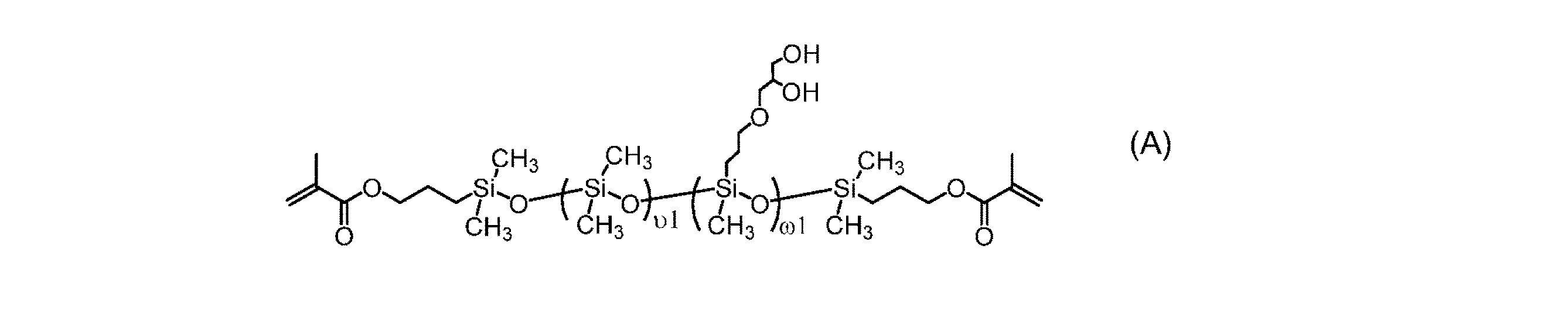
Chemicals In the examples below, the following abbreviations are used: AMA stands for allyl methacrylate, NVP stands for N-vinylpyrrolidone, DMA stands for N,N-dimethylacrylamide, VMA stands for N-vinyl-N-methylacetamide, MMA stands for methyl methacrylate, TEGDMA stands for triethylene glycol dimethacrylate, TEGDVE stands for triethylene glycol divinyl ether, EGMA stands for ethylene glycol methyl ether methacrylate, VA ZO64 represents 2,2-dimethyl-2,2 azodipropiononitrile, Nobloc represents 2-[3-(2H-benzotriazol-2-yl)-4-hydroxyphenyl]ethyl methacrylate from Aldrich, UV28 represents 2-{2'-hydroxy-3'-tert-butyl-5'-[3'-methacryloyloxypropoxy]phenyl}-5-chloro-2H-benzotriazole, RB246 represents Reactive Blue 246, RB247 represents Reactive Blue 247, TAA stands for tert-amyl alcohol, PrOH stands for 1-propanol, IPA stands for isopropanol, PAA stands for polyacrylic acid, PMAA stands for polymethacrylic acid, PAE stands for polyamidoamine-epichlorohydrin (also known as polyamine-epichlorohydrin), MPC stands for 2-methacryloyloxyethyl phosphorylcholine, poly(AAm-co-AA) stands for poly(acrylamide-co-acrylic acid), PZ-28 stands for trimethylol PZ-33 stands for pentaerythritol tris[3-(1-aziridinyl)propionate]; BTP or bis-tris-propane stands for bis[tris(hydroxymethyl)methylamino]propane; Tris-HCl stands for tris(hydroxymethyl)aminomethane hydrochloride; EDTA stands for ethylenediaminetetraacetic acid; PBS has a pH of 7.2±0.2 at 25° C. and contains about 0.044% by weight NaH 2 PO 4 ·H 2 O, about 0.388% by weight Na 2 HPO 4 · H 2 O, about 0.50 ... % NaCl, mSi1 represents monobutyl-terminated monomethacryloxypropyl-terminated polydimethylsiloxane (Mw: about 600-800 g/mol; manufactured by Gelest), D9 represents monobutyl-terminated monomethacryloxypropyl-terminated polydimethylsiloxane (Mw: about 984 g/mol; manufactured by Shin-Etsu Chemical Co., Ltd.), and LM-CEPDMS is a PDMS segment bonded by diurethane bonds between two PDMS segments and two urethane bonds, each located between one terminal methacrylate group and one PDMS segment. The "GA" macromer represents a dimethacrylate-terminated chain extended polydimethylsiloxane (Mn: about 6000 g/mol) having three polydimethylsiloxane (PDMS) segments combined and prepared according to a method similar to that described in Example 2 of U.S. Pat. No. 8,529,057; the "GA" macromer represents a dimethacryloyloxypropyl-terminated polysiloxane (Mn: about 6,800 g/mol, OH content: about 1.2 meq/g) of formula (A); and the "G4" macromer represents a dimethacryloyloxypropyl-terminated polysiloxane (Mn: about 13,500 g/mol, OH content: about 1.8 meq/g) of formula (A).
酸素透過度の測定
レンズ又はレンズ材料の見かけ酸素透過度(Dkapp)、見かけ酸素伝達率(Dk/t)、固有(又はエッジ補正)酸素透過度(Dkc)は、米国特許出願公開第2012/0026457A1号明細書の実施例1で説明される手順に従って決定される。
Measurement of Oxygen Permeability The apparent oxygen permeability (Dk app ), apparent oxygen transmissibility (Dk/t), and intrinsic (or edge-corrected) oxygen permeability (Dk c ) of a lens or lens material are determined according to the procedure described in Example 1 of U.S. Patent Application Publication No. 2012/0026457 A1.
指擦り処理
RENU(登録商標)多目的レンズケア溶液(又は別の多目的レンズケア溶液)を用いて20秒間レンズを指擦りし(使い捨てパウダーフリーラテックス手袋を着用しながら)続いて生理食塩水ですすぎ洗いする。上記の手順を、i日間のレンズケアレジームにおける日常の洗浄を模倣するi回(すなわちiサイクルの指擦り)、例えば7日間のレンズケアレジームにおける日常の洗浄及び消毒を模倣する7回(すなわち7サイクルの指擦り)、又は30日間のレンズケアレジームにおける日常の洗浄及び消毒を模倣する30回(すなわち30サイクルの指擦り)だけ繰り返す。
Finger Rub Treatment The lens is finger rubbed with RENU® Multipurpose Lens Care Solution (or another multipurpose lens care solution) for 20 seconds (while wearing disposable powder-free latex gloves) followed by rinsing with saline. The above procedure is repeated i times (i.e., i cycles of finger rubs) to mimic daily cleaning in an i-day lens care regime, e.g., 7 times (i.e., 7 cycles of finger rubs) to mimic daily cleaning and disinfection in a 7-day lens care regime, or 30 times (i.e., 30 cycles of finger rubs) to mimic daily cleaning and disinfection in a 30-day lens care regime.
シミュレートされた研磨サイクリング処理
手動サイクリングの最悪のケースシナリオをシミュレートするため、シミュレートされた研磨技法を用いて一定の圧力及びせん断条件を保証する。これを行うため、レンズを締め付けて同時にレンズをせん断するようにカスタマイズされたレンズホルダを製造する。図3に示すようにレンズ(部品1)を、直径7.7mmの中央シャフト(部品3)が軸方向にはめ込まれたゴムインサート(部品2)の上に配置する。上部クリップ(部品4)を底部クリップ(部品5)上にクリップ留めし、これによりレンズがシリコーンガスケットに対してしっかりと保持される。続いてレンズが外部本体表面の上方に突き出て、レンズ中央部周囲のレンズの円周領域を露出させるように、中央シャフトを延伸させる。任意選択的に、研磨の可視化を改善するために一片の布地(すなわち、Twillx1622(Berkshire))を中央シャフトとコンタクトレンズとの間に配置してもよい。
Simulated Polishing Cycling Process To simulate the worst case scenario of manual cycling, a simulated polishing technique is used to ensure constant pressure and shear conditions. To do this, a customized lens holder is manufactured to clamp the lens and simultaneously shear it. The lens (part 1) is placed on a rubber insert (part 2) into which a central shaft (part 3) with a diameter of 7.7 mm is axially fitted, as shown in FIG. 3. The top clip (part 4) is clipped onto the bottom clip (part 5), which holds the lens firmly against the silicone gasket. The central shaft is then stretched so that the lens protrudes above the outer body surface, exposing the circumferential area of the lens around the center of the lens. Optionally, a piece of fabric (i.e., Twillx1622 (Berkshire)) may be placed between the central shaft and the contact lens to improve polishing visualization.
レンズホルダ全体をTaberリニア研磨システムの取り付け端部上に配置する(Taber Industries、モデル5750、http://www.taberindustries.com/linear-abraser)。追加の重りを取り付けずに、支持アーム及びレンズホルダの総重量(230g垂直力)を47mm2のコンタクトレンズ領域に適用して、49kPaを対抗面に適用させる。対抗面には、シリコーンゴムのシート(10A、4分の1インチ厚)を支持アームの下に配置し、シリコーンゴムにリザーバチャネルをクリップ留めする。続いてリザーバを室温のPBSで充填する。 The entire lens holder is placed onto the mounting end of a Taber Linear Abrasive System (Taber Industries, Model 5750, http://www.taberindustries.com/linear-abraser). With no additional weights attached, the total weight of the support arm and lens holder (230 g normal force) is applied to a contact lens area of 47 mm2 , applying 49 kPa to the counter surface. For the counter surface, a sheet of silicone rubber (10A, ¼ inch thick) is placed under the support arm and the reservoir channel is clipped to the silicone rubber. The reservoir is then filled with room temperature PBS.
実験中に、レンズホルダを対抗面にゆっくりと下ろし、レンズを毎分75サイクルの周期数で20回研磨する(1ストロークあたり3インチ、1サイクルあたり6インチの総移動)。レンズ表面は、水崩壊時間法、潤滑性評価、及び/又はスダンブラック染色試験を用いて分析することができる。 During the experiment, the lens holder is slowly lowered onto the counter surface and the lens is polished 20 times at a frequency of 75 cycles per minute (3 inches per stroke, 6 inches total travel per cycle). The lens surface can be analyzed using the water disintegration time method, lubricity evaluation, and/or Sudan Black staining test.
この技法は、典型的なコンタクトレンズが経験するものを大きく超えたせん断力を適用するが、この制御されたせん断技法(すなわちシミュレートされた研磨サイクリング処理)は、30サイクルの指擦り処理の妥当な等価物であることが判明しており、これらのコンタクトレンズが最も過酷な機械的サイクリングでさえも対処できることを保証する。 Although this technique applies shear forces well beyond those experienced by typical contact lenses, this controlled shear technique (i.e., simulated abrasive cycling treatment) has been found to be a reasonable equivalent to 30 cycles of finger rubbing treatment, ensuring that these contact lenses can handle even the most severe mechanical cycling.
潤滑性評価
コンタクトレンズの潤滑性は、0~4の摩擦評点尺度でレンズ表面の滑りやすさを定性的に特性評価する指感触(finger―felt)潤滑性試験を使用することによって評価される。摩擦評点が高いほど、滑りやすさ(又は潤滑性)が低い。
Lubricity Evaluation The lubricity of contact lenses is evaluated by using a finger-felt lubricity test, which qualitatively characterizes the slipperiness of the lens surface on a friction rating scale of 0 to 4. The higher the friction rating, the less slipperiness (or lubricity).
市販のレンズであるDAILIES(登録商標)TOTAL1(登録商標)、ACUVUE(登録商標)OASYS(商標)、ACUVUE(登録商標)ADVANCE PLUS(商標)、DAILIES(登録商標)Aqua Comfort Plus(登録商標)、及びAIR OPTIX(登録商標)に、それぞれ0、1、2、3、及び4の摩擦評点(以後、「FR」と示される)を割り当てる。これらは、試験下のレンズの摩擦評点を決定するために標準レンズとして使用される。
Commercially available lenses, DAILIES®
試料を、それぞれ30分間の少なくとも2回のすすぎ洗いのためにPBS内に配置し、続いて、評価の前に新鮮なPBSに移す。評価の前に、手をせっけん溶液ですすぎ洗いし、DI水でしっかりとすすぎ、続いてKimWipe(登録商標)タオルで拭う。試料を指の間で取り扱い、上述した上記標準レンズに関連して各試料に数値を割り当てる。例えば、レンズがAIR OPTIX(登録商標)レンズよりわずかに良好であると決定される場合は3の数値が割り当てられる。摩擦評点の値は、2人以上の人物によるコンタクトレンズの少なくとも2回の摩擦評点の結果を平均することによって、及び/又は1人の人物による2つ以上のコンタクトレンズ(レンズ生産の同一のバッチからの)の摩擦評点を平均することによって得られる。 The samples are placed in PBS for at least two rinses of 30 minutes each, then transferred to fresh PBS before evaluation. Prior to evaluation, hands are rinsed with soap solution and rinsed thoroughly with DI water, followed by drying with a KimWipe® towel. Samples are handled between fingers and each sample is assigned a numerical value relative to the standard lens described above. For example, if a lens is determined to be slightly better than an AIR OPTIX® lens, a numerical value of 3 is assigned. Friction rating values are obtained by averaging the results of at least two friction ratings of contact lenses by two or more individuals and/or by averaging the friction ratings of two or more contact lenses (from the same batch of lens production) by one individual.
コンタクトレンズの指潤滑性(すなわち摩擦評点)は、パックから取り出したままの状態で(out-of-pack、OOP)(しかしPBS中に30分以上浸漬させた後で)、又は上記の手順に従ってiサイクル(例えば7、14、21、又は30サイクル)の指擦り処理後に、若しくはシミュレートされた研磨サイクリング処理後に、のいずれかで決定することができる。) The finger lubricity (i.e., friction score) of contact lenses can be determined either out-of-pack (OOP) (but after immersion in PBS for 30 minutes or more), or after i cycles (e.g., 7, 14, 21, or 30 cycles) of finger rubbing according to the procedure above, or after simulated abrasion cycling.)
表面湿潤性試験
コンタクトレンズ上の水接触角(WCA)は、コンタクトレンズの表面湿潤性の一般的な尺度である。具体的には、低い水接触角は、より高い湿潤性の表面に対応する。コンタクトレンズの動的捕捉気泡接触角は、FDS Future Digital Scientific Corp製FDS計測装置を用いて測定される。FDS機器は、前進及び後退する接触角を測定することができる。測定は、水和したコンタクトレンズ上で室温で実施される。コンタクトレンズをバイアル瓶から取り出して約40mLの新鮮なPBSに浸漬して少なくとも30分間振盪し、続いて新鮮なPBSに入れ替えて、浸漬し、別段の定めがない限り更に30分間振盪する。続いてコンタクトレンズをレンズペーパー上に置き、軽く叩いて表面の水を除去し、次に上向きのフロントカーブを有するレンズホルダ上に配置し、続いてレンズホルダの上部をねじ留めする。固定したレンズホルダを、濾過PBSで満たしたガラスセルキュベット内に配置する。ガラスセルキュベットをFDS計測器の台上に配置する。気泡をレンズ表面に分配するために台及び注射針の高さを調整する。全てのレンズに対して分配/引き上げを3サイクル繰り返して、前進及び後退接触角を得る。後退接触角を下記の実施例で報告する。
Surface Wettability Test The water contact angle (WCA) on contact lenses is a general measure of the surface wettability of contact lenses. Specifically, a lower water contact angle corresponds to a more wettable surface. The dynamic trapped air bubble contact angle of contact lenses is measured using an FDS Future Digital Scientific Corp. FDS instrument can measure advancing and receding contact angles. Measurements are performed at room temperature on hydrated contact lenses. The contact lenses are removed from the vial and immersed in approximately 40 mL of fresh PBS and shaken for at least 30 minutes, then replaced with fresh PBS, immersed, and shaken for another 30 minutes unless otherwise specified. The contact lenses are then placed on lens paper and tapped to remove surface water, then placed on a lens holder with the front curve facing upwards, and the top of the lens holder is then screwed on. The fixed lens holder is placed in a glass cell cuvette filled with filtered PBS. The glass cell cuvette is placed on the platform of the FDS instrument. The platform and needle height are adjusted to dispense the air bubble onto the lens surface. Three dispense/withdraw cycles are repeated for every lens to obtain advancing and receding contact angles. The receding contact angles are reported in the examples below.
水崩壊時間(WBUT)試験
レンズ(オートクレーブ後)の表面親水性を、水膜がレンズ表面で崩壊し始めるのに必要な時間を決定することによって評価する。10秒以上のWBUTを示すレンズは、親水性表面を有すると見なされ、眼上で十分な湿潤性(涙液膜を支持する能力)を示すことが予期される。
Water Breakdown Time (WBUT) Test The surface hydrophilicity of lenses (after autoclaving) is evaluated by determining the time required for the water film to begin to break down on the lens surface. Lenses exhibiting a WBUT of 10 seconds or greater are considered to have a hydrophilic surface and are expected to exhibit sufficient wettability (ability to support a tear film) on the eye.
軟らかなプラスチック製ピンセット(例えばMenicon製のもの)を用いてレンズをそのブリスタから取り出し、リン酸緩衝生理食塩水を含有する試験管内にレンズを配置することによって、水崩壊測定のためのレンズを調製する。この試験管は、1レンズあたり10mLのリン酸緩衝生理食塩水を含み、1試験管あたり1レンズである。試験前にレンズを終夜(少なくとも16時間)浸漬させる。 Prepare the lenses for aqueous disintegration measurements by removing them from their blisters with soft plastic tweezers (e.g., from Menicon) and placing them in test tubes containing phosphate buffered saline. The tubes contain 10 mL of phosphate buffered saline per lens, one lens per tube. Allow the lenses to soak overnight (at least 16 hours) before testing.
WBUTを、室温で以下のように測定する。レンズを試験管から取り出し、PBS中に沈めた台座上に配置する。続いて台座をPBS溶液の外に引き上げ(t=0)、ビデオカメラがレンズ表面から流れ落ちる流体を監視する。レンズ表面の流体が崩壊したときに、このWBUT時間を記録する。任意選択的に、ストップウォッチを用いて、台座をPBS溶液の外に引き上げた時と、レンズ表面の流体が崩壊した時と、の間の時間を測定してもよい。台座が引き上げられると、PBSの表面下にあるレンズが引っ張られる。レンズあたり少なくとも3つの点を測定し、少なくとも3つのレンズを測定して、各レンズ群の平均WBUT測定値を得る。 WBUT is measured at room temperature as follows: A lens is removed from the test tube and placed on a pedestal submerged in PBS. The pedestal is then raised out of the PBS solution (t=0) and a video camera monitors the fluid running off the lens surface. When the fluid on the lens surface breaks down, this WBUT time is recorded. Optionally, a stopwatch may be used to measure the time between when the pedestal is raised out of the PBS solution and when the fluid on the lens surface breaks down. As the pedestal is raised, it pulls the lens below the surface of the PBS. At least three points per lens are measured and at least three lenses are measured to obtain an average WBUT measurement for each lens group.
平衡含水率
コンタクトレンズの平衡含水率(EWC)は以下のように決定する。
Equilibrium Water Content The equilibrium water content (EWC) of a contact lens is determined as follows.
食塩水中で完全に平衡している水和ヒドロゲルコンタクトレンズ中に存在する水の量(重量%で表される)を室温で決定する。レンズを布地でブロットしてから、レンズを迅速に積み重ね、レンズの積層体を化学てんびん上にアルミニウム皿に移す。各試料皿のレンズの数は、典型的には5つである。皿及びレンズの水和重量を記録する。皿をアルミホイルで覆う。皿を100±2℃の実験室オーブン内に配置して16~18時間乾燥させる。皿及びレンズをオーブンから取り出し、デシケータ内で少なくとも30分間冷却する。デシケータから単一の皿を取り出し、アルミホイルを廃棄する。皿及び乾燥レンズ試料を化学てんびん上で秤量する。全ての更に対して繰り返す。レンズ試料の湿潤及び乾燥重量は、空の秤量皿の重量を差し引くことによって計算することができる。 Determine the amount of water (expressed as weight percent) present in hydrated hydrogel contact lenses that are fully equilibrated in saline at room temperature. Blot the lenses with a cloth, then quickly stack the lenses and transfer the stack of lenses to an aluminum dish on an analytical balance. The number of lenses in each sample dish is typically five. Record the hydrated weight of the dishes and lenses. Cover the dishes with aluminum foil. Place the dishes in a laboratory oven at 100±2°C to dry for 16-18 hours. Remove the dishes and lenses from the oven and cool in a desiccator for at least 30 minutes. Remove a single dish from the desiccator and discard the aluminum foil. Weigh the dishes and dry lens sample on an analytical balance. Repeat for all changes. The wet and dry weights of the lens sample can be calculated by subtracting the weight of the empty weighing dish.
弾性率
コンタクトレンズの弾性率は、MTS insight計測器を用いて決定する。最初に、コンタクトレンズをPrecision Concept2段階カッターを用いて幅3.12mmのストリップへと切断する。6.5mmゲージ長さ内の5つの厚さ値を測定する。ストリップを計測器のグリップ上に載せ、温度を21±2℃に制御したPBS内に沈める。典型的には、試験には5Nのロードセルが用いられる。試料が崩壊するまで一定の力及び速度を試料に加える。TestWorksソフトウェアを用いて力及び変位のデータを収集する。弾性変位領域における応力の勾配又は接線対ゼロ伸び付近の歪み曲線である弾性率値をTestWorksソフトウェアによって計算する。
Elastic Modulus The elastic modulus of contact lenses is determined using an MTS insight instrument. First, the contact lenses are cut into 3.12 mm wide strips using a Precision Concept two-stage cutter. Five thickness values are measured within a 6.5 mm gauge length. The strips are placed on the grips of the instrument and submerged in PBS with a temperature controlled at 21±2°C. Typically, a 5N load cell is used for testing. A constant force and rate is applied to the sample until it collapses. Force and displacement data are collected using TestWorks software. Elastic modulus values are calculated by TestWorks software, which is the slope of the stress in the elastic displacement region or the tangent to the strain curve near zero elongation.
コンタクトレンズ表面の機械的特性
全てのコンタクトレンズがその表面において異なる機械的特性を有し得る。具体的には、コンタクトレンズがその上にソフトヒドロゲルコーティングを有する場合。コンタクトレンズの表面付近であり、且つ表面を含む領域の機械的特性は、マイクロ押込又はナノ押込試験において変位の関数として表面圧縮力又は押込力を測定することにより特性決定することができる。
Mechanical Properties of Contact Lens Surfaces Every contact lens can have different mechanical properties at its surface, especially when the contact lens has a soft hydrogel coating thereon. The mechanical properties of the region near and including the surface of a contact lens can be characterized by measuring the surface compressive or indentation force as a function of displacement in micro- or nano-indentation tests.
ソフトヒドロゲルコーティングをその上に全く含まないコンタクトレンズの場合、所定の変位又は押込深さ(例えば400nm)における押込力は、バルク(ヤング)弾性率と良好に関連し(すなわち、所与の変位におけるバルク弾性率と押込力との間の線形バルク弾性率-押込力関係が存在する)、その一方で、その上にソフトヒドロゲルコーティングを有するコンタクトレンズの場合、所与の変位における押込力は、線形バルク弾性率-押込力関係に基づいて予測されるものよりも遥かに小さいことが判明している。こうした偏位は、コンタクトレンズ上のソフトヒドロゲルコーティングの良好な指標として用いることができる。 It has been found that for contact lenses that do not have any soft hydrogel coating thereon, the indentation force at a given displacement or indentation depth (e.g., 400 nm) correlates well with the bulk (Young's) modulus (i.e., there is a linear bulk modulus-indentation force relationship between the bulk modulus and indentation force at a given displacement), whereas for contact lenses that have a soft hydrogel coating thereon, the indentation force at a given displacement is much less than would be predicted based on the linear bulk modulus-indentation force relationship. Such deviations can be used as a good indicator of the soft hydrogel coating on the contact lens.
マイクロ押込試験
400nmの押込深さにおけるコンタクトレンズの表面圧縮力は以下のマイクロ押込試験で測定する。試験対象のコンタクトレンズをすすぎ洗いして、PBS中に終夜置く。続いて、PBS内に沈めた半球形の台上にレンズを配置し、1mmの半球形ホウケイ酸ガラスプローブを備える圧力駆動式準静的トランスデューサ(quasistatic transducer)押込システム(Bruker製Hysitron(登録商標)BioSoft(商標)In-Situ Indenter)を用いて押し込みする。各実験の間で、プラズマクリーナー(例えば酸素、空気、又はアルゴンプラズマクリーナー)を用いてプローブを洗浄し、F-127 Pluronicでコーティングする(F-127のCMC、例えば約0.1重量%を超える濃度のF-127の水溶液中にディッピングすることによって)。プローブを押込システムに取り付け、典型的な荷重曲線及び除重曲線に沿って1μm/秒の一定押込速度で引き下げる(すなわち、垂直力対押込深さ)。垂直力及び変位位置(又は押込深さ)は、準静的トランスデューサによって125Hzの速度で同時に測定される。上記の手順を1レンズあたりで20回繰り返す(すなわち20回の押込)。400nmの押込深さにおける表面圧縮力(単位:マイクロニュートン(μN)単位)は、20個の押込荷重曲線のそれぞれに沿った400nmの押込深さにおける全ての垂直力を平均することによって得る。正規化された表面圧縮力(NSCF)は、400nmの押込深さにおける得られた表面圧縮力を試験下のコンタクトレンズの弾性率で割ることによって得る。
Microindentation Test The surface compressive force of a contact lens at an indentation depth of 400 nm is measured in the following microindentation test. The contact lens to be tested is rinsed and placed in PBS overnight. The lens is then placed on a hemispherical platform submerged in PBS and indented using a pressure-driven quasistatic transducer indentation system (Bruker Hysitron® BioSoft™ In-Situ Indenter) equipped with a 1 mm hemispherical borosilicate glass probe. Between each experiment, the probe is cleaned using a plasma cleaner (e.g., oxygen, air, or argon plasma cleaner) and coated with F-127 Pluronic (by dipping into an aqueous solution of F-127 at a concentration above the CMC of F-127, e.g., about 0.1% by weight). The probe is attached to the indentation system and is drawn down at a constant indentation rate of 1 μm/s along typical load and unload curves (i.e., normal force vs. indentation depth). The normal force and displacement position (or indentation depth) are measured simultaneously by a quasi-static transducer at a rate of 125 Hz. The above procedure is repeated 20 times per lens (i.e., 20 indentations). The surface compressive force (in micronewtons (μN)) at an indentation depth of 400 nm is obtained by averaging all the normal forces at an indentation depth of 400 nm along each of the 20 indentation load curves. The normalized surface compressive force (NSCF) is obtained by dividing the obtained surface compressive force at an indentation depth of 400 nm by the elastic modulus of the contact lens under test.
ナノ押込試験
400nmの押込深さにおけるコンタクトレンズの押込力は以下のマイクロ押込試験で測定する。
Nanoindentation Test The indentation force of a contact lens at an indentation depth of 400 nm is measured by the following microindentation test.
Optics11 Piuma装置を用いて、変位の関数として押込力を判定する。押込を実施する前に、Piumaプローブを、LifeStyle Company,Inc.(Freehold,NJ)製の無菌及び防腐剤不含有食塩水であるPuriLens(商標)Plus内で較正する。この較正は、最初に、プローブをPuriLens(商標)Plus内に沈めるが基材の表面とは係合させずに、光学センサを較正することからなる。次に、ガラススライド上に試験押込を形成することにより、第2のカンチレバー較正を実施する。レンズをPuriLens(商標)Plusですすぎ洗いして過剰なレンズパッケージ溶液を洗い流し、続いてブロット乾燥させる。次に、レンズを、フロントカーブを下に向けた状態で3D印刷したレンズホルダ内に配置する(図4)。続いて、レンズを所定の位置に配置するため、ベースカーブにPuriLens(商標)Plusを部分的に充填するが、但し、添加されるPuriLens(商標)Plusの量は、試験中にベースカーブがオーバーフローするほど多くあるべきではない。最後に、Piumaプローブをレンズ表面のすぐ上に移動させ、ナノ押込ルーチンを製造者の典型的な手順に従って実行する。押込ルーチンは1μm/秒の速度での10μmの押込みからなり、サンプリング速度は100Hzの速度である。プローブは表面に移動し、ここでカンチレバーによって検出された第1のたわみによって接触点が決定される。 The indentation force is determined as a function of displacement using an Optics11 Piuma instrument. Prior to performing the indentation, the Piuma probe is calibrated in PuriLens™ Plus, a sterile and preservative-free saline solution from LifeStyle Company, Inc. (Freehold, NJ). This calibration consists of first calibrating the optical sensor with the probe submerged in PuriLens™ Plus but not engaged with the surface of the substrate. A second cantilever calibration is then performed by forming a test indentation on a glass slide. The lens is rinsed in PuriLens™ Plus to remove excess lens packaging solution, followed by blotting dry. The lens is then placed in a 3D printed lens holder with the front curve facing down (FIG. 4). The base curve is then partially filled with PuriLens™ Plus to place the lens in place, but the amount of PuriLens™ Plus added should not be so much that it overflows the base curve during testing. Finally, the Piuma probe is moved just above the lens surface and a nanoindentation routine is run according to the manufacturer's typical procedures. The indentation routine consists of 10 μm indentations at a rate of 1 μm/sec with a sampling rate of 100 Hz. The probe is moved to the surface where the first deflection detected by the cantilever determines the contact point.
2つの異なるPiumaプローブがデータを収集するために使用され、第1のものは、0.500N/mの剛性及び9.500μmの先端部半径を有するPiumaプローブであり、もう一方は、4.710N/mの剛性及び9.000μmの先端部半径を有するPiumaプローブである。どちらのプローブも同じ深さ(400nm)まで押し込むため、接触面積はわずかに異なる。これらの球形キャップの接触面積(Scap)は、以下の式によって計算することができ:
Scap=2πRh
式中「R」は先端部半径であり、hは押込深さである。したがって、2つのプローブ先端部は、400nmの押込深さにおける23.9μm2及び22.6μm2の接触表面積、又は5%のみの差を有する。得られる9μmの先端部の圧力は、9.5μmの先端部よりも5%だけ高くあるべきである。この小さな圧力差は、これらの先端部の間で比較される測定された力にほとんど影響を与えないはずである。
Two different Piuma probes were used to collect the data, the first one with a stiffness of 0.500 N/m and a tip radius of 9.500 μm, and the other with a stiffness of 4.710 N/m and a tip radius of 9.000 μm. Both probes penetrate to the same depth (400 nm), so the contact areas are slightly different. The contact area (S cap ) of these spherical caps can be calculated by the following formula:
S cap = 2πRh
where "R" is the tip radius and h is the indentation depth. Thus, the two probe tips have contact surface areas of 23.9 μm2 and 22.6 μm2 at an indentation depth of 400 nm, or a difference of only 5%. The resulting pressure of the 9 μm tip should be only 5% higher than the 9.5 μm tip. This small pressure difference should have little effect on the measured forces compared between these tips.
これは、単一のタイプのPiumaプローブを全てのナノ押込実験で使用することはより望ましいということを理解するはずである。しかしながら、広範囲のバルク弾性率(例えば、0.2MPa~1.5MPa)を有するコンタクトレンズ測定値を最適化するために複数のPiumaプローブが必要である場合、約10%以下の先端部半径の差を有するPiumaプローブを使用することができる。 It should be appreciated that it is more desirable to use a single type of Piuma probe for all nanoindentation experiments. However, if multiple Piuma probes are required to optimize measurements of contact lenses with a wide range of bulk moduli (e.g., 0.2 MPa to 1.5 MPa), Piuma probes with tip radius differences of about 10% or less can be used.
押込みが実施されると、押込みの深さ及び押込力の両方が記録される。1つのレンズタイプあたり5つのレンズを試験し、1つのレンズにつき3回の測定を行い。これは、1レンズ群あたり合計で15個のデータポイントをもたらす。 Once the indentation is performed, both the indentation depth and the indentation force are recorded. Five lenses per lens type are tested, with three measurements per lens. This results in a total of 15 data points per lens group.
全ての生データを、MATLABを用いて処理し、Excelを用いて分析する。400nmの押込深さにおける押込力値は、最も近接した2つの力値の間を補間することによって決定する。各レンズ群について、400nmの押込深さでの全ての押込力を平均化し、400nmの押込深さにおける平均化された押込力を用いて、そのレンズ群のコンタクトレンズを特徴付けする。 All raw data is processed using MATLAB and analyzed using Excel. The indentation force value at 400 nm indentation depth is determined by interpolating between the two closest force values. For each lens group, all indentation forces at 400 nm indentation depth are averaged and the averaged indentation force at 400 nm indentation depth is used to characterize the contact lenses in that lens group.
透過率
コンタクトレンズは、眼上に配置した時にレンズの形状をそのままで保持することができる特製の試料ホルダなどの中に手動で配置する。このホルダを、続いて、標準としてのPBSを含有する経路長さ1cmの石英セル内に沈める。LabSphere DRA-CA-302ビームスプリッタなどを備えるVarian Cary 3E UV-可視分光光度計などのUV/可視分光光度計をこの測定に用いることができる。透過スペクトルのパーセントを250~800nmの波長範囲で収集し、T値を0.5nm間隔で収集する。このデータをExcelのスプレッドシート上に移し、レンズがクラス1UV吸光度に適合するか否かを決定するために使用する。透過率は以下の式を用いて計算し、
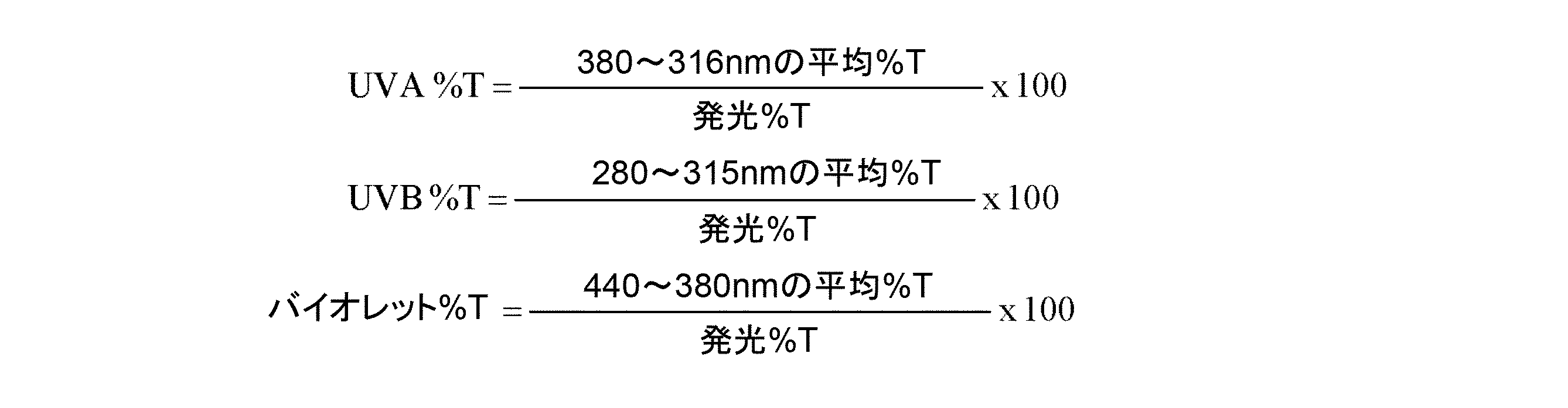
式中、発光%Tは380~780の平均%透過率である。
Transmittance A contact lens is manually placed into a specially made sample holder or similar that is capable of holding the lens shape intact when placed on the eye. The holder is then submerged into a quartz cell with a 1 cm path length containing PBS as a standard. A UV/Visible spectrophotometer such as a Varian Cary 3E UV-Visible spectrophotometer with a LabSphere DRA-CA-302 beam splitter or similar can be used for this measurement. The percent transmission spectrum is collected in the wavelength range of 250-800 nm and the T values are collected at 0.5 nm intervals. This data is transferred onto an Excel spreadsheet and used to determine if the lens meets
where luminance %T is the average % transmittance from 380 to 780.
ポリクオタニウム-1取り込み率(PU)の決定。
コンタクトレンズによるポリクオタニウム-1取り込み率は、PicoGreen dsDNAアッセイキット(すなわちQuanti-iT PicoGreen dsDNAキット(ThermoFisher))に基づくDNAインターカレーション法に従って決定される。コンタクトレンズによるポリクオタニウム-1取り込み率は以下のように決定される。
Determination of Polyquaternium-1 Uptake Unit (PU).
The rate of polyquaternium-1 uptake by contact lenses is determined according to the DNA intercalation method based on a PicoGreen dsDNA assay kit (i.e., Quanti-iT PicoGreen dsDNA kit (ThermoFisher)). The rate of polyquaternium-1 uptake by contact lenses is determined as follows.
5ppmのミリスタミドプロピルジメチルアミン、1000ppmのデカノイルエチレンジアミン三酢酸ナトリウム、83ppmのクエン酸ナトリウム脱水物、1000ppmのNaCl、1000ppmのTetronic1304、1150ppmのホウ酸ナトリウム十水和物、及び10000ppmのプロピレングリコールの成分を精製水に溶解させることにより、続いてpHを約7.8に調整することにより、基準溶液(basis solution)を調製する。 A basis solution is prepared by dissolving the following components in purified water, 5 ppm myristamidopropyl dimethylamine, 1000 ppm sodium decanoylethylenediamine triacetate, 83 ppm sodium citrate dehydrate, 1000 ppm NaCl, 1000 ppm Tetronic 1304, 1150 ppm sodium borate decahydrate, and 10,000 ppm propylene glycol, followed by adjusting the pH to approximately 7.8.
5ppmのPQを有するように上記で調製した基準溶液に所望量を溶解し、続いて必要に応じてpHを約7.8に調整することにより、ポリクオタニウム-1(PQ)試験溶液を調製する。それぞれ範囲内の濃度を有する一連のPQ標準溶液を調製して、PQの0~6ppm(又はそれ以上)の間の較正曲線を確立する。 Prepare a polyquaternium-1 (PQ) test solution by dissolving the desired amount in the reference solution prepared above to have 5 ppm PQ, then adjust the pH to about 7.8 if necessary. Prepare a series of PQ standard solutions, each with a range of concentrations, to establish a calibration curve between 0 and 6 ppm (or higher) of PQ.
コンタクトレンズを個々のレンズパッケージから取り出し、1レンズあたり25mLのPBSで30分間振盪する。PBSに浸漬させたレンズを、一定重量(すなわち、0.6kg)のペーパータオル(好ましくはKimberly Clark製W4ポリプロピレンタオルで)でブロットしてから終夜インキュベートする。 Contact lenses are removed from their individual lens packages and shaken for 30 minutes in 25 mL of PBS per lens. The PBS-soaked lenses are blotted with a paper towel of constant weight (i.e., 0.6 kg) (preferably Kimberly Clark W4 polypropylene towels) and then incubated overnight.
終夜のインキュベーション実験においては24ウェルプレートを使用する。ウェルは以下のカテゴリーに分割される:それぞれが0.5mLの基準溶液、及びその中に完全に浸漬された2つのブロットされたコンタクトレンズを含有するネガティブ対照ウェル、0.5mLのポリクオタニウム-1試験溶液を含有するポジティブ対照ウェル、0.5mLのポリクオタニウム-1試験溶液、及びその中に完全に浸漬された2つのブロットされたコンタクトレンズをそれぞれ含有する試料ウェル、それぞれが0.5mLの標準溶液のうちの1つのうちの1つを含有する標準ウェル。続いて24ウェルプレートをオービタルシェーカー上で20分間振盪し、続いて室温で終夜(16~20時間)ベンチトップ上に置く。 A 24-well plate is used in the overnight incubation experiment. The wells are divided into the following categories: negative control wells, each containing 0.5 mL of the reference solution and two blotted contact lenses fully immersed therein; positive control wells, each containing 0.5 mL of the polyquaternium-1 test solution; sample wells, each containing 0.5 mL of the polyquaternium-1 test solution and two blotted contact lenses fully immersed therein; standard wells, each containing 0.5 mL of one of the standard solutions. The 24-well plate is then shaken on an orbital shaker for 20 minutes and then placed on the benchtop at room temperature overnight (16-20 hours).
終夜インキュベートした24ウェルプレートの各ウェルからの25μLのアリコートを、450μLのラムダDNA溶液(1μg/mLのラムダDNA、10mMのトリス-HCl、1mMのEDTA、pH7.5)を含有する96ウェルプレート(例えばDNA LoBind(Eppendorf))のセルウェルに添加する。溶液を混合し、オービタルシェーカー上で700~800rpmで60分間インキュベートする。 Add 25 μL aliquots from each well of the overnight incubated 24-well plate to cell wells of a 96-well plate (e.g., DNA LoBind (Eppendorf)) containing 450 μL of lambda DNA solution (1 μg/mL lambda DNA, 10 mM Tris-HCl, 1 mM EDTA, pH 7.5). Mix the solution and incubate for 60 minutes on an orbital shaker at 700-800 rpm.
DNAインキュベートされた各セルウェルからの100μLのアリコートを、96ウェルプレート(例えば、黒色不透明、中結合(Grenier))に移す。続いて、これらのウェルのそれぞれに100μLのPicoGreen溶液(ThermoFisher、キットの指示に従いトリス-EDTA緩衝剤[10mMのトリス-HCl、1mMのEDTA、pH 7.5]で希釈した)を添加して混合する。続いて、セルウェルを250rpmのオービタルシェーカー上で5分間インキュベートする。各プレートを、PicoGreenの場合は標準的な蛍光励起及び発光波長を使用する蛍光プレートリーダー(例えば、Victor X5 Plate Reader(Perkin Elmer))で読み取る。各試料を標準曲線の線形適合と比較して、各溶液中の最終PQ濃度を得る。レンズあたりのPQ取り込み量は、インキュベーション体積を掛け、インキュベートされたレンズの数で割ることによって得られる。レンズによるPQ取り込み率は、DNAインキュベートされたポジティブ対照と試料溶液との[ポリクオタニウム-1]の差にインキュベーション容量(0.5mL)を掛けて2で割るように計算される。 A 100 μL aliquot from each DNA-incubated cell well is transferred to a 96-well plate (e.g., black opaque, medium binding (Grenier)). 100 μL of PicoGreen solution (ThermoFisher, diluted in Tris-EDTA buffer [10 mM Tris-HCl, 1 mM EDTA, pH 7.5] according to kit instructions) is then added to each of these wells and mixed. The cell wells are then incubated for 5 minutes on an orbital shaker at 250 rpm. Each plate is read in a fluorescent plate reader (e.g., Victor X5 Plate Reader (Perkin Elmer)) using standard fluorescence excitation and emission wavelengths for PicoGreen. Each sample is compared to a linear fit of the standard curve to obtain the final PQ concentration in each solution. The amount of PQ uptake per lens is obtained by multiplying by the incubation volume and dividing by the number of lenses incubated. The percentage of PQ uptake by the lens is calculated as the difference in [Polyquaternium-1] between the DNA-incubated positive control and the sample solution multiplied by the incubation volume (0.5 mL) and divided by 2.
表面亀裂(SC)試験
表面亀裂を評価するための試験を以下のように実施する。レンズをパッケージから取り出す。レンズの縁を片手の親指と人差し指との間に保持することにより、レンズを穏やかに反転させる(すなわち、レンズを反転形態にする)。レンズの凹部側は、実験者の身体に面しているべきである。他方の手の親指及び/又は人差し指で、レンズ確認反転(lens confirmation inverts)まで、レンズを保持している人差し指上でレンズの頂部を穏やかに曲げる。続いて、穏やかにレンズを二等分に折り畳み、折り畳まれたレンズにわずかな圧力を加える。その後、レンズを反転させる前のその元の形態にレンズを戻し、上記の工程を繰り返す。レンズをペトリ皿に置き、暗視野実体顕微鏡を用いてレンズを検査する。レンズの表面亀裂を、最初にレンズの中心に焦点を合わせて低倍率(すなわち10~20倍)で検査し、亀裂線が識別可能でない場合は、レンズを高倍率(例えば35~45倍)で更に検査する。45倍の倍率で亀裂が観察されない場合は、レンズはゼロ(0)の表面亀裂評点を得る。亀裂が観察された場合、分割線の数を計数することによって亀裂評点が得られ、評点1は視野内に2~4の線、評点2は5~8の線、評点3は8以上の線である。
Surface Crack (SC) Test The test to evaluate surface cracks is performed as follows: The lens is removed from the packaging. The lens is gently inverted (i.e., the lens is in an inverted configuration) by holding the edge of the lens between the thumb and index finger of one hand. The concave side of the lens should be facing the body of the experimenter. With the thumb and/or index finger of the other hand, the top of the lens is gently bent over the index finger holding the lens until the lens confirmation inverts. The lens is then gently folded in two halves and slight pressure is applied to the folded lens. The lens is then returned to its original configuration before inverting and the above steps are repeated. The lens is placed in a Petri dish and inspected using a dark field stereo microscope. The lens is inspected for surface cracks first at low magnification (i.e., 10-20x) focusing on the center of the lens, and if no crack lines are discernible, the lens is further inspected at high magnification (e.g., 35-45x). If no cracks are observed under 45x magnification, the lens receives a surface crack rating of zero (0). If cracks are observed, a crack rating is obtained by counting the number of parting lines, with a rating of 1 being 2-4 lines in the field of view, a rating of 2 being 5-8 lines, and a rating of 3 being 8 or more lines.
コーティング無傷性(Intactness)試験
コンタクトレンズの表面におけるコーティングの無傷性は、以下のようにスダンブラック染色試験に従って試験することができる。コーティング(LbLコーティング、プラズマコーティング、ヒドロゲルコーティング、又は任意の他のコーティング)を有するコンタクトレンズを、スダンブラック色素溶液(約80%の鉱油と約20%のビタミンE油との混合物中のスダンブラック)に浸漬する。スダンブラック色素は、疎水性であり、疎水性材料によって、又は疎水性レンズ表面、若しくは疎水性レンズ(例えばシリコーンヒドロゲルコンタクトレンズ)の部分的にコーティングされた表面上の疎水性スポット上に吸着される傾向が高い。疎水性レンズ上のコーティングが無傷である場合、染色スポットは、レンズ上又はレンズ中では観察されないはずである。試験下のレンズは全て十分に水和される。レンズ表面上の目に見える微細な線は、架橋コーティングの亀裂の存在を示し得る。
Coating Intactness Test The coating integrity on the surface of a contact lens can be tested according to the Sudan Black staining test as follows: A contact lens with a coating (LbL coating, plasma coating, hydrogel coating, or any other coating) is immersed in a Sudan Black dye solution (Sudan Black in a mixture of about 80% mineral oil and about 20% Vitamin E oil). Sudan Black dye is hydrophobic and has a high tendency to be adsorbed by hydrophobic materials or onto hydrophobic lens surfaces or onto hydrophobic spots on partially coated surfaces of hydrophobic lenses (e.g. silicone hydrogel contact lenses). If the coating on the hydrophobic lens is intact, no staining spots should be observed on or in the lens. All lenses under test are fully hydrated. Visible fine lines on the lens surface may indicate the presence of cracks in the crosslinked coating.
比較実施例
水勾配コンタクトレンズによる正荷電抗菌剤の取り込み率を低下させるために、米国特許出願公開第2016/0326046A1号明細書で開示される方法を本実施例で使用する。
COMPARATIVE EXAMPLE The method disclosed in US Patent Application Publication No. 2016/0326046 A1 is used in this example to reduce the uptake rate of positively charged antimicrobial agents by water gradient contact lenses.
PMAAコーティング溶液。ポリメタクリル酸(PMAA)コーティング溶液は、一定量のPMAA(Mn:300~600kDa(Polysciences,Inc.製))を、所定容量の1-プロパノール/水(90%/10%wt/wt)混合物に溶解して約0.011重量%の濃度とすることにより調製し、pHはギ酸を用いて約2.0に調整する。 PMAA coating solution. The polymethacrylic acid (PMAA) coating solution is prepared by dissolving a certain amount of PMAA (Mn: 300-600 kDa (Polysciences, Inc.)) in a given volume of 1-propanol/water (90%/10% wt/wt) mixture to a concentration of approximately 0.011 wt%, and the pH is adjusted to approximately 2.0 using formic acid.
PAE溶液-1。PAE溶液は、一定量のポリアミドアミンエピクロロヒドリン(Kymene)を、所定容量の水に溶解して約0.5重量%の濃度とすることにより調製し、pHは所望のpHに調整する(例えば2.0、3.5、7、又は9)。 PAE Solution-1. The PAE solution is prepared by dissolving a quantity of polyamidoamine epichlorohydrin (Kymene) in a volume of water to a concentration of approximately 0.5% by weight, and the pH is adjusted to the desired pH (e.g., 2.0, 3.5, 7, or 9).
PAE溶液-2。PAE溶液は、一定量のポリアミドアミンエピクロロヒドリン(Kymene)を、所定容量の水(68重量%)と1-プロパノール(32重量%)との混合物に溶解して約0.5重量%の濃度とすることによって調製し、pHはpH2.0に調整する。 PAE solution-2. The PAE solution is prepared by dissolving a quantity of polyamidoamine epichlorohydrin (Kymene) in a volume of a mixture of water (68 wt%) and 1-propanol (32 wt%) to a concentration of approximately 0.5 wt%, and the pH is adjusted to pH 2.0.
パッケージ内コーティング(IPC)生理食塩水(IPC-1)の調製
約90モル%の2-メタクリロイルオキシエチルホスホリルコリン(MPC)と、約10モル%の

(式中、Xは-CH2CH(OH)CH2SCH2CH2NH2又は-CH2CH(CH2OH)SCH2CH2NH2の一価ラジカルである)と、を含有するMPC含有コポリマー(Mw:230~320kD)を、米国特許第9127099B2号明細書の実施例1~2に記載されるものと類似した手順に従って調製する。使用されるMPC含有コポリマーは、約10重量%のMPC含有コポリマーの固形分含量を含む水溶液である。
Preparation of In-Package Coating (IPC) Saline (IPC-1) Approximately 90 mol % 2-methacryloyloxyethyl phosphorylcholine (MPC) and approximately 10 mol %
where X is a monovalent radical of -CH2CH (OH) CH2SCH2CH2NH2 or -CH2CH ( CH2OH ) SCH2CH2NH2 , and MPC-containing copolymers (Mw: 230-320 kD ) containing are prepared according to a procedure similar to that described in Examples 1-2 of US9127099B2. The MPC -containing copolymer used is an aqueous solution containing a solids content of about 10 % by weight of MPC-containing copolymer.
PAE溶液(Kymene)を水溶液としてAshlandから購入し、そのままで使用する。 PAE solution (Kymene) was purchased from Ashland as an aqueous solution and used as is.
IPC-1生理食塩水は以下のように調製する。約74重量%のMPC含有コポリマー溶液と、約6重量%のPAE溶液と、約20重量%のリン酸緩衝液(約0.22重量%のNaH2PO4・H2O、1.95重量%のNa2HPO4・2H2O、及び約4重量%のNaCl)と、を混合する(MPC含有コポリマー及びPAEの濃度は最終生理食塩水の約10倍である)。1NのNaOHによってpHを約7.3に調整する。水浴中の混合物を温度70℃で4時間反応させ、水溶性熱架橋性ポリマー材料(すなわち「パッケージ内架橋剤」又は「IPC剤」)を形成する。水浴から混合物を取り出し、室温の水浴内で冷却する。PBSを用いて混合物を10倍に希釈し、pHを約7.3に調整する。0.22μmのPES無菌フィルタユニットによって混合物を濾過する。
IPC-1 saline is prepared as follows: Mix about 74 wt% MPC-containing copolymer solution, about 6 wt% PAE solution, and about 20 wt% phosphate buffer ( about 0.22 wt% NaH2PO4.H2O , 1.95 wt% Na2HPO4.2H2O , and about 4 wt% NaCl ) (the concentrations of MPC - containing copolymer and PAE are about 10 times that of the final saline). Adjust the pH to about 7.3 with 1N NaOH. React the mixture in a water bath at a temperature of 70°C for 4 hours to form a water-soluble thermally crosslinkable polymeric material (i.e., "in-package crosslinker" or "IPC agent"). Remove the mixture from the water bath and cool in a room temperature water bath. Dilute the
キャスト成形シリコーンヒドロゲル(SiHy)コンタクトレンズ。SiHyコンタクトレンズ(非コーティング)を米国特許出願公開第2016/0326046A1号の実施例3に記載される手順に従いキャスト成形する。 Cast molded silicone hydrogel (SiHy) contact lenses. SiHy contact lenses (uncoated) are cast according to the procedure described in Example 3 of US Patent Application Publication No. 2016/0326046 A1.
架橋コーティングの適用。キャスト成形したSiHyコンタクトレンズを抽出し、一連の浴槽にディッピングすることによってコーティングする。第1~第3浴槽-3つのMEK浴(それぞれ約22秒、約138秒、及び約224秒)、第4浴槽-DI水浴(約56秒)、第5~第7浴槽-表1に示す、第8浴-DI水(別段の指示がない限り約56秒)、第9-DI水(約56秒)、第10浴槽-DI水(約168秒)。別段の指示がない限り、全ての浴槽の温度は室温(すなわち約22~26℃)である。第10浴槽の後、コンタクトレンズを、0.6mLのIPC-1生理食塩水と共にポリプロピレンのレンズパッケージングシェル(ブリスタ)内に個別にパッケージ化する(IPC-1生理食塩水の半分は、レンズを挿入する前に添加する)。続いて、箔を用いてブリスタを封止し、121℃で約30分間オートクレーブし、レンズ上に架橋コーティングを形成する。 Application of the crosslinked coating. Cast SiHy contact lenses are extracted and coated by dipping into a series of baths: Baths 1-3 - three MEK baths (about 22 seconds, about 138 seconds, and about 224 seconds, respectively); Bath 4 - DI water bath (about 56 seconds); Baths 5-7 - as shown in Table 1; Bath 8 - DI water (about 56 seconds unless otherwise indicated); Bath 9 - DI water (about 56 seconds); Bath 10 - DI water (about 168 seconds). Unless otherwise indicated, all baths are at room temperature (i.e., about 22-26°C). After the 10th bath, the contact lenses are individually packaged in polypropylene lens packaging shells (blisters) with 0.6 mL of IPC-1 saline (half of the IPC-1 saline is added before inserting the lenses). The blisters are then sealed with foil and autoclaved at 121°C for about 30 minutes to form a crosslinked coating on the lenses.

続いて、米国特許第2016/0326046A1号明細書の実施例2に記載される手順に従って、レンズを、レンズあたりのカルボキシル基の量に関して試験し、また、実施例1に記載される手順に従い、指擦り試験にも供して潤滑性(摩擦評点)を評価する。 The lenses are then tested for the amount of carboxyl groups per lens according to the procedure described in Example 2 of US 2016/0326046 A1 and are also subjected to a finger rub test to evaluate lubricity (friction score) according to the procedure described in Example 1.
対照のレンズ(C3及びC4)並びに試験レンズ(T8及びT9)は、パッケージから取り出したままの状態で、且つサイクリング-潤滑性試験を受けることなしに4の潤滑性度を有する。こうした結果は、PMAAコーティングをその上に含むレンズを加熱すると、著しくPMMAを失って、そのため熱架橋性材料と反応してヒドロゲル上部コーティングを形成するには不十分な量のPMAAしかレンズ上に残らない場合があることを示し得る。 The control lenses (C3 and C4) and the test lenses (T8 and T9) have a lubricity rating of 4 as-removed from the package and without undergoing the cycling-lubricity test. These results may indicate that heating a lens that has a PMAA coating thereon may result in significant loss of PMMA, such that an insufficient amount of PMAA remains on the lens to react with the thermally crosslinkable material to form a hydrogel top coating.
試験レンズ(T2及びT3)は、それぞれ3及び4のパッケージから取り出したままの状態での潤滑性度を有する。こうした結果は、高いpH(7又は9)では、PMAAは充填され、PAEはPMAAコーティング内に浸透し得ないが、PMAAコーティングの上部に層を形成することを示し得る。PAEの上部層は、下部のPMAAが熱架橋性ポリマー材料と反応してヒドロゲル上部コーティングを形成することを防ぐ。オートクレーブ中に、PAEの上部層はPMAAコーティングと架橋して潤滑性の劣る架橋コーティングを形成する。 The test lenses (T2 and T3) have an out-of-package lubricity rating of 3 and 4, respectively. These results may indicate that at high pH (7 or 9), PMAA is loaded and PAE cannot penetrate into the PMAA coating, but forms a layer on top of the PMAA coating. The top layer of PAE prevents the PMAA underneath from reacting with the thermally crosslinkable polymeric material to form a hydrogel top coating. During autoclaving, the top layer of PAE crosslinks with the PMAA coating to form a less lubricious crosslinked coating.
表2の結果は、米国特許出願公開第2016/0326046A1号明細書に開示されるアプローチは、Renuレンズケア溶液でサイクリングした後で十分な潤滑性を有し、また正荷電抗菌剤の取り込み率に顕著な低下がない水勾配コンタクトレンズを製造するには十分であり得ないことを示す。 The results in Table 2 indicate that the approach disclosed in U.S. Patent Application Publication No. 2016/0326046 A1 may not be sufficient to produce water gradient contact lenses that have sufficient lubricity after cycling with Renu lens care solution and that do not experience a significant decrease in the uptake rate of the positively charged antimicrobial agent.

実施例2
重合性組成物の調製
2つのレンズ配合物(重合性組成物)I及びIIを、表3に示す組成物(単位部を単位として)を有するように調製する。
Example 2
Preparation of Polymerizable Compositions Two lens formulations (polymerizable compositions) I and II are prepared having the compositions shown in Table 3 (part by part).

列記された成分をその目標量で清浄な瓶に添加し、室温下で攪拌棒を用いて600rpmで30分間混合することによって配合物を調製する。全ての固形分が溶解した後で、2.7μmのガラスマイクロファイバフィルタ(GMF)を用いることによって配合物の濾過を実施する。 Prepare the formulation by adding the listed ingredients in their target amounts to a clean bottle and mixing with a stir bar at 600 rpm for 30 minutes at room temperature. After all solids are dissolved, filter the formulation by using a 2.7 μm glass microfiber filter (GMF).
キャスト成形シリコーンヒドロゲルコンタクトレンズ
レンズ配合物を室温で窒素を用いて30~35分間パージする。N2でパージされたレンズ配合物をポリプロピレン金型内に導入し、以下の硬化条件下で熱硬化させる:室温から55℃まで約7℃/分のランプ速度でランプさせる、55℃で約30分間保持し、55℃から80℃まで約7℃/分のランプ速度でランプさせる、55℃で約30分間保持する、80℃から100℃まで約7℃/分のランプ速度でランプさせる、100℃で約30分間保持する。金型を開いて成形されたレンズを金型から取り出す。
Cast Molded Silicone Hydrogel Contact Lenses The lens formulation is purged with nitrogen at room temperature for 30-35 minutes. The N2 purged lens formulation is introduced into a polypropylene mold and heat cured under the following cure conditions: ramp from room temperature to 55°C at a ramp rate of about 7°C/min, hold at 55°C for about 30 minutes, ramp from 55°C to 80°C at a ramp rate of about 7°C/min, hold at 55°C for about 30 minutes, ramp from 80°C to 100°C at a ramp rate of about 7°C/min, hold at 100°C for about 30 minutes. The mold is opened and the molded lens is removed from the mold.
配合物I及びIIを下記の実施例のコーティング研究に使用する。一般に、別段の指示がない限りは配合物IIを使用する。 Formulations I and II are used in the coating studies in the examples below. Generally, Formulation II is used unless otherwise indicated.
得られたシリコーンヒドロゲル(SiHy)コンタクトレンズは、レンズを特性評価する前に以下の成形後プロセスに供される。離型後、上記で調製したSiHyレンズを、室温で2回PBS中に約60分間浸漬する。5分間PBSですすぎ洗いした後、レンズを0.6mLのPBSと共にポリプロピレンのレンズパッケージングシェル(又はブリスタ)(シェルあたり1レンズ)に入れる。続いて、ブリスタをホイルで密封し、約121℃で約45分間オートクレーブ処理する。SiHyレンズは、約91barrer(配合物Iの場合)又は約83barrer(配合物IIの場合)の酸素透過度(ポーラログラフ法により測定)と、約0.80MPa(配合物Iの場合)又は0.67MPa(配合物IIの場合)のバルク弾性率と、約49重量%(配合物Iの場合)又は約50重量%(配合物IIの場合)の含水率と、Alsaconレンズに対して約12.5(配合物Iの場合)又はAlsaconレンズに対して約11.0(配合物IIの場合)の相対イオン透過率と、0秒のWBUTと、4の摩擦評点と、を有する。 The resulting silicone hydrogel (SiHy) contact lenses are subjected to the following post-molding process before the lenses are characterized: After demolding, the SiHy lenses prepared above are immersed in PBS twice at room temperature for approximately 60 minutes. After rinsing with PBS for 5 minutes, the lenses are placed into polypropylene lens packaging shells (or blisters) (one lens per shell) with 0.6 mL of PBS. The blisters are then sealed with foil and autoclaved at approximately 121°C for approximately 45 minutes. The SiHy lenses have an oxygen permeability (measured by polarographic techniques) of about 91 barrers (for Formulation I) or about 83 barrers (for Formulation II), a bulk modulus of about 0.80 MPa (for Formulation I) or about 0.67 MPa (for Formulation II), a water content of about 49% by weight (for Formulation I) or about 50% by weight (for Formulation II), a relative ion permeability of about 12.5 (for Formulation I) or about 11.0 (for Formulation II) relative to Alsacon lenses, a WBUT of 0 seconds, and a friction rating of 4.
実施例3
重合性組成物の調製
レンズ配合物(重合性組成物)III~VIを、表4に示す組成物(単位部を単位として)を有するように調製する。
Example 3
Preparation of Polymerizable Compositions Lens formulations (polymerizable compositions) III-VI are prepared having the compositions (part by part) shown in Table 4.
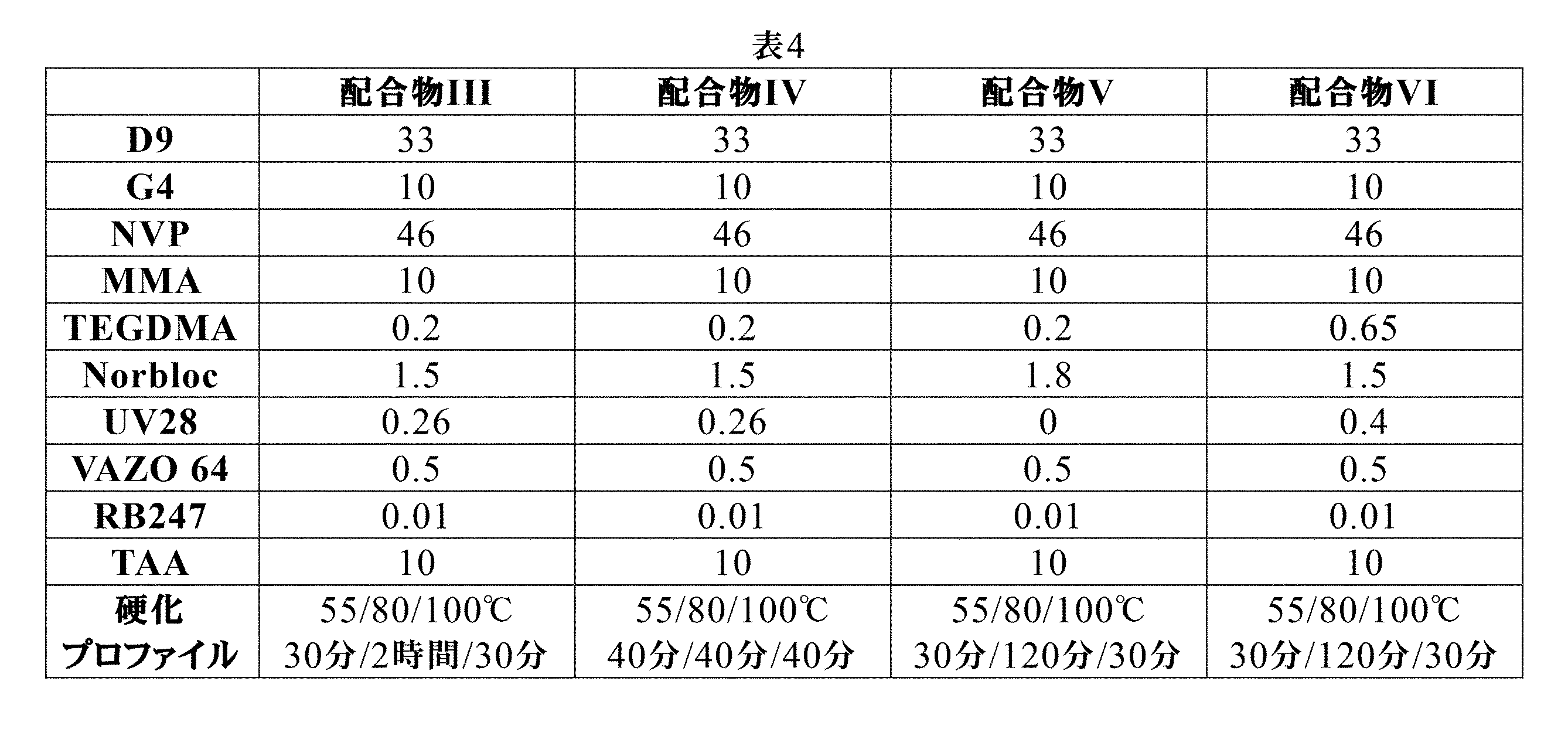
列記された成分をその目標量で清浄な瓶に添加し、室温下で攪拌棒を用いて600rpmで30分間混合することによって配合物を調製する。全ての固形分が溶解した後で、2.7μmのガラスマイクロファイバフィルタを用いることによって配合物の濾過を実施する。 Prepare the formulation by adding the listed ingredients in their target amounts to a clean bottle and mixing with a stir bar at 600 rpm for 30 minutes at room temperature. After all solids are dissolved, filter the formulation by using a 2.7 μm glass microfiber filter.
キャスト成形シリコーンヒドロゲルコンタクトレンズ
レンズ配合物を室温で窒素を用いて30~35分間パージする。N2でパージされたレンズ配合物をポリプロピレン金型内に導入し、以下の硬化条件下でオーブン内で熱硬化させる:室温から第1の温度までランプさせ、続いて第1の硬化時間中は第1の温度で保持する、第1の温度から第2の温度にランプさせ、第2の硬化時間中は第2の温度で保持する、任意選択的に第2の温度から第3の温度にランプさせ、第3の硬化時間中は第3の温度で保持する、任意選択的に第3の温度から第4の温度までランプさせ、第4の硬化時間中は第4の温度で保持する。
Cast Molded Silicone Hydrogel Contact Lenses The lens formulation is purged with nitrogen at room temperature for 30-35 minutes. The N2 purged lens formulation is introduced into a polypropylene mold and thermally cured in an oven under the following cure conditions: ramp from room temperature to a first temperature followed by holding at the first temperature for a first cure time, ramp from the first temperature to a second temperature and holding at the second temperature for a second cure time, optionally ramp from the second temperature to a third temperature and holding at the third temperature for a third cure time, optionally ramp from the third temperature to a fourth temperature and holding at the fourth temperature for a fourth cure time.
押圧ピンを備えた離型機を用いてレンズ金型を開く。レンズを、押圧ピンを用いてベースカーブ金型上に押し出し、続いて、金型をベースカーブ金型半体とフロントカーブ金型半体とに分離する。レンズをその上に備えるベースカーブ金型半体を、超音波装置(例えば、Dukaneの単一ホーン超音波装置)内に配置する。特定のエネルギー力を用いて、乾燥状態のレンズを金型から解放する。乾燥状態のレンズを設計された抽出トレイ内に装填する。或いは、フローティングオフすること(すなわち、超音波なしで例えばIPAなどの有機溶媒に浸漬すること)によって、レンズをベースカーブ金型半体から取り出すこともできる。 The lens mold is opened using a demolder with a pressure pin. The lens is pushed onto the base curve mold using the pressure pin, and the mold is subsequently separated into a base curve mold half and a front curve mold half. The base curve mold half with the lens thereon is placed in an ultrasonic device (e.g., a Dukane single horn ultrasonic device). A specific energy force is used to release the dry lens from the mold. The dry lens is loaded into a designed extraction tray. Alternatively, the lens can be removed from the base curve mold half by floating off (i.e., immersion in an organic solvent, e.g., IPA, without ultrasound).
得られたシリコーンヒドロゲル(SiHy)コンタクトレンズは、レンズを特性評価する前に以下の成形後プロセスに供される。離型後、上記で調製したSiHyレンズを、100%のIPAで15分間抽出し、50%/50%のIPA/水混合物中に30分間、続いてDI水中に30分間浸漬し、最後に室温で約60分間PBS生理食塩水ですすぎ洗いする。5分間PBSですすぎ洗いした後、レンズを0.6mLのPBSと共にポリプロピレンのレンズパッケージングシェル(又はブリスタ)(シェルあたり1レンズ)に入れる。続いて、ブリスタをホイルで密封し、約121℃で約45分間オートクレーブ処理する。得られたSiHyコンタクトレンズを、以下の特性(roperties)を有するための手順に従い特性評価する。Dkc:約105barrer~118barrer、EWC:約54%~57%、弾性率:約0.45MPa~0.62MPa、WBUT:約23秒~40秒、捕捉気泡による水接触角:約47度~52度、摩擦評点:約2.0。 The resulting silicone hydrogel (SiHy) contact lenses are subjected to the following post-molding process before the lenses are characterized. After demolding, the SiHy lenses prepared above are extracted with 100% IPA for 15 minutes, immersed in a 50%/50% IPA/water mixture for 30 minutes, followed by DI water for 30 minutes, and finally rinsed with PBS saline at room temperature for about 60 minutes. After rinsing with PBS for 5 minutes, the lenses are placed in polypropylene lens packaging shells (or blisters) (one lens per shell) with 0.6 mL of PBS. The blisters are then sealed with foil and autoclaved at about 121° C. for about 45 minutes. The resulting SiHy contact lenses are characterized according to the procedure for having the following properties: Dkc: approx. 105 barrer to 118 barrer, EWC: approx. 54% to 57%, elastic modulus: approx. 0.45 MPa to 0.62 MPa, WBUT: approx. 23 seconds to 40 seconds, water contact angle due to trapped air bubbles: approx. 47 degrees to 52 degrees, friction rating: approx. 2.0.
実施例4
PAA水溶液の調製
ポリアクリル酸(PAA)の水溶液を適量のPAA(Mn:約450KD)を水(蒸留水又は脱イオン水)に添加することによって調製する。PAAが完全に溶解した後、約1.85%のギ酸をPAA水溶液に添加することによってpHを約2に調整する。PAAの目標濃度は約0.1重量%である。調製されたPAA水溶液を濾過して一切の微粒子又は異物を除去する。
Example 4
Preparation of PAA aqueous solution An aqueous solution of polyacrylic acid (PAA) is prepared by adding an appropriate amount of PAA (Mn: about 450 KD) to water (distilled or deionized water). After the PAA is completely dissolved, the pH is adjusted to about 2 by adding about 1.85% formic acid to the PAA aqueous solution. The target concentration of PAA is about 0.1 wt%. The prepared PAA aqueous solution is filtered to remove any particulates or foreign matter.
リン酸緩衝生理食塩水(PBS)
NaH2PO4・H2O、Na2HPO4・2H2Oを所定量の精製水(蒸留又は脱イオン)に溶解して、約0.044重量/重量%のNaH2PO4・H2O、約0.388重量/重量%のNa2HPO4・2H2O、及び約0.79重量/重量%のNaClの組成とすることによってリン酸緩衝生理食塩水を調製する。
Phosphate-buffered saline (PBS)
Phosphate buffered saline is prepared by dissolving NaH2PO4.H2O and Na2HPO4.2H2O in a predetermined amount of purified water (distilled or deionized) to give a composition of about 0.044 wt/wt% NaH2PO4.H2O , about 0.388 wt/ wt % Na2HPO4.2H2O , and about 0.79 wt / wt % NaCl.
NaClを含まないリン酸緩衝液(Phosphate buffered)(PB)(PB、No NaCl)
PBSの調製と同じであるがNaClを添加しない手順を用いてPBを調製する。
Phosphate buffered (PB) (PB, No NaCl)
PB is prepared using the same procedure as for preparing PBS but without the addition of NaCl.
IPC-2生理食塩水
以下の濃度:約0.132重量%のポリ(AAm-co-AA)、約0.11重量%のPAE、約0.044重量%のNaH2PO4・H2O、約0.388重量%のNa2HPO4・2H2O、及び約0.79重量%のNaClを有するように、適量のポリ(AAm-co-AA)(90/10)、PAE、NaH2PO4・H2O、Na2HPO4・2H2O、及びDI(脱イオン)水中NaClを溶解/混合し、続いてpHを約7.3に調整することによって、IPC-2生理食塩水を調製する。ポリ(AAm-co-AA)(90/10)部分ナトリウム塩(partial sodium salt)、ポリ(AAm-co-AA)90/10、Mw 200,000)をPolysciences,Inc.から購入し、そのままで使用する。調製した溶液を65℃で約6時間予処理する。熱予処理の後に、IPC生理食塩水を冷却して室温に戻す。汚染微生物数の増加を防ぐために最大5ppmの過酸化水素を最終IPC生理食塩水に添加してもよく、0.22マイクロメートルの薄膜フィルタを用いてIPC生理食塩水を濾過する。
IPC-2 Saline IPC-2 saline is prepared by dissolving/mixing appropriate amounts of poly(AAm-co-AA) (90/10), PAE, NaH2PO4.H2O, Na2HPO4.2H2O, and NaCl in DI (deionized) water to have the following concentrations: about 0.132 wt% poly(AAm-co-AA), about 0.11 wt% PAE, about 0.044 wt % NaH2PO4.H2O , about 0.388 wt% Na2HPO4.2H2O , and about 0.79 wt% NaCl, followed by adjusting the pH to about 7.3. Poly(AAm-co-AA) (90/10) partial sodium salt, poly(AAm-co-AA) 90/10, Mw 200,000) is purchased from Polysciences, Inc. and used as is. The prepared solution is pretreated at 65° C. for approximately 6 hours. After heat pretreatment, the IPC saline is cooled back to room temperature. Up to 5 ppm hydrogen peroxide may be added to the final IPC saline to prevent bioburden buildup, and the IPC saline is filtered using a 0.22 micrometer membrane filter.
PAAベースコーティングを含むSiHyレンズ
離型後、乾燥SiHyコンタクトレンズ(実施例2、配合物IIで調製)を適切なトレイ内に配置する。続いて、レンズを含むトレイを、1つのPAA浴に120分間か、又は2つの逐次的なPAA浴で、第1の浴に30分間ディップし、第2の浴に90分間ディップするかのどちらかで、PAA溶液に所定の時間浸漬させる。PAAディップ溶液を室温よりも高く、例えば40℃に加熱する。ディップ工程中のPAA溶液の適切な流れを確保するために十分な攪拌(例えば水平方向の振盪又は上下運動)を用いてもよい。
SiHy Lenses with PAA-Based Coating After demolding, the dry SiHy contact lenses (prepared with Example 2, Formulation II) are placed in an appropriate tray. The trays containing the lenses are then immersed in PAA solution for a set time, either in one PAA bath for 120 minutes, or in two sequential PAA baths, dipping in the first bath for 30 minutes and the second bath for 90 minutes. The PAA dip solution is heated above room temperature, for example to 40° C. Sufficient agitation (e.g. horizontal shaking or up-and-down motion) may be used to ensure proper flow of the PAA solution during the dipping process.
PAAのディップ後、最大約1時間、通常は室温で、PBを含む浴槽にレンズを移す。ディップ工程中のPBの適切な流れを確保するために十分な攪拌(例えば水平方向の振盪又は上下運動)を用いてもよい。 After PAA dipping, the lenses are transferred to a bath containing PB for up to about 1 hour, usually at room temperature. Sufficient agitation (e.g., horizontal shaking or up-and-down motion) may be used to ensure adequate flow of the PB during the dipping process.
続いて、約5~10分間、通常は室温で、水を含む浴槽にレンズを移す。ディップ工程中の水の適切な流れを確保するために十分な攪拌(例えば水平方向の振盪又は上下運動)を用いてもよい。 The lenses are then transferred to a bath containing water for approximately 5-10 minutes, usually at room temperature. Sufficient agitation (e.g., horizontal shaking or up-and-down motion) may be used to ensure adequate flow of water during the dipping process.
水勾配SiHyコンタクトレンズ
上記のように調製された、PAAベースコーティングをその上に有するSiHyレンズを、0.55mL又は0.65mLのIPC-2生理食塩水と共にポリプロピレンのレンズパッケージングシェル内に入れる(シェルあたり1レンズ)(生理食塩水の約半分は、レンズを挿入する前に添加してもよい)。続いてブリスタをホイルで密封し、約121℃で約45分間オートクレーブ処理して、架橋親水性コーティング(すなわち、ヒドロゲルコーティング)をその上に有するSiHyコンタクトレンズを形成する。
Water Gradient SiHy Contact Lenses SiHy lenses having a PAA-based coating thereon, prepared as described above, are placed into polypropylene lens packaging shells (one lens per shell) with 0.55 mL or 0.65 mL of IPC-2 saline (about half of the saline may be added prior to inserting the lens). The blisters are then sealed with foil and autoclaved at about 121° C. for about 45 minutes to form SiHy contact lenses having a crosslinked hydrophilic coating (i.e., hydrogel coating) thereon.
水勾配SiHyコンタクトレンズの表面特性
得られた水勾配SiHyコンタクトレンズは、パッケージから取り出したままの状態で潤滑性であり(1の摩擦評点を有する)、10秒を超えるWBUTと、約30度の液滴(静的)による水接触角と、を有する。
Surface Properties of Water Gradient SiHy Contact Lenses The resulting water gradient SiHy contact lenses are lubricious (having a friction rating of 1) as-removed from the package, have a WBUT greater than 10 seconds, and a sessile drop (static) water contact angle of approximately 30 degrees.
実施例5
この実施例では、実施例4で調製した水勾配コンタクトレンズを使用する。これらは、約9μg/レンズのPU(ポリクオタニウム-1取り込み率)を有すると決定される。
Example 5
This example uses the water gradient contact lenses prepared in Example 4. They are determined to have a PU (Polyquaternium-1 uptake) of approximately 9 μg/lens.
ポリアジリジン水溶液の調製
単にPZ-28をPBSに添加し、pHを約7.5に調整することによって1重量%PZ-28溶液を調製し、単にPZ-33をPBSに添加し、pHを約7.5に調整することによって1重量%PZ-33溶液を調製する。
Preparation of Aqueous Polyaziridine Solutions A 1 wt % PZ-28 solution is prepared by simply adding PZ-28 to PBS and adjusting the pH to about 7.5, and a 1 wt % PZ-33 solution is prepared by simply adding PZ-33 to PBS and adjusting the pH to about 7.5.
水勾配コンタクトレンズによるPUの減少
実施例4で調製した水勾配コンタクトレンズを、0.55mL又は0.65mLの1%PZ-28溶液と共にポリプロピレンのレンズパッケージングシェルに個別に再パッケージングし(シェルあたり1レンズ)、約121℃で約45分間オートクレーブ処理する。得られたレンズは依然として潤滑性であり(1の摩擦評点を有する)、PUが0.56μg/レンズであり、すなわちPUの減少が93.8%である

。
Example 14. PU Reduction with Water Gradient Contact Lenses Water gradient contact lenses prepared in Example 4 are individually repackaged in polypropylene lens packaging shells (one lens per shell) with 0.55 mL or 0.65 mL of 1% PZ-28 solution and autoclaved at about 121° C. for about 45 minutes. The resulting lenses are still lubricious (having a friction rating of 1) and have a PU of 0.56 μg/lens, i.e., a PU reduction of 93.8%.
.
実施例4で調製した水勾配コンタクトレンズを、0.55mL又は0.65mLの1%PZ-33溶液と共にポリプロピレンのレンズパッケージングシェルに個別に再パッケージングし(シェルあたり1レンズ)、約121℃で約45分間オートクレーブ処理する。得られたレンズは依然として潤滑性であり(1の摩擦評点)、PUが1.95μg/レンズであり、すなわちPUの減少が78.3%である。 The water gradient contact lenses prepared in Example 4 are individually repackaged in polypropylene lens packaging shells (one lens per shell) with 0.55 mL or 0.65 mL of 1% PZ-33 solution and autoclaved at about 121° C. for about 45 minutes. The resulting lenses are still lubricious (friction rating of 1) and have a PU of 1.95 μg/lens, i.e., a PU reduction of 78.3%.
実施例6
PMAA溶液の調製
ポリメタクリル酸(PMAA)の溶液は、適量のPMAA(Mn:約400~700kDa(PolyMaterials,Inc.製))を、IPA/水(50/50体積比)混合物に添加して約0.12重量%の濃度とすることによって調製する。PMAAが完全に溶解した後、ギ酸をPMAA溶液に添加することによってpHを約2に調整する。調製されたPMAA溶液を濾過して一切の微粒子又は異物を除去する。
Example 6
Preparation of PMAA Solution A solution of polymethacrylic acid (PMAA) is prepared by adding an appropriate amount of PMAA (Mn: about 400-700 kDa (PolyMaterials, Inc.)) to an IPA/water (50/50 volume ratio) mixture to a concentration of about 0.12 wt %. After the PMAA is completely dissolved, the pH is adjusted to about 2 by adding formic acid to the PMAA solution. The prepared PMAA solution is filtered to remove any particulates or foreign matter.
リン酸緩衝生理食塩水(PBS)
PBSは、実施例4に記載の手順に従って調製する。
Phosphate-buffered saline (PBS)
PBS is prepared according to the procedure described in Example 4.
NaClを含まないリン酸緩衝液(PB)(PB、No NaCl)
PBは、実施例4に記載の手順に従って調製する。
Phosphate buffer solution (PB) without NaCl (PB, No NaCl)
PB is prepared according to the procedure described in Example 4.
ポリアジリジン水溶液の調製
単にPZ-28をPBSに添加し、pHを約7.5に調整することによって1重量%PZ-28溶液を調製し、単にPZ-33をPBSに添加し、pHを約7.5に調整することによって1重量%PZ-33溶液を調製する。
Preparation of Aqueous Polyaziridine Solutions A 1 wt % PZ-28 solution is prepared by simply adding PZ-28 to PBS and adjusting the pH to about 7.5, and a 1 wt % PZ-33 solution is prepared by simply adding PZ-33 to PBS and adjusting the pH to about 7.5.
IPC-3生理食塩水
約90モル%の2-メタクリロイルオキシエチルホスホリルコリン(MPC)と、約10モル%の

(式中、Xは-CH2CH(OH)CH2SCH2CH2NH2又は-CH2CH(CH2OH)SCH2CH2NH2の一価ラジカルである)と、を含有するMPC含有コポリマー(Mw:230-320kD)を、米国特許第9127099B2号明細書の実施例1~2に記載されるものと類似した手順に従って調製する。使用されるMPC含有コポリマーは、約10重量%のMPC含有コポリマーの固形分含量を含む水溶液である。
IPC-3 saline solution: Approximately 90 mol% 2-methacryloyloxyethyl phosphorylcholine (MPC) and approximately 10 mol%
where X is a monovalent radical of -CH2CH (OH) CH2SCH2CH2NH2 or -CH2CH ( CH2OH ) SCH2CH2NH2 , and MPC-containing copolymers (Mw: 230-320 kD ) containing are prepared according to a procedure similar to that described in Examples 1-2 of US9127099B2. The MPC -containing copolymer used is an aqueous solution containing a solids content of about 10 % by weight of MPC-containing copolymer.
PAE溶液(Kymene)を水溶液としてAshlandから購入し、そのままで使用する。 PAE solution (Kymene) was purchased from Ashland as an aqueous solution and used as is.
IPC-3生理食塩水は以下のように調製する。約74.3重量%のMPC含有コポリマー溶液と、約3.7重量%のPAE溶液と、約22重量%のリン酸緩衝液(約0.22重量%のNaH2PO4・H2O、1.95重量%のNa2HPO4・2H2O、及び約4重量%のNaCl)と、を混合する(MPC含有コポリマー及びPAEの濃度は最終生理食塩水の約10倍である)。1NのNaOHによってpHを約7.3に調整する。水浴中の混合物を温度70℃で4時間反応させ、水溶性熱架橋性ポリマー材料(すなわち「パッケージ内架橋剤」又は「IPC剤」)を形成する。水浴から混合物を取り出し、室温の水浴内で冷却する。PBSを用いて混合物を10倍に希釈し、pHを約7.3に調整する。0.22μmのPES無菌フィルタユニットによって混合物を濾過する。
IPC-3 saline is prepared as follows: Mix about 74.3 wt% MPC-containing copolymer solution, about 3.7 wt% PAE solution, and about 22 wt% phosphate buffer ( about 0.22 wt% NaH2PO4.H2O , 1.95 wt% Na2HPO4.2H2O , and about 4 wt% NaCl ) (the concentrations of MPC - containing copolymer and PAE are about 10 times that of the final saline). Adjust the pH to about 7.3 with 1N NaOH. React the mixture in a water bath at a temperature of 70°C for 4 hours to form a water-soluble thermally crosslinkable polymeric material (i.e., "in-package crosslinker" or "IPC agent"). Remove the mixture from the water bath and cool in a room temperature water bath. Dilute the
水勾配SiHyコンタクトレンズ
離型後、キャスト成形されたSiHyコンタクトレンズ(実施例3で調製)を、レンズ抽出のためにイソプロパノール(IPA)で180分間抽出し、上記で調製したPMAA溶液中で約1時間ディップコーティングし、PBSで約60分間すすぎ洗いし、続いて0.6mLのIPC-3生理食塩水と共にポリプロピレンのレンズパッケージングシェル(ブリスタ)内にパッケージング/密封する(IPC-3生理食塩水の半分は、レンズを挿入する前に添加する)。密封したレンズパッケージを約121℃で約45分間オートクレーブ処理して、架橋親水性コーティング(すなわち、ヒドロゲルコーティング)をその上に有するSiHyコンタクトレンズを形成する。コーティングの均一性又は無傷性はスダンブラック色素試験によって試験され、コーティングはスダンブラック色素試験を合格した。
Water Gradient SiHy Contact Lenses After demolding, cast molded SiHy contact lenses (prepared in Example 3) are extracted with isopropanol (IPA) for 180 minutes for lens extraction, dip coated in PMAA solution prepared above for about 1 hour, rinsed with PBS for about 60 minutes, and then packaged/sealed in polypropylene lens packaging shells (blisters) with 0.6 mL of IPC-3 saline (half of the IPC-3 saline is added before inserting the lens). The sealed lens packages are autoclaved at about 121° C. for about 45 minutes to form SiHy contact lenses having a crosslinked hydrophilic coating (i.e., hydrogel coating) thereon. The uniformity or intactness of the coating is tested by Sudan Black dye test, and the coating passed the Sudan Black dye test.
得られた水勾配SiHyコンタクトレンズはかなり潤滑性であり(2の摩擦評点を有する)、WBUTは10秒超であり、PU(ポリクオタニウム-1取り込み率)は1.2μg/レンズである。 The resulting water gradient SiHy contact lenses are fairly lubricious (having a friction rating of 2), with a WBUT of greater than 10 seconds and a PU (polyquaternium-1 uptake rate) of 1.2 μg/lens.
水勾配コンタクトレンズによるPU取り込み率の低減
上記で調製した水勾配コンタクトレンズを、0.55mL又は0.65mLの1%PZ-28溶液と共にポリプロピレンのレンズパッケージングシェルに個別に再パッケージングし(シェルあたり1レンズ)、約121℃で約45分間オートクレーブ処理する。得られたレンズは依然としてかなり潤滑性であり(約1.7の摩擦評点を有する)、PUが0.06μg/レンズであり、すなわちPUの減少が95%である

。
Reduction in PU Uptake with Water Gradient Contact Lenses The water gradient contact lenses prepared above are individually repackaged in polypropylene lens packaging shells (one lens per shell) with 0.55 mL or 0.65 mL of 1% PZ-28 solution and autoclaved at about 121° C. for about 45 minutes. The resulting lenses are still fairly lubricious (having a friction rating of about 1.7) and have a PU of 0.06 μg/lens, i.e., a PU reduction of 95%.
.
上記で調製した水勾配コンタクトレンズを、0.55mL又は0.65mLの1%PZ-33溶液と共にポリプロピレンのレンズパッケージングシェルに個別に再パッケージングし(シェルあたり1レンズ)、約121℃で約45分間オートクレーブ処理する。得られたレンズは依然として潤滑性であり(約1.0の摩擦評点)、PUが0.32μg/レンズであり、すなわちPUの減少が73.3%である。 The water gradient contact lenses prepared above are individually repackaged in polypropylene lens packaging shells (one lens per shell) with 0.55 mL or 0.65 mL of 1% PZ-33 solution and autoclaved at about 121° C. for about 45 minutes. The resulting lenses are still lubricious (friction rating of about 1.0) and have a PU of 0.32 μg/lens, i.e., a PU reduction of 73.3%.
実施例7
この実施例では、米国特許第8480227号明細書の実施例19に記載される手順に従って調製された水勾配コンタクトレンズを使用する。水勾配SiHyコンタクトレンズは、約32重量%の含水率と、約146barrerの酸素透過度と、約0.76MPaのバルク弾性率と、約6の相対イオン透過度(Alsaconレンズと比較して)と、0の摩擦評点と、20秒を超えるWBUTと、約34~47度の水接触角(静的液滴によって)と、約11μg/レンズのPUと、をそれぞれ有する。
Example 7
This example uses a water gradient contact lens prepared according to the procedure described in Example 19 of US Patent No. 8,480,227. The water gradient SiHy contact lens has a water content of about 32 wt%, an oxygen permeability of about 146 barrers, a bulk modulus of about 0.76 MPa, a relative ion permeability of about 6 (compared to Alsacon lenses), a friction rating of 0, a WBUT of greater than 20 seconds, a water contact angle (by static drop) of about 34-47 degrees, and a PU of about 11 μg/lens.
BTP溶液の調製
BTPを脱イオン(DI)又は蒸留水に溶解して0.03%の濃度にし、続いてpHを7.5に調整することにより、ビス-トリス-プロパン(BTP)溶液を調製する。
Preparation of BTP Solution Bis-tris-propane (BTP) solution is prepared by dissolving BTP in deionized (DI) or distilled water to a concentration of 0.03% and then adjusting the pH to 7.5.
ポリアジリジン水溶液の調製
PZ-28濃度が0.1重量%、0.2重量%、又は0.3重量%のPZ-28BTP緩衝溶液を、単にPZ-28をBTP溶液に添加し、pHを約7.4に調整することによって調製する。
Preparation of Aqueous Polyaziridine Solutions Buffered solutions of PZ-28BTP with PZ-28 concentrations of 0.1 wt%, 0.2 wt%, or 0.3 wt% are prepared by simply adding PZ-28 to the BTP solution and adjusting the pH to about 7.4.
PZ-28濃度が0.1重量%のPZ-28ホフェート(phophate)緩衝溶液を、単にPZ-28をPBSに添加し、pHを約7.5に調整することによって調製する。 A PZ-28 phosphate buffer solution with a PZ-28 concentration of 0.1% by weight is prepared by simply adding PZ-28 to PBS and adjusting the pH to approximately 7.5.
水勾配コンタクトレンズによるPU取り込み率の低減
上記で調製した水勾配コンタクトレンズを、0.55mLの上記で調製した0.1%PZ-28BTP緩衝溶液と共にポリプロピレンのレンズパッケージングシェルに個別に再パッケージングし(シェルあたり1レンズ)、約121℃で約45分間オートクレーブ処理する。得られたレンズは依然として潤滑性であり(0の摩擦評点を有する)、PUが1.2μg/レンズであり、すなわちPUの減少が89.1%である

。
Reduction in PU Uptake with Water Gradient Contact Lenses The water gradient contact lenses prepared above are individually repackaged in polypropylene lens packaging shells (one lens per shell) with 0.55 mL of the 0.1% PZ-28BTP buffer solution prepared above and autoclaved for about 45 minutes at about 121° C. The resulting lenses are still lubricious (having a friction rating of 0) and have a PU of 1.2 μg/lens, i.e., a reduction in PU of 89.1%.
.
上記で調製した水勾配コンタクトレンズを、0.55mLの0.2%PZ-28BTP緩衝溶液と共にポリプロピレンのレンズパッケージングシェルに個別に再パッケージングし(シェルあたり1レンズ)、約121℃で約45分間オートクレーブ処理する。得られたレンズは依然として潤滑性であり(0の摩擦評点)、PUが0.4μg/レンズであり、すなわちPUの減少が96.4%である。 The water gradient contact lenses prepared above are individually repackaged in polypropylene lens packaging shells (one lens per shell) with 0.55 mL of 0.2% PZ-28BTP buffer solution and autoclaved at about 121°C for about 45 minutes. The resulting lenses are still lubricious (friction rating of 0) and have a PU of 0.4 μg/lens, i.e., a PU reduction of 96.4%.
上記で調製した水勾配コンタクトレンズを、0.55mLの0.3%PZ-28BTP緩衝溶液と共にポリプロピレンのレンズパッケージングシェルに個別に再パッケージングし(シェルあたり1レンズ)、約121℃で約45分間オートクレーブ処理する。得られたレンズは依然として潤滑性であり(0の摩擦評点)、PUが0.3μg/レンズであり、すなわちPUの減少が97.3%である。 The water gradient contact lenses prepared above are individually repackaged in polypropylene lens packaging shells (one lens per shell) with 0.55 mL of 0.3% PZ-28BTP buffer solution and autoclaved at about 121°C for about 45 minutes. The resulting lenses are still lubricious (friction rating of 0) and have a PU of 0.3 μg/lens, i.e., a PU reduction of 97.3%.
上記で調製した水勾配コンタクトレンズを、0.55mLの上記で調製した0.1%PZ-28リン酸緩衝溶液と共にポリプロピレンのレンズパッケージングシェルに個別に再パッケージングし(シェルあたり1レンズ)、約121℃で約45分間オートクレーブ処理する。得られたレンズは依然として潤滑性であり(0の摩擦評点を有する)、PUが0.6μg/レンズであり、すなわちPUの減少が94.5%である。 The water gradient contact lenses prepared above are individually repackaged in polypropylene lens packaging shells (one lens per shell) with 0.55 mL of the 0.1% PZ-28 phosphate buffer solution prepared above and autoclaved at about 121°C for about 45 minutes. The resulting lenses are still lubricious (having a friction rating of 0) and have a PU of 0.6 μg/lens, i.e., a PU reduction of 94.5%.
実施例8
この実施例では、実施例4で調製した水勾配コンタクトレンズを使用する。これらは、約9μg/レンズのPUを有すると決定される。
Example 8
This example uses the water gradient contact lenses prepared in Example 4. These are determined to have a PU of approximately 9 μg/lens.
BTP溶液の調製
BTPをDI(又は蒸留)水に溶解して0.03重量%の濃度にし、続いてpHを7.5に調整することにより、ビス-トリス-プロパン溶液を調製する。
Preparation of BTP Solution A Bis-Tris-propane solution is prepared by dissolving BTP in DI (or distilled) water to a concentration of 0.03 wt % and then adjusting the pH to 7.5.
ポリアジリジン水溶液の調製
PZ-28濃度が0.1%、0.2%、又は0.3%のPZ-28溶液を、単にPZ-28をBTP溶液に添加し、pHを約7.5に調整することによって調製する。
Preparation of Aqueous Polyaziridine Solutions PZ-28 solutions with concentrations of 0.1%, 0.2%, or 0.3% PZ-28 are prepared by simply adding PZ-28 to the BTP solution and adjusting the pH to about 7.5.
水勾配コンタクトレンズによるPU取り込み率の低減
実施例4で調製した水勾配コンタクトレンズを、上記で調製した0.55mLの0.1%PZ-28溶液と共にポリプロピレンのレンズパッケージングシェルに個別に再パッケージングし(シェルあたり1レンズ)、約121℃で約45分間オートクレーブ処理する。得られたレンズは依然として潤滑性であり(0の摩擦評点を有する)、PUが0.42μg/レンズであり、すなわちPUの減少が95.3%である

。
Reduction in PU Uptake with Water Gradient Contact Lenses Water gradient contact lenses prepared in Example 4 are individually repackaged in polypropylene lens packaging shells (one lens per shell) with 0.55 mL of the 0.1% PZ-28 solution prepared above and autoclaved for about 45 minutes at about 121° C. The resulting lenses are still lubricious (having a friction rating of 0) and have a PU of 0.42 μg/lens, i.e., a reduction in PU of 95.3%.
.
実施例4で調製した水勾配コンタクトレンズを、上記で調製した0.55mLの0.2%PZ-28溶液と共にポリプロピレンのレンズパッケージングシェルに個別に再パッケージングし(シェルあたり1レンズ)、約121℃で約45分間オートクレーブ処理する。得られたレンズは依然として潤滑性であり(0の摩擦評点)、PUが0.3μg/レンズであり、すなわちPUの減少が96.7%である。 The water gradient contact lenses prepared in Example 4 are individually repackaged in polypropylene lens packaging shells (one lens per shell) with 0.55 mL of the 0.2% PZ-28 solution prepared above and autoclaved at about 121° C. for about 45 minutes. The resulting lenses are still lubricious (friction rating of 0) and have a PU of 0.3 μg/lens, i.e., a PU reduction of 96.7%.
実施例4で調製した水勾配コンタクトレンズを、上記で調製した0.55mLの0.3%PZ-28溶液と共にポリプロピレンのレンズパッケージングシェルに個別に再パッケージングし(シェルあたり1レンズ)、約121℃で約45分間オートクレーブ処理する。得られたレンズは依然として潤滑性であり(0の摩擦評点)、PUが0.05μg/レンズであり、すなわちPUの減少が99.4%である。 The water gradient contact lenses prepared in Example 4 are individually repackaged in polypropylene lens packaging shells (one lens per shell) with 0.55 mL of the 0.3% PZ-28 solution prepared above and autoclaved at about 121° C. for about 45 minutes. The resulting lenses are still lubricious (friction rating of 0) and have a PU of 0.05 μg/lens, i.e., a PU reduction of 99.4%.
実施例9
PAAコーティング溶液の調製
PAAコーティング溶液を、適量のPAA(Mn:約450KD)を50/50の水-IPA混合物に添加することによって調製する。PAAが完全に溶解した後、約1.85%のギ酸をPAA水溶液に添加することによってpHを約2に調整する。PAAの目標濃度は約0.1重量%である。調製されたPAAコーティング溶液を濾過して一切の微粒子又は異物を除去する。
Example 9
Preparation of PAA Coating Solution The PAA coating solution is prepared by adding an appropriate amount of PAA (Mn: about 450 KD) into a 50/50 water-IPA mixture. After the PAA is completely dissolved, the pH is adjusted to about 2 by adding about 1.85% formic acid into the PAA aqueous solution. The target concentration of PAA is about 0.1 wt%. The prepared PAA coating solution is filtered to remove any particulates or foreign matter.
リン酸緩衝生理食塩水(PBS)
NaH2PO4・H2O、Na2HPO4・2H2Oを所定量の精製水(蒸留又は脱イオン)に溶解して、約0.044重量/重量%のNaH2PO4・H2O、約0.388重量/重量%のNa2HPO4・2H2O、及び約0.79重量/重量%のNaClの組成とすることによってリン酸緩衝生理食塩水を調製する。
Phosphate-buffered saline (PBS)
Phosphate buffered saline is prepared by dissolving NaH2PO4.H2O and Na2HPO4.2H2O in a predetermined amount of purified water (distilled or deionized) to give a composition of about 0.044 wt/wt% NaH2PO4.H2O , about 0.388 wt/ wt % Na2HPO4.2H2O , and about 0.79 wt / wt % NaCl.
NaClを含まないリン酸緩衝液(PB)(PB、No NaCl)
PBSの調製と同じであるがNaClを添加しない手順を用いてPBを調製する。
Phosphate buffer solution (PB) without NaCl (PB, No NaCl)
PB is prepared using the same procedure as for preparing PBS but without the addition of NaCl.
ポリアジリジン水溶液の調製
PZ-28濃度が0.125%、0.25%、又は0.5%のPZ-28溶液を、単にPZ-28をDI水に添加し、pHを約7.4に調整することによって調製する。
Preparation of Aqueous Polyaziridine Solutions PZ-28 solutions with concentrations of 0.125%, 0.25%, or 0.5% PZ-28 are prepared by simply adding PZ-28 to DI water and adjusting the pH to about 7.4.
PAAコーティングSiHyコンタクトレンズのPZによるPUの減少
離型後、乾燥SiHyコンタクトレンズ(実施例3で調製)を、レンズ抽出のためにイソプロパノール(IPA)で180分間抽出し、上記で調製したPAA溶液中で約30分間ディップコーティングし、PBで2回、それぞれ約15分間すすぎ洗いし、続いて上記で調製したPZ-28溶液に約60℃で約2時間浸漬させる。PZ-28のディッピング工程の後、レンズを再びPBで2回すすぎ洗いし(それぞれ15分間)、続いて表5に示す様々な試験に供する。
PU Reduction of PAA Coated SiHy Contact Lenses by PZ After demolding, the dried SiHy contact lenses (prepared in Example 3) are extracted with isopropanol (IPA) for 180 minutes for lens extraction, dip coated in the above prepared PAA solution for about 30 minutes, rinsed twice with PB for about 15 minutes each, and then immersed in the above prepared PZ-28 solution for about 2 hours at about 60° C. After the PZ-28 dipping step, the lenses are again rinsed twice with PB (for 15 minutes each) and then subjected to various tests as shown in Table 5.

表5の結果は、様々なPZディップ処理の後、PAAコーティングSiHyコンタクトレンズによるポリクオタニウム(Polyquartenium)-1取り込み率は、約60℃(比較的高温)でのPZ-28のアジリジン基とレンズ表面のPAAコーティング中の-COOH基との反応に起因して、PZ-28により大幅に減少し得ることを示している。約0.125重量%の濃度であっても、PZ-28は、PAAコーティングSiHyレンズによるポリクアトニウム(Polyquartnium)-1取り込み率(PU)を著しく減少させることができるが、一方で潤滑性に悪影響を及ぼす。 The results in Table 5 show that after various PZ-dip treatments, the Polyquaternium-1 uptake rate by PAA-coated SiHy contact lenses can be significantly reduced by PZ-28 due to the reaction of the aziridine groups of PZ-28 with the -COOH groups in the PAA coating on the lens surface at about 60°C (relatively high temperature). Even at a concentration of about 0.125 wt%, PZ-28 can significantly reduce the Polyquaternium-1 uptake rate (PU) by PAA-coated SiHy lenses, while adversely affecting the lubricity.
表6は、PUを低減するPZ-28の効力に対するPZ-28ディッピング温度の効果を評価するための、室温及び45℃で約1時間の、0.25重量%のPZ-28によるPAAコーティングSiHyコンタクトレンズの処理の結果を示す。表6は、室温(RT)でPZのディップを実施した場合と比較して、45℃でPZ-28の効力が著しく改善していることを示す。ポリクアトニウム-1取り込み率の減少は、45℃でディップを実施した場合の約93%と比較すると、室温で約55%である。これは、RTを超える高温ではPZ-28の効力が増加することを示す。 Table 6 shows the results of treatment of PAA coated SiHy contact lenses with 0.25 wt% PZ-28 at room temperature and 45°C for about 1 hour to evaluate the effect of PZ-28 dipping temperature on the efficacy of PZ-28 in reducing PU. Table 6 shows a significant improvement in efficacy of PZ-28 at 45°C compared to PZ dipping performed at room temperature (RT). The reduction in polyquatonium-1 uptake is about 55% at room temperature compared to about 93% when dipping is performed at 45°C. This indicates that the efficacy of PZ-28 increases at elevated temperatures above RT.
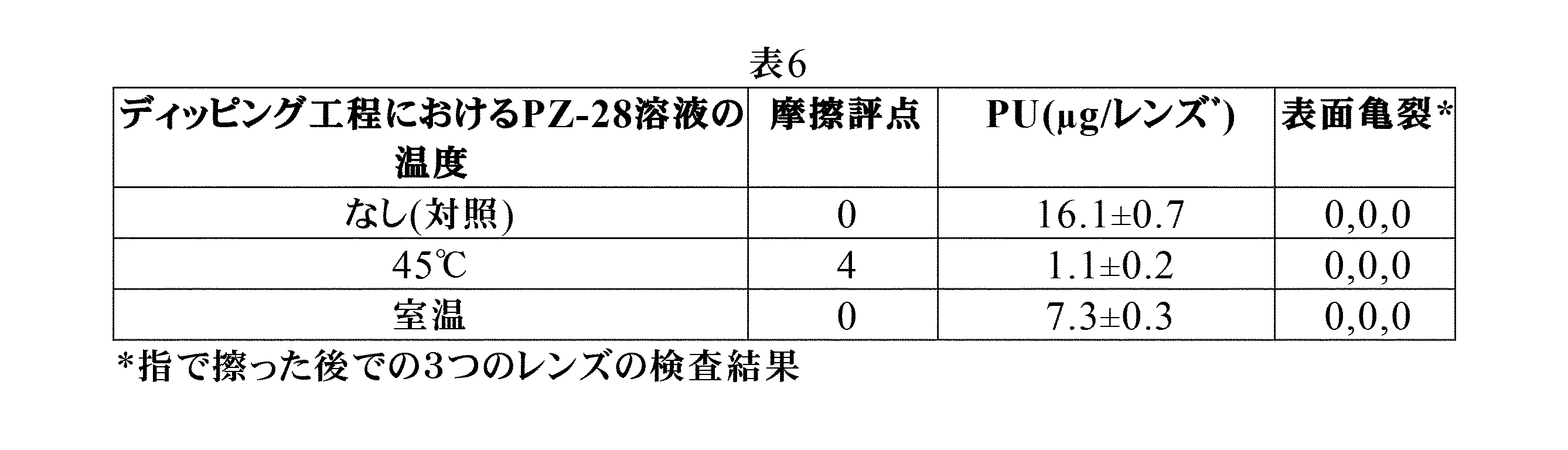
実施例10
PMAA溶液の調製
ポリメタクリル酸(PMAA)コーティング溶液は、一定量のPMAA(Mn:400~700kDa(PolyMaterials, Inc.製))を、所定容量の1-プロパノール/水(25/75体積比)混合物に溶解して約0.06重量%の濃度とすることにより調製し、pHはギ酸(典型的には最終溶液中に約1.8重量%)を用いて約2.0に調整する。
Example 10
Preparation of PMAA Solution Polymethacrylic acid (PMAA) coating solution is prepared by dissolving a certain amount of PMAA (Mn: 400-700 kDa (PolyMaterials, Inc.)) in a given volume of 1-propanol/water (25/75 volume ratio) mixture to a concentration of about 0.06 wt %, and the pH is adjusted to about 2.0 with formic acid (typically about 1.8 wt % in the final solution).
リン酸緩衝生理食塩水(PBS)
PBSは、実施例4に記載の手順に従って調製する。
Phosphate-buffered saline (PBS)
PBS is prepared according to the procedure described in Example 4.
NaClを含まないリン酸緩衝液(PB)(PB、No NaCl)
PBは、実施例4に記載の手順に従って調製する。
Phosphate buffer solution (PB) without NaCl (PB, No NaCl)
PB is prepared according to the procedure described in Example 4.
IPC生理食塩水(IPC-4、IPC-5、IPC-6、及びIPC-7)
IPC-3生理食塩水を、実施例6に記載される手順に従って調製する。
IPC Saline (IPC-4, IPC-5, IPC-6, and IPC-7)
IPC-3 saline is prepared according to the procedure described in Example 6.
それぞれ0.05重量%、0.1重量%、0.5重量%、及び1重量%のPZ-28濃度を有する4つのIPC生理食塩水(IPC-4~IPC-7)を、所望量のPZ-28をIPC-3生理食塩水に添加し、続いてpHを7.5に調整することによって調製する。汚染微生物数の増加を防ぐために最大5ppmの過酸化水素を各IPC生理食塩水に添加してもよく、0.22マイクロメートルの薄膜フィルタを用いて各IPC生理食塩水を濾過する。 Four IPC saline solutions (IPC-4 to IPC-7) with PZ-28 concentrations of 0.05%, 0.1%, 0.5%, and 1% by weight, respectively, are prepared by adding the desired amount of PZ-28 to IPC-3 saline solution, followed by adjusting the pH to 7.5. Up to 5 ppm hydrogen peroxide may be added to each IPC saline solution to prevent microbial contamination, and each IPC saline solution is filtered using a 0.22 micrometer membrane filter.
水勾配SiHyコンタクトレンズ
離型後、キャスト成形されたSiHyコンタクトレンズ(実施例3で調製)を、レンズ抽出のためにイソプロパノール(IPA)で180分間抽出し、上記で調製したPMAA溶液中で約1時間ディップコーティングし、PBSで約60分間すすぎ洗いし、続いて0.6mLの上記で調製されたIPC-3~IPC-7生理食塩水のうちの1つと共にポリプロピレンのレンズパッケージングシェル(ブリスタ)内にパッケージング/密封する(IPC生理食塩水の半分は、レンズを挿入する前に添加する)。密封したレンズパッケージを約121℃で約45分間オートクレーブ処理して、架橋親水性コーティング(すなわち、ヒドロゲルコーティング)をその上に有するSiHyコンタクトレンズを形成する。コーティングの均一性又は無傷性はスダンブラック色素試験によって試験され、コーティングはスダンブラック色素試験を合格した。
Water Gradient SiHy Contact Lenses After demolding, cast molded SiHy contact lenses (prepared in Example 3) are extracted with isopropanol (IPA) for 180 minutes for lens extraction, dip coated in PMAA solution prepared above for about 1 hour, rinsed with PBS for about 60 minutes, and then packaged/sealed in polypropylene lens packaging shells (blisters) with 0.6 mL of one of IPC-3 to IPC-7 saline solutions prepared above (half of the IPC saline solution is added before inserting the lens). The sealed lens packages are autoclaved at about 121° C. for about 45 minutes to form SiHy contact lenses having a crosslinked hydrophilic coating (i.e., hydrogel coating) thereon. The uniformity or intactness of the coating is tested by Sudan Black dye test, and the coating passed the Sudan Black dye test.
得られた水勾配SiHyコンタクトレンズはかなり潤滑性であり(約0の摩擦評点を有する)、WBUTは20秒超であり、静的液滴による水接触角は40である。それらは、IPC-3生理食塩水(0重量% PZ-28)、IPC-4生理食塩水(0.05重量% PZ-28))、IPC-5生理食塩水(0.1重量%のPZ-28))、IPC-6生理食塩水(0.5重量%mpPZ-28))、及びIPC-7生理食塩水(1.0重量%のPZ-28)からそれぞれ調製された水勾配コンタクトレンズについて、それぞれ0.5、0.19、0.19、0、及び0のPUを有すると決定される。 The resulting water gradient SiHy contact lenses are fairly lubricious (having a friction rating of about 0), with a WBUT greater than 20 seconds and a static drop water contact angle of 40. They are determined to have a PU of 0.5, 0.19, 0.19, 0, and 0 for water gradient contact lenses prepared from IPC-3 saline (0 wt% PZ-28), IPC-4 saline (0.05 wt% PZ-28), IPC-5 saline (0.1 wt% PZ-28), IPC-6 saline (0.5 wt% mpPZ-28), and IPC-7 saline (1.0 wt% PZ-28), respectively.
実施例11
PAAコーティング溶液の調製
PAAコーティング溶液は、表7に示される含水率を有する水-IPA混合物中に適量のPAA(Mn:約450KD)を添加して、表7に示される所望のPAA濃度とすることによって調製する。PAAが完全に溶解した後で、約1.85%のギ酸をPAA水溶液に添加することによってpHを約2に調整する。調製されたPAAコーティング溶液を濾過して一切の微粒子又は異物を除去する。
Example 11
Preparation of PAA Coating Solution The PAA coating solution is prepared by adding an appropriate amount of PAA (Mn: about 450 KD) into a water-IPA mixture with the water content shown in Table 7 to achieve the desired PAA concentration as shown in Table 7. After the PAA is completely dissolved, the pH is adjusted to about 2 by adding about 1.85% formic acid to the PAA aqueous solution. The prepared PAA coating solution is filtered to remove any particulates or foreign matter.
リン酸緩衝生理食塩水(PBS)
PBSは、実施例4に記載の手順に従って調製する。
Phosphate-buffered saline (PBS)
PBS is prepared according to the procedure described in Example 4.
NaClを含まないリン酸緩衝液(PB)(PB、No NaCl)
PBは、実施例4に記載の手順に従って調製する。
Phosphate buffer solution (PB) without NaCl (PB, No NaCl)
PB is prepared according to the procedure described in Example 4.
ポリ(MPC-co-AEM)(96/4wt/wt)の調製
コポリマーのポリ(2-メタクリロイルオキシエチルホスホリルコリン-co-2-アミノエチルメタクリレート))(96/4重量/重量)(すなわちポリ(MPC-co-AEM)は、約96重量%のMPCと、約4重量%のAEMと、約0.02重量%のVazo56[2、2’-アゾビス(2-メチルプロピオンアミジン)二塩酸塩]と、約0.1重量%の連鎖移動剤(HS-CH2CH2OH)と、を含む重合性組成物を、水中で、約60℃で約2時間、次いで20℃で約2時間熱重合することにより調製される。得られたポリ(MPC-co-AEM)(固形分含有量が約10%の水溶液)は、約0.22meq/gのアミン官能価、及び約160kDaのMnを有すると決定される。
Preparation of poly(MPC-co-AEM) (96/4 wt/wt) The copolymer poly(2-methacryloyloxyethyl phosphorylcholine-co-2-aminoethyl methacrylate) (96/4 wt/wt) (i.e., poly(MPC-co-AEM)) is prepared by thermally polymerizing a polymerizable composition comprising about 96 wt % MPC, about 4 wt % AEM, about 0.02 wt % Vazo 56 [2,2′-azobis(2-methylpropionamidine) dihydrochloride], and about 0.1 wt % chain transfer agent (HS-CHCHOH) in water at about 60° C. for about 2 hours and then at 20° C. for about 2 hours. The resulting poly(MPC-co-AEM) (aqueous solution with a solids content of about 10%) is determined to have an amine functionality of about 0.22 meq/g and an Mn of about 160 kDa.
得られたコポリマーは、ポリアミドアミン-エピクロロヒドリン(PAE)との反応で水溶性熱架橋性ポリマー材料(すなわち「パッケージ内架橋剤」又は「IPC剤」)を調製するための親水性増強剤として使用される。PAE溶液(Kymene)を水溶液としてAshlandから購入し、そのままで使用する。 The resulting copolymer is used as a hydrophilic enhancer for reaction with polyamidoamine-epichlorohydrin (PAE) to prepare water-soluble thermally crosslinkable polymeric materials (i.e., "in-package crosslinkers" or "IPC agents"). PAE solution (Kymene) is purchased from Ashland as an aqueous solution and used as is.
IPC-8生理食塩水
IPC-8生理食塩水は以下のように調製する。上記で調製した77重量/重量%のポリ(MPC-co-AEM)水溶液、6.1重量/重量%のPAE、及び16.9重量/重量%のリン酸緩衝液(約128mMのリン酸ナトリウム塩及び約4重量%のNaCl)を混合する(ポリ(MPC-co-AEM)及びPAEの濃度は最終生理食塩水の約10倍である)。1NのNaOHによってpHを約7.3に調整する。水浴中の混合物を温度70℃で3時間反応させる。水浴から混合物を取り出し、室温の水浴内で冷却する。混合物を、リン酸緩衝液(約33mMのリン酸ナトリウム塩及び0.77重量%のNaCl)で10倍に希釈し、pHを約7.3に調整する。0.22μmのPES無菌フィルタユニットによって混合物を濾過する。
IPC-8 Saline IPC-8 saline is prepared as follows: Mix the 77 wt/wt% poly(MPC-co-AEM) aqueous solution prepared above, 6.1 wt/wt% PAE, and 16.9 wt/wt% phosphate buffer (about 128 mM sodium phosphate salt and about 4 wt% NaCl) (the concentration of poly(MPC-co-AEM) and PAE is about 10 times that of the final saline). Adjust the pH to about 7.3 with 1N NaOH. React the mixture in the water bath at a temperature of 70° C. for 3 hours. Remove the mixture from the water bath and cool it in the water bath at room temperature. Dilute the
IPC-9生理食塩水
IPC-9生理食塩水は、PZ-28をIPC-8生理食塩水に添加して、PZ-28濃度を0.2重量%とすることによって調製される。汚染微生物数の増加を防ぐために最大5ppmの過酸化水素を各IPC生理食塩水に添加してもよく、0.22マイクロメートルの薄膜フィルタを用いて各IPC生理食塩水を濾過する。
IPC-9 Saline IPC-9 saline is prepared by adding PZ-28 to IPC-8 saline to achieve a PZ-28 concentration of 0.2% by weight. Up to 5 ppm hydrogen peroxide may be added to each IPC saline to prevent bioburden buildup, and each IPC saline is filtered using a 0.22 micrometer membrane filter.
水勾配SiHyコンタクトレンズ
離型後、キャスト成形されたSiHyコンタクトレンズ(実施例3で調製)を、レンズ抽出のためにイソプロパノール(IPA)で180分間抽出し、上記で調製したPAA溶液中で、表7で指定された時間ディップコーティングし、PBで2回、それぞれ約30分間すすぎ洗いし、続いて0.6mLの上記で調製されたIPC-8生理食塩水又はIPC-9生理食塩水のうちのいずれかと共にポリプロピレンのレンズパッケージングシェル(ブリスタ)内にパッケージング/密封する(IPC生理食塩水の半分は、レンズを挿入する前に添加する)。密封したレンズパッケージを約121℃で約45分間オートクレーブ処理して、架橋親水性コーティング(すなわち、ヒドロゲルコーティング)をその上に有するSiHyコンタクトレンズを形成する。コーティングの均一性又は無傷性はスダンブラック色素試験によって試験され、コーティングはスダンブラック色素試験を合格した。
Water Gradient SiHy Contact Lenses After demolding, cast molded SiHy contact lenses (prepared in Example 3) are extracted with isopropanol (IPA) for 180 minutes for lens extraction, dip coated in the above prepared PAA solution for the time specified in Table 7, rinsed twice with PB for about 30 minutes each, and then packaged/sealed in polypropylene lens packaging shells (blisters) with 0.6 mL of either the above prepared IPC-8 saline or IPC-9 saline (half of the IPC saline is added before inserting the lens). The sealed lens packages are autoclaved at about 121° C. for about 45 minutes to form SiHy contact lenses having a crosslinked hydrophilic coating (i.e., hydrogel coating) thereon. The coating uniformity or intactness is tested by Sudan Black dye test, and the coating passed the Sudan Black dye test.
得られた水勾配SiHyコンタクトレンズは潤滑性であり(約0の摩擦評点を有する)、WBUTは20秒超であり、静的液滴による水接触角は約40度である。これらは、表7に示されたPUを有すると決定される。 The resulting water gradient SiHy contact lenses are lubricious (having a friction rating of about 0), have a WBUT greater than 20 seconds, and a static drop water contact angle of about 40 degrees. They are determined to have the PU shown in Table 7.
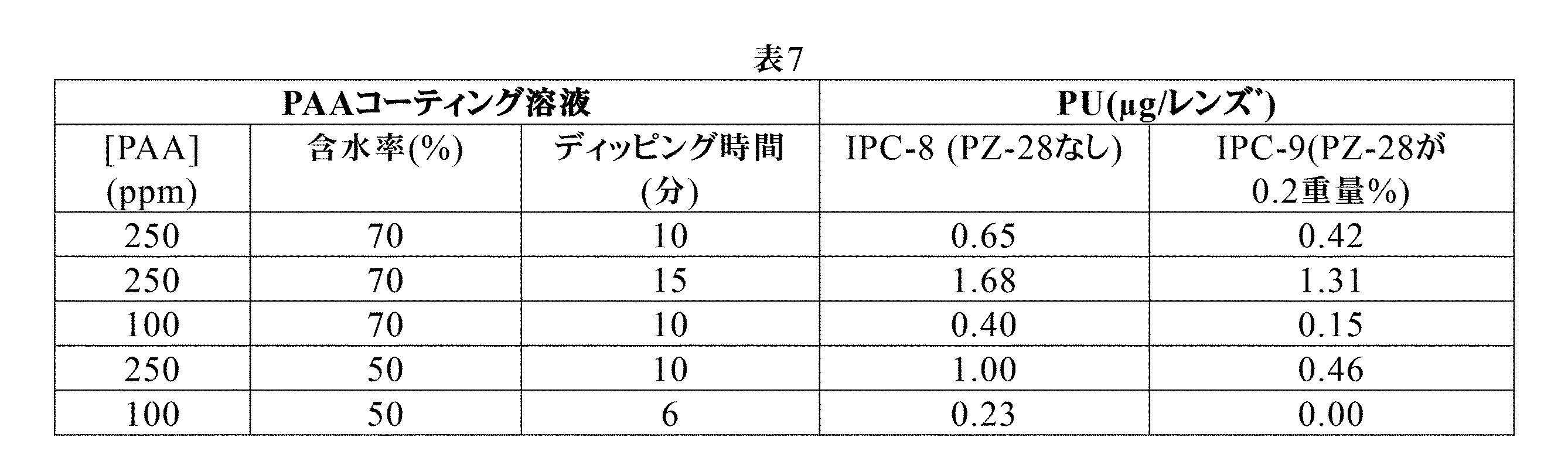
実施例12
PMAAコーティング溶液
ポリメタクリル酸(PMAA)コーティング溶液は、一定量のPMAA(Mn:400~700kDa(PolyMaterials,Inc.製))を、所定容量の1-プロパノール/水(49%/51%重量/重量)混合物に溶解して約0.06重量%の濃度とすることにより調製し、pHはギ酸(典型的には最終溶液中に約1.8重量%)を用いて約2.0に調整する。
Example 12
PMAA Coating Solution Polymethacrylic acid (PMAA) coating solution is prepared by dissolving a certain amount of PMAA (Mn: 400-700 kDa (PolyMaterials, Inc.)) in a given volume of 1-propanol/water (49%/51% w/w) mixture to a concentration of about 0.06 wt%, and the pH is adjusted to about 2.0 with formic acid (typically about 1.8 wt% in the final solution).
リン酸緩衝生理食塩水(PBS)
PBSは、実施例4に記載の手順に従って調製する。
Phosphate-buffered saline (PBS)
PBS is prepared according to the procedure described in Example 4.
NaClを含まないリン酸緩衝液(PB)(PB、No NaCl)
PBは、実施例4に記載の手順に従って調製する。
Phosphate buffer solution (PB) without NaCl (PB, No NaCl)
PB is prepared according to the procedure described in Example 4.
BTP溶液の調製
BTPをDI(又は蒸留)水に溶解して300ppm%の濃度にし、続いてpHを7.5に調整することにより、ビス-トリス-プロパン溶液を調製する。
Preparation of BTP Solution A Bis-Tris-propane solution is prepared by dissolving BTP in DI (or distilled) water to a concentration of 300 ppm% and then adjusting the pH to 7.5.
ポリアジリジン水溶液の調製
PZ-28濃度が0.15%のPZ-28溶液を、単にPZ-28を上記で調製したBTP溶液に添加し、pHを約7.4に調整することによって調製する。
Preparation of Aqueous Polyaziridine Solution A PZ-28 solution with a PZ-28 concentration of 0.15% is prepared by simply adding PZ-28 to the BTP solution prepared above and adjusting the pH to about 7.4.
ポリ(MPC-co-AEM)(96/4重量/重量)の調製
ポリ(2-メタクリロイルオキシエチルホスホリルコリン-co-2-アミノエチルメタクリレート)(96/4重量/重量)(すなわちポリ(MPC-co-AEM)は、実施例11に記載の手順に従って調製する。
Preparation of Poly(MPC-co-AEM) (96/4 wt/wt) Poly(2-methacryloyloxyethyl phosphorylcholine-co-2-aminoethyl methacrylate) (96/4 wt/wt) (i.e., poly(MPC-co-AEM)) is prepared according to the procedure described in Example 11.
IPC-10生理食塩水
IPC-10生理食塩水は以下のように調製する。上記で調製した77重量/重量%のポリ(MPC-co-AEM)水溶液、6.1重量/重量%のPAE、及び16.9重量/重量%のリン酸緩衝液(約128mMのリン酸ナトリウム塩及び約4重量%のNaCl)を混合する(ポリ(MPC-co-AEM)及びPAEの濃度は最終生理食塩水の約10倍である)。1NのNaOHによってpHを約7.3に調整する。水浴中の混合物を温度70℃で3時間反応させる。水浴から混合物を取り出し、室温の水浴内で冷却する。混合物を、リン酸緩衝液(約33mMのリン酸ナトリウム塩及び0.77重量%のNaCl)で5倍に希釈し、pHを約7.3に調整する。0.22μmのPES無菌フィルタユニットによって混合物を濾過する。
IPC-10 Saline IPC-10 saline is prepared as follows: Mix the 77 wt/wt% poly(MPC-co-AEM) aqueous solution prepared above, 6.1 wt/wt% PAE, and 16.9 wt/wt% phosphate buffer (about 128 mM sodium phosphate salt and about 4 wt% NaCl) (the concentrations of poly(MPC-co-AEM) and PAE are about 10 times that of the final saline). Adjust the pH to about 7.3 with 1N NaOH. React the mixture in the water bath at a temperature of 70° C. for 3 hours. Remove the mixture from the water bath and cool it in the water bath at room temperature. Dilute the
水勾配SiHyコンタクトレンズ
離型後、キャスト成形されたSiHyコンタクトレンズ(実施例3で調製)を、レンズ抽出のためにイソプロパノール(IPA)で180分間抽出し、上記で調製したPMAA溶液中で約1時間ディップコーティングし、PBで2回、それぞれ約30分間すすぎ洗いし、続いてPZ-28溶液と上記で調製されたIPC-10生理食塩水との混合物0.6mL(レンズを挿入する前に0.3mLのPZ-28溶液を添加し、続いて0.3mLのIPC-10を添加して混合する)と共にポリプロピレンのレンズパッケージングシェル(ブリスタ)内にパッケージング/密封する。密封したレンズパッケージを約121℃で約45分間オートクレーブ処理して、架橋親水性コーティング(すなわち、ヒドロゲルコーティング)をその上に有するSiHyコンタクトレンズを形成する。コーティングの均一性又は無傷性はスダンブラック色素試験によって試験され、コーティングはスダンブラック色素試験を合格した。
Water Gradient SiHy Contact Lenses After demolding, cast molded SiHy contact lenses (prepared in Example 3) are extracted with isopropanol (IPA) for 180 minutes for lens extraction, dip coated in PMAA solution prepared above for about 1 hour, rinsed twice with PB for about 30 minutes each, and then packaged/sealed in polypropylene lens packaging shells (blisters) with 0.6 mL of a mixture of PZ-28 solution and IPC-10 saline prepared above (0.3 mL of PZ-28 solution is added before inserting the lens, followed by 0.3 mL of IPC-10 and mixing). The sealed lens package is autoclaved at about 121° C. for about 45 minutes to form a SiHy contact lens having a crosslinked hydrophilic coating (i.e., hydrogel coating) thereon. The coating uniformity or intactness is tested by Sudan Black dye test, and the coating passed the Sudan Black dye test.
得られた水勾配SiHyコンタクトレンズは、パッケージから取り出してすぐの状態、又はシミュレートされた研磨サイクリング処理後(すなわち30サイクルの指擦り処理に相当する)のいずれかで潤滑性であり(約0の摩擦評点を有する)、シミュレートされた研磨サイクリング処理後(すなわち30サイクルの指擦り処理に相当する)のWBUTは約17秒であり、ポリクオタニウム-1の取り込みは検出されない。表面亀裂は観察されない。 The resulting water gradient SiHy contact lenses are lubricious (having a friction rating of about 0) either straight out of the package or after simulated abrasion cycling (i.e., equivalent to 30 cycles of finger rubbing), have a WBUT of about 17 seconds after simulated abrasion cycling (i.e., equivalent to 30 cycles of finger rubbing), and no detectable incorporation of polyquaternium-1. No surface cracks are observed.
実施例13
PAAコーティング溶液
PAAコーティング溶液は、一定量のPAA(Mn:約450kDa(Polysciences,Inc.製))を、所定容量の1-プロパノール/水(10%/90%重量/重量)混合物に溶解して約250ppmの濃度とすることにより調製し、pHはギ酸(典型的には最終溶液中に約1.87重量%)を用いて約2.0に調整する。
Example 13
PAA Coating Solution The PAA coating solution is prepared by dissolving a certain amount of PAA (Mn: about 450 kDa (Polysciences, Inc.)) in a given volume of 1-propanol/water (10%/90% w/w) mixture to a concentration of about 250 ppm, and the pH is adjusted to about 2.0 using formic acid (typically about 1.87 wt % in the final solution).
NaClを含まないリン酸緩衝液(PB)(PB、No NaCl)
PBは、実施例4に記載の手順に従って調製する。
Phosphate buffer solution (PB) without NaCl (PB, No NaCl)
PB is prepared according to the procedure described in Example 4.
BTP+PG希釈緩衝液
1.95グラムのBTP、15.25グラムのプロピレングリコール(PG)、及び300グラムのDI水を均一になるまで混合する。約1.75グラムの5NのHClを添加し、約30分間混合させる。5NのHClを使用して、pHを7.4±0.1に調整する。
BTP+PG Dilution Buffer Mix 1.95 grams BTP, 15.25 grams propylene glycol (PG), and 300 grams DI water until uniform. Add approximately 1.75 grams 5N HCl and allow to mix for approximately 30 minutes. Adjust the pH to 7.4±0.1 using 5N HCl.
BTP溶液の調製
ビス-トリス-プロパン溶液は、100グラムのDI(又は蒸留)水に0.14グラムのBTPを溶解させることによって調製する。pHの調整は必要ない。
Preparation of BTP Solution: A Bis-Tris-propane solution is prepared by dissolving 0.14 grams of BTP in 100 grams of DI (or distilled) water. No pH adjustment is necessary.
ポリアジリジン水溶液の調製
PZ-28濃度が0.2重量%又は0.3重量%のPZ-28溶液を、単にPZ-28をDI水に添加することによって調製し、pHは調整しない。
Preparation of Aqueous Polyaziridine Solutions PZ-28 solutions with a PZ-28 concentration of 0.2 wt % or 0.3 wt % were prepared by simply adding PZ-28 to DI water, with no pH adjustment.
ポリ(MPC-co-AEM)(96/4重量/重量)の調製
ポリ(2-メタクリロイルオキシエチルホスホリルコリン-co-2-アミノエチルメタクリレート)(96/4重量/重量)(すなわちポリ(MPC-co-AEM)は、実施例11に記載の手順に従って調製する。
Preparation of Poly(MPC-co-AEM) (96/4 wt/wt) Poly(2-methacryloyloxyethyl phosphorylcholine-co-2-aminoethyl methacrylate) (96/4 wt/wt) (i.e., poly(MPC-co-AEM)) is prepared according to the procedure described in Example 11.
IPC-11生理食塩水
IPC-11生理食塩水は以下のように調製する。74.3重量/重量%の上記で調製したポリ(MPC-co-AEM)水溶液、6.0重量/重量%のPAE、及び19.7重量/重量%のBTP溶液を混合する。1NのNaOHによってpHを8±0.1に調整する。水浴中の混合物を温度70℃で4時間反応させる。水浴から混合物を取り出し、室温の水浴内で冷却する。混合物を、1~4重量比(1部の反応混合物及び4部のBTP+PG希釈緩衝液)のBTP+PG希釈緩衝液で希釈し、pHを7.4±0.1に調整する。混合物を5μmのフィルタカプセル(Satorius品番号#:5051342P5-00-B)によって滅菌ボトル内に濾過し、冷蔵庫で保管する。
IPC-11 Saline IPC-11 saline is prepared as follows: Mix 74.3 wt/wt% of the above prepared poly(MPC-co-AEM) aqueous solution, 6.0 wt/wt% of PAE, and 19.7 wt/wt% of BTP solution. Adjust pH to 8±0.1 with 1N NaOH. React the mixture in water bath at a temperature of 70° C. for 4 hours. Remove the mixture from the water bath and cool in a water bath at room temperature. Dilute the mixture with BTP+PG dilution buffer in a 1-4 weight ratio (1 part reaction mixture and 4 parts BTP+PG dilution buffer) and adjust pH to 7.4±0.1. Filter the mixture through a 5 μm filter capsule (Satorius part number #: 5051342P5-00-B) into a sterile bottle and store in a refrigerator.
水勾配SiHyコンタクトレンズ
離型後、キャスト成形されたSiHyコンタクトレンズ(実施例3で調製)を、レンズ抽出のためにIPAで2回抽出し(1回目は30分間、2回目は150分間)、50/50体積比のIPA/水混合物中に約30分間ディップし、上記で調製されたPAAコーティング溶液中に約20分間ディップコーティングし、PBで2回、それぞれ約30分間すすぎ洗いし、続いてPZ-28溶液と上記で調製されたIPC-11生理食塩水との混合物0.6mLと共にポリプロピレンのレンズパッケージングシェル(ブリスタ)内にパッケージング/密封する(レンズを挿入する前に0.3mLのIPC-11を添加し、続いて0.3mLのPZ-28溶液を添加し、密封後に混合する)。密封されたレンズパッケージは、表8で指定された時間、120℃未満の温度でステージング(staged)(すなわちオーブン内に静置される)。ステージング後、密封したレンズパッケージを約121℃で約45分間オートクレーブ処理して、架橋親水性コーティング(すなわち、ヒドロゲルコーティング)をその上に有するSiHyコンタクトレンズを形成する。コーティングの均一性又は無傷性はスダンブラック色素試験によって試験され、コーティングはスダンブラック色素試験を合格した。
Water Gradient SiHy Contact Lenses After demolding, cast molded SiHy contact lenses (prepared in Example 3) are extracted with IPA twice for lens extraction (first for 30 minutes and second for 150 minutes), dipped in a 50/50 volume ratio IPA/water mixture for about 30 minutes, dip coated in the PAA coating solution prepared above for about 20 minutes, rinsed twice with PB for about 30 minutes each, and then packaged/sealed in polypropylene lens packaging shells (blisters) with 0.6 mL of a mixture of PZ-28 solution and IPC-11 saline prepared above (0.3 mL IPC-11 is added before inserting the lens, followed by 0.3 mL PZ-28 solution and mixed after sealing). The sealed lens packages are staged (i.e., left in an oven) at a temperature below 120° C. for the times specified in Table 8. After staging, the sealed lens package is autoclaved at about 121° C. for about 45 minutes to form a SiHy contact lens having a crosslinked hydrophilic coating (i.e., hydrogel coating) thereon. The uniformity or intactness of the coating is tested by Sudan Black dye test, and the coating passes the Sudan Black dye test.
表8は、得られた水勾配SiHyコンタクトレンズのいくつかの特性を報告している。 Table 8 reports some properties of the resulting water gradient SiHy contact lenses.

実施例14
PMAAコーティング溶液
PMAAコーティング溶液は、一定量のPMAA(Mn:約644kDa(PolyMaterials,Inc.製))を水/イソプロパノール(IPA)混合物(48.1重量%のIPA/50重量%の水)に溶解して濃度を約600ppmにすることによって調製し、pHはギ酸(典型的には最終溶液中に約1.87重量%)を用いて約2.0に調整する。
Example 14
PMAA Coating Solution The PMAA coating solution is prepared by dissolving a certain amount of PMAA (Mn: approx. 644 kDa (PolyMaterials, Inc.)) in a water/isopropanol (IPA) mixture (48.1 wt % IPA/50 wt % water) to a concentration of approx. 600 ppm, and the pH is adjusted to approx. 2.0 with formic acid (typically approx. 1.87 wt % in the final solution).
リン酸緩衝生理食塩水(PBS)
PBSは、実施例4に記載の手順に従って調製する。
Phosphate-buffered saline (PBS)
PBS is prepared according to the procedure described in Example 4.
NaClを含まないリン酸緩衝液(PB)(PB、No NaCl)
PBは、実施例4に記載の手順に従って調製する。
Phosphate buffer solution (PB) without NaCl (PB, No NaCl)
PB is prepared according to the procedure described in Example 4.
ポリ(MPC-co-AEM)(96/4重量/重量)の調製
ポリ(2-メタクリロイルオキシエチルホスホリルコリン-co-2-アミノエチルメタクリレート)(96/4重量/重量)(すなわちポリ(MPC-co-AEM)は、実施例11に記載の手順に従って調製する。
Preparation of Poly(MPC-co-AEM) (96/4 wt/wt) Poly(2-methacryloyloxyethyl phosphorylcholine-co-2-aminoethyl methacrylate) (96/4 wt/wt) (i.e., poly(MPC-co-AEM)) is prepared according to the procedure described in Example 11.
IPC-12生理食塩水
IPC-12生理食塩水の反応混合物を、IPC-8に関して実施例11に記載されたものと同じように調製する。混合物を、リン酸緩衝液(約33mMのリン酸ナトリウム塩及び0.77重量%のNaCl)で5倍に希釈し(すなわち、1重量部の反応混合物及び4重量部のリン酸緩衝液)、0.15重量%のクエン酸ナトリウム二水和物を添加する。最後に、pHを約7.3に調整する。0.22μmのPES無菌フィルタユニットによって混合物を濾過する。
IPC-12 Saline The reaction mixture for IPC-12 saline is prepared in the same manner as described in Example 11 for IPC-8. The mixture is diluted 5-fold with phosphate buffer (about 33 mM sodium phosphate salt and 0.77 wt. % NaCl) (i.e., 1 part reaction mixture and 4 parts phosphate buffer) and 0.15 wt. % sodium citrate dihydrate is added. Finally, the pH is adjusted to about 7.3. The mixture is filtered through a 0.22 μm PES sterile filter unit.
IPC-13生理食塩水
PBSをPBに置き換えることを除いてIPC-12に記載されるものと同じ反応混合物を調製し、反応時間は5時間とする。同量のクエン酸ナトリウム二水和物、pH調整、及び無菌濾過。
IPC-13 Saline Prepare the same reaction mixture as described in IPC-12 except replace PBS with PB and reaction time is 5 hours, same amount of sodium citrate dihydrate, pH adjustment, and sterile filter.
IPC-14生理食塩水
MPC含有コポリマーを実施例11で調製されたポリ(MPC-co-AEM)に置き換えることを除いて、IPC-3で説明されたものと同じ反応混合物。希釈、クエン酸ナトリウム二水和物の添加、pH調整、及び無菌濾過は、IPC-12で示されるものと同じである。
IPC-14 Saline The same reaction mixture as described in IPC-3, except that the MPC-containing copolymer is replaced with poly(MPC-co-AEM) prepared in Example 11. Dilution, addition of sodium citrate dihydrate, pH adjustment, and sterile filtration are the same as those shown in IPC-12.
IPC-15生理食塩水
反応のためのPBSをPBで置き換えることを除いてIPC-14で説明されたものと同じ反応混合物。希釈、クエン酸ナトリウム二水和物の添加、pH調整、及び無菌濾過は、IPC-14で示されるものと同じである。
IPC-15 Saline The same reaction mixture as described in IPC-14 except for replacing PBS with PB for the reaction. Dilution, addition of sodium citrate dihydrate, pH adjustment, and sterile filtration are the same as those shown in IPC-14.
ポリアジリジン水溶液の調製
PZ-28濃度が0.3重量%又は0.4重量%のPZ-28溶液を、単にPZ-28をDI水に添加することによって調製し、pHは調整しない。
Preparation of Aqueous Polyaziridine Solutions PZ-28 solutions with a PZ-28 concentration of 0.3 wt % or 0.4 wt % were prepared by simply adding PZ-28 to DI water, with no pH adjustment.
水勾配SiHyコンタクトレンズ
離型後、キャスト成形されたSiHyコンタクトレンズ(実施例3で調製)を、レンズ抽出のためにIPAで2回抽出し(1回目は35分間、2回目は145分間)、上記で調製したPMAAコーティング溶液中で約50分間ディップコーティングし、PBで2回、それぞれ約25分間すすぎ洗いし、続いてPZ-28溶液と上記で調製された様々なIPC生理食塩水との混合物0.6mLと共にポリプロピレンのレンズパッケージングシェル(ブリスタ)内にパッケージング/密封する(例えば、レンズを挿入する前にIPC-12~IPC-15のうちの1つを0.3mL添加し、続いて0.3mLのPZ-28溶液(又はPZを含まない水)を添加し、密封後に混合する)。密閉されたレンズパッケージを、室温で約4時間ステージングする(即ち、オーブン内に静置する)。ステージング後、密封したレンズパッケージを約121℃で約45分間オートクレーブ処理して、架橋親水性コーティング(すなわち、ヒドロゲルコーティング)をその上に有するSiHyコンタクトレンズを形成する。
Water Gradient SiHy Contact Lenses After demolding, cast molded SiHy contact lenses (prepared in Example 3) are extracted twice with IPA for lens extraction (first for 35 minutes and second for 145 minutes), dip coated in PMAA coating solution prepared above for about 50 minutes, rinsed twice with PB for about 25 minutes each, and then packaged/sealed in polypropylene lens packaging shells (blisters) with 0.6 mL of a mixture of PZ-28 solution and various IPC saline solutions prepared above (e.g., add 0.3 mL of one of IPC-12 to IPC-15 before inserting the lens, followed by 0.3 mL of PZ-28 solution (or water without PZ) and mix after sealing). The sealed lens packages are staged (i.e., placed in an oven) at room temperature for about 4 hours. After staging, the sealed lens package is autoclaved at about 121° C. for about 45 minutes to form a SiHy contact lens having a crosslinked hydrophilic coating (ie, a hydrogel coating) thereon.
表9は、得られた水勾配SiHyコンタクトレンズのいくつかの特性を報告している。 Table 9 reports some properties of the resulting water gradient SiHy contact lenses.
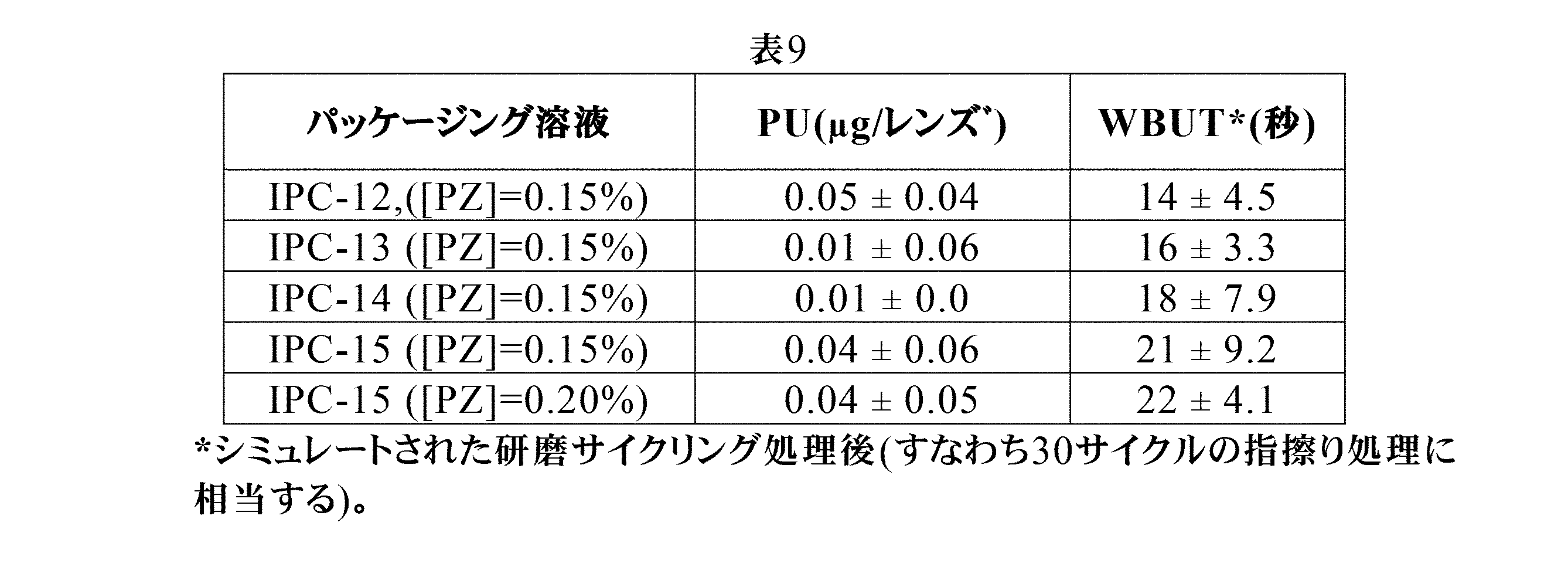
実施例15
PAAコーティング溶液の調製
PAAコーティング溶液は、適量のPAAを水-IPA混合物(例えば、50/50又は90/10重量/重量)中に添加することによって調製する。PAAが完全に溶解した後で、約1.8%のギ酸をPAA水溶液に添加することによってpHを約2に調整する。PAAの目標濃度は約0.025重量%である。調製されたPAAコーティング溶液を濾過して一切の微粒子又は異物を除去する。
Example 15
Preparation of PAA Coating Solution The PAA coating solution is prepared by adding an appropriate amount of PAA into a water-IPA mixture (e.g., 50/50 or 90/10 wt/wt). After the PAA is completely dissolved, the pH is adjusted to about 2 by adding about 1.8% formic acid to the PAA aqueous solution. The target concentration of PAA is about 0.025 wt%. The prepared PAA coating solution is filtered to remove any particulates or foreign matter.
リン酸緩衝生理食塩水(PBS)
NaH2PO4・H2O、Na2HPO42H2Oを所定量の精製水(蒸留又は脱イオン)に溶解して、約0.22重量/重量%のNaH2PO4・H2O、約1.95重量/重量%のNa2HPO42H2O、及び約3.97重量/重量%のNaClの組成とすることによってリン酸緩衝生理食塩水を調製する。
Phosphate-buffered saline (PBS)
Phosphate buffered saline is prepared by dissolving NaH2PO4.H2O and Na2HPO4 2H2O in a predetermined amount of purified water (distilled or deionized ) to give a composition of about 0.22 wt/wt% NaH2PO4.H2O , about 1.95 wt /wt% Na2HPO4 2H2O , and about 3.97 wt /wt% NaCl.
IPC生理食塩水
実施例11で調製したIPC-8及びIPC-9生理食塩水をこの実施例で使用する。
IPC Saline IPC-8 and IPC-9 saline solutions prepared in Example 11 are used in this example.
IPC-16生理食塩水は以下のように調製する。実施例11で調製した77.0重量/重量%のポリ(MPC-co-AEM)水溶液、6.7重量/重量%のPAE、及び16.3重量/重量%のリン酸緩衝液(約128mMのリン酸ナトリウム塩及び約4重量%のNaCl)を混合する(ポリ(MPC-co-AEM)及びPAEの濃度は最終生理食塩水の約10倍である)。1NのNaOHによってpHを約7.3に調整する。水浴中の混合物を温度約70℃で3時間反応させる。水浴から混合物を取り出し、室温の水浴内で冷却する。混合物を、リン酸緩衝液(約33mMのリン酸ナトリウム塩及び0.77重量%のNaCl)で10倍に希釈し(すなわち、1重量部の反応混合物及び9重量部のリン酸緩衝液)、pHを約7.3に調整する。0.22μmのPES無菌フィルタユニットによって混合物を濾過する。 The IPC-16 saline solution is prepared as follows: 77.0 wt/wt% poly(MPC-co-AEM) aqueous solution prepared in Example 11, 6.7 wt/wt% PAE, and 16.3 wt/wt% phosphate buffer (about 128 mM sodium phosphate salt and about 4 wt% NaCl) are mixed (the concentration of poly(MPC-co-AEM) and PAE is about 10 times that of the final saline solution). The pH is adjusted to about 7.3 with 1N NaOH. The mixture in the water bath is reacted at a temperature of about 70° C. for 3 hours. The mixture is removed from the water bath and cooled in the water bath at room temperature. The mixture is diluted 10 times (i.e., 1 part reaction mixture and 9 parts phosphate buffer) with phosphate buffer (about 33 mM sodium phosphate salt and 0.77 wt% NaCl) and the pH is adjusted to about 7.3. The mixture is filtered through a 0.22 μm PES sterile filter unit.
IPC-17生理食塩水は、上記で調製したIPC-16に0.2重量%のPZ-28を添加することによって調製する。 IPC-17 saline is prepared by adding 0.2 wt% PZ-28 to the IPC-16 prepared above.
IPC-18生理食塩水は、実施例13で調製したIPC-11に0.2重量%のPZ-28を添加することによって調製する。 IPC-18 saline is prepared by adding 0.2 wt% PZ-28 to IPC-11 prepared in Example 13.
PAAコーティングSiHyコンタクトレンズのPZによるPUの減少
離型後、乾燥SiHyコンタクトレンズ(実施例3で調製)を、レンズ抽出のためにイソプロパノール(IPA)で180分間抽出し、上記で調製したPAA溶液に約5及び10分間ディップコーティングし、PBで2回、それぞれ約30分間すすぎ洗いする。続いて、レンズを、上記で調製したIPC生理食塩水のうちの1つ(0.2重量%のPZ-28を含むもの、又はPZ-28を含まないもののいずれか)と共にパッケージングする。ポリクオタニウム-1取り込み率及び表面亀裂の結果を以下の表にまとめる。
Reduction of PU by PZ in PAA-Coated SiHy Contact Lenses After demolding, dry SiHy contact lenses (prepared in Example 3) are extracted with isopropanol (IPA) for 180 minutes for lens extraction, dip coated in the above prepared PAA solution for about 5 and 10 minutes, and rinsed twice with PB for about 30 minutes each. The lenses are then packaged with one of the above prepared IPC saline solutions (either with 0.2 wt% PZ-28 or without PZ-28). The results of polyquaternium-1 uptake and surface cracking are summarized in the table below.

実施例16
IPC-19生理食塩水
以下の成分を、以下の濃度で室温の容器中で混合する。7.5重量%の実施例11で調製したポリ(MPC-co-AEM)(96/4重量/重量)、1.58重量%のPAE、及び0.03重量%のBTP、並びに残部のDI水。5NのHClを使用して、最終pHを8±0.1に調整する。混合物を70℃の浴中に4時間置く。予備反応後、これらを室温に冷却し、続いて0.61重量%のBTP、4.8重量%のプロピレングリコール、及び残部のDI水からなる希釈緩衝液を使用して5倍に希釈する(pHを7.4に調整)。この生理食塩水を、Sartorius製の5μmのカプセルフィルタを使用して濾過し、続いて、パッケージングレンズで更に使用するまで、直ちに冷蔵庫に保存する。この調製生理食塩水は、残留電荷のためのCary60技術を用いて測定して、3050±200uEq/Lの電荷密度を有する。
Example 16
IPC-19 Saline The following ingredients are mixed in a container at room temperature in the following concentrations: 7.5 wt% poly(MPC-co-AEM) prepared in Example 11 (96/4 wt/wt), 1.58 wt% PAE, and 0.03 wt% BTP, with the balance being DI water. The final pH is adjusted to 8±0.1 using 5N HCl. The mixture is placed in a 70°C bath for 4 hours. After pre-reaction, they are cooled to room temperature and then diluted 5 times (pH adjusted to 7.4) using a dilution buffer consisting of 0.61 wt% BTP, 4.8 wt% propylene glycol, and the balance being DI water. The saline is filtered using a 5 μm capsule filter from Sartorius and then immediately stored in a refrigerator until further use in packaging lenses. This prepared saline has a charge density of 3050±200 uEq/L as measured using the Cary 60 technique for residual charge.
実施例17
PMAAコーティング溶液
実施例14で調製したPMAAコーティング溶液をこの実施例で使用する。
Example 17
PMAA Coating Solution The PMAA coating solution prepared in Example 14 is used in this example.
BTP+PG希釈緩衝液
0.846グラムのBTP、6.6グラムのプロピレングリコール(PG)、及び300グラムのDi水を均一になるまで混合する。約1.75グラムの5NのHClを添加し、約30分間混合させる。5NのHClを使用して、pHを7.4±0.1に調整する。
BTP+PG Dilution Buffer Mix 0.846 grams BTP, 6.6 grams Propylene Glycol (PG), and 300 grams Di water until uniform. Add approximately 1.75 grams 5N HCl and allow to mix for approximately 30 minutes. Adjust pH to 7.4±0.1 using 5N HCl.
BTP+グリセロール希釈緩衝液
0.846グラムのBTP、7.8グラムのグリセロール、及び300グラムのDi水を均一になるまで混合する。約1.75グラムの5NのHClを添加し、約30分間混合させる。5NのHClを使用して、pHを7.4±0.1に調整する。
BTP + Glycerol Dilution Buffer Mix 0.846 grams of BTP, 7.8 grams of glycerol, and 300 grams of Di water until uniform. Add approximately 1.75 grams of 5N HCl and allow to mix for approximately 30 minutes. Adjust the pH to 7.4±0.1 using 5N HCl.
BTP+NaCl希釈緩衝液
0.846グラムのBTP、2.55グラムの塩化ナトリウム(NaCl)、及び300グラムのDi水を均一になるまで混合する。約1.75グラムの5NのHClを添加し、約30分間混合させる。5NのHClを使用して、pHを7.4±0.1に調整する。
BTP + NaCl Dilution Buffer Mix 0.846 grams of BTP, 2.55 grams of sodium chloride (NaCl), and 300 grams of Di water until uniform. Add approximately 1.75 grams of 5N HCl and allow to mix for approximately 30 minutes. Adjust the pH to 7.4±0.1 using 5N HCl.
BTP溶液の調製
実施例13で調製したビス-トリス-プロパン溶液をこの実施例で使用する。
Preparation of BTP Solution The Bis-Tris-propane solution prepared in Example 13 is used in this example.
ポリアジリジン水溶液の調製
PZ-28濃度が0.24重量%のPZ溶液Iは、単にPZ-28をBTP+PG希釈緩衝液に添加することによって調製する。
Preparation of Aqueous Polyaziridine Solutions PZ solution I with a PZ-28 concentration of 0.24 wt % is prepared by simply adding PZ-28 to the BTP+PG dilution buffer solution.
PZ-28濃度が0.24重量%のPZ溶液IIは、単にPZ-28をBTP+グリセロール希釈緩衝液に添加することによって調製する。 PZ solution II, with a PZ-28 concentration of 0.24 wt%, is prepared by simply adding PZ-28 to the BTP + glycerol dilution buffer.
PZ-28濃度が0.24重量%のPZ溶液IIIは、単にPZ-28をBTP+NaCl希釈緩衝液に添加することによって調製する。 PZ solution III, with a PZ-28 concentration of 0.24 wt%, is prepared by simply adding PZ-28 to the BTP+NaCl dilution buffer.
IPC生理食塩水
実施例11で調製したIPC-8をこの実施例で使用する。
IPC Saline IPC-8 as prepared in Example 11 is used in this example.
IPC-20生理食塩水は、実施例13で調製されたIPC-11をDI水と1:1の比で混合することによって調製する。 IPC-20 saline is prepared by mixing IPC-11 prepared in Example 13 with DI water in a 1:1 ratio.
IPC-21生理食塩水は、実施例13で調製したIPC-11(予備反応後にIPC-11のための反応混合物を希釈するためにBTP+グリセロールも使用する)を、BTP+グリセロール希釈緩衝液と1:1の比で混合することによって調製する。 IPC-21 saline is prepared by mixing IPC-11 prepared in Example 13 (BTP+glycerol is also used to dilute the reaction mixture for IPC-11 after pre-reaction) with BTP+glycerol dilution buffer in a 1:1 ratio.
IPC-22生理食塩水は、実施例13で調製したIPC-11(予備反応後のIPC-11のための反応混合物を希釈するためにこの実施例で先に調製したBTP+PG希釈緩衝液も使用する)を、上記で調製したPZ溶液Iと1:1の比で混合することによって調製する。 IPC-22 saline is prepared by mixing IPC-11 prepared in Example 13 (also using the BTP+PG dilution buffer prepared earlier in this example to dilute the reaction mixture for IPC-11 after pre-reaction) with the PZ solution I prepared above in a 1:1 ratio.
IPC-23生理食塩水は、実施例13で調製したIPC-11(予備反応後にIPC-11のための反応混合物を希釈するためにBTP+グリセロールも使用する)を、上記で調製したPZ溶液IIと1:1の比で混合することによって調製する。 IPC-23 saline is prepared by mixing IPC-11 prepared in Example 13 (also using BTP + glycerol to dilute the reaction mixture for IPC-11 after pre-reaction) with PZ solution II prepared above in a 1:1 ratio.
IPC-24生理食塩水は、実施例13で調製したIPC-11(予備反応後にIPC-11のための反応混合物を希釈するためにBTP+NaClも使用する)を、上記で調製したPZ溶液IIIと1:1の比で混合することによって調製する。 IPC-24 saline is prepared by mixing IPC-11 prepared in Example 13 (also using BTP+NaCl to dilute the reaction mixture for IPC-11 after pre-reaction) with PZ solution III prepared above in a 1:1 ratio.
水勾配SiHyコンタクトレンズ
離型後、キャスト成形されたSiHyコンタクトレンズ(実施例3で調製)を、レンズ抽出のためにIPAで2回抽出し(1回目は30分間、2回目は150分間)、50/50体積比のIPA/水混合物中に約30分間ディップし、上記で調製されたPMAAコーティング溶液中に約20分間ディップコーティングし、PBで2回、それぞれ約30分間すすぎ洗いし、続いてPZ溶液と上記で調製されたIPC生理食塩水との混合物0.6mLと共にポリプロピレンのレンズパッケージングシェル(ブリスタ)内にパッケージング/密封する(レンズを挿入する前に0.3mLのIPC生理食塩水を添加し、続いて0.3mLのPZ溶液を添加し、密封後に混合する)。密封されたレンズパッケージを、それぞれ1回のオートクレーブサイクル(45分)、5回のオートクレーブサイクル(225分)、10回のオートクレーブサイクル(450分)、及び15回のオートクレーブサイクル(675分)の間、121℃でオートクレーブ処理する。複数のオートクレーブサイクルは、加速貯蔵寿命試験での熱安定性(又はSiHyレンズの貯蔵寿命)を決定することが意図されている。得られたレンズのレンズ寸法を測定し、表11に報告する。
Water Gradient SiHy Contact Lenses After demolding, cast molded SiHy contact lenses (prepared in Example 3) are extracted with IPA twice for lens extraction (first time for 30 minutes and second time for 150 minutes), dipped in a 50/50 volume ratio IPA/water mixture for about 30 minutes, dip coated in the above prepared PMAA coating solution for about 20 minutes, rinsed twice with PB for about 30 minutes each, and then packaged/sealed in polypropylene lens packaging shells (blisters) with 0.6 mL of a mixture of PZ solution and IPC saline prepared above (0.3 mL IPC saline is added before lens insertion, followed by 0.3 mL PZ solution and mixed after sealing). The sealed lens packages are autoclaved at 121° C. for 1 autoclave cycle (45 min), 5 autoclave cycles (225 min), 10 autoclave cycles (450 min), and 15 autoclave cycles (675 min), respectively. The multiple autoclave cycles are intended to determine the thermal stability (or shelf life of SiHy lenses) in an accelerated shelf life test. The lens dimensions of the resulting lenses are measured and reported in Table 11.
表11は、パッケージング溶液がリン酸塩系である場合、オートクレーブサイクルの回数が増加するにつれて、直径及びBCE(ベース曲率当量(base curvature equivalent))が増加し、パッケージング溶液がBTP系である場合、オートクレーブサイクルの回数が増加するにつれて、直径又はBCEはわずかに又は最小の変化で減少することを示す。これは、BTP緩衝液が、シリコーンヒドロゲルコンタクトレンズの貯蔵寿命にわたる寸法/メトロ(metro)を安定させ得ることを示す。 Table 11 shows that when the packaging solution is phosphate-based, the diameter and BCE (base curvature equivalent) increase as the number of autoclave cycles increases, and when the packaging solution is BTP-based, the diameter or BCE decreases with little or minimal change as the number of autoclave cycles increases. This indicates that BTP buffer can stabilize the dimensions/metro over the shelf life of silicone hydrogel contact lenses.

実施例18
PMAAコーティング溶液
PMAAコーティング溶液は、一定量のPMAA(Mn:約644kDa(PolyMaterials,Inc.製))を水/イソプロパノール(IPA)混合物(48.1重量%のIPA/50重量%の水)に溶解して濃度を約600ppmにすることによって調製し、pHはギ酸(典型的には最終溶液中に約1.87重量%)を用いて約2.0に調整する。
Example 18
PMAA Coating Solution The PMAA coating solution is prepared by dissolving a certain amount of PMAA (Mn: approx. 644 kDa (PolyMaterials, Inc.)) in a water/isopropanol (IPA) mixture (48.1 wt % IPA/50 wt % water) to a concentration of approx. 600 ppm, and the pH is adjusted to approx. 2.0 with formic acid (typically approx. 1.87 wt % in the final solution).
別のPMAAコーティング溶液は、一定量のPMAA(Mn:約644kDa(PolyMaterials,Inc.製))を水/n-プロパノール(PrOH)混合物(48.1重量%のPrOH/50重量%の水)に溶解して濃度を約600ppmにすることによって調製し、pHはギ酸(典型的には最終溶液中に約1.87重量%)を用いて約2.0に調整する。 Another PMAA coating solution is prepared by dissolving a quantity of PMAA (Mn: approx. 644 kDa (PolyMaterials, Inc.)) in a water/n-propanol (PrOH) mixture (48.1 wt. % PrOH/50 wt. % water) to a concentration of approx. 600 ppm, and the pH is adjusted to approx. 2.0 with formic acid (typically approx. 1.87 wt. % in the final solution).
リン酸緩衝生理食塩水(PBS)
PBSは、実施例4に記載の手順に従って調製する。
Phosphate-buffered saline (PBS)
PBS is prepared according to the procedure described in Example 4.
NaClを含まないリン酸緩衝液(PB)(PB、No NaCl)
PBは、実施例4に記載の手順に従って調製する。
Phosphate buffer solution (PB) without NaCl (PB, No NaCl)
PB is prepared according to the procedure described in Example 4.
IPC-15生理食塩水
実施例14で調製したIPC-15生理食塩水をこの実施例で使用する。
IPC-15 Saline IPC-15 saline as prepared in Example 14 is used in this example.
ポリアジリジン水溶液の調製
PZ-28濃度が0.3重量%のPZ-28溶液を、単にPZ-28をDI水に添加することによって調製し、pHは調整しない。
Preparation of Aqueous Polyaziridine Solutions A PZ-28 solution with a PZ-28 concentration of 0.3 wt % is prepared by simply adding PZ-28 to DI water, with no pH adjustment.
水勾配SiHyコンタクトレンズ
離型後、キャスト成形されたSiHyコンタクトレンズ(実施例3で調製)を、レンズ抽出のためにIPAで3回抽出し(1回目は40分間、2回目は115分間、3回目は25分間)、上記で調製したPMAAコーティング溶液中で約55分間ディップコーティングし、PBで2回、それぞれ約25分間すすぎ洗いし、続いてPZ-28溶液と上記で調製されたIPC-15生理食塩水との混合物0.6mLと共にポリプロピレンのレンズパッケージングシェル(ブリスタ)内にパッケージング/密封する(例えば、レンズを挿入する前に0.3mLのIPC-15を添加し、続いて0.3mLのPZ-28溶液を添加し、密封後に混合する)。密閉されたレンズパッケージを、室温で約4時間ステージングする。ステージング後、密封したレンズパッケージを約121℃で約45分間オートクレーブ処理して、架橋親水性コーティング(すなわち、ヒドロゲルコーティング)をその上に有するSiHyコンタクトレンズを形成する。新しいIPAを用いて同じコーティング溶液を更にもう2回再使用し、新しいIPAコーティング溶液に関して上記で説明する手順に従ってレンズをコーティング及び調製する。
Water Gradient SiHy Contact Lenses After demolding, cast molded SiHy contact lenses (prepared in Example 3) are extracted with IPA three times for lens extraction (first for 40 minutes, second for 115 minutes, and third for 25 minutes), dip coated in PMAA coating solution prepared above for about 55 minutes, rinsed twice with PB for about 25 minutes each, and then packaged/sealed in polypropylene lens packaging shells (blisters) with 0.6 mL of a mixture of PZ-28 solution and IPC-15 saline prepared above (e.g., add 0.3 mL of IPC-15 before inserting the lens, followed by 0.3 mL of PZ-28 solution, and mix after sealing). The sealed lens packages are staged at room temperature for about 4 hours. After staging, the sealed lens packages are autoclaved at about 121° C. for about 45 minutes to form SiHy contact lenses having a crosslinked hydrophilic coating (i.e., hydrogel coating) thereon. The same coating solution is reused two more times using fresh IPA to coat and prepare lenses following the procedure described above for the fresh IPA coating solution.
別の一組のレンズを、抽出溶媒としてn-プロパノール(PrOH)を使用し、且つPrOHを使用して調製したPMAAコーティング溶液を使用して処理した。更に、コーティング溶液を上記で説明したように2回再使用し、レンズを上記の手順に従って調製する。 Another set of lenses was treated using n-propanol (PrOH) as the extraction solvent and a PMAA coating solution prepared using PrOH. Additionally, the coating solution was reused twice as described above and lenses were prepared following the procedure above.
得られた水勾配SiHyコンタクトレンズの重要な特性のいくつかを以下に要約する。結果は、抽出及びコーティング溶液溶媒としてのIPA又はPrOHから行われた場合、コーティング溶液の少なくとも3回の再使用を示している。全てのレンズは、レンズケア溶液としてrenuを使用してヘビーサイクラー(heavy cycler)で14回サイクリングした後に、優れた長時間持続する潤滑性を示す。シミュレートされた研磨サイクリング処理後(30サイクルの指擦り処理に相当する)のWBUT測定値、及び更にはシミュレートされた研磨サイクリング処理後(30サイクルの指擦り処理に相当する)のレンズのスダンブラック染色(結果は示さず)も、この研究成果を更に裏付ける。 Some of the key properties of the resulting water-gradient SiHy contact lenses are summarized below. Results indicate at least three reuses of the coating solution when performed from IPA or PrOH as the extraction and coating solution solvent. All lenses show excellent long-lasting lubricity after 14 cycles in a heavy cycler using renu as the lens care solution. WBUT measurements after simulated abrasive cycling (corresponding to 30 finger rubbing cycles) and even Sudan Black staining of lenses after simulated abrasive cycling (corresponding to 30 finger rubbing cycles) (results not shown) further support this finding.

実施例19
水勾配SiHyコンタクトレンズの調製
この実施例では、米国特許第8480227号明細書の実施例19に記載される手順に従って調製されたPAAベースコーティングをその上に備えるSiHyコンタクトレンズを使用する。得られたPAAコーティングSiHyコンタクトレンズは、約32重量%の含水率、約146barrerの酸素透過度、約0.76MPaのバルク弾性率、及び約6の相対イオン透過度(Alsaconレンズと比較して)を有する。PAAコーティングSiHyコンタクトレンズを、約0.55mLの実施例11で調製されたIPC-9生理食塩水と共にポリプロピレンのレンズパッケージングシェル(ブリスタ)に個別にパッケージング/密封する。密封したレンズパッケージを約121℃で約45分間オートクレーブ処理して、架橋親水性コーティング(すなわち、ヒドロゲルコーティング)をその上に有するSiHyコンタクトレンズを形成する。コーティングの均一性又は無傷性はスダンブラック色素試験によって試験され、コーティングはスダンブラック色素試験を合格した。得られた水勾配SiHyコンタクトレンズは、0の摩擦評点と、パッケージから取り出したままの状態のレンズで測定して約28秒のWBUTと、シミュレートされた研磨サイクリング処理後(すなわち30サイクルの指擦り処理に相当する)のレンズで測定して約20秒のWBUTと、約0.06μg/レンズの平均PUと、を有する。
Example 19
Preparation of Water Gradient SiHy Contact Lenses This example uses SiHy contact lenses having a PAA base coating thereon prepared according to the procedure described in Example 19 of US Patent No. 8,480,227. The resulting PAA coated SiHy contact lenses have a water content of about 32% by weight, an oxygen permeability of about 146 barrers, a bulk modulus of about 0.76 MPa, and a relative ion permeability of about 6 (compared to Alsacon lenses). The PAA coated SiHy contact lenses are individually packaged/sealed in polypropylene lens packaging shells (blisters) with about 0.55 mL of IPC-9 saline solution prepared in Example 11. The sealed lens packages are autoclaved at about 121° C. for about 45 minutes to form SiHy contact lenses having a crosslinked hydrophilic coating (i.e., hydrogel coating) thereon. The uniformity or intactness of the coating is tested by Sudan Black dye test, and the coating passed the Sudan Black dye test. The resulting water gradient SiHy contact lenses have a friction rating of 0, a WBUT of about 28 seconds measured on the lenses as-removed from the package and about 20 seconds measured on the lenses after simulated abrasion cycling (i.e., equivalent to 30 cycles of finger rubbing), and an average PU of about 0.06 μg/lens.
試料の調製:
AFM試験は、水和状態及び乾燥状態の上記で調製した水勾配SiHyコンタクトレンズで実施した。レンズをブリスタパック(密封及びオートクレーブ処理された)から取り出し、剃刀刃で1つの水勾配コンタクトレンズを2つの等しい半体に切断する(すなわちコンタクトレンズの中心を通って切断する)ことによって2つの断面を得る。レンズの断面片はそれぞれ、米国特許第8480227号明細書の図7に示されるように、金属クランプ内に垂直に装着され、レンズの断面片のレンズ縁部が金属クランプから1~2mmだけクランプ縁部の上方に突出することにより、AFMチップ(図7のレンズ断面の上方にある)がそれを走査することが可能となる。装着された断面組立体をPBSに浸漬して、これが完全に水和することを確実にする。乾燥状態のレンズ上でAFMを実施するため、レンズを、50℃のオーブン中で終夜(少なくとも18時間)乾燥させる。
Sample preparation:
AFM testing was performed on the above prepared water gradient SiHy contact lenses in hydrated and dry states. The lenses were removed from the blister packs (sealed and autoclaved) and two cross sections were obtained by cutting one water gradient contact lens into two equal halves with a razor blade (i.e., cutting through the center of the contact lens). Each lens cross section was mounted vertically in a metal clamp as shown in FIG. 7 of US Pat. No. 8,480,227, with the lens edge of the lens cross section protruding 1-2 mm above the clamp edge from the metal clamp to allow the AFM tip (above the lens cross section in FIG. 7) to scan it. The mounted cross section assembly was immersed in PBS to ensure that it was fully hydrated. To perform AFM on the dry lenses, the lenses were dried overnight (at least 18 hours) in a 50° C. oven.
AFM実験:
すべてのAFM測定は、Bruker Inc.製Dimension Icon(登録商標)機器を使用して実施される。試料は、PeakForce QNM(商標)タッピング撮像モードを使用し、ScanAsyst-Fluidプローブを使用して撮像される。新たに較正されたプローブが、試料の撮像のために使用される。各断面を最初に光学顕微鏡で検査して、外表面ヒドロゲル層を含む断面のAFM撮像のための良好な位置を特定する。各断面で、試料上の3つのランダムな位置から少なくとも3つの20μm×20μmのAFM画像が収集される。外表面ヒドロゲル層の厚さを決定するため、最終的にはより高い解像度(5μm×5μm又は10μm×10μm)での更なるAFM画像が、外表面ヒドロゲル層を明確に示す領域上で収集されるであろう。試験対象の水勾配コンタクトレンズの各群で、3つの異なる断面(3つの複製)からのデータが収集されるであろう。
AFM Experiments:
All AFM measurements are performed using a Dimension Icon® instrument manufactured by Bruker Inc. Samples are imaged using a PeakForce QNM™ tapping imaging mode and a ScanAsyst-Fluid probe. A freshly calibrated probe is used for imaging the samples. Each cross section is first inspected under an optical microscope to identify good locations for AFM imaging of the cross section containing the outer surface hydrogel layer. At least three 20 μm×20 μm AFM images are collected for each cross section from three random locations on the sample. To determine the thickness of the outer surface hydrogel layer, additional AFM images at higher resolution (5 μm×5 μm or 10 μm×10 μm) will eventually be collected on areas clearly showing the outer surface hydrogel layer. For each group of water gradient contact lenses tested, data from three different cross sections (three replicates) will be collected.
データ分析は、Bruker,Inc.製NanoScope Analysis Software ver.1.4を用いて実施する。全ての高解像度AFM画像は、試料の曲率を除去するために均一に平坦化される。外表面ヒドロゲル層の先頭部とレンズ断面の縁部との間の距離を測定することにより、高解像度画像に対して約20回のランダムな厚さ測定を実施する。試料の同じ群の全ての複製から個別の測定値をプールして平均化し、水勾配コンタクトレンズのこの群の外表面ヒドロゲル層の最終厚さを得る。 Data analysis is performed using NanoScope Analysis Software ver. 1.4 from Bruker, Inc. All high-resolution AFM images are uniformly flattened to remove sample curvature. Approximately 20 random thickness measurements are performed on the high-resolution images by measuring the distance between the leading edge of the outer surface hydrogel layer and the edge of the lens cross section. Individual measurements from all replicates of the same group of samples are pooled and averaged to obtain the final thickness of the outer surface hydrogel layer for this group of water gradient contact lenses.
高解像度AFM画像の分析に基づいて、水勾配コンタクトレンズの外表面ヒドロゲル層(PZで中和された移行層を除く)は、完全水和状態で2.6マイクロメートルの厚さ及び乾燥状態で0.7マイクロメートルの厚さを有することが見出される。試験中の水勾配コンタクトレンズ上の外表面ヒドロゲル層の水膨張率(WSR)

、式中、LWetは完全水和状態のSiHyコンタクトレンズの外表面ヒドロゲル層の平均厚さであり、LDryは乾燥状態のSiHyコンタクトレンズのその外表面ヒドロゲル層の平均厚さである)は、376%であると計算される。
Based on the analysis of the high resolution AFM images, the outer surface hydrogel layer of the water gradient contact lens (excluding the transition layer neutralized with PZ) is found to have a thickness of 2.6 micrometers in the fully hydrated state and a thickness of 0.7 micrometers in the dry state. Water Swelling Ratio (WSR) of the outer surface hydrogel layer on the water gradient contact lens under test
, where L Wet is the average thickness of the outer surface hydrogel layer of a SiHy contact lens in a fully hydrated state and L Dry is the average thickness of the outer surface hydrogel layer of a SiHy contact lens in a dry state), is calculated to be 376%.
実施例20
実施例1に記載される手順に従って、マイクロ押込試験を、いくつかの異なるコンタクトレンズ:ACUVUE2(登録商標)(Johnson&Johnsonから市販)、ACUVUE(登録商標)Oasys(Johns&Johnsonから市販される非コーティングSiHyレンズ)、Biofinity(登録商標)(CooperVisionから市販される非コーティングSiHyレンズ)、MyDay(登録商標)(CooperVisionから市販される非コーティングSiHyレンズ)、AIROPTIX(登録商標)Night&Day(登録商標)(Alconから市販されるプラズマコーティングSiHyレンズ)、実施例3のコーティングを含まない天然に湿潤性のSiHyレンズ、実施例13の水勾配SiHyレンズ(IPC-11+パッケージング溶液としての0.1重量%のPZ-28)、及び実施例15の水勾配SiHyコンタクトレンズ(パッケージング溶液としてIPC-18)のために実施した。市販のコンタクトレンズのバルク弾性率(E’)は、製造者によって作成されたデータである(Contact Lens&Anterior Eye 33(2010),210-214のG.Youngの記事の表1、「CooperVision Biofinity Is Fastest Growing Contact Lens Brand In The U.S.」と題する2013年6月17日付のCooperVisionのプレスリリース、「CooperVision Introduces MyDay(登録商標) Lenses in the U.S.」と題する2015年6月25日付のCooperVisionのプレスリリースを参照されたい)。実施例3のSiHyレンズのバルク弾性率は、実施例1に記載の手順に従って決定される。400nmの押込深さにおける表面圧縮力(SCF)及び400nmの押込深さにおける正規化表面圧縮力(NSCF)を表13に報告する。
Example 20
Following the procedure described in Example 1, microindentation tests were performed for several different contact lenses: ACUVUE2® (available from Johnson & Johnson), ACUVUE® Oasys (uncoated SiHy lens available from Johnson & Johnson), Biofinity® (uncoated SiHy lens available from CooperVision), MyDay® (uncoated SiHy lens available from CooperVision), AIROPTIX® Night & Day® (plasma coated SiHy lens available from Alcon), the naturally wettable SiHy lens without coating of Example 3, the water gradient SiHy lens of Example 13 (IPC-11 + 0.1 wt % PZ-28 as packaging solution), and the water gradient SiHy contact lens of Example 15 (IPC-18 as packaging solution). The bulk modulus (E') of commercially available contact lenses is data generated by the manufacturers (see Table 1 in the article by G. Young in Contact Lens & Anterior Eye 33 (2010), 210-214; CooperVision's press release entitled "CooperVision Biofinity Is Fastest Growing Contact Lens Brand In The U.S." dated June 17, 2013; and CooperVision's press release entitled "CooperVision Introduces MyDay® Lenses in the U.S." dated June 25, 2015). The bulk modulus of the SiHy lenses of Example 3 is determined according to the procedure described in Example 1. The surface compressive force (SCF) at an indentation depth of 400 nm and the normalized surface compressive force (NSCF) at an indentation depth of 400 nm are reported in Table 13.

図5は、コンタクトレンズのバルク(ヤング)弾性率の関数としての、400nmの押込深さにおける押込力(即ち、400nmの押込深さでの表面圧縮力)を示す。400nmの押込深さにおける押込力は、ヒドロゲルコーティングをその上に有さないこれらのコンタクトレンズ(Acuvue2、Biofinity、MyDay、Night&Day、Oasys、及び実施例3のレンズを含む)に関するバルク弾性率との良好な線形適合を示す。これは、これらの材料が全て類似のポアソン比を有することを意味する。最良の線形適合はy=13.98x+0.62,R2=0.99である。 Figure 5 shows the indentation force at an indentation depth of 400 nm (i.e., the surface compressive force at an indentation depth of 400 nm) as a function of the bulk (Young's) elastic modulus of the contact lenses. The indentation force at an indentation depth of 400 nm shows a good linear fit with the bulk elastic modulus for those contact lenses (including Acuvue2, Biofinity, MyDay, Night & Day, Oasys, and the lens of Example 3) that do not have a hydrogel coating thereon. This means that these materials all have similar Poisson's ratios. The best linear fit is y = 13.98x + 0.62, R2 = 0.99.
しかしながら、実施例13及び15の水勾配コンタクトレンズ(それぞれヒドロゲルコーティングをその上に有する)は同じ傾向に従わず、線形適合の傾向から予測されるものよりもはるかに小さな押込力値を有する。実施例13及び15の水勾配コンタクトレンズは、下記の式に基づいて計算されるように、それぞれ約66%及び約69%の、400nmの押込深さにおける押込力の減少を有し、

式中、(IF)tは、400nmの押込深さにおける水勾配コンタクトレンズの測定された押込力であり、E’は水勾配コンタクトレンズのバルク弾性率である。
However, the water gradient contact lenses of Examples 13 and 15 (each having a hydrogel coating thereon) do not follow the same trend and have indentation force values much smaller than would be predicted from the trend of the linear fit. The water gradient contact lenses of Examples 13 and 15 have a reduction in indentation force at an indentation depth of 400 nm of about 66% and about 69%, respectively, as calculated based on the formula:
where (IF) t is the measured indentation force of the water gradient contact lens at an indentation depth of 400 nm and E′ is the bulk modulus of the water gradient contact lens.
実施例21
溶液PMAA-1
溶液PMAA-1は、ポリメタクリル酸(PMAA)の溶液であり、これは、適量のPMAA(Mn:約400~600kDa(ProChem製))をPrOH/水(50重量%の水)混合物に添加して、約0.04重量%の濃度とすることによって調製される。PMAAが完全に溶解した後、ギ酸をPMAA溶液に添加することによってpHを約2に調整する。調製されたPMAA溶液を濾過して一切の微粒子又は異物を除去する。
Example 21
Solution PMAA-1
Solution PMAA-1 is a solution of polymethacrylic acid (PMAA), which is prepared by adding an appropriate amount of PMAA (Mn: about 400-600 kDa (ProChem)) to a PrOH/water (50 wt% water) mixture to a concentration of about 0.04 wt%. After PMAA is completely dissolved, the pH is adjusted to about 2 by adding formic acid to the PMAA solution. The prepared PMAA solution is filtered to remove any particulates or foreign matter.
IPC生理食塩水を調製するためのリン酸緩衝生理食塩水溶液(PBS-1)
NaH2PO4・H2O、Na2HPO42H2Oを所定量の精製水(蒸留又は脱イオン)に溶解して、約0.174重量/重量%のNaH2PO4・H2O、約0.711重量/重量%のNa2HPO4・2H2O、及び約1.920重量/重量%のNaClの組成とすることによってPBS-1を調製する。
Phosphate buffered saline solution (PBS-1) for preparing IPC saline
PBS-1 is prepared by dissolving NaH 2 PO 4.H 2 O and Na 2 HPO 4 2H 2 O in a predetermined amount of purified water (distilled or deionized) to a composition of approximately 0.174 wt/wt% NaH 2 PO 4.H 2 O, approximately 0.711 wt/wt% Na 2 HPO 4.2H 2 O, and approximately 1.920 wt/wt% NaCl.
IPC生理食塩水(IPC-25)
コポリマーのポリ(2-メタクリロイルオキシエチルホスホリルコリン-co-2-アミノエチルメタクリレート))(96/4重量/重量)(すなわちポリ(MPC-co-AEM)は、約96重量%のMPCと、約4重量%のAEMと、約0.02重量%のVazo56[2、2’-アゾビス(2-メチルプロピオンアミジン)二塩酸塩]と、約0.1重量%の連鎖移動剤(HS-CH2CH2OH)と、を含む重合性組成物を、水中で、約60℃で約2時間、次いで20℃で約2時間熱重合することにより調製される。得られたポリ(MPC-co-AEM)(固形分含有量が約10%の水溶液)は、約0.22meq/gのアミン官能価を有すると決定される。
IPC Saline (IPC-25)
The copolymer poly(2-methacryloyloxyethyl phosphorylcholine-co-2-aminoethyl methacrylate) (96/4 wt/wt) (i.e., poly(MPC-co-AEM)) is prepared by thermally polymerizing a polymerizable composition comprising about 96 wt % MPC, about 4 wt % AEM, about 0.02 wt % Vazo 56 [2,2′-azobis(2-methylpropionamidine) dihydrochloride], and about 0.1 wt % chain transfer agent (HS-CHCHOH) in water at about 60° C. for about 2 hours and then at 20° C. for about 2 hours. The resulting poly(MPC-co-AEM) (aqueous solution having a solids content of about 10%) is determined to have an amine functionality of about 0.22 meq/g.
約75重量%の上記で調製したポリ(MPC-co-AEM)溶液、約4.6重量%のPAE溶液(Ashlandから水溶液として購入し、そのままで使用した)、約20重量%のリン酸塩溶液(約0.22重量のNaH2PO4・H2O、0.9重量%のNa2HPO4・2H2O)を混合し、1NのNaOHによってpHを約7.3に調整する。水浴中の混合物を60℃で4時間反応させ、水溶性熱架橋性ポリマー材料(すなわち「パッケージ内架橋剤」又は「IPC剤」)を形成する。水浴から混合物を取り出し、室温の水浴内で冷却する。PBS-1及び水を用いて混合物を約10倍に希釈し、必要に応じてpHを約7.3に調整する。最終的なIPC生理食塩水はまた、低濃度の過酸化物(例えば5ppm)及びクエン酸ナトリウム二水和物(例えば、0.07%)を含有してもよい。0.22μmのPES無菌フィルタユニットによって混合物を濾過する。 About 75 wt% of the poly(MPC-co-AEM) solution prepared above, about 4.6 wt% of PAE solution (purchased as an aqueous solution from Ashland and used as is), about 20 wt% of phosphate solution (about 0.22 wt% NaH 2 PO 4 ·H 2 O, 0.9 wt% Na 2 HPO 4 ·2H 2 O) are mixed and the pH is adjusted to about 7.3 with 1N NaOH. The mixture in the water bath is reacted at 60° C. for 4 hours to form a water-soluble thermally crosslinkable polymeric material (i.e., the “in-package crosslinker” or “IPC agent”). The mixture is removed from the water bath and cooled in a room temperature water bath. The mixture is diluted about 10-fold with PBS-1 and water and the pH is adjusted to about 7.3 if necessary. The final IPC saline solution may also contain low concentrations of peroxide (e.g., 5 ppm) and sodium citrate dihydrate (e.g., 0.07%). Filter the mixture through a 0.22 μm PES sterile filter unit.
リン酸緩衝溶液(PB:約15mM、pH:約7.8)
PBは、NaH2PO4・H2O及びNa2HPO4・2H2Oを所与の体積の精製水(蒸留又は脱イオン)中に溶解して、約0.028重量/体積%のNaH2PO4・H2O、及び約0.231重量/体積%のNa2HPO4・2H2Oの組成とし、最終溶液pHを約7.8とすることによって調製する。
Phosphate buffer solution (PB: about 15 mM, pH: about 7.8)
PB is prepared by dissolving NaH2PO4.H2O and Na2HPO4.2H2O in a given volume of purified water (distilled or deionized) to a composition of about 0.028 wt/vol % NaH2PO4.H2O and about 0.231 wt/ vol % Na2HPO4.2H2O with a final solution pH of about 7.8.
水勾配SiHyコンタクトレンズ(レンズ21-1)(対照)の調製
水勾配SiHyコンタクトレンズ(レンズ21-1)は、以下のようにベースコーティングを形成するための唯一のディップコーティング工程を含む方法に従って調製する。
Preparation of Water Gradient SiHy Contact Lens (Lens 21-1) (Control) Water gradient SiHy contact lens (Lens 21-1) is prepared according to a method involving only a dip coating step to form a base coating as follows.
離型後、キャスト成形されたSiHyコンタクトレンズ(実施例3で調製)を、レンズ抽出のためにPrOHで180分間抽出し、上記で調製したPMAA-1中で約50分又は1時間ディップコーティングし、PrOH/水(55/45)中で約25分間すすぎ洗いし、PBで約50~60分間すすぎ洗いし、続いて0.65mLのIPC-25生理食塩水と共にポリプロピレンのレンズパッケージングシェル(ブリスタ)内にパッケージング/密封する(IPC-25生理食塩水の半分は、レンズを挿入する前に添加する)。密封したレンズパッケージを約121℃で約45分間オートクレーブ処理して、架橋親水性コーティング(すなわち、ヒドロゲルコーティング)をその上に有するSiHyコンタクトレンズを形成する。 After demolding, the cast SiHy contact lenses (prepared in Example 3) are extracted with PrOH for 180 minutes for lens extraction, dip coated in PMAA-1 prepared above for about 50 minutes or 1 hour, rinsed in PrOH/water (55/45) for about 25 minutes, rinsed in PB for about 50-60 minutes, and then packaged/sealed in polypropylene lens packaging shells (blisters) with 0.65 mL of IPC-25 saline (half of the IPC-25 saline is added before inserting the lens). The sealed lens packages are autoclaved at about 121° C. for about 45 minutes to form SiHy contact lenses having a crosslinked hydrophilic coating (i.e., hydrogel coating) thereon.
水勾配SiHyコンタクトレンズ(レンズ21-2)の調製
水勾配SiHyコンタクトレンズ(レンズ21-2)は、以下のように、ベースコーティングを形成するため、少なくとも2つのディップコーティング工程と、ディップコーティング工程の各対の間に1つの緩衝生理食塩水すすぎ工程と、を含む方法に従って調製される。
Preparation of Water Gradient SiHy Contact Lens (Lens 21-2) The water gradient SiHy contact lens (Lens 21-2) is prepared according to a method including at least two dip-coating steps to form a base coating, and one buffered saline rinse step between each pair of dip-coating steps, as follows.
離型後、キャスト成形されたSiHyコンタクトレンズ(実施例3で調製)を、レンズ抽出のためにPrOHで180分間抽出し、上記で調製されたPMAA-1中で約25分間ディップコーティングし、PB中で約10分間すすぎ洗いし、脱イオン(DI)H2O中で約10分間すすぎ洗いし、続いて再びPMAA-1中で約25分間ディップコーティングし、PBで2回、それぞれ25分間すすぎ洗いする。続いて、0.65mLのIPC-25生理食塩水と共にポリプロピレンのレンズパッケージングシェル(ブリスタ)内にパッケージング/密封する(IPC-25生理食塩水の半分は、レンズを挿入する前に添加する)。密封したレンズパッケージを約121℃で約45分間オートクレーブ処理して、架橋親水性コーティング(すなわち、ヒドロゲルコーティング)をその上に有するSiHyコンタクトレンズを形成する。 After demolding, the cast SiHy contact lenses (prepared in Example 3) are extracted with PrOH for 180 minutes for lens extraction, dip coated in PMAA-1 prepared above for about 25 minutes, rinsed in PB for about 10 minutes, rinsed in deionized (DI) H 2 O for about 10 minutes, then dip coated again in PMAA-1 for about 25 minutes, and rinsed twice with PB for 25 minutes each. They are then packaged/sealed in polypropylene lens packaging shells (blisters) with 0.65 mL of IPC-25 saline (half of the IPC-25 saline is added before inserting the lens). The sealed lens packages are autoclaved at about 121° C. for about 45 minutes to form SiHy contact lenses having a crosslinked hydrophilic coating (i.e., hydrogel coating) thereon.
得られた水勾配SiHyコンタクトレンズの特性評価
得られた水勾配SiHyコンタクトレンズを、実施例1に記載の手順に従い、摩擦評点による潤滑性、PU、及びスダンブラック(SB)染色試験によるコーティングの無傷性の特性に関して試験する。WBUTは、以下の修正を含んだ実施例に記載される手順に従い測定する。レンズを試験管から取り出し、PBS中に沈めた台座上に配置する、続いて台座をPBS溶液の外に引き上げ(t=0)、ビデオカメラがレンズ表面から流れ落ちる流体を監視する、レンズ表面の流体が崩壊したときに、このWBUT時間を記録する。任意選択的に、ストップウォッチを用いて、台座をPBS溶液の外に引き上げた時と、レンズ表面の流体が崩壊した時と、の間の時間を測定してもよい。台座が引き上げられると、PBSの表面下にあるレンズが引っ張られる。レンズあたり少なくとも3つの点を測定し、少なくとも3つのレンズを測定して、各レンズ群の平均WBUT測定値を得る。
Characterization of the Obtained Water Gradient SiHy Contact Lenses The obtained water gradient SiHy contact lenses are tested for the properties of lubricity by friction rating, PU, and coating integrity by Sudan Black (SB) staining test according to the procedure described in Example 1. WBUT is measured according to the procedure described in the Examples with the following modifications: The lens is removed from the test tube and placed on a pedestal submerged in PBS, then the pedestal is raised out of the PBS solution (t=0) and a video camera monitors the fluid running off the lens surface, and this WBUT time is recorded when the fluid on the lens surface breaks down. Optionally, a stopwatch may be used to measure the time between when the pedestal is raised out of the PBS solution and when the fluid on the lens surface breaks down. As the pedestal is raised, the lens is pulled under the surface of the PBS. At least three points are measured per lens, and at least three lenses are measured to obtain an average WBUT measurement for each lens group.
レンズを、実施例1に記載される手順に従って、パッケージから取り出したままの状態で(DOOP)、又は30サイクルの指擦り処理(30 DRT)に供した後に、若しくはシミュレートされた研磨サイクリング処理(SACT)に供した後に試験する。結果を表14で報告する。 The lenses are tested either as-removed from the package (DOOP) or after being subjected to 30 cycles of finger rubbing (30 DRT) or simulated abrasion cycling (SACT) according to the procedure described in Example 1. The results are reported in Table 14.

表14の結果は、両方の方法が、良好な潤滑性(約0の摩擦評点)を有する水勾配SiHyコンタクトレンズを生成できることを示す。しかし、本発明の方法は、30サイクルの指擦り処理後のスダンブラック染色試験を合格すること(SB染色なし)によって、且つ、シミュレートされた研磨サイクリング処理後により長いWBUTを有することによって示されるように、対照法によって製造されたレンズと比較してより耐久性の高いヒドロゲルコーティングをその上に有する水勾配コンタクトレンズ(レンズ21-2)を製造するように使用することができる。 The results in Table 14 show that both methods can produce water gradient SiHy contact lenses with good lubricity (friction rating of about 0). However, the method of the present invention can be used to produce a water gradient contact lens (Lens 21-2) having a more durable hydrogel coating thereon compared to lenses produced by the control method, as shown by passing the Sudan Black staining test (no SB staining) after 30 cycles of finger rubbing and by having a longer WBUT after simulated polishing cycling.
実施例22
SBC溶液:0.1%重炭酸ナトリウムすすぎ溶液
SBCすすぎ溶液は、約0.1重量/重量%のNaHCO3の組成を有するように、所与の体積の精製水(蒸留又は脱イオン)中に重炭酸ナトリウムを溶解させることによって調製される。
Example 22
SBC Solution: 0.1% Sodium Bicarbonate Rinse Solution The SBC rinse solution is prepared by dissolving sodium bicarbonate in a given volume of purified water (distilled or deionized) to have a composition of approximately 0.1% wt/wt NaHCO3 .
水勾配SiHyコンタクトレンズ(レンズ22-1)(対照)の調製
水勾配SiHyコンタクトレンズ(レンズ22-1)は、以下のようにベースコーティングを形成するための唯一のディップコーティング工程を含む方法に従って調製する。
Preparation of Water Gradient SiHy Contact Lens (Lens 22-1) (Control) Water gradient SiHy contact lens (Lens 22-1) is prepared according to a method involving only a dip coating step to form a base coating as follows.
離型後、キャスト成形されたSiHyコンタクトレンズ(実施例3で調製)を、レンズ抽出のためにPrOHで180分間抽出し、実施例21で調製したPMAA-1中で約50分又は1時間ディップコーティングし、SBC中で約50~60分間すすぎ洗いし、続いて実施例21で調製した0.65mLのIPC-25生理食塩水と共にポリプロピレンのレンズパッケージングシェル(ブリスタ)内にパッケージング/密封する(IPC-25生理食塩水の半分は、レンズを挿入する前に添加する)。密封したレンズパッケージを約121℃で約45分間オートクレーブ処理して、架橋親水性コーティング(すなわち、ヒドロゲルコーティング)をその上に有するSiHyコンタクトレンズを形成する。 After demolding, the cast SiHy contact lenses (prepared in Example 3) are extracted with PrOH for 180 minutes for lens extraction, dip coated in PMAA-1 prepared in Example 21 for about 50 minutes or 1 hour, rinsed in SBC for about 50-60 minutes, and then packaged/sealed in polypropylene lens packaging shells (blisters) with 0.65 mL of IPC-25 saline prepared in Example 21 (half of the IPC-25 saline is added before inserting the lens). The sealed lens packages are autoclaved at about 121° C. for about 45 minutes to form SiHy contact lenses having a crosslinked hydrophilic coating (i.e., hydrogel coating) thereon.
水勾配SiHyコンタクトレンズ(レンズ22-2)の調製
水勾配SiHyコンタクトレンズ(レンズ22-2)は、以下のように、ベースコーティングを形成するため、少なくとも2つのディップコーティング工程と、ディップコーティング工程の各対の間に1つの生理食塩水すすぎ工程と、を含む方法に従って調製される。
Preparation of Water Gradient SiHy Contact Lens (Lens 22-2) The water gradient SiHy contact lens (Lens 22-2) is prepared according to a method including at least two dip coating steps and one saline rinse step between each pair of dip coating steps to form a base coating, as follows.
離型後、キャスト成形されたSiHyコンタクトレンズ(実施例3で調製)を、レンズ抽出のためにn-プロパノール(nPA)で180分間抽出し、実施例21で調製されたPMAA-1中で約25分間ディップコーティングし、SBC中で約10分間すすぎ洗いし、DI H2O中で約10分間すすぎ洗いし、続いて再びPMAA-1中で約25分間ディップコーティングし、SBCで2回、それぞれ25分間すすぎ洗いする。続いて、0.65mLのIPC-25生理食塩水と共にポリプロピレンのレンズパッケージングシェル(ブリスタ)内にパッケージング/密封する(IPC-25生理食塩水の半分は、レンズを挿入する前に添加する)。密封したレンズパッケージを約121℃で約45分間オートクレーブ処理して、架橋親水性コーティング(すなわち、ヒドロゲルコーティング)をその上に有するSiHyコンタクトレンズを形成する。 After demolding, the cast molded SiHy contact lenses (prepared in Example 3) are extracted with n-propanol (nPA) for 180 minutes for lens extraction, dip coated in PMAA-1 prepared in Example 21 for about 25 minutes, rinsed in SBC for about 10 minutes, rinsed in DI H 2 O for about 10 minutes, then dip coated again in PMAA-1 for about 25 minutes, and rinsed twice with SBC for 25 minutes each. They are then packaged/sealed in polypropylene lens packaging shells (blisters) with 0.65 mL of IPC-25 saline (half of the IPC-25 saline is added before inserting the lens). The sealed lens packages are autoclaved at about 121° C. for about 45 minutes to form SiHy contact lenses having a crosslinked hydrophilic coating (i.e., hydrogel coating) thereon.
得られた水勾配SiHyコンタクトレンズの特性評価
得られた水勾配SiHyコンタクトレンズを、実施例1に記載の手順に従い、摩擦評点による潤滑性、PU、及びスダンブラック(SB)染色試験によるコーティングの無傷性の特性に関して試験する。WBUTは、実施例21に記載の手順に従って測定する。
Characterization of the obtained water gradient SiHy contact lens The obtained water gradient SiHy contact lens is tested for the properties of lubricity by friction rating, PU, and coating intactness by Sudan Black (SB) staining test according to the procedure described in Example 1. WBUT is measured according to the procedure described in Example 21.
レンズを、実施例1に記載される手順に従って、パッケージから取り出したままの状態で(DOOP)、又は30サイクルの指擦り処理(30 DRT)に供した後に試験する。結果を表15で報告する。 The lenses are tested either as-removed from the package (DOOP) or after being subjected to 30 cycles of finger rubbing treatment (30 DRT) according to the procedure described in Example 1. The results are reported in Table 15.

表15の結果は、両方の方法が、良好な潤滑性(約0の摩擦評点)を有する水勾配SiHyコンタクトレンズを生成できることを示す。しかし、本発明の方法は、30サイクルの指擦り処理後のスダンブラック染色試験を合格すること(SB染色なし)によって示されるように、対照法によって製造されたレンズと比較してより耐久性の高いヒドロゲルコーティングをその上に有する水勾配コンタクトレンズ(レンズ22-2)を製造するように使用することができる。 The results in Table 15 show that both methods can produce water gradient SiHy contact lenses with good lubricity (friction rating of about 0). However, the method of the present invention can be used to produce a water gradient contact lens (Lens 22-2) having a more durable hydrogel coating thereon compared to the lens produced by the control method, as shown by passing the Sudan Black staining test after 30 cycles of finger rubbing (no SB staining).
実施例23
PMAA溶液(PMAA-2):
ポリメタクリル酸(PMAA)の溶液は、適量のPMAA(Mn:約400~600kDa(ProChem製))をPrOH/水(50重量%の水)混合物に添加して、約0.04重量%の濃度とすることによって調製される。PMAAが完全に溶解した後、硫酸をPMAA溶液に添加することによってpHを約2に調整する。調製されたPMAA溶液を濾過して一切の微粒子又は異物を除去する。
Example 23
PMAA solution (PMAA-2):
A solution of polymethacrylic acid (PMAA) is prepared by adding an appropriate amount of PMAA (Mn: about 400-600 kDa (ProChem)) to a PrOH/water (50 wt% water) mixture to a concentration of about 0.04 wt%. After PMAA is completely dissolved, the pH is adjusted to about 2 by adding sulfuric acid to the PMAA solution. The prepared PMAA solution is filtered to remove any particulates or foreign matter.
SBC溶液:0.1%重炭酸ナトリウムすすぎ溶液
SBCすすぎ溶液は、約0.1重量/重量%のNaHCO3の組成を有するように、所与の体積の精製水(蒸留又は脱イオン)中に重炭酸ナトリウムを溶解させることによって調製される。
SBC Solution: 0.1% Sodium Bicarbonate Rinse Solution The SBC rinse solution is prepared by dissolving sodium bicarbonate in a given volume of purified water (distilled or deionized) to have a composition of approximately 0.1% wt/wt NaHCO3 .
水勾配SiHyコンタクトレンズ(レンズ23-1)(対照)の調製
水勾配SiHyコンタクトレンズ(レンズ23-1)は、以下のようにベースコーティングを形成するための唯一のディップコーティング工程を含む方法に従って調製する。
Preparation of Water Gradient SiHy Contact Lens (Lens 23-1) (Control) Water gradient SiHy contact lens (Lens 23-1) is prepared according to a method involving only a dip coating step to form a base coating as follows.
離型後、キャスト成形されたSiHyコンタクトレンズ(実施例3で調製)を、レンズ抽出のためにPrOHで180分間抽出し、上記で調製したPMAA-2中で約50分又は1時間ディップコーティングし、SBC中で約50~60分間すすぎ洗いし、続いて0.65mLのIPC-25生理食塩水と共にポリプロピレンのレンズパッケージングシェル(ブリスタ)内にパッケージング/密封する(IPC-25生理食塩水の半分は、レンズを挿入する前に添加する)。密封したレンズパッケージを約121℃で約45分間オートクレーブ処理して、架橋親水性コーティング(すなわち、ヒドロゲルコーティング)をその上に有するSiHyコンタクトレンズを形成する。 After demolding, the cast SiHy contact lenses (prepared in Example 3) are extracted with PrOH for 180 minutes for lens extraction, dip coated in PMAA-2 prepared above for about 50 minutes or 1 hour, rinsed in SBC for about 50-60 minutes, and then packaged/sealed in polypropylene lens packaging shells (blisters) with 0.65 mL of IPC-25 saline (half of the IPC-25 saline is added before inserting the lens). The sealed lens packages are autoclaved at about 121° C. for about 45 minutes to form SiHy contact lenses having a crosslinked hydrophilic coating (i.e., hydrogel coating) thereon.
水勾配SiHyコンタクトレンズ(レンズ23-2)の調製
水勾配SiHyコンタクトレンズ(レンズ23-2)は、以下のように、ベースコーティングを形成するため、少なくとも2つのディップコーティング工程と、ディップコーティング工程の各対の間に1つの生理食塩水すすぎ工程と、を含む方法に従って調製される。
Preparation of Water Gradient SiHy Contact Lens (Lens 23-2) The water gradient SiHy contact lens (Lens 23-2) is prepared according to a method including at least two dip coating steps and one saline rinse step between each pair of dip coating steps to form a base coating, as follows.
離型後、キャスト成形されたSiHyコンタクトレンズ(実施例3で調製)を、レンズ抽出のためにPrOHで180分間抽出し、上記で調製されたPMAA-2中で約25分間ディップコーティングし、SBC中で約10分間すすぎ洗いし、DI H2O中で約10分間すすぎ洗いし、続いて再びPMAA-2中で約25分間ディップコーティングし、SBCで2回、それぞれ25分間すすぎ洗いする。続いて、0.65mLのIPC-25生理食塩水と共にポリプロピレンのレンズパッケージングシェル(ブリスタ)内にパッケージング/密封する(IPC-25生理食塩水の半分は、レンズを挿入する前に添加する)。密封したレンズパッケージを約121℃で約45分間オートクレーブ処理して、架橋親水性コーティング(すなわち、ヒドロゲルコーティング)をその上に有するSiHyコンタクトレンズを形成する。 After demolding, the cast SiHy contact lenses (prepared in Example 3) are extracted with PrOH for 180 minutes for lens extraction, dip coated in PMAA-2 prepared above for about 25 minutes, rinsed in SBC for about 10 minutes, rinsed in DI H 2 O for about 10 minutes, then dip coated again in PMAA-2 for about 25 minutes, and rinsed twice with SBC for 25 minutes each. They are then packaged/sealed in polypropylene lens packaging shells (blisters) with 0.65 mL of IPC-25 saline (half of the IPC-25 saline is added before inserting the lens). The sealed lens packages are autoclaved at about 121° C. for about 45 minutes to form SiHy contact lenses having a crosslinked hydrophilic coating (i.e., hydrogel coating) thereon.
得られた水勾配SiHyコンタクトレンズの特性評価
得られた水勾配SiHyコンタクトレンズを、実施例1に記載の手順に従い、摩擦評点による潤滑性、PU、及びスダンブラック(SB)染色試験によるコーティングの無傷性の特性に関して試験する。WBUTは、実施例21に記載の手順に従って測定する。
Characterization of the obtained water gradient SiHy contact lens The obtained water gradient SiHy contact lens is tested for the properties of lubricity by friction rating, PU, and coating intactness by Sudan Black (SB) staining test according to the procedure described in Example 1. WBUT is measured according to the procedure described in Example 21.
レンズを、実施例1に記載される手順に従って、パッケージから取り出したままの状態で(DOOP)、又は30サイクルの指擦り処理(30 DRT)に供した後に、若しくはシミュレートされた研磨サイクリング処理(SACT)に供した後に試験する。結果を表16で報告する。 The lenses are tested either as-removed from the package (DOOP), or after being subjected to 30 cycles of finger rubbing (30 DRT), or after being subjected to a simulated abrasion cycling treatment (SACT) according to the procedure described in Example 1. The results are reported in Table 16.
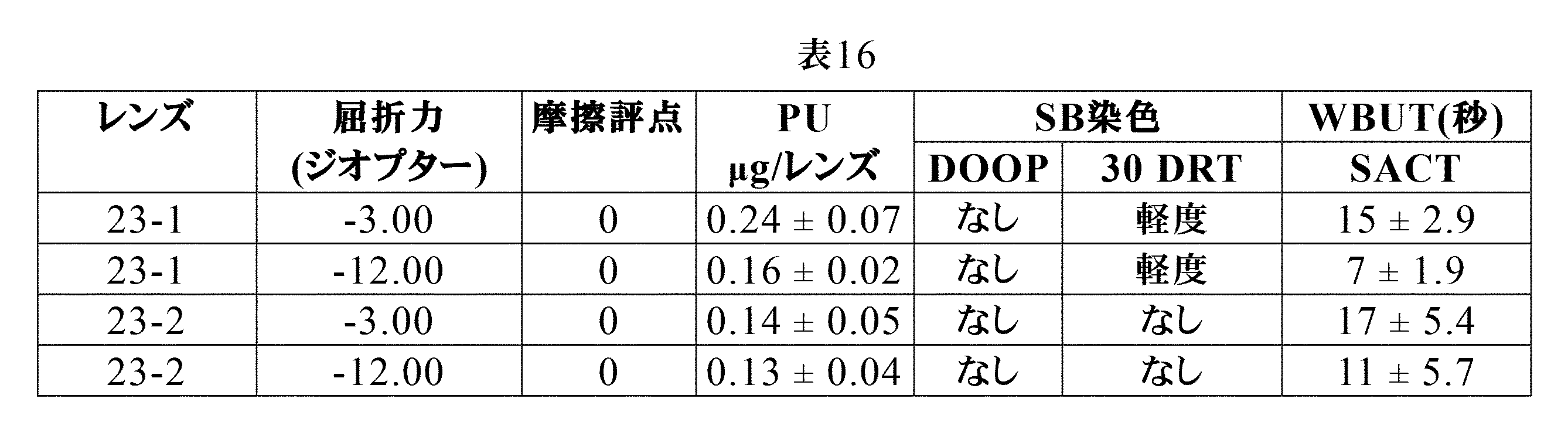
表16の結果は、両方の方法が、良好な潤滑性(約0の摩擦評点)を有する水勾配SiHyコンタクトレンズを生成できることを示す。しかし、本発明の方法は、30サイクルの指擦り処理後のスダンブラック染色試験を合格すること(SB染色なし)によって、且つ、シミュレートされた研磨サイクリング処理後により長いWBUTを有することによって示されるように、対照法によって製造されたレンズと比較してより耐久性の高いヒドロゲルコーティングをその上に有する水勾配コンタクトレンズ(レンズ23-2)を製造するように使用することができる。 The results in Table 16 show that both methods can produce water gradient SiHy contact lenses with good lubricity (friction rating of about 0). However, the method of the present invention can be used to produce a water gradient contact lens (Lens 23-2) having a more durable hydrogel coating thereon compared to lenses produced by the control method, as shown by passing the Sudan Black staining test (no SB staining) after 30 cycles of finger rubbing and by having a longer WBUT after simulated polishing cycling.
実施例24
PMAA溶液(PMAA-2):
ポリメタクリル酸(PMAA)の溶液は、適量のPMAA(Mn:約400~600kDa(ProChem製))をnPA/水(50重量%の水)混合物に添加して、約0.04重量%の濃度とすることによって調製される。PMAAが完全に溶解した後、硫酸をPMAA溶液に添加することによってpHを約2に調整する。調製されたPMAA溶液を濾過して一切の微粒子又は異物を除去する。
Example 24
PMAA solution (PMAA-2):
A solution of polymethacrylic acid (PMAA) is prepared by adding an appropriate amount of PMAA (Mn: about 400-600 kDa (ProChem)) to a mixture of nPA/water (50 wt% water) to a concentration of about 0.04 wt%. After PMAA is completely dissolved, the pH is adjusted to about 2 by adding sulfuric acid to the PMAA solution. The prepared PMAA solution is filtered to remove any particulates or foreign matter.
SBC溶液:0.1%重炭酸ナトリウムすすぎ溶液
SBCすすぎ溶液は、約0.1重量/重量%のNaHCO3の組成を有するように、所与の体積の精製水(蒸留又は脱イオン)中に重炭酸ナトリウムを溶解させることによって調製される。
SBC Solution: 0.1% Sodium Bicarbonate Rinse Solution The SBC rinse solution is prepared by dissolving sodium bicarbonate in a given volume of purified water (distilled or deionized) to have a composition of approximately 0.1% wt/wt NaHCO3 .
水勾配SiHyコンタクトレンズ(レンズ24-1)の調製
水勾配SiHyコンタクトレンズ(レンズ24-1)は、以下のように、ベースコーティングを形成するため、少なくとも2つのディップコーティング工程と、ディップコーティング工程の各対の間に1つの生理食塩水すすぎ工程と、を含む方法に従って調製される。
Preparation of Water Gradient SiHy Contact Lens (Lens 24-1) The water gradient SiHy contact lens (Lens 24-1) is prepared according to a method including at least two dip coating steps and one saline rinse step between each pair of dip coating steps to form a base coating, as follows.
離型後、キャスト成形されたSiHyコンタクトレンズ(実施例3で調製)を、レンズ抽出のためにPrOHで180分間抽出し、上記で調製されたPMAA-2中で約25分間ディップコーティングし、SBC中で約10分間すすぎ洗いし、DI H2O中で約10分間すすぎ洗いし、続いて再びPMAA-2中で約25分間ディップコーティングし、SBCで2回、それぞれ25分間すすぎ洗いする。続いて、実施例21で調製された0.65mLのIPC-25生理食塩水と共にポリプロピレンのレンズパッケージングシェル(ブリスタ)内にパッケージング/密封する(IPC-25生理食塩水の半分は、レンズを挿入する前に添加する)。密封したレンズパッケージを約121℃で約45分間オートクレーブ処理して、架橋親水性コーティング(すなわち、ヒドロゲルコーティング)をその上に有するSiHyコンタクトレンズを形成する。コーティングの均一性又は無傷性はスダンブラック色素試験によって試験され、コーティングはスダンブラック色素試験を合格した。 After demolding, the cast SiHy contact lenses (prepared in Example 3) are extracted with PrOH for 180 minutes for lens extraction, dip coated in PMAA-2 prepared above for about 25 minutes, rinsed in SBC for about 10 minutes, rinsed in DI H 2 O for about 10 minutes, then dip coated again in PMAA-2 for about 25 minutes, and rinsed twice with SBC for 25 minutes each. They are then packaged/sealed in polypropylene lens packaging shells (blisters) with 0.65 mL of IPC-25 saline prepared in Example 21 (half of the IPC-25 saline is added before inserting the lens). The sealed lens packages are autoclaved at about 121° C. for about 45 minutes to form SiHy contact lenses having a crosslinked hydrophilic coating (i.e., hydrogel coating) thereon. The coating uniformity or intactness was tested by the Sudan Black dye test and the coating passed the Sudan Black dye test.
水勾配SiHyコンタクトレンズ(レンズ24-2)
水勾配SiHyコンタクトレンズ(レンズ24-2)は、以下のように、ベースコーティングを形成するため、少なくとも2つのディップコーティング工程と、ディップコーティング工程の各対の間に1つの生理食塩水すすぎ工程と、を含む方法に従って調製される。
Water gradient SiHy contact lens (Lens 24-2)
A water-gradient SiHy contact lens (Lens 24-2) is prepared according to a method that includes at least two dip-coating steps and one saline rinse step between each pair of dip-coating steps to form a base coating, as follows:
離型後、キャスト成形されたSiHyコンタクトレンズ(実施例3で調製)を、レンズ抽出のためにPrOHで180分間抽出し、上記で調製されたPMAA-2中で約25分間ディップコーティングし、SBC中で約20分間すすぎ洗いし、DI H2O中で約10分間すすぎ洗いし、続いて再びPMAA-2中で25分間ディップコーティングし、SBCで2回、それぞれ25分間すすぎ洗いする。続いて、0.65mLのIPC-25生理食塩水と共にポリプロピレンのレンズパッケージングシェル(ブリスタ)内にパッケージング/密封する(IPC-25生理食塩水の半分は、レンズを挿入する前に添加する)。密封したレンズパッケージを約121℃で約45分間オートクレーブ処理して、架橋親水性コーティング(すなわち、ヒドロゲルコーティング)をその上に有するSiHyコンタクトレンズを形成する。コーティングの均一性又は無傷性はスダンブラック色素試験によって試験され、コーティングはスダンブラック色素試験を合格した。 After demolding, the cast molded SiHy contact lenses (prepared in Example 3) are extracted with PrOH for 180 minutes for lens extraction, dip coated in PMAA-2 prepared above for about 25 minutes, rinsed in SBC for about 20 minutes, rinsed in DI H 2 O for about 10 minutes, then dip coated again in PMAA-2 for 25 minutes, and rinsed twice with SBC for 25 minutes each. They are then packaged/sealed in polypropylene lens packaging shells (blisters) with 0.65 mL of IPC-25 saline (half of the IPC-25 saline is added before inserting the lens). The sealed lens packages are autoclaved at about 121° C. for about 45 minutes to form SiHy contact lenses having a crosslinked hydrophilic coating (i.e., hydrogel coating) thereon. The uniformity or intactness of the coating is tested by Sudan Black dye test, and the coating passed the Sudan Black dye test.
得られた水勾配SiHyコンタクトレンズの特性評価
得られた水勾配SiHyコンタクトレンズを、実施例1に記載の手順に従い、摩擦評点による潤滑性、PU、及びスダンブラック(SB)染色試験によるコーティングの無傷性の特性に関して試験する。WBUTは、実施例21に記載の手順に従って測定する。
Characterization of the obtained water gradient SiHy contact lens The obtained water gradient SiHy contact lens is tested for the properties of lubricity by friction rating, PU, and coating intactness by Sudan Black (SB) staining test according to the procedure described in Example 1. WBUT is measured according to the procedure described in Example 21.
レンズを、実施例1に記載される手順に従って、パッケージから取り出したままの状態で(DOOP)、又は30サイクルの指擦り処理(30 DRT)に供した後に、若しくはシミュレートされた研磨サイクリング処理(SACT)に供した後に試験する。結果を表17で報告する。 The lenses are tested either as-removed from the package (DOOP) or after being subjected to 30 cycles of finger rubbing (30 DRT) or simulated abrasion cycling (SACT) according to the procedure described in Example 1. The results are reported in Table 17.

表17の結果は、2つのディップコーティング工程の間により長い生理食塩水すすぎ工程を含む方法に従って製造されるレンズ24-2に対するシミュレートされた研磨サイクリング試験の後により長いWBUTを有することによって示されるように、生理食塩水すすぎ工程の持続時間が、耐久性にある程度の影響を及ぼし得ることを示す。 The results in Table 17 show that the duration of the saline rinse step may have some effect on durability, as shown by having a longer WBUT after simulated polishing cycling testing for lens 24-2, which was manufactured according to a method that includes a longer saline rinse step between the two dip coating steps.
実施例25
重合性組成物の調製
レンズ配合物(重合性組成物)は、以下の組成(単位部)を有するように調製される:MSi1(34)、GA(6)、NVP(40)、MMA(9)、EGMA(10.2)、TEGDMA(0.4)、AMA(0.1)、Norbloc(1.8)、Vazo 64(0.5)、RB 247(0.01)、及びTAA(1)。列記された成分をその目標量で清浄な瓶に添加し、室温下で攪拌棒を用いて600rpmで30分間混合することによって配合物を調製する。全ての固形分が溶解した後で、2.7μmのガラスマイクロファイバフィルタ(GMF)を用いることによって配合物の濾過を実施する。
Example 25
Preparation of Polymerizable Composition A lens formulation (polymerizable composition) is prepared with the following composition (unit parts): MSil (34), GA (6), NVP (40), MMA (9), EGMA (10.2), TEGDMA (0.4), AMA (0.1), Norbloc (1.8), Vazo 64 (0.5), RB 247 (0.01), and TAA (1). The formulation is prepared by adding the listed components in their target amounts to a clean bottle and mixing with a stir bar at 600 rpm for 30 minutes at room temperature. After all solids are dissolved, the formulation is filtered by using a 2.7 μm glass microfiber filter (GMF).
キャスト成形されたSiHyコンタクトレンズ
SiHyコンタクトレンズは、実施例4に記載されるとおりにキャスト成形する。
Cast Molded SiHy Contact Lenses SiHy contact lenses are cast molded as described in Example 4.
非コーティングのSiHyコンタクトレンズの特性評価
得られたSiHyコンタクトレンズを、レンズの特性評価の前に、実施例4に記載される成形後プロセスに供する。SiHyレンズは、約93barrerの酸素透過度、約0.69MPaのバルク弾性率、約52重量%の含水率、0秒のWBUT、及び4の摩擦評点を有する。
Characterization of Uncoated SiHy Contact Lenses The resulting SiHy contact lenses are subjected to post-molding processes described in Example 4 prior to lens characterization. The SiHy lenses have an oxygen permeability of about 93 barrers, a bulk modulus of about 0.69 MPa, a water content of about 52 wt.%, a WBUT of 0 seconds, and a friction rating of 4.
PAAベースコーティングを含むSiHyレンズ
それぞれPAAベースコーティングをその上に有するSiHyコンタクトレンズは、実施例4に記載されたとおりに調製する。
SiHy Lenses with PAA-Based Coatings SiHy contact lenses each having a PAA-based coating thereon are prepared as described in Example 4.
水勾配SiHyコンタクトレンズ
上記のように調製された、PAAベースコーティングをその上に有するSiHyコンタクトレンズを、実施例4で調製された0.55mL又は0.65mLのIPC-2生理食塩水と共にポリプロピレンのレンズパッケージングシェル内に入れる(シェルあたり1レンズ)(生理食塩水の約半分は、レンズを挿入する前に添加してもよい)。続いてブリスタをホイルで密封し、約121℃で約45分間オートクレーブ処理して、架橋親水性コーティング(すなわち、ヒドロゲルコーティング)をその上に有するSiHyコンタクトレンズを形成する。
Water Gradient SiHy Contact Lenses SiHy contact lenses having a PAA-based coating thereon, prepared as described above, are placed into polypropylene lens packaging shells (one lens per shell) with 0.55 mL or 0.65 mL of IPC-2 saline as prepared in Example 4 (about half of the saline may be added prior to inserting the lens). The blisters are then sealed with foil and autoclaved at about 121° C. for about 45 minutes to form SiHy contact lenses having a crosslinked hydrophilic coating (i.e., hydrogel coating) thereon.
水勾配SiHyコンタクトレンズの表面特性
得られた水勾配SiHyコンタクトレンズは、パッケージから取り出したままの状態で潤滑性であり(1の摩擦評点を有する)、10秒を超えるWBUTと、約30度の液滴(静的)による水接触角と、約9μg/レンズのPU(ポリクオタニウム-1取り込み率)と、を有する。
Surface Properties of Water Gradient SiHy Contact Lenses The resulting water gradient SiHy contact lenses are lubricious (having a friction rating of 1) out of the package, have a WBUT greater than 10 seconds, a sessile drop (static) water contact angle of about 30 degrees, and a PU (Polyquaternium-1 uptake) of about 9 μg/lens.
実施例26
PMAA溶液(PMAA-1)
ポリメタクリル酸(PMAA)の溶液は、適量のPMAA(Mn:約400~600kDa(ProChem製))をPrOH/水(50重量%の水)混合物に添加して、約0.04重量%の濃度とすることによって調製される。PMAAが完全に溶解した後、ギ酸をPMAA溶液に添加することによってpHを約2に調整する。調製されたPMAA溶液を濾過して一切の微粒子又は異物を除去する。
Example 26
PMAA solution (PMAA-1)
A solution of polymethacrylic acid (PMAA) is prepared by adding an appropriate amount of PMAA (Mn: about 400-600 kDa (ProChem)) to a PrOH/water (50 wt% water) mixture to a concentration of about 0.04 wt%. After PMAA is completely dissolved, the pH is adjusted to about 2 by adding formic acid to the PMAA solution. The prepared PMAA solution is filtered to remove any particulates or foreign matter.
リン酸緩衝溶液PB-1a、-1b、及び-1c
約7.1のpH、及び約23mMのリン酸塩を有するPB-1aは、約0.236%のNa2HPO4・2H2O、及び0.134%のNaH2PO4・H2Oを水に溶解させることによって調製される。約7.1のpH、及び約11.5mMのリン酸塩を有するPB-1bは、約0.118%のNa2HPO4・2H2O、及び0.067%のNaH2PO4・H2Oを水に溶解させることによって調製される。約7.1のpH、及び約5.8mMのリン酸塩を有するPB-1cは、約0.059%のNa2HPO4・2H2O、及び0.034%のNaH2PO4・H2Oを水に溶解させることによって調製される。
Phosphate buffer solutions PB-1a, -1b, and -1c
PB-1a , having a pH of about 7.1 and about 23 mM phosphate, is prepared by dissolving about 0.236% Na2HPO4.2H2O and 0.134% NaH2PO4.H2O in water . PB - 1b , having a pH of about 7.1 and about 11.5 mM phosphate, is prepared by dissolving about 0.118 % Na2HPO4.2H2O and 0.067% NaH2PO4.H2O in water. PB-1c, having a pH of about 7.1 and about 5.8 mM phosphate, is prepared by dissolving about 0.059% Na 2 HPO 4.2H 2 O and 0.034% NaH 2 PO 4.H 2 O in water.
IPC生理食塩水を調製するためのリン酸緩衝生理食塩水溶液(PBS-1)
NaH2PO4・H2O、Na2HPO4・2H2Oを所定量の精製水(蒸留又は脱イオン)に溶解して、約0.174重量/重量%のNaH2PO4・H2O、約0.711重量/重量%のNa2HPO4・2H2O、及び約1.920重量/重量%のNaClの組成とすることによってPBS-1を調製する。
Phosphate buffered saline solution (PBS-1) for preparing IPC saline
PBS-1 is prepared by dissolving NaH 2 PO 4.H 2 O and Na 2 HPO 4.2H 2 O in a predetermined amount of purified water (distilled or deionized) to a composition of approximately 0.174 wt/wt% NaH 2 PO 4.H 2 O, approximately 0.711 wt/wt% Na 2 HPO 4.2H 2 O, and approximately 1.920 wt/wt% NaCl.
IPC生理食塩水(IPC-25)
実施例21で調製したIPC-25生理食塩水をこの実施例で使用する。
IPC Saline (IPC-25)
IPC-25 saline as prepared in Example 21 is used in this example.
水勾配SiHyコンタクトレンズ
離型後、キャスト成形されたSiHyコンタクトレンズ(実施例3で調製)を、レンズ抽出のためにPrOHで180分間抽出し、上記で調製したPMAA-1中で約50分又は1時間ディップコーティングし、nPA/水(55/45)中で約25分間すすぎ洗いし、上記で調製したPB-1a、又はPB-1b、又はPB-1cで約50~60分間すすぎ洗いし、続いて0.65mLのIPC-25生理食塩水と共にポリプロピレンのレンズパッケージングシェル(ブリスタ)内にパッケージング/密封する(IPC-25生理食塩水の半分は、レンズを挿入する前に添加する)。密封したレンズパッケージを約121℃で約45分間オートクレーブ処理して、架橋親水性コーティング(すなわち、ヒドロゲルコーティング)をその上に有するSiHyコンタクトレンズを形成する。コーティングの均一性又は無傷性はスダンブラック色素試験によって試験され、コーティングはスダンブラック色素試験を合格した。
Water Gradient SiHy Contact Lenses After demolding, cast molded SiHy contact lenses (prepared in Example 3) are extracted with PrOH for 180 minutes for lens extraction, dip coated in PMAA-1 prepared above for about 50 minutes or 1 hour, rinsed in nPA/water (55/45) for about 25 minutes, rinsed with PB-1a, or PB-1b, or PB-1c prepared above for about 50-60 minutes, and then packaged/sealed in polypropylene lens packaging shells (blisters) with 0.65 mL of IPC-25 saline (half of the IPC-25 saline is added before inserting the lens). The sealed lens packages are autoclaved at about 121° C. for about 45 minutes to form SiHy contact lenses having a crosslinked hydrophilic coating (i.e., hydrogel coating) thereon. The coating uniformity or intactness is tested by Sudan Black dye test, and the coating passed the Sudan Black dye test.
得られた水勾配SiHyコンタクトレンズはかなり滑らかであり(0の摩擦評点を有する)、それぞれPB-1a、PB-1b、PB-1cですすぎ洗いした場合、ジオプター-3.00を有するレンズの場合は、0.35±0.03、0.43±0.04、0.52±0.07μg/レンズ、及びジオプター-12.00を有するレンズの場合は0.21±0.02、0.26±0.00、0.52±0.07μg/レンズのPU(ポリクオタニウム-1取り込み率)である。 The resulting water-gradient SiHy contact lenses were fairly smooth (having a friction rating of 0) and had PU (polyquaternium-1 uptake) of 0.35±0.03, 0.43±0.04, 0.52±0.07 μg/lens for lenses with diopter -3.00, and 0.21±0.02, 0.26±0.00, 0.52±0.07 μg/lens for lenses with diopter -12.00 when rinsed with PB-1a, PB-1b, and PB-1c, respectively.
実施例27
リン酸緩衝溶液PB-2a、-2b、及び-2c
約7.5のpH、及び約23mMのリン酸塩を有するPB-2aは、約0.312%のNa2HPO4・2H2O、及び0.076%のNaH2PO4・H2Oを水に溶解させることによって調製される。約7.5のpH、及び約11.5mMのリン酸塩を有するPB-2bは、約0.156%のNa2HPO4・2H2O、及び0.038%のNaH2PO4・H2Oを水に溶解させることによって調製される。約7.5のpH、及び約5.8mMのリン酸塩を有するPB-2cは、約0.078%のNa2HPO4・2H2O、及び0.019%のNaH2PO4・H2Oを水に溶解させることによって調製される。
Example 27
Phosphate buffer solutions PB-2a, -2b, and -2c
PB-2a , having a pH of about 7.5 and about 23 mM phosphate, is prepared by dissolving about 0.312 % Na2HPO4.2H2O and 0.076% NaH2PO4.H2O in water . PB-2b, having a pH of about 7.5 and about 11.5 mM phosphate, is prepared by dissolving about 0.156 % Na2HPO4.2H2O and 0.038% NaH2PO4.H2O in water. PB-2c, having a pH of about 7.5 and about 5.8 mM phosphate, is prepared by dissolving about 0.078% Na 2 HPO 4 .2H 2 O and 0.019% NaH 2 PO 4 .H 2 O in water.
水勾配SiHyコンタクトレンズ
離型後、キャスト成形されたSiHyコンタクトレンズ(実施例3で調製)を、レンズ抽出のためにPrOHで180分間抽出し、実施例26で調製したPMAA-1中で約50分又は1時間ディップコーティングし、PrOH/水(55/45)中で約25分間すすぎ洗いし、上記で調製したPB-2a、PB-2b、PB-2cで約50~60分間すすぎ洗いし、続いて実施例26で調製した0.65mLのIPC-25生理食塩水と共にポリプロピレンのレンズパッケージングシェル(ブリスタ)内にパッケージング/密封する(IPC-25生理食塩水の半分は、レンズを挿入する前に添加する)。密封したレンズパッケージを約121℃で約45分間オートクレーブ処理して、架橋親水性コーティング(すなわち、ヒドロゲルコーティング)をその上に有するSiHyコンタクトレンズを形成する。コーティングの均一性又は無傷性はスダンブラック色素試験によって試験され、コーティングはスダンブラック色素試験を合格した。得られた水勾配SiHyコンタクトレンズはかなり滑らかであり(0の摩擦評点を有する)、それぞれPB-2a、PB-2b、PB-2cですすぎ洗いした場合、ジオプター-3.00を有するレンズの場合は、0.24±0.13、0.32±0.05、0.38±0.05μg/レンズ、及びジオプター-12.00を有するレンズの場合は0.11±0.03、0.16±0.04、0.18±0.01μg/レンズのPU(ポリクオタニウム-1取り込み率)である。
Water Gradient SiHy Contact Lenses After demolding, cast molded SiHy contact lenses (prepared in Example 3) are extracted with PrOH for 180 minutes for lens extraction, dip coated in PMAA-1 prepared in Example 26 for about 50 minutes or 1 hour, rinsed in PrOH/water (55/45) for about 25 minutes, rinsed with PB-2a, PB-2b, PB-2c prepared above for about 50-60 minutes, and then packaged/sealed in polypropylene lens packaging shells (blisters) with 0.65 mL of IPC-25 saline prepared in Example 26 (half of the IPC-25 saline is added before inserting the lens). The sealed lens packages are autoclaved at about 121° C. for about 45 minutes to form SiHy contact lenses having a crosslinked hydrophilic coating (i.e., hydrogel coating) thereon. The uniformity or intactness of the coating was tested by Sudan Black dye test, and the coating passed the Sudan Black dye test. The resulting water gradient SiHy contact lenses were fairly smooth (having a friction rating of 0) with PU (Polyquaternium-1 Uptake) of 0.24±0.13, 0.32±0.05, 0.38±0.05 μg/lens for lenses with diopter -3.00, and 0.11±0.03, 0.16±0.04, 0.18±0.01 μg/lens for lenses with diopter -12.00 when rinsed with PB-2a, PB-2b, PB-2c, respectively.
実施例28
リン酸緩衝溶液(PB-3)
Di水中の約0.077重量/重量%のNaH2PO4・H2O、約0.48重量/重量%のNa2HPO4・2H2OによってPB-3(約23mM、pH約7.4)を調製する。
Example 28
Phosphate buffer solution (PB-3)
PB-3 (about 23 mM, pH about 7.4) is prepared with about 0.077% w/w NaH 2 PO 4 .H 2 O, about 0.48% w/w Na 2 HPO 4 .2H 2 O in Di water.
水勾配SiHyコンタクトレンズ
離型後、キャスト成形されたSiHyコンタクトレンズ(実施例3で調製)を、レンズ抽出のためにPrOHで180分間抽出し、実施例26で調製したPMAA-1溶液中で約50分又は1時間ディップコーティングし、PrOH/水(55体積%/45体積%)中で約25分間すすぎ洗いし、上記で調製したPB-3で約50~60分間すすぎ洗いし、続いて実施例26で調製した0.65mLのIPC-25生理食塩水と共にポリプロピレンのレンズパッケージングシェル(ブリスタ)内にパッケージング/密封する(IPC-25生理食塩水の半分は、レンズを挿入する前に添加する)。密封したレンズパッケージを約121℃で約45分間オートクレーブ処理して、架橋親水性コーティング(すなわち、ヒドロゲルコーティング)をその上に有するSiHyコンタクトレンズを形成する。コーティングの均一性又は無傷性はスダンブラック色素試験によって試験され、コーティングはスダンブラック色素試験を合格した。得られた水勾配SiHyコンタクトレンズはかなり滑らかであり(0の摩擦評点を有する)、PU(ポリクオタニウム-1取り込み率)は0.19±0.06μg/レンズである(n=6)。
Water Gradient SiHy Contact Lenses After demolding, cast molded SiHy contact lenses (prepared in Example 3) are extracted with PrOH for 180 minutes for lens extraction, dip coated in PMAA-1 solution prepared in Example 26 for about 50 minutes or 1 hour, rinsed in PrOH/water (55%/45% by volume) for about 25 minutes, rinsed with PB-3 prepared above for about 50-60 minutes, and then packaged/sealed in polypropylene lens packaging shells (blisters) with 0.65 mL of IPC-25 saline solution prepared in Example 26 (half of the IPC-25 saline solution is added before inserting the lens). The sealed lens packages are autoclaved at about 121° C. for about 45 minutes to form SiHy contact lenses having a crosslinked hydrophilic coating (i.e., hydrogel coating) thereon. The coating uniformity or intactness is tested by Sudan Black dye test, and the coating passed the Sudan Black dye test. The resulting water-gradient SiHy contact lenses are fairly smooth (having a friction rating of 0) and have a PU (polyquaternium-1 uptake) of 0.19±0.06 μg/lens (n=6).
実施例29
PMAA溶液(PMAA-2)
ポリメタクリル酸(PMAA)の溶液は、適量のPMAA-2(Mn:約400~600kDa(ProChem製))をPrOH/水(60重量%の水)混合物に添加して、約0.04重量%の濃度とすることによって調製される。PMAAが完全に溶解した後、ギ酸をPMAA溶液に添加することによってpHを約2に調整する。調製されたPMAA溶液を濾過して一切の微粒子又は異物を除去する。
Example 29
PMAA solution (PMAA-2)
A solution of polymethacrylic acid (PMAA) is prepared by adding an appropriate amount of PMAA-2 (Mn: about 400-600 kDa (ProChem)) to a PrOH/water (60 wt% water) mixture to a concentration of about 0.04 wt%. After PMAA is completely dissolved, the pH is adjusted to about 2 by adding formic acid to the PMAA solution. The prepared PMAA solution is filtered to remove any particulates or foreign matter.
水勾配SiHyコンタクトレンズ
離型後、キャスト成形されたSiHyコンタクトレンズ(実施例3で調製)を、レンズ抽出のためにPrOHで180分間抽出し、上記で調製したPMAA-2溶液中で約50分又は1時間ディップコーティングし、PrOH/水(60体積%/40体積%)中で約25分間すすぎ洗いし、実施例28で調製したPB-3で約50~60分間すすぎ洗いし、続いて実施例26で調製した0.65mLのIPC-25生理食塩水と共にポリプロピレンのレンズパッケージングシェル(ブリスタ)内にパッケージング/密封する(IPC-25生理食塩水の半分は、レンズを挿入する前に添加する)。密封したレンズパッケージを約121℃で約45分間オートクレーブ処理して、架橋親水性コーティング(すなわち、ヒドロゲルコーティング)をその上に有するSiHyコンタクトレンズを形成する。コーティングの均一性又は無傷性はスダンブラック色素試験によって試験され、コーティングはスダンブラック色素試験を合格した。得られた水勾配SiHyコンタクトレンズはかなり滑らかであり(0の摩擦評点を有する)、PU(ポリクオタニウム-1取り込み率)は0.20±0.04μg/レンズである(n=6)。
Water Gradient SiHy Contact Lenses After demolding, cast molded SiHy contact lenses (prepared in Example 3) are extracted with PrOH for 180 minutes for lens extraction, dip coated in PMAA-2 solution prepared above for about 50 minutes or 1 hour, rinsed in PrOH/water (60%/40% by volume) for about 25 minutes, rinsed with PB-3 prepared in Example 28 for about 50-60 minutes, and then packaged/sealed in polypropylene lens packaging shells (blisters) with 0.65 mL of IPC-25 saline solution prepared in Example 26 (half of the IPC-25 saline solution is added before inserting the lens). The sealed lens packages are autoclaved at about 121° C. for about 45 minutes to form SiHy contact lenses having a crosslinked hydrophilic coating (i.e., hydrogel coating) thereon. The coating uniformity or intactness is tested by Sudan Black dye test, and the coating passed the Sudan Black dye test. The resulting water-gradient SiHy contact lenses are fairly smooth (with a friction rating of 0) and have a PU (polyquaternium-1 uptake) of 0.20±0.04 μg/lens (n=6).
実施例30
リン酸緩衝溶液(PB-4:約15mM、pH:約8.2)
NaH2PO4・H2O、及びNa2HPO4・2H2Oを所定量の精製水(蒸留又は脱イオン)に溶解して、約0.044重量/重量%のNaH2PO4・H2O、及び約0.388重量/重量%のNa2HPO4・2H2Oの組成とすることによってPB-4を調製する。完全に溶解した後、添加によってpHを8.2に調整する。
Example 30
Phosphate buffer solution (PB-4: about 15 mM, pH: about 8.2)
PB-4 is prepared by dissolving NaH 2 PO 4.H 2 O, and Na 2 HPO 4.2H 2 O in a given amount of purified water (distilled or deionized) to a composition of about 0.044 wt/wt% NaH 2 PO 4.H 2 O, and about 0.388 wt/wt% Na 2 HPO 4.2H 2 O. After complete dissolution, the pH is adjusted to 8.2 by addition.
水勾配SiHyコンタクトレンズ
離型後、キャスト成形されたSiHyコンタクトレンズ(実施例3で調製)を、レンズ抽出のためにPrOHで180分間抽出し、実施例26で調製したPMAA-1溶液中で約50分又は1時間ディップコーティングし、上記で調製したPB-4で約50~60分間すすぎ洗いし、続いて実施例26で調製した0.65mLのIPC-25生理食塩水と共にポリプロピレンのレンズパッケージングシェル(ブリスタ)内にパッケージング/密封する(IPC-25生理食塩水の半分は、レンズを挿入する前に添加する)。密封したレンズパッケージを約121℃で約45分間オートクレーブ処理して、架橋親水性コーティング(すなわち、ヒドロゲルコーティング)をその上に有するSiHyコンタクトレンズを形成する。コーティングの均一性又は無傷性はスダンブラック色素試験によって試験され、コーティングはスダンブラック色素試験を合格した。得られた水勾配SiHyコンタクトレンズはかなり滑らかであり(0の摩擦評点を有する)、PU(ポリクオタニウム-1取り込み率)は0.13±0.05μg/レンズである(n=12)。
Water Gradient SiHy Contact Lenses After demolding, cast molded SiHy contact lenses (prepared in Example 3) are extracted with PrOH for 180 minutes for lens extraction, dip coated in PMAA-1 solution prepared in Example 26 for about 50 minutes or 1 hour, rinsed with PB-4 prepared above for about 50-60 minutes, and then packaged/sealed in polypropylene lens packaging shells (blisters) with 0.65 mL of IPC-25 saline solution prepared in Example 26 (half of the IPC-25 saline solution is added before inserting the lens). The sealed lens packages are autoclaved at about 121° C. for about 45 minutes to form SiHy contact lenses having a crosslinked hydrophilic coating (i.e., hydrogel coating) thereon. The coating uniformity or intactness is tested by Sudan Black dye test, and the coating passed the Sudan Black dye test. The resulting water-gradient SiHy contact lenses are fairly smooth (with a friction rating of 0) and have a PU (polyquaternium-1 uptake) of 0.13±0.05 μg/lens (n=12).
実施例31
水勾配SiHyコンタクトレンズ
離型後、キャスト成形されたSiHyコンタクトレンズ(実施例3で調製)を、レンズ抽出のためにPrOHで180分間抽出し、実施例26で調製したPMAA-1溶液中で約50分又は1時間ディップコーティングし、実施例28で調製したPB-3で約50~60分間すすぎ洗いし、続いて実施例26で調製した0.65mLのIPC-25生理食塩水と共にポリプロピレンのレンズパッケージングシェル(ブリスタ)内にパッケージング/密封する(IPC-25生理食塩水の半分は、レンズを挿入する前に添加する)。密封したレンズパッケージを約121℃で約45分間オートクレーブ処理して、架橋親水性コーティング(すなわち、ヒドロゲルコーティング)をその上に有するSiHyコンタクトレンズを形成する。コーティングの均一性又は無傷性はスダンブラック色素試験によって試験され、コーティングはスダンブラック色素試験を合格した。得られた水勾配SiHyコンタクトレンズはかなり滑らかであり(0の摩擦評点を有する)、PU(ポリクオタニウム-1取り込み率)は0.38±0.04μg/レンズである(n=12)。
Example 31
Water Gradient SiHy Contact Lenses After demolding, cast molded SiHy contact lenses (prepared in Example 3) are extracted with PrOH for 180 minutes for lens extraction, dip coated in PMAA-1 solution prepared in Example 26 for about 50 minutes or 1 hour, rinsed with PB-3 prepared in Example 28 for about 50-60 minutes, and then packaged/sealed in polypropylene lens packaging shells (blisters) with 0.65 mL of IPC-25 saline solution prepared in Example 26 (half of the IPC-25 saline solution is added before inserting the lens). The sealed lens packages are autoclaved at about 121° C. for about 45 minutes to form SiHy contact lenses having a crosslinked hydrophilic coating (i.e., hydrogel coating) thereon. The uniformity or intactness of the coating is tested by Sudan Black dye test, and the coating passed the Sudan Black dye test. The resulting water-gradient SiHy contact lenses are fairly smooth (with a friction rating of 0) and have a PU (polyquaternium-1 uptake) of 0.38±0.04 μg/lens (n=12).
実施例32
PMAA溶液(PMAA-3)の調製
異なるPMAA原料(Mw:約800kDa(GEO Specialty Chemicals,Inc製))を用いることを除けば実施例26で示されたものと同じ調製手順。
Example 32
Preparation of PMAA solution (PMAA-3) The same preparation procedure as shown in Example 26, except using a different PMAA raw material (Mw: about 800 kDa (GEO Specialty Chemicals, Inc.)).
IPC生理食塩水を調製するためのリン酸緩衝生理食塩水(PBS)
実施例26と同じ手順を用いて調製する。
Phosphate Buffered Saline (PBS) for preparing IPC saline
Prepared using the same procedure as in Example 26.
リン酸緩衝溶液(PB-5:15mM、pH:7.8)
NaH2PO4・H2O、及びNa2HPO4・2H2Oを所定量の精製水(蒸留又は 脱イオン)に溶解して、約0.028重量/体積%のNaH2PO4・H2O、及び約0.231重量/体積%のNa2HPO4・2H2Oの組成とし、最終溶液pHを約7.8することによってPB-5を調製する。
Phosphate buffer solution (PB-5: 15 mM, pH: 7.8)
PB - 5 is prepared by dissolving NaH2PO4.H2O and Na2HPO4.2H2O in a predetermined amount of purified water (distilled or deionized) to a composition of about 0.028 wt/vol % NaH2PO4.H2O and about 0.231 wt /vol % Na2HPO4.2H2O with a final solution pH of about 7.8 .
水勾配SiHyコンタクトレンズ
離型後、キャスト成形されたSiHyコンタクトレンズ(実施例3で調製)を、レンズ抽出のためにPrOHで180分間抽出し、上記で調製したPMAA-3溶液中で約50分又は1時間ディップコーティングし、PrOH/水(55体積%/45体積%)中で約25分間すすぎ洗いし、上記で調製したPB-5で約50~60分間すすぎ洗いし、続いて実施例26で調製した0.65mLのIPC-25生理食塩水と共にポリプロピレンのレンズパッケージングシェル(ブリスタ)内にパッケージング及び密封する(IPC-25生理食塩水の半分は、レンズを挿入する前に添加する)。密封したレンズパッケージを約121℃で約45分間オートクレーブ処理して、架橋親水性コーティング(すなわち、ヒドロゲルコーティング)をその上に有するSiHyコンタクトレンズを形成する。コーティングの均一性又は無傷性はスダンブラック色素試験によって試験され、コーティングはスダンブラック色素試験を合格した。得られた水勾配SiHyコンタクトレンズはかなり滑らかであり(0の摩擦評点を有する)、PU(ポリクオタニウム-1取り込み率)は0.17±0.04μg/レンズである(n=18)。
Water Gradient SiHy Contact Lenses After demolding, cast molded SiHy contact lenses (prepared in Example 3) are extracted with PrOH for 180 minutes for lens extraction, dip coated in PMAA-3 solution prepared above for about 50 minutes or 1 hour, rinsed in PrOH/water (55%/45% by volume) for about 25 minutes, rinsed in PB-5 prepared above for about 50-60 minutes, and then packaged and sealed in polypropylene lens packaging shells (blisters) with 0.65 mL of IPC-25 saline solution prepared in Example 26 (half of the IPC-25 saline solution is added before inserting the lens). The sealed lens packages are autoclaved at about 121° C. for about 45 minutes to form SiHy contact lenses having a crosslinked hydrophilic coating (i.e., hydrogel coating) thereon. The uniformity or intactness of the coating is tested by Sudan Black dye test, and the coating passed the Sudan Black dye test. The resulting water-gradient SiHy contact lenses are fairly smooth (with a friction rating of 0) and have a PU (polyquaternium-1 uptake) of 0.17±0.04 μg/lens (n=18).
実施例33
水勾配SiHyコンタクトレンズ
離型後、キャスト成形されたSiHyコンタクトレンズ(実施例3で調製)を、レンズ抽出のためにPrOHで210分間抽出し、実施例32で調製したPMAA-3溶液中で約70~80分間ディップコーティングし、PrOH/水(50体積%/50体積%)中で約25分間すすぎ洗いし、実施例32で調製したPB-5で約50~60分間すすぎ洗いし、上記の溶液の温度は全て21~23℃である。続いて、レンズを、実施例26で調製された0.65mLのIPC-25生理食塩水と共にポリプロピレンのレンズパッケージングシェル(ブリスタ)内にパッケージング/密封する(IPC-25生理食塩水の半分は、レンズを挿入する前に添加する)。密封したレンズパッケージを約121℃で約45分間オートクレーブ処理して、架橋親水性コーティング(すなわち、ヒドロゲルコーティング)をその上に有するSiHyコンタクトレンズを形成する。得られた水勾配SiHyコンタクトレンズは0.40±0.05μg/レンズのPU(ポリクオタニウム-1取り込み率)を有する(n=6)。
Example 33
Water Gradient SiHy Contact Lenses After demolding, cast molded SiHy contact lenses (prepared in Example 3) are extracted with PrOH for 210 minutes for lens extraction, dip coated in PMAA-3 solution prepared in Example 32 for about 70-80 minutes, rinsed in PrOH/water (50%/50% by volume) for about 25 minutes, and rinsed with PB-5 prepared in Example 32 for about 50-60 minutes, all at temperatures of 21-23° C. The lenses are then packaged/sealed in polypropylene lens packaging shells (blisters) with 0.65 mL of IPC-25 saline solution prepared in Example 26 (half of the IPC-25 saline solution is added before inserting the lenses). The sealed lens packages are autoclaved at about 121° C. for about 45 minutes to form SiHy contact lenses having a crosslinked hydrophilic coating (i.e., hydrogel coating) thereon. The resulting water-gradient SiHy contact lenses have a PU (polyquaternium-1 uptake) of 0.40±0.05 μg/lens (n=6).
実施例34
水勾配SiHyコンタクトレンズ
離型後、キャスト成形されたSiHyコンタクトレンズ(実施例3で調製)を、レンズ抽出のためにPrOHで210分間抽出し、実施例32で調製したPMAA-3溶液中で約70~80分間ディップコーティングし、PrOH/水(50体積%/50体積%)中で約25分間すすぎ洗いし、実施例32で調製したPB-5で約50~60分すすぎ洗いし、上記の溶液の温度は全て24~26℃である。続いて、レンズを、実施例26で調製された0.65mLのIPC-25生理食塩水と共にポリプロピレンのレンズパッケージングシェル(ブリスタ)内にパッケージング/密封する(IPC-25生理食塩水の半分は、レンズを挿入する前に添加する)。密封したレンズパッケージを約121℃で約45分間オートクレーブ処理して、架橋親水性コーティング(すなわち、ヒドロゲルコーティング)をその上に有するSiHyコンタクトレンズを形成する。得られた水勾配SiHyコンタクトレンズは0.37±0.07μg/レンズのPU(ポリクオタニウム-1取り込み率)を有する(n=6)。
Example 34
Water Gradient SiHy Contact Lenses After demolding, cast molded SiHy contact lenses (prepared in Example 3) are extracted with PrOH for 210 minutes for lens extraction, dip coated in PMAA-3 solution prepared in Example 32 for about 70-80 minutes, rinsed in PrOH/water (50%/50% by volume) for about 25 minutes, and rinsed with PB-5 prepared in Example 32 for about 50-60 minutes, all at temperatures of 24-26° C. The lenses are then packaged/sealed in polypropylene lens packaging shells (blisters) with 0.65 mL of IPC-25 saline solution prepared in Example 26 (half of the IPC-25 saline solution is added before inserting the lenses). The sealed lens packages are autoclaved at about 121° C. for about 45 minutes to form SiHy contact lenses having a crosslinked hydrophilic coating (i.e., hydrogel coating) thereon. The resulting water-gradient SiHy contact lenses have a PU (polyquaternium-1 uptake) of 0.37±0.07 μg/lens (n=6).
実施例35
水勾配SiHyコンタクトレンズ
離型後、キャスト成形されたSiHyコンタクトレンズ(実施例3で調製)を、レンズ抽出のためにPrOHで210分間抽出し、実施例32で調製したPMAA-3溶液中で約70~80分間ディップコーティングし、PrOH/水(50/50)中で約25分間すすぎ洗いし、実施例32で調製したPB-5で約50~60分間すすぎ洗いし、上記の溶液の温度は全て18~20℃である。続いて、レンズを、実施例26で調製された0.65mLのIPC-25生理食塩水と共にポリプロピレンのレンズパッケージングシェル(ブリスタ)内にパッケージング/密封する(IPC-25生理食塩水の半分は、レンズを挿入する前に添加する)。密封したレンズパッケージを約121℃で約45分間オートクレーブ処理して、架橋親水性コーティング(すなわち、ヒドロゲルコーティング)をその上に有するSiHyコンタクトレンズを形成する。コーティングの均一性又は無傷性はスダンブラック色素試験によって試験され、コーティングはスダンブラック色素試験を合格した。得られた水勾配SiHyコンタクトレンズは0.33±0.07μg/レンズのPU(ポリクオタニウム-1取り込み率)を有する(n=6)。
Example 35
Water Gradient SiHy Contact Lenses After demolding, cast molded SiHy contact lenses (prepared in Example 3) are extracted with PrOH for 210 minutes for lens extraction, dip coated in PMAA-3 solution prepared in Example 32 for about 70-80 minutes, rinsed in PrOH/water (50/50) for about 25 minutes, and rinsed with PB-5 prepared in Example 32 for about 50-60 minutes, all at temperatures of 18-20° C. The lenses are then packaged/sealed in polypropylene lens packaging shells (blisters) with 0.65 mL of IPC-25 saline solution prepared in Example 26 (half of the IPC-25 saline solution is added before inserting the lenses). The sealed lens packages are autoclaved at about 121° C. for about 45 minutes to form SiHy contact lenses having a crosslinked hydrophilic coating (i.e., hydrogel coating) thereon. The uniformity or intactness of the coating was tested by Sudan Black dye test, and the coating passed the Sudan Black dye test. The resulting water gradient SiHy contact lenses have a PU (Polyquaternium-1 uptake) of 0.33±0.07 μg/lens (n=6).
実施例36
リン酸緩衝(PB-6)
NaH2PO4・H2O、及びNa2HPO4・2H2Oを所定量の精製水(蒸留又は脱イオン)に溶解して、約0.041重量/体積%のNaH2PO4・H2O、及び約0.214重量/体積%のNa2HPO4・2H2Oの組成とすることによってPB-6を調製する。
Example 36
Phosphate buffer (PB-6)
PB-6 is prepared by dissolving NaH 2 PO 4.H 2 O and Na 2 HPO 4.2H 2 O in a predetermined amount of purified water (distilled or deionized) to a composition of approximately 0.041 wt/vol % NaH 2 PO 4.H 2 O and approximately 0.214 wt/vol % Na 2 HPO 4.2H 2 O.
水勾配SiHyコンタクトレンズ
離型後、キャスト成形されたSiHyコンタクトレンズ(実施例3で調製)を、レンズ抽出のためにPrOHで210分間抽出し、実施例32で調製したPMAA-3溶液中で約70~80分間ディップコーティングし、PrOH及びPMAA溶液の温度は24~26℃である。続いてPrOH/水(50体積%/50体積%)中で約25分間すすぎ洗いし、上記で調製したPB-6で約50~60分間すすぎ洗いし、すすぎ及びPB溶液の温度は21~23℃である。続いて、レンズを、実施例26で調製された0.65mLのIPC-25生理食塩水と共にポリプロピレンのレンズパッケージングシェル(ブリスタ)内にパッケージング/密封する(IPC-25生理食塩水の半分は、レンズを挿入する前に添加する)。密封したレンズパッケージを約121℃で約45分間オートクレーブ処理して、架橋親水性コーティング(すなわち、ヒドロゲルコーティング)をその上に有するSiHyコンタクトレンズを形成する。コーティングの均一性又は無傷性はスダンブラック色素試験によって試験され、コーティングはスダンブラック色素試験を合格した。得られた水勾配SiHyコンタクトレンズはかなり滑らかであり(0の摩擦評点を有する)、PU(ポリクオタニウム-1取り込み率)は0.46±0.09μg/レンズである(n=6)。
Water Gradient SiHy Contact Lenses After demolding, cast molded SiHy contact lenses (prepared in Example 3) are extracted with PrOH for 210 minutes for lens extraction, dip coated in PMAA-3 solution prepared in Example 32 for about 70-80 minutes, the temperature of PrOH and PMAA solution is 24-26° C., followed by rinsing in PrOH/water (50% by volume/50% by volume) for about 25 minutes, and rinsing with PB-6 prepared above for about 50-60 minutes, the temperature of rinse and PB solution is 21-23° C. The lenses are then packaged/sealed in polypropylene lens packaging shells (blisters) with 0.65 mL of IPC-25 saline solution prepared in Example 26 (half of the IPC-25 saline solution is added before inserting the lens). The sealed lens package is autoclaved at about 121° C. for about 45 minutes to form a SiHy contact lens having a crosslinked hydrophilic coating (i.e., hydrogel coating) thereon. The uniformity or intactness of the coating is tested by Sudan Black dye test, and the coating passes the Sudan Black dye test. The resulting water-gradient SiHy contact lens is fairly smooth (having a friction rating of 0) and has a PU (polyquaternium-1 uptake) of 0.46±0.09 μg/lens (n=6).
実施例37
IPC生理食塩水(IPC-26)
75重量%の実施例26で調製したMPC含有コポリマー溶液と、約4重量%のPAE溶液と、約15重量%のリン酸塩溶液(約0.31重量%のNaH2PO4・H2O、1.24重量%のNa2HPO4・2H2O)と、を混合し、1NのNaOHによってpHを約7.3に調整する。水浴中の混合物を62℃~63℃で4時間15分間反応させ、水溶性熱架橋性ポリマー材料(すなわち「パッケージ内架橋剤」又は「IPC剤」)を形成する。水浴から混合物を取り出し、室温の水浴内で冷却する。実施例26で調製したPBS-1及び水を用いて混合物を約10倍に希釈し、必要に応じてpHを約7.3に調整する。最終的なIPC生理食塩水はまた、低濃度の過酸化物(例えば5ppm)及びクエン酸ナトリウム二水和物(例えば、0.07%)を含有してもよい。0.22μmのPES無菌フィルタユニットによって混合物を濾過する。
Example 37
IPC Saline (IPC-26)
Mix 75 wt% of the MPC-containing copolymer solution prepared in Example 26, about 4 wt% of the PAE solution, and about 15 wt% of a phosphate solution (about 0.31 wt% NaH2PO4.H2O , 1.24 wt % Na2HPO4.2H2O ) and adjust the pH to about 7.3 with 1N NaOH. Allow the mixture in the water bath to react at 62°C-63°C for 4 hours and 15 minutes to form a water-soluble thermally crosslinkable polymeric material (i.e., "in-package crosslinker" or "IPC agent"). Remove the mixture from the water bath and cool in a room temperature water bath. Dilute the mixture about 10 times with PBS-1 prepared in Example 26 and water and adjust the pH to about 7.3 if necessary. The final IPC saline solution may also contain low concentrations of peroxide (e.g., 5 ppm) and sodium citrate dihydrate (e.g., 0.07%). Filter the mixture through a 0.22 μm PES sterile filter unit.
水勾配SiHyコンタクトレンズ
離型後、キャスト成形されたSiHyコンタクトレンズ(実施例3で調製)を、レンズ抽出のためにPrOHで210分間抽出し、実施例32で調製したPMAA-3溶液中で約70~80分間ディップコーティングし、PrOH及びPMAA溶液の温度は24~26℃である。続いてPrOH/水(50/50)中で約25分間すすぎ洗いし、実施例36で調製したPB-6で約50~60分間すすぎ洗いし、すすぎ及びPB溶液の温度は21~23℃である。続いて、レンズを、0.65mLのIPC-26生理食塩水と共にポリプロピレンのレンズパッケージングシェル(ブリスタ)内にパッケージング/密封する(IPC-26生理食塩水の半分は、レンズを挿入する前に添加する)。密封したレンズパッケージを約121℃で約45分間オートクレーブ処理して、架橋親水性コーティング(すなわち、ヒドロゲルコーティング)をその上に有するSiHyコンタクトレンズを形成する。コーティングの均一性又は無傷性はスダンブラック色素試験によって試験され、コーティングはスダンブラック色素試験を合格した。得られた水勾配SiHyコンタクトレンズはかなり滑らかであり(0の摩擦評点を有する)、PU(ポリクオタニウム-1取り込み率)は0.43±0.06μg/レンズである(n=6)。
Water Gradient SiHy Contact Lenses After demolding, cast molded SiHy contact lenses (prepared in Example 3) are extracted with PrOH for 210 minutes for lens extraction, dip coated in PMAA-3 solution prepared in Example 32 for about 70-80 minutes, the temperature of PrOH and PMAA solution is 24-26° C., followed by rinsing in PrOH/water (50/50) for about 25 minutes, and rinsing with PB-6 prepared in Example 36 for about 50-60 minutes, the temperature of rinse and PB solution is 21-23° C. The lenses are then packaged/sealed in polypropylene lens packaging shells (blisters) with 0.65 mL of IPC-26 saline (half of the IPC-26 saline is added before inserting the lenses). The sealed lens package is autoclaved at about 121° C. for about 45 minutes to form a SiHy contact lens having a crosslinked hydrophilic coating (i.e., hydrogel coating) thereon. The uniformity or intactness of the coating is tested by Sudan Black dye test, and the coating passes the Sudan Black dye test. The resulting water-gradient SiHy contact lens is fairly smooth (having a friction rating of 0) and has a PU (polyquaternium-1 uptake) of 0.43±0.06 μg/lens (n=6).
実施例38
水勾配SiHyコンタクトレンズ
離型後、キャスト成形されたSiHyコンタクトレンズ(実施例3で調製)を、レンズ抽出のためにPrOHで180分間抽出し、実施例32で調製したPMAA-3溶液中で約50~60分間ディップコーティングする。PrOH/水(55体積%/45体積%)中で約25分間すすぎ洗いし、続いて実施例32で調製したPB-5で約50~60分間すすぎ洗いする。PrOH、PMAA、及びすすぎ溶液の温度は約21~23℃であり、PB溶液の温度は約24~26℃である。続いて、レンズを、実施例26で調製された0.65mLのIPC-25生理食塩水と共にポリプロピレンのレンズパッケージングシェル(ブリスタ)内にパッケージング/密封する(IPC-25生理食塩水の半分は、レンズを挿入する前に添加する)。密封したレンズパッケージを約121℃で約45分間オートクレーブ処理して、架橋親水性コーティング(すなわち、ヒドロゲルコーティング)をその上に有するSiHyコンタクトレンズを形成する。コーティングの均一性又は無傷性はスダンブラック色素試験によって試験され、コーティングはスダンブラック色素試験を合格した。得られた水勾配SiHyコンタクトレンズはかなり滑らかであり(0の摩擦評点を有する)、PU(ポリクオタニウム-1取り込み率)は0.27±0.03μg/レンズである(n=6)。
Example 38
Water Gradient SiHy Contact Lenses After demolding, cast molded SiHy contact lenses (prepared in Example 3) are extracted with PrOH for 180 minutes for lens extraction, dip coated in PMAA-3 solution prepared in Example 32 for about 50-60 minutes, rinsed in PrOH/water (55%/45% by volume) for about 25 minutes, followed by rinsing in PB-5 prepared in Example 32 for about 50-60 minutes. The temperatures of PrOH, PMAA, and rinse solutions are about 21-23° C., and the temperature of the PB solution is about 24-26° C. The lenses are then packaged/sealed in polypropylene lens packaging shells (blisters) with 0.65 mL of IPC-25 saline prepared in Example 26 (half of the IPC-25 saline is added before inserting the lenses). The sealed lens package is autoclaved at about 121° C. for about 45 minutes to form a SiHy contact lens having a crosslinked hydrophilic coating (i.e., hydrogel coating) thereon. The uniformity or intactness of the coating is tested by Sudan Black dye test, and the coating passes the Sudan Black dye test. The resulting water-gradient SiHy contact lens is fairly smooth (having a friction rating of 0) and has a PU (polyquaternium-1 uptake) of 0.27±0.03 μg/lens (n=6).
実施例39
水勾配SiHyコンタクトレンズ
離型後、キャスト成形されたSiHyコンタクトレンズ(実施例3で調製)を、レンズ抽出のためにPrOHで180分間抽出し、実施例32で調製したPMAA-3溶液中で約50~60分間ディップコーティングする。PrOH/水(55/45)中で約25分間すすぎ洗いし、続いて実施例32で調製したPB-5で約50~60分間すすぎ洗いする。PrOH、PMAA、及びすすぎ溶液の温度は約21~23℃であり、PB溶液の温度は約17~19℃である。続いて、レンズを、実施例26で調製された0.65mLのIPC-25生理食塩水と共にポリプロピレンのレンズパッケージングシェル(ブリスタ)内にパッケージング/密封する(IPC-25生理食塩水の半分は、レンズを挿入する前に添加する)。密封したレンズパッケージを約121℃で約45分間オートクレーブ処理して、架橋親水性コーティング(すなわち、ヒドロゲルコーティング)をその上に有するSiHyコンタクトレンズを形成する。コーティングの均一性又は無傷性はスダンブラック色素試験によって試験され、コーティングはスダンブラック色素試験を合格した。得られた水勾配SiHyコンタクトレンズはかなり滑らかであり(0の摩擦評点を有する)、PU(ポリクオタニウム-1取り込み率)は0.16±0.01μg/レンズである(n=6)。
Example 39
Water Gradient SiHy Contact Lenses After demolding, cast molded SiHy contact lenses (prepared in Example 3) are extracted with PrOH for 180 minutes for lens extraction, dip coated in PMAA-3 solution prepared in Example 32 for about 50-60 minutes, rinsed in PrOH/water (55/45) for about 25 minutes, followed by rinsing in PB-5 prepared in Example 32 for about 50-60 minutes. The temperatures of PrOH, PMAA and rinse solutions are about 21-23° C., and the temperature of PB solution is about 17-19° C. The lenses are then packaged/sealed in polypropylene lens packaging shells (blisters) with 0.65 mL of IPC-25 saline prepared in Example 26 (half of the IPC-25 saline is added before inserting the lenses). The sealed lens package is autoclaved at about 121° C. for about 45 minutes to form a SiHy contact lens having a crosslinked hydrophilic coating (i.e., hydrogel coating) thereon. The uniformity or intactness of the coating is tested by Sudan Black dye test, and the coating passes the Sudan Black dye test. The resulting water-gradient SiHy contact lens is fairly smooth (having a friction rating of 0) and has a PU (polyquaternium-1 uptake) of 0.16±0.01 μg/lens (n=6).
実施例40
SBC溶液:0.1%重炭酸ナトリウムすすぎ溶液
SBCすすぎ溶液は、約0.1重量/重量%のNaHCO3の組成を有するように、所与の体積の精製水(蒸留又は脱イオン)中に重炭酸ナトリウムを溶解させることによって調製される。最終pHを5NのNaOHを用いて8.6に調整する。
Example 40
SBC Solution: 0.1% Sodium Bicarbonate Rinse Solution The SBC rinse solution is prepared by dissolving sodium bicarbonate in a given volume of purified water (distilled or deionized) to have a composition of approximately 0.1% w/w NaHCO 3. The final pH is adjusted to 8.6 with 5 N NaOH.
水勾配SiHyコンタクトレンズ
離型後、キャスト成形されたSiHyコンタクトレンズ(実施例3で調製)を、レンズ抽出のためにPrOHで180分間抽出し、実施例26で調製したPMAA-1溶液中で約50分ディップコーティングし、SBCで約50分間すすぎ洗いし、続いて実施例26で調製した0.65mLのIPC-25生理食塩水と共にポリプロピレンのレンズパッケージングシェル(ブリスタ)内にパッケージング/密封する(IPC-25生理食塩水の半分は、レンズを挿入する前に添加する)。密封したレンズパッケージを約121℃で約45分間オートクレーブ処理して、架橋親水性コーティング(すなわち、ヒドロゲルコーティング)をその上に有するSiHyコンタクトレンズを形成する。コーティングの均一性又は無傷性はスダンブラック色素試験によって試験され、コーティングはスダンブラック色素試験を合格した。得られた水勾配SiHyコンタクトレンズはかなり滑らかであり(0の摩擦評点を有する)、PU(ポリクオタニウム-1取り込み率)は0.25±0.04μg/レンズである(n=6)。
Water Gradient SiHy Contact Lenses After demolding, cast molded SiHy contact lenses (prepared in Example 3) are extracted with PrOH for 180 minutes for lens extraction, dip coated in PMAA-1 solution prepared in Example 26 for about 50 minutes, rinsed with SBC for about 50 minutes, and then packaged/sealed in polypropylene lens packaging shells (blisters) with 0.65 mL of IPC-25 saline solution prepared in Example 26 (half of the IPC-25 saline solution is added before inserting the lens). The sealed lens packages are autoclaved at about 121° C. for about 45 minutes to form SiHy contact lenses having a crosslinked hydrophilic coating (i.e., hydrogel coating) thereon. The uniformity or intactness of the coating is tested by Sudan Black dye test, and the coating passed the Sudan Black dye test. The resulting water-gradient SiHy contact lenses are fairly smooth (with a friction rating of 0) and have a PU (polyquaternium-1 uptake) of 0.25±0.04 μg/lens (n=6).
実施例41
PMAA溶液(PMAA-4)の調製
PMAAを使用することが0.02%であることを除いて、実施例26に示すものと同じ調製手順。
Example 41
Preparation of PMAA solution (PMAA-4) The same preparation procedure as shown in Example 26, except that PMAA is used at 0.02%.
SBC-1溶液:0.1%重炭酸ナトリウムすすぎ溶液
SBC-1すすぎ溶液は、約0.1重量/重量%のNaHCO3の組成を有するように、所与の体積の精製水(蒸留又は脱イオン)中に重炭酸ナトリウムを溶解させることによって調製される。最終pHを5NのNaOHを用いて約9に調整する。
SBC-1 Solution: 0.1% Sodium Bicarbonate Rinse Solution The SBC-1 rinse solution is prepared by dissolving sodium bicarbonate in a given volume of purified water (distilled or deionized) to have a composition of approximately 0.1% w/w NaHCO 3. The final pH is adjusted to approximately 9 with 5 N NaOH.
水勾配SiHyコンタクトレンズ
離型後、キャスト成形されたSiHyコンタクトレンズ(実施例3で調製)を、レンズ抽出のためにPrOHで180分間抽出し、上記で調製したPMAA-4溶液中で約50分ディップコーティングし、上記で調製したSBC-1で約50分間すすぎ洗いし、続いて実施例26で調製した0.65mLのIPC-25生理食塩水と共にポリプロピレンのレンズパッケージングシェル(ブリスタ)内にパッケージング/密封する(IPC-25生理食塩水の半分は、レンズを挿入する前に添加する)。密封したレンズパッケージを約121℃で約45分間オートクレーブ処理して、架橋親水性コーティング(すなわち、ヒドロゲルコーティング)をその上に有するSiHyコンタクトレンズを形成する。コーティングの均一性又は無傷性はスダンブラック色素試験によって試験され、コーティングはスダンブラック色素試験を合格した。得られた水勾配SiHyコンタクトレンズはかなり滑らかであり(0の摩擦評点を有する)、PU(ポリクオタニウム-1取り込み率)は0.13±0.04μg/レンズである(n=3)。
Water Gradient SiHy Contact Lenses After demolding, cast molded SiHy contact lenses (prepared in Example 3) are extracted with PrOH for 180 minutes for lens extraction, dip coated in PMAA-4 solution prepared above for about 50 minutes, rinsed with SBC-1 prepared above for about 50 minutes, and then packaged/sealed in polypropylene lens packaging shells (blisters) with 0.65 mL of IPC-25 saline prepared in Example 26 (half of the IPC-25 saline is added before inserting the lens). The sealed lens packages are autoclaved at about 121° C. for about 45 minutes to form SiHy contact lenses having a crosslinked hydrophilic coating (i.e., hydrogel coating) thereon. The uniformity or intactness of the coating is tested by Sudan Black dye test, and the coating passed the Sudan Black dye test. The resulting water-gradient SiHy contact lenses are fairly smooth (having a friction rating of 0) and have a PU (polyquaternium-1 uptake) of 0.13±0.04 μg/lens (n=3).
実施例42
ナノ押込試験を、実施例1に記載される手順に従って、ヒドロゲルコーティングをその上に全く含まない8つの異なるコンタクトレンズ、及び4つの水勾配SiHyコンタクトレンズ:ACUVUE2(登録商標)(Johnson &Johnsonから市販される非コーティング非シリコーンヒドロゲルコンタクトレンズ)、ACUVUE(登録商標)Oasys(Johns&Johnsonから市販される非コーティングSiHyコンタクトレンズ)、Biofinity(登録商標)(CooperVisionから市販される非コーティングSiHyコンタクトレンズ)、MyDay(登録商標)(CooperVisionから市販される非コーティングSiHyコンタクトレンズ)、表面処理を全く施していないdelefilcon Aレンズ(Alcon製DAILIES(登録商標)TOTAL1(登録商標)のSiHyレンズ本体)、AIROPTIX(登録商標)Night&Day(登録商標)(Alconから市販されるプラズマコーティングSiHyコンタクトレンズ)、実施例3の表面処理を全く施していない天然に湿潤性のSiHyコンタクトレンズ、実施例25の非コーティングSiHyコンタクトレンズ、DAILIES(登録商標)TOTAL1(登録商標)(Alconから市販される水勾配SiHyコンタクトレンズ)、実施例25の水勾配SiHyコンタクトレンズ、実施例28の水勾配SiHyレンズ、及び実施例29の水勾配SiHyコンタクトレンズを用いて実施した。試験されたコンタクトレンズの全てが-3.00ジオプターの屈折力を有する。市販のSiHyコンタクトレンズのバルク弾性率(E’)は、製造者によって作成されたデータである(全て参照により全体が本願に組み込まれる、Contact Lens&Anterior Eye 33(2010),210-214のG.Youngの記事の表1、「CooperVision Biofinity Is Fastest Growing Contact Lens Brand In The U.S.」と題する2013年6月17日付のCooperVisionのプレスリリース、「CooperVision Introduces MyDay(登録商標) Lenses in the U.S.」と題する2015年6月25日付のCooperVisionのプレスリリースを参照されたい)。delefilcon A並びに実施例3及び25の非コーティングSiHyレンズ、並びに実施例25、28、及び29の水勾配SiHyコンタクトレンズのバルク弾性率は、実施例1に記載の手順に従って決定される。
Example 42
Nanoindentation testing was performed according to the procedure described in Example 1 on eight different contact lenses that did not contain any hydrogel coating thereon, and four water gradient SiHy contact lenses: ACUVUE2® (an uncoated, non-silicone hydrogel contact lens available from Johnson & Johnson), ACUVUE® Oasys (an uncoated SiHy contact lens available from Johnson & Johnson), Biofinity® (an uncoated SiHy contact lens available from CooperVision), MyDay® (an uncoated SiHy contact lens available from CooperVision), and delefilcon®, which had no surface treatment. The tests were carried out using A lens (DAILIES® TOTAL1® SiHy lens body manufactured by Alcon), AIROPTIX® Night & Day® (a plasma-coated SiHy contact lens commercially available from Alcon), a naturally wettable SiHy contact lens without any surface treatment of Example 3, an uncoated SiHy contact lens of Example 25, DAILIES® TOTAL1® (a water-gradient SiHy contact lens commercially available from Alcon), a water-gradient SiHy contact lens of Example 25, a water-gradient SiHy contact lens of Example 28, and a water-gradient SiHy contact lens of Example 29. All of the contact lenses tested have a refractive power of -3.00 diopters. The bulk modulus (E') of commercially available SiHy contact lenses is data generated by the manufacturer (see Table 1 in the article by G. Young in Contact Lens & Anterior Eye 33 (2010), 210-214; CooperVision's press release entitled "CooperVision Biofinity Is Fastest Growing Contact Lens Brand In The U.S." dated June 17, 2013; and CooperVision's press release entitled "CooperVision Introduces MyDay® Lenses in the U.S." dated June 25, 2015, all of which are incorporated herein by reference in their entireties). The bulk moduli of the delefilcon A and uncoated SiHy lenses of Examples 3 and 25, and the water gradient SiHy contact lenses of Examples 25, 28, and 29 are determined according to the procedure described in Example 1.
Biofinity(登録商標)、実施例3の非コーティングSiHyコンタクトレンズ、delefilcon Aレンズ、DAILIES(登録商標)TOTAL1(登録商標)、並びに実施例25、28、及び29の水勾配SiHyコンタクトレンズのナノ押込試験を、9.5μmの先端部半径及び0.500N/mの剛性を有するPiumaプローブを用いて実施し、ACUVUE2(登録商標)、MyDay(登録商標)、AIROPTIX(登録商標)Night&Day(登録商標)、ACUVUE(登録商標)Oasys、及び実施例25の非コーティングSiHyコンタクトレンズのナノ押込試験を、9.0μmの先端部半径及び4.710N/mの剛性を有するPiumaプローブを用いて実施する。 Nanoindentation testing of Biofinity®, the uncoated SiHy contact lens of Example 3, the delfilcon A lens, DAILIES® TOTAL1®, and the water gradient SiHy contact lenses of Examples 25, 28, and 29 is performed using a Piuma probe with a tip radius of 9.5 μm and a stiffness of 0.500 N/m, and nanoindentation testing of ACUVUE2®, MyDay®, AIROPTIX® Night & Day®, ACUVUE® Oasys, and the uncoated SiHy contact lens of Example 25 is performed using a Piuma probe with a tip radius of 9.0 μm and a stiffness of 4.710 N/m.
400nmの押込深さにおける平均押込力(IF)tを表18に報告する。 The average indentation force (IF) at an indentation depth of 400 nm is reported in Table 18.

図6は、コンタクトレンズのバルク(ヤング)弾性率の関数としての、400nmの押込深さにおける押込力(即ち、400nmの押込深さでの表面圧縮力)を示す。400nmの押込深さにおける押込力は、ヒドロゲルコーティングをその上に含まないコンタクトレンズに関するバルク弾性率との良好な線形適合を示す。これは、これらの材料が全て類似のポアソン比を有することを意味する。最良の線形適合はY=2.12X-0.38、R2=0.92である。 Figure 6 shows the indentation force at an indentation depth of 400 nm (i.e., the surface compressive force at an indentation depth of 400 nm) as a function of the bulk (Young's) elastic modulus of the contact lens. The indentation force at an indentation depth of 400 nm shows a good linear fit with the bulk elastic modulus for a contact lens that does not have a hydrogel coating thereon. This means that these materials all have similar Poisson's ratios. The best linear fit is Y = 2.12X - 0.38, R = 0.92.
しかしながら、水勾配コンタクトレンズ(それぞれヒドロゲルコーティングをその上に有する)は同じ傾向に従わず、線形適合の傾向から予測されるものよりもはるかに低い押込力値を有する。表19は、以下の式に基づいて計算された、水勾配コンタクトレンズに関する、400nmの押込深さにおける押込力の減少の値を示し、

式中、(IF)tは、400nmの押込深さにおける水勾配コンタクトレンズの測定された押込力であり、E’は水勾配コンタクトレンズのバルク弾性率である。
However, the water gradient contact lenses (each having a hydrogel coating thereon) do not follow the same trend and have indentation force values much lower than would be predicted from the trend of the linear fit. Table 19 shows the values of indentation force reduction at an indentation depth of 400 nm for the water gradient contact lenses, calculated based on the following formula:
where (IF) t is the measured indentation force of the water gradient contact lens at an indentation depth of 400 nm and E′ is the bulk modulus of the water gradient contact lens.
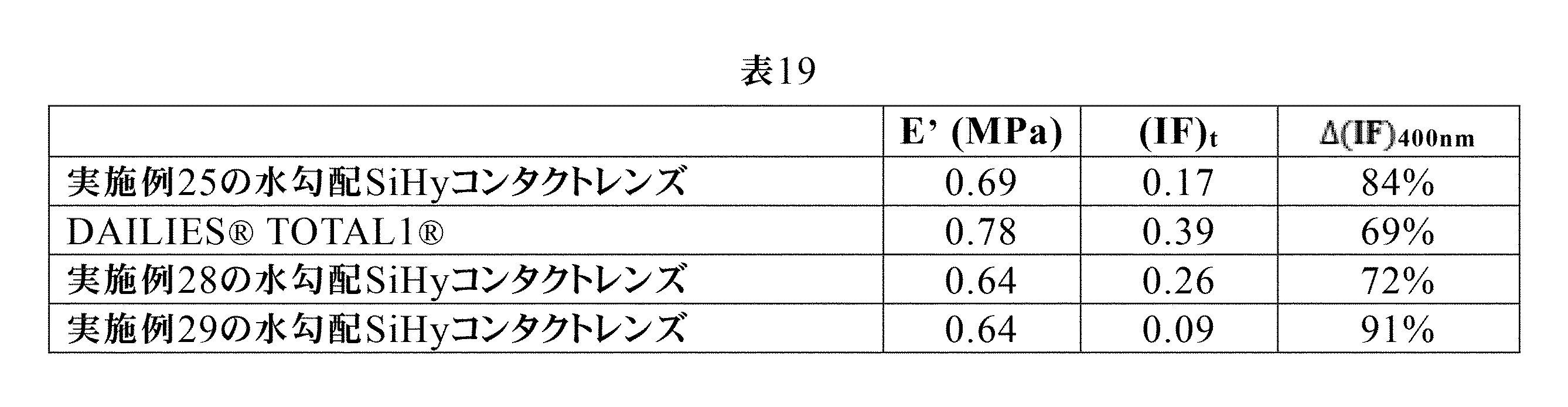
これらの結果は、ヒドロゲルコーティングが、ヒドロゲルコーティングをその上に全く含まない他のコンタクトレンズと比較してレンズ上でより柔軟な表面を形成し、一方で、レンズバルクは高い弾性率を維持することを示す。 These results indicate that the hydrogel coating forms a softer surface on the lens compared to other contact lenses that do not have any hydrogel coating on them, while the lens bulk maintains a high elastic modulus.
本明細書の上記で引用された全ての刊行物、特許、及び特許出願公開公報は、参照によりその全体が本明細書に組み込まれる。 All publications, patents, and published patent applications cited herein above are hereby incorporated by reference in their entirety.
Claims (10)
コンタクトレンズを、レンズホルダに、コンタクトレンズ中央部周囲の円周領域を露出させ、レンズホルダを対抗面に下ろし、49kPaを47mm2のコンタクトレンズ領域に適用して毎分75サイクルの周期数で、1ストロークあたり3インチ、1サイクルあたり6インチの総移動の条件で、20回研磨するように保持する、制御されたせん断技法であって、前記対抗面は4分の1インチ厚の、PBSで充填されたリザーバにクリップ留めされているシリコーンゴムのシートである、技法に従って処理された後に、少なくとも10秒間の水崩壊時間を有するコンタクトレンズであって、
前記コンタクトレンズは、前表面及び反対側の後表面と、前記前表面から前記後表面への方向に、前面外部ヒドロゲル層、レンズ材料の内部層、及び後面外部ヒドロゲル層を備える層状構造形態と、を備え、
前記内部層は、70重量%以下の第1の平衡含水率を有し、
前記前面及び後面外部ヒドロゲル層は、互いに独立して、完全に水和したときに0.25μm~25μmの厚さと、前記第1の平衡含水率よりも高い第2の平衡含水率と、を有し、
前記前面及び後面外部ヒドロゲル層は、互いに独立して、少なくとも140%の水膨張率を有する、コンタクトレンズ。 A polyquaternium-1 uptake rate of less than 0.40 micrograms/lens;
A contact lens having a water disintegration time of at least 10 seconds after being treated according to a controlled shear technique in which a contact lens is held in a lens holder with a circumferential area around the center of the contact lens exposed, the lens holder lowered onto a counter surface and abraded 20 times at a frequency of 75 cycles per minute with 49 kPa applied to a 47 mm2 contact lens area, with 3 inches per stroke and 6 inches of total movement per cycle, said counter surface being a quarter inch thick sheet of silicone rubber clipped onto a reservoir filled with PBS.
the contact lens comprises an anterior surface and an opposite posterior surface, and a layered structural configuration comprising, in a direction from the anterior surface to the posterior surface, an anterior outer hydrogel layer, an inner layer of lens material, and a posterior outer hydrogel layer;
the inner layer having a first equilibrium moisture content of less than or equal to 70 wt.%;
the front and rear outer hydrogel layers, independently of one another, have a thickness of 0.25 μm to 25 μm when fully hydrated and a second equilibrium water content greater than the first equilibrium water content;
A contact lens wherein said anterior and posterior outer hydrogel layers, independently of one another, have a water swelling rate of at least 140%.
コンタクトレンズを、レンズホルダに、コンタクトレンズ中央部周囲の円周領域を露出させ、レンズホルダを対抗面に下ろし、49kPaを47mm2のコンタクトレンズ領域に適用して毎分75サイクルの周期数で、1ストロークあたり3インチ、1サイクルあたり6インチの総移動の条件で、20回研磨するように保持する、制御されたせん断技法であって、前記対抗面は4分の1インチ厚の、PBSで充填されたリザーバにクリップ留めされているシリコーンゴムのシートである、技法に従って処理された後に、少なくとも10秒間の水崩壊時間と、
内側から前記コンタクトレンズの前又は後表面のうちの1つにかけて増加する含水率勾配と、を有するコンタクトレンズであって、
前記コンタクトレンズは、前面外部ヒドロゲル層及び後面外部ヒドロゲル層で完全に被覆されたレンズバルク材料を備え、
前記前面及び後面外部ヒドロゲル層は、互いに独立して、完全に水和したときに0.25μm~25μmの厚さを有し、
前記レンズバルク材料は70重量%以下の第1の平衡含水率を有し、
前記前面及び後面外部ヒドロゲル層は、互いに独立して、前記第1の平衡含水率の少なくとも1.2倍であり、少なくとも80重量%である第2の平衡含水率を有する、コンタクトレンズ。 A polyquaternium-1 uptake rate of less than 0.40 micrograms/lens;
a controlled shear technique in which a contact lens is held in a lens holder with a circumferential area around the center of the contact lens exposed, the lens holder lowered onto a counter surface and abraded 20 times at a frequency of 75 cycles per minute with 49 kPa applied to a 47 mm2 contact lens area , with 3 inches per stroke and 6 inches of total movement per cycle , said counter surface being a quarter inch thick sheet of silicone rubber clipped onto a reservoir filled with PBS; and a water disintegration time of at least 10 seconds after being processed according to the technique.
a water content gradient that increases from an interior side to one of an anterior or posterior surface of the contact lens,
the contact lens comprises a lens bulk material completely covered with a front outer hydrogel layer and a rear outer hydrogel layer;
said front and rear outer hydrogel layers, independently of one another, have a thickness of from 0.25 μm to 25 μm when fully hydrated;
the lens bulk material has a first equilibrium water content of less than or equal to 70% by weight;
A contact lens wherein said anterior and posterior outer hydrogel layers, independently of one another, have a second equilibrium water content that is at least 1.2 times said first equilibrium water content and is at least 80% by weight.
Priority Applications (1)
| Application Number | Priority Date | Filing Date | Title |
|---|---|---|---|
| JP2025020739A JP2025081411A (en) | 2017-12-13 | 2025-02-12 | Weekly and monthly disposable water gradient contact lenses |
Applications Claiming Priority (10)
| Application Number | Priority Date | Filing Date | Title |
|---|---|---|---|
| US201762598029P | 2017-12-13 | 2017-12-13 | |
| US201762598025P | 2017-12-13 | 2017-12-13 | |
| US201762598028P | 2017-12-13 | 2017-12-13 | |
| US201762598018P | 2017-12-13 | 2017-12-13 | |
| US62/598,028 | 2017-12-13 | ||
| US62/598,018 | 2017-12-13 | ||
| US62/598,029 | 2017-12-13 | ||
| US62/598,025 | 2017-12-13 | ||
| JP2020532025A JP7253554B2 (en) | 2017-12-13 | 2018-11-29 | 1 Week and 1 Month Disposable Water Gradient Contact Lenses |
| PCT/IB2018/059471 WO2019116139A1 (en) | 2017-12-13 | 2018-11-29 | Weekly and monthly disposable water gradient contact lenses |
Related Parent Applications (1)
| Application Number | Title | Priority Date | Filing Date |
|---|---|---|---|
| JP2020532025A Division JP7253554B2 (en) | 2017-12-13 | 2018-11-29 | 1 Week and 1 Month Disposable Water Gradient Contact Lenses |
Related Child Applications (1)
| Application Number | Title | Priority Date | Filing Date |
|---|---|---|---|
| JP2025020739A Division JP2025081411A (en) | 2017-12-13 | 2025-02-12 | Weekly and monthly disposable water gradient contact lenses |
Publications (2)
| Publication Number | Publication Date |
|---|---|
| JP2023078422A JP2023078422A (en) | 2023-06-06 |
| JP7635289B2 true JP7635289B2 (en) | 2025-02-25 |
Family
ID=64901035
Family Applications (3)
| Application Number | Title | Priority Date | Filing Date |
|---|---|---|---|
| JP2020532025A Active JP7253554B2 (en) | 2017-12-13 | 2018-11-29 | 1 Week and 1 Month Disposable Water Gradient Contact Lenses |
| JP2023049850A Active JP7635289B2 (en) | 2017-12-13 | 2023-03-27 | Weekly and monthly disposable water gradient contact lenses |
| JP2025020739A Pending JP2025081411A (en) | 2017-12-13 | 2025-02-12 | Weekly and monthly disposable water gradient contact lenses |
Family Applications Before (1)
| Application Number | Title | Priority Date | Filing Date |
|---|---|---|---|
| JP2020532025A Active JP7253554B2 (en) | 2017-12-13 | 2018-11-29 | 1 Week and 1 Month Disposable Water Gradient Contact Lenses |
Family Applications After (1)
| Application Number | Title | Priority Date | Filing Date |
|---|---|---|---|
| JP2025020739A Pending JP2025081411A (en) | 2017-12-13 | 2025-02-12 | Weekly and monthly disposable water gradient contact lenses |
Country Status (13)
| Country | Link |
|---|---|
| US (7) | US11256003B2 (en) |
| EP (5) | EP3724697B1 (en) |
| JP (3) | JP7253554B2 (en) |
| KR (2) | KR20240169143A (en) |
| CN (6) | CN117492232A (en) |
| AU (3) | AU2018381954B2 (en) |
| ES (1) | ES2984947T3 (en) |
| HU (3) | HUE057348T2 (en) |
| MX (2) | MX2020006077A (en) |
| MY (3) | MY198274A (en) |
| SG (3) | SG11202003456VA (en) |
| TW (3) | TWI801467B (en) |
| WO (4) | WO2019116139A1 (en) |
Families Citing this family (21)
| Publication number | Priority date | Publication date | Assignee | Title |
|---|---|---|---|---|
| US11477870B2 (en) * | 2017-09-28 | 2022-10-18 | Daikin Industries, Ltd. | Environmental control equipment control apparatus for controlling target space |
| US11256003B2 (en) * | 2017-12-13 | 2022-02-22 | Alcon Inc. | Weekly and monthly disposable water gradient contact lenses |
| WO2020005416A1 (en) | 2018-06-27 | 2020-01-02 | Bausch & Lomb Incorporated | Packaging solutions |
| CN110202806A (en) * | 2019-07-04 | 2019-09-06 | 江苏彩康隐形眼镜有限公司 | The preparation method of moisture retention contact lenses |
| US12384934B2 (en) * | 2019-10-09 | 2025-08-12 | Nof Corporation | Surface treatment agent for soft contact lens |
| WO2021090169A1 (en) | 2019-11-04 | 2021-05-14 | Alcon Inc. | Contact lenses with surfaces having different softness |
| WO2021090170A1 (en) | 2019-11-05 | 2021-05-14 | Alcon Inc. | Method for determining coating thickness on coated contact lenses |
| KR102747607B1 (en) | 2019-12-16 | 2025-01-02 | 알콘 인코포레이티드 | Wettable silicone hydrogel contact lenses |
| US12358247B2 (en) * | 2020-07-28 | 2025-07-15 | Alcon Inc. | Contact lenses with softer lens surfaces |
| CN112279959B (en) * | 2020-10-26 | 2022-05-03 | 康小林 | Ophthalmic polymer material, method for the production and use thereof |
| CN117425554A (en) * | 2021-03-05 | 2024-01-19 | 博士伦爱尔兰有限公司 | Molds for the production of ophthalmic devices |
| US11873361B2 (en) * | 2021-08-31 | 2024-01-16 | Bausch + Lomb Ireland Limited | Ophthalmic devices |
| CN117716262A (en) | 2021-09-01 | 2024-03-15 | 爱尔康公司 | Method for producing wettable silicone hydrogel contact lenses |
| US20230350228A1 (en) * | 2022-04-28 | 2023-11-02 | Coopervision International Limited | Contact lens |
| US12515423B2 (en) | 2022-08-17 | 2026-01-06 | Alcon Inc. | Contact lens with a hydrogel coating thereon |
| US20240280834A1 (en) | 2023-02-02 | 2024-08-22 | Alcon Inc. | Water gradient silicone hydrogel contact lenses |
| US20240293985A1 (en) | 2023-02-27 | 2024-09-05 | Alcon Inc. | Method for producing wettable silicone hydrogel contact lenses |
| TWI857612B (en) * | 2023-05-16 | 2024-10-01 | 望隼科技股份有限公司 | Contact lens and silicone hydrogel contact lens |
| CN121175595A (en) | 2023-05-25 | 2025-12-19 | 爱尔康公司 | Coated silicone hydrogel contact lenses and methods of making the same |
| WO2024246515A1 (en) * | 2023-05-31 | 2024-12-05 | Coopervision International Limited | Contact lens and packaging solution |
| CN116808299B (en) * | 2023-06-13 | 2024-12-31 | 中山大学中山眼科中心 | Suturable composite artificial cornea and preparation method thereof |
Citations (3)
| Publication number | Priority date | Publication date | Assignee | Title |
|---|---|---|---|---|
| JP2013533517A (en) | 2010-07-30 | 2013-08-22 | ノバルティス アーゲー | Silicone hydrogel lens with a high moisture content surface |
| US20160334640A1 (en) | 2014-01-29 | 2016-11-17 | Nexisvision, Inc. | Multifocal bimodulus contact lenses |
| US20170068019A1 (en) | 2015-09-04 | 2017-03-09 | Novartis Ag | Method for producing contact lenses with durable lubricious coatings thereon |
Family Cites Families (591)
| Publication number | Priority date | Publication date | Assignee | Title |
|---|---|---|---|---|
| US2296891A (en) | 1940-11-09 | 1942-09-29 | Celanese Corp | Cement |
| US2926154A (en) | 1957-09-05 | 1960-02-23 | Hercules Powder Co Ltd | Cationic thermosetting polyamide-epichlorohydrin resins and process of making same |
| US3224986A (en) | 1962-04-18 | 1965-12-21 | Hercules Powder Co Ltd | Cationic epichlorohydrin modified polyamide reacted with water-soluble polymers |
| NL128305C (en) | 1963-09-11 | |||
| SE306597B (en) | 1964-12-17 | 1968-12-02 | Incentive Ab | |
| US3434984A (en) | 1966-04-25 | 1969-03-25 | Owens Illinois Inc | Thermosetting cationic resin and method of making same |
| US3598790A (en) | 1966-07-01 | 1971-08-10 | Roehm & Haas Gmbh | Azlactone copolymers |
| US3488327A (en) | 1967-06-30 | 1970-01-06 | Roehm & Haas Gmbh | Preparation of coating materials |
| DE1745348A1 (en) | 1967-12-01 | 1971-09-09 | Roehm Gmbh | Copolymers containing azlactone groups |
| US3617344A (en) | 1966-08-05 | 1971-11-02 | Us Health Education & Welfare | Nonthrombogenic plastic surfaces and preparation thereof |
| GB1218394A (en) | 1967-03-08 | 1971-01-06 | Toho Kagaku Kogyo Kabushiki Ka | Process for producing water-soluble thermosetting polymer |
| US3566874A (en) | 1968-08-13 | 1971-03-02 | Nat Patent Dev Corp | Catheter |
| US3639141A (en) | 1968-09-16 | 1972-02-01 | Cordis Corp | Heparinization of plastic |
| JPS4813341B1 (en) | 1969-06-13 | 1973-04-26 | ||
| US3663288A (en) | 1969-09-04 | 1972-05-16 | American Cyanamid Co | Physiologically acceptible elastomeric article |
| US3772076A (en) | 1970-01-26 | 1973-11-13 | Hercules Inc | Reaction products of epihalohydrin and polymers of diallylamine and their use in paper |
| US3616935A (en) | 1970-02-05 | 1971-11-02 | Dow Chemical Co | Preparation of antithrombogenic surfaces |
| US3925178A (en) | 1970-04-17 | 1975-12-09 | Hymie D Gesser | Contact lenses |
| US3700623A (en) | 1970-04-22 | 1972-10-24 | Hercules Inc | Reaction products of epihalohydrin and polymers of diallylamine and their use in paper |
| US3695921A (en) | 1970-09-09 | 1972-10-03 | Nat Patent Dev Corp | Method of coating a catheter |
| US3844989A (en) | 1971-12-23 | 1974-10-29 | Toray Industries | Shampooer with rotary foam generating means anti-thrombogenic polymer compositions with internally bound heparin |
| US3892696A (en) | 1972-05-12 | 1975-07-01 | Grace W R & Co | Polyureas and preparation thereof |
| US3975350A (en) | 1972-08-02 | 1976-08-17 | Princeton Polymer Laboratories, Incorporated | Hydrophilic or hydrogel carrier systems such as coatings, body implants and other articles |
| US3813695A (en) | 1973-02-21 | 1974-06-04 | D Podell | Surgical glove |
| US3900672A (en) | 1973-04-04 | 1975-08-19 | Hoya Lens Co Ltd | Process for coating an optical material and the resulting product |
| US3861396A (en) | 1973-08-08 | 1975-01-21 | Hydro Med Sciences Inc | Drainage tube |
| US4099859A (en) | 1974-12-02 | 1978-07-11 | High Voltage Engineering Corporation | Contact lens having a smooth surface layer of a hydrophilic polymer |
| SE400173B (en) | 1975-03-20 | 1978-03-20 | Aminkemi Ab | PROCEDURE FOR STABILIZING A HEPARINIZED SURFACE CONTAINING FOR BLOOD CONTACT RELEASE HEPARIN |
| FR2306243A1 (en) | 1975-04-03 | 1976-10-29 | Asahi Dow Ltd | HYDROPHYL COATING COMPOSITION |
| DE2614662A1 (en) | 1975-04-07 | 1977-01-27 | Dow Chemical Co | COMPOSITION FOR THE PRODUCTION OF ARTICLES SWELLABLE IN WATER |
| US4154898A (en) | 1976-09-27 | 1979-05-15 | The Dow Chemical Company | Absorbent articles and methods for their preparation |
| US4143949A (en) | 1976-10-28 | 1979-03-13 | Bausch & Lomb Incorporated | Process for putting a hydrophilic coating on a hydrophobic contact lens |
| US4182822A (en) | 1976-11-08 | 1980-01-08 | Chang Sing Hsiung | Hydrophilic, soft and oxygen permeable copolymer composition |
| US4343927A (en) | 1976-11-08 | 1982-08-10 | Chang Sing Hsiung | Hydrophilic, soft and oxygen permeable copolymer compositions |
| JPS5413694A (en) | 1977-07-01 | 1979-02-01 | Sumitomo Electric Industries | Composite blood vessel prosthesis and method of producing same |
| US4136250A (en) | 1977-07-20 | 1979-01-23 | Ciba-Geigy Corporation | Polysiloxane hydrogels |
| US4153641A (en) | 1977-07-25 | 1979-05-08 | Bausch & Lomb Incorporated | Polysiloxane composition and contact lens |
| US4189546A (en) | 1977-07-25 | 1980-02-19 | Bausch & Lomb Incorporated | Polysiloxane shaped article for use in biomedical applications |
| FR2402525A1 (en) | 1977-09-12 | 1979-04-06 | Toray Industries | PROCESS FOR MANUFACTURING COMPOSITIONS OF SOFT CONTACT LENSES AND NEW PRODUCTS THUS OBTAINED |
| US4168112A (en) | 1978-01-05 | 1979-09-18 | Polymer Technology Corporation | Contact lens with a hydrophilic, polyelectrolyte complex coating and method for forming same |
| US4298715A (en) | 1978-03-01 | 1981-11-03 | Monsanto Company | Polyamine/epihalohydrin reaction products |
| US4217038A (en) | 1978-06-05 | 1980-08-12 | Bausch & Lomb Incorporated | Glass coated polysiloxane contact lens |
| US4191596A (en) | 1978-09-06 | 1980-03-04 | Union Carbide Corporation | Method and compositions for coating aluminum |
| US4280970A (en) | 1979-01-19 | 1981-07-28 | Puropore Inc. | Polyoxyethylene grafted membrane materials with grafting links derived from a diisocyanate |
| US4261875A (en) | 1979-01-31 | 1981-04-14 | American Optical Corporation | Contact lenses containing hydrophilic silicone polymers |
| US4298639A (en) | 1979-03-19 | 1981-11-03 | Monsanto Company | Wet strength polymers |
| JPS5836604B2 (en) | 1979-04-18 | 1983-08-10 | 株式会社日立製作所 | High temperature electrodialysis method and equipment |
| US4263188A (en) | 1979-05-23 | 1981-04-21 | Verbatim Corporation | Aqueous coating composition and method |
| US4276402A (en) | 1979-09-13 | 1981-06-30 | Bausch & Lomb Incorporated | Polysiloxane/acrylic acid/polcyclic esters of methacrylic acid polymer contact lens |
| US4254248A (en) | 1979-09-13 | 1981-03-03 | Bausch & Lomb Incorporated | Contact lens made from polymers of polysiloxane and polycyclic esters of acrylic acid or methacrylic acid |
| US4312575A (en) | 1979-09-18 | 1982-01-26 | Peyman Gholam A | Soft corneal contact lens with tightly cross-linked polymer coating and method of making same |
| US4259467A (en) | 1979-12-10 | 1981-03-31 | Bausch & Lomb Incorporated | Hydrophilic contact lens made from polysiloxanes containing hydrophilic sidechains |
| US4260725A (en) | 1979-12-10 | 1981-04-07 | Bausch & Lomb Incorporated | Hydrophilic contact lens made from polysiloxanes which are thermally bonded to polymerizable groups and which contain hydrophilic sidechains |
| US4293642A (en) | 1980-05-13 | 1981-10-06 | Gaf Corporation | In photographic emulsion adhesion to a polyester film base |
| JPS5774369A (en) | 1980-10-28 | 1982-05-10 | Mitsui Petrochem Ind Ltd | Coating composition |
| US4462665A (en) | 1981-01-29 | 1984-07-31 | The Kendall Company | Composite hydrogel-forming lens and method of making same |
| US4341889A (en) | 1981-02-26 | 1982-07-27 | Bausch & Lomb Incorporated | Polysiloxane composition and biomedical devices |
| US4355147A (en) | 1981-02-26 | 1982-10-19 | Bausch & Lomb Incorporated | Polysiloxane with polycyclic modifier composition and biomedical devices |
| US4327203A (en) | 1981-02-26 | 1982-04-27 | Bausch & Lomb Incorporated | Polysiloxane with cycloalkyl modifier composition and biomedical devices |
| US4495313A (en) | 1981-04-30 | 1985-01-22 | Mia Lens Production A/S | Preparation of hydrogel for soft contact lens with water displaceable boric acid ester |
| US4373009A (en) | 1981-05-18 | 1983-02-08 | International Silicone Corporation | Method of forming a hydrophilic coating on a substrate |
| US4379893A (en) | 1981-08-26 | 1983-04-12 | Diamond Shamrock Corporation | Surface-treated soft contact lenses |
| DE3135830A1 (en) | 1981-09-10 | 1983-03-24 | Basf Ag, 6700 Ludwigshafen | METHOD FOR THE PRODUCTION OF WATER-SOLUBLE, NITROGEN-CONDENSING PRODUCTS AND THE USE THEREOF IN PAPER PRODUCTION |
| US4444711A (en) | 1981-12-21 | 1984-04-24 | Husky Injection Molding Systems Ltd. | Method of operating a two-shot injection-molding machine |
| US4661575A (en) | 1982-01-25 | 1987-04-28 | Hercules Incorporated | Dicyclopentadiene polymer product |
| SE456347B (en) | 1982-02-09 | 1988-09-26 | Ird Biomaterial Ab | SURFACE MODIFIED SOLID SUBSTRATE AND PROCEDURES FOR PRODUCING THEREOF |
| SE8200751L (en) | 1982-02-09 | 1983-08-10 | Olle Larm | PROCEDURE FOR COVALENT COUPLING FOR MANUFACTURE OF CONJUGATE AND REQUIRED PRODUCTS |
| US4487808A (en) | 1982-04-22 | 1984-12-11 | Astra Meditec Aktiebolag | Medical article having a hydrophilic coating |
| US4499154A (en) | 1982-09-03 | 1985-02-12 | Howard L. Podell | Dipped rubber article |
| US4460534A (en) | 1982-09-07 | 1984-07-17 | International Business Machines Corporation | Two-shot injection molding |
| US5002582A (en) | 1982-09-29 | 1991-03-26 | Bio-Metric Systems, Inc. | Preparation of polymeric surfaces via covalently attaching polymers |
| US4973493A (en) | 1982-09-29 | 1990-11-27 | Bio-Metric Systems, Inc. | Method of improving the biocompatibility of solid surfaces |
| US5217492A (en) | 1982-09-29 | 1993-06-08 | Bio-Metric Systems, Inc. | Biomolecule attachment to hydrophobic surfaces |
| US4486577A (en) | 1982-10-12 | 1984-12-04 | Ciba-Geigy Corporation | Strong, silicone containing polymers with high oxygen permeability |
| US4543398A (en) | 1983-04-28 | 1985-09-24 | Minnesota Mining And Manufacturing Company | Ophthalmic devices fabricated from urethane acrylates of polysiloxane alcohols |
| US4527293A (en) | 1983-05-18 | 1985-07-09 | University Of Miami | Hydrogel surface of urological prosthesis |
| US4689374A (en) | 1983-06-09 | 1987-08-25 | W. R. Grace & Co. | Water soluble polyamidoaminepolyamine having weight average molecular weight of at least 5×10⁵ |
| US4521564A (en) | 1984-02-10 | 1985-06-04 | Warner-Lambert Company | Covalent bonded antithrombogenic polyurethane material |
| US4695608A (en) | 1984-03-29 | 1987-09-22 | Minnesota Mining And Manufacturing Company | Continuous process for making polymers having pendant azlactone or macromolecular moieties |
| EP0166998B1 (en) | 1984-06-04 | 1991-05-08 | TERUMO KABUSHIKI KAISHA trading as TERUMO CORPORATION | Medical instrument and method for making |
| US4959074A (en) | 1984-08-23 | 1990-09-25 | Gergory Halpern | Method of hydrophilic coating of plastics |
| US4605712A (en) | 1984-09-24 | 1986-08-12 | Ciba-Geigy Corporation | Unsaturated polysiloxanes and polymers thereof |
| AT380897B (en) | 1984-12-10 | 1986-07-25 | Koller Anton | MIXTURE FOR THE CARE AND CLEANING OF CONTACT LENSES |
| US4833218A (en) | 1984-12-18 | 1989-05-23 | Dow Corning Corporation | Hydrophilic silicone-organic copolymer elastomers containing bioactine agent |
| US4546123A (en) | 1984-12-28 | 1985-10-08 | Alcon Laboratories, Inc. | Polymer hydrogels adapted for use as soft contact lenses, and method of preparing same |
| JPH0674369B2 (en) | 1985-03-14 | 1994-09-21 | 大日本インキ化学工業株式会社 | Method for producing aqueous dispersion of vinyl copolymer resin |
| DE3517615C2 (en) | 1985-05-15 | 1987-04-09 | Titmus Eurocon Kontaktlinsen GmbH, 8750 Aschaffenburg | Process for hydrophilizing a silicone rubber molded article on its surface |
| US4684538A (en) | 1986-02-21 | 1987-08-04 | Loctite Corporation | Polysiloxane urethane compounds and adhesive compositions, and method of making and using the same |
| US4720512A (en) | 1986-03-24 | 1988-01-19 | Becton, Dickinson And Company | Polymeric articles having enhanced antithrombogenic activity |
| US4786556A (en) | 1986-03-24 | 1988-11-22 | Becton, Dickinson And Company | Polymeric articles having enhanced antithrombogenic activity |
| DE3708308A1 (en) | 1986-04-10 | 1987-10-22 | Bayer Ag | CONTACT OPTICAL ITEMS |
| US4791175A (en) | 1986-08-04 | 1988-12-13 | Ciba-Geigy Corporation | Particulate hydroperoxidized poly-n-vinyl lactam, its preparation and use thereof |
| DE3778446D1 (en) | 1986-08-18 | 1992-05-27 | Mueller Lierheim Wolfgang G K | CONTACT LENS. |
| US4979959A (en) | 1986-10-17 | 1990-12-25 | Bio-Metric Systems, Inc. | Biocompatible coating for solid surfaces |
| US5263992A (en) | 1986-10-17 | 1993-11-23 | Bio-Metric Systems, Inc. | Biocompatible device with covalently bonded biocompatible agent |
| US4734475A (en) | 1986-12-15 | 1988-03-29 | Ciba-Geigy Corporation | Wettable surface modified contact lens fabricated from an oxirane containing hydrophobic polymer |
| US5712327A (en) | 1987-01-07 | 1998-01-27 | Chang; Sing-Hsiung | Soft gas permeable contact lens having improved clinical performance |
| US5290548A (en) | 1987-04-10 | 1994-03-01 | University Of Florida | Surface modified ocular implants, surgical instruments, devices, prostheses, contact lenses and the like |
| US5108776A (en) | 1987-04-10 | 1992-04-28 | University Of Florida | Ocular implants and methods for their manufacture |
| JP2551580B2 (en) | 1987-04-30 | 1996-11-06 | ホ−ヤ株式会社 | How to make contact lenses hydrophilic |
| US4837289A (en) | 1987-04-30 | 1989-06-06 | Ciba-Geigy Corporation | UV- and heat curable terminal polyvinyl functional macromers and polymers thereof |
| US5059659A (en) | 1987-05-29 | 1991-10-22 | Harry P. Gregor | Surface treatments to impart hydrophilicity |
| US4978713A (en) | 1987-12-16 | 1990-12-18 | Ciba-Geigy Corporation | Polyvinyl alcohol derivatives containing pendant vinylic monomer reaction product units bound through ether groups and hydrogel contact lenses made therefrom |
| US4943460A (en) | 1988-02-19 | 1990-07-24 | Snyder Laboratories, Inc. | Process for coating polymer surfaces and coated products produced using such process |
| US5070170A (en) | 1988-02-26 | 1991-12-03 | Ciba-Geigy Corporation | Wettable, rigid gas permeable, substantially non-swellable contact lens containing block copolymer polysiloxane-polyoxyalkylene backbone units, and use thereof |
| KR900700550A (en) | 1988-03-23 | 1990-08-16 | 제임스 제이. 플린 | Surface with low coefficient of friction |
| JP2561309B2 (en) | 1988-03-28 | 1996-12-04 | テルモ株式会社 | Medical material and manufacturing method thereof |
| EP0335308B1 (en) | 1988-03-31 | 1993-12-08 | W.R. Grace & Co.-Conn. | Protein non-adsorptive polyurea-urethane polymer coated devices |
| US5061738A (en) | 1988-04-18 | 1991-10-29 | Becton, Dickinson And Company | Blood compatible, lubricious article and composition and method therefor |
| US4954587A (en) | 1988-07-05 | 1990-09-04 | Ciba-Geigy Corporation | Dimethylacrylamide-copolymer hydrogels with high oxygen permeability |
| US5019393A (en) | 1988-08-03 | 1991-05-28 | New England Deaconess Hospital Corporation | Biocompatible substance with thromboresistance |
| WO1990001344A1 (en) | 1988-08-09 | 1990-02-22 | Toray Industries, Inc. | Slippery medical material and process for its production |
| JPH0651795B2 (en) | 1988-09-16 | 1994-07-06 | 信越化学工業株式会社 | Methacryl functional dimethyl polysiloxane |
| US5053048A (en) | 1988-09-22 | 1991-10-01 | Cordis Corporation | Thromboresistant coating |
| US5270046A (en) | 1988-09-27 | 1993-12-14 | Ube Industries, Ltd. | Heparin bound anti-thrombotic material |
| US4983702A (en) | 1988-09-28 | 1991-01-08 | Ciba-Geigy Corporation | Crosslinked siloxane-urethane polymer contact lens |
| EP0362137A3 (en) | 1988-09-28 | 1991-09-04 | Ciba-Geigy Ag | Molded polymers with hydrophilic surfaces, and process for making them |
| US5510418A (en) | 1988-11-21 | 1996-04-23 | Collagen Corporation | Glycosaminoglycan-synthetic polymer conjugates |
| US5039459A (en) | 1988-11-25 | 1991-08-13 | Johnson & Johnson Vision Products, Inc. | Method of forming shaped hydrogel articles including contact lenses |
| US5214452A (en) | 1988-12-19 | 1993-05-25 | Ciba-Geigy Corporation | Hydrogels based on fluorine-containing and saccharide monomers |
| DE58908944D1 (en) | 1988-12-19 | 1995-03-09 | Ciba Geigy Ag | Hydrogels based on fluorine and saccharide monomers. |
| US4973359A (en) | 1989-01-04 | 1990-11-27 | Nippon Paint Co., Ltd. | Surface treatment chemical and bath for forming hydrophilic coatings and method of surface-treating aluminum members |
| US4978481A (en) | 1989-01-13 | 1990-12-18 | Ciba-Geigy Corporation | Process for the encapsulation of preformed substrates by graft copolymerization |
| US4968532A (en) | 1989-01-13 | 1990-11-06 | Ciba-Geigy Corporation | Process for graft copolymerization on surfaces of preformed substrates to modify surface properties |
| US4954586A (en) | 1989-01-17 | 1990-09-04 | Menicon Co., Ltd | Soft ocular lens material |
| US5091205A (en) | 1989-01-17 | 1992-02-25 | Union Carbide Chemicals & Plastics Technology Corporation | Hydrophilic lubricious coatings |
| US5262484A (en) | 1989-04-10 | 1993-11-16 | Minnesota Mining And Manufacturing Company | Azlactone graft copolymers |
| RU2049097C1 (en) | 1989-04-14 | 1995-11-27 | Шеринг Корпорейшн | Stained polymeric contact lens and a method of its preparing |
| US5080924A (en) | 1989-04-24 | 1992-01-14 | Drexel University | Method of making biocompatible, surface modified materials |
| US4990357A (en) | 1989-05-04 | 1991-02-05 | Becton, Dickinson And Company | Elastomeric segmented hydrophilic polyetherurethane based lubricious coatings |
| US5034461A (en) | 1989-06-07 | 1991-07-23 | Bausch & Lomb Incorporated | Novel prepolymers useful in biomedical devices |
| US5272012A (en) | 1989-06-23 | 1993-12-21 | C. R. Bard, Inc. | Medical apparatus having protective, lubricious coating |
| WO1991004283A1 (en) | 1989-09-14 | 1991-04-04 | Chang Sing Hsiung | Soft gas permeable contact lens having improved clinical performance |
| US5049403A (en) | 1989-10-12 | 1991-09-17 | Horsk Hydro A.S. | Process for the preparation of surface modified solid substrates |
| US5079319A (en) | 1989-10-25 | 1992-01-07 | Ciba-Geigy Corporation | Reactive silicone and/or fluorine containing hydrophilic prepolymers and polymers thereof |
| US5010141A (en) | 1989-10-25 | 1991-04-23 | Ciba-Geigy Corporation | Reactive silicone and/or fluorine containing hydrophilic prepolymers and polymers thereof |
| US5135516A (en) | 1989-12-15 | 1992-08-04 | Boston Scientific Corporation | Lubricious antithrombogenic catheters, guidewires and coatings |
| GB9009097D0 (en) | 1990-04-23 | 1990-06-20 | Lrc Products | Method of making dipped rubber articles |
| DE4026978A1 (en) | 1990-08-25 | 1992-02-27 | Bayer Ag | Coated substrates for electro=optical applications, etc. |
| JPH0783761B2 (en) | 1990-10-04 | 1995-09-13 | テルモ株式会社 | Medical equipment |
| US5160790A (en) | 1990-11-01 | 1992-11-03 | C. R. Bard, Inc. | Lubricious hydrogel coatings |
| US5132108A (en) | 1990-11-08 | 1992-07-21 | Cordis Corporation | Radiofrequency plasma treated polymeric surfaces having immobilized anti-thrombogenic agents |
| US5135297A (en) | 1990-11-27 | 1992-08-04 | Bausch & Lomb Incorporated | Surface coating of polymer objects |
| ATE141620T1 (en) | 1990-11-27 | 1996-09-15 | Bausch & Lomb | SURFACE-ACTIVE MACROMONOMERS |
| US5112900A (en) | 1990-11-28 | 1992-05-12 | Tactyl Technologies, Inc. | Elastomeric triblock copolymer compositions and articles made therewith |
| US5407715A (en) | 1990-11-28 | 1995-04-18 | Tactyl Technologies, Inc. | Elastomeric triblock copolymer compositions and articles made therewith |
| AU649287B2 (en) | 1990-12-19 | 1994-05-19 | Novartis Ag | Process for rendering contact lenses hydrophilic |
| US5270415A (en) | 1990-12-21 | 1993-12-14 | Allergan Inc. | Balanced charge polymer and hydrophilic contact lens manufactured therefrom |
| JPH04316013A (en) | 1991-04-16 | 1992-11-06 | Seiko Epson Corp | Manufacture of contact lens |
| US5739236A (en) | 1991-04-24 | 1998-04-14 | Biocompatibles Limited | Biocompatible zwitterion polymers |
| US5397848A (en) | 1991-04-25 | 1995-03-14 | Allergan, Inc. | Enhancing the hydrophilicity of silicone polymers |
| US5443907A (en) | 1991-06-18 | 1995-08-22 | Scimed Life Systems, Inc. | Coating for medical insertion guides |
| GB9113875D0 (en) | 1991-06-27 | 1991-08-14 | Biointeractions Ltd | Polymer coatings |
| US6743878B2 (en) | 1991-07-05 | 2004-06-01 | Biocompatibles Uk Limited | Polymeric surface coatings |
| US6090901A (en) | 1991-07-05 | 2000-07-18 | Biocompatibles Limited | Polymeric surface coatings |
| DK0593561T3 (en) | 1991-07-05 | 2000-08-21 | Biocompatibles Ltd | Polymeric surface coatings |
| US5705583A (en) | 1991-07-05 | 1998-01-06 | Biocompatibles Limited | Polymeric surface coatings |
| US6225431B1 (en) | 1991-07-05 | 2001-05-01 | Biocompatibles Limited | Biocompatibilizing process |
| US6284854B1 (en) | 1991-07-05 | 2001-09-04 | Biccompatibles Limited | Polymeric surface coatings |
| US5210111A (en) | 1991-08-22 | 1993-05-11 | Ciba-Geigy Corporation | Crosslinked hydrogels derived from hydrophilic polymer backbones |
| JP3327471B2 (en) | 1991-09-12 | 2002-09-24 | ボシュ アンド ロム インコーポレイテッド | Wettable silicone hydrogel compositions and methods |
| WO1993005825A1 (en) | 1991-09-20 | 1993-04-01 | Baxter International Inc. | Processes for reducing the thrombogenicity of biomaterials |
| SG54134A1 (en) | 1991-10-14 | 1998-11-16 | Nof Corp | Treating solution for contact lenses |
| JP3093375B2 (en) | 1991-11-01 | 2000-10-03 | 株式会社東海メディカルプロダクツ | Immobilization method of antithrombotic substance |
| EP0611379B1 (en) | 1991-11-05 | 1996-05-29 | BAUSCH & LOMB INCORPORATED | Wettable silicone hydrogel compositions and methods for their manufacture |
| US5352714A (en) | 1991-11-05 | 1994-10-04 | Bausch & Lomb Incorporated | Wettable silicone hydrogel compositions and methods for their manufacture |
| US5310779A (en) | 1991-11-05 | 1994-05-10 | Bausch & Lomb Incorporated | UV curable crosslinking agents useful in copolymerization |
| GB9124353D0 (en) | 1991-11-15 | 1992-01-08 | Albright & Wilson | Immobilisation of metal contaminants from a liquid to a solid metal |
| US6314199B1 (en) | 1991-12-18 | 2001-11-06 | Novartis Ag | Process and apparatus for examining optical components, especially optical components for the eye and device for illuminating clear-transparent |
| JPH06506019A (en) | 1991-12-18 | 1994-07-07 | シメッド ライフ システムズ インコーポレイテッド | Lubricious polymer network |
| IL100443A (en) | 1991-12-20 | 1995-03-30 | Dotan Gideon | Inspection system for detecting surface flaws |
| US5470944A (en) | 1992-02-13 | 1995-11-28 | Arch Development Corporation | Production of high molecular weight polylactic acid |
| DE69328523T2 (en) | 1992-02-13 | 2000-09-21 | Surmodics, Inc. | IMMOBILIZATION OF A CHEMICAL SPECIES IN A NETWORKED MATRIX |
| JPH05285164A (en) | 1992-04-03 | 1993-11-02 | Unitika Ltd | Antithrombotic intraocular lens |
| US5358995A (en) | 1992-05-15 | 1994-10-25 | Bausch & Lomb Incorporated | Surface wettable silicone hydrogels |
| US5805264A (en) | 1992-06-09 | 1998-09-08 | Ciba Vision Corporation | Process for graft polymerization on surfaces of preformed substates to modify surface properties |
| EP0574352A1 (en) | 1992-06-09 | 1993-12-15 | Ciba-Geigy Ag | Process for graft polymerization on surfaces of preformed substrates to modify surface properties |
| DK172393B1 (en) | 1992-06-10 | 1998-05-18 | Maersk Medical As | Process for producing an article having friction-reducing surface coating, coating material for use in the manufacture of such article, and using an osmolality-increasing compound in slurry or emulsified form in the coating material |
| US5292514A (en) | 1992-06-24 | 1994-03-08 | Minnesota Mining And Manufacturing Company | Azlactone-functional substrates, corneal prostheses, and manufacture and use thereof |
| JP3195662B2 (en) | 1992-08-24 | 2001-08-06 | 株式会社メニコン | Ophthalmic lens materials |
| JP2774233B2 (en) | 1992-08-26 | 1998-07-09 | 株式会社メニコン | Ophthalmic lens materials |
| US5310571A (en) | 1992-09-01 | 1994-05-10 | Allergan, Inc. | Chemical treatment to improve oxygen permeability through and protein deposition on hydrophilic (soft) and rigid gas permeable (RGP) contact lenses |
| IL106922A (en) | 1992-09-14 | 1998-08-16 | Novartis Ag | Composite materials with one or more wettable surfaces and process for their preparation |
| KR0122741B1 (en) | 1992-09-23 | 1997-11-17 | 배순훈 | Memory having parallel architecture |
| US5316704B1 (en) | 1992-09-28 | 1996-05-21 | Kabi Pharmacia Ophthalmics Inc | Process for fabricating full sized expansible hydrogel intraocular lenses |
| US5480950A (en) | 1992-09-28 | 1996-01-02 | Kabi Pharmacia Ophthalmics, Inc. | High refractive index hydrogels and uses thereof |
| US5409731A (en) | 1992-10-08 | 1995-04-25 | Tomei Sangyo Kabushiki Kaisha | Method for imparting a hydrophilic nature to a contact lens |
| AU5733594A (en) | 1992-11-30 | 1994-06-22 | Bulk Chemicals, Inc. | A method and composition for treating metal surfaces |
| IL107601A (en) | 1992-12-21 | 1997-09-30 | Johnson & Johnson Vision Prod | Illumination and imaging subsystems for a lens inspection system |
| IL107603A (en) | 1992-12-21 | 1997-01-10 | Johnson & Johnson Vision Prod | Ophthalmic lens inspection method and apparatus |
| IL107605A (en) | 1992-12-21 | 1998-01-04 | Johnson & Johnson Vision Prod | Lens inspection system |
| IL107602A0 (en) | 1992-12-21 | 1994-02-27 | Johnson & Johnson Vision Prod | Method of inspecting ophthalmic lenses |
| NZ250042A (en) | 1992-12-21 | 1997-01-29 | Johnson & Johnson Vision Prod | Robotic inspection of ophthalmic lenses |
| GB9226791D0 (en) | 1992-12-23 | 1993-02-17 | Biocompatibles Ltd | New materials |
| US5350800A (en) | 1993-01-19 | 1994-09-27 | Medtronic, Inc. | Method for improving the biocompatibility of solid surfaces |
| US5308641A (en) | 1993-01-19 | 1994-05-03 | Medtronic, Inc. | Biocompatibility of solid surfaces |
| DE69403445T2 (en) | 1993-01-29 | 1997-12-18 | Minnesota Mining And Mfg. Co., Saint Paul, Minn. | AZLACTON MEMBRANE WITH THERMALLY INDUCED PHASE SEPARATION |
| CA2114697C (en) | 1993-02-08 | 2006-06-13 | Kenichi Shimura | Medical tool having lubricious surface in a wetted state and method for production thereof |
| EP0689465A1 (en) | 1993-03-18 | 1996-01-03 | Cedars-Sinai Medical Center | Drug incorporating and releasing polymeric coating for bioprosthesis |
| US5531715A (en) | 1993-05-12 | 1996-07-02 | Target Therapeutics, Inc. | Lubricious catheters |
| TW328535B (en) | 1993-07-02 | 1998-03-21 | Novartis Ag | Functional photoinitiators and their manufacture |
| US6800225B1 (en) | 1994-07-14 | 2004-10-05 | Novartis Ag | Process and device for the manufacture of mouldings and mouldings manufactured in accordance with that process |
| US5578675A (en) | 1993-07-21 | 1996-11-26 | Basf Corporation | Non-isocyanate basecoat/clearcoat coating compositions which may be ambient cured |
| TW325744U (en) | 1993-07-21 | 1998-01-21 | Ciba Geigy Ag | Two-sided contact lens mold |
| DE69428381T2 (en) | 1993-07-29 | 2002-08-08 | Wesley-Jessen Corp., Chicago | System for the inspection of optical components |
| TW272976B (en) | 1993-08-06 | 1996-03-21 | Ciba Geigy Ag | |
| TW253849B (en) | 1993-08-09 | 1995-08-11 | Ciba Geigy | |
| US5408002A (en) | 1993-09-09 | 1995-04-18 | Minnesota Mining And Manufacturing Company | Azlactone-functional polymer blends, articles produced therefrom and methods for preparing both |
| FR2709756B1 (en) | 1993-09-10 | 1995-10-20 | Essilor Int | Hydrophilic, transparent material with high oxygen permeability, based on a polymer with interpenetrating networks, its method of preparation and manufacture of soft contact lenses with high oxygen permeability. |
| US5514478A (en) | 1993-09-29 | 1996-05-07 | Alcan International Limited | Nonabrasive, corrosion resistant, hydrophilic coatings for aluminum surfaces, methods of application, and articles coated therewith |
| US5723145A (en) | 1993-09-30 | 1998-03-03 | Takiron Co., Ltd. | Transdermal absorption preparation |
| US5936703A (en) | 1993-10-13 | 1999-08-10 | Nof Corporation | Alkoxysilane compound, surface processing solution and contact lens |
| GB9321714D0 (en) | 1993-10-21 | 1993-12-15 | Sandoz Ltd | Improvements in or relating to organic compounds |
| US5712356A (en) | 1993-11-26 | 1998-01-27 | Ciba Vision Corporation | Cross-linkable copolymers and hydrogels |
| US5894002A (en) | 1993-12-13 | 1999-04-13 | Ciba Vision Corporation | Process and apparatus for the manufacture of a contact lens |
| JP3734512B2 (en) | 1993-12-27 | 2006-01-11 | 株式会社メニコン | Contact lens appearance inspection method and appearance inspection apparatus |
| US6075066A (en) | 1994-03-14 | 2000-06-13 | Seikagaku Kogyo Kabushiki Kaisha | Material to be worn on the eyeball |
| JPH10500712A (en) | 1994-04-11 | 1998-01-20 | ヘキスト セラニーズ コーポレーション | Superabsorbent polymer and products obtained therefrom |
| US5476665A (en) | 1994-04-13 | 1995-12-19 | Minnesota Mining And Manufacturing Company | Azlactone functional particles incorporated in a membrane formed by solvent phase inversion |
| US5500732A (en) | 1994-06-10 | 1996-03-19 | Johnson & Johnson Vision Products, Inc. | Lens inspection system and method |
| US5626000A (en) | 1994-06-10 | 1997-05-06 | Johnson & Johnson Vision Products, Inc. | Packaging arrangement |
| US5843346A (en) | 1994-06-30 | 1998-12-01 | Polymer Technology Corporation | Method of cast molding contact lenses |
| US5670558A (en) | 1994-07-07 | 1997-09-23 | Terumo Kabushiki Kaisha | Medical instruments that exhibit surface lubricity when wetted |
| US5760100B1 (en) | 1994-09-06 | 2000-11-14 | Ciba Vision Corp | Extended wear ophthalmic lens |
| US7468398B2 (en) | 1994-09-06 | 2008-12-23 | Ciba Vision Corporation | Extended wear ophthalmic lens |
| JPH0892017A (en) | 1994-09-19 | 1996-04-09 | Tomey Technol Corp | Solution preparation for contact lens |
| US5509899A (en) | 1994-09-22 | 1996-04-23 | Boston Scientific Corp. | Medical device with lubricious coating |
| IT1270125B (en) | 1994-10-05 | 1997-04-28 | Spherilene Srl | PROCESS FOR THE (CO) POLYMERIZATION OF OLEFINE |
| US5681510A (en) | 1994-10-13 | 1997-10-28 | Bausch & Lomb Incorporated | Method for treating plastic mold pieces |
| US6342570B1 (en) | 1994-11-14 | 2002-01-29 | Novartis Ag | Cross-linkable copolymers and hydrogels |
| JP3647093B2 (en) | 1994-11-17 | 2005-05-11 | 株式会社メニコン | Hydrophilized oxygen permeable contact lens and method for producing the same |
| US5665840A (en) | 1994-11-18 | 1997-09-09 | Novartis Corporation | Polymeric networks from water-soluble prepolymers |
| US5510004A (en) | 1994-12-01 | 1996-04-23 | Hercules Incorporated | Azetidinium polymers for improving wet strength of paper |
| SE503711C2 (en) | 1994-12-14 | 1996-08-12 | Medicarb Ab | Multistage procedure for coating an intraocular lens |
| US5700559A (en) | 1994-12-16 | 1997-12-23 | Advanced Surface Technology | Durable hydrophilic surface coatings |
| TW353086B (en) | 1994-12-30 | 1999-02-21 | Novartis Ag | Method for multistep coating of a surface |
| US5995213A (en) | 1995-01-17 | 1999-11-30 | Johnson & Johnson Vision Products, Inc. | Lens inspection system |
| US5532311A (en) | 1995-02-01 | 1996-07-02 | Minnesota Mining And Manufacturing Company | Process for modifying surfaces |
| TW349967B (en) | 1995-02-03 | 1999-01-11 | Novartis Ag | Process for producing contact lenses and a cross-linkable polyvinylalcohol used therefor |
| JP3785599B2 (en) | 1995-02-03 | 2006-06-14 | ノバルティス アクチエンゲゼルシャフト | Crosslinked polymers containing ester or amide groups |
| US5599576A (en) | 1995-02-06 | 1997-02-04 | Surface Solutions Laboratories, Inc. | Medical apparatus with scratch-resistant coating and method of making same |
| PL182804B1 (en) | 1995-02-07 | 2002-03-29 | Fidia Advanced Biopolymers | Method of coating objects with hialuronic acid, its derivatives and semi-synthetic polymers |
| US5869127A (en) | 1995-02-22 | 1999-02-09 | Boston Scientific Corporation | Method of providing a substrate with a bio-active/biocompatible coating |
| US6179817B1 (en) | 1995-02-22 | 2001-01-30 | Boston Scientific Corporation | Hybrid coating for medical devices |
| US5702754A (en) | 1995-02-22 | 1997-12-30 | Meadox Medicals, Inc. | Method of providing a substrate with a hydrophilic coating and substrates, particularly medical devices, provided with such coatings |
| JPH08239639A (en) | 1995-03-02 | 1996-09-17 | Sekisui Chem Co Ltd | Adhesive composition and adhesive processed product using the same |
| US5633504A (en) | 1995-03-30 | 1997-05-27 | Wesley-Jessen Corporation | Inspection of optical components |
| US5674942A (en) | 1995-03-31 | 1997-10-07 | Johnson & Johnson Vision Products, Inc. | Interpenetrating polymer networks for contact lens production |
| TW393498B (en) | 1995-04-04 | 2000-06-11 | Novartis Ag | The preparation and use of Polysiloxane-comprising perfluoroalkyl ethers |
| SI0819258T1 (en) | 1995-04-04 | 2002-04-30 | Novartis Ag | Extended wear ophthalmic lens |
| TW585882B (en) | 1995-04-04 | 2004-05-01 | Novartis Ag | A method of using a contact lens as an extended wear lens and a method of screening an ophthalmic lens for utility as an extended-wear lens |
| US5688855A (en) | 1995-05-01 | 1997-11-18 | S.K.Y. Polymers, Inc. | Thin film hydrophilic coatings |
| AU5630796A (en) | 1995-05-25 | 1996-12-11 | Minnesota Mining And Manufacturing Company | Process for producing biocompatible surfaces |
| US5583463A (en) | 1995-05-30 | 1996-12-10 | Micron Technology, Inc. | Redundant row fuse bank circuit |
| US6087462A (en) | 1995-06-07 | 2000-07-11 | Biocompatibles Limited | Polymeric surface coatings |
| US5620738A (en) | 1995-06-07 | 1997-04-15 | Union Carbide Chemicals & Plastics Technology Corporation | Non-reactive lubicious coating process |
| US5731087A (en) | 1995-06-07 | 1998-03-24 | Union Carbide Chemicals & Plastics Technology Corporation | Lubricious coatings containing polymers with vinyl and carboxylic acid moieties |
| AUPN354595A0 (en) | 1995-06-14 | 1995-07-06 | Ciba-Geigy Ag | Novel materials |
| TW428018B (en) | 1995-06-29 | 2001-04-01 | Ciba Sc Holding Ag | Aminosilane salts and silanamides of carboxylic acids as corrosion inhibitors |
| EP0835279B1 (en) | 1995-06-30 | 2003-12-17 | Commonwealth Scientific And Industrial Research Organisation | Improved surface treatment of polymers |
| US5874127A (en) | 1995-08-16 | 1999-02-23 | Ciba Vision Corporation | Method and apparatus for gaseous treatment |
| US5672638A (en) | 1995-08-22 | 1997-09-30 | Medtronic, Inc. | Biocompatability for solid surfaces |
| JP3771940B2 (en) | 1995-09-06 | 2006-05-10 | 株式会社メニコン | Ophthalmic lens manufacturing method and ophthalmic lens obtained therefrom |
| EP0763754B1 (en) | 1995-09-13 | 2003-01-08 | Seikagaku Kogyo Kabushiki Kaisha (Seikagaku Corporation) | Photocured crosslinked-hyaluronic acid contact lens |
| US5674557A (en) | 1995-09-29 | 1997-10-07 | Johnson & Johnson Vision Products, Inc. | Method for transiently wetting lens molds in production of contact lens blanks to reduce lens hole defects |
| SG75101A1 (en) | 1995-09-29 | 2000-09-19 | Johnson & Johnson Vision Prod | Laminated barrier materials for the packaging of contact lens |
| AU698522B2 (en) | 1995-09-29 | 1998-10-29 | Johnson & Johnson Vision Products, Inc. | Lens parameter measurement using optical sectioning |
| US5849222A (en) | 1995-09-29 | 1998-12-15 | Johnson & Johnson Vision Products, Inc. | Method for reducing lens hole defects in production of contact lens blanks |
| US6007526A (en) | 1995-10-12 | 1999-12-28 | Hollister Incorporated | Male external catheter with short annular sealing flap |
| US5804318A (en) | 1995-10-26 | 1998-09-08 | Corvita Corporation | Lubricious hydrogel surface modification |
| US6509098B1 (en) | 1995-11-17 | 2003-01-21 | Massachusetts Institute Of Technology | Poly(ethylene oxide) coated surfaces |
| WO1997020852A1 (en) | 1995-12-07 | 1997-06-12 | Bausch & Lomb Incorporated | Monomeric units useful for reducing the modulus of silicone hydrogels |
| US5922249A (en) | 1995-12-08 | 1999-07-13 | Novartis Ag | Ophthalmic lens production process |
| CA2238345A1 (en) | 1995-12-08 | 1997-06-19 | Novartis Ag | Plasma-induced polymer coatings |
| DK2111876T3 (en) | 1995-12-18 | 2011-12-12 | Angiodevice Internat Gmbh | Crosslinked polymer preparations and methods for their use |
| EP0868457B1 (en) | 1995-12-22 | 2002-09-11 | Novartis AG | Polyurethanes made from polysiloxane/polyol macromers |
| EP0780419A1 (en) | 1995-12-22 | 1997-06-25 | Holland Biomaterials Group B.V. | Multi-functional site containing polymers, and applications thereof |
| AU2259197A (en) | 1996-02-09 | 1997-08-28 | Surface Solutions Laboratories, Inc. | Water-based hydrophilic coating compositions and articles prepared therefrom |
| US5792531A (en) | 1996-02-20 | 1998-08-11 | Tactyl Technologies, Inc. | Readily donned, powder free elastomeric article |
| US5858937A (en) | 1996-02-28 | 1999-01-12 | Bausch & Lomb Incorporated | Treatment of contact lenses with aqueous solution including phosphonic compounds |
| US5779943A (en) | 1996-03-19 | 1998-07-14 | Johnson & Johnson Vision Products, Inc. | Molded polymeric object with wettable surface made from latent-hydrophilic monomers |
| US6096138A (en) | 1997-04-30 | 2000-08-01 | Bausch & Lomb Incorporated | Method for inhibiting the deposition of protein on contact lens |
| US5811151A (en) | 1996-05-31 | 1998-09-22 | Medtronic, Inc. | Method of modifying the surface of a medical device |
| EP0814116A1 (en) | 1996-06-19 | 1997-12-29 | Hüls Aktiengesellschaft | Hydrophilic coating of polymeric substrate surfaces |
| US5807944A (en) | 1996-06-27 | 1998-09-15 | Ciba Vision Corporation | Amphiphilic, segmented copolymer of controlled morphology and ophthalmic devices including contact lenses made therefrom |
| US6174326B1 (en) | 1996-09-25 | 2001-01-16 | Terumo Kabushiki Kaisha | Radiopaque, antithrombogenic stent and method for its production |
| US6169127B1 (en) | 1996-08-30 | 2001-01-02 | Novartis Ag | Plasma-induced polymer coatings |
| US5800412A (en) | 1996-10-10 | 1998-09-01 | Sts Biopolymers, Inc. | Hydrophilic coatings with hydrating agents |
| JP2001502734A (en) | 1996-10-21 | 2001-02-27 | ノバルティス アクチエンゲゼルシャフト | Crosslinkable polymer |
| US6639007B2 (en) | 1996-11-15 | 2003-10-28 | Tactyl Technologies, Inc. | Elastomeric copolymer compositions and articles made therewith |
| AR009439A1 (en) | 1996-12-23 | 2000-04-12 | Novartis Ag | AN ARTICLE THAT INCLUDES A SUBSTRATE WITH A PRIMARY POLYMERIC COATING THAT CARRIES REACTIVE GROUPS PREDOMINANTLY ON ITS SURFACE, A METHOD FOR PREPARING SUCH AN ARTICLE, AN ARTICLE THAT HAS A HYBRID-TYPE COATING AND A CONTACT LENS |
| US6306514B1 (en) | 1996-12-31 | 2001-10-23 | Ansell Healthcare Products Inc. | Slip-coated elastomeric flexible articles and their method of manufacture |
| US5882687A (en) | 1997-01-10 | 1999-03-16 | Allergan | Compositions and methods for storing contact lenses |
| US6018001A (en) | 1997-01-23 | 2000-01-25 | Menicon Co., Ltd. | Process for producing contact lens with hydrophilic surface and contact lens obtained thereby |
| US5997517A (en) | 1997-01-27 | 1999-12-07 | Sts Biopolymers, Inc. | Bonding layers for medical device surface coatings |
| TW425403B (en) | 1997-02-04 | 2001-03-11 | Novartis Ag | Branched polyurethane (meth)acrylate prepolymers, opthal-mic mouldings derived therefrom and processes for their manufacture |
| EP0867456A1 (en) | 1997-02-04 | 1998-09-30 | Novartis AG | Ophthalmic moulded part |
| US5818573A (en) | 1997-02-06 | 1998-10-06 | Pbh, Inc. | Opthalmic lens inspection system |
| US5801822A (en) | 1997-02-06 | 1998-09-01 | Pbh, Inc. | Ophthalmic lens inspection system |
| ATE216501T1 (en) | 1997-02-21 | 2002-05-15 | Novartis Erfind Verwalt Gmbh | OPTHALMIC MOLDING COMPOUND |
| US5879697A (en) | 1997-04-30 | 1999-03-09 | Schneider Usa Inc | Drug-releasing coatings for medical devices |
| US6221467B1 (en) | 1997-06-03 | 2001-04-24 | Scimed Life Systems, Inc. | Coating gradient for lubricious coatings on balloon catheters |
| GB9711818D0 (en) | 1997-06-06 | 1997-08-06 | Bausch & Lomb | Contact lens packing solutions and methods for improving the comfort of disposable contact lenses |
| US6866938B2 (en) | 1997-07-22 | 2005-03-15 | Nissha Printing Co., Ltd. | Foil-detecting sheet and method of producing a foil-decorated resin article using the same |
| DE19732587A1 (en) | 1997-07-29 | 1999-02-04 | Huels Chemische Werke Ag | Bioactive coating with a low-friction surface |
| US6165322A (en) | 1997-07-29 | 2000-12-26 | Hercules Incorporated | Polyamidoamine/epichlorohydrin resins bearing polyol sidechains as dry strength agents |
| AU9743298A (en) | 1997-09-16 | 1999-04-05 | Novartis Ag | Crosslinkable polyurea polymers |
| JP2001517731A (en) | 1997-09-23 | 2001-10-09 | ノバルティス アクチエンゲゼルシャフト | Surface treatment method for hydrogel and article formed by the method |
| US5858653A (en) | 1997-09-30 | 1999-01-12 | Surmodics, Inc. | Reagent and method for attaching target molecules to a surface |
| TW429327B (en) | 1997-10-21 | 2001-04-11 | Novartis Ag | Single mould alignment |
| US6054504A (en) | 1997-12-31 | 2000-04-25 | Hydromer, Inc. | Biostatic coatings for the reduction and prevention of bacterial adhesion |
| US6451871B1 (en) | 1998-11-25 | 2002-09-17 | Novartis Ag | Methods of modifying surface characteristics |
| IL136516A0 (en) | 1998-01-09 | 2001-06-14 | Novartis Ag | Coating of polymers |
| JPH11223901A (en) | 1998-02-06 | 1999-08-17 | Fuji Photo Film Co Ltd | Heat-developable recording material |
| US6367929B1 (en) | 1998-03-02 | 2002-04-09 | Johnson & Johnson Vision Care, Inc. | Hydrogel with internal wetting agent |
| US7461937B2 (en) | 2001-09-10 | 2008-12-09 | Johnson & Johnson Vision Care, Inc. | Soft contact lenses displaying superior on-eye comfort |
| US5962548A (en) | 1998-03-02 | 1999-10-05 | Johnson & Johnson Vision Products, Inc. | Silicone hydrogel polymers |
| US5998498A (en) | 1998-03-02 | 1999-12-07 | Johnson & Johnson Vision Products, Inc. | Soft contact lenses |
| US7052131B2 (en) | 2001-09-10 | 2006-05-30 | J&J Vision Care, Inc. | Biomedical devices containing internal wetting agents |
| US6943203B2 (en) | 1998-03-02 | 2005-09-13 | Johnson & Johnson Vision Care, Inc. | Soft contact lenses |
| US6822016B2 (en) | 2001-09-10 | 2004-11-23 | Johnson & Johnson Vision Care, Inc. | Biomedical devices containing internal wetting agents |
| US6096726A (en) | 1998-03-11 | 2000-08-01 | Surface Solutions Laboratories Incorporated | Multicomponent complex for use with substrate |
| US6410616B1 (en) | 1998-04-09 | 2002-06-25 | Nippon Shokubai Co., Ltd | Crosslinked polymer particle and its production process and use |
| US6686054B2 (en) | 1998-04-22 | 2004-02-03 | Sri International | Method and composition for the sizing of paper using azetidinium and/or guanidine polymers |
| TW473488B (en) | 1998-04-30 | 2002-01-21 | Novartis Ag | Composite materials, biomedical articles formed thereof and process for their manufacture |
| ID26512A (en) | 1998-05-05 | 2001-01-11 | Bausch & Lomb | PLASMA SURFACE TREATMENT IN HYDRAULIC SILICONE CONTACT LENS |
| AU3786699A (en) | 1998-05-05 | 1999-11-23 | Bausch & Lomb Incorporated | Surface treatment of silicone hydrogel contact lenses |
| US6500481B1 (en) | 1998-06-11 | 2002-12-31 | Johnson & Johnson Vision Care, Inc. | Biomedical devices with amid-containing coatings |
| US6106889A (en) | 1998-06-11 | 2000-08-22 | Biocoat Incorporated | Method of selective coating of articles |
| US6087415A (en) | 1998-06-11 | 2000-07-11 | Johnson & Johnson Vision Care, Inc. | Biomedical devices with hydrophilic coatings |
| US6039913A (en) | 1998-08-27 | 2000-03-21 | Novartis Ag | Process for the manufacture of an ophthalmic molding |
| US6099852A (en) | 1998-09-23 | 2000-08-08 | Johnson & Johnson Vision Products, Inc. | Wettable silicone-based lenses |
| US6149842A (en) | 1998-11-12 | 2000-11-21 | Novartis Ag | Methods and compositions for manufacturing tinted ophthalmic lenses |
| US6207796B1 (en) | 1998-11-18 | 2001-03-27 | Nippon Shokubai Co., Ltd. | Production process for hydrophilic polymer |
| EP1002807A1 (en) | 1998-11-20 | 2000-05-24 | Novartis AG | Functionalized resin derived from polyallylamine |
| US5981675A (en) | 1998-12-07 | 1999-11-09 | Bausch & Lomb Incorporated | Silicone-containing macromonomers and low water materials |
| US6537614B1 (en) | 1998-12-18 | 2003-03-25 | Kimberly-Clark Worldwide, Inc. | Cationically charged coating on hydrophobic polymer fibers with poly (vinyl alcohol) assist |
| TW480246B (en) | 1998-12-18 | 2002-03-21 | Kimberly Clark Co | Cationically charged coating on glass fibers and method for making the same |
| US6550915B1 (en) | 1998-12-21 | 2003-04-22 | Bausch & Lomb Incorporated | Surface treatment of fluorinated contact lens materials |
| US6896769B2 (en) | 1999-01-25 | 2005-05-24 | Kimberly-Clark Worldwide, Inc. | Modified condensation polymers containing azetidinium groups in conjunction with amphiphilic hydrocarbon moieties |
| US6517678B1 (en) | 2000-01-20 | 2003-02-11 | Kimberly-Clark Worldwide, Inc. | Modified polysaccharides containing amphiphillic hydrocarbon moieties |
| US6340465B1 (en) | 1999-04-12 | 2002-01-22 | Edwards Lifesciences Corp. | Lubricious coatings for medical devices |
| JP2000322768A (en) * | 1999-05-13 | 2000-11-24 | Sony Corp | Optical recording medium |
| US6630243B2 (en) | 1999-05-20 | 2003-10-07 | Bausch & Lomb Incorporated | Surface treatment of silicone hydrogel contact lenses comprising hydrophilic polymer chains attached to an intermediate carbon coating |
| US6440571B1 (en) | 1999-05-20 | 2002-08-27 | Bausch & Lomb Incorporated | Surface treatment of silicone medical devices with reactive hydrophilic polymers |
| US7344607B2 (en) | 1999-07-08 | 2008-03-18 | Ge Betz, Inc. | Non-chromate conversion coating treatment for metals |
| CA2378841C (en) | 1999-07-08 | 2007-01-09 | Hercules Incorporated | Compositions for imparting desired properties to materials |
| WO2001007523A1 (en) | 1999-07-27 | 2001-02-01 | Bausch & Lomb Incorporated | Contact lens material |
| US6632905B2 (en) | 1999-09-02 | 2003-10-14 | Alcon Universal Ltd. | Covalently-bound, hydrophilic coating compositions for surgical implants |
| DK1208393T3 (en) | 1999-09-02 | 2009-01-12 | Alcon Inc | Covalent-bonded-hydrophilic-coating compositions for implants |
| JP2001075060A (en) | 1999-09-03 | 2001-03-23 | Seiko Epson Corp | Contact lens and method of manufacturing the same |
| JP4295939B2 (en) | 1999-09-20 | 2009-07-15 | 株式会社メニコン | Contact lens solution |
| US6478423B1 (en) | 1999-10-12 | 2002-11-12 | Johnson & Johnson Vison Care, Inc. | Contact lens coating selection and manufacturing process |
| JP2001117054A (en) | 1999-10-19 | 2001-04-27 | Nof Corp | Surface treated contact lens and manufacturing method |
| JP2001163932A (en) | 1999-10-27 | 2001-06-19 | Novartis Ag | Method of modifying material surface |
| JP2001158813A (en) | 1999-10-27 | 2001-06-12 | Novartis Ag | Method for covering surface of material |
| JP2001163933A (en) | 1999-10-27 | 2001-06-19 | Novartis Ag | Method for moldifying surface of material |
| WO2001030512A2 (en) | 1999-10-27 | 2001-05-03 | Novartis Ag | Coating process |
| JP4691869B2 (en) | 1999-11-09 | 2011-06-01 | 日油株式会社 | Composition for hydrogel, hydrogel and use thereof |
| MXPA02004901A (en) | 1999-11-24 | 2002-09-18 | Hercules Inc | Creping adhesives. |
| CA2394939C (en) | 1999-12-16 | 2007-10-30 | Asahikasei Aime Co., Ltd. | Long-wearable soft contact lens |
| US6465602B2 (en) | 2000-01-20 | 2002-10-15 | Kimberly-Clark Worldwide, Inc. | Modified condensation polymers having azetidinium groups and containing polysiloxane moieties |
| US6793973B2 (en) | 2000-02-04 | 2004-09-21 | Novartis Ag | Single-dip process for achieving a layer-by-layer-like coating |
| US6719929B2 (en) | 2000-02-04 | 2004-04-13 | Novartis Ag | Method for modifying a surface |
| JP3929014B2 (en) | 2000-02-24 | 2007-06-13 | Hoyaヘルスケア株式会社 | Contact lens material comprising a macromer having a polysiloxane structure in the side chain |
| US7521519B1 (en) | 2000-03-14 | 2009-04-21 | Novartis Ag | Organic compounds |
| GB0006891D0 (en) | 2000-03-23 | 2000-05-10 | Arjobex Ltd | Coating composition |
| AR029901A1 (en) | 2000-03-24 | 2003-07-23 | Novartis Ag | RETICULABLE OR POLYMERIZABLE PREPOLIMEROS, AND A PROCESS FOR THE MANUFACTURE OF '' BIOMEDICAL '' '' MOLDED ITEMS |
| US6923538B2 (en) | 2000-07-06 | 2005-08-02 | Coopervision, Inc. | Method for cast moulding contact lenses with a rounded edge form |
| US6467903B1 (en) | 2000-03-31 | 2002-10-22 | Ocular Sciences, Inc. | Contact lens having a uniform horizontal thickness profile |
| US6599559B1 (en) | 2000-04-03 | 2003-07-29 | Bausch & Lomb Incorporated | Renewable surface treatment of silicone medical devices with reactive hydrophilic polymers |
| US6689480B2 (en) | 2000-05-10 | 2004-02-10 | Toray Industries, Inc. | Surface-treated plastic article and method of surface treatment |
| US6589665B2 (en) | 2000-05-30 | 2003-07-08 | Novartis Ag | Coated articles |
| US6428839B1 (en) | 2000-06-02 | 2002-08-06 | Bausch & Lomb Incorporated | Surface treatment of medical device |
| US6364934B1 (en) | 2000-07-31 | 2002-04-02 | Bausch & Lomb Incorporated | Method of making ocular devices |
| US6482221B1 (en) | 2000-08-21 | 2002-11-19 | Counter Clockwise, Inc. | Manipulatable delivery catheter for occlusive devices (II) |
| WO2002015911A1 (en) | 2000-08-22 | 2002-02-28 | Nof Corporation | Lubricating agent and insertion aid solution for contact lens |
| US6852353B2 (en) | 2000-08-24 | 2005-02-08 | Novartis Ag | Process for surface modifying substrates and modified substrates resulting therefrom |
| CA2420861C (en) | 2000-09-19 | 2007-04-24 | Joseph A. Mcgee | Method for applying polymeric lens coating |
| US6551267B1 (en) | 2000-10-18 | 2003-04-22 | Becton, Dickinson And Company | Medical article having blood-contacting surface |
| US20020182315A1 (en) | 2000-11-01 | 2002-12-05 | Heiler David J. | Surface treatment of non-plasma treated silicone hydrogel contact lenses |
| DE10055762A1 (en) | 2000-11-10 | 2002-06-06 | Woehlk Contact Linsen Gmbh | Hydrogel contact lenses with high biocompatibility |
| US6861123B2 (en) | 2000-12-01 | 2005-03-01 | Johnson & Johnson Vision Care, Inc. | Silicone hydrogel contact lens |
| US6531432B2 (en) | 2000-12-07 | 2003-03-11 | Johnson & Johnson Vision Care, Inc. | Contact lens packaging solutions |
| JP4043789B2 (en) | 2001-01-24 | 2008-02-06 | ノバルティス アクチエンゲゼルシャフト | Method for modifying a surface |
| US6835410B2 (en) | 2001-05-21 | 2004-12-28 | Novartis Ag | Bottle-brush type coatings with entangled hydrophilic polymer |
| JP2003066381A (en) | 2001-05-23 | 2003-03-05 | Novartis Ag | Systems and methods for treating articles with a fluid |
| US6811805B2 (en) | 2001-05-30 | 2004-11-02 | Novatis Ag | Method for applying a coating |
| US6815074B2 (en) | 2001-05-30 | 2004-11-09 | Novartis Ag | Polymeric materials for making contact lenses |
| US7879267B2 (en) | 2001-08-02 | 2011-02-01 | J&J Vision Care, Inc. | Method for coating articles by mold transfer |
| US6891010B2 (en) | 2001-10-29 | 2005-05-10 | Bausch & Lomb Incorporated | Silicone hydrogels based on vinyl carbonate endcapped fluorinated side chain polysiloxanes |
| TW200407367A (en) | 2001-11-13 | 2004-05-16 | Novartis Ag | Method for modifying the surface of biomedical articles |
| TWI255224B (en) | 2002-01-09 | 2006-05-21 | Novartis Ag | Polymeric articles having a lubricious coating and method for making the same |
| GB0201165D0 (en) | 2002-01-18 | 2002-03-06 | Unilever Plc | Azetidinium modidfied poymers and fabric treatment composition |
| TW200307733A (en) | 2002-02-01 | 2003-12-16 | Natoco Co Ltd | Composition curable with actinic energy ray and use thereof |
| CN100451045C (en) * | 2002-02-01 | 2009-01-14 | 纳托科株式会社 | Actinic ray-curable composition and use thereof |
| US6936641B2 (en) | 2002-06-25 | 2005-08-30 | Johnson & Johnson Vision Care, Inc. | Macromer forming catalysts |
| US7270678B2 (en) | 2002-06-28 | 2007-09-18 | Bausch & Lomb Incorporated | Surface modification of functional group-containing medical devices with catalyst-containing reactive polymer system |
| AU2002950469A0 (en) | 2002-07-30 | 2002-09-12 | Commonwealth Scientific And Industrial Research Organisation | Improved biomedical compositions |
| WO2004011970A1 (en) | 2002-07-30 | 2004-02-05 | Nitto Denko Corporation | Optical film and its manufacturing method |
| US6995192B2 (en) | 2002-08-14 | 2006-02-07 | Novartis Ag | Radiation-curable prepolymers |
| US20080299179A1 (en) | 2002-09-06 | 2008-12-04 | Osman Rathore | Solutions for ophthalmic lenses containing at least one silicone containing component |
| US6926965B2 (en) | 2002-09-11 | 2005-08-09 | Novartis Ag | LbL-coated medical device and method for making the same |
| US6896926B2 (en) | 2002-09-11 | 2005-05-24 | Novartis Ag | Method for applying an LbL coating onto a medical device |
| US6740336B2 (en) | 2002-10-04 | 2004-05-25 | Mirus Corporation | Process for generating multilayered particles |
| US20040116564A1 (en) | 2002-11-27 | 2004-06-17 | Devlin Brian Gerrard | Stabilization of poly(oxyalkylene) containing polymeric materials |
| US8172395B2 (en) | 2002-12-03 | 2012-05-08 | Novartis Ag | Medical devices having antimicrobial coatings thereon |
| US7032251B2 (en) | 2002-12-10 | 2006-04-25 | Kimberly-Clark Worldwide, Inc. | Crosslinking agent for coated elastomeric articles |
| US7387759B2 (en) | 2002-12-17 | 2008-06-17 | Novartis Ag | System and method for curing polymeric moldings having a masking collar |
| US7384590B2 (en) | 2002-12-17 | 2008-06-10 | Novartis Ag | System and method for curing polymeric moldings |
| EP1581153A4 (en) | 2002-12-18 | 2009-02-25 | Univ California | BIOCOMPATIBLE HYDROGEL BONE-TYPE COMPOSITES |
| EP1582910B1 (en) | 2003-01-10 | 2011-04-27 | Menicon Co., Ltd. | Highly safe silicone-containing material for ocular lens and process for producing the same |
| EP2918296A1 (en) | 2003-02-28 | 2015-09-16 | Biointeractions Ltd. | Polymeric network system for medical devices and methods of use |
| US20040214914A1 (en) | 2003-04-24 | 2004-10-28 | Ocular Sciences, Inc. | Hydrogel contact lenses and package systems and production methods for same |
| GB0322640D0 (en) | 2003-09-26 | 2003-10-29 | 1800 Contacts | Process |
| US20050070688A1 (en) | 2003-09-26 | 2005-03-31 | 3M Innovative Properties Company | Reactive hydrophilic oligomers |
| JP4369194B2 (en) | 2003-09-30 | 2009-11-18 | Hoya株式会社 | Plastic lens and manufacturing method thereof |
| US7977430B2 (en) | 2003-11-25 | 2011-07-12 | Novartis Ag | Crosslinkable polyurea prepolymers |
| US7084188B2 (en) | 2003-12-05 | 2006-08-01 | Bausch & Lomb Incorporated | Surface modification of contact lenses |
| US7214809B2 (en) | 2004-02-11 | 2007-05-08 | Johnson & Johnson Vision Care, Inc. | (Meth)acrylamide monomers containing hydroxy and silicone functionalities |
| ES2351396T3 (en) | 2004-05-28 | 2011-02-04 | Menicon Co., Ltd. | CONTACT LENS. |
| MX2007002202A (en) | 2004-08-27 | 2007-10-10 | Asahikasei Aime Co Ltd | Silicone hydrogel contact lenses. |
| US20060065138A1 (en) | 2004-09-30 | 2006-03-30 | Tucker Robert C | Pad printing method for making colored contact lenses |
| US7249848B2 (en) | 2004-09-30 | 2007-07-31 | Johnson & Johnson Vision Care, Inc. | Wettable hydrogels comprising reactive, hydrophilic, polymeric internal wetting agents |
| US7247692B2 (en) | 2004-09-30 | 2007-07-24 | Johnson & Johnson Vision Care, Inc. | Biomedical devices containing amphiphilic block copolymers |
| JP4782508B2 (en) | 2004-09-30 | 2011-09-28 | 株式会社シード | High oxygen permeation hydrous ophthalmic lens |
| US7556858B2 (en) | 2004-09-30 | 2009-07-07 | 3M Innovative Properties Company | Substrate with attached dendrimers |
| JP4954076B2 (en) | 2004-10-01 | 2012-06-13 | メニコン シンガポール ピーティーイー. リミテッド | Contact lens packaging container solution |
| US7857447B2 (en) | 2004-10-05 | 2010-12-28 | The Board Of Trustees Of The Leland Stanford Junior University | Interpenetrating polymer network hydrogel contact lenses |
| US20060100113A1 (en) | 2004-11-05 | 2006-05-11 | Pegram Stephen C | Methods of inhabiting the adherence of lenses to surfaces during their manufacture |
| AU2005308920B2 (en) | 2004-11-29 | 2010-04-15 | Dsm Ip Assets B.V. | Method for reducing the amount of migrateables of polymer coatings |
| WO2007055707A2 (en) | 2004-12-01 | 2007-05-18 | William Marsh Rice University | Multi-step purification of single-wall carbon nanotubes |
| SE0403092D0 (en) | 2004-12-20 | 2004-12-20 | Amo Groningen Bv | Amphiphilic block copolymers and their use |
| RU2269552C1 (en) | 2004-12-23 | 2006-02-10 | Институт Катализа Им. Г.К. Борескова Сибирского Отделения Российской Академии Наук | Polymer composition for prolonged-use soft contact lenses and a method for preparation thereof |
| JP4933448B2 (en) | 2004-12-29 | 2012-05-16 | ボーシュ アンド ローム インコーポレイティド | Polysiloxane prepolymer for biomedical devices |
| ATE438673T1 (en) | 2004-12-29 | 2009-08-15 | Bausch & Lomb | POLYSILOXANE PREPOLYMERS FOR BIOMEDICAL DEVICES |
| EP1861069B2 (en) | 2005-02-09 | 2013-07-03 | Safilens S.R.L. | Contact lens, method for producing same, and pack for storage and maintenance of a contact lens |
| JP5154231B2 (en) | 2005-02-14 | 2013-02-27 | ジョンソン・アンド・ジョンソン・ビジョン・ケア・インコーポレイテッド | Comfortable ophthalmic device and its manufacturing method |
| US7662530B2 (en) * | 2005-06-24 | 2010-02-16 | Ricoh Company, Ltd. | Image forming apparatus and image forming method |
| US8038711B2 (en) | 2005-07-19 | 2011-10-18 | Clarke Gerald P | Accommodating intraocular lens and methods of use |
| US7426993B2 (en) | 2005-08-09 | 2008-09-23 | Coopervision International Holding Company, Lp | Contact lens package |
| CN101535353B (en) | 2005-08-09 | 2011-07-27 | 库柏维景国际控股公司 | Compositions and methods for producing silicone hydrogel contact lenses |
| EP1913029A1 (en) | 2005-08-10 | 2008-04-23 | Novartis AG | Silicone hydrogels |
| EP1752816A1 (en) | 2005-08-11 | 2007-02-14 | CooperVision Inc. | Contact lenses and methods for reducing conjunctival pressure in contact lens wearers |
| EP1754731A1 (en) | 2005-08-16 | 2007-02-21 | Nederlandse Organisatie voor Toegepast-Natuuurwetenschappelijk Onderzoek TNO | Method of modifying materials surfaces |
| BRPI0618567A2 (en) | 2005-11-14 | 2011-09-06 | Ciba Holding Inc | preparation of functionalized cationic polymers and their preparation and application in personal care |
| WO2007064594A2 (en) | 2005-11-29 | 2007-06-07 | Bausch & Lomb Incorporated | New coatings on ophthalmic lenses |
| US20070149428A1 (en) | 2005-12-14 | 2007-06-28 | Bausch & Lomb Incorporated | Method of Packaging a Lens |
| US7825273B2 (en) | 2006-01-06 | 2010-11-02 | Bausch & Lomb Incorporated | Process for making cationic hydrophilic siloxanyl monomers |
| US8044112B2 (en) | 2006-03-30 | 2011-10-25 | Novartis Ag | Method for applying a coating onto a silicone hydrogel lens |
| BRPI0711694B8 (en) | 2006-04-20 | 2021-07-27 | Aortech Biomaterials Pty Ltd | biostable gels, biomaterial, device, article or implant, and filler material for a medical implant |
| US7789509B2 (en) | 2006-06-01 | 2010-09-07 | Advanced Vision Science, Inc. | Non- or reduced glistenings intraocular lens and method of manufacturing same |
| US7858000B2 (en) | 2006-06-08 | 2010-12-28 | Novartis Ag | Method of making silicone hydrogel contact lenses |
| US7540609B2 (en) | 2006-06-15 | 2009-06-02 | Coopervision International Holding Company, Lp | Wettable silicone hydrogel contact lenses and related compositions and methods |
| US7572841B2 (en) | 2006-06-15 | 2009-08-11 | Coopervision International Holding Company, Lp | Wettable silicone hydrogel contact lenses and related compositions and methods |
| US8231218B2 (en) | 2006-06-15 | 2012-07-31 | Coopervision International Holding Company, Lp | Wettable silicone hydrogel contact lenses and related compositions and methods |
| US7960465B2 (en) | 2006-06-30 | 2011-06-14 | Johnson & Johnson Vision Care, Inc. | Antimicrobial lenses, processes to prepare them and methods of their use |
| US20080003259A1 (en) | 2006-06-30 | 2008-01-03 | Salamone Joseph C | Modification of surfaces of polymeric articles by Michael addition reaction |
| JP5271902B2 (en) | 2006-07-12 | 2013-08-21 | ノバルティス アーゲー | Actinic crosslinkable copolymers for contact lens manufacture |
| US8459445B2 (en) | 2006-07-21 | 2013-06-11 | Menicon, Co., Ltd. | Colored contact lens primary packaging |
| EP1905415B1 (en) | 2006-09-27 | 2009-07-01 | Ivoclar Vivadent AG | Polymerisable compositions comprising acyl-germanium as initiators |
| EP2089069B1 (en) | 2006-10-30 | 2016-01-27 | Novartis AG | Method for applying a coating onto a silicone hydrogel lens |
| EP2094235A2 (en) | 2006-11-06 | 2009-09-02 | Novartis AG | Ocular devices and methods of making and using thereof |
| US20080110770A1 (en) | 2006-11-10 | 2008-05-15 | Bausch & Lomb Incorporated | Packaging solutions |
| GB0623299D0 (en) | 2006-11-22 | 2007-01-03 | Sauflon Cl Ltd | Contact lens |
| EP2087397A1 (en) | 2006-11-29 | 2009-08-12 | Procornea Holding B.V. | Hydrogel contact lens comprising a polymer comprising a carboxy betaine ester monomer |
| TWI434926B (en) | 2006-12-11 | 2014-04-21 | Alcon Res Ltd | Use of peo-pbo block copolymers in ophthalmic compositions |
| AR064286A1 (en) | 2006-12-13 | 2009-03-25 | Quiceno Gomez Alexandra Lorena | PRODUCTION OF OPHTHALMIC DEVICES BASED ON POLYMERIZATION BY PHOTOINDUCIDED SCALE GROWTH |
| US8524800B2 (en) | 2006-12-13 | 2013-09-03 | Novartis Ag | Actinically curable silicone hydrogel copolymers and uses thereof |
| US20080142038A1 (en) | 2006-12-15 | 2008-06-19 | Bausch & Lomb Incorporated | Surface treatment of medical devices |
| US20080141628A1 (en) | 2006-12-15 | 2008-06-19 | Bausch & Lomb Incorporated | Packaging Solutions |
| ATE491479T1 (en) | 2006-12-15 | 2011-01-15 | Bausch & Lomb | SURFACE TREATMENT OF BIOMEDICAL DEVICES |
| US20080148689A1 (en) | 2006-12-20 | 2008-06-26 | Bausch & Lomb Incorporated | Packaging solutions |
| US7832856B2 (en) | 2006-12-20 | 2010-11-16 | Bausch & Lomb Incorporated | Coatings and solutions for contact lenses |
| DE602007010979D1 (en) | 2006-12-21 | 2011-01-13 | Novartis Ag | PROCESS FOR COATING CONTACT LENSES |
| US20080152540A1 (en) | 2006-12-22 | 2008-06-26 | Bausch & Lomb Incorporated | Packaging solutions |
| WO2008088730A2 (en) | 2007-01-12 | 2008-07-24 | Dow Corning Corporation | Method of forming an elastomeric fiber by electrospinning |
| ATE532089T1 (en) | 2007-02-09 | 2011-11-15 | Novartis Ag | CROSS-LINKABLE POLYIONIC COATINGS FOR CONTACT LENSES |
| AU2008228761B2 (en) | 2007-03-22 | 2011-11-24 | Novartis Ag | Silicone-containing prepolymers with hydrophilic polymeric chains |
| MX2009010116A (en) | 2007-03-22 | 2009-10-12 | Novartis Ag | Prepolymers with dangling polysiloxane-containing polymer chains. |
| JP5217240B2 (en) | 2007-05-21 | 2013-06-19 | 星光Pmc株式会社 | Paper additive and paper making method using the same |
| US7691917B2 (en) | 2007-06-14 | 2010-04-06 | Bausch & Lomb Incorporated | Silcone-containing prepolymers |
| US20080314767A1 (en) | 2007-06-22 | 2008-12-25 | Bausch & Lomb Incorporated | Ophthalmic Solutions |
| KR101231181B1 (en) | 2007-06-25 | 2013-02-07 | 남택인 | Silicone-hydrogel compound for soft contact lens and soft contact lens produced using the compound |
| US7868071B2 (en) | 2007-07-30 | 2011-01-11 | Georgia-Pacific Chemicals Llc | Method of stabilizing aqueous cationic polymers |
| EP2188655B1 (en) | 2007-08-31 | 2012-01-04 | Novartis AG | Contact lens packaging solutions |
| TW200918983A (en) | 2007-10-22 | 2009-05-01 | mo-wei Hong | Forming method of a silicone gel contact lens and its structure |
| US8490782B2 (en) | 2007-10-23 | 2013-07-23 | Bausch & Lomb Incorporated | Packaging solutions |
| US20090111942A1 (en) | 2007-10-25 | 2009-04-30 | Bausch & Lomb Incorporated | Method for Making Surface Modified Biomedical Devices |
| WO2009070429A1 (en) | 2007-11-29 | 2009-06-04 | Bausch & Lomb Incorporated | Process for making biomedical devices |
| WO2009070443A1 (en) | 2007-11-29 | 2009-06-04 | Bausch & Lomb Incorporated | Process for making biomedical devices |
| US7934830B2 (en) | 2007-12-03 | 2011-05-03 | Bausch & Lomb Incorporated | High water content silicone hydrogels |
| US20090145086A1 (en) | 2007-12-11 | 2009-06-11 | Reynolds Ger M | Method for treating ophthalmic lenses |
| US20090145091A1 (en) | 2007-12-11 | 2009-06-11 | Richard Connolly | Method for treating ophthalmic lenses |
| WO2009085902A1 (en) | 2007-12-20 | 2009-07-09 | Novartis Ag | Method for making contact lenses |
| US20090171049A1 (en) | 2007-12-27 | 2009-07-02 | Linhardt Jeffrey G | Segmented reactive block copolymers |
| US7837934B2 (en) | 2008-01-09 | 2010-11-23 | Bausch & Lomb Incorporated | Packaging solutions |
| US20090173045A1 (en) | 2008-01-09 | 2009-07-09 | Yu-Chin Lai | Packaging Solutions |
| US20090173643A1 (en) | 2008-01-09 | 2009-07-09 | Yu-Chin Lai | Packaging Solutions |
| EP2240804B1 (en) | 2008-01-14 | 2023-02-15 | CooperVision International Limited | Polymerizable contact lens formulations and contact lenses obtained therefrom |
| US8142835B2 (en) | 2008-01-23 | 2012-03-27 | Novartis Ag | Method for coating silicone hydrogels |
| US20090200692A1 (en) | 2008-02-07 | 2009-08-13 | Jame Chang | Method for manufacturing a silicone contact lens having a hydrophilic surface |
| US7781554B2 (en) | 2008-03-05 | 2010-08-24 | Bausch & Lomb Incorporated | Polysiloxanes and polysiloxane prepolymers with vinyl or epoxy functionality |
| HUE047093T2 (en) | 2008-03-18 | 2020-04-28 | Novartis Ag | Coating process for ophthalmic lenses |
| US20090244479A1 (en) | 2008-03-31 | 2009-10-01 | Diana Zanini | Tinted silicone ophthalmic devices, processes and polymers used in the preparation of same |
| TWI454289B (en) * | 2008-04-03 | 2014-10-01 | Alcon Res Ltd | Use of cis-diol-containing polymer to inhibit the uptake of cationic biocides into hydrogel biomaterials |
| US20090295004A1 (en) * | 2008-06-02 | 2009-12-03 | Pinsly Jeremy B | Silicone hydrogel contact lenses displaying reduced protein uptake |
| WO2010011492A1 (en) * | 2008-07-21 | 2010-01-28 | Novartis Ag | Silicone hydrogel contact lenses with convertible comfort agents |
| US8470906B2 (en) | 2008-09-30 | 2013-06-25 | Johnson & Johnson Vision Care, Inc. | Ionic silicone hydrogels having improved hydrolytic stability |
| MY192479A (en) * | 2008-10-17 | 2022-08-23 | Showa Denko Materials Co Ltd | Film having low refractive index film and method for producing the same, anti-reflection film and method for producing the same, coating liquid set for low refractive index film, substrate having microparticle-laminated thin film and method for producing the same, and optical member |
| US8246168B2 (en) | 2008-11-10 | 2012-08-21 | Bausch & Lomb Incorporated | Methacrylate-based bulky side-chain siloxane cross linkers for optical medical devices |
| TWI506333B (en) | 2008-12-05 | 2015-11-01 | Novartis Ag | Ophthalmic device for delivering hydrophobic comfort agent and method of manufacturing same |
| US20100149482A1 (en) | 2008-12-12 | 2010-06-17 | Ammon Jr Daniel M | Contact lens |
| CA2747355C (en) | 2008-12-18 | 2014-10-21 | Novartis Ag | Method for making silicone hydrogel contact lenses |
| WO2010077708A1 (en) | 2008-12-30 | 2010-07-08 | Bausch & Lomb Incorporated | Packaging solutions |
| US8534031B2 (en) | 2008-12-30 | 2013-09-17 | Bausch & Lomb Incorporated | Packaging solutions |
| JP5240520B2 (en) | 2009-01-15 | 2013-07-17 | 星光Pmc株式会社 | Paper making method for applying creping adhesive to dryer |
| US7999064B2 (en) | 2009-04-23 | 2011-08-16 | Abbott Medical Optics Inc. | Polyquaternium-1 synthesis methods and associated formulations |
| CA2761218C (en) | 2009-05-22 | 2016-06-28 | Novartis Ag | Actinically-crosslinkable siloxane-containing copolymers |
| WO2010133680A1 (en) | 2009-05-22 | 2010-11-25 | Novartis Ag | Actinically-crosslinkable siloxane-containing copolymers |
| PL2452212T3 (en) | 2009-07-09 | 2015-08-31 | Bausch & Lomb | Monoethylenically unsaturated polymerizable groups containing polycarboxylate monomers |
| US7915323B2 (en) | 2009-07-09 | 2011-03-29 | Bausch & Lamb Incorporated | Mono ethylenically unsaturated polycarbosiloxane monomers |
| GB0917806D0 (en) | 2009-10-12 | 2009-11-25 | Sauflon Cl Ltd | Fluorinated silicone hydrogels |
| US8703032B2 (en) * | 2009-10-14 | 2014-04-22 | Simon Fraser University | Biomimetic dry adhesives and methods of production therefor |
| EP2496987B1 (en) | 2009-11-04 | 2020-04-29 | Alcon Inc. | A silicone hydrogel lens with a grafted hydrophilic coating |
| TWI483996B (en) | 2009-12-08 | 2015-05-11 | Novartis Ag | A silicone hydrogel lens with a covalently attached coating |
| JP5720103B2 (en) | 2010-03-18 | 2015-05-20 | 東レ株式会社 | Silicone hydrogels, ophthalmic lenses and contact lenses |
| CN101856724B (en) * | 2010-06-13 | 2012-07-18 | 华南理工大学 | Selective laser melting forming device and method of medical magnesium alloy metal part |
| BR112013002154A2 (en) | 2010-07-30 | 2016-05-31 | Novartis Ag | amphiphilic polysiloxane prepolymers and their uses |
| BR112013008221B1 (en) | 2010-10-06 | 2020-02-11 | Alcon Inc. | PRE-POLYMER PROCESSABLE IN WATER, SILICON HYDROGEL CONTACT LENS AND ITS MANUFACTURING METHOD |
| HUE044765T2 (en) | 2010-10-06 | 2019-11-28 | Novartis Ag | Polymerisable chain-extended polysiloxanes with pendant hydrophilic groups |
| WO2012047969A1 (en) * | 2010-10-06 | 2012-04-12 | Novartis Ag | Water-processable silicone-containing prepolymers and uses thereof |
| SG190218A1 (en) | 2010-11-10 | 2013-06-28 | Novartis Ag | Method for making contact lenses |
| WO2012118686A2 (en) | 2011-02-28 | 2012-09-07 | Coopervision International Holding Company, Lp | Silicone hydrogel contact lenses |
| US9360594B2 (en) | 2011-02-28 | 2016-06-07 | Coopervision International Holding Company, Lp | High water content silicone hydrogel contact lenses |
| US9217813B2 (en) | 2011-02-28 | 2015-12-22 | Coopervision International Holding Company, Lp | Silicone hydrogel contact lenses |
| WO2012118672A2 (en) | 2011-02-28 | 2012-09-07 | Coopervision International Holding Company, Lp | Silicone hydrogel contact lenses |
| ES2449709T3 (en) | 2011-02-28 | 2014-03-20 | Coopervision International Holding Company, Lp | Silicone Hydrogel Contact Lenses |
| WO2012118675A2 (en) | 2011-02-28 | 2012-09-07 | Coopervision International Holding Company, Lp | Wettable silicone hydrogel contact lenses |
| SG192188A1 (en) | 2011-02-28 | 2013-08-30 | Coopervision Int Holding Co Lp | Silicone hydrogel contact lenses and related compositions and methods |
| ES2802005T3 (en) | 2011-02-28 | 2021-01-15 | Silicone hydrogel contact lenses | |
| JP5970482B2 (en) | 2011-02-28 | 2016-08-17 | クーパーヴィジョン インターナショナル ホウルディング カンパニー リミテッド パートナーシップ | Silicone hydrogel contact lens |
| US9164298B2 (en) | 2011-02-28 | 2015-10-20 | Coopervision International Holding Company, Lp | Wettable silicone hydrogel contact lenses |
| SG192242A1 (en) | 2011-02-28 | 2013-09-30 | Coopervision Int Holding Co Lp | Dimensionally stable silicone hydrogel contact lenses |
| EP2681616B1 (en) | 2011-02-28 | 2019-01-23 | CooperVision International Holding Company, LP | Silicone hydrogel contact lenses having acceptable levels of energy loss |
| KR101761456B1 (en) | 2011-02-28 | 2017-07-25 | 쿠퍼비젼 인터내셔날 홀딩 캄파니, 엘피 | Silicone hydrogel contact lenses |
| US8772367B2 (en) | 2011-03-21 | 2014-07-08 | Momentive Performance Materials Inc. | Siloxane monomers containing hydrolysis resistance carbosiloxane linkage, process for their preparation and thin films containing the same for contact lens application |
| US10391179B2 (en) | 2011-03-21 | 2019-08-27 | Momentive Performance Materials Inc. | Organomodified carbosiloxane monomers containing compositions and uses thereof |
| US9170349B2 (en) | 2011-05-04 | 2015-10-27 | Johnson & Johnson Vision Care, Inc. | Medical devices having homogeneous charge density and methods for making same |
| WO2012170603A1 (en) | 2011-06-09 | 2012-12-13 | Novartis Ag | Silicone hydrogel lenses with nano-textured surfaces |
| JP5871000B2 (en) | 2011-06-27 | 2016-03-01 | 日油株式会社 | Polymer and production method thereof |
| US9188702B2 (en) | 2011-09-30 | 2015-11-17 | Johnson & Johnson Vision Care, Inc. | Silicone hydrogels having improved curing speed and other properties |
| EP2780748B1 (en) | 2011-11-15 | 2016-01-13 | Novartis AG | A silicone hydrogel lens with a crosslinked hydrophilic coating |
| US9261626B2 (en) * | 2011-12-08 | 2016-02-16 | Novartis Ag | Contact lenses with enzymatically degradable coatings thereon |
| US9140825B2 (en) | 2011-12-23 | 2015-09-22 | Johnson & Johnson Vision Care, Inc. | Ionic silicone hydrogels |
| US8937110B2 (en) | 2011-12-23 | 2015-01-20 | Johnson & Johnson Vision Care, Inc. | Silicone hydrogels having a structure formed via controlled reaction kinetics |
| US8937111B2 (en) | 2011-12-23 | 2015-01-20 | Johnson & Johnson Vision Care, Inc. | Silicone hydrogels comprising desirable water content and oxygen permeability |
| US9125808B2 (en) | 2011-12-23 | 2015-09-08 | Johnson & Johnson Vision Care, Inc. | Ionic silicone hydrogels |
| US9156934B2 (en) | 2011-12-23 | 2015-10-13 | Johnson & Johnson Vision Care, Inc. | Silicone hydrogels comprising n-vinyl amides and hydroxyalkyl (meth)acrylates or (meth)acrylamides |
| WO2013120001A1 (en) * | 2012-02-08 | 2013-08-15 | Ross Technology Corporation | Hydrophobic surfaces on injection molded or shaped articles |
| US9011884B2 (en) | 2012-04-18 | 2015-04-21 | Microvention, Inc. | Embolic devices |
| BR112014028700B1 (en) | 2012-06-14 | 2021-01-05 | Alcon Inc. | copolymer and vinyl monomer containing azetidinium, silicone hydrogel contact lens and methods of producing the same |
| US9395468B2 (en) * | 2012-08-27 | 2016-07-19 | Ocular Dynamics, Llc | Contact lens with a hydrophilic layer |
| CN104641261B (en) | 2012-08-28 | 2016-07-20 | 库柏维景国际控股公司 | Contact lenses made with HEMA-compatible polysiloxane macromers |
| CA2889891C (en) | 2012-12-14 | 2017-10-24 | Novartis Ag | Amphiphilic siloxane-containing vinylic monomers and uses thereof |
| JP6065988B2 (en) | 2012-12-14 | 2017-01-25 | ノバルティス アーゲー | Tris (trimethylsiloxy) silane vinyl monomer and use thereof |
| WO2014093764A1 (en) | 2012-12-14 | 2014-06-19 | Novartis Ag | Amphiphilic siloxane-containing (meth)acrylamides and uses thereof |
| US9250357B2 (en) | 2013-03-15 | 2016-02-02 | Johnson & Johnson Vision Care, Inc. | Silicone-containing contact lens having reduced amount of silicon on the surface |
| JP5452756B1 (en) | 2013-07-02 | 2014-03-26 | Hoya株式会社 | Method for producing silicone-containing copolymer molded article having hydrophilic surface and silicone hydrogel contact lens having hydrophilic surface |
| CN105917270A (en) * | 2013-11-15 | 2016-08-31 | 视觉力学有限责任公司 | Contact lens with a hydrophilic layer |
| MY180543A (en) | 2013-12-17 | 2020-12-01 | Novartis Ag | A silicone hydrogel lens with a crosslinked hydrophilic coating |
| JP6613891B2 (en) * | 2014-06-27 | 2019-12-04 | 東レ株式会社 | Silicone hydrogel, medical device, ophthalmic lens and contact lens |
| WO2016032940A1 (en) | 2014-08-26 | 2016-03-03 | Novartis Ag | Poly(oxazoline-co-ethyleneimine)-epichlorohydrin copolymers and uses thereof |
| HUE048048T2 (en) | 2015-05-07 | 2020-05-28 | Alcon Inc | Method for producing contact lenses with durable lubricious coatings thereon |
| US20160334315A1 (en) * | 2015-05-12 | 2016-11-17 | Nanovea, Inc. | Method for automated parameter and selection testing based on known characteristics of the sample being tested |
| CA2992173C (en) | 2015-09-04 | 2020-07-14 | Novartis Ag | Soft silicone medical devices with durable lubricious coatings thereon |
| MY207536A (en) | 2015-12-15 | 2025-03-04 | Alcon Inc | Hydrophilized polydiorganosiloxane vinylic crosslinkers and uses thereof |
| CN108369291B (en) | 2015-12-15 | 2021-07-20 | 爱尔康公司 | Method for applying a stable coating to a silicone hydrogel contact lens |
| US10371865B2 (en) * | 2016-07-06 | 2019-08-06 | Johnson & Johnson Vision Care, Inc. | Silicone hydrogels comprising polyamides |
| CN109690360B (en) | 2016-09-20 | 2023-04-25 | 爱尔康公司 | Method for producing contact lenses having durable lubricious coatings thereon |
| JP7038111B2 (en) | 2016-09-20 | 2022-03-17 | アルコン インク. | Hydrogel contact lenses with a lubricating coating on the hydrogel contact lenses |
| US10589479B2 (en) | 2016-09-20 | 2020-03-17 | Alcon Inc. | Colored hydrogel contact lenses with lubricious coating thereon |
| CN106810067A (en) * | 2016-09-23 | 2017-06-09 | 南京神童特种玻璃技术有限公司 | A kind of alkaline-resisting high temperature resistant overpressure resistant zirconium yttrium lanthanum zinc-aluminium silica glass |
| CA3033595C (en) | 2016-10-11 | 2021-06-29 | Novartis Ag | Chain-extended polydimethylsiloxane vinylic crosslinkers and uses thereof |
| CA3033596C (en) | 2016-10-11 | 2021-02-09 | Novartis Ag | Polymerizable polydimethylsiloxane-polyoxyalkylene block copolymers |
| US10782450B2 (en) | 2016-10-26 | 2020-09-22 | Alcon Inc. | Soft contact lenses with a lubricious coating covalently-attached thereon |
| WO2018078598A1 (en) | 2016-10-31 | 2018-05-03 | Chnovartis Ag | Method for producing surface coated contact lenses with wearing comfort |
| US10866344B2 (en) | 2017-06-07 | 2020-12-15 | Alcon Inc. | Silicone hydrogel contact lenses |
| US10875967B2 (en) | 2017-06-07 | 2020-12-29 | Alcon Inc. | Silicone hydrogel contact lenses |
| JP6931897B2 (en) * | 2017-08-11 | 2021-09-08 | ビュノ インコーポレイテッドVuno, Inc. | A method for generating a prediction result for predicting the occurrence of a fatal symptom of a subject at an early stage, and a device using the prediction result. |
| US11256003B2 (en) * | 2017-12-13 | 2022-02-22 | Alcon Inc. | Weekly and monthly disposable water gradient contact lenses |
-
2018
- 2018-11-29 US US16/204,641 patent/US11256003B2/en active Active
- 2018-11-29 AU AU2018381954A patent/AU2018381954B2/en active Active
- 2018-11-29 CN CN202311479250.3A patent/CN117492232A/en active Pending
- 2018-11-29 WO PCT/IB2018/059471 patent/WO2019116139A1/en not_active Ceased
- 2018-11-29 MY MYPI2020002018A patent/MY198274A/en unknown
- 2018-11-29 KR KR1020247038984A patent/KR20240169143A/en active Pending
- 2018-11-29 SG SG11202003456VA patent/SG11202003456VA/en unknown
- 2018-11-29 WO PCT/IB2018/059473 patent/WO2019116141A1/en not_active Ceased
- 2018-11-29 US US16/204,705 patent/US11029447B2/en active Active
- 2018-11-29 CN CN201880075632.0A patent/CN111386478B/en active Active
- 2018-11-29 CN CN202311478288.9A patent/CN117492231A/en active Pending
- 2018-11-29 CN CN202311473662.6A patent/CN117492229A/en active Pending
- 2018-11-29 EP EP18826818.9A patent/EP3724697B1/en active Active
- 2018-11-29 JP JP2020532025A patent/JP7253554B2/en active Active
- 2018-11-29 WO PCT/IB2018/059472 patent/WO2019116140A1/en not_active Ceased
- 2018-11-29 MY MYPI2020002015A patent/MY200703A/en unknown
- 2018-11-29 EP EP18826817.1A patent/EP3724696B1/en active Active
- 2018-11-29 KR KR1020207017811A patent/KR102735112B1/en active Active
- 2018-11-29 WO PCT/IB2018/059474 patent/WO2019116142A1/en not_active Ceased
- 2018-11-29 CN CN202311475137.8A patent/CN117492230A/en active Pending
- 2018-11-29 HU HUE18827236A patent/HUE057348T2/en unknown
- 2018-11-29 EP EP18827237.1A patent/EP3724699B1/en active Active
- 2018-11-29 MY MYPI2020002012A patent/MY201826A/en unknown
- 2018-11-29 HU HUE18826818A patent/HUE057760T2/en unknown
- 2018-11-29 CN CN202311468591.0A patent/CN117492228A/en active Pending
- 2018-11-29 US US16/204,729 patent/US10830923B2/en active Active
- 2018-11-29 HU HUE18827237A patent/HUE062978T2/en unknown
- 2018-11-29 US US16/204,664 patent/US11029446B2/en active Active
- 2018-11-29 EP EP24184938.9A patent/EP4506736A2/en active Pending
- 2018-11-29 ES ES18826817T patent/ES2984947T3/en active Active
- 2018-11-29 MX MX2020006077A patent/MX2020006077A/en unknown
- 2018-11-29 SG SG11202003454TA patent/SG11202003454TA/en unknown
- 2018-11-29 EP EP18827236.3A patent/EP3724698B1/en active Active
- 2018-11-29 SG SG11202003457WA patent/SG11202003457WA/en unknown
- 2018-12-12 TW TW107144747A patent/TWI801467B/en active
- 2018-12-12 TW TW112116059A patent/TWI876333B/en active
- 2018-12-12 TW TW114107921A patent/TW202528124A/en unknown
-
2020
- 2020-07-13 MX MX2025003789A patent/MX2025003789A/en unknown
-
2022
- 2022-01-11 US US17/572,794 patent/US11933941B2/en active Active
-
2023
- 2023-03-27 JP JP2023049850A patent/JP7635289B2/en active Active
-
2024
- 2024-02-08 US US18/436,094 patent/US12270968B2/en active Active
- 2024-06-20 AU AU2024204226A patent/AU2024204226B2/en active Active
-
2025
- 2025-02-12 JP JP2025020739A patent/JP2025081411A/en active Pending
- 2025-03-06 US US19/071,882 patent/US20250199204A1/en active Pending
-
2026
- 2026-01-16 AU AU2026200321A patent/AU2026200321A1/en active Pending
Patent Citations (3)
| Publication number | Priority date | Publication date | Assignee | Title |
|---|---|---|---|---|
| JP2013533517A (en) | 2010-07-30 | 2013-08-22 | ノバルティス アーゲー | Silicone hydrogel lens with a high moisture content surface |
| US20160334640A1 (en) | 2014-01-29 | 2016-11-17 | Nexisvision, Inc. | Multifocal bimodulus contact lenses |
| US20170068019A1 (en) | 2015-09-04 | 2017-03-09 | Novartis Ag | Method for producing contact lenses with durable lubricious coatings thereon |
Also Published As
Similar Documents
| Publication | Publication Date | Title |
|---|---|---|
| JP7635289B2 (en) | Weekly and monthly disposable water gradient contact lenses | |
| CA3082085C (en) | Disposable water gradient contact lenses compatible with multi-purpose lens care solution | |
| RU2854968C2 (en) | One-week and one-month water-gradient contact lenses | |
| RU2777488C2 (en) | One-week and one-month water-gradient contact lenses |
Legal Events
| Date | Code | Title | Description |
|---|---|---|---|
| A521 | Request for written amendment filed |
Free format text: JAPANESE INTERMEDIATE CODE: A523 Effective date: 20230330 |
|
| A621 | Written request for application examination |
Free format text: JAPANESE INTERMEDIATE CODE: A621 Effective date: 20230330 |
|
| A977 | Report on retrieval |
Free format text: JAPANESE INTERMEDIATE CODE: A971007 Effective date: 20231025 |
|
| A131 | Notification of reasons for refusal |
Free format text: JAPANESE INTERMEDIATE CODE: A131 Effective date: 20231031 |
|
| A521 | Request for written amendment filed |
Free format text: JAPANESE INTERMEDIATE CODE: A523 Effective date: 20240117 |
|
| A131 | Notification of reasons for refusal |
Free format text: JAPANESE INTERMEDIATE CODE: A131 Effective date: 20240423 |
|
| A601 | Written request for extension of time |
Free format text: JAPANESE INTERMEDIATE CODE: A601 Effective date: 20240717 |
|
| A601 | Written request for extension of time |
Free format text: JAPANESE INTERMEDIATE CODE: A601 Effective date: 20240920 |
|
| A521 | Request for written amendment filed |
Free format text: JAPANESE INTERMEDIATE CODE: A523 Effective date: 20241003 |
|
| TRDD | Decision of grant or rejection written | ||
| A01 | Written decision to grant a patent or to grant a registration (utility model) |
Free format text: JAPANESE INTERMEDIATE CODE: A01 Effective date: 20250114 |
|
| A61 | First payment of annual fees (during grant procedure) |
Free format text: JAPANESE INTERMEDIATE CODE: A61 Effective date: 20250212 |
|
| R150 | Certificate of patent or registration of utility model |
Ref document number: 7635289 Country of ref document: JP Free format text: JAPANESE INTERMEDIATE CODE: R150 |