JP3781663B2 - Traffic information collecting apparatus, traffic information collecting method, program, and recording medium - Google Patents
Traffic information collecting apparatus, traffic information collecting method, program, and recording medium Download PDFInfo
- Publication number
- JP3781663B2 JP3781663B2 JP2001356362A JP2001356362A JP3781663B2 JP 3781663 B2 JP3781663 B2 JP 3781663B2 JP 2001356362 A JP2001356362 A JP 2001356362A JP 2001356362 A JP2001356362 A JP 2001356362A JP 3781663 B2 JP3781663 B2 JP 3781663B2
- Authority
- JP
- Japan
- Prior art keywords
- information
- request
- packet
- traffic information
- node
- Prior art date
- Legal status (The legal status is an assumption and is not a legal conclusion. Google has not performed a legal analysis and makes no representation as to the accuracy of the status listed.)
- Expired - Fee Related
Links
Images



Landscapes
- Data Exchanges In Wide-Area Networks (AREA)
Description
【0001】
【発明が属する技術分野】
本発明は、IPパケット転送装置ならびに装置管理システムから構成されるIP通信網に利用する。特にトラヒック情報の収集技術に関する。
【0002】
【従来の技術】
IP通信網では、従来のベストエフォートサービスに加えて、Diffserv網(Differentiated Services:Blake, S., Black, D., Carlson, M.,Davies, E., Wang, Z. and W. Weiss,“An Architecture for Differentiated Services”, IETF RFC 2475, December 1998)のように、パケットに優先順位を設け、網内で優先制御を行うことにより、高い優先度のパケットの廃棄率等を低く抑えて品質を確保するような、優先順位に基づく複数のサービスクラスの導入が始まりつつある。このような複数のサービスクラスから構成されるマルチサービス網においては、その利用者が通信を行う時点で実際のトラヒック情報を取得し、それに基づきサービスクラスを選択する必要がある。ここでトラヒック情報とは通信経路上の各リンクのサービスクラス毎の占有帯域と定義し、占有帯域はIPパケット転送装置において1秒間に転送された各パケットのデータサイズの総和に相当する。
【0003】
IP通信網のトラヒック情報を利用者が収集する手段として既に多くのソフトウェアが開発されている。例えば、UNIX Magazine 1998年5月号 pp13−20 “ネットワーク管理(3)”の記事で紹介されているPathcharというソフトウェアは、利用者が自らデータサイズの異なる複数の観測用パケットを送出し、その観測用パケットの到着間隔を測定することにより、経路情報のトラヒック状態を推定するものである。研究開発での利用を主目的とした全世界レベルの広域IP通信網であるThe Internetにおいては、全ての通信装置を監視する管理システムの導入は不可能であるという観点からは効果的な手法であるが、一般にこの種のトラヒック情報収集方式は、正確な情報を推定するために何回も観測用パケットを送出する必要があるため、計測自体がIP通信網への負荷をかけてしまい正確性の限界があるとともに、商用のIP通信網においてはトラヒック情報収集のための料金が余計にかかってしまうという問題点がある。
【0004】
一方、商用のIP通信網においては、通信装置を監視する管理システムが配備され、各通信装置が計測しているトラヒック情報、もしくは専用の監視装置が保持するトラヒック情報を、統合管理する方式が一般に用いられている。例えば、特開2001−94573号公報では、通信装置間の回線を通過するパケットを伝送信号レベルで分岐して取得し、専用の計測装置で分岐して取得したトラヒック情報を格納する方式が開示されており、また、特開平10−200529号公報では、複数の通信装置が計測しているトラヒック情報を通信装置毎の通信手段を用いて集中型の管理システムに集約する方式が開示されており、また、特開2001−69170号公報では、特開2001−94573号公報と同等の計測装置に加え、計測装置の情報を加工することでIP通信網のトラヒック状態を予測する評価装置を導入したトラヒック情報収集の方式が開示されている。これらの方式は基本的には、SNMP(Simple Network Management System:Case, J., Fedor, M., Schoffstall, M. and J. Davin, “Simple Network Management Protocol”, IETF RFC 1157, May 1990)で規定されるシステムモデルに基づくものであり、管理対象となる各通信装置に対応する管理エージェントが、該当通信装置のトラヒック情報を含む管理情報を収集し、集中型の管理マネージャが複数の管理エージェントの情報をSNMPと呼ばれる管理プロトコルを用いて収集するものである。図11は本動作を示す図であり、管理マネージャであるオペレーションサポートシステム(Operation Support System(OSS))が19に対応し、管理エージェントは24〜28の通信ノードに実装されており、ユーザ端末11もしくはネットワーク管理端末13の要求に基づき、OSS19は、SNMPを利用して24〜28の通信ノードに実装される管理エージェントが保持するトラヒック情報を収集する動作を示している。本方式は、特別な観測パケットを用いることなく外部からトラヒック情報を観測するため、正確な情報を収集することが可能であるが、各装置毎の情報を集中型の管理システムで集約して保持する必要があるため、IP通信網の利用者から個々にトラヒック情報の取得要求に対し管理システムの処理負荷が集中する、さらにはトラヒック情報集約のための管理プロトコル処理により管理システムの処理負荷が集中する等の問題点がある。
【0005】
【発明が解決しようとする課題】
上述した従来のシステムでは、次のような問題点がある。第1の問題点は、トラヒック情報収集のためのオーバヘッドが大きいということである。その理由は、観測パケットを用いる手法では複数の観測パケットを用いる必要があるためであり、管理マネージャを用いる手法では通信装置から情報をアクセスするための管理プロトコルを用いる必要があるためである。
【0006】
第2の問題点は、IP通信網の利用者がサービスクラスを選択するためのトラヒック情報収集の負荷が大きいということである。その理由は、観測パケットを用いる手法では、サービスクラス毎に複数の観測パケットを用いる必要があるためであり、管理マネージャを用いる手法では管理マネージャへの負荷が集中してしまうためである。各利用者がIPパケット転送装置をSNMPを用いてアクセスする手法も考えらるが、この場合は、IPパケット転送装置の運用保守の観点から利用者認証およびアクセス制御等の処理を行う必要があり、各IPパケット転送装置への負荷が大きくなってしまう。
【0007】
本発明は、このような背景に行われたものであって、トラヒック情報収集のために特別な観測パケットを用いたり、トラヒック情報収集のための特別な通信プロトコルを必要とすることがなく、IP通信網の利用者に対してサービスクラス毎のトラヒック情報を容易かつ高速に提供可能とし、かつこれを実現する際に、特定のシステムに対して集中的な処理負荷を与えることがないトラヒック情報収集装置およびトラヒック情報収集方法およびプログラムおよび記録媒体を提供することを目的とする。
【0008】
【課題を解決するための手段】
本発明は、IP通信網を構成する通信装置を、トラヒック情報の検索経路の始点となる要求受付ノード、中間点となる要求中継ノード、終点となる要求終端ノードから構成したことを特徴としている。
【0009】
トラヒック情報収集の要求を行うユーザ端末もしくはネットワーク管理端末の要求は、要求受付ノードに送出され、要求受付ノードでは、通信装置内でのトラヒック情報収集を指示する情報要求パケットを生成し、自ノードでのトラヒック情報を収集するとともに、経路上の隣接する要求中継ノードに対して情報要求パケットを転送する。
【0010】
要求中継ノードでは、自ノードでのトラヒック情報を収集し、収集した情報を情報回答パケットとして要求受付ノードに送出するとともに、経路上の隣接する要求中継ノードに対して情報要求パケットを転送する。情報要求パケットが、要求終端ノードに到着すると、要求終端ノードでは、自ノードでのトラヒック情報を収集し、収集した情報を情報回答パケットとして要求受付ノードに送出するとともに、受信した情報要求パケットの廃棄を行うことで、情報収集の処理が終了する。
【0011】
したがって、トラヒック情報を推定するための観測用パケットや特別な管理プログラムを用いることなくトラヒック情報収集を可能とし、要求受付ノード、要求中継ノード、要求終端ノードでトラヒック情報収集の処理を分散化しているため、サービスクラス毎の大量な情報を集中的な負荷をかけることなく分散的に収集および加工処理することが可能となるという効果が得られる。
【0012】
すなわち、本発明の第一の観点はトラヒック情報収集装置であって、本発明の特徴とするところは、IP通信網における特定の2点間のトラヒック情報収集の要求を行うユーザ端末もしくはネットワーク管理端末からのトラヒック情報収集の要求を受信する手段と、この受信する手段により受信した前記要求にしたがって隣接する他通信装置へ前記要求を含む情報要求パケットを送信する手段と、前記隣接する他通信装置から自装置以外の複数の通信装置のトラヒック情報が書込まれた情報回答パケットを受信する手段と、自装置内のトラヒック情報および受信した前記情報回答パケットに書込まれたトラヒック情報をとりまとめる手段と、前記トラヒック情報収集を要求した前記端末に前記とりまとめる手段がとりまとめた統括的なトラヒック情報を含む情報回答パケットを送信する手段とを備えた要求受付ノードと、前記情報要求パケットを受信する手段と、この受信する手段により受信した前記情報要求パケットに含まれる前記要求にしたがって自装置内のトラヒック情報により情報回答パケットを作成して前記要求受付ノードへこの作成した情報回答パケットを送信する手段と、前記情報要求パケットの送信元以外の隣接する他通信装置へ前記要求を含む情報要求パケットを転送する手段とを備えた要求中継ノードと、前記情報要求パケットを受信する手段と、この受信する手段により受信した前記情報要求パケットに含まれる前記要求にしたがって自装置内のトラヒック情報により情報回答パケットを作成して前記要求受付ノードへこの作成した情報回答パケットを送信する手段と、受信した情報要求パケットを廃棄する手段とを備えた要求終端ノードとを備えたところにある。前記トラヒック情報は、サービスクラス毎のリンク容量を含むことが望ましい。
【0013】
これにより、トラヒック情報収集のために特別な観測パケットを用いたり、トラヒック情報収集のための特別な通信プロトコルを必要とすることがなく、また、IP通信網の利用者に対して、サービスクラス毎のトラヒック情報を容易かつ高速に提供可能とし、かつこれを実現する際に、特定のシステムに対して集中的な処理負荷を与えることがない。
【0014】
前記情報要求パケットにはホップ数フィールドが設けられ、前記情報要求パケットを送信する手段は、情報要求パケット生成時に前記ホップ数フィールドに初期値を与える手段を備え、前記情報要求パケットを転送する手段は、転送する毎に前記ホップ数フィールドの値を1増加させる手段を備え、前記情報回答パケットを送信する手段は、受信した情報要求パケットの前記ホップ数フィールドのホップ数情報を当該情報要求に対する情報回答パケットに書込む手段を備えることが望ましい。
【0015】
これにより、要求受付ノードでは、情報回答パケットに書込まれたホップ数から情報回答パケットの経路上の順番を再現することができる。したがって、欠落しているトラヒック情報を検出することができる。欠落しているトラヒック情報については再収集を行う等の対策を実施することができるため、正確なトラヒック情報を収集することができる。
【0016】
前記情報要求パケットを送信する手段は、情報要求パケットに対して要求ごとの識別情報を付与する手段を備え、前記情報回答パケットを送信する手段は、受信した情報要求パケットの前記識別情報を当該情報要求に対する情報回答パケットに書込む手段を備えることが望ましい。
【0017】
これにより、要求受付ノードでは、情報回答パケットに書込まれた識別情報により、受信した複数の情報回答パケットがいずれの情報要求に対する回答であるかを識別できるため、複数のユーザ端末もしくはネットワーク管理端末からのトラヒック情報収集の要求を同時に処理することができ、効率の良い運用を行うことができる。
【0018】
前記情報回答パケットには最終ノードフラグが設けられ、前記要求終端ノードは、当該最終ノードフラグを設定する手段を備えることが望ましい。
【0019】
これにより、要求受付ノードでは、情報要求パケットが要求終端ノードまで誤り無く到達したか否かを確認することができるため、情報収集が完了したか未完了かを識別することができる。したがって、トラヒック情報収集処理の失敗を検出することができ、もし、失敗を検出した場合には再度、情報要求パケットを送信する等の処理を行うことができるため、確実なトラヒック情報収集を行うことができる。
【0020】
前記情報要求パケットおよび前記情報回答パケットは、ICMP(Internet Control Message Protocol)パケットとして転送されることが望ましい。
【0021】
ICMPパケットとは、IPデータグラム配送時に経路上のゲートウェイで発生したIPデータグラム転送処理の障害を、送信ホストに対して通知するために開発されたプロトコルを用いるパケットである。情報要求パケットおよび情報回答パケットにこのICMPパケットを用いることにより、これらのパケットは特別なプロトコルを用いることなく、実通信と同一経路にしたがって転送されるために経路変更に柔軟に追従可能であり、実通信に沿った有効なトラヒック情報収集を行うことができる。さらに、多数の観測パケットを用いる従来方式と比較して、適切なコストでトラヒック情報収集を行うことができる。
【0022】
本発明の第二の観点はトラヒック情報収集方法であって、本発明の特徴とするところは、IP通信網における特定の2点間のトラヒック情報収集の要求を行うユーザ端末もしくはネットワーク管理端末からのトラヒック情報収集の要求を受信して隣接する他通信装置へ前記要求を含む情報要求パケットを送信するとともに前記隣接する他通信装置から自装置以外の複数の通信装置のトラヒック情報が書込まれた情報回答パケットを受信し、自装置内のトラヒック情報および受信した前記情報回答パケットに書込まれたトラヒック情報をとりまとめて前記トラヒック情報収集を要求した前記端末に統括的なトラヒック情報を含む情報回答パケットを送信する要求受付ノードを配置し、前記情報要求パケットを受信して自装置内のトラヒック情報により情報回答パケットを作成して前記要求受付ノードへこの作成した情報回答パケットを送信するとともに前記情報要求パケットの送信元以外の隣接する他通信装置へ前記要求を含む情報要求パケットを転送する要求中継ノードを配置し、前記情報要求パケットを受信して自装置内のトラヒック情報により情報回答パケットを作成して前記要求受付ノードへこの作成した情報回答パケットを送信するとともに受信した情報要求パケットを廃棄する要求終端ノードを配置し、前記要求受付ノードおよび前記要求中継ノードおよび前記要求終端ノードの連携により自律分散的にIP通信網における特定の2点間のトラヒック情報の収集を行うところにある。
【0023】
本発明の第三の観点はプログラムであって、本発明の特徴とするところは、情報処理装置にインストールすることにより、その情報処理装置に、IP通信網における特定の2点間のトラヒック情報の収集を行う機能を実現させ、この収集を行う機能として、前記トラヒック情報収集の要求を行うユーザ端末もしくはネットワーク管理端末からのトラヒック情報収集の要求を受信する機能と、この受信する機能により受信した前記要求にしたがって隣接する他通信装置へ前記要求を含む情報要求パケットを送信する機能と、前記隣接する他通信装置から自装置以外の複数の通信装置のトラヒック情報が書込まれた情報回答パケットを受信する機能と、自装置内のトラヒック情報および受信した前記情報回答パケットに書込まれたトラヒック情報をとりまとめる機能と、前記トラヒック情報収集を要求した前記端末に前記とりまとめる機能がとりまとめた統括的なトラヒック情報を含む情報回答パケットを送信する機能とを備えた要求受付ノードに相応する機能と、前記情報要求パケットを受信する機能と、この受信する機能により受信した前記情報要求パケットに含まれる前記要求にしたがって自装置内のトラヒック情報により情報回答パケットを作成して前記要求受付ノードへこの作成した情報回答パケットを送信する機能と、前記情報要求パケットの送信元以外の隣接する他通信装置へ前記要求を含む情報要求パケットを転送する機能とを備えた要求中継ノードに相応する機能と、前記情報要求パケットを受信する機能と、この受信する機能により受信した前記情報要求パケットに含まれる前記要求にしたがって自装置内のトラヒック情報により情報回答パケットを作成して前記要求受付ノードへこの作成した情報回答パケットを送信する機能と、受信した情報要求パケットを廃棄する機能とを備えた要求終端ノードに相応する機能とを実現させるところにある。
【0024】
本発明の第四の観点は、本発明のプログラムが記録された前記情報処理装置読取可能な記録媒体である。本発明のプログラムは本発明の記録媒体に記録されることにより、前記情報処理装置は、この記録媒体を用いて本発明のプログラムをインストールすることができる。あるいは、本発明のプログラムを保持するサーバからネットワークを介して直接前記情報処理装置に本発明のプログラムをインストールすることもできる。
【0025】
これにより、コンピュータ装置等の情報処理装置により、トラヒック情報収集のために特別な観測パケットを用いたり、トラヒック情報収集のための特別な通信プロトコルを必要とすることがなく、IP通信網の利用者に対してサービスクラス毎のトラヒック情報を容易かつ高速に提供可能とし、かつこれを実現する際に、特定のシステムに対して集中的な処理負荷を与えることがない、トラヒック情報収集を実現することができる。
【0026】
【発明の実施の形態】
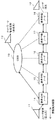
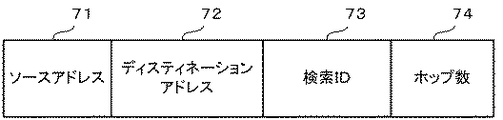
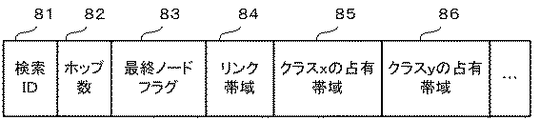
本発明実施例のトラヒック情報収集装置を図1ないし図10を参照して説明する。図1は本発明の実施形態の構成を示すブロック図である。図2は要求受付ノードの内部構成を示すブロック図である。図3は要求中継ノードの内部構成を示すブロック図である。図4は要求終端ノードの内部構成を示すブロック図である。図5は情報要求パケットに格納される情報の例を示す図である。図6は情報回答パケットに格納される情報の例を示す図である。図7は本発明の実施形態のトラヒック情報収集手順を示すフローチャートである。図8は本発明の実施例におけるネットワーク構成例を示す図である。図9は実施例における各ルータからの情報回答パケットの内容例を示す図である。図10は実施例における情報要求元への回答内容を示す図である。
【0027】
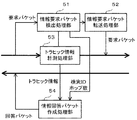
本実施例はトラヒック情報収集装置であって、本実施例の特徴とするところは、図1および図2に示すように、IP通信網における特定の2点間のトラヒック情報収集の要求を行うユーザ端末11もしくはネットワーク管理端末13からのトラヒック情報収集の要求を受信する要求受付処理部42と、この要求受付処理部42により受信した前記要求にしたがって隣接する他通信装置へ前記要求を含む情報要求パケットを送信する情報要求パケット転送処理部45と、前記隣接する他通信装置から自装置以外の複数の通信装置のトラヒック情報が書込まれた情報回答パケットを受信する情報回答パケット受付処理部48と、自装置内のトラヒック情報および受信した前記情報回答パケットに書込まれたトラヒック情報をとりまとめて前記トラヒック情報収集を要求したユーザ端末11もしくはネットワーク管理端末13にとりまとめた統括的なトラヒック情報を含む情報回答パケットを送信する要求回答処理部49とを備えた要求受付ノード14と、図3に示すように、前記情報要求パケットを受信する情報要求パケット検出処理部51と、この情報要求パケット検出処理部51により受信した前記情報要求パケットに含まれる前記要求にしたがって自装置内のトラヒック情報により情報回答パケットを作成して要求受付ノード14へこの作成した情報回答パケットを送信するトラヒック情報計測処理部53および情報回答パケット作成処理部54と、前記情報要求パケットの送信元以外の隣接する他通信装置へ前記要求を含む情報要求パケットを転送する情報要求パケット転送処理部52とを備えた要求中継ノード15、16、17と、図4に示すように、前記情報要求パケットを受信する情報要求パケット検出処理部61と、この情報要求パケット検出処理部61により受信した前記情報要求パケットに含まれる前記要求にしたがって自装置内のトラヒック情報により情報回答パケットを作成して要求受付ノード14へこの作成した情報回答パケットを送信するトラヒック情報計測処理部63および情報回答パケット作成処理部64と、受信した情報要求パケットを廃棄する情報要求パケット廃棄処理部62とを備えた要求終端ノード18とを備えたところにある。前記トラヒック情報は、図9および図10に示すように、サービスクラス毎のリンク容量を含む。
【0028】
図5に示すように、前記情報要求パケットにはホップ数フィールド74が設けられ、要求受付ノード14の情報要求パケット作成処理部43は、情報要求パケット生成時にホップ数フィールド74に初期値を与え、要求中継ノード15、16、17の情報要求パケット転送処理部52は、転送する毎にホップ数フィールド74の値を1増加させ、要求中継ノード15、16、17および要求終端ノード18の情報回答パケット作成処理部54、64は、受信した情報要求パケットのホップ数フィールド74のホップ数情報を当該情報要求に対する情報回答パケットに書込む。
【0029】
また、図5に示すように、要求受付ノード14の情報要求パケット作成処理部43は、情報要求パケットに対して要求ごとの識別情報である検索ID73を付与し、要求中継ノード15、16、17および要求終端ノード18の情報回答パケット作成処理部54、64は、受信した情報情報パケットの検索ID73を当該情報要求に対する情報回答パケットに書込む。
【0030】
また、図6に示すように、前記情報回答パケットには最終ノードフラグが設けられ、要求終端ノード18の情報回答パケット作成処理部64は、当該最終ノードフラグを設定する。
【0031】
前記情報要求パケットおよび前記情報回答パケットは、ICMP(Internet Control Message Protocol)パケットとして転送される。
【0032】
本実施例のトラヒック情報収集装置は、情報処理装置としてのコンピュータ装置により実現することができる。すなわち、コンピュータ装置にインストールすることにより、そのコンピュータ装置に、IP通信網における特定の2点間のトラヒック情報の収集を行う機能を実現させ、この収集を行う機能として、前記トラヒック情報収集の要求を行うユーザ端末11もしくはネットワーク管理端末13からのトラヒック情報収集の要求を受信する要求受付処理部42に相応する機能と、この要求受付処理部42に相応する機能により受信した前記要求にしたがって隣接する他通信装置へ前記要求を含む情報要求パケットを送信する情報要求パケット転送処理部45に相応する機能と、前記隣接する他通信装置から自装置以外の複数の通信装置のトラヒック情報が書込まれた情報回答パケットを受信する情報回答パケット受付処理部48に相応する機能と、自装置内のトラヒック情報および受信した前記情報回答パケットに書込まれたトラヒック情報をとりまとめて前記トラヒック情報収集を要求したユーザ11もしくはネットワーク管理端末13にとりまとめた統括的なトラヒック情報を含む情報回答パケットを送信する要求回答処理部49に相応する機能とを備えた要求受付ノード14に相応する機能と、前記情報要求パケットを受信する情報要求パケット検出処理部51に相応する機能と、この情報要求パケット検出処理部51に相応する機能により受信した前記情報要求パケットに含まれる前記要求にしたがって自装置内のトラヒック情報により情報回答パケットを作成して要求受付ノード14へこの作成した情報回答パケットを送信するトラヒック情報計測処理部53および情報回答パケット作成処理部54に相応する機能と、前記情報要求パケットの送信元以外の隣接する他通信装置へ前記要求を含む情報要求パケットを転送する情報要求パケット転送処理部52に相応する機能とを備えた要求中継ノード15、16、17に相応する機能と、前記情報要求パケットを受信する情報要求パケット検出処理部61に相応する機能と、この情報要求パケット検出処理部61に相応する機能により受信した前記情報要求パケットに含まれる前記要求にしたがって自装置内のトラヒック情報により情報回答パケットを作成して要求受付ノード14へこの作成した情報回答パケットを送信する情報回答パケット作成処理部64に相応する機能と、受信した情報要求パケットを廃棄する情報要求パケット廃棄処理部62に相応する機能とを備えた要求終端ノード18に相応する機能とを実現させるプログラムをコンピュータ装置にインストールすることにより、このコンピュータ装置を用いて実現することができる。
【0033】
本発明のプログラムは、本発明の記録媒体に記録されることにより、コンピュータ装置は、この記録媒体を用いて本発明のプログラムをインストールすることができる。あるいは、本発明のプログラムを保持するサーバからネットワークを介して直接コンピュータ装置に本発明のプログラムをインストールすることもできる。
【0034】
これにより、コンピュータ装置により、トラヒック情報収集のために特別な観測パケットを用いたり、トラヒック情報収集のための特別な通信プロトコルを必要とすることがなく、IP通信網の利用者に対してサービスクラス毎のトラヒック情報を容易かつ高速に提供可能とし、かつこれを実現する際に、特定のシステムに対して集中的な処理負荷を与えることがないトラヒック情報収集装置を実現することができる。
【0035】
以下では、本発明実施例をさらに詳細に説明する。
【0036】
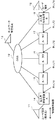
本発明の実施の形態について図面を参照して詳細に説明する。図1を参照すると、本発明の実施の形態は、IP通信を行うある2点間を示すユーザ端末11、ユーザ端末12と、IP通信網を構成し本発明を実施する要求受付ノード14と、要求中継ノード15〜17と、要求終端ノード18と、各通信ノードの管理システムであるOSS19と、OSS19を利用して管理業務を行うためのネットワーク管理端末13とから構成される。ここで、トラヒック情報収集の要求元は、ユーザ端末11もしくはネットワーク管理端末13であるものとし、トラヒック情報収集の要求は、要求受付ノード14に送出されるものとする。
【0037】
要求受付ノード14は、ユーザ端末11もしくはネットワーク管理端末13からのトラヒック情報収集の要求を受信し、ユーザ認証等のセキュリティ関連処理を行うと共に、通信装置内でのトラヒック情報収集を指示する情報要求パケットを生成し、自ノードでのトラヒック情報を収集し、トラヒック情報を格納した情報回答パケットを作成するとともに、経路上の隣接する要求中継ノード15に対して情報要求パケットを転送する。さらに、以降の要求中継ノード15〜17および要求終端ノード18から送出された情報回答パケットを自ノード分とあわせて集約し、要求元であるユーザ端末11もしくはネットワーク管理端末13へのトラヒック情報収集要求の回答を作成して送出する処理を行う。
【0038】
要求中継ノード15〜17は、隣接する要求受付ノード14もしくは要求中継ノード15〜17から情報要求パケットを受信し、自ノードでのトラヒック情報を収集し、収集した情報を情報回答パケットとして要求受付ノード14に送出するとともに、経路上で次に隣接する要求中継ノード(例えば、要求中継ノード15の場合は要求中継ノード16がこれに相当し、要求中継ノード16の場合は要求中継ノード17がこれに相当する)に対して情報要求パケットを転送する。
【0039】
要求終端ノード18は、隣接する要求中継ノード17から情報要求パケットを受信し、自ノードでのトラヒック情報を収集し、収集した情報を情報回答パケットとして要求受付ノード14に送出するとともに、受信した情報要求パケットの廃棄を行うことで、情報収集の処理要求の終端ノードを越えた伝播を防止する。
【0040】
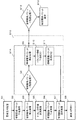
次に、図1の実施の形態におけるトラヒック情報収集手順を図7を参照して詳細に説明する。(ステップ1)要求受付処理では、トラヒック情報収集の要求を受付け、ユーザ認証等のセキュリティ処理を行う。(ステップ2)情報要求パケット作成処理では、各通信ノードに対するトラヒック情報収集の指示を行う情報要求パケットの生成を行う。情報要求パケットには、ユーザ端末等から受付けた情報収集要求の指定に基づきトラヒック情報を収集したいユーザ端末のアドレス(ソースアドレス、デスティネーションアドレス)等が格納される。
【0041】
(ステップ3)情報要求パケット検出処理では、通信ノードの出力インタフェースにおいて情報要求パケットの検出を行う。検出方法としては、例えば、特定のICMPタイプを持つICMPパケットを使用することで、容易に検出が可能となる。情報要求パケットが検出されると、情報要求パケット転送処理(ステップ4)ならびに、トラヒック情報計測処理(ステップ5)の実行指示を行う。
【0042】
(ステップ4)情報要求パケット転送処理の判断では、情報要求パケットに含まれるデスティネーション端末を調べ自ノードに隣接していない場合は、デスティネーションアドレスに至る経路上で隣接する通信ノードに向けて、情報要求パケットのホップ数を1つ増加させて情報要求パケットの転送を行う。
【0043】
(ステップ5)トラヒック情報計測処理では、各出力インタフェース毎にサービスクラス毎のトラヒック情報を計測し、最新の情報をメモリに保持しており、情報要求パケット検出処理(ステップ3)からの指示により、サービスクラス毎のトラヒック情報を検索し、次ステップに情報を引渡す。
【0044】
(ステップ6)情報回答パケット作成処理では、検索されたトラヒック情報ならびに、検索IDとホップ数のフィールド値を用い、情報回答パケットの作成を行う。さらに、作成された情報回答パケットを、情報要求パケットのソースアドレスで指定される要求受付ノードへ送信する処理を行う。
【0045】
(ステップ7)情報回答パケット受付処理では、経路上の各ノードからの情報回答パケットを検索ID毎に集約する。このとき、最終ノードフラグの立っているパケットのホップ数フィールド値から、経路上のノード数がわかるので、経路上の全てのノードからの回答パケットを受信するまで待ち、全てを受信した時点で次ステップへ移行する。一定時間内に経路上の全てのノードからの情報回答パケットが受信できない場合には、検索失敗の通知を次ステップに行う。
【0046】
(ステップ8)要求回答処理では、ステップ7での情報回答パケットの受信結果から、サービスクラス毎の使用可能帯域を計算して要求元へ回答する。
【0047】
(ステップ9)ステップ3と同一の処理を行う。(ステップ10)ステップ5と同一の処理を行う。(ステップ11)ステップ6と同一の処理を行う。(ステップ12)ステップ4と同一の処理を行う。
【0048】
(ステップ13)情報要求パケット廃棄では、情報要求パケットに含まれるデスティネーション端末が自ノードに隣接しているため、情報要求パケットの廃棄を行い、これ以上の情報要求パケットの転送を防止する。
【0049】
ここで、上記のステップ4ならびにステップ9〜11は(処理グループS14)、トラヒック情報を収集する経路における要求中継ノードならびに要求終端ノードの数分だけ、繰り返し(処理グループS15のように)処理が行われることになる。
【0050】
次に、図2を参照すると、図1に示す要求受付ノード14の詳細が示されている。要求受付ノード41は、要求受付処理部42、情報要求パケット作成処理部43、情報要求パケット検出処理部44、情報要求パケット転送処理部45、トラヒック情報計測処理部46、情報回答パケット作成処理部47、情報回答パケット受付処理部48、要求回答処理部49から構成される。それぞれの処理内容を説明する。
【0051】
要求受付処理部42では、要求元41からのトラヒック情報収集の要求に対し、ユーザ認証等のセキュリティ対策を行い、情報収集の要求を受理すると、情報要求パケット作成処理部43に対して、情報要求パケットを作成するよう指示する。要求元41からのトラヒック情報収集の要求メッセージは、通信先(デスティネーション)のアドレスを含む。
【0052】
情報要求パケット作成処理部43では、図5に示すフォーマットの情報要求パケットを組み立て、経路情報にしたがって情報要求パケットを送出する。ここで、図5のソースアドレス71には自ノードのアドレス、デスティネーションアドレス72には、要求元からのトラヒック情報収集の要求メッセージ内の通信先アドレス、検索ID73は要求受付ノードで一意になる値(たとえば0から始まるシーケンシャルな値)、ホップ数フィールド74には“0”を設定する。
【0053】
情報要求パケット検出処理部44は、自通信ノード出力インタフェースにおいて情報要求パケットの検出を行う。検出方法としては、例えば、特定のICMPタイプを持つICMPパケットを使用することで、容易に検出が可能となる。情報要求パケットが検出されると、トラヒック情報計測処理部46に該当するトラヒック情報を検索するよう指示を行う。また、検索IDとホップ数のフィールド値を情報回答パケット作成処理部47に渡す。
【0054】
情報要求パケット転送処理部45では、情報要求パケットのホップ数を1つ増加させて、次の要求中継ノード15〜17または要求終端ノード18に情報要求パケットを転送する。
【0055】
トラヒック情報計測処理部46では、自通信ノードのインタフェース毎にサービスクラス毎のトラヒック情報を計測し、最新の情報をメモリに保持する。情報要求パケット検出処理部44より検索指示を受けると、サービスクラス毎のトラヒック情報を情報回答パケット作成処理部47に渡す。
【0056】
情報回答パケット作成処理部47では、図6に示すフォーマットの情報回答パケットを作成する。図6において、検索ID81とホップ数フィールド82のフィールド値は情報要求パケット検出処理部44から渡された値を入れ、最終ノードフラグ83は立てない。リンク帯域84ならびにサービスクラス毎の占有帯域85、86は、トラヒック情報計測処理部46から渡された値を格納する。このように作成された情報回答パケットは、情報要求パケットのソースアドレスで指定される要求受付ノード(この場合は、自ノード)へ送出される。
【0057】
情報回答パケット受付処理部48では、経路上の各ノードからの情報回答パケットを検索ID毎に集約する。このとき、最終ノードフラグの立っているパケットのホップ数フィールド値から、経路上のノード数がわかるので、経路上の全てのノードからの回答パケットを受信すると、受信結果を要求回答処理部49に渡す。一定時間内に経路上の全てのノードからの回答パケットが受信できない場合には、検索失敗通知を要求回答処理部49に渡す。
【0058】
要求回答処理部49では、情報回答パケット受付処理部48からの受信結果から、クラスごとの使用可能帯域を計算し、要求元41へ回答する。
【0059】
次に、図3を参照すると、図1に示す要求中継ノード15〜17の詳細が示されている。要求中継ノード15〜17は、情報要求パケット検出処理部51、情報要求パケット転送処理部52、トラヒック情報計測処理部53、情報回答パケット作成処理部54から構成される。それぞれの処理内容を説明する。
【0060】
情報要求パケット検出処理部51は、自通信ノードの出力インタフェースにおいて情報要求パケットの検出を行う。情報要求パケットが検出されると、トラヒック情報計測処理部53の情報を検索するよう指示する。また、検索IDとホップ数フィールドの値を情報回答パケット作成処理部54に渡す。
【0061】
情報要求パケット転送処理部52では、情報要求パケットのホップ数を1つ増加させて、次の要求中継ノード16、17または要求終端ノード18に情報要求パケットを転送する。
【0062】
トラヒック情報計測処理部53では、自通信ノードのインタフェース毎にサービスクラス毎のトラヒック情報を計測し、最新の情報をメモリに保持する。情報要求パケット検出処理部51より検索指示を受けると、サービスクラス毎のトラヒック情報を情報回答パケット作成処理部54へ渡す。
【0063】
情報回答パケット作成処理部54では、図6に示すフォーマットの情報回答パケットを作成する。検索IDとホップ数フィールドの値は情報要求パケット検出処理部51から渡された値を入れ、最終ノードフラグは立てない。作成された情報回答パケットは、情報要求パケットのソースアドレスで指定される要求受付ノードへ送出される。
【0064】
次に、図4を参照すると、図1に示す要求終端ノード18の詳細が示されている。要求終端ノード18は、情報要求パケット検出処理部61、情報要求パケット廃棄処理部62、トラヒック情報計測処理部63、情報回答パケット作成処理部64から構成される。それぞれの処理内容を説明する。
【0065】
情報要求パケット検出処理部61は、自通信ノードの出力インタフェースにおいて情報要求パケットの検出を行う。情報要求パケットが検出されると、トラヒック情報計測処理部62の情報を検索するよう指示する。また、検索IDとホップ数フィールドの値を情報回答パケット作成処理部64に渡す。情報要求パケット廃棄処理部62では、情報要求パケットを廃棄する。
【0066】
トラヒック情報計測処理部63では、自通信ノードのインタフェース毎にサービスクラス毎のトラヒック情報を計測し、最新の情報をメモリに保持する。情報要求パケット検出処理部61より検索指示を受けると、サービスクラス毎のトラヒック情報を情報回答パケット作成処理部64へ渡す。
【0067】
情報回答パケット作成処理部64では、図6に示すフォーマットの回答パケットを作成する。検索IDとホップ数フィールドの値は情報要求パケット検出処理部61から渡された値を入れ、最終ノードフラグを立てる。作成された情報回答パケットは、情報要求パケットのソースアドレスで指定される要求受付ノードへ送出される。
【0068】
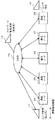
次に、本発明の実施例について図面を参照して詳細に説明する。図8を参照すると、実施例におけるIP通信網の例が示されており、ユーザ端末11とユーザ端末12との間には、要求受付ノード14としての加入者収容装置A、要求中継ノード15〜17としてのルータA、ルータB、ルータC、要求終端ノード18としての加入者収容装置Bから構成され、各装置はOSS19を介して、ネットワーク管理端末13によって管理されている。
【0069】
IP通信網は複数のサービスクラスを提供するマルチサービス網であり、提供されるサービスクラスは3種類(クラス3、クラス2、クラス1)、優先度がクラス3>クラス2>クラス1の順に設定され、クラス3の通信が最優先されるものとする。各サービスクラスはデータ量に対して課金される従量課金制、各クラスの料金(データ量単価)はクラス3>クラス2>クラス1の順に設定され、クラス3の料金が一番高く設定されているものとする。
【0070】
ここで、ユーザ端末11のユーザAが、ユーザ端末12のユーザBと通信するために、ユーザ端末11からユーザ端末12までの間のトラヒック情報を得たい場合には、ユーザ端末11から加入者収容装置Aに対してトラヒック情報要求を送出する。トラヒック情報要求には、デスティネーションアドレス(ユーザ端末12のアドレス)を指定して要求を行う。
【0071】
加入者収容装置Aは、要求受付ノード14として動作する。加入者収容装置Aは、ユーザ端末11からのトラヒック情報要求に対してユーザ認証を行う。ユーザ認証の方法としては、ユーザIDとパスワードの利用や、ユーザAのIPアドレスのチェック等を用いる。トラヒック情報要求が受理されると、情報要求パケットを作成し、設定されているルーティングテーブルにしたがって出力インタフェースに転送する。出力インタフェースでは、情報要求パケットの検出を行い、出力インタフェースのトラヒック情報の検索を行う。
【0072】
情報要求パケットは、情報要求パケット転送処理部45にてホップ数を1つインクリメントされる(ホップ数1)。情報要求パケットは出力インタフェースよりルータAへ送出される。
【0073】
経路上にあるルータA、ルータB、ルータCはそれぞれ要求中継ノード15〜17として動作する。ルータAでは、加入者収容装置Aからの情報要求パケットを、設定されているルーティングテーブルにしたがって出力インタフェースに転送する。出力インタフェースでは、情報要求パケットの検出を行い、出力インタフェースのトラヒック情報の検索を行う。情報要求パケットは、情報要求パケット転送処理部52にてホップ数を1つインクリメントされる(ホップ数2)。情報要求パケットは出力インタフェースよりルータBへ送出される。情報回答パケット作成処理部54では、トラヒック情報の検索結果と、情報要求パケット検出処理部51で抽出された検索ID、ホップ数(ここではホップ数1)、あらかじめ設定されているリンク帯域を図6に示す情報回答パケットとして作成し、加入者収容装置Aに回答する。ルータBではルータAと同様の処理を行い、情報要求パケットをルータCへ転送する。ルータCも同様の処理を行い、情報要求パケットを加入者収容装置Bに転送する。
【0074】
ユーザ端末12を収容している加入者収容装置Bは、要求終端ノード18として動作する。加入者収容装置Bでは、ルータCより転送された情報要求パケットを、設定されているルーティングテーブルにしたがって出力インタフェースに転送する。出力インタフェースでは、要求パケットの検出を行い、出力インタフェースのトラヒック情報の検索を行う。情報要求パケットは情報要求パケット廃棄処理部62にて廃棄される。情報回答パケット作成処理部64では、トラヒック情報の検索結果と、要求パケット検出部で抽出された検索ID、ホップ数(ここではホップ数4)、あらかじめ設定されているリンク帯域を図6に示す情報回答パケットとして作成し、加入者収容装置Aに回答する。このとき、情報回答パケットの最終ノードフラグには“1”が立てられている。
【0075】
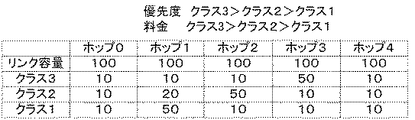
各ノード(14〜18)からの回答は加入者収容装置Aの情報回答パケット受付処理部48にて集約される。ここで、最終ノードフラグの検出を行い、最終ノードフラグの検出されたパケットからホップ数を抽出する。ここではホップ数4が抽出されるので、ホップ数0、ホップ数1、ホップ数2、ホップ数3の回答パケットが受信されていることを確認する。ここで、加入者収容装置Aではあらかじめ決められた時間内に回答パケットが受信されるものとし、時間内に最終ノードフラグが検出されない場合または経路途中のホップ数のパケットが受信されない場合は情報要求パケットまたは情報回答パケットが廃棄されたものとして、検索失敗を通知する。加入者収容装置Aの要求回答処理部49では、受信した情報回答パケットの回答内容から、トラヒック情報の回答をユーザ端末11に送る。例えば、情報回答パケットの回答内容が図9のような場合(ホップ0は加入者収容装置Aのトラヒック情報検索結果)、ユーザ端末11に対しての回答は各クラスの使用可能帯域(その帯域でデータ通信してもパケット廃棄されることなく相手端末までデータ転送が可能な最大帯域)を通知することとすると、ユーザ端末11からユーザ端末12までの経路上でのリンク容量は、全ホップ中での最小の容量となり、各クラスの使用可能帯域は各ホップにおけるリンク占有可能帯域の最小のものとなるため、図10のようになる。図9の例において、例えばクラス2についてはホップ2においてリンク占有可能帯域が最小となり、その値は、空き帯域(30)を含むクラス2より低位クラスの占有帯域の合計(30+10)となる。
【0076】
本実施例のサービスへの適用例として、ストリーム通信サービスのように、ユーザが特定のスループットを要求するようなサービスの例について説明する。回答結果として図10の結果を得たユーザが40の帯域で通信したいと思うと、サービスクラスとしてクラス2を選択すれば40の帯域が確保できることがわかる。ここで、クラス1を選択すると、40の帯域は確保できないので要求される品質を提供できない。また、クラス3を選択すると要求帯域は確保できるが、通信コストが多くかかることとなる。
【0077】
また、別のサービスへの適用例としてバルク通信サービスのような、ユーザが帯域を可変できるサービスの例について説明する。ユーザはクラス1の料金で通信をしたいのだが、使用可能な帯域はどれくらいか知るためにトラヒック情報を要求する。このときの回答を図9のとおりとすると、ユーザは20の帯域であればクラス1の料金でパケット廃棄されることなく通信できることがわかる。ここで、30の帯域でデータ送信する場合には、すべてのデータが相手に到達する保証はないため、通信コストを無駄にする可能性がある。
【0078】
また、本実施例のサービスへの適用例として通信品質/通信料金に関する要求条件をユーザが指定し、ユーザAPがトラヒック情報を定期的に要求することにより、データ送出帯域や選択サービスクラスを自動制御するサービスも考えられる。
【0079】
(実施例まとめ)
以上説明したように、本発明においては、次のような効果を奏する。
【0080】
第1の効果は、トラヒック情報の推測のための特別な観測パケットや、トラヒック情報収集のための特別な通信プロトコルを必要とすることがない、ということにある。その理由は、各通信ノードにおいて管理格納されているトラヒック情報を、ICMP等を利用した情報要求パケットならびに情報回答パケットを用いて収集することを可能としたためである。
【0081】
第2の効果は、IP通信網の利用者に対して、サービスクラス毎のトラヒック情報を容易かつ高速に提供可能とし、かつこれを実現する際に、特定のシステムに対して集中的な処理負荷を与えることがない、ということにある。その理由は、各通信ノードにおいて情報要求パケットならびに情報回答パケットを処理する形態としたことにより、情報要求パケット1個と、ホップ数分の情報回答パケットのみの少ないパケット数で情報収集を可能としていることと、トラヒック情報収集処理を経路上の複数の通信ノードで分散処理するためである。さらに要求受付ノードで収容端末のトラヒック情報要求を受付け、ユーザ認証や結果集約等の処理を行うため、複数のIP通信網利用者に対して分散的な処理を可能としたためである。
【0082】
第3の効果は、要求中継ノードから個別に送信されてきた情報回答パケットの経路上の順番を、要求受付ノードにおいて再現することができることにある。その理由は、情報要求パケットにホップ数フィールドを設け、転送毎に1増加させ、情報回答パケットにコピーする処理を行っているためである。
【0083】
第4の効果は、要求受付ノードは複数のユーザ端末もしくはネットワーク管理端末からの要求を、同時に処理することができることにある。その理由は、情報要求パケットにIDフィールドを設け、情報回答パケットにコピーする処理を行っているためである。
【0084】
第5の効果は、IP網内でのパケット廃棄によるトラヒック情報収集処理の失敗を検出することができることにある。その理由は、情報回答パケットに最終ノードフラグを設け、要求終端ノードにおいてフラグを立てる処理を行っているためである。
【0085】
第6の効果は、トラヒック情報収集が正確であり、ユーザ端末が適切なコストで通信を行うことができることにある。その理由は、情報要求パケットが実通信と同一経路に従って転送されるため、経路変更に柔軟に追従可能であり、情報収集結果を用いることによりパケット廃棄が発生しない帯域でデータ送出を行うことを可能としているためである。
【0086】
【発明の効果】
以上説明したように、本発明によれば、トラヒック情報収集のために特別な観測パケットを用いたり、トラヒック情報収集のための特別な通信プロトコルを必要とすることがなく、IP通信網の利用者に対してサービスクラス毎のトラヒック情報を容易かつ高速に提供可能とし、かつこれを実現する際に、特定のシステムに対して集中的な処理負荷を与えることがない。
【図面の簡単な説明】
【図1】本発明の実施形態の構成を示すブロック図。
【図2】要求受付ノードの内部構成を示すブロック図。
【図3】要求中継ノードの内部構成を示すブロック図。
【図4】要求終端ノードの内部構成を示すブロック図。
【図5】情報要求パケットに格納される情報の例を示す図。
【図6】情報回答パケットに格納される情報の例を示す図。
【図7】本発明の実施形態のトラヒック情報収集手順を示すフローチャート。
【図8】本発明の実施例におけるネットワーク構成例を示す図。
【図9】実施例における各ルータからの情報回答パケットの内容例を示す図。
【図10】実施例における情報要求元への回答内容を示す図。
【図11】従来のトラヒック情報収集方式を説明するための図。
【符号の説明】
11、12 ユーザ端末
13 ネットワーク管理端末
14 要求受付ノード
15〜17 要求中継ノード
18 要求終端ノード
19 オペレーションサポートシステム(OSS)
24〜28 通信ノード
41 要求元
42 要求受付処理部
43 情報要求パケット作成処理部
44、51、61 情報要求パケット検出処理部
45、52 情報要求パケット転送処理部
46、53、63 トラヒック情報計測処理部
47、54、64 情報回答パケット作成処理部
48 情報回答パケット受付処理部
49 要求回答処理部
62 情報要求パケット廃棄処理部
71 ソースアドレス
72 ディスティネーションアドレス
73、81 検索ID
74、82 ホップ数フィールド
83 最終ノードフラグ
84 リンク帯域
85 クラスxの占有帯域
86 クラスyの占有帯域[0001]
[Technical field to which the invention belongs]
The present invention is used in an IP communication network composed of an IP packet transfer device and a device management system. In particular, it relates to a technology for collecting traffic information.
[0002]
[Prior art]
In the IP communication network, in addition to the conventional best effort service, the Diffserv network (Differentiated Services: Blake, S., Black, D., Carlson, M., Davies, E., Wang, Z. and W. Weiss, “ An Architecture for Differentiated Services ”, IETF RFC 2475, December 1998). By setting priorities to packets and performing priority control within the network, the quality of packets with a high priority is kept low and the quality is reduced. The introduction of multiple service classes based on priorities, such as securing, is beginning. In such a multi-service network composed of a plurality of service classes, it is necessary to acquire actual traffic information when the user performs communication, and to select a service class based on the acquired traffic information. Here, the traffic information is defined as the occupied bandwidth for each service class of each link on the communication path, and the occupied bandwidth corresponds to the total data size of each packet transferred in one second in the IP packet transfer apparatus.
[0003]
A lot of software has already been developed as a means for users to collect traffic information of IP communication networks. For example, the software “Pathchar” introduced in the article “Network Management (3)”, May 1998, pp13-20, UNIX, sends out a plurality of observation packets with different data sizes. The traffic state of the route information is estimated by measuring the arrival interval of the packet for use. The Internet, which is a world-wide wide-area IP communication network mainly used for research and development, is an effective method from the viewpoint that it is impossible to introduce a management system that monitors all communication devices. However, in general, this type of traffic information collection method needs to send observation packets many times in order to estimate accurate information, so that the measurement itself places a load on the IP communication network and is accurate. In addition, there is a problem that a commercial IP communication network has an extra charge for collecting traffic information.
[0004]
On the other hand, in a commercial IP communication network, a management system for monitoring communication devices is provided, and generally a method for integrated management of traffic information measured by each communication device or traffic information held by a dedicated monitoring device is generally used. It is used. For example, Japanese Patent Application Laid-Open No. 2001-94573 discloses a method of acquiring a packet passing through a line between communication devices by branching at a transmission signal level and storing traffic information acquired by branching by a dedicated measuring device. JP-A-10-200209 discloses a method for aggregating traffic information measured by a plurality of communication devices into a centralized management system using communication means for each communication device, In addition, in Japanese Patent Laid-Open No. 2001-69170, in addition to a measurement device equivalent to that of Japanese Patent Laid-Open No. 2001-94573, traffic in which an evaluation device that predicts the traffic state of the IP communication network by processing information of the measurement device is introduced. A method for collecting information is disclosed. These methods are basically based on SNMP (Simple Network Management System: Case, J., Fedor, M., Schoffstall, M. and J. Davin, “Simple Network Management Protocol”, IETF RFC 1157, May 1990). Based on the specified system model, the management agent corresponding to each communication device to be managed collects management information including traffic information of the communication device, and the centralized management manager Information is collected using a management protocol called SNMP. FIG. 11 is a diagram illustrating this operation. An operation support system (OSS) that is a management manager corresponds to 19 and a management agent is installed in 24-28 communication nodes. Or based on the request | requirement of the
[0005]
[Problems to be solved by the invention]
The conventional system described above has the following problems. The first problem is that the overhead for collecting traffic information is large. The reason is that the method using the observation packet needs to use a plurality of observation packets, and the method using the management manager needs to use a management protocol for accessing information from the communication device.
[0006]
The second problem is that the load of traffic information collection for the user of the IP communication network to select a service class is large. The reason is that the method using the observation packet needs to use a plurality of observation packets for each service class, and the method using the management manager concentrates the load on the management manager. A method in which each user accesses the IP packet transfer device using SNMP is also conceivable, but in this case, it is necessary to perform processing such as user authentication and access control from the viewpoint of operation and maintenance of the IP packet transfer device. The load on each IP packet transfer device becomes large.
[0007]
The present invention has been made in this background, and does not require a special observation packet for collecting traffic information or a special communication protocol for collecting traffic information. Traffic information for each service class can be easily and quickly provided to communication network users, and traffic information collection that does not give a intensive processing load to a specific system when this is realized An object is to provide a device, a traffic information collecting method, a program, and a recording medium.
[0008]
[Means for Solving the Problems]
The present invention is characterized in that a communication device constituting an IP communication network is constituted by a request receiving node as a starting point of a traffic information search path, a request relay node as an intermediate point, and a request terminating node as an end point.
[0009]
A request from a user terminal or network management terminal that requests traffic information collection is sent to a request reception node. The request reception node generates an information request packet instructing traffic information collection in the communication device. Traffic request information is forwarded to adjacent request relay nodes on the route.
[0010]
The request relay node collects traffic information at its own node, sends the collected information as an information reply packet to the request reception node, and forwards the information request packet to the adjacent request relay node on the route. When the information request packet arrives at the request terminal node, the request terminal node collects traffic information at the local node, sends the collected information to the request receiving node as an information reply packet, and discards the received information request packet. To complete the information collection process.
[0011]
Therefore, it is possible to collect traffic information without using an observation packet for estimating traffic information or a special management program, and the processing of collecting traffic information is distributed at the request receiving node, the request relay node, and the request terminating node. Therefore, it is possible to collect and process a large amount of information for each service class in a distributed manner without applying a intensive load.
[0012]
That is, a first aspect of the present invention is a traffic information collecting apparatus, and the present invention is characterized in that a user terminal or a network management terminal that makes a request for collecting traffic information between two specific points in an IP communication network Means for receiving a request for collecting traffic information from said means, means for transmitting an information request packet including said request to an adjacent other communication device in accordance with said request received by said receiving means, and from said adjacent other communication device Means for receiving an information reply packet in which traffic information of a plurality of communication devices other than the own device is written; means for collecting the traffic information in the own device and the traffic information written in the received information reply packet; Overall traffic collected by the means for collecting the terminals that requested the collection of traffic information. A request receiving node comprising means for transmitting an information reply packet including information on the network, means for receiving the information request packet, and the device according to the request included in the information request packet received by the means for receiving An information request including an information reply packet created from traffic information within the information request packet and transmitting the created information reply packet to the request receiving node; and an information request including the request to an adjacent communication device other than the source of the information request packet A request relay node comprising means for transferring a packet, means for receiving the information request packet, and information according to the traffic information in the device according to the request contained in the information request packet received by the means for receiving Create a reply packet and send the created information reply packet to the request receiving node Means that, there is to having a request terminal node and means for discarding the received information request packet. The traffic information preferably includes a link capacity for each service class.
[0013]
As a result, a special observation packet is not used for collecting traffic information or a special communication protocol for collecting traffic information is not required. The traffic information can be provided easily and at high speed, and when this is realized, no intensive processing load is given to a specific system.
[0014]
The information request packet is provided with a hop number field, and the means for transmitting the information request packet comprises means for giving an initial value to the hop number field when generating the information request packet, and means for transferring the information request packet comprises Means for incrementing the value of the hop number field by 1 each time the packet is transferred, and the means for transmitting the information reply packet includes the hop number information in the hop number field of the received information request packet as an information reply to the information request. It is desirable to provide means for writing to the packet.
[0015]
As a result, the request reception node can reproduce the order of the information reply packet on the route from the number of hops written in the information reply packet. Therefore, the missing traffic information can be detected. Since it is possible to implement measures such as recollecting the missing traffic information, it is possible to collect accurate traffic information.
[0016]
The means for transmitting the information request packet includes means for giving identification information for each request to the information request packet, and the means for transmitting the information response packet includes the identification information of the received information request packet as the information. It is desirable to provide means for writing in an information reply packet for the request.
[0017]
As a result, the request receiving node can identify which information request is the response to the received plurality of information reply packets based on the identification information written in the information reply packet. Can simultaneously process requests for traffic information collection, and can perform efficient operations.
[0018]
The information reply packet is preferably provided with a final node flag, and the request termination node preferably includes means for setting the final node flag.
[0019]
As a result, the request receiving node can confirm whether or not the information request packet has reached the request termination node without error, and thus can identify whether information collection is completed or not. Therefore, it is possible to detect a failure in the traffic information collection process. If a failure is detected, it is possible to perform a process such as sending an information request packet again. Can do.
[0020]
The information request packet and the information reply packet are preferably transferred as ICMP (Internet Control Message Protocol) packets.
[0021]
An ICMP packet is a packet that uses a protocol developed to notify a sending host of a failure in IP datagram transfer processing that has occurred at a gateway on a route during IP datagram delivery. By using this ICMP packet for the information request packet and the information reply packet, these packets are transferred along the same route as the actual communication without using a special protocol, so that the route change can be flexibly followed. It is possible to collect effective traffic information along actual communication. Furthermore, it is possible to collect traffic information at an appropriate cost as compared with the conventional method using a large number of observation packets.
[0022]
A second aspect of the present invention is a traffic information collecting method, and the feature of the present invention is that a user terminal or a network management terminal that makes a request for collecting traffic information between two specific points in an IP communication network. Information in which a request for collecting traffic information is received, an information request packet including the request is transmitted to another adjacent communication device, and traffic information of a plurality of communication devices other than the own device is written from the adjacent other communication device Receiving an answer packet, collecting the traffic information in the device itself and the traffic information written in the received information answer packet, and sending an information answer packet including the overall traffic information to the terminal that requested the collection of the traffic information Place a request reception node to transmit, receive the information request packet, and traffic information in its own device Request relay that creates an information reply packet and transmits the created information reply packet to the request receiving node and forwards the information request packet including the request to another adjacent communication device other than the transmission source of the information request packet A node is arranged, receives the information request packet, creates an information reply packet based on traffic information in the own device, transmits the created information reply packet to the request receiving node, and discards the received information request packet A request termination node is arranged, and traffic information between two specific points in the IP communication network is collected in an autonomous and distributed manner by cooperation of the request reception node, the request relay node, and the request termination node.
[0023]
A third aspect of the present invention is a program, and a feature of the present invention is that, when installed in an information processing apparatus, the information processing apparatus can receive traffic information between two specific points in the IP communication network. A function for performing collection, and a function for performing this collection include a function for receiving a request for collecting traffic information from a user terminal or a network management terminal that requests the collection of traffic information, and the function received by the function for receiving the information. A function of transmitting an information request packet including the request to an adjacent communication device according to the request, and an information response packet in which traffic information of a plurality of communication devices other than the own device is written from the adjacent communication device Function, traffic information in the device itself and traffic information written in the received information reply packet A function corresponding to a request receiving node having a function of collecting and a function of transmitting an information response packet including general traffic information collected by the function to be collected to the terminal that has requested the collection of traffic information, and the information request A function for receiving a packet, and an information reply packet is created from the traffic information in its own device according to the request included in the information request packet received by the function to receive the information reply packet to the request receiving node. A function corresponding to a request relay node, and a function corresponding to a request relay node having a function of transferring an information request packet including the request to an adjacent communication device other than a transmission source of the information request packet, and the information request packet A function to receive and the information request packet received by the function to receive A function of creating an information reply packet according to the traffic information in its own device in accordance with the contained request and transmitting the created information reply packet to the request receiving node; and a function of discarding the received information request packet The function corresponding to the request end node is realized.
[0024]
A fourth aspect of the present invention is the information processing apparatus-readable recording medium on which the program of the present invention is recorded. By recording the program of the present invention on the recording medium of the present invention, the information processing apparatus can install the program of the present invention using this recording medium. Alternatively, the program of the present invention can be directly installed in the information processing apparatus via a network from a server holding the program of the present invention.
[0025]
Thus, a user of an IP communication network can use an information processing device such as a computer device without using a special observation packet for collecting traffic information or a special communication protocol for collecting traffic information. To provide traffic information for each service class easily and at high speed, and to collect traffic information that does not impose a intensive processing load on a specific system. Can do.
[0026]
DETAILED DESCRIPTION OF THE INVENTION
A traffic information collecting apparatus according to an embodiment of the present invention will be described with reference to FIGS. FIG. 1 is a block diagram showing the configuration of the embodiment of the present invention. FIG. 2 is a block diagram showing the internal configuration of the request receiving node. FIG. 3 is a block diagram showing the internal configuration of the request relay node. FIG. 4 is a block diagram showing the internal configuration of the request termination node. FIG. 5 is a diagram illustrating an example of information stored in the information request packet. FIG. 6 is a diagram showing an example of information stored in the information reply packet. FIG. 7 is a flowchart showing a traffic information collection procedure according to the embodiment of the present invention. FIG. 8 is a diagram showing a network configuration example in the embodiment of the present invention. FIG. 9 is a diagram illustrating an example of contents of an information reply packet from each router in the embodiment. FIG. 10 is a diagram showing the contents of the reply to the information request source in the embodiment.
[0027]
This embodiment is a traffic information collecting apparatus, and the feature of this embodiment is that, as shown in FIGS. 1 and 2, a user who requests to collect traffic information between two specific points in an IP communication network A request
[0028]
As shown in FIG. 5, the information request packet is provided with a
[0029]
As shown in FIG. 5, the information request packet
[0030]
As shown in FIG. 6, the information reply packet is provided with a final node flag, and the information reply packet
[0031]
The information request packet and the information response packet are transferred as ICMP (Internet Control Message Protocol) packets.
[0032]
The traffic information collection device of the present embodiment can be realized by a computer device as an information processing device. That is, by installing in a computer device, the computer device realizes a function of collecting traffic information between two specific points in the IP communication network, and as a function of performing this collection, a request for collecting the traffic information is made. A function corresponding to the request
[0033]
By recording the program of the present invention on the recording medium of the present invention, the computer apparatus can install the program of the present invention using this recording medium. Alternatively, the program of the present invention can be directly installed on the computer device via a network from a server holding the program of the present invention.
[0034]
As a result, the computer device does not use a special observation packet for collecting traffic information or requires a special communication protocol for collecting traffic information. It is possible to provide a traffic information collecting apparatus that can easily and quickly provide each traffic information and does not give a intensive processing load to a specific system.
[0035]
In the following, embodiments of the present invention will be described in more detail.
[0036]
Embodiments of the present invention will be described in detail with reference to the drawings. Referring to FIG. 1, an embodiment of the present invention includes a
[0037]
The
[0038]
The
[0039]
The
[0040]
Next, the traffic information collection procedure in the embodiment of FIG. 1 will be described in detail with reference to FIG. (Step 1) In the request reception process, a request for collecting traffic information is received, and a security process such as user authentication is performed. (Step 2) In the information request packet creation process, an information request packet for instructing each traffic node to collect traffic information is generated. The information request packet stores the address (source address, destination address) and the like of the user terminal from which traffic information is to be collected based on the specification of the information collection request received from the user terminal.
[0041]
(Step 3) In the information request packet detection process, the information request packet is detected at the output interface of the communication node. As a detection method, for example, by using an ICMP packet having a specific ICMP type, the detection can be easily performed. When an information request packet is detected, an instruction to execute information request packet transfer processing (step 4) and traffic information measurement processing (step 5) is performed.
[0042]
(Step 4) In the determination of the information request packet transfer process, the destination terminal included in the information request packet is examined, and if it is not adjacent to the own node, toward the communication node adjacent on the route to the destination address, The information request packet is transferred by increasing the number of hops of the information request packet by one.
[0043]
(Step 5) In the traffic information measurement process, the traffic information for each service class is measured for each output interface, the latest information is held in the memory, and according to the instruction from the information request packet detection process (Step 3), Search the traffic information for each service class, and deliver the information to the next step.
[0044]
(Step 6) In the information reply packet creation process, the information reply packet is created using the searched traffic information and the field values of the search ID and the number of hops. Further, a process for transmitting the created information reply packet to the request receiving node specified by the source address of the information request packet is performed.
[0045]
(Step 7) In the information reply packet reception process, information reply packets from each node on the route are collected for each search ID. At this time, since the number of nodes on the route can be known from the hop count field value of the packet with the final node flag set, it waits until reply packets from all nodes on the route are received. Move to step. If information reply packets from all nodes on the path cannot be received within a certain time, a search failure notification is sent to the next step.
[0046]
(Step 8) In the request reply process, the usable bandwidth for each service class is calculated from the reception result of the information reply packet in
[0047]
(Step 9) The same processing as
[0048]
(Step 13) In discarding the information request packet, since the destination terminal included in the information request packet is adjacent to the own node, the information request packet is discarded, and further transfer of the information request packet is prevented.
[0049]
Here, the
[0050]
Next, referring to FIG. 2, details of the
[0051]
In response to the traffic information collection request from the
[0052]
The information request packet
[0053]
The information request packet
[0054]
The information request packet
[0055]
The traffic information
[0056]
The information reply packet
[0057]
The information reply packet
[0058]
The request
[0059]
Next, referring to FIG. 3, details of the
[0060]
The information request packet
[0061]
The information request packet
[0062]
The traffic information
[0063]
The information reply packet
[0064]
Referring now to FIG. 4, details of the
[0065]
The information request packet
[0066]
The traffic information
[0067]
The information reply packet
[0068]
Next, embodiments of the present invention will be described in detail with reference to the drawings. Referring to FIG. 8, an example of an IP communication network in the embodiment is shown. Between a
[0069]
The IP communication network is a multi-service network that provides a plurality of service classes. Three types of service classes are provided (
[0070]
Here, when the user A of the
[0071]
The subscriber accommodation device A operates as the
[0072]
In the information request packet, the information request packet
[0073]
Router A, router B, and router C on the route operate as
[0074]
The subscriber accommodation device B that accommodates the
[0075]
Answers from the nodes (14 to 18) are collected by the information reply packet
[0076]
As an application example of the service of this embodiment, an example of a service in which a user requests a specific throughput, such as a stream communication service, will be described. If the user who obtained the result of FIG. 10 as the answering result wants to communicate in 40 bands, it can be understood that 40 bands can be secured if
[0077]
An example of a service that allows a user to change the bandwidth, such as a bulk communication service, will be described as an example of application to another service. The user wants to communicate at a
[0078]
In addition, as an application example of the service of this embodiment, the user designates the request condition regarding the communication quality / communication charge, and the user AP automatically requests the traffic information, thereby automatically controlling the data transmission band and the selected service class. A service that can be considered.
[0079]
(Example summary)
As described above, the present invention has the following effects.
[0080]
The first effect is that a special observation packet for estimating traffic information and a special communication protocol for collecting traffic information are not required. This is because the traffic information managed and stored in each communication node can be collected using an information request packet and an information reply packet using ICMP or the like.
[0081]
The second effect is that traffic information for each service class can be easily and quickly provided to users of an IP communication network, and when this is realized, a intensive processing load is imposed on a specific system. Is not to give. The reason is that the information request packet and the information reply packet are processed in each communication node, thereby enabling information collection with only one information request packet and a small number of information reply packets corresponding to the number of hops. This is because the traffic information collection processing is distributedly processed by a plurality of communication nodes on the route. Furthermore, since the request reception node accepts the traffic information request of the accommodating terminal and performs processing such as user authentication and result aggregation, distributed processing can be performed for a plurality of IP communication network users.
[0082]
The third effect is that the order on the path of the information reply packets individually transmitted from the request relay node can be reproduced at the request reception node. This is because the information request packet is provided with a hop number field, incremented by 1 for each transfer, and copied to the information reply packet.
[0083]
A fourth effect is that the request receiving node can simultaneously process requests from a plurality of user terminals or network management terminals. The reason is that an ID field is provided in the information request packet and a process of copying the information request packet is performed.
[0084]
The fifth effect is that it is possible to detect a failure in the traffic information collection process due to packet discard in the IP network. The reason is that a process is performed in which a final node flag is provided in the information reply packet and a flag is set in the request end node.
[0085]
The sixth effect is that the traffic information collection is accurate and the user terminal can communicate at an appropriate cost. The reason is that because the information request packet is transferred along the same route as the actual communication, it is possible to flexibly follow the route change, and it is possible to send data in a band where packet discard does not occur by using the information collection result It is because it is doing.
[0086]
【The invention's effect】
As described above, according to the present invention, there is no need to use a special observation packet for collecting traffic information or a special communication protocol for collecting traffic information. On the other hand, traffic information for each service class can be provided easily and at high speed, and when this is realized, a intensive processing load is not given to a specific system.
[Brief description of the drawings]
FIG. 1 is a block diagram showing a configuration of an embodiment of the present invention.
FIG. 2 is a block diagram showing an internal configuration of a request reception node.
FIG. 3 is a block diagram showing an internal configuration of a request relay node.
FIG. 4 is a block diagram showing an internal configuration of a request termination node.
FIG. 5 is a diagram showing an example of information stored in an information request packet.
FIG. 6 is a diagram showing an example of information stored in an information reply packet.
FIG. 7 is a flowchart showing a traffic information collection procedure according to the embodiment of the present invention.
FIG. 8 is a diagram illustrating an example of a network configuration in an embodiment of the present invention.
FIG. 9 is a diagram showing an example of the contents of an information reply packet from each router in the embodiment.
FIG. 10 is a diagram showing the contents of a reply to an information request source in the embodiment.
FIG. 11 is a diagram for explaining a conventional traffic information collection method;
[Explanation of symbols]
11, 12 User terminal
13 Network management terminal
14 Request reception node
15-17 Request relay node
18 Request end node
19 Operation Support System (OSS)
24-28 communication node
41 Requester
42 Request reception processing part
43 Information Request Packet Creation Processing Unit
44, 51, 61 Information request packet detection processing unit
45, 52 Information request packet transfer processing unit
46, 53, 63 Traffic information measurement processing unit
47, 54, 64 Information reply packet creation processing section
48 Information reply packet reception processing part
49 Request Response Processing Department
62 Information Request Packet Discard Processing Unit
71 Source address
72 Destination address
73, 81 Search ID
74, 82 Hop count field
83 Last node flag
84 Link bandwidth
85 Class x occupied bandwidth
86 Class y occupied bandwidth
Claims (9)
この受信する手段により受信した前記要求にしたがって隣接する他通信装置へ前記要求を含む情報要求パケットを送信する手段と、
前記隣接する他通信装置から自装置以外の複数の通信装置のトラヒック情報が書込まれた情報回答パケットを受信する手段と、
自装置内のトラヒック情報および受信した前記情報回答パケットに書込まれたトラヒック情報をとりまとめる手段と、
前記トラヒック情報収集を要求した前記端末に前記とりまとめる手段がとりまとめた統括的なトラヒック情報を含む情報回答パケットを送信する手段と
を備えた要求受付ノードと、
前記情報要求パケットを受信する手段と、
この受信する手段により受信した前記情報要求パケットに含まれる前記要求にしたがって自装置内のトラヒック情報により情報回答パケットを作成して前記要求受付ノードへこの作成した情報回答パケットを送信する手段と、
前記情報要求パケットの送信元以外の隣接する他通信装置へ前記要求を含む情報要求パケットを転送する手段と
を備えた要求中継ノードと、
前記情報要求パケットを受信する手段と、
この受信する手段により受信した前記情報要求パケットに含まれる前記要求にしたがって自装置内のトラヒック情報により情報回答パケットを作成して前記要求受付ノードへこの作成した情報回答パケットを送信する手段と、
受信した情報要求パケットを廃棄する手段と
を備えた要求終端ノードと
を備えたことを特徴とするトラヒック情報収集装置。Means for receiving a request for collecting traffic information from a user terminal or a network management terminal that makes a request for collecting traffic information between two specific points in an IP communication network;
Means for transmitting an information request packet including the request to another adjacent communication device according to the request received by the receiving means;
Means for receiving an information reply packet in which traffic information of a plurality of communication devices other than the own device is written from the adjacent other communication device;
Means for collecting the traffic information in the device itself and the traffic information written in the received information reply packet;
A request receiving node comprising: a means for transmitting an information reply packet including general traffic information compiled by the means for collecting the terminal that requested the traffic information collection;
Means for receiving the information request packet;
Means for creating an information reply packet based on traffic information in the device according to the request contained in the information request packet received by the means for receiving and transmitting the created information reply packet to the request receiving node;
A request relay node comprising means for transferring the information request packet including the request to another adjacent communication device other than the transmission source of the information request packet;
Means for receiving the information request packet;
Means for creating an information reply packet based on traffic information in the device according to the request contained in the information request packet received by the means for receiving and transmitting the created information reply packet to the request receiving node;
A traffic information collection device comprising: a request termination node comprising means for discarding a received information request packet.
前記情報要求パケットを送信する手段は、情報要求パケット生成時に前記ホップ数フィールドに初期値を与える手段を備え、
前記情報要求パケットを転送する手段は、転送する毎に前記ホップ数フィールドの値を1増加させる手段を備え、
前記情報回答パケットを送信する手段は、受信した情報要求パケットの前記ホップ数フィールドのホップ数情報を当該情報要求に対する情報回答パケットに書込む手段を備えた
請求項1記載のトラヒック情報収集装置。The information request packet is provided with a hop number field,
The means for transmitting the information request packet comprises means for giving an initial value to the hop number field when the information request packet is generated,
The means for transferring the information request packet comprises means for increasing the value of the hop number field by 1 each time it is transferred,
2. The traffic information collecting apparatus according to claim 1, wherein the means for transmitting the information reply packet comprises means for writing hop number information in the hop number field of the received information request packet in an information reply packet for the information request.
前記情報回答パケットを送信する手段は、受信した情報情報パケットの前記識別情報を当該情報要求に対する情報回答パケットに書込む手段を備えた
請求項1記載のトラヒック情報収集装置。The means for transmitting the information request packet comprises means for giving identification information for each request to the information request packet,
2. The traffic information collecting apparatus according to claim 1, wherein the means for transmitting the information reply packet comprises means for writing the identification information of the received information information packet in an information reply packet for the information request.
前記要求終端ノードは、当該最終ノードフラグを設定する手段を備えた
請求項1記載のトラヒック情報収集装置。The information reply packet is provided with a final node flag,
The traffic information collecting apparatus according to claim 1, wherein the request termination node includes means for setting the final node flag.
請求項1記載のトラヒック情報収集装置。The traffic information collecting apparatus according to claim 1, wherein the information request packet and the information reply packet are transferred as an Internet Control Message Protocol (ICMP) packet.
前記情報要求パケットを受信して自装置内のトラヒック情報により情報回答パケットを作成して前記要求受付ノードへこの作成した情報回答パケットを送信するとともに前記情報要求パケットの送信元以外の隣接する他通信装置へ前記要求を含む情報要求パケットを転送する要求中継ノードを配置し、
前記情報要求パケットを受信して自装置内のトラヒック情報により情報回答パケットを作成して前記要求受付ノードへこの作成した情報回答パケットを送信するとともに受信した情報要求パケットを廃棄する要求終端ノードを配置し、
前記要求受付ノードおよび前記要求中継ノードおよび前記要求終端ノードの連携により自律分散的にIP通信網における特定の2点間のトラヒック情報の収集を行うことを特徴とするトラヒック情報収集方法。Receives a traffic information collection request from a user terminal or network management terminal that requests traffic information collection between two specific points in the IP communication network, and transmits an information request packet including the request to another adjacent communication device And an information reply packet in which traffic information of a plurality of communication apparatuses other than the own apparatus is written from the adjacent other communication apparatus, and the traffic information in the own apparatus and the traffic written in the received information reply packet A request receiving node is arranged to transmit information reply packets including comprehensive traffic information to the terminal that collects information and requests collection of the traffic information,
The information request packet is received, an information reply packet is created based on the traffic information in the own device, the created information reply packet is transmitted to the request receiving node, and other adjacent communication other than the transmission source of the information request packet A request relay node for transferring an information request packet including the request to the device;
A request termination node is arranged that receives the information request packet, creates an information reply packet based on traffic information within the own apparatus, transmits the created information reply packet to the request receiving node, and discards the received information request packet And
A traffic information collecting method for collecting traffic information between two specific points in an IP communication network autonomously and distributedly in cooperation with the request receiving node, the request relay node, and the request terminal node.
この収集を行う機能として、
前記トラヒック情報収集の要求を行うユーザ端末もしくはネットワーク管理端末からのトラヒック情報収集の要求を受信する機能と、
この受信する機能により受信した前記要求にしたがって隣接する他通信装置へ前記要求を含む情報要求パケットを送信する機能と、
前記隣接する他通信装置から自装置以外の複数の通信装置のトラヒック情報が書込まれた情報回答パケットを受信する機能と、
自装置内のトラヒック情報および受信した前記情報回答パケットに書込まれたトラヒック情報をとりまとめる機能と、
前記トラヒック情報収集を要求した前記端末に前記とりまとめる機能がとりまとめた統括的なトラヒック情報を含む情報回答パケットを送信する機能と
を備えた要求受付ノードに相応する機能と、
前記情報要求パケットを受信する機能と、
この受信する機能により受信した前記情報要求パケットに含まれる前記要求にしたがって自装置内のトラヒック情報により情報回答パケットを作成して前記要求受付ノードへこの作成した情報回答パケットを送信する機能と、
前記情報要求パケットの送信元以外の隣接する他通信装置へ前記要求を含む情報要求パケットを転送する機能と
を備えた要求中継ノードに相応する機能と、
前記情報要求パケットを受信する機能と、
この受信する機能により受信した前記情報要求パケットに含まれる前記要求にしたがって自装置内のトラヒック情報により情報回答パケットを作成して前記要求受付ノードへこの作成した情報回答パケットを送信する機能と、
受信した情報要求パケットを廃棄する機能と
を備えた要求終端ノードに相応する機能と
を実現させることを特徴とするプログラム。By installing in the information processing apparatus, the information processing apparatus realizes a function of collecting traffic information between two specific points in the IP communication network,
As a function to perform this collection,
A function of receiving a traffic information collection request from a user terminal or a network management terminal that requests the traffic information collection;
A function of transmitting an information request packet including the request to another adjacent communication device according to the request received by the function of receiving;
A function of receiving an information reply packet in which traffic information of a plurality of communication devices other than the own device is written from the adjacent other communication device;
A function of collecting traffic information in the device itself and traffic information written in the received information reply packet;
A function corresponding to a request receiving node having a function of transmitting an information reply packet including general traffic information compiled by the function of collecting the information to the terminal that requested the traffic information collection;
A function of receiving the information request packet;
A function of creating an information reply packet based on traffic information in the local apparatus according to the request included in the information request packet received by the receiving function and transmitting the created information reply packet to the request receiving node;
A function corresponding to a request relay node having a function of transferring an information request packet including the request to another adjacent communication device other than the transmission source of the information request packet;
A function of receiving the information request packet;
A function of creating an information reply packet based on traffic information in the local apparatus according to the request included in the information request packet received by the receiving function and transmitting the created information reply packet to the request receiving node;
A program for realizing a function corresponding to a request termination node having a function of discarding a received information request packet.
Priority Applications (1)
| Application Number | Priority Date | Filing Date | Title |
|---|---|---|---|
| JP2001356362A JP3781663B2 (en) | 2001-11-21 | 2001-11-21 | Traffic information collecting apparatus, traffic information collecting method, program, and recording medium |
Applications Claiming Priority (1)
| Application Number | Priority Date | Filing Date | Title |
|---|---|---|---|
| JP2001356362A JP3781663B2 (en) | 2001-11-21 | 2001-11-21 | Traffic information collecting apparatus, traffic information collecting method, program, and recording medium |
Publications (2)
| Publication Number | Publication Date |
|---|---|
| JP2003158549A JP2003158549A (en) | 2003-05-30 |
| JP3781663B2 true JP3781663B2 (en) | 2006-05-31 |
Family
ID=19167896
Family Applications (1)
| Application Number | Title | Priority Date | Filing Date |
|---|---|---|---|
| JP2001356362A Expired - Fee Related JP3781663B2 (en) | 2001-11-21 | 2001-11-21 | Traffic information collecting apparatus, traffic information collecting method, program, and recording medium |
Country Status (1)
| Country | Link |
|---|---|
| JP (1) | JP3781663B2 (en) |
Families Citing this family (6)
| Publication number | Priority date | Publication date | Assignee | Title |
|---|---|---|---|---|
| CA2652802C (en) * | 2006-05-30 | 2013-04-30 | Telefonaktiebolaget L M Ericsson (Publ) | Method and apparatus for remote monitoring of femto radio base stations |
| JP4689541B2 (en) * | 2006-06-05 | 2011-05-25 | 日本電信電話株式会社 | Information search system, apparatus, method and program |
| JP4915345B2 (en) * | 2007-12-26 | 2012-04-11 | 富士通株式会社 | Test equipment measurement system |
| US8560682B2 (en) | 2009-02-18 | 2013-10-15 | Nec Corporation | Distribution monitoring system, distribution monitoring method, and program |
| JP5701238B2 (en) * | 2012-02-29 | 2015-04-15 | 日本電信電話株式会社 | Communication apparatus and communication method |
| JP7710327B2 (en) * | 2021-07-13 | 2025-07-18 | 三菱電機株式会社 | Data communication system, carbon footprint calculation device, communication control method, and program |
-
2001
- 2001-11-21 JP JP2001356362A patent/JP3781663B2/en not_active Expired - Fee Related
Also Published As
| Publication number | Publication date |
|---|---|
| JP2003158549A (en) | 2003-05-30 |
Similar Documents
| Publication | Publication Date | Title |
|---|---|---|
| JP4798285B2 (en) | Packet transmission quality measurement method and packet reception measurement device | |
| US8565227B2 (en) | Mobile IP data communication system comprising a mobile router that detects a change in connection status | |
| US8811395B2 (en) | System and method for determination of routing information in a network | |
| US8023509B2 (en) | Communication terminal and retransmission request method | |
| CN104468205B (en) | The system administration that execution route is oriented to | |
| CN110890994B (en) | Method, device and system for determining message forwarding path | |
| US20030161265A1 (en) | System for end user monitoring of network service conditions across heterogeneous networks | |
| JP2005311863A (en) | Traffic distribution control method, control device, and network system | |
| WO2009071030A1 (en) | Method for reporting device information, system and device for obtaining device information | |
| JP2004328752A (en) | Insertion of address to enable OAM function | |
| JP2000312226A (en) | How to guarantee communication quality | |
| US12621249B2 (en) | Data processing method, apparatus, network device and storage medium | |
| US20050207349A1 (en) | System and method for measuring quality of communication | |
| JP5233295B2 (en) | COMMUNICATION DEVICE, COMMUNICATION SYSTEM, AND COMMUNICATION METHOD | |
| CN106464670A (en) | Network entity and service policy management method | |
| JP2003158549A (en) | Traffic information collecting apparatus, traffic information collecting method, program and recording medium | |
| JP4568846B2 (en) | Gateway device, transmission method, reception method, and information recording medium | |
| JP2004343462A (en) | Network measurement control system | |
| US6865182B2 (en) | Data transfer method including recognizing identical messages and communication apparatus using the method | |
| JP2004135065A (en) | Transmission terminal, reception terminal and data transmission system | |
| JP3704095B2 (en) | Access line bandwidth control gateway device, access line bandwidth control router device, and access line bandwidth control system | |
| JP2000151692A (en) | Resource reservation apparatus and method | |
| JP2004178068A (en) | Program, method, apparatus and system for remote-control monitoring, and recording medium for program | |
| JP4277067B2 (en) | Network measurement information collection method, server device, and node device | |
| JP2004032453A (en) | Packet communication system, packet transfer device and packet transfer control program used in the system |
Legal Events
| Date | Code | Title | Description |
|---|---|---|---|
| A621 | Written request for application examination |
Free format text: JAPANESE INTERMEDIATE CODE: A621 Effective date: 20040415 |
|
| A977 | Report on retrieval |
Free format text: JAPANESE INTERMEDIATE CODE: A971007 Effective date: 20060206 |
|
| TRDD | Decision of grant or rejection written | ||
| A01 | Written decision to grant a patent or to grant a registration (utility model) |
Free format text: JAPANESE INTERMEDIATE CODE: A01 Effective date: 20060214 |
|
| A61 | First payment of annual fees (during grant procedure) |
Free format text: JAPANESE INTERMEDIATE CODE: A61 Effective date: 20060307 |
|
| R150 | Certificate of patent or registration of utility model |
Free format text: JAPANESE INTERMEDIATE CODE: R150 |
|
| FPAY | Renewal fee payment (event date is renewal date of database) |
Free format text: PAYMENT UNTIL: 20100317 Year of fee payment: 4 |
|
| FPAY | Renewal fee payment (event date is renewal date of database) |
Free format text: PAYMENT UNTIL: 20100317 Year of fee payment: 4 |
|
| FPAY | Renewal fee payment (event date is renewal date of database) |
Free format text: PAYMENT UNTIL: 20110317 Year of fee payment: 5 |
|
| FPAY | Renewal fee payment (event date is renewal date of database) |
Free format text: PAYMENT UNTIL: 20110317 Year of fee payment: 5 |
|
| FPAY | Renewal fee payment (event date is renewal date of database) |
Free format text: PAYMENT UNTIL: 20120317 Year of fee payment: 6 |
|
| LAPS | Cancellation because of no payment of annual fees |