EP4542516A2 - Verfahren und anordnung zum schutz einer ladestation vor missbräuchlicher nutzung - Google Patents
Verfahren und anordnung zum schutz einer ladestation vor missbräuchlicher nutzung Download PDFInfo
- Publication number
- EP4542516A2 EP4542516A2 EP25161893.0A EP25161893A EP4542516A2 EP 4542516 A2 EP4542516 A2 EP 4542516A2 EP 25161893 A EP25161893 A EP 25161893A EP 4542516 A2 EP4542516 A2 EP 4542516A2
- Authority
- EP
- European Patent Office
- Prior art keywords
- identification feature
- arrangement according
- charging station
- charging
- vehicle
- Prior art date
- Legal status (The legal status is an assumption and is not a legal conclusion. Google has not performed a legal analysis and makes no representation as to the accuracy of the status listed.)
- Pending
Links
Images
Classifications
-
- B—PERFORMING OPERATIONS; TRANSPORTING
- B60—VEHICLES IN GENERAL
- B60L—PROPULSION OF ELECTRICALLY-PROPELLED VEHICLES; SUPPLYING ELECTRIC POWER FOR AUXILIARY EQUIPMENT OF ELECTRICALLY-PROPELLED VEHICLES; ELECTRODYNAMIC BRAKE SYSTEMS FOR VEHICLES IN GENERAL; MAGNETIC SUSPENSION OR LEVITATION FOR VEHICLES; MONITORING OPERATING VARIABLES OF ELECTRICALLY-PROPELLED VEHICLES; ELECTRIC SAFETY DEVICES FOR ELECTRICALLY-PROPELLED VEHICLES
- B60L53/00—Methods of charging batteries, specially adapted for electric vehicles; Charging stations or on-board charging equipment therefor; Exchange of energy storage elements in electric vehicles
- B60L53/30—Constructional details of charging stations
- B60L53/305—Communication interfaces
-
- B—PERFORMING OPERATIONS; TRANSPORTING
- B60—VEHICLES IN GENERAL
- B60L—PROPULSION OF ELECTRICALLY-PROPELLED VEHICLES; SUPPLYING ELECTRIC POWER FOR AUXILIARY EQUIPMENT OF ELECTRICALLY-PROPELLED VEHICLES; ELECTRODYNAMIC BRAKE SYSTEMS FOR VEHICLES IN GENERAL; MAGNETIC SUSPENSION OR LEVITATION FOR VEHICLES; MONITORING OPERATING VARIABLES OF ELECTRICALLY-PROPELLED VEHICLES; ELECTRIC SAFETY DEVICES FOR ELECTRICALLY-PROPELLED VEHICLES
- B60L53/00—Methods of charging batteries, specially adapted for electric vehicles; Charging stations or on-board charging equipment therefor; Exchange of energy storage elements in electric vehicles
- B60L53/60—Monitoring or controlling charging stations
- B60L53/62—Monitoring or controlling charging stations in response to charging parameters, e.g. current, voltage or electrical charge
-
- B—PERFORMING OPERATIONS; TRANSPORTING
- B60—VEHICLES IN GENERAL
- B60L—PROPULSION OF ELECTRICALLY-PROPELLED VEHICLES; SUPPLYING ELECTRIC POWER FOR AUXILIARY EQUIPMENT OF ELECTRICALLY-PROPELLED VEHICLES; ELECTRODYNAMIC BRAKE SYSTEMS FOR VEHICLES IN GENERAL; MAGNETIC SUSPENSION OR LEVITATION FOR VEHICLES; MONITORING OPERATING VARIABLES OF ELECTRICALLY-PROPELLED VEHICLES; ELECTRIC SAFETY DEVICES FOR ELECTRICALLY-PROPELLED VEHICLES
- B60L53/00—Methods of charging batteries, specially adapted for electric vehicles; Charging stations or on-board charging equipment therefor; Exchange of energy storage elements in electric vehicles
- B60L53/60—Monitoring or controlling charging stations
- B60L53/65—Monitoring or controlling charging stations involving identification of vehicles or their battery types
-
- B—PERFORMING OPERATIONS; TRANSPORTING
- B60—VEHICLES IN GENERAL
- B60L—PROPULSION OF ELECTRICALLY-PROPELLED VEHICLES; SUPPLYING ELECTRIC POWER FOR AUXILIARY EQUIPMENT OF ELECTRICALLY-PROPELLED VEHICLES; ELECTRODYNAMIC BRAKE SYSTEMS FOR VEHICLES IN GENERAL; MAGNETIC SUSPENSION OR LEVITATION FOR VEHICLES; MONITORING OPERATING VARIABLES OF ELECTRICALLY-PROPELLED VEHICLES; ELECTRIC SAFETY DEVICES FOR ELECTRICALLY-PROPELLED VEHICLES
- B60L53/00—Methods of charging batteries, specially adapted for electric vehicles; Charging stations or on-board charging equipment therefor; Exchange of energy storage elements in electric vehicles
- B60L53/60—Monitoring or controlling charging stations
- B60L53/66—Data transfer between charging stations and vehicles
-
- B—PERFORMING OPERATIONS; TRANSPORTING
- B60—VEHICLES IN GENERAL
- B60L—PROPULSION OF ELECTRICALLY-PROPELLED VEHICLES; SUPPLYING ELECTRIC POWER FOR AUXILIARY EQUIPMENT OF ELECTRICALLY-PROPELLED VEHICLES; ELECTRODYNAMIC BRAKE SYSTEMS FOR VEHICLES IN GENERAL; MAGNETIC SUSPENSION OR LEVITATION FOR VEHICLES; MONITORING OPERATING VARIABLES OF ELECTRICALLY-PROPELLED VEHICLES; ELECTRIC SAFETY DEVICES FOR ELECTRICALLY-PROPELLED VEHICLES
- B60L53/00—Methods of charging batteries, specially adapted for electric vehicles; Charging stations or on-board charging equipment therefor; Exchange of energy storage elements in electric vehicles
- B60L53/60—Monitoring or controlling charging stations
- B60L53/66—Data transfer between charging stations and vehicles
- B60L53/665—Methods related to measuring, billing or payment
-
- G—PHYSICS
- G06—COMPUTING OR CALCULATING; COUNTING
- G06Q—INFORMATION AND COMMUNICATION TECHNOLOGY [ICT] SPECIALLY ADAPTED FOR ADMINISTRATIVE, COMMERCIAL, FINANCIAL, MANAGERIAL OR SUPERVISORY PURPOSES; SYSTEMS OR METHODS SPECIALLY ADAPTED FOR ADMINISTRATIVE, COMMERCIAL, FINANCIAL, MANAGERIAL OR SUPERVISORY PURPOSES, NOT OTHERWISE PROVIDED FOR
- G06Q20/00—Payment architectures, schemes or protocols
- G06Q20/38—Payment protocols; Details thereof
- G06Q20/40—Authorisation, e.g. identification of payer or payee, verification of customer or shop credentials; Review and approval of payers, e.g. check credit lines or negative lists
- G06Q20/401—Transaction verification
-
- G—PHYSICS
- G06—COMPUTING OR CALCULATING; COUNTING
- G06Q—INFORMATION AND COMMUNICATION TECHNOLOGY [ICT] SPECIALLY ADAPTED FOR ADMINISTRATIVE, COMMERCIAL, FINANCIAL, MANAGERIAL OR SUPERVISORY PURPOSES; SYSTEMS OR METHODS SPECIALLY ADAPTED FOR ADMINISTRATIVE, COMMERCIAL, FINANCIAL, MANAGERIAL OR SUPERVISORY PURPOSES, NOT OTHERWISE PROVIDED FOR
- G06Q20/00—Payment architectures, schemes or protocols
- G06Q20/38—Payment protocols; Details thereof
- G06Q20/40—Authorisation, e.g. identification of payer or payee, verification of customer or shop credentials; Review and approval of payers, e.g. check credit lines or negative lists
- G06Q20/409—Device specific authentication in transaction processing
-
- G—PHYSICS
- G07—CHECKING-DEVICES
- G07F—COIN-FREED OR LIKE APPARATUS
- G07F15/00—Coin-freed apparatus with meter-controlled dispensing of liquid, gas or electricity
- G07F15/003—Coin-freed apparatus with meter-controlled dispensing of liquid, gas or electricity for electricity
-
- G—PHYSICS
- G07—CHECKING-DEVICES
- G07F—COIN-FREED OR LIKE APPARATUS
- G07F15/00—Coin-freed apparatus with meter-controlled dispensing of liquid, gas or electricity
- G07F15/003—Coin-freed apparatus with meter-controlled dispensing of liquid, gas or electricity for electricity
- G07F15/005—Coin-freed apparatus with meter-controlled dispensing of liquid, gas or electricity for electricity dispensed for the electrical charging of vehicles
-
- G—PHYSICS
- G07—CHECKING-DEVICES
- G07F—COIN-FREED OR LIKE APPARATUS
- G07F9/00—Details other than those peculiar to special kinds or types of apparatus
- G07F9/02—Devices for alarm or indication, e.g. when empty; Advertising arrangements in coin-freed apparatus
- G07F9/026—Devices for alarm or indication, e.g. when empty; Advertising arrangements in coin-freed apparatus for alarm, monitoring and auditing in vending machines or means for indication, e.g. when empty
-
- B—PERFORMING OPERATIONS; TRANSPORTING
- B60—VEHICLES IN GENERAL
- B60L—PROPULSION OF ELECTRICALLY-PROPELLED VEHICLES; SUPPLYING ELECTRIC POWER FOR AUXILIARY EQUIPMENT OF ELECTRICALLY-PROPELLED VEHICLES; ELECTRODYNAMIC BRAKE SYSTEMS FOR VEHICLES IN GENERAL; MAGNETIC SUSPENSION OR LEVITATION FOR VEHICLES; MONITORING OPERATING VARIABLES OF ELECTRICALLY-PROPELLED VEHICLES; ELECTRIC SAFETY DEVICES FOR ELECTRICALLY-PROPELLED VEHICLES
- B60L2240/00—Control parameters of input or output; Target parameters
- B60L2240/60—Navigation input
- B60L2240/62—Vehicle position
- B60L2240/622—Vehicle position by satellite navigation
-
- B—PERFORMING OPERATIONS; TRANSPORTING
- B60—VEHICLES IN GENERAL
- B60L—PROPULSION OF ELECTRICALLY-PROPELLED VEHICLES; SUPPLYING ELECTRIC POWER FOR AUXILIARY EQUIPMENT OF ELECTRICALLY-PROPELLED VEHICLES; ELECTRODYNAMIC BRAKE SYSTEMS FOR VEHICLES IN GENERAL; MAGNETIC SUSPENSION OR LEVITATION FOR VEHICLES; MONITORING OPERATING VARIABLES OF ELECTRICALLY-PROPELLED VEHICLES; ELECTRIC SAFETY DEVICES FOR ELECTRICALLY-PROPELLED VEHICLES
- B60L2240/00—Control parameters of input or output; Target parameters
- B60L2240/60—Navigation input
- B60L2240/62—Vehicle position
- B60L2240/625—Vehicle position by GSM
-
- B—PERFORMING OPERATIONS; TRANSPORTING
- B60—VEHICLES IN GENERAL
- B60L—PROPULSION OF ELECTRICALLY-PROPELLED VEHICLES; SUPPLYING ELECTRIC POWER FOR AUXILIARY EQUIPMENT OF ELECTRICALLY-PROPELLED VEHICLES; ELECTRODYNAMIC BRAKE SYSTEMS FOR VEHICLES IN GENERAL; MAGNETIC SUSPENSION OR LEVITATION FOR VEHICLES; MONITORING OPERATING VARIABLES OF ELECTRICALLY-PROPELLED VEHICLES; ELECTRIC SAFETY DEVICES FOR ELECTRICALLY-PROPELLED VEHICLES
- B60L2240/00—Control parameters of input or output; Target parameters
- B60L2240/60—Navigation input
- B60L2240/62—Vehicle position
- B60L2240/627—Vehicle position by WLAN
-
- Y—GENERAL TAGGING OF NEW TECHNOLOGICAL DEVELOPMENTS; GENERAL TAGGING OF CROSS-SECTIONAL TECHNOLOGIES SPANNING OVER SEVERAL SECTIONS OF THE IPC; TECHNICAL SUBJECTS COVERED BY FORMER USPC CROSS-REFERENCE ART COLLECTIONS [XRACs] AND DIGESTS
- Y02—TECHNOLOGIES OR APPLICATIONS FOR MITIGATION OR ADAPTATION AGAINST CLIMATE CHANGE
- Y02T—CLIMATE CHANGE MITIGATION TECHNOLOGIES RELATED TO TRANSPORTATION
- Y02T10/00—Road transport of goods or passengers
- Y02T10/60—Other road transportation technologies with climate change mitigation effect
- Y02T10/70—Energy storage systems for electromobility, e.g. batteries
-
- Y—GENERAL TAGGING OF NEW TECHNOLOGICAL DEVELOPMENTS; GENERAL TAGGING OF CROSS-SECTIONAL TECHNOLOGIES SPANNING OVER SEVERAL SECTIONS OF THE IPC; TECHNICAL SUBJECTS COVERED BY FORMER USPC CROSS-REFERENCE ART COLLECTIONS [XRACs] AND DIGESTS
- Y02—TECHNOLOGIES OR APPLICATIONS FOR MITIGATION OR ADAPTATION AGAINST CLIMATE CHANGE
- Y02T—CLIMATE CHANGE MITIGATION TECHNOLOGIES RELATED TO TRANSPORTATION
- Y02T10/00—Road transport of goods or passengers
- Y02T10/60—Other road transportation technologies with climate change mitigation effect
- Y02T10/7072—Electromobility specific charging systems or methods for batteries, ultracapacitors, supercapacitors or double-layer capacitors
-
- Y—GENERAL TAGGING OF NEW TECHNOLOGICAL DEVELOPMENTS; GENERAL TAGGING OF CROSS-SECTIONAL TECHNOLOGIES SPANNING OVER SEVERAL SECTIONS OF THE IPC; TECHNICAL SUBJECTS COVERED BY FORMER USPC CROSS-REFERENCE ART COLLECTIONS [XRACs] AND DIGESTS
- Y02—TECHNOLOGIES OR APPLICATIONS FOR MITIGATION OR ADAPTATION AGAINST CLIMATE CHANGE
- Y02T—CLIMATE CHANGE MITIGATION TECHNOLOGIES RELATED TO TRANSPORTATION
- Y02T10/00—Road transport of goods or passengers
- Y02T10/60—Other road transportation technologies with climate change mitigation effect
- Y02T10/72—Electric energy management in electromobility
-
- Y—GENERAL TAGGING OF NEW TECHNOLOGICAL DEVELOPMENTS; GENERAL TAGGING OF CROSS-SECTIONAL TECHNOLOGIES SPANNING OVER SEVERAL SECTIONS OF THE IPC; TECHNICAL SUBJECTS COVERED BY FORMER USPC CROSS-REFERENCE ART COLLECTIONS [XRACs] AND DIGESTS
- Y02—TECHNOLOGIES OR APPLICATIONS FOR MITIGATION OR ADAPTATION AGAINST CLIMATE CHANGE
- Y02T—CLIMATE CHANGE MITIGATION TECHNOLOGIES RELATED TO TRANSPORTATION
- Y02T90/00—Enabling technologies or technologies with a potential or indirect contribution to GHG emissions mitigation
- Y02T90/10—Technologies relating to charging of electric vehicles
- Y02T90/12—Electric charging stations
-
- Y—GENERAL TAGGING OF NEW TECHNOLOGICAL DEVELOPMENTS; GENERAL TAGGING OF CROSS-SECTIONAL TECHNOLOGIES SPANNING OVER SEVERAL SECTIONS OF THE IPC; TECHNICAL SUBJECTS COVERED BY FORMER USPC CROSS-REFERENCE ART COLLECTIONS [XRACs] AND DIGESTS
- Y02—TECHNOLOGIES OR APPLICATIONS FOR MITIGATION OR ADAPTATION AGAINST CLIMATE CHANGE
- Y02T—CLIMATE CHANGE MITIGATION TECHNOLOGIES RELATED TO TRANSPORTATION
- Y02T90/00—Enabling technologies or technologies with a potential or indirect contribution to GHG emissions mitigation
- Y02T90/10—Technologies relating to charging of electric vehicles
- Y02T90/14—Plug-in electric vehicles
-
- Y—GENERAL TAGGING OF NEW TECHNOLOGICAL DEVELOPMENTS; GENERAL TAGGING OF CROSS-SECTIONAL TECHNOLOGIES SPANNING OVER SEVERAL SECTIONS OF THE IPC; TECHNICAL SUBJECTS COVERED BY FORMER USPC CROSS-REFERENCE ART COLLECTIONS [XRACs] AND DIGESTS
- Y02—TECHNOLOGIES OR APPLICATIONS FOR MITIGATION OR ADAPTATION AGAINST CLIMATE CHANGE
- Y02T—CLIMATE CHANGE MITIGATION TECHNOLOGIES RELATED TO TRANSPORTATION
- Y02T90/00—Enabling technologies or technologies with a potential or indirect contribution to GHG emissions mitigation
- Y02T90/10—Technologies relating to charging of electric vehicles
- Y02T90/16—Information or communication technologies improving the operation of electric vehicles
-
- Y—GENERAL TAGGING OF NEW TECHNOLOGICAL DEVELOPMENTS; GENERAL TAGGING OF CROSS-SECTIONAL TECHNOLOGIES SPANNING OVER SEVERAL SECTIONS OF THE IPC; TECHNICAL SUBJECTS COVERED BY FORMER USPC CROSS-REFERENCE ART COLLECTIONS [XRACs] AND DIGESTS
- Y02—TECHNOLOGIES OR APPLICATIONS FOR MITIGATION OR ADAPTATION AGAINST CLIMATE CHANGE
- Y02T—CLIMATE CHANGE MITIGATION TECHNOLOGIES RELATED TO TRANSPORTATION
- Y02T90/00—Enabling technologies or technologies with a potential or indirect contribution to GHG emissions mitigation
- Y02T90/10—Technologies relating to charging of electric vehicles
- Y02T90/16—Information or communication technologies improving the operation of electric vehicles
- Y02T90/167—Systems integrating technologies related to power network operation and communication or information technologies for supporting the interoperability of electric or hybrid vehicles, i.e. smartgrids as interface for battery charging of electric vehicles [EV] or hybrid vehicles [HEV]
-
- Y—GENERAL TAGGING OF NEW TECHNOLOGICAL DEVELOPMENTS; GENERAL TAGGING OF CROSS-SECTIONAL TECHNOLOGIES SPANNING OVER SEVERAL SECTIONS OF THE IPC; TECHNICAL SUBJECTS COVERED BY FORMER USPC CROSS-REFERENCE ART COLLECTIONS [XRACs] AND DIGESTS
- Y04—INFORMATION OR COMMUNICATION TECHNOLOGIES HAVING AN IMPACT ON OTHER TECHNOLOGY AREAS
- Y04S—SYSTEMS INTEGRATING TECHNOLOGIES RELATED TO POWER NETWORK OPERATION, COMMUNICATION OR INFORMATION TECHNOLOGIES FOR IMPROVING THE ELECTRICAL POWER GENERATION, TRANSMISSION, DISTRIBUTION, MANAGEMENT OR USAGE, i.e. SMART GRIDS
- Y04S30/00—Systems supporting specific end-user applications in the sector of transportation
- Y04S30/10—Systems supporting the interoperability of electric or hybrid vehicles
- Y04S30/14—Details associated with the interoperability, e.g. vehicle recognition, authentication, identification or billing
Definitions
- the invention relates to the protection of a charging station against misuse.
- Simple RFID cards are often used to identify customers in electromobility. It is known to protect these RFID cards against copying by means of suitable communication protocols between the card and the Card readers need special protection.
- Two-factor authentication is commonly used for logging into internet accounts. This requires the user to actively provide two identification features, each implemented using different methods. This places an additional burden on the authorized user, and it also provides no protection against misuse of these credentials by the authorized user, since the user must be granted access to both identification features if they are to use them.
- US 2016/059804 A1 discloses authorizing the removal of a charging cable from a charging station as a manual preparatory action after checking a first identification feature. The charging process itself is authorized after checking a second identification feature.
- US 9 270 463 B2 discloses a device for detecting unauthorized charging connections between charging stations and batteries of electric vehicles. The battery is authenticated by the device.
- WO 2014/180419 A1 reveals user authentication and vehicle authentication. After both authentications are completed, compatibility for a wireless charging connection is checked.
- the present invention is intended to provide an alternative to the prior art.
- a device for protecting a charging station against misuse checks a first identification feature and authorizes an electrical charging process if the check was successful.
- the method is characterized in that the first device or a second device checks a second identification feature before and during, or only during, the electrical charging process. The electrical charging process continues only if the check of the second identification feature was successful.
- the arrangement for protecting a charging station against misuse comprises a first device which is designed to check a first identification feature and authorise an electrical charging process if the check is successful.
- the arrangement is characterized by a design of the first device for checking a second identification feature before and during or only during the electrical charging process, or by a second device designed to check the second identification feature before and during or only during the electrical charging process.
- the arrangement is further characterized by means for continuing the electrical charging process only upon successful verification of the second identification feature.
- the first and second devices are, for example, a backend or a server, a processor, for example a microprocessor or microcontroller, a system-on-chip or a programmable digital component, such as a field programmable gate array (FPGA).
- a processor for example a microprocessor or microcontroller, a system-on-chip or a programmable digital component, such as a field programmable gate array (FPGA).
- FPGA field programmable gate array
- the procedure and the arrangement are based on the idea of making authentication or authorization via additional authentication low-threshold by supplementing a weak identification with one or more additional automatic identifications, which can also be continuously verified. This eliminates additional costs for authorized and honest users, while simultaneously significantly reducing damages caused by breaches of contract by authorized users.
- the method and arrangement support protection against unauthorized use of the charging station, for example in the event that a simple RFID card is stolen or misused as the first identification feature.
- a card from a car-sharing provider's vehicle could be used to initiate charging processes for other vehicles. With DC fast charging, this could cause significant damage in a short period of time. With AC charging, corresponding damage would only occur over a longer period of time due to the lower charging power. However, in this case, simultaneous charging of several vehicles could be achieved using a Y-connector that is easy to manufacture even for laypeople. All of these misuses of the first identification feature are effectively prevented by checking the second identification feature, provided the second identification feature is selected appropriately.
- the second identification feature is rechecked fully automatically at predetermined intervals after the electrical charging process has begun.
- the electrical charging process is aborted as soon as the check of the second identification feature fails.
- This implementation differs from typical IT procedures in particular in that excessive confidence in the strength of authentication during the initial verification of the identification feature does not necessarily lead to significant damage, as the extent of the damage depends on the duration of unauthorized use.
- the initial authentication hurdle is therefore deliberately raised only moderately (or not at all), while subsequent checks are continuously performed to determine whether there are any attempts at manipulation.
- the first identification feature is an RFID card, which is verified by a backend.
- the second identification feature is also verified by the backend.
- the backend is, for example, an authentication and authorization server provided by an operator of the charging infrastructure.
- the second identification feature is a location of a mobile terminal.
- the mobile device could be, for example, a smartphone or smartwatch that a user carries with them.
- Location verification can also be implemented simply as a local presence check.
- the mobile device determines its location using GPS, mobile network, or Wi-Fi and transmits this information to the charging station.
- the charging station is equipped with an authentication unit that verifies the presence of the mobile device in a local wireless network.
- the location is retrieved directly from the mobile device.
- the mobile device is detected in a local Wi-Fi or Bluetooth network using an identifier, such as a MAC address.
- Checking the location can also simply mean checking for local presence.
- the second identification feature is a presence of one or more RFID cards.
- RFID cards are located, for example, in a wallet that a user holds in front of a reader on the charging station.
- the second identification feature is the location of a vehicle.
- the first identification feature is a charging card that has been assigned by a car sharing provider to a specific vehicle or fleet of vehicles.
- the location check can also be simply referred to as a check for local presence.
- the presence of a vehicle from the car-sharing provider's fleet is checked, for example.
- the second identification feature is a state of charge and/or a voltage of a battery of a vehicle and/or a charging current.
- the aforementioned features can advantageously be used and verified as a second identification feature during the charging process.
- the charging current is an example of an identification feature that is only available after the charging process has begun.
- the second identification feature can also be a data set consisting of a plurality of features, for example, any combination of the options mentioned in the embodiments, refinements, and exemplary embodiments.
- the second identification feature As part of the testing of the second identification feature, it is checked whether the second identification feature corresponds to comparison information provided by a charging control unit in the charging station.
- an additional device is installed in the motor vehicle, which outputs the second identification feature.
- the additional device makes it possible to check the location or presence of the vehicle even without the involvement of a vehicle manufacturer.
- the vehicle supports vehicle feed-in using an appropriate communication protocol, in particular according to ISO 15118.
- the charging station mediates communication between the additional device and the backend.
- This advanced feature allows communication to be provided as a value-added service via the charging station.
- This type of data transmission is particularly attractive for private users, as it reduces the costs of purchasing and operating the additional device and eliminates the need for billing.
- a computer program is stored on the computer-readable data carrier which carries out the method when it is processed in a processor.
- the computer program is processed in a processor and carries out the procedure.
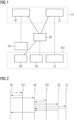
- FIG. 1 shows an embodiment of an arrangement for protecting a charging station LS from misuse.
- the charging station has, as its first device, an authentication unit AE, which is designed to verify a first identification feature ID1 and authorize a charging process for a vehicle KFZ. If the verification of the first identification feature ID1 is successful, the authentication unit AE authorizes a charging control unit LE of the charging station LS to provide the charging current for a charging control unit LE in the vehicle KFZ.
- an authentication unit AE which is designed to verify a first identification feature ID1 and authorize a charging process for a vehicle KFZ. If the verification of the first identification feature ID1 is successful, the authentication unit AE authorizes a charging control unit LE of the charging station LS to provide the charging current for a charging control unit LE in the vehicle KFZ.
- the arrangement comprises a backend BE, for example a server, which is programmed to check a second identification feature ID2 before and/or during the charging process and to continue the charging process only if the second identification feature ID2 is successfully checked.
- a backend BE for example a server
- At least one additional identification feature is evaluated in addition to the first identification feature ID1, in this case the second identification feature ID2.
- the second identification feature ID2 can also include several different features, or a third or fourth identification feature can be checked in addition to the second identification feature ID2.
- the second identification feature ID2 is preferably checked automatically and repeatedly by the backend BE.
- a user of the charging station LS is identified by presenting an RFID card as the first identification feature ID1.
- the authorization of the RFID card can be checked either locally by the authentication unit AE or centrally in the backend BE.
- the backend BE then additionally checks a further feature, in this case the second identification feature ID2. If the RFID card belongs to the user, the location of a smartphone or smartwatch belonging to the user can be checked as the second identification feature ID2 by querying it directly on the device. Furthermore, the presence of such devices can also be checked (using a corresponding receiver in the charging station LS) using their identifiers in wireless networks (e.g., MAC address in WLAN, Bluetooth). It is also conceivable to capture additional RFID cards as the second identification feature ID2 in the event that the user holds an entire wallet in front of a reader of the authentication unit AE.
- wireless networks e.g., MAC address in WLAN, Bluetooth
- the RFID card is assigned as the first identification feature ID1 to the vehicle KFZ, which was provided to the user, for example, by a car sharing or rental car provider.
- the location of the associated vehicle(s) can also be checked as the second identification feature ID2.
- an additional device ZG can be installed in the vehicle KFZ, so that the process can also be carried out without the involvement of the vehicle manufacturer.
- the vehicle-side additional device ZG can also transmit further information, such as a battery state of charge (SoC) or battery voltage, which can then be compared with values transmitted by the charging control unit LE in the backend BE.
- SoC battery state of charge
- the second identification feature ID2 is repeatedly verified after an initial verification of the identification features to protect against misuse by an authorized person.
- additional features such as the charging current are available, which can be verified as part of the second identification feature ID2 or in addition to it.
- communication according to ISO 15118 takes place between the backend BE and the additional device ZG in the vehicle.
- This can be provided as a value-added service via the charging station LS.
- This type of data transmission is particularly interesting for private users, as it reduces the costs of purchasing and operating the additional device and eliminates the need for additional devices.
- Figure 2 shows a flowchart for protecting a charging station from misuse.
- an authentication unit AE reads a first identification feature ID1, for example, an RFID card held in front of a reader.
- the authentication unit AE sends the first identification feature ID1 to a backend BE.
- the backend BE then accesses and verifies a second identification feature ID2. Examples of the second identification feature ID2 have already been mentioned.
- the backend BE requests data from an additional device ZG in a vehicle, for example, a battery state of charge (SoC) or a battery voltage, and compares this data with information that the backend BE requests and receives from a charging control unit LE in the charging station. This can be used, for example, to check that no charging current is being diverted using a Y-connector. If all checks are successful, the backend BE reports this back to the authentication unit AE so that the charging process can continue at the charging station.
- SoC battery state of charge
Landscapes
- Engineering & Computer Science (AREA)
- Power Engineering (AREA)
- Transportation (AREA)
- Mechanical Engineering (AREA)
- Business, Economics & Management (AREA)
- General Physics & Mathematics (AREA)
- Accounting & Taxation (AREA)
- Physics & Mathematics (AREA)
- Strategic Management (AREA)
- Finance (AREA)
- General Business, Economics & Management (AREA)
- Computer Security & Cryptography (AREA)
- Theoretical Computer Science (AREA)
- Charge And Discharge Circuits For Batteries Or The Like (AREA)
- Electric Propulsion And Braking For Vehicles (AREA)
- Mobile Radio Communication Systems (AREA)
Abstract
Description
- Die Erfindung betrifft den Schutz einer Ladestation vor missbräuchlicher Nutzung. Zur Identifizierung von Kunden in der Elektromobilität werden häufig einfache RFID-Karten eingesetzt. Bekannt ist, diese RFID-Karten gegen Kopieren durch geeignete Kommunikationsprotokolle zwischen Karte und
Kartenleser besonders zu schützen. - Im Stand der Technik werden Verfahren gegen das Kopieren und Nachahmen von Identifikationsmerkmalen kontinuierlich weiterentwickelt. Durch die Nutzung aktueller Verfahren kann ein verhältnismäßig hoher Schutz gegen den Gebrauch durch Unberechtigte geschaffen werden. Ein Missbrauch durch
Berechtigte kann hingegen nicht ausgeschlossen werden. - Für die Anmeldung bei Internet-Accounts ist eine Zwei-Faktor-Authentifizierung bekannt. Hierbei müssen seitens des Nutzers aktiv zwei Identifikationsmerkmale vorgelegt werden, welche jeweils über unterschiedliche Verfahren realisiert sind. Dies stellt einerseits eine Mehrbelastung für den berechtigten Nutzer dar und ist anderseits kein Schutz gegen den Missbrauch dieser Berechtigungsnachweise durch den berechtigten Nutzer, da diesem Zugriff auf beide Identifikationsmerkmale gegeben werden muss, wenn er diese handhaben soll.
-
CN 107 277 033 A undUS 2018/336551 A1 offenbaren jeweils ein Verfahren zum Schutz einer Ladestation vor missbräuchlicher Nutzung, bei dem nach einer erfolgreichen Zwei-Faktor-Authentifizierung ein elektrischer Ladevorgang durch eine Ladestation autorisiert wird. -
US 2016/059804 A1 offenbart, nach Prüfung eines ersten Identifikationsmerkmals als manuelle vorbereitende Handlung eine Entnahme eines Ladekabels aus einer Ladestation zu autorisieren. Der Ladevorgang selbst wird nach der Prüfung eines zweiten Identifikationsmerkmals autorisiert. -
US 9 270 463 B2 -
WO 2014/180419 A1 offenbart eine Authentifizierung eines Nutzers sowie eine Authentifizierung eines Fahrzeugs. Nachdem beide Authentifizierungen abgeschlossen sind, wird eine Kompatibilität für eine drahtlose Ladeverbindung überprüft. - Durch die vorliegende Erfindung soll eine Alternative zum Stand der Technik geschaffen werden.
- Diese Aufgabe wird erfindungsgemäß dadurch gelöst, dass eine Einrichtung zum Schutz einer Ladestation vor missbräuchlicher Nutzung ein erstes Identifikationsmerkmal überprüft und einen elektrischen Ladevorgang autorisiert, sofern die Prüfung erfolgreich war.
- Das Verfahren ist dadurch gekennzeichnet, dass die erste Einrichtung oder eine zweite Einrichtung vor und während oder lediglich während dem elektrischen Ladevorgang ein zweites Identifikationsmerkmal überprüft. Der elektrische Ladevorgang wird nur fortgesetzt, sofern die Prüfung des zweiten Identifikationsmerkmals erfolgreich war.
- Die Anordnung zum Schutz einer Ladestation vor missbräuchlicher Nutzung umfasst eine erste Einrichtung, welche ausgebildet ist zur Überprüfung eines ersten Identifikationsmerkmals und Autorisierung eines elektrischen Ladevorgangs bei erfolgreicher Prüfung.
- Die Anordnung ist gekennzeichnet durch eine Ausbildung der ersten Einrichtung zur Überprüfung eines zweiten Identifikationsmerkmals vor und während oder lediglich während des elektrischen Ladevorgangs, oder durch eine zweite Einrichtung, ausgebildet zur Überprüfung des zweiten Identifikationsmerkmals vor und während oder lediglich während des elektrischen Ladevorgangs. Die Anordnung ist weiterhin gekennzeichnet durch Mittel zur Fortsetzung des elektrischen Ladevorgangs nur bei erfolgreicher Prüfung des zweiten Identifikationsmerkmals.
- Die im Folgenden genannten Vorteile müssen nicht notwendigerweise durch die Gegenstände der unabhängigen Patentansprüche erzielt werden. Vielmehr kann es sich hierbei auch um Vorteile handeln, welche lediglich durch einzelne Ausführungsformen, Varianten oder Weiterbildungen erzielt werden. Gleiches gilt für die nachfolgenden Erläuterungen.
- Bei der ersten und zweiten Einrichtung handelt es sich beispielsweise um ein Backend bzw. einen Server, um einen Prozessor, beispielsweise einen Mikroprozessor oder Mikrocontroller, ein System-on-Chip oder einen programmierbaren Digitalbaustein, etwa ein "Field Programmable Gate Array" (FPGA).
- Das Verfahren und die Anordnung beruhen auf der Idee, eine Authentifizierung bzw. Autorisierung mittels einer Zusatzauthentifizierung niederschwellig zu gestalten, indem eine schwache Identifizierung durch eine oder mehrere weitere automatische Identifizierungen ergänzt werden, welche auch kontinuierlich geprüft werden können. Somit entsteht einem Berechtigten und ehrlichen Verwender kein Mehraufwand, während gleichzeitig ein Schaden durch vertragswidriges Verhalten von Berechtigten stark reduziert werden kann.
- Das Verfahren und die Anordnung unterstützen den Schutz vor einer unberechtigten Nutzung der Ladestation beispielsweise für den Fall, dass eine einfache RFID-Karte als erstes Identifikationsmerkmal entwendet oder missbräuchlich verwendet wird. So könnte beispielsweise eine Karte eines Fahrzeugs eines Car-Sharing-Anbieters genutzt werden, um damit Ladevorgänge für andere Fahrzeuge zu starten. Bei DC-Schnellladung könnte auf diese Weise in kurzer Zeit ein hoher Schaden verursacht werden. Bei AC-Ladung wäre ein entsprechender Schaden zwar aufgrund der geringeren Ladeleistung nur in längerer Zeit erreichbar. Hier könnte aber über einen auch für Laien einfach zu fertigenden Y-Stecker das gleichzeitige Laden mehrerer Fahrzeuge erreicht werden. All diesen missbräuchlichen Verwendungen des ersten Identifikationsmerkmals wird durch die Prüfung des zweiten Identifikationsmerkmals effektiv vorgebeugt, sofern das zweite Identifikationsmerkmal geeignet gewählt wird. Einige der geeigneten Wahlmöglichkeiten werden in den Ausführungsformen und Weiterbildungen näher erläutert.
- Gemäß einer Ausführungsform wird das zweite Identifikationsmerkmal vollautomatisch in vorgegebenen Zeitabständen erneut überprüft, nachdem der elektrische Ladevorgang begonnen hat. Der elektrische Ladevorgang wird abgebrochen, sobald die Prüfung des zweiten Identifikationsmerkmals fehlschlägt.
- Hierdurch wird einer missbräuchlichen Nutzung durch einen Befugten vorgebeugt. Die Ausführungsform unterscheidet sich von typischen IT-Verfahren insbesondere dadurch, dass ein zu hohes Vertrauen in die Stärke der Authentifizierung bei der Prüfung des ersten Identifikationsmerkmals nicht zu einem sehr großen Schaden führen muss, da die Schadenshöhe von der Dauer der unberechtigten Nutzung abhängt. Die Hürde für die Authentifizierung am Anfang wird also bewusst nur moderat (oder gar nicht) erhöht, während im Anschluss laufend überprüft wird, ob Manipulationsversuche vorliegen.
- In einer Weiterbildung ist das erste Identifikationsmerkmal eine RFID-Karte, welche durch ein Backend überprüft wird. Das zweite Identifikationsmerkmal wird ebenfalls durch das Backend überprüft.
- Bei dem Backend handelt es sich beispielsweise um ein Authentifizierungs- und Autorisierungsserver, welcher durch einen Betreiber der Ladeinfrastruktur bereitgestellt wird.
- Gemäß einer Ausführungsform ist das zweite Identifikationsmerkmal ein Aufenthaltsort eines mobilen Endgeräts.
- Bei dem mobilen Endgerät handelt es sich beispielsweise um ein Smartphone oder eine Smartwatch, welche ein Nutzer bei sich trägt. Die Prüfung des Aufenthaltsorts kann auch einfach als Prüfung auf lokale Anwesenheit implementiert werden.
- In einer Weiterbildung bestimmt das mobile Endgerät seinen Aufenthaltsort mittels GPS, Mobilfunk oder WLAN und gibt diesen an die Ladestation aus. Alternativ ist die Ladestation mit einer Authentifizierungseinheit ausgerüstet, welche eine Anwesenheit des mobilen Endgeräts in einem lokalen drahtlosen Netzwerk überprüft.
- Der Aufenthaltsort wird im ersten Fall direkt von dem mobilen Endgerät abgerufen. Alternativ wird das mobile Endgerät beispielsweise anhand einer Kennung, beispielsweise einer MAC-Adresse, in einem lokalen WLAN- oder Bluetooth-Netzwerk erkannt. Die Prüfung des Aufenthaltsorts kann auch lediglich eine Prüfung auf lokale Anwesenheit bedeuten.
- Gemäß einer Ausführungsform ist das zweite Identifikationsmerkmal eine Anwesenheit einer oder mehrerer RFID-Karten.
- Diese weiteren RFID-Karten befinden sich beispielsweise in einem Portemonnaie, welches ein Nutzer vor ein Lesegerät der Ladestation hält.
- In einer Weiterbildung ist das zweite Identifikationsmerkmal ein Aufenthaltsort eines Fahrzeugs.
- Beispielsweise handelt es sich bei dem ersten Identifikationsmerkmal um eine Ladekarte, welche von einem Carsharing-Anbieter einem bestimmten Kraftfahrzeug oder einer Flotte von Fahrzeugen zugeordnet wurde. Die Prüfung des Aufenthaltsorts kann auch einfach als Prüfung auf lokale Anwesenheit realisiert werden. Als zweites Identifikationsmerkmal wird also beispielsweise die Anwesenheit eines Kraftfahrzeugs aus der Flotte des Carsharing-Anbieters überprüft.
- Gemäß einer Ausführungsform ist das zweite Identifikationsmerkmal ein Ladezustand und/oder eine Spannung einer Batterie eines Fahrzeugs und/oder ein Ladestrom ist.
- Die genannten Merkmale können während des Ladevorgangs vorteilhaft als zweites Identifikationsmerkmal genutzt und überprüft werden. Der Ladestrom ist ein Beispiel für ein Identifikationsmerkmal, welches erst nach dem Beginn des Ladevorgangs zur Verfügung steht. Das zweite Identifikationsmerkmal kann auch ein Datensatz sein, welcher aus einer Mehrzahl von Merkmalen besteht, beispielsweise eine beliebige Kombination der in den Ausführungsformen, Weiterbildungen und Ausführungsbeispiele genannten Möglichkeiten.
- In einer Weiterbildung wird im Rahmen der Prüfung des zweiten Identifikationsmerkmals überprüft, ob das zweite Identifikationsmerkmal Vergleichsinformationen entspricht, welche eine Ladesteuer-Einheit in der Ladestation bereitstellt.
- Durch diese Weiterbildung kann beispielsweise erkannt werden, ob mittels eines Y-Steckers Ladestrom abgezweigt wird.
- Gemäß einer Ausführungsform ist ein Zusatzgerät in dem Kraftfahrzeug eingebaut, welches das zweite Identifikationsmerkmal ausgibt.
- Das Zusatzgerät ermöglicht etwa die Prüfung des Aufenthaltsorts bzw. der Anwesenheit des Fahrzeugs auch ohne Beteilung eines Fahrzeugherstellers.
- In einer Weiterbildung unterstützt das Fahrzeug eine Fahrzeugeinspeisung mittels eines entsprechenden Kommunikationsprotokolls, insbesondere gemäß ISO 15118. Die Ladestation vermittelt eine Kommunikation zwischen dem Zusatzgerät und dem Backend.
- Diese Weiterbildung erlaubt es, die Kommunikation als Mehrwertdienst über die Ladestation zu vermitteln. Diese Art der Datenübermittlung ist insbesondere für Privatnutzer interessant, da Kosten für Anschaffung und Betrieb des Zusatzgeräts reduziert werden und nicht von Haus aus in Rechnung gestellt werden.
- Auf dem computerlesbaren Datenträger ist ein Computerprogramm gespeichert, welches das Verfahren ausführt, wenn es in einem Prozessor abgearbeitet wird.
- Das Computerprogramm wird in einem Prozessor abgearbeitet und führt dabei das Verfahren aus.
- Im Folgenden werden Ausführungsbeispiele der Erfindung anhand von Figuren näher erläutert. In den Figuren sind gleiche oder funktionsgleiche Elemente mit denselben Bezugszeichen versehen, sofern nichts anderes angegeben ist. Es zeigen:
- Fig. 1
- ein Ausführungsbeispiel einer Anordnung zum Schutz einer Ladestation LS vor missbräuchlicher Nutzung, und
- Fig. 2
- einen beispielhaften Ablauf zum Schutz einer Ladestation LS vor missbräuchlicher Nutzung.
-
Figur 1 zeigt ein Ausführungsbeispiel einer Anordnung zum Schutz einer Ladestation LS vor missbräuchlicher Nutzung. Die Ladestation verfügt als erste Einrichtung über eine Authentifizierungseinheit AE, welche ausgebildet ist zur Überprüfung eines ersten Identifikationsmerkmals ID1 und Autorisierung eines Ladevorgangs für ein Fahrzeug KFZ. Sofern die Prüfung des ersten Identifikationsmerkmals ID1 erfolgreich ist, autorisiert die Authentifizierungseinheit AE eine Ladesteuereinheit LE der Ladestation LS, den Ladestrom für eine Ladesteuereinheit LE im Fahrzeug KFZ bereitzustellen. - Als zweite Einrichtung umfasst die Anordnung ein Backend BE, beispielsweise einen Server, welcher programmiert ist zur Überprüfung eines zweiten Identifikationsmerkmals ID2 vor und/oder während des Ladevorgangs, und zur Fortsetzung des Ladevorgangs nur bei erfolgreicher Prüfung des zweiten Identifikationsmerkmals ID2.
- Zum Schutz der Ladestation wird also neben dem ersten Identifikationsmerkmal ID1 mindestens ein weiteres Identifikationsmerkmal ausgewertet, hier das zweite Identifikationsmerkmal ID2. Das zweite Identifikationsmerkmal ID2 kann hierbei auch mehrere unterschiedliche Merkmale umfassen, oder es kann neben dem zweiten Identifikationsmerkmal ID2 auch noch ein drittes oder viertes Identifikationsmerkmal geprüft werden. Das zweite Identifikationsmerkmal ID2 wird vorzugsweise automatisch und wiederholt durch das Backend BE geprüft.
- In einem ersten Szenario erfolgt eine Identifikation eines Nutzers der Ladestation LS durch Vorlage einer RFID-Karte als erstes Identifikationsmerkmal ID1. Die Prüfung der Berechtigung der RFID-Karte kann wahlweise lokal durch die Authentifizierungseinheit AE oder zentral im Backend BE erfolgen. Das Backend BE prüft nun zusätzlich ein weiteres Merkmal, hier das zweite Identifikationsmerkmal ID2. Falls die RFID-Karte dem Nutzer gehört, kann als zweites Identifikationsmerkmal ID2 beispielsweise der Aufenthaltsort eines Smartphones oder einer Smartwatch des Nutzers durch Abfrage direkt beim Gerät geprüft werden. Darüber hinaus kann auch (durch einen entsprechenden Empfänger in der Ladestation LS) eine Anwesenheitsprüfung solcher Geräte über deren Kennung in Funknetzwerken (z.B. MAC-Adresse im WLAN, Bluetooth) erfolgen. Ebenfalls denkbar ist die Erfassung weiterer RFID-Karten als zweites Identifikationsmerkmal ID2 für den Fall, dass der Nutzer ein ganzes Portemonnaie vor ein Lesegerät der Authentifizierungseinheit AE hält.
- In einem zweiten Szenario ist die RFID-Karte als erstes Identifikationsmerkmal ID1 dem Fahrzeug KFZ zugeordnet, welches dem Nutzer beispielsweise von einem Carsharing- oder Mietwagen-Anbieter überlassen wurde. In diesem Szenario kann als zweites Identifikationsmerkmal ID2 auch der Aufenthaltsort des bzw. der zugehörigen Fahrzeuge überprüft werden. Hierzu kann ggf. ein Zusatzgerät ZG im Fahrzeug KFZ installiert sein, sodass das Verfahren auch ohne Beteiligung des Fahrzeugherstellers durchgeführt werden kann. Das fahrzeugseitige Zusatzgerät ZG kann insbesondere auch weitere Informationen, wie zum Beispiel einen Ladezustand einer Batterie (SoC) oder eine Batteriespannung übermitteln, welche dann mit von der Ladesteuer-Einheit LE übermittelten Werten im Backend BE verglichen werden können.
- In einer Variante wird das zweite Identifikationsmerkmal ID2 zum Schutz gegen missbräuchliche Nutzung durch einen Befugten nach einer initialen Überprüfung der Identifizierungsmerkmale erneut wiederholt geprüft. Dabei stehen mit Beginn des Ladevorgangs weitere Merkmale wie etwa der Ladestrom zur Verfügung, welche als Teil des zweiten Identifikationsmerkmals ID2 oder zusätzlich zu diesem überprüft werden können.
- In einer weiteren Variante erfolgt eine Kommunikation gemäß ISO 15118 zwischen dem Backend BE und dem Zusatzgerät ZG im Fahrzeug KFZ. Diese kann als Mehrwertdienst über die Ladestation LS vermittelt werden. Diese Art der Datenübermittlung ist dabei insbesondere für Privatnutzer interessant, da die Kosten für Anschaffung und Betrieb des Zusatzgeräts so reduziert werden und nicht von Haus aus anfallen.
-
Figur 2 zeigt ein Ablaufdiagramm zum Schutz einer Ladestation vor missbräuchlicher Nutzung. Zunächst liest eine Authentifizierungseinheit AE ein erstes Identifikationsmerkmal ID1 aus, beispielsweise eine RFID-Karte, welche vor ein Lesegerät gehalten wird. Zur weiteren Prüfung sendet die Authentifizierungseinheit AE das erste Identifikationsmerkmal ID1 an ein Backend BE. Das Backend BE greift nun auf ein zweites Identifikationsmerkmal ID2 zu und überprüft dieses. Beispiele für das zweite Identifikationsmerkmal ID2 wurden bereits genannt. Anschließend fordert das Backend BE Daten von einem Zusatzgerät ZG in einem Fahrzeug an, beispielsweise einen Ladezustand einer Batterie (SoC) oder eine Batteriespannung, und gleicht diese Daten mit Informationen ab, welche das Backend BE von einer Ladesteuer-Einheit LE in der Ladestation anfordert und zurückerhält. So kann beispielweise überprüft werden, dass kein Ladestrom mit einem Y-Stecker abgezweigt wird. Sofern alle Prüfungen erfolgreich sind, meldet das Backend BE dies an die Authentifizierungseinheit AE zurück, sodass der Ladevorgang durch die Ladestation fortgesetzt werden kann. - Vorzugsweise laufen diese Prüfungen größtenteils im Hintergrund wiederholt vollautomatisch ab, während der Ladevorgang bereits begonnen hat. Für den Nutzer ergibt sich so eine relativ ungehinderte und niederschwellige Nutzungserfahrung. Im Betrugsfall wird der Ladevorgang abgebrochen, sobald die Prüfung fehlschlägt.
- Obwohl die Erfindung durch die Ausführungsbeispiele im Detail illustriert und beschrieben wurde, ist sie nicht durch die offenbarten Beispiele eingeschränkt. Andere Variationen können vom Fachmann hieraus abgeleitet werden, ohne den Schutzumfang der Erfindung zu verlassen. Die beschriebenen Ausführungsbeispiele, Varianten, Ausführungsformen und Weiterbildungen können auch frei miteinander kombiniert werden.
Claims (11)
- Anordnung zum Schutz einer Ladestation (LS) vor missbräuchlicher Nutzung,mit einer ersten Einrichtung, welche ausgebildet ist zur- Überprüfung eines ersten Identifikationsmerkmals (ID1) und- Autorisierung eines elektrischen Ladevorgangs bei erfolgreicher Prüfung,gekennzeichnet durch- eine Ausbildung der ersten Einrichtung zur Überprüfung eines zweiten Identifikationsmerkmals (ID2) vor und während oder lediglich während des elektrischen Ladevorgangs, oder- eine zweite Einrichtung, ausgebildet zur Überprüfung des zweiten Identifikationsmerkmals (ID2) vor und während oder lediglich während des elektrischen Ladevorgangs,
und- Mittel zur Fortsetzung des elektrischen Ladevorgangs nur bei erfolgreicher Prüfung des zweiten Identifikationsmerkmals (ID2). - Anordnung nach Anspruch 1,
wobei die Anordnung ferner dazu ausgestaltet ist, dass- das zweite Identifikationsmerkmal (ID2) vollautomatisch in vorgegebenen Zeitabständen erneut überprüft wird, nachdem der elektrische Ladevorgang begonnen hat, und- der elektrische Ladevorgang abgebrochen wird, sobald die Prüfung des zweiten Identifikationsmerkmals (ID2) fehlschlägt. - Anordnung nach einem der vorhergehenden Ansprüche,- bei der das erste Identifikationsmerkmal (ID1) eine RFID-Karte ist, welche durch ein Backend (BE) überprüft wird, und- bei der das zweite Identifikationsmerkmal (ID2) ebenfalls durch das Backend (BE) überprüft wird.
- Anordnung nach einem der vorhergehenden Ansprüche,- bei der das zweite Identifikationsmerkmal (ID2) ein Aufenthaltsort eines mobilen Endgeräts ist.
- Anordnung nach Anspruch 4,- bei der das mobile Endgerät seinen Aufenthaltsort mittels GPS, Mobilfunk oder WLAN bestimmt und an die Ladestation (LS) ausgibt, oder- bei der die Ladestation (LS) mit einer Authentifizierungseinheit (AE) ausgerüstet ist, welche eine Anwesenheit des mobilen Endgeräts in einem lokalen drahtlosen Netzwerk überprüft.
- Anordnung nach einem der Ansprüche 1 bis 3,- bei der das zweite Identifikationsmerkmal (ID2) eine Anwesenheit einer oder mehrerer RFID-Karten ist.
- Anordnung nach einem der Ansprüche 1 bis 3,- bei der das zweite Identifikationsmerkmal (ID2) ein Aufenthaltsort eines Fahrzeugs (KFZ) ist.
- Anordnung nach einem der Ansprüche 1 bis 3,- bei der das zweite Identifikationsmerkmal (ID2) ein Ladezustand und/oder eine Spannung einer Batterie eines Fahrzeugs (KFZ) und/oder ein Ladestrom ist.
- Anordnung nach Anspruch 8,
wobei die Anordnung ferner dazu ausgestaltet ist, dass- im Rahmen der Prüfung des zweiten Identifikationsmerkmals (ID2) überprüft wird, ob das zweite Identifikationsmerkmal (ID2) Vergleichsinformationen entspricht, welche eine Ladesteuer-Einheit (LE) in der Ladestation (LS) bereitstellt. - Anordnung nach einem der Ansprüche 7 bis 9,- bei der ein Zusatzgerät (ZG) in dem Kraftfahrzeug (KFZ) eingebaut ist, welches das zweite Identifikationsmerkmal (ID2) ausgibt.
- Anordnung nach Anspruch 3 und 10,- bei der das Fahrzeug (KFZ) eine Fahrzeugeinspeisung mittels eines entsprechenden Kommunikationsprotokolls, insbesondere gemäß ISO 15118, unterstützt, und- bei der die Ladestation (LS) eine Kommunikation zwischen dem Zusatzgerät (ZG) und dem Backend (BE) vermittelt.
Applications Claiming Priority (3)
| Application Number | Priority Date | Filing Date | Title |
|---|---|---|---|
| DE102019202247.2A DE102019202247A1 (de) | 2019-02-19 | 2019-02-19 | Verfahren und Anordnung zum Schutz einer Ladestation vor missbräuchlicher Nutzung |
| EP20706985.7A EP3906178B1 (de) | 2019-02-19 | 2020-02-14 | Verfahren und anordnung zum schutz einer ladestation vor missbräuchlicher nutzung |
| PCT/EP2020/053859 WO2020169464A1 (de) | 2019-02-19 | 2020-02-14 | Verfahren und anordnung zum schutz einer ladestation vor missbräuchlicher nutzung |
Related Parent Applications (2)
| Application Number | Title | Priority Date | Filing Date |
|---|---|---|---|
| EP20706985.7A Division-Into EP3906178B1 (de) | 2019-02-19 | 2020-02-14 | Verfahren und anordnung zum schutz einer ladestation vor missbräuchlicher nutzung |
| EP20706985.7A Division EP3906178B1 (de) | 2019-02-19 | 2020-02-14 | Verfahren und anordnung zum schutz einer ladestation vor missbräuchlicher nutzung |
Publications (2)
| Publication Number | Publication Date |
|---|---|
| EP4542516A2 true EP4542516A2 (de) | 2025-04-23 |
| EP4542516A3 EP4542516A3 (de) | 2025-06-04 |
Family
ID=69699835
Family Applications (2)
| Application Number | Title | Priority Date | Filing Date |
|---|---|---|---|
| EP25161893.0A Pending EP4542516A3 (de) | 2019-02-19 | 2020-02-14 | Verfahren und anordnung zum schutz einer ladestation vor missbräuchlicher nutzung |
| EP20706985.7A Active EP3906178B1 (de) | 2019-02-19 | 2020-02-14 | Verfahren und anordnung zum schutz einer ladestation vor missbräuchlicher nutzung |
Family Applications After (1)
| Application Number | Title | Priority Date | Filing Date |
|---|---|---|---|
| EP20706985.7A Active EP3906178B1 (de) | 2019-02-19 | 2020-02-14 | Verfahren und anordnung zum schutz einer ladestation vor missbräuchlicher nutzung |
Country Status (5)
| Country | Link |
|---|---|
| US (1) | US20220134898A1 (de) |
| EP (2) | EP4542516A3 (de) |
| CN (1) | CN113423601A (de) |
| DE (1) | DE102019202247A1 (de) |
| WO (1) | WO2020169464A1 (de) |
Families Citing this family (4)
| Publication number | Priority date | Publication date | Assignee | Title |
|---|---|---|---|---|
| DE102020117836A1 (de) * | 2020-07-07 | 2022-01-13 | Dr. Ing. H.C. F. Porsche Aktiengesellschaft | System und Verfahren zur Authentifizierung eines Ladevorgangs für ein Elektrofahrzeug an einer Ladestation |
| CN113370830A (zh) * | 2021-06-19 | 2021-09-10 | 特瓦特能源科技有限公司 | 一种电动汽车充电方法以及相关设备 |
| US12445436B2 (en) * | 2023-01-06 | 2025-10-14 | Siemens Industry, Inc. | Configuring offline electric vehicle supply equipment (EVSE) via 2-factor authentication |
| WO2025117777A1 (en) * | 2023-12-01 | 2025-06-05 | Powerflex Systems, Llc | Facilitating charge scheduling and charge optimization through a linkage mechanism distinct from a mobile app |
Citations (5)
| Publication number | Priority date | Publication date | Assignee | Title |
|---|---|---|---|---|
| WO2014180419A1 (zh) | 2013-09-27 | 2014-11-13 | 中兴通讯股份有限公司 | 一种无线充电方法及相应的车载充电设备、设备管理器 |
| US9270463B2 (en) | 2012-01-17 | 2016-02-23 | Panasonic Intellectual Property Management Co., Ltd. | Unauthorized connection detecting device, unauthorized connection detecting system, and unauthorized connection detecting method |
| US20160059804A1 (en) | 2014-09-02 | 2016-03-03 | Move Energy Systems, Inc. | Anti-idling System for Ambulances and Other Vehicles |
| CN107277033A (zh) | 2017-07-03 | 2017-10-20 | 上海蔚来汽车有限公司 | 充换电设备和待充换电对象的鉴权方法和系统 |
| US20180336551A1 (en) | 2017-05-22 | 2018-11-22 | Hussein Talaat Mouftah | Methods and systems for conjugated authentication and authorization |
Family Cites Families (32)
| Publication number | Priority date | Publication date | Assignee | Title |
|---|---|---|---|---|
| US20070197261A1 (en) * | 2004-03-19 | 2007-08-23 | Humbel Roger M | Mobile Telephone All In One Remote Key Or Software Regulating Card For Radio Bicycle Locks, Cars, Houses, And Rfid Tags, With Authorisation And Payment Function |
| KR100675697B1 (ko) * | 2005-03-23 | 2007-01-29 | 여호룡 | 무선주파수인식과 스마트카드를 이용한 본인인증 방법 및그 장치 |
| ATE489670T1 (de) * | 2005-10-14 | 2010-12-15 | Research In Motion Ltd | Mobiles kommunikationsgerät mit einem intelligenten batteriesystem |
| JP5319469B2 (ja) * | 2008-10-03 | 2013-10-16 | 株式会社半導体エネルギー研究所 | Rfidタグ |
| DE102010011162A1 (de) * | 2009-07-15 | 2011-02-03 | Siemens Aktiengesellschaft | Verfahren zur Kommunikation zwischen einem Elektrofahrzeug und einer Ladestelle zum elektrischen Laden zumindest eines Energiespeichers des Elektrofahrzeugs |
| US8354913B2 (en) * | 2009-07-23 | 2013-01-15 | Chargepoint, Inc. | Authorization in a networked electric vehicle charging system |
| US10787090B2 (en) * | 2009-10-24 | 2020-09-29 | Paul S. Levy | Method and process of administrating recharging of electric vehicles using low cost charge stations |
| US11183001B2 (en) * | 2010-01-29 | 2021-11-23 | Chargepoint, Inc. | Electric vehicle charging station host definable pricing |
| DE102010041760A1 (de) * | 2010-06-30 | 2012-01-05 | Siemens Aktiengesellschaft | Ladevorrichtung zum Aufladen von Energiespeichern sowie entsprechendes Verfahren |
| DE102010026689A1 (de) * | 2010-07-09 | 2012-01-12 | Siemens Aktiengesellschaft | Verfahren und Steuereinheit zum Laden eines Fahrzeugakkumulators |
| DE102010032523B4 (de) * | 2010-07-28 | 2012-06-21 | Siemens Aktiengesellschaft | Verfahren und Vorrichtung zum manipulationssicheren Aufladen eines Elektrofahrzeuges über eine Ladesäule |
| US20120326664A1 (en) * | 2011-04-29 | 2012-12-27 | Venegas Jr Frank | Charging stand for electric and hybrid vehicles |
| US20150306967A1 (en) * | 2011-08-16 | 2015-10-29 | Better Place GmbH | Identification of an electric vehicle adjacent to a power replenishment station |
| ZA201205645B (en) * | 2012-03-23 | 2013-04-24 | Econet Wireless Ip Holdings Ltd | A charging station for mobile electronic device and an associated system and method |
| IL218926A (en) * | 2012-03-29 | 2016-12-29 | Better Place GmbH | Electric Vehicle Service System and Method |
| CN107273774B (zh) * | 2013-02-08 | 2020-12-01 | 台湾开发建设股份有限公司 | 电子标签及用于确保电子标签的处理系统与方法 |
| US20140337253A1 (en) * | 2013-05-08 | 2014-11-13 | GM Global Technology Operations LLC | Transmitting charge event information to electrical utility through telematics communication infrastructure |
| EP3053130B1 (de) * | 2013-09-30 | 2023-05-24 | Recargo, Inc. | Zugriff auf das ladenetz eines elektrofahrzeuges |
| US9283856B2 (en) * | 2014-02-24 | 2016-03-15 | GM Global Technology Operations LLC | Methods, systems and apparatus for authorizing operation of an electric vehicle that is being charged at a charging station |
| US9778653B1 (en) * | 2014-06-27 | 2017-10-03 | Amazon Technologies, Inc. | Systems, devices and methods delivering energy using an uncrewed autonomous vehicle |
| US9914364B2 (en) * | 2014-12-02 | 2018-03-13 | Aerovironment, Inc. | System for charging an electric vehicle (EV) |
| CN104539427A (zh) * | 2014-12-27 | 2015-04-22 | 中国西电电气股份有限公司 | 一种基于身份验证的无线充电电能计量方法 |
| US20160352113A1 (en) * | 2015-05-29 | 2016-12-01 | GM Global Technology Operations LLC | Electric vehicle charging station |
| CN106652214A (zh) * | 2015-10-30 | 2017-05-10 | 宁波轩悦行电动汽车服务有限公司 | 一种新型电动汽车分时租赁装置和使用方法 |
| DE102015225980A1 (de) * | 2015-12-18 | 2017-06-22 | Bayerische Motoren Werke Aktiengesellschaft | Verfahren und System zum Laden von Fahrzeugen an Ladestationen |
| CN105788333B (zh) * | 2016-05-25 | 2018-02-02 | 四川化工职业技术学院 | 具有无人驾驶及回场充电功能的智能交通系统及实现方法 |
| US20180012196A1 (en) * | 2016-07-07 | 2018-01-11 | NextEv USA, Inc. | Vehicle maintenance manager |
| CN106878279A (zh) * | 2017-01-09 | 2017-06-20 | 上海蔚来汽车有限公司 | 充换电设施和待充换电对象的自动鉴权方法和系统 |
| DE102017206106A1 (de) * | 2017-04-10 | 2018-10-11 | EcoG GmbH | Steuerungsvorrichtung und Verfahren zur Steuerung einer Ladesäule |
| DE102017206369A1 (de) * | 2017-04-13 | 2018-10-18 | EcoG GmbH | Verfahren zur Steuerung eines Ladevorgangs eines Fahrzeugs an einer Ladesäule |
| CN107221973A (zh) * | 2017-05-11 | 2017-09-29 | 上海蔚来汽车有限公司 | 待充电对象、充电设备的鉴权方法和系统 |
| US11838886B2 (en) * | 2020-03-03 | 2023-12-05 | Intel Corporation | Mechanisms for integrated access and backhaul (IAB) mobile terminal distributed unit simultaneous operation |
-
2019
- 2019-02-19 DE DE102019202247.2A patent/DE102019202247A1/de not_active Ceased
-
2020
- 2020-02-14 WO PCT/EP2020/053859 patent/WO2020169464A1/de not_active Ceased
- 2020-02-14 EP EP25161893.0A patent/EP4542516A3/de active Pending
- 2020-02-14 US US17/431,359 patent/US20220134898A1/en active Pending
- 2020-02-14 CN CN202080015397.5A patent/CN113423601A/zh active Pending
- 2020-02-14 EP EP20706985.7A patent/EP3906178B1/de active Active
Patent Citations (5)
| Publication number | Priority date | Publication date | Assignee | Title |
|---|---|---|---|---|
| US9270463B2 (en) | 2012-01-17 | 2016-02-23 | Panasonic Intellectual Property Management Co., Ltd. | Unauthorized connection detecting device, unauthorized connection detecting system, and unauthorized connection detecting method |
| WO2014180419A1 (zh) | 2013-09-27 | 2014-11-13 | 中兴通讯股份有限公司 | 一种无线充电方法及相应的车载充电设备、设备管理器 |
| US20160059804A1 (en) | 2014-09-02 | 2016-03-03 | Move Energy Systems, Inc. | Anti-idling System for Ambulances and Other Vehicles |
| US20180336551A1 (en) | 2017-05-22 | 2018-11-22 | Hussein Talaat Mouftah | Methods and systems for conjugated authentication and authorization |
| CN107277033A (zh) | 2017-07-03 | 2017-10-20 | 上海蔚来汽车有限公司 | 充换电设备和待充换电对象的鉴权方法和系统 |
Also Published As
| Publication number | Publication date |
|---|---|
| US20220134898A1 (en) | 2022-05-05 |
| EP3906178A1 (de) | 2021-11-10 |
| EP3906178B1 (de) | 2025-07-16 |
| EP4542516A3 (de) | 2025-06-04 |
| DE102019202247A1 (de) | 2020-08-20 |
| EP3906178C0 (de) | 2025-07-16 |
| CN113423601A (zh) | 2021-09-21 |
| WO2020169464A1 (de) | 2020-08-27 |
Similar Documents
| Publication | Publication Date | Title |
|---|---|---|
| EP3906178B1 (de) | Verfahren und anordnung zum schutz einer ladestation vor missbräuchlicher nutzung | |
| EP3615371B1 (de) | Verfahren zur zweistufigen autorisierung eines ladevorgangs an einer ladesäule | |
| DE102019107336A1 (de) | Automatisches plug-and-pay mit mehrstufiger authentifizierung zum betanken von fahrzeugen | |
| EP2864967A1 (de) | Vorrichtung und verfahren zum steuern einer zugangsberechtigung und/oder fahrberechtigung für ein fahrzeug | |
| WO2013068074A1 (de) | Verfahren und system zur freigabe einer technischen vorrichtung | |
| DE102017206369A1 (de) | Verfahren zur Steuerung eines Ladevorgangs eines Fahrzeugs an einer Ladesäule | |
| DE102013219545A1 (de) | Verfahren, Fahrzeug und Anordnung | |
| DE102020211413A1 (de) | Betriebsverfahren für eine Ladesäule | |
| DE102019114992A1 (de) | Verfahren und system zum autorisierten entfernen von ladegeräten | |
| EP2698964B1 (de) | Betreiben eines Teilnehmeridentitätsmoduls | |
| DE102012106499B4 (de) | Verfahren und System zur Authentifizierung an Ladestationen | |
| DE102018201672A1 (de) | Verfahren und System zum Nachweis eines Ladevertrags eines Benutzers zum Freigeben eines Ladevorgangs zum Laden eines Elektrofahrzeugs an einer Ladeinfrastruktur | |
| EP2688327B1 (de) | Aktivieren von Teilnehmeridentitätsdaten | |
| WO2015018510A2 (de) | Verfahren und vorrichtungen zum wechseln eines mobilfunknetzes | |
| DE102018200908A1 (de) | Verfahren zum Betreiben einer stationären Ladestation für Fahrzeuge, Ladesystem | |
| DE102021131515A1 (de) | Verfahren, Fortbewegungsmittel, Server und Ladesäule zum Autorisieren eines Ladevorgangs | |
| DE102024115609A1 (de) | Kommunikationssystem, Authentifizierungsverfahren und Speichermedium | |
| EP4072180A1 (de) | Verfahren zur autorisierung eines ladevorgangs an einem ladepunkt | |
| DE102017006488A1 (de) | Verfahren zum Laden eines elektrischen Energiespeichers eines elektrisch betreibbaren Fahrzeugs | |
| WO2016096146A1 (de) | Einbringen einer identität in ein secure element | |
| DE102016115715A1 (de) | Verfahren zum Authentifizieren eines Benutzers gegenüber einer Sicherheitseinrichtung | |
| DE102014118555A1 (de) | Verfahren zum Verbinden eines Drahtlos-Endgeräts zu einem Fahrzeug | |
| DE102022119800A1 (de) | Verfahren und System zum Durchführen einer Aktion in Bezug auf ein Fortbewegungsmittel | |
| DE102022119799A1 (de) | Verfahren und System zum Durchführen einer Aktion in Bezug auf ein Fortbewegungsmittel | |
| DE102024113216A1 (de) | Verfahren zur Bestimmung eines Verursachers eines Ladevorgangs, Computerprogramm, Vorrichtung und Fahrzeug |
Legal Events
| Date | Code | Title | Description |
|---|---|---|---|
| PUAI | Public reference made under article 153(3) epc to a published international application that has entered the european phase |
Free format text: ORIGINAL CODE: 0009012 |
|
| STAA | Information on the status of an ep patent application or granted ep patent |
Free format text: STATUS: THE APPLICATION HAS BEEN PUBLISHED |
|
| AC | Divisional application: reference to earlier application |
Ref document number: 3906178 Country of ref document: EP Kind code of ref document: P |
|
| AK | Designated contracting states |
Kind code of ref document: A2 Designated state(s): AL AT BE BG CH CY CZ DE DK EE ES FI FR GB GR HR HU IE IS IT LI LT LU LV MC MK MT NL NO PL PT RO RS SE SI SK SM TR |
|
| REG | Reference to a national code |
Ref country code: DE Ref legal event code: R079 Free format text: PREVIOUS MAIN CLASS: G07F0009020000 Ipc: B60L0053000000 |
|
| PUAL | Search report despatched |
Free format text: ORIGINAL CODE: 0009013 |
|
| AK | Designated contracting states |
Kind code of ref document: A3 Designated state(s): AL AT BE BG CH CY CZ DE DK EE ES FI FR GB GR HR HU IE IS IT LI LT LU LV MC MK MT NL NO PL PT RO RS SE SI SK SM TR |
|
| RIC1 | Information provided on ipc code assigned before grant |
Ipc: G07F 9/02 20060101ALI20250425BHEP Ipc: G06Q 20/40 20120101ALI20250425BHEP Ipc: B60L 53/62 20190101ALI20250425BHEP Ipc: B60L 53/30 20190101ALI20250425BHEP Ipc: H02J 7/00 20060101ALI20250425BHEP Ipc: G07F 15/00 20060101ALI20250425BHEP Ipc: B60L 53/66 20190101ALI20250425BHEP Ipc: B60L 53/65 20190101ALI20250425BHEP Ipc: B60L 53/00 20190101AFI20250425BHEP |
|
| STAA | Information on the status of an ep patent application or granted ep patent |
Free format text: STATUS: REQUEST FOR EXAMINATION WAS MADE |
|
| 17P | Request for examination filed |
Effective date: 20250805 |