EP4541908A1 - Composition pour la prévention ou le traitement de l'arthrose et son utilisation - Google Patents
Composition pour la prévention ou le traitement de l'arthrose et son utilisation Download PDFInfo
- Publication number
- EP4541908A1 EP4541908A1 EP23824230.9A EP23824230A EP4541908A1 EP 4541908 A1 EP4541908 A1 EP 4541908A1 EP 23824230 A EP23824230 A EP 23824230A EP 4541908 A1 EP4541908 A1 EP 4541908A1
- Authority
- EP
- European Patent Office
- Prior art keywords
- bone
- lncrna
- present
- related disease
- runx2
- Prior art date
- Legal status (The legal status is an assumption and is not a legal conclusion. Google has not performed a legal analysis and makes no representation as to the accuracy of the status listed.)
- Pending
Links
Images





Classifications
-
- A—HUMAN NECESSITIES
- A61—MEDICAL OR VETERINARY SCIENCE; HYGIENE
- A61P—SPECIFIC THERAPEUTIC ACTIVITY OF CHEMICAL COMPOUNDS OR MEDICINAL PREPARATIONS
- A61P19/00—Drugs for skeletal disorders
-
- A—HUMAN NECESSITIES
- A61—MEDICAL OR VETERINARY SCIENCE; HYGIENE
- A61K—PREPARATIONS FOR MEDICAL, DENTAL OR TOILETRY PURPOSES
- A61K31/00—Medicinal preparations containing organic active ingredients
- A61K31/70—Carbohydrates; Sugars; Derivatives thereof
- A61K31/7088—Compounds having three or more nucleosides or nucleotides
-
- A—HUMAN NECESSITIES
- A61—MEDICAL OR VETERINARY SCIENCE; HYGIENE
- A61K—PREPARATIONS FOR MEDICAL, DENTAL OR TOILETRY PURPOSES
- A61K31/00—Medicinal preparations containing organic active ingredients
- A61K31/70—Carbohydrates; Sugars; Derivatives thereof
- A61K31/7088—Compounds having three or more nucleosides or nucleotides
- A61K31/7105—Natural ribonucleic acids, i.e. containing only riboses attached to adenine, guanine, cytosine or uracil and having 3'-5' phosphodiester links
-
- A—HUMAN NECESSITIES
- A61—MEDICAL OR VETERINARY SCIENCE; HYGIENE
- A61K—PREPARATIONS FOR MEDICAL, DENTAL OR TOILETRY PURPOSES
- A61K48/00—Medicinal preparations containing genetic material which is inserted into cells of the living body to treat genetic diseases; Gene therapy
-
- C—CHEMISTRY; METALLURGY
- C12—BIOCHEMISTRY; BEER; SPIRITS; WINE; VINEGAR; MICROBIOLOGY; ENZYMOLOGY; MUTATION OR GENETIC ENGINEERING
- C12Q—MEASURING OR TESTING PROCESSES INVOLVING ENZYMES, NUCLEIC ACIDS OR MICROORGANISMS; COMPOSITIONS OR TEST PAPERS THEREFOR; PROCESSES OF PREPARING SUCH COMPOSITIONS; CONDITION-RESPONSIVE CONTROL IN MICROBIOLOGICAL OR ENZYMOLOGICAL PROCESSES
- C12Q1/00—Measuring or testing processes involving enzymes, nucleic acids or microorganisms; Compositions therefor; Processes of preparing such compositions
- C12Q1/68—Measuring or testing processes involving enzymes, nucleic acids or microorganisms; Compositions therefor; Processes of preparing such compositions involving nucleic acids
- C12Q1/6876—Nucleic acid products used in the analysis of nucleic acids, e.g. primers or probes
- C12Q1/6883—Nucleic acid products used in the analysis of nucleic acids, e.g. primers or probes for diseases caused by alterations of genetic material
-
- C—CHEMISTRY; METALLURGY
- C12—BIOCHEMISTRY; BEER; SPIRITS; WINE; VINEGAR; MICROBIOLOGY; ENZYMOLOGY; MUTATION OR GENETIC ENGINEERING
- C12N—MICROORGANISMS OR ENZYMES; COMPOSITIONS THEREOF; PROPAGATING, PRESERVING, OR MAINTAINING MICROORGANISMS; MUTATION OR GENETIC ENGINEERING; CULTURE MEDIA
- C12N2740/00—Reverse transcribing RNA viruses
- C12N2740/00011—Details
- C12N2740/10011—Retroviridae
- C12N2740/16011—Human Immunodeficiency Virus, HIV
- C12N2740/16041—Use of virus, viral particle or viral elements as a vector
- C12N2740/16043—Use of virus, viral particle or viral elements as a vector viral genome or elements thereof as genetic vector
-
- C—CHEMISTRY; METALLURGY
- C12—BIOCHEMISTRY; BEER; SPIRITS; WINE; VINEGAR; MICROBIOLOGY; ENZYMOLOGY; MUTATION OR GENETIC ENGINEERING
- C12N—MICROORGANISMS OR ENZYMES; COMPOSITIONS THEREOF; PROPAGATING, PRESERVING, OR MAINTAINING MICROORGANISMS; MUTATION OR GENETIC ENGINEERING; CULTURE MEDIA
- C12N2830/00—Vector systems having a special element relevant for transcription
- C12N2830/008—Vector systems having a special element relevant for transcription cell type or tissue specific enhancer/promoter combination
-
- C—CHEMISTRY; METALLURGY
- C12—BIOCHEMISTRY; BEER; SPIRITS; WINE; VINEGAR; MICROBIOLOGY; ENZYMOLOGY; MUTATION OR GENETIC ENGINEERING
- C12Q—MEASURING OR TESTING PROCESSES INVOLVING ENZYMES, NUCLEIC ACIDS OR MICROORGANISMS; COMPOSITIONS OR TEST PAPERS THEREFOR; PROCESSES OF PREPARING SUCH COMPOSITIONS; CONDITION-RESPONSIVE CONTROL IN MICROBIOLOGICAL OR ENZYMOLOGICAL PROCESSES
- C12Q2600/00—Oligonucleotides characterized by their use
- C12Q2600/136—Screening for pharmacological compounds
-
- C—CHEMISTRY; METALLURGY
- C12—BIOCHEMISTRY; BEER; SPIRITS; WINE; VINEGAR; MICROBIOLOGY; ENZYMOLOGY; MUTATION OR GENETIC ENGINEERING
- C12Q—MEASURING OR TESTING PROCESSES INVOLVING ENZYMES, NUCLEIC ACIDS OR MICROORGANISMS; COMPOSITIONS OR TEST PAPERS THEREFOR; PROCESSES OF PREPARING SUCH COMPOSITIONS; CONDITION-RESPONSIVE CONTROL IN MICROBIOLOGICAL OR ENZYMOLOGICAL PROCESSES
- C12Q2600/00—Oligonucleotides characterized by their use
- C12Q2600/158—Expression markers
-
- C—CHEMISTRY; METALLURGY
- C12—BIOCHEMISTRY; BEER; SPIRITS; WINE; VINEGAR; MICROBIOLOGY; ENZYMOLOGY; MUTATION OR GENETIC ENGINEERING
- C12Q—MEASURING OR TESTING PROCESSES INVOLVING ENZYMES, NUCLEIC ACIDS OR MICROORGANISMS; COMPOSITIONS OR TEST PAPERS THEREFOR; PROCESSES OF PREPARING SUCH COMPOSITIONS; CONDITION-RESPONSIVE CONTROL IN MICROBIOLOGICAL OR ENZYMOLOGICAL PROCESSES
- C12Q2600/00—Oligonucleotides characterized by their use
- C12Q2600/178—Oligonucleotides characterized by their use miRNA, siRNA or ncRNA
Definitions
- the present invention relates to a composition for preventing or treating osteoarthritis by modulating hypertrophic change in an articular chondrocyte and use thereof.
- Osteoarthritis also known as degenerative arthritis, is a condition in which the articular cartilage that lines the articular surfaces of bones wears away, exposing the bone beneath the cartilage, and the synovial membrane around the joint becomes inflamed, resulting in pain and deformity. It is characterized by the actual loss of articular cartilage due to several changes that occur within the tissue, such as dysfunction of chondrocytes and inflammation of the synovial tissue.
- lncRNAs long non-coding RNAs
- MSCs mesenchymal stem cells
- An object of the present invention is to provide a composition for the diagnosis of bone-related disease.
- Another object of the present invention is to provide a kit for the diagnosis of bone-related disease.
- Still another object of the present invention is to provide a method for providing information for the diagnosis of bone-related disease.
- Yet another object of the present invention is to provide a device for diagnosing bone-related disease.
- a further object of the present invention is to provide a method for inhibiting chondrocyte hypertrophy.
- long non-coding RNAs are one type of RNA, defined as transcripts of 200 nucleotides or more that are not normally translated into proteins, and are characterized by their structural features and subcellular localization. While RNA sequencing has uncovered a large number of transcriptomes, little is known about the role and function of long non-coding RNAs.
- LINC02593 Long Intergenic Non-Protein Coding RNA 2593
- LINC02593 Long Intergenic Non-Protein Coding RNA 2593
- SEQ ID NO: 3 Long Intergenic Non-Protein Coding RNA 2593
- LOC100287808 may be an RNA gene belonging to the ncRNA class and represented by SEQ ID NO: 4, but is not limited to.
- LMNTD2-AS1 LNTD2 Antisense RNA 1
- SEQ ID NO: 5 RNA sequence 1
- HCG4B HLA Complex Group 4B
- RNA gene belonging to the lncRNA class corresponds to an RNA gene belonging to the lncRNA class, and may be the one represented by SEQ ID NO: 6, but is not limited to.
- LOC100287175 may be an RNA gene belonging to the lncRNA class and represented by SEQ ID NO: 7, but is not limited to.
- An agent for measuring the expression level of the lncRNA of the present invention may comprise, but is not limited to, at least one selected from the group consisting of primers, probes and antisense nucleic acids that specifically bind to the lncRNA.
- a "primer” is a fragment that recognizes a target gene sequence and includes a forward and reverse primer pair, preferably a primer pair that provides an assay result with specificity and sensitivity. High specificity may be conferred when the nucleic acid sequence of the primer is a sequence that is mismatched to a non-target sequence present in the sample, such that the primer amplifies only target gene sequences containing complementary primer binding sites and does not cause non-specific amplification.
- probe refers to a substance that can specifically bind to a target substance to be detected in a sample, and through said binding, the presence of the target substance in the sample can be specifically identified.
- the type of probe may be any substance conventionally used in the art, but is preferably a peptide nucleic acid (PNA), locked nucleic acid (LNA), peptide, polypeptide, protein, RNA, or DNA, most preferably a PNA.
- the probe may be a biomaterial, including one derived from or similar to a living organism or manufactured ex vivo, for example, an enzyme, a protein, an antibody, a microorganism, an animal or plant cell or organ, a nerve cell, DNA, and RNA, wherein DNA includes cDNA, genomic DNA, oligonucleotides, RNA includes genomic RNA, mRNA, oligonucleotides, and examples of proteins may include antibodies, antigens, enzymes, peptides, and the like.
- LNA locked nucleic acids
- LNA nucleosides contain the common nucleic acid bases of DNA and RNA, and can form base pairs according to the Watson-Crick base pairing rule. However, due to the "locking" of the molecule due to the methylene bridge, LNA does not form the ideal conformation in Watson-Crick bonds. When LNA is incorporated into DNA or RNA oligonucleotides, it can pair more rapidly with complementary nucleotide chains, increasing the stability of the double helix.
- antisense refers to an oligomer having a sequence of nucleotide bases and an inter-subunit backbone that allows the antisense oligomer to hybridize to a target sequence in RNA by Watson-Crick base-pairing, thereby permitting the formation of an mRNA and RNA oligomeric heterodimer, typically within the target sequence.
- the oligomers can have exact sequence complementarity or approximate sequence complementarity to the target sequence.
- the diagnostic composition of the present invention can diagnose a bone-related disease by comparing the expression level of lncRNA measured in a biological sample isolated from a subject to a control to determine whether the expression level is increased or decreased.
- diagnosis refers to the identification of the presence or characterization of a pathological condition, and more specifically to the determination of a bone-related disease, in particular osteoarthritis, which is caused by dysregulated hypertrophy of chondrocytes.
- bone-related diseases comprise osteoarthritis, rheumatoid arthritis, osteoporosis, osteoporosis, osteomalacia, osteopenia, osteopetrosis, bone atrophy, fibrous dysplasia, Paget's disease, and hypercalcemia, giant cell tumor, neoplastic destruction of bone, cancer-associated bone resorption disease, fracture, osteolysis, and chondrocalcinosis, which may be one or more selected from the group consisting of, but is not limited to, diseases caused by dysregulated hypertrophy of chondrocytes.
- arthritis is an inflammation of the joints, which are composed of cartilage, joint capsule, synovial membrane, ligaments, tendons, muscles, etc. that allow smooth movement between bones and bones, and is broadly categorized into osteoarthritis (degenerative arthritis) and rheumatoid arthritis.
- Osteoarthritis (degenerative arthritis) is a localized degenerative change in joint cartilage, which can be caused by overuse of the cartilage over a long period of time, such as repetitive work or exercise, obesity, joint strain, or joint trauma.
- Rheumatoid arthritis is a chronic inflammatory systemic disease characterized by a persistent inflammatory response in the synovial membrane of the joints. The exact cause is not known, but it is hypothesized to be an immune response in which individuals with a genetic predisposition are exposed to environmental factors such as smoking or infectious agents such as periodontitis, which trigger the production of autoantibodies and an inflammatory response.
- Chondrocyte hypertrophy is one of the hallmarks of osteoarthritis, and chondrocytes undergoing hypertrophic changes are known to be involved in tissue remodeling and calcification.
- Articular cartilage is broadly divided into two layers: calcified and non-calcified, with the non-calcified region of cartilage containing the surface area that can determine the dynamic nature of tissue homeostasis.
- chondrocytes present in the non-calcified zone release cartilage matrix proteins such as COL2A1 and ACGN, whereas chondrocytes present in the calcified zone exhibit a hypertrophic morphology that is distinguished by the expression of RUNX2 and COL10A14.
- chondrocytes in non-calcified areas can be positive for hypertrophic markers such as RUNX2, COL10A1, and MMP13 in the osteoarthritic setting, suggesting that hypertrophic changes in chondrocytes present in non-calcified areas are strongly implicated in osteoarthritis progression, and thus hypertrophic differentiation of chondrocytes within the superficial region of articular cartilage may be one of the major phenotypic changes in osteoarthritis development.
- hypertrophic differentiation of chondrocytes within the superficial region of articular cartilage may be one of the major phenotypic changes in osteoarthritis development.
- several factors such as transcription factors, cytokines, and matrix proteins are involved in chondrocyte hypertrophy.
- RUNX2 is a key regulator of chondrocyte hypertrophy and bone metabolism, and RUNX2 overexpression is known to induce hypertrophic differentiation of hypertrophic chondrocytes.
- the composition for the diagnosis of bone-related disease is more effective in the diagnosis of bone-related diseases, in particular osteoarthritis, as they involve the regulation of chondrocyte hypertrophy with a novel target involving RUNX2, unlike those previously reported.
- Another embodiment of the present invention relates to a kit for the diagnosis of bone-related diseases comprising a composition of the present invention.
- kits of the present invention can be used to predict the presence of a bone-related disease, particularly osteoarthritis, in a subject using the compositions of the present invention if the lncRNA is present at higher levels in the subject compared to controls. More specifically, the presence of expression levels of at least one selected from the group consisting of LINC02035, LOC100130207, LINC02593, LOC100287808, LMNTD2-AS1, HCG4B, and LOC100287175 at higher levels compared to controls is predictive of the presence of a bone-related disease, in particular osteoarthritis, due to abnormalities in the regulation of hypertrophy of chondrocytes.
- a subject having an expression level of at least one of LINC02035 or LOC100130207 at a higher level compared to a control is predictive of having a bone-related disease, in particular osteoarthritis, due to an abnormality in the regulation of chondrocyte hypertrophy.
- control may be a normal control, more specifically, it may be obtained from a serum sample of a patient confirmed to be free of bone-related disease, or it may be an average to median value of the expression level of the lncRNA in a patient who has undergone bone density testing, ultrasound and CT and who is finally confirmed to be free of bone-related disease.
- the expression level of the marker protein or gene encoding the lncRNA in a control group may be compared to the expression level of the marker protein or gene encoding the lncRNA in a biological sample from a patient with the bone-related disease being analyzed, and a diagnosis of the bone-related disease may be made by determining whether there is a significant change in the expression level.
- high level means measurably and significantly elevated expression relative to a normal control, and more particularly means, for example, at least 20% higher expression relative to a normal control, more particularly at least 30% higher expression, more particularly at least 40% higher expression, and most particularly at least 50% higher expression, but is not limited thereto.
- the description of lncRNA, bone-related diseases, etc. is the same as in the diagnostic compositions, and is omitted to avoid undue complexity of the present description.
- the kit of the present invention may be, but are not limited to, RT-PCR kits or DNA chip kits.
- kits of the present invention may further comprise one or more other component compositions, solutions, or devices suitable for the assay method.
- the kits of the present invention may further comprise essential elements necessary to perform a reverse transcription polymerase reaction.
- the reverse transcription polymerase reaction kit comprises a pair of primers specific for a gene encoding a marker protein.
- the primers are nucleotides having a sequence specific to the nucleic acid sequence of said gene, and may have a length of from about 7 bp to 50 bp, more preferably from about 10 bp to 30 bp. It can also include a primer specific for a nucleic acid sequence of a control gene.
- reverse transcription polymerase reaction kits may include a test tube or other suitable container, reaction buffer (pH and magnesium concentration vary), deoxynucleotides (dNTPs), enzymes such as Taq-polymerase and reverse transcriptase, DNase, RNase inhibitor DEPC-water, sterile water, and the like.
- reaction buffer pH and magnesium concentration vary
- dNTPs deoxynucleotides
- enzymes such as Taq-polymerase and reverse transcriptase, DNase, RNase inhibitor DEPC-water, sterile water, and the like.
- kits of the present invention may include the essential elements required to perform a DNA chip.
- a DNA chip kit can include a substrate to which a cDNA or oligonucleotide corresponding to a gene or fragment thereof is attached, and reagents, agents, enzymes, etc. for making a fluorescently labeled probe.
- the substrate can also include a cDNA or oligonucleotide corresponding to a control gene or a fragment thereof.
- Still another embodiment of the present invention is directed to a method of providing information for diagnosing a bone-related condition.
- the method of the present invention may comprise measuring the expression level of long non-coding RNAs (lncRNA) in a biological sample isolated from a subject of interest.
- lncRNA long non-coding RNAs
- the lncRNA may comprise at least one selected from the group consisting of LINC02035, LOC100130207, LINC02593, LOC100287808, LMNTD2-AS1, HCG4B, and LOC100287175, and more particularly may comprise LINC02035 or LOC100130207, but is not limited thereto.
- the methods of the present invention may be for screening for the presence or absence of bone-related disease, in particular osteoarthritis, in a biological sample isolated from a subject of interest.
- the "subject of interest” is a mammal, comprising a human, which may be selected from the group consisting of, for example, humans, rats, mice, marmots, hamsters, rabbits, monkeys, dogs, cats, cows, horses, pigs, sheep, and goats, and more particularly, but not exclusively, humans.
- human may refer to, but is not limited to, a patient who has developed or is suspected of developing a bone-related disease and who requires or is expected to require appropriate treatment of a bone-related disease, in particular osteoarthritis, based on dysregulation of chondrocyte hypertrophy.
- Measuring the expression level of the lncRNA of the present invention may be performed by, but is not limited to, reverse transcription polymerase reaction (RT-PCR), competitive RT-PCR, real-time RT-PCR, RNase protection assay (RPA), Northern blotting, or DNA chip using said composition of the present invention.
- RT-PCR reverse transcription polymerase reaction
- RPA RNase protection assay
- Northern blotting or DNA chip using said composition of the present invention.
- the method of the present invention can predict that a subject of interest has a bone-related disease if the expression level of lncRNA measured in said biological sample is higher than a normal control. More specifically, where the expression level of at least one lncRNA selected from the group consisting of LINC02035, LOC100130207, LINC02593, LOC100287808, LMNTD2-AS1, HCG4B, and LOC100287175 is higher than a normal control, the subject can be predicted to have a bone-related disease, in particular osteoarthritis, caused by dysregulation of hypertrophy of chondrocytes.
- a subject having an expression level of at least one of LINC02035 or LOC100130207 at a higher level than a normal control is predictive of having a bone-related disease, in particular osteoarthritis, due to dysregulation of hypertrophy of chondrocytes.
- Yet another embodiment of the present invention is directed to a diagnostic device for a bone-related disease.
- the measurement unit of the diagnostic device of the present invention may measure the expression level of lncRNA using an agent that measures the expression level of lncRNA in a biological sample obtained from a subject.
- the subject of interest of the present invention may be selected from the group consisting of humans, rats, mice, marmots, hamsters, rabbits, monkeys, dogs, cats, cattle, horses, pigs, sheep, and goats, and may be specifically human, but is not limited thereto.
- the biological samples include whole blood, leukocytes, peripheral blood mononuclear cells, leukocyte buffy coat, plasma, serum, sputum, tears, mucus, nasal washes, nasal aspirate, breath, urine, semen, saliva, peritoneal washings, ascites, cystic fluid, meningeal fluid, amniotic fluid, glandular fluid, pancreatic fluid, lymph fluid, pleural fluid, nipple aspirate, bronchial aspirate, synovial fluid, joint aspirate, organ secretions, cell, cell extract, and tissue, and may be one or more species selected from the group consisting of, but not limited to, the following.
- the agent utilized by the measurement unit of the diagnostic device of the present invention may be an agent that measures the expression level of lncRNA. More specifically, it may comprise at least one selected from the group consisting of primers, probes and antisense nucleotides that specifically bind to said gene.
- the diagnostic device for a bone-related disease of the present invention may further comprise a detection unit for predicting and outputting the presence or absence of a bone-related disease, in particular osteoarthritis, of a objective subject from the degree of expression of the gene obtained from the measurement unit.
- the detection unit can diagnose a bone-related disease, in particular osteoarthritis, by generating and categorizing information that a bone-related disease caused by dysregulation of hypertrophy of chondrocytes has developed or is likely to develop if the expression level of the gene obtained from the measurement unit is higher than the expression level of the lncRNA measured in a control.
- said detection part can diagnose a bone-related disease by generating information and categorizing the patient as having developed or likely to develop a bone-related disease, in particular osteoarthritis due to hypertrophy of chondrocytes, if the expression level of said gene obtained from said measurement part is higher than the expression level of the lncRNA measured in the control group.
- Bone-related diseases in the diagnostic device of the invention comprise osteoarthritis, rheumatoid arthritis, osteoporosis, osteomalacia, osteopenia, osteopetrosis, bone atrophy, fibrotic dysplasia, osteopenia, osteopetrosis, bone atrophy, fibrous dysplasia, Paget's disease, and hypercalcemia, giant cell tumor, neoplastic destruction of bone, cancer-associated bone resorption disease, fracture, osteolysis, and chondrocalcinosis, which may be one or more selected from the group consisting of, but is not limited to, diseases caused by dysregulated hypertrophy of chondrocytes.
- the present invention is directed to a composition that inhibits hypertrophy of chondrocytes.
- composition of the present invention may comprise an agent that reduces the expression level of long non-coding RNAs (lncRNA).
- the lncRNA may be at least one selected from the group consisting of LINC02035, LOC100130207, LINC02593, LOC100287808, LMNTD2-AS1, HCG4B, and LOC100287175, and more particularly may be at least one of LINC02035 or LOC100130207, but is not limited thereto.
- the agent for reducing the expression of said lncRNA of the present invention may comprise an antisense nucleotide that binds complementarily to at least one selected from the group consisting of the lncRNA gene, more particularly LINC02035, LOC100130207, LINC02593, LOC100287808, LMNTD2-AS1, HCG4B and LOC100287175, an antisense nucleotide, a small interfering RNA (short interfering RNA; siRNA), short hairpin RNA, and a ribozyme, but may include, without limitation, any one or more selected from the group consisting of that directly or indirectly act on a target protein or gene to produce an effect in which the activity or expression thereof is inhibited, provided that the effect is readily derivable by methods known in the art.
- siRNA small interfering RNA
- an "antisense nucleotide” is one that binds (hybridizes) to a complementary sequence in DNA, immature mRNA, or mature mRNA, as defined by Watson-Crick base pairing, and disrupts the flow of genetic information from DNA to protein.
- the specificity of antisense nucleotides to their target sequences makes them exceptionally multifunctional. Because antisense nucleotides are long chains of monomeric units, they can be easily synthesized against target RNA sequences. Many recent studies have demonstrated the utility of antisense nucleotides as a biochemical tool for studying target proteins.
- shRNA is a single-stranded oligonucleotide that is formed into a hairpin structure by the binding of complementary sequences within a single-stranded oligonucleotide, and upon cleavage by a dicer, the shRNA becomes a small RNA fragment of 21 to 25 nucleotides in size, which is a double-stranded oligonucleotide, siRNA, which can specifically bind to mRNA with complementary sequences and inhibit its expression.
- the choice of whether to utilize shRNA or siRNA can be determined by those skilled in the art, and so long as the mRNA sequences they target are identical, similar expression reduction effects can be expected.
- the expression of said lncRNA can be inhibited by acting specifically on said lncRNA to cleave the gene (e.g., mRNA molecule) of said lncRNA, thereby inducing the phenomenon of RNA interference (RNAi).
- RNAi RNA interference
- the siRNA can be synthesized chemically or enzymatically.
- the method of preparation of the siRNA is not particularly limited, and any method known in the art can be used.
- Examples include, but are not limited to, direct chemical synthesis of siRNA, synthesis of siRNA by in vitro transcription, enzymatic cleavage of long double-stranded RNA synthesized by in vitro transcription, expression by intracellular delivery of shRNA expression plasmids or viral vectors, and expression by intracellular delivery of polymerase chain reaction (PCR)-directed siRNA expression cassettes.
- PCR polymerase chain reaction
- ribozyme refers to an RNA molecule having catalytic activity. Ribozymes with various activities are known in the art, and ribozymes of lncRNA genes include known or artificially generated ribozymes, and optionally ribozymes with target-specific RNA cleavage activity can be prepared by standard techniques in the art.
- composition of the present invention is applicable to the prevention or treatment of bone-related diseases in which dysregulation of chondrocyte hypertrophy or calcification is predicted by inhibiting chondrocyte hypertrophy.
- compositions for inhibiting chondrocyte hypertrophy of the present invention the description of lncRNAs, bone-related diseases, etc. is the same as in the compositions for diagnostic use, and is omitted to avoid undue complexity of the present description.
- a method of inhibiting hypertrophy of chondrocytes is directed to a subject in need thereof, comprising administering to the subject in need thereof an effective amount of a composition for inhibiting hypertrophy of chondrocytes comprising an agent that reduces the expression level of long non-coding RNAs (lncRNA).
- lncRNA long non-coding RNAs
- Another further embodiment of the present invention is directed to a pharmaceutical composition for the prevention or treatment of bone-related diseases that inhibits hypertrophy or calcification of chondrocytes.
- compositions of the present invention may comprise an agent that reduces the expression levels of long non-coding RNAs (lncRNAs).
- said lncRNA may be at least one selected from the group consisting of LINC02035, LOC100130207, LINC02593, LOC100287808, LMNTD2-AS1, HCG4B, and LOC100287175, and more particularly may be at least one of LINC02035 or LOC100130207, but is not limited thereto.
- the pharmaceutical composition may treat or prevent bone-related diseases, in particular osteoarthritis, by reducing the expression level of said lncRNA, thereby inhibiting hypertrophy or calcification of chondrocytes.
- the pharmaceutical composition of the present invention has the function of preventing, ameliorating, or treating a bone-related disease by inhibiting hypertrophy or calcification of chondrocytes, wherein the bone-related disease is osteoarthritis, rheumatoid arthritis, osteoporosis, osteomalacia, osteopenia, osteopetrosis, bone atrophy, fibrous dysplasia, and Paget's disease, hypercalcemia, giant cell tumor, neoplastic destruction of bone, cancer-related bone resorption disease, fracture, osteolysis, and chondrocalcinosis, and may be one or more selected from the group consisting of, but is not limited to, osteoarthritis, and may be specifically osteoarthritis, provided that it is a disease caused by dysregulated hypertrophy of chondrocytes.
- the bone-related disease is osteoarthritis, rheumatoid arthritis, osteoporosis, osteomalacia, osteopenia, osteopetrosis, bone atrophy, fibrous dysplasia,
- the pharmaceutical composition is applicable to the prevention or treatment of bone-related diseases, in particular osteoarthritis, in which dysregulated hypertrophy of chondrocytes ultimately leads to calcification.
- the term "preventing” may include, without limitation, any act by which a composition of the present invention can be used to block symptoms caused by a bone-related disease, or to inhibit or delay progression to osteoarticular disease.
- treatment refers to a set of activities performed to alleviate and/or ameliorate a disease of interest.
- treatment includes any activity that inhibits or delays bone-related disease, in particular osteoarthritis, and may include, without limitation, any activity that ameliorates or benefits symptoms caused by bone-related disease, in particular osteoarthritis.
- the description of lncRNA, bone-related disease, osteoarthritis, and the like is the same as described in the diagnostic compositions and the compositions for inhibiting chondrocyte hypertrophy, and is omitted to avoid undue complexity of the description.
- the pharmaceutical composition of the invention may be characterized by being in the form of capsules, tablets, granules, injections, ointments, powders or beverages, and said pharmaceutical composition may be characterized by being intended for human use.
- the pharmaceutical composition of the present invention is not limited to, but may be formulated and used in the form of oral dosage forms such as pills, granules, capsules, tablets, aqueous suspensions, topicals, suppositories, and sterile injection solutions, respectively, according to methods known in the art.
- the pharmaceutical compositions of the present invention may comprise a pharmaceutically acceptable carrier.
- Pharmaceutically acceptable carriers may include binders, activators, disintegrants, excipients, solubilizers, dispersants, stabilizers, suspending agents, colors, flavors, and the like for oral administration; buffers, preservatives, currency-free agents, solubilizers, isotonic agents, stabilizers, and the like for injectable formulations; and carriers, excipients, lubricants, preservatives, and the like for topical application.
- Formulations of the pharmaceutical compositions of the present invention can be prepared in a variety of ways by mixing with pharmaceutically acceptable carriers as described above.
- oral administration they can be formulated as tablets, troches, capsules, elixirs, suspensions, syrups, wafers, and the like, and for injection, they can be formulated as unit dose ampoules or multiple dose forms.
- it can be formulated as a solution, suspension, tablet, capsule, extended-release formulation, etc.
- carriers, excipients and diluents suitable for formulation include lactose, dextrose, sucrose, sorbitol, mannitol, xylitol, erythritol, malditol, starch, acacia gum, alginate, gelatin, calcium phosphate, calcium silicate, cellulose, methyl cellulose, microcrystalline cellulose, polyvinylpyrrolidone, water, methylhydroxybenzoate, propylhydroxybenzoate, talc, magnesium stearate, or mineral oil. It may further include fillers, anti-flocculants, lubricants, wetting agents, flavors, emulsifiers, preservatives, and the like.
- Routes of administration of the pharmaceutical compositions of the present invention include, but are not limited to, oral, intravenous, intramuscular, intra-arterial, intramedullary, intrathecal, intracardiac, transdermal, subcutaneous, intraperitoneal, intranasal, intestinal, topical, sublingual, intra-articular or rectal. Parenteral administration, more particularly intra-articular administration, is preferred.
- parenteral in the present invention includes subcutaneous, intradermal, intravenous, intramuscular, intra-articular, intra-bursal, intra-synovial, intrasternal, intradural, intra-lesional and intracranial injection or infusion techniques.
- the pharmaceutical composition of the present invention may also be administered in the form of suppositories for rectal administration, but is not limited thereto.
- the pharmaceutical composition of the present invention may vary depending on various factors, including the activity of specific compounds used, the patient's age, body weight, general health, sex, and diet, the period of administration, the route of administration, excretion rate, the drug content, and the severity of a specific disease to be prevented or treated.
- the dose of the pharmaceutical composition may be suitably selected by a person skilled in the art depending on the patient's condition and body weight, the severity of the disease, the form of drug, and the route and period of administration, and may be 0.0001 to 50 mg/kg/day or 0.001 to 50 mg/kg/day.
- the pharmaceutical composition may be administered once or several times a day. The dose is not intended to limit the scope of the present invention in any way.
- the pharmaceutical composition according to the present invention may be formulated as pills, sugar-coated tablets, capsules, liquids, gels, syrups, slurries, or suspensions.
- Yet another further embodiment of the present invention is directed to a method of treating a bone-related disease comprising administering to a subject in need thereof an effective amount of a pharmaceutical composition for the prevention or treatment of a bone-related disease comprising an agent that reduces the expression level of long non-coding RNAs (lncRNA).
- lncRNA long non-coding RNAs
- administering means providing a subject with a predetermined composition of the invention by any suitable method.
- a "subject" in need of said administration may comprise both mammals and non-mammals.
- mammals may include, but are not limited to, humans, non-human primates, such as chimpanzees, other ape or monkey species; livestock animals, such as cattle, horses, sheep, goats, pigs; domesticated animals, such as rabbits, dogs or cats; laboratory animals, such as rodents, such as rats, mice or guinea pigs; and, examples of non-mammals in the present invention may include, but are not limited to, birds or fish.
- compositions administered as described above in the present invention are not particularly limited and may be administered as solid dosage forms, liquid dosage forms, or aerosol formulations for inhalation, and may be administered as solid dosage forms intended to be converted to liquid dosage forms for oral or parenteral administration immediately prior to use, and may be administered in the form of oral dosage forms, such as, but not limited to, granules, capsules, tablets, aqueous suspensions, topicals, suppositories, and sterile injectable solutions.
- a pharmaceutically acceptable carrier may be further administered with the composition of the invention upon said administration.
- the pharmaceutically acceptable carrier can be a binder, an active agent, a disintegrant, an excipient, a solubilizer, a dispersant, a stabilizer, a suspending agent, a color, a flavor, or the like for oral administration; a buffer, a preservative, a currency-free agent, a solubilizer, an isotonic agent, a stabilizer, or the like for injectable administration; or a base, an excipient, a lubricant, a preservative, or the like for topical administration.
- Formulations of the compositions of the present invention can be prepared in a variety of ways by mixing with pharmaceutically acceptable carriers as described above.
- pharmaceutically acceptable carriers for example, for oral administration, they can be prepared in the form of tablets, troches, capsules, elixirs, suspensions, syrups, wafers, and the like, and for injection, they can be prepared in the form of unit dose ampoules or multiple dose forms.
- Other formulations include solutions, suspensions, tablets, capsules, extended-release preparations, etc.
- carriers, excipients and diluents suitable for formulation include lactose, dextrose, sucrose, sorbitol, mannitol, xylitol, erythritol, maltitol, starch, acacia gum, alginate, gelatin, calcium phosphate, calcium silicate, cellulose, methyl cellulose, microcrystalline cellulose, polyvinylpyrrolidone, water, methylhydroxybenzoate, propylhydroxybenzoate, talc, magnesium stearate, or mineral oil. It may further include fillers, anti-flocculants, lubricants, wetting agents, flavors, emulsifiers, preservatives, and the like.
- Routes of administration of the compositions according to the invention include, but are not limited to, oral, intravenous, intramuscular, intra-arterial, intramedullary, intrathecal, intracardiac, transdermal, subcutaneous, intraperitoneal, intranasal, enteral, topical, sublingual or rectal. Oral or parenteral administration is preferred.
- parenteral includes subcutaneous, intradermal, intravenous, intramuscular, intra-articular, intra-synovial, intrasternal, intradural, intra-lesional and intra-cranial injection or infusion techniques.
- the pharmaceutical composition of the present invention may also be administered in the form of suppositories for rectal administration.
- a "pharmaceutically effective amount” refers to a sufficient amount of an agent to provide a desirable biological result.
- the result may be a reduction and/or alleviation of a sign, symptom, or cause of a disease, or any other desirable change in an organism.
- an "effective amount” for therapeutic use is an amount of a composition disclosed herein that is required to provide a clinically significant reduction in a disease.
- An appropriate “effective” amount in any individual case can be determined by those skilled in the art using routine experimentation.
- the expression “effective amount” generally refers to an amount in which the active substance has a therapeutic effect.
- the active substance is an agent for inhibiting chondrocyte hypertrophy, and for the prevention, amelioration or treatment of bone-related disorders.
- composition of the present invention may be varied depending on a number of factors, including the activity of the particular agent used, age, weight, general health, gender, formulation, time of administration, route of administration, elimination rate, drug formulation, and severity of the particular disease to be prevented or treated, and the dosage of the composition may be suitably selected by those skilled in the art, depending on the patient's condition, weight, severity of the disease, drug form, route of administration, and duration, but may be administered in an amount from 0.0001 to 100 mg/kg or 0.001 to 100 mg/kg per day.
- the dose may be administered once daily or may be divided into multiple doses.
- the above dosages are not intended to limit the scope of the invention in any way.
- the compositions according to the invention can be formulated as pills, tablets, capsules, liquids, gels, syrups, slurries, suspensions, and the like.
- Still yet another further embodiment of the present invention is directed to a method for screening a pharmaceutical composition for bone-related disease.
- the method of screening of the present invention may comprise: bringing a candidate substance into contact with a biological sample isolated from a subject of interest; and measuring the expression level of at least one long non-coding RNAs (lncRNA) selected from the group consisting of LINC02035, LOC100130207, LINC02593, LOC100287808, LMNTD2-AS1, HCG4B, and LOC100287175 in the biological sample.
- lncRNA long non-coding RNAs
- the candidate substance of the present invention refer to agents for testing whether they have inhibitory activity for overcoming bone-related diseases, in particular osteoarthritis, i.e., whether they have the activity to reduce the expression level of an lncRNA to a level equivalent to, or comparable to, the expression level in normal humans without bone-related diseases, in particular osteoarthritis, and include any molecule, such as proteins, oligopeptides, organic molecules, polysaccharides, polynucleotides, and a wide range of compounds. Such candidates may include both natural and synthetic substances.
- the method of screening of the present invention may further comprise determining as the composition for treating the bone-related disease if the expression level of the lncRNA measured after treatment with the candidate substance decreased than those of the lncRNA measured before treatment with that.
- the present invention relates to novel long non-coding RNAs (lncRNA) involved in the regulation of hypertrophy of chondrocytes, and is highly effective in the prevention or treatment of bone-related diseases because it is possible to diagnose bone-related diseases by measuring the degree of expression of certain discovered lncRNAs, and furthermore, by inhibiting the expression of certain discovered lncRNAs, it is possible to effectively inhibit the vascularization or calcification of articular cartilage by inducing the inhibition of hypertrophy of chondrocytes.
- lncRNA long non-coding RNAs
- Another embodiment of the invention is directed to a kit for diagnosing a bone-related disease comprising a composition for diagnosis of a bone-related disease of the present invention.
- Still another embodiment of the present invention is directed to a method of providing information for diagnosing a bone-related disease, comprising measuring expression level of long non-coding RNAs (lncRNA) in a biological sample isolated from a subject.
- lncRNA long non-coding RNAs
- Yet another embodiment of the present invention is directed to a diagnostic device for a bone-related disease comprising (a) a measurement unit for measuring the expression level of long non-coding RNAs (lncRNA) in a biological sample obtained from a subject; and (b) a detection unit for outputting, from the expression level of lncRNA measured in the measurement unit, whether the subject has developed or is likely to develop a bone-related disease.
- a diagnostic device for a bone-related disease comprising (a) a measurement unit for measuring the expression level of long non-coding RNAs (lncRNA) in a biological sample obtained from a subject; and (b) a detection unit for outputting, from the expression level of lncRNA measured in the measurement unit, whether the subject has developed or is likely to develop a bone-related disease.
- lncRNA long non-coding RNAs
- Still yet another object of the present invention is directed to a composition for inhibiting chondrocyte hypertrophy comprising an agent that reduces the expression levels of long non-coding RNAs (lncRNA).
- lncRNA long non-coding RNAs
- a further object of the present invention is directed to a method of inhibiting chondrocyte hypertrophy, comprising administering to a subject in need thereof an effective amount of a composition for inhibiting chondrocyte hypertrophy comprising an agent that reduces the expression level of long non-coding RNAs (lncRNA).
- lncRNA long non-coding RNAs
- Another further object of the present invention is directed to a pharmaceutical composition for the treatment of a bone-related disease comprising an agent that reduces the expression level of long non-coding RNAs (lncRNA).
- lncRNA long non-coding RNAs
- Still another further object of the present invention is directed to a method of treating a bone-related disease comprising administering to a subject in need thereof an effective amount of a pharmaceutical composition for the prevention or treatment of a bone-related disease comprising an agent that reduces the expression level of long non-coding RNAs (lncRNA).
- lncRNA long non-coding RNAs
- Yet another further object of the present invention is directed to a method of screening for a treatment for a bone-related disease comprising: bringing a candidate substance into contact with a biological sample isolated from a subject of interest; and measuring the level of expression of at least one long non-coding RNAs (lncRNA) selected from the group consisting of LINC02035, LOC100130207, LINC02593, LOC100287808, LMNTD2-AS1, HCG4B, and LOC100287175 in the biological sample.
- lncRNA long non-coding RNAs
- the inventors obtained cartilage tissue samples from three osteoarthritis patients who underwent total knee arthroplasty with the approval of the Institutional Review Board (IRB) of Yonsei University College of Medicine (2019-1374-002).
- RRB Institutional Review Board
- cartilage tissue was shaved from the articular surface under sterile conditions, minced into as many slices as possible, and washed three times with phosphate-buffered saline (PBS).
- PBS phosphate-buffered saline
- the sliced tissues were then incubated in Dulbecco's Modified Eagle's high-glucose medium (DMEM-HG; Invitrogen) with 2% collagenase (Sigma-Aldrich, St.
- DMEM-HG Dulbecco's Modified Eagle's high-glucose medium
- Invitrogen 2% collagenase
- MSCs Human bone marrow-derived mesenchymal stem cells
- IL-1 ⁇ (R&D Systems Inc., Minneapolis, MN, USA), TNF- ⁇ (R&D Systems Inc.), and IL-6 ( Koma Biotech, Seoul, South Korea) were used to create an inflammatory environment for chondrocytes.
- IL-1 ⁇ and TNF- ⁇ were used at a concentration of 10 ng/ml based on previously published studies, and IL-6 was used at a concentration of 50 ng/ml based on previous studies.
- MG-132 proteasome inhibitor; Sigma-Aldrich was used to determine whether RUNX2 is regulated at the post-translational level in normal chondrocytes.
- TC28a2 cells were cultured in 1% FBS, 1% insulin-transferrin selenium-A (ITS, Invitrogen), 100 ng/ml BMP-2 (R&D Systems Inc.), 10 ng/ml GDF-5 (PeproTech, Rosemont, IL, USA), 1 ⁇ M 3,3,5-Triodo-L-tyronine (T3) (Sigma-aldrich), 50 ⁇ g/ml L(+)-ascorbic acid (Sigma-Aldrich), DMEM-HG supplemented with 10 nM dexamethasone (Sigma-Aldrich), 10 mM ⁇ -glycerophosphate (Sigma-Aldrich), and 1% antibiotic-antifungal solution.
- ITS insulin-transferrin selenium-A
- BMP-2 R&D Systems Inc.
- GDF-5 PeproTech, Rosemont, IL, USA
- T3 3,3,5-Triodo-L-tyr
- the hypertrophic medium was changed every 2 days for 5 days.
- Micromass culture method was used to induce in vitro chondrogenic differentiation of MSCs.
- MSCs were trypsinized and resuspended in DMEM-HG at a density of 1 x 10 7 cells/ml.
- Cells were seeded as dots in the center of individual wells of 24-well plates at 1 x 10 5 cells per well in a 10 ⁇ l volume.
- chondrogenic medium consisting of DMEM-HG supplemented with 1% antibiotic-antifungal solution, 1% insulin transferrin selenium-A (ITS; Invitrogen), 50 mg/ml ascorbic acid (Sigma-Aldrich), 40 ⁇ g/ml L-proline (Sigma-Aldrich), and 10 ng/ml TGF-b3 (R&D Systems Inc.).
- the chondrogenic medium was changed every 2 days for 14 days. Safranin O and alcian blue staining were performed to evaluate the chondrogenic potential and proteoglycan synthesis of MSCs.
- the chondrogenic pellets were washed with PBS and fixed in 10% formalin for about 24 hours. After fixation, the pellets were dehydrated in ethanol and the dehydrated pellets were paraffin-embedded and sectioned. Micromass sections were deparaffinized and stained with Safranin O (1% in acetic acid solution, Sigma-Aldrich) or Alcian blue (0.3% in 70% ethanol, Sigma-Aldrich) for 30 minutes, after which the stained pellet sections were mounted and measured under a microscope.
- RNA was isolated using the RNeasy kit (Qiagen, Valencia, CA, USA) according to the manufacturer's instructions. qPCR was performed as previously published. Total RNA (1 ⁇ g of total RNA) was reverse transcribed using the Omniscript kit (Qiagen, Hilden, Germany). The primer sets used in this study were validated and purchased from Bioneer (Daejeon, South Korea). The primer sets used in this study are shown in Table 1 below. Gene expression changes were measured in triplicate (n 3) and calculated as the mean value and normalized to the internal control ACTB ( ⁇ -actin). [Table 1] Genes Primer sequence (5' ⁇ 3') SEQ ID NO IHH Cat.
- TC28a2 cells or MSCs were lysed in PROPREP TM protein extraction solution (iNtRON Biotechnology, Seongnam, South Korea). Protein concentration was determined using the Bio Rad Protein Assay (Bio-Rad Laboratories, Inc., Hercules, CA, USA). Approximately 20-30 ⁇ g of protein was analyzed by 10% SDS-polyacrylamide gel electrophoresis (SDS-PAGE; Sigma-Aldrich).
- a lentiviral plasmid vector for the humanOCN pGreenZeo differentiation reporter was purchased (System Biosciences, LLC; SBI SR1003PA-1).
- HEK293T cells were inoculated into T75 flasks at a density of 5 x 10⁶ cells per plate.
- Adherent cells were transfected with lentiviral plasmids for human OCN pGreenZeo differentiation reporters with psPAX2 (http://www.addgene.org/12260/) and pMD2.G (http://www.addgene.org/12259/) using CalFectin mammalian cell transfection reagent (SignaGen Laboratories, Frederick, MD, USA). The medium was replaced approximately 6 hours after transfection. Transfected cells were maintained for 2 days, and supernatants were harvested and stored at -70°C.
- transcriptome and gene expression levels were calculated as fragments per kilobase of exon per million fragments mapped (FPKM) values or read counts per sample.
- the expression profiles were used to perform further analysis, such as determining the number of differentially expressed genes (DEGs). StringTie was used to measure the relative abundance of genes in the read counts. Genes with more than one read count value in the sample were excluded, and the filtered data were log2 transformed and RLE normalized. Statistical significance of differential expression data was determined using DESeq2 nbinomWaldTest and fold change, where the null hypothesis is that no difference exists between groups.
- False discovery rate was controlled by adjusting the p-value using the Benjamini-Hochberg algorithm, and for DEG sets, hierarchical clustering analysis was performed using complete linkage and Euclidean distance as measures of similarity.
- Gene ontology analysis was performed for DEGs using g:Profiler and KEGG pathway analysis was performed based on the KEGG pathway (https://www.genome.jp/kegg/) database.
- Multidimensional scaling (MDS) method was used to visualize the similarity between samples, and Euclidean distance was applied as a measure of dissimilarity.
- Hierarchical clustering analysis was performed using complete linkage and Euclidean distance as similarity measures to display the expression patterns of differentially expressed transcripts satisfying fold change ⁇ 2 and raw P ⁇ 0.05. All data analysis and visualization of differentially expressed genes were performed using R (version 3.6.1; www.r-project.org), and RNA sequencing data are available in the GEO database under accession number GSE199847
- siRNAs used in this invention were purchased from Bioneer and information about the siRNAs used is shown in Table 2 below.
- TC28a2 cells or MSCs were plated to obtain 70-80% confluent growth in 6-well plates and transfected with 100 nM of each siRNA using Lipofectamine 2000 (Invitrogen). Six hours after transfection, the medium was replaced with fresh medium. The next day, cells were detached from the plates, counted, and re-inoculated at the appropriate cell density for each experiment.
- RNA-IP was performed to identify potential interactions between the RUNX2 protein and the newly discovered in the present invention.
- TC28a2 cells (1 x 10 7 ) transfected with the pcDNA3.1-RUNX2 vector were used for each experiment.
- RUNX2-bound RNA-IP was performed using the RiboCluster Profiler RIP assay kit protocol (MBL International Corporation, Woburn, MA, USA). Cells were lysed using manufacturer's lysis buffer supplemented with dithiothreitol (DTT; Sigma), and lysates were precleared by adding protein G and agarose beads (Thermo Fisher Scientific) in manufacturer's DTT-supplemented wash buffer.
- DTT dithiothreitol
- the precleared lysate was transferred to prepared tubes containing RUNX2 antibody (Santa Cruz Biotechnology) or IgG-immobilized beads. After incubation overnight, the RUNX2 antibody or IgG-immobilized protein G agarose bead RNA/protein complexes were separated to extract protein and PUM1-bound RNA. Eluted RNA was analyzed by qPCR. RUNX2 antibody-bound RNA was isolated and purified using the kit according to the manufacturer's instructions.
- Enzyme-linked immunosorbent assay for RUNX2 activity
- the activity measurement of RUNX2 was performed using an ELISA kit for human runt-related transcription factor 2 (Cloud-Clone Corp., Katy, TX, USA) according to the manufacturer's instructions.
- TC28a2 cells were lysed before the assay according to the manufacturer's instructions, and the samples used or the standards provided by the manufacturer were transferred to plates pre-coated with antibodies, and the samples were incubated at 37°C for 1 h. After aspiration of each sample, the prepared detection reagent A was added, and the plates were incubated at 37°C for 1 h. After washing, the detection reagent B was added. After washing, Detection Reagent B was added and the plate was incubated at 37°C for 30 minutes.
- the solution on the plate was aspirated and washed with the manufacturer's wash buffer, the substrate solution was added to the plate, and the plate was incubated again at 37°C for 20 minutes. After the addition of the stop solution, the plates were read using a spectrophotometer microplate reader at 450 nm. All samples and standards were tested in triplicate.
- RNAscope 2.5 HD Assay-RED kit Advanced Cell Diagnostics, Hayward, CA, USA
- articular cartilage tissue obtained from osteoarthritis patients undergoing total knee replacement was shaved from the articular surface under sterile conditions, divided into intact and damaged parts, and minced thoroughly. Chondrocytes were then primary isolated from either intact or damaged cartilage, respectively, and cells were cultured in 4-well glass chamber slides (Nalge Nunc International, Rochester, NY, USA) in a 5% CO 2 incubator at 37°C overnight.
- Hs-PPIB standard positive control
- DapB negative control
- Hs-PPIB standard positive control
- DapB negative control
- Probes for in situ hybridization of LINC02035 Hs-LINC02035, ACD 519 1116341-C1
- LOC100130207 Hs-LOC100130207-C1, ACD-1116351-C1. Purchased from Advanced Cell Diagnostics) were also prepared, and the sequence information for each probe is as follows (Hs-LINC02035-C1 [Cat. No. 1116341; accession no. NR_024618.1; No.
- RNA in situ hybridization was performed strictly according to the manufacturer's instructions.Cells seeded in 4-well glass chamber slides were fixed in 10% neutral buffered formalin, and the slides were treated with peroxidase blocking solution for 15 min at room temperature. Afterward, each slide was treated with the recovery solution for 15 minutes at 100°C. The hybridization step was performed in an oven provided by Advanced Cell Diagnostics at 40°C for 2 hours.
- the samples were incubated with the signal amplification solution as follows: Amp1 at 40°C for 30 minutes, Amp2 at 40°C for 15 minutes, Amp3 at 40°C for 30 minutes, Amp4 at 40°C for 15 minutes, Amp5 at room temperature for 30 minutes, and Amp6 at room temperature for 15 minutes.
- the samples were then incubated with Fast Red A and B solutions to visualize each target lncRNA-positive spot and incubated with hematoxylin for control staining. The results were observed using a standard microscope.
- RNA Subcellular Isolation Kit Active Motif, Inc., Carlsbad, CA, USA
- Cytoplasmic and nuclear RNA isolated from TC28a2 cells were reverse transcribed, and the expression levels of each lncRNA discovered in the present invention were evaluated by qPCR.
- Lysates of TC28a2 cells transfected with pcDNA3.1-RUXN2 or siRNA targeting LINC02035 or LOC100130207 were prepared, and the prepared lysates were incubated with protein A/G agarose beads (Santa Cruz Biotechnology) and antibody against RUNX2 (Santa Cruz Biotechnology). The lysate and RUNX2 antibody-bound beads were centrifuged and washed three times with lysis buffer. The complexes were separated from the beads using 2x SDS sample dye and subjected to Western blotting.
- hMSCs Mesenchymal stem cells
- siRNAs siLINC02035 or siLOC100130207
- three 3D masses (3 x 10 5 cells/1 mass) per group were used to induce chondrogenic differentiation [(DMEM-HG supplemented with 1% antibiotic-antimycotic solution, 1% Insulin Transferrin Selenium-A (ITS; Invitrogen), 50 mg/mL ascorbic acid (Invitrogen), and 10 ng/mL TGF-b3 (R&D Systems)] for 14 days
- cartilage pellets were mixed with fibrin gel (20 ul/3 mass), and masses were implanted and sutured through an approximately 5-mm incision in the lower dorsal skin of anesthetized nude mice.
- the resulting tissue was isolated for histologic analysis 7 days after implantation.
- the isolated tissues were fixed in formalin for 24 hours and paraffin embedded. Paraffin blocks were cut into 6 um thick sections and mounted on slides, and the slides were stained with safranin-O (1% in 1% acetic acid)/fast green (0.02% in D.W.), H&E staining.
- IHC immunohistochemistry
- RUNX2 Santa Cruz, sc-390351
- IgG BD Bioscience, 555746
- HRP polymer mouse/rabbit antibody was incubated for 1 h at room temperature, followed by final staining with AEC substrate kit (abcam), and observed under a microscope.
- Exclusion criteria for cartilage tissue in osteoarthritis patients undergoing total knee arthroplasty were rheumatoid arthritis, inflammatory arthritis, autoimmune disease, ankylosing spondylitis, cancer, and a history of long-term corticosteroid treatment.
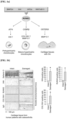
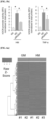
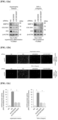
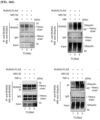
- the RUNX2 transcription factor is a central regulator of hypertrophic changes in chondrocytes, as shown in Figure 1a , and is known to be involved in the degradation of the cartilage matrix.
- IHC immunohistochemistry
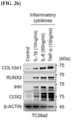
- TC28a2 cells a normal chondrocyte cell line
- IL-1 ⁇ interleukin-1 ⁇
- IL-6 interleukin-6
- TNF- ⁇ tumor necrosis factor- ⁇
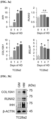
- hypertrophy medium to create an in vitro environment specific for chondrocyte hypertrophy and similarly found that hypertrophy medium upregulated both mRNA and protein levels of IHH and COL10A1, markers of chondrocyte hypertrophy, in TC28a2 cells, whereas hypertrophy medium improved protein levels of RUNX2 but did not change mRNA levels (see Figure 3a and Figure 3b ).
- RUNX2 is functionally associated with hypertrophic changes in chondrocytes
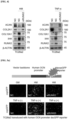
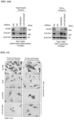
- the inventors performed siRNA-mediated knockdown (KD) experiments in hypertrophic and inflammatory settings and found that knockdown of RUNX2 protected chondrocytes from the loss of cartilage matrix proteins COL2A1 and ACAN induced by hypertrophic medium or TNF- ⁇ treatment. Furthermore, knockdown of RUNX2 suppressed the upregulation of IHH and COL10A1 markers (see Figure 4 ).
- OCN osteocalcin
- TC28a2 cells were transfected with a lentiviral vector encoding the OCN promoter and copGFP, selected with xeomycin, and used for the reporter assay.
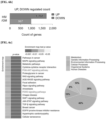
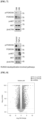
- RNA sequencing analysis was performed using RNA extracted from TC28a2 cells grown in hypertrophic medium. Heatmaps were used to display the differential transcriptome between TC28a2 cells grown in growth medium or hypertrophic medium (see Figure 6a ). A total of 1,707 transcripts were found to be up-regulated (log2 [fold-change] > 2, FDR ⁇ 0.05) and 987 transcripts were found to be down-regulated (log2 [fold-change] ⁇ -2, FDR ⁇ 0.05) in TC28a2 cells grown in hypertrophic differentiation medium ( Figure 6b ).
- KEGG pathway analysis identified that pathways related to environmental information processing and metabolism accounted for a significant proportion of the differentially regulated cell signaling pathways ( Figure 6c ).
- PI3K-AKT and FOXO signaling pathways because they are involved in the stability of the RUNX2 protein.
- AKT phosphorylation increased in TC28a2 cells treated with hypertrophic medium or TNF ⁇ , while FOXO3A phosphorylation decreased (see Figure 7 ).
- RNA sequencing analysis was performed by screening 2,181 protein-coding genes and 223 lncRNAs among the differentially expressed transcripts, and referring to Figure 8 , it can be seen that there is a difference in the expression of lncRNAs and protein-coding mRNAs between the control and acromegaly groups.
- lncRNAs are known to regulate the activity of target proteins by physically binding to proteins, DNA or RNA.
- RUNX2 was shown to be regulated at the post-translational level as confirmed by the experimental results above, and differential expression of lncRNAs was observed in the RNA sequencing results, the inventors sought to identify specific lncRNAs involved in the stabilization of the RUNX2 protein among the numerous lncRNAs.
- the heatmap of 21 differentially expressed lncRNAs that were upregulated more than 4-fold or had the largest decrease in expression level during hypertrophic differentiation is shown in Figure 9 .
- a computer algorithm (RNA-Protein Interaction Prediction; RPISeq) was then performed to predict which of the upregulated lncRNAs might interact with RUNX2.
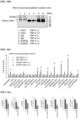
- RNA-immunoprecipitation was performed to identify lncRNAs that can bind to RUNX2, and vectors encoding RUNX2 were transfected into TC28a2 cells, and the IP results for RUNX2 were confirmed (see Figure 10a and Figure 10b ). As a result, a total of eight lncRNAs were found to accumulate from RUNX2 protein during inflammatory response in TC28a2 cells (see Figure 10c ).
- siRNA-mediated knockdown experiments were performed for each lncRNA.
- the KD efficiency of each siRNA used was confirmed by real-time quantitative polymerase chain reaction (qPCR) (see Figure 11a ).
- qPCR real-time quantitative polymerase chain reaction
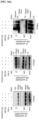
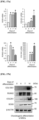
- TC28a2 cells were treated with hypertrophic medium or TNF- ⁇ , and the quantitative changes in RUNX2 protein when each lncRNA was knocked down were determined by western blotting, and the results are shown in Figure 11b .
- TC28a2 cells transfected with siRNAs against LINC02035 or LOC100130207 did not show an increase in RUNX2 protein levels under either hypertrophic or inflammatory conditions (see Figure 11c ).
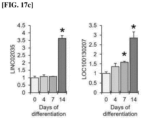
- LINC02035 and LOC100130207 To validate the molecular mechanism of the newly discovered lncRNAs, LINC02035 and LOC100130207, the inventors performed in situ analysis using primary chondrocytes derived from patients. As a result, we found that both LINC02035 and LOC100130207 were highly expressed in chondrocytes isolated from knee cartilage of osteoarthritis (OA) patients (see Figure 13 ). Therefore, we performed subcellular localization analysis of these two lncRNAs in TC28a2 cells to elucidate the sites of action of these two lncRNAs.
- OA osteoarthritis
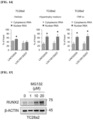
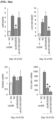
- the leftmost graph in Figure 14 shows that LINC02035 and LOC100130207 were evenly distributed in the nucleus and cytoplasm of normal chondrocytes, while the middle and right graphs in Figure 14 show that both lncRNAs were preferentially distributed in the nucleus and to a lesser extent in the cytoplasm after TC28a2 cells were treated with hypertrophic medium or TNF- ⁇ .
- TC28a2 cells were treated with the proteasome inhibitor MG132.
- chondrocyte hypertrophy is an essential process for endochondral ossification, which can be problematic for the regeneration of articular cartilage where chondrocytes maintain their stable properties. Therefore, successful cartilage regeneration can be achieved by using chondrogenic MSCs that lack the hypertrophic phenotype.
- siRNAs were transfected into human mesenchymal stem cells (hMSCs), and chondrogenic differentiation was induced for 14 days in three 3D masses (3 x 10 5 cells/1 mass) for the siNC control group, siLINC02035 group, and siLOC100130207 group, respectively (see FIG. 19a and FIG. 19b ). These were transplanted into anesthetized nude mice, and the resulting tissues were isolated for histological analysis after 7 days and subjected to safranin-O and H&E staining.
- hMSCs human mesenchymal stem cells
- compositions of the present invention can prevent or delay changes such as chondrocyte hypertrophy, thereby preventing further osteoarthritis progression, and further treat osteoarthritis disease.
- novel lncRNAs LINC02035 and LOC100130207 contribute significantly to RUNX2 protein stabilization, and thus are expected to be novel therapeutic targets for osteoarthritis that can be used beyond the diagnosis of osteoarthritis to slow or prevent the progression of osteoarthritis by modulating RUNX2-mediated chondrocyte hypertrophy.
- compositions according to the present invention can be used to diagnose bone-related diseases by measuring the expression of novel lncRNAs, and can further be used to effectively inhibit vascularization or calcification of articular cartilage by inducing inhibition of hypertrophy of chondrocytes through inhibition of expression of the discovered novel lncRNAs, and thus can be used very effectively for prevention or treatment of bone-related diseases.
Landscapes
- Health & Medical Sciences (AREA)
- Life Sciences & Earth Sciences (AREA)
- Chemical & Material Sciences (AREA)
- Organic Chemistry (AREA)
- General Health & Medical Sciences (AREA)
- Engineering & Computer Science (AREA)
- Proteomics, Peptides & Aminoacids (AREA)
- Medicinal Chemistry (AREA)
- Pharmacology & Pharmacy (AREA)
- Molecular Biology (AREA)
- Animal Behavior & Ethology (AREA)
- Public Health (AREA)
- Veterinary Medicine (AREA)
- Genetics & Genomics (AREA)
- Zoology (AREA)
- Analytical Chemistry (AREA)
- Bioinformatics & Cheminformatics (AREA)
- Wood Science & Technology (AREA)
- Biotechnology (AREA)
- Epidemiology (AREA)
- Biochemistry (AREA)
- Physics & Mathematics (AREA)
- Microbiology (AREA)
- Biophysics (AREA)
- Immunology (AREA)
- Pathology (AREA)
- General Engineering & Computer Science (AREA)
- Physical Education & Sports Medicine (AREA)
- Chemical Kinetics & Catalysis (AREA)
- General Chemical & Material Sciences (AREA)
- Nuclear Medicine, Radiotherapy & Molecular Imaging (AREA)
- Medicines That Contain Protein Lipid Enzymes And Other Medicines (AREA)
- Measuring Or Testing Involving Enzymes Or Micro-Organisms (AREA)
- Pharmaceuticals Containing Other Organic And Inorganic Compounds (AREA)
Applications Claiming Priority (2)
| Application Number | Priority Date | Filing Date | Title |
|---|---|---|---|
| KR20220073019 | 2022-06-15 | ||
| PCT/KR2023/008204 WO2023244016A1 (fr) | 2022-06-15 | 2023-06-14 | Composition pour la prévention ou le traitement de l'arthrose et son utilisation |
Publications (1)
| Publication Number | Publication Date |
|---|---|
| EP4541908A1 true EP4541908A1 (fr) | 2025-04-23 |
Family
ID=89191612
Family Applications (1)
| Application Number | Title | Priority Date | Filing Date |
|---|---|---|---|
| EP23824230.9A Pending EP4541908A1 (fr) | 2022-06-15 | 2023-06-14 | Composition pour la prévention ou le traitement de l'arthrose et son utilisation |
Country Status (3)
| Country | Link |
|---|---|
| EP (1) | EP4541908A1 (fr) |
| KR (1) | KR20230173037A (fr) |
| WO (1) | WO2023244016A1 (fr) |
Family Cites Families (3)
| Publication number | Priority date | Publication date | Assignee | Title |
|---|---|---|---|---|
| JP2022041601A (ja) * | 2020-09-01 | 2022-03-11 | 国立大学法人 岡山大学 | 骨又は軟骨関連疾患のスクリーニング方法 |
| CN112063710A (zh) * | 2020-09-29 | 2020-12-11 | 固安博健生物技术有限公司 | 长链非编码rna的诊断和治疗用途 |
| WO2022098118A1 (fr) * | 2020-11-05 | 2022-05-12 | 연세대학교 산학협력단 | Composition de régulation de différentiation d'ostéoclastes et utilisation associée |
-
2023
- 2023-06-14 WO PCT/KR2023/008204 patent/WO2023244016A1/fr not_active Ceased
- 2023-06-14 KR KR1020230076274A patent/KR20230173037A/ko active Pending
- 2023-06-14 EP EP23824230.9A patent/EP4541908A1/fr active Pending
Also Published As
| Publication number | Publication date |
|---|---|
| KR20230173037A (ko) | 2023-12-26 |
| WO2023244016A1 (fr) | 2023-12-21 |
Similar Documents
| Publication | Publication Date | Title |
|---|---|---|
| US12352767B2 (en) | Method of treating cognitive decline associated with neurological diseases based on a decrease in FLT4 expression or activity | |
| US9260755B2 (en) | Compositions and methods for characterizing and treating muscular dystrophy | |
| CN112961913B (zh) | lncRNA在复发性流产诊治中的应用 | |
| US20240201168A1 (en) | Composition for diagnosis or treatment of anticancer drug resistance | |
| Xu et al. | MiR-650 inhibits the progression of glioma by targeting FAM83F. | |
| JP2013500474A (ja) | 発毛性真皮細胞を検出する/富化する方法、毛髪脱落を処置する方法における細胞およびその使用 | |
| CN115807082B (zh) | lncRNA LINREP在胶质瘤诊断、预后和治疗中的应用 | |
| US8841269B2 (en) | Polynucleotides for use in treating and diagnosing cancers | |
| JP2007528707A (ja) | 統合失調症の診断および治療のための標的としてのegr遺伝子 | |
| KR102142791B1 (ko) | miR-204 억제제의 골관절염 치료 용도 | |
| EP4541908A1 (fr) | Composition pour la prévention ou le traitement de l'arthrose et son utilisation | |
| CN116270710B (zh) | circRBM33作为靶点在前列腺癌诊断和治疗中的应用 | |
| EP4279078A1 (fr) | Composition pour la prévention ou le traitement d'une maladie rénale | |
| KR101204620B1 (ko) | 혈관 형성 관련 질환 진단용 마커 및 이의 용도 | |
| KR20190111845A (ko) | 줄기세포의 노화 예측 또는 진단용 바이오 마커 | |
| BRPI0618609A2 (pt) | biomarcadores para tratamento com anticorpo anti-nogo-a em danos à medula espinhal | |
| Zhu et al. | PFKFB3 decreases α-ketoglutarate production while partial PFKFB3 knockdown in macrophages ameliorates arthritis in tumor necrosis factor-transgenic mice | |
| US11958885B2 (en) | Methods for determining a rapid progression rate of amyotrophic lateral sclerosis (ALS) and restoring phagocytic function of microglia thereof using a NCK-associated protein 1 (NCKAP1) protein or an mRNA thereof | |
| US10865415B2 (en) | Prevention, diagnosis and treatment of cancer overexpressing GPR160 | |
| US20200009149A1 (en) | Methods of Treating Autism Spectrum Disorders | |
| KR102436301B1 (ko) | 섬유증의 진단 또는 치료용 조성물 | |
| JP2011004619A (ja) | 免疫疾患の検査方法、及び免疫疾患の予防又は治療薬のスクリーニング方法 | |
| CN110215518B (zh) | PinX1及其靶分子在制备治疗肾癌的药物中的应用 | |
| JPWO2006129881A1 (ja) | 骨・関節疾患の予防・治療剤およびそのスクリーニング方法 | |
| CN121057826A (zh) | 用于心肌细胞去分化的新型标志物 |
Legal Events
| Date | Code | Title | Description |
|---|---|---|---|
| STAA | Information on the status of an ep patent application or granted ep patent |
Free format text: STATUS: THE INTERNATIONAL PUBLICATION HAS BEEN MADE |
|
| PUAI | Public reference made under article 153(3) epc to a published international application that has entered the european phase |
Free format text: ORIGINAL CODE: 0009012 |
|
| STAA | Information on the status of an ep patent application or granted ep patent |
Free format text: STATUS: REQUEST FOR EXAMINATION WAS MADE |
|
| 17P | Request for examination filed |
Effective date: 20250113 |
|
| AK | Designated contracting states |
Kind code of ref document: A1 Designated state(s): AL AT BE BG CH CY CZ DE DK EE ES FI FR GB GR HR HU IE IS IT LI LT LU LV MC ME MK MT NL NO PL PT RO RS SE SI SK SM TR |
|
| DAV | Request for validation of the european patent (deleted) | ||
| DAX | Request for extension of the european patent (deleted) |