EP4537901A2 - Verbindungen zur verwendung bei der behandlung von nierenerkrankungen - Google Patents
Verbindungen zur verwendung bei der behandlung von nierenerkrankungen Download PDFInfo
- Publication number
- EP4537901A2 EP4537901A2 EP24213767.7A EP24213767A EP4537901A2 EP 4537901 A2 EP4537901 A2 EP 4537901A2 EP 24213767 A EP24213767 A EP 24213767A EP 4537901 A2 EP4537901 A2 EP 4537901A2
- Authority
- EP
- European Patent Office
- Prior art keywords
- compound
- alkyl
- halogen
- use according
- cpd
- Prior art date
- Legal status (The legal status is an assumption and is not a legal conclusion. Google has not performed a legal analysis and makes no representation as to the accuracy of the status listed.)
- Pending
Links
Images



Classifications
-
- C—CHEMISTRY; METALLURGY
- C07—ORGANIC CHEMISTRY
- C07D—HETEROCYCLIC COMPOUNDS
- C07D213/00—Heterocyclic compounds containing six-membered rings, not condensed with other rings, with one nitrogen atom as the only ring hetero atom and three or more double bonds between ring members or between ring members and non-ring members
- C07D213/02—Heterocyclic compounds containing six-membered rings, not condensed with other rings, with one nitrogen atom as the only ring hetero atom and three or more double bonds between ring members or between ring members and non-ring members having three double bonds between ring members or between ring members and non-ring members
- C07D213/04—Heterocyclic compounds containing six-membered rings, not condensed with other rings, with one nitrogen atom as the only ring hetero atom and three or more double bonds between ring members or between ring members and non-ring members having three double bonds between ring members or between ring members and non-ring members having no bond between the ring nitrogen atom and a non-ring member or having only hydrogen or carbon atoms directly attached to the ring nitrogen atom
- C07D213/60—Heterocyclic compounds containing six-membered rings, not condensed with other rings, with one nitrogen atom as the only ring hetero atom and three or more double bonds between ring members or between ring members and non-ring members having three double bonds between ring members or between ring members and non-ring members having no bond between the ring nitrogen atom and a non-ring member or having only hydrogen or carbon atoms directly attached to the ring nitrogen atom with hetero atoms or with carbon atoms having three bonds to hetero atoms with at the most one bond to halogen, e.g. ester or nitrile radicals, directly attached to ring carbon atoms
- C07D213/78—Carbon atoms having three bonds to hetero atoms, with at the most one bond to halogen, e.g. ester or nitrile radicals
- C07D213/81—Amides; Imides
-
- A—HUMAN NECESSITIES
- A61—MEDICAL OR VETERINARY SCIENCE; HYGIENE
- A61K—PREPARATIONS FOR MEDICAL, DENTAL OR TOILETRY PURPOSES
- A61K31/00—Medicinal preparations containing organic active ingredients
- A61K31/33—Heterocyclic compounds
- A61K31/395—Heterocyclic compounds having nitrogen as a ring hetero atom, e.g. guanethidine or rifamycins
- A61K31/41—Heterocyclic compounds having nitrogen as a ring hetero atom, e.g. guanethidine or rifamycins having five-membered rings with two or more ring hetero atoms, at least one of which being nitrogen, e.g. tetrazole
- A61K31/42—Oxazoles
- A61K31/422—Oxazoles not condensed and containing further heterocyclic rings
-
- A—HUMAN NECESSITIES
- A61—MEDICAL OR VETERINARY SCIENCE; HYGIENE
- A61K—PREPARATIONS FOR MEDICAL, DENTAL OR TOILETRY PURPOSES
- A61K31/00—Medicinal preparations containing organic active ingredients
- A61K31/33—Heterocyclic compounds
- A61K31/395—Heterocyclic compounds having nitrogen as a ring hetero atom, e.g. guanethidine or rifamycins
- A61K31/41—Heterocyclic compounds having nitrogen as a ring hetero atom, e.g. guanethidine or rifamycins having five-membered rings with two or more ring hetero atoms, at least one of which being nitrogen, e.g. tetrazole
- A61K31/4245—Oxadiazoles
-
- A—HUMAN NECESSITIES
- A61—MEDICAL OR VETERINARY SCIENCE; HYGIENE
- A61K—PREPARATIONS FOR MEDICAL, DENTAL OR TOILETRY PURPOSES
- A61K31/00—Medicinal preparations containing organic active ingredients
- A61K31/33—Heterocyclic compounds
- A61K31/395—Heterocyclic compounds having nitrogen as a ring hetero atom, e.g. guanethidine or rifamycins
- A61K31/435—Heterocyclic compounds having nitrogen as a ring hetero atom, e.g. guanethidine or rifamycins having six-membered rings with one nitrogen as the only ring hetero atom
- A61K31/44—Non condensed pyridines; Hydrogenated derivatives thereof
-
- A—HUMAN NECESSITIES
- A61—MEDICAL OR VETERINARY SCIENCE; HYGIENE
- A61K—PREPARATIONS FOR MEDICAL, DENTAL OR TOILETRY PURPOSES
- A61K31/00—Medicinal preparations containing organic active ingredients
- A61K31/33—Heterocyclic compounds
- A61K31/395—Heterocyclic compounds having nitrogen as a ring hetero atom, e.g. guanethidine or rifamycins
- A61K31/435—Heterocyclic compounds having nitrogen as a ring hetero atom, e.g. guanethidine or rifamycins having six-membered rings with one nitrogen as the only ring hetero atom
- A61K31/44—Non condensed pyridines; Hydrogenated derivatives thereof
- A61K31/4412—Non condensed pyridines; Hydrogenated derivatives thereof having oxo groups directly attached to the heterocyclic ring
-
- A—HUMAN NECESSITIES
- A61—MEDICAL OR VETERINARY SCIENCE; HYGIENE
- A61K—PREPARATIONS FOR MEDICAL, DENTAL OR TOILETRY PURPOSES
- A61K31/00—Medicinal preparations containing organic active ingredients
- A61K31/33—Heterocyclic compounds
- A61K31/395—Heterocyclic compounds having nitrogen as a ring hetero atom, e.g. guanethidine or rifamycins
- A61K31/435—Heterocyclic compounds having nitrogen as a ring hetero atom, e.g. guanethidine or rifamycins having six-membered rings with one nitrogen as the only ring hetero atom
- A61K31/44—Non condensed pyridines; Hydrogenated derivatives thereof
- A61K31/455—Nicotinic acids, e.g. niacin; Derivatives thereof, e.g. esters, amides
-
- A—HUMAN NECESSITIES
- A61—MEDICAL OR VETERINARY SCIENCE; HYGIENE
- A61K—PREPARATIONS FOR MEDICAL, DENTAL OR TOILETRY PURPOSES
- A61K31/00—Medicinal preparations containing organic active ingredients
- A61K31/33—Heterocyclic compounds
- A61K31/395—Heterocyclic compounds having nitrogen as a ring hetero atom, e.g. guanethidine or rifamycins
- A61K31/495—Heterocyclic compounds having nitrogen as a ring hetero atom, e.g. guanethidine or rifamycins having six-membered rings with two or more nitrogen atoms as the only ring heteroatoms, e.g. piperazine or tetrazines
- A61K31/505—Pyrimidines; Hydrogenated pyrimidines, e.g. trimethoprim
- A61K31/506—Pyrimidines; Hydrogenated pyrimidines, e.g. trimethoprim not condensed and containing further heterocyclic rings
-
- A—HUMAN NECESSITIES
- A61—MEDICAL OR VETERINARY SCIENCE; HYGIENE
- A61K—PREPARATIONS FOR MEDICAL, DENTAL OR TOILETRY PURPOSES
- A61K45/00—Medicinal preparations containing active ingredients not provided for in groups A61K31/00 - A61K41/00
- A61K45/06—Mixtures of active ingredients without chemical characterisation, e.g. antiphlogistics and cardiaca
-
- A—HUMAN NECESSITIES
- A61—MEDICAL OR VETERINARY SCIENCE; HYGIENE
- A61K—PREPARATIONS FOR MEDICAL, DENTAL OR TOILETRY PURPOSES
- A61K9/00—Medicinal preparations characterised by special physical form
- A61K9/0012—Galenical forms characterised by the site of application
- A61K9/0053—Mouth and digestive tract, i.e. intraoral and peroral administration
-
- A—HUMAN NECESSITIES
- A61—MEDICAL OR VETERINARY SCIENCE; HYGIENE
- A61P—SPECIFIC THERAPEUTIC ACTIVITY OF CHEMICAL COMPOUNDS OR MEDICINAL PREPARATIONS
- A61P13/00—Drugs for disorders of the urinary system
- A61P13/12—Drugs for disorders of the urinary system of the kidneys
-
- C—CHEMISTRY; METALLURGY
- C07—ORGANIC CHEMISTRY
- C07D—HETEROCYCLIC COMPOUNDS
- C07D213/00—Heterocyclic compounds containing six-membered rings, not condensed with other rings, with one nitrogen atom as the only ring hetero atom and three or more double bonds between ring members or between ring members and non-ring members
- C07D213/02—Heterocyclic compounds containing six-membered rings, not condensed with other rings, with one nitrogen atom as the only ring hetero atom and three or more double bonds between ring members or between ring members and non-ring members having three double bonds between ring members or between ring members and non-ring members
- C07D213/04—Heterocyclic compounds containing six-membered rings, not condensed with other rings, with one nitrogen atom as the only ring hetero atom and three or more double bonds between ring members or between ring members and non-ring members having three double bonds between ring members or between ring members and non-ring members having no bond between the ring nitrogen atom and a non-ring member or having only hydrogen or carbon atoms directly attached to the ring nitrogen atom
- C07D213/60—Heterocyclic compounds containing six-membered rings, not condensed with other rings, with one nitrogen atom as the only ring hetero atom and three or more double bonds between ring members or between ring members and non-ring members having three double bonds between ring members or between ring members and non-ring members having no bond between the ring nitrogen atom and a non-ring member or having only hydrogen or carbon atoms directly attached to the ring nitrogen atom with hetero atoms or with carbon atoms having three bonds to hetero atoms with at the most one bond to halogen, e.g. ester or nitrile radicals, directly attached to ring carbon atoms
- C07D213/78—Carbon atoms having three bonds to hetero atoms, with at the most one bond to halogen, e.g. ester or nitrile radicals
- C07D213/81—Amides; Imides
- C07D213/82—Amides; Imides in position 3
-
- C—CHEMISTRY; METALLURGY
- C07—ORGANIC CHEMISTRY
- C07D—HETEROCYCLIC COMPOUNDS
- C07D401/00—Heterocyclic compounds containing two or more hetero rings, having nitrogen atoms as the only ring hetero atoms, at least one ring being a six-membered ring with only one nitrogen atom
- C07D401/02—Heterocyclic compounds containing two or more hetero rings, having nitrogen atoms as the only ring hetero atoms, at least one ring being a six-membered ring with only one nitrogen atom containing two hetero rings
- C07D401/12—Heterocyclic compounds containing two or more hetero rings, having nitrogen atoms as the only ring hetero atoms, at least one ring being a six-membered ring with only one nitrogen atom containing two hetero rings linked by a chain containing hetero atoms as chain links
Definitions
- the present disclosure relates to ABCA1 inducer compounds for use in treating kidney disorders, and in particular, chronic kidney diseases, glomerular disease or proteinuric kidney diseases such as Alport syndrome, focal segmental glomerulosclerosis, and diabetic kidney disease.
- CKD Chronic Kidney disease
- ESRD end stage renal disease
- USRDS database USRDS database
- Many of these disorders can present with proteinuria that range from mild proteinuria to severe nephrotic range proteinuria, with severe proteinuria representing a major risk factor to progression to ESRD.
- renal replacement strategies improve patient mortality, current therapeutic strategies slow but not halt the progression of CKD.
- intervention studies have failed to demonstrate effectiveness. This is largely due to the fact that many of the interventions being tested so far target late stage of kidney diseases rather than early pathogenetic processes.
- ACE angiotensin-converting enzyme
- ARB angiotensin-receptor blockers
- ACE inhibitors which include, but are not limited to: Benazepril, Cilazapril, Enalapril (Vasotec), Fosinopril (Monopril), Lisinopril (Zestril, Prinivil), Perinopril, Ramipril, Quinapril (Accupril), Trandolapril and ARBs include Candesartan (Atacand), Epresartan, Irbesartan, Losartan (Cozaar), Telmisartan, Valsartan.
- FSGS proteinuric kidney diseases
- prednisone or steroids in general
- rituximab calcineurin inhibitors
- rapamycin rapamycin
- abatacept mychophenolate mophetyl.
- Other strategies such as coenzyme Q10, Fish Oil, Vitamin D derivatives, gluten free diet, allopurinol, spironolactone, LDL apheresis, plasmapheresis are being utilized.
- the inventors further investigated new therapeutic strategies for the treatment of patients with chronic kidney diseases, in particular primary glomerular diseases such as Alport Syndrome and FSGS and secondary glomerular diseases such as diabetic kidney disease (DKD). They have shown that some pyridine carboxamide compounds have highly promising effects in the treatment of such kidney diseases.
- primary glomerular diseases such as Alport Syndrome and FSGS
- secondary glomerular diseases such as diabetic kidney disease (DKD).
- DKD diabetic kidney disease
- Pyridine carboxamides have been described as small molecule inducers of the ATP-binding cassette transporter A1 protein (ABCA1 inducers). Such pyridine carboxamides are for example described in International Patent Applications Publ. Nos. WO 2011/029827 , WO 2012/032018 , WO 2013/037703 and WO 2014180741 .
- the present disclosure relates to a compound for use in treating kidney diseases, wherein said compound is an ABCA1 inducer compound.
- ABCA1 inducer compound is represented by the formula I below: wherein
- G is a bond and R 7 is C 3-7 -cycloalkyl, said cycloalkyl being unsubstituted or substituted by hydroxy.
- R 7 is cyclohexyl substituted by hydroxy.
- R 2 and R 6 are each a hydrogen, R 4 is halogen, and one of R 3 and R 5 is halogen and the other one of R 3 and R 5 is hydrogen.
- R 1 is halogen-C 1-7 -alkyl.
- R 1 may be selected from -CF 3 , -CHF 2 , -CH 2 Cl, -CH 2 CF 3 , -CH(CF 3 ) 2 , -CF 2 -CF 3 .
- an ABCA1 inducer compound for use as described herein is 6-(3,4-dichlorophenyl)-N-[(1R,2R)-2-hydroxycyclohexyl]-5-(2,2,2-trifluoroethoxy)pyridine-2-carboxamide.
- an ABCA1 inducer compound for use as described herein is 5-(3,4-dichloro-phenyl)-N-((1R,2R)-2-hydroxy-cyclohexyl)-6-(2,2,2-trifluoro-ethoxy)-nicotinamide.
- the ABCA1 inducer compounds are useful in the treatment of chronic kidney diseases, primary and secondary glomerular diseases or proteinuric diseases.
- such ABCA1 inducer compound may be used in the treatment of Alport syndrome, focal segmental glomerulosclerosis, or diabetic kidney disease.
- ABCA1 inducer compounds for use as described herein are formulated for topical, intranasal, intraocular, intravenous, intramuscular, subcutaneous, intravitreal, intrathecal or transdermal administration.
- the disclosure also relates to a method for treating kidney diseases in a subject in need thereof, comprising administering a therapeutically effective amount of an ABCA1 inducer as defined above.
- said ABCA1 inducer may be administered simultaneously, separately or sequentially, in combination with a therapeutically effective amount of another agent, for example an angiotensin-converting enzyme inhibitor or an angiotensin-receptor blocker.
- another agent for example an angiotensin-converting enzyme inhibitor or an angiotensin-receptor blocker.
- ABCA1 inducer compounds have highly promising effects in the treatment of kidney disorders, and in particular glomerular diseases, such as Alport syndrome or focal segmental glomerulosclerosis, or other chronic kidney diseases, such as diabetic kidney diseases.
- glomerular diseases such as Alport syndrome or focal segmental glomerulosclerosis
- other chronic kidney diseases such as diabetic kidney diseases.
- the compounds not only decrease proteinuria in these disorders but improve kidney function and prevent the development of end stage renal disease.
- ABCA1 inducer compounds for use according to the present disclosure
- ABC1 inducer compounds refers to compounds capable of indirectly or directly inducing the expression level or activity of the ATP-binding cassette transporter protein (ABCA1).
- the transporter ABCA1 is known as a major regulator of cellular cholesterol and phospholipid homeostasis.
- ABCA1 mediates the efflux of cholesterol and phospholipids to lipid-poor apolipoproteins (apo-A1 and apoE) which then form nascent high-density lipoproteins (HDL).
- In vitro assays for determining upregulation of ABCA1 protein in cells have been described for example in WO2012/031817 . Those in vitro assays include but are not restricted to cholesterol efflux assay or fluorescent apo-A1 binding assay as described in WO2012/031817 .
- Pyridine carboxamides have been described as small molecule inducers of the ATP-binding cassette transporter A1 protein (ABCA1 inducers). Such pyridine carboxamides are for example described in International Patent Applications Publ. Nos. WO 2011/029827 , WO 2012/032018 , WO 2013/037703 and WO 2014/180741 .
- the disclosure relates to the use of ABCA1 inducer compounds of the formula I wherein one of A 1 and A 2 is N and the other one of A 1 and A 2 is CH;
- lower alkyl or "C 1-7 -alkyl", alone or in combination, signifies a straight-chain or branched-chain alkyl group with 1 to 7 carbon atoms, in particular a straight or branched-chain alkyl group with 1 to 6 carbon atoms and more particularly a straight or branched-chain alkyl group with 1 to 4 carbon atoms.
- straight-chain and branched C 1-7 alkyl groups are methyl, ethyl, propyl, isopropyl, butyl, isobutyl, tert-butyl, the isomeric pentyls, the isomeric hexyls and the isomeric heptyls, in particular methyl, ethyl, propyl, isopropyl and tert-butyl.
- lower alkoxy or "C 1-7 -alkoxy” refers to the group R'-O-, wherein R' is lower alkyl and the term “lower alkyl” has the previously given significance.
- lower alkoxy groups are methoxy, ethoxy, n-propoxy, isopropoxy, n-butoxy, isobutoxy, sec.-butoxy and tert.-butoxy, in particular methoxy.
- lower alkoxyalkyl or "C 1-7 -alkoxy-C i-7 -alkyl” refers to a lower alkyl group as defined above which is mono- or multiply substituted with a lower alkoxy group as defined above.
- lower alkoxyalkyl groups are e.g. -CH 2 -O-CH 3 , -CH 2 -CH 2 -O-CH 3 , -CH 2 -O-CH 2 -CH 3 and the groups specifically exemplified herein. More particularly, lower alkoxyalkyl is methoxyethyl.
- hydroxy means the group -OH.
- cycloalkyl or "C 3-7 -cycloalkyl” denotes a saturated carbocyclic group containing from 3 to 7 carbon atoms, such as cyclopropyl, cyclobutyl, cyclopentyl, cyclohexyl or cycloheptyl.
- lower cycloalkylalkyl or "C 3-7 -cycloalkyl-C 1-7 -alkyl” refers to lower alkyl groups as defined above wherein at least one of the hydrogen atoms of the lower alkyl group is replaced by a cycloalkyl group as defined above.
- cyclopropylmethyl is particularly preferred.
- halogen refers to fluoro, chloro, bromo and iodo, with fluoro, chloro and bromo being of particular interest. More particularly, halogen refers to fluoro and chloro.
- lower halogenalkyl or "halogen-C 1-7 -alkyl” refers to lower alkyl groups which are mono- or multiply substituted with halogen, particularly with fluoro or chloro, most particularly with fluoro.
- lower halogenalkyl groups are e.g. - CF 3 , -CHF 2 , -CH 2 Cl, -CH 2 CF 3 , -CH(CF 3 ) 2 , -CF 2 -CF 3 , -CH 2 -CH 2 -CF 3 , -CH(CH 3 )-CF 3 and the groups specifically exemplified herein.
- lower halogenalkoxy or "halogen-C 1-7 -alkoxy” refers to lower alkoxy groups as defined above wherein at least one of the hydrogen atoms of the lower alkoxy group is replaced by a halogen atom, particularly fluoro or chloro, most particularly fluoro.
- halogen atom particularly fluoro or chloro, most particularly fluoro.
- the lower halogenalkoxy groups of particular interest are trifluoromethoxy, difluoromethoxy, fluormethoxy and chloromethoxy, more particularly trifluoromethoxy.
- amino means the group -NH 2 .
- cyano means the group -CN.
- azido means the group -N 3 .
- heteroaryl refers to an aromatic 5- or 6-membered ring which can comprise one, two or three atoms selected from N, O and S.
- heteroaryl groups are e.g. furanyl, pyridyl, pyrazinyl, pyrimidinyl, pyridazinyl, thienyl, isoxazolyl, thiazolyl, isothiazolyl, thiadiazolyl, oxazolyl, imidazolyl, pyrazolyl, triazolyl, oxadiazolyl, oxatriazolyl, tetrazolyl, pentazolyl, or pyrrolyl.
- heteroaryl also includes bicyclic groups comprising two 5- or 6-membered rings, in which one or both rings are aromatic and can contain one, two or three atoms selected from nitrogen, oxygen or sulphur, such as quinolinyl, isoquinolinyl, cinnolinyl, pyrazolo[1,5-a]pyridyl, imidazo[1,2-a]pyridyl, quinoxalinyl, benzothiazolyl, benzotriazolyl, indolyl, indazolyl, and 3,4-dihydro-2H-pyrido[3,2-b][1,4]oxazinyl.
- Heteroaryl groups of particular interest are of isoxazolyl, pyrazolyl, oxadiazolyl, thiazolyl, pyridyl, pyridazinyl, pyrimidinyl and pyrazinyl. More particularly, heteroaryl is pyridyl or pyridazinyl.
- lower heteroarylalkyl or “heteroaryl-C 1-7 -alkyl” refers to lower alkyl groups as defined above wherein at least one of the hydrogen atoms of the lower alkyl group is replaced by a heteroaryl group as defined above.
- heterocyclyl refers to a saturated or partly unsaturated 3-, 4-, 5-, 6- or 7-membered ring which can comprise one, two or three heteroatoms selected from N, O and S.
- heterocyclyl rings include piperidinyl, piperazinyl, azetidinyl, azepinyl, pyrrolidinyl, pyrazolidinyl, imidazolinyl, imidazolidinyl, oxazolidinyl, isoxazolidinyl, morpholinyl, thiazolidinyl, isothiazolidinyl, oxiranyl, thiadiazolylidinyl, oxetanyl, dioxolanyl, dihydrofuranyl, tetrahydrofuranyl, dihydropyranyl, tetrahydropyranyl, and thiomorpholinyl.
- lower heterocyclylalkyl or “heterocyclyl-C 1-7 -alkyl” refers to lower alkyl groups as defined above wherein at least one of the hydrogen atoms of the lower alkyl group is replaced by a heterocyclyl group as defined above.
- G is a bond and R 7 is C 3-7 -cycloalkyl, said cycloalkyl being unsubstituted or substituted by hydroxy.
- R 7 is cyclohexyl that may or not be substituted by hydroxy.
- R 2 and R 6 are each a hydrogen.
- R 4 is halogen, for example chloro or fluoro
- one of R 3 and R 5 is halogen, for eample chloro or fluoro
- the other one of R 3 and R 5 is hydrogen.
- R 1 is halogen-C 1-7 -alkyl, typically, R 1 is selected from -CF 3 , - CHF 2 , -CH 2 Cl, -CH 2 CF 3 , -CH(CF 3 ) 2 , -CF 2 -CF 3 .
- Examples of specific compounds are the following compounds: G 5-(3,4-dichloro-phenyl)-N-((1 R ,2 R )-2-hydroxy-cyclohexyl)-6-(2,2,2-trifluoro-ethoxy)-nicotinamide A 6-(3,4-dichlorophenyl)-N-[(1 R ,2 R )-2-hydroxycyclohexyl]-5-(2,2,2-trifluoroethoxy)pyridine-2-carboxamide H N '-(6-chloropyridazin-3-yl)-5-(4-cyanophenyl)- N ' - methyl-6-(2,2,2-trifluoroethoxy)pyridine-3-carbohydrazide J 6-(4-chloro-phenyl)-5-(2,2,2-trifluoro-ethoxy)-pyridine-2-carboxylic acid (3-isopropyl-isoxazol-5-ylmethyl)-amide
- a compound for use in treating kidney diseases as described herein is selected from the group consisting of 5-(3,4-dichloro-phenyl)-N-((1 R ,2 R )-2-hydroxy-cyclohexyl)-6-(2,2,2-trifluoro-ethoxy)-nicotinamide and 6-(3,4-dichlorophenyl)-N-[(1 R ,2 R )-2-hydroxycyclohexyl]-5-(2,2,2-trifluoroethoxy)pyridine-2-carboxamide.
- the disclosure also encompasses the compound of formula (I), tautomers, enantiomers, diastereomers, racemates or mixtures thereof, or hydrates, solvates, pharmaceutically acceptable salts for use in kidney diseases.
- salts refers to those salts which retain the biological effectiveness and properties of the free bases or free acids, and which do not possess any own properties that are undesirable.
- the salts are formed with inorganic acids such as hydrochloric acid, hydrobromic acid, sulfuric acid, nitric acid, phosphoric acid and the like, particularly hydrochloric acid, and organic acids such as formic acid, acetic acid, propionic acid, glycolic acid, pyruvic acid, oxalic acid, maleic acid, malonic acid, salicylic acid, succinic acid, fumaric acid, tartaric acid, citric acid, benzoic acid, cinnamic acid, mandelic acid, methanesulfonic acid, ethanesulfonic acid, p- toluenesulfonic acid, salicylic acid, N -acetylcystein and the like.
- salts include the acetate, bromide, chloride, formate, fumarate, maleate, mesylate, nitrate, oxalate, phosphate, sulfate, tartrate and tosylate salt of compounds of formula I.
- pharmaceutically acceptable salts may be prepared from addition of an inorganic base or an organic base to the free acid. Salts derived from an inorganic base include, but are not limited to, the sodium, potassium, lithium, ammonium, calcium, magnesium salts and the like.
- Salts derived from organic bases include, but are not limited to salts of primary, secondary, and tertiary amines, substituted amines including naturally occurring substituted amines, cyclic amines and basic ion exchange resins, such as isopropylamine, trimethylamine, diethylamine, triethylamine, tripropylamine, ethanolamine, diethylamine, lysine, arginine, N -ethylpiperidine, piperidine, piperazine and the like.
- the compound of formula I can also be present in the form of zwitterions or in the form of hydrates.
- Particularly pharmaceutically acceptable salts of compounds of formula I may be hydrochloride salts.
- Examples of synthesis methods of the compounds of formula I are described in WO2011/029827 , WO 2012/032018 , WO 2013/37703 and WO2014/180741 .
- An exemplary method for the preparation of compound G is described in WO2011/029827 and an exemplary method for the preparation of compound A is disclosed in WO2014/180741 .
- the compounds of formula I typically, compounds A and G as described in the examples, or their pharmaceutically acceptable salts, have been shown to be useful in the treatment of kidney diseases.
- kidney disease means any alteration in normal physiology and function of the kidney. This term includes but is not limited to diseases and conditions such as kidney transplant; nephropathy; primary glomerulopathies, focal segmental glomerulosclerosis including sporadic idiopathic steroid-resistant nephrotic syndrome with focal segmental glomerulosclerosis, Minimal Change disease, Membranous GN, C3 glomerulopathy, gammopathies of renal significance, IgA Nephropathy, chronic kidney disease (CKD); Glomerulonephritis; inherited diseases such as polycystic kidney disease; Acute and chronic interstitial nephritis, Mesoamerican Nephropathy; nephrotic syndrome; Nephritic syndrome, end stage renal disease (ESRD); acute and chronic renal failure; interstitial disease; nephritis; sclerosis, an induration or hardening of tissues and/or vessels resulting from causes that include, for example, inflammation due
- Kidney diseases may also be generally defined as a "nephropathy” or “nephropathies.”
- the terms “nephropathy” or “nephropathies” encompass all clinical-pathological changes in the kidney which may result in kidney fibrosis and/or glomerular diseases (e.g.. glomerulosclerosis or glomerulonephritis) and/or chronic renal insufficiency, and can cause end stage renal disease and/or renal failure.
- analgesic nephropathy e.g., immune-mediated glomerulopathies (e.g., IgA
- nephropathy or “nephropathies” refer specifically to a disorder or disease where there is either the presence of proteins (i.e., proteinuria) in the urine of a subject and/or the presence of renal insufficiency, also referred herein as proteinuric kidney disorders.
- proteins i.e., proteinuria
- the subject is suffering from albuminuria or proteinuria.
- disorders associated with albuminuria include, but are not limited to, chronic kidney disease, proliferative glomerulonephritis (e.g., immunoglobulin A nephropathy, membranoproliferative glomerulonephritis, mesangial proliferative glomerulonephritis, anti-GBM disease, renal vasculitis, lupus nephritis, cryoglobulinemia-associated glomerulonephritis, bacterial endocarditis, Henoch-Schonlein purpura, postinfectious glomerulonephritis, or hepatitis C), and nonproliferative glomerulonephritis (e.g., membranous glomerulonephritis, minimal-change disease, primary focal segmental glomerulosclerosis (FSGS), fibrillary glomerulonephritis, immunotactoid
- a subject may be subjected to certain tests to evaluate kidney function.
- tests include, without limitation, measurement of blood urea nitrogen in the subject; measuring creatinine in the blood of the subject; measuring creatinine clearance in the blood of the subject; measuring proteinuria in the subject; measuring albumin: creatinine ratio in the subject; measuring glomerular filtration rate in the subject; and measuring urinary output in the subject.
- treating denotes reversing, alleviating, inhibiting the progress of, or preventing the disorder or condition to which such term applies, or reversing, alleviating, inhibiting the progress of, or preventing one or more symptoms of the disorder or condition to which such term applies.
- this disclosure also relates to the compounds of formula I, typically, compounds A and G as described in the examples, or their pharmaceutically acceptable salts, for use for diminishing, inhibiting or eliminating the symptoms associated with kidney disorders, including, without limitation, decreasing proteinuria, slowing the increase in proteinuria, slowing the increase in urinary albumin creatinine ratio (UACR), reducing UACR, slowing the increase in UAER, decreasing UAER, reducing albuminuria, slowing the increase in albuminuria, increasing glomerular podocyte density, preventing or slowing glomerular basement membrane (GBM) thickening, decreasing glomerular area, reducing the number of renal interstitial macrophages, decreasing or slowing fibrosis of renal tissues, stopping or decreasing inflammation in the kidneys, stopping or decreasing macrophage-induced damage to the kidneys, increasing or normalizing estimated glomerular filtration rate (eGFR), attenuating the decline of eGFR, reducing glomerulosclerosis, stopping or decreasing expansion of the glomerular extra
- the disclosure therefore also relates to pharmaceutical compositions comprising a compound of formula I as defined above and a pharmaceutically acceptable carrier and/or adjuvant, for use in the treatment of kidney diseases as defined above.
- the disclosure relates to a pharmaceutical composition as defined above for use in the treatment and/or prophylaxis of kidney diseases, including chronic kidney diseases, proteinuric and/or glomerular diseases.
- kidney diseases including chronic kidney diseases, proteinuric and/or glomerular diseases.
- Preferred use relate to Alport syndrome, focal segmental glomerulosclerosis, and diabetic kidney diseases.
- the invention in another embodiment, relates to a method for the treatment and/or prophylaxis of kidney diseases, which method comprises administering a therapeutically effective amount of a compound of formula I to a patient in need thereof.
- kidney diseases include chronic kidney diseases, proteinuric and/or glomerular diseases.
- a method for the treatment and/or prophylaxis of Alport syndrome, focal segmental glomerulosclerosis, and diabetic kidney diseases is preferred.
- the disclosure relates to the use of compounds of formula I as defined above, typically, compounds A and G as described in the examples, or their pharmaceutically acceptable salts, for the preparation of a medicament for the treatment and/or prophylaxis of kidney diseases.
- kidney diseases include chronic kidney diseases, proteinuric and/or glomerular diseases.
- the use of compounds of formula I as defined above for the preparation of medicaments for the treatment and/or prophylaxis of Alport syndrome, focal segmental glomerulosclerosis, and diabetic kidney diseases is of particular interest.
- compositions for example, the route of administration, the dosage and the regimen naturally depend upon the condition to be treated, the severity of the illness, the age, weight, and sex of the patient, etc.
- compositions of the disclosure can be formulated for a topical, oral, intranasal, intraocular, intravenous, intramuscular or subcutaneous administration and the like.
- pharmaceutical compositions of the disclosure can be formulated for an oral administration.
- compositions of the disclosure can be formulated for an intravitreal, intrathecal or transdermal administration.
- compositions can take the form of tablets, pills, capsules, semisolids, powders, sustained release formulations, solutions, suspensions, emulsions, syrups, elixirs, aerosols, or any other appropriate compositions; and comprise at least one compound of formula I as defined above.
- an oral formulation is a tablet, an orodispersible tablet, a capsule, solution, patch, a sublingual tablet, a nasal spray or an oral spray.
- the formulation is prepared for sustainable release of the compound of formula I as defined above.
- tablets and capsules represent the most advantageous oral dosage unit form, in which case solid pharmaceutical carriers are obviously employed.
- tablets may be sugar coated or enteric coated by standard techniques.
- the tablets or pills can be coated to provide a dosage form affording the advantage of prolonged action.
- the tablet or pills can comprise an inner dosage and an outer dosage component, the latter being in the form of an envelope over the former.
- the two components can be separated by an enteric layer, which serves to resist disintegration in the stomach and permits the inner component to pass intact into the duodenum or to be delayed in release.
- enteric layers or coatings such materials including a number of polymeric acids with such materials as shellac, cetyl alcohol and cellulose acetate.
- Suitable carrier materials are not only inorganic carrier materials, but also organic carrier materials.
- lactose, corn starch or derivatives thereof, talc, stearic acid or its salts can be used as carrier materials for tablets, coated tablets, dragées and hard gelatine capsules.
- Suitable carrier materials for soft gelatine capsules are, for example, vegetable oils, waxes, fats and semi-solid and liquid polyols (depending on the nature of the active ingredient no carriers might, however, be required in the case of soft gelatine capsules).
- Suitable carrier materials for the production of solutions and syrups are, for example, water, polyols, sucrose, invert sugar and the like.
- Suitable carrier materials for injection solutions are, for example, water, alcohols, polyols, glycerol and vegetable oils.
- Suitable carrier materials for suppositories are, for example, natural or hardened oils, waxes, fats and semi-liquid or liquid polyols.
- Suitable carrier materials for topical preparations are glycerides, semi-synthetic and synthetic glycerides, hydrogenated oils, liquid waxes, liquid paraffins, liquid fatty alcohols, sterols, polyethylene glycols and cellulose derivatives.
- Usual stabilizers preservatives, wetting and emulsifying agents, consistency-improving agents, flavor-improving agents, salts for varying the osmotic pressure, buffer substances, solubilizers, colorants and masking agents and antioxidants come into consideration as pharmaceutical adjuvants.
- the doses used for the administration can be adapted as a function of various parameters, and in particular as a function of the mode of administration used, of the relevant pathology, or alternatively of the desired duration of treatment. It will be appreciated that appropriate dosages of the compounds, and compositions comprising the compounds, can vary from patient to patient. Determining the optimal dosage will generally involve the balancing of the level of therapeutic benefit against any risk or deleterious side effects of the treatments described herein.
- the selected dosage level will depend on a variety of factors including, but not limited to, the activity of the particular compound, the route of administration, the time of administration, the rate of excretion of the compound, the duration of the treatment, other drugs, compounds, and/or materials used in combination, and the age, sex, weight, condition, general health, and prior medical history of the patient.
- the amount of compound and route of administration will ultimately be at the discretion of the physician, although generally the dosage will be to achieve local concentrations at the site of action which achieve the desired effect without causing substantial harmful or deleterious side-effects.
- the compound for use according to the present disclosure is administrated with a daily dose of 200 mg/day.
- compositions for use according to the present disclosure conveniently contain about 1-200 mg, preferably 75-100 mg, of a compound of formula I, typically, compounds A and G as described in the examples, or their pharmaceutically acceptable salts.
- the dosing regimen might be tailored to the specific pharmacokinetic properties of a compound of formula I.
- the coumpound of formula I is administrated once daily, twice daily, three time a day, once every three days, once weekly, once every two weeks, or once monthly.
- the dosing periodicity is selected from twice per day, once per day and once every othe day.
- the loading dose regimen of a compound of formula I typically, compounds A and G as described in the examples, or their pharmaceutically acceptable salts, double the dose for the first 7 days, 14 days, and 30 days.
- compositions for use according to the present disclosure may contain about 20-800 mg, preferably about 50-400 mg, and more preferably of about 200 mg, of a compound of formula I, typically, compounds A and G as described in the examples, or their pharmaceutically acceptable salts.
- the compound of formula I typically, compounds A and G as described in the examples, or their pharmaceutically acceptable salts, the daily dose is to 20 to 800 mg/day, preferably the daily dose is about 200 mg/day.
- angiotensin-converting enzyme (ACE) inhibitor drugs e.g., captopril (Capoten ® ), enalapril (Innovace ® ), fosinopril (Staril ® ), lisinopril (Zestril ® ), perindopril (Coversyl ® ), quinapril (Accupro ® ), trandanalopril (Gopten ® ), lotensin, moexipril, ramipril); RAS blockers; angiotensin receptor blockers (ARBs) (e.g., Olmesartan, Irbesartan, Losartan, Valsartan, candesartan, eprosartan,
- ARBs angiotensin receptor blockers
- known compounds for use in combination or association include without limitation, Bardoxolone or oligonucleotide inhibitor of mir-21 (mir-21 antagomir).
- known compounds for use in combination or association include vitamin D derivatives, anti-hyperglycemic agents (e.g., SGLT2 inhibitors, GLP1 agonist, DPP4 inhibitors), anti-hypercholesterolemic agents (e.g., statin, niacin, fibrates, PCSK9 inhibitors, ezetimibe).
- anti-hyperglycemic agents e.g., SGLT2 inhibitors, GLP1 agonist, DPP4 inhibitors
- anti-hypercholesterolemic agents e.g., statin, niacin, fibrates, PCSK9 inhibitors, ezetimibe.
- the term "combination” refers to either a fixed dose combination in one unit dosage form, non-fixed dose combination, or a kit of parts for the combined administration where a compound of formula I, and one or more combination partners (e.g. an ACE inhibitor drug or ARB drug) may be administered independently at the same time or separately within time intervals, especially where these time intervals allow the combination partners show a cooperative, e.g. synergistic effect.
- a compound of formula I and one or more combination partners
- one or more combination partners e.g. an ACE inhibitor drug or ARB drug
- fixed dose combination means that the active ingredients are both administered to a patient simultaneously in the form of a single entity or dosage.
- non-fixed dose combination means that the active ingredients, e.g. a compound of formula I and one or more combination partners (e.g. an ACE inhibitor drug or ARB drug), are both administered to a patient as separate entities either simultaneously or sequentially, with no specific time limits, wherein such administration provides therapeutically effective levels of the two compounds in the body of the patient.
- active ingredients e.g. a compound of formula I and one or more combination partners (e.g. an ACE inhibitor drug or ARB drug)
- combination partners e.g. an ACE inhibitor drug or ARB drug
- the methods described herein may also include co-administration of at least one other therapeutic agent for the treatment of another disease directly or indirectly related to kidney disease complications, including but not limited to: dyslipidemia, hypertension, obesity, neuropathy, inflammation, and/or retinopathy.
- additional therapeutic agents include, but are not limited to, corticosteroids; immunosuppressive medications; antibiotics; antihypertensive and diuretic medications (such as thiazide diuretics and ACE-inhibitors or ⁇ -adrenergic antagonists); lipid lowering agents such as bile sequestrant resins, cholestyramine, colestipol, nicotinic acid, and more particularly drugs and medications used to reduce cholesterol and triglycerides (e.g., fibrates (e.g., Gemfibrozil ® ) and HMG-CoA inhibitors such as Lovastatin ® , Atorvastatin ® , Fluvastatin ® , Lescol ® , Lipitor ® , Mevac
- co-administration or “combined administration” as used herein, are meant to encompass administration of the selected combination partner to a single subject therein, and are intended to include treatment regimens in which the agents are not necessarily administered by the same route of administration or at the same time.
- joint therapeutically effective means that the therapeutic agents may be given separately (in a chronologically staggered manner, especially a sequence-specific manner) in such time intervals to show a (preferably synergistic) interaction (i.e. joint therapeutic effect).
- the disclosure therefore also relates to a medicament comprising
- the term “medicament” means a pharmaceutical composition, or a combination of several pharmaceutical compositions, which contains one or more active ingredients in the presence of one or more excipients.
- the disclosure further relates to compounds of formula I as defined above for the simultaneous, sequential or separate use with a compound selected from the group consisting of angiotensin-converting enzyme (ACE) inhibitor drugs; RAS blockers; angiotensin receptor blockers (ARBs); protein kinase C (PKC) inhibitors; inhibitors of AGE-dependent pathways; anti-inflammatory agents, GAGs; pyridoxamine ( U.S. Pat. No.
- ACE angiotensin-converting enzyme
- RAS blockers angiotensin receptor blockers
- ARBs angiotensin receptor blockers
- PLC protein kinase C
- inhibitors of AGE-dependent pathways anti-inflammatory agents, GAGs
- pyridoxamine U.S. Pat. No.
- endothelin antagonists include endothelin antagonists, COX-2 inhibitors, PPAR- ⁇ antagonists and other compounds like amifostine (used for cisplatin nephropathy), captopril (used for diabetic nephropathy), cyclophosphamide (used for idiopathic membranous nephropathy), sodium thiosulfate (used for cisplatin nephropathy), tranilast or cyclodextrins and their derivatives (e.g.
- the disclosure also relates to a method for the treatment and/or prophylaxis of kidney diseases, which method comprises administration of a therapeutically effective amount of a compound according to formula I in combination or association with a therapeutically effective amount of a compound selected from the group consisting of angiotensin-converting enzyme (ACE) inhibitor drugs; RAS blockers; angiotensin receptor blockers (ARBs); protein kinase C (PKC) inhibitors; inhibitors of AGE-dependent pathways; anti-inflammatory agents, GAGs; pyridoxamine ( U.S. Pat. No.
- ACE angiotensin-converting enzyme
- RAS blockers angiotensin receptor blockers
- PKC protein kinase C
- endothelin antagonists include endothelin antagonists, COX-2 inhibitors, PPAR- ⁇ antagonists and other compounds like amifostine (used for cisplatin nephropathy), captopril (used for diabetic nephropathy), cyclophosphamide (used for idiopathic membranous nephropathy), sodium thiosulfate (used for cisplatin nephropathy), tranilast, or cyclodextrins and their derivatives (e.g. hydroxypropyl-beta-cyclodextrin), vitamin D derivatives, anti-hyperglycemic agents and anti-hypercholesterolemic agents.
- amifostine used for cisplatin nephropathy
- captopril used for diabetic nephropathy
- cyclophosphamide used for idiopathic membranous nephropathy
- sodium thiosulfate used for cis
- the compound was prepared from 5-bromo-6-chloro-3-pyridinecarboxylic acid, 2,2,2-trifluoroethanol, (1 R ,2 R )-2-amino-cyclohexanol and 3,4-dichlorophenylboronic acid in accordance with the procedure described in WO 2011/029827 , Example 3. MS 463.079, 465.077 (M+H) + .
- Compound J was prepared in accordance with the procedure described in WO 2014/180741 in the following steps: The title compound was synthesized from 6-(4-chloro-phenyl)-5-(2,2,2-trifluoro-ethoxy)-2-pyridine carboxylic acid and 3-(1-methylethyl)-5-isoxazolemethanamine ( CAS Reg. No. 543713-30-0 ) in accordance with the method described in WO 2012/032018 , Example 64. LC-MS (UV peak area/ESI) 100.0%, 454.4 (M+H) + .
- lyophilized compounds were reconstituted in DMSO (Sigma) and diluted in the same solvent to generate 20 mM, 10 mM, 5mM, 1 mM and 0 mM stocks which were stored at -20 °C.
- lyophilized compounds were suspended in vehicle (a specific formulation designed at Roche: 1.25% Hydroxypropyl methyl cellulose, 0.10 % docusate sodium salt, 0.18% propyl paraben sodium, 0.02% citric acid monohydrate, pH 6). A fine particle suspension was ensured by 3 brief pulse sonications on ice. Compound concentration in suspension was adjusted to 2 mg/ml for Cpd C (LXR agonist); and two concentrations, 6 mg/ml and 20 mg/ml, for both ABCA1 inducers, Cpd A and Cpd G. Compound suspensions were stored at -20 °C for long term storage, and at 4 °C if compunds were going to be used within a week. Suspension was thoroughly mixed before administration to ensure homogenous dose delivery.
- vehicle a specific formulation designed at Roche: 1.25% Hydroxypropyl methyl cellulose, 0.10 % docusate sodium salt, 0.18% propyl paraben sodium, 0.02% citric acid monohydrate,
- Rat Collagen Type I, RPMI and ITS were purchased from Corning.
- FBS was purchased from GIBCO and fat-free BSA from Sigma-Aldrich.
- Human ApoA1 and 3 H-Cholesterol were purchased from Calbiochem and American Radiolabeled Chemicals, respectively.
- Conditionally immortalized human podocytes were a kind gift from Moin Saleem. Cells were seeded in Collagen Type I-coated flasks and propagated at 33 °C, 5 % CO 2 in full media (RPMI, 10 % FBS, 1 X Pen/Streptomycin), supplemented with 1 X ITS. For differentiation, cells were seeded at a density of 2,500 cells/cm 2 in full media media without ITS and cultured at 37 °C and 5 % CO 2 for 15 days.
- Podocytes were seeded in 96-well plates (Greiner) and allowed to differentiate for 14 days. Cells were then washed with PBS, and incubated with media (RPMI-0.2 % BSA) with or without vehicle and compounds for 18 h at 37 °C, 5 % CO 2 . Compound concentrations tested were 1 ⁇ M, 5 ⁇ M, 10 ⁇ M and 20 ⁇ M. Vehicle (DMSO) final concentration was 0.1 %. All treatments were done in duplicates. Cytotoxicity was assayed using ApoTox-Glo Triplex Assay (Promega) following manufacturer's instructions.
- cell-permeant (GF-AFC) and cell impermeant (bis-AAF-R110) peptide substrates were diluted and added to all wells and the cells were incubated at 37 °C, 5 % CO 2 for 1 hr.
- a set of cells were treated with saponin (2 mg/ml) as a positive control of cell cytotoxicity.
- Cell viability and cytotoxicity fluorescence signals were measured at 400 nm /505 nm and 485 nm/ 520 nm Excitation/Emission, respectively using a fluorescence microplate reader (SpectraMax i3).
- RFU signal obtained with the cell toxicity substrate was normalized to the one obtained with the viable substrate in the same well to eliminate the effect of different cell numbers per well.
- Human podocytes differentiated for 13 days were labeled with 1 ⁇ Ci/ml of [ 3 H]-cholesterol in RPMI media with 2% FBS for 24 h. Cells were then washed with PBS and incubated with equilibration media (RPMI-0.2 % fat free-BSA) supplemented with vehicle or compounds Cpd C (1 ⁇ M), Cpd A (1 ⁇ M, 5 ⁇ M) and Cpd G (1 ⁇ M, 5 ⁇ M, 10 ⁇ M) for 18h. Cells were then washed with PBS, and incubated with equilibration media with or without 20 ⁇ g/ml of human ApoA1 for 18 h at 37 °C, 5 % CO 2 .
- RPMI-0.2 % fat free-BSA equilibration media
- ApoA1-mediated cholesterol efflux was calculated as the difference between the efflux in the presence or absence of ApoA1. All treatments were done in duplicate. More than 3 independent experiments were performed.
- Podocytes differentiated for 14 days were starved in RPMI-0.2 % FBS for 18 h and then treated with freshly prepared dilutions of compounds in full media for 18 h at 37 °C and 5 % CO 2 . Compound concentrations of 1 ⁇ M, 5 ⁇ M and 10 ⁇ M were evaluated. Cells were then washed with PBS and lysed with 1 X cell lysis buffer (Cell Signaling) supplemented with protease and phosphatase inhibitor cocktails (Roche). Total protein content was determined by BCA method (Pierce, Thermoscientific). ABCA1 expression was analyzed by western blot.
- Lysates, or cell fractions were incubated with buffer sample at 55 °C for 10 min under reducing conditions. A total of 30 g of protein in lysates, and one third of the volume collected in cell fraction preps, were separated by SDSPAGE in 4-20 % gels (Biorad) and proteins were then transferred to PVDF membranes. Membranes were blocked with 5 % milk and blotted with protein-specific antibodies for 18 h at 4 °C. The following antibodies were used: mouse anti-ABCA1 (Abeam; 1:1,000), rabbit anti-GAPDH antibody (Millipore; 1:10,000), rabbit anti-MEK and anti-Na + /K + ATPase (Cell Signaling; 1:1,000).
- mice Female Balb/c mice purchased were purchased from Jackson Labs at the age of 6 weeks and housed at our facility for two weeks before starting the experiment.
- mice received a single dose of Adriamycin (Sigma-Aldrich, 12 mg/Kg, via tail vein injection) and then were randomly separated into 6 groups of 5 mice each. Another 5 mice were injected with 0.9 % NaCl by the same route and were used as a no-kidney injury baseline group. Starting 24 h after ADR injection, vehicle, or different doses of compounds, were given once daily by oral gavage for 35 days.
- Adriamycin Sigma-Aldrich, 12 mg/Kg, via tail vein injection
- the doses of compounds tested were the following: LXR agonist (Cpd C, 10 mg/Kg); ABCA1 inducers Cpd A and Cpd G (30 mg/Kg and 100 mg/Kg). Body weight measurements and spot urine collection was done once a week. Animals were sacrificed 35 days after ADR injection ( Fig 1 ).
- a second experiment was repeated to confirm the improvement of renal function attained with the doses of Cpd A and G in the first experiment.
- 30 female Balb/c mice of 8 weeks age were injected with 12 mg/Kg of ADR by via tail vein and the mice were randomly distributed into 5 groups of 6 animals each. Animals were given vehicle or compounds by oral gavage once daily for 28 days starting one day after ADR injection. The following doses of compounds were tested: Cpd C, 10 mg/Kg/day; Cpd A, 30 mg/Kg/day and Cpd G, 30 mg/Kg/day and 100 mg/Kg/day.
- a group of 5 animals that received saline solution via tail vein injection and were treated with vehicle were used as healthy baseline control. Body weight measurements and spot urine collection was done once a week. Animals were sacrificed 28 days after ADR injection ( Fig.2 ).
- 129 Col4a3 tm1/Dec /J mice were purchased from Jackson Labs and bred to generate Col4a3 KO mice. Mice were genotyped and selected using the primers: F (TGCTCTCTCAAATGCACCAG), R (CCAGGCTTAAAGGGAAATCC) and Rm (GCTATCAGGACATAGCGTTGG) in a PCR reaction (94C for 5 min, followed by 30 cycles of 30 sec at 95C, 15 sec at 60C and 30 sec 72C, and 1min at 72C). 129 Col4A3-KO mice were divided into two groups of 5 mice (males and females) each. At the age of 4 weeks, mice started receiving either vehicle or Cpd G (100 mg/Kg) by oral gavage once daily for 4 weeks.
- F TGCTCTCTCTCAAATGCACCAG
- R CCAGGCTTAAAGGGAAATCC
- Rm GCTATCAGGACATAGCGTTGG
- mice B6.BKS db/db and B6.BKS db/+ mice were purchased from the Jackson laboratory. At the age of 14 weeks, mice started receiving vehicle or the ABCA1 inducer Cpd A (30 mg/Kg) by oral gavage once daily for 4 weeks. Body weight measurements and urine collection was performed every week. Mice were sacrificed at 18 weeks old, blood was collected and tissues were processed and analyzed as described below.
- Urinary albumin and creatinine were determined using an albumin ELISA kit (Bethyl laboratories) and a colorimetric assay for creatinine determination (Stanbio). Albuminuria was calculated and expressed as ⁇ g of albumin divided by mg of creatinine. For diabetic mouse model, weight and glycaemia were measured on a biweekly basis.
- Kidney cortex was carefully excised and further sectioned for the fallowing analysis : determination of podocyte number, lipid droplet staining, electron microscopy (EM), renal lipids content assays, PAS& HE staining for pathological evaluation.
- EM electron microscopy
- Kidney cortex sections were embedded in OCT for further analysis of immunofluorescent staining and lipid droplet. Specifically, for determination of podocyte number per glomerular cross-section was determined using 4 ⁇ m-thick tissue sections that were cut and stained with WT1 antibody (1:200, Santa Cruz) and prolong GOLD DAPI mounting media. Images were acquired with confocal microscopy using a Leica SP5 inverted microscope with the 40x wet objective. 20 glomeruli per mouse were quantified.
- kidney cortex sections were placed in 4% paraformaldehyde, 1% gluteraldehyde in 0.1 M phosphate buffer (pH 7.4). Foot processes were quantified per 1 ⁇ m of the glomerular basement membrane.
- Kidney cortex sections were snap frozen and utilized for lipid extraction and cholesterol content determination.
- the tissue was homogenized in 2 mM potassium phosphate buffer in a glass douncer on ice. Lipids in 100 ⁇ l homogenate ( ⁇ 5-10 mg tissue) were extracted with 1 ml hexane: isopropanol (3:2) for two sequential 30-minute extractions. The solvent containing lipids was then dried in Nitrogen atmosphere. Lipids were then reconstituted using isopropanol: NP-40 (9:1) and cholesterol content was quantified using the Amplex red cholesterol assay kit (Invitrogen) according to the manufacturers protocol.
- Triglycerides in lipid extracts were assayed with a colorimetric kit according to manufacturer's instructions (Cayman). Total cholesterol and cholesterol esters were assayed using an enzymatic fluorometric method. For total cholesterol renal lipid extracts were diluted in assay buffer (100 mM potassium phosphate, 50 mM NaCl, 5 mM cholic acid, 0.1% Triton X-10, pH 7.4) and incubated with same buffer supplemented with a final concentration of 1 U/ml cholesterol oxidase, 1 U/ml cholesterol esterase, 1 U/ml horseradish peroxidase, and 75 ⁇ M Amplex Red.
- assay buffer 100 mM potassium phosphate, 50 mM NaCl, 5 mM cholic acid, 0.1% Triton X-10, pH 7.4
- the reactions were incubated at 37 °C for 30 min in a black opaque 96 well plate (Greiner) and fluorescence was measured in a microplate reader (Spectramax i3X, Molecular Devices) using 530 nm excitation and 580 emission.
- Cholesterol esters were assayed using a direct method described by Mizoguchi et al (Mizoguchi, 2004). Briefly 150 ⁇ l of FC decomposition reagent (45 U/ml bovine catalase and 1 U/ml cholesterol oxidase, in assay buffer described above) was added to 25 ⁇ l of sample containing up to 1 mM total cholesterol. Free cholesterol was allowed to decompose overnight at 37 °C and then 75 ⁇ l of 4X cholesterol ester detection reagent (1 U/ml cholesterol oxidase, 4 U/ml cholesterol esterase, 24 U/ml horseradish peroxidase, 300 ⁇ M Amplex Red) was added. Reaction was incubated at 37 °C for 30 min and fluorescence was measured as described above for total cholesterol. 1 mM of cholesterol and 5 ⁇ M of cholesterol oleate standards were included as internal controls to validate assay sensibility and specificity.
- Kidney cortex sections were paraffin-embedded and cut at 4 ⁇ m thick for periodic acid-Schiff (PAS) and HE .
- Mesangial expansion was scored based on semi-quantitative analysis (scale 0-5) or percent of glomeruli with mesangial expansion (%), performed in a double-blind manor.
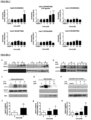
- ABCA1 expression induced by compounds was addressed by western blot. All LXR agonists, Cpd C, Cpd E and Cpd D, markedly increased ABCA1 expression in podocytes at doses as low as 1 uM. Of the three ABCA1 inducers tested (Cpd A, Cpd F and Cpd G), only Cpd A, and Cpd G, increased ABCA1 expression, but at 10 uM, and not as markedly as LXR agonists ( Fig 4a ).
- ABCA1 inducers protects from experimental FSGS
- the ADR model of kidney injury is a drug induced model of proteinuric kidney disease and remains the most widely used experimental model of focal segmental glomerulosclerosis (FSGS).
- FSGS focal segmental glomerulosclerosis
- ADR injection induced severe transient proteinuria and body weight loss.
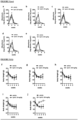
- Albuminuria and body weight were checked weekly. No significant differences were observed in the group treated with LXR agonist (Cpd C, Figure 5a ).
- proteinuria was reduced in the groups that received 30 mg/Kg of Cpd A and 100 mg/Kg of Cpd G ( Figure 5 ,b and e), and, to a lesser extent, in the group that received 30 mg/Kg of Cpd G ( Figure 5d ).
- animals injected with ADR experienced a 10-20 % body weight loss which was prevented in animals treated with 30 mg/Kg of Cpd A and 100 mg/Kg of Cpd G ( Fig 5,g and j) but not with LXR agonist ( Fig 5,f ).
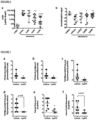
- Lipid deposition in renal tissue has been documented in the setting of kidney injury. We performed Oil Red O (ORO) staining to determine if there was lipid accumulation in animals injected with ADR and whether Cpd G could reduce this effect. Significant deposition of lipid droplets was found in the kidneys of ADR-injected mice, which was significantly reduced in animals treated with Cpd G ( Figure 8 ). Indeed, ADR-injected mice that had received vehicle showed significant lipid deposition in kidney cortexes and in contrast, Cpd G completely prevented the accumulation of glomerular lipids in response to ADR demonstrating no detectable accumulation of lipids in kidney cortexes in comparison to age-matched normal control mice.
- ORO Oil Red O
- Cpd G protects from kidney failure in mouse model of progressive kidney disease (Alport Syndrome)
- Untreated CoL4a3 KO mice develop severe albuminuria and high BUN and serum creatinine levels between weeks 4 and 8 of age. These mice reach ESRD by 8 weeks of age and do not survive beyond that time point.
- kidney cortex sections from the 8 week old Col4a3 KO mice showed significant lipid accumulation (increased Oil-red O staining), which was reduced in animals that received Cpd G (see Figure 13 ). Consistent with the previous results in the ADR model, cholesterol ester in kidneys of Col4a3 KO mice, which was significantly higher than WT littermates, was significantly reduced by the treatment with Cpd G.
- CpdA partially protects from a mouse model of diabetic kidney disease Increased ABCA1 reverts podocyte injury and DKD
- Kidney cortex sections were used for various histological assessments that showed that ABCA1 inducer treatment in db/db mice experience improved: podocyte number as determined by quantifying WT1 positive cells ( Fig 12E-F ), mesangial expansion as determined using PAS stained sections ( Fig 12G-H ), and podocyte foot process effacement as determined using TEM images ( Fig 12I-J ).
Landscapes
- Health & Medical Sciences (AREA)
- Chemical & Material Sciences (AREA)
- Public Health (AREA)
- Veterinary Medicine (AREA)
- Medicinal Chemistry (AREA)
- Pharmacology & Pharmacy (AREA)
- Life Sciences & Earth Sciences (AREA)
- Animal Behavior & Ethology (AREA)
- General Health & Medical Sciences (AREA)
- Epidemiology (AREA)
- Organic Chemistry (AREA)
- Nuclear Medicine, Radiotherapy & Molecular Imaging (AREA)
- Engineering & Computer Science (AREA)
- Bioinformatics & Cheminformatics (AREA)
- Urology & Nephrology (AREA)
- Chemical Kinetics & Catalysis (AREA)
- General Chemical & Material Sciences (AREA)
- Physiology (AREA)
- Nutrition Science (AREA)
- Pharmaceuticals Containing Other Organic And Inorganic Compounds (AREA)
- Medicines That Contain Protein Lipid Enzymes And Other Medicines (AREA)
- Pyridine Compounds (AREA)
- Plural Heterocyclic Compounds (AREA)
- Acyclic And Carbocyclic Compounds In Medicinal Compositions (AREA)
Applications Claiming Priority (3)
| Application Number | Priority Date | Filing Date | Title |
|---|---|---|---|
| EP18185871 | 2018-07-26 | ||
| EP19749657.3A EP3826679B1 (de) | 2018-07-26 | 2019-07-26 | Abca1-induktor verbindungen zur verwendung bei der behandlung von nierenstörungen |
| PCT/EP2019/070251 WO2020021097A1 (en) | 2018-07-26 | 2019-07-26 | Compounds for use in treating kidney disorders |
Related Parent Applications (2)
| Application Number | Title | Priority Date | Filing Date |
|---|---|---|---|
| PCT/EP2019/070251 Previously-Filed-Application WO2020021097A1 (en) | 2018-07-26 | 2019-07-26 | Compounds for use in treating kidney disorders |
| EP19749657.3A Division EP3826679B1 (de) | 2018-07-26 | 2019-07-26 | Abca1-induktor verbindungen zur verwendung bei der behandlung von nierenstörungen |
Publications (2)
| Publication Number | Publication Date |
|---|---|
| EP4537901A2 true EP4537901A2 (de) | 2025-04-16 |
| EP4537901A3 EP4537901A3 (de) | 2025-05-21 |
Family
ID=63077813
Family Applications (2)
| Application Number | Title | Priority Date | Filing Date |
|---|---|---|---|
| EP24213767.7A Pending EP4537901A3 (de) | 2018-07-26 | 2019-07-26 | Verbindungen zur verwendung bei der behandlung von nierenerkrankungen |
| EP19749657.3A Active EP3826679B1 (de) | 2018-07-26 | 2019-07-26 | Abca1-induktor verbindungen zur verwendung bei der behandlung von nierenstörungen |
Family Applications After (1)
| Application Number | Title | Priority Date | Filing Date |
|---|---|---|---|
| EP19749657.3A Active EP3826679B1 (de) | 2018-07-26 | 2019-07-26 | Abca1-induktor verbindungen zur verwendung bei der behandlung von nierenstörungen |
Country Status (13)
| Country | Link |
|---|---|
| US (3) | US20200085810A1 (de) |
| EP (2) | EP4537901A3 (de) |
| JP (2) | JP7478133B2 (de) |
| KR (1) | KR102860768B1 (de) |
| CN (2) | CN117736141A (de) |
| AU (1) | AU2019310919B2 (de) |
| CA (1) | CA3104793A1 (de) |
| ES (1) | ES3005632T3 (de) |
| IL (1) | IL280368B2 (de) |
| MX (1) | MX2021000976A (de) |
| PL (1) | PL3826679T3 (de) |
| TW (1) | TWI891608B (de) |
| WO (1) | WO2020021097A1 (de) |
Families Citing this family (3)
| Publication number | Priority date | Publication date | Assignee | Title |
|---|---|---|---|---|
| US20200085810A1 (en) * | 2018-07-26 | 2020-03-19 | Hoffmann-La Roche Inc. | Compounds for use in treating kidney disorders |
| WO2022006277A1 (en) * | 2020-07-01 | 2022-01-06 | Angion Biomedica Corp. | Methods for treatment of fibrotic kidney diseases |
| US11814354B2 (en) * | 2021-09-08 | 2023-11-14 | River 3 Renal Corp. | Solid forms |
Citations (8)
| Publication number | Priority date | Publication date | Assignee | Title |
|---|---|---|---|---|
| US5496807A (en) | 1993-05-10 | 1996-03-05 | Alfa Wassermann S.P.A. | Method of treatment of diabetic nephropathy by means of sulodexide of medicines containing it |
| WO2005092856A1 (en) | 2004-03-26 | 2005-10-06 | F. Hoffmann-La Roche Ag | Tetrahydrocarbazoles and derivatives |
| WO2005105791A1 (en) | 2004-05-03 | 2005-11-10 | F. Hoffmann-La Roche Ag | Indolyl derivatives as liver-x-receptor modulators |
| US7030146B2 (en) | 1996-09-10 | 2006-04-18 | University Of South Carolina | Methods for treating diabetic neuropathy |
| WO2011029827A1 (en) | 2009-09-11 | 2011-03-17 | F. Hoffmann-La Roche Ag | 5- (3, 4-dichloro-phenyl) -n- (2-hydroxy-cyclohexyl) -6- (2,2, 2-trifluoro-ethoxy) -nico tinamide and salts thereof as hdl cholesterol raising agents |
| WO2012031817A1 (en) | 2010-09-09 | 2012-03-15 | F. Hoffmann-La Roche Ag | Determination of abca1 protein levels in cells |
| WO2013037703A1 (en) | 2011-09-12 | 2013-03-21 | F. Hoffmann-La Roche Ag | 3 -pyridine carboxylic acid hydrazides as hdl-cholesterol raising agents |
| WO2014180741A1 (en) | 2013-05-06 | 2014-11-13 | F. Hoffmann-La Roche Ag | Methods of identifying modulators of osbpl7 and the use of such modulators for treatment of diseases associated with osbpl7 |
Family Cites Families (5)
| Publication number | Priority date | Publication date | Assignee | Title |
|---|---|---|---|---|
| AR079022A1 (es) * | 2009-11-02 | 2011-12-21 | Sanofi Aventis | Derivados de acido carboxilico ciclico sustituidos con acilamino, su uso como productos farmaceuticos, composicion farmaceutica y metodo de preparacion |
| AR085013A1 (es) | 2011-01-26 | 2013-08-07 | Sanofi Aventis | Derivados de acido 3-heteroaroilamino-propionico sustituidos y su uso como sustancias farmaceuticas |
| US9321727B2 (en) | 2011-06-10 | 2016-04-26 | Hoffmann-La Roche Inc. | Pyridine derivatives as agonists of the CB2 receptor |
| EP3019168A1 (de) * | 2013-07-10 | 2016-05-18 | Glaxosmithkline Intellectual Property (No. 2) Limited | Losmapimod zur verwendung bei der behandlung glomerulärer erkrankungen |
| US20200085810A1 (en) * | 2018-07-26 | 2020-03-19 | Hoffmann-La Roche Inc. | Compounds for use in treating kidney disorders |
-
2019
- 2019-07-25 US US16/522,116 patent/US20200085810A1/en not_active Abandoned
- 2019-07-26 EP EP24213767.7A patent/EP4537901A3/de active Pending
- 2019-07-26 TW TW108126640A patent/TWI891608B/zh active
- 2019-07-26 CN CN202311697211.0A patent/CN117736141A/zh active Pending
- 2019-07-26 WO PCT/EP2019/070251 patent/WO2020021097A1/en not_active Ceased
- 2019-07-26 PL PL19749657.3T patent/PL3826679T3/pl unknown
- 2019-07-26 CN CN201980048869.4A patent/CN112469442B/zh active Active
- 2019-07-26 JP JP2021504186A patent/JP7478133B2/ja active Active
- 2019-07-26 CA CA3104793A patent/CA3104793A1/en active Pending
- 2019-07-26 IL IL280368A patent/IL280368B2/en unknown
- 2019-07-26 MX MX2021000976A patent/MX2021000976A/es unknown
- 2019-07-26 ES ES19749657T patent/ES3005632T3/es active Active
- 2019-07-26 AU AU2019310919A patent/AU2019310919B2/en active Active
- 2019-07-26 KR KR1020217002388A patent/KR102860768B1/ko active Active
- 2019-07-26 EP EP19749657.3A patent/EP3826679B1/de active Active
-
2021
- 2021-03-19 US US17/206,955 patent/US20210275514A1/en not_active Abandoned
-
2024
- 2024-03-27 US US18/618,124 patent/US20240325372A1/en active Pending
- 2024-04-19 JP JP2024068208A patent/JP2024096989A/ja active Pending
Patent Citations (9)
| Publication number | Priority date | Publication date | Assignee | Title |
|---|---|---|---|---|
| US5496807A (en) | 1993-05-10 | 1996-03-05 | Alfa Wassermann S.P.A. | Method of treatment of diabetic nephropathy by means of sulodexide of medicines containing it |
| US7030146B2 (en) | 1996-09-10 | 2006-04-18 | University Of South Carolina | Methods for treating diabetic neuropathy |
| WO2005092856A1 (en) | 2004-03-26 | 2005-10-06 | F. Hoffmann-La Roche Ag | Tetrahydrocarbazoles and derivatives |
| WO2005105791A1 (en) | 2004-05-03 | 2005-11-10 | F. Hoffmann-La Roche Ag | Indolyl derivatives as liver-x-receptor modulators |
| WO2011029827A1 (en) | 2009-09-11 | 2011-03-17 | F. Hoffmann-La Roche Ag | 5- (3, 4-dichloro-phenyl) -n- (2-hydroxy-cyclohexyl) -6- (2,2, 2-trifluoro-ethoxy) -nico tinamide and salts thereof as hdl cholesterol raising agents |
| WO2012031817A1 (en) | 2010-09-09 | 2012-03-15 | F. Hoffmann-La Roche Ag | Determination of abca1 protein levels in cells |
| WO2012032018A1 (en) | 2010-09-09 | 2012-03-15 | F. Hoffmann-La Roche Ag | Heteroarylmethyl amides |
| WO2013037703A1 (en) | 2011-09-12 | 2013-03-21 | F. Hoffmann-La Roche Ag | 3 -pyridine carboxylic acid hydrazides as hdl-cholesterol raising agents |
| WO2014180741A1 (en) | 2013-05-06 | 2014-11-13 | F. Hoffmann-La Roche Ag | Methods of identifying modulators of osbpl7 and the use of such modulators for treatment of diseases associated with osbpl7 |
Non-Patent Citations (4)
| Title |
|---|
| BELLO AK ET AL., JAMA, vol. 317, 2017, pages 1864 |
| GIUNTI ET AL., MINERVA MEDICA, vol. 97, 2006, pages 241 - 62 |
| no. 1211589-51-3 |
| WILLIAMSTUTTLE, ADVANCES IN CHRONIC KIDNEY DISEASE, vol. 12, no. 2, 2005, pages 212 - 222 |
Also Published As
| Publication number | Publication date |
|---|---|
| IL280368B2 (en) | 2024-02-01 |
| JP2024096989A (ja) | 2024-07-17 |
| AU2019310919B2 (en) | 2025-04-03 |
| CA3104793A1 (en) | 2020-01-30 |
| JP7478133B2 (ja) | 2024-05-02 |
| KR20210038884A (ko) | 2021-04-08 |
| CN112469442A (zh) | 2021-03-09 |
| PL3826679T3 (pl) | 2025-03-10 |
| IL280368A (en) | 2021-03-25 |
| ES3005632T3 (en) | 2025-03-14 |
| AU2019310919A1 (en) | 2021-01-07 |
| JP2021531308A (ja) | 2021-11-18 |
| TWI891608B (zh) | 2025-08-01 |
| EP4537901A3 (de) | 2025-05-21 |
| US20210275514A1 (en) | 2021-09-09 |
| MX2021000976A (es) | 2021-03-31 |
| IL280368B1 (en) | 2023-10-01 |
| CN117736141A (zh) | 2024-03-22 |
| US20200085810A1 (en) | 2020-03-19 |
| EP3826679A1 (de) | 2021-06-02 |
| EP3826679B1 (de) | 2024-11-27 |
| KR102860768B1 (ko) | 2025-09-17 |
| TW202019486A (zh) | 2020-06-01 |
| WO2020021097A1 (en) | 2020-01-30 |
| US20240325372A1 (en) | 2024-10-03 |
| CN112469442B (zh) | 2024-04-09 |
| EP3826679C0 (de) | 2024-11-27 |
Similar Documents
| Publication | Publication Date | Title |
|---|---|---|
| US20240325372A1 (en) | Compounds for use in treating kidney disorders | |
| JP7098214B2 (ja) | 非アルコール性脂肪性肝炎(NASH)の処置のためのsGC刺激物質の使用 | |
| WO2018215795A2 (en) | Senolytic compounds | |
| EP2651403B1 (de) | Verwendung von lp-pla2-inhibitoren zur behandlung und vorbeugung von augenerkrankungen | |
| RS54492B1 (sr) | Kinazni inhibitor koji reguliše signalni put apoptoze | |
| US20110288114A1 (en) | Compositions for the treatment of fibrotic diseases or conditions | |
| JP2023526055A (ja) | 前立腺癌を治療する方法 | |
| CN113924295A (zh) | 激酶抑制剂 | |
| CN110267660A (zh) | 含布罗莫结构域蛋白4(brd4)的抑制剂 | |
| US20240279201A1 (en) | Dual wnt signaling pathway inhibitors and ampk activators for treatments of disease | |
| US9403755B2 (en) | Isometheptene isomer | |
| HK40040900A (en) | Compounds for use in treating kidney disorders | |
| CA3224123A1 (en) | Small molecule inhibition of deubiquitinating enzyme josephin domain containing 1 (josd1) as a targeted therapy for leukemias with mutant janus kinase 2 (jak2) | |
| HK40040900B (zh) | 用於治疗肾脏疾患的化合物 | |
| WO2021205341A1 (en) | 1-methylnicotinamide for the prevention/treatment of inflammatory airway diseases | |
| WO2024098005A1 (en) | Composition comprising glp-1 receptor agonist and acat inhibitor |
Legal Events
| Date | Code | Title | Description |
|---|---|---|---|
| PUAI | Public reference made under article 153(3) epc to a published international application that has entered the european phase |
Free format text: ORIGINAL CODE: 0009012 |
|
| STAA | Information on the status of an ep patent application or granted ep patent |
Free format text: STATUS: THE APPLICATION HAS BEEN PUBLISHED |
|
| AC | Divisional application: reference to earlier application |
Ref document number: 3826679 Country of ref document: EP Kind code of ref document: P |
|
| AK | Designated contracting states |
Kind code of ref document: A2 Designated state(s): AL AT BE BG CH CY CZ DE DK EE ES FI FR GB GR HR HU IE IS IT LI LT LU LV MC MK MT NL NO PL PT RO RS SE SI SK SM TR |
|
| REG | Reference to a national code |
Ref country code: DE Ref legal event code: R079 Free format text: PREVIOUS MAIN CLASS: A61P0013120000 Ipc: A61K0031422000 |
|
| PUAL | Search report despatched |
Free format text: ORIGINAL CODE: 0009013 |
|
| AK | Designated contracting states |
Kind code of ref document: A3 Designated state(s): AL AT BE BG CH CY CZ DE DK EE ES FI FR GB GR HR HU IE IS IT LI LT LU LV MC MK MT NL NO PL PT RO RS SE SI SK SM TR |
|
| RIC1 | Information provided on ipc code assigned before grant |
Ipc: A61P 13/12 20060101ALI20250416BHEP Ipc: A61K 31/506 20060101ALI20250416BHEP Ipc: A61K 31/44 20060101ALI20250416BHEP Ipc: A61K 31/4245 20060101ALI20250416BHEP Ipc: A61K 45/06 20060101ALI20250416BHEP Ipc: A61K 31/422 20060101AFI20250416BHEP |
|
| STAA | Information on the status of an ep patent application or granted ep patent |
Free format text: STATUS: REQUEST FOR EXAMINATION WAS MADE |