EP4516353A2 - Pharmazeutische zusammensetzungen mit (2s)-{(1s)-1-cyano-2-[4-(3-methyl-2-oxo-2,3-dihydro-1,3-benzoxazol-5-yl)phenyl]ethyl}-1,4-oxazepan-2-carboxamid - Google Patents
Pharmazeutische zusammensetzungen mit (2s)-{(1s)-1-cyano-2-[4-(3-methyl-2-oxo-2,3-dihydro-1,3-benzoxazol-5-yl)phenyl]ethyl}-1,4-oxazepan-2-carboxamid Download PDFInfo
- Publication number
- EP4516353A2 EP4516353A2 EP24212810.6A EP24212810A EP4516353A2 EP 4516353 A2 EP4516353 A2 EP 4516353A2 EP 24212810 A EP24212810 A EP 24212810A EP 4516353 A2 EP4516353 A2 EP 4516353A2
- Authority
- EP
- European Patent Office
- Prior art keywords
- compound
- pharmaceutical composition
- patient
- alkyl
- pharmaceutical
- Prior art date
- Legal status (The legal status is an assumption and is not a legal conclusion. Google has not performed a legal analysis and makes no representation as to the accuracy of the status listed.)
- Pending
Links
Images







Classifications
-
- A—HUMAN NECESSITIES
- A61—MEDICAL OR VETERINARY SCIENCE; HYGIENE
- A61K—PREPARATIONS FOR MEDICAL, DENTAL OR TOILETRY PURPOSES
- A61K31/00—Medicinal preparations containing organic active ingredients
- A61K31/33—Heterocyclic compounds
- A61K31/395—Heterocyclic compounds having nitrogen as a ring hetero atom, e.g. guanethidine or rifamycins
- A61K31/55—Heterocyclic compounds having nitrogen as a ring hetero atom, e.g. guanethidine or rifamycins having seven-membered rings, e.g. azelastine, pentylenetetrazole
- A61K31/553—Heterocyclic compounds having nitrogen as a ring hetero atom, e.g. guanethidine or rifamycins having seven-membered rings, e.g. azelastine, pentylenetetrazole having at least one nitrogen and one oxygen as ring hetero atoms, e.g. loxapine, staurosporine
-
- A—HUMAN NECESSITIES
- A61—MEDICAL OR VETERINARY SCIENCE; HYGIENE
- A61K—PREPARATIONS FOR MEDICAL, DENTAL OR TOILETRY PURPOSES
- A61K31/00—Medicinal preparations containing organic active ingredients
- A61K31/66—Phosphorus compounds
- A61K31/675—Phosphorus compounds having nitrogen as a ring hetero atom, e.g. pyridoxal phosphate
-
- A—HUMAN NECESSITIES
- A61—MEDICAL OR VETERINARY SCIENCE; HYGIENE
- A61K—PREPARATIONS FOR MEDICAL, DENTAL OR TOILETRY PURPOSES
- A61K45/00—Medicinal preparations containing active ingredients not provided for in groups A61K31/00 - A61K41/00
- A61K45/06—Mixtures of active ingredients without chemical characterisation, e.g. antiphlogistics and cardiaca
-
- A—HUMAN NECESSITIES
- A61—MEDICAL OR VETERINARY SCIENCE; HYGIENE
- A61K—PREPARATIONS FOR MEDICAL, DENTAL OR TOILETRY PURPOSES
- A61K9/00—Medicinal preparations characterised by special physical form
- A61K9/20—Pills, tablets, discs, rods
- A61K9/2004—Excipients; Inactive ingredients
- A61K9/2009—Inorganic compounds
-
- A—HUMAN NECESSITIES
- A61—MEDICAL OR VETERINARY SCIENCE; HYGIENE
- A61K—PREPARATIONS FOR MEDICAL, DENTAL OR TOILETRY PURPOSES
- A61K9/00—Medicinal preparations characterised by special physical form
- A61K9/20—Pills, tablets, discs, rods
- A61K9/2004—Excipients; Inactive ingredients
- A61K9/2013—Organic compounds, e.g. phospholipids, fats
-
- A—HUMAN NECESSITIES
- A61—MEDICAL OR VETERINARY SCIENCE; HYGIENE
- A61K—PREPARATIONS FOR MEDICAL, DENTAL OR TOILETRY PURPOSES
- A61K9/00—Medicinal preparations characterised by special physical form
- A61K9/20—Pills, tablets, discs, rods
- A61K9/2004—Excipients; Inactive ingredients
- A61K9/2022—Organic macromolecular compounds
- A61K9/205—Polysaccharides, e.g. alginate, gums; Cyclodextrin
- A61K9/2054—Cellulose; Cellulose derivatives, e.g. hydroxypropyl methylcellulose
-
- A—HUMAN NECESSITIES
- A61—MEDICAL OR VETERINARY SCIENCE; HYGIENE
- A61K—PREPARATIONS FOR MEDICAL, DENTAL OR TOILETRY PURPOSES
- A61K9/00—Medicinal preparations characterised by special physical form
- A61K9/20—Pills, tablets, discs, rods
- A61K9/2004—Excipients; Inactive ingredients
- A61K9/2022—Organic macromolecular compounds
- A61K9/205—Polysaccharides, e.g. alginate, gums; Cyclodextrin
- A61K9/2059—Starch, including chemically or physically modified derivatives; Amylose; Amylopectin; Dextrin
-
- A—HUMAN NECESSITIES
- A61—MEDICAL OR VETERINARY SCIENCE; HYGIENE
- A61P—SPECIFIC THERAPEUTIC ACTIVITY OF CHEMICAL COMPOUNDS OR MEDICINAL PREPARATIONS
- A61P11/00—Drugs for disorders of the respiratory system
-
- A—HUMAN NECESSITIES
- A61—MEDICAL OR VETERINARY SCIENCE; HYGIENE
- A61P—SPECIFIC THERAPEUTIC ACTIVITY OF CHEMICAL COMPOUNDS OR MEDICINAL PREPARATIONS
- A61P11/00—Drugs for disorders of the respiratory system
- A61P11/06—Antiasthmatics
-
- A—HUMAN NECESSITIES
- A61—MEDICAL OR VETERINARY SCIENCE; HYGIENE
- A61P—SPECIFIC THERAPEUTIC ACTIVITY OF CHEMICAL COMPOUNDS OR MEDICINAL PREPARATIONS
- A61P9/00—Drugs for disorders of the cardiovascular system
- A61P9/14—Vasoprotectives; Antihaemorrhoidals; Drugs for varicose therapy; Capillary stabilisers
-
- C—CHEMISTRY; METALLURGY
- C07—ORGANIC CHEMISTRY
- C07K—PEPTIDES
- C07K16/00—Immunoglobulins [IG], e.g. monoclonal or polyclonal antibodies
- C07K16/18—Immunoglobulins [IG], e.g. monoclonal or polyclonal antibodies against material from animals or humans
- C07K16/24—Immunoglobulins [IG], e.g. monoclonal or polyclonal antibodies against material from animals or humans against cytokines, lymphokines or interferons
- C07K16/241—Tumor Necrosis Factors
-
- C—CHEMISTRY; METALLURGY
- C07—ORGANIC CHEMISTRY
- C07K—PEPTIDES
- C07K16/00—Immunoglobulins [IG], e.g. monoclonal or polyclonal antibodies
- C07K16/18—Immunoglobulins [IG], e.g. monoclonal or polyclonal antibodies against material from animals or humans
- C07K16/28—Immunoglobulins [IG], e.g. monoclonal or polyclonal antibodies against material from animals or humans against receptors, cell surface antigens or cell surface determinants
- C07K16/2887—Immunoglobulins [IG], e.g. monoclonal or polyclonal antibodies against material from animals or humans against receptors, cell surface antigens or cell surface determinants against CD20
Definitions
- compositions containing the compound (2 S )- N - ⁇ (1 S )-1-cyano-2-[4-(3-methyl-2-oxo-2,3-dihydro-1,3-benzoxazol-5-yl)phenyl]ethyl ⁇ -1,4-oxazepane-2-carboxamide (or "Compound A”), or a pharmaceutically acceptable salt thereof.
- Compound A has the following structural formula:
- a pharmaceutical composition comprising from about 1.0 to about 30 wt% of a compound of Formula (I), or a pharmaceutically acceptable salt thereof, is provided: wherein,
- composition further comprises from about 55 to about 75 wt% of a pharmaceutical diluent, from about 15% to about 25% of a compression aid, from about 3.0% to about 5.0 wt% of a pharmaceutical disintegrant, from about 0.00 to about 1.0 wt% of a pharmaceutical glidant; and from about 2 to about 6 wt% of a pharmaceutical lubricant; wherein the component weights add up to 100.
- the pharmaceutical composition comprises glycerol behenate as the pharmaceutical lubricant.
- the pharmaceutical composition comprises microcrystalline cellulose as the diluent.
- the pharmaceutical composition provided herein comprises dibasic calcium phosphate dihydrate as the compression aid.
- composition provided herein includes a composition comprising sodium starch glycolate as the pharmaceutical disintegrant.
- Yet another embodiment is directed to a pharmaceutical composition comprising silicon dioxide as the glidant.
- the pharmaceutical composition comprises about 1.0 to about 30 wt% of (2 S )- N - ⁇ (1 S )-1-cyano-2-[4-(3-methyl-2-oxo-2,3-dihydro-1,3-benzoxazol-5-yl)phenyl]ethyl ⁇ -1,4-oxazepane-2-carboxamide (Compound A); about 55 to about 75 wt% of a pharmaceutical diluent, from about 15% to about 25% of a compression aid, from about 3.0% to about 5.0 wt% of a pharmaceutical disintegrant, from about 0.00 to about 1.0 wt% of a pharmaceutical glidant; and from about 2 to about 6 wt% of a pharmaceutical lubricant; wherein the component weights add up to 100.
- the diluent is microcrystalline cellulose
- the compression aid is dibasic calcium phosphate dihydrate
- the disintegrant is sodium starch glycolate
- the glidant is silicon dioxide
- the lubricant is glycerol behenate.
- Another aspect of the invention is directed to a method of treating an obstructive disease of the airway in a patient in need thereof.
- the method comprises administering to the patient in need of treatment, one of the compositions provided herein.
- the composition comprises Compound A as the compound of Formula (I).
- the obstructive disease of the airway is bronchiectasis or cystic fibrosis.
- the obstructive disease of the airway is bronchiectasis.
- Another aspect of the invention is directed to a method for treating an antineutrophil cytoplasmic autoantibodies (ANCA) associated vasculitis in a patient in need thereof.
- the method comprises administering to the patient in need of treatment, one of the compositions provided herein.
- the composition comprises Compound A as the compound of Formula (I).
- the ANCA associated vasculitis is granulomatosis with polyangiitis (GPA).
- the ANCA associated vasculitis is microscopic polyangiitis (MPA).
- the patient has an active ANCA associated vasculitis (e.g., active GPA or MPA).
- the patient is in remission of an ANCA associated vasculitis (e.g., in remission of GPA or MPA).
- C 1-3 means a carbon group having 1, 2 or 3 carbon atoms.
- alkyl unless otherwise noted, includes both straight and branched chain alkyl groups and may be, substituted or non-substituted.
- Alkyl groups include, but are not limited to, methyl, ethyl, n-propyl, i-propyl, butyl, pentyl.
- a pharmaceutically acceptable moiety e.g., a salt, dosage form, or excipient
- a pharmaceutically acceptable moiety has one or more benefits that outweigh any deleterious effect that the moiety may have. Deleterious effects may include, for example, excessive toxicity, irritation, allergic response, and other problems and complications.
- Effective amount or “therapeutically effective amount” means an amount of disease-modifying Compound A, or a pharmaceutically acceptable salt thereof, used in the present invention sufficient to result in the desired therapeutic response.
- lactose may be used as an anhydrous form or as a monohydrate.
- dibasic calcium phosphate may be used as the anhydrate form or as the dihydrate form.
- lactose includes lactose monohydrate, lactose in the anhydrate form and mixtures thereof.
- calcium phosphate may be used in a dibasic form or a tribasic form.
- “calcium phosphate” (without further qualification) includes the dibasic form, the tribasic form and mixtures thereof.
- 'wt%' refers to ⁇ weight percent' and has its ordinary meaning as is customary in the technical field. Accordingly, 'wt%' refers to a proportion of Component X within Composition Y, in each case calculated based on the weights of Component X and Composition Y (as opposed to other physical parameters, such as the volume or number of moles present). For example, if there is 2 g of Component X within 20 g of Composition Y then Component X makes up 10 wt% of Composition Y.
- the components of the pharmaceutical composition are described in terms of ⁇ parts', where ⁇ all parts are by weight'. It is to be understood that such language simply defines a relative ratio of the components, where the ratio is defined in terms of relative weights (as opposed to other physical parameters, such as the volume or number of moles present).
- the ratio is defined in terms of relative weights (as opposed to other physical parameters, such as the volume or number of moles present).
- the present invention relates to a composition
- a composition comprising one or more compounds of Formula (I), or a pharmaceutically acceptable salt thereof: wherein,
- R 1 is R 2 is hydrogen, F, Cl, Br, OSO 2 C 1-3 alkyl, or C 1-3 alkyl;
- R 3 is hydrogen, F, Cl, Br, CN, CF 3 , SO 2 C 1-3 alkyl, CONH 2 or SO 2 N R 4 R 5 , wherein R 4 and R 5 together with the nitrogen atom to which they are attached form an azetidine, pyrrolidine or piperidine ring.
- R 1 is R 2 is hydrogen, F, Cl or C 1-3 alkyl; and R 3 is hydrogen, F, Cl, CN or SO 2 C 1-3 alkyl.
- R 1 is R 2 is hydrogen, F or C 1-3 alkyl; and R 3 is hydrogen, F or CN.
- R 1 is or X is O, S or CF 2 ; Y is O or S; Q is CH or N; R 6 is C 1-3 alkyl, wherein the C 1-3 alkyl is optionally substituted by 1, 2 or 3 F and/or optionally substituted by OH, OC 1-3 alkyl, N(C 1-3 alkyl) 2 , cyclopropyl, or tetrahydropyran; and R 7 is hydrogen, F, Cl or CH 3 .
- R 1 is X is O, S or CF 2 ; Y is O or S; R 6 is C 1-3 alkyl, optionally substituted by 1, 2 or 3 F and optionally substituted by OH, OC 1-3 alkyl, N(C 1-3 alkyl) 2 , cyclopropyl, or tetrahydropyran; and R 7 is hydrogen, F, Cl or CH 3 .
- R 1 is X is O, S or CF 2 ;
- R 6 is C 1 - 3 alkyl, wherein the C 1-3 alkyl is optionally substituted by 1, 2 or 3 F; and
- R 7 is hydrogen, F, Cl or CH 3 .
- R 1 is X is O; R 6 is C 1-3 alkyl, wherein the C 1-3 alkyl is optionally substituted by 1, 2 or 3 F; and R 7 is hydrogen.
- R 2 is hydrogen, F, Cl, Br, OSO 2 C 1-3 alkyl or C 1-3 alkyl.
- R 2 is hydrogen, F, Cl or C 1-3 alkyl.
- R 2 is hydrogen, F or C 1-3 alkyl.
- R 3 is hydrogen, F, Cl, Br, CN, CF 3 , SO 2 C 1-3 alkyl CONH 2 or SO 2 N R 4 R 5 , wherein R 4 and R 5 together with the nitrogen atom to which they are attached form an azetidine, pyrrolidine or piperidine ring.
- R 3 is selected from hydrogen, F, Cl, CN or SO 2 C 1-3 alkyl.
- R 3 is selected from hydrogen, F or CN.
- R 6 is C 1-3 alkyl, wherein said C 1-3 alkyl is optionally substituted by 1, 2 or 3 F and optionally by one substituent selected from OH, OC 1-3 alkyl, N(C 1-3 alkyl) 2 , cyclopropyl, or tetrahydropyran.
- R 6 is C 1-3 alkyl, wherein said C 1-3 alkyl is optionally substituted by 1, 2 or 3 F. In still a further embodiment, R 6 is methyl or ethyl. In still a further embodiment, R 6 is methyl.
- R 7 is hydrogen, F, Cl or CH 3 . In a further embodiment, R 7 is hydrogen.
- the compound of Formula (I) is (2 S )- N - ⁇ (1 S )-1-cyano-2-[4-(3-methyl-2-oxo-2,3-dihydro-1,3-benzoxazol-5-yl)phenyl]ethyl ⁇ -1,4-oxazepane-2-carboxamide: or a pharmaceutically acceptable salt thereof.
- the compound of Formula (I) is one or more of the following, or a pharmaceutically acceptable salt of one or more of the foregoing:
- the compound of Formula (I) is "Compound A".
- Compound A as used herein, is (2 S )- N - ⁇ (1 S )-1-cyano-2-[4-(3-methyl-2-oxo-2,3-dihydro-1,3-benzoxazol-5-yl)phenyl]ethyl ⁇ -1,4-oxazepane-2-carboxamide.
- Compound A also known as INS1007 or AZD7986, has the following structural formula:
- Compound A may be used in the free base form or as a pharmaceutically acceptable salt, or as any mixture thereof. In certain embodiments, Compound A is in the free base form. It is understood that “free base form” refers to the case where Compound A is not in the form of a salt.
- Compound A is in the form of a pharmaceutically acceptable salt.
- a pharmaceutically acceptable salt of Compound A may be formed using an inorganic or organic acid.
- a pharmaceutically acceptable salt may be formed, for example, using an inorganic acid, for example selected from hydrochloric acid, hydrobromic acid, sulfuric acid and phosphoric acid.
- a pharmaceutically acceptable salt may also be formed using an organic acid, for example selected from trifluoroacetic acid, citric acid, maleic acid, oxalic acid, acetic acid, formic acid, benzoic acid, fumaric acid, succinic acid, tartaric acid, lactic acid, pyruvic acid, methanesulfonic acid, benzenesulfonic acid and para-toluenesulfonic acid.
- Compound A is polymorphic Form A of the free base form of Compound A.
- Polymorphic Form A of the free base form of Compound A is disclosed in U.S. Patent Publication No. 2015/0210655 , the disclosure of which is incorporated herein in its entirety for all purposes.
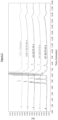
- the Compound A is the free base form of Compound A and is characterized by an X-ray powder diffraction pattern having a peak at about 12.2 ⁇ 0.2 (° 2-theta), measured using CuK ⁇ radiation.
- the Compound A is the free base form of Compound A and is characterized by an X-ray powder diffraction pattern having a peak at about 20.6 ⁇ 0.2 (° 2-theta), measured using CuK ⁇ radiation.
- the Compound A is the free base form of Compound A and is characterized by an X-ray powder diffraction pattern having peaks at about 12.2 ⁇ 0.2 ° and about 20.6 ⁇ 0.2 ((° 2-theta), measured using CuK ⁇ radiation.
- the Compound A is the free base form of Compound A and is characterized by an X-ray powder diffraction pattern having peaks at about 12.2 ⁇ 0.2, about 14.3 ⁇ 0.2, about 16.2 ⁇ 0.2, about 19.1 ⁇ 0.2 and about 20.6 ⁇ 0.2 (° 2-theta), measured using CuK ⁇ radiation.
- API weight percentages provided herein are for the respective free base form.
- compositions described herein comprise a compound of Formula (I), e.g., Compound A, in an amount from about 1.0 to about 30 wt %; from about 1.0 to about 25 wt %; from about 1.0 to about 20 wt %; from about 1.0 to about 15 wt %; from about 1.0 to about 10 wt %; from about 1.0 to about 5 wt%, or from about 1.0 to about 3 wt %.
- Formula (I) e.g., Compound A
- compositions described herein comprise a compound of Formula (I), e.g., Compound A, in an amount from about 1.5 to about 30 wt%; from about 1.5 to about 25 wt%; from about 1.5 to about 20 wt%; from about 1.5 to about 15 wt%; from about 1.5 to about 10 wt %; or from about 1.5 to about 5 wt%.
- a compound of Formula (I) e.g., Compound A
- compositions described herein comprise a compound of Formula (I), e.g., Compound A, in an amount from about 3 to about 30 wt%; from about 3 to about 25 wt %; from about 3 to about 20 wt%; from about 3 to about 15 wt %; from about 3 to about 10 wt %; or from about 3 to about 5 wt%.
- a compound of Formula (I) e.g., Compound A
- compositions described herein comprise a compound of Formula (I), e.g., Compound A, in an amount of about 1 wt%, about 2 wt%, about 3 wt%, about 4 wt%, about 5 wt%, about 6 wt%, about 7 wt%, about 8 wt%, about 9 wt%, about 10 wt%, about 11 wt%, about 12 wt%, about 13 wt%, about 14 wt%, about 15 wt%, about 16 wt%, about 17 wt%, about 18 wt%, about 19 wt%, about 20 wt%, about 21 wt%, about 22 wt%, about 23 wt%, about 24 wt%, about 25 wt%, about 26 wt%, about 27 wt%, about 28 wt%, about 29 wt% or about 30 wt%.
- Formula (I) e.g., Compound A
- compositions described herein comprise a compound of Formula (I), e.g., Compound A, in an amount of 10 mg to 50 mg, for example, 5 mg, 10 mg, 15 mg, 20 mg, 25 mg, 30 mg, 35 mg, 40 mg, 45 mg or a 50 mg.
- the compositions described herein comprise a compound of Formula (I) in an amount of 10 mg, 25 mg or 40 mg.
- the compound is Compound A, or a pharmaceutically acceptable salt thereof.
- the present disclosure provides a pharmaceutical composition comprising:
- the compound of Formula (I) is the free base form of Compound A.
- the pharmaceutical composition of the present disclosure may be in any solid dosage form suitable for oral administration to a human being.
- the pharmaceutical composition of the present disclosure is a pharmaceutical tablet.
- Pharmaceutical tablets may be prepared using methods known to those skilled in the art including, for example, dry mixing / direct compression process as described herein (see Examples section).
- pharmaceutical tablet comprises a tablet core wherein the tablet core comprises the pharmaceutical composition as defined herein and wherein the tablet core has a coating.
- the coating is a film coating. Suitable film coatings are discussed herein.
- compositions of the present disclosure in one embodiment, comprise one or more pharmaceutical diluents.
- diluent is used interchangeably herein with “filler”.
- Suitable pharmaceutical diluents are known to those skilled in the art of pharmaceutical formulation science. Suitable pharmaceutical diluents, include, for example, microcrystalline cellulose, calcium carbonate, calcium phosphate, calcium sulfate, cellulose acetate, erythritol, ethylcellulose, fructose, inulin, isomalt, lactitol, lactose, magnesium carbonate, magnesium oxide, maltitol, maltodextrin, maltose, mannitol, polydextrose, polyethylene glycol, pullulan, simethicone, sodium bicarbonate, sodium carbonate, sodium chloride, sorbitol, starch, sucrose, trehalose and xylitol.
- the one or more pharmaceutical diluents is microcrystalline cellulose.
- Microcrystalline cellulose is a binder/diluent in oral tablet and capsule formulations and can be used in dry-granulation, wet-granulation, and direct-compression processes. Typical concentrations when used as a tablet diluent is 20-90%.
- compositions of the present disclosure comprise two or more pharmaceutical diluents.
- compositions described herein comprise one or more pharmaceutical diluents in an amount from about 45 to about 85 wt%, from about 45 to about 80 wt%, from about 45 to about 75 wt%, from about 45 to about 70 wt%, from about 45 to about 65 wt%, from about 45 to about 60 wt%, or from about 45 to about 55 wt%.
- the one or more pharmaceutical diluents comprises microcrystalline cellulose.
- the API in the formulation is Compound A, or a pharmaceutically acceptable salt thereof.
- compositions described herein comprise one or more pharmaceutical diluents in an amount from about 45 to about 85 wt%, from about 50 to about 85 wt%, from about 50 to about 75 wt%, from about 55 to about 85 wt%, from about 55 to about 70 wt%, from about 60 to about 85 wt%, from about 65 to about 85 wt%, from about 70 to about 85 wt%, or from about 75 to about 85 wt%.
- the one or more pharmaceutical diluents comprises microcrystalline cellulose.
- the API in the formulation is Compound A, or a pharmaceutically acceptable salt thereof.
- compositions described herein comprise one or more pharmaceutical diluents in an amount of about 45 wt%, about 50 wt%, about 55 wt%, about 60 wt%, about 65 wt%, about 70 wt%, about 75 wt%, about 80 wt% or about 85 wt%.
- the one or more pharmaceutical diluents is microcrystalline cellulose.
- the one or more pharmaceutical diluents comprises calcium carbonate, calcium phosphate, calcium sulfate, cellulose acetate, erythritol, ethylcellulose, fructose, inulin, isomalt, lactitol, magnesium carbonate, magnesium oxide, maltitol, maltodextrin, maltose, mannitol, polydextrose, polyethylene glycol, pullulan, simethicone, sodium bicarbonate, sodium carbonate, sodium chloride, sorbitol, starch, sucrose, trehalose and xylitol.
- a disintegrant may be, for example: alginic acid, calcium alginate, carboxymethylcellulose calcium, chitosan, croscarmellose sodium, crospovidone, glycine, guar gum, hydroxypropyl cellulose, low-substituted hydroxypropyl cellulose, magnesium aluminum silicate, methylcellulose, povidone, sodium alginate, sodium carboxymethylcellulose, sodium starch glycolate, starch, or a combination thereof.
- the one or more disintegrants is sodium starch glycolate.
- the concentration (weight %) employed in a formulation in one embodiment is between 2% and 8%. In a further embodiment, the concentration is about 2 wt%, about 2.5 wt%, about 3 wt%, about 3.5 wt%, about 4 wt% or about 4.5 wt%.
- the physical properties of sodium starch glycolate, and hence its effectiveness as a disintegrant, are affected by the degree of crosslinkage, extent of carboxymethylation, and purity.
- the one or more pharmaceutical disintegrants comprises croscarmellose sodium.
- glidants and “gliding agents” are intended to be interpreted in the context of pharmaceutical formulation science. Accordingly, a glidant may be, for example: silicon dioxide, colloidal silicon dioxide, powdered cellulose, hydrophobic colloidal silica, magnesium oxide, magnesium silicate, magnesium trisilicate, sodium stearate and talc.
- the one or more pharmaceutical glidants (d) comprises one or more pharmaceutical glidants selected from silicon dioxide, colloidal silicon dioxide, powdered cellulose, hydrophobic colloidal silica, magnesium oxide, magnesium silicate, magnesium trisilicate, sodium stearate and talc.
- the glidant is silicon dioxide. Its small particle size and large specific surface area give it desirable flow characteristics that are exploited to improve the flow properties of dry powders in a number of processes such as tableting and capsule filling. Typical silicon dioxide concentrations for use herein range from about 0.05 to about 1.0 wt%. Porous silica gel particles may also be used as a glidant, which may be an advantage for some formulations, with typical concentrations of 0.25-1%.
- the compositions described herein comprise one or more pharmaceutical glidants in an amount from about 0.00 to about 2 wt%; from about 0.00 to about 1.75 wt%; from about 0.00 to about 1.50 wt%; from about 0.00 to about 1.25 wt%; from about 0.00 to about 1.00 wt%; from about 0.00 to about 0.75 wt%; from about 0.00 to about 0.50 wt%; from about 0.00 to about 0.25 wt%; or from about 0.00 to about 0.20 wt%.
- the one or more pharmaceutical glidants comprises silicon dioxide.
- the one or more pharmaceutical disintegrants is sodium starch glycolate.
- the one or more pharmaceutical diluents comprises microcrystalline cellulose.
- the API in the composition is Compound A, or a pharmaceutically acceptable salt thereof.
- the compositions described herein comprise one or more pharmaceutical glidants in an amount from about 0.05 to about 2 wt%; from about 0.05 to about 1.75 wt%; from about 0.05 to about 1.50 wt%; from about 0.05 to about 1.25 wt%; from about 0.05 to about 1.00 wt%; from about 0.05 to about 0.75 wt%; from about 0.05 to about 0.50 wt%; from about 0.05 to about 0.25 wt%; or from about 0.05 to about 0.20 wt%.
- the one or more pharmaceutical glidants comprises silicon dioxide.
- the one or more pharmaceutical disintegrants is sodium starch glycolate.
- the one or more pharmaceutical diluents comprises microcrystalline cellulose.
- the API in the composition is Compound A, or a pharmaceutically acceptable salt thereof.
- the compositions described herein comprise one or more pharmaceutical glidants in an amount from about 0.00 to about 2 wt%; 0.05 to about 2 wt%; 0.10 to about 2 wt%; 0.2 to about 2 wt%; 0.3 to about 2 wt%; or from about 0.40 to about 2 wt%.
- the one or more pharmaceutical glidants comprises silicon dioxide.
- the one or more pharmaceutical disintegrants is sodium starch glycolate.
- the one or more pharmaceutical diluents comprises microcrystalline cellulose.
- the API in the composition is Compound A, or a pharmaceutically acceptable salt thereof.
- a lubricant may be, for example calcium stearate, glyceryl behenate, glyceryl monostearate, glyceryl palmitostearate, a mixture of behenate esters of glycerine (e.g.
- glyceryl bihenehate, tribehenin and glyceryl behenate leucine, magnesium stearate, myristic acid, palmitic acid, poloxamer, polyethylene glycol, potassium benzoate, sodium benzoate, sodium lauryl sulfate, sodium stearate, sodium stearyl fumarate, stearic acid, talc, tribehenin and zinc stearate.
- the one or more pharmaceutical lubricants (e) comprises one or more pharmaceutical lubricants selected from calcium stearate, glyceryl behenate, glyceryl monostearate, glyceryl palmitostearate, a mixture of behenate esters of glycerine (e.g., a mixture of glyceryl bihenehate, tribehenin and glyceryl behenate), leucine, magnesium stearate, myristic acid, palmitic acid, poloxamer, polyethylene glycol, potassium benzoate, sodium benzoate, sodium lauryl sulfate, sodium stearate, sodium stearyl fumarate, stearic acid, talc, tribehenin and zinc stearate.
- pharmaceutical lubricants selected from calcium stearate, glyceryl behenate, glyceryl monostearate, glyceryl palmitostearate, a mixture of behenate esters of glycerine (
- the one or more pharmaceutical lubricants (e) comprises one or more pharmaceutical lubricants selected from calcium stearate, glyceryl behenate, glyceryl monostearate, glyceryl palmitostearate, a mixture of behenate esters of glycerine (e.g., a mixture of glyceryl bihenehate, tribehenin and glyceryl behenate), leucine, magnesium stearate, myristic acid, palmitic acid, poloxamer, polyethylene glycol, potassium benzoate, sodium benzoate, sodium lauryl sulfate, sodium stearate, stearic acid, talc, tribehenin and zinc stearate.
- glyceryl behenate e.g., a mixture of glyceryl bihenehate, tribehenin and glyceryl behenate
- leucine magnesium stearate
- myristic acid palmitic acid
- poloxamer poly
- compositions comprising Compound A show a specific degradant when sodium stearyl fumarate is the lubricant.
- the data in Table 8 (below) show that the impurity at relative retention time 1.03 (i.e., Compound A-fumarate Michael Addition adduct) is only present when sodium stearyl fumarate is the lubricant.
- the pharmaceutical compositions comprises one or more pharmaceutical lubricants (e) and the lubricant is not sodium stearyl fumarate.
- the formulation provided herein includes glycerol behenate as the lubricant.
- the one or more pharmaceutical lubricants (e) comprises glyceryl behenate, magnesium stearate, stearic acid, or a combination thereof.
- the lubricant is glyceryl behenate, magnesium stearate, or a combination thereof.
- the one or more pharmaceutical lubricants comprises sodium stearyl fumarate and/or one or more behenate esters of glycerine.
- the pharmaceutical composition comprises one or more pharmaceutical lubricants in an amount from about 1 wt% to about 10 wt %, 1 wt% to about 9 wt %, 1 wt% to about 8 wt %, 1 wt% to about 7 wt %, 1 wt% to about 6 wt %, 1 wt% to about 5 wt %, from about 2 wt% to about 10 wt %, from about 2.5 wt% to about 10 wt %, from about 2 wt% to about 8 wt %, from about 2 wt% to about 7 wt %, from about 2 wt% to about 6 wt %, from about 2 wt% to about 5 wt %, from about 2 wt% to about 4.5 wt %, or from about 2.5 wt% to about 4.5 wt %.
- the one or more pharmaceutical lubricants in the composition is glycerol behenate.
- the one or more pharmaceutical glidants in the composition comprises silicon dioxide.
- the one or more pharmaceutical disintegrants in the composition is sodium starch glycolate.
- the one or more pharmaceutical diluents comprises microcrystalline cellulose.
- the API in the composition is Compound A, or a pharmaceutically acceptable salt thereof.
- the one or more pharmaceutical lubricants (e) consists of sodium stearyl fumarate and/or one or more behenate esters of glycerine or a mixture thereof.
- the one or more pharmaceutical lubricants (e) consists of sodium stearyl fumarate, glyceryl dibehenate, glyceryl behenate, tribehenin or any mixture thereof.
- the one or more pharmaceutical lubricants comprises sodium stearyl fumarate. In another embodiment, the one or more pharmaceutical lubricants consists of sodium stearyl fumarate.
- the one or more pharmaceutical lubricants comprises one or more behenate esters of glycerine. (i.e., one or more of glyceryl dibehenate, tribehenin and glyceryl behenate).
- the formulation provided herein includes a compression aid.
- the compression aid is dicalcium phosphate dihydrate dibasic calcium phosphate dihydrate (DCPD).
- DCPD is used in tablet formulations both as an excipient and as a source of calcium and phosphorus in nutritional supplements.
- compositions described herein comprise the compression aid, e.g., DCPD, in an amount from about 10 to about 30 wt%, including about 16 wt%, about 17 wt%, about 18 wt%, about 19 wt%, about 20 wt%, about 21 wt%, about 22 wt%, about 23 wt%, or about 24 wt%.
- the compression aid is present at about 20% (wt %).
- the compositions described herein comprise the compression aid, e.g., DCPD, in an amount from about 10 to about 25 wt%, from about 10 to about 20 wt%, from about 10 to about 15 wt%, from about 15 to about 25 wt%, or from about 20 to about 25 wt%.
- the one or more pharmaceutical lubricants in the composition is glycerol behenate.
- the one or more pharmaceutical glidants in the composition comprises silicon dioxide.
- the one or more pharmaceutical disintegrants in the composition is sodium starch glycolate.
- the one or more pharmaceutical diluents comprises microcrystalline cellulose.
- the API in the composition is Compound A, or a pharmaceutically acceptable salt thereof.
- the composition provided herein is a tablet and has a film coating.
- the film coating may be applied using conventional methods known to those skilled in the art.
- a functional coating can be used to provide protection against, for example, moisture ingress or degradation by light, to color the formulation. Additionally, a functional coating may be used to modify or control the release of the API from the composition.
- Modified- and controlled-release coatings are known to those skilled in the art and include, for example, enteric coating (e.g., cellulose acetate phthalate, hydroxypropyl methylcellulose phthalate, hydroxypropyl methylcellulose acetate succinate, polyvinyl acetate phthalate, pH-sensitive methacrylic acid/methylmethacrylate 30 copolymers, shellac, and mixtures thereof), reverse enteric coating (e.g., maltrin, aminoalkyl methacrylate copolymers available under the trade name of Eudragit ® (type E1 00 or EPO), polyvinylacetal diethylaminoacetate e.g., AEA ® available from Sankyo Company Limited, Tokyo (Japan), and the like; and mixtures thereof) and water insoluble polymer coating (e.g., ethylcellulose, cellulose acetate, cellulose triacetate, cellulose acetate butyrate, polyvinyl acetate, neutral methacryl
- Suitable coatings such as film coatings, that may be applied to the composition according to the disclosure comprise a film-forming agent, for example a sugar or more particularly a film-forming polymer.
- a film-forming agent for example a sugar or more particularly a film-forming polymer.
- Suitable sugar coatings are well known to those skilled in the art and may comprise, for example, sucrose or lactose.
- the film coating comprises a mixture of hypromellose, polyethylene glycol, titanium dioxide and iron oxide red, iron oxide yellow and iron oxide black, for example, the mixture sold under the trade name Aquarius Prime Brown BAP 312542 (Ashland).
- Suitable film coatings are commercially available as concentrates that may be diluted with water and optionally a cellulose ether such as HPMC and a plasticizer such as polyethylene glycol prior to application to the composition.
- Such concentrates include Opaspray TM coatings from Colorcon, for example Opaspray TM Brown M-1-25092 and Opaspray Yellow M-1-22842.
- Suitable film-forming agents include, for example film-forming polymers, such as cellulose ethers, esters and mixed ethers and esters, including esters of water-soluble cellulose ethers, for example hydroxypropyl methylcellulose, hydroxypropyl ethylcellulose, hydroxypropylcellulose, methylcellulose, hydroxypropyl methylcellulose acetate succinate or hydroxypropyl methylcellulose phthalate; film-forming acrylic polymers, for example methacrylate-methylmethacrylate copolymers; and film-forming vinyl polymers, for example polyvinyl alcohols or polyvinyl acetate phthalate.
- film-forming polymers such as cellulose ethers, esters and mixed ethers and esters, including esters of water-soluble cellulose ethers, for example hydroxypropyl methylcellulose, hydroxypropyl ethylcellulose, hydroxypropylcellulose, methylcellulose, hydroxypropyl methylcellulose acetate succinate or hydroxypropyl methyl
- the film-forming polymer is a water-soluble film-forming polymer, particularly a water-soluble cellulose ether for example hydroxypropyl methylcellulose (particularly hydroxypropyl methylcellulose with a dynamic viscosity of from 2 to 18cP (measured in a 2%w/v solution at 20°C) and selected from, for example grades 1828, 2208, 2906 and especially 2910 as defined hereinbefore).
- the amount of film-forming agent used will depend upon the desired properties of the film coating and the particular amount needed to achieve a desired property may be selected by those skilled in the art.
- the film forming agent will be present in an amount of from 40 to 90% by weight of the film coating, for example from 50 to 80% of the film coating.
- the film-forming agent is typically present at from about 0.5 to 5% by weight of the formulation. In other embodiments, said film-forming agent is present at from about 2.5 to 5% by weight of the formulation.
- Suitable opacifiers and colorants are well known and include for example titanium dioxide, ferric oxides (for example iron oxide).
- Suitable dispersion aids include, for example talc.
- the film coating comprises
- the coating may comprise, for example, 0.5 to 10 wt% of the composition, e.g., from about 1 to 6%, or from about 2 to 5 wt%.
- compositions provided herein is used, in one embodiment, to treat an obstructive disease of the airway in a patient in need thereof.
- the obstructive disease of the airway in one embodiment, is asthma, including bronchial, allergic, intrinsic, extrinsic, exercise-induced, drug-induced (including aspirin and NSAID-induced) and dust-induced asthma, both intermittent and persistent and of all severities, and other causes of airway hyper-responsiveness; chronic obstructive pulmonary disease (COPD); bronchitis, including infectious and eosinophilic bronchitis; emphysema; bronchiectasis; cystic fibrosis; sarcoidosis; alpha-1 antitrypsin deficiency; farmer's lung and related diseases; hypersensitivity pneumonitis; lung fibrosis, including cryptogenic fibrosing alveolitis, idiopathic interstitial pneumonias, fibrosis complicating anti-ne
- the treatment is treatment of asthma (such as bronchial, allergic, intrinsic, extrinsic or dust asthma, particularly chronic or inveterate asthma (for example late asthma or airways hyper-responsiveness)), chronic obstructive pulmonary disease (COPD) or allergic rhinitis.
- asthma such as bronchial, allergic, intrinsic, extrinsic or dust asthma, particularly chronic or inveterate asthma (for example late asthma or airways hyper-responsiveness)
- COPD chronic obstructive pulmonary disease
- allergic rhinitis allergic rhinitis
- compositions provided herein can be orally administered, in one embodiment, to a bronchiectasis patient in need of treatment.
- the bronchiectasis may be in a patient with cystic fibrosis, or a patient that does not have cystic fibrosis (sometimes referred to as "bronchiectasis unrelated to cystic fibrosis" or "non-CF bronchiectasis").
- Administration schedules can be determined by the user of the method, e.g., a prescribing physician. In one embodiment, administration is once daily. In another embodiment, administration is twice daily. In another embodiment, administration is every other day, 3 ⁇ per week or 4 ⁇ per week.
- Non-CF bronchiectasis has been reported to be caused by or associated with numerous aetiologies ranging from genetic illness to retained airway foreign body, and has been reported to be present in patients with systemic disease, common respiratory diseases such as chronic obstructive pulmonary disease (COPD) as well as uncommon diseases such as sarcoidosis ( Chang and Bilton (2008). Thorax 63, pp. 269-276 , incorporated by reference herein in its entirety for all purposes).
- COPD chronic obstructive pulmonary disease
- Bronchiectasis is considered a pathological endpoint that results from many disease processes and is a persistent or progressive condition characterized by dilated thick-walled bronchi.
- the symptoms vary from intermittent episodes of expectoration and infection localized to the region of the lung that is affected to persistent daily expectoration often of large volumes of purulent sputum. Bronchiectasis may be associated with other non-specific respiratory symptoms.
- the underlying pathological process of bronchiectasis without wishing to be bound by theory, has been reported as damage to the airways which results from an event or series of events where inflammation is central to the process ( Guideline for non-CF Bronchiectasis, Thorax, July 2010, V.
- treating in one embodiment, includes: (1) preventing or delaying the appearance of clinical symptoms of the state, disorder or condition developing in the patient that may be afflicted with or predisposed to the state, disorder or condition but does not yet experience or display clinical or subclinical symptoms of the state, disorder or condition; (2) inhibiting the state, disorder or condition (i.e., arresting, reducing or delaying the development of the disease, or a relapse thereof in case of maintenance treatment, of at least one clinical or subclinical symptom thereof); (3) relieving the condition (i.e., causing regression of the state, disorder or condition or at least one of its clinical or subclinical symptoms).
- the clinical symptom is a pulmonary exacerbation and/or (4) prophylaxis of the bronchiectasis, e.g., non-CF bronchiectasis.
- Prophylaxis is expected to be particularly relevant to the treatment of persons who have suffered a previous episode of, or are otherwise considered to be at increased risk of, bronchiectasis.
- a method for providing prophylaxis of bronchiectasis in a patient in need thereof is provided.
- the patient in need thereof in one embodiment, has suffered a previous episode of, or is at increased risk for being diagnosed with bronchiectasis.
- the method comprises administering one of the compositions provided herein to the patient.
- the compound of Formula (I) is (2 S )- N - ⁇ (1 S )-1-cyano-2-[4-(3-methyl-2-oxo-2,3-dihydro-1,3-benzoxazol-5-yl)phenyl]ethyl ⁇ -1,4-oxazepane-2-carboxamide, or a pharmaceutically acceptable salt thereof.
- a "pulmonary exacerbation" as used herein, is three or more of the following symptoms exhibited for at least 48 hours by a patient: (1) increased cough; (2) increased sputum volume or change in sputum consistency; (3) increased sputum purulence; (4) increased breathlessness and/or decreased exercise tolerance; (5) fatigue and/or malaise; (6) hemoptysis.
- the three or more symptoms result in a physician's decision to prescribe an antibiotic(s) to the patient exhibiting the symptoms.
- the treating via administering a composition provided herein comprises increasing the length of time to pulmonary exacerbation, as compared to the length of time to pulmonary exacerbation in an untreated bronchiectasis patient.
- the length of time to pulmonary exacerbation is increased at least about 20 days, as compared to the length of time to pulmonary exacerbation in an untreated bronchiectasis patient.
- the length of time to pulmonary exacerbation is increased from about 20 to about 100 days, as compared to the length of time to pulmonary exacerbation in an untreated bronchiectasis patient.
- the length of time to pulmonary exacerbation is increased from about 25 to about 100 days, from about 30 to about 100 days, from about 35 to about 100 days or from about 40 to about 100 days, as compared to the length of time to pulmonary exacerbation in an untreated bronchiectasis patient.
- the increase is from about 25 to about 75 days, from about 30 to about 75 days, from about 35 to about 75 days or from about 40 to about 75 days, as compared to the length of time to pulmonary exacerbation in an untreated bronchiectasis patient.
- the increase in time to pulmonary exacerbation is about 30 to about 60 days, as compared to the length of time to pulmonary exacerbation in an untreated bronchiectasis patient.
- the compound in the composition is an effective amount of Compound A, or a pharmaceutically acceptable salt thereof.
- the increasing of the time between pulmonary exacerbation comprises increasing by about 1 day, about 3 days, about 1 week, about 2 weeks, about 3 weeks, about 4 weeks, about 5 weeks or about 6 weeks, or increasing by at least about 1 day, at least about 3 days, at least about 1 week, at least about 2 weeks, at least about 3 weeks, at least about 4 weeks, at least about 5 weeks or at least about 6 weeks.
- the increasing comprising increasing of from about 20 days to about 100 days, or from about 30 days to about 100 days, or from about 20 days to about 75 days, or from about 20 days to about 50 days, or from about 20 days to about 40 days.
- the compound in the composition is an effective amount of Compound A, or a pharmaceutically acceptable salt thereof.
- a method for treating bronchiectasis comprising administering one of the compositions provided herein to a patient in need thereof.
- the compound is administered once daily. Treating comprises reducing the rate of pulmonary exacerbation, as compared to the rate of pulmonary exacerbation experienced by the patient prior to treatment, or as compared to an untreated bronchiectasis patient.
- the rate of pulmonary exacerbations can be calculated by dividing the number of exacerbations by a specific time period, e.g., 1 day, 1 week, about 1 month, about 2 months, about 3 months, about 4 months, about 5 months, about 6 months, about 9 months, about 12 months, about 15 months, about 18 months, about 21 months or about 24 months.
- the reduction in rate of exacerbations in one embodiment, is a reduction by about 15%, by about 20%, by about 25%, by about 30%, by about 35%, by about 40% or by about 50%, by about 55%, by about 60%, by about 65%, by about 70%, by at least about 5%, by at least about 10%, by at least about 15%, by at least about 20%, at least about 25%, at least about 30%, at least about 35%, at least about 40%, or at least about 50%, at least about 70% as compared to the rate of pulmonary exacerbation experienced by the patient prior to treatment, or compared to an untreated bronchiectasis patient.
- the reduction in rate of exacerbations in one embodiment, is a reduction by at least about 5%, by at least about 10%, by at least about 15%, by at least about 20%, at least about 25%, at least about 30%, at least about 35%, at least about 40%, or at least about 50%.
- the compound in the composition is an effective amount of Compound A, or a pharmaceutically acceptable salt thereof.
- a method for treating bronchiectasis comprising administering to a patient in need thereof, one of the compositions provided herein.
- the compound is administered once daily.
- the method comprises decreasing the duration of pulmonary exacerbation, as compared to the duration of a pulmonary exacerbation experienced by the patient prior to treatment, or as compared to an untreated bronchiectasis patient.
- the reduced duration of a pulmonary exacerbation is a reduced duration of about 12 hours, about 24 hours, about 48 hours or about 72 hours, at least about 6 hours, at least about 12 hours, at least about 24 hours, at least about 48 hours, at least about 72 hours, at least about 96 hours, at least about 120 hours, at least about 144 hours or at least about 168 hours.
- the reduced duration of a pulmonary exacerbation is a reduced duration of about 6 hrs to about 96 hrs, about 12 hrs to about 96 hrs, about 24 hrs to about 96 hrs, about 48 hrs to about 96 hrs or about 48 hrs to about 168 hrs.
- the reduced duration in another embodiment, is a reduction by about 6 hrs to about 96 hrs, about 12 hrs to about 96 hrs, about 24 hrs to about 96 hrs, about 48 hrs to about 96 hrs or about 48 hrs to about 168 hrs.
- the reduced duration in one embodiment is the average reduction of exacerbations experienced during treatment.
- the composition comprises an effective amount of Compound A, or a pharmaceutically acceptable salt thereof.
- a method for treating bronchiectasis comprising administering one of the compositions provided herein to a patient in need thereof.
- the compound is administered orally, once daily.
- treating comprises reducing the number of pulmonary exacerbation-related hospitalizations of the patient as compared to the number of pulmonary exacerbation-related hospitalizations of the patient prior to treatment, or as compared to an untreated bronchiectasis patient.
- the number of hospitalizations in one embodiment is measured over the treatment period and compared to the same length of time prior to treatment or in an untreated bronchiectasis patient.
- the compound in the composition is an effective amount of Compound A, or a pharmaceutically acceptable salt thereof.
- a method for treating bronchiectasis comprising administering one of the compositions provided herein to a patient in need thereof, wherein the method comprises increasing the lung function in the patient, as compared to the lung function in the patient prior to treatment, or as compared to an untreated bronchiectasis patient.
- the compound in the composition is an effective amount of Compound A, or a pharmaceutically acceptable salt thereof.
- the increase in lung function in one embodiment is measured by spirometry.
- Increasing lung function comprises increasing the post-bronchodilator forced expiratory volume in 1 second (FEVi), increasing the forced vital capacity (FVC), increasing the peak expiratory flow rate (PEFR), or increasing the forced expiratory flow of the FVC between 25% and 75% (FEF25-75), as compared to the respective value prior to treatment, or as compared to an untreated bronchiectasis patient.
- FEVi post-bronchodilator forced expiratory volume in 1 second
- FVC forced vital capacity
- PEFR peak expiratory flow rate
- F25-75 forced expiratory flow of the FVC between 25% and 75%
- Increasing is by about 5%, about 10%, about 15%, by about 20%, by about 25%, by about 30%, by about 35%, by about 40%, by about 45% or by about 50% of the respective value.
- Increasing, in one embodiment, is by at least about 5%, at least about 10%, at least about 15%, by at least about 20%, by at least about 25%, by at least about 30%, by at least about 35%, by at least about 40%, by at least about 45% or by at least about 50%.
- the increase is by about 5% to about 50%, by about 5% to about 40%, by about 5% to about 30% or by about 5% to about 20%.
- increasing is by about 10% to about 50%, by about 15% to about 50%, by about 20% to about 50% or by about 25% to about 50%.
- the assessment of lung function comprises comparing the lung function in the patient prior to treatment, e.g., immediately prior to treatment, to a time point during treatment, to an average of measurements taken during treatment, or after treatment has completed.
- treatment via a method of the invention comprises improving the lung function in the patient, wherein the lung function is measured by spirometry.
- Spirometry is a physiological test that measures how an individual inhales or exhales volumes of air.
- the primary signal measured in spirometry may be volume or flow.
- pulmonary function test (PFT) by spirometry e.g., FEV 1 , FVC, PEFR, and FEF 25-75
- ATS American Thoracic Society
- ERS European Respiratory Society
- the spirometer is capable of accumulating volume for greater than or equal to 15 seconds, e.g., >_ 20 seconds, >_ 25 seconds, >_ 30 seconds, >_ 35 seconds.
- the spirometer in one embodiment can measure volumes of ⁇ 8 L (BTPS) with an accuracy of at least ⁇ 3% of reading or ⁇ 0.050 L, whichever is greater, with flows between 0 and 14 L•s -1 .
- the total resistance to airflow of the spirometer at 14 L•s -1 is ⁇ 1.5 cmH 2 O•L -1 •s -1 (0.15 kPa• L -1 •s -1 ).
- the total resistance of the spirometer is measured with any tubing, valves, pre-filter, etc. included that may be inserted between the patient and the spirometer.
- spirometer accuracy requirements are met under BTPS (body temperature, ambient pressure, saturated with water vapor) conditions for up to eight successive FVC maneuvers performed in a 10-min period without inspiration from the instrument.
- the improvement in lung function is an improvement in the forced vital capacity (FVC), i.e., the maximal volume of air exhaled with maximally forced effort from a maximal inspiration. This measurement is expressed in liters at body temperature and ambient pressure saturated with water vapor (BTPS).
- FVC forced vital capacity
- FVC Formal vital capacity
- improving the patient's lung function comprises improving the patient's FVC, compared to the patient's FVC prior to treatment, or compared to an untreated bronchiectasis patient.
- the FVC of a treated patient is greater by about 1%, greater by about 2%, greater by about 3%, greater by about 4%, greater by about 5%, greater by about 6%, greater by about 7%, greater by about 8%, greater by about 9%, greater by about 10%, greater by about 11%, greater by about 12%, greater by about 13%, greater by about 14%, greater by about 15%, greater by about 16%, greater by about 17%, greater by about 18%, greater by about 19%, greater by about 20%, greater by about 25%, greater by about 30%, greater by about 35%, greater by about 40%, greater by about 45%, greater by about 50%, greater by about 55%, greater by about 60%, greater by about 65%, greater by about 70%, greater by about 75%, greater by about 80%, greater by about 85% or greater by about 90%, as compared to a FVC of the patient prior to treatment, or as compared to an untreated bronchiectasis patient.
- FVC maneuvers can be performed according to the procedures known to those of ordinary skill in the art. Briefly, the three distinct phases to the FVC maneuver are (1) maximal inspiration; (2) a "blast” of exhalation and (3) continued complete exhalation to the end of test (EOT).
- the maneuver can be carried out via the closed circuit method or open circuit method. In either instance, the subject inhales rapidly and completely with a pause of less than 1 second at total lung capacity (TLC). The subject then exhales maximally until no more air can be expelled while maintaining an upright posture. The exhalation begins with a "blast” of air from the lungs and then is encouraged to fully exhale. Enthusiastic coaching of the subject continues for a minimum of three maneuvers.
- the improvement in lung function in one embodiment, is an improvement compared to lung function immediately prior to treatment, or compared to an untreated bronchiectasis patient.
- improving lung function comprises increasing the forced expiratory volume in one second (FEVi) of the patient compared to the patient's FEV 1 prior to treatment, or compared to an untreated bronchiectasis patient's FEV 1 .
- FEV is the volume of gas exhaled in a specified time (typically 1 second, i.e., FEVi) from the start of the forced vital capacity maneuver ( Quanjer et al. (1993). Eur. Respir. J. 6, Suppl. 16, pp. 5-40 , incorporated by reference herein in its entirety for all purposes).
- the increase in FEV 1 is an increase of at least about 5%, for example, from about 5% to about 50%, or about 10% to about 50%, or about 15% to about 50%.
- the FEV 1 of the treated patient is greater by about 1%, greater by about 2%, greater by about 3%, greater by about 4%, greater by about 5%, greater by about 6%, greater by about 7%, greater by about 8%, greater by about 9%, greater by about 10%, greater by about 11%, greater by about 12%, greater by about 13%, greater by about 14%, greater by about 15%, greater by about 16%, greater by about 17%, greater by about 18%, greater by about 19%, greater by about 20%, greater by about 25%, greater by about 30%, greater by about 35%, greater by about 40%, greater by about 45%, greater by about 50%, greater by about 55%, greater by about 60%, greater by about 65%, greater by about 70%, greater by about 75%, greater by about 80%, greater by about 85%, or greater by about 90%,
- the improving lung function comprises increasing the patient's FEV 1 by about 25 mL to about 500 mL, or about 25 mL to about 250 mL, or about 50 mL to about 200 mL, as compared to a FEV 1 of the patient prior to treatment, or as compared to an untreated bronchiectasis patient.
- improving lung function comprises improving the mean forced expiratory flow between 25% and 75% of the FVC (FEF 25-75 ) (also referred to as the maximum mid-expiratory flow) of the patient, as compared to a FEF 25-75 of the patient prior to treatment, or as compared to an untreated bronchiectasis patient.
- FVC FVC
- the measurement is dependent on the validity of the FVC measurement and the level of expiratory effort.
- the FEF 25-75 index is taken from the blow with the largest sum of FEV 1 and FVC.
- improving lung function comprises improving the peak expiratory flow rate (PEFR) of the patient.
- PEFR peak expiratory flow rate
- the improvement is an improvement compared to PEFR immediately prior to treatment, or as compared to an untreated bronchiectasis patient.
- the PEFR measures the fastest rate of air that can be expired by a subject.
- the PEFR of a treated patient is greater by about 1%, greater by about 2%, greater by about 3%, greater by about 4%, greater by about 5%, greater by about 6%, greater by about 7%, greater by about 8%, greater by about 9%, greater by about 10%, greater by about 11%, greater by about 12%, greater by about 13%, greater by about 14%, greater by about 15%, greater by about 16%, greater by about 17%, greater by about 18%, greater by about 19%, greater by about 20%, greater by about 25%, greater by about 30%, greater by about 35%, greater by about 40%, greater by about 45%, greater by about 50%, greater by about 55%, greater by about 60%, greater by about 65%, greater by about 70%, greater by about 75%, greater by about 80%, greater by about 85% or greater by about 90%, as compared to a PEFR of the patient prior to treatment, or as compared to an untreated bronchiectasis patient.
- a method for treating bronchiectasis comprising administering one of the compositions provided herein to a patient in need thereof, wherein treating comprising increasing the quality of life (QOL) of the patient, as compared to the quality of life of the patient prior to treatment, e.g., a baseline value.
- QOL quality of life
- the compound in the composition is an effective amount of Compound A, or a pharmaceutically acceptable salt thereof.
- the QOL of the patient is assessed via the Quality of Life-Bronchiectasis (QOL-B) questionnaire.
- QOL-B questionnaire is a validated, self-administered Patient Reported Outcome (PRO) that assesses symptoms, functioning and health-related QOL for subjects with bronchiectasis ( Quittner et al. (2014). Chest 146(2), pp. 437-448 ; Quittner et al. (2015) Thorax 70(1), pp. 12-20 , each of which is incorporated by reference in its entirety for all purposes).
- the QOL-B contains 37 items on 8 domains (Respiratory Symptoms, Physical Functioning, Role Functioning, Emotional Functioning, Social Functioning, Vitality, Health Perceptions and Treatment Burden).
- the QOL of the patient is assessed via the Leicester Cough Questionnaire (LCQ).
- An improvement in QOL in one embodiment is a change from baseline (prior to treatment) in LCQ score for the patient.
- the LCQ is a validated questionnaire evaluating cough on QOL in subjects with bronchiectasis and other conditions where cough is a common symptom ( Murray et al. (2009). Eur Respir J. 34: 125-131 , incorporated by reference herein in its entirety for all purposes).
- the LCQ comprises 19 items and takes 5 to 10 minutes to complete. Each item assesses symptoms or the impact of symptoms over the last 2 weeks on a seven-point Likert scale. Scores in three domains (physical, psychological and social) are calculated as a mean for each domain (range 1 to 7). A total score (range 3 to 21) is also calculated by adding the domain scores together. Higher scores indicate better QOL.
- the QOL of the patient is assessed via the St. George's Respiratory Questionnaire (SGRQ).
- SGRQ St. George's Respiratory Questionnaire
- An improvement in QOL in one embodiment, is a change from baseline (prior to treatment) in SGRQ score for the patient.
- the St. George's Respiratory Questionnaire (SGRQ) is self-administered with 50 questions designed to measure and quantify health-related health status in subjects with chronic airflow limitation ( Jones et al. (1991). Respir Med. 85 Suppl B 25-31 ; discussion 33-7, incorporated by reference herein in its entirety for all purposes).
- the SGRQ assesses health related quality of life by evaluating 3 health domains: (1) symptoms (distress caused by respiratory symptoms), (2) activity (effects of disturbances to mobility and physical activity), and (3) impact (the effect of disease on factors such as employment, personal control of one's health, and need for medication). It has been shown to correlate well with the established measures of the 3 domains in subjects with asthma and COPD. It has also been validated for use in NCFBE. A composite total score is derived as the sum of domain scores for symptoms, activity, and impact with 0 the best possible score and 100 the worst possible score. A reduction in score of 4 units is generally recognized as a clinically meaningful improvement in QOL.
- one of the compositions provided herein is administered to a patient in need thereof, wherein the method comprises decreasing active neutrophil elastase (NE) sputum concentration, as compared to the patient's NE sputum concentration, prior to treatment.
- the composition comprising a compound of Formula (I) is administered via oral administration.
- administration is 1 ⁇ daily, every other day, 2 ⁇ weekly, 3 ⁇ weekly or 4 ⁇ weekly.
- the compound in the composition is an effective amount of Compound A, or a pharmaceutically acceptable salt thereof.
- Decreasing active NE sputum concentration comprises decreasing by about 10%, about 20%, about 25%, about 30%, about 40%, about 50%, about 60%, about 70%, or about 80%.
- decreasing active NE sputum concentration comprises decreasing by at least about 1%, at least about 5%, at least about 10%, at least about 20%, at least about 30%, at least about 40%, at least about 50%, at least about 60%, at least about 70% or at least about 80%.
- one of the compositions provided herein is administered to a patient in need thereof, and the method comprises lightening the sputum color of the patient, as measured by the sputum color chart of Murray 2009 ( Murray et al. (2009). Eur Respir J. 2009; 34:361-364 , incorporated by reference herein in its entirety for all purposes), as compared to the patient's sputum color, prior to treatment.
- the composition comprising a compound of Formula (I) is administered via oral administration.
- administration is 1 ⁇ daily, every other day, 2 ⁇ weekly, 3 ⁇ weekly or 4 ⁇ weekly.
- the compound in the composition in one embodiment, is an effective amount of Compound A, or a pharmaceutically acceptable salt thereof.
- the lightening of color in one embodiment, is a lightening by a single gradation.
- the lightening is from purulent (dark yellow and/or dark green) to mucopurulent (pale yellow and/or pale green).
- the lightening is from mucopurulent (pale yellow and/or pale green) to mucoid (clear).
- the change in color in another embodiment, is a lightening of two gradations, i.e., the lightening is from purulent (dark yellow and/or dark green) to mucoid (clear).
- Sputum induction is carried out if the patient cannot produce sputum on his or her own.
- Sputum induction in one embodiment, is initiated via patient nebulization of a saline solution.
- the percentage of saline e.g., 3% or 7% or 10% or 13%, is decided based on the user of the method's preference.
- the selected saline is placed in the nebulizer, and the subject is in a sitting up or in a semi-fowler position.
- the subject wears a nose clip during the nebulization.
- the subject breathes slowly and deeply through the nebulizer mouthpiece inhaling the salt water mist.
- the subject is reminded to not breathe quickly but to have slow, deep breaths pausing at peak inspiration to allow deposition of particles.
- the nebulization time in one embodiment, is 10 minutes.
- the subject At the end of nebulization, the subject is instructed to take a few deep breaths, swallow the extra saliva in his/her mouth and attempt to cough up a sputum sample. The subject is encouraged to cough forcefully using the deep coughing method and/or "huffing" cough method. All sputum is deposited in the specimen container. The procedure can be repeated if the amount of sputum collected, e.g., less than 1 mL, less than 2 mL, or less than 3 mL, is not sufficient.
- compositions provided herein can be orally administered, in one embodiment, to a patient in need of treatment of an ANCA associated vasculitis (e.g., GPA or MPA).
- an ANCA associated vasculitis e.g., GPA or MPA
- Methods of treating ANCA associated vasculitis (e.g., GPA or MPA) using a compound of Formula (I) are described in U.S. Application No. 16/269,191 , which is incorporated by reference herein in its entirety for all purposes.
- GPA is a rare systemic autoimmune necrotizing granulomatous inflammation and systemic vasculitis of small blood vessels ( Pagnoux (2016). Eur J Rheumatol. 3(3), pp. 122-33 ; Schönermarck et al. (2015). Nephrol Dial Transplant. 2015;30(Suppl1): i46-52 , each incorporated by reference here in its entirety for all purposes). It most commonly affects the upper and/or lower respiratory tracts, kidneys, skin, and peripheral nerves. The pathogenesis of GPA involves neutrophils and ANCAs.
- ANCAs In most patients with GPA, ANCAs bind to membrane-bound PR3 (mPR3), triggering neutrophil activation with the release of ROS and proteases, including active NSPs (PR3, NE, and Cat G). This extracellular proteolytic activity contributes to the vascular necrosis of endothelial cells observed in GPA patients ( Jerke et al. (2015). Kidney Int. 88(4):764-775 ; Kettritz (2016). Immunol Rev. 273(1): 232-248 , each incorporated by reference here in its entirety for all purposes).
- GPA Global System for Mobile Communications
- the standard therapy includes cytotoxic immunosuppressive agents such as cyclophosphamide, and most recently rituximab, combined with high-dose glucocorticoids.
- cytotoxic immunosuppressive agents such as cyclophosphamide, and most recently rituximab, combined with high-dose glucocorticoids.
- disease relapses are common ( Guillevin et al. (2014). N Engl J Med. 371(19): 1771-80 ; Jayne et al. (2003). N Engl J Med.
- the methods provided herein employ reversible inhibitors of the lysosomal cysteine protease dipeptidyl peptidase 1 (DPP1) of Formula (I) in methods for treating an ANCA associated vasculitis, such as, but not limited to, GPA and/or MPA.
- DPP1 lysosomal cysteine protease dipeptidyl peptidase 1
- GPA lysosomal cysteine protease dipeptidyl peptidase 1
- MPA lysosomal cysteine protease dipeptidyl peptidase 1
- mPR3 neutrophil membrane surface
- MPO myeloperoxidase
- the three NSPs abundantly secreted into the extracellular environment upon neutrophil activation at inflammatory sites, are thought to act in combination with reactive oxygen species to assist in degradation of engulfed microorganisms inside phagolysosomes.
- a fraction of the released proteases remains bound in an active form on the external surface of the plasma membrane so that both soluble and membrane-bound NSPs can regulate the activities of a variety of biomolecules such as chemokines, cytokines, growth factors, and cell surface receptors. Regulation is thought to occur by either converting the respective biomolecule to an active form or by degrading the biomolecule by proteolytic cleavage.
- the treatment methods provided herein comprise the administration of a composition comprising an effective amount of a compound of Formula (I), or a pharmaceutically acceptable salt thereof, to a patient in need of treatment of an ANCA associated vasculitis.
- a composition comprising an effective amount of a compound of Formula (I) is administered orally.
- the compound is Compound A, or a pharmaceutically acceptable salt thereof.
- administration is 1 ⁇ daily, twice daily, once every other day, once every third day, once every fourth day, 2 ⁇ weekly, 3 ⁇ weekly or 4 ⁇ weekly.
- administration is once daily.
- administration is oral once daily.
- treating a patient for an ANCA associated vasculitis comprises decreasing the Birmingham Vasculitis Activity Score (BVAS) for the patient, as compared to the BVAS score prior to treatment ( Suppiah et al. (2011). Rheumatology 50, pp. 899-905 ; Mukhtyar et al (2009). "Modification and validation of the Birmingham Vasculitis Activity Score (version 3) ARD 2009 68:1827 , each incorporated by reference herein in its entirety for all purposes).
- BVAS Birmingham Vasculitis Activity Score
- Such a decrease in one embodiment can be a decrease to 0, i.e., where the treating achieves remission of the ANCA associated vasculitis.
- treating a patient comprises maintaining the BVAS score at 0, i.e., maintaining remission.
- the BVAS score measures the disease activity in patients with a variety of systemic vasculitides and scores abnormality ascribable to the presence of active vasculitis.
- the BVAS evaluation form includes: 56 disease items characterized in 9 groups and an "other" section. Items on the BVAS evaluation form are counted only if they are attributable to active vasculitis. The maximum possible score is 63. A score of 0 indicates disease remission, while a score of ⁇ 1 indicates an active disease state ( Suppiah et al. (2011). Rheumatology 50, pp. 899-905 , incorporated by reference herein in its entirety for all purposes).
- the ANCA associated vasculitis is microscopic polyangiitis (MPA) and a method is provided for treating a patient in MPA remission and maintaining the remission in the patient.
- the method comprises administering to the patient a composition comprising an effective amount of a compound of Formula (I), or a pharmaceutically acceptable salt thereof.
- Remission in one embodiment is measured by a BVAS score of 0 prior to the treatment and a BVAS score of 0 during the treatment, or subsequent to the treatment.
- the compound of Formula (I) is Compound A, or a pharmaceutically acceptable salt thereof.
- the composition is administered orally.
- administration is 1 ⁇ daily, twice daily, once every other day, once every third day, once every fourth day, 2 ⁇ weekly, 3 ⁇ weekly or 4 ⁇ weekly. In even a further embodiment, administration is 1 ⁇ daily. In one embodiment, administration is oral, 1 ⁇ daily.
- the ANCA associated vasculitis is microscopic polyangiitis (MPA), and a method for treating an MPA patient comprises decreasing the patient's BVAS score to 0, from a BVAS score of ⁇ 1.
- the method comprises administering to the patient a composition comprising an effective amount of a compound of Formula (I).
- the compound of Formula (I) is Compound A, or a pharmaceutically acceptable salt thereof.
- the composition is administered orally.
- administration is 1 ⁇ daily, twice daily, once every other day, once every third day, once every fourth day, 2 ⁇ weekly, 3 ⁇ weekly or 4 ⁇ weekly.
- administration is 1 ⁇ daily.
- administration is oral, 1 ⁇ daily.
- the ANCA associated vasculitis is granulomatosis with polyangiitis (GPA), and a method for treating GPA in a patient in need thereof is provided.
- the patient may be in an active disease state or in remission, for example, as measured by the Birmingham Vasculitis Activity Score specific for Wegener's granulomatosis (BVAS/WG). Stone et al. (2001). A disease-specific activity index for Wegener's Granulomatosis. Arthritis & Rheumatism 44(4), pp. 912-920 , incorporated by reference herein in its entirety for all purposes.
- the BVAS/WG evaluation form includes: (1) 34 separate disease items, categorized into 9 groups; (2) an "other" section; (3) an asterisk by the 15 major items (i.e., an item that constitutes an immediate threat to the patient's life or to the function of a vital organ); (4) tick boxes to indicate new/worse or persistent disease; (5) an area to total the scores; (6) a section for the designation of disease status; (7) the physician's global assessment (PGA) of disease activity scale; and (8) a box for administrative use that contains information about the patient identification code and clinical center. Items on the BVAS/WG evaluation form are counted only if they result from active WG, and not from damage from previously active WG or another medical condition.
- the BVAS/WG includes categorical ratings that incorporate major and minor items into the definitions of disease status. Stone et al. (2001). Arthritis & Rheumatism 44(4), pp. 912-920 , incorporated by reference herein in its entirety for all purposes. The four disease statuses are as follows:
- treating GPA in a patient in need thereof comprises inhibiting a GPA flare.
- a GPA flare as used herein, in one embodiment, is defined as an increase in the BVAS/WG score of 1 point or more.
- a composition comprising an effective amount of a compound of Formula (I) is administered orally to inhibit the GPA flare.
- the compound of Formula (I) is Compound A, or a pharmaceutically acceptable salt thereof.
- administration is 1 ⁇ daily, twice daily, once every other day, once every third day, once every fourth day, 2 ⁇ weekly, 3 ⁇ weekly or 4 ⁇ weekly.
- administration is 1 ⁇ daily.
- administration is oral once daily.
- the ANCA associated vasculitis is granulomatosis with polyangiitis (GPA), and the patient is in GPA remission, as indicated by, for example, a BVAS/WG of 0.
- the method in one embodiment comprises maintaining remission of the GPA in the patient.
- the patient may be in remission for at least 30, 60, 90, or 120 days prior to treatment.
- the patient in one embodiment, maintains remissions during treatment and/or subsequent to treatment.
- Remission can be measured, in one embodiment, 1 day, 7 days, 14 days, 30 days, 60 days, 90 days or 120 days subsequent to the treatment.
- the patient treated with one of the methods provided herein has undergone or is currently undergoing GPA therapy with an anti-CD20 antibody (e.g., rituximab), cyclophosphamide, or a steroid (e.g., a corticosteroid, such as a glucocorticoid).
- an anti-CD20 antibody e.g., rituximab
- cyclophosphamide e.g., a corticosteroid, such as a glucocorticoid
- a steroid e.g., a corticosteroid, such as a glucocorticoid
- the compound of Formula (I) is Compound A, or a pharmaceutically acceptable salt thereof.
- the composition is administered orally.
- administration is 1 ⁇ daily, twice daily, once every other day, once every third day, once every fourth day, 2 ⁇ weekly, 3 ⁇ weekly or 4 ⁇ weekly.
- administration is 1 ⁇ daily.
- administration is oral once daily.
- the Compound A or a pharmaceutically acceptable salt thereof is administered orally at from about 10 mg to about 50 mg, or from about 20 mg to about 45 mg, e.g., 10 mg, 25 mg, 30 mg, or 40 mg, once daily.
- the Compound A is administered orally at 40 mg once daily.
- the treatment methods of the present disclosure can be employed to treat a patient in GPA remission to maintain the remission.
- the methods of the present disclosure can be employed to treat a patient with active GPA, in order to affect remission in the patient.
- treatment efficacy is defined by a lack of relapse, or a slowing of a relapse, as compared to a patient not treated via one of the methods provided herein.
- the relapse may be a major relapse or a minor relapse.
- a major relapse is defined as reappearance or worsening of disease with (1) a BVAS/WG > 0 and involvement of at least one major organ, (2) a life-threatening manifestation, or (3) both (1) and (2).
- a minor relapse is defined as reappearance or worsening of disease with a BVAS/WG > 0, not corresponding to a major relapse, but requiring mild treatment intensification.
- VDI Vasculitis Damage Index
- SF-36 short form health survey questionnaire
- VDI is a standardized clinical measure of damage in the systemic vasculitides. See Exley et al. (1997), Arthritis Rheum. 40(2):371-80 , incorporated herein by reference in its entirety. VDI records the presence or absence of 64 items of damage separated into eleven groupings, which include ten organ-based systems and one general category as follows: (1) Musculoskeletal; (2) Skin; (3) Ear, nose, and throat; (4) Pulmonary; (5) Cardiovascular; (6) Renal; (7) Gastrointestinal; (8) Peripheral vascular; (9) Ocular; (10) Neuropsychiatric; and (11) Other damage.
- the VDI score is the simple sum of the damage items and cumulative, i.e., all previously scored items are carried over to each subsequent assessment, and thus can only remain stable or increase.
- treating a patient in need thereof comprises improving the short form health survey questionnaire (SF-36) score for the patient, as compared to the SF-36 score of the patient prior to treatment.
- the SF-36 measures eight scales: physical functioning (PF), role physical (RP), bodily pain (BP), general health (GH), vitality (VT), social functioning (SF), role emotional (RE), and mental health (MH). See, e.g., Lins and Carvalho (2016). SAGE Open Medicine 4, pp. 1-12 , incorporated by reference herein in its entirety for all purposes.
- a composition comprising an effective amount of a compound of Formula (I) is administered orally.
- the compound of Formula (I) is Compound A, or a pharmaceutically acceptable salt thereof.
- administration is 1 ⁇ daily, twice daily, once every other day, once every third day, once every fourth day, 2 ⁇ weekly, 3 ⁇ weekly or 4 ⁇ weekly.
- administration is 1 ⁇ daily.
- administration is oral once daily.
- a composition comprising an effective amount of a compound of Formula (I), or a pharmaceutically acceptable salt thereof, is administered to a patient in need thereof.
- the method comprises decreasing intra-leukocyte proteinase 3 (PR3) activity, as compared to the patient's intra-leukocyte PR3 activity, prior to treatment.
- the compound of Formula (I) in a further embodiment, is Compound A, or a pharmaceutically acceptable salt thereof.
- the composition is administered orally to the patient in need of treatment.
- administration is 1 ⁇ daily, twice daily, once every other day, once every third day, once every fourth day, 2 ⁇ weekly, 3 ⁇ weekly or 4 ⁇ weekly.
- administration is 1 ⁇ daily.
- administration is oral once daily.
- the PR3 activity is measured in leukocytes (e.g., neutrophils) obtained from the patient's whole blood. In another embodiment, the PR3 activity is measured in leukocytes (e.g., neutrophils) obtained from the patient's sputum.
- the decreasing is by about 10%, about 20%, about 25%, about 30%, about 40%, about 50%, about 60%, about 70%, or about 80%.
- decreasing PR3 activity comprises decreasing by at least about 1%, at least about 5%, at least about 10%, at least about 20%, at least about 30%, at least about 40%, at least about 50%, at least about 60%, at least about 70%, or at least about 80%.
- the compound of Formula (I) is Compound A, or a pharmaceutically acceptable salt thereof.
- the composition is administered orally.
- administration is 1 ⁇ daily, twice daily, once every other day, once every third day, once every fourth day, 2 ⁇ weekly, 3 ⁇ weekly or 4 ⁇ weekly.
- administration is 1 ⁇ daily.
- administration is oral once daily.
- treating a patient in need thereof comprises administering to the patient a pharmaceutical composition comprising an effective amount of a compound of Formula (I), or a pharmaceutically acceptable salt thereof, and decreasing the neutrophil cell surface expression of proteinase 3 of the patient, as compared to the neutrophil cell surface expression of proteinase 3 prior to treatment.
- decreasing comprises decreasing the PR3 neutrophil cell surface expression by about 10%, about 20%, about 25%, about 30%, about 40%, about 50%, about 60%, about 70%, or about 80%.
- decreasing proteinase 3 cell surface expression comprises decreasing by at least about 1%, at least about 5%, at least about 10%, at least about 20%, at least about 30%, at least about 40%, at least about 50%, at least about 60%, at least about 70% or at least about 80%.
- the compound of Formula (I) is Compound A, or a pharmaceutically acceptable salt thereof.
- the composition is administered orally.
- administration is 1 ⁇ daily, twice daily, once every other day, once every third day, once every fourth day, 2 ⁇ weekly, 3 ⁇ weekly or 4 ⁇ weekly.
- administration is 1 ⁇ daily.
- the composition is administered orally and once daily.
- a composition comprising an effective amount of a compound of Formula (I), or a pharmaceutically acceptable salt thereof, is administered to a patient in need of the treatment, wherein the method comprises decreasing the neutrophil serine protease (NSP) activity in the patient's blood, as compared to the patient's NSP activity, prior to treatment.
- the compound of Formula (I) in one embodiment is Compound A, or a pharmaceutically acceptable salt thereof.
- the composition is administered orally. In one embodiment, administration 1 ⁇ daily, twice daily, once every other day, once every third day, once every fourth day, 2 ⁇ weekly, 3 ⁇ weekly or 4 ⁇ weekly.
- administration is 1 ⁇ daily. In a further embodiment, administration is oral once daily. In even a further embodiment, the compound of Formula (I) is Compound A.
- the NSP may be neutrophil elastase (NE), proteinase 3 (PR3) and/or cathepsin G (CatG).
- NE neutrophil elastase
- PR3 proteinase 3
- CatG cathepsin G
- decreasing NSP activity is by about 10%, about 20%, about 25%, about 30%, about 40%, about 50%, about 60%, about 70%, or about 80%.
- decreasing NSP activity comprises decreasing NSP activity by at least about 1%, at least about 5%, at least about 10%, at least about 20%, at least about 30%, at least about 40%, at least about 50%, at least about 60%, at least about 70%, or at least about 80%.
- a composition provided herein, comprising an effective amount of a compound of Formula (I), or a pharmaceutically acceptable salt thereof, is administered to a patient in need thereof, wherein the method comprises decreasing the patient's ANCA blood concentration, as compared to the patient's ANCA blood concentration prior to treatment.
- the composition is administered via oral administration.
- the compound of Formula (I) in one embodiment is Compound A, or a pharmaceutically acceptable salt thereof.
- the ANCA blood concentration is measured in the patient's blood plasma or blood serum.
- administration is 1 ⁇ daily, twice daily, once every other day, once every third day, once every fourth day, 2 ⁇ weekly, 3 ⁇ weekly or 4 ⁇ weekly.
- administration is oral once daily.
- the method comprises decreasing the ANCA blood concentration of the patient by about 10%, about 20%, about 25%, about 30%, about 40%, about 50%, about 60%, about 70%, or about 80%.
- decreasing ANCA blood concentration comprises decreasing by at least about 1%, at least about 5%, at least about 10%, at least about 20%, at least about 30%, at least about 40%, at least about 50%, at least about 60%, at least about 70%, or at least about 80%.
- the ANCA blood concentration is measured in the patient's blood plasma or blood serum.
- decreasing the ANCA antibody concentration comprises decreasing the PR3 ANCA antibody concentration in the patient, as compared to the PR3 ANCA antibody concentration prior to treatment. In another embodiment, decreasing the ANCA antibody concentration comprises decreasing the MPO ANCA antibody concentration in the patient, as compared to the MPO ANCA antibody concentration prior to treatment.
- a composition provided herein, comprising an effective amount of a compound of Formula (I), or a pharmaceutically acceptable salt thereof, is administered to a patient in need thereof, wherein the method comprises decreasing the number of CD19+ B-cells in the patient, as compared to the number of CD19+ B-cells in the patient, prior to treatment.
- the compound of Formula (I), in one embodiment, is Compound A, or a pharmaceutically acceptable salt thereof.
- the composition is administered via oral administration.
- administration is 1 ⁇ daily, twice daily, once every other day, once every third day, once every fourth day, 2 ⁇ weekly, 3 ⁇ weekly or 4 ⁇ weekly.
- administration is oral once daily.
- a composition comprising a compound of Formula (I), or a pharmaceutically acceptable salt thereof, may also be administered in conjunction with a further compound used for the treatment of an ANCA associated vasculitis (e.g., GPA or MPA) via one of the methods described herein.
- a further compound used for the treatment of an ANCA associated vasculitis e.g., GPA or MPA
- the further compound is administered concurrently, sequentially or in admixture with a composition comprising a compound of Formula (I), for the treatment of an ANCA associated vasculitis.
- the further compound in one embodiment, is an anti-TNF- ⁇ antibody, e.g., infliximab, adalimumab, certolizumab pegol, and golimumab.
- the anti-TNF- ⁇ antibody is infliximab.
- the further compound in another embodiment, is an anti-CD20 antibody, e.g., rituximab, ocrelizumab, obinutuzumab, ofatumumab, ibritumomab, tiuxetan, tositumomab, and ublituximab.
- the anti-CD20 antibody is rituximab.
- the further compound is a steroid.
- the steroid is a corticosteroid.
- the further compound is a glucocorticoid.
- the further compound is cyclophosphamide (CYC), alone or in combination with one or more glucocorticoids.
- CYC cyclophosphamide
- the composition of the present disclosure is administered concurrently or sequentially with one or more further active ingredients selected from one or more of those provided above.
- the composition comprising a compound of Formula (I), or a pharmaceutically acceptable salt thereof may be administered concurrently or sequentially with a further pharmaceutical composition for use as a medicament for the treatment of an ANCA associated vasculitis.
- the further pharmaceutical composition may be a medicament which the patient may already be prescribed (e.g., an existing standard of care medication), and may itself be a composition comprising one or more active ingredients selected from those defined above.
- the film-coated tablet is manufactured using a dry granulation process, followed by tablet compression.
- the tablets are then coated with a hypromellose-based film coat where the coating excipients are suspended in purified water. No organic solvents are used in the manufacture.
- Compound A is dry blended with microcrystalline cellulose, dibasic calcium phosphate dihydrate, sodium starch glycolate and silicon dioxide. Compound A may be de-lumped prior to dispensing if necessary. The amount of Compound A is corrected for purity and formula adjusted accordingly at the expense of microcrystalline cellulose.
- the blend is co-milled and then dry blended with intra-granular glyceryl behenate.
- the lubricant may be charged together with a similar volume of microcrystalline cellulose excluded from the first dry blending step.
- Ribbons are produced by roller compacting the lubricated dry blend. Subsequently the ribbons are milled into granules. The granules are blended with the extra-granular glyceryl behenate before being compressed into tablet cores.
- the tablet cores are coated with a non-functional aesthetic film coat.
- the film coating mixture is prepared by adding the coating excipients into purified water, while mixing, in an appropriately sized vessel. Spray process parameters may be adjusted throughout the process in order to achieve the targeted weight gain per tablet. When complete the tablets are dried and discharged into an appropriate bulk container.
- excipients in the tablet core and the corresponding standards are summarized in Table 1, below.
- Table 1 Specifications for excipients in tablet cores Components a Standard Cellulose, microcrystalline/microcrystalline cellulose Ph, Eur or NF Calcium hydrogen phosphate dihydrate / dibasic calcium phosphate dihydrate Ph, Eur or USP Sodium starch glycolate Ph, Eur or NF Silica, colloidal hydrated / Silicon dioxide Ph, Eur or NF Glycerol dibehenate / Glyceryl behenate Ph, Eur or NF a No materials of animal origin are included in the drug product.
- excipients included in the tablet coating and their corresponding standards are summarized in Table 2. These can be added as a proprietary composite, e.g., Aquarius Prime BAP312542. Table 2. Specifications for excipients in film-coating Components a Standard Hypromellose Ph, Eur or USP Macrogols / Polyethylene glycol Ph, Eur or NF Titanium dioxide Ph, Eur or USP Iron oxide red E172 or NF Iron oxide yellow E172 or NF Iron oxide black E172 or NF a No materials of animal origin are included in the drug product.
- Excipient compatibility experiments were designed as linear D-optimal designs with qualitative factors of two or more levels.
- the formulations used in these experiments can be directly compressed into tablets.
- three factors were evaluated, namely binary filler combination, choice of disintegrant and choice of lubricant.
- Table 3 the effect of an HPMC-based film coat as well as the addition of colloidal silicon dioxide was evaluated using repeat corners.
- MCC microcrystalline cellulose
- DCPD dicalcium phosphate dihydrate
- MAN mannitol
- croscarmellose sodium an internally cross-linked carboxymethylcellulose sodium or NaCMC
- LiCMC low-substituted hydroxypropyl cellulose
- NaSG sodium starch glycolate
- the lubricants magnesium stearate (MgSt) and sodium stearyl fumarate (NaSF) were compared with glyceryl behenate. The amount of lubricant was varied to obtain similar lubrication effect.
- N1 (Table 4) was considered the primary choice initially, hence it was used as one repeat corner, and that repeat experiment was film-coated. N5 was the opposite of N1 and used as the other repeat corner. Colloidal silicon dioxide was added to that repeat experiment. Finally, a modified N1 formulation with a high drug load was roller compacted (RC) to make sure that there were no implications of using that manufacturing route.
- the accelerated stability program used is shown in Table 5, below. Pure drug substance was included as a reference in all conditions. Table 5.
- Compound A accelerated stability assessment program Condition [°C / % RH] First time point [days] Second time point [days] Third time point [days] 50/XX 21 2 45 65 1 50/75 21 45 1 65 1 60/40 21 2 45 1 65 1 70 / XX 21 2 45 3 65 2 70/75 2 1 6 21 3 RH: relative humidity; XX: Ambient relative humidity ( ⁇ 5% assumed) 1 Not evaluated; 2 Not tested; 3 Not used for the shelf life prediction model
- N10 can be directly compared with N1 to assess the effect of a HPMC-based film-coat on the stability of the drug product.
- N11 can be directly compared with N5 to assess the effect of colloidal silicon dioxide.
- N12 was based on N1, but roller compacted and containing 25% drug load not 1.25%. Hence, the key purpose of that batch was to make sure that the proposed manufacturing route was feasible for a high drug load drug product.
- the stability conditions were selected in an experimental design fashion to determine the degradation based on temperature, humidity as well as the excipients chosen. Thus the data in were evaluated using multiple linear regression (MLR). Because of the likely form change when stored at 70/XX for 45 days, that data was excluded. As were data from N 10, N11 and N12, since the evaluation above indicated that the changes from N1 and N5 were not insignificant.
- MLR multiple linear regression
- Equation 1 Chemical incompatibilities between excipients and Compound A were assessed using a modified Arrhenius expression shown in Equation 1. This approach uses the time to the specification limit in different storage conditions to predict the shelf life in other conditions (see Table 7).
- k k 0 e ⁇ E a RT e bH r
- k the degradation rate constant for a degradation product
- k 0 the pre-exponential factor
- T the absolute temperature (in kelvins)
- E a the activation energy for the degradation
- R is the universal gas constant
- b the humidity sensitivity factor
- H r is the relative humidity.
- the degradation peaks described herein can in all likelihood, be assigned according to Table 8, below.
- the diastereoisomer AZ13703978 and the dimer AZ13785489 did not change significantly in the excipient compatibility study, hence are not discussed herein.
- Table 8 Compound A degradation peak assignment Relative retention time (RRT) Probable degradation product Molecular structure 1.00 Compound A 0.77 AZ1370214 0.87 Not yet named 0.91 Not yet determined N/A 1.03 Not yet named (only present in combination with sodium stearyl fumarate) 1.31 AZ13785488* 1.32 AZ13910537* * It is not currently possible to assign the diastereoisomers AZ13785488 and AZ13910537.
- Tableting performance data was collected.
- the model obtained was very good with a regression coefficient (R 2 ) of 0.98 and a cross-correlation coefficient (Q2) of 0.90.
- R 2 regression coefficient
- Q2 cross-correlation coefficient
- the outcome states that MCC/DCPD is preferred over MAN/MCC and L-HPC and NaSF performed the worst for disintegrants and lubricants, respectively.
- Example 3 Materials used in Example 3. Name Abbreviation Supplier Grade Amount [%]* Compound A API AstraZeneca C2b-I 1.25% Microcrystalline cellulose MCC FMC BioPolymer Avicel PH-102 ⁇ 68% or 25% Dibasic calcium phosphate dihydrate DCPD JRS Pharma Emcompress 15-25% Sodium starch glycolate NaSG JRS Pharma Explotab 2-6% Glycerol behenate GlyBeh Gattefossé Compritol 888 ATO 3-5% Silicon dioxide SiO2 Grace Syloid 244FP 0-0.5% Film-coat premix Coat Colorcon Opadry Beige 03B27164 4%
- a possible dose range for Compound A is 5 mg to 65 mg, hence the drug load was chosen to accommodate that range, translating to 1.25% to 16.25%.
- the amount of drug substance was not corrected for purity, except for a 1:1 (mol/mol) water content.
- a center point level of 8.75% was chosen.
- the compaction force was varied to understand how formulation process interplay.
- a suitable range on the Vector TFC-Labo roller compactor is 4 MPa to 8 MPa.
- SEM Scanning electron microscopy
- the true density of representative secondary blends were determined in duplicate using an AccuPyc 1330.
- the envelope density of the ribbons was measured using a GeoPyc 1360 Envelope Density Analyzer. The analysis was performed in duplicate using the following settings:
- the relative density of the ribbon which is a good metric of the remaining compatibility of the material, was calculated by dividing the ribbon envelope density with the true density of a representative secondary blend.
- a rudimentary measure of fines was determined by collecting the ribbons from the roller compactor onto a 2 mm mesh. The ribbons were dusted off on the screen, and everything passing through the mesh was weighed and called fines. This was compared to the total amount of material exiting the roller compactor.
- the bulk density of the secondary blend was compared to the bulk density of the final blend as a measure of the density increase exerted by the roller compaction process.
- the bulk density was determined according to USP.
- a Malvern Mastersizer 2000 (Malvern Instruments Ltd, Malvern, UK) laser diffraction analyzer was used for particle size distribution (PSD) measurements. Sample preparation was performed by gently adding 1 g of the sample on a measuring tray before placed in the dispersion unit. Three measurements were performed for each sample and average d[0.1], d[0.2], d[0.5], d[0.8] and d[0.9] calculated in the Malvern software. Furthermore, Span was calculated as a metric of the width of the size distribution.
- a Freeman Technology FT4 Powder Rheometer (Freeman Technology, Tewkesbury, UK) was used for measuring the pressure drop across the powder bed. Measurements were performed at increasing normal stresses between 1-30 kPa and with a constant airflow rate at 2 mm/s. At each normal stress, after airflow rate reached equilibrium at 2 mm/s, the pressure drop was measured in the powder bed. A scatter chart plotting the pressure drop across the powder bed as a function of the applied normal stress was constructed. Analysis of data was performed in the FT4 data analysis software.
- the wall friction test is conducted by applying a wall normal stress on the sample with a decreasing pattern using the FT4 Powder Rheometer. Before starting the measurements, a blade is used to condition the sample, removing localized stress and excess air. A vented metal piston thereafter puts pressure from above to compact the powder bed. Finally, a metal piston with a plate of stainless steel, 1.2 ⁇ m in groove depth, compresses the powder sample while is rotated to measure the frictional resistance. The load was varied from 1 kPa to 15 kPa. A wall friction disk had a roughness of Ra 1.2 ⁇ m. An angle of 30° or more is considered adhesive. Angles significantly lower than 15° may lead to insufficient grip during roller compaction, poor compaction properties during tablet compression and possible dissolution issues if related to significant overlubrication.
- Mass flow rates were measured with an Erweka GTB flow tester.
- the flow tester measures the predefined amount of powder (g) discharging from a hopper for a certain period (s) (Erweka GmbH, Heusenstamm, Germany). An orifice of 10 mm was used.
- the testing time was set to 10 s with a stirrer setting of 2. A value of 5 g/s or more is typically required for adequate die filling during tablet compression.
- the compaction properties were determined using an Erweka MultiCheck Turbo 3.
- roller compaction process was studied by determining the envelop density (ED) for each batch and then computing the relative density of the ribbon (RD).
- the powder and granule bulk densities (PDB and GBD, respectively) was determined to understand fill volumes when scaling up the process. However, a density increase value (DI) was also calculated as a measure of the densification of the material during the roller compaction unit operation. Batch N1 stand out as very minimal densification, whereas N6 saw a 75% increase in bulk density. N11 is a clear outlier compared to the other two center points.
- CPnorm is an approximation of the compaction pressure required to produce a tablet with a tensile strength of 2.0 MPa.
- the mass variability is the relative standard deviation of the weight of 10 tablets. As is evident from the data in Table 12, the mass variability for all batches is 1.0% or less.
- Table 12. Physical table characteristics of all batches. Exp. Name CPnorm [MPa] Mvar [% RSD] N1 126 0.54 N2 136 1.03 N3 295 0.77 N4 N/A N/A N5 172 0.41 N6 202 0.86 N7 121 0.49 N8 188 0.79 N9 163 0.71 N10 161 0.33 N11 150 0.90 Batch N4 could not be compressed into tablets.
- PSDs particle size distributions
- the correlation coefficient R2 is a description of how well the data fit the model.
- the cross-correlation coefficient Q2 is a description of the predictive powder of the model.
- the amount of Compound A has a negative contribution to the model, meaning that an increased amount of Compound A in the formulation will lead to a decrease in powder bulk density. Table 17.
- disintegrant improved dissolution. Because the only batch that showed a somewhat lower drug release profile was one batch at the minimum disintegrant level, an amount of disintegrant above that should be sufficient. An increased amount of API was also beneficial to the overall dissolution, while increased lubricant had a detrimental effect on dissolution. The drug load also decreased flowability, but had a positive effect on dissolution.
- SiO2 led to an increase in degradation of some peaks, while, as expected a decrease in drug load also increased the overall degradation (see Figure 8 ).
- DCPD had a minor negative influence on some responses, but is needed to control the strain rate sensitivity of the formulation, thus it was concluded to keep DCPD at the center point level of 20%.
- NaSG was beneficial for drug release, but the center point level was sufficient to ensure complete dissolution in 15 minutes.
- the lubricant glyceryl behenate negatively affected compaction properties and dissolution, but had a positive influence on the roller compaction.
- the most influential excipient was the silicon dioxide.
- a hydrated silicon dioxide (Syloid 244FP) was used.
- the SiO2 has a negative impact on degradation.
- SiO2 improved flowability and compaction properties of the formulation.
- no SiO2 is suggested to be included in the formulation, but as the drug load increases, so does the level of SiO2.
- glyceryl behenate GlyBeh
- MgSt magnesium stearate
- StAc stearic acid Tablets were produced either by direct compression or using a dry granulation process. After analyzing organic impurities of direct compressed low dose tablets, StAc was excluded from the study since that formulation showed slightly worse degradation profile than the other two.
- Tablets were manufactured using roller compaction (RC). However, in the first lubrication trial, formulations were direct compressed, except for the 5 mg 1% IG GlyBeh formulation. All other batches were produced using RC. The pharmaceutical unit operations used for formulations manufactured by RC were blending, co-milling, blending, roller compaction, milling, final blending and compaction, for tablets produced by direct compression the manufacturing steps were blending, co-milling, final blending and compaction. Tablets in supportive stability trial were also film-coated. All equipment and settings are listed in Table 20. Table 20.
- the powder blend was milled to better distribute the silicon dioxide in the blend, ensuring sufficient flow subsequent unit operations.
- a screen of 813 ⁇ m was used to ensure that primary particles remained intact and a speed of 1500 rpm was used to keep the energy exerted on the materials low. No physical change to ingredients has been seen following the co-milling step.
- a pre-blend was prepared by adding the lubricant to a small amount of blend I through a 0.5 mm sieve. The pre-blend was manually mixed and added to Blend I, which was then blended for 5 min (first lubrication trial) or 10 min (second lubrication trial and supportive stability) at 30 rpm. A sample (RC blend) was withdrawn for analysis.
- the blend was then roller compacted according to the settings in Table 20. Sample of ribbons were collected during the process. Ribbons and fines were weighed and milled.
- a pre-blend was prepared by adding the lubricant to a small amount of the granules through a 0.5 mm sieve. The pre-blend was manually mixed and added to the remaining granules, which was then blended for 10 min at 30 rpm. A sample of final blend was withdrawn for analysis.
- Tablet weight was 400 mg for all batches.
- the first lubrication trial was compacted with Korsch EK0, the two other trials were compacted with Korsch XL-100.
- the compaction profile was investigated by compacting the tablets in the second lubrication trial at different compaction forces (low, medium and high). The thickness and breaking force of tablets were measured at each compaction force to establish the relationship between those IPCs and compaction force. The remaining material was compacted to tablets with a tensile strength of 2 MPa, which was true for all material from the first lubrication trial and supportive stability as well.
- Tablets from the supportive stability trial were coated with Ashland pre-mix using Vector LDCS according to the settings in Table 20.
- the pre-mix was applied as a 10-15% solid suspension in purified water. The amount added is equivalent to an approximate 4.8 mg/cm 2 weight gain per tablet.
- Powder blend withdrawn after blending II was analyzed for flow function coefficient (ffc) and wall friction angle using Schulze Ring Shear tester. The settings used are presented in Table 21, the test was performed once for blends from the supportive stability trial and twice for the other trials. The flow function coefficient was classified according to Jenike. Storage and flow of solids, as seen in Table 22. Table 21.
- Blend II from the supportive stability trial was analyzed using AccuPyc 1330 with the following settings: 10 ml sample cell, 10 number of purges at purge fill pressure 19.5 psi, 10 runs at run fill pressure 19.5 psi, equilibration rate 0.02 psi/min with the exception that 20 number of purges and 20 runs were used for the 4.8 mg formulation. Two replicates were run.
- the envelope density of the ribbons was measured using GeoPyc 1360 Envelope Density Analyzer. The analysis was performed in duplicate using the following settings: sample chamber diameter 25.4 mm, number of cycles 5, consolidation force 51 N and conversion factor 0.5153 cm 3 /mm.
- the average tablet weight of tablets from the second lubrication trial was high.
- the average tablet weight for the supportive stability trial was close to nominal and tablet weight variation (%RSD) was low for 24 and 43 mg tablets (0.6-1.1%), but high for the low dose (3.6%).
- %RSD tablet weight variation
- all batches had a rather good flow but were sensitive to adjustments of punch separation and fill depth. Table 26.
- the organic impurities at time zero was 0.7% in all three 5 mg tablet types corresponding to the impurity profile in the API. Thus, the drug product manufacturing process does not increase degradation products.
- the total amount of organic impurities increased 0.5 area% after closed storage for 3 months in 40 °C/75% RH. Open storage for 3 months in 50 °C increased the total amount of impurities 3.7 area% and 9.2 area% in 50°C/75% RH.
- Organic impurities 24 mg (EB16-029130) at initial stage and after one and three months storage 25 °C / 60% RH 40 °C / 75% RH 25 °C / 60% RH 40 °C / 75% RH AZ13701214 ⁇ 0.05 NT 0.05 ⁇ 0.05 0.13 AZ14102478 ND NT ND ND 0.05 AZ13785488 0.12 NT 0.14 0.14 0.17 AZ13910537 0.11 NT 0.13 0.12 0.15 Total 0.89 NT 0.96 0.81 1.16 Table 29.
- a non-functional aesthetic hypromellose-based film coat is used as coating agent.
- the amount of film coat is varied based on the tablet surface area. Approximately 4.8 mg/cm 2 of film coat is applied on the drug product, corresponding to 3% for a tablet core of 400 mg (10 mm normal concave round used herein) and 3.3% for a tablet core of 300 mg (9 mm normal concave round).
- composition of the three manufactured supportive stability batches are displayed in Table 32.
- Table 32. Components in Compound A Supportive Stability Batches Component Amount in 4.8 mg formulation [%] Amount in 24 mg formulation [%] Amount in 43 mg formulation [%] Compound A 1.2 a (1.3) b 6.0a 10.7 a (11.4) b Microcrystalline cellulose 72.7 65.8 59.3 Dibasic calcium phosphate dihydrate 20.0 19.8 19.7 Sodium starch glycolate 4.0 4.0 3.9 Colloidal Silicon dioxide 0.0 0.15 0.30 Glyceryl behenate 2.2 4.3 6.1 a The amount of drug substance is adjusted to take into account the purity of AZD7896 free base b The amount of drug substance without taking purity into account
- a dosage form comprising 45 mg of Compound A would have a 11.25% drug load for a 400-mg tablet) and 5 mg Compound A (1.25% drug load for a 400-mg tablet). Since the lowest possible dose was 5 mg, a drug load of 1.25% would be needed for the same 400-mg core weight.
- the drug product contains Compound A as drug substance, microcrystalline cellulose and dibasic calcium phosphate dihydrate as diluents, sodium starch glycolate as disintegrant, silicon dioxide as glidant and glyceryl behenate as lubricant. Glyceryl behenate is added both intra and extra-granularly.
- silicon dioxide and glyceryl behenate is varied with drug load to balance the cohesive and adhesive properties of the formulation, while maintaining good drug product stability. Also, the amount of microcrystalline cellulose is changed to obtain the target weight of the drug product as well as to correct for the drug substance purity.
- the amount of each component is calculated according to Table 33. Composition of tablet cores is presented in Table 34. Table 33.
- Components in Compound A Formulation Component Amount [%] Compound A Dose [mg] / core weight [mg] ⁇ 100 Microcrystalline cellulose 100 - sum of other components [%] Dibasic calcium phosphate dihydrate 20.0 Sodium starch glycolate 4.0 Silicon dioxide 0.03 ⁇ Compound A [%] - 0.05 (0.00 if Compound A ⁇ 1.67%) Glyceryl behenate 0.36 ⁇ Compound A [%] + 1.5 Coat 4.8 [mg/cm 2 ] Table 34.
- composition of tablet cores Component Amount in lowest drug load table core [%] Amount in highest drug load table core [%] Compound A 1.2a 11.4 a Microcrystalline cellulose 72.9 a 58.7a Dibasic calcium phosphate dihydrate 20.0 20.0 Sodium starch glycolate 4.0 4.0 Silicon dioxide 0.0 0.3 Glyceryl behenate 1.9 5.6 a Adjusted to take purity into account
- compositions e.g., 10 mg, 25 mg and 40 mg compositions of Compound A are provided in Figure 12 and Tables 35, 36, 38 and 39 and 36, below. Table 35.
- Exemplary 10 mg Formulation Component Quantity per unit mg
- Quantity per Batch g) Tablet Core Compound A 10.0 a 500 Microcrystalline cellulose/ Cellulose, microcrystalline 210a 10488 Dibasic calcium phosphate dihydrate/ Calcium hydrogen phosphate dihydrate 60.0 3000 Sodium starch glycolate, Type A 12.0 600 silicon dioxide 0.15 7.5 Glyceryl behenate/ Glycerol dibehenate 8.1 405 Tablet core weight 300 15000 Tablet Coat Hypromellose 6.25 b 313 b Polyethylene glycol/ Macrogels 1.25 b 62.5 b Titanium dioxide 1.45 b 72.5 b Ferric oxide red/ Red iron oxide 0.30 b 15.0 b Ferric oxide yellow/ Yellow iron oxide 0.55 b 27.5 b Ferric oxide black!
- Exemplary 10 mg Formulation Component Quantity per unit Quantity per Batch (g) Tablet Core Compound A 10.0 a 500 Microcrystalline cellulose/ Cellulose, microcrystalline 204a 10200 Dibasic calcium phosphate dihydrate/ Calcium hydrogen phosphate dihydrate 60.0 3000 Sodium starch glycolate, Type A 12.0 600 silicon dioxide 0.60 7.5 Glyceryl behenate/ Glycerol dibehenate 13.5 405 Tablet core weight 300 15000 Tablet Coat Hypromellose 6.25 b 313 b Polyethylene glycol/ Macrogels 1.25 b 62.5 b Titanium dioxide 1.45 b 72.5 b Ferric oxide red/ Red iron oxide 0.30 b 15.0 b Ferric oxide yellow/ Yellow iron oxide 0.55 b 27.5 b Ferric oxide black!
- Exemplary 25 mg Formulation Component Quantity per unit Quantity per Batch (g) Tablet Core Compound A 25.0 a 1250a Microcrystalline cellulose/ Cellulose, microcrystalline 189 a 9445 a Dibasic calcium phosphate dihydrate/ Calcium hydrogen phosphate dihydrate 60.0 3000 Sodium starch glycolate, Type A 12.0 600 silicon dioxide 0.60 30 Glyceryl behenate/ Glycerol dibehenate 13.5 675 Tablet core weight 300 15000 Tablet Coat Hypromellose 6.25 b 313 b Polyethylene glycol/ Macrogels 1.25 b 62.5 b Titanium dioxide 1.45 b 72.5 b Ferric oxide red/ Red iron oxide 0.30 b 15.0 b Ferric oxide yellow/ Yellow iron oxide 0.55 b 27.5 b Ferric oxide black!
- Exemplary 40 mg Formulation Component Quantity per unit (mg) Quantity per Batch (g) Tablet Core Compound A 40.0" 1250 a Microcrystalline cellulose/ Cellulose, microcrystalline 174 a 8700 a Dibasic calcium phosphate dihydrate/ Calcium hydrogen phosphate dihydrate 60.0 3000 Sodium starch glycolate, Type A 12.0 600 silicon dioxide 0.60 30 Glyceryl behenate/ Glycerol dibehenate 13.5 675 Tablet core weight 300 15000 Tablet Coat Hypromellose 6.25 b 313 b Polyethylene glycol/ Macrogels 1.25 b 62.5 b Titanium dioxide 1.45 b 72.5 b Ferric oxide red/ Red iron oxide 0.30 b 15.0 b Ferric oxide yellow/ Yellow iron oxide 0.55 b 27.5 b Ferric oxide black!
- the amount of drug substance will be adjusted to take into account the purity of the Compound A free base.
- the amount of microcrystalline cellulose will then be adjusted accordingly to maintain the same tablet weight.
- b May be added as a proprietary coating pre-mix, e.g., Aquarius Prime BAP312542, in a 10% to 15% solid suspension with purified water.
- c Purified water is used as the solvent/carrier fluid during film coating and is removed during the process. The amount of water corresponds to that of a 12% solid suspension.
Landscapes
- Health & Medical Sciences (AREA)
- Chemical & Material Sciences (AREA)
- Life Sciences & Earth Sciences (AREA)
- General Health & Medical Sciences (AREA)
- Medicinal Chemistry (AREA)
- Animal Behavior & Ethology (AREA)
- Veterinary Medicine (AREA)
- Public Health (AREA)
- Pharmacology & Pharmacy (AREA)
- Epidemiology (AREA)
- Organic Chemistry (AREA)
- Pulmonology (AREA)
- Bioinformatics & Cheminformatics (AREA)
- Engineering & Computer Science (AREA)
- Chemical Kinetics & Catalysis (AREA)
- General Chemical & Material Sciences (AREA)
- Nuclear Medicine, Radiotherapy & Molecular Imaging (AREA)
- Biophysics (AREA)
- Molecular Biology (AREA)
- Immunology (AREA)
- Genetics & Genomics (AREA)
- Proteomics, Peptides & Aminoacids (AREA)
- Biochemistry (AREA)
- Inorganic Chemistry (AREA)
- Vascular Medicine (AREA)
- Cardiology (AREA)
- Heart & Thoracic Surgery (AREA)
- Pharmaceuticals Containing Other Organic And Inorganic Compounds (AREA)
- Medicinal Preparation (AREA)
- Medicines Containing Antibodies Or Antigens For Use As Internal Diagnostic Agents (AREA)
- Medicines That Contain Protein Lipid Enzymes And Other Medicines (AREA)
Applications Claiming Priority (3)
| Application Number | Priority Date | Filing Date | Title |
|---|---|---|---|
| US201862636944P | 2018-03-01 | 2018-03-01 | |
| PCT/EP2019/055138 WO2019166626A1 (en) | 2018-03-01 | 2019-03-01 | PHARMACEUTICAL COMPOSITIONS COMPRISING (2S)-N-{(1S)-1-CYANO-2-[4-(3-METHYL-2-OXO-2,3-DIHYDRO-1,3-BENZOXAZOL-5-yl)PHENYL]ETHYL}-1,4-OXAZEPANE-2-CARBOXAMIDE |
| EP19716296.9A EP3758708B1 (de) | 2018-03-01 | 2019-03-01 | Pharmazeutische zusammensetzungen mit (2s)-{(1s)-1-cyano-2-[4-(3-methyl-2-oxo-2,3-dihydro-1,3-benzoxazol-5-yl)phenyl]ethyl}-1,4-oxazepan-2-carboxamid |
Related Parent Applications (1)
| Application Number | Title | Priority Date | Filing Date |
|---|---|---|---|
| EP19716296.9A Division EP3758708B1 (de) | 2018-03-01 | 2019-03-01 | Pharmazeutische zusammensetzungen mit (2s)-{(1s)-1-cyano-2-[4-(3-methyl-2-oxo-2,3-dihydro-1,3-benzoxazol-5-yl)phenyl]ethyl}-1,4-oxazepan-2-carboxamid |
Publications (2)
| Publication Number | Publication Date |
|---|---|
| EP4516353A2 true EP4516353A2 (de) | 2025-03-05 |
| EP4516353A3 EP4516353A3 (de) | 2025-05-21 |
Family
ID=66102025
Family Applications (2)
| Application Number | Title | Priority Date | Filing Date |
|---|---|---|---|
| EP19716296.9A Active EP3758708B1 (de) | 2018-03-01 | 2019-03-01 | Pharmazeutische zusammensetzungen mit (2s)-{(1s)-1-cyano-2-[4-(3-methyl-2-oxo-2,3-dihydro-1,3-benzoxazol-5-yl)phenyl]ethyl}-1,4-oxazepan-2-carboxamid |
| EP24212810.6A Pending EP4516353A3 (de) | 2018-03-01 | 2019-03-01 | Pharmazeutische zusammensetzungen mit (2s)-{(1s)-1-cyano-2-[4-(3-methyl-2-oxo-2,3-dihydro-1,3-benzoxazol-5-yl)phenyl]ethyl}-1,4-oxazepan-2-carboxamid |
Family Applications Before (1)
| Application Number | Title | Priority Date | Filing Date |
|---|---|---|---|
| EP19716296.9A Active EP3758708B1 (de) | 2018-03-01 | 2019-03-01 | Pharmazeutische zusammensetzungen mit (2s)-{(1s)-1-cyano-2-[4-(3-methyl-2-oxo-2,3-dihydro-1,3-benzoxazol-5-yl)phenyl]ethyl}-1,4-oxazepan-2-carboxamid |
Country Status (21)
| Country | Link |
|---|---|
| US (3) | US12059424B2 (de) |
| EP (2) | EP3758708B1 (de) |
| JP (3) | JP7336450B2 (de) |
| KR (2) | KR102738945B1 (de) |
| CN (3) | CN118416078A (de) |
| AU (3) | AU2019228717C1 (de) |
| CA (1) | CA3091707A1 (de) |
| DK (1) | DK3758708T3 (de) |
| ES (1) | ES3011730T3 (de) |
| FI (1) | FI3758708T3 (de) |
| HR (1) | HRP20250115T1 (de) |
| HU (1) | HUE070049T2 (de) |
| LT (1) | LT3758708T (de) |
| MA (1) | MA52424B1 (de) |
| MD (1) | MD3758708T2 (de) |
| PL (1) | PL3758708T3 (de) |
| PT (1) | PT3758708T (de) |
| RS (1) | RS66494B1 (de) |
| SI (1) | SI3758708T1 (de) |
| SM (1) | SMT202500062T1 (de) |
| WO (1) | WO2019166626A1 (de) |
Families Citing this family (12)
| Publication number | Priority date | Publication date | Assignee | Title |
|---|---|---|---|---|
| NO2699580T3 (de) | 2014-01-24 | 2018-02-24 | ||
| KR20240091302A (ko) * | 2016-07-29 | 2024-06-21 | 인스메드 인코포레이티드 | 기관지확장증을 치료하기 위한 특정 (2s)-n-[(1s)-1-시아노-2-페닐에틸]-1,4-옥사제판-2-카르복스아미드 |
| PL3758708T3 (pl) | 2018-03-01 | 2025-03-31 | Astrazeneca Ab | Kompozycje farmaceutyczne zawierające (2s)-{(1s)-1-cyjano-2-[4-(3-metylo-2-okso-2,3-dihydro-1,3-benzoksazol-5-ilo)fenylo]etylo}-1,4-oksazepano-2-karboksyamid |
| US11998553B2 (en) | 2018-07-17 | 2024-06-04 | Insmed Incorporated | Certain (2S)-N-[(1S)-1-cyano-2-phenylethyl]-1,4-oxazepane-2-carboxamides for treating lupus nephritis |
| JP2023535332A (ja) | 2020-07-20 | 2023-08-17 | インスメッド インコーポレイテッド | 好中球セリンプロテアーゼを抽出するおよびジペプチジルペプチダーゼ1媒介性病態を治療するための方法 |
| JP7693817B2 (ja) * | 2021-02-05 | 2025-06-17 | エス-インフィニティ ファーマシューティカルズ カンパニー リミテッド | 1,4-オキサゼパンを含む縮合環誘導体 |
| US20240226112A1 (en) * | 2021-04-29 | 2024-07-11 | Insmed Incorporated | Certain n-(1-cyano-2-phenylethyl)-1,4-oxazepane-2-carboxamides for treating cystic fibrosis |
| CN115925696A (zh) * | 2021-10-29 | 2023-04-07 | 瑞石生物医药有限公司 | 一种1-氰基-2-苯基乙基甲酰胺衍生物及其用途 |
| EP4423071A4 (de) * | 2021-10-29 | 2025-08-13 | Insmed Inc | Bestimmte n-(1-cyano-2-phenylethyl)-1,4-oxazepan-2-carboxamide zur behandlung chronischer rhinosinusitis |
| JP2025504817A (ja) * | 2022-01-11 | 2025-02-19 | 上海壹典医▲薬▼科技▲開▼▲発▼有限公司 | ペプチジルニトリル化合物及びその使用 |
| EP4646265A1 (de) | 2023-01-06 | 2025-11-12 | Insmed Incorporated | Neuartige reversible dpp1-inhibitoren und verwendungen davon |
| WO2024193695A1 (zh) * | 2023-03-23 | 2024-09-26 | 西藏海思科制药有限公司 | 一种二肽基肽酶小分子抑制剂的药物组合物 |
Citations (2)
| Publication number | Priority date | Publication date | Assignee | Title |
|---|---|---|---|---|
| US20150210655A1 (en) | 2014-01-24 | 2015-07-30 | Astrazeneca Ab | Certain (2s)-n-[(1s)-1-cyano-2-phenylethyl]-1,4-oxazepane-2-carboxamides as dipeptidyl peptidase 1 inhibitors |
| US20180028541A1 (en) | 2016-07-29 | 2018-02-01 | Astrazeneca Ab | Certain (2s)-n-[(1s)-1-cyano-2-phenylethyl]-1,4-oxazepane-2-carboxamides as dipeptidyl peptidase 1 inhibitors for treating bronchiectasis |
Family Cites Families (67)
| Publication number | Priority date | Publication date | Assignee | Title |
|---|---|---|---|---|
| US6297239B1 (en) | 1997-10-08 | 2001-10-02 | Merck & Co., Inc. | Inhibitors of prenyl-protein transferase |
| US6566372B1 (en) | 1999-08-27 | 2003-05-20 | Ligand Pharmaceuticals Incorporated | Bicyclic androgen and progesterone receptor modulator compounds and methods |
| US6462076B2 (en) | 2000-06-14 | 2002-10-08 | Hoffmann-La Roche Inc. | Beta-amino acid nitrile derivatives as cathepsin K inhibitors |
| US20110236367A1 (en) | 2000-09-08 | 2011-09-29 | Telenav, Inc. | Rat cathespin dipeptidyl peptidase i (dppi): crystal structure and its uses |
| AU3815102A (en) | 2000-09-08 | 2002-03-22 | Prozymex As | Dipeptidyl peptidase I crystal structure and its uses |
| EP1217000A1 (de) | 2000-12-23 | 2002-06-26 | Aventis Pharma Deutschland GmbH | Faktor Xa und Faktor VIIa Inhibitoren |
| BR0214642A (pt) | 2001-12-04 | 2004-11-03 | Hoffmann La Roche | Compostos, métodos para a preparação de um composto, composições farmacêuticas que compreendem o mesmo e método para o tratamento e/ou prevenção de enfermidades que estão associadas com protéases de cisteìna e utilização desses compostos |
| US20040253311A1 (en) | 2002-12-18 | 2004-12-16 | Roger Berlin | Multi-layer tablet comprising non-steroidal anti-inflammatory drugs, decongestants and non-sedating antihist amines |
| WO2004076434A1 (en) | 2003-02-28 | 2004-09-10 | Aic | Dipeptidyl peptidase inhibitors |
| CA2520124A1 (en) | 2003-03-28 | 2004-10-14 | Chiron Corporation | Use of benzazole compounds for immunopotentiation |
| US20070155803A1 (en) | 2003-05-30 | 2007-07-05 | Prozymex A/S | Protease inhibitors |
| EP1638925A1 (de) | 2003-06-18 | 2006-03-29 | Prozymex A/S | Protease-inhibitoren |
| EP1732949B1 (de) | 2004-04-07 | 2010-01-27 | Rinat Neuroscience Corp. | Verfahren zur schmerzbehandlung in knochenkrebs durch verabreichung eines ngf-antagonisten |
| EP1745292A2 (de) | 2004-04-28 | 2007-01-24 | Bayer HealthCare AG | Diagnositka und therapeutika für mit dipeptidyl-peptidase 1 (dpp1) assoziierten krankheiten |
| US7618981B2 (en) | 2004-05-06 | 2009-11-17 | Cytokinetics, Inc. | Imidazopyridinyl-benzamide anti-cancer agents |
| EP1916994B1 (de) | 2004-06-29 | 2013-12-11 | Takeda Pharma A/S | Herstellung einer pharmazeutischen zusammensetzung mit schneller freisetzung aus wasserunlöslichen arzneimitteln und mit dem erfindungsgemässen verfahren erhaltene pharmazeutische zusammensetzungen |
| WO2006020145A2 (en) | 2004-07-19 | 2006-02-23 | The Johns Hopkins University | Flt3 inhibitors for immune suppression |
| CA3054535A1 (en) | 2005-02-18 | 2006-08-24 | Abraxis Bioscience, Llc | Combinations and modes of administration of therapeutic agents and combination therapy |
| JP2009500347A (ja) | 2005-06-30 | 2009-01-08 | アムジエン・インコーポレーテツド | ビスアリールキナーゼ阻害剤及びこれらの炎症、血管新生及び癌の治療における使用 |
| US20080221128A1 (en) | 2007-03-07 | 2008-09-11 | Christian Gege | Metalloprotease inhibitors containing a squaramide moiety |
| TW200916447A (en) | 2007-08-29 | 2009-04-16 | Methylgene Inc | Sirtuin inhibitors |
| MX2010003263A (es) | 2007-09-25 | 2010-06-02 | Novartis Ag | Tratamiento de trastornos pulmonares con medicamentos aerosolizados tales como vancomicina. |
| US7902181B2 (en) | 2007-12-12 | 2011-03-08 | Astrazeneca Ab | Compounds 010 |
| US9315449B2 (en) | 2008-05-15 | 2016-04-19 | Duke University | Substituted pyrazoles as heat shock transcription factor activators |
| UY31867A (es) | 2008-06-06 | 2010-01-29 | Boehringer Ingelheim Int | Nuevas formulaciones farmacéuticas sólidas que comprenden bibw 2992 |
| JP5752601B2 (ja) | 2008-12-08 | 2015-07-22 | ブイエム ファーマ エルエルシー | タンパク質受容体チロシンキナーゼ阻害薬の組成物 |
| US20100256194A1 (en) | 2009-04-01 | 2010-10-07 | Bial - Portela & Ca, S.A. | Pharmaceutical formulations comprising nitrocatechol derivatives and methods of making the same |
| WO2010128324A1 (en) | 2009-05-07 | 2010-11-11 | Astrazeneca Ab | Substituted 1-cyanoethylheterocyclylcarboxamide compounds 750 |
| WO2010142985A1 (en) | 2009-06-10 | 2010-12-16 | Astrazeneca Ab | Substituted n-[1-cyano-2-(phenyl)ethyl]piperidin-2-ylcarboxmide compounds 761 |
| ES3017582T3 (en) * | 2010-04-07 | 2025-05-13 | Vertex Pharma | Pharmaceutical compositions of 3-(6-(1-(2,2-difluorobenzo[d][1,3]dioxol-5-yl) cyclopropanecarboxamido)-3-methylpyriodin-2-yl)benzoic acid and administration thereof |
| WO2011154677A1 (en) | 2010-06-09 | 2011-12-15 | Astrazeneca Ab | Substituted n-[1-cyano-2-(phenyl)ethyl] 1-aminocycloalk-1-ylcarboxamide compounds - 760 |
| WO2012119941A1 (en) | 2011-03-04 | 2012-09-13 | Prozymex A/S | Peptidyl nitrilcompounds as peptidase inhibitors |
| US8999975B2 (en) | 2011-09-19 | 2015-04-07 | Boehringer Ingelheim International Gmbh | Substituted N- [1-cyano-2- (phenyl) ethyl] -2-azabicyclo [2.2.1] heptane-3-carboxamide inhibitors of cathepsin C |
| AU2013224421B2 (en) | 2012-02-21 | 2017-03-02 | Merck Patent Gmbh | 8 - substituted 2 -amino - [1,2,4] triazolo [1, 5 -a] pyrazines as Syk tryrosine kinase inhibitors and GCN2 serin kinase inhibitors |
| CN104284895B (zh) | 2012-04-17 | 2016-08-31 | 安斯泰来制药株式会社 | 含氮双环式芳香族杂环化合物 |
| WO2014091443A1 (en) | 2012-12-13 | 2014-06-19 | Glaxo Group Limited | Cathepsin c inhibitors for treating cystic fibrosis, non-cystic fibrosis bronchiectasis, and anca-associated vasculitis |
| EP2775304A1 (de) | 2013-03-07 | 2014-09-10 | Universitätsspital Basel | Verfahren zum Nachweis einer entzündlichen Störung |
| JP6441831B2 (ja) | 2013-03-14 | 2018-12-19 | ベーリンガー インゲルハイム インターナショナル ゲゼルシャフト ミット ベシュレンクテル ハフツング | カテプシンcの置換2−アザ−ビシクロ[2.2.2]オクタン−3−カルボン酸(ベンジル−シアノ−メチル)−アミド阻害剤 |
| EP2970283B1 (de) | 2013-03-14 | 2020-11-11 | Boehringer Ingelheim International GmbH | Substituierte 2-aza-bicyclo[2.2.1]heptan-3-carbonsäure(benzylcyanomethyl)amide als inhibitoren von cathepsin c |
| JP6441830B2 (ja) | 2013-03-14 | 2018-12-19 | ベーリンガー インゲルハイム インターナショナル ゲゼルシャフト ミット ベシュレンクテル ハフツング | カテプシンcの置換2−アザ−ビシクロ[2.2.1]ヘプタン−3−カルボン酸(シアノ−メチル)−アミド阻害剤 |
| JP6437929B2 (ja) | 2013-03-14 | 2018-12-12 | ベーリンガー インゲルハイム インターナショナル ゲゼルシャフト ミット ベシュレンクテル ハフツング | カテプシンcの置換二環式1−カルボン酸(ベンジル−シアノ−メチル)−アミド阻害剤 |
| UY35400A (es) | 2013-03-15 | 2014-10-31 | Novartis Ag | Compuestos y composiciones para el tratamiento de enfermedades parasitarias |
| WO2014165303A1 (en) | 2013-04-01 | 2014-10-09 | Pulmatrix, Inc. | Tiotropium dry powders |
| US10670594B2 (en) | 2013-08-22 | 2020-06-02 | Emory University | Devices and methods related to airway inflammation |
| AU2014317048B2 (en) | 2013-09-09 | 2018-05-10 | Neuprozyme Therapeutics ApS | Peptidyl nitril compounds as dipeptidyl peptidase I inhibitors |
| WO2015032942A1 (en) | 2013-09-09 | 2015-03-12 | Prozymex A/S | N-substituted 3,3'-(biphenyl-4,4'-diyl)bis-2-aminopropanenitriles as dppi inhibitors |
| GB201400034D0 (en) * | 2014-01-02 | 2014-02-19 | Astrazeneca Ab | Pharmaceutical Compositions comprising AZD9291 |
| GB201402070D0 (en) * | 2014-02-07 | 2014-03-26 | Galapagos Nv | Pharmaceutical compositions for the treatment of inflammatory disorders |
| TW201622721A (zh) * | 2014-04-10 | 2016-07-01 | 諾華公司 | S1p調節劑之立即釋放劑量療法 |
| MX376012B (es) | 2014-05-15 | 2025-03-07 | Insmed Inc | Metodos para tratar infecciones pulmonares micobacterianas no tuberculosas. |
| WO2015180687A1 (en) | 2014-05-30 | 2015-12-03 | The University Of Hong Kong | Methods and compositions for use of neutrophil elastase and proteinase 3 as diagnostic biomarkers |
| JP6529575B2 (ja) | 2014-08-01 | 2019-06-12 | ベーリンガー インゲルハイム インターナショナル ゲゼルシャフト ミット ベシュレンクテル ハフツング | 置換オキセタンおよびそれらのカテプシンcの阻害薬としての使用 |
| CN107074870B (zh) | 2014-09-12 | 2019-07-12 | 勃林格殷格翰国际有限公司 | 组织蛋白酶c的螺环化合物抑制剂 |
| EP3218372B1 (de) | 2014-11-14 | 2020-05-20 | Boehringer Ingelheim International GmbH | Morpholin- und 1,4-oxazepanamide als somatostatinrezeptor-subtyp-4(sstr4)-agonisten |
| EP3265452B1 (de) | 2015-03-05 | 2020-03-04 | Neuprozyme Therapeutics ApS | Peptidylnitril-verbindungen als peptidylpeptidase-i-inhibitoren |
| EP3749326A4 (de) | 2018-02-07 | 2021-11-03 | Insmed Incorporated | Bestimmte (2s)-n-[(1s)-1-cyano-2-phenylethyl]-1,4-oxazepan-2-carboxamid zur behandlung von mit anca assoziierten vaskulitiden |
| PL3758708T3 (pl) | 2018-03-01 | 2025-03-31 | Astrazeneca Ab | Kompozycje farmaceutyczne zawierające (2s)-{(1s)-1-cyjano-2-[4-(3-metylo-2-okso-2,3-dihydro-1,3-benzoksazol-5-ilo)fenylo]etylo}-1,4-oksazepano-2-karboksyamid |
| JP2021530513A (ja) | 2018-07-17 | 2021-11-11 | インスメッド インコーポレイテッド | 炎症性腸疾患を処置するための特定の(2s)−n−[(1s)−1−シアノ−2−フェニルエチル]−1,4−オキサゼパン−2−カルボキサミド |
| US11998553B2 (en) | 2018-07-17 | 2024-06-04 | Insmed Incorporated | Certain (2S)-N-[(1S)-1-cyano-2-phenylethyl]-1,4-oxazepane-2-carboxamides for treating lupus nephritis |
| KR20230110821A (ko) | 2019-04-17 | 2023-07-25 | 아조라 테라퓨틱스 인코포레이티드 | 염증성 피부 질환을 치료하기 위한 국소 조성물 및방법 |
| BR112021024310A2 (pt) | 2019-06-05 | 2022-02-15 | Univ Emory | Peptidomiméticos para o tratamento de infecções por coronavírus e picornavírus |
| WO2022140516A1 (en) | 2020-12-22 | 2022-06-30 | Insmed Incorporated | Certain (25)-iv-[(ls')~ i-c yan0-2-phenylethyl·]- 1,4-oxazepane-2- carboxamides for treating behcet's disease |
| CN112920124B (zh) | 2021-01-29 | 2024-03-01 | 安徽医科大学 | 一种嘧啶-2,4-二胺类化合物及其制备方法与应用 |
| WO2022232420A1 (en) | 2021-04-29 | 2022-11-03 | Insmed Incorporated | Certain n-(1-cyano-2-phenylethyl)-1,4-oxazepane-2-carboxamides for treating cancer |
| US20240226112A1 (en) | 2021-04-29 | 2024-07-11 | Insmed Incorporated | Certain n-(1-cyano-2-phenylethyl)-1,4-oxazepane-2-carboxamides for treating cystic fibrosis |
| EP4423071A4 (de) | 2021-10-29 | 2025-08-13 | Insmed Inc | Bestimmte n-(1-cyano-2-phenylethyl)-1,4-oxazepan-2-carboxamide zur behandlung chronischer rhinosinusitis |
| AU2023221393A1 (en) | 2022-02-16 | 2024-08-15 | Insmed Incorporated | Certain n-(1-cyano-2-phenylethyl)-1,4-oxazepane-2-carboxamides for treating hidradenitis suppurativa |
-
2019
- 2019-03-01 PL PL19716296.9T patent/PL3758708T3/pl unknown
- 2019-03-01 LT LTEPPCT/EP2019/055138T patent/LT3758708T/lt unknown
- 2019-03-01 KR KR1020207028037A patent/KR102738945B1/ko active Active
- 2019-03-01 PT PT197162969T patent/PT3758708T/pt unknown
- 2019-03-01 MA MA52424A patent/MA52424B1/fr unknown
- 2019-03-01 CN CN202410348413.2A patent/CN118416078A/zh active Pending
- 2019-03-01 EP EP19716296.9A patent/EP3758708B1/de active Active
- 2019-03-01 CN CN202410348411.3A patent/CN118416077A/zh active Pending
- 2019-03-01 FI FIEP19716296.9T patent/FI3758708T3/fi active
- 2019-03-01 ES ES19716296T patent/ES3011730T3/es active Active
- 2019-03-01 US US16/975,292 patent/US12059424B2/en active Active
- 2019-03-01 SM SM20250062T patent/SMT202500062T1/it unknown
- 2019-03-01 WO PCT/EP2019/055138 patent/WO2019166626A1/en not_active Ceased
- 2019-03-01 CA CA3091707A patent/CA3091707A1/en active Pending
- 2019-03-01 SI SI201930888T patent/SI3758708T1/sl unknown
- 2019-03-01 MD MDE20210035T patent/MD3758708T2/ro unknown
- 2019-03-01 EP EP24212810.6A patent/EP4516353A3/de active Pending
- 2019-03-01 DK DK19716296.9T patent/DK3758708T3/da active
- 2019-03-01 KR KR1020247039864A patent/KR20250002710A/ko active Pending
- 2019-03-01 CN CN201980028494.5A patent/CN112055593B/zh active Active
- 2019-03-01 JP JP2020545547A patent/JP7336450B2/ja active Active
- 2019-03-01 HR HRP20250115TT patent/HRP20250115T1/hr unknown
- 2019-03-01 HU HUE19716296A patent/HUE070049T2/hu unknown
- 2019-03-01 AU AU2019228717A patent/AU2019228717C1/en active Active
- 2019-03-01 RS RS20250139A patent/RS66494B1/sr unknown
-
2023
- 2023-08-21 JP JP2023133951A patent/JP2023156480A/ja active Pending
-
2024
- 2024-03-28 US US18/621,023 patent/US12201638B2/en active Active
- 2024-09-26 AU AU2024220121A patent/AU2024220121B2/en active Active
- 2024-12-09 US US18/974,778 patent/US20250108060A1/en active Pending
-
2025
- 2025-06-11 JP JP2025097679A patent/JP2025134766A/ja active Pending
-
2026
- 2026-02-25 AU AU2026201419A patent/AU2026201419A1/en active Pending
Patent Citations (2)
| Publication number | Priority date | Publication date | Assignee | Title |
|---|---|---|---|---|
| US20150210655A1 (en) | 2014-01-24 | 2015-07-30 | Astrazeneca Ab | Certain (2s)-n-[(1s)-1-cyano-2-phenylethyl]-1,4-oxazepane-2-carboxamides as dipeptidyl peptidase 1 inhibitors |
| US20180028541A1 (en) | 2016-07-29 | 2018-02-01 | Astrazeneca Ab | Certain (2s)-n-[(1s)-1-cyano-2-phenylethyl]-1,4-oxazepane-2-carboxamides as dipeptidyl peptidase 1 inhibitors for treating bronchiectasis |
Non-Patent Citations (29)
| Title |
|---|
| BANKANSORGE, J LEUKOC BIOL., vol. 69, 2001, pages 197 - 206 |
| CHANGBILTON, THORAX, vol. 63, 2008, pages 269 - 276 |
| EXLEY ET AL., ARTHRITIS RHEUM, vol. 40, no. 2, 1997, pages 371 - 80 |
| GUILLEVIN ET AL., N ENGL J MED., vol. 371, no. 19, 2014, pages 1771 - 80 |
| HEIJL ET AL., RMD OPEN;, vol. 3, no. 1, 2017, pages e000435 |
| JAYNE ET AL., N ENGL J MED., vol. 349, no. 1, 2003, pages 36 - 44 |
| JERKE, KIDNEY INT., vol. 88, no. 4, 2015, pages 764 - 775 |
| JONES ET AL., RESPIR MED., vol. 85, 1991, pages 25 - 31 |
| KETTRITZ, IMMUNOL REV, vol. 273, no. 1, 2016, pages 232 - 248 |
| LINSCARVALHO, SAGE OPEN MEDICINE, vol. 4, 2016, pages 1 - 12 |
| MEYER-HOFFERT, FRONT BIOSCI., vol. 14, 2009, pages 3409 - 3418 |
| MILLER ET AL.: "Standardization of Spirometry.", EUR. RESPIR. J, vol. 26, 2005, pages 319 - 38 |
| MILLER: "Standardization of Spirometry.", EUR. RESPIR. J., vol. 26, 2005, pages 319 - 38 |
| MILLET ET AL., ANN RHEUM DIS., vol. 72, no. 8, 2013, pages 1273 - 9 |
| MURRAY ET AL., EUR RESPIR J., vol. 34, 2009, pages 361 - 364 |
| PAGNOUX ET AL., N ENGL J MED., vol. 359, no. 26, 2008, pages 2790 - 2803 |
| PAGNOUX, EUR J RHEUMATOL., vol. 3, no. 3, 2016, pages 122 - 33 |
| PEARCE ET AL., RHEUMATOLOGY (OXFORD)., vol. 56, no. 4, 2017, pages 589 - 96 |
| PHAM, NAT REV IMMUNOL., vol. 6, 2006, pages 541 - 550 |
| QUANJER ET AL., EUR. RESPIR. J., vol. 16, 1993, pages 5 - 40 |
| QUITTNER ET AL., CHEST, vol. 146, no. 2, 2014, pages 437 - 448 |
| QUITTNER ET AL., THORAX, vol. 70, no. 1, 2015, pages 12 - 20 |
| SCHONERMARCK ET AL., NEPHROL DIAL TRANSPLANT., vol. 30, 2015, pages 46 - 52 |
| SELGA ET AL., RHEUMATOLOGY, vol. 45, 2006, pages 1276 - 1281 |
| STONE ET AL., ARTHRITIS & RHEUMATISM, vol. 44, no. 4, 2001, pages 912 - 920 |
| STONE ET AL.: "A disease-specific activity index for Wegener's Granulomatosis.", ARTHRITIS & RHEUMATISM, vol. 44, no. 4, 2001, pages 912 - 920 |
| SUPPIAH ET AL., RHEUMATOLOGY, vol. 50, 2011, pages 899 - 905 |
| VOYNOW ET AL., AM J PHYSIOL LUNG CELL MOL PHYSIOL., vol. 287, 2004, pages 1293 - 302 |
| YATESWATTS, CLIN MED (LOND)., vol. 17, no. 1, 2017, pages 60 - 64 |
Also Published As
Similar Documents
| Publication | Publication Date | Title |
|---|---|---|
| US12201638B2 (en) | Pharmaceutical compositions comprising (2S)-n-{(1S)-1-cyano-2-[4-(3-methyl-2-oxo-2,3-dihydro-1,3-benzoxazol-5-yl)phenyl]ethyl}-1,4-oxazepane-2-carboxamide | |
| US20240226112A1 (en) | Certain n-(1-cyano-2-phenylethyl)-1,4-oxazepane-2-carboxamides for treating cystic fibrosis | |
| KR20240099179A (ko) | 만성 비부비동염을 치료하기 위한 특정 n-(1-시아노-2-페닐에틸)-1,4-옥사제판-2-카르복스아미드 | |
| TW202220642A (zh) | 三苯基鈣敏感性化合物之調配物 | |
| HK40124004A (en) | Pharmaceutical compositions comprising (2s)-{(1s)-1-cyano-2-[4-(3-methyl-2-oxo-2,3-dihydro-1,3-benzoxazol-5-yl)phenyl]ethyl}-1,4-oxazepane-2-carboxamide | |
| HK40039179A (en) | Pharmaceutical compositions comprising (2s)-{(1s)-1-cyano-2-[4-(3-methyl-2-oxo-2,3-dihydro-1,3-benzoxazol-5-yl)phenyl]ethyl}-1,4-oxazepane-2-carboxamide | |
| HK40039179B (en) | Pharmaceutical compositions comprising (2s)-{(1s)-1-cyano-2-[4-(3-methyl-2-oxo-2,3-dihydro-1,3-benzoxazol-5-yl)phenyl]ethyl}-1,4-oxazepane-2-carboxamide | |
| TW202412774A (zh) | 嗒伐咪迪(Tafamidis)的醫藥組合物 | |
| JP6328138B2 (ja) | N−[5−[2−(3,5−ジメトキシフェニル)エチル]−2h−ピラゾール−3−イル]−4−[(3r,5s)−3,5−ジメチルピペラジン−1−イル]ベンズアミドの医薬製剤 | |
| US20070254928A1 (en) | Use of Roflumilast for the Prophylaxis or Treatment of Emphysema | |
| US20250213489A1 (en) | Osmotic tablets of dexpramipexole and methods of manufacturing and use thereof | |
| KR101928849B1 (ko) | 베포타스틴 또는 이의 약학적으로 허용 가능한 염을 포함하는 약제학적 제제 | |
| EP4413987A1 (de) | Antifibrotische zusammensetzung | |
| CA3131445A1 (en) | Pharmaceutical composition of prolyl hydroxylase inhibitor and preparation method therefor |
Legal Events
| Date | Code | Title | Description |
|---|---|---|---|
| PUAI | Public reference made under article 153(3) epc to a published international application that has entered the european phase |
Free format text: ORIGINAL CODE: 0009012 |
|
| STAA | Information on the status of an ep patent application or granted ep patent |
Free format text: STATUS: THE APPLICATION HAS BEEN PUBLISHED |
|
| AC | Divisional application: reference to earlier application |
Ref document number: 3758708 Country of ref document: EP Kind code of ref document: P |
|
| AK | Designated contracting states |
Kind code of ref document: A2 Designated state(s): AL AT BE BG CH CY CZ DE DK EE ES FI FR GB GR HR HU IE IS IT LI LT LU LV MC MK MT NL NO PL PT RO RS SE SI SK SM TR |
|
| REG | Reference to a national code |
Ref country code: DE Ref legal event code: R079 Free format text: PREVIOUS MAIN CLASS: A61P0011060000 Ipc: A61K0031553000 |
|
| PUAL | Search report despatched |
Free format text: ORIGINAL CODE: 0009013 |
|
| AK | Designated contracting states |
Kind code of ref document: A3 Designated state(s): AL AT BE BG CH CY CZ DE DK EE ES FI FR GB GR HR HU IE IS IT LI LT LU LV MC MK MT NL NO PL PT RO RS SE SI SK SM TR |
|
| RIC1 | Information provided on ipc code assigned before grant |
Ipc: A61P 11/06 20060101ALI20250411BHEP Ipc: A61K 31/553 20060101AFI20250411BHEP |
|
| REG | Reference to a national code |
Ref country code: HK Ref legal event code: DE Ref document number: 40124004 Country of ref document: HK |
|
| STAA | Information on the status of an ep patent application or granted ep patent |
Free format text: STATUS: REQUEST FOR EXAMINATION WAS MADE |
|
| 17P | Request for examination filed |
Effective date: 20251118 |
|
| RAV | Requested validation state of the european patent: fee paid |
Extension state: KH Effective date: 20251118 Extension state: MA Effective date: 20251118 Extension state: MD Effective date: 20251118 Extension state: TN Effective date: 20251118 |
|
| RAX | Requested extension states of the european patent have changed |
Extension state: BA Payment date: 20251118 Extension state: ME Payment date: 20251118 |