EP4501964A1 - Hla-g-spezifischer antikörper und verwendung davon - Google Patents
Hla-g-spezifischer antikörper und verwendung davon Download PDFInfo
- Publication number
- EP4501964A1 EP4501964A1 EP23775361.1A EP23775361A EP4501964A1 EP 4501964 A1 EP4501964 A1 EP 4501964A1 EP 23775361 A EP23775361 A EP 23775361A EP 4501964 A1 EP4501964 A1 EP 4501964A1
- Authority
- EP
- European Patent Office
- Prior art keywords
- seq
- amino acid
- acid sequence
- antibody
- hla
- Prior art date
- Legal status (The legal status is an assumption and is not a legal conclusion. Google has not performed a legal analysis and makes no representation as to the accuracy of the status listed.)
- Pending
Links
Images

Classifications
-
- C—CHEMISTRY; METALLURGY
- C07—ORGANIC CHEMISTRY
- C07K—PEPTIDES
- C07K16/00—Immunoglobulins [IG], e.g. monoclonal or polyclonal antibodies
- C07K16/18—Immunoglobulins [IG], e.g. monoclonal or polyclonal antibodies against material from animals or humans
- C07K16/28—Immunoglobulins [IG], e.g. monoclonal or polyclonal antibodies against material from animals or humans against receptors, cell surface antigens or cell surface determinants
- C07K16/2803—Immunoglobulins [IG], e.g. monoclonal or polyclonal antibodies against material from animals or humans against receptors, cell surface antigens or cell surface determinants against the immunoglobulin superfamily
- C07K16/2833—Immunoglobulins [IG], e.g. monoclonal or polyclonal antibodies against material from animals or humans against receptors, cell surface antigens or cell surface determinants against the immunoglobulin superfamily against MHC-molecules, e.g. HLA-molecules
-
- A—HUMAN NECESSITIES
- A61—MEDICAL OR VETERINARY SCIENCE; HYGIENE
- A61P—SPECIFIC THERAPEUTIC ACTIVITY OF CHEMICAL COMPOUNDS OR MEDICINAL PREPARATIONS
- A61P35/00—Antineoplastic agents
-
- C—CHEMISTRY; METALLURGY
- C07—ORGANIC CHEMISTRY
- C07K—PEPTIDES
- C07K14/00—Peptides having more than 20 amino acids; Gastrins; Somatostatins; Melanotropins; Derivatives thereof
- C07K14/435—Peptides having more than 20 amino acids; Gastrins; Somatostatins; Melanotropins; Derivatives thereof from animals; from humans
- C07K14/705—Receptors; Cell surface antigens; Cell surface determinants
- C07K14/70503—Immunoglobulin superfamily
- C07K14/70539—MHC-molecules, e.g. HLA-molecules
-
- A—HUMAN NECESSITIES
- A61—MEDICAL OR VETERINARY SCIENCE; HYGIENE
- A61K—PREPARATIONS FOR MEDICAL, DENTAL OR TOILETRY PURPOSES
- A61K39/00—Medicinal preparations containing antigens or antibodies
- A61K2039/505—Medicinal preparations containing antigens or antibodies comprising antibodies
-
- A—HUMAN NECESSITIES
- A61—MEDICAL OR VETERINARY SCIENCE; HYGIENE
- A61K—PREPARATIONS FOR MEDICAL, DENTAL OR TOILETRY PURPOSES
- A61K39/00—Medicinal preparations containing antigens or antibodies
- A61K2039/54—Medicinal preparations containing antigens or antibodies characterised by the route of administration
-
- A—HUMAN NECESSITIES
- A61—MEDICAL OR VETERINARY SCIENCE; HYGIENE
- A61K—PREPARATIONS FOR MEDICAL, DENTAL OR TOILETRY PURPOSES
- A61K39/00—Medicinal preparations containing antigens or antibodies
- A61K2039/545—Medicinal preparations containing antigens or antibodies characterised by the dose, timing or administration schedule
-
- C—CHEMISTRY; METALLURGY
- C07—ORGANIC CHEMISTRY
- C07K—PEPTIDES
- C07K2317/00—Immunoglobulins specific features
- C07K2317/20—Immunoglobulins specific features characterized by taxonomic origin
- C07K2317/24—Immunoglobulins specific features characterized by taxonomic origin containing regions, domains or residues from different species, e.g. chimeric, humanized or veneered
-
- C—CHEMISTRY; METALLURGY
- C07—ORGANIC CHEMISTRY
- C07K—PEPTIDES
- C07K2317/00—Immunoglobulins specific features
- C07K2317/30—Immunoglobulins specific features characterized by aspects of specificity or valency
- C07K2317/34—Identification of a linear epitope shorter than 20 amino acid residues or of a conformational epitope defined by amino acid residues
-
- C—CHEMISTRY; METALLURGY
- C07—ORGANIC CHEMISTRY
- C07K—PEPTIDES
- C07K2317/00—Immunoglobulins specific features
- C07K2317/50—Immunoglobulins specific features characterized by immunoglobulin fragments
- C07K2317/52—Constant or Fc region; Isotype
-
- C—CHEMISTRY; METALLURGY
- C07—ORGANIC CHEMISTRY
- C07K—PEPTIDES
- C07K2317/00—Immunoglobulins specific features
- C07K2317/50—Immunoglobulins specific features characterized by immunoglobulin fragments
- C07K2317/56—Immunoglobulins specific features characterized by immunoglobulin fragments variable (Fv) region, i.e. VH and/or VL
- C07K2317/565—Complementarity determining region [CDR]
-
- C—CHEMISTRY; METALLURGY
- C07—ORGANIC CHEMISTRY
- C07K—PEPTIDES
- C07K2317/00—Immunoglobulins specific features
- C07K2317/60—Immunoglobulins specific features characterized by non-natural combinations of immunoglobulin fragments
- C07K2317/62—Immunoglobulins specific features characterized by non-natural combinations of immunoglobulin fragments comprising only variable region components
- C07K2317/622—Single chain antibody (scFv)
-
- C—CHEMISTRY; METALLURGY
- C07—ORGANIC CHEMISTRY
- C07K—PEPTIDES
- C07K2317/00—Immunoglobulins specific features
- C07K2317/70—Immunoglobulins specific features characterized by effect upon binding to a cell or to an antigen
- C07K2317/73—Inducing cell death, e.g. apoptosis, necrosis or inhibition of cell proliferation
-
- C—CHEMISTRY; METALLURGY
- C07—ORGANIC CHEMISTRY
- C07K—PEPTIDES
- C07K2317/00—Immunoglobulins specific features
- C07K2317/70—Immunoglobulins specific features characterized by effect upon binding to a cell or to an antigen
- C07K2317/76—Antagonist effect on antigen, e.g. neutralization or inhibition of binding
-
- C—CHEMISTRY; METALLURGY
- C07—ORGANIC CHEMISTRY
- C07K—PEPTIDES
- C07K2317/00—Immunoglobulins specific features
- C07K2317/90—Immunoglobulins specific features characterized by (pharmaco)kinetic aspects or by stability of the immunoglobulin
- C07K2317/92—Affinity (KD), association rate (Ka), dissociation rate (Kd) or EC50 value
-
- C—CHEMISTRY; METALLURGY
- C07—ORGANIC CHEMISTRY
- C07K—PEPTIDES
- C07K2319/00—Fusion polypeptide
- C07K2319/01—Fusion polypeptide containing a localisation/targetting motif
- C07K2319/02—Fusion polypeptide containing a localisation/targetting motif containing a signal sequence
Definitions
- the present invention relates to an antibody that specifically binds to human leukocyte antigen-G (HLA-G) and a use thereof in cancer treatment.
- HLA-G human leukocyte antigen-G
- Immunotherapy is a treatment that prevents cancer cells from evading the human body's immune system, thereby allowing immune cells to better recognize and attack cancer cells.
- immunotherapy may induce the death of cancer cells through non-specific immune cell activation, or induce an immune response against tumors in a cancer patient's immune cells using a tumor-specific antigen.
- human major histocompatibility complex classes I, G also known as human leukocyte antigen-G (HLA-G) is an immune checkpoint that inhibits the activation and division of T cells, natural killer (NK) cells, and cytotoxic T cells.
- HLA-G human leukocyte antigen-G
- NK natural killer
- cytotoxic T cells cytotoxic T cells.
- Known immune cell receptors for HLA-G include Ig-like transcript 2 (ILT2), ILT4 and killer cell immunoglobulin like receptor two Ig domains and long cytoplasmic tail 4 (KIR2DL4), and all of these receptors have an immunoreceptor tyrosine-based inhibitory (ITIM) motif.
- ITIM immunoreceptor tyrosine-based inhibitory
- HLA-G human Leukocyte Antigen-G
- HLA-G Human Leukocyte Antigen-G
- Mol Med. 21(1), 782-791 (2015 ) the expression level of HLA-G in cancer cells of many cancer patients is correlated with the stage of cancer, and there is also a report that patients expressing HLA-G have a lower survival rate ( Ye, Sr., Yang, H., Li, K. et al. Human leukocyte antigen G expression: as a significant prognostic indicator for patients with colorectal cancer. Mod Pathol 20, 375-383 (2007 )).
- HLA-G human leukocyte antigen-G
- an object of the present invention is to provide an HLA-G-specific antibody or an antigen-binding fragment thereof.
- Another object of the present invention is to provide a pharmaceutical composition for preventing or treating cancer that provides an HLA-G-specific antibody or an antigen-binding fragment thereof as an active ingredient.
- an anti-HLA-G antibody or an antigen-binding fragment thereof including:
- the anti-HLA-G antibody or antigen-binding fragment thereof may include the following sequence:
- the anti-HLA-G antibody or the antigen-binding fragment thereof may include the following sequence:
- the term "antibody” refers to a protein molecule that serves as a receptor that specifically recognizes an antigen, including an immunoglobulin molecule that immunologically has reactivity to a specific antigen.
- the antibody includes a monoclonal antibody, a polyclonal antibody, a mixture of monoclonal and/or polyclonal antibodies, a full-length antibody, and an antibody fragment.
- a full-length antibody or an intact antibody is used interchangeably to refer to an antibody having a structure substantially similar to a native antibody structure, or having a heavy chain containing a fragment crystallizable (Fc) region as defined herein.
- an antibody may include a bivalent or bispecific molecule (e.g., bispecific antibody).
- an antibody may be a human antibody, a humanized antibody, or a chimeric antibody according to the origin of the sequence.
- the term “monoclonal antibody” refers to an antibody molecule of a single molecular composition obtained from a substantially identical antibody population, and such monoclonal antibodies exhibit single binding and affinity for a specific epitope, unlike polyclonal antibodies which may bind to multiple epitopes.
- the term “full-length antibody” has a structure with two full-length light chains and two full-length heavy chains, each light chain being linked to a heavy chain by a disulfide bond.
- a heavy chain constant region has gamma ( ⁇ ), mu ( ⁇ ), alpha ( ⁇ ), delta ( ⁇ ), and epsilon ( ⁇ ) types and has gamma 1 ( ⁇ 1), gamma 2 ( ⁇ 2), gamma 3 ( ⁇ 3), gamma 4 ( ⁇ 4), alpha 1 ( ⁇ 1), and alpha 2 ( ⁇ 2) as subclasses.
- a light chain constant region has kappa ( ⁇ ) and lambda ( ⁇ ) types.
- IgG has subtypes, including IgG1, IgG2, IgG3, and IgG4.
- the term “heavy chain” may include both a full-length heavy chain, which includes a variable region VH including an amino acid sequence having a sufficient variable region sequence to impart specificity to an antigen, and three constant regions CH1, CH2, and CH3, and a fragment thereof.
- the term “light chain” may include both a full-length light chain, which includes a variable region VL including an amino acid sequence having a sufficient variable region sequence to impart specificity to an antigen, and a constant region CL, and a fragment thereof.
- chimeric antibody refers to an antibody in which a part of the heavy chain and/or light chain is derived from specific sources or species, whereas the remaining part of the heavy chain and/or light chain is derived from different sources or species.
- a chimeric antibody formed by recombining a variable region of a mouse antibody and a constant region of a human antibody, and it is an antibody with a greatly improved immune response compared to a mouse antibody.
- humanized antibody refers to an antibody formed by modifying a protein sequence of an antibody derived from a non-human species to be similar to an antibody naturally produced in a human.
- a humanized antibody may be produced by recombining a mouse-derived CDR with a human antibody-derived framework region (FR) to produce a humanized variable region, and recombining this with a preferable human antibody constant region.
- FR human antibody-derived framework region
- the affinity of a humanized antibody decreases, and therefore, by substituting several important FR amino acid residues that are thought to affect the three-dimensional structure of the CDR with those of a mouse antibody, the affinity may be raised to the same level as that of the original mouse antibody.
- the present invention provides an antigen-binding fragment of the anti-HLA-G antibody.
- the antigen-binding fragment may be selected from the group consisting of fragment antigen binding (Fab), Fab', F(ab')2, a variable fragment (Fv), a disulfide-stabilized Fv fragment (dsFv), a single chain Fv (scFv), a diabody, a triabody and a tetrabody.
- fragment As used herein, the terms “fragment,” “antibody fragment,” “antigen-binding fragment” or “antigen-binding domain” are used interchangeably to refer to any fragment of an antibody of the present invention that has an antigen-binding function of the antibody.
- exemplary antigen-binding fragments include Fab, Fab', F(ab')2, and Fv, but are not limited thereto.
- the Fab has one antigen binding site with a structure having variable regions of light and heavy chains, a constant region of the light chain, and a first constant region (CH1 domain) of the heavy chain.
- Fab' is different from Fab in that it has a hinge region including one or more cysteine residues at the C-terminus of the heavy chain CH1 domain.
- a F(ab')2 antibody is produced when the cysteine residues in the hinge region of Fab' form a disulfide bond.
- Fv is a minimum antibody fragment having only a heavy chain variable region and a light chain variable region, and recombinant techniques for producing Fv fragments are disclosed in PCT International Patent Publications WO 88/10649 , WO 88/106630 , WO 88/07085 , WO 88/07086 , and WO 88/09344 , and the like.
- a two-chain Fv has a heavy chain variable region and a light chain variable region linked by a noncovalent bond
- a single-chain Fv generally has a heavy chain variable region and a light chain variable region linked by a covalent bond via a peptide linker or directly linked at the C-terminus, so that it may form a dimer structure like a two-chain Fv.
- These antibody fragments may be obtained using a protease (for example, a Fab may be obtained by restriction digestion of a whole antibody with papain, and a F(ab')2 fragment may be obtained by digestion with pepsin), and may preferably be produced by genetic recombination technology.
- the diabody is a small bivalent antibody consisting of two heavy chain variable domains and two light chain variable domains, each light chain variable domain being linked to a heavy chain variable domain by a short linker.
- a triabody or tetrabody may be formed.
- arginine, lysine, and histidine are all positively charged residues; alanine, glycine, and serine have similar sizes; and phenylalanine, tryptophan, and tyrosine have similar shapes. Therefore, based on this, arginine, lysine, and histidine; alanine, glycine, and serine; and phenylalanine, tryptophan, and tyrosine may be considered as biologically functional equivalents.
- Another aspect of the present invention is an isolated nucleic acid encoding the antibody or the antigen-binding fragment thereof.
- the antibody and the antigen-binding fragment thereof are as described above.
- nucleic acid has a comprehensive meaning including DNA (genomic DNA (gDNA) and complementary DNA (cDNA)) and RNA molecules, and nucleotides, which are the basic units of nucleic acid molecules, include not only natural nucleotides but also analogs in which the sugar or base moieties are modified (Scheit, Nucleotide Analogs, John Wiley, New York (1980); Uhlman and Peyman, Chemical Reviews (1990) 90:543-584 ).
- the sequence of the nucleic acid molecule encoding the heavy and light chain variable regions of the present invention may be modified, and the modifications include addition, deletion, or non-conservative or conservative substitution of nucleotides.
- the isolated nucleic acid may include the following sequence:
- the isolated nucleic acid may include the following sequence:
- Still another aspect of the present invention is a recombinant vector including the nucleic acid molecule.
- the term "vector” refers to a means for expressing a target gene in a host cell, including a plasmid vector; a cosmid vector; and a viral vector such as a bacteriophage vector, an adenovirus vector, a retrovirus vector, and an adeno-associated virus vector, and may preferably be a plasmid vector, but is not limited thereto.
- a nucleic acid molecule encoding a light chain variable region and a nucleic acid molecule encoding a heavy chain variable region may be operably linked to a promoter.
- operably linked refers to a functional linkage between a nucleic acid expression regulatory sequence (e.g., a promoter, a signal sequence, or an array of transcription factor binding sites) and another nucleic acid sequence, and by this, the regulatory sequence regulates the transcription and/or translation of the other nucleic acid sequence.
- a nucleic acid expression regulatory sequence e.g., a promoter, a signal sequence, or an array of transcription factor binding sites
- the recombinant vector system of the present invention may be constructed by various methods known in the art, and specific methods thereof are disclosed in Sambrook et al., Molecular Cloning, A Laboratory Manual, Cold Spring Harbor Laboratory Press (2001 ), which is incorporated herein by reference.
- the vector of the present invention may typically be constructed as a vector for cloning or as a vector for expression.
- the recombinant vector of the present invention is preferably an expression vector.
- the vector of the present invention may be constructed using a prokaryotic cell or a eukaryotic cell as a host.
- coli tryptophan biosynthetic pathway Yanofsky, C., J. Bacteriol., (1984) 158:1018-1024
- the leftward promoter of phage ⁇ pL ⁇ promoter, Herskowitz, I. and Hagen, D., Ann. Rev. Genet., (1980) 14:399-445
- the promoter of the toxin protein gene of Bacillus thuringiensis Appl. Environ. Microbiol. (1998) 64:3932-3938 ; Mol. Gen. Genet. (1996) 250:734-741 ) or any promoter that may be expressed in a Bacillus bacterium may be used as a regulatory region.
- the recombinant vector of the present invention may be produced by manipulating plasmids (e.g., pCL, pSC101, pGV1106, pACYC177, ColE1, pKT230, pME290, pBR322, pUC8/9, pUC6, pBD9, pHC79, pIJ61, pLAFR1, pHV14, pGEX series, pET series, and pUC19, etc.), phages (e.g., ⁇ gt4 ⁇ B, ⁇ -Charon, ⁇ z1, and M13, etc.) or viruses (e.g., SV40, etc.) often used in the art.
- plasmids e.g., pCL, pSC101, pGV1106, pACYC177, ColE1, pKT230, pME290, pBR322, pUC8/9, pUC6, pBD9, pHC79, pIJ
- a promoter derived from the genome of a mammalian cell e.g., metallothionine promoter, ⁇ -actin promoter, human hemoglobin promoter, and human muscle creatine promoter
- a promoter derived from a mammalian virus e.g., adenovirus late promoter, vaccinia virus 7.5K promoter, SV40 promoter, cytomegalovirus (CMV) promoter, HSV tk promoter, mouse mammary tumor virus (MMTV) promoter, human immunodeficiency virus long terminal repeat (HIV LTR) promoter, Moloney virus promoter, Epstein-Barr virus (EBV) promoter, and Rous sarcoma virus (RSV) promoter
- a promoter derived from the genome of a mammalian cell e.g., metallothionine promoter, ⁇ -actin promoter, human hemoglobin promoter, and human muscle creatine promoter
- the recombinant vector of the present invention may be fused with another sequence to facilitate purification of an antibody expressed therefrom.
- the fused sequences include, for example, glutathione S-transferase (Pharmacia, USA), maltose binding protein (NEB, USA), FLAG (IBI, USA), and hexahistidine (6x His; Quiagen, USA).
- the protein expressed by the vector of the present invention is an antibody, the expressed antibody may be easily purified through a protein A column, or the like, without an additional sequence for purification.
- the recombinant vector of the present invention may include an antibiotic resistance gene commonly used in the art as a selection marker, and may include, for example, a resistance gene for ampicillin, gentamicin, carbenicillin, chloramphenicol, streptomycin, kanamycin, geneticin, neomycin, and tetracycline.
- the anti-HLA-G expression vector may include an ampicillin resistance gene.
- the vector expressing the antibody of the present invention may be a vector system in which the light chain and the heavy chain are simultaneously expressed in a single vector, or a system in which the light chain and the heavy chain are each expressed in separate vectors. In the latter case, the two vectors are introduced into a host cell through co-transformation and targeted transformation.
- Co-transformation is a method in which respective vector DNAs encoding the light chain and the heavy chain are simultaneously introduced into a host cell, and then cells expressing both the light chain and the heavy chain are selected.
- Targeted transformation is a method in which cells transformed with a vector including a light chain (or heavy chain) are selected, and the selected cells expressing the light chain are transformed again with a vector including a heavy chain (or light chain) to finally select cells expressing both the light chain and the heavy chain.
- the nucleic acid encoding the heavy chain and light chain of the antibody of the present invention is inserted into an expression vector encoding the heavy chain constant region and the light chain constant region of human IgG1, IgG2, IgG4.
- the light chain and the heavy chain may be cloned in the same or different expression vectors.
- the DNA sequence encoding the immunoglobulin chain is operably linked to a control sequence in the expression vector(s) that ensures the expression of the immunoglobulin polypeptide.
- control sequences include a signal sequence, a promoter, an enhancer, and a transcription termination sequence.
- the expression vector is an integral part of the host chromosomal DNA or an episome and is replicable in the host organism.
- expression vectors encoding the heavy chain and the light chain may be co-transfected into a single host cell for the expression of both chains, and the chains may be assembled to form an intact antibody in vivo or in vitro.
- an expression vector encoding the heavy chain and an expression vector encoding the light chain may be introduced into different host cells for respective expression of the heavy and light chains, and the chains may then be purified and assembled in vitro to form intact antibodies.
- the antibody or the fragment thereof as described herein may be produced in a prokaryotic or eukaryotic expression system, such as bacteria, yeast, filamentous fungi, insects, and mammalian cells.
- a prokaryotic or eukaryotic expression system such as bacteria, yeast, filamentous fungi, insects, and mammalian cells.
- the recombinant antibodies of the present invention need not to necessarily be glycosylated or expressed in a eukaryotic cell, expression in mammalian cells is generally preferable.
- HEK 293 cells human embryonic kidney cell lines
- BHK cells baby hamster kidney cells
- DHFR Chinese hamster ovary cells/- or + dihydrofolate reductase
- CHO, CHO-S, CHO-DG44, Flp-in CHO cells African green monkey kidney cells (VERO cells), and human hepatic cells (Hep G2 cells).
- Expression vectors for these cells may include expression control sequences such as a replication origin, a promoter, and an enhancer, and necessary processing information sites such as a ribosome binding site, an RNA splice site, a polyadenylation site, and a transcription terminator sequence.
- Preferred expression control sequences are promoters derived from immunoglobulin genes, simian virus 40 (SV40), adenovirus, bovine papilloma virus, cytomegalovirus, and the like.
- a vector containing a plasmid sequence for producing an antibody may be transferred into a host cell by well-known methods, which may vary depending on the type of host cell.
- Yet another aspect of the present invention is a host cell including the recombinant vector.
- the host cell of the present invention is a host cell transformed with the recombinant vector.
- the host cell capable of stably and continuously cloning and expressing the vector of the present invention may be any host cell known in the art and may include, for example, prokaryotic host cells such as Escherichia coli, strains of the genus Bacillus such as Bacillus subtilis and Bacillus thuringiensis, Streptomyces, Pseudomonas (e.g., Pseudomonas putida), Proteus mirabilis, or Staphylococcus (e.g., Staphylococcus carnosus), but is not limited thereto.
- prokaryotic host cells such as Escherichia coli
- strains of the genus Bacillus such as Bacillus subtilis and Bacillus thuringiensis
- Streptomyces such as Bacillus subtilis and Bacillus thuringiensis
- Pseudomonas e.g., Pseudomonas putida
- Suitable eukaryotic host cells transformed with the vector may be fungi such as the genus Aspergillus species, yeasts such as Pichia pastoris, Saccharomyces cerevisiae, Schizosaccharomyces, and Neurospora crassa, other lower eukaryotic cells, higher eukaryotic cells such as insect-derived cells, and cells derived from plants or mammals, but are not limited thereto.
- the host cell may be monkey kidney cells 7 (COS7), NS0 cells, SP2/0, CHO cells, W138, BHK cells, Mardin Darby canine kidney (MDCK) cells, myeloma cell lines, HuT 78 cells, or 293 cells.
- COS7 monkey kidney cells 7
- NS0 cells NS0 cells
- SP2/0 CHO cells
- W138 W138
- BHK cells BHK cells
- myeloma cell lines HuT 78 cells, or 293 cells.
- Mammalian host cell cultures are preferable for expressing and producing an anti-HLA-G antibody or an antigen-binding fragment thereof, because a number of suitable host cell lines capable of secreting intact immunoglobulins have been developed in the art.
- Yet another aspect of the present invention is a method for producing an anti-HLA-G antibody or an antigen-binding fragment thereof, including culturing a transformed host cell of the present invention.
- the method for producing the anti-HLA-G antibody or the antigen-binding fragment thereof of the present invention may further include expressing the anti-HLA-G antibody or the antigen-binding fragment thereof in a cultured transformed host cell.
- the culturing of a transformed host cell may be performed according to appropriate media and culture conditions known in the art. Such culture process may be easily adjusted and used by those skilled in the art according to the selected strain.
- These various culture methods are disclosed in various documents (e.g., James M. Lee, Biochemical Engineering, Prentice-Hall International Editions, 138-176 ). Cell culture is classified into suspension culture and adherent culture according to the cell growth method, and into batch, fed-batch, and continuous culture methods according to the culture method. The medium used for culture needs to appropriately satisfy the requirements of a specific strain.
- the medium contains various carbon sources, nitrogen sources, and trace element ingredients.
- carbon sources that may be used include carbohydrates such as glucose, sucrose, lactose, fructose, maltose, starch, and cellulose, fats such as soybean oil, sunflower oil, castor oil, and coconut oil, fatty acids such as palmitic acid, stearic acid, and linoleic acid, alcohols such as glycerol and ethanol, and organic acids such as acetic acid, and these carbon sources may be used alone or in combination.
- Nitrogen sources that may be used in the present invention include organic nitrogen sources such as peptone, yeast extract, meat juice, malt extract, corn steep liquor (CSL), and soybean meal, and inorganic nitrogen sources such as urea, ammonium sulfate, ammonium chloride, ammonium phosphate, ammonium carbonate, and ammonium nitrate, and these nitrogen sources may be used alone or in combination.
- the medium may contain, as a phosphorus source, potassium dihydrogen phosphate, dipotassium hydrogen phosphate, and corresponding sodium-containing salts.
- the medium may contain metal salts such as magnesium sulfate or iron sulfate.
- amino acids, vitamins, and appropriate precursors may be contained.
- compounds such as ammonium hydroxide, potassium hydroxide, ammonia, phosphoric acid, and sulfuric acid may be added to the culture in an appropriate manner to adjust the pH of the culture.
- an antifoaming agent such as fatty acid polyglycol ester may be used to suppress bubble formation.
- oxygen or an oxygen-containing gas e.g., air
- the temperature of the culture may usually be 20 °C to 45 °C, preferably 25 °C to 40 °C, but is not limited thereto.
- the antibody obtained by culturing the transformed host cell may be used in an unpurified state, and may be further purified to high purity using various conventional methods, such as dialysis, salt precipitation, and chromatography.
- various conventional methods such as dialysis, salt precipitation, and chromatography.
- the method using chromatography is the most commonly used, and the type and order of columns may be selected from ion exchange chromatography, size exclusion chromatography, and affinity chromatography according to the characteristics of the antibody, the culturing method, and the like.
- the anti-HLA-G antibody according to the present invention is produced using the multimeric structure of HLA-G as an antigen, and is characterized in that it is able to bind to both HLA-G monomers and multimers. Since HLA-G is known to suppress the activation of immune cells and to be overexpressed in cancer cells, the present inventors confirmed the anticancer ability of the anti-HLA-G antibody.
- yet another aspect of the present invention provides a pharmaceutical composition for use in the prevention or treatment of cancer, including the antibody of the present invention or the antigen-binding fragment thereof as an active ingredient.
- the pharmaceutical composition may be used for the treatment of cancer that overexpresses HLA-G, but is not limited thereto.
- the cancer may be selected from the group consisting of pancreatic cancer, breast cancer, ovarian cancer, glioma, cervical cancer, endometrial cancer, esophageal cancer, stomach cancer, liver cancer, lung cancer, colon cancer, nasopharyngeal cancer, oral cancer, thyroid cancer, prostate cancer, renal cancer, gallbladder cancer, bile duct cancer, blood cancer, melanoma, and the like.
- the blood cancer may be acute myeloid leukemia (AML), acute lymphoblastic leukemia (ALL), chronic myelogenous leukemia (CML), multiple myeloma (MM), or lymphoma.
- AML acute myeloid leukemia
- ALL acute lymphoblastic leukemia
- CML chronic myelogenous leukemia
- MM multiple myeloma
- lymphoma lymphoma
- prevention means any act of suppressing or delaying the progression of a disease by administering the composition of the present invention
- treatment means suppressing, alleviating, or eliminating the development of a disease.
- the pharmaceutical composition of the present invention may further include a pharmaceutically acceptable carrier, and the pharmaceutically acceptable carrier is one that is commonly used in the preparation of formulations, and includes lactose, dextrose, sucrose, sorbitol, mannitol, starch, acacia gum, calcium phosphate, alginate, gelatin, calcium silicate, microcrystalline cellulose, polyvinylpyrrolidone, cellulose, water, syrup, methylcellulose, methyl hydroxybenzoate, propyl hydroxybenzoate, talc, magnesium stearate, and mineral oil, but is not limited thereto.
- the pharmaceutically acceptable carrier is one that is commonly used in the preparation of formulations, and includes lactose, dextrose, sucrose, sorbitol, mannitol, starch, acacia gum, calcium phosphate, alginate, gelatin, calcium silicate, microcrystalline cellulose, polyvinylpyrrolidone, cellulose, water, syrup, methylcellulose, methyl hydroxy
- composition for preventing or treating cancer of the present invention may further include a lubricant, a wetting agent, a sweetening agent, a flavoring agent, an emulsifier, a suspending agent, a preservative, and the like.
- a lubricant e.g., a talc, a glycerol, a glycerol, a glycerol, a glycerin, glycerin, glycerin, glycerin, glycerin, glycerin, glycerin, glycerin, glycerin, glycerin, glycerin, glycerin, glycerin, glycerin, a talctitol, glycerol, a glycerol, a glycerol, a glycerol, a glycerol, a glycerol, a glyce
- the pharmaceutical composition of the present invention may be administered orally or parenterally, and in the case of parenteral administration, it may be administered by intravenous injection, subcutaneous injection, intramuscular injection, intraperitoneal injection, intradermal administration, topical administration, intranasal administration, intrapulmonary administration, and intrarectal administration, and the like.
- parenteral administration since proteins or peptides are digested, the oral composition may be formulated to coat the active agent or protect it from decomposition in the stomach, and the composition of the present invention may be administered by any device that allows the active substance to move to the target cell.
- the suitable dosage of the pharmaceutical composition of the present invention varies depending on factors such as the formulation method, administration method, the patient's age, weight, sex, and pathological conditions, food, administration time, administration route, excretion rate, and response sensitivity, and a physician of ordinary skill may easily determine and prescribe a dosage effective for the desired treatment or prevention.
- the daily dosage of the pharmaceutical composition of the present invention may be 0.1 to 100 mg/kg, preferably 0.1 to 10 mg/kg, and more preferably 0.1 to 2 mg/kg.
- pharmaceutically effective amount refers to an amount sufficient for the treatment, prevention, and diagnosis of a disease.
- the pharmaceutical composition of the present invention may be prepared in a unit dosage form or it may be prepared by placing it into a multi-dose container by formulating it using a pharmaceutically acceptable carrier and/or excipient according to a method that may be easily implemented by a person skilled in the art to which the present invention pertains.
- the formulation may be in the form of a solution, suspension or emulsion in an oil or an aqueous medium, or it may be in the form of an extract, powder, granules, tablets, or capsules, and may further contain a dispersant and/or stabilizer.
- composition of the present invention may be administered a subject therapeutic agent or in combination with other therapeutic agents, and may be administered sequentially or simultaneously with conventional therapeutic agents.
- the antibody or the antigen-binding fragment thereof of the present invention may be used for the treatment of cancer by administering it into a living body in the form of antibody-therapeutic (functional molecule) and bispecific antibody-therapeutic (functional molecule) conjugates.
- antibody-therapeutic functional molecule
- bispecific antibody-therapeutic functional molecule
- the antibody or the antigen-binding fragment thereof of the present invention may be further combined with or co-administered with a functional molecule to be used for the prevention, treatment, and diagnosis of a disease associated with HLA-G overexpression.
- the functional molecule may include a chemical substance, a radionuclide, an immunotherapeutic, a cytokine, a chemokine, a toxin, a biological agent, and an enzyme inhibitor.
- Yet another aspect of the present invention provides a method of diagnosing, preventing, or treating a disease associated with HLA-G overexpression, for example, cancer, the method including administering the antibody or the antigen-binding fragment thereof of the present invention, the pharmaceutical composition in a pharmaceutically effective amount to a subject, for example, a human or a non-human mammal.
- the present invention also provides a method of diagnosing a disease associated with HLA-G overexpression, for example, cancer, the method including administering the antibody or the antigen-binding fragment thereof of the present invention to a subject, for example, a human or a non-human mammal, in need thereof.
- the term "subject” refers to any animal, including a human, a monkey, a cow, a horse, a sheep, a pig, a chicken, a turkey, a quail, a cat, a dog, a mouse, a rat, a rabbit, or a guinea pig, which has developed or may develop a disease associated with HLA-G overexpression.
- the present inventors confirmed the binding site of the antibody and HLA-G and, as a result, confirmed that in the amino acid sequence (SEQ ID NO: 33) of the antigen used for antibody screening, amino acids 339 to 344 (DYEATL), amino acids 390 to 402 (VVVPSGEEQRYTC), and amino acids 323 to 338 (QRADPPKTHVTHHPVF) were epitopes.
- yet another aspect of the present invention provides an HLA-G epitope consisting of a sequence selected from the group consisting of SEQ ID NOs: 34 to 36.
- epitope refers to a localized site of an antigen to which an antibody or a fragment thereof may specifically bind.
- An epitope is usually composed of surface groups of molecules, such as amino acids or sugar side chains, and generally has specific three-dimensional structural characteristics and specific charge characteristics. Conformational and non-conformational epitopes are distinguished in that binding to a conformational epitope is lost in the presence of a denaturing solvent, whereas binding to a non-conformational epitope is not lost.
- An epitope may include amino acid residues that are directly involved in binding (also referred to as immunodominant component of the epitope) and other amino acid residues that are not directly involved in binding, such as amino acid residues that are effectively blocked by a specific antigen-binding peptide (i.e., the amino acid residues are present within the footprint of the specific antigen-binding peptide).
- the present invention also provides an antibody that specifically binds to the HLA-G epitope, and specific examples of the antibody are the same as described above, but are not limited thereto.
- the anti-HLA-G antibody according to the present invention can bind to both monomers and multimers of HLA-G, and thus can effectively block the binding of HLA-G to a receptor thereof.
- an antigen similar to the b2m-HLA-G multimer structure, which is an activated form of HLA-G was produced.
- a protein sequence of linked signal peptide-b2m-HLA-G-6X His was designed.
- a DNA sequence was designed using this protein sequence ( FIG. 1 ).
- the DNA sequence was introduced into animal cells, and the protein was expressed and purified.
- a cell culture solution containing the signal peptide-b2m-HLA-G-6X His antigen was primarily purified using a nickel-nitrilotriacetic acid (NI-NTA) column.
- NI-NTA nickel-nitrilotriacetic acid
- Antigen production is not limited to the above-described animal cells, and it is also possible to express and purify in, for example, E. coli.
- SEQ ID NO: 33 Antigen sequence
- phage/scFv library Screening of the phage/scFv library was performed using an immunotube (15501, Piece) coated with the HLA-G antigen. Panning was performed four times to increase the antigen binding specificity of the phage/scFv library. For the recovery and amplification of the selected phage, exponentially growing E. coli cultures were infected with the phage suspension eluted after each round of panning. After the completion of the panning, a pep-phage-enzyme-linked immunosorbent assay (ELISA) was performed using the HLA-G antigen to evaluate the antigen reactivity of the selected phage. After the fourth round of panning, the antigen reaction signal of the phage increased up to 3 times the background.
- ELISA pep-phage-enzyme-linked immunosorbent assay
- the signal increase as described above indicates that the selected phage is rich in HLA-G antigen-specific conjugates.
- the phagemid DNA of the selected phage was extracted from the library. Ninety six clones were isolated and cultured on 24-well plates. The supernatant containing the phage particles was tested by phage-ELISA, and the DNA of the clones exhibiting HLA-G-specific binding was isolated and sequenced.
- HLA-G-specific antibody For the maturation of the HLA-G-specific antibody, mutations were introduced into CDR1, 2, and 3 of the heavy chain and light chain to obtain various heavy chain and light chain products. The products were combinated, and HLA-G-specific mature antibodies were obtained through an ELISA analysis using HLA-A, HLA-B, HLA-C, and HLA-G to select HLA-G-specific antibodies.
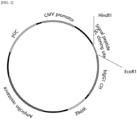
- the vector includes a human CMV promoter for expression in animal cells, a Kozak sequence for expression enhancement, a signal sequence for extracellular transport of expressed proteins, a variable region cloning site, an IgG1 light chain or heavy chain constant region coding sequence, a Woodchuck hepatitis virus posttranscriptional regulatory element (WPRE), an ampicillin resistance gene, and pUC for amplifying the plasmid in E. coli.
- a human CMV promoter for expression in animal cells includes a Kozak sequence for expression enhancement, a signal sequence for extracellular transport of expressed proteins, a variable region cloning site, an IgG1 light chain or heavy chain constant region coding sequence, a Woodchuck hepatitis virus posttranscriptional regulatory element (WPRE), an ampicillin resistance gene, and pUC for amplifying the plasmid in E. coli.
- WPRE Woodchuck hepatitis virus posttranscriptional regulatory element
- variable region cloning site had HindIII and EcoR1 restriction enzyme sites
- the expression vector was treated with the restriction enzymes, and then the polymerase chain reaction (PCR) product of the heavy chain or light chain variable region was inserted into the vector using an infusion enzyme (TAKARA).
- PCR polymerase chain reaction
- TAKARA infusion enzyme
- the light chain expression vector and the heavy chain expression vector were transduced into Expi 293 cells using a transduction kit (Thermo), and then the cells were cultured.
- the cell culture was harvested four to six days later, and the cells were removed to collect only the supernatant.
- the collected supernatant was filtered through a 0.45 ⁇ m filter, and the filtered culture solution was purified using a Mabselect (Cytiva) purification column in an ⁇ KTA purification device to obtain an antibody that specifically binds to human HLA-G.
- Anti-HLAG antibody (Sequence ID number of CDR) Anti-HLAG antibody CDR-H1 CDR-H2 CDR-H3 VH CDR-L1 CDR-L2 CDR-L3 VL Antibody 1 SEQ ID NO: 1 SEQ ID NO: 2 SEQ ID NO: 3 SEQ ID NO: 4 SEQ ID NO: 5 SEQ ID NO: 6 SEQ ID NO: 7 SEQ ID NO: 8 Antibody 2 SEQ ID NO: 9 SEQ ID NO: 10 SEQ ID NO: 11 SEQ ID NO: 12 SEQ ID NO: 13 SEQ ID NO: 14 SEQ ID NO: 15 SEQ ID NO: 16 Antibody 3 SEQ ID NO: 17 SEQ ID NO: 18 SEQ ID NO: 19 SEQ ID NO: 20 SEQ ID NO: 21 SEQ ID NO: 22 SEQ ID NO: 23 SEQ ID NO: 24 Antibody 4 SEQ ID NO: 25 SEQ ID NO: 26 SEQ ID NO: 10 SEQ ID NO: 10 SEQ ID NO: 21 SEQ ID NO: 22 SEQ ID NO: 23 S
- the anti-HLA-G specific antibodies had high affinity for the antigen, as they exhibited nanomolar KD values for HLA-G multimers.
- the anti-HLA-G specific antibodies which were obtained from HLA-G multimers, exhibited higher affinity for the multimers than for the monomers.
- Receptor binding inhibition 1 Inhibition of ILT2 binding to HLA-G by anti-HLA-G antibodies
- ILT-2-Fc was diluted to a concentration of 1.5 ⁇ g/mL in 1x Dulbecco's phosphate buffered saline (DPBS).
- DPBS Dulbecco's phosphate buffered saline
- the diluted ILT-2 protein was dispensed into each well of a 96-well immune plate in an amount of 150 ng/100 ⁇ L.
- the immune plate was stored overnight at 4 °C to immobilize the ILT-2 protein to the surface of the well.
- the ILT-2 protein solution was completely removed, and each well was washed with 200 ⁇ L of 1x phosphate buffered saline with Tween (PBS-T). After dispensing 200 ⁇ L of blocking solution into each well, the reactants were allowed to react at 37 °C for one hour to block nonspecific protein binding.
- PBS-T 1x phosphate buffered saline with Tween
- the antigen produced in Example 1 was diluted with a blocking solution to 1,200 nM, which was twice the concentration to be treated.
- the anti-HLA-G single antibody was diluted with a blocking solution to 2,000 nM, which was twice the concentration to be treated, and then serially diluted three-fold to 0.914 nM.
- Example 1 The prepared antigen of Example 1 and the anti-HLA-G single antibody diluted to different concentrations were mixed at a 1:1 ratio, and 120 ⁇ l of the resulting mixture was dispensed into each well and pre-incubated at 37 °C for 30 minutes. After completely removing the blocking solution from each well, the wells were washed with PBS-T.
- the 1:1 mixture of the antigen of Example 1 and anti-HLA-G single antibody was added to each well in an amount of 100 ⁇ l and allowed to react at 37 °C for one hour.
- Anti-His-horseradish peroxidase (HRP) which is a detection antibody against the antigen of Example 1
- HRP Anti-His-horseradish peroxidase
- Each well was washed three times with 200 ⁇ l of 1x PBS-T, and the absorbance was measured at 450 nm using a multimode microplate reader.
- Table 4 shows the ELISA analysis results of confirming the concentration of antibodies that inhibited the HLA-G:ILT2 interaction by 50% or more when the unblocked HLA-G:ILT2 interaction was treated with different concentrations of antibodies.
- the antibody obtained in Example 2 was found to inhibit HLA-G:ILT2 binding by 50% or more at the 150 nM level.
- HLA-G expressing cells were seeded in a 96-well microplate at a density of 3.0. E+05 cells/well on day 0 (D0) of the experiment and cultured. The cell supernatant was removed on day 1 of the experiment.
- the anti-HLA-G single antibody was diluted with a blocking solution to 200 nM, which is twice the concentration to be treated, and serially diluted 6-fold to 0.714 pM. This diluted solution was dispensed into the well from which the supernatant had been removed and allowed to react for 30 minutes.
- the ILT2-mFc protein was diluted to 100 ⁇ g/mL, and the diluted solution was dispensed into the antibody-cell reaction solution and allowed to react for one hour.
- FITC anti-mouse IgG-fluorescein-5-isothiocyanate
- the negative control group which was the IgG1-treated group, did not inhibit the binding of HLA-G and ILT2 even at high concentrations, but the antibody obtained in Example 2 inhibited the binding of HLA-G and ILT2 in a concentration-dependent manner.
- the antibody concentration (EC50) at which the HLA-G expressing cell:ILT2 binding was 50% or less was confirmed, and it was found that the obtained antibody effectively inhibited the binding of HLA-G and ILT2 on the cell surface at nanomolar levels (Table 4).
- Receptor binding inhibition 2 Inhibition of CD8a binding to HLA-G by anti-HLA-G antibodies
- the dimeric antigen produced in Example 1 was diluted to a concentration of 5 ⁇ g/mL in a PBS solution.
- the diluted antigen was dispensed into a 96-well microplate in an amount of 100 ⁇ l for each well to coat the wells with the antigen for 24 hours.
- a blocking solution was dispensed into each well of a streptavidin 96-well plate in an amount of 100 ⁇ l for each well for blocking.
- the blocking solution was prepared by dissolving skim milk at a concentration of 4% in PBS containing 1% Tween-20.
- Each well of the streptavidin 96-well plate was washed three times with 100 ⁇ L of PBS containing 0.1% Tween-20.
- an anti-HLA-G antibody was diluted with the blocking solution to a final concentration of 0.391 nM.
- the diluted anti-HLA-G antibody was dispensed into 96 wells and allowed to react for one hour.
- CD8a-His at a concentration of 100 nM diluted with the blocking solution was dispensed into each well and allowed to react for one hour. After the reaction was completed, each well was washed with PBS-T.
- Anti-CD8a-HRP which is a CD8a detection antibody, was diluted with the blocking solution and dispensed into each well.
- each well was washed with PBS-T, and a tetramethylbenzidine (TMB) solution was added to each well to develop color.
- TMB tetramethylbenzidine
- the reaction was terminated by adding 1 N sulfuric acid, and the absorbance was measured at 450 nM using a microplate reader.
- the antibody of the present invention blocks the binding of HLA-G and CD8a at a level similar to or higher than that of conventional HLA-G (Table 4). These results suggest that anti-HLA-G antibodies may activate immune cells by inhibiting the binding of HLA-G and CD8a.
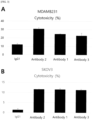
- SK-OV-3 cells or MDA-MB-231 cells overexpressing HLA-G were cultured in an incubator at 37 °C for 24 hours. After the culture, the HLA-G overexpressing cells (target cells) were pretreated with the anti-HLA-G antibody at the concentration of 100 nM at 37 °C for one hour.
- the PBMC (effector cells) and antibody-treated target cells were mixed at a ratio of 5:1 and co-cultured with SK-OV-3 cells or MDA-MB-231 cells for 48 hours.
- LDH lactate dehydrogenase
- the anti-HLA-G antibody 2, antibody 1, and antibody 3 enhanced the cancer cell killing ability of PBMCs compared to the negative control group (IgG1 pretreatment) that does not specifically bind to HLA-G ( FIG. 3 ).
- mice 4T-1 cells overexpressing human HLA-G were transplanted into the right abdominal cavity of BALB/c mice. Tumor growth was observed 7 to 14 days after the transplantation, and the mice were raised until the tumor size grew to a certain level (100 mm 3 ) or more. When the tumor size reached the desired size, the tumor-transplanted mice were randomly grouped according to the test groups in Table 5.
- Test group Administered substance Dose (mpk) Group 1 IgG1 10 Group 2 Anti-HLA-G antibody 4 1 Group 3 Anti-HLA-G antibody 4 10 Group 4 Anti-HLA-G antibody 1 1 Group 5 Anti-HLA-G antibody 1 10 Group 6 Anti-HLA-G antibody 2 1 Group 7 Anti-HLA-G antibody 2 10 Group 8 Anti-HLA-G antibody 3 1 Group 9 Anti-HLA-G antibody 3 10
- TGI Tumor Growth Inhibition
- the negative control group which was the IgG1 administration group, did not suppress tumor growth, whereas all anti-HLA-G antibody-treated groups suppressed tumor growth.
- Antibody 4 exhibited a tumor growth inhibition effect of 24.9% when administered at a dose of 10 mpk, and Antibodies 1, 2, and 3 exhibited tumor growth inhibition effects of more than 20% even when administered at a dose of 1 mpk (Table 6).
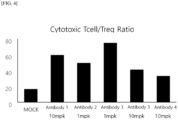
- tumor tissues were isolated from the mice treated with an anti-HLA-G antibody, and immune cells that had infiltrated the tumors were analyzed.
- the action of immunotherapy changes the pool of immune cells in tumor tissues, and cancer cells are killed due to the activation of immune cells.
- Cytotoxic T cells are representative immune cells with cancer cell killing functions
- regulatory T (Treg) cells are a representative immunosuppression factor.
- the quenching buffer contains 100 mM potassium phosphate, 1 M urea, and 500 mM tris(2-carboxyethyl)phosphine hydrochloride (TCEP) (pH 2.5).
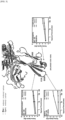
- the epitope mapping was performed using hydrogen deuterium exchange mass spectrometry (HDX-MS) technology, and ⁇ 2M-HLA-G was used as an antigen and anti-HLA-G Antibody 1 or 2 was used as an antibody.
- HDX-MS hydrogen deuterium exchange mass spectrometry
- Samples in the state of an antigen alone and in the state of an antigen-antibody complex were each labeled with a D 2 O buffer (triplicate samples were used). Thereafter, mass spectrometry was performed at five time points: 0 min, 0.33 min (20 sec), 10 min, 60 min, and 240 min, and the molecular weight values obtained through the spectra were compared to identify the portion where deuterium uptake of the complex decreased compared to the antigen alone.
Landscapes
- Health & Medical Sciences (AREA)
- Chemical & Material Sciences (AREA)
- Immunology (AREA)
- Organic Chemistry (AREA)
- Life Sciences & Earth Sciences (AREA)
- Medicinal Chemistry (AREA)
- General Health & Medical Sciences (AREA)
- Proteomics, Peptides & Aminoacids (AREA)
- Molecular Biology (AREA)
- Genetics & Genomics (AREA)
- Biophysics (AREA)
- Biochemistry (AREA)
- Pharmacology & Pharmacy (AREA)
- Veterinary Medicine (AREA)
- Public Health (AREA)
- Animal Behavior & Ethology (AREA)
- Nuclear Medicine, Radiotherapy & Molecular Imaging (AREA)
- General Chemical & Material Sciences (AREA)
- Chemical Kinetics & Catalysis (AREA)
- Cell Biology (AREA)
- Toxicology (AREA)
- Zoology (AREA)
- Gastroenterology & Hepatology (AREA)
- Peptides Or Proteins (AREA)
- Medicines Containing Antibodies Or Antigens For Use As Internal Diagnostic Agents (AREA)
- Micro-Organisms Or Cultivation Processes Thereof (AREA)
- Medicines That Contain Protein Lipid Enzymes And Other Medicines (AREA)
- Medicines Containing Material From Animals Or Micro-Organisms (AREA)
Applications Claiming Priority (2)
| Application Number | Priority Date | Filing Date | Title |
|---|---|---|---|
| KR20220037683 | 2022-03-25 | ||
| PCT/KR2023/003977 WO2023182866A1 (ko) | 2022-03-25 | 2023-03-24 | Hla-g 특이적 항체 및 이의 용도 |
Publications (2)
| Publication Number | Publication Date |
|---|---|
| EP4501964A1 true EP4501964A1 (de) | 2025-02-05 |
| EP4501964A4 EP4501964A4 (de) | 2026-04-22 |
Family
ID=88101861
Family Applications (1)
| Application Number | Title | Priority Date | Filing Date |
|---|---|---|---|
| EP23775361.1A Pending EP4501964A4 (de) | 2022-03-25 | 2023-03-24 | Hla-g-spezifischer antikörper und verwendung davon |
Country Status (8)
| Country | Link |
|---|---|
| US (1) | US20250297013A1 (de) |
| EP (1) | EP4501964A4 (de) |
| JP (1) | JP2025514619A (de) |
| KR (1) | KR20230140409A (de) |
| CN (1) | CN119072495A (de) |
| AU (1) | AU2023238458A1 (de) |
| MX (1) | MX2024011723A (de) |
| WO (1) | WO2023182866A1 (de) |
Families Citing this family (1)
| Publication number | Priority date | Publication date | Assignee | Title |
|---|---|---|---|---|
| WO2025080055A1 (ko) * | 2023-10-12 | 2025-04-17 | 주식회사 아이엠바이오로직스 | Hla-g에 특이적으로 결합하는 항체 및 이의 용도 |
Family Cites Families (8)
| Publication number | Priority date | Publication date | Assignee | Title |
|---|---|---|---|---|
| EP0305481B1 (de) | 1987-03-20 | 1993-09-29 | Creative Biomolecules, Inc. | Leader-anteile zur produktion von rekombinanten proteinen |
| EP0305500B1 (de) | 1987-03-20 | 1994-11-09 | Creative Biomolecules, Inc. | Verfahren zur reinigung von rekombinanten polypeptiden |
| ATE243754T1 (de) | 1987-05-21 | 2003-07-15 | Micromet Ag | Multifunktionelle proteine mit vorbestimmter zielsetzung |
| NZ748929A (en) * | 2016-06-03 | 2025-11-28 | Invectys | Anti hla-g specific antibodies |
| EP3434688A1 (de) * | 2017-07-24 | 2019-01-30 | Commissariat à l'Energie Atomique et aux Energies Alternatives | Hla-g-transkripte und isoformen und deren verwendungen |
| AR114789A1 (es) * | 2018-04-18 | 2020-10-14 | Hoffmann La Roche | Anticuerpos anti-hla-g y uso de los mismos |
| CR20210197A (es) * | 2018-09-27 | 2021-06-03 | Tizona Therapeutics | Anticuerpos anti-hla-g, composiciones que comprenden anticuerpos anti-hla-g y métodos de uso de anticuerpos anti-hla-g |
| JP2023536818A (ja) * | 2020-07-29 | 2023-08-30 | ヤンセン バイオテツク,インコーポレーテツド | Hla-g抗原結合ドメインを含むタンパク質及びそれらの使用 |
-
2023
- 2023-03-24 WO PCT/KR2023/003977 patent/WO2023182866A1/ko not_active Ceased
- 2023-03-24 US US18/850,512 patent/US20250297013A1/en active Pending
- 2023-03-24 AU AU2023238458A patent/AU2023238458A1/en active Pending
- 2023-03-24 KR KR1020230038909A patent/KR20230140409A/ko active Pending
- 2023-03-24 JP JP2024557252A patent/JP2025514619A/ja active Pending
- 2023-03-24 EP EP23775361.1A patent/EP4501964A4/de active Pending
- 2023-03-24 MX MX2024011723A patent/MX2024011723A/es unknown
- 2023-03-24 CN CN202380030248.XA patent/CN119072495A/zh active Pending
Also Published As
| Publication number | Publication date |
|---|---|
| US20250297013A1 (en) | 2025-09-25 |
| WO2023182866A1 (ko) | 2023-09-28 |
| CN119072495A (zh) | 2024-12-03 |
| JP2025514619A (ja) | 2025-05-09 |
| EP4501964A4 (de) | 2026-04-22 |
| MX2024011723A (es) | 2024-12-06 |
| KR20230140409A (ko) | 2023-10-06 |
| AU2023238458A1 (en) | 2024-10-17 |
Similar Documents
| Publication | Publication Date | Title |
|---|---|---|
| JP7386796B2 (ja) | 抗-her2抗体又はその抗原結合フラグメント、及びこれを含むキメラ抗原受容体 | |
| JP7575102B2 (ja) | Muc18に特異的な抗体 | |
| TWI870378B (zh) | Cd44特異性抗體 | |
| CN114502592A (zh) | 靶向cldn18.2的抗体及其制备方法和应用 | |
| AU2019304174B2 (en) | Antibodies specific to folate receptor alpha | |
| US12509520B2 (en) | Anti-CD3 and anti-CD123 bispecific antibody and use thereof | |
| US12364770B2 (en) | Antibodies specific to MUC18 | |
| CN114761433B (zh) | 一种抗Claudin18.2单克隆抗体、其制备方法及用途 | |
| CN111253488A (zh) | Cd47抗体及其制备方法和应用 | |
| RU2750723C1 (ru) | Антитела против vista и их применение | |
| WO2023016348A1 (en) | Cldn18.2-targeting antibody, bispecific antibody and use thereof | |
| EP4506365A1 (de) | Bispezifischer anti-tigit-/anti-pvrig-antikörper sowie pharmazeutische zusammensetzung und verwendung davon | |
| EP4506360A1 (de) | Anti-pvrig-antikörper, pharmazeutische zusammensetzung davon und verwendung davon | |
| KR20240122885A (ko) | 항b7-h7 항체 또는 이의 항원 결합 단편 및 제조 방법과 응용 | |
| CA3226059A1 (en) | Anti-nectin4 antibodies and multi-specific protein complexes comprising such | |
| EP4501964A1 (de) | Hla-g-spezifischer antikörper und verwendung davon | |
| EP4582452A1 (de) | Neuartiger chimärer anti-pd-l1-antigenrezeptor und immunzellen zur expression davon | |
| KR102728505B1 (ko) | 향상된 암세포 사멸효능을 갖는 비대칭 항체 | |
| EP3184543A2 (de) | Immunopotenziator mit anti-ang2-antikörper | |
| HK40066347A (en) | Cldn18.2-targeting antibody, preparation method thereof, and use thereof | |
| HK40060752A (en) | Antibodies specific to muc18 |
Legal Events
| Date | Code | Title | Description |
|---|---|---|---|
| STAA | Information on the status of an ep patent application or granted ep patent |
Free format text: STATUS: THE INTERNATIONAL PUBLICATION HAS BEEN MADE |
|
| PUAI | Public reference made under article 153(3) epc to a published international application that has entered the european phase |
Free format text: ORIGINAL CODE: 0009012 |
|
| STAA | Information on the status of an ep patent application or granted ep patent |
Free format text: STATUS: REQUEST FOR EXAMINATION WAS MADE |
|
| 17P | Request for examination filed |
Effective date: 20241025 |
|
| AK | Designated contracting states |
Kind code of ref document: A1 Designated state(s): AL AT BE BG CH CY CZ DE DK EE ES FI FR GB GR HR HU IE IS IT LI LT LU LV MC ME MK MT NL NO PL PT RO RS SE SI SK SM TR |
|
| DAV | Request for validation of the european patent (deleted) | ||
| DAX | Request for extension of the european patent (deleted) | ||
| A4 | Supplementary search report drawn up and despatched |
Effective date: 20260320 |
|
| RIC1 | Information provided on ipc code assigned before grant |
Ipc: C07K 16/28 20060101AFI20260317BHEP Ipc: A61P 35/00 20060101ALI20260317BHEP Ipc: A61K 39/00 20060101ALI20260317BHEP Ipc: C07K 14/74 20060101ALI20260317BHEP |