EP4494651A2 - Modifizierte viren - Google Patents
Modifizierte viren Download PDFInfo
- Publication number
- EP4494651A2 EP4494651A2 EP24196656.3A EP24196656A EP4494651A2 EP 4494651 A2 EP4494651 A2 EP 4494651A2 EP 24196656 A EP24196656 A EP 24196656A EP 4494651 A2 EP4494651 A2 EP 4494651A2
- Authority
- EP
- European Patent Office
- Prior art keywords
- virus
- polypeptide
- nucleic acid
- mev
- measles
- Prior art date
- Legal status (The legal status is an assumption and is not a legal conclusion. Google has not performed a legal analysis and makes no representation as to the accuracy of the status listed.)
- Pending
Links
Images









Classifications
-
- A—HUMAN NECESSITIES
- A61—MEDICAL OR VETERINARY SCIENCE; HYGIENE
- A61K—PREPARATIONS FOR MEDICAL, DENTAL OR TOILETRY PURPOSES
- A61K39/00—Medicinal preparations containing antigens or antibodies
- A61K39/12—Viral antigens
-
- A—HUMAN NECESSITIES
- A61—MEDICAL OR VETERINARY SCIENCE; HYGIENE
- A61K—PREPARATIONS FOR MEDICAL, DENTAL OR TOILETRY PURPOSES
- A61K39/00—Medicinal preparations containing antigens or antibodies
- A61K39/12—Viral antigens
- A61K39/155—Paramyxoviridae, e.g. parainfluenza virus
- A61K39/165—Mumps or measles virus
-
- C—CHEMISTRY; METALLURGY
- C07—ORGANIC CHEMISTRY
- C07K—PEPTIDES
- C07K14/00—Peptides having more than 20 amino acids; Gastrins; Somatostatins; Melanotropins; Derivatives thereof
- C07K14/005—Peptides having more than 20 amino acids; Gastrins; Somatostatins; Melanotropins; Derivatives thereof from viruses
-
- C—CHEMISTRY; METALLURGY
- C12—BIOCHEMISTRY; BEER; SPIRITS; WINE; VINEGAR; MICROBIOLOGY; ENZYMOLOGY; MUTATION OR GENETIC ENGINEERING
- C12N—MICROORGANISMS OR ENZYMES; COMPOSITIONS THEREOF; PROPAGATING, PRESERVING, OR MAINTAINING MICROORGANISMS; MUTATION OR GENETIC ENGINEERING; CULTURE MEDIA
- C12N7/00—Viruses; Bacteriophages; Compositions thereof; Preparation or purification thereof
-
- A—HUMAN NECESSITIES
- A61—MEDICAL OR VETERINARY SCIENCE; HYGIENE
- A61K—PREPARATIONS FOR MEDICAL, DENTAL OR TOILETRY PURPOSES
- A61K39/00—Medicinal preparations containing antigens or antibodies
- A61K2039/51—Medicinal preparations containing antigens or antibodies comprising whole cells, viruses or DNA/RNA
- A61K2039/525—Virus
- A61K2039/5256—Virus expressing foreign proteins
-
- A—HUMAN NECESSITIES
- A61—MEDICAL OR VETERINARY SCIENCE; HYGIENE
- A61K—PREPARATIONS FOR MEDICAL, DENTAL OR TOILETRY PURPOSES
- A61K39/00—Medicinal preparations containing antigens or antibodies
- A61K2039/55—Medicinal preparations containing antigens or antibodies characterised by the host/recipient, e.g. newborn with maternal antibodies
-
- A—HUMAN NECESSITIES
- A61—MEDICAL OR VETERINARY SCIENCE; HYGIENE
- A61K—PREPARATIONS FOR MEDICAL, DENTAL OR TOILETRY PURPOSES
- A61K39/00—Medicinal preparations containing antigens or antibodies
- A61K2039/58—Medicinal preparations containing antigens or antibodies raising an immune response against a target which is not the antigen used for immunisation
- A61K2039/585—Medicinal preparations containing antigens or antibodies raising an immune response against a target which is not the antigen used for immunisation wherein the target is cancer
-
- C—CHEMISTRY; METALLURGY
- C12—BIOCHEMISTRY; BEER; SPIRITS; WINE; VINEGAR; MICROBIOLOGY; ENZYMOLOGY; MUTATION OR GENETIC ENGINEERING
- C12N—MICROORGANISMS OR ENZYMES; COMPOSITIONS THEREOF; PROPAGATING, PRESERVING, OR MAINTAINING MICROORGANISMS; MUTATION OR GENETIC ENGINEERING; CULTURE MEDIA
- C12N2710/00—MICROORGANISMS OR ENZYMES; COMPOSITIONS THEREOF; PROPAGATING, PRESERVING, OR MAINTAINING MICROORGANISMS; MUTATION OR GENETIC ENGINEERING; CULTURE MEDIA dsDNA viruses
- C12N2710/00011—Details
- C12N2710/10011—Adenoviridae
- C12N2710/10021—Viruses as such, e.g. new isolates, mutants or their genomic sequences
-
- C—CHEMISTRY; METALLURGY
- C12—BIOCHEMISTRY; BEER; SPIRITS; WINE; VINEGAR; MICROBIOLOGY; ENZYMOLOGY; MUTATION OR GENETIC ENGINEERING
- C12N—MICROORGANISMS OR ENZYMES; COMPOSITIONS THEREOF; PROPAGATING, PRESERVING, OR MAINTAINING MICROORGANISMS; MUTATION OR GENETIC ENGINEERING; CULTURE MEDIA
- C12N2760/00—MICROORGANISMS OR ENZYMES; COMPOSITIONS THEREOF; PROPAGATING, PRESERVING, OR MAINTAINING MICROORGANISMS; MUTATION OR GENETIC ENGINEERING; CULTURE MEDIA ssRNA viruses negative-sense
- C12N2760/00011—Details
- C12N2760/18011—Paramyxoviridae
- C12N2760/18411—Morbillivirus, e.g. Measles virus, canine distemper
- C12N2760/18421—Viruses as such, e.g. new isolates, mutants or their genomic sequences
-
- C—CHEMISTRY; METALLURGY
- C12—BIOCHEMISTRY; BEER; SPIRITS; WINE; VINEGAR; MICROBIOLOGY; ENZYMOLOGY; MUTATION OR GENETIC ENGINEERING
- C12N—MICROORGANISMS OR ENZYMES; COMPOSITIONS THEREOF; PROPAGATING, PRESERVING, OR MAINTAINING MICROORGANISMS; MUTATION OR GENETIC ENGINEERING; CULTURE MEDIA
- C12N2760/00—MICROORGANISMS OR ENZYMES; COMPOSITIONS THEREOF; PROPAGATING, PRESERVING, OR MAINTAINING MICROORGANISMS; MUTATION OR GENETIC ENGINEERING; CULTURE MEDIA ssRNA viruses negative-sense
- C12N2760/00011—Details
- C12N2760/18011—Paramyxoviridae
- C12N2760/18411—Morbillivirus, e.g. Measles virus, canine distemper
- C12N2760/18422—New viral proteins or individual genes, new structural or functional aspects of known viral proteins or genes
-
- C—CHEMISTRY; METALLURGY
- C12—BIOCHEMISTRY; BEER; SPIRITS; WINE; VINEGAR; MICROBIOLOGY; ENZYMOLOGY; MUTATION OR GENETIC ENGINEERING
- C12N—MICROORGANISMS OR ENZYMES; COMPOSITIONS THEREOF; PROPAGATING, PRESERVING, OR MAINTAINING MICROORGANISMS; MUTATION OR GENETIC ENGINEERING; CULTURE MEDIA
- C12N2760/00—MICROORGANISMS OR ENZYMES; COMPOSITIONS THEREOF; PROPAGATING, PRESERVING, OR MAINTAINING MICROORGANISMS; MUTATION OR GENETIC ENGINEERING; CULTURE MEDIA ssRNA viruses negative-sense
- C12N2760/00011—Details
- C12N2760/18011—Paramyxoviridae
- C12N2760/18411—Morbillivirus, e.g. Measles virus, canine distemper
- C12N2760/18434—Use of virus or viral component as vaccine, e.g. live-attenuated or inactivated virus, VLP, viral protein
Definitions
- viruses e.g., measles viruses or adenoviruses
- antibody neutralization e.g., antibody neutralization by serum from measles virus vaccines
- Measles virus causes many deaths each year, mostly amongst children under the age of five. Unvaccinated children are at highest risk of measles and measles related deaths. In particular, infants whose maternal anti-measles antibody titers have waned to non-protective levels, but are still too young to receive the current measles vaccine recommended for infants at 9-12 months, can be at an elevated risk of measles and measles related deaths.
- Edmonston lineage MVs have proven to be potentially potent anticancer drugs when administered to measles seronegative cancer patients.
- upwards of 90% of cancer patients in most countries have protective titers of anti-measles antibodies in their blood (e.g., due to natural measles infection or measles vaccination).
- Measles-immune human serum negates the therapeutic efficacy of systemically administered oncolytic MVs in tumor-bearing mice by neutralizing the virus before it reaches its target (the tumor cells).
- the majority of cancer patients are unable to benefit from systemically administered oncolytic MV therapy.
- viruses e.g., MVs
- MVs viruses having a reduced susceptibility to antibody neutralization
- antibody neutralization e.g., antibody neutralization by monoclonal anti-MV antibodies and/or serum from MV vaccines
- this document provides recombinant morbilliviruses (e.g., recombinant MVs) having a reduced ability of being recognized by anti-MV antibodies that were generated against a wild-type MV or a pre-existing MV vaccine as compared to a wild-type MV H and F polypeptides or the H and F polypeptides of a pre-existing MV vaccine.
- a recombinant MV with a substituted H gene e.g., encoding a multiply mutated measles H protein from which several immunodominant epitopes have been eliminated
- a substituted F gene e.g., a canine distemper virus F gene encoding a canine distemper virus F protein
- a recombinant MV described herein can be used to address the major limitations of currently available measles vaccines, MV-based platform vaccines, and oncolytic MVs, namely their susceptibility to neutralization by measles-immune human serum.
- this document features a virus having a nucleic acid encoding a measles virus H polypeptide comprising at least 6 amino acid substitutions and a nucleic acid encoding a morbillivirus F polypeptide other than a measles virus F polypeptide.
- the virus can be a measles virus.
- the virus can be a viral vector (e.g., vector derived from an adenovirus, an adeno-associated virus, a retrovirus, a lentivirus, a herpes virus, a vaccinia virus, or a rhabdovirus).
- the measles virus H polypeptide can include SEQ ID NO:9 having 6 or more (e.g., 6, 7, 8, 9, 10, 11, 12, 13, 14, 15, 16, 17, 18, or 19) of the following amino acid substitutions: S189P, E235G, N238D, L249P, G302R, Y310C, Q311R, R377Q, M378K, D416N, N481Y, K488E, G491E, H495R, D505T, R533G, S546G, R547G, and F552V.
- the measles virus H polypeptide can include SEQ ID NO:9 having a E471K substitution.
- the measles virus H polypeptide can include SEQ ID NO:9 having the following amino acid substitutions: S189P, E235G, N238D, L249P, G302R, Y310C, Q311R, R377Q, M378K, D416N, E471K, N481Y, K488E, G491E, H495R, D505T, R533G, S546G, R547G, and F552V.
- the measles virus H polypeptide can include SEQ ID NO: 1 having 6 or more (e.g., 6, 7, 8, 9, 10, 11, 12, 13, 14, 15, 16, 17, 18, 19, 20, 21, 22, 23, 24, 25, 26, 27, 28, 29, 30, 31, 32, 33, 34, 35, or 36) of the following amino acid substitutions: H17S, D149N, S189P, G211S, E235G, N238D, S240N, L249P, V280I, N282K, G302R, E303G, Q311R, Q334H, A359T, K364N, R377Q, M378K, P397L, T420A, V421A, L423P, F476L, N481Y, G491D, H495R, D505T, R533G, V562T, D574A, K576R, I594L, G603E, T609N, G613E, and T614A.
- 6 or more e.g
- the said measles virus H polypeptide can include SEQ ID NO:3.
- the measles virus H polypeptide can include SEQ ID NO: 1 having a E471K substitution.
- the measles virus H polypeptide can include SEQ ID NO:1 having 6 or more (e.g., 6, 7, 8, 9, 10, 11, 12, 13, 14, 15, 16, 17, 18, 19, 20, 21, 22, 23, 24, 25, 26, 27, 28, 29, 30, 31, 32, 33, 34, 35, or 36) of the following amino acid substitutions: H17S, D149N, S189P, G211S, E235G, N238D, S240N, L249P, V280I, N282K, G302R, E303G, Q311R, Q334H, A359T, K364N, R377Q, M378K, P397L, T420A, V421A, L423P, E471K, F476L, N481Y, G491D, H495R,
- the measles virus F polypeptide can be a canine distemper virus F polypeptide.
- the virus can exhibit CD46-dependent cell entry.
- the virus can exhibit reduced (or no) Nectin-4-dependent cell entry relative to a wild type virus.
- the virus can lack the measles virus F polypeptide, can lack nucleic acid encoding the measles virus F polypeptide, or can lack both the measles virus F polypeptide and the nucleic acid encoding the measles virus F polypeptide.
- the virus can lack the wild-type measles virus H polypeptide, can lack nucleic acid encoding the wild-type measles virus H polypeptide, or can lack both the wild-type measles virus H polypeptide and the nucleic acid encoding the wild-type measles virus H polypeptide.
- this document features a method for reducing the number of viable tumor cells in a mammal.
- the method includes, or consists essentially of, administering to the mammal a virus having a nucleic acid encoding a measles virus H polypeptide comprising at least 17 amino acid substitutions and a nucleic acid encoding a morbillivirus F polypeptide other than a measles virus F polypeptide.
- the virus can be a measles virus.
- the virus can be viral vector (e.g., vector derived from an adenovirus, an adeno-associated virus, a retrovirus, a lentivirus, a herpes virus, a vaccinia virus, or a rhabdovirus).
- viral vector e.g., vector derived from an adenovirus, an adeno-associated virus, a retrovirus, a lentivirus, a herpes virus, a vaccinia virus, or a rhabdovirus.
- the measles virus H polypeptide can include SEQ ID NO:9 having 6 or more (e.g., 6, 7, 8, 9, 10, 11, 12, 13, 14, 15, 16, 17, 18, or 19) of the following amino acid substitutions: S189P, E235G, N238D, L249P, G302R, Y310C, Q311R, R377Q, M378K, D416N, N481Y, K488E, G491E, H495R, D505T, R533G, S546G, R547G, and F552V.
- the measles virus H polypeptide can include SEQ ID NO:9 having a E471K substitution.
- the measles virus H polypeptide can include SEQ ID NO:9 having the following amino acid substitutions: S189P, E235G, N238D, L249P, G302R, Y310C, Q311R, R377Q, M378K, D416N, E471K, N481Y, K488E, G491E, H495R, D505T, R533G, S546G, R547G, and F552V.
- the measles virus H polypeptide can include SEQ ID NO:1 having 6 or more (e.g., 6, 7, 8, 9, 10, 11, 12, 13, 14, 15, 16, 17, 18, 19, 20, 21, 22, 23, 24, 25, 26, 27, 28, 29, 30, 31, 32, 33, 34, 35, or 36) of the following amino acid substitutions: H17S, D149N, S189P, G211S, E235G, N238D, S240N, L249P, V280I, N282K, G302R, E303G, Q311R, Q334H, A359T, K364N, R377Q, M378K, P397L, T420A, V421A, L423P, F476L, N481Y, G491D, H495R, D505T, R533G, V562T, D574A, K576R, I594L, G603E, T609N, G613E, and T614A.
- 6 or more e.g
- the said measles virus H polypeptide can include SEQ ID NO:3.
- the measles virus H polypeptide can include SEQ ID NO: 1 having a E471K substitution.
- the measles virus H polypeptide can include SEQ ID NO:1 having 6 or more (e.g., 6, 7, 8, 9, 10, 11, 12, 13, 14, 15, 16, 17, 18, 19, 20, 21, 22, 23, 24, 25, 26, 27, 28, 29, 30, 31, 32, 33, 34, 35, or 36) of the following amino acid substitutions: H17S, D149N, S189P, G211S, E235G, N238D, S240N, L249P, V280I, N282K, G302R, E303G, Q311R, Q334H, A359T, K364N, R377Q, M378K, P397L, T420A, V421A, L423P, E471K, F476L, N481Y, G491D, H495R,
- the measles virus F polypeptide can be a canine distemper virus F polypeptide.
- the virus can exhibit CD46-dependent cell entry.
- the virus can exhibit reduced (or no) Nectin-4-dependent cell entry relative to a wild type virus.
- the mammal can be a human.
- this document features a method for stimulating an immune response against measles virus in a mammal.
- the method includes, or consists essentially of, administering to the mammal a virus having a nucleic acid encoding a measles virus H polypeptide comprising at least 17 amino acid substitutions and a nucleic acid encoding a morbillivirus F polypeptide other than a measles virus F polypeptide.
- the virus can be a measles virus.
- the virus can be viral vector (e.g., vector derived from an adenovirus, an adeno-associated virus, a retrovirus, a lentivirus, a herpes virus, a vaccinia virus, or a rhabdovirus).
- viral vector e.g., vector derived from an adenovirus, an adeno-associated virus, a retrovirus, a lentivirus, a herpes virus, a vaccinia virus, or a rhabdovirus.
- the measles virus H polypeptide can include SEQ ID NO:9 having 6 or more (e.g., 6, 7, 8, 9, 10, 11, 12, 13, 14, 15, 16, 17, 18, or 19) of the following amino acid substitutions: S189P, E235G, N238D, L249P, G302R, Y310C, Q311R, R377Q, M378K, D416N, N481Y, K488E, G491E, H495R, D505T, R533G, S546G, R547G, and F552V.
- the measles virus H polypeptide can include SEQ ID NO:9 having a E471K substitution.
- the measles virus H polypeptide can include SEQ ID NO:9 having the following amino acid substitutions: S189P, E235G, N238D, L249P, G302R, Y310C, Q311R, R377Q, M378K, D416N, E471K, N481Y, K488E, G491E, H495R, D505T, R533G, S546G, R547G, and F552V.
- the measles virus H polypeptide can include SEQ ID NO:1 having 6 or more (e.g., 6, 7, 8, 9, 10, 11, 12, 13, 14, 15, 16, 17, 18, 19, 20, 21, 22, 23, 24, 25, 26, 27, 28, 29, 30, 31, 32, 33, 34, 35, or 36) of the following amino acid substitutions: H17S, D149N, S189P, G211S, E235G, N238D, S240N, L249P, V280I, N282K, G302R, E303G, Q311R, Q334H, A359T, K364N, R377Q, M378K, P397L, T420A, V421A, L423P, F476L, N481Y, G491D, H495R, D505T, R533G, V562T, D574A, K576R, I594L, G603E, T609N, G613E, and T614A.
- 6 or more e.g
- the said measles virus H polypeptide can include SEQ ID NO:3.
- the measles virus H polypeptide can include SEQ ID NO: 1 having a E471K substitution.
- the measles virus H polypeptide can include SEQ ID NO: 1 having 6 or more (e.g., 6, 7, 8, 9, 10, 11, 12, 13, 14, 15, 16, 17, 18, 19, 20, 21, 22, 23, 24, 25, 26, 27, 28, 29, 30, 31, 32, 33, 34, 35, or 36) of the following amino acid substitutions: H17S, D149N, S189P, G211S, E235G, N238D, S240N, L249P, V280I, N282K, G302R, E303G, Q311R, Q334H, A359T, K364N, R377Q, M378K, P397L, T420A, V421A, L423P, E471K, F476L, N481Y, G491D, H495R,
- the measles virus F polypeptide can be a canine distemper virus F polypeptide.
- the virus can exhibit CD46-dependent cell entry.
- the virus can exhibit reduced (or no) Nectin-4-dependent cell entry relative to a wild type virus.
- the mammal can be an infant (e.g., a human infant).
- the human infant can have transplacentally acquired anti-measles antibodies.
- this document features a nucleic acid construct comprising (or consisting essentially of, or consisting of) a nucleic acid encoding a measles virus H polypeptide comprising at least six amino acid substitutions as compared to a wild-type measles virus H polypeptide, and a nucleic acid encoding a morbillivirus F polypeptide other than a measles virus F polypeptide.
- the measles virus H polypeptide can comprise SEQ ID NO:9 having six or more of the following amino acid substitutions: S189P, E235G, N238D, L249P, G302R, Y310C, Q311R, R377Q, M378K, D416N, N481Y, K488E, G491E, H495R, D505T, R533G, S546G, R547G, and F552V.
- the measles virus H polypeptide can comprise SEQ ID NO:9 having the following amino acid substitutions: S189P, E235G, N238D, L249P, G302R, Y310C, Q311R, R377Q, M378K, D416N, N481Y, K488E, G491E, H495R, D505T, R533G, S546G, R547G, and F552V.
- the measles virus H polypeptide can comprise at least one amino acid substitution within each of the antigenic sites set forth in Table 1.
- the wild-type measles virus H polypeptide can be a wild-type measles virus H polypeptide of the MVi/Madrid.SPA/50.10 strain.
- the wild-type measles virus H polypeptide can comprise the amino acid sequence set forth in SEQ ID NO:9.
- the measles virus H polypeptide can comprise SEQ ID NO:3.
- the morbillivirus F polypeptide can be a canine distemper virus F polypeptide.
- the nucleic acid construct can be a viral vector.
- the viral vector can be derived from a virus selected from the group consisting of an adenovirus, an adeno-associated virus, a retrovirus, a lentivirus, a herpes virus, a vaccinia virus, and a rhabdovirus.
- the measles virus H polypeptide can comprise at least one amino acid substitution within each of the antigenic sites set forth in Table 2.
- the measles virus H polypeptide can comprise a substitution at position E471 as compared to the wild-type measles virus H polypeptide.
- the substitution at position E471 can be a E471K substitution.
- the measles virus H polypeptide can comprise SEQ ID NO:9 having the following amino acid substitutions: S189P, E235G, N238D, L249P, G302R, Y310C, Q311R, R377Q, M378K, D416N, E471K, N481Y, K488E, G491E, H495R, D505T, R533G, S546G, R547G, and F552V.
- the nucleic acid construct can be a construct that does not encode the measles virus F polypeptide.
- the nucleic acid construct can be a construct that does not encode the wild-type measles virus H polypeptide.
- This document provides nucleic acids, polypeptides, and viruses containing the nucleic acids and/or polypeptides. This document also provides methods for using the viruses to treat cancer patients or to vaccinate infants to help protect them from MV infections. For example, this document provides MV hemagglutinin (H) polypeptides, nucleic acids encoding MV H polypeptides, CDV F polypeptides, nucleic acid sequences encoding CDV F polypeptides, and viruses containing such nucleic acids and/or polypeptides.
- H hemagglutinin
- this document provides a recombinant virus (e.g., a MV or an adenovirus (Ad)) containing a nucleic acid encoding a modified H polypeptide and a nucleic acid encoding a modified F polypeptide.
- a recombinant virus e.g., a MV or an adenovirus (Ad)
- Ad adenovirus
- a recombinant virus described herein can propagate in cells (e.g., human cells such as Vero cells and HeLa cells) as efficiently as a wild type virus.
- the viruses described herein can be used to treat cancer patients or to vaccinate infants in a manner such that the viruses exhibit a reduced susceptibility to antibody neutralization.
- a recombinant virus described herein can be used to treat cancer in patients who have pre-existing measles immunity. In some cases, a recombinant virus described herein can be used to vaccinate children having neutralizing anti-measles antibodies (e.g., transplacentally acquired neutralizing anti-measles antibodies).
- neutralizing anti-measles antibodies e.g., transplacentally acquired neutralizing anti-measles antibodies.
- H polypeptides F polypeptides, and nucleic acids that encode them that are heterologous to naturally occurring H and F polypeptides.
- nucleic acid encompasses both RNA and DNA, including cDNA, genomic DNA, and synthetic (e.g., chemically synthesized) DNA.
- a nucleic acid can be double-stranded or single-stranded.
- a single-stranded nucleic acid can be the sense strand or the antisense strand.
- a nucleic acid can be circular or linear.
- isolated nucleic acid refers to a nucleic acid that is separated from other nucleic acids that are present in a viral genome, including nucleic acids that normally flank one or both sides of the nucleic acid in a viral genome.
- isolated as used herein with respect to nucleic acids also includes any non-naturally-occurring nucleic acid sequence, since such non-naturally-occurring sequences are not found in nature and do not have immediately contiguous sequences in a naturally- occurring genome.
- an isolated nucleic acid can be, for example, a DNA molecule, provided one of the nucleic acid sequences normally found immediately flanking that DNA molecule in a naturally-occurring genome is removed or absent.
- an isolated nucleic acid includes, without limitation, a DNA molecule that exists as a separate molecule (e.g., a chemically synthesized nucleic acid, or a cDNA or genomic DNA fragment produced by PCR or restriction endonuclease treatment) independent of other sequences as well as DNA that is incorporated into a nucleic acid construct (e.g., a vector such as an expression vector, an autonomously replicating plasmid, or a virus (e.g., a paramyxovirus, retrovirus, lentivirus, Ad, herpes virus, adenovirus, parvovirus such as an Ad-associated virus, rhabdovirus such as vesicular stomatitis virus, or vaccinia virus), or into the genomic DNA of a prok
- an isolated nucleic acid is a virus
- the virus can be, for example, an oncolytic virus or a viral vector (e.g., a viral gene transfer vector).
- a viral vector can be a vector derived from an Ad, an Ad-associated virus, a retrovirus, a lentivirus, a herpes virus, a vaccinia virus, or a rhabdovirus.
- an isolated nucleic acid can include an engineered nucleic acid such as a DNA molecule that is part of a hybrid or fusion nucleic acid. A nucleic acid existing among hundreds to millions of other nucleic acids within, for example, cDNA libraries or genomic libraries, or gel slices containing a genomic DNA restriction digest, is not considered an isolated nucleic acid.
- polypeptide refers to a chain of amino acid residues, regardless of post-translational modification (e.g., phosphorylation or glycosylation).
- a nucleic acid encoding a modified H polypeptide provided herein can encode a MV H polypeptide that is heterologous to naturally occurring MV H polypeptides or to the H polypeptide having the amino acid sequence set forth in GenBank Accession No. AAF85673 (Version AAF85673.1, GI No. 9181880; SEQ ID NO: 1). Additional examples of naturally occurring MV H polypeptides (and the nucleic acid sequences encoding them) can be found in public databases. For example, GenBank Accession No. KP191044 (Version KP191044.1, GI No. 727347518; SEQ ID NO:2) provides an example of a nucleic acid sequence encoding a wild type H polypeptide.
- H polypeptide amino acid sequence refers to an amino acid sequence that is at least 85 percent (e.g., at least 85, 90, 95, 99, or 100 percent) identical to the sequence set forth in SEQ ID NO:1.
- a modified H polypeptide can have at least 6 (e.g., 6, 7, 8, 9, 10, 11, 12, 13, 14, 15, 16, 17, 18, 19, 20, 21, 22, 23, 24, 25, or more) amino acid residues associated with immunodominant epitopes of the MV H glycoprotein that have been modified (e.g., substituted). Amino acid substitutions in H polypeptides typically are located at positions involved in the binding of H polypeptides to its receptors.
- a modified H polypeptide can have one or more amino acid substitutions in, for example, each of the 6 antigenic sites set forth in Table 1.
- a modified H polypeptide can have one or more amino acid substitutions in, for example, 7 of the 8 antigenic sites set forth in Table 2 or each of the 8 antigenic sites set forth in Table 2.
- a modified H polypeptide can have 6 or more (e.g., 6, 7, 8, 9, 10, 11, 12, 13, 14, 15, 16, 17, 18, 19, 20, 21, 22, 23, 24, 25, or more) amino acid substitutions in, for example, positions corresponding to amino acids D149, A158, T174, T176, T177, F180, L181, S189, R195, N200, R211, R212, V220, E235, S240, G243, L246, L249, H252, V259, F276, V280, D283, S285, L296, G302, E303, S305, P308, Q311, S316, S318, M333, Q334, P338, L339, V345, I346, L351, V357, A359, K364, V367, R377, M378, F382, A392, C394, P397, V412, T420, V421, L423, K424, H448, V450, K460, E471, I473, F476, K477, N48
- a modified H polypeptide provided herein can have the amino acid sequence set forth in SEQ ID NO:1 with the exception that the MV H polypeptide has 6 or more (e.g., 6, 7, 8, 9, 10, 11, 12, 13, 14, 15, 16, 17, 18, 19, 20, 21, 22, 23, 24, 25, or more) of the following amino acid substitutions: H17S, D149N, S189P, G211S, E235G, N238D, S240N, L249P, L276G, V280I, G302R, E303G, Q311R, Q334H, A359T, K364N, R377Q, M378K, P397L, T420A, V421A, L423P, E471K, F476L, N481Y, G491D, H495R, D505T, R533G, I594L, V562T, D574A, K576R, G603E, T609N, G613E, and T614
- a modified H polypeptide can have 6 or more (e.g., 6, 7, 8, 9, 10, 11, 12, 13, 14, 15, 16, 17, 18, or 19) amino acid substitutions in, for example, positions corresponding to amino acids S189, E235, N238, L249, G302, Y310, Q311, R377, M378, D416, E471, N481, K488, G491, H495, D505, R533, S546, R547, and/or F552 of a full-length H polypeptide having the amino acid sequence set forth in SEQ ID NO:9.
- a modified H polypeptide provided herein can have the amino acid sequence set forth in SEQ ID NO:9 with the exception that the MV H polypeptide has 6 or more (e.g., 6, 7, 8, 9, 10, 11, 12, 13, 14, 15, 16, 17, 18, or 19) of the following amino acid substitutions: S189, E235, N238, L249, G302, Y310, Q311, R377, M378, D416, N481, K488, G491, H495, D505, R533, S546, R547, and F552.
- 6 or more e.g., 6, 7, 8, 9, 10, 11, 12, 13, 14, 15, 16, 17, 18, or 19
- a modified H polypeptide provided herein can have the amino acid sequence set forth in SEQ ID NO:9 with the exception that the MV H polypeptide has 6 or more (e.g., 6, 7, 8, 9, 10, 11, 12, 13, 14, 15, 16, 17, 18, 19, or 20) of the following amino acid substitutions: S189, E235, N238, L249, G302, Y310, Q311, R377, M378, D416, E471, N481, K488, G491, H495, D505, R533, S546, R547, and F552.
- a modified H polypeptide provided herein can include one or more other amino acid modifications such as those described elsewhere (see, e.g., WO 2014/015242 , Hu et al. (Virology, 192(1):351-4 (1993 )); Hummel and Bellini (J. Virol., 69(3):1913-16 (1995 )); Rima et al. (J. Gen. Virol., 78:97-106 (1997 )); Li and Qi (Arch. Virol., 147(4):775-86 (2002 )); Santibanez et al. (J. Gen. Virol., 86:365-74 (2005 ); and Tahara et al. (J.
- a modified H polypeptide provided herein also can include one or more of the following amino acid substitutions: N238D, N282K, Y310C, N405S, D416N, K488E, S546G, R547G, and F552V.
- a modified H polypeptide provided herein also can include one or more of the following amino acid substitutions: N238D, N282K, Y310C, N405S, D416N, E471K, K488E, S546G, R547G, and F552V.
- a modified H polypeptide provided herein can include SEQ ID NO:9 having an amino acid substitution at 6 or more (e.g., 6, 7, 8, 9, 10, 11, 12, 13, 14, 15, 16, 17, 18, or 19) of the following positions: S189, E235, N238, L249, G302, Y310, Q311, R377, M378, D416, N481, K488, G491, H495, D505, R533, S546, R547, and F552.
- 6 or more e.g., 6, 7, 8, 9, 10, 11, 12, 13, 14, 15, 16, 17, 18, or 19
- a modified H polypeptide provided herein can include SEQ ID NO:9 having 6 or more (e.g., 6, 7, 8, 9, 10, 11, 12, 13, 14, 15, 16, 17, 18, or 19) of the following amino acid substitutions: S189P, E235G, N238D, L249P, G302R, Y310C, Q311R, R377Q, M378K, D416N, N481Y, K488E, G491E, H495R, D505T, R533G, S546G, R547G, and F552V.
- a modified H polypeptide provided herein can include SEQ ID NO:9 having an amino acid substitution at 6 or more (e.g., 6, 7, 8, 9, 10, 11, 12, 13, 14, 15, 16, 17, 18, 19, or 20) of the following positions: S189, E235, N238, L249, G302, Y310, Q311, R377, M378, D416, E471, N481, K488, G491, H495, D505, R533, S546, R547, and F552.
- 6 or more e.g., 6, 7, 8, 9, 10, 11, 12, 13, 14, 15, 16, 17, 18, 19, or 20
- a modified H polypeptide provided herein can include SEQ ID NO:9 having 6 or more (e.g., 6, 7, 8, 9, 10, 11, 12, 13, 14, 15, 16, 17, 18, 19, or 20) of the following amino acid substitutions: S189P, E235G, N238D, L249P, G302R, Y310C, Q311R, R377Q, M378K, D416N, E471K, N481Y, K488E, G491E, H495R, D505T, R533G, S546G, R547G, and F552V
- Amino acid substitutions can be conservative or non-conservative.
- Conservative amino acid substitutions replace an amino acid with an amino acid of the same class, whereas non-conservative amino acid substitutions replace an amino acid with an amino acid of a different class.
- conservative substitutions include amino acid substitutions within the following groups: (1) glycine and alanine; (2) valine, isoleucine, and leucine; (3) aspartic acid and glutamic acid; (4) asparagine, glutamine, serine, and threonine; (5) lysine, histidine, and arginine; and (6) phenylalanine and tyrosine.
- a modified H polypeptide provided herein can have the amino acid sequence set forth in SEQ ID NO:3.
- a modified MV H polypeptide can be an H polypeptide from another member of the morbillivirus genus (e.g., CDV, CeMV, FeMV, PPRV, PDV, and RPV).
- a modified MV H polypeptide can be a CDV H polypeptide (e.g., a polypeptide having the sequence set forth in GenBank Accession No. AAC26995 (Version AAC26995.1; SEQ ID NO:8).
- a nucleic acid encoding a modified F polypeptide provided herein can encode an F polypeptide that is heterologous to naturally occurring MV F polypeptides or to the F polypeptide having the amino acid sequence set forth in GenBank Accession No. AAF85672 (Version AAF85672.1, GI No. 9181879; SEQ ID NO:4).
- Examples of naturally occurring MV F polypeptides (and the nucleic acid sequences encoding them) can be found in public database.
- GenBank Accession No. KP205324 (Version KP205324.1, GI No. 727347524; SEQ ID NO:5) provides an example of a nucleic acid encoding a wild type F polypeptide.
- a MV F polypeptide designed to be heterologous to naturally occurring MV F polypeptides and/or heterologous to the F polypeptide having the amino acid sequence set forth in SEQ ID NO:4 can be referred to as a modified F polypeptide.
- the term "F polypeptide amino acid sequence" as used herein refers to an amino acid sequence that is at least 85 percent (e.g., at least 85, 90, 95, 99, or 100 percent) identical to the sequence set forth in SEQ ID NO:4.
- a modified MV F polypeptide can be an F polypeptide from another member of the morbillivirus genus (e.g., CDV, CeMV, FeMV, PPRV, PDV, and RPV).
- a modified MV F polypeptide can be a CDV F polypeptide (e.g., a polypeptide having the sequence set forth in GenBank Accession No. ABR08390 (Version ABR08390.1, GI No. 148724186; SEQ ID NO:6) or GenBank Accession No. ABR08390 (Version AB031365.1, GI No. 129770954; SEQ ID NO:7).
- CDV F polypeptide e.g., a polypeptide having the sequence set forth in GenBank Accession No. ABR08390 (Version ABR08390.1, GI No. 148724186; SEQ ID NO:6) or GenBank Accession No. ABR08390 (Version AB031365.1, GI No. 129770954; SEQ ID NO:7).
- viruses e.g., MVs or Ads
- a recombinant virus provided herein can be a chimeric virus.
- a recombinant virus can contain a nucleic acid encoding a modified MV H polypeptide described herein and a nucleic acid encoding a modified MV F polypeptide described herein.
- a recombinant virus can contain a modified MV H polypeptide described herein and a modified MV F polypeptide described herein.
- a recombinant virus provided herein can be a morbillivirus.
- Any appropriate morbillivirus can contain a nucleic acid described herein (e.g., a nucleic acid encoding a modified MV H polypeptide and/or a nucleic acid encoding a modified MV F polypeptide).
- Species in the genus morbillivirus include, without limitation, MV (MV), canine distemper virus (CDV), cetacean morbillivirus (CeMV), feline morbillivirus (FeMV), peste-des-petits-ruminants virus (PPRV), phocine distemper virus (PDV), and rinderpest virus (RPV).
- MV canine distemper virus
- CDV cetacean morbillivirus
- FeMV feline morbillivirus
- PPRV phocine distemper virus
- RPV rinderpest virus
- a morbillivirus provided herein is
- a recombinant virus provided herein can be an Ad.
- Any appropriate Ad can contain a nucleic acid described herein (e.g., a nucleic acid encoding a modified MV H polypeptide and/or a nucleic acid encoding a modified MV F polypeptide).
- species in the family Adenoviridae include, without limitation, species A (AdA), species B (AdB), species C (AdC), species D (AdD), species E (AdE), species F (AdF), or species G (AdG).
- a nucleic acid provided herein can be obtained using any appropriate method including, without limitation, common molecular cloning and chemical nucleic acid synthesis techniques.
- PCR can be used to construct nucleic acids that encode a modified H polypeptide or a modified F polypeptide provided herein.
- PCR refers to a procedure or technique in which target nucleic acid is amplified in a manner similar to that described in U.S. Patent No. 4,683,195 , and subsequent modifications of the procedure described therein.
- a nucleic acid provided herein can be incorporated into viruses by standard techniques. For example, recombinant techniques can be used to insert a nucleic acid encoding a modified H polypeptide or a modified F polypeptide provided herein into an infective viral cDNA.
- a nucleic acid can be exogenous to a viral particle, e.g., an expression vector contained within a cell such that the polypeptide encoded by the nucleic acid is expressed by the cell and then incorporated into a new viral particle (e.g., into the envelope of a new viral particle such as a recombinant virus).
- Naturally occurring H polypeptides typically have receptor-binding and hemagglutination activities, and functionally cooperate with viral F polypeptides to induce fusion between target cells. Such fusion can be mediated through interactions between H polypeptides and receptors on target cells (e.g., CD46, SLAM, Nectin-4, desmoglein-2, or sialic acid).
- target cells e.g., CD46, SLAM, Nectin-4, desmoglein-2, or sialic acid.
- Recombinant viruses e.g., MVs or Ads
- MVs or Ads e.g., containing a nucleic acid encoding a modified H polypeptide and a nucleic acid encoding a modified F polypeptide
- the level of Nectin-4 dependent cell entry exhibited by the virus can be reduced (or eliminated) relative to the level of Nectin-4-dependent cell entry exhibited by a wild type virus containing a corresponding, naturally occurring H polypeptide.
- a morbillivirus e.g., a MV
- a modified H polypeptide and a modified F polypeptide described herein can exhibit reduced (or no) Nectin-4-dependent entry into cells (e.g., epithelial cells) as compared to the amount of Nectin-4-dependent entry of a non-modified MV-H into cells (e.g., epithelial cells).
- Cell entry via Nectin-4 can be assessed by standard techniques such as those described herein (see Example 1). Recombinant morbilliviruses provided herein can retain the ability to bind to CD46 and/or SLAM. Viruses containing a nucleic acid encoding a modified H polypeptide and a nucleic acid encoding a modified F polypeptide can therefore exhibit CD46- or SLAM-dependent cell entry, and cells containing such viruses can fuse in a CD46- or SLAM-dependent manner. Cell entry via CD46 and/or SLAM receptors can be assessed by standard techniques such as those described in WO 03/093431 .
- a recombinant morbilliviruses provided herein can retain the ability to bind to CD46 and not SLAM.
- Viruses containing a nucleic acid encoding a modified H polypeptide and a nucleic acid encoding a modified F polypeptide can exhibit CD46-dependent cell entry, and cells containing such viruses can fuse in a CD46-dependent manner.
- a virus provided herein can be attenuated.
- the term "attenuated” refers to a virus that is immunologically related to a wild type virus but which is not itself pathogenic.
- An attenuated MV for example, does not produce classical measles disease.
- Attenuated viruses typically are replication-competent, in that they are capable of infecting and replicating in a host cell without additional viral functions supplied by, for example, a helper virus or a plasmid expression construct encoding such additional functions.
- Any appropriate method can be used to identify a virus containing a nucleic acid provided herein. Such methods include, without limitation, PCR and nucleic acid hybridization techniques such as Northern and Southern analysis. In some cases, immunohistochemistry and biochemical techniques can be used to determine if a virus contains a particular nucleic acid by detecting the expression of a polypeptide encoded by that particular nucleic acid.
- Recombinant viruses containing a nucleic acid encoding a modified H polypeptide and a nucleic acid encoding a modified F polypeptide provided herein can be used to treat cancer patients.
- a particular virus can be propagated in host cells in order to increase the available number of copies of that virus, typically by at least 2-fold (e.g., by 5- to 10-fold, by 50- to 100-fold, by 500- to 1,000-fold, or even by as much as 5,000- to 10,000-fold).
- a virus can be expanded until a desired concentration is obtained in standard cell culture media (e.g., DMEM or RPMI- 1640 supplemented with 5-10% fetal bovine serum at 37°C in 5% CO 2 ).
- a viral titer typically can be assayed by inoculating cells (e.g., Vero cells) in culture.
- Virus can be harvested from infected cells by scraping cells from the dishes, subjecting them to freeze/thawing (e.g., approximately two rounds), and centrifuging. The cleared supernatants represent "plaque purified" virus.
- Viral stocks can be produced by infection of cell monolayers (e.g., adsorption for about 1.5 hours at 37°C), followed by scraping of infected cells into a suitable medium (e.g., Opti-MEM; Gibco/Invitrogen, Carlsbad, CA) and freeze/thaw lysis. Viral stocks can be aliquoted and frozen, and can be stored at -70°C to -80°C at concentrations higher than the therapeutically effective dose. A viral stock can be stored in a stabilizing solution.
- Opti-MEM Gibco/Invitrogen, Carlsbad, CA
- Stabilizing solutions include, without limitation, sugars (e.g., trehalose, dextrose, glucose), amino acids, glycerol, gelatin, monosodium glutamate, Ca 2 +, and Mg 2+ .
- sugars e.g., trehalose, dextrose, glucose
- amino acids e.g., amino acids, glycerol, gelatin, monosodium glutamate, Ca 2 +, and Mg 2+ .
- recombinant viruses e.g., MVs or Ads
- MVs or Ads a nucleic acid encoding a modified H polypeptide and a nucleic acid encoding a modified F polypeptide provided herein
- cancer e.g., to reduce tumor size, inhibit tumor growth, or reduce the number of viable tumor cells.
- reducing the number of viable tumor cells is meant to encompass (1) slowing the rate of growth of a population of tumor cells such that after a certain period of time, a tumor in a treated individual is smaller than it would have been without treatment; (2) inhibiting the growth of a population of tumor cells completely, such that a tumor stops growing altogether after treatment; and/or (3) reducing the population of tumor cells such that a tumor becomes smaller or even disappears after treatment.
- Recombinant viruses containing a nucleic acid encoding a modified H polypeptide and a nucleic acid encoding a modified F polypeptide provided herein can be administered to a cancer patient by, for example, direct injection into a group of cancer cells (e.g., a tumor) or intravenous delivery to cancer cells.
- a group of cancer cells e.g., a tumor
- Types of cancer cells susceptible to treatment with viruses include neuronal cells, glial cells, myelomonocytic cells, and the like.
- the methods provided herein can be used to treat types of cancer that include, but are not limited to, myeloma, melanoma, glioma, lymphoma, and cancers of the lung, brain, stomach, colon, rectum, kidney, prostate, ovary, and breast.
- An attenuated MV containing a modified H polypeptide and a modified F polypeptide provided herein can be used to treat, for example, a lymphoma (e.g., non- Hodgkin's Lymphoma).
- a virus provided herein can be administered to a patient in a biologically compatible solution or a pharmaceutically acceptable delivery vehicle, by administration either directly into a group of cancer cells (e.g., intratumorally) or systemically (e.g., intravenously).
- Suitable pharmaceutical formulations depend in part upon the use and the route of entry, e.g., transdermal or by injection. Such forms should not prevent the composition or formulation from reaching a target cell (i.e., a cell to which the virus is desired to be delivered to) or from exerting its effect.
- pharmacological compositions injected into the blood stream should be soluble.
- an effective dose can be determined by setting as a lower limit the concentration of virus proven to be safe as a vaccine (e.g., 10 3 pfu) and escalating to higher doses of up to 10 12 pfu, while monitoring for a reduction in cancer cell growth along with the presence of any deleterious side effects.
- a therapeutically effective dose typically provides at least a 10% reduction in the number of cancer cells or in tumor size.
- Escalating dose studies can be used to obtain a desired effect for a given viral treatment (see, e.g., Nies and Spielberg, "Principles of Therapeutics," In Goodman & Gilman's The Pharmacological Basis of Therapeutics, eds. Hardman, et al, McGraw-Hill, NY, 1996, pp 43-62 ).
- Viruses provided herein can be delivered in a dose ranging from, for example, about 10 3 pfu to about 10 12 pfu (typically >10 8 pfu).
- a therapeutically effective dose can be provided in repeated doses. Repeat dosing is appropriate in cases in which observations of clinical symptoms or tumor size or monitoring assays indicate either that a group of cancer cells or tumor has stopped shrinking or that the degree of viral activity is declining while the tumor is still present. Repeat doses (using the same or a different modified virus) can be administered by the same route as initially used or by another route.
- a therapeutically effective dose can be delivered in several discrete doses (e.g., days or weeks apart). In some cases, one to about twelve doses can be provided. In some cases, a therapeutically effective dose of attenuated MV can be delivered by a sustained release formulation.
- Viruses provided herein can be administered using a device for providing sustained release.
- a formulation for sustained release of a virus can include, for example, a polymeric excipient (e.g., a swellable or non-swellable gel, or collagen).
- a therapeutically effective dose of a virus can be provided within a polymeric excipient, wherein the excipient/virus composition is implanted at a site of cancer cells (e.g., in proximity to or within a tumor). The action of body fluids gradually dissolves the excipient and continuously releases the effective dose of virus over a period of time.
- a sustained release device can contain a series of alternating active and spacer layers.
- Each active layer of such a device typically contains a dose of virus embedded in excipient, while each spacer layer contains only excipient or low concentrations of virus (i.e., lower than the effective dose). As each successive layer of the device dissolves, pulsed doses of virus are delivered. The size/formulation of the spacer layers determines the time interval between doses and is optimized according to the therapeutic regimen being used.
- a virus provided herein can be directly administered.
- a virus can be injected directly into a tumor (e.g., a lymphoma) that is palpable through the skin.
- Ultrasound guidance also can be used in such a method.
- direct administration of a virus can be achieved via a catheter line or other medical access device, and can be used in conjunction with an imaging system to localize a group of cancer cells.
- an implantable dosing device typically is placed in proximity to a group of cancer cells using a guidewire inserted into the medical access device.
- An effective dose of a virus also can be directly administered to a group of cancer cells that is visible in an exposed surgical field.
- viruses provided herein can be delivered systemically.
- systemic delivery can be achieved intravenously via injection or via an intravenous delivery device designed for administration of multiple doses of a medicament.
- intravenous delivery devices include, but are not limited to, winged infusion needles, peripheral intravenous catheters, midline catheters, peripherally inserted central catheters, and surgically placed catheters or ports.
- the course of virus therapy can be monitored by evaluating changes in clinical symptoms (known in the art for each particular type of cancer) or by direct monitoring of the size of a group of cancer cells or tumor.
- a method for using a virus of the invention to treat cancer is considered effective if the cancer cell number, tumor size, tumor specific antigen level, and/or other clinical symptoms are reduced by at least 10 percent following administration of virus.
- the effectiveness of virus treatment can be assessed by measuring the size or weight of the tumor before and after treatment. Tumor size can be measured either directly (e.g., using calipers), or by using imaging techniques (e.g., X-ray, magnetic resonance imaging, or computerized tomography) or from the assessment of non- imaging optical data (e.g., spectral data).
- cancer specific antigens include, for example, carcinoembryonic antigen (CEA), prostate specific antigen (PSA), prostatic acid phosphatase (PAP), CA 125, alpha-fetoprotein (AFP), carbohydrate antigen 15-3, and carbohydrate antigen 19-4.
- recombinant viruses containing a nucleic acid encoding a modified H polypeptide and a nucleic acid encoding a modified F polypeptide provided herein can be used to vaccinate humans (e.g., infants less than 9 months of age or infants less than 15 months of age).
- the vaccine can effectively induce a protective immune response against MV infection even though the infant contains maternal anti-MV antibodies.
- a recombinant MV containing a nucleic acid encoding a modified H polypeptide and a nucleic acid encoding a modified F polypeptide can be used to stimulate an immune response against MV in a human.
- a cancer patient treated or an infant vaccinated using a recombinant MV described herein can be a mammal (e.g., human, non-human primate, dog, and cat), bird, or reptile.
- a measles virus (MV#1) was produced to have a modified H protein (SEQ ID NO:3) having with the following amino acid substitutions (with respect to SEQ ID NO:1): H17S, D149N, S189P, G211S, E235G, N238D, S240N, L249P, L276G, V280I, N282K, G302R, E303G, Y310C, Q311R, Q334H, A359T, K364N, R377Q, M378K, P397L, N405S, D416N, T420A, V421A, L423P, F476L, N481Y, K488E, G491D, H495R, D505T, R533G, S546G, R547G, F552V, V562T, D574A, K576R, I594L, G603E, T609N, G613E, and T6
- This modified H protein was produced by introducing 19 point mutations into the measles virus hemagglutinin protein (SEQ ID NO:9) of the wild-type MVi/Madrid.SPA/50.10 (genotype H1) strain.
- the 19 point mutations were S189P, E235G, N238D, L249P, G302R, Y310C, Q311R, R377Q, M378K, D416N, N481Y, K488E, G491E, H495R, D505T, R533G, S546G, R547G, and F552V.
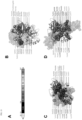
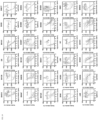
- a MV vaccine strain (MV#2) and the recombinant MV#1 were incubated for 1 hour at 37°C with mAb shown in Figure 1 before infection of Vero/hSLAM cells seeded on a 96 well plate.
- the number of infected eGFP positive foci were counted in quadruplicate 48 hours post-infection and expressed as percentage of the number of infected EGFP positive foci in absence of nAb.
- MV#1 avoided neutralizing antibodies targeting multiple antigenic sites. H protein modifications that contributed to MV#1 escaping neutralization are shown in Figure 1 .
- MV glycoprotein-specific antibodies e.g., H-reactive and F-reactive antibodies were depleted from measles-immune human serum. Serum samples were diluted 1:10 in culture medium (RPMI 1640 (CORNING, Manassas, VA, USA) without fetal bovine serum (FBS)) and subsequently cultured for 4 days onto a monolayer of Mel-JuSo cells either expressing or not expressing MV glycoproteins.
- MV F protein-specific antibodies are also important for MV neutralization
- another wild-type Edmonton strain measles virus (MV#3) was produced by replacing the MV F protein of a wild-type Edmonston strain MV with a wild-type Ondersterpoort strain CDV F protein.
- Two other measles viruses (MV#4 and MV#5) were produced.
- MV#4 was produced by replacing the MV H protein of a wild-type Edmonston strain MV with a wild-type CDV H protein.
- MV#5 was produced by replacing the MV F protein of MV#4 with a wild-type (i.e., Ondersterpoort strain) CDV F protein.
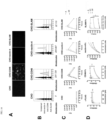
- FIG. 2 Schematic representations of MV#3, MV#4, and MV#5 viruses are shown in Figure 2 .
- the MV#2, MV#3, MV#4 and MV#5 viruses were tested as follows. Vero/cSLAM cells were infected with the different viruses and microphotographs were taken 48 hours post-infection. A neutralization assay was performed and revealed that both MV H and MV F elicit neutralizing antibodies.
- mice C57BL/6 mice (Jackson Laboratories, Bar Harbor, ME, EEUU) were immunized via hydrodynamic delivery with pCG plasmid (5 ⁇ g) encoding for MVH protein from MV#1.
- the neutralization capacity of the antibodies generated evaluated 4 weeks later after blood collection from the jugular vein.
- Mice sera were heat inactivated and serially diluted either in Opti-MEM.
- Equal volume of respective virus encoding different MVH gene proteins at 30 PFU/well were mixed with the respective polyclonal antibodies at 2-fold serial various dilutions in 96-well plates (Costar Corp., Cambridge, MA, USA), incubated at 37°C for 1 hour and inoculated onto 80 to 90% confluent Vero/hSLAM cells.
- MV#1 provoked an H glycoprotein-directed neutralizing antibody response that cross-neutralizes wild type strains of MV.
- MV is referred to as MeV; MV#1 is referred to as MeV ⁇ 7, ⁇ 7, or ⁇ 8; MV#2 is referred to as MeV#1; MV#3 is referred to as Virus 3; MV#4 is referred to as MeV#4; and MV#5 is referred to as MeV#2.
- MeV MeV
- MV#1 MeV ⁇ 7, ⁇ 7, or ⁇ 8
- MeV#2 is referred to as MeV#1
- MV#3 is referred to as Virus 3
- MV#4 is referred to as MeV#4
- MV#5 is referred to as MeV#2.
- MeV ⁇ 7 was used to generate the ⁇ 8 virus.
- Vero cells CCL-81, ATCC
- Vero/hSLAM stably transfected Vero human
- Vero/dogSLAM stably transfected Vero human
- SLAM were grown in in Dulbecco's modified minimal essential medium (DMEM) (HyClone, GE Healthcare Life Science) supplemented with 5% (vol./vol.) heat-inactivated fetal bovine serum (FBS) (Gibco) and 0.5 mg/mL of Geneticin (G418; Corning) (Vero/hSLAM) or 1 mg/mL Zeocin (ThermoFisher, Walthman MA) (Vero/dSLAM).
- DMEM Dulbecco's modified minimal essential medium
- FBS heat-inactivated fetal bovine serum
- G418 Gibco
- Zeocin ThermoFisher, Walthman MA
- Vero/dSLAM Chinese hamster ovary (CHO) cells, CHO-CD46 ( Nakamura et al., Nat.
- Biotechnol., 22(3):331-6 (2004 )), CHO-SLAM ( Tatsuo et al., Nature, 406:893-6 (2000 )), and CHO-N4 ( Liu et al., J. Virol., 88(4):2195-204 (2014 )) were cultured as described.
- Baby Hamster Kidney cells (BHK) were maintained in DMEM-10% FBS. Viruses were propagated as described elsewhere ( Munoz-Alia et al., J. Virol., 91(11):e00209-17 (2017 ); Munoz-Alia et al., PLoS One, 13(2):e0192245 (2018 )).
- the recombinant MeV was based on the molecular cDNA clone of the Moraten/Schwartz vaccine strain contained in p(+)MeV vac2 (EGFP)N plasmid ( del Valle et al., J. Virol., 81(19):10597-605 (2007 )).
- EGFP enhanced green fluorescent protein
- the plasmid backbone was replaced by the pSMART ® LCkan vector (Lucigen, Middleton, WI) in a stepwise manner following two approaches.
- a multi-cloning site comprising SacII and NotI restriction enzymes were added to the vector.
- an optimal T7 promoter followed by a hammerhead ribozyme (HHrbz) ( Figure 7 ) was inserted upstream the viral genome by insertion of the sequence directly into the forward primer, amplifying the MeV genome up to a unique internal restriction site SacII located at the beginning of the P gene.
- SacII-NotI fragment in p(+)MV vac2 (EGFP)N plasmid was then inserted into the equally digested pSMART ® LCkan vector.
- CDV Ondersterpoort vaccine strain H CDV-H
- CDV-F CDV-F
- pCG plasmid pCG plasmid
- PacI and SpeI restriction sites were introduced into the beginning and end of the gene, respectively, by polymerase chain reaction using forward primer 5'- ttaattaa aacttagggtgcaagatcatcgataatgctccctaccaagacaagg-3' and reverse primer 5'- actagt gggtatgcctgatgtctgggtgacatcatgtgattggttcactagcagccttaatggtggtgatggtggtggtggctccccttg cggccggctgcggccggctgggctctaccctcgatacggttacatgagaatcttatacggac-3', leaving the untranslated region (UTR) unchanged.
- PCR product was digested with PacI and SpeI and cloned into the MeV backbone.
- pCG-CDV-F was digested with HpaI/SpeI and inserted into equally digested pCG-MeV-F.
- the NarI/SpeI fragment of this plasmid was then used to replace that of MeV.
- rMeV recombinant MeVs
- Transfected cells were co-culture with Vero/hSLAM cells and the virus was amplified thereafter.
- the identity of the recombinant MeVs was confirmed by Sanger sequencing after RNA extraction from infected cells.
- target cells 2 ⁇ 10 5 cells per well in 6-well plates of target cells, CHO cells, and CHO cells expressing the respective measles virus receptors were transfected with 1.5 ⁇ g of the other dual-split-reporter plasmid (DSP 1-7 ). 24 hours after transfection, target cells were detached with Versene (Life Technologies) and co-cultured with the effector cells in Fusion media (DMEM-F12 without Phenol Red + 40 mM HEPES), supplemented with 1: 1000 dilution of the cell permeable luciferase substrate EnduREN (Promega).
- Fusion media DMEM-F12 without Phenol Red + 40 mM HEPES
- Luminescence resulting from cell fusion and mixing of cytoplasmic content between target and effector cells was monitored with a Topcount NXT Luminometer (Packard Instrument Company, Meriden CT) at the indicated time points. The data represented the mean and standard deviation of three replicates for each H plasmid.
- CD46 ectodomain (residues 35-328) was amplified via PCR from pGEM-CD46 vector (Sino Biologicals Inc., HG12239-G) and inserted into pFUSE vector (pfc1-hg1e3; Invivogen) in frame with the murine Ig x-chain leader sequence and a 3C protease cleavage sequence at the 5'-end of the Fc region using In-Fusion cloning kit (Clontech).
- CD46-Fc, SLAM-Fc, and nectin-4-Fc ( Munoz-Alia et al., PLoS One, 13(2):e0192245 (2018 )) recombinant proteins were expressed in Expi293 cells (Gibco) and purified from culture supernatant as described elsewhere ( Munoz-Alia et al., PLoS One, 13(2):e0192245 (2018 )). The expression and purification of recombinant soluble MeV-H were performed as described elsewhere (Munoz-Alia et al., J. Virol., 91(11):e00209-17 (2017 )).
- Binding of the receptors-Fc to MeV-H was determined by enzyme-linked immunosorbent assay as described elsewhere ( Munoz-Alia et al., PLoS One, 13(2):e0192245 (2018 )). The absorbance at 450 nm was measured on an Infinite M200Pro microplate reader (Tecan). The data were analyzed using Prism software (GraphPad) and adjusted to a one-site binding saturation mode to determine the half-saturating concentration (apparent Kd values [dissociation constant]). Values reported exhibited an excellent fit (R 2 >0.99).
- Virus preps were heated in the presence of DTT, fractionated into 4-12% Bis-Tris polyacrylamide gel, and transferred to PDVF membranes. Blots were then analyzed with anti-MeV-Hcyt, anti-MeV-N, anti-MeV-F, and anti-GFP probed with conjugated secondary rabbit antibody (ThermoFisher, #31642). The blots were revealed with SuperSignal Wester Pico Chemiluminescent Substrate (ThermoFisher) and analyzed under a ChemiDoc Imaging Sytem (BIO-RAD).
- Virus neutralization assay was performed based on the fluorescence-based plaque reduction microneutralization (PRMN) assay as described elsewhere ( Munoz-Alia et al., J. Virol., 91(11):e00209-17 (2017 ); Munoz-Alia et al., PLoS One, 13(2):e0192245 (2018 ); and Munoz-Alia et al., Virus Res., 236:30-43 (2017 )). Each assay was repeated at least two times in different days with four replicates per assay. Fifty percent inhibitory concentration (IC 50 ) was calculated after fitting the data to a sigmoidal dose-response (variable slope) with GraphPad software (Prism 7).
- PRMN fluorescence-based plaque reduction microneutralization
- Rabbit anti-MeV-H antisera were generated by immunization with adenovirus expressing the MeV-H from the vaccine strain ( Lech et al., PLoS One, 8(1):e52306 (2013 )).
- the following reagents were obtained through BEI Resources, NIAID, NIH: Polyclonal Anti-Canine Distemper Virus, Lederle Avirulent (antiserum, Ferret), NR-4025; and polyclonal Anti-Measles Virus, Edmonston, (antiserum, Guinea pig), NR-4024.
- Murine monoclonal anti-hemagglutinin antibodies were produced and characterized as described elsewhere ( Mu ⁇ oz-Al ⁇ a et al., Virus Research, e00209-17 (2017 ); Ziegler et al., J. Gen. Virol., 77(Pt 10):2479-89 (1996 ); Fournier et al., J. Gen. Virol., 78:1295-302 (1997 ); Ertl OT. Immunodominant regions and novel functional domains on the measles virus hemagglutinin protein. Germany: Eberhard Karls University; 2003 ; Hu et al., Virology, 192:351-4 (1993 ); and Masse et al., J.
- Polyclonal antibodies were generated by via gene-based hydrodynamic injection ( Liu et al., Gene Ther., 6(7):1258-66 (1999 )) of C57BL/6 mice with 20 ⁇ g of plasmid DNA.
- Human serum was collected from the Erasmus MC' serum bank from healthy subjects aged 17-18 ( de Swart et al., J. Virol., 79(17):11547-51 (2005 )). They were likely never exposed to wild-type MeV and received a monovalent measles vaccination at the age of 14 months and a measles-mumps-rubella vaccination at the age of 9 years. All polyclonal sera and ascites containing mAb were heat inactivated (30 minutes, 56°C) before testing.
- Epstein-Barr virus (BCA) IgG titer was determined by a commercially available assay (IBL International GMbH, cat. No. 57351). The assay for determining MeV-specific IgG levels was performed as described elsewhere ( de Swart et al., J. Virol., 79(17):11547-51 (2005 ); and de Swart et al., J. Virol. Methods., 71:35-44 (1998 )).
- the MeV-H has seven major antigenic sites, and multiple disruptions of up to four of those sites does not abrogate polyclonal antibodies neutralization ( Munoz-Alia et al., J. Virol., 91(11):e00209-17 (2017 ); Lech et al., PLoS One, 8(1):e52306 (2013 ); and Munoz-Alia et al., PLoS One, 13(2):e0192245 (2018 )). It is possible that due to a lack of B cell immunodominance, ablation of all antigenic sites can generate a non-neutralizable variant. To explore this, all epitopes described for MeV-H were systematically disrupted.
- the experimental design was based on incorporating spontaneous neutralizing mAb escape-mutant selections onto the MeV-H background of genotype H1. This particular strain was chosen based on a previous observation of being one of the most antigenically advanced MeV-H ( Munoz-Alia et al., PLoS One, 13(2):e0192245 (2018 )), which would enable one to minimize the alteration of the otherwise rigid MeV-H protein ( Fulton et al., Cell Rep., 11(9):1331-8 (2015 )). A list of nAb binding regions was generated, and diruptions of those regions were combined into a single MeV-H, name herein ⁇ 7 (also known as MV#1 in Example 1)(Table 3). Table 3.
- MeV-H H1 allowed for virus entry and syncytia formation in SLAM and nectin-4-expressing cells.
- the introduction of N481Y, H495R, or H495R/S546G in the latter background did not significantly increase CD46-dependent fusion activity as seen by transient transfection assays.
- virus entry was observed in the absence of syncytium formation for the N481Y and H495R/S546G mutants.
- the inclusion of H495R in the context of N481Y mutant restored the levels of CD46-dependent fusion to those observed by MeV-H A.
- Me V-H can systematically resist neutralization by 30 known murine monoclonal antibodies
- Table 3 was initially used as a foundation to generate a MeV-H globular domain escape virus. Using this information, together with the triple CD46-tropism substitutions, a ⁇ 7 virus was directly engineered, in which all seven operationally non-ovelapping antigenic sites so far described are disrupted ( ⁇ , Ia, Ib, IIa, IIb, III, and IV) ( Figure 9A ). To determine whether the number of mutations introduced was suffice to abrogated neutralization of other nAbs specific for each site, the neutralization sensitivity of viruses possessing MeV-H A, H1 and ⁇ 7 was determined against a panel of 30 mAbs. The results were summarized in Figure 9B , showing that A viruses were neutralized by all 30 nAbs tested whereas this number was reduced to 18 for H1 viruses. On the other extreme, the ⁇ 7 viruses were only neutralized by nAb BH030.
- E417K mutation was inserted into the ⁇ 7 virus (this new virus was termed the " ⁇ 8 virus"), and the ⁇ 8 virus's neutralization sensitivity to nAb BH030 was assessed. Different from ⁇ 7 viruses, ⁇ 8 viruses displayed full escape from BH030-mediated neutralization ( Figure 10C ). Interestingly, E471 lies within the region assigned to antigenic site IIb (II in Tahara et al., J.
- Viruses can escape polyclonal measles vaccine-induced neutralizing antibodies if devoided of MeV-F-specific antibodies
- virus ⁇ 8 was considered significantly antigenically different from the vaccine virus.
- the immediate precursor virus ( ⁇ 7) was antigenically indistinguishable as the parental precursor was (H1).
- ⁇ 7, but not ⁇ 8, viruses could potentially be used as a pre-vaccine in infants with maternal antibodies
- tests were performed to test whether the antigenic variation in ⁇ 7 could lead to a reduce recognition by sera from patients having received the measles vaccine. This initially involved selecting for testing six sera samples from Dutch individuals aged 17 to 23 at the time of serum collection. Based on the neutralization titer and the record of measles outbreak in the Netherland, the human samples likely correspond to two-dose recipients of the measles vaccine.
- ⁇ 7 virus and vaccine strain virus were tested by PRMN with human sera #126, #128, #129, #134, #136, and #137.
- MeV H or MeV-F-specific antibodies For the MeV H or MeV-F-specific antibodies, a commercially available pool of human sera composed from approximately 60 to 80 American donors was used. Due to the high antibody titers in this pool, it is likely to have been induced mainly by exposure to wild-type viruses ( Itoh et al., J. Clin. Microbiol., 40(5):1733-8 (2002 )).
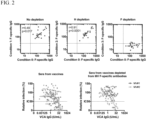
- Figure 13A illustrates the depletion process. Serum absorption with MeV-H-expressing cells (condition 2) completely removed all human serum binding activity to MeV-H protein, whilst MeV-F specific antibody levels remained unaffected. In contrast, absorption with MeV-F (condition 3) specifically removed human serum binding to MeV-F whilst MeV-H-specific antibodies remained unaffected. Serum absorption with the parental cell line resulted in no decreased of the human serum binding to both MeV-H and MeV-F in comparison to the original human serum material (condition 1 and 0, respectively).
- MeV-H and MeV-F reactive antibodies were then measured in measles-immune human.
- the PRMN assay showed that absorption of either MeV-F or MeV-H component did not substantially affect neutralizing activity from human sera against MeV (MeV#1).
- serum absorption with both MeV-F and MeV-H resulted in the complete loss of neutralizing activity from human sera.
- both MeV-H and MeV-F-specific antibodies were equally important for neutralizing MeV.
- the measles-immune human sera did not show neutralizing activity against MeV#2, regardless of the sera treatment.
- MeV#1, MeV#3 and MeV#4 were efficiently neutralized without distinction by non-absorbed sera.
- MeV#3 and MeV#4 Concerning the viral chimera with simple exchanges (MeV#3 and MeV#4), only when the MeV-specific antibody component that matched that present in the virus was depleted, did they show resistance to neutralization. These results indicate that both MeV-F and MeV-H are immunogenic and they cooperate to buffer antigenic variations.
- MeV Stealth was not obtained until the robustness of the MeV rescue system was improved. Different from the rescue of the parental recombinant MeV Moraten vaccine, MeV Stealth was isolated and expanded from a single GFP-positive cell observed after multiple independent rescue attempts. After five semi-blind passages, the virus was able to spread through the cell monolayer ( Figure 7 ).
- the virus was further propagated to produce virus stock and tested for Sanger sequencing and western-blot analysis.
- Immunoblotting of purified virions demonstrated that Stealth lacked the homotypic MeV-F protein and showed otherwise a similar protein content to the vaccine strain ( Figure 14B ).
- sequencing results showed no compensatory mutation in either of the glycoproteins-coding sequence, further confirming the viability of a Stealth virus encoding MeV-H ⁇ 8 in combination with CDV-F.
- MeV Stealth associated a fitness trade-off
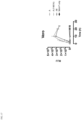
- the growth kinetic of MeV Stealth was examined in cultured cells. Those kinetics were compared with those of recombinant MeVs possessing MeV-H A, MeV-H H1, and MeV-H ⁇ 8.
- MeV A replicated to higher titers at 12 and 48 hpi than Stealth and ⁇ 8 viruses ( Figure 14A ). These two viruses showed a 24 hour lag titer peak.
- MeV H1 replicated to lower titers than any of the other viruses thorough the time course. Since MeV ⁇ 8 possessed a MeV-H derived from MeV-H H1 these results indicated that the mutations introduced into MeV-H cooperate for a better complementation with heterologous F proteins.
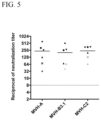
- Serum 152 yielded a less than 4-fold lower (1.64 antigenic units) ND 50 titer against Stealth virus and that of serum 131 and 157 were in the threshold (4-fold).
- serum 152 was the only sera showing protective levels against Stealth virus (430 mIU/mL) and had the highest NT 50 titer of all human sera tested against the vaccine strain (1344 mIU/mL). It was then plausible to speculate that the magnitude of the antibody response against the homotypic vaccine determined whether or not protective levels against Stealth virus infection were achieved.
- guinea pigs mounted a highly neutralizing antibody response to the homologous vaccine virus with an NT 50 value of 3584 mIU/mL ( Figure 14D ).
- Stealth is solely CD46 tropic
- Binding values for nectin-4 were the worst across all three receptors, and saturation was not achieved at the highest concentration used. Even though no significant differences appeared for the apparent K d of nectin-4 to the recombinant MeV-H proteins, B max values for MeV-H ⁇ 8 were decreased approximately by a half in comparison to MeV-H A and H1 (1.56, 1.14, and 0.74, respectively). As expected, MeV-H ⁇ 8 showed negligible binding to SLAM-Fc. MeV-H H1 showed lower binding to SLAM-Fc than MeV-H A, with K d of 10.43 ⁇ M and 2.68 ⁇ M, but B max values were also lower (2.09 and 1.19, respectively). Together, these results demonstrate that MeV-H ⁇ 8 discriminates CD46 usage over nectin-4 via an increase in the avidity interaction with CD46 while decreasing that for nectin-4.
Landscapes
- Health & Medical Sciences (AREA)
- Life Sciences & Earth Sciences (AREA)
- Chemical & Material Sciences (AREA)
- Virology (AREA)
- Organic Chemistry (AREA)
- General Health & Medical Sciences (AREA)
- Genetics & Genomics (AREA)
- Medicinal Chemistry (AREA)
- Engineering & Computer Science (AREA)
- Immunology (AREA)
- Zoology (AREA)
- Wood Science & Technology (AREA)
- Microbiology (AREA)
- Bioinformatics & Cheminformatics (AREA)
- Biochemistry (AREA)
- Veterinary Medicine (AREA)
- General Engineering & Computer Science (AREA)
- Public Health (AREA)
- Biomedical Technology (AREA)
- Biotechnology (AREA)
- Mycology (AREA)
- Animal Behavior & Ethology (AREA)
- Epidemiology (AREA)
- Pharmacology & Pharmacy (AREA)
- Pulmonology (AREA)
- Communicable Diseases (AREA)
- Gastroenterology & Hepatology (AREA)
- Biophysics (AREA)
- Molecular Biology (AREA)
- Proteomics, Peptides & Aminoacids (AREA)
- Micro-Organisms Or Cultivation Processes Thereof (AREA)
- Medicines Containing Material From Animals Or Micro-Organisms (AREA)
- Medicines Containing Antibodies Or Antigens For Use As Internal Diagnostic Agents (AREA)
- Peptides Or Proteins (AREA)
Applications Claiming Priority (3)
| Application Number | Priority Date | Filing Date | Title |
|---|---|---|---|
| US201762506892P | 2017-05-16 | 2017-05-16 | |
| PCT/US2018/026079 WO2018212842A1 (en) | 2017-05-16 | 2018-04-04 | Modified viruses |
| EP18802836.9A EP3625349B1 (de) | 2017-05-16 | 2018-04-04 | Modifizierte viren |
Related Parent Applications (1)
| Application Number | Title | Priority Date | Filing Date |
|---|---|---|---|
| EP18802836.9A Division EP3625349B1 (de) | 2017-05-16 | 2018-04-04 | Modifizierte viren |
Publications (2)
| Publication Number | Publication Date |
|---|---|
| EP4494651A2 true EP4494651A2 (de) | 2025-01-22 |
| EP4494651A3 EP4494651A3 (de) | 2025-08-27 |
Family
ID=64274521
Family Applications (2)
| Application Number | Title | Priority Date | Filing Date |
|---|---|---|---|
| EP24196656.3A Pending EP4494651A3 (de) | 2017-05-16 | 2018-04-04 | Modifizierte viren |
| EP18802836.9A Active EP3625349B1 (de) | 2017-05-16 | 2018-04-04 | Modifizierte viren |
Family Applications After (1)
| Application Number | Title | Priority Date | Filing Date |
|---|---|---|---|
| EP18802836.9A Active EP3625349B1 (de) | 2017-05-16 | 2018-04-04 | Modifizierte viren |
Country Status (6)
| Country | Link |
|---|---|
| US (2) | US11191826B2 (de) |
| EP (2) | EP4494651A3 (de) |
| JP (3) | JP7422544B2 (de) |
| CA (1) | CA3063690A1 (de) |
| ES (1) | ES2995014T3 (de) |
| WO (1) | WO2018212842A1 (de) |
Families Citing this family (5)
| Publication number | Priority date | Publication date | Assignee | Title |
|---|---|---|---|---|
| WO2017096162A1 (en) | 2015-12-02 | 2017-06-08 | Voyager Therapeutics, Inc. | Assays for the detection of aav neutralizing antibodies |
| EP4494651A3 (de) | 2017-05-16 | 2025-08-27 | Mayo Foundation for Medical Education and Research | Modifizierte viren |
| WO2020086939A1 (en) * | 2018-10-26 | 2020-04-30 | The Wistar Institute Of Anatomy And Biology | Canine distemper vaccines and methods of treatment using the same |
| CN110106151B (zh) * | 2019-05-20 | 2021-04-20 | 黑龙江八一农垦大学 | 基于水貂源Nectin4受体的犬瘟热病毒敏感细胞系、制备方法和应用 |
| PH12022550836A1 (en) * | 2019-10-09 | 2023-10-09 | Mayo Found Medical Education & Res | Canine distemper virus hemagglutinin and fusion polypeptides |
Citations (3)
| Publication number | Priority date | Publication date | Assignee | Title |
|---|---|---|---|---|
| US4683195A (en) | 1986-01-30 | 1987-07-28 | Cetus Corporation | Process for amplifying, detecting, and/or-cloning nucleic acid sequences |
| WO2003093431A2 (en) | 2002-05-03 | 2003-11-13 | Mayo Foundation For Medical Education And Research | Ablated slam-dependent entry |
| WO2014015242A1 (en) | 2012-07-20 | 2014-01-23 | Mayo Foundation For Medical Education And Research | Measles viruses with reduced susceptibility to neutralization |
Family Cites Families (3)
| Publication number | Priority date | Publication date | Assignee | Title |
|---|---|---|---|---|
| AU7607900A (en) | 1999-09-22 | 2001-04-24 | Mayo Foundation For Medical Education And Research | Therapeutic methods and compositions using viruses of the recombinant paramyxoviridae family |
| WO2009117307A2 (en) | 2008-03-21 | 2009-09-24 | Mayo Foundation For Medical Education And Research | Viruses lacking epithelial cell receptor entry |
| EP4494651A3 (de) | 2017-05-16 | 2025-08-27 | Mayo Foundation for Medical Education and Research | Modifizierte viren |
-
2018
- 2018-04-04 EP EP24196656.3A patent/EP4494651A3/de active Pending
- 2018-04-04 CA CA3063690A patent/CA3063690A1/en active Pending
- 2018-04-04 JP JP2019563620A patent/JP7422544B2/ja active Active
- 2018-04-04 ES ES18802836T patent/ES2995014T3/es active Active
- 2018-04-04 WO PCT/US2018/026079 patent/WO2018212842A1/en not_active Ceased
- 2018-04-04 EP EP18802836.9A patent/EP3625349B1/de active Active
- 2018-04-04 US US16/612,842 patent/US11191826B2/en active Active
-
2021
- 2021-11-03 US US17/518,268 patent/US12011479B2/en active Active
-
2023
- 2023-10-12 JP JP2023176587A patent/JP2024016036A/ja active Pending
-
2025
- 2025-12-19 JP JP2025265960A patent/JP2026067861A/ja active Pending
Patent Citations (4)
| Publication number | Priority date | Publication date | Assignee | Title |
|---|---|---|---|---|
| US4683195A (en) | 1986-01-30 | 1987-07-28 | Cetus Corporation | Process for amplifying, detecting, and/or-cloning nucleic acid sequences |
| US4683195B1 (de) | 1986-01-30 | 1990-11-27 | Cetus Corp | |
| WO2003093431A2 (en) | 2002-05-03 | 2003-11-13 | Mayo Foundation For Medical Education And Research | Ablated slam-dependent entry |
| WO2014015242A1 (en) | 2012-07-20 | 2014-01-23 | Mayo Foundation For Medical Education And Research | Measles viruses with reduced susceptibility to neutralization |
Non-Patent Citations (46)
| Title |
|---|
| "GenBank", Database accession no. ABO31365.1 |
| BEATY ET AL., MSPHERE, vol. 2, no. 2, 2017, pages ppi00376 - 16 |
| DE SWART ET AL., J. VIROL, vol. 79, no. 17, 2005, pages 11547 - 51 |
| DE SWART ET AL., J. VIROL. METHODS, vol. 71, 1998, pages 35 - 44 |
| DEL VALLE ET AL., J. VIROL, vol. 81, no. 19, 2007, pages 10597 - 605 |
| FOURNIER ET AL., J. GEN. VIROL, vol. 78, 1997, pages 1295 - 302 |
| FULTON ET AL., CELL REP., vol. 11, no. 9, 2015, pages 1331 - 8 |
| HARALAMBIEVA ET AL., VACCINE, vol. 29, 2011, pages 4485 - 91 |
| HENSLEY ET AL., SCIENCE, vol. 326, no. 5937, 2009, pages 734 - 201 |
| HU ET AL., VIROLOGY, vol. 192, no. 1, 1993, pages 351 - 4 |
| HUMMELBELLINI, J. VIROL, vol. 69, no. 3, 1995, pages 1913 - 16 |
| ITOH ET AL., J. CLIN. MICROBIOL, vol. 40, no. 5, 2002, pages 1733 - 8 |
| KELLEY ET AL., NAT. PROTOC., vol. 10, no. 6, 2015, pages 845 - 58 |
| KOSIK ET AL., PLOS PATHOG, vol. 14, no. 1, 2018, pages 1006796 |
| LANGEDIJK ET AL., J. VIROL, vol. 85, no. 21, 2011, pages 11242 - 54 |
| LECH ET AL., PLOS ONE, vol. 8, no. 1, 2013, pages 52306 |
| LECOUTURIER ET AL., J. VIROL, vol. 70, no. 7, 1996, pages 4200 - 4 |
| LIQI, ARCH. VIROL, vol. 147, no. 4, 2002, pages 775 - 86 |
| LIU ET AL., GENE THER., vol. 6, no. 7, 1999, pages 1258 - 66 |
| LIU ET AL., J. VIROL, vol. 88, no. 4, 2014, pages 2195 - 204 |
| MASSE ET AL., J. VIROL, vol. 78, no. 17, 2004, pages 9051 - 63 |
| MIEST ET AL., MOL. THER, vol. 19, no. 10, 2011, pages 1813 - 20 |
| MUNOZ-ALIA ET AL., J. VIROL, vol. 91, no. 11, 2017, pages 00209 - 17 |
| MUNOZ-ALIA ET AL., PLOS ONE, vol. 13, no. 2, 2018, pages 0192245 |
| MUNOZ-ALIA ET AL., VIRUS RES, vol. 196, 2015, pages 122 - 7 |
| MUNOZ-ALIA ET AL., VIRUS RES, vol. 236, 2017, pages 30 - 43 |
| MUNOZ-ALIA ET AL., VIRUS RESEARCH, vol. 236, 2017, pages 00209 - 43 |
| NACHBAGAUER ET AL., NAT. IMMUNOL., vol. 18, no. 4, 2017, pages 464 - 73 |
| NAKAMURA ET AL., NAT. BIOTECHNOL., vol. 22, no. 3, 2004, pages 331 - 6 |
| OKADA ET AL., J. VIROL, vol. 83, no. 17, 2009, pages 8713 - 21 |
| RUSSELL ET AL., VACCINE, vol. 26, 2008, pages D31 - 4 |
| SANTIBANEZ ET AL., J. GEN. VIROL, vol. 86, 2005, pages 365 - 74 |
| SAW ET AL., METHODS, vol. 90, 2015, pages 68 - 75 |
| SHIBAHARA ET AL., J. GEN. VIROL, vol. 75, 1994, pages 3511 - 6 |
| SMITH ET AL., SCIENCE, vol. 305, no. 5682, 2004, pages 371 - 6 |
| SWART ET AL., J. GEN. VIROL, vol. 90, 2009, pages 2982 - 9 |
| TAHARA ET AL., J. VIROL, vol. 82, no. 9, 2008, pages 4630 - 7 |
| TAHARA ET AL., J. VIROL, vol. 87, no. 17, 2013, pages 9904 - 10 |
| TAHARA ET AL., VIRUSES, vol. 8, no. 8, 2016, pages 216 |
| TAMIN ET AL., J. INFEC. DIS, vol. 170, 1994, pages 795 - 801 |
| TATSUO ET AL., NATURE, vol. 406, 2000, pages 893 - 6 |
| VON MESSLING ET AL., J. VIROL, vol. 75, no. 14, 2001, pages 6418 - 401 |
| VON MESSLING ET AL., J. VIROL, vol. 77, no. 23, 2003, pages 12579 - 91 |
| YUN ET AL., J. VIROL, vol. 89, no. 2, 2015, pages 1242 - 53 |
| ZHANG ET AL., VIROLOGY, vol. 482, 2015, pages 218 - 24 |
| ZIEGLER ET AL., J. GEN. VIROL, vol. 77, 1996, pages 2479 - 89 |
Also Published As
| Publication number | Publication date |
|---|---|
| JP2020520241A (ja) | 2020-07-09 |
| JP2026067861A (ja) | 2026-04-21 |
| US20200147204A1 (en) | 2020-05-14 |
| WO2018212842A1 (en) | 2018-11-22 |
| JP2024016036A (ja) | 2024-02-06 |
| EP4494651A3 (de) | 2025-08-27 |
| EP3625349A1 (de) | 2020-03-25 |
| CA3063690A1 (en) | 2018-11-22 |
| ES2995014T3 (en) | 2025-02-05 |
| EP3625349A4 (de) | 2020-06-17 |
| US20220118080A1 (en) | 2022-04-21 |
| EP3625349B1 (de) | 2024-08-28 |
| JP7422544B2 (ja) | 2024-01-26 |
| US12011479B2 (en) | 2024-06-18 |
| US11191826B2 (en) | 2021-12-07 |
Similar Documents
| Publication | Publication Date | Title |
|---|---|---|
| US12011479B2 (en) | Modified viruses | |
| Muñoz-Alía et al. | Serotypic evolution of measles virus is constrained by multiple co-dominant B cell epitopes on its surface glycoproteins | |
| TW202146044A (zh) | 以麻疹病毒為載體之covid-19免疫原性組合物及疫苗 | |
| ES2708755T3 (es) | Composiciones que presentan un virus de la enfermedad de Newcastle atenuado y métodos de uso para el tratamiento de la neoplasia | |
| US20240000873A1 (en) | Replication-competent vesicular stomatitis viruses | |
| WO2006031996A2 (en) | Targeting viruses using a modified sindbis glycoprotein | |
| CA2825094C (en) | Pvrl4 (nectin 4) is a receptor for measles virus. | |
| WO2009128867A2 (en) | Recombinant biologically contained filovirus | |
| CN112739359A (zh) | Apmv及其用于治疗癌症的用途 | |
| KR20220079607A (ko) | 개 디스템퍼 바이러스 헤마글루티닌 및 융합 폴리펩티드 | |
| KR20130101048A (ko) | 수포성 구내염 바이러스 | |
| US20140271564A1 (en) | Vesicular stomatitis viruses containing a maraba virus glycoprotein polypeptide | |
| US9434768B2 (en) | Viruses lacking epithelial cell receptor entry | |
| WO2022167831A1 (en) | Sars-cov-2 immunogenic compositions, vaccines, and methods | |
| EP2875127A1 (de) | Masernviren mit verminderter empfindlichkeit gegenüber neutralisierung | |
| Yadav | Development and Evaluation of Stable Vero Cell Line Constitutively Expressing Signaling Lymphocyte Activation Molecule (SLAM) and Nectin-4 Receptors for Replication Efficacy of Peste-des-petits-ruminants and Canine distemper viruses | |
| Center et al. | Immunogenicity of an AAV-based, room-temperature stable, single dose COVID-19 vaccine in mice and non-human primates | |
| DAMIEN | Design of an immunization strategy based on recombinant proteins of the measles virus in the context of a changing epidemiology | |
| Brown | Enhancement of vesiculovirus oncolysis by expression of exotic envelope proteins |
Legal Events
| Date | Code | Title | Description |
|---|---|---|---|
| PUAI | Public reference made under article 153(3) epc to a published international application that has entered the european phase |
Free format text: ORIGINAL CODE: 0009012 |
|
| STAA | Information on the status of an ep patent application or granted ep patent |
Free format text: STATUS: THE APPLICATION HAS BEEN PUBLISHED |
|
| AC | Divisional application: reference to earlier application |
Ref document number: 3625349 Country of ref document: EP Kind code of ref document: P |
|
| AK | Designated contracting states |
Kind code of ref document: A2 Designated state(s): AL AT BE BG CH CY CZ DE DK EE ES FI FR GB GR HR HU IE IS IT LI LT LU LV MC MK MT NL NO PL PT RO RS SE SI SK SM TR |
|
| REG | Reference to a national code |
Ref country code: DE Ref legal event code: R079 Free format text: PREVIOUS MAIN CLASS: A61K0039165000 Ipc: C12N0015860000 |
|
| PUAL | Search report despatched |
Free format text: ORIGINAL CODE: 0009013 |
|
| AK | Designated contracting states |
Kind code of ref document: A3 Designated state(s): AL AT BE BG CH CY CZ DE DK EE ES FI FR GB GR HR HU IE IS IT LI LT LU LV MC MK MT NL NO PL PT RO RS SE SI SK SM TR |
|
| RIC1 | Information provided on ipc code assigned before grant |
Ipc: C12N 15/86 20060101AFI20250721BHEP Ipc: A61K 39/12 20060101ALI20250721BHEP Ipc: A61K 39/165 20060101ALI20250721BHEP |
|
| STAA | Information on the status of an ep patent application or granted ep patent |
Free format text: STATUS: REQUEST FOR EXAMINATION WAS MADE |
|
| 17P | Request for examination filed |
Effective date: 20260227 |