EP4494631A1 - A senotherapy composition containing camellia sinensis extract - Google Patents
A senotherapy composition containing camellia sinensis extract Download PDFInfo
- Publication number
- EP4494631A1 EP4494631A1 EP24184573.4A EP24184573A EP4494631A1 EP 4494631 A1 EP4494631 A1 EP 4494631A1 EP 24184573 A EP24184573 A EP 24184573A EP 4494631 A1 EP4494631 A1 EP 4494631A1
- Authority
- EP
- European Patent Office
- Prior art keywords
- tea tree
- root extract
- tree root
- skin
- senolytic
- Prior art date
- Legal status (The legal status is an assumption and is not a legal conclusion. Google has not performed a legal analysis and makes no representation as to the accuracy of the status listed.)
- Pending
Links
Images



Classifications
-
- A—HUMAN NECESSITIES
- A61—MEDICAL OR VETERINARY SCIENCE; HYGIENE
- A61K—PREPARATIONS FOR MEDICAL, DENTAL OR TOILETRY PURPOSES
- A61K8/00—Cosmetics or similar toiletry preparations
- A61K8/18—Cosmetics or similar toiletry preparations characterised by the composition
- A61K8/96—Cosmetics or similar toiletry preparations characterised by the composition containing materials, or derivatives thereof of undetermined constitution
- A61K8/97—Cosmetics or similar toiletry preparations characterised by the composition containing materials, or derivatives thereof of undetermined constitution from algae, fungi, lichens or plants; from derivatives thereof
- A61K8/9783—Angiosperms [Magnoliophyta]
- A61K8/9789—Magnoliopsida [dicotyledons]
-
- A—HUMAN NECESSITIES
- A61—MEDICAL OR VETERINARY SCIENCE; HYGIENE
- A61K—PREPARATIONS FOR MEDICAL, DENTAL OR TOILETRY PURPOSES
- A61K36/00—Medicinal preparations of undetermined constitution containing material from algae, lichens, fungi or plants, or derivatives thereof, e.g. traditional herbal medicines
- A61K36/18—Magnoliophyta (angiosperms)
- A61K36/185—Magnoliopsida (dicotyledons)
- A61K36/82—Theaceae (Tea family), e.g. camellia
-
- A—HUMAN NECESSITIES
- A61—MEDICAL OR VETERINARY SCIENCE; HYGIENE
- A61P—SPECIFIC THERAPEUTIC ACTIVITY OF CHEMICAL COMPOUNDS OR MEDICINAL PREPARATIONS
- A61P17/00—Drugs for dermatological disorders
-
- A—HUMAN NECESSITIES
- A61—MEDICAL OR VETERINARY SCIENCE; HYGIENE
- A61P—SPECIFIC THERAPEUTIC ACTIVITY OF CHEMICAL COMPOUNDS OR MEDICINAL PREPARATIONS
- A61P17/00—Drugs for dermatological disorders
- A61P17/04—Antipruritics
-
- A—HUMAN NECESSITIES
- A61—MEDICAL OR VETERINARY SCIENCE; HYGIENE
- A61Q—SPECIFIC USE OF COSMETICS OR SIMILAR TOILETRY PREPARATIONS
- A61Q19/00—Preparations for care of the skin
- A61Q19/08—Anti-ageing preparations
-
- A—HUMAN NECESSITIES
- A23—FOODS OR FOODSTUFFS; TREATMENT THEREOF, NOT COVERED BY OTHER CLASSES
- A23V—INDEXING SCHEME RELATING TO FOODS, FOODSTUFFS OR NON-ALCOHOLIC BEVERAGES AND LACTIC OR PROPIONIC ACID BACTERIA USED IN FOODSTUFFS OR FOOD PREPARATION
- A23V2002/00—Food compositions, function of food ingredients or processes for food or foodstuffs
-
- A—HUMAN NECESSITIES
- A23—FOODS OR FOODSTUFFS; TREATMENT THEREOF, NOT COVERED BY OTHER CLASSES
- A23V—INDEXING SCHEME RELATING TO FOODS, FOODSTUFFS OR NON-ALCOHOLIC BEVERAGES AND LACTIC OR PROPIONIC ACID BACTERIA USED IN FOODSTUFFS OR FOOD PREPARATION
- A23V2200/00—Function of food ingredients
- A23V2200/30—Foods, ingredients or supplements having a functional effect on health
- A23V2200/302—Foods, ingredients or supplements having a functional effect on health having a modulating effect on age
-
- A—HUMAN NECESSITIES
- A23—FOODS OR FOODSTUFFS; TREATMENT THEREOF, NOT COVERED BY OTHER CLASSES
- A23V—INDEXING SCHEME RELATING TO FOODS, FOODSTUFFS OR NON-ALCOHOLIC BEVERAGES AND LACTIC OR PROPIONIC ACID BACTERIA USED IN FOODSTUFFS OR FOOD PREPARATION
- A23V2200/00—Function of food ingredients
- A23V2200/30—Foods, ingredients or supplements having a functional effect on health
- A23V2200/318—Foods, ingredients or supplements having a functional effect on health having an effect on skin health and hair or coat
-
- A—HUMAN NECESSITIES
- A61—MEDICAL OR VETERINARY SCIENCE; HYGIENE
- A61K—PREPARATIONS FOR MEDICAL, DENTAL OR TOILETRY PURPOSES
- A61K2800/00—Properties of cosmetic compositions or active ingredients thereof or formulation aids used therein and process related aspects
- A61K2800/74—Biological properties of particular ingredients
- A61K2800/78—Enzyme modulators, e.g. Enzyme agonists
- A61K2800/782—Enzyme inhibitors; Enzyme antagonists
-
- A—HUMAN NECESSITIES
- A61—MEDICAL OR VETERINARY SCIENCE; HYGIENE
- A61K—PREPARATIONS FOR MEDICAL, DENTAL OR TOILETRY PURPOSES
- A61K2800/00—Properties of cosmetic compositions or active ingredients thereof or formulation aids used therein and process related aspects
- A61K2800/80—Process related aspects concerning the preparation of the cosmetic composition or the storage or application thereof
- A61K2800/805—Corresponding aspects not provided for by any of codes A61K2800/81 - A61K2800/95
Definitions
- Disclosed herein is a senotherapy composition.
- senescent cells Compared to young cells, senescent cells have the characteristics of being less reactive and more resistant to death, making them less likely to die. Along with this resistance to death, senescent cells promote aging or deteriorate the function of surrounding cells by secreting Senescence Associated Secretory Phenotype (SASP), a complex of various aging promoting factors. For this reason, preventing the spread of SASP is a major challenge in anti-aging.
- SASP Senescence Associated Secretory Phenotype
- substances that induce selective death of senescent cells are considered good drug candidates for preventing age-related diseases or preventing a deterioration of cell function.
- the senescent cell-selective death-inducing substances developed to date are highly cytotoxic, so most of them are medicines containing anticancer drugs that cannot be used as cosmetic raw materials. The problem is that only a few of them are effective against skin cells.
- Senotherapy is a treatment-related therapy that targets senescent cells, including a senolytic that selectively removes senescent cells and a senomorphic that prevents the production of SASP in senescent cells.
- the senolytic induces apoptosis of senescent cells, and ABT737, a Bcl-2 inhibitor, is a representative example.
- One object of the present disclosure is to provide a senolytic composition.
- Another object of the present disclosure is to provide a senomorphic composition.
- the present disclosure provides a senolytic composition comprising a tea tree root extract as an active ingredient.
- the present disclosure provides a senomorphic composition comprising a tea tree root extract as an active ingredient.
- the composition of the present disclosure has excellent senolytic efficacy for selectively removing senescent cells.
- composition of the present disclosure has excellent senomorphic efficacy that inhibits the production of senescence associated secretory phenotype (SASP) in senescent cells.
- SASP senescence associated secretory phenotype
- composition of the present disclosure can improve skin elasticity or wrinkles due to the senolytic and senomorphic effects, and can further be used to prevent, improve, and treat aging-related diseases.
- composition of the present disclosure has excellent skin barrier improvement efficacy.
- composition of the present disclosure has excellent skin pigmentation improvement efficacy.
- GTR represents a tea tree root extract.
- cellular senescence refers to a state in which normal cells lose the ability to divide and cell cycle arrest continues.
- the cellular senescence may progress into a stage in which cell division stops, a stage in which senescence spreads when cells that have stopped dividing secrete a senescence associated secretory phenotype (SASP), and a stage in which senescent cells accumulate in tissues.
- SASP senescence associated secretory phenotype
- senolytic is a compound word combining senescence (aging) and lytic (destroy), and refers to a material that selectively removes senescent cells.
- senomorphic is a compound word combining senescence (aging) and morphic (shape), and refers to a material that returns to normal cell levels by inhibiting the secretion of specific factors, including inhibition of senescence associated secretory phenotype (SASP) factors.
- SASP senescence associated secretory phenotype
- the present disclosure relates to a senolytic composition
- a senolytic composition comprising a tea tree ( Camellia Sinensis ) root extract as an active ingredient.
- the tea tree ( Camellia Sinensis ) root extract usually contains oleanane saponin as a main ingredient (e.g., 53% of the total content).
- the components of tea tree root extract are completely different from those of tea tree leaf extract.
- the tea tree leaf extract has a catechin content of about 30% by weight, while the tea tree root extract has a catechin content of only about 0.2% by weight. This means that the efficacy of catechin cannot be expected from the tea tree root extract.
- the senolytic may be a skin cell senolytic.
- the skin cells may be fibroblasts.
- the senolytic may be a senolytic based on apoptosis.
- the tea tree root extract may be obtained according to a method known in the art. Specifically, the tea tree roots are washed with purified water, dried by sun drying or hot air drying, and powdered.
- An extraction solvent can be used in the granulated power, and the extraction solvent may be selected from organic solvents such as ethanol, methanol, butanol, ether, ethyl acetate, chloroform, or a mixed solvent of these organic solvents and water. Considering the safety of the raw materials, water or ethanol at a concentration of 30 to 70% is preferred.
- a dried extract of the tea tree root may be obtained by refluxing extraction the extract obtained by using the solvent above, filtering, and concentrating under reduced pressure at 40 to 50°C.
- the composition may be administered to a subject in need of restoring skin elasticity or improving wrinkles.
- the composition may be administered to a subject in need of a decrease in MMP-1 or an increase in procollagen in the dermal layer of the skin.
- the composition may be administered to a subject in need of cell production, proliferation, or differentiation of the epidermal layer of the skin.
- the composition may be administered to a subject in need of production, delivery, or decomposition of skin pigment in the epidermal layer of the skin.
- the composition may be administered to a subject in need of inhibiting the production and transfer of melanin and decomposing it in the epidermal layer of the skin.
- the present disclosure relates to a method for selectively removing senescent cells by administering an effective amount of a tea tree root extract to a subject.
- the present disclosure relates to the use of the tea tree root extract for manufacturing a senolytic composition.
- the present disclosure relates to the use of the tea tree root extract for a senolytic.
- the present disclosure relates to a senomorphic composition
- a tea tree root extract as an active ingredient.
- the senomoltic may be a skin cell senomoltic.
- the skin cells may be fibroblasts.
- the tea tree root extract may be obtained according to a method known in the art. Specifically, the tea tree roots are washed with purified water, dried by sun drying or hot air drying, and powdered.
- An extraction solvent can be used in the granulated power, and the extraction solvent may be selected from organic solvents such as ethanol, methanol, butanol, ether, ethyl acetate, chloroform, or a mixed solvent of these organic solvents and water. Considering the safety of the raw materials, water or ethanol at a concentration of 30 to 70% is preferred.
- a dried extract of the tea tree root may be obtained by refluxing extraction the extract obtained by using the solvent above, filtering, and concentrating under reduced pressure at 40 to 50°C.
- the composition may be administered to a subject in need of restoring skin elasticity or improving wrinkles.
- the composition may be administered to a subject in need of a decrease in MMP-1 or an increase in procollagen in the dermal layer of the skin.
- the composition may be administered to a subject in need of cell production, proliferation, or differentiation of the epidermal layer of the skin.
- the composition may be administered to a subject in need of production, delivery, or decomposition of skin pigment in the epidermal layer of the skin.
- the composition may be administered to a subject in need of inhibiting the production and transfer of melanin and decomposing it in the epidermal layer of the skin.
- the composition may be administered to a subject in need of reducing aging factors or senescence associated secretory phenotype (SASP) in the skin.
- the aging factor may be senescence associated beta-galactosidase (SA- ⁇ ), and the SASP may be one or more selected from the group consisting of IL-6, IL-8, MMP-1, and MCP-1.
- the present disclosure relates to a method for reducing aging factors or senescence associated secretory phenotype (SASP) by administering an effective amount of a tea tree root extract to a subject.
- SASP senescence associated secretory phenotype
- the present disclosure relates to the use of the tea tree root extract for manufacturing a senomorphic composition.
- the present disclosure relates to the use of the tea tree root extract for a senomorphic.
- the daily administration amount of the active ingredient of the composition may be 10 ⁇ g/kg to 100 g/kg, and more specifically, 10 mg/kg or more, 15 mg/kg or more, 25 mg/kg or more, 30 mg/kg or more, 35 mg/kg or more, 40 mg/kg or more, 45 mg/kg or more, or 50 mg/kg or more, 200 mg/kg or less, 190 mg/kg or less, 180 mg/kg or less, 170 mg/kg or less, 165 mg/kg or less, 160 mg/kg or less, 155 mg/kg or less, or 150 mg/kg or less.
- the efficacy of senolytic or senomorphic is excellent at the above administration amount, the efficacy of senolytic or senomorphic is minimal when the administration amount is less than the above administration amount. It the administration amount is higher than the above, problems such as toxicity may occur.
- the administration may be administered once or several times a day. For example, it may be administered 1 to 12 times a year 2 to 24 times per day, 1 to 2 times per 3 days, 1 to 6 times per week, 1 to 10 times per 2 weeks, 1 to 15 times per 3 weeks, 1 to 3 times per 4 weeks, or 1 to 12 times per year.
- the present disclosure relates to a composition for preventing, improving, or treating aging-related diseases, comprising a tea tree root extract as an active ingredient.
- the aging-related disease may be a skin aging-related disease, and may include, for example, pruritus, dry skin, bedsores, pigmentary disease, benign tumor, skin cancer, etc.
- the present disclosure relates to a composition for improving skin elasticity or wrinkles comprising a tea tree root extract as an active ingredient. Due to the aging of skin cells, especially the decrease in elastin and collagen produced by fibroblasts in the dermal tissue, wrinkles, sagging symptoms, and decreased skin elasticity may occur. However, the tea tree root extract may improve these wrinkles and skin elasticity.
- the present disclosure relates to a composition for improving the skin barrier comprising a tea tree root extract as an active ingredient.
- the present disclosure relates to a composition for improving skin pigmentation comprising a tea tree root extract as an active ingredient.
- the composition may be one or more selected from the group consisting of cosmetic composition, pharmaceutical composition, and food composition.
- the composition may contain 0.001 to 99.9% by weight of the active ingredient.
- it may contain 0.01 to 20.0% by weight or 0.1 to 10.0% by weight.
- the cosmetic composition may be manufactured in the form of a general emulsified formulation and solubilized formulation.
- the emulsified formulations include nourishing lotions, creams, essences, etc.
- the solubilized formulations include softening lotions, etc.
- Suitable formulations may be in form of, solutions, gels, solid or pasty anhydrous products, emulsions obtained by dispersing the oil phase in the aqueous phase, suspensions, microemulsions, microcapsules, microgranules or ionic (liposome) or bion-type vesicular dsipersants, creams, skins, lotions, powders, ointments, sprays or conceal sticks. It may also be in the form of foam or an aerosol composition further containing compressed propellant.
- the cosmetic composition may additionally contain fatty substances, organic solvents, solubilizers, thickening and gelling agents, softeners, antioxidants, suspending agents, stabilizers, foaming agents, fragrances, surfactants, water, ionic type. or non-ionic emulsifiers, fillers, sequestering agents, chelating agents, preservatives, vitamins, blocking agents, wetting agents, essential oils, dyes, pigments, hydrophilic or lipophilic active agents, lipid vesicles or commonly used adjuvants such as other ingredients commonly used in cosmetic compositions.
- the pharmaceutical composition may be provided in any formulation suitable for topical administration.
- it can be administered orally, transdermally, intravenously, intramuscularly, or by subcutaneous injection.
- the pharmaceutical composition may be an injection, a solution for external use on the skin, a suspension, an emulsion, a gel, a patch, or a spray.
- the formulation may be easily manufactured according to conventional methods in the field, and surfactants, excipients, wetting agents, emulsification accelerators, suspending agents, salts or buffers for adjusting osmotic pressure, colorants, flavorings, stabilizers, preservatives, preservatives or other commonly used supplements may be used appropriately.
- the active ingredient of the pharmaceutical composition will vary depending on the subject's age, gender, weight, pathological condition and its severity, route of administration, or the judgment of the prescriber. Determination of the appropriate dosage to use based on these factors is within the level of one skilled in the art.
- the composition when used as an additive to a health functional food, it may be added as is or used together with other foods or food ingredients, and may be used appropriately according to conventional methods.
- the mixed amount of active ingredients may be appropriately determined depending on each purpose of use, such as prevention, health, or treatment.
- the formulation of health functional foods may be in the form of powders, granules, pills, tablets, capsules, as well as general foods or beverages.
- the type of the health functional food there is no particular limitation on the type of the health functional food, and examples of foods to which the composition may be added may include meat, confectionery, noodles, gum, dairy products including ice cream, various soups, beverages, tea, drinks, alcoholic beverages, and vitamin complexes, etc., and may include all foods in the conventional sense.
- the beverage among the health functional foods may contain various flavoring agents or natural carbohydrates as additional ingredients like a typical beverage.
- the above-mentioned natural carbohydrates may be monosaccharides such as glucose and fructose, disaccharides such as maltose and sucrose, polysaccharides such as dextrin and cyclodextrin, and sugar alcohols such as xylitol, sorbitol, and erythritol.
- natural sweeteners such as thaumatin and stevia extract or synthetic sweeteners such as saccharin and aspartame may be used.
- the ratio of the natural carbohydrate may be about 0.01 to 0.04 g, preferably about 0.02 to 0.03 g, per 100 mL of the beverage according to the present disclosure.
- the health functional food according to the present disclosure may include various nutrients, vitamins, electrolytes, flavors, colorants, pectic acid and its salts, alginic acid and its salts, organic acids, protective colloidal thickeners, pH conditioners, stabilizers, preservatives, glycerin, alcohol, and carbonating agents used in carbonated beverages.
- the health functional food according to the present disclosure may include fruit juice drinks, vegetable drinks and pulp for the production of natural fruit juice. These ingredients may be used independently or in combination. The ratio of these additives is generally selected in the range of 0.01 to 0.1 parts by weight based on 100 parts by weight of the health functional food according to the present disclosure.
- the present disclosure relates to a method for preventing, improving, or treating aging-related diseases by administering an effective amount of tea tree root extract to a subject.
- the present disclosure relates to the use of tea tree root extract for manufacturing a composition for preventing, improving or treating age-related diseases.
- the present disclosure relates to the use of the tea tree root extract for preventing, improving or treating age-related diseases.
- the present disclosure relates to a method for improving skin elasticity or wrinkles by administering an effective amount of tea tree root extract to a subject.
- the present disclosure relates to the use of tea tree root extract for manufacturing a composition for improving skin elasticity or wrinkles.
- the present disclosure relates to the use of the tea tree root extract for improving skin elasticity or wrinkles.
- the present disclosure relates to a method for improving the skin barrier by administering an effective amount of tea tree root extract to a subject.
- the present disclosure relates to the use of tea tree root extract for manufacturing a composition for improving the skin barrier.
- the present disclosure relates to the use of the tea tree root extract for improving the skin barrier.
- the present disclosure relates to a method for improving skin pigmentation by administering to a subject comprising an effective amount of tea tree root extract.
- the present disclosure relates to the use of tea tree root extract for manufacturing a composition for improving skin pigmentation.
- the present disclosure relates to the use of the tea tree root extract for improving skin pigmentation.
- the present disclosure relates to the use of the tea tree root extract for non-therapeutic use or therapeutic use.
- Tea tree (Camellia sinensis) roots purchased from Jeju Osulloc Farm's Dolsongi Tea Field, Seogwang Tea Field, and Hannam Tea Field were extracted in 70% ethanol and dried in vacuum to obtain tea tree root extract (GTR) powder.
- GTR tea tree root extract
- Human fibroblasts were cultured in a 6-well plate culture medium. Senescent cells were prepared by inducing senescence by culturing the fibroblasts in DMEM (containing 10% FBS) medium containing doxorubicin (100 ng/ml) and insulin-like growth factor 1 (IGF-1) (100ng/ml) for 4 days. Then, the same medium was treated with a positive control material (ABT737, 1-10 uM) and the tea tree root extract (50-150ppm) and cultured for 72 hours. The ABT737 is a Bcl-2 inhibitor and a representative senolytic. Young cells were treated with experimental mmaterials in DMEM medium without inducing senescence and cultured for 72 hours.
- DMEM containing 10% FBS
- IGF-1 insulin-like growth factor 1
- the medium was replaced with a medium diluted 1/100 with Cell counting kit-8 (CCK-8, dojindo), cultured for 1 hour, and then the absorbance was measured at 540 nm.
- CCK-8, dojindo Cell counting kit-8
- the tea tree root extract almost did not kill young cells at a concentration of 50-100 ppm, but only killed about 22% and 31% of aged cells, respectively.
- the efficacy of senescent cell death increased in a concentration-dependent manner.
- Human fibroblasts were cultured in a 6-well plate culture medium. Senescent cells were prepared by inducing senescence by culturing the fibroblasts in DMEM (containing 10% FBS) medium containing doxorubicin (100 ng/ml) and insulin-like growth factor 1 (IGF-1) (100ng/ml) for 4 days. After, the same medium was treated with a positive control material (ABT737, 10 uM) and the tea tree root extract (150ppm) and cultured for 24 hours, and then the cells were harvested.
- DMEM containing 10% FBS
- IGF-1 insulin-like growth factor 1
- the harvested cells were treated with an apoptosis assay kit (APC annexin V/Dead cell apoptosis kit with APC annexin V and SYTOX green for flow cytometry, invitrogen) according to the user's manual, and fluorescence value of each cell was analyzed using a FACS (BD FACSuite) device.
- apoptosis was slightly reduced in young cells (8.4%) compared to the negative control group (10.1%). In contrast, it was confirmed that apoptosis was significantly increased in aged cells (26.6%) compared to the negative control group (18.8%).
- Human fibroblasts were cultured in a 6-well plate culture medium. Senescent cells were prepared by inducing senescence by culturing the fibroblasts in DMEM (containing 10% FBS) medium containing doxorubicin (100 ng/ml) and insulin-like growth factor 1 (IGF-1) (100ng/ml) for 4 days. Then, the same medium was treated with a positive control material (ABT737 2.5 uM) and the tea tree root extract (50-150ppm) and cultured for 72 hours. The cells were transferred to a new 6-well plate culture medium, cultured for an additional 7 days, then harvested and genes were collected.
- DMEM containing 10% FBS
- IGF-1 insulin-like growth factor 1
- cDNA was synthesized, and real-time qPCR (thermofisher) was performed to compare the expression of genes.
- the genes of IL-6 (Hs00985639_m1), IL-8 (Hs00174103_m1), and MMP-1 (Hs00899658_m1) were quantified by normalization to GAPDH (Hs02786624_g1).
- Human fibroblasts were cultured in a 6-well plate culture medium. Senescent cells were prepared by inducing senescence by culturing the fibroblasts in DMEM (containing 10% FBS) medium containing doxorubicin (100 ng/ml) and insulin-like growth factor 1 (IGF-1) (100ng/ml) for 4 days. After, the same medium was treated with the tea tree root extract (10-150ppm) and cultured for 72 hours, and then the cells were harvested. The harvested cells were treated with medium diluted 1/1,000 with Spider's SPiDER- ⁇ Gal (dojindo) for 15 minutes, and then the fluorescence value of each cell was measured through FACS (BD FACSuite).
- DMEM containing 10% FBS
- IGF-1 insulin-like growth factor 1
- beta-galactosidase ⁇ -Galactosidase
- Human fibroblasts were cultured in a 100 pie culture medium. Senescent cells were prepared by inducing senescence by culturing the fibroblasts in DMEM (containing 10% FBS) medium containing doxorubicin (100 ng/ml) and insulin-like growth factor 1 (IGF-1) (100ng/ml) for 4 days. Then, the same medium was treated with the tea tree root extract (1000ppm) and cultured for 72 hours. A dermal layer was prepared by culturing 1 ⁇ 10 5 fibroblasts in collagen gel. After purchasing Melanoderm (Martek), which consists of the epidermis, the dermal layer was artificially attached to the lower part thereof and cultured for two weeks. After 14 days, the culture medium was collected and the expression levels of pro-collagen and MMP-1 were analyzed using ELISA. The cultured artificial skin was confirmed to express Ki67, K10, and Flaggrin through immunostaining.
- DMEM containing 10% FBS
- IGF-1 insulin-like growth factor 1
- the dermal layer made of young fibroblasts had a strong pulling force on the surrounding collagen, resulting in strong contraction, but the contraction of the dermal layer made of aged fibroblasts was observed to be weak.
- the dermal layer prepared from aged fibroblasts treated with the tea tree root extract had improved contractility. This was also confirmed by the recovery of the ratio of MMP-1 and pro-collagen produced and secreted in the dermal layer to normal, as shown in FIG. 5B .
- p16 decreased, FLG and K10, markers related to keratinocyte differentiation and skin barrier, increased, and IL-6 and SASPs, IL-6 and MCP-1, decreased ( FIG. 6B ).
- the senomorphic and skin barrier improving efficacy of the tea tree root extract was confirmed through a decrease in the expression of the aging and SASP markers and an increase in markers related to keratinocytes differentiation and skin barrier.
- a tea tree leaf extract and a tea tree root extract were analyzed for catechin and amino acid content through HPLC analysis.
- Human fibroblasts were cultured in a 6-well plate culture medium. Senescent cells were prepared by inducing senescence by culturing the fibroblasts in DMEM (containing 10% FBS) medium containing doxorubicin (100 ng/ml) and insulin-like growth factor 1 (IGF-1) (100ng/ml) for 4 days. Then, the same medium was treated with a positive control material (ABT737, 1-10 uM) and the tea tree root extract (50-150ppm) and cultured for 72 hours. Young cells were treated with experimental materials in DMEM medium without inducing senescence and cultured for 72 hours.
- DMEM containing 10% FBS
- IGF-1 insulin-like growth factor 1
- the medium was replaced with a medium diluted 1/100 with Cell counting kit-8 (CCK-8, dojindo), cultured for 1 hour, and then the absorbance was measured at 540 nm.
- CCK-8, dojindo Cell counting kit-8
- Genoskin (GENOSKIN, Toulouse, France), made from human tissue derived from the abdomen of a 46-year-old woman, was purchased. Young or passage-aging human fibroblasts were treated with a positive control material (ABT737, 10 uM) and the tea tree root extract (100ppm) for 3 days. Then, these fibroblasts and Genoskin were cocultured for 7 days. Fontana-masson staining was performed to confirm melanin pigment, and changes in PEML, a melanocyte marker, and tyrosinase, a protein related to melanin synthesis, were confirmed.
- ABT737, 10 uM positive control material
- tyrosinase a protein related to melanin synthesis
- Embodiment 1 Use of a tea tree ( Camellia Sinensis ) root extract for a senotherapy; prevention or improvement of aging-related disease; improvement of skin elasticity or wrinkles; improvement of skin barrier; or improvement of skin pigmentation.
- a tea tree Camellia Sinensis
- Embodiment 2 The use of Embodiment 1, wherein the senotherapy comprises a senolytic or senomorphic.
- Embodiment 3 The use of Embodiment 1 or 2, wherein the senolytic or senomorphic is a skin cell senolytic or skin cell senomorphic.
- Embodiment 4 The use of any one of Embodiments 1 to 3, wherein the skin cell is fibroblast.
- Embodiment 5 The use of any one of Embodiments 1 to 4, wherein the senolytic is a senolytic based on apoptosis.
- Embodiment 6 The use of any one of Embodiments 1 to 5, wherein the subject is characterized by a need for reduction of aging factor or Senescence Associated Secretory Phenotype (SASP) in skin cell.
- SASP Senescence Associated Secretory Phenotype
- Embodiment 7 The use of any one of Embodiment 1 to 6, wherein the aging factor is beta-galactosidase ( ⁇ -Galactosidase).
- Embodiment 8 The use of any one of Embodiments 1 to 7, wherein the SASP is one or more selected from the group consisting of IL-6, IL-8, MMP-1, and MCP-1.
- Embodiment 9 The use of any one of Embodiments 1 to 8, wherein the tea tree root extract is an ethanol aqueous solution extract of the tea tree root.
- Embodiment 10 The use of any one of Embodiments 1 to 9, wherein the use is non-pharmaceutical use.
- Embodiment 11 A tea tree ( Camellia Sinensis ) root extract for use in prevention or treatment of aging-related disease.
- Embodiment 12 The tea tree root extract of Embodiment 11, wherein the subject is characterized by a need for reduction of aging factor or Senescence Associated Secretory Phenotype (SASP) in skin cell.
- SASP Senescence Associated Secretory Phenotype
- Embodiment 13 The tea tree root extract of Embodiment 11 or 12, wherein the aging factor is beta-galactosidase ( ⁇ -Galactosidase).
- Embodiment 14 The tea tree root extract of any one of Embodiments 11 to 13, wherein the SASP is one or more selected from the group consisting of IL-6, IL-8, MMP-1, and MCP-1.
- Embodiment 15 The tea tree root extract of any one of Embodiments 11 to 14, wherein the tea tree root extract is an ethanol aqueous solution extract of the tea tree root.
- Embodiment 16 The tea tree root extract of any one of Embodiments 11 to 15, wherein the tea tree root extract is for pharmaceutical use.
Landscapes
- Health & Medical Sciences (AREA)
- Life Sciences & Earth Sciences (AREA)
- Veterinary Medicine (AREA)
- Animal Behavior & Ethology (AREA)
- General Health & Medical Sciences (AREA)
- Public Health (AREA)
- Natural Medicines & Medicinal Plants (AREA)
- Engineering & Computer Science (AREA)
- Biotechnology (AREA)
- Epidemiology (AREA)
- Mycology (AREA)
- Dermatology (AREA)
- Microbiology (AREA)
- Botany (AREA)
- Chemical & Material Sciences (AREA)
- Medicinal Chemistry (AREA)
- Pharmacology & Pharmacy (AREA)
- Birds (AREA)
- Gerontology & Geriatric Medicine (AREA)
- Nuclear Medicine, Radiotherapy & Molecular Imaging (AREA)
- Alternative & Traditional Medicine (AREA)
- Medical Informatics (AREA)
- Organic Chemistry (AREA)
- General Chemical & Material Sciences (AREA)
- Chemical Kinetics & Catalysis (AREA)
- Bioinformatics & Cheminformatics (AREA)
- Cosmetics (AREA)
- Medicines Containing Plant Substances (AREA)
Abstract
Disclosed herein is a method for senotherapy; prevention, improvement or treatment of aging-related disease; improvement of skin elasticity or wrinkles; improvement of skin barrier; or improvement of skin pigmentation, containing administering an effective amount of tea tree (Camellia Sinensis) root extract to a subject in need thereof. In one aspect, a senotherapy composition containing the tea tree (Camellia Sinensis) root extract has an excellent senolytic effect to selectively remove senescent cells and an excellent senomorphic effect to inhibit the production of senescence associated secretory phenotype (SASP) of senescent cells.
Description
- Disclosed herein is a senotherapy composition.
- Compared to young cells, senescent cells have the characteristics of being less reactive and more resistant to death, making them less likely to die. Along with this resistance to death, senescent cells promote aging or deteriorate the function of surrounding cells by secreting Senescence Associated Secretory Phenotype (SASP), a complex of various aging promoting factors. For this reason, preventing the spread of SASP is a major challenge in anti-aging. In addition, substances that induce selective death of senescent cells are considered good drug candidates for preventing age-related diseases or preventing a deterioration of cell function. The senescent cell-selective death-inducing substances developed to date are highly cytotoxic, so most of them are medicines containing anticancer drugs that cannot be used as cosmetic raw materials. The problem is that only a few of them are effective against skin cells.
- Senotherapy is a treatment-related therapy that targets senescent cells, including a senolytic that selectively removes senescent cells and a senomorphic that prevents the production of SASP in senescent cells. The senolytic induces apoptosis of senescent cells, and ABT737, a Bcl-2 inhibitor, is a representative example.
- One object of the present disclosure is to provide a senolytic composition.
- Another object of the present disclosure is to provide a senomorphic composition.
- In order to achieve the above object, in one aspect, the present disclosure provides a senolytic composition comprising a tea tree root extract as an active ingredient.
- In another aspect, the present disclosure provides a senomorphic composition comprising a tea tree root extract as an active ingredient.
- In one aspect, the composition of the present disclosure has excellent senolytic efficacy for selectively removing senescent cells.
- In another aspect, the composition of the present disclosure has excellent senomorphic efficacy that inhibits the production of senescence associated secretory phenotype (SASP) in senescent cells.
- In another aspect, the composition of the present disclosure can improve skin elasticity or wrinkles due to the senolytic and senomorphic effects, and can further be used to prevent, improve, and treat aging-related diseases.
- In another aspect, the composition of the present disclosure has excellent skin barrier improvement efficacy.
- In another aspect, the composition of the present disclosure has excellent skin pigmentation improvement efficacy.
-
-
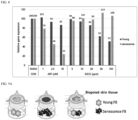
FIG. 1 relates to the senolytic efficacy of tea tree (Camellia Sinensis) root extract. -
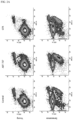
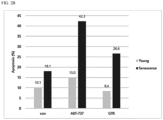
FIGs. 2A and2B show the increase in apoptosis of senescent cells by treatment with tea tree root extract. -
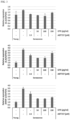
FIG. 3 relates to the senomorphic efficacy of the tea tree root extract. Specifically, it shows the decrease in the expression of genes related to senescence associated secretory phenotype (SASP) due to treatment with tea tree root extract. -
FIGs. 4A and 4B show the reduction of beta-galactosidase (β-galactosidase), an aging factor, by treatment with tea tree root extract. -
FIGs. 5A to 5C show the recovery of elasticity (A), dermis (B) and epidermal function (C) in an artificial skin model by treatment with tea tree root extract. -
FIGs. 6A and 6B show the negative effects of SASP secreted from senescent cells on surrounding keratinocytes and the inhibition of SASP at the protein level (A) and mRNA (B) levels by treatment with tea tree root extract. -
FIGs. 7A and 7B show the results of analyzing the catechin (A) and amino acid (B) content and components of the tea tree root extract. -
FIG. 8 relates to the toxicity of young fibroblasts by treatment with epigallocatechin gallate (EGCG). -
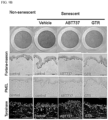
FIGs. 9A and9B relate to the efficacy of improving skin pigmentation by treatment with tea tree root extract. - In
FIGs. 1 to 9 , GTR represents a tea tree root extract. - Hereinafter, the present disclosure will be described in detail.
- As used herein, the term "cellular senescence" refers to a state in which normal cells lose the ability to divide and cell cycle arrest continues. The cellular senescence may progress into a stage in which cell division stops, a stage in which senescence spreads when cells that have stopped dividing secrete a senescence associated secretory phenotype (SASP), and a stage in which senescent cells accumulate in tissues.
- In this specification, the term "senolytic" is a compound word combining senescence (aging) and lytic (destroy), and refers to a material that selectively removes senescent cells.
- In this specification, the term "senomorphic" is a compound word combining senescence (aging) and morphic (shape), and refers to a material that returns to normal cell levels by inhibiting the secretion of specific factors, including inhibition of senescence associated secretory phenotype (SASP) factors.
- In one aspect, the present disclosure relates to a senolytic composition comprising a tea tree (Camellia Sinensis) root extract as an active ingredient.
- The tea tree (Camellia Sinensis) root extract usually contains oleanane saponin as a main ingredient (e.g., 53% of the total content). The components of tea tree root extract are completely different from those of tea tree leaf extract. The tea tree leaf extract has a catechin content of about 30% by weight, while the tea tree root extract has a catechin content of only about 0.2% by weight. This means that the efficacy of catechin cannot be expected from the tea tree root extract.
- In one exemplary embodiment, the senolytic may be a skin cell senolytic.
- In one exemplary embodiment, the skin cells may be fibroblasts.
- In an exemplary embodiment, the senolytic may be a senolytic based on apoptosis.
- In an exemplary embodiment, the tea tree root extract may be obtained according to a method known in the art. Specifically, the tea tree roots are washed with purified water, dried by sun drying or hot air drying, and powdered. An extraction solvent can be used in the granulated power, and the extraction solvent may be selected from organic solvents such as ethanol, methanol, butanol, ether, ethyl acetate, chloroform, or a mixed solvent of these organic solvents and water. Considering the safety of the raw materials, water or ethanol at a concentration of 30 to 70% is preferred. A dried extract of the tea tree root may be obtained by refluxing extraction the extract obtained by using the solvent above, filtering, and concentrating under reduced pressure at 40 to 50°C.
- In one exemplary embodiment, the composition may be administered to a subject in need of restoring skin elasticity or improving wrinkles.
- In one exemplary embodiment, the composition may be administered to a subject in need of a decrease in MMP-1 or an increase in procollagen in the dermal layer of the skin.
- In one exemplary embodiment, the composition may be administered to a subject in need of cell production, proliferation, or differentiation of the epidermal layer of the skin.
- In one exemplary embodiment, the composition may be administered to a subject in need of production, delivery, or decomposition of skin pigment in the epidermal layer of the skin.
- In an exemplary embodiment, the composition may be administered to a subject in need of inhibiting the production and transfer of melanin and decomposing it in the epidermal layer of the skin.
- In another aspect, the present disclosure relates to a method for selectively removing senescent cells by administering an effective amount of a tea tree root extract to a subject.
- In another aspect, the present disclosure relates to the use of the tea tree root extract for manufacturing a senolytic composition.
- In another aspect, the present disclosure relates to the use of the tea tree root extract for a senolytic.
- In another aspect, the present disclosure relates to a senomorphic composition comprising a tea tree root extract as an active ingredient.
- In one exemplary embodiment, the senomoltic may be a skin cell senomoltic.
- In one exemplary embodiment, the skin cells may be fibroblasts.
- In an exemplary embodiment, the tea tree root extract may be obtained according to a method known in the art. Specifically, the tea tree roots are washed with purified water, dried by sun drying or hot air drying, and powdered. An extraction solvent can be used in the granulated power, and the extraction solvent may be selected from organic solvents such as ethanol, methanol, butanol, ether, ethyl acetate, chloroform, or a mixed solvent of these organic solvents and water. Considering the safety of the raw materials, water or ethanol at a concentration of 30 to 70% is preferred. A dried extract of the tea tree root may be obtained by refluxing extraction the extract obtained by using the solvent above, filtering, and concentrating under reduced pressure at 40 to 50°C.
- In one exemplary embodiment, the composition may be administered to a subject in need of restoring skin elasticity or improving wrinkles.
- In one exemplary embodiment, the composition may be administered to a subject in need of a decrease in MMP-1 or an increase in procollagen in the dermal layer of the skin.
- In one exemplary embodiment, the composition may be administered to a subject in need of cell production, proliferation, or differentiation of the epidermal layer of the skin.
- In one exemplary embodiment, the composition may be administered to a subject in need of production, delivery, or decomposition of skin pigment in the epidermal layer of the skin.
- In an exemplary embodiment, the composition may be administered to a subject in need of inhibiting the production and transfer of melanin and decomposing it in the epidermal layer of the skin.
- In an exemplary embodiment, the composition may be administered to a subject in need of reducing aging factors or senescence associated secretory phenotype (SASP) in the skin. The aging factor may be senescence associated beta-galactosidase (SA-β), and the SASP may be one or more selected from the group consisting of IL-6, IL-8, MMP-1, and MCP-1.
- In another aspect, the present disclosure relates to a method for reducing aging factors or senescence associated secretory phenotype (SASP) by administering an effective amount of a tea tree root extract to a subject.
- In another aspect, the present disclosure relates to the use of the tea tree root extract for manufacturing a senomorphic composition.
- In another aspect, the present disclosure relates to the use of the tea tree root extract for a senomorphic.
- In an exemplary embodiment, the daily administration amount of the active ingredient of the composition may be 10µg/kg to 100 g/kg, and more specifically, 10 mg/kg or more, 15 mg/kg or more, 25 mg/kg or more, 30 mg/kg or more, 35 mg/kg or more, 40 mg/kg or more, 45 mg/kg or more, or 50 mg/kg or more, 200 mg/kg or less, 190 mg/kg or less, 180 mg/kg or less, 170 mg/kg or less, 165 mg/kg or less, 160 mg/kg or less, 155 mg/kg or less, or 150 mg/kg or less. The efficacy of senolytic or senomorphic is excellent at the above administration amount, the efficacy of senolytic or senomorphic is minimal when the administration amount is less than the above administration amount. It the administration amount is higher than the above, problems such as toxicity may occur. The administration may be administered once or several times a day. For example, it may be administered 1 to 12 times a
year 2 to 24 times per day, 1 to 2 times per 3 days, 1 to 6 times per week, 1 to 10 times per 2 weeks, 1 to 15 times per 3 weeks, 1 to 3 times per 4 weeks, or 1 to 12 times per year. - In another aspect, the present disclosure relates to a composition for preventing, improving, or treating aging-related diseases, comprising a tea tree root extract as an active ingredient.
- In an exemplary embodiment, the aging-related disease may be a skin aging-related disease, and may include, for example, pruritus, dry skin, bedsores, pigmentary disease, benign tumor, skin cancer, etc.
- In another aspect, the present disclosure relates to a composition for improving skin elasticity or wrinkles comprising a tea tree root extract as an active ingredient. Due to the aging of skin cells, especially the decrease in elastin and collagen produced by fibroblasts in the dermal tissue, wrinkles, sagging symptoms, and decreased skin elasticity may occur. However, the tea tree root extract may improve these wrinkles and skin elasticity.
- In another aspect, the present disclosure relates to a composition for improving the skin barrier comprising a tea tree root extract as an active ingredient.
- In another aspect, the present disclosure relates to a composition for improving skin pigmentation comprising a tea tree root extract as an active ingredient.
- In an exemplary embodiment, the composition may be one or more selected from the group consisting of cosmetic composition, pharmaceutical composition, and food composition.
- In one exemplary embodiment, the composition may contain 0.001 to 99.9% by weight of the active ingredient. For example, it may contain 0.01 to 20.0% by weight or 0.1 to 10.0% by weight.
- In an exemplary embodiment, the cosmetic composition may be manufactured in the form of a general emulsified formulation and solubilized formulation. The emulsified formulations include nourishing lotions, creams, essences, etc., and the solubilized formulations include softening lotions, etc. Suitable formulations may be in form of, solutions, gels, solid or pasty anhydrous products, emulsions obtained by dispersing the oil phase in the aqueous phase, suspensions, microemulsions, microcapsules, microgranules or ionic (liposome) or bion-type vesicular dsipersants, creams, skins, lotions, powders, ointments, sprays or conceal sticks. It may also be in the form of foam or an aerosol composition further containing compressed propellant.
- In an exemplary embodiment, the cosmetic composition may additionally contain fatty substances, organic solvents, solubilizers, thickening and gelling agents, softeners, antioxidants, suspending agents, stabilizers, foaming agents, fragrances, surfactants, water, ionic type. or non-ionic emulsifiers, fillers, sequestering agents, chelating agents, preservatives, vitamins, blocking agents, wetting agents, essential oils, dyes, pigments, hydrophilic or lipophilic active agents, lipid vesicles or commonly used adjuvants such as other ingredients commonly used in cosmetic compositions.
- In an exemplary embodiment, the pharmaceutical composition may be provided in any formulation suitable for topical administration. For example, it can be administered orally, transdermally, intravenously, intramuscularly, or by subcutaneous injection. As an example, the pharmaceutical composition may be an injection, a solution for external use on the skin, a suspension, an emulsion, a gel, a patch, or a spray. The formulation may be easily manufactured according to conventional methods in the field, and surfactants, excipients, wetting agents, emulsification accelerators, suspending agents, salts or buffers for adjusting osmotic pressure, colorants, flavorings, stabilizers, preservatives, preservatives or other commonly used supplements may be used appropriately.
- In an exemplary embodiment, the active ingredient of the pharmaceutical composition will vary depending on the subject's age, gender, weight, pathological condition and its severity, route of administration, or the judgment of the prescriber. Determination of the appropriate dosage to use based on these factors is within the level of one skilled in the art.
- In an exemplary embodiment, when the composition is used as an additive to a health functional food, it may be added as is or used together with other foods or food ingredients, and may be used appropriately according to conventional methods. The mixed amount of active ingredients may be appropriately determined depending on each purpose of use, such as prevention, health, or treatment. The formulation of health functional foods may be in the form of powders, granules, pills, tablets, capsules, as well as general foods or beverages.
- In an exemplary embodiment, there is no particular limitation on the type of the health functional food, and examples of foods to which the composition may be added may include meat, confectionery, noodles, gum, dairy products including ice cream, various soups, beverages, tea, drinks, alcoholic beverages, and vitamin complexes, etc., and may include all foods in the conventional sense.
- In an exemplary embodiment, the beverage among the health functional foods may contain various flavoring agents or natural carbohydrates as additional ingredients like a typical beverage. The above-mentioned natural carbohydrates may be monosaccharides such as glucose and fructose, disaccharides such as maltose and sucrose, polysaccharides such as dextrin and cyclodextrin, and sugar alcohols such as xylitol, sorbitol, and erythritol. As a sweetener, natural sweeteners such as thaumatin and stevia extract or synthetic sweeteners such as saccharin and aspartame may be used. The ratio of the natural carbohydrate may be about 0.01 to 0.04 g, preferably about 0.02 to 0.03 g, per 100 mL of the beverage according to the present disclosure.
- In an exemplary embodiment, in addition to the above, the health functional food according to the present disclosure may include various nutrients, vitamins, electrolytes, flavors, colorants, pectic acid and its salts, alginic acid and its salts, organic acids, protective colloidal thickeners, pH conditioners, stabilizers, preservatives, glycerin, alcohol, and carbonating agents used in carbonated beverages. In addition, the health functional food according to the present disclosure may include fruit juice drinks, vegetable drinks and pulp for the production of natural fruit juice. These ingredients may be used independently or in combination. The ratio of these additives is generally selected in the range of 0.01 to 0.1 parts by weight based on 100 parts by weight of the health functional food according to the present disclosure.
- In another aspect, the present disclosure relates to a method for preventing, improving, or treating aging-related diseases by administering an effective amount of tea tree root extract to a subject.
- In another aspect, the present disclosure relates to the use of tea tree root extract for manufacturing a composition for preventing, improving or treating age-related diseases.
- In another aspect, the present disclosure relates to the use of the tea tree root extract for preventing, improving or treating age-related diseases.
- In another aspect, the present disclosure relates to a method for improving skin elasticity or wrinkles by administering an effective amount of tea tree root extract to a subject.
- In another aspect, the present disclosure relates to the use of tea tree root extract for manufacturing a composition for improving skin elasticity or wrinkles.
- In another aspect, the present disclosure relates to the use of the tea tree root extract for improving skin elasticity or wrinkles.
- In another aspect, the present disclosure relates to a method for improving the skin barrier by administering an effective amount of tea tree root extract to a subject.
- In another aspect, the present disclosure relates to the use of tea tree root extract for manufacturing a composition for improving the skin barrier.
- In another aspect, the present disclosure relates to the use of the tea tree root extract for improving the skin barrier.
- In another aspect, the present disclosure relates to a method for improving skin pigmentation by administering to a subject comprising an effective amount of tea tree root extract.
- In another aspect, the present disclosure relates to the use of tea tree root extract for manufacturing a composition for improving skin pigmentation.
- In another aspect, the present disclosure relates to the use of the tea tree root extract for improving skin pigmentation.
- In another aspect, the present disclosure relates to the use of the tea tree root extract for non-therapeutic use or therapeutic use.
- Hereinafter, the configuration and effects of the present disclosure will be described in more detail through examples. However, the examples below are provided only for illustrative purposes to aid understanding of the present disclosure.
- Tea tree (Camellia sinensis) roots purchased from Jeju Osulloc Farm's Dolsongi Tea Field, Seogwang Tea Field, and Hannam Tea Field were extracted in 70% ethanol and dried in vacuum to obtain tea tree root extract (GTR) powder.
- Human fibroblasts were cultured in a 6-well plate culture medium. Senescent cells were prepared by inducing senescence by culturing the fibroblasts in DMEM (containing 10% FBS) medium containing doxorubicin (100 ng/ml) and insulin-like growth factor 1 (IGF-1) (100ng/ml) for 4 days. Then, the same medium was treated with a positive control material (ABT737, 1-10 uM) and the tea tree root extract (50-150ppm) and cultured for 72 hours. The ABT737 is a Bcl-2 inhibitor and a representative senolytic. Young cells were treated with experimental mmaterials in DMEM medium without inducing senescence and cultured for 72 hours.
- In order to confirm the senolytic efficacy of the treatment with the tea tree root extract, the medium was replaced with a medium diluted 1/100 with Cell counting kit-8 (CCK-8, dojindo), cultured for 1 hour, and then the absorbance was measured at 540 nm.
- As shown in
FIG. 1 , it was confirmed that the tea tree root extract almost did not kill young cells at a concentration of 50-100 ppm, but only killed about 22% and 31% of aged cells, respectively. In addition, it was confirmed that the efficacy of senescent cell death increased in a concentration-dependent manner. - Human fibroblasts were cultured in a 6-well plate culture medium. Senescent cells were prepared by inducing senescence by culturing the fibroblasts in DMEM (containing 10% FBS) medium containing doxorubicin (100 ng/ml) and insulin-like growth factor 1 (IGF-1) (100ng/ml) for 4 days. After, the same medium was treated with a positive control material (ABT737, 10 uM) and the tea tree root extract (150ppm) and cultured for 24 hours, and then the cells were harvested. The harvested cells were treated with an apoptosis assay kit (APC annexin V/Dead cell apoptosis kit with APC annexin V and SYTOX green for flow cytometry, invitrogen) according to the user's manual, and fluorescence value of each cell was analyzed using a FACS (BD FACSuite) device.
- As shown in
FIGs. 2A and2B , apoptosis was slightly reduced in young cells (8.4%) compared to the negative control group (10.1%). In contrast, it was confirmed that apoptosis was significantly increased in aged cells (26.6%) compared to the negative control group (18.8%). - Human fibroblasts were cultured in a 6-well plate culture medium. Senescent cells were prepared by inducing senescence by culturing the fibroblasts in DMEM (containing 10% FBS) medium containing doxorubicin (100 ng/ml) and insulin-like growth factor 1 (IGF-1) (100ng/ml) for 4 days. Then, the same medium was treated with a positive control material (ABT737 2.5 uM) and the tea tree root extract (50-150ppm) and cultured for 72 hours. The cells were transferred to a new 6-well plate culture medium, cultured for an additional 7 days, then harvested and genes were collected. Using 1ug of the collected mRNA, cDNA was synthesized, and real-time qPCR (thermofisher) was performed to compare the expression of genes. The genes of IL-6 (Hs00985639_m1), IL-8 (Hs00174103_m1), and MMP-1 (Hs00899658_m1) were quantified by normalization to GAPDH (Hs02786624_g1).
- As shown in
FIG. 3 , it was confirmed that the expression of SASP genes (IL-6, IL-8, MMP-1) increased by senescence induction was reduced by treatment with the tea tree root extract and the level of expression was maintained even after 7 days. - Human fibroblasts were cultured in a 6-well plate culture medium. Senescent cells were prepared by inducing senescence by culturing the fibroblasts in DMEM (containing 10% FBS) medium containing doxorubicin (100 ng/ml) and insulin-like growth factor 1 (IGF-1) (100ng/ml) for 4 days. After, the same medium was treated with the tea tree root extract (10-150ppm) and cultured for 72 hours, and then the cells were harvested. The harvested cells were treated with medium diluted 1/1,000 with Spider's SPiDER-βGal (dojindo) for 15 minutes, and then the fluorescence value of each cell was measured through FACS (BD FACSuite).
- As shown in
FIGs. 4A and 4B , the efficacy of beta-galactosidase (β-Galactosidase) reduction of about 30% was confirmed at a concentration of 50 ppm or more of the tea tree root extract. - Human fibroblasts were cultured in a 100 pie culture medium. Senescent cells were prepared by inducing senescence by culturing the fibroblasts in DMEM (containing 10% FBS) medium containing doxorubicin (100 ng/ml) and insulin-like growth factor 1 (IGF-1) (100ng/ml) for 4 days. Then, the same medium was treated with the tea tree root extract (1000ppm) and cultured for 72 hours. A dermal layer was prepared by culturing 1×10⁵ fibroblasts in collagen gel. After purchasing Melanoderm (Martek), which consists of the epidermis, the dermal layer was artificially attached to the lower part thereof and cultured for two weeks. After 14 days, the culture medium was collected and the expression levels of pro-collagen and MMP-1 were analyzed using ELISA. The cultured artificial skin was confirmed to express Ki67, K10, and Flaggrin through immunostaining.
- As shown in
FIG. 5A , the dermal layer made of young fibroblasts had a strong pulling force on the surrounding collagen, resulting in strong contraction, but the contraction of the dermal layer made of aged fibroblasts was observed to be weak. On the other hand, it was confirmed that the dermal layer prepared from aged fibroblasts treated with the tea tree root extract had improved contractility. This was also confirmed by the recovery of the ratio of MMP-1 and pro-collagen produced and secreted in the dermal layer to normal, as shown inFIG. 5B . - In addition, as a result of confirming the effect on the surrounding epidermal layer through immunostaining, it was confirmed that the proliferation and differentiation ability of the epidermal layer, which was reduced due to aging, was improved by treatment with the tea tree root extract, as shown in
FIG. 5C . - Furthermore, the negative effects of SASP on surrounding keratinocytes and the inhibitory effect of SASP at the protein (A) and mRNA (B) levels by treatment with the tea tree root extract were confirmed. When the supernatant of aged cells (old conditioned media, OCM) was treated, KRT10 and Loricrin, markers related to skin barrier, decreased, and r-H2X, a factor related to cell damage, increased compared to the control group (young conditioned media, YCM) (
FIG. 6A ). However, in the case of conditioned media obtained by treating aged cells with the tea tree root extract, it was confirmed that damage to the skin barrier or cells was recovered (FIG. 6B ). Specifically, among aging markers, p16 decreased, FLG and K10, markers related to keratinocyte differentiation and skin barrier, increased, and IL-6 and SASPs, IL-6 and MCP-1, decreased (FIG. 6B ). The senomorphic and skin barrier improving efficacy of the tea tree root extract was confirmed through a decrease in the expression of the aging and SASP markers and an increase in markers related to keratinocytes differentiation and skin barrier. - A tea tree leaf extract and a tea tree root extract were analyzed for catechin and amino acid content through HPLC analysis.
- As a result, as shown in
FIGs. 7A, 7B , Table 1 and Table 2, it was confirmed that the contents and components of catechin and amino acids contained in the tea tree leaf extract and the tea tree root extract were very different. Catechins, including epigallocatechin gallate (EGCG), were detected at a level of 0.2% in the tea tree root extract. In other words, since there is almost no EGCG in the tea tree root extract, it indicates that the senolytic effect does not result from EGCG.[Table 1] Component and content of catechin in tea tree leaf extract and tea tree root extract Item Tea tree leaf (green tea) extract Tea tree root extract Gallocatechin 0.3634 ND Epigallocatechin 7.6432 0.0675 Catechin 0.2011 0.0306 Epicatechin 2.0375 0.0234 Epigallocatechin gallate 16.1052 0.1072 Gallocatechin gallate 0.0968 0.0018 Epicatechin gallate 2.5573 ND Catechin gallate ND ND Total catechin content (%) 29.0 0.23 [Table 2] Component and content of amino acids in tea tree leaf extract and tea tree root extract Item Tea tree leaf (green tea) extract Tea tree root extract Histidine 110.732 3.174 Asparagine 387.195 131.104 Serine 1187.683 420.166 Glutamine 5035.244 1736.328 Arginine 1112.683 3802.368 Glycine 20.244 106.323 Aspartic acid 5123.537 733.765 Glutamic acid 6124.024 3523.438 Threonine 644.634 212.891 Alanine 795.244 3272.461 γ-aminobutyric acid ND 2684.082 Theanine 26705.61 10269.287 Proline 252.927 1095.215 Cystine ND ND Lysine ND ND Tyrosine 369.024 146.973 Methionine ND ND Valine ND 294.067 Leucine 205.854 78.857 Isoleucine 234.39 199.707 Phenylalanine 418.78 106.567 Tryptophan 676.341 158.203 Total amino acid content (µg/g) 49404.146 28974.976 Total amino acid content (%) 4.94 2.90 - Human fibroblasts were cultured in a 6-well plate culture medium. Senescent cells were prepared by inducing senescence by culturing the fibroblasts in DMEM (containing 10% FBS) medium containing doxorubicin (100 ng/ml) and insulin-like growth factor 1 (IGF-1) (100ng/ml) for 4 days. Then, the same medium was treated with a positive control material (ABT737, 1-10 uM) and the tea tree root extract (50-150ppm) and cultured for 72 hours. Young cells were treated with experimental materials in DMEM medium without inducing senescence and cultured for 72 hours.
- In order to confirm the senolytic efficacy of the material treated with the tea tree root extract, the medium was replaced with a medium diluted 1/100 with Cell counting kit-8 (CCK-8, dojindo), cultured for 1 hour, and then the absorbance was measured at 540 nm.
- As shown in
FIG. 8 , it was confirmed that EGCG had no effect on killing senescent cells in fibroblasts and only showed cytotoxicity on young cells at a concentration of 50 ppm or higher. - Genoskin (GENOSKIN, Toulouse, France), made from human tissue derived from the abdomen of a 46-year-old woman, was purchased. Young or passage-aging human fibroblasts were treated with a positive control material (ABT737, 10 uM) and the tea tree root extract (100ppm) for 3 days. Then, these fibroblasts and Genoskin were cocultured for 7 days. Fontana-masson staining was performed to confirm melanin pigment, and changes in PEML, a melanocyte marker, and tyrosinase, a protein related to melanin synthesis, were confirmed.
- As shown in
FIGs. 9A and9B , it was confirmed that pigmentation of ex-vivo human skin increased due to aging fibroblasts, but this pigmentation was improved by treatment with the tea tree root extract. Through immunostaining, it was confirmed that melanin production was increased in surrounding melanocytes by aged fibroblasts, and that the melanin content that had been increased was decreased by the tea tree root extract. Additionally, there was no change in PEML, and the activity of tyrosinase was decreased by treatment with the tea tree root extract. - The disclosure is further illustrated by the following embodiments.
-
Embodiment 1. Use of a tea tree (Camellia Sinensis) root extract for a senotherapy; prevention or improvement of aging-related disease; improvement of skin elasticity or wrinkles; improvement of skin barrier; or improvement of skin pigmentation. -
Embodiment 2. The use ofEmbodiment 1, wherein the senotherapy comprises a senolytic or senomorphic. - Embodiment 3. The use of
Embodiment -
Embodiment 4. The use of any one ofEmbodiments 1 to 3, wherein the skin cell is fibroblast. -
Embodiment 5. The use of any one ofEmbodiments 1 to 4, wherein the senolytic is a senolytic based on apoptosis. -
Embodiment 6. The use of any one ofEmbodiments 1 to 5, wherein the subject is characterized by a need for reduction of aging factor or Senescence Associated Secretory Phenotype (SASP) in skin cell. -
Embodiment 7. The use of any one ofEmbodiment 1 to 6, wherein the aging factor is beta-galactosidase (β-Galactosidase). -
Embodiment 8. The use of any one ofEmbodiments 1 to 7, wherein the SASP is one or more selected from the group consisting of IL-6, IL-8, MMP-1, and MCP-1. - Embodiment 9. The use of any one of
Embodiments 1 to 8, wherein the tea tree root extract is an ethanol aqueous solution extract of the tea tree root. -
Embodiment 10. The use of any one ofEmbodiments 1 to 9, wherein the use is non-pharmaceutical use. - Embodiment 11. A tea tree (Camellia Sinensis) root extract for use in prevention or treatment of aging-related disease.
- Embodiment 12. The tea tree root extract of Embodiment 11, wherein the subject is characterized by a need for reduction of aging factor or Senescence Associated Secretory Phenotype (SASP) in skin cell.
- Embodiment 13. The tea tree root extract of Embodiment 11 or 12, wherein the aging factor is beta-galactosidase (β-Galactosidase).
- Embodiment 14. The tea tree root extract of any one of Embodiments 11 to 13, wherein the SASP is one or more selected from the group consisting of IL-6, IL-8, MMP-1, and MCP-1.
-
Embodiment 15. The tea tree root extract of any one of Embodiments 11 to 14, wherein the tea tree root extract is an ethanol aqueous solution extract of the tea tree root. - Embodiment 16. The tea tree root extract of any one of Embodiments 11 to 15, wherein the tea tree root extract is for pharmaceutical use.
Claims (14)
- A non-therapeutic use of a tea tree (Camellia Sinensis) root extract for a senotherapy; prevention or improvement of aging-related disease; improvement of skin elasticity or wrinkles; improvement of skin barrier; or improvement of skin pigmentation.
- The non-therapeutic use according to claim 1, wherein the senotherapy comprises a senolytic or senomorphic.
- The non-therapeutic use according to claim 2, wherein the senolytic or senomorphic is a skin cell senolytic or skin cell senomorphic.
- The non-therapeutic use according to claim 3, wherein the skin cell is fibroblast.
- The non-therapeutic use according to claim 2 wherein the senolytic is a senolytic based on apoptosis.
- The non-therapeutic use according to any one of the preceding claims, wherein the subject is characterized by a need for reduction of aging factor or Senescence Associated Secretory Phenotype (SASP) in skin cell.
- The non-therapeutic use according to claim 6, wherein the aging factor is beta-galactosidase (β-Galactosidase).
- The non-therapeutic use according to claim 6, wherein the SASP is one or more selected from the group consisting of IL-6, IL-8, MMP-1, and MCP-1.
- The non-therapeutic use according to any one of the preceding claims, wherein the tea tree root extract is an ethanol aqueous solution extract of the tea tree root.
- A tea tree (Camellia Sinensis) root extract for use in prevention or treatment of aging-related disease.
- The tea tree root extract according to claim 10, wherein the subject is characterized by a need for reduction of aging factor or Senescence Associated Secretory Phenotype (SASP) in skin cell.
- The tea tree root extract according to claim 11, wherein the aging factor is beta-galactosidase (β-Galactosidase).
- The tea tree root extract according to claim 11, wherein the SASP is one or more selected from the group consisting of IL-6, IL-8, MMP-1, and MCP-1.
- The tea tree root extract according to any one of claims 10 to 13, wherein the tea tree root extract is an ethanol aqueous solution extract of the tea tree root.
Applications Claiming Priority (1)
| Application Number | Priority Date | Filing Date | Title |
|---|---|---|---|
| KR1020230084876A KR20250002995A (en) | 2023-06-30 | 2023-06-30 | A Senotherapy Composition Containing Camellia Sinensis Extract |
Publications (1)
| Publication Number | Publication Date |
|---|---|
| EP4494631A1 true EP4494631A1 (en) | 2025-01-22 |
Family
ID=91699970
Family Applications (1)
| Application Number | Title | Priority Date | Filing Date |
|---|---|---|---|
| EP24184573.4A Pending EP4494631A1 (en) | 2023-06-30 | 2024-06-26 | A senotherapy composition containing camellia sinensis extract |
Country Status (5)
| Country | Link |
|---|---|
| US (1) | US20250000786A1 (en) |
| EP (1) | EP4494631A1 (en) |
| JP (1) | JP2025009868A (en) |
| KR (1) | KR20250002995A (en) |
| CA (1) | CA3241400A1 (en) |
Citations (4)
| Publication number | Priority date | Publication date | Assignee | Title |
|---|---|---|---|---|
| US20160120929A1 (en) * | 2014-11-03 | 2016-05-05 | Amorepacific Corporation | External composition for skin containing an enzyme-treated saponin fraction derived from the root of camellia sinensis |
| KR20190059065A (en) * | 2017-11-22 | 2019-05-30 | (주)아모레퍼시픽 | Composition comprising camellia sinensis L. root extract for anti-aging or anti-inflammation |
| CN112004519A (en) * | 2017-11-22 | 2020-11-27 | 株式会社爱茉莉太平洋 | Anti-aging and anti-inflammatory composition comprising tea tree root extract for protecting skin cell damage caused by fine dust and for enhancing skin barrier |
| KR20230076555A (en) * | 2021-11-24 | 2023-05-31 | 주식회사 아이씨바이오 | Composition for skin moisturizing or enhancing skin barrier containing the polysaccharide from the root of Camellia sinensis |
-
2023
- 2023-06-30 KR KR1020230084876A patent/KR20250002995A/en active Pending
-
2024
- 2024-05-27 JP JP2024085440A patent/JP2025009868A/en active Pending
- 2024-06-10 CA CA3241400A patent/CA3241400A1/en active Pending
- 2024-06-26 EP EP24184573.4A patent/EP4494631A1/en active Pending
- 2024-06-28 US US18/757,797 patent/US20250000786A1/en active Pending
Patent Citations (4)
| Publication number | Priority date | Publication date | Assignee | Title |
|---|---|---|---|---|
| US20160120929A1 (en) * | 2014-11-03 | 2016-05-05 | Amorepacific Corporation | External composition for skin containing an enzyme-treated saponin fraction derived from the root of camellia sinensis |
| KR20190059065A (en) * | 2017-11-22 | 2019-05-30 | (주)아모레퍼시픽 | Composition comprising camellia sinensis L. root extract for anti-aging or anti-inflammation |
| CN112004519A (en) * | 2017-11-22 | 2020-11-27 | 株式会社爱茉莉太平洋 | Anti-aging and anti-inflammatory composition comprising tea tree root extract for protecting skin cell damage caused by fine dust and for enhancing skin barrier |
| KR20230076555A (en) * | 2021-11-24 | 2023-05-31 | 주식회사 아이씨바이오 | Composition for skin moisturizing or enhancing skin barrier containing the polysaccharide from the root of Camellia sinensis |
Non-Patent Citations (1)
| Title |
|---|
| CHATTOPADHYAY P ET AL: "Anti-inflammatory activity of tea (Camellia sinensis) root extract", LIFE SCIENCE, vol. 74, no. 15, 1 February 2004 (2004-02-01), GB, pages 1839 - 1849, XP093228318, ISSN: 0024-3205, Retrieved from the Internet <URL:https://pdf.sciencedirectassets.com/271221/1-s2.0-S0024320500X1822X/1-s2.0-S0024320503011111/main.pdf?hash=7d06eaad28a1d8ff3460b39254ca2a2f375f70e3a6ad9b63ae5eda03f1ca83cf&host=68042c943591013ac2b2430a89b270f6af2c76d8dfd086a07176afe7c76c2c61&pii=S0024320503011111&tid=spdf-92c3b164-918c-44bd-a347-768> DOI: 10.1016/j.lfs.2003.07.053 * |
Also Published As
| Publication number | Publication date |
|---|---|
| CA3241400A1 (en) | 2025-06-10 |
| KR20250002995A (en) | 2025-01-07 |
| JP2025009868A (en) | 2025-01-20 |
| US20250000786A1 (en) | 2025-01-02 |
Similar Documents
| Publication | Publication Date | Title |
|---|---|---|
| KR102113193B1 (en) | Composition for improving skin conditions comprising artemisiae annuae herba, centella asiatica and green tea extract or fraction thereof and method for improving skin conditions using the same | |
| KR102488588B1 (en) | Compositions for Skin-lightening Using Using Solubilized Mastic Gum | |
| KR20170050062A (en) | Composition for Beverage and Cosmetics Containing Asiaticoside Madecassoside Asiatic acid Madecasic acid Extracted from Centella Asiatica Manufacturing Method Thereof | |
| KR20170072177A (en) | Composition for Beverage and Cosmetics Containing Asiaticoside, Madecassoside, Asiatic acid & Madecasic acid Extracted from Centella Asiatica & Manufacturing Method Thereof | |
| KR101668357B1 (en) | Composition for improving skin conditions and method for improving skin conditions using the same | |
| KR101609340B1 (en) | Composition comprising mixed herbal mixture extract for improving anti-aging or skin whitening | |
| KR102218472B1 (en) | Composition for Skin-lightening Using an Extract of Aconogonon micranthum | |
| KR102721819B1 (en) | Composition for skin moisturizing or enhancing skin barrier containing the polysaccharide from the root of Camellia sinensis | |
| KR102386120B1 (en) | Composition for preventing hair loss or promoting hair growth comprising milk thistle flower extract as an active ingredient | |
| KR101721022B1 (en) | Composition for comprising adipic acid for improving skin wrinkle or enhancing skin elasticity | |
| KR102840764B1 (en) | Composition for Promoting Melanin synthesis comprising Smilax china extract | |
| US20250000786A1 (en) | Senotherapy composition containing camellia sinensis extract | |
| KR102577528B1 (en) | Composition for improving skin | |
| KR102866429B1 (en) | Composition for Skin-lightening and Improving Wrinkles Using Water-Soluble Curcumin and Wheat Bran Extracts | |
| KR20200111536A (en) | Composition for Improving Skin Wrinkles and Anti-oxidation Using an Extract of Sasa quelpaertensis Nakai and an Extract of Torreya nucifera | |
| KR101551106B1 (en) | A composition comprising the extract of Paspalum thunbergii Kunth | |
| KR102200906B1 (en) | Composition for preventing hair loss or promoting hair growth comprising a plant extract from which chlorophyll or pigment is removed and the manufacturing methods | |
| KR102833412B1 (en) | A composition for improving skin condition containing extracellular vesicles derived from Abelmoschus manihot | |
| KR102770354B1 (en) | Functional composition for anti-wrinkle with skin aging improvement | |
| KR102229943B1 (en) | Composition for Skin-lightening and Improving Wrinkle Using an Extract of Maerua edulis | |
| KR101702493B1 (en) | Composition for comprising borneol for moisturizing and improving skin wrinkle | |
| KR102875981B1 (en) | Composition for skin whitening comprising Persicaria perfoliate extract | |
| KR102152932B1 (en) | Composition for improving skin conditions comprising catechin glycoside and method for improving skin conditions using the same | |
| KR102810314B1 (en) | A cosmetic composition for skin whitening comprising a mixed extract of Geranium kunthii and Zephyrnathes candida as an active ingredient, and a pharmaceutical composition for preventing or treating diseases of melanin hyperpigmentation | |
| KR102831785B1 (en) | Composition for Promoting Melanin synthesis comprising Sargassum fusiforme extract |
Legal Events
| Date | Code | Title | Description |
|---|---|---|---|
| PUAI | Public reference made under article 153(3) epc to a published international application that has entered the european phase |
Free format text: ORIGINAL CODE: 0009012 |
|
| STAA | Information on the status of an ep patent application or granted ep patent |
Free format text: STATUS: THE APPLICATION HAS BEEN PUBLISHED |
|
| AK | Designated contracting states |
Kind code of ref document: A1 Designated state(s): AL AT BE BG CH CY CZ DE DK EE ES FI FR GB GR HR HU IE IS IT LI LT LU LV MC ME MK MT NL NO PL PT RO RS SE SI SK SM TR |
|
| STAA | Information on the status of an ep patent application or granted ep patent |
Free format text: STATUS: REQUEST FOR EXAMINATION WAS MADE |
|
| 17P | Request for examination filed |
Effective date: 20250718 |