EP4470548A1 - Verwendung von bacteroides fragilis zur verbesserung und behandlung von diarrhöe - Google Patents
Verwendung von bacteroides fragilis zur verbesserung und behandlung von diarrhöe Download PDFInfo
- Publication number
- EP4470548A1 EP4470548A1 EP22923662.5A EP22923662A EP4470548A1 EP 4470548 A1 EP4470548 A1 EP 4470548A1 EP 22923662 A EP22923662 A EP 22923662A EP 4470548 A1 EP4470548 A1 EP 4470548A1
- Authority
- EP
- European Patent Office
- Prior art keywords
- bacteroides fragilis
- diarrhea
- group
- solution
- inactivated bacteria
- Prior art date
- Legal status (The legal status is an assumption and is not a legal conclusion. Google has not performed a legal analysis and makes no representation as to the accuracy of the status listed.)
- Pending
Links
Images


Classifications
-
- A—HUMAN NECESSITIES
- A23—FOODS OR FOODSTUFFS; TREATMENT THEREOF, NOT COVERED BY OTHER CLASSES
- A23L—FOODS, FOODSTUFFS OR NON-ALCOHOLIC BEVERAGES, NOT OTHERWISE PROVIDED FOR; PREPARATION OR TREATMENT THEREOF
- A23L33/00—Modifying nutritive qualities of foods; Dietetic products; Preparation or treatment thereof
- A23L33/10—Modifying nutritive qualities of foods; Dietetic products; Preparation or treatment thereof using additives
- A23L33/135—Bacteria or derivatives thereof, e.g. probiotics
-
- A—HUMAN NECESSITIES
- A23—FOODS OR FOODSTUFFS; TREATMENT THEREOF, NOT COVERED BY OTHER CLASSES
- A23L—FOODS, FOODSTUFFS OR NON-ALCOHOLIC BEVERAGES, NOT OTHERWISE PROVIDED FOR; PREPARATION OR TREATMENT THEREOF
- A23L29/00—Foods or foodstuffs containing additives; Preparation or treatment thereof
- A23L29/065—Microorganisms
-
- A—HUMAN NECESSITIES
- A61—MEDICAL OR VETERINARY SCIENCE; HYGIENE
- A61K—PREPARATIONS FOR MEDICAL, DENTAL OR TOILETRY PURPOSES
- A61K35/00—Medicinal preparations containing materials or reaction products thereof with undetermined constitution
- A61K35/66—Microorganisms or materials therefrom
- A61K35/74—Bacteria
- A61K35/741—Probiotics
-
- A—HUMAN NECESSITIES
- A61—MEDICAL OR VETERINARY SCIENCE; HYGIENE
- A61P—SPECIFIC THERAPEUTIC ACTIVITY OF CHEMICAL COMPOUNDS OR MEDICINAL PREPARATIONS
- A61P1/00—Drugs for disorders of the alimentary tract or the digestive system
- A61P1/12—Antidiarrhoeals
-
- A—HUMAN NECESSITIES
- A61—MEDICAL OR VETERINARY SCIENCE; HYGIENE
- A61P—SPECIFIC THERAPEUTIC ACTIVITY OF CHEMICAL COMPOUNDS OR MEDICINAL PREPARATIONS
- A61P31/00—Antiinfectives, i.e. antibiotics, antiseptics, chemotherapeutics
- A61P31/04—Antibacterial agents
-
- A—HUMAN NECESSITIES
- A61—MEDICAL OR VETERINARY SCIENCE; HYGIENE
- A61P—SPECIFIC THERAPEUTIC ACTIVITY OF CHEMICAL COMPOUNDS OR MEDICINAL PREPARATIONS
- A61P31/00—Antiinfectives, i.e. antibiotics, antiseptics, chemotherapeutics
- A61P31/12—Antivirals
-
- A—HUMAN NECESSITIES
- A61—MEDICAL OR VETERINARY SCIENCE; HYGIENE
- A61P—SPECIFIC THERAPEUTIC ACTIVITY OF CHEMICAL COMPOUNDS OR MEDICINAL PREPARATIONS
- A61P33/00—Antiparasitic agents
-
- C—CHEMISTRY; METALLURGY
- C12—BIOCHEMISTRY; BEER; SPIRITS; WINE; VINEGAR; MICROBIOLOGY; ENZYMOLOGY; MUTATION OR GENETIC ENGINEERING
- C12N—MICROORGANISMS OR ENZYMES; COMPOSITIONS THEREOF; PROPAGATING, PRESERVING, OR MAINTAINING MICROORGANISMS; MUTATION OR GENETIC ENGINEERING; CULTURE MEDIA
- C12N1/00—Microorganisms; Compositions thereof; Processes of propagating, maintaining or preserving microorganisms or compositions thereof; Processes of preparing or isolating a composition containing a microorganism; Culture media therefor
- C12N1/20—Bacteria; Culture media therefor
-
- C—CHEMISTRY; METALLURGY
- C12—BIOCHEMISTRY; BEER; SPIRITS; WINE; VINEGAR; MICROBIOLOGY; ENZYMOLOGY; MUTATION OR GENETIC ENGINEERING
- C12N—MICROORGANISMS OR ENZYMES; COMPOSITIONS THEREOF; PROPAGATING, PRESERVING, OR MAINTAINING MICROORGANISMS; MUTATION OR GENETIC ENGINEERING; CULTURE MEDIA
- C12N1/00—Microorganisms; Compositions thereof; Processes of propagating, maintaining or preserving microorganisms or compositions thereof; Processes of preparing or isolating a composition containing a microorganism; Culture media therefor
- C12N1/20—Bacteria; Culture media therefor
- C12N1/205—Bacterial isolates
-
- A—HUMAN NECESSITIES
- A23—FOODS OR FOODSTUFFS; TREATMENT THEREOF, NOT COVERED BY OTHER CLASSES
- A23V—INDEXING SCHEME RELATING TO FOODS, FOODSTUFFS OR NON-ALCOHOLIC BEVERAGES AND LACTIC OR PROPIONIC ACID BACTERIA USED IN FOODSTUFFS OR FOOD PREPARATION
- A23V2002/00—Food compositions, function of food ingredients or processes for food or foodstuffs
-
- A—HUMAN NECESSITIES
- A61—MEDICAL OR VETERINARY SCIENCE; HYGIENE
- A61K—PREPARATIONS FOR MEDICAL, DENTAL OR TOILETRY PURPOSES
- A61K35/00—Medicinal preparations containing materials or reaction products thereof with undetermined constitution
- A61K2035/11—Medicinal preparations comprising living procariotic cells
- A61K2035/115—Probiotics
-
- C—CHEMISTRY; METALLURGY
- C12—BIOCHEMISTRY; BEER; SPIRITS; WINE; VINEGAR; MICROBIOLOGY; ENZYMOLOGY; MUTATION OR GENETIC ENGINEERING
- C12R—INDEXING SCHEME ASSOCIATED WITH SUBCLASSES C12C - C12Q, RELATING TO MICROORGANISMS
- C12R2001/00—Microorganisms ; Processes using microorganisms
- C12R2001/01—Bacteria or Actinomycetales ; using bacteria or Actinomycetales
-
- Y—GENERAL TAGGING OF NEW TECHNOLOGICAL DEVELOPMENTS; GENERAL TAGGING OF CROSS-SECTIONAL TECHNOLOGIES SPANNING OVER SEVERAL SECTIONS OF THE IPC; TECHNICAL SUBJECTS COVERED BY FORMER USPC CROSS-REFERENCE ART COLLECTIONS [XRACs] AND DIGESTS
- Y02—TECHNOLOGIES OR APPLICATIONS FOR MITIGATION OR ADAPTATION AGAINST CLIMATE CHANGE
- Y02A—TECHNOLOGIES FOR ADAPTATION TO CLIMATE CHANGE
- Y02A50/00—TECHNOLOGIES FOR ADAPTATION TO CLIMATE CHANGE in human health protection, e.g. against extreme weather
- Y02A50/30—Against vector-borne diseases, e.g. mosquito-borne, fly-borne, tick-borne or waterborne diseases whose impact is exacerbated by climate change
Definitions
- the present invention claims the priority to the prior application with the patent application No. 202210089886.6 entitled “USE OF BACTEROIDES FRAGILIS IN IMPROVEMENT AND TREATMENT OF DIARRHEA” and filed with the China National Intellectual Property Administration on January 25, 2022 , and the prior application with the patent application No. 202211339890.X entitled “USE OF BACTEROIDES FRAGILIS IN IMPROVEMENT AND TREATMENT OF DIARRHEA” and filed with the China National Intellectual Property Administration on October 28, 2022 , which are incorporated herein by reference in their entirety.
- the present invention relates to the use of Bacteroides fragilis, specifically in the amelioration and/or treatment of diarrhea.
- Diarrhea is a gastrointestinal disease characterized by the copious and frequent (more than 3 times a day) passage of watery or soft stools compared to normal circumstances. In extreme cases, more than 20 liters of liquid may be lost in a single day. Moreover, it is a major health-threatening disease.. Although it might appear to be a minor ailment, its mortality rate ranks just behind conditions such as tumors and diabetes, placing it among the leading causes of death from various diseases. The data released by the World Health Organization in 2018 show that diarrheal disease is the second leading cause of death among children under 5 years of age worldwide, with about 525000 children under five years of age dying from it each year. The prevalence of diarrhea in adults should not be underestimated either. Most adults experience diarrhea at least once a year, and during outbreaks of intestinal infectious diseases, the impact is widespread, leading to even greater harm.
- Diarrhea is not an independent disease but rather a common manifestation of many diseases.
- the etiologies of diarrhea can be classified into infectious diarrhea and non-infectious diarrhea.
- Infectious diarrhea is mostly caused by infections from viruses, bacteria, fungi, and parasites, and may be accompanied by symptoms such as abdominal pain, fever, and leukocytosis.
- the causes of non-infectious diarrhea include food poisoning, chemical poisoning, drug-induced diarrhea, dietary diarrhea, symptomatic diarrhea, allergic diarrhea, diarrhea associated with other congenital metabolic diseases, and the like.
- symptomatic drug therapies such as montmorillonite powder, loperamide, tannic acid protein, bismuth subcarbonate, aluminum hydroxide gel, and the like.
- Diarrhea can be classified into acute and chronic types, with symptoms lasting less than two weeks and at least two weeks, respectively.
- the first choice for treating infectious acute diarrhea is antibiotics (such as norfloxacin, levofloxacin, moxifloxacin, metronidazole, and the like) for etiological treatment.
- antibiotics such as norfloxacin, levofloxacin, moxifloxacin, metronidazole, and the like
- treatment using antibiotics alone can increase gastrointestinal side effects in patients and, in severe cases, may even worsen the disease condition. Therefore, it is necessary to supplement with antidiarrheal drugs for symptomatic treatment.
- chronic diarrhea often involves long-term intermittent therapy, which includes dietary adjustments, supplemented with non-centrally acting drugs such as montmorillonite powder and bismuth subcarbonate, as well as microecological modulators such as live Bifidobacterium and live Bacillus licheniformis.
- non-centrally acting drugs such as montmorillonite powder and bismuth subcarbonate
- microecological modulators such as live Bifidobacterium and live Bacillus licheniformis.
- Probiotics are a type of active microorganisms that are beneficial to a host, which alter the composition of flora at a certain part of the host by colonizing the human body.
- Paraprobiotics are defined as "non-viable microbial cells which, when administered orally or topically in sufficient amounts, confer benefits to consumers". This definition includes both morphologically incomplete microbial cells and morphologically intact microbial cells (see Tavemiti V, Guglielmetti S.
- the present invention provides use of Bacteroides fragilis in the amelioration and/or treatment of diarrhea.
- the present invention provides use of Bacteroides fragilis in the preparation of a composition for ameliorating and/or treating diarrhea, wherein the Bacteroides fragilis can be in the form of live bacteria or inactivated bacteria .
- Bacteroides fragilis is selected from Bacteroides fragilis ZY-312 with the preservation number CGMCC No. 10685.
- the diarrhea is infectious diarrhea or non-infectious diarrhea.
- the infectious diarrhea is one or more of viral infectious diarrhea, bacterial/fungal infectious diarrhea, and parasitic infectious diarrhea; and/or the non-infectious diarrhea is one or more of non-infectious inflammatory diarrhea, neoplastic diarrhea, malabsorption diarrhea, motility-associated diarrhea, intestinal dysbacteriosis-associated diarrhea, and drug-associated diarrhea.
- the viral infectious diarrhea is one or more of norovirus, rotavirus, sapovirus, astrovirus, adenovirus, enterovirus, coronavirus, and the like;
- the bacterial infection is one or more of Salmonella, Shigella, Campylobacter, Yersinia enterocolitica, Vibrio cholerae, enterotoxigenic Escherichia coli, Staphylococcus aureus, diarrheagenic Escherichia coli, and the like;
- the fungal infection is Candida, Mucor, Aspergillus, and the like;
- the parasite infection includes Giardia lamblia (Giardia), Entamoeba histolytica, Cryptosporidium cuniculus, Cyclospora, Blastocystis hominis, Trichinella, and Schistosoma (complete complement);
- the malabsorption diarrhea is secondary small intestinal malabsorption diarrhea, wherein preferably, the secondary small intestinal malabsorption diarrhea is dyspeptic
- the Bacteroides fragilis is the form of inactivated bacteria , and further preferably, the Bacteroides fragilis is the form of morphologically intact inactivated bacteria and/or morphologically incomplete inactivated bacteria .
- Bacteroides fragilis described above is inactivated by any one or more of the methods including dry heat, moist heat, filtration, organic solvents, chemical reagents, ultraviolet or infrared radiation, fermentation, freeze drying, genetic recombination, and genetic modification or engineering.
- the Bacteroides fragilis is available as Bacteroides fragilis live bacteria powder or inactivated bacteria powder; the Bacteroides fragilis inactivated bacteria powder is prepared by the steps of fermentation culture, washing with an aqueous sodium chloride solution and centrifugation, addition of an excipient for resuspension, inactivation, and drying.
- Bacteroides fragilis inactivated bacteria powder is prepared by the following method, which comprises the following steps:
- a bacterial count in the fermentation liquid reaches no less than 10 8 CFU/mL.
- a mass concentration of the aqueous sodium chloride solution ranges from 0.6-1.5 wt%, preferably from 0.65-1.2 wt%, more preferably from 0.8-1.0 wt%, most preferably from 0.85-0.95 wt%, such as 0.9 wt%.
- the excipient includes at least one of mannitol, sorbitol, maltodextrin, lactose, sodium chloride, maltose, sucrose, glucose, trehalose, dextran, proline, lysine, alanine, casein, and skim milk.
- a weight-to-volume ratio of the bacterial cells to the first excipient solution is 1 g:(5-40) mL.
- the excipient in the first excipient solution has a mass fraction of 4-30 wt%, with the excipient defined as previously described.
- the solvent of the first excipient solution is selected from an aqueous sodium chloride solution, which are defined as previously described. Further preferably, the solvent of the first excipient solution is selected from normal saline, such as a 0.9 wt% aqueous sodium chloride solution.
- the inactivation treatment is performed by at least one selected from heat inactivation, freeze inactivation, and chemical inactivation, preferably heat inactivation.
- the heat inactivation is performed at a temperature of 60-100 °C for a period of 10-60 min.
- the second excipient solution is added to allow the total weight of the inactivated bacteria stock solution to be consistent with the weight of the bacterial cell solution before the inactivation in step (3).
- the second excipient solution is the same as or different from the first excipient solution.
- the excipient in the second excipient solution has a mass fraction of is 4-30 wt%,with the excipient defined as previously described.
- the solvent of the second excipient solution is selected from an aqueous sodium chloride solution, which are as defined previously.
- the solvent of the first excipient solution is selected from normal saline, such as a 0.9 wt% aqueous sodium chloride solution.
- the second excipient solution is identical to the first excipient solution.
- the drying is performed by a method selected from vacuum freeze drying and/or spray drying, preferably vacuum freeze drying.
- the vacuum freeze drying is performed under conditions comprising: a freezing temperature of -20 to -40 °C, a freezing time of 1-3 h, and a vacuum degree of 0.20-0.25 mbar.
- the vacuum freeze drying is performed by a process comprising: pre-freezing at - 40 ⁇ 2 °C for 1-3 h, then pre-freezing at -20 ⁇ 2 °C for 0.5-1 h, finally pre-freezing at -40 ⁇ 2 °C for another 0.5-2 h, and performing primary drying and desorption drying at a vacuum degree of 0.25 mbar to prepare the inactivated bacteria powder.
- the centrifugation conditions are not specifically limited, provided that the desired centrifugation effect can be achieved; for example, the centrifugation is performed at a rotation speed of 10000-20000 rpm.
- the composition may be any one of a pharmaceutical composition, food, a healthcare product, or a food additive.
- the pharmaceutical composition comprises a pharmaceutically effective dose of the inactivated bacteria powder of the Bacteroides fragilis ZY-312 with the preservation number of CGMCC No. 10685.
- the pharmaceutical composition is in the dosage form of a pill, a tablet, a granule, a capsule, a powder, a suspension, an oral liquid, an enema agent, or the like.
- the pharmaceutical composition is administered orally or by enema.
- the administration cycle of the pharmaceutical composition described above is intermittent administration, periodic administration, continuous administration, or chronic administration.
- the present invention has the following beneficial effects.
- the present invention demonstrates that the live bacteria, lysate solution and inactivated bacteria of Bacteroides fragilis, particularly the Bacteroides fragilis ZY-312 with the preservation number of CGMCC No. 10685, have the effects of ameliorating and treating infectious diarrhea and non-infectious diarrhea.
- the inactivated bacteria powder of the morphologically intact Bacteroides fragilis provided by the present invention in different concentration formulas, shows a better effect in ameliorating infectious diarrhea and non-infectious diarrhea and has no side effects on the body, thereby having good application prospects.
- the microbial strains used in the implementation process of the present invention were preserved in the China General Microbiological Culture Collection Center (CGMCC), located at No. 3, Yard No. 1, West Beichen Road, Chaoyang District, Beijing, on April 2, 2015.
- the strain was Classified and named Bacteroides fragilis ZY-312, with the preservation number of CGMCC No. 10685.
- Bacteroides fragilis ZY-312 was independently isolated by the applicant of the present invention and is currenly protected under a granted patent (Patent No. 201510459408.X )..According to the Patent Examination Guidelines, there is no requirement for preservation, i.e., the provision of a preservation certificate is unnecessary, if the strain is commercially available to the public or has already been licensed.
- Bacteroidesfragilis is subjected to fermentation culture using methods known in the art, wherein the Bacteroidesfragilis is Bacteroidesfragilis ZY-312 with the preservation number of CGMCC No. 10685.
- the Bacteroidesfragilis ZY-312 strain was subjected to streak inoculation on a blood agar plate and then anaerobically cultured for 48 h. The morphological characteristics, staining characteristics, size, globular shape or rod-like shape, distribution, and the like of the colonies were observed.
- NCTC 9343 inactivated bacteria powder was prepared using the same method as described above.
- the samples prepared in this example were for use in the following examples.
- mice were randomly divided based on the initial weight and sex into the following 6 groups : a blank group (group 1), a model group (group 2), a positive control group (group 3, 0.0030 g/mL atropine sulfate solution), and low (group 4), medium (group 5) and high (group 6) dose groups receiving the Bacteroides fragilis ZY-312 inactivated bacteria powder obtained in Example 2, with each group comprising 10 mice.
- Preparation of senna leaf solution senna leaves were weighed and boiled in water for about 10 min, the mixture was then filtered, and the filtrate was concentrated under reduced pressure to obtain a 1.33 g/mL medicinal solution.
- mice were fasted for 4 h prior to administration of the senna leaf solution but had free access to water; 10 mice (blank group) were intragastrically given an equal amount of normal saline, and the remaining 50 mice were intragastrically given the 1.33 g/mL senna leaf medicinal solution at a dose of 15 ⁇ L/g body weight; the administration was carried out twice daily for 4 consecutive days. After the end of the modeling, the 50 molded mice were randomly divided into corresponding groups.
- Administration regimen except for the blank group (group 1) and the model group (group 2), which were intragastrically given an equal amount of normal saline, the other groups were administered the corresponding drug via a single intragastric gavage at a dosage of 10 ⁇ L/g body weight (approximately 0.2 mL); the treatment was carried out for 7 consecutive days. After the end of the treatment, the mice were placed in mouse cages with filter paper at the bottom, with 1 mouse per cage. The filter paper was replaced hourly over a 5-hour observation period. For each mouse, the number of loose stools and the total number of stools within every 1 h were recorded, and the loose stool rate, loose stool grade and diarrhea index were then calculated.
- Mouse stools could be classified into 5 types: normal stools, stools with normal appearance but having high water content, soft stools with abnormal appearance, watery stools, and mucus stools.
- the first 2 types were considered normal stools, while the last 3 types were considered diarrheal stools.
- the distinction between dry and loose stools was made based on the presence or absence of marks on the filter paper. Stool frequency was counted as one occurrence per pellet or pile (when individual pellets could not be distinguished).
- Diarrhea index loose stool rate ⁇ loose stool grade, wherein the loose stool rate was the ratio of the number of loose stools to the total number of stools for each mouse.
- the loose stool grade was determined by the size of the stained area formed by loose stools contaminating filter paper and included 4 grades: less than 1 cm as grade 1, 1-1.9 cm as grade 2, 2-3 cm as grade 3, and greater than 3 cm as grade 4.
- grade of each pile of loose stools was individually counted, and the grades of all loose stools for that mouse were summed and then divided by the number of loose stools to obtain the mean grade of loose stools, namely the loose stool grade.
- Measurement of grade diameter if the stool had a round shape, the diameter was measured directly; if the stool had an oval stool shape, the longest diameter and the diameter of the approximate circle were measured, summed, and then divided by 2.
- Table 1 The specific experimental groups and administration regimens are shown in Table 1.
- Table 1 Experimental groups and administration regimens for the effect of Bacteroides fragilis inactivated bacteria powder on mice with senna leaf-induced diarrhea Group N Test substance Administration concentration Administration volume ( ⁇ L/g body weight) Route of administration Frequency of administration 1 10 Normal saline + normal saline N/A 15+10 i.g. Bid*4 days+QD*7 days 2 10 Senna leaf + normal saline 1.33 g/mL 15+10 i.g. Bid*4 days+QD*7 days 3 10 Senna leaf + atropine sulfate 1.33 g/mL+0.003 g/mL 15+10 i.g.
- Bid*4 days+QD*7 days 4 10 Senna leaf + Bacteroides fragilis inactivated bacteria powder (low) 1.33 g/mL+1 ⁇ 10 6 Cells/mL 15+10 i.g. Bid*4 days+QD*7 days 5 10 Senna leaf + Bacteroides fragilis inactivated bacteria powder (medium) 1.33 g/mL+1 ⁇ 10 8 Cells/mL 15+10 i.g. Bid*4 days+QD*7 days 6 10 Senna leaf + Bacteroides fragilis inactivated bacteria powder (high) 1.33 g/mL+1 ⁇ 10 10 Cells/mL 15+10 i.g. Bid*4 days+QD*7 days
- mice were randomized into seven groups: a blank group (group 1), a model group (group 2), a positive control group (group 3, 4 mg/kg Imodium), and a live bacteria solution group (group 4), a lysate group (group 5), an inactivated bacteria solution group (group 6) and an inactivated bacteria powder group (group 7) of Bacteroides fragilis, with each group comprising 10 mice. Following 4 days of model induction through continuous intragastric administration of senna leaves" Bacteroides fragilis treatments was carried out twice daily (once in the morning and once in the afternoon) for 4 consecutive days. The mice were observed daily for behavioral characteristics, clinical symptoms, and the like, with a focus on monitoring and recording diarrhea condition. After the end of the treatment, the mice were dissected for pathological observation.
- Table 3 The specific experimental groups and administration regimens are shown in Table 3. Table 3. Experimental groups and administration regimens for the effect of Bacteroides fragilis on mice with senna leaf-induced diarrhea Group N Test substance Administration concentration Administration volume ( ⁇ L/g body weight) Route of administration Frequency of administration 1 10 Normal saline + normal saline N/A 15+10 i.g. Bid*4 days+Bid*4 days 2 10 Senna leaf + normal saline 1.33 g/mL 15+10 i.g. Bid*4 days+Bid*4 days 3 10 Senna leaf + Imodium 1.33 g/mL+4 mg/kg 15+10 i.g.
- Bid*4 days+Bid*4 days 4 10 Senna leaf + Bacteroides fragilis live bacteria solution 1.33 g/mL+10 9 CFU/mL 15+10 i.g. Bid*4 days+Bid*4 days 5 10 Senna leaf + Bacteroides fragilis lysate solution 1.33 g/mL+10 9 Cells/mL 15+10 i.g. Bid*4 days+Bid*4 days 6 10 Senna leaf + Bacteroides fragilis inactivated bacteria solution 1.33 g/mL+10 9 Cells/mL 15+10 i.g.
- the positive control group (treated with Imodium) demonstrated a significant therapeutic effect by the second day of treatment ( P ⁇ 0.05) and achieved complete recovery by the third day;
- the groups treated with the Bacteroides fragilis live bacteria solution, lysate , inactivated bacteria solution and inactivated bacteria powder showed significant therapeutic effects by the third day ( P ⁇ 0.05), and were essentially completely cured by the fifth day.
- the results indicate that the Bacteroides fragilis live bacteria solution, lysate, inactivated bacteria solution and inactivated bacteria powder provided by the present invention had an effect of significantly ameliorating symptoms of diarrhea in mice.
- mice 70 SPF-grade Kunming mice weighing 18-22 g (half male and half female) were selected for the experiment. Each experimental mouse was assigned a unique identifier. Prior to grouping, the mouse cage labels were marked with the project number, species/strain, sex, cage number, and animal identifier.
- mice were randomly divided based on the initial weight and sex into the following 6 groups: a blank group (group 1), a model group (group 2), a positive control group (group 3, 0.8 g/mL magnesium sulfate solution), low (group 4), medium (group 5) and high (group 6) dose groups receiving the Bacteroides fragilis ZY-312 inactivated bacteria powder obtained in Example 2, and a group of the live bacteria obtained in Example 2 (group 7), with each group comprising 10 mice.
- mice Prior to magnesium sulfate administration, the mice were fasted for 4 h, with free access to water; 10 mice (blank group) were intragastrically given an equal amount of normal saline, and the remaining 60 mice were intragastrically given the 0.8 g/mL magnesium sulfate solution at a dose of 10 ⁇ L/g body weight; the administration was carried out twice daily for 4 consecutive days. After the end of the modeling, the 60 molded mice were randomly divided into corresponding groups.
- Administration regimen except for the blank group (group 1) and the model group (group 2), which were intragastrically given an equal amount of normal saline, the other groups were administered the corresponding drug via a single intragastric gavage at a dose of 10 ⁇ L/g body weight (about 0.2 mL); the treatment was carried out for 7 consecutive days. After the end of the treatment, the mice were placed in mouse cages with filter paper at the bottom, with 1 mouse per cage. The filter paper was replaced hourly over a 5-hour observation period. For each mouse, the number of loose stools and the total number of stools within every 1 h were recorded, and the loose stool rate, loose stool grade and diarrhea index were then calculated.
- Mouse stools could be classified into 5 types: normal stools, stools with normal appearance but having high water content, soft stools with abnormal appearance, watery stools, and mucus stools.
- the first 2 types were considered normal stools, and the latter last 3 types were considered diarrheal stools.
- the distinction between dry and loose stools was made based on the presence or absence of marks on the filter paper. Stool frequency was counted as one occurrence per pellet or pile (when individual pellets could not be distinguished).
- Diarrhea index loose stool rate ⁇ loose stool grade, wherein the loose stool rate was the ratio of the number of loose stools to the total number of stools for each mouse.
- the loose stool grade was determined by the size of the stained area formed by loose stools contaminating filter paper and included 4 grades: less than 1 cm as grade 1, 1-1.9 cm as grade 2, 2-3 cm as grade 3, and greater than 3 cm as grade 4.
- grade of each pile of loose stools was individually counted, and the grades of all loose stools for that mouse were summed and then divided by the number of loose stools to obtain the mean grade of loose stools, namely the loose stool grade.
- Measurement of grade diameter if the stool had a round shape, the diameter was measured directly; if the stool had an oval stool shape, the longest diameter and the diameter of the approximate circle were measured, summed, and then divided by 2.
- Table 5 The specific experimental groups and administration regimens are shown in Table 5. Table 5.
- Bid*4 days+QD*7 days 4 10 MgSO 4 + Bacteroides fragilis inactivated bacteria powder (low) 0.8 g/mL+1 ⁇ 10 6 Cells/mL 15+10 i.g. Bid*4 days+QD*7 days 5 10 MgSO 4 + Bacteroides fragilis inactivated bacteria powder (medium) 0.8 g/mL+1 ⁇ 10 8 Cells/mL 15+10 i.g. Bid*4 days+QD*7 days 6 10 MgSO 4 + Bacteroides fragilis inactivated bacteria powder (high) 0.8 g/mL+1 ⁇ 10 10 Cells/mL 15+10 i.g. Bid*4 days+QD*7 days 7 10 MgSO 4 + Bacteroides fragilis live bacteria solution 0.8 g/mL+1 ⁇ 10 10 CFU/mL 15+10 i.g. Bid*4 days+QD*7 days
- the experimental results show that the diarrhea indices of the positive control group, each dose group of the Bacteroides fragilis inactivated bacteria powder, and the live bacteria group were all extremely significantly lower than that of the model group ( P ⁇ 0.01); however, the diarrhea index of the Bacteroides fragilis live bacteria group was significantly higher than that of the Bacteroides fragilis inactivated bacteria group at the same dose.
- the above results indicate that the Bacteroides fragilis inactivated bacteria powder provided by the present invention could effectively ameliorate symptoms of diarrhea in mice and achieved a dose-dependent response, and its drug effect was superior to that of the Bacteroides fragilis live bacteria.
- An antibiotic-associated diarrhea model was constructed using a combination of three antibiotics (clindamycin, ampicillin, and streptomycin) in a mass ratio of 1:1:1. Subsequently, a suspension of NCTC 9343 inactivated bacteria powder at 1 ⁇ 10 9 cells/mL, a suspension of Bacteroides fragilis inactivated bacteria powder at 1 ⁇ 10 9 cells/mL, and a suspension of Bacteroides fragilis live bacteria at 1 ⁇ 10 9 CFU/mL (prepared in Example 2) were each used for treatment. The therapeutic effect of the Bacteroides fragilis inactivated bacteria powder was observed.
- Sixty female SD rats aged 7-8 weeks and weighing 200-250 g were selected and randomly divided into the following 6 groups: a blank group (group 1), a model group (group 2), a positive control group (group 3, 1.5 mg/kg Imodium), an NCTC 9343 inactivated bacteria powder group (group 4, 1 ⁇ 10 9 cells/mL), a Bacteroides fragilis inactivated bacteria powder group (group 5, 1 ⁇ 10 9 cells/mL), and a Bacteroides fragilis live bacteria group (group 6, 1 ⁇ 10 9 CFU/mL), with each group comprising 10 rats.
- Each animal in the groups was intraperitoneally injected with 0.2 mL of a 180 mg/mL triple antibiotic combination solution, while the blank group was injected with an equal amount of normal saline; the administration was carried out once daily for 7 consecutive days. From day 8, the corresponding groups of animals were intragastrically given (1 mL/100 g body weight) normal saline, a suspension of Imodium, a suspension of NCTC 9343 inactivated bacteria powder at 1 ⁇ 10 9 cells/mL, a suspension of Bacteroides fragilis inactivated bacteria powder at 1 ⁇ 10 9 cells/mL, and a suspension of Bacteroides fragilis live bacteria at 1 ⁇ 10 9 CFU/mL, respectively; the administration was carried out twice daily (once in the morning and once in the afternoon) for 7 consecutive days. The rats were observed daily for behavioral characteristics, clinical symptoms, and the like. After treatment completion, the rats were dissected for pathological observation.
- Table 9 The specific experimental groups and administration regimens are shown in Table 9. Table 9. Experimental groups and administration regimens for the effect of Bacteroides fragilis on rats with antibiotic-induced diarrhea Group N Test substance Administration concentration Administration volume Route of administration Frequency of administration 1 10 Normal saline + normal saline N/A 0.2 mL + 1 mL/100 g body weight i.p.+i.g. qd*7 days +bid*7 days 2 10 Triple antibiotic combination + normal saline 180 mg/mL 0.2 mL + 1 mL/100 g body weight i.p.+i.g.
- Bacteroides fragilis inactivated bacteria powder provided by the present invention could effectively ameliorate symptoms of antibiotic-associated diarrhea, and its therapeutic effect intensity was comparable to that of Imodium and superior to that of the NCTC 9343 inactivated bacteria powder group (P ⁇ 0.01) and the Bacteroides fragilis live bacteria group (P ⁇ 0.05).
- a Clostridium difficile-induced diarrhea model was constructed using intraperitoneal injection of clindamycin in combination with intragastric administration of Clostridium difficile. Subsequently, treatments were applied using a 1 ⁇ 10 9 cells/mL suspension of NCTC 9343 inactivated bacteria powder, a 1 ⁇ 10 9 cells/mL suspension of Bacteroides fragilis inactivated bacteria powder, and a 1 ⁇ 10 9 CFU/mL suspension of Bacteroides fragilis live bacteria powder (prepared in Example 2). The therapeutic effect of the Bacteroides fragilis inactivated bacteria powder was observed.
- Clostridium difficile preserved on a slant was inoculated on a CCFA agar plate and cultured at 37 °C for 72 h in an incubator with an anaerobic gas mixture (80% N 2 -10% CO 2 -10% H 2 ). Several colonies were then picked, inoculated into CCFA broth, and cultured at 37 °C for 72 h. The culture was then diluted with sterilized normal saline and subjected to turbidity adjustment using a 0.5 Mcfarland turbidimetric tube, thus achieving a bacterial content of 3 ⁇ 10 8 CFU/mL.
- mice Sixty female C57BL/6 mice aged 6-8 weeks and weighing 18-22 g were selected and randomly divided into the following 6 groups: a blank group (group 1), a model group (group 2), a positive control group (group 3, 4 mg/kg Imodium), an NCTC 9343 inactivated bacteria powder group (group 4, 1 ⁇ 10 9 cells/mL), a Bacteroides fragilis inactivated bacteria powder group (group 5, 1 ⁇ 10 9 cells/mL), and a Bacteroides fragilis live bacteria group (group 6, 1 ⁇ 10 9 CFU/mL), with each group containing 10 mice.
- a blank group group 1
- a model group group 2
- a positive control group group 3, 4 mg/kg Imodium
- an NCTC 9343 inactivated bacteria powder group group 4, 1 ⁇ 10 9 cells/mL
- Bacteroides fragilis inactivated bacteria powder group group 5, 1 ⁇ 10 9 cells/mL
- Bacteroides fragilis live bacteria group group 6, 1 ⁇ 10 9 CFU/m
- Each group of animals was intraperitoneally injected with a clindamycin solution at 100 mg/kg, while the blank group was injected with an equal amount (0.1 mL/10 g body weight) of normal saline; the administration was carried out once daily for 3 consecutive days. From day 4, a Clostridium difficile bacteria solution at 3 ⁇ 10 8 CFU/mL was intragastrically administered once daily for 7 consecutive days.
- the corresponding groups of animals were intragastrically given (0.1 mL/10 g body weight) normal saline, a suspension of Imodium, a suspension of NCTC 9343 inactivated bacteria powder at 1 ⁇ 10 9 ells/mL, and a suspension of Bacteroides fragilis inactivated bacteria powder at 1 ⁇ 10 9 cells/mL, respectively; the administration was carried out twice daily (once in the morning and once in the afternoon) for 7 consecutive days.
- mice were observed daily for behavioral characteristics, clinical symptoms, and the like. Each mouse was observed daily for diarrhea condition, and reference was made to the diarrhea scoring methods in the study of Kurita A et al. for the diarrhea scoring criteria. 0 points: normal stools or no stools; 1 point: mild diarrhea, slightly wet and soft stools; 2 points: moderate diarrhea, wetter and shapeless stools, with mild perianal contamination; 3 points: severe diarrhea, watery stools, with severe perianal contamination (see Kurita A, Kado S, Kaneda N, et al. Modified irinotecan hydrochloride (CPT-11) administration schedule improves induetion of delayed-onset diarrhea in rats [J]. Cancer Chem other Pharmacol, 2000, 46(3): 211-220 )).
- mice After the treatment was completed, in the morning of day 18, the mice were euthanized and then dissected for pathological observation.
- the pathological scoring criteria are as follows (see Talamisu TSUKAHARA, Yoshie IWASAKI, Keizo NAKAYAMA et al. Microscopic structure of the large intestinal mucosa in piglets during an antibiotic-associated diarrhea [J]. vet. Med. Sci, 2003, 65(3): 301-306 .):
- Tables 11 and 12 show that the diarrhea scores and pathological scores of the positive control group and the Bacteroides fragilis inactivated bacteria powder group were significantly lower than those of the model group ( P ⁇ 0.01); the diarrhea scores and pathological score of the NCTC 9343 inactivated bacteria powder group were relatively high, but were also significantly lower than those of the model group ( P ⁇ 0.05); the diarrhea scores and pathological score of the Bacteroides fragilis live bacteria powder group were significantly lower than those of the model group ( P ⁇ 0.01), but the pathological score had statistical significance as compared with the Bacteroides fragilis inactivated bacteria powder group ( P ⁇ 0.05).
- a chronic diarrhea model was constructed by feeding Wistar rats with high-lactose feed for 21 days. Subsequently, treatment were adminstrated using the Bacteroides fragilis live bacteria solution, lysate, inactivated bacteria solution and inactivated bacteria powder prepared in Example 2. The therapeutic effect of Bacteroides fragilis on chronic diarrhea was observed.
- b represents that 1 kg of the basic feed contained: 194.5 g of KH 2 PO 4 , 190.7 g of CaCO 3 , 69.6 g of NaCl, 28.65 g of MgSO 4 , 13.5 g of FeSO 4 •7H 2 O, 2.05 g of MnSO 4 •H 2 O, 0.395 g of KI, 0.274 g of ZnSO 4 •7H 2 O, 0.239 g of CuSO 4 •5H 2 O, and 0.012 g of CoCl 2 •6H 2 O.
- Eighty SPF-grade Wistar young rats aged 3-4 weeks were selected, subjected to adaptive feeding for 1 week, and then housed in separate cages with filter paper and an iron frame at the bottom.
- the rats were then randomly divided into the following 2 groups: a blank group (group 1, 10 rats) and a modeling group (70 rats).
- the young rats in the control group were fed with the basic feed, and the modeling group was fed with the high-lactose feed.
- a chronic diarrhea model was constructed, and 60 young rats with chronic diarrhea were randomly divided into a model group (group 2), a spontaneous recovery group (group 3), a positive control group (group 4, 300 mg/kg Zhengchangsheng), and a live bacteria solution group (group 5), a lysate group (group 6), an inactivated bacteria solution group (group 7) and an inactivated bacteria powder group (group 8) of Bacteroides fragilis, with each group comprising 10 mice. From day 22, the rats were subjected to intragastric administration (0.1 mL/10 g body weight) according to their groups, twice daily (once in the morning and once in the afternoon) for 14 consecutive days.
- mice were observed daily for behavioral characteristics, clinical symptoms, and the like, with a focus on monitoring and recording diarrhea condition.
- Table 14 The specific experimental groups and administration regimens are shown in Table 14. Table 14. Experimental groups and administration regimens for the effect of Bacteroides fragilis on rats with high lactose-induced chronic diarrhea No. Group Administration regimen 1 Blank group Fed with basic feed, intragastrically given normal saline. 2 Model group Fed with high-lactose feed, intragastrically given normal saline. 3 Spontaneous recovery group Fed with basic feed, intragastrically given normal saline. 4 Positive control group (Zhengchangsheng) Fed with high-lactose feed, intragastrically given Zhengchangsheng at 300 mg/kg.
- Example 3 the mice were observed daily for behavioral characteristics, clinical symptoms, and the like, and the diarrhea condition and scores of each Wistar rat were recorded. At the conclusion of the conclusion of the experiment, the serum IL-6 levels were measured.
- Rotavirus is the main cause of severe dehydrating gastroenteritis in children aged 5 years, with a high incidence in autumn and winter.
- the binding sites for host cell receptors are VP4 protein and VP7 protein.
- a viral diarrhea model was constructed using intragastric administration of the rotavirus Wa strain in mice is adopted to construct a viral diarrhea model.
- the NCTC 9343 live bacteria solution/inactivated bacteria solution, the Bacteroides fragilis ZY-312 live bacteria solution/inactivated bacteria solution, and the Bacteroides fragilis ZY-312 inactivated bacteria powder and lysate solution were each used for treatment.
- the therapeutic effects of the Bacteroides fragilis live bacteria solution, inactivated bacteria solution, inactivated bacteria powder and lysate solution in treating rotavirus-induced diarrhea in mice were evaluated.
- SPF-grade Kunming suckling mice aged 3 days were selected and randomly divided into the following 10 groups: a blank group (group 1), a model group (group 2), an NCTC 9343 live bacteria solution group (group 3, 1 ⁇ 10 9 CFU/mL), an NCTC 9343 inactivated bacteria solution group (group 4, 1 ⁇ 10 9 cells/mL), a Bacteroides fragilis live bacteria solution low dose group (group 5, 1 ⁇ 10 5 CFU/mL), a Bacteroides fragilis live bacteria solution medium dose group (group 6, 1 ⁇ 10 7 CFU/mL), a Bacteroides fragilis live bacteria solution high dose group (group 7, 1 ⁇ 10 9 CFU/mL), a Bacteroides fragilis inactivated bacteria solution low dose group (group 8, 1 ⁇ 10 5 cells/mL), a Bacteroides fragilis inactivated bacteria solution medium dose group (group 9, 1 ⁇ 10 7 cells/mL), a Bacteroides fragilis inactivated bacteria solution high dose
- each suckling mouse in groups 2 to 12 was orally inoculated with 50 ⁇ L of Wa strain rotavirus solution filtered through a 0.22 ⁇ m membrane with a titer of 1 ⁇ 10 7 PFU, and each suckling mouse in group 1 was intragastrically given 50 ⁇ L of PBS to serve as a control. Twenty-four hours after the challenge by intragastric administration, suckling mice in the treatment groups exhibited yellow watery stools.
- the stools were collected to prepare a stool suspension, and then 100 ⁇ L of supernatant was pipetted using a pipette and added dropwise and vertically into a sample loading well of a rotavirus colloidal gold detection kit (Abon Biopharm (Hangzhou) Co., Ltd.). Within 10-20 min, red bands appeared in both the quality control and detection areas, indicating a positive result for rotavirus and successful modeling. Therefore, treatment could be carried out twice daily for 7 consecutive days. Daily observations were made for behavioral characteristics and clinical symptoms, particularly noting any cases of diarrhea. Stool samples were collected and centrifuged at the end of the modeling and treatment periods.
- mice were sacrificed using the cervical dislocation method, and small intestinal tissues were taken for RNA extraction. The expression of interferon-stimulated genes (ISGs) was then detected using the qPCR method.
- ISGs interferon-stimulated genes
- Table 17 The specific experimental groups and administration regimens are shown in Table 17. Table 17. Experimental groups and administration regimens Group N Test substance Administration concentration Administration volume ( ⁇ L) Route of administration Frequency of administration 1 8 PBS+PBS N/A 50+50 i.g. QD*1 day + Bid*7 days 2 8 Rotavirus Wa strain + PBS 1 ⁇ 10 7 PFU 50+50 i.g.
- the diarrhea scores of the suckling mice at the start of the treatment and after 7 days of treatment are shown in Table 18, and the amount of rotavirus antigen in the stools is shown in Table 19.
- ISGs interferon-stimulated genes
- Human norovirus causes more than 90% of non-bacterial gastroenteritis globally, with high incidences in spring and autumn. It leads to severe morbidity and mortality worldwide.
- the two main genotypes that infect humans are GI and GII.
- the virus is spread through the fecal-oral route. After an incubation period of 24-48 hours, the virus can cause symptomatic diarrhea and vomiting within the next 12-60 hours.
- the norovirus mainly infects individuals aged 5-17 years and adults. In addition to causing diarrhea, it can also lead to upper respiratory tract symptoms.
- the binding site of the norovirus is the P structure of the VP1 protein, which is responsible for recognizing the host's histoblood group antigen (HBGA) receptors. Blocking binding of the norovirus to the HBGAs can reduce the virus's attachment to host cells, thereby weakening its infectivity to the host and thus ameliorating the diarrhea it causes.
- Escherichia coli BL21 competent cells were used to express the GII.17 type norovirus (NoV) P protein (GenBank accession No. KU557839), and the protein size and concentration were determined by SDS-PAGE electrophoresis.
- a 96-well ELISA plate was coated with boiled human A-type/B-type saliva diluted at 1:1000 in PBS (100 ⁇ L/well), incubated overnight, and then blocked with 5% skim milk.
- P protein (GII.17) (1 ⁇ g/mL) was pre-incubated with Bacteroides fragilis serially diluted with 1% skim milk at 37 °C for 1 h, and then the mixture was added to the 96-well plate; 100 ⁇ L of mouse anti-NoV polyclonal serum (1:3000, self-made) was then added into each well, and the mixture was incubated at 37 °C for 1 h.
- An HRP-goat anti-mouse IgG antibody (1:6000, Abcam) was then added, and the mixture was incubated at 37% for 1 h. All the above steps involved washing 5 times with 0.05% PBS-Tween 20.
- a substrate buffer containing TMB freshly prepared, 100 ⁇ L/well
- TMB freshly prepared, 100 ⁇ L/well
- the reaction was then terminated by adding 50 ⁇ L of 2 mol/L H 2 SO 4 .
- the OD values were measured at a wavelength of 450 nm on a microplate reader.
- Experimental groups and administration regimens are shown in Table 20, and the administration concentrations of the Bacteroides fragilis ZY-312 bacteria solutions are shown in Table 21. Table 20.
- Bacteroides fragilis live and inactivated bacteria solutions No. Administration concentration Bacteroides fragilis live bacteria solution Bacteroides fragilis inactivated bacteria solution Bacteroides fragilis live bacteria solution 1 Bacteroides fragilis inactivated bacteria solution M1 1 ⁇ 10 5 Cells/mL Bacteroides fragilis live bacteria solution 2 Bacteroides fragilis inactivated bacteria solution M2 1 ⁇ 10 6 Cells/mL Bacteroides fragilis live bacteria solution 3 Bacteroides fragilis inactivated bacteria solution M3 1 ⁇ 10 7 Cells/mL Bacteroides fragilis live bacteria solution 4 Bacteroides fragilis inactivated bacteria solution M4 1 ⁇ 10 8 Cells/mL Bacteroides fragilis live bacteria solution 5 Bacteroides fragilis inactivated bacteria solution M5 1 ⁇ 10 9 Cells/mL
- the Bacteroides fragilis has amelioration and resistance effects on diseases caused by the norovirus, such as diarrhea.
- the amelioration effects of the low, medium and high doses of the Bacteroides fragilis bacteria solutions on viral diarrhea were as follows: high dose > medium dose > low dose, with the effect of the live bacteria being comparable to that of the inactivated bacteria.
- New Zealand white rabbits aged 35 days were selected and randomly divided into the following 6 groups: a blank group (group 1), a model group (group 2), a positive control group (nitazoxanide) (group 3), a Bacteroides fragilis inactivated bacteria powder group (group 4), a Bacteroides fragilis lysate solution group (group 5), and a Bacteroides fragilis live bacteria solution group (group 6), with 8 rabbits in each group.
- the New Zealand white rabbits in groups 2 to 6 were intragastrically inoculated with 1.5 ⁇ 10 4 Cryptosporidium cuniculus oocysts, and the blank group was intragastrically given normal saline.
- the New Zealand rabbits exhibited yellow watery stools.
- the stools were collected to prepare a stool suspension, and structures with oocysts were observed under a microscope, indicating successful modeling. Therefore, treatment could be carried out.
- the blank group was given normal saline, and the treatment groups were subjected to drug administration.
- the treatment was carried out twice daily for 7 consecutive days.
- the New Zealand white rabbits were observed daily for diarrhea condition.
- the stool samples were collected, and the number of oocysts was observed under a microscope.
- the specific experimental groups and administration regimens are shown in Table 23. Table 23.
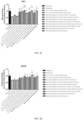
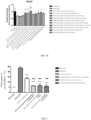
- the number of oocysts in the daily stools of New Zealand rabbits during the administration period is shown in Table 24, and the total number of oocysts per New Zealand rabbit during the treatment period is shown in FIG. 5 .
- Table 24. Number of oocysts in the daily stools of New Zealand rabbits during the administration period Group Number of oocysts in stools ( ⁇ 10 6 oocysts/rabbit, mean ⁇ SD) D1 D2 D3 D4 D5 D6 D7 Blank group 0 ⁇ 0 0 ⁇ 0 0 ⁇ 0 0 ⁇ 0 0 ⁇ 0 0 ⁇ 0 0 ⁇ 0 ⁇ 0 ⁇ 0 Model group 2.0 ⁇ 0.5 1.9 ⁇ 0.3 5.1 ⁇ 0.4 6.7 ⁇ 0.9 3.6 ⁇ 0.6 2.5 ⁇ 0.5 1.8 ⁇ 0.3 Positive control group (nitazoxanide) 1.8 ⁇ 0.6 3.2 ⁇ 1.5 2.8 ⁇ 0.9 2.2 ⁇ 0.2 1.5 ⁇ 1.1** 1.3 ⁇ 0.1* 0.6 ⁇ 0.2** Bacteroides fragilis inactivated bacteria powder group 1.7
Landscapes
- Health & Medical Sciences (AREA)
- Life Sciences & Earth Sciences (AREA)
- Chemical & Material Sciences (AREA)
- Engineering & Computer Science (AREA)
- Organic Chemistry (AREA)
- Medicinal Chemistry (AREA)
- General Health & Medical Sciences (AREA)
- Microbiology (AREA)
- Bioinformatics & Cheminformatics (AREA)
- Veterinary Medicine (AREA)
- Public Health (AREA)
- Pharmacology & Pharmacy (AREA)
- Animal Behavior & Ethology (AREA)
- Mycology (AREA)
- Wood Science & Technology (AREA)
- Zoology (AREA)
- Genetics & Genomics (AREA)
- Biotechnology (AREA)
- Chemical Kinetics & Catalysis (AREA)
- General Chemical & Material Sciences (AREA)
- Nuclear Medicine, Radiotherapy & Molecular Imaging (AREA)
- Tropical Medicine & Parasitology (AREA)
- Virology (AREA)
- Biochemistry (AREA)
- Biomedical Technology (AREA)
- General Engineering & Computer Science (AREA)
- Molecular Biology (AREA)
- Epidemiology (AREA)
- Nutrition Science (AREA)
- Food Science & Technology (AREA)
- Polymers & Plastics (AREA)
- Communicable Diseases (AREA)
- Oncology (AREA)
- Medicines Containing Material From Animals Or Micro-Organisms (AREA)
Applications Claiming Priority (3)
| Application Number | Priority Date | Filing Date | Title |
|---|---|---|---|
| CN202210089886.6A CN114558036A (zh) | 2022-01-25 | 2022-01-25 | 脆弱拟杆菌在改善和治疗腹泻中的应用 |
| CN202211339890.XA CN115887501A (zh) | 2022-01-25 | 2022-10-28 | 脆弱拟杆菌在改善和治疗腹泻中的应用 |
| PCT/CN2022/143593 WO2023142877A1 (zh) | 2022-01-25 | 2022-12-29 | 脆弱拟杆菌在改善和治疗腹泻中的应用 |
Publications (2)
| Publication Number | Publication Date |
|---|---|
| EP4470548A1 true EP4470548A1 (de) | 2024-12-04 |
| EP4470548A4 EP4470548A4 (de) | 2025-10-22 |
Family
ID=81714191
Family Applications (1)
| Application Number | Title | Priority Date | Filing Date |
|---|---|---|---|
| EP22923662.5A Pending EP4470548A4 (de) | 2022-01-25 | 2022-12-29 | Verwendung von bacteroides fragilis zur verbesserung und behandlung von diarrhöe |
Country Status (5)
| Country | Link |
|---|---|
| US (1) | US20250099512A1 (de) |
| EP (1) | EP4470548A4 (de) |
| CN (2) | CN114558036A (de) |
| AU (1) | AU2022436554A1 (de) |
| WO (1) | WO2023142877A1 (de) |
Families Citing this family (4)
| Publication number | Priority date | Publication date | Assignee | Title |
|---|---|---|---|---|
| CN115960738A (zh) * | 2021-10-12 | 2023-04-14 | 广州知易生物科技有限公司 | 一种脆弱拟杆菌灭活菌粉及其制备方法 |
| CN115957243A (zh) * | 2021-10-12 | 2023-04-14 | 广州知易生物科技有限公司 | 脆弱拟杆菌在防治癌症相关腹泻中的应用 |
| CN114558036A (zh) * | 2022-01-25 | 2022-05-31 | 广州知易生物科技有限公司 | 脆弱拟杆菌在改善和治疗腹泻中的应用 |
| CN119345236B (zh) * | 2024-10-24 | 2025-09-16 | 河南农业大学 | 一种用于蛋鸡禁食诱导生理重塑的复合制剂及其应用 |
Family Cites Families (10)
| Publication number | Priority date | Publication date | Assignee | Title |
|---|---|---|---|---|
| CN103082294A (zh) * | 2013-01-21 | 2013-05-08 | 广州知光生物科技有限公司 | 脆弱拟杆菌在制备治疗腹泻组合物中的应用 |
| CN106399141B (zh) * | 2015-07-31 | 2019-07-05 | 广州知易生物科技有限公司 | 一种脆弱拟杆菌及其应用 |
| CN106387314B (zh) * | 2015-07-31 | 2020-11-06 | 广州普维君健药业有限公司 | 脆弱拟杆菌在动物养殖中的应用 |
| CN107625792A (zh) * | 2016-07-18 | 2018-01-26 | 广州知易生物科技有限公司 | 脆弱拟杆菌在制备增强吞噬细胞噬菌作用的组合物中的应用 |
| CN109481473B (zh) * | 2017-09-11 | 2023-03-21 | 广州知易生物科技有限公司 | 脆弱拟杆菌提取物在制备防治肠易激综合征的药物中的应用 |
| CN109908184A (zh) * | 2017-12-12 | 2019-06-21 | 中山大学 | 脆弱拟杆菌在制备用于诱导γδT细胞增殖和/或积累的药物中的应用 |
| US20230372407A1 (en) * | 2020-06-15 | 2023-11-23 | President And Fellows Of Harvard College | Methods for modulating tlr4 signaling |
| CN118345133A (zh) * | 2021-06-15 | 2024-07-16 | 广州知易生物科技有限公司 | 脆弱拟杆菌荚膜多糖a的制备方法 |
| CN115957243A (zh) * | 2021-10-12 | 2023-04-14 | 广州知易生物科技有限公司 | 脆弱拟杆菌在防治癌症相关腹泻中的应用 |
| CN114558036A (zh) * | 2022-01-25 | 2022-05-31 | 广州知易生物科技有限公司 | 脆弱拟杆菌在改善和治疗腹泻中的应用 |
-
2022
- 2022-01-25 CN CN202210089886.6A patent/CN114558036A/zh active Pending
- 2022-10-28 CN CN202211339890.XA patent/CN115887501A/zh active Pending
- 2022-12-29 WO PCT/CN2022/143593 patent/WO2023142877A1/zh not_active Ceased
- 2022-12-29 EP EP22923662.5A patent/EP4470548A4/de active Pending
- 2022-12-29 AU AU2022436554A patent/AU2022436554A1/en active Pending
- 2022-12-29 US US18/833,059 patent/US20250099512A1/en active Pending
Also Published As
| Publication number | Publication date |
|---|---|
| CN115887501A (zh) | 2023-04-04 |
| CN114558036A (zh) | 2022-05-31 |
| EP4470548A4 (de) | 2025-10-22 |
| WO2023142877A1 (zh) | 2023-08-03 |
| AU2022436554A1 (en) | 2024-08-08 |
| US20250099512A1 (en) | 2025-03-27 |
Similar Documents
| Publication | Publication Date | Title |
|---|---|---|
| EP4470548A1 (de) | Verwendung von bacteroides fragilis zur verbesserung und behandlung von diarrhöe | |
| CN110066753B (zh) | 植物乳杆菌dp189及其应用 | |
| CN110893194B (zh) | 乳双歧杆菌bl-99在抑制肠道炎症方面的新应用 | |
| CN106967645B (zh) | 一株高产单宁酶的嗜酸乳杆菌及其在防治仔猪腹泻中的应用 | |
| CN117100768A (zh) | 嗜黏蛋白阿克曼氏菌(Akkermansia muciniphila)在改善和治疗腹泻中的应用 | |
| US11376289B2 (en) | Composition and uses thereof | |
| WO2025081564A1 (zh) | 一种改善衰老相关的认知障碍的短双歧杆菌及其应用 | |
| CN116121154B (zh) | 一种乳明串珠菌及其应用 | |
| CN117070426B (zh) | 一种改善酒精性脂肪肝病变的益生菌剂及其应用 | |
| CN118460440B (zh) | 一种防治结肠炎的复合益生菌及其应用 | |
| CN109486732B (zh) | 一种长双歧杆菌及其应用 | |
| CN118440875B (zh) | 一种抗幽门螺杆菌感染的复合益生菌及其应用 | |
| CN116083326A (zh) | 一种含有凝结芽孢杆菌后生元的制剂及其制备方法和在制备减肥降脂药物中的应用 | |
| CN118995463A (zh) | 一种两歧双歧杆菌Bbifi-1及其应用 | |
| CN118086152B (zh) | 一种改善细菌性阴道炎的复合益生菌、益生菌剂及其应用 | |
| CN117568211B (zh) | 一株具有抗沙门氏菌感染功能的植物乳植杆菌goldgut-lp618及其应用 | |
| CN119074775A (zh) | 一种防治抗肿瘤治疗相关性腹泻的益生菌组合物及其应用 | |
| WO2026036811A1 (zh) | 一种防治肠道炎症的益生菌组合物及其应用 | |
| WO2026001390A1 (zh) | 一种防治感染性肺炎的复合益生菌及其应用 | |
| CN120349974A (zh) | 一株腹泻相关多重耐药大肠杆菌噬菌体及其应用 | |
| US20250009812A1 (en) | Use of bacteroides fragilis in prevention and treatment of cancer-related diarrhea | |
| CN116555126B (zh) | 具有肠炎治疗作用的含益生菌的组合物及其应用 | |
| CN118685289A (zh) | 一种迪氏副拟杆菌及其应用 | |
| CN118995464A (zh) | 一种鸟肠球菌Eaviu-1及其应用 | |
| CN121846190A (zh) | 一种用于缓解熬夜所致肝损伤的人参多糖组合物及制备方法 |
Legal Events
| Date | Code | Title | Description |
|---|---|---|---|
| STAA | Information on the status of an ep patent application or granted ep patent |
Free format text: STATUS: THE INTERNATIONAL PUBLICATION HAS BEEN MADE |
|
| PUAI | Public reference made under article 153(3) epc to a published international application that has entered the european phase |
Free format text: ORIGINAL CODE: 0009012 |
|
| STAA | Information on the status of an ep patent application or granted ep patent |
Free format text: STATUS: REQUEST FOR EXAMINATION WAS MADE |
|
| 17P | Request for examination filed |
Effective date: 20240722 |
|
| AK | Designated contracting states |
Kind code of ref document: A1 Designated state(s): AL AT BE BG CH CY CZ DE DK EE ES FI FR GB GR HR HU IE IS IT LI LT LU LV MC ME MK MT NL NO PL PT RO RS SE SI SK SM TR |
|
| DAV | Request for validation of the european patent (deleted) | ||
| DAX | Request for extension of the european patent (deleted) | ||
| A4 | Supplementary search report drawn up and despatched |
Effective date: 20250918 |
|
| RIC1 | Information provided on ipc code assigned before grant |
Ipc: A61K 35/741 20150101AFI20250912BHEP Ipc: A61P 1/12 20060101ALI20250912BHEP Ipc: C12N 1/20 20060101ALI20250912BHEP Ipc: C12R 1/01 20060101ALI20250912BHEP Ipc: A23L 33/135 20160101ALI20250912BHEP |