EP4470376A2 - Landwirtschaftliche zusammensetzung auf phytosterolbasis und ihre verwendung - Google Patents
Landwirtschaftliche zusammensetzung auf phytosterolbasis und ihre verwendung Download PDFInfo
- Publication number
- EP4470376A2 EP4470376A2 EP24207289.0A EP24207289A EP4470376A2 EP 4470376 A2 EP4470376 A2 EP 4470376A2 EP 24207289 A EP24207289 A EP 24207289A EP 4470376 A2 EP4470376 A2 EP 4470376A2
- Authority
- EP
- European Patent Office
- Prior art keywords
- composition
- slurry
- water
- surfactant
- plant
- Prior art date
- Legal status (The legal status is an assumption and is not a legal conclusion. Google has not performed a legal analysis and makes no representation as to the accuracy of the status listed.)
- Pending
Links
Images
Classifications
-
- A—HUMAN NECESSITIES
- A01—AGRICULTURE; FORESTRY; ANIMAL HUSBANDRY; HUNTING; TRAPPING; FISHING
- A01G—HORTICULTURE; CULTIVATION OF VEGETABLES, FLOWERS, RICE, FRUIT, VINES, HOPS OR SEAWEED; FORESTRY; WATERING
- A01G7/00—Botany in general
- A01G7/06—Treatment of growing trees or plants, e.g. for preventing decay of wood, for tingeing flowers or wood, for prolonging the life of plants
-
- A—HUMAN NECESSITIES
- A01—AGRICULTURE; FORESTRY; ANIMAL HUSBANDRY; HUNTING; TRAPPING; FISHING
- A01N—PRESERVATION OF BODIES OF HUMANS OR ANIMALS OR PLANTS OR PARTS THEREOF; BIOCIDES, e.g. AS DISINFECTANTS, AS PESTICIDES OR AS HERBICIDES; PEST REPELLANTS OR ATTRACTANTS; PLANT GROWTH REGULATORS
- A01N25/00—Biocides, pest repellants or attractants, or plant growth regulators, characterised by their forms, or by their non-active ingredients or by their methods of application, e.g. seed treatment or sequential application; Substances for reducing the noxious effect of the active ingredients to organisms other than pests
- A01N25/02—Biocides, pest repellants or attractants, or plant growth regulators, characterised by their forms, or by their non-active ingredients or by their methods of application, e.g. seed treatment or sequential application; Substances for reducing the noxious effect of the active ingredients to organisms other than pests containing liquids as carriers, diluents or solvents
- A01N25/04—Dispersions, emulsions, suspoemulsions, suspension concentrates or gels
-
- A—HUMAN NECESSITIES
- A01—AGRICULTURE; FORESTRY; ANIMAL HUSBANDRY; HUNTING; TRAPPING; FISHING
- A01N—PRESERVATION OF BODIES OF HUMANS OR ANIMALS OR PLANTS OR PARTS THEREOF; BIOCIDES, e.g. AS DISINFECTANTS, AS PESTICIDES OR AS HERBICIDES; PEST REPELLANTS OR ATTRACTANTS; PLANT GROWTH REGULATORS
- A01N25/00—Biocides, pest repellants or attractants, or plant growth regulators, characterised by their forms, or by their non-active ingredients or by their methods of application, e.g. seed treatment or sequential application; Substances for reducing the noxious effect of the active ingredients to organisms other than pests
- A01N25/30—Biocides, pest repellants or attractants, or plant growth regulators, characterised by their forms, or by their non-active ingredients or by their methods of application, e.g. seed treatment or sequential application; Substances for reducing the noxious effect of the active ingredients to organisms other than pests characterised by the surfactants
-
- A—HUMAN NECESSITIES
- A01—AGRICULTURE; FORESTRY; ANIMAL HUSBANDRY; HUNTING; TRAPPING; FISHING
- A01N—PRESERVATION OF BODIES OF HUMANS OR ANIMALS OR PLANTS OR PARTS THEREOF; BIOCIDES, e.g. AS DISINFECTANTS, AS PESTICIDES OR AS HERBICIDES; PEST REPELLANTS OR ATTRACTANTS; PLANT GROWTH REGULATORS
- A01N31/00—Biocides, pest repellants or attractants, or plant growth regulators containing organic oxygen or sulfur compounds
- A01N31/06—Oxygen or sulfur directly attached to a cycloaliphatic ring system
-
- A—HUMAN NECESSITIES
- A01—AGRICULTURE; FORESTRY; ANIMAL HUSBANDRY; HUNTING; TRAPPING; FISHING
- A01N—PRESERVATION OF BODIES OF HUMANS OR ANIMALS OR PLANTS OR PARTS THEREOF; BIOCIDES, e.g. AS DISINFECTANTS, AS PESTICIDES OR AS HERBICIDES; PEST REPELLANTS OR ATTRACTANTS; PLANT GROWTH REGULATORS
- A01N45/00—Biocides, pest repellants or attractants, or plant growth regulators, containing compounds having three or more carbocyclic rings condensed among themselves, at least one ring not being a six-membered ring
-
- A—HUMAN NECESSITIES
- A01—AGRICULTURE; FORESTRY; ANIMAL HUSBANDRY; HUNTING; TRAPPING; FISHING
- A01N—PRESERVATION OF BODIES OF HUMANS OR ANIMALS OR PLANTS OR PARTS THEREOF; BIOCIDES, e.g. AS DISINFECTANTS, AS PESTICIDES OR AS HERBICIDES; PEST REPELLANTS OR ATTRACTANTS; PLANT GROWTH REGULATORS
- A01N59/00—Biocides, pest repellants or attractants, or plant growth regulators containing elements or inorganic compounds
- A01N59/14—Boron; Compounds thereof
-
- A—HUMAN NECESSITIES
- A01—AGRICULTURE; FORESTRY; ANIMAL HUSBANDRY; HUNTING; TRAPPING; FISHING
- A01N—PRESERVATION OF BODIES OF HUMANS OR ANIMALS OR PLANTS OR PARTS THEREOF; BIOCIDES, e.g. AS DISINFECTANTS, AS PESTICIDES OR AS HERBICIDES; PEST REPELLANTS OR ATTRACTANTS; PLANT GROWTH REGULATORS
- A01N59/00—Biocides, pest repellants or attractants, or plant growth regulators containing elements or inorganic compounds
- A01N59/16—Heavy metals; Compounds thereof
-
- A—HUMAN NECESSITIES
- A01—AGRICULTURE; FORESTRY; ANIMAL HUSBANDRY; HUNTING; TRAPPING; FISHING
- A01P—BIOCIDAL, PEST REPELLANT, PEST ATTRACTANT OR PLANT GROWTH REGULATORY ACTIVITY OF CHEMICAL COMPOUNDS OR PREPARATIONS
- A01P21/00—Plant growth regulators
-
- A—HUMAN NECESSITIES
- A01—AGRICULTURE; FORESTRY; ANIMAL HUSBANDRY; HUNTING; TRAPPING; FISHING
- A01P—BIOCIDAL, PEST REPELLANT, PEST ATTRACTANT OR PLANT GROWTH REGULATORY ACTIVITY OF CHEMICAL COMPOUNDS OR PREPARATIONS
- A01P3/00—Fungicides
Definitions
- the invention relates to agriculture and, in particular, to cultivated plants, notably field-grown plants, and to the prevention of adverse effects linked to exposure to abiotic and/or biotic stresses in said cultivated plants, including the loss of dry matter.
- the invention involves a phytosterol-based composition, its method of manufacture, a slurry comprising the said diluted composition, and its uses, particularly in a preventive treatment process targeting the onset of deleterious effects induced by exposure to an abiotic and/or biotic stress.
- Plants i.e., crop plants and especially ornamental plants, are subjected to various forms of stress.
- plants are constantly exposed to their environment and cannot escape abiotic stress factors (drought, cold, frost, salinity, etc.).
- abiotic stress factors i.e., stresses resulting from the harmful action of a living or bioaggressive organism (viruses, fungi, bacteria, insects, pests, etc.) and more generally of a plant pathogen.
- abiotic stress refers to a non-living stimulus on living vegetal organisms, for instance a climate hazard on a crop.
- plant pathogen refers to a pathogen capable of infecting and/or invading a plant part and causing disease therein.
- a cultivated plant for example a field-grown plant, is subjected to these various forms of stress, which, among other effects, will provoke a decrease in the production of dry matter by the plant compared to a plant cultivated under optimal conditions (controlled conditions with regard to water supply, daylight/nighttime period, absence of exposure to abiotic and/or biotic stresses, etc.).
- curative treatments consist in applying to the plants a mixture of surfactants, such as sucrose stearate and ⁇ -sitosterol, following exposure to a biotic or abiotic stress.
- a mixture of surfactants such as sucrose stearate and ⁇ -sitosterol
- This is the case, for example, of document WO2019/030442 A1 of the Applicant, which describes the application of a composition containing 80% sucrose stearate by weight and 20% ⁇ -sitosterol by weight, diluted to 3% in water.
- document WO 2018/229710 describes a composition for stimulating plant growth, where applicable in the presence of a stress factor, this composition being in the form of a concentrated suspension comprising a mixture of phytosterols in an amount greater than 25% of the suspension by weight.
- the objective is to increase the concentration of phytosterols to allow application in smaller quantities.
- the amount of composition applied is 400 g/ha.
- the composition furthermore contains a wetting agent and/or a surfactant, present in respective amounts of between 1% and 5%.
- the suspension is obtained by grinding the different constituents until the particle size becomes smaller than 10 ⁇ m.
- This document shows that the composition exhibits better biostimulant effects compared to the same unground composition.
- One of the drawbacks of this composition resides in its cost, which is linked to the large amount of phytosterols it contains, the price of phytosterols being particularly high.
- the problem that the invention purports to solve is therefore that of developing an alternative phytosterol-based composition that can be applied in the lowest possible quantities while exhibiting high effectiveness with regard to abiotic and biotic stresses, resulting in only a small loss of dry matter.
- the Applicant has thus perfected the surfactant- and phytosterol-based compositions described in documents WO2019/030442 A1 and WO 2018/229710 by proposing no longer a solution or a suspension but rather an oil-in-water emulsion, which aqueous phase contains a surfactant that is in particulate form, with this composition also being referred to below as a multiphase composition.
- composition of the invention has made it possible to drastically reduce the amount of phytosterols applied, thereby reducing the cost of the treatment.
- composition of the invention when applied to the crop plant as a preventive care, i.e., prior to the onset of a stress, enabled a further reduction in the harmful effects of abiotic and/or biotic stresses, notably the loss of dry matter and the resulting decrease in per-hectare yields.
- the Applicant has made the assumption that the surfactant present in the aqueous phase plays a particular role in the wetting properties of the composition and in the penetration of the composition through the cuticle, notably through a solubilization of the epicuticular waxes (the waxes situated on the outermost part of the surface of the cuticle) and of some or all of the waxes present on the inside of the cutin layer, thereby creating access pathways for aqueous-based materials.
- the epicuticular waxes appear to form "crystals" on the surface of the leaf that would account for the creation of angles preventing the drops from spreading appropriately.
- the particulate surfactant would therefore allow the solubilization of these waxes and would reduce, even eliminate, the presence of these angles.
- the surfactant present in the aqueous phase would ensure a loosening of the bonds between the constituent molecules of the cutin, thereby facilitating the penetration of the droplets containing the mixture of phytosterols into the cellular membrane of the plant.
- the first surfactant i.e., the one present at the interface of the oil droplets and of the aqueous phase, plays a conventional role in stabilizing the emulsion.
- the invention relates to a multiphase agricultural composition in the form of a suspo-emulsion, comprising lipophilic droplets containing a mixture of phytosterols, said lipophilic droplets being dispersed in an aqueous phase, the compostion further comprising:
- lipophilic droplets are also named oil droplets.
- composition is deemed to be "multiphase" in that it comprises two distinct oil and water phases, but it cannot be described as a suspension or as an emulsion, given that the aqueous phase also contains a third phase made of solid particles. It could therefore be described as a suspo-emulsion.
- At least one first surfactant (SF1) is located at the interface of the lipophilic droplets and of the aqueous phase and selected from among the SFs that are soluble in the aqueous phase (WATER SF1) and the SFs that are soluble in the lipophilic droplets (OIL SF1).
- WATER SF1 and OIL SF1 differ from each other by the proportion of their hydrophobic and hydrophilic parts. Practically, the hydrophilic/hydrophobic balance of WATER SF1 is higher than the one of OIL SF1. In contrast, the hydrophobic/hydrophilic balance of OIL SF1 is higher than the one of WATER SF1.
- WATER SF1 and OIL SF1 are identical.
- At least one second surfactant is suspended in the aqueous phase, said second surfactant having the form of particles insoluble in the aqueous phase.
- the expression "insoluble in the aqueous phase” refers to a compound which presents the inability to form with water a homogenous solution at the microscopic or the macroscopic level, at a given temperature and atmospheric pressure.
- solubility refers to a compound which leads to a homogenous solution without remaining insoluble particles when it is added to a liquid, at a given temperature and atmospheric pressure.
- the first surfactant (WATER SF1) is soluble in water heated at 80 °C at a concentration of at least 2 g/L.
- the first surfactant (OIL SF1) is soluble in the oil phase heated at 110 °C at a concentration of at least 2 g/L.
- the limit of solubility in the water of the second surfactant (SF2) observed practically at 25 °C is less than 10 mg/L, preferably less than 5 mg/L, more preferably, less than 2 mg/L.
- the Applicant has noted that the phytosterols composition formulated this manner and applied to the crop plant in an effective amount as a preventive measure, i.e., prior to the onset of the stress, enabled a reduction in the harmful effects of abiotic and/or biotic stresses, notably the loss of dry matter and the resulting decrease in per-hectare yields.
- an “effective amount”, as used herein, is an amount sufficient to affect beneficial or desired results.
- composition of the invention presents the advantages of improving plant growth and of reducing the number of days during which the cultivated plant is below the wilting point.
- the plant is thus more able to combat the deleterious effects of exposure to abiotic and/or biotic stress.
- the application of the composition of the invention to a cultivated plant prior to the onset of an abiotic and/or biotic stress increases the time spent in the easily usable soil water reserve (EUSWR) and reduces the time spent below the wilting point, i.e., the time spent in the soil survival reserve (SSR).
- EUSWR easily usable soil water reserve
- SSR soil survival reserve
- the term "easily usable soil water reserve” refers to the proportion of the usable soil water reserve (USWR) that a cultivated plant can extract without reducing its transpiration (or evapotranspiration), experiencing water stress or limiting its growth.
- the EUSWR generally represents 40% to 80% of the USWR depending on the depth of the soil and the species of plants cultivated.
- the term "soil survival reserve” refers to the proportion of the USWR that a cultivated plant cannot extract. The plant is consequently in a state of water stress, because its transpiration (or evapotranspiration) is not reduced. Therefore, the cultivated plant limits its growth or even wilts.
- the term "wilting point" refers to the soil water status below which the plant can no longer draw the water necessary for its growth, i.e., the point below which the tension between the roots and the plant is high and the roots can no longer extract water from the soil. It is therefore the threshold below which the cultivated plant has entirely consumed the EUSWR and will wilt, albeit reversibly, but with an impact on the yield. This parameter is determined in particular through the measurement of soil humidity, for example by means of a neutron probe, a tensiometer or a time-domain reflectometry (TDR) moisture meter.
- TDR time-domain reflectometry
- yield refers to the amount of product harvested, whether seeds or fruits, dry matter or green matter, or wine, over a given cultivation area.
- cultiva plant in contrast to a naturally existing plant, refers to all plants that can be cultivated, i.e., sown, planted and exploited, by man.
- plants are meant all plants and plant populations such as desirable and undesirable wild plants, cultivars and plant varieties (whether or not protectable by plant variety or plant breeder's rights).
- Cultivars and plant varieties can be plants obtained by conventional propagation and breeding methods which can be assisted or supplemented by one or more biotechnological methods such as by use of double haploids, protoplast fusion, random and directed mutagenesis, molecular or genetic markers or by bioengineering and genetic engineering methods.
- plant includes whole plants and parts thereof, including, but not limited to, shoot vegetative organs/structures (e.g. leaves, stems and tubers), roots, flowers and floral organs/structures (e.g. bracts, sepals, petals, stamens, carpels, anthers and ovules), seeds (including embryo, endosperm, and seed coat) and fruits (the mature ovary), plant tissues (e.g. vascular tissue, ground tissue, and the like) and cells (e.g. guard cells, egg cells, and the like), and progeny of same.
- shoot vegetative organs/structures e.g. leaves, stems and tubers
- seeds including embryo, endosperm, and seed coat
- fruits the mature ovary
- plant tissues e.g. vascular tissue, ground tissue, and the like
- cells
- the majority of the lipophilic droplets present in the composition before addition of SF2 advantageously at least 90% of the lipophilic droplets (also named Dv90 emulsion) has a diameter comprised between 0.01 and 70 ⁇ m, preferably between 0.1 and 50 ⁇ m, most preferably between 0.1 and 20 ⁇ m with a peak maximum preferably of less than 10 ⁇ m, advantageously between 0.5 to 7 ⁇ m, preferably between 2 and 6 ⁇ m as determined by laser diffraction.
- composition contains at least two surfactants, referred to as SF1 and SF2.
- the composition therefore contains a first surfactant (SF1) located at the interface of the oil droplets and of the aqueous phase.
- This first SF is selected from among the SFs that are soluble in the aqueous phase (WATER SF1) and the SFs that are soluble in the oil droplets (OIL SF1).
- the composition can contain:
- the composition also contains a second surfactant (SF2).
- SF2 second surfactant
- the second surfactant (SF2) is in the form of particles.
- At least 90% of the particles of the composition of the invention has a diameter comprised between 1 and 1000 ⁇ m, advantageously between 10 and 250 ⁇ m with a peak maximum preferably of between 10 ⁇ m and 100 ⁇ m as determined by laser diffraction.
- composition can contain:
- the composition contains at least two SFs, and respectively at least one OIL SF1 and/or WATER SF1 and at least one SF2, with OIL SF1 or WATER SF1 and SF2 being identical.
- fatty acid sugar esters may be used as both WATER SF1 and OIL SF1 since they are soluble in oil and in water at different temperatures.
- WATER SF1, OIL SF1 and SF2 are selected according to the desired solubility in lipophilic droplets or in water, from among the group comprising:
- sucrose stearate and “saccharose stearate” are used indifferently.
- sacrose palmitate and “saccharose palmitate” are used indifferently.
- saccharose stearate designates pure saccharose stearate or a mixture of saccharose esters of fatty acids containing mostly saccharose stearate.
- pure saccharose stearate corresponds to CAS number [136152-91-5 ].
- mixture of saccharose ester of fatty acids containing mostly saccharose stearate corresponds for example to CAS number [25168-73-4 ] or [84066-95-5].
- saccharose palmitate designates pure saccharose palmitate or a mixture of saccharose esters of fatty acids containing mostly saccharose palmitate.
- pure saccharose palmitate corresponds to CAS number [110539-62-3 ].
- mixture of saccharose ester of fatty acids containing mostly saccharose palmitate corresponds to CAS number [26446-38-8 ].
- the composition contains at least one OIL SF1 or WATER SF1 and at least one SF2, with both of them being selected from among the group comprising the fatty acid sugar esters.
- esters are solids at ambient temperature. Being naturally lipophilic compounds, they are insoluble in the aqueous phase and are therefore candidates for the role of SF2. They are also soluble in the oil droplets, but only on the condition that they undergo prior heating to their melting temperature, which can easily be determined by a person skilled in the art. For this reason, they are also candidates for the role of OIL SF1. This explains why OIL SF1 and SF2 may be the same.
- Fatty acid sugar esters may also be used as both WATER SF1 and OIL SF1. Indeed, sucrose esters are generally soluble in water at high temperature. It concerns for example sucrose stearate which is soluble in water at around 80°C.
- the fatty acid sugar esters are saccharose stearate, saccharose palmitate and their polyesters, or mixtures thereof.
- the first surfactant in this case OIL SF1 or WATER SF1
- the second surfactant SF2 contain sucrose stearate or, advantageously, a mixture containing saccharose stearate and sucrose palmitate.
- the first surfactant (OIL SF1) and/or (WATER SF1) and/or the second surfactant (SF2) is a mixture containing:
- the first surfactant OIL SF1 and/or WATER SF1 and/or the second surfactant SF2 is sucrose stearate (preferably CAS number [25168-73-4 ] or [84066-95-5]).
- the composition contains one first surfactant OIL SF1 or WATER SF1 and one second surfactant SF2 where OIL SF1 or WATER SF1 and SF2 are sucrose stearate.
- the first surfactant OIL SF1 and/or the second surfactant SF2 is sucrose palmitate, preferably CAS [26446-38-8 ].
- the first surfactant OIL SF1 is sucrose stearate (preferably CAS number [84066-95-5 ] or [25168-73-4]) and the second surfactant SF2 is sucrose palmitate, preferably CAS number [26446-38-8 ] or the first surfactant OIL SF1 is sucrose palmitate and the second surfactant SF2 is sucrose stearate.
- the first surfactant OIL SF1 is sucrose stearate (preferably CAS number [84066-95-5 ] or [25168-73-4]) or sucrose palmitate, preferably CAS number [26446-38-8] and the second surfactant SF2 is soy lecithin CAS [8002-43-5 ].
- the first surfactant (SF1) represents between 0.2% and 10% of the composition by weight
- the second surfactant (SF2) represents between 0.01% and 5% of the composition by weight.
- the first surfactant (OIL SF1) is identical to the second surfactant (SF2).
- the first surfactant preferably represents between 3% and 7% of the composition by weight
- the second surfactant preferably represents between 0.1% and 2.5% of the composition by weight and is advantageously sucrose stearate (preferably CAS number [25168-73-4 ] or [84066-95-5]).
- the composition contains at least one WATER SF1, at least one OIL SF1 and at least one SF2.
- the WATER SF1 is selected from the group of polyoxyethylene sorbitan esters
- the OIL SF1 is selected from the group of sorbitan esters
- SF2 is selected from the group of natural surfactants.
- the WATER SF1 is polyethylene glycol sorbitan monooleate (Tween 80), the OIL SF1 is sorbitan monolaurate (Span 20) and SF2 is soy lecithin ( CAS [8002-43-5 ]).
- the WATER SF1 is selected from the group of polyoxyethylene sorbitan esters
- the OIL SF1 is selected from the group of sorbitan esters
- SF2 is selected from the group comprising fatty acid sugar esters.
- the WATER SF1 is Tween 20
- the OIL SF1 is Span 85
- SF2 is sucrose stearate (preferably CAS number [25168-73-4 ] or [84066-95-5]).
- the WATER SF1 is Tween 80
- the OIL SF1 is Span 20
- SF2 is sucrose stearate (preferably CAS number [25168-73-4 ] or [84066-95-5]).
- the phytosterols mixture of the invention contains free phytosterols and/or conjugated phytosterols, with the conjugated phytosterols being advantageously selected from among the group comprising phytosterol esters, phytosterol glycosides, acylated phytosterol glycosides and mixtures thereof.
- free phytosterols in the context of the invention include ⁇ -sitosterol, campesterol, stigmasterol, cholesterol and brassicasterol, and mixtures thereof.
- phytosterol ester in the context of the invention is that of esterified ⁇ -sitosterol.
- phytosterol glycosides in the context of the invention include ⁇ -sitosterol- ⁇ -D-glucoside and glucosyl stigmasterol.
- acylated phytosterol glycosides in the context of the invention include 16:0 sitosteryl glucose, 18:1 sitosteryl glucose, 16:0 stigmasteryl glucose, and 18:1 stigmasteryl glucose.
- the mixture of phytosterols also contains at least one precursor of the phytosterols biosynthetic pathway or at least one of its derivatives.
- This can be, for example, a molecule selected from among the group comprising squalene, squalane, mevalonate and cycloartenol.
- the phytosterols mixture in the context of the invention contains ⁇ -sitosterol.
- the phytosterols mixture contains ⁇ -sitosterol, representing at least 30% of the phytosterols mixture by weight, preferably at least 35%, with the balance to 100% containing in particular, and where appropriate, campesterol, stigmasterol and brassicasterol.
- a phytosterols mixture of the invention can be an extract of phytosterols obtained from oleaginous seeds such as soybeans, pine seeds, sunflower seeds or rapeseeds.
- oleaginous seeds such as soybeans, pine seeds, sunflower seeds or rapeseeds.
- Phytosterols mixture of the invention can also be an extract of phytosterols obtained from pine's wood after conversion into wood pulp.
- the phytosterols mixture represents between 0.2% and 10% of the composition by weight, advantageously between 0.5% and 7%, and preferably between 1% and 5%.
- composition of the invention contains:
- composition of the invention contains:
- the weight ratio of the mixture of phytosterols to the first surfactant (SF1) and second surfactant (SF2) is between 0.01 and 15, and advantageously between 0.1 and 5.
- composition of the invention also contains at least one component selected from among the group including:
- the composition of the invention also contains an antioxidant agent selected from the group comprising citric acid and its salts, tartric acid and its salts, sodium lactate, potassium lactate, calcium lactate, lecithins, tocopherols, polyphenols, butylhydroxyanisole, butylhydroxytoluol, octyl gallate, dodecyl gallate, lycopen.
- an antioxidant agent selected from the group comprising citric acid and its salts, tartric acid and its salts, sodium lactate, potassium lactate, calcium lactate, lecithins, tocopherols, polyphenols, butylhydroxyanisole, butylhydroxytoluol, octyl gallate, dodecyl gallate, lycopen.
- composition of the invention advantageously comprises:
- the invention relates to a slurry resulting from the dilution of the composition as previously described.
- slurry therefore refers to the composition of the invention diluted in water or in a solution containing water and one or more active ingredients.
- the product which is applied on the plant in the fields is the slurry.
- the viscosity of the slurry of the invention is less than or equal to 200 cP, advantageously equal to or strictly higher than 1cP, and less than or equal to 100 cP.
- the viscosity is measured using an Anton Paar QC300 viscometer, and the measurement is made at ambient temperature with the DG26 measurement system.
- the pH of the slurry of the invention is between 5 and 8, preferably between 5 and 7, and is even more advantageously between 6 and 7.
- the Applicant hypothesizes that diluting the composition as a slurry enables the solubilization of the solid component of the second surfactant that is still in suspension in the aqueous phase, or an increase in the quantity of the second surfactant that is present in solubilized form, thereby ensuring a more effective slurry, and therefore a more effective composition of the invention.
- the mixture of phytosterols and the surfactant(s) of the invention are combined with at least one active ingredient.
- active ingredient refers to a product that allows the plant to combat preferably abiotic and/or biotic stresses, advantageously selected from the group comprising:
- insecticide as well as the term “insecticidal” refers to the ability of a substance to increase mortality or inhibit growth rate of insects. As used herein, the term “insects” comprises all organisms in the class "Insecta”.
- nematicide and “nematicidal” refers to the ability of a substance to increase mortality or inhibit the growth rate of nematodes.
- nematode comprises eggs, larvae, juvenile and mature forms of said organism.
- acaricide and "acaricidal” refers to the ability of a substance to increase mortality or inhibit growth rate of ectoparasites belonging to the class Arachnida, sub-class Acari.
- Plant growth regulator may be selected from the group consisting of:
- Fungicides and fungistatics may be selected among the group:
- Insecticidal compounds may be selected from the group consisting of:
- the traditional treatment of cultivated plants consists in applying active ingredients (a phytopharmaceutical product and/or a biocontrol product and/or a nutrient) to the cultivated plant in particular, where they provide an effect by the sole means of an interaction with the surface of the plant. Given the protective role played by the cuticle, they undergo little or no penetration into the plant by means of passive diffusion.
- active ingredients a phytopharmaceutical product and/or a biocontrol product and/or a nutrient
- the Applicant has noted that when the combination of phytosterols and of surfactants of the invention is combined with at least one active ingredient, this facilitates the diffusion and passive penetration of the active ingredient into the plant cell by means of the cuticle and plant cell membrane passage mechanisms which were described previously.
- the composition or the slurry described in the invention therefore allows the presence of a higher concentration or quantity of active ingredient in the plant. On condition that the composition or slurry is applied preferably prior to the onset of the stress, a systemic action of the active ingredient in the plant is observed, leading in turn to an enhanced fight against biotic stresses.
- the composition or slurry makes it possible to decrease the doses of active ingredients used while guaranteeing the improved effectiveness of these active ingredients.
- the invention relates to the composition above disclosed, said composition containing at least one active ingredient as above mentioned.
- Another object of the invention is also an agricultural kit containing separately the composition of the invention (before dilution) and at least one active ingredient as described above.
- composition of the invention may be mixed by the farmer with an effective amount of the active ingredient and then diluted in order to obtain a slurry which is applied on the plant.
- Another option is to dilute the composition of the invention in order to obtain the slurry and only then, to add to the slurry the at least one active ingredient.
- the invention concerns a composition as disclosed above, i.e a multiphase agricultural composition in the form of a suspo-emulsion, comprising lipophilic droplets containing a mixture of phytosterols, said lipophilic droplets being dispersed in an aqueous phase.
- the composition further comprising:
- boron compound and “molybdenum compound” cover all chemical compounds that present themselves into the form of a chemical element, a molecule (organic, inorganic or organometallic), a covalent compound or a salt.
- boron (B) and molybdenum (Mo) compounds form a single molecule chosen from the group comprising molybdenum boride or dimolybdenum monoboride or combination thereof.
- boron and molybdenum compounds may be present in the aqueous phase as a water-soluble salt or as an acid, in the lipophilic droplets as an organometallic molecule or both in aqueous phase and in the lipophilic droplets.
- boron compound When boron compound is added to the composition of the invention, it may be added as a water-soluble salt or as an acid. When it is added as a water-soluble salt, the salt is chosen from the group comprising sodium tetraborate (borax), or any other salt which contains at least, one, two, three or four boron atoms in its chemical formula, taken alone or in combination of these.
- borax sodium tetraborate
- the boron compound-containing salt may be anhydrous or complexed with a plurality of water molecules.
- the boron compound is added as an acid and is boric acid.
- the salt is chosen from the group comprising sodium molybdate, ammonium molybdate, molybdenum disilicide, molybdenum(IV) disulphide, molybdenum(IV) oxide, molybdenum(VI) oxide.
- the Mo compound-containing salt may be anhydrous or complexed with a plurality of water molecules.
- the Mo salt is sodium molybdate dihydrate.
- Mo compound is added as a water salt and Bo is added as an acid, advantageously boric acid and sodium molybdate dihydrate.
- boron compound When boron compound is added to the composition of the invention as a boron compound-containing organometallic molecule, it is chosen from the group comprising alkylboronic acids (methylboronic acid, ethylboronic acid, propylboronic acid, phenylboronic acid), trimethylboroxine, trimethoxyboroxine, borate compounds (trimethylborate, triethylborate, tripropylborate, triphenylborate and other di- or tri-alkylsubstituted borate compounds), borane compounds (trimethylborane, triethylborane, tripropylborane, triphenylborane and other di- or tri-alkylsubstituted borane compounds), pinacol ester of boronic acids (phenylboronic pinacol ester, benzylboronic pinacol ester, bis(pinacolato)diboron and alkylsubstituted pinacol esters
- molybdenum compound When added to the composition of the invention as an organometallic molecule, it is chosen from the group comprising dimolybdenum tetraacetate, molybdenum stearate and other carboxylic acids of molybdenum wherein the carboxylate ligand is between 2 and 18 carbons.
- boron and molybdenum compounds are present in the aqueous phase.
- the composition of the invention containing boron and molybdenum compounds is diluted in order to obtain a slurry which is applied on the plant.
- the applicant has noted that the composition was particularly efficient when the concentration of boron and molybdenum compounds is comprised between 0.002 and 2% by weight of the total composition before dilution, i.e before obtaining the slurry.
- composition contains boron (B) and molybdenum (Mo) compounds as nutrients, their concentrations is respectively comprised between 0.01 - 2 wt%, preferably 0.5 - 1.8 wt%, preferably about 1.5 wt% of at least a boron compound and between 0.002 - 1 wt%, preferably 0.003 - 0.5 wt%, preferably about 0.25 wt% of at least a molybdenum compound.
- boron (B) compound/ molybdenum (Mo) compound ratio is comprised between 0.1 and 10.
- the invention concerns a multiphase agricultural composition in the form of a suspo-emulsion as disclosed above, comprising lipophilic droplets containing a mixture of phytosterols comprising ⁇ -sitosterol, which represents at least 30% of the phytosterols mixture by weight, with the balance to 100% containing, where appropriate, campesterol, stigmasterol and brassicasterol, said lipophilic droplets being dispersed in an aqueous phase, the composition further comprising:
- the mixture of phytosterols represents preferably between 0.2% and 10% of the composition by weight, advantageously between 0.5% and 7%, and preferably between 1% and 5%.
- the first surfactant represents between 0.2% and 10% of the composition by weight
- the second surfactant represents between 0.01% and 5% of the composition by weight
- the boron compound is boric acid and the molybdenum compound is sodium molybdate dihydrate, and are preferably present in the aqueous phase.
- the composition further comprises at least one active ingredient selected from the group comprising:
- Another option is to dilute the composition not containing boron and molybdenum compounds with water containing boron and molybdenum compounds in order to obtain the slurry. In that case, concentration of boron and molybdenum compounds is adapted in consequences.
- the invention relates to a method of manufacture for the previously described multiphase composition that is composed of the following steps:
- a fluidifying agent, a solubilizing agent, and advantageously a wetting agent are added to the lipophilic phase and, where necessary, a chelating agent, a preservative, and/or and antioxidant are added to the aqueous phase.
- wetting agent may be used in the water phase and antioxidant may be added in the oil phase.
- the first surfactant in this case OIL SF1
- the second surfactant SF2
- the surfactant that is present at the interface of the oil droplets and the aqueous phase of the dispersion is identical to the surfactant that is present in the aqueous phase in the form of solid particles.
- the fluidifying agent is polyethylene glycol, and advantageously polyethylene glycol with a molar mass of 200 or 400 g/mol.
- the wetting agent is a mixture of fatty acid methyl esters, preferably comprising methyl tetradecanoate, methyl octadecanoate and methylhexadecanoate.
- boron and molybdenum compounds are added in the aqueous phase and/or in the lipophilic phase before the emulsion is formed and/or directly in the emulsion after the emulsion is formed.
- boron and molybdenum compounds (acid, water soluble salt or organometallic molecule)
- it is added either in the lipophilic phase, or in the water phase, or in both the lipophilic phase and the water phase before the emulsion is formed and/or directly in the emulsion after the emulsion is formed.
- the composition contains boron and molybdenum compounds present as acid
- water soluble salt(s), boron and molybdenum compounds are added either in the aqueous phase (practically step b) above), before the emulsion is formed, or directly in the emulsion after the emulsion is formed (practically from the end of step d) to the end of step f)).
- composition contains boron and molybdenum compounds present as an organometallic molecule(s), boron and molybdenum compounds are added in the lipophilic phase (practically step a) above).
- composition contains boron (B) and molybdenum (Mo) compounds
- B boron
- Mo molybdenum
- composition contains boron (B) and molybdenum (Mo) compounds
- B boron
- Mo molybdenum
- the invention also relates to a composition obtainable by the above-mentioned process.
- the invention relates to the use of the composition or slurry described previously in order to prevent the exposure of a cultivated plant to a biotic and/or abiotic stress.
- the invention thus also relates to a preventive treatment process for a cultivated plant that aims to limit the loss of dry matter related to an abiotic and/or biotic stress; it consists in applying to the plant, prior to the onset of said abiotic and/or biotic stress, the composition or the slurry previously described.
- the plant is cultivated in fields or under controlled conditions, for example using hydroponics, in a pot or in a greenhouse; preferably, in the context of the invention, the plant is cultivated in a field.
- abiotic stress is responsible for a decrease in yield or in production of dry matter and results from drought (a lack of water, or water stress), extreme temperatures (thermal stress), excess water (flooding), frost, wind, soil salinity (salt stress), ultraviolet radiation, insufficient access to certain nutrients, soil with stress-inducing characteristics (chemical composition, redox potential, etc.) or physical damage, and advantageously drought and/or extreme temperatures.
- abiotic stress corresponds to water stress. In another embodiment, abiotic stress corresponds to thermal stress.
- water stress refers to a state in which the water content of the cultivated plant is lower than the wilting point.
- the phrase "prior to the onset of abiotic stress," particularly with regard to water stress, refers to the period during which the useful soil water reserve is properly filled, i.e., the time elapsed from the moment when the useful soil water reserve is sufficiently or completely full (field capacity) to the moment when the wilting point is reached.
- the phrase "prior to the onset of abiotic stress,” particularly with regard to thermal stress (or extreme temperatures), refers to the period before the point of vulnerability to frost and/or flower blast for each plant species and each developmental stage of these species. In other words, it refers to temperatures that are unfavorable to the growth and development of the plant, apart from all other crop conditions, such as water supply.
- composition or slurry of the invention when applied preventively to the cultivated plant, i.e., prior to the occurrence of abiotic stress, induces a closure of the stomata and therefore a decrease in evapotranspiration. Consequently, the plant's water consumption is reduced without causing a decrease in yield, i.e., in the production of dry matter.
- the invention also relates to a process for reducing the consumption of water by a cultivated plant under conditions of water stress that consists in applying to said plant, prior to the onset of water stress, the composition or slurry previously described.
- composition was especially efficient for this specific effect on plants chosen from the group of soybean, corn, sunflower.
- the biological mechanisms brought into play by the composition or slurry of the invention especially at particularly low levels of phytosterols and therefore of ⁇ -sitosterol, lead to a stimulation of the vigor of the plant that provides the plant with improved resistance to water stress:
- stimulation of the vigor of the plant refers for example to a stimulation of various metabolic pathways of the plant that improve the plant's resistance to water stress.
- the biological mechanisms described above lead to an improvement in the overall vigor of the plant and more generally the health of the plant.
- health of a plant or “plant health” is defined as a condition of the plant and/or its products which is determined by several aspects alone or in combination with each other such as increased yield, plant vigor, quality of harvested plant parts and tolerance to abiotic and/or biotic stress.
- the invention relates to a preventive treatment process for a cultivated plant that aims to limit the loss of dry matter related to salt stress; it consists in applying to the plant the composition or slurry previously described.
- this can be caused by the harmful action of a plant pathogen living on the cultivated plants, whether a fungal infection and/or a bacterial infection and/or a viral infection and/or a pest attack and/or competition with weeds.
- a fungal infection of the plant can be mildew on grapes, tomatoes or potatoes, septoria on wheat, rynchospora on barley, or powdery mildew on straw cereals and grapes;
- a bacterial infection of the plant can be crown gall, bacterial canker or fire flight;
- a viral infection of the plant can be mosaic diseases or yellow dwarf viruses; pests capable of attacking a cultivated plant include aphids, flea beetles or weevils.
- composition or slurry of the invention helps to reduce the intensity of a fungal disease, advantageously without affecting its frequency.
- the phrase "prior to the onset of biotic stress," in particular with regard to a fungal infection, refers to the period before the first symptoms appear, for example before the first spots appear on the leaves and/or stems of the cultivated plant.
- the phrase "intensity of the fungal disease” refers to the average intensity of the disease on all of the leaves of the cultivated plant.
- the intensity of the disease on one leaf is the surface area of the leaf that is covered by the disease.
- frequency of the fungal disease refers to the number of leaves on which the disease or spots can be observed.
- composition or slurry of the invention when applied to the plant prior to the onset of an infection, particularly a fungal infection, leads to a decrease in the surface area of the spotting or discoloration of the leaf compared to a plant that has not received the preventive treatment of the invention.
- composition or slurry of the invention improves the growth and development of the plant, and particularly that of the young seedling when the slurry is applied prior to the onset of the stress. In particular, these improvements are even more advantageous when the slurry is applied via seed imbibition.
- the invention therefore also relates to a process for stimulating the growth and development of the young seedlings that consists in applying the composition or slurry previously described prior to the onset of an abiotic and/or biotic stress, preferably via seed imbibition.
- the process of the invention therefore limits the period of time during which the young seedling is exposed to abiotic and/or biotic stresses.
- the effect of the product applied via seed imbibition lasts over time, since the plants treated with the composition or slurry of the invention are more tolerant to an abiotic and/or biotic stress.
- the young seedling is more fragile than the adult plant with respect to abiotic and/or biotic stresses.
- a young seedling that has been treated with the composition or slurry of the invention reaches a state of complete maturity (the adult plant stage) more quickly than a seedling that has not received this treatment.
- the Applicant has noted that the first and second surfactants of the invention modify the state of the cuticle, making it permeable, i.e., they allow the mixture of phytosterols to penetrate inward to reach the internal components of the leaf or the plant, for example the plant cells.
- the surfactants of the invention facilitate the crossing of the seed coat barrier and even the rupturing of the seed coats, and therefore accelerate germination.
- the exogenous contribution of the mixture of phytosterols, particularly ⁇ -sitosterol helps stimulate the growth and development of the seedling.
- the composition or slurry of the invention thus allows for an effective exogenous supply of phytosterols, notably ⁇ -sitosterol, possibly combined with one or several active ingredients, through the combination of a suitable composition and a system enabling the delivery of the phytosterols in the form of particles of a specific size, as mentioned previously.
- the phrase "delivery of the phytosterols” refers to the transport of the phytosterols, which are hydrophobic, by means of the aqueous phase.
- the second surfactant which is present in the form of solid particles in suspension in the aqueous phase of the composition of the invention, helps solubilize the epicuticular waxes and provides facilitated pathways through the cuticle for the constituent compounds of said composition.
- the compounds of the invention are not products that perform a specific type of activity, such as fungicides or biocides, makes it possible to consider an extensive spectrum of uses for a wide variety of crops, which can in particular improve the protection and therefore the profitability of minor crops for which the number of available phytopharmaceutical products is almost zero.
- composition or slurry of the invention is applied by spraying the leaves, by sprinkling, irrigation, seed imbibition, seed coating, drip irrigation or gravity irrigation of the cultivated plant, by incorporation into the soil, by addition to a hydroponic crop medium or by immersion.
- the composition is applied to the cultivated plant by foliar spraying at a dose of composition of 0.1 L/ha (hectare) to 15 L/ha, preferably 1 L/ha to 5 L/ha.
- the required dose of the composition is diluted in water in order to obtain a slurry.
- the slurry is then applied on the plant at a volume of between 30 and 400 L/ha, advantageously between 50 and 200 L/ha.
- the composition contains 2.5% by weight of phytosterols and the required dose of composition ranges from 1 L/ha to 5 L/ha. This means that the dose of phytosterols which is applied on the plant is between 25 to 125 g/ha.
- the composition of the invention may not be applied directly on the plant and needs to be diluted to form a slurry. In the present embodiment, the slurry is applied on the plant, especially by foliar spraying at a volume of 50 to 200 L/ha.
- the slurry is preferably applied during a stage when the plant leaves cover the soil.
- the slurry of the invention is applied only one time by foliar spraying and/or irrigation and/or seed imbibition.
- the invention also relates to the use of the composition or slurry as described previously:
- the invention also relates to the use of the composition or slurry as described previously as a biostimulant for a cultivated plant.
- the invention also relates to the use of the composition or slurry as described previously to improve the yield or dry matter production of a cultivated plant.
- the invention also relates to the use of the composition or slurry as described previously to promote deeper root development for a cultivated plant.
- the invention also relates to the use of the composition or slurry as described previously to control the opening or closing of the stomata of a cultivated plant.
- the invention also relates to the use of the composition or slurry as described previously to improve the vegetative development and/or the flowering of a cultivated plant.
- the invention also relates to the use of a composition comprising a mixture of phytosterols and of surfactants, notably polyols, and in particular of the composition or slurry as described previously, to strengthen the stem of the crop plant and improve its tolerance to physiological lodging.
- the adverse effects of lodging which can include lower seed filling, loss of quality, yield loss and harvesting difficulties.
- the invention also relates to the use of the composition or slurry as described previously to improve the effectiveness of phytopharmaceutical fungicide or biocontrol products.
- the cultivated plant is a chlorophyllian plant, advantageously selected from among the group comprising field crops of cereals, oilseeds and protein crops; grapes; plants with roots and tubers; horticultural plants; grass; vegetables; herbs and spices; tree crops; or industrial crops intended for the production of raw material for processing.
- the cultivated plant is selected from among the group comprising soybeans, corn, barley, millet, moha, miscanthus, panicum, sorghum, peanuts, wheat, rapeseed, sunflower, protein peas, field peas, field beans, lupins, flax, truncated alfalfa, grapes, beets, potatoes, beans, lettuce, parsley and radishes.
- compositions, the slurry, the method of manufacture of the composition of the invention, the treatment process for preventing an abiotic and/or biotic stress, as well as the uses previously described, present the advantages of corresponding exactly to societal demands relating to phytopharmaceutical products:
- Any percentage by weight of an compound or a molecule of the invention refers to the total weight of the said invention, which means relative to the sum of all ingredients giving a hundred. This percentage by weight can by symbolized as wt%.
- composition according to the invention are manufactured comprising the following steps:
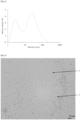
- particles of the second surfactant (SF2) designated by 1 are much bigger than lipophilic droplets designated by 2.
- This objective of this trial is to demonstrate the effect of the application of the slurry of the invention to soybean, in particular with respect to the consumption of soil water by the plant.
- the method involves comparing the development and water content of the plants treated with the slurry of the invention (treated modality) to those of untreated plants (control modality) in a context of water stress (no water is supplied for one week following application of the slurry). This evaluation is carried out under the controlled conditions of a laboratory growth chamber.
- Table 2 Crop (variety) Soybean (ES Mentor) Sowing density 5 plants per pot Setup 6 pots, i.e., 30 individual plants, corresponding to: - 3 pots for the treated modality, i.e., 15 individual plants; and - 3 pots for the untreated (control) modality, i.e., 15 individual plants
- the slurry is obtained by diluting the composition of example 1 in water and is applied only once, by foliar spraying, at a volume of 80 L/ha under the following controlled conditions: temperature of 28°C and relative humidity of 70%.
- Table 4 Treatment modality Evolution of vegetative development (number of trifoliate leaves counted) Water content per 100 g of fresh leaves (4 out of 5 plants) (FW-DW)/FW Water content (desiccator) Control modality -3.36% 40.68% 28.61% Treated modality (composition as per example 1) +14.79% 57.98% 50.10%
- This objective of this trial is to demonstrate that the application of the slurry as per example 1 to soybean results in a slowdown in soil water consumption by the plant.
- the method involves evaluating the yield of the plants treated with the slurry of the invention (treated modality) compared to that of the untreated plants (control modality) in a context in which the water needs of the plant are not met. This evaluation is carried out in the field.
- Table 5 Crop (variety) Soybean (ES Mentor) Sowing density 680 000 seeds/ha Setup 4 repeated trials performed on 2 microplots of 25 m 2 each, for the untreated (control) modality; and 4 repeated trials performed on 2 microplots of 25 m 2 each, for the treated modality.
- the slurry is obtained by diluting the composition of example 1 in water and is applied only once, by foliar spraying, at a volume of 80 L/ha under the following conditions: temperature of 22°C, relative humidity of 75% and no wind.
- the microplots corresponding to the different modalities were observed using NDVI imaging performed by a drone.
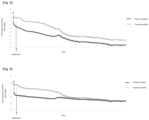
- a 60 cm capacitive probe was used to evaluate the water reserve of the plants according to the treatment modality being considered. Indeed, such a probe makes it possible to determine the kinetics of water consumption as well as the depth and extent of the root system of the plants.
- the capacitive probes were inserted during the last of four repeated trials (see section 3.1.2), with one probe used for the control modality and another for the modality treated with the slurry of the invention.
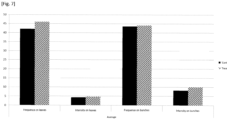
- the different microplots were harvested separately, and the yields were studied. An additional analysis was performed by examining the components of this yield.
- the slurry is obtained by diluting the composition of example 1 in water and is applied only once, by foliar spraying, at a volume of 80 L/ha under the following conditions: temperature of 21°C, relative humidity of 72% and no wind.
- Table 14 Crop (variety) DKC4670 Sowing density 88 000 seeds/ha Setup Wide strips (0.11 ha) for the untreated (control) modality; and Wide strips (0.11 ha) for the modality treated with the slurry as per example 1
- Table 15 Modality Treatment Application dose of the composition as per example 1 Application stage control Untreated Control (UC) - - treated Composition according to example 1 1 L/ha 8-10 leaf stage
- the slurry is obtained by diluting the composition of example 1 in water and is applied by foliar spraying, at a volume of 80 L/ha under the following conditions: temperature of 23°C, relative humidity of 76% and no wind.
- Table 17 Crop (variety) Sunflower (Volcano variety) Sowing density 72 000 seeds/ha Setup Wide strips (0.3 ha) for both the untreated (control) modality and the treated modality
- Table 18 Modality Treatment Application dose of the composition as per example 1 Application stage control Untreated Control (UC) - - treated Composition according to example 1 1 L/ha Flower bud stage
- the slurry is obtained by diluting the composition of example 1 in water and is applied only once by foliar spraying, at a volume of 80 L/ha under the following conditions: temperature of 21°C, relative humidity of 72% and no wind.
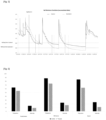
- the sunflower treated with the slurry of the invention is below the wilting point for a shorter period (22.5 days) than the untreated sunflower (33 days).
- the result is an increase in the quantity of dry matter for the modality treated with the slurry compared to the untreated modality.
- the objective of these trials is to demonstrate that when the slurry of the invention is applied to various major crops, tolerance to lodging is enhanced through a stiffening of the straw and an improvement in stem strength. It must be noted that taller plants are more vulnerable to lodging.
- Table 20 Trial Barley cultivated in wide strips Crop (variety) Barley (Amistar) Sowing density 250 seeds/m 2 Soil type Sandy Setup Wide strips (0.15 ha)
- Table 21 Modality Treatment Application dose of the composition as per example 1 Application stage control Untreated Control (UC) - - treated Composition according to example 1 3 L/ha 2 nodes (at T1)
- the slurry is obtained by diluting the composition of example 1 in water and is applied by foliar spraying, at a volume of 80 L/ha under the following conditions: temperature of 17°C and wind at 10 km/h.
- the average stem height values are compared based on the heights of 10 stems in each study modality. Visual observations are carried out to evaluate the damage due to lodging.
- Table 22 Modality Application dose of the composition Increase in average stem height (cm) Control modality - Treated modality 3 L/ha +5 cm to 10 cm
- Table 23 Trial Millet cultivated in wide strips Crop (variety) Millet Sowing density 500 seeds/m 2 Soil type Sandy-loamy Setup Wide strips
- Table 24 Modality Treatment Application dose of the composition as per example 1 Application stage control Untreated Control (UC) - - treated Composition according to example 1 1 L/ha Flag leaf stage (FLS) (at T2)
- the slurry is obtained by diluting the composition of example 1 in water and is applied by foliar spraying, at a volume of 80 L/ha under controlled conditions.
- the plants in the two study modalities were subjected to a visual inspection (drone photographs and naked-eye observations at the edge of the field) to evaluate the extent of damage caused by lodging.
- a large area containing recumbent plants provided evidence of damage due to physiological lodging. Stem height was not evaluated in this trial.
- Table 25 Modality Application dose of the composition Damage due to lodging Control modality - YES Treated modality 1L/ha NO
- Table 26 Trial Wheat cultivated in wide strips Crop (variety) Wheat Sowing density 260 seeds/m 2 Soil type Sandy-loamy Setup Wide strips (0.12 ha)
- Table 27 Modality Treatment Application dose of the composition as per example 1 Application stage control Untreated Control (UC) - - treated Composition according to example 1 1 L/ha, then 1 L/ha 14 days later Flag leaf stage for the first application - Spike swelling for the second application
- UC Application stage control Untreated Control
- the slurry is obtained by diluting the composition of example 1 in water and is applied by foliar spraying, at a volume of 80 L/ha under controlled conditions: temperature of 21°C and wind at 5 km/h.
- the average values of the heights of 10 stems and the heights of 10 spikes are evaluated for each study modality and then compared. For each measurement, a visual observation is carried out to evaluate the damage due to lodging.
- Table 28 Average stem height at 7 days (cm) Average spike height at 14 days (cm) Damage due to lodging at 7 days, 14 days and 21 days Control modality 60.16 9.01 NO Double application of the slurry of the invention (application dose of the composition: 1 L/ha) 65.24 10.17 NO
- the objective of this trial is to evaluate the effect of the application of the slurry of the invention on the resistance of a plant to a biotic stress.
- Table 29 Crop (variety) Vine (Ugni blanc) Inter-row distance 3 m Inter-vine distance 1.2 m Experimental setup Microplots with 7 vines, 4 repeated trials Special features Artificial contamination Slurry dosage tested 0.5 L/ha
- Table 30 Modality Treatment Application dose of the composition as per example 1 Application stage control Untreated Control (UC) - - treated Composition according to example 1 0.5 L/ha 7 applications between the inflorescence clearly visible (BBCH 53) and the pea-sized berry stage (BBCH 75)
- the seven applications of the slurry of the invention correspond to the seven ordinary applications of fungicidal treatments to the vine. In other words, these seven applications of fungicidal treatments are replaced by the application of the slurry of the invention. Additionally, in the present case, the first application of the slurry of the invention is carried out prior to the onset of a biotic stress. This therefore constitutes a preventive treatment of the plant to limit the loss of dry matter related to a biotic stress.
- the sample size is 200 individuals per study modality (or 50 per microplot).
- the objective of this trial is to demonstrate the usefulness of integrating the slurry of the invention into an operational technical route for protection against mildew. It can be compared with example 9, which aims to demonstrate the effect of applying the slurry of the invention obtained from the composition 1 in the context of an incomplete treatment program, i.e., one that does not correspond to the treatments ordinarily applied over the lifetime of the vine.
- Table 33 Crop (variety) Vine (Ugni blanc) Inter-row distance 3 m Inter-vine distance 1.2 m Experimental setup Microplots with 9 vines, 4 repeated trials Slurry dosage tested 1 L/ha
- Table 34 Treatment Application dose of the composition of the invention Stages of application Control modality 3 conventional treatments (flowering): Resplend, Profiler, Mildicut - - + 5 copper treatments in the pre- and post-flowering periods Treated modality 3 conventional treatments (flowering): Resplend, Profiler, Mildicut 1 L/ha 5 applications between the inflorescence clearly visible (BBCH 53) and the pea-sized berry stage (BBCH 75) + 5 applications of the slurry of the invention in the pre-and post-flowering periods
- the evaluation is carried out for young leaves, old leaves and bunches.
- the sample size is 400 individuals per study modality (or 100 per microplot).
- the objective of the trial is to demonstrate the difference in efficacy of protection of Cesario wheat against a pathogen responsible for the major leaf disease of wheat, Zymoseptoria tritici, by combining an application of the slurry of the invention into an operational technical route with reduced doses of fungicides.
- the fungicide treatment frequency index is reduced.
- the comparison is done with a reference control (a farmer's conventional fungicide application itinerary) and a likely control (fungicide dose reduction without application of the slurry of the invention).
- Table 37 Crop (variety) Wheat (Cesario) Sowing density 260 seeds/m 2 Cultural precedent Corn Soil type Sandy-loamy Experimental setup Wide strips (0.12ha). 1 repetition for each modality Composition of example 1, dosage tested 1 L/ha
- Table 38 Crop (variety) Wheat (Garcia) Sowing density 260 seeds/m 2 Cultural precedent Soya beans Soil type Sandy-clay loamy Experimental setup Wide strips (0.6ha). 2 repetitions for each modality Composition of example 1, dosage tested 1 L/ha
- the reduction of dose of fungicide applied is based on the last leaf stage (T2).
- the current dose applied by the farmer is 0.5 L/ha, the registration dose is 1.5 L/ha and the reduced dose tested is 0.1 L/ha.
- the fungicides targeted are respiration inhibitors (inhibitors of complex III at Qo site with pyraclostrobin and inhibitors of complex II with fluxapyroxad).
- the reduction of dose of fungicide applied is based on the last leaf stage (T2).
- the current dose applied by the farmer is 1 L/ha
- the registration dose is 1.5 L/ha
- the reduced dose tested is 0.1 L/ha.
- the fungicides targeted are respiration inhibitors (inhibitors of complex III at Qo site with pyraclostrobin and inhibitors of complex II with fluxapyroxad) and sterol biosynthesis inhibitors (C14 demethylase inhibitors with metconazole).
- Table 39 The description of the modalities considered is presented in Table 39.
- the evaluation is carried out for three leaf levels, from bottom to top, F3, F2 and F1 in plot 1 and one leaf level (F2) in plot 2.
- F3 leaf level
- F2 leaf level
- F2 leaf level
- F2 leaf level
- Table 41 plot 1 Modality Frequency observed on the F3 leaves* Frequency observed on the F2 leaves* Frequency observed on the F1 leaves* Slurry as per the invention -38% -37% -43% *in comparison with intensity observed for the Likely Control modality, for equivalent leaves
- Table 42 plot 2 Modality Frequency observed on the F2 leaves* Slurry as per the invention -31% Equal medians Significant *in comparison with intensity observed for the Likely Control modality, for F2 leaves
- Table 43 plot 1 Modality Yield variation compared to a full dose reference** Slurry as per the invention -1%
- Table 44 plot 2 Modality Yield variation compared to a full dose reference** Slurry as per the invention -4.7% **Comparison of the yield on the modality having received the treatment described in Table 39 and Table 40(associated with low dose fungicides) and the modality with a conventional treatment (full dose of fungicides without application of the slurry of the invention)
- the objective of the trial is to demonstrate the difference in efficacy of protection of vine against a pathogen responsible for the downy mildew of the vine, Plasmopara viticola, by combining an application of the slurry of the invention into an operational technical route with reduced doses of fungicides.
- the fungicide treatment frequency index (FTI) can be reduced.
- the comparison is done with a likely control (fungicide dose reduction without application of the slurry of the invention).
- Table 45 Field Villebois-Lavalette Crop (variety) Vine (Ugni Blanc) Sowing density 2700 vines/m 2 Soil type Sandy-loamy Experimental setup Plot 1: Microplots with 9 vines, 4 repeated trials Plot 2: Plots with 30 vines, 2 repeated trials Composition of example 1, dosage tested 1 L/ha
- the flowering is protected by conventional fungicides. Before and after flowering, the dose of fungicides is reduced by 50%, and the composition of example 1 is added to the slurry at a dose of 1 L/ha.
- the associated fungicide is copper.
- Table 46 Experiment plan Treatments during flowering Treatments before and after flowering
- Application dose of the composition of the invention Stages of application Fungicide treatment frequency index on considered treatment (before and after flowering) Active ingredient with reduction of dose
- Likely Control modality Conventional fungicides Half dose of copper - - -50% Copper Treated modality Conventional fungicides
- Control modality Conventional fungicides Full dose of copper -
- Table 48 Yield results Modality Yield variation compared to a low dose alone * Yield variation compared to a full dose reference** Slurry as per the invention 1 PLOT 1: -4% PLOT 1: +8% PLOT 2: +9% PLOT 2: -9% *In comparison with the yield on the likely control modality (low dose of fungicides without application of the slurry of the invention) ** In comparison with the yield on the modality with a conventional treatment (full dose of fungicides without application of the slurry of the invention)
- the development of the disease is lower on the modalities that received the treatment described (application of the slurry of the invention combined with low-dose fungicides) than on the modalities that received the same treatment without application of the slurry of the invention (low-dose fungicide alone).
- the application of the slurry of the invention increases the efficacy of the fungicide molecules or complements their action, thus ensuring better efficacy for a reduced dose treatment.
- the addition of the slurry of the invention to the fungicide spray mix decreases the concentration of the fungicide, and therefore greatly reduces the fungicide treatment frequency index for these treatments without significantly affecting yield.
- the main objective was to investigate the ability of the slurry as per example 1 and the same formulation but without any SF2 sucrose ester, to induce a protection in grapevine against the biotrophic oomycete Plasmopara viticola, the causal agent of downy mildew.
- Grapevine leaves are sprayed with the slurry of example 1 and the equivalent but without SF2 free sucrose esters to the point of runoff.
- the control plants are treated with an equivalent volume of ultrapure water.
- Forty-eight hours after treatments a suspension of sporangia adjusted to 2.10 4 sporangia/mL is sprayed on the lower surface of the leaves.
- the plants were placed in a humid chamber (relative humidity between 90% and 100%, temperature between 18 and 23 °C) in the dark for one night.
- Six days after inoculation "oil spot" symptoms appeared on the adaxial side of the leaves.
- Five leaf discs ( ⁇ 11 mm) per leaf i.e.
- Example 1 (suspo-emulsion)
- Example 1 without SF2 free sucrose esters (emulsion) Composition of the examples Water (100) Phytosterols (2.5), sucrose stearate (6+2), PEG 200 (3.5), methyl tetradecanoate (0.4), benzyl alcohol (0.7), water (84.9) Phytosterols (2.5), sucrose stearate (6), PEG 200 (3.5), methyl tetradecanoate (0.4), benzyl alcohol (0.7), water (86.9) Sporulation area (%) 10.62 3.29 6.66
- the main objective was to investigate the ability of the slurry as per example 1 and the same formulation but lacking free sucrose esters, to induce a hydric stress protection on maize grown on real field.
- the yield was estimated for a non-controled modality, a modality treated with a slurry prepared from the emulsion as per example 1 (which means without SF2 free sucrose esters) and another modality treated with a slurry prepared from the suspo-emulsion as per example 1
- the yield was estimated for these three modalities. Table 52 summarizes the trials.
- Table 50 Crop (variety) DK4670 Sowing density 80,000 Setup Wide strips (0.3 ha) for both the untreated (control) modality and the treated modality
- Table 51 Modality Treatment Application dose of the composition as per example 1 Application stage control Untreated Control (UC) - - treated Composition according to the example 1 (suspo-emulsion) 1 L/ha V10 treated Composition according to the example 1 but without SF2 (emulsion) 1 L/ha V10
- the slurry is obtained by diluting the composition of example 1 in water and is applied only once, by foliar spraying, at a volume of 80 L/ha under the following conditions: temperature of 22 °C, relative humidity of 75% and no wind.
- composition according to the invention comprising boric acid and sodium molybdate.
- composition (example 10) is given in Table 53: Table 53 Compound (example 10) Quantity (in wt%) Phytosterols, CAS: 949109-75-5 2.5 Sucrose stearate, CAS: 84066-95-5 6 (OIL SF1) + 2 (SF2) Polyethylene glycol, molar mass 400 g/mol 3.5 Methyl tetradecanoate 0.4 Water 84.9 Benzyl alcohol 0.7 Boric acid 1.5 Sodium molybdate dihydrate 0.25 Dv90 suspo-emulsion 80
- the objective is to evaluate soybean yield in field trials with plantations carried out with seeds subjected to hydric stress and treated with foliar application of the compositions of example 1 and 10 at different stages.
- Table 54 Crop (variety) Soybean (TMG 2383) Sowing density 13 plants/m 2 Soil type Clayish Setup 20 strips of 10 m 2 , 5 modalities per trial fertilization prior to sowing with KCl and simple superphosphate
- Table 55 Modality Treatment Application dose of the composition Application stage control Untreated Control (UC) - - treated #1 Composition according to the example 1 2 L/ha Between V3 and V4 stage treated #2 Composition according to the example 10 2 L/ha Between V3 and V4 stage
- UC Untreated Control
- Table 56 Treatment modality Yield (relative to a hundred % for control modality) Control modality 100.00 Treated modality (composition as per example 1 104.39 Treated modality (composition as per example 10) 110.93
Landscapes
- Life Sciences & Earth Sciences (AREA)
- Wood Science & Technology (AREA)
- Engineering & Computer Science (AREA)
- Environmental Sciences (AREA)
- General Health & Medical Sciences (AREA)
- Health & Medical Sciences (AREA)
- Zoology (AREA)
- Pest Control & Pesticides (AREA)
- Plant Pathology (AREA)
- Dentistry (AREA)
- Agronomy & Crop Science (AREA)
- Chemical & Material Sciences (AREA)
- Toxicology (AREA)
- Chemical Kinetics & Catalysis (AREA)
- General Chemical & Material Sciences (AREA)
- Botany (AREA)
- Dispersion Chemistry (AREA)
- Forests & Forestry (AREA)
- Inorganic Chemistry (AREA)
- Biodiversity & Conservation Biology (AREA)
- Ecology (AREA)
- Microbiology (AREA)
- Mycology (AREA)
- Agricultural Chemicals And Associated Chemicals (AREA)
- Medicinal Preparation (AREA)
- Cosmetics (AREA)
- Pharmaceuticals Containing Other Organic And Inorganic Compounds (AREA)
- Fertilizers (AREA)
Applications Claiming Priority (3)
| Application Number | Priority Date | Filing Date | Title |
|---|---|---|---|
| EP21306420 | 2021-10-08 | ||
| PCT/EP2022/077984 WO2023057640A1 (en) | 2021-10-08 | 2022-10-07 | Phytosterol-based agricultural composition and their use |
| EP22801755.4A EP4312557B1 (de) | 2021-10-08 | 2022-10-07 | Landwirtschaftliche zusammensetzung auf phytosterolbasis und ihre verwendung |
Related Parent Applications (2)
| Application Number | Title | Priority Date | Filing Date |
|---|---|---|---|
| EP22801755.4A Division-Into EP4312557B1 (de) | 2021-10-08 | 2022-10-07 | Landwirtschaftliche zusammensetzung auf phytosterolbasis und ihre verwendung |
| EP22801755.4A Division EP4312557B1 (de) | 2021-10-08 | 2022-10-07 | Landwirtschaftliche zusammensetzung auf phytosterolbasis und ihre verwendung |
Publications (2)
| Publication Number | Publication Date |
|---|---|
| EP4470376A2 true EP4470376A2 (de) | 2024-12-04 |
| EP4470376A3 EP4470376A3 (de) | 2025-03-05 |
Family
ID=78413899
Family Applications (3)
| Application Number | Title | Priority Date | Filing Date |
|---|---|---|---|
| EP24207289.0A Pending EP4470376A3 (de) | 2021-10-08 | 2022-10-07 | Landwirtschaftliche zusammensetzung auf phytosterolbasis und ihre verwendung |
| EP22200432.7A Active EP4349170B1 (de) | 2021-10-08 | 2022-10-07 | Landwirtschaftliche zusammensetzung auf phytosterolbasis und ihre verwendung |
| EP22801755.4A Active EP4312557B1 (de) | 2021-10-08 | 2022-10-07 | Landwirtschaftliche zusammensetzung auf phytosterolbasis und ihre verwendung |
Family Applications After (2)
| Application Number | Title | Priority Date | Filing Date |
|---|---|---|---|
| EP22200432.7A Active EP4349170B1 (de) | 2021-10-08 | 2022-10-07 | Landwirtschaftliche zusammensetzung auf phytosterolbasis und ihre verwendung |
| EP22801755.4A Active EP4312557B1 (de) | 2021-10-08 | 2022-10-07 | Landwirtschaftliche zusammensetzung auf phytosterolbasis und ihre verwendung |
Country Status (19)
| Country | Link |
|---|---|
| US (2) | US12070032B2 (de) |
| EP (3) | EP4470376A3 (de) |
| JP (1) | JP2024537871A (de) |
| KR (1) | KR20240070566A (de) |
| CN (1) | CN118302052A (de) |
| AR (2) | AR127323A1 (de) |
| AU (1) | AU2022360261B2 (de) |
| CA (1) | CA3233786A1 (de) |
| CL (1) | CL2024000873A1 (de) |
| ES (2) | ES3004387T3 (de) |
| HR (1) | HRP20250008T1 (de) |
| HU (1) | HUE069585T2 (de) |
| IL (1) | IL311947B2 (de) |
| MX (1) | MX2024004204A (de) |
| PL (1) | PL4312557T3 (de) |
| PY (1) | PY2381510A (de) |
| RS (1) | RS66363B1 (de) |
| WO (1) | WO2023057640A1 (de) |
| ZA (1) | ZA202402467B (de) |
Families Citing this family (7)
| Publication number | Priority date | Publication date | Assignee | Title |
|---|---|---|---|---|
| WO2024074215A1 (en) * | 2022-10-07 | 2024-04-11 | Elicit Plant | Phytosterol-based agricultural composition and their use |
| AR132423A1 (es) * | 2023-04-13 | 2025-06-25 | Elicit Plant | Método para conservar o mejorar el rendimiento de un cultivo de campo expuesto al menos a un estrés abiótico |
| EP4445732A1 (de) * | 2023-04-13 | 2024-10-16 | Elicit Plant | Vorbeugende behandlung zur erhaltung der ausbeute einer kulturpflanze, die wenigstens einer thermischen belastung ausgesetzt ist |
| CN116569927B (zh) * | 2023-05-24 | 2024-11-29 | 安徽省农业科学院茶叶研究所 | 一种茶树炭疽病的防治制剂及其制备方法 |
| WO2025061272A1 (en) | 2023-09-19 | 2025-03-27 | Elicit Plant | Method for matching the phytosterol content of an agricultural composition to that of target plant species for improving biostimulation |
| WO2025061271A1 (en) | 2023-09-19 | 2025-03-27 | Elicit Plant | Exogenous addition of specific phytosterol blends to stimulate target plant species |
| US20260020564A1 (en) * | 2024-07-19 | 2026-01-22 | Elicit Plant | Fungal diseases reduction and yield improvement methods and composition thereof |
Citations (2)
| Publication number | Priority date | Publication date | Assignee | Title |
|---|---|---|---|---|
| WO2018229710A1 (en) | 2017-06-15 | 2018-12-20 | Isagro S.P.A. | Phitosterols suspension concentrates and process of preparation thereof |
| WO2019030442A1 (fr) | 2017-08-07 | 2019-02-14 | Elicit Plant | Composition a base de polyol(s) et de sterol(s) pour usage dans le domaine agricole |
Family Cites Families (17)
| Publication number | Priority date | Publication date | Assignee | Title |
|---|---|---|---|---|
| JPS5157556A (en) | 1974-11-07 | 1976-05-20 | Dai Ichi Kogyo Seiyaku Co Ltd | Inenoseiikukairyo oyobi zoshuzai |
| JPS61251601A (ja) | 1985-04-02 | 1986-11-08 | Norin Suisansyo Kajiyu Shikenjo | 果樹の摘花剤 |
| JPS62186936A (ja) * | 1986-02-13 | 1987-08-15 | Asahi Denka Kogyo Kk | ステリン乳化乃至可溶化組成物 |
| JP3313846B2 (ja) | 1993-09-24 | 2002-08-12 | 三井農林株式会社 | 植物病害防護剤 |
| GB0021498D0 (en) | 2000-09-01 | 2000-10-18 | Novartis Nutrition Ag | New formulation |
| ATE497702T1 (de) * | 2001-12-07 | 2011-02-15 | Ajinomoto Kk | Emulsion des öl-in-wasser-typs, die pflanzliche sterole enthält |
| WO2008145183A1 (en) * | 2007-05-30 | 2008-12-04 | Nestec S.A. | Oil-in-water emulsion and its use for the delayed release of active elements |
| US20110100079A1 (en) | 2007-08-31 | 2011-05-05 | Masatoshi Kamei | Method for imparting stress tolerance to plant |
| WO2009100144A1 (en) * | 2008-02-04 | 2009-08-13 | Dow Agrosciences Llc | Stabilized oil-in-water emulsions including meptyl dinocap |
| KR101170810B1 (ko) | 2011-09-26 | 2012-08-02 | 한국화학연구원 | 베타-시토스테롤을 유효성분으로 함유하는 식물병 방제용 조성물 및 이의 용도 |
| CN103563929B (zh) | 2013-10-18 | 2015-05-13 | 陕西上格之路生物科学有限公司 | 一种含有胡萝卜苷与谷甾醇的抗病毒组合物及其抗病毒应用 |
| WO2015085116A1 (en) | 2013-12-04 | 2015-06-11 | Newleaf Symbiotics, Inc. | Methods and compositions for improving soybean yield |
| WO2015085115A1 (en) | 2013-12-04 | 2015-06-11 | Newleaf Symbiotics, Inc. | Methods and compositions for improving corn yield |
| CN106889068A (zh) | 2017-03-03 | 2017-06-27 | 山东本源生态农业科技有限公司 | 一种促进植物生根发芽的调节剂、及其制备方法和应用 |
| FR3069756B1 (fr) | 2017-08-07 | 2020-01-10 | Innovi | Tensioactif non ionique comme biostimulant |
| FR3069757B1 (fr) * | 2017-08-07 | 2021-07-23 | Innovi Production | Composition a base de sterols |
| FR3109262B1 (fr) * | 2020-04-20 | 2023-03-31 | Elicit Plant | Procede de traitement preventif d’une plante cultivee pour limiter la perte de matiere seche liee a un stress abiotique et/ou biotique |
-
2022
- 2022-10-07 HR HRP20250008TT patent/HRP20250008T1/hr unknown
- 2022-10-07 JP JP2024521000A patent/JP2024537871A/ja active Pending
- 2022-10-07 CN CN202280078471.7A patent/CN118302052A/zh active Pending
- 2022-10-07 AU AU2022360261A patent/AU2022360261B2/en active Active
- 2022-10-07 ES ES22200432T patent/ES3004387T3/es active Active
- 2022-10-07 PL PL22801755.4T patent/PL4312557T3/pl unknown
- 2022-10-07 WO PCT/EP2022/077984 patent/WO2023057640A1/en not_active Ceased
- 2022-10-07 EP EP24207289.0A patent/EP4470376A3/de active Pending
- 2022-10-07 EP EP22200432.7A patent/EP4349170B1/de active Active
- 2022-10-07 IL IL311947A patent/IL311947B2/en unknown
- 2022-10-07 ES ES22801755T patent/ES3003916T3/es active Active
- 2022-10-07 HU HUE22801755A patent/HUE069585T2/hu unknown
- 2022-10-07 RS RS20250007A patent/RS66363B1/sr unknown
- 2022-10-07 CA CA3233786A patent/CA3233786A1/en active Pending
- 2022-10-07 MX MX2024004204A patent/MX2024004204A/es unknown
- 2022-10-07 KR KR1020247011363A patent/KR20240070566A/ko active Pending
- 2022-10-07 EP EP22801755.4A patent/EP4312557B1/de active Active
- 2022-10-11 AR ARP220102753A patent/AR127323A1/es active IP Right Grant
-
2023
- 2023-08-10 US US18/448,055 patent/US12070032B2/en active Active
- 2023-09-28 AR ARP230102585A patent/AR130606A1/es active IP Right Grant
- 2023-10-06 PY PY202302381510A patent/PY2381510A/es unknown
-
2024
- 2024-03-26 CL CL2024000873A patent/CL2024000873A1/es unknown
- 2024-03-27 ZA ZA2024/02467A patent/ZA202402467B/en unknown
- 2024-05-31 US US18/731,135 patent/US20240358014A1/en active Pending
Patent Citations (2)
| Publication number | Priority date | Publication date | Assignee | Title |
|---|---|---|---|---|
| WO2018229710A1 (en) | 2017-06-15 | 2018-12-20 | Isagro S.P.A. | Phitosterols suspension concentrates and process of preparation thereof |
| WO2019030442A1 (fr) | 2017-08-07 | 2019-02-14 | Elicit Plant | Composition a base de polyol(s) et de sterol(s) pour usage dans le domaine agricole |
Non-Patent Citations (1)
| Title |
|---|
| no. 949109-75-5 |
Also Published As
| Publication number | Publication date |
|---|---|
| IL311947A (en) | 2024-06-01 |
| IL311947B1 (en) | 2024-11-01 |
| MX2024004204A (es) | 2024-04-23 |
| PL4312557T3 (pl) | 2025-03-31 |
| AR127323A1 (es) | 2024-01-10 |
| CN118302052A (zh) | 2024-07-05 |
| IL311947B2 (en) | 2025-03-01 |
| HRP20250008T1 (hr) | 2025-03-14 |
| EP4312557B1 (de) | 2025-01-01 |
| EP4349170B1 (de) | 2024-12-04 |
| EP4349170A1 (de) | 2024-04-10 |
| EP4312557C0 (de) | 2025-01-01 |
| US20240358014A1 (en) | 2024-10-31 |
| ZA202402467B (en) | 2024-07-31 |
| EP4349170C0 (de) | 2024-12-04 |
| AU2022360261A1 (en) | 2024-04-04 |
| RS66363B1 (sr) | 2025-01-31 |
| KR20240070566A (ko) | 2024-05-21 |
| AU2022360261B2 (en) | 2025-05-22 |
| HUE069585T2 (hu) | 2025-03-28 |
| CA3233786A1 (en) | 2023-04-13 |
| EP4312557A1 (de) | 2024-02-07 |
| CL2024000873A1 (es) | 2024-09-27 |
| PY2381510A (es) | 2024-04-22 |
| ES3003916T3 (en) | 2025-03-11 |
| JP2024537871A (ja) | 2024-10-16 |
| US12070032B2 (en) | 2024-08-27 |
| ES3004387T3 (en) | 2025-03-12 |
| EP4470376A3 (de) | 2025-03-05 |
| AR130606A1 (es) | 2024-12-18 |
| WO2023057640A1 (en) | 2023-04-13 |
| US20240023545A1 (en) | 2024-01-25 |
Similar Documents
| Publication | Publication Date | Title |
|---|---|---|
| EP4312557B1 (de) | Landwirtschaftliche zusammensetzung auf phytosterolbasis und ihre verwendung | |
| US10321681B2 (en) | Plant support formulation, vehicle for the delivery and translocation of phytologically beneficial substances and compositions containing same | |
| EP3233761B1 (de) | Alkynylpyrazole als nitrifikationsinhibitoren | |
| EP3294690B1 (de) | Benützung von propargylthioetherverbindungen als nitrifikationsinhibitoren | |
| UA127492C2 (uk) | Нова живильна та збагачуюча композиція для сільськогосподарських культур | |
| WO2024074215A1 (en) | Phytosterol-based agricultural composition and their use | |
| EP4445732A1 (de) | Vorbeugende behandlung zur erhaltung der ausbeute einer kulturpflanze, die wenigstens einer thermischen belastung ausgesetzt ist | |
| EP4445733A1 (de) | Verfahren zur einsparung des bei der bewässerung eines feldkultivierten, mindestens einem abiotischen stress ausgesetzten ernteguts verwendeten wassers | |
| BR112024006644B1 (pt) | Composição agrícola à base de fitosterol, kit agrícola, pasta, métodos de fabricação da referida composição e processo de tratamento preventivo de uma planta cultivada | |
| WO2025061272A1 (en) | Method for matching the phytosterol content of an agricultural composition to that of target plant species for improving biostimulation | |
| BR102023020586B1 (pt) | Composição agrícola multifásica, pasta, método de fabricação da composição e processo de tratamento preventivo | |
| BR102023020586A2 (pt) | Composição agrícola multifásica, pasta, método de fabricação da composição e processo de tratamento preventivo | |
| WO2025061271A1 (en) | Exogenous addition of specific phytosterol blends to stimulate target plant species | |
| WO2024213743A1 (en) | A method for preserving or enhancing yield of a field-cultivated crop exposed to at least one abiotic stress | |
| AU2016266011A1 (en) | Plant supporting formulation, vehicle for the delivery and translocation of phytologically beneficial substances and compositions containing same | |
| AU2013224650A1 (en) | Plant support formulation, vehicle for the delivery and translocation of phytologically beneficial substances and compositions containing same | |
| HK1132879A (en) | Composition in the form of a microemulsion containing free fatty acids and/or free fatty acid derivatives |
Legal Events
| Date | Code | Title | Description |
|---|---|---|---|
| PUAI | Public reference made under article 153(3) epc to a published international application that has entered the european phase |
Free format text: ORIGINAL CODE: 0009012 |
|
| STAA | Information on the status of an ep patent application or granted ep patent |
Free format text: STATUS: THE APPLICATION HAS BEEN PUBLISHED |
|
| AC | Divisional application: reference to earlier application |
Ref document number: 4312557 Country of ref document: EP Kind code of ref document: P |
|
| AK | Designated contracting states |
Kind code of ref document: A2 Designated state(s): AL AT BE BG CH CY CZ DE DK EE ES FI FR GB GR HR HU IE IS IT LI LT LU LV MC ME MK MT NL NO PL PT RO RS SE SI SK SM TR |
|
| REG | Reference to a national code |
Ref country code: DE Ref legal event code: R079 Free format text: PREVIOUS MAIN CLASS: A01N0047240000 Ipc: A01N0045000000 |
|
| PUAL | Search report despatched |
Free format text: ORIGINAL CODE: 0009013 |
|
| AK | Designated contracting states |
Kind code of ref document: A3 Designated state(s): AL AT BE BG CH CY CZ DE DK EE ES FI FR GB GR HR HU IE IS IT LI LT LU LV MC ME MK MT NL NO PL PT RO RS SE SI SK SM TR |
|
| RIC1 | Information provided on ipc code assigned before grant |
Ipc: A01N 47/24 20060101ALI20250128BHEP Ipc: A01N 59/20 20060101ALI20250128BHEP Ipc: A01N 43/653 20060101ALI20250128BHEP Ipc: A01N 43/56 20060101ALI20250128BHEP Ipc: A01P 21/00 20060101ALI20250128BHEP Ipc: A01P 3/00 20060101ALI20250128BHEP Ipc: A01N 25/30 20060101ALI20250128BHEP Ipc: A01N 25/04 20060101ALI20250128BHEP Ipc: A01N 45/00 20060101AFI20250128BHEP |
|
| STAA | Information on the status of an ep patent application or granted ep patent |
Free format text: STATUS: REQUEST FOR EXAMINATION WAS MADE |
|
| 17P | Request for examination filed |
Effective date: 20250904 |