EP4458979A2 - Kohlenwasserstoffproduktion - Google Patents
Kohlenwasserstoffproduktion Download PDFInfo
- Publication number
- EP4458979A2 EP4458979A2 EP24189281.9A EP24189281A EP4458979A2 EP 4458979 A2 EP4458979 A2 EP 4458979A2 EP 24189281 A EP24189281 A EP 24189281A EP 4458979 A2 EP4458979 A2 EP 4458979A2
- Authority
- EP
- European Patent Office
- Prior art keywords
- seq
- fatty acid
- propane
- halomonas
- amino acid
- Prior art date
- Legal status (The legal status is an assumption and is not a legal conclusion. Google has not performed a legal analysis and makes no representation as to the accuracy of the status listed.)
- Pending
Links
Images












Classifications
-
- C—CHEMISTRY; METALLURGY
- C12—BIOCHEMISTRY; BEER; SPIRITS; WINE; VINEGAR; MICROBIOLOGY; ENZYMOLOGY; MUTATION OR GENETIC ENGINEERING
- C12N—MICROORGANISMS OR ENZYMES; COMPOSITIONS THEREOF; PROPAGATING, PRESERVING, OR MAINTAINING MICROORGANISMS; MUTATION OR GENETIC ENGINEERING; CULTURE MEDIA
- C12N9/00—Enzymes; Proenzymes; Compositions thereof; Processes for preparing, activating, inhibiting, separating or purifying enzymes
- C12N9/88—Lyases (4.)
-
- C—CHEMISTRY; METALLURGY
- C12—BIOCHEMISTRY; BEER; SPIRITS; WINE; VINEGAR; MICROBIOLOGY; ENZYMOLOGY; MUTATION OR GENETIC ENGINEERING
- C12N—MICROORGANISMS OR ENZYMES; COMPOSITIONS THEREOF; PROPAGATING, PRESERVING, OR MAINTAINING MICROORGANISMS; MUTATION OR GENETIC ENGINEERING; CULTURE MEDIA
- C12N15/00—Mutation or genetic engineering; DNA or RNA concerning genetic engineering, vectors, e.g. plasmids, or their isolation, preparation or purification; Use of hosts therefor
- C12N15/09—Recombinant DNA-technology
- C12N15/63—Introduction of foreign genetic material using vectors; Vectors; Use of hosts therefor; Regulation of expression
- C12N15/74—Vectors or expression systems specially adapted for prokaryotic hosts other than E. coli, e.g. Lactobacillus, Micromonospora
-
- C—CHEMISTRY; METALLURGY
- C12—BIOCHEMISTRY; BEER; SPIRITS; WINE; VINEGAR; MICROBIOLOGY; ENZYMOLOGY; MUTATION OR GENETIC ENGINEERING
- C12P—FERMENTATION OR ENZYME-USING PROCESSES TO SYNTHESISE A DESIRED CHEMICAL COMPOUND OR COMPOSITION OR TO SEPARATE OPTICAL ISOMERS FROM A RACEMIC MIXTURE
- C12P5/00—Preparation of hydrocarbons or halogenated hydrocarbons
- C12P5/02—Preparation of hydrocarbons or halogenated hydrocarbons acyclic
-
- C—CHEMISTRY; METALLURGY
- C12—BIOCHEMISTRY; BEER; SPIRITS; WINE; VINEGAR; MICROBIOLOGY; ENZYMOLOGY; MUTATION OR GENETIC ENGINEERING
- C12P—FERMENTATION OR ENZYME-USING PROCESSES TO SYNTHESISE A DESIRED CHEMICAL COMPOUND OR COMPOSITION OR TO SEPARATE OPTICAL ISOMERS FROM A RACEMIC MIXTURE
- C12P7/00—Preparation of oxygen-containing organic compounds
- C12P7/24—Preparation of oxygen-containing organic compounds containing a carbonyl group
-
- C—CHEMISTRY; METALLURGY
- C12—BIOCHEMISTRY; BEER; SPIRITS; WINE; VINEGAR; MICROBIOLOGY; ENZYMOLOGY; MUTATION OR GENETIC ENGINEERING
- C12Y—ENZYMES
- C12Y102/00—Oxidoreductases acting on the aldehyde or oxo group of donors (1.2)
- C12Y102/01—Oxidoreductases acting on the aldehyde or oxo group of donors (1.2) with NAD+ or NADP+ as acceptor (1.2.1)
-
- C—CHEMISTRY; METALLURGY
- C12—BIOCHEMISTRY; BEER; SPIRITS; WINE; VINEGAR; MICROBIOLOGY; ENZYMOLOGY; MUTATION OR GENETIC ENGINEERING
- C12Y—ENZYMES
- C12Y102/00—Oxidoreductases acting on the aldehyde or oxo group of donors (1.2)
- C12Y102/01—Oxidoreductases acting on the aldehyde or oxo group of donors (1.2) with NAD+ or NADP+ as acceptor (1.2.1)
- C12Y102/01003—Aldehyde dehydrogenase (NAD+) (1.2.1.3)
-
- C—CHEMISTRY; METALLURGY
- C12—BIOCHEMISTRY; BEER; SPIRITS; WINE; VINEGAR; MICROBIOLOGY; ENZYMOLOGY; MUTATION OR GENETIC ENGINEERING
- C12Y—ENZYMES
- C12Y208/00—Transferases transferring sulfur-containing groups (2.8)
- C12Y208/03—CoA-transferases (2.8.3)
- C12Y208/03009—Butyrate--acetoacetate CoA-transferase (2.8.3.9)
-
- C—CHEMISTRY; METALLURGY
- C12—BIOCHEMISTRY; BEER; SPIRITS; WINE; VINEGAR; MICROBIOLOGY; ENZYMOLOGY; MUTATION OR GENETIC ENGINEERING
- C12Y—ENZYMES
- C12Y401/00—Carbon-carbon lyases (4.1)
- C12Y401/01—Carboxy-lyases (4.1.1)
-
- C—CHEMISTRY; METALLURGY
- C12—BIOCHEMISTRY; BEER; SPIRITS; WINE; VINEGAR; MICROBIOLOGY; ENZYMOLOGY; MUTATION OR GENETIC ENGINEERING
- C12Y—ENZYMES
- C12Y401/00—Carbon-carbon lyases (4.1)
- C12Y401/99—Other Carbon-Carbon Lyases (1.4.99)
- C12Y401/99005—Octadecanal decarbonylase (4.1.99.5)
-
- Y—GENERAL TAGGING OF NEW TECHNOLOGICAL DEVELOPMENTS; GENERAL TAGGING OF CROSS-SECTIONAL TECHNOLOGIES SPANNING OVER SEVERAL SECTIONS OF THE IPC; TECHNICAL SUBJECTS COVERED BY FORMER USPC CROSS-REFERENCE ART COLLECTIONS [XRACs] AND DIGESTS
- Y02—TECHNOLOGIES OR APPLICATIONS FOR MITIGATION OR ADAPTATION AGAINST CLIMATE CHANGE
- Y02E—REDUCTION OF GREENHOUSE GAS [GHG] EMISSIONS, RELATED TO ENERGY GENERATION, TRANSMISSION OR DISTRIBUTION
- Y02E50/00—Technologies for the production of fuel of non-fossil origin
- Y02E50/10—Biofuels, e.g. bio-diesel
Definitions
- the present invention relates to enzymatic production of hydrocarbons and to enzymes, constructs and cells suitable for use in this process.
- the invention relates to materials and methods the enzymatic production of light alkanes, such as butane, propane and isobutane, from biomass feedstocks.
- This fatty acid photodecarboxylase, or photoalkane synthase (PAS or FAP), from Chlorella variabilis NC64A is a member of the glucose-methanol-choline oxidoreductase family, and contains a bound photoexcitable FAD cofactor with a quantum yield of >80% (0.86 + 0.13 s -1 ) [13].
- PAS photoalkane synthase
- This discovery opens up the field of biocatalytically generated hydrocarbon fuels as it bypasses the need for the catalytically slow ADO enzyme. While long chain fatty acids are the preferred substrates of PAS, engineering the enzyme to increase performance with butyric acid could provide biosynthetic routes to propane.
- Described herein is the development of in vivo biopropane production biofactories, employing the fatty acid decarboxylase from C. variabilis (CvPAS or CvFAP).
- CvPAS C. variabilis
- this is the first reported instance of the use of Halomonas as a gaseous biofuel production host, and combined with an enhanced propane-producing CvPAS variant is a key development in the realisation of commercially viable biopropane production.
- a fatty acid decarboxylase comprising at least 40% sequence identity to a reference sequence selected from SEQ ID NO:1 or 2, and an amino acid substitution at a position corresponding to G462 of SEQ ID NO:1.
- the fatty acid decarboxylase comprises an amino acid substitution selected from G462V, G462F, G462I, G462L, G462A, G462Y, G462C, G462H, G462N, G462Q, and G462W.
- the substitution may be G462V or G462I.
- the fatty acid decarboxylase further comprises an amino acid substitution at a position corresponding to at least one of: V453 of SEQ ID NO:1, G455 of SEQ ID NO:1, A457 of SEQ ID NO:1, Y466 of SEQ ID NO:1, or T484 of SEQ ID NO:1.
- the fatty acid decarboxylase comprises an amino acid substitution selected from V453F, V453I, V453L, V453W, V453E, V453A.
- the substitution may preferably be one of V453F, V453I, V453L, V453W.
- the substitution may be V453I.
- the fatty acid decarboxylase comprises an amino acid substitution selected from G455F, G455I, G455V, G455W, G455L, G455E, G455A.
- the substitution may preferably be one of G455F, G455I, G455V, G455W, G455L.
- the fatty acid decarboxylase comprises an amino acid substitution selected from A457F, A457I, A457L, A457V, A457W, A457E.
- the substitution may preferably be one of A457F, A457I, A457L, A457V.
- the fatty acid decarboxylase comprises an amino acid substitution selected from Y466W, Y466F, Y466I, Y466V, Y466L, Y466E, Y466A.
- the substitution may preferably be Y466W.
- the fatty acid decarboxylase comprises an amino acid substitution selected from one or more of T484A, T484E, T484I, T484L, T484F, T484V, T484W.
- the substitution may preferably be one of T484A, T484E, T484I, T484L.
- the fatty acid decarboxylase comprises amino acid substitutions G462V and V453I.
- the fatty acid decarboxylase comprises amino acid substitutions G462I and V453I.
- the fatty acid decarboxylase comprises an amino acid consensus sequence at a position corresponding to residues 425-429 of SEQ ID NO:1, wherein the consensus sequence comprises at least 70% sequence identity to SEQ ID NO:3.
- the fatty acid decarboxylase comprises amino acid sequence having an active site at a position corresponding to residues 398-575 of SEQ ID NO:1, wherein the active site comprises at least 70% identity to one or more sequence selected from SEQ ID NOs: 4 to 7.
- the fatty acid decarboxylase comprises an amino acid sequence having at least 70% sequence identity to SEQ ID NO:1 or 2.
- the fatty acid decarboxylase accepts as a substrate a fatty acid having a chain length of 8 carbons or less.
- the fatty acid decarboxylase accepts as a substrate a fatty acid having a chain length of 2-5 carbons.
- the amino acid substitution at a position corresponding to G462 of SEQ ID NO:1 sterically impedes fatty acids with a chain length equal to or greater than 8 carbons from binding to the fatty acid decarboxylase.
- the fatty acid decarboxylase gives a higher yield of a C n alkane compared to the yield of the same C n alkane obtained using a fatty acid decarboxylase lacking the substitution at a position corresponding to G462 of SEQ ID NO:1 using a C n+1 fatty acid as a substrate, where n ⁇ 5.
- the fatty acid decarboxylase has an improved butyric acid to propane decarboxylase activity compared to a fatty acid decarboxylase comprising SEQ ID NO:1.
- the fatty acid decarboxylase has light-dependent decarboxylase activity. In some embodiments, the fatty acid decarboxylase has blue light-dependent decarboxylase activity. In some embodiments, the activity is dependent of light with a wavelength of 400-520nm.
- a fatty acid decarboxylase comprising at least 40% sequence identity to a reference sequence selected from SEQ ID NO:1 or 2, and an amino acid substitution at a position corresponding to at least one of: V453 of SEQ ID NO:1, G455 of SEQ ID NO:1, A457 of SEQ ID NO:1, Y466 of SEQ ID NO:1, or T484 of SEQ ID NO:1.
- the fatty acid decarboxylase comprises an amino acid substitution selected from V453F, V453I, V453L, V453W, V453E, V453A.
- the substitution may preferably be one of V453F, V453I, V453L, V453W.
- the substitution may be V453I.
- the fatty acid decarboxylase comprises an amino acid substitution selected from G455F, G455I, G455V, G455W, G455L, G455E, G455A.
- the substitution may preferably be one of G455F, G455I, G455V, G455W, G455L.
- the fatty acid decarboxylase comprises an amino acid substitution selected from A457F, A457I, A457L, A457V, A457W, A457E.
- the substitution may preferably be one of A457F, A457I, A457L, A457V.
- the fatty acid decarboxylase comprises an amino acid substitution selected from Y466W, Y466F, Y466I, Y466V, Y466L, Y466E, Y466A.
- the substitution may preferably be Y466W.
- the fatty acid decarboxylase comprises an amino acid substitution selected from one or more of T484A, T484E, T484I, T484L, T484F, T484V, T484W.
- the substitution may preferably be one of T484A, T484E, T484I, T484L.
- the present disclosure also provides a cell comprising a fatty acid decarboxylase described herein.
- the cell is a bacterial cell.
- the cell is a Halomonas cell.
- Also provided herein is a method comprising catalysis of the conversion of a C n+1 fatty acid to a C n alkane/alkene, or the conversion of a mixture of C n+1 fatty acids to a mixture of C n alkanes/alkenes, using a fatty acid decarboxylase, wherein n ⁇ 5.
- the C n+1 fatty acid is or includes butyric acid, and the C n alkane/alkene is or includes propane. In some embodiments, the C n+1 fatty acid is or includes valeric acid, and the C n alkane/alkene is or includes butane. In some embodiments, the C n+1 fatty acid is or includes isovaleric acid, and the C n alkane/alkene is or includes isobutane.
- the fatty acid decarboxylase is a fatty acid decarboxylase described herein, or a fragment, variant, or homologue thereof. In some embodiments, the fatty acid decarboxylase is comprised within a cell according to claim 11. In some embodiments, the method comprises contacting the C n+1 fatty acid with a cell according to claim 11.
- the method comprises the step of recovering propane.
- Also provided herein is a method of producing a C n alkane/alkene, or a mixture of C n alkanes/alkenes, comprising the step of catalysis of the conversion of a C n+1 fatty acid to a C n alkane using a fatty acid decarboxylase, wherein n ⁇ 5.
- the C n+1 fatty acid is or includes butyric acid, and the C n alkane/alkene is or includes propane. In some embodiments, the C n+1 fatty acid is or includes valeric acid, and the C n alkane/alkene is or includes is butane. In some embodiments, the C n+1 fatty acid is or includes isovaleric acid, and the C n alkane/alkene is or includes isobutane.
- the method of producing a C n alkane/alkene comprises the steps of catalysis of the conversion of a C n+1 acyl-CoA to a C n+1 fatty acid using an acyl-CoA thioester hydrolase prior to the step of conversion of a C n+1 fatty acid to a C n alkane using a fatty acid decarboxylase.
- the C n+1 acyl is butyryl-CoA
- the C n+1 fatty acid is butyric acid
- the C n alkane is propane.
- the fatty acid decarboxylase is a fatty acid decarboxylase described herein, or a fragment, variant, or homologue thereof. In some embodiments, the fatty acid decarboxylase is comprised within a cell comprising a nucleic acid encoding a fatty acid decarboxylase as described herein. In some embodiments, the method comprises contacting the C n+1 fatty acid, or a composition comprising a C n+1 fatty acid, with a cell comprising a nucleic acid encoding a fatty acid decarboxylase as described herein.
- the methods comprise the step of recovering the alkane/alkene.
- a fatty acid decarboxylase in a method of producing an alkane/alkene as described herein.
- the disclosure provides a method comprising: catalysis of the conversion of butyryl-CoA to butyraldehyde using an aldehyde dehydrogenase.
- Also provided is a method comprising: catalysis of the conversion of butyraldehyde to propane using an aldehyde deformylating oxygenase.
- the disclosure also provides a method comprising:
- Also provided is method of producing propane comprising the step of catalysis of the conversion of butyryl-CoA to butyraldehyde using an aldehyde dehydrogenase.
- the method comprises the step of recovering propane.
- the aldehyde dehydrogenase is aldehyde dehydrogenase from Clostridium beijerinckii, or a fragment, variant, or homologue thereof.
- the aldehyde dehydrogenase comprises an amino acid sequence having at least 70% sequence identity to SEQ ID NO:20.
- the aldehyde deformylating oxygenase comprises an amino acid sequence having at least 70% sequence identity to SEQ ID NO:21
- the method comprises the step of the catalytic conversion of butyric acid to butyryl-CoA using a butyrate-acetoacetate CoA transferase prior to the catalysis of the conversion of butyryl-CoA to butyraldehyde using an aldehyde dehydrogenase.
- the butyrate-acetoacetate CoA transferase comprises an amino acid sequence having at least 70% sequence identity to SEQ ID NO:22.
- polynucleotide sequence comprising a nucleic acid sequence encoding an aldehyde dehydrogenase and an aldehyde deformylating oxygenase.
- a cell comprising a nucleic acid encoding a heterologous aldehyde dehydrogenase.
- the cell comprises a nucleic acid encoding an aldehyde deformylating oxygenase.
- a cell comprises a nucleic acid encoding an aldehyde dehydrogenase and an aldehyde deformylating oxygenase.
- a cell comprises an expression vector (as defined herein) comprising a nucleic acid encoding an aldehyde dehydrogenase and a nucleic acid encoding an aldehyde deformylating oxygenase.
- the expression comprises one or more promoters operably linked to the nucleic acid encoding an aldehyde dehydrogenase and/or to the nucleic acid encoding an aldehyde deformylating oxygenase.
- the aldehyde dehydrogenase comprises an amino acid sequence having at least 70% sequence identity to SEQ ID NO:20.
- the aldehyde deformylating oxygenase comprises an amino acid sequence having at least 70% sequence identity to SEQ ID NO:21.
- the methods comprise the step of contacting butyryl-CoA, or a composition containing butyryl-CoA, with a cell comprising a nucleic acid encoding a heterologous aldehyde dehydrogenase, or a cell comprising a nucleic acid encoding a heterologous aldehyde dehydrogenase and an aldehyde deformylating oxygenase, as described herein.
- aldehyde dehydrogenase in a method of producing butane as described herein.
- the invention includes the combination of the aspects and preferred features described except where such a combination is clearly impermissible or expressly avoided.
- CvPAS / CvFAP Chlorella variabilis NC64A
- Genbank ID: A0A248QE08 654 amino acid wild type sequence comprising 61 amino acid N-terminal chloroplast targeting sequence SEQ ID NO: 2.
- CvPAS / CvFAP 594 amino acid wild type sequence with 61 amino acid N-terminal chloroplast targeting sequence removed and an N-terminal methionine added SEQ ID NO: 3.
- Fatty acid decarboxylase consensus sequence GXLXXXC[D/E]XG[A/G]FX[K/R] SEQ ID NO: 4.
- AaPAS Aureococcus anophagefferens ) UniProt ID: F0YAB1 SEQ ID NO: 9.
- CcPAS Chondrus crispus ) UniProt ID: R7Q9C0 SEQ ID NO: 10.
- ChPAS Chrysochromulin asp. CCMP291) UniProt ID: A0A0M0JFC3 SEQ ID NO: 11.
- CmPAS Cyanidioschyzon merolae
- CrPAS Chlamydomonas reinhardtii ) UniProt ID: A8JHB7 SEQ ID NO: 13.
- CsPAS Coccomyxa subellipsoidea ) UniProt ID: I0YJ13 SEQ ID NO: 14.
- GpPAS Gonium pectorale
- PtPAS Phaeodactylum tricornutum
- EhPAS Ediania huxleyi
- R1FBM9 UniProt ID NO: 17.
- EhPAS2 Ediania huxleyi
- NgPAS Nannochloropsis gad ⁇ tana
- VcPAS Volvox carteri f. nagariensis
- D8TNQ4 SEQ ID NO: 20 BALDH ( Clostridium beijerinckii )
- ADO Prochlorococcus marinus MIT9313
- CoAT C . acetobutylicum
- YciA Haemophilus influenza
- NphT7 Streptomyces sp. st. CL190
- SFP Bacillus subtilis
- Ferr Synechocystis sp PCC 6803
- AtoB E.coli
- Hbd Clostridium acetobutylicum ATCC 824), Genbank ID: P52041 SEQ ID NO: 30. Crt (C. acetobutylicum ATCC 824), Genbank ID: P52046 SEQ ID NO: 31. Ter ( Treponema denticola ATCC 35405), Genbank ID: Q73Q47 SEQ ID NO: 32.
- PduP Salmonella typhimurium
- Acetaldehyde dehydrogenase (Acetylating) (Aeromonas hydrophila subsp. hydrophila ) UniProt ID: A0KHX2 SEQ ID NO: 34.
- NAD Aldehyde dehydrogenase family protein ( Klebsiella pneumoniae subsp. rhinoscleromatis ATCC 13884) UniProt ID: C8SXL7 SEQ ID NO: 35.
- EutE ethanolamine utilization protein Listeria monocytogenes EGD-e
- Q8Y7V4 SEQ ID NO: 37.
- the present invention is based on the identification by the inventors of enzymes capable of producing short chain hydrocarbons, such as butane, isobutane and propane, from short-chain fatty acids and coenzyme A activated fatty acids.
- short chain fatty acids are commonly produced during the microbial breakdown of biomass, this provides a means of generating short chain hydrocarbons useful as biofuels from a readily accessible feedstock.
- a "fragment”, “variant” or “homologue” of a protein may optionally be characterised as having at least 50%, preferably one of 60%, 70%, 75%, 80%, 85%, 90%, 91%, 92%, 93%, 94%, 95%, 96%, 97%, 98%, 99% or 100% amino acid sequence identity to the amino acid sequence of the reference protein. Fragments, variants, isoforms and homologues of a reference protein may be characterised by the ability to perform a function performed by the reference protein.
- Pairwise and multiple sequence alignment for the purpose of determining percent identity between two or more amino acid or nucleic acid sequences can be achieved in various ways known to a person of skill in the art, for instance, using publicly available computer software such as ClustalOmega ( Söding, J. 2005, Bioinformatics 21, 951-960 ), T-coffee ( Notredame et al. 2000, J. Mol. Biol. (2000) 302, 205-217 ), Kalign (Lassmann and Sonnhammer 2005, BMC Bioinformatics, 6(298)) and MAFFT ( Katoh and Standley 2013, Molecular Biology and Evolution, 30(4) 772-780 software.
- the default parameters e.g. for gap penalty and extension penalty, are preferably used.
- a “fragment” generally refers to a fraction of the reference protein.
- a “variant” generally refers to a protein having an amino acid sequence comprising one or more amino acid substitutions, insertions, deletions or other modifications relative to the amino acid sequence of the reference protein, but retaining a considerable degree of sequence identity (e.g. at least 60%) to the amino acid sequence of the reference protein.
- An “isoform” generally refers to a variant of the reference protein expressed by the same species as the species of the reference protein.
- a “homologue” generally refers to a variant of the reference protein produced by a different species as compared to the species of the reference protein.
- a “fragment" of a reference protein may be of any length (by number of amino acids), although may optionally be at least 25% of the length of the reference protein (that is, the protein from which the fragment is derived) and may have a maximum length of one of 50%, 75%, 80%, 85%, 90%, 91%, 92%, 93%, 94%, 95%, 96%, 97%, 98%, or 99% of the length of the reference protein.
- a fragment of a polypeptide may have a minimum length of one of 10, 20, 30, 40, 50, 60, 70, 80, 90 or 100 amino acids, and may have a maximum length of one of 15, 20, 25, 30, 40, 50, 100, 110, 120 or 130 amino acids.
- hydrocarbons are organic compounds comprising a backbone consisting of hydrogen and carbon. Hydrocarbons include alkanes, alkenes, arenes, cycloalkanes and alkynes. An alkane is a saturated hydrocarbon of the general formula C n H 2n+2 . Alkanes herein include straight chained (i.e. unbranched) and branched alkanes. An alkene is an unsaturated hydrocarbon with at least one carbon-carbon double bond. Preferred are isobutane, butane and propane, or a blend thereof commonly referred to as "liquid petroleum gas".
- a "CX" hydrocarbon or fatty acid is one having a total carbon number of X.
- butane and isobutane are both a C4 hydrocarbons.
- the "CX" carbon is the carbon at the X th position.
- the C5 carbon of stearic acid is the carbon at the 5 th position.
- chain length refers to the number of carbons in the longest continuous chain.
- n-pentane has a chain length of 5
- n -butane has a chain length of 4
- isobutane and propane have a chain length of 3.
- fatty acid refers to molecules a carboxylic acid (-COOH) with an aliphatic hydrocarbon chain.
- Fatty acids include salts and ions of fatty acids.
- the fatty acid “butyric acid” includes the free acid butyric acid as well as butyrate, etc.
- Short-chain fatty acid refers to fatty acids having a 2-8 carbon chain length. Short-chain fatty acids may be 2, 3, 4, 5, 6, 7, or 8 carbons in chain length, for example 2-7, 2-6, 2-5, 2-4, 2-3 or 2 carbons in length.
- Long-chain refers to those fatty acids which have longer chains than short-chain fatty acids.
- long-chain fatty acids may refer to those a chain length of 13 or greater, preferably a chain length of 13-21, 13-20, 13-19, 13-18, 13-17, 13-16, 13-15, 13-14, 14-21, 14-20, 14-19, 14-18, 14-17, 14-16, 14-15, 14, 15-21, 15-20, 15-19, 15-18, 15-17, 15-16, 15, 16-21, 16-20, 16-19, 16-18, 16-17, 16, 17-21, 17-20, 17-19, 17-18, 17, 18-21, 18-20, 18-19, 18, 19-21, 19-20, 19, 20-21, 20, or 21 carbons.
- Fatty acid decarboxylase refers to an enzyme with fatty acid decarboxylase activity, i.e. being capable of catalysing the removal of the carboxylic acid group from an n-fatty acid to produce an n-alkane or -alkene, in particular the direct removal without an aldehyde intermediate and without introducing a terminal unsaturation. This reaction scheme is depicted in Figure 1C . Fatty acid decarboxylase activity can be measured by any method available to the skilled person.
- Exemplary fatty acid decarboxylases are encoded by a polypeptide having the amino acid sequence of one of SEQ ID NOs:1, 2, and 8-19.
- SEQ ID NO:1 encodes photoalkane synthase from Chlorella variabilis NC64A (CvPAS), which is capable of blue light dependent decarboxylation of free fatty acids to n-alkanes or alkenes ( Figure 1C ) [13].
- CvPAS is a member of the glucose-methanol-choline oxidoreductase family, contains a bound photoexcitable FAD cofactor with a quantum yield of >80% (0.86 + 0.13 s -1 ), and shows a preference for long chain fatty acids, particularly palmitic acid (C16) [13].
- the 654 amino acid SEQ ID NO:1 corresponds to the full length polypeptide sequence for CvPAS (UniProt: A0A248QE08). This sequence is shown below:
- the native sequence comprises a 61 amino acid chloroplast targeting sequence at the N terminus (dotted underline), which is excised during trafficking. This sequence is removed and replaced by a methionine residue in the 594 amino acid SEQ ID NO:2:
- Position G402 of SEQ ID NO:2, corresponding to position G462 of SEQ ID NO:1, is highlighted in bold and solid underlined.
- position G462 of SEQ ID NO:1 also refers to “position G402 of SEQ ID NO:2”.
- Position G462 of SEQ ID NO:1 shall be taken as equivalent to and interchangeable with “position G402 of SEQ ID NO:2”.
- positions V453, G455, A457, Y466, T484 of SEQ ID NO:1 may be interchangeably described as positions V393, G395, A397, Y406 and T424 of SEQ ID NO:2.
- SEQ ID NOs: 8 to 19 are homologues to SEQ ID NO:1 found in Aureococcus anophagefferens (SEQ ID NO:8), Chondrus crispus (SEQ ID NO:9), Chrysochromulina spp.
- fatty acid decarboxylase refers to a fatty acid decarboxylase from any species and includes isoforms, fragments, variants or homologues of fatty acid decarboxylase from any species. Homologues include orthologues.
- the fatty acid decarboxylase is a prokaryotic fatty acid decarboxylase, e.g. a bacterial fatty acid decarboxylase.
- the fatty acid decarboxylase is from, or is derived from, a microalgae, for example in a species within the genus Volvox, Chlamydomonas, Gonium, Chlorella, Coccomyxa, Aureococcus, Phaeodactylum, Chrysochromulina, Emiliania, Chondrus, or Cyanidioschyzon.
- exemplary fatty acid decarboxylases are those found in Volvox carteri f.
- the fatty acid decarboxylases provided herein are intended to be variants of a wild type that are not identical in terms of amino acid sequence to a naturally occurring wild type enzyme. As such, they may be described as “mutant”, “non-naturally occurring” or “modified”. Any amino acid substitutions that may have the effect of modifying the subject enzyme (e.g. the sequence of SEQ ID NO:1 or SEQ ID NO:2) so as to create a wild type sequence of a different enzyme, e.g. a homologue such as one of SEQ ID NOs 8-19 (or the mature amino acid sequence thereof lacking the chloroplast targeting sequence) is optionally excluded from the disclosure and may optionally be disclaimed from the invention claimed.
- a homologue such as one of SEQ ID NOs 8-19 (or the mature amino acid sequence thereof lacking the chloroplast targeting sequence) is optionally excluded from the disclosure and may optionally be disclaimed from the invention claimed.
- Fragments, variants, isoforms and homologues of a fatty acid decarboxylase may optionally be characterised by ability to catalyse conversion of a fatty acid into an alkane or alkene, in particular of a short-chain fatty acid to a short-chain alkene or alkane.
- the fatty acid decarboxylases of the various aspects of the invention may be described in terms of similarity to a reference fatty acid decarboxylase.
- the fatty acid decarboxylases may comprise at least 40% sequence identity to a reference sequence.
- the fatty acid decarboxylases of the various aspects of the invention may comprise at least 45%, at least 50%, at least 55%, at least 60%, at least 65%, at least 70%, at least 75%, at least 80%, at least 85%, at least 90%, at least 95%, at least 96%, at least 97%, at least 98%, at least 99%, or 100% sequence identity to a reference sequence.
- the reference sequence may be any fatty acid decarboxylase, and may comprise an amino acid sequence corresponding to SEQ ID NO:1, SEQ ID NO:2, or any one of SEQ ID NOs:8 to 19. In preferred embodiments, the reference sequence is selected from SEQ ID NO:1 or 2.
- the fatty acid decarboxylases of the invention may have improved decarboxylase activity and/or give a higher yield compared to a reference fatty acid decarboxylase.
- the fatty acid decarboxylases of the present invention comprise an amino acid substitution at a position corresponding to G462 of SEQ ID NO:1.
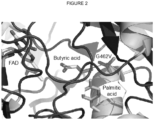
- a steric block may be introduced by substituting relatively small glycine side chain of G462 with a larger side chain.
- the amino acid substitution at the position corresponding to G462 of SEQ ID NO:1 may be made with any other amino acid not found at that position in the wild type sequence. Included in the disclosure is a method of substituting the amino acid at the position corresponding to G462 of SEQ ID NO:1 with any other amino acid not found at that position in the wild type sequence as specified herein.
- the substitution replaces the amino acid at the position corresponding to G462 of SEQ ID NO:1 with an amino acid the side chain of which sterically blocks access to the solvent exposed substrate-binding channel, e.g. so as to physically obstruct the channel so as to prevent binding of a long-chained fatty acid as defined herein.
- a steric block may be introduced by substituting an amino acid for one with a large, bulky, non-charged and/or non-polar side-chain.
- a steric block may be introduced by substituting relatively small glycine side chain (H) of G462 of SEQ ID NO:1 with a larger, bulkier, non-charged and/or non-polar side chain.
- the amino acid at a position corresponding to G462 of SEQ ID NO:1 is substituted for a bulky residue selected from V, F, I, L, A, Y, C, H, N, Q, and W. In some embodiments, the amino acid at a position corresponding to G462 of SEQ ID NO:1 is substituted for a non-charged residue selected from V, F, I, L, A, Y, C, N, Q, and W. In some embodiments, the amino acid at a position corresponding to G462 of SEQ ID NO:1 is substituted for a non-polar residue selected from V, F, I, L, A, and W.
- the amino acid substitution at a position corresponding to G462 of SEQ ID NO:1 is G462V. In some embodiments, the amino acid substitution is G462F. In some embodiments, the amino acid substitution is G462I. In some embodiments, the amino acid substitution is G462L. In some embodiments, the amino acid substitution is G462A. In some embodiments, the amino acid substitution is and G462W. In some embodiments, the amino acid substitution is G462Y. In some embodiments, the amino acid substitution is G462C. In some embodiments, the amino acid substitution is G462H. In some embodiments, the amino acid substitution is G462N. In some embodiments, the amino acid substitution is G462Q.
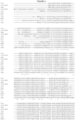
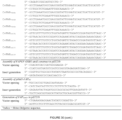
- Corresponding positions can be identified e.g. by alignment of the amino acid sequence of a given fatty acid decarboxylase to the amino acid sequence of SEQ ID NO:1. Sequence alignments for such purposes can be achieved in various ways known to a person of skill in the art, for instance, using publicly available computer software such as ClustalOmega ( Söding, J. 2005, Bioinformatics 21, 951-960 ). By way of example, an alignment of the amino acid sequence of multiple fatty acid decarboxylases with SEQ ID NO:1 is shown in Figure 4 .
- the fatty acid decarboxylases further comprise the consensus sequence G-X1-L-X2-X3-X4-X5-C-[D/E]-X6-G-[A/G]-F-X7-[K/R] (SEQ ID NO:3), X being any amino acid.
- X1 can be selected from the group consisting of P, L and G.
- X2 can be selected from the group consisting of T and A.
- X3 can be selected from the group consisting of T, S and C.
- X4 can be selected from the group consisting of P, T and A.
- X5 can be selected from the group consisting of G and A.
- X6 can be selected from the group consisting of H, N and R.
- X7 can be a hydrophobic amino acid, especially selected from the group consisting of L, V A and F.
- the consensus sequence may have at least 50%, at least 55%, at least 60%, at least 65%, at least 70%, at least 75%, at least 80%, at least 85%, at least 90%, at least 95%, at least 96%, at least 97%, at least 98%, at least 99%, or 100% sequence identity to SEQ ID NO:3.
- the consensus sequence may comprise 0, 1, 2, 3, 4, 5, 6, 7 or 8 substitutions, insertions or deletions relative to SEQ ID NO:3.
- the consensus sequence may comprise 0, 1, or 2 substitutions, insertions or deletions relative to SEQ ID NO:3.
- the consensus sequence may be at a position corresponding to residues 425-429 of SEQ ID NO:1, or may be at a position within up to 20, up to 15, up to 10, up to 5, up to 3, up to 2 or up to 1 residues away from this position.
- the fatty acid decarboxylases of the invention comprise the active site sequence: [I/L/K/D]X 28-35 CX 18-20 RX 9-10 [Z]X 3 [Y/I/L]XX[F/S/L/Y]X 4-17 [T/S/G]XQX 82-85 HXXN (SEQ ID NO:4) wherein X is any amino acid, and [Z] is the amino acid substitution residue at a position corresponding to G462 of SEQ ID NO:1.
- the active site sequence comprises any of SEQ ID NO:5 or SEQ ID NO:6, wherein X is any amino acid and [Z] is the amino acid substitution residue at a position corresponding to G462 of SEQ ID NO:1.
- the active site comprises the sequence: wherein [Z] is the amino acid substitution residue at a position corresponding to G462 of SEQ ID NO:1.
- the active site sequence may be at a position corresponding to residues 393-575 of SEQ ID NO:1, or may be at a position within up to 20, up to 15, up to 10, up to 5, up to 3, up to 2 or up to 1 residues away from this position.
- the active site sequence may be further modified by an amino acid substitution at a position corresponding to one or more of V453, G455, A457, Y466, T484 of SEQ ID NO:1, as described herein.
- the fatty acid decarboxylases comprises an active site having a sequence which comprises at least 40% sequence identity, preferably at least 45%, at least 50%, at least 55%, at least 60%, at least 65%, at least 70%, at least 75%, at least 80%, at least 85%, at least 90%, at least 95%, at least 96%, at least 97%, at least 98%, at least 99%, or 100% sequence identity to one or more consensus sequence selected from SEQ ID NOs:4 to 7.
- fatty acid decarboxylases described herein are capable of catalysing the conversion of a fatty acid into an alkane or alkene, in particular of a short-chain fatty acid to a short-chain alkene or alkane.
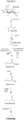
- a fatty acid decarboxylase of the invention may be able to catalyse one, two, or all three of the conversion of butyric acid to propane ( Figure 3A ), the conversion of valeric acid to butane ( Figure 3B ) and/or the conversion of isovaleric acid to isobutane ( Figure 3B ).
- a fatty acid decarboxylase of the invention may be able to catalyse the conversion of butyric acid to propane and the conversion of valeric acid to butane. In a preferred embodiment, a fatty acid decarboxylase of the invention is able to catalyse the conversion of butyric acid to propane.
- the fatty acid decarboxylases of the invention accept fatty acids as a substrate.
- a fatty acid accepted as a substrate is one capable of being bound and catalytically converted into a hydrocarbon by the fatty acid decarboxylase.
- the fatty acid decarboxylases of the invention are engineered for the use of short-chain fatty acids as a substrate. This preferentially results in the generation of short-chain alkenes/alkanes, including as volatile alkenes/alkanes such as butane, isobutane and propane.
- the fatty acid decarboxylases accept short-chain fatty acids as a substrate, such as C2, C3, C4, C5, C6, C7, and/or C8 fatty acids. In some embodiments, the fatty acid decarboxylases accept C3 to C5 fatty acids. In some embodiments, the fatty acid decarboxylases accept C3 and/or C4 fatty acids. In some embodiments, the fatty acid decarboxylases may accept as a substrate fatty acids having a chain length of 10 carbons or less, 9 or less, 8 or less, 7 or less, 6 or less, 5 or less, 4 or less, 3 or less, or 2 or less.
- the fatty acid decarboxylases may be able to accept C1-C8, C1-C7, C1-C6, C1-C5, C1-C4, or C1-C3 fatty acids. In some embodiments, the fatty acid decarboxylases may be able to accept C2-C8, C2-C7, C2-C6, C2-C5, C2-C4, or C2-C3 fatty acids.
- the fatty acid decarboxylases may have a preference for short chain length fatty acids compared to long chain fatty acids. In some embodiments, the fatty acid decarboxylases may be mostly or totally unable to accept fatty acids as a substrate other than short-chain fatty acids. In some embodiments, the fatty acid decarboxylases may be mostly or totally unable to accept fatty acids as a substrate with a chain length above a certain threshold. This preference and/or inability may be a result of the amino acid substitution at a position corresponding to G462 of SEQ ID NO:1 sterically clashing with and impeding the binding of fatty acids with a chain length greater than 8 carbons.
- the fatty acid decarboxylases of the invention may be unable to accept longer-chain fatty acids as a substrate, such as those with a chain length and/or total carbon number of 5 or more, 6 or more, 7 or more, 8 or more, 9 or more, 10 or more, 11 or more, 12 or more, 12 or more, 13 or more, 14 or more, 15 or more, 16 or more, 17 or more, 18 or more, 19 or more, 20 or more, 21 or more, or 22 or more carbons.
- fatty acid decarboxylases of the invention may be described by reference to a reference fatty acid decarboxylase.
- a "reference fatty acid decarboxylase” as used herein may be any fatty acid decarboxylase which does not comprise an amino acid substitution at a position corresponding to G462 of SEQ ID NO:1.
- the reference fatty acid decarboxylase may be a wild-type fatty acid decarboxylase.
- the reference fatty acid decarboxylase may be an equivalent fatty acid decarboxylase lacking the substitution at a position corresponding to G462 of SEQ ID NO:1 that is otherwise identical to the fatty acid decarboxylase of the invention.
- Reference fatty acid decarboxylases include SEQ ID NOs:1, 2, and 8 to 19, and homologues, variants and/or active fragments thereof.
- the fatty acid decarboxylases may give a higher yield of short-chain alkanes/alkenes from the decarboxylation of short-chain fatty acids.
- a fatty acid decarboxylase comprising the substitution gives a higher yield of a short-chain alkane/alkene compared to the yield of the same alkane/alkene obtained using a reference fatty acid decarboxylase in a comparable assay of fatty acid decarboxylase activity using a short-chain fatty acid as a substrate.
- the yield of the short-chain alkane/alkene obtained by a fatty acid decarboxylase comprising the substitution may be ⁇ 5 times, ⁇ 4.5 times, ⁇ 4 times, ⁇ 3.5 times, ⁇ 3 times, ⁇ 2.5 times, ⁇ 2 times, ⁇ 1.9 times, ⁇ 1.8 times, ⁇ 1.7 times, ⁇ 1.6 times, ⁇ 1.5 times, ⁇ 1.4 times, ⁇ 1.3 times, ⁇ 1.2 times, or ⁇ 1.1 times the yield of the same short-chain alkane/alkene obtained using the reference fatty acid decarboxylase in a comparable assay of fatty acid decarboxylase activity using a short-chain fatty acid as a substrate.
- the higher yield is of a C n alkane/alkene and the short-chain fatty acid substrate is a C n+1 fatty acid, where n ⁇ 8.
- n may be selected from 1, 2, 3, 4, 5, 6, 7 or 8.
- the higher yield is of a C n alkane/alkene and the short-chain fatty acid substrate is a C n+1 fatty acid, where n ⁇ 5.
- n may be selected from 1, 2, 3, 4, or 5.
- n 3.
- the fatty acid substrate is valeric acid and the higher yield is of butane.
- the fatty acid substrate is isovaleric acid and the higher yield is of isobutane.
- the fatty acid substrate is a combination of valeric, isovaleric acid and/or butyric acids, and the higher yield is of a respective mixture of butane, isobutane and/or propane.
- n 3
- the fatty acid substrate is butyric acid and the higher yield is of is propane.
- the fatty acid decarboxylase of the invention has a substrate preference for short-chain fatty acids compared to long-chain fatty acids. In some embodiments, the fatty acid decarboxylase of the invention may have a higher substrate preference for short-chain fatty acids over long-chain fatty acids relative to the substrate preference of a reference fatty acid decarboxylase. Substrate preference may be described with reference to the specificity constant (k cat /K M ).
- a short-chain fatty acid substrate preference may be at least a 1.5-fold, 2-fold, 3-fold, 4-fold, 5-fold, 10-fold, 20-fold, 30-fold, 40-fold, 50-fold, 60-fold, 70-fold, 80-fold, 90-fold, 100-fold, 200-fold, 300-fold, 400-fold, 500-fold, 600-fold, 700-fold, 800-fold, 900-fold, or 1000-fold higher than the preference for long-chain fatty acids.
- a short-chain fatty acid substrate preference of an enzyme of the invention may be at least a 1.5-fold, 2-fold, 3-fold, 4-fold, 5-fold, 10-fold, 20-fold, 30-fold, 40-fold, 50-fold, 60-fold, 70-fold, 80-fold, 90-fold, 100-fold, 200-fold, 300-fold, 400-fold, 500-fold, 600-fold, 700-fold, 800-fold, 900-fold, or 1000-fold higher than the preference of a reference fatty acid decarboxylase.
- the fatty acid decarboxylase of the invention may have a higher affinity for short-chain fatty acids compared to long-chain fatty acids. Higher affinity may be described with reference to K M value.
- the fatty acid decarboxylase of the invention may have a higher affinity for short-chain fatty acids and/or a lower affinity for long-chain fatty acids compared to a reference fatty acid decarboxylase as defined herein.
- a higher affinity may be at least a 1.5-fold, 2-fold, 3-fold, 4-fold, 5-fold, 10-fold, 20-fold, 30-fold, 40-fold, 50-fold, 60-fold, 70-fold, 80-fold, 90-fold, 100-fold, 200-fold, 300-fold, 400-fold, 500-fold, 600-fold, 700-fold, 800-fold, 900-fold, or 1000-fold higher affinity.
- the skilled person will appreciate how to calculate enzyme kinetics, which are reviewed for example in " The Chemical Kinetics of Enzyme Action", KJ Laidler and PS Bunting, Clarendon Press, 1973 , which is herein incorporated by reference.
- the fatty acid decarboxylases of the invention may give a yield of an alkene/alkane which is than 1 times, e.g. more than 1.1 times, 1.2 times, 1.3 times, 1.4 times, 1.5 times, 1.6 times, 1.7 times, 1.8 times, 1.9 times, 2.0 times, 2.1 times, 2.2 times, 2.3 times, 2.4 times, 2.5 times, 2.6 times, 2.7 times, 2.8 times, 2.9 times, 3.0 times, 3.5 times, 4.0 times, 5.0 times, 6.0 times, 7.0 times, 8.0 times, 9.0 times, or more than 10.0 times the yield obtained using the equivalent fatty acid decarboxylase lacking the substitution.
- a fatty acid decarboxylase comprising the substitution(s) produces an increased amount of an alkene/alkane, per unit time, per unit enzyme as compared to the reference protein.
- a fatty acid decarboxylase has a specific activity for conversion fatty acid to alkene/alkane (expressed e.g. in nmol.min -1 .mg -1 ) which is more than 1 times, e.g.
- Suitable comparative assays include one or more assays selected from: the cell free assay described in Example 3, the E. coli expression assay described in Example 4, and/or the Halomonas assay described in Example 6.
- a fatty acid decarboxylase comprising the substitution(s) produces in an assay an alkene/alkane yield per litre of reaction, for example of culture of cells comprising a fatty decarboxylase of the invention, equivalent to 0.01 mg/L, 0.02mg/L, 0.03 mg/L, 0.04 mg/L, 0.05 mg/L, 0.06 mg/L, 0.07 mg/L, 0.08 mg/L, 0.09 mg/L, 0.1 mg/L, 0.2 mg/L, 0.3 mg/L, 0.4 mg/L, 0.5 mg/L, 0.6 mg/L, 0.7 mg/L, 0.8 mg/L, 0.9 mg/L, 1 mg/L, 2 mg/L, 3 mg/L, 4 mg/L, 5 mg/L, 6 mg/L, 7 mg/L, 8 mg/L, 9 mg/L, 10 mg/L, 11 mg/L, 12 mg/L, 13 mg/L, 14 mg/L, 15 mg/L, 16 mg/L, 17
- the yield may be normalised against the total weight of the fatty acid decarboxylase or cells comprising the fatty acid decarboxylase.
- the reaction is performed at optimal conditions (e.g. temperature, pH, salinity, and saturating concentrations of substrate, cofactor, light, etc.).
- the assay is as described in examples 2-4 and/or 6-8.
- Fatty acid decarboxylases may be light dependent i.e. require exposure to light for its activity.
- the microalga Chlorella variabilis NC64A harbours a glucose-methanol-choline oxidoreductase which catalyses the decarboxylation of free fatty acids to n-alkanes or n-alkenes in response to blue light.
- the light may be of any wavelength and/or colour or combination thereof (e.g. white light), but in particular may be blue (400-520nm) or red (620-750nm wavelength) light, most preferably blue light.
- the light has a wavelength from 400 to 520 nm, preferably from 450 nm to 495 nm, especially about 450 nm or 470nm.
- the amount of light provided can be for instance from 10 to 3000 ⁇ mole.photon.m -2 .s -1 , preferably about 2000 ⁇ mole.photon.m -2 .s -1 .
- Fatty acid decarboxylases may require one or more cofactors in order to function.
- Exemplary cofactors include FAD (flavin adenine dinucleotide), which may be provided to the enzyme or, in the case of cell expression systems, produced from a heterologous or homologous gene(s).
- Methods according to the present invention may be performed such that the fatty acid decarboxylases or cells producing them are exposed to light of the appropriate wavelength.
- aldehyde dehydrogenase refers to an enzyme capable of catalysing the conversion of acyl-CoA to aldehydes, for example the conversion of butyryl-CoA to butyraldehyde.
- aldehyde dehydrogenases such as the C. acetobutylicum ATCC 824 enzyme AdhE2 (aldehyde/alcohol dehydrogenase; GenBank ID: Q9ANR5), are bi-functional enzymes that, in addition to converting butyrl-CoA to butyric acid, also convert butyryl-CoA to butanol, which is a toxic and undesirable by-product. Consequently, in some embodiments, an aldehyde dehydrogenase as employed by the invention does not catalyse an alcohol-forming reaction.
- aldehyde dehydrogenase is that from Clostridium beijerinckii (BALDH), the amino acid sequence of which is provided by SEQ ID NO:20.
- Other aldehyde dehydrogenases comprise polypeptides comprising an amino acid sequence selected from SEQ ID NO:32-37.
- the butyraldehyde dehydrogenase comprises, or consists of, the amino acid sequence of any one of SEQ ID NO:20 or 32-37, or an amino acid sequence having at least 30%, preferably one of at least 35%, 40%, 45%, 50%, 55%, 60%, 65%, 70%, 75%, 80%, 85%, 90%, 91%, 92%, 93%, 94%, 95%, 96%, 97%, 98%, 99% or 100% amino acid sequence identity to the amino acid sequence of any one of SEQ ID NOs:20 or 32-37.
- Fragments, variants, isoforms and homologues of an aldehyde dehydrogenase may optionally be characterised by the ability to catalyse conversion of butyrl-CoA to butyraldehyde.
- aldehyde deformylating oxygenase refers to an enzyme capable of catalysing the deformylation of aliphatic aldehydes for alkane biosynthesis ( Figure 1A ).
- the present usage refers to enzymes capable of catalysing the deformylation of butyraldehyde to propane.
- An exemplary aldehyde deformylating oxygenase is that from Procholorococcus marinus st. MIT9313 (ADO), as described in Menon N, et al Biotechnol Biofuels 2015;8:61-12 , which is herein incorporated by reference in its entirety.
- This enzyme catalyses the ferredoxin and oxygen-dependent decarbonylation of primarily long chain (C17-C19) fatty aldehydes into alkane hydrocarbons (C15-C17) and formate [9].
- Structure-based engineering of the substrate access channel of ADO generated the variants A134F and V41Y with enhanced propane production [10].
- an aldehyde deformylating oxygenase comprises, or consists of, the amino acid sequence of SEQ ID NO:21, or an amino acid sequence having at least 70%, preferably one of 80%, 85%, 90%, 91%, 92%, 93%, 94%, 95%, 96%, 97%, 98%, 99% or 100% amino acid sequence identity to the amino acid sequence of SEQ ID NO:21.
- an aldehyde deformylating oxygenase comprises an amino acid substitution at a position corresponding to position A134 of SEQ ID NO:21.
- the amino acid substitution is A134F.
- an aldehyde deformylating oxygenase comprises an amino acid substitution at a position corresponding to position V41 of SEQ ID NO:21.
- the amino acid substitution is V41Y.
- the aldehyde deformylating oxygenases may give a higher yield of propane from the deformylation of butyraldehyde.
- an aldehyde deformylating oxygenase comprising the substitution gives a higher yield of propane compared to the yield of propane obtained using a polypeptide comprising SEQ ID NO:21 in a comparable assay of aldehyde deformylating oxygenase activity using butyraldehyde as a substrate.
- the yield of propane obtained by an aldehyde deformylating oxygenase comprising the substitution may be ⁇ 5 times, ⁇ 4.5 times, ⁇ 4 times, ⁇ 3.5 times, ⁇ 3 times, ⁇ 2.5 times, ⁇ 2 times, ⁇ 1.9 times, ⁇ 1.8 times, ⁇ 1.7 times, ⁇ 1.6 times, ⁇ 1.5 times, ⁇ 1.4 times, ⁇ 1.3 times, ⁇ 1.2 times, or ⁇ 1.1 times the yield of propane obtained using a polypeptide comprising SEQ ID NO:21 in a comparable assay of aldehyde deformylating oxygenase activity using butyraldehyde as a substrate.
- Fragments, variants, isoforms and homologues of an aldehyde deformylating oxygenase may optionally be characterised by the ability to catalyse conversion of butyraldehyde to butane.
- the aldehyde deformylating oxygenase may use an electron transfer partner protein, such as ferredoxin.
- the aldehyde deformylating oxygenase may use a coenzyme, such as nicotinamide adenine dinucleotide (NAD + /NADH) or nicotinamide adenine dinucleotide phosphate (NADP + /NADPH).
- an "acetyl-CoA acetyltransferase” refers to an enzyme capable of catalysis of the conversion of acetyl CoA to acetylacetyl-CoA.
- the acetyl-CoA acetyltransferase comprises, or consists of, the amino acid sequence of SEQ ID NO:28, or an amino acid sequence having at least 70%, preferably one of 80%, 85%, 90%, 91%, 92%, 93%, 94%, 95%, 96%, 97%, 98%, 99% or 100% amino acid sequence identity to the amino acid sequence of SEQ ID NO:28.
- an "acetoacetyl CoA synthase” refers to an enzyme capable of catalysis of the conversion of malonyl-CoA to acetylacetyl-CoA.
- the acetoacetyl CoA synthase comprises, or consists of, the amino acid sequence of SEQ ID NO:24, or an amino acid sequence having at least 70%, preferably one of 80%, 85%, 90%, 91%, 92%, 93%, 94%, 95%, 96%, 97%, 98%, 99% or 100% amino acid sequence identity to the amino acid sequence of SEQ ID NO:24.
- a "clostridial 3-hydroxybutyryl-CoA dehydrogenase” refers to an enzyme capable of catalysis of the conversion of acetylacetyl-CoA to 3-hydroxybutryryl-CoA.
- the clostridial 3-hydroxybutyryl-CoA dehydrogenase comprises, or consists of, the amino acid sequence of SEQ ID NO:29, or an amino acid sequence having at least 70%, preferably one of 80%, 85%, 90%, 91%, 92%, 93%, 94%, 95%, 96%, 97%, 98%, 99% or 100% amino acid sequence identity to the amino acid sequence of SEQ ID NO:29.
- a "3-hydroxybutyryl-CoA dehydratase” refers to an enzyme capable of catalysis of the conversion of 3-hydroxybutryryl-CoA to crotonyl-CoA.
- the clostridial 3-hydroxybutyryl-CoA dehydrogenase comprises, or consists of, the amino acid sequence of SEQ ID NO:30, or an amino acid sequence having at least 70%, preferably one of 80%, 85%, 90%, 91%, 92%, 93%, 94%, 95%, 96%, 97%, 98%, 99% or 100% amino acid sequence identity to the amino acid sequence of SEQ ID NO:30.
- a "trans-enoyl-CoA reductase” refers to an enzyme capable of catalysis of the conversion of crotonyl-CoA to butyryl-CoA.
- the clostridial 3-hydroxybutyryl-CoA dehydrogenase comprises, or consists of, the amino acid sequence of SEQ ID NO:31, or an amino acid sequence having at least 70%, preferably one of 80%, 85%, 90%, 91%, 92%, 93%, 94%, 95%, 96%, 97%, 98%, 99% or 100% amino acid sequence identity to the amino acid sequence of SEQ ID NO:31.
- an "acyl-CoA thioester hydrolase” refers to an enzyme capable of catalysis of the conversion of butyryl-coenzyme A to butyric acid.
- the clostridial 3-hydroxybutyryl-CoA dehydrogenase comprises, or consists of, the amino acid sequence of SEQ ID NO:23, or an amino acid sequence having at least 70%, preferably one of 80%, 85%, 90%, 91%, 92%, 93%, 94%, 95%, 96%, 97%, 98%, 99% or 100% amino acid sequence identity to the amino acid sequence of SEQ ID NO:23.
- the disclosure provides nucleic acids encoding said sequences.
- the nucleic acid is DNA. In some embodiments the nucleic acid is RNA. The nucleic acid may be single-stranded or double-stranded. The nucleic acid may be provided in isolated/purified form, or within a host cell.
- a nucleic acid encoding an enzyme as described herein may be operably linked to a heterologous regulatory sequence, such as a promoter, for example a constitutive, or inducible promoter.
- a heterologous regulatory sequence such as a promoter, for example a constitutive, or inducible promoter.
- operably linked may include the situation where a selected nucleotide sequence and regulatory nucleotide sequence (e.g. promoter and/or enhancer) are covalently linked in such a way as to place the expression of the nucleotide sequence under the influence or control of the regulatory sequence (thereby forming an expression cassette).
- a regulatory sequence is operably linked to the selected nucleotide sequence if the regulatory sequence is capable of effecting transcription of the nucleotide sequence.
- the resulting transcript may then be translated into a desired protein or polypeptide.
- a “promoter” refers to a natural, engineered or synthetic nucleotide sequence that directs the initiation and rate of transcription of a coding sequence. Many suitable promoters are known in the art and may be used in accordance with the invention.
- the promoter contains the site at which RNA polymerase binds and also contains sites for the binding of other regulatory elements (such as transcription factors).
- a promoter includes a minimal promoter that is a short DNA sequence comprised of a Pribnow box (TATAAT), and other sequences that serve to specify the site of transcription initiation, to which regulatory elements are added for control of expression.
- the nucleic acid encoding the enzyme may be contained on a nucleic acid construct or vector, particularly an expression vector.
- a "vector” as used herein is an oligonucleotide molecule (DNA or RNA) used as a vehicle to transfer foreign genetic material into a cell.
- Vectors include, inter alia, any plasmid, cosmid, phage etc. in double or single stranded linear or circular form, which may or may not be self-transmissible or mobilisable, and which can transform a prokaryotic or eukaryotic host, in particular a bacterial host, either by integration into the cellular genome or exist extra-chromasomally (e.g. autonomous replicating plasmid with an origin of replication).
- the vector may be an expression vector for expression of the foreign genetic material in the cell.
- Such vectors may include a promoter and/or a ribosome binding site (RBS) sequence operably linked to the nucleotide sequence encoding the sequence to be expressed.
- RBS ribosome binding site
- a vector may also include a termination codon and expression enhancers.
- Such expression vectors are routinely constructed in the art of molecular biology and may for example involve the use of plasmid DNA and appropriate initiators, promoters, RBS, enhancers and other elements, such as for example polyadenylation signals, which may be necessary and which are positioned in the correct orientation in order to allow for protein expression.
- the vector may be used to replicate the nucleic acid in a compatible host cell. Therefore, nucleic acids according to the present invention can be produced by introducing a polynucleotide into a replicable vector, introducing the vector into a compatible host cell and growing the host cell under conditions that bring about replication of the vector.
- Vectors may include a promoter sequence operably linked to the nucleotide sequence encoding the gene sequence to be expressed.
- a vector may also include a termination codon and expression enhancers. Any suitable vectors, promoters, enhancers and termination codons known in the art may be used to express the enzymes from a vector according to the invention.
- Suitable vectors include plasmids, binary vectors, viral vectors and artificial chromosomes (e.g. yeast artificial chromosomes).
- a construct or vector comprising nucleic acid as described above need not include a promoter or other regulatory sequence, particularly if the vector is to be used to introduce the nucleic acid into cells for recombination into the genome.
- Constructs and vectors may further comprise selectable genetic markers consisting of genes that confer selectable phenotypes such as resistance to antibiotics such as kanamycin, hygromycin, phosphinotricin, chlorsulfuron, methotrexate, gentamycin, spectinomycin, chloramphenicol, ampicillin, etc.
- selectable genetic markers consisting of genes that confer selectable phenotypes such as resistance to antibiotics such as kanamycin, hygromycin, phosphinotricin, chlorsulfuron, methotrexate, gentamycin, spectinomycin, chloramphenicol, ampicillin, etc.
- vectors and design protocols for recombinant gene expression for example in a microbial cell.
- Suitable vectors can be chosen or constructed, containing appropriate regulatory sequences, including promoter sequences, terminator fragments, polyadenylation sequences, enhancer sequences, marker genes and other sequences as appropriate.
- appropriate regulatory sequences including promoter sequences, terminator fragments, polyadenylation sequences, enhancer sequences, marker genes and other sequences as appropriate.
- any suitable vectors, promoters, enhancers and termination codons known in the art may be used to express a polypeptide from a vector according to the invention.
- the vector may be a plasmid, phage, MAC, virus, etc.
- the vector may be a eukaryotic expression vector.
- the vector may be a eukaryotic expression vector, e.g. a vector comprising the elements necessary for expression of protein from the vector in a eukaryotic cell.
- the vector may be a mammalian expression vector, e.g. comprising a cytomegalovirus (CMV) or SV40 promoter to drive protein expression.
- CMV cytomegalovirus
- operably linked may include the situation where a selected nucleotide sequence and regulatory nucleotide sequence (e.g. promoter and/or enhancer) are covalently linked in such a way as to place the expression of the nucleotide sequence under the influence or control of the regulatory sequence (thereby forming an expression cassette).
- a regulatory sequence is operably linked to the selected nucleotide sequence if the regulatory sequence is capable of effecting transcription of the nucleotide sequence.
- the resulting transcript may then be translated into a desired peptide or polypeptide.
- the promoter may be a T7 promoter.
- the vector may comprise element for facilitating translation of encoded protein from mRNA transcribed from the construct.
- the construct may comprise a ribosomal binding site (RBS) such as a Shine-Delgarno (SD) sequence upstream of the start codon.
- RBS sequences may be designed to provide for different levels of expression of the encoded proteins.
- the vector may encode one or more response elements for modulating expression of the encoded protein(s).
- the response element is an element that causes upregulation of gene or protein expression in response to treatment with a particular agent.
- the agent may induce transcription of DNA encoding the protein(s) from a vector including a response element for the agent.
- the agent may be isopropyl ⁇ -D-1-thiogalactopyranoside (IPTG), and the vector may comprise a lac operator.
- IPTG isopropyl ⁇ -D-1-thiogalactopyranoside
- Other induction agent/response element combinations are known in the art.
- the vector may encode one or more response elements for constitutive expression of the encoded protein(s), such that no induction is necessary.
- the vector may comprise a transcription terminator sequence downstream of the sequences encoding to the protein or proteins of interest.
- the terminator may be a T7 terminator sequence.
- the vector may comprise a sequence encoding a detectable marker in-frame with the sequence encoding the protein of interest to facilitate detection of expression of the protein, and/or purification or isolation of the protein (e.g. a His, (e.g. 6XHis), Myc, GST, MBP, FLAG, HA, E, or Biotin tag, optionally at the N- or C- terminus).
- nucleic acids/expression vectors can be introduced into a cell by any suitable means, which are well known to the skilled person.
- the nucleic acids/expression vectors are introduced into a cell by transformation, transduction, conjugation, transfection or electroporation.
- T7 RNA polymerase is well known in the art. It is a very active enzyme, synthesising RNA at a high rate several times that of E. coli RNA polymerase. Furthermore, it has a lower frequency of termination, and its transcription can circumnavigate a plasmid, resulting in RNA several times the plasmid length in size. T7 RNA polymerase is also highly selective for initiation at its own promoter sequences and is resistant to antibiotics such as rifampicin that inhibit E. coli RNA polymerase.
- T7-like systems are IPTG-inducible system that work like the viral polymerase T7 (IPTG-inducible; found in pET system vectors) but is a compatible system in other bacterial species, e.g. Halomonas.
- the gene MmP1 is a T7-like promoter that enables the IPTG-inducible expression of recombinant proteins in Halomonas ( Zhao H et al 2017 Novel T7-like expression systems used for Halomonas. Metabolic Engineering 39: p. 128-140 which is herein incorporated by reference in its entirety).
- the Halomonas strain comprises the MmP1 gene, either chromosomally integrated or on a vector or plasmid.
- the inducible system may use T7-like MmP1 or similar system (e.g. K1F, VP4 or RiboJ), or constitutive systems based on proD.
- T7-like promoter sequences which may be used upstream of the nucleic acids encoding the enzyme polypeptides in Halomonas:
- MmP1 genes in the Halomonas strain, where the MmP1 genes are incorporated either chromosomally or in a vector or plasmid.
- Promoters may also be constitutive. "Constitutive" means no induction is needed (specific chemical addition such as IPTG) to express the recombinant protein.
- the following promoter sequences may be used upstream of the nucleic acids encoding the enzyme polypeptides in Halomonas, and provide varying levels of expression.
- the present disclosure also relates to cells comprising nucleic acids encoding the enzymes described herein.
- the cells may express the enzymes described herein.
- the cells may produce, contain, or secrete the enzymes described herein.
- Cells may be provided in isolated form and/or in culture. Cells may be provided in vitro.
- a cell comprising an enzyme according to the present invention may do so through expression from a nucleic acid/expression vector according to the present invention that has been introduced into the cell.
- Cells contemplated for use with the present invention include prokaryotic and eukaryotic cells.
- the prokaryotic cell may be a bacteria or archaea
- the eukaryotic microorganism may be a fungi, protist, or microscopic animal or microscopic plant organism.
- the cells are isolated cells from a multicellular organism.
- the cells are of a bacterium.
- the bacterium may be a Gram-positive bacterium.
- Gram-positive bacteria include bacteria from the genus Bacillus, bacteria from the genus Listeria, Clostridium (e.g. C. difficile), or coccus such as Staphylococcus (e.g. S . aureus ) , or Streptococcus.
- the bacterium may be a Gram-negative bacterium.
- Gram-negative bacteria may be defined as a class of bacteria that do not retain the crystal violet stain used in the Gram staining method of bacterial differentiation, making positive identification possible.
- Gram-negative bacteria include proteobacteria or bacteria of the family Enterobacteriaceae, such as Escherichia coli, Salmonella sp, Shigella sp, or bacteria selected from the genus Pseudomonas, Helicobacter, Neisseria, Legionella, Halomonas, Klebsiella or Yersinia bacterium.
- Any bacterium may be used, such as laboratory strains (such as E. coli or Bacillus subtilis ), or field strains.
- Preferred bacteria will be those that are organotrophic, e.g. chemoheterotrophic bacteria, capable of using biomass or compounds derived therefrom as an energy source.
- Preferred bacteria are robust bacteria, such as soil bacteria and/or extremophilic bacteria.
- Extremophilic bacteria include slight halophiles (able to grow in 1.7 to 4.8% NaCl), moderate halophiles (able to grow in 4.7 to 20% NaCl), extreme halophiles (able to grow in 20 to 30% NaCl), acidophiles (able to grow in conditions of low pH, such as below pH 5.0, e.g. pH 2 or below), alkaliphiles (able to grow in conditions of pH 8.5 or above), metallotolerant bacteria (able to survive in environments containing high concentrations of dissolved heavy metals), thermophiles (with an optimal growth temperature between about 41 and 122°C, e.g.
- Halophilic bacteria are capable of growing in open non-sterile conditions. As these strains are salt tolerant, they will not be outcompeted so long as there is a high salt content. Furthermore, the addition of a high salt buffer (e.g. at least a 3% salt solution) can be used to control competing bacteria.
- Halophilic bacteria include those of the genus Halomonas. Exemplary species of Halomonas have been described, including H. alimentaria, H. alkaliantarctica, H. alkaliphila, H. almeriensis, H. andesensis, H. anticariensis, H. aquamarina, H. arcis, H. axialensis, H. beimenensis, H.
- H. pantelleriensis H. qiaohouensis, H. qijiaojingensis, H. ramblicola, H. rifensis, H. sabkhae, H. saccharevitans, H. salicampi, H. salifodinae, H. salina, H. sediminicola, H. shengliensis, H. sinaiensis, H. smyrnensis, H. songnenensis, H. stenophila, H. stevensii, H. subglaciescola, H. subterranean, H. sulfidaeris, H.
- H. titanicae H. urumqiensis
- H. variabilis H. ventosae
- H. venusta H. vilamensis
- H. xianhensis H. xinjiangensis
- H. zhangjiangensis H. zincidurans.
- Halomonas strains include Halomonas st. TQ10 and Halomonas st. TD01.
- Strain TQ10 is a genetically modified version of TD01 strain where the gene encoding MmP1 has been chromosomally integrated into the bacterium.
- the gene MmP1 is a T7-like promoter that enables the IPTG-inducible expression of recombinant proteins in Halomonas ( Zhao H et al 2017 Novel T7-like expression systems used for Halomonas. Metabolic Engineering 39: p. 128-140 which is herein incorporated by reference in its entirety).
- the Halomonas strain comprises the MmP1 gene, either chromosomally integrated or on a vector or plasmid.
- Bacteria for use in the invention may be able to produce fatty acids, for example short chain fatty acids like butyric acid, from biomass feedstocks.
- bacteria may be able to convert glucose or cellulose to a fatty acid, and the fatty acid into hydrocarbon, as shown in Figure 9 .
- a bacterium may possess the endogenous genes required for the conversion of glucose or cellulose to a fatty acid, or this ability may be conferred by one or more heterologous genes.
- a bacteria capable of producing fatty acids may comprise a nucleotide sequence encoding any number of polypeptides according to SEQ ID NOs:23-31.
- Escherichia bacteria such as E. coli, Saccharomyces yeast such as S. cerevisiae and cyanobacteria are contemplated for use in the present invention.
- polypeptides may be prepared by cell-free-protein synthesis (CFPS), e.g. using a system described in Zemella et al. Chembiochem (2015) 16(17): 2420-2431 , which is hereby incorporated by reference in its entirety.
- CFPS cell-free-protein synthesis
- the present invention also provides a method for producing a composition according to the invention, comprising (i) culturing a cell according to the present invention under conditions suitable for expression of encoded protein(s). In some embodiments the method further comprises (ii) isolating said expressed protein(s).
- the invention also encompasses the compositions produced by such methods.
- the present invention also provides compositions comprising the cells, nucleic acids, expression vectors, and enzymes/combinations of enzymes according to the present invention.
- the compositions find use e.g. in methods for hydrocarbon biosynthesis according to the present invention.
- the present invention also provides a cell, such as a bacterial cell, comprising a heterologous fatty acid decarboxylase.
- polypeptides encoding enzymes according to the present disclosure may be prepared according to methods for recombinant protein production known to the skilled person. Molecular biology techniques suitable for recombinant production are well known in the art, such as those set out in Green and Sambrook, Molecular Cloning: A Laboratory Manual (4th Edition), Cold Spring Harbor Press, 2012 , which is hereby incorporated by reference in its entirety.
- Expression may be from a nucleic acid sequence and/or an expression vector, e.g. a nucleic acid sequence or expression vector according to the present invention. Any suitable vectors, promoters, enhancers and termination codons known in the art may be used to express a peptide or polypeptide from an expression vector according to the invention. Expression may be from a cell according to the present invention. Any cell suitable for the expression of polypeptides encoding enzymes may be used.
- Production may involve culture or fermentation of cell modified to express the relevant polypeptide(s).
- the culture or fermentation may be performed in a bioreactor provided with an appropriate supply of nutrients, air/oxygen and/or growth factors.
- Secreted proteins can be collected by partitioning culture media/fermentation broth from the cells, extracting the protein content, and separating individual proteins to isolate secreted or expressed peptide or polypeptide.
- Culture, fermentation and separation techniques are well known to those of skill in the art, and are described, for example, in Green and Sambrook, Molecular Cloning: A Laboratory Manual (4th Edition; incorporated by reference herein above ).
- Bioreactors include one or more vessels in which cells may be cultured. Culture in the bioreactor may occur continuously, with a continuous flow of reactants into, and a continuous flow of cultured cells from, the reactor. Alternatively, the culture may occur in batches.
- the bioreactor monitors and controls environmental conditions such as pH, oxygen, light wavelength and intensity, flow rates into and out of, and agitation within the vessel such that optimum conditions are provided for the cells being cultured.
- the cells that express the polypeptide(s) of interest may be isolated. Any suitable method for separating proteins from cells known in the art may be used. In order to isolate the polypeptide it may be necessary to separate the cells from nutrient medium.
- the cells may be separated from the culture media that contains the secreted polypeptide(s) of interest by centrifugation.
- protein isolation may comprise centrifugation to separate cells from cell culture medium, treatment of the cell pellet with a lysis buffer, and cell disruption e.g. by sonification, rapid freeze-thaw or osmotic lysis.
- polypeptide(s) of interest may be isolated from the supernatant or nutrient medium, which may contain other protein and non-protein components.
- Proteins of different solubilities are precipitated at different concentrations of precipitating agent such as ammonium sulphate. For example, at low concentrations of precipitating agent, water soluble proteins are extracted. Thus, by adding different increasing concentrations of precipitating agent, proteins of different solubilities may be distinguished. Dialysis may be subsequently used to remove ammonium sulphate from the separated proteins. Other methods for separating protein components include ion exchange chromatography and size exclusion chromatography. These may be used as an alternative to precipitation, or may be performed subsequently to precipitation.
- polypeptide(s) of interest may be desired or necessary to concentrate the peptide or polypeptide.
- a number of methods for concentrating proteins are known in the art, such as ultrafiltration and lyophilisation.
- polypeptides encoding enzymes may be provided as components of larger polypeptides encoding enzymes or polypeptide complexes.
- the polypeptides encoding enzymes described herein may be provided as fusion polypeptides encoding enzymes.
- the polypeptides encoding enzymes may comprise amino acid sequence(s) to facilitate expression, folding, trafficking, processing or purification, e.g. His, (e.g. 6XHis), Myc GST, MBP, FLAG, HA, E, or Biotin tag, optionally at the N- or C- terminus.
- the present disclosure also provides methods comprising the catalysis of the conversion of feed stocks into alkenes and/or alkanes using one or more enzymes. These methods may be methods of producing short-chain alkanes such as propane, butane and isobutane, which are useful as fuels.
- the methods comprise providing substrate for a conversion.
- the method may comprise adding the substrate or a metabolic precursor to a vessel containing the enzyme.
- the methods additionally comprise recovering the product of a conversion.
- the product may be recovered and used as the substrate in a conversion in accordance with a subsequent method step.
- the product is recovered as the final product of the method. Recovered product may be isolated/purified. Products of reactions can be analysed e.g. by gas chromatography, high performance liquid chromatography and/or mass spectrometry.
- any suitable substance containing the catalytic substrate may be used as a feedstock.
- the method uses biomass-derived feedstock, such as the products of microbial processing of biomass by microbial digestion/fermentation.
- biomass-derived feedstock such as the products of microbial processing of biomass by microbial digestion/fermentation.
- feed stocks are typically rich in butyric acid, isovaleric acid, and/or valeric acid, as well as their precursors.
- a method comprising catalysis of the conversion of substrate X into product Y using an enzyme Z implicitly includes contacting substrate X with enzyme Z under conditions suitable for conversion of the substrate X to product Y.
- the method may include incubation steps.
- the enzymes are provided sequentially. In some embodiments the enzymes are provided simultaneously (i.e. together). In some embodiments the enzymes are provided simultaneously by sequentially adding enzyme/enzymes (i.e. one after another).
- Factors relevant to the conditions suitable for the relevant conversion or conversions in accordance with the methods of the present invention include the enzyme(s), the substrate(s), the activity of the enzyme(s), the concentration of the enzyme(s), the concentration of the substrate(s), enzyme co-factor concentration/availability, temperature, salinity, pH, agitation, carbon dioxide levels, oxygen levels, nutrient availability, reaction volume, presence of visible light (in particular blue light e.g. around 470nm), etc.
- one or more co-factors or electron transfer partner may be provided to the reaction(s).
- one or more sources of co-factors or electron transfer partner are provided.
- systems for producing/recycling one or more co-factors/ electron transfer partner or sources of co-factors/ electron transfer partner are provided.
- the co-factor or electron transfer partner is selected from NADH, NAD + , NADPH, NADP + , FAD, ferredoxin and/or di-iron or a manganese-iron prosthetic group. If the electron transfer partner is ferredoxin, the ferredoxin may contain an iron sulphur prosthetic group.
- Methods according to the present invention may be performed, or products may be present, in vitro, ex vivo, or in vivo.
- in vitro is intended to encompass experiments with materials, biological substances, cells and/or tissues in laboratory conditions or in culture whereas the term “in vivo” is intended to encompass experiments and procedures with intact multi-cellular organisms.
- Ex vivo refers to something present or taking place outside an organism, e.g. outside the human or animal body, which may be on tissue (e.g. whole organs) or cells taken from the organism.
- Methods according to the present invention may be performed outside the human or animal body.
- the methods may be performed in in a container, bioreactor, fermenter or similar apparatus.
- methods according to the present invention may be performed, or products may be present, in vitro or ex vivo.
- in vitro is intended to encompass experiments with materials, biological substances, cells and/or tissues in laboratory conditions or in culture whereas the term “in vivo” is intended to encompass experiments and procedures with intact multi-cellular organisms.
- Ex vivo refers to something present or taking place outside an organism, e.g. outside the human or animal body, which may be on tissue (e.g. whole organs) or cells taken from the organism.
- the methods of the present invention are performed in vitro. In some embodiments, the methods of the present invention are performed using an isolated/purified enzyme(s). In some embodiments the enzyme(s) are obtained from a commercial source. In some embodiments the enzyme(s) may be, or may have been, expressed recombinantly and subsequently isolated/purified, e.g. as described herein. In some embodiments the enzyme(s) may be obtained from an organism (e.g. a microorganism) or cells, tissue or organs of a multicellular organism expressing the enzyme(s).
- an organism e.g. a microorganism
- cells tissue or organs of a multicellular organism expressing the enzyme(s).
- the enzyme(s) may be obtained from an organism or cells, tissue or organs of a multicellular organism expressing the enzyme(s) as a consequence of expression of nucleic acid endogenous to the organism. In some embodiments, the enzyme(s) may be obtained from an organism expressing the enzyme(s) as a consequence of expression of heterologous nucleic acid that is non-endogenous to the organism (e.g. a nucleic acid/expression vector according to the present invention). In some embodiments, the organism or cells, tissue or organs of a multicellular organism expressing the enzyme(s) may secrete the enzyme(s). In some embodiments, obtaining the enzyme(s) may comprise isolating/purifying the enzyme(s) from an organism (e.g. a microorganism) or cells, tissue or organs of a multicellular organism expressing the enzyme(s), or from secreted products thereof.
- an organism e.g. a microorganism
- the methods of the present invention are performed using an extract(s) of an organism (e.g. a microorganism) or cells, tissue or organs of a multicellular organism expressing the enzyme(s). Extracts are prepared such that the enzyme(s) retain the relevant activity.
- the extract(s) may be prepared from organism or cells, tissue or organs of a multicellular organism expressing the enzyme(s) as a consequence of expression of nucleic acid endogenous to the organism.
- the extract(s) may be prepared from organism or cells, tissue or organs of a multicellular organism expressing the enzyme(s) as a consequence of expression of heterologous nucleic acid that is non-endogenous to the organism (e.g.
- Preparation of extracts may include one or more of: homogenising the organ/tissue/cells (e.g. via a cell disruptor or sonication), lysing the cells (e.g. with a lysis buffer), removing cell debris, etc.
- the methods of the present invention are performed using live or whole cells (e.g. intact respiring cells).
- the enzyme(s) and substrate(s) may contact one another inside a cell.
- the substrate may be produced by the cell.
- the substrate/a precursor thereof may diffuse into the cell.
- the substrate/a precursor thereof may be taken up by the cell, e.g. by active transport across the cell membrane.
- the enzyme(s) may be secreted from live cells, and the enzyme(s) and substrate(s) may contact one another outside of a cell.
- the method is performed in non-sterile conditions.
- compositions providing multiple enzymes are desirable.
- the disclosure therefore provides compositions comprising multiple enzymes, for example all the enzymes listed for a given method.
- nucleic acids encoding multiple enzymes required for a given method may be comprised as a single expression cassette, for example under unitary control of a promoter.
- a plurality of nucleic acids encoding all the enzymes listed for the given method wherein an or each individual nucleic acid may encode none, one, or multiple enzymes listed for the given method.
- cells are provided, such as bacterial cells, comprising nucleic acids encoding multiple enzymes listed for a given method.
- composition comprising a plurality of cells, wherein the composition comprises multiple enzymes listed for a given method, wherein an or each cell comprises nucleic acids encoding none, one, or multiple enzymes listed for the given method.
- the composition may comprise a plurality of strains carrying different nucleic acids encoding one or more listed enzymes.
- a bacterial cell of the invention may be added to a biomass feedstock.
- the bacterial cell may individually be capable of converting glucose and/or cellulose in the feedstock into a hydrocarbon, e.g. it may be capable of carrying out an entire reaction scheme shown in Figures 8 , 9 or 10 .
- the cell may only be able to process an intermediate downstream of glucose/cellulose into a hydrocarbon.
- the method may involve the additional step of converting the biomass feedstock into an intermediate accepted by the bacterial cell of the invention. This may be performed simultaneously or prior to the conversion of the intermediate into a hydrocarbon.
- the conversion may be performed by one or more additional strains of bacteria.
- the methods may further comprise a step of killing unwanted bacteria, e.g. through autoclaving or addition of a material toxic to unwanted bacteria but tolerated by the cells of the invention.
- the toxic material is an antibiotic, a salt solution, a hydrogen peroxide solution, and/or an agent that alters pH.
- polypeptides encoding enzymes may be prepared by cell-free-protein synthesis (CFPS), e.g. using a system described in Zemella et al. ChemBioChem (2015) 16(17): 2420-2431 , which is hereby incorporated by reference in its entirety.
- CFPS cell-free-protein synthesis
- the method comprises the catalysis of the conversion of a short-chain fatty acid to an alkane and/or alkene using a fatty acid decarboxylase.
- the method comprises the catalysis of the conversion of a C n+1 fatty acid to a C n alkane using a fatty acid decarboxylase, where n ⁇ 8, or n ⁇ 5.
- the fatty acid decarboxylase may be any such enzyme as described herein.
- the methods may use a variety of substrates.
- the fatty acid substrate may be butyric acid, valeric acid, or isovaleric acid, producing propane, butane and isobutane respectively.
- the method may utilise a mixture of substrates that are capable of conversion by the fatty acid decarboxylase.
- a fatty acid decarboxylase may be provided with a mixture of butyric acid, valeric acid, and isovaleric acid, producing a mixture of propane, butane and isobutane.
- a fatty acid decarboxylase may be provided with a mixture of butyric acid and isovaleric acid, producing a mixture of propane and isobutane.
- a fatty acid decarboxylase may be provided with a mixture of butyric acid and valeric acid, producing a mixture of propane and butane.
- a fatty acid decarboxylase may be provided with a mixture of valeric acid and isovaleric acid, producing a mixture of butane and isobutane.
- the methods comprise steps prior to the conversion of a catalytic substrate into an alkene/alkane.
- the method may comprise the step of catalysis of the conversion of acyl-coenzyme A (acyl-CoA) to a fatty acid using acyl-CoA thioester hydrolase prior to the catalysis of the conversion of a fatty acid to an alkene/alkane using a fatty acid decarboxylase.
- acyl-coenzyme A acyl-CoA
- the acyl-coenzyme A may, for example, be butyryl-CoA, yielding butyric acid, but may be any other acyl-CoA with a chain length of 1, 2, 3, 4 or 5 carbons.
- a preferred acyl-CoA thioester hydrolase is YciA (SEQ ID NO:23), or a derivative, fragment or variant thereof (e.g. a sequence comprising at least 45%, at least 50%, at least 55%, at least 60%, at least 65%, at least 70%, at least 75%, at least 80%, at least 85%, at least 90%, at least 95%, at least 96%, at least 97%, at least 98%, at least 99%, or 100% sequence identity to SEQ ID NO:23).
- Also provided herein are methods comprising catalysis of the conversion of butyryl-CoA to butyraldehyde using an aldehyde dehydrogenase, such as a butyraldehyde dehydrogenase, followed by catalysis of the conversion of butyraldehyde to propane using an aldehyde deformylating oxygenase.
- the method may be a method of producing propane.
- the method may utilise an aldehyde dehydrogenase from Clostridium beijerinckii, or a fragment, variant, or homologue thereof.
- the method may utilise an aldehyde dehydrogenase according to SEQ ID NO:20, or a variant, fragment or homologue thereof as described herein.
- the method may utilise an aldehyde deformylating oxygenase according to SEQ ID NO:21, or a variant, fragment or homologue thereof as described herein.
- the aldehyde deformylating oxygenase may be provided with a cofactor and electron transfer partner, such as ferredoxin and/or NADH/NADPH.
- the method comprises a pre-enrichment step, comprising the conversion of butyric acid into butyryl-CoA.
- a pre-enrichment step comprising the conversion of butyric acid into butyryl-CoA.
- the catalytic conversion of butyric acid to butyryl-CoA may be performed using a butyrate-acetoacetate CoA transferase.
- the conversion of butyryl-CoA to butyraldehyde using an aldehyde dehydrogenase then proceeds as before.
- Exemplary butyrate-acetoacetate CoA transferases include that provided by SEQ ID NO:22, or a variant, fragment or homologue thereof.
- compositions providing multiple enzymes are desirable.
- the disclosure therefore provides compositions comprising aldehyde dehydrogenase, aldehyde deformylating oxygenase and (optionally) butyrate-acetoacetate CoA transferase.
- nucleic acids encoding the aldehyde dehydrogenase and an aldehyde deformylating oxygenase. These two encoded enzymes may be comprised as a single expression cassette, for example under unitary control of a promoter.
- an expression cassette may contain more than one promoter, for example up to one promoter per enzyme expressed such that a 'cassette' may contain multiple enzymes and up to the same number of promoters as enzymes.
- Nucleic acids may optionally further comprise the butyrate-acetoacetate CoA transferase, which may also be in the same expression cassette.
- nucleic acids encoding aldehyde dehydrogenase, aldehyde deformylating oxygenase and (optionally) butyrate-acetoacetate CoA transferase.
- Individual nucleic acids within the plurality may comprise none, one, two, or all three enzymes.
- the enzymes are provided in cells, such as bacterial cells.
- cells comprising a nucleic acid encoding a heterologous aldehyde dehydrogenase may be provided.
- the cells may further comprise a nucleic acid encoding an aldehyde deformylating oxygenase and/or a nucleic acid encoding a butyrate-acetoacetate CoA transferase.
- composition comprising a plurality of cells, wherein the composition comprises at least one cell comprising a nucleic acid encoding an aldehyde dehydrogenase, at least one cell comprising a nucleic acid encoding a aldehyde deformylating oxygenase, and optionally at least one cell comprising a nucleic acid encoding a butyrate-acetoacetate CoA transferase.
- At least one cell may comprise nucleic acids encoding two, or three of the enzymes. Alternatively, nucleic acids encoding the enzymes may be in separate cells.
- the method comprises the conversion of glucose into propane.
- the known pathways for this reaction proceed from butyryl-CoA to propane via butyric acid and butyraldehyde ( Figure 8 ).
- this reaction pathway has low yields.
- butanol is produced as a side-product by other, native enzymes acting on the enriched concentration of butyraldehyde generated by the action of CAR/SFP.
- the methods provided herein give higher yields of propane with lower, negligible, butanol production.
- Glucose may be converted into acetyl CoA and/or malonyl-CoA by glycolysis.
- the method may then comprise the following steps performed in order:
- the method of converting glucose into propane proceeds via butyraldehyde and the action of aldehyde dehydrogenase/aldehyde deformylating oxygenase.
- Glucose may be converted into acetyl CoA and/or malonyl-CoA by glycolysis. This reaction scheme can be seen in Figure 10 .
- the method may then comprise the following steps performed in order:
- the methods may comprise providing substrate for the first step and the enzymes for catalysing the subsequent conversions.
- the method may commence from any of steps (a)-(f), provided with the correct substrate and enzymes, before proceeding through the remaining steps in order.
- the steps may be performed sequentially or simultaneously.
- the enzymes required for the above reaction scheme may be provided in a single composition or in multiple compositions, for example within a single cell comprising a nucleic acid encoding all the enzymes specified by the method starting from any given step, or in a plurality of cells comprising a plurality of nucleic acids, each nucleic acid encoding one or more enzymes specified by the method starting from any given step.
- the gene encoding the mature CvPAS sequence from Chlorella variabilis NC64A (Genbank ID: A0A248QE08; N-terminal 61 amino acid truncated)[13] was designed and synthesised by GeneArt (Germany), incorporating codon optimisation techniques of rare codon removal for optimal expression in E. coli.
- the gene was sub cloned (Ncol-Xhol) into pETM11, incorporating a 78 bp N-terminal tag containing a hexahistidine sequence for rapid protein purification.
- the construct (CvPAS WT ) was transformed into the E. coli strain BL21 (DE3) (Merck) according to the manufacturer's protocol.
- Variant CvPAS G462V was generated by site-directed mutagenesis using the Stratagene QuickChange whole plasmid synthesis protocol. PCR reactions were performed using CloneAmp HiFi PCR premix (Clontech) and the oligonucleotides 5'- GCACTGGATCCGGATGTTGTTAGCACCTATG TG -3' and 5'-CACATAGGTGCTAACAACATCCGGATCCAGTGC-3'. Template removal was performed by selective restriction digest ( Dpn I), and the PCR product was transformed into E . coli strain NEB5 ⁇ (New England Biolabs) for plasmid recirculation and recovery.
- Colonies were grown on Luria broth (10 g/L tryptone, 5 g/L yeast extract and 10 g/L NaCl) containing kanamycin (15 ⁇ g/mL) overnight at 37°C, followed by plasmid extraction and purification using the NucleoSpin ® plasmid kit (Macherey-Nagel). The presence of the mutation was confirmed by gene sequencing, followed by transformation into E. coli strain BL21(DE3) for protein expression.
- Cell pellet was resuspended in lysis buffer (25 mL; 50 mM Tris pH8 containing 300 mM NaCl, 10 mM imidazole, 10% glycerol, 0.25 mg/mL lysozyme, 10 ⁇ g/mL DNase I and 1 x protease inhibitors) and sonicated for 20 minutes (20 s on, 60 s off; 30% amplitude).
- lysis buffer 25 mL; 50 mM Tris pH8 containing 300 mM NaCl, 10 mM imidazole, 10% glycerol, 0.25 mg/mL lysozyme, 10 ⁇ g/mL DNase I and 1 x protease inhibitors
- Lysate samples were analysed for recombinant protein expression by SDS PAGE (12% Mini-PROTEAN-TGX stain-free gel; Bio-Rad), using Precision Plus unstained protein ladder (Bio-Rad) at 300 V for 20 minutes. Protein content was visualised using a Gel Doc EZ imager (Bio-Rad).
- Propane levels were determined by manual headspace injection using an Agilent 490 Micro GC, containing an Al 2 O 3 /KCl column and a thermal conductivity detector (TCD). Headspace samples were manually injected into a heated injector (110 °C), with an injection time of 100 ms using helium as the carrier gas (10.2 psi). Compounds were separated isothermally (100 °C) over 120 s under static pressure conditions, with a sampling frequency of 100 Hz. Propane concentrations were calculated by comparing the peak areas to a standard curve generated under the same conditions.
- TCD thermal conductivity detector
- Comparative biocatalytic in vivo propane production of CvPAS WT and variant G462V in E. coli was performed by the following protocol: Starter culture (5 mL) was grown overnight at 37 °C in LB containing kanamycin (50 ⁇ g/mL) at 200 rpm. Cultures (20 mL) were grown in LB containing kanamycin (50 ⁇ g/mL) and starter culture (1%) at 37 °C and 180 rpm for 6 h.
- IPTG 0.1 mM
- butyric acid 1 mM
- ⁇ Triton X-100 2%) were added and 5 mL aliquots of cultures were sealed up in 20 mL tubes and incubated at 30 °C for a further 1.5 or 18 h in the presence of a blue LED (455 nm).
- Headspace gas was analysed for propane by Micro GC (100 ms injection) using an Al 2 O 3 /KCl column.
- CvPAS WT and variant CvPAS G462V were cloned into vector p321[18] for Halomonas conjugation using In-Fusion cloning (Clontech). Both the vector and genes were linearised by PCR amplification, incorporating overhanging bases at each end for later vector:gene annealing (oligonucleotides: p321 - 5'-TGCCACCGCTGAGCAATAAAA-3' and 5'-CATC TAGTATTTCTCCTCTTTCTCTAGTA-3'; CvPAS - 5'-GAGAAATACTAGATGGCCAGCGCA GTTGAAGATATT-3' and 5'- TGCTCAGCGGTGGCA TTATGCTGCAACGGTTGCCG-3').
- the genes were amplified without the pETM11-derived 78 bp N-terminal tag sequence.
- Each PCR product was Dpn I digested, analysed by agarose gel electrophoresis and the correctly sized bands were extracted and purified using the Isolate II plasmid kit (Bioline), according to the manufacturer's instructions.
- In-Fusion cloning was performed between the linearised p321 and CvPAS variants, followed by transformation into E. coli strain Stellar (Clontech) for plasmid recirculation and recovery. Plasmid production, purification and sequencing were performed as above to confirm the gene insertion.
- pHPAS WT and pHPAS G462V were generated by limited Ncol/Xhol double digestion of both the CvPAS plasmids and a variant form of pSEVA431 [22] containing a T7-like promoter [23] and a substitution of the chloramphenicol resistance cassette for spectinomycin resistance.
- the gene and vector were ligated together using the Quick Ligation kit (NEB), and the intact construct was transformed into competent E . colistrain S17-1 ( ⁇ pir; [24]) using a kanamycin-selective agar plate. Plasmid production, purification and sequencing were performed as above to confirm the gene insertion.
- the pHPAS WT and pHPAS G462V constructs in E. coli strain S17-1 were transformed into Halomonas st. TQ10 by a modified conjugation protocol.
- the E. coli donor strain and Halomonas st. TQ10 recipient were pre-grown on kanamycin-selective LB agar and YTN6 agar, respectively.
- a colony each of donor and recipient strains were mixed together on YTN2 agar (0.5% yeast extract, 1% tryptone, 2% NaCl and 1.5% agar without pH adjustment) and incubated overnight at 37 °C.
- the mixed culture was streaked onto a YTN6 agar plate (pH 9.0) containing 10 ⁇ g/mL spectinomycin, selective for growth of Halomonas containing the pHPAS WT or pHPAS G462V constructs only.
- the plate was incubated overnight at 37 °C. Uptake of the plasmid in Halomonas was confirmed by plasmid preparation and sequencing.
- Enzyme Light flux ( ⁇ mol) Propane (nmol in hs) Propane (mg/L culture)
- IPTG 0.1 mM
- butyric acid 1 mM
- Headspace gas was analysed for propane by Micro GC (100 ms injection) using an Al 2 O 3 /KCl column.
- Such 'drop-in' technology could be tailored to specific waste streams at the chosen location with concomitant societal, environmental and economic benefits.
- Distributed production could support localized economies and create low / medium skilled jobs, enable more effective waste management and provide energy self-sufficiency in rural communities in both advanced and developing nations of the world.
- Propane is an ideal biofuel. This hydrocarbon gas is a highly efficient and clean-burning fuel with a low carbon footprint. It is currently sourced from natural gas and petroleum refining. 6 Propane is the third most widely used transportation fuel (20 million tons per annum globally). It is also used for domestic heating and cooking, non-greenhouse gas refrigerants and aerosol propellants. 6,7 Its 'drop-in' nature boosts the calorific value of current methane / biogas supplies, with lower energy requirements for liquefaction and storage. 7 Currently, the only existing commercial bio-derived route to its production is the Nest6 process, an energy intensive, catalytic chemical conversion of biodiesel waste (glycerol).
- FAP novel fatty acid photodecarboxylase
- Bio-based fuels could ultimately replace petrochemical-derived propane, butane and liquefied petroleum gas (LPG) mixtures. This would be especially attractive in rural and /or arid communities, where localized fuel generation could displace petrochemical and refinery-sourced LPG supplies.
- LPG liquefied petroleum gas
- the substrate binding channels in CvFAP 15 and ADO 15 are narrow and adopt a curved architecture. These narrow channels are ideally formed to accommodate the long aliphatic chains of C16/C18 fatty acids (CvFAP) and C16/C18 aldehydes (ADO). In all other respects the two enzymes are not related structurally.
- CvFAP WT residues G462-Y484 that form part of this access channel ( Figure 12 inset).
- One strategy to increase the binding of butyrate is to decrease the competition for the active site by introducing a steric block to impair the binding of fatty acids of chain lengths greater than C4.
- the initial target was residue G462, which was mutated to 10 other amino acids (V, N, W, L, C, I, F, A, H and Y).
- Propane production studies were performed with growing cells expressing the different variants.
- CvPAS WT and variants (G462V/I/L, V453I, G455I, Y466W, T484I and A457V) were docked with long chain (palmitate) and short chain (butyrate) ligands using Autodock Vina 16 molecular docking simulations to estimate the respective binding free energy (- ⁇ G; kcal/mol) and the binding constants ( K b ). This was performed see if these mutations had likely impacted on the relative binding strengths of butyrate to palmitate substrates ( Figure 13 ; Table S3 ( Figure 24 )), as increasing the side chain size of these residues should decrease both the volume of the substrate access tunnel and the energetic favourability for the binding of palmitate.
- a scaled production facility will require the use of live cells under fermentation conditions, and scoping of physical parameters such as light intensity and wavelength for the biocatalyst used is important.
- FAP is light activated
- the wavelength and extent of light exposed to the enzyme will affect the production of gas.
- propane production of a variety of light sources was investigated in E. coli tive cells also contained in glass vials.
- Light sources used included cool white (25 W; 2060 lumens) and blue LEDs (455 nm at 1020 mW or 470 nm at 253 mW).
- AtoE transporter which is part of the small chain fatty acid catabolism operon atoDAEB.
- 18,19 Acetoacetate is known to stimulate short chain fatty acids uptake by atoE.
- attempts to increase the intracellular concentrations of butyrate by generating dual constructs of CvFAP G462V with recombinant atoE transporter were not that effective (1.3-fold; Table S5 ( Figure 26 )).
- LPG blends The most common gases found in LPG blends are propane and n-butane, but blends may also contain isobutane, ethane, ethylene, propylene, butylene and isobutylene.
- the exact composition of LPG gases is country specific, and may also vary between seasons. 20 For example, in the UK LPG is 100% propane, while in Italy, the propane:butane ratio varies from 90:10 to 20:80 ( Figure 14b ). Given that CvFAP G462V can generate both propane and butane efficiently, we investigated the possibility of in vivo production of country-specific bio-LPG blends by varying the ratio of externally supplied butyric:valeric acids.
- the ideal energy strategy would be the development of a sustainable carbon neutral fuel, whereby its combustion emissions (CO 2 ) would be recycled as the carbon source for the production of further biofuel.
- CCS carbon capture and storage
- a natural (microbial) carbon capture solution is to take advantage of the photosynthetic ability of cyanobacteria to fix CO 2 into organic carbon.
- the cyanobacterium Synechcocystis PCC 6803 is an ideal target chassis as it is rapidly growing, genetically tractable, 23,24 tolerant to abiotic stress, 25 and its growth conditions are well optimsied. 26,27 Recombinant strains have been shown to produce a variety of products such as isobutyraldehyde 28 and ethanol. 29,30
- This strain was engineered to incorporate thioesterase A from E. coli (Tes4), which catalyses the direct conversion of fatty acyl-ACP to free fatty acids.
- Tes4 E. coli
- the native fatty acyl ACP synthase gene ( ⁇ aas ) was knocked out to minimise the reverse reaction ( Figure 15a ).
- the energy supply could be switched from fossil fuel-fuelled electricity generating plants to alternative energy sources such as hydroelectric, wind turbines or solar energy. Therefore further optimisation of photosynthetic-derived gaseous hydrocarbon production to significantly increase titres is needed to take this proof-of-concept approach forwards towards and economically and environmentally sustainable solution to clean biofuel production.
- Halomonas-compatible constructs (pHal1-3) were generated using multiple organism specific pSEVA plasmids, 39 containing either an IPTG-inducible T7-like promoter (MmP1-lacO-RiboJ-SD; Figure 16a ) 40 or a modified medium strength T7-like promoter ( Figure 20 ). 41 Studies were performed in a phosphate-buffered high salt medium (6% NaCl) using Halomonas st. XV12, which contains a chromosomal copy of the equivalent T7-like RNA polymerase.
- MmP1-lacO-RiboJ-SD IPTG-inducible T7-like promoter
- Figure 20 modified medium strength T7-like promoter
- Halomonas cultures displayed a relatively high tolerance to butyric acid, compared to E. coli, with the optimal concentrations of 80 mM (157.1 ⁇ 17.1 mg/L culture; Figure 16c ) in the presence of buffering salts. This is the highest reported bio-propane yield to date, with a ⁇ 9- and 5-fold increase of in vivo production levels than in E. coli via CvFAP G462V and ADO-based metabolic pathways, respectively. 7,10,11 However light access was still found to be a limiting factor, as seen by the non-saturating linear relationship between light 'intensity' (i.e. photosynthetic photon flux density (PPFD) up to 140 ⁇ E) and propane yields ( Figure 16c inset).
- PPFD photosynthetic photon flux density
- a cost-effective carbon source is raw biodiesel waste, 44 a low value product composed primarily of glycerol (60-70%), salts, methanol and residual vegetable oils ( Figure 11 ).
- Butyric acid is a naturally occurring by-product from the anaerobic digestion (AD) of lignocellulosic agricultural biomass and food waste. Therefore, a plentiful supply could be obtained by tailoring AD plants to generate a waste stream enriched with butyric acid and/or other volatile fatty acids.
- Average culture light exposure is determined by factors such as light 'intensity' (e.g. photosynthetic photon flux density in mol photons/sec/m 2 ), average distance from the light source, culture density/opaqueness, agitation rate and the shape of the reactor vessel (cylindrical vs flat bed).
- light 'intensity' e.g. photosynthetic photon flux density in mol photons/sec/m 2
- average distance from the light source e.g. photosynthetic photon flux density in mol photons/sec/m 2
- culture density/opaqueness agitation rate
- the shape of the reactor vessel cylindrical vs flat bed.
- the optimal butyrate concentration in the medium for the Halomonas construct was found to be around 80 mM (157.1 ⁇ 17.1 mg/L culture; Table S4), compared to 10 mM (17.51 + 0.98 mg/L) with the E. coli construct, in spite of the same enzyme being expressed in each construct.
- the apparent difference in optimal substrate concentration may be partly due to the inclusion of phosphate buffering salts in the medium, offsetting the pH change associated with butyric acid addition at induction.
- Comparative studies performed in the absence of phosphate salts showed the optimum to be around 40 mM, likely due to the drop in culture pH to ⁇ 5.0 at higher concentrations of butyric acid. Additional factors that may impact are likely differences in both the butyrate tolerance (IC50) and uptake rates between the two organisms.
- E. coli strain BL21(DE3) was modified by chromosomal deletion of two aldehyde reductase genes yqhD and ahr / yjgB (BL21(DE3) ⁇ yqhD/ ⁇ yjgB/Kan R ; GenBank: ACT44688.1 and AAA97166.1, respectively) as described previously. 46 The kanamycin selection gene was removed using the Flp-mediated excision methodology (BL21(DE3) ⁇ yqhD/ ⁇ yjgB). 47 Synechocystis sp. PCC 6803 was modified by chromosomal deletion of the acyl-ACP synthetase (aas) encoding gene as described previously.
- aas acyl-ACP synthetase
- Halomonas strains TD01 36 and TQ10 and modified pSEVA plasmids were kindly supplied by Professor Guo-Qiang Chen (Tsinghua University, Beijing, China) 42 .
- Halomonas strain XV12 is a modified version of the TQ10 strain, which has been cured of an existing recombinant plasmid (unpublished results).
- Codon optimised gene synthesis of the following N-terminally truncated ( ⁇ N) FAP enzymes was performed by GeneArt (Thermo Fisher): CvFAP WT from Chlorella variabilis NC64A 12 (Genbank: A0A248QE08; ⁇ N-61); CcFAP from Chondrus crispus (UniProt: R7Q9C0; ⁇ N-50 amino acids truncated), ChFAP from Chrysochromulina sp.
- Each gene was sub cloned into pETM11 ( Nco I -Xho I), incorporating a TEV protease cleavable 78 bp N-His 6 -tag (MKHHHHHHPMSDYDIPTTENLYFQGA, inserted before the initial methionine (residue 1)) for rapid protein purification.
- An additional codon optimised synthesised gene was synthesised by GeneArt, namely the short chain fatty acid transporter atoE from E. coli (UniProt: P76460) with its native OXB1 promoter in pET21b without a C-terminal Hiss-tag (www.oxfordgenetics.com;). 18,19
- the gene encoding thioesterase Tes4 from Bacteroides fragilis (UniProt: P0ADA1) was obtained from plasmid pET-TPC4 as described previously. 10
- Variant CvFAP G462V was generated by site-directed mutagenesis of the wild type construct in pETM11 using the QuikChange whole plasmid synthesis protocol (Stratagene) with CloneAmp HiFi PCR premix (Clontech).
- the additional variants G462N/W/L/C/I/F/A/H/Y were generated using the Q5 ® site directed mutagenesis kit, according to the manufacturers protocol (New England Biolabs).
- PCR products were analysed by agarose gel electrophoresis and gel purified using the NucleoSpin ® Gel and PCR Clean-up kit (Macherey-Nagel). Constructs were transformed into E. coli st.
- NEB5 ⁇ (Clontech) for plasmid recirculation and production.
- the presence of the mutations was confirmed by gene sequencing, followed by transformation into E. coli strains BL21(DE3) and BL21(DE3) ⁇ yqhD/ ⁇ yjgB 10 for functional expression studies.
- Dual gene construct CvFAP G462V -atoE was generated by ligation of PCR amplified CvFAP G462V into the existing atoE-pET21b construct by In-Fusion cloning, with each gene controlled by its own promoter (T7 and OXB1, respectively). Additional constructs of N-His 6 -CvFAP G462V were generated in plasmids pET21b and pBbA1c 49 by PCR-mediated In-Fusion cloning. Constructs were transformed into E. coli st. NEB5 ⁇ , BL21(DE3) and BL21(DE3) ⁇ yqhD/ ⁇ yjgB 10 for functional expression studies.
- pJET-FAP G462V codon-optimised for E . coli
- Tes4 was sub-cloned into blunt-ended pJET1.2 plasmid to generate pJET-Tes4, under the control of a promoter.
- Plasmids were transformed into the E. coli HB101 helper/cargo strain, containing the pRL623 mobilization plasmid. This was combined with the conjugal E. coli ED8654 strain carrying the pRL443 mobilization plasmid 51 to transform Synechocystis sp. PCC 6803 ⁇ aas strain 32 using the tri-parental conjugation method described previously. 31,32 The conjugation mixture was grown on BG11 52 agar plates and incubated for 2 d at 30 °C with white light (60 pmol ⁇ E).
- an IPTG-inducible P T7 -like-promoter cassette (MmP1-lacO-RiboJ-RBS; Figure S20a-b) 42,53 replaced the existing T7 promoter.
- the gene encoding non-tagged CvFAP WT was cloned into modified pSEVA321 39 by PCR-mediated In-Fusion cloning to generate pHal1-FAP WT .
- Both wild-type and G462V variant CvFAP were cloned into a second Halomonas compatible plasmid based on pSEVA441 39 (pHal2-FAP WT and pHal2-FAP G462V , respectively).
- This plasmid contains the P T7 -like-promoter, an Nco I restriction site (underlined) and a pET21b-like Shine-Delgarno sequence (SD2) upstream of the start codon (bold; TTTGTTTAACTTTAAGAAGGAGATATA CCATGG ; Fig. S20b). Both the vector and pETM11 genes were double digested (Ncol and (partial) Xho I), gel purified then ligated and transformed into E. coli st. Stellar as above.
- Halomonas st XV12 was inserted using a modified conjugation protocol. 41 Halomonas constructs were transformed into E. coli strain S17-1 54 , and plated onto antibiotic selective LB agar (kanamycin or chloramphenicol for pHal2 and pHal1/3 plasmids, respectively). Halomonas st. XV12 was plated onto YTN6 agar (10 g/L tryptone, 5 g/L yeast extract; 60 g/L NaCl and 15 g/L agar), and both cultures were incubated overnight at 37 °C. Colonies of both E.
- coli S17-1 (plasmid donor) and Halomonas st. XV12 (recipient) were mixed together on YTN3 agar (10 g/L tryptone, 5 g/L yeast extract; 30 g/L NaCl and 15 g/L agar) and incubated overnight at 37 °C. Individual colonies were re-plated onto antibiotic-containing YTN6 agar, which is selective for Halomonas growth only.
- Cells were harvested by centrifugation (8950 ⁇ g, 4° C, 10 min), and analysed for protein content using 12% SDS-PAGE gels (Mini-PROTEAN ® TGX Stain-Free TM Precast Gels, Bio-Rad). Protein gels were imaged using a BioRad Gel Doc TM EZ Imager and relative protein band intensity was determined using the BioRad ImageLab TM software.
- Cell pellets were resuspended in lysis buffer (1.2-1.7 mL/g pellet; 50 mM Tris pH 8 containing 300 mM NaCl, 10 mM imidazole, 10% glycerol, 0.25 ⁇ g/mL lysozyme, 10 ⁇ g/mL DNase I and 1 x protease inhibitors) and sonicated for 20 minutes (20 s on, 60 s off; 30% amplitude). Cell-free lysate was prepared by centrifugation at 48000 x g for 30 minutes at 4 °C.
- lysis buffer 1.2-1.7 mL/g pellet; 50 mM Tris pH 8 containing 300 mM NaCl, 10 mM imidazole, 10% glycerol, 0.25 ⁇ g/mL lysozyme, 10 ⁇ g/mL DNase I and 1 x protease inhibitors
- Lysate samples were analysed for recombinant protein expression by SDS PAGE (12% Mini-PROTEAN-TGX stain-free gel; Bio-Rad), using Precision Plus unstained protein ladder (Bio-Rad) at 300 V for 20 minutes. Protein content was visualised using an EZ Gel Doc (Bio-Rad).
- In vitro propane production reactions (200 ⁇ L) were composed of FAP-containing cell-free lysate (180 ⁇ L) and butyric acid (0.36 to 4.5 mM) in sealed glass GC vials. The reactions were incubated at 30 °C for 24 h at 180 rpm under illumination (blue LED; 455 nm). Headspace gas was analysed for propane content using a Micro GC.
- Replicate culture aliquots (2 mL) were harvested by centrifugation and re-suspended in 1 mL BG11 medium supplemented with sodium bicarbonate (150 mM), IPTG (for P trc cultures only), 20 ⁇ g/ml erythromycin at 30 °C +/- butyric acid (10 mM). Cultures were sealed within 4 mL gas tight vials and incubated at 30 °C for 24-48 h under blue light (average 63 ⁇ E). Headspace gas was analysed for propane content using a Micro GC, and cell-free culture supernatant samples (10 ⁇ L) were analysed for butyric acid content by HPLC using an Agilent Hi-Plex H column.
- the photobioreactor was set up in batch mode with high salt glycerol medium at pH 6.8 (5 g/L yeast extract, 1 g/L glycerol, 60 g/L NaCl, 50 ⁇ g/mL spectinomycin and 0.2 mL/L antifoam; 400 mL), pre-equilibrated at 30 °C with maximal stirring.
- An overnight starter culture (20 mL) of pHal2-FAP G462V was added and the culture was maintained at 30 °C with an airflow rate of 1.21 L/min, automated pH maintenance, culture optical density monitoring and ambient room lighting until mid log phase (4-5 hours).
- Recombinant protein expression was induced with IPTG (0.1 mM), followed by the addition of sodium butyrate (80-100 mM pH ⁇ 6.8) and blue light exposure (1625 ⁇ E), and maintained for ⁇ 100 h.
- IPTG 0.1 mM
- sodium butyrate 80-100 mM pH ⁇ 6.8
- blue light exposure (1625 ⁇ E)
- maintenance of OD 680nm of 1.0 was achieved by automated additions of culture medium as above.
- Propane production was monitored at 15 min intervals by automated headspace sampling using a Micro GC, while aqueous butyrate and glycerol depletion were detected by HPLC.
- the photobioreactor 400 mL was set up in batch mode with starter culture diluted 3:1 in fresh BG11 medium pH 8.0 8 in the presence / absence of supplementary 150 mM NaHCOs for pH control and CO 2 supply (fed and non-fed cultures, respectively).
- the culture was maintained at 30 °C with maximal stirring with an airflow rate of 1.21 L/min, illumination of warm white light (30 ⁇ E), automated pH maintenance (1M acetic acid) and optical density monitoring (720 nm). After reaching an optical density of -0.5, the warm white illumination was increased to 60 ⁇ E the integral actinic blue LED light panel was activated to provide 750 ⁇ E blue light (460 - 480 nm).
- the culture was maintained at 30 °C for with manual headspace sampling and monitoring by Micro GC to quantify propane production.
- Propane levels were determined by manual headspace injection using an Agilent 490 Micro GC, containing an Al 2 O 3 /KCl column and a thermal conductivity detector (TCD). Headspace samples were manually introduced through a heated injector (110 °C), with an injection time of 100 ms using helium as the carrier gas (10.2 psi). During the continuous monitoring mode, fermenter exhaust gases were constantly flowing through the Micro GC cell, with periodic 100 ms sampling. Compounds were separated isothermally (100 °C) over 120 s under static pressure conditions, with a sampling frequency of 100 Hz. Propane concentrations were calculated by comparing the peak areas to a standard curve generated under the same conditions.
- TCD thermal conductivity detector
- Aqueous culture metabolites (glycerol and butyric acid) were analysed by HPLC using an Agilent 1260 Infinity HPLC with a 1260 ALS autosampler, TCC SL column heater and a 1260 refractive index detector (RID).
- Cell-free culture supernatant samples (10 ⁇ L injection) were analysed isocratically on an Agilent Hi-Plex H column (300 x 7.7 mm; 5 mM H 2 SO 4 ) at 60 °C with a flow rate of 0.7 mL/min for 40 minutes.
- Analyte concentrations were calculated by comparing the peak areas to a standard curve generated under the same HPLC conditions.
Landscapes
- Chemical & Material Sciences (AREA)
- Organic Chemistry (AREA)
- Life Sciences & Earth Sciences (AREA)
- Engineering & Computer Science (AREA)
- Health & Medical Sciences (AREA)
- Wood Science & Technology (AREA)
- Zoology (AREA)
- Genetics & Genomics (AREA)
- Bioinformatics & Cheminformatics (AREA)
- General Engineering & Computer Science (AREA)
- Biochemistry (AREA)
- General Health & Medical Sciences (AREA)
- Biotechnology (AREA)
- Microbiology (AREA)
- Biomedical Technology (AREA)
- Chemical Kinetics & Catalysis (AREA)
- General Chemical & Material Sciences (AREA)
- Molecular Biology (AREA)
- Medicinal Chemistry (AREA)
- Physics & Mathematics (AREA)
- Biophysics (AREA)
- Plant Pathology (AREA)
- Preparation Of Compounds By Using Micro-Organisms (AREA)
- Enzymes And Modification Thereof (AREA)
- Micro-Organisms Or Cultivation Processes Thereof (AREA)
Applications Claiming Priority (3)
| Application Number | Priority Date | Filing Date | Title |
|---|---|---|---|
| GBGB1806483.2A GB201806483D0 (en) | 2018-04-20 | 2018-04-20 | Hydrocarbon production |
| PCT/EP2019/060013 WO2019202044A1 (en) | 2018-04-20 | 2019-04-17 | Hydrocarbon production |
| EP19719471.5A EP3781681B1 (de) | 2018-04-20 | 2019-04-17 | Kohlenwasserstoffproduktion |
Related Parent Applications (2)
| Application Number | Title | Priority Date | Filing Date |
|---|---|---|---|
| EP19719471.5A Division EP3781681B1 (de) | 2018-04-20 | 2019-04-17 | Kohlenwasserstoffproduktion |
| EP19719471.5A Division-Into EP3781681B1 (de) | 2018-04-20 | 2019-04-17 | Kohlenwasserstoffproduktion |
Publications (2)
| Publication Number | Publication Date |
|---|---|
| EP4458979A2 true EP4458979A2 (de) | 2024-11-06 |
| EP4458979A3 EP4458979A3 (de) | 2025-02-19 |
Family
ID=62236313
Family Applications (2)
| Application Number | Title | Priority Date | Filing Date |
|---|---|---|---|
| EP19719471.5A Active EP3781681B1 (de) | 2018-04-20 | 2019-04-17 | Kohlenwasserstoffproduktion |
| EP24189281.9A Pending EP4458979A3 (de) | 2018-04-20 | 2019-04-17 | Kohlenwasserstoffproduktion |
Family Applications Before (1)
| Application Number | Title | Priority Date | Filing Date |
|---|---|---|---|
| EP19719471.5A Active EP3781681B1 (de) | 2018-04-20 | 2019-04-17 | Kohlenwasserstoffproduktion |
Country Status (10)
| Country | Link |
|---|---|
| US (1) | US11174474B2 (de) |
| EP (2) | EP3781681B1 (de) |
| KR (1) | KR20210005060A (de) |
| CN (1) | CN112313332A (de) |
| AR (1) | AR114790A1 (de) |
| AU (1) | AU2019256747B2 (de) |
| BR (1) | BR112020021373A2 (de) |
| CA (1) | CA3097258A1 (de) |
| GB (1) | GB201806483D0 (de) |
| WO (1) | WO2019202044A1 (de) |
Families Citing this family (10)
| Publication number | Priority date | Publication date | Assignee | Title |
|---|---|---|---|---|
| US20210094986A1 (en) * | 2019-09-27 | 2021-04-01 | The Procter & Gamble Company | Consumer product compositions comprising fatty acid photodecarboxyalases |
| NL2027059B1 (en) * | 2020-12-07 | 2022-07-07 | Dechema Forschungsinstitut | Photobiocatalytic decarboxylation of fatty acids |
| CN112707602B (zh) * | 2020-12-31 | 2022-04-22 | 西安交通大学 | 一种光酶耦合处理废水中挥发性脂肪酸的方法 |
| CN113801810B (zh) * | 2021-08-13 | 2022-06-24 | 珠海麦得发生物科技股份有限公司 | 一株盐单胞菌及其应用 |
| CN114438064B (zh) * | 2021-12-28 | 2023-08-25 | 重庆大学 | 厌氧条件下制备含光脱羧酶催化剂及烃类燃料的方法 |
| CN114480358B (zh) * | 2022-03-18 | 2023-11-03 | 中山大学 | 一种光脱羧酶或其重组酶的应用及一种重组光脱羧酶 |
| CN114854726B (zh) * | 2022-06-21 | 2023-09-19 | 华南理工大学 | 脂肪酸光脱羧酶McFAP的突变体及其应用 |
| GB202306449D0 (en) * | 2023-05-02 | 2023-06-14 | C3 Biotechnologies Ltd | Production of carbon compounds |
| WO2025076360A1 (en) * | 2023-10-05 | 2025-04-10 | The Regents Of The University Of California | Compositions, systems, and methods for stereoselective decarboxylative radical cyclization |
| CN119709884A (zh) * | 2025-01-10 | 2025-03-28 | 唐山金利海生物柴油股份有限公司 | 利用光酶脱羧反应生产可持续航空燃料主要成分的方法 |
Family Cites Families (2)
| Publication number | Priority date | Publication date | Assignee | Title |
|---|---|---|---|---|
| EP3246401A1 (de) * | 2016-05-20 | 2017-11-22 | Commissariat À L'Énergie Atomique Et Aux Énergies Alternatives | Neue fettsäuredecarboxylase und deren verwendungen |
| CN106222188B (zh) * | 2016-08-20 | 2019-11-29 | 洋浦宇顺航空燃料有限公司 | 一种生产生物燃料的方法 |
-
2018
- 2018-04-20 GB GBGB1806483.2A patent/GB201806483D0/en not_active Ceased
-
2019
- 2019-04-17 WO PCT/EP2019/060013 patent/WO2019202044A1/en not_active Ceased
- 2019-04-17 KR KR1020207032628A patent/KR20210005060A/ko not_active Ceased
- 2019-04-17 AR ARP190101017A patent/AR114790A1/es unknown
- 2019-04-17 EP EP19719471.5A patent/EP3781681B1/de active Active
- 2019-04-17 BR BR112020021373-0A patent/BR112020021373A2/pt unknown
- 2019-04-17 US US17/048,832 patent/US11174474B2/en active Active
- 2019-04-17 AU AU2019256747A patent/AU2019256747B2/en active Active
- 2019-04-17 EP EP24189281.9A patent/EP4458979A3/de active Pending
- 2019-04-17 CA CA3097258A patent/CA3097258A1/en active Pending
- 2019-04-17 CN CN201980041841.8A patent/CN112313332A/zh active Pending
Non-Patent Citations (82)
| Title |
|---|
| "Genbank", Database accession no. A0A248QE08 |
| "Protocols in Molecular Biology", 1992, JOHN WILEY & SONS |
| "UniProt", Database accession no. A0A150GC51 |
| AGENCY, I. E: "Energy Technology Perspectives", OECD, 2006, pages 48 |
| ATSUMI, S.HIGASHIDE, W.LIAO, J. C: "Direct photosynthetic recycling of carbon dioxide to isobutyraldehyde", NAT. BIOTECHNOL., vol. 27, 2009, pages 1177 - 1180, XP008153202, DOI: 10.1038/nbt.1586 |
| BAO, R.-M.YANG, H.-M.YU, C.-M.ZHANG, W.-F.TANG, J.-B: "An efficient protocol to enhance the extracellular production of recombinant protein from Escherichia coli by the synergistic effects of sucrose, glycine, and Triton X-100", PROTEIN EXPRESSION PURIF, vol. 126, 2016, pages 9 - 15 |
| BUGG TDHRESCH MG: "Editorial overview: Energy: Prospects for fuels and chemicals from a biomass-based biorefinery using post-genomic chemical biology tools", CURR OPIN CHEM BIOL., vol. 29, 2015, XP029342255, DOI: 10.1016/j.cbpa.2015.10.031 |
| BUGG, T. D. H.RESCH, M. G: "Editorial overview: Energy: Prospects for fuels and chemicals from a biomass-based biorefinery using post-genomic chemical biology", CURR OPIN CHEM BIOI, vol. 29, 2015, XP029342255, DOI: 10.1016/j.cbpa.2015.10.031 |
| CHEN RDOU J: "Biofuels and bio-based chemicals from lignocellulose: Metabolic engineering strategies in strain development", BIOTECHNOL LETT., vol. 38, 2016, pages 213 - 21, XP035901352, DOI: 10.1007/s10529-015-1976-0 |
| CHEN XYIN JYE JZHANG HCHE XMA Y ET AL.: "Engineering Halomonas bluephagenesis TD01 for non-sterile production of poly(3-hydroxybutyrate-co-4-hydroxybutyrate", BIORESOUR TECHNOL, vol. 244, 2017, pages 534 - 41 |
| CHEN, R.DOU, J: "Biofuels and bio-based chemicals from lignocellulose: metabolic engineering strategies in strain development", BIOTECHNOL LETT, vol. 38, 2016, pages 213 - 221, XP035901352, DOI: 10.1007/s10529-015-1976-0 |
| CHEON SKIM HMGUSTAVSSON MLEE SY: "Recent trends in metabolic engineering of microorganisms for the production of advanced biofuels", CURR OPIN CHEM BIOL., vol. 35, 2016, pages 10 - 21, XP029845210, DOI: 10.1016/j.cbpa.2016.08.003 |
| CHEON, S.KIM, H. M.GUSTAVSSON, M.LEE, S. Y: "Recent trends in metabolic engineering of microorganisms for the production of advanced biofuels", CURR OPIN CHEM BIOL, vol. 35, 2016, pages 10 - 21, XP029845210, DOI: 10.1016/j.cbpa.2016.08.003 |
| CHOZHAVENDHAN, S. ET AL.: "Energy, Environment, and Sustainability", vol. 41, 2017, SPRINGER, article "Waste to Wealth", pages: 65 - 82 |
| COTTON, C. A. R. ET AL.: "Photosynthetic Constraints on Fuel from Microbes", FRONT. BIOENG. BIOTECHNOL, vol. 3, 2015, pages 36 - 33 |
| DATSENKO, K. A.WANNER, B. L: "One-step inactivation of chromosomal genes in Escherichia coli K-12 using PCR products", PROC. NATL. ACAD. SCI. U. S. A., vol. 97, 2000, pages 6640 - 6645, XP002210218, DOI: 10.1073/pnas.120163297 |
| ELGAS, LPG GAS MIXTURE OF PROPANE & BUTANE: WHICH GAS IS PRESENT IN LPG, 2019, Retrieved from the Internet <URL:https://www.elgas.com.au/blog/1972-lpg-contains-which-gases-gases-present-in-lpg-gases-used> |
| GAO, Z.ZHAO, H.LI, Z.TAN, X.LU, X: "Photosynthetic Production of Ethanol from Carbon Dioxide in Genetically Engineered Cyanobacteria", ENERGY ENV. SCI., vol. 5, 2012, pages 9857 - 9865 |
| GUEX, N.PEITSCH, M. C: "SWISS-MODEL and the Swiss-PdbViewer: An environment for comparative protein modeling", ELECTROPHORESIS, vol. 18, 1997, pages 2714 - 2723, XP008005542, DOI: 10.1002/elps.1150181505 |
| HETTWER, D.J.WANG, H.Y: "Protein release from chemically permeabilized Escherichia coli. In Separation, Recovery, and Purification in Biotechnology", ACS SYMPOSIUM SERIES, vol. 314, 1986, pages 2 - 8 |
| HUIJBERS, M. M. E.ZHANG, W.TONIN, F.HOLLMANN, F: "Light-driven enzymatic decarboxylation of fatty acids", ANGEW CHEM INT ED ENGL, vol. 57, 2018, pages 13648 - 13651, XP055677529, DOI: 10.1002/anie.201807119 |
| J.E.A.V.M.M.-P. A., E.F.P., W. C: "Reduction of conjugal transfer efficiency by three restriction activities of Anabaena sp. strain PCC 7120", J. BACTERIOL, vol. 179, 1997, pages 1998 - 2005 |
| JAHN, M. ET AL.: "Growth of Cyanobacteria Is Constrained by the Abundance of Light and Carbon Assimilation Proteins", CELL REP., vol. 25, 2018, pages 478 - 486 |
| JENKINS, L. S.NUNN, W. D: "Genetic and molecular characterization of the genes involved in short-chain fatty acid degradation in Escherichia coli: the ato system", J BACTERIOL, vol. 169, pages 42 - 52 |
| JENKINS, L.S.NUNN, W.D: "Genetic and molecular characterization of the genes involved in short-chain fatty acid degradation in Escherichia coli: the ato system", J BACTERIOL, vol. 169, no. 1, 1987, pages 42 - 52 |
| KALLIO PPASZTOR ATHIEL KAKHTAR MKJONES PR: "An engineered pathway for the biosynthesis of renewable propane", NAT COMMUN., vol. 5, 2014, pages 4731 |
| KALLIO, P.PASZTOR, A.THIEL, K.AKHTAR, M. K.JONES, P. R: "An engineered pathway for the biosynthesis of renewable propane", NAT COMMUN, vol. 5, 2014, pages 4731 |
| KALLIO, P.PASZTOR, A.THIEL, K.AKHTAR, M. K.JONES, P. R: "An engineered pathway for the biosynthesis of renewable propane", NAT. COMMUN., vol. 5, 2014, pages 4731 |
| KATOHSTANDLEY, MOLECULAR BIOLOGY AND EVOLUTION, vol. 30, no. 4, 2013, pages 772 - 780 |
| KHARA BMENON NLEVY CMANSELL DDAS DMARSH ENG ET AL.: "Production of propane and other short-chain alkanes by structure-based engineering of ligand specificity in aldehyde-deformylating oxygenase", CHEMBIOCHEM., vol. 14, 2013, pages 1204 - 8 |
| KHARA, B. ET AL.: "Production of propane and other short-chain alkanes by structure-based engineering of ligand specificity in aldehyde-deformylating oxygenase", CHEMBIOCHEM, vol. 14, 2013, pages 1204 - 1208 |
| KJ LAIDLERPS BUNTING: "The Chemical Kinetics of Enzyme Action", 1973, CLARENDON PRESS |
| KUFRYK, G. I., SACHET, M., SCHMETTERER, G. & VERMAAS, W. F. J.: "Transformation of the Cyanobacterium Synechocystis Sp. PCC 6803 as a Tool for Genetic Mapping: Optimization of Efficiency", FEMS MICROBIOL. LETT., vol. 206, 2002, pages 215 - 219, XP055560310, DOI: 10.1111/j.1574-6968.2002.tb11012.x |
| LAN ET AL.: "Oxygen-tolerant coenzyme A-acylating aldehyde dehydrogenase facilitates efficient photosynthetic n-butanol biosynthesis in cyanobacteria", ENERGY ENVIRON SCI, vol. 6, no. 9, 2013, pages 2672 - 2681 |
| LASSMANNSONNHAMMER, BMC BIOINFORMATICS, vol. 6, no. 298, 2005 |
| LEE, T. S. ET AL.: "Biobrick vectors and datasheets: A synthetic biology platform for metabolic engineering", ABSTRACTS OF PAPERS OF THE AMERICAN CHEMICAL SOCIETY, 2010, pages 239 |
| LEHTINEN, T.VIRTANEN, H.SANTALA, S.SANTALA, V: "Production of Alkanes from CO2 by Engineered Bacteria", BIOTECHNOL. BIOFUELS, vol. 11, 2018, pages 228 |
| LI NCHANG WCWARUI DMBOOKER SJ, BIOCHEMISTRY, vol. 51, 2012, pages 7908 - 16 |
| LI, T. ET AL.: "Engineering of core promoter regions enables the construction of constitutive and inducible promoters in Halomonas sp", BIOTECHNOL J, vol. 11, 2016, pages 219 - 227, XP072400781, DOI: 10.1002/biot.201400828 |
| LIBERTON, M. ET AL.: "Organization and flexibility of cyanobacterial thylakoid membranes examined by neutron scattering", J. BIOL. CHEM., vol. 288, 2013, pages 3632 - 3640 |
| LOU, C.STANTON, B.CHEN, Y.-J.MUNSKY, B.VOIGT, C. A: "Ribozyme-based insulator parts buffer synthetic circuits from genetic context", NAT BIOTECHNOL, vol. 30, 2012, pages 1137 - 1142 |
| MATTA, M. K.LIOLIOU, E. E.PANAGIOTIDIS, C. H.KYRIAKIDIS, D. A.PANAGIOTIDIS, C. A: "Interactions of the antizyme AtoC with regulatory elements of the Escherichia coli atoDAEB operon", J BACTERIOL, vol. 189, 2007, pages 6324 - 6332, XP008129549, DOI: 10.1128/JB.00214-07 |
| MENON NPASZTOR AMENON BRKALLIO PFISHER KAKHTAR MK ET AL.: "A microbial platform for renewable propane synthesis based on a fermentative butanol pathway", BIOTECHNOL BIOFUELS., vol. 8, 2015, pages 61 - 12 |
| MENON, N. ET AL.: "A microbial platform for renewable propane synthesis based on a fermentative butanol pathway", BIOTECHNOL BIOFUELS, vol. 8, 2015, pages 61 - 12 |
| NOTREDAME ET AL., J. MOL. BIOL., vol. 302, 2000, pages 205 - 217 |
| QUILLAGUAMÁN, J., GUZMAN, H., VAN-THUOC, D. & HATTI-KAUL, R: "Synthesis and production of polyhydroxyalkanoates by halophiles: current potential and future prospects", BIOTECHNOL, vol. 85, 2009, pages 1687 - 1696, XP019778630 |
| QUISPE, C. A. G.CORONADO, C. J. R.CARVALHO JR, J. A: "Glycerol: Production, consumption, prices, characterization and new trends in combustion", RENEWABLE SUSTAINABLE ENERGY REV, vol. 27, 2013, pages 475 - 493 |
| R.Y.S.R.K.M.M.G.C.-B: "Purification and properties of unicellular blue-green algae (Order Chroococcales", BACTERIOL. REV., vol. 35, 1971, pages 171 - 205 |
| SAMBROOK, J.RUSSEL, D.W: "Molecular Cloning, A Laboratory Manual", 2001, COLD SPRING HARBOR LABORATORY PRESS |
| SCHIRMER, A.RUDE, M.LI, X.POPOVA, E.DEL CARDAYRE, S: "Microbial biosynthesis of alkanes", SCIENCE, vol. 329, 2010, pages 559 - 562 |
| SHEPPARD MJKUNJAPUR AMPRATHER KLJ: "Modular and selective biosynthesis of gasoline-range alkanes", METAB ENG., vol. 33, 2016, pages 28 - 40, XP029375521, DOI: 10.1016/j.ymben.2015.10.010 |
| SHEPPARD, M. J.KUNJAPUR, A. M.PRATHER, K. L. J: "Modular and selective biosynthesis of gasoline-range alkanes", METAB ENG, vol. 33, 2016, pages 28 - 40, XP029375521, DOI: 10.1016/j.ymben.2015.10.010 |
| SILVA-ROCHA, R. ET AL.: "The Standard European Vector Architecture (SEVA): a coherent platform for the analysis and deployment of complex prokaryotic phenotypes", NUCLEIC ACIDS RES, vol. 41, 2012, pages D666 - D675 |
| SILVA-ROCHA, R. ET AL.: "The Standard European Vector Architecture (SEVA): a coherent platform for the analysis and deployment of complex prokaryotic phenotypes", NUCLEIC ACIDS RES., vol. 41, 2013, pages D666 - D675 |
| SIMON RPRIEFER UPUHLER A: "A broad host range mobilization system for in vivo genetic-engineering - transposon mutagenesis in gram-negative bacteria", BIO-TECHNOL, vol. 1, 1983, pages 784 - 791, XP009009828, DOI: 10.1038/nbt1183-784 |
| SÖDING, J., BIOINFORMATICS, vol. 21, 2005, pages 951 - 960 |
| SORIGUÉ DLÉGERET BCUINÉ SBLANGY SMOULIN SBILLON E ET AL.: "An algal photoenzyme converts fatty acids to hydrocarbons", SCIENCE, vol. 357, 2017, pages 903 - 907, XP055592849, DOI: 10.1126/science.aan6349 |
| STORCH, M. ET AL.: "BASIC: a new biopart assembly standard for idempotent cloning provides accurate, single-tier DNA assembly for synthetic biology", ACS SYNTH. BIOL, vol. 4, 2015, pages 781 - 787, XP055343133, DOI: 10.1021/sb500356d |
| STRAND, T. A.LALE, R.DEGNES, K. F.LANDO, M.VALLA, S: "A new and improved host-independent plasmid system for RK2-based conjugal transfer", PLOS ONE, vol. 9, 2014, pages e90372 |
| SUN CQO'CONNOR CJTURNER SJLEWIS GDSTANLEY RAROBERTON AM: "The effect of pH on the inhibition of bacterial growth by physiological concentrations of butyric acid: Implications for neonates fed on suckled milk", CHEM BIOL INTERACT., vol. 113, 1998, pages 117 - 31 |
| TAN, D.WU, Q.CHEN, J.-C.CHEN, G.-Q: "Engineering Halomonas TD01 for the low-cost production of polyhydroxyalkanoates", METAB ENG, vol. 26, 2014, pages 34 - 47, XP055314691, DOI: 10.1016/j.ymben.2014.09.001 |
| TAN, D.XUE, Y.-S.AIBAIDULA, G.& CHEN, G.-Q: "Unsterile and continuous production of polyhydroxybutyrate by Halomonas TD01", BIORESOUR TECHNOL, vol. 102, 2011, pages 8130 - 8136, XP028247797, DOI: 10.1016/j.biortech.2011.05.068 |
| TAO WLV LCHEN G-Q: "Engineering Halomonas species TD01 for enhanced polyhydroxyalkanoates synthesis via CRISPRi", MICROB CELL FACT., 2017 |
| TAO, W.LV, L.CHEN, G.-Q: "Engineering Halomonas species TD01 for enhanced polyhydroxyalkanoates synthesis via CRISPRi", MICROB CELL FACT, 2017, pages 1 - 11 |
| TOOGOOD HSSCRUTTON NS: "Retooling microorganisms for the fermentative production of alcohols", CURR OPIN BIOTECHNOL., vol. 50, 2018, pages 1 - 10, XP085372837, DOI: 10.1016/j.copbio.2017.08.010 |
| TOOGOOD, H. S.SCRUTTON, N. S: "Retooling microorganisms for the fermentative production of alcohols", CURR OPIN BIOTECHNOL, vol. 50, 2018, pages 1 - 10, XP085372837, DOI: 10.1016/j.copbio.2017.08.010 |
| TROTT, O.OLSON, A. J: "AutoDock Vina: Improving the speed and accuracy of docking with a new scoring function, efficient optimization and multithreading", J. COMPUT. CHEM, vol. 31, 2010, pages 455 - 461 |
| VAN ALPHEN, P., ABEDINI NAJAFABADI, H., BRANCO DOS SANTOS, F. & HELLINGWERF, K. J: "Increasing the Photoautotrophic Growth Rate of Synechocystis Sp. PCC 6803 by Identifying the Limitations of Its Cultivation", BIOTECHNOL. J., vol. 13, 2018, pages e1700764 |
| VREELAND, R. H.ANDERSON, R.MURRAY, R. G: "Cell wall and phospholipid composition and their contribution to the salt tolerance of Halomonas elongata", J BACTERIOL, vol. 160, 1984, pages 879 - 883 |
| YE, J. ET AL.: "Pilot scale-up of poly(3-hydroxybutyrate-co-4-hydroxybutyrate) production by Halomonas bluephagenesis via cell growth adapted optimization process", BIOTECHNOL J, vol. 13, 2018, pages 1800074 - 1800010 |
| YOSHIKAWA, K.TOYA, Y.SHIMIZU, H: "Metabolic engineering of Synechocystis sp. PCC 6803 for enhanced ethanol production based on flux balance analysis", BIOPROCESS BIOSYST. ENG, vol. 40, 2017, pages 791 - 796, XP036212563, DOI: 10.1007/s00449-017-1744-8 |
| YUNUS, I. S. ET AL.: "Synthetic metabolic pathways for photobiological conversion of CO2 into hydrocarbon fuel", METABOLIC ENGINEERING, vol. 49, 2018, pages 201 - 211, XP085507112, DOI: 10.1016/j.ymben.2018.08.008 |
| YUNUS, I. S.JONES, P. R: "Photosynthesis-dependant biosynthesis of medium chain-length fatty acids and alcohols", METABOLIC ENGINEERING, vol. 44, 2018, pages 81 - 88 |
| ZAKARIA, Z. Y.MOHAMAD, N. F.AMIN, N. A. S: "Catalysts screening for catalytic conversion of glycerol to olefins", J APPL SCI, vol. 10, 2010, pages 1166 - 1170 |
| ZANG, X.LIU, B.LIU, S.ARUNAKUMARA, K. K. I. U.ZHANG, X: "Optimum Conditions for Transformation of Synechocystis Sp. PCC 6803", J. MICROBIOL., vol. 45, 2007, pages 241 - 245, XP055372995 |
| ZAVREL, T.OCENASOVA, P.CERVENY, J: "Phenotypic Characterization of Synechocystis Sp. PCC 6803 Substrains Reveals Differences in Sensitivity to Abiotic Stress", PLOS ONE, vol. 12, 2017, pages e0189130 |
| ZEMELLA ET AL., CHEMBIOCHEM, vol. 16, no. 17, 2015, pages 2420 - 2431 |
| ZHANG LLIANG YWU WTAN XLU X: "Microbial synthesis of propane by engineering valine pathway and aldehyde-deformylating oxygenase", BIOTECHNOL BIOFUELS., vol. 9, 2016, pages 80, XP055593059, DOI: 10.1186/s13068-016-0496-z |
| ZHANG, L.LIANG, Y.WU, W.TAN, X.LU, X: "Microbial synthesis of propane by engineering valine pathway and aldehyde-deformylating oxygenase", BIOTECHNOL BIOFUELS, vol. 9, 2016, pages 80, XP055593059, DOI: 10.1186/s13068-016-0496-z |
| ZHANG, W. ET AL.: "Hydrocarbon synthesis via photoenzymatic decarboxylation of carboxylic acids", J AM CHEM SOC, 2019 |
| ZHAO H ET AL.: "Novel T7-like expression systems used for Halomonas", METABOLIC ENGINEERING, vol. 39, 2017, pages 128 - 140, XP029880934, DOI: 10.1016/j.ymben.2016.11.007 |
| ZHAO HZHANG HMCHEN XLI TWU QOUYANG Q ET AL.: "Novel T7-like expression systems used for Halomonas", METAB ENG, vol. 39, 2017, pages 128 - 140, XP029880934, DOI: 10.1016/j.ymben.2016.11.007 |
Also Published As
| Publication number | Publication date |
|---|---|
| US20210163915A1 (en) | 2021-06-03 |
| US11174474B2 (en) | 2021-11-16 |
| GB201806483D0 (en) | 2018-06-06 |
| EP3781681B1 (de) | 2024-12-25 |
| AU2019256747A1 (en) | 2020-11-26 |
| BR112020021373A2 (pt) | 2021-01-26 |
| CN112313332A (zh) | 2021-02-02 |
| EP3781681A1 (de) | 2021-02-24 |
| AR114790A1 (es) | 2020-10-14 |
| WO2019202044A1 (en) | 2019-10-24 |
| AU2019256747B2 (en) | 2024-09-12 |
| EP4458979A3 (de) | 2025-02-19 |
| EP3781681C0 (de) | 2024-12-25 |
| CA3097258A1 (en) | 2019-10-24 |
| KR20210005060A (ko) | 2021-01-13 |
Similar Documents
| Publication | Publication Date | Title |
|---|---|---|
| EP3781681B1 (de) | Kohlenwasserstoffproduktion | |
| Amer et al. | Low carbon strategies for sustainable bio-alkane gas production and renewable energy | |
| CA2874832C (en) | Recombinant microorganisms and uses therefor | |
| Tan et al. | Photosynthesis driven conversion of carbon dioxide to fatty alcohols and hydrocarbons in cyanobacteria | |
| Lauer et al. | Metabolic engineering of Clostridium ljungdahlii for the production of hexanol and butanol from CO2 and H2 | |
| CA2995872C (en) | Recombinant clostridium bacterium and uses thereof in acetone production | |
| Lan et al. | Metabolic engineering of cyanobacteria for 1-butanol production from carbon dioxide | |
| CN109477082B (zh) | 3-甲基巴豆酸脱羧酶(mdc)变体 | |
| KR20150036502A (ko) | 바이오리파이너리 시스템, 이의 방법 및 조성물 | |
| Amer et al. | Renewable and tuneable bio-LPG blends derived from amino acids | |
| US8637283B2 (en) | Production of hydrocarbons in microorganisms | |
| ES2909579T3 (es) | Arginina como única fuente de nitrógeno para microorganismos fijadores de C1 | |
| Hu et al. | Efficient production of d-1, 2, 4-butanetriol from d-xylose by engineered Escherichia coli whole-cell biocatalysts | |
| WO2020180411A2 (en) | Genetically engineered yeast yarrowia lipolytica and methods for producing bio-based glycolic acid | |
| CN112368378B (zh) | 3-甲基巴豆酸脱羧酶(mdc)变体 | |
| Hoeven et al. | Distributed biomanufacturing of liquefied petroleum gas | |
| KR20230163393A (ko) | 3-메틸크로톤산 데카복실라제(mdc) 변이체 | |
| US20240043883A1 (en) | Synthesis Of 3-Hydroxypropionic Acid Via Hydration Of Acetylenecarboxylic Acid | |
| WO2026003122A1 (en) | Method for producing isobutene from acetic acid | |
| Amer | The Synthetic Biology of Gaseous Biofuels | |
| US20220002356A1 (en) | XYLR Mutant For Improved Xylose Utilization Or Improved Co-Utilization Of Glucose And Xylose | |
| WO2016164339A2 (en) | Compositions and methods for the conversion of short-chained carboxylic acids to alcohols using clostridial enzymes | |
| KR20140010235A (ko) | 에탄올 생산용 재조합 방선균 및 이를 이용한 에탄올 생산방법 | |
| Agarkar | Production of 3-hydroxypropionate from biomass |
Legal Events
| Date | Code | Title | Description |
|---|---|---|---|
| PUAI | Public reference made under article 153(3) epc to a published international application that has entered the european phase |
Free format text: ORIGINAL CODE: 0009012 |
|
| STAA | Information on the status of an ep patent application or granted ep patent |
Free format text: STATUS: THE APPLICATION HAS BEEN PUBLISHED |
|
| AC | Divisional application: reference to earlier application |
Ref document number: 3781681 Country of ref document: EP Kind code of ref document: P |
|
| AK | Designated contracting states |
Kind code of ref document: A2 Designated state(s): AL AT BE BG CH CY CZ DE DK EE ES FI FR GB GR HR HU IE IS IT LI LT LU LV MC MK MT NL NO PL PT RO RS SE SI SK SM TR |
|
| REG | Reference to a national code |
Ref country code: DE Ref legal event code: R079 Free format text: PREVIOUS MAIN CLASS: C12P0005020000 Ipc: C12N0009880000 |
|
| PUAL | Search report despatched |
Free format text: ORIGINAL CODE: 0009013 |
|
| AK | Designated contracting states |
Kind code of ref document: A3 Designated state(s): AL AT BE BG CH CY CZ DE DK EE ES FI FR GB GR HR HU IE IS IT LI LT LU LV MC MK MT NL NO PL PT RO RS SE SI SK SM TR |
|
| RIC1 | Information provided on ipc code assigned before grant |
Ipc: C12P 5/02 20060101ALI20250115BHEP Ipc: C12N 9/88 20060101AFI20250115BHEP |
|
| STAA | Information on the status of an ep patent application or granted ep patent |
Free format text: STATUS: REQUEST FOR EXAMINATION WAS MADE |
|
| 17P | Request for examination filed |
Effective date: 20250714 |