EP4438127A2 - Hemmung von ataxia telangiectasia und rad3-related protein (atr) - Google Patents
Hemmung von ataxia telangiectasia und rad3-related protein (atr) Download PDFInfo
- Publication number
- EP4438127A2 EP4438127A2 EP24194804.1A EP24194804A EP4438127A2 EP 4438127 A2 EP4438127 A2 EP 4438127A2 EP 24194804 A EP24194804 A EP 24194804A EP 4438127 A2 EP4438127 A2 EP 4438127A2
- Authority
- EP
- European Patent Office
- Prior art keywords
- compound
- liposome
- atr
- irinotecan
- liposomal
- Prior art date
- Legal status (The legal status is an assumption and is not a legal conclusion. Google has not performed a legal analysis and makes no representation as to the accuracy of the status listed.)
- Pending
Links
Images


































Classifications
-
- C—CHEMISTRY; METALLURGY
- C07—ORGANIC CHEMISTRY
- C07D—HETEROCYCLIC COMPOUNDS
- C07D403/00—Heterocyclic compounds containing two or more hetero rings, having nitrogen atoms as the only ring hetero atoms, not provided for by group C07D401/00
- C07D403/02—Heterocyclic compounds containing two or more hetero rings, having nitrogen atoms as the only ring hetero atoms, not provided for by group C07D401/00 containing two hetero rings
- C07D403/12—Heterocyclic compounds containing two or more hetero rings, having nitrogen atoms as the only ring hetero atoms, not provided for by group C07D401/00 containing two hetero rings linked by a chain containing hetero atoms as chain links
-
- C—CHEMISTRY; METALLURGY
- C07—ORGANIC CHEMISTRY
- C07D—HETEROCYCLIC COMPOUNDS
- C07D401/00—Heterocyclic compounds containing two or more hetero rings, having nitrogen atoms as the only ring hetero atoms, at least one ring being a six-membered ring with only one nitrogen atom
- C07D401/02—Heterocyclic compounds containing two or more hetero rings, having nitrogen atoms as the only ring hetero atoms, at least one ring being a six-membered ring with only one nitrogen atom containing two hetero rings
- C07D401/12—Heterocyclic compounds containing two or more hetero rings, having nitrogen atoms as the only ring hetero atoms, at least one ring being a six-membered ring with only one nitrogen atom containing two hetero rings linked by a chain containing hetero atoms as chain links
-
- A—HUMAN NECESSITIES
- A61—MEDICAL OR VETERINARY SCIENCE; HYGIENE
- A61K—PREPARATIONS FOR MEDICAL, DENTAL OR TOILETRY PURPOSES
- A61K31/00—Medicinal preparations containing organic active ingredients
- A61K31/33—Heterocyclic compounds
- A61K31/395—Heterocyclic compounds having nitrogen as a ring hetero atom, e.g. guanethidine or rifamycins
- A61K31/435—Heterocyclic compounds having nitrogen as a ring hetero atom, e.g. guanethidine or rifamycins having six-membered rings with one nitrogen as the only ring hetero atom
- A61K31/47—Quinolines; Isoquinolines
- A61K31/4738—Quinolines; Isoquinolines ortho- or peri-condensed with heterocyclic ring systems
- A61K31/4745—Quinolines; Isoquinolines ortho- or peri-condensed with heterocyclic ring systems condensed with ring systems having nitrogen as a ring hetero atom, e.g. phenantrolines
-
- A—HUMAN NECESSITIES
- A61—MEDICAL OR VETERINARY SCIENCE; HYGIENE
- A61K—PREPARATIONS FOR MEDICAL, DENTAL OR TOILETRY PURPOSES
- A61K31/00—Medicinal preparations containing organic active ingredients
- A61K31/33—Heterocyclic compounds
- A61K31/395—Heterocyclic compounds having nitrogen as a ring hetero atom, e.g. guanethidine or rifamycins
- A61K31/495—Heterocyclic compounds having nitrogen as a ring hetero atom, e.g. guanethidine or rifamycins having six-membered rings with two or more nitrogen atoms as the only ring heteroatoms, e.g. piperazine or tetrazines
- A61K31/496—Non-condensed piperazines containing further heterocyclic rings, e.g. rifampin, thiothixene or sparfloxacin
-
- A—HUMAN NECESSITIES
- A61—MEDICAL OR VETERINARY SCIENCE; HYGIENE
- A61K—PREPARATIONS FOR MEDICAL, DENTAL OR TOILETRY PURPOSES
- A61K31/00—Medicinal preparations containing organic active ingredients
- A61K31/33—Heterocyclic compounds
- A61K31/395—Heterocyclic compounds having nitrogen as a ring hetero atom, e.g. guanethidine or rifamycins
- A61K31/495—Heterocyclic compounds having nitrogen as a ring hetero atom, e.g. guanethidine or rifamycins having six-membered rings with two or more nitrogen atoms as the only ring heteroatoms, e.g. piperazine or tetrazines
- A61K31/4965—Non-condensed pyrazines
-
- A—HUMAN NECESSITIES
- A61—MEDICAL OR VETERINARY SCIENCE; HYGIENE
- A61K—PREPARATIONS FOR MEDICAL, DENTAL OR TOILETRY PURPOSES
- A61K31/00—Medicinal preparations containing organic active ingredients
- A61K31/33—Heterocyclic compounds
- A61K31/395—Heterocyclic compounds having nitrogen as a ring hetero atom, e.g. guanethidine or rifamycins
- A61K31/495—Heterocyclic compounds having nitrogen as a ring hetero atom, e.g. guanethidine or rifamycins having six-membered rings with two or more nitrogen atoms as the only ring heteroatoms, e.g. piperazine or tetrazines
- A61K31/4965—Non-condensed pyrazines
- A61K31/497—Non-condensed pyrazines containing further heterocyclic rings
-
- A—HUMAN NECESSITIES
- A61—MEDICAL OR VETERINARY SCIENCE; HYGIENE
- A61K—PREPARATIONS FOR MEDICAL, DENTAL OR TOILETRY PURPOSES
- A61K31/00—Medicinal preparations containing organic active ingredients
- A61K31/33—Heterocyclic compounds
- A61K31/555—Heterocyclic compounds containing heavy metals, e.g. hemin, hematin, melarsoprol
-
- A—HUMAN NECESSITIES
- A61—MEDICAL OR VETERINARY SCIENCE; HYGIENE
- A61K—PREPARATIONS FOR MEDICAL, DENTAL OR TOILETRY PURPOSES
- A61K31/00—Medicinal preparations containing organic active ingredients
- A61K31/70—Carbohydrates; Sugars; Derivatives thereof
- A61K31/7042—Compounds having saccharide radicals and heterocyclic rings
- A61K31/7052—Compounds having saccharide radicals and heterocyclic rings having nitrogen as a ring hetero atom, e.g. nucleosides, nucleotides
- A61K31/706—Compounds having saccharide radicals and heterocyclic rings having nitrogen as a ring hetero atom, e.g. nucleosides, nucleotides containing six-membered rings with nitrogen as a ring hetero atom
- A61K31/7064—Compounds having saccharide radicals and heterocyclic rings having nitrogen as a ring hetero atom, e.g. nucleosides, nucleotides containing six-membered rings with nitrogen as a ring hetero atom containing condensed or non-condensed pyrimidines
- A61K31/7068—Compounds having saccharide radicals and heterocyclic rings having nitrogen as a ring hetero atom, e.g. nucleosides, nucleotides containing six-membered rings with nitrogen as a ring hetero atom containing condensed or non-condensed pyrimidines having oxo groups directly attached to the pyrimidine ring, e.g. cytidine, cytidylic acid
-
- A—HUMAN NECESSITIES
- A61—MEDICAL OR VETERINARY SCIENCE; HYGIENE
- A61K—PREPARATIONS FOR MEDICAL, DENTAL OR TOILETRY PURPOSES
- A61K47/00—Medicinal preparations characterised by the non-active ingredients used, e.g. carriers or inert additives; Targeting or modifying agents chemically bound to the active ingredient
- A61K47/06—Organic compounds, e.g. natural or synthetic hydrocarbons, polyolefins, mineral oil, petrolatum or ozokerite
- A61K47/08—Organic compounds, e.g. natural or synthetic hydrocarbons, polyolefins, mineral oil, petrolatum or ozokerite containing oxygen, e.g. ethers, acetals, ketones, quinones, aldehydes, peroxides
- A61K47/10—Alcohols; Phenols; Salts thereof, e.g. glycerol; Polyethylene glycols [PEG]; Poloxamers; PEG/POE alkyl ethers
-
- A—HUMAN NECESSITIES
- A61—MEDICAL OR VETERINARY SCIENCE; HYGIENE
- A61K—PREPARATIONS FOR MEDICAL, DENTAL OR TOILETRY PURPOSES
- A61K47/00—Medicinal preparations characterised by the non-active ingredients used, e.g. carriers or inert additives; Targeting or modifying agents chemically bound to the active ingredient
- A61K47/06—Organic compounds, e.g. natural or synthetic hydrocarbons, polyolefins, mineral oil, petrolatum or ozokerite
- A61K47/08—Organic compounds, e.g. natural or synthetic hydrocarbons, polyolefins, mineral oil, petrolatum or ozokerite containing oxygen, e.g. ethers, acetals, ketones, quinones, aldehydes, peroxides
- A61K47/14—Esters of carboxylic acids, e.g. fatty acid monoglycerides, medium-chain triglycerides, parabens or PEG fatty acid esters
-
- A—HUMAN NECESSITIES
- A61—MEDICAL OR VETERINARY SCIENCE; HYGIENE
- A61K—PREPARATIONS FOR MEDICAL, DENTAL OR TOILETRY PURPOSES
- A61K47/00—Medicinal preparations characterised by the non-active ingredients used, e.g. carriers or inert additives; Targeting or modifying agents chemically bound to the active ingredient
- A61K47/06—Organic compounds, e.g. natural or synthetic hydrocarbons, polyolefins, mineral oil, petrolatum or ozokerite
- A61K47/24—Organic compounds, e.g. natural or synthetic hydrocarbons, polyolefins, mineral oil, petrolatum or ozokerite containing atoms other than carbon, hydrogen, oxygen, halogen, nitrogen or sulfur, e.g. cyclomethicone or phospholipids
-
- A—HUMAN NECESSITIES
- A61—MEDICAL OR VETERINARY SCIENCE; HYGIENE
- A61K—PREPARATIONS FOR MEDICAL, DENTAL OR TOILETRY PURPOSES
- A61K47/00—Medicinal preparations characterised by the non-active ingredients used, e.g. carriers or inert additives; Targeting or modifying agents chemically bound to the active ingredient
- A61K47/06—Organic compounds, e.g. natural or synthetic hydrocarbons, polyolefins, mineral oil, petrolatum or ozokerite
- A61K47/28—Steroids, e.g. cholesterol, bile acids or glycyrrhetinic acid
-
- A—HUMAN NECESSITIES
- A61—MEDICAL OR VETERINARY SCIENCE; HYGIENE
- A61K—PREPARATIONS FOR MEDICAL, DENTAL OR TOILETRY PURPOSES
- A61K9/00—Medicinal preparations characterised by special physical form
- A61K9/10—Dispersions; Emulsions
- A61K9/127—Synthetic bilayered vehicles, e.g. liposomes or liposomes with cholesterol as the only non-phosphatidyl surfactant
-
- A—HUMAN NECESSITIES
- A61—MEDICAL OR VETERINARY SCIENCE; HYGIENE
- A61K—PREPARATIONS FOR MEDICAL, DENTAL OR TOILETRY PURPOSES
- A61K9/00—Medicinal preparations characterised by special physical form
- A61K9/10—Dispersions; Emulsions
- A61K9/127—Synthetic bilayered vehicles, e.g. liposomes or liposomes with cholesterol as the only non-phosphatidyl surfactant
- A61K9/1271—Non-conventional liposomes, e.g. PEGylated liposomes or liposomes coated or grafted with polymers
-
- A—HUMAN NECESSITIES
- A61—MEDICAL OR VETERINARY SCIENCE; HYGIENE
- A61P—SPECIFIC THERAPEUTIC ACTIVITY OF CHEMICAL COMPOUNDS OR MEDICINAL PREPARATIONS
- A61P35/00—Antineoplastic agents
Definitions
- the ataxia-telangiectasia and Rad3-related (ATR) kinase is a serine/threonine protein kinase believed to be involved in the cellular DNA damage repair processes and cell cycle signaling.
- ATR kinase acts with ATM ("ataxia telangiectasia mutated") kinase and other proteins to regulate a cell's response to DNA damage, commonly referred to as the DNA Damage Response ("DDR").
- the DDR is believed to stimulate DNA repair, promote survival and stalls cell cycle progression by activating cell cycle checkpoints, which provide time for repair. Without the DDR, cells are much more sensitive to DNA damage and readily die from DNA lesions induced by endogenous cellular processes such as DNA replication or exogenous DNA damaging agents commonly used in cancer therapy.
- ATR ataxia-telangiectasia and Rad3-related
- liposome formulations of certain inhibitors of ATR protein kinase having desirable properties e.g., extended half-life in blood circulation and efficacy in treating tumors.
- the inventions are based in part on the discovery of certain novel compounds for inhibiting ATR protein kinase, as well as extended plasma half-lives and enhanced antitumor efficacy of certain liposomal formulations of ATR protein kinase inhibitor compounds.
- novel compounds of formula (I) are useful for inhibiting ataxia-telangiectasia and Rad3-related (ATR) kinase and the treatment of cancer: or a pharmaceutically acceptable salt thereof, wherein R is a moiety comprising an amine with a pK a of greater than 7.0 (preferably greater than 8.0, and most preferably at least about 9.5).
- the compounds of formula (I) preferably include one or more tertiary amine moieties at R selected to provide desired inhibition of ATR and/or liposome formation and stability characteristics.
- R is a heterocyclic moiety comprising a first tertiary substituted nitrogen, preferably substituted with an alklyamino moiety comprising a second tertiary substituted nitrogen.
- compounds of formula (I) include those where R can be a moiety of the formula: wherein A 1 is either absent or is an alkyl (e.g., C 1 -C 4 alkyl (preferably -(CH 2 ) 2 -), and R 1 is lower (e.g., C 1 -C 4 ) alkylamino.
- R 1 is (C 1 -C 4 alkyl)-NR a R b , wherein R a and R b are each independently C 1 -C 4 alkyl, e.g., R 1 is -(CH 2 ) 2 -N(CH 3 )(CH 3 ).
- R 1 is NR a R b , wherein R a and R b are each independently C 1 -C 4 alkyl, e.g., R 1 is -N(CH 2 CH 3 )(CH 2 CH 3 ).
- R is -N(H)(C 1 -C 4 alkyl)-NR a R b , wherein R a and R b are each independently C 1 -C 4 alkyl, or R is -(G)-NR a R b , wherein R a and R b are each independently C 1 -C 4 alkyl, wherein G is C 1 -C 4 alkyl, and wherein G can be further substituted with C 1 -C 4 alkyl.
- R in another embodiment of formula (I), R can be a moiety of the formula: wherein R c and R d are each independently C 1 -C 4 alkyl.
- Preferred examples include liposomes comprising compounds selected from the group consisting of compounds 1, 2, 3, 4, 5, or 6:
- liposome formulations of ATR inhibitor compounds can include a compound of formula (I) or other ATR inhibitor compound(s) (e.g., comparative Compound A) encapsulated with a polyanion (e.g., a polyanionized sugar such as sucrose octasulfate, or a suitable polyanionized polyol) in a unilamellar vesicle formed from one or more liposome-forming lipids (e.g., hydrogenated soy phosphatidylcholine (HSPC)), cholesterol and a polymer-conjugated lipid (e.g., methoxy-poly(ethylene glycol)-1,2-distearoyl-sn-glyceryl (PEG2000-DSG).
- a polyanion e.g., a polyanionized sugar such as sucrose octasulfate, or a suitable polyanionized polyol
- HSPC hydrogenated soy phosphatidyl
- the liposome-forming lipid preferably comprises one or more phospholipids, with the ratio of the phospholipid(s) and the cholesterol selected to provide a desired amount of liposome membrane rigidity while maintaining a sufficiently reduced amount of leakage of the compound of formula (I) from the liposome.
- the type and amount of polymer-conjugated lipid can be selected to provide desirable levels of protein binding, liposome stability and circulation time in the blood stream.
- the liposome vesicle comprises HSPC and cholesterol in a 3:2 molar ratio.
- the liposome can comprise a vesicle consisting of HSPC, cholesterol and PEG2000-DSG in a 3:2:0.15 molar ratio.
- the compound of formula (I) can be entrapped within the liposome with a suitable polyanion, such as sucrose octasulfate.
- a suitable polyanion such as sucrose octasulfate.
- the liposome encapsulates the compound of formula (I) and sucrose octasulfate in a ratio at or near the stoichiometric ratio of the compound of formula (I) and the sucrose octasulfate.
- One specific example provides a liposome having a vesicle formed from HSPC, cholesterol and PEG2000-DSG in a 3:2:0.15 molar ratio, encapsulating sucrose octasulfate and Compound 5.
- Another example provides a liposome having a vesicle formed from HSPC, cholesterol and PEG2000-DSG in a 3:2:0.15 molar ratio, encapsulating sucrose octasulfate and Compound 5.
- Another specific example provides a liposome having a vesicle formed from HSPC, cholesterol and PEG2000-DSG in a 3:2:0.15 molar ratio, encapsulating sucrose octasulfate and Compound 6.
- Another specific example provides a liposome having a vesicle formed from HSPC, cholesterol and PEG2000-DSG in a 3:2:0.15 molar ratio, encapsulating sucrose octasulfate and Compound A.
- the ATR inhibitor compounds and/or liposome formulations thereof disclosed herein can be used in therapy and methods of treatment.
- the therapy is treatment of cancer.
- the liposome composition may be used in a treatment regimen with one or more other compounds or compositions (e.g., in combination with an irinotecan liposome formulation such as MM-398).
- the administration of the liposome composition with one or more other compounds or compositions may be simultaneous, separate or sequential.
- the one or more other compounds or compositions may be further therapeutics, e.g. further anticancer agents, or may be compounds which are designed to ameliorate the negative side effects of the therapeutic agents.
- Novel compounds for inhibiting ATR protein kinase are described by formula (I): or a pharmaceutically acceptable salt thereof, wherein R is a moiety comprising an amine with a pK a of greater than 7.0 (preferably greater than 8.0, and most preferably at least about 9.5), selected to provide a plasma half-life of at least about 5 hours in mice (obtained according to Example 7).
- R includes an amine-substituted alkyl moiety with 4-12 carbons.
- R can be selected to include only a combination of tertiary-substituted amine and hydrogenated alkyl groups.
- R preferably further includes a tertiary-alkyl substituted amine having a pK a of at least 7, but most preferably at least about 9.5 (e.g., a pK a of about 9.5-10.5).
- a tertiary-alkyl substituted amine having a pK a of at least 7, but most preferably at least about 9.5 (e.g., a pK a of about 9.5-10.5).
- Examples of compounds of formula (I), or pharmaceutically acceptable salts thereof, include Compounds 1-6 (see Examples 1-6):
- the compounds of formula (I) preferably include one or more tertiary amine moieties at R selected to provide desired inhibition of ATR and/or liposome formation and stability characteristics.
- R is a heterocyclic moiety comprising a first tertiary substituted nitrogen, preferably substituted with an alklyamino moiety comprising a second tertiary substituted nitrogen.
- compounds of formula (I) include those where R can be a moiety of the formula: wherein A 1 is either absent or is an alkyl (e.g., C 1 -C 4 alkyl (preferably -(CH 2 ) 2 -), and R 1 is lower (e.g., C 1 -C 4 ) alkylamino.
- R 1 is (C 1 -C 4 alkyl)-NR a R b , wherein R a and R b are each independently C 1 -C 4 alkyl, e.g., R 1 is -(CH 2 ) 2 -N(CH 3 )(CH 3 ).
- R 1 is NR a R b , wherein R a and R b are each independently C 1 -C 4 alkyl, e.g., R 1 is -N(CH 2 CH 3 )(CH 2 CH 3 ).
- R is -N(H)(C 1 -C 4 alkyl)-NR a R b , wherein R a and R b are each independently C 1 -C 4 alkyl, or R is -(G)-NR a R b , wherein R a and R b are each independently C 1 -C 4 alkyl, wherein G is C 1 -C 4 alkyl, and wherein G can be further substituted with C 1 -C 4 alkyl.
- R in another embodiment of formula (I), R can be a moiety of the formula: wherein R c and R d are each independently C 1 -C 4 alkyl.
- Preferred examples include liposomes comprising compounds selected from the group consisting of compounds 1, 2, 3, 4, 5, or 6 above.
- the compound is compound 5 or compound 6.
- the compound of formula (I) can have the chemical structure of formula (Ia), or a pharmaceutically acceptable salt thereof, wherein R' is a tertiary alkyl substituted amine having a pK a of about 9.5 or greater:
- R' is a tertiary alkyl substituted amine having a pK a of about 9.5 or greater:
- Examples of compounds of formula (Ia) include compound 5 disclosed herein (e.g., Examples 1).
- R' is NR a R b , wherein R a and R b are each independently C 1 -C 4 alkyl.
- Liposome formulations of ATR protein kinase inhibitor compounds can provide desirable pharmacokinetic properties such as enhanced plasma half-life of 5 hours or more in the mouse model described in Example 8.
- the liposomes typically comprise vesicles containing one or more lipid bilayers enclosing an aqueous interior.
- Liposome compositions usually include liposomes in a medium, such as an aqueous fluid exterior to the liposome.
- Liposome lipids can include amphiphilic lipid components that, upon contact with aqueous medium, spontaneously form bilayer membranes, such as phospholipids, for example, phosphatidylcholines.
- Liposomes also can include membrane-rigidifying components, such as sterols, for example, cholesterol.
- liposomes also include lipids conjugated to hydrophilic polymers, such as, polyethyleneglycol (PEG) lipid derivatives that may reduce the tendency of liposomes to aggregate and also have other beneficial effects.
- PEG polyethyleneglycol
- the liposome formulation can include a compound of formula (I) encapsulated with a polyanion (e.g., a polyanionized sugar such as sucrose octasulfate, or a suitable polyanionized polyol) in a unilamellar vesicle formed from one or more liposome-forming lipids (e.g., hydrogenated soy phosphatidylcholine (HSPC)), cholesterol and a polymer-conjugated lipid (e.g., methoxy-poly(ethylene glycol)-1,2-distearoyl-sn-glyceryl (PEG2000-DSG).
- a polyanion e.g., a polyanionized sugar such as sucrose octasulfate, or a suitable polyanionized polyol
- a polyanion e.g., a polyanionized sugar such as sucrose octasulfate, or a suitable polyanion
- Liposomes typically have the size in a micron or submicron range and are well recognized for their capacity to carry pharmaceutical substances, including anticancer drugs, such as irinotecan, and to change their pharmaceutical properties in various beneficial ways.
- Methods of preparing and characterizing pharmaceutical liposome compositions are known in the field (see, e.g., Lasic D. Liposomes: From physics to applications, Elsevier, Amsterdam 1993 ; G. Greroriadis (ed.), Liposome Technology, 3rd edition, vol. 1-3, CRC Press, Boca Raton, 2006 ; Hong et al., US Pat. 8,147,867 , incorporated by reference herein in their entirety for all purposes).
- sucrosofate in the form of various salts, e.g., ammonium, sodium, or potassium salts, are well known in the field (e.g., US Pat. 4,990,610 , incorporated by reference herein in its entirety).
- the ATR protein kinase inhibitor liposomes can be prepared in multiple steps comprising the formation of a TEA containing liposome, followed by loading of an ATR protein kinase inhibitor compound (e.g., Compound A or a compound of formula (I)) into the liposome as the TEA leaves the liposome.
- an ATR protein kinase inhibitor compound e.g., Compound A or a compound of formula (I)
- the ATR protein kinase inhibitor liposomes can be prepared by a process that includes the steps of (a) preparing a liposome containing triethylamine (TEA) as a triethylammonium salt of sucrosofate (TEA-SOS), and (b) subsequently contacting the TEA-SOS liposome with irinotecan under conditions effective for the irinotecan to enter the liposome and to permit a corresponding amount of TEA to leave the liposome (thereby exhausting or reducing the concentration gradient of TEA across the resulting liposome).
- TAA triethylamine
- TEA-SOS triethylammonium salt of sucrosofate
- the first step can include forming the TEA-sucrosofate containing liposome by hydrating and dispersing the liposome lipids in the solution of TEA sucrosofate. This can be performed, for example, by dissolving the lipids, including HSPC and cholesterol, in heated ethanol, and dispersing the dissolved and heated lipid solution in the TEA-sucrosofate aqueous solution at the temperature above the transition temperature (T m ) of the liposome lipid, e.g., 60 °C or greater.
- T m transition temperature
- the lipid dispersion can be formed into liposomes having the average size of 75-125 nm (such as 80-120 nm, or in some embodiments, 90-115 nm), by extrusion through track-etched polycarbonate membranes with the defined pore size, e.g., 100 nm.
- the TEA-sucrosofate can include at least 8 molar equivalents of TEA to each molar equivalent of sucrosofate to obtain a solution that can have a concentration of about 0.40-0.50 N, and a pH (e.g., about 6.5) that is selected to prevent unacceptable degradation of the liposome phospholipid during the dispersion and extrusion steps (e.g., a pH selected to minimize the degradation of the liposome phospholipid during these steps). Then the non-entrapped TEA-SOS can be removed from the liposome dispersion, e.g., by dialysis, gel chromatography, ion exchange or ultrafiltration prior to the drug encapsulation.
- a pH e.g., about 6.5
- the resulting liposomes can contain ATR protein kinase inhibitor sucrosofate. These ATR inhibitor liposomes can be stabilized by loading enough drug into the liposomes to reduce the amount of TEA in the resulting liposome composition to a level that results in less than a given maximum level of lyso-PC formation after 180 days at 4 °C, or less than a given maximum level of lyso-PC accumulation rate in the liposome composition during storage in a refrigerator at about 4 °C, or, more commonly, at 5 ⁇ 3 °C, measured, e.g., in mg/mL/month, or % PC conversion into a lyso-PC over a unit time, such as, mol% lyso-PC/ month.
- the TEA exchanged from the liposomes into the external medium during the loading process, along with any unentrapped ATR inhibitor, is typically removed from the liposomes by any suitable known process(es) (e.g., by gel chromatography, dialysis, diafiltration, ion exchange or ultrafiltration).
- the liposome external medium can be exchanged for an injectable isotonic fluid (e.g. isotonic solution of sodium chloride), buffered at a desired pH.
- liposome formulations comprising liposome encapsulated ATR protein kinase inhibitor compounds was tested in human cervical cancer cell lines (e.g., MS751, C33A and SiHa cell lines, as shown in Example 9), and various lung cancer cell lines including lung squamous cell carcinoma cell line (e.g., NCI-H2170 cell line in Example 10), small cell lung carcinoma cell line (e.g., DMS-114 cell line in Example 10), and human Calu-6 and COLO-699 cell lines (Example 11).
- lung squamous cell carcinoma cell line e.g., NCI-H2170 cell line in Example 10
- small cell lung carcinoma cell line e.g., DMS-114 cell line in Example 10
- human Calu-6 and COLO-699 cell lines Example 11
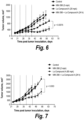
- Example 9 a liposome formulation of the ATR inhibitor Compound A (Example 7) was tested against three human cervical cancer cell lines in mouse xenograph model (Example 9A), alone and in combination with the irinotecan liposome formulation MM398 (Example 9B). Greater tumor volume was observed over time for the liposomal Compound A formulation of Example 7 compared to the control experiment for 2 of the 3 cervical cancer cell lines (MS571 and C33A).
- a liposome formulation of the ATR inhibitor Compound 5 of formula (I) and formula (Ia) was tested against two lung cancer cell lines in a mouse xenograph model (Example 10), alone and in combination with the irinotecan liposome formulation MM398 (Example 9B).
- Example 10 a mouse xenograph model
- Example 9B the irinotecan liposome formulation
- Example 10B the administration of the liposome formulation of Compound 5 reduced tumor volume in each cell line tested compared to the control experiment in Example 10, the combination of MM398 and the Compound 5 liposome composition of Example 7 reduced the tumor volume in the mouse model to a greater degree than either compound administered independently of the other.
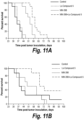
- the Kaplan-Meyer survival curves presented in Example 10 demonstrate increased survival in mouse lung cancer xenograph testing when a combination of both the irinotecan liposome MM398 of Example 9B was administered in combination with the Compound 5 liposome formulation of Example 7 using two different cell lines.
- Example 10 the tolerability of various liposome formulations of ATR protein kinase inihibitor compounds was assessed in Example 10.
- FIG. 12A the decline in mouse bodyweight tested in the NCI-H2170 mouse xenograph model was lowest over time for the liposome formulation of Compound 5 (Example 7), compared to the irinotecan liposome MM398 (Example 9B), the control or the combination of the liposome formulation of Compound 5 in combination with MM398.
- administering a combination of the irinotecan liposome MM398 (Example 9B) with the liposome formulation of ATR protein kinase inhibitor Compound 5 resulted in the greatest reduction in tumor volume in both the Calu-6 and COLO699 cell lines in mice xenograft models, compared to the control, the administration of MM398 irinotecan liposome alone, administration of the Compound A liposome formulation (Example 7) or the combination of the MM398 irinotecan liposome (Example 9B) with the Compound A liposome formulation (Example 7).
- ATR peptide can be expressed and isolated using a variety of methods known in the literature (see e.g., Unsal-Kacmaz et al, PNAS 99: 10, pp 6673-6678, May 14, 2002 ; see also Kumagai et al. Cell 124, pp 943-955, Mar. 10, 2006 ; Unsal-Kacmaz et al. Molecular and Cellular Biology, February 2004, p 1292-1300 ; and Hall-Jackson et al. Oncogene 1999, 18, 6707-6713 ).
- Compound A can be obtained by methods disclosed (for example) in publication WO2010/071827A1 (published June 24, 2010 ), portions of which relating to the synthesis and use of compound II-A-7 are incorporated herein by reference.
- the structure of Compound A is as follows:
- intermediate 2 can be performed as described below:
- intermediate 1 can be performed as described below.
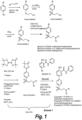
- Block B can be prepared according to scheme 2 in FIG. 2 . Referring to FIG. 2 , the synthesis of Block B can be performed as described below.
- the example 2 was prepared in a similar fashion using Block A2 (1-(2-((4-bromophenyl)sulfonyl)ethyl)-N,N-diethylpiperidin-4-amine), a yellow solid was obtained (52mg, yield 24%).
- Block A3 (2-((4-bromophenyl)sulfonyl)-N,N-diethylethan-1-amine) was prepared in a similar fashion using corresponding 4-diethylamine. A colorless oil was obtained (1.42g, 73% yield), MS (M+H)+ 320, 322
- Compound 4 can be prepared as shown in scheme 3 in FIG. 3 .
- Block B 150 mg, 0.51 mmol
- Block F 153 mg, 0.56 mmol
- Na 2 CO 3 216 mg, 2.0 mmol
- toluene / ethanol / water 2 mL / 2 mL / 2 mL
- Pd(dppf)Cl 2 30 mg
- the reaction mixture was stirred at 75 °C under argon atmosphere for 4 hours.
- the reaction mixture was concentrated to dryness.
- the residue was purified by prep-HPLC to afford 100 mg of TM4 (45 %) as white solid.
- Block F can be performed as described below.
- Example 5 The compound of Example 5 can be obtained by Scheme 4 shown in FIG. 4 .
- Intermediate 5 in Scheme 4 can be obtained as described below.
- Example 6 The compound of Example 6 was prepared according to the procedure for preparing Compound 1 given in J. Med. Chem. 2011, 54, 2320 (supplementary materials) except using 1-bromo-4-(2-bromoethylsulfonyl)benzene. A yellow solid was obtained (427 mg, yield 11%).
- Example 7 Preparation of liposomes with entrapped triethylammonium SOS salts and loading of ATRi into the liposome.
- sucrose octasulfate (equivalent weight 144.8) is a sodium salt of sucrose derivate in which all hydroxyl groups have formed sulfuric acid esters.
- SOS sucrose octasulfate
- Sixty gram of sucrose octasulfate (SOS) sodium salt were dissolved in in 150 ml of di water, heated with shaking (swirling) of a 50 °C water bath. The solution was passed through a column packed with sulfonated polystyrene divinylbenzene copolymer cation exchange resin beads (Dowex 50Wx8-100-200 mesh, Dow Chemical Co.).
- the column was pre-equilibrated with aqueous 3-3.6 M HCl to bring the resin in the hydrogen form and washed with deionized water until the outlfow shows conductivity of ⁇ 1 ⁇ S/cm.
- the eluent was monitored using a conductivity detector.
- the SOS fraction was collected corresponding to conductivity peak and immediately titrated with neat triethylamine (TEA) solution to pH 6-6.5.
- TAA triethylamine
- the solution was analyzed for residual sodium by potentiometry using a sodium-sensitive electrode and for SOS concentration using a refractometer.
- the solution having residual sodium less than 0.25 % was diluted with di water to final SOS concentration 1.1 M and then sterile-filtered using Millipore 0.22 ⁇ m Steri-Top filter.
- Cholesterol (Chol) was purchased from Avanti Polar Lipids, Alabaster, Ala, USA, hydrogenated soy phosphocholine (HSPC) and methoxy-poly(ethylene glycol)-1,2-distearoyl-sn-glyceryl (PEG2000-DSG) were obtained from Lipoid GmbH, Ludwigshafen, Germany.
- HSPC hydrogenated soy phosphocholine
- PEG2000-DSG methoxy-poly(ethylene glycol)-1,2-distearoyl-sn-glyceryl
- This suspension was extruded 3 times through 5 stacked polycarbonate track-etched filters (Corning Nuclepore) with the pore size of 100 nm using argon pressure extruder (Lipex Biomembranes) at 60-65 °C, and resulting unilamellar liposomes were quickly chilled in ice and then stored at 4-6 °C before use. Concentration of phospholipids was measured by phosphate assay and particle diameter was recorded on a Malvern Nanosizer.
- the TEA-SOS gradient was created by removing excess of untrapped TEA-SOS using gel-chromatography (Sepharose CL-4B, Pharmacia). Osmolarity of liposomes was balanced using 50% dextrose solution. Final dextrose concentration was 15%.
- ATR inhibitors were dissolved in 15% dextrose solutions in di water by titration with 1 M HCl and heating at 45 °C and then filtered with 0.2 micron NALGENE 13mm Syringe Filters. Drug concentration in the solution was detected by HPLC. A stock solution of ATR inhibitors containing 9-10 mg/mL of drugs was added to the liposomes at a drug/lipid ratio of 800 mg/mmol phospholipids and pH was adjusted to pH 6.5 with 1M Hepes buffer and 0.1 N NaOH.
- the liposome-drug mixture was incubated with occasional agitation for 30 minutes at 65 °C. The incubation mixture was quickly cooled down and incubated for 10 minutes at 0 °C, then allowed to attain ambient temperature. Un-encapsulated drug was removed by gel chromatography on Sephadex G-25 (Amersham Pharmacia) eluted with HBS-6.5 buffer (5 mM 2-(4-(2-hydroxyethyl)-piperazino)-ethylsulfonic acid (HEPES), 144 mM NaCl, pH 6.5). Liposome fractions eluted in the void volume were combined, sterilized by 0.2 micron filtration, and stored at 4-6 °C before use.
- HBS-6.5 buffer 5 mM 2-(4-(2-hydroxyethyl)-piperazino)-ethylsulfonic acid (HEPES), 144 mM NaCl, pH 6.5.
- the liposomes were characterized by lipid concentration, drug concentration, and particle size (Table 2). All ATR inhibitors showed good loading efficacy except Compound 1, which at drug to lipid ration higher than 400 g/mol formed aggregates and participated. Table 2. Characterization of Liposome loaded with ATR inhibitors.
- Example 8 General description of PK study of liposomal ATRi ATR inhibitor Drug/lipid ratio before loading Drug/lipid ratio after loading Loading efficiency (%) Liposome size, (mean ⁇ SD) nm Compound 6 743 ⁇ 89 550 ⁇ 64 74 ⁇ 0.3 119 ⁇ 28 Compound 2 642 ⁇ 10 639 ⁇ 22 100 ⁇ 5 130 ⁇ 34 Compound 5 732 ⁇ 58 619 ⁇ 110 84 ⁇ 8 120 ⁇ 29 Compound 3 646 ⁇ 28 628 ⁇ 6 97 ⁇ 5 120 ⁇ 27 Compound A 736 ⁇ 57 716 ⁇ 41 97 ⁇ 2 121 ⁇ 26 Compound 1 600-800 Not loadable. Formed aggregates and precipitated 379 369 98 122 ⁇ 24
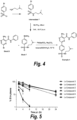
- FIG. 5 is a graph showing the blood pharmacokinetics of liposomal ATR inhibitors.
- Liposomal formulations of ATR inhibitors were prepared as described in Example 7. The liposomes were administered intravenously at a dose of 20 mg drug/kg to three 7-9-week-old female CD-1 mice (Charles River) (body weight about 25 g). Blood samples were collected into lithium heparin tubes by bleeding from saphenous vein at 0.08, 1.5, 4, 8 and 24 h time points. Plasma was separated from the cell fraction by centrifugation at 10000 rpm for 5 min. Drugs were extracted by incubation of plasma samples with 200 ⁇ l of 1% acidic acid in methanol (1%Ac/MeOH) to at least 2 hours at -80 °C.
- Plasma proteins were spun down by centrifugation at 15000 rpm for 20 min. Then 75 ⁇ l of supernatant was transferred to HPLC vials (Thermo Scientific, Cat# C4011-LV1) and additional 75 ⁇ l of 1% Ac/MeOH were added. Drug content was analyzed by HPLC with each sample measured in duplicate. The data were expressed as the % injected dose plotted against post injection time. As shown in FIG. 5 , liposomal formulation of Compound 1,Compound 3 and Compound 2 were unstable in the circulation with liposomal Compound 1 and Compound 3 un-detectable by HPLC analysis at 24 hour time point and liposomal Compound 2 un-detectable already at 8 h time point.
- Example 9A In vivo antitumor efficacy and tolerability of LS-Compound A prepared using TEA.SOS against cervical cancer xenografts in mice
- FIG. 6 is a graph showing the antitumor efficacy of liposomal Compound A in combinations with MM-398 in cervical MS571 xenograft model, as described in Example 9A.
- FIG. 7 is a graph showing the antitumor efficacy of liposomal Compound A in combinations with MM-398 in cervical C33A xenograft model, as described in Example 9A.
- FIG. 8 is a graph showing the antitumor efficacy of liposomal Compound A in combinations with MM-398 in cervical C33A xenograft model, according to Example 9A.
- FIG. 9 is a graph showing the tolerability of liposomal Compound A in combination with MM-398 in cervical MS751, according to Example 9A.
- Ls-Compound A liposome loaded with an ATR inhibitor Compound A (Ls-Compound A) in combinations with MM-398 (liposomal Irinotecan) was studied in the model of human cervical MS751, C33A and SiHa cell line.
- the cells were obtained from American Type Culture Collection (Rockville, MD) and propagated in RPMI medium supplemented with 10% fetal calf serum, 50 U/mL penicillin G, and 50 ⁇ g/mL of streptomycin sulfate at 37 °C, 5% CO 2 as recommended by the supplier.
- NCR nu/nu homozygous athymic male nude mice (4-5 week old, weight at least 16 g) were obtained from Charles River.
- mice were inoculated subcutaneously in the right flank with 0.1 mL of the suspension containing 5 x 10⁶ cells suspended in PBS supplemented with 30% Matrigel.
- tumors achieved the size between 150 mm 3 and 350 mm 3
- the animals were assigned to the treatment groups according to the following method.
- the animals were ranked according to the tumor size, and divided into 6 categories of decreasing tumor size.
- Four treatment groups of 10 animals/group were formed by randomly selecting one animal from each size category, so that in each treatment group all tumor sizes were equally represented.
- Liposomes for injections were prepared as described in Example 7.
- the tumor sizes were determined twice weekly from the caliper measurements using the formula ( Geran, R.I., et al., 1972 Cancer Chemother. Rep. 3:1-88 ): Tumor volume length ⁇ width 2 / 2
- Example 9B MM-398 irinotecan liposome manufacturing
- the MM398 used in Example 9A and elsewhere herein is an irinotecan liposome that can be prepared in a multi-step process.
- lipids are dissolved in heated ethanol.
- the lipids can include DSPC, cholesterol and MPEG-2000-DSPE combined in a 3:2:0.015 molar ratio.
- the liposomes can encapsulate irinotecan sucrose octasulfate (SOS) encapsulated in a vesicle consisting of DSPC, cholesterol and MPEG-2000-DSPE combined in a 3:2:0.015 molar ratio.
- SOS irinotecan sucrose octasulfate
- the resulting ethanol-lipid solution is dispersed in an aqueous medium containing substituted amine and polyanion under conditions effective to form a properly sized (e.g. 80-120 nm) essentially unilamellar liposome containing the substituted amine (in the ammonium form) and polyanion encapsulated within a vesicle formed from the dissolved lipids.
- a properly sized e.g. 80-120 nm
- the dispersing can be performed, e.g., by mixing the ethanolic lipid solution with the aqueous solution containing a substituted amine and polyanion at the temperature above the lipid transition temperature, e.g., 60-70 °C, and extruding the resulting hydrated lipid suspension (multilamellar liposomes) under pressure through one or more track-etched, e.g. polycarbonate, membrane filters with defined pore size, e.g. 50 nm, 80 nm, 100 nm, or 200 nm.
- the substituted amine can be triethylamine (TEA) and the polyanion can be sucrose octasulfate (SOS) combined in a stoichiometric ratio (e.g., TEA 8 SOS) at a concentration of about 0.4-0.5N. All or substantially all non-entrapped TEA or SOS is then removed (e.g., by gel-filtration, dialysis or ultrafiltration) prior to contacting the liposome with irinotecan under conditions effective to allow the irinotecan to enter the liposome in exchange with TEA leaving the liposome.
- TEA 8 SOS sucrose octasulfate
- the conditions can include one or more conditions selected from the group consisting of: addition of the osmotic agent (e.g., 5% dextrose) to the liposome external medium to balance the osmolality of the entrapped TEA-SOS solution and/or prevent osmotic rupture of the liposomes during the loading, adjustment and/or selection of the pH (e,g, to 6.5) to reduce the drug and/or lipid degradation during the loading step, and increase of the temperature above the transition temperature of the liposome lipids (e.g., to 60-70 °C) to accelerate the transmembrane exchange of TEA and irinotecan.
- the osmotic agent e.g., 5% dextrose
- the irinotecan liposome loading process continues until the TEA is at least 90%, at least 95%, at least 98%, at least 99% or more of the TEA is removed from the liposome interior.
- the irinotecan can form irinotecan sucrosofate within the liposome, such as irinotecan and sucrose octasulfate in a molar ratio of about 8:1.
- any remaining extra-liposomal irinotecan and TEA is removed to obtain the irinotecan liposome using, e.g., gel (size exclusion) chromatography, dialysis, ion exchange, or ultrafiltration methods.
- the extra-liposomal pH of the composition can be adjusted or otherwise selected to provide a desired storage stability property (e.g., to reduce formation of the lyso-PC within the liposome during storage at 4 °C over 180 days), for example by preparing the composition at a pH of about 6.5-8.0, or any suitable pH value there between (including, e.g., 7.0-8.0, and 7.25).
- DSPC, cholesterol (Chol), and PEG-DSPE were weighed out in amounts that corresponded to a 3:2:0.015 molar ratio, respectively (e.g., 1264 mg/412.5 mg/22.44 mg).
- the lipids were dissolved in chloroform/methanol (4/1 v/v), mixed thoroughly, and divided into 4 aliquots (A-D). Each sample was evaporated to dryness using a rotary evaporator at 60 °C. Residual chloroform was removed from the lipids by placing under vacuum (180 ⁇ torr) at room temperature for 12 h.
- the dried lipids were dissolved in ethanol at 60 °C, and pre-warmed TEA 8 SOS of appropriate concentration was added so that the final alcohol content was 10% (v/v).
- the lipid concentration was 75 mM.
- the lipid dispersion was extruded at about 65 °C through 2 stacked 0.1 ⁇ m polycarbonate membranes (Nucleopore) 10 times using Lipex thermobarrel extruder (Northern Lipids, Canada), to produce liposomes with a typical average diameter of 95-115 nm (determined by quasi elastic light scattering).
- the pH of the extruded liposomes was adjusted with 1 N NaOH to pH 6.5 as necessary.
- the liposomes were purified by a combination of ionexchange chromatography and size-exclusion chromatography.
- DOWEX IRA 910 resin was treated with 1 N NaOH, followed by 3 washes with deionized water and then followed by 3 washes of 3 N HCI, and then multiple washes with water.
- the liposomes were passed through the prepared resin, and the conductivity of the eluted fractions was measured by using a flow-cell conductivity meter (Pharmacia, Upsalla, Sweden). The fractions were deemed acceptable for further purification if the conductivity was less than 15 ⁇ S/cm.
- the liposome eluate was then applied to a Sephadex G-75 (Pharmacia) column equilibrated with deionized water, and the collected liposome fraction was measured for conductivity (typically less than 1 ⁇ S/cm).
- Cross-membrane isotonicity was achieved by addition of 40% dextrose solution to a final concentration of 5% (w/w) and the buffer (Hepes) added from a stock solution (0.5 M, pH 6.5) to a final concentration of 10 mM.
- a stock solution of irinotecan was prepared by dissolving irinotecan•HCl trihydrate powder in deionized water to 15 mg/mL of anhydrous irinotecan-HCl, taking into account water content and levels of impurities obtained from the certificate of analysis of each batch.
- Drug loading was initiated by adding irinotecan at 500g/mol liposome phospholipid and heating to 60 ⁇ 0.1 °C for 30 min in a hot water bath. The solutions were rapidly cooled upon removal from the water bath by immersing in ice cold water.
- Extraliposomal drug was removed by size exclusion chromatography, using Sephadex G75 columns equilibrated and eluted with Hepes buffered saline (10 mM Hepes, 145 mM NaCl, pH 6.5). The samples were analyzed for irinotecan by HPLC and phosphate by the method of Bartlett (see Phosphate Determination).
- ONIVYDE irinotecan liposome injection
- ONIVYDE is a topoisomerase inhibitor, formulated with irinotecan hydrochloride trihydrate into a liposomal dispersion, for intravenous use.
- ONIVYDE indicated for the treatment of metastatic adenocarcinoma of the pancreas after disease progression following gemcitabine-based therapy.
- ONIVYDE is a storage stabilized liposome having a pH of about 7.25.
- the ONIVYDE product contains irinotecan sucrosofate encapsulated in a liposome, obtained from an irinotecan hydrochloride trihydrate starting material.
- the chemical name of irinotecan is (S)-4,11-diethyl-3,4,12,14-tetrahydro-4-hydroxy-3,14-dioxo1H-pyrano[3',4':6,7]-indolizino[1,2-b]quinolin-9-yl-[1,4'bipiperidine]-1'-carboxylate.
- the dosage of ONIVYDE can be calculated based on the equivalent amount of irinotecan trihydrate hydrochloride starting material used to prepare the irinotecan liposomes, or based on the amount of irinotecan in the liposome. There are about 866 mg of irinotecan per gram of irinotecan trihydrate hydrochloride.
- an ONIVYDE dose of 80 mg based on the amount of irinotecan hydrochloride trihydrate starting material actually contains about 0.866x(80mg) of irinotecan in the final product (i.e., a dose of 80 mg/m 2 of ONIVYDE based on the weight of irinotecan hydrochloride starting material is equivalent to about 70 mg/m 2 of irinotecan in the final product).
- ONIVYDE is a sterile, white to slightly yellow opaque isotonic liposomal dispersion.
- Each 10 mL single-dose vial contains 43 mg irinotecan free base at a concentration of 4.3 mg/mL.
- the liposome is a unilamellar lipid bilayer vesicle, approximately 110 nm in diameter, which encapsulates an aqueous space containing irinotecan in a gelated or precipitated state as the sucrose octasulfate salt.
- the vesicle is composed of 1,2-distearoyl-sn-glycero-3-phosphocholine (DSPC) 6.81 mg/mL, cholesterol 2.22 mg/mL, and methoxy-terminated polyethylene glycol (MW 2000)-distearoylphosphatidyl ethanolamine (MPEG-2000-DSPE) 0.12 mg/mL.
- Each mL also contains 2-[4-(2-hydroxyethyl) piperazin-1-yl]ethanesulfonic acid (HEPES) as a buffer 4.05 mg/mL and sodium chloride as an isotonicity reagent 8.42 mg/mL.
- HEPES 2-[4-(2-hydroxyethyl) piperazin-1-yl]ethanesulfonic acid
- Each vial of ONIVYDE contains 43 mg/10 mL irinotecan free base as a white to slightly yellow, opaque, liposomal dispersion in a single-dose vial.
- an ONIVYDE unit dosage form is a pharmaceutical composition comprising an amount of irinotecan encapsulated in a liposome that provides a total amount of about 70 mg/m 2 of irinotecan, providing an amount of irinotecan equivalent to 80 mg/m 2 irinotecan hydrochloride trihydrate, and less than about 20% lyso-PC.
- the unit dosage form can be an intravenous formulation having a total volume of about 500 mL.
- ONIVYDE is prepared for administering by diluting the isotonic liposomal dispersion from the vial as follows: withdraw the calculated volume of ONIVYDE from the vial.
- ONIVYDE is diluted in 500 mL 5% Dextrose Injection, USP or 0.9% Sodium Chloride Injection, USP and mix diluted solution by gentle inversion; protect diluted solution from light and administer diluted solution within 4 hours of preparation when stored at room temperature or within 24 hours of preparation when stored under refrigerated conditions [2°C to 8°C (36°F to 46°F)].
- ONIVYDE irinotecan liposome injection
- 5-fluorouracil and leucovorin for the treatment of patients with metastatic adenocarcinoma of the pancreas that has progressed following gemcitabine-based therapy.
- Administer ONIVYDE prior to leucovorin and fluorouracil Administer ONIVYDE prior to leucovorin and fluorouracil.
- the recommended dose of ONIVYDE is 70 mg/m2 irinotecan administered by intravenous infusion over 90 minutes every 2 weeks.
- the recommended starting dose of ONIVYDE in patients known to be homozygous for the UGT1A1*28 allele is 50 mg/m 2 irinotecan administered by intravenous infusion over 90 minutes.
- ONIVYDE can be increased to 70 mg/m 2 as tolerated in subsequent cycles. There is no recommended dose of ONIVYDE for patients with serum bilirubin above the upper limit of normal. ONIVYDE is infused as a diluted solution intravenously over 90 minutes.
- Example 10 In vivo antitumor efficacy and tolerability of Ls-Compound 5 prepared using TEA.SOS against lung cancer xenografts in mice
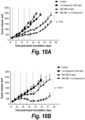
- FIG. 10A and FIG. 10B are each a graph, showing the efficacy of liposomal Compound 5 in combination with MM-398 in NCI-H2170 ( FIG. 10A ) or DMS-114 ( FIG. 10B ) mice xenograft models, as discussed in Example 10.
- FIG. 11A and FIG. 11B are each a graph showing the Kaplan-Meyer survival curves representing efficacy of liposomal Compound 5 in combination with MM-398 in NCI-H2170 ( FIG. 11A ) and DMS-114 ( FIG. 11B ) a mouse xenograft model, as discussed in Example 10.
- FIG. 12A and FIG. 12B are each a graph showing Tolerability of liposomal Compound 5 in combination with MM-398 in NCI-H2170 ( FIG. 12A ) or DMS-114 ( FIG. 12B ) in a mouse xenograft model.
- the cells were obtained from American Type Culture Collection (Rockville, MD) and propagated in RPMI medium supplemented with 10% fetal calf serum, 50 U/mL penicillin G, and 50 ⁇ g/mL of streptomycin sulfate at 37 °C, 5% CO 2 as recommended by the supplier.
- NCR nu/nu homozygous athymic male nude mice (4-5 week old, weight at least 16 g) were obtained from Charles River. The mice were inoculated subcutaneously in the right flank with 0.1 mL of the suspension containing 5 x 10 6 cells suspended in PBS supplemented with 30% Matrigel. When tumors achieved the size between 150 mm 3 and 350 mm 3 the animals were assigned to the treatment groups according to the following method.
- the animals were ranked according to the tumor size, and divided into 6 categories of decreasing tumor size.
- Four treatment groups of 10 animals/group were formed by randomly selecting one animal from each size category, so that in each treatment group all tumor sizes were equally represented.
- the animals received four tail vein injections, at the intervals of 7 days, of the following preparations: 1) Control (HEPES-buffered saline pH 6.5); 2) MM-398 at dose 5 mg/kg per injection; 3) Liposomal Compound 5 at 80 mg/kg per injection; 4) MM-398 followed by injections of liposomal Compound 5 with a 24 h interval.
- Liposomes for injections were prepared as described in Example 7.
- MM-398 is described in Example 9B.
- Tumor volume length ⁇ width 2 / 2
- the animals were also weighted twice weekly. When the tumors in the group reached 10% of the mouse body weight, the animals in the group were euthanized. Average tumor volumes across the groups were plotted together and compared over time.
- liposomal ATR inhibitor Compound 5 significantly improved antitumor efficacy of MM-398 in both lung xenograft models.
- the combinational treatment of liposomal ATR inhibitor and MM-398 did not affect the animals' body weight ( FIGs 12A and 12B ).
- Example 11 Comparison of In vivo antitumor efficacy of liposomal inhibitors Ls-Compound 5 and LS-Compound A in combination with MM-398 against lung cancer xenografts in mice
- FIGs. 13A and 13B are graphs showing the efficacy of liposomal Compound 5 in combination with MM-398 in Calu-6 ( FIG. 13A ) or COLO-699 ( FIG. 13B ) mice xenograft models.
- the data in FIGs. 13A and 13B show that while liposomal ATR inhibitor Compound 5 significantly improved the antitumor efficacy of MM-398 in both models, Compound A formulated in liposomes was active only in COLO-699 xenograft model.
- the animals were ranked according to the tumor size, and divided into 6 categories of decreasing tumor size.
- Four treatment groups of 10 animals/group were formed by randomly selecting one animal from each size category, so that in each treatment group all tumor sizes were equally represented.
- the animals received four tail vein injections, at the intervals of 7 days, of the following preparations: 1) Control (HEPES-buffered saline pH 6.5); 2) MM-398 at dose 10 or 20 mg/kg per injection; 3) Liposomal Compound 5 at 80 mg/kg per injection; 4) Liposomal Compound A at 80 mg/kg per injection; 5) MM-398 followed by injections of liposomal Compound 5 with a 24 h interval. 6) MM-398 followed by injections of liposomal Compound A with a 24 h interval.
- Liposomes for injections were prepared as described in Example 7.
- Tumor volume length ⁇ width 2 / 2
- the animals were also weighted twice weekly. When the tumors in the group reached 10% of the mouse body weight, the animals in the group were euthanized. Average tumor volumes across the groups were plotted together and compared over time.
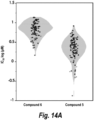
- FIG. 14B is a graph showing the effect of Compound 5 vs. Compound 6 in combination with three chemotherapeutic agents (Carboplatin, Gemcitabine, Compound B). The figure compares the IC 50 in log ( ⁇ M) of the combination of the chemotherapeutic agents with 1 ⁇ g/ml of Compound 6 or Compound 5. The addition of Compound 5 to the chemotherapeutic agents was more potent (lower IC 50 ) than Compound 6 in all tested cytotoxic agents and in all cell lines except one.
- FIG. 15 is a graph showing the combination (Example 2 + Compound B) IC 50 shift in Sum190PT cell line (TNBC).
- FIG. 16A and FIG. 16B are graphs showing a comparison of IC50 shifts of the compound of Example 2 with Compound B vs combination of Compound A with Compound B in MDA-MB-453 cell line (TNBC).
- CELLTITER-GLO (CTG) reagent was added (1: 1 ratio with PBS). Plates were read using a luminometer (Envision Multilabel reader).
- y b + a ⁇ b 1 + 10 IC 50 ⁇ C ⁇ slope
- C concentration of drug
- y normalized CTG value
- a top asymptote (represents maximum cell kill)
- b bottom asymptote (constrained 0.8-1.2)
- IC50 slope: logistic curve slope.
- ATR/ATRIP(h) The activity of ATR/ATRIP(h) at an ATP concentration within 15 ⁇ M of the Km was determined at 9 concentrations of compound with semi-log dilutions from 10 ⁇ M.
- ATR/ATRIP phosphorylation of p53 on Ser15 was measured via formation of an energy transfer complex consisting of a Europium-labelled anti-phospho Ser15 p53 antibody and an anti-GST-d2 antibody. All data points were performed in duplicate with DMSO controls and EDTA blanks.
- ATR/ATRIP(h) was pre-diluted in 25 mM HEPES pH 8.0, 0.01% Brij-35, 1% Glycerol, 5 mM DTT, 1 mg/mL BSA and assayed in 25 mM HEPES pH 8.0, 0.01% Brij-35, 1% Glycerol, 10 mM MnCl 2 using 30 nM GST,cMyc p53-(hu,FL) as the substrate. The reaction was initiated with the addition of ATP to a final concentration of 10 ⁇ M.
- the individual replicates were expressed in terms of the % of the DMSO positive control activity.
- the mean activity (% control) of each inhibitor concentration was plotted against the inhibitor concentration, and EC 50 values were determined using GRAPHPAD PRISM.
- IC 50 values are as follows (obtained using STANDARD KINASEPROFII,ER): Table 5 Compound Kinase IC 50 (nM) Compound 6 ATM(h) >10,000 Compound 2 ATM(h) 4817 Compound 5 ATM(h) >10,000 Compound 1 ATM(h) 3864 Compound 4 ATM(h) 6869 Compound 3 ATM(h) >10,000 Compound A ATM(h) 42
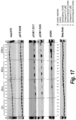
- Lung cancer cells DMS-114 were exposed either to Gemcitabine [16nM] or ATR inhibitor (Compound A or Compound 5 [1 ⁇ M]) alone or in combination in vitro.
- Whole cell protein lysates were generated after 1, 3, 6 and 24 hours using a 2% SDS containing cell lysis buffer and stored at -80 °C until all samples were collected and run together at the same time for the WesternBlot analysis.
- the following proteins and phosphoproteins of interest were detected by antibodies purchased from Cell Signaling Technology (see methods and materials part below): total and phospho-ATR (S428), phospho-CHK1 (S317 and S345), yH2AX, beta-actin.
- Results in FIG. 17 Total and phospho-ATR signal is strongly reduced over time with the addition of either of the two ATR inhibitors (Compound A and Compound 5) and not in control or Gemcitabine alone treatment (compare e.g. lane 1, 2 with 3, 4 or 5, 6 at 24 hrs).
- the phospho-CHK1 (S317 and S345) signaling is significantly increased over the period of 24 hrs.
- the addition of any of the used ATR inhibitors (Compound A or Compound 5) abrogates the phosphorylation signal of CHK1.
- the reduction of the ATR protein and downstream CHK1 signaling by both inhibitors confirms the specific on-target effects of both molecules.
- U2OS and all other cells were grown in (RPMI) supplemented with 10% fetal bovine serum (FBS) and antibiotics. Imaging and time-lapse compatible NucLight red cell lines were generated as recommend by Essen Bioscience Inc. using lentiviral particles, infection and puromycin selection protocols.
- FBS fetal bovine serum
- All target and phospho-specific antibodies were purchased from Cell Signaling and/or Epitomics and were used at 1:1000 dilutions. A list of all antibodies is available in Table 6. Standard antibody based Western blot and immunohistochemistry protocols were used. Briefly, 2% SDS based cell lysis buffer was used to collect whole cell lysate for Western Blotting. Secondary antibodies and staining protocols were purchased and followed regarding LiCor Biosciences and/or BD Bioscience.
- Cells were grown and treated in a 6 cm dish scale. To harvest cells, medium was removed and quickly replaced by ice cold PBS. PBS was then replaced with 250 ⁇ L of 2% SDS lysis buffer. After five minutes of incubation, the lysed cells were scraped off and loaded onto a cell lysate homogenizer microcentrifuge spin-column (QIAshredder, Qiagen, Cat.-Nr. 79656). The filtrate was then loaded onto a 0.2 ⁇ m centrifugal filter column (Nanosep MF 0.2_m, Pall, Cat.-Nr. ODM02C34). The lysates were then stored at -80 °C.
- Example 17 Data using Compound A as a comparator.
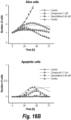
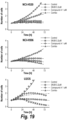
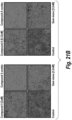
- a cell death and growth assay was performed combining Compound A and Gemcitabine at various concentrations in U2OS cells. The results were compared back to a prediction of cell growth and death with the combination of the two compounds ( Fig. 18A ). The number of living and apoptotic cells were also determined at set concentrations of Compound A (1 ⁇ M) and Gemcitabine (0.04 ⁇ M) in USO2 cells ( Fig. 18B ). The results show that the combination of Compound A and Gemcitabine are better at promoting cell death than either compound alone.
- Compound A was also tested alone and in combination with SN38 at set concentrations (1 ⁇ M and 0.2 ⁇ M, respectively) in several lung cancer cell lines (NCI-H520 and NCI-H596) and U2OS cells, with the number of cells monitored over time. The results indicate that the combination is more effective at maintaining or reducing cell numbers over time than either Compound A or SN38 in isolation ( Fig. 19 ).
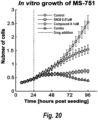
- In vitro growth assays were also performed with Compound A and SN38 in combination and alone in the cervical cancer cell line MS-751.
- the in vitro assay shows a reduction in cell number over time with the combination as compared to either compound alone ( Fig. 20 ).
- Example 18 Comparison of Compound A and Compound 5 in combination with Gemcitabine or SN38.
- Compound A or Compound 5 was used in combination with SN38 in A549 cells. Cell growth was measured over time and at a range of concentrations. The growth curve at the optimal Compound/SN38 concentration is highlighted ( Fig. 22A ). Relative proliferation of A549 cells was measured with either Compound A or Compound 5 alone at a range of concentrations ( Fig. 22B ).
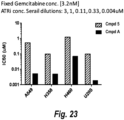
- IC50 values were determined in several cell lines using a set concentration of Gemcitabine with varying concentrations of Compound A or Compound 5 ( Fig. 23 ).
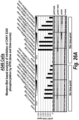
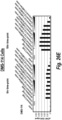
- FIG. 24 A summary of the lung cancer cell lines that are responsive to Compound A or Compound 5 in combination with Gemcitabine or SN38 is provide in Fig. 24 .
- Example 19 On-target and Off-target comparisons of Compound A and Compound 5.
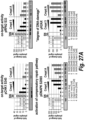
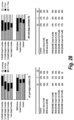
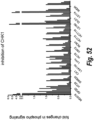
- ATR inhibitors were tested for their ability to inhibit ATR (on-target) and ATM (off-target). Inhibition is reported as IC50 in nM ( Fig. 25A ). Additional "off-target" kinases were tested with Compound A or Compound 5 as well ( Fig. 25B ).
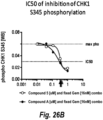
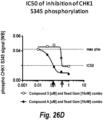
- On-target testing was performed with Compound A or Compound 5 in A549 lung cancer cells ( Fig. 26A-B ), H23 lung cancer cells ( Fig.26C-D ), and DMS-114 cells ( Fig. 26E-F ).
- CHK1 S345 phosphorylation, a readout of ATR inhibition, was measured by western blot. Each compound was used with a fixed concentration of Gemcitabine as well.
- Example 20 Comparison of liposomal formulations of Compound A and Compound 5 combined with MM398.
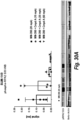
- DMS-114 lung xenograft models were used to measure the effects of Ls-Compound A or Ls-Compound 5 in combination with MM398.
- a set dosage of MM398 was used (5mpk) with two different dosages of Compound A or Compound 5 (20mpk or 80mpk).
- the effects of treatment were assayed by measuring the levels of CHK1 S345 phosphorylation ( Fig. 29 ).
- Ls-Compound A The effects of the Ls-Compound A with MM398 was also tested in the SUM-149 cell line. The effects of the treatment were assayed by measuring phosphorylated levels of RPA2, DNAPK, CHK1, and ⁇ H2AX. Ls-Compound 5 was also tested without the combination of MM398 ( Fig.30A-C ).
- Example 21 In vivo antitumor efficacy and tolerability of Ls- Compound 5prepared using TEA.SOS against triple negative breast cancer xenografts in mice
- the cells were obtained from American Type Culture Collection (Rockville, MD) and propagated in RPMI medium supplemented with 10% fetal calf serum, 50 U/ml penicillin G, and 50 ⁇ g/mL of streptomycin sulfate at 37°C, 5% CO2 as recommended by the supplier.
- NCR nu/nu homozygous athymic male nude mice (4-5 week old, weight at least 16 g) were obtained from Charles River. The mice were inoculated subcutaneously in the right flank with 0.1 mL of the suspension containing l07 cells suspended in PBS supplemented with 30% Matrigel. When tumors achieved the size between 150 mm3 and 350 mm3 the animals were assigned to the treatment groups according to the following method.
- the animals were ranked according to the tumor size, and divided into 6 categories of decreasing tumor size.
- Four treatment groups of 10 animals/group were formed by randomly selecting one animal from each size category, so that in each treatment group all tumor sizes were equally represented.
- the animals received five tail vein injections, at the intervals of 7 days, of the following preparations: 1) Control (HEPES-buffered saline pH 6.5); 2) MM-398 at dose 5 mg/kg per injection; 3) Liposomal Compound 5 at 80 mg/kg per injection; 4) MM-398 followed by injections of liposomal Compound 5 with a 24 h interval; 5) ) MM-398 followed by injections of free un-capsulated ATR inhibitor Compound A.
- Liposomes for injections were prepared as described in Example 10.
- Tumor volume length ⁇ width 2 / 2
- the animals were also weighted twice weekly. When the tumors in the group reached 10% of the mouse body weight, the animals in the group were euthanized. Average tumor volumes across the groups were plotted together and compared over time.
- liposomal ATR inhibitor Compound 5 significantly improved antitumor efficacy of MM-398 in the xenograft model.
- the combinational treatment of liposomal ATR inhibitor and MM-398 did not affect the animals' body weight ( Figure 32 ).
- Example 22 Cell line profiling and comparison with Incucyte data
- a panel of fluorescently labeled cell lines was profiled for various proteins involved in the DNA damage pathway.
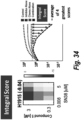
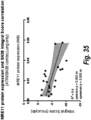
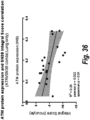
- Parental cancer cell lines were transduced with a NucLight Red lentivirus and selected with puromycin. Basal protein levels were measured and quantified by Western blot analysis. When quantification was performed, the PD marker signal was normalized to the beta actin signal. Protein levels were correlated with the cell line's "integral score", a measure of the in vitro cellular response to Compound 5 and chemotherapy combination treatment. The integral score can be calculated as follows:
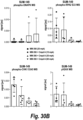
- cell lines were seeded in 96 well plates and each well was exposed to a dose matrix of Compound 5 and chemotherapy for 4 days. Dynamic cell viability was measured using an Incucyte assay. For each drug combination in the dose matrix, a dose combination-specific integral score was calculated by summing the area under normalized cell proliferation curve. A cell line specific integral score was computed by averaging the four largest scores over the dose matrix.
- Example 23 Signaling experiment: Compound 5 vs. Compound A in combination with SN38: 6 different PD markers
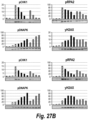
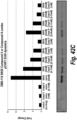
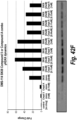
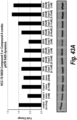
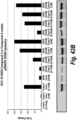
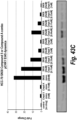
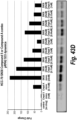
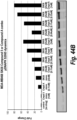
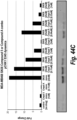
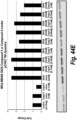
- Pharmacodynamics markers pChk1, pRPA2, pATR, pDNAPK, pChk2 and ⁇ H2AX were quantified by Western blot after cancer cell lines were exposed to various doses of Compound 5 or Compound A in combination with SN38.
- HCC70, DMS114, MDAMB468, NCIH1299 and NCIH460 cells were seeded in 12 well plates, allowed to incubate overnight then exposed to SN38 and/or the ATR inhibitor. After 24 hours of drug exposure, cells were lysed for Western blotting. When quantification was performed, the PD marker signal was normalized to the beta actin signal.
- Example 24 Signaling experiment: Compound 5 vs. Compound A in combination with gemcitabine: 3 different PD markers
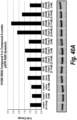
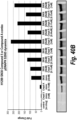
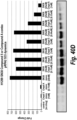
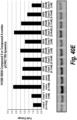
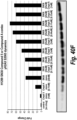
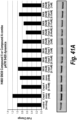
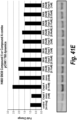
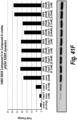
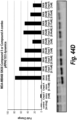
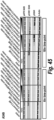
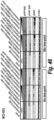
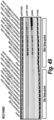
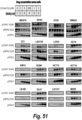
- FIG. 45-50 Six fluorescently labeled cell lines were profiled for various proteins involved in the DNA damage pathway after exposure to an ATR inhibitor and/or gemcitabine.
- Parental cancer cell lines were transduced with a NucLight Red lentivirus and selected with puromycin.
- Pharmacodynamics markers pChk1, pATR, and ⁇ H2AX were quantified by Western blot after cancer cell lines were exposed to various doses of Compound 5 or Compound A in combination with 16 nM gemcitabine.
- A549, NCIH23, DMS114, U20S, HCC827 and NCIH460 cells were seeded in 12 well plates, allowed to incubate overnight then exposed to SN38 and/or the ATR inhibitor. After 6 or 18 hours of drug exposure, cells were lysed for Western blotting. When quantification was performed, the PD marker signal was normalized to the beta actin signal.
Landscapes
- Health & Medical Sciences (AREA)
- Chemical & Material Sciences (AREA)
- Life Sciences & Earth Sciences (AREA)
- Animal Behavior & Ethology (AREA)
- General Health & Medical Sciences (AREA)
- Public Health (AREA)
- Veterinary Medicine (AREA)
- Medicinal Chemistry (AREA)
- Pharmacology & Pharmacy (AREA)
- Epidemiology (AREA)
- Organic Chemistry (AREA)
- Chemical Kinetics & Catalysis (AREA)
- General Chemical & Material Sciences (AREA)
- Dispersion Chemistry (AREA)
- Nuclear Medicine, Radiotherapy & Molecular Imaging (AREA)
- Engineering & Computer Science (AREA)
- Oil, Petroleum & Natural Gas (AREA)
- Molecular Biology (AREA)
- Biophysics (AREA)
- Pharmaceuticals Containing Other Organic And Inorganic Compounds (AREA)
- Medicinal Preparation (AREA)
- Plural Heterocyclic Compounds (AREA)
- Compounds Of Unknown Constitution (AREA)
- Medicines Containing Material From Animals Or Micro-Organisms (AREA)
- Medicines That Contain Protein Lipid Enzymes And Other Medicines (AREA)
- Transition And Organic Metals Composition Catalysts For Addition Polymerization (AREA)
- Medicines Containing Plant Substances (AREA)
Applications Claiming Priority (6)
| Application Number | Priority Date | Filing Date | Title |
|---|---|---|---|
| US201662277262P | 2016-01-11 | 2016-01-11 | |
| US201662420258P | 2016-11-10 | 2016-11-10 | |
| US201762444172P | 2017-01-09 | 2017-01-09 | |
| PCT/US2017/012939 WO2017123588A1 (en) | 2016-01-11 | 2017-01-11 | Inhibiting ataxia telangiectasia and rad3-related protein (atr) |
| EP21182826.4A EP3936153B1 (de) | 2016-01-11 | 2017-01-11 | Hemmung von ataxia telangiectasia und rad3-related protein (atr) |
| EP17738831.1A EP3402532B1 (de) | 2016-01-11 | 2017-01-11 | Hemmung von ataxia telangiectasia und rad3-related protein (atr) |
Related Parent Applications (2)
| Application Number | Title | Priority Date | Filing Date |
|---|---|---|---|
| EP21182826.4A Division EP3936153B1 (de) | 2016-01-11 | 2017-01-11 | Hemmung von ataxia telangiectasia und rad3-related protein (atr) |
| EP17738831.1A Division EP3402532B1 (de) | 2016-01-11 | 2017-01-11 | Hemmung von ataxia telangiectasia und rad3-related protein (atr) |
Publications (2)
| Publication Number | Publication Date |
|---|---|
| EP4438127A2 true EP4438127A2 (de) | 2024-10-02 |
| EP4438127A3 EP4438127A3 (de) | 2024-12-25 |
Family
ID=59311885
Family Applications (3)
| Application Number | Title | Priority Date | Filing Date |
|---|---|---|---|
| EP21182826.4A Active EP3936153B1 (de) | 2016-01-11 | 2017-01-11 | Hemmung von ataxia telangiectasia und rad3-related protein (atr) |
| EP17738831.1A Active EP3402532B1 (de) | 2016-01-11 | 2017-01-11 | Hemmung von ataxia telangiectasia und rad3-related protein (atr) |
| EP24194804.1A Pending EP4438127A3 (de) | 2016-01-11 | 2017-01-11 | Hemmung von ataxia telangiectasia und rad3-related protein (atr) |
Family Applications Before (2)
| Application Number | Title | Priority Date | Filing Date |
|---|---|---|---|
| EP21182826.4A Active EP3936153B1 (de) | 2016-01-11 | 2017-01-11 | Hemmung von ataxia telangiectasia und rad3-related protein (atr) |
| EP17738831.1A Active EP3402532B1 (de) | 2016-01-11 | 2017-01-11 | Hemmung von ataxia telangiectasia und rad3-related protein (atr) |
Country Status (17)
| Country | Link |
|---|---|
| US (5) | US10570119B2 (de) |
| EP (3) | EP3936153B1 (de) |
| JP (4) | JP6918829B2 (de) |
| KR (2) | KR102461219B1 (de) |
| CN (2) | CN116211803B (de) |
| AU (3) | AU2017207299B2 (de) |
| DK (2) | DK3936153T3 (de) |
| ES (2) | ES2997263T3 (de) |
| FI (1) | FI3936153T3 (de) |
| HR (1) | HRP20241512T1 (de) |
| IL (2) | IL313681A (de) |
| MA (1) | MA43870A (de) |
| MX (1) | MX2018008507A (de) |
| PL (1) | PL3402532T3 (de) |
| PT (1) | PT3936153T (de) |
| SI (1) | SI3936153T1 (de) |
| WO (1) | WO2017123588A1 (de) |
Families Citing this family (9)
| Publication number | Priority date | Publication date | Assignee | Title |
|---|---|---|---|---|
| EP3936153B1 (de) * | 2016-01-11 | 2024-08-21 | Celator Pharmaceuticals, Inc. | Hemmung von ataxia telangiectasia und rad3-related protein (atr) |
| JP7482487B2 (ja) * | 2018-09-13 | 2024-05-14 | タイワン リポソーム カンパニー リミテッド | 鎮静薬を含む徐放性医薬組成物およびその使用 |
| TWI767149B (zh) * | 2018-10-17 | 2022-06-11 | 台灣微脂體股份有限公司 | 含有免疫調節劑的緩釋藥物組合物及其用途 |
| US20230190752A1 (en) * | 2020-05-07 | 2023-06-22 | Washington University | Compositions and methods for predicting therapeutic outcome |
| WO2021258013A1 (en) | 2020-06-18 | 2021-12-23 | Akagera Medicines, Inc. | Oxazolidinone compounds, liposome compositions comprising oxazolidinone compounds and methods of use thereof |
| EP4210692A4 (de) * | 2020-09-14 | 2024-10-02 | Zhuhai Beihai Biotech Co., Ltd. | Formulierungen von cabazitaxel |
| EP4230628B1 (de) | 2020-10-16 | 2025-10-15 | Shanghai de Novo Pharmatech Co., Ltd. | Triheterocyclisches derivat sowie pharmazeutische zusammensetzung und anwendung davon |
| TW202517268A (zh) * | 2023-07-14 | 2025-05-01 | 美商塞萊托藥品股份有限公司 | 包含atr抑制劑之脂質體組合物之使用方法 |
| EP4694883A2 (de) * | 2023-07-14 | 2026-02-18 | Jazz Pharmaceuticals Therapeutics, Inc. | Kombinationen mit einem atr-inhibitor und einem parp-inhibitor und verfahren zur verwendung davon |
Citations (3)
| Publication number | Priority date | Publication date | Assignee | Title |
|---|---|---|---|---|
| US4990610A (en) | 1988-08-25 | 1991-02-05 | Applied Analytical Industries, Inc. | Method for preparing high potency sucralfate |
| WO2010071827A2 (en) | 2008-12-19 | 2010-06-24 | Immersion Corporation | Interactive painting game and associated controller |
| US8147867B2 (en) | 2004-05-03 | 2012-04-03 | Hermes Biosciences, Inc. | Liposomes useful for drug delivery |
Family Cites Families (50)
| Publication number | Priority date | Publication date | Assignee | Title |
|---|---|---|---|---|
| US5043164A (en) | 1989-01-17 | 1991-08-27 | The University Of Tennessee Research Corporation | Blood-stable, cholesterol-free liposomes |
| SE0102439D0 (sv) | 2001-07-05 | 2001-07-05 | Astrazeneca Ab | New compounds |
| SE0203752D0 (sv) | 2002-12-17 | 2002-12-17 | Astrazeneca Ab | New compounds |
| CA2517720A1 (en) | 2003-03-11 | 2004-09-23 | Pfizer Products Inc. | Pyrazine compounds as transforming growth factor (tgf) inhibitors |
| ES2559828T3 (es) | 2003-07-16 | 2016-02-16 | Protiva Biotherapeutics Inc. | ARN de interferencia encapsulado en lípidos |
| GB0411401D0 (en) | 2004-05-21 | 2004-06-23 | Tissuomics Ltd | Penetrating radiation measurements |
| AU2005272586A1 (en) | 2004-08-19 | 2006-02-23 | Icos Corporation | Compounds useful for inhibiting CHK1 |
| GB0501999D0 (en) | 2005-02-01 | 2005-03-09 | Sentinel Oncology Ltd | Pharmaceutical compounds |
| EP1888550B1 (de) | 2005-05-12 | 2014-06-25 | AbbVie Bahamas Ltd. | Apoptose-Promotoren |
| WO2007015632A1 (en) | 2005-08-04 | 2007-02-08 | Cgk Co., Ltd. | Atm and atr inhibitor |
| CA2662320C (en) | 2006-09-05 | 2014-07-22 | Abbott Laboratories | Bcl inhibitors treating platelet excess |
| US20100215582A1 (en) | 2007-05-14 | 2010-08-26 | Konica Minolta Holdings, Inc. | Liposome and method for producing liposome |
| KR20170015566A (ko) | 2008-11-10 | 2017-02-08 | 버텍스 파마슈티칼스 인코포레이티드 | Atr 키나제의 억제제로서 유용한 화합물 |
| ES2663222T3 (es) | 2008-12-19 | 2018-04-11 | Vertex Pharmaceuticals Incorporated | Derivados de pirazina útiles como inhibidores de la quinasa ATR |
| US20110053923A1 (en) * | 2008-12-22 | 2011-03-03 | Astrazeneca | Chemical compounds 610 |
| WO2011029842A1 (en) | 2009-09-10 | 2011-03-17 | Novartis Ag | Sulfonamides as inhibitors of bcl-2 family proteins for the treatment of cancer |
| US9630956B2 (en) | 2010-05-12 | 2017-04-25 | Vertex Pharmaceuticals Incorporated | Compounds useful as inhibitors of ATR kinase |
| JP5856151B2 (ja) | 2010-05-12 | 2016-02-09 | バーテックス ファーマシューティカルズ インコーポレイテッドVertex Pharmaceuticals Incorporated | Atrキナーゼ阻害剤として有用な2−アミノピリジン誘導体 |
| JP2013526539A (ja) | 2010-05-12 | 2013-06-24 | バーテックス ファーマシューティカルズ インコーポレイテッド | Atrキナーゼ阻害剤として有用なピラジン |
| JP2013529200A (ja) | 2010-05-12 | 2013-07-18 | バーテックス ファーマシューティカルズ インコーポレイテッド | Atrキナーゼ阻害剤として有用な化合物 |
| US8969356B2 (en) | 2010-05-12 | 2015-03-03 | Vertex Pharmaceuticals Incorporated | Compounds useful as inhibitors of ATR kinase |
| JP2013526540A (ja) | 2010-05-12 | 2013-06-24 | バーテックス ファーマシューティカルズ インコーポレイテッド | Atrキナーゼ阻害剤として有用な化合物 |
| CA2803802A1 (en) | 2010-06-23 | 2011-12-29 | Vertex Pharmaceuticals Incorporated | Pyrrolo- pyrazine derivatives useful as inhibitors of atr kinase |
| CN102485213A (zh) * | 2010-12-01 | 2012-06-06 | 沈阳药科大学 | 伊立替康脂质体及其制备方法 |
| CN102485212B (zh) * | 2010-12-01 | 2014-04-09 | 沈阳药科大学 | 苹果酸舒尼替尼脂质体及其制备方法 |
| JP2014510151A (ja) | 2011-04-05 | 2014-04-24 | バーテックス ファーマシューティカルズ インコーポレイテッド | Atrキナーゼ(trakinase)阻害剤として有用なアミノピラジン化合物 |
| EP2723745A1 (de) | 2011-06-22 | 2014-04-30 | Vertex Pharmaceuticals Inc. | Als art-kinasehemmer nützliche verbindungen |
| WO2012178124A1 (en) | 2011-06-22 | 2012-12-27 | Vertex Pharmaceuticals Incorporated | Compounds useful as inhibitors of atr kinase |
| WO2012178125A1 (en) | 2011-06-22 | 2012-12-27 | Vertex Pharmaceuticals Incorporated | Compounds useful as inhibitors of atr kinase |
| KR20140084112A (ko) * | 2011-09-30 | 2014-07-04 | 버텍스 파마슈티칼스 인코포레이티드 | Atr 키나제의 억제제로서 유용한 화합물 |
| US8853217B2 (en) | 2011-09-30 | 2014-10-07 | Vertex Pharmaceuticals Incorporated | Compounds useful as inhibitors of ATR kinase |
| WO2013049719A1 (en) | 2011-09-30 | 2013-04-04 | Vertex Pharmaceuticals Incorporated | Compounds useful as inhibitors of atr kinase |
| WO2013049859A1 (en) * | 2011-09-30 | 2013-04-04 | Vertex Pharmaceuticals Incorporated | Treating pancreatic cancer and non-small cell lung cancer with atr inhibitors |
| SG10201606774UA (en) | 2011-09-30 | 2016-10-28 | Vertex Pharma | Processes for making compounds useful as inhibitors of atr kinase |
| WO2013071094A1 (en) | 2011-11-09 | 2013-05-16 | Vertex Pharmaceuticals Incorporated | Compounds useful as inhibitors of atr kinase |
| US8841337B2 (en) | 2011-11-09 | 2014-09-23 | Vertex Pharmaceuticals Incorporated | Compounds useful as inhibitors of ATR kinase |
| WO2013071088A1 (en) | 2011-11-09 | 2013-05-16 | Vertex Pharmaceuticals Incorporated | Compounds useful as inhibitors of atr kinase |
| US8841450B2 (en) | 2011-11-09 | 2014-09-23 | Vertex Pharmaceuticals Incorporated | Compounds useful as inhibitors of ATR kinase |
| WO2013071085A1 (en) | 2011-11-09 | 2013-05-16 | Vertex Pharmaceuticals Incorporated | Pyrazine compounds useful as inhibitors of atr kinase |
| CA2869309C (en) | 2012-04-05 | 2021-02-09 | Vertex Pharmaceuticals Incorporated | Compounds useful as inhibitors of atr kinase and combination therapies thereof |
| US8999632B2 (en) | 2012-10-04 | 2015-04-07 | Vertex Pharmaceuticals Incorporated | Method for measuring ATR inhibition mediated increases in DNA damage |
| US8912198B2 (en) * | 2012-10-16 | 2014-12-16 | Vertex Pharmaceuticals Incorporated | Compounds useful as inhibitors of ATR kinase |
| SI2941432T1 (en) | 2012-12-07 | 2018-07-31 | Vertex Pharmaceuticals Incorporated | 2-AMINO-6-FLUORO-N- (5-FLUORO-4- (4- (4- (OXETHAN-3-YL) PIPERAZIN-1-CARBONYL) PIPERIDIN-1-YLIPRIDIN-3-YL) 1,5 ALFA) PYRIMIDINE-3-CARBOXAMIDE AS ATR KINAZE INHIBITOR |
| EP2970289A1 (de) | 2013-03-15 | 2016-01-20 | Vertex Pharmaceuticals Inc. | Als atr-kinaseinhibitoren nützliche verbindungen |
| WO2014143242A1 (en) | 2013-03-15 | 2014-09-18 | Vertex Pharmaceuticals Incorporated | Compounds useful as inhibitors of atr kinase |
| JP2016512815A (ja) | 2013-03-15 | 2016-05-09 | バーテックス ファーマシューティカルズ インコーポレイテッドVertex Pharmaceuticals Incorporated | Atrキナーゼの阻害剤として有用な縮合ピラゾロピリミジン誘導体 |
| LT3157566T (lt) | 2014-06-17 | 2019-08-12 | Vertex Pharmaceuticals Incorporated | Vėžio gydymo būdas, panaudojant chk1 ir atr inhibitorių derinį |
| WO2016004043A1 (en) * | 2014-06-30 | 2016-01-07 | Blend Therapeutics, Inc. | Targeted conjugates and particles and formulations thereof |
| HK1258570A1 (zh) | 2015-09-30 | 2019-11-15 | Vertex Pharmaceuticals Inc. | 使用dna损伤剂及atr抑制剂的组合治疗癌症的方法 |
| EP3936153B1 (de) * | 2016-01-11 | 2024-08-21 | Celator Pharmaceuticals, Inc. | Hemmung von ataxia telangiectasia und rad3-related protein (atr) |
-
2017
- 2017-01-11 EP EP21182826.4A patent/EP3936153B1/de active Active
- 2017-01-11 ES ES21182826T patent/ES2997263T3/es active Active
- 2017-01-11 DK DK21182826.4T patent/DK3936153T3/da active
- 2017-01-11 MX MX2018008507A patent/MX2018008507A/es unknown
- 2017-01-11 JP JP2018554659A patent/JP6918829B2/ja active Active
- 2017-01-11 PL PL17738831.1T patent/PL3402532T3/pl unknown
- 2017-01-11 FI FIEP21182826.4T patent/FI3936153T3/fi active
- 2017-01-11 AU AU2017207299A patent/AU2017207299B2/en active Active
- 2017-01-11 CN CN202310263334.7A patent/CN116211803B/zh active Active
- 2017-01-11 CN CN201780011422.0A patent/CN108697811B/zh active Active
- 2017-01-11 DK DK17738831.1T patent/DK3402532T3/da active
- 2017-01-11 IL IL313681A patent/IL313681A/en unknown
- 2017-01-11 WO PCT/US2017/012939 patent/WO2017123588A1/en not_active Ceased
- 2017-01-11 US US16/069,092 patent/US10570119B2/en active Active
- 2017-01-11 PT PT211828264T patent/PT3936153T/pt unknown
- 2017-01-11 EP EP17738831.1A patent/EP3402532B1/de active Active
- 2017-01-11 ES ES17738831T patent/ES2921008T3/es active Active
- 2017-01-11 EP EP24194804.1A patent/EP4438127A3/de active Pending
- 2017-01-11 MA MA043870A patent/MA43870A/fr unknown
- 2017-01-11 HR HRP20241512TT patent/HRP20241512T1/hr unknown
- 2017-01-11 KR KR1020187022169A patent/KR102461219B1/ko active Active
- 2017-01-11 IL IL260487A patent/IL260487B2/en unknown
- 2017-01-11 SI SI201731565T patent/SI3936153T1/sl unknown
- 2017-01-11 KR KR1020227037451A patent/KR102558501B1/ko active Active
-
2020
- 2020-01-17 US US16/745,709 patent/US11028076B2/en active Active
-
2021
- 2021-05-07 US US17/314,753 patent/US11787781B2/en active Active
- 2021-07-21 JP JP2021120731A patent/JP7439023B2/ja active Active
-
2023
- 2023-09-01 US US18/460,047 patent/US20230416236A1/en not_active Abandoned
- 2023-11-20 JP JP2023196825A patent/JP2024023349A/ja active Pending
- 2023-12-15 AU AU2023282309A patent/AU2023282309B2/en active Active
-
2024
- 2024-11-07 US US18/940,070 patent/US20250333396A1/en active Pending
-
2025
- 2025-12-09 AU AU2025279601A patent/AU2025279601A1/en active Pending
- 2025-12-25 JP JP2025282870A patent/JP2026053650A/ja active Pending
Patent Citations (3)
| Publication number | Priority date | Publication date | Assignee | Title |
|---|---|---|---|---|
| US4990610A (en) | 1988-08-25 | 1991-02-05 | Applied Analytical Industries, Inc. | Method for preparing high potency sucralfate |
| US8147867B2 (en) | 2004-05-03 | 2012-04-03 | Hermes Biosciences, Inc. | Liposomes useful for drug delivery |
| WO2010071827A2 (en) | 2008-12-19 | 2010-06-24 | Immersion Corporation | Interactive painting game and associated controller |
Non-Patent Citations (13)
| Title |
|---|
| "Liposome Technology", vol. 1-3, 2006, CRC PRESS |
| BAO ET AL., NATURE, vol. 411, 2001, pages 969 - 974 |
| CASPER ET AL., AM. J. HUM. GENET, vol. 75, 2004, pages 654 - 660 |
| CORTEZ ET AL., SCIENCE, vol. 294, 2001, pages 1713 - 1716 |
| GERAN, R.I ET AL., CANCER CHEMOTHER. REP., vol. 3, 1972, pages 1 - 88 |
| HALL-JACKSON ET AL., ONCOGENE, vol. 18, 1999, pages 6707 - 6713 |
| J. MED. CHEM., vol. 54, 2011, pages 2320 |
| KUMAGAI ET AL., CELL, vol. 124, 10 March 2006 (2006-03-10), pages 943 - 955 |
| LASIC D. LIPOSOMES: "From physics to applications", 1993, ELSEVIER |
| STEVEN ET AL.: "Protein microarrays for multiplex analysis of signal transduction pathways", NAT MED, vol. 10, 12 December 2004 (2004-12-12), pages 1390 - 1396, XP055420283, DOI: 10.1038/nm1139 |
| UNSAL-KACMAZ ET AL., MOLECULAR AND CELLULAR BIOLOGY, February 2004 (2004-02-01), pages 1292 - 1300 |
| ÜNSAL-KAÇMAZ ET AL., PNAS, vol. 99, no. 10, 14 May 2002 (2002-05-14), pages 6673 - 6678 |
| ZOU ET AL., SCIENCE, vol. 300, 2003, pages 1542 - 1548 |
Also Published As
Similar Documents
| Publication | Publication Date | Title |
|---|---|---|
| US20250333396A1 (en) | Inhibiting ataxia telangiectasia and rad3-related protein (atr) | |
| US20250000796A1 (en) | Stabilizing Camptothecin Pharmaceutical Compositions | |
| EP3402485A1 (de) | Hemmung von b-zell-lymphom 2 (bcl-2) und zugehörige proteine | |
| US20170319573A1 (en) | Stabilizing Camptothecin Pharmaceutical Compositions | |
| HK40065701B (en) | Inhibiting ataxia telangiectasia and rad3-related protein (atr) | |
| HK40065701A (en) | Inhibiting ataxia telangiectasia and rad3-related protein (atr) | |
| EA039513B1 (ru) | Ингибитор атаксии-телеангиэкстазии и rad3-родственного белка (atr) и содержащие его липосомные композиции | |
| KR102956244B1 (ko) | 캄프토테신 제약 조성물의 안정화 |
Legal Events
| Date | Code | Title | Description |
|---|---|---|---|
| PUAI | Public reference made under article 153(3) epc to a published international application that has entered the european phase |
Free format text: ORIGINAL CODE: 0009012 |
|
| STAA | Information on the status of an ep patent application or granted ep patent |
Free format text: STATUS: THE APPLICATION HAS BEEN PUBLISHED |
|
| AC | Divisional application: reference to earlier application |
Ref document number: 3402532 Country of ref document: EP Kind code of ref document: P Ref document number: 3936153 Country of ref document: EP Kind code of ref document: P |
|
| AK | Designated contracting states |
Kind code of ref document: A2 Designated state(s): AL AT BE BG CH CY CZ DE DK EE ES FI FR GB GR HR HU IE IS IT LI LT LU LV MC MK MT NL NO PL PT RO RS SE SI SK SM TR |
|
| REG | Reference to a national code |
Ref country code: DE Ref legal event code: R079 Free format text: PREVIOUS MAIN CLASS: A61P0035000000 Ipc: A61K0048000000 |
|
| PUAL | Search report despatched |
Free format text: ORIGINAL CODE: 0009013 |
|
| AK | Designated contracting states |
Kind code of ref document: A3 Designated state(s): AL AT BE BG CH CY CZ DE DK EE ES FI FR GB GR HR HU IE IS IT LI LT LU LV MC MK MT NL NO PL PT RO RS SE SI SK SM TR |
|
| RIC1 | Information provided on ipc code assigned before grant |
Ipc: A61P 35/00 20060101ALI20241119BHEP Ipc: C07D 403/12 20060101ALI20241119BHEP Ipc: A61K 31/497 20060101ALI20241119BHEP Ipc: A61K 31/4965 20060101ALI20241119BHEP Ipc: A61K 31/496 20060101ALI20241119BHEP Ipc: A61K 9/127 20060101ALI20241119BHEP Ipc: A61K 31/555 20060101ALI20241119BHEP Ipc: A61K 31/7068 20060101ALI20241119BHEP Ipc: A61K 31/4745 20060101ALI20241119BHEP Ipc: A61K 48/00 20060101AFI20241119BHEP |
|
| STAA | Information on the status of an ep patent application or granted ep patent |
Free format text: STATUS: REQUEST FOR EXAMINATION WAS MADE |
|
| 17P | Request for examination filed |
Effective date: 20250624 |
|
| RAV | Requested validation state of the european patent: fee paid |
Extension state: MA Effective date: 20250624 Extension state: MD Effective date: 20250624 |
|
| RAX | Requested extension states of the european patent have changed |
Extension state: BA Payment date: 20250624 Extension state: ME Payment date: 20250624 |
|
| RAP3 | Party data changed (applicant data changed or rights of an application transferred) |
Owner name: JAZZ PHARMACEUTICALS THERAPEUTICS, INC. |
|
| STAA | Information on the status of an ep patent application or granted ep patent |
Free format text: STATUS: EXAMINATION IS IN PROGRESS |
|
| 17Q | First examination report despatched |
Effective date: 20260324 |