EP4411273B1 - Steuerungsverfahren und -vorrichtung für wärmepumpentechnik sowie vorrichtung und speichermedium - Google Patents
Steuerungsverfahren und -vorrichtung für wärmepumpentechnik sowie vorrichtung und speichermedium Download PDFInfo
- Publication number
- EP4411273B1 EP4411273B1 EP22952140.6A EP22952140A EP4411273B1 EP 4411273 B1 EP4411273 B1 EP 4411273B1 EP 22952140 A EP22952140 A EP 22952140A EP 4411273 B1 EP4411273 B1 EP 4411273B1
- Authority
- EP
- European Patent Office
- Prior art keywords
- level
- heat pump
- pump system
- candidate
- frequency
- Prior art date
- Legal status (The legal status is an assumption and is not a legal conclusion. Google has not performed a legal analysis and makes no representation as to the accuracy of the status listed.)
- Active
Links
Images


Classifications
-
- F—MECHANICAL ENGINEERING; LIGHTING; HEATING; WEAPONS; BLASTING
- F24—HEATING; RANGES; VENTILATING
- F24H—FLUID HEATERS, e.g. WATER OR AIR HEATERS, HAVING HEAT-GENERATING MEANS, e.g. HEAT PUMPS, IN GENERAL
- F24H15/00—Control of fluid heaters
- F24H15/10—Control of fluid heaters characterised by the purpose of the control
- F24H15/144—Measuring or calculating energy consumption
- F24H15/152—Forecasting future energy consumption
-
- F—MECHANICAL ENGINEERING; LIGHTING; HEATING; WEAPONS; BLASTING
- F24—HEATING; RANGES; VENTILATING
- F24H—FLUID HEATERS, e.g. WATER OR AIR HEATERS, HAVING HEAT-GENERATING MEANS, e.g. HEAT PUMPS, IN GENERAL
- F24H15/00—Control of fluid heaters
- F24H15/30—Control of fluid heaters characterised by control outputs; characterised by the components to be controlled
- F24H15/375—Control of heat pumps
- F24H15/38—Control of compressors of heat pumps
-
- F—MECHANICAL ENGINEERING; LIGHTING; HEATING; WEAPONS; BLASTING
- F24—HEATING; RANGES; VENTILATING
- F24H—FLUID HEATERS, e.g. WATER OR AIR HEATERS, HAVING HEAT-GENERATING MEANS, e.g. HEAT PUMPS, IN GENERAL
- F24H15/00—Control of fluid heaters
- F24H15/40—Control of fluid heaters characterised by the type of controllers
- F24H15/414—Control of fluid heaters characterised by the type of controllers using electronic processing, e.g. computer-based
-
- F—MECHANICAL ENGINEERING; LIGHTING; HEATING; WEAPONS; BLASTING
- F24—HEATING; RANGES; VENTILATING
- F24H—FLUID HEATERS, e.g. WATER OR AIR HEATERS, HAVING HEAT-GENERATING MEANS, e.g. HEAT PUMPS, IN GENERAL
- F24H15/00—Control of fluid heaters
- F24H15/40—Control of fluid heaters characterised by the type of controllers
- F24H15/414—Control of fluid heaters characterised by the type of controllers using electronic processing, e.g. computer-based
- F24H15/421—Control of fluid heaters characterised by the type of controllers using electronic processing, e.g. computer-based using pre-stored data
-
- F—MECHANICAL ENGINEERING; LIGHTING; HEATING; WEAPONS; BLASTING
- F24—HEATING; RANGES; VENTILATING
- F24H—FLUID HEATERS, e.g. WATER OR AIR HEATERS, HAVING HEAT-GENERATING MEANS, e.g. HEAT PUMPS, IN GENERAL
- F24H15/00—Control of fluid heaters
- F24H15/40—Control of fluid heaters characterised by the type of controllers
- F24H15/414—Control of fluid heaters characterised by the type of controllers using electronic processing, e.g. computer-based
- F24H15/421—Control of fluid heaters characterised by the type of controllers using electronic processing, e.g. computer-based using pre-stored data
- F24H15/429—Control of fluid heaters characterised by the type of controllers using electronic processing, e.g. computer-based using pre-stored data for selecting operation modes
-
- F—MECHANICAL ENGINEERING; LIGHTING; HEATING; WEAPONS; BLASTING
- F24—HEATING; RANGES; VENTILATING
- F24H—FLUID HEATERS, e.g. WATER OR AIR HEATERS, HAVING HEAT-GENERATING MEANS, e.g. HEAT PUMPS, IN GENERAL
- F24H9/00—Details
- F24H9/20—Arrangement or mounting of control or safety devices
-
- F—MECHANICAL ENGINEERING; LIGHTING; HEATING; WEAPONS; BLASTING
- F25—REFRIGERATION OR COOLING; COMBINED HEATING AND REFRIGERATION SYSTEMS; HEAT PUMP SYSTEMS; MANUFACTURE OR STORAGE OF ICE; LIQUEFACTION SOLIDIFICATION OF GASES
- F25B—REFRIGERATION MACHINES, PLANTS OR SYSTEMS; COMBINED HEATING AND REFRIGERATION SYSTEMS; HEAT PUMP SYSTEMS
- F25B30/00—Heat pumps
- F25B30/02—Heat pumps of the compression type
-
- F—MECHANICAL ENGINEERING; LIGHTING; HEATING; WEAPONS; BLASTING
- F25—REFRIGERATION OR COOLING; COMBINED HEATING AND REFRIGERATION SYSTEMS; HEAT PUMP SYSTEMS; MANUFACTURE OR STORAGE OF ICE; LIQUEFACTION SOLIDIFICATION OF GASES
- F25B—REFRIGERATION MACHINES, PLANTS OR SYSTEMS; COMBINED HEATING AND REFRIGERATION SYSTEMS; HEAT PUMP SYSTEMS
- F25B49/00—Arrangement or mounting of control or safety devices
- F25B49/02—Arrangement or mounting of control or safety devices for compression type machines, plants or systems
-
- F—MECHANICAL ENGINEERING; LIGHTING; HEATING; WEAPONS; BLASTING
- F25—REFRIGERATION OR COOLING; COMBINED HEATING AND REFRIGERATION SYSTEMS; HEAT PUMP SYSTEMS; MANUFACTURE OR STORAGE OF ICE; LIQUEFACTION SOLIDIFICATION OF GASES
- F25B—REFRIGERATION MACHINES, PLANTS OR SYSTEMS; COMBINED HEATING AND REFRIGERATION SYSTEMS; HEAT PUMP SYSTEMS
- F25B49/00—Arrangement or mounting of control or safety devices
- F25B49/02—Arrangement or mounting of control or safety devices for compression type machines, plants or systems
- F25B49/022—Compressor control arrangements
-
- Y—GENERAL TAGGING OF NEW TECHNOLOGICAL DEVELOPMENTS; GENERAL TAGGING OF CROSS-SECTIONAL TECHNOLOGIES SPANNING OVER SEVERAL SECTIONS OF THE IPC; TECHNICAL SUBJECTS COVERED BY FORMER USPC CROSS-REFERENCE ART COLLECTIONS [XRACs] AND DIGESTS
- Y02—TECHNOLOGIES OR APPLICATIONS FOR MITIGATION OR ADAPTATION AGAINST CLIMATE CHANGE
- Y02B—CLIMATE CHANGE MITIGATION TECHNOLOGIES RELATED TO BUILDINGS, e.g. HOUSING, HOUSE APPLIANCES OR RELATED END-USER APPLICATIONS
- Y02B30/00—Energy efficient heating, ventilation or air conditioning [HVAC]
- Y02B30/70—Efficient control or regulation technologies, e.g. for control of refrigerant flow, motor or heating
Definitions
- the present application provides a control method, control apparatus and control device for a heat pump system and a storage medium, so as to improve the water heating efficiency of the heat pump system.
- the present application may be implemented by a control apparatus for the heat pump system, or a control device for the heat pump system, which is not particularly defined herein.
- the embodiments of the present application are illustrated by taking the control device for the heat pump system as an example.
- the heat pump system is a large device system composed of multiple heat pumps.
- the heat pump system is composed of multiple heat pump.
- the historical level is used to represent the quantity of heat pumps that were in operation in the previous period of the current period
- the candidate level is used to represent the quantity of heat pumps that are to be in operation in the current period.
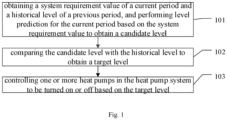
- the control device for the heat pump system performs a calculation based on the obtained water temperature parameter set and a preset system requirement formula to obtain the system requirement value of the current period, calls a preset level model to perform level prediction based on the system requirement value to obtain the candidate level, and obtains the historical level of the previous period.
- the control device for the heat pump system compares the candidate level with the historical level to determine that a trend of increasing levels or a trend of decreasing levels occurs in the current period. For example, in a case that the candidate level is greater than the historical level, it is determined that a trend of increasing levels occurs in the current period. In a case that the candidate level is less than the historical level, it is determined that a trend of decreasing levels occurs in the current period.
- target level is used to represent the total quantity of heat pumps to be in operation in the heat pump system.
- the control device for the heat pump system compares the obtained quantity of candidate heat pumps with the target level to determine the corresponding quantity of heat pumps that need to be turned on or off in the heat pump system of the current period, and controls the corresponding heat pumps to be turned on or off.
- level prediction is performed based on the system requirement value of the current period to obtain the candidate level, the candidate level is compared with the historical level of the previous period to obtain the target level, and one or more heat pumps in the heat pump system are controlled to be turned on or off based on the target level, so as to address the issue that a total water supply temperature cannot be reached due to that when a water temperature is close to the total water supply temperature and most of the heat pumps have been turned off, improve a success rate of reaching the total water supply temperature, thereby improving the water heating efficiency of the heat pump system, and achieving the purpose of the heat pump system to work in the optimal energy efficiency range.
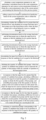
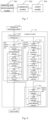
- FIG. 2 another embodiment of the control method for the heat pump system according to the embodiments of the present application includes following steps.
- obtaining a water temperature parameter set and performing a calculation based on the water temperature parameter set and a preset system requirement formula to obtain the system requirement value of the current period, and obtaining the historical level of the previous period.
- the water temperature parameter set includes a current water temperature of the current period, a target water temperature of the current period, and a temperature difference of the previous period.
- a specific value of ki may be set according to actual application scenarios.
- a specific value of kd may be set according to actual application scenarios.
- Erro is used to represent a temperature difference between a current water temperature and a target water temperature. It is to be noted that when the heat pump system uses an average inlet water temperature for control, that is, when the heat pump system uses the average inlet water temperature for calculation, the current water temperature is used to represent a current average inlet water temperature of the heat pump system, and the target water temperature is used to represent a target inlet water temperature of the heat pump system, i.e., the total water supply temperature, where the average inlet water temperature is an average value of inlet water temperatures of all heat pumps in the heat pump system.
- the heat pump system uses the average outlet water temperature for control, that is, when the average outlet water temperature is used for calculation, the current water temperature is used to represent an current average outlet water temperature of the heat pump system, and the target water temperature is used to represent a target outlet water temperature of the heat pump system, i.e., the total water supply temperature, where the average outlet water temperature is an average value of outlet water temperatures of all heat pumps in the heat pump system.
- the heat pump system uses an inlet water temperature of a water tank for control, i.e., when the heat pump system uses the inlet water temperature of the water tank for calculation, the current water temperature is used to represent an inlet water temperature of the water tank, and the target water temperature is used to represent a target inlet water temperature of the water tank.
- a specific preset level model may be set according to actual application scenarios.
- the preset level model may be a decision tree model or a random forest model.
- the preset level model is the decision tree model.
- the control device for the heat pump system calls the decision tree model to perform classification prediction, that is, level prediction.
- the decision tree model includes multiple preset numerical ranges, i.e.: a first preset numerical range, a second preset numerical range, ..., an Nth preset numerical range, each preset numerical range corresponds to a preset level, that is, the first preset numerical range corresponds to a first preset level, the quantity of heat pumps corresponding to the first preset level is 1, the second preset numerical range corresponds to the second preset level, the quantity of heat pumps corresponding to the second preset level is 2, and so on, which will not be reiterated herein.
- the quantity of heat pumps corresponding to the Nth preset numerical range is the quantity of all heat pumps in the heat pump system.
- the multiple preset numerical ranges may be set according to actual application scenarios.
- the first preset numerical range is 0 ⁇ PIDsum ⁇ 10
- the second preset numerical interval is 10 ⁇ PIDsum ⁇ 20
- the third preset numerical interval is 20 ⁇ PIDsum ⁇ 30, and so on, which will not be reiterated herein.
- the control device of the heat pump system matches the system requirement value with multiple preset numerical ranges of the decision tree model to obtain the first preset numerical range corresponding to the system requirement value.
- the first preset level corresponding to the first preset numerical range is determined as the candidate level, where the quantity of heat pumps corresponding to the first preset level is 1, that is, the corresponding quantity of heat pumps that are to be in operation in the current cycle is 1.
- the candidate level is greater than the historical level, and obtaining an average load ratio and a heat pump type of the heat pump system, where the heat pump type is a fixed frequency type or a variable frequency type.
- the control device for the heat pump system determines whether the candidate level is greater than the historical level, to determine that a trend of increasing levels or a trend of decreasing levels occurs in the current period, and obtains the average load ratio and the heat pump type of the heat pump system.
- the control device for the heat pump system obtains operation load ratios transmitted from all heat pumps that can communicate normally, are turned on and have an operation load ratio that is not 0%, and performs average processing to obtain the average load ratio of the heat pump system. It should be appreciated that, in a case that the quantity of heat pumps that are in operation in the heat pump system is 0, the average load ratio of the heat pump system is 0%.
- the operation load ratio of the variable frequency heat pump is a ratio of a current operation frequency to a current maximum operation frequency, or a ratio of a current operation PID level to a current maximum PID level, where the current operation PID level is used to represent the quantity of variable frequency heat pumps that are in operation, and the current maximum PID level is used to represent the total quantity of all current variable frequency heat pumps in the heat pump system.
- the current operation frequency is 40Hz and the current maximum operation frequency is 80Hz
- the operation load ratio is 50%.
- the operation load ratio is 100%.
- the operation load ratio of the fixed-frequency heat pump is a ratio of the quantity of compressors that are currently in operation in the fixed-frequency heat pump to the total quantity of compressors. For example, in a case that there are 4 compressors in the fixed frequency heat pump, when one compressor is turned on, the operation load ratio of the fixed frequency heat pump is 25%.
- the control device for the heat pump system performs further determination based on the average load ratio and heat pump type, so as to determine the target level.
- the control device for the heat pump system performs further determination based on the average load ratio and heat pump type, so as to determine the target level.
- the control device for the heat pump system performs further determination based on heat pump type, so as to determine the target level.
- control device for the heat pump system obtains the quantity of candidate heat pumps, and the quantity of candidate heat pumps is 2, it means that there are 2 heat pumps are in operation in the heat pump system.
- the control device for the heat pump system calculates the difference between the target level and the quantity of candidate heat pumps to obtain that the first quantity of heat pumps is 1, and controls a first heat pump corresponding to the first quantity of heat pumps in the heat pump system to be turned on based on the first preset rule.
- the control device for the heat pump system calculates the difference between the target level and the quantity of candidate heat pumps to obtain that the first quantity of heat pumps is 2, and controls a first heat pump and a second heat pump corresponding to the first quantity of heat pumps in the heat pump system to be turned on based on the first preset rule.
- the second preset rule is used to indicate that all heat pumps that are not currently in operation in the heat pump system are sorted according to an order from long usage time to short usage time to obtain the second quantity of heat pumps.
- the quantity of candidate heat pumps is 3, in a case that the total quantity of heat pumps that are to be in operation in the heat pump system is 3, that is, the target level is less than the quantity of candidate heat pumps, the control device for the heat pump system calculates the difference between the quantity of candidate heat pumps and the target level to obtain that the first quantity of heat pumps is 1, and controls a first heat pump corresponding to the second quantity of heat pumps in the heat pump system to be turned off based on the second preset rule.
- the control device for the heat pump system calculates the difference between the quantity of candidate heat pumps and the target level to obtain that the first quantity of heat pumps is 2, and controls a first heat pump and a second heat pump corresponding to the second quantity of heat pumps in the heat pump system to be turned off based on the second preset rule.
- level prediction is performed based on the system requirement value of the current period to obtain the candidate level, the candidate level is compared with the historical level of the previous period to obtain the target level, and one or more heat pumps in the heat pump system are controlled to be turned on or off based on the target level, so as to address the issue that a total water supply temperature cannot be reached due to that when a water temperature is close to the total water supply temperature and most of the heat pumps have been turned off, improve a success rate of reaching the total water supply temperature, thereby improving the water heating efficiency of the heat pump system, and achieving the purpose of the heat pump system to work in the optimal energy efficiency range.
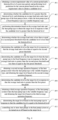
- yet another embodiment of the control method for the heat pump system includes following steps.
- obtaining a system requirement value of a current period and a historical level of a previous period and performing level prediction for the current period based on the system requirement value to obtain a candidate level.
- step 301 The process executed at step 301 is the same as step 101, which will not be reiterated herein.
- the candidate level is greater than the historical level, and obtaining an average load ratio and a heat pump type of the heat pump system, where the heat pump type is a fixed frequency type or a variable frequency type.
- step 302 The process executed at step 302 is the same as step 203, which will not be reiterated herein.
- a value of the first preset threshold may be set according to actual application scenarios.
- the first preset threshold may be 80% or 85%.
- the control device for the heat pump system determines whether the average load ratio is greater than 80%.
- the first preset threshold is 80%.
- the average load ratio is greater than the first preset threshold, it indicates that the average load of the heat pump system is relatively large and it needs to add the heat pump for operation, i.e., the candidate level is determined as the target level.
- the candidate level is determined as the target level.
- it is able to reduce the overall energy consumption of the heat pump system.
- it is able to address the issue that the service life of the heat pump in the heat pump system is significantly shortened due to a long-term operation under high load.
- a specific value of the second preset threshold may be set according to actual application scenarios.
- the second preset threshold may be 40% or 45%.
- An average load ratio of a heat pump system composed of fixed-frequency heat pumps is close to 50%, i.e., the energy efficiency of the heat pump system is not high, in a case that the candidate level is determined as the target level, the energy efficiency of the heat pump system may be reduced.
- the average load ratio is 100%, the candidate level can be determined as the target level.
- a fan speed and a flow capacity of a water pump of the fixed-frequency heat pump correspond to the evaporation capability and condensation capability respectively.
- the fan speed or the flow capacity of the water pump matches a capability determined after all fixed-frequency heat pumps are started. When all the fixed-frequency heat pumps are not started, redundant capabilities occurs for the fan or water pump, which causes a waste of electrical energy.
- the control device for the heat pump system obtains a first average operation frequency of the heat pump system, (2) in response to that the first average operation frequency is greater than or equal to a first preset frequency value, the control device for the heat pump system determines the candidate level as the target level, (3) in response to that the first average operation frequency is less than the first preset frequency value, the control device for the heat pump system determines the historical level as the target level.
- the first average operation frequency is an average operation frequency obtained by averaging operation frequencies of all variable frequency heat pumps currently in operation in the heat pump system.
- a specific value of the first preset frequency value may be set according to actual application scenarios.
- the first preset frequency value may be 50Hz or 60 Hz.
- the first preset frequency value is the maximum frequency value in the target operation frequency range, where the variable frequency heat pump has a relatively high Coefficient Of Performance (COP) in the target operation frequency range.
- the COP is not only used to represent single cooling COP or single heating COP, but also used to represent cooling and heating COP.
- the second preset threshold is 40%.
- determining the candidate level as the target level in response to the average load ratio is equal to zero.
- the candidate level is determined as the target level.
- step 309 The process executed at step 309 is the same as step 205, which will not be reiterated herein.
- step 310 The process executed at step 310 is the same as step 206, which will not be reiterated herein.
- step 311 The process executed at step 311 is the same as step 103, which will not be reiterated herein.
- level prediction is performed based on the system requirement value of the current period to obtain the candidate level, the candidate level is compared with the historical level of the previous period to obtain the target level, and one or more heat pumps in the heat pump system are controlled to be turned on or off based on the target level, so as to address the issue that the total water supply temperature cannot be reached due to that when a water temperature is close to the total water supply temperature and most of the heat pumps have been turned off, improve a success rate of reaching the total water supply temperature, thereby improving the water heating efficiency of the heat pump system, and achieving the purpose of the heat pump system to work in the optimal energy efficiency range.
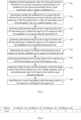
- FIG. 4 still yet another embodiment of the control method for the heat pump system according to the embodiments of the present application includes following steps.
- step 401 The process executed at step 401 is the same as step 101, which will not be reiterated herein.
- determining whether the candidate level is greater than the historical level and obtaining an average load ratio and a heat pump type of the heat pump system, where the heat pump type is a fixed frequency type or a variable frequency type.
- step 402 The process executed at step 402 is the same as step 203, which will not be reiterated herein.
- step 403 The process executed at step 403 is the same as step 204, which will not be reiterated herein.
- a specific value of the second preset threshold may be set according to actual application scenarios.
- the second preset threshold may be 40% or 45%.
- the second preset threshold is 40%.
- the control device for the heat pump system determines the candidate level as the target level. That is, the average load of the heat pump system is relatively small, and heat pumps that are currently in operation need to be turned off. On the one hand, it is able to reduce the energy consumption of the heat pump system. On the other hand, it is able to address the issue that the service life of the heat pump in the heat pump system is significantly shortened due to maintaining a low load status.
- the control device for the heat pump system determines the candidate level as the target level.
- An average load ratio of a heat pump system composed of fixed-frequency heat pumps is close to 50%, i.e., the energy efficiency of the heat pump system is not high, it needs to turn off heat pumps that are currently in operation, so as to improve the energy efficiency of the heat pump system.
- the second average operation frequency is an average operation frequency obtained by averaging operating frequencies of all variable frequency heat pumps currently in operation in the heat pump system.
- the control device for the heat pump system obtains a second average operation frequency of the heat pump system, and performs further determination based on the second average operation frequency, so as to determine the target level.
- the operation load ratio of the fixed-frequency heat pump is a ratio of the quantity of compressors that are currently in operation in the fixed-frequency heat pump to the total quantity of compressors. For example, in a case that there are 4 compressors in the fixed frequency heat pump, when one compressor is turned on, the operation load ratio of the fixed frequency heat pump is 25%.
- the average load ratio of the heat pump system is 100%.
- the average load ratio is greater than 80%, so it needs to turn off the single fixed-frequency heat pump, thereby to prevent the single fixed-frequency heat pump from being in operation all the time.
- the third average operation frequency is an average operation frequency obtained by averaging operating frequencies of all variable frequency heat pumps currently in operation in the heat pump system.
- the control device for the heat pump system obtains a third average operation frequency of the heat pump system, and performs further determination based on the third average operation frequency, so as to determine the target level.
- step 410 The process executed at step 410 is the same as step 206, which will not be reiterated herein.
- step 411 The process executed at step 411 is the same as step 103, which will not be reiterated herein.
- level prediction is performed based on the system requirement value of the current period to obtain the candidate level, the candidate level is compared with the historical level of the previous period to obtain the target level, and one or more heat pumps in the heat pump system are controlled to be turned on or off based on the target level, so as to address the issue that the total water supply temperature cannot be reached due to that when a water temperature is close to the total water supply temperature and most of the heat pumps have been turned off, improve a success rate of reaching the total water supply temperature, thereby improving the water heating efficiency of the heat pump system, and achieving the purpose of the heat pump system to work in the optimal energy efficiency range.
- FIG. 5 still yet another embodiment of the control method for the heat pump system according to the embodiments of the present application includes following steps.
- 501 obtaining a system requirement value of a current period and a historical level of a previous period, and performing level prediction for the current period based on the system requirement value to obtain a candidate level.
- step 501 The process executed at step 501 is the same as step 101, which will not be described again herein.
- the candidate level is greater than the historical level, and obtaining an average load ratio and a heat pump type of the heat pump system, where the heat pump type is a fixed frequency type or a variable frequency type.
- step 502 The process executed at step 502 is the same as step 203, which will not be reiterated herein.
- step 503 The process executed at step 503 is the same as step 204, which will not be reiterated herein.
- step 504 The process executed at step 504 is the same as step 205, which will not be reiterated herein.
- the control device for the heat pump system performs further determination based on heat pump type, so as to determine the target level.
- the control device for the heat pump system determines the historical level as the target level, i.e., maintaining the quantity of heat pumps that are currently in operation in the heat pump system.
- the control device for the heat pump system obtains a fourth average operation frequency of the heat pump system, (2) in response to that the fourth average operation frequency is less than or equal to a first preset frequency value and greater than a second preset frequency value, the control device for the heat pump system determines the historical level as the target level, (3) in response to that the fourth average operation frequency is less than the second preset frequency value, the control device for the heat pump system reduces the candidate level by one level to obtain the target level, (4) in response to that the fourth average operating frequency is greater than the first preset frequency value, the control device for the heat pump system increases the candidate level by one level to obtain the target level.
- the fourth average operation frequency is an average operation frequency obtained by averaging operating frequencies of all variable frequency heat pumps currently in operation in the heat pump system.
- the control device for the heat pump system obtains a fourth average operation frequency of the heat pump system.
- the control device for the heat pump system determines the historical level as the target level. That is, the fourth average operation frequency is still within a target operation frequency range, and the energy efficiency of the heat pump system is relatively high, it does not need to add a heat pump for operation.
- the control device for the heat pump system reduces the candidate level by one level to obtain the target level, and subtracts a preset value from I of the current period.
- the control device for the heat pump system increases the candidate level by one level to obtain the target level, and add the preset value to I of the current period.
- the preset value is a difference between the maximum values in the preset numerical ranges.
- the first preset numerical range is 0 ⁇ PIDsum ⁇ 10
- the second preset numerical range is 10 ⁇ PIDsum ⁇ 20, so the preset value is 10.
- the fourth average operation frequency is greater than the maximum frequency value, the energy efficiency of the heat pump system is low, it needs to increase the candidate level by one level, so as to enable the fourth average operation frequency to be close to the maximum frequency value, thereby improving the energy efficiency of the heat pump system and improving the water heating efficiency of the heat pump system.
- step 508 The process executed at step 508 is the same as step 103, which will not be reiterated herein.
- obtaining the second average operation frequency of the heat pump system when the heat pump type is the variable frequency type and obtaining the target level based on the second average operation frequency specifically includes that: (1) the control device for the heat pump system obtains the second average operation frequency of the heat pump system when the heat pump type is the variable frequency type, (2) the control device for the heat pump system determines the candidate level as the target level in response to that the second average operation frequency is less than or equal to a second preset frequency value, (3) the control device for the heat pump system determines the historical level as the target level in response to that the second average operation frequency is greater than the second preset frequency value.
- the control device for the heat pump system obtains the second average operation frequency of the heat pump system.
- the control device for the heat pump system determines the candidate level as the target level. That is, when the second average operation frequency is less than the minimum frequency value, the energy efficiency of the heat pump system is low, it needs to turn off heat pumps that are currently in operation, so as to enable the second average operation frequency to be close to the minimum frequency value, thereby improving the energy efficiency of the heat pump system and improving the water heating efficiency of the heat pump system.
- obtaining the third average operation frequency of the heat pump system when the heat pump type is the variable frequency type and obtaining the target level based on the third average operation frequency specifically includes that: (1) the control device for the heat pump system obtains the third average operation frequency of the heat pump system when the heat pump type is the variable frequency type, (2) the control device for the heat pump system determines the candidate level as the target level in response to that the third average operation frequency is less than or equal to a second preset frequency value, (3) the control device for the heat pump system determines the historical level as the target level in response to that the third average operation frequency is greater than the second preset frequency value.
- the control device for the heat pump system obtains the third average operation frequency of the heat pump system.
- the control device for the heat pump system determines the candidate level as the target level. That is, when the third average operation frequency is less than the minimum frequency value, the energy efficiency of the heat pump system is low, it needs to turn off heat pumps that are currently in operation, so as to enable the third average operation frequency to be close to the minimum frequency value, thereby improving the energy efficiency of the heat pump system and improving the water heating efficiency of the heat pump system.
- level prediction is performed based on the system requirement value of the current period to obtain the candidate level, the candidate level is compared with the historical level of the previous period to obtain the target level, and one or more heat pumps in the heat pump system are controlled to be turned on or off based on the target level, so as to address the issue that a total water supply temperature cannot be reached due to that when a water temperature is close to the total water supply temperature and most of the heat pumps have been turned off, improve a success rate of reaching the total water supply temperature, thereby improving the water heating efficiency of the heat pump system, and achieving the purpose of the heat pump system to work in the optimal energy efficiency range.
- control apparatus for the heat pump system in the embodiments of the present application includes:
- level prediction is performed based on the system requirement value of the current period to obtain the candidate level, the candidate level is compared with the historical level of the previous period to obtain the target level, and one or more heat pumps in the heat pump system are controlled to be turned on or off based on the target level, so as to address the issue that a total water supply temperature cannot be reached due to that when a water temperature is close to the total water supply temperature and most of the heat pumps have been turned off, improve a success rate of reaching the total water supply temperature, thereby improving the water heating efficiency of the heat pump system, and achieving the purpose of the heat pump system to work in the optimal energy efficiency range.
- the comparison module 702 includes:
- the first determination unit 7022 includes:
- the first obtaining sub-unit 70224 is specifically configured to:
- the second determination unit 7023 includes:
- the second obtaining sub-unit 70234 is specifically configured to:
- the second determination unit 7023 further includes:
- the third obtaining sub-unit 70236 is specifically configured to:
- the determination unit 7024 includes:
- control module 703 is specifically configured to:
- the obtaining and determination module 701 is specifically configured to:
- control apparatus for the heat pump system in the embodiments of the present application is described above in detail with reference to Fig. 7 and Fig. 8 from the perspective of modular functional entities.
- a control device for the heat pump system in the embodiments of the present application will be described hereinafter from the perspective of hardware processing.
- Fig. 9 is a schematic diagram of an embodiment of a control device for a heat pump system according to the embodiments of the present application.
- the control device 900 for the heat pump system may vary greatly due to different configurations or performance, and may include one or more central processing units (CPUs) 910 (for example, one or more processors) and a memory 920, one or more storage media 930 (e.g., one or more mass storage devices) storing applications 933 or data 932.
- the memory 920 and the storage medium 930 may be transitory storage or persistent storage.
- the program stored in the storage medium 930 may include one or more modules (not shown), and each module may include a series of instruction operations on the control device 900 for the heat pump system.
- the processor 910 may be configured to communicate with the storage medium 930 and execute a series of instruction operations in the storage medium 930 on the control device 900 for the heat pump system.
- the present application further provides a control device for a heat pump system, including a memory and a processor, where computer readable instructions are stored in the memory, the computer readable instructions, when executed by the processor, to cause the processor to implement the control method for the heat pump system in the above-mentioned embodiments.
- the present application further provides a computer-readable storage medium, and the computer-readable storage medium is a non-transitory computer-readable storage medium or a transitory computer-readable storage medium, the computer-readable storage medium has stored thereon instructions, and the instructions, when executed by a computer, cause the computer to implement the control method for the heat pump system.
Landscapes
- Engineering & Computer Science (AREA)
- Physics & Mathematics (AREA)
- Mechanical Engineering (AREA)
- Thermal Sciences (AREA)
- General Engineering & Computer Science (AREA)
- Chemical & Material Sciences (AREA)
- Combustion & Propulsion (AREA)
- Computer Hardware Design (AREA)
- Heat-Pump Type And Storage Water Heaters (AREA)
- Air Conditioning Control Device (AREA)
- Control Of Positive-Displacement Pumps (AREA)
Claims (15)
- Steuerverfahren für ein Wärmepumpensystem mit einer Vielzahl von Wärmepumpen, dadurch gekennzeichnet, dass es Folgendes umfasst:Erhalten (101, 301, 401, 501) eines Systemanforderungswerts einer aktuellen Periode und eines historischen Niveaus einer vorherigen Periode und Durchführen von Niveauvorhersage für die aktuelle Periode basierend auf dem Systemanforderungswert, um ein Kandidatenniveau zu erhalten; wobei das historische Niveau dazu verwendet wird, die Menge von Wärmepumpen darzustellen, die in der vorherigen Periode der aktuellen Periode in Betrieb waren, und das Kandidatenniveau dazu verwendet wird, die Menge von Wärmepumpen darzustellen, die in der aktuellen Periode in Betrieb sein sollen;Vergleichen (102) des Kandidatenniveaus mit dem historischen Niveau, um ein Zielniveau zu erhalten; wobei das Zielniveau dazu verwendet wird, die Gesamtmenge von Wärmepumpen darzustellen, die in dem Wärmepumpensystem in Betrieb sein soll; undSteuern (103) einer oder mehrerer Wärmepumpen in dem Wärmepumpensystem, die basierend auf dem Zielniveau ein- oder ausgeschaltet werden sollen.
- Steuerverfahren für das Wärmepumpensystem nach Anspruch 1, wobei das Vergleichen des Kandidatenniveaus mit dem historischen Niveau zum Erhalten des Zielniveaus Folgendes umfasst:Bestimmen (203, 302, 402, 502), ob das Kandidatenniveau größer ist als das historische Niveau, und Erhalten eines durchschnittlichen Lastverhältnisses und eines Wärmepumpentyps des Wärmepumpensystems, wobei der Wärmepumpentyp ein Festfrequenztyp oder ein Typ mit variabler Frequenz ist;Durchführen (204, 403, 503) von Bestimmung basierend auf dem durchschnittlichen Lastverhältnis und dem Wärmepumpentyp, um das Zielniveau als Reaktion darauf zu erhalten, dass das Kandidatenniveau größer als das historische Niveau ist;Durchführen (205, 404, 504) von Bestimmung basierend auf dem durchschnittlichen Lastverhältnis und dem Wärmepumpentyp, um das Zielniveau als Reaktion darauf zu erhalten, dass das Kandidatenniveau geringer als das historische Niveau ist; undBestimmen (206, 310, 410) des Zielniveaus basierend auf dem Wärmepumpentyp als Reaktion darauf, dass das Kandidatenniveau gleich dem historischen Niveau ist.
- Steuerverfahren für das Wärmepumpensystem nach Anspruch 2, wobei das Durchführen von Bestimmung basierend auf dem durchschnittlichen Lastverhältnis und dem Wärmepumpentyp zum Erhalten des Zielniveaus als Reaktion darauf ist, dass das Kandidatenniveau größer ist als das historische Niveau, Folgendes umfasst:Bestimmen (303), ob das durchschnittliche Lastverhältnis größer als ein erster voreingestellter Schwellenwert ist, wenn das Kandidatenniveau größer als das historische Niveau ist;Bestimmen (304) des Kandidatenniveaus als das Zielniveau als Reaktion darauf, dass das durchschnittliche Lastverhältnis größer als der erste voreingestellte Schwellenwert ist;Bestimmen (305) des historischen Niveaus als das Zielniveau, wenn der Wärmepumpentyp der Festfrequenztyp ist, als Reaktion darauf, dass das durchschnittliche Lastverhältnis größer als ein zweiter voreingestellter Schwellenwert und kleiner oder gleich dem ersten voreingestellten Schwellenwert ist;Erhalten (306) einer ersten durchschnittlichen Betriebsfrequenz des Wärmepumpensystems, wenn der Wärmepumpentyp der Typ mit variabler Frequenz ist, und Erhalten des Zielniveaus basierend auf der ersten durchschnittlichen Betriebsfrequenz;Bestimmen (307) des historischen Niveaus als das Zielniveau als Reaktion darauf, dass das durchschnittliche Lastverhältnis größer als null und kleiner oder gleich dem zweiten voreingestellten Schwellenwert ist; undBestimmen (308) des Kandidatenniveaus als das Zielniveau als Reaktion darauf, dass das durchschnittliche Lastverhältnis gleich null ist.
- Steuerverfahren für das Wärmepumpensystem nach Anspruch 3, wobei das Erhalten der ersten durchschnittlichen Betriebsfrequenz des Wärmepumpensystems, wenn der Wärmepumpentyp der Typ mit variabler Frequenz ist, und Erhalten des Zielniveaus basierend auf der ersten durchschnittlichen Betriebsfrequenz Folgendes umfasst:Erhalten der ersten durchschnittlichen Betriebsfrequenz des Wärmepumpensystems, wenn der Wärmepumpentyp der Typ mit variabler Frequenz ist;Bestimmen des Kandidatenniveaus als das Zielniveau als Reaktion darauf, dass die erste durchschnittliche Betriebsfrequenz größer oder gleich einem ersten voreingestellten Frequenzwert ist; undBestimmen des historischen Niveaus als das Zielniveau als Reaktion darauf, dass die erste durchschnittliche Betriebsfrequenz kleiner ist als der erste voreingestellte Frequenzwert.
- Steuerverfahren für das Wärmepumpensystem nach Anspruch 2, wobei das Durchführen von Bestimmung basierend auf dem durchschnittlichen Lastverhältnis und dem Wärmepumpentyp zum Erhalten des Zielniveaus als Reaktion darauf ist, dass das Kandidatenniveau kleiner ist als das historische Niveau, Folgendes umfasst:Bestimmen (404), ob das durchschnittliche Lastverhältnis kleiner oder gleich einem zweiten voreingestellten Schwellenwert ist, wenn das Kandidatenniveau kleiner als das historische Niveau ist;Bestimmen (405) des Kandidatenniveaus als das Zielniveau als Reaktion darauf, dass das durchschnittliche Lastverhältnis kleiner als der zweite voreingestellte Schwellenwert ist;Bestimmen (406) des Kandidatenniveaus als das Zielniveau, wenn der Wärmepumpentyp der Festfrequenztyp ist, als Reaktion darauf, dass das durchschnittliche Lastverhältnis größer als der zweite voreingestellte Schwellenwert und kleiner oder gleich dem ersten voreingestellten Schwellenwert ist; undErhalten (407) einer zweiten durchschnittlichen Betriebsfrequenz des Wärmepumpensystems, wenn der Wärmepumpentyp der Typ mit variabler Frequenz ist, und Erhalten des Zielniveaus basierend auf der zweiten durchschnittlichen Betriebsfrequenz.
- Steuerverfahren für das Wärmepumpensystem nach Anspruch 5, wobei das Erhalten der zweiten durchschnittlichen Betriebsfrequenz des Wärmepumpensystems, wenn der Wärmepumpentyp der Typ mit variabler Frequenz ist, und Erhalten des Zielniveaus basierend auf der zweiten durchschnittlichen Betriebsfrequenz Folgendes umfasst:Erhalten der zweiten durchschnittlichen Betriebsfrequenz des Wärmepumpensystems, wenn der Wärmepumpentyp der Typ mit variabler Frequenz ist;Bestimmen des Kandidatenniveaus als das Zielniveau als Reaktion darauf, dass die zweite durchschnittliche Betriebsfrequenz kleiner oder gleich einem zweiten voreingestellten Frequenzwert ist; undBestimmen des historischen Niveaus als das Zielniveau als Reaktion darauf, dass die zweite durchschnittliche Betriebsfrequenz größer ist als der zweite voreingestellte Frequenzwert.
- Steuerverfahren für das Wärmepumpensystem nach Anspruch 5, das weiter Folgendes umfasst:Im Anschluss an das Bestimmen, ob das durchschnittliche Lastverhältnis kleiner oder gleich dem zweiten voreingestellten Schwellenwert ist, wenn das Kandidatenniveau kleiner als das historische Niveau ist,Bestimmen (408) des Kandidatenniveaus als das Zielniveau, wenn der Wärmepumpentyp der Festfrequenztyp ist, als Reaktion darauf, dass das durchschnittliche Lastverhältnis größer als der erste voreingestellte Schwellenwert ist; undErhalten (409) einer dritten durchschnittlichen Betriebsfrequenz des Wärmepumpensystems, wenn der Wärmepumpentyp der Typ mit variabler Frequenz ist, und Erhalten des Zielniveaus basierend auf der dritten durchschnittlichen Betriebsfrequenz.
- Steuerverfahren für das Wärmepumpensystem nach Anspruch 7, wobei das Erhalten der dritten durchschnittlichen Betriebsfrequenz des Wärmepumpensystems, wenn der Wärmepumpentyp der Typ mit variabler Frequenz ist, und Erhalten des Zielniveaus basierend auf der dritten durchschnittlichen Betriebsfrequenz Folgendes umfasst:Erhalten der dritten durchschnittlichen Betriebsfrequenz des Wärmepumpensystems, wenn der Wärmepumpentyp der Typ mit variabler Frequenz ist;Bestimmen des Kandidatenniveaus als das Zielniveau als Reaktion darauf, dass die dritte durchschnittliche Betriebsfrequenz kleiner oder gleich einem zweiten voreingestellten Frequenzwert ist; undBestimmen des historischen Niveaus als das Zielniveau als Reaktion darauf, dass die dritte durchschnittliche Betriebsfrequenz größer ist als der zweite voreingestellte Frequenzwert.
- Steuerverfahren für das Wärmepumpensystem nach Anspruch 2, wobei das Bestimmen des Zielniveaus basierend auf dem Wärmepumpentyp als Reaktion darauf, dass das Kandidatenniveau gleich dem historischen Niveau ist, Folgendes umfasst:Bestimmen (505), ob der Wärmepumpentyp der Festfrequenztyp ist, wenn das Kandidatenniveau gleich dem historischen Niveau ist;Bestimmen (506) des historischen Niveaus als Reaktion darauf, dass der Wärmepumpentyp der Festfrequenztyp ist;Erhalten (507) einer vierten durchschnittlichen Betriebsfrequenz des Wärmepumpenprojekts, wenn der Wärmepumpentyp der Typ mit variabler Frequenz ist, und Erhalten des Zielniveaus basierend auf der vierten durchschnittlichen Betriebsfrequenz.
- Steuerverfahren für das Wärmepumpensystem nach Anspruch 9, wobei das Erhalten der vierten durchschnittlichen Betriebsfrequenz des Wärmepumpenprojekts, wenn der Wärmepumpentyp der Typ mit variabler Frequenz ist, und Erhalten des Zielniveaus basierend auf der vierten durchschnittlichen Betriebsfrequenz Folgendes umfasst:Erhalten der vierten durchschnittlichen Betriebsfrequenz des Wärmepumpensystems, wenn der Wärmepumpentyp der Typ mit variabler Frequenz ist;Bestimmen des Kandidatenniveaus als das Zielniveau als Reaktion darauf, dass die vierte durchschnittliche Betriebsfrequenz kleiner oder gleich einem ersten voreingestellten Frequenzwert und größer oder gleich einem zweiten voreingestellten Frequenzwert ist;Reduzieren des Kandidatenniveaus um ein Niveau, um das Zielniveau als Reaktion darauf zu erhalten, dass die vierte durchschnittliche Betriebsfrequenz kleiner ist als der zweite voreingestellte Frequenzwert; undErhöhen des Kandidatenniveaus um ein Niveau, um das Zielniveau als Reaktion darauf zu erhalten, dass die vierte durchschnittliche Betriebsfrequenz größer als der erste voreingestellte Frequenzwert ist.
- Steuerverfahren für das Wärmepumpensystem nach einem der Ansprüche 1 bis 10, wobei das Steuern einer oder mehrerer Wärmepumpen in dem Wärmepumpensystem, die basierend auf dem Zielniveau ein- oder ausgeschaltet werden sollen, Folgendes umfasst:Erhalten (207) der Menge von Kandidatenwärmepumpen, wobei die Menge von Kandidatenwärmepumpen dazu verwendet wird, die Menge von Wärmepumpen darzustellen, die aktuell in dem Wärmepumpensystem in Betrieb sind;als Reaktion darauf, dass das Zielniveau größer als die Menge von Kandidatenwärmepumpen ist, Berechnen (208) einer Differenz zwischen dem Zielniveau und der Menge von Kandidatenwärmepumpen, um die erste Menge von Kandidatenwärmepumpe zu erhalten, und Steuern (208) von Wärmepumpen, die in der ersten Menge in dem Wärmepumpensystem basierend auf einer ersten voreingestellten Regel eingeschaltet werden sollen, wobei das Zielniveau dazu verwendet wird, die Gesamtmenge von Wärmepumpen, die in dem Wärmepumpensystem in Betrieb sein soll, darzustellen;als Reaktion darauf, dass das Zielniveau kleiner ist als die Menge von Kandidatenwärmepumpen, Berechnen (209) einer Differenz zwischen der Menge von Kandidatenwärmepumpen und dem Zielniveau, um die zweite Menge von Wärmepumpen zu erhalten, und Steuern von Wärmepumpen in der zweiten Menge in dem Wärmepumpensystem, die basierend auf der zweiten voreingestellten Regel ausgeschaltet werden sollen;Fortsetzen des Steuerns (210) von Wärmepumpen, die der Menge von Kandidatenwärmepumpen entsprechen, die in Betrieb sein sollen, als Reaktion darauf, dass das Zielniveau gleich der Menge von Kandidatenwärmepumpen ist.
- Steuerverfahren für das Wärmepumpensystem nach Anspruch 1, wobei das Erhalten des Systemanforderungswerts der aktuellen Periode und das historische Niveau der vorherigen Periode und Durchführen von Niveauvorhersage für die aktuelle Periode basierend auf dem Systemanforderungswert zum Erhalten des Kandidatenniveaus Folgendes umfassen:Erhalten eines Wassertemperaturparametersatzes und Durchführen einer Berechnung basierend auf dem Wassertemperaturparametersatz und einer voreingestellten Systemanforderungsformel, um den Systemanforderungswert der aktuellen Periode zu erhalten, und Erhalten des historischen Niveaus der vorherigen Periode;Abrufen eines voreingestellten Niveaumodells, um Niveauvorhersage basierend auf dem Systemanforderungswert durchzuführen, um das Kandidatenniveau zu erhalten.
- Steuergerät für ein Wärmepumpensystem mit einer Vielzahl von Wärmepumpen, dadurch gekennzeichnet, dass es Folgendes umfasst:ein Modul (701) zum Erhalten und zur Bestimmung, das dazu konfiguriert ist, einen Systemanforderungswert einer aktuellen Periode und ein historisches Niveau einer vorherigen Periode zu erhalten und Niveauvorhersage für die aktuelle Periode basierend auf dem Systemanforderungswert durchzuführen, um ein Kandidatenniveau zu erhalten; wobei das historische Niveau dazu verwendet wird, die Menge von Wärmepumpen darzustellen, die in der vorherigen Periode der aktuellen Periode in Betrieb waren, und das Kandidatenniveau dazu verwendet wird, die Menge von Wärmepumpen darzustellen, die in der aktuellen Periode in Betrieb sein sollen;ein Vergleichsmodul (702), das dazu konfiguriert ist, das Kandidatenniveau mit dem historischen Niveau zu vergleichen, um ein Zielniveau zu erhalten; wobei das Zielniveau dazu verwendet wird, die Gesamtmenge von Wärmepumpen, die in dem Wärmepumpensystem in Betrieb sein soll, darzustellen;ein Steuermodul (703), das dazu konfiguriert ist, eine oder mehrere Wärmepumpen in dem Wärmepumpensystem, die basierend auf dem Zielniveau ein- oder ausgeschaltet werden sollen, zu steuern.
- Steuervorrichtung (900) für ein Wärmepumpensystem, die Folgendes umfasst: einen Speicher (920) und mindestens einen Prozessor (910), wobei Anweisungen in dem Speicher (920) gespeichert sind, wobei der mindestens eine Prozessor die Anweisungen in dem Speicher (920) abruft, um die Steuervorrichtung für das Wärmepumpensystem zu veranlassen, das Steuerverfahren für das Wärmepumpensystem nach einem der Ansprüche 1 bis 12 umzusetzen.
- Computerlesbares Speichermedium, auf dem Anweisungen gespeichert sind, wobei die Anweisungen von einem Prozessor ausgeführt werden, um das Steuerverfahren für das Wärmepumpensystem nach einem der Ansprüche 1 bis 12 umzusetzen.
Applications Claiming Priority (1)
| Application Number | Priority Date | Filing Date | Title |
|---|---|---|---|
| PCT/CN2022/141291 WO2024130684A1 (zh) | 2022-12-23 | 2022-12-23 | 热泵工程的控制方法、装置、设备及存储介质 |
Publications (3)
| Publication Number | Publication Date |
|---|---|
| EP4411273A1 EP4411273A1 (de) | 2024-08-07 |
| EP4411273A4 EP4411273A4 (de) | 2024-09-04 |
| EP4411273B1 true EP4411273B1 (de) | 2025-04-30 |
Family
ID=90082925
Family Applications (1)
| Application Number | Title | Priority Date | Filing Date |
|---|---|---|---|
| EP22952140.6A Active EP4411273B1 (de) | 2022-12-23 | 2022-12-23 | Steuerungsverfahren und -vorrichtung für wärmepumpentechnik sowie vorrichtung und speichermedium |
Country Status (3)
| Country | Link |
|---|---|
| EP (1) | EP4411273B1 (de) |
| CN (1) | CN117677805A (de) |
| WO (1) | WO2024130684A1 (de) |
Family Cites Families (14)
| Publication number | Priority date | Publication date | Assignee | Title |
|---|---|---|---|---|
| JP3901108B2 (ja) * | 2003-02-26 | 2007-04-04 | 株式会社デンソー | 貯湯式給湯装置 |
| JP3856003B2 (ja) * | 2004-02-27 | 2006-12-13 | 松下電器産業株式会社 | ヒートポンプ給湯装置 |
| JP6052675B2 (ja) * | 2013-04-25 | 2016-12-27 | パナソニックIpマネジメント株式会社 | ヒートポンプシステム制御装置、ヒートポンプシステム、および、ヒートポンプシステム制御方法 |
| JP2015081708A (ja) * | 2013-10-22 | 2015-04-27 | 三浦工業株式会社 | 給水加温システム |
| KR101431184B1 (ko) * | 2014-05-28 | 2014-08-18 | 주식회사 세기 | 히트펌프 시스템 및 그 최적화 제어방법 |
| JP6394329B2 (ja) * | 2014-11-27 | 2018-09-26 | 株式会社富士通ゼネラル | ヒートポンプ式暖房給湯装置 |
| CN207422557U (zh) * | 2015-08-11 | 2018-05-29 | 三菱电机株式会社 | 空调系统 |
| CN105157087B (zh) * | 2015-10-14 | 2017-12-22 | 珠海格力电器股份有限公司 | 热泵机组的控制方法及装置 |
| CN106969473B (zh) * | 2017-04-26 | 2020-06-16 | 青岛海尔空调电子有限公司 | 一种空调机组控制方法 |
| CN109268924B (zh) * | 2018-08-23 | 2020-01-10 | 珠海格力电器股份有限公司 | 控制热泵机组开停数量的方法及热泵机组系统 |
| CN110793088A (zh) * | 2019-10-29 | 2020-02-14 | 广东芬尼克兹节能设备有限公司 | 一种热泵系统的水温控制方法及热泵系统 |
| CN111426059A (zh) * | 2020-04-29 | 2020-07-17 | 广东芬尼能源技术有限公司 | 一种多机组并联式热泵系统的控制方法及装置 |
| CN111795525B (zh) * | 2020-07-17 | 2022-06-10 | 广东Tcl智能暖通设备有限公司 | 热泵机组控制方法、控制终端及存储介质 |
| CN113864973B (zh) * | 2021-09-23 | 2022-08-05 | 珠海格力电器股份有限公司 | 集群化热泵机组控制方法、装置、系统和空气调节设备 |
-
2022
- 2022-12-23 CN CN202280040208.9A patent/CN117677805A/zh active Pending
- 2022-12-23 WO PCT/CN2022/141291 patent/WO2024130684A1/zh not_active Ceased
- 2022-12-23 EP EP22952140.6A patent/EP4411273B1/de active Active
Also Published As
| Publication number | Publication date |
|---|---|
| CN117677805A (zh) | 2024-03-08 |
| EP4411273A4 (de) | 2024-09-04 |
| WO2024130684A1 (zh) | 2024-06-27 |
| EP4411273A1 (de) | 2024-08-07 |
Similar Documents
| Publication | Publication Date | Title |
|---|---|---|
| EP4379272A1 (de) | Multisplit-wärmepumpensystem und steuerungsverfahren dafür sowie computerlesbares speichermedium | |
| CN110529991B (zh) | 空调器的控制方法及系统、空调器和计算机可读存储介质 | |
| CN110057047B (zh) | 空调器的制冷控制方法及控制装置 | |
| CN114234400B (zh) | 多模块机组控制方法、装置、计算机设备和存储介质 | |
| CN113028571B (zh) | 机房空调的压缩机控制方法、装置、空调及介质 | |
| WO2023005241A1 (zh) | 空调压缩机的频率控制方法、装置及空调器 | |
| CN112665132B (zh) | 空调系统及其冷却侧的节能控制方法、装置和控制器 | |
| CN113864973A (zh) | 集群化热泵机组控制方法、装置、系统和空气调节设备 | |
| CN116857779A (zh) | 多联机空调的控制方法、多联机空调以及存储介质 | |
| CN117515634A (zh) | 热泵系统控制方法及热泵系统 | |
| CN113237162B (zh) | 一种冷冻水循环系统控制优化方法、系统及设备 | |
| US11201469B2 (en) | Method and apparatus for automatic interleaving of cycled loads in a microgrid | |
| EP4411273A1 (de) | Steuerungsverfahren und -vorrichtung für wärmepumpentechnik sowie vorrichtung und speichermedium | |
| CN111102691A (zh) | 模块组合空调系统 | |
| CN111023465A (zh) | 空调器的控制方法、装置、空调器及可读存储介质 | |
| CN113587384A (zh) | 空调器的控制方法、装置、空调器和存储介质 | |
| CN109556240B (zh) | 空调系统的控制方法、装置、机房空调系统和计算机设备 | |
| CN118935608A (zh) | 室外风机转速控制方法、系统及间接蒸发冷却机组 | |
| CN113959128B (zh) | 用于多机头冷水机组的控制方法、装置、制冷设备及介质 | |
| CN116481150A (zh) | 基于端云协同的高效空调机房系统能效优化控制方法 | |
| CN111964217A (zh) | 空调控制方法、系统和存储介质 | |
| US20240159439A1 (en) | Variable frequency air source heat pump cold water unit and parallel control method thereof | |
| CN119617615B (zh) | 多模块机组的压缩机控制方法、装置和系统 | |
| CN115031343B (zh) | 空调系统外风机控制方法、装置、电子设备和存储介质 | |
| CN113685879B (zh) | 一种热泵机组的温度控制方法、装置、集控器及介质 |
Legal Events
| Date | Code | Title | Description |
|---|---|---|---|
| STAA | Information on the status of an ep patent application or granted ep patent |
Free format text: STATUS: UNKNOWN |
|
| STAA | Information on the status of an ep patent application or granted ep patent |
Free format text: STATUS: THE INTERNATIONAL PUBLICATION HAS BEEN MADE |
|
| PUAI | Public reference made under article 153(3) epc to a published international application that has entered the european phase |
Free format text: ORIGINAL CODE: 0009012 |
|
| STAA | Information on the status of an ep patent application or granted ep patent |
Free format text: STATUS: REQUEST FOR EXAMINATION WAS MADE |
|
| 17P | Request for examination filed |
Effective date: 20240130 |
|
| AK | Designated contracting states |
Kind code of ref document: A1 Designated state(s): AL AT BE BG CH CY CZ DE DK EE ES FI FR GB GR HR HU IE IS IT LI LT LU LV MC ME MK MT NL NO PL PT RO RS SE SI SK SM TR |
|
| A4 | Supplementary search report drawn up and despatched |
Effective date: 20240801 |
|
| RIC1 | Information provided on ipc code assigned before grant |
Ipc: F24H 15/421 20220101ALI20240726BHEP Ipc: F25B 49/02 20060101ALI20240726BHEP Ipc: F24H 15/429 20220101ALI20240726BHEP Ipc: F24H 15/414 20220101ALI20240726BHEP Ipc: F24H 15/38 20220101ALI20240726BHEP Ipc: F24H 15/152 20220101ALI20240726BHEP Ipc: F24H 9/20 20220101AFI20240726BHEP |
|
| GRAP | Despatch of communication of intention to grant a patent |
Free format text: ORIGINAL CODE: EPIDOSNIGR1 |
|
| STAA | Information on the status of an ep patent application or granted ep patent |
Free format text: STATUS: GRANT OF PATENT IS INTENDED |
|
| RIC1 | Information provided on ipc code assigned before grant |
Ipc: F25B 30/02 20060101ALI20250116BHEP Ipc: F24H 15/421 20220101ALI20250116BHEP Ipc: F25B 49/02 20060101ALI20250116BHEP Ipc: F24H 15/429 20220101ALI20250116BHEP Ipc: F24H 15/414 20220101ALI20250116BHEP Ipc: F24H 15/38 20220101ALI20250116BHEP Ipc: F24H 15/152 20220101ALI20250116BHEP Ipc: F24H 9/20 20220101AFI20250116BHEP |
|
| INTG | Intention to grant announced |
Effective date: 20250210 |
|
| GRAS | Grant fee paid |
Free format text: ORIGINAL CODE: EPIDOSNIGR3 |
|
| GRAA | (expected) grant |
Free format text: ORIGINAL CODE: 0009210 |
|
| STAA | Information on the status of an ep patent application or granted ep patent |
Free format text: STATUS: THE PATENT HAS BEEN GRANTED |
|
| AK | Designated contracting states |
Kind code of ref document: B1 Designated state(s): AL AT BE BG CH CY CZ DE DK EE ES FI FR GB GR HR HU IE IS IT LI LT LU LV MC ME MK MT NL NO PL PT RO RS SE SI SK SM TR |
|
| DAV | Request for validation of the european patent (deleted) | ||
| DAX | Request for extension of the european patent (deleted) | ||
| REG | Reference to a national code |
Ref country code: CH Ref legal event code: EP Ref country code: GB Ref legal event code: FG4D |
|
| REG | Reference to a national code |
Ref country code: DE Ref legal event code: R096 Ref document number: 602022014053 Country of ref document: DE |
|
| REG | Reference to a national code |
Ref country code: IE Ref legal event code: FG4D |
|
| REG | Reference to a national code |
Ref country code: NL Ref legal event code: MP Effective date: 20250430 |
|
| REG | Reference to a national code |
Ref country code: AT Ref legal event code: MK05 Ref document number: 1790341 Country of ref document: AT Kind code of ref document: T Effective date: 20250430 |
|
| PG25 | Lapsed in a contracting state [announced via postgrant information from national office to epo] |
Ref country code: FI Free format text: LAPSE BECAUSE OF FAILURE TO SUBMIT A TRANSLATION OF THE DESCRIPTION OR TO PAY THE FEE WITHIN THE PRESCRIBED TIME-LIMIT Effective date: 20250430 Ref country code: ES Free format text: LAPSE BECAUSE OF FAILURE TO SUBMIT A TRANSLATION OF THE DESCRIPTION OR TO PAY THE FEE WITHIN THE PRESCRIBED TIME-LIMIT Effective date: 20250430 Ref country code: PT Free format text: LAPSE BECAUSE OF FAILURE TO SUBMIT A TRANSLATION OF THE DESCRIPTION OR TO PAY THE FEE WITHIN THE PRESCRIBED TIME-LIMIT Effective date: 20250901 |
|
| REG | Reference to a national code |
Ref country code: LT Ref legal event code: MG9D |
|
| PG25 | Lapsed in a contracting state [announced via postgrant information from national office to epo] |
Ref country code: NO Free format text: LAPSE BECAUSE OF FAILURE TO SUBMIT A TRANSLATION OF THE DESCRIPTION OR TO PAY THE FEE WITHIN THE PRESCRIBED TIME-LIMIT Effective date: 20250730 Ref country code: GR Free format text: LAPSE BECAUSE OF FAILURE TO SUBMIT A TRANSLATION OF THE DESCRIPTION OR TO PAY THE FEE WITHIN THE PRESCRIBED TIME-LIMIT Effective date: 20250731 |
|
| PG25 | Lapsed in a contracting state [announced via postgrant information from national office to epo] |
Ref country code: NL Free format text: LAPSE BECAUSE OF FAILURE TO SUBMIT A TRANSLATION OF THE DESCRIPTION OR TO PAY THE FEE WITHIN THE PRESCRIBED TIME-LIMIT Effective date: 20250430 Ref country code: PL Free format text: LAPSE BECAUSE OF FAILURE TO SUBMIT A TRANSLATION OF THE DESCRIPTION OR TO PAY THE FEE WITHIN THE PRESCRIBED TIME-LIMIT Effective date: 20250430 |
|
| PG25 | Lapsed in a contracting state [announced via postgrant information from national office to epo] |
Ref country code: BG Free format text: LAPSE BECAUSE OF FAILURE TO SUBMIT A TRANSLATION OF THE DESCRIPTION OR TO PAY THE FEE WITHIN THE PRESCRIBED TIME-LIMIT Effective date: 20250430 |
|
| PG25 | Lapsed in a contracting state [announced via postgrant information from national office to epo] |
Ref country code: HR Free format text: LAPSE BECAUSE OF FAILURE TO SUBMIT A TRANSLATION OF THE DESCRIPTION OR TO PAY THE FEE WITHIN THE PRESCRIBED TIME-LIMIT Effective date: 20250430 |
|
| PG25 | Lapsed in a contracting state [announced via postgrant information from national office to epo] |
Ref country code: AT Free format text: LAPSE BECAUSE OF FAILURE TO SUBMIT A TRANSLATION OF THE DESCRIPTION OR TO PAY THE FEE WITHIN THE PRESCRIBED TIME-LIMIT Effective date: 20250430 |
|
| PG25 | Lapsed in a contracting state [announced via postgrant information from national office to epo] |
Ref country code: RS Free format text: LAPSE BECAUSE OF FAILURE TO SUBMIT A TRANSLATION OF THE DESCRIPTION OR TO PAY THE FEE WITHIN THE PRESCRIBED TIME-LIMIT Effective date: 20250731 |
|
| PG25 | Lapsed in a contracting state [announced via postgrant information from national office to epo] |
Ref country code: IS Free format text: LAPSE BECAUSE OF FAILURE TO SUBMIT A TRANSLATION OF THE DESCRIPTION OR TO PAY THE FEE WITHIN THE PRESCRIBED TIME-LIMIT Effective date: 20250830 |
|
| PG25 | Lapsed in a contracting state [announced via postgrant information from national office to epo] |
Ref country code: LV Free format text: LAPSE BECAUSE OF FAILURE TO SUBMIT A TRANSLATION OF THE DESCRIPTION OR TO PAY THE FEE WITHIN THE PRESCRIBED TIME-LIMIT Effective date: 20250430 |
|
| PG25 | Lapsed in a contracting state [announced via postgrant information from national office to epo] |
Ref country code: SM Free format text: LAPSE BECAUSE OF FAILURE TO SUBMIT A TRANSLATION OF THE DESCRIPTION OR TO PAY THE FEE WITHIN THE PRESCRIBED TIME-LIMIT Effective date: 20250430 Ref country code: DK Free format text: LAPSE BECAUSE OF FAILURE TO SUBMIT A TRANSLATION OF THE DESCRIPTION OR TO PAY THE FEE WITHIN THE PRESCRIBED TIME-LIMIT Effective date: 20250430 |
|
| PGFP | Annual fee paid to national office [announced via postgrant information from national office to epo] |
Ref country code: FR Payment date: 20251212 Year of fee payment: 4 |
|
| PG25 | Lapsed in a contracting state [announced via postgrant information from national office to epo] |
Ref country code: CZ Free format text: LAPSE BECAUSE OF FAILURE TO SUBMIT A TRANSLATION OF THE DESCRIPTION OR TO PAY THE FEE WITHIN THE PRESCRIBED TIME-LIMIT Effective date: 20250430 |
|
| PG25 | Lapsed in a contracting state [announced via postgrant information from national office to epo] |
Ref country code: EE Free format text: LAPSE BECAUSE OF FAILURE TO SUBMIT A TRANSLATION OF THE DESCRIPTION OR TO PAY THE FEE WITHIN THE PRESCRIBED TIME-LIMIT Effective date: 20250430 |
|
| PG25 | Lapsed in a contracting state [announced via postgrant information from national office to epo] |
Ref country code: SK Free format text: LAPSE BECAUSE OF FAILURE TO SUBMIT A TRANSLATION OF THE DESCRIPTION OR TO PAY THE FEE WITHIN THE PRESCRIBED TIME-LIMIT Effective date: 20250430 |
|
| PG25 | Lapsed in a contracting state [announced via postgrant information from national office to epo] |
Ref country code: IT Free format text: LAPSE BECAUSE OF FAILURE TO SUBMIT A TRANSLATION OF THE DESCRIPTION OR TO PAY THE FEE WITHIN THE PRESCRIBED TIME-LIMIT Effective date: 20250430 |
|
| REG | Reference to a national code |
Ref country code: DE Ref legal event code: R097 Ref document number: 602022014053 Country of ref document: DE |
|
| PLBE | No opposition filed within time limit |
Free format text: ORIGINAL CODE: 0009261 |
|
| STAA | Information on the status of an ep patent application or granted ep patent |
Free format text: STATUS: NO OPPOSITION FILED WITHIN TIME LIMIT |
|
| REG | Reference to a national code |
Ref country code: CH Ref legal event code: L10 Free format text: ST27 STATUS EVENT CODE: U-0-0-L10-L00 (AS PROVIDED BY THE NATIONAL OFFICE) Effective date: 20260311 |
|
| PG25 | Lapsed in a contracting state [announced via postgrant information from national office to epo] |
Ref country code: RO Free format text: LAPSE BECAUSE OF FAILURE TO SUBMIT A TRANSLATION OF THE DESCRIPTION OR TO PAY THE FEE WITHIN THE PRESCRIBED TIME-LIMIT Effective date: 20250430 |
|
| 26N | No opposition filed |
Effective date: 20260202 |
|
| PGFP | Annual fee paid to national office [announced via postgrant information from national office to epo] |
Ref country code: DE Payment date: 20260126 Year of fee payment: 4 |