EP4410372A1 - Antibody, antibody-drug conjugate thereof and use thereof - Google Patents
Antibody, antibody-drug conjugate thereof and use thereof Download PDFInfo
- Publication number
- EP4410372A1 EP4410372A1 EP22872245.0A EP22872245A EP4410372A1 EP 4410372 A1 EP4410372 A1 EP 4410372A1 EP 22872245 A EP22872245 A EP 22872245A EP 4410372 A1 EP4410372 A1 EP 4410372A1
- Authority
- EP
- European Patent Office
- Prior art keywords
- antibody
- amino acid
- seq
- acid sequence
- variable region
- Prior art date
- Legal status (The legal status is an assumption and is not a legal conclusion. Google has not performed a legal analysis and makes no representation as to the accuracy of the status listed.)
- Pending
Links
Images




Classifications
-
- C—CHEMISTRY; METALLURGY
- C07—ORGANIC CHEMISTRY
- C07K—PEPTIDES
- C07K16/00—Immunoglobulins [IG], e.g. monoclonal or polyclonal antibodies
- C07K16/18—Immunoglobulins [IG], e.g. monoclonal or polyclonal antibodies against material from animals or humans
- C07K16/28—Immunoglobulins [IG], e.g. monoclonal or polyclonal antibodies against material from animals or humans against receptors, cell surface antigens or cell surface determinants
-
- A—HUMAN NECESSITIES
- A61—MEDICAL OR VETERINARY SCIENCE; HYGIENE
- A61K—PREPARATIONS FOR MEDICAL, DENTAL OR TOILETRY PURPOSES
- A61K47/00—Medicinal preparations characterised by the non-active ingredients used, e.g. carriers or inert additives; Targeting or modifying agents chemically bound to the active ingredient
- A61K47/50—Medicinal preparations characterised by the non-active ingredients used, e.g. carriers or inert additives; Targeting or modifying agents chemically bound to the active ingredient the non-active ingredient being chemically bound to the active ingredient, e.g. polymer-drug conjugates
- A61K47/51—Medicinal preparations characterised by the non-active ingredients used, e.g. carriers or inert additives; Targeting or modifying agents chemically bound to the active ingredient the non-active ingredient being chemically bound to the active ingredient, e.g. polymer-drug conjugates the non-active ingredient being a modifying agent
- A61K47/68—Medicinal preparations characterised by the non-active ingredients used, e.g. carriers or inert additives; Targeting or modifying agents chemically bound to the active ingredient the non-active ingredient being chemically bound to the active ingredient, e.g. polymer-drug conjugates the non-active ingredient being a modifying agent the modifying agent being an antibody, an immunoglobulin or a fragment thereof, e.g. an Fc-fragment
- A61K47/6801—Drug-antibody or immunoglobulin conjugates defined by the pharmacologically or therapeutically active agent
- A61K47/6803—Drugs conjugated to an antibody or immunoglobulin, e.g. cisplatin-antibody conjugates
-
- A—HUMAN NECESSITIES
- A61—MEDICAL OR VETERINARY SCIENCE; HYGIENE
- A61K—PREPARATIONS FOR MEDICAL, DENTAL OR TOILETRY PURPOSES
- A61K47/00—Medicinal preparations characterised by the non-active ingredients used, e.g. carriers or inert additives; Targeting or modifying agents chemically bound to the active ingredient
- A61K47/50—Medicinal preparations characterised by the non-active ingredients used, e.g. carriers or inert additives; Targeting or modifying agents chemically bound to the active ingredient the non-active ingredient being chemically bound to the active ingredient, e.g. polymer-drug conjugates
- A61K47/51—Medicinal preparations characterised by the non-active ingredients used, e.g. carriers or inert additives; Targeting or modifying agents chemically bound to the active ingredient the non-active ingredient being chemically bound to the active ingredient, e.g. polymer-drug conjugates the non-active ingredient being a modifying agent
- A61K47/68—Medicinal preparations characterised by the non-active ingredients used, e.g. carriers or inert additives; Targeting or modifying agents chemically bound to the active ingredient the non-active ingredient being chemically bound to the active ingredient, e.g. polymer-drug conjugates the non-active ingredient being a modifying agent the modifying agent being an antibody, an immunoglobulin or a fragment thereof, e.g. an Fc-fragment
- A61K47/6801—Drug-antibody or immunoglobulin conjugates defined by the pharmacologically or therapeutically active agent
- A61K47/6803—Drugs conjugated to an antibody or immunoglobulin, e.g. cisplatin-antibody conjugates
- A61K47/68031—Drugs conjugated to an antibody or immunoglobulin, e.g. cisplatin-antibody conjugates the drug being an auristatin
-
- A—HUMAN NECESSITIES
- A61—MEDICAL OR VETERINARY SCIENCE; HYGIENE
- A61K—PREPARATIONS FOR MEDICAL, DENTAL OR TOILETRY PURPOSES
- A61K47/00—Medicinal preparations characterised by the non-active ingredients used, e.g. carriers or inert additives; Targeting or modifying agents chemically bound to the active ingredient
- A61K47/50—Medicinal preparations characterised by the non-active ingredients used, e.g. carriers or inert additives; Targeting or modifying agents chemically bound to the active ingredient the non-active ingredient being chemically bound to the active ingredient, e.g. polymer-drug conjugates
- A61K47/51—Medicinal preparations characterised by the non-active ingredients used, e.g. carriers or inert additives; Targeting or modifying agents chemically bound to the active ingredient the non-active ingredient being chemically bound to the active ingredient, e.g. polymer-drug conjugates the non-active ingredient being a modifying agent
- A61K47/68—Medicinal preparations characterised by the non-active ingredients used, e.g. carriers or inert additives; Targeting or modifying agents chemically bound to the active ingredient the non-active ingredient being chemically bound to the active ingredient, e.g. polymer-drug conjugates the non-active ingredient being a modifying agent the modifying agent being an antibody, an immunoglobulin or a fragment thereof, e.g. an Fc-fragment
- A61K47/6801—Drug-antibody or immunoglobulin conjugates defined by the pharmacologically or therapeutically active agent
- A61K47/6803—Drugs conjugated to an antibody or immunoglobulin, e.g. cisplatin-antibody conjugates
- A61K47/68033—Drugs conjugated to an antibody or immunoglobulin, e.g. cisplatin-antibody conjugates the drug being a maytansine
-
- A—HUMAN NECESSITIES
- A61—MEDICAL OR VETERINARY SCIENCE; HYGIENE
- A61K—PREPARATIONS FOR MEDICAL, DENTAL OR TOILETRY PURPOSES
- A61K47/00—Medicinal preparations characterised by the non-active ingredients used, e.g. carriers or inert additives; Targeting or modifying agents chemically bound to the active ingredient
- A61K47/50—Medicinal preparations characterised by the non-active ingredients used, e.g. carriers or inert additives; Targeting or modifying agents chemically bound to the active ingredient the non-active ingredient being chemically bound to the active ingredient, e.g. polymer-drug conjugates
- A61K47/51—Medicinal preparations characterised by the non-active ingredients used, e.g. carriers or inert additives; Targeting or modifying agents chemically bound to the active ingredient the non-active ingredient being chemically bound to the active ingredient, e.g. polymer-drug conjugates the non-active ingredient being a modifying agent
- A61K47/68—Medicinal preparations characterised by the non-active ingredients used, e.g. carriers or inert additives; Targeting or modifying agents chemically bound to the active ingredient the non-active ingredient being chemically bound to the active ingredient, e.g. polymer-drug conjugates the non-active ingredient being a modifying agent the modifying agent being an antibody, an immunoglobulin or a fragment thereof, e.g. an Fc-fragment
- A61K47/6801—Drug-antibody or immunoglobulin conjugates defined by the pharmacologically or therapeutically active agent
- A61K47/6803—Drugs conjugated to an antibody or immunoglobulin, e.g. cisplatin-antibody conjugates
- A61K47/68035—Drugs conjugated to an antibody or immunoglobulin, e.g. cisplatin-antibody conjugates the drug being a pyrrolobenzodiazepine
-
- A—HUMAN NECESSITIES
- A61—MEDICAL OR VETERINARY SCIENCE; HYGIENE
- A61K—PREPARATIONS FOR MEDICAL, DENTAL OR TOILETRY PURPOSES
- A61K47/00—Medicinal preparations characterised by the non-active ingredients used, e.g. carriers or inert additives; Targeting or modifying agents chemically bound to the active ingredient
- A61K47/50—Medicinal preparations characterised by the non-active ingredients used, e.g. carriers or inert additives; Targeting or modifying agents chemically bound to the active ingredient the non-active ingredient being chemically bound to the active ingredient, e.g. polymer-drug conjugates
- A61K47/51—Medicinal preparations characterised by the non-active ingredients used, e.g. carriers or inert additives; Targeting or modifying agents chemically bound to the active ingredient the non-active ingredient being chemically bound to the active ingredient, e.g. polymer-drug conjugates the non-active ingredient being a modifying agent
- A61K47/68—Medicinal preparations characterised by the non-active ingredients used, e.g. carriers or inert additives; Targeting or modifying agents chemically bound to the active ingredient the non-active ingredient being chemically bound to the active ingredient, e.g. polymer-drug conjugates the non-active ingredient being a modifying agent the modifying agent being an antibody, an immunoglobulin or a fragment thereof, e.g. an Fc-fragment
- A61K47/6801—Drug-antibody or immunoglobulin conjugates defined by the pharmacologically or therapeutically active agent
- A61K47/6803—Drugs conjugated to an antibody or immunoglobulin, e.g. cisplatin-antibody conjugates
- A61K47/68037—Drugs conjugated to an antibody or immunoglobulin, e.g. cisplatin-antibody conjugates the drug being a camptothecin [CPT] or derivatives
-
- A—HUMAN NECESSITIES
- A61—MEDICAL OR VETERINARY SCIENCE; HYGIENE
- A61K—PREPARATIONS FOR MEDICAL, DENTAL OR TOILETRY PURPOSES
- A61K47/00—Medicinal preparations characterised by the non-active ingredients used, e.g. carriers or inert additives; Targeting or modifying agents chemically bound to the active ingredient
- A61K47/50—Medicinal preparations characterised by the non-active ingredients used, e.g. carriers or inert additives; Targeting or modifying agents chemically bound to the active ingredient the non-active ingredient being chemically bound to the active ingredient, e.g. polymer-drug conjugates
- A61K47/51—Medicinal preparations characterised by the non-active ingredients used, e.g. carriers or inert additives; Targeting or modifying agents chemically bound to the active ingredient the non-active ingredient being chemically bound to the active ingredient, e.g. polymer-drug conjugates the non-active ingredient being a modifying agent
- A61K47/68—Medicinal preparations characterised by the non-active ingredients used, e.g. carriers or inert additives; Targeting or modifying agents chemically bound to the active ingredient the non-active ingredient being chemically bound to the active ingredient, e.g. polymer-drug conjugates the non-active ingredient being a modifying agent the modifying agent being an antibody, an immunoglobulin or a fragment thereof, e.g. an Fc-fragment
- A61K47/6835—Medicinal preparations characterised by the non-active ingredients used, e.g. carriers or inert additives; Targeting or modifying agents chemically bound to the active ingredient the non-active ingredient being chemically bound to the active ingredient, e.g. polymer-drug conjugates the non-active ingredient being a modifying agent the modifying agent being an antibody, an immunoglobulin or a fragment thereof, e.g. an Fc-fragment the modifying agent being an antibody or an immunoglobulin bearing at least one antigen-binding site
-
- A—HUMAN NECESSITIES
- A61—MEDICAL OR VETERINARY SCIENCE; HYGIENE
- A61K—PREPARATIONS FOR MEDICAL, DENTAL OR TOILETRY PURPOSES
- A61K47/00—Medicinal preparations characterised by the non-active ingredients used, e.g. carriers or inert additives; Targeting or modifying agents chemically bound to the active ingredient
- A61K47/50—Medicinal preparations characterised by the non-active ingredients used, e.g. carriers or inert additives; Targeting or modifying agents chemically bound to the active ingredient the non-active ingredient being chemically bound to the active ingredient, e.g. polymer-drug conjugates
- A61K47/51—Medicinal preparations characterised by the non-active ingredients used, e.g. carriers or inert additives; Targeting or modifying agents chemically bound to the active ingredient the non-active ingredient being chemically bound to the active ingredient, e.g. polymer-drug conjugates the non-active ingredient being a modifying agent
- A61K47/68—Medicinal preparations characterised by the non-active ingredients used, e.g. carriers or inert additives; Targeting or modifying agents chemically bound to the active ingredient the non-active ingredient being chemically bound to the active ingredient, e.g. polymer-drug conjugates the non-active ingredient being a modifying agent the modifying agent being an antibody, an immunoglobulin or a fragment thereof, e.g. an Fc-fragment
- A61K47/6835—Medicinal preparations characterised by the non-active ingredients used, e.g. carriers or inert additives; Targeting or modifying agents chemically bound to the active ingredient the non-active ingredient being chemically bound to the active ingredient, e.g. polymer-drug conjugates the non-active ingredient being a modifying agent the modifying agent being an antibody, an immunoglobulin or a fragment thereof, e.g. an Fc-fragment the modifying agent being an antibody or an immunoglobulin bearing at least one antigen-binding site
- A61K47/6849—Medicinal preparations characterised by the non-active ingredients used, e.g. carriers or inert additives; Targeting or modifying agents chemically bound to the active ingredient the non-active ingredient being chemically bound to the active ingredient, e.g. polymer-drug conjugates the non-active ingredient being a modifying agent the modifying agent being an antibody, an immunoglobulin or a fragment thereof, e.g. an Fc-fragment the modifying agent being an antibody or an immunoglobulin bearing at least one antigen-binding site the antibody targeting a receptor, a cell surface antigen or a cell surface determinant
-
- A—HUMAN NECESSITIES
- A61—MEDICAL OR VETERINARY SCIENCE; HYGIENE
- A61K—PREPARATIONS FOR MEDICAL, DENTAL OR TOILETRY PURPOSES
- A61K47/00—Medicinal preparations characterised by the non-active ingredients used, e.g. carriers or inert additives; Targeting or modifying agents chemically bound to the active ingredient
- A61K47/50—Medicinal preparations characterised by the non-active ingredients used, e.g. carriers or inert additives; Targeting or modifying agents chemically bound to the active ingredient the non-active ingredient being chemically bound to the active ingredient, e.g. polymer-drug conjugates
- A61K47/51—Medicinal preparations characterised by the non-active ingredients used, e.g. carriers or inert additives; Targeting or modifying agents chemically bound to the active ingredient the non-active ingredient being chemically bound to the active ingredient, e.g. polymer-drug conjugates the non-active ingredient being a modifying agent
- A61K47/68—Medicinal preparations characterised by the non-active ingredients used, e.g. carriers or inert additives; Targeting or modifying agents chemically bound to the active ingredient the non-active ingredient being chemically bound to the active ingredient, e.g. polymer-drug conjugates the non-active ingredient being a modifying agent the modifying agent being an antibody, an immunoglobulin or a fragment thereof, e.g. an Fc-fragment
- A61K47/6835—Medicinal preparations characterised by the non-active ingredients used, e.g. carriers or inert additives; Targeting or modifying agents chemically bound to the active ingredient the non-active ingredient being chemically bound to the active ingredient, e.g. polymer-drug conjugates the non-active ingredient being a modifying agent the modifying agent being an antibody, an immunoglobulin or a fragment thereof, e.g. an Fc-fragment the modifying agent being an antibody or an immunoglobulin bearing at least one antigen-binding site
- A61K47/6851—Medicinal preparations characterised by the non-active ingredients used, e.g. carriers or inert additives; Targeting or modifying agents chemically bound to the active ingredient the non-active ingredient being chemically bound to the active ingredient, e.g. polymer-drug conjugates the non-active ingredient being a modifying agent the modifying agent being an antibody, an immunoglobulin or a fragment thereof, e.g. an Fc-fragment the modifying agent being an antibody or an immunoglobulin bearing at least one antigen-binding site the antibody targeting a determinant of a tumour cell
-
- A—HUMAN NECESSITIES
- A61—MEDICAL OR VETERINARY SCIENCE; HYGIENE
- A61K—PREPARATIONS FOR MEDICAL, DENTAL OR TOILETRY PURPOSES
- A61K47/00—Medicinal preparations characterised by the non-active ingredients used, e.g. carriers or inert additives; Targeting or modifying agents chemically bound to the active ingredient
- A61K47/50—Medicinal preparations characterised by the non-active ingredients used, e.g. carriers or inert additives; Targeting or modifying agents chemically bound to the active ingredient the non-active ingredient being chemically bound to the active ingredient, e.g. polymer-drug conjugates
- A61K47/51—Medicinal preparations characterised by the non-active ingredients used, e.g. carriers or inert additives; Targeting or modifying agents chemically bound to the active ingredient the non-active ingredient being chemically bound to the active ingredient, e.g. polymer-drug conjugates the non-active ingredient being a modifying agent
- A61K47/68—Medicinal preparations characterised by the non-active ingredients used, e.g. carriers or inert additives; Targeting or modifying agents chemically bound to the active ingredient the non-active ingredient being chemically bound to the active ingredient, e.g. polymer-drug conjugates the non-active ingredient being a modifying agent the modifying agent being an antibody, an immunoglobulin or a fragment thereof, e.g. an Fc-fragment
- A61K47/6889—Conjugates wherein the antibody being the modifying agent and wherein the linker, binder or spacer confers particular properties to the conjugates, e.g. peptidic enzyme-labile linkers or acid-labile linkers, providing for an acid-labile immuno conjugate wherein the drug may be released from its antibody conjugated part in an acidic, e.g. tumoural or environment
-
- A—HUMAN NECESSITIES
- A61—MEDICAL OR VETERINARY SCIENCE; HYGIENE
- A61P—SPECIFIC THERAPEUTIC ACTIVITY OF CHEMICAL COMPOUNDS OR MEDICINAL PREPARATIONS
- A61P35/00—Antineoplastic agents
-
- A—HUMAN NECESSITIES
- A61—MEDICAL OR VETERINARY SCIENCE; HYGIENE
- A61K—PREPARATIONS FOR MEDICAL, DENTAL OR TOILETRY PURPOSES
- A61K39/00—Medicinal preparations containing antigens or antibodies
- A61K2039/505—Medicinal preparations containing antigens or antibodies comprising antibodies
-
- C—CHEMISTRY; METALLURGY
- C07—ORGANIC CHEMISTRY
- C07K—PEPTIDES
- C07K2317/00—Immunoglobulins specific features
- C07K2317/20—Immunoglobulins specific features characterized by taxonomic origin
- C07K2317/24—Immunoglobulins specific features characterized by taxonomic origin containing regions, domains or residues from different species, e.g. chimeric, humanized or veneered
-
- C—CHEMISTRY; METALLURGY
- C07—ORGANIC CHEMISTRY
- C07K—PEPTIDES
- C07K2317/00—Immunoglobulins specific features
- C07K2317/30—Immunoglobulins specific features characterized by aspects of specificity or valency
- C07K2317/33—Crossreactivity, e.g. for species or epitope, or lack of said crossreactivity
-
- C—CHEMISTRY; METALLURGY
- C07—ORGANIC CHEMISTRY
- C07K—PEPTIDES
- C07K2317/00—Immunoglobulins specific features
- C07K2317/70—Immunoglobulins specific features characterized by effect upon binding to a cell or to an antigen
- C07K2317/73—Inducing cell death, e.g. apoptosis, necrosis or inhibition of cell proliferation
- C07K2317/732—Antibody-dependent cellular cytotoxicity [ADCC]
-
- C—CHEMISTRY; METALLURGY
- C07—ORGANIC CHEMISTRY
- C07K—PEPTIDES
- C07K2317/00—Immunoglobulins specific features
- C07K2317/70—Immunoglobulins specific features characterized by effect upon binding to a cell or to an antigen
- C07K2317/73—Inducing cell death, e.g. apoptosis, necrosis or inhibition of cell proliferation
- C07K2317/734—Complement-dependent cytotoxicity [CDC]
-
- C—CHEMISTRY; METALLURGY
- C07—ORGANIC CHEMISTRY
- C07K—PEPTIDES
- C07K2317/00—Immunoglobulins specific features
- C07K2317/90—Immunoglobulins specific features characterized by (pharmaco)kinetic aspects or by stability of the immunoglobulin
-
- C—CHEMISTRY; METALLURGY
- C07—ORGANIC CHEMISTRY
- C07K—PEPTIDES
- C07K2317/00—Immunoglobulins specific features
- C07K2317/90—Immunoglobulins specific features characterized by (pharmaco)kinetic aspects or by stability of the immunoglobulin
- C07K2317/92—Affinity (KD), association rate (Ka), dissociation rate (Kd) or EC50 value
Definitions
- the present invention relates to an antibody and an antibody-drug conjugate, and particularly relates to an antibody and an antibody-drug conjugate (ADC) targeting Claudin18.2 (CLDN18.2), a composition comprising the antibody or ADC molecule, and a therapeutic application thereof.
- ADC antibody-drug conjugate
- Gastric cancer is the third leading cause of cancer death around the world, and the overall 5-year survival rate of patients with metastatic gastric cancer and esophagogastric junction adenocarcinoma (EGJA) is less than 20%.
- EGJA metastatic gastric cancer and esophagogastric junction adenocarcinoma
- Claudin18.2 is a member of the Claudin family of tight junction proteins, and mediates cell-to-cell tight junctions.
- Claudin18.2 is highly expressed in gastric cancer and pancreatic cancer, with limited expression only in gastric mucosal cells in normal tissues and no expression in other normal tissues, making it an ideal target for the development of ADC (antibody-drug conjugate) drugs.
- Claudin18.2 belongs to the tetraspanins, comprising 2 extracellular loops and 1 intracellular loop, and the sequence thereof is very similar to that of its family member Claudin18.1, with a difference of 8 amino acids only in the first extracellular loop.
- Claudin18.1 is specifically expressed in the lungs, and therefore the development of an ADC drug that recognizes only Claudin18.2 but not Claudin18.1 is highly difficult and challenging.
- the present invention provides an antibody-drug conjugate (ADC) having the following formula (I), or a pharmaceutically acceptable salt or solvate thereof: Ab-[L-D] q (I), wherein
- the present invention provides a composition comprising the ADC or the pharmaceutically acceptable salt or solvate thereof of the present invention.
- the present invention provides use of the ADC or the pharmaceutically acceptable salt or solvate thereof and the composition thereof of the present invention in the treatment of a Claudin18.2-positive tumor.
- the present invention provides an anti-Claudin18.2 antibody, and a pharmaceutical composition thereof and use thereof.
- the tradename includes the product formula, generic drug, and active pharmaceutical ingredient of the product with the tradename, unless otherwise clearly defined in the context.
- the term “comprise” or “include” is intended to mean that the elements, integers or steps are included, but not to the exclusion of any other elements, integers or steps.
- the term “comprise” or “include” used herein, unless indicated otherwise, also encompasses the situation where the entirety consists of the described elements, integers or steps. For example, when referring to an antibody variable region “comprising” a specific sequence, it is also intended to encompass an antibody variable region consisting of the specific sequence.
- CLDN18 and "CLDN18” are used interchangeably herein to refer to the CLDN18 member of the Claudin family of tight junction proteins.
- CLDN18 is a transmembrane protein that spans the membrane four times, with both the N-terminus and C-terminus being located in the cytoplasm, and has extracellular loop 1 and extracellular loop 2, wherein the first extracellular loop near the N-terminus (i.e., extracellular loop 1) consists of an average of about 53 amino acids, and the second extracellular loop (i.e., extracellular loop 2) consists of about 30 amino acids.
- CLDN18 includes two splice variants, CLDN18.1 and CLDN18.2, which differ by 8 amino acids in extracellular loop 1. In normal tissues, the expression of CLDN1 is limited to the lungs, and the expression of CLDN2 is limited to the gastric mucosa.
- CLDN18.1 preferably relates to human CLDN18.1, e.g., human CLDN18.1 having the amino acid sequence of NCBI_057453.1.
- the term also encompasses Claudin18.1 from other species such as cynomolgus monkeys, mice, and rats, but unless otherwise specified, the term used herein refers to human CLDN18.1.
- CLDN18.2 preferably relates to human CLDN18.2, e.g., human CLDN18.2 having an amino acid sequence of NCBI_001002026.1.
- the term also encompasses Claudin18.2 from other species, e.g., cynomolgus monkey Claudin18.2 (e.g., the amino acid sequence of XP_015300615.1), mouse Claudin18.2 (e.g., the amino acid sequence of NP_001181850.1), and rat Claudin18.2 (e.g., the amino acid sequence of NP_001014118.1).
- the term refers to human CLDN18.2.
- CLDN18 also encompass post-translationally modified variants and conformational variants, as well as mutants, in particular, naturally occurring variants, allelic variants, and species homologs.
- CLDN18.2-positive cell refers to a cell that is positive for CLDN18.2 cell surface expression, such as a cancer cell, an engineered cancer cell, or an engineered non-tumor cell.
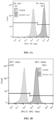
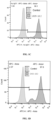
- the expression level of CLDN18.2 on the cell surface can be determined by any conventional method known in the art for determining the expression level of cell surface antigens, for example, an FACS detection method or an immunofluorescence staining method; and optionally, cells presenting positive for CLDN18.2 cell surface expression are identified by comparison with a predetermined reference value.
- the measured value for the expression level of CLDN18.2 on positive cells is at least 2-fold higher than the predetermined reference value.
- the predetermined reference value may be determined by those skilled in the art in a conventional manner.
- the predetermined reference value may be a value for the expression level of CLDN18.2 determined on normal cells other than gastric mucosa using the same detection method.
- the predetermined reference value may be determined by comparing the intensity of fluorescent staining produced on cells by a specific CLDN18.2 antibody relative to an isotype control antibody using the FACS method as described in Example I-1 of the present application, for example, the predetermined reference value may be set to be at least 10-fold higher than the average fluorescence staining intensity of the isotype control antibody.
- CLDN18.2-positive cells express a sufficiently high level of CLDN18.2 on the cell surface, such that in a detection method such as immunofluorescence staining or FACS, they can be bound by a CLDN18.2-specific antibody and produce a detection signal that is higher than the predetermined reference value, and/or produce a signal that is significantly differentiated from that of non-cancerous normal cells other than gastric mucosa (e.g., at least 2-fold higher, or preferably at least 10-fold or 100-fold higher, or more).
- a detection method such as immunofluorescence staining or FACS
- antibody refers to a polypeptide comprising at least an immunoglobulin light chain variable region or heavy chain variable region that specifically recognizes and binds to an antigen.
- the term encompasses various antibody structures, including but not limited to, monoclonal antibodies, polyclonal antibodies, single-chain or multi-chain antibodies, monospecific or multispecific antibodies (e.g., bispecific antibodies), chimeric or humanized antibodies, full-length antibodies, and antibody fragments, as long as they exhibit the desired antigen-binding activity.
- whole antibody refers to an immunoglobulin molecule comprising at least two heavy (H) chains and two light (L) chains.
- Each heavy chain consists of a heavy chain variable region (abbreviated herein as VH) and heavy chain constant regions.
- Each light chain consists of a light chain variable region (abbreviated herein as VL) and a light chain constant region.
- the variable regions are domains in the heavy chains or light chains of antibodies that participate in binding of the antibodies to the antigens thereof.
- the constant regions are not directly involved in binding of the antibodies to the antigens, but exhibit a variety of effector functions.
- the light chains of antibodies can be categorized into one of two classes (known as kappa ( ⁇ ) and lambda ( ⁇ )) based on the amino acid sequences of their constant regions.
- the heavy chains of antibodies can be divided into 5 major distinct classes based on the amino acid sequences of their constant regions: IgA, IgD, IgE, IgG, and IgM, and several of these classes can be further divided into subclasses, e.g., IgG1, IgG2, IgG3, IgG4, IgA1, and IgA2.
- antibody fragment and “antigen-binding fragment” of an antibody are used interchangeably to refer to a molecule that is not an intact antibody, which comprises the portion of the intact antibody for binding to the antigen to which the intact antibody binds.
- antibody fragments generally comprise amino acid residues from "complementarity determining regions" or "CDRs”.
- Antibody fragments may be prepared by the recombinant DNA technology, or by enzymatic or chemical cleavage of intact antibodies.
- antibody fragments include, but are not limited to, Fab, scFab, disulfide-linked scFab, Fab', F(ab') 2 , Fab'-SH, Fv, scFv, disulfide-linked scFv, diabody, triabody, tetrabody, and minibody.
- the antibody fragment comprises a cysteine residue portion for forming an interchain disulfide bond between the light chain and the heavy chain, e.g., cysteine residues of the Fab region and/or the hinge region of the IgG1 antibody, to provide amino acid residue sites useful for sulfhydryl conjugation chemistry.
- the antibody fragment comprises cysteine residues introduced into the Fc region, to provide amino acid residue sites useful for sulfhydryl conjugation chemistry.
- immunoglobulin refers to a protein having a structure of a naturally occurring antibody.
- immunoglobulins of the IgG class are heterotetrameric proteins of about 150,000 daltons, consisting of two light chains and two heavy chains that are disulfide-bonded.
- VH heavy chain variable region
- CH1, CH2, and CH3 heavy chain constant domains
- VL light chain variable region
- CL light chain constant domain
- an antibody being an IgG antibody means that the antibody is a heterotetrameric protein with an IgG immunoglobulin structure.
- the VH-CH1 of the heavy chain is generally paired with the VL-CL of the light chain to form a Fab fragment that specifically binds to an antigen.
- an IgG antibody essentially consists of two Fab molecules and two dimerized Fc regions connected by an immunoglobulin hinge region.
- IgG immunoglobulins can be divided into subclasses, e.g., ⁇ 1 (IgG1), ⁇ 2 (IgG2), ⁇ 3 (IgG3), and ⁇ 4 (IgG4), based on the sequences of the heavy chain constant regions.
- the light chains of IgG immunoglobulins can also be divided into one of two classes, known as ⁇ and ⁇ , based on the amino acid sequences of their constant domains.
- the antibody according to the present invention is an IgG antibody, e.g., an IgG1, IgG2, IgG3 or IgG4 antibody.
- the antibody according to the present invention is an IgG ⁇ or IgG ⁇ antibody, e.g., an IgG1 ⁇ or IgG1 ⁇ antibody.
- CDR complementarity determining region
- hypervariable region a region in an antibody variable domain which is highly variable in sequence, forms a structurally defined loop ("hypervariable loop") and/or contains antigen-contacting residues ("antigen-contacting sites”).
- the CDRs are primarily responsible for binding to antigenic epitopes.
- CDR1, CDR2, and CDR3 the CDRs of heavy and light chains of an antibody are numbered sequentially from the N-terminus, and are generally referred to as CDR1, CDR2, and CDR3.
- the CDRs located in the heavy chain variable domain of the antibody are referred to as HCDR1, HCDR2, and HCDR3, whereas the CDRs located in the light chain variable domain of the antibody are referred to as LCDR1, LCDR2, and LCDR3.
- the CDR sequences may be determined using a variety of schemes well known in the art. For example, annotations of CDRs in a given light chain variable region or heavy chain variable region may be obtained at http://www.abysis.org/abysis/, including CDR sequences defined based on Kabat, AbM, Chothia, Contact, and IMGT.
- the CDRs may also be determined based on having the same Kabat numbering positions as the reference CDR sequences. Unless otherwise stated, residue positions of an antibody variable region (including heavy chain variable region residues and light chain variable region residues) are numbered according to the Kabat numbering system ( Kabat et al., Sequences of Proteins of Immunological Interest, 5th Ed. Public Health Service, National Institutes of Health, Bethesda, Md. (1991 )).
- variable region or “variable domain” is a domain in the heavy chain or light chain of an antibody that participates in binding of the antibody to the antigen thereof.
- the heavy chain variable region (VH) and light chain variable region (VL) can be further subdivided into hypervariable regions (HVRs, also known as complementarity determining regions (CDRs)) with more conserved regions (i.e., framework regions (FRs)) inserted therebetween.
- HVRs hypervariable regions
- FRs framework regions
- Each VH or VL consists of three CDRs and four FRs, arranged from the N-terminus to the C-terminus in the following order: FR1, CDR1, FR2, CDR2, FR3, CDR3, FR4.
- one or more residues in one or both of the two variable regions may be modified, for example, one or more CDRs and/or one or more framework regions are subjected to residue modifications, particularly conservative residue substitutions, to obtain antibody variants that still substantially retain at least one biological property (e.g., antigen-binding ability) of the antibody molecule prior to the modifications.
- the variable regions of the antibody may be modified by CDR grafting. Since CDR sequences are responsible for most of the antibody-antigen interactions, recombinant antibody variants that simulate the properties of known antibodies can be constructed. In such antibody variants, CDR sequences from known antibodies are grafted onto the framework regions of different antibodies with different properties.
- mutated and/or modified antibodies or ADCs comprising the same, such as target antigen-binding properties or other desired functional properties, such as the endocytosis, pharmacokinetics, and in vivo tumor-killing activity of the ADCs, can be assessed in in-vitro or in-vivo assays.
- chimeric antibody refers to an antibody in which the variable region sequences are derived from one species and the constant region sequences are derived from another species, e.g., an antibody in which the variable region sequences are derived from a mouse antibody and the constant region sequences are derived from a human antibody.
- humanized antibody refers to an antibody in which CDR sequences derived from another mammalian species, e.g., mouse germline, are grafted onto human framework sequences. Additional framework region modifications may be made within the human framework sequences and/or additional amino acid modifications may be made in the CDR sequences, e.g., to perform affinity maturation of the antibody.
- the antibody of the present invention is a humanized antibody having framework region sequences "derived from" a specific human germline sequence.
- derived from means that the amino acid sequence of the framework region of the antibody has at least 90%, more preferably at least 95%, even more preferably at least 96%, 97%, 98% or 99% identity to the amino acid sequence of the corresponding framework region encoded by the human germline immunoglobulin gene, and the antibody retains the antigen-binding activity, for example, it has equivalent (e.g., ⁇ 10%) CLDN18 binding affinity to 25C7A5-HZ1 or -HZ2, or to 2D3A11-HZ1 or -HZ2.
- the term "isolated" antibody refers to an antibody that has been separated from a component of its natural environment.
- the antibody is purified to a purity greater than 95% or 99%, which can be determined, for example, by electrophoresis (e.g., SDS-PAGE, isoelectric focusing (IEF), or capillary electrophoresis) or chromatography (e.g., ion exchange or reverse-phase HPLC).
- electrophoresis e.g., SDS-PAGE, isoelectric focusing (IEF), or capillary electrophoresis
- chromatography e.g., ion exchange or reverse-phase HPLC.
- epitope refers to the region of an antigen to which an antibody binds.
- An epitope can be formed from contiguous amino acids or from non-contiguous amino acids juxtaposed by tertiary folding of a protein.
- the antibody according to the present invention binds to a native epitope of human Claudin18.2, more preferably, to a native epitope of human Claudin18.2 expressed on the cell surface.
- the binding of the antibody of the present invention to a native epitope of human Claudin18.2 is detected by a cell-based assay.
- affinity refers to the inherent binding affinity that reflects the interaction between members of a binding pair.
- the affinity can be measured by common methods known in the art.
- One specific method for measuring the affinity is the cell-based ELISA assay as described in the examples herein, and another specific method is the FACS assay as described in the examples herein.
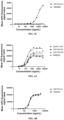
- an antibody in a cell-based assay, such as the one performed as described in Example I, an antibody is considered to have high affinity for Claudin18.2 if the antibody has a comparable (i.e., ⁇ 10%) or smaller EC50 value and/or a comparable (i.e., ⁇ 10%) or higher maximum binding signal value to the reference antibody IMAB362.
- the term "specifically binds to” means that an antibody binds to a target antigen selectively or preferentially relative to a non-target antigen.
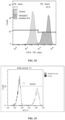
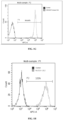
- an antigen-binding assay such as the FACS assay or cell-based ELISA as described in the examples, it is considered that an antibody "specifically binds to human Claudin18.2” if the antibody binds (particularly binds with high affinity) to human Claudin18.2 expressed on the cell surface, but does not bind or substantially does not bind to human Claudin18.1 expressed on the cell surface.
- the binding of the antibody to human Claudin18.2 or human Claudin18.1 expressed on the cell surface can be measured in a cell-based ELISA or FACS assay to determine the binding specificity of the antibody to Claudin18.2.
- the non-specific binding of the antibody according to the present invention to Claudin18.1-expressing cells is determined by an FACS assay using a recombinant cell line with a Claudin18.1 expression positive rate of greater than 95% or greater than 98% (such as a recombinant HEK293T stable cell line), for example, as described in Example I.
- a recombinant cell line with a Claudin18.1 expression positive rate of greater than 95% or greater than 98% such as a recombinant HEK293T stable cell line
- those skilled in the art can select appropriate negative and/or positive controls.
- an isotype control can be used to eliminate background staining due to non-specific binding of the antibody to the cells.
- an antibody that specifically binds to human Claudin18.2 and has no non-specific binding to human Claudin18.1 can have cross-reactivity with Claudin18.2 proteins from other species.
- cross-reactivity refers to the ability of an antibody to bind to Claudin18.2 from different species.
- the antibody according to the present invention specific for human Claudin18.2 may also bind to Claudin18.2 from other species (e.g., cynomolgus monkey, mouse and/or rat Claudin18.2).
- Methods for determining cross-reactivity include the methods described in the examples and standard assays known in the art, e.g., flow cytometry or the cell-based ELISA technique.
- Species cross-reactivity of antibodies is advantageous in some cases. For example, when a target antibody has species cross-reactivity with preclinical laboratory animals, e.g., mice, rats, or primates, it will facilitate preclinical safety and efficacy evaluations of the target antibody and ADCs thereof prior to therapeutic or diagnostic use in humans.
- the term "isotype” refers to the class of antibodies determined according to the heavy chain constant regions of the antibodies.
- the antibodies according to the present invention may be IgA (e.g., IgA1 or IgA2), IgG1, IgG2 (e.g., IgG2a or IgG2b), IgG3, IgG4, IgE, IgM, and IgD antibodies, and have heavy chain constant regions of the immunoglobulin class.
- the antibodies of the present invention may also be IgG1 antibodies having constant regions of human IgG1.
- the present invention contemplates not only antibodies having native sequence constant regions, but also antibodies comprising variant sequence constant regions.
- Fc region is used herein to define the C-terminal region of an immunoglobulin heavy chain that comprises at least a part of the constant regions.
- the "Fc region” includes native sequence Fc regions and variant Fc regions.
- the term "native sequence Fc region” encompasses naturally occurring Fc region sequences of various immunoglobulins, such as Fc region sequences of various Ig subclasses and allotypes thereof ( Gestur Vidarsson et al., IgG subclasses and allotypes: from structure to effector functions, 20 October 2014, doi: 10.3389/fimmu.2014.00520 .).
- the heavy chain Fc region of human IgG has an amino acid sequence extending from Cys226 or from Pro230 to the carboxyl terminus of the heavy chain.
- the C-terminal lysine (Lys447) of the Fc region may or may not be present.
- the heavy chain Fc region of human IgG carries a hinge sequence or a part of the hinge sequence of a native immunoglobulin at the N-terminus, e.g., according to EU numbering, the sequence from E216 to T225 or the sequence from D221 to T225.
- variant sequence Fc region refers to an Fc region polypeptide comprising modifications relative to the native sequence Fc region polypeptide.
- the modifications may be the additions, deletions or substitutions of amino acid residues.
- the substitutions may include substitutions of naturally occurring amino acids and non-naturally occurring amino acids.
- the purpose of the modifications may be to alter the binding of the Fc region to its receptor and the resulting effector functions.
- effector function refers to biological activities attributed to an immunoglobulin Fc region that vary with immunoglobulin isotype.
- immunoglobulin effector functions include: C1q binding and complement-dependent cytotoxicity (CDC), Fc receptor binding, antibody-dependent cell-mediated cytotoxicity (ADCC), antibody-dependent cellular phagocytosis (ADCP), cytokine secretion, immune complex-mediated antigen uptake in antigen-presenting cells, down regulation of cell surface receptors (such as B-cell receptors), and B-cell activation.
- CDC complement-dependent cytotoxicity
- ADCC antibody-dependent cell-mediated cytotoxicity
- ADCP antibody-dependent cellular phagocytosis
- cytokine secretion immune complex-mediated antigen uptake in antigen-presenting cells
- down regulation of cell surface receptors such as B-cell receptors
- B-cell activation such as B-cell activation.
- ADCC refers to antibody-dependent cell-mediated cytotoxicity.
- ADCC is mediated in humans primarily by natural killer cells (NK cells).
- NK cells natural killer cells
- an antibody binds to an antigen displayed on the surface of a target cell, and Fc ⁇ RIIIA on the surface of NK cells recognizes the Fc region of the antibody, so that the NK cells are activated to release perform and granzyme, resulting in lysis and apoptosis of the target cell.
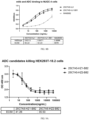
- ADCC activity of an antibody can be evaluated, for example, using the fluorescein reporter system described in Example I.
- the ADCC activity of the antibody can be removed by modifying the Fc region of the antibody.
- CDC refers to complement-dependent cytotoxicity.
- the Fc region of an antibody binds to the complement molecule C1q to form a membrane attack complex, resulting in clearance of the target cell.
- IgM is the most potent isotype for complement activation.
- Both IgG1 and IgG3 are also very effective in directing CDC through the classical complement activation pathway.
- CDC activity of an antibody can be detected, for example, using the guinea pig serum killing experiment described in Example I.
- the CDC activity of the antibody can be removed by modifying the Fc region of the antibody.
- receptor-mediated endocytosis refers to the process whereby a ligand/receptor complex is internalized and delivered into the cytosol or transferred to a suitable intracellular compartment, triggered by binding of the ligand to the corresponding receptor on the cell surface.
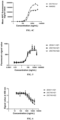
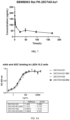
- the receptor-mediated endocytic activity of an antibody can be characterized by measuring the endocytosis rate, for example, by the method described in Example I.
- the antibody of the present invention can induce Claudin18.2 receptor-mediated endocytosis after binding to Claudin18.2 expressed on the cell surface, and the antibody of the present invention with such endocytosis property, after being conjugated with a drug (e.g., a small molecule toxic drug molecule) to form an ADC, can be effectively used as a means for delivering the anti-tumor drug into cancer cells.
- a drug e.g., a small molecule toxic drug molecule
- sequence identity refers to the degree to which sequences are identical on a nucleotide-by-nucleotide or amino acid-by-amino acid basis over a comparison window.
- the “percent sequence identity” can be calculated by the following steps: comparing two optimally aligned sequences over a comparison window; determining the number of positions in which nucleic acid bases (e.g., A, T, C, G, and I) or amino acid residues (e.g., Ala, Pro, Ser, Thr, Gly, Val, Leu, Ile, Phe, Tyr, Trp, Lys, Arg, His, Asp, Glu, Asn, Gln, Cys, and Met) are the same in the two sequences to obtain the number of matched positions; dividing the number of matched positions by the total number of positions over the comparison window (i.e., the window size); and multiplying the result by 100 to obtain a percent sequence identity.
- nucleic acid bases e.g., A, T,
- Optimal alignment for determining the percent sequence identity may be achieved in a variety of ways known in the art, for example, using publicly available computer software such as BLAST, BLAST-2, ALIGN, or Megalign (DNASTAR) software. Those skilled in the art can determine suitable parameters for alignment of the sequences, including any algorithm necessary to yield optimal alignment within a full-length sequence range or target sequence region being compared.
- the percent amino acid sequence identity is determined by performing an optimal alignment of candidate antibody sequences with a given antibody sequence, and in a preferred embodiment, the optimal alignment is performed according to the Kabat numbering scheme.
- the comparison window i.e., the target antibody region to be compared
- the sequence identity may be achieved throughout the heavy chain variable region and/or the light chain variable region, or the percent sequence identity may be limited to the framework regions only, while the sequences of corresponding CDRs remain 100% identical.
- the "reference antibody IMAB362” refers to an anti-Claudin18.2 antibody constructed using the amino acid sequences of the heavy and light chain variable regions from the 175D10 monoclonal antibody disclosed in patent CN 101312989 B .
- the reference antibody IMAB362 will have the same antibody structure as the antibody to be compared in parts other than the variable regions, e.g., the same heavy and light chain constant region sequences when both have heavy and light chain constant region structures.
- halogen generally refers to fluorine, chlorine, bromine, or iodine, and it may be, for example, fluorine or chlorine.
- alkyl refers to a linear or branched saturated hydrocarbyl group consisting of carbon atoms and hydrogen atoms. Specifically, the alkyl group has 1-10 carbon atoms, e.g., 1-8, 1-6, 1-5, 1-4, 1-3, or 1-2 carbon atoms.
- Ci-C 6 alkyl refers to a linear or branched saturated hydrocarbyl group having 1-6 carbon atoms, examples of which include, e.g., methyl, ethyl, propyl (including n-propyl and isopropyl), butyl (including n-butyl, isobutyl, sec-butyl, or tert-butyl), pentyl (including n-pentyl, isopentyl, and neopentyl), hexyl (including n-hexyl, 2-methylpentyl, 3-methylpentyl, 3,3-dimethylbutyl, 2,2-dimethylbutyl, 1,1-dimethylbutyl, 1,2-dimethylbutyl, 1,3-dimethylbutyl, 2,3-dimethylbutyl, and 2-ethylbutyl), and the like.
- alkenyl refers to a linear or branched unsaturated hydrocarbyl group consisting of carbon atoms and hydrogen atoms with at least one double bond. Specifically, the alkenyl group has 2-8, e.g., 2-6, 2-5, 2-4, or 2-3 carbon atoms.
- C 2 -C 6 alkenyl refers to a linear or branched alkenyl group having 2-6 carbon atoms, e.g., vinyl, propenyl, allyl, 1-butenyl, 2-butenyl, 1,3-butadienyl, 1-pentenyl, 2-pentenyl, 3-pentenyl, 1,3-pentadienyl, 1,4-pentadienyl, 1-hexenyl, 2-hexenyl, 3-hexenyl, 1,4-hexadienyl, and the like.
- alkynyl refers to a linear or branched unsaturated hydrocarbyl group consisting of carbon atoms and hydrogen atoms with at least one triple bond. Specifically, the alkynyl group has 2-8, e.g., 2-6, 2-5, 2-4, or 2-3 carbon atoms.
- C 2 -C 6 alkynyl refers to a linear or branched alkynyl group having 2-6 carbon atoms, e.g., ethynyl, propynyl, propargyl, 1-butynyl, 2-butynyl, 1-pentynyl, 2-pentynyl, 3-pentynyl, 4-methyl-1-pentynyl, 1-hexynyl, 2-hexynyl, 3-hexynyl, 5-methyl-2-hexynyl, and the like.
- alkylene refers to a divalent group derived from a linear or branched saturated alkane by the removal of two hydrogen atoms from the same carbon atom or two different carbon atoms. Specifically, the alkylene group has 1-10 carbon atoms, e.g., 1-6, 1-5, 1-4, 1-3, or 1-2 carbon atoms.
- C 1 -C 6 alkylene refers to a linear or branched alkylene group having 1-6 carbon atoms, including but not limited to, methylene, ethylene, propylene, butylene, and the like.
- alkenylene refers to a divalent group derived from a linear or branched unsaturated olefin comprising at least one double bond by the removal of two hydrogen atoms from the same carbon atom or two different carbon atoms. Specifically, the alkenylene group has 2-8, e.g., 2-6, 2-5, 2-4, or 2-3 carbon atoms.
- C 2 -C 6 alkenylene refers to a linear or branched alkenylene group having 2-6 carbon atoms, e.g., ethenylene, propenylene, allylene, butenylene, pentenylene, and hexenylene.
- alkynylene refers to a divalent group derived from a linear or branched unsaturated alkyne comprising at least one triple bond by removal of two hydrogen atoms from the same carbon atom or two different carbon atoms. Specifically, the alkynylene group has 2-8, e.g., 2-6, 2-5, 2-4, or 2-3 carbon atoms.
- C 2 -C 6 alkynylene refers to a linear or branched alkynylene group having 2-6 carbon atoms, e.g., ethynylene, propynylene, propargylene, butynylene, pentynylene, and hexynylene.
- cycloalkyl refers to a monocyclic, fused polycyclic, bridged polycyclic, or spirocyclic non-aromatic monovalent hydrocarbon ring structure having a specified number of ring atoms, which may be saturated or unsaturated, e.g., comprises 1 or more double bonds.
- the cycloalkyl group may comprise 3 or more, e.g., 3-18, 3-10, or 3-8 carbon atoms in the ring, and may be, e.g., C 3-10 cycloalkyl, C 3-8 cycloalkyl, C 3-6 cycloalkyl, or C 5-6 cycloalkyl.
- Examples of the cycloalkyl group include, but are not limited to, cyclopropyl, cyclobutyl, cyclopentyl, cyclohexyl, cycloheptyl, and the like.
- heterocycle refers to a 5- to 20-membered (e.g., 5-to 14-membered, 5- to 8-membered, or 5- to 6-membered) aromatic or non-aromatic monocyclic, bicyclic, or polycyclic ring system having 1-4 heteroatom ring members independently selected from N, O, or S.
- N, C, or S atoms in the heterocycle can be oxidized.
- the heterocycle is a 5- to 10-membered ring system, either monocyclic or fused bicyclic.
- Representative examples include, but are not limited to, pyrrolidine, azetidine, piperidine, morpholine, tetrahydrofuran, tetrahydropyran, benzofuran, benzothiophene, indole, benzopyrazole, pyrrole, thiophene, furan, thiazole, imidazole, pyrazole, pyrimidine, pyridine, pyrazine, pyridazine, isothiazole, and isoxazole. It should be understood that this term encompasses heteroaryl as defined herein.
- aryl refers to a monocyclic or polycyclic aromatic hydrocarbyl group having 6-20, e.g., 6-12, carbon atoms in the ring moiety.
- the aryl group is (C 6 -C 10 ) aryl.
- Non-limiting examples include phenyl, biphenyl, naphthyl, or tetrahydronaphthyl, each of which may be optionally substituted with 1-4 substituents, e.g., alkyl, trifluoromethyl, cycloalkyl, halogen, hydroxy, alkoxy, acyl, alkyl-C(O)-O-, aryl-O-, heteroaryl-O-, amino, sulfhydryl, alkyl-S-, aryl-S-, nitro, cyano, carboxyl, alkyl-O-C(O)-, carbamoyl, alkyl-S(O)-, sulfonyl, sulfonamido, heterocyclyl, and the like.
- substituents e.g., alkyl, trifluoromethyl, cycloalkyl, halogen, hydroxy, alkoxy, acyl, alkyl-C(O
- heteroaryl refers to a 5- to 20-membered (e.g., 5- to 14-membered, 5- to 8-membered, 5- to 6-membered) aromatic monocyclic or polycyclic ring system containing 1-4 heteroatoms selected from N, O, or S, which may be substituted or unsubstituted.
- the heteroaryl group is a 5- to 10-membered ring system, either monocyclic or fused bicyclic.
- heteroaryl groups include 2- or 3-thienyl, 2- or 3-furanyl, 2- or 3-pyrrolyl, 2-, 4- or 5-imidazolyl, 3-, 4- or 5-pyrazolyl, 2-, 4- or 5-thiazolyl, 3-, 4- or 5-isothiazolyl, 2-, 4- or 5-oxazolyl, 3-, 4- or 5-isoxazolyl, 3- or 5-1,2,4-triazolyl, 4- or 5-1,2,3-triazolyl, tetrazolyl, 2-, 3- or 4-pyridyl, 3- or 4-pyridazinyl, 3-, 4- or 5-pyrazinyl, 2-pyrazinyl, and 2-, 4- or 5-pyrimidinyl.
- heteroalkyl refers to a stable linear or branched hydrocarbon consisting of a specified number of carbon atoms and one to ten, preferably one to three, heteroatoms selected from O, N, Si, and S, either fully saturated or containing 1-3 units of unsaturation, wherein the nitrogen and sulfur atoms may optionally be oxidized and the nitrogen heteroatom may optionally be quaternized.
- the heteroatoms O, N, Si, and S can be located at any internal position of the heteroalkyl group or at the position where the heteroalkyl group is linked to the rest of the molecule.
- Up to two heteroatoms may be consecutive, e.g., -CH2-NH-OCH3 and -CH2-O-Si(CH3)3.
- the C1-C4 heteroalkyl or heteroalkylene group has 1-4 carbon atoms and 1 or 2 heteroatoms and the C1-C3 heteroalkyl or heteroalkylene group has 1-3 carbon atoms and 1 or 2 heteroatoms.
- the heteroalkyl and heteroalkylene groups are saturated.
- substituted as used herein in the definition of each group means that the corresponding group may be substituted with, for example, but not limited to, the following groups: alkyl, alkenyl, alkynyl, cycloalkyl, aryl, heteroaryl, heterocyclyl, halogen, cyano, nitro, azido, carboxyl, hydroxy, sulfhydryl, amino, mono- or dialkylamino, mono- or dicycloalkylamino, mono- or diarylamino, mono- or diheteroylamino, mono- or diheteroarylamino, alkyl- or cycloalkyl- or heterocyclyl- or heteroaryl- or aryl-oxy, alkyl- or cycloalkyl- or heterocyclyl- or heteroaryl- or aryl-thio, alkyl- or cycloalkyl- or heterocyclyl- or heteroaryl- or aryl-thio, alkyl- or
- substituents include, but are not limited to, one or more groups independently selected from the following: halogen, OH, SH, CN, NH 2 , NHCH 3 , N(CH 3 ) 2 , NO 2 , N 3 , C(O)CH 3 , COOH, C(O)-amino, OCOCH 3 , methyl, ethyl, propyl, isopropyl, butyl, isobutyl, sec-butyl, tert -butyl, cyclopropyl, methoxy, ethoxy, propoxy, oxo, trifluoromethyl, difluoromethyl, sulfonylamino, methylsulfonylamino, SO, SO 2 , phenyl, piperidinyl, piperazinyl, and pyrimidinyl.
- substitution means that one or more (e.g., 1, 2, 3, or 4) hydrogens on a specified atom are replaced with a designated group, provided that the normal valency of the specified atom under the present circumstances is not exceeded and a stable compound is formed, and the combination of a substituent and a variable is permitted only when such a combination forms a stable compound.
- linker refers to a bifunctional moiety that links a drug to an antibody in a drug-antibody conjugate.
- the linker of the present invention may have multiple components (e.g., in some embodiments, a linking group responsible for coupling to an antibody; a degradable peptide unit; and optionally a spacer group).
- PEG unit refers to an organic moiety comprising repeating ethylene-oxy subunits (PEG or PEG subunits), which may be polydisperse, monodisperse, or discrete (i.e., having a discrete number of ethylene-oxy subunits).
- PEG or PEG subunits may be polydisperse, monodisperse, or discrete (i.e., having a discrete number of ethylene-oxy subunits).
- Polydisperse PEG is a heterogeneous mixture of various sizes and molecular weights, whereas monodisperse PEG is generally purified from a heterogeneous mixture and thus has unique chain length and molecular weight.
- the PEG unit comprises discrete PEG, which is a compound synthesized in a stepwise manner rather than through a polymerization process.
- the discrete PEG provides a single molecule with a defined and specified chain length.
- pharmaceutically acceptable salt refers to salts that retain the biological effects and properties of the ADCs of the present invention and are not biologically or otherwise undesired.
- the ADCs of the present invention may exist in their pharmaceutically acceptable salt forms, including acid addition salts and base addition salts.
- pharmaceutically acceptable non-toxic acid addition salts refer to salts formed by reaction of the ADCs of the present invention with organic or inorganic acids including, but not limited to, hydrochloric acid, sulfuric acid, hydrobromic acid, hydroiodic acid, phosphoric acid, nitric acid, perchloric acid, acetic acid, oxalic acid, maleic acid, fumaric acid, tartaric acid, benzenesulfonic acid, methanesulfonic acid, salicylic acid, succinic acid, citric acid, lactic acid, propionic acid, benzoic acid, p-toluenesulfonic acid, malic acid, and the like.
- organic or inorganic acids including, but not limited to, hydrochloric acid, sulfuric acid, hydrobromic acid, hydroiodic acid, phosphoric acid, nitric acid, perchloric acid, acetic acid, oxalic acid, maleic acid, fumaric acid, tartaric acid, benz
- Non-toxic base addition salts refer to salts formed by the ADCs of the present invention with organic or inorganic bases including, but not limited to, alkali metal salts, e.g., lithium, sodium or potassium salts; alkaline earth metal salts, e.g., calcium or magnesium salts; organic base salts, e.g., ammonium salts, formed with N group-containing organic bases.
- alkali metal salts e.g., lithium, sodium or potassium salts
- alkaline earth metal salts e.g., calcium or magnesium salts
- organic base salts e.g., ammonium salts, formed with N group-containing organic bases.
- solvate refers to an association compound formed by the ADC of the present invention with one or more solvent molecules.
- Solvents for forming solvates include, but are not limited to, water, methanol, ethanol, isopropanol, ethyl acetate, tetrahydrofuran, N,N- dimethylformamide, dimethylsulfoxide, and the like.
- DAR drug-to-antibody ratio
- DAR refers to the ratio of the drug moiety (D) conjugated to the Ab moiety described herein to the Ab moiety in an ADC.
- DAR may be determined by q in formula I, for example, the DAR may be 1-20, e.g., 2-18, 4-16, 5-12, 6-10, 2-8, 3-8, 2-6, 4-6, 6-10, e.g., 2, 3, 4, 5, 6, 7, 8, 9, 10, 11, 12, 13, 14, or 15.
- DAR may also be calculated as the average DAR of the molecular population in the product, i.e., the overall ratio of the small molecule drug moiety (D) conjugated to the Ab moiety described herein to the Ab moiety in the product as measured by detection methods (e.g., by conventional methods such as mass spectrometry, ELISA assay, electrophoresis, and/or HPLC), and such DAR is referred to herein as average DAR.
- detection methods e.g., by conventional methods such as mass spectrometry, ELISA assay, electrophoresis, and/or HPLC
- the average DAR value of the conjugate of the present invention is 1-20, e.g., 2-18, 4-16, 5-12, 6-10, 2-8, 3-8, 2-6, 4-6, or 6-10, e.g., 1.0-8.0 or 2.0-6.0, e.g., 1, 1.1, 1.2, 1.3, 1.4, 1.5, 1.6, 1.7, 1.8, 1.9, 2, 2.1, 2.2, 2.3, 2.4, 2.5, 2.6, 2.7, 2.8, 2.9, 3, 3.1, 3.2, 3.3, 3.4, 3.5, 3.6, 3.7, 3.8, 3.9, 4, 4.1, 4.2, 4.3, 4.4, 4.5, 4.6, 4.7, 4.8, 4.9, 5.0, 5.1, 5.2, 5.3, 5.4, 5.5, 5.6, 5.7, 5.8, 5.9, 6.0, 6.1, 6.2, 6.3, 6.4, 6.5, 6.6, 6.7, 6.8, 6.9, 7.0, 7.1, 7.2,
- drug encompasses any substance that is effective in preventing or treating tumors, e.g., cancer, including chemotherapeutic agents, cytokines, angiogenesis inhibitors, cytotoxic agents, other antibodies, small molecule drugs, or immunomodulatory agents (e.g., immunosuppressive agents).
- cytotoxic agent refers to a substance that inhibits or prevents cell functions and/or causes cell death or destruction.
- examples of cytotoxic agents include, but are not limited to, camptothecin drugs, auristatin, aureomycin, maytansinoids, ricin, ricin A chain, combrestatin, duocarmycin, aplysiatoxin, doxorubicin, daunomycin, taxol, cisplatin, cc1065, ethidium bromide, mitomycin, etoposide, tenoposide, vincristine, vinblastine, colchicine, dihydroxy anthracin dione, actinomycin, diphtherin, pseudomonas exotoxin (PE) A, PE40, abrin, abrin A chain, modeccin A chain, ⁇ -sarcin, gelonin, mitogellin, retstrictocin, phenomycin, enomycin, cu
- small molecule drug refers to a low molecular weight organic compound capable of regulating biological processes.
- Small molecule is defined as a molecule with a molecular weight of less than 10 kD, generally less than 2 kD and preferably less than 1 kD.
- the small molecule includes, but is not limited to, inorganic molecules, organic molecules, organic molecules containing inorganic components, molecules containing radioactive atoms, synthetic molecules, peptide mimetics, and antibody mimetics. As therapeutic agents, small molecules penetrate cells better, are less susceptible to degradation and are less likely to induce an immune response compared with large molecules.
- composition refers to a composition that exists in a form allowing effective biological activity of the active ingredient contained therein, and does not contain additional ingredients having unacceptable toxicity to a subject to which the composition is administered.
- pharmaceutical auxiliary material refers to diluents, adjuvants (e.g., Freund's adjuvants (complete and incomplete)), excipients, carriers, stabilizers, or the like, which are administered with the active substance.
- adjuvants e.g., Freund's adjuvants (complete and incomplete)
- excipients e.g., carriers, stabilizers, or the like
- non-fixed combination means that the active ingredients (e.g., (i) the ADC molecule of the present invention or the antibody of the present invention, and (ii) an additional therapeutic agent) are administered, either simultaneously or sequentially (without specific time limitation or at identical or different time intervals), to a patient as separate entities, wherein such administration provides two or more prophylactically or therapeutically effective active agents in the patient.
- active ingredients e.g., (i) the ADC molecule of the present invention or the antibody of the present invention, and (ii) an additional therapeutic agent
- the ADC molecule of the present invention or the antibody of the present invention and the additional therapeutic agent used in the pharmaceutical combination are administered at levels that do not exceed their levels when used alone.
- the term "fixed combination" means that two or more active agents are administered to a patient simultaneously as a single entity.
- the dose and/or time intervals of two or more active agents are preferably selected such that the combined use of the components can result in a therapeutic effect on the disease or disorder which is greater than that achieved by the use of either component alone.
- the ingredients may each take a separate formulation form and such separate formulation forms may be identical or different.
- combination therapy refers to the administration of two or more therapeutic agents or modalities (e.g., radiotherapy or surgery) to treat the diseases described herein.
- administration includes co-administration of these therapeutic agents in a substantially simultaneous manner, for example, in a single capsule with a fixed proportion of active ingredients.
- administration includes co-administration of the active ingredients in a variety of or separate containers (such as tablets, capsules, powder, and liquid).
- the powder and/or liquid can be reconstituted or diluted to a desired dose before administration.
- such administration also includes using each type of the therapeutic agents at approximately the same time or in a sequential manner at different times.
- the therapeutic regimen will provide the beneficial effect of the pharmaceutical combination in the treatment of disorders or symptoms described herein.
- mammals include, but are not limited to, domesticated animals (e.g., cows, sheep, cats, dogs, and horses), primates (e.g., human and non-human primates such as monkeys), rabbits, and rodents (e.g., mice and rats).
- domesticated animals e.g., cows, sheep, cats, dogs, and horses
- primates e.g., human and non-human primates such as monkeys
- rabbits e.g., mice and rats
- rodents e.g., mice and rats
- cancers suitable for treatment with the antibody of the present invention include gastric cancer, pancreatic cancer, or esophagogastric junction adenocarcinoma, including metastatic forms of such cancers. This term also encompasses all neoplastic cell growth and proliferation, whether malignant or benign, and all pre-cancerous and cancerous cells and tissues.
- anti-tumor effect refers to a biological effect that can be demonstrated by a variety of means, including but not limited to, for example, decrease in tumor volume, decrease in number of tumor cells, decrease in tumor cell proliferation, or decrease in tumor cell viability.
- treatment refers to slowing, interrupting, arresting, alleviating, stopping, lowering, or reversing the progression or severity of an existing symptom, disorder, condition, or disease.
- prevention includes the inhibition of the development or progression of symptoms of a disease or disorder, or a specific disease or disorder.
- subjects with a family history of cancer are candidates for preventive regimens.
- prevention refers to the administration of a drug prior to the onset of signs or symptoms of cancer, particularly in subjects at risk of cancer.
- the term "effective amount” refers to an amount or dose of the antibody-drug conjugate or the composition or combination thereof of the present invention that generates expected effects in a patient in need of treatment or prevention after administration to the patient in a single dose or multiple doses.
- the term "therapeutically effective amount” refers to an amount effective to achieve the desired therapeutic result at the required dosage and for the required period of time.
- the therapeutically effective amount is also such an amount that any toxic or adverse effect of the antibody-drug conjugate or the composition or combination thereof of the present invention is inferior to the therapeutically beneficial effect.
- the "therapeutically effective amount” preferably achieves an inhibition in a measurable parameter (e.g., tumor volume) of at least about 30%, even more preferably at least about 40%, 45%, 50%, 55%, 60%, 65%, 70%, 75%, 80%, 85%, 90%, or even 100% relative to an untreated individual.
- prophylactically effective amount refers to an amount effective to achieve the desired prophylactic result at the required dosage and for the required period of time. Generally, since a prophylactic dose is administered in a subject before or at an earlier stage of a disease, the prophylactically effective amount will be less than the therapeutically effective amount.
- the term "CLDN18.2-positive" tumor refers to a tumor in which at least a part of cancer cells in the tumor organ or tissue are positive for CLDN18.2 cell surface expression.
- the proportion of CLDN18.2-positive cancer cells in the cancer tissue or cancer cell population is at least 10% or 20%, preferably at least 30%, 40%, 50%, 60%, 70%, 75% or 80%.
- at least 40% or at least 50%, preferably 60%, 70%, 80% or 90% of the cancer cells in the tumor tissue or organ are positive for CLDN18.2 surface expression.
- a cancer subject treated according to the method of the present invention has an increased level of CLDN18.2 cell surface expression in the diseased tissue or organ, e.g., by at least 10%, particularly by at least 20%, at least 50%, at least 100%, at least 200% or more, as compared to the corresponding tissue or organ in a healthy subject.
- the CLDN18.2-positive tumor is selected from: gastric cancer, esophageal cancer, pancreatic cancer, lung cancer (e.g., non-small cell lung cancer (NSCLC)), ovarian cancer, colon cancer, liver cancer, head and neck cancer, and gallbladder cancer, and metastases thereof, particularly metastasis of gastric cancer.
- NSCLC non-small cell lung cancer
- the cancer is adenocarcinoma, particularly advanced adenocarcinoma.
- Particularly preferred cancer diseases are adenocarcinomas of the stomach, esophagus, pancreatic duct, bile duct, lung and ovary.
- the cancer treated according to the present invention is HER-negative.
- the CLDN18.2-positive tumor is a digestive system cancer or a cancer metastasis thereof.
- the cancer is selected from gastric cancer, esophageal cancer (particularly lower esophageal cancer), esophagogastric junction adenocarcinoma, and gastroesophageal cancer.
- the cancer is, for example, a CLAUDIN 18.2-positive and HER2-negative gastric cancer.
- the cancer is gastroesophageal cancer, such as metastatic, refractory or recurrent advanced gastroesophageal cancer, and in yet another embodiment, the cancer is metastatic gastric cancer or esophagogastric junction adenocarcinoma (EGJA).
- the present invention provides an antibody-drug conjugate (ADC) having the following formula (I), or a pharmaceutically acceptable salt or solvate thereof: Ab-[L-D] q (I), wherein
- the present inventors have made intensive studies to develop and provide a humanized anti-Claudin18.2 monoclonal antibody with excellent properties.
- the antibody of the present invention not only exhibits high binding affinity and high specificity for cells expressing human Claudin18.2 on the surface (particularly cells with low surface expression abundance), but also has advantageous properties such as Claudin18.2 antigen-mediated endocytic activity, stability, and/or pharmacokinetic properties, thus being suitable as a molecular component to be conjugated with a cytotoxic drug to form an antibody-drug conjugate.
- the ADC formed from the antibody of the present invention exhibits potent in-vivo tumor killing effects while having good drug tolerability.
- the present invention provides an antibody-drug conjugate (ADC) comprising the antibody of the present invention that specifically binds to Claudin18.2 as an Ab unit of the conjugate of formula I of the present invention.
- ADC antibody-drug conjugate
- Ab in formula (I) of the present invention comprises three CDRs of a heavy chain variable region (VH) sequence of SEQ ID NO: 1 or 3 and three CDRs of a light chain variable region (VL) sequence of SEQ ID NO: 2, wherein preferably, the CDRs are defined according to Kabat or IMGT, or a combination thereof.
- Ab in formula (I) of the present invention comprises 3 heavy chain complementarity determining regions (HCDRs) and 3 light chain complementarity determining regions (LCDRs), wherein
- Ab in formula (I) of the present invention comprises heavy and light chain variable region sequences or variants thereof of any one of the exemplary antibodies 25C7A5-HZ1 and -HZ2 of the present invention; for example, it is an antibody having the same CDR sequences as one of the exemplary antibodies, and having the same or different framework region sequences.
- Ab in formula (I) of the present invention comprises a heavy chain variable region, wherein the heavy chain variable region comprises:
- Ab in formula (I) of the present invention comprises a light chain variable region, wherein the light chain variable region comprises:
- Ab in formula (I) of the present invention comprises a heavy chain variable region and a light chain variable region, wherein the heavy chain variable region comprises an amino acid sequence set forth in SEQ ID NO: 1 or 3 or an amino acid sequence having at least 95%, 96%, 97%, 98% or 99% sequence identity thereto, and the light chain variable region comprises an amino acid sequence set forth in SEQ ID NO: 2 or an amino acid sequence having at least 95%, 96%, 97%, 98% or 99% sequence identity thereto.
- the sequences of the antibody are humanized. More preferably, the heavy chain variable region of the antibody has a framework region sequence derived from a human germline, and preferably has amino acid Q or E, preferably amino acid Q, at position H6 numbered according to the Kabat scheme in the heavy chain variable region.
- Ab in formula (I) of the present invention comprises a heavy chain variable region of SEQ ID NO: 1 and a light chain variable region of SEQ ID NO: 2.
- Ab in formula (I) of the present invention comprises a heavy chain variable region of SEQ ID NO: 3 and a light chain variable region of SEQ ID NO: 2.
- Ab in formula (I) of the present invention preferably further comprises a heavy chain constant region and/or a light chain constant region of the antibody.
- the heavy chain constant region is a heavy chain constant region derived from a human immunoglobulin.
- the light chain constant region is a light chain constant region derived from a human immunoglobulin.
- the heavy chain constant region contained in Ab may be of any isotype or subtype, e.g., a heavy chain constant region of IgG1, IgG2, IgG3 or IgG4 isotype, preferably an IgG1, IgG2 or IgG4 heavy chain constant region, particularly a human IgG1 heavy chain constant region.
- the light chain constant region contained in Ab may be a ⁇ light chain constant region or a ⁇ light chain constant region, particularly a human ⁇ light chain constant region.
- Ab in formula (I) of the present invention comprises a human IgG1 heavy chain constant region.
- the heavy chain constant region comprises an amino acid sequence of SEQ ID NO: 4, or an amino acid sequence comprising at least one, two or three but no more than 20, 10 or 5 amino acid alterations relative to the amino acid sequence of SEQ ID NO: 4, or a sequence having at least 95%-99% identity to the amino acid sequence of SEQ ID NO: 4.
- Ab in formula (I) of the present invention comprises a human ⁇ light chain constant region.
- the light chain constant region comprises an amino acid sequence of SEQ ID NO: 5, or an amino acid sequence comprising at least one, two or three but no more than 20, 10 or 5 amino acid alterations relative to the amino acid sequence of SEQ ID NO: 5, or a sequence having at least 95%-99% identity to the amino acid sequence of SEQ ID NO: 5.
- Ab in formula (I) of the present invention is a full-length antibody comprising a heavy chain constant region and a light chain constant region. In some embodiments, Ab in formula (I) of the present invention has a tetrameric structure formed by two light chains and two heavy chains. In still other embodiments, Ab in formula (I) of the present invention is an IgG antibody, particularly an IgG1 antibody. In a further embodiment, Ab in formula (I) of the present invention is a humanized antibody.
- Ab in formula (I) of the present invention comprises a heavy chain and a light chain, wherein the heavy chain comprises or consists of an amino acid sequence set forth in SEQ ID NO: 18 or 19 or an amino acid sequence having at least 80%, 85%, 90%, 95%, 96%, 97%, 98% or 99% sequence identity thereto.
- Ab in formula (I) of the present invention comprises a heavy chain and a light chain, wherein the light chain comprises an amino acid sequence set forth in SEQ ID NO: 20 or an amino acid sequence having at least 80%, 85%, 90%, 95%, 96%, 97%, 98% or 99% sequence identity thereto.
- Ab in formula (I) of the present invention comprises a heavy chain and a light chain selected from:
- the antibody variants of the present invention preferably retain at least 60%, 70%, 80%, 90%, or 100% of the biological activity (e.g., antigen-binding ability) of the antibody prior to alterations. More preferably, the alterations do not result in loss of binding ability of the antibody variants to an antigen, but optionally confer properties such as increased affinity for the antigen and different effector functions.
- the heavy or light chain variable regions or CDRs of the antibody may be altered independently or in combination.
- the Fc region of the antibody may also be altered. The alterations in the Fc region may be made alone or in combination with the alterations in the framework regions and/or CDRs described above.
- the Fc region may be altered, for example, to alter one or more functions of the antibody, such as serum half-life, complement fixation, Fc receptor binding, and/or antigen-dependent cytotoxicity.
- the antibody of the present invention may be chemically modified (e.g., linked to PEG), or its glycosylation pattern may be altered.
- the antibody according to the present invention may be conjugated to a toxin-linker using some natural conjugation sites on the antibody.
- natural conjugation sites include a sulfhydryl group of cysteine and an amino group of lysine.
- DAR drug-to-antibody ratio
- toxins are conjugated to the antibody of the present invention by sulfhydryl chemistry to form an ADC of formula (I).
- a drug D unit of the antibody-drug conjugate is also referred to herein as a payload of an ADC drug.
- the drug D that can be used in the ADC of the present invention is not particularly limited, and may be any drug that is toxic or inhibitory to cells or a prodrug thereof. Those skilled in the art can select a suitable drug molecule as the payload of the ADC based on the desired ADC drug action mechanism and cell killing effect.
- the drug D is a cytotoxic agent.
- cytotoxic agents suitable for use as payloads with different mechanisms have been reported in the art, including, but not limited to:
- the drug D in the formula (I) of the present invention may be any compound selected from the above.
- the drug D is an anti-tumor growth inhibitor selected from maytansine derivatives, calicheamicin derivatives, and auristatin derivatives.
- the drug D is a tubulin inhibitor/stability disruptor, such as vinca alkaloids, vincristine, paclitaxel, and docetaxel.
- the drug D is a DNA synthesis inhibitor, such as methotrexate, 5-fluorouracil, cytarabine, gemcitabine, mercaptopurine, pentostatin, fludarabine, and cladribine.
- the drug D is a DNA topoisomerase inhibitor, such as a topoisomerase I inhibitor (e.g., camptothecins) and a topoisomerase II inhibitor (e.g., actinomycin D, adriamycin, mitoxantrone).
- a topoisomerase I inhibitor e.g., camptothecins
- a topoisomerase II inhibitor e.g., actinomycin D, adriamycin, mitoxantrone
- the drug D of the ADC according to the present invention is a topoisomerase I inhibitor.
- a typical example of the topoisomerase I inhibitor is a camptothecin drug, for example, but not limited to, camptothecin (CPT), hydroxycamptothecin, 9-aminocamptothecin, exatecan, topotecan, belotecan, irinotecan, SN-38, and FL118, and derivatives thereof.
- CPT camptothecin
- CPT camptothecin
- hydroxycamptothecin hydroxycamptothecin
- 9-aminocamptothecin 9-aminocamptothecin
- exatecan topotecan
- belotecan irinotecan
- SN-38 SN-38
- FL118 and derivatives thereof.
- the drug D of the ADC of the present invention is a camptothecin drug selected from:
- F118 ((20S)-10,11-methylenedioxy camptothecin) was obtained by high-throughput screening of compound libraries.
- FL118 has been demonstrated to have significantly higher in-vivo and in-vitro anti-cancer activity in many different cancer types as compared to other camptothecin derivatives.
- FL118 can also selectively inhibit the gene promoter activity and endogenous expression of anti-apoptotic proteins such as survivin, XIAP, cIAP2, and Mcl-1.
- the conjugate formed by combining the compound with the antibody and linker of the present invention not only effectively exerts the tumor killing effect of the compound, but also overcomes the drawbacks of the compound, and the formed conjugate has a low aggregation degree and good tolerance in animals.
- the drug D of the ADC of the present invention is an FL118 derivative, particularly position 7-substituted FL118.
- the drug D in formula (I) of the present invention is a camptothecin drug comprising the structure of formula D below: wherein
- R x and R y are each independently H. In other preferred embodiments, R x is F, and R y is methyl. In still other preferred embodiments, R x and R y , together with the carbon atoms to which they are connected, form a 5-membered heterocycle containing two O atoms.
- the drug D in formula (I) of the present invention is a camptothecin drug comprising the structure of formula D a or formula D b below: particularly a camptothecin drug of formula (D a ), wherein R a is selected from:
- R a is hydrogen
- R a is C 3 -C 8 cycloalkyl (e.g., cyclopropyl, cycloheptyl, and cyclopentyl).
- R a is phenyl. In other embodiments, R a is phenyl substituted with NH 2 or NH(C 1 -C 4 alkyl).
- R a is C 1 -C 6 alkyl, e.g., methyl, ethyl, propyl, 2-methylpropyl, butyl, isobutyl, 2,2-dimethyl-propyl, 2,2-dimethyl-butyl, n-hexyl, n-pentyl, and 3-ethyl-pentyl.
- R a is C 1 -C 4 alkyl optionally substituted with hydroxy or C 1 -C 4 alkoxy, wherein the alkoxy is optionally further substituted with -NH 2 , -NH(C 1 -C 4 alkyl), and -N(C 1 -C 4 alkyl) 2 .
- R a is C 2 -C 4 alkenyl or C 2 -C 4 alkynyl optionally substituted with hydroxy or amino.
- R a is C 1 -C 4 alkyl substituted with 5- to 6-membered heterocycloalkyl having 1 or 2 atoms selected from N, S, and O, wherein the heterocycloalkyl moiety is optionally further substituted with C 1 -C 4 alkyl, and preferably, the heterocycloalkyl is piperazinyl or morpholinyl.
- R a is C 1 -C 4 alkyl substituted with -NR 1 R 2 , particularly -methylene-NR 1 R 2 , wherein R 1 and R 2 are each independently selected from:
- R a is C 1 -C 4 alkyl substituted with -NR 1 R 2 , particularly -methylene-NR 1 R 2 , wherein R 1 and R 2 , in combination with the nitrogen atom to which they are connected, form a 5-, 6-, or 7-membered heterocycloalkyl ring.
- R 1 and R 2 in combination with the nitrogen atom to which they are connected, form a 6-membered ring.
- the 6-membered ring is morpholinyl or piperazinyl.
- R a is -C 1 -C 4 alkylene-OH, -C 1 -C 4 alkylene-O-C 1 -C 4 alkylene-NH 2 , or -C 1 -C 4 alkylene-NH 2 .
- R a is -C 1 -C 4 alkylene-OH. In some aspects, R a is hydroxymethyl. In some aspects, R a is hydroxyethyl. In some aspects, R a is hydroxypropyl.
- R a is -C 1 -C 4 alkylene-NH 2 .
- R a is aminomethyl.
- R a is aminoethyl.
- R a is aminopropyl.
- the drug D is linked to the linker L via a free hydroxy or amino group thereon for conjugation to the antibody. More preferably, the drug D of formula D or formula D a or D b is linked to the linker L via a hydroxy or amino group on R a for conjugation to the antibody.
- the L-D unit in formula (I) of the present invention comprises the following structure: and more preferably, the L-D unit in formula (I) comprises the following structure:
- a linker L applicable to the present invention may be any linker capable of achieving conjugation of the antibody of the present invention to a drug.
- the addition of the linker should ensure sufficient stability of the ADCs of the present invention in the circulatory system, while providing a rapid and effective release of active forms of the toxic drug at target sites (e.g., tumor cells or tumor environment).
- the linker in formula (I) of the present invention is a non-degradable linker.
- non-degradable linkers include, but are not limited to, N-succinimidyl-4-(N-maleimidomethyl)cyclohexane-1-carboxylate (SMCC).
- SMCC N-succinimidyl-4-(N-maleimidomethyl)cyclohexane-1-carboxylate
- ADCs comprising such linkers must be internalized by the cells, and antibody moieties of the ADCs are degraded by intracellular lysosomal proteases, releasing active molecules of the drug.
- the linker in formula (I) of the present invention is a degradable linker.
- Drug release from ADCs comprising such linkers is triggered by the property of cleavage sites in the linkers.
- the cleavage sites of such linkers can be designed based on the characteristics of the target treatment sites (e.g., tumor cell lysosomes and/or tumor environment).
- the degradable linker may consist of a conjugation moiety, a degradable moiety, and optionally a spacer group moiety.
- the conjugation moiety is responsible for linking of the antibody to the linker-drug, and may be selected based on the desired antibody conjugation chemistry to be employed.
- the degradable moiety will comprise peptides or peptide analogs that can be recognized by enzymes, e.g., oligopeptides or oligopeptide analogs, such as Val-Ala, Val-Cit, Phe-Lys, Gly-Phe-Leu-Gly, Ala-Leu-Ala-Leu, Gly-Gly-Phe-Gly, cyclobutyl-Ala, and cyclobutyl-Cit, which can be degraded by proteinases.
- enzymes e.g., oligopeptides or oligopeptide analogs, such as Val-Ala, Val-Cit, Phe-Lys, Gly-Phe-Leu-Gly, Ala-Leu-Ala-Leu, Gly-Gly-Phe-Gly, cyclobutyl-Ala, and cyclobutyl-Cit, which can be degraded by proteinases.
- the properties of the ADC may be improved by introducing modifications at peptide residue positions adjacent to the enzyme cleavage site in the linker.
- a spacer group may also be introduced between the degradable moiety of the linker and the drug D so as to facilitate the release (particularly traceless release) of the active molecules of the drug from the rest of the conjugate, for example, a para-aminobenzyl carbamate (PABA) or aminomethyl (-NHCH 2 -) spacer group which can be spontaneously eliminated in acidic media may be introduced.
- PABA para-aminobenzyl carbamate
- -NHCH 2 - aminomethyl
- Linkers applicable to the present invention include, but are not limited to, those disclosed in WO2022/170971 (which is hereby incorporated by reference).
- the linker L in formula (I) of the present invention has a structure of formula (II) below: -Z-Y-M- (II), wherein
- a sulfonyl group of cysteine of an antibody is present in the form of a disulfide bond.
- the disulfide bond of the antibody is opened, providing a free sulfhydryl group as a conjugation site.
- One approach to form an ADC by conjugation to the sulfhydryl group of the antibody is to subject the free sulfhydryl group on the antibody to a Michael addition reaction with a heterocyclic (e.g., maleimide) linker.
- a linker comprising a leaving group-substituted heteroaromatic ring to a nucleophilic substitution reaction with the free sulfhydryl group in the antibody molecule to obtain an antibody-drug conjugate.
- the linker according to the present invention may in some aspects comprise a heterocyclic (e.g., maleimide) or heteroaromatic (e.g., pyrimidine) Z linking group, and in some cases, preferably comprise a heteroaromatic (e.g., pyrimidine) linking group, so as to provide a conjugate with greater stability in blood circulation.
- a heterocyclic e.g., maleimide
- heteroaromatic e.g., pyrimidine
- Z in formula (II) has the following structure: -Z 1 -Z 2 -Z 3 -Z 4 -, wherein Z 1 is a sulfur atom in Ab;
- Z 2 is 5- to 10-membered heteroaryl.
- Z 2 is selected from pyrimidine, thiazole, benzothiazole, oxazole, quinazoline, and pyrrolo[2,3d]pyrimidine optionally substituted with one or more substituents independently selected from hydrogen, halogen, nitro, C 1-6 alkyl, and C 1-6 haloalkyl.
- Z 2 is a heteroaryl group selected from: wherein Z 2 is linked to Z 1 via a carbon atom adjacent to the heteroatom.
- Z 2 is pyrimidinylene, preferably and more preferably wherein the left wavy line indicates the position of linkage to Z 1 , and the right wavy line indicates the position of linkage to Z 3 .
- Z 2 is maleimido, wherein the left wavy line indicates the position of linkage to Z 1 , and the right wavy line indicates the position of linkage to Z 3 .
- the heterocycle in the heterocyclylene is a heteroaromatic ring, such as triazole, pyrazole, thiazole, oxazole, isoxazole, or pyridazine.
- Z 2 is pyrimidinylene
- Z 2 is pyrimidinylene
- Z 2 is maleimido
- Z 4 is a bond, and Z 3 is directly linked to Y in formula (II).
- Z 4 is selected from: wherein the left wavy line indicates the position of linkage to Z 3 , and the right wavy line indicates the position of linkage to Y in formula II.
- Z in formula (I) of the present invention has the following structure:
- Z in formula (I) of the present invention has the following structure:
- antibody-drug conjugates so that they can be degraded by proteinases in tumor cells or in tumor environment (particularly enzymes with significantly higher activity in the tumor cells and/or in the tumor environment relative to blood) while targeting the tumor cells with high selectivity.
- oligopeptides or oligopeptide analogs that can be recognized and cleaved by such proteinases can be contained in linkers of such ADCs.
- Y unit that is part of a linker of the present invention is a peptide-containing degradable moiety such as a degradable peptide linker containing two or more (e.g., 2-12, such as 2, 3, 4, 5, or 6) contiguous or non-contiguous amino acids.
- Each amino acid in the peptide-containing unit may be independently selected from natural amino acids and non-natural amino acids, for example, selected from: alanine, arginine, aspartic acid, asparagine, histidine, glycine, glutamic acid, glutamine, phenylalanine, lysine, substituted lysine, leucine, serine, tyrosine, threonine, isoleucine, proline, tryptophan, valine, cysteine, methionine, selenocysteine, ornithine, ⁇ -alanine, citrulline and derivatives thereof.
- each amino acid is independently selected from alanine, arginine, aspartic acid, asparagine, histidine, glycine, glutamic acid, glutamine, phenylalanine, lysine, leucine, serine, tyrosine, threonine, isoleucine, proline, tryptophan, valine, cysteine, methionine and derivatives thereof.
- each amino acid is independently selected from alanine, arginine, aspartic acid, asparagine, histidine, glycine, glutamic acid, glutamine, phenylalanine, lysine, leucine, serine, tyrosine, threonine, isoleucine, proline, tryptophan, valine, N-methylglycine, ⁇ -alanine and derivatives thereof.
- amide bonds in the Y unit will be recognized and degraded by enzymes in the lysosomes of the tumor cells to release the drug moiety D.
- the amide bonds in the Y unit can be recognized and degraded by enzymes in the tumor environment to release the drug moiety D.
- Linkers with such peptide-containing Y units will facilitate the release of the toxin molecules in the tumor cells and in the tumor environment by designing antibody-drug conjugates with a tumor-biased distribution.
- Y is a unit including the following selected from: Val-Cit, Phe-Lys, Val-Ala, Val-Lys-Gly, Ala-Ala-Ala, Val-Ala, Gly-Phe-Leu-Gly, Ala-Leu-Ala-Leu, Gly-Gly-Phe-Gly, cyclobutyl-Ala, and cyclobutyl-Cit.
- Y is a unit comprising the following selected from: Val, Cit, Phe, Lys, D-Val, Leu, Gly, Ala, Asn, Cit-Val, Val-Ala, Lys-Val, Val-Lys(Ac), Phe-Lys, Phe-Lys(Ac), D-Val-Leu-Lys, Gly-Gly-Arg, and Ala-Ala-Asn.
- Y is a dipeptide, tripeptide, tetrapeptide, or pentapeptide comprising a substituted lysine.
- the substituted lysine is: wherein R 3 and R 4 are each independently selected from: H, C 1-6 alkyl, -CO-NH 2 , - CONH(C 1-6 alkyl), and -CONH(C 1-6 alkyl) 2 , wherein the alkyl is optionally substituted with a group selected from: halogen, C 1-6 alkoxy, C 1-6 haloalkyl, C 3-6 cycloalkyl, 6- to 10-membered aryl, and 5-to 14-membered heteroaryl.
- Y is a peptide having an amino acid sequence of the following formula from the N-terminus to the C-terminus: Xaa 1 -Xaa 2 -Xaa 3 -Xaa 4 -Xaa 5 ,
- the ADCs of the present invention have a spacer group (M) between the releasable peptide-containing unit (Y) and the drug (D).
- the spacer group may be a functional group that facilitates the linkage of the peptide-containing unit (Y) to the drug D, or can provide an additional structural component to further facilitate the release of the drug D from the rest of the conjugate (e.g., a self-immolative group such asp-aminobenzyl (PAB) component).
- the M spacer group linking the Y unit to the drug D unit may be selected from: preferably wherein the left wavy line indicates the linkage to Y and the right wavy line indicates the linkage to the drug D unit.
- M is a covalent bond
- Y is directly linked to the drug D in formula I, such as through an amide bond.
- a Y-M unit in the linker L comprises the following structure: and preferably, the Y-M unit is linked to the following Z unit:
- L in formula (I) of the present invention is a linker comprising the following structure: wherein R 3 and R 4 are each independently selected from methyl, ethyl, and propyl. In some more preferred embodiments, R 3 and R 4 are both methyl; or R 3 and R 4 are both ethyl; or R 3 and R 4 are both propyl.
- the L-D unit in formula I of the present invention is linked to the antibody by forming a thioether bond with a sulfhydryl group of a free cysteine of the light chain and/or heavy chain of Ab.
- the present invention provides an ADC having the following structure, or a pharmaceutically acceptable salt or solvate thereof: or or wherein q represents an average DAR value of 1-20, such as an average DAR value of about 2, 4, 6, or 8.
- the ADC according to the present invention has at least one or more of the following advantages:
- the ADC according to the present invention can further have at least one or more of the following advantages:
- antibody-drug conjugates can be accomplished by any technique known to those skilled in the art.
- drug-linkers are conjugated to antibodies by reacting with amino acid residues of the antibodies.
- drug D is conjugated to a cysteine residue of an antibody using a heteroaryl linker L with a leaving group to prepare the conjugate of formula I of the present invention.
- an interchain disulfide bond of the antibody can be disrupted to expose the free sulfhydryl group for the conjugation to a heteroaryl linker-drug by controlling the conditions under which the antibody is treated with a reducing agent, such as tris(2-carboxyethyl)phosphine (TCEP).
- TCEP tris(2-carboxyethyl)phosphine
- Conjugates prepared by this method may comprise zero, one, two, three, four, five, six, seven, or eight drugs in each antibody molecule.
- the drug loading of the conjugates is represented by the average DAR, which is the average number of drug molecules per antibody.
- the average number of drugs per antibody for the produced antibody-drug conjugate compositions can be characterized by conventional means, such as mass spectrometry, ELISA assay, and HPLC.
- the quantitative distribution of the antibody-drug conjugates, denoted by q can also be determined.
- the separation, purification and characterization of homogeneous antibody-drug conjugates, where q is a certain value, from antibody-drug conjugates with other drug loadings can be achieved by means such as reverse-phase HPLC or electrophoresis.
- q represents the number of drug-linker (L-D) moieties conjugated to one single antibody (Ab), and is preferably an integer from 1 to 16, 1 to 12, 1 to 10, or 1 to 8.
- individual ADCs can also be referred to as ADC compounds.
- q represents the average DAR of the prepared conjugate compositions.
- q may be an integer or decimal ranging from 1 to about 16, from 1 to about 12, from 1 to about 10, or from 1 to about 8, from 2 to about 16, from 2 to about 12, from 2 to about 10, or from 2 to about 8.
- q represents an average DAR value of about 6.
- q represents an average DAR value of about 8.
- the present invention provides a composition comprising any of the ADCs or the pharmaceutically acceptable salts or solvates thereof described herein, wherein preferably, the composition is a pharmaceutical composition or a pharmaceutical formulation.
- the composition further comprises a pharmaceutical auxiliary material.
- the composition e.g., the pharmaceutical composition, comprises a combination of the ADC or the pharmaceutically acceptable salt or solvate thereof of the present invention with one or more additional therapeutic agents.
- the present invention further comprises a composition (including a pharmaceutical composition) comprising the ADC or the pharmaceutically acceptable salt or solvate thereof of the present invention.
- a composition comprising the ADC or the pharmaceutically acceptable salt or solvate thereof of the present invention.
- Such compositions can further comprise a suitable pharmaceutical auxiliary material, such as a pharmaceutical carrier and a pharmaceutical excipient known in the art, including buffers.
- the "pharmaceutical carrier” includes any and all solvents, dispersion media, isotonic agents and absorption delaying agents, and the like that are physiologically compatible.
- composition of the present invention may be in a variety of forms.
- forms include, for example, liquid, semi-solid and solid dosage forms, such as liquid solutions (e.g., injectable solutions and infusible solutions), pulvis or suspensions, liposomes, and suppositories.
- liquid solutions e.g., injectable solutions and infusible solutions
- pulvis or suspensions e.g., pulvis or suspensions
- liposomes e.g., liposomes, and suppositories.
- suppositories e.g., suppositories.
- the preferred form depends on the intended mode of administration and therapeutic use.
- the drug preferably in the form of a lyophilized formulation or an aqueous solution, comprising the ADC described herein can be prepared by mixing the ADC or the pharmaceutically acceptable salt or solvate thereof of a desired purity of the present invention with one or more optional pharmaceutical auxiliary materials.
- the pharmaceutical composition or formulation of the present invention can further comprise more than one active ingredient required by a specific indication treated, preferably those having complementarity activity without adversely affecting one another.
- additional therapeutic agents including chemotherapeutic agents, angiogenesis inhibitors, cytokines, cytotoxic agents, other antibodies, small molecule drugs, immunomodulators (e.g., immune checkpoint inhibitors or agonists), or the like.
- the active ingredients are suitably combined in an amount effective for an intended purpose.
- a sustained release formulation can be prepared.
- suitable examples of the sustained release formulation include a semi-permeable matrix of a solid hydrophobic polymer containing an antibody.
- the matrix is in the form of a shaped article, such as a film or a microcapsule.
- the present invention further provides a pharmaceutical combination or pharmaceutical combination product, comprising the ADC or the pharmaceutically acceptable salt or solvate thereof of the present invention, and one or more additional therapeutic agents (e.g., therapeutic agents, including chemotherapeutic agents, angiogenesis inhibitors, cytokines, cytotoxic agents, other antibodies, small molecule drugs, immune modulators (e.g., immune checkpoint inhibitors or agonists), or the like).
- additional therapeutic agents e.g., therapeutic agents, including chemotherapeutic agents, angiogenesis inhibitors, cytokines, cytotoxic agents, other antibodies, small molecule drugs, immune modulators (e.g., immune checkpoint inhibitors or agonists), or the like).
- Another object of the present invention is to provide a kit of parts comprising the pharmaceutical combination of the present invention; preferably, the kit is in the form of a pharmaceutical dose unit. Dose units may thus be provided according to the administration regimen or the interval between drug administrations.
- kit of parts of the present invention comprises the following in the same package:
- the present invention provides a method for preventing or treating a tumor (e.g., cancer) in a subject, comprising administering to the subject an effective amount of the ADC or the pharmaceutically acceptable salt or solvate thereof, the pharmaceutical composition, the pharmaceutical combination, or the kit of the present invention.
- a tumor e.g., cancer
- the present invention provides a method for preventing or treating a tumor (e.g., cancer) in a subject, comprising administering to the subject an effective amount of the ADC or the pharmaceutically acceptable salt or solvate thereof, the pharmaceutical composition, the pharmaceutical combination, or the kit of the present invention.
- the present invention provides use of the antibody of the present invention in the prevention and/or treatment of a CLAUDIN 18.2-positive tumor in a subject, comprising administering the antibody-drug conjugate of the present invention in a prophylactically and/or therapeutically effective amount.
- the antibody-drug conjugate of the present invention may be administered as the sole active agent, or may be administered in combination with an additional therapy or therapeutic agent.
- the additional therapy and therapeutic agent include, for example, drugs that target antigens on the surface of tumor cells to destroy tumors by binding and/or blocking these molecules; and drugs that activate the immune system of the subject to spontaneously destroy the tumors.
- the tumor treated according to the present invention may be a cancer at an early, middle or advanced stage, or may be a metastatic cancer. In some embodiments, the tumor treated according to the present invention is a tumor that has previously undergone treatment but has developed immune escape.
- administration of the antibody-drug conjugate of the present invention may comprise: 1) a therapeutic measure that cures, slows, alleviates symptoms of the diagnosed pathological condition or disease, and/or stops progression of the diagnosed pathological condition or disease; or 2) a prophylactic or preventative measure that prevents and/or slows the progression of the pathological condition or disease.
- the individual will benefit from the therapeutic measure or the prophylactic measure and exhibit an alleviation or amelioration in the occurrence, recurrence or progression of the disease, disorder, condition, and/or symptom as compared to an individual not receiving the treatment.
- the subject is receiving or has received an additional therapy, such as chemotherapy and/or radiotherapy, or other immunotherapies, prior to receiving a therapy according to the method of the present invention.
- the antibody-drug conjugate of the present invention is capable of killing CLDN18.2-positive tumor cells and/or inhibiting proliferation of CLDN18.2-positive tumor cells.
- the antibody-drug conjugate of the present invention may be administered by any suitable route, including parenteral administration, intratumoral administration, and intranasal administration.
- Parenteral infusion includes intramuscular, intravenous, intra-arterial, intraperitoneal or subcutaneous administration. Administration may be performed by any suitable route, e.g., by injection, e.g., intravenous or subcutaneous injection, depending in part on whether the medication is for short-term or long-term.
- Various administration schedules are encompassed herein, including, but not limited to, single administration or multiple administrations at multiple time points, bolus injection, and pulse infusion.
- the appropriate dose of the antibody-drug conjugate of the present invention (when used alone or in combination with one or more additional therapeutic agents) will depend on the type of the disease to be treated, the particular type of the antibody-drug conjugate, the severity and progression of the disease, the purpose of the treatment, previous therapies, the patient's clinical history and response to the antibody-drug conjugate, and the discretion of an attending physician.
- the antibody-drug conjugate of the present invention may suitably be administered to a patient in a single treatment or over a series of treatments.
- the present invention further provides use of the antibody-drug conjugate of the present invention in the preparation of a medicament for use in the above therapeutic and prophylactic methods.
- the present invention further provides a humanized anti-Claudin18.2 monoclonal antibody with various excellent properties, a nucleic acid encoding the antibody, a vector and host cell comprising the nucleic acid, as well as an immunoconjugate comprising the antibody, a multispecific antibody, a pharmaceutical composition, and use.
- the antibody of the present invention not only exhibits high binding affinity and high specificity for cells expressing human Claudin18.2 on the surface (particularly cells with low surface expression abundance), but also has advantageous properties such as ADCC and/or CDC activity, Claudin18.2 antigen-mediated endocytic activity, stability, and/or pharmacokinetic properties, thus being suitable for use in a cancer therapy, either alone or in combination with other anti-cancer drugs, and also being suitable as a molecular component for the formation of a novel anti-cancer molecule targeting cancer tissues, e.g., for conjugation with a cytotoxic drug to form an antibody-drug conjugate.
- the present invention provides an antibody or an antigen-binding fragment thereof, particularly a humanized antibody or an antigen-binding fragment thereof, that specifically binds to Claudin18.2, preferably to a human Claudin18.2 protein (e.g., a human Claudin18.2 sequence of NM_001002026).
- the anti-Claudin18.2 antibody or the antigen-binding fragment thereof according to the present invention comprises:
- the present invention provides an antibody or an antigen-binding fragment thereof that binds to Claudin18.2, comprising 3 complementarity determining regions of a heavy chain variable region (HCDRs), and 3 complementarity determining regions of a light chain variable region (LCDRs), wherein
- HCDRs heavy chain variable region
- LCDRs light chain variable region
- Antibodies comprising variants of one of the CDR sequence combinations in (i)-(iv) above are also contemplated by the present invention.
- the variant comprises at least one but no more than 5, 4, 3, 2 or 1 amino acid alteration (preferably amino acid substitution, preferably conservative substitution) in total over the 6 CDRs, and preferably the heavy chain CDR3 remains unchanged.
- the present invention provides an anti-Claudin18.2 antibody or an antigen-binding fragment thereof, comprising a heavy chain variable region and a light chain variable region selected from:
- the anti-Claudin18.2 antibody or the antigen-binding fragment thereof of the present invention comprises heavy and light chain variable region sequences or variants thereof of any one of the exemplary antibodies 25C7A5 and humanized antibodies thereof (HZ1 and HZ2) and 2D3A11 and humanized antibodies thereof (HZ1 and HZ2) of the present invention; for example, it is an antibody having the same CDR sequences as one of the exemplary antibodies, and having the same or different framework region sequences.
- the anti-Claudin18.2 antibody or the antigen-binding fragment thereof comprises a heavy chain variable region and a light chain variable region, wherein the heavy chain variable region comprises an amino acid sequence set forth in SEQ ID NO: 21 or an amino acid sequence having at least 95%, 96%, 97%, 98% or 99% sequence identity thereto, and wherein the light chain variable region comprises an amino acid sequence set forth in SEQ ID NO: 22 or an amino acid sequence having at least 95%, 96%, 97%, 98% or 99% sequence identity thereto.
- the antibody or the antigen-binding fragment comprises a heavy chain variable region of SEQ ID NO: 21 and a light chain variable region of SEQ ID NO: 22.
- the anti-Claudin18.2 antibody or the antigen-binding fragment thereof comprises a heavy chain variable region and a light chain variable region, wherein the heavy chain variable region comprises an amino acid sequence set forth in SEQ ID NO: 1 or 3 or an amino acid sequence having at least 95%, 96%, 97%, 98% or 99% sequence identity thereto, and wherein the light chain variable region comprises an amino acid sequence set forth in SEQ ID NO: 2 or an amino acid sequence having at least 95%, 96%, 97%, 98% or 99% sequence identity thereto.
- the antibody is a humanized antibody. More preferably, the heavy chain variable region of the antibody has a framework region sequence derived from a human germline, and preferably has amino acid Q or E, preferably amino acid Q, at position H6 numbered according to the Kabat scheme in the heavy chain variable region.
- the antibody or the antigen-binding fragment comprises a heavy chain variable region of SEQ ID NO: 1 and a light chain variable region of SEQ ID NO: 2.
- the antibody or the antigen-binding fragment comprises a heavy chain variable region of SEQ ID NO: 3 and a light chain variable region of SEQ ID NO: 2.
- the anti-Claudin18.2 antibody or the antigen-binding fragment thereof comprises a heavy chain variable region and a light chain variable region, wherein the heavy chain variable region comprises an amino acid sequence set forth in SEQ ID NO: 23 or an amino acid sequence having at least 95%, 96%, 97%, 98% or 99% sequence identity thereto, and wherein the light chain variable region comprises an amino acid sequence set forth in SEQ ID NO: 24 or an amino acid sequence having at least 95%, 96%, 97%, 98% or 99% sequence identity thereto.
- the antibody or the antigen-binding fragment comprises a heavy chain variable region of SEQ ID NO: 23 and a light chain variable region of SEQ ID NO: 24.
- the anti-Claudin18.2 antibody or the antigen-binding fragment thereof comprises a heavy chain variable region and a light chain variable region, wherein the heavy chain variable region comprises an amino acid sequence set forth in SEQ ID NO: 38 or 40 or an amino acid sequence having at least 95%, 96%, 97%, 98% or 99% sequence identity thereto, and wherein the light chain variable region comprises an amino acid sequence set forth in SEQ ID NO: 39 or an amino acid sequence having at least 95%, 96%, 97%, 98% or 99% sequence identity thereto.
- the antibody is a humanized antibody. More preferably, the heavy chain variable region of the antibody has a framework region sequence derived from a human germline, and preferably has amino acid Q or E, preferably amino acid Q, at position H6 numbered according to the Kabat scheme in the heavy chain variable region.
- the antibody or the antigen-binding fragment comprises a heavy chain variable region of SEQ ID NO: 38 and a light chain variable region of SEQ ID NO: 39.
- the antibody or the antigen-binding fragment comprises a heavy chain variable region of SEQ ID NO: 40 and a light chain variable region of SEQ ID NO: 39.
- the antibody of the present invention may comprise a heavy chain constant region and/or a light chain constant region.
- the heavy chain constant region is a heavy chain constant region derived from a human immunoglobulin.
- the light chain constant region is a light chain constant region derived from a human immunoglobulin.
- the heavy chain constant region contained in the antibody of the present invention may be of any isotype or subtype, e.g., a heavy chain constant region of IgG1, IgG2, IgG3, or IgG4 isotype.
- the present invention provides an anti-Claudin18.2 antibody, comprising an IgG1, IgG2, IgG3 or IgG4 heavy chain constant region, preferably an IgG1 heavy chain constant region, particularly a human IgG1 heavy chain constant region.
- the light chain constant region contained in the antibody of the present invention may be a ⁇ light chain constant region or a ⁇ light chain constant region.
- the present invention provides an anti-Claudin18.2 antibody, comprising a ⁇ light chain constant region or a ⁇ light chain constant region, and preferably the antibody of the present invention comprises a human ⁇ light chain constant region.
- the antibody according to the present invention is an IgG1 antibody, particularly an IgG1 ⁇ or IgG1 ⁇ isotype. More preferably, the antibody according to the present invention is a human IgG1 ⁇ antibody.
- the anti-Claudin18.2 antibody of the present invention comprises a human IgG1 heavy chain constant region.
- the heavy chain constant region comprises an amino acid sequence of SEQ ID NO: 4, or an amino acid sequence comprising at least one, two or three but no more than 20, 10 or 5 amino acid alterations relative to the amino acid sequence of SEQ ID NO: 4, or a sequence having at least 95%-99% identity to the amino acid sequence of SEQ ID NO: 4.
- the anti-Claudin18.2 antibody of the present invention comprises a human ⁇ light chain constant region.
- the light chain constant region comprises an amino acid sequence of SEQ ID NO: 5, or an amino acid sequence comprising at least one, two or three but no more than 20, 10 or 5 amino acid alterations relative to the amino acid sequence of SEQ ID NO: 5, or a sequence having at least 95%-99% identity to the amino acid sequence of SEQ ID NO: 5.
- the antibody of the present invention comprises a heavy chain sequence and a light chain sequence selected from:
- the present invention further provides variants of any of the antibodies described herein, particularly variants of any one of the exemplary antibodies 25C7A5 and humanized antibodies thereof (HZ1 and HZ2) and 2D3A11 and humanized antibodies thereof (HZ1 and HZ2) of the present invention.
- the antibody variants of the present invention preferably retain at least 60%, 70%, 80%, 90%, or 100% of the biological activity (e.g., antigen-binding ability) of the antibody prior to alterations. More preferably, the alterations do not result in loss of binding ability of the antibody variants to an antigen, but optionally confer properties such as increased affinity for the antigen and different effector functions. It will be understood that the heavy or light chain variable regions or CDRs of the antibody may be altered independently or in combination.
- the Fc region of the antibody may also be altered.
- the alterations in the Fc region may be made alone or in combination with the alterations in the framework regions and/or CDRs described above.
- the Fc region may be altered, for example, to alter one or more functions of the antibody, such as serum half-life, complement fixation, Fc receptor binding, and/or antigen-dependent cytotoxicity.
- the antibody of the present invention may be chemically modified (e.g., linked to PEG), or its glycosylation pattern may be altered.
- the antibody of the present invention is preferably a monospecific antibody.
- the antibody of the present invention may also be a multispecific antibody comprising a first binding specificity for Claudin18.2 and a binding specificity for another antigen, e.g., a second and/or third binding specificity for another antigen expressed on the surface of a tumor cell.
- the anti-Claudin18.2 antibody or the antigen-binding fragment thereof of the present invention has one or more of the following properties:
- the antibody of the present invention has high binding affinity and high binding specificity for Claudin18.2.
- the binding affinity and binding specificity of the antibody of the present invention for Claudin18.2 and/or for Claudin18.1 are determined by an FACS assay or a cell-based ELSA assay (e.g. the assay described in Example I-7).
- the binding affinity of the antibody of the present invention for Claudin18.1 is at least 10-fold, 100-fold, 10 3 -fold, 10 4 -fold, 10 5 -fold, or 10 6 -fold lower relative to the binding affinity of the antibody for Claudin 18.2.
- the antibody of the present invention does not bind or substantially does not bind to Claudin18.1-expressing cells.
- the antibody of the present invention exhibits high binding affinity for human Claudin 18.2, and has an EC 50 value of less than 300 ng/mL, particularly less than about 100 ng/mL, e.g., about 1 ng/mL to 50 ng/mL and preferably less than about 20 ng/mL.
- the assay is performed according to the cell-based ELISA assay described in Example I-7.
- the assay is performed using a recombinant HEK-293T cell line stably expressing human Claudin18.2.
- the antibody of the present invention has comparable or greater binding affinity for human Claudin 18.2 relative to the reference antibody IMAB362.
- the antibody of the present invention compared to the reference antibody IMAB362, exhibits comparable cell binding affinity on cells with a high human Claudin 18.2 expression positive rate (e.g., a positive rate of greater than 95%) on the surface; in other embodiments, the antibody of the present invention exhibits stronger cell binding affinity on cells with a moderate-to-low (e.g., less than 50%, such as about 2%-30%) human Claudin 18.2 expression positive rate on the surface.
- a mammalian cell line recombinantly expressing human Claudin18.2, such as HEK29 or L929 or NUGC4 cells, or a tumor cell line endogenously expressing human Claudin18.2, such as NUGC4 cells can also be used.
- the assay is performed using a cell-based ELISA assay as described in Example I-7, or using an FACS assay as described in Example I-8.
- the antibody of the present invention exhibits stronger cell binding activity to cells with a lower average level of Claudin18.2 cell surface expression, such as NUGC4 cells endogenously expressing human Claudin18.2.
- the antibody of the present invention exhibits no specific binding to Claudin 18.1.
- This binding property of the antibody to Claudin18.1-expressing cells can be determined in an FACS assay, optionally relative to a negative and/or positive control.
- the percentage of positive cell staining of the antibody and/or the fluorescence staining intensity value of the cells are determined.
- the positive cell rate of the antibody of the present invention is less than 3% (more preferably less than 2%, still more preferably less than 1%, even more preferably less than 0.7%), and preferably, the median and/or average fluorescence signal intensity produced by the antibody of the present invention is comparable (e.g., ⁇ 20%, or preferably ⁇ 10%) to the median/average signal produced by an isotype control antibody.
- the assay is performed according to the FACS assay described in Example I-10.
- the assay is performed using a recombinant HEK-293T cell line stably expressing human Claudin18.1.
- the antibody of the present invention has ADCC activity.
- the ADCC activity of the antibody of the present invention can be assayed as described in Example I-11.
- the antibody of the present invention exhibits an EC 50 value of less than about 100 ng/mL, e.g., 80-50 ng/mL, or more preferably less than about 50 ng/mL.
- the antibody of the present invention has CDC activity.
- the CDC activity of the antibody of the present invention can be assayed as described in Example I-12.
- the antibody of the present invention exhibits CDC activity of less than about 5 ⁇ g/mL, e.g., about 1-4 ⁇ g/mL.
- the antibody of the present invention has endocytic activity after binding to the receptor Claudin18.2 on the cell membrane surface.
- the endocytic activity of the antibody of the present invention can be assayed as described in Example 1-13.
- the antibody of the present invention has an endocytosis rate of, for example, at least 10%, e.g., 10%-25%, preferably at least 20%, after 4 h at 37 °C.
- the anti-Claudin18.2 antibody or the antigen-binding fragment thereof of the present invention further has one or more of the following properties: (vii) a good stability; and (viii) favorable pharmacokinetic properties.
- the stability of the antibody of the present invention can be assayed as described in Example I-14.
- the antibody after being left to stand at 37 °C for 3-14 days, has an SEC-HPLC purity of not less than 95%, preferably not less than 97%, and/or a non-reduced CE-SDS purity of not less than 90%, preferably not less than 93%, and/or a reduced CE-SDS purity of not less than 90%, preferably not less than 95%.
- the antibody in a repeated freeze-thaw assay, has an SEC-HPLC purity of not less than 95%, preferably not less than 97%, after 4 or 8 repeated freeze-thaw cycles at -80 °C.
- the pharmacokinetic properties of the antibody of the present invention can be assayed as described in Example 1-15.
- the present invention provides a nucleic acid encoding any of the above anti-Claudin18.2 antibodies or fragments thereof. Further provided are a vector comprising the nucleic acid, and a host cell comprising the nucleic acid or the vector.
- the present invention provides one or more vectors comprising the nucleic acid of the present invention, including cloning vectors and expression vectors.
- the vector is an expression vector, such as a eukaryotic expression vector.
- the vector that can be used in the present invention includes, but is not limited to, a virus, a plasmid, a cosmid, a ⁇ phage or a yeast artificial chromosome (YAC).
- the present invention provides a host cell comprising the vector of the present invention.
- the suitable host cell for cloning or expressing the vector encoding the antibody includes a prokaryotic or eukaryotic cell.
- the antibody can be produced in bacteria, particularly when glycosylation and Fc effector functions are not required. After expression in bacteria, such as E.coli, the antibody can be isolated from the bacterial cell paste in the soluble fraction and can be further purified.
- the host cell is a eukaryotic cell.
- the host cell is selected from a yeast cell, a mammalian cell, and other cells suitable for preparing an antibody or an antigen-binding fragment thereof.
- Examples of useful mammalian host cell lines include: monkey kidney CV1 line (COS-7) transformed with SV40; human embryonic kidney line (293HEK or 293 cells); Chinese hamster ovary (CHO) cells, including DHFR - CHO cells; and myeloma cell lines such as Y0, NS0 and Sp2/0.
- COS-7 monkey kidney CV1 line
- SV40 human embryonic kidney line
- 293HEK or 293 cells Chinese hamster ovary (CHO) cells, including DHFR - CHO cells
- myeloma cell lines such as Y0, NS0 and Sp2/0.
- the present invention provides a method for preparing the anti-Claudin18.2 antibody of the present invention.
- the method of the present invention comprises culturing a host cell comprising a nucleic acid encoding the antibody of the present invention under conditions suitable for expressing the antibody, and optionally recovering the antibody from the host cell (or the host cell culture medium).
- an isolated or artificially synthesized or recombinantly synthesized nucleic acid encoding the antibody e.g., the antibody described above
- nucleic acids can be readily isolated and sequenced, e.g., isolated from hybridoma cells by using oligonucleotide probes that are capable of specifically binding to genes encoding the heavy and light chains of the antibody.
- the present invention provides an immunoconjugate produced by conjugating the antibody of the present invention to a heterologous molecule.
- the antibody (or the antigen-binding fragment thereof) of the present invention is conjugated to a therapeutic agent or a diagnostic agent or a detectable agent.
- the antibody of the present invention can be conjugated to the heterologous molecule in the form of a full-length antibody or an antibody fragment.
- linkers can be used to covalently link different entities of the conjugates. Suitable linkers include chemical linkers or peptide linkers.
- the linkers are "cleavable linkers" that facilitate the release of the polypeptides following delivery to a target site. For example, acid-labile linkers, peptidase-sensitive linkers, photolabile linkers, dimethyl linkers or disulfide-containing linkers can be used.
- the therapeutic agent suitable for the conjugate includes, but is not limited to, a cytotoxin (e.g., a cytostatic agent or a cytotoxic agent), a drug, or a radioisotope.
- a cytotoxin e.g., a cytostatic agent or a cytotoxic agent
- a drug e.g., a drug, or a radioisotope.
- conjugates can be used as part of a clinical testing method (e.g., to determine the efficacy of a specific therapy) for monitoring or predicting the onset, development, progression, and/or severity of a disease or disorder.
- Such diagnosis and detection can be achieved by conjugating the antibody to the detectable agent, which includes, but is not limited to, a variety of enzymes, such as horseradish peroxidase; prosthetic groups, such as streptavidin/biotin and avidin/biotin; fluorescent substances; luminescent substances; radioactive substances; and positron-emitting metals and nonradioactive paramagnetic metal ions used in various positron emission tomography techniques.
- enzymes such as horseradish peroxidase
- prosthetic groups such as streptavidin/biotin and avidin/biotin
- fluorescent substances such as luminescent substances; radioactive substances; and positron-emitting metals and nonradioactive paramagnetic metal ions used in various positron emission tomography techniques.
- the present invention further comprises a composition (including a pharmaceutical composition or a pharmaceutical formulation) comprising the anti-Claudin18.2 antibody or the immunoconjugate thereof, and a composition comprising a polynucleotide encoding the anti-Claudin18.2 antibody or the immunoconjugate thereof.
- a suitable pharmaceutical auxiliary material such as a pharmaceutical carrier and a pharmaceutical excipient known in the art, including buffers.
- the pharmaceutical formulation comprising the present invention can be prepared by mixing the anti-Claudin18.2 antibody or the immunoconjugate of the present invention of a desired purity with one or more optional pharmaceutical auxiliary materials ( Remington's Pharmaceutical Sciences, 16th Ed., Osol, A. eds. (1980 )).
- the antibody of the present invention can be the sole active agent, or can be combined with an additional therapeutic agent.
- the therapeutic agent that can be combined with the antibody of the present invention includes, but is not limited to, therapeutic agents having beneficial therapeutic efficacy for the disease and/or disorder to be treated.
- the active ingredients can be those required for a specific indication being treated, preferably those having complementary activities that do not adversely affect one another,
- additional pharmaceutical ingredients that provide anti-cancer activity can be provided.
- the antibody of the present invention is suitably present in combination with the active ingredients in an amount effective for an intended purpose in the pharmaceutical composition and the pharmaceutical formulation.
- the present invention further provides a combination product comprising the antibody or the antigen-binding fragment thereof, the multispecific antibody or the immunoconjugate of the present invention, and one or more additional therapeutic agents (e.g., chemotherapeutic agents, other antibodies, cytotoxic agents, antineoplastic agents, etc.).
- additional therapeutic agents e.g., chemotherapeutic agents, other antibodies, cytotoxic agents, antineoplastic agents, etc.
- the components that make up the combination product such as the antibody of the present invention and the additional therapeutic agents, can be formulated separately in different formulations and preferably contained in different containers.
- the mode and order of administration of the components of the combination product can be determined by those skilled in the art based on factors such as the disease to be treated, the individual condition and the like.
- the combination product of the present invention can be used in a treatment method of the present invention.
- the present invention provides a combination product, wherein the additional therapeutic agent refers to, for example, a therapeutic agent, such as an antibody, which is effective to stimulate an immune response and thus further enhance, stimulate or upregulate the immune response in a subject.
- the combination product is used for preventing or treating a Claudin18.2-positive tumor.
- the present invention provides a method for using the Claudin18.2 antibody and the antigen-binding fragment thereof of the present invention and use thereof, for example, in vivo and in vitro for:
- the method and use of the present invention relate to the treatment of a disease in an individual or a subject. In other embodiments, the method and use of the present invention relate to detecting the presence of Claudin18.2 in a sample from, for example, a subject. In still other embodiments, the present invention further provides use of the anti-Claudin18.2 antibody or the antigen-binding fragment thereof of the present invention in the preparation of a product (e.g., a pharmaceutical composition or a pharmaceutical product or a combination product or a test product) for the above-mentioned use.
- a product e.g., a pharmaceutical composition or a pharmaceutical product or a combination product or a test product
- the present invention provides use of the antibody of the present invention in the prevention and/or treatment of a CLAUDIN 18.2-positive tumor in a subject, comprising administering the antibody of the present invention in a prophylactically and/or therapeutically effective amount.
- administration of the antibody of the present invention may comprise: 1) a therapeutic measure that cures, slows, alleviates symptoms of the diagnosed pathological condition or disease, and/or stops progression of the diagnosed pathological condition or disease; or 2) a prophylactic or preventative measure that prevents and/or slows the progression of the pathological condition or disease.
- the subject may be an individual already suffering from the disease, an individual susceptible to the disease, or an individual for whom the disease is to be prevented. The individual will benefit from the therapeutic measure or the prophylactic measure and exhibit an alleviation or amelioration in the occurrence, recurrence or progression of the disease, disorder, condition, and/or symptom as compared to an individual not receiving the treatment.
- the present invention relates to the treatment of the disease or disorder. In other embodiments, the present invention relates to the prevention of the disease or disorder.
- the antibody of the present invention used in the method of the present invention comprises an Fc region that induces an immune effector function and, upon binding to a cell (e.g., a cancer cell) expressing CLDN18.2 on the surface, induces an immune effect, e.g., ADCC and/or CDC activity.
- a cell e.g., a cancer cell
- an immune effect e.g., ADCC and/or CDC activity.
- the antibody or the fusion, conjugate or composition thereof of the present invention mediates cancer cell killing by inducing CDC-mediated cell lysis or ADCC-mediated cell lysis, or both.
- the antibody of the present invention may be administered by any suitable route, including parenteral administration, intratumoral administration, and intranasal administration.
- Parenteral infusion includes intramuscular, intravenous, intra-arterial, intraperitoneal or subcutaneous administration. Administration may be performed by any suitable route, e.g., by injection, e.g., intravenous or subcutaneous injection, depending in part on whether the medication is for short-term or long-term.
- Various administration schedules are encompassed herein, including, but not limited to, single administration or multiple administrations at multiple time points, bolus injection, and pulse infusion.
- the present invention further provides a method and kit for detecting Claudin18.2 in a sample, wherein the method comprises: (a) contacting the sample with the antibody or the antigen-binding fragment or immunoconjugate thereof of the present invention; and (b) detecting the formation of a complex by the antibody or the antigen-binding fragment or immunoconjugate thereof and a Claudin18.2 protein.
- the sample is from a cancer patient, e.g., a patient with a digestive system cancer, such as gastric cancer, pancreatic cancer, or esophageal cancer. The detection may be in vitro or in vivo.
- the term “detection” or “detect” used herein includes quantitative and qualitative detections, and exemplary detections may involve immunohistochemistry, immunocytochemistry, flow cytometry (e.g., FACS), magnetic beads complexed with antibody molecules, ELISA assay, and PCR (e.g., RT-PCR).
- the biological sample is blood, serum, or other liquid samples of biological origin.
- the biological sample includes cells or tissues.
- the biological sample is from a hyperproliferative or cancerous lesion.
- the Claudin18.2 to be detected is human Claudin18.2.
- the anti-Claudin18.2 antibody is used to select a subject suitable for treatment with the anti-Claudin18.2 antibody.
- the antibody of the present invention can be used to diagnose a cancer or tumor, e.g., to evaluate (e.g., monitor) the treatment or progression, diagnosis, and/or staging of the disease (e.g., the hyperproliferative or cancerous disease) described herein in a subject.
- a labeled anti-Claudin18.2 antibody includes, but is not limited to, a label or moiety that is detected directly, e.g., a fluorescent label, a chromophoric label, an electron-dense label, a chemiluminescent label, and a radioactive label, and a moiety that is detected indirectly, such as an enzyme or a ligand, for example, by enzymatic reaction or molecular interaction.
- the amino acid sequence of human Claudin18.2 was referenced from NP_001002026.1 in the protein database of NCBI.
- the amino acid sequence of human Claudin18.1 was referenced from NP_057453.1 in the protein database of NCBI.
- the amino acid sequence of cynomolgus monkey Claudin18.2 was referenced from XP_015300615.1 in the protein database of NCBI.
- the amino acid sequence of mouse Claudin18.2 was referenced from NP_001181850.1 in the protein database of NCBI.
- the amino acid sequence of rat Claudin18.2 was referenced from NP_001014118.1 in the protein database of NCBI.
- the above amino acid sequences were codon-optimized by GenScript Biotech Corporation and synthesized on a lentiviral vector pLVX or a pCDNA3.4 vector.
- Viruses were prepared by a lentiviral packaging system, and the obtained viruses were used to infect HEK293T, L929, and CHO cells, respectively. Puromycin screening was then performed to obtain stable cell lines of CHO-Claudin18.2 (human), HEK293T-Claudin18.1 (human), HEK293T-Claudin18.2 (human), L929-Claudin18.2 (human), HEK293T-Claudin18.2 (cynomolgus monkey), HEK293T-Claudin18.2 (rat), and HEK293T-Claudin18.2 (mouse).
- NUGC4 is a gastric cancer tumor cell line endogenously expressing Claudin18.2, and NUGC4 (purchased from Nanjing Cobioer, CBP60493) was selected for subsequent experiments.
- a stable cell line NUGC4-Claudin18.2 (human) recombinantly overexpressing human Claudin18.2 was also purchased (from Kyinno Biotechnology Co., Ltd., Beijing, KC-1471) for subsequent experiments.
- the positive rate of Claudin18.2 was determined by flow cytometry (FACS).
- the experimental procedures were as follows: The adherent cultured cells were digested, collected by centrifugation, and washed three times with pre-cooled PBS. The cells were resuspended in 1% BSA (in PBS) and added to a 96-well pointed bottom plate at 3 ⁇ 10 5 cells/well, with a volume of 50 ⁇ L per well.
- An IMAB362 antibody (with a sequence from the patent CN 101312989 B , obtained by expression and purification with 293E cells using the heavy chain variable region amino acid sequence SEQ ID NO: 135 and light chain variable region amino acid sequence SEQ ID NO: 142 of the antibody 175D10 synthesized by General Biosystems (Anhui) Co., Ltd.) was diluted to 40 ⁇ g/mL with 1% BSA (in PBS) and added to the cells at 50 ⁇ L/well to achieve a final antibody concentration of 20 ⁇ g/mL. The mixture was well mixed and incubated at 4 °C for 1 h.
- the cells were collected by centrifugation, washed three times with pre-cooled PBS, and resuspended in 50 ⁇ L of 1% BSA (in PBS). 1 ⁇ L of an anti-human fluorescent secondary antibody (APC: Biolegend-410712 or PE: BioLegend-410708) was then added to each well, and the mixture was well mixed and incubated at 4 °C for 0.5 h.
- APC Anti-human fluorescent secondary antibody
- the cells were collected by centrifugation, washed three times with pre-cooled PBS, resuspended in 200 ⁇ L of PBS, and assayed on a machine (flow cytometer model: Sony-LE-SA3800GA or Beckman-Cytoflex) to obtain the APC fluorescence signal value and the percentage of positively stained cells (positive rate (%)).
- the positive rate of Claudin18.1 cells was determined by the same method using the sera of immunized mice.
- FIGs. 1A-1I The positive rate results of flow cytometry are shown in FIGs. 1A-1I , indicating that all the above stable cell lines exhibited high (>95%) positive rates, while the NUGC4 cells showed a Claudin18.2 expression positive rate of 23.8%.
- mice 24 wild-type mice, aged 5-6 weeks and from 3 strains: Balb/C, KM and CD01, were selected and immunized using the pCDNA3.4-Claudin18.2 plasmid, CHO-Claudin18.2 (human) cells, and L929-Claudin18.2 (human) cells. After 3-4 rounds of immunization, serum titers were detected using flow cytometry.
- the experimental procedures were as follows: The adherent cultured HEK293T-Claudin18.1 (human) and HEK293T-Claudin18.2 (human) cells were digested, collected by centrifugation, then washed three times with pre-cooled PBS, resuspended in PBS (containing 1% BSA), and added to a 96-well pointed bottom plate at 3 ⁇ 10 5 cells/well. Serum subjected to gradient dilution was added, and the mixture was incubated at 4 °C for 1 h. The cells were washed three times with pre-cooled PBS, and then 1 ⁇ L of an anti-mouse IgG fluorescent secondary antibody was added to each well.
- mice with high affinity for HEK293T-Claudin18.2 (human) and low affinity for HEK293T-Claudin18.1 (human) were selected as candidates for fusion, and the candidate mice were numbered 61, 64, 79, 89, and 91, respectively.
- Cell suspensions were prepared from the spleens and lymph nodes of the mice and mixed with SP2/0 mouse myeloma cells at a 1:1 ratio.
- the cells were resuspended in a cell electrofusion buffer and subjected to an electrofusion reaction using a BTX-ECM2001 cell electrofusion apparatus. After the electrofusion reaction, the cells were resuspended in a complete fusion medium (RPMI1640 + 20% FBS + 1 ⁇ HAT), added to a 96-well cell culture plate at 20000-25000 cells/well, and cultured at 37 °C with 5% CO 2 .
- RPMI1640 + 20% FBS + 1 ⁇ HAT complete fusion medium
- hybridoma parent clones with higher affinity for human Claudin18.2 were selected by cell-based ELISA using L929-Claudin18.2 (human) cells, and those that could bind to Claudin18.1 were excluded by flow cytometry (FACS) and used for subcloning. After 2 rounds of fusion screening, a total of 52 parent clones were selected for subcloning. 75 cells of each parent clone were added to one 96-well cell culture plate, and a screening medium (RPMI1640 + 20% FBS + 1 ⁇ HT) was adopted for subcloning culture.
- RPMI1640 + 20% FBS + 1 ⁇ HT was adopted for subcloning culture.
- Subclone supernatants were taken and screened for monoclonals with higher affinity and no binding to Claudin18.1 by using cell-based ELISA and flow cytometry, which were then subjected to amplification culture.
- Hybridoma cells were cultured in a serum-free medium, and the collected monoclonal supernatants were purified using packing of the antibody purification medium ProA (GE, Mabselect XL) to obtain murine antibodies.
- the affinity of the anti-human Claudin18.2 murine monoclonal antibodies was evaluated by cell-based ELISA.
- the experimental procedures were as follows: The day before the experiment, HEK293T-Claudin18.2 (human) cells were plated in a 96-well plate at 5 ⁇ 10 4 cells/well. On the day of the experiment, the supernatant was removed, the cells in each well were washed once with 300 ⁇ L of PBS, and 100 ⁇ L of 4% paraformaldehyde was added to each well for fixation at room temperature for 20 min. Paraformaldehyde was then removed, and the cells in each well were washed twice with 300 ⁇ L of PBS.
- each antibody subjected to gradient dilution (diluted with 2% BSA (in PBS), starting at 10 ⁇ g/mL, in a 3-fold gradient, for a total of 11 concentration points) was added to the plate at 100 ⁇ L/well, and the mixture was incubated at 37 °C for 2 h. The supernatant was removed, and the cells in each well were washed three times with 300 ⁇ L of PBST.
- the specificity of the anti-human Claudin18.2 murine monoclonal antibodies was evaluated by flow cytometry (FACS).
- the experimental procedures were as follows: The adherent cultured HEK293T-Claudin18.1 (human) cells were digested, collected by centrifugation, and washed three times with pre-cooled PBS. The cells were resuspended in 1% BSA (in PBS) and added to a 96-well pointed bottom plate at 3 ⁇ 10 5 cells/well, with a volume of 50 ⁇ L per well. Each test antibody was diluted to 100 ⁇ g/mL with 1% BSA (in PBS) and added to the cells at 50 ⁇ L/well to achieve a final antibody concentration of 50 ⁇ g/mL.
- the mixture was well mixed and incubated at 4 °C for 1 h.
- the cells were collected by centrifugation, washed three times with pre-cooled PBS, and resuspended in 50 ⁇ L of 1% BSA (in PBS). 1 ⁇ L of a fluorescent secondary antibody (Biolegend, cat # 405308) was added to each well, and the mixture was well mixed and incubated at 4 °C for 0.5 h.
- the cells were collected by centrifugation, washed three times with pre-cooled PBS, resuspended in 200 ⁇ L of PBS, and assayed on a machine (flow cytometer model: Sony-LE-SA3800GA).
- the APC fluorescence signal value was obtained, and the gate was set using an isotype control antibody as a negative control to obtain the percentage of positively stained cells (positive rate (%)).
- HEK293T-18.2 EC50 (ng/mL) HEK293T-18.1 Mean APC fluorescence signal value HEK293T-18.1 Positive rate (%) 1A6G10 5.024 111 0.16 15G1B2 7.145 112 0.11 2D3A11 8.143 134 0.25 27C12F3 9.947 140 0.59 27H3A8 24.71 151 0.6 25C7A5 10.49 123 0.87 40G11H2 7.376 160 0.98 24B3B3 25.42 169 1.02 8H11A10 12.32 175 1.21 15C12A11 20.43 230 1.21 34G7B8 67.87 149 1.6 25B1A11 11.74 146 1.84 23F2F2 6.015 222 2.16 6C10G7 37.59 170 2.3 3G12F5 67.42 170 3.26 15C12A2 8.933 639 10.6 13A6D2 5.183 532 18.3 25F11B8 76.49 5
- the forward primers were designed upstream of the heavy chain and the light chain, and the reverse primers were designed in the heavy chain CH1 region and the light chain CL region.
- the product was amplified by PCR (GoldenStar ® T6 Super PCR Mix, Tsingke Biotech, TSE101), and the fragments were recovered using an agarose gel extraction kit, sent to Beijing Tsingke Biotech Co., Ltd. for sequencing, and analyzed by IMGT website to obtain murine antibody sequences.
- the sequences of the candidate murine antibodies are shown in Table 2. Table 2. Sequence listing of candidate murine antibodies Clone No. Heavy chain variable region (VH) sequence Light chain variable region (VL) sequence 25C7A5 SEQ ID NO: 21 SEQ ID NO: 22 2D3A11 SEQ ID NO: 23 SEQ ID NO: 24 8H11A10 SEQ ID NO: 44 SEQ ID NO: 45 1A6G10 SEQ ID NO: 46 SEQ ID NO: 47 23F2F2 SEQ ID NO: 48 SEQ ID NO: 49 40G11H SEQ ID NO: 50 SEQ ID NO: 51 32F7A6 SEQ ID NO: 52 SEQ ID NO: 53
- 25C7A5 and 2D3A11 were confirmed as candidate antibodies with unique sequences by patent analysis and search of the obtained sequences, which were then subjected to humanization design.
- the method of CDR grafting was employed. Firstly, a human germline sequence with the highest homology to the original murine sequence was found by a conventional BLAST method to serve as a template; CDRs of the murine antibody were grafted to the human template to construct a chimera; FR amino acids capable of retaining the original conformation of the murine antibody were analyzed according to the structure, and the corresponding amino acids in the chimera were back-mutated to the murine amino acids to keep the original affinity; and the constructed humanized antibody was subjected to calculation and immunogenicity analysis to find a high-immunogenicity fragment, which was used for replacing a low-immunogenicity fragment.
- Humanized antibodies 25C7A5-HZ1 (with a heavy chain variable region sequence of SEQ ID NO: 1 and a light chain variable region sequence of SEQ ID NO: 2) and 25C7A5-HZ2 (with a heavy chain variable region sequence of SEQ ID NO: 3 and a light chain variable region sequence of SEQ ID NO: 2) and the variable region amino acid sequence of the reference antibody IMAB362 (a sequence from the patent CN 101312989 B , the heavy chain variable region amino acid sequence SEQ ID NO: 135 and light chain variable region amino acid sequence SEQ ID NO: 142 of the antibody 175D10) were codon-optimized, then subjected to gene synthesis (by General Biosystems (Anhui) Co., Ltd.), and constructed on a PTT5 vector.
- the plasmid was extracted by direct bacterial shaking, transfected into HEK293E cells by PEImax (Polysciences, 24765-1), and expressed for about 7 days. The supernatant was collected by centrifugation and then purified using MabSelectSure protein A affinity packing (GE).
- the expressed reference antibody had the same human IgG1 heavy chain constant region (SEQ ID NO: 4) and human Kappa light chain constant region (SEQ ID NO: 5) as the humanized antibodies.
- the purified antibodies were all exchanged into PBS buffers by ultrafiltration, determined for concentration, and stored at -20 °C.
- the affinity of the anti-human Claudin18.2 humanized monoclonal antibodies was determined by cell-based ELISA.
- the cell-based ELISA was conducted as described in Example I-3.
- Cells selected were L929-Claudin18.2 (human) cells, HEK293T-Claudin18.2 (human) cells and NUGC4-Claudin18.2 (human) cells stably expressing human Claudin18.2 after transfection, and NUGC4 cells endogenously expressing human Claudin18.2.
- the affinity of the anti-human Claudin18.2 humanized antibodies was detected by flow cytometry.
- the experimental procedures were as follows: The adherent cultured HEK293T-Claudin18.2 (human), NUGC4-Claudin18.2 (human) and NUGC4 cells were digested, collected by centrifugation, and washed three times with pre-cooled PBS. The cells were resuspended in 1% BSA (in PBS) and added to a 96-well pointed bottom plate at 3 ⁇ 10 5 cells/well, with a volume of 50 ⁇ L per well. Each test antibody was diluted with 1% BSA (in PBS) (starting at 100 ⁇ g/mL, diluted in a 3-fold gradient, for 10 concentration points).
- the test antibody subjected to gradient dilution was added to the cells at 50 ⁇ L/well, and the mixture was well mixed and incubated at 4 °C for 1 h.
- the cells were collected by centrifugation, washed three times with pre-cooled PBS, and resuspended in 50 ⁇ L of 1% BSA (in PBS).
- 1 ⁇ L of a fluorescent secondary antibody (Biolegend-410712) was added to each well, and the mixture was well mixed and incubated at 4 °C for 0.5 h.
- the cells were collected by centrifugation, washed three times with pre-cooled PBS, resuspended in 200 ⁇ L of PBS, and assayed on a machine.
- FIGs. 3A-3C The experimental results are shown in FIGs. 3A-3C and Table 6. 2D3A11-HZ1, 25C7A5-HZ1, and 25C7A5-HZ2 all had high affinity for HEK293T-Claudin18.2 cells ( FIG. 3A ); for NUGC4-Claudin18.2 cells ( FIG.
- 25C7A5-HZ1 had an affinity EC 50 value of 3192 ng/mL, while IMAB362 had an affinity EC 50 value of 6668 ng/mL, and the maximum signal value of 25C7A5-HZ1 was significantly higher than that of IMAB362, indicating that 25C7A5-HZ1 had superior affinity compared to IMAB362; for NUGC4 cells ( FIG. 3C ), 25C7A5-HZ1 exhibited significant binding to NUGC4, while IMAB362 exhibited very weak binding to NUGC4, also indicating that 25C7A5-HZ1 had superior affinity compared to IMAB362. Table 6.
- the affinity of the anti-human Claudin18.2 humanized monoclonal antibodies for Claudin18.2 of different species was determined by flow cytometry (FACS).
- the experimental procedures were as follows: HEK293T-Claudin18.2 (cynomolgus monkey) cells, HEK293T-Claudin18.2 (mouse) cells and HEK293T-Claudin18.2 (rat) cells were digested, collected by centrifugation, washed three times with pre-cooled PBS, resuspended in 1% BSA (in PBS), and added to a 96-well pointed bottom plate at 3 ⁇ 10 5 cells/well.
- Each antibody subjected to gradient dilution was added, and the mixture was incubated at 4 °C for 1 h.
- the cells were washed three times with pre-cooled PBS, and then 1 ⁇ L of a fluorescent secondary antibody (APC: Biolegend-410712) was added to each well.
- the mixture was incubated at 4 °C for 0.5 h, and the cells were washed three times with pre-cooled PBS, then resuspended, and assayed on a flow cytometer.
- FIGs. 4A-4C and Table 7 The experimental results are shown in FIGs. 4A-4C and Table 7, indicating that 2D3A11-HZ1, 25C7A5-HZ1, 25C7A5-HZ2, and IMAB362 all had high affinity for cynomolgus monkey Claudin18.2 ( FIG. 4A ); 25C7A5-HZ1 and IMAB362 also exhibited good species binding to rat Claudin18.2 ( FIG. 4B ) and mouse Claudin18.2 ( FIG. 4C ). Table 7.
- HEK293T-Claudin18.1 human cells were digested, collected by centrifugation, washed three times with pre-cooled PBS, resuspended in 1% BSA (in PBS), and added to a 96-well pointed bottom plate at 3 ⁇ 10 5 cells/well. Each test antibody with a final concentration of 50 ⁇ g/mL was added, and the mixture was incubated at 4 °C for 1 h.
- the cells were washed three times with pre-cooled PBS, and then 1 ⁇ L of a fluorescent secondary antibody (APC: Biolegend-410712 or PE: BioLegend-410708) was added to each well. The mixture was incubated at 4 °C for 0.5 h, and the cells were washed three times with pre-cooled PBS, then resuspended, and assayed on a flow cytometer.
- APC Biolegend-410712 or PE: BioLegend-410708
- anti-human Claudin18.1 positive control antibodies positive control antibody-1 and positive control antibody-2 were included in the experiment.
- Antibodies that exhibited significant binding to HEK293T-Claudin18.1 (human) cells in Example I-3 were selected as the positive control antibodies, and the antibody clones were numbered 13A6D2 (positive control antibody-1) and 15C12A2 (positive control antibody-2), respectively.
- Non-specific detection of anti-Claudin18.2 humanized antibodies Antibody name Median APC fluorescence signal value Mean APC fluorescence signal value Positive rate (%) 2D3A11-HZ1 233 281 0.69 2D3A11-HZ2 329 382 1 Positive control antibody-1 726 979 16.2 Antibody name Median PE fluorescence signal value Mean PE fluorescence signal value Positive rate (%) 25C7A5-HZ1 504 583 0.54 25C7A5-HZ2 471 559 0.55 Positive control antibody-2 1055 1231 6.78 Negative control antibody (NC) 385 448 0.32
- ADCC activity of the anti-human Claudin18.2 humanized monoclonal antibodies was detected by a fluorescein reporter system.
- the experiment was carried out using a Rhinogen ® Bio-Glory One-Step Firefly Luciferase Assay kit (Suzhou Rhino Bio, RA-GL04), following the manufacturer's instructions.
- the experimental procedures were as follows: HEK293T-Claudin18.2 (human) cells were digested, collected by centrifugation, resuspended in DMEM + 1% FBS, and then plated at 50000 cells/well.
- Jurkat-NFAT-CD16a cells were collected by centrifugation and resuspended in 1640 + 1% FBS, and then plated at 100000 cells/well. Each test antibody subjected to gradient dilution was added, and the mixture was incubated at 37 °C for 5 h. 50 ⁇ L of a Bio-Glory One-Step luciferase substrate was added to each well, and readings were taken on a microplate reader (MD, SpectraMax i3x).
- MD Bio-Glory One-Step luciferase substrate
- CDC activity of the anti-human Claudin18.2 humanized monoclonal antibodies was detected by a guinea pig serum killing experiment.
- the experimental procedures were as follows: HEK293T-Claudin18.2 (human) cells were digested, collected by centrifugation, plated at 50000 cells/well, and incubated overnight. The supernatant was discarded, and 100 ⁇ L of each test antibody subjected to gradient dilution with DMEM + 20% guinea pig serum (Beijing Bersee, BM361Y) was added to each well.
- the mixture was incubated at 37 °C for 5 h, and 20 ⁇ L of a CCK8 reagent (Suzhou Rhino Bio, QDY-003-D) was added to each well. The mixture was allowed to react for 1-4 h, and readings were taken at 450 nm on a microplate reader.
- a CCK8 reagent Sudzhou Rhino Bio, QDY-003-D
- the endocytic activity of the anti-human Claudin18.2 humanized monoclonal antibodies was detected by flow cytometry (FACS).
- FACS flow cytometry
- the experimental procedures were as follows: HEK293T-Claudin18.2 cells were digested, collected by centrifugation, incubated with each test antibody with a concentration of 10 ⁇ g/mL at 4 °C for 1 h, washed 3 times with PBS, and resuspended in DMEM + 10% FBS. The cell suspension was divided into 4 portions, which were then incubated at 37 °C for 0 h, 1 h, 2 h, and 4 h, respectively.
- endocytosis rate [1 - (average fluorescence value of test sample at the time point - average fluorescence value of negative control sample at the time point) / (average fluorescence value of test sample at 0 h - average fluorescence value of negative control sample at 0 h)] ⁇ 100.
- the negative antibody was an isotype control antibody.
- the accelerated stability of the anti-human Claudin18.2 humanized monoclonal antibody was detected by the following method:
- the antibody was examined for stability changes in the accelerated stability assay, using a control left to stand for 0 days at 37 °C.
- the SEC-HPLC detection method was as follows:
- the CE-SDS detection method was as follows: Each sample was diluted to 4 mg/mL with ultrapure water. 25 ⁇ L of the sample dilution was added to a centrifuge tube, and 75 ⁇ L of a premixed solution (SDS Sample buffer + iodoacetamide) was added. The mixture was well mixed, centrifuged at 10000 g for 1 min, and treated at 70 °C for 5 min. The sample was taken out, allowed to cool at room temperature, centrifuged at 10000 g for 1 min, well mixed, and transferred to a sample injection bottle.
- the experimental results show that the 25C7A5 humanized antibody of the present invention had good stability under the accelerated conditions and repeated freeze-thaw cycles, with a SEC purity of 95% or greater, a CE-SDS non-reduced purity of 90% or greater, and a CE-SDS reduced purity of 95% or greater.
- the metabolism of the anti-human Claudin18.2 humanized antibody in vivo was examined as follows.
- the test samples, the humanized antibody and the IMAB362 antibody were each administered to male rats (Chengdu Dossy) by injection at the tail vein at a dose of 10 mg/kg, with 3 rats in each group.
- Serum samples were collected 30 min, 1 h, 2 h, 6 h, 24 h, 48 h, 96 h, 168 h after the administration.
- the plasma drug concentration was determined by L929-Claudin18.2 cell-based ELISA (as described in Example 3).
- the results show that the 25C7A5 humanized antibody of the present invention had a comparable in-vivo half-life in rats to the reference antibody IMAB362.
- Example 1.1.1 Synthesis of ( S )-7-ethyl-7-hydroxy-14-(3-hydroxypropyl)-10,13-dihydro-11 H- [1,3]dioxolo[4,5- g ]pyrano[3',4':6,7]indolizino[1,2- b ]quinoline-8,11(7 H )-dione (A1)
- Step 1 synthesis of ( S )-7-ethyl-7-hydroxy-14-(3-chloropropyl)-10,13-dihydro-11 H- 1,3]dioxolo[4,5- g ]pyrano[3',4':6,7]indolizino[1,2- b ]quinoline-8,11(7 H )-dione (A1B)
- the organic phase was washed with saturated brine, dried over anhydrous sodium sulfate, and concentrated to give a crude product.
- the crude product was further purified using a C18 column (acetonitrile/0.05% aqueous formic acid solution: 5%-60%) to give the target compound A1B (yellow solid, 400 mg, yield: 67%).
- Step 2 synthesis of ( S )-7-ethyl-7-hydroxy-14-(3-hydroxypropyl)-10,13-dihydro-11 H- [1,3]dioxolo[4,5- g ]pyrano[3',4':6,7]indolizino[1,2- b ]quinoline-8,11(7 H )-dione (A1)
- Example 1.1.2 Synthesis of ( S )-2-amino- N -((3-(7-ethyl-7-hydroxy-8,11-dioxo-7,8,11,13-tetrahydro-10 H -[1,3]dioxolo[4,5- g ]pyrano[3',4':6,7]indolizino[1,2- b ]quinolin-14-yl)propoxy)methyl)acetamide (B1)
- Step 2 B1B (240 mg) was dissolved in DMF (5 mL), piperidine (1 mL) was added, and the mixture was stirred for 20 min. The reaction solution was concentrated under reduced pressure to remove low boiling components, and the residue was used directly in the next step. A small amount of the crude product was purified by reverse-phase chromatography (acetonitrile/0.05% aqueous FA solution: 5% to 50%) to give the target compound B1.
- Example 1.1.3 N 6 , N 6 -Dimethyl- N 2 -((6-(2-(methylsulfonyl)pyrimidin-5-yl)hex-5-ynoyl)- L -valyl)- L- lysine (C1)
- 6-(2-(Methylsulfonyl)pyrimidin-5-yl)hex-5-ynoic acid (268 mg, Cas No. 2356229-58-6 ), compound C1A (328 mg), and triethylamine (322 mg) were dissolved in N,N -dimethylformamide (5 mL).
- Example 1.1.4 N 6 , N 6 -Diethyl- N 2 -((6-(2-(methylsulfonyl)pyrimidin-5-yl)hex-5-ynoyl)- L -valyl)- L- lysine (C2)
- the filtrate was purified by C18 reverse-phase column chromatography (acetonitrile:0.05% aqueous formic acid solution: 5% to 55%) to give the target compound C2B (4.57 g, yield: 82.0%) as a white solid.
- the reaction solution was directly purified by C18 reverse-phase column chromatography (acetonitrile and 0.05% aqueous formic acid solution system) to give the target compound C2 (280 mg, yield: 51%) as a white solid.
- Example 1.1.5 N 6 , N 6 -Di- n -propyl- N 2 -((6-(2-(methylsulfonyl)pyrimidin-5-yl)hex-5-ynoyl)- L -valyl)- L -lysine (C3)
- the filtrate was purified by C18 reverse-phase column chromatography (acetonitrile:0.05% aqueous formic acid solution: 5% to 55%) to give the target compound C3A (4.57 g, yield: 82.0%) as a white solid.
- the reaction solution was directly purified by C18 reverse-phase column chromatography (acetonitrile and 0.05% aqueous formic acid solution system) to give the target compound N 6 , N 6 -di- n -propyl- N 2 -((6-(2-(methylsulfonyl)pyrimidin-5-yl)hex-5-ynoyl)- L -valyl)- L -lysine (C3, 50 mg, yield: 28%) as a light yellow solid.
- Example 1.2.1 N -((11 S ,14 S )-11-(4-(Dipropylamino)butyl)-1-(( S )-7-ethyl-7-hydroxy-8,11-dioxo-7,8,11,13-tetrahydro-10 H -[1,3]dioxolo[4,5- g ]pyrano[3',4':6,7]indolizino[1,2- b ]quinolin-14-yl)-15-methyl-7,10,13-trioxo-4-oxa-6,9,12-triazahexadecan-14-yl)-6-(2-(methylsulfonyl)pyrimidin-5-yl)hex-5-ynamide (DL-01)
- Example 1.2.2 N -((11 S ,14 S )-11-(4-(Diethylamino)butyl)-1-(( S )-7-ethyl-7-hydroxy-8,11-dioxo-7,8,11,13-tetrahydro-10 H -[1,3]dioxolo[4,5- g ]pyrano[3',4':6,7]indolizino[1,2- b ]quinolin-14-yl)-15-methyl-7,10,13-trioxo-4-oxa-6,9,12-triazahexadecan-14-yl)-6-(2-(methylsulfonyl)pyrimidin-5-yl)hex-5-ynamide (DL-02)
- Example 1.2.3 N -((11 S ,14 S )-11-(4-(Dimethylamino)butyl)-1-(( S )-7-ethyl-7-hydroxy-8,11-dioxo-7,8,11,13-tetrahydro-10 H -[1,3]dioxolo[4,5- g ]pyrano[3',4':6,7]indolizino[1,2- b ]quinolin-14-yl)-15-methyl-7,10,13-trioxo-4-oxa-6,9,12-triazahexadecan-14-yl)-6-(2-(methylsulfonyl)pyrimidin-5-yl)hex-5-ynamide (DL-03)
- reaction solution was stirred at room temperature for 16 h. After the reaction was completed as detected by LCMS, the reaction solution was directly purified by preparative chromatography (0.01% aqueous TFA solution, acetonitrile) to give the target compound (DL-03, 20 mg, yield: 10%) as a yellow solid.
- Ab is an antibody.
- the sample was exchanged into a 10 mM histidine buffer solution with pH of 5.5 using a 30 KDa ultrafiltration tube to remove low-molecular weight substances, and finally the sample was concentrated to give a solution CLDN18.2-ADC (DAR8) containing the anti-CLDN18.2 antibody-ADC composition.
- the DAR value was determined to be 8.0 by mass spectrometry described in Example 3.4.
- the sample was exchanged into a 10 mM histidine buffer solution with pH of 5.5 using a 30 KDa ultrafiltration tube to remove low-molecular weight substances, and finally the sample was concentrated to give a solution CLDN18.2-ADC (DAR2) containing the anti-CLDN18.2 antibody-ADC composition.
- the DAR value was determined to be 1.7 by mass spectrometry.
- the sample was exchanged into a 10 mM histidine buffer solution with pH of 5.5 using a 30 KDa ultrafiltration tube to remove low-molecular weight substances, and finally the sample was concentrated to give a solution CLDN18.2-ADC (DAR4) containing the anti-CLDN18.2 antibody-ADC composition.
- the DAR value was determined to be 4.0 by mass spectrometry.
- the sample was exchanged into a 10 mM histidine buffer solution with pH of 5.5 using a 30 KDa ultrafiltration tube to remove low-molecular weight substances, and finally the sample was concentrated to give a solution CLDN18.2-ADC-07 (DAR6) containing the anti-CLDN18.2 antibody-ADC composition.
- the DAR value was determined to be 5.6 by mass spectrometry.
- LC-MS molecular weight and DAR value analyses were performed on CLDN18.2-ADC-07 (DAR8) under the following conditions: Chromatographic conditions: chromatographic column: ACQUITY UPLC BEH200 SEC 1.7 ⁇ m, 4.6 ⁇ 150 mm; mobile phase A: 0.1% FA/H 2 O, mobile phase B: 0.1% FA/ACN; column temperature: 30 °C; sample chamber temperature: 8 °C; flow rate: 0.3 mL/min; and sample injection volume: 1 ⁇ L.
- Table 9 Theoretical molecular weight and measured molecular weight Peptide chain mAb DAR1 DAR2 DAR3 LC Theoretical value 23426.6 24445 NA NA Measured value Not detected 24444.4 Not detected Not detected HC Theoretical value 50211.8 51229.2 52246.6 53264 Measured value Not detected Not detected 53264.5
- mAb represents an unconjugated monoclonal antibody
- LC represents an antibody light chain
- HC represents an antibody heavy chain
- DAR1 represents a conjugate comprising a light chain or a heavy chain conjugated to 1 toxin molecule
- DAR2 represents a conjugate comprising a light chain or a heavy chain conjugated to 2 toxin molecules
- DAR3 represents a conjugate comprising a light chain or a heavy chain conjugated to 3 toxin molecules; wherein the theoretical molecular weight of the monoclonal antibody is calculated by G0F glycoform.
- mAb, LC, HC, DAR1, DAR2, and DAR3 are as described above.
- the detection results show that in the CLDN18.2-ADC (DAR8), the antibody light chain was conjugated to 0-1 toxin molecule (the proportions of LC and DAR1 are 0% and 100%, respectively), and the antibody heavy chain was conjugated to 0-3 toxin molecules (the proportions of mAb, DAR1, DAR2, and DAR3 are 0%, 0%, 0%, and 100%, respectively). Therefore, the drug-to-antibody ratio (DAR value) of CLDN18.2-ADC (DAR8) was calculated to be 8.0.
- the drug-to-antibody ratios can be determined for other conjugate samples using mass spectrometry.
- ADCs were constructed using 25C7A5-HZ1, 25C7A5-HZ2, and the isotype control IgG antibody.
- the conjugate sample was detected for concentration, purity and DAR. The results are shown in Table 10, indicating that no significant aggregation was observed after conjugation of the antibody to ADC, and the purity was higher than 98% as determined by SEC-HPLC. Table 10. Detection results for anti-Claudin18.2 humanized antibody ADCs No.* Sample name SEC (%) DAR 1 25C7A5-HZ1-B82 98.85 6.82 2 25C7A5-HZ2-B82 99.34 7.10 3 IgG-B81 98.4 8.00 4 25C7A5-HZ1-B81 98.4 7.97 *: Samples 1-2 and samples 3-4 are two batches of preparations prepared separately.
- L929-claudin 18.2 (human) or NUGC4 cells were digested with trypsin, collected by centrifugation, washed three times with pre-cooled PBS, resuspended, added to a 96-well plate at 5 ⁇ 10 4 cells/well, and incubated overnight.
- the cells were fixed with 4% paraformaldehyde and blocked with 2% BSA (in PBS) at 37 °C for 2 h.
- Each ADC drug or antibody subjected to gradient dilution was added, and the mixture was incubated at 37 °C for 2 h.
- An HRP-labeled anti-human secondary antibody (Jackson, 109-035-088) was then added, and the mixture was incubated at 37 °C for 1 h.
- a TMB substrate was added for color development, and after the reaction was stopped by 2 M HCl, OD 450 nm values were read on a microplate reader.
- HEK293T-claudin 18.2 (human) cells, HEK293T-claudin 18.1 (human) cells, and NUGC4-Claudin18.2 cells were digested with trypsin, collected by centrifugation, resuspended in DEME + 2% FBS, and plated at 10000 cells/well.
- Each test antibody ADC drug was subjected to gradient dilution with DEME + 2% FBS and added to the plate, and the mixture was incubated at 37 °C for 72 h. After the incubation was completed, a CCK8 reagent was added at 20 ⁇ L/well for reaction for 2-4 h. Readings were taken at 450 nm on a microplate reader and imported into Graphpad Prism for curve fitting.
- FIGs. 9A-9E The experimental results are shown in FIGs. 9A-9E , indicating that the ADCs formed by conjugation of 25C7A5-HZ1 and 25C7A5-HZ2 were both effective in killing HEK293T-claudin18.2 cells and NUGC-4-Claudin18.2 cells; meanwhile, the conjugated 25C7A5-HZ1 and 25C7A5-HZ2 substantially did not kill HEK293T-claudin18.1 cells, indicating that the conjugated ADCs did not non-specifically recognize claudin18.1 and had good stability.
- T/C (%) TRTV / CRTV ⁇ 100%
- TTV mean RTV of treatment group
- CRTV mean RTV of control group
- RTV Vt / V0, V0 is the tumor volume of the animal at the time of grouping
- Vt is the tumor volume of the animal after treatment
- T/C % TTW / CTW ⁇ 100% (TTW: mean tumor weight of treatment group at the end of experiment; CTW: mean tumor weight of control group at the end of experiment).
- TGI (%) (1 - T/C) ⁇ 100% (T and C are the relative tumor volume (RTV) or tumor weight (TW) of the treatment group and the control group, respectively, at a particular time point). 3) Photographs showing the tumor volume size, and tumor weight at the end of experiment. 4) Effect of the ADC drugs on the body weight of the mice. Table 11. Experimental protocol for in-vivo efficacy of anti-Claudin18.2 humanized antibody ADCs Model Group Number Sample Dose (mg/kg) Route of administration Administration regimen NUGC-4 1 5 Control / i.v. QW*3 wks 2 5 IgG-B81 10 i.v. QW*3 wks 3 5 25C7A5-hz1-B81 10 i.v. QW*3 wks 4 5 25C7 A5-hz1 10 i.v. QW*3 wks
Landscapes
- Health & Medical Sciences (AREA)
- Bioinformatics & Cheminformatics (AREA)
- Engineering & Computer Science (AREA)
- Chemical & Material Sciences (AREA)
- Life Sciences & Earth Sciences (AREA)
- Medicinal Chemistry (AREA)
- General Health & Medical Sciences (AREA)
- Immunology (AREA)
- Pharmacology & Pharmacy (AREA)
- Animal Behavior & Ethology (AREA)
- Public Health (AREA)
- Veterinary Medicine (AREA)
- Epidemiology (AREA)
- Organic Chemistry (AREA)
- General Chemical & Material Sciences (AREA)
- Nuclear Medicine, Radiotherapy & Molecular Imaging (AREA)
- Chemical Kinetics & Catalysis (AREA)
- Cell Biology (AREA)
- Biochemistry (AREA)
- Biophysics (AREA)
- Genetics & Genomics (AREA)
- Molecular Biology (AREA)
- Proteomics, Peptides & Aminoacids (AREA)
- Peptides Or Proteins (AREA)
- Medicinal Preparation (AREA)
- Medicines Containing Antibodies Or Antigens For Use As Internal Diagnostic Agents (AREA)
- Medicines That Contain Protein Lipid Enzymes And Other Medicines (AREA)
- Pharmaceuticals Containing Other Organic And Inorganic Compounds (AREA)
Applications Claiming Priority (3)
| Application Number | Priority Date | Filing Date | Title |
|---|---|---|---|
| CN202111139621 | 2021-09-27 | ||
| CN202210915323 | 2022-08-01 | ||
| PCT/CN2022/121776 WO2023046202A1 (zh) | 2021-09-27 | 2022-09-27 | 一种抗体及其药物偶联物和用途 |
Publications (1)
| Publication Number | Publication Date |
|---|---|
| EP4410372A1 true EP4410372A1 (en) | 2024-08-07 |
Family
ID=85720158
Family Applications (1)
| Application Number | Title | Priority Date | Filing Date |
|---|---|---|---|
| EP22872245.0A Pending EP4410372A1 (en) | 2021-09-27 | 2022-09-27 | Antibody, antibody-drug conjugate thereof and use thereof |
Country Status (8)
| Country | Link |
|---|---|
| US (1) | US20240409628A1 (enExample) |
| EP (1) | EP4410372A1 (enExample) |
| JP (1) | JP2024535637A (enExample) |
| KR (1) | KR20240082348A (enExample) |
| CN (1) | CN118159300A (enExample) |
| AU (1) | AU2022350588A1 (enExample) |
| CA (1) | CA3233254A1 (enExample) |
| WO (1) | WO2023046202A1 (enExample) |
Cited By (1)
| Publication number | Priority date | Publication date | Assignee | Title |
|---|---|---|---|---|
| WO2025248072A1 (en) * | 2024-05-30 | 2025-12-04 | BioNTech SE | Use of anti-her3 antibody-drug conjugates in cancer treatment |
Families Citing this family (24)
| Publication number | Priority date | Publication date | Assignee | Title |
|---|---|---|---|---|
| WO2024123914A1 (en) * | 2022-12-07 | 2024-06-13 | Merck Sharp & Dohme Llc | Process for making antibody-drug conjugates |
| CN121285392A (zh) * | 2023-05-09 | 2026-01-06 | 上海复宏汉霖生物技术股份有限公司 | 一种抗pdl1抗体-药物偶联物及应用 |
| KR20260007618A (ko) * | 2023-05-09 | 2026-01-14 | 상하이 헨리우스 바이오테크, 인크. | 항-표피 성장 인자 수용체(egfr) 항체-약물 접합체 및 이의 응용 |
| JP7689606B2 (ja) * | 2023-06-20 | 2025-06-06 | イーライ リリー アンド カンパニー | ネクチン-4抗体及び抗体-薬物コンジュゲート |
| US20250049810A1 (en) | 2023-08-07 | 2025-02-13 | Revolution Medicines, Inc. | Methods of treating a ras protein-related disease or disorder |
| IL327306A (en) | 2023-10-12 | 2026-05-01 | Revolution Medicines Inc | Macrocyclic RAS inhibitors |
| CN120437319A (zh) * | 2024-02-07 | 2025-08-08 | 长春金赛药业有限责任公司 | 带有连接系统的抗体药物偶联物 |
| WO2025171296A1 (en) | 2024-02-09 | 2025-08-14 | Revolution Medicines, Inc. | Ras inhibitors |
| WO2025240847A1 (en) | 2024-05-17 | 2025-11-20 | Revolution Medicines, Inc. | Ras inhibitors |
| WO2025255438A1 (en) | 2024-06-07 | 2025-12-11 | Revolution Medicines, Inc. | Methods of treating a ras protein-related disease or disorder |
| WO2025265060A1 (en) | 2024-06-21 | 2025-12-26 | Revolution Medicines, Inc. | Therapeutic compositions and methods for managing treatment-related effects |
| WO2026006747A1 (en) | 2024-06-28 | 2026-01-02 | Revolution Medicines, Inc. | Ras inhibitors |
| WO2026015801A1 (en) | 2024-07-12 | 2026-01-15 | Revolution Medicines, Inc. | Methods of treating a ras related disease or disorder |
| WO2026015796A1 (en) | 2024-07-12 | 2026-01-15 | Revolution Medicines, Inc. | Methods of treating a ras related disease or disorder |
| WO2026015825A1 (en) | 2024-07-12 | 2026-01-15 | Revolution Medicines, Inc. | Use of ras inhibitor for treating pancreatic cancer |
| WO2026015790A1 (en) | 2024-07-12 | 2026-01-15 | Revolution Medicines, Inc. | Methods of treating a ras related disease or disorder |
| WO2026050446A1 (en) | 2024-08-29 | 2026-03-05 | Revolution Medicines, Inc. | Ras inhibitors |
| WO2026072904A2 (en) | 2024-09-26 | 2026-04-02 | Revolution Medicines, Inc. | Compositions and methods for treating lung cancer |
| WO2026090116A2 (en) | 2024-10-21 | 2026-04-30 | Revolution Medicines, Inc. | Ras inhibitors |
| US20260108528A1 (en) | 2024-10-22 | 2026-04-23 | Revolution Medicines, Inc. | Methods of treating a ras protein-related disease or disorder |
| WO2026090245A1 (en) | 2024-10-22 | 2026-04-30 | Revolution Medicines, Inc. | Use of ras inhibitors for treating cancer |
| WO2026086850A1 (en) * | 2024-10-23 | 2026-04-30 | Zai Lab (Shanghai) Co., Ltd. | Dosing regimens of antibody-drug conjugate targeting delta-like ligand 3 for treatment of neuroendocrine neoplasms |
| WO2026085745A1 (en) * | 2024-10-23 | 2026-04-30 | Zai Lab (Shanghai) Co., Ltd. | Dosing regimens of antibody-drug conjugate targeting delta-like ligand 3 for treatment of neuroendocrine neoplasms |
| CN119345386B (zh) * | 2024-10-25 | 2025-12-09 | 华润生物医药有限公司 | 靶向Claudin18.2的抗体药物耦联物及其用途 |
Family Cites Families (12)
| Publication number | Priority date | Publication date | Assignee | Title |
|---|---|---|---|---|
| EP1790664A1 (en) | 2005-11-24 | 2007-05-30 | Ganymed Pharmaceuticals AG | Monoclonal antibodies against claudin-18 for treatment of cancer |
| BR112020020466A2 (pt) | 2018-04-06 | 2021-01-12 | Seattle Genetics, Inc. | Conjugados de peptídeo de camptotecina |
| TWI851577B (zh) * | 2018-06-07 | 2024-08-11 | 美商思進公司 | 喜樹鹼結合物 |
| CN111867630B (zh) * | 2018-06-17 | 2023-10-13 | 上海健信生物医药科技有限公司 | 靶向cldn18.2的抗体、双特异性抗体、adc和car及其应用 |
| CN111110862A (zh) * | 2018-11-01 | 2020-05-08 | 上海健信生物医药科技有限公司 | 抗cldn18.2抗体的药物偶联体及其制备方法和用途 |
| EP3878863A4 (en) * | 2018-08-27 | 2022-06-22 | Nanjing Sanhome Pharmaceutical Co., Ltd. | ANTI-CLAUDIN18.2 ANTIBODIES AND ITS USE |
| KR20210083282A (ko) * | 2018-12-17 | 2021-07-06 | 레메젠 코, 리미티드 | 항체-약물 컨쥬게이트에 사용하기 위한 커넥터 및 커넥터의 적용 |
| CN109762067B (zh) * | 2019-01-17 | 2020-02-28 | 北京天广实生物技术股份有限公司 | 结合人Claudin 18.2的抗体及其用途 |
| JP7407841B2 (ja) * | 2019-05-16 | 2024-01-04 | 斉魯制薬有限公司 | クローディン18a2に対する抗体及びその応用 |
| JP7407845B2 (ja) * | 2019-06-28 | 2024-01-04 | シャンハイ フダン-チャンジャン バイオ-ファーマシューティカル カンパニー リミテッド | 抗体薬物複合体、その中間体、製造方法及び使用 |
| CN112237634B (zh) * | 2019-07-19 | 2023-11-28 | 上海复旦张江生物医药股份有限公司 | 抗体药物偶联物、其中间体、制备方法及应用 |
| CN119504997A (zh) | 2021-02-09 | 2025-02-25 | 苏州宜联生物医药有限公司 | 生物活性物偶联物及其制备方法和用途 |
-
2022
- 2022-09-27 CN CN202280065004.0A patent/CN118159300A/zh active Pending
- 2022-09-27 EP EP22872245.0A patent/EP4410372A1/en active Pending
- 2022-09-27 US US18/695,296 patent/US20240409628A1/en active Pending
- 2022-09-27 AU AU2022350588A patent/AU2022350588A1/en active Pending
- 2022-09-27 WO PCT/CN2022/121776 patent/WO2023046202A1/zh not_active Ceased
- 2022-09-27 JP JP2024542231A patent/JP2024535637A/ja active Pending
- 2022-09-27 CA CA3233254A patent/CA3233254A1/en active Pending
- 2022-09-27 KR KR1020247011648A patent/KR20240082348A/ko active Pending
Cited By (1)
| Publication number | Priority date | Publication date | Assignee | Title |
|---|---|---|---|---|
| WO2025248072A1 (en) * | 2024-05-30 | 2025-12-04 | BioNTech SE | Use of anti-her3 antibody-drug conjugates in cancer treatment |
Also Published As
| Publication number | Publication date |
|---|---|
| CN118159300A (zh) | 2024-06-07 |
| US20240409628A1 (en) | 2024-12-12 |
| JP2024535637A (ja) | 2024-09-30 |
| AU2022350588A1 (en) | 2024-05-02 |
| KR20240082348A (ko) | 2024-06-10 |
| CA3233254A1 (en) | 2023-03-30 |
| WO2023046202A1 (zh) | 2023-03-30 |
Similar Documents
| Publication | Publication Date | Title |
|---|---|---|
| US20240409628A1 (en) | Antibody, antibody-drug conjugate thereof and use thereof | |
| AU2018270961B2 (en) | Anti-CDH6 antibody and anti-CDH6 antibody-drug conjugate | |
| JP7696635B2 (ja) | 抗-il1rap抗体および抗体薬物コンジュゲート | |
| EP3307274B1 (en) | Anti-cd123 antibodies and conjugates thereof | |
| US10640563B2 (en) | Anti-B7-H3 antibodies and antibody drug conjugates | |
| JP2018516539A (ja) | 抗c−Met抗体および抗c−Met抗体−細胞毒性薬物複合体ならびにそれらの医薬用途 | |
| JP7551750B2 (ja) | 抗αvβ6抗体及び抗体薬物コンジュゲート | |
| CN111712520A (zh) | 磷脂酰肌醇聚糖3抗体及其偶联物 | |
| AU2017279539A1 (en) | Anti-B7-H3 antibodies and antibody drug conjugates | |
| KR20170054430A (ko) | 세포-결합제 및 세포독성 약물을 포함하는 콘주게이트 | |
| CN111110862A (zh) | 抗cldn18.2抗体的药物偶联体及其制备方法和用途 | |
| EP3545974A1 (en) | Medical use of anti-c met antibody-cytotoxic drug conjugate | |
| CA3013458A1 (en) | Gcc-targeted antibody-drug conjugates | |
| WO2024082055A1 (en) | Antibody-drug conjugates targeting napi2b and methods of use | |
| EP4484446A1 (en) | Antibody, and drug conjugate and use thereof | |
| WO2025136532A1 (en) | Recombinant antibody, immunoconjugate comprising the same, and uses thereof in treating cancers | |
| WO2025081282A1 (en) | Anti-napi2b antibody-drug conjugates and methods of use | |
| HK1253305B (en) | Anti-cd123 antibodies and conjugates thereof | |
| NZ788873A (en) | Anti-B7-H3 antibodies and antibody drug conjugates | |
| HK1232895B (zh) | 抗c-met抗体和抗c-met抗体-细胞毒性药物偶联物及其医药用途 |
Legal Events
| Date | Code | Title | Description |
|---|---|---|---|
| STAA | Information on the status of an ep patent application or granted ep patent |
Free format text: STATUS: THE INTERNATIONAL PUBLICATION HAS BEEN MADE |
|
| PUAI | Public reference made under article 153(3) epc to a published international application that has entered the european phase |
Free format text: ORIGINAL CODE: 0009012 |
|
| STAA | Information on the status of an ep patent application or granted ep patent |
Free format text: STATUS: REQUEST FOR EXAMINATION WAS MADE |
|
| 17P | Request for examination filed |
Effective date: 20240411 |
|
| AK | Designated contracting states |
Kind code of ref document: A1 Designated state(s): AL AT BE BG CH CY CZ DE DK EE ES FI FR GB GR HR HU IE IS IT LI LT LU LV MC MK MT NL NO PL PT RO RS SE SI SK SM TR |
|
| DAV | Request for validation of the european patent (deleted) | ||
| DAX | Request for extension of the european patent (deleted) |