EP4400596A1 - Neuartige verbindung, verwendung davon, verfahren zur herstellung davon, verbindungshaltige zusammensetzung, verfahren zur herstellung von 4-trehalosamin und mikroorganismus - Google Patents
Neuartige verbindung, verwendung davon, verfahren zur herstellung davon, verbindungshaltige zusammensetzung, verfahren zur herstellung von 4-trehalosamin und mikroorganismus Download PDFInfo
- Publication number
- EP4400596A1 EP4400596A1 EP22864372.2A EP22864372A EP4400596A1 EP 4400596 A1 EP4400596 A1 EP 4400596A1 EP 22864372 A EP22864372 A EP 22864372A EP 4400596 A1 EP4400596 A1 EP 4400596A1
- Authority
- EP
- European Patent Office
- Prior art keywords
- trehalosamine
- imcta
- represented
- structural formula
- freeze
- Prior art date
- Legal status (The legal status is an assumption and is not a legal conclusion. Google has not performed a legal analysis and makes no representation as to the accuracy of the status listed.)
- Pending
Links
Images


























Classifications
-
- C—CHEMISTRY; METALLURGY
- C12—BIOCHEMISTRY; BEER; SPIRITS; WINE; VINEGAR; MICROBIOLOGY; ENZYMOLOGY; MUTATION OR GENETIC ENGINEERING
- C12P—FERMENTATION OR ENZYME-USING PROCESSES TO SYNTHESISE A DESIRED CHEMICAL COMPOUND OR COMPOSITION OR TO SEPARATE OPTICAL ISOMERS FROM A RACEMIC MIXTURE
- C12P17/00—Preparation of heterocyclic carbon compounds with only O, N, S, Se or Te as ring hetero atoms
- C12P17/16—Preparation of heterocyclic carbon compounds with only O, N, S, Se or Te as ring hetero atoms containing two or more hetero rings
- C12P17/162—Heterorings having oxygen atoms as the only ring heteroatoms, e.g. Lasalocid
-
- C—CHEMISTRY; METALLURGY
- C07—ORGANIC CHEMISTRY
- C07H—SUGARS; DERIVATIVES THEREOF; NUCLEOSIDES; NUCLEOTIDES; NUCLEIC ACIDS
- C07H5/00—Compounds containing saccharide radicals in which the hetero bonds to oxygen have been replaced by the same number of hetero bonds to halogen, nitrogen, sulfur, selenium, or tellurium
- C07H5/04—Compounds containing saccharide radicals in which the hetero bonds to oxygen have been replaced by the same number of hetero bonds to halogen, nitrogen, sulfur, selenium, or tellurium to nitrogen
- C07H5/06—Aminosugars
-
- A—HUMAN NECESSITIES
- A61—MEDICAL OR VETERINARY SCIENCE; HYGIENE
- A61P—SPECIFIC THERAPEUTIC ACTIVITY OF CHEMICAL COMPOUNDS OR MEDICINAL PREPARATIONS
- A61P3/00—Drugs for disorders of the metabolism
- A61P3/08—Drugs for disorders of the metabolism for glucose homeostasis
- A61P3/10—Drugs for disorders of the metabolism for glucose homeostasis for hyperglycaemia, e.g. antidiabetics
-
- A—HUMAN NECESSITIES
- A61—MEDICAL OR VETERINARY SCIENCE; HYGIENE
- A61P—SPECIFIC THERAPEUTIC ACTIVITY OF CHEMICAL COMPOUNDS OR MEDICINAL PREPARATIONS
- A61P43/00—Drugs for specific purposes, not provided for in groups A61P1/00-A61P41/00
-
- C—CHEMISTRY; METALLURGY
- C07—ORGANIC CHEMISTRY
- C07H—SUGARS; DERIVATIVES THEREOF; NUCLEOSIDES; NUCLEOTIDES; NUCLEIC ACIDS
- C07H1/00—Processes for the preparation of sugar derivatives
-
- C—CHEMISTRY; METALLURGY
- C07—ORGANIC CHEMISTRY
- C07H—SUGARS; DERIVATIVES THEREOF; NUCLEOSIDES; NUCLEOTIDES; NUCLEIC ACIDS
- C07H13/00—Compounds containing saccharide radicals esterified by carbonic acid or derivatives thereof, or by organic acids, e.g. phosphonic acids
- C07H13/02—Compounds containing saccharide radicals esterified by carbonic acid or derivatives thereof, or by organic acids, e.g. phosphonic acids by carboxylic acids
- C07H13/04—Compounds containing saccharide radicals esterified by carbonic acid or derivatives thereof, or by organic acids, e.g. phosphonic acids by carboxylic acids having the esterifying carboxyl radicals attached to acyclic carbon atoms
-
- C—CHEMISTRY; METALLURGY
- C07—ORGANIC CHEMISTRY
- C07H—SUGARS; DERIVATIVES THEREOF; NUCLEOSIDES; NUCLEOTIDES; NUCLEIC ACIDS
- C07H13/00—Compounds containing saccharide radicals esterified by carbonic acid or derivatives thereof, or by organic acids, e.g. phosphonic acids
- C07H13/02—Compounds containing saccharide radicals esterified by carbonic acid or derivatives thereof, or by organic acids, e.g. phosphonic acids by carboxylic acids
- C07H13/04—Compounds containing saccharide radicals esterified by carbonic acid or derivatives thereof, or by organic acids, e.g. phosphonic acids by carboxylic acids having the esterifying carboxyl radicals attached to acyclic carbon atoms
- C07H13/06—Fatty acids
-
- C—CHEMISTRY; METALLURGY
- C07—ORGANIC CHEMISTRY
- C07H—SUGARS; DERIVATIVES THEREOF; NUCLEOSIDES; NUCLEOTIDES; NUCLEIC ACIDS
- C07H13/00—Compounds containing saccharide radicals esterified by carbonic acid or derivatives thereof, or by organic acids, e.g. phosphonic acids
- C07H13/02—Compounds containing saccharide radicals esterified by carbonic acid or derivatives thereof, or by organic acids, e.g. phosphonic acids by carboxylic acids
- C07H13/10—Compounds containing saccharide radicals esterified by carbonic acid or derivatives thereof, or by organic acids, e.g. phosphonic acids by carboxylic acids having the esterifying carboxyl radicals directly attached to heterocyclic rings
-
- C—CHEMISTRY; METALLURGY
- C12—BIOCHEMISTRY; BEER; SPIRITS; WINE; VINEGAR; MICROBIOLOGY; ENZYMOLOGY; MUTATION OR GENETIC ENGINEERING
- C12N—MICROORGANISMS OR ENZYMES; COMPOSITIONS THEREOF; PROPAGATING, PRESERVING, OR MAINTAINING MICROORGANISMS; MUTATION OR GENETIC ENGINEERING; CULTURE MEDIA
- C12N1/00—Microorganisms; Compositions thereof; Processes of propagating, maintaining or preserving microorganisms or compositions thereof; Processes of preparing or isolating a composition containing a microorganism; Culture media therefor
- C12N1/20—Bacteria; Culture media therefor
-
- C—CHEMISTRY; METALLURGY
- C12—BIOCHEMISTRY; BEER; SPIRITS; WINE; VINEGAR; MICROBIOLOGY; ENZYMOLOGY; MUTATION OR GENETIC ENGINEERING
- C12N—MICROORGANISMS OR ENZYMES; COMPOSITIONS THEREOF; PROPAGATING, PRESERVING, OR MAINTAINING MICROORGANISMS; MUTATION OR GENETIC ENGINEERING; CULTURE MEDIA
- C12N1/00—Microorganisms; Compositions thereof; Processes of propagating, maintaining or preserving microorganisms or compositions thereof; Processes of preparing or isolating a composition containing a microorganism; Culture media therefor
- C12N1/20—Bacteria; Culture media therefor
- C12N1/205—Bacterial isolates
-
- C—CHEMISTRY; METALLURGY
- C12—BIOCHEMISTRY; BEER; SPIRITS; WINE; VINEGAR; MICROBIOLOGY; ENZYMOLOGY; MUTATION OR GENETIC ENGINEERING
- C12P—FERMENTATION OR ENZYME-USING PROCESSES TO SYNTHESISE A DESIRED CHEMICAL COMPOUND OR COMPOSITION OR TO SEPARATE OPTICAL ISOMERS FROM A RACEMIC MIXTURE
- C12P19/00—Preparation of compounds containing saccharide radicals
- C12P19/12—Disaccharides
-
- C—CHEMISTRY; METALLURGY
- C12—BIOCHEMISTRY; BEER; SPIRITS; WINE; VINEGAR; MICROBIOLOGY; ENZYMOLOGY; MUTATION OR GENETIC ENGINEERING
- C12P—FERMENTATION OR ENZYME-USING PROCESSES TO SYNTHESISE A DESIRED CHEMICAL COMPOUND OR COMPOSITION OR TO SEPARATE OPTICAL ISOMERS FROM A RACEMIC MIXTURE
- C12P19/00—Preparation of compounds containing saccharide radicals
- C12P19/26—Preparation of nitrogen-containing carbohydrates
-
- C—CHEMISTRY; METALLURGY
- C12—BIOCHEMISTRY; BEER; SPIRITS; WINE; VINEGAR; MICROBIOLOGY; ENZYMOLOGY; MUTATION OR GENETIC ENGINEERING
- C12P—FERMENTATION OR ENZYME-USING PROCESSES TO SYNTHESISE A DESIRED CHEMICAL COMPOUND OR COMPOSITION OR TO SEPARATE OPTICAL ISOMERS FROM A RACEMIC MIXTURE
- C12P19/00—Preparation of compounds containing saccharide radicals
- C12P19/26—Preparation of nitrogen-containing carbohydrates
- C12P19/28—N-glycosides
-
- C—CHEMISTRY; METALLURGY
- C12—BIOCHEMISTRY; BEER; SPIRITS; WINE; VINEGAR; MICROBIOLOGY; ENZYMOLOGY; MUTATION OR GENETIC ENGINEERING
- C12R—INDEXING SCHEME ASSOCIATED WITH SUBCLASSES C12C - C12Q, RELATING TO MICROORGANISMS
- C12R2001/00—Microorganisms ; Processes using microorganisms
- C12R2001/01—Bacteria or Actinomycetales ; using bacteria or Actinomycetales
-
- C—CHEMISTRY; METALLURGY
- C12—BIOCHEMISTRY; BEER; SPIRITS; WINE; VINEGAR; MICROBIOLOGY; ENZYMOLOGY; MUTATION OR GENETIC ENGINEERING
- C12R—INDEXING SCHEME ASSOCIATED WITH SUBCLASSES C12C - C12Q, RELATING TO MICROORGANISMS
- C12R2001/00—Microorganisms ; Processes using microorganisms
- C12R2001/01—Bacteria or Actinomycetales ; using bacteria or Actinomycetales
- C12R2001/465—Streptomyces
Definitions
- the present invention relates to novel compounds, or pharmaceutically acceptable salts thereof, or solvates thereof, a use thereof, and a method for producing the compounds, and a compound-containing composition, a method for producing 4-trehalosamine, and a microorganism.
- Trehalose is inexpensive and exhibits a moisture retaining effect and a protective effect, thereby being used in a variety of fields including food. Further, its therapeutic effects on various diseases have been reported, whereby development as pharmaceuticals has been considered.
- trehalose is quickly degraded into glucose by trehalase in bodies, and high-dose administration is therefore required to achieve the above-mentioned advantageous effects.
- This high-dose administration of trehalose has had a problem in that the glucose causes elevation of blood glucose levels. Further, there have also been a problem in that symbiotic bacterial flora is affected in living bodies and a problem in that it causes product spoilage because it is assimilated by microorganisms.
- Non-Patent Literature 1 4-trehalosamine, which is a known analog of trehalose, is known to have antibacterial activity, but its other uses are unknown (see Non-Patent Literature 1).
- Non-Patent Literature 1 THE JOURNAL OF ANTIBIOTICS, Vol. XXVII No. 2, 1974, p. 145
- the present invention is intended to solve the various conventional problems mentioned above and to achieve the following objects.
- an object of the present invention is to provide: protective agents which exhibit various excellent effects such as a starch aging inhibiting effect, an effect for preventing or inhibiting decrease in activity of proteins during storage in frozen or freeze-dried state, an effect for preventing or inhibiting damage or death of microorganisms during storage in frozen or freeze-dried state, and a pH buffer effect; a surfactant which exhibits an excellent surface activity effect; a composition for blood glucose level control which exhibits an effect for preventing elevation of blood glucose levels even when administered to individuals; an autophagy inducer which exhibits an excellent autophagy inducing effect; a mycobacterium stain which can easily and efficiently stain mycobacteria; and a protein extractant which exhibits an excellent protein extraction effect.
- protective agents which exhibit various excellent effects such as a starch aging inhibiting effect, an effect for preventing or inhibiting decrease in activity of proteins during storage in frozen or freeze-dried state, an effect for preventing or inhibiting damage or death of microorganisms during storage in frozen or freeze-d
- another object of the present invention is to provide novel compounds, or pharmaceutically acceptable salts thereof, or solvates thereof and a compound-containing composition containing these compounds, which exhibit various excellent effects such as at least any one effect of: a starch aging inhibiting effect, an effect for preventing or inhibiting decrease in activity of proteins during storage in frozen or freeze-dried state, an effect for preventing or inhibiting damage or death of microorganisms during storage in frozen or freeze-dried state, a pH buffer effect, an excellent surface activity effect, an effect for preventing elevation of blood glucose levels even when administered to individuals, an autophagy inducing effect, a mycobacterium staining effect with which mycobacteria can be easily and efficiently stained, and a protein extraction effect.
- a starch aging inhibiting effect an effect for preventing or inhibiting decrease in activity of proteins during storage in frozen or freeze-dried state
- an effect for preventing or inhibiting damage or death of microorganisms during storage in frozen or freeze-dried state a pH buffer effect
- Still another object of the present invention is to provide a method for producing compound by which the above compounds can be inexpensively, easily, and efficiently produced.
- yet another object of the present invention is to provide a method for producing 4-trehalosamine by which 4-trehalosamine can be inexpensively, easily, and efficiently produced.
- yet another object of the present invention is to provide a microorganism which is capable of producing 4-trehalosamine.
- protective agents which exhibit various excellent effects such as a starch aging inhibiting effect, an effect for preventing or inhibiting decrease in activity of proteins during storage in frozen or freeze-dried state, an effect for preventing or inhibiting damage or death of microorganisms during storage in frozen or freeze-dried state, and a pH buffer effect; a surfactant which exhibits an excellent surface activity effect; a composition for blood glucose level control which exhibits an effect for preventing elevation of blood glucose levels even when administered to individuals; an autophagy inducer which exhibits an excellent autophagy inducing effect; a mycobacterium stain which can easily and efficiently stain mycobacteria; and a protein extractant which exhibits an excellent protein extraction effect.
- protective agents which exhibit various excellent effects such as a starch aging inhibiting effect, an effect for preventing or inhibiting decrease in activity of proteins during storage in frozen or freeze-dried state, an effect for preventing or inhibiting damage or death of microorganisms during storage in frozen or freeze-dried state, and a pH buffer effect
- a starch aging inhibiting effect an effect for preventing or inhibiting decrease in activity of proteins during storage in frozen or freeze-dried state, an effect for preventing or inhibiting damage or death of microorganisms during storage in frozen or freeze-dried state, a pH buffer effect, an excellent surface activity effect, an effect for preventing elevation of blood glucose levels even when administered to individuals, an autophagy inducing effect, a mycobacterium staining effect with which mycobacteria can be easily and efficiently stained, and a protein extraction effect.
- Compounds, or pharmaceutically acceptable salts thereof, or solvates thereof according to the present invention are compounds, or pharmaceutically acceptable salts thereof, or solvates thereof, which are represented by general formula (2) below, and are novel compounds, or pharmaceutically acceptable salts thereof, or solvates thereof, which were found by the present inventors.
- R 2 denotes a substituent represented by structural formula (A) below, a substituent represented by structural formula (B) below, or -NH(CH 2 ) m CH 3 , and the m denotes an integer from 7 to 14.
- the general formula (2) in which R 2 is the substituent represented by the above structural formula (A) corresponds to compounds, or pharmaceutically acceptable salts thereof, or solvates thereof represented by structural formula (10) below.
- the compound represented by structural formula (10) below may be referred to as "IMCTA-fluorescein" hereinafter.
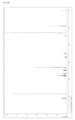
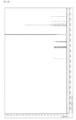
- the physico-chemical property of the IMCTA-fluorescein is as shown in synthesis example 9 which will be described later.
- the general formula (2) in which R 2 is the substituent represented by the above structural formula (B) corresponds to compounds, or pharmaceutically acceptable salts thereof, or solvates thereof represented by structural formula (11) below.
- the compound represented by structural formula (11) below may be referred to as "IMCTA-biotin” hereinafter.
- the physico-chemical property of the IMCTA-biotin is as shown in synthesis example 10 which will be described later.
- the compounds, or pharmaceutically acceptable salts thereof, or solvates thereof represented by the above structural formula (10) or (11) exhibit a mycobacterium staining effect with which mycobacterium can be easily and efficiently stained as shown in test examples described later, and therefore, can be suitably used, for example, as active components of a later-described mycobacterium stain according to the present invention.
- the general formula (2) in which R 2 is the substituent represented by - NH(CH 2 ) m CH 3 corresponds to compounds, or pharmaceutically acceptable salts thereof, or solvates thereof represented by any one of structural formulas (2) to (9) below.
- Compounds, or pharmaceutically acceptable salts thereof, or solvates thereof where the m is integers from 7 to 14 may be collectively referred to as "IMCTA-Cn" hereinafter.
- the "n” in “IMCTA-Cn” is an integer and corresponds to the integer of "m+1" in the general formula (2) in which the substituent R 2 is -NH(CH 2 ) m CH 3 .
- IMCTA-C8 The physico-chemical property of the IMCTA-C8 is as shown in synthesis example 1 which will be described later.
- IMCTA-C9 The physico-chemical property of the IMCTA-C9 is as shown in synthesis example 2 which will be described later.
- IMCTA-C10 The physico-chemical property of the IMCTA-C10 is as shown in synthesis example 3 which will be described later.
- IMCTA-C11 The physico-chemical property of the IMCTA-C11 is as shown in synthesis example 4 which will be described later.
- IMCTA-C12 The physico-chemical property of the IMCTA-C12 is as shown in synthesis example 5 which will be described later.
- IMCTA-C13 The physico-chemical property of the IMCTA-C13 is as shown in synthesis example 6 which will be described later.
- IMCTA-C14 The physico-chemical property of the IMCTA-C14 is as shown in synthesis example 7 which will be described later.
- IMCTA-C15 The physico-chemical property of the IMCTA-C15 is as shown in synthesis example 8 which will be described later.
- the compounds, or pharmaceutically acceptable salts thereof, or solvates thereof represented by any one of the above structural formulas (2) to (9) exhibit an excellent surface activity effect and an excellent autophagy inducing effect as shown in the test examples described later, and therefore, can be suitably used, for example, as active components of a surfactant composition according to the present invention, a protein extractant according to the present invention, and an autophagy inducer, which will be described later.
- the above-mentioned compounds have the structures of the compounds, or pharmaceutically acceptable salts thereof, or solvates thereof represented by the above general formula (2) can be confirmed by various analysis methods selected as appropriate.
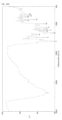
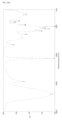
- the analysis method include mass spectrometry, ultraviolet spectroscopy, infrared spectroscopy, proton nuclear magnetic resonance spectroscopy, carbon-13 nuclear magnetic resonance spectroscopy, and elemental analysis method.
- the above analysis methods may be used alone or in combination of two or more.
- those skilled in the art can easily identify that compounds have the structures of the compounds, or pharmaceutically acceptable salts thereof, or solvates thereof represented by the above general formula (2).
- the above-mentioned salts are not particularly limited as long as the salts are pharmaceutically acceptable salts, and can be appropriately selected depending on a purpose.
- the salts include hydrohalogenic acid salts such as hydrofluoride, hydrochloride, hydrobromide, and hydroiodide; inorganic acid salts such as sulfate, nitrate, phosphate, perchlorate, and carbonate; carboxylate salts such as acetate, trichloroacetate, trifluoroacetate, hydroxyacetate, lactate, citrate, tartrate, oxalate, benzoate, mandelate, butyrate, maleate, propionate, formate, and malate; amino acid salts such as arginate, aspartate, and glutamate; and sulfonates such as methanesulfonate and paratoluenesulfonate.
- solvates are not particularly limited but can be appropriately selected depending on a purpose.
- examples of the solvates include hydrate and ethanol hydrate.
- the compounds, or pharmaceutically acceptable salts thereof, or solvates thereof represented by the above general formula (2) can be appropriately synthesized and obtained by chemical synthesis.
- a method for chemically synthesizing the compounds, or pharmaceutically acceptable salts thereof, or solvates thereof represented by the above general formula (2) is not particularly limited but can be appropriately selected from known synthesis methods depending on a purpose.
- the compounds, or pharmaceutically acceptable salts thereof, or solvates thereof can be suitably obtained by a later-described method for producing compound according to the present invention.
- the method for producing compound according to the present invention includes a process for reacting an amino group at position 4 of 4-trehalosamine with CH 3 (CH 2 ) p COH (where the p denotes an integer from 6 to 13), 2-azido-1,3-dimethylimidazolinium hexafluorophosphate, 5-carboxyfluorescein N-succinimidyl ester, or D-biotin N-succinimidyl, using 4-trehalosamine as a starting material (hereinafter, this process may be referred to as the "reaction process”), and further includes other processes as necessary.
- R 3 denotes -N(CH 2 ) m CH 3 , -N 3 , a substituent represented by structural formula (A) below, or a substituent represented by structural formula (B) below, and the m denotes an integer from 7 to 14.
- 4-trehalosamine as a starting material to be used may be a commercially available product, or obtained from a microorganism producing 4-trehalosamine, or synthesized as appropriate by chemical synthesis. However, the one obtained by a later-described method for producing 4-trehalosamine of the present invention is preferred on the point that a large quantity of 4-trehalosamine can be obtained simply, inexpensively, and efficiently.
- the method for reacting the amino group at position 4 of 4-trehalosamine with CH 3 (CH 2 ) p CO is not particularly limited but can be appropriately selected from known methods.
- Examples of the method include a method in which aqueous solution of 4-trehalosamine is mixed with CH 3 (CH 2 ) p COH, which is dissolved in a solvent, and left to stand, and then aqueous solution of sodium cyanoborohydride is added to the solution and the solution is further left to stand.
- reaction conditions such as reaction temperature and reaction time in the reaction of the amino group at position 4 of 4-trehalosamine with CH 3 (CH 2 ) p COH, a compound to be used and its use amount, solvent, and so forth, and these can be appropriately selected depending on a purpose.
- reaction temperature, reaction time, and so forth in leaving the aqueous solution of 4-trehalosamine to stand after mixing it with CH 3 (CH 2 ) p COH examples include 20°C to 45°C for 1 hour to 72 hours.
- reaction temperature, reaction time, and so forth in leaving the one to stand after adding the aqueous solution of sodium cyanoborohydride include 20°C to 45°C for 1 hour to 72 hours.
- the above-mentioned solvent is not particularly limited as long as the solvent is able to react the amino group at position 4 of 4-trehalosamine with CH 3 (CH 2 ) p COH, and can be appropriately selected depending on a purpose.
- the solvent include lower alcohols such as 1-propanol, 2-propanol, methanol, and ethanol, and dimethyl sulfoxide (DMSO). These may be used alone or in combination of two or more.
- the above-mentioned reaction can produce compounds of the general formula (3) in which R 3 is -N(CH 2 ) m CH 3 and the m denotes an integer from 7 to 14 (IMCTA-Cn).
- the method for reacting the amino group at position 4 of 4-trehalosamine with 2-azido-1,3-dimethylimidazolinium hexafluorophosphate is not particularly limited but can be appropriately selected from known methods. Examples of this method include a method in which aqueous solution of 4-trehalosamine is mixed with a DMSO solution of 2-azido-1,3-dimethylimidazolinium hexafluorophosphate and a DMSO solution of N,N-dimethyl-4-aminopyridine (DMAP) and the mixed solution is left to stand.
- DMAP N,N-dimethyl-4-aminopyridine
- reaction conditions such as reaction temperature and reaction time in the reaction of the amino group at position 4 of 4-trehalosamine with 2-azido-1,3-dimethylimidazolinium hexafluorophosphate, a compound to be used and its use amount, solvent, and so forth, and these can be appropriately selected depending on a purpose.
- reaction temperature, reaction time, and so forth in leaving the aqueous solution of 4-trehalosamine to stand after mixing it with the DMSO solution of 2-azido-1,3-dimethylimidazolinium hexafluorophosphate and the DMSO solution of DMAP are not particularly limited but can be appropriately selected depending on a purpose, and examples of these include 20°C to 25°C for 2 hours to 72 hours.
- the compounds of the general formula (3) in which R 3 is the substituent represented by -N 3 are compounds represented by structural formula (12) below. Hereinafter, it may be referred to as "IMCTA-azide".
- the physico-chemical property of the IMCTA-azide is as shown in synthesis example 11 which will be described later.
- the method for reacting the amino group at position 4 of 4-trehalosamine with 5-carboxyfluorescein N-succinimidyl ester is not particularly limited but can be appropriately selected from known methods. Examples of this method include a method in which aqueous solution of 4-trehalosamine is mixed with 5-carboxyfluorescein N-succinimidyl ester, which is dissolved in a solvent, and the mixed solution is left to stand.
- reaction conditions such as reaction temperature and reaction time in the reaction of the amino group at position 4 of 4-trehalosamine with 5-carboxyfluorescein N-succinimidyl ester, a compound to be used and its use amount, solvent, and so forth, and these can be appropriately selected depending on a purpose.
- reaction temperature, reaction time, and so forth in leaving the aqueous solution of 4-trehalosamine to stand after mixing it with a DMSO solution of 5-carboxyfluorescein N-succinimidyl ester are not particularly limited but can be appropriately selected depending on a purpose, and examples of these include 20°C to 45°C for 24 hours to 72 hours.
- the above-mentioned solvent is not particularly limited as long as the solvent is able to react the amino group at position 4 of 4-trehalosamine with 5-carboxyfluorescein N-succinimidyl ester, and can be appropriately selected depending on a purpose.
- the solvent include methanol, DMSO, and dimethylformamide. These may be used alone or in combination of two or more.
- the method for reacting the amino group at position 4 of 4-trehalosamine with D-biotin N-succinimidyl is not particularly limited but can be appropriately selected from known methods. Examples of this method include a method in which aqueous solution of 4-trehalosamine is mixed with D-biotin N-succinimidyl, which is dissolved in a solvent, and the mixed solution is left to stand.
- reaction conditions such as reaction temperature and reaction time in the reaction of the amino group at position 4 of 4-trehalosamine with D-biotin N-succinimidyl, a compound to be used and its use amount, solvent, and so forth, and these can be appropriately selected depending on a purpose.
- reaction temperature, reaction time, and so forth in leaving the aqueous solution of 4-trehalosamine to stand after mixing it with the DMSO solution of D-biotin N-succinimidyl examples include 20°C to 45°C for 24 hours to 72 hours.
- the above-mentioned solvent is not particularly limited as long as the solvent is able to react the amino group at position 4 of 4-trehalosamine with D-biotin N-succinimidyl, and can be appropriately selected depending on a purpose.
- the solvent include DMSO and dimethylformamide. These may be used alone or in combination of two or more.
- the purification process is a process for purifying and isolating the compound obtained in the reaction process.
- the purifying and isolating method is not particularly limited but can be appropriately selected depending on a purpose.
- the purifying and isolating method include liquid separation method, distillation method, sublimation method, precipitation method, crystallization method, silica gel column chromatography method using normal or reversed phase silica gel as a packing material, column chromatography method using ion exchange resin, column chromatography method using cellulose and the like, preparative thin-layer chromatography method, and high-performance liquid chromatography method. These may be used alone or in combination of two or more.
- the compounds obtained in the production process described above can also be used in subsequent processes as appropriate without being subjected to isolation and purification.
- the analysis method is not particularly limited but can be appropriately selected depending on a purpose.
- Examples of the analysis method include mass spectrometry, ultraviolet spectroscopy, infrared spectroscopy, proton nuclear magnetic resonance spectroscopy, carbon-13 nuclear magnetic resonance spectroscopy, and elemental analysis method.
- the above analysis methods may be used alone or in combination of two or more.
- there may be some errors in measured values obtained by the respective analysis methods mentioned above those skilled in the art can easily identify that compounds have the structures represented by the above general formula (3).
- Compound-containing compositions according to the present invention contain at least the compounds, or pharmaceutically acceptable salts thereof, or solvates thereof represented by the above general formula (2) of the present invention, and further contain other components as necessary.
- the compounds, or pharmaceutically acceptable salts thereof, or solvates thereof represented by the above general formula (2) may be used alone or in combination of two or more kinds.
- Compounds, or pharmaceutically acceptable salts thereof, or solvates thereof represented by the above general formula (2) are the compounds, or pharmaceutically acceptable salts thereof, or solvates thereof represented by the general formula (2) according to the present invention described above.
- the compound-containing composition may be composed only of the compounds, or pharmaceutically acceptable salts thereof, or solvates thereof represented by the above general formula (2).
- components are not particularly limited as long as the components do not impair the effects of the present invention, and can be appropriately selected depending on a purpose.
- examples of other components include components described in "- Other components -" under each of agents listed in the later-described section "(Protective agent, surfactant composition, composition for blood glucose level control, autophagy inducer, mycobacterium stain, or protein extractant)".
- the content of other components in the compound-containing composition is not particularly limited but can be appropriately selected depending on a purpose within a range in which the effects of the compounds, or pharmaceutically acceptable salts thereof, or solvates thereof represented by the above general formula (2) are not impaired.
- the compound-containing composition containing the compounds, or pharmaceutically acceptable salts thereof, or solvates thereof represented by any one of the structural formulas (2) to (9) exhibits excellent surface activity effect and excellent protein extraction effect and therefore, can be suitably used, for example, as active components of a surfactant composition, a protein extractant, and the like.
- the compound-containing composition containing the compounds, or pharmaceutically acceptable salts thereof, or solvates thereof represented by the above structural formula (10) or (11) exhibits an effect for easily and efficiently staining or labeling mycobacterium and therefore, can be suitably used, for example, as active components of a mycobacterium stain.
- the compound-containing composition may be used alone or in combination with a medicine containing another component as an active component. Further, the compound-containing composition may be used in a blended form in a composition containing another component as an active component.
- composition containing another component as an active component is not particularly limited but can be appropriately selected depending on a purpose.
- examples of this composition include food and beverages, pharmaceutical products, cosmetics, and reagents.
- the method for producing 4-trehalosamine according to the present invention includes a culture process and further includes other processes as necessary. Employing the method for producing 4-trehalosamine is advantageous in that 4-trehalosamine can be produced easily, simply, and efficiently.
- the 4-trehalosamine is the compound represented by structural formula (1) below.
- the culture process is a process for culturing Streptomyces sp. MK186-mF5 (accession number: NITE BP-03495).
- the production capacity of 4-trehalosamine can also be further increased by applying ultraviolet light, X-rays, radiation, chemicals, and other mutational treatments to Streptomyces sp. MK186-mF5.
- the production capacity of 4-trehalosamine can also be increased by genetic engineering methods.
- Examples of a method for analyzing whether the above-mentioned microorganism is capable of producing 4-trehalosamine include a method in which 4-trehalosamine is detected from a culture product of this microorganism, preferably from a culture supernatant after liquid culture or solid culture medium after solid culture by various analysis methods.
- the culture medium used in the culture process is not particularly limited as long as the culture medium can culture Streptomyces sp. MK186-mFS, and a culture medium which can be used is the one containing known culture medium components conventionally used for culturing bacteria belonging to the genus Streptomyces , which may be a liquid culture medium or a solid (agar) culture medium.
- a nutrient source to be added to the culture medium is not particularly limited but can be appropriately selected depending on a purpose.
- the nutrient source include nitrogen sources such as commercially available soybean flour, wheat germ, rolled barley, peptone, cottonseed meal, yeast extract (for example, brewer's yeast extract, baker's yeast extract), meat extract, corn steep liquor, ammonium sulfate, sodium nitrate, and urea; carbohydrates such as soluble starch, tomato paste, glycerin, glucose, galactose, dextrin, and bacto soytone; and carbon sources such as fat.
- inorganic salts such as common salt, calcium carbonate, dipotassium hydrogen phosphate, potassium dihydrogen phosphate, potassium chloride, and sodium chloride can be added to the culture medium, and furthermore, trace amounts of metal salts such as zinc chloride and magnesium sulfate can be added to the culture medium as necessary.
- the culture medium used in the culture process preferably contains carbon sources such as soluble starch and glucose; nitrogen sources such as brewer's yeast and baker's yeast; inorganic salts such as calcium carbonate, dipotassium hydrogen phosphate, potassium dihydrogen phosphate, potassium chloride, and sodium chloride; or metal salts such as zinc chloride and magnesium sulfate; more preferably contains at least any one of soluble starch, potassium chloride, sodium chloride, calcium carbonate, and zinc chloride on the point that high volume of 4-trehalosamine can be produced; and particularly preferably contains soluble starch, potassium chloride, sodium chloride, and zinc chloride without containing magnesium sulfate.
- carbon sources such as soluble starch and glucose
- nitrogen sources such as brewer's yeast and baker's yeast
- inorganic salts such as calcium carbonate, dipotassium hydrogen phosphate, potassium dihydrogen phosphate, potassium chloride, and sodium chloride
- metal salts such as zinc chloride and magnesium sul
- the concentration of the soluble starch in the culture medium is not particularly limited but can be appropriately selected depending on a purpose.
- the concentration of the soluble starch is preferably 1% by mass to 10% by mass, more preferably 3% by mass to 9% by mass, and particularly preferably 5% by mass to 6% by mass, on the point that high volume of 4-trehalosamine can be produced.
- the concentration of the zinc chloride in the culture medium is not particularly limited but can be appropriately selected depending on a purpose.
- the concentration of the zinc chloride is preferably 10% by mass or less, more preferably 0.001% by mass to 0.02% by mass, and particularly preferably 0.001% by mass to 0.015% by mass.
- the concentration of the potassium chloride in the culture medium is not particularly limited but can be appropriately selected depending on a purpose.
- the concentration of the potassium chloride is preferably 0.1% by mass to 1% by mass, more preferably 0.1% by mass to 0.8% by mass, and particularly preferably 0.4% by mass to 0.7% by mass.
- the concentration of the brewer's yeast in the culture medium is not particularly limited but can be appropriately selected depending on a purpose.
- the lower limit of the concentration of the brewer's yeast is preferably 2% by mass or greater, and more preferably 3% by mass or greater.
- the upper limit of the concentration of the brewer's yeast in the culture medium is not particularly limited in terms of production of 4-trehalosamine and can be appropriately selected depending on a purpose.
- the concentration of the brewer's yeast is preferably 4% by mass or less from the viewpoint of cost.
- the lower limit and the upper limit of the concentration of the brewer's yeast in the culture medium can be combined as appropriate, and are preferably 2% by mass to 4% by mass, more preferably 2% by mass to 3% by mass, and particularly preferably 3% by mass.
- the pre-culture fluid for the production of 4-trehalosamine is not particularly limited but can be appropriately selected depending on a purpose.
- Examples of this pre-culture fluid include a growth of Streptomyces sp. MK186-mF5 cultured on a culture medium such as liquid culture medium, plate culture medium, slant culture medium, and semi-slant culture medium.
- the culture method is not particularly limited but can be appropriately selected depending on a purpose.
- Examples of the culture method include shaking culture, static culture, and tank culture.
- the culture temperature is not particularly limited as long as the temperature is within a range where 4-trehalosamine can be produced without substantially inhibiting the growth of Streptomyces sp. MK186-mF5, and the culture temperature can be appropriately selected depending on a purpose.
- the temperature is preferably 25°C to 35°C.
- the pH of the culture is not particularly limited as long as the pH is within a range where 4-trehalosamine can be produced without substantially inhibiting the growth of Streptomyces sp. MK186-mF5, and the pH can be appropriately selected depending on a purpose.
- the culture period is not particularly limited but can be appropriately selected in accordance with the accumulation of 4-trehalosamine.
- the method for performing the culture process is not particularly limited but can be appropriately selected depending on a purpose.
- the culture may be performed at a laboratory level such as in a flask or may be performed using large-scale culture equipment.
- Examples of the large-scale culture equipment include MPF-U3 (manufactured by Marubishi Bioengineering Co., Ltd.).
- the collection process is a process for collecting 4-trehalosamine from the culture product which is obtained in the above-mentioned culture process and contains 4-trehalosamine.
- 4-trehalosamine has the physico-chemical property described above and therefore, 4-trehalosamine can be purified and isolated from the culture product in accordance with its property.
- the culture product is not particularly limited as long as the culture product is obtained in the culture process and contains 4-trehalosamine, and can be selected as appropriate depending on a purpose.
- Examples of the culture product include bacterial cell, culture supernatant after liquid culture, solid culture medium after solid culture, and mixtures of these.
- 4-trehalosamine may be extracted from the bacterial cell by, for example, an extraction method using an appropriate organic solvent or by an elution method based on bacterial cell crushing, and then may be subjected to separation and/or purification.
- the collection method is not particularly limited, and any method used to collect metabolites produced by microorganisms can be selected as appropriate.
- Examples of the collection method include solvent extraction method, method that utilizes differences in adsorption affinity for various adsorbents, and chromatography method. Separated and/or purified 4-trehalosamine can be collected by using these methods alone or in appropriate combination, and in some cases, by repeated use.
- the solvent used in the solvent extraction method is not particularly limited but can be appropriately selected depending on a purpose.
- the solvent include ethanol, methanol, acetone, butanol, and acetonitrile.
- the above-mentioned adsorbent is not particularly limited but can be appropriately selected from known adsorbents depending on a purpose.
- examples of the adsorbent include polystyrene-based adsorption resin.
- the above-mentioned chromatography method is not particularly limited but can be appropriately selected depending on a purpose.
- Examples of the chromatography method include thin-layer chromatography (TLC) method, and preparative high-performance liquid chromatography (preparative HPLC) method using normal-phase or reversed-phase columns.
- the carrier used for the chromatography method is not particularly limited but can be appropriately selected depending on a purpose.
- the carrier include ion exchange resin, gel filtration, silica gel, alumina, and activated carbon.
- the method for eluting 4-trehalosamine from the above-mentioned adsorbent and the carrier used in the chromatography method is not particularly limited but can be appropriately selected depending on the types, properties, and the like of the adsorbent and the carrier.
- examples of the method include an elution method using hydrated alcohol, hydrated acetone, or the like as an elution solvent.
- 4-trehalosamine can be produced as described above.
- 4-trehalosamine is not a carbon source or a nutrient source to microorganisms and does not allow microorganisms to grow. Thus, 4-trehalosamine has the advantage of not causing spoilage.
- microorganisms are not particularly limited but can be appropriately selected depending on a purpose.
- the microorganisms include microorganisms belonging to the genus Escherichia (for example, Escherichia coli), microorganisms belonging to the genus Serratia (for example, Serratia marcescens ), microorganisms belonging to the genus Enterococcus (for example, Enterococcus faecalis) , microorganisms belonging to the genus Aspergillus (for example, Aspergillus niger ), microorganisms belonging to the genus Salmonella (for example, Salmonella enteritidis ), microorganisms belonging to the genus Mycobacterium (for example, Mycobacterium smegmatis ), microorganisms belonging to the genus Bacillus (for example, Bacillus subtilis), microorganisms belonging to the genus Pseudomonas
- the above-mentioned microorganisms may be any one of commercially available products, microorganisms owned by the applicant, and newly separated bacterial strains of microorganisms belonging to the above-mentioned genus.
- Escherichia coli examples include Escherichia coli K-12 (owned by the Microbial Chemistry Research Foundation) and Escherichia coli K-12 (National BioResource Project (NBPR)).
- Escherichia coli K-12 owned by the Microbial Chemistry Research Foundation
- Escherichia coli K-12 National BioResource Project (NBPR)
- Serratia marcescens examples include Serratia marcescens B-0524 (owned by the Microbial Chemistry Research Foundation) and Serratia marcescens JCM 1239T (RIKEN BRC).
- Enterococcus faecalis examples include Enterococcus faecalis JCM5803 (RIKEN BRC).
- Aspergillus niger examples include Aspergillus niger F 16 (owned by the Microbial Chemistry Research Foundation) and Aspergillus niger NBRC 13245T (NITE NBRC).
- Salmonella enteritidis examples include Salmonella enteritidis 1891 (owned by the Microbial Chemistry Research Foundation) and Salmonella enteritidis JCM 1652 (RIKEN BRC).
- Mycobacterium smegmatis examples include Mycobacterium smegmatis ATCC-607 (ATCC).
- Bacillus subtilis examples include Bacillus subtilis 168.
- Pseudomonas aeruginosa examples include Pseudomonas aeruginosa A3 (owned by the Microbial Chemistry Research Foundation) and Pseudomonas aeruginosa JCM 5962 T (RIKEN BRC).
- Micrococcus luteus examples include Micrococcus luteus IFO3333 (Institute for Fermentation, Osaka (IFO)).
- Bacteroides fragilis examples include Bacteroides fragilis JCM11019 (RIKEN BRC).
- Saccharomyces cerevisiae examples include Saccharomyces cerevisiae F-7 (owned by the Microbial Chemistry Research Foundation) and Saccharomyces cerevisiae JCM 7255 T (RIKEN BRC).
- Candida albicans examples include Candida albicans 3147 (IFO).
- the protective agent, surfactant composition, composition for blood glucose level control, autophagy inducer, mycobacterium stain, or protein extractant according to the present invention contains compounds, or pharmaceutically acceptable salts thereof, or solvates thereof represented by general formula (1) below, and further contains other components as necessary.
- R 1 denotes -NH 2 , a substituent represented by structural formula (A) below, a substituent represented by structural formula (B) below, or -NH(CH 2 ) m CH 3 , and the m denotes an integer from 7 to 14,
- the present inventors have conducted extensive studies and have newly found that the compounds represented by the above general formula (1) exhibit excellent protective effect for starches, proteins, microorganisms, and so forth based on their moisture retaining effect and near-neutral pH buffer effect, and the compounds can be used as protective agents for these.
- the protective agents are superior in various effects such as starch aging inhibiting effect, effect of preventing or inhibiting decrease in activity of proteins when stored in a frozen or freeze-dried state, and effect of preventing or inhibiting damage or death of microorganisms when stored in a frozen or freeze-dried state, based on the moisture retaining effect and near-neutral pH buffer effect of the compound represented by the above general formula (1), and the protective agents can be used as a starch aging inhibitor, protein protective agent, microorganism protective agent, pH buffer agent, and the like.
- Starch-containing foods have had a problem in which an elastic modulus of starch changes over time and takes time to stabilize in the producing process thereof, which causes variation in starch-containing foods and makes it difficult to maintain consistent quality.
- deterioration of texture due to aging of starch has been a problem.
- the present inventors have conducted extensive studies and newly found that the compound represented by the above general formula (1) exhibits an excellent starch aging inhibiting effect.
- the compounds which are contained in the above-mentioned starch aging inhibitor and represented by the above general formula (1) are the compounds, or pharmaceutically acceptable salts thereof, or solvates thereof where R 1 is -NH 2 .
- the compounds of the general formula (1) in which R 1 is -NH 2 are the compounds represented by the above structural formula (1) in the above-mentioned section "(Method for producing 4-trehalosamine)", and their physico-chemical property is also as described in the above-mentioned section "(Method for producing 4-trehalosamine)”.
- the starch aging inhibitor may be the compounds themselves represented by the above general formula (1).
- starch aging inhibitor examples include: amino acids such as sodium L-aspartate; nucleic acids such as disodium 5'-inosinate; seasonings represented by organic acids such as monopotassium citrate, and inorganic salts such as potassium chloride; storage life improving agents such as mustard extract, wasabi extract, and kojic acid; preservatives such as milt protein extract, polylysine, and sorbic acid; enzymes such as ⁇ , ⁇ amylase, ⁇ , ⁇ glucosidase, and papain; pH adjusters such as citric acid, fumaric acid, and succinic acid; emulsifiers such as sucrose fatty acid ester, glycerin fatty acid ester, organic acid monoglyceride, and lecithin; polysaccharide thickeners such as fragrance, dyes
- the content of above-mentioned other components in the starch aging inhibitor is not particularly limited as long as the content does not impair the effects of the present invention, and can be appropriately selected depending on a purpose.
- the starch aging inhibitor contains the compounds (4-trehalosamine), or pharmaceutically acceptable salts thereof, or solvates thereof represented by the above general formula (1), the starch aging inhibitor exhibits an excellent starch aging inhibiting effect when being contained in starch-containing foods. Accordingly, the starch aging inhibitor can be suitably used as a quality improving agent for starch contained in starch-containing foods.
- the present invention also relates to a starch quality improving agent and a production method thereof, which are characterized by containing the above-mentioned starch aging inhibitor, and also relates to food and beverage and a production method thereof, which are characterized by containing the above-mentioned starch aging inhibitor.
- starch-containing foods are not particularly limited as long as they are foods containing starch.
- examples of the starch-containing foods include: breads such as sliced bread and sweet bread; noodles such as soba, udon, harusame, gyoza skin, shumai skin, Chinese noodles, and instant noodles; cooking sauces of white sauce gratin and so forth; cakes such as sponge cake, butter cake, and fruit cake; donuts; skins of gyoza, shumai, spring rolls, wonton, and so forth; steamed bread, Chinese buns, steamed buns, and so forth; and a wide variety of foods such as croquettes, okonomiyaki, takoyaki, taiyaki, imagawa-yaki, daifuku, dango, uirou, harusame, mitarashi dango sauce, custard cream, and flower paste.
- Proteins such as enzymes and antibodies are useful as, for example, pharmaceuticals, diagnostic drugs, and various reagents, but they have a property of losing their activity due to physico-chemical denaturation, and special measures are required for their long-term storage.
- Aqueous solutions of enzymes and antibodies are generally frozen and stored at low temperatures, or freeze-dried and stored in a dry (solid) state.
- some enzymes and antibodies lose their activity during freezing or freeze-drying thereof. Therefore, protective agents have been developed and used to prevent decrease in activity during storage. Examples of the protective agents includes: (1) cryoprotectants produced by microorganisms of the genus Erwinia or the genus Xanthomonas (see Japanese Unexamined Patent Application Publication No.
- the above (1) to (5) are proteins derived from organisms other than humans and therefore, there has been a problem in which the (1) to (5) are not suitable as additives for human pharmaceuticals.
- HSA in the above (6) already has other medicinal properties as blood derivatives, thereby being limited in use as pharmaceutical addition agents. Further, there has been a problem in which plasma derivatives HSA have the risk of medical accidents such as virus contamination. Furthermore, recombinant HSA is disadvantageously expensive. Therefore, it has been desired to provide a protein protective agent that is highly versatile and suitable for use in human medicine.
- the compounds which are contained in the above-mentioned protein protective agent and represented by the above general formula (1) are the compounds, or pharmaceutically acceptable salts thereof, or solvates thereof where R 1 is -NH 2 .
- the compounds of the general formula (1) in which R 1 is -NH 2 are the compounds represented by the above structural formula (1) in the above-mentioned section "(Method for producing 4-trehalosamine)", and their physico-chemical property is also as described in the above-mentioned section "(Method for producing 4-trehalosamine)”.
- the protein protective agent may be the compounds themselves represented by the above general formula (1).
- the protein protective agent can prevent or inhibit decrease in activity of protein (including loss of activity) upon freezing or freeze-drying of the protein. Therefore, when the protein protective agent is applied at the time of freezing or freeze-drying of protein, the effect of freezing or freeze-drying is reduced. As a result, the activity of the protein after storage in the frozen or freeze-dried state is higher than when the protein protective agent is not applied.
- the conditions for performing the freezing are not particularly limited as long as the conditions do not impair the effects of the present invention.
- the freezing can be performed by a conventional method after mixing protein to which the protein protective agent is applied (protection target) with the protein protective agent. Freezing can be performed at, for example, -20°C to -160°C or lower (using liquid nitrogen or the like), and freeze-drying can be performed at a shelf temperature of 35°C or lower and under a vacuum of about 1.0 ⁇ 10 -1 torr.
- components in the above-mentioned protein protective agent are not particularly limited as long as the components do not impair the effects of the present invention, and can be appropriately selected depending on a purpose.
- examples of other components include addition agents described in "- Formulation form -" in “ ⁇ Composition for blood glucose level control>", which will be described later.
- the content of above-mentioned other components in the protein protective agent is not particularly limited as long as the content does not impair the effects of the present invention, and can be appropriately selected depending on a purpose.
- the amount of the protein protective agent added to the protein is not particularly limited as long as the effects of the present invention are achieved, and the addition amount of the protein protective agent can be appropriately selected depending on a purpose.
- the protein protective agent contains the compounds (4-trehalosamine), or pharmaceutically acceptable salts thereof, or solvates thereof represented by the above general formula (1). Therefore, the protein protective agent can easily protect proteins (prevent or inhibit decrease in activity of proteins (including loss of activity)) by being frozen or freeze-dried together with various proteins, and can be suitably used for reagents for protecting proteins as well as used in a protein protection method and protein storage method in clinical and research settings.
- the present invention also relates to a method for protecting protein characterized by containing the above-mentioned protein protective agent, a method for storing protein characterized by containing the above-mentioned protein protective agent, and a protein-containing composition characterized by containing an arbitrary protein and the above-mentioned protein protective agent.
- proteins there are no particular restrictions on proteins to which the above-mentioned protein protective agent is applied (protection targets), and proteins can be appropriately selected depending on a purpose.
- the proteins include: enzymes such as digestive enzymes (for example, amylase, lipase, cellulase, and so forth), proteases (for example, pepsin, trypsin, chymotrypsin, papain, bromelain, blood coagulation factor Xa, and so forth), glycolytic enzymes (for example, galactosidase, lactase, saccharase, and so forth), oxidoreductases (for example, lactate dehydrogenase, alcohol dehydrogenase (ADH), and so forth), dephosphorylating enzymes (for example, alkaline phosphatase (CIP), and so forth), nucleases (for example, DNase I, RNase H, and so forth), and restriction enzymes (EcoRI, Not I, and so forth); and antibodies such as poly
- the protein protective agent can be also suitably used for protection for not only single proteins but also various structures made of proteins (complex proteins such as glycoproteins, lipoproteins, nuclear proteins, and phosphoproteins; cells; tissues; and so forth) during freezing or freeze-drying.
- proteins complex proteins such as glycoproteins, lipoproteins, nuclear proteins, and phosphoproteins; cells; tissues; and so forth
- Microorganisms used in researches and microorganisms added to food and beverages and the like have the property of being damaged or killed due to physico-chemical denaturation, and special measures are required for their long-term storage. Similar to the above-mentioned proteins, culture fluids containing microorganisms are generally frozen and stored at low temperatures, or freeze-dried and stored in a dry (solid) state. However, some microorganisms are damaged or killed during freezing or freeze-drying thereof. Therefore, protective agents have been developed and used to prevent decrease in activity during storage. Examples of the protective agents includes: skimmed milk, monosodium glutamate, gelatin, and sucrose (see, for example, Japanese Examined Patent Application Publication No.
- the pH of the microorganism dispersion liquid at the time of freezing significantly affects the damage or death of microorganisms during thawing or freeze-drying. Therefore, it has been necessary to pay sufficient attention to the pH of microorganism dispersion liquids before freezing and, in some cases, necessary to neutralize them with alkali or the like.
- a microorganism protective agent that is highly versatile and capable of preventing damage or death of microorganisms during freezing or freeze-drying of the microorganisms.
- the present inventors have conducted extensive studies and newly found that the compounds represented by the above general formula (1) are highly versatile, are not assimilated by microorganisms, and have excellent microorganism-protective activity.
- the compounds which are contained in the above-mentioned microorganism protective agent and represented by the above general formula (1) are the compounds, or pharmaceutically acceptable salts thereof, or solvates thereof where R 1 is -NH 2 .
- the compounds of the general formula (1) in which R 1 is -NH 2 are the compounds represented by the above structural formula (1) in the above-mentioned section "(Method for producing 4-trehalosamine)", and their physico-chemical property is also as described in the above-mentioned section "(Method for producing 4-trehalosamine)”.
- microorganism protective agent may be the compounds themselves represented by the above general formula (1).
- the microorganism protective agent can prevent or inhibit damage or death of microorganisms upon freezing or freeze-drying of the microorganisms. Therefore, when the microorganism protective agent is applied at the time of freezing or freeze-drying of microorganisms, the effect of freezing or freeze-drying is reduced. As a result, the viability of the microorganisms after storage in the frozen or freeze-dried state is higher than when the microorganism protective agent is not applied.
- the conditions for performing the freezing can be the same as the conditions for performing the freezing described in the above section " ⁇ Protein protective agent>>", except that "protein” is changed to "microorganism”.
- microorganism protective agent examples include addition agents described in "- Formulation form -" in " ⁇ Composition for blood glucose level control>", which will be described later. These may be used alone or in combination of two or more.
- the content of above-mentioned other components in the microorganism protective agent is not particularly limited as long as the content does not impair the effects of the present invention, and can be appropriately selected depending on a purpose.
- the microorganism protective agent contains the compounds (4-trehalosamine), or pharmaceutically acceptable salts thereof, or solvates thereof represented by the above general formula (1). Therefore, by being frozen or freeze-dried together with various microorganisms, the microorganism protective agent can easily protect microorganisms (prevent or inhibit damage or death of microorganisms) and can be suitably used for reagents for protecting microorganisms as well as used in methods for protecting and storing microorganism in clinical and research settings.
- the present invention also relates to a method for protecting microorganism characterized by containing the above-mentioned microorganism protective agent, a method for storing microorganism characterized by containing the above-mentioned microorganism protective agent, and a microorganism-containing composition characterized by containing an arbitrary microorganism and the above-mentioned microorganism protective agent.
- microorganisms there are no particular restrictions on microorganisms to which the above-mentioned microorganism protective agent is applied (protection targets), and microorganisms can be appropriately selected depending on a purpose.
- the microorganisms include: microorganisms belonging to the genus Escherichia (for example, Escherichia coli ), microorganisms belonging to the genus Saccharomyces (for example, Saccharomyces cerevisiae ), microorganisms belonging to the genus Propionibacterium (for example, Propionibacterium freudenreichii ), microorganisms belonging to the genus Bacillus (for example, Bacillus subtilis), microorganisms belonging to the genus Penicillium (for example, Penicillium roqueforti ), microorganisms belonging to the genus Bifidobacterium (for example, Bifidobacterium bifidum , Bif
- infantis infantis , Bifidobacterium longum , and Bifidobacterium adolescentis
- microorganisms belonging to the genus Lactobacillus for example, Lactobacillus casei
- microorganisms belonging to the genus Streptomyces for example, Streptomyces griseus and Streptomyces kanamyceticus
- microorganisms belonging to the genus Mycobacterium for example, Mycobacterium smegmatis.
- Microorganisms to which the above-mentioned microorganism protective agent is applied may be any one of commercially available products, microorganisms owned by the applicant, and newly separated bacterial strains of microorganisms belonging to the above-mentioned genus.
- Saccharomyces cerevisiae examples include Saccharomyces cerevisiae F-7 (owned by the Microbial Chemistry Research Foundation) and Saccharomyces cerevisiae JCM 7255 T.
- Escherichia coli examples include Escherichia coli K-12 (owned by the Microbial Chemistry Research Foundation) and Escherichia coli K-12 (National BioResource Project (NBPR)).
- Escherichia coli K-12 owned by the Microbial Chemistry Research Foundation
- Escherichia coli K-12 National BioResource Project (NBPR)
- the present inventors have conducted extensive studies and newly found that the compounds represented by general formula (1) exhibit an excellent pH buffer effect.
- the compounds which are contained in the above-mentioned pH buffer agent and represented by the above general formula (1) are the compounds, or pharmaceutically acceptable salts thereof, or solvates thereof where R 1 is -NH 2 .
- the compounds of the general formula (1) in which R 1 is -NH 2 are the compounds represented by the above structural formula (1) in the above-mentioned section "(Method for producing 4-trehalosamine)", and their physico-chemical property is also as described in the above-mentioned section "(Method for producing 4-trehalosamine)”.
- the pH buffer agent may be the compounds themselves represented by the above general formula (1).
- pH buffer agent examples include addition agents described in "- Formulation form -" in “ ⁇ Composition for blood glucose level control>", which will be described later.
- the content of above-mentioned other components in the pH buffer agent is not particularly limited as long as the content does not impair the effects of the present invention, and can be appropriately selected depending on a purpose.
- the pH buffer agent contains the compounds, or pharmaceutically acceptable salts thereof, or solvates thereof represented by the above general formula (1) and accordingly exhibits an excellent pH buffer effect. Therefore, it can be used as a pH buffer agent for a variety of products in various fields such as household, medical, industrial, and agricultural fields. Specific examples thereof include detergents, emulsifiers, dispersants, penetrants, deinking agents for recycling used paper, agricultural spreading agents, cosmetics, cell culture, microorganism culture, plant cultivation, and therapeutic agents for acidosis. Furthermore, the pH buffer agent can be suitably used as a research reagent.
- the pH buffer agent is capable of easily and efficiently inhibiting pH fluctuations. Accordingly, the present invention also relates to a pH adjuster characterized by containing the above-mentioned pH buffer agent and a pH buffer method characterized by using the above-mentioned pH buffer agent.
- the present inventors have conducted extensive studies and newly found that the compounds which are represented by general formula (1) and are novel compounds exhibit an excellent surface activity effect and excellent protein extraction effect.
- the compounds which are contained in the above-mentioned surfactant composition and protein extractant and represented by the above general formula (1) are the compounds (IMCTA-Cn), or pharmaceutically acceptable salts thereof, or solvates thereof where R 1 is -NH(CH 2 ) m CH 3 and the m denotes an integer from 7 to 14. These may be used alone or in combination of two or more kinds.
- the compounds of the general formula (1) in which R 1 is -N(CH 2 ) m CH 3 and the m denotes integers from 7 to 14 are the compounds represented by any one of the above structural formulas (2) to (9) (IMCTA-Cn), which are the compounds where R 2 is -NH(CH 2 ) m CH 3 in the general formula (2) in the above-described section "(Novel compounds, or pharmaceutically acceptable salts thereof, or solvates thereof)", and their physico-chemical property is also as described in the above section "(Novel compounds, or pharmaceutically acceptable salts thereof, or solvates thereof)".
- the surfactant composition and the protein extractant may be the compounds themselves represented by the above general formula (1).
- surfactant composition and protein extractant are not particularly limited as long as the components do not impair the effects of the present invention, and can be appropriately selected depending on a purpose.
- other components include: known surfactants such as anionic surfactants, cationic surfactants, and amphoteric surfactants; and various addition agents such as oily components, polymer compounds, ultraviolet absorbers, bactericidal agents, excipients, bulking agents, binders, wetting agents, disintegrants, lubricants, dispersants, buffer agents, preserving agents, solubilizing agents, flavoring agents, soothing agents, stabilizers, hydrotrope agents, opalizers, thickeners, zeolites, phosphates, sulfates, sulfites, silicones, enzymes, anti-recontamination agents, bleaching agents, fluorescent agents, fragrances, dyes, and solvents. These may be used alone or in combination of two or more.
- anionic surfactants are not particularly limited but can be appropriately selected depending on a purpose.
- examples of the anionic surfactants include carboxylic acid type surfactants, sulfate ester type surfactants, sulfonic acid type surfactants, and phosphate ester type surfactants.
- the above-mentioned cationic surfactants are not particularly limited but can be appropriately selected depending on a purpose.
- the cationic surfactants include higher amine salts, higher alkyl (or alkenyl) quaternary ammonium salts, and higher alkyl (or alkenyl) pyridinium quaternary ammonium salts.
- amphoteric surfactants are not particularly limited but can be appropriately selected depending on a purpose.
- amphoteric surfactants include alkyl betaine type surfactants, alkylamide betaine type surfactants, imidazoline type surfactants, alkyl amino sulfonic acid type surfactants, alkyl aminocarboxylic acid type surfactants, alkyl amide carboxylic acid type surfactants, amide amino acid type surfactants, and phosphoric acid type surfactants.
- the content of above-mentioned other components in the surfactant composition is not particularly limited as long as the content does not impair the effects of the present invention, and can be appropriately selected depending on a purpose.
- the surfactant composition contains the compounds, or pharmaceutically acceptable salts thereof, or solvates thereof represented by the above general formula (1) and accordingly exhibits an excellent surface activity effect. Therefore, it can be used as various surfactants in household, industrial, and agricultural fields. Specific examples thereof include detergents, emulsifiers, dispersants, oil phase component adjusters, penetrants, deinking agents for recycling used paper, agricultural spreading agents, and cosmetics. Furthermore, the surfactant composition can be suitably used as a research reagent.
- Trehalose is used as food additives such as a sweetener.
- a sweetener has had a problem of causing an elevation in blood glucose levels because it is quickly degraded into glucose by trehalase in bodies. Therefore, it has been desired to provide a composition for blood glucose level control that can also be used as a sweetener without degrading in bodies and elevating blood glucose levels.
- blood glucose level control refers to, for example, inhibition of elevation in blood glucose levels in individuals and maintenance of normal blood glucose levels before elevation of blood glucose levels.
- the compounds which are contained in the above-mentioned composition for blood glucose level control and represented by the above general formula (1) are the compounds, or pharmaceutically acceptable salts thereof, or solvates thereof where R 1 is -NH 2 .
- the compounds of the general formula (1) in which R 1 is -NH 2 are the compounds represented by the above structural formula (1) in the above-mentioned section "(Method for producing 4-trehalosamine)", and their physico-chemical property is also as described in the above-mentioned section "(Method for producing 4-trehalosamine)”.
- composition for blood glucose level control There are no particular restrictions on a total content of the compounds (4-trehalosamine), or pharmaceutically acceptable salts thereof, or solvates thereof represented by the above general formula (1) in the above-mentioned composition for blood glucose level control and the total content can be appropriately selected depending on a purpose.
- the composition for blood glucose level control may be the compounds themselves represented by the above general formula (1).
- compositions for blood glucose level control are not particularly limited as long as the components do not impair the effects of the present invention, and can be appropriately selected depending on a purpose.
- examples of other components include addition agents described in the section "-Formulation form -", which will be described later.
- the content of above-mentioned other components in the composition for blood glucose level control is not particularly limited as long as the content does not impair the effects of the present invention, and can be appropriately selected depending on a purpose.
- the composition for blood glucose level control contains the compounds, or pharmaceutically acceptable salts thereof, or solvates thereof represented by the above general formula (1). Accordingly, the composition for blood glucose level control does not elevate blood glucose levels even when administered to individuals, and can be suitably used for prevention or treatment of diseases caused by elevated blood glucose levels (for example, diabetes, myocardial infarction, liver cirrhosis, arteriosclerosis, and so forth).
- the present invention also relates to a pharmaceutical composition characterized by containing the above-mentioned composition for blood glucose level control and a method for preventing or treating diseases caused by elevated blood glucose levels which is characterized by administering the above-mentioned composition for blood glucose level control to individuals.
- the formulation form of the above-mentioned composition for blood glucose level control is not particularly limited but can be appropriately selected depending on a purpose.
- the formulation form include: injection agents mainly used for intravenous injection, intramuscular injection, and so forth; oral preparations such as capsules, tablets, granules, powders, pills, fine granules, syrups, and lozenges; external preparations for parenteral administration such as ointments, eye drops, ear drops, nasal drops, eye ointments, mucocutaneous absorbents, external skin preparations, inhalants, and suppositories; other dry powders; and nebulized aerosol formulations.
- the above-mentioned formulation can be produced by conventional methods using addition agents such as excipients, bulking agents, binders, wetting agents, disintegrants, surfactants, lubricants, dispersants, buffer agents, preserving agents, solubilizing agents, preservatives, flavoring agents, soothing agents, and stabilizers.
- addition agents such as excipients, bulking agents, binders, wetting agents, disintegrants, surfactants, lubricants, dispersants, buffer agents, preserving agents, solubilizing agents, preservatives, flavoring agents, soothing agents, and stabilizers.
- addition agent examples include: dissolving agents or solubilizing agents that can constitute aqueous or dissolve-in-use dosage forms for injection agents, eye drops, ear drops, and nasal drops (distilled water for injection, saline, ethanol, glycerin, propylene glycol, corn oil, sesame oil, and so forth); pH adjusters (inorganic acid addition salts such as trisodium orthophosphate and sodium hydrogen carbonate; organic acid salts such as sodium citrate; organic basic salts such as L-lysine and L-arginine; and so forth); isotonic agents (sodium chloride, glucose, glycerin, and so forth); buffer agents (sodium chloride, benzalkonium chloride, sodium citrate, and so forth); surfactants (sorbitan monooleate, polysorbate 80, and so forth); dispersants (D-mannitol and so forth), stabilizers (antioxidants such as ascorbic acid, sodium sulfite, sodium pyrosulfit
- Examples of the eye ointments, mucocutaneous absorbents, and external skin preparations include formulation components suitable for ointments, creams, and patches (white petrolatum, macrogol, glycerin, liquid paraffin, cotton cloth, and so forth).
- liquid inhalants examples include pH adjusters (sodium citrate, sodium hydroxide, and so forth), isotonic agents (sodium chloride, benzalkonium chloride, sodium citrate, and so forth), and buffer agents (sodium chloride, benzalkonium chloride, sodium citrate, and so forth).
- powder inhalants include lactose as a carrier.
- Examples of the orally administered agents and suppositories include: excipients (lactose, D-mannitol, corn starch, crystalline cellulose, and so forth); disintegrants (carboxymethyl cellulose, carboxymethylcellulose calcium, and so forth); binders (hydroxypropyl cellulose, hydroxypropyl methylcellulose, polyvinylpyrrolidone, and so forth), lubricants (magnesium stearate, talc, and so forth); coating agents (shellac, hydroxypropyl methylcellulose, white sugar, titanium oxide, and so forth); plasticizers (glycerin, polyethylene glycol, and so forth); and substrates (cocoa butter, polyethylene glycol, hard fat, and so forth).
- excipients lactose, D-mannitol, corn starch, crystalline cellulose, and so forth
- disintegrants carboxymethylcellulose calcium, and so forth
- binders hydroxypropyl cellulose, hydroxypropyl methylcellulose, poly
- the administration route is not particularly limited, but oral administration or parenteral administration can be employed depending on types of pathogens and diseases, natures of administration target individuals, and so forth.
- parenteral administration examples include intravenous injection, intramuscular injection, subcutaneous administration, rectal administration, transdermal administration, topical ocular administration, and transpulmonary administration.
- the administration amount is not particularly limited, but can be appropriately selected in consideration of various factors such as usage, type of pathogen, and administration target individual's age, sex, weight, constitution, disease severity, and presence/absence of administration of a medicine or drug containing other ingredients as active ingredients.
- oral administration to humans can be performed in the range of 100 mg/kg to 2,000 mg/kg per adult per day
- intravenous administration can be performed in the range of 100 mg/kg to 2,000 mg/kg.
- the administration timing is not particularly limited, but can be appropriately selected depending on a purpose.
- Animal species which are to be the above-mentioned administration targets are not particularly limited but can be appropriately selected depending on a purpose.
- Examples of the animal species include humans, monkeys, pigs, cattle, sheep, goats, dogs, cats, mice, rats, and birds, among which humans are most suitable.
- Autophagy is a sequence of events in which isolation membranes generated from rough endoplasmic reticulum and mitochondrial contact sites in cells surround a substrate, form a double membrane structure called an autophagosome, and fuse with lysosomes (containing hydrolases inside) to be a single membrane structure of autolysosome, and the internal substrate is degraded. Autophagy has been found to play a fundamental role in various physiological and pathological functions of cells. In the course of the research of autophagy, a number of diseases thought to be caused by abnormalities in autophagy have been reported.
- One of the substrates of autophagy is known to contain ⁇ -synuclein (Syn), which is known to cause neurodegeneration in Parkinson's disease and so forth, and huntingtin (Htt), which is known to cause Huntington's disease and so forth.
- Syn ⁇ -synuclein
- Htt huntingtin
- Trehalose is known to have autophagy-inducing activity. However, as mentioned above, it is quickly degraded into glucose by trehalase in bodies and has accordingly had a limit in the amount added as a pharmaceutical product, resulting in a problem of difficulty of exerting sufficient autophagy-inducing activity. Therefore, it has been desired to provide an autophagy inducer that does not degrade in bodies and has excellent autophagy-inducing activity.
- autophagy can be confirmed by conventional methods such as western blotting, immunostaining, and PCR method, using known autophagy markers.
- the compounds which are contained in the above-mentioned autophagy inducer and represented by the above general formula (1) are the compounds, or pharmaceutically acceptable salts thereof, or solvates thereof where R 1 is -NH 2 or - NH(CH 2 ) m CH 3 and the m denotes an integer from 7 to 14. These may be used alone or in combination of two or more kinds.
- the compounds of the general formula (1) in which R 1 is -NH 2 are the compounds represented by the above structural formula (1) in the above-mentioned section "(Method for producing 4-trehalosamine)", and their physico-chemical property is also as described in the above-mentioned section "(Method for producing 4-trehalosamine)”.
- the compounds of the general formula (1) in which R 1 is -N(CH 2 ) m CH 3 and the m denotes integers from 7 to 14 are the compounds represented by any one of the above structural formulas (2) to (9) (IMCTA-Cn), which are the compounds where R 2 is -NH(CH 2 ) m CH 3 in the general formula (2) in the above-described section "(Novel compounds, or pharmaceutically acceptable salts thereof, or solvates thereof)", and their physico-chemical property is also as described in the above section "(Novel compounds, or pharmaceutically acceptable salts thereof, or solvates thereof)".
- the autophagy inducer may be the compounds themselves represented by the above general formula (1).
- the content of above-mentioned other components in the autophagy inducer is not particularly limited as long as the content does not impair the effects of the present invention, and can be appropriately selected depending on a purpose.
- the autophagy inducer contains the compounds (4-trehalosamine or IMCTA-Cn), or pharmaceutically acceptable salts thereof, or solvates thereof represented by the above general formula (1), the autophagy inducer is highly safe and does not degrade in bodies, thereby being able to be easily administered over a relatively long period of time. Therefore, the autophagy inducer can effectively prevent or treat various diseases or symptoms caused by autophagy abnormalities. Examples of the diseases or symptoms include neurodegenerative diseases (Alzheimer's disease, Huntington's disease, Parkinson's disease, and so forth), pulmonary diseases, muscle atrophy diseases, myopathies, cardiomyopathies, brain swelling, fatigue, lack of sleep, and cold constitution.
- neurodegenerative diseases Alzheimer's disease, Huntington's disease, Parkinson's disease, and so forth
- pulmonary diseases muscle atrophy diseases
- myopathies myopathies
- cardiomyopathies brain swelling, fatigue, lack of sleep, and cold constitution.
- the present invention also relates to a composition for preventing or treating diseases caused by autophagy abnormalities, which is characterized by containing the above-mentioned autophagy inducer, and a method for preventing or treating diseases caused by autophagy abnormalities, which is characterized by using the above-mentioned autophagy inducer.
- Mycobacteria are Gram-positive bacilli that have anti-acid properties, and their testing is extremely important clinically because there are many pathogens causing severe lesions.
- the mycobacterium stain is capable of staining mycobacteria.
- the mycobacteria commonly have a mycolic acid layer containing trehalose monomycolate (TMM) and trehalose dimycolate (TDM) as cell wall components.
- TMM trehalose monomycolate
- TDM trehalose dimycolate
- the mycobacteria protect themselves by the external side of arabinogalactan on the external side of the cell wall (peptidoglycan), that is, by their outermost peripheral portion.
- the mycolic acid layer is bound to arabinogalactan inside and mycolic acids are bound to each other with trehalose.
- the mycobacterium stain is incorporated into the mycolic acid layer of mycobacteria in place of trehalose, thereby being able to suitably staining the mycobacteria.
- staining means visualizing mycobacteria by some method, and is also synonymous with “labeling”. Accordingly, the mycobacterium stain is also a mycobacterium labeling agent.
- Mycobacterium to be stained with the above-mentioned mycobacterium stain is not particularly limited and can be appropriately selected depending on a purpose.
- the mycobacterium include Mycobacterium smegmatis , Mycobacterium avium , Mycobacterium intracellulare , Mycobacterium kansasii , Mycobacterium xenopi , Mycobacterium scrofulaceum , Mycobacterium gordonae , Mycobacterium szulgai , Mycobacterium fortuitum , Mycobacterium chelonae , Mycobacterium haemophilum , Mycobacterium marinum, Mycobacterium shinjukuense , Mycobacterium tuberculosis, Mycobacterium leprae , and Mycobacterium abscessus .
- the compounds which are contained in the above-mentioned mycobacterium stain and represented by the above general formula (1) are the compounds, or pharmaceutically acceptable salts thereof, or solvates thereof where R 1 is a substituent represented by the above structural formula (A) or a substituent represented by the above structural formula (B). These may be used alone or in combination of two or more kinds.
- the compounds where R 1 is the substituent represented by the above structural formula (A) are compounds represented by the above structural formula (10) (IMCTA-fluorescein), which are the compounds where R 2 is the substituent represented by the above structural formula (A) in the general formula (2) in the above-described section "(Novel compounds, or pharmaceutically acceptable salts thereof, or solvates thereof)", and their physico-chemical property is as described in the above-described section "(Novel compounds, or pharmaceutically acceptable salts thereof, or solvates thereof)".
- the compounds where R 1 is the substituent represented by the above structural formula (B) are compounds represented by the above structural formula (11) (IMCTA-biotin), which are the compounds where R 2 is the substituent represented by the above structural formula (B) in the general formula (2) in the above-described section "(Novel compounds, or pharmaceutically acceptable salts thereof, or solvates thereof)", and their physico-chemical property is as described in the above-described section "(Novel compounds, or pharmaceutically acceptable salts thereof, or solvates thereof)".
- the mycobacterium stain may be the compounds themselves represented by the above general formula (1).
- components in the above-mentioned mycobacterium stain are not particularly limited as long as the components do not impair the effects of the present invention, and can be appropriately selected depending on a purpose.
- examples of other components include addition agents described in "- Formulation form -" in " ⁇ Composition for blood glucose level control>" described above.
- compounds represented by the above structural formula (12) (IMCTA-azide), which are the compounds where R 3 is -N 3 in the general formula (3) in the above-described section "(Novel compounds, or pharmaceutically acceptable salts thereof, or solvates thereof)", are also capable of staining mycobacteria and therefore, the compounds may be contained as other components of the mycobacterium stain.
- the content of above-mentioned other components in the mycobacterium stain is not particularly limited as long as the content does not impair the effects of the present invention, and can be appropriately selected depending on a purpose.
- the mycobacterium stain contains the compounds (IMCTA-fluorescein or IMCTA-biotin), or pharmaceutically acceptable salts thereof, or solvates thereof represented by the above general formula (1). Therefore, the mycobacterium stain can easily and efficiently stain mycobacteria when being cultured together with the mycobacteria. Accordingly, it can be suitably used for reagents for detection of mycobacteria as well as used in a mycobacterium detection method in clinical and research settings. Thus, the present invention also relates to a mycobacterium detection reagent characterized by containing the above-mentioned mycobacterium stain and a mycobacterium detection method characterized by using the above-mentioned mycobacterium stain.
- a microorganism according to the present invention is Streptomyces sp. MK186-mF5 (accession number: NITE BP-03495), and is capable of producing 4-trehalosamine.
- Streptomyces sp. MK186-mF5 (strain MK186-mF5) is a bacterium belonging to the genus Streptomyces that was isolated from soil in Japan at Institute of Microbial Chemistry in the Microbial Chemistry Research Foundation.
- the partial base sequence (1,446 bp) of the 16S rRNA gene of the strain MK186-mF5 was determined and compared to data of known bacterial strains registered in DNA databases.
- the base sequence of the strain MK186-mF5 was a base sequence represented by sequence number: 1, showing high homology with the 16S rRNA gene of Streptomyces cirratus . That is, the homology value with the base sequence of Streptomyces cirratus NRRL B-3250 (accession number: AY999794) was 99.72% (1,439/1,443).
- strain MK186-mF5 is considered to belong to the genus Streptomyces . Therefore, Streptomyces sp. MK186-mF5 is determined.
- the strain MK186-mF5 tends to change in properties, but the microorganism of the present invention also includes, for example, any mutated strain derived from the strain MK186-mF5 (for example, spontaneous mutant strain and artificial mutant strain that can be obtained by mutation treatment with ultraviolet light, X-rays, radiation, chemicals, and so forth), trait zygote, or gene recombinant which is capable of producing 4-trehalosamine.
- “Ko culture medium” at pH 7.2 was prepared by adding the following components to sterile water up to the following final concentrations (%).
- Modified Ko culture medium 1 at pH 7.2 was prepared by adding the following components to sterile water up to the following final concentrations (%).
- the "modified Ko culture medium 1” has composition obtained by changing the concentration of soluble starch in the "Ko culture medium” in the production example 1 to twice.
- Modified Ko culture medium 2 at pH 7.2 was prepared by adding the following components to sterile water up to the following final concentrations (%).
- the "modified Ko culture medium 2" has composition obtained by changing the soluble starch in the "Ko culture medium” in the production example 1 to glucose.
- Modified Ko culture medium 3 at pH 7.2 was prepared by adding the following components to sterile water up to the following final concentrations (%).
- the "modified Ko culture medium 3" has composition obtained by changing ebios (brewer's yeast) in the “Ko culture medium” in the production example 1 to baker's yeast.
- Modified Ko culture medium 4" at pH 7.2 was prepared by adding the following components to sterile water up to the following final concentrations (%).
- the "modified Ko culture medium 4" has composition obtained by further adding zinc chloride to the "Ko culture medium” in the production example 1.
- Modified Ko culture medium 5" at pH 7.2 was prepared by adding the following components to sterile water up to the following final concentrations (%).
- the "modified Ko culture medium 5" has composition obtained by removing magnesium sulfate heptahydrate from the "Ko culture medium” in the production example 1.
- Modified Ko culture medium 6 at pH 7.2 was prepared by adding the following components to sterile water up to the following final concentrations (%).
- the "modified Ko culture medium 6" has composition obtained by changing the concentration of calcium carbonate in the "Ko culture medium” in the production example 1 to 1/10 times.
- Modified Ko culture medium 7 at pH 7.2 was prepared by adding the following components to sterile water up to the following final concentrations (%).
- the "modified Ko culture medium 7" has composition obtained by changing the dipotassium hydrogen phosphate and potassium dihydrogen phosphate in the "Ko culture medium” in the production example 1 to potassium chloride.
- Modified Ko culture medium 8 at pH 7.2 was prepared by adding the following components to sterile water up to the following final concentrations (%).
- the pass-through fraction and the wash fraction were mixed and applied to 250 mL column (DOWEX TM 50W ⁇ 4, 50-100 mesh, strongly acidic cation exchange resin, manufactured by FUJIFILM Wako Pure Chemical Corporation).
- the column was washed once with 1.25 L of water, and 4-trehalosamine was eluted with 0.1 M ammonium hydroxide (NH 4 OH).
- the concentrated eluate was applied to 1 L column (weakly acidic cation exchange resin FPC3500, manufactured by Organo Corporation).
- the column was washed once with 5 L of water and eluted with 0.1 M ammonium hydroxide (NH 4 OH).
- the concentrated eluate was centrifuged, and supernatant was vacuum-filtered and freeze-dried to obtain a purified product of 4-trehalosamine.
- Modified Ko culture medium 9 at pH 7.2 was prepared by adding the following components to sterile water up to the following final concentrations (%).
- the physico-chemical properties of the 4-trehalosamine obtained in production example 9 were as follows. From these, it was determined that the compound produced by culturing Streptomyces sp. MK186-mF5 was 4-trehalosamine having the structure represented by structural formula (1) below. The compounds obtained in production examples 1 to 8, 10, and 11 also had similar physico-chemical properties.
- analyte % Integrated intensity ratio analyte Integrated intensity ratio internal standard ⁇ Number of protons internal standard Numbers of protons analyte ⁇ Molecular weight analyte Molecular weight internal standard ⁇ Amount of sampling internal standard Amount of sampling analyte ⁇ Purity internal standard (In the formula, “analyte” indicates 4-trehalosamine; the “integrated intensity ratio (analyte)” indicates the integrated intensity ratio of the signals originating from the analyte; the "integrated intensity ratio (internal standard)” indicates the integrated intensity ratio of the signals originating from the internal standard material; the "number of protons (internal standard)” is 9; the “number of protons (analyte)” is 1; the molecular weight (analyte) is 341.311; the molecular weight (internal standard) is 224.360; the amount of sampling indicates
- the purity of the 4-trehalosamine of production example 9 was 92.7 ⁇ 0.3%; assuming that all the molecules were monohydrates, the purity of the 4-trehalosamine monohydrates was estimated to be around 97.6%. Similar results were observed for the purity of the 4-trehalosamine of production example 11.
- octanal 200 mg was dissolved in 4 mL of 1-propanol (1-PrOH) to prepare octanal solution (1.56 mmol).
- the 4 mL octanal solution was added to the 2 mL aqueous solution of 4-trehalosamine and the resulting solution was left to stand for 2 hours at room temperature (15 ⁇ 2°C).
- the 40 mL aqueous solution of sodium cyanoborohydride was added thereto and 4 mL of 1-propanol was added for defoaming. They were left to react at room temperature for 12 hours, synthesizing trehalose analog.
- the synthesized trehalose analog may be referred to as "IMCTA-C8".
- Solution containing the synthesized IMCTA-C8 was passed through a 100-mL ODS column (YMC GEL ODS-A, pore size 6 nm and particle size 150 ⁇ m, manufactured by YMC Co., Ltd.) to allow IMCTA-C8 to bind to the column, after which the column was washed with 100 mL of water three times to remove watersoluble impurities. After that, the IMCTA-C8 was eluted with 300 mL of methanol.
- ODS column YMC GEL ODS-A, pore size 6 nm and particle size 150 ⁇ m, manufactured by YMC Co., Ltd.
- HPLC purification was repeated several times with a gradient from water 100% to methanol 100% using a reversed-phase column (Hydrosphere C18, length 250 mm, diameter 20 mm, particle size 5 ⁇ m, and pore size 12 nm, manufactured by YMC Co., Ltd.) with water-methanol as solvent.
- the IMCTA-C8 produced was 129.6 mg and the yield was 25.7%.
- the physico-chemical properties of the IMCTA-C8 obtained were as follows. From these, it was determined that the compound produced in synthesis example 1 was the compound (IMCTA-C8) having the structure represented by the structural formula (2).
- Trehalose analog was synthesized in a similar manner to synthesis example 1 except that ⁇ Preparation of octanal solution> in synthesis example 1 was changed to ⁇ Preparation of nonanal solution> described below and ⁇ Synthesis of IMCTA-C8> was changed to ⁇ Synthesis of IMCTA-C9> described below.
- the resulting trehalose analog may be referred to as "IMCTA-C9".
- nonanal solution 1.41 mmol
- IMCTA-C9 (purified product) was obtained in a similar manner to ⁇ Synthesis of IMCTA-C8> in synthesis example 1 except that octanal solution was changed to nonanal solution in ⁇ Synthesis of IMCTA-C8> in synthesis example 1.
- the IMCTA-C9 produced was 138 mg and the yield was 26.6%.
- the physico-chemical properties of the IMCTA-C9 obtained were as follows. From these, it was determined that the compound produced in synthesis example 2 was the compound (IMCTA-C9) having the structure represented by the structural formula (3).
- Trehalose analog was synthesized in a similar manner to synthesis example 1 except that ⁇ Preparation of octanal solution> in synthesis example 1 was changed to ⁇ Preparation of decanal solution> described below and ⁇ Synthesis of IMCTA-C8> was changed to ⁇ Synthesis of IMCTA-C10> described below.
- the resulting trehalose analog may be referred to as "IMCTA-C10".
- decanal solution 1.28 mmol
- IMCTA-C10 (purified product) was obtained in a similar manner to ⁇ Synthesis of IMCTA-C8> in synthesis example 1 except that octanal solution was changed to decanal solution in ⁇ Synthesis of IMCTA-C8> in synthesis example 1.
- the IMCTA-C10 produced was 172.4 mg and the yield was 32.2%.
- the physico-chemical properties of the IMCTA-C10 obtained were as follows. From these, it was determined that the compound produced in synthesis example 3 was the compound (IMCTA-C10) having the structure represented by the structural formula (4).
- Trehalose analog was synthesized in a similar manner to synthesis example 1 except that ⁇ Preparation of octanal solution> in synthesis example 1 was changed to ⁇ Preparation of undecanal solution> described below and ⁇ Synthesis of IMCTA-C8> was changed to ⁇ Synthesis of IMCTA-C11> described below.
- the resulting trehalose analog may be referred to as "IMCTA-C11".
- IMCTA-C11 (purified product) was obtained in a similar manner to ⁇ Synthesis of IMCTA-C8> in synthesis example 1 except that octanal solution was changed to undecanal solution in ⁇ Synthesis of IMCTA-C8> in synthesis example 1.
- the IMCTA-C11 produced was 144.0 mg and the yield was 26.2%.
- the physico-chemical properties of the IMCTA-C11 obtained were as follows. From these, it was determined that the compound produced in synthesis example 4 was the compound (IMCTA-C11) having the structure represented by the structural formula (5).
- Trehalose analog was synthesized in a similar manner to synthesis example 1 except that ⁇ Preparation of octanal solution> in synthesis example 1 was changed to ⁇ Preparation of dodecanal solution> described below and ⁇ Synthesis of IMCTA-C8> was changed to ⁇ Synthesis of IMCTA-C12> described below.
- the resulting trehalose analog may be referred to as "IMCTA-C12".
- dodecanal solution 1.09 mmol
- IMCTA-C12 (purified product) was obtained in a similar manner to ⁇ Synthesis of IMCTA-C8> in synthesis example 1 except that octanal solution was changed to dodecanal solution in ⁇ Synthesis of IMCTA-C8> in synthesis example 1.
- the IMCTA-C12 produced was 96.0 mg and the yield was 17.0%.
- the physico-chemical properties of the IMCTA-C12 obtained were as follows. From these, it was determined that the compound produced in synthesis example 5 was the compound (IMCTA-C12) having the structure represented by the structural formula (6).
- Trehalose analog was synthesized in a similar manner to synthesis example 1 except that ⁇ Preparation of octanal solution> in synthesis example 1 was changed to ⁇ Preparation of tridecanal solution> described below and ⁇ Synthesis of IMCTA-C8> was changed to ⁇ Synthesis of IMCTA-C13> described below.
- the resulting trehalose analog may be referred to as "IMCTA-C13".
- tridecanal 200 mg was dissolved in 4 mL of 1-propanol to prepare tridecanal solution (1.01 mmol).
- IMCTA-C13 (purified product) was obtained in a similar manner to ⁇ Synthesis of IMCTA-C8> in synthesis example 1 except that octanal solution was changed to tridecanal solution in ⁇ Synthesis of IMCTA-C8> in synthesis example 1.
- the IMCTA-C13 produced was 43.6 mg and the yield was 7.5%.
- the physico-chemical properties of the IMCTA-C13 obtained were as follows. From these, it was determined that the compound produced in synthesis example 6 was the compound (IMCTA-C13) having the structure represented by the structural formula (7).
- Trehalose analog was synthesized in a similar manner to synthesis example 1 except that ⁇ Preparation of octanal solution> in synthesis example 1 was changed to ⁇ Preparation of tetradecanal solution> described below and ⁇ Synthesis of IMCTA-C8> was changed to ⁇ Synthesis of IMCTA-C14> described below.
- the resulting trehalose analog may be referred to as "IMCTA-C14".
- IMCTA-C14 (purified product) was obtained in a similar manner to ⁇ Synthesis of IMCTA-C8> in synthesis example 1 except that octanal solution was changed to tetradecanal solution in ⁇ Synthesis of IMCTA-C8> in synthesis example 1.
- the IMCTA-C14 produced was 370 mg and the yield was 73%.
- the physico-chemical properties of the IMCTA-C14 obtained were as follows. From these, it was determined that the compound produced in synthesis example 7 was the compound (IMCTA-C14) having the structure represented by the structural formula (8).
- Trehalose analog was synthesized in a similar manner to synthesis example 1 except that ⁇ Preparation of octanal solution> in synthesis example 1 was changed to ⁇ Preparation of pentadecanal solution> described below and ⁇ Synthesis of IMCTA-C8> was changed to ⁇ Synthesis of IMCTA-C15> described below.
- the resulting trehalose analog may be referred to as "IMCTA-C15".
- pentadecanal solution 883 ⁇ mol
- IMCTA-C15 (purified product) was obtained in a similar manner to ⁇ Synthesis of IMCTA-C8> in synthesis example 1 except that octanal solution was changed to pentadecanal solution in ⁇ Synthesis of IMCTA-C8> in synthesis example 1.
- the IMCTA-C15 produced was 41.6 mg and the yield was 6.8%.
- the physico-chemical properties of the IMCTA-C15 obtained were as follows. From these, it was determined that the compound produced in synthesis example 8 was the compound (IMCTA-C15) having the structure represented by the structural formula (9).
- the 1 mL (an excess amount) of aqueous solution of 4-trehalosamine was added to the 200 ⁇ L of 5-carboxyfluorescein N-succinimidyl ester solution and the resultant solution was left to stand for 48 hours at room temperature to synthesize trehalose analog.
- the synthesized trehalose analog may be referred to as "IMCTA-fluorescein”.
- HPLC purification was repeated twice with a gradient from 0.05% trifluoroacetic acid-containing water 100% to acetone 100% using a reversed-phase column (Hydrosphere C18, length 250 mm, diameter 20 mm, particle size 5 ⁇ m, and pore size 12 nm, manufactured by YMC Co., Ltd.) with 0.05% trifluoroacetic acid-containing water - acetone as solvent.
- the IMCTA-fluorescein produced was 16.5 mg and the yield was 56%.
- the physico-chemical properties of the IMCTA-fluorescein obtained were as follows. From these, it was determined that the compound produced in synthesis example 9 was the compound (IMCTA-fluorescein) having the structure represented by the structural formula (10).
- the 1 mL (an excess amount) of aqueous solution of 4-trehalosamine was added to the 200 ⁇ L of D-biotin N-succinimidyl solution and the resultant solution was left to stand for 48 hours at room temperature to synthesize trehalose analog.
- the synthesized trehalose analog may be referred to as "IMCTA-biotin”.
- HPLC purification was repeated twice with a gradient of water 100% or methanol 100% using a reversed-phase column (Hydrosphere C18, length 250 mm, diameter 20 mm, particle size 5 ⁇ m, and pore size 12 nm, manufactured by YMC Co., Ltd.) with water-methanol as solvent.
- the IMCTA-biotin produced was 26 mg and the yield was 78%.
- the physico-chemical properties of the IMCTA-biotin obtained were as follows. From these, it was determined that the compound produced in synthesis example 10 was the compound (IMCTA-biotin) having the structure represented by the structural formula (11).
- N,N-dimethyl-4-aminopyridine 100 mg was dissolved in 600 ⁇ L of 50% by volume aqueous solution of DMSO to prepare N,N-dimethyl-4-aminopyridine solution (819 ⁇ mol).
- the 200 ⁇ L of 2-azido-1,3-dimethylimidazolinium hexafluorophosphate solution and the 600 ⁇ L of N,N-dimethyl-4-aminopyridine solution were added to and mixed with the 150 ⁇ L of aqueous solution of 4-trehalosamine, and the mixture was left to stand at room temperature for 24 hours to synthesize trehalose analog.
- the synthesized trehalose analog may be referred to as "IMCTA-azide".
- the physico-chemical properties of the IMCTA-azide obtained were as follows. From these, it was determined that the compound produced in synthesis example 11 was the compound (IMCTA-azide) having the structure represented by the structural formula (12).
- the content (production) of 4-trehalosamine in the respective culture fluids after 12-day culture resulting from the culture processes of production examples 1 to 10 was determined by two methods: simple evaluation by thin-layer chromatography (TLC) and precise evaluation by liquid chromatograph-mass (LC-MS) analysis.
- TLC thin-layer chromatography
- LC-MS liquid chromatograph-mass
- the respective culture fluids from the culture processes of production examples 1 to 10 were diluted with methanol to 1/10, after which they were centrifuged at 25,300 ⁇ g for 5 minutes to obtain their supernatants. 5 ⁇ L of each culture supernatant obtained was placed on a 2-mm thick TLC plate (silica gel 60F 254 , Merck, Darmstadt, Germany) and dried. Next, the TLC plates were immersed and developed in 60% by volume 1-propanol as developing solvent, and then dried.
- the dried TLC plates were sprayed with phosphomolybdic acid solution [2.4% disodium molybdate (Na 2 MoO 4 ), 1.28% phosphoric acid (H 3 PO 4 ), and 5% sulfuric acid (H 2 SO 4 )] and heated on a hot plate to develop color, thus detecting 4-trehalosamine.
- phosphomolybdic acid solution 2.4% disodium molybdate (Na 2 MoO 4 ), 1.28% phosphoric acid (H 3 PO 4 ), and 5% sulfuric acid (H 2 SO 4 )
- the results are shown in Fig. 13A .
- the numbers 1 to 10 on the horizontal axis in Fig. 13A denote the production examples 1 to 10.
- the respective culture fluids from the culture processes of production examples 1 to 10 were diluted with methanol to 1/10, after which they were centrifuged at 25,300 ⁇ g for 5 minutes to obtain their supernatants.
- the culture supernatants obtained were further diluted with methanol to 1/10 to make test samples, which were used to detect 4-trehalosamine in the respective culture fluids by LC-MS analysis under the analysis conditions below.
- the numbers 1 to 10 on the horizontal axis in Fig. 13B denote the production examples 1 to 10.
- test samples 50 mg/100 ⁇ L aqueous solution was prepared with each of the purified product of 4-trehalosamine from the ⁇ Purification process> of production example 10, trehalose (manufactured by Hayashibara Co., Ltd.; the same with test examples below), and sucrose.
- 4-trehalosamine only had a taste of clear sweetness, with no unpleasant flavor or odor.
- IMCTA-C8 IMCTA-C9, IMCTA-C10, IMCTA-C11, IMCTA-C12, IMCTA-C13, IMCTA-C14, and IMCTA-C15 (IMCTA-Cn) that were obtained in synthesis examples 1 to 8 and for n-dodecyl- ⁇ -D-maltoside (DDM) as control, "critical micelle concentration (CMC)", “micelle size”, and "Hydrophilic-Lipophilic Balance (HLB) value” were measured or calculated in the following manner. The results are shown in Table 2 below.
- CMC critical micelle concentration
- HLB Hydrophilic-Lipophilic Balance
- CMC critical micelle concentration
- CMC was measured with a Detergent Critical Micelle Concentration (CMC) Assay Kit (CMC1000, manufactured by ProFoldin) according to the product protocol.
- HLB values were calculated by Griffin's method with Marvin Sketch (manufactured by ChemAxon). [Table 2] Compound CMC (mM) Micelle size (nm) HLB value IMCTA-C8 8.02 4.3 ⁇ 1.7 11.52 IMCTA-C9 3.84 5.5 ⁇ 1.3 11.17 IMCTA-C10 2.67 5.9 ⁇ 1.8 10.85 IMCTA-C11 0.96 15.9 ⁇ 6.5 10.54 IMCTA-C12 0.58 13.7 ⁇ 6.4 10.25 IMCTA-C13 0.24 17.3 ⁇ 10.9 9.98 IMCTA-C14 0.11 16.5 ⁇ 4.4 9.72 IMCTA-C15 0.06 92.5 ⁇ 49 9.47 DDM 0.23 6.1 ⁇ 0.1 10.27
- IMCTA-Cn has surface activity effect. Also, comparison between IMCTA-C12 and DDM, which have the same fatty chain, showed that IMCTA-C12 had a higher CMC value and a larger micelle size than DDM.
- the protein extraction effect of the IMCTA-Cn obtained in synthesis examples 1 to 8 was evaluated in the following manner.
- T8 trehalose-C8
- T12 trehalose-C12
- OG n-octyl- ⁇ -D-glucoside
- TR Triton X-100
- TW Tween 20
- DMEM culture medium Dulbecco's modified Eagle's medium "Nissui” 2 (manufactured by Nissui Pharmaceutical Co., Ltd.) containing 10% fetal bovine serum (FBS; manufactured by Sigma-Aldrich), a 1/100 amount of penicillin-streptomycin-L-glutamine solution ( ⁇ 100) (manufactured by FUJIFILM Wako Pure Chemical Corporation), and 0.12% sodium hydrogen carbonate (manufactured by FUJIFILM Wako Pure Chemical Corporation); for the test examples below, similar compositions were used for "DMEM culture medium") in an amount (V/V) three times the 0.05% trypsin-EDTA was added to stop the reaction of trypsin.
- FBS fetal bovine serum
- FBS fetal bovine serum
- FUJIFILM Wako Pure Chemical Corporation penicillin-streptomycin-L-glutamine solution
- 0.12% sodium hydrogen carbonate manufactured by FUJIFIL
- TBS tris buffer saline
- This test sample for SDS-PAGE was separated by SDS-PAGE using 12.5% acrylamide gel (manufactured by integrate), and stained with Quick-CBB (manufactured by FUJIFILM Wako Pure Chemical Corporation). The results for the 0.05% test sample are shown in Fig. 14B , and the results for the 0.5% test sample are shown in Fig. 14C .
- IMCTA-Cn had the ability to extract protein from cells.
- IMCTA-C11 to IMCTA-C14 in particular exhibited extraction efficiency comparable to surfactants with high extraction efficiency, such as DDM and Triton X-100.
- HRP-binding anti-rabbit IgG or HRP-binding anti-mouse IgG both manufactured by Cell Signaling Technology
- HRP-binding anti-rabbit IgG or HRP-binding anti-mouse IgG both manufactured by Cell Signaling Technology
- IMCTA-Cn is a mild surfactant that does not denaturalize protein and can be suitably used for extracting membrane protein while maintaining its functionality, for example.
- the starch aging inhibiting effect of 4-trehalosamine was determined by two kinds of method: enzyme assay and dynamic viscoelasticity measurement, as described below.
- the 4-trehalosamine (4TA) obtained in production example 10, and trehalose (TRH), sucrose (SCR), and glycerol (hereinafter, sometimes referred to as "GOL”) were each dissolved in water to a final concentration of 10% (w/w), thus preparing aqueous solutions.
- trehalose (TRH), sucrose (SCR), and glycerol hereinafter, sometimes referred to as "GOL”
- GTL glycerol
- One of the four tubes was taken as 0-hour sample, which was used in "- Determination of starch aging inhibiting effect -" described below.
- the remaining three tubes were left to stand at 6°C for 24, 48, or 96 hours to make 24-hour, 48-hour, and 96-hour samples, respectively.
- a portion of the active enzyme was aliquoted and treated on a heat block at 100°C for 30 minutes to prepare inactive enzyme.
- the 0-hour sample was added with 0.8 M acetic acid-sodium hydroxide (NaOH) buffer (pH 6.0) to a total volume of 0.9 mL soon after gelation.
- NaOH acetic acid-sodium hydroxide
- the gel in the buffer was loosened by pipetting and suspended as uniformly as possible, and then it was aliquoted in 0.4 mL volumes to two tubes.
- 100 ⁇ L of the active enzyme was added to one of the tubes and 100 ⁇ L of the inactive enzyme was added to the other tube and the tubes were sufficiently agitated on a vortex, after which they were left to react at 37°C for 30 minutes. After the reaction, the tubes were treated at 100°C for 5 minutes to deactivate the enzymes and then sufficiently agitated. 10 ⁇ L of each was moved to another tube, into which 40 ⁇ L of water and 50 ⁇ L of Somogyi solution (manufactured by FUJIFILM Wako Pure Chemical Corporation) were added and treated at 100°C for 15 minutes.
- Somogyi solution manufactured by FUJIFILM Wako Pure Chemical Corporation
- Quantification (absorbance measurement) of enzyme reaction and sugar were performed for the 24-hour, the 48-hour, or the 96-hour sample in a similar manner to the quantification (absorbance measurement) of enzyme reaction and sugar for the 0-hour sample except that the measurement sample was changed to the 24-hour sample, the 48-hour sample, or the 96-hour sample in the quantification (absorbance measurement) of enzyme reaction and sugar for the 0-hour sample.
- Fig. 15A The results of Fig. 15A showed that the corn starch gel containing 4-trehalosamine (4TA) had significantly high rate of degradation by ⁇ -amylase at and after 24 hours compared to the other gels; 4-trehalosamine (4TA) had high aging inhibiting effect compared to trehalose (TRH), sucrose (SCR), and glycerol (GCL).
- TRH trehalose
- SCR sucrose
- GCL glycerol
- Starch aging inhibiting effect was determined in a similar manner to the ⁇ Enzyme assay 1> except that the final concentrations of the aqueous solution of 4-trehalosamine (4TA), the aqueous solution of trehalose (TRH), the aqueous solution of sucrose (SCR), and the aqueous solution of glycerol (GOL) were changed from 10% (w/w) to 2% (w/w), 5% (w/w), or 15% (w/w) in "- Preparation of measurement samples -" in the ⁇ Enzyme assay 1>.
- the results for the 2% (w/w) final concentration of the aqueous solutions of the different sugars are shown in Fig.
- Figs. 15B to 15D showed that the corn starch gel with the final concentration of the aqueous solution of 4-trehalosamine being 5% to 15% maintained ⁇ -amylase degradation rate at 96 hours significantly high compared to the other gels; this corn starch gel had even stronger effect of starch aging inhibition.
- Starch aging inhibiting effect was determined in a similar manner to the ⁇ Enzyme assay 1> except that the "- Preparation of measurement samples -" and “-Determination of starch aging inhibiting effect -" in the ⁇ Enzyme assay 1> were changed to the methods below.
- the 4-trehalosamine (4TA) obtained in production example 10, and trehalose (TRH), sucrose (SCR), and glycerol (GOL) were each dissolved in water to a final concentration of 10% (w/w) or 15% (w/w), thus preparing aqueous solutions.
- trehalose (TRH), sucrose (SCR), and glycerol (GOL) were each dissolved in water to a final concentration of 10% (w/w) or 15% (w/w), thus preparing aqueous solutions.
- potato starch manufactured by Yoshida Pharmaceutical Company Limited
- One of the three tubes was taken as 0-hour sample, which was used in "- Determination of starch aging inhibiting effect - " described below.
- the remaining two tubes were left to stand at 6°C for 48 or 96 hours to make 48-hour and 96-hour samples, respectively.
- Starch aging inhibiting effect was determined in a similar manner to the "-Determination of starch aging inhibiting effect -" of the ⁇ Enzyme assay 1> except that measurement of absorbance at 660 nm was changed to measurement of absorbance at 620 nm in the "- Determination of starch aging inhibiting effect -" of the ⁇ Enzyme assay 1>, and that quantification (absorbance measurement) of enzyme reaction and sugar was performed for the 0-hour, 48-hour, and 96-hour samples in the quantification (absorbance measurement) of enzyme reaction and sugar.
- the results for the 10% (w/w) final concentration of the aqueous solutions of the different sugars are shown in Fig. 15E
- the results for the 15% (w/w) final concentration of the different sugars are shown in Fig. 15F .
- Figs. 15E and 15F showed that the potato starch gel containing 4-trehalosamine (4TA) had significantly high rate of degradation by ⁇ -amylase at and after 48 hours compared to the other gels; 4-trehalosamine (4TA) had high aging inhibiting effect compared to trehalose (TRH), sucrose (SCR), and glycerol (GCL).
- TRH trehalose
- SCR sucrose
- GCL glycerol
- Starch aging inhibiting effect was determined in a similar manner to the ⁇ Enzyme assay 3> except that potato starch was changed to rice flour (manufactured by OSAWA JAPAN) in the "- Preparation of measurement samples -" of the ⁇ Enzyme assay 3>.
- the results for the 10% (w/w) final concentration of the different sugars are shown in Fig. 15G
- the results for the 15% (w/w) final concentration of the different sugars are shown in Fig. 15H .
- Figs. 15G and 15H showed that the rice flour gel containing 4-trehalosamine (4TA) had significantly high rate of degradation by ⁇ -amylase at and after 48 hours compared to the other gels; 4-trehalosamine (4TA) had high aging inhibiting effect compared to trehalose (TRH), sucrose (SCR), and glycerol (GCL).
- TRH trehalose
- SCR sucrose
- GCL glycerol
- Starch aging inhibiting effect was determined in a similar manner to the ⁇ Enzyme assay 3> except that potato starch was changed to wheat flour (organic wheat flour, from Kanazawa Daichi) in the "- Preparation of measurement samples -" of the ⁇ Enzyme assay 3>.
- wheat flour organic wheat flour, from Kanazawa Daichi
- the results for the 10% (w/w) final concentration of the different sugars are shown in Fig. 15I
- the results for the 15% (w/w) final concentration of the different sugars are shown in Fig. 15J .
- Figs. 15I and 15J showed that the wheat flour gel containing 4-trehalosamine (4TA) had significantly high rate of degradation by ⁇ -amylase at and after 48 hours compared to the other gels; 4-trehalosamine (4TA) had high aging inhibiting effect compared to trehalose (TRH), sucrose (SCR), and glycerol (GCL).
- TRH trehalose
- SCR sucrose
- GCL glycerol
- corn starch manufactured by FUJIFILM Wako Pure Chemical Corporation
- 10% aqueous solution of 4-trehalosamine (4TA) 10% aqueous solution of trehalose (TRH), 10% aqueous solution of sucrose (SCR), and 10% aqueous solution of glycerol (GOL), which are the test samples, or water as control to a final concentration of 15% (w/w) and uniformly suspended
- the suspensions were autoclaved at 121°C for 20 minutes to gel them.
- 0-hour sample and 96-hour sample were prepared.
- Test samples 1 to 12 containing bovine alkaline phosphatase (CIP) were prepared as follows and protein-protective activity of various kinds of added sugar under freeze-dried condition was evaluated.
- bovine alkaline phosphatase (10 units/ ⁇ L, manufactured by New England Biolabs) was diluted to 1/40 with TBS (manufactured by Takara Bio Inc.), it was subjected to dialysis for 2 hours at 4°C in TBS of an amount 1,000 times the diluted enzyme solution to remove glycerol. 40 ⁇ L of TBS was added to and mixed with 40 ⁇ L of the enzyme solution after dialysis and the mixture was left to stand for 20 hours at 4°C, preparing enzyme solution.
- Test sample Freeze-thaw product of enzyme
- Enzyme solution was prepared in a similar manner to test sample 1 and frozen at -80°C for 20 hours, after which freeze-thaw product of enzyme was prepared.
- Test sample 3 Freeze-dried product of enzyme
- Enzyme solution was prepared in a similar manner to test sample 1 and frozen at -80°C for 10 minutes. It was then freeze-dried for 20 hours with a freeze dryer (FLEXI-DRY, manufactured by FTS systems INC., Warminster) connected to a vacuum pump (P65D, manufactured by PHIL Sato Vac INC.), preparing freeze-dried product of enzyme.
- FLEXI-DRY manufactured by FTS systems INC., Warminster
- P65D manufactured by PHIL Sato Vac INC.
- Test sample 4 Freeze-dried product of enzyme with 1% TRH
- TBS bovine alkaline phosphatase
- Test sample 5 Freeze-dried product of enzyme with 3% TRH
- Freeze-dried product of enzyme with 3% TRH was prepared in a similar manner to the preparation method of test sample 4 except that the final concentration of trehalose was changed to 3% in the preparation method of test sample 4.
- Test sample 6 Freeze-dried product of enzyme with 1% 4TA
- Freeze-dried product of enzyme with 1% 4TA was prepared in a similar manner to the preparation method of test sample 4 except that trehalose was changed to 4-trehalosamine (4TA) in the preparation method of test sample 4.
- Test sample 7 Freeze-dried product of enzyme with 3% 4TA
- Freeze-dried product of enzyme with 3% 4TA was prepared in a similar manner to the preparation method of test sample 5 except that trehalose was changed to 4-trehalosamine (4TA) in the preparation method of test sample 5.
- Test sample 8 Freeze-dried product of enzyme with 1% MLT
- Freeze-dried product of enzyme with 1% MLT was prepared in a similar manner to the preparation method of test sample 4 except that trehalose was changed to maltose (MLT) in the preparation method of test sample 4.
- MLT maltose
- Test sample 9 Freeze-dried product of enzyme with 3% MLT
- Freeze-dried product of enzyme with 3% MLT was prepared in a similar manner to the preparation method of test sample 5 except that trehalose was changed to maltose (MLT) in the preparation method of test sample 5.
- MLT maltose
- Test sample 10 Freeze-dried product of enzyme with 1% SCR
- Freeze-dried product of enzyme with 1% SCR was prepared in a similar manner to the preparation method of test sample 4 except that trehalose was changed to sucrose (SCR) in the preparation method of test sample 4.
- Test sample 11 Freeze-dried product of enzyme with 3% SCR
- Freeze-dried product of enzyme with 3% SCR was prepared in a similar manner to the preparation method of test sample 5 except that trehalose was changed to sucrose (SCR) in the preparation method of test sample 5.
- Test sample 12 Freeze-dried product of enzyme with 3% GOL
- Freeze-dried product of enzyme with 3% GOL was prepared in a similar manner to the preparation method of test sample 5 except that trehalose was changed to glycerol (GOL) in the preparation method of test sample 5.
- GOL glycerol
- test samples 1 and 2 were diluted to 1/100 with TBS.
- 10 ⁇ L of each of the diluted test samples 1 to 12 and 20 ⁇ L of 0.1 M p-nitrophenylphosphate (pNPP)-TBS solution were added to 70 ⁇ L of TBS, and enzyme reaction was left to take place at 37°C for 1 hour.
- Test samples 1 to 12 containing yeast alcohol dehydrogenase (ADH) were prepared as follows and protein-protective activity of various kinds of added sugar under freeze-dried condition was evaluated.
- Yeast alcohol dehydrogenase (manufactured by Oriental Yeast Co., Ltd.) was dissolved in water at 1,000 units/mL and then diluted to 6 units/mL with TBS (manufactured by Takara Bio Inc.). 50 ⁇ L of TBS was added to and mixed with 50 ⁇ L of this enzyme solution and the mixture was left to stand at 4°C for 20 hours, preparing enzyme solution.
- Test sample Freeze-thaw product of enzyme
- Enzyme solution was prepared in a similar manner to test sample 1 and frozen at -80°C for 20 hours, after which freeze-thaw product of enzyme was prepared.
- Test sample 3 Freeze-dried product of enzyme
- Enzyme solution was prepared in a similar manner to test sample 1 and frozen at -80°C for 10 minutes. It was then freeze-dried for 20 hours with a freeze dryer (FLEXI-DRY, manufactured by FTS systems INC., Warminster) connected to a vacuum pump (P65D, manufactured by PHIL Sato Vac INC.), preparing freeze-dried product of enzyme.
- FLEXI-DRY manufactured by FTS systems INC., Warminster
- P65D manufactured by PHIL Sato Vac INC.
- Test sample 4 Freeze-dried product of enzyme with 1% TRH
- Yeast alcohol dehydrogenase (manufactured by Oriental Yeast Co., Ltd.) was dissolved in water at 1,000 units/mL and then diluted to 6 units/mL with TBS (manufactured by Takara Bio Inc.). 50 ⁇ L of TBS containing 2% trehalose (TRH) was added to and mixed with 50 ⁇ L of this enzyme solution and the mixture was frozen at - 80°C for 10 minutes. It was then freeze-dried for 20 hours with a freeze dryer (FLEXI-DRY, manufactured by FTS systems INC., Warminster) connected to a vacuum pump (P65D, manufactured by PHIL Sato Vac INC.), preparing freeze-dried product of enzyme with 1% TRH.
- FLEXI-DRY manufactured by FTS systems INC., Warminster
- Test sample 5 Freeze-dried product of enzyme with 3% TRH
- Freeze-dried product of enzyme with 3% TRH was prepared in a similar manner to the preparation method of test sample 4 except that the final concentration of trehalose was changed to 3% in the preparation method of test sample 4.
- Test sample 6 Freeze-dried product of enzyme with 1% 4TA
- Freeze-dried product of enzyme with 1% 4TA was prepared in a similar manner to the preparation method of test sample 4 except that trehalose was changed to 4-trehalosamine (4TA) in the preparation method of test sample 4.
- Test sample 7 Freeze-dried product of enzyme with 3% 4TA
- Freeze-dried product of enzyme with 3% 4TA was prepared in a similar manner to the preparation method of test sample 5 except that trehalose was changed to 4-trehalosamine (4TA) in the preparation method of test sample 5.
- Test sample 8 Freeze-dried product of enzyme with 1% MLT
- Freeze-dried product of enzyme with 1% MLT was prepared in a similar manner to the preparation method of test sample 4 except that trehalose was changed to maltose (MLT) in the preparation method of test sample 4.
- MLT maltose
- Test sample 9 Freeze-dried product of enzyme with 3% MLT
- Freeze-dried product of enzyme with 3% MLT was prepared in a similar manner to the preparation method of test sample 5 except that trehalose was changed to maltose (MLT) in the preparation method of test sample 5.
- MLT maltose
- Test sample 10 Freeze-dried product of enzyme with 1% SCR
- Freeze-dried product of enzyme with 1% SCR was prepared in a similar manner to the preparation method of test sample 4 except that trehalose was changed to sucrose (SCR) in the preparation method of test sample 4.
- Test sample 11 Freeze-dried product of enzyme with 3% SCR
- Freeze-dried product of enzyme with 3% SCR was prepared in a similar manner to the preparation method of test sample 5 except that trehalose was changed to sucrose (SCR) in the preparation method of test sample 5.
- Test sample 12 Freeze-dried product of enzyme with 3% GOL
- Freeze-dried product of enzyme with 3% GOL was prepared in a similar manner to the preparation method of test sample 5 except that trehalose was changed to glycerol (GOL) in the preparation method of test sample 5.
- GOL glycerol
- the enzyme solution from test sample 1, the freeze-thaw product of enzyme from test sample 2, and the freeze-dried products from test samples 3 to 12 were each diluted to 0.012 units/mL with TBS.
- 0.5 mM ⁇ -NAD + (manufactured by Oriental Yeast Co., Ltd.) and 0.62 M ethanol were added, and enzyme reaction was left to take place at room temperature for 1 hour.
- test samples 1 to 8 containing baker's yeast prepared in the following manner microorganism-protective activity with various kinds of sugar in a freeze-dried condition was evaluated.
- Frozen stock of baker's yeast Saccharomyces cerevisiae F-7, owned by the Microbial Chemistry Research Foundation was inoculated in 10 mL of YPD culture fluid (1% yeast extract, 2% polypeptone, 2% glucose) and cultured at 27°C for 2 days while shaking it at 220 rpm. After culture, it was centrifuged at 1,000 ⁇ g for 5 minutes, washed once with 10 mL of water, and then suspended in 10 mL of water, thus obtaining yeast suspension. 50 ⁇ L of water was added to and mixed with 50 ⁇ L of this yeast suspension and the mixture was left to stand at 4°C for 12 hours, preparing control (NF).
- YPD culture fluid 1% yeast extract, 2% polypeptone, 2% glucose
- Test sample 2 Freeze-thaw product (FT: Freeze-Thaw) of yeast
- Yeast suspension was prepared in a similar manner to test sample 1 and frozen at -80°C for 12 hours, after which freeze-thaw product (FT) of the yeast was prepared.
- FT freeze-thaw product
- Test sample 3 Freeze-dried product (FD: Freeze-Dry) of yeast
- Yeast suspension was prepared in a similar manner to test sample 1 and frozen at -80°C for 1 hour. It was then freeze-dried for 12 hours with a freeze dryer (FLEXI-DRY, manufactured by FTS systems INC., Warminster) connected to a vacuum pump (P65D, manufactured by PHIL Sato Vac INC.), preparing freeze-dried product (FD) of yeast.
- FLEXI-DRY manufactured by FTS systems INC., Warminster
- P65D manufactured by PHIL Sato Vac INC.
- Test sample 4 Freeze-dried product of yeast with TRH
- yeast suspension was prepared in a similar manner to test sample 1, 50 ⁇ L of 6% aqueous solution of trehalose was added to and mixed with 50 ⁇ L of the yeast suspension, and the mixture was frozen at -80°C for 1 hour. It was then freeze-dried for 12 hours with a freeze dryer (FLEXI-DRY, manufactured by FTS systems INC., Warminster) connected to a vacuum pump (P65D, manufactured by PHIL Sato Vac INC.), preparing freeze-dried product (TRH) of yeast with TRH.
- FLEXI-DRY manufactured by FTS systems INC., Warminster
- Test sample 5 Freeze-dried product of yeast with 4TA
- Freeze-dried product (4TA) of yeast with 4TA was obtained in a similar manner to the preparation method of test sample 4 except that trehalose was changed to 4-trehalosamine (4TA) in the preparation method of test sample 4.
- Test sample 6 Freeze-dried product of yeast with MLT
- Freeze-dried product (MLT) of yeast with MLT was obtained in a similar manner to the preparation method of test sample 4 except that trehalose was changed to maltose (MLT) in the preparation method of test sample 4.
- Test sample 7 Freeze-dried product of yeast with SCR
- Freeze-dried product (SCR) of yeast with SCR was obtained in a similar manner to the preparation method of test sample 4 except that trehalose was changed to sucrose (SCR) in the preparation method of test sample 4.
- Test sample 8 Freeze-dried product of yeast with GOL
- Freeze-dried product (GOL) of yeast with GOL was obtained in a similar manner to the preparation method of test sample 4 except that trehalose was changed to glycerol (GOL) in the preparation method of test sample 4.
- test samples 1 and 2 serial suspensions were made by diluting them to 1/10 with saline. 100 ⁇ L of water was added to each of the freeze-dried products of test samples 3 to 8 and diluted to 1/10 with saline to make their serial suspensions. 60 ⁇ L of water was added to 30 ⁇ L of each diluted solution.
- 2% Agar-YPD was prepared at 3 mL/well, and 90 ⁇ L of each diluted solution was inoculated on the 2% Agar-YPD and cultured at 30°C for two days. The results are shown in Fig. 17A .
- Test samples Numbers of live bacterial cells (relative numbers) Test sample 1 NF > 100 Test sample 2 FT 1 Test sample 3 FD 1 Test sample 4 TRH 100 Test sample 5 4TA 100 Test sample 6 MLT 10 Test sample 7 SCR 10 Test sample 8 GOL 0
- test samples 1 to 8 containing Escherichia coli prepared in the following manner microorganism-protective activity with various kinds of sugar in a freeze-dried condition was evaluated.
- Frozen stock of Escherichia coli Escherichia coli K-12, owned by the Microbial Chemistry Research Foundation was inoculated in 10 mL of Luria-Bertani (LB) culture medium (manufactured by Difco) and cultured at 37°C for 24 hours while shaking it at 220 rpm. After culture, it was centrifuged at 3,000 ⁇ g for 5 minutes, washed once with 10 mL of water, and then suspended in 10 mL of water, thus obtaining Escherichia coli suspension. 50 ⁇ L of water was added to and mixed with 50 ⁇ L of this Escherichia coli suspension and the mixture was left to stand at 4°C for 12 hours, preparing control (NF).
- LB Luria-Bertani
- Test sample 2 Freeze-thaw product (FT) of Escherichia coli
- Escherichia coli suspension was prepared in a similar manner to test sample 1 and frozen at -80°C for 12 hours, after which freeze-thaw product (FT) of Escherichia coli was prepared.
- FT freeze-thaw product
- Test sample 3 Freeze-dried product (FD) of Escherichia coli
- Escherichia coli suspension was prepared in a similar manner to test sample 1 and frozen at -80°C for 1 hour. It was then freeze-dried for 12 hours with a freeze dryer (FLEXI-DRY, manufactured by FTS systems INC., Warminster) connected to a vacuum pump (P65D, manufactured by PHIL Sato Vac INC.), preparing freeze-dried product (FD) of Escherichia coli.
- FLEXI-DRY manufactured by FTS systems INC., Warminster
- P65D manufactured by PHIL Sato Vac INC.
- Test sample 4 Freeze-dried product of Escherichia coli with TRH
- Escherichia coli suspension was prepared in a similar manner to test sample 1, 50 ⁇ L of 6% aqueous solution of trehalose was added to and mixed with 50 ⁇ L of the Escherichia coli suspension, and the mixture was frozen at -80°C for 1 hour. It was then freeze-dried for 12 hours with a freeze dryer (FLEXI-DRY, manufactured by FTS systems INC., Warminster) connected to a vacuum pump (P65D, manufactured by PHIL Sato Vac INC.), preparing freeze-dried product (TRH) of Escherichia coli with TRH.
- FLEXI-DRY manufactured by FTS systems INC., Warminster
- Test sample 5 Freeze-dried product of Escherichia coli with 4TA
- Freeze-dried product (4TA) of Escherichia coli with 4TA was obtained in a similar manner to the preparation method of test sample 4 except that trehalose was changed to 4-trehalosamine (4TA) in the preparation method of test sample 4.
- Test sample 6 Freeze-dried product of Escherichia coli with MLT
- Freeze-dried product (MLT) of Escherichia coli with MLT was obtained in a similar manner to the preparation method of test sample 4 except that trehalose was changed to maltose (MLT) in the preparation method of test sample 4.
- Test sample 7 Freeze-dried product of Escherichia coli with SCR
- Freeze-dried product (SCR) of Escherichia coli with SCR was obtained in a similar manner to the preparation method of test sample 4 except that trehalose was changed to sucrose (SCR) in the preparation method of test sample 4.
- Test sample 8 Freeze-dried product of Escherichia coli with GOL
- Freeze-dried product (GOL) of Escherichia coli with GOL was obtained in a similar manner to the preparation method of test sample 4 except that trehalose was changed to glycerol (GOL) in the preparation method of test sample 4.
- test samples 1 and 2 serial suspensions were made by diluting them to 1/10 with water. 100 ⁇ L of water was added to each of the freeze-dried products of test samples 3 to 8 and diluted to 1/10 with water to make their serial suspensions. 80 ⁇ L of water was added to 10 ⁇ L of each diluted solution.
- 2% Agar-LB was prepared at 3 mL/well, and 90 ⁇ L of each diluted solution was inoculated on the 2% Agar-LB and cultured at 37°C for 24 hours. The results are shown in Fig. 17B .
- Test samples Numbers of live bacterial cells (relative numbers) Test sample 1 NF 100 Test sample 2 FT 100 Test sample 3 FD 1 Test sample 4 TRH 10 Test sample 5 4TA 100 Test sample 6 MLT 10 Test sample 7 SCR 100 Test sample 8 GOL 0
- test samples 1 to 5 containing Bacillus subtilis prepared in the following manner, microorganism-protective activity with trehalose or 4-trehalosamine in a freeze-dried condition was evaluated.
- Frozen stock of Bacillus subtilis Bacillus subtilis 168 (obtained from ATCC) was inoculated in 10 mL of Luria-Bertani (LB) culture medium (manufactured by Difco) and cultured at 37°C for 24 hours while shaking it at 220 rpm. After culture, it was centrifuged at 3,000 ⁇ g for 5 minutes, washed once with 10 mL of water, and then suspended in 10 mL of water, thus obtaining Bacillus subtilis suspension. 50 ⁇ L of water was added to and mixed with 50 ⁇ L of this Bacillus subtilis suspension, and the mixture was left to stand at 4°C for 20 hours, preparing control (NF).
- LB Luria-Bertani
- Test sample Freeze-thaw product (FT) of Bacillus subtilis
- Bacillus subtilis suspension was prepared in a similar manner to test sample 1 and frozen at -80°C for 20 hours, after which freeze-thaw product (FT) of Bacillus subtilis was obtained.
- FT freeze-thaw product
- Test sample 3 Freeze-dried product (FD) of Bacillus subtilis
- Bacillus subtilis suspension was prepared in a similar manner to test sample 1 and frozen at -80°C for 10 minutes. It was then freeze-dried for 20 hours with a freeze dryer (FLEXI-DRY, manufactured by FTS systems INC., Warminster) connected to a vacuum pump (P65D, manufactured by PHIL Sato Vac INC.), preparing freeze-dried product (FD) of Bacillus subtilis.
- FLEXI-DRY manufactured by FTS systems INC., Warminster
- P65D manufactured by PHIL Sato Vac INC.
- Test sample 4 Freeze-dried product of Bacillus subtilis with TRH
- Bacillus subtilis suspension was prepared in a similar manner to test sample 1, 50 ⁇ L of 6% aqueous solution of trehalose was added to and mixed with 50 ⁇ L of the Bacillus subtilis suspension, and the mixture was frozen at -80°C for 10 minutes. It was then freeze-dried for 20 hours with a freeze dryer (FLEXI-DRY, manufactured by FTS systems INC., Warminster) connected to a vacuum pump (P65D, manufactured by PHIL Sato Vac INC.), preparing freeze-dried product (TRH) of Bacillus subtilis with TRH.
- FLEXI-DRY manufactured by FTS systems INC., Warminster
- Test sample 5 Freeze-dried product of Bacillus subtilis with 4TA
- Freeze-dried product (4TA) of Bacillus subtilis with 4TA was obtained in a similar manner to the preparation method of test sample 4 except that trehalose was changed to 4-trehalosamine (4TA) in the preparation method of test sample 4.
- test samples 1 and 2 serial suspensions were made by diluting them to 1/10 with water. 100 ⁇ L of water was added to each of the freeze-dried products of test samples 3 to 5 and diluted to 1/10 with water to make their serial suspensions. 80 ⁇ L of water was added to 10 ⁇ L of each diluted solution.
- 2% Agar-LB was prepared at 3 mL/well, and 90 ⁇ L of each diluted solution was inoculated on the 2% Agar-LB and cultured at 37°C for 24 hours. The results are shown in Fig. 17C .
- Test samples Numbers of live bacterial cells (relative numbers) Test sample 1 NF 1000 Test sample 2 FT 1000 Test sample 3 FD 1 Test sample 4 TRH 10 Test sample 5 4TA 100
- test samples 1 to 5 containing mycobacterium prepared in the following manner microorganism-protective activity with trehalose or 4-trehalosamine in a freeze-dried condition was evaluated.
- Frozen stock of mycobacterium (155 strains of Mycobacterium smegmatis mc 2 (American Type Culture Collection (ATCC) 700084) was inoculated in 10 mL of Middlebrook 7H9 culture medium (manufactured by Becton, Dickinson and Company) and cultured at 37°C for 72 hours while shaking it at 220 rpm. After culture, it was centrifuged at 3,000 ⁇ g for 5 minutes, washed once with 10 mL of water, and then suspended in 10 mL of water, thus obtaining mycobacterium suspension. 50 ⁇ L of water was added to and mixed with 50 ⁇ L of this mycobacterium suspension, and the mixture was left to stand at 4°C for 20 hours, preparing control (NF).
- Middlebrook 7H9 culture medium manufactured by Becton, Dickinson and Company
- Test sample Freeze-thaw product (FT) of mycobacterium
- Mycobacterium suspension was prepared in a similar manner to test sample 1 and frozen at -80°C for 20 hours, after which freeze-thaw product (FT) of mycobacterium was obtained.
- FT freeze-thaw product
- Test sample 3 Freeze-dried product (FD) of mycobacterium
- Mycobacterium suspension was prepared in a similar manner to test sample 1 and frozen at -80°C for 10 minutes. It was then freeze-dried for 20 hours with a freeze dryer (FLEXI-DRY, manufactured by FTS systems INC., Warminster) connected to a vacuum pump (P65D, manufactured by PHIL Sato Vac INC.), preparing freeze-dried product (FD) of mycobacterium.
- FLEXI-DRY manufactured by FTS systems INC., Warminster
- P65D manufactured by PHIL Sato Vac INC.
- Test sample 4 Freeze-dried product of mycobacterium with TRH
- mycobacterium suspension was prepared in a similar manner to test sample 1, 50 ⁇ L of 6% aqueous solution of trehalose was added to and mixed with 50 ⁇ L of the mycobacterium suspension, and the mixture was frozen at -80°C for 10 minutes. It was then freeze-dried for 20 hours with a freeze dryer (FLEXI-DRY, manufactured by FTS systems INC., Warminster) connected to a vacuum pump (P65D, manufactured by PHIL Sato Vac INC.), preparing freeze-dried product (TRH) of mycobacterium with TRH.
- FLEXI-DRY manufactured by FTS systems INC., Warminster
- Test sample 5 Freeze-dried product of mycobacterium with 4TA
- Freeze-dried product (4TA) of mycobacterium with 4TA was obtained in a similar manner to the preparation method of test sample 4 except that trehalose was changed to 4-trehalosamine (4TA) in the preparation method of test sample 4.
- test samples 1 and 2 serial suspensions were made by diluting them to 1/10 with water. 100 ⁇ L of water was added to each of the freeze-dried products of test samples 3 to 5 and diluted to 1/10 with water to make their serial suspensions. 80 ⁇ L of water was added to 10 ⁇ L of each diluted solution.
- 2% Agar-Middlebrook 7H9 culture medium was prepared at 3 mL/well, and 90 ⁇ L of each diluted solution was inoculated on the 2% Agar-Middlebrook 7H9 culture medium and cultured at 37°C for 24 hours. The results are shown in Fig. 17D .
- Test samples Numbers of live bacterial cells (relative numbers) Test sample 1 NF 100 Test sample 2 FT 100 Test sample 3 FD 1 Test sample 4 TRH 10 Test sample 5 4TA 100
- Trehalose (TRH) or the 4-trehalosamine (4TA) from the ⁇ Purification process> of production example 10 was added to and mixed with 135 mM sodium citrate buffer solution (pH 5.7) so that the final concentration was 0 mM, 0.01 mM, 0.1 mM, 1 mM, or 10 mM.
- trehalase derived from pig kidney (0.24 units/mL, manufactured by Sigma-Aldrich) was added and left to react at 37°C for 20 minutes.
- a triple amount of Glucose assay reagent manufactured by Sigma-Aldrich was added and left to react at room temperature for 15 minutes.
- Fig. 19A is a zoomed-in view of Fig. 19A .
- cDNA was synthesized with PrimeScript II Reverse Transcriptase (manufactured by Takara Bio Inc.).
- PCR was performed using primer TREH1F represented by sequence number: 2 (TTAGCGGCCGCGCCACCATGCCAGGGAGGAC) and primer TREH1R represented by sequence number: 3
- Escherichia coli after introduction of plasmid was cultured on 2% Agar-LB culture medium containing 100 ⁇ g/mL of kanamycin and Escherichia coli clones with the target plasmid maintained were selected. A number of (about ten) clones were separately cultured on LB culture medium containing 100 ⁇ g/mL of kanamycin and the plasmid was purified with a Wizard plasmid purification system (manufactured by Promega).
- the DNA sequence of the TREH portion was determined via an ABI Prism 3130 Genetic Analyzer (manufactured by ABI), and plasmid clone pSF-TREH 3-3 into which the target sequence had been properly inserted was obtained.
- This plasmid was introduced into various kinds of cultured human cells using Viafect (manufactured by Promega), and the expression level of transient trehalase protein was analyzed by western blotting with 1/2,000-diluted anti-trehalase antibody (manufactured by Santa Cruz).
- Human pancreatic cancer cells KP4 for which high expression of trehalase was observed in this analysis was chosen for use as cells for expression in the subsequent experiments.
- Human pancreatic cancer cells KP4 into which pSF-TREH 3-3 plasmid had been introduced as described above was diluted to one cell or less per well, and applied to a 96-well microplate.
- the amount of trehalase within the total extracted protein of the 10 strains of KP4-TREH was estimated to be 0.32 units/mg to 0.45 units/mg.
- each of the human pancreatic cancer cells KP4 and the 10 strains of KP4-TREH was amplified in a CO 2 incubator at 37°C until they were confluent. After that, the culture medium was removed and washed with PBS (manufactured by Takara Bio Inc.) three times, and cells were collected with a cell scraper in the PBS. After centrifuging the collected cell suspension at 400 ⁇ g for 3 minutes and removing supernatant, 135 mM citric acid buffer solution (pH 5.7) containing 0.5% Triton (registered trademark) in an amount 15 times the precipitated cells was added and homogenized.
- PBS manufactured by Takara Bio Inc.
- the cells were centrifuged at 21,300 ⁇ g for 10 minutes and the respective supernatants were collected.
- Aqueous solution of 4-trehalosamine or aqueous solution of trehalose was added at 20 ⁇ g/mL to each supernatant and they were left to stand at 37°C.
- the reaction solutions were collected, was diluted with methanol to 1/10, and centrifuged at 21,300 ⁇ g for 10 minutes.
- the respective supernatants were collected and LC-MS analysis was performed under similar conditions to test example 1 to determine the persistence rates of 4-trehalosamine and trehalose in the reaction solution (4TA C) of 4-trehalosamine and the cell extract liquid of human pancreatic cancer cells KP4, the reaction solution (4TA T) of 4-trehalosamine and the cell extract liquid of 10 strains of KP4-TREH, the reaction solution (TRH C) of trehalose and the cell extract liquid of human pancreatic cancer cells KP4, and the reaction solution (TRH T) of trehalose and the cell extract liquid of 10 strains of KP4-TREH.
- the results are shown in Fig. 19D .
- Urine and feces were regularly collected together.
- the collected feces were suspended in water at 200 mg/mL and centrifuged at 21,300 ⁇ g for 5 minutes.
- the centrifuged supernatant of feces suspension and the collected urine were each diluted with methanol to 1/1,000, on which LC-MS analysis was performed under similar conditions to test example 1 and cumulative excretion of 4-trehalosamine (4TA) or trehalose (TRH) over time was calculated.
- the results for urine are shown in Fig. 19E and the results for feces are shown in Fig. 19F .
- Human ovarian cancer cells OVK18 obtained from RIKEN BRC
- human malignant melanoma cells Mewo JCRB0066
- test samples used were the 4-trehalosamine (4TA) obtained in the ⁇ Purification process> of production example 10, trehalose (TRH), the IMCTA-Cn compounds obtained in synthesis examples 1 to 8, trehalose ester (TRH-Cn) (manufactured by Dojindo Laboratories), n-dodecyl- ⁇ -D-maltoside (DDM), maltose (MLT), sucrose (SCR), and rapamycin (RM). Untreated cells without addition of compounds were used as control.
- TRH trehalose
- TRH-Cn trehalose ester
- Untreated cells without addition of compounds were used as control.
- test sample In treatment with the test samples, in order to avoid contact of a compound with locally high concentration with cells, a half of the culture fluid in each well was taken, and a required amount of test sample was dissolved in it. After dissolving it sufficiently, it was returned to the original well and treated at 37°C for 24 hours.
- culture medium containing the test samples was removed, washed once with PBS, and dissolved with 2 ⁇ SDS sample buffer not containing 2-mercaptoethanol (2-ME) or bromphenol blue (BPB).
- 2-ME 2-mercaptoethanol
- BPB bromphenol blue
- the western blotting was performed in a similar manner to test example 4 except that anti-LC3 antibody, which is a marker for autophagy, anti-p62, anti-cathepsin D antibody, anti-Phospho-Akt (Ser473) antibody, anti-Akt antibody, anti-Phospho-p70 S6K (T389) antibody, and anti-p70 S6K antibody (all manufactured by Cell Signaling Technology) were used at 1/2,000 dilution as the primary antibodies in the method described in test example 4.
- Figs. 20A to 20C The results for human ovarian cancer cells OVK18 are shown in Figs. 20A to 20C , and the results for human malignant melanoma cells Mewo are shown in Figs. 20D to 20F .
- Figs. 20A , 20B , 20D, and 20E "PCD” denotes precursors of cathepsin D and "CD-HC” denotes cathepsin D heavy chain.
- LC3-II is an autophagy marker.
- IMCTA-C13, IMCTA-C14, and IMCTA-C15 particularly strong expression was observed; the same or higher amount of expression was observed at a concentration several thousand times lower than trehalose.
- TRH-Cn trehalose ester
- elevation in the expression of LC3-II at low concentration was also observed, but the activity was not as strong as IMCTA-Cn.
- expression of LC3-II was also observed with sucrose (SCR) at high concentration.
- Elevated expression of LC3-II is a phenomenon that can be seen when autophagy is actively taking place and also in a situation like when autophagy is inhibited in progress and autophagosome is accumulated.
- 4-trehalosamine or trehalose analog in test example 10-1 was caused by autophagy induction or by inhibition, we conducted an experiment with combined use of 4-trehalosamine or trehalose analog and bafilomycin (BM) or chloroquine (CQ), which are autophagy inhibitors.
- human ovarian cancer cells OVK18 obtained from RIKEN BRC
- human malignant melanoma cells Mewo JCRB0066
- DMEM culture medium 37°C for 72 hours.
- a half of the culture fluid in each well was taken and each compound was dissolved so that the final concentration is 50 mM 4-trehalosamine, 50 ⁇ M IMCTA-C14, or 100 mM trehalose.
- the cells were returned to the original well and treated at 37°C for 14 hours. Untreated cells without addition of the compounds were used as control.
- each autophagy inhibitor was added so that the final concentration is 200 nM bafilomycin (BM) or 100 ⁇ M chloroquine (CQ), and the cells were cultured at 37°C for 4 hours. A group with no inhibitor added was cultured in a similar way. After culture, they were turned into samples for western blotting in a similar manner to test example 10-1.
- BM bafilomycin
- CQ chloroquine
- the western blotting was performed in a similar manner to test example 4 except that anti-LC3 antibody (manufactured by Cell Signaling Technology) was used at 1/2,000 dilution as the primary antibody in the method described in test example 4.
- anti-LC3 antibody manufactured by Cell Signaling Technology
- the results for human ovarian cancer cells OVK18 are shown in Fig. 21A
- the results for human malignant melanoma cells Mewo are shown in Fig. 21B .
- the vertical axis of the graph indicates the value of the amount of expression (expression amount ratio) of LC3-II for the groups with the different compounds added when the amount of expression of LC3-II in the control (untreated cells) is 1.
- the bars of the graph are indicated by dotted oblique lines when there is a significant difference (p ⁇ 0.05) compared to control as a result of Dunnett's test, by gray color when there is a significant difference (p ⁇ 0.05) compared to the case of no inhibitor addition, and by black color when there is a significant difference (p ⁇ 0.05) compared to both of no compound addition (the control) and no inhibitor addition.
- Figs. 21A and 21B 4-trehalosamine, trehalose, and IMCTA-C14 all led to increased expression of LC3-II in combination with bafilomycin (BM) or chloroquine (CQ) and hence were considered to exhibit autophagy inducing effect on cultured cells.
- BM bafilomycin
- CQ chloroquine
- Neuroblastoma cells SH-SY5Y obtained from European Collection of Authenticated Cell Cultures (ECACC)
- human neuroblastoma cells NH-12 obtained from RIKEN BRC were each inoculated at 14 ⁇ 10 4 cells/mL and cultured in DMEM culture medium at 37°C for 48 hours.
- pEGFP-Q74 vector or EGFP-alphasynuclein-A53T were transfected with transfection reagent (Viafect, manufactured by Promega). After 24 hours from the transfection, 100 mM 4-trehalosamine, 70 ⁇ M IMCTA-C14, or 100 mM trehalose was added and the cells were further treated for 14 hours. Untreated cells without addition of the compounds were used as control.
- hyposmotic fluid solution of one tablet of cOmplete, Mini, EDTA-free Protease Inhibitor Cocktail (CM, manufactured by Merck) in 50 mL of pure water
- CM Protease Inhibitor Cocktail
- the western blotting was performed in a similar manner to test example 4 except that anti-GFP antibody (manufactured by Proteintech) was used at 1/5,000 dilution and anti-LC3 antibody (manufactured by Cell Signaling Technology) was used at 1/2,000 dilution as the primary antibodies in the method described in test example 4.
- anti-GFP antibody manufactured by Proteintech
- anti-LC3 antibody manufactured by Cell Signaling Technology
- the vertical axis of the graph indicates the value of the amount of expression (expression amount ratio) of each protein for the groups with the different compounds added when the amount of expression of each protein in the control (untreated cells) is 1.
- the bars of the graph are indicated with "*" when there is a significant difference (p ⁇ 0.01) compared to control as a result of t-test.
- TFEB autophagy-related transcription factor EB
- Human ovarian cancer cells OVK18 obtained from RIKEN BRC
- human malignant melanoma cells Mewo JCRB0066
- DMEM culture medium 37°C for 48 hours.
- a half of the culture fluid in each well was taken, and each compound was dissolved so that the final concentration is 50 mM 4-trehalosamine, 50 ⁇ M IMCTA-C14, 100 ⁇ M IMCTA-C14, or 100 mM trehalose. After dissolving it sufficiently, the cells were returned to the original well and treated at 37°C for 14 hours. Untreated cells without addition of the compounds were used as control.
- the cells after treatment with the compounds were washed with PBS once, and then treated with lysis buffer (10 mM HEPES (pH 7.9), 10 mM potassium chloride, 1.5 mM magnesium chloride, 0.4% Igepal CA-630 (manufactured by Sigma-Aldrich), 1 mM DTT, and 1 tablet/50 mL of CM (manufactured by Merck)) on ice for 30 minutes.
- lysis buffer 10 mM HEPES (pH 7.9), 10 mM potassium chloride, 1.5 mM magnesium chloride, 0.4% Igepal CA-630 (manufactured by Sigma-Aldrich), 1 mM DTT, and 1 tablet/50 mL of CM (manufactured by Merck)
- the precipitation was washed with lysis buffer once and then dissolved with nuclear buffer (20 mM HEPES (pH 7.9), 0.4 M sodium chloride, 1.5 mM magnesium chloride, 5% glycerol, 1 mM DTT, and 1 tablet/50 mL of CM). It was centrifuged at 21,300 ⁇ g for 5 minutes, after which the supernatant was collected as nuclear fraction.
- nuclear buffer 20 mM HEPES (pH 7.9), 0.4 M sodium chloride, 1.5 mM magnesium chloride, 5% glycerol, 1 mM DTT, and 1 tablet/50 mL of CM.
- the protein concentration of each fraction was measured with protein quantification reagent (XI,-Bradford, integrate) and the amount of expression of TFEB in each fraction was examined by western blotting.
- the western blotting was performed in a similar manner to test example 4 except that anti-TFEB antibody (manufactured by Cell Signaling Technology) was used at 1/2,000 dilution, anti-GAPDH antibody (manufactured by MEDICAL & BIOLOGICAL LABORATORIES CO., LTD.) was used at 1/40,000 dilution in order to indicate the accuracies of cytoplasm (Cyt) fraction and nuclear (Nuc) fraction, and anti-PARP antibody (manufactured by Cell Signaling Technology) was used at 1/10,000 dilution as the primary antibodies in the method described in test example 4.
- the results for human ovarian cancer cells OVK18 are shown in Fig. 23A
- the results for human malignant melanoma cells Mewo are shown in Fig. 23B .
- Human ovarian cancer cells OVK18 and human malignant melanoma cells Mewo were each inoculated on a 48-well microplate at 2.4 ⁇ 10 4 cells/0.6 mL/well, and cultured in DMEM culture medium at 37°C for 48 hours. After that, as with test example 10-1, a half of the culture fluid in each well was taken, and each compound was dissolved so that the final concentration is 50 mM 4-trehalosamine, 100 ⁇ M IMCTA-C14, or 100 mM trehalose. After dissolving it sufficiently, the cells were returned to the original well and treated at 37°C for 14 hours. Untreated cells without addition of the compounds were used as control.
- Alexa Fluor 488 binding anti-mouse IgG antibody (manufactured by Cell Signaling Technology) diluted at 1/500 with 0.3% Triton X-100-PBS containing 1% BSA was added at 50 ⁇ L/well and reaction was left to proceed for 2 hours. After removing the antibody fluid, 0.3% Triton X-100-PBS was added to the cells at 1 mL/well to wash them for 5 minutes three times, and microscopic observation was performed with PBS added at 300 ⁇ L/well.
- a B filter excitation filter (Ex) 420 nm to 490 nm, absorption filter (Em) 520 nm
- DAPI 4,6-diamidino-2-phenylindole-PBS solution of 50 ng/mL was added to the cells at 50 ⁇ L/well, and after treatment for 2 hours, the cells were washed with PBS three times. The stained nuclei were observed through a UV filter (Ex. 330 nm to 350 nm, Em. 420 nm).
- Fig. 23C The results for human ovarian cancer cells OVK18 are shown in Fig. 23C , and the results for human malignant melanoma cells Mewo are shown in Fig. 23D .
- Figs. 23C and 23D "PC” indicates phase contrast observation images and "DAPI” indicates staining patterns of nuclei.
- 155 strains of Mycobacterium smegmatis mc 2 (ATCC 700084) that had been stored at 4°C were inoculated at 0.5 ⁇ L/mL on Middlebrook 7H9 culture medium (manufactured by Becton, Dickinson and Company) containing addition of 0.5% glycerol, 0.05% Tween 80, and 10% BD BBL Middlebrook OADC Enrichment (manufactured by Becton, Dickinson and Company), and were cultured at 37°C for 24 hours.
- Middlebrook 7H9 culture medium manufactured by Becton, Dickinson and Company
- BD BBL Middlebrook OADC Enrichment manufactured by Becton, Dickinson and Company
- the bacterial cells were suspended in 0.05% Tween 80-PBS, preparing bacterial cell suspension. Cells that were cultured in the same manner without addition of aqueous solution of trehalose or aqueous solution of sucrose were used as "No block".
- the bacterial cell suspension prepared with IMCTA-fluorescein was observed for phase contrast and fluorescent images with a fluorescence microscope (ECLIPSE-TE2000-U, manufactured by NIKON CORPORATION).
- a fluorescence microscope ECLIPSE-TE2000-U, manufactured by NIKON CORPORATION.
- a B filter Example. 420 nm to 490 nm, Em. 520 nm was used. The results are shown in Fig. 24A .
- the bacterial cell suspension prepared with IMCTA-biotin was cultured at 37°C for 1 hour with the addition of 30 ⁇ g/mL DyLight 488 Streptavidin (manufactured by Vector Laboratories) and washed with 0.05% Tween 80-PBS three times. After that, in 0.05% Tween 80-PBS, fluorescence microscope observation and image analysis were performed under similar conditions to the observation of the bacterial cell suspension prepared with IMCTA-fluorescein. The results of fluorescence microscope observation are shown in Fig. 24B , and the results of image analysis are shown in Fig. 25B .
- the bacterial cell suspension prepared with IMCTA-azide was added with 5-FAM-Alkyne (final concentration 10 ⁇ g/mL, manufactured by Jena Bioscience), CuSO 4 ⁇ 5H 2 O (100 ⁇ g/mL), and ascorbic acid (100 ⁇ g/mL), which were mixed in 0.05% Tween 80-PBS beforehand, and was treated at 37°C for 1 hour.
- the bacterial cells were washed with 2% aqueous solution of SDS three times, and then suspended in 2% aqueous solution of SDS, and fluorescence microscope observation and image analysis were performed under similar conditions to the observation of the bacterial cell suspension prepared with IMCTA-fluorescein.
- the results of fluorescence microscope observation are shown in Fig. 24C
- the results of image analysis are shown in Fig. 25C .
- IMCTA-biotin For IMCTA-biotin, a patch-like staining pattern was recognized. In the case of treatment with IMCTA-biotin, some suppression of ingestion by sucrose was also observed.
- TLC analysis was performed on the lipid components of bacterial cell suspension of Mycobacterium smegmatis bacterial cells stained with IMCTA-fluorescein in test example 11-1 or bacterial cell suspension of Mycobacterium smegmatis bacterial cells treated with DMSO.
- the TLC analysis was performed based on the method of Kai et al. ( M. Kai et al., FEBS Lett 2007, 581, p. 3345-3350 ).
- the bacterial cell suspension of Mycobacterium smegmatis bacterial cells stained with IMCTA-fluorescein in test example 11-1 or the bacterial cell suspension of Mycobacterium smegmatis bacterial cells treated with DMSO was centrifuged at 21,300 ⁇ g for 1 minute. After that, a 20-times amount of chloroform/methanol (2:1, v/v) was added to the precipitation and the solution was strongly agitated with a tube mixer (TWIN3-28N, manufactured by AGC Techno Glass Co., Ltd) for 5 minutes. After the solution was centrifuged at 21,300 ⁇ g for 1 minute, supernatant was collected.
- a tube mixer TWIN3-28N, manufactured by AGC Techno Glass Co., Ltd
- Fig. 26A The phosphomolybdic acid staining patterns for the entire component are shown in Fig. 26A and the fluorescence detection patterns are shown in Fig. 26B .
- Figs. 26A and 26B "1" indicates the result for bacterial cells treated with DMSO, "2" indicates the result for bacterial cells treated with IMCTA-fluorescein, and "3" indicates the result of spotting 1.3 ⁇ g of IMCTA-fluorescein itself.
- the arrows indicate components for which fluorescence is seen only in the IMCTA-fluorescein treated sample.
- Figs. 26A and 26B suggest that two fluorescent lipids were detected in bacterial cells which had ingested IMCTA-fluorescein and IMCTA-fluorescein was ingested in the trehalose portions of trehalose monomycolate and trehalose dimycolate instead of trehalose.
- EC, SM, PA, and ML were pre-cultured on Nutrient culture medium (1% polypeptone (manufactured by Nihon Pharmaceutical Co., Ltd.), 1% fish extract for bacteria (manufactured by Kyokuto Pharmaceutical Industrial Co., Ltd.), 0.2% sodium chloride).
- MS was pre-cultured on Nutrient culture medium with 2% glycerol.
- EF and SE were pre-cultured on Bacto Heart infusion culture medium (HI, manufactured by Becton, Dickinson and Company (BD)).
- Bacto Heart infusion culture medium HI, manufactured by Becton, Dickinson and Company (BD)
- Gifu anaerobic culture medium Gifu anaerobic culture medium (GAM culture medium, manufactured by Nissui Pharmaceutical Co., Ltd.).
- SC, CA, and AN were pre-cultured on RPMI-1640 culture medium (manufactured by Nissui Pharmaceutical Co., Ltd.).
- BS was pre-cultured on LB culture medium (manufactured by Difco).
- the humid condition refers to a condition where the 96-well plate is wrapped in a paper towel saturated with water and placed in a zip bag, with the zipper of the bag kept open over 2 to 3 cm as a vent.
- the culture fluid was diluted to 1/10 with methanol, vigorously agitated on a vortex, and then centrifuged at 21,300 ⁇ g for 5 minutes.
- the resultant supernatant was subjected to LC-MS analysis under similar conditions to test example 1 and the persistence rate (%) of 4-trehalosamine or trehalose was calculated. The results are shown in Fig. 27A .
- test example 12-1 The 12 kinds of microorganisms described in test example 12-1 were cultured until they were saturated in the respective culture fluids used, after which a 1/100 amount of each was added to the corresponding one of the culture fluids free of carbon source below.
- RPMI-1640 (containing no glucose) (manufactured by FUJIFILM Wako Pure Chemical Corporation) was used.
- modified 805 culture medium (0.1% yeast extract (manufactured by BD), 0.07% dipotassium hydrogen phosphate, 0.01% potassium dihydrogen phosphate, 0.1% magnesium sulfate heptahydrate), which is a modification of NBRC805-1 culture medium (National Institute of Technology and Evaluation), was used.
- modified 805-4 culture medium (0.025% triptone (manufactured by BD), 0.07% dipotassium hydrogen phosphate, 0.01% potassium dihydrogen phosphate, 0.1% magnesium sulfate heptahydrate) was used.
- an LB culture medium not containing yeast extract (1% triptone (manufactured by BD), 0.05% sodium chloride) was used.
- Fig. 27B The results are shown in Fig. 27B .
- “ 1 " indicates control without addition of 4-trehalosamine, trehalose, or glucose
- “2” indicates those cultured with addition of glucose
- "3” indicates those cultured with addition of trehalose
- "4" indicates those cultured with addition of 4-trehalosamine.
- a homology model of human trehalase was built using Promod3 3.1.1 at the SWISS-MODEL web server (see A. Waterhouse et al., Nucleic Acids Res, 2018, 46, W296 ., N. Guex et al., Electrophoresis, 2009, 30 Suppl 1, S162 ., and S. Bienert et al., Nucleic Acids Res, 2017, 45, D313 .).
- PDB 5z66 39% sequence homology
- the quality of the model was assessed by Qmean and QMEANDisCo scoring at the QMEAN-Server (https: //swissmodel.expasy.org/qmean) (see G. Studer et al., Bioinformatics, 2020, 36, 1765 ., M. Bertoni et al., Sci Rep, 2017, 7, 10480 ., C. Camacho et al., BMC Bioinformatics, 2009, 10, 421 ., M. Steinegger et al., BMC Bioinformatics, 2019, 20, 473 ., and M. Mirdita et al., Nucleic Acids Res, 2017, 45, D170 .).
- QMEAN score was -3.15 and QMEANDisCo Global score was 0.70 ⁇ 0.05.
- PyMOL The PyMOL Molecular Graphics System, Version 2.1, Schrodinger, LLC. 2010.
- Fig. 28A shows a binding model of trehalose to human trehalase
- Fig. 28B shows a binding model of 4-trehalosamine to human trehalase.
- the binding model of trehalose to human trehalase in Fig. 28A was an optimal model, for which AutoDock score indicated -9.4 kcal/mol.
- the catalytic site of trehalase is small, such that little extra space is left once trehalose binds to it. It is considered that degradation is prevented because molecules larger than trehalose cannot enter it.
- 4-trehalosamine which is of a similar size to trehalose
- several binding models were created. For every one of those models, it was inferred that binding might be hindered because there were amino acid residues agonistic to the amino group of 4-trehalosamine at the catalytic site.
- NITE BP-03495 National Institute of Technology and Evaluation (NITE) Patent Microorganisms Depositary (NPMD)
Landscapes
- Chemical & Material Sciences (AREA)
- Organic Chemistry (AREA)
- Life Sciences & Earth Sciences (AREA)
- Health & Medical Sciences (AREA)
- Engineering & Computer Science (AREA)
- Wood Science & Technology (AREA)
- Zoology (AREA)
- Genetics & Genomics (AREA)
- Biotechnology (AREA)
- General Health & Medical Sciences (AREA)
- Bioinformatics & Cheminformatics (AREA)
- Biochemistry (AREA)
- Microbiology (AREA)
- General Engineering & Computer Science (AREA)
- Molecular Biology (AREA)
- Chemical Kinetics & Catalysis (AREA)
- General Chemical & Material Sciences (AREA)
- Medicinal Chemistry (AREA)
- Tropical Medicine & Parasitology (AREA)
- Virology (AREA)
- Biomedical Technology (AREA)
- Diabetes (AREA)
- Nuclear Medicine, Radiotherapy & Molecular Imaging (AREA)
- Animal Behavior & Ethology (AREA)
- Public Health (AREA)
- Veterinary Medicine (AREA)
- Pharmacology & Pharmacy (AREA)
- Emergency Medicine (AREA)
- Endocrinology (AREA)
- Hematology (AREA)
- Obesity (AREA)
- Pharmaceuticals Containing Other Organic And Inorganic Compounds (AREA)
Applications Claiming Priority (2)
| Application Number | Priority Date | Filing Date | Title |
|---|---|---|---|
| JP2021144962 | 2021-09-06 | ||
| PCT/JP2022/031876 WO2023032788A1 (ja) | 2021-09-06 | 2022-08-24 | 新規化合物、その用途、及びその製造方法、並びに、化合物含有組成物、4-トレハロサミンの製造方法、及び微生物 |
Publications (2)
| Publication Number | Publication Date |
|---|---|
| EP4400596A1 true EP4400596A1 (de) | 2024-07-17 |
| EP4400596A4 EP4400596A4 (de) | 2026-01-21 |
Family
ID=85412605
Family Applications (1)
| Application Number | Title | Priority Date | Filing Date |
|---|---|---|---|
| EP22864372.2A Pending EP4400596A4 (de) | 2021-09-06 | 2022-08-24 | Neuartige verbindung, verwendung davon, verfahren zur herstellung davon, verbindungshaltige zusammensetzung, verfahren zur herstellung von 4-trehalosamin und mikroorganismus |
Country Status (5)
| Country | Link |
|---|---|
| US (1) | US20250002954A1 (de) |
| EP (1) | EP4400596A4 (de) |
| JP (1) | JPWO2023032788A1 (de) |
| CN (1) | CN118922553A (de) |
| WO (1) | WO2023032788A1 (de) |
Family Cites Families (12)
| Publication number | Priority date | Publication date | Assignee | Title |
|---|---|---|---|---|
| JPS538792B2 (de) | 1974-04-19 | 1978-03-31 | ||
| JPS61265085A (ja) | 1985-05-17 | 1986-11-22 | Kirin Brewery Co Ltd | 生菌保存安定性の良好なビフイズス菌培養物粉末の製造法 |
| JP2807593B2 (ja) | 1992-03-26 | 1998-10-08 | 明治製菓株式会社 | 澱粉含有食品の膨潤抑制剤とその使用方法 |
| US5731419A (en) | 1993-08-16 | 1998-03-24 | Universite Du Quebec A Montreal | Freezing tolerance proteins Wcs19 and Wcor410 from gramineae |
| AU696452B2 (en) * | 1993-11-17 | 1998-09-10 | Jd Holding Inc. | Stabilised electrolyte solutions, methods of preparation thereof and redox cells and batteries containing stabilised electrolyte solutions |
| JPH0970528A (ja) * | 1995-06-30 | 1997-03-18 | Ajinomoto Co Inc | 界面活性剤 |
| JP4334719B2 (ja) | 1999-08-27 | 2009-09-30 | 学校法人 関西大学 | 凍結保護物質の調製方法 |
| JP4707811B2 (ja) | 2000-09-29 | 2011-06-22 | セーレン株式会社 | 脱水ストレス保護剤 |
| PL3398606T3 (pl) * | 2006-01-19 | 2022-02-07 | Algenist Holdings, Inc, | Kompozycje otrzymane z mikroalg poprawiające zdrowie i wygląd skóry |
| JP6660301B2 (ja) * | 2014-09-30 | 2020-03-11 | 公益財団法人微生物化学研究会 | 新規化合物、その製造方法、及びその用途 |
| EP4035686A4 (de) * | 2019-09-26 | 2023-11-01 | NOF Corporation | Lyophilisierte lipidnanoteilchenzusammensetzung |
| JP7353222B2 (ja) | 2020-03-10 | 2023-09-29 | 三菱電機株式会社 | 光素子用キャップおよび光半導体装置 |
-
2022
- 2022-08-24 WO PCT/JP2022/031876 patent/WO2023032788A1/ja not_active Ceased
- 2022-08-24 EP EP22864372.2A patent/EP4400596A4/de active Pending
- 2022-08-24 US US18/689,154 patent/US20250002954A1/en active Pending
- 2022-08-24 CN CN202280059966.5A patent/CN118922553A/zh active Pending
- 2022-08-24 JP JP2023545498A patent/JPWO2023032788A1/ja active Pending
Also Published As
| Publication number | Publication date |
|---|---|
| EP4400596A4 (de) | 2026-01-21 |
| JPWO2023032788A1 (de) | 2023-03-09 |
| CN118922553A (zh) | 2024-11-08 |
| WO2023032788A1 (ja) | 2023-03-09 |
| US20250002954A1 (en) | 2025-01-02 |
Similar Documents
| Publication | Publication Date | Title |
|---|---|---|
| EP3192503B1 (de) | Neuartige pharmazeutische zusammensetzung mit einem hydroxaminsäurederivat oder einem salz davon | |
| EP2578595B1 (de) | Kristallines levoisovalerylspiramycin i | |
| KR101910791B1 (ko) | 스포리치아과 미생물의 용도 | |
| Chiba et al. | Rhodopeptins (Mer-N1033), novel cyclic tetrapeptides with antifungal activity from Rhodococcus sp. I. Taxonomy, fermentation, isolation, physico-chemical properties and biological activities | |
| EP2559437B1 (de) | Intestinales schutzmittel | |
| Putty et al. | A liquid chromatography–tandem mass spectrometry assay for D-Ala-D-Lac: a key intermediate for vancomycin resistance in vancomycin-resistant enterococci | |
| Hwang et al. | Isolation and characterisation of an α-glucosidase inhibitory substance from fructose–tyrosine Maillard reaction products | |
| US11261421B2 (en) | Sporichthyaceae microorganism and use thereof | |
| KR101409194B1 (ko) | 에쿠올 농도 조절제 | |
| US20250002954A1 (en) | Novel Compound, Use Thereof, and Method for Producing Same, and Compound-Containing Composition, Method for Producing 4-Trehalosamine, and Microorganism | |
| Wang et al. | Steviol glucuronidation and its potential interaction with UDP-glucuronosyltransferase 2B7 substrates | |
| US6670326B1 (en) | Depsipeptide compound | |
| JP2026083301A (ja) | 新規化合物、その用途、及びその製造方法、並びに、化合物含有組成物、4-トレハロサミンの製造方法、及び微生物 | |
| JPWO2001074850A1 (ja) | 抗生物質トリプロペプチン類およびその製造法 | |
| US8742135B1 (en) | Compound amycolamicin, method for producing the same, and use of the same | |
| US9854804B2 (en) | Antifungal composition comprising polycyclic peptide compound and method for preparing the same | |
| JP3111240B2 (ja) | Fa−70d物質、その製造法及びその用途 | |
| JP6106882B2 (ja) | チロシナーゼ活性阻害剤 | |
| Wada et al. | Rediscovery of 4‐Trehalosamine as a Biologically Stable, Mass‐Producible, and Chemically Modifiable Trehalose Analog | |
| JP6660301B2 (ja) | 新規化合物、その製造方法、及びその用途 | |
| JP7825390B2 (ja) | 酸化マグネシウム配合組成物 | |
| Han et al. | Antimicrobial mechanism of cationic peptides brevilaterins against Listeria monocytogenes: based on the membrane-binding principle to further impact on the membrane proteins | |
| Joodi et al. | Purification and characterization of lipid and bacteriocin from Lactobacillus sp. and evaluate its antagonistic activity against Candida sp. | |
| JP2025528388A (ja) | 抗微生物性化合物、その製造方法及び使用 | |
| WO2026100373A1 (ja) | 膣常在菌叢バランス改善剤及び膣用組成物 |
Legal Events
| Date | Code | Title | Description |
|---|---|---|---|
| STAA | Information on the status of an ep patent application or granted ep patent |
Free format text: STATUS: THE INTERNATIONAL PUBLICATION HAS BEEN MADE |
|
| PUAI | Public reference made under article 153(3) epc to a published international application that has entered the european phase |
Free format text: ORIGINAL CODE: 0009012 |
|
| STAA | Information on the status of an ep patent application or granted ep patent |
Free format text: STATUS: REQUEST FOR EXAMINATION WAS MADE |
|
| 17P | Request for examination filed |
Effective date: 20240321 |
|
| AK | Designated contracting states |
Kind code of ref document: A1 Designated state(s): AL AT BE BG CH CY CZ DE DK EE ES FI FR GB GR HR HU IE IS IT LI LT LU LV MC MK MT NL NO PL PT RO RS SE SI SK SM TR |
|
| DAV | Request for validation of the european patent (deleted) | ||
| DAX | Request for extension of the european patent (deleted) | ||
| RIC1 | Information provided on ipc code assigned before grant |
Ipc: C12P 19/12 20060101AFI20250806BHEP Ipc: C07H 13/10 20060101ALI20250806BHEP Ipc: C12P 19/26 20060101ALI20250806BHEP Ipc: C07H 13/06 20060101ALI20250806BHEP Ipc: C07H 1/00 20060101ALI20250806BHEP Ipc: C07H 13/04 20060101ALI20250806BHEP Ipc: A61K 31/7008 20060101ALI20250806BHEP Ipc: A61K 31/7048 20060101ALI20250806BHEP Ipc: A61K 31/7056 20060101ALI20250806BHEP Ipc: A61P 3/10 20060101ALI20250806BHEP Ipc: A61P 43/00 20060101ALI20250806BHEP Ipc: C07H 5/06 20060101ALI20250806BHEP Ipc: C07H 15/12 20060101ALI20250806BHEP Ipc: C07H 15/26 20060101ALI20250806BHEP Ipc: C12N 1/20 20060101ALI20250806BHEP Ipc: C12P 19/44 20060101ALI20250806BHEP Ipc: C12R 1/01 20060101ALN20250806BHEP Ipc: C12R 1/465 20060101ALN20250806BHEP |
|
| REG | Reference to a national code |
Ref country code: DE Ref legal event code: R079 Free format text: PREVIOUS MAIN CLASS: C12P0019120000 Ipc: C07H0001000000 |
|
| A4 | Supplementary search report drawn up and despatched |
Effective date: 20260102 |
|
| RIC1 | Information provided on ipc code assigned before grant |
Ipc: C07H 1/00 20060101AFI20251218BHEP Ipc: C12P 19/12 20060101ALI20251218BHEP Ipc: C07H 13/10 20060101ALI20251218BHEP Ipc: C12P 19/26 20060101ALI20251218BHEP Ipc: C07H 13/06 20060101ALI20251218BHEP Ipc: C07H 13/04 20060101ALI20251218BHEP Ipc: A61K 31/7008 20060101ALI20251218BHEP Ipc: A61K 31/7048 20060101ALI20251218BHEP Ipc: A61K 31/7056 20060101ALI20251218BHEP Ipc: A61P 3/10 20060101ALI20251218BHEP Ipc: A61P 43/00 20060101ALI20251218BHEP Ipc: C07H 5/06 20060101ALI20251218BHEP Ipc: C07H 15/12 20060101ALI20251218BHEP Ipc: C07H 15/26 20060101ALI20251218BHEP Ipc: C12N 1/20 20060101ALI20251218BHEP Ipc: C12P 19/44 20060101ALI20251218BHEP Ipc: C12P 19/28 20060101ALI20251218BHEP Ipc: C12R 1/01 20060101ALN20251218BHEP Ipc: C12R 1/465 20060101ALN20251218BHEP |