EP4374850A2 - Verfahren zur verhinderung der methioninoxidation in immunkonjugaten - Google Patents
Verfahren zur verhinderung der methioninoxidation in immunkonjugaten Download PDFInfo
- Publication number
- EP4374850A2 EP4374850A2 EP24156669.4A EP24156669A EP4374850A2 EP 4374850 A2 EP4374850 A2 EP 4374850A2 EP 24156669 A EP24156669 A EP 24156669A EP 4374850 A2 EP4374850 A2 EP 4374850A2
- Authority
- EP
- European Patent Office
- Prior art keywords
- ala
- pharmaceutical composition
- antibody
- seq
- val
- Prior art date
- Legal status (The legal status is an assumption and is not a legal conclusion. Google has not performed a legal analysis and makes no representation as to the accuracy of the status listed.)
- Withdrawn
Links
Images
Classifications
-
- A—HUMAN NECESSITIES
- A61—MEDICAL OR VETERINARY SCIENCE; HYGIENE
- A61K—PREPARATIONS FOR MEDICAL, DENTAL OR TOILETRY PURPOSES
- A61K47/00—Medicinal preparations characterised by the non-active ingredients used, e.g. carriers or inert additives; Targeting or modifying agents chemically bound to the active ingredient
- A61K47/06—Organic compounds, e.g. natural or synthetic hydrocarbons, polyolefins, mineral oil, petrolatum or ozokerite
- A61K47/16—Organic compounds, e.g. natural or synthetic hydrocarbons, polyolefins, mineral oil, petrolatum or ozokerite containing nitrogen, e.g. nitro-, nitroso-, azo-compounds, nitriles, cyanates
- A61K47/18—Amines; Amides; Ureas; Quaternary ammonium compounds; Amino acids; Oligopeptides having up to five amino acids
- A61K47/183—Amino acids, e.g. glycine, EDTA or aspartame
-
- A—HUMAN NECESSITIES
- A61—MEDICAL OR VETERINARY SCIENCE; HYGIENE
- A61K—PREPARATIONS FOR MEDICAL, DENTAL OR TOILETRY PURPOSES
- A61K9/00—Medicinal preparations characterised by special physical form
- A61K9/0012—Galenical forms characterised by the site of application
- A61K9/0019—Injectable compositions; Intramuscular, intravenous, arterial, subcutaneous administration; Compositions to be administered through the skin in an invasive manner
-
- A—HUMAN NECESSITIES
- A61—MEDICAL OR VETERINARY SCIENCE; HYGIENE
- A61K—PREPARATIONS FOR MEDICAL, DENTAL OR TOILETRY PURPOSES
- A61K47/00—Medicinal preparations characterised by the non-active ingredients used, e.g. carriers or inert additives; Targeting or modifying agents chemically bound to the active ingredient
- A61K47/50—Medicinal preparations characterised by the non-active ingredients used, e.g. carriers or inert additives; Targeting or modifying agents chemically bound to the active ingredient the non-active ingredient being chemically bound to the active ingredient, e.g. polymer-drug conjugates
- A61K47/51—Medicinal preparations characterised by the non-active ingredients used, e.g. carriers or inert additives; Targeting or modifying agents chemically bound to the active ingredient the non-active ingredient being chemically bound to the active ingredient, e.g. polymer-drug conjugates the non-active ingredient being a modifying agent
- A61K47/68—Medicinal preparations characterised by the non-active ingredients used, e.g. carriers or inert additives; Targeting or modifying agents chemically bound to the active ingredient the non-active ingredient being chemically bound to the active ingredient, e.g. polymer-drug conjugates the non-active ingredient being a modifying agent the modifying agent being an antibody, an immunoglobulin or a fragment thereof, e.g. an Fc-fragment
- A61K47/6835—Medicinal preparations characterised by the non-active ingredients used, e.g. carriers or inert additives; Targeting or modifying agents chemically bound to the active ingredient the non-active ingredient being chemically bound to the active ingredient, e.g. polymer-drug conjugates the non-active ingredient being a modifying agent the modifying agent being an antibody, an immunoglobulin or a fragment thereof, e.g. an Fc-fragment the modifying agent being an antibody or an immunoglobulin bearing at least one antigen-binding site
- A61K47/6849—Medicinal preparations characterised by the non-active ingredients used, e.g. carriers or inert additives; Targeting or modifying agents chemically bound to the active ingredient the non-active ingredient being chemically bound to the active ingredient, e.g. polymer-drug conjugates the non-active ingredient being a modifying agent the modifying agent being an antibody, an immunoglobulin or a fragment thereof, e.g. an Fc-fragment the modifying agent being an antibody or an immunoglobulin bearing at least one antigen-binding site the antibody targeting a receptor, a cell surface antigen or a cell surface determinant
-
- A—HUMAN NECESSITIES
- A61—MEDICAL OR VETERINARY SCIENCE; HYGIENE
- A61K—PREPARATIONS FOR MEDICAL, DENTAL OR TOILETRY PURPOSES
- A61K31/00—Medicinal preparations containing organic active ingredients
- A61K31/33—Heterocyclic compounds
- A61K31/395—Heterocyclic compounds having nitrogen as a ring hetero atom, e.g. guanethidine or rifamycins
- A61K31/55—Heterocyclic compounds having nitrogen as a ring hetero atom, e.g. guanethidine or rifamycins having seven-membered rings, e.g. azelastine, pentylenetetrazole
- A61K31/551—Heterocyclic compounds having nitrogen as a ring hetero atom, e.g. guanethidine or rifamycins having seven-membered rings, e.g. azelastine, pentylenetetrazole having two nitrogen atoms, e.g. dilazep
- A61K31/5513—1,4-Benzodiazepines, e.g. diazepam or clozapine
-
- A—HUMAN NECESSITIES
- A61—MEDICAL OR VETERINARY SCIENCE; HYGIENE
- A61K—PREPARATIONS FOR MEDICAL, DENTAL OR TOILETRY PURPOSES
- A61K47/00—Medicinal preparations characterised by the non-active ingredients used, e.g. carriers or inert additives; Targeting or modifying agents chemically bound to the active ingredient
- A61K47/02—Inorganic compounds
-
- A—HUMAN NECESSITIES
- A61—MEDICAL OR VETERINARY SCIENCE; HYGIENE
- A61K—PREPARATIONS FOR MEDICAL, DENTAL OR TOILETRY PURPOSES
- A61K47/00—Medicinal preparations characterised by the non-active ingredients used, e.g. carriers or inert additives; Targeting or modifying agents chemically bound to the active ingredient
- A61K47/06—Organic compounds, e.g. natural or synthetic hydrocarbons, polyolefins, mineral oil, petrolatum or ozokerite
- A61K47/20—Organic compounds, e.g. natural or synthetic hydrocarbons, polyolefins, mineral oil, petrolatum or ozokerite containing sulfur, e.g. dimethyl sulfoxide [DMSO], docusate, sodium lauryl sulfate or aminosulfonic acids
-
- A—HUMAN NECESSITIES
- A61—MEDICAL OR VETERINARY SCIENCE; HYGIENE
- A61K—PREPARATIONS FOR MEDICAL, DENTAL OR TOILETRY PURPOSES
- A61K47/00—Medicinal preparations characterised by the non-active ingredients used, e.g. carriers or inert additives; Targeting or modifying agents chemically bound to the active ingredient
- A61K47/50—Medicinal preparations characterised by the non-active ingredients used, e.g. carriers or inert additives; Targeting or modifying agents chemically bound to the active ingredient the non-active ingredient being chemically bound to the active ingredient, e.g. polymer-drug conjugates
- A61K47/51—Medicinal preparations characterised by the non-active ingredients used, e.g. carriers or inert additives; Targeting or modifying agents chemically bound to the active ingredient the non-active ingredient being chemically bound to the active ingredient, e.g. polymer-drug conjugates the non-active ingredient being a modifying agent
- A61K47/68—Medicinal preparations characterised by the non-active ingredients used, e.g. carriers or inert additives; Targeting or modifying agents chemically bound to the active ingredient the non-active ingredient being chemically bound to the active ingredient, e.g. polymer-drug conjugates the non-active ingredient being a modifying agent the modifying agent being an antibody, an immunoglobulin or a fragment thereof, e.g. an Fc-fragment
- A61K47/6801—Drug-antibody or immunoglobulin conjugates defined by the pharmacologically or therapeutically active agent
- A61K47/6803—Drugs conjugated to an antibody or immunoglobulin, e.g. cisplatin-antibody conjugates
-
- A—HUMAN NECESSITIES
- A61—MEDICAL OR VETERINARY SCIENCE; HYGIENE
- A61K—PREPARATIONS FOR MEDICAL, DENTAL OR TOILETRY PURPOSES
- A61K47/00—Medicinal preparations characterised by the non-active ingredients used, e.g. carriers or inert additives; Targeting or modifying agents chemically bound to the active ingredient
- A61K47/50—Medicinal preparations characterised by the non-active ingredients used, e.g. carriers or inert additives; Targeting or modifying agents chemically bound to the active ingredient the non-active ingredient being chemically bound to the active ingredient, e.g. polymer-drug conjugates
- A61K47/51—Medicinal preparations characterised by the non-active ingredients used, e.g. carriers or inert additives; Targeting or modifying agents chemically bound to the active ingredient the non-active ingredient being chemically bound to the active ingredient, e.g. polymer-drug conjugates the non-active ingredient being a modifying agent
- A61K47/68—Medicinal preparations characterised by the non-active ingredients used, e.g. carriers or inert additives; Targeting or modifying agents chemically bound to the active ingredient the non-active ingredient being chemically bound to the active ingredient, e.g. polymer-drug conjugates the non-active ingredient being a modifying agent the modifying agent being an antibody, an immunoglobulin or a fragment thereof, e.g. an Fc-fragment
- A61K47/6801—Drug-antibody or immunoglobulin conjugates defined by the pharmacologically or therapeutically active agent
- A61K47/6803—Drugs conjugated to an antibody or immunoglobulin, e.g. cisplatin-antibody conjugates
- A61K47/68035—Drugs conjugated to an antibody or immunoglobulin, e.g. cisplatin-antibody conjugates the drug being a pyrrolobenzodiazepine
-
- A—HUMAN NECESSITIES
- A61—MEDICAL OR VETERINARY SCIENCE; HYGIENE
- A61K—PREPARATIONS FOR MEDICAL, DENTAL OR TOILETRY PURPOSES
- A61K47/00—Medicinal preparations characterised by the non-active ingredients used, e.g. carriers or inert additives; Targeting or modifying agents chemically bound to the active ingredient
- A61K47/50—Medicinal preparations characterised by the non-active ingredients used, e.g. carriers or inert additives; Targeting or modifying agents chemically bound to the active ingredient the non-active ingredient being chemically bound to the active ingredient, e.g. polymer-drug conjugates
- A61K47/51—Medicinal preparations characterised by the non-active ingredients used, e.g. carriers or inert additives; Targeting or modifying agents chemically bound to the active ingredient the non-active ingredient being chemically bound to the active ingredient, e.g. polymer-drug conjugates the non-active ingredient being a modifying agent
- A61K47/68—Medicinal preparations characterised by the non-active ingredients used, e.g. carriers or inert additives; Targeting or modifying agents chemically bound to the active ingredient the non-active ingredient being chemically bound to the active ingredient, e.g. polymer-drug conjugates the non-active ingredient being a modifying agent the modifying agent being an antibody, an immunoglobulin or a fragment thereof, e.g. an Fc-fragment
- A61K47/6835—Medicinal preparations characterised by the non-active ingredients used, e.g. carriers or inert additives; Targeting or modifying agents chemically bound to the active ingredient the non-active ingredient being chemically bound to the active ingredient, e.g. polymer-drug conjugates the non-active ingredient being a modifying agent the modifying agent being an antibody, an immunoglobulin or a fragment thereof, e.g. an Fc-fragment the modifying agent being an antibody or an immunoglobulin bearing at least one antigen-binding site
- A61K47/6851—Medicinal preparations characterised by the non-active ingredients used, e.g. carriers or inert additives; Targeting or modifying agents chemically bound to the active ingredient the non-active ingredient being chemically bound to the active ingredient, e.g. polymer-drug conjugates the non-active ingredient being a modifying agent the modifying agent being an antibody, an immunoglobulin or a fragment thereof, e.g. an Fc-fragment the modifying agent being an antibody or an immunoglobulin bearing at least one antigen-binding site the antibody targeting a determinant of a tumour cell
-
- A—HUMAN NECESSITIES
- A61—MEDICAL OR VETERINARY SCIENCE; HYGIENE
- A61P—SPECIFIC THERAPEUTIC ACTIVITY OF CHEMICAL COMPOUNDS OR MEDICINAL PREPARATIONS
- A61P35/00—Antineoplastic agents
-
- C—CHEMISTRY; METALLURGY
- C07—ORGANIC CHEMISTRY
- C07K—PEPTIDES
- C07K16/00—Immunoglobulins [IG], e.g. monoclonal or polyclonal antibodies
- C07K16/18—Immunoglobulins [IG], e.g. monoclonal or polyclonal antibodies against material from animals or humans
- C07K16/28—Immunoglobulins [IG], e.g. monoclonal or polyclonal antibodies against material from animals or humans against receptors, cell surface antigens or cell surface determinants
- C07K16/2866—Immunoglobulins [IG], e.g. monoclonal or polyclonal antibodies against material from animals or humans against receptors, cell surface antigens or cell surface determinants against receptors for cytokines, lymphokines, interferons
Definitions
- the present invention generally relates to methods of preventing methionine oxidation in immunoconjugates.
- the present invention also relates to pharmaceutical compositions of immunoconjugates in which the amount of methionine oxidation is minimized.
- Cell binding agent-drug conjugates are emerging as a powerful class of anti-tumor agents with efficacy across a range of cancers.
- Cell binding agent-drug conjugates are commonly composed of three distinct elements: a cell-binding agent (e.g., an antibody); a linker; and a cytotoxic moiety.
- the cytotoxic drug moiety can be covalently attached to lysines on the antibody, resulting in conjugates that are heterogeneous mixtures of ADCs bearing varying numbers of drugs attached at different positions on the antibody molecule.
- the cytotoxic drug moiety can be covalently linked to cysteine thiol groups on the antibody through a thiol-reactive group, such as a maleimde group, to form site-specific ADCs.
- Benzodiazepine compounds including tricyclic benzodiazepines, such as pyrrolobenzodiazepines (PBD), and tetracyclic benzodiazepines, such as indolinobenzodiazepines, have been employed as cytotoxic agents in linkage with antibodies to generate ADCs, which have shown promising antitumor activities.
- PBD pyrrolobenzodiazepines
- tetracyclic benzodiazepines such as indolinobenzodiazepines
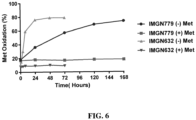
- the present invention is based on the surprising findings that the immunoconjugates comprising benzodiazepine cytotoxic agents may be prone to methionine oxidation, particularly in the presence of light. Comparative data with naked antibodies suggest that the methionine oxidation is induced, at least in part, by the presence of the benzodiazepine cytotoxic agent. It is surprisingly found that the presence of methionine in the pharmaceutical compositions of antibody-benzodiazepine immunoconjugates can reduce the amount of methionine oxidation observed. In addition, the presence of methionine antioxidant in the conjugation reaction between the antibodies and the benzodiazepine cytototoxic agents can significantly decrease the amount of methionine oxidation in the immunoconjugates produced.
- One aspect of the invention provides a pharmaceutical composition comprising an immunoconjugate described herein and 0.1 mM to 20 mM methionine.
- the immunoconjugate in the pharmaceutical compositions of the present invention is represented by the following formula:
- the immunoconjugate in the pharmaceutical composition of the present invention is represented by the following formula: wherein:
- the present invention provides a pharmaceutical composition
- a pharmaceutical composition comprising 1 mM to 4 mM of methionine and an immunoconjugate represented by the following formula: or a pharmaceutically acceptable salt thereof, wherein:
- the present invention provides a pharmaceutical composition
- a pharmaceutical composition comprising 1 mM to 4 mM of methionine and an immunoconjugate represented by the following formula: or a pharmaceutically acceptable salt thereof, wherein:
- Another aspect of the present invention provides a method of reducing the amount of methionine oxidation in an immunoconjugate described herein comprising mixing the immunoconjugate with 0.1 mM to 20 mM methionine to give a pharmaceutical composition comprising the immunoconjugate and methionine.
- the immunoconjugate is represented by formula (IA) described above.
- the immunoconjugate is represented by formula (IB) described above.
- the present invention provides a method of preparing immunoconjugates described herein comprising reacting a cell-binding agent (CBA) with a cytotoxic agent or a cytotoxic agent-linker compound described herein in the presence of an antioxidant to reduce the amount of methionine oxidation in the immunoconjugates.
- CBA cell-binding agent
- the present invention provides a method of preparing an immunoconjugate represented by the following formula: comprising reacting a CBA with a cytotoxic agent represented by the following formula: or a pharmaceutically acceptable salt thereof, in the presence of an antioxidant, wherein:
- the present invention provides method of preparing an immunoconjugate represented by the following formula: wherein:
- the present invention provides a method of preparing an immunoconjugate represented by the following formula: or a pharmaceutically acceptable salt thereof, comprising reacting the CBA with a cytotoxic agent represented by the following formula: or a pharmaceutically acceptable salt thereof, in the presence of an antioxidant, wherein:
- the present invention provides a method of preparing an immunoconjugate represented by the following formula: or a pharmaceutically acceptable salt thereof, comprising the steps of:
- the CD123 protein is an interleukin 3-specific subunit of a heterodimeric cytokine receptor (IL-3 Receptor, or IL-3R).
- the IL-3R is comprised of a ligand specific alpha subunit, and a signal transducing common beta subunit (also known as CD131) shared by the receptors for interleukin 3 (IL3), colony stimulating factor 2 (CSF2 / GM-CSF), and interleukin 5 (IL5).
- the binding of CD123/IL-3R ⁇ to IL3 depends on the beta subunit.
- the beta subunit is activated by the ligand binding, and is required for the biological activities of IL3.
- CD123 can refer to either a protein or nucleic acid sequence as indicated herein.
- the term “CD123/IL-3R ⁇ ” encompasses "full-length,” unprocessed CD123/IL-3R ⁇ , as well as any form of CD123/IL-3R ⁇ that results from processing within the cell.
- the term also encompasses naturally occurring variants of CD123/IL-3R ⁇ protein or nucleic acid, e.g., splice variants, allelic variants and isoforms.
- the CD123/IL-3R ⁇ polypeptides and polynucleotides described herein can be isolated from a variety of sources, such as from human tissue types or from another source, or prepared by recombinant or synthetic methods.
- CD123/IL-3R ⁇ sequences include, but are not limited to NCBI reference numbers NP_002174 & NM_002183 (protein and nucleic acid sequences for human CD123 variant 1), and NP_001254642 & NM_001267713 (protein and nucleic acid sequences for human CD123 variant 2).
- antibody means an immunoglobulin molecule that recognizes and specifically binds to a target, such as a protein, polypeptide, peptide, carbohydrate, polynucleotide, lipid, or combinations of the foregoing through at least one antigen recognition site within the variable region of the immunoglobulin molecule.
- antibody encompasses intact polyclonal antibodies, intact monoclonal antibodies, antibody fragments (such as Fab, Fab', F(ab') 2 , and Fv fragments), single chain Fv (scFv) mutants, multispecific antibodies such as bispecific antibodies, chimeric antibodies, humanized antibodies, human antibodies, fusion proteins comprising an antigen determination portion of an antibody, and any other modified immunoglobulin molecule comprising an antigen recognition site so long as the antibodies exhibit the desired biological activity.
- antibody fragments such as Fab, Fab', F(ab') 2 , and Fv fragments
- scFv single chain Fv mutants
- multispecific antibodies such as bispecific antibodies, chimeric antibodies, humanized antibodies, human antibodies, fusion proteins comprising an antigen determination portion of an antibody, and any other modified immunoglobulin molecule comprising an antigen recognition site so long as the antibodies exhibit the desired biological activity.
- An antibody can be of any of the five major classes of immunoglobulins: IgA, IgD, IgE, IgG, and IgM, or subclasses (isotypes) thereof (e.g., IgG1, IgG2, IgG3, IgG4, IgAl and IgA2), based on the identity of their heavy-chain constant domains referred to as alpha, delta, epsilon, gamma, and mu, respectively.
- the different classes of immunoglobulins have different and well known subunit structures and three-dimensional configurations.
- Antibodies can be naked or conjugated to other molecules such as toxins, radioisotopes, etc.
- an antibody is a non-naturally occurring antibody. In some embodiments, an antibody is purified from natural components. In some embodiments, an antibody is recombinantly produced. In some embodiments, an antibody is produced by a hybridoma.
- blocking antibody or an “antagonist” antibody is one which inhibits or reduces biological activity of the antigen it binds, such as CD123/IL-3R ⁇ .
- blocking antibodies or antagonist antibodies substantially or completely inhibit the biological activity of the antigen. Desirably, the biological activity is reduced by 10%, 20%, 30%, 50%, 70%, 80%, 90%, 95%, or even 100%.
- anti-CD123 antibody refers to an antibody that is capable of binding CD123 / IL-3R ⁇ with sufficient affinity such that the antibody is useful as a diagnostic and/or therapeutic agent in targeting CD123/IL-3R ⁇ .
- the extent of binding of an anti-CD123/IL-3R ⁇ antibody to an unrelated, non-CD123/IL-3R ⁇ protein is less than about 10% of the binding of the antibody to CD123/IL-3R ⁇ as measured, e.g., by a radioimmunoassay (RIA).
- RIA radioimmunoassay
- an antibody that binds to CD123/IL-3R ⁇ has a dissociation constant (K d ) of ⁇ 0.5 nM, ⁇ 0.3 nM, ⁇ 0.1 nM, ⁇ 0.05 nM, or ⁇ 0.01 nM.
- the anti-CD123/IL-3R ⁇ antibody does not bind the common beta chain CD131.
- the anti-CD123/IL-3R ⁇ antibody does not bind to the same epitope of CD123 that is bound by the known and commercially available CD123 antibodies such as 7G3 (mouse IgG 2a ), 6H6 (mouse IgG 1 ), and 9F5 (mouse IgG 1 ) ( Sun et al., Blood 87(1): 83-92, 1996 ).
- anti-CD123/IL-3R ⁇ antibodies and antigen-binding fragments thereof of the invention are provided herein.
- the nomenclature for the various antibodies and immuno-conjugates of the invention are provided separately below.
- antibody fragment refers to a portion of an intact antibody and refers to the antigenic determining variable regions of an intact antibody.
- antibody fragments include, but are not limited to, Fab, Fab', F(ab') 2 , and F v fragments, linear antibodies, single chain antibodies, and multispecific antibodies formed from antibody fragments.
- antigen-binding fragment of an antibody includes one or more fragments of an antibody that retain the ability to specifically bind to an antigen. It has been shown that the antigen-binding function of an antibody can be performed by certain fragments of a full-length antibody.
- binding fragments encompassed within the term "antigen-binding fragment" of an antibody include (without limitation): (i) an Fab fragment, a monovalent fragment consisting of the V L , V H , C L , and C H1 domains (e.g., an antibody digested by papain yields three fragments: two antigen-binding Fab fragments, and one Fc fragment that does not bind antigen); (ii) a F(ab') 2 fragment, a bivalent fragment comprising two Fab fragments linked by a disulfide bridge at the hinge region ( e.g., an antibody digested by pepsin yields two fragments: a bivalent antigen-binding F(ab') 2 fragment, and a pFc' fragment that does not bind antigen) and its related F(ab') monovalent unit; (iii) a F d fragment consisting of the V H and C H1 domains ( i.e., that portion of the heavy chain
- a “monoclonal antibody” refers to a homogeneous antibody population involved in the highly specific recognition and binding of a single antigenic determinant, or epitope. This is in contrast to polyclonal antibodies that typically include different antibodies directed against different antigenic determinants.
- the term “monoclonal antibody” encompasses both intact and full-length monoclonal antibodies as well as antibody fragments (such as Fab, Fab', F(ab') 2 , F v ), single chain (scFv) mutants, fusion proteins comprising an antibody portion, and any other modified immunoglobulin molecule comprising an antigen recognition site.
- “monoclonal antibody” refers to such antibodies made in any number of manners including but not limited to by hybridoma, phage selection, recombinant expression, and transgenic animals.
- humanized antibody refers to forms of non-human (e.g., murine) antibodies that are specific immunoglobulin chains, chimeric immunoglobulins, or fragments thereof that contain minimal non-human (e.g., murine) sequences.
- humanized antibodies are human immunoglobulins in which residues from the complementary determining region (CDR) are replaced by residues from the CDR of a non-human species (e.g., mouse, rat, rabbit, hamster) that have the desired specificity, affinity, and capability ( Jones et al., Nature 321:522-525, 1986 ; Riechmann et al., Nature 332:323-327, 1988 ; Verhoeyen et al., Science 239:1534-1536, 1988 ).
- CDR complementary determining region
- the F v framework region (FR) residues of a human immunoglobulin are replaced with the corresponding residues in an antibody from a non-human species that has the desired specificity, affinity, and capability.
- the humanized antibody can be further modified by the substitution of additional residues either in the F v framework region and/or within the replaced non-human residues to refine and optimize antibody specificity, affinity, and/or capability.
- the humanized antibody will comprise substantially all of at least one, and typically two or three, variable domains containing all or substantially all of the CDR regions that correspond to the non-human immunoglobulin whereas all or substantially all of the FR regions are those of a human immunoglobulin consensus sequence.
- the humanized antibody can also comprise at least a portion of an immunoglobulin constant region or domain (F c ), typically that of a human immunoglobulin.
- F c immunoglobulin constant region or domain
- Examples of methods used to generate humanized antibodies are described in U.S. Pats. 5,225,539 and 5,639,641 , Roguska et al., Proc. Natl. Acad. Sci. USA 91(3):969-973, 1994 ; and Roguska et al., Protein Eng. 9(10):895-904, 1996 (all incorporated herein by reference).
- a "humanized antibody” is a resurfaced antibody.
- a "humanized antibody” is a CDR-grafted antibody.
- variable region of an antibody refers to the variable region of the antibody light chain or the variable region of the antibody heavy chain, either alone or in combination.
- the variable regions of the heavy and light chain each consist of four framework regions (FR) connected by three complementarity determining regions (CDRs) also known as hypervariable regions.
- the CDRs in each chain are held together in close proximity by the FRs and, with the CDRs from the other chain, contribute to the formation of the antigen-binding site of antibodies.
- There are at least two techniques for determining CDRs (1) an approach based on cross-species sequence variability (i.e., Kabat et al.
- the Kabat numbering system is generally used when referring to a residue in the variable domain (approximately residues 1-107 of the light chain and residues 1-113 of the heavy chain) (e.g., Kabat et al., Sequences of Immunological Interest, 5th Ed., Public Health Service, National Institutes of Health, Bethesda, Md. (1991 )).
- amino acid position numbering refers to the numbering system used for heavy chain variable domains or light chain variable domains of the compilation of antibodies in Kabat et al., Sequences of Proteins of Immunological Interest, 5th Ed., Public Health Service, National Institutes of Health, Bethesda, Md. (1991 ) (incorporated herein by reference). Using this numbering system, the actual linear amino acid sequence can contain fewer or additional amino acids corresponding to a shortening of, or insertion into, a FR or CDR of the variable domain.
- a heavy chain variable domain can include a single amino acid insert (residue 52a according to Kabat) after residue 52 of H2 and inserted residues (e.g., residues 82a, 82b, and 82c, etc. according to Kabat) after heavy chain FR residue 82.
- the Kabat numbering of residues can be determined for a given antibody by alignment at regions of homology of the sequence of the antibody with a "standard” Kabat numbered sequence.
- Chothia refers instead to the location of the structural loops ( Chothia and Lesk, J. Mol. Biol. 196:901-917,1987 ).
- the end of the Chothia CDR-H1 loop when numbered using the Kabat numbering convention varies between H32 and H34 depending on the length of the loop. This is because the Kabat numbering scheme places the insertions at H35A and H35B - if neither 35A nor 35B is present, the loop ends at 32; if only 35A is present, the loop ends at 33; if both 35A and 35B are present, the loop ends at 34.
- the AbM hypervariable regions represent a compromise between the Kabat CDRs and Chothia structural loops, and are used by Oxford Molecular's AbM antibody modeling software.
- human antibody means an antibody produced by a human or an antibody having an amino acid sequence corresponding to an antibody produced by a human made using any technique known in the art. In certain embodiments, the human antibody does not have non-human sequence. This definition of a human antibody includes intact or full-length antibodies, or antigen-binding fragments thereof.
- chimeric antibodies refers to antibodies wherein the amino acid sequence of the immunoglobulin molecule is derived from two or more species.
- the variable region of both light and heavy chains corresponds to the variable region of antibodies derived from one species of mammals (e.g., mouse, rat, rabbit, etc.) with the desired specificity, affinity, and capability while the constant regions are homologous to the sequences in antibodies derived from another (usually human) to avoid or reduce the chance of eliciting an immune response in that species (e.g., human).
- chimeric antibody may include an antibody or antigen-binding fragment thereof comprising at least one human heavy and/or light chain polypeptide, such as, for example, an antibody comprising murine light chain and human heavy chain polypeptides.
- epitopes or “antigenic determinant” are used interchangeably herein and refer to that portion of an antigen capable of being recognized and specifically bound by a particular antibody.
- the antigen is a polypeptide
- epitopes can be formed both from contiguous amino acids and noncontiguous amino acids juxtaposed by tertiary folding of a protein. Epitopes formed from contiguous amino acids are typically retained upon protein denaturing, whereas epitopes formed by tertiary folding are typically lost upon protein denaturing.
- An epitope typically includes at least 3, and more usually, at least 5 or 8-10 amino acids in a unique spatial conformation.
- Binding affinity generally refers to the strength of the sum total of noncovalent interactions between a single binding site of a molecule (e.g., an antibody) and its binding partner (e.g., an antigen). Unless indicated otherwise, as used herein, "binding affinity” refers to intrinsic binding affinity which reflects a 1:1 interaction between members of a binding pair ( e.g., antibody and antigen).
- the affinity of a molecule X for its partner Y can generally be represented by the dissociation constant (K d ) or the half-maximal effective concentration (EC 50 ). Affinity can be measured by common methods known in the art, including those described herein.
- Low-affinity antibodies generally bind antigen slowly and tend to dissociate readily, whereas high-affinity antibodies generally bind antigen faster and tend to remain bound longer.
- a variety of methods of measuring binding affinity are known in the art, any of which can be used for purposes of the present invention. Specific illustrative embodiments are described herein.
- binding affinity refers to a stronger binding between a molecule and its binding partner.
- “Or better” when used herein refers to a stronger binding, represented by a smaller numerical K d value.
- an antibody which has an affinity for an antigen of "0.3 nM or better” the antibody's affinity for the antigen is ⁇ 0.3 nM, e.g., 0.29 nM, 0.28 nM, 0.27 nM etc., or any value equal to or less than 0.3 nM.
- the antibody's affinity as determined by a K d will be between about 10 -3 to about 10 -12 M, between about 10 -6 to about 10 -11 M, between about 10 -6 to about 10 -10 M, between about 10 -6 to about 10 -9 M, between about 10 -6 to about 10 -8 M, or between about 10 -6 to about 10 -7 M.
- an antibody binds to an epitope via its antigen-binding domain, and that the binding entails some complementarity between the antigen-binding domain and the epitope. According to this definition, an antibody is said to "specifically bind” to an epitope when it binds to that epitope, via its antigen-binding domain more readily than it would bind to a random, unrelated epitope.
- the term "specificity” is used herein to qualify the relative affinity by which a certain antibody binds to a certain epitope.
- antibody “A” may be deemed to have a higher specificity for a given epitope than antibody "B,” or antibody “A” may be said to bind to epitope “C” with a higher specificity than it has for related epitope “D.”
- an antibody or antigen-binding fragment of the invention "specifically binds" to a CD 123 antigen, in that it has a higher binding specificity to the CD 123 antigen (from any species) than that to a non-CD 123 antigen.
- an antibody or antigen-binding fragment of the invention "specifically binds" to a human CD123 antigen, in that it has a higher binding specificity to the human CD 123 antigen than that to a non-human CD123 antigen (e.g., a mouse or a rat CD123).
- an antibody which "preferentially binds" to a given epitope would more likely bind to that epitope than to a related epitope, even though such an antibody may cross-react with the related epitope.
- an antibody or antigen-binding fragment of the invention "preferentially binds" to a human CD 123 antigen over a mouse CD123.
- An antibody is said to "competitively inhibit" binding of a reference antibody to a given epitope if it preferentially binds to that epitope to the extent that it blocks, to some degree, binding of the reference antibody to the epitope.
- Competitive inhibition may be determined by any method known in the art, for example, competition ELISA assays.
- An antibody may be said to competitively inhibit binding of the reference antibody to a given epitope by at least 90%, at least 80%, at least 70%, at least 60%, or at least 50%.
- substantially similar denotes a sufficiently high degree of similarity between two numeric values (generally one associated with an antibody of the invention and the other associated with a reference/comparator antibody) such that one of skill in the art would consider the difference between the two values to be of little or no biological and/or statistical significance within the context of the biological characteristics measured by said values (e.g., K d values).
- the difference between said two values is less than about 50%, less than about 40%, less than about 30%, less than about 20%, or less than about 10% as a function of the value for the reference/comparator antibody.
- C cytotoxin
- L linker
- CBA cell binding agent
- Immunoconjugates can also be defined by the generic formula in reverse order: C-L-A.
- a “linker” is any chemical moiety that is capable of linking a compound, usually a drug, such as a cytotoxic agent described herein (e.g., IGN (indolinobenzodiazepine) compounds), to a cell-binding agent such as an antibody or a fragment thereof in a stable, covalent manner.
- Linkers can be susceptible to or be substantially resistant to acid-induced cleavage, light-induced cleavage, peptidase-induced cleavage, esterase-induced cleavage, and disulfide bond cleavage, at conditions under which the compound or the antibody remains active.
- Suitable linkers are well known in the art and include, for example, disulfide groups, thioether groups, acid labile groups, photolabile groups, peptidase labile groups and esterase labile groups. Linkers also include charged linkers, and hydrophilic forms thereof as described herein and know in the art.
- cancer and “cancerous” refer to or describe the physiological condition in mammals in which a population of cells are characterized by unregulated cell growth.
- Tumor and “neoplasm” refer to one or more cells that result from excessive cell growth or proliferation, either benign (noncancerous) or malignant (cancerous) including pre-cancerous lesions.
- cancer examples include lymphoma and leukemia.
- cancer or tumorigenic diseases which can be treated and/or prevented by the methods and reagents (e.g., anti-CD123 antibody, antigen-binding fragment thereof, or immuno-conjugate thereof) of the invention include AML, CML, ALL (e.g., B-ALL), CLL, myelodysplastic syndrome, basic plasmacytoid DC neoplasm (BPDCN) leukemia, B-cell lymphomas including non-Hodgkin lymphomas (NHL), precursor B-cell lymphoblastic leukemia / lymphoma and mature B-cell neoplasms, such as B-cell chronic lymphocytic leukemia (B-CLL) / small lymphocytic lymphoma (SLL), B-cell prolymphocytic leukemia, lymphoplasmacytic lymphoma, mantle cell lymphoma (MCL), follicular lymphoma (FL), including low-grade,
- subject refers to any animal (e.g., a mammal), including, but not limited to humans, non-human primates, rodents, and the like, which is to be the recipient of a particular treatment.
- subject and patient are used interchangeably herein in reference to a human subject.
- pharmaceutical formulation refers to a preparation which is in such form as to permit the biological activity of the active ingredient to be effective, and which contains no additional components which are unacceptably toxic to a subject to which the formulation would be administered.
- Such formulation can be sterile.
- an “effective amount” of an antibody or immunoconjugate as disclosed herein is an amount sufficient to carry out a specifically stated purpose.
- An “effective amount” can be determined empirically and in a routine manner, in relation to the stated purpose.
- Alkyl refers to a saturated linear or branched-chain monovalent hydrocarbon radical of one to twenty carbon atoms.
- alkyl include, but are not limited to, methyl, ethyl, 1-propyl, 2-propyl, 1-butyl, 2-methyl-1-propyl, -CH 2 CH(CH 3 ) 2 ), 2-butyl, 2-methyl-2-propyl, 1-pentyl, 2-pentyl 3-pentyl, 2-methyl-2-butyl, 3-methyl-2-butyl, 3-methyl-1-butyl, 2-methyl-1-butyl, 1-hexyl), 2-hexyl, 3-hexyl, 2-methyl-2-pentyl, 3-methyl-2-pentyl, 4-methyl-2-pentyl, 3-methyl-3-pentyl, 2-methyl-3-pentyl, 2,3-dimethyl-2-butyl, 3,3-dimethyl-2-butyl, 1-heptyl, 1-octy
- C x-xx The number of carbon atoms in a group can be specified herein by the prefix "C x-xx ", wherein x and xx are integers.
- C 1-4 alkyl is an alkyl group having from 1 to 4 carbon atoms.
- compound or "cytotoxic compound,” are used interchangeably. They are intended to include compounds for which a structure or formula or any derivative thereof has been disclosed in the present invention or a structure or formula or any derivative thereof that has been incorporated by reference.
- the term also includes, stereoisomers, geometric isomers, tautomers, solvates, metabolites, and salts ( e.g., pharmaceutically acceptable salts) of a compound of all the formulae disclosed in the present invention.
- salts e.g., pharmaceutically acceptable salts of a compound of all the formulae disclosed in the present invention.
- the term also includes any solvates, hydrates, and polymorphs of any of the foregoing.
- chiral refers to molecules that have the property of non-superimposability of the mirror image partner, while the term “achiral” refers to molecules that are superimposable on their mirror image partner.
- stereoisomer refers to compounds that have identical chemical constitution and connectivity, but different orientations of their atoms in space that cannot be interconverted by rotation about single bonds.
- Diastereomer refers to a stereoisomer with two or more centers of chirality and whose molecules are not mirror images of one another. Diastereomers have different physical properties, e.g. melting points, boiling points, spectral properties, and reactivities. Mixtures of diastereomers can separate under high resolution analytical procedures such as crystallization, electrophoresis and chromatography.
- Enantiomers refer to two stereoisomers of a compound that are non-superimposable mirror images of one another.
- the compounds of the invention can contain asymmetric or chiral centers, and therefore exist in different stereoisomeric forms. It is intended that all stereoisomeric forms of the compounds of the invention, including but not limited to, diastereomers, enantiomers and atropisomers, as well as mixtures thereof such as racemic mixtures, form part of the present invention.
- optically active compounds i.e., they have the ability to rotate the plane of plane-polarized light.
- the prefixes D and L, or R and S are used to denote the absolute configuration of the molecule about its chiral center(s).
- the prefixes d and I or (+) and (-) are employed to designate the sign of rotation of plane-polarized light by the compound, with (-) or 1 meaning that the compound is levorotatory.
- a compound prefixed with (+) or d is dextrorotatory. For a given chemical structure, these stereoisomers are identical except that they are mirror images of one another.
- a specific stereoisomer can also be referred to as an enantiomer, and a mixture of such isomers is often called an enantiomeric mixture.
- a 50:50 mixture of enantiomers is referred to as a racemic mixture or a racemate, which can occur where there has been no stereoselection or stereospecificity in a chemical reaction or process.
- the terms "racemic mixture” and “racemate” refer to an equimolar mixture of two enantiomeric species, devoid of optical activity.
- tautomer or “tautomeric form” refers to structural isomers of different energies that are interconvertible via a low energy barrier.
- proton tautomers also known as prototropic tautomers
- Valence tautomers include interconversions by reorganization of some of the bonding electrons.
- phrases "pharmaceutically acceptable salt” as used herein, refers to pharmaceutically acceptable organic or inorganic salts of a compound of the invention.
- Exemplary salts include, but are not limited, to sulfate, citrate, acetate, oxalate, chloride, bromide, iodide, nitrate, bisulfate, phosphate, acid phosphate, isonicotinate, lactate, salicylate, acid citrate, tartrate, oleate, tannate, pantothenate, bitartrate, ascorbate, succinate, maleate, gentisinate, fumarate, gluconate, glucuronate, saccharate, formate, benzoate, glutamate, methanesulfonate "mesylate,” ethanesulfonate, benzenesulfonate, p-toluenesulfonate, pamoate ( i.e., 1,1'-methylene-bis-
- a pharmaceutically acceptable salt can involve the inclusion of another molecule such as an acetate ion, a succinate ion or other counter ion.
- the counter ion can be any organic or inorganic moiety that stabilizes the charge on the parent compound.
- a pharmaceutically acceptable salt can have more than one charged atom in its structure. Instances where multiple charged atoms are part of the pharmaceutically acceptable salt can have multiple counter ions. Hence, a pharmaceutically acceptable salt can have one or more charged atoms and/or one or more counter ion.
- the desired pharmaceutically acceptable salt can be prepared by any suitable method available in the art, for example, treatment of the free base with an inorganic acid, such as hydrochloric acid, hydrobromic acid, sulfuric acid, nitric acid, methanesulfonic acid, phosphoric acid and the like, or with an organic acid, such as acetic acid, maleic acid, succinic acid, mandelic acid, fumaric acid, malonic acid, pyruvic acid, oxalic acid, glycolic acid, salicylic acid, a pyranosidyl acid, such as glucuronic acid or galacturonic acid, an alpha hydroxy acid, such as citric acid or tartaric acid, an amino acid, such as aspartic acid or glutamic acid, an aromatic acid, such as benzoic acid or cinnamic acid, a sulfonic acid, such as p-toluenesulfonic acid or ethanesulfonic acid
- an inorganic acid such as hydro
- the desired pharmaceutically acceptable salt can be prepared by any suitable method, for example, treatment of the free acid with an inorganic or organic base, such as an amine (primary, secondary or tertiary), an alkali metal hydroxide or alkaline earth metal hydroxide, or the like.
- suitable salts include, but are not limited to, organic salts derived from amino acids, such as glycine and arginine, ammonia, primary, secondary, and tertiary amines, and cyclic amines, such as piperidine, morpholine and piperazine, and inorganic salts derived from sodium, calcium, potassium, magnesium, manganese, iron, copper, zinc, aluminum and lithium.
- solvate means a compound that further includes a stoichiometric or non-stoichiometric amount of solvent such as water, isopropanol, acetone, ethanol, methanol, DMSO, ethyl acetate, acetic acid, and ethanolamine dichloromethane, 2-propanol, or the like, bound by non-covalent intermolecular forces.
- Solvates or hydrates of the compounds are readily prepared by addition of at least one molar equivalent of a hydroxylic solvent such as methanol, ethanol, 1-propanol, 2-propanol or water to the compound to result in solvation or hydration of the imine moiety.
- phrases "pharmaceutically acceptable” indicates that the substance or composition must be compatible chemically and/or toxicologically, with the other ingredients comprising a formulation, and/or the mammal being treated therewith.
- amino acid refers to naturally occurring amino acids or non-naturally occurring amino acid.
- cation refers to an ion with positive charge.
- the cation can be monovalent (e.g., Na + , K + , NH 4 + etc.), bi-valent (e.g., Ca 2+ , Mg 2+ , etc.) or multi-valent (e.g., Al 3+ etc.).
- the cation is monovalent.
- methionine oxidation refers to the oxidation of one or more methionine residues located on the cell-binding agent (e.g., an antibody or antigen-binding fragment thereof). In certain embodiments, oxidation occurs at one or more methionine residues located at the Fc region of an antibody (e.g., at Met252, Met358, Met428 by EU numbering). In certain embodiment, methionine oxidation, particularly methionine oxidation at the Fc region of an antibody, may reduce antibody binding to neonatal Fc receptor (FcRn), which in turn, may affect the circulation half-life of the antibody.
- FcRn neonatal Fc receptor
- G4723A antibody is a humanized anti-CD123 antibody with a cysteine at EU numbering position 442, having a heavy chain full length sequence of SEQ ID NO:8; and a light chain full length sequence of SEQ ID NO: 10.
- the antibodies or antigen-binding fragments thereof of the invention may be conjugated to certain cytotoxic agents, either through linkage with the Lys side chain amino group, or the Cys side chain thiol group.
- certain representative (non-limiting) cytotoxic agents and immunoconjugates described in the specification are listed below for illustration purpose. Note that most compounds such as DGN462, DGN549-C, and DGN549-L may be sulfonated (shown as sDGN462 and sDGN549-C respectively).
- the present invention provides a pharmaceutical composition
- a pharmaceutical composition comprising an immunoconjugate described herein (e.g., immunoconjugate of the 1 st to 26 th specific embodiment described below) and 0.1 mM to 20 mM methionine.
- an immunoconjugate described herein e.g., immunoconjugate of the 1 st to 26 th specific embodiment described below
- methionine oxidized glutathionine
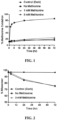
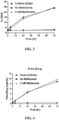
- light exposure over an extended period such as over 1, 2, 3, 4, 5, 6, 7, 8, 9, 10, 15, 24, 48, 72 hours or longer, results in large amount of methionine oxidation in the immunoconjugates.
- no significant amount of methionine oxidation is observed for the corresponding naked antibodies upon light exposure and/or storage.
- the presence of methionine in the pharmaceutical composition of the present invention comprising the immunoconjugates described herein reduces the amount of methionine oxidation in the immunoconjugates as compared to pharmaceutical compositions without methionine, in particular upon light exposure.
- the pharmaceutical composition of the present invention comprises an immunoconjugate described herein (e.g., immunoconjugates of formula (IA), (IB) or (IC), or immunoconjugate of the 1 st to 26 th specific embodiment described below) and 0.1 mM to 10 mM methionine.
- an immunoconjugate described herein e.g., immunoconjugates of formula (IA), (IB) or (IC), or immunoconjugate of the 1 st to 26 th specific embodiment described below
- immunoconjugates of formula (IA), (IB) or (IC) immunoconjugate of the 1 st to 26 th specific embodiment described below
- the pharmaceutical composition of the present invention comprises an immunoconjugate described herein (e.g., immunoconjugates of formula (IA), (IB) or (IC), or immunoconjugate of the 1 st to 26 th specific embodiment described below) and 0.5 mM to 5 mM methionine.
- an immunoconjugate described herein e.g., immunoconjugates of formula (IA), (IB) or (IC), or immunoconjugate of the 1 st to 26 th specific embodiment described below
- immunoconjugates of formula (IA), (IB) or (IC) immunoconjugate of the 1 st to 26 th specific embodiment described below
- the pharmaceutical composition of the present invention comprises an immunoconjugate described herein (e.g., immunoconjugates of formula (IA), (IB) or (IC), or immunoconjugate of the 1 st to 26 th specific embodiment described below) and 1.0 mM to 4.0 mM methionine.
- the methionine concentration in the pharmaceutical composition is 3 mM.
- the immunoconjugate when the pharmaceutical composition of the present invention described above is exposed to light at room temperature for 6 hours or more, the immunoconjugate has less than 50%, less than 40%, less than 35%, 30%, less than 25%, less than 20% or less than 15%, less than 10%, less than 5%, less than 4%, less than 3%, less than 2% or less than 1% of methionine oxidation.
- the pharmaceutical composition of the present invention comprises 1 mM to 4 mM of methionine and an immunoconjugate represented by the following formula: or a pharmaceutically acceptable salt thereof, wherein:
- the pharmaceutical composition of the present invention comprises 1 mM to 4 mM of methionine and an immunoconjugate represented by the following formula: or a pharmaceutically acceptable salt thereof, wherein:
- the pharmaceutical composition of the first, second or third embodiment comprises 3 mM methionine.
- the immunoconjugate when the pharmaceutical composition of the first, second, third, or fourth embodiment is exposed to light at room temperature for 6 hours, the immunoconjugate has less than 15%, less than 10%, less than 5%, less than 4%, less than 3%, less than 2%, or less than 1% of methionine oxidation.
- the pharmaceutical composition of the first, second, third, fourth or fifth embodiment is in a container that protects the pharmaceutical composition from light exposure.
- a container that protects the pharmaceutical composition from light exposure.
- Any suitable container e.g., vial or syringe
- light-resistant (e.g., amber, yellow-green or blue) container such as colored-glass or colored plastic container (e.g., vial or syringe)
- a colorless or translucent container can be used if it is protected by a light-resistant opaque covering, such as a paper carton, plastic box, or aluminum foil.
- any container, filter, or vial that blocks light below 400-435 nm to prevent lights of similar wavelength to the absorption spectrum of the cytotoxic payload (e.g., DGN462, DGN549) from entering the pharmaceutical composition are useful in the invention.
- light absorbing additives can be added to the formulation to protect the pharmaceutical composition if exposed to light.
- the pharmaceutical composition of the first, second, third, fourth, fifth or sixth embodiment comprises 1 mg/mL to 10 mg/mL, 1 mg/mL to 5 mg/mL, 1 mg/mL to 3 mg/mL, or 1.5 mg/mL to 2.5 mg/mL of the immunoconjugate. In certain embodiments, the pharmaceutical composition of the second, third, fourth, fifth or sixth embodiment comprises 2 mg/mL of the immunoconjugate.
- the pharmaceutical composition of the first, second, third, fourth, fifth, sixth or seventh embodiment further comprises sodium bisulfite.
- the concentration for the sodium bisulfite in the pharmaceutical compositions is 10 ⁇ M to 100 ⁇ M, 20 ⁇ M to 90 ⁇ M, 30 ⁇ M to 80 ⁇ M, 30 ⁇ M to 70 ⁇ M, 40 ⁇ M to 60 ⁇ M, or 45 ⁇ M to 55 ⁇ M of sodium bisulfite.
- the pharmaceutical composition of the second, third, fourth, fifth, sixth or seventh embodiment further comprises 50 ⁇ M of sodium bisulfite.
- the pharmaceutical composition of the first, second, third, fourth, fifth, sixth, seventh, or eighth embodiment further comprises one or more pharmaceutically acceptable vehicle (e.g. carrier, excipient) ( Remington, The Science and Practice of Pharmacy 20th Edition Mack Publishing, 2000 ).
- a pharmaceutically acceptable vehicle e.g. carrier, excipient
- Suitable pharmaceutically acceptable vehicles include, but are not limited to, nontoxic buffers such as phosphate, citrate, succinate, histidine and other organic acids; salts such as sodium chloride; preservatives (e.g., octadecyldimethylbenzyl ammonium chloride; hexamethonium chloride; benzalkonium chloride; benzethonium chloride; phenol, butyl or benzyl alcohol; alkyl parabens, such as methyl or propyl paraben; catechol; resorcinol; cyclohexanol; 3-pentanol; and m-cresol); low molecular weight polypeptides (e.g., less than about 10 amino acid residues); proteins such as serum albumin, gelatin, or immunoglobulins; hydrophilic polymers such as polyvinylpyrrolidone; amino acids such as glycine, glutamine, asparagine, histidine, arginine
- the pharmaceutical composition of the first, second, third, fourth, fifth, sixth, seventh or eighth embodiment further comprises sodium bisulfite, buffer, sugar and non-ionic surfactant.
- the pharmaceutically composition of the present invention further comprises sodium bisulfite, succinate or histidine buffer, trehalose and polysorbate 20.
- the buffer (e.g., succinate or histidine) concentration in the pharmaceutical composition is in the range of 5 mM to 50 mM, 5 mM to 25 mM, 5 mM to 15 mM, 10 mM to 25 mM, or 15 mM to 25 mM. In certain embodiments, the buffer concentration is 10 mM or 20 mM.
- the sugar (e.g., trehalose) concentration in the pharmaceutical composition is in the range of 5-10%, 6-8%, 6.5-7.5%, 7.0-7.4%, 7.1-7.3% (w/v). In certain embodiments, the sugar (e.g., trehalose) concentration in the pharmaceutical composition is 7.2%, (w/v).
- the non-ionic surfactant (e.g., polysorbate 20) concentration in the pharmaceutical composition is in the range of 0.01-0.1 %, 0.01-0.05 %, or 0.01-0.03%
- the non-ionic surfactant e.g., polysorbate 20 concentration in the pharmaceutical composition is 0.02% (w/v)
- the pharmaceutical composition of the first, second, fourth, fifth, sixth, seventh, eighth or ninth embodiment has a pH of 4 to 5, 4 to 4.5, 4 to 4.4, or 4.1 to 4.3. In certain embodiments, the pH is 4.2.
- the pharmaceutical composition of the first, third, fourth, fifth, sixth, seventh, eighth or ninth embodiment has a pH of 5.5 to 6.5, 5.9 to 6.3 or 6.0 to 6.2. In certain embodiments, the pH is 6.1.
- the pharmaceutical composition of the present invention comprises 2 mg/mL of the immunoconjugate of formula (IIA), 3 mM methionine, 10 mM succinate, 50 ⁇ M sodium bisulfite, 7.2% (w/v) trehalose (or 8.0% (w/v) trehalose dihydrate), and 0.01% (w/v) polysorbate 20 and the pH of the pharmaceutical composition is 4.2.
- the pharmaceutical composition of the present invention comprises 2 mg/mL of the immunoconjugate of formula (IIB), 3 mM methionine, 20 mM histidine, 50 ⁇ M sodium bisulfite, 7.2% (w/v) trehalose (or 8.0% (w/v) trehalose dihydrate), 0.02% (w/v) polysorbate 20 and the pH of the pharmaceutical composition is 6.1.
- the present invention provides a method of reducing the amount of methionine oxidation in an immunoconjuate described herein (e.g., immunoconjugates of formula (IA), (IB) or (IC), or immunoconjugate of the 1 st to 26 th specific embodiment described below) comprising mixing the immunoconjugate with 0.1 mM to 20 mM methionine to give a pharmaceutical composition comprising the immunoconjugate and methionine.
- an immunoconjuate described herein e.g., immunoconjugates of formula (IA), (IB) or (IC), or immunoconjugate of the 1 st to 26 th specific embodiment described below
- the method of the second aspect comprises mixing the immunoconjuate described herein (e.g., immunoconjugates of formula (IA), (IB) or (IC), or immunoconjugate of the 1 st to 26 th specific embodiment described below) with 0.5 mM to 5 mM methionine.
- immunoconjuate described herein e.g., immunoconjugates of formula (IA), (IB) or (IC), or immunoconjugate of the 1 st to 26 th specific embodiment described below
- the method of the second aspect comprises mixing the immunoconjugate described herein (e.g., immunoconjugates of formula (IA), (IB) or (IC), or immunoconjugate of the 1 st to 26 th specific embodiment described below) with 1.0 mM to 4.0 mM methionine.
- immunoconjugates of formula (IA), (IB) or (IC) e.g., immunoconjugates of formula (IA), (IB) or (IC), or immunoconjugate of the 1 st to 26 th specific embodiment described below
- the immunoconjugate when the pharmaceutical composition prepared by the method of the second aspect of the present invention described above is exposed to light at room temperature for 6 hours or more, the immunoconjugate has less than 50%, less than 40%, less than 35%, 30%, less than 25%, less than 20% or less than 15%, less than 10%, less than 5%, less than 4%, less than 3%, less than 2% or less than 1% of methionine oxidation.
- the method of the second aspect comprises mixing 1 mM to 4 mM of methionine and an immunoconjugate represented by the following formula: or a pharmaceutically acceptable salt thereof, give a pharmaceutical composition comprising the immunoconjugate and methionine, wherein:
- the method of the second aspect comprises mixing 1 mM to 4 mM of methionine and an immunoconjugate represented by the following formula: or a pharmaceutically acceptable salt thereof, wherein:
- the method of the first, second or third embodiment of the second aspect comprises mixing 3 mM methionine with the immunoconjugate.
- the immunoconjugate when the pharmaceutical composition prepared by the method of the first, second, third, or fourth embodiment of the second aspect is exposed to light at room temperature for 6 hours, the immunoconjugate has less than 15%, less than 10%, less than 5%, less than 4%, less than 3%, less than 2%, or less than 1% of methionine oxidation.
- the pharmaceutical composition prepared by the method of the first, second, third, fourth or fifth embodiment of the second aspect is in a container that protects the pharmaceutical composition from light exposure.
- a container that protects the pharmaceutical composition from light exposure.
- Any suitable container e.g., vial or syringe
- light-resistant (e.g., amber, yellow-green or blue) container such as colored-glass or colored plastic container (e.g., vial or syringe)
- colorless or translucent container can be used if it is protected by a light-resistant opaque covering, such as a paper carton or plastic box.
- the pharmaceutical composition prepared by the first, second, third, fourth, fifth or sixth embodiment of the second aspect comprises 1 mg/mL to 10 mg/mL, 1 mg/mL to 5 mg/mL, 1 mg/mL to 3 mg/mL, or 1.5 mg/mL to 2.5 mg/mL of the immunoconjugate. In certain embodiments, the pharmaceutical composition prepared by the method of the second, third, fourth, fifth or sixth embodiment of the second aspect comprises 2 mg/mL of the immunoconjugate.
- the pharmaceutical composition prepared by the method of the first, second, third, fourth, fifth, sixth or seventh embodiment of the second aspect further comprises sodium bisulfite.
- the concentration for the sodium bisulfite in the pharmaceutical composition is 10 ⁇ M to 100 ⁇ M, 20 ⁇ M to 90 ⁇ M, 30 ⁇ M to 80 ⁇ M, 30 ⁇ M to 70 ⁇ M, 40 ⁇ M to 60 ⁇ M, or 45 ⁇ M to 55 ⁇ M of sodium bisulfite.
- the pharmaceutical composition prepared by the method of the second, third, fourth, fifth, sixth or seventh embodiment of the second aspect further comprises 50 ⁇ M of sodium bisulfite.
- the pharmaceutical composition prepared by the method of the first, second, third, fourth, fifth, sixth, seventh or eighth embodiment of the second aspect further comprises one or more pharmaceutically acceptable vehicle (e.g. carrier, excipient) ( Remington, The Science and Practice of Pharmacy 20th Edition Mack Publishing, 2000 ).
- a pharmaceutically acceptable vehicle e.g. carrier, excipient
- Suitable pharmaceutically acceptable vehicles include, but are not limited to, nontoxic buffers such as phosphate, citrate, succinate, histidine and other organic acids; salts such as sodium chloride; preservatives (e.g., octadecyldimethylbenzyl ammonium chloride; hexamethonium chloride; benzalkonium chloride; benzethonium chloride; phenol, butyl or benzyl alcohol; alkyl parabens, such as methyl or propyl paraben; catechol; resorcinol; cyclohexanol; 3-pentanol; and m-cresol); low molecular weight polypeptides (e.g., less than about 10 amino acid residues); proteins such as serum albumin, gelatin, or immunoglobulins; hydrophilic polymers such as polyvinylpyrrolidone; amino acids such as glycine, glutamine, asparagine, histidine, arginine
- the pharmaceutical composition prepared by the method of the first, second, third, fourth, fifth, sixth, seventh, or eighth embodiment of the second aspect further comprises sodium bisulfite, a buffer, sugar and non-ionic surfactant.
- the pharmaceutically composition by the method of the first, second, third, fourth, fifth, sixth, seventh or eighth embodiment of the second aspect further comprises sodium bisulfite, succinate or histidine buffer, trehalose and polysorbate 20.
- the buffer (e.g., succinate or histidine) concentration in the pharmaceutical composition is in the range of 5 mM to 50 mM, 5 mM to 25 mM, 5 mM to 15 mM, 10 mM to 25 mM, or 15 mM to 25 mM. In certain embodiments, the buffer concentration is 10 mM or 20 mM.
- the sugar (e.g., trehalose) concentration in the pharmaceutical composition is in the range of 5-10%, 6-8%, 6.5-7.5%, 7.0-7.4%, 7.1-7.3% (w/v). In certain embodiments, the sugar (e.g., trehalose) concentration in the pharmaceutical composition is 7.2%, (w/v).
- the non-ionic surfactant (e.g., polysorbate 20) concentration in the pharmaceutical composition is in the range of 0.01-0.1 %, 0.01-0.05 %, or 0.01-0.03% (w/v). In certain embodiments, the non-ionic surfactant (e.g., polysorbate 20) concentration in the pharmaceutical composition is 0.02% (w/v)
- the pharmaceutical composition by the method of the first, second, third, fourth, fifth, sixth, seventh, eighth or ninth embodiment of the second aspect has a pH of 4 to 5, 4 to 4.5, 4 to 4.4, or 4.1 to 4.3. In certain embodiments, the pH is 4.2.
- the pharmaceutical composition by the method of the first, second, third, fourth, fifth, sixth, seventh or eighth or ninth embodiment of the second aspect has a pH of 5.5 to 6.5, 5.9 to 6.3 or 6.0 to 6.2. In certain embodiments, the pH is 6.1.
- the pharmaceutical composition prepared by the method of the second, fourth, fifth, sixth, seventh or eighth or ninth embodiment of the second aspect comprises 2 mg/mL of the immunoconjugate of formula (IIA), 3 mM methionine, 10 mM succinate, 50 ⁇ M sodium bisulfite, 7.2% (w/v) trehalose (or 8.0% (w/v) trehalose dihydrate), and 0.01% (w/v) polysorbate 20 and the pH of the pharmaceutical composition is 4.2.
- the pharmaceutical composition prepared by the method of the third, fourth, fifth, sixth, seventh, eighth, or ninth embodiment of the second aspect comprises 2 mg/mL of the immunoconjugate of formula (IIB), 3 mM methionine, 20 mM histidine, 50 ⁇ M sodium bisulfite, 7.2% (w/v) trehalose (or 8.0% (w/v) trehalose dihydrate), 0.02% (w/v) polysorbate 20 and the pH of the pharmaceutical composition is 6.1.
- the present invention provides a method of preparing an immunoconjugate of the present invention comprising reacting a CBA with a cytotoxic agent or a cytotoxic agent-linker compound in the presence of an antioxidant.
- the present invention provides a method of preparing an immunoconjugate represented by the following formula: comprising reacting a CBA with a cytotoxic agent represented by the following formula: or a pharmaceutically acceptable salt thereof, in the presence of an antioxidant, wherein L C ' is represented by and the remaining variables are as described above for formula (IA), or the 1 st - 13 th specific embodiment described above.
- the antioxidant reduces the amount of methionine oxidation in the immunoconjugate.
- the antioxidant is methionine derivatives with amine and/or carboxyl protecting groups (e.g., N-acetyl, fluorenylmethyloxycarbonyl (Fmoc), tert-butyloxycarbonyl (Boc), and carboxybenzyl (Cbz)), water-soluble, non-nucleophilic thioethers, or dimethyl sulfide.
- carboxyl protecting groups e.g., N-acetyl, fluorenylmethyloxycarbonyl (Fmoc), tert-butyloxycarbonyl (Boc), and carboxybenzyl (Cbz)
- the antioxidant is N-acetylmethionine.
- the present invention provides a method of preparing an immunoconjugate represented by the following formula: comprising the step of:
- the cytotoxic agent-linker compound is not purified before reacting with the CBA in step (b).
- the antioxidant reduces the amount of methionine oxidation in the immunoconjugate.
- the antioxidant is methionine derivatives with amine and/or carboxyl protecting groups (e.g., N-acetyl, fluorenylmethyloxycarbonyl (Fmoc), tert-butyloxycarbonyl (Boc), and carboxybenzyl (Cbz)), water-soluble, non-nucleophilic thioethers, or dimethyl sulfide
- carboxyl protecting groups e.g., N-acetyl, fluorenylmethyloxycarbonyl (Fmoc), tert-butyloxycarbonyl (Boc), and carboxybenzyl (Cbz)
- water-soluble, non-nucleophilic thioethers e.g., dimethyl sulfide
- the antioxidant is N-acetylmethionine methyl ester.
- a reactive ester group such as N-hydroxysuccinimde ester, N-hydroxy sulfosuccinimide ester, nitrophenyl (e.g., 2 or 4-nitrophenyl) ester, dinitrophenyl (e.g., 2,4-dinitrophenyl) ester, sulfo-tetra
- the antioxidant reduces the amount of methionine oxidation in the immunoconjugate.
- the antioxidant is methionine derivatives with amine and/or carboxyl protecting groups (e.g., N-acetyl, fluorenylmethyloxycarbonyl (Fmoc), tert-butyloxycarbonyl (Boc), and carboxybenzyl (Cbz)), water-soluble, non-nucleophilic thioethers, or dimethyl sulfide
- carboxyl protecting groups e.g., N-acetyl, fluorenylmethyloxycarbonyl (Fmoc), tert-butyloxycarbonyl (Boc), and carboxybenzyl (Cbz)
- water-soluble, non-nucleophilic thioethers e.g., dimethyl sulfide
- the antioxidant is N-acetylmethionine methyl ester.
- the present invention provides a method of preparing an immunoconjugate represented by the following formula: or a pharmaceutically acceptable salt thereof, comprising reacting a CBA with a cytotoxic agent represented by the following formula: or a pharmaceutically acceptable salt thereof, in the presence of an antioxidant, wherein:
- the antioxidant reduces the amount of methionine oxidation in the immunoconjugate.
- the antioxidant is methionine derivatives with amine and/or carboxyl protecting groups (e.g., N-acetyl, fluorenylmethyloxycarbonyl (Fmoc), tert-butyloxycarbonyl (Boc), and carboxybenzyl (Cbz)), water-soluble, non-nucleophilic thioethers, or dimethyl sulfide.
- carboxyl protecting groups e.g., N-acetyl, fluorenylmethyloxycarbonyl (Fmoc), tert-butyloxycarbonyl (Boc), and carboxybenzyl (Cbz)
- the antioxidant is N-acetylmethionine.
- the present invention provides a method of preparing an immunoconjugate represented by the following formula: or a pharmaceutically acceptable salt thereof, comprising the steps of:
- the cytotoxic agent-linker compound is not purified before reacting with the CBA in step (b).
- the antioxidant reduces the amount of methionine oxidation in the immunoconjugate.
- the antioxidant is methionine derivatives with amine and/or carboxyl protecting groups (e.g., N-acetyl, fluorenylmethyloxycarbonyl (Fmoc), tert-butyloxycarbonyl (Boc), and carboxybenzyl (Cbz)), water-soluble, non-nucleophilic thioethers, or dimethyl sulfide.
- carboxyl protecting groups e.g., N-acetyl, fluorenylmethyloxycarbonyl (Fmoc), tert-butyloxycarbonyl (Boc), and carboxybenzyl (Cbz)
- the antioxidant is N-acetylmethionine methyl ester.
- the present invention provides a method of preparing an immunoconjugate represented by the following formula: or a pharmaceutically acceptable salt thereof, comprising reacting the CBA with a cytotoxic agent represented by the following formula: or a pharmaceutically acceptable salt thereof, wherein:
- the antioxidant reduces the amount of methionine oxidation in the immunoconjugate.
- the antioxidant is methionine derivatives with amine and/or carboxyl protecting groups (e.g., N-acetyl, fluorenylmethyloxycarbonyl (Fmoc), tert-butyloxycarbonyl (Boc), and carboxybenzyl (Cbz)), water-soluble, non-nucleophilic thioethers, or dimethyl sulfide.
- carboxyl protecting groups e.g., N-acetyl, fluorenylmethyloxycarbonyl (Fmoc), tert-butyloxycarbonyl (Boc), and carboxybenzyl (Cbz)
- the antioxidant is N-acetylmethionine methyl ester.
- the method of the first, second, third, fourth, fifth, or sixth embodiment of the third aspect further comprises purifying the immunoconjugate into a formulation buffer to give a pharmaceutical composition comprising the immunoconjugate and 0.1 mM to 20 mM, 0.1 mM to 10 mM, 0.5 mM to 5 mM, or 1 mM to 4 mM methionine.
- the formulation buffer comprises 3 mM methionine.
- the pharmaceutical composition of the seventh embodiment of the third aspect further comprises sodium bisulfite.
- the concentration for the sodium bisulfite in the pharmaceutical composition is 10 ⁇ M to 100 ⁇ M, 20 ⁇ M to 90 ⁇ M, 30 ⁇ M to 80 ⁇ M, 30 ⁇ M to 70 ⁇ M, 40 ⁇ M to 60 ⁇ M, or 45 ⁇ M to 55 ⁇ M of sodium bisulfite. In certain embodiments, the concentration for the sodium bisulfite in the pharmaceutical composition is 50 ⁇ M.
- the pharmaceutical composition of the seventh or eighth embodiment of the third aspect further comprises one or more pharmaceutically acceptable vehicle (e.g. carrier, excipient) ( Remington, The Science and Practice of Pharmacy 20th Edition Mack Publishing, 2000 ).
- suitable pharmaceutically acceptable vehicles include, but are not limited to, nontoxic buffers such as phosphate, citrate, succinate, histidine and other organic acids; salts such as sodium chloride; preservatives (e.g., octadecyldimethylbenzyl ammonium chloride; hexamethonium chloride; benzalkonium chloride; benzethonium chloride; phenol, butyl or benzyl alcohol; alkyl parabens, such as methyl or propyl paraben; catechol; resorcinol; cyclohexanol; 3-pentanol; and m-cresol); low molecular weight polypeptides (e.g., less than about 10 amino acid residues); proteins such
- the pharmaceutical composition of the ninth embodiment of the third aspect further comprises sodium bisulfite, buffer, sugar and non-ionic surfactant. In certain embodiments, the pharmaceutical composition of the ninth embodiment of the third aspect further comprises sodium bisulfite, succinate or histidine buffer, trehalose and polysorbate 20.
- the buffer (e.g., succinate or histidine) concentration in the pharmaceutical composition is in the range of 5 mM to 50 mM, 5 mM to 25 mM, 5 mM to 15 mM, 10 mM to 25 mM, or 15 mM to 25 mM. In certain embodiments, the buffer concentration is 10 mM or 20 mM.
- the sugar (e.g., trehalose) concentration in the pharmaceutical composition is in the range of 5-10%, 6-8%, 6.5-7.5%, 7.0-7.4%, 7.1-7.3% (w/v). In certain embodiments, the sugar (e.g., trehalose) concentration in the pharmaceutical composition is 7.2%, (w/v).
- the non-ionic surfactant (e.g., polysorbate 20) concentration in the pharmaceutical composition is in the range of 0.01-0.1 %, 0.01-0.05 %, or 0.01-0.03%
- the non-ionic surfactant (e.g., polysorbate 20) concentration in the pharmaceutical composition is 0.02% (w/v).
- the concentration of the immunoconjugate in the pharmaceutical composition is in the range of 1 mg/mL to 10 mg/mL, 1 mg/mL to 5 mg/mL, 1 mg/mL to 3 mg/mL, or 1.5 mg/mL to 2.5 mg/mL. In certain embodiments, the concentration of the immunoconjugate is 2 mg/mL.
- the pharmaceutical composition has a pH of 4 to 5, 4 to 4.5, 4 to 4.4, or 4.1 to 4.3. In certain embodiments, the pH is 4.2.
- the pharmaceutical composition has a pH of 5.5 to 6.5, 5.9 to 6.3 or 6.0 to 6.2. In certain embodiments, the pH is 6.1.
- the pharmaceutical composition comprises 2 mg/mL of the immunoconjugate of formula (IIA), 3 mM methionine, 10 mM succinate, 50 ⁇ M sodium bisulfite, 7.2% (w/v) trehalose (or 8.0% (w/v) trehalose dihydrate), and 0.01% (w/v) polysorbate 20 and the pH of the pharmaceutical composition is 4.2.
- the pharmaceutical composition prepared by the method of the seventh, eighth or ninth embodiment of the third aspect comprises 2 mg/mL of the immunoconjugate of formula (IIB), 3 mM methionine, 20 mM histidine, 50 ⁇ M sodium bisulfite, 7.2% (w/v) trehalose (or 8.0% (w/v) trehalose dihydrate), 0.02% (w/v) polysorbate 20 and the pH of the pharmaceutical composition is 6.1.
- any suitable amount of the antioxidant can be used in the reaction of the CBA and the cytotoxic agent or the cytotoxic agent-linker compound.
- excess amount of the antioxidant relative to the CBA can be used.
- Exemplary molar ratio of the antioxidant relative to the CBA is in the range of 200:1 to 1.5:1, 150:1 to 1.5:1, 100:1 to 1.5:1, 50:1 to 1.5:1, 20:1 to 2:1, 15:1 to 2:1, 10:1 to 2:1, or 10:1 to 5:1. In certain embodiment, the ratio for the antioxidant to the CBA is 10:1.
- the reaction of the CBA and the cytotoxic agent or the cytotoxic agent-linker compound is carried out in a suitable solvent or solvents.
- the solvent(s) comprise N,N-dimethylacetamide (DMA) and/or propylene glycol.
- the reaction of the CBA and the cytotoxic agent or the cytotoxic agent-linker compound is carried out in DMA, propylene glycol and an aqueous buffer solution. Any suitable aqueous buffer can be used. Exemplary buffers include, but are not limited to, phosphate, citrate, succinate, and histidine.
- the reaction of the CBA and the cytotoxic agent or the cytotoxic agent-linker compound is carried out at a suitable temperature. In certain embodiments, the reaction is carried out at a temperature between 15 °C to 25 °C, between 5 °C to 15 °C, between 20 °C to 25 °C. In certain embodiments, the reaction is carried out at room temperature.
- Cell-binding agents in the immunoconjugates of the present invention can be of any kind presently known, or that become known, including peptides and non-peptides.
- these can be antibodies (such as polyclonal antibodies and monoclonal antibodies, especially monoclonal antibodies), lymphokines, hormones, growth factors, vitamins (such as folate etc., which can bind to a cell surface receptor thereof, e.g., a folate receptor), nutrient-transport molecules (such as transferrin), or any other cell-binding molecule or substance.
- the cell-binding agent is an antibody, a single chain antibody, an antibody fragment that specifically binds to the target cell, a monoclonal antibody, a single chain monoclonal antibody, a monoclonal antibody fragment (or "antigen-binding portion") that specifically binds to a target cell, a chimeric antibody, a chimeric antibody fragment (or "antigen-binding portion") that specifically binds to the target cell, a domain antibody (e.g., sdAb), or a domain antibody fragment that specifically binds to the target cell.
- a monoclonal antibody a single chain monoclonal antibody, a monoclonal antibody fragment (or "antigen-binding portion") that specifically binds to a target cell
- a chimeric antibody e.g., sdAb
- a domain antibody fragment e.g., sdAb
- the cell-binding agent is a humanized antibody, a humanized single chain antibody, or a humanized antibody fragment (or "antigen-binding portion").
- the cell-binding agent is a resurfaced antibody, a resurfaced single chain antibody, or a resurfaced antibody fragment (or "antigen-binding portion").
- the CBA may bind to a ligand on the target cell, such as a cell-surface ligand, including cell-surface receptors.
- the cell-binding agent is an antibody or antigen-binding fragment thereof that: (a) binds an epitope within amino acids 101 to 346 of human CD123 / IL3-R ⁇ antigen, and (b) inhibits IL3-dependent proliferation in antigen-positive TF-1 cells (see WO2017/004026 , incorporated herein by reference in their entirety).
- the cell-binding agent is an anti-CD123 antibody or antigen-binding fragment thereof as described in WO2017/004026 , which is incorporated herein by reference.
- the anti-CD123 antibody or antigen-binding fragment thereof may comprise: a) at least one heavy chain variable region or fragment thereof comprising three sequential complementarity-determining regions (CDR) CDR1, CDR2, and CDR3, respectively, wherein, CDR1 has the amino acid sequence of SEQ ID NO:4, CDR2 has the amino acid sequence of SEQ ID NO:5, and, CDR3 has the amino acid sequence of SEQ ID NO:6; and b) at least one light chain variable region or fragment thereof comprising three sequential complementarity-determining regions (CDR) CDR1, CDR2, and CDR3, respectively, wherein CDR1 has the amino acid sequence of SEQ ID NO:1, CDR2 has the amino acid sequence of SEQ ID NO:2, and, CDR3 has the amino acid sequence of SEQ ID NO:3.
- CDR has the amino acid sequence of SEQ ID NO:4
- CDR2 has the amino acid sequence of SEQ ID NO:5
- CDR3 has the amino acid sequence of SEQ ID NO:6
- CDR1 has the amino
- the anti-CD123 antibody or antigen-binding fragment thereof comprises a heavy chain variable region having the amino acid sequence of SEQ ID NO:7 and a light chain variable region having the amino acid sequence of SEQ ID NO:9.
- the anti-CD123 antibody has a heavy chain full length sequence of SEQ ID NO:8 and a light chain full length sequence of SEQ ID NO:10.
- the cell-binding agent is an anti-CD33 antibody or an antigen-binding fragment thereof as described in U.S. Pat. Nos. 7,342,110 and 7,557,189 , which are incorporated herein by reference.
- the anti-CD33 antibody or antigen-binding fragment thereof may comprise: a) at least one heavy chain variable region or fragment thereof comprising three sequential complementarity-determining regions (CDR) CDR1, CDR2, and CDR3, respectively, wherein, CDR1 has the amino acid sequence of SEQ ID NO: 14, CDR2 has the amino acid sequence of SEQ ID NO:15, and, CDR3 has the amino acid sequence of SEQ ID NO:16; and b) at least one light chain variable region or fragment thereof comprising three sequential complementarity-determining regions (CDR) CDR1, CDR2, and CDR3, respectively, wherein CDR1 has the amino acid sequence of SEQ ID NO: 11, CDR2 has the amino acid sequence of SEQ ID NO:12, and, CDR3 has the amino acid sequence of SEQ ID NO:13.
- CDR has the amino acid sequence of SEQ ID NO: 14
- CDR2 has the amino acid sequence of SEQ ID NO:15
- CDR3 has the amino acid sequence of SEQ ID NO:16
- CDR1
- the anti-CD33 antibody or antigen-binding fragment thereof comprises a heavy chain variable region having the amino sequence of SEQ ID NO:17 and a light chain variable region having the amino acid sequence of SEQ ID NO:19.
- the anti-CD33 antibody has a heavy chain full length sequence of SEQ ID NO:18 and a light chain full length sequence of SEQ ID NO:20.
- the anti-CD33 antibody is huMy9-6 antibody.
- the antibody described herein is a murine, non-human mammal, chimeric, humanized, or human antibody.
- the humanized antibody may be a CDR-grafted antibody or resurfaced antibody.
- the antibody is a full-length antibody.
- the antigen-binding fragment thereof is an Fab, Fab', F(ab') 2 , F d , single chain Fv or scFv, disulfide linked F v , V-NAR domain, IgNar, intrabody, IgG ⁇ CH 2 , minibody, F(ab') 3 , tetrabody, triabody, diabody, single-domain antibody, DVD-Ig, Fcab, mAb 2 , (scFv) 2 , or scFv-Fc.
- the immunoconjugates of the present invention comprises a cell-binding agent described herein (e.g., an antibody or an antigen-binding fragment thereof) covalently linked to one or more molecules of the cytotoxic agent described herein.
- a cell-binding agent described herein e.g., an antibody or an antigen-binding fragment thereof
- the cytotoxic agent is a benzodiazepine compounds, such as a pyrrolobenzodiazepine (PBD) or an indolinobenzodiazepine (IGN) compound.
- a benzodiazepine compounds such as a pyrrolobenzodiazepine (PBD) or an indolinobenzodiazepine (IGN) compound.
- a "benzodiazepine” compound is a compound having a benzodiazepine core structure.
- the benzodiazepine core can be substituted or unsubstituted, and/or fused with one or more ring structures. It also includes a compound having two benzodiazepine core linked by a linker.
- a "pyrrolobenzodiazepine” (PBD) compound is a compound having a pyrrolobenzodiazepine core structure.
- the pyrrolobenzodiazepine can be substituted or unsubstituted. It also includes a compound having two pyrrolobenzodiazepine core linked by a linker.
- the pyrrolobenzodiazepine compound comprises a core structure represented by which can be optionally substituted.
- the pyrrolobenzodiazepine compounds comprises a core structure represented by which can be optionally substituted.
- an "indolinobenzodiazepine” (IGN) compound is a compound having an indolinobenzodiazepine core structure.
- the indolinobenzodiazepine can be substituted or unsubstituted. It also includes a compound having two indolinobenzodiazepine core linked by a linker.
- the indolinobenzodiazepine compound comprises a core structure represented by which can be optionally substituted.
- the indolinobenzodiazepine compound comprises a core structure represented by which can be optionally substituted.
- the immunoconjugates of the present invention comprises a cell-binding agent (including antibody or antigen-binding fragment thereof) described herein covalently linked to a cytotoxic agent described herein through the thiol group (-SH) of one or more cysteine residues located on the cell-binding agent (such as those described in the 1 st to 13 th specific embodiments below).
- a cell-binding agent including antibody or antigen-binding fragment thereof
- cytotoxic agent described herein covalently linked to a cytotoxic agent described herein through the thiol group (-SH) of one or more cysteine residues located on the cell-binding agent (such as those described in the 1 st to 13 th specific embodiments below).
- the immunoconjugate is represented by the following formula:
- CBA is an antibody or antigen-binding fragment thereof, wherein CBA is linked to Cy Cys through a thiol group of one or more cysteine residues located on the CBA;
- R a and R b are both H; and R 1 is H or Me; and the remaining variables are as described in the 1 st specific embodiment.
- P is selected from Gly-Gly-Gly, Ala-Val, Val-Ala, Val-Cit, Val-Lys, Phe-Lys, Lys-Lys, Ala-Lys, Phe-Cit, Leu-Cit, Ile-Cit, Trp, Cit, Phe-Ala, Phe-N 9 -tosyl-Arg, Phe-N 9 -nitro-Arg, Phe-Phe-Lys, D-Phe-Phe-Lys, Gly-Phe-Lys, Leu-Ala-Leu, Ile-Ala-Leu, Val-Ala-Val, Ala-Leu-Ala-Leu (SEQ ID NO:21), ⁇ -Ala-Leu-Ala-Leu (SEQ ID NO:22), Gly-Phe-Leu-Gly (SEQ ID NO:23), Val-Arg, Arg-Val
- P is Ala-Ala, Ala-D-Ala, D-Ala-Ala, or D-Ala-D-Ala; and the remaining variables are as described in the 1 st or 2 nd specific embodiment.
- Q is -SO 3 H; and the remaining variables are as described in the 1 st , 2 nd , 3 rd , or 4 th specific embodiment.
- Q is H; and the remaining variables are as described in the 1 st , 2 nd , 3 rd , or 4 th specific embodiment.
- R 3 and R 4 are both H; n is an integer from 1 to 6; and the remaining variables are as described in the 1 st , 2 nd , 3 rd , 4 th , 5 th or 6 th specific embodiment.
- -Lc- is represented by the following formula: and the remaining variables are as described in the 1 st , 2 nd , 3 rd , 4 th , 5 th , 6 th or 7 th specific embodiment.
- the immunoconjugate is represented by the following formula: or a pharmaceutically acceptable salt thereof, wherein the double line - - between N and C represents a single bond or a double bond, provided that when it is a double bond, X is absent and Y is -H, and when it is a single bond, X is -H, and Y is -OH or -SO 3 H; and the remaining variables are as described in the 1 st specific embodiment.
- the double line - - between N and C represents a single bond
- X is -H
- Y is -SO 3 H.
- the cell-binding agent (CBA) is an antibody or an antigen-binding fragment thereof that (a) binds an epitope within amino acids 101 to 346 of human CD123 / IL3-R ⁇ antigen, and (b) inhibits IL3-dependent proliferation in antigen-positive TF-1 cells.
- the CBA is an anti-CD123 antibody or antigen-binding fragment thereof comprising:
- the CBA is an anti-CD123 antibody or antigen-binding fragment thereof comprising a V H sequence of SEQ ID NO:7 and a V L sequence of SEQ ID NO:9.
- the CBA is an anti-CD123 antibody comprising: a) an immunoglobulin heavy chain having the amino acid sequence set forth in SEQ ID NO:8; and b) an immunoglobulin light chain having the amino acid sequence set forth in SEQ ID NO: 10.
- wc is 2.
- the average ratio of the number of cytotoxic agent molecules represented Cy Cys per antibody molecule i.e., the average value of wc, also referred to as "DAR" in a composition comprising the immunoconjugates is in the range of 1.5 to 2.1, 1.6 to 2.1, 1.7 to 2.1, 1.8 to 2.1, 1.5 to 2.0, 1.6 to 2.0, 1.7 to 2.0 or 1.8 to 2.0. In certain embodiments, DAR is 1.5, 1.6, 1.7, 1.8, 1.9,2.0, or 2.1.
- the immuoconjugate of the present invention comprises a cell-binding agent (including antibody or antigen-binding fragment thereof) described herein covalently linked to a cytotoxic agent described herein through the ⁇ -amino group of one or more lysine residues located on the cell-binding agent (CBA) (such as the immunoconjugates described in the 14 th -26 th specific embodiments below).
- CBA cell-binding agent
- the immunoconjugate is represented by the following formula: wherein:
- R x is independently -(CH 2 ) p -(CR f R g )-, wherein R f and R g are each independently -H or a (C 1 -C 4 )alkyl; and p is 0, 1, 2 or 3; and the remaining variables are described in the 14 th specific embodiment.
- R f and R g are the same or different, and are selected from -H and -Me; and the remaining variables are as described in the 15 th specific embodiment.
- the immunoconjugate is represented by: or a pharmaceutically acceptable salt thereof, wherein W L is an integer from 1 to 10; the double line - - between N and C represents a single bond or a double bond, provided that when it is a double bond, X is absent and Y is -H; and when it is a single bond, X is -H and Y is -OH or -SO 3 H; and the remaining variables are described in the 14 th specific embodiment.
- the double line - - between N and C represents a single bond
- X is -H
- Y is -SO 3 H.
- the immunoconjugate is represented by: or a pharmaceutically acceptable salt thereof, wherein the variables are described in the 13 th specific embodiment.
- the CBA is an anti-CD33 antibody comprising an immunoglobulin heavy chain having the amino acid sequence set forth in SEQ ID NO: 18 and an immunoglobulin light chain having the amino acid sequence set forth in SEQ ID NO:20.
- the immunoconjugate is represented by the following formula: wherein:
- R a and R b are both H; and R 1 is H or Me; and the remaining variables are as described in the 20 th specific embodiment.
- P is selected from Gly-Gly-Gly, Ala-Val, Val-Ala, Val-Cit, Val-Lys, Phe-Lys, Lys-Lys, Ala-Lys, Phe-Cit, Leu-Cit, Ile-Cit, Trp, Cit, Phe-Ala, Phe-N 9 -tosyl-Arg, Phe-N 9 -nitro-Arg, Phe-Phe-Lys, D-Phe-Phe-Lys, Gly-Phe-Lys, Leu-Ala-Leu, Ile-Ala-Leu, Val-Ala-Val, Ala-Leu-Ala-Leu (SEQ ID NO:21), ⁇ -Ala-Leu-Ala-Leu (SEQ ID NO:22), Gly-Phe-Leu-Gly (SEQ ID NO:23), Val-Arg, Arg-Val,
- P is Ala-Ala, Ala-D-Ala, D-Ala-Ala, or D-Ala-D-Ala; and the remaining variables are as described in the 20 th or 21 st specific embodiment.
- Q is -SO 3 H; and the remaining variables are as described in the 20 th , 21 st , 22 nd or 23 rd specific embodiment.
- Q is H; and the remaining variables are as described in the 20 th , 21 st , 22 nd or 23 rd specific embodiment.
- the immunoconjugate is represented by the following formula: or a pharmaceutically acceptable salt thereof, wherein the double line - - between N and C represents a single bond or a double bond, provided that when it is a double bond, X is absent and Y is -H, and when it is a single bond, X is -H, and Y is -OH or -SO 3 H; and the remaining variables are as described in the 20 th specific embodiment.
- the double line - - between N and C represents a single bond
- X is -H
- Y is -SO 3 H.
- CBA is an antibody or an antigen-binding fragment thereof.
- the average ratio of the number of cytotoxic agent molecules represented Cy Lys1 or Cy Lys2 per antibody molecule (i.e. , the average value of w L ) in a composition (also referred to as "DAR") comprising the immunoconjugates is in the range of 1.0 to 5.0, 1.5 to 4.0, 2.0 to 3.5 or 2.5 to 3.0.
- DAR is 2.0, 2.1, 2.2, 2.3, 2.4, 2.5, 2.6, 2.7, 2.8, 2.9 or 3.0.
- DAR is 2.8 or 2.7.
- the DAR value for the immunoconjugate described in the 19 th specific embodiment is in the range of 2.4 to 3.0. In one embodiment, DAR is 2.4, 2.5, 2.6, 2.7, 2.8, 2.9 or 3.0. In another embodiment, the DAR value is 2.8.
- compositions described herein can be administered in any number of ways for either local or systemic treatment.
- Administration can be topical (such as to mucous membranes including vaginal and rectal delivery) such as transdermal patches, ointments, lotions, creams, gels, drops, suppositories, sprays, liquids and powders; pulmonary ( e.g., by inhalation or insufflation of powders or aerosols, including by nebulizer; intratracheal, intranasal, epidermal and transdermal); oral; or parenteral including intravenous, intraarterial, subcutaneous, intraperitoneal or intramuscular injection or infusion; or intracranial ( e.g., intrathecal or intraventricular) administration.
- the administration is intravenous.
- the pharmaceutical compositions described herein can also be used in vitro or in ex vivo.
- the pharmaceutical composition of the present invention can be used with a second compound, such as one that is known to be effective in treating a disease or disorder of interest, as combination therapy.
- the second compound is an anti-cancer agent.
- the methods encompass administration of the second compound and the pharmaceutical composition of the invention that results in a better efficacy as compared to administration of the pharmaceutical composition alone.
- the second compound can be administered via any number of ways, including for example, topical, pulmonary, oral, parenteral, or intracranial administration.
- the administration is oral.
- the administration is intravenous.
- the administration is both oral and intravenous.
- composition of the present invention can also be combined in a pharmaceutical combination formulation, or dosing regimen as combination therapy, with an analgesic, or other medications.
- the pharmaceutical composition of the present invention can be combined in a pharmaceutical combination formulation, or dosing regimen as combination therapy, with a second compound having anti-cancer properties.
- the second compound of the pharmaceutical combination formulation or dosing regimen can have complementary activities to the ADC of the combination such that they do not adversely affect each other.
- the present invention includes a method of inhibiting abnormal cell growth or treating a proliferative disorder in a mammal (e.g., human) comprising administering to said mammal a therapeutically effective amount of the pharmaceutical composition of the present invention, alone or in combination with a second therapeutic agent.
- a mammal e.g., human
- the abnormal cell growth or proliferative disorder in a mammal is cancer, including hematologic cancer, leukemia, or lymphoma.
- the proliferative disorder is a cancer of a lymphatic organ, or a hematological malignancy.
- the cancer may be selected from the group consisting of: acute myeloid leukemia (AML, including CD33-low AML, P-glycoprotein positive AML, relapsed AML, or refractory AML), chronic myelogenous leukemia (CML), including blastic crisis of CML and Abelson oncogene associated with CML (Bcr-ABL translocation), myelodysplastic syndrome (MDS), acute lymphoblastic leukemia (ALL), including, but not limited to, acute B lymphoblastic leukemia or B-cell acute lymphoblastic leukemia (B-ALL), chronic lymphocytic leukemia (CLL), including Richter's syndrome or Richter's transformation of CLL, hairy cell leukemia (HCL), acute promyelocytic leukemia (APL), B-cell chronic lymphoproliferative disease (B-CLPD), atypical chronic lymphocytic leukemia (preferably with a marked CD11c expression), diffuse large B-cell lymphom
- the B-ALL is a CD19 positive B-ALL. In certain other embodiments, the B-ALL is a CD 19 negative B-ALL.
- the cancer has at least one negative prognostic factor, e.g., overexpression of P-glycoprotein, overexpression of EVI1, a p53 alteration, DNMT3A mutation, FLT3 internal tandem duplication.
- at least one negative prognostic factor e.g., overexpression of P-glycoprotein, overexpression of EVI1, a p53 alteration, DNMT3A mutation, FLT3 internal tandem duplication.
- PDR Physician's Desk Reference
- the PDR discloses dosages of the agents that have been used in treatment of various cancers.
- the dosing regimen and dosages of these aforementioned chemotherapeutic drugs that are therapeutically effective will depend on the particular cancer being treated, the extent of the disease and other factors familiar to the physician of skill in the art and can be determined by the physician.
- the contents of the PDR are expressly incorporated herein in its entirety by reference.
- One of skill in the art can review the PDR, using one or more of the following parameters, to determine dosing regimen and dosages of the chemotherapeutic agents and conjugates that can be used in accordance with the teachings of this invention.
- Examples of in vitro uses include treatments of autologous bone marrow prior to their transplant into the same patient in order to kill diseased or malignant cells: treatments of bone marrow prior to their transplantation in order to kill competent T cells and prevent graft-versus-host-disease (GVHD); treatments of cell cultures in order to kill all cells except for desired variants that do not express the target antigen; or to kill variants that express undesired antigen.
- treatments of autologous bone marrow prior to their transplant into the same patient in order to kill diseased or malignant cells treatments of bone marrow prior to their transplantation in order to kill competent T cells and prevent graft-versus-host-disease (GVHD); treatments of cell cultures in order to kill all cells except for desired variants that do not express the target antigen; or to kill variants that express undesired antigen.
- GVHD graft-versus-host-disease
- Examples of clinical ex vivo use are to remove tumor cells or lymphoid cells from bone marrow prior to autologous transplantation in cancer treatment or in treatment of autoimmune disease, or to remove T cells and other lymphoid cells from autologous or allogenic bone marrow or tissue prior to transplant in order to prevent GVHD.
- Treatment can be carried out as follows. Bone marrow is harvested from the patient or other individual and then incubated in medium containing serum to which is added the pharmaceutical composition of the invention, with concentrations for the immunoconjugates range from about 10 ⁇ M to 1 pM, for about 30 minutes to about 48 hours at about 37°C. The exact conditions of concentration and time of incubation, i.e., the dose, are readily determined by one of ordinary skill in the art.
- the bone marrow cells After incubation the bone marrow cells are washed with medium containing serum and returned to the patient intravenously according to known methods. In circumstances where the patient receives other treatment such as a course of ablative chemotherapy or total-body irradiation between the time of harvest of the marrow and reinfusion of the treated cells, the treated marrow cells are stored frozen in liquid nitrogen using standard medical equipment.
- the cytotoxic compounds or conjugates of the invention will be supplied as a solution or a lyophilized powder that are tested for sterility and for endotoxin levels.
- the method of the invention for inducing cell death in selected cell populations, for inhibiting cell growth, and/or for treating cancer can be practiced in vitro , in vivo , or ex vivo.
- G4723A antibody bearing two engineered cysteine residues (at the C442 position in the heavy chain CH3 region) in the reduced state was prepared by complete reduction and reoxidation of interchain disulfide bonds by known methods.
- 50 mM sodium chloride pH 6.0 50 mM sodium chloride pH 6.0 was added 10 molar equivalents of N -acetylmethionine, N , N -dimethylacetamide (DMA), propylene glycol, and 10 molar equivalents of sDGN549-C to give a reaction mixture with a final solvent composition of 2% v/v DMA and 38% v/v propylene glycol in 50 mM potassium phosphate, 50 mM sodium chloride pH 6.0. The reaction was allowed to proceed overnight at 25 °C.
- the conjugate was purified into 10 mM succinate, 8% trehalose dihydrate, 1 mM methionine, 0.01% Tween-20, 50 ⁇ M sodium bisulfite pH 4.2 formulation buffer using Sephadex G25 desalting columns, concentrated by ultrafiltration through a regenerated cellulose membrane with 10 kDa molecular weight cutoff, and filtered through a 0.22 ⁇ m syringe filter.
- the conjugate was dialyzed against the same formulation buffer using a dialysis cassette with 10 kDa molecular weight cutoff and filtered again through a 0.22 ⁇ m syringe filter.
- the purified conjugate was found to have an average of 2 mol sDGN549/mol antibody by UV-Vis; 97.7% monomer by SEC; and 0.7% unconjugated DGN549 by tandem SEC-C18 RPLC.
- methionine additives do not affect conjugation yield or conjugate quality as compared to conjugation reaction without the additives.
- the inclusion of methionine additives in reaction and methionine in formulation appear to reduce the percentage oxidation of Met256 (absolution numbering or Met252 in EU numbering).
- Lysine-linked conjugation of antibody to cytotoxic agent follows similar reaction conditions except 10 molar equivalents of N -acetylmethionine methyl ester and 5 molar equivalents of DGN549-L (pretreated with a 5-fold excess of sodium bisulfite in a 95:5 mixture of DMA and 50 mM succinate pH 5.5 for 4 hours at 25 °C) are used.
- Figure 1 shows that the addition of at least 1mM methionine in formulation can reduce the levels of methionine oxidation over time when the solution is exposed to light. These results further support the addition of methionine (between 1mM to 3mM methionine) in the formulation of immunoconjugates containing DNA alkylating payloads such as DGN549.
- Figures 2 and 3 show that light exposure over time results in a slight decrease in percent monomer in the presence or absence of methionine in the formulation and an increase in percent of high molecular weight species in the presence or absence of methionine in the formulation.
- Figure 4 shows that light exposure causes degradation of the payload (DGN549) resulting in increased free drug. However, as seen in Table 6, there is minimal to no impact of light exposure on concentration/DAR.
- methionine oxidation can be successfully quantified by UPLC-UV detection with similar results in the oxidation range of interest to the peptide mapping-mass spectrometric detection method.
- the peptide mapping steps were optimized with respect to sample preparation and sample run time (i.e., shorter preparation and run time).
- the sensitivity of the UV detection steps was improved by optimizing the buffer exchange elution/collection volume (i.e., more concentrated sample collected) and increasing sample injection volume (i.e., between 10-50 ⁇ L injection volume).
- Immunoconjugate samples of IMGN 632 and IMGN779 with or without methionine were exposed to ⁇ 1000 lux of white light at room temperature over time. Percentage of methione oxidation at Met252 was measured over time. The photostabilities of the following immunoconjugate samples were tested:
Landscapes
- Health & Medical Sciences (AREA)
- Chemical & Material Sciences (AREA)
- Life Sciences & Earth Sciences (AREA)
- General Health & Medical Sciences (AREA)
- Medicinal Chemistry (AREA)
- Engineering & Computer Science (AREA)
- Animal Behavior & Ethology (AREA)
- Pharmacology & Pharmacy (AREA)
- Public Health (AREA)
- Veterinary Medicine (AREA)
- Bioinformatics & Cheminformatics (AREA)
- Epidemiology (AREA)
- Immunology (AREA)
- Organic Chemistry (AREA)
- Chemical Kinetics & Catalysis (AREA)
- General Chemical & Material Sciences (AREA)
- Cell Biology (AREA)
- Proteomics, Peptides & Aminoacids (AREA)
- Oil, Petroleum & Natural Gas (AREA)
- Nuclear Medicine, Radiotherapy & Molecular Imaging (AREA)
- Dermatology (AREA)
- Biophysics (AREA)
- Biochemistry (AREA)
- Genetics & Genomics (AREA)
- Molecular Biology (AREA)
- Inorganic Chemistry (AREA)
- Medicines Containing Antibodies Or Antigens For Use As Internal Diagnostic Agents (AREA)
- Peptides Or Proteins (AREA)
- Medicinal Preparation (AREA)
- Acyclic And Carbocyclic Compounds In Medicinal Compositions (AREA)
- Pharmaceuticals Containing Other Organic And Inorganic Compounds (AREA)
- External Artificial Organs (AREA)
Applications Claiming Priority (5)
| Application Number | Priority Date | Filing Date | Title |
|---|---|---|---|
| US201762562049P | 2017-09-22 | 2017-09-22 | |
| US201762573322P | 2017-10-17 | 2017-10-17 | |
| US201862712584P | 2018-07-31 | 2018-07-31 | |
| EP18783303.3A EP3684412B1 (de) | 2017-09-22 | 2018-09-21 | Verfahren zur verhinderung der methioninoxidation bei immunokonjugaten |
| PCT/US2018/052197 WO2019060707A1 (en) | 2017-09-22 | 2018-09-21 | METHODS FOR PREVENTING OXIDATION OF METHIONINE IN IMMUNOCONJUGATES |
Related Parent Applications (1)
| Application Number | Title | Priority Date | Filing Date |
|---|---|---|---|
| EP18783303.3A Division EP3684412B1 (de) | 2017-09-22 | 2018-09-21 | Verfahren zur verhinderung der methioninoxidation bei immunokonjugaten |
Publications (1)
| Publication Number | Publication Date |
|---|---|
| EP4374850A2 true EP4374850A2 (de) | 2024-05-29 |
Family
ID=63794732
Family Applications (2)
| Application Number | Title | Priority Date | Filing Date |
|---|---|---|---|
| EP24156669.4A Withdrawn EP4374850A2 (de) | 2017-09-22 | 2018-09-21 | Verfahren zur verhinderung der methioninoxidation in immunkonjugaten |
| EP18783303.3A Active EP3684412B1 (de) | 2017-09-22 | 2018-09-21 | Verfahren zur verhinderung der methioninoxidation bei immunokonjugaten |
Family Applications After (1)
| Application Number | Title | Priority Date | Filing Date |
|---|---|---|---|
| EP18783303.3A Active EP3684412B1 (de) | 2017-09-22 | 2018-09-21 | Verfahren zur verhinderung der methioninoxidation bei immunokonjugaten |
Country Status (12)
| Country | Link |
|---|---|
| US (3) | US20190111147A1 (de) |
| EP (2) | EP4374850A2 (de) |
| JP (2) | JP7203834B2 (de) |
| KR (1) | KR20200070254A (de) |
| CN (2) | CN111372610B (de) |
| AU (1) | AU2018335780A1 (de) |
| CA (1) | CA3075896A1 (de) |
| IL (2) | IL273384B2 (de) |
| MA (1) | MA50266A (de) |
| SG (1) | SG11202002116YA (de) |
| TW (1) | TW201919711A (de) |
| WO (1) | WO2019060707A1 (de) |
Families Citing this family (5)
| Publication number | Priority date | Publication date | Assignee | Title |
|---|---|---|---|---|
| SG10202005144TA (en) | 2015-06-29 | 2020-07-29 | Immunogen Inc | Anti-cd123 antibodies and conjugates and derivatives thereof |
| US11701428B2 (en) | 2019-04-29 | 2023-07-18 | Immunogen, Inc. | Therapeutic combinations comprising anti-CD123 immunoconjugates |
| CN114401744B (zh) * | 2019-06-26 | 2024-11-05 | 纪念斯隆凯特琳癌症中心 | 用于治疗癌症的抗cd33抗体 |
| WO2024222841A1 (zh) * | 2023-04-27 | 2024-10-31 | 石药集团巨石生物制药有限公司 | 一种抗体药物偶联物 |
| WO2025064944A1 (en) * | 2023-09-20 | 2025-03-27 | Vor Biopharma Inc. | Anti-cd45 antibody-drug conjugate pharmaceutical compositions |
Citations (4)
| Publication number | Priority date | Publication date | Assignee | Title |
|---|---|---|---|---|
| US5225539A (en) | 1986-03-27 | 1993-07-06 | Medical Research Council | Recombinant altered antibodies and methods of making altered antibodies |
| US5639641A (en) | 1992-09-09 | 1997-06-17 | Immunogen Inc. | Resurfacing of rodent antibodies |
| US7342110B2 (en) | 2002-11-07 | 2008-03-11 | Immunogen Inc. | Anti-CD33 antibodies and method for treatment of acute myeloid leukemia using the same |
| WO2017004026A1 (en) | 2015-06-29 | 2017-01-05 | Immunogen, Inc. | Anti-cd 123 antibodies and conjugates and derivatives thereof |
Family Cites Families (6)
| Publication number | Priority date | Publication date | Assignee | Title |
|---|---|---|---|---|
| US20100030670A1 (en) * | 2008-08-04 | 2010-02-04 | Mastercard International, Inc. | Method of monitoring different debit card transactions associated with a single funding source |
| CN102209554A (zh) * | 2008-09-10 | 2011-10-05 | 弗·哈夫曼-拉罗切有限公司 | 用于防止蛋白质氧化降解的组合物和方法 |
| JP2010241718A (ja) | 2009-04-03 | 2010-10-28 | Kyowa Hakko Kirin Co Ltd | 安定な抗体の水溶液製剤 |
| JP6541581B2 (ja) | 2013-03-15 | 2019-07-10 | グラクソスミスクライン、インテレクチュアル、プロパティー、(ナンバー2)、リミテッドGlaxosmithkline Intellectual Property (No.2) Limited | 低濃度抗体製剤 |
| JP6517468B2 (ja) * | 2014-01-10 | 2019-05-22 | 日本電気株式会社 | 情報処理システム、情報処理装置、監視装置、監視方法、及び、プログラム |
| FI3380525T3 (fi) | 2015-11-25 | 2024-01-30 | Immunogen Inc | Lääkeformulaatioita ja niiden käyttömenetelmiä |
-
2018
- 2018-09-21 EP EP24156669.4A patent/EP4374850A2/de not_active Withdrawn
- 2018-09-21 US US16/138,158 patent/US20190111147A1/en not_active Abandoned
- 2018-09-21 CN CN201880075572.2A patent/CN111372610B/zh not_active Expired - Fee Related
- 2018-09-21 SG SG11202002116YA patent/SG11202002116YA/en unknown
- 2018-09-21 CN CN202310589494.0A patent/CN117065043A/zh active Pending
- 2018-09-21 KR KR1020207011137A patent/KR20200070254A/ko active Pending
- 2018-09-21 IL IL273384A patent/IL273384B2/en unknown
- 2018-09-21 AU AU2018335780A patent/AU2018335780A1/en not_active Abandoned
- 2018-09-21 MA MA050266A patent/MA50266A/fr unknown
- 2018-09-21 TW TW107133293A patent/TW201919711A/zh unknown
- 2018-09-21 CA CA3075896A patent/CA3075896A1/en active Pending
- 2018-09-21 EP EP18783303.3A patent/EP3684412B1/de active Active
- 2018-09-21 WO PCT/US2018/052197 patent/WO2019060707A1/en not_active Ceased
- 2018-09-21 JP JP2020516662A patent/JP7203834B2/ja active Active
-
2021
- 2021-12-13 US US17/549,327 patent/US20220202947A1/en not_active Abandoned
-
2022
- 2022-12-27 JP JP2022209534A patent/JP2023036874A/ja not_active Ceased
-
2023
- 2023-07-18 IL IL304551A patent/IL304551A/en unknown
-
2024
- 2024-01-30 US US18/427,736 patent/US20240350652A1/en active Pending
Patent Citations (5)
| Publication number | Priority date | Publication date | Assignee | Title |
|---|---|---|---|---|
| US5225539A (en) | 1986-03-27 | 1993-07-06 | Medical Research Council | Recombinant altered antibodies and methods of making altered antibodies |
| US5639641A (en) | 1992-09-09 | 1997-06-17 | Immunogen Inc. | Resurfacing of rodent antibodies |
| US7342110B2 (en) | 2002-11-07 | 2008-03-11 | Immunogen Inc. | Anti-CD33 antibodies and method for treatment of acute myeloid leukemia using the same |
| US7557189B2 (en) | 2002-11-07 | 2009-07-07 | Immunogen Inc. | Anti-CD33 antibodies and method for treatment of acute myeloid leukemia using the same |
| WO2017004026A1 (en) | 2015-06-29 | 2017-01-05 | Immunogen, Inc. | Anti-cd 123 antibodies and conjugates and derivatives thereof |
Non-Patent Citations (13)
| Title |
|---|
| "Dictionary of Chemical Terms", 1984, MCGRAW-HILL |
| "Remington, The Science and Practice of Pharmacy", 2000, MACK PUBLISHING |
| AL-LAZIKANI ET AL., J. MOLEC. BIOL., vol. 273, 1997, pages 927 - 948 |
| CHOTHIALESK, J. MOL. BIOL., vol. 196, 1987, pages 901 - 917 |
| ELIEL, E.WILEN, S.: "Stereochemistry of Organic Compounds", 1994, JOHN WILEY & SONS, INC. |
| JONES ET AL., NATURE, vol. 321, 1986, pages 522 - 525 |
| KABAT ET AL.: ", Sequences of Proteins of Immunological Interest,", 1991, NATIONAL INSTITUTES OF HEALTH |
| RIECHMANN ET AL., NATURE, vol. 332, 1988, pages 323 - 327 |
| ROGUSKA ET AL., , PROTEIN ENG., vol. 9, no. 10, 1996, pages 895 - 904 |
| ROGUSKA ET AL., PROC. NATL. ACAD. SCI. USA, vol. 91, no. 3, 1994, pages 969 - 973 |
| SUN ET AL., BLOOD, vol. 87, no. 1, 1996, pages 83 - 92 |
| VERHOEYEN ET AL., SCIENCE, vol. 239, 1988, pages 1534 - 1536 |
| WARD ET AL., NATURE, vol. 341, 1989, pages 544 - 546 |
Also Published As
| Publication number | Publication date |
|---|---|
| US20220202947A1 (en) | 2022-06-30 |
| SG11202002116YA (en) | 2020-04-29 |
| IL273384A (en) | 2020-05-31 |
| IL304551A (en) | 2023-09-01 |
| RU2020113280A3 (de) | 2022-04-11 |
| US20190111147A1 (en) | 2019-04-18 |
| WO2019060707A1 (en) | 2019-03-28 |
| KR20200070254A (ko) | 2020-06-17 |
| TW201919711A (zh) | 2019-06-01 |
| MA50266A (fr) | 2020-07-29 |
| JP2023036874A (ja) | 2023-03-14 |
| CN117065043A (zh) | 2023-11-17 |
| IL273384B1 (en) | 2023-08-01 |
| EP3684412A1 (de) | 2020-07-29 |
| EP3684412B1 (de) | 2024-02-14 |
| JP2020534326A (ja) | 2020-11-26 |
| CN111372610B (zh) | 2023-05-30 |
| JP7203834B2 (ja) | 2023-01-13 |
| US20240350652A1 (en) | 2024-10-24 |
| CA3075896A1 (en) | 2019-03-28 |
| IL273384B2 (en) | 2023-12-01 |
| RU2020113280A (ru) | 2021-10-25 |
| AU2018335780A1 (en) | 2020-03-26 |
| CN111372610A (zh) | 2020-07-03 |
Similar Documents
| Publication | Publication Date | Title |
|---|---|---|
| JP7515228B2 (ja) | フォレート受容体1抗体及びそのイムノコンジュゲート及び使用 | |
| JP7611218B2 (ja) | 抗cd123抗体、ならびにその複合体及び誘導体 | |
| EP4331611A1 (de) | Herstellungsverfahren und anwendung eines antikörper-wirkstoff-konjugats | |
| US20240350652A1 (en) | Methods of preventing methionine oxidation in immunoconjugates | |
| JP7402807B2 (ja) | グリピカン3抗体およびそのコンジュゲート | |
| US11584801B2 (en) | Anti-5T4 antibodies and antibody-drug conjugates | |
| EP3151865B1 (de) | Stellungsspezifische konjugation von duocarmycinhaltigen verknüpferarzneimitteln und entsprechendes adcs | |
| JP2019218386A (ja) | 抗folr1免疫抱合体投薬レジメン | |
| EP4470570A1 (de) | Her3-antikörper-wirkstoff-konjugat und verwendung davon | |
| US20230310636A1 (en) | Combination therapies for treatment of cancer with therapeutic binding molecules | |
| RU2803119C2 (ru) | Способы предотвращения окисления метионина в иммуноконъюгатах |
Legal Events
| Date | Code | Title | Description |
|---|---|---|---|
| PUAI | Public reference made under article 153(3) epc to a published international application that has entered the european phase |
Free format text: ORIGINAL CODE: 0009012 |
|
| STAA | Information on the status of an ep patent application or granted ep patent |
Free format text: STATUS: THE APPLICATION HAS BEEN PUBLISHED |
|
| AC | Divisional application: reference to earlier application |
Ref document number: 3684412 Country of ref document: EP Kind code of ref document: P |
|
| AK | Designated contracting states |
Kind code of ref document: A2 Designated state(s): AL AT BE BG CH CY CZ DE DK EE ES FI FR GB GR HR HU IE IS IT LI LT LU LV MC MK MT NL NO PL PT RO RS SE SI SK SM TR |
|
| 18W | Application withdrawn |
Effective date: 20240617 |