EP4353460B1 - Verfahren und struktureller lückenfüller für one-up-anordnung - Google Patents
Verfahren und struktureller lückenfüller für one-up-anordnung Download PDFInfo
- Publication number
- EP4353460B1 EP4353460B1 EP23193544.6A EP23193544A EP4353460B1 EP 4353460 B1 EP4353460 B1 EP 4353460B1 EP 23193544 A EP23193544 A EP 23193544A EP 4353460 B1 EP4353460 B1 EP 4353460B1
- Authority
- EP
- European Patent Office
- Prior art keywords
- component
- drilling
- hole
- gap filler
- structural gap
- Prior art date
- Legal status (The legal status is an assumption and is not a legal conclusion. Google has not performed a legal analysis and makes no representation as to the accuracy of the status listed.)
- Active
Links
Images





Classifications
-
- B—PERFORMING OPERATIONS; TRANSPORTING
- B64—AIRCRAFT; AVIATION; COSMONAUTICS
- B64F—GROUND OR AIRCRAFT-CARRIER-DECK INSTALLATIONS SPECIALLY ADAPTED FOR USE IN CONNECTION WITH AIRCRAFT; DESIGNING, MANUFACTURING, ASSEMBLING, CLEANING, MAINTAINING OR REPAIRING AIRCRAFT, NOT OTHERWISE PROVIDED FOR; HANDLING, TRANSPORTING, TESTING OR INSPECTING AIRCRAFT COMPONENTS, NOT OTHERWISE PROVIDED FOR
- B64F5/00—Designing, manufacturing, assembling, cleaning, maintaining or repairing aircraft, not otherwise provided for; Handling, transporting, testing or inspecting aircraft components, not otherwise provided for
- B64F5/10—Manufacturing or assembling aircraft, e.g. jigs therefor
-
- B—PERFORMING OPERATIONS; TRANSPORTING
- B23—MACHINE TOOLS; METAL-WORKING NOT OTHERWISE PROVIDED FOR
- B23B—TURNING; BORING
- B23B35/00—Methods for boring or drilling, or for working essentially requiring the use of boring or drilling machines; Use of auxiliary equipment in connection with such methods
-
- B—PERFORMING OPERATIONS; TRANSPORTING
- B26—HAND CUTTING TOOLS; CUTTING; SEVERING
- B26D—CUTTING; DETAILS COMMON TO MACHINES FOR PERFORATING, PUNCHING, CUTTING-OUT, STAMPING-OUT OR SEVERING
- B26D7/00—Details of apparatus for cutting, cutting-out, stamping-out, punching, perforating, or severing by means other than cutting
- B26D7/27—Means for performing other operations combined with cutting
-
- B—PERFORMING OPERATIONS; TRANSPORTING
- B29—WORKING OF PLASTICS; WORKING OF SUBSTANCES IN A PLASTIC STATE IN GENERAL
- B29C—SHAPING OR JOINING OF PLASTICS; SHAPING OF MATERIAL IN A PLASTIC STATE, NOT OTHERWISE PROVIDED FOR; AFTER-TREATMENT OF THE SHAPED PRODUCTS, e.g. REPAIRING
- B29C65/00—Joining or sealing of preformed parts, e.g. welding of plastics materials; Apparatus therefor
- B29C65/48—Joining or sealing of preformed parts, e.g. welding of plastics materials; Apparatus therefor using adhesives, i.e. using supplementary joining material; solvent bonding
- B29C65/52—Joining or sealing of preformed parts, e.g. welding of plastics materials; Apparatus therefor using adhesives, i.e. using supplementary joining material; solvent bonding characterised by the way of applying the adhesive
- B29C65/54—Joining or sealing of preformed parts, e.g. welding of plastics materials; Apparatus therefor using adhesives, i.e. using supplementary joining material; solvent bonding characterised by the way of applying the adhesive between pre-assembled parts
- B29C65/542—Joining or sealing of preformed parts, e.g. welding of plastics materials; Apparatus therefor using adhesives, i.e. using supplementary joining material; solvent bonding characterised by the way of applying the adhesive between pre-assembled parts by injection
-
- B—PERFORMING OPERATIONS; TRANSPORTING
- B29—WORKING OF PLASTICS; WORKING OF SUBSTANCES IN A PLASTIC STATE IN GENERAL
- B29C—SHAPING OR JOINING OF PLASTICS; SHAPING OF MATERIAL IN A PLASTIC STATE, NOT OTHERWISE PROVIDED FOR; AFTER-TREATMENT OF THE SHAPED PRODUCTS, e.g. REPAIRING
- B29C65/00—Joining or sealing of preformed parts, e.g. welding of plastics materials; Apparatus therefor
- B29C65/56—Joining or sealing of preformed parts, e.g. welding of plastics materials; Apparatus therefor using mechanical means or mechanical connections, e.g. form-fits
- B29C65/562—Joining or sealing of preformed parts, e.g. welding of plastics materials; Apparatus therefor using mechanical means or mechanical connections, e.g. form-fits using extra joining elements, i.e. which are not integral with the parts to be joined
-
- B—PERFORMING OPERATIONS; TRANSPORTING
- B29—WORKING OF PLASTICS; WORKING OF SUBSTANCES IN A PLASTIC STATE IN GENERAL
- B29C—SHAPING OR JOINING OF PLASTICS; SHAPING OF MATERIAL IN A PLASTIC STATE, NOT OTHERWISE PROVIDED FOR; AFTER-TREATMENT OF THE SHAPED PRODUCTS, e.g. REPAIRING
- B29C65/00—Joining or sealing of preformed parts, e.g. welding of plastics materials; Apparatus therefor
- B29C65/72—Joining or sealing of preformed parts, e.g. welding of plastics materials; Apparatus therefor by combined operations or combined techniques, e.g. welding and stitching
-
- B—PERFORMING OPERATIONS; TRANSPORTING
- B29—WORKING OF PLASTICS; WORKING OF SUBSTANCES IN A PLASTIC STATE IN GENERAL
- B29C—SHAPING OR JOINING OF PLASTICS; SHAPING OF MATERIAL IN A PLASTIC STATE, NOT OTHERWISE PROVIDED FOR; AFTER-TREATMENT OF THE SHAPED PRODUCTS, e.g. REPAIRING
- B29C66/00—General aspects of processes or apparatus for joining preformed parts
- B29C66/01—General aspects dealing with the joint area or with the area to be joined
- B29C66/05—Particular design of joint configurations
- B29C66/10—Particular design of joint configurations particular design of the joint cross-sections
- B29C66/11—Joint cross-sections comprising a single joint-segment, i.e. one of the parts to be joined comprising a single joint-segment in the joint cross-section
- B29C66/112—Single lapped joints
- B29C66/1122—Single lap to lap joints, i.e. overlap joints
-
- B—PERFORMING OPERATIONS; TRANSPORTING
- B29—WORKING OF PLASTICS; WORKING OF SUBSTANCES IN A PLASTIC STATE IN GENERAL
- B29C—SHAPING OR JOINING OF PLASTICS; SHAPING OF MATERIAL IN A PLASTIC STATE, NOT OTHERWISE PROVIDED FOR; AFTER-TREATMENT OF THE SHAPED PRODUCTS, e.g. REPAIRING
- B29C66/00—General aspects of processes or apparatus for joining preformed parts
- B29C66/40—General aspects of joining substantially flat articles, e.g. plates, sheets or web-like materials; Making flat seams in tubular or hollow articles; Joining single elements to substantially flat surfaces
- B29C66/41—Joining substantially flat articles ; Making flat seams in tubular or hollow articles
- B29C66/45—Joining of substantially the whole surface of the articles
-
- B—PERFORMING OPERATIONS; TRANSPORTING
- B29—WORKING OF PLASTICS; WORKING OF SUBSTANCES IN A PLASTIC STATE IN GENERAL
- B29C—SHAPING OR JOINING OF PLASTICS; SHAPING OF MATERIAL IN A PLASTIC STATE, NOT OTHERWISE PROVIDED FOR; AFTER-TREATMENT OF THE SHAPED PRODUCTS, e.g. REPAIRING
- B29C66/00—General aspects of processes or apparatus for joining preformed parts
- B29C66/70—General aspects of processes or apparatus for joining preformed parts characterised by the composition, physical properties or the structure of the material of the parts to be joined; Joining with non-plastics material
- B29C66/72—General aspects of processes or apparatus for joining preformed parts characterised by the composition, physical properties or the structure of the material of the parts to be joined; Joining with non-plastics material characterised by the structure of the material of the parts to be joined
- B29C66/721—Fibre-reinforced materials
- B29C66/7214—Fibre-reinforced materials characterised by the length of the fibres
- B29C66/72141—Fibres of continuous length
-
- B—PERFORMING OPERATIONS; TRANSPORTING
- B29—WORKING OF PLASTICS; WORKING OF SUBSTANCES IN A PLASTIC STATE IN GENERAL
- B29C—SHAPING OR JOINING OF PLASTICS; SHAPING OF MATERIAL IN A PLASTIC STATE, NOT OTHERWISE PROVIDED FOR; AFTER-TREATMENT OF THE SHAPED PRODUCTS, e.g. REPAIRING
- B29C66/00—General aspects of processes or apparatus for joining preformed parts
- B29C66/70—General aspects of processes or apparatus for joining preformed parts characterised by the composition, physical properties or the structure of the material of the parts to be joined; Joining with non-plastics material
- B29C66/73—General aspects of processes or apparatus for joining preformed parts characterised by the composition, physical properties or the structure of the material of the parts to be joined; Joining with non-plastics material characterised by the intensive physical properties of the material of the parts to be joined, by the optical properties of the material of the parts to be joined, by the extensive physical properties of the parts to be joined, by the state of the material of the parts to be joined or by the material of the parts to be joined being a thermoplastic or a thermoset
- B29C66/737—General aspects of processes or apparatus for joining preformed parts characterised by the composition, physical properties or the structure of the material of the parts to be joined; Joining with non-plastics material characterised by the intensive physical properties of the material of the parts to be joined, by the optical properties of the material of the parts to be joined, by the extensive physical properties of the parts to be joined, by the state of the material of the parts to be joined or by the material of the parts to be joined being a thermoplastic or a thermoset characterised by the state of the material of the parts to be joined
- B29C66/7373—Joining soiled or oxidised materials
-
- B—PERFORMING OPERATIONS; TRANSPORTING
- B29—WORKING OF PLASTICS; WORKING OF SUBSTANCES IN A PLASTIC STATE IN GENERAL
- B29C—SHAPING OR JOINING OF PLASTICS; SHAPING OF MATERIAL IN A PLASTIC STATE, NOT OTHERWISE PROVIDED FOR; AFTER-TREATMENT OF THE SHAPED PRODUCTS, e.g. REPAIRING
- B29C70/00—Shaping composites, i.e. plastics material comprising reinforcements, fillers or preformed parts, e.g. inserts
- B29C70/04—Shaping composites, i.e. plastics material comprising reinforcements, fillers or preformed parts, e.g. inserts comprising reinforcements only, e.g. self-reinforcing plastics
- B29C70/28—Shaping operations therefor
- B29C70/54—Component parts, details or accessories; Auxiliary operations, e.g. feeding or storage of prepregs or SMC after impregnation or during ageing
- B29C70/545—Perforating, cutting or machining during or after moulding
-
- B—PERFORMING OPERATIONS; TRANSPORTING
- B29—WORKING OF PLASTICS; WORKING OF SUBSTANCES IN A PLASTIC STATE IN GENERAL
- B29C—SHAPING OR JOINING OF PLASTICS; SHAPING OF MATERIAL IN A PLASTIC STATE, NOT OTHERWISE PROVIDED FOR; AFTER-TREATMENT OF THE SHAPED PRODUCTS, e.g. REPAIRING
- B29C70/00—Shaping composites, i.e. plastics material comprising reinforcements, fillers or preformed parts, e.g. inserts
- B29C70/68—Shaping composites, i.e. plastics material comprising reinforcements, fillers or preformed parts, e.g. inserts by incorporating or moulding on preformed parts, e.g. inserts or layers, e.g. foam blocks
- B29C70/74—Moulding material on a relatively small portion of the preformed part, e.g. outsert moulding
- B29C70/745—Filling cavities in the preformed part
-
- B—PERFORMING OPERATIONS; TRANSPORTING
- B23—MACHINE TOOLS; METAL-WORKING NOT OTHERWISE PROVIDED FOR
- B23B—TURNING; BORING
- B23B2215/00—Details of workpieces
- B23B2215/04—Aircraft components
-
- B—PERFORMING OPERATIONS; TRANSPORTING
- B29—WORKING OF PLASTICS; WORKING OF SUBSTANCES IN A PLASTIC STATE IN GENERAL
- B29L—INDEXING SCHEME ASSOCIATED WITH SUBCLASS B29C, RELATING TO PARTICULAR ARTICLES
- B29L2031/00—Other particular articles
- B29L2031/30—Vehicles, e.g. ships or aircraft, or body parts thereof
- B29L2031/3076—Aircrafts
-
- F—MECHANICAL ENGINEERING; LIGHTING; HEATING; WEAPONS; BLASTING
- F16—ENGINEERING ELEMENTS AND UNITS; GENERAL MEASURES FOR PRODUCING AND MAINTAINING EFFECTIVE FUNCTIONING OF MACHINES OR INSTALLATIONS; THERMAL INSULATION IN GENERAL
- F16B—DEVICES FOR FASTENING OR SECURING CONSTRUCTIONAL ELEMENTS OR MACHINE PARTS TOGETHER, e.g. NAILS, BOLTS, CIRCLIPS, CLAMPS, CLIPS OR WEDGES; JOINTS OR JOINTING
- F16B5/00—Joining sheets or plates, e.g. panels, to one another or to strips or bars parallel to them
- F16B5/02—Joining sheets or plates, e.g. panels, to one another or to strips or bars parallel to them by means of fastening members using screw-thread
Definitions
- the present disclosure relates generally to structural assembly and more specifically to filling gaps between two components.
- US 4 951 849 A discloses an applicator for applying a fluid substance to a drilled hole as part of an automatic fastening machine.
- the fastener machine drills the hole in the workpiece, such as an aircraft wing panel, and then the substance applicator applies the substance to the hole, prior to subsequent installation of the fastener within the hole.
- An embodiment of the present disclosure provides a method of performing one-up assembly of a structure.
- An injection hole is drilled through the first component and second component. Drilling debris generated between the first component and the second component during drilling of the injection hole are encapsulated by injecting a structural gap filler through the injection hole and between the first component and the second component.
- a hole is drilled through the injection hole and through the first component, the structural gap filler, and the second component. Clamp-up of the first component and the second component is maintained between drilling the injection hole and drilling the hole.
- An embodiment of the present disclosure provides a method of performing one-up assembly of a structure.
- An injection hole is drilled through a first component and a second component. Drilling debris generated between the first component and the second component during drilling of the injection hole is encapsulated by injecting a structural gap filler through the injection hole and between the first component and the second component. A hole is drilled through the first component, the structural gap filler, and the second component, the hole offset from the injection hole. Clamp-up of the first component and the second component is maintained between drilling the injection hole and drilling the hole.
- Yet another embodiment of the present disclosure provides a method of performing one-up assembly of a structure.
- An injection hole is drilled through the first component and second component.
- a structural gap filler is injected through the injection hole and between the first component and the second component to fill a gap between the first component and the second component. Clamp-up of the first component and the second component is maintained between drilling the injection hole and injecting the structural gap filler.
- a further embodiment of the present disclosure provides a method of performing one-up assembly.
- a first component is positioned relative to a second component.
- the first component and the second component are pulled up to reduce space between the first component and the second component.
- An injection hole is drilled through the first component and the second component. Drilling debris generated between the first component and the second component during drilling of the injection hole are encapsulated by injecting a structural gap filler through the injection hole and between the first component and the second component.
- a hole is drilled through the injection hole and through the first component, the structural gap filler, and the second component. Drilling the hole through the structural gap filler reduces burr production during drilling of the hole. Clamp-up of the first component and the second component is maintained between drilling the injection hole and drilling the hole.
- the illustrative examples recognize and take into account one or more different considerations.
- the illustrative examples recognize and take into account that currently it is desirable for two drilled surfaces in aircraft manufacturing to be pulled together less than 0.008".
- the illustrative examples recognize and take into account that it is desirable to reduce the manufacturing time of components.
- the illustrative examples recognize and take into account that reducing manufacturing steps can also reduce manufacturing cost.
- composite materials include reinforcing fibers bound in resin matrix.
- the fibers can be unidirectional or can take the form of a woven cloth or fabric.
- the fibers and resins are arranged and cured or consolidated to form a composite material.
- composite materials are not as flexible as metals without fracture.
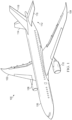
- Body 106 has tail section 112. Horizontal stabilizer 114, horizontal stabilizer 116, and vertical stabilizer 118 are attached to tail section 112 of body 106.
- first component 204 is formed of at least one of composite 226 or metal 228.
- second component 206 is formed of at least one of composite 230 or metal 232.
- at least one of first component 204 or second component 206 is formed of a composite material, composite 226 or composite 230.
- first component 204 or second component 206 comprises metal, metal 228 or metal 232.
- first component 204 and second component 206 are parts of aircraft 234. In these illustrative examples, first component 204 and second component 206 are aircraft components.
- Structural gap filler 212 is selected to be compatible with the material of first component 204 and second component 206. Structural gap filler 212 is selected such that structural gap filler 212 does not undesirably chemically react with the material of first component 204 and second component 206.
- Structural gap filler 212 has material properties 220 configured to allow for injection by injector 219.
- Structural gap filler 212 has material properties 220 configured to encapsulate drilling debris 210.
- material properties 220 include shrinkage 236 configured to continue to fill gap 208 after curing structural gap filler 212.
- material properties 220 include shear thinning 238 configured to encapsulate drilling debris 210. Shear thinning 238 is configured to enable structural gap filler 212 to flow into gap 208 when energy, such as pressure from injection, is applied to structural gap filler 212.
- shear thinning 238 of structural gap filler 212 maintains structural gap filler 212 within gap 208.
- shear thinning 238 of structural gap filler 212 substantially stops movement of structural gap filler 212 such that structural gap filler 212 does not flow outside of gap 208.
- Material properties 220 of structural gap filler 212 are configured to provide encapsulation of drilling debris 210.
- the viscosity measurement range at room temperature (75F) can be from 300K Poise at 1 rad/s to 6K Poise at 100 rad/s.
- Thixotropic Index is a test for shear thinning materials. The Thixotropic Index measures the material viscosity at a slow rotation speed and divides the result by the viscosity at a higher rotation speed that is typically a factor of 10 higher from the slower speed rotation. For Thixotropic Indexes, higher numbers indicate a greater amount of shear thinning.
- structural gap filler 212 can have Thixotropic Indexes of approximately 4 to approximately 8.
- structural gap filler 212 has compressive strength 214 equal to or greater than at least one of compressive strength 242 of first component 204 or compressive strength 244 of second component 206. Gap 208 is present between first surface 246 of first component 204 and second surface 248 and second component 206.
- first component 204 and second component 206 are components of fuselage 250 of aircraft 234.
- first component 204 and second component 206 are components of wing 252.
- Structural gap filler 212 is configured to meet structural loading 254 of joint 218 dependent on location and functioning of joint 218.
- Material properties 220 of structural gap filler 212 within wing 252 could be different than material properties of structural gap filler 212 within fuselage 250 due to different structural loading 254 of wing 252 and fuselage 250.
- joint 218 is in fuel tank 256 within wing 252.
- structural gap filler 212 is configured to reduce or prevent leaks 258 from fuel tank 256.
- material properties 220 of structural gap filler 212 are also selected to reduce or prevent leaks.
- first component 204 comprises skin 260.
- gap 208 is part of inaccessible portions of structure 202.
- skin 260 is part of one of fuselage 250 or wing 252.
- injection hole 209 is a pilot hole.
- hole 221 is configured to receive fastener 262 to join first component 204 and second component 206.
- gap 208 is identified using inspector 264.
- inspector 264 comprises camera 266. Camera 266 can be inserted into injection hole 209 to detect gap 208.
- inspector 264 comprises ultrasonic inspector 268.
- gap 208 is detected using ultrasonic inspector 268.
- manufacturing environment 200 in Figure 2 is not meant to imply physical or architectural limitations to the manner in which an illustrative embodiment may be implemented.
- Other components in addition to or in place of the ones illustrated may be used. Some components may be unnecessary.
- the blocks are presented to illustrate some functional components. One or more of these blocks may be combined, divided, or combined and divided into different blocks when implemented in an illustrative embodiment.
- any desirable quantity of injection holes can be drilled into first component 204 and second component 206.
- multiple injection holes can be drilled through first component 204, gap 208, and second component 206.
- structural gap filler 212 is injected through multiple injection holes into gap 208.
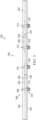
- FIG. 3 is an illustration of a cross-sectional view of a structure with structural gap filler is depicted in accordance with an illustrative embodiment.
- Structure 300 is a physical implementation of structure 202 of Figure 2 .
- Structure 300 comprises first component 302 and second component 304 joined together by fasteners 306.
- First component 302 is a physical implementation of first component 204 of Figure 2 .
- Second component 304 is a physical implementation of second component 206 of Figure 2 .
- fasteners 306 comprise fastener 308, fastener 310, fastener 312, and fastener 314.
- Fasteners 306 extend through holes 316 including hole 318, hole 320, hole 322, and hole 324.
- Injection hole 326 and injection hole 328 were drilled through first component 302 and second component 304. Prior to drilling injection hole 326 and injection hole 328, first component 302 and second component 304 were pulled up for performing manufacturing processes. As can be seen in view 330, after clamping up first component 302 and second component 304, gap 332 and gap 334 were present between first component 302 and second component 304.
- Gap 332 and gap 334 are outside of manufacturing tolerances. In some illustrative examples, gaps greater than 0.008" are outside of manufacturing tolerances. Structural gap filler 336 is present in gap 332 to bring gap 332 within tolerance. Structural gap filler 338 is present in gap 334 to bring gap 334 within tolerance.
- Structural gap filler 336 in gap 332 and structural gap filler 338 in gap 334 are visible.
- Structural gap filler 336 encapsulates drilling debris (not visible) from drilling injection hole 326.
- Structural gap filler 336 is injected through injection hole 326 prior to drilling hole 318 and hole 320. Hole 318 and hole 320 are drilled through first component 302, structural gap filler 338, and second component 304.
- structural gap filler 336 reduces burr production during drilling of hole 318 and hole 320. In some illustrative examples, structural gap filler 336 propels fragments of first component 302 away from structural gap filler 336 during drilling of hole 318 and hole 320.
- Structural gap filler 338 encapsulates drilling debris (not visible) from drilling injection hole 328. Structural gap filler 338 is injected through injection hole 328 prior to drilling hole 322 and hole 324. In some illustrative examples, structural gap filler 338 reduces burr production during drilling of hole 322 and hole 324. In some illustrative examples, structural gap filler 338 propels fragments of first component 302 away from structural gap filler 338 during drilling of hole 322 and hole 324.
- structural gap filler 336 and structural gap filler 338 are the same material. In some illustrative examples, structural gap filler 336 and structural gap filler 338 are different materials. Structural gap filler 336 and structural gap filler 338 are present in joint 340 between first component 302 and second component 304.
- Structural gap filler 336 and structural gap filler 338 each have a compressive strength equivalent to or greater than a compressive strength of joint 340 between first component 302 and second component 304.
- Structural gap filler 336 and structural gap filler 338 have material properties configured to provide encapsulation of the drilling debris.
- structural gap filler 336 and structural gap filler 338 have shear thinning and fixotropic characteristics configured to encapsulate the drilling debris (not depicted).
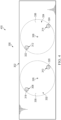
- FIG. 4 an illustration of a top view of a structure with structural gap filler is depicted in accordance with an illustrative embodiment.
- view 400 extents of structural gap filler 336 and structural gap filler 338 are illustrated.
- hole 318 and hole 320 extend through structural gap filler 336.
- hole 322 and hole 324 extend through structural gap filler 338.
- Structural gap filler 336 and structural gap filler 338 reduce gap 332 and gap 334 respectively to within tolerance.
- At least one of hole 318, hole 320, hole 322, or hole 324 can extend through first component 302 and second component 304 (not visible) without a structural gap filler.
- a hole can be drilled through first component 302 and second component 304 without a structural gap filler.
- a hole can be drilled through first component 302 and second component 304 without a structural gap filler.
- Any combination of holes with and without structural gap filler can be present in structure 300.
- Structure 500 is a physical implementation of structure 202 of Figure 2 .
- Structure 500 comprises first component 502 and second component 504 pulled up to receive drilling operations.
- First component 502 is a physical implementation of first component 204 of Figure 2 .
- Second component 504 is a physical implementation of second component 206 of Figure 2 .
- Gap 506 is present between first component 502 and second component 504. Gap 506 is an out of tolerance gap. Due to presence of gap 506, drilling debris will be generated between first component 502 and second component 504 during drilling.
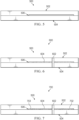
- FIG. 6 an illustration of a cross-sectional view of a structure with a gap is depicted in accordance with an illustrative embodiment.
- injection hole 602 has been drilled through first component 502 and second component 504.
- drilling debris 604 were generated within gap 506.
- Drilling debris 604 includes at least one of loose foreign object debris or burrs.
- FIG. 7 an illustration of a cross-sectional view of a structure with a filled gap is depicted in accordance with an illustrative embodiment.
- structural gap filler 702 has been injected into injection hole 602.
- Structural gap filler 702 fills gap 506.
- Structural gap filler 702 encapsulates drilling debris 604 between first component 502 and second component 504.
- Drilling debris 604 encapsulated by structural gap filler 702 can be referred to as encapsulated drilling debris 703.
- structural gap filler 702 can reduce the number of cleaning or debris removal steps.
- drilling debris 604 do not undesirably affect first component 502 or second component 504.
- Use of structural gap filler 702 to encapsulate drilling debris 604 can reduce at least one of manufacturing time or manufacturing cost.
- By encapsulating drilling debris 604 clamp-up of first component 502 and the second component 504 is maintained between drilling injection hole 602 and subsequent steps.
- by encapsulating drilling debris 604, taking apart first component 502 and second component 504 and cleaning out burrs or drilling debris is eliminated.
- FIG 8 an illustration of a cross-sectional view of a structure with a filled gap is depicted in accordance with an illustrative embodiment.
- hole 802 has been drilled through first component 502, structural gap filler 702, and second component 504.
- hole 802 has been drilled through injection hole 602 of Figures 6 and 7 .
- structural gap filler 702 reduces burr production during drilling of hole 802. In some illustrative examples, structural gap filler 702 propels fragments of first component 502 away from structural gap filler 702 during drilling of hole 802.
- drilling hole 802 removes at least a portion of structural gap filler 702 and at least a portion of encapsulated drilling debris 703. In some illustrative examples, drilling hole 802 removes burrs on at least one of first component 502 or second component 504 from drilling hole 602.
- FIG. 9 an illustration of a cross-sectional view of a structure with a filled gap is depicted in accordance with an illustrative embodiment.
- hole 902 has been drilled through first component 502, structural gap filler 702, and second component 504.
- hole 902 has been drilled offset from injection hole 602.
- Hole 902 and hole 802 of Figure 8 are two implementations for placement of hole 221 of Figure 2 .
- structural gap filler 702 reduces burr production during drilling of hole 902. In some illustrative examples, structural gap filler 702 propels fragments of first component 502 away from structural gap filler 702 during drilling of hole 902. In some illustrative examples, drilling hole 802 removes at least a portion of structural gap filler 702 and at least a portion of encapsulated drilling debris 703.
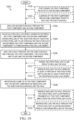
- Method 1000 can be performed to form a structure of aircraft 100 of Figure 1 .
- Method 1000 can be performed to form structure 202 of Figure 2 .
- Method 1000 can be performed to form structure 300 of Figures 3-4 .
- Method 1000 can be performed in forming structure 500 of Figures 5-9 .
- drilling the hole through the structural gap filler propels fragments of the first component away from the structural gap filler (operation 1014). In some illustrative examples, drilling the hole through the structural gap filler reduces burr production during drilling of the hole (operation 1016).
- method 1000 positions the first component relative to the second component (operation 1018) and clamps up the first component and second component prior to drilling the injection hole (operation 1020).
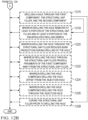
- Method 1100 can be performed to form a structure of aircraft 100 of Figure 1 .
- Method 1100 can be performed to form structure 202 of Figure 2 .
- Method 1100 can be performed to form structure 300 of Figures 3-4 .
- Method 1100 can be performed in forming structure 500 of Figures 5-9 .
- Method 1100 drills an injection hole through a first component and a second component (operation 1102).
- Method 1100 encapsulates drilling debris generated between the first component and the second component during drilling of the injection hole by injecting a structural gap filler through the injection hole and between the first component and the second component to form encapsulated drilling debris (operation 1104).
- Method 1100 drills a hole through the first component, the structural gap filler, and the second component, the hole offset from the injection hole (operation 1106).
- the hole is drilled offset from the injection hole, a portion of the injection hole is encompassed by the hole.
- the injection hole remains in the first component and the second component.
- Method 1100 maintains clamp-up of the first component and the second component between drilling the injection hole and drilling the hole (operation 1108). Afterwards, method 1100 terminates.
- method positions the first component relative to the second component (operation 1110) and clamping up the first component and second component prior to drilling the injection hole (operation 1112). In some illustrative examples, method 1100 cures the structural gap filler prior to drilling the hole (operation 1114).
- drilling the hole through the structural gap filler propels fragments of the first component away from the structural gap filler (operation 1116). In some illustrative examples, drilling the hole through the structural gap filler reduces burr production during drilling of the hole (operation 1118).
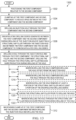
- Method 1200 can be performed to form a structure of aircraft 100 of Figure 1 .
- Method 1200 can be performed to form structure 202 of Figure 2 .
- Method 1200 can be performed to form structure 300 of Figures 3-4 .
- Method 1200 can be performed in forming structure 500 of Figures 5-9 .
- injecting the structural gap filler encapsulates drilling debris generated between the first component and the second component during drilling of the injection hole to form encapsulated drilling debris (operation 1212). In some illustrative examples, injecting the structural gap filler pushes some drilling debris generated between the first component and the second component during drilling of the injection hole away from the injection hole (operation 1214).
- method 1200 drills a hole through the first component, the structural gap filler, and the second component (operation 1216).
- drilling the hole removes at least a portion of the structural gap filler and at least a portion of the encapsulated drilling debris (operation 1218). In some illustrative examples, drilling the hole through the structural gap filler reduces burr production during drilling of the hole (operation 1220). In some illustrative examples, drilling the hole through the structural gap filler propels fragments of the first component away from the structural gap filler (operation 1222).
- Method 1300 can be performed to form a structure of aircraft 100 of Figure 1 .
- Method 1300 can be performed to form structure 202 of Figure 2 .
- Method 1300 can be performed to form structure 300 of Figures 3-4 .
- Method 1300 can be performed in forming structure 500 of Figures 5-9 .
- the phrase "at least one of,” when used with a list of items, means different combinations of one or more of the listed items may be used and only one of each item in the list may be needed.
- “at least one of item A, item B, or item C” may include, without limitation, item A, item A and item B, or item B. This example also may include item A, item B, and item C or item B and item C. Of course, any combinations of these items may be present.
- "at least one of” may be, for example, without limitation, two of item A; one of item B; and ten of item C; four of item B and seven of item C; or other suitable combinations.
- the item may be a particular object, thing, or a category. In other words, at least one of means any combination items and number of items may be used from the list but not all of the items in the list are required.
- a portion of airframe 1502 of aircraft 1500 can be formed by one of method 1000, method 1100, method 1200, or method 1300. At least one of method 1000, method 1100, method 1200, or method 1300 can be performed during component and subassembly manufacturing 1406. A composite structure formed using one of method 1000, method 1100, method 1200, or method 1300 can be present and utilized during in service 1412. At least one of method 1000, method 1100, method 1200, or method 1300 can be performed during maintenance and service 1414 to form a replacement part.
- the illustrative examples provide methods to enable one up assembly for components with gaps between the mating surfaces.
- the illustrative examples can reduce or eliminate the step of taking apart structures (assemblies) and removing burrs within a gap after drilling.
- the illustrative examples can reduce burr generation in assembly gaps.
- the illustrative examples can encapsulate burrs from injection hole drilling operations.
- the illustrative examples reduce manufacturing time by reducing or eliminating disassembly and cleaning steps.
- the illustrative examples enable one up assembly by allowing for fastener insertion after drilling without taking apart structures for cleaning.
- the illustrative examples can enable one up assembly on airplane members with gaps larger than 0.010" where a chip or burr can result from the drilling with a gap between the skin and the substructure.
- a structural gap filler material is injected into a gap present between components, such as aircraft components, through an injection hole.
- the injection hole is a fastener pilot hole.
- Burrs that occur during the injection hole drilling process are encapsulated in the structural gap filler material. Once the structural gap filler is cured, a fastener hole is drilled into the components. The cured structural gap filler material reduces or prevents burrs from developing during the final drilling process as there is not a gap between the components.
- a fastener hole is drilled to size over the injection hole.
- final hole sizing is larger than the injection hole and thus burrs from pilot hole drilling that were encapsulated by structural gap filler can be eliminated (drilled out) when the final hole sizing is completed.
- drill filings encapsulated with liquid shim material injected in the drill (pilot) hole to encapsulate burrs and push drill filings away from hole edge may be removed, at least partially after drying and drilling out to full size.
- an injection nozzle with "O" ring seals seals the nozzle to the hole walls on either side of the gap being sealed. The sealant is injected through the nozzle and past the first "O" ring seal at the gap between the proximal and distal material being fastened. The "O" ring seals can prevent sealant squeezing out of either the proximal or distal end of the fastener hole.
Landscapes
- Engineering & Computer Science (AREA)
- Mechanical Engineering (AREA)
- Manufacturing & Machinery (AREA)
- Transportation (AREA)
- Aviation & Aerospace Engineering (AREA)
- Chemical & Material Sciences (AREA)
- Composite Materials (AREA)
- Life Sciences & Earth Sciences (AREA)
- Forests & Forestry (AREA)
- Drilling And Boring (AREA)
- Connection Of Plates (AREA)
Claims (15)
- Verfahren (1000) zum Zusammenbau einer Struktur (202), das Verfahren aufweisend:Bohren (1002) eines Injektionslochs (209) durch eine erste Komponente (204) und eine zweite Komponente (206);Einkapseln (1004) von beim Bohren des Injektionslochs (209) zwischen der ersten Komponente (204) und der zweiten Komponente (206) entstehendem Bohrstaub (210) durch Injizieren eines strukturellen Spaltfüllers (212) durch das Injektionsloch (209) und zwischen die erste Komponente (204) und die zweite Komponente (206), um eingekapselten Bohrstaub (210) zu bilden;Bohren (1006) eines Lochs (221) durch das Injektionsloch (209) und durch die erste Komponente (204), den strukturellen Spaltfüller (212) und die zweite Komponente (206); undAufrechterhalten (1008) des Anpressdrucks zwischen der ersten Komponente (204) und der zweiten Komponente (206) zwischen dem Bohren des Injektionslochs (209) und dem Bohren des Lochs (221).
- Verfahren (1000) nach Anspruch 1, wobei das Bohren des Lochs (221) mindestens einen Abschnitt des strukturellen Spaltfüllers (212) und mindestens einen Abschnitt des eingekapselten Bohrstaubs (210) entfernt.
- Verfahren (1000) nach Anspruch 1 oder 2, des Weiteren aufweisend:
Aushärten (1012) des strukturellen Spaltfüllers (212) vor dem Bohren des Lochs (221). - Verfahren (1000) nach einem der Ansprüche 1 bis 3, wobei (1016) das Bohren des Lochs (221) durch den strukturellen Spaltfüller (212) die Gratbildung (224) während des Bohrens des Lochs (221) verringert.
- Verfahren (1000) nach einem der Ansprüche 1 bis 4, wobei (1014) das Bohren des Lochs (221) durch den strukturellen Spaltfüller (212) Fragmente (222) der ersten Komponente (204) vom strukturellen Spaltfüller (212) wegschleudert.
- Verfahren (1000) nach einem der Ansprüche 1 bis 5, des Weiteren aufweisend:Anordnen (1018) der ersten Komponente (204) relativ zu der zweiten Komponente (206); undAnpressen (1020) der ersten Komponente (204) und der zweiten Komponente (206) vor dem Bohren des Injektionslochs (209).
- Verfahren (1100) zum Zusammenbau einer Struktur (202), das Verfahren aufweisend:Bohren (1102) eines Injektionslochs (209) durch eine erste Komponente (204) und eine zweite Komponente (206);Einkapseln (1104) von beim Bohren des Injektionslochs (209) zwischen der ersten Komponente (204) und der zweiten Komponente (206) entstehendem Bohrstaub (210) durch Injizieren eines strukturellen Spaltfüllers (212) durch das Injektionsloch (209) und zwischen die erste Komponente (204) und die zweite Komponente (206), um eingekapselten Bohrstaub (210) zu bilden;Bohren (1106) eines Lochs (221) durch die erste Komponente (204), den strukturellen Spaltfüller (212) und die zweite Komponente (206), wobei das Loch (221) versetzt zu dem Injektionsloch (209) ist; undAufrechterhalten (1108) des Anpressdrucks zwischen der ersten Komponente (204) und der zweiten Komponente (206) zwischen dem Bohren des Injektionslochs (209) und dem Bohren des Lochs (221).
- Verfahren (1100) nach Anspruch 7, des Weiteren aufweisend:
Aushärten (1114) des strukturellen Spaltfüllers (212) vor dem Bohren des Lochs (221). - Verfahren (1100) nach Anspruch 7, wobei das Bohren (1118) des Lochs (221) durch den strukturellen Spaltfüller (212) die Gratbildung (224) während des Bohrens des Lochs (221) verringert.
- Verfahren (1100) nach Anspruch 7, wobei das Bohren (1116) des Lochs (221) durch den strukturellen Spaltfüller (212) Fragmente (222) der ersten Komponente (204) vom strukturellen Spaltfüller (212) wegschleudert.
- Verfahren (1100) nach Anspruch 7, des Weiteren aufweisend:Anordnen (1110) der ersten Komponente (204) relativ zu der zweiten Komponente (206); undAnpressen (1112) der ersten Komponente (204) und der zweiten Komponente (206) vor dem Bohren des Injektionslochs (209).
- Verfahren (1200) zum Zusammenbau einer Struktur (202), das Verfahren aufweisend:Bohren (1202) eines Injektionslochs (209) durch eine erste Komponente (204) und eine zweite Komponente (206);Injizieren (1204) eines strukturellen Spaltfüllers (212) durch das Injektionsloch (209) und zwischen die erste Komponente (204) und die zweite Komponente (206), um einen Spalt zwischen der ersten Komponente (204) und der zweiten Komponente (206) zu füllen; undAufrechterhalten (1206) des Anpressdrucks zwischen der ersten Komponente (204) und der zweiten Komponente (206) zwischen dem Bohren des Injektionslochs (209) und dem Injizieren des strukturellen Spaltfüllers (212).
- Verfahren (1200) nach Anspruch 12, wobei das Injizieren (1212) des strukturellen Spaltfüllers (212) Bohrstaub (210) einkapselt, der zwischen der ersten Komponente (204) und der zweiten Komponente (206) beim Bohren des Injektionslochs (209) entsteht, um eingekapselten Bohrstaub (210) zu bilden.
- Verfahren (1200) nach Anspruch 13, des Weiteren aufweisend:
Bohren (1216) eines Lochs (221) durch die erste Komponente (204), den strukturellen Spaltfüller (212) und die zweite Komponente (206). - Verfahren (1300) zum Zusammenbau einer Struktur (202), aufweisend:Anordnen (1302) einer ersten Komponente (204) relativ zu einer zweiten Komponente (206);Anpressen (1304) der ersten Komponente (204) und der zweiten Komponente (206), um den Zwischenraum zwischen der ersten Komponente (204) und der zweiten Komponente (206) zu verringern;Bohren (1306) eines Injektionslochs (209) durch die erste Komponente (204) und die zweite Komponente (206); Einkapseln (1308) von beim Bohren des Injektionslochs (209) zwischen der ersten Komponente (204) und der zweiten Komponente (206) entstehendem Bohrstaub (210) durch Injizieren eines strukturellen Spaltfüllers (212) durch das Injektionsloch (209) und zwischen die erste Komponente (204) und die zweite Komponente (206), um eingekapselten Bohrstaub (210) zu bilden;Bohren (1310) eines Lochs (221) durch das Injektionsloch (209) und durch die erste Komponente (204), den strukturellen Spaltfüller (212) und die zweite Komponente (206), wobei das Bohren des Lochs (221) durch den strukturellen Spaltfüller (212) die Gratbildung (224) während des Bohrens des Lochs (221) verringert; undAufrechterhalten (1312) des Anpressdrucks zwischen der ersten Komponente (204) und der zweiten Komponente (206) zwischen dem Bohren des Injektionslochs (209) und dem Bohren des Lochs (221).
Applications Claiming Priority (1)
| Application Number | Priority Date | Filing Date | Title |
|---|---|---|---|
| US18/046,887 US11851213B1 (en) | 2022-10-14 | 2022-10-14 | Methods and structural gap filler for one-up assembly |
Publications (2)
| Publication Number | Publication Date |
|---|---|
| EP4353460A1 EP4353460A1 (de) | 2024-04-17 |
| EP4353460B1 true EP4353460B1 (de) | 2025-04-16 |
Family
ID=87845583
Family Applications (1)
| Application Number | Title | Priority Date | Filing Date |
|---|---|---|---|
| EP23193544.6A Active EP4353460B1 (de) | 2022-10-14 | 2023-08-25 | Verfahren und struktureller lückenfüller für one-up-anordnung |
Country Status (4)
| Country | Link |
|---|---|
| US (1) | US11851213B1 (de) |
| EP (1) | EP4353460B1 (de) |
| JP (1) | JP2024058655A (de) |
| CN (1) | CN117885154A (de) |
Families Citing this family (1)
| Publication number | Priority date | Publication date | Assignee | Title |
|---|---|---|---|---|
| GB2639205A (en) * | 2024-03-11 | 2025-09-17 | Airbus Operations Ltd | A joint assembly in an aircraft structure |
Citations (1)
| Publication number | Priority date | Publication date | Assignee | Title |
|---|---|---|---|---|
| DE102021124477A1 (de) * | 2021-09-22 | 2023-03-23 | Lisa Dräxlmaier GmbH | Verfahren und vorrichtung zum herstellen einer fluiddichten verschraubung an einem profil |
Family Cites Families (46)
| Publication number | Priority date | Publication date | Assignee | Title |
|---|---|---|---|---|
| GB8628555D0 (en) | 1986-11-28 | 1987-01-07 | British Aerospace | Anti lightning strike fasteners |
| US4980005A (en) * | 1987-03-13 | 1990-12-25 | The Boeing Company | Method for producing an aerospace structure having a cast-in-place noncompressible void filler |
| US4951849A (en) * | 1988-09-30 | 1990-08-28 | The Boeing Company | Sealant applicator and method for an automatic fastener machine |
| US5358397A (en) | 1993-05-10 | 1994-10-25 | L&L Products, Inc. | Apparatus for extruding flowable materials |
| US5752657A (en) | 1996-03-29 | 1998-05-19 | Loctite Corporation | Rotating fluid wide band applicator |
| US6905291B2 (en) * | 2002-05-30 | 2005-06-14 | The Boeing Company | Apparatus and method for drilling holes and optionally inserting fasteners |
| US6886721B2 (en) | 2002-11-22 | 2005-05-03 | Ford Global Technologies, Llc | Sealing probe |
| US9174176B2 (en) | 2003-01-09 | 2015-11-03 | Disperse Systems, Inc. | Ultrasonic dispersion apparatus, system, and method |
| DE102005002546A1 (de) * | 2005-01-19 | 2006-08-10 | Airbus Deutschland Gmbh | Längsnaht-Strukturmontage von Flugzeugrümpfen |
| DE102005019877B4 (de) * | 2005-04-28 | 2015-06-11 | Airbus Operations Gmbh | Klemm-Fixier-Einheit zum Verspannen von mindestens zwei Bauteilschichten zwischen zwei Druckplatten und ein kombiniertes Verspann-Bohrverfahren |
| GB0525690D0 (en) | 2005-12-16 | 2006-01-25 | Airbus Uk Ltd | Assembly of aircraft components |
| FR2912672B1 (fr) * | 2007-02-16 | 2009-05-15 | Airbus France Sa | Procede d'assemblage de deux ensembles, tels que des ensembles de fuselage d'aeronef |
| DE102008001904A1 (de) * | 2008-05-21 | 2009-11-26 | Hilti Aktiengesellschaft | Setzverfahren zum Verankern eines Befestigungselementes |
| DE102009014933A1 (de) * | 2009-03-25 | 2010-10-07 | Airbus Operations Gmbh | Verfahren zum Toleranzausgleich zwischen zwei Bauteilen und Werkzeug zur Durchführung des Verfahrens |
| US8209865B2 (en) * | 2009-06-04 | 2012-07-03 | Lockheed Martin Corporation | Method of manufacturing aircraft using temporary fasteners |
| WO2011116918A2 (de) * | 2010-03-20 | 2011-09-29 | Karin Henning | Verfahren zur nachträglichen ertüchtigung eines befestigungsmittels und hierfür geeignete injektage-unterlegscheibe |
| US20120114835A1 (en) | 2010-11-09 | 2012-05-10 | Adhesive Techlologies, Inc. | Nozzle for applying a thin film of liquid |
| JP5822493B2 (ja) * | 2011-03-16 | 2015-11-24 | 三菱航空機株式会社 | 耐雷ファスナ、航空機組立品、航空機組立部品の製造方法 |
| US9090357B2 (en) * | 2011-12-15 | 2015-07-28 | The Boeing Company | Method of assembling panelized aircraft fuselages |
| US20170080448A1 (en) | 2015-09-22 | 2017-03-23 | Ultrasonic Systems, Inc. | Ultrasonic Spray Coating Assembly |
| US8985514B2 (en) * | 2012-06-20 | 2015-03-24 | The Boeing Company | Composite structural panels and aircraft fuselages |
| US9102019B2 (en) * | 2012-12-21 | 2015-08-11 | Embraer S.A. | Process for joining aircraft structural components |
| US9038866B2 (en) | 2013-03-12 | 2015-05-26 | Orbital Atk, Inc. | Application tips including a dispensing nozzle with one or more dispensing passages extending along a length thereof and related methods |
| US10502235B2 (en) | 2013-11-06 | 2019-12-10 | United Technologies Corporation | Method for tight control of bolt holes in fan assembly |
| US9803674B2 (en) * | 2014-05-06 | 2017-10-31 | The Patent Well LLC | Thin gel gasket and a method of making and using the same |
| WO2016106325A1 (en) * | 2014-12-22 | 2016-06-30 | Sikorsky Aircraft Corporation | Liquid shim adhesive injection tool |
| EP3319785B1 (de) * | 2015-07-09 | 2021-09-29 | WoodWelding AG | Verbinden von objekten |
| US10385908B2 (en) * | 2016-03-31 | 2019-08-20 | The Boeing Company | Conformal clearance fit fastener, fastener system, and method for composite structures |
| EP3275645A1 (de) * | 2016-07-25 | 2018-01-31 | nolax AG | Sandwichbauteil, verfahren für die herstellung eines sandwichbauteils und verwendung eines sandwichbauteils |
| US11370036B2 (en) * | 2016-10-25 | 2022-06-28 | The Boeing Company | One up assembly aircraft panel drilling system |
| US10525497B2 (en) * | 2016-12-15 | 2020-01-07 | Gm Global Technology Operations Llc. | Method of injecting a liquid between two panels, and a tool therefore |
| FR3068902B1 (fr) * | 2017-07-13 | 2019-08-09 | Latecoere Services | Procede d'assemblage de pieces par combinaison d'etancheification et d'insertion de moyen de fixation ainsi qu'outil de mise en oeuvre |
| GB2565081A (en) | 2017-07-31 | 2019-02-06 | Airbus Operations Ltd | An assembly apparatus for forming an interfay joint during manufacture of an aircraft |
| US10603844B2 (en) | 2017-10-18 | 2020-03-31 | The Boeing Company | Apparatus and methods for injecting filler material into a hole in a composite layer |
| US10982705B2 (en) | 2018-03-16 | 2021-04-20 | The Boeing Company | Method, apparatus and applicator for applying a coating on a surface of a lamination |
| US10821496B2 (en) * | 2018-03-16 | 2020-11-03 | The Boeing Company | Offset fastener installation system |
| US10722923B2 (en) | 2018-03-21 | 2020-07-28 | The Boeing Company | Hole-cleaning method and apparatus |
| US11472140B2 (en) | 2018-07-12 | 2022-10-18 | The Boeing Company | Composite structure through-hole repair methods |
| US11305390B2 (en) * | 2018-12-21 | 2022-04-19 | The Boeing Company | Method and apparatus for single-sided clamp-up |
| FR3092817A1 (fr) * | 2019-02-15 | 2020-08-21 | Airbus Operations (S.A.S.) | Procédé d’assemblage de deux pièces et procédé d’assemblage de deux tronçons d’un aéronef |
| US11298899B2 (en) * | 2019-06-24 | 2022-04-12 | Textron Innovations Inc. | System and method for repairing a composite structure |
| US11303047B2 (en) * | 2020-01-07 | 2022-04-12 | The Boeing Company | Conductively coated fastening systems for full size determinant assembly (FSDA) |
| WO2021202749A1 (en) | 2020-03-31 | 2021-10-07 | Level 5 Tools, LLC | System for applying finishing compound |
| CN112590084B (zh) | 2020-11-25 | 2022-02-25 | 西北工业大学 | 一种用于沉孔深度修正的液体垫片成型方法及模具 |
| US11833768B2 (en) | 2020-12-11 | 2023-12-05 | The Boeing Company | Liquid shim injection devices and methods for injecting liquid shim material between adjacent components |
| US20230066560A1 (en) * | 2020-12-11 | 2023-03-02 | The Boeing Company | Aircraft with structural gap filler |
-
2022
- 2022-10-14 US US18/046,887 patent/US11851213B1/en active Active
-
2023
- 2023-08-25 EP EP23193544.6A patent/EP4353460B1/de active Active
- 2023-09-08 CN CN202311155947.5A patent/CN117885154A/zh active Pending
- 2023-10-13 JP JP2023177536A patent/JP2024058655A/ja active Pending
Patent Citations (1)
| Publication number | Priority date | Publication date | Assignee | Title |
|---|---|---|---|---|
| DE102021124477A1 (de) * | 2021-09-22 | 2023-03-23 | Lisa Dräxlmaier GmbH | Verfahren und vorrichtung zum herstellen einer fluiddichten verschraubung an einem profil |
Also Published As
| Publication number | Publication date |
|---|---|
| EP4353460A1 (de) | 2024-04-17 |
| JP2024058655A (ja) | 2024-04-25 |
| US11851213B1 (en) | 2023-12-26 |
| CN117885154A (zh) | 2024-04-16 |
Similar Documents
| Publication | Publication Date | Title |
|---|---|---|
| US9555608B2 (en) | System and method of forming an injection-bonded joint | |
| US20030019567A1 (en) | Vacuum assisted resin transfer method for co-bonding composite laminate structures | |
| US20040256053A1 (en) | Vacuum assisted resin transfer method for co-bonding composite laminate structures | |
| EP2173539B1 (de) | Vorrichtung und verfahren zur herstellung von faserverstärkten verbundstrukturen | |
| EP2551094B1 (de) | Verbindungs- und Heftreparatur für delaminierten Verbundstoff | |
| US20160176085A1 (en) | Method and system for producing composite structures | |
| EP4353460B1 (de) | Verfahren und struktureller lückenfüller für one-up-anordnung | |
| EP3315297B1 (de) | Sandwichplattenablösungsreparatur | |
| US9073267B1 (en) | Method of assembling panels and adhesively bonded joints used therein | |
| US11305495B2 (en) | Adhesive injection method and structure | |
| JP2008529849A (ja) | 繊維複合材料構造要素および繊維複合材料構造要素を製造する方法 | |
| EP2781345B1 (de) | Verfahren und System zur Herstellung von Verbundstrukturen | |
| US12486430B2 (en) | Preform assembly | |
| EP4549136A1 (de) | Infusionsverfahren mit kompressionsharzübertragung | |
| US11987015B2 (en) | Systems and methods for evacuated injection repair of bondline voids | |
| DE102014111176B4 (de) | Verfahren zur Herstellung eines Faserverbundbauteiles | |
| CN114103182A (zh) | 一种定向纤维增强的胶接连接方法 |
Legal Events
| Date | Code | Title | Description |
|---|---|---|---|
| PUAI | Public reference made under article 153(3) epc to a published international application that has entered the european phase |
Free format text: ORIGINAL CODE: 0009012 |
|
| STAA | Information on the status of an ep patent application or granted ep patent |
Free format text: STATUS: THE APPLICATION HAS BEEN PUBLISHED |
|
| AK | Designated contracting states |
Kind code of ref document: A1 Designated state(s): AL AT BE BG CH CY CZ DE DK EE ES FI FR GB GR HR HU IE IS IT LI LT LU LV MC ME MK MT NL NO PL PT RO RS SE SI SK SM TR |
|
| STAA | Information on the status of an ep patent application or granted ep patent |
Free format text: STATUS: REQUEST FOR EXAMINATION WAS MADE |
|
| 17P | Request for examination filed |
Effective date: 20240918 |
|
| RBV | Designated contracting states (corrected) |
Designated state(s): AL AT BE BG CH CY CZ DE DK EE ES FI FR GB GR HR HU IE IS IT LI LT LU LV MC ME MK MT NL NO PL PT RO RS SE SI SK SM TR |
|
| GRAP | Despatch of communication of intention to grant a patent |
Free format text: ORIGINAL CODE: EPIDOSNIGR1 |
|
| STAA | Information on the status of an ep patent application or granted ep patent |
Free format text: STATUS: GRANT OF PATENT IS INTENDED |
|
| GRAS | Grant fee paid |
Free format text: ORIGINAL CODE: EPIDOSNIGR3 |
|
| RIC1 | Information provided on ipc code assigned before grant |
Ipc: B29C 65/72 20060101ALI20250131BHEP Ipc: B29C 65/56 20060101ALI20250131BHEP Ipc: B29C 65/54 20060101ALI20250131BHEP Ipc: B23B 35/00 20060101ALI20250131BHEP Ipc: B05C 7/00 20060101ALI20250131BHEP Ipc: B64F 5/10 20170101ALI20250131BHEP Ipc: B29C 70/74 20060101ALI20250131BHEP Ipc: B29C 70/54 20060101AFI20250131BHEP |
|
| GRAA | (expected) grant |
Free format text: ORIGINAL CODE: 0009210 |
|
| STAA | Information on the status of an ep patent application or granted ep patent |
Free format text: STATUS: THE PATENT HAS BEEN GRANTED |
|
| INTG | Intention to grant announced |
Effective date: 20250217 |
|
| P01 | Opt-out of the competence of the unified patent court (upc) registered |
Free format text: CASE NUMBER: APP_8395/2025 Effective date: 20250219 |
|
| AK | Designated contracting states |
Kind code of ref document: B1 Designated state(s): AL AT BE BG CH CY CZ DE DK EE ES FI FR GB GR HR HU IE IS IT LI LT LU LV MC ME MK MT NL NO PL PT RO RS SE SI SK SM TR |
|
| REG | Reference to a national code |
Ref country code: GB Ref legal event code: FG4D |
|
| REG | Reference to a national code |
Ref country code: CH Ref legal event code: EP |
|
| REG | Reference to a national code |
Ref country code: IE Ref legal event code: FG4D |
|
| REG | Reference to a national code |
Ref country code: DE Ref legal event code: R096 Ref document number: 602023002934 Country of ref document: DE |
|
| REG | Reference to a national code |
Ref country code: NL Ref legal event code: MP Effective date: 20250416 |
|
| PG25 | Lapsed in a contracting state [announced via postgrant information from national office to epo] |
Ref country code: NL Free format text: LAPSE BECAUSE OF FAILURE TO SUBMIT A TRANSLATION OF THE DESCRIPTION OR TO PAY THE FEE WITHIN THE PRESCRIBED TIME-LIMIT Effective date: 20250416 |
|
| REG | Reference to a national code |
Ref country code: AT Ref legal event code: MK05 Ref document number: 1785309 Country of ref document: AT Kind code of ref document: T Effective date: 20250416 |
|
| PG25 | Lapsed in a contracting state [announced via postgrant information from national office to epo] |
Ref country code: PT Free format text: LAPSE BECAUSE OF FAILURE TO SUBMIT A TRANSLATION OF THE DESCRIPTION OR TO PAY THE FEE WITHIN THE PRESCRIBED TIME-LIMIT Effective date: 20250818 Ref country code: FI Free format text: LAPSE BECAUSE OF FAILURE TO SUBMIT A TRANSLATION OF THE DESCRIPTION OR TO PAY THE FEE WITHIN THE PRESCRIBED TIME-LIMIT Effective date: 20250416 Ref country code: ES Free format text: LAPSE BECAUSE OF FAILURE TO SUBMIT A TRANSLATION OF THE DESCRIPTION OR TO PAY THE FEE WITHIN THE PRESCRIBED TIME-LIMIT Effective date: 20250416 |
|
| PGFP | Annual fee paid to national office [announced via postgrant information from national office to epo] |
Ref country code: DE Payment date: 20250827 Year of fee payment: 3 |
|
| REG | Reference to a national code |
Ref country code: LT Ref legal event code: MG9D |
|
| PG25 | Lapsed in a contracting state [announced via postgrant information from national office to epo] |
Ref country code: NO Free format text: LAPSE BECAUSE OF FAILURE TO SUBMIT A TRANSLATION OF THE DESCRIPTION OR TO PAY THE FEE WITHIN THE PRESCRIBED TIME-LIMIT Effective date: 20250716 Ref country code: GR Free format text: LAPSE BECAUSE OF FAILURE TO SUBMIT A TRANSLATION OF THE DESCRIPTION OR TO PAY THE FEE WITHIN THE PRESCRIBED TIME-LIMIT Effective date: 20250717 |
|
| PG25 | Lapsed in a contracting state [announced via postgrant information from national office to epo] |
Ref country code: PL Free format text: LAPSE BECAUSE OF FAILURE TO SUBMIT A TRANSLATION OF THE DESCRIPTION OR TO PAY THE FEE WITHIN THE PRESCRIBED TIME-LIMIT Effective date: 20250416 |
|
| PG25 | Lapsed in a contracting state [announced via postgrant information from national office to epo] |
Ref country code: BG Free format text: LAPSE BECAUSE OF FAILURE TO SUBMIT A TRANSLATION OF THE DESCRIPTION OR TO PAY THE FEE WITHIN THE PRESCRIBED TIME-LIMIT Effective date: 20250416 |
|
| PG25 | Lapsed in a contracting state [announced via postgrant information from national office to epo] |
Ref country code: HR Free format text: LAPSE BECAUSE OF FAILURE TO SUBMIT A TRANSLATION OF THE DESCRIPTION OR TO PAY THE FEE WITHIN THE PRESCRIBED TIME-LIMIT Effective date: 20250416 |
|
| PG25 | Lapsed in a contracting state [announced via postgrant information from national office to epo] |
Ref country code: AT Free format text: LAPSE BECAUSE OF FAILURE TO SUBMIT A TRANSLATION OF THE DESCRIPTION OR TO PAY THE FEE WITHIN THE PRESCRIBED TIME-LIMIT Effective date: 20250416 |
|
| PGFP | Annual fee paid to national office [announced via postgrant information from national office to epo] |
Ref country code: FR Payment date: 20250825 Year of fee payment: 3 |
|
| PG25 | Lapsed in a contracting state [announced via postgrant information from national office to epo] |
Ref country code: RS Free format text: LAPSE BECAUSE OF FAILURE TO SUBMIT A TRANSLATION OF THE DESCRIPTION OR TO PAY THE FEE WITHIN THE PRESCRIBED TIME-LIMIT Effective date: 20250716 |
|
| PG25 | Lapsed in a contracting state [announced via postgrant information from national office to epo] |
Ref country code: IS Free format text: LAPSE BECAUSE OF FAILURE TO SUBMIT A TRANSLATION OF THE DESCRIPTION OR TO PAY THE FEE WITHIN THE PRESCRIBED TIME-LIMIT Effective date: 20250816 |
|
| PG25 | Lapsed in a contracting state [announced via postgrant information from national office to epo] |
Ref country code: LV Free format text: LAPSE BECAUSE OF FAILURE TO SUBMIT A TRANSLATION OF THE DESCRIPTION OR TO PAY THE FEE WITHIN THE PRESCRIBED TIME-LIMIT Effective date: 20250416 |
|
| PG25 | Lapsed in a contracting state [announced via postgrant information from national office to epo] |
Ref country code: SM Free format text: LAPSE BECAUSE OF FAILURE TO SUBMIT A TRANSLATION OF THE DESCRIPTION OR TO PAY THE FEE WITHIN THE PRESCRIBED TIME-LIMIT Effective date: 20250416 Ref country code: DK Free format text: LAPSE BECAUSE OF FAILURE TO SUBMIT A TRANSLATION OF THE DESCRIPTION OR TO PAY THE FEE WITHIN THE PRESCRIBED TIME-LIMIT Effective date: 20250416 |
|
| REG | Reference to a national code |
Ref country code: DE Ref legal event code: R097 Ref document number: 602023002934 Country of ref document: DE |
|
| PG25 | Lapsed in a contracting state [announced via postgrant information from national office to epo] |
Ref country code: CZ Free format text: LAPSE BECAUSE OF FAILURE TO SUBMIT A TRANSLATION OF THE DESCRIPTION OR TO PAY THE FEE WITHIN THE PRESCRIBED TIME-LIMIT Effective date: 20250416 |
|
| PG25 | Lapsed in a contracting state [announced via postgrant information from national office to epo] |
Ref country code: EE Free format text: LAPSE BECAUSE OF FAILURE TO SUBMIT A TRANSLATION OF THE DESCRIPTION OR TO PAY THE FEE WITHIN THE PRESCRIBED TIME-LIMIT Effective date: 20250416 |
|
| PG25 | Lapsed in a contracting state [announced via postgrant information from national office to epo] |
Ref country code: SK Free format text: LAPSE BECAUSE OF FAILURE TO SUBMIT A TRANSLATION OF THE DESCRIPTION OR TO PAY THE FEE WITHIN THE PRESCRIBED TIME-LIMIT Effective date: 20250416 |
|
| PG25 | Lapsed in a contracting state [announced via postgrant information from national office to epo] |
Ref country code: IT Free format text: LAPSE BECAUSE OF FAILURE TO SUBMIT A TRANSLATION OF THE DESCRIPTION OR TO PAY THE FEE WITHIN THE PRESCRIBED TIME-LIMIT Effective date: 20250416 |
|
| PLBE | No opposition filed within time limit |
Free format text: ORIGINAL CODE: 0009261 |
|
| STAA | Information on the status of an ep patent application or granted ep patent |
Free format text: STATUS: NO OPPOSITION FILED WITHIN TIME LIMIT |
|
| REG | Reference to a national code |
Ref country code: CH Ref legal event code: L10 Free format text: ST27 STATUS EVENT CODE: U-0-0-L10-L00 (AS PROVIDED BY THE NATIONAL OFFICE) Effective date: 20260225 |
|
| PG25 | Lapsed in a contracting state [announced via postgrant information from national office to epo] |
Ref country code: RO Free format text: LAPSE BECAUSE OF FAILURE TO SUBMIT A TRANSLATION OF THE DESCRIPTION OR TO PAY THE FEE WITHIN THE PRESCRIBED TIME-LIMIT Effective date: 20250416 |
|
| 26N | No opposition filed |
Effective date: 20260119 |
|
| PG25 | Lapsed in a contracting state [announced via postgrant information from national office to epo] |
Ref country code: MC Free format text: LAPSE BECAUSE OF FAILURE TO SUBMIT A TRANSLATION OF THE DESCRIPTION OR TO PAY THE FEE WITHIN THE PRESCRIBED TIME-LIMIT Effective date: 20250416 |
|
| PG25 | Lapsed in a contracting state [announced via postgrant information from national office to epo] |
Ref country code: LU Free format text: LAPSE BECAUSE OF NON-PAYMENT OF DUE FEES Effective date: 20250825 |