EP4247660B1 - Dispositif d'affichage pour véhicule automobile - Google Patents
Dispositif d'affichage pour véhicule automobile Download PDFInfo
- Publication number
- EP4247660B1 EP4247660B1 EP21794361.2A EP21794361A EP4247660B1 EP 4247660 B1 EP4247660 B1 EP 4247660B1 EP 21794361 A EP21794361 A EP 21794361A EP 4247660 B1 EP4247660 B1 EP 4247660B1
- Authority
- EP
- European Patent Office
- Prior art keywords
- display device
- screens
- central block
- vehicle
- screen
- Prior art date
- Legal status (The legal status is an assumption and is not a legal conclusion. Google has not performed a legal analysis and makes no representation as to the accuracy of the status listed.)
- Active
Links
Images



Classifications
-
- B—PERFORMING OPERATIONS; TRANSPORTING
- B60—VEHICLES IN GENERAL
- B60K—ARRANGEMENT OR MOUNTING OF PROPULSION UNITS OR OF TRANSMISSIONS IN VEHICLES; ARRANGEMENT OR MOUNTING OF PLURAL DIVERSE PRIME-MOVERS IN VEHICLES; AUXILIARY DRIVES FOR VEHICLES; INSTRUMENTATION OR DASHBOARDS FOR VEHICLES; ARRANGEMENTS IN CONNECTION WITH COOLING, AIR INTAKE, GAS EXHAUST OR FUEL SUPPLY OF PROPULSION UNITS IN VEHICLES
- B60K35/00—Instruments specially adapted for vehicles; Arrangement of instruments in or on vehicles
- B60K35/10—Input arrangements, i.e. from user to vehicle, associated with vehicle functions or specially adapted therefor
-
- B—PERFORMING OPERATIONS; TRANSPORTING
- B60—VEHICLES IN GENERAL
- B60K—ARRANGEMENT OR MOUNTING OF PROPULSION UNITS OR OF TRANSMISSIONS IN VEHICLES; ARRANGEMENT OR MOUNTING OF PLURAL DIVERSE PRIME-MOVERS IN VEHICLES; AUXILIARY DRIVES FOR VEHICLES; INSTRUMENTATION OR DASHBOARDS FOR VEHICLES; ARRANGEMENTS IN CONNECTION WITH COOLING, AIR INTAKE, GAS EXHAUST OR FUEL SUPPLY OF PROPULSION UNITS IN VEHICLES
- B60K35/00—Instruments specially adapted for vehicles; Arrangement of instruments in or on vehicles
- B60K35/20—Output arrangements, i.e. from vehicle to user, associated with vehicle functions or specially adapted therefor
- B60K35/21—Output arrangements, i.e. from vehicle to user, associated with vehicle functions or specially adapted therefor using visual output, e.g. blinking lights or matrix displays
- B60K35/22—Display screens
-
- B—PERFORMING OPERATIONS; TRANSPORTING
- B60—VEHICLES IN GENERAL
- B60K—ARRANGEMENT OR MOUNTING OF PROPULSION UNITS OR OF TRANSMISSIONS IN VEHICLES; ARRANGEMENT OR MOUNTING OF PLURAL DIVERSE PRIME-MOVERS IN VEHICLES; AUXILIARY DRIVES FOR VEHICLES; INSTRUMENTATION OR DASHBOARDS FOR VEHICLES; ARRANGEMENTS IN CONNECTION WITH COOLING, AIR INTAKE, GAS EXHAUST OR FUEL SUPPLY OF PROPULSION UNITS IN VEHICLES
- B60K35/00—Instruments specially adapted for vehicles; Arrangement of instruments in or on vehicles
- B60K35/60—Instruments characterised by their location or relative disposition in or on vehicles
-
- B—PERFORMING OPERATIONS; TRANSPORTING
- B60—VEHICLES IN GENERAL
- B60K—ARRANGEMENT OR MOUNTING OF PROPULSION UNITS OR OF TRANSMISSIONS IN VEHICLES; ARRANGEMENT OR MOUNTING OF PLURAL DIVERSE PRIME-MOVERS IN VEHICLES; AUXILIARY DRIVES FOR VEHICLES; INSTRUMENTATION OR DASHBOARDS FOR VEHICLES; ARRANGEMENTS IN CONNECTION WITH COOLING, AIR INTAKE, GAS EXHAUST OR FUEL SUPPLY OF PROPULSION UNITS IN VEHICLES
- B60K37/00—Dashboards
- B60K37/20—Dashboard panels
-
- B—PERFORMING OPERATIONS; TRANSPORTING
- B60—VEHICLES IN GENERAL
- B60R—VEHICLES, VEHICLE FITTINGS, OR VEHICLE PARTS, NOT OTHERWISE PROVIDED FOR
- B60R11/00—Arrangements for holding or mounting articles, not otherwise provided for
- B60R11/02—Arrangements for holding or mounting articles, not otherwise provided for for radio sets, television sets, telephones, or the like; Arrangement of controls thereof
- B60R11/0229—Arrangements for holding or mounting articles, not otherwise provided for for radio sets, television sets, telephones, or the like; Arrangement of controls thereof for displays, e.g. cathodic tubes
- B60R11/0235—Arrangements for holding or mounting articles, not otherwise provided for for radio sets, television sets, telephones, or the like; Arrangement of controls thereof for displays, e.g. cathodic tubes of flat type, e.g. LCD
-
- B—PERFORMING OPERATIONS; TRANSPORTING
- B60—VEHICLES IN GENERAL
- B60H—ARRANGEMENTS OF HEATING, COOLING, VENTILATING OR OTHER AIR-TREATING DEVICES SPECIALLY ADAPTED FOR PASSENGER OR GOODS SPACES OF VEHICLES
- B60H1/00—Heating, cooling or ventilating devices
- B60H1/00271—HVAC devices specially adapted for particular vehicle parts or components and being connected to the vehicle HVAC unit
- B60H2001/003—Component temperature regulation using an air flow
-
- B—PERFORMING OPERATIONS; TRANSPORTING
- B60—VEHICLES IN GENERAL
- B60K—ARRANGEMENT OR MOUNTING OF PROPULSION UNITS OR OF TRANSMISSIONS IN VEHICLES; ARRANGEMENT OR MOUNTING OF PLURAL DIVERSE PRIME-MOVERS IN VEHICLES; AUXILIARY DRIVES FOR VEHICLES; INSTRUMENTATION OR DASHBOARDS FOR VEHICLES; ARRANGEMENTS IN CONNECTION WITH COOLING, AIR INTAKE, GAS EXHAUST OR FUEL SUPPLY OF PROPULSION UNITS IN VEHICLES
- B60K2360/00—Indexing scheme associated with groups B60K35/00 or B60K37/00 relating to details of instruments or dashboards
- B60K2360/143—Touch sensitive instrument input devices
- B60K2360/1438—Touch screens
-
- B—PERFORMING OPERATIONS; TRANSPORTING
- B60—VEHICLES IN GENERAL
- B60K—ARRANGEMENT OR MOUNTING OF PROPULSION UNITS OR OF TRANSMISSIONS IN VEHICLES; ARRANGEMENT OR MOUNTING OF PLURAL DIVERSE PRIME-MOVERS IN VEHICLES; AUXILIARY DRIVES FOR VEHICLES; INSTRUMENTATION OR DASHBOARDS FOR VEHICLES; ARRANGEMENTS IN CONNECTION WITH COOLING, AIR INTAKE, GAS EXHAUST OR FUEL SUPPLY OF PROPULSION UNITS IN VEHICLES
- B60K2360/00—Indexing scheme associated with groups B60K35/00 or B60K37/00 relating to details of instruments or dashboards
- B60K2360/60—Structural details of dashboards or instruments
- B60K2360/65—Features of dashboards
- B60K2360/658—Dashboard parts used as air ducts
-
- B—PERFORMING OPERATIONS; TRANSPORTING
- B60—VEHICLES IN GENERAL
- B60R—VEHICLES, VEHICLE FITTINGS, OR VEHICLE PARTS, NOT OTHERWISE PROVIDED FOR
- B60R11/00—Arrangements for holding or mounting articles, not otherwise provided for
- B60R2011/0001—Arrangements for holding or mounting articles, not otherwise provided for characterised by position
- B60R2011/0003—Arrangements for holding or mounting articles, not otherwise provided for characterised by position inside the vehicle
- B60R2011/0005—Dashboard
-
- B—PERFORMING OPERATIONS; TRANSPORTING
- B60—VEHICLES IN GENERAL
- B60R—VEHICLES, VEHICLE FITTINGS, OR VEHICLE PARTS, NOT OTHERWISE PROVIDED FOR
- B60R11/00—Arrangements for holding or mounting articles, not otherwise provided for
- B60R2011/0042—Arrangements for holding or mounting articles, not otherwise provided for characterised by mounting means
- B60R2011/008—Adjustable or movable supports
- B60R2011/0084—Adjustable or movable supports with adjustment by linear movement in their operational position
-
- B—PERFORMING OPERATIONS; TRANSPORTING
- B60—VEHICLES IN GENERAL
- B60R—VEHICLES, VEHICLE FITTINGS, OR VEHICLE PARTS, NOT OTHERWISE PROVIDED FOR
- B60R11/00—Arrangements for holding or mounting articles, not otherwise provided for
- B60R2011/0042—Arrangements for holding or mounting articles, not otherwise provided for characterised by mounting means
- B60R2011/008—Adjustable or movable supports
- B60R2011/0085—Adjustable or movable supports with adjustment by rotation in their operational position
-
- B—PERFORMING OPERATIONS; TRANSPORTING
- B60—VEHICLES IN GENERAL
- B60R—VEHICLES, VEHICLE FITTINGS, OR VEHICLE PARTS, NOT OTHERWISE PROVIDED FOR
- B60R11/00—Arrangements for holding or mounting articles, not otherwise provided for
- B60R2011/0042—Arrangements for holding or mounting articles, not otherwise provided for characterised by mounting means
- B60R2011/008—Adjustable or movable supports
- B60R2011/0092—Adjustable or movable supports with motorization
Definitions
- the invention relates to a display device for a motor vehicle.
- the invention also relates to a dashboard comprising such a display device.
- the invention also relates to a motor vehicle comprising such a dashboard.
- the screen must be usable in both a conventional driving mode and an autonomous driving mode.
- the seats can be moved back to the limit of their rearward travel or the seatbacks can be lowered, which moves the screen further away and interferes with its use.
- the screen can integrate recreational functions, sharing its use between the driver and the passenger can be annoying for the driver.
- the aim of the invention is to provide a display device which makes it possible to overcome the drawbacks described above.
- the invention makes it possible to produce a device which is simple and reliable and which makes it possible to reconcile the presence of a large display and central air vents on the dashboard, while adapting to different contexts of use, in particular to autonomous driving and to shared use of the display device between driver and passenger.
- the invention relates to a display device for a dashboard of a motor vehicle comprising two screens, in particular two touch screens, and a central block of parallelepiped shape elongated in the substantially vertical direction and of small thickness, the central block comprising at least one aerator, the two screens being located on either side of the central block, each screen being connected to the central block by a hinge-type connection allowing a first rotational movement between the screen and the central block.
- the central block includes a camera.
- the display device comprises an element controlling independent operation of each of the screens, when the device is placed in landscape format.
- the display device includes an element controlling the display of a touch keyboard on the lower screen for interacting with the upper screen, when the device is placed in portrait format.
- the amplitude of the fifth movement is such that it allows use of the device when the seats of the users of the device are moved back to the rear travel limit, in particular said amplitude is at least equal to 100 millimeters, or even at least equal to 150 millimeters.
- both touchscreens are the same size.
- the invention also relates to a dashboard for a motor vehicle comprising a display device according to the invention.
- the invention also relates to a motor vehicle comprising a display device according to the invention and/or a dashboard according to the invention.
- a motor vehicle 10 equipped with a display device according to the invention is described below.
- the motor vehicle 10 is a motor vehicle of any type, including a passenger vehicle or a utility vehicle.
- the motor vehicle may be an autonomous vehicle or a non-autonomous vehicle.
- the vehicle 10 comprises a dashboard 2 and a dashboard display device 1.
- the dashboard 2 extends over the entire lateral dimension of the vehicle 10.
- the dashboard is preferably arranged substantially along the lateral axis Y of the vehicle 10.
- the dashboard supports the instrument panel (itself consisting of a set of driving indicators) as well as a variety of accessories intended for the comfort and safety of the passengers of the motor vehicle 10, including air vents, air conditioning controls, audio equipment, a glove box, a front passenger airbag, etc.
- the dashboard 2 also supports a display device 1 according to the invention.
- the display device 1 comprises two screens 3, 4, in particular two touch screens, and a central block 5 comprising at least one aerator 51.
- the two screens are located on either side of the central block 5 and each screen 3, 4 is connected to the central block 5 by a hinge-type connection which allows a first rotational movement RB between the screen 3, 4 and the central block 5.
- the two screens 3, 4 are of the same size.
- the two screens may be of different sizes.
- the central block 5 comprises at least one aerator 51; advantageously, the central block comprises at least two aerators.
- the air vents 51 make it possible to diffuse air into the passenger compartment of the motor vehicle 10.
- the diffused air can come directly from the ambient air, or come from a heating system or an air conditioning system.
- the central unit 5 may also be provided with a camera 52, in particular a driver monitoring camera.
- the camera 52 may in particular be intended for equipping an autonomous vehicle.
- the camera 52 may in particular be used by driver assistance systems, for example a system for monitoring driver drowsiness.
- the central block 5 is of parallelepiped shape elongated in the substantially vertical direction Z and of small thickness.
- the central block 5 comprises two aerators 51, distributed along the largest dimension of the central block, and a camera 52, placed between the two aerators.
- the aerators 51 are then located one above the other and frame the camera 52.
- the two touch screens 3, 4 are located on either side of the central block 5, each screen 3, 4 being connected to the central block 5 by a hinge-type connection 31, 41.
- the screens 3, 4 thus pivot independently of one another about an axis corresponding to the rotating edges of the central block 5.
- the hinge connections 31, 41 thus constitute a first guiding element of the display device, making it possible to implement a first rotational movement RB between each of the screens 3, 4 and the central block 5.
- the touch screens 3, 4 are arranged on either side of the central block 5 so as to generally present a “landscape” display format.
- each hinge connection 31, 41 allows independent rotation of the screen 3, 4 relative to the block 5, the value ⁇ 1 of the rotation angle being located between a first minimum value ⁇ 1min and a first maximum value ⁇ 1 max .
- the first minimum value ⁇ 1 min of the rotation angle ⁇ 1 min is 0°.
- the screens 3, 4 can be located in the same plane as the central block 5.
- the first maximum value ⁇ 1 max may be 45°, or even 90°.
- the first maximum value ⁇ 1 max may be lower, for example 10°, in particular the first maximum value ⁇ 1 max may depend on the chosen display format, as described in the remainder of the document.
- the hinge connections make it possible to maintain the angle ⁇ 1 in the position chosen by the user.
- they have a rotation resistance that is both low enough to allow manual rotation of the screen by a user, and high enough to passively maintain the chosen rotation angle ⁇ 1, under normal driving conditions of the motor vehicle.
- the rotation resistance must be sufficient to maintain the chosen rotation angle ⁇ 1 while allowing stable support on the screen for touch use (possibly the use of a touch keyboard).
- each hinge connection 31, 41 could contain notches making it possible to maintain the screen at an angle ⁇ 1 selected from a set of predefined angles constituting an indexing of a set of discrete angular positions.
- each hinge connection is locked by a manually unlockable locking device, for example a push button (not shown).
- a push button is connected to a brake which acts on the hinge connection under the influence of return means to prevent any rotation. Conversely, manual action on the push button against the return means releases the hinge connection which allows the screens to be pivoted as desired.
- the display device 1 further comprises an element 9 for controlling the screens 3, 4 according to the display format chosen by the user.
- element 9 may comprise a switch manually operated by the user to switch from one display control mode to another.
- element 9 may comprise a mechanical and/or gyroscopic sensor automatically detecting the display format selected by the user.
- panel or “central panel” is used to designate the assembly consisting of the central block 5 and the two screens 3, 4.
- Element 9 may be part of the panel; alternatively element 9 may be external to the central panel.
- the fixing mechanism 6 comprises a foot 61, corresponding to an elongated portion of the mechanism.
- the fixing mechanism 6 may comprise a foot 61 provided with two hollow tubes 611, 612, a first tube 611 being of smaller section than a second tube 612, so as to allow a sliding movement of the first tube 611, called the inner tube, in the second tube 612, called the outer tube.
- the section of the first tube 611 is substantially the same shape as that of the second tube 612, while being slightly smaller.
- the two tubes may be of round or rectangular section, or any other shape allowing the first tube to slide into the second tube.
- the fixing mechanism 6 further comprises at least two fixing devices 62, 63 placed at the ends of the foot 61.
- the fixing devices 62, 63 are located respectively at the free end of the first and second tubes 611, 612. For each tube, the free end corresponds to its end not participating in the sliding.
- the first fixing device 62 is intended to fix the cross member of the dashboard 2 to the foot 61.
- the second fixing device 63 is intended to fix the foot 61 to the panel 8, more specifically to the central block 5 of the panel.
- the first and second fixing devices 62, 63 collaborate so as to allow the central panel 8 to be fixed to the dashboard 2.
- the first fixing device 62 is defined so as to arrange the foot 61 substantially along the longitudinal axis X.
- This embodiment thus allows the implementation of the fifth guide element TX, the inner and outer tubes 611, 612 allowing a translation TX along the longitudinal axis X, via a telescopic connection.
- the translation movement TX makes it possible to bring the screen closer to the users, in particular in an autonomous driving configuration where the users' seats can be moved back to the rear travel limit.
- the reserved portions 6111, 6121 of the inner and outer tubes allow the implementation of the fixing devices 62, 63, and possibly other technical arrangements.
- the central block 5 comprises two aerators 51 and a camera 52.
- the hollow tubes 611, 612 provide a passage for the electrical wiring 71.
- the pipes 72 conveying the air to the aerators 51 are arranged on either side of the foot 61. In this embodiment, the pipes 72 are able to stretch the same length L2 as the foot 61.
- the central block 5 comprises a single large central aerator and does not comprise a camera 52.
- the hollow tubes 611, 612 act as a conduit 72 conveying the air towards the aerator advantageously arranged opposite the foot 61.
- the electrical wiring is then arranged outside the tubes, possibly arranged along the tubes.
- a first pivot connection 631 can also be integrated into the second fixing device 63, located between the foot 61 and the central block 5.
- the first pivot connection 631 allows the panel 8 to perform a rotation movement RX along the longitudinal axis X, thus implementing the second guide element of the display device.
- the rotation angle ⁇ 2 of the central panel 8 relative to the X axis preferably takes three values: 0°, 90° or -90°. These three preferred values can be materialized by notches. Alternatively or in addition, the rotation movement RX can be limited according to an amplitude of -90° to 90°.
- a second pivot connection 632 may be integrated into the second fixing device 63, located between the foot 61 and the central block 5.
- the second pivot connection 632 allows the central panel to perform a rotational movement RY along the transverse axis Y, thus implementing the third guide element of the display device.
- the rotational movement RY makes it possible to modify the inclination of the central panel 8, preferably to slightly orient the central panel 8 towards the top of the passenger compartment of the motor vehicle, so that a user can adapt the inclination of the central panel 8 to a desired visual angle.
- the rotation angle ⁇ 3 of the central panel 8 relative to the Y axis is advantageously located between 0° and 30°. Preferably it can be around 20°. Alternatively, the angle ⁇ 3 could take negative values.
- a third pivot connection 633 can be integrated into the second fixing device 63, located between the foot 61 and the central block 5.
- the third pivot connection 633 allows the central panel to perform a rotation movement RZ along the vertical axis Z, placing thus implementing the fourth guide element of the display device.
- the rotation movement RZ makes it possible to orient the central panel 8 towards one of the occupants of the vehicle, the driver or the passenger.
- the rotation angle ⁇ 4 of the central panel 8 relative to the Z axis is advantageously located between -60° and 60° or even -45° and 45°.
- At least two of the three pivot connections 631, 632, 633 can be implemented in a single ball joint connection.
- the invention thus makes it possible to resolve various problems posed by display devices intended for the dashboards of motor vehicles.
- the invention makes it possible to optimize the central space of the dashboard.
- the invention therefore presents a benefit in terms of layout of the installation of equipment on the dashboard.
- the presence of the two screens allows for ways of using the display device that would not be possible with a single screen.
- the invention allows for a use of the display device that can be differentiated between the driver and the front passenger.
- the device can display the functions related to driving on the screen located on the driver's side, and the functions related to recreational use on the passenger's side. This distribution can in particular prevent the driver from being bothered when the passenger uses the display device.
- the two screens can offer common functions concerning, for example, heating or air conditioning settings.
- the two screens can offer distinct functions, for example watching a film on one screen and displaying navigation data on the other screen.
- the presence of a second screen allows one of the screens to be used as a touch keyboard. This possibility is all the more interesting since the display device can be oriented so as to position the screens one above the other, the bottom screen acting as a keyboard, and the top screen serving as a touch display.
- the multiple degrees of freedom of the device in relation to the dashboard greatly improve the ergonomics of the screens.
- the driver can orient the screen so as to minimize the light on the screen and eliminate sun glare. He can also arrange the screen so that it is not obscured by the vehicle's steering wheel.
- the entire panel formed by the central block and the screens can be slightly turned towards the driver, for ergonomic purposes, i.e. the central block can be preferentially directed towards the driver.
- the entire panel consisting of the central block and the mobile screens can pivot around a vertical axis of way to choose the best ergonomic layout for the driver and passengers, regardless of the specific rotary adjustment of each screen relative to the central block.
- the camera may also be arranged on one of the movable screens, so as to be able to rotate at the same time as one of the screens.
- the camera may be arranged outside the panel formed by the central block and the screens.
Landscapes
- Engineering & Computer Science (AREA)
- Mechanical Engineering (AREA)
- Chemical & Material Sciences (AREA)
- Combustion & Propulsion (AREA)
- Transportation (AREA)
- Fittings On The Vehicle Exterior For Carrying Loads, And Devices For Holding Or Mounting Articles (AREA)
Description
- L'invention concerne un dispositif d'affichage pour véhicule automobile. L'invention porte aussi sur planche de bord comprenant un tel dispositif d'affichage. L'invention porte également sur un véhicule automobile comprenant une telle planche de bord.
- L'augmentation de la taille des écrans centraux pour planche de bord fait émerger de nouvelles problématiques d'aménagement des véhicules automobiles. En effet, pour des raisons d'encombrement, il peut être difficile de concilier la présence d'aérateurs et celle d'un écran de grande dimension au centre de la planche de bord du véhicule.
- Par ailleurs, les fonctions allouées à l'écran central étant de plus en plus importantes, son ergonomie doit évoluer pour en garantir de bonnes conditions d'usage. Une des problématiques concerne l'ergonomie visuelle de l'écran, qui peut être pénalisée par des reflets lumineux, ou par le masquage de l'écran par le volant du conducteur.
- De plus, l'écran doit être utilisable à la fois dans un mode de conduite classique, et dans un mode de conduite autonome. Or dans le mode de conduite autonome, les sièges peuvent être reculés en limite de course arrière ou le dossier des sièges peut être abaissé, ce qui éloigne l'écran et gêne son utilisation.
- Les dispositifs d'affichage de l'état de la technique sont décrits dans les documents
DE 20 2014 007673 U1 ,DE 10 2014 006289 A1 ,DE 10 2015 206841 A1 etUS 2009/284474 A1 . - En outre, l'écran pouvant intégrer des fonctions récréatives, le partage de son usage entre le conducteur et le passager peut être gênant pour le conducteur.
- Le but de l'invention est de fournir un dispositif d'affichage permettant de remédier aux inconvénients précédemment décrits. En particulier, l'invention permet de réaliser un dispositif qui soit simple et fiable et qui permette de concilier la présence d'un affichage de grande dimension et d'aérateurs centraux sur le tableau de bord, tout en s'adaptant à différents contextes d'utilisation, notamment à la conduite autonome et à l'usage partagé du dispositif d'affichage entre conducteur et passager.
- A cet effet, l'invention porte sur un dispositif d'affichage pour une planche de bord d'un véhicule automobile comprenant deux écrans, notamment deux écrans tactiles, et un bloc central de forme parallélépipédique allongée selon la direction sensiblement verticale et de faible épaisseur le bloc central comprenant au moins un aérateur, les deux écrans se situant de part et d'autre du bloc central, chaque écran étant relié au bloc central par une liaison de type charnière permettant un premier mouvement de rotation entre l'écran et le bloc central.
- Dans un mode de réalisation, le bloc central comprend une caméra.
- Dans un mode de réalisation, le dispositif d'affichage comprend un deuxième élément de guidage selon un deuxième mouvement, de rotation selon une direction longitudinale du véhicule, de sorte à mettre en oeuvre deux formats d'affichage :
- un format paysage, dans lequel les écrans sont situés de part et d'autre d'un axe vertical, et
- un format portrait, dans lequel les écrans sont situés de part et d'autre d'un axe horizontal.
- Dans un mode de réalisation, le dispositif d'affichage comprend un élément commandant un fonctionnement indépendant de chacun des écrans, lorsque le dispositif est mis en place en format paysage.
- Dans un mode de réalisation, le dispositif d'affichage comprend un élément commandant l'affichage d'un clavier tactile sur l'écran inférieur permettant d'interagir avec l'écran supérieur, lorsque le dispositif est mis en place en format portrait.
- Dans un mode de réalisation, le dispositif d'affichage comprend :
- un troisième élément de guidage selon un troisième mouvement de rotation selon une direction transversale du véhicule et/ou,
- un quatrième élément de guidage selon un quatrième mouvement de rotation selon une direction verticale du véhicule et/ou,
- un cinquième élément de guidage selon un cinquième mouvement de translation selon une direction longitudinale du véhicule.
- Dans un mode de réalisation, l'amplitude du cinquième mouvement est telle qu'elle permet une utilisation du dispositif lorsque les sièges des utilisateurs du dispositif sont reculés en limite de course arrière, notamment ladite amplitude est au moins égale 100 millimètres, voire au moins égale à 150 millimètres.
- Dans un mode de réalisation, les deux écrans tactiles sont de même taille.
- L'invention porte aussi sur une planche de bord pour véhicule automobile comprenant un dispositif d'affichage selon l'invention.
- L'invention porte également sur un véhicule automobile comprenant un dispositif d'affichage selon l'invention et/ou une planche de bord selon l'invention.
- Le dessin annexé représente, à titre d'exemple, un mode de réalisation d'un dispositif d'affichage selon l'invention.
- La
figure 1 représente schématiquement un mode de réalisation d'un véhicule équipé d'un dispositif d'affichage. - La
figure 2 représente un repère orthonormé associé à un véhicule automobile. - La
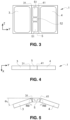
figure 3 représente schématiquement une vue de face d'un mode de réalisation d'un dispositif d'affichage. - La
figure 4 représente schématiquement une vue de dessus d'un mode de réalisation d'un dispositif d'affichage. - La
figure 5 représente schématiquement une autre vue de dessus d'un mode de réalisation d'un dispositif d'affichage. - La
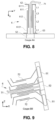
figure 6 représente schématiquement une vue en perspective trois quart arrière d'un mode de réalisation d'un dispositif d'affichage. - La
figure 7 représente schématiquement une vue de face d'un mode de réalisation d'un dispositif d'affichage comprenant deux aérateurs. - La
figure 8 représente schématiquement une première vue en coupe d'un mode de réalisation d'un dispositif d'affichage comprenant deux aérateurs. - La
figure 9 représente schématiquement une deuxième vue en coupe d'un mode de réalisation d'un dispositif d'affichage comprenant deux aérateurs. - La
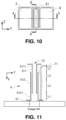
figure 10 représente schématiquement une vue de face d'un mode de réalisation d'un dispositif d'affichage comprenant un aérateur. - La
figure 11 représente schématiquement une première vue en coupe d'un mode de réalisation d'un dispositif d'affichage comprenant un aérateur. - La
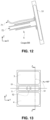
figure 12 représente schématiquement une deuxième vue en coupe d'un mode de réalisation d'un dispositif d'affichage comprenant un aérateur. - La
figure 13 représente schématiquement une vue de face d'un mode de réalisation d'un dispositif d'affichage dans un format portrait. - La
figure 14 représente schématiquement une vue en coupe d'un mode de réalisation d'un dispositif d'affichage dans un format portrait. - En référence à la
figure 1 , on décrit ci-après un véhicule automobile 10 équipé d'un dispositif d'affichage selon l'invention. - Le véhicule automobile 10 est un véhicule automobile de n'importe quel type, notamment un véhicule de tourisme ou un véhicule utilitaire. Le véhicule automobile peut être un véhicule autonome ou un véhicule non-autonome.
- En référence à la
figure 2 , on définit un repère orthonormé utilisé dans la suite du document : - L'axe dit axe longitudinal X du véhicule 10 est défini comme un axe de symétrie du véhicule parallèle à l'axe selon lequel le véhicule se déplace en ligne droite, orienté vers l'arrière du véhicule.
- L'axe dit axe latéral Y du véhicule 10 est perpendiculaire à l'axe longitudinal X déterminant avec l'axe X un plan XY parallèle à la surface sur laquelle le véhicule se déplace. L'axe latéral Y est orienté vers la droite du véhicule, la gauche et la droite étant définies selon le point de vue du conducteur.
- L'axe dit axe vertical Z du véhicule 10 est perpendiculaire aux axes X et Y et est orienté vers le haut du véhicule 10.
- Le véhicule 10 comprend une planche de bord 2 et un dispositif d'affichage pour planche de bord 1.
- Dans un mode de réalisation, la planche de bord 2 s'étend sur toute la dimension latérale du véhicule 10. La planche de bord est de préférence disposée sensiblement selon l'axe latéral Y du véhicule 10.
- La planche de bord supporte le tableau de bord (lui-même constitué d'un ensemble d'indicateurs de conduite) ainsi qu'une variété d'accessoires destinés au confort et à la sécurité des passagers du véhicule automobile 10, parmi lesquels des aérations, des commandes de climatisation, des équipements audio, une boîte à gants, un airbag pour passager avant...
- Dans le mode de réalisation décrit, la planche de bord 2 supporte également un dispositif d'affichage 1 selon l'invention.
- Le dispositif d'affichage 1 comprend deux écrans 3, 4, notamment deux écrans tactiles, et un bloc central 5 comprenant au moins un aérateur 51. Les deux écrans se situent de part et d'autre du bloc central 5 et chaque écran 3, 4 est relié au bloc central 5 par une liaison de type charnière qui permet un premier mouvement RB de rotation entre l'écran 3, 4 et le bloc central 5.
- Dans un mode de réalisation, les deux écrans 3, 4 sont de même taille. Alternativement, les deux écrans peuvent être de tailles différentes.
- Le bloc central 5 comprend au moins un aérateur 51; avantageusement, le bloc central comprend au moins deux aérateurs.
- Les aérateurs 51 permettent de diffuser de l'air dans l'habitacle du véhicule automobile 10. L'air diffusé peut provenir directement de l'air ambiant, ou provenir d'un système de chauffage ou d'un système de climatisation.
- Le bloc central 5 peut également être pourvu d'une caméra 52, notamment d'une caméra de surveillance conducteur. La caméra 52 peut en particulier être destinée à l'équipement d'un véhicule autonome. La caméra 52 peut notamment être utilisée par des systèmes d'aide à la conduite, par exemple un système de surveillance de l'endormissement du conducteur.
- Dans une version préférentielle, plus spécifiquement représentée dans la
figure 3 , le bloc central 5 est de forme parallélépipédique allongée selon la direction sensiblement verticale Z et de faible épaisseur. Le bloc central 5 comprend deux aérateurs 51, répartis selon la plus grande dimension du bloc central, et une caméra 52, placée entre les deux aérateurs. Les aérateurs 51 sont alors situés l'un au-dessus de l'autre et encadrent la caméra 52. - Dans ce mode de réalisation, le bloc central 5 présente
- deux bords libres opposés situés en haut et en bas du bloc central 5, ces bords libres s'étendant sensiblement suivant la direction transversale Y, et
- deux bords dits rotatifs mettant en oeuvre chacun une liaison charnière 31, 41 avec un écran. Les bords rotatifs sont parallèles et sensiblement verticaux dans l'exemple illustrés à la
figure 3 . - Les deux écrans tactiles 3, 4 se situent de part et d'autre du bloc central 5, chaque écran 3, 4 étant relié au bloc central 5 par une liaison de type charnière 31, 41. Les écrans 3, 4 pivotent ainsi indépendamment l'un de l'autre autour d'un axe correspondant aux bords rotatifs du bloc central 5. Les liaisons charnières 31, 41 constituent ainsi un premier élément de guidage du dispositif d'affichage, permettant de mettre en oeuvre un premier mouvement de rotation RB entre chacun des écrans 3, 4 et le bloc central 5. Dans l'exemple illustré à la
figure 3 , les écrans tactiles 3, 4 sont disposés de part et d'autre du bloc central 5 de façon à présenter globalement un format d'affichage « paysage ». - En référence aux
figures 3, 4 et 5 , chaque liaison charnière 31, 41 permet une rotation indépendante de l'écran 3, 4 par rapport au bloc 5, la valeur θ1 de l'angle de rotation étant située entre une première valeur minimale θ1min et une première valeur maximale θ1max. - Dans un mode de réalisation préférentiel, la première valeur minimale θ1min de l'angle de rotation θ1min est 0°. Autrement dit, les écrans 3, 4 peuvent se situer dans le même plan que le bloc central 5.
- Dans un mode de réalisation, la première valeur maximale θ1max peut être de 45°, voire 90°. Alternativement, la première val eur maximale θ1max peut être plus faible, par exemple 10°, notamment la pre mière valeur maximale θ1max peut dépendre du format d'affichage choisi, comme cela est décrit dans la suite du document.
- Avantageusement, les liaisons charnières permettent de maintenir l'angle Θ1 dans la position choisie par l'utilisateur. Par exemple, elles présentent une résistance à la rotation à la fois suffisamment faible pour permettre la rotation manuelle de l'écran par un utilisateur, et suffisamment forte pour maintenir passivement l'angle de rotation Θ1 choisi, dans des conditions normales de conduite du véhicule automobile. En particulier, dans certains modes de réalisation, la résistance à la rotation doit être suffisante pour maintenir l'angle de rotation Θ1 choisi tout en permettant un appui stable sur l'écran pour un usage tactile (éventuellement l'usage d'un clavier tactile). Dans un mode de réalisation, chaque liaison charnière 31, 41 pourrait contenir des crans permettant de maintenir l'écran selon un angle Θ1 sélectionné parmi un ensemble d'angles prédéfinis constituant une indexation d'un ensemble de positions angulaires discrètes.
- Dans un autre mode de réalisation de l'invention, chaque liaison charnière est verrouillée par un dispositif de blocage déverrouillable manuellement, par exemple un bouton poussoir (non représenté). Ce bouton poussoir est relié à un frein qui agit sur la liaison charnière sous l'influence de moyens de rappel pour empêcher toute rotation. A l'inverse une action manuelle sur le bouton poussoir à l'encontre des moyens de rappel libère la liaison charnière ce qui permet de pivoter les écrans comme souhaité.
- Le dispositif d'affichage 1 comprend en outre un élément 9 permettant de commander les écrans 3, 4 selon le format d'affichage choisi par l'utilisateur.
- Notamment l'élément 9 permet
- de commander un fonctionnement indépendant de chacun des écrans 3, 4, lorsque le dispositif est mis en place en format paysage comme illustré à la
figure 3 , et - de commander l'affichage d'un clavier tactile sur l'écran inférieur 3, 4 permettant d'interagir avec l'écran supérieur 3, 4, lorsque le dispositif est mis en place en format portrait, c'est-à-dire lorsque l'ensemble formé par le bloc central 5 et les écrans 3, 4 est pivoté à 90°, les écrans 3, 4 étant alors disposés l'un au-dessus de l'autre en encadrant le bloc central 5 dont les bords rotatifs s'étendent alors sensiblement suivant la direction transversale Y.
- Un mode de réalisation de l'élément 9 peut comprendre un interrupteur actionné manuellement par l'utilisateur pour passer d'un mode de commande d'affichage à un autre. Alternativement ou en complément, l'élément 9 peut comprendre un capteur mécanique et/ou gyroscopique détectant automatiquement le format d'affichage choisi par l'utilisateur.
- Dans la suite du document, le terme « panneau » ou « panneau central » est utilisé pour désigner l'ensemble constitué par le bloc central 5 et les deux écrans 3, 4.
- L'élément 9 peut faire partie du panneau ; alternativement l'élément 9 peut être extérieur au panneau central.
- Outre les éléments précédemment décrits, le dispositif d'affichage 1 comprend
- un mécanisme de fixation 6 permettant de fixer le panneau 8 à la planche de bord 2,
- une connectique 7 comprenant des câblages d'alimentation électrique 71 du panneau 8, ainsi que
- des conduites 72 acheminant de l'air jusqu'aux aérateurs 51 du panneau central 8. La connectique est apte à permettre des mouvements de translation et de rotation du panneau central tels qu'ils sont décrits dans la suite du document.
- Le mécanisme de fixation 6 peut fournir un ou plusieurs éléments de guidage supplémentaires, parmi lesquels :
- un deuxième élément de guidage du panneau 8 selon un deuxième mouvement RX de rotation selon l'axe longitudinal X du véhicule 10,
- un troisième élément de guidage du panneau 8 selon un troisième mouvement RY de rotation selon l'axe latéral Y du véhicule 10,
- un quatrième élément de guidage du panneau 8 selon un quatrième mouvement RZ de rotation selon l'axe vertical Z du véhicule 10,
- un cinquième élément de guidage du panneau 8 selon un cinquième mouvement TX de translation selon l'axe longitudinal X du véhicule 10.
- Un mode de réalisation du mécanisme de fixation 6 mettant en oeuvre ces cinq éléments de guidage est présenté ci-après en référence à la
figure 6 . - Le mécanisme de fixation 6 comprend un pied 61, correspondant à une portion allongée du mécanisme. Notamment, le mécanisme de fixation 6 peut comprendre un pied 61 pourvu de deux tubes creux 611, 612 un premier tube 611 étant de section inférieure à un deuxième tube 612, de sorte à permettre un mouvement de coulissement du premier tube 611, nommé tube intérieur, dans le deuxième tube 612, nommé tube extérieur.
- La section du premier tube 611 est sensiblement de même forme que celle du deuxième tube 612, tout en étant plus légèrement plus petite. Les deux tubes peuvent être de section ronde, ou rectangulaire, ou toute autre forme permettant un coulissement du premier tube dans le deuxième tube.
- Le mécanisme de fixation 6 comprend par ailleurs au moins deux dispositifs de fixation 62, 63 placés aux extrémités du pied 61.
- Les dispositifs de fixation 62, 63 se situent respectivement à l'extrémité libre du premier et du deuxième tube 611, 612. Pour chaque tube l'extrémité libre correspond à son extrémité ne participant pas au coulissement.
- Le premier dispositif de fixation 62 est destiné à fixer la traverse de la planche de bord 2 au pied 61.
- Le deuxième dispositif de fixation 63 est destinée à fixer le pied 61 au panneau 8, plus spécifiquement au bloc central 5 du panneau.
- Ainsi, les premier et deuxième dispositifs de fixation 62, 63 collaborent de sorte à permettre la fixation du panneau central 8 à la planche de bord 2. Avantageusement, le premier dispositif de fixation 62 est défini de sorte à disposer le pied 61 sensiblement selon l'axe longitudinal X.
- Ce mode de réalisation permet ainsi la mise en oeuvre du cinquième élément de guidage TX, les tubes intérieur et extérieur 611, 612 permettant une translation TX selon l'axe longitudinal X, via une liaison télescopique. Le mouvement de translation TX permet de rapprocher l'écran des utilisateurs, notamment dans une configuration de conduite autonome où les sièges des utilisateurs peuvent être reculés en limite de course arrière.
- Les
figures 8 et11 décrivent le dimensionnement d'un mode de réalisation du cinquième élément de guidage TX. - Dans ce mode de réalisation, lorsque la liaison télescopique est totalement rétractée,
- une portion dite réservée 6111 du tube intérieur n'est pas couverte par le tube extérieur, ladite portion réservée 6111 étant située du côté de l'extrémité libre du tube intérieur, et
- une portion dite réservée 6121 du tube extérieur ne contient pas le tube intérieur, ladite portion réservée 6121 étant située du côté de l'extrémité libre du tube extérieur.
- Les portions réservées 6111, 6121 des tubes intérieur et extérieur permettent la mise en oeuvre des dispositifs de fixation 62, 63, et éventuellement d'autres aménagements techniques.
- Dans le mode de réalisation représenté sur la
figure 6 , la longueur des tubes intérieur et extérieur 611, 612 est calculée en fonction de : - la longueur L1 d'une portion réservée 6111, 6121, par exemple 20 millimètres,
- l'amplitude L2 du mouvement de translation TX du tube intérieur dans le tube extérieur, par exemple 100 millimètres, voire 150 millimètres,
- une longueur L3 de sécurité permettant une rétractation du dispositif en cas de choc frontal du véhicule automobile, cette longueur pouvant être 50 millimètres.
- Dans un premier mode de réalisation représenté dans les
figures 7 ,8 et 9 , le bloc central 5 comprend deux aérateurs 51 et une caméra 52. Les tubes creux 611, 612 procurent un passage pour les câblages électriques 71. Les conduites 72 acheminant l'air vers les aérateurs 51 sont disposées de part et d'autre du pied 61. Dans ce mode de réalisation, les conduites 72 sont aptes s'étirer de la même longueur L2 que le pied 61. - Dans un deuxième mode de réalisation représenté dans les
figures 10, 11 et12 , le bloc central 5 comprend un seul grand aérateur central et ne comprend pas de caméra 52. Les tubes creux 611, 612 jouent le rôle de conduite 72 acheminant l'air vers l'aérateur avantageusement disposé en face du pied 61. Les câblages électriques sont alors disposés à l'extérieur des tubes, éventuellement disposés le long des tubes. - En référence à la
figure 6 , une première liaison pivot 631 peut également être intégrée au deuxième dispositif de fixation 63, situé entre le pied 61 et le bloc central 5. La première liaison pivot 631 permet au panneau 8 d'effectuer un mouvement de rotation RX selon l'axe longitudinal X, mettant ainsi en oeuvre le deuxième élément de guidage du dispositif d'affichage. - Grâce au mouvement de rotation RX, du panneau central 8 par rapport à l'axe X, le dispositif d'affichage 1 met en oeuvre au moins deux formats d'affichage :
- un format paysage (représenté de face sur les
figures 3 ,7 et10 ), dans lequel les écrans (3, 4) sont situés de part et d'autre d'un axe vertical, - un format portrait, (représenté de face sur la
figure 13 et de profil sur lafigure 14 ), dans lequel les écrans (3, 4) sont situés de part et d'autre d'un axe horizontal. - Afin de privilégier un positionnement du dispositif selon ces deux formats, l'angle de rotation θ2 du panneau central 8 par rapport à l'axe X prend préférentiellement trois valeurs : 0°, 90° ou -90°. Ces trois valeurs préférentielles peuvent être matérialisées par des crans. Alternativement ou en complément le mouvement de rotation RX peut être limité selon une amplitude de -90°à 90°.
- En complément ou alternativement, une deuxième liaison pivot 632 peut être intégrée au deuxième dispositif de fixation 63, situé entre le pied 61 et le bloc central 5. La deuxième liaison pivot 632 permet au panneau central d'effectuer un mouvement de rotation RY selon l'axe transversal Y, mettant ainsi en oeuvre le troisième élément de guidage du dispositif d'affichage. Le mouvement de rotation RY permet de modifier l'inclinaison du panneau central 8, de préférence pour orienter légèrement le panneau central 8 vers le haut de l'habitacle du véhicule automobile, afin qu'un utilisateur puisse adapter l'inclinaison du panneau central 8 à un angle visuel souhaité. L'angle de rotation θ3 du panneau central 8 par rapport à l'axe Y est avantageusement situé entre 0°et 30°. Préférentiel lement il peut se situer autour de 20°. En variante l'angle θ3 pourrait prendre des valeurs négatives.
- En complément ou alternativement, une troisième liaison pivot 633 peut être intégrée au deuxième dispositif de fixation 63, situé entre le pied 61 et le bloc central 5. La troisième liaison pivot 633 permet au panneau central d'effectuer un mouvement de rotation RZ selon l'axe vertical Z, mettant ainsi en oeuvre le quatrième élément de guidage du dispositif d'affichage. Le mouvement de rotation RZ permet d'orienter le panneau central 8 vers l'un des occupants du véhicule, le conducteur ou le passager. L'angle de rotation θ4 du panneau central 8 par rapport à l'axe Z est avantageusement situé entre -60°et 60° voire -45° et 45°.
- Avantageusement, au moins deux parmi les trois liaisons pivot 631, 632, 633 peuvent être mises en oeuvre dans une unique liaison rotule.
- L'invention permet ainsi de résoudre différentes problématiques posées par les dispositifs d'affichage destinés aux planches de bord des véhicules automobiles.
- Tout d'abord, en combinant dans un panneau central une large zone d'affichage, composée de deux écrans, et des aérateurs, l'invention permet d'optimiser l'espace central de la planche de bord. L'invention présente donc un bénéfice en termes d'aménagement de l'implantation des équipements sur la planche de bord.
- Par ailleurs, la présence des deux écrans permet des modalités d'usage du dispositif d'affichage qui ne seraient pas possible avec un seul écran. En premier lieu l'invention permet un usage du dispositif d'affichage qui peut être différencié, entre le conducteur et le passager avant. Par exemple, le dispositif peut afficher les fonctions liées à la conduite sur l'écran situé du côté du conducteur, et les fonctions liées à un usage récréatif du côté du passager. Cette répartition peut notamment éviter que le conducteur ne soit gêné lorsque le passager utilise le dispositif d'affichage. Les deux écrans peuvent proposer des fonctions communes concernant par exemple des réglages de chauffage ou de climatisation. En complément ou alternativement, les deux écrans peuvent proposer des fonctions distinctes, par exemple un visionnage de film sur un écran et un affichage des données de navigation sur l'autre écran.
- En outre, la présence d'un second écran permet d'utiliser l'un des écrans comme clavier tactile. Cette possibilité est d'autant plus intéressante que le dispositif d'affichage peut être orienté de sorte à positionner les écrans l'un au-dessus de l'autre, l'écran du bas faisant office de clavier, et l'écran du haut servant d'affichage tactile.
- De plus, les multiples degrés de liberté du dispositif par rapport à la planche de bord améliorent grandement l'ergonomie des écrans.
- En effet, ils offrent diverses possibilités au conducteur pour améliorer la visibilité et le confort visuel des écrans. En combinant leurs réglages, le conducteur peut orienter l'écran de sorte à minimiser la lumière sur l'écran et supprimer les reflets du soleil. Il peut également disposer l'écran de sorte à ce qu'il ne soit pas masqué par le volant du véhicule.
- Pour les personnes de grande taille, dont l'assise est plus éloignée du tableau de bord, il est possible de rapprocher l'écran de l'utilisateur. Ce réglage est également utile dans une mode de conduite autonome lorsque les sièges sont reculés en limite de course arrière ou inclinés. En effet, l'amplitude des réglages proposés permet de s'adapter à toutes les positions des usagers, même très reculés en usage véhicule autonome.
- L'invention n'est pas limitée aux modes de réalisations décrits ci-dessus et s'étend aux équivalents techniques.
- En particulier l'ensemble du panneau formé par le bloc central et les écrans peut être légèrement tourné vers le conducteur, à des fins ergonomiques c'est-à-dire que le bloc central peut être préférentiellement dirigé vers le conducteur.
- On peut également prévoir que l'ensemble du panneau constitué par le bloc central et les écrans mobiles soit pivotable autour d'un axe vertical de façon à choisir la meilleure disposition ergonomique pour le conducteur et les passagers, indépendamment du réglage rotatif propre de chaque écran par rapport au bloc central.
- Dans un autre mode de réalisation de l'invention, la caméra peut également être disposée sur l'un des écrans mobiles, de façon à pouvoir pivoter en même temps que l'un des écrans.
- Dans un autre mode de réalisation, la caméra peut être disposée en dehors du panneau constitué par le bloc central et les écrans.
Claims (10)
- Dispositif d'affichage (1) pour une planche de bord (2) d'un véhicule automobile (10) comprenant deux écrans (3, 4), notamment deux écrans tactiles, et un bloc central (5) de forme parallélépipédique allongée selon la direction sensiblement verticale et de faible épaisseur, le bloc central (5) comprenant au moins un aérateur (51), caractérisé en ce que les deux écrans se situent de part et d'autre du bloc central (5), chaque écran (3, 4) étant relié au bloc central (5) par une liaison de type charnière permettant un premier mouvement (RB) de rotation entre ledit écran (3, 4) et le bloc central (5).
- Dispositif d'affichage (1) selon la revendication précédente, caractérisé en ce que le bloc central (5) comprend une caméra (52).
- Dispositif d'affichage (1) selon l'une des revendications précédentes, caractérisé en ce qu'il comprend un deuxième élément de guidage selon un deuxième mouvement (RX), de rotation selon une direction longitudinale (X) du véhicule (10), de sorte à mettre en oeuvre deux formats d'affichage :- un format paysage, dans lequel les écrans (3, 4) sont situés de part et d'autre d'un axe vertical (Z), et- un format portrait, dans lequel les écrans (3, 4) sont situés de part et d'autre d'un axe horizontal (Y).
- Dispositif d'affichage (1) selon la revendication précédente, caractérisé en ce qu'il comprend un élément (9) commandant un fonctionnement indépendant de chacun des écrans (3, 4), lorsque le dispositif est mis en place en format paysage.
- Dispositif d'affichage (1) selon l'une des revendications 3 ou 4, caractérisé en ce qu'il comprend un élément (9) commandant l'affichage d'un clavier tactile sur l'écran inférieur (3, 4) permettant d'interagir avec l'écran supérieur (3, 4), lorsque le dispositif est mis en place en format portrait.
- Dispositif d'affichage (1) selon l'une des revendications précédentes, caractérisé en ce qu'il comprend :- un troisième élément de guidage selon un troisième mouvement (RY) de rotation selon une direction transversale (Y) du véhicule (10) et/ou,- un quatrième élément de guidage selon un quatrième mouvement (RZ) de rotation selon une direction verticale (Z) du véhicule (10) et/ou,- un cinquième élément de guidage selon un cinquième mouvement (TX) de translation selon une direction longitudinale (X) du véhicule (10).
- Dispositif d'affichage (1) selon la revendication précédente, caractérisé en ce que l'amplitude du cinquième mouvement est telle qu'elle permet une utilisation du dispositif lorsque les sièges des utilisateurs du dispositif sont reculés en limite de course arrière, notamment ladite amplitude est au moins égale 100 millimètres, voire au moins égale à 150 millimètres.
- Dispositif d'affichage (1) selon l'une des revendications précédentes, caractérisé en ce que les deux écrans tactiles (3, 4) sont de même taille.
- Planche de bord (2) pour véhicule automobile comprenant un dispositif d'affichage selon l'une des revendications précédentes.
- Véhicule automobile (10) comprenant un dispositif d'affichage selon l'une des revendications 1 à 8 et/ou une planche de bord selon la revendication précédente.
Applications Claiming Priority (2)
| Application Number | Priority Date | Filing Date | Title |
|---|---|---|---|
| FR2011966A FR3116477B1 (fr) | 2020-11-20 | 2020-11-20 | Dispositif d’affichage pour véhicule automobile. |
| PCT/EP2021/078693 WO2022106126A1 (fr) | 2020-11-20 | 2021-10-15 | Dispositif d'affichage pour véhicule automobile |
Publications (2)
| Publication Number | Publication Date |
|---|---|
| EP4247660A1 EP4247660A1 (fr) | 2023-09-27 |
| EP4247660B1 true EP4247660B1 (fr) | 2024-12-04 |
Family
ID=74183409
Family Applications (1)
| Application Number | Title | Priority Date | Filing Date |
|---|---|---|---|
| EP21794361.2A Active EP4247660B1 (fr) | 2020-11-20 | 2021-10-15 | Dispositif d'affichage pour véhicule automobile |
Country Status (3)
| Country | Link |
|---|---|
| EP (1) | EP4247660B1 (fr) |
| FR (1) | FR3116477B1 (fr) |
| WO (1) | WO2022106126A1 (fr) |
Citations (1)
| Publication number | Priority date | Publication date | Assignee | Title |
|---|---|---|---|---|
| DE102014006289B4 (de) * | 2014-04-26 | 2021-02-04 | Audi Ag | Fahrzeug mit einer schwenkbaren Anzeige-/Eingabeeinheit |
Family Cites Families (3)
| Publication number | Priority date | Publication date | Assignee | Title |
|---|---|---|---|---|
| JP2007127993A (ja) * | 2005-11-07 | 2007-05-24 | Matsushita Electric Ind Co Ltd | 表示装置およびナビゲーション装置 |
| DE202014007673U1 (de) * | 2014-09-20 | 2016-01-14 | GM Global Technology Operations LLC (n. d. Ges. d. Staates Delaware) | Vorrichtung zur Anordnung an einer Instrumententafel eines Kraftfahrzeugs |
| DE102015206841A1 (de) * | 2015-04-16 | 2016-10-20 | Ford Global Technologies, Llc | Luftausströmer für eine Heizungs- und Belüftungs- oder Klimaanlage eines Kraftfahrzeugs |
-
2020
- 2020-11-20 FR FR2011966A patent/FR3116477B1/fr active Active
-
2021
- 2021-10-15 EP EP21794361.2A patent/EP4247660B1/fr active Active
- 2021-10-15 WO PCT/EP2021/078693 patent/WO2022106126A1/fr not_active Ceased
Patent Citations (1)
| Publication number | Priority date | Publication date | Assignee | Title |
|---|---|---|---|---|
| DE102014006289B4 (de) * | 2014-04-26 | 2021-02-04 | Audi Ag | Fahrzeug mit einer schwenkbaren Anzeige-/Eingabeeinheit |
Also Published As
| Publication number | Publication date |
|---|---|
| FR3116477B1 (fr) | 2022-12-02 |
| FR3116477A1 (fr) | 2022-05-27 |
| WO2022106126A1 (fr) | 2022-05-27 |
| EP4247660A1 (fr) | 2023-09-27 |
Similar Documents
| Publication | Publication Date | Title |
|---|---|---|
| EP2109554B1 (fr) | Siege de vehicule automobile comportant un dossier repliable comprenant un element formant tablette et vehicule automobile comportant un tel siege | |
| FR3070916B1 (fr) | Module d'accoudoir a interface homme-machine pour siege de vehicule | |
| EP2760743B1 (fr) | Cockpit d'aéronef, et notamment partie avant d'un cockpit d'aéronef | |
| EP3539819A1 (fr) | Accoudoir pour siège de véhicule et siege de vehicule comportant un tel accoudoir | |
| FR2855472A1 (fr) | Dossier de siege de vehicule muni d'un moniteur de television et siege de vehicule comprenant un tel dossier | |
| EP2394856A1 (fr) | Elément de garnissage de véhicule automobile comprenant un dispositif de support d'un appareil électronique portable | |
| EP3172085A1 (fr) | Tablette arrière d'un dossier de siège automobile, siège équipe d'une telle tablette et agencement d'un tel siège | |
| FR3108075A1 (fr) | Dispositif de support d’appareil électronique nomade comprenant un dispositif de blocage | |
| EP4247660B1 (fr) | Dispositif d'affichage pour véhicule automobile | |
| FR3130707A1 (fr) | Dispositif de tablette escamotable pour véhicule automobile et véhicule automobile comportant un tel dispositif | |
| WO2021130263A1 (fr) | Élément de garnissage de véhicule comprenant un élément fonctionnel et un aérateur | |
| FR3061095B1 (fr) | Fauteuil comportant une tetiere reglable | |
| FR2997908A1 (fr) | Tablette de siege de vehicule comportant un support escamotable et vehicule dote d'une telle tablette | |
| FR3086594A1 (fr) | Siege de vehicule et systeme comportant un tel siege | |
| FR3009811A1 (fr) | Tablette de dossier de siege de vehicule | |
| FR2907065A3 (fr) | Tablette deployable pour vehicule automobile,accoudoir et vehicule pourvus d'une telle tablette. | |
| FR2889125A3 (fr) | Console ergonomique de commande pour vehicule automobile | |
| FR3087391A1 (fr) | Ensemble d'affichage pour vehicule | |
| EP3858740B1 (fr) | Ensemble pour un aéronef comportant un tableau de bord et un système de support pour une tablette tactile | |
| FR2961765A1 (fr) | Dispositif de support d'un appareil portable pour vehicule automobile comprenant une liaison rotule hemispherique | |
| FR3092529A1 (fr) | Ensemble comprenant un dispositif d’affichage déplaçable en rotation autour d’une colonne de direction | |
| FR3070909A1 (fr) | Poste de conduite avec module comprenant un element d'interface de communication electronique et vehicule associe | |
| FR3146849A1 (fr) | Elément de garnissage d’un véhicule | |
| FR3142407A1 (fr) | Elément de garnissage d’un véhicule | |
| FR3096941A1 (fr) | Planche de bord de véhicule automobile intégrant des moyens d’accueil pour une tablette tactile |
Legal Events
| Date | Code | Title | Description |
|---|---|---|---|
| STAA | Information on the status of an ep patent application or granted ep patent |
Free format text: STATUS: UNKNOWN |
|
| STAA | Information on the status of an ep patent application or granted ep patent |
Free format text: STATUS: THE INTERNATIONAL PUBLICATION HAS BEEN MADE |
|
| PUAI | Public reference made under article 153(3) epc to a published international application that has entered the european phase |
Free format text: ORIGINAL CODE: 0009012 |
|
| STAA | Information on the status of an ep patent application or granted ep patent |
Free format text: STATUS: REQUEST FOR EXAMINATION WAS MADE |
|
| 17P | Request for examination filed |
Effective date: 20230525 |
|
| AK | Designated contracting states |
Kind code of ref document: A1 Designated state(s): AL AT BE BG CH CY CZ DE DK EE ES FI FR GB GR HR HU IE IS IT LI LT LU LV MC MK MT NL NO PL PT RO RS SE SI SK SM TR |
|
| DAV | Request for validation of the european patent (deleted) | ||
| DAX | Request for extension of the european patent (deleted) | ||
| GRAP | Despatch of communication of intention to grant a patent |
Free format text: ORIGINAL CODE: EPIDOSNIGR1 |
|
| STAA | Information on the status of an ep patent application or granted ep patent |
Free format text: STATUS: GRANT OF PATENT IS INTENDED |
|
| RIC1 | Information provided on ipc code assigned before grant |
Ipc: B60H 1/34 20060101ALI20240602BHEP Ipc: B60H 1/00 20060101ALI20240602BHEP Ipc: B60R 11/02 20060101ALI20240602BHEP Ipc: B60R 11/00 20060101ALI20240602BHEP Ipc: B60K 35/53 20240101ALI20240602BHEP Ipc: B60K 35/22 20240101ALI20240602BHEP Ipc: B60K 35/10 20240101ALI20240602BHEP Ipc: B60K 35/00 20060101AFI20240602BHEP |
|
| INTG | Intention to grant announced |
Effective date: 20240624 |
|
| RIN1 | Information on inventor provided before grant (corrected) |
Inventor name: SENEZ, MICHAEL Inventor name: CONFOLENT, LAURENT |
|
| GRAS | Grant fee paid |
Free format text: ORIGINAL CODE: EPIDOSNIGR3 |
|
| GRAA | (expected) grant |
Free format text: ORIGINAL CODE: 0009210 |
|
| STAA | Information on the status of an ep patent application or granted ep patent |
Free format text: STATUS: THE PATENT HAS BEEN GRANTED |
|
| AK | Designated contracting states |
Kind code of ref document: B1 Designated state(s): AL AT BE BG CH CY CZ DE DK EE ES FI FR GB GR HR HU IE IS IT LI LT LU LV MC MK MT NL NO PL PT RO RS SE SI SK SM TR |
|
| REG | Reference to a national code |
Ref country code: CH Ref legal event code: EP |
|
| REG | Reference to a national code |
Ref country code: DE Ref legal event code: R096 Ref document number: 602021022970 Country of ref document: DE |
|
| REG | Reference to a national code |
Ref country code: IE Ref legal event code: FG4D Free format text: LANGUAGE OF EP DOCUMENT: FRENCH |
|
| REG | Reference to a national code |
Ref country code: LT Ref legal event code: MG9D |
|
| REG | Reference to a national code |
Ref country code: NL Ref legal event code: MP Effective date: 20241204 |
|
| PG25 | Lapsed in a contracting state [announced via postgrant information from national office to epo] |
Ref country code: HR Free format text: LAPSE BECAUSE OF FAILURE TO SUBMIT A TRANSLATION OF THE DESCRIPTION OR TO PAY THE FEE WITHIN THE PRESCRIBED TIME-LIMIT Effective date: 20241204 |
|
| PG25 | Lapsed in a contracting state [announced via postgrant information from national office to epo] |
Ref country code: FI Free format text: LAPSE BECAUSE OF FAILURE TO SUBMIT A TRANSLATION OF THE DESCRIPTION OR TO PAY THE FEE WITHIN THE PRESCRIBED TIME-LIMIT Effective date: 20241204 |
|
| PG25 | Lapsed in a contracting state [announced via postgrant information from national office to epo] |
Ref country code: BG Free format text: LAPSE BECAUSE OF FAILURE TO SUBMIT A TRANSLATION OF THE DESCRIPTION OR TO PAY THE FEE WITHIN THE PRESCRIBED TIME-LIMIT Effective date: 20241204 |
|
| PG25 | Lapsed in a contracting state [announced via postgrant information from national office to epo] |
Ref country code: ES Free format text: LAPSE BECAUSE OF FAILURE TO SUBMIT A TRANSLATION OF THE DESCRIPTION OR TO PAY THE FEE WITHIN THE PRESCRIBED TIME-LIMIT Effective date: 20241204 |
|
| PG25 | Lapsed in a contracting state [announced via postgrant information from national office to epo] |
Ref country code: NO Free format text: LAPSE BECAUSE OF FAILURE TO SUBMIT A TRANSLATION OF THE DESCRIPTION OR TO PAY THE FEE WITHIN THE PRESCRIBED TIME-LIMIT Effective date: 20250304 |
|
| PG25 | Lapsed in a contracting state [announced via postgrant information from national office to epo] |
Ref country code: LV Free format text: LAPSE BECAUSE OF FAILURE TO SUBMIT A TRANSLATION OF THE DESCRIPTION OR TO PAY THE FEE WITHIN THE PRESCRIBED TIME-LIMIT Effective date: 20241204 Ref country code: GR Free format text: LAPSE BECAUSE OF FAILURE TO SUBMIT A TRANSLATION OF THE DESCRIPTION OR TO PAY THE FEE WITHIN THE PRESCRIBED TIME-LIMIT Effective date: 20250305 |
|
| PG25 | Lapsed in a contracting state [announced via postgrant information from national office to epo] |
Ref country code: RS Free format text: LAPSE BECAUSE OF FAILURE TO SUBMIT A TRANSLATION OF THE DESCRIPTION OR TO PAY THE FEE WITHIN THE PRESCRIBED TIME-LIMIT Effective date: 20250304 |
|
| PG25 | Lapsed in a contracting state [announced via postgrant information from national office to epo] |
Ref country code: NL Free format text: LAPSE BECAUSE OF FAILURE TO SUBMIT A TRANSLATION OF THE DESCRIPTION OR TO PAY THE FEE WITHIN THE PRESCRIBED TIME-LIMIT Effective date: 20241204 |
|
| REG | Reference to a national code |
Ref country code: AT Ref legal event code: MK05 Ref document number: 1747831 Country of ref document: AT Kind code of ref document: T Effective date: 20241204 |
|
| PG25 | Lapsed in a contracting state [announced via postgrant information from national office to epo] |
Ref country code: SM Free format text: LAPSE BECAUSE OF FAILURE TO SUBMIT A TRANSLATION OF THE DESCRIPTION OR TO PAY THE FEE WITHIN THE PRESCRIBED TIME-LIMIT Effective date: 20241204 |
|
| PG25 | Lapsed in a contracting state [announced via postgrant information from national office to epo] |
Ref country code: PL Free format text: LAPSE BECAUSE OF FAILURE TO SUBMIT A TRANSLATION OF THE DESCRIPTION OR TO PAY THE FEE WITHIN THE PRESCRIBED TIME-LIMIT Effective date: 20241204 |
|
| PG25 | Lapsed in a contracting state [announced via postgrant information from national office to epo] |
Ref country code: IS Free format text: LAPSE BECAUSE OF FAILURE TO SUBMIT A TRANSLATION OF THE DESCRIPTION OR TO PAY THE FEE WITHIN THE PRESCRIBED TIME-LIMIT Effective date: 20250404 |
|
| PG25 | Lapsed in a contracting state [announced via postgrant information from national office to epo] |
Ref country code: PT Free format text: LAPSE BECAUSE OF FAILURE TO SUBMIT A TRANSLATION OF THE DESCRIPTION OR TO PAY THE FEE WITHIN THE PRESCRIBED TIME-LIMIT Effective date: 20250404 |
|
| PG25 | Lapsed in a contracting state [announced via postgrant information from national office to epo] |
Ref country code: EE Free format text: LAPSE BECAUSE OF FAILURE TO SUBMIT A TRANSLATION OF THE DESCRIPTION OR TO PAY THE FEE WITHIN THE PRESCRIBED TIME-LIMIT Effective date: 20241204 |
|
| PG25 | Lapsed in a contracting state [announced via postgrant information from national office to epo] |
Ref country code: RO Free format text: LAPSE BECAUSE OF FAILURE TO SUBMIT A TRANSLATION OF THE DESCRIPTION OR TO PAY THE FEE WITHIN THE PRESCRIBED TIME-LIMIT Effective date: 20241204 Ref country code: AT Free format text: LAPSE BECAUSE OF FAILURE TO SUBMIT A TRANSLATION OF THE DESCRIPTION OR TO PAY THE FEE WITHIN THE PRESCRIBED TIME-LIMIT Effective date: 20241204 |
|
| PG25 | Lapsed in a contracting state [announced via postgrant information from national office to epo] |
Ref country code: SK Free format text: LAPSE BECAUSE OF FAILURE TO SUBMIT A TRANSLATION OF THE DESCRIPTION OR TO PAY THE FEE WITHIN THE PRESCRIBED TIME-LIMIT Effective date: 20241204 |
|
| PG25 | Lapsed in a contracting state [announced via postgrant information from national office to epo] |
Ref country code: CZ Free format text: LAPSE BECAUSE OF FAILURE TO SUBMIT A TRANSLATION OF THE DESCRIPTION OR TO PAY THE FEE WITHIN THE PRESCRIBED TIME-LIMIT Effective date: 20241204 |
|
| PG25 | Lapsed in a contracting state [announced via postgrant information from national office to epo] |
Ref country code: IT Free format text: LAPSE BECAUSE OF FAILURE TO SUBMIT A TRANSLATION OF THE DESCRIPTION OR TO PAY THE FEE WITHIN THE PRESCRIBED TIME-LIMIT Effective date: 20241204 |
|
| REG | Reference to a national code |
Ref country code: DE Ref legal event code: R097 Ref document number: 602021022970 Country of ref document: DE |
|
| PG25 | Lapsed in a contracting state [announced via postgrant information from national office to epo] |
Ref country code: SE Free format text: LAPSE BECAUSE OF FAILURE TO SUBMIT A TRANSLATION OF THE DESCRIPTION OR TO PAY THE FEE WITHIN THE PRESCRIBED TIME-LIMIT Effective date: 20241204 |
|
| PG25 | Lapsed in a contracting state [announced via postgrant information from national office to epo] |
Ref country code: DK Free format text: LAPSE BECAUSE OF FAILURE TO SUBMIT A TRANSLATION OF THE DESCRIPTION OR TO PAY THE FEE WITHIN THE PRESCRIBED TIME-LIMIT Effective date: 20241204 |
|
| PLBE | No opposition filed within time limit |
Free format text: ORIGINAL CODE: 0009261 |
|
| STAA | Information on the status of an ep patent application or granted ep patent |
Free format text: STATUS: NO OPPOSITION FILED WITHIN TIME LIMIT |
|
| 26N | No opposition filed |
Effective date: 20250905 |
|
| PGFP | Annual fee paid to national office [announced via postgrant information from national office to epo] |
Ref country code: DE Payment date: 20251021 Year of fee payment: 5 |
|
| PGFP | Annual fee paid to national office [announced via postgrant information from national office to epo] |
Ref country code: GB Payment date: 20251022 Year of fee payment: 5 |
|
| PGFP | Annual fee paid to national office [announced via postgrant information from national office to epo] |
Ref country code: FR Payment date: 20251030 Year of fee payment: 5 |