EP4172170B1 - Fluorescent cytosine analogues and their application in transcription and translation - Google Patents
Fluorescent cytosine analogues and their application in transcription and translation Download PDFInfo
- Publication number
- EP4172170B1 EP4172170B1 EP21734353.2A EP21734353A EP4172170B1 EP 4172170 B1 EP4172170 B1 EP 4172170B1 EP 21734353 A EP21734353 A EP 21734353A EP 4172170 B1 EP4172170 B1 EP 4172170B1
- Authority
- EP
- European Patent Office
- Prior art keywords
- compound
- formula
- salt
- labelled
- rna
- Prior art date
- Legal status (The legal status is an assumption and is not a legal conclusion. Google has not performed a legal analysis and makes no representation as to the accuracy of the status listed.)
- Active
Links
Images










Classifications
-
- C—CHEMISTRY; METALLURGY
- C07—ORGANIC CHEMISTRY
- C07H—SUGARS; DERIVATIVES THEREOF; NUCLEOSIDES; NUCLEOTIDES; NUCLEIC ACIDS
- C07H19/00—Compounds containing a hetero ring sharing one ring hetero atom with a saccharide radical; Nucleosides; Mononucleotides; Anhydro-derivatives thereof
- C07H19/02—Compounds containing a hetero ring sharing one ring hetero atom with a saccharide radical; Nucleosides; Mononucleotides; Anhydro-derivatives thereof sharing nitrogen
- C07H19/24—Heterocyclic radicals containing oxygen or sulfur as ring hetero atom
-
- C—CHEMISTRY; METALLURGY
- C07—ORGANIC CHEMISTRY
- C07H—SUGARS; DERIVATIVES THEREOF; NUCLEOSIDES; NUCLEOTIDES; NUCLEIC ACIDS
- C07H1/00—Processes for the preparation of sugar derivatives
-
- C—CHEMISTRY; METALLURGY
- C07—ORGANIC CHEMISTRY
- C07H—SUGARS; DERIVATIVES THEREOF; NUCLEOSIDES; NUCLEOTIDES; NUCLEIC ACIDS
- C07H21/00—Compounds containing two or more mononucleotide units having separate phosphate or polyphosphate groups linked by saccharide radicals of nucleoside groups, e.g. nucleic acids
- C07H21/02—Compounds containing two or more mononucleotide units having separate phosphate or polyphosphate groups linked by saccharide radicals of nucleoside groups, e.g. nucleic acids with ribosyl as saccharide radical
-
- C—CHEMISTRY; METALLURGY
- C12—BIOCHEMISTRY; BEER; SPIRITS; WINE; VINEGAR; MICROBIOLOGY; ENZYMOLOGY; MUTATION OR GENETIC ENGINEERING
- C12N—MICROORGANISMS OR ENZYMES; COMPOSITIONS THEREOF; PROPAGATING, PRESERVING, OR MAINTAINING MICROORGANISMS; MUTATION OR GENETIC ENGINEERING; CULTURE MEDIA
- C12N15/00—Mutation or genetic engineering; DNA or RNA concerning genetic engineering, vectors, e.g. plasmids, or their isolation, preparation or purification; Use of hosts therefor
- C12N15/09—Recombinant DNA-technology
- C12N15/10—Processes for the isolation, preparation or purification of DNA or RNA
-
- C—CHEMISTRY; METALLURGY
- C12—BIOCHEMISTRY; BEER; SPIRITS; WINE; VINEGAR; MICROBIOLOGY; ENZYMOLOGY; MUTATION OR GENETIC ENGINEERING
- C12Q—MEASURING OR TESTING PROCESSES INVOLVING ENZYMES, NUCLEIC ACIDS OR MICROORGANISMS; COMPOSITIONS OR TEST PAPERS THEREFOR; PROCESSES OF PREPARING SUCH COMPOSITIONS; CONDITION-RESPONSIVE CONTROL IN MICROBIOLOGICAL OR ENZYMOLOGICAL PROCESSES
- C12Q1/00—Measuring or testing processes involving enzymes, nucleic acids or microorganisms; Compositions therefor; Processes of preparing such compositions
- C12Q1/68—Measuring or testing processes involving enzymes, nucleic acids or microorganisms; Compositions therefor; Processes of preparing such compositions involving nucleic acids
-
- G—PHYSICS
- G01—MEASURING; TESTING
- G01N—INVESTIGATING OR ANALYSING MATERIALS BY DETERMINING THEIR CHEMICAL OR PHYSICAL PROPERTIES
- G01N33/00—Investigating or analysing materials by specific methods not covered by groups G01N1/00 - G01N31/00
- G01N33/48—Biological material, e.g. blood, urine; Haemocytometers
- G01N33/50—Chemical analysis of biological material, e.g. blood, urine; Testing involving biospecific ligand binding methods; Immunological testing
- G01N33/58—Chemical analysis of biological material, e.g. blood, urine; Testing involving biospecific ligand binding methods; Immunological testing involving labelled substances
- G01N33/582—Chemical analysis of biological material, e.g. blood, urine; Testing involving biospecific ligand binding methods; Immunological testing involving labelled substances with fluorescent label
-
- C—CHEMISTRY; METALLURGY
- C12—BIOCHEMISTRY; BEER; SPIRITS; WINE; VINEGAR; MICROBIOLOGY; ENZYMOLOGY; MUTATION OR GENETIC ENGINEERING
- C12N—MICROORGANISMS OR ENZYMES; COMPOSITIONS THEREOF; PROPAGATING, PRESERVING, OR MAINTAINING MICROORGANISMS; MUTATION OR GENETIC ENGINEERING; CULTURE MEDIA
- C12N2310/00—Structure or type of the nucleic acid
- C12N2310/30—Chemical structure
- C12N2310/33—Chemical structure of the base
- C12N2310/334—Modified C
-
- C—CHEMISTRY; METALLURGY
- C12—BIOCHEMISTRY; BEER; SPIRITS; WINE; VINEGAR; MICROBIOLOGY; ENZYMOLOGY; MUTATION OR GENETIC ENGINEERING
- C12Q—MEASURING OR TESTING PROCESSES INVOLVING ENZYMES, NUCLEIC ACIDS OR MICROORGANISMS; COMPOSITIONS OR TEST PAPERS THEREFOR; PROCESSES OF PREPARING SUCH COMPOSITIONS; CONDITION-RESPONSIVE CONTROL IN MICROBIOLOGICAL OR ENZYMOLOGICAL PROCESSES
- C12Q1/00—Measuring or testing processes involving enzymes, nucleic acids or microorganisms; Compositions therefor; Processes of preparing such compositions
- C12Q1/68—Measuring or testing processes involving enzymes, nucleic acids or microorganisms; Compositions therefor; Processes of preparing such compositions involving nucleic acids
- C12Q1/6809—Methods for determination or identification of nucleic acids involving differential detection
-
- C—CHEMISTRY; METALLURGY
- C12—BIOCHEMISTRY; BEER; SPIRITS; WINE; VINEGAR; MICROBIOLOGY; ENZYMOLOGY; MUTATION OR GENETIC ENGINEERING
- C12Q—MEASURING OR TESTING PROCESSES INVOLVING ENZYMES, NUCLEIC ACIDS OR MICROORGANISMS; COMPOSITIONS OR TEST PAPERS THEREFOR; PROCESSES OF PREPARING SUCH COMPOSITIONS; CONDITION-RESPONSIVE CONTROL IN MICROBIOLOGICAL OR ENZYMOLOGICAL PROCESSES
- C12Q2521/00—Reaction characterised by the enzymatic activity
- C12Q2521/10—Nucleotidyl transfering
- C12Q2521/119—RNA polymerase
-
- C—CHEMISTRY; METALLURGY
- C12—BIOCHEMISTRY; BEER; SPIRITS; WINE; VINEGAR; MICROBIOLOGY; ENZYMOLOGY; MUTATION OR GENETIC ENGINEERING
- C12Q—MEASURING OR TESTING PROCESSES INVOLVING ENZYMES, NUCLEIC ACIDS OR MICROORGANISMS; COMPOSITIONS OR TEST PAPERS THEREFOR; PROCESSES OF PREPARING SUCH COMPOSITIONS; CONDITION-RESPONSIVE CONTROL IN MICROBIOLOGICAL OR ENZYMOLOGICAL PROCESSES
- C12Q2525/00—Reactions involving modified oligonucleotides, nucleic acids, or nucleotides
- C12Q2525/10—Modifications characterised by
- C12Q2525/101—Modifications characterised by incorporating non-naturally occurring nucleotides, e.g. inosine
-
- C—CHEMISTRY; METALLURGY
- C12—BIOCHEMISTRY; BEER; SPIRITS; WINE; VINEGAR; MICROBIOLOGY; ENZYMOLOGY; MUTATION OR GENETIC ENGINEERING
- C12Q—MEASURING OR TESTING PROCESSES INVOLVING ENZYMES, NUCLEIC ACIDS OR MICROORGANISMS; COMPOSITIONS OR TEST PAPERS THEREFOR; PROCESSES OF PREPARING SUCH COMPOSITIONS; CONDITION-RESPONSIVE CONTROL IN MICROBIOLOGICAL OR ENZYMOLOGICAL PROCESSES
- C12Q2525/00—Reactions involving modified oligonucleotides, nucleic acids, or nucleotides
- C12Q2525/10—Modifications characterised by
- C12Q2525/117—Modifications characterised by incorporating modified base
-
- C—CHEMISTRY; METALLURGY
- C12—BIOCHEMISTRY; BEER; SPIRITS; WINE; VINEGAR; MICROBIOLOGY; ENZYMOLOGY; MUTATION OR GENETIC ENGINEERING
- C12Q—MEASURING OR TESTING PROCESSES INVOLVING ENZYMES, NUCLEIC ACIDS OR MICROORGANISMS; COMPOSITIONS OR TEST PAPERS THEREFOR; PROCESSES OF PREPARING SUCH COMPOSITIONS; CONDITION-RESPONSIVE CONTROL IN MICROBIOLOGICAL OR ENZYMOLOGICAL PROCESSES
- C12Q2563/00—Nucleic acid detection characterized by the use of physical, structural and functional properties
- C12Q2563/107—Nucleic acid detection characterized by the use of physical, structural and functional properties fluorescence
-
- Y—GENERAL TAGGING OF NEW TECHNOLOGICAL DEVELOPMENTS; GENERAL TAGGING OF CROSS-SECTIONAL TECHNOLOGIES SPANNING OVER SEVERAL SECTIONS OF THE IPC; TECHNICAL SUBJECTS COVERED BY FORMER USPC CROSS-REFERENCE ART COLLECTIONS [XRACs] AND DIGESTS
- Y02—TECHNOLOGIES OR APPLICATIONS FOR MITIGATION OR ADAPTATION AGAINST CLIMATE CHANGE
- Y02P—CLIMATE CHANGE MITIGATION TECHNOLOGIES IN THE PRODUCTION OR PROCESSING OF GOODS
- Y02P20/00—Technologies relating to chemical industry
- Y02P20/50—Improvements relating to the production of bulk chemicals
- Y02P20/55—Design of synthesis routes, e.g. reducing the use of auxiliary or protecting groups
Definitions
- This specification relates to a modified fluorescent nucleobase triphosphate that can be used to biosynthetically produce labelled RNA, which is in turn amenable to in cell translation. This enables live cell imaging in which the labelled messenger RNA and its corresponding translation product (when a fluorescent fusion protein) can be visualised simultaneously.
- RNA-based drugs An increased molecular and mechanistic knowledge of the biological processes involving RNA is therefore vital to understanding diseases and treat them. For example, there is a growing body of evidence suggesting that the key to unleashing the full potential of RNA-based drugs lies in understanding the processes of cell uptake and endosomal release ( Dowdy, S. F., Nat. Biotechnol. 35, 222-229, [2017 ]). Regardless of the endocytosis mechanism, the delivery of a nucleic acid cargo to the cytoplasm always relies on endosomal escape, the understanding of which, despite extensive investigations, remains elusive ( Crooke, S. T. et al., Not . Biotechnol. 35, 230 [2017 ]; Pei, D.
- this specification discloses a modified nucleobase triphosphate (compound (I), "tC 0 TP”) which can be used to incorporate minimally perturbing and internal labels (“tC 0 ”) into functional messenger RNA (“mRNA”), giving it utility in live cell imaging and for drug delivery studies.
- compound (I) tC 0 TP
- mRNA functional messenger RNA
- the specification describes successful in vitro transcription and also effective in cell translation of a full-length mRNA internally labelled with this fluorescent nucleobase analogue.
- H2B:GFP Green Fluorescent Protein
- RNA molecules labelled with tC O reports the preparation of RNA molecules labelled with tC O , but only discloses very short fluorescent RNA oligomers prepared by non-enzymatic solid-phase oligonucleotide synthesis, as opposed to full length RNAs accessible by biosynthesis.
- the labelled RNA molecules are not amenable to in cell “live” analysis of transcription, translation or delivery of long therapeutic RNAs (which are mRNA-based) and therefore do not allow the same level of mechanistic insight.
- WO2011/034895 concerns methods for labelling DNA and RNA. It mentions a structurally different fluorescent ribonucleotide analogue 1,3-diaza-2-oxophenothiazine-ribose-5'-triphosphate ("tCTP") which is used during in vitro transcription reactions to prepare labelled RNA.
- tCTP fluorescent ribonucleotide analogue 1,3-diaza-2-oxophenothiazine-ribose-5'-triphosphate
- tCTP 1,3-diaza-2-oxophenothiazine-ribose-5'-triphosphate
- RNA polymers accessible using the technology disclosed in the present specification also have advantageous properties over the labelled RNAs in WO2011/034895 , for example 1) improved fluorescence levels and label photostability; 2) improved in vitro transcription fidelity; and 3) native-like levels of in cell translation of tC O -labelled mRNA resulting in the correct protein product and localization.
- this specification discloses a labelling technique that not only allows localisation and tracking of the tagged RNA, but also facilitates analysis of the biological functionality and delivery efficacy of mRNA, an important future drug modality. Since the internal tC O label is compatible with biological processes that RNA participates in it holds a great potential to be used as a powerful imaging tool in live cell microscopy, for example in detailed investigations of cellular uptake, endosomal release, exosomal loading and trafficking. These have significant potential to elucidate how these vital delivery pathways work and can be controlled.
- a primary objective of the present specification is to provide a modified nucleobase triphosphate that can be used to make labelled RNA especially suitable for in vitro and in vivo mechanistic investigations.
- This specification also describes, in part, a process for preparing a compound of formula (I) or a salt thereof as claimed in claim 5.
- composition for preparing a tC O labelled RNA molecule comprising a compound of formula (I) as claimed in claim 16.
- This specification also describes, in part, the use of a compound of formula (I) or a salt thereof to enzymatically prepare a tC O labelled RNA molecule as claimed in claim 17.
- This specification also describes, in part, a process for preparing a tC O labelled RNA molecule as claimed in claim 19.
- This specification also describes, in part, the use of a tC O labelled mRNA molecule to prepare a protein encoded by the mRNA by translation as claimed in claim 20.
- A” or “an” mean “at least one”. In any embodiment where “a” or “an” are used to denote a given material or element, “a” or “an” may mean one. In any embodiment where “a” or “an” are used to denote a given material or element, “a” or “an” may mean 1, 2, 3, 4, 5, 6, 7, 8, 9, 10, 100, 1000, 10000, 100000 or 1000000 (1 million).
- “Comprising” means that a given embodiment may contain other features.
- the given material may be formed of at least 10% w/w, at least 20% w/w, at least 30% w/w, or at least 40% w/w of the materials or elements (or combination of materials or elements).
- compositionsing may also mean “consisting of” (or “consists of”) or “consisting essentially of” (or “consists essentially of”).
- Consisting of” or “consists of” means the material or element is formed entirely of the material or element (or combination of materials or elements). In any embodiment where “consisting of” or “consists of” is mentioned the given material or element may be formed of 100% w/w of the material or element.
- “consisting essentially of” or “consists essentially of” means that a given material or element consists almost entirely of that material or element (or combination of materials or elements).
- the given material or element may be formed of at least 50% w/w, at least 60% w/w, at least 70% w/w, at least 80% w/w, at least 90% w/w, at least 95% w/w or at least 99% w/w of the material or element.
- the element may be present in a suitable embodiment in any part of the specification, not just a suitable embodiment in the same section or textual region of the specification.
- the feature is selected from a list consisting of the specified alternatives (i.e. a list of the alternatives specified and no others).
- Atoms of the compounds and salts described in this specification may exist as their isotopes.
- Embodiments include all compounds of formula (I) where an atom is replaced by one or more of its isotopes (for example a compound of formula (I) where one or more carbon atom is an 11 C or 13 C carbon isotope, or where one or more hydrogen atom is a 2 H or 3 H isotope).
- a suitable salt of a compound of formula (I) is for example a base-addition salt.
- a base-addition salt is formed by bringing the compound of formula (I) into contact with a suitable organic or inorganic base.
- a base addition salt may be formed using a suitable organic base like a nitrogen base, for example ammonia or a trialkylamine like triethylamine.
- a base addition salt may also for example be formed using a suitable inorganic base like an alkali metal or rare earth hydroxide, for example potassium hydroxide, sodium hydroxide, magnesium hydroxide or manganese hydroxide.
- a compound of formula (I) which is a sodium, potassium, magnesium, or ammonium salt.
- a compound of formula (I) which is a sodium, potassium, or ammonium salt.
- a compound of formula (I) which is a sodium or ammonium salt.
- a compound of formula (I) which is a monosodium, disodium, trisodium, tetrasodium, monoammonium, diammonium, triammonium or tetraammonium salt.
- a compound of formula (I) which is a monosodium, disodium, trisodium or tetrasodium salt.
- a compound of formula (I) which is a monoammonium, diammonium, triammonium or tetraammonium salt.
- a protecting group (“PG", for example PG 1 and PG 2 ) is any group suitable for temporarily protecting a reactive centre, for example a hydroxyl group. Suitable protecting groups for the reactive centres disclosed herein may be found for example in " Greene's Protective Groups in Organic Synthesis, Fourth Edition", Greene T. W., Wuts P. G. M.; John Wiley & Sons, Inc. 2007, doi: 10.1002/0470053488 ).
- hydro group is equivalent to a hydrogen atom. Atoms with a hydro group attached to them can be regarded as unsubstituted.
- a "C 1-3 alkyl group” is a straight chain or branched saturated alkyl group with the indicated number of carbons.
- Example C 1-3 alkyl groups include methyl, ethyl, propyl and isopropyl.
- the secondary alcohols to be capped may be those on the ribose part of the molecule.
- R 1 may be a hydro group.
- R 1 may be a C 1-3 alkyl group. It has been observed that when R 1 is a C 1-3 alkyl group, the phosphoramidite reagent preparation is easier and higher yielding, but performs at least as well in step v above as when R 1 is a hydro group.
- R 1 may be methyl
- the support may be a solid polymer.
- the support may be a solid polymer selected from controlled-porosity glass and polystyrene.
- the support may be polystyrene.
- the support may be controlled-porosity glass.
- the support may be functionalised with a primary amino group. This may form the reactive point of attachment to the support.
- the support may be controlled-porosity glass functionalised with a primary amino group (for example Amino-SynBase TM ).
- PG 1 may be selected from trityl, dimethoxytrityl and trimethoxytrityl.
- PG 2 may be selected from acetyl, benzoyl, 2,2,2-trichloroethylcarbonyl, paramethoxybenzyl, methyl, tetrahydropyranyl, triethylsilyl, triisopropylsilyl, trimethylsilyl, tertbutyldimethylsilyl and methoxyethyl.
- PG 2 may be acetyl. Where an immobilised molecule is base labile, this allows for an efficient synthesis in which removal of the PG 2 group and cleavage from the resin may be accomplished in a single step.
- PG 1 may be dimethoxytrityl and PG 2 may be acetyl.
- immobilisation of the compound of formula (II) in step i) may occur mainly at the 2'-hydroxy position.
- immobilisation occurs mainly at the 2'-hydroxy position, this may be >50%, >60%, >70%, >80%, >90% or 100% of the total immobilisation (i.e. the total covalent binding of both secondary hydroxyl groups to the support).
- the tetraalkylammonium pyrophosphate may be tetrabutylammonium pyrophosphate.
- reaction of the exposed primary alcohol group with a compound of formula (III) may be accomplished using an activator (for example BTT activator or Activator 42 ® ).
- an activator for example BTT activator or Activator 42 ® .
- the phosphorus (III) compound in step vi) may be oxidised to a phosphorus (V) compound using aqueous pyridine and iodine.
- cleaving the triphosphate from the support may be accomplished using basic conditions (for example by treating with AMA).
- basic conditions for example by treating with AMA.
- a base-labile support and a base-labile protecting group is chosen for PG 2 , using these conditions allows simultaneous deprotection and cleavage.
- composition for preparing a tC O labelled RNA molecule comprising a compound of formula (I) and a natural ribonucleotide triphosphate.
- a "natural ribonucleotide triphosphate” comprises the appropriate natural ribonucleoside with a triphosphate group bonded to the 5' hydroxy position. It is equivalent to a natural ribonucleoside triphosphate.
- a natural ribonucleotide triphosphate may be selected from cytidine 5'-triphosphate, uridine 5'-triphosphate, adenosine 5'-triphosphate and guanidine 5'-triphosphate.
- a composition of natural ribonucleotide triphosphates i.e. one comprising a ribonucleotide triphosphate as defined herein
- a tC O labelled RNA molecule comprises at least one tC O residue but is otherwise similar to the natural RNA molecule (i.e. one with an unmodified cytosine residue at the same location as the tC O residue).
- a tC O labelled RNA molecule may comprise >10%, >20%, >30%, >40%, >50%, >60%, >70%, >80%, >90% or 100% of tC O residues in place of unmodified cytosine residues.
- a tC O labelled RNA molecule may comprise 10%-20%, 10%-30%, 10%-40%, 20%-50%, 30%-60%, 40%-70%, 50%-80% or 50%-90% of tC O residues in place of unmodified cytosine residues.
- a process for preparing a tC O labelled RNA molecule comprising providing a DNA template to composition comprising a compound of formula (I) and a natural ribonucleotide triphosphate (for example a combination of varying amounts of cytidine 5'-triphosphate, uridine 5'-triphosphate, adenosine 5'-triphosphate and/or guanidine 5'-triphosphate in amounts sufficient to construct the target RNA molecule, for example as provided in NTP mix), then treating the resultant mixture with an RNA polymerase.
- a natural ribonucleotide triphosphate for example a combination of varying amounts of cytidine 5'-triphosphate, uridine 5'-triphosphate, adenosine 5'-triphosphate and/or guanidine 5'-triphosphate in amounts sufficient to construct the target RNA molecule, for example as provided in NTP mix
- the tC O labelled RNA molecule may be a tC O labelled mRNA.
- the tC O labelled RNA molecule may encode for a protein fused to a fluorescent protein.
- Example fusable fluorescent proteins include Green Fluorescent Protein (GFP) and mFruit family proteins.
- GFP Green Fluorescent Protein
- mFruit family proteins When the target protein is fluorescent (either inherently or due to a tag), it is possible to simultaneously visualise both the labelled RNA molecule and the protein it is being used to synthesise, giving a greater degree of mechanistic insight.
- the tC O labelled RNA molecule may encode for a protein selected from H2B, calmodulin, H2B:GFP and calmodulin-3:GFP.
- :GFP Green Fluorescent Protein
- the tC O labelled RNA molecule may encode for H2B:GFP.
- the tC O labelled RNA molecule may encode for calmodulin-3.
- RNA polymerase may be selected from T7 polymerase and SP6 polymerase.
- a process for preparing a tC O labelled RNA molecule may be carried out in the presence of transcription buffer (e.g. 5X transcription buffer), magnesium salt (e.g. magnesium(II) chloride) and/or an RNase inhibitor (e.g. Ribolock).
- transcription buffer e.g. 5X transcription buffer
- magnesium salt e.g. magnesium(II) chloride
- RNase inhibitor e.g. Ribolock
- a process for preparing a tC O labelled RNA molecule may be carried out in the presence of transcription buffer (e.g. 5X transcription buffer), magnesium salt (e.g. magnesium(II) chloride) and an RNase inhibitor (e.g. Ribolock).
- transcription buffer e.g. 5X transcription buffer
- magnesium salt e.g. magnesium(II) chloride
- RNase inhibitor e.g. Ribolock
- a process for preparing a process for preparing a process for preparing a tC O labelled RNA molecule may be carried out substantially as described in the experimental section (e.g. as detailed in the section headed "H2B:GFP RNA transcription and purification").
- tC O labelled mRNA molecule to prepare a protein encoded by the mRNA by translation.
- Translation refers to the central biological process whereby mRNA is decoded in a ribosome to produce a specific polypeptide, which may fold into an active protein before performing its functions in a cell.
- tC O labelled mRNA molecule to prepare a protein encoded by the mRNA by in vitro translation (for example, substantially as described in the part of the experimental section (e.g. as detailed under the heading "cell-free translation").
- in vitro translation may be performed using E.coli bacterial lysates and/or the Expressway ® mini cell-free expression system.
- tC O labelled mRNA molecule to prepare a protein encoded by the mRNA by in cell translation (for example, substantially as described in the parts of the experimental section (e.g. as detailed under the headings "cell culture” and “electroporation or chemical transfection”).
- in cell translation may be performed in human neuroblastoma cells (e.g. SH-SY5Y cells).
- human neuroblastoma cells e.g. SH-SY5Y cells.
- the encoded protein may be fused to a fluorescent protein (for example a GFP or mFruit family protein).
- a fluorescent protein for example a GFP or mFruit family protein.
- the tC O labelled mRNA and the encoded protein may be simultaneously analysed spatiotemporally using confocal microscopy (for example fluorescence confocal microscopy).
- confocal microscopy for example fluorescence confocal microscopy
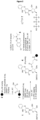
- Compound (I) may be prepared according to the scheme shown in Fig. 2 .
- reagents were commercially available and used without further purification.
- the following reagents used for the triphosphorylation were bought from Sigma-Aldrich: DCA deblock for ⁇ KTA, CAP A for ⁇ KTA, CAP B1 and B2 for ⁇ KTA, BTT Activator.
- 1 H (500 MHz) and 13 C (126 MHz) NMR spectra were recorded at 300 K on a Bruker 500 MHz system equipped with a CryoProbe.
- 31 P (202 MHz) NMR spectra were recorded at 300 K on a Bruker 500 MHz system. All shifts are recorded in ppm relative to the deuterated solvent (DMSO-d6, CDCl 3 or D 2 O).
- Amino-SynBase TM CPG 500/110 (LCAA) from LinkTech (Nu. 1397-C025, 1 g, 0.08 mmol) was activated by shaking in trichloroacetic acid 3% in DCE (8 mL, 0.08 mmol) for 18 h. The activated support was then filtered off and washed with 9:1 triethylamine:diisopropylethylamine (20 mL), dichloromethane (20 mL) and diethyl ether (20 mL). The activated support was dried under vacuum for 2 days before use.
- succinylated support 3 (1.420 g, 82 ⁇ mol/g, 0.12 mmol), DMAP (0.028 g, 0.23 mmol), DIC (719 ⁇ l, 4.64 mmol), 1 (0.076 g, 0.12 mmol) and triethylamine (49 ⁇ l, 0.35 mmol) were suspended pyridine (5 mL). The mixture was gently shaken for 18 h at RT. After 18 h, the syringe was purged and the support washed with pyridine (5 mL), dichloromethane (5 mL) and diethyl ether.
- Compound (I) can also be made by a slightly modified route wherein the coupling step (b above) is carried out with a modified phosphoramidite such as 6-chloro-N,N-diisopropyl-4-methyl-4H-benzo[d][1,3,2]dioxaphosphinin-2-amine 8 (compound (IIIa) above).
- a modified phosphoramidite such as 6-chloro-N,N-diisopropyl-4-methyl-4H-benzo[d][1,3,2]dioxaphosphinin-2-amine 8 (compound (IIIa) above).
- This reagent has been found to be more easily prepared, and compound 8 is obtainable in a yield of 60% compared to around 3-10% for the preparation of compound 5 under the conditions in this specification.
- 5-chloro-2-hydroxybenzaldehyde was reacted with methylmagnesium bromide (2.5 equiv.) at -20 °C and the resulting 4-chloro-2-(1-hydroxyethyl)phenol was cyclized into 2,6-dichloro-4-methyl-4H-benzo[d][1,3,2]dioxaphosphinine using PCl 3 (1.2 equiv.) and triethylamine (2.3 equiv.) at -20 °C under argon.
- RNA labelling was demonstrated by its cell-free in vitro transcription to produce fluorescent full-length messenger RNA (mRNA), from a DNA template encoding for H2B histone protein fused to GFP (H2B:GFP).
- mRNA messenger RNA
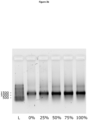
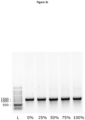
- the template was codon optimized to limit the number of C repeats, preventing self-quenching and improving brightness. Efficient transcription and tC o incorporation was observed using two different bacteriophage RNA polymerases, T7 and SP6 at tC O TP/canonical CTP ratios ranging from 0 to 100% (full replacement), as demonstrated by agarose bleach gel electrophoresis ( Fig. 3a for T7 and Fig. 4a for SP6).
- RNA transcripts run as one single band on the gels, with a size corresponding to the expected 1247 nt mRNA product (H2B:GFP), demonstrating that the full-length mRNA is formed.
- the tC O -containing mRNA bands could be directly visualized upon 302 nm excitation ( Fig. 4a ); the increasing band intensities with increasing tC O TP/CTP reaction ratio supported successful concentration-dependent incorporation of tC°.
- Re-visualization of the gel after ethidium bromide staining ( Fig. 3b ) provided a further qualitative indication that tC O incorporation does not reduce the reaction yield.
- RNA transcripts were purified using a Monarch RNA Cleanup kit, ensuring complete removal of unreacted tC O TP.
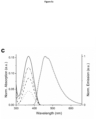
- Absorption spectra ( Fig. 5a ) showed the appearance of a band centred at ca . 370 nm in samples with the incorporated cytosine analogue tC O , consistent with the spectral profile of this fluorescent base analogue ( Fig. 5a ).
- tC O The emissive behaviour of tC O was also investigated in the mRNA transcripts exploring the relation to the tC O TP fraction added to the initial reaction mixture.
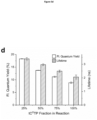
- a substantial decrease in fluorescence quantum yield (from 0.18 to 0.09, Fig. 5d ) was observed with increasing tC O incorporation. This was accompanied by a decrease in fluorescence lifetime (from 4.3 ns to 3.2 ns) and a slight redshift of the emission spectrum ( ca. 4 nm, Fig. 5c ).
- Electroporation was used to introduce in vitro-transcribed tC O -labelled mRNA transcripts into human neuroblastoma SH-SY5Y cells. Taking advantage of them encoding for a fluorescent fusion protein with nuclear localization (H2B:GFP), the translation was detected by fluorescence ( Figs. 7 and 8 ). To improve stability and reduce cytosolic degradation, the mRNAs were capped with a 5'-Cap 0 analogue and 3'-protected by poly-adenylation (by ca . 300 nt).
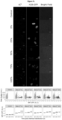
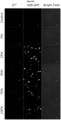
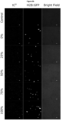
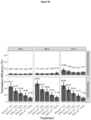
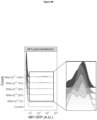
- Live-cell confocal microscopy and flow cytometry showed that GFP fluorescence in the cell nuclei could be detected in 32, 25, 18, and 12% of the cells 24 hours post-electroporation for mRNA's containing 25, 50, 75 and 100% of tC O , respectively ( Fig. 7a and Fig. 8a ).
- the transfection efficiency with unmodified mRNA was 46%. This provides the first observation that a fluorescent base analogue-modified RNA transcript can be accurately and efficiently translated by human ribosomal machineries, resulting in a correctly localized and folded protein product.
- H2B:GFP fluorescence in the cells was quantified ( Fig. 7b ), showing a decrease in mean cellular H2B:GFP fluorescence intensity upon increasing the percentage of tC O in the transcript (approximately one order of magnitude difference between 0% and 100% of tC O ( Fig. 7a and 7f ). This suggests that under these conditions, translation, as opposed to transcription, is somewhat impeded by the tC O modification, especially at the highest incorporation fraction.
- H2B:GFP fluorescence was found to increase gradually with time between 24 h and 72 h ( Fig. 7c ), which is a contrasting behaviour compared to electroporated cells ( Fig. 7a ), suggesting that the lipofectamine-mRNA complexes are continuously internalized and, potentially, that endocytosed complexes progressively release more transcripts with time, counteracting the degradative effect in the cytosol.
- the tC O -labelled mRNAs When delivered using lipofectamine, the tC O -labelled mRNAs were found to promote very similar H2B:GFP translation compared to the corresponding non-labelled mRNA, as indicated by the fluorescence levels in Fig. 7f .
- the Cy5-tagged mRNA results in an average fluorescence level that is 80 % lower than that of its corresponding non-labelled transcript.
- the complexation of the tC O -labelled mRNA with lipofectamine enabled its direct visualization inside cells using live cell confocal microscopy ( Fig. 7c ).
- this technology allows tracking of both the intrinsically labelled mRNA transcripts and their translation products live, to gather spatiotemporal information on the translation product, even with as low as 50 % tC O content.
- the original coding sequence for H2B:GFP was taken from pCS2-H2B:GFP plasmid (Addgene, Plasmid #53744, manually codon-optimized to minimize the occurrence of poly-Cn stretches (n ⁇ 3), in silico-assembled with an additional T7 promoter and other desired features (Shine-Dalgarno/Kozak consensus sequences for enhancement of translation and a 3xStop, respectively at the 5' and 3' of the coding sequence itself, plus the needed HindIII/SnaBI restriction sites, to generate the ligation-prone sticky ends) and ordered from Twist Bioscience as a synthetic gene block.
- the obtained sequence was then PCR-amplified, using a Phusion Hot Start High-Fidelity Taq (Thermo Scientific), and subcloned into a HindIII/SnaBI-digested (Fast Digest enzymes, Thermo Scientific) empty pCS2 backbone. After ligation with T4 ligase for 1 h at room temperature (Roche), DH5 ⁇ E. coli competent cells (Invitrogen) were transformed following the recommended protocol, and obtained colonies were screened by colony-PCR.
- the selected colony was then inoculated into a midiprep-scale volume of liquid Luria-Bertani growth medium (VWR) and plasmid DNA isolated using a PureLink Fast Low-Endotoxin Midi Plasmid Purification Kit (Thermo Scientific). The purified plasmid was finally digested again with HindIII/SnaBI and gel-purified, to generate the transcription template with the desired size.
- RNAs were purified using a Monarch RNA Cleanup kit (NEB), or homemade equivalent buffers and regenerated columns following the same rationale. It was possible to partially recover unreacted TC O TP from the transcription mixtures by HPLC to re-use for further assays.
- NEB Monarch RNA Cleanup kit
- each batch of RNA was then enzymatically added with a polyA tail (with a Poly(A) Polymerase, NEB protocol #M0276 with incubation extended to 1 hour) and a Cap 0 analogue (using a Vaccinia capping system, NEB protocol #M2080), following the recommended procedures.
- RNAs were first mixed with a 6x DNA loading dye (Invitrogen) and then heat-denatured at 70°C for 10 min in a heating block, then immediately transferred and kept on ice.
- a 6x DNA loading dye Invitrogen
- RNA ladder 2 ⁇ l were loaded along the samples and the gel was run at constant voltage (70 V) for 1 h and then imaged, under UV transillumination (302 nm) using a ChemiDoc Touch (BioRad).
- a standard ethidium bromide staining was finally performed at room temperature for 10 min and gentle rocking, followed by two washes in TAE and then a final wash in distilled water (10 min each).
- Human neuroblastoma SH-SY5Y cells (Sigma-Aldrich) were grown in a 1:1 mixture of minimal essential medium (HyClone) and nutrient mixture F-12 Ham (Sigma-Aldrich) supplemented with 10% fetal bovine serum (FBS), 1% non-essential amino acids (Lonza) and 2 mM L-glutamine.
- FBS fetal bovine serum
- FBS fetal bovine serum
- Nonza non-essential amino acids
- 2 mM L-glutamine 2 mM L-glutamine.
- an in-house generated model of human hepatic Huh-7 cells stably overexpressing mRFP-Rab5 were cultured in DMEM/GIutaMax/High glucose (Gibco) supplemented with 10 % FBS. The cells are detached with trypsin-EDTA 0.05 % (Gibco) and passaged twice a week.
- SH-SY5Y cells were seeded one day prior transfection at a density of 0.8 106 cells/mL, in 48-well plate or glass-bottomed culture dishes for flow cytometry or confocal microscopy analysis, respectively.
- Lipofectamine MessengerMAX was used as chemical reagent for transfection according to the manufacturer's instructions. Briefly, the reagent was diluted and incubated for 10 min at room temperature in Opti-MEM medium. The tC O -mRNA constructs were added to the reagent to reach a 1:1 final ratio reagent-mRNA (v/w), followed by a 5 min incubation at room temperature allowing the complex mRNA-lipid to form.
- SH-SY5Y cells were electroporated or chemical transfected with commercially available non-labelled (NL) or Cyanine5-labelled (Cy5) eGFP encoding mRNAs (Trilink ® ) has described here.
- Cell membrane integrity was determined using the Pierce TM LDH Cytotoxicity Assay Kit (Invitrogen) according to the manufacturer's instructions. Briefly, LDH released in the supernatants of cells 24 h post-electroporated or post-transfected with tC O -labelled mRNA, or Cy5-mRNA, was measured with a coupled enzymatic assay which results in the conversion of a tetrazolium salt into a red formazan product. The absorbance was recorded at 490 nm and 680 nm. The toxicity was expressed as the percentage of LDH release in supernatant compared to maximum LDH release (supernatant + cell lysate). Data are means ⁇ SD from three experiments performed in triplicate.
- H2B:GFP Excitation 488 nm; Emission 525-530 nm.
- H2B GFP: Excitation 488 nm; Emission 495-558 nm.
- tCO-labelled mRNA Exc. 405 nm; Em. 447-486 nm.
- Cy5-labelled mRNA Exc. 640 nm; Em. 652-700 nm.
- mRFP-Rab5 Exc. 561 nm; Em. 565-720 nm.
- RNAs were used as templates for the cell-free translation reaction according to the manufacturer's recommendations: E. coli slyD- Extract - 20 ⁇ l; 2.5X IVPS E.
- coli Reaction Buffer (-A.A.) - 20 ⁇ l; 50 mM Amino Acids (-Met) - 1.25 ⁇ !; 75 mM Methionine* -1 ⁇ !; T7 Enzyme Mix -1 ⁇ l (omitted when using tC O -labelled RNAs); DNA Template - 1 ⁇ g (when testing the tC O -labelled RNAs, added the same amount of RNA instead); DNase/RNase-free distilled water qsp 50 ⁇ l.
- Protein samples from in vitro translation experiments were quantified with a Qubit Protein Assay kit (Thermo Scientific), mixed with 6x SDS Laemmli reducing buffer (Alfa Aesar), then heat-denatured at 85 °C for 10 min and kept at room temperature until needed.
- Samples were generally run in 1 mm polyacrylamide 4-20 % Novex MES/SDS gels (Thermo Scientific) and using a Mini Gel Tank, with the PSU set at constant voltage (200 V).
- the gel was then washed three times in boiling water, to remove excess of SDS, on a benchtop shaker; a 1x Coomassie non-toxic staining solution was added to the gel and microwaved until initial boiling.
- HRP-conjugated polyclonal goat anti-Ms and anti-Rb Cross-Adsorbed IgG H+L
- A16072 and A16104, Invitrogen used at 1:10000 dilution in TBS-T.
- tC O -RNA products from the cell-free transcription reactions were measured as received, i.e. in RNAse free Milli Q water. All measurements were carried out at room temperature ( ca. 22°C) in a 3.0 mm path length quartz cuvette, with a sample volume of ca . 60 ⁇ L.
- Absorption spectra were recorded on a Cary 5000 (Varian Technologies) spectrophotometer with a wavelength interval of 1.0 nm, integration time of 0.1 s, and a spectral band width (SBW) of 1 nm. All spectra were baseline corrected by subtracting the corresponding absorption from the solvent only. A second-order polynomial Savitzky-Golay (five points) smoothing filter was applied to all spectra. For samples exhibiting significant scattering, as evidenced by characteristic absorption in the long wavelength region (here for ⁇ > 475 nm), an additional correction was applied.
- a scatter The scattering contribution ( A scatter ) to the absorption was in such cases fitted (using absorption at 550-475 nm as input) to the Rayleigh scattering function (equation S1), where c is a proportionality constant and A 0 a constant, and then subtracted for all wavelengths.
- a scatter ⁇ log 1 1 ⁇ c ⁇ ⁇ ⁇ 4 + A 0
- Emission spectra were recorded on a SPEX Fluorolog (Jobin Yvon Horiba) fluorimeter with excitation at 356 nm. Emission was collected at a right angle with an integration time of 0.1 s and wavelength interval of 1 nm. Monochromator slits were adjusted to achieve optimal signal output, leading to SBWs in the interval 1.5-2.5 nm on both the excitation and emission side. Emission spectra were corrected for Raman scattering by subtracting the corresponding emission from a sample containing only solvent. A second-order polynomial Savitzky-Golay (five points) smoothing filter was applied to all spectra.
- ⁇ F ⁇ F , REF ⁇ ⁇ ⁇ i ⁇ f I S ⁇ d ⁇ ⁇ ⁇ i ⁇ f I REF ⁇ d ⁇ ⁇ A REF A s ⁇ ⁇ S 2 ⁇ REF 2
- TCSPC time-correlated single photon counting
- Photon counts were recorded on a R3809U 50 microchannel plate PMT (Hamamatsu) and fed into a LifeSpec multichannel analyser (Edinburgh Analytical Instruments) with 2048 active channels (24.4 ps/channel), until the stop condition of 104 counts in the top channel was met.
- Equation S5 and S6 follows upon assuming first order reaction kinetics with respect to the triphosphate species [CTP] and [tC O TP].
- equation S15 was applied to calculate the tC 0 incorporation yield ( ⁇ tC 0 ) .
- ⁇ tC 0 tC 0 ⁇ 100 ⁇ L tC 0 TP 0 ⁇ 50 ⁇ L
- RNA yield ( ⁇ RNA ) was calculated according to equation S16.
- ⁇ RNA RNA ⁇ 100 ⁇ L tC 0 TP 0 ⁇ 50 ⁇ L
- This specification demonstrates that an artificial, size-expanded analogue of cytosine takes the role of natural cytosine and is correctly recognized by several enzymatic machineries, including the ribosome.
- This fluorescent base analogue, tC O is demonstrated to be a suitable intrinsic imaging label of different size RNAs which minimally perturbs native properties and is compatible with enzymatic labelling processes.
- Modified transcripts are non-toxic and translationally active both in bacterial lysate and in eukaryotic systems, regardless of their degree of tC O incorporation. This conveniently allows for simultaneous monitoring of mRNA uptake and translation into H2B:GFP in live-cell confocal microscopy using selective excitation, an approach that should be applicable to the translation of any protein similarly tagged with a GFP family protein.
- the intrinsic fluorescence RNA-labelling methodologies disclosed herein are therefore excellent non-invasive ways to, in real time, elucidate cellular trafficking mechanisms such as endosomal escape or exosomes formation, both of which are of fundamental importance for pharmaceutical applications.
- the technology for live cell imaging should enable new and improved delivery strategies for next-generation nucleic acid-based drugs.
Landscapes
- Chemical & Material Sciences (AREA)
- Life Sciences & Earth Sciences (AREA)
- Health & Medical Sciences (AREA)
- Organic Chemistry (AREA)
- Engineering & Computer Science (AREA)
- Molecular Biology (AREA)
- Biochemistry (AREA)
- Biotechnology (AREA)
- General Health & Medical Sciences (AREA)
- Genetics & Genomics (AREA)
- Biomedical Technology (AREA)
- Immunology (AREA)
- Urology & Nephrology (AREA)
- Hematology (AREA)
- Microbiology (AREA)
- Physics & Mathematics (AREA)
- Analytical Chemistry (AREA)
- Wood Science & Technology (AREA)
- Zoology (AREA)
- General Engineering & Computer Science (AREA)
- Bioinformatics & Cheminformatics (AREA)
- Proteomics, Peptides & Aminoacids (AREA)
- Cell Biology (AREA)
- Pathology (AREA)
- General Physics & Mathematics (AREA)
- Food Science & Technology (AREA)
- Medicinal Chemistry (AREA)
- Biophysics (AREA)
- Crystallography & Structural Chemistry (AREA)
- Plant Pathology (AREA)
- Saccharide Compounds (AREA)
- Electroluminescent Light Sources (AREA)
- Measuring Or Testing Involving Enzymes Or Micro-Organisms (AREA)
Applications Claiming Priority (2)
| Application Number | Priority Date | Filing Date | Title |
|---|---|---|---|
| GB2009705.1A GB2600372A (en) | 2020-06-25 | 2020-06-25 | Fluorescent Cytosine analogues and their application in transcription and translation |
| PCT/EP2021/067342 WO2021260107A1 (en) | 2020-06-25 | 2021-06-24 | Fluorescent cytosine analogues and their application in transcription and translation |
Publications (2)
| Publication Number | Publication Date |
|---|---|
| EP4172170A1 EP4172170A1 (en) | 2023-05-03 |
| EP4172170B1 true EP4172170B1 (en) | 2024-09-25 |
Family
ID=71949604
Family Applications (1)
| Application Number | Title | Priority Date | Filing Date |
|---|---|---|---|
| EP21734353.2A Active EP4172170B1 (en) | 2020-06-25 | 2021-06-24 | Fluorescent cytosine analogues and their application in transcription and translation |
Country Status (8)
| Country | Link |
|---|---|
| US (1) | US20230219995A1 (https=) |
| EP (1) | EP4172170B1 (https=) |
| JP (1) | JP2023533484A (https=) |
| DK (1) | DK4172170T3 (https=) |
| ES (1) | ES2995470T3 (https=) |
| GB (1) | GB2600372A (https=) |
| IL (1) | IL299302A (https=) |
| WO (1) | WO2021260107A1 (https=) |
Families Citing this family (1)
| Publication number | Priority date | Publication date | Assignee | Title |
|---|---|---|---|---|
| WO2025091026A1 (en) * | 2023-10-27 | 2025-05-01 | University Of Connecticut | Therapeutic compositions containing g-clamp pna and uses thereof |
Family Cites Families (6)
| Publication number | Priority date | Publication date | Assignee | Title |
|---|---|---|---|---|
| US6028183A (en) * | 1997-11-07 | 2000-02-22 | Gilead Sciences, Inc. | Pyrimidine derivatives and oligonucleotides containing same |
| US20030158403A1 (en) * | 2001-07-03 | 2003-08-21 | Isis Pharmaceuticals, Inc. | Nuclease resistant chimeric oligonucleotides |
| WO2005020885A2 (en) * | 2003-05-21 | 2005-03-10 | Isis Pharmaceuticals, Inc. | Compositions and methods for the treatment of severe acute respiratory syndrome (sars) |
| US20110130440A1 (en) * | 2008-03-26 | 2011-06-02 | Alnylam Pharmaceuticals, Inc. | Non-natural ribonucleotides, and methods of use thereof |
| WO2011034895A1 (en) * | 2009-09-15 | 2011-03-24 | Regents Of The University Of Colorado | Compositions, methods and uses for nucleotide analogues |
| US11447519B2 (en) * | 2016-11-10 | 2022-09-20 | San Diego State University Research Foundation | Compounds for fluorescence sensing of duplex formation |
-
2020
- 2020-06-25 GB GB2009705.1A patent/GB2600372A/en not_active Withdrawn
-
2021
- 2021-06-24 EP EP21734353.2A patent/EP4172170B1/en active Active
- 2021-06-24 WO PCT/EP2021/067342 patent/WO2021260107A1/en not_active Ceased
- 2021-06-24 US US18/001,805 patent/US20230219995A1/en active Pending
- 2021-06-24 ES ES21734353T patent/ES2995470T3/es active Active
- 2021-06-24 JP JP2022580419A patent/JP2023533484A/ja active Pending
- 2021-06-24 IL IL299302A patent/IL299302A/en unknown
- 2021-06-24 DK DK21734353.2T patent/DK4172170T3/da active
Non-Patent Citations (1)
| Title |
|---|
| BALADI TOM ET AL: "Stealth Fluorescence Labeling for Live Microscopy Imaging of mRNA Delivery", JOURNAL OF THE AMERICAN CHEMICAL SOCIETY, vol. 143, no. 14, 2 April 2021 (2021-04-02), pages 5413 - 5424, XP055877467, ISSN: 0002-7863, Retrieved from the Internet <URL:https://pubs.acs.org/doi/pdf/10.1021/jacs.1c00014> DOI: 10.1021/jacs.1c00014 * |
Also Published As
| Publication number | Publication date |
|---|---|
| DK4172170T3 (da) | 2024-12-02 |
| GB2600372A (en) | 2022-05-04 |
| WO2021260107A1 (en) | 2021-12-30 |
| JP2023533484A (ja) | 2023-08-03 |
| IL299302A (en) | 2023-02-01 |
| EP4172170A1 (en) | 2023-05-03 |
| US20230219995A1 (en) | 2023-07-13 |
| GB202009705D0 (en) | 2020-08-12 |
| ES2995470T3 (en) | 2025-02-10 |
Similar Documents
| Publication | Publication Date | Title |
|---|---|---|
| Depmeier et al. | Strategies for covalent labeling of long RNAs | |
| CN113195720B (zh) | 酶促rna合成 | |
| US7745417B2 (en) | Nucleosides or nucleotides having novel unnatural bases and use thereof | |
| Mayer | The chemical biology of nucleic acids | |
| Warminski et al. | The synthesis of isopropylidene mRNA cap analogs modified with phosphorothioate moiety and their evaluation as promoters of mRNA translation | |
| US20160237439A1 (en) | Modular rna regulators and methods | |
| WO2006049297A1 (ja) | 新規なヌクレオシド若しくはヌクレオチド誘導体及びその利用 | |
| EP4172170B1 (en) | Fluorescent cytosine analogues and their application in transcription and translation | |
| Wunderlich et al. | Stable isotope-labeled RNA phosphoramidites to facilitate dynamics by NMR | |
| US20130253179A1 (en) | Functionalization Processes and Reactants Used in Such Processes Using an Isatoic Anhydride or a Derivative Thereof, Biological Molecules Thus Treated and Kits | |
| Yamaguchi et al. | Cycloalkane Incorporation Into the 2′, 4′-Bridge of Locked Nucleic Acid: Enhancing Nuclease Stability, Reducing Phosphorothioate Modifications, and Lowering Hepatotoxicity in Antisense Oligonucleotides | |
| Islam et al. | Synthesis and biophysical properties of 5′-thio-2′, 4′-BNA/LNA oligonucleotide | |
| Tam et al. | Versatility of threose nucleic acids: synthesis, properties, and applications in chemical biology and biomedical advancements | |
| HK1257846A1 (en) | Process for preparing phosphate compound bearing isotope | |
| EP4323373A1 (en) | Fluorescent nucleoside phosphates | |
| EP3187584B1 (en) | Method for non-enzymatic combination of nucleic acid chains | |
| Wu | Synthetic Nucleic Acid Capable of Post-Polymerization Functionalization and Evolution | |
| Zhang | Control the Function of RNA by Site-Specific Bioconjugation | |
| RU2830607C2 (ru) | Композиции олигонуклеотидов и способы с ними | |
| Kosmidis | Development of site-specific RNA labeling strategies to probe alternative RNA splicing | |
| JP2010189276A (ja) | オリゴヌクレオチド誘導体、オリゴヌクレオチド誘導体を用いたオリゴヌクレオチド構築物、オリゴヌクレオチド誘導体を合成するための化合物及びオリゴヌクレオチド誘導体の製造方法 | |
| Lewis | Development of new chemical biological tools to probe splice site selection | |
| HK1195315A (en) | Process for preparing phosphate compound bearing isotope | |
| WO2007026823A1 (ja) | 人工核酸プローブを用いた三重鎖核酸形成を基盤とした標的核酸の検出 |
Legal Events
| Date | Code | Title | Description |
|---|---|---|---|
| STAA | Information on the status of an ep patent application or granted ep patent |
Free format text: STATUS: UNKNOWN |
|
| STAA | Information on the status of an ep patent application or granted ep patent |
Free format text: STATUS: THE INTERNATIONAL PUBLICATION HAS BEEN MADE |
|
| PUAI | Public reference made under article 153(3) epc to a published international application that has entered the european phase |
Free format text: ORIGINAL CODE: 0009012 |
|
| STAA | Information on the status of an ep patent application or granted ep patent |
Free format text: STATUS: REQUEST FOR EXAMINATION WAS MADE |
|
| 17P | Request for examination filed |
Effective date: 20230124 |
|
| AK | Designated contracting states |
Kind code of ref document: A1 Designated state(s): AL AT BE BG CH CY CZ DE DK EE ES FI FR GB GR HR HU IE IS IT LI LT LU LV MC MK MT NL NO PL PT RO RS SE SI SK SM TR |
|
| DAV | Request for validation of the european patent (deleted) | ||
| DAX | Request for extension of the european patent (deleted) | ||
| GRAP | Despatch of communication of intention to grant a patent |
Free format text: ORIGINAL CODE: EPIDOSNIGR1 |
|
| STAA | Information on the status of an ep patent application or granted ep patent |
Free format text: STATUS: GRANT OF PATENT IS INTENDED |
|
| INTG | Intention to grant announced |
Effective date: 20240424 |
|
| GRAS | Grant fee paid |
Free format text: ORIGINAL CODE: EPIDOSNIGR3 |
|
| GRAA | (expected) grant |
Free format text: ORIGINAL CODE: 0009210 |
|
| STAA | Information on the status of an ep patent application or granted ep patent |
Free format text: STATUS: THE PATENT HAS BEEN GRANTED |
|
| AK | Designated contracting states |
Kind code of ref document: B1 Designated state(s): AL AT BE BG CH CY CZ DE DK EE ES FI FR GB GR HR HU IE IS IT LI LT LU LV MC MK MT NL NO PL PT RO RS SE SI SK SM TR |
|
| REG | Reference to a national code |
Ref country code: GB Ref legal event code: FG4D |
|
| REG | Reference to a national code |
Ref country code: CH Ref legal event code: EP |
|
| REG | Reference to a national code |
Ref country code: DE Ref legal event code: R096 Ref document number: 602021019331 Country of ref document: DE |
|
| REG | Reference to a national code |
Ref country code: IE Ref legal event code: FG4D |
|
| REG | Reference to a national code |
Ref country code: DK Ref legal event code: T3 Effective date: 20241129 |
|
| REG | Reference to a national code |
Ref country code: NL Ref legal event code: FP |
|
| REG | Reference to a national code |
Ref country code: SE Ref legal event code: TRGR |
|
| REG | Reference to a national code |
Ref country code: LT Ref legal event code: MG9D |
|
| PG25 | Lapsed in a contracting state [announced via postgrant information from national office to epo] |
Ref country code: NO Free format text: LAPSE BECAUSE OF FAILURE TO SUBMIT A TRANSLATION OF THE DESCRIPTION OR TO PAY THE FEE WITHIN THE PRESCRIBED TIME-LIMIT Effective date: 20241225 |
|
| PG25 | Lapsed in a contracting state [announced via postgrant information from national office to epo] |
Ref country code: GR Free format text: LAPSE BECAUSE OF FAILURE TO SUBMIT A TRANSLATION OF THE DESCRIPTION OR TO PAY THE FEE WITHIN THE PRESCRIBED TIME-LIMIT Effective date: 20241226 Ref country code: FI Free format text: LAPSE BECAUSE OF FAILURE TO SUBMIT A TRANSLATION OF THE DESCRIPTION OR TO PAY THE FEE WITHIN THE PRESCRIBED TIME-LIMIT Effective date: 20240925 |
|
| PG25 | Lapsed in a contracting state [announced via postgrant information from national office to epo] |
Ref country code: BG Free format text: LAPSE BECAUSE OF FAILURE TO SUBMIT A TRANSLATION OF THE DESCRIPTION OR TO PAY THE FEE WITHIN THE PRESCRIBED TIME-LIMIT Effective date: 20240925 |
|
| PG25 | Lapsed in a contracting state [announced via postgrant information from national office to epo] |
Ref country code: LV Free format text: LAPSE BECAUSE OF FAILURE TO SUBMIT A TRANSLATION OF THE DESCRIPTION OR TO PAY THE FEE WITHIN THE PRESCRIBED TIME-LIMIT Effective date: 20240925 |
|
| PG25 | Lapsed in a contracting state [announced via postgrant information from national office to epo] |
Ref country code: RS Free format text: LAPSE BECAUSE OF FAILURE TO SUBMIT A TRANSLATION OF THE DESCRIPTION OR TO PAY THE FEE WITHIN THE PRESCRIBED TIME-LIMIT Effective date: 20241225 |
|
| P01 | Opt-out of the competence of the unified patent court (upc) registered |
Free format text: CASE NUMBER: APP_67569/2024 Effective date: 20241220 |
|
| PG25 | Lapsed in a contracting state [announced via postgrant information from national office to epo] |
Ref country code: RS Free format text: LAPSE BECAUSE OF FAILURE TO SUBMIT A TRANSLATION OF THE DESCRIPTION OR TO PAY THE FEE WITHIN THE PRESCRIBED TIME-LIMIT Effective date: 20241225 Ref country code: NO Free format text: LAPSE BECAUSE OF FAILURE TO SUBMIT A TRANSLATION OF THE DESCRIPTION OR TO PAY THE FEE WITHIN THE PRESCRIBED TIME-LIMIT Effective date: 20241225 Ref country code: LV Free format text: LAPSE BECAUSE OF FAILURE TO SUBMIT A TRANSLATION OF THE DESCRIPTION OR TO PAY THE FEE WITHIN THE PRESCRIBED TIME-LIMIT Effective date: 20240925 Ref country code: GR Free format text: LAPSE BECAUSE OF FAILURE TO SUBMIT A TRANSLATION OF THE DESCRIPTION OR TO PAY THE FEE WITHIN THE PRESCRIBED TIME-LIMIT Effective date: 20241226 Ref country code: FI Free format text: LAPSE BECAUSE OF FAILURE TO SUBMIT A TRANSLATION OF THE DESCRIPTION OR TO PAY THE FEE WITHIN THE PRESCRIBED TIME-LIMIT Effective date: 20240925 Ref country code: BG Free format text: LAPSE BECAUSE OF FAILURE TO SUBMIT A TRANSLATION OF THE DESCRIPTION OR TO PAY THE FEE WITHIN THE PRESCRIBED TIME-LIMIT Effective date: 20240925 |
|
| REG | Reference to a national code |
Ref country code: ES Ref legal event code: FG2A Ref document number: 2995470 Country of ref document: ES Kind code of ref document: T3 Effective date: 20250210 |
|
| REG | Reference to a national code |
Ref country code: AT Ref legal event code: MK05 Ref document number: 1726580 Country of ref document: AT Kind code of ref document: T Effective date: 20240925 |
|
| PG25 | Lapsed in a contracting state [announced via postgrant information from national office to epo] |
Ref country code: IS Free format text: LAPSE BECAUSE OF FAILURE TO SUBMIT A TRANSLATION OF THE DESCRIPTION OR TO PAY THE FEE WITHIN THE PRESCRIBED TIME-LIMIT Effective date: 20250125 Ref country code: PT Free format text: LAPSE BECAUSE OF FAILURE TO SUBMIT A TRANSLATION OF THE DESCRIPTION OR TO PAY THE FEE WITHIN THE PRESCRIBED TIME-LIMIT Effective date: 20250127 |
|
| PG25 | Lapsed in a contracting state [announced via postgrant information from national office to epo] |
Ref country code: RO Free format text: LAPSE BECAUSE OF FAILURE TO SUBMIT A TRANSLATION OF THE DESCRIPTION OR TO PAY THE FEE WITHIN THE PRESCRIBED TIME-LIMIT Effective date: 20240925 Ref country code: SM Free format text: LAPSE BECAUSE OF FAILURE TO SUBMIT A TRANSLATION OF THE DESCRIPTION OR TO PAY THE FEE WITHIN THE PRESCRIBED TIME-LIMIT Effective date: 20240925 |
|
| PG25 | Lapsed in a contracting state [announced via postgrant information from national office to epo] |
Ref country code: EE Free format text: LAPSE BECAUSE OF FAILURE TO SUBMIT A TRANSLATION OF THE DESCRIPTION OR TO PAY THE FEE WITHIN THE PRESCRIBED TIME-LIMIT Effective date: 20240925 Ref country code: AT Free format text: LAPSE BECAUSE OF FAILURE TO SUBMIT A TRANSLATION OF THE DESCRIPTION OR TO PAY THE FEE WITHIN THE PRESCRIBED TIME-LIMIT Effective date: 20240925 |
|
| PG25 | Lapsed in a contracting state [announced via postgrant information from national office to epo] |
Ref country code: PL Free format text: LAPSE BECAUSE OF FAILURE TO SUBMIT A TRANSLATION OF THE DESCRIPTION OR TO PAY THE FEE WITHIN THE PRESCRIBED TIME-LIMIT Effective date: 20240925 Ref country code: CZ Free format text: LAPSE BECAUSE OF FAILURE TO SUBMIT A TRANSLATION OF THE DESCRIPTION OR TO PAY THE FEE WITHIN THE PRESCRIBED TIME-LIMIT Effective date: 20240925 |
|
| PG25 | Lapsed in a contracting state [announced via postgrant information from national office to epo] |
Ref country code: SK Free format text: LAPSE BECAUSE OF FAILURE TO SUBMIT A TRANSLATION OF THE DESCRIPTION OR TO PAY THE FEE WITHIN THE PRESCRIBED TIME-LIMIT Effective date: 20240925 |
|
| REG | Reference to a national code |
Ref country code: DE Ref legal event code: R097 Ref document number: 602021019331 Country of ref document: DE |
|
| PGFP | Annual fee paid to national office [announced via postgrant information from national office to epo] |
Ref country code: DE Payment date: 20250618 Year of fee payment: 5 |
|
| PGFP | Annual fee paid to national office [announced via postgrant information from national office to epo] |
Ref country code: GB Payment date: 20250618 Year of fee payment: 5 Ref country code: DK Payment date: 20250625 Year of fee payment: 5 |
|
| PGFP | Annual fee paid to national office [announced via postgrant information from national office to epo] |
Ref country code: NL Payment date: 20250618 Year of fee payment: 5 Ref country code: BE Payment date: 20250618 Year of fee payment: 5 |
|
| PGFP | Annual fee paid to national office [announced via postgrant information from national office to epo] |
Ref country code: FR Payment date: 20250627 Year of fee payment: 5 |
|
| PGFP | Annual fee paid to national office [announced via postgrant information from national office to epo] |
Ref country code: SE Payment date: 20250618 Year of fee payment: 5 |
|
| PLBE | No opposition filed within time limit |
Free format text: ORIGINAL CODE: 0009261 |
|
| STAA | Information on the status of an ep patent application or granted ep patent |
Free format text: STATUS: NO OPPOSITION FILED WITHIN TIME LIMIT |
|
| 26N | No opposition filed |
Effective date: 20250626 |
|
| PGFP | Annual fee paid to national office [announced via postgrant information from national office to epo] |
Ref country code: ES Payment date: 20250731 Year of fee payment: 5 |
|
| PGFP | Annual fee paid to national office [announced via postgrant information from national office to epo] |
Ref country code: IT Payment date: 20250619 Year of fee payment: 5 |
|
| PGFP | Annual fee paid to national office [announced via postgrant information from national office to epo] |
Ref country code: CH Payment date: 20250701 Year of fee payment: 5 |
|
| PG25 | Lapsed in a contracting state [announced via postgrant information from national office to epo] |
Ref country code: HR Free format text: LAPSE BECAUSE OF FAILURE TO SUBMIT A TRANSLATION OF THE DESCRIPTION OR TO PAY THE FEE WITHIN THE PRESCRIBED TIME-LIMIT Effective date: 20240925 |
|
| PG25 | Lapsed in a contracting state [announced via postgrant information from national office to epo] |
Ref country code: MC Free format text: LAPSE BECAUSE OF FAILURE TO SUBMIT A TRANSLATION OF THE DESCRIPTION OR TO PAY THE FEE WITHIN THE PRESCRIBED TIME-LIMIT Effective date: 20240925 |
|
| PG25 | Lapsed in a contracting state [announced via postgrant information from national office to epo] |
Ref country code: LU Free format text: LAPSE BECAUSE OF NON-PAYMENT OF DUE FEES Effective date: 20250624 |
|
| PG25 | Lapsed in a contracting state [announced via postgrant information from national office to epo] |
Ref country code: IE Free format text: LAPSE BECAUSE OF NON-PAYMENT OF DUE FEES Effective date: 20250624 |