EP4163507B1 - Stützlager - Google Patents
Stützlager Download PDFInfo
- Publication number
- EP4163507B1 EP4163507B1 EP22192906.0A EP22192906A EP4163507B1 EP 4163507 B1 EP4163507 B1 EP 4163507B1 EP 22192906 A EP22192906 A EP 22192906A EP 4163507 B1 EP4163507 B1 EP 4163507B1
- Authority
- EP
- European Patent Office
- Prior art keywords
- housing
- ring
- support bearing
- snap connection
- axial direction
- Prior art date
- Legal status (The legal status is an assumption and is not a legal conclusion. Google has not performed a legal analysis and makes no representation as to the accuracy of the status listed.)
- Active
Links
Images

Classifications
-
- F—MECHANICAL ENGINEERING; LIGHTING; HEATING; WEAPONS; BLASTING
- F16—ENGINEERING ELEMENTS AND UNITS; GENERAL MEASURES FOR PRODUCING AND MAINTAINING EFFECTIVE FUNCTIONING OF MACHINES OR INSTALLATIONS; THERMAL INSULATION IN GENERAL
- F16F—SPRINGS; SHOCK-ABSORBERS; MEANS FOR DAMPING VIBRATION
- F16F1/00—Springs
- F16F1/36—Springs made of rubber or other material having high internal friction, e.g. thermoplastic elastomers
- F16F1/371—Springs made of rubber or other material having high internal friction, e.g. thermoplastic elastomers characterised by inserts or auxiliary extension or exterior elements, e.g. for rigidification
- F16F1/3713—Springs made of rubber or other material having high internal friction, e.g. thermoplastic elastomers characterised by inserts or auxiliary extension or exterior elements, e.g. for rigidification with external elements passively influencing spring stiffness, e.g. rings or hoops
-
- B—PERFORMING OPERATIONS; TRANSPORTING
- B60—VEHICLES IN GENERAL
- B60G—VEHICLE SUSPENSION ARRANGEMENTS
- B60G15/00—Resilient suspensions characterised by arrangement, location or type of combined spring and vibration damper, e.g. telescopic type
- B60G15/02—Resilient suspensions characterised by arrangement, location or type of combined spring and vibration damper, e.g. telescopic type having mechanical spring
- B60G15/06—Resilient suspensions characterised by arrangement, location or type of combined spring and vibration damper, e.g. telescopic type having mechanical spring and fluid damper
- B60G15/067—Resilient suspensions characterised by arrangement, location or type of combined spring and vibration damper, e.g. telescopic type having mechanical spring and fluid damper characterised by the mounting on the vehicle body or chassis of the spring and damper unit
-
- F—MECHANICAL ENGINEERING; LIGHTING; HEATING; WEAPONS; BLASTING
- F16—ENGINEERING ELEMENTS AND UNITS; GENERAL MEASURES FOR PRODUCING AND MAINTAINING EFFECTIVE FUNCTIONING OF MACHINES OR INSTALLATIONS; THERMAL INSULATION IN GENERAL
- F16C—SHAFTS; FLEXIBLE SHAFTS; ELEMENTS OR CRANKSHAFT MECHANISMS; ROTARY BODIES OTHER THAN GEARING ELEMENTS; BEARINGS
- F16C27/00—Elastic or yielding bearings or bearing supports, for exclusively rotary movement
- F16C27/06—Elastic or yielding bearings or bearing supports, for exclusively rotary movement by means of parts of rubber or like materials
- F16C27/066—Ball or roller bearings
-
- F—MECHANICAL ENGINEERING; LIGHTING; HEATING; WEAPONS; BLASTING
- F16—ENGINEERING ELEMENTS AND UNITS; GENERAL MEASURES FOR PRODUCING AND MAINTAINING EFFECTIVE FUNCTIONING OF MACHINES OR INSTALLATIONS; THERMAL INSULATION IN GENERAL
- F16F—SPRINGS; SHOCK-ABSORBERS; MEANS FOR DAMPING VIBRATION
- F16F1/00—Springs
- F16F1/02—Springs made of steel or other material having low internal friction; Wound, torsion, leaf, cup, ring or the like springs, the material of the spring not being relevant
- F16F1/32—Belleville-type springs
-
- F—MECHANICAL ENGINEERING; LIGHTING; HEATING; WEAPONS; BLASTING
- F16—ENGINEERING ELEMENTS AND UNITS; GENERAL MEASURES FOR PRODUCING AND MAINTAINING EFFECTIVE FUNCTIONING OF MACHINES OR INSTALLATIONS; THERMAL INSULATION IN GENERAL
- F16F—SPRINGS; SHOCK-ABSORBERS; MEANS FOR DAMPING VIBRATION
- F16F1/00—Springs
- F16F1/36—Springs made of rubber or other material having high internal friction, e.g. thermoplastic elastomers
- F16F1/38—Springs made of rubber or other material having high internal friction, e.g. thermoplastic elastomers with a sleeve of elastic material between a rigid outer sleeve and a rigid inner sleeve or pin, i.e. bushing-type
- F16F1/3835—Springs made of rubber or other material having high internal friction, e.g. thermoplastic elastomers with a sleeve of elastic material between a rigid outer sleeve and a rigid inner sleeve or pin, i.e. bushing-type characterised by the sleeve of elastic material, e.g. having indentations or made of materials of different hardness
-
- F—MECHANICAL ENGINEERING; LIGHTING; HEATING; WEAPONS; BLASTING
- F16—ENGINEERING ELEMENTS AND UNITS; GENERAL MEASURES FOR PRODUCING AND MAINTAINING EFFECTIVE FUNCTIONING OF MACHINES OR INSTALLATIONS; THERMAL INSULATION IN GENERAL
- F16F—SPRINGS; SHOCK-ABSORBERS; MEANS FOR DAMPING VIBRATION
- F16F1/00—Springs
- F16F1/36—Springs made of rubber or other material having high internal friction, e.g. thermoplastic elastomers
- F16F1/38—Springs made of rubber or other material having high internal friction, e.g. thermoplastic elastomers with a sleeve of elastic material between a rigid outer sleeve and a rigid inner sleeve or pin, i.e. bushing-type
- F16F1/3842—Method of assembly, production or treatment; Mounting thereof
- F16F1/3849—Mounting brackets therefor, e.g. stamped steel brackets; Restraining links
-
- B—PERFORMING OPERATIONS; TRANSPORTING
- B60—VEHICLES IN GENERAL
- B60G—VEHICLE SUSPENSION ARRANGEMENTS
- B60G2204/00—Indexing codes related to suspensions per se or to auxiliary parts
- B60G2204/40—Auxiliary suspension parts; Adjustment of suspensions
- B60G2204/418—Bearings, e.g. ball or roller bearings
-
- B—PERFORMING OPERATIONS; TRANSPORTING
- B60—VEHICLES IN GENERAL
- B60G—VEHICLE SUSPENSION ARRANGEMENTS
- B60G2206/00—Indexing codes related to the manufacturing of suspensions: constructional features, the materials used, procedures or tools
- B60G2206/01—Constructional features of suspension elements, e.g. arms, dampers, springs
- B60G2206/70—Materials used in suspensions
- B60G2206/71—Light weight materials
- B60G2206/7101—Fiber-reinforced plastics [FRP]
-
- B—PERFORMING OPERATIONS; TRANSPORTING
- B60—VEHICLES IN GENERAL
- B60G—VEHICLE SUSPENSION ARRANGEMENTS
- B60G2206/00—Indexing codes related to the manufacturing of suspensions: constructional features, the materials used, procedures or tools
- B60G2206/01—Constructional features of suspension elements, e.g. arms, dampers, springs
- B60G2206/70—Materials used in suspensions
- B60G2206/73—Rubber; Elastomers
-
- B—PERFORMING OPERATIONS; TRANSPORTING
- B60—VEHICLES IN GENERAL
- B60G—VEHICLE SUSPENSION ARRANGEMENTS
- B60G2206/00—Indexing codes related to the manufacturing of suspensions: constructional features, the materials used, procedures or tools
- B60G2206/01—Constructional features of suspension elements, e.g. arms, dampers, springs
- B60G2206/80—Manufacturing procedures
- B60G2206/82—Joining
- B60G2206/8209—Joining by deformation
-
- F—MECHANICAL ENGINEERING; LIGHTING; HEATING; WEAPONS; BLASTING
- F16—ENGINEERING ELEMENTS AND UNITS; GENERAL MEASURES FOR PRODUCING AND MAINTAINING EFFECTIVE FUNCTIONING OF MACHINES OR INSTALLATIONS; THERMAL INSULATION IN GENERAL
- F16C—SHAFTS; FLEXIBLE SHAFTS; ELEMENTS OR CRANKSHAFT MECHANISMS; ROTARY BODIES OTHER THAN GEARING ELEMENTS; BEARINGS
- F16C19/00—Bearings with rolling contact, for exclusively rotary movement
- F16C19/02—Bearings with rolling contact, for exclusively rotary movement with bearing balls essentially of the same size in one or more circular rows
- F16C19/14—Bearings with rolling contact, for exclusively rotary movement with bearing balls essentially of the same size in one or more circular rows for both radial and axial load
- F16C19/16—Bearings with rolling contact, for exclusively rotary movement with bearing balls essentially of the same size in one or more circular rows for both radial and axial load with a single row of balls
- F16C19/163—Bearings with rolling contact, for exclusively rotary movement with bearing balls essentially of the same size in one or more circular rows for both radial and axial load with a single row of balls with angular contact
-
- F—MECHANICAL ENGINEERING; LIGHTING; HEATING; WEAPONS; BLASTING
- F16—ENGINEERING ELEMENTS AND UNITS; GENERAL MEASURES FOR PRODUCING AND MAINTAINING EFFECTIVE FUNCTIONING OF MACHINES OR INSTALLATIONS; THERMAL INSULATION IN GENERAL
- F16C—SHAFTS; FLEXIBLE SHAFTS; ELEMENTS OR CRANKSHAFT MECHANISMS; ROTARY BODIES OTHER THAN GEARING ELEMENTS; BEARINGS
- F16C2226/00—Joining parts; Fastening; Assembling or mounting parts
- F16C2226/50—Positive connections
- F16C2226/70—Positive connections with complementary interlocking parts
- F16C2226/74—Positive connections with complementary interlocking parts with snap-fit, e.g. by clips
-
- F—MECHANICAL ENGINEERING; LIGHTING; HEATING; WEAPONS; BLASTING
- F16—ENGINEERING ELEMENTS AND UNITS; GENERAL MEASURES FOR PRODUCING AND MAINTAINING EFFECTIVE FUNCTIONING OF MACHINES OR INSTALLATIONS; THERMAL INSULATION IN GENERAL
- F16C—SHAFTS; FLEXIBLE SHAFTS; ELEMENTS OR CRANKSHAFT MECHANISMS; ROTARY BODIES OTHER THAN GEARING ELEMENTS; BEARINGS
- F16C2326/00—Articles relating to transporting
- F16C2326/01—Parts of vehicles in general
- F16C2326/05—Vehicle suspensions, e.g. bearings, pivots or connecting rods used therein
Definitions
- the invention relates to a support bearing with an annular housing which surrounds a longitudinal axis extending in an axial direction and is composed of two annular housing shells arranged one above the other in the axial direction, one of which forms a housing cover and the other a housing base, an annular elastomer body arranged in the housing, which is enclosed in the axial direction between the housing shells and has a central annular opening, and an annular inner part which is arranged in the annular opening of the elastomer body and is held by it.
- Such a support bearing is known from the prior art, with the housing being made entirely or at least partially of metal.
- the disadvantage of a support bearing with a metal housing is its relatively high weight.
- the DE 10 2014 218 800 A1 discloses a damper arrangement of a vehicle, comprising: a damper between a body of the vehicle and a wheel suspension, wherein a damper bearing is formed at the upper end of the damper, a support bearing with a flange fastened to the body and a socket made of plastic, wherein the flange has a open pocket for receiving the damper bearing, wherein the damper bearing is inserted in the socket and the unit comprising the socket and damper bearing is pushed into the pocket from the side facing the damper, or wherein only the damper bearing is pushed into the pocket from the side facing the damper and the socket closes the pocket, and wherein a locking mechanism for fixing the socket to the flange is formed between the socket and the flange.
- the invention is based in particular on the object of being able to design a support bearing in a lightweight manner.
- Plastic housing shells allow the support bearing to be made particularly lightweight.
- One or any direction running transversely to the axial direction and/or transversely to the longitudinal axis is referred to in particular as a radial direction.
- a direction running around the longitudinal axis is preferably referred to as a circumferential direction.
- the expression at least one also includes in particular the meaning of one or exactly one.
- the housing shells in particular each, surround the longitudinal axis.
- the housing shells in particular with respect to the longitudinal axis, coaxially arranged.
- the elastomer body surrounds the longitudinal axis.
- the elastomer body is arranged coaxially with the housing and/or with the housing shells, in particular with respect to the longitudinal axis.
- the inner part surrounds the longitudinal axis.
- the inner part is arranged coaxially with the housing and/or with the housing shells and/or with the elastomer body, in particular with respect to the longitudinal axis.
- the housing shells are firmly connected to one another by at least one housing snap connection.
- the housing snap connection is in particular a plastic snap connection.
- the components of the housing snap connection are preferably formed integrally with the housing and/or the housing shells.
- a snap connection can generally be made lighter than, for example, a screw connection.
- the components of the housing snap connection can be manufactured at the same time as the housing shells are manufactured. This reduces the manufacturing effort and/or the assembly effort for the support bearing.
- the housing snap connection has one or more snap hooks which are provided on a first of the housing shells, in particular on the outer circumference of the first housing shells, and which are engaged in at least one, in particular radial, locking recess provided on a second of the housing shells.
- the snap hooks of the housing snap connection are arranged around the longitudinal axis, preferably at a distance from one another.
- the locking recess of the housing snap connection is ring-shaped. This means that, for example, the snap hook(s) can lock into the locking recess in different rotational angle positions of the housing shells relative to one another.
- the second housing shell has, preferably on its outer circumference, one or at least one, preferably annular or partially annular, in particular radial and/or radially outwardly directed, locking projection, which preferably limits the locking recess of the housing snap connection axially in the direction of the first housing shell.
- the locking recess of the housing snap connection is preferably provided on a side of the locking projection of the second housing shell facing away from the first housing shell.
- each snap hook of the housing snap connection has a bending beam extending in the axial direction or essentially in the axial direction, which is elastically bendable in the radial direction, preferably radially outward, and a locking lug protruding radially from the bending beam, preferably radially inward, which engages and/or is engaged in the locking recess of the housing snap connection.
- each snap hook of the housing snap connection consists of Plastic.
- each snap hook of the housing snap connection is formed integrally with the first housing shell.
- the housing cover forms the first housing shell and the housing base forms the second housing shell.
- the housing base forms the first housing shell and the housing cover forms the second housing shell.
- fastening sleeves extending in the axial direction are arranged and/or embedded around the longitudinal axis in the housing cover, preferably at a distance from one another.
- the fastening sleeves are preferably made of metal.
- An axial hole which is e.g. a through hole, advantageously extends into each of the fastening sleeves.
- an axial through hole extends through each of the fastening sleeves.
- the fastening sleeves are ring-shaped.
- the fastening sleeves are preferably open at least on their side facing away from the housing base.
- the fastening sleeves are preferably cylindrical or substantially cylindrical.
- the fastening sleeves are advantageously provided, in particular each with an internal thread.
- the support ring is preferably made of plastic.
- the support ring forms a spring plate and/or a spring support, preferably for a vehicle spring.
- the support bearing preferably comprises the support ring.
- the support ring is held on the housing base by at least one support ring snap connection, in particular in the axial direction.
- the support ring snap connection is preferably a plastic snap connection.
- the support ring snap connection serves in particular as a loss protection for the support ring, for example during transport of the support bearing.
- the housing base and the support ring each form a connection partner.
- the at least one support ring snap connection has one or more snap hooks that are provided on a first of the connection partners and are engaged in at least one, in particular radial, locking recess provided on a second of the connection partners.
- the housing base forms the first connection partner and the support ring forms the second connection partner.
- the preferred Snap hooks of the support ring snap connection are provided on an underside of the housing base facing the support ring.
- the support ring forms the first connection partner and the housing base forms the second connection partner, for example.
- the snap hooks of the support ring snap connection are arranged around the longitudinal axis, preferably at a distance from one another.
- the locking recess of the support ring snap connection is advantageously ring-shaped.
- the second connection partner has, preferably on its inner circumference, one or at least one, preferably ring-shaped or partially ring-shaped, in particular radial and/or radially inwardly directed, locking projection, which preferably limits the locking recess of the support ring snap connection axially in the direction of the first connection partner.
- the locking recess of the support ring snap connection is preferably provided on a side of the locking projection of the second connection partner facing away from the first connection partner.
- One or more recesses are preferably provided in the locking projection of the support ring snap connection, through which the snap hook(s) of the support ring snap connection can be guided in the axial direction in at least one predetermined rotational angle position of the housing base relative to the support ring. In this way, for example, the housing base can be separated from the support ring in the predetermined rotational angle position.
- each snap hook of the support ring snap connection has a bending beam extending in the axial direction or essentially in the axial direction, which is elastically bendable in the radial direction, preferably radially inward, and a locking lug protruding radially from the bending beam, preferably radially outward, which engages and/or is engaged in the locking recess of the support ring snap connection.
- each snap hook of the support ring snap connection is made of plastic.
- each snap hook of the support ring snap connection is formed integrally with the first connection partner.
- the support ring is mounted on the housing base so that it can rotate about the longitudinal axis by means of a rolling bearing.
- the rolling bearing is in particular a ball bearing.
- the housing base has, on its side facing away from the housing cover and/or facing the support ring, a first annular running surface, which is in particular formed integrally with the housing base and is in particular groove-shaped and can also be referred to as a first running groove, for example.
- the support ring has, on its side facing the housing base, a second annular running surface, which is in particular formed integrally with the support ring and is axially opposite the first running surface, which is in particular groove-shaped and can also be referred to as a second running groove, for example.
- the rolling bearing is advantageously provided with the running surfaces and several rolling elements. formed, which are arranged between the running surfaces and, for example, guided through them.
- the rolling elements are preferably made of metal.
- the rolling elements are balls.
- the first running surface is provided, in particular on the front side, on an annular, axial projection of the housing base.
- the second running surface is provided, in particular on the front side, on an annular, axial projection of the support ring.
- the housing base has one or more, for example two, first sealing projections on its side facing the support ring, which extend in the axial direction, surround the longitudinal axis and are spaced radially from one another.
- the support ring has one or more, for example two, second sealing projections on its side facing the housing base, which extend in the axial direction, surround the longitudinal axis and are spaced radially from one another, which preferably engage with the first sealing projections, preferably to form a meandering parting line between the housing base and the support ring.
- the sealing projections and/or the parting line surround the rolling bearing.
- the number of sealing projections is at least three.
- the support bearing is provided in particular for a vehicle, which is preferably a motor vehicle.
- the support bearing is preferably a strut support bearing.
- the support bearing 1 comprises an annular housing 2 which surrounds a longitudinal axis 3 extending in an axial direction x and is composed of two annular housing shells 4 and 5 made of plastic arranged one above the other in the axial direction x, an annular elastomer body 6 arranged in the housing 2, which is enclosed in the axial direction x between the housing shells 4 and 5 and has a central annular opening 7, and an annular inner part 8 which is arranged in the annular opening 7 of the elastomer body 6 and is held by it.
- One or any direction running transversely to the longitudinal axis 3 is referred to in particular as the radial direction r. Furthermore, a direction running around the longitudinal axis 3 is referred to in particular as the circumferential direction u.
- the housing shells 4 and 5 are firmly connected to one another by a housing snap connection 9, which has a plurality of snap hooks 10 made of plastic, which are provided on a first of the housing shells 4, are formed integrally therewith and are engaged in at least one radial locking recess 11 provided on a second of the housing shells 5, which is formed in an annular manner.
- the second housing shell 5 has an annular, radial locking projection 12, which limits the locking recess 11 axially in the direction of the first housing shell 4.
- Each snap hook 10 of the housing snap connection 9 has a bending beam 13 extending in or substantially in the axial direction x, which is elastically bendable in particular in the radial direction r, and a locking lug 14 projecting radially from the bending beam 13, which is engaged in the locking recess 11 of the housing snap connection 9.
- the first housing shell 4 forms a housing cover and the second housing shell 5 forms a housing base, wherein around the longitudinal axis 3 in the housing cover 4 there are several Fastening sleeves 15 made of metal are embedded, through each of which, for example, an axial through-hole 16 extends.
- the support bearing 1 further comprises a support ring 17 made of plastic, which is arranged on a side of the housing base 5 facing away from the housing cover 4 and is rotatably mounted thereon about the longitudinal axis 3 by means of a rolling bearing 18 in the form of a ball bearing.
- the support ring 17 forms a spring plate.
- the support ring 17 is held in the axial direction x on the housing base 5 by a support ring snap connection 19, which has several snap hooks 20 made of plastic, which are provided on the housing base 5 and are formed integrally therewith.
- a radial locking recess 21 is provided on the support ring 17, into which the snap hooks 20 are locked.
- the support ring 17 has a locking projection 22 on its inner circumference, which limits the locking recess 21 of the support ring snap connection 19 axially in the direction of the housing base 5.
- one or more recesses are provided in the locking projection 22, through which the snap hooks 20 can be guided in the axial direction x in at least one predetermined angle of rotation position of the housing base 5 relative to the support ring 17.
- the housing base 5 can thus be separated from the support ring 17, for example, in the predetermined angle of rotation position.
- Each snap hook 20 of the support ring snap connection 19 has a bending beam 23 extending in the axial direction x, which is elastically bendable in particular in the radial direction, and a locking lug 24 projecting radially from the bending beam 23, which is engaged in the locking recess 21 of the support ring snap connection 19.
- the housing base 5 has, on its side facing the support ring 17, a first annular raceway groove 25 formed integrally with the housing base 5. Furthermore, the support ring 17 has, on its side facing the housing base 5, a second annular raceway groove 26 formed integrally with the support ring 17 and axially opposite the first raceway groove 25, wherein the ball bearing 18 is formed by the raceways 25 and 26 and by a plurality of rolling elements 27 in the form of balls which are arranged between the raceways 25 and 26 and are guided through them.
- the housing base 5 has, on its side facing the support ring 17, a plurality of first sealing projections 28 extending in the axial direction x, surrounding the longitudinal axis 3 and having a radial distance from one another. Furthermore, the support ring 17 has, on its side facing the housing base 5, a plurality of second sealing projections 29 extending in the axial direction x, surrounding the longitudinal axis 3 and having a radial distance from one another, which engage with the first sealing projections 28 to form a meandering separating joint 30 between the housing base 5 and the support ring 17.
Landscapes
- Engineering & Computer Science (AREA)
- General Engineering & Computer Science (AREA)
- Mechanical Engineering (AREA)
- Manufacturing & Machinery (AREA)
- Mounting Of Bearings Or Others (AREA)
- Snaps, Bayonet Connections, Set Pins, And Snap Rings (AREA)
Description
- Die Erfindung betrifft ein Stützlager mit einem ringförmigen Gehäuse, welches eine sich in einer axialen Richtung erstreckende Längsachse umringt und aus zwei in axialer Richtung übereinander angeordneten, ringförmigen Gehäuseschalen zusammengesetzt ist, von denen eine einen Gehäusedeckel und eine andere einen Gehäuseboden bildet, einem in dem Gehäuse angeordneten, ringförmigen Elastomerkörper, der in axialer Richtung zwischen den Gehäuseschalen eingeschlossen ist und eine zentrale Ringöffnung aufweist, und einem ringförmigen Innenteil, welches in der Ringöffnung des Elastomerkörpers angeordnet und von diesem gehalten ist.
- Ein derartiges Stützlager ist aus dem Stand der Technik bekannt, wobei das Gehäuse ganz oder zumindest teilweise aus Metall besteht. Nachteilig an einem Stützlager mit Metallgehäuse ist sein relativ großes Gewicht.
- Die
DE 10 2014 218 800 A1 offenbart eine Dämpferanordnung eines Fahrzeuges, umfassend: einen Dämpfer zwischen einer Karosserie des Fahrzeuges und einer Radaufhängung, wobei am oberen Ende des Dämpfers ein Dämpferlager ausgebildet ist, ein Stützlager mit einem an der Karosserie befestigten Flansch und einer aus Kunststoff gefertigten Fassung, wobei der Flansch eine zum Dämpfer hin offene Tasche zur Aufnahme des Dämpferlagers aufweist, wobei das Dämpferlager in der Fassung steckt und die Einheit aus Fassung und Dämpferlager von der dem Dämpfer zugewandten Seite in die Tasche eingeschoben ist, oder wobei lediglich das Dämpferlager von der dem Dämpfer zugewandten Seite in die Tasche eingeschoben ist und die Fassung die Tasche verschließt, und wobei zwischen Fassung und Flansch ein Verschlussmechanismus zum Fixieren der Fassung am Flansch ausgebildet ist. - Ausgehend hiervon liegt der Erfindung insbesondere die Aufgabe zugrunde, ein Stützlager leichtgewichtig ausbilden zu können.
- Diese Aufgabe wird erfindungsgemäß durch ein Stützlager nach Anspruch 1 gelöst. Bevorzugte Weiterbildungen der Erfindung sind in den Unteransprüchen und in der nachfolgenden Beschreibung gegeben.
- Ein Stützlager mit
- einem ringförmigen Gehäuse, welches eine sich in einer axialen Richtung erstreckende Längsachse umringt und aus zwei in axialer Richtung übereinander angeordneten, ringförmigen Gehäuseschalen zusammengesetzt ist, von denen eine einen Gehäusedeckel und eine andere einen Gehäuseboden bildet,
- einem in dem Gehäuse angeordneten, ringförmigen Elastomerkörper, der in axialer Richtung zwischen den Gehäuseschalen eingeschlossen ist und eine zentrale Ringöffnung aufweist, und
- einem ringförmigen Innenteil, welches in der Ringöffnung des Elastomerkörpers angeordnet und von diesem gehalten ist,
ist erfindungsgemäß insbesondere weitergebildet durch - einen Stützring, der auf einer dem Gehäusedeckel abgewandten Seite des Gehäusebodens angeordnet und an diesem um die Längsachse drehbar gelagert ist, wobei die Gehäuseschalen aus Kunststoff bestehen.
- Durch Gehäuseschalen aus Kunststoff ist das Stützlager besonders leichtgewichtig ausbildbar.
- Eine oder jedwede quer zur axialen Richtung und/oder quer zur Längsachse verlaufende Richtung wird insbesondere als radiale Richtung bezeichnet. Eine um die Längsachse herum verlaufende Richtung wird vorzugsweise als Umfangsrichtung bezeichnet. Der Ausdruck wenigstens ein umfasst insbesondere auch die Bedeutung von ein oder genau ein.
- Bevorzugt umringen die Gehäuseschalen, insbesondere jeweils, die Längsachse. Vorzugsweise sind die Gehäuseschalen, insbesondere bezüglich der Längsachse, koaxial angeordnet. Bevorzugt umringt der Elastomerkörper die Längsachse. Vorzugsweise ist der Elastomerkörper, insbesondere bezüglich der Längsachse, koaxial mit dem Gehäuse und/oder mit den Gehäuseschalen angeordnet. Bevorzugt umringt das Innenteil die Längsachse. Vorzugsweise ist das Innenteil, insbesondere bezüglich der Längsachse, koaxial mit dem Gehäuse und/oder mit den Gehäuseschalen und/oder mit dem Elastomerkörper angeordnet.
- Gemäß einer Ausgestaltung sind die Gehäuseschalen durch wenigstens eine Gehäuse-Schnappverbindung fest miteinander verbunden. Die Gehäuse-Schnappverbindung ist insbesondere eine Kunststoffschnappverbindung. Vorzugsweise sind die Bestandteile der Gehäuse-Schnappverbindung integral mit dem Gehäuse und/oder den Gehäuseschalen ausgebildet. Eine Schnappverbindung lässt sich in der Regel leichtgewichtiger realisieren als z.B. eine Schraubverbindung. Ferner lassen sich die Bestandteile der Gehäuse-Schnappverbindung bei der Herstellung der Gehäuseschalen gleichzeitig mit herstellen. Somit lassen sich der Herstellungsaufwand und/oder der Montageaufwand für das Stützlager reduzieren.
- Gemäß einer Weiterbildung weist die Gehäuse-Schnappverbindung einen oder mehrere Schnapphaken auf, die an einer ersten der Gehäuseschalen, insbesondere am Außenumfang der ersten Gehäuseschalen, vorgesehen sind und in wenigstens eine an einer zweiten der Gehäuseschalen vorgesehene, insbesondere radiale, Rastvertiefung eingerastet sind. Hierdurch ist z.B. eine typische Realisierungsmöglichkeit für eine Schnappverbindung gegeben. Bevorzugt sind die Schnapphaken der Gehäuse-Schnappverbindung rings der Längsachse, vorzugsweise im Abstand zueinander, angeordnet. Vorteilhaft ist die Rastvertiefung der Gehäuse-Schnappverbindung ringförmig. Somit können z.B. der oder die Schnapphaken in unterschiedlichen Drehwinkelstellungen der Gehäuseschalen zueinander in die Rastvertiefung einrasten.
- Gemäß einer Ausgestaltung weist die zweite Gehäuseschale, bevorzugt an ihrem Außenumfang, einen oder wenigstens einen, vorzugsweise ringförmigen oder teilringförmigen, insbesondere radialen und/oder radial nach außen gerichteten, Rastvorsprung auf, der vorzugsweise die Rastvertiefung der Gehäuse-Schnappverbindung axial in Richtung auf die erste Gehäuseschale begrenzt. Bevorzugt ist die Rastvertiefung der Gehäuse-Schnappverbindung auf einer der ersten Gehäuseschale abgewandten Seite des Rastvorsprungs der zweiten Gehäuseschale vorgesehen.
- Gemäß einer Weiterbildung weist jeder Schnapphaken der Gehäuse-Schnappverbindung einen sich in axialer Richtung oder im Wesentlichen in axialer Richtung erstreckenden Biegebalken, der in radialer Richtung, vorzugsweise nach radial außen, elastisch biegbar ist, und eine von dem Biegebalken radial, vorzugsweise nach radial innen, vorstehende Rastnase auf, die in die Rastvertiefung der Gehäuse-Schnappverbindung eingreift und/oder eingerückt ist. Bevorzugt besteht jeder Schnapphaken der Gehäuse-Schnappverbindung aus Kunststoff. Vorzugsweise ist jeder Schnapphaken der Gehäuse-Schnappverbindung integral mit der ersten Gehäuseschale ausgebildet.
- Beispielsweise bildet der Gehäusedeckel die erste Gehäuseschale und der Gehäuseboden bildet z.B. die zweite Gehäuseschale. Alternativ bildet z.B. der Gehäuseboden die erste Gehäuseschale und der Gehäusedeckel bildet beispielsweise die zweite Gehäuseschale.
- Gemäß einer Ausgestaltung sind rings der Längsachse im Gehäusedeckel mehrere sich in axialer Richtung erstreckende Befestigungshülsen, bevorzugt im Abstand zueinander, angeordnet und/oder eingebettet. Vorzugsweise bestehen die Befestigungshülsen aus Metall. Vorteilhaft erstreckt sich in jede der Befestigungshülsen ein axiales Loch hinein, welches z.B. ein Durchgangsloch ist. Insbesondere erstreckt sich durch jede der Befestigungshülsen ein axiales Durchgangsloch hindurch. Beispielsweise sind die Befestigungshülsen ringförmig ausgebildet. Bevorzugt sind die Befestigungshülsen zumindest auf ihrer dem Gehäuseboden abgewandten Seite offen. Vorzugsweise sind die Befestigungshülsen zylindrisch oder im Wesentlichen zylindrisch. Vorteilhaft sind die Befestigungshülsen, insbesondere jeweils, mit einem Innengewinde versehen.
- Vorzugsweise besteht der Stützring aus Kunststoff. Insbesondere bildet der Stützring einen Federteller und/oder eine Federabstützung, vorzugsweise für eine Fahrzeugfeder. Bevorzugt umfasst das Stützlager den Stützring.
- Gemäß einer Ausgestaltung ist der Stützring durch wenigstens eine Stützring-Schnappverbindung, insbesondere in axialer Richtung, an dem Gehäuseboden gehalten. Bevorzugt ist die Stützring-Schnappverbindung eine Kunststoffschnappverbindung. Die Stützring-Schnappverbindung dient insbesondere als Verliersicherung für den Stützring, beispielsweise während eines Transports des Stützlagers.
- Bevorzugt bilden der Gehäuseboden und der Stützring jeweils einen Verbindungspartner. Vorzugsweise weist die wenigstens eine Stützring-Schnappverbindung einen oder mehrere Schnapphaken auf, die an einem ersten der Verbindungspartner vorgesehen sind und in wenigstens eine an einem zweiten der Verbindungpartner vorgesehene, insbesondere radiale, Rastvertiefung eingerastet sind.
- Beispielsweise bildet der Gehäuseboden den ersten Verbindungspartner und der Stützring bildet z.B. den zweiten Verbindungspartner. Bevorzugt sind die Schnapphaken der Stützring-Schnappverbindung an einer dem Stützring zugewandten Unterseite des Gehäusebodens vorgesehen. Alternativ bildet z.B. der Stützring den ersten Verbindungspartner und der Gehäuseboden bildet beispielsweise den zweiten Verbindungspartner.
- Bevorzugt sind die Schnapphaken der Stützring-Schnappverbindung rings der Längsachse, vorzugsweise im Abstand zueinander, angeordnet. Vorteilhaft ist die Rastvertiefung der Stützring-Schnappverbindung ringförmig.
- Gemäß einer Weiterbildung weist der zweite Verbindungspartner, bevorzugt an seinem Innenumfang, einen oder wenigstens einen, vorzugsweise ringförmigen oder teilringförmigen, insbesondere radialen und/oder radial nach innen gerichteten, Rastvorsprung auf, der vorzugsweise die Rastvertiefung der Stützring-Schnappverbindung axial in Richtung auf den ersten Verbindungspartner begrenzt. Bevorzugt ist die Rastvertiefung der Stützring-Schnappverbindung auf einer dem ersten Verbindungspartner abgewandten Seite des Rastvorsprungs des zweiten Verbindungspartners vorgesehen. Bevorzugt sind in dem Rastvorsprung der Stützring-Schnappverbindung eine oder mehrere Aussparungen vorgesehen, durch welche der oder die Schnapphaken der Stützring-Schnappverbindung in wenigstens einer vorgegebenen Drehwinkelstellung des Gehäusebodens relativ zu dem Stützring in axialer Richtung hindurchgeführt werden können. Somit kann z.B. der Gehäuseboden in der vorgegebenen Drehwinkelstellung von dem Stützring getrennt werden.
- Gemäß einer Ausgestaltung weist jeder Schnapphaken der Stützring-Schnappverbindung einen sich in axialer Richtung oder im Wesentlichen in axialer Richtung erstreckenden Biegebalken, der in radialer Richtung, vorzugsweise nach radial innen, elastisch biegbar ist, und eine von dem Biegebalken radial, vorzugsweise nach radial außen, vorstehende Rastnase auf, die in die Rastvertiefung der Stützring-Schnappverbindung eingreift und/oder eingerückt ist. Bevorzugt besteht jeder Schnapphaken der Stützring-Schnappverbindung aus Kunststoff. Vorzugsweise ist jeder Schnapphaken der Stützring-Schnappverbindung integral mit dem ersten Verbindungspartner ausgebildet.
- Gemäß einer Weiterbildung ist der Stützring an dem Gehäuseboden mittels eines Wälzlagers um die Längsachse drehbar gelagert. Das Wälzlager ist insbesondere ein Kugellager.
- Bevorzugt weist der Gehäuseboden auf seiner dem Gehäusedeckel abgewandten und/oder dem Stützring zugewandten Seite eine, insbesondere integral mit dem Gehäuseboden ausgebildete, erste ringförmige Lauffläche auf, die insbesondere rillenförmig ist und z.B. auch als erste Laufrille bezeichnet werden kann. Vorzugsweise weist der Stützring auf seiner dem Gehäuseboden zugewandten Seite eine, insbesondere integral mit dem Stützring ausgebildete, der ersten Lauffläche axial gegenüberliegende zweite ringförmige Lauffläche auf, die insbesondere rillenförmig ist und z.B. auch als zweite Laufrille bezeichnet werden kann. Vorteilhaft ist das Wälzlager durch die Laufflächen und mehrere Wälzkörper gebildet, die zwischen den Laufflächen angeordnet und beispielsweise durch diese geführt sind. Die Wälzkörper bestehen bevorzugt aus Metall. Insbesondere sind die Wälzkörper Kugeln. Bevorzugt ist die erste Lauffläche, insbesondere stirnseitig, an einem ringförmigen, axialen Vorsprung des Gehäusebodens vorgesehen. Vorzugsweise ist die zweite Lauffläche, insbesondere stirnseitig, an einem ringförmigen, axialen Vorsprung des Stützrings vorgesehen.
- Bevorzugt weist der Gehäuseboden auf seiner dem Stützring zugewandten Seite einen oder mehrere, beispielsweise zwei, sich in axialer Richtung erstreckende, die Längsachse umringende und einen radialen Abstand zueinander aufweisende erste Dichtvorsprünge auf. Vorzugsweise weist der Stützring auf seiner dem Gehäuseboden zugewandten Seite einen oder mehrere, beispielsweise zwei, sich in axialer Richtung erstreckende, die Längsachse umringende und einen radialen Abstand zueinander aufweisende zweite Dichtvorsprünge auf, die bevorzugt mit den ersten Dichtvorsprüngen, vorzugsweise unter Ausbildung einer mäanderförmigen Trennfuge zwischen dem Gehäuseboden und dem Stützring, ineinandergreifen. Bevorzugt umringen die Dichtvorsprünge und/oder umringt die Trennfuge das Wälzlager. Vorzugsweise beträgt die Anzahl der Dichtvorsprünge wenigstens drei.
- Das Stützlager ist insbesondere für ein Fahrzeug vorgesehen, welches vorzugsweise ein Kraftfahrzeug ist. Bevorzugt ist das Stützlager ein Federbeinstützlager.
- Die Erfindung wird nachfolgend anhand einer bevorzugten Ausführungsform unter Bezugnahme auf die Zeichnung beschrieben. In der Zeichnung zeigen:
-
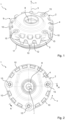
Fig. 1 eine perspektivische Ansicht eines Stützlagers gemäß einer Ausführungsform, -
Fig. 2 eine Draufsicht auf das Stützlager nachFig. 1 und -
Fig. 3 eine Schnittansicht des Stützlagers entlang der ausFig. 2 ersichtlichen Schnittlinie A-A. - Aus den
Fig. 1 bis 3 sind unterschiedliche Ansichten eines Stützlagers 1 gemäß einer Ausführungsform ersichtlich, wobei das Stützlager 1 ein ringförmiges Gehäuse 2, welches eine sich in einer axialen Richtung x erstreckende Längsachse 3 umringt und aus zwei in axialer Richtung x übereinander angeordneten, ringförmigen Gehäuseschalen 4 und 5 aus Kunststoff zusammengesetzt ist, einen in dem Gehäuse 2 angeordneten, ringförmigen Elastomerkörper 6, der in axialer Richtung x zwischen den Gehäuseschalen 4 und 5 eingeschlossen ist und eine zentrale Ringöffnung 7 aufweist, und ein ringförmiges Innenteil 8 umfasst, welches in der Ringöffnung 7 des Elastomerkörpers 6 angeordnet und von diesem gehalten ist. - Eine oder jedwede quer zur Längsachse 3 verlaufende Richtung wird insbesondere als radiale Richtung r bezeichnet. Ferner wird eine um die Längsachse 3 herum verlaufende Richtung insbesondere als Umfangsrichtung u bezeichnet.
- Die Gehäuseschalen 4 und 5 sind durch eine Gehäuse-Schnappverbindung 9 fest miteinander verbunden, die mehrere aus Kunststoff bestehende Schnapphaken 10 aufweist, die an einer ersten der Gehäuseschalen 4 vorgesehen, integral mit dieser ausgebildet und in wenigstens eine an einer zweiten der Gehäuseschalen 5 vorgesehene radiale Rastvertiefung 11 eingerastet sind, die ringförmig ausgebildet ist. Die zweite Gehäuseschale 5 weist einen ringförmigen, radialen Rastvorsprung 12 auf, der die Rastvertiefung 11 axial in Richtung auf die erste Gehäuseschale 4 begrenzt.
- Jeder Schnapphaken 10 der Gehäuse-Schnappverbindung 9 weist einen sich in oder im Wesentlichen in axialer Richtung x erstreckenden Biegebalken 13, der insbesondere in radialer Richtung r, elastisch biegbar ist, und eine von dem Biegebalken 13 radial vorstehende Rastnase 14 auf, die in die Rastvertiefung 11 der Gehäuse-Schnappverbindung 9 eingerückt ist.
- Die erste Gehäuseschale 4 bildet einen Gehäusedeckel und die zweite Gehäuseschale 5 bildet einen Gehäuseboden, wobei rings der Längsachse 3 im Gehäusedeckel 4 mehrere sich in axialer Richtung x erstreckende Befestigungshülsen 15 aus Metall eingebettet sind, durch die sich jeweils z.B. ein axiales Durchgangsloch 16 hindurch erstreckt.
- Das Stützlager 1 umfasst ferner einen aus Kunststoff bestehenden Stützring 17, der auf einer dem Gehäusedeckel 4 abgewandten Seite des Gehäusebodens 5 angeordnet und an diesem mittels eines Wälzlagers 18 in Form eines Kugellagers um die Längsachse 3 drehbar gelagert ist. Insbesondere bildet der Stützring 17 einen Federteller.
- Der Stützring 17 ist durch eine Stützring-Schnappverbindung 19 in axialer Richtung x an dem Gehäuseboden 5 gehalten, die mehrere aus Kunststoff bestehende Schnapphaken 20 aufweist, die am Gehäuseboden 5 vorgesehen und integral mit diesem ausgebildet sind. An dem Stützring 17 ist eine radiale Rastvertiefung 21 vorgesehen, in welche die Schnapphaken 20 eingerastet sind.
- Der Stützring 17 weist an seinem Innenumfang einen Rastvorsprung 22 auf, der die Rastvertiefung 21 der Stützring-Schnappverbindung 19 axial in Richtung auf den Gehäuseboden 5 begrenzt. Bevorzugt sind in dem Rastvorsprung 22 eine oder mehrere Aussparungen vorgesehen, durch welche die Schnapphaken 20 in wenigstens einer vorgegebenen Drehwinkelstellung des Gehäusebodens 5 relativ zu dem Stützring 17 in axialer Richtung x hindurchgeführt werden können. Der Gehäuseboden 5 kann somit in der vorgegebenen Drehwinkelstellung z.B. von dem Stützring 17 getrennt werden. Jeder Schnapphaken 20 der Stützring-Schnappverbindung 19 weist einen sich in axialer Richtung x erstreckenden Biegebalken 23, der insbesondere in radialer Richtung elastisch biegbar ist, und eine von dem Biegebalken 23 radial vorstehende Rastnase 24 auf, die in die Rastvertiefung 21 der Stützring-Schnappverbindung 19 eingerückt ist.
- Der Gehäuseboden 5 weist auf seiner dem Stützring 17 zugewandten Seite eine integral mit dem Gehäuseboden 5 ausgebildete, erste ringförmige Laufrille 25 auf. Ferner weist der Stützring 17 auf seiner dem Gehäuseboden 5 zugewandten Seite eine integral mit dem Stützring 17 ausgebildete, der ersten Laufrille 25 axial gegenüberliegende zweite ringförmige Laufrille 26 auf, wobei das Kugellager 18 durch die Laufrillen 25 und 26 sowie durch mehrere Wälzkörper 27 in Form von Kugeln gebildet ist, die zwischen den Laufrillen 25 und 26 angeordnet und durch diese geführt sind.
- Der Gehäuseboden 5 weist auf seiner dem Stützring 17 zugewandten Seite mehrere sich in axialer Richtung x erstreckende, die Längsachse 3 umringende und einen radialen Abstand zueinander aufweisende erste Dichtvorsprünge 28 auf. Ferner weist der Stützring 17 auf seiner dem Gehäuseboden 5 zugewandten Seite mehrere sich in axialer Richtung x erstreckende, die Längsachse 3 umringende und einen radialen Abstand zueinander aufweisende zweite Dichtvorsprünge 29 auf, die mit den ersten Dichtvorsprüngen 28 unter Ausbildung einer mäanderförmigen Trennfuge 30 zwischen dem Gehäuseboden 5 und dem Stützring 17 ineinandergreifen.
-
- 1
- Stützlager
- 2
- Gehäuse
- 3
- Längsachse
- 4
- erste Gehäuseschale / Gehäusedeckel
- 5
- zweite Gehäuseschale / Gehäuseboden
- 6
- Elastomerkörper
- 7
- Ringöffnung des Elastomerkörpers
- 8
- Innenteil
- 9
- Gehäuse-Schnappverbindung
- 10
- Schnapphaken
- 11
- Rastvertiefung
- 12
- Rastvorsprung
- 13
- Biegebalken
- 14
- Rastnase
- 15
- Befestigungshülsen
- 16
- Durchgangsloch
- 17
- Stützring
- 18
- Wälzlager / Kugellager
- 19
- Stützring-Schnappverbindung
- 20
- Schnapphaken
- 21
- Rastvertiefung
- 22
- Rastvorsprung
- 23
- Biegebalken
- 24
- Rastnase
- 25
- Laufrille
- 26
- Laufrille
- 27
- Wälzkörper / Kugel
- 28
- Dichtvorsprung
- 29
- Dichtvorsprung
- 30
- Trennfuge
- x
- axiale Richtung
- r
- radiale Richtung
- u
- Umfangsrichtung
Claims (8)
- Stützlager mit einem ringförmigen Gehäuse (2), welches eine sich in einer axialen Richtung (x) erstreckende Längsachse (3) umringt und aus zwei in axialer Richtung (x) übereinander angeordneten, ringförmigen Gehäuseschalen (4, 5) zusammengesetzt ist, von denen eine einen Gehäusedeckel und eine andere einen Gehäuseboden bildet, einem in dem Gehäuse (2) angeordneten, ringförmigen Elastomerkörper (6), der in axialer Richtung (x) zwischen den Gehäuseschalen (4, 5) eingeschlossen ist und eine zentrale Ringöffnung (7) aufweist, und einem ringförmigen Innenteil (8), welches in der Ringöffnung (7) des Elastomerkörpers (6) angeordnet und von diesem gehalten ist, gekennzeichnet durch einen Stützring (17), der auf einer dem Gehäusedeckel (4) abgewandten Seite des Gehäusebodens (5) angeordnet und an diesem um die Längsachse (3) drehbar gelagert ist, wobei die Gehäuseschalen (4, 5) aus Kunststoff bestehen.
- Stützlager nach Anspruch 1, dadurch gekennzeichnet, dass die Gehäuseschalen (4, 5) durch wenigstens eine Gehäuse-Schnappverbindung (9) fest miteinander verbunden sind.
- Stützlager nach Anspruch 2, dadurch gekennzeichnet, dass die Gehäuse-Schnappverbindung (9) einen oder mehrere aus Kunststoff bestehende Schnapphaken (10) aufweist, die an einer ersten der Gehäuseschalen (4) vorgesehen, integral mit dieser ausgebildet und in wenigstens eine an einer zweiten der Gehäuseschalen (5) vorgesehene radiale Rastvertiefung (11) eingerastet sind.
- Stützlager nach Anspruch 3, dadurch gekennzeichnet, dass die zweite Gehäuseschale (5) wenigstens einen radialen Rastvorsprung (12) aufweist, der die Rastvertiefung (11) der Gehäuse-Schnappverbindung (9) axial in Richtung auf die erste Gehäuseschale (4) begrenzt.
- Stützlager nach Anspruch 3 oder 4, dadurch gekennzeichnet, dass jeder Schnapphaken (10) der Gehäuse-Schnappverbindung (9) einen sich in oder im Wesentlichen in axialer Richtung (x) erstreckenden Biegebalken (13), der in radialer Richtung (r), elastisch biegbar ist, und eine von dem Biegebalken (13) radial vorstehende Rastnase (14) aufweist, die in die Rastvertiefung (11) der Gehäuse-Schnappverbindung (9) eingerückt ist.
- Stützlager nach einem der vorangehenden Ansprüche, dadurch gekennzeichnet, dass rings der Längsachse im Gehäusedeckel (4) mehrere sich in axialer Richtung (x) erstreckende Befestigungshülsen (15) aus Metall eingebettet sind, die zumindest auf ihrer dem Gehäuseboden (5) abgewandten Seite offen sind.
- Stützlager nach einem der vorangehenden Ansprüche, dadurch gekennzeichnet, dass der Stützring (17) aus Kunststoff besteht.
- Stützlager nach einem der vorangehenden Ansprüche, dadurch gekennzeichnet, dass der Stützring (17) einen Federteller bildet.
Applications Claiming Priority (1)
| Application Number | Priority Date | Filing Date | Title |
|---|---|---|---|
| DE202021105377.1U DE202021105377U1 (de) | 2021-10-05 | 2021-10-05 | Stützlager |
Publications (2)
| Publication Number | Publication Date |
|---|---|
| EP4163507A1 EP4163507A1 (de) | 2023-04-12 |
| EP4163507B1 true EP4163507B1 (de) | 2024-10-02 |
Family
ID=78509508
Family Applications (1)
| Application Number | Title | Priority Date | Filing Date |
|---|---|---|---|
| EP22192906.0A Active EP4163507B1 (de) | 2021-10-05 | 2022-08-30 | Stützlager |
Country Status (2)
| Country | Link |
|---|---|
| EP (1) | EP4163507B1 (de) |
| DE (1) | DE202021105377U1 (de) |
Family Cites Families (3)
| Publication number | Priority date | Publication date | Assignee | Title |
|---|---|---|---|---|
| DE10041359B4 (de) * | 2000-08-23 | 2005-06-09 | Trelleborg Automotive Technical Centre Gmbh | Elastisches Lager |
| FR2850905B1 (fr) * | 2003-02-10 | 2006-06-23 | Skf Ab | Dispositif de butee de suspension |
| DE102014218800A1 (de) * | 2014-09-18 | 2016-03-24 | Bayerische Motoren Werke Aktiengesellschaft | Dämpferanordnung eines Fahrzeuges |
-
2021
- 2021-10-05 DE DE202021105377.1U patent/DE202021105377U1/de active Active
-
2022
- 2022-08-30 EP EP22192906.0A patent/EP4163507B1/de active Active
Also Published As
| Publication number | Publication date |
|---|---|
| DE202021105377U1 (de) | 2021-10-27 |
| EP4163507A1 (de) | 2023-04-12 |
Similar Documents
| Publication | Publication Date | Title |
|---|---|---|
| DE102021205177A1 (de) | Kombinierte Isolator- und Leiteranordnung für Lager mit einem durch Haken befestigten Leiter | |
| DE102012213527B4 (de) | Radnabe mit Zentriervorrichtung | |
| DE102015202720B4 (de) | Lageranordnung | |
| EP1424499A1 (de) | Schwingungsdämpferring-Einsatzanordnung, auch in Verbindungsanordnungen für Bauteile | |
| DE102007034091A1 (de) | Wellgenerator für ein Wellgetriebe | |
| DE102015220363A1 (de) | Zweiteiliger Lagerkäfig | |
| DE102014007956A1 (de) | Rotationsdämpfer | |
| DE102016213359A1 (de) | Lageranordnung | |
| DE102014213995B4 (de) | Unwuchtwelle | |
| EP4163507B1 (de) | Stützlager | |
| DE102016203026A1 (de) | Fixierung eines Lagers mit einer Passfeder | |
| DE69903984T2 (de) | Lagerhalterung für eine Rotationsmaschine | |
| DE10008606A1 (de) | Kraftübertragungsmechanismus mit einem Sprengring zu dessen Montage | |
| DE102016213452A1 (de) | Vormontierbare Bolzenaufnahme | |
| DE19510761B4 (de) | Anlaufscheibe für Gelenkkreuzbüchsen | |
| DE102015217289A1 (de) | Federbeinlager | |
| DE102009024681B4 (de) | Wälzlager | |
| DE102010015432A1 (de) | Torsionsschwingsungsdämpfer | |
| DE102013222837A1 (de) | Stützanordnung für ein Leichtbaudifferential | |
| DE102017107058A1 (de) | Federbeinlager | |
| DE102017124614B4 (de) | Lagervorrichtung für einen Lenker einer Radaufhängung eines Fahrzeugs | |
| DE102019135117A1 (de) | Fahrwerkbauteil, Anordnung von Fahrwerkbauteil und Lagerbauteil sowie Fahrzeug mit einer solchen Anordnung und Verfahren zu deren Herstellung | |
| DE102015220369A1 (de) | Reibungsoptimierter Toleranzring für Lenkungslager | |
| DE102013205429A1 (de) | Radnabe mit Radlager | |
| DE102018131864A1 (de) | Lagereinheit für eine Schneckenwelle eines Lenkgetriebes |
Legal Events
| Date | Code | Title | Description |
|---|---|---|---|
| PUAI | Public reference made under article 153(3) epc to a published international application that has entered the european phase |
Free format text: ORIGINAL CODE: 0009012 |
|
| STAA | Information on the status of an ep patent application or granted ep patent |
Free format text: STATUS: THE APPLICATION HAS BEEN PUBLISHED |
|
| AK | Designated contracting states |
Kind code of ref document: A1 Designated state(s): AL AT BE BG CH CY CZ DE DK EE ES FI FR GB GR HR HU IE IS IT LI LT LU LV MC MK MT NL NO PL PT RO RS SE SI SK SM TR |
|
| STAA | Information on the status of an ep patent application or granted ep patent |
Free format text: STATUS: REQUEST FOR EXAMINATION WAS MADE |
|
| 17P | Request for examination filed |
Effective date: 20230721 |
|
| RBV | Designated contracting states (corrected) |
Designated state(s): AL AT BE BG CH CY CZ DE DK EE ES FI FR GB GR HR HU IE IS IT LI LT LU LV MC MK MT NL NO PL PT RO RS SE SI SK SM TR |
|
| RIC1 | Information provided on ipc code assigned before grant |
Ipc: F16C 19/16 20060101ALN20240229BHEP Ipc: B60G 15/06 20060101ALI20240229BHEP Ipc: F16F 1/38 20060101ALI20240229BHEP Ipc: F16F 1/371 20060101ALI20240229BHEP Ipc: F16F 1/32 20060101ALI20240229BHEP Ipc: F16C 27/06 20060101AFI20240229BHEP |
|
| GRAP | Despatch of communication of intention to grant a patent |
Free format text: ORIGINAL CODE: EPIDOSNIGR1 |
|
| STAA | Information on the status of an ep patent application or granted ep patent |
Free format text: STATUS: GRANT OF PATENT IS INTENDED |
|
| INTG | Intention to grant announced |
Effective date: 20240411 |
|
| GRAS | Grant fee paid |
Free format text: ORIGINAL CODE: EPIDOSNIGR3 |
|
| GRAA | (expected) grant |
Free format text: ORIGINAL CODE: 0009210 |
|
| STAA | Information on the status of an ep patent application or granted ep patent |
Free format text: STATUS: THE PATENT HAS BEEN GRANTED |
|
| AK | Designated contracting states |
Kind code of ref document: B1 Designated state(s): AL AT BE BG CH CY CZ DE DK EE ES FI FR GB GR HR HU IE IS IT LI LT LU LV MC MK MT NL NO PL PT RO RS SE SI SK SM TR |
|
| REG | Reference to a national code |
Ref country code: GB Ref legal event code: FG4D Free format text: NOT ENGLISH |
|
| REG | Reference to a national code |
Ref country code: CH Ref legal event code: EP |
|
| REG | Reference to a national code |
Ref country code: DE Ref legal event code: R096 Ref document number: 502022001798 Country of ref document: DE |
|
| REG | Reference to a national code |
Ref country code: IE Ref legal event code: FG4D Free format text: LANGUAGE OF EP DOCUMENT: GERMAN |
|
| REG | Reference to a national code |
Ref country code: LT Ref legal event code: MG9D |
|
| REG | Reference to a national code |
Ref country code: NL Ref legal event code: MP Effective date: 20241002 |
|
| PG25 | Lapsed in a contracting state [announced via postgrant information from national office to epo] |
Ref country code: NL Free format text: LAPSE BECAUSE OF FAILURE TO SUBMIT A TRANSLATION OF THE DESCRIPTION OR TO PAY THE FEE WITHIN THE PRESCRIBED TIME-LIMIT Effective date: 20241002 |
|
| PG25 | Lapsed in a contracting state [announced via postgrant information from national office to epo] |
Ref country code: NL Free format text: LAPSE BECAUSE OF FAILURE TO SUBMIT A TRANSLATION OF THE DESCRIPTION OR TO PAY THE FEE WITHIN THE PRESCRIBED TIME-LIMIT Effective date: 20241002 |
|
| PG25 | Lapsed in a contracting state [announced via postgrant information from national office to epo] |
Ref country code: IS Free format text: LAPSE BECAUSE OF FAILURE TO SUBMIT A TRANSLATION OF THE DESCRIPTION OR TO PAY THE FEE WITHIN THE PRESCRIBED TIME-LIMIT Effective date: 20250202 Ref country code: HR Free format text: LAPSE BECAUSE OF FAILURE TO SUBMIT A TRANSLATION OF THE DESCRIPTION OR TO PAY THE FEE WITHIN THE PRESCRIBED TIME-LIMIT Effective date: 20241002 Ref country code: PT Free format text: LAPSE BECAUSE OF FAILURE TO SUBMIT A TRANSLATION OF THE DESCRIPTION OR TO PAY THE FEE WITHIN THE PRESCRIBED TIME-LIMIT Effective date: 20250203 |
|
| PG25 | Lapsed in a contracting state [announced via postgrant information from national office to epo] |
Ref country code: FI Free format text: LAPSE BECAUSE OF FAILURE TO SUBMIT A TRANSLATION OF THE DESCRIPTION OR TO PAY THE FEE WITHIN THE PRESCRIBED TIME-LIMIT Effective date: 20241002 |
|
| PG25 | Lapsed in a contracting state [announced via postgrant information from national office to epo] |
Ref country code: BG Free format text: LAPSE BECAUSE OF FAILURE TO SUBMIT A TRANSLATION OF THE DESCRIPTION OR TO PAY THE FEE WITHIN THE PRESCRIBED TIME-LIMIT Effective date: 20241002 |
|
| PG25 | Lapsed in a contracting state [announced via postgrant information from national office to epo] |
Ref country code: ES Free format text: LAPSE BECAUSE OF FAILURE TO SUBMIT A TRANSLATION OF THE DESCRIPTION OR TO PAY THE FEE WITHIN THE PRESCRIBED TIME-LIMIT Effective date: 20241002 |
|
| PG25 | Lapsed in a contracting state [announced via postgrant information from national office to epo] |
Ref country code: NO Free format text: LAPSE BECAUSE OF FAILURE TO SUBMIT A TRANSLATION OF THE DESCRIPTION OR TO PAY THE FEE WITHIN THE PRESCRIBED TIME-LIMIT Effective date: 20250102 |
|
| REG | Reference to a national code |
Ref country code: SK Ref legal event code: T3 Ref document number: E 46034 Country of ref document: SK |
|
| PG25 | Lapsed in a contracting state [announced via postgrant information from national office to epo] |
Ref country code: GR Free format text: LAPSE BECAUSE OF FAILURE TO SUBMIT A TRANSLATION OF THE DESCRIPTION OR TO PAY THE FEE WITHIN THE PRESCRIBED TIME-LIMIT Effective date: 20250103 Ref country code: LV Free format text: LAPSE BECAUSE OF FAILURE TO SUBMIT A TRANSLATION OF THE DESCRIPTION OR TO PAY THE FEE WITHIN THE PRESCRIBED TIME-LIMIT Effective date: 20241002 |
|
| PG25 | Lapsed in a contracting state [announced via postgrant information from national office to epo] |
Ref country code: CZ Free format text: LAPSE BECAUSE OF FAILURE TO SUBMIT A TRANSLATION OF THE DESCRIPTION OR TO PAY THE FEE WITHIN THE PRESCRIBED TIME-LIMIT Effective date: 20241002 Ref country code: PL Free format text: LAPSE BECAUSE OF FAILURE TO SUBMIT A TRANSLATION OF THE DESCRIPTION OR TO PAY THE FEE WITHIN THE PRESCRIBED TIME-LIMIT Effective date: 20241002 |
|
| PG25 | Lapsed in a contracting state [announced via postgrant information from national office to epo] |
Ref country code: RS Free format text: LAPSE BECAUSE OF FAILURE TO SUBMIT A TRANSLATION OF THE DESCRIPTION OR TO PAY THE FEE WITHIN THE PRESCRIBED TIME-LIMIT Effective date: 20250102 |
|
| PG25 | Lapsed in a contracting state [announced via postgrant information from national office to epo] |
Ref country code: SM Free format text: LAPSE BECAUSE OF FAILURE TO SUBMIT A TRANSLATION OF THE DESCRIPTION OR TO PAY THE FEE WITHIN THE PRESCRIBED TIME-LIMIT Effective date: 20241002 |
|
| REG | Reference to a national code |
Ref country code: DE Ref legal event code: R097 Ref document number: 502022001798 Country of ref document: DE |
|
| PG25 | Lapsed in a contracting state [announced via postgrant information from national office to epo] |
Ref country code: DK Free format text: LAPSE BECAUSE OF FAILURE TO SUBMIT A TRANSLATION OF THE DESCRIPTION OR TO PAY THE FEE WITHIN THE PRESCRIBED TIME-LIMIT Effective date: 20241002 |
|
| PG25 | Lapsed in a contracting state [announced via postgrant information from national office to epo] |
Ref country code: EE Free format text: LAPSE BECAUSE OF FAILURE TO SUBMIT A TRANSLATION OF THE DESCRIPTION OR TO PAY THE FEE WITHIN THE PRESCRIBED TIME-LIMIT Effective date: 20241002 |
|
| PG25 | Lapsed in a contracting state [announced via postgrant information from national office to epo] |
Ref country code: RO Free format text: LAPSE BECAUSE OF FAILURE TO SUBMIT A TRANSLATION OF THE DESCRIPTION OR TO PAY THE FEE WITHIN THE PRESCRIBED TIME-LIMIT Effective date: 20241002 |
|
| PG25 | Lapsed in a contracting state [announced via postgrant information from national office to epo] |
Ref country code: IT Free format text: LAPSE BECAUSE OF FAILURE TO SUBMIT A TRANSLATION OF THE DESCRIPTION OR TO PAY THE FEE WITHIN THE PRESCRIBED TIME-LIMIT Effective date: 20241002 |
|
| PLBE | No opposition filed within time limit |
Free format text: ORIGINAL CODE: 0009261 |
|
| STAA | Information on the status of an ep patent application or granted ep patent |
Free format text: STATUS: NO OPPOSITION FILED WITHIN TIME LIMIT |
|
| PG25 | Lapsed in a contracting state [announced via postgrant information from national office to epo] |
Ref country code: SE Free format text: LAPSE BECAUSE OF FAILURE TO SUBMIT A TRANSLATION OF THE DESCRIPTION OR TO PAY THE FEE WITHIN THE PRESCRIBED TIME-LIMIT Effective date: 20241002 |
|
| 26N | No opposition filed |
Effective date: 20250703 |
|
| PGFP | Annual fee paid to national office [announced via postgrant information from national office to epo] |
Ref country code: DE Payment date: 20250812 Year of fee payment: 4 |
|
| PGFP | Annual fee paid to national office [announced via postgrant information from national office to epo] |
Ref country code: AT Payment date: 20251020 Year of fee payment: 4 Ref country code: FR Payment date: 20250812 Year of fee payment: 4 |
|
| PGFP | Annual fee paid to national office [announced via postgrant information from national office to epo] |
Ref country code: SK Payment date: 20250825 Year of fee payment: 4 |
|
| REG | Reference to a national code |
Ref country code: CH Ref legal event code: H13 Free format text: ST27 STATUS EVENT CODE: U-0-0-H10-H13 (AS PROVIDED BY THE NATIONAL OFFICE) Effective date: 20260324 |
|
| PG25 | Lapsed in a contracting state [announced via postgrant information from national office to epo] |
Ref country code: MC Free format text: LAPSE BECAUSE OF FAILURE TO SUBMIT A TRANSLATION OF THE DESCRIPTION OR TO PAY THE FEE WITHIN THE PRESCRIBED TIME-LIMIT Effective date: 20241002 |
|
| PG25 | Lapsed in a contracting state [announced via postgrant information from national office to epo] |
Ref country code: LU Free format text: LAPSE BECAUSE OF NON-PAYMENT OF DUE FEES Effective date: 20250830 |
|
| PG25 | Lapsed in a contracting state [announced via postgrant information from national office to epo] |
Ref country code: CH Free format text: LAPSE BECAUSE OF NON-PAYMENT OF DUE FEES Effective date: 20250831 |