EP4125886B1 - Verwendung von thienopyridonderivaten zur behandlung von adrenoleukodystrophie oder adrenomyeloneuropathie - Google Patents
Verwendung von thienopyridonderivaten zur behandlung von adrenoleukodystrophie oder adrenomyeloneuropathie Download PDFInfo
- Publication number
- EP4125886B1 EP4125886B1 EP21714196.9A EP21714196A EP4125886B1 EP 4125886 B1 EP4125886 B1 EP 4125886B1 EP 21714196 A EP21714196 A EP 21714196A EP 4125886 B1 EP4125886 B1 EP 4125886B1
- Authority
- EP
- European Patent Office
- Prior art keywords
- hydroxy
- chloro
- thieno
- pyridin
- pxl770
- Prior art date
- Legal status (The legal status is an assumption and is not a legal conclusion. Google has not performed a legal analysis and makes no representation as to the accuracy of the status listed.)
- Active
Links
Images



Classifications
-
- A—HUMAN NECESSITIES
- A61—MEDICAL OR VETERINARY SCIENCE; HYGIENE
- A61K—PREPARATIONS FOR MEDICAL, DENTAL OR TOILETRY PURPOSES
- A61K31/00—Medicinal preparations containing organic active ingredients
- A61K31/33—Heterocyclic compounds
- A61K31/395—Heterocyclic compounds having nitrogen as a ring hetero atom, e.g. guanethidine or rifamycins
- A61K31/435—Heterocyclic compounds having nitrogen as a ring hetero atom, e.g. guanethidine or rifamycins having six-membered rings with one nitrogen as the only ring hetero atom
- A61K31/4353—Heterocyclic compounds having nitrogen as a ring hetero atom, e.g. guanethidine or rifamycins having six-membered rings with one nitrogen as the only ring hetero atom ortho- or peri-condensed with heterocyclic ring systems
- A61K31/4365—Heterocyclic compounds having nitrogen as a ring hetero atom, e.g. guanethidine or rifamycins having six-membered rings with one nitrogen as the only ring hetero atom ortho- or peri-condensed with heterocyclic ring systems the heterocyclic ring system having sulfur as a ring hetero atom, e.g. ticlopidine
-
- A—HUMAN NECESSITIES
- A61—MEDICAL OR VETERINARY SCIENCE; HYGIENE
- A61K—PREPARATIONS FOR MEDICAL, DENTAL OR TOILETRY PURPOSES
- A61K31/00—Medicinal preparations containing organic active ingredients
- A61K31/33—Heterocyclic compounds
- A61K31/395—Heterocyclic compounds having nitrogen as a ring hetero atom, e.g. guanethidine or rifamycins
- A61K31/435—Heterocyclic compounds having nitrogen as a ring hetero atom, e.g. guanethidine or rifamycins having six-membered rings with one nitrogen as the only ring hetero atom
- A61K31/44—Non condensed pyridines; Hydrogenated derivatives thereof
- A61K31/4427—Non condensed pyridines; Hydrogenated derivatives thereof containing further heterocyclic ring systems
- A61K31/4436—Non condensed pyridines; Hydrogenated derivatives thereof containing further heterocyclic ring systems containing a heterocyclic ring having sulfur as a ring hetero atom
-
- A—HUMAN NECESSITIES
- A61—MEDICAL OR VETERINARY SCIENCE; HYGIENE
- A61K—PREPARATIONS FOR MEDICAL, DENTAL OR TOILETRY PURPOSES
- A61K31/00—Medicinal preparations containing organic active ingredients
- A61K31/33—Heterocyclic compounds
- A61K31/395—Heterocyclic compounds having nitrogen as a ring hetero atom, e.g. guanethidine or rifamycins
- A61K31/435—Heterocyclic compounds having nitrogen as a ring hetero atom, e.g. guanethidine or rifamycins having six-membered rings with one nitrogen as the only ring hetero atom
- A61K31/44—Non condensed pyridines; Hydrogenated derivatives thereof
- A61K31/4427—Non condensed pyridines; Hydrogenated derivatives thereof containing further heterocyclic ring systems
- A61K31/444—Non condensed pyridines; Hydrogenated derivatives thereof containing further heterocyclic ring systems containing a six-membered ring with nitrogen as a ring heteroatom, e.g. amrinone
-
- A—HUMAN NECESSITIES
- A61—MEDICAL OR VETERINARY SCIENCE; HYGIENE
- A61P—SPECIFIC THERAPEUTIC ACTIVITY OF CHEMICAL COMPOUNDS OR MEDICINAL PREPARATIONS
- A61P25/00—Drugs for disorders of the nervous system
-
- A—HUMAN NECESSITIES
- A61—MEDICAL OR VETERINARY SCIENCE; HYGIENE
- A61P—SPECIFIC THERAPEUTIC ACTIVITY OF CHEMICAL COMPOUNDS OR MEDICINAL PREPARATIONS
- A61P25/00—Drugs for disorders of the nervous system
- A61P25/28—Drugs for disorders of the nervous system for treating neurodegenerative disorders of the central nervous system, e.g. nootropic agents, cognition enhancers, drugs for treating Alzheimer's disease or other forms of dementia
-
- C—CHEMISTRY; METALLURGY
- C07—ORGANIC CHEMISTRY
- C07D—HETEROCYCLIC COMPOUNDS
- C07D495/00—Heterocyclic compounds containing in the condensed system at least one hetero ring having sulfur atoms as the only ring hetero atoms
- C07D495/02—Heterocyclic compounds containing in the condensed system at least one hetero ring having sulfur atoms as the only ring hetero atoms in which the condensed system contains two hetero rings
- C07D495/04—Ortho-condensed systems
Definitions
- the invention relates to a thienopyridone derivative according to the invention for use in the treatment of genetic neurodegenerative diseases selected from adrenoleukodystrophy (ALD) and adrenomyeloneuropathy (AMN).
- ALD adrenoleukodystrophy
- APN adrenomyeloneuropathy
- Adrenoleukodystrophy and adrenomyeloneuropathy are neurodegenerative genetic diseases.
- X-linked adrenoleukodystrophy ALD
- ALD X-linked adrenoleukodystrophy
- Three main phenotypes are seen in affected males. The childhood cerebral form manifests usually between ages 4 and 8 years. It initially resembles attention deficit disorder or hyperactivity. Progressive central demyelination with impairment of cognition, behavior, vision, hearing, and motor function follow the initial symptoms and often lead to total disability within 2 years.
- the second phenotype which is the adult form of ALD, manifests most commonly in the late twenties as progressive paraparesis, sphincter disturbances, sexual dysfunction, and often, impaired adrenocortical function.
- AMN patients generally have spinal cord dysfunction, which leads to the initial symptoms that include difficulties in walking or a change in the walking pattern. All symptoms are progressive over decades.
- AMN can be broken down into two general clinical forms: AMN with cerebral involvement where the spinal cord and brain are both affected, and AMN without cerebral involvement where only the spinal cord is affected.
- the third phenotype is Addison's disease, which is present with primary adrenocortical insufficiency between age 2 years and adulthood and most commonly by age 7.5 years, without evidence of neurologic abnormality.
- X-linked adrenoleukodystrophy is caused by mutations in the ABCD1 gene.
- the ABCD1 gene provides instructions for producing the adrenoleukodystrophy protein (ALDP).
- ALDP is located in the membranes of cell structures called peroxisomes. Peroxisomes are small sacs within cells that process many types of molecules. ALDP brings a group of fats called very long-chain fatty acids (VLCFAs) into peroxisomes, where they are broken down.
- VLCFAs very long-chain fatty acids
- the mutations that cause adrenoleukodystrophy prevent the production of any ALDP in about 75 percent of people with this disorder. With little or no functional ALDP, VLCFAs are not broken down, and they build up in the body.
- VLCFA very long chain fatty acids
- VLCFA oxidation in peroxisomes.
- Lipids containing VLCFA accumulate in all tissues; however, the brain, spinal cord, adrenal cortex and the Leydig cells of the testis have the greatest increase of VLCFA.
- the accumulation of these fats may be toxic to the adrenal glands and to the fatty layer of insulation (myelin) that surrounds many nerves in the body.
- myelin fatty layer of insulation
- the inflammatory process destroys the myelin, causing relentless progressive deterioration to a vegetative state or death, usually within five years.
- AMN Adrenomyeloneuropathy
- ALD adrenoleukodystrophy
- VLCFA very long chain fatty acids
- AMN is a slowly progressive disorder of adulthood that causes dysfunction of the adrenal gland, spinal cord (myelopathy), and peripheral nerves (neuropathy).
- haematopoeitic stem cell bone marrow transplantation may reduce the progression of ALD in some patients if done when neurological symptoms first appear.
- HSCT haematopoeitic stem cell bone marrow transplantation
- the current ways of treating these diseases are essentially aimed at relieving patients' symptoms.
- one of the possible symptoms of patients with AMN is adrenal insufficiency, so the focus will be on the treatment of this adrenal insufficiency with steroid replacement therapy.
- metformin could be useful for treating these patients by activating AMPK ( J. Singh et al., Journal of Neurochemistry, 138, 86-100, 2016 ).
- metformin is known to induce lactic acidosis as a side effect.
- its efficacy is observed in cultured fibroblasts at a dose of at least 100 ⁇ M and, in ABCD2 KO mice, when orally administered at 100 mg/kg.
- AMPK activators were broadly disclosed as AMPK activators in WO 2014/001554 and EP 2 679 591 but it has never been suggested so far to use them in the treatment of ALD and AMN. They have been proven to be direct activators of various AMPK isoforms including the ⁇ 1 subunit, which makes their efficacy in the treatment of these conditions all the more so surprising that it is known that direct activators of AMPK provide metabolic effects that are different from those obtained with indirect activators of AMPK such as metformin.
- thienopyridone derivatives act to reduce the accumulation of very long-chain fatty acids (VLCFAs). It was also found that when cells are cultured in the presence of a thienopyridone derivative of formula (I), the expression of an alternative protein (ABCD2), related to ALDP (with a sequence very close to that of ALDP) is induced. Since ALDP is deleted in ALD and AMN, the induction of a related protein appears to underlie the mechanism by which a thienopyridone derivative of formula (I) can ameliorate the disease phenotype in this model system. Thus, these thienopyridone derivatives, through overexpression of this protein, allow for the reduction of fatty acid accumulation.
- VLCFAs very long-chain fatty acids
- the invention relates to a thienopyridone derivative selected from the group consisting of 2-chloro-4-hydroxy-3-(5-hydroxytetralin-6-yl)-5-phenyl-7H-thieno[2,3-b]pyridin-6-one, 2-chloro-5-(4-fluorophenyl)-4-hydroxy-3-indan-5-yl-7H-thieno[2,3-b]pyridin-6-one, 2-chloro-4-hydroxy-3-indan-5-yl-5-phenyl-7H-thieno[2,3-b]pyridin-6-one, and pharmaceutically acceptable salts and/or solvates thereof, for use in the treatment of adrenoleukodystrophy and/or adrenomyeloneuropathy.
- references to methods of treatment in this description are to be interpreted as references to the compounds, pharmaceutical compositions and medicaments of the present invention for use in a method for treating a subject by therapy.
- halogen atom refers to an atom selected from fluorine, chlorine, bromine and iodine atoms.
- alkyl group refers to a linear or branched saturated chain of 1 to 5 carbon atoms, such as methyl, ethyl, n-propyl, iso-propyl, n-butyl, sec-butyl, iso-butyl or tert-butyl.
- alkyl groups are linear or branched saturated chains of 1 to 3 carbon atoms, such as methyl, ethyl, n-propyl or iso-propyl groups.
- aryl group refers to a C6-C18 aromatic group, such as phenyl or naphthyl group, optionally substituted by one or more atoms or groups selected from halogen atoms, alkyl groups, hydroxy (OH), alkyloxy groups, amino (NH 2 ), mono- or di-alkylamino groups, carboxy (COOH), alkyloxycarbonyl groups, mono- or di-alkylaminocarbonyl groups, carboxamide (CONH 2 ), cyano (CN), alkylsulfonyl groups and trifluoromethyl (CF 3 ).
- the aryl group can be subsituted or not by fluorine, chlorine, bromine atoms, hydroxy, methoxy, ethoxy, amino, dimethylamino, diethylamino, methyl, ethyl, n-propyl, n-butyl, iso-propyl, sec-butyl, iso-butyl, tert-butyl, carboxy, methoxycarbonyl, ethoxycarbonyl, carboxamide, dimethylaminocarbonyl, methylaminocarbonyl, cyano, methylsulfonyl, or trifluoromethyl group.
- alkyl group refers to alkyl group as defined above, a hydrogen atom of which is replaced by an aryl group as defined above.
- An example of an aralkyl group is a benzyl group.
- alkyloxy (or “alkoxy”) group refers to an alkyl group as defined above linked to the rest of the molecule through an oxygen atom. Among alkyloxy groups mention can be made of methoxy and ethoxy groups.
- aralkyloxy group refers to an aralkyl group as defined above linked to the rest of the molecule through an oxygen atom.
- aralkyloxy groups mention can be made of the benzyloxy group.
- alkylamino group refers to an alkyl group as defined above linked to the rest of the molecule through a nitrogen atom.
- alkylamino groups mention can be made of dimethylamino and diethylamino groups.
- alkyloxycarbonyl group refers to an alkyloxy group as defined above linked to the rest of the molecule through a carbonyl group.
- alkylaminocarbonyl group refers to an alkylamino group as defined above linked to the rest of the molecule through a carbonyl group.
- alkylsulfonyl refers to an alkyl as defined above linked to the rest of the molecule through a SO2 group.
- alkylsulfonyl groups mention can be made of methylsulfonyl and ethylsulfonyl groups.
- Solvates of the compounds are taken in the present invention to mean adductions of inert solvent molecules onto the compounds which form owing to their mutual attractive force.
- Solvates are, for example, hydrates or alcoholates.
- the compounds of formula (I) may generally be prepared as disclosed in WO 2014/001554 .
- PXL770 which is the monohydrate potassium salt of 2-chloro-4-hydroxy-3-(5-hydroxytetralin-6-yl)-5-phenyl-7H-thieno[2,3-b]pyridin-6-one corresponding to the following structure of formula (Ia):
- PXL770 may be prepared according to a process comprising the steps of:
- said compound of formula (II) may be obtained by an improved process comprising the steps of:
- step (B) can comprise a substep (b1) of heating the mixture obtained in step (A), preferably at a temperature close to reflux of the mixture, followed by a substep (b2) of cooling the resulting mixture, for instance at a temperature comprised between -15 °C and 35 °C.
- close to reflux of the mixture refers typically to a temperature comprised between 90% and 100 % of the boiling point of the solvent system in step (A) (for instance, water/isopropanol or water/ n -butyl acetate).
- a distillation step preferably under reduced pressure, can be carried out between the heating substep and substep (b2).
- Step (B) allows a crystalline precipitate to form, which formation may be favored or triggered by adding seeds to steps (b2).
- the compound of formula (Ia), i.e. PXL770, is thus obtained in the form of a solid, such as a powder, having the following XRPD (X-Ray Powder Diffraction) peaks, as measured by means of a diffractometer, using Cu K(alpha) radiation: 2-theta (°) d-value ( ⁇ ) 13.010 6.7992 14.720 6.0130 17.330 5.1128 19.640 4.5164 21.170 4.1933 22.700 3.9140 23.860 3.7263 24.410 3.6435 26.730 3.3323 28.700 3.1079 30.960 2.8860 34.750 2.5794 35.530 2.5246 35.950 2.4960 36.660 2.4493
- a method for treating diseases selected from the group consisting of adrenoleukodystrophy and adrenomyeloneuropathy comprising administering to a subject in need thereof an effective amount of a thienopyridone derivative of formula (I) or a pharmaceutical composition comprising an effective amount of a thienopyridone derivative of formula (I) and a pharmaceutically acceptable support.
- the thienopyridone derivatives of the invention appear to treat ALD and/or AMN through the reduction of the accumulation of VLCFAs. Indeed, it has been shown in the literature that VLCFA load increases with severity of the disease and lowering of VLCFA can abrogate the inflammatory response. Hence lowering VLCFA overload, especially in the central nervous system, has potential to halt or reverse the disease progression in ALD and/or AMN.
- the inventors have found that the thienopyridone derivatives of the invention strongly decrease the level of VLCFA in ALD and AMN patient-derived fibroblasts and lymphocytes and in mouse-mixed glial cells.
- the thienopyridone derivatives of the invention act on the restoration of ALDP (ABCD1) function by inducing the overexpression of ABCD2, also known as ALDRP, which has significant sequence similarity with ALDP.
- ALDP ALDP
- the inventors have found that the thienopyridone derivatives of the invention induce the overexpression of ABCD2, which compensates for the lack of ABCD1 and thus allows the reduction of the accumulation of VLCFA.
- the pharmaceutical composition used according to the invention may be prepared by any conventional method.
- the thienopyridone derivative of the invention can be converted into a suitable dosage form here together with at least one solid, liquid and/or semi-liquid excipient or adjuvant and, if desired, in combination with one or more further active ingredients.
- treatment also refers to delaying the onset of a disease or disorder.
- the compound of the invention is administered as a preventive measure.
- prevention or “preventing” refers to a reduction in the risk of developing at least one of the symptoms related to the disease.
- the term “treating” can include acting on the accumulation of very long-chain fatty acids (VLCFAs) with a thienopyridone derivative according to the invention or a pharmaceutical composition comprising the same. More specifically, the thienopyridone derivatives according to the invention reduce VLCFAs accumulation and thus can abrogate or reduce the inflammatory response.
- VLCFAs very long-chain fatty acids
- compositions can be administered in the form of dosage units which comprise a predetermined effective amount of active ingredient per dosage unit.
- Capsules may be produced by preparing a powder mixture as described above and filling shaped gelatine shells therewith.
- Glidants and lubricants such as, for example, highly disperse silicic acid, talc, magnesium stearate, calcium stearate or polyethylene glycol in solid form, can be added to the powder mixture before the filling operation.
- a disintegrant or solubiliser such as, for example, agar-agar, calcium carbonate or sodium carbonate, may likewise be added in order to improve the availability of the medicament after the capsule has been taken.
- suitable binders include starch, gelatine, natural sugars, such as, for example, glucose or beta-lactose, sweeteners made from maize, natural and synthetic rubber, such as, for example, acacia, tragacanth or sodium alginate, carboxymethylcellulose, polyethylene glycol, waxes, and the like.
- the lubricants used in these dosage forms include sodium oleate, sodium stearate, magnesium stearate, sodium benzoate, sodium acetate, sodium chloride and the like.
- a powder mixture is prepared by mixing the compound comminuted in a suitable manner with a diluent or a base, as described above, and optionally with a binder, such as, for example, carboxymethylcellulose, an alginate, gelatine or polyvinylpyrrolidone, a dissolution retardant, such as, for example, paraffin, an absorption accelerator, such as, for example, a quaternary salt, and/or an absorbent, such as, for example, bentonite, kaolin or dicalcium phosphate.
- a binder such as, for example, carboxymethylcellulose, an alginate, gelatine or polyvinylpyrrolidone
- a dissolution retardant such as, for example, paraffin
- an absorption accelerator such as, for example, a quaternary salt
- an absorbent such as, for example, bentonite, kaolin or dicalcium phosphate.
- the compound according to the invention can also be combined with a free-flowing inert excipient and then pressed directly to give tablets without carrying out the granulation or dry-pressing steps.
- a transparent or opaque protective layer consisting of a shellac sealing layer, a layer of sugar or polymer material and a gloss layer of wax may be present. Dyes can be added to these coatings in order to be able to differentiate between different dosage units.
- the thienopyridone derivative used according to the invention can also be administered in the form of liposome delivery systems, such as, for example, small unilamellar vesicles, large unilamellar vesicles and multilamellar vesicles.
- Liposomes can be formed from various phospholipids, such as, for example, cholesterol, stearylamine or phosphatidylcholines.
- the thienopyridone derivative according to the invention is administered as dosage units which comprise from 0.5 mg to 1500 mg, preferably from 20 mg to 1000 mg, more preferably from 60 mg to 500 mg of the thienopyridone derivative according to the invention.
- VLCFA very long chain fatty acids
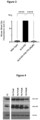
- PXL770 strongly decreases the level of hexacosanoic acid and more broadly the most prevalent VLCFAs in AMN patient-derived lymphocytes.
- Tween 20-containing Tris-buffered saline (TBST; 10 mM Trizma base, pH 7.4, 1% Tween 20, and 150 mM NaCl) with 5% skim milk.
- Tween 20-containing Tris-buffered saline (TBST; 10 mM Trizma base, pH 7.4, 1% Tween 20, and 150 mM NaCl) with 5% skim milk.
- Tween 20-containing Tris-buffered saline (TBST; 10 mM Trizma base, pH 7.4, 1% Tween 20, and 150 mM NaCl) with 5% skim milk.
- the membranes were then washed with TBST and incubated with horseradish peroxidase-conjugated anti-rabbit or mouse IgG for 1 h at room temperature.
- the membranes were detected by autoradiography using ECL-plus (Amersham Biosciences) after washing with TBST buffer.
- Example 5 Decrease in the levels of very long chain fatty acids (VLCFA) in AMN mouse-mixed glial cells
- the inventors carried out a study of the measurement of VLCFA accumulation in AMN mouse-mixed glial cells when they are not undergoing any treatment and when they are treated with PXL770 (Invention) at different doses.
- C57BL6 mouse breeding pairs were purchased from Jackson Laboratory (Bar Harbor, ME) and maintained at the Henry Ford Health System (HFHS) animal facility. All animal procedures were approved by the HFHS Animal Review Committee and all animals received humane care in compliance with the HFHS experimental guidelines and the National Research Council's criteria for humane care ( Guide for Core and Use of Laboratory Animals ).
- Mouse with Abcd1 gene knocked-out were raised and used to extract mixed glial cells.
- Primary astrocyte-enriched cultures were prepared from the whole cortex of 1-day-old C57BL/6 mice. Briefly, the cortex was rapidly dissected in ice-cold calcium/magnesium-free HBSS at pH 7.4 as described previously.
- Hexacosanoic acid level in six groups of mixed glial cells was measured. These six groups include wild type mixed glial cells, ALD-KO mixed glial cells (which corresponds to AMN mouse-derived glial cells, ALD is another name for ABCD1), and ALD-KO mixed glial cells with a treatment of different concentrations of PXL770 (5 ⁇ M, 10 ⁇ M, 25 ⁇ M, 50 ⁇ M).
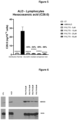
- Figure 4 shows that, as in AMN patient-derived fibroblasts of example 4, there is an overexpression of ABCD2 when ALD-KO mouse brain cortex mixed glial cells were treated with PXL770 compared to non -treated ALD-KO mouse brain cortex mixed glial cells (ctl).
- PXL770 strongly decreases the level of VLCFA in ALD patient-derived lymphocytes.
- PXL770 can compensate for the lack of ABCD1 and thus contribute to the reduction of the accumulation of VLCFA.
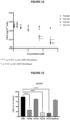
- PXL770 significantly reduces VLCFA accumulation both in the brain cortex and in the plasma of X-ALD mice, respectively.
- metformin at 5 mM decreased VLCFA content in AMN and ALD patient's derived lymphocytes by -29% and -42%, respectively, after 7 days of treatment, which was not sufficient to provide a normalization effect as shown on Figure 9 (the VLCFA content remained higher than with the control).
- VLCFA very long chain fatty acids
- PXL770 when administered at a much lower concentration (5 ⁇ M) provided a much greater effect. PXL770 has thus higher efficacy and potency than metformin.
- PXL770 significantly reduces VLCFA accumulation in the spinal cord of X-ALD mice.
- metformin also exhibited no or a very limited effect.
Landscapes
- Health & Medical Sciences (AREA)
- Chemical & Material Sciences (AREA)
- Medicinal Chemistry (AREA)
- Veterinary Medicine (AREA)
- Public Health (AREA)
- General Health & Medical Sciences (AREA)
- Animal Behavior & Ethology (AREA)
- Life Sciences & Earth Sciences (AREA)
- Pharmacology & Pharmacy (AREA)
- Organic Chemistry (AREA)
- Biomedical Technology (AREA)
- Neurosurgery (AREA)
- Neurology (AREA)
- Bioinformatics & Cheminformatics (AREA)
- Engineering & Computer Science (AREA)
- Epidemiology (AREA)
- General Chemical & Material Sciences (AREA)
- Chemical Kinetics & Catalysis (AREA)
- Nuclear Medicine, Radiotherapy & Molecular Imaging (AREA)
- Psychiatry (AREA)
- Hospice & Palliative Care (AREA)
- Heterocyclic Carbon Compounds Containing A Hetero Ring Having Oxygen Or Sulfur (AREA)
- Pharmaceuticals Containing Other Organic And Inorganic Compounds (AREA)
Claims (9)
- Thienopyridon-Derivat, ausgewählt aus der Gruppe bestehend aus 2-Chlor-4-hydroxy-3-(5-hydroxytetralin-6-yl)-5-phenyl-7H-thieno[2,3-b]pyridin-6-on, 2-Chlor-5-(4-fluorphenyl)-4-hydroxy-3-indan-5-yl-7H-thieno[2,3-b]pyridin-6-on, 2-Chlor-4-hydroxy-3-Indan-5-yl-5-phenyl-7H-thieno[2,3-b]pyridin-6-on und pharmazeutisch verträgliche Salze und/oder Solvate davon zur Verwendung bei der Behandlung von Adrenoleukodystrophie und/oder Adrenomyeloneuropathie.
- Thienopyridon-Derivat zur Verwendung bei der Behandlung von Adrenoleukodystrophie und/oder Adrenomyeloneuropathie, wobei dieses Thienopyridon-Derivat ein Monohydrat-Kaliumsalz von 2-Chlor-4-hydroxy-3-(5-hydroxytetralin-6-yl)-5-phenyl-7H-thieno[2,3-b]pyridin-6-on mit der Formel (la) ist:

- Das Thienopyridon-Derivat zur Verwendung nach Anspruch 1 oder 2, wobei dieses Thienopyridon-Derivat ein- oder zweimal täglich in einer Tagesdosis von 0,5 mg bis 3000 mg für einen menschlichen Patienten verabreicht wird, vorzugsweise von 20 mg bis 1000 mg, besonders bevorzugt von 60 mg bis 500 mg.
- Das Thienopyridon-Derivat zur Verwendung nach einem der Ansprüche 1 bis 3, wobei dieses Thienopyridon-Derivat zur Behandlung zentraler Demyelinisierung, Nebennierenrindeninsuffizienz oder Nebennierenfunktionsstörung wirksam ist.
- Das Thienopyridon-Derivat zur Verwendung nach einem der Ansprüche 1 bis 4, das zur Verwendung bei der Behandlung von Adrenomyeloneuropathie bei einem erwachsenen Patienten im Alter zwischen 20 und 39 Jahren bestimmt ist.
- Das Thienopyridon-Derivat zur Verwendung nach einem der Ansprüche 1 bis 4, das zur Verwendung bei der Behandlung von Adrenoleukodystrophie bei einem Patienten im Alter von 2 bis 10 Jahren bestimmt ist.
- Das Thienopyridon-Derivat zur Verwendung nach einem der Ansprüche 1 bis 6, das auf oralem Weg verabreicht wird.
- Pharmazeutische Zusammensetzung, umfassend (i) ein Thienopyridon-Derivat, ausgewählt aus der Gruppe bestehend aus 2-Chlor-4-hydroxy-3-(5-hydroxytetralin-6-yl)-5-phenyl-7H-thieno[2,3- b]pyridin-6-on, 2-Chlor-5-(4-fluorphenyl)-4-hydroxy-3-indan-5-yl-7H-thieno[2,3-b]pyridin-6-on, 2-Chlor-4-hydroxy-3-indan-5-yl-5-phenyl-7H-thieno[2,3-b]pyridin-6-on oder ein pharmazeutisch verträgliches Salz und/oder Solvat davon und (ii) a pharmazeutisch verträglicher Hilfsstoff zur Verwendung bei der Behandlung von Adrenoleukodystrophie und/oder Adrenomyeloneuropathie.
- Die pharmazeutische Zusammensetzung zur Verwendung nach Anspruch 8, wobei das Thienopyridon-Derivat ein Monohydrat-Kaliumsalz von 2-Chlor-4-hydroxy-3-(5-hydroxytetralin-6-yl)-5-phenyl-7H-thieno[2,3-b]pyridin-6-on mit der Formel (la) ist:

Applications Claiming Priority (2)
| Application Number | Priority Date | Filing Date | Title |
|---|---|---|---|
| EP20166035 | 2020-03-26 | ||
| PCT/EP2021/057988 WO2021191435A1 (en) | 2020-03-26 | 2021-03-26 | Use of a thienopyridone derivative in the treatment of adrenoleukodystrophy or adrenomyeloneuropathy |
Publications (3)
| Publication Number | Publication Date |
|---|---|
| EP4125886A1 EP4125886A1 (de) | 2023-02-08 |
| EP4125886B1 true EP4125886B1 (de) | 2024-11-27 |
| EP4125886C0 EP4125886C0 (de) | 2024-11-27 |
Family
ID=70049959
Family Applications (1)
| Application Number | Title | Priority Date | Filing Date |
|---|---|---|---|
| EP21714196.9A Active EP4125886B1 (de) | 2020-03-26 | 2021-03-26 | Verwendung von thienopyridonderivaten zur behandlung von adrenoleukodystrophie oder adrenomyeloneuropathie |
Country Status (13)
| Country | Link |
|---|---|
| US (1) | US11850238B2 (de) |
| EP (1) | EP4125886B1 (de) |
| JP (2) | JP7427109B2 (de) |
| KR (1) | KR20220160030A (de) |
| CN (1) | CN115335048B (de) |
| AU (1) | AU2021244824A1 (de) |
| BR (1) | BR112022018731A2 (de) |
| CA (1) | CA3171453C (de) |
| ES (1) | ES2997937T3 (de) |
| IL (1) | IL296697B1 (de) |
| MX (1) | MX2022011938A (de) |
| WO (1) | WO2021191435A1 (de) |
| ZA (1) | ZA202210319B (de) |
Families Citing this family (1)
| Publication number | Priority date | Publication date | Assignee | Title |
|---|---|---|---|---|
| BR112022019403A2 (pt) | 2020-04-02 | 2022-12-06 | Poxel | Uso de um derivado de tienopiridona no tratamento de doença renal policística autossômica dominante (drpad) |
Family Cites Families (6)
| Publication number | Priority date | Publication date | Assignee | Title |
|---|---|---|---|---|
| UA103321C2 (ru) | 2008-04-11 | 2013-10-10 | Мерк Патент Гмбх | Производные тиенопиридона как активаторы amp-активированной протеинкиназы (амрк) |
| EP2679591A1 (de) * | 2012-06-29 | 2014-01-01 | Poxel | Thienopyridon-Derivate zur Verwendung als AMPK-Aktivatoren |
| UY37512A (es) | 2016-12-09 | 2019-04-30 | Vertex Pharma | Compuestos pirazol 1,3-sustituido útiles para la reducción de los niveles de ácidos grasos de cadena muy larga |
| EP3335730A1 (de) * | 2016-12-15 | 2018-06-20 | Fundació Institut de Recerca Biomédica de Bellvitge (IDIBELL) | Verbindungen zur behandlung von x-vernetzter adrenoleukodystrophie |
| WO2021198099A1 (en) | 2020-03-30 | 2021-10-07 | Poxel | Use of a thienopyridone derivative in the treatment of diabetic nephropathy |
| BR112022019403A2 (pt) | 2020-04-02 | 2022-12-06 | Poxel | Uso de um derivado de tienopiridona no tratamento de doença renal policística autossômica dominante (drpad) |
-
2021
- 2021-03-26 KR KR1020227036374A patent/KR20220160030A/ko active Pending
- 2021-03-26 ES ES21714196T patent/ES2997937T3/es active Active
- 2021-03-26 BR BR112022018731A patent/BR112022018731A2/pt unknown
- 2021-03-26 AU AU2021244824A patent/AU2021244824A1/en active Pending
- 2021-03-26 CA CA3171453A patent/CA3171453C/en active Active
- 2021-03-26 CN CN202180023069.4A patent/CN115335048B/zh active Active
- 2021-03-26 WO PCT/EP2021/057988 patent/WO2021191435A1/en not_active Ceased
- 2021-03-26 US US17/914,372 patent/US11850238B2/en active Active
- 2021-03-26 MX MX2022011938A patent/MX2022011938A/es unknown
- 2021-03-26 EP EP21714196.9A patent/EP4125886B1/de active Active
- 2021-03-26 JP JP2022558239A patent/JP7427109B2/ja active Active
-
2022
- 2022-09-16 ZA ZA2022/10319A patent/ZA202210319B/en unknown
- 2022-09-21 IL IL296697A patent/IL296697B1/en unknown
-
2023
- 2023-11-30 JP JP2023202833A patent/JP2024023474A/ja active Pending
Also Published As
| Publication number | Publication date |
|---|---|
| EP4125886A1 (de) | 2023-02-08 |
| CA3171453A1 (en) | 2021-09-30 |
| IL296697A (en) | 2022-11-01 |
| WO2021191435A1 (en) | 2021-09-30 |
| JP7427109B2 (ja) | 2024-02-02 |
| CN115335048A (zh) | 2022-11-11 |
| IL296697B1 (en) | 2026-01-01 |
| ES2997937T3 (en) | 2025-02-18 |
| US11850238B2 (en) | 2023-12-26 |
| JP2023515244A (ja) | 2023-04-12 |
| US20230112080A1 (en) | 2023-04-13 |
| ZA202210319B (en) | 2024-09-25 |
| CA3171453C (en) | 2025-05-20 |
| MX2022011938A (es) | 2023-01-04 |
| KR20220160030A (ko) | 2022-12-05 |
| CN115335048B (zh) | 2025-04-04 |
| AU2021244824A1 (en) | 2022-10-27 |
| BR112022018731A2 (pt) | 2022-11-01 |
| EP4125886C0 (de) | 2024-11-27 |
| JP2024023474A (ja) | 2024-02-21 |
Similar Documents
| Publication | Publication Date | Title |
|---|---|---|
| TWI808108B (zh) | N-(4-(4-(環丙基甲基)哌嗪-1-羰基)苯基)喹啉-8-磺醯胺之結晶型 | |
| JP2012500283A (ja) | (r)−プラミペキソールを使用した組成物並びにその方法 | |
| EA025033B1 (ru) | Диаминиевые соли фенотиазина и их применение | |
| CA3235361A1 (en) | Polymorphs of the hydrochloride salt of linaprazan glurate | |
| US20250154164A1 (en) | Monohydrate potassium salt of a thienopyridone derivative and its preparation process | |
| EP4125886B1 (de) | Verwendung von thienopyridonderivaten zur behandlung von adrenoleukodystrophie oder adrenomyeloneuropathie | |
| CA2476923A1 (en) | Method for treating cognitive disorders | |
| CN103596570A (zh) | 作为抗癌治疗的蛋白质靶的氧化鲨烯环化酶 | |
| EP4125885B1 (de) | Verwendung eines thienopyridonderivats zur behandlung von diabetischer nephropathie | |
| EP4125887B1 (de) | Verwendung eines thienopyridonderivats zur behandlung einer autosomal dominanten polyzystischen nierenerkrankung (adpkd) | |
| US20230104617A1 (en) | Compound for treating alzheimers disease | |
| EP1623981A1 (de) | Mittel gegen leishmaniase | |
| US8921343B2 (en) | Arylfluorophosphate inhibitors of intestinal apical membrane sodium/phosphate co-transport | |
| CA2405741C (en) | Sodium salt of an azo derivative of 5-aminosalicylic acid | |
| TWI896052B (zh) | 硒吩基查爾酮衍生物及其用途 | |
| CN119548489A (zh) | Lcn2抑制剂在治疗婴儿神经元蜡样脂质沉积症的用途 | |
| KR20210102335A (ko) | 메이소인디고의 결정다형 및 메이소인디고의 변형된 제형 | |
| KR20250026776A (ko) | 고요산혈증 또는 통풍 치료 또는 예방을 위한 화합물의 고체 결정형 | |
| EA049074B1 (ru) | Фармацевтически приемлемые соли сепиаптерина |
Legal Events
| Date | Code | Title | Description |
|---|---|---|---|
| STAA | Information on the status of an ep patent application or granted ep patent |
Free format text: STATUS: UNKNOWN |
|
| STAA | Information on the status of an ep patent application or granted ep patent |
Free format text: STATUS: THE INTERNATIONAL PUBLICATION HAS BEEN MADE |
|
| PUAI | Public reference made under article 153(3) epc to a published international application that has entered the european phase |
Free format text: ORIGINAL CODE: 0009012 |
|
| STAA | Information on the status of an ep patent application or granted ep patent |
Free format text: STATUS: REQUEST FOR EXAMINATION WAS MADE |
|
| 17P | Request for examination filed |
Effective date: 20221007 |
|
| AK | Designated contracting states |
Kind code of ref document: A1 Designated state(s): AL AT BE BG CH CY CZ DE DK EE ES FI FR GB GR HR HU IE IS IT LI LT LU LV MC MK MT NL NO PL PT RO RS SE SI SK SM TR |
|
| DAV | Request for validation of the european patent (deleted) | ||
| DAX | Request for extension of the european patent (deleted) | ||
| STAA | Information on the status of an ep patent application or granted ep patent |
Free format text: STATUS: EXAMINATION IS IN PROGRESS |
|
| 17Q | First examination report despatched |
Effective date: 20230801 |
|
| GRAP | Despatch of communication of intention to grant a patent |
Free format text: ORIGINAL CODE: EPIDOSNIGR1 |
|
| STAA | Information on the status of an ep patent application or granted ep patent |
Free format text: STATUS: GRANT OF PATENT IS INTENDED |
|
| INTG | Intention to grant announced |
Effective date: 20240711 |
|
| GRAS | Grant fee paid |
Free format text: ORIGINAL CODE: EPIDOSNIGR3 |
|
| GRAA | (expected) grant |
Free format text: ORIGINAL CODE: 0009210 |
|
| STAA | Information on the status of an ep patent application or granted ep patent |
Free format text: STATUS: THE PATENT HAS BEEN GRANTED |
|
| AK | Designated contracting states |
Kind code of ref document: B1 Designated state(s): AL AT BE BG CH CY CZ DE DK EE ES FI FR GB GR HR HU IE IS IT LI LT LU LV MC MK MT NL NO PL PT RO RS SE SI SK SM TR |
|
| REG | Reference to a national code |
Ref country code: GB Ref legal event code: FG4D |
|
| REG | Reference to a national code |
Ref country code: CH Ref legal event code: EP |
|
| REG | Reference to a national code |
Ref country code: IE Ref legal event code: FG4D |
|
| REG | Reference to a national code |
Ref country code: DE Ref legal event code: R096 Ref document number: 602021022407 Country of ref document: DE |
|
| U01 | Request for unitary effect filed |
Effective date: 20241213 |
|
| U07 | Unitary effect registered |
Designated state(s): AT BE BG DE DK EE FI FR IT LT LU LV MT NL PT RO SE SI Effective date: 20250103 |
|
| REG | Reference to a national code |
Ref country code: ES Ref legal event code: FG2A Ref document number: 2997937 Country of ref document: ES Kind code of ref document: T3 Effective date: 20250218 |
|
| PG25 | Lapsed in a contracting state [announced via postgrant information from national office to epo] |
Ref country code: IS Free format text: LAPSE BECAUSE OF FAILURE TO SUBMIT A TRANSLATION OF THE DESCRIPTION OR TO PAY THE FEE WITHIN THE PRESCRIBED TIME-LIMIT Effective date: 20250327 Ref country code: HR Free format text: LAPSE BECAUSE OF FAILURE TO SUBMIT A TRANSLATION OF THE DESCRIPTION OR TO PAY THE FEE WITHIN THE PRESCRIBED TIME-LIMIT Effective date: 20241127 |
|
| PGFP | Annual fee paid to national office [announced via postgrant information from national office to epo] |
Ref country code: IE Payment date: 20250318 Year of fee payment: 5 |
|
| PGFP | Annual fee paid to national office [announced via postgrant information from national office to epo] |
Ref country code: NO Payment date: 20250319 Year of fee payment: 5 |
|
| PG25 | Lapsed in a contracting state [announced via postgrant information from national office to epo] |
Ref country code: GR Free format text: LAPSE BECAUSE OF FAILURE TO SUBMIT A TRANSLATION OF THE DESCRIPTION OR TO PAY THE FEE WITHIN THE PRESCRIBED TIME-LIMIT Effective date: 20250228 |
|
| PG25 | Lapsed in a contracting state [announced via postgrant information from national office to epo] |
Ref country code: PL Free format text: LAPSE BECAUSE OF FAILURE TO SUBMIT A TRANSLATION OF THE DESCRIPTION OR TO PAY THE FEE WITHIN THE PRESCRIBED TIME-LIMIT Effective date: 20241127 |
|
| PGFP | Annual fee paid to national office [announced via postgrant information from national office to epo] |
Ref country code: GB Payment date: 20250325 Year of fee payment: 5 |
|
| PG25 | Lapsed in a contracting state [announced via postgrant information from national office to epo] |
Ref country code: RS Free format text: LAPSE BECAUSE OF FAILURE TO SUBMIT A TRANSLATION OF THE DESCRIPTION OR TO PAY THE FEE WITHIN THE PRESCRIBED TIME-LIMIT Effective date: 20250227 |
|
| U20 | Renewal fee for the european patent with unitary effect paid |
Year of fee payment: 5 Effective date: 20250325 |
|
| PG25 | Lapsed in a contracting state [announced via postgrant information from national office to epo] |
Ref country code: SM Free format text: LAPSE BECAUSE OF FAILURE TO SUBMIT A TRANSLATION OF THE DESCRIPTION OR TO PAY THE FEE WITHIN THE PRESCRIBED TIME-LIMIT Effective date: 20241127 |
|
| PGFP | Annual fee paid to national office [announced via postgrant information from national office to epo] |
Ref country code: ES Payment date: 20250423 Year of fee payment: 5 |
|
| PGFP | Annual fee paid to national office [announced via postgrant information from national office to epo] |
Ref country code: CH Payment date: 20250401 Year of fee payment: 5 |
|
| PG25 | Lapsed in a contracting state [announced via postgrant information from national office to epo] |
Ref country code: SK Free format text: LAPSE BECAUSE OF FAILURE TO SUBMIT A TRANSLATION OF THE DESCRIPTION OR TO PAY THE FEE WITHIN THE PRESCRIBED TIME-LIMIT Effective date: 20241127 |
|
| PG25 | Lapsed in a contracting state [announced via postgrant information from national office to epo] |
Ref country code: CZ Free format text: LAPSE BECAUSE OF FAILURE TO SUBMIT A TRANSLATION OF THE DESCRIPTION OR TO PAY THE FEE WITHIN THE PRESCRIBED TIME-LIMIT Effective date: 20241127 |
|
| PLBE | No opposition filed within time limit |
Free format text: ORIGINAL CODE: 0009261 |
|
| STAA | Information on the status of an ep patent application or granted ep patent |
Free format text: STATUS: NO OPPOSITION FILED WITHIN TIME LIMIT |
|
| PG25 | Lapsed in a contracting state [announced via postgrant information from national office to epo] |
Ref country code: MC Free format text: LAPSE BECAUSE OF FAILURE TO SUBMIT A TRANSLATION OF THE DESCRIPTION OR TO PAY THE FEE WITHIN THE PRESCRIBED TIME-LIMIT Effective date: 20241127 |
|
| 26N | No opposition filed |
Effective date: 20250828 |