EP4104831A1 - A2-73 for treating angelman syndrome, williams syndrome smith-magenis syndrome and multiple sclerosis - Google Patents
A2-73 for treating angelman syndrome, williams syndrome smith-magenis syndrome and multiple sclerosis Download PDFInfo
- Publication number
- EP4104831A1 EP4104831A1 EP22189051.0A EP22189051A EP4104831A1 EP 4104831 A1 EP4104831 A1 EP 4104831A1 EP 22189051 A EP22189051 A EP 22189051A EP 4104831 A1 EP4104831 A1 EP 4104831A1
- Authority
- EP
- European Patent Office
- Prior art keywords
- syndrome
- mice
- day
- vehicle
- effective amount
- Prior art date
- Legal status (The legal status is an assumption and is not a legal conclusion. Google has not performed a legal analysis and makes no representation as to the accuracy of the status listed.)
- Pending
Links
Images





Classifications
-
- A—HUMAN NECESSITIES
- A61—MEDICAL OR VETERINARY SCIENCE; HYGIENE
- A61K—PREPARATIONS FOR MEDICAL, DENTAL OR TOILETRY PURPOSES
- A61K31/00—Medicinal preparations containing organic active ingredients
- A61K31/33—Heterocyclic compounds
- A61K31/335—Heterocyclic compounds having oxygen as the only ring hetero atom, e.g. fungichromin
- A61K31/34—Heterocyclic compounds having oxygen as the only ring hetero atom, e.g. fungichromin having five-membered rings with one oxygen as the only ring hetero atom, e.g. isosorbide
- A61K31/341—Heterocyclic compounds having oxygen as the only ring hetero atom, e.g. fungichromin having five-membered rings with one oxygen as the only ring hetero atom, e.g. isosorbide not condensed with another ring, e.g. ranitidine, furosemide, bufetolol, muscarine
-
- A—HUMAN NECESSITIES
- A61—MEDICAL OR VETERINARY SCIENCE; HYGIENE
- A61P—SPECIFIC THERAPEUTIC ACTIVITY OF CHEMICAL COMPOUNDS OR MEDICINAL PREPARATIONS
- A61P25/00—Drugs for disorders of the nervous system
Definitions
- This invention addresses tetrahydro-N,N-dimethyl-2,2-diphenyl-3-furanmethanamine hydrochloride (ANAVEX TM 2-73, AV2-73, or A2-73) in a method of treatment for neurodevelopmental disorders.
- ANAVEX TM 2-73, AV2-73, or A2-73 tetrahydro-N,N-dimethyl-2,2-diphenyl-3-furanmethanamine hydrochloride
- Particular reference is made to the treatment of autism spectrum disorder, cerebral palsy, Rett syndrome, Angelman syndrome, Williams syndrome, pervasive developmental disorder not otherwise specified (PDD-NOS), childhood disintegrative disorder, and Smith-Magenis syndrome. Additional reference is made to multiple sclerosis therapy.
- Neurodevelopmental disorders are generally categorized as disorders associated with changes in early brain development. These typically exhibit themselves as behavioral and cognitive alterations in sensory and motor systems, speech, and language. Particular reference is made to autism spectrum disorder, cerebral palsy, Rett syndrome, Angelman syndrome, Williams syndrome, and Smith-Magenis syndrome.
- Rett syndrome originally termed cerebroatrophic hyperammonemia, is a rare genetic postnatal neurological disorder of the grey matter of the brain that almost exclusively affects females but has also been found in male patients.
- the clinical features include small hands and feet and a deceleration of the rate of head growth (including microcephaly in some).
- Repetitive stereotyped hand movements such as wringing and/or repeatedly putting hands into the mouth, are also noted.
- People with Rett syndrome are prone to gastrointestinal disorders and up to 80% have seizures. They typically have no verbal skills, and about 50% of affected individuals do not walk. Scoliosis, growth failure, and constipation are very common and can be problematic.
- Rett syndrome occurs in approximately 1:10,000 live female births in all geographies, and across all races and ethnicities.
- Rett syndrome is caused by mutations in the gene MECP2 located on the X chromosome (which is involved in transcriptional silencing and epigenetic regulation of methylated DNA), and can arise sporadically or from germline mutations. Reportedly, in less than 10% of RTT cases, mutations in the genes CDKL5 or FOXG1 have also been found to resemble it. Rett syndrome is initially diagnosed by clinical observation, but the diagnosis is definitive when there is a genetic defect in the MECP2 gene.
- Tetrahydro-N,N-dimethyl-2,2-diphenyl-3-furanmethanamine hydrochloride is a compound which is believed to bind to muscarinic acetylcholine and sigma-1 receptors with affinities in the low micromolar range. It has been reported that A2-73 showed neuroprotective potential against amyloid toxicity in mice. In particular, A2-73 has been reported as attenuating oxidative stress, caspases induction, cellular loss and learning and memory deficits observed in mice one week after the i.v.
- A2-73 blocked the A ⁇ 25-35-induced P-Akt decrease and P-GSK-3 ⁇ increase, indicating activation of the PI3K neuroprotective pathway ( Lahmy et al., Neuropsychopharmacology, 2013 ). In the dose-range tested, A2-73 attenuated the hyperphosphorylation of Tau on physiological epitopes (AT-8 antibody clone) and on pathological epitopes (AT-100 clone). A2-73 also has been reported decreasing the A ⁇ 25-35-induced endogenous A ⁇ 1-42 seeding.
- NMDAR antagonists selected from the group consisting of Amantadine, AZD6765, Dextrallorphan, Dextromethorphan, Dextrorphan, Diphenidine, Dizocilpine (MK-801), Ethanol, Eticyclidine, Gacyclidine, Ibogaine, Memantine, Methoxetamine, Nitrous oxide, Phencyclidine, Rolicyclidine, Tenocyclidine, Methoxydine, Tiletamine, Xenon, Neramexane, Eliprodil, Etoxadrol, Dexoxadrol, WMS-2539, NEFA, Delucemine, 8A-PDHQ, Aptiganel, HU-211, Remacemide, Rhynchophylline, Ketamine, 1-Aminocyclopropanecarboxylic acid (ACPC), 7-Ch
- the claimed invention concerns a method of treating a neurodevelopmental disorders such as Rett syndrome in a subject by administering to said subject a therapeutically effective amount of A2-73.
- this includes a dosage form comprising a therapeutic amount of A2-73.
- Note is made of the dosages of A2-73 from about 0.5 to about 500 mg.
- This invention further includes a therapeutic method of treating neurodevelopmental disorders such as autism spectrum disorder, cerebral palsy, Rett syndrome, Angelman syndrome, Williams syndrome, and Smith-Magenis syndrome. Additional mention is made of multiple sclerosis therapy using A2-73.
- Therapeutic doses of A2-73 are particularly noted in a range of from about 0.5 mg/day to about 100mg/day with particular reference to doses of from about 1 to about 60 mg/day and, optionally, wherein said dosage is administered daily for at least about 10 days.
- Adult doses of about 20mg to about 50mg/day are noted, with particular reference to about 30mg to about 40mg/day.
- Infant and child doses are to the lower end of the range with particular reference to from about 0.5mg/day to about 20mg/day.
- Chronic administration for chronic conditions is further contemplated.
- A2-73 analogues tetrahydro-N,N-dimethyl-5,5-diphenyl-3-furanmethanamine hydrochloride ANAVEX TM 1-41
- 1-(2,2-diphenyltetrahydrofuran-3-yl)- N -methylmethanamine hydrochloride ANAVEX TM 19-144, or A19-144.
- therapeutically effective amount of an agent or combination of agents is an amount sufficient to achieve a desired therapeutic or pharmacological effect. Particular reference is made to an amount that is capable of ameliorating biochemical and functional abnormalities associated with loss-of-function mutations of the gene encoding methyl-CpG binding protein 2 (MeCP2). It is to be understood that a therapeutically effective amount of an agent or combinatory therapy may vary according to factors such as the disease state, age, and weight of the subject, and the ability of the agent to elicit a desired response in the subject. Dosage regimens may be adjusted to provide the optimum therapeutic response. A therapeutically effective amount is also one in which any toxic or detrimental effects of the active compound are outweighed by the therapeutically beneficial effects.
- mice were provided by Jackson Laboratory, Bar Harbor, Maine.
- HET mice were Bird mice (Jackson Laboratories, Bar Harbor, ME, B6.129P2(C)-Mecp2 tm1.1Bird / Stock Number: 003890) were obtained by crossing het females with wild type (WT) males (C57B/6J).
- 129P2(C)-Mecp2 tm1.1Bird /J is a constitutive Mecp2 knockout that exhibits Rett syndrome-like neurological defects.
- mice Breeding of the test mice done at Jackson Laboratories (Farmington Connecticut). Mice were shipped at 4-5 weeks of age.
- Chronic dosing (p.o.) daily starting at ⁇ 5.5 weeks of age and continuing through the 12-week behavioral testing time point 60 min pre-treatment during behavioral testing.
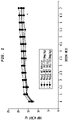
- Fig. 1 There was a significant Treatment x Age effect (p ⁇ 0.001), where mice treated with A2-733 (30 mg/kg) weighed less than vehicle-treated mutant mice 6.5 weeks after dosing began.
- the rotarod performance test is a performance test based on a rotating rod with forced motor activity being applied, usually by a rodent.
- the test measures parameters such as riding time (seconds) or endurance.
- Some of the functions of the test include evaluating balance, grip strength, and motor coordination of the subjects; especially in testing the effect of experimental drugs or after traumatic brain injury.
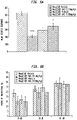
- mice are placed on the rotarod apparatus (PsychoGenics, Tarrytown New York) consisting of a rod that rotates at a constant or variable and accelerating speed of 4 rpm. Once a mouse loses its balance and falls onto an underlying platform the timer automatically stops. Mice are exposed to the apparatus for 5 min training at a constant speed and placed back on the rod after each fall. After a rest period of at least 1 hr. animals are placed back on the rotarod apparatus for testing. Once all animals in a test session are loaded on the rod, the rotarod apparatus is placed on accelerating speed (0-40 rpm) over 5 min and the time until the first fall is recorded. The test is repeated three consecutive times per animal. For each test session, the RPM score at time of fall off the rod are recorded.
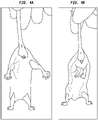
- mice are lifted gently by the tail with front limbs remaining on surface. Clasping of hind legs is noted (normal is a spread in the hind legs).
- Vehicle-treated mutant mice clasped more than vehicle-treated wild type mice.
- the acoustic startle measures an unconditioned reflex response to external auditory stimulation. Mice are placed in the prepulse inhibition (PPI) chambers for a 5 min session of white noise (70 dB) habituation. Then the session starts with a habituation block of 6 presentations of the startle stimulus alone, followed by 10 PPI blocks of 6 different types of trials [null (no stimuli), startle (120 dB), startle plus prepulse (4, 8 and 12 dB over background noise i.e. 74, 78 or 82 dB) and prepulse alone (82 dB)] presented at random within each block. The amount of inhibition of the normal startle is determined and expressed as a percentage of the basic startle response (from startle alone trials), excluding the startle response of the first habituation block.
- PPI prepulse inhibition
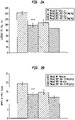
- Vehicle-treated mutant mice startled less and but showed no differences in PPI response compared to vehicle-treated WT mice.
- A2-733 (30 mg/kg) treated mice showed an increased startle response compared to vehicle-treated mutant mice. No treatment differences were observed in PPI.
- Neurological testing via a platform that employs computer vision to detect changes in gait geometry and gait dynamics in rodent models of neurological disorders, pain, and neuropathies.
- Complex bio-informatics algorithms similar to those used in SmartCube ® are employed to detect a disease phenotype and screen compounds.
- a platform that employs computer vision to detect changes in gait geometry and gait dynamics in rodent models of neurological disorders, pain, and neuropathies. Mice are allowed to walk in the chamber for 5 min. When the paw touches the screen, LED light reflects creating bright spots. Images are captured and processed using proprietary computer vision and bio-informatics data mining algorithms.
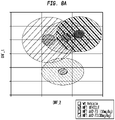
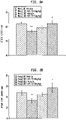
- Figs. 9A-D graphically display gait differences which appeared to be rescued while others enhanced the mutant gait phenotype.
- NeuroCube 8 week gait analysis is presented in Table 1 (below): WT vehicle v. Het vehicle Het vehicle v. Het vehicle v.
- Het AV2-73, 10 mg/kg Het AV2-73, 30 mg/kg Overall 90, p 0 53, p>0.69 62, p>0.24 GAIT 78, p ⁇ 0.01 63, p>0.09 69, p ⁇ 0.05 Paw Features 91, p ⁇ 0.001 52, p>0.78 55, p>0.56 Correlation 53, p>0.66 56, p>0.40 76, p ⁇ 0.005 Body Motion 71, p ⁇ 0.02 60, p>0.20 81, p ⁇ 0.003 Paw Positioning 84, p ⁇ 0.0001 53, p>0.57 57, p>0.36 NeuroCube 12 week gait analysis is presented in Table 2 (below): WT vehicle v.
- A-2-73 increases lifespan and improves locomotor, respiratory, and cardiac function in children with Rett Syndrome.
- a 6 year old female presenting with Rett syndrome is administered oral doses of A2-73 at 4mg daily for 10 days. On presentation, her breathing is abnormal. Her mean breaths per minute is calculated to assess breathing variability. After 10 days of A2-73, administration the ⁇ (breaths/minute) was significantly reduced (implying less variability).
- a 10 year old female presents with Rett syndrome. Her real time cardiac pulse rate is monitored. Prior to commencing therapy, her heart rate is 49 beats per minute with substantial variability. Following treatment with oral doses of A2-73 at 20mg daily for 5 days, the variability is reduced while the average rate is increased to 75 beats per minutes.
- An 18 month old female presents with Rett syndrome. She experiences 6 to 10 seizures per day prior to commencing therapy. She begins treatment with oral doses of A2-73 at 2 mg daily. After 5 days of treatment, the number of daily seizures is reduced to 3 or fewer.
- a 20 year-old female presents with Rett syndrome. She experiences feeding difficulties exhibiting as choking and poor food intake prior to commencing therapy. She begins treatment with oral doses of A2-73 at 40 mg every other day. After 60 days of treatment, the instances of choking are reduced and she exhibits a 10% weight gain.
- a 25 year-old male presents with Angelman syndrome. He experiences disturbed sleep and frequent seizures prior to commencing therapy. He begins treatment with oral doses of A2-73 at 30 mg/day. After 15 days of treatment, his sleep is markedly less disturbed and his instances of seizure are reduced by 50%.
- a 2 year-old male presents with Williams syndrome. He exhibits a failure to thrive with low weight gain. He begins treatment with i.v. doses of A2-73 at 5 mg every other day. After 60 days of treatment, he exhibits a 10% weight gain.
- a 5 year-old male presents with Smith-Magenis syndrome. He experiences disturbed sleep. He begins treatment with oral doses of A2-73 at 10 mg/day. After 15 days of treatment, his sleep is markedly less disturbed.
- a 17 year-old male presents with multiple sclerosis. He begins treatment with oral doses of A2-73 at 40 mg every fifth day.
- the total number of gadolinium-enhanced lesions on MRI at weeks 12, 16, 20 and 24 is substantially reduced as compared to his 12 week pretreatment MRI.
- a 27 year-old female presents with relapsing-remitting multiple sclerosis. She begins treatment with oral doses of A2-73 at 30 mg every other day for 3 months. She exhibits a significantly lower number of total gadolinium-enhancing lesions on monthly brain MRI up to month 6.
- Chronic administration refers to administration of a compound or pharmaceutical composition thereof over an extended period of time, e.g., for example, over 3 months, 6 months, 1 year, 2 years, 3 years, 5 years, etc., or may be continued indefinitely, for example, for the rest of the subject's life.
- the chronic administration is intended to provide a constant level of the compound in the blood, e.g., within the therapeutic window over the extended period of time.
- compositions for oral administration can take the form of bulk liquid solutions or suspensions, or bulk powders. More commonly, however, the compositions are presented in unit dosage forms to facilitate accurate dosing.
- unit dosage forms refers to physically discrete units suitable as unitary dosages for human subjects and other mammals, each unit containing a predetermined quantity of active material calculated to produce the desired therapeutic effect, in association with a suitable pharmaceutical excipient.
- Typical unit dosage forms include prefilled, premeasured ampules or syringes of the liquid compositions or pills, tablets, capsules or the like in the case of solid compositions.
- the compound is usually a minor component (from about 0.1 to about 50% by weight or preferably from about 1 to about 40% by weight) with the remainder being various vehicles or carriers and processing aids helpful for forming the desired dosing form.
- Liquid forms suitable for oral administration may include a suitable aqueous or nonaqueous vehicle with buffers, suspending and dispensing agents, colorants, flavors and the like.
- Solid forms may include, for example, any of the following ingredients, or compounds of a similar nature: a binder such as microcrystalline cellulose, gum tragacanth or gelatin; an excipient such as starch or lactose, a disintegrating agent such as alginic acid, Primogel, or corn starch; a lubricant such as magnesium stearate; a glidant such as colloidal silicon dioxide; a sweetening agent such as sucrose or saccharin; or a flavoring agent such as peppermint, methyl salicylate, or orange flavoring.
- a binder such as microcrystalline cellulose, gum tragacanth or gelatin
- an excipient such as starch or lactose, a disintegrating agent such as alginic acid, Primogel, or corn starch
- Injectable compositions are typically based upon injectable sterile saline or phosphate-buffered saline or other injectable carriers known in the art.
- the active compound in such compositions is typically a minor component, often being from about 0.05 to 10% by weight with the remainder being the injectable carrier and the like.
- Transdermal compositions are typically formulated as a topical ointment or cream containing the active ingredient(s), generally in an amount ranging from about 0.01 to about 20% by weight, preferably from about 0.1 to about 20% by weight, preferably from about 0.1 to about 10% by weight, and more preferably from about 0.5 to about 15% by weight.
- the active ingredients When formulated as a ointment, the active ingredients will typically be combined with either a paraffinic or a water-miscible ointment base. Alternatively, the active ingredients may be formulated in a cream with, for example an oil-in-water cream base.
- Such transdermal formulations are well-known in the art and generally include additional ingredients to enhance the dermal penetration of stability of the active ingredients or Formulation. All such known transdermal formulations and ingredients are included within the scope provided herein.
- transdermal administration can be accomplished using a patch either of the reservoir or porous membrane type, or of a solid matrix variety.
- the compounds of this invention can also be administered in sustained release forms or from sustained release drug delivery systems.
- sustained release materials can be found in Remington's Pharmaceutical Sciences.
Landscapes
- Health & Medical Sciences (AREA)
- Veterinary Medicine (AREA)
- Chemical & Material Sciences (AREA)
- Medicinal Chemistry (AREA)
- Pharmacology & Pharmacy (AREA)
- Life Sciences & Earth Sciences (AREA)
- Animal Behavior & Ethology (AREA)
- General Health & Medical Sciences (AREA)
- Public Health (AREA)
- Engineering & Computer Science (AREA)
- Epidemiology (AREA)
- Bioinformatics & Cheminformatics (AREA)
- Biomedical Technology (AREA)
- Neurology (AREA)
- Neurosurgery (AREA)
- Chemical Kinetics & Catalysis (AREA)
- General Chemical & Material Sciences (AREA)
- Nuclear Medicine, Radiotherapy & Molecular Imaging (AREA)
- Organic Chemistry (AREA)
- Pharmaceuticals Containing Other Organic And Inorganic Compounds (AREA)
- Acyclic And Carbocyclic Compounds In Medicinal Compositions (AREA)
Applications Claiming Priority (3)
| Application Number | Priority Date | Filing Date | Title |
|---|---|---|---|
| US201662287062P | 2016-01-26 | 2016-01-26 | |
| EP17703579.7A EP3407880B1 (en) | 2016-01-26 | 2017-01-24 | Treatment of rett syndrome with the compound a2-73 |
| PCT/US2017/014702 WO2017132127A1 (en) | 2016-01-26 | 2017-01-24 | Neurodevelopmental disorder therapy |
Related Parent Applications (1)
| Application Number | Title | Priority Date | Filing Date |
|---|---|---|---|
| EP17703579.7A Division EP3407880B1 (en) | 2016-01-26 | 2017-01-24 | Treatment of rett syndrome with the compound a2-73 |
Publications (1)
| Publication Number | Publication Date |
|---|---|
| EP4104831A1 true EP4104831A1 (en) | 2022-12-21 |
Family
ID=57966177
Family Applications (2)
| Application Number | Title | Priority Date | Filing Date |
|---|---|---|---|
| EP22189051.0A Pending EP4104831A1 (en) | 2016-01-26 | 2017-01-24 | A2-73 for treating angelman syndrome, williams syndrome smith-magenis syndrome and multiple sclerosis |
| EP17703579.7A Active EP3407880B1 (en) | 2016-01-26 | 2017-01-24 | Treatment of rett syndrome with the compound a2-73 |
Family Applications After (1)
| Application Number | Title | Priority Date | Filing Date |
|---|---|---|---|
| EP17703579.7A Active EP3407880B1 (en) | 2016-01-26 | 2017-01-24 | Treatment of rett syndrome with the compound a2-73 |
Country Status (5)
| Country | Link |
|---|---|
| US (5) | US10507196B2 (enExample) |
| EP (2) | EP4104831A1 (enExample) |
| JP (3) | JP6866379B2 (enExample) |
| CA (1) | CA3012199C (enExample) |
| WO (1) | WO2017132127A1 (enExample) |
Families Citing this family (8)
| Publication number | Priority date | Publication date | Assignee | Title |
|---|---|---|---|---|
| JP6866379B2 (ja) | 2016-01-26 | 2021-04-28 | アナベックス ライフ サイエンシズ コーポレイション | 神経発達障害療法 |
| WO2018022848A1 (en) | 2016-07-27 | 2018-02-01 | Anavex Life Sciences Corp. | A2-73 as a therapeutic for insomnia, anxiety, and agitation |
| CN112105349A (zh) | 2018-04-12 | 2020-12-18 | 阿纳韦克斯生命科学公司 | A2-73结晶多晶型物质组合物及其使用方法 |
| US12383526B2 (en) | 2018-05-18 | 2025-08-12 | Anavex Life Sciences Corp. | Optimized sigma-1 agonist method of responder selection and treatment |
| CN114390937A (zh) * | 2019-06-26 | 2022-04-22 | 加利福尼亚大学董事会 | 用于治疗史密斯-马吉利综合征的方法和组合物 |
| US12642784B2 (en) | 2019-07-22 | 2026-06-02 | Anavex Life Sciences Corp. | ANAVEX2-73 for the treatment of genetic neurodevelopmental disorders |
| WO2025101987A1 (en) | 2023-11-08 | 2025-05-15 | CaddyHack, Inc. | Dynamic data collection and systematic processing system |
| WO2025231180A1 (en) * | 2024-05-01 | 2025-11-06 | Anavex Life Sciences Corp. | Blarcamesine correction of eeg biomarkers in fragile x syndrome |
Citations (6)
| Publication number | Priority date | Publication date | Assignee | Title |
|---|---|---|---|---|
| WO1997030983A1 (en) * | 1996-02-21 | 1997-08-28 | Alexandre Vamvakides | Tetrahydro-n,n-dimethyl-2,2-diphenyl-3-feranemethanamine, its enantiomers, and their pharmaceutically acceptable acid addition salts |
| GR1004208B (en) * | 2001-10-15 | 2003-04-04 | Αλεξανδρος Βαμβακιδης | Aminotetrahydrofuran derivatives, muscarinic/sigma/sodium channel ligands, with synergic sigma/muscarinic (neuroactivating) and sigma/sodium channel (neuroprotective) components, as prototypical activating - neuroprotectors and neuroregenerative drugs |
| US7994127B2 (en) | 2007-06-08 | 2011-08-09 | Massachusetts Institute Of Technology | Treatment of rett syndrome |
| US20150152410A1 (en) | 2012-05-16 | 2015-06-04 | Rana Therapeutics, Inc. | Compositions and methods for modulating mecp2 expression |
| US20150265554A1 (en) | 2010-10-25 | 2015-09-24 | Université D'aix-Marseille | Treatment of MeCP-2 Associated Disorders |
| US9180106B2 (en) | 2009-02-26 | 2015-11-10 | Anavex Life Sciences Corp. | Sigma receptors ligands with anti-apoptotic and/or pro-apoptotic properties, over cellular mechanisms, exhibiting prototypical cytoprotective and also anti-cancer activity |
Family Cites Families (5)
| Publication number | Priority date | Publication date | Assignee | Title |
|---|---|---|---|---|
| FR2897535B1 (fr) | 2006-02-21 | 2012-07-20 | Alexandre Vamvakides | Les sigma ligands : (mono- ou di-alkylaminoalkyl)-y- butyrolactones, leurs analogues aminotetrodrafuranes et les (1-adamantyl) benzene(s) alkylamines en tant que modulateurs prototypiques des recepteurs cellulaires |
| GR1005865B (el) * | 2007-01-17 | 2008-04-07 | Anavex Life Sciences Corp. | Νεοι συνδετες των σιγμα υποδοχεων με αντι-αποπτωτικες και/η προ-αποπτωτικες ιδιοτητες επι των κυτταρικων βιοχημικων μηχανισμων, με νευρο-προστατευτικη, αντικαρκινικη, αντι-μεταστατικη και αντι- αντι-(χρονιο)φλεγμονικη δραση. |
| US10555916B2 (en) * | 2013-01-25 | 2020-02-11 | Case Western Reserve University | NMDAR antagonist for the treatment of pervasive development disorders |
| JP6866379B2 (ja) * | 2016-01-26 | 2021-04-28 | アナベックス ライフ サイエンシズ コーポレイション | 神経発達障害療法 |
| US12383526B2 (en) * | 2018-05-18 | 2025-08-12 | Anavex Life Sciences Corp. | Optimized sigma-1 agonist method of responder selection and treatment |
-
2017
- 2017-01-24 JP JP2018536130A patent/JP6866379B2/ja active Active
- 2017-01-24 US US16/068,703 patent/US10507196B2/en active Active
- 2017-01-24 EP EP22189051.0A patent/EP4104831A1/en active Pending
- 2017-01-24 EP EP17703579.7A patent/EP3407880B1/en active Active
- 2017-01-24 WO PCT/US2017/014702 patent/WO2017132127A1/en not_active Ceased
- 2017-01-24 CA CA3012199A patent/CA3012199C/en active Active
-
2019
- 2019-12-17 US US16/717,921 patent/US10888543B2/en active Active
-
2021
- 2021-01-08 US US17/145,073 patent/US11446275B2/en active Active
- 2021-01-27 JP JP2021010835A patent/JP7153950B2/ja active Active
-
2022
- 2022-08-17 US US17/890,083 patent/US11839600B2/en active Active
- 2022-09-27 JP JP2022153402A patent/JP2022173373A/ja active Pending
-
2023
- 2023-10-30 US US18/497,850 patent/US20240066003A1/en active Pending
Patent Citations (6)
| Publication number | Priority date | Publication date | Assignee | Title |
|---|---|---|---|---|
| WO1997030983A1 (en) * | 1996-02-21 | 1997-08-28 | Alexandre Vamvakides | Tetrahydro-n,n-dimethyl-2,2-diphenyl-3-feranemethanamine, its enantiomers, and their pharmaceutically acceptable acid addition salts |
| GR1004208B (en) * | 2001-10-15 | 2003-04-04 | Αλεξανδρος Βαμβακιδης | Aminotetrahydrofuran derivatives, muscarinic/sigma/sodium channel ligands, with synergic sigma/muscarinic (neuroactivating) and sigma/sodium channel (neuroprotective) components, as prototypical activating - neuroprotectors and neuroregenerative drugs |
| US7994127B2 (en) | 2007-06-08 | 2011-08-09 | Massachusetts Institute Of Technology | Treatment of rett syndrome |
| US9180106B2 (en) | 2009-02-26 | 2015-11-10 | Anavex Life Sciences Corp. | Sigma receptors ligands with anti-apoptotic and/or pro-apoptotic properties, over cellular mechanisms, exhibiting prototypical cytoprotective and also anti-cancer activity |
| US20150265554A1 (en) | 2010-10-25 | 2015-09-24 | Université D'aix-Marseille | Treatment of MeCP-2 Associated Disorders |
| US20150152410A1 (en) | 2012-05-16 | 2015-06-04 | Rana Therapeutics, Inc. | Compositions and methods for modulating mecp2 expression |
Non-Patent Citations (16)
| Title |
|---|
| "Remington: The Science and Practice of Pharmacy", 2012, PHARMACEUTICAL PRESS |
| "Rett Syndrome Fact Sheet", November 2009, NIH PUBLICATION |
| FITZGERALD: "Rett syndrome and associated movement disorders", MOVEMENT DISORDERS, vol. 5, no. 3, 1990, pages 195 - 202 |
| GUY ET AL.: "Reversal of Neurological Defects in a Mouse Model of Rett Syndrome", SCIENCE, vol. 315, no. 5815, 2007, pages 1143 - 7, XP055831163, DOI: 10.1126/science.1138389 |
| LISAK ROBERT P. ET AL: "Sigma-1 receptor agonists as potential protective therapies in multiple sclerosis", JOURNAL OF NEUROIMMUNOLOGY, vol. 342, 1 May 2020 (2020-05-01), NL, pages 577188, XP055973276, ISSN: 0165-5728, DOI: 10.1016/j.jneuroim.2020.577188 * |
| LOMBARDI ET AL.: "MECP2 disorders: from the clinic to mice and back", J CLIN INVEST, vol. 125, no. 8, 3 August 2015 (2015-08-03), pages 2914 - 23 |
| LOTAN ET AL.: "Rett Syndrome", 2011, NOVA SCIENCE PUBLISHERS, INC, article "Therapeutic Interventions (Disability Studies" |
| MALLON ET AL.: "EuroPhenome and EMPReSS: online mouse phenotyping resource", NUCLEIC ACIDS RES., vol. 36, 28 September 2007 (2007-09-28), pages D715 - 8 |
| MORGAN ET AL.: "EuroPhenome: a repository for high-throughput mouse phenotyping data", NUCLEIC ACIDS RES., vol. 38, 23 November 2009 (2009-11-23), pages D577 - 85 |
| POHODICH ET AL.: "Rett syndrome: disruption of epigenetic control of postnatal neurological functions", HUM MOL GENET, vol. 24, no. R1, 9 June 2015 (2015-06-09) |
| RICCERI ET AL.: "Mouse models of Rett syndrome: From behavioural phenotyping to preclinical evaluation of new therapeutic approaches", BEHAVIOURAL PHARMACOLOGY, vol. 19, no. 5-6, 2008, pages 501 - 17 |
| TAN WEN-HANN ET AL: "Pharmacological therapies for Angelman syndrome", WIENER MEDIZINISCHE WOCHENSCHRIFT, SPRINGER WIEN, AT, vol. 167, no. 9, 12 January 2016 (2016-01-12), pages 205 - 218, XP036254697, ISSN: 0043-5341, [retrieved on 20160112], DOI: 10.1007/S10354-015-0408-Z * |
| TAN: "Pharmacological therapies for Angelman syndrome", WIEN MED WOCHENSCHR, 12 January 2016 (2016-01-12) |
| TRAPPE ET AL.: "MECP2 Mutations in Sporadic Cases of Rett Syndrome Are Almost Exclusively of Paternal Origin", THE AMERICAN JOURNAL OF HUMAN GENETICS, vol. 68, no. 5, pages 1093 - 101 |
| TROPEA: "Partial reversal of Rett Syndrome-like symptoms in MeCP2 mutant mice", PROCEEDINGS OF THE NATIONAL ACADEMY OF SCIENCES, vol. 106, no. 6, 2009, pages 2029 - 34, XP055122225, DOI: 10.1073/pnas.0812394106 |
| VILLARD ET AL., J. PSYCHOPHARMACOL., 2011 |
Also Published As
| Publication number | Publication date |
|---|---|
| US20200246303A1 (en) | 2020-08-06 |
| US10888543B2 (en) | 2021-01-12 |
| US20210228532A1 (en) | 2021-07-29 |
| JP7153950B2 (ja) | 2022-10-17 |
| CA3012199C (en) | 2024-05-07 |
| JP2022173373A (ja) | 2022-11-18 |
| EP3407880B1 (en) | 2022-08-17 |
| JP2019502716A (ja) | 2019-01-31 |
| JP2021063136A (ja) | 2021-04-22 |
| JP6866379B2 (ja) | 2021-04-28 |
| US11839600B2 (en) | 2023-12-12 |
| US20240066003A1 (en) | 2024-02-29 |
| US11446275B2 (en) | 2022-09-20 |
| WO2017132127A1 (en) | 2017-08-03 |
| US10507196B2 (en) | 2019-12-17 |
| CA3012199A1 (en) | 2017-08-03 |
| US20220387373A1 (en) | 2022-12-08 |
| US20190022052A1 (en) | 2019-01-24 |
| EP3407880A1 (en) | 2018-12-05 |
Similar Documents
| Publication | Publication Date | Title |
|---|---|---|
| US11839600B2 (en) | Neurodevelopmental disorder therapy | |
| US12036190B2 (en) | Methods and compositions for the treatment of cytoplasmic glycogen storage disorders | |
| Ogata¹ et al. | Selective serotonin reuptake inhibitors | |
| US20120225949A1 (en) | Compositions and methods for treating bipolar disorder | |
| EP3485882A1 (en) | Compositions for the treatment of pervasive development disorders | |
| Romano et al. | Oleoylethanolamide: a novel potential pharmacological alternative to cannabinoid antagonists for the control of appetite | |
| EP3510999A1 (en) | Prevention or remediation composition for dementia or depression | |
| US20200188358A1 (en) | Methods for the treatment of depression | |
| ES2773834T3 (es) | Métodos y composiciones para tratar la depresión usando ciclobenzaprina | |
| McDOUGLE et al. | Risperidone in adults with autism or pervasive developmental disorder | |
| CN114901270A (zh) | 治疗自闭症谱系障碍的症状的方法 | |
| CN118871105A (zh) | 鼻内奥氮平调配物及其使用方法 | |
| JP4746714B2 (ja) | 線維筋痛症治療用医薬組成物 | |
| HK40083948A (en) | A2-73 for treating angelman syndrome, williams syndrome smith-magenis syndrome and multiple sclerosis | |
| CN107205991A (zh) | 增重化合物的组合物及其长期使用方法 | |
| HK40000642A (en) | Treatment of rett syndrome with the compound a2-73 | |
| HK40000642B (en) | Treatment of rett syndrome with the compound a2-73 | |
| US20150335629A1 (en) | Methods Of Treating Fragile X Syndrome And Related Disorders | |
| WO2017196857A1 (en) | Treatment of alcoholism and depression and/or dysphoric mood using ibudilast | |
| US20180008559A1 (en) | Compositions and methods for the treatment of pervasive development disorders |
Legal Events
| Date | Code | Title | Description |
|---|---|---|---|
| PUAI | Public reference made under article 153(3) epc to a published international application that has entered the european phase |
Free format text: ORIGINAL CODE: 0009012 |
|
| STAA | Information on the status of an ep patent application or granted ep patent |
Free format text: STATUS: THE APPLICATION HAS BEEN PUBLISHED |
|
| AC | Divisional application: reference to earlier application |
Ref document number: 3407880 Country of ref document: EP Kind code of ref document: P |
|
| AK | Designated contracting states |
Kind code of ref document: A1 Designated state(s): AL AT BE BG CH CY CZ DE DK EE ES FI FR GB GR HR HU IE IS IT LI LT LU LV MC MK MT NL NO PL PT RO RS SE SI SK SM TR |
|
| STAA | Information on the status of an ep patent application or granted ep patent |
Free format text: STATUS: REQUEST FOR EXAMINATION WAS MADE |
|
| 17P | Request for examination filed |
Effective date: 20230427 |
|
| RBV | Designated contracting states (corrected) |
Designated state(s): AL AT BE BG CH CY CZ DE DK EE ES FI FR GB GR HR HU IE IS IT LI LT LU LV MC MK MT NL NO PL PT RO RS SE SI SK SM TR |
|
| REG | Reference to a national code |
Ref country code: HK Ref legal event code: DE Ref document number: 40083948 Country of ref document: HK |
|
| STAA | Information on the status of an ep patent application or granted ep patent |
Free format text: STATUS: EXAMINATION IS IN PROGRESS |
|
| 17Q | First examination report despatched |
Effective date: 20240321 |
|
| GRAP | Despatch of communication of intention to grant a patent |
Free format text: ORIGINAL CODE: EPIDOSNIGR1 |
|
| STAA | Information on the status of an ep patent application or granted ep patent |
Free format text: STATUS: GRANT OF PATENT IS INTENDED |