EP4096983B1 - Verfahren zur ansteuerung einer gleiskonditioniereinheit bzw. einer spurkranzschmieranlage - Google Patents
Verfahren zur ansteuerung einer gleiskonditioniereinheit bzw. einer spurkranzschmieranlage Download PDFInfo
- Publication number
- EP4096983B1 EP4096983B1 EP21711770.4A EP21711770A EP4096983B1 EP 4096983 B1 EP4096983 B1 EP 4096983B1 EP 21711770 A EP21711770 A EP 21711770A EP 4096983 B1 EP4096983 B1 EP 4096983B1
- Authority
- EP
- European Patent Office
- Prior art keywords
- rail
- wheel
- conditioning unit
- rail vehicle
- wheel flange
- Prior art date
- Legal status (The legal status is an assumption and is not a legal conclusion. Google has not performed a legal analysis and makes no representation as to the accuracy of the status listed.)
- Active
Links
Images
Classifications
-
- B—PERFORMING OPERATIONS; TRANSPORTING
- B61—RAILWAYS
- B61C—LOCOMOTIVES; MOTOR RAILCARS
- B61C15/00—Maintaining or augmenting the starting or braking power by auxiliary devices and measures; Preventing wheel slippage; Controlling distribution of tractive effort between driving wheels
- B61C15/08—Preventing wheel slippage
- B61C15/10—Preventing wheel slippage by depositing sand or like friction increasing materials
- B61C15/107—Preventing wheel slippage by depositing sand or like friction increasing materials with electrically or electromagnetically controlled sanding equipment
-
- B—PERFORMING OPERATIONS; TRANSPORTING
- B61—RAILWAYS
- B61C—LOCOMOTIVES; MOTOR RAILCARS
- B61C15/00—Maintaining or augmenting the starting or braking power by auxiliary devices and measures; Preventing wheel slippage; Controlling distribution of tractive effort between driving wheels
- B61C15/08—Preventing wheel slippage
- B61C15/10—Preventing wheel slippage by depositing sand or like friction increasing materials
-
- B—PERFORMING OPERATIONS; TRANSPORTING
- B60—VEHICLES IN GENERAL
- B60B—VEHICLE WHEELS; CASTORS; AXLES FOR WHEELS OR CASTORS; INCREASING WHEEL ADHESION
- B60B39/00—Increasing wheel adhesion
- B60B39/02—Vehicle fittings for scattering or dispensing material in front of its wheels
- B60B39/021—Details of the dispensing device
- B60B39/025—Details of the dispensing device related to the control system
-
- B—PERFORMING OPERATIONS; TRANSPORTING
- B60—VEHICLES IN GENERAL
- B60B—VEHICLE WHEELS; CASTORS; AXLES FOR WHEELS OR CASTORS; INCREASING WHEEL ADHESION
- B60B39/00—Increasing wheel adhesion
- B60B39/02—Vehicle fittings for scattering or dispensing material in front of its wheels
- B60B39/04—Vehicle fittings for scattering or dispensing material in front of its wheels the material being granular, e.g. sand
- B60B39/08—Vehicle fittings for scattering or dispensing material in front of its wheels the material being granular, e.g. sand the dispensing being effected by fluid means
- B60B39/083—Vehicle fittings for scattering or dispensing material in front of its wheels the material being granular, e.g. sand the dispensing being effected by fluid means dispensing being effected by liquid
-
- B—PERFORMING OPERATIONS; TRANSPORTING
- B60—VEHICLES IN GENERAL
- B60B—VEHICLE WHEELS; CASTORS; AXLES FOR WHEELS OR CASTORS; INCREASING WHEEL ADHESION
- B60B39/00—Increasing wheel adhesion
- B60B39/02—Vehicle fittings for scattering or dispensing material in front of its wheels
- B60B39/04—Vehicle fittings for scattering or dispensing material in front of its wheels the material being granular, e.g. sand
- B60B39/10—Vehicle fittings for scattering or dispensing material in front of its wheels the material being granular, e.g. sand the dispensing being controlled electrically or electromagnetically
-
- B—PERFORMING OPERATIONS; TRANSPORTING
- B61—RAILWAYS
- B61F—RAIL VEHICLE SUSPENSIONS, e.g. UNDERFRAMES, BOGIES OR ARRANGEMENTS OF WHEEL AXLES; RAIL VEHICLES FOR USE ON TRACKS OF DIFFERENT WIDTH; PREVENTING DERAILING OF RAIL VEHICLES; WHEEL GUARDS, OBSTRUCTION REMOVERS OR THE LIKE FOR RAIL VEHICLES
- B61F5/00—Constructional details of bogies; Connections between bogies and vehicle underframes; Arrangements or devices for adjusting or allowing self-adjustment of wheel axles or bogies when rounding curves
- B61F5/02—Arrangements permitting limited transverse relative movements between vehicle underframe or bolster and bogie; Connections between underframes and bogies
- B61F5/04—Bolster supports or mountings
- B61F5/12—Bolster supports or mountings incorporating dampers
- B61F5/127—Bolster supports or mountings incorporating dampers with fluid as a damping medium
-
- B—PERFORMING OPERATIONS; TRANSPORTING
- B61—RAILWAYS
- B61K—AUXILIARY EQUIPMENT SPECIALLY ADAPTED FOR RAILWAYS, NOT OTHERWISE PROVIDED FOR
- B61K3/00—Wetting or lubricating rails or wheel flanges
- B61K3/02—Apparatus therefor combined with vehicles
-
- B—PERFORMING OPERATIONS; TRANSPORTING
- B61—RAILWAYS
- B61K—AUXILIARY EQUIPMENT SPECIALLY ADAPTED FOR RAILWAYS, NOT OTHERWISE PROVIDED FOR
- B61K9/00—Railway vehicle profile gauges; Detecting or indicating overheating of components; Apparatus on locomotives or cars to indicate bad track sections; General design of track recording vehicles
- B61K9/08—Measuring installations for surveying permanent way
-
- B—PERFORMING OPERATIONS; TRANSPORTING
- B60—VEHICLES IN GENERAL
- B60B—VEHICLE WHEELS; CASTORS; AXLES FOR WHEELS OR CASTORS; INCREASING WHEEL ADHESION
- B60B17/00—Wheels characterised by rail-engaging elements
-
- B—PERFORMING OPERATIONS; TRANSPORTING
- B60—VEHICLES IN GENERAL
- B60B—VEHICLE WHEELS; CASTORS; AXLES FOR WHEELS OR CASTORS; INCREASING WHEEL ADHESION
- B60B2900/00—Purpose of invention
- B60B2900/30—Increase in
- B60B2900/321—Lifetime
Definitions
- the invention relates to a method for controlling a track conditioning unit or a wheel flange lubrication system of a rail vehicle.
- track conditioning is used, such as that from document WO 2019 219223 A1 is known.
- the track conditioning unit is used to apply auxiliary media (sand, air) to the rails in use with high precision in order to increase the adhesion between the wheel and rail and thus the traction and braking force of the rail vehicle if necessary.
- a wheel flange lubrication system of a rail vehicle in order to reduce material wear caused by the position and noise emissions by applying a fluid (e.g. a lubricant or oil) in the event of a wear-promoting, unfavorable wheelset or individual wheel position relative to the rail.
- a fluid e.g. a lubricant or oil
- the fluid is applied to a part of a wheel, for example on a wheel tread, or in the vicinity of the wheel on a part of a rail.
- Fluid can be applied to the rail or wheel in a targeted and resource-saving manner.
- the invention relates to a method for controlling a track conditioning unit or a wheel flange lubrication system of a rail vehicle.
- the track conditioning unit applies an aid to parts of a rail traveled by the rail vehicle if necessary in order to increase friction between the wheel and the rail.
- the wheel flange lubrication system applies a fluid to a part of the wheel (for example on a wheel tread) or to a part of the rail near the wheel if necessary.
- the fluid is preferably applied near the wheel flange. The fluid reduces friction between the wheel and rail.
- a relative movement between the car body and the running gear of the rail vehicle is continuously recorded using a distance measurement in order to detect a curve in the track.
- the track conditioning unit or the wheel flange lubrication system is targeted depending on the curve controlled so that the aid (in particular air or sand) or so that the fluid is applied in a resource-saving and effect-optimized manner.
- the aid is preferably applied to a rail section while the fluid is applied to a wheel section.
- the fluid is applied to a part of the wheel, for example on a wheel tread or near the wheel flange. If necessary, the fluid can also be applied to a part of the rail close to the wheel in order to lubricate the part of the rail to be traveled before it comes into contact with the wheel.
- the present invention is based on the fact that when a rail vehicle travels over curves, a relative movement occurs between the car body and the chassis. This relative movement is recorded and evaluated in order to detect the arch in the course of the rail, to evaluate it and to subsequently specifically control the track conditioning unit or the wheel flange lubrication system depending on the arch.
- the relative movement between the car body and the chassis is determined by a distance measurement using a sensor system.
- the distance measurement via the sensors is carried out, for example, according to optical, inductive, ultrasound-based or capacitive measuring principles, which are designed and arranged in such a way that the relative movement between the car body and the chassis can be determined via the distance measurement.
- the relative movement is determined by measuring the distance on dampers.
- the dampers are provided and attached between the car body and the chassis for predetermined spatial directions in order to dampen the relative movement.
- the dampers contain the sensors that determine the damper travel. Based on the damper travel, as explained above, arches in the rail path are detected and evaluated in order to subsequently specifically control the track conditioning unit or a wheel flange lubrication system depending on the arch.
- a system for path measurement which preferably monitors six degrees of freedom between the car body and the chassis, is used to control the track conditioning unit or the wheel flange lubrication system depending on the detected rail curve, so that aids or fluid are delivered to the rail in a targeted and resource-optimized manner be applied.
- the method according to the invention ensures an optimal effect of the track conditioning unit regardless of the route and driving conditions.
- the method according to the invention saves auxiliary media or allows devices for producing and storing auxiliary media (air, compressed air, sand) to be made smaller and costs can therefore be saved.
- the method according to the invention ensures an optimal effect of a wheel flange lubrication system regardless of the route and driving conditions.
- the method according to the invention saves (lubricating) fluid while maintaining full functionality.
- the process according to the invention protects the environment.
- the track conditioning unit is correctly controlled according to a transverse offset and the type of arch.
- the wheel flange lubrication system is operated in a curve-sensitive manner.
- the wheel flange lubrication is activated specifically and with defined dosage or with defined dosage pulses for the fluid.
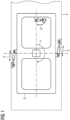
- FIG 1 shows the method according to the invention, in which a wheel position of a rail vehicle in the transverse direction to the rail is recorded indirectly using a distance measurement.
- This rotation is determined via a distance measurement.
- a distance measuring sensor WMS is provided, which is coupled to a roll damper 2 or to a transverse damper 3.
- the WMS distance measuring sensor is an integrated component of the roll damper 2 or the transverse damper 3.
- the damper travels determined via measurement are used to detect a transverse offset between the wheel and rail or to detect curves in the course of the rail.
Landscapes
- Engineering & Computer Science (AREA)
- Mechanical Engineering (AREA)
- Physics & Mathematics (AREA)
- Electromagnetism (AREA)
- Transportation (AREA)
- Automation & Control Theory (AREA)
- Lubricants (AREA)
- Length Measuring Devices With Unspecified Measuring Means (AREA)
- Vehicle Cleaning, Maintenance, Repair, Refitting, And Outriggers (AREA)
- Machines For Laying And Maintaining Railways (AREA)
Description
- Die Erfindung betrifft ein Verfahren zur Ansteuerung einer Gleiskonditioniereinheit bzw. einer Spurkranzschmieranlage eines Schienenfahrzeugs.
- Es ist bekannt, zur Verbesserung der Zugkraft bzw. der Bremskraft eines Schienenfahrzeugs Maßnahmen an den Schienen zu ergreifen. Zu diesem Zweck wird eine Gleiskonditionierung eingesetzt, wie sie beispielsweise aus Dokument
WO 2019 219223 A1 bekannt ist. Die Gleiskonditioniereinheit wird dazu verwendet, um Hilfsmedien (Sand, Luft) mit hoher Genauigkeit auf die befahrenen Schienen aufzubringen, um einen Kraftschluss zwischen Rad und Schiene und damit Zug- und Bremskraft des Schienenfahrzeugs bei Bedarf zu erhöhen. - Weiter ist es bekannt, eine Spurkranzschmieranlage eines Schienenfahrzeugs zu benutzen, um bei einer verschleißfördernden, ungünstigen Radsatz- bzw. Einzelrad-Stellung zur Schiene einen durch die Stellung bedingten Materialverschleiß sowie Geräuschemissionen durch Aufbringen eines Fluids (z.B. eines Schmiermittels oder Öl) zu reduzieren. Das Fluid wird auf einen Radteilbereich, beispielsweise auf eine Radlauffläche, oder in der Nähe des Rads auf einen Schienenteilbereich aufgebracht.
- Dokument
EP 0854072 A1 beschreibt eine Ausgestaltung einer Spurkranzschmierung. - Um die Gleiskonditioniereinheit bzw. um die Spurkranzschmieranlage optimiert einsetzen zu können, ist es nötig, diese im Betrieb durch eine Ansteuerung an den realen Schienenverlauf anzupassen. Dadurch wird ermöglicht, dass Hilfsmittel bzw.
- Fluid zielgerichtet und Ressourcen-schonend auf Schiene bzw. Rad aufgebracht werden.
- Es ist die Aufgabe der vorliegenden Erfindung ein Verfahren zur Ansteuerung einer Gleiskonditioniereinheit bzw. einer Spurkranzschmieranlage anzugeben, mit dem beim Einsatz einer Gleiskonditioniereinheit bzw. einer Spurkranzschmieranlage ein zielgerichtetes und Ressourcen-schonendes Aufbringen von Hilfsmitteln bzw. von Fluid auf Rad bzw. Schiene ermöglicht wird.
- Diese Aufgabe wird durch die Merkmale des Anspruchs 1 gelöst. Vorteilhafte Weiterbildungen sind in den abhängigen Ansprüchen angegeben.
- Die Erfindung betrifft ein Verfahren zur Ansteuerung einer Gleiskonditioniereinheit bzw. einer Spurkranzschmieranlage eines Schienenfahrzeugs.
- Die Gleiskonditioniereinheit bringt als Teil des Schienenfahrzeugs bei Bedarf ein Hilfsmittel auf Teilbereiche einer vom Schienenfahrzeug befahrenen Schiene aus, um Reibung zwischen Rad und Schiene zu erhöhen.
- Die Spurkranzschmieranlage bringt als Teil des Schienenfahrzeugs bei Bedarf ein Fluid auf einen Radteilbereich (beispielsweise auf eine Radlauffläche) oder in der Nähe des Rads auf einen Schienenteilbereich auf. Das Fluid wird bevorzugt in Spurkranznähe aufgebracht. Durch das Fluid wird Reibung zwischen Rad und Schiene reduziert.
- Eine Relativbewegung zwischen Wagenkasten und Fahrwerk des Schienenfahrzeugs wird mit Hilfe einer Wegmessung kontinuierlich erfasst, um einen Bogen im Schienenverlauf zu detektieren.Basierend auf der Wegmessung wird die Gleiskonditioniereinheit bzw. die Spurkranzschmieranlage abhängig vom Bogen gezielt angesteuert, so dass das Hilfsmittel (insbesondere Luft bzw. Sand) bzw. so dass das Fluid ressourcenschonend und wirkungsoptimiert aufgebracht wird.
- Bevorzugt wird das Hilfsmittel auf einen Schienenteilbereich aufgebracht, während das Fluid auf einen Radteilbereich aufgebracht wird.
- Das Fluid wird auf einen Radteilbereich, beispielsweise auf eine Radlauffläche oder in Spurkranznähe, aufgebracht. Das Fluid kann ggf. auch Rad-nah auf einen Schienenteilbereich aufgebracht werden, um den zu befahrenden Schienenteilbereich vor Kontakt mit dem Rad zu schmieren.
- Die vorliegende Erfindung basiert darauf, dass beim Befahren von Bögen durch ein Schienenfahrzeug eine Relativbewegung zwischen Wagenkasten und Fahrwerk erfolgt. Diese Relativbewegung wird erfasst und ausgewertet, um den Bogen im Schienenverlauf zu detektieren, ihn zu bewerten und um nachfolgend die Gleiskonditioniereinheit bzw. die Spurkranzschmieranlage in Abhängigkeit des Bogens gezielt anzusteuern.
- Damit wird das Hilfsmittel bzw. Fluid in Abhängigkeit des Bogens gezielt dosiert bzw. eingesetzt.
- Die Relativbewegung zwischen Wagenkasten und Fahrwerk wird bei der vorliegenden Erfindung durch eine Wegmessung mit Hilfe einer Sensorik bestimmt.
- Die Wegmessung über die Sensorik erfolgt beispielsweise nach optischen, induktiven, ultraschallbasierten oder kapazitiven Messprinzipien, die derart ausgebildet und angeordnet sind, dass über die Wegmessung die Relativbewegung zwischen Wagenkasten und Fahrwerk bestimmbar ist.
- Erfindungsgemäß wird die Relativbewegung durch eine Wegmessung an Dämpfern bestimmt. Die Dämpfer sind zwischen Wagenkasten und Fahrwerk für vorbestimmte Raumrichtungen vorgesehen und angebracht, um die Relativbewegung zu dämpfen.
- In einer bevorzugten Weiterbildung beinhalten die Dämpfer die Sensorik, die die Dämpferwege ermittelt. Basierend auf den Dämpferwegen werden, wie oben ausgeführt, Bögen im Schienenverlauf detektiert und bewertet, um nachfolgend die Gleiskonditioniereinheit bzw. einer Spurkranzschmieranlage in Abhängigkeit des Bogens gezielt anzusteuern.
- Durch das erfindungsgemäße Verfahren wird ein System zur Wegmessung, das bevorzugt sechs Freiheitsgrade zwischen Wagenkasten und Fahrwerk überwacht, dazu verwendet, die Gleiskonditioniereinheit bzw. die Spurkranzschmieranlage in Abhängigkeit des detektierten Schienenbogens anzusteuern, so dass Hilfsmittel bzw. Fluid zielgerichtet und Ressourcen-optimiert auf die Schiene aufgebracht werden.
- Durch das erfindungsgemäße Verfahren wird eine optimale Wirkung der Gleiskonditioniereinheit unabhängig von der Trassierung und von Fahrzuständen gewährleistet.
- Durch das erfindungsgemäße Verfahren werden Hilfsmedien eingespart bzw. können Einrichtungen zur Erzeugung und Speicherung von Hilfsmedien (Luft, Druckluft, Sand) kleiner dimensioniert und somit Kosten gespart werden.
- Durch das erfindungsgemäße Verfahren wird eine optimale Wirkung einer Spurkranzschmieranlage unabhängig von der Trassierung und von Fahrzuständen gewährleistet.
- Durch das erfindungsgemäße Verfahren wird (Schmier-) Fluid eingespart, bei Beibehaltung der vollen Funktionalität.
- Durch das erfindungsgemäße Verfahren wird die Umwelt geschont.
- Durch das erfindungsgemäße Verfahren wird abhängig vom Bogen die Gleiskonditioniereinheit entsprechend eines Querversatzes und der Art des Bogens korrekt angesteuert.
- Durch das erfindungsgemäße Verfahren wird die Spurkranzschmieranlage bogensensitiv betrieben. Bei einer Bogenerkennung bzw. bei kleineren Bogenradien wird die Spurkranzschmierung gezielt und mit definierter Dosierung bzw. mit definierten Dosierimpulsen für das Fluid aktiviert.
- Nachfolgend wird die vorliegende Erfindung beispielhaft anhand einer Zeichnung näher erläutert.
- Dabei zeigt
FIG 1 das erfindungsgemäße Verfahren, bei dem mit Hilfe einer Wegmessung auf indirekte Weise eine Radstellung eines Schienenfahrzeugs in Querrichtung zur Schiene erfasst wird. - Dabei wird der Effekt ausgenutzt, dass ein das Rad tragendes Fahrwerk 5 relativ zum Wagenkasten 4 in einer Richtung 1 bei einer Bogenfahrt verdreht wird.
- Diese Verdrehung wird über eine Wegmessung bestimmt. Beispielsweise ist eine Wegmess-Sensorik WMS vorgesehen, die mit einem Schlingerdämpfer 2 bzw. mit einem Querdämpfer 3 gekoppelt ist.
- In einer bevorzugten Weiterbildung ist die Wegmess-Sensorik WMS integrierter Bestandteil des Schlingerdämpfers 2 bzw. des Querdämpfers 3.
- Die über Messung ermittelten Dämpferwege werden zur Erkennung eines Querversatzes zwischen Rad und Schiene bzw. zum Erkennen von Bögen im Schienenverlauf verwendet.
- Aus der Wegmessung lassen sich insbesondere Aussagen
- bezüglich der Art des Bogens (d.h. liegt ein Rechtsbogen oder ein Linksbogen vor),
- bezüglich des Bogenradius, sowie
- bezüglich eines Querversatzes zwischen Rad und Schiene
- Damit ist es möglich, die Gleiskonditioniereinheit entsprechend eines Querversatzes und der Art des Schienenbogens korrekt anzusteuern.
- Außerdem ist es möglich, die Spurkranzschmieranlage bogensensitiv zu betreiben, d.h. bei Bogenerkennung oder kleineren Bogenradien die Spurkranzschmierung gezielt und mit definierter Dosierung zu aktivieren.
Claims (3)
- Verfahren zur Ansteuerung einer Gleiskonditioniereinheit bzw. einer Spurkranzschmieranlage eines Schienenfahrzeugs,- bei dem eine Gleiskonditioniereinheit als Teil des Schienenfahrzeugs bei Bedarf ein Hilfsmittel auf einen Teilbereich einer vom Schienenfahrzeug befahrenen Schiene ausbringt, um Reibung zwischen Rad und Schiene zu erhöhen,- bei dem eine Spurkranzschmieranlage als Teil des Schienenfahrzeugs bei Bedarf ein Fluid auf einen Radteilbereich des Schienenfahrzeugs oder auf den Schienenteilbereich aufbringt, um Reibung zwischen Rad und Schiene zu reduzieren,- bei dem eine Relativbewegung zwischen Wagenkasten und Fahrwerk des Schienenfahrzeugs mit Hilfe einer Wegmessung kontinuierlich erfasst wird, um einen Bogen im Schienenverlauf zu detektieren,- bei dem die Relativbewegung durch eine Wegmessung an Dämpfern bestimmt wird, wobei die Dämpfer zwischen Wagenkasten und Fahrwerk für vorbestimmte Raumrichtungen vorgesehen und angebracht sind, um die Relativbewegung zu dämpfen,- bei dem basierend auf der Wegmessung die Gleiskonditioniereinheit bzw. die Spurkranzschmieranlage abhängig vom Bogen gezielt angesteuert wird, so dass das Hilfsmittel bzw. Fluid ressourcenschonend aufgebracht wird.
- Verfahren nach Anspruch 1, bei dem zur Wegmessung eine Sensorik verwendet wird.
- Verfahren nach Anspruch 2, bei dem die Sensorik die Wegmessung basierend auf einem optischen, induktiven, ultraschallbasierten und/oder kapazitiven Messprinzip durchführt.
Applications Claiming Priority (2)
| Application Number | Priority Date | Filing Date | Title |
|---|---|---|---|
| DE102020203188.6A DE102020203188A1 (de) | 2020-03-12 | 2020-03-12 | Verfahren zur Ansteuerung einer Gleiskonditioniereinheit bzw. einer Spurkranzschmieranlage |
| PCT/EP2021/055241 WO2021180523A1 (de) | 2020-03-12 | 2021-03-03 | Verfahren zur ansteuerung einer gleiskonditioniereinheit bzw. einer spurkranzschmieranlage |
Publications (2)
| Publication Number | Publication Date |
|---|---|
| EP4096983A1 EP4096983A1 (de) | 2022-12-07 |
| EP4096983B1 true EP4096983B1 (de) | 2024-02-14 |
Family
ID=74873701
Family Applications (1)
| Application Number | Title | Priority Date | Filing Date |
|---|---|---|---|
| EP21711770.4A Active EP4096983B1 (de) | 2020-03-12 | 2021-03-03 | Verfahren zur ansteuerung einer gleiskonditioniereinheit bzw. einer spurkranzschmieranlage |
Country Status (7)
| Country | Link |
|---|---|
| US (1) | US20230123582A1 (de) |
| EP (1) | EP4096983B1 (de) |
| CN (1) | CN115379979B (de) |
| DE (1) | DE102020203188A1 (de) |
| ES (1) | ES2974458T3 (de) |
| PL (1) | PL4096983T3 (de) |
| WO (1) | WO2021180523A1 (de) |
Family Cites Families (18)
| Publication number | Priority date | Publication date | Assignee | Title |
|---|---|---|---|---|
| DE938917C (de) * | 1954-04-09 | 1956-02-09 | Nils Gustav Evald Allard | Vorrichtung zum selbsttaetigen Schmieren von Schienenkurven |
| US4711320A (en) | 1985-10-08 | 1987-12-08 | Madison-Kipp Corporation | Wheel flange and rail lubricator apparatus |
| US4930600A (en) * | 1988-11-21 | 1990-06-05 | Tranergy Corporation | Intelligent on-board rail lubrication system for curved and tangent track |
| JPH074238U (ja) * | 1993-06-17 | 1995-01-20 | 東日本旅客鉄道株式会社 | 曲線検知式レ−ル塗油装置 |
| DE4330571C2 (de) | 1993-09-09 | 2001-10-18 | Limon Fluhme & Co De | Schienenabtastung für Spurkranzschmieranlagen |
| AUPN254995A0 (en) | 1995-04-21 | 1995-05-18 | Craft Nominees Pty Ltd | Rail head lubricating apparatus |
| ES2161387T3 (es) * | 1997-01-17 | 2001-12-01 | Limon Fluhme & Co De | Lubrificacion flexible y adaptable de las pestañas de las ruedas. |
| US7594682B2 (en) * | 2002-06-26 | 2009-09-29 | General Electric Company | Apparatus and method for controlled application of railway friction modifying agent |
| FR2938043B1 (fr) * | 2008-10-31 | 2010-12-24 | Skf Ab | Dispositif de lubrification et utilisation pour lubrifier un boudin de roue de vehicule ferroviaire. |
| KR101231838B1 (ko) * | 2010-12-20 | 2013-02-08 | 한국철도기술연구원 | 곡선부 곡률반경 감지를 통한 철도차량 도유 시스템 및 방법 |
| JP5708469B2 (ja) * | 2011-12-19 | 2015-04-30 | 新日鐵住金株式会社 | 鉄道車両用操舵台車 |
| FR3034392B1 (fr) * | 2015-04-01 | 2017-04-21 | Sncf Mobilites | Systeme de detection de l'entree en courbe d'une structure de caisse de vehicule ferroviaire equipe de bogies |
| AU2016342439B2 (en) * | 2015-10-23 | 2019-10-17 | Ge Global Sourcing Llc | Systems and method for a traction system |
| JP6644598B2 (ja) * | 2016-03-23 | 2020-02-12 | 日本製鉄株式会社 | 鉄道車両の車輪とレールとのアタック角測定方法及び装置 |
| US10358783B2 (en) * | 2016-11-02 | 2019-07-23 | Progress Rail Locomotive Inc. | Rail conditioning system |
| WO2019219223A1 (de) | 2018-05-17 | 2019-11-21 | Siemens Mobility GmbH | Steuerbare gleiskonditioniereinheit |
| CN110371160B (zh) * | 2019-08-06 | 2020-11-10 | 中车大连机车车辆有限公司 | 一种机车车轮减磨降噪的控制方法及装置 |
| CN115503781B (zh) * | 2022-10-26 | 2025-09-26 | 中车大连机车车辆有限公司 | 一种机车轮缘自助润滑装置及方法 |
-
2020
- 2020-03-12 DE DE102020203188.6A patent/DE102020203188A1/de not_active Ceased
-
2021
- 2021-03-03 WO PCT/EP2021/055241 patent/WO2021180523A1/de not_active Ceased
- 2021-03-03 PL PL21711770.4T patent/PL4096983T3/pl unknown
- 2021-03-03 EP EP21711770.4A patent/EP4096983B1/de active Active
- 2021-03-03 ES ES21711770T patent/ES2974458T3/es active Active
- 2021-03-03 US US17/910,888 patent/US20230123582A1/en not_active Abandoned
- 2021-03-03 CN CN202180028024.6A patent/CN115379979B/zh active Active
Also Published As
| Publication number | Publication date |
|---|---|
| WO2021180523A1 (de) | 2021-09-16 |
| ES2974458T3 (es) | 2024-06-27 |
| CN115379979B (zh) | 2025-03-07 |
| EP4096983A1 (de) | 2022-12-07 |
| DE102020203188A1 (de) | 2021-09-16 |
| US20230123582A1 (en) | 2023-04-20 |
| PL4096983T3 (pl) | 2024-05-27 |
| CN115379979A (zh) | 2022-11-22 |
Similar Documents
| Publication | Publication Date | Title |
|---|---|---|
| DE102009053801B4 (de) | Verfahren und Einrichtung zur Zustandsüberwachung wenigstens einen Radsatz aufweisenden Drehgestells eines Schienenfahrzeugs | |
| EP2753516B1 (de) | Bremskrafterfassung für dynamische bremsen eines schienenfahrzeugs | |
| DE102011113069A1 (de) | Kraftschlussbestimmung bei einem Schienenfahrzeug | |
| US11878671B2 (en) | Method for managing braking in a degraded adhesion condition for a vehicle system | |
| DE19953677C1 (de) | Verfahren und Vorrichtung zur Erkennung einer Entgleisung eines spurgebundenen Fahrzeugs | |
| EP1977212B1 (de) | Verfahren und einrichtung zur zustandsüberwachung von radsätzen oder drehgestellen eines schienenfahrzeugs | |
| EP2347941A1 (de) | Messvorrichtung zur Materialprüfung verlegter Schienen im Gleis | |
| EP4096983B1 (de) | Verfahren zur ansteuerung einer gleiskonditioniereinheit bzw. einer spurkranzschmieranlage | |
| EP3239015B1 (de) | Kraftgeregelte spurführung für ein schienenfahrzeug | |
| EP3619081A1 (de) | Schienenfahrzeugbremssystem und verfahren zum betreiben eines schienenfahrzeugbremssystems | |
| EP0575696B1 (de) | Laufwerk für Schienenfahrzeuge | |
| DE102020205290B4 (de) | Verfahren zum Durchführen einer Spurkranzschmierung | |
| DE102020203177A1 (de) | Verfahren zur Steuerung einer Spurkranzschmieranlage | |
| DE4240720A1 (de) | Fahrwerk für ein Schienenfahrzeug | |
| EP4096982B1 (de) | Anordnung zur erhöhung des kraftschlussbeiwerts bei einem schienenfahrzeug | |
| DE102021001988B4 (de) | Verschleißoptimierte Einzelradsteuerung | |
| DE10044253C1 (de) | Verfahren und Vorrichtung zur Beherrschung von horizontalen Rückstellkräften an den Sekundärfedern von Schienenfahrzeug-Fahrwerken | |
| EP4308431A1 (de) | Fahrwerk für ein schienenfahrzeug | |
| DE10023653A1 (de) | Auffahrsicherung für Bearbeitungsmaschinen | |
| DE102007059615A1 (de) | Schienenfahrzeug und Verfahren zum Betrieb eines Schienenfahrzeugs | |
| EP1663753A1 (de) | Ankopplung von schlingerdämpfern an neigetechnikfahrzeuge | |
| DE19820866A1 (de) | Aktives Radlagersystem für schienengebundene Fahrzeuge | |
| WO2013034723A2 (de) | Kraftschlussermittlung bei einem schienenfahrzeug | |
| EP1783025A2 (de) | Halterung einer Wirbelstromsonde für Schienenüberwachung |
Legal Events
| Date | Code | Title | Description |
|---|---|---|---|
| STAA | Information on the status of an ep patent application or granted ep patent |
Free format text: STATUS: UNKNOWN |
|
| STAA | Information on the status of an ep patent application or granted ep patent |
Free format text: STATUS: THE INTERNATIONAL PUBLICATION HAS BEEN MADE |
|
| PUAI | Public reference made under article 153(3) epc to a published international application that has entered the european phase |
Free format text: ORIGINAL CODE: 0009012 |
|
| STAA | Information on the status of an ep patent application or granted ep patent |
Free format text: STATUS: REQUEST FOR EXAMINATION WAS MADE |
|
| 17P | Request for examination filed |
Effective date: 20220901 |
|
| AK | Designated contracting states |
Kind code of ref document: A1 Designated state(s): AL AT BE BG CH CY CZ DE DK EE ES FI FR GB GR HR HU IE IS IT LI LT LU LV MC MK MT NL NO PL PT RO RS SE SI SK SM TR |
|
| DAV | Request for validation of the european patent (deleted) | ||
| DAX | Request for extension of the european patent (deleted) | ||
| GRAP | Despatch of communication of intention to grant a patent |
Free format text: ORIGINAL CODE: EPIDOSNIGR1 |
|
| STAA | Information on the status of an ep patent application or granted ep patent |
Free format text: STATUS: GRANT OF PATENT IS INTENDED |
|
| INTG | Intention to grant announced |
Effective date: 20231002 |
|
| GRAS | Grant fee paid |
Free format text: ORIGINAL CODE: EPIDOSNIGR3 |
|
| GRAA | (expected) grant |
Free format text: ORIGINAL CODE: 0009210 |
|
| STAA | Information on the status of an ep patent application or granted ep patent |
Free format text: STATUS: THE PATENT HAS BEEN GRANTED |
|
| AK | Designated contracting states |
Kind code of ref document: B1 Designated state(s): AL AT BE BG CH CY CZ DE DK EE ES FI FR GB GR HR HU IE IS IT LI LT LU LV MC MK MT NL NO PL PT RO RS SE SI SK SM TR |
|
| REG | Reference to a national code |
Ref country code: GB Ref legal event code: FG4D Free format text: NOT ENGLISH |
|
| REG | Reference to a national code |
Ref country code: CH Ref legal event code: EP |
|
| REG | Reference to a national code |
Ref country code: DE Ref legal event code: R096 Ref document number: 502021002688 Country of ref document: DE |
|
| REG | Reference to a national code |
Ref country code: IE Ref legal event code: FG4D Free format text: LANGUAGE OF EP DOCUMENT: GERMAN |
|
| REG | Reference to a national code |
Ref country code: LT Ref legal event code: MG9D |
|
| REG | Reference to a national code |
Ref country code: NL Ref legal event code: MP Effective date: 20240214 |
|
| REG | Reference to a national code |
Ref country code: ES Ref legal event code: FG2A Ref document number: 2974458 Country of ref document: ES Kind code of ref document: T3 Effective date: 20240627 |
|
| PG25 | Lapsed in a contracting state [announced via postgrant information from national office to epo] |
Ref country code: IS Free format text: LAPSE BECAUSE OF FAILURE TO SUBMIT A TRANSLATION OF THE DESCRIPTION OR TO PAY THE FEE WITHIN THE PRESCRIBED TIME-LIMIT Effective date: 20240614 |
|
| PG25 | Lapsed in a contracting state [announced via postgrant information from national office to epo] |
Ref country code: LT Free format text: LAPSE BECAUSE OF FAILURE TO SUBMIT A TRANSLATION OF THE DESCRIPTION OR TO PAY THE FEE WITHIN THE PRESCRIBED TIME-LIMIT Effective date: 20240214 |
|
| PG25 | Lapsed in a contracting state [announced via postgrant information from national office to epo] |
Ref country code: GR Free format text: LAPSE BECAUSE OF FAILURE TO SUBMIT A TRANSLATION OF THE DESCRIPTION OR TO PAY THE FEE WITHIN THE PRESCRIBED TIME-LIMIT Effective date: 20240515 |
|
| PG25 | Lapsed in a contracting state [announced via postgrant information from national office to epo] |
Ref country code: HR Free format text: LAPSE BECAUSE OF FAILURE TO SUBMIT A TRANSLATION OF THE DESCRIPTION OR TO PAY THE FEE WITHIN THE PRESCRIBED TIME-LIMIT Effective date: 20240214 Ref country code: RS Free format text: LAPSE BECAUSE OF FAILURE TO SUBMIT A TRANSLATION OF THE DESCRIPTION OR TO PAY THE FEE WITHIN THE PRESCRIBED TIME-LIMIT Effective date: 20240514 Ref country code: NL Free format text: LAPSE BECAUSE OF FAILURE TO SUBMIT A TRANSLATION OF THE DESCRIPTION OR TO PAY THE FEE WITHIN THE PRESCRIBED TIME-LIMIT Effective date: 20240214 |
|
| PG25 | Lapsed in a contracting state [announced via postgrant information from national office to epo] |
Ref country code: RS Free format text: LAPSE BECAUSE OF FAILURE TO SUBMIT A TRANSLATION OF THE DESCRIPTION OR TO PAY THE FEE WITHIN THE PRESCRIBED TIME-LIMIT Effective date: 20240514 Ref country code: NO Free format text: LAPSE BECAUSE OF FAILURE TO SUBMIT A TRANSLATION OF THE DESCRIPTION OR TO PAY THE FEE WITHIN THE PRESCRIBED TIME-LIMIT Effective date: 20240514 Ref country code: NL Free format text: LAPSE BECAUSE OF FAILURE TO SUBMIT A TRANSLATION OF THE DESCRIPTION OR TO PAY THE FEE WITHIN THE PRESCRIBED TIME-LIMIT Effective date: 20240214 Ref country code: LT Free format text: LAPSE BECAUSE OF FAILURE TO SUBMIT A TRANSLATION OF THE DESCRIPTION OR TO PAY THE FEE WITHIN THE PRESCRIBED TIME-LIMIT Effective date: 20240214 Ref country code: IS Free format text: LAPSE BECAUSE OF FAILURE TO SUBMIT A TRANSLATION OF THE DESCRIPTION OR TO PAY THE FEE WITHIN THE PRESCRIBED TIME-LIMIT Effective date: 20240614 Ref country code: HR Free format text: LAPSE BECAUSE OF FAILURE TO SUBMIT A TRANSLATION OF THE DESCRIPTION OR TO PAY THE FEE WITHIN THE PRESCRIBED TIME-LIMIT Effective date: 20240214 Ref country code: GR Free format text: LAPSE BECAUSE OF FAILURE TO SUBMIT A TRANSLATION OF THE DESCRIPTION OR TO PAY THE FEE WITHIN THE PRESCRIBED TIME-LIMIT Effective date: 20240515 Ref country code: FI Free format text: LAPSE BECAUSE OF FAILURE TO SUBMIT A TRANSLATION OF THE DESCRIPTION OR TO PAY THE FEE WITHIN THE PRESCRIBED TIME-LIMIT Effective date: 20240214 Ref country code: BG Free format text: LAPSE BECAUSE OF FAILURE TO SUBMIT A TRANSLATION OF THE DESCRIPTION OR TO PAY THE FEE WITHIN THE PRESCRIBED TIME-LIMIT Effective date: 20240214 |
|
| PG25 | Lapsed in a contracting state [announced via postgrant information from national office to epo] |
Ref country code: PT Free format text: LAPSE BECAUSE OF FAILURE TO SUBMIT A TRANSLATION OF THE DESCRIPTION OR TO PAY THE FEE WITHIN THE PRESCRIBED TIME-LIMIT Effective date: 20240614 |
|
| PGFP | Annual fee paid to national office [announced via postgrant information from national office to epo] |
Ref country code: PL Payment date: 20240404 Year of fee payment: 4 |
|
| PG25 | Lapsed in a contracting state [announced via postgrant information from national office to epo] |
Ref country code: SE Free format text: LAPSE BECAUSE OF FAILURE TO SUBMIT A TRANSLATION OF THE DESCRIPTION OR TO PAY THE FEE WITHIN THE PRESCRIBED TIME-LIMIT Effective date: 20240214 Ref country code: PT Free format text: LAPSE BECAUSE OF FAILURE TO SUBMIT A TRANSLATION OF THE DESCRIPTION OR TO PAY THE FEE WITHIN THE PRESCRIBED TIME-LIMIT Effective date: 20240614 Ref country code: LV Free format text: LAPSE BECAUSE OF FAILURE TO SUBMIT A TRANSLATION OF THE DESCRIPTION OR TO PAY THE FEE WITHIN THE PRESCRIBED TIME-LIMIT Effective date: 20240214 |
|
| PG25 | Lapsed in a contracting state [announced via postgrant information from national office to epo] |
Ref country code: DK Free format text: LAPSE BECAUSE OF FAILURE TO SUBMIT A TRANSLATION OF THE DESCRIPTION OR TO PAY THE FEE WITHIN THE PRESCRIBED TIME-LIMIT Effective date: 20240214 |
|
| PG25 | Lapsed in a contracting state [announced via postgrant information from national office to epo] |
Ref country code: SM Free format text: LAPSE BECAUSE OF FAILURE TO SUBMIT A TRANSLATION OF THE DESCRIPTION OR TO PAY THE FEE WITHIN THE PRESCRIBED TIME-LIMIT Effective date: 20240214 |
|
| PG25 | Lapsed in a contracting state [announced via postgrant information from national office to epo] |
Ref country code: EE Free format text: LAPSE BECAUSE OF FAILURE TO SUBMIT A TRANSLATION OF THE DESCRIPTION OR TO PAY THE FEE WITHIN THE PRESCRIBED TIME-LIMIT Effective date: 20240214 |
|
| PG25 | Lapsed in a contracting state [announced via postgrant information from national office to epo] |
Ref country code: SK Free format text: LAPSE BECAUSE OF FAILURE TO SUBMIT A TRANSLATION OF THE DESCRIPTION OR TO PAY THE FEE WITHIN THE PRESCRIBED TIME-LIMIT Effective date: 20240214 |
|
| PG25 | Lapsed in a contracting state [announced via postgrant information from national office to epo] |
Ref country code: SM Free format text: LAPSE BECAUSE OF FAILURE TO SUBMIT A TRANSLATION OF THE DESCRIPTION OR TO PAY THE FEE WITHIN THE PRESCRIBED TIME-LIMIT Effective date: 20240214 Ref country code: SK Free format text: LAPSE BECAUSE OF FAILURE TO SUBMIT A TRANSLATION OF THE DESCRIPTION OR TO PAY THE FEE WITHIN THE PRESCRIBED TIME-LIMIT Effective date: 20240214 Ref country code: RO Free format text: LAPSE BECAUSE OF FAILURE TO SUBMIT A TRANSLATION OF THE DESCRIPTION OR TO PAY THE FEE WITHIN THE PRESCRIBED TIME-LIMIT Effective date: 20240214 Ref country code: EE Free format text: LAPSE BECAUSE OF FAILURE TO SUBMIT A TRANSLATION OF THE DESCRIPTION OR TO PAY THE FEE WITHIN THE PRESCRIBED TIME-LIMIT Effective date: 20240214 Ref country code: DK Free format text: LAPSE BECAUSE OF FAILURE TO SUBMIT A TRANSLATION OF THE DESCRIPTION OR TO PAY THE FEE WITHIN THE PRESCRIBED TIME-LIMIT Effective date: 20240214 |
|
| REG | Reference to a national code |
Ref country code: DE Ref legal event code: R097 Ref document number: 502021002688 Country of ref document: DE |
|
| PG25 | Lapsed in a contracting state [announced via postgrant information from national office to epo] |
Ref country code: LU Free format text: LAPSE BECAUSE OF NON-PAYMENT OF DUE FEES Effective date: 20240303 |
|
| PG25 | Lapsed in a contracting state [announced via postgrant information from national office to epo] |
Ref country code: MC Free format text: LAPSE BECAUSE OF FAILURE TO SUBMIT A TRANSLATION OF THE DESCRIPTION OR TO PAY THE FEE WITHIN THE PRESCRIBED TIME-LIMIT Effective date: 20240214 |
|
| PG25 | Lapsed in a contracting state [announced via postgrant information from national office to epo] |
Ref country code: MC Free format text: LAPSE BECAUSE OF FAILURE TO SUBMIT A TRANSLATION OF THE DESCRIPTION OR TO PAY THE FEE WITHIN THE PRESCRIBED TIME-LIMIT Effective date: 20240214 Ref country code: LU Free format text: LAPSE BECAUSE OF NON-PAYMENT OF DUE FEES Effective date: 20240303 |
|
| REG | Reference to a national code |
Ref country code: BE Ref legal event code: MM Effective date: 20240331 |
|
| PLBE | No opposition filed within time limit |
Free format text: ORIGINAL CODE: 0009261 |
|
| STAA | Information on the status of an ep patent application or granted ep patent |
Free format text: STATUS: NO OPPOSITION FILED WITHIN TIME LIMIT |
|
| PG25 | Lapsed in a contracting state [announced via postgrant information from national office to epo] |
Ref country code: BE Free format text: LAPSE BECAUSE OF NON-PAYMENT OF DUE FEES Effective date: 20240331 |
|
| 26N | No opposition filed |
Effective date: 20241115 |
|
| PG25 | Lapsed in a contracting state [announced via postgrant information from national office to epo] |
Ref country code: IE Free format text: LAPSE BECAUSE OF NON-PAYMENT OF DUE FEES Effective date: 20240303 |
|
| PG25 | Lapsed in a contracting state [announced via postgrant information from national office to epo] |
Ref country code: IE Free format text: LAPSE BECAUSE OF NON-PAYMENT OF DUE FEES Effective date: 20240303 Ref country code: BE Free format text: LAPSE BECAUSE OF NON-PAYMENT OF DUE FEES Effective date: 20240331 |
|
| PG25 | Lapsed in a contracting state [announced via postgrant information from national office to epo] |
Ref country code: SI Free format text: LAPSE BECAUSE OF FAILURE TO SUBMIT A TRANSLATION OF THE DESCRIPTION OR TO PAY THE FEE WITHIN THE PRESCRIBED TIME-LIMIT Effective date: 20240214 |
|
| PGFP | Annual fee paid to national office [announced via postgrant information from national office to epo] |
Ref country code: DE Payment date: 20250520 Year of fee payment: 5 |
|
| PGFP | Annual fee paid to national office [announced via postgrant information from national office to epo] |
Ref country code: ES Payment date: 20250620 Year of fee payment: 5 |
|
| PGFP | Annual fee paid to national office [announced via postgrant information from national office to epo] |
Ref country code: CH Payment date: 20250611 Year of fee payment: 5 |
|
| PG25 | Lapsed in a contracting state [announced via postgrant information from national office to epo] |
Ref country code: CY Free format text: LAPSE BECAUSE OF FAILURE TO SUBMIT A TRANSLATION OF THE DESCRIPTION OR TO PAY THE FEE WITHIN THE PRESCRIBED TIME-LIMIT; INVALID AB INITIO Effective date: 20210303 |
|
| REG | Reference to a national code |
Ref country code: DE Ref legal event code: R081 Ref document number: 502021002688 Country of ref document: DE Owner name: SIEMENS MOBILITY GMBH, DE Free format text: FORMER OWNER: SIEMENS MOBILITY GMBH, 81739 MUENCHEN, DE |
|
| PG25 | Lapsed in a contracting state [announced via postgrant information from national office to epo] |
Ref country code: HU Free format text: LAPSE BECAUSE OF FAILURE TO SUBMIT A TRANSLATION OF THE DESCRIPTION OR TO PAY THE FEE WITHIN THE PRESCRIBED TIME-LIMIT; INVALID AB INITIO Effective date: 20210303 |
|
| GBPC | Gb: european patent ceased through non-payment of renewal fee |
Effective date: 20250303 |
|
| PG25 | Lapsed in a contracting state [announced via postgrant information from national office to epo] |
Ref country code: TR Free format text: LAPSE BECAUSE OF FAILURE TO SUBMIT A TRANSLATION OF THE DESCRIPTION OR TO PAY THE FEE WITHIN THE PRESCRIBED TIME-LIMIT Effective date: 20240214 |
|
| PG25 | Lapsed in a contracting state [announced via postgrant information from national office to epo] |
Ref country code: GB Free format text: LAPSE BECAUSE OF NON-PAYMENT OF DUE FEES Effective date: 20250303 |
|
| PGFP | Annual fee paid to national office [announced via postgrant information from national office to epo] |
Ref country code: AT Payment date: 20260206 Year of fee payment: 6 |
|
| PGFP | Annual fee paid to national office [announced via postgrant information from national office to epo] |
Ref country code: IT Payment date: 20260324 Year of fee payment: 6 |
|
| PGFP | Annual fee paid to national office [announced via postgrant information from national office to epo] |
Ref country code: FR Payment date: 20260316 Year of fee payment: 6 |
|
| PGFP | Annual fee paid to national office [announced via postgrant information from national office to epo] |
Ref country code: CZ Payment date: 20260224 Year of fee payment: 6 |