EP4087931B1 - Novel tlr9 agonists - Google Patents
Novel tlr9 agonists Download PDFInfo
- Publication number
- EP4087931B1 EP4087931B1 EP21738230.8A EP21738230A EP4087931B1 EP 4087931 B1 EP4087931 B1 EP 4087931B1 EP 21738230 A EP21738230 A EP 21738230A EP 4087931 B1 EP4087931 B1 EP 4087931B1
- Authority
- EP
- European Patent Office
- Prior art keywords
- seq
- cells
- oligonucleotide
- odns
- cancer
- Prior art date
- Legal status (The legal status is an assumption and is not a legal conclusion. Google has not performed a legal analysis and makes no representation as to the accuracy of the status listed.)
- Active
Links
Images
















Classifications
-
- A—HUMAN NECESSITIES
- A61—MEDICAL OR VETERINARY SCIENCE; HYGIENE
- A61K—PREPARATIONS FOR MEDICAL, DENTAL OR TOILETRY PURPOSES
- A61K31/00—Medicinal preparations containing organic active ingredients
- A61K31/70—Carbohydrates; Sugars; Derivatives thereof
- A61K31/7088—Compounds having three or more nucleosides or nucleotides
- A61K31/711—Natural deoxyribonucleic acids, i.e. containing only 2'-deoxyriboses attached to adenine, guanine, cytosine or thymine and having 3'-5' phosphodiester links
-
- A—HUMAN NECESSITIES
- A61—MEDICAL OR VETERINARY SCIENCE; HYGIENE
- A61K—PREPARATIONS FOR MEDICAL, DENTAL OR TOILETRY PURPOSES
- A61K45/00—Medicinal preparations containing active ingredients not provided for in groups A61K31/00 - A61K41/00
- A61K45/06—Mixtures of active ingredients without chemical characterisation, e.g. antiphlogistics and cardiaca
-
- A—HUMAN NECESSITIES
- A61—MEDICAL OR VETERINARY SCIENCE; HYGIENE
- A61P—SPECIFIC THERAPEUTIC ACTIVITY OF CHEMICAL COMPOUNDS OR MEDICINAL PREPARATIONS
- A61P1/00—Drugs for disorders of the alimentary tract or the digestive system
-
- A—HUMAN NECESSITIES
- A61—MEDICAL OR VETERINARY SCIENCE; HYGIENE
- A61P—SPECIFIC THERAPEUTIC ACTIVITY OF CHEMICAL COMPOUNDS OR MEDICINAL PREPARATIONS
- A61P1/00—Drugs for disorders of the alimentary tract or the digestive system
- A61P1/16—Drugs for disorders of the alimentary tract or the digestive system for liver or gallbladder disorders, e.g. hepatoprotective agents, cholagogues, litholytics
-
- A—HUMAN NECESSITIES
- A61—MEDICAL OR VETERINARY SCIENCE; HYGIENE
- A61P—SPECIFIC THERAPEUTIC ACTIVITY OF CHEMICAL COMPOUNDS OR MEDICINAL PREPARATIONS
- A61P11/00—Drugs for disorders of the respiratory system
-
- A—HUMAN NECESSITIES
- A61—MEDICAL OR VETERINARY SCIENCE; HYGIENE
- A61P—SPECIFIC THERAPEUTIC ACTIVITY OF CHEMICAL COMPOUNDS OR MEDICINAL PREPARATIONS
- A61P35/00—Antineoplastic agents
-
- A—HUMAN NECESSITIES
- A61—MEDICAL OR VETERINARY SCIENCE; HYGIENE
- A61P—SPECIFIC THERAPEUTIC ACTIVITY OF CHEMICAL COMPOUNDS OR MEDICINAL PREPARATIONS
- A61P35/00—Antineoplastic agents
- A61P35/02—Antineoplastic agents specific for leukemia
-
- A—HUMAN NECESSITIES
- A61—MEDICAL OR VETERINARY SCIENCE; HYGIENE
- A61P—SPECIFIC THERAPEUTIC ACTIVITY OF CHEMICAL COMPOUNDS OR MEDICINAL PREPARATIONS
- A61P37/00—Drugs for immunological or allergic disorders
-
- C—CHEMISTRY; METALLURGY
- C12—BIOCHEMISTRY; BEER; SPIRITS; WINE; VINEGAR; MICROBIOLOGY; ENZYMOLOGY; MUTATION OR GENETIC ENGINEERING
- C12N—MICROORGANISMS OR ENZYMES; COMPOSITIONS THEREOF; PROPAGATING, PRESERVING, OR MAINTAINING MICROORGANISMS; MUTATION OR GENETIC ENGINEERING; CULTURE MEDIA
- C12N15/00—Mutation or genetic engineering; DNA or RNA concerning genetic engineering, vectors, e.g. plasmids, or their isolation, preparation or purification; Use of hosts therefor
- C12N15/09—Recombinant DNA-technology
- C12N15/11—DNA or RNA fragments; Modified forms thereof; Non-coding nucleic acids having a biological activity
- C12N15/117—Nucleic acids having immunomodulatory properties, e.g. containing CpG-motifs
-
- C—CHEMISTRY; METALLURGY
- C12—BIOCHEMISTRY; BEER; SPIRITS; WINE; VINEGAR; MICROBIOLOGY; ENZYMOLOGY; MUTATION OR GENETIC ENGINEERING
- C12N—MICROORGANISMS OR ENZYMES; COMPOSITIONS THEREOF; PROPAGATING, PRESERVING, OR MAINTAINING MICROORGANISMS; MUTATION OR GENETIC ENGINEERING; CULTURE MEDIA
- C12N2310/00—Structure or type of the nucleic acid
- C12N2310/10—Type of nucleic acid
- C12N2310/17—Immunomodulatory nucleic acids
-
- C—CHEMISTRY; METALLURGY
- C12—BIOCHEMISTRY; BEER; SPIRITS; WINE; VINEGAR; MICROBIOLOGY; ENZYMOLOGY; MUTATION OR GENETIC ENGINEERING
- C12N—MICROORGANISMS OR ENZYMES; COMPOSITIONS THEREOF; PROPAGATING, PRESERVING, OR MAINTAINING MICROORGANISMS; MUTATION OR GENETIC ENGINEERING; CULTURE MEDIA
- C12N2310/00—Structure or type of the nucleic acid
- C12N2310/30—Chemical structure
- C12N2310/31—Chemical structure of the backbone
- C12N2310/315—Phosphorothioates
Definitions
- the present invention relates to a novel oligonucleotide or the derivative oligonucleotide, which can bind to a nucleic acid receptor including TLR9.
- the present invention further relates to a pharmaceutical composition comprising the oligonucleotide.
- the present invention further relates to a method of prophylaxis or treatment of a target disease including a cancer or an infectious disease using the oligonucleotide.
- TLR toll-like receptor
- PAMPs pathogen-associated molecular patterns
- TLR3 mainly recognizes double-stranded RNAs and synthetic RNAs called poly (I:C) which are similar to virus RNA
- TLR7 and TLR8 mainly recognize single-stranded RNAs.
- TLR9 mainly recognizes single-stranded DNAs.
- TLR9 is expressed in plasmacytoid dendritic cells (pDCs), B cells, eosinophils, basophils, macrophages and NK cells ( Roda, J.M., et al., J Immunol, 2005. 175(3): p.1619-27 ; Liu, M., et al., Nat Immunol, 2019. 20(3): p.265-275 ; Hemmi, H., et al., Nature, 2000. 408(6813): p.740-5 )
- TLR9 agonists activate pDCs and B cells to promote their proliferation, productions of inflammatory cytokines and antibodies, antigen presentation, and expressions of co-stimulatory molecules and MHC molecules.
- pDCs and B cells Upon receipt of stimulation from TLR9 agonists, pDCs and B cells also increase expressions of chemokine receptors, resistance to apoptosis, and productions of cytokines including Th1-promoting chemokines, such as Macrophage Inflammatory Proteins 1 (MIP1) and Interferon-Inducible Protein of 10 kDa (IP10).
- MIP1 Macrophage Inflammatory Proteins 1
- IP1010 Interferon-Inducible Protein of 10 kDa
- Memory B cells especially differentiate into plasma cells, which secrete antibodies, solely depending on the activation of TLR9.
- An example of TLR9 agonists is CpG DNA (CpG).
- CpG DNA contain unmethylated cytosine and guanine, which was originally found as an important motif constituting pathogen-associated molecular patterns (PAMPs) in bacterial DNAs.
- PAMPs pathogen-associated molecular patterns
- ODNs The CpG-oligodeoxynucleotides (ODNs) are reported to be classified into four classes in view of structures and functions.
- Class A ODN also known as class D ODN, has a phosphorothioated backbone in several nucleotides of the 3' end and in several nucleotides of the 5' end.
- Class A ODN contains palindromic sequences including CpG which can form a stem-loop structure.
- the ends of class A ODN contain polyG sequences, which can form parallel quadruplex structures called G-tetrads ( Puig M. et al., Nucleic Acids Res. 2006, 34(22): p.6488-95 ).
- Class A ODN strongly promotes productions of interferon-alpha (IFN- ⁇ ) from pDC, but activates B cells only weakly.
- IFN- ⁇ interferon-alpha
- Class B ODN also known as class K ODN, has one and more CpG sequence(s) and has a backbone in which majority of the nucleotides are phosphorothioated. Class B ODN strongly induces proliferation of B cells, promotes secretion of IgM antibodies from B cells, and induces differentiation and maturation of pDCs. Class C ODN has a phosphorothioated backbone. Class C ODN has a palindromic sequence with CpG in the 3' end and the parindromic sequence may anneal intramolecularly to form hairpin structure. Class C ODN promotes IFN- ⁇ productions from pDCs and IL-6 productions from B cells.
- class C ODN has similar functions as ones both of class A ODN and class B ODN.
- Class P ODN has two palindromic sequences. Class P ODN can anneal intermolecularly to form concatemers at the palindrome at the 5' end or intramolecularly to form a hairpin-structure in the GC-rich 3' end. Class P ODN strongly induces productions of type I IFNs ( Scheiermann, J. et al., Vaccine, 2014. 32(48): p.6377-89 ).
- CpG-ODNs activate cells expressing TLR9 are reported as follows. First, internalized CpG-ODNs bind to TLR9 in the endosome. Once the CpG-ODNs bind to TLR9, the adaptor protein MyD88 binding to the cytosolic side of TLR9 is activated by phosphorylation. The activated MyD88 induces transcription of cytokines including type I interferons (IFNs) through activation of transcription factors such as IRF3, 5 and 7.
- IFNs type I interferons
- the activated MyD88 also conveys the signaling through nuclear factor-kappa B (NF-kB) pathway; the signal downstream of MyD88 ubiq-uitinates IkB (inhibitor of kB or inhibitor of kappa-beta) and induce degradation of IkB, which activates NF-kB.
- NF-kB nuclear factor-kappa B
- IL-1 ⁇ Interleukin-1beta
- TNF-alpha TNF-alpha
- IL-6 Interleukin-6
- CpG-ODNs possess above-mentioned biological TLR9 activating activity
- administration of CpG-ODNs is suitable for treatment and/or prevention of several diseases or disorders as follows.
- TME tumor microenvironment
- TME tumor microenvironment
- TME is an environment constructed by tumor cells and non-tumor cells surrounding tumors such as immune cells, fibroblasts and vascular cells.
- TME immunosuppressive cells
- TAM tumor-associated macrophages
- MDSC myeloid-derived suppressor cells
- Tregs regulatory T cells
- Hot tumor is a tumor which contains anti-tumor immune cells including TILs and M1 macrophages, which constitutes immunologically activated TME. Hot tumor is generally responsive to cancer treatments. For example, it is reported that intratumoral administration of CpG-ODNs leads to increase of T cells, pDC and NK cells, reduction of Tregs and suppression of MDSC ( Shirota, H., et al., Vaccines (Basel), 2015. 3(2): p.390-407 ). In addition, TLR9 agonists are reported to re-educate pro-tumor M2-like macrophages to induce antitumor M1-like macrophage polarization.
- the CpG-ODNs are also reported to strengthen the antitumor activity of macrophages to engulf cancer cells which express 'don't eat me signal' such as CD47 ( Liu, M., et al., Nat Immunol, 2019. 20(3): p.265-275 ).
- the CpG-ODNs can also suppress immunosuppressive nature of monocytic (CD11b+, Ly6G-, Ly6C high ) MDSC, such as suppressive activity of T cell function ( Shirota, Y., et al., J Immunol, 2012. 188(4): p.1592-9 ).
- the CpG-ODNs are suitable for effective prophylaxis or therapies of Th2 or Th17-mediated diseases.
- the conventional CpG ODNs have been shown for their immunomodulatory effects to modulate the balance of immune response by activating Th1 cells and Tregs and, as a result, suppress Th2 cells and Th17 cells. It is considered that induction of differentiation into Th1 cells by CpG-ODNs leads to reduction of Th2 cells because Th1 cells and Th2 cells reciprocally inhibit differentiation of each other respectively into Th2 cells or Th1 cells.
- Th17 cells and Tregs have recently been reported.
- the examples of such factors are in the downstream signals of T-cell receptors, co-stimulatory molecules, cytokines, metabolic pathways and the intestinal microbiota ( Lee, G.R., Int J Mol Sci, 2018. 19(3): p.730 ).
- TLR4 agonist LPS
- TLR2 agonist peptidoglycan
- Th17 cells Th17 cells
- Th1 cells moderately.
- CpG-ODNs are reported to preferentially induce differentiation of Th1 cells through IFN- ⁇ productions ( Shi, G., et al., J Immunol, 2013. 191(1): p.415-23 ).
- CpG-ODNs are effective for asthma and atopic diseases, which belong to Th17-mediated diseases, based on the observation that CpG ODNs induced production of indoleamine 2,3-dioxygenase (IDO) from dendritic cells, and activation and proliferation of Tregs ( Kline, J.N., et al., Drug News Perspect, 2008. 21(8): p.434-9 ).
- IDO indoleamine 2,3-dioxygenase
- the CpG-ODNs are also reported to be suitable for combination therapy because the CpG-ODNs exhibit a modulation activity of immune activity as stated above.
- the CpG-ODNs can improve the immunogenicity of vaccines.
- CpG-ODNs can be administered together with the anti-cancer vaccine, such as melanoma-antigen vaccine ( Scheiermann, J. et al., D.M., Vaccine, 2014. 32(48): p.6377-89 ; Shirota, H., et al., Vaccines (Basel), 2015. 3(2): p.390-407 ) as well as with vaccines against virus such like cytomegalovirus, malaria, anthrax and influenza virus ( Scheiermann, J. et al., D.M., Vaccine, 2014. 32(48): p.6377-89 ).
- the hepatitis B vaccine Heplisav-B(R)comprising a CpG-ODN and hepatitis B antigens was approved by FDA.
- CPIs are the drugs to convert immunosuppressive status of tumor microenvironment or the environment surrounding infected cells by binding to checkpoint molecules or their ligands.
- a CpG-ODN with Keytruda pembrolizumab
- the clinical trial of combinatorial use with Yervoy has also been conducted in the aim of treatment of progressive solid tumor ( Reilley, M., et al., Journal of Clinical Oncology, 2019. 37(15_suppl): p.TPS2669-TPS2669 ).
- CpG-ODNs are effective for patients who are resistant to standard treatment.
- CPI such as PD-1 antibodies
- Cytotoxic antibodies are the drugs that induce antibody-dependent cellular cytotoxicity (ADCC), complement-dependent cellular cytotoxicity (CDC) and antibody-dependent cellular phagocytosis (ADCP).
- CpG oligonucleotide, poly (I:C) and a cytotoxic antibody had anti-tumor activity even when patients were resistant to the cytotoxic antibody such as Herceptin (trastuzumab) ( Charlebois, R., et al., Cancer Res, 2017. 77(2): p.312-319 ).
- chemotherapeutic drugs are made from chemical substances which inhibit proliferation of fast-growing tumor cells and kill such cells. For example, combination of a platinum-based drug, a taxane-based drug, and a CpG-ODN was examined in a clinical study ( Krieg, A.M., J Clin Invest, 2007. 117(5): p.1184-94 ).
- the conventional molecular targeting drugs are generally made of small molecules binding to specific target molecules and regulate their functions.
- the examples of the targeted molecules are such those causing carcinogenesis, related to driver mutations or being involved in homeostasis of the tumor cells.
- the synergy between CpG and bortezomib in multiple myeloma was reported in preclinical setting and it was concluded to constitute the basis of feasibility to be tested at the clinical stage ( Ray, A., et al., Leukemia, 2014. 28(8): p.1716-24 ).
- CpG-ODNs are considered to be effective to evoke immunity against the tumor antigens released from the dead cell killed by these treatments ( Gonzsdorfer, B. et al., G.J., Update Cancer Ther, 2008. 3(1): p.27-32 ).
- the examples of the cytokines are IFN- ⁇ and IL-18, which activate NK cells or dendritic cells. It is reported that the combination of IL-18 and a CpG-ODN induced apoptosis of malignant B cells and these B cells secreted granzyme, which further killed the neighbor malignant B cells ( Jahrsdorfer, B. et al., Update Cancer Ther, 2008. 3(1): p.27-32 ).
- Adoptive immune cell therapy is a type of therapy that administers immune cells modified ex vivo; the examples of such therapy are as following: CAR-T therapy, utilizing the genetically modified T cells transduced with TCR against specific cancer antigens, and immune cells, such as TILs or dendritic cells either from the patients or donors, stimulated ex vivo to have anti-tumor effects ( Xu, L., et al., Clin Dev Immunol, 2010. 2010: p.410893 ).
- TLR9 agonist such as CpG and Stimulator of interferon genes (STING) agonist
- STING Stimulator of interferon genes
- ICD immunogenic cell death
- HMGB high-mobility group box
- ATP heatshock protein
- ICD chemotherapeutic drugs and some molecular targeting drugs
- inducers of ICD include doxorubicin, mitoxantrone, oxaliplatin and bortezomib.
- Radiation and photodynamic therapy (PDT) are also known as inducers of ICD. ( Galluzzi, L., et al., Nat Rev Immunol, 2017. 17(2): p.97-111 )
- CpG-ODNs synergistically enhance the immune response after depletion of Treg with the anti-CD25 antibody ( Jarry, U., et al., J Neuroimmunol, 2014. 267(1-2): p.35-42 ).
- the CpG-ODNs can be administered solo or in combination with at least one active ingredient for the following pharmaceutical purposes: (i) immunostimulatory effects to prevent and treat neoplasms including cancers (for example, metastatic solid cancer, melanoma, cutaneous T-cell lymphoma, chronic lymphocytic leukemia and the like) and infectious diseases, (ii) immunomodulatory effects to prevent or treat immune-mediated diseases such as Th2 or Th17-related diseases including some types of autoimmune diseases and allergic diseases and (iii) modulation of responsiveness of tumor cells expressing TLR7/9 to anti-cancer drugs and immune cells.
- cancers for example, metastatic solid cancer, melanoma, cutaneous T-cell lymphoma, chronic lymphocytic leukemia and the like
- infectious diseases infectious diseases
- immunomodulatory effects to prevent or treat immune-mediated diseases such as Th2 or Th17-related diseases including some types of autoimmune diseases and allergic diseases
- the present invention provides novel TLR agonists and therapeutic uses thereof.
- the present invention can provide novel CpG oligonucleotides and therapeutic use of the oligonucleotides.
- nucleotide constitutes a nucleic acid molecule such as DNA, RNA and chimeric molecule of DNA and RNA.
- a nucleotide may consist of a base, a phosphoric acid and a sugar.
- a nucleotide may be a phosphate ester of a nucleoside.
- nucleoside A nucleoside may consist of a base and a molecule of sugar and is a component of a nucleotide.
- the nucleoside may include deoxyadenosine, de-oxyguanosine, deoxythymidine, deoxycytidine, adenosine, guanosine, uridine and cytidine.
- nucleotide may further include a non-natural artificial nucleotide such as PNA; base may further include non-natural base such as hypoxanthine (i.e., inosine as a nucleoside); and a sugar may include a non-natural artifact such as 2'-4' bridge in locked nucleic acid.
- a nucleotide may further include a non-natural artificial nucleotide such as PNA
- base may further include non-natural base such as hypoxanthine (i.e., inosine as a nucleoside)
- a sugar may include a non-natural artifact such as 2'-4' bridge in locked nucleic acid.
- the oligonucleotide of the present invention may be constituted with deoxyribonucleic acids with deoxyribose backbone, ribonucleic acids with ribose backbone or their mixture; the sugar backbones can also be replaced with synthetic molecules, such as locked nucleic acid (LNA), bridged nucleic acid (BNA), morpholino or peptide nucleic acid (PNA).
- LNA locked nucleic acid
- BNA bridged nucleic acid
- PNA morpholino or peptide nucleic acid
- the oligonucleotide of the present invention may comprise chemically modified nucleosides and/or modified internucleotide linkages to enhance one or more properties, such as nuclease resistance, or pharmacokinetics.
- the chemically modified nucleosides may comprise modified bases as following or the ones with related structures, but not limited to:
- Internucleotide linkages are the covalent backbone linkages between nucleotides in oligo/poly nucleotides. Typically, natural internucleotide linkages are phosphodiester structure, but various modifications have been reported to affect chemical or physical properties of the molecules.
- the chemical modification in the modified internucleotide linkages which can be used in the oligonucleotide of the present invention comprise conversion of a natural phosphodiester structure into the following bond structures: phosphorothioate, phosphorodithioate, methylphosphonate, methylphosphorothioate, ethylphosphate, phosphonoacetate, alpha-hydroxybenzylphosphate, isopropyl-phenoxyacetate, boranophosphate, phosphonocarboxylate, alpha-hydroxybenzyl phosphonate, phosphate-(C1-C21)-O-alkylester, phosphate-[(C6-C12)aryl-(C1-C21)-O-alkyl]ester, phosphotriester, phosphotriesteramide, ether, acetal, thioether, thioacetal, phosphoramidate, siloxane, carbonate, carboxymethylester, acetamidate, carbamate, ure
- the oligonucleotide of the present invention can be, but not limited to, single-stranded deoxyribonucleic acid, a single-stranded ribonucleic acid or chimeric molecule thereof.
- the oligonucleotide of the present invention can either be single strand, double strand or the hybrid of single and double strand. They can also form circular structure by connecting 5' and 3' ends of the single molecule; more than one oligonucleotide of this invention can be connected by covalent bonding or through distinctive linkers either at 5' or 3' end to form tandemly-connected elongated structures or multivalent structures.
- the oligonucleotides can be annealed intermolecularly or intramolecularly to form elongated structures, multimeric structures, or concatemers.
- the oligonucleotides can be bound to other molecules in order to form multimer.
- the oligonucleotide of the present invention can be bound to other oligonucleotides.
- the oligonucleotide of the present invention can be included in an expression vector including plasmid vectors and virus vectors.
- the oligonucleotide of the present invention may comprise a CpG motif, namely non-methylated dinucleotides, cytosine and guanine.
- the oligonucleotide of the present invention may comprise common sequence motifs, tcgcaacgttt (SEQ ID NO:1) and cgacg, preferably, tcgcaacgttt-n-cgacg-n-cg-nn-cg (SEQ ID NO:2), or more preferably, tcgcaacgttt-r-cgacg-k-cg-bd-cg (SEQ ID NO:3); wherein each of a, t, c or g denotes a base, respectively corresponding to adenine, thymine/uracil, cytosine or guanine; n denotes any base; r denotes adenine or guanine; k denotes guanine or thymine/uracil, respectively; b denotes cytosine, guanine or thymine/uracil; and d denotes
- the oligonucleotide of the present invention may have r (adenine or guanine) at the 3' of the motif, forming tcgcaacgttt-r-cgacg-k-cg-b n-cg-r (SEQ ID NO:4)
- the oligonucleotide of the present invention may comprise phosphorothioated inter-nucleotide linkages.
- Each of the phosphorothioated internucleotide linkages may comprise stereogenic ⁇ -phosphorus atom, resulting in the R or S diastereomer.
- the phosphorothioated internucleotide linkages may also comprise phosphorodithioate structures.
- the oligonucleotide of the present invention preferably comprises characteristic partially phosphorothioated stretch, CaaCg in the 5' regions of the oligonucleotides with partially phosphorothioated or phosphodiester internucleotide linkages, wherein the capital letter denotes a nucleoside with the unstabilized 3' internucleotide linkage, such as phosphodiester linkage without non-natural chemical modification, and the small letter denotes a nucleoside with the 3' internucleotide linkage being stabilized structure, such as phosphorothioate linkage.
- the partially phosphorothioated version of oligonucleotide of the present invention may preferably comprise partially phosphorothioated stretch such as tCgCaaCgttt-n-cgacg-n-Cg-nn-C-g (SEQ ID NO:5), wherein the small letter denotes a nucleoside with the 3' internucleotide linkage being stabilized structure, such as phosphorothioate linkage.
- motifs or stretches are needed to be located in row in the same oligonucleotide; the motifs can be separated in the middle by an insertion/insertions of nucleotide(s), but the nucleotide(s) inserted in each location are preferably 1 or 2.
- the motifs mentioned above can be mutated, but the nucleotide(s) mutated in each motif are preferably 1 or 2.
- the motifs can be partially deleted at the ends up to 2 bases.
- the oligonucleotide of the present invention may be selected from the oligonucleotides with following sequence motifs shown in the Table 1, wherein the internucleotide linkages can be selected from natural (ex. phosphodiester) or synthetic ones (ex. phosphorothioation) or their mixture:
- the oligonucleotides of the present invention may be fully phosphorothioated in the internucleotide linkages.
- the examples of the oligonucleotides of the present invention are shown in the Table 2 as following:
- the oligonucleotides of the present invention may be partially phosphorothioated in the internucleotide linkages.
- the oligonucleotides of the present invention may comprise a sequence motif caacg, preferably a partially phosphorothioated stretch, caacg, Caacg or CaaCg, more preferably a partially phosphorothioated stretches, CaaCg.
- the oligonucleotides of the present invention can bind to TLR9 and have the activity to enhance the signal transduction of the downstream of the receptor.
- the TLR9 activation activity may be evaluated by the following phenomena as surrogate, but not limited to them ( WO2014082254A , JP5011520B ):
- Activation of the target cells can be evaluated by the enhancement of the above-mentioned surrogate indicators.
- the enhancement of such markers shall be examined by the increase of the levels comparing to the normal status or the status without activating stimuli including addition of ligands.
- Such an activity of the oligonucleotides of the present invention can be analyzed in the cultured cells, such as peripheral blood mononuclear cells (PBMC) or the established and immortalized cell lines.
- PBMC peripheral blood mononuclear cells
- Such cell lines includes, HAL-1, and RCH-ACV in the place of B cells, CAL-1 ( Maeda, T., et al., Int J Hematol, 2005. 81(2): p.148-54 ), Gen2.2/Gen3 ( Di Domizio, J., et al., Blood, 2009. 114(9): p.1794-802 ) or PMDC05 ( Narita, M., et al., Acta Haematol, 2008. 120(2): p.91-9 ) in the place of plasmacytoid dendritic cells.
- the oligonucleotide of the present invention can be applied to prophylaxis or therapy of target diseases or disorders associated with immune response, or to modulation of immune response in a subject.
- target diseases or disorders are neoplasms, infectious diseases, Th2 or Th17-related diseases including the diseases occurring upon activation of Th2 or Th17, primary immunodeficiency disease, or post-traumatic stress disorder (PTSD).
- PTSD post-traumatic stress disorder
- the said neoplasms include (malignant) tumors, such as carcinomas (including malignant neoplasms, epithelial neoplasms, intraepithelial neoplasms, and hematopoietic tumors), sarcomas and mesotheliomas, benign tumors, dysplasia, and metaplasia.
- carcinomas including malignant neoplasms, epithelial neoplasms, intraepithelial neoplasms, and hematopoietic tumors
- sarcomas and mesotheliomas benign tumors, dysplasia, and metaplasia.
- the said malignant tumors include, but not limited to, cancers such as lung cancer (small cell lung cancer and non-small cell lung cancer), colon cancer, rectal cancer, gastric cancer, esophagus cancer, pancreatic cancer, liver cancer, biliary tract cancer, bile duct cancer, renal cancer, pyeloureteral cancer, adrenal cancer, bladder cancer, testicle cancer, prostate cancer, penile cancer, thyroid gland cancer, uterus cancer, breast cancer, cervical cancer, endometrial cancer, ovarian cancer, melanoma, squamous cell cancer, neuroblastoma, oral cancer, acute lymphatic leukemia, acute myeloid leukemia, non-Hodgkin's lymphoma, Hodgkin's lymphoma, chronic myeloid leukemia, malignant lymphoma, and multiple myeloma.
- cancers such as lung cancer (small cell lung cancer and non-small cell lung cancer), colon cancer, rectal cancer, gastric cancer, esophag
- the said sarcomas include, but not limited to, osteosarcoma, osteocystoma, aneurysmal bone cyst, osteoid osteoma, chondrosarcoma, poorly differentiated round/ spindle cell tumors (includes ewing sarcoma), hemangioendothelioma, angiosarcoma, fibrosarcoma/myofibrosarcoma, chordoma, adamantinoma, liposarcoma, leiomyosarcoma, malignant peripheral nerve sheath tumor, rhabdomyosarcoma, synovial sarcoma, malignant solitary fibrous tumor, atypical lipomatous tumor, der-matofibrosarcoma protuberans, malignant solitary fibrous tumor, inflammatory myofibroblastic tumor, low-grade myofibroblastic sarcoma, fibrosarcoma (includes adult and sclerosing epithelioid varieties
- the said mesotheliomas include, but not limited to, pericardial mesothelioma, peritoneal mesothelioma, and pleural mesothelioma.
- the said dysplasias include, but not limited to, myelodysplastic syndrome and cervical dysplasia.
- the oligonucleotide of the present invention shows efficacy against target diseases based on the activation of immunity against malignant cells. If being used alone, it is expected that the efficacy would be higher when they are used against neoplasms with high immunogenicity.
- the neoplasms with high immunogenicity include, but not limited to, the cancer cells which express neoantigens, which are produced by mutations of the genes occurring during the course of tumorigenic steps; such cancers include the ones with deficiency in mismatch repair (dMMR) or microsatellite-instability-high (MSI-H) ( Sargent, D.J., et al., J Clin Oncol, 2010. 28(20): p.3219-26 ; Passardi, A., et al., Int J Mol Sci, 2017. 18(6 ): E1324 ).
- dMMR mismatch repair
- MSI-H microsatellite-instability-high
- the oligonucleotide of the present invention can activate pDCs through activation of TLR9.
- the activated pDCs further activate various other immune cells through interferons.
- the oligonucleotide of the present invention can be applied to prophylaxis or therapy of various infectious diseases caused by microorganisms including viruses, bacteria, and fungi.
- the viruses causing infectious diseases include, but not limited to, molluscum contagiosum virus, herpes simplex virus (HSV), chickenpox virus, herpes zoster virus, rotavirus, human papilloma virus, cytomegalovirus (CMV), poliovirus, coxsackievirus, rhinovirus, rubella virus, measles virus, influenza virus, mumps virus, respiratory syncytial (RS) virus, hepatitis virus and human immunodeficiency virus (HIV).
- HSV herpes simplex virus
- CMV cytomegalovirus
- poliovirus coxsackievirus
- rhinovirus rubella virus
- measles virus influenza virus
- mumps virus mumps virus
- RS respiratory syncytial virus
- HAV human immunodeficiency virus
- viruses such as CMV, HIV, influenza virus, HSV, Hepetitis B virus (HBV), or Hepatitis C virus (HCV), are reported to activate host immunity directly through binding to TLR9 ( Swiecki, M., et al., Immunol Rev, 2010. 234(1): p. 142-62 ).
- the bacteria causing infectious diseases are categorized into gram-negative and gram-positive, but the present invention can be applied to the bacteria of either of the group. It is at least reported that TLR9 is necessary for the activation of innate immunity against gram-negative bacteria ( Bhan, U., et al., J Immunol, 2007. 179(6): p.3937-46 ).
- the gram negative bacteria includes, but not limited to, Neisseria gonorrhea, Neisseria meningitides, Hemophilus parainfluenzae, Escherichia coli, Pseudomonas aeruginosa, Chlamydia trachomatis, and Yersinia pestis, Moraxella catarrhalis, Haemophilus ducreyi, Bordetella pertussis, Bordetella parapertussis, Bordetella bronchiseptica, Citrobacter, Salmonella enterica subsp. enterica serovar Typhi, Salmonella enterica subsp. enterica serovar Paratyphi A, Salmonella enterica subsp.
- enterica serovar Paratyphi B Salmonella Typhimurium, Salmonella enterica serovar Enteritidis, Shigella dysenteriae, Shigella frexneri, Shigella sonnei, Klebsiella pneumoniae, Klebsiella oxytoca, Enterobacter, Serratia, Hafnia, Proteus, Morganella, Providencia, Yersinia, Campylobacter, Vibrio cholera, Vibrio parahaemolyticus, Pseudomonas, Xanthomonas, Acinetobacter, Flavobacterium, Brucella, Legionella, Veillonella, Bacteroides and Fusobacterium.
- the infectious diseases caused by fungi include, but not limited to, Cryptococcosis, Candiasis, Aspergilosis, pneumonia caused by Pneumocystis carinii, Dermatophytosis caused by Trichophyton, and skin infection by Tinea versicolor. It is indeed reported that DNAs or RNAs derived from fungi are recognized by mammalian TLR9 ( Kasperkovitz, P.V., et al., Infect Immun, 2011. 79(12): p.4858-67 ; Patin, E.C., et al., Semin Cell Dev Biol, 2019. 89: p.24-33 ).
- the diseases related to Th2/Th17 are the diseases caused by the suppression of Th1 and activation of Th2 and/or Th17; the diseases include but not limited to asthma, atopic disease (dermatitis, eczema), allergies, multiple sclerosis, Inflammatory Bowel Disease including ulcerative colitis and Crohn disease, cutaneous lichen planus and Alzheimer's disease.
- Primary Immunodeficiency diseases are disorders in which a part of the immune system is missing innately or does not function properly and it is known that the patients of the diseases are especially susceptible to the infections. It is well expected that the oligonucleotides of the invention will show efficacy especially in the patients lack functional TLR-related systems, such as the patients with IRAK4 deficiency, MyD88 deficiency, Unc93B deficiency or mutations in TLRs, but the efficacy is not limited in such diseases, as the oligonucleotides of the invention are expected to activate immunity broadly against infectious diseases.
- Post-traumatic stress disorder is one of the diseases reported to be ameliorated by the TLR9 agonist and the disease is also considered to be one of the target diseases ( Zimmerman, G., et al., Transl Psychiatry, 2012. 2: p.e78 ).
- oligonucleotides of the present invention can be used as one of the active ingredients of the pharmaceutical composition administered to the patients suffering from above-mentioned target diseases or disorders, but the oligonucleotides of the invention can also be applied to the subject for the prophylactic purpose of the above-mentioned target diseases.
- the oligonucleotides of the present invention can be connected with other active molecules possibly through distinctive linkers.
- the binding of pharmaceutical compounds for co-administration may ease co-administration; binding of lipid or pegylation may improve tissue distribution or pharmacokinetics. It is reported that pegylation of oligonucleotides elongate in vivo duration in a subject by lowering kidney clearance.
- the oligonucleotides of the present invention can also be conjugated with some organic compounds such as Vitamin E ( ⁇ -tocopherol) or Vitamin D in the aim of improvement of pharmacokinetics, such as in vivo half-life or cellular absorption ( Winkler, J., Ther Deliv, 2013. 4(7): p.791-809 ).
- Vitamin E ⁇ -tocopherol
- Vitamin D in the aim of improvement of pharmacokinetics, such as in vivo half-life or cellular absorption ( Winkler, J., Ther Deliv, 2013. 4(7): p.791-809 ).
- an organic chemical compound in order to connect the oligonucleotides of the present invention with other organic or inorganic moieties, an organic chemical compound, a linker, can be used; the linker, includes but not limited to glycerol, (S)-(-)-1,2,4-Butanetriol, 1,3,5-Pentanetriol, cis,cis-1,3,5,-Cyclohexanetriol, cistrans-1,3,5-Cyclohexanetriol, 1,3,5-tris-(2-Hydroxyethyl)isocyanurate, Tetraethyleneglycol, and Hexaethyleneglycol, diols such as 1,3-propane diol or dodecane-1,12-diol, cyclohexanediol, cholesterol, nitroindol, triethylene glycol, hexaethylene glycol, d-spacer, PEG-spacer and alkyl linker.
- the linkers can also be used to make non-covalent bonds.
- the linkers include but not limited to biotin-avidin, SPB (succinimidyl-[4-(psoralen-8-yloxy)]-butyrate) which intercalate into a nucleic acid, nucleic acids whose sequences are complementary and bind with each other, and protein-protein interaction such as coiled-coil structure.
- the oligonucleotides of the present invention can be used in combination with each other, with other oligonucleotides with similar mechanism of function, with other organic compounds, such as (poly)peptides/antibodies or nucleic acids/oligonucleotides, or inorganic compounds, such as cytotoxic agents, which are often used for improvement or modification of physical properties of drugs.
- organic compounds such as (poly)peptides/antibodies or nucleic acids/oligonucleotides
- inorganic compounds such as cytotoxic agents
- the oligonucleotides of the present invention can be obtained from existing nucleic acid sources (e.g., genomic or cDNA), but are preferably synthetic.
- the oligonucleotides of the invention can be synthesized by a variety of automated nucleic acid synthesizers available in the market. These oligonucleotides are referred to as synthetic oligonucleotides.
- the oligonucleotides of the present invention may be administered alone or co-administered with one or more of other active ingredients simultaneously or in sequence.
- the oligonucleotides of the present invention may also be utilized simultaneously or in sequence with one or more of other therapeutic methods.
- the oligonucleotides of the present invention can be co-administered with conventional anti-cancer drugs or medications to alleviate various symptoms occurring along with tumor formation.
- conventional anti-cancer drugs include, but not limited to: antibiotics, such as anthracycline or mytoxantrone; platinum; alkylating agents; antimetabolites; drugs for hormone therapy; phyto-alkaloids, such as vinca alkaloids; taxanes such as paclitaxel or docetaxel; and topoisomerase inhibitors, such as irinotecan or etoposide.
- oligonucleotides of the present invention can also be co-administered to the subjects in need with other molecular targeting drugs targeting biological characteristics of cancer cells; molecular targeting drugs include tyrosine kinase inhibitors, angiogenesis inhibitors or proteasome inhibitors.
- the examples of the molecular targeting drug include, but not limited to: everolimus (Afinitor), tamoxifen (Nolvadex), toremifene (Fareston), fulvestrant (Faslodex), anastrozole (Arimidex), exemestane (Aromasin), lapatinib (Tykerb), letrozole (Femara), palbociclib (Ibrance), ribociclib (Kisqali), neratinib maleate (Nerlynx), abemaciclib (Verzenio), olaparib (Lynparza), regorafenib (Stivarga), imatinib mesylate (Gleevec), Lanreotide acetate (Somatuline Depot), sunitinib (Sutent), sorafenib (Nexavar), pazopanib (Votrient), temsirolimus (Torisel),
- the oligonucleotides of the present invention may also be co-administered to the subjects with the anti-cancer antibody drugs. It is expected that co-administration with the ODN of the present invention synergistically enhances the activity antibody drugs which especially utilizes immune system to attack cancer cells.
- the examples of such antibody drugs include but not limited to:
- oligonucleotides of the present invention may also be co-administered with cytokines such as GM-CSF, IFN- ⁇ , IFN- ⁇ or IFN- ⁇ , which are already used in the standard care of the cancer therapies.
- cytokines such as GM-CSF, IFN- ⁇ , IFN- ⁇ or IFN- ⁇ , which are already used in the standard care of the cancer therapies.
- the oligonucleotides of the present invention may be utilized along with surgical procedures including radiation therapies, radio frequency ablation, cryoablation ( Aarts, B.M., et al., Insights Imaging, 2019. 10(1): p.53 ), or photodynamic therapy (PDT) after the administration of photosensitizer.
- radiation therapies radio frequency ablation, cryoablation ( Aarts, B.M., et al., Insights Imaging, 2019. 10(1): p.53 ), or photodynamic therapy (PDT) after the administration of photosensitizer.
- oligonucleotides of the present invention will show synergistic efficacy, considering that especially PDT was reported to upregulate anti-cancer immunity ( Kleinovink, J. W. et al., Cancer Immunol Res, 2019, 5(10): p.832-838 ).
- oligonucleotides of the present invention may be administered as active ingredients in the adjuvant or neo-adjuvant setting ( O'Donnell, J.S., et al., Clin Cancer Res, 2019, 25(19): p.5743-5751 ).
- the oligonucleotides of the present invention may also be used in combination with adoptive immune cell therapies, (also known as adoptive cell transfer (ACT)) such as chimeric antigen receptor T (CAR-T)-cell therapy (axicabtagene ciloleucel (Yescarta(R)) or tisagenlecleucel (Kymriah(R))), tumor-infiltrating lymphocyte (TIL) therapy, dendritic cell therapy or NK cell therapy.
- adoptive immune cell therapies also known as adoptive cell transfer (ACT)
- adoptive immune cell therapies also known as adoptive immune cell transfer (ACT)
- adoptive immune cell therapies also known as adoptive cell transfer (ACT)
- CAR-T chimeric antigen receptor T
- axicabtagene ciloleucel axicabtagene ciloleucel (Yescarta(R)) or tisagenlecleucel (Kymriah(R))
- TIL tumor-infil
- the oligonucleotides of the present invention may be used in combination with therapeutic vaccines, which is expected to enhance the immunity necessary for the therapies.
- Therapeutic vaccines are a class of vaccine used for the therapeutic purpose of existing diseases.
- Such therapeutic vaccines include not only vaccines prepared by weakened or detoxified microorganisms, but also ex vivo cell vaccine prepared by ex vivo treated cells, and in vivo vaccine which activates immunity, such as anti-cancer immunity, by activating target immune cells.
- Ex vivo cell vaccine comprises Sipuleucel-T (Provenge), which is prepared from autologous or allogenic dendritic cells, or GVAX, which is prepared by modifying autologous or allogenic cancer cells.
- Loading of the antigens to such dendritic cells may be achieved by placing antigens including peptides, recombinant proteins, or tumor lysate, in contact with the dendritic cells in ex vivo culture, but may also be achieved by fusing cells expressing antigens (ex. cancer cells) with dendritic cells ( Hollingsworth, R.E., et al., NPJ Vaccines, 2019. 4: p.7 ).
- the oligonucleotides of the present invention may be used in combination with a group of in vivo vaccines.
- In vivo vaccines may comprise tools for delivery to the target antigen-presenting cells (APCs) combined with antigens such as cancer antigens or virus antigens; the target proteins for the tools for delivery to APCs include cell surface proteins as following:
- Prophylaxis cancer vaccines include, Hepatitis B virus vaccine, human papilloma virus (HPV) vaccine, such as Gardasil or Cervarix. It is also expected that the oligonucleotides of the present invention enhances prophylaxis activities of the marketed vaccines or the ones at premarket stages.
- HPV human papilloma virus
- the oligonucleotides of the present invention may be utilized for the prophylaxis or therapies for the infectious diseases.
- the oligonucleotides may also be mixed with the vaccine composition as an adjuvant. Otherwise, the oligonucleotides may be administered to the subject in combination with the pharmaceutical composition for the treatment of infectious diseases including antibacterial agents, antifungul agents, antivirus agents, antiparasitic drugs, vaccines, antibody drugs to neutralize toxin.
- the vaccines which are used for the prophylaxis or therapy of infectious diseases, include the ones of the following categories:
- the example of the vaccines which may be used in combination with the oligonucleotide of the present invention are: BCG vaccine, cholera vaccine, Diphtheria vaccine, Haemophilus influenzae vaccine, Hepatitis A vaccine, Hepatitis B vaccine, Human Papillomavirus vaccine, pandemic H1N1 Influenza vaccine, seasonal Influenza vaccine, Japanese Encephalitis vaccine, Measles vaccine, Mumps vaccine, Meningococcal vaccine, Pneumococcal vaccine, Pertussis vaccine, Polio Vaccine, Rabies vaccine, Rotavirus vaccine, Rubella vaccine, Tetanus Toxoid vaccine, Typhoid vaccine, and Yellow Fever vaccine.
- immune checkpoint inhibitors (CPIs) eagerly developed, which affects immune checkpoint molecules, a group of proteins regulating immunity, to stimulate immunity necessary for the treatment of target diseases.
- CPIs immune checkpoint inhibitors
- the oligonucleotides of the present invention may be used with CPIs to enhance efficacy of CPIs synergistically through the activation of antigen-presenting cells related to immune checkpoint processes.
- the examples of the target molecules of the immune checkpoint inhibitors are: PD-1, PD-L1, PD-L2, CD28, CD80, CD86, ICOS, B7RP1 (ICOSL), B7-H3 (CD276), B7-H4 (VTCN1), CD28H, B7-H5
- VISTA BTLA
- HVEM HVEM
- CD40L CD40
- OX40 OX40L
- CD137 CD137L
- CD27 CD70
- TIM3 GAL9
- GITRL LAG-3
- MHC-II MHC-II
- CD47 ADORA2A (adenosine A2A receptor)
- adenosine Pardoll, D.M., Nat Rev Cancer, 2012. 12(4): p.252-64 ).
- the therapies or drugs which suppress the activity of immunosuppressive immune cells such as Tregs, Tumor associated macrophages (TAMs) or MDSCs may also be used for combination therapy with the oligonucleotides of the present invention.
- immunosuppressive immune cells such as Tregs, Tumor associated macrophages (TAMs) or MDSCs
- TAMs Tumor associated macrophages
- MDSCs Tumor associated macrophages
- target molecules or pathways affected by such therapies or drugs are:
- the therapies or drugs which remove such immunosuppressive immune cells can also be used for combination with the oligonucleotides of the present invention.
- Examples of the cell surface marker proteins which can be used for the depletion of such cells are as following:
- the oligonucleotides of the present invention can be used along with antigen proteins, peptides, glycoconjugates or other organic substances in the aim of enhancement of specific antigenic reactions against target diseases.
- the examples of the antigenic substances as below: AFP, AKAP-4, ALK, Androgen receptor, B7H3, BAGE, bcr-abl, BMLF1, BmpA, BmpB, BORIS, BRLF1, BZLF1, Carbonic anhydrase IX, Catalase B, CDC27, CDCA1, CDH3, CDK4, CEA, crf1, Cyclin B1, CYP1B1, DEPDC1, EBNA1, EBNA-1, EGFRvIII, Envelope Glycoprotein D, EpCAM, EphA2, EphA3, ERG, ETV6-AML, FAP, Fos-related antigen 1, FOXM1, Fucosyl GM1, GD2, GD3, Gel1, GloboH, GM3, gp100, GPC3, HA
- Neoantigen is also a good candidate being used as an antigenic substance; neoantigen is an antigen newly formed by the in vivo process, such as mutagenesis occurring during tumor formation or produced from infectious foreign substances, which comes to be recognized by the own immune system.
- Anticancer chemotherapy drugs especially drugs inducing immunogenic cell death (ICD) may be co-administered with the oligonucleotides of the present invention, in order to show synergistically-enhanced efficacy.
- the examples of the drugs inducing ICD are: anthracyclins including mitoxantrone, Platinum-based anti-cancer drugs including Oxaliplatin, Cisplatin, Carboplatin, Nedaplatin, Triplatin tetranitrate, Pi-coplatin, Satraplatin ( Hato, S.V., et al., Clin Cancer Res, 2014. 20(11): p.2831-7 ).
- IDO indoleamine 2,3-dioxygenase
- proteasome inhibitors including Bortezomib ( Spisek, R., et al., Blood, 2007. 109(11): p.4839-45 ; Chang, C.L., et al., J Immunol, 2012. 189(6): p.3209-20 ) may be co-administered with the oligonucleotides of the present invention in order to show synergistic efficacy.
- the oligonucleotides of the present invention can be co-administered with other TLR9 agonists or agonists for other TLRs, such as TLR3, 4, 8 or 7.
- the oligonucleotides of the present invention can also be used in combination with enhancers of intracellular nucleotide sensor signaling pathways, such as cGAS-STING pathway, or RIG-I/MDA5 pathway ( Bode, C., et al., Eur J Immunol, 2016. 46(7): p.1615-21 ; Iurescia, S., et al., Front Immunol, 2018. 9: p.711 ), as those pathways have the target molecules in common with TLR9, such as IFN- ⁇ or NF-kB and it is expected to show synergistic effect when activated simultaneously.
- the examples of molecules activating each receptor are as following:
- the oligonucleotides of the invention can be administered in/with a delivery carrier or in a form linked with a carrier.
- the carrier includes, but not limited to, sterol (e.g., cholesterol), cochleates, emulsomes, ISCOMs; a lipid (e.g., a cationic lipid, anionic lipid), liposomes; ethylene glycol (PEG); polyglycolide-co-lactide (PGLA); microspheres; polymers (e.g., carboxymethylcellulose (CMC), chitosan, mannitol, hydroxypropylmethylcellulose (HPMC)); live bacterial vectors (e.g., Salmonella, Escherichia coli, bacillus Calmette-Gurin, Shigella, Lactobacillus); live viral vectors (e.g., Vaccinia, Adenovirus, Herpes simplex), virosomes, virus-like particles.
- sterol e.
- the target subject to be administered with the oligonucleotide of the present invention is preferably human, but in one embodiment the subject can be non-human animals such as dog, cat, horse, pig, goat, sheep, cow, monkey, chicken, mouse, or rat.
- a therapeutically effective amount of the oligonucleotides of the present invention is administered to a subject.
- the "therapeutically effective amount" of one or more than one of the oligonucleotides means a sufficient amount of the oligonucleotides used to achieve a desired result of treating or preventing a disorder in a subject.
- the oligonucleotides of the present invention may be employed in pure form or in pharmaceutically acceptable carriers. Alternatively, the ODN of the present invention may be administered as pharmaceutical compositions.
- the “amount” in the invention shall refer to a dose.
- the dose can be determined by standard techniques well known to those skilled in the art and can variously depend on the factors including, but not limited to the size or/and overall health of the subject or the severity of the disease symptom.
- Introduction of the oligonucleotide of the invention can be carried out as a single treatment or over a series of treatments.
- Subject doses of the oligonucleotide of the invention for the administration range from about 1 ⁇ g (micro gram) to 10 g per administration.
- the doses range from 0.1 mg to 5 g. More preferably, the doses range from 0.3 mg to 3 g. The most preferably, the doses range from 1 mg to 1 g.
- the therapeutically effective amount for human subject may be estimated based on the amount for suitable for non-human animals by using the human equivalent dose (HED) or human equivalent concentration (HEC).
- HED human equivalent dose
- HEC human equivalent concentration
- the therapeutically effective amount for human subject may be, but not limited to, 0.3-60 mg/day, preferably 1-30 mg/day, more preferably 2-8 mg/day.
- the oligonucleotide of the present invention can be administered alone or formulated in a pharmaceutical composition via any suitable route of administration that is effective to achieve the desired therapeutic result.
- the "route” of administering the oligonucleotide of the present invention shall mean the enteral, parenteral and topical administration or inhalation.
- the enteral routes of administration of the oligonucleotide of the present invention include oral, gastric, intestinal, and rectal.
- the parenteral route includes subcutaneous, intravenous, transdermal, intradermal, sublingual, intranasal, transmucosal, pulmonary, vaginal, aerosol, intraocular, intratracheal, intrarectal, intraspinal, intramuscular, intraarticular, intraperitoneal, intracardiac, intraosseus, intrathecal, intravitreal, inhalational or topical administration.
- the topical route of administration of the oligonucleotide of the invention denotes the application of the oligonucleotide externally to the epidermis, to the buccal cavity and into the ear, eye and nose.
- Intratumoral administration is one of the routes of administration, which is generally conducted by the injection of the test compound(s) in the tumors or in the peri-tumor region.
- a pharmaceutical composition shall mean the composition comprising a therapeutically effective amount of the oligonucleotide of the present invention with or without a pharmaceutically acceptable carrier.
- the pharmaceutical compositions can comprise one or more oligonucleotides of the invention.
- the composition includes but not limited to aqueous or saline solutions, particles, aerosols, pellets, granules, powders, tablets, coated tablets, orally dissolving/disintegrating tablets, (micro) capsules, suppositories, syrups, emulsions, suspensions, creams, drops and other pharmaceutical compositions suitable for use in a variety of drug delivery systems.
- compositions may be administered parenterally, orally, rectally, intravaginally, intraperitoneally, topically (in a dosage form as powders, ointments, gels, drops or transdermal patch), bucally, or as an oral or nasal spray.
- the composition must be sterile and stable under the conditions of manufacture and storage and preserved against the microbial contamination.
- Pharmaceutical compositions of this invention for parenteral injection comprise pharmaceutically-acceptable sterile aqueous or nonaqueous solutions, dispersions, suspensions or emulsions, as well as sterile powders for reconstitution into sterile injectable solutions or dispersions just prior to use.
- the oligonucleotide of the invention can be suspended in an aqueous carrier, for example, in an isotonic buffer solution at a pH of about 3.0 to about 8.0, preferably at a pH of about 3.5 to about 7.4, 3.5 to 6.0, or 3.5 to about 5.0.
- the buffer solution includes sodium citrate-citric acid and sodium phosphate-phosphoric acid, and sodium acetate-acetic acid buffers.
- the composition will be formulated with edible carriers to form powders tablets, pills, orally dissolving/disintegrating tablets, dragees, capsules, liquids, gels, syrups, slurries, suspensions and the like.
- conventional non-toxic solid carrier can include pharmaceutical grades of mannitol, lactose, starch, or magnesium stearate.
- the composition will be tablet or lozenge in conventional manner.
- the composition will be an aerosol spray from pressurized pack, a nebulizer, or a dry powder and can be selected by one of skilled in the art.
- the oligonucleotide of the present invention are also suitably administered by sustained-release systems.
- the oligonucleotide of the present invention can be used in a liquid suspension of crystalline or amorphous material with poor water solubility to slow the releasing of the oligonucleotide.
- delayed releasing of a parenterally administered drug form of the oligonucleotide is accomplished by dissolving or suspending the oligonucleotide in hydrophobic material (such as an acceptable oil vehicle).
- injectable depot form is made by entrapping the oligonucleotide in liposomes or microemulsions or other biodegradable semi-permeable polymer matrices such as polylactide-polyglycolide, polyorthoesters and polyanhydrides.
- ODNs ⁇ Oligo-DeoxyNucleotides
- the single-strand oligodeoxynucleotides were synthesized at Hokkaido System Science Co., Ltd. by conventional phosphoramidite method in the form of having no phosphate at 3' end and the purity and identity were confirmed at the manufacturer.
- the nucleosides with phosphorothioate (PS) internucleotide linkages at 3' ends are described in small letters, while the ones with phosphodiester (PO) intranucleotide linkages at 3' ends or the oligonucleosides are described in capital letters in the following examples. All synthesized ODNs were first dissolved with distilled pyrogen-free water and further dilutions were carried out using pyrogen-free reagents for the studies.
- RPMI1640 Medium is supplemented with 10% FBS, 2mM L-Glutamine, 1% penicillin-streptomycin, 10mM HEPES, 1mM Sodium Pyruvate, and 50mM 2-Mercaptoethanol. The medium was further filtered with 0.45 ⁇ m syringe filter.
- CAL-1 cells (a human plasmacytoid dendritic cell line; Maeda et al., Int J Hematol., 2005, 81, 148-54 ; JP5011520B ) are cultured under humidified atmosphere and 5% CO 2 conditions at 37°C with 10% FBS-RPMI-Complete Medium. CAL-1 cells become confluent for two days after subculturing to 1: 5, but the cells are passaged before becoming confluent for the studies shown below. Suspension culture dish is used to culture CAL-1 cells.
- ⁇ Detection of TLR9 activation by GFP induction through NF-kB activation The levels of transcriptional activity of NF-kB promoter, which is induced by TLR9 signaling pathway, were monitored as indication of levels of activity of TLR9 signaling.
- CAL-1/NF-kB-GFP cell line was established for monitoring the activity of NF-kB transcription factor in cell-based assays ( WO2014082254A ).
- the vector encoding GFP reporter gene driven by the NF-kB consensus transcriptional response element was transfected into CAL-1 cells by electroporation. Transfected cells were further selected with zeocin.
- Stable transfectants were produced by single-cell cloning of the selected transfectants.
- GFP expression induced by TLR9 agonist, CpG2395 (5'-tcgtcgttttcggcgcgcgccG-3', SEQ ID NO:45), was confirmed.
- CAL-1/NF-kB-GFP cells (1 ⁇ 10 5 /well) were plated in 96-wells flat-bottomed plate and cultured with or without CpG2395. The cells were incubated at 37oC in a 5% CO 2 humidified incubator for 6 hours.
- GFP expression level in the cells was evaluated by flow cytometer (FACS Calibur, BD Bioscience Co., Ltd). The percentage of GFP positive cells was analyzed as an indication of the levels of TLR9 signaling activity. This established NF-kB-GFP/CAL-1 cells was used in each assay.
- TLR7 Activity of TLR7 was measured as enzymatic activity of secreted embryonic alkaline phosphatase (SEAP) in HEK-Blue TM TLR7 cells (Invivogen).
- SEAP secreted embryonic alkaline phosphatase
- the cells were incubated with indicated oligonucleotides or TLR7 agonists, such as 1 ⁇ g (microgram)/ml of Gardiquimod (GQ) or 1 ⁇ g/ml of CL264, at 37 oC in a 5% CO 2 humidified incubator for 24 hours; the induced SEAP was measured by the levels of absorbance at 655 nm resulted from the cleavage of the substrates (HEK-Blue TM Detection, Invivogen).
- indicated oligonucleotides or TLR7 agonists such as 1 ⁇ g (microgram)/ml of Gardiquimod (GQ) or 1 ⁇ g/ml of CL264
- TLR8 Activity of TLR8 was measured as enzymatic activity of secreted embryonic alkaline phosphatase (SEAP) in HEK-Blue TM TLR8 cells (Invivogen).
- SEAP secreted embryonic alkaline phosphatase
- the cells were incubated with indicated oligonucleotides or TLR7 agonists, such as 200 ng/ml of TL8-506 or 5 ⁇ g/ml of CL075, for 24 hours at 37 oC in a 5% CO 2 humidified incubator for 24 hours; the induced SEAP was measured by the levels of absorbance at 655 nm resulted from the cleavage of the substrates (HEK-Blue TM Detection, Invivogen).
- indicated oligonucleotides or TLR7 agonists such as 200 ng/ml of TL8-506 or 5 ⁇ g/ml of CL075
- the levels of cytokines were measured by ELISA with the following kits: human IFN- ⁇ (eBioscience), human IL-6, human TNF- ⁇ (Thermo Fisher Scientific), human IL-12p40 (BioLegend), mouse IFN- ⁇ (PBL), mouse IL-6, mouse TNF- ⁇ and mouse IL-12p40 (Thermo Fisher Scientific). Measurement was conducted according to the manufactures' protocols.
- Peripheral blood was recovered from healthy volunteers. Same volume of RPMI medium was added to the blood and mixed well. Human PBMCs were purified by centrifugation over Histopaque TM . Briefly, Histopaque-1077 (SIGMA) was put into centrifugation tube and same volume of blood/RPMI mixture was placed onto the Histopaque TM . The tube was centrifuged for 20 minutes at 1800 rpm (700 ⁇ g). White layer in the middle was recovered with a pipet into another tube and 10% FBS-RPMI complete medium was added. The mixture solution was centrifuged for 10 minutes at 1800rpm (700 ⁇ g) and the supernatant was removed.
- SIGMA Histopaque-1077
- the cell pellet was treated with 2ml of distilled water to lyse erythrocytes, and then 20 ml of 10% FBS RPMI complete medium was immediately added to the tube. After washing twice with the medium, the cells were suspended in the medium and the cell number was counted. The freshly isolated PBMCs were used in each assay.
- RPMI complete medium with 10% FBS was immediately added to the tube. After washing twice with the medium, the cells were resuspended in the same medium and the cell number was counted. The splenocytes were then used for the further studies.
- the fully-phosphorothioated ODNs of the present invention have adjuvant activity.
- the small case letter denotes the nucleoside is phosphorothioate-modified in the internucleotide linkage at 3', and the capital case letter denotes that the nucleoside is un-modified (without phosphodiester linkage) at 3'.
- the ODNs shown in the Table 4 were incubated with CAL-1/NF-kB-GFP cells for 6 hours at indicated concentration (0.1 ⁇ M or 0.3 ⁇ M). NF-kB activations by the ODNs were evaluated based on the percentage of GFP positive cells analyzed with flow cytometer (FACS Calibur, BD Bioscience Co., Ltd.). The data was analyzed with FlowJo TM ver 10 (FlowJo LLC).
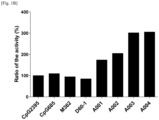
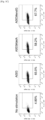
- FIG. 1A GFP expression was induced in CAL-1/NF-kB-GFP cells by authentic TLR9 agonist; CpG2395 stimulation, indicating that activation of NF-kB was induced by TLR9 activation with CpG2395.
- the ODNs of this invention fully phosphorothioated (PS) A001, A002, A003 and A004 were shown to have stronger TLR9 activation activity comparing to CpG2395.
- FIG. 1B the ODNs of this invention exhibited stronger TLR9 activities than other known CpG ODNs, such as CpG685, M362 and D60-1, did.
- the levels of TLR9 activities induced by the ODNs do not depend on the nucleic acid lengths, the difference in the agonistic activities was considered to lie in the specific sequences.
- ODNs of this invention only A003 has one gtcgtt sequence and others do not have the gtcgtt sequence, and all the ODNs of this invention do not have the tcgt sequence at 5' end. However, all ODNs of this invention exhibited stronger human TLR9 activation than conventional CpG ODNs, such as CpG2395, CpG685 and M362, did.
- each ODN set As shown in FIG. 1E , 1F and 1G , each ODN set, A001and A011; A002 and A012; A003 and A013; and A004 and A014, exhibited similar levels of the activity to the another one in the same set, indicating that replacements of the indicated nucleotides in the ODNs do not give any significant changes in the activities of the ODNs.
- the mutations of bases at the position 12, 18, 21 and 25 from the 5' end within the ODNs may not cause the reduction of the stimulatory activities of the ODNs.
- the ODNs of the invention were shown to have
- the oligonucleotides of the present invention majorly activate TLR9.
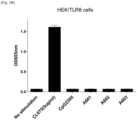
- HEK blue TM TLR7 cells were stimulated with TLR agonists for 24 hours.
- TLR7 agonists Gardiquimod (GQ) and CL264 activated TLR7 and gave positive signals.
- authentic TLR9 agonist CpG2395 and the ODNs of the present invention could not activate TLR7 signaling pathway.
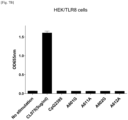
- HEK blue TM TLR8 cells were stimulated with TLR agonists for 24 hours. As shown in FIG. 2B , TLR8 agonists, TL8-506 and CL075, activated TLR8 and gave positive signals. In contrast, authentic TLR9 agonist CpG2395 and the ODNs of the present invention could not activate TLR8 signaling pathway.
- the single-strand ODNs with internucleotide linkages with partial phosphorothioation were prepared as listed in the Table 5.
- the small case letter denotes the nucleoside is phosphorothioate-modified in the internucleotide linkage at 3', and the capital case letter denotes that the nucleoside is with phosphodiester internucleotide linkage or un-modified (without phosphodiester linkage) at 3'.
- the agonist activities of the ODNs were analyzed by the GFP expressions in the CAL-1/NF-kB-GFP cells.
- A403 and A503 exhibited reduced activity than A303 did, while both A403 and A503 have increased number of CG motifs with PO bond than A303 does.
- both A403 and A503 do not have CaaCg stretch (2 PO bonds within CAACG motif). While A603 and A503 have same number of PO bond at CG motifs, A603 exhibited better activity than A503 did.
- A603 keeps CaaCg stretch like A303 and showed similar activity as A303, suggesting the importance of CaaCg stretch comparing to the increased numbers of CG motifs with PO bond for the optimal activity.
- A703 has PO bonds at all CG motifs, but exhibited smaller activity than A303 and A603 (stimulation at 0.1 ⁇ M) did, indicating that increase in numbers of CG motif with PO bond is dispensable for the maximized activity of the ODNs of the present invention.
- the total numbers of CG motifs with PO bond is negligible for the optimization of the activity, which is not expected from the previously known effect of Py (pyrimidine)-PO-Pu (purine) ( WO2004016805A ).
- ODNs of the present invention but not randomly located CaaCg ODNs, has unique property to increase TLR9 activity. Taken together, 5'-tCgCaaCg stretch (such as the one in A303 and A603) can be in the core structure of the ODNs of the present invention.
- the activities of the ODNs were analyzed by the GFP expressions in the CAL-1/NF-kB-GFP cells. As shown in the FIG. 4A and 4B , all tested ODNs, which have varieties in bases at positions 18, 21 and 22 in 3' regions, exhibited similar levels of activities to each other and their activity was much higher than that of authentic CpG ODNs such as CpG2006. This indicates that the bases at positions 18, 21 and 22 in the 3' region of the ODNs are dispensable for the activity.
- the ODNs of the present invention as well as authentic TLR9 agonist CpG2395 could not activate both TLR7 and TLR8 signaling pathway, suggesting that the ODNs of the present invention were TLR9 agonists.
- Partially dephosphorothioated ODN of the present invention does not have TLR7 and
- the single-strand ODNs with internucleotide linkages with partial phosphorothioation were prepared as listed in the Table 7.
- Table 7 ODN IDs sequences SEQ ID NOs A601 5'-tCgCaaCgtttgcgacgtCggtCgA-3' SEQ ID NO:23 A601G 5'-tCgCaaCgtttGcgacgtCggtCgA-3' SEQ ID NO:33 A602 5'-tCgCaaCgtttgcgacggCgctCgA-3' SEQ ID NO:24 A602G 5'-tCgCaaCgtttGcgacggCgctCgA-3' SEQ ID NO:35 A611 5'-tCgCaaCgtttacgacgtCggtCgA-3' SEQ ID NO:30 A611A 5'-tCgCaaCgtttAcgacgtCggtCgA-3' SEQ ID NO:30 A611A 5'-tCg
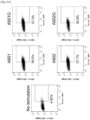
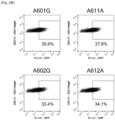
- the activities of the ODNs were analyzed by the GFP expressions in the CAL-1/NF-kB-GFP cells. As shown in the FIG. 6A , 6B and 6C , all tested ODNs, which have variation of the bases and/or the internucleotide linkages at 3' side at position 12, exhibited similar levels of activities on NF-kB activation. This indicates that the nucleotide at position 12 allow mutation and the inter-nucleotide linkage at the 3' of the nucleotide can either be PO or PS linkage.
- the ODNs as well as authentic TLR9 agonist CpG2395 could not activate both TLR7 and TLR8 signaling pathway, suggesting that the ODNs were TLR9 activator.
- the ODNs of the invention were shown to have 5'-tcgcaacgttt-n-cgacg-n-cg-nn-cg-3' (SEQ ID NO:2) as core sequence.
- the ODNs preferably have 5'-tCgCaaCgttt-n-cgacg-n-Cg-nn-Cg -3'(SEQ ID NO:5) as core structure.
- the ODNs of present invention do not follow the previous reported rules, the ODNs of the present invention are distinct from reported authentic CpG ODNs and are novel type of TLR9 agonists.
- HAL-01 cells Human B-ALL cell line, HAL-01 cells, were purchased from DSMZ (Cat. ACC610). HAL-01 cells were maintained with 10% FBS-RPMI complete medium and stimulated with the ODNs for 24 hours at 1.0 ⁇ M. The cells were stained with APC conjugated anti-CD40 Ab (eBiosciences) and PE conjugated anti-CD86 Ab (BD Pharmingen). Induction of CD40 and CD86 expression was evaluated with flow cytometer.
- PBMCs Human PBMCs (5 ⁇ 10 5 cells/ 200 ⁇ l) were stimulated with the ODNs for 24 hours at 0.1 ⁇ M or 0.3 ⁇ M.
- the cell proliferation was evaluated with WST-1 assay (Roche) according to the manufactures' protocols.
- the culture supernatants were recovered and the cytokine productions were evaluated with ELISA according to the manufactures' protocols.
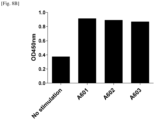
- human B cells express TLR9 and thus TLR9 agonist can activate human B cells. It has been demonstrated that human B-ALL cell line was stimulated with TLR9 agonist and the surface expression of co-stimulatory molecules, such as CD40 and CD86, were up-regulated with the stimulation. As shown in FIG. 8A , the ODNs of the present invention activated B-ALL cell line, HAL-01, cells, which was shown by the upregulated surface expression of CD40 and CD86.
- ODNs of the present invention can induce the proliferation of human PBMCs and the inflammatory cytokine productions. As shown in FIG. 8B and 8C , the ODNs of the present invention could stimulate human PBMCs, which induced the cell proliferations and inflammatory cytokine productions, such as IFN- ⁇ , IL-6 and IL-12.
- splenocytes were stimulated with the ODNs at 0.03 ⁇ M for 24 hours.
- the culture supernatants were recovered and the cytokine productions were evaluated with ELISA of the culture supernatants according to the manufactures' protocols.
- TLR9 agonist can induce the inflammatory cytokine productions and the proliferation of mouse splenocytes.
- the ODNs of the present invention could induce mouse inflammatory cytokine productions, such as TNF- ⁇ and IL-12.
- the ODNs induced the proliferations of mouse splenocytes. The activities of the ODNs were clearly higher than that of authentic TLR9 agonists CpG2395 and CpG2006.
- the tested ODNs A601, A602 and A603 have the structure 5'-tCgCaaCgttt-n-cgacg-n-Cg-nn-Cg -3'(SEQ ID NO:5) as core structure and these ODNs could activate mouse splenocytes as well as human PBMCs. This indicates that defined PO inter-linkage bond at precise position, such as 'tCgCaaCg' and 'Cg-nn-Cg' structures, would be important for optimal TLR9 activation in both mouse and human.
- CT26 The BALB/c-derived mouse colon carcinoma cell line, CT26, was purchased from American Type Culture Collection (ATCC, CRL-2638). CT26 cells were cultured with 10% FBS-RPMI complete medium under humidified atmosphere and 5% CO2 conditions at 37°C.
- CT26 cells were recovered with a 0.25% trypsin-EDTA solution in PBS. After suspending in medium, the cells were passed through a 40 ⁇ m strainer and counted with the number of cells. The concentration of the cells in the suspension was adjusted to 2 ⁇ 10 6 cells/ml. For inoculation into BALB/c mice, 100 ⁇ l of the cell suspension was used per mouse (2 ⁇ 10 5 cells / mouse). After shaving the back of the mouse, 100 ⁇ l of CT26 cell suspension was injected subcutaneously into the right flanks of the mice with a 28 gauge needle. The mice were kept un-treated for two weeks until when the tumor volumes reached about 150mm 3 . The tumor volume was measured every 2 or 3 days and the mice were divided into three groups based on the tumor volume.
- Tumor Volume mm 3 1 / 2 Length ⁇ Width 2
- ODNs 40 ⁇ g/50 ⁇ l/mouse
- peri-tumor was started on the grouping day (day 0) and repeated on day 2.
- Administration of the ODNs of the present invention was conducted twice in total during the study. The tumor volume and the body weight of each group mice were measured every two or three days.
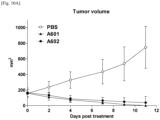
- CT26 cells were inoculated into right flanks of BALB/c mice as described above. The mice were kept un-treated for two weeks until when the tumor volumes reached about 100mm 3 . The tumor volume was measured every 2 or 3 days and the mice were divided into three groups based on the tumor volume. Administration of the ODNs (A601 and A602) (40 ⁇ g/50 ⁇ l/mouse) into peri-tumor was started on the grouping day (day 0) and repeated on day 2. The administration of the ODNs of the present invention was conducted twice in total during the study. As a negative control, PBS was administered in the place of the solution containing ODNs. The tumor volume and the body weight of each group mice were measured every two or three days until tumor rejection was confirmed (day 14).
- Tumor Volume mm 3 1 / 2 Length ⁇ Width 2
- CT26 cells (2 ⁇ 10 5 ) were re-inoculated to left flank of the mice on day 14, which had been inoculated with tumor and confirmed with tumor rejection, and the mice were further kept un-treated.
- the tumor volume of left flank in each mouse was measured every 2 or 3 days until 14 days after CT26 re-inoculation.
- FIG. 11A administration of the ODNs of present invention clearly induced tumor rejection in mice. Further, the mice treated with the ODNs rejected tumor as well ( FIG. 11B ). While tumor in left flank grew in mice without treatment with the ODNs of the present invention, all the mice treated with the ODNs rejected re-challenged tumor without any further treatment for 2 weeks ( FIG. 11B ). This suggests that the ODNs of present invention can induce and establish memory of anti-tumor immunity.
- the cell suspensions of CT26 cells were prepared as described above. The suspension was adjusted to a final concentration of 2.5 ⁇ 10 6 cells/ ml.
- 200 ⁇ l of the cell suspension was intravenously (I.V.) injected to BALB/c mice (5 ⁇ 10 5 cells/ mouse) from the tail vein using a 28 gauge needle (day 0).
- I.V. intravenously
- BALB/c mice 5 ⁇ 10 5 cells/ mouse
- day 0 28 gauge needle
- administration of the ODNs was started (subcutaneous injection to the skin of the back, 40 ⁇ g/50 ⁇ l/mouse). Same dose of administration was repeated on day 5.
- PBS was administered in the place of the solution containing ODNs.
- mice Measurement of body weight and observation of behavior of the mice were carried out three times a week after transplantation of CT26 cells. On day 18, the mice were sacrificed and the lung weights were measured. The metastatic tumor nodules in each lung from the mice were also counted.
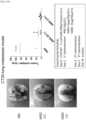
- lung weights of the mice in PBS treated group were drastically increased and many tumor nodules were observed.
- no such increase of lung weights was observed in the mice of the group treated with the ODNs of the present invention.
- only a small number of tumor nodules were observed in the mice of the treated group. This indicates that the ODNs of present invention can suppress growth of the metastatic cancer cells in lung.
- the cell suspensions of CT26 cells were prepared as described above. The cell suspension was adjusted to a final concentration of 1.0 ⁇ 10 6 cells/ ml.
- 100 ⁇ l of the cell suspension was injected to spleen (1 ⁇ 10 5 cells/mouse) as described below (day 0). Briefly, mice were anesthetized and the skin was shaved. An abdominal incision (0.5 cm) was made adjacent to the spleen (a left flank incision was approximately 2 cm left of the abdominal midline).
- the prepared CT26 cell suspension was injected into the spleen using a 30 G needle, which was maintained in the spleen for five minutes following injection.
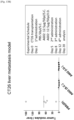
- mice were divided into three groups based on the body weight and administration of the ODN, A602, was started. In this study, two administration routes were tested. One is S.C. injection to the skin of the back (12.5 ⁇ g/50 ⁇ l/mouse) and another is I.D. injection into the root of the ear (12.5 ⁇ g/20 ⁇ l/mouse). Same dose of administration was repeated on day 5, day 8 and day 12. Measurement of body weight and observation of behavior of the mice were carried out three times a week after transplantation of CT26 cells. On day 20, the mice were sacrificed and the metastatic tumor nodules in each liver from the mouse were counted.
- the ODNs of present invention can block and reject metastatic tumor growth systemically.
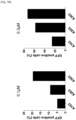
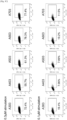
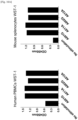
- RCH-ACV cells were CD19 and CD138 double positive, while no CD19 and CD138 double positive cells were observed in prepared human PBMCs alone. 8.6% of RCH-ACV cells were detected when human PBMCs and RCH-ACV were co-cultured in the no-stimulated condition. In the presence of A601, A602 and A603, only 0.2 % to 0.3 % of RCH-ACV were detected in the cultured cells, indicating that human PBMCs eliminated almost all of RCH-ACV cells in response to the ODNs of present invention. The efficacy of elimination of the hematologic cancer cells was further confirmed as shown in FIG. 14B .
- COLO205 cells were CD24 positive and CD45 negative, while no such cells were observed in prepared human PBMCs alone. 19.2% of COLO205 cells were detected when human PBMCs and COLO205 were co-cultured in the no-stimulated condition (the culture without ODNs). In the presence of A601, A602 and A603, only 0.5 % to 0.9 % of COLO205 were detected in the cultured cells, indicating that human PBMCs eliminated almost all of COLO205 cells in response to the ODNs of present invention. The elimination efficacy was further confirmed as shown in FIG. 15B .
- activated human PBMCs with the ODNs of present invention can eliminate both hematological malignancies and solid tumors.
- Human PBMCs and mouse splenocytes were stimulated with the ODNs of present invention (0.15 ⁇ M) for 24 hours and the cell proliferations were evaluated with WST-1 assay.
- Human PBMCs were co-cultured with cancer cells (RCH-ACV or COLO205) together with the ODNs of present invention (0.1 ⁇ M) for 3 days as were done in the Example 12. The elimination of the cancer cells by human PBMCs was examined. Existence of cancer cells in no-stimulated PBMCs set as 100% in FIG. 16B .
- the present invention provides novel oligonucleotides and their derivative oligonucleotides.
- the present invention provides pharmaceutical composition comprising the oligonucleotide(s) selected from the said oligonucleotides.
- the present invention also provides method of treatment of the target diseases by the administration of oligonucleotide(s) selected from the said oligonucleotides.
Landscapes
- Health & Medical Sciences (AREA)
- Life Sciences & Earth Sciences (AREA)
- Chemical & Material Sciences (AREA)
- Engineering & Computer Science (AREA)
- Organic Chemistry (AREA)
- General Health & Medical Sciences (AREA)
- Genetics & Genomics (AREA)
- Bioinformatics & Cheminformatics (AREA)
- Public Health (AREA)
- Veterinary Medicine (AREA)
- Animal Behavior & Ethology (AREA)
- Pharmacology & Pharmacy (AREA)
- Medicinal Chemistry (AREA)
- Biomedical Technology (AREA)
- Molecular Biology (AREA)
- Chemical Kinetics & Catalysis (AREA)
- General Chemical & Material Sciences (AREA)
- Nuclear Medicine, Radiotherapy & Molecular Imaging (AREA)
- Biotechnology (AREA)
- General Engineering & Computer Science (AREA)
- Zoology (AREA)
- Wood Science & Technology (AREA)
- Immunology (AREA)
- Biochemistry (AREA)
- Epidemiology (AREA)
- Physics & Mathematics (AREA)
- Biophysics (AREA)
- Plant Pathology (AREA)
- Microbiology (AREA)
- Gastroenterology & Hepatology (AREA)
- Pulmonology (AREA)
- Hematology (AREA)
- Oncology (AREA)
- Pharmaceuticals Containing Other Organic And Inorganic Compounds (AREA)
- Medicines That Contain Protein Lipid Enzymes And Other Medicines (AREA)
- Saccharide Compounds (AREA)
- Medicines Containing Material From Animals Or Micro-Organisms (AREA)
Applications Claiming Priority (2)
| Application Number | Priority Date | Filing Date | Title |
|---|---|---|---|
| JP2020002715 | 2020-01-10 | ||
| PCT/JP2021/000543 WO2021141121A1 (en) | 2020-01-10 | 2021-01-08 | Novel tlr9 agonists |
Publications (3)
| Publication Number | Publication Date |
|---|---|
| EP4087931A1 EP4087931A1 (en) | 2022-11-16 |
| EP4087931A4 EP4087931A4 (en) | 2024-01-24 |
| EP4087931B1 true EP4087931B1 (en) | 2024-12-25 |
Family
ID=76787976
Family Applications (1)
| Application Number | Title | Priority Date | Filing Date |
|---|---|---|---|
| EP21738230.8A Active EP4087931B1 (en) | 2020-01-10 | 2021-01-08 | Novel tlr9 agonists |
Country Status (11)
| Country | Link |
|---|---|
| US (1) | US20230323368A1 (OSRAM) |
| EP (1) | EP4087931B1 (OSRAM) |
| JP (1) | JP7750525B2 (OSRAM) |
| KR (1) | KR20220125218A (OSRAM) |
| CN (1) | CN114981436A (OSRAM) |
| AU (1) | AU2021206355A1 (OSRAM) |
| BR (1) | BR112022007935A2 (OSRAM) |
| CA (1) | CA3161956A1 (OSRAM) |
| IL (1) | IL294621A (OSRAM) |
| MX (1) | MX2022005633A (OSRAM) |
| WO (1) | WO2021141121A1 (OSRAM) |
Families Citing this family (2)
| Publication number | Priority date | Publication date | Assignee | Title |
|---|---|---|---|---|
| EP4313315A4 (en) * | 2021-04-01 | 2025-02-19 | TriSalus Life Sciences, Inc. | CANCER THERAPY USING TOLL-LIKE RECEPTOR AGONISTS |
| CN117568339A (zh) * | 2023-01-19 | 2024-02-20 | 华普生物技术(河北)股份有限公司 | CpG寡核苷酸及其应用 |
Family Cites Families (8)
| Publication number | Priority date | Publication date | Assignee | Title |
|---|---|---|---|---|
| AR040996A1 (es) * | 2002-08-19 | 2005-04-27 | Coley Pharm Group Inc | Acidos nucleicos inmunoestimuladores |
| MX2010001785A (es) * | 2007-08-15 | 2010-03-10 | Idera Pharmaceuticals Inc | Moduladores de receptores tipo larga distancia. |
| WO2010018583A1 (en) * | 2008-08-14 | 2010-02-18 | Yissum Research Development Company Of The Hebrew University Of Jerusalem Ltd. | Toll-like receptor 9 agonists for the treatment of anxiety-related disorders and inflammatory disorders |
| AU2010229835B2 (en) * | 2009-03-25 | 2015-01-15 | The Board Of Regents Of The University Of Texas System | Compositions for stimulation of mammalian innate immune resistance to pathogens |
| WO2014201516A2 (en) * | 2013-06-20 | 2014-12-24 | Immunexpress Pty Ltd | Biomarker identification |
| EP3892284B1 (en) * | 2015-05-29 | 2024-05-22 | Merck Sharp & Dohme LLC | Combination of a pd-1 antagonist and a cpg-c type oligonucleotide for treating cancer |
| CN109475612A (zh) * | 2016-04-15 | 2019-03-15 | 戴纳瓦克斯技术公司 | 肿瘤内给予含有Toll样受体9激动剂和肿瘤抗原的颗粒用于治疗癌症 |
| JP7145853B2 (ja) * | 2016-11-09 | 2022-10-03 | ザ ボード オブ リージェンツ オブ ザ ユニバーシティー オブ テキサス システム | 適応免疫調節のための方法および組成物 |
-
2021
- 2021-01-08 MX MX2022005633A patent/MX2022005633A/es unknown
- 2021-01-08 CA CA3161956A patent/CA3161956A1/en active Pending
- 2021-01-08 IL IL294621A patent/IL294621A/en unknown
- 2021-01-08 EP EP21738230.8A patent/EP4087931B1/en active Active
- 2021-01-08 BR BR112022007935A patent/BR112022007935A2/pt unknown
- 2021-01-08 AU AU2021206355A patent/AU2021206355A1/en active Pending
- 2021-01-08 CN CN202180010073.7A patent/CN114981436A/zh active Pending
- 2021-01-08 WO PCT/JP2021/000543 patent/WO2021141121A1/en not_active Ceased
- 2021-01-08 KR KR1020227017755A patent/KR20220125218A/ko active Pending
- 2021-01-08 US US17/787,687 patent/US20230323368A1/en active Pending
- 2021-01-08 JP JP2022534852A patent/JP7750525B2/ja active Active
Also Published As
| Publication number | Publication date |
|---|---|
| IL294621A (en) | 2022-09-01 |
| US20230323368A1 (en) | 2023-10-12 |
| KR20220125218A (ko) | 2022-09-14 |
| JP2023510491A (ja) | 2023-03-14 |
| CA3161956A1 (en) | 2021-07-15 |
| BR112022007935A2 (pt) | 2022-07-12 |
| AU2021206355A1 (en) | 2022-07-07 |
| MX2022005633A (es) | 2022-06-14 |
| CN114981436A (zh) | 2022-08-30 |
| JP7750525B2 (ja) | 2025-10-07 |
| EP4087931A1 (en) | 2022-11-16 |
| WO2021141121A1 (en) | 2021-07-15 |
| EP4087931A4 (en) | 2024-01-24 |
Similar Documents
| Publication | Publication Date | Title |
|---|---|---|
| US20260069624A1 (en) | Combination tumor immunotherapy | |
| JP7366057B2 (ja) | 合成rig-i様受容体アゴニスト | |
| KR20190039969A (ko) | 암 치료법을 위한 rna | |
| CN110392577A (zh) | 用于组合抗癌疗法的rna疫苗和免疫检查点抑制剂 | |
| JP2019515900A (ja) | がんを処置するためのToll様レセプター9アゴニストおよび腫瘍抗原を含む粒子の腫瘍内送達 | |
| US20250255898A1 (en) | Compositions and methods for tumor immunotherapy | |
| CN106687122B (zh) | β-葡聚糖与影响肿瘤微环境的抗癌剂的组合 | |
| US8685416B2 (en) | Compositions and methods for the treatment of cancer | |
| KR20140014077A (ko) | 교모세포종의 치료를 위한 치료 조성물 | |
| WO2021141121A1 (en) | Novel tlr9 agonists | |
| CN106893724B (zh) | 具有抗原增效作用和肿瘤治疗作用的寡核苷酸 | |
| US20240165263A1 (en) | Targeting multiple t cell types using spherical nucleic acid vaccine architecture | |
| RU2846775C1 (ru) | Новые агонисты tlr9 | |
| RU2774677C2 (ru) | Рнк для терапии рака |
Legal Events
| Date | Code | Title | Description |
|---|---|---|---|
| STAA | Information on the status of an ep patent application or granted ep patent |
Free format text: STATUS: THE INTERNATIONAL PUBLICATION HAS BEEN MADE |
|
| PUAI | Public reference made under article 153(3) epc to a published international application that has entered the european phase |
Free format text: ORIGINAL CODE: 0009012 |
|
| STAA | Information on the status of an ep patent application or granted ep patent |
Free format text: STATUS: REQUEST FOR EXAMINATION WAS MADE |
|
| 17P | Request for examination filed |
Effective date: 20220616 |
|
| AK | Designated contracting states |
Kind code of ref document: A1 Designated state(s): AL AT BE BG CH CY CZ DE DK EE ES FI FR GB GR HR HU IE IS IT LI LT LU LV MC MK MT NL NO PL PT RO RS SE SI SK SM TR |
|
| DAV | Request for validation of the european patent (deleted) | ||
| DAX | Request for extension of the european patent (deleted) | ||
| A4 | Supplementary search report drawn up and despatched |
Effective date: 20231221 |
|
| RIC1 | Information provided on ipc code assigned before grant |
Ipc: A61P 37/00 20060101ALI20231215BHEP Ipc: A61K 31/711 20060101ALI20231215BHEP Ipc: C12N 15/117 20100101AFI20231215BHEP |
|
| GRAP | Despatch of communication of intention to grant a patent |
Free format text: ORIGINAL CODE: EPIDOSNIGR1 |
|
| STAA | Information on the status of an ep patent application or granted ep patent |
Free format text: STATUS: GRANT OF PATENT IS INTENDED |
|
| INTG | Intention to grant announced |
Effective date: 20240731 |
|
| GRAS | Grant fee paid |
Free format text: ORIGINAL CODE: EPIDOSNIGR3 |
|
| GRAA | (expected) grant |
Free format text: ORIGINAL CODE: 0009210 |
|
| STAA | Information on the status of an ep patent application or granted ep patent |
Free format text: STATUS: THE PATENT HAS BEEN GRANTED |
|
| AK | Designated contracting states |
Kind code of ref document: B1 Designated state(s): AL AT BE BG CH CY CZ DE DK EE ES FI FR GB GR HR HU IE IS IT LI LT LU LV MC MK MT NL NO PL PT RO RS SE SI SK SM TR |
|
| REG | Reference to a national code |
Ref country code: GB Ref legal event code: FG4D |
|
| REG | Reference to a national code |
Ref country code: CH Ref legal event code: EP |
|
| REG | Reference to a national code |
Ref country code: DE Ref legal event code: R096 Ref document number: 602021023903 Country of ref document: DE |
|
| P01 | Opt-out of the competence of the unified patent court (upc) registered |
Free format text: CASE NUMBER: APP_65386/2024 Effective date: 20241211 |
|
| REG | Reference to a national code |
Ref country code: IE Ref legal event code: FG4D |
|
| REG | Reference to a national code |
Ref country code: LT Ref legal event code: MG9D |
|
| PG25 | Lapsed in a contracting state [announced via postgrant information from national office to epo] |
Ref country code: HR Free format text: LAPSE BECAUSE OF FAILURE TO SUBMIT A TRANSLATION OF THE DESCRIPTION OR TO PAY THE FEE WITHIN THE PRESCRIBED TIME-LIMIT Effective date: 20241225 |
|
| PG25 | Lapsed in a contracting state [announced via postgrant information from national office to epo] |
Ref country code: FI Free format text: LAPSE BECAUSE OF FAILURE TO SUBMIT A TRANSLATION OF THE DESCRIPTION OR TO PAY THE FEE WITHIN THE PRESCRIBED TIME-LIMIT Effective date: 20241225 |
|
| PG25 | Lapsed in a contracting state [announced via postgrant information from national office to epo] |
Ref country code: BG Free format text: LAPSE BECAUSE OF FAILURE TO SUBMIT A TRANSLATION OF THE DESCRIPTION OR TO PAY THE FEE WITHIN THE PRESCRIBED TIME-LIMIT Effective date: 20241225 |
|
| PG25 | Lapsed in a contracting state [announced via postgrant information from national office to epo] |
Ref country code: NO Free format text: LAPSE BECAUSE OF FAILURE TO SUBMIT A TRANSLATION OF THE DESCRIPTION OR TO PAY THE FEE WITHIN THE PRESCRIBED TIME-LIMIT Effective date: 20250325 |
|
| PG25 | Lapsed in a contracting state [announced via postgrant information from national office to epo] |
Ref country code: GR Free format text: LAPSE BECAUSE OF FAILURE TO SUBMIT A TRANSLATION OF THE DESCRIPTION OR TO PAY THE FEE WITHIN THE PRESCRIBED TIME-LIMIT Effective date: 20250326 Ref country code: LV Free format text: LAPSE BECAUSE OF FAILURE TO SUBMIT A TRANSLATION OF THE DESCRIPTION OR TO PAY THE FEE WITHIN THE PRESCRIBED TIME-LIMIT Effective date: 20241225 |
|
| PGFP | Annual fee paid to national office [announced via postgrant information from national office to epo] |
Ref country code: AT Payment date: 20250417 Year of fee payment: 5 |
|
| PG25 | Lapsed in a contracting state [announced via postgrant information from national office to epo] |
Ref country code: RS Free format text: LAPSE BECAUSE OF FAILURE TO SUBMIT A TRANSLATION OF THE DESCRIPTION OR TO PAY THE FEE WITHIN THE PRESCRIBED TIME-LIMIT Effective date: 20250325 |
|
| REG | Reference to a national code |
Ref country code: NL Ref legal event code: MP Effective date: 20241225 |
|
| PG25 | Lapsed in a contracting state [announced via postgrant information from national office to epo] |
Ref country code: NL Free format text: LAPSE BECAUSE OF FAILURE TO SUBMIT A TRANSLATION OF THE DESCRIPTION OR TO PAY THE FEE WITHIN THE PRESCRIBED TIME-LIMIT Effective date: 20241225 |
|
| REG | Reference to a national code |
Ref country code: AT Ref legal event code: MK05 Ref document number: 1754173 Country of ref document: AT Kind code of ref document: T Effective date: 20241225 |
|
| PG25 | Lapsed in a contracting state [announced via postgrant information from national office to epo] |
Ref country code: SM Free format text: LAPSE BECAUSE OF FAILURE TO SUBMIT A TRANSLATION OF THE DESCRIPTION OR TO PAY THE FEE WITHIN THE PRESCRIBED TIME-LIMIT Effective date: 20241225 |
|
| PG25 | Lapsed in a contracting state [announced via postgrant information from national office to epo] |
Ref country code: PL Free format text: LAPSE BECAUSE OF FAILURE TO SUBMIT A TRANSLATION OF THE DESCRIPTION OR TO PAY THE FEE WITHIN THE PRESCRIBED TIME-LIMIT Effective date: 20241225 |
|
| PG25 | Lapsed in a contracting state [announced via postgrant information from national office to epo] |
Ref country code: ES Free format text: LAPSE BECAUSE OF FAILURE TO SUBMIT A TRANSLATION OF THE DESCRIPTION OR TO PAY THE FEE WITHIN THE PRESCRIBED TIME-LIMIT Effective date: 20241225 |
|
| PG25 | Lapsed in a contracting state [announced via postgrant information from national office to epo] |
Ref country code: IS Free format text: LAPSE BECAUSE OF FAILURE TO SUBMIT A TRANSLATION OF THE DESCRIPTION OR TO PAY THE FEE WITHIN THE PRESCRIBED TIME-LIMIT Effective date: 20250425 |
|
| PG25 | Lapsed in a contracting state [announced via postgrant information from national office to epo] |
Ref country code: PT Free format text: LAPSE BECAUSE OF FAILURE TO SUBMIT A TRANSLATION OF THE DESCRIPTION OR TO PAY THE FEE WITHIN THE PRESCRIBED TIME-LIMIT Effective date: 20250428 |
|
| PG25 | Lapsed in a contracting state [announced via postgrant information from national office to epo] |
Ref country code: EE Free format text: LAPSE BECAUSE OF FAILURE TO SUBMIT A TRANSLATION OF THE DESCRIPTION OR TO PAY THE FEE WITHIN THE PRESCRIBED TIME-LIMIT Effective date: 20241225 |
|
| PG25 | Lapsed in a contracting state [announced via postgrant information from national office to epo] |
Ref country code: RO Free format text: LAPSE BECAUSE OF FAILURE TO SUBMIT A TRANSLATION OF THE DESCRIPTION OR TO PAY THE FEE WITHIN THE PRESCRIBED TIME-LIMIT Effective date: 20241225 Ref country code: AT Free format text: LAPSE BECAUSE OF FAILURE TO SUBMIT A TRANSLATION OF THE DESCRIPTION OR TO PAY THE FEE WITHIN THE PRESCRIBED TIME-LIMIT Effective date: 20241225 |
|
| PG25 | Lapsed in a contracting state [announced via postgrant information from national office to epo] |
Ref country code: SK Free format text: LAPSE BECAUSE OF FAILURE TO SUBMIT A TRANSLATION OF THE DESCRIPTION OR TO PAY THE FEE WITHIN THE PRESCRIBED TIME-LIMIT Effective date: 20241225 |
|
| PG25 | Lapsed in a contracting state [announced via postgrant information from national office to epo] |
Ref country code: CZ Free format text: LAPSE BECAUSE OF FAILURE TO SUBMIT A TRANSLATION OF THE DESCRIPTION OR TO PAY THE FEE WITHIN THE PRESCRIBED TIME-LIMIT Effective date: 20241225 |
|
| PG25 | Lapsed in a contracting state [announced via postgrant information from national office to epo] |
Ref country code: IT Free format text: LAPSE BECAUSE OF FAILURE TO SUBMIT A TRANSLATION OF THE DESCRIPTION OR TO PAY THE FEE WITHIN THE PRESCRIBED TIME-LIMIT Effective date: 20241225 |
|
| PG25 | Lapsed in a contracting state [announced via postgrant information from national office to epo] |
Ref country code: SE Free format text: LAPSE BECAUSE OF FAILURE TO SUBMIT A TRANSLATION OF THE DESCRIPTION OR TO PAY THE FEE WITHIN THE PRESCRIBED TIME-LIMIT Effective date: 20241225 |
|
| PG25 | Lapsed in a contracting state [announced via postgrant information from national office to epo] |
Ref country code: LU Free format text: LAPSE BECAUSE OF NON-PAYMENT OF DUE FEES Effective date: 20250108 Ref country code: MC Free format text: LAPSE BECAUSE OF FAILURE TO SUBMIT A TRANSLATION OF THE DESCRIPTION OR TO PAY THE FEE WITHIN THE PRESCRIBED TIME-LIMIT Effective date: 20241225 |
|
| REG | Reference to a national code |
Ref country code: DE Ref legal event code: R097 Ref document number: 602021023903 Country of ref document: DE |
|
| PG25 | Lapsed in a contracting state [announced via postgrant information from national office to epo] |
Ref country code: DK Free format text: LAPSE BECAUSE OF FAILURE TO SUBMIT A TRANSLATION OF THE DESCRIPTION OR TO PAY THE FEE WITHIN THE PRESCRIBED TIME-LIMIT Effective date: 20241225 |
|
| PLBE | No opposition filed within time limit |
Free format text: ORIGINAL CODE: 0009261 |
|
| STAA | Information on the status of an ep patent application or granted ep patent |
Free format text: STATUS: NO OPPOSITION FILED WITHIN TIME LIMIT |
|
| REG | Reference to a national code |
Ref country code: CH Ref legal event code: L10 Free format text: ST27 STATUS EVENT CODE: U-0-0-L10-L00 (AS PROVIDED BY THE NATIONAL OFFICE) Effective date: 20251105 |
|
| 26N | No opposition filed |
Effective date: 20250926 |
|
| REG | Reference to a national code |
Ref country code: CH Ref legal event code: U11 Free format text: ST27 STATUS EVENT CODE: U-0-0-U10-U11 (AS PROVIDED BY THE NATIONAL OFFICE) Effective date: 20260201 |
|
| PGFP | Annual fee paid to national office [announced via postgrant information from national office to epo] |
Ref country code: GB Payment date: 20260123 Year of fee payment: 6 |
|
| PGFP | Annual fee paid to national office [announced via postgrant information from national office to epo] |
Ref country code: IE Payment date: 20260122 Year of fee payment: 6 Ref country code: DE Payment date: 20260121 Year of fee payment: 6 |
|
| PGFP | Annual fee paid to national office [announced via postgrant information from national office to epo] |
Ref country code: BE Payment date: 20260121 Year of fee payment: 6 |
|
| PGFP | Annual fee paid to national office [announced via postgrant information from national office to epo] |
Ref country code: FR Payment date: 20260123 Year of fee payment: 6 |
|
| PGFP | Annual fee paid to national office [announced via postgrant information from national office to epo] |
Ref country code: CH Payment date: 20260201 Year of fee payment: 6 |