EP4065136B1 - Phagozytosierte selbstassemblierende proteine - Google Patents
Phagozytosierte selbstassemblierende proteine Download PDFInfo
- Publication number
- EP4065136B1 EP4065136B1 EP20819848.1A EP20819848A EP4065136B1 EP 4065136 B1 EP4065136 B1 EP 4065136B1 EP 20819848 A EP20819848 A EP 20819848A EP 4065136 B1 EP4065136 B1 EP 4065136B1
- Authority
- EP
- European Patent Office
- Prior art keywords
- cells
- phagocytic
- crystals
- cell
- pods
- Prior art date
- Legal status (The legal status is an assumption and is not a legal conclusion. Google has not performed a legal analysis and makes no representation as to the accuracy of the status listed.)
- Active
Links
Images










Classifications
-
- C—CHEMISTRY; METALLURGY
- C07—ORGANIC CHEMISTRY
- C07K—PEPTIDES
- C07K14/00—Peptides having more than 20 amino acids; Gastrins; Somatostatins; Melanotropins; Derivatives thereof
- C07K14/435—Peptides having more than 20 amino acids; Gastrins; Somatostatins; Melanotropins; Derivatives thereof from animals; from humans
- C07K14/43504—Peptides having more than 20 amino acids; Gastrins; Somatostatins; Melanotropins; Derivatives thereof from animals; from humans from invertebrates
- C07K14/43563—Peptides having more than 20 amino acids; Gastrins; Somatostatins; Melanotropins; Derivatives thereof from animals; from humans from invertebrates from insects
- C07K14/43586—Peptides having more than 20 amino acids; Gastrins; Somatostatins; Melanotropins; Derivatives thereof from animals; from humans from invertebrates from insects from silkworms
-
- A—HUMAN NECESSITIES
- A61—MEDICAL OR VETERINARY SCIENCE; HYGIENE
- A61K—PREPARATIONS FOR MEDICAL, DENTAL OR TOILETRY PURPOSES
- A61K40/00—Cellular immunotherapy
- A61K40/10—Cellular immunotherapy characterised by the cell type used
- A61K40/17—Monocytes; Macrophages
-
- A—HUMAN NECESSITIES
- A61—MEDICAL OR VETERINARY SCIENCE; HYGIENE
- A61K—PREPARATIONS FOR MEDICAL, DENTAL OR TOILETRY PURPOSES
- A61K40/00—Cellular immunotherapy
- A61K40/20—Cellular immunotherapy characterised by the effect or the function of the cells
- A61K40/24—Antigen-presenting cells [APC]
-
- A—HUMAN NECESSITIES
- A61—MEDICAL OR VETERINARY SCIENCE; HYGIENE
- A61K—PREPARATIONS FOR MEDICAL, DENTAL OR TOILETRY PURPOSES
- A61K40/00—Cellular immunotherapy
- A61K40/40—Cellular immunotherapy characterised by antigens that are targeted or presented by cells of the immune system
- A61K40/41—Vertebrate antigens
- A61K40/42—Cancer antigens
-
- A—HUMAN NECESSITIES
- A61—MEDICAL OR VETERINARY SCIENCE; HYGIENE
- A61P—SPECIFIC THERAPEUTIC ACTIVITY OF CHEMICAL COMPOUNDS OR MEDICINAL PREPARATIONS
- A61P35/00—Antineoplastic agents
-
- C—CHEMISTRY; METALLURGY
- C07—ORGANIC CHEMISTRY
- C07K—PEPTIDES
- C07K14/00—Peptides having more than 20 amino acids; Gastrins; Somatostatins; Melanotropins; Derivatives thereof
- C07K14/005—Peptides having more than 20 amino acids; Gastrins; Somatostatins; Melanotropins; Derivatives thereof from viruses
- C07K14/01—DNA viruses
-
- C—CHEMISTRY; METALLURGY
- C07—ORGANIC CHEMISTRY
- C07K—PEPTIDES
- C07K14/00—Peptides having more than 20 amino acids; Gastrins; Somatostatins; Melanotropins; Derivatives thereof
- C07K14/005—Peptides having more than 20 amino acids; Gastrins; Somatostatins; Melanotropins; Derivatives thereof from viruses
- C07K14/08—RNA viruses
- C07K14/14—Reoviridae, e.g. rotavirus, bluetongue virus, Colorado tick fever virus
-
- C—CHEMISTRY; METALLURGY
- C07—ORGANIC CHEMISTRY
- C07K—PEPTIDES
- C07K2319/00—Fusion polypeptide
- C07K2319/01—Fusion polypeptide containing a localisation/targetting motif
- C07K2319/10—Fusion polypeptide containing a localisation/targetting motif containing a tag for extracellular membrane crossing, e.g. TAT or VP22
Definitions
- the present invention relates to self-assembling proteins that are capable of being used to deliver cargo proteins to phagocytic cells, and the subsequent delivery and utility of these self-assembling proteins by the phagocytic cells at sites of disease.
- the invention relates inter alia to professional phagocytic cells comprising polyhedrin protein crystals, wherein the crystals themselves encapsulate therapeutic and/or diagnostic proteins.
- the invention also provides pharmaceutical compositions comprising these cells for use in medicine.
- Proteins including antibodies, growth factors, hormones, enzymes and vaccines can be used therapeutically.
- growth factors such as IL-2 have been shown to have therapeutic value in cancer (Andersen et al, 2016).
- proteins can be rapidly cleared and require doses that generate significant toxic side effects to non-target cells.
- protein instability particularly for growth factors, still creates challenges with this approach.
- therapy may be feasible by direct injection into the tumour mass, delivery of growth factors and other proteins to any widely disseminated disease cannot practically be achieved this way.
- Phagocytic cells engulf microscopic particles through an active phagocytic process.
- Phagocytic cells are key to the immune system's response to infection and disease.
- macrophages are specialized cells of the innate and adaptive immune systems which play a key role in defending against foreign pathogens, healing wounds, and regulating tissue homeostasis.
- macrophages are activated, also referred to as "polarized", to a pro-inflammatory M1 or an anti-inflammatory M2 phenotype. Activation can be transient and is non-binary with high levels of cell plasticity.
- Stimuli such as IFN- ⁇ , LPS and GM-CSF result in polarization to the M1 phenotype, which is characterized by the secretion of pro-inflammatory cytokines (e.g. IL-6, IL-1 ⁇ and IL-12) and chemokines (e.g. CCL5, CCL10 and CXL9), and the release of reactive oxygen and nitrogen intermediates - the "classical" pathogen killing Th1 response.
- cytokines e.g. IL-6, IL-1 ⁇ and IL-12
- chemokines e.g. CCL5, CCL10 and CXL9
- M2 macrophages stimulated by the cytokines IL-4 and IL-13, secrete anti-inflammatory cytokines (e.g. IL-10 and TGF- ⁇ ) and chemokines (e.g. CCL17 and CCL22).
- Phagocytic cells may also infiltrate diseased tissue. However, phagocytic cells may be subverted and actively contribute to the genesis of diseases such as solid cancers (van Dalen et al 2019). For example, tumor-associated macrophages (TAMs) usually express an M2 phenotype (alternatively activated subset), which leads to them performing immunosuppressive and tumor promoting functions. Reprogramming of such cells towards an M1 phenotype (classically activated subset) may suppress their pro-cancer phenotype and unleash anti-tumor immunity.
- TAMs tumor-associated macrophages
- phagocytic cells may be modulated to impact disease outcome and (2) phagocytic cells may be used as "trojan horses" to deliver a drug preferentially or specifically to an area of disease, targeting other cells whilst reducing toxic side effects to non-target tissue (Choi et al 2007).
- Mori et al. J. Biol. Chem. (2007) 282: 17289-17296 concerns the production of polyhedra-immobilized growth factors.
- WO 2010/141953 A2 relates to use of Bacillus thuringiensis to produce regularly shaped micrometer-sized crystals of Cry insect protoxins.
- Nair et al PLOS ONE (2015) 10: 6, 1-16 concerns delivery agents based on Cry3Aa protein crystals that naturally form within the bacterium Bacillus thuringiensis.
- Zaofeng et al BIOMATERIALS (2019) 217, 9-10 relates to use of Cry3Aa crystals to deliver antimicrobial peptides.
- the invention relates to the use of polyhedrin protein crystals (e.g. PODS ® protein crystals) to deliver cargo proteins via phagocytic cells.
- PODS ® are micron scale cubic co-crystals which may contain stabilized recombinant protein cargo which is sustainably released under the activity of proteases. Certain aspects of the present invention relate to the finding that such crystals are efficiently phagocytosed into the cells and, unexpectedly, secrete their cargo in a way that retains cargo bioactivity and also modulates the behavior of nearby cells.
- Certain aspects of the invention relate to the finding that polyhedrin protein crystals are efficiently taken up by macrophage cells and, against expectations, proteins incorporated into these crystals are subsequently released from the cells in a bioactive form. Moreover, the uptake of these crystals neither affects macrophage cell viability nor interferes with key macrophage function such as following chemotactic signals secreted by tumor cells or migrating through narrow spaces, both important for efficient delivery of therapeutic cargo to sites of disease.
- Certain aspects of the invention relate to improved methods of delivering therapeutic cargo proteins to sites of disease by infiltrating phagocytic cells such as macrophages to increase drug efficacy and reduce off-target side effects.
- Alternative aspects of the invention relate to methods of delivering diagnostic cargo proteins to sites of disease by infiltrating phagocytic cells such as macrophages in order to image a disease.
- the invention provides:
- the invention provides one or more phagocytic cells as claimed herein, wherein the phagocytic cells are professional cells.
- the phagocytic cells are mammalian cells.
- the phagocytic cells may be murine or human cells.
- Professional phagocytic cells of the invention include monocytes, macrophages and glial cells.
- the phagocytic cells of the invention are obtained from monocytes.
- the phagocytic cells may be obtained from immortalized monocyte-like cell lines (e.g. THP-1 ATCC).
- pre-existing phagocytic cells are isolated from body cavity lavages (alveolar, peritoneal) of resident or elicited monocytes (Zhang et al, 2008).
- the phagocytic cells of the invention are obtained by differentiating monocytes from blood or extracted from bone marrow.
- the phagocytic cells may be obtained from peripheral blood mononuclear cells (PBMCs).
- PBMCs peripheral blood mononuclear cells
- monocytes may be differentiated by supplementing culture media with growth factors or signaling molecules such as cytokines.
- the culture media may be supplemented with macrophage colony-stimulating factors (M-CSF).
- M-CSF macrophage colony-stimulating factors
- the cells may also be incubated with additional immune stimulators such as LPS and/or interferon gamma (IFN-y). Use of such stimulators may induce different polarizations that mimic in vivo phenotypes (Mosser et al, 2008).
- the phagocytic cells may comprise cargo proteins as described herein that do not have any effect on the phagocytic cells themselves but are secreted to affect the behavior of other cells.
- the phagocytic cells of the invention are autologous.
- the phagocytic cells may be derived from a subject to be treated and thereby reduce the risk of immunological rejection.
- phagocytic cells such as macrophages are produced from progenitor cells.
- progenitor cells may be established by overexpression of Hoxb8 in media supplemented with GM-CSF (Redecke et al., 2013). This results in rapidly proliferating, cloneable cells. Removal of Hoxb8 activity allows progenitors to differentiate into phagocytic cells (e.g. macrophages).
- the invention also provides populations of more than about 10 5 , 10 6 , 10 7 or 10 8 phagocytic cells.
- the population comprises at least 10 9 , 10 10 , 10 11 or 10 12 phagocytic cells.
- the population is preferably homologous and/or autologous.
- the phagocytic cells may be isolated, substantially isolated, purified or substantially purified.
- the phagocytic cells are isolated or purified if they are completely free of any other components, such as culture medium, other cells or other cell types.
- the phagocytic cells are substantially isolated if mixed with carriers or diluents, such as culture medium, which will not interfere with their intended use.
- the phagocytic cells may be isolated using any suitable technique.
- the phagocytic cells may be isolated by leukapheresis and/or elutriation (Faradji et al, 1994; Andreeson et al. 1990).
- the phagocytic cells are isolated from peripheral blood of a subject as described herein.
- the phagocytic cells e.g. monocytes
- the phagocytic cells are treated ex vivo.
- the phagocytic cells are loaded with polyhedrin protein crystals (themselves encapsulating one or more cargo proteins as described herein) and used therapeutically in the methods of the invention.
- the phagocytic cells are provided in frozen aliquots and substances such as DMSO may be present to facilitate survival during freezing. Such frozen cells will typically be thawed and then placed in a buffer or medium either for maintenance or for administration.
- the phagocytic cells are provided in a package.
- the package may protect the cells from damage during collection, cell culture or transport.
- Suitable packages include, for example, Teflon bags or the like.
- the phagocytic cells of the invention comprise one or more polyhedrin protein crystals (e.g. PODS ® protein crystals).
- the crystals are derived from viruses such as cypoviruses and baculoviruses.
- the crystals may be derived from Bombyx mori cypovirus.
- polyhedrin protein crystals are generated in cells in which the polyhedrin protein is expressed at high levels under the control of a promoter.
- Co-crystals are formed when a second protein is co-expressed and incorporated into the crystal. This second protein is termed the active, or cargo, protein.
- the promoters are polyhedrin promoters.
- the crystals are generated in insect cells. For example, the crystals may be generated using Spodoptera frugiperda 9 (sf9) cells.
- the cargo protein is tagged with a short peptide sequence which causes the cargo protein to bind to the growing polyhedrin crystal. As the crystal continues to grow, the cargo protein becomes encased. As such, the crystals encapsulate one or more cargo proteins.
- the polyhedrin protein comprises the Bombyx mori cypovirus polyhedrin sequence as set forth in SEQ ID NO: 1.
- the polyhedrin protein may comprise a sequence which has at least about 70%, 80%, 85%, 90%, 95%, 96%, 97%, 98%, 99% or more homology to the sequence of SEQ ID NO: 1 based on amino acid identify over the entire sequence of SEQ ID NO: 1.
- the one or more cargo proteins comprise a polyhedrin binding tag selected from the H1-tag sequence set forth in SEQ ID NO:2.
- the polyhedrin binding tag may comprise a sequence which has at least about 70%, 80%, 85%, 90%, 95%, 96%, 97%, 98%, 99% or more homology to the sequence of SEQ ID NO: 2 based on amino acid identify over the entire sequence of SEQ ID NO: 2.
- the one or more cargo proteins comprise a polyhedrin binding tag selected from the VP3-tag sequence set forth in SEQ ID NO:3.
- the polyhedrin binding tag may comprise a sequence which has at least about 70%, 80%, 85%, 90%, 95%, 96%, 97%, 98%, 99% or more homology to the sequence of SEQ ID NO: 3 based on amino acid identify over the entire sequence of SEQ ID NO: 3.
- the one or more cargo proteins comprise a polyhedrin binding tag selected from the PH-tag sequence set forth in SEQ ID NO:4.
- the polyhedrin binding tag may comprise a sequence which has at least about 70%, 80%, 85%, 90%, 95%, 96%, 97%, 98%, 99% or more homology to the sequence of SEQ ID NO: 4 based on amino acid identify over the entire sequence of SEQ ID NO: 4.
- the crystals are internalized within (e.g. inside) the phagocytic cell.
- the crystals may be situated internally within a phagosome or phagolysosome or within the cytoplasm or nucleus of the cell rather than externally on the cell membrane.
- intact crystals are capable of secreting the cargo proteins from within the phagocytic cell.
- a cargo protein may be released from the crystals and retain its natural conformation and/or function.
- the cargo proteins are released through the action of proteases (e.g. matrix metalloproteases) within the cell.
- the cargo proteins have a desired phenotypic effect upon the phagocytic cell in which they are secreted.
- cargo proteins may be capable of repolarizing the phagocytic cell (e.g. to a M1 macrophage phenotype).
- the cargo proteins are released from the phagocytic cells over a sustained period of time.
- the cargo proteins may be released from the cell across the cell membrane.
- the cargo proteins are capable of modifying the behavior of neighboring cells that may not themselves contain any crystals.
- the cargo proteins are released from the cell via exosomes. These exosomes may be harvested for therapeutic or research applications.
- the cargo proteins are sustainably released over a period of time that is longer than that required for the phagocytic cell to reach and/or infiltrate its intended target.
- the cargo proteins may be sustainably released from the phagocytic cells over a period of at least 2 days, 5 days, 7 days, 10 days, 14 days, 20 days, 21 days, one month or more.
- the crystals are regular arrays of polyhedrin protein assembled in a crystal lattice.
- the crystals may be cubic or any other shape.
- the crystals of the invention are typically isolated from cells, such as insect cells, which have been infected with virus, typically baculovirus or cypovirus.
- the crystals are typically smaller than 10 microns, for example 0.1 to 6 microns (measured as the maximum distance inside the crystal between different surfaces or the maximum length of an edge).
- the crystals may be treated prior to use to modify their shape and/or reduce their size.
- the crystals are isolated from the cells e.g. by centrifugation.
- the crystals are prepared in an aqueous suspension.
- the concentration of the crystal suspension may be more than 10 4 crystals per millilitre volume, typically from 10 4 to 10 7 crystals per millilitre volume, preferably from 5 ⁇ 10 4 to 5 ⁇ 10 6 or 10 5 to 10 6 crystals per millilitre volume.
- Crystals can be applied to (contacted with) the culture system/medium at these concentrations. These can be used in therapy at concentrations of 10 5 to 10 7 crystals per microliter, for example at 3 ⁇ 10 6 crystals per millilitre.
- the crystals are highly stable and rigid.
- the crystals may be attached (e.g. dried to a solid support).
- high levels of bioactivity are maintained after 6 months storage in protease-free solution at 37°C.
- the polyhedrin protein crystals as described herein encapsulate one or more cargo proteins, wherein the cargo protein comprises one or more therapeutic or detectable agents.
- the phagocytic cells may comprise polyhedrin protein crystals comprising a single type of cargo protein.
- the phagocytic cells may comprise polyhedrin protein crystals comprising different types of cargo protein (e.g. a combination of cargo proteins).
- the phagocytic cells may comprise at least 2, 3, 4, 5, 6, 7, 8, 9, 10 or more different cargo proteins.
- the cargo proteins typically comprise a polyhedrin binding tag.
- the cargo proteins are typically secreted from the crystals intact.
- the cargo proteins are typically sustainably released from phagocytic cells.
- the cargo proteins may lead to a desired phenotypic effect within the phagocytic cell in which they are secreted and/or in neighboring cells.
- each protein may have the same polyhedrin binding tag.
- each protein may have different polyhedrin binding tags.
- the crystals are coated with an agent that delays the release of polyhedrin and cargo protein.
- the cargo proteins comprise one or more therapeutic agents.
- the cargo proteins may comprise one or more different antibodies, immunogens, enzymes, signaling proteins, hormones, growth factors and/or cytokines.
- the one or more therapeutic agents are capable of re-programming M2 tumor-associated macrophages (TAMS), inflammatory monocytes and/or myeloid derived suppressor cells (MDSCs) into M1 macrophage cells.
- TAMS tumor-associated macrophages
- MDSCs myeloid derived suppressor cells
- the ability of a therapeutic agent to reprogram M2 cell production can be determined, for example, by identifying and/or quantifying marker expression as described herein.
- the one or more therapeutic agents activate STAT1, activate Notch, promote synthesis of ROS and/or NO release, promote AKt1 kinase activity, activate NF- ⁇ B signaling, or inhibit JNK activity or CSFR1.
- the one or more therapeutic agents comprises one or more Th-1 related cytokines and/or TLR- ligands.
- the one or more therapeutic agents are capable of stimulating M1 macrophage cell production.
- the ability of a therapeutic agent to stimulate M1 macrophage cell production can be determined, for example, by identifying and/or quantifying marker expression within a population of macrophages after being contacted with the therapeutic agent.
- Table 1 different subsets of macrophages (in humans) have distinct phenotypes. Table 1, adapted from Roszer et al. 2015 and Duluc et al.
- the one or more therapeutic agents are selected from any one or more proteins as recited in Table 1.
- the one or more therapeutic agents are selected from one, two, three, four, five, six, seven, eight, nine, ten or more of the proteins recited in Table 1.
- the one or more therapeutic agents are selected from any one or more of granulocyte-macrophage colony-stimulating factor (GM-CSF), CSF-2, CSF-1 (M-CSF), CSF-3 (G-CSF), interferon gamma (IFN- ⁇ ), TNF- ⁇ , IFN- ⁇ , IL-6, IL-12, IL-15, IL-15R, IL-21, IL-23, MHC-II, IL-1R, TLR2, TLR4, CD80, CD86, CD68, IL-1, IL-1 beta, IL-2, CCL2, CCL3, CCL4, CCL5, CCL8, CCL9, CCL10, CCL11, CXCL8, CXCL9, CXCL10, CXCL16, stem cell factor (SCF), histidine-rich glycoprotein, paclitaxel, SOCS3, Activin A, BtK, iNOS and/or NOS2.
- GM-CSF granulocyte-macrophage colon
- the one or more therapeutic agents comprise IFN- ⁇ , GM-CSF and/or TNF ⁇ .
- the one or more therapeutic agents comprise GM-CSF.
- the cargo proteins comprise one or more detectable agents.
- the cargo proteins may comprise a fluorescent and/or bioluminescent label, enzymatic label, chemiluminescent labeled or a biotinyl group.
- Radioisotopes or radionuclides may include 3 H, 14 C, 15 N, 35 S, 90 Y, 99 Tc, m In, 125 1, 131 I
- fluorescent labels may include rhodamine, lanthanide phosphors or FITC and enzymatic labels may include horseradish peroxidase, ⁇ -galactosidase, luciferase, alkaline phosphatase.
- the detectable agent is a fluorescent label such as GFP ("Green Fluorescent Protein").
- the detectable agent may be enhanced GFP (eGFP).
- the detectable agent may a bioluminescent label such as luciferase.
- the phagocytic cells of the invention may be harvested or produced by any suitable method.
- the phagocytic cells are contacted with the polyhedrin protein crystals.
- phagocytic cells e.g. monocytes
- Such cells may then be unaffected by the crystal or differentiated or transdifferentiated (e.g. to M1 macrophages) after contact with the crystals.
- the crystals may be contacted with the phagocytic cells after they have been cultured and/or differentiated.
- the crystals comprise cargo that is capable of stimulating macrophage (e.g. M1 macrophage) production (e.g. GM-CSF).
- macrophage e.g. M1 macrophage
- GM-CSF e.g. GM-CSF
- the culture media may be supplemented with one or more agents that stimulate differentiation (e.g. LPS, IFN- ⁇ , GM-CSF).
- the crystals are attached to a solid support prior to contacting the phagocytic cells.
- suitable solid supports include, but are not limited to slides, membranes and tissue culture plates. Microcarriers may be also used.
- the crystals may be maintained in a non-dried form and, for example, centrifuged and/or dried to a support shortly before contact with the phagocytic cells.
- the crystals are pre-mixed with the phagocytic cells.
- the crystals are pre-mixed with phagocytic cells for up to 12, 24, 36, 48 hours or more.
- the phagocytic cells may be cultured under any conditions which induce phagocytosis, including the methods further described herein. Phagocytosis of the crystals into the cells may be determined by any suitable immunohistochemistry (IHC) technique.
- the crystals themselves may comprise cargo (e.g. detectable agents such as GFP and/or luciferase) that allow phagocytosis into the cells to be verified (e.g. by fluorescent microscopy).
- the phagocytic cells may be cultured in complete medium.
- the complete medium is supplemented with PMA.
- the phagocytic cells are cultured for up to 12, 24, 36, 48 hours or more.
- the phagocytic cells may be cultured in complete medium (e.g. DMEM supplemented with 4.5g/L D-Glucose, L-glutamine, 10% heat-inactivated FBS, 100 U/mL penicillin and 100 ⁇ g/mL Glutamax optionally supplemented with 20 ng/mL M-CSF) at a seeding density of 0.5-1.0 e6/ml at 37oC.
- complete medium e.g. DMEM supplemented with 4.5g/L D-Glucose, L-glutamine, 10% heat-inactivated FBS, 100 U/mL penicillin and 100 ⁇ g/mL Glutamax optionally supplemented with 20 ng/mL M-CSF
- the phagocytic cells may be differentiated into polarizations that mimic in vivo phenotypes (e.g. a cytotoxic phenotype).
- the culture media may be supplemented with additional immune stimulators such as LPS and/or IFN- ⁇ to induce M1 macrophage production.
- additional immune stimulators such as LPS and/or IFN- ⁇ to induce M1 macrophage production.
- 100 ng/ml LPS or 20 ng/ml IFN- ⁇ is added to complete medium to induce M1 macrophage production after 12 hours culture in complete medium.
- the phagocytic cells may be unaffected by the ingested crystals which contain a protein, such as IL-2, that targets other cells in diseased tissue.
- a protein such as IL-2
- the method further comprises formulating the one or more phagocytic cells using any suitable method including those further described herein.
- the one or more phagocytic cells are formulated for delivery via an injectable route.
- the invention provides a pharmaceutical composition
- a pharmaceutical composition comprising (a) a phagocytic cell of the invention or a population of phagocytic cells of the invention and (b) a pharmaceutically acceptable carrier or diluent.
- the phagocytic cells of the pharmaceutical composition comprise any one or more therapeutic agents as described herein.
- composition of the invention may be formulated using any suitable method.
- Formulation of cells with standard pharmaceutically acceptable carriers and/or excipients may be carried out using routine methods in the pharmaceutical art. The exact nature of a formulation will depend upon several factors including the cells to be administered and the desired route of administration. Suitable types of formulation are fully described in Remington's Pharmaceutical Sciences, 19th Edition, Mack Publishing Company, Eastern Pennsylvania, USA .
- compositions of the invention may be administered by any route. Suitable routes include, but are not limited to, intravenous, intramuscular, intraperitoneal or other appropriate administration routes.
- Compositions may be prepared together with a physiologically acceptable carrier or diluent. Typically, such compositions are prepared as liquid suspensions of cells. The cells may be mixed with an excipient which is pharmaceutically acceptable and compatible with the active ingredient. Suitable excipients are, for example, water, saline, dextrose, glycerol, of the like and combinations thereof.
- composition is formulated for delivery via an injectable route.
- the composition is used in combination with one or more other therapies intended to treat the same subject.
- the therapies may be administered simultaneously, in a combined or separate form, to the subject.
- the therapies may be administered separately or sequentially to the subject as part of the same therapeutic regimen.
- the composition of the invention may be used in combination with another therapy intended to treat cancer (e.g. solid cancer) in the subject.
- treatment with one or more chemotherapeutic agents may be combined with the pharmaceutical composition of the invention.
- the chemotherapeutic agents are selected from dacarbazine (DTIC), Temozolomide, Nab-paclitaxel, Paclitaxel, Carmustine (BCNU), Cisplatin, Carboplatin, Vinblastine, or any combination thereof.
- treatment with one or more biological agents may be combined with the pharmaceutical composition of the invention.
- the biological agent may be a growth factor/cytokine/chemokine such as IL-2.
- the biological agents are checkpoint inhibitors (e.g. anti-PD, PD-L1 and/or CTLA4 therapy).
- the biological agent may be selected from ipilumab, nivolumab, atezolizumab, pembrolizumab and/or any combination thereof.
- the biological agent may be selected from nivolumab and ipilimumab.
- the biological agent is a B-Raf inhibitor, such as vemurafenib and/or dabrafenib.
- the biological agent is nivolumab and/or ipilimumab; dabrafenib and/or trametinib; vemurafenib and/or cobimetinib; and/or any combination thereof.
- the invention further provides phagocytic cells, populations or pharmaceutical compositions as described herein for use in medicine. Therefore, the invention includes phagocytic cells as claimed herein for use in methods of preventing or treating any disease.
- the invention provides a pharmaceutical composition comprising the phagocytic cells as claimed herein for use in a method of treatment of the human or animal body by therapy.
- the therapeutic target may be any cell, extracellular vesicle and/or free protein in the tumor microenvironment.
- tumor microenvironment is understood to include the environment around a solid cancer, including the surrounding blood vessels, immune cells, fibroblasts, signaling molecules and extracellular matrix (ECM).
- the therapeutic target of the protein released by the macrophage is another type of immune cell, for example, a T cell or a dendritic cell.
- the target may also be a stromal cell or a cancer cell.
- the invention provides a pharmaceutical composition for use in medicine, wherein an immunologically effective number of professional phagocytic cells of the invention, which are loaded with the polyhedrin protein crystals, are administered to a subject, thereby delivering the one or more therapeutic agents to a desired site.
- an immunologically effective number of professional phagocytic cells of the invention which are loaded with the polyhedrin protein crystals, are administered to a subject, thereby delivering the one or more therapeutic agents to a desired site.
- the use of phagocytic cells allows the direct delivery of the one or more cargo proteins directly to a site of disease (e.g. cancer).
- cells and/or tissue is remodeled at the site of the disease.
- any cell, extracellular vesicle or free protein in the tumor microenvironment may be modulated as described herein.
- neighboring or adjacent phagocytic cells e.g. macrophages
- the therapeutic target of the cargo protein may be another type of immune cell e.g., a T cell, dendritic cell, stromal cell, cancer cell or the like.
- the invention concerns using the phagocytic cells to stimulate M1 macrophage cell production.
- stimulating M1 macrophage production and/or reprogramming M2 associated TAMs, MDSCs, inflammatory M1 macrophages into M1 macrophage cells will help to remove a solid cancer (e.g. tumor) from the subject.
- the disease is associated with M2 macrophage activation as further described herein.
- the skilled person would be able to determine whether a particular disease is associated with M2 macrophage activation.
- the skilled person would be able to phenotype / score macrophages at the site of a disease using markers such as those described in Table 1.
- the disease is a cancer.
- the cancer may be associated with M2 macrophage activation and/or a solid cancer.
- the phagocytic cells may be used to treat or prevent a solid cancer selected from breast, brain, bone, bone marrow, skin, colon, liver, colorectal, prostate, stomach, gastric, ovary, oral cavity, esophagus, pancreas, gallbladder, lung, thyroid, endometrium, head and neck, renal, bladder and/or glioma.
- a solid cancer selected from breast, brain, bone, bone marrow, skin, colon, liver, colorectal, prostate, stomach, gastric, ovary, oral cavity, esophagus, pancreas, gallbladder, lung, thyroid, endometrium, head and neck, renal, bladder and/or glioma.
- administration of the phagocytic cells acts to increase the proportion of M1 macrophages at the site of the disease.
- the number of M1 macrophages may be increased by 1.1x, 1.2x, 1.3x, 1.4x, 1.5x, 2x, 3x, 10x, 15x, 20x, 100 ⁇ , 1000 ⁇ or more.
- administration of the phagocytic cells acts to reduce the proportion of M2 macrophages at the site of the disease.
- the number of M2 macrophages may be reduced by 1.1x, 1.2x, 1.3x, 1.4x, 1.5x, 2x, 3x, 10x, 15x, 20x, 100 ⁇ , 1000 ⁇ or more.
- administration of the phagocytic cells acts to reduce angiogenesis, invasion, metastasis, growth and/or cell proliferation of the disease.
- the phagocytic cells of the invention may be administered to any suitable subject.
- the subject may be murine, ovine, bovine, porcine, equine or any other mammal.
- the subject may be a human.
- the subject may be an infant, a juvenile or an adult.
- the subject is suffering from, susceptible to, or at risk from, the relevant disease.
- the subject may be suffering from or genetically predisposed to developing a cancer e.g. a solid cancer.
- the phagocytic cells of the invention may be administered in a manner compatible with the dosage formulation and in such amount will be immunologically, prophylactically and/or therapeutically effective.
- the quantity to be administered may depend on the subject to be treated, capacity of the subject's immune system to respond to the antigen, and the degree of response desired.
- Precise amounts of the phagocytic cells / pharmaceutical composition required to be administered may depend on the judgement of the practitioner and may be peculiar to each subject.
- any suitable number of cells may be administered to a subject.
- at least, or about, 10 5 , 10 6 , 10 7 , 10 8 , 10 9 or more cells may be administered.
- the number of cells of the invention to be administered may be from 10 5 to 10 9 , preferably from 10 6 to 10 8 . Any of the specific numbers discussed above with reference to the populations of the invention may be administered.
- one or more doses of the phagocytic cells are administered to the subject.
- culture medium may be present to facilitate the survival of the cells.
- the cells of the invention may be provided in frozen aliquots and substances such as DMSO may be present to facilitate survival during freezing. Such frozen cells will typically be thawed and then placed in a buffer or medium either for maintenance or for administration.
- the invention provides the phagocytic cells as claimed herein for use in an autologous cell therapy.
- one or more phagocytic cells are derived from peripheral blood as described herein.
- the phagocytic cells may be derived from monocytes and cultured, propagated and/or differentiated using methods known in the art including those described herein.
- the phagocytic cells are contacted with polyhedrin protein crystals under conditions which induce phagocytosis as described herein.
- the crystals may be contacted with undifferentiated phagocytic cells (e.g. monocytes). Such cells may then be cultured and differentiated into macrophages (e.g. M1 macrophages) after contact with the crystals.
- the crystals may be contacted with the phagocytic cells after they have been cultured and/or differentiated.
- the phagocytic cells are cultured and/or differentiated ex vivo using methods known in the art including those described herein.
- the phagocytic cells are isolated and/or formulated with a pharmaceutically acceptable carrier or diluent using methods known in the art including those described herein.
- the phagocytic cells as claimed herein are for use in an autologous therapy, wherein the cells are returned to the subject.
- the invention also provides a phagocytic cell for use in a method of imaging any solid cancer as described herein, wherein the phagocytic cell is a professional cell and comprises one or more polyhedrin protein crystals, wherein the crystals encapsulate one or more detectable agents.
- the subject is murine or human as described herein.
- the one or more detectable agents may be a fluorescent agent (e.g. GFP) or luminescent agent (e.g. luciferase).
- a fluorescent agent e.g. GFP
- luminescent agent e.g. luciferase
- the method further comprises detecting the detectable agent and thereby imaging at least part of the cancer. Any suitable method may be used to detect the detectable agent, including methods as further described herein.
- PODS ® protein crystals can be phagocytosed by professional phagocytes such as monocytes, neutrophils and macrophages.
- PODS ® eGFP were adhered as a monolayer onto wells of a 12-well plate prior to seeding undifferentiated THP-1 cells (monocytes) on top of the crystals.
- PODS ® eGFP were briefly mixed with monocytes before plating the mixture onto wells in a homogeneous manner. After a 24 h incubation period, cells were stained and imaged.
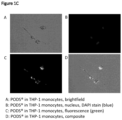
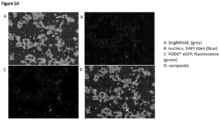
- multiple PODS ® proteins were successfully taken up by monocytes ( Figure 1 a-d ). In some cases, over 35 individual crystals were ingested by a single cell.
- Phagocytosis of the crystalline protein depots was independent of the embedded cargo protein as different PODS@ crystals containing either no protein (PODS ® Empty), growth factors, cytokines, chemokines or fluorescence proteins were all taken up efficiently.
- THP-1 monocytes were differentiated into M0 macrophages by incubating cells in complete medium supplemented with PMA (Genin et al 2015, Del Arosa et al 2016). After incubating in differentiation medium for 24 hours, cells started to adhere and changed their morphology as well as their cytokine secretion pattern, e.g. increase of Activin A secretion, demonstrating differentiation into M0 macrophages. Subsequently, M0 macrophages were differentiated further into either M1 or M2 macrophages and PODS ® eGFP protein crystals were added to the each of the M0, M1 and M2 cell cultures.
- M0 macrophages were also assessed for their mobility and thus viability during and post phagocytosis.
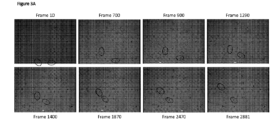
- an M0 culture was monitored for 48 hours with a real-time cell history recorder in both brightfield and fluorescence channels at a rate of 1 frame/minute ( Figure 3a -3b ). Stills of the time-lapse recording demonstrate that many M0 macrophages were mobile and thus healthy during and after PODS ® eGFP were phagocytosed.
- Successful phagocytosis could be detected by observing a change in the position of the green fluorescent PODS@ from static (i.e. surface adhered) to mobile after being taken up into phagocytic cells.
- differentiated macrophages i.e. M0, M1 and M2
- M0, M1 and M2 typically are adherent when healthy and no detachment of cells was observed during the incubation period, even after many PODS ® protein crystals were taken up into each of the cells.
- PODS ® protein crystals would be equally conducive for phagocytosis into non-professional phagocytes, such as fibroblasts, osteochondrogenic cells, lymphocytes, erythrocytes, epithelial, myoblast or myocyte cells.
- PODS ® eGFP were seeded as a dense, single-layer into wells of a 96 well plate and dried on. Subsequently, either fibroblast cells or chondrocyte cells were seeded on top of the adhered crystals and cultured for up to 48 h.
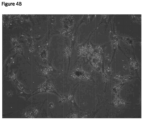
- phagocytosis into non-professional phagocytes could be demonstrated by first incubating chondrocytes with PODS ® eGFP for 24 h. Cells were subsequently fixed, cytoskeleton and nuclei stained and imaged using confocal microscopy. Scanning through focal layers revealed that cytoskeleton, nucleus and PODS@ eGFP crystals were all in the same focal plane ( Figure 5c ).
- Example 3 - PODS ® exhibit specific bioactivity after phagocytosis
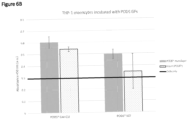
- a proliferation assay was performed using PODS@ GM-CSF and PODS ® SCF on undifferentiated monocytes (THP-1) in two different configurations.
- PODS@ GF were seeded into wells of a 24-well plate as a fairly uniform, single layer of protein crystals and adhered to the TC surface.
- Monocytes were then seeded on to the same surface ( Figure 6a , I) and cultured for 4 days.
- PODS@ GF crystals are readily phagocytosed ( Figure 6a , II).
- each growth factor cargo showed proliferation stimulation activity as cell numbers in their presence increased significantly compared to measurements of non-supplemented cells ( Figure 6b , horizontal line). This demonstrates that phagocytosed PODS@ protein crystals can exhibit specific bioactivity and thus macrophages could be used in a Trojan horse strategy to deliver protein depots for sustained release.
- Isolated plaques were first screened and positive BV then harvested, expanded and finally used to infect large scale Sf9 cells cultures to produce PODS@ crystals. Subsequently, crystals were harvested and purified by lysing Sf9 cells using successive rounds of sonication and PBS washes. Finally, purified PODS@ were sterility tested and lyophilized prior to use in experiments. Although equivalence depends on context, 1.5 ⁇ 10 4 PODS@ crystals is approximately functionally equivalent to 1 ng of many standard growth factors, cytokines or chemokines in terms of bioactivity (Matsumoto et al. 2015).
- Monocyte suspension cells (THP-1, ATCC) were cultured undifferentiated in RPMI-1640 supplemented with 2 mM L-glutamine and 10% FBS (complete medium).
- THP-1 were centrifuged and the conditioned media replaced with fresh complete medium supplemented with 100 ng/ml phorbol 12-myristate-13-acetate (PMA, Sigma P8139). Cells were seeded and cultured for up to 12 days, with media changes every 3-4 days. After 24-48 h, M0 macrophages were further differentiated into M1 or M2 macrophages as described [Genin et al 2015, Del Arosa et al 2016].
- M0 differentiation medium was removed and adherent M0 cells washed twice with serum-free medium.
- complete medium supplemented with either 100 ng/ml LPS and 20 ng/ml IFN- ⁇ (M1) or 20 ng/ml IL-4 and 20 ng/ml IL-13 (M2) was added to adherent M0 cells and then incubated for up to a further 10 days.
- PODS@ crystals were either centrifuged onto tissue culture (TC) plates; or centrifuged and dried onto TC plates; or pre-mixed with phagocytic cells for up to 48 hours before plating. Phagocytic cells were then seeded where necessary and subsequently cultured in complete medium. Phagocytosis into cells was demonstrated either by monitoring with a real-time cell history recorder (JuLi stage, NanoEnTek Inc.) or by commonly used immunohistochemistry (IHC) stains and techniques.
- TC tissue culture
- IHC immunohistochemistry
- PODS@ GM-CSF or PODS ® SCF (1.8x 10 6 each) were seeded either directly onto the well of a 24-well plate as a single crystal layer or into 24-well TC inserts (1 ⁇ m pore size, Corning Falcon). Subsequently, 4000 monocytes were seeded into the wells that contained either a monolayer of PODS ® protein crystals; or an insert with PODS ® protein crystals; or an empty insert as baseline control. Cultures were then incubated for 4 days and final cell numbers assessed using a colorimetric assay (OrangU, Cell Guidance Systems).
- Phagocytic cells are intimately associated with disease aetiology and tissue remodeling.
- the ability of macrophages, in particular, to infiltrate diseased tissues make them attractive targets for therapeutics and also as agents to deliver drugs.
- PODS@ crystals demonstrate extraordinary stability. For example, high levels of bioactivity are maintained after 6 months storage in protease-free solution at 37°C.
- PODS@ crystals have optimal size range (0.2-6 microns), shape (cubic) and elasticity (rigid). It is shown herein that PODS@ crystals are efficiently taken up by a wide range of professional and non-professional phagocytic cells.
- PODS@ crystals Another remarkable feature of PODS@ crystals is their dynamic release mechanism which requires proteases. It has previously been shown that many matrix metalloproteases can mediate this release. It is shown herein, unexpectedly, that once taken up by phagocytic cells, PODS@ crystals persist for several weeks, the ingesting phagocytic cells remain healthy and that the cytokines released by PODS@ crystals continue to have a proliferative effect on the cell population. Moreover, it is demonstrated herein that cytokines are released from phagocytic cells and that the released cytokines are able to modulate the phenotype of adjacent cells that have not taken up the macrophages.
- PODS@ are micron scale cubic co-crystals which contain stabilized recombinant protein cargo which is sustainably released under the activity of proteases.
- PODS ® are an ideal size, shape and stiffness for efficient phagocytosis.
- a PODS ® Trojan horse approach and to be viable as a delivery tool for therapeutic proteins, several criteria have to be met. These include:
- cubic PODS@ crystals which are rigid micron-sized protein crystals, can be phagocytosed efficiently into professional and non-professional phagocytes. Furthermore, growth factors secreted from phagocytosed PODS@ may still elicit their specific biological activity such as proliferation of the phagocytic cells which has taken them up.
- macrophages are actively recruited by chemical signals from solid tumours (Dandenkar et al 2011), so it was tested if conditioned medium of a cancer cell line can attract PODS@ eGFP loaded macrophages using the same cell chamber as described above.
- A375 cells a human malignant melanoma cell line, were grown for 3 days in 10% serum containing growth medium. The conditioned medium was then used as chemoattractant in the bottom well ( Figure 12b ).
- non-conditioned 10% serum containing medium in the bottom well served as a control to determine the level of non-directional macrophage movement in the absence of factors secreted by A375 cells ( Figure 12a ).
- Subsequent microscopy showed that PODS@ eGFP-loaded M0 cells were attracted specifically by the conditioned medium of the cancer cell line, engaging in directed migration through the 8 ⁇ m pores towards the chemotactic source.
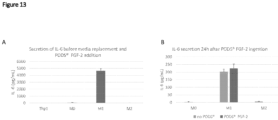
- the polarization medium was then changed to medium containing PODS ® FGF-2 and phagocytic uptake was allowed to proceed for 24 h.
- both loaded and unloaded M1 cells raised IL-6 concentrations to 200 pg/ml.
- Unchanged levels of the polarization marker IL-6 between M1 cells which have taken up PODS@ crystals and M1 cells which have not been incubated with PODS@ crystals suggest that the uptake of PODS@ crystals did not alter the polarization status of M1 cells.
- the uptake of PODS@ crystals did not induce IL-6 secretion of M0 and M2 cells, suggesting that phagocytosis of PODS@ crystals does not change the polarization status of any macrophage type.
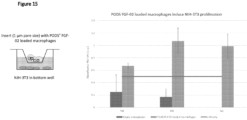
- NIH-3T3 cells were seeded in normal growth medium in a 24-well plate and after 24 h of growth, the media was replaced with serum-free conditioned medium. Macrophages were incubated with PODS ® FGF-2 (10 PODS ® /cell) for 24 h, taken into NIH-3T3 serum-free conditioned medium and seeded into 24-well TC inserts. Then, cells were co-incubated for a further 4 days and the number of NIH-3T3 cells assessed by performing a WST-8 assay ( Figure). Co-incubation of all types of PODS ® FGF-2 loaded macrophages supported the growth of FGF-2 responsive NIH-3T3 cells in serum-free condition compared to empty macrophages (blue bars) and cells only (horizontal green line).
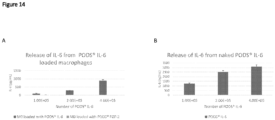
- phagocytosed PODS@ proteins are non-toxic to multiple types of macrophages, even at high particle numbers. Furthermore, directed migration of macrophages that contain PODS@ crystals towards a chemoattractant is not impaired. Critically, loaded macrophages are still able to change their cell morphology to travel through narrow space as demonstrated by their ability to actively pass through pores of 8 ⁇ m diameter. Following phagocytosis, release is shown from macrophages of protein that was encapsulated into PODS@ crystals. Released cargo protein could be detected reliably and in a dose-dependent manner using ELISA in macrophage culture medium which had been conditioned with PODS-containing macrophages from as few as 5 PODS@ per macrophage.
- released protein was shown to be bioactive as verified by proliferation of an FGF-2 reactive cell line upon co-incubation with PODS ® FGF-2 loaded macrophages.
- a PODS-based macrophage mediated Trojan horse strategy is developed for delivering drugs to cancer and other diseases.
- Monocyte suspension cells (THP-1, Public Health England Culture Collection) were cultured undifferentiated in RPMI-1640 (A10491, Gibco ® ) supplemented with 10% BCS (30-2030, ATCC) (complete medium).
- BCS calcium phosphate
- M0 differentiation THP-1 cells were centrifuged and the conditioned media replaced with fresh complete medium supplemented with 100 ng/ml phorbol 12-myristate-13-acetate (PMA, Sigma P8139). After 48 h, M0 macrophages were further differentiated into M1 or M2 macrophages as described (Rios de la Rosa et al 2017, Genin et al, 2015). Briefly, M0 differentiation medium was removed and adherent M0 cells were washed twice with serum-free medium.
- PODS ® crystals were either centrifuged onto tissue culture (TC) plates; or centrifuged and dried onto TC plates; or pre-mixed with phagocytic cells for up to 48 hours before plating. Phagocytic cells were then seeded where necessary and subsequently cultured in complete medium. Phagocytosis into cells was demonstrated either by monitoring with a real-time cell history recorder (JuLi stage, NanoEnTek Inc.).
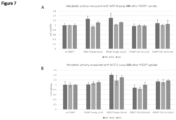
- THP-1 cells were seeded at a density of 2e5 cells/ml and differentiated and polarized as described above. 1e6 or 3e6 PODS ® Empty and PODS ® FGF-10 per ml were added to unpolarized M0 and polarized M1 and M2 macrophages, resulting in an average of 5 or 15 PODS@/ cell, respectively. Cells were then incubated for 48h and 96h hours and a WST-8 assay (Orangu TM , Cell Guidance Systems) was performed to determine cell viability.
- WST-8 assay Orangu TM , Cell Guidance Systems
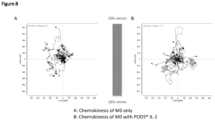
- THP-1 cells were seeded at a density of 2e5 cells/ml in 24-well plates and differentiated into M0 macrophages as described above. M0 cells were then incubated with PODS ® IL-2 for 24h in complete medium. The medium was then renewed and cells recorded using a real-time cell history recorder (JuLi stage, NanoEnTek Inc.). Images were taken every 2 min for 24 h and then analysed using the manual tracker of Image J and the chemotaxis and migration tool (Ibidi).
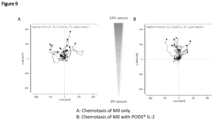
- THP-1 cells were seeded at a density of 2e5 cells/ml in T25 TC flasks and differentiated into M0 macrophages as described above. M0 cells were then incubated with PODS ® IL-2 for 24h in complete medium. Subsequently, M0 macrophages were washed with PBS and then detached using an enzyme-free detachment buffer (Cell Dissociation Buffer, Gibco ® ). Cells were then centrifuged, re-counted and seeded in serum-free RPMI-1640 medium at a density of 2e6 cells/ml into Chemotaxis ⁇ -Slides (Ibidi). 10% FBS was used as a chemoattractant.
- Cell Dissociation Buffer Gibco ®
- THP-1 cells were seeded at a density of 2e5 cells/ml in T25 TC flasks and differentiated into M0 macrophages as described above. M0 cells were then incubated with 5e5 PODS ® eGFP per mL for 24h in complete medium (2.5 ® PODS/cell). Subsequently, M0 macrophages were washed with PBS and then detached using an enzyme free detachment buffer (Cell Dissociation Buffer, Gibco ® ). Cells were centrifuged, re-counted and seeded in serum-free or 10% FBS containing RPMI-1640 medium at a density of 1e6 cells/ml into 24-well inserts. The bottom well was then filled with either serum-free medium, 10% FBS-containing medium or with 3 day conditioned medium of A375 cells. Microscope images of the bottom well and the insert were taken after 24h of migration.
- Cell Dissociation Buffer Gibco ®
- THP-1 cells were seeded at a density of 2e5 cells/ml in 24-well plates and differentiated and polarized as described above. The conditioned polarization medium was then collected and stored at -20 °C for later analysis. Macrophages were then incubated with 2e6 PODS ® FGF-2 per ml for 24h in complete medium (10 PODS ® /cell). The medium was then collected and stored at -20 °C. Medium samples were tested for the presence of IL-6 by ELISA (DY206, R&D systems) according to the manufacturer's protocol.
- THP-1 cells were seeded at a density of 2e5 cells/ml in 96-well plates and differentiated into M0 macrophages. M0 cells were then incubated with 1e6, 2e6 or 3e6 PODS ® IL-6 per ml for 24h in complete medium (resulting in 5, 10 or 30 PODS ® /cell). Cells were then washed twice with PBS and fresh complete medium was added and cells were incubated for 4d. Additionally, the same number of naked PODS ® IL-6 were added to the wells of a 96-well plate and were spun down at 3000g for 25 min. The PBS was removed and the plate dried in a laminar flow hood and then supplemented with full growth medium for 4d. After incubation, the medium was collected and subsequently tested by IL-6 ELISA (DY206, R&D systems) according to the manufacturer's protocol.
- IL-6 ELISA DY206, R&D systems
- THP-1 cells were seeded at a density of 2e5 cells/ml in 6-well plates and differentiated and polarized as described above. Macrophages were then incubated with 2e6 PODS ® FGF-2 per ml for 24h in complete medium (10 PODS ® /cell). Subsequently, macrophages were washed with PBS and then detached using an enzyme-free detachment buffer (Cell Dissociation Buffer, Gibco ® ). Cells were then centrifuged, re-counted and seeded in serum free TF-1 conditioned medium at a density of 2e6 cells/ml into 24-well inserts.
- Cell Dissociation Buffer Gibco ®
- TF-1 cells were seeded at a density of 3e4 cells/cm 2 in full growth medium into a 24-well plate. After one day of growth, medium was changed to RPMI-1640 supplemented with 0.5% BCS and the macrophage containing inserts were added. Cells were co-incubated for 4d and the viability of the TF-1 cells was measured performing a WST-8 assay (Orangu TM , Cell Guidance Systems).
- Murine bone marrow derived monocytes were isolated according to Wagner et al. 2014. Briefly, the tibias of 3 C57BL/6 mice were prepared for harvest. After washing once in 96% ethanol and twice in PBS, the distal end of each bone was cut with fine scissors and the bones flushed with warm medium (M199 supplemented with 10% FBS and 1% Penicillin/Streptomycin) using a 28-G needle and a 1 ml syringe. The flow-through from the bones was collected and filtered through a 70 ⁇ m cell strainer. The cell suspension was centrifuged at 200 ⁇ g for 10 min at RT. The pellet was washed with 25 ml of medium and centrifuged again. The cells were then seeded at 0.5e6 cells/ml in 6-well ultra-low-attachment plates. Cells were cultured for 5 days before using in experiments.
- warm medium M199 supplemented with 10% FBS and 1% Penicillin/Streptomycin
Landscapes
- Health & Medical Sciences (AREA)
- Life Sciences & Earth Sciences (AREA)
- Chemical & Material Sciences (AREA)
- General Health & Medical Sciences (AREA)
- Organic Chemistry (AREA)
- Public Health (AREA)
- Veterinary Medicine (AREA)
- Animal Behavior & Ethology (AREA)
- Epidemiology (AREA)
- Medicinal Chemistry (AREA)
- Virology (AREA)
- Biochemistry (AREA)
- Proteomics, Peptides & Aminoacids (AREA)
- Molecular Biology (AREA)
- Genetics & Genomics (AREA)
- Biophysics (AREA)
- Gastroenterology & Hepatology (AREA)
- Zoology (AREA)
- Pharmacology & Pharmacy (AREA)
- General Chemical & Material Sciences (AREA)
- Chemical Kinetics & Catalysis (AREA)
- Nuclear Medicine, Radiotherapy & Molecular Imaging (AREA)
- Tropical Medicine & Parasitology (AREA)
- Toxicology (AREA)
- Insects & Arthropods (AREA)
- Micro-Organisms Or Cultivation Processes Thereof (AREA)
- Medicines That Contain Protein Lipid Enzymes And Other Medicines (AREA)
- Peptides Or Proteins (AREA)
- Medicines Containing Antibodies Or Antigens For Use As Internal Diagnostic Agents (AREA)
- Medicinal Preparation (AREA)
- Immunology (AREA)
- Hematology (AREA)
- Cell Biology (AREA)
- Engineering & Computer Science (AREA)
- Medicines Containing Material From Animals Or Micro-Organisms (AREA)
- Biomedical Technology (AREA)
- Biotechnology (AREA)
- Developmental Biology & Embryology (AREA)
Claims (15)
- Phagozytenzelle, umfassend ein oder mehrere Polyhedrinproteinkristalle, wobei die Kristalle ein oder mehrere Frachtproteine einkapseln, wobei die Phagozytenzelle eine professionelle Zelle ist und das Frachtprotein ein oder mehrere therapeutische Mittel umfasst.
- Phagozytenzelle nach Anspruch 1, wobei:(a) die Kristalle in die Phagozytenzelle aufgenommen werden,(b) die Kristalle dazu in der Lage sind, die Frachtproteine intakt innerhalb der Phagozytenzelle auszuscheiden; und/oder(c) die Frachtproteine dazu in der Lage sind, nachhaltig aus der Phagozytenzelle freigesetzt zu werden,
wobei die Zellen optional Säugetierzellen sind, wobei die Säugetierzellen ferner optional menschliche Zellen sind. - Phagozytenzelle nach Anspruch 1 oder 2, wobei die Kristalle kleiner als 10 Mikrometer und/oder im Wesentlichen kubisch geformt sind, wobei optional:(a) das Polyhedrinprotein die Polyhedrinsequenz des Bombyx-mori-Cypovirus umfasst, wie in SEQ ID NO:1 dargelegt; oder(b) das Polyhedrinprotein eine Sequenz umfasst, die mindestens 70 % Homologie zu der Sequenz von SEQ ID NO:1 auf Grundlage einer Aminosäureidentität über die gesamte Sequenz von SEQ ID NO:1 aufweist,wobei die Frachtproteine ferner optional eine oder mehrere Polyhedrin-bindende Tag-Sequenzen umfassen, die aus Folgenden ausgewählt sind:(a) der H1-Tag-Sequenz wie in SEQ ID NO:2 dargelegt;(b) der VP3-Tag-Sequenz wie in SEQ ID NO:3 dargelegt;(c) der PH-Tag-Sequenz wie in SEQ ID NO:4 dargelegt; oder(d) einer Sequenz, die mindestens 70 % Homologie zu der Sequenz von jeweils SEQ ID NO:2, 3 oder 4 auf Grundlage einer Aminosäureidentität über die gesamte Sequenz von SEQ ID NO:2, 3 oder 4 aufweist.
- Phagozytenzelle nach einem der Ansprüche 1 bis 3, wobei die professionelle Zelle ein Monozyt, Makrophage oder eine Gliazelle ist, wobei die Phagozytenzelle optional ein Makrophage ist.
- Phagozytenzelle nach einem der Ansprüche 1 bis 4, wobei die Phagozytenzelle aus dem peripheren Blut eines Subjekts stammt.
- Phagozytenzelle nach einem der Ansprüche 1 bis 5, wobei das eine oder die mehreren therapeutischen Mittel dazu in der Lage sind, auf eine Zelle, ein extrazelluläres Vesikel oder ein freies Protein in einer Tumormikroumgebung abzuzielen.
- Phagozytenzelle nach Anspruch 6, wobei:(a) das eine oder die mehreren therapeutischen Mittel dazu in der Lage sind, die Herstellung von M1-Makrophagenzellen zu stimulieren; und/oder(b) das eine oder die mehreren therapeutischen Mittel dazu in der Lage sind, M2-tumorassoziierte Makrophagen (TAMS), entzündliche Monozyten und/oder myeloide Suppressorzellen (MDSC) in M1-Makrophagenzellen umzuprogrammieren,wobei optional das eine oder die mehreren therapeutischen Mittel Wachstumsfaktoren, Zytokine, Enzyme, Signalmoleküle, Hormone, Antikörper und/oder Impfstoffe sind, wobei ferner optional das eine oder die mehreren therapeutischen Mittel aus Folgendem ausgewählt sind:(a) Th-1-verwandten Zytokinen und/oder TLR-Liganden; und/oder(b) einem Granulozyten-Makrophagen-Kolonie-stimulierenden Faktor (GM-CSF), CSF-2, CSF-1 (M-CSF), CSF-3 (G-CSF), Interferon-gamma (IFN-γ), TNF-α, IFN-β, IL-6, IL-12, IL-15, IL-21, IL-23, MHC-II, IL-1 R, TLR2, TLR4, CD80, CD86, CD68, IL-1, IL-1-beta, IL-2, CCL2, CCL3, CCL4, CCL5, CCL8, CCL9, CCL10, CCL11, CXCL8, CXCL9, CXCL10, CXCL16, einem Stammzellfaktor (SCF), einem histidinreichen Glykoprotein, Paclitaxel, SOCS3, Activin A, BtK, iNOS und/oder NOS2.
- Phagozytenzelle nach einem der Ansprüche 1 bis 7, wobei das Frachtprotein ein oder mehrere nachweisbare Mittel umfasst, wobei es sich bei dem einen oder den mehreren nachweisbaren Mitteln optional um fluoreszierende und/oder biolumineszierende Mittel handelt.
- Population, umfassend mehr als 1 × 10⁵ Phagozytenzellen nach einem der Ansprüche 1 bis 8, wobei die Population optional autolog ist.
- Verpackung, umfassend eine Phagozytenzelle nach einem der Ansprüche 1 bis 8 oder eine Population nach Anspruch 9.
- Verfahren zum Herstellen einer Phagozytenzelle nach einem der Ansprüche 1 bis 8 oder einer Population von Phagozytenzellen nach Anspruch 9, umfassend:(a) Inkontaktbringen der einen oder mehreren Phagozytenzellen mit Polyhedrinproteinkristallen; und(b) Kultivieren der Phagozytenzellen unter Bedingungen, die eine Phagozytose auslösen, wobei optional:wobei das Verfahren optional ferner Folgendes umfasst:(i) die Polyhedrinproteinkristalle vor dem Inkontaktbringen mit den Phagozytenzellen an einem festen Träger angebracht werden, oder(ii) die Phagozytenzellen vor dem Kultivieren der Phagozytenzellen mit Polyhedrinproteinkristallen vermischt werden,(c) Isolieren der einen oder mehreren Phagozytenzellen; und/oder(d) Formulieren der einen oder mehreren Phagozytenzellen zur Abgabe über einen injizierbaren Weg.
- Pharmazeutische Zusammensetzung, umfassend:(a) eine Phagozytenzelle nach einem der Ansprüche 1 bis 8 oder eine Population nach Anspruch 9; und(b) einen pharmazeutisch unbedenklichen Träger oder Verdünner.
- Pharmazeutische Zusammensetzung nach Anspruch 12 zur Verwendung in der Medizin.
- Pharmazeutische Zusammensetzung nach Anspruch 12 zur Verwendung in einem Verfahren zum Behandeln und/oder Vorbeugen eines soliden Krebses bei einem Subjekt.
- Phagozytenzelle oder Population davon zur Verwendung in einem Verfahren zum Abbilden eines soliden Krebses, wobei die Phagozytenzelle eine professionelle Zelle ist und ein oder mehrere Polyhedrinproteinkristalle umfasst, wobei die Kristalle ein oder mehrere nachweisbare Mittel einkapseln oder die Population mehr als 1 × 10⁵ Phagozytenzellen umfasst und wobei das Verfahren Folgendes umfasst:(a) Verabreichen der Phagozytenzelle oder der Population davon; und(b) Nachweisen des nachweisbaren Mittels und dadurch Abbilden von mindestens einem Teil des Krebses,wobei das nachweisbare Mittel optional ein fluoreszierendes oder lumineszierendes Mittel ist.
Applications Claiming Priority (2)
| Application Number | Priority Date | Filing Date | Title |
|---|---|---|---|
| GBGB1917381.4A GB201917381D0 (en) | 2019-11-28 | 2019-11-28 | Phagocytosed self-assembling proteins |
| PCT/GB2020/053020 WO2021105688A1 (en) | 2019-11-28 | 2020-11-26 | Phagocytosed self-assembling proteins |
Publications (3)
| Publication Number | Publication Date |
|---|---|
| EP4065136A1 EP4065136A1 (de) | 2022-10-05 |
| EP4065136C0 EP4065136C0 (de) | 2024-08-14 |
| EP4065136B1 true EP4065136B1 (de) | 2024-08-14 |
Family
ID=69147215
Family Applications (1)
| Application Number | Title | Priority Date | Filing Date |
|---|---|---|---|
| EP20819848.1A Active EP4065136B1 (de) | 2019-11-28 | 2020-11-26 | Phagozytosierte selbstassemblierende proteine |
Country Status (6)
| Country | Link |
|---|---|
| US (1) | US20230000909A1 (de) |
| EP (1) | EP4065136B1 (de) |
| JP (1) | JP7756435B2 (de) |
| CN (1) | CN114765988B (de) |
| GB (1) | GB201917381D0 (de) |
| WO (1) | WO2021105688A1 (de) |
Families Citing this family (1)
| Publication number | Priority date | Publication date | Assignee | Title |
|---|---|---|---|---|
| GB202215301D0 (en) * | 2022-10-17 | 2022-11-30 | Cell Guidance Systems Ltd | Delivery of therapeutic proteins |
Family Cites Families (7)
| Publication number | Priority date | Publication date | Assignee | Title |
|---|---|---|---|---|
| US7740861B2 (en) * | 2004-06-16 | 2010-06-22 | University Of Massachusetts | Drug delivery product and methods |
| WO2007016501A2 (en) * | 2005-08-01 | 2007-02-08 | The University Of Chicago | Compositions and method for brain specific targeted delivery of therapeutic agents |
| US8554493B2 (en) | 2007-02-28 | 2013-10-08 | National University Corporation Kyoto Institute Of Technology | Viral polyhedra complexes and methods of use |
| US20100322977A1 (en) * | 2009-06-05 | 2010-12-23 | The Ohio State University Research Foundation | Biomaterials, compositions, and methods |
| JP2018033404A (ja) * | 2016-09-01 | 2018-03-08 | 国立大学法人東京工業大学 | 改変ポリヘドリンタンパク質及びその使用 |
| GB201705955D0 (en) * | 2017-04-13 | 2017-05-31 | Cell Guidance Systems Ltd | Delivery method |
| WO2021025126A1 (ja) * | 2019-08-07 | 2021-02-11 | 国立大学法人東京工業大学 | タンパク質固体材料の製造 |
-
2019
- 2019-11-28 GB GBGB1917381.4A patent/GB201917381D0/en not_active Ceased
-
2020
- 2020-11-26 WO PCT/GB2020/053020 patent/WO2021105688A1/en not_active Ceased
- 2020-11-26 US US17/756,617 patent/US20230000909A1/en active Pending
- 2020-11-26 CN CN202080082871.6A patent/CN114765988B/zh active Active
- 2020-11-26 JP JP2022531396A patent/JP7756435B2/ja active Active
- 2020-11-26 EP EP20819848.1A patent/EP4065136B1/de active Active
Also Published As
| Publication number | Publication date |
|---|---|
| EP4065136A1 (de) | 2022-10-05 |
| WO2021105688A1 (en) | 2021-06-03 |
| CN114765988B (zh) | 2025-01-24 |
| EP4065136C0 (de) | 2024-08-14 |
| GB201917381D0 (en) | 2020-01-15 |
| JP2023505755A (ja) | 2023-02-13 |
| JP7756435B2 (ja) | 2025-10-20 |
| US20230000909A1 (en) | 2023-01-05 |
| CN114765988A (zh) | 2022-07-19 |
Similar Documents
| Publication | Publication Date | Title |
|---|---|---|
| AU2017218143B2 (en) | Adipose tissue derived mesenchymal stromal cell conditioned media and methods of making and using the same | |
| US20200268802A1 (en) | Genetically modified mesenchymal stem cells expressing an immune response-stimulating cytokine to attract and/or activate immune cells | |
| EP2547328B1 (de) | Ccr7-liganden-verabreichung und co-verabreichung in einer immuntherapie | |
| EP3525806A1 (de) | Verfahren zur lyophilisierung eines exosoms | |
| CN103237885B (zh) | 用于细胞归巢和脂肪形成的组合物和方法 | |
| Kuwashima et al. | Delivery of dendritic cells engineered to secrete IFN-α into central nervous system tumors enhances the efficacy of peripheral tumor cell vaccines: dependence on apoptotic pathways | |
| ES2246566T3 (es) | Aplicacion de proteinas hsp70. | |
| CN115429875A (zh) | 一种改善免疫抑制微环境的胰腺癌靶向外泌体疫苗 | |
| EP4065136B1 (de) | Phagozytosierte selbstassemblierende proteine | |
| Liu et al. | Impact of marine-based biomaterials on the immunoregulatory properties of bone marrow-derived mesenchymal stem cells: potential use of fish collagen in bone tissue engineering | |
| Shin et al. | Cytokine engineered NK-92 therapy to improve persistence and anti-tumor activity | |
| CN106029683B (zh) | 一种抑制肿瘤转移和治疗白血病的多肽和多肽复合物、其制备方法及其应用 | |
| JP2024517793A (ja) | 単一容器リンパ球拡大 | |
| ES2409128T3 (es) | Procedimientos de mejora de anidamiento e injerto de células madre | |
| CN104231050A (zh) | 一种抑制肿瘤转移和治疗白血病的多肽和多肽复合物、其制备方法及其应用 | |
| JP2025541604A (ja) | リンパ球の拡大 | |
| CN118497128A (zh) | 重编程巨噬细胞、制备方法、细胞群、治疗产品及应用 | |
| Wendler et al. | Research Article Phagocytosed Polyhedrin-Cytokine Cocrystal Nanoparticles Provide Sustained Secretion of Bioactive Cytokines from Macrophages | |
| KR102414138B1 (ko) | Wnt 단백질 활성 증진용 배지 조성물 | |
| WO2024084189A1 (en) | Delivery of therapeutic proteins | |
| US20250382383A1 (en) | Tricistronic constructs for anti-gpc3 car | |
| Bang et al. | Mesenchymal Stem Cell-Extracellular Vesicle Therapy in Patients with Stroke | |
| CN117757744A (zh) | 一种增强t细胞功能和干性的培养基及其应用 | |
| WO2025160348A1 (en) | Compositions and methods for the generation of lymphoid tissues | |
| CN118685356A (zh) | 具有免疫增强功能的树突细胞外泌体及其应用 |
Legal Events
| Date | Code | Title | Description |
|---|---|---|---|
| STAA | Information on the status of an ep patent application or granted ep patent |
Free format text: STATUS: UNKNOWN |
|
| STAA | Information on the status of an ep patent application or granted ep patent |
Free format text: STATUS: THE INTERNATIONAL PUBLICATION HAS BEEN MADE |
|
| PUAI | Public reference made under article 153(3) epc to a published international application that has entered the european phase |
Free format text: ORIGINAL CODE: 0009012 |
|
| STAA | Information on the status of an ep patent application or granted ep patent |
Free format text: STATUS: REQUEST FOR EXAMINATION WAS MADE |
|
| 17P | Request for examination filed |
Effective date: 20220419 |
|
| AK | Designated contracting states |
Kind code of ref document: A1 Designated state(s): AL AT BE BG CH CY CZ DE DK EE ES FI FR GB GR HR HU IE IS IT LI LT LU LV MC MK MT NL NO PL PT RO RS SE SI SK SM TR |
|
| DAV | Request for validation of the european patent (deleted) | ||
| DAX | Request for extension of the european patent (deleted) | ||
| STAA | Information on the status of an ep patent application or granted ep patent |
Free format text: STATUS: EXAMINATION IS IN PROGRESS |
|
| 17Q | First examination report despatched |
Effective date: 20231102 |
|
| REG | Reference to a national code |
Ref country code: DE Ref legal event code: R079 Free format text: PREVIOUS MAIN CLASS: A61K0035150000 Ref country code: DE Ref legal event code: R079 Ref document number: 602020035891 Country of ref document: DE Free format text: PREVIOUS MAIN CLASS: A61K0035150000 Ipc: A61P0035000000 |
|
| GRAP | Despatch of communication of intention to grant a patent |
Free format text: ORIGINAL CODE: EPIDOSNIGR1 |
|
| STAA | Information on the status of an ep patent application or granted ep patent |
Free format text: STATUS: GRANT OF PATENT IS INTENDED |
|
| RIC1 | Information provided on ipc code assigned before grant |
Ipc: A61K 39/00 20060101ALI20240425BHEP Ipc: C07K 14/435 20060101ALI20240425BHEP Ipc: A61P 35/00 20060101AFI20240425BHEP |
|
| INTG | Intention to grant announced |
Effective date: 20240517 |
|
| GRAS | Grant fee paid |
Free format text: ORIGINAL CODE: EPIDOSNIGR3 |
|
| GRAA | (expected) grant |
Free format text: ORIGINAL CODE: 0009210 |
|
| STAA | Information on the status of an ep patent application or granted ep patent |
Free format text: STATUS: THE PATENT HAS BEEN GRANTED |
|
| AK | Designated contracting states |
Kind code of ref document: B1 Designated state(s): AL AT BE BG CH CY CZ DE DK EE ES FI FR GB GR HR HU IE IS IT LI LT LU LV MC MK MT NL NO PL PT RO RS SE SI SK SM TR |
|
| REG | Reference to a national code |
Ref country code: GB Ref legal event code: FG4D |
|
| REG | Reference to a national code |
Ref country code: CH Ref legal event code: EP |
|
| REG | Reference to a national code |
Ref country code: DE Ref legal event code: R096 Ref document number: 602020035891 Country of ref document: DE |
|
| REG | Reference to a national code |
Ref country code: IE Ref legal event code: FG4D |
|
| U01 | Request for unitary effect filed |
Effective date: 20240913 |
|
| U07 | Unitary effect registered |
Designated state(s): AT BE BG DE DK EE FI FR IT LT LU LV MT NL PT RO SE SI Effective date: 20241002 |
|
| U20 | Renewal fee for the european patent with unitary effect paid |
Year of fee payment: 5 Effective date: 20241029 |
|
| PG25 | Lapsed in a contracting state [announced via postgrant information from national office to epo] |
Ref country code: NO Free format text: LAPSE BECAUSE OF FAILURE TO SUBMIT A TRANSLATION OF THE DESCRIPTION OR TO PAY THE FEE WITHIN THE PRESCRIBED TIME-LIMIT Effective date: 20241114 |
|
| PG25 | Lapsed in a contracting state [announced via postgrant information from national office to epo] |
Ref country code: PL Free format text: LAPSE BECAUSE OF FAILURE TO SUBMIT A TRANSLATION OF THE DESCRIPTION OR TO PAY THE FEE WITHIN THE PRESCRIBED TIME-LIMIT Effective date: 20240814 Ref country code: GR Free format text: LAPSE BECAUSE OF FAILURE TO SUBMIT A TRANSLATION OF THE DESCRIPTION OR TO PAY THE FEE WITHIN THE PRESCRIBED TIME-LIMIT Effective date: 20241115 |
|
| PG25 | Lapsed in a contracting state [announced via postgrant information from national office to epo] |
Ref country code: IS Free format text: LAPSE BECAUSE OF FAILURE TO SUBMIT A TRANSLATION OF THE DESCRIPTION OR TO PAY THE FEE WITHIN THE PRESCRIBED TIME-LIMIT Effective date: 20241214 |
|
| PG25 | Lapsed in a contracting state [announced via postgrant information from national office to epo] |
Ref country code: HR Free format text: LAPSE BECAUSE OF FAILURE TO SUBMIT A TRANSLATION OF THE DESCRIPTION OR TO PAY THE FEE WITHIN THE PRESCRIBED TIME-LIMIT Effective date: 20240814 |
|
| PG25 | Lapsed in a contracting state [announced via postgrant information from national office to epo] |
Ref country code: RS Free format text: LAPSE BECAUSE OF FAILURE TO SUBMIT A TRANSLATION OF THE DESCRIPTION OR TO PAY THE FEE WITHIN THE PRESCRIBED TIME-LIMIT Effective date: 20241114 Ref country code: ES Free format text: LAPSE BECAUSE OF FAILURE TO SUBMIT A TRANSLATION OF THE DESCRIPTION OR TO PAY THE FEE WITHIN THE PRESCRIBED TIME-LIMIT Effective date: 20240814 |
|
| PG25 | Lapsed in a contracting state [announced via postgrant information from national office to epo] |
Ref country code: RS Free format text: LAPSE BECAUSE OF FAILURE TO SUBMIT A TRANSLATION OF THE DESCRIPTION OR TO PAY THE FEE WITHIN THE PRESCRIBED TIME-LIMIT Effective date: 20241114 Ref country code: PL Free format text: LAPSE BECAUSE OF FAILURE TO SUBMIT A TRANSLATION OF THE DESCRIPTION OR TO PAY THE FEE WITHIN THE PRESCRIBED TIME-LIMIT Effective date: 20240814 Ref country code: NO Free format text: LAPSE BECAUSE OF FAILURE TO SUBMIT A TRANSLATION OF THE DESCRIPTION OR TO PAY THE FEE WITHIN THE PRESCRIBED TIME-LIMIT Effective date: 20241114 Ref country code: IS Free format text: LAPSE BECAUSE OF FAILURE TO SUBMIT A TRANSLATION OF THE DESCRIPTION OR TO PAY THE FEE WITHIN THE PRESCRIBED TIME-LIMIT Effective date: 20241214 Ref country code: HR Free format text: LAPSE BECAUSE OF FAILURE TO SUBMIT A TRANSLATION OF THE DESCRIPTION OR TO PAY THE FEE WITHIN THE PRESCRIBED TIME-LIMIT Effective date: 20240814 Ref country code: GR Free format text: LAPSE BECAUSE OF FAILURE TO SUBMIT A TRANSLATION OF THE DESCRIPTION OR TO PAY THE FEE WITHIN THE PRESCRIBED TIME-LIMIT Effective date: 20241115 Ref country code: ES Free format text: LAPSE BECAUSE OF FAILURE TO SUBMIT A TRANSLATION OF THE DESCRIPTION OR TO PAY THE FEE WITHIN THE PRESCRIBED TIME-LIMIT Effective date: 20240814 |
|
| PG25 | Lapsed in a contracting state [announced via postgrant information from national office to epo] |
Ref country code: SM Free format text: LAPSE BECAUSE OF FAILURE TO SUBMIT A TRANSLATION OF THE DESCRIPTION OR TO PAY THE FEE WITHIN THE PRESCRIBED TIME-LIMIT Effective date: 20240814 |
|
| PG25 | Lapsed in a contracting state [announced via postgrant information from national office to epo] |
Ref country code: CZ Free format text: LAPSE BECAUSE OF FAILURE TO SUBMIT A TRANSLATION OF THE DESCRIPTION OR TO PAY THE FEE WITHIN THE PRESCRIBED TIME-LIMIT Effective date: 20240814 |
|
| PG25 | Lapsed in a contracting state [announced via postgrant information from national office to epo] |
Ref country code: SK Free format text: LAPSE BECAUSE OF FAILURE TO SUBMIT A TRANSLATION OF THE DESCRIPTION OR TO PAY THE FEE WITHIN THE PRESCRIBED TIME-LIMIT Effective date: 20240814 |
|
| PLBE | No opposition filed within time limit |
Free format text: ORIGINAL CODE: 0009261 |
|
| STAA | Information on the status of an ep patent application or granted ep patent |
Free format text: STATUS: NO OPPOSITION FILED WITHIN TIME LIMIT |
|
| REG | Reference to a national code |
Ref country code: CH Ref legal event code: PL |
|
| PG25 | Lapsed in a contracting state [announced via postgrant information from national office to epo] |
Ref country code: MC Free format text: LAPSE BECAUSE OF FAILURE TO SUBMIT A TRANSLATION OF THE DESCRIPTION OR TO PAY THE FEE WITHIN THE PRESCRIBED TIME-LIMIT Effective date: 20240814 |
|
| REG | Reference to a national code |
Ref country code: CH Ref legal event code: PL |
|
| 26N | No opposition filed |
Effective date: 20250515 |
|
| PG25 | Lapsed in a contracting state [announced via postgrant information from national office to epo] |
Ref country code: CH Free format text: LAPSE BECAUSE OF NON-PAYMENT OF DUE FEES Effective date: 20241130 |
|
| PGFP | Annual fee paid to national office [announced via postgrant information from national office to epo] |
Ref country code: GB Payment date: 20250917 Year of fee payment: 6 |
|
| PG25 | Lapsed in a contracting state [announced via postgrant information from national office to epo] |
Ref country code: IE Free format text: LAPSE BECAUSE OF NON-PAYMENT OF DUE FEES Effective date: 20241126 |
|
| U20 | Renewal fee for the european patent with unitary effect paid |
Year of fee payment: 6 Effective date: 20250917 |
|
| PG25 | Lapsed in a contracting state [announced via postgrant information from national office to epo] |
Ref country code: HU Free format text: LAPSE BECAUSE OF FAILURE TO SUBMIT A TRANSLATION OF THE DESCRIPTION OR TO PAY THE FEE WITHIN THE PRESCRIBED TIME-LIMIT; INVALID AB INITIO Effective date: 20201126 |
|
| PG25 | Lapsed in a contracting state [announced via postgrant information from national office to epo] |
Ref country code: CY Free format text: LAPSE BECAUSE OF FAILURE TO SUBMIT A TRANSLATION OF THE DESCRIPTION OR TO PAY THE FEE WITHIN THE PRESCRIBED TIME-LIMIT; INVALID AB INITIO Effective date: 20201126 |