EP4034429B1 - Dispositif d'enjoliveur pour ouvrant de véhicule automobile - Google Patents
Dispositif d'enjoliveur pour ouvrant de véhicule automobile Download PDFInfo
- Publication number
- EP4034429B1 EP4034429B1 EP20780656.3A EP20780656A EP4034429B1 EP 4034429 B1 EP4034429 B1 EP 4034429B1 EP 20780656 A EP20780656 A EP 20780656A EP 4034429 B1 EP4034429 B1 EP 4034429B1
- Authority
- EP
- European Patent Office
- Prior art keywords
- trim
- closure
- opening
- motor vehicle
- notably
- Prior art date
- Legal status (The legal status is an assumption and is not a legal conclusion. Google has not performed a legal analysis and makes no representation as to the accuracy of the status listed.)
- Active
Links
Images

Classifications
-
- B—PERFORMING OPERATIONS; TRANSPORTING
- B60—VEHICLES IN GENERAL
- B60R—VEHICLES, VEHICLE FITTINGS, OR VEHICLE PARTS, NOT OTHERWISE PROVIDED FOR
- B60R13/00—Elements for body-finishing, identifying, or decorating; Arrangements or adaptations for advertising purposes
- B60R13/02—Internal Trim mouldings ; Internal Ledges; Wall liners for passenger compartments; Roof liners
- B60R13/0237—Side or rear panels
- B60R13/0243—Doors
-
- E—FIXED CONSTRUCTIONS
- E05—LOCKS; KEYS; WINDOW OR DOOR FITTINGS; SAFES
- E05B—LOCKS; ACCESSORIES THEREFOR; HANDCUFFS
- E05B79/00—Mounting or connecting vehicle locks or parts thereof
- E05B79/02—Mounting of vehicle locks or parts thereof
- E05B79/04—Mounting of lock casings to the vehicle, e.g. to the wing
-
- E—FIXED CONSTRUCTIONS
- E05—LOCKS; KEYS; WINDOW OR DOOR FITTINGS; SAFES
- E05B—LOCKS; ACCESSORIES THEREFOR; HANDCUFFS
- E05B83/00—Vehicle locks specially adapted for particular types of wing or vehicle
- E05B83/16—Locks for luggage compartments, car boot lids or car bonnets
- E05B83/18—Locks for luggage compartments, car boot lids or car bonnets for car boot lids or rear luggage compartments
-
- E—FIXED CONSTRUCTIONS
- E05—LOCKS; KEYS; WINDOW OR DOOR FITTINGS; SAFES
- E05B—LOCKS; ACCESSORIES THEREFOR; HANDCUFFS
- E05B85/00—Details of vehicle locks not provided for in groups E05B77/00 - E05B83/00
- E05B85/02—Lock casings
Definitions
- the invention relates to an opening for a motor vehicle comprising a trim device.
- the invention also relates to a body for a motor vehicle comprising such an opening.
- the invention finally relates to a motor vehicle comprising such an opening and/or such a body.
- a motor vehicle opening has a lock intended to cooperate with a striker provided on the body structure of a vehicle in order to keep the opening closed and to allow it to open when a user acts.
- the locks are very protruding relative to the overall shapes of the openings.
- the locks are made using metal parts that may have sharp edges and/or with lubricated and therefore greasy metal parts. For these reasons and also for aesthetic reasons, it appears necessary to hide the locks by covering them with a trim or trim.
- tailgate or trunk door structures are made from several main assembled parts.
- a structural part providing rigidity to the opening such as a box
- a trim or finishing part such as an exterior panel forming a visible part of the bodywork.
- These assemblies can be made in a variety of ways. However, these assemblies are often made in areas that then need to be masked for aesthetic reasons.
- the aim of the invention is to provide a trim device for a motor vehicle opening which overcomes the above drawbacks and improves the guides known from the prior art.
- the invention makes it possible to produce a simple and economical trim device.
- CN207984741U the closest state of the art, discloses an opening for a motor vehicle, comprising a trim device for a motor vehicle opening, the trim device comprising a first trim for a lock of an opening and a second trim for a system for fixing an element of an opening, the first trim and the second trim forming a single piece.
- a motor vehicle opening leaf comprises a trim device for a motor vehicle opening leaf.
- the trim device comprises a first trim for a lock of an opening leaf and a second trim for a system for fixing a first element of an opening leaf to a second element of an opening leaf, the first trim and the second trim forming a single piece.
- the trim device can be produced by injection and/or be made of plastic or composite material.
- the first element is a structural part of an opening, in particular a box of an opening
- the second element is a cladding part of an opening, in particular an exterior panel of an opening.
- the device may include fastening elements, including fastening clips.
- the first trim may have the overall shape of a hollow parallelepiped provided with a slot and/or the second trim may have the overall shape of a strip.
- the device may comprise an interface, in particular a flat or substantially flat interface, for mechanically connecting the first trim to the second trim.
- the opening may comprise an opening element having a recessed area intended to receive the trim device.
- a body for a motor vehicle comprises an opening defined previously.
- a vehicle in particular a motor vehicle, comprises a body defined previously and/or an opening defined previously.
- X refers to the longitudinal direction or longitudinal axis of the vehicle, i.e., the direction or axis along which the vehicle usually travels in a straight line.
- Y refers to the transverse direction of the vehicle or an axis transverse to the vehicle.
- Z refers to a substantially vertical direction or a substantially vertical axis, perpendicular to the XY plane.
- the X direction or X axis is oriented from the front to the rear of the vehicle.
- the Z axis is oriented vertically upwards.
- the Y axis is oriented so that the XYZ coordinate system is direct.
- the motor vehicle 300 can be of any type, such as a passenger vehicle or a utility vehicle.
- the motor vehicle comprises a body 200 provided with one or more openings or doors 100 allowing users in particular to access the passenger compartment or to load the passenger compartment of the vehicle, then to close the passenger compartment.
- an opening 100 is described in more detail with reference to figures 2 to 4
- the opening is, for example, a tailgate or a trunk door. In the figures, the opening is shown in its closed position.
- the first element 31 is preferably made of plastic so that its lower part remains visible and thus constitutes the trim of the opening.
- the first element 31 comprises for example a stiffening ring (having a hollow section profile) produced by injecting a fluid under pressure: the lower edge 34 of the box includes a notch or cutout 35 allowing positioning of the tooling for producing the ring.
- the first element 31 also comprises at its lower edge 34 or near its lower edge elements 22, 23, 33 for fixing a system for fixing the first opening element to the second opening element.
- the fixing elements comprise, for example, holes 22 made in the first element 31. These holes may be made on bosses 23 provided on the first element 31. Advantageously, these holes and/or these bosses are made at the bottom of a hollow zone 33 made on an inner face of the first element 31.
- the fixing elements advantageously comprise screws or rivets or any other means making it possible to fix the second element 32 to the first element 31. For example, the screws or rivets pass through the holes 22 and are housed in the second element 32.
- the fixing elements of the second element 32 on the first element 31 are advantageously all located near the lower edge 34 of the opening and near the lock 21 of the opening. This location is advantageous because it is not very visible, even when the opening is open.
- the fixing system is advantageously hidden after having been configured in a state of fixing the second element 32 on the first element 31.
- the second element 32 is for example an exterior body panel. It is for example made of plastic.
- the opening 100 further comprises an embodiment of a trim device 1.
- This trim device 1 is described in more detail with reference to figures 2 And 4 .
- the first trim is intended to mask and/or cover the lock for aesthetic reasons and/or for reasons of hygiene and safety.
- the first trim has the overall shape of a hollow parallelepiped 14 provided with a slot 15 provided for the passage of an element of a strike plate.
- the second trim is intended to mask and/or cover the fixing system of the second element 32 on the first element 31 for aesthetic reasons.
- the second trim has the overall shape of a strip 16.
- the second trim has the overall shape of a rectangular section whose largest side is oriented vertically (i.e. along the Z axis). The profile extends overall in the Y direction.
- the second trim is arranged so as to fit into the hollow area provided on the first element 31.
- the first trim 11 and the second trim 12 form a single piece.
- the trim system is a single piece.
- the trim device may be obtained by molding, in particular by injection of a plastic material, in particular an ethylene/propylene copolymer such as, for example, P/E TD10, or a composite material.
- the first trim may be attached to the second trim.
- the first trim and the second trim may be mechanically connected to each other by a mechanical fixing or embedding connection, the connection being removable or non-removable.
- the trim device preferably comprises an interface 17, in particular a flat or substantially flat interface, mechanically connecting the first trim and the second trim to each other.
- This interface may have the shape of a trapezoidal plate, a small base of which is linked or connected to the first trim and a large base of which is linked or connected to the second trim.
- the device 1 preferably comprises fixing elements 13, in particular fixing clips. These fixing elements are intended to cooperate with fixing elements provided on the rest of the opening, in particular holes, in particular holes provided on the first element 31, to fix the device 1 to the rest of the opening.
- the fixing elements 13 are provided on the connecting interface 17 or between the first and second trims. Preferably, the fixing elements 13 are distributed so as not to damage the device 1 when it is dismantled.
- trim means any element intended to at least partially cover an organ or part of an organ so as to modify its aesthetics, in particular so as to improve its aesthetics.
- the main or sole function of the trim is aesthetic.
- the trim may also have a hygiene or safety function.
- the trim has no other function. As a result, the visual appearance of the trim device can be optimized to achieve all the desired aesthetic functions.
- the assembly of the opening is simplified.
- a single piece of trim is mounted on the opening to hide the lock and the fastening system.
- Logistics are also simplified, as only one part number needs to be managed.
Landscapes
- Engineering & Computer Science (AREA)
- Mechanical Engineering (AREA)
- Lock And Its Accessories (AREA)
- Vehicle Interior And Exterior Ornaments, Soundproofing, And Insulation (AREA)
Description
- L'invention concerne un ouvrant pour véhicule automobile comprenant un dispositif d'enjoliveur. L'invention porte encore sur une caisse pour véhicule automobile comprenant un tel ouvrant. L'invention porte enfin sur un véhicule automobile comprenant un tel ouvrant et/ou une telle caisse.
- Un ouvrant de véhicule automobile présente une serrure destinée à coopérer avec une gâche prévue sur la structure de caisse d'un véhicule afin de permettre de maintenir l'ouvrant fermé et de permettre son ouverture lors de l'action d'un utilisateur. En particulier sur les ouvrants de type porte de coffre ou hayons, les serrures sont très saillantes relativement aux formes globales des ouvrants. Par ailleurs, les serrures sont réalisées à l'aide de pièces métalliques pouvant présenter des arêtes vives et/ou avec des pièces métalliques lubrifiées et donc grasses. Pour ces raisons et aussi pour des raisons esthétiques, il apparaît nécessaire de masquer les serrures en les recouvrant d'un habillage ou enjoliveur.
- Par ailleurs, certaines structures de hayons ou de portes de coffres sont réalisées en plusieurs pièces principales assemblées. Par exemple, une pièce de structure apportant la rigidité à l'ouvrant, comme un caisson, est assemblée à une pièce d'habillage ou de finition comme un panneau extérieur formant une partie visible de carrosserie. Ces assemblages peuvent être réalisés de manières variées. Toutefois, ces assemblages sont souvent réalisées au niveau de zones qu'il est ensuite nécessaire de masquer pour des raisons esthétiques.
- Ces multiples opérations de masquage sont génératrices de coûts.
- Le but de l'invention est de fournir un dispositif d'enjoliveur pour ouvrant de véhicule automobile remédiant aux inconvénients ci-dessus et améliorant les guides connus de l'art antérieur. En particulier, l'invention permet de réaliser un dispositif d'enjoliveur simple et économique.
CN207984741U , le plus proche état de la technique, divulgue un ouvrant pour un véhicule automobile, comprenant un dispositif d'enjoliveur pour ouvrant de véhicule automobile, le dispositif d'enjoliveur comprenant un premier enjoliveur pour une serrure d'un ouvrant et un deuxième enjoliveur pour un système de fixation d'un élément d'un ouvrant le premier enjoliveur et le deuxième enjoliveur formant une seule et même pièce. - Selon l'invention, un ouvrant de véhicule automobile comprend un dispositif d'enjoliveur pour ouvrant de véhicule automobile. Le dispositif d'enjoliveur comprend un premier enjoliveur pour une serrure d'un ouvrant et un deuxième enjoliveur pour un système de fixation d'un premier élément d'un ouvrant à un deuxième élément d'un ouvrant, le premier enjoliveur et le deuxième enjoliveur formant une seule et même pièce. Le dispositif d'enjoliveur peut être réalisé par injection et/ou être réalisé en matière plastique ou en matière composite.
- Le premier élément est une pièce de structure d'un ouvrant, notamment un caisson d'un ouvrant, et/ou le deuxième élément est une pièce d'habillage d'un ouvrant, notamment un panneau extérieur d'un ouvrant.
- Le dispositif peut comprendre des éléments de fixation, notamment des clips de fixation.
- Le premier enjoliveur peut avoir une forme globale de parallélépipède creux muni d'une fente et/ou le deuxième enjoliveur peut avoir une forme globale de réglette.
- Le dispositif peut comprendre une interface, notamment une interface plane ou sensiblement plane, de liaison mécanique du premier enjoliveur au deuxième enjoliveur.
- L'ouvrant peut comprendre un élément d'ouvrant présentant une zone en creux destinée à recevoir le dispositif d'enjoliveur.
- Selon l'invention, une caisse pour véhicule automobile comprend un ouvrant défini précédemment.
- Selon l'invention, un véhicule, notamment véhicule automobile, comprend une caisse définie précédemment et/ou un ouvrant défini précédemment.
- Le dessin annexé représente, à titre d'exemple, un mode de réalisation d'un véhicule automobile selon l'invention et un mode d'exécution d'un dispositif d'enjoliveur selon l'invention.
- [
Fig. 1 ] Lafigure 1 représente un véhicule automobile équipé d'un dispositif d'enjoliveur. - [
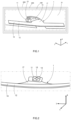
Fig. 2 ] Lafigure 2 est une vue plus détaillée d'un dispositif d'enjoliveur. - [
Fig. 3 ] Lafigure 3 est une vue de détail en perspective de l'ouvrant sans dispositif d'enjoliveur. - [
Fig. 4 ] Lafigure 4 est une vue en coupe partielle verticale et longitudinale d'un ouvrant au niveau d'un dispositif d'enjoliveur. - Dans tout ce document, on appelle X la direction longitudinale ou l'axe longitudinal du véhicule, c'est-à-dire la direction ou l'axe selon lequel le véhicule se déplace habituellement en ligne droite. On appelle Y la direction transversale du véhicule ou un axe transversal au véhicule. On appelle Z une direction sensiblement verticale ou un axe sensiblement vertical, perpendiculaire au plan X-Y. La direction X ou l'axe X est orienté de l'avant vers l'arrière du véhicule. L'axe Z est orienté verticalement vers le haut. L'axe Y est orienté de sorte que le repère X-Y-Z soit direct.
- Un mode de réalisation d'un véhicule automobile 300 selon l'invention est décrit ci-après en référence aux
figures 1 à 4 . Le véhicule automobile 300 peut être de toute nature, comme un véhicule de tourisme ou un véhicule utilitaire. - Le véhicule automobile comprend une caisse 200 munie d'un ou plusieurs ouvrants ou portes 100 permettant notamment à des utilisateurs d'accéder dans l'habitacle ou de charger l'habitacle du véhicule, puis de fermer l'habitacle.
- Un mode de réalisation d'un ouvrant 100 est décrit plus en détail en référence aux
figures 2 à 4 . L'ouvrant est par exemple un hayon ou une porte de coffre. Sur les figures, l'ouvrant est représenté dans sa position de fermeture. - L'ouvrant est réalisé en plusieurs pièces principales assemblées. L'ouvrant comprend ainsi principalement :
- un premier élément 31 consistant par exemple en un caisson et constituant principalement la structure rigide de l'ouvrant, et
- un deuxième élément 32, notamment un panneau extérieur formant une partie visible de carrosserie et constituant une pièce d'habillage ou de finition.
- Le premier élément 31 est de préférence réalisé en matière plastique de sorte que sa partie inférieure reste visible et constitue ainsi la garniture de l'ouvrant.
- Le premier élément 31 comprend par exemple un anneau de rigidification (ayant un profil de section creux) réalisé par injection d'un fluide sous pression : le bord inférieur 34 du caisson comprend une échancrure ou découpe 35 permettant un positionnement de l'outillage de réalisation de l'anneau.
- Le premier élément 31 comprend aussi au niveau de son bord inférieur 34 ou à proximité de son bord inférieur des éléments 22, 23, 33 de fixation d'un système de fixation du premier élément d'ouvrant au deuxième élément d'ouvrant.
- Les éléments de fixation comprennent par exemple des trous 22 réalisés dans le premier élément 31. Ces trous peuvent être réalisés sur des bossages 23 prévus sur le premier élément 31. Avantageusement, ces trous et/ou ces bossages sont réalisés au fond d'une zone en creux 33 pratiquée sur une face intérieure du premier élément 31. Les éléments de fixation comprennent avantageusement des vis ou des rivets ou tout autre moyen permettant de fixer le deuxième élément 32 sur le premier élément 31. Par exemple, les vis ou rivet passent au travers des trous 22 et se logent dans le deuxième élément 32.
- Les éléments de fixation du deuxième élément 32 sur le premier élément 31 sont avantageusement tous localisés à proximité du bord inférieur 34 de l'ouvrant et à proximité de la serrure 21 de l'ouvrant. Cette localisation est avantageuse car elle est peu visible, et cela même lorsque l'ouvrant est ouvert.
- Pour des raisons esthétiques, le système de fixation est avantageusement masqué après avoir été configuré dans un état de fixation du deuxième élément 32 sur le premier élément 31.
- Le deuxième élément 32 est par exemple un panneau extérieur de carrosserie. Il est par exemple réalisé en matière plastique.
- L'ouvrant 100 comprend en outre un mode de réalisation d'un dispositif d'enjoliveur 1.
- Ce dispositif d'enjoliveur 1 est décrit plus en détail en référence aux
figures 2 et4 . - Le dispositif 1 d'enjoliveur pour ouvrant 100 de véhicule automobile, comprend :
- un premier enjoliveur 11 de serrure 21 de l'ouvrant, et
- un deuxième enjoliveur 12 du système de fixation 22 du premier élément 31 d'ouvrant au deuxième élément 32 d'ouvrant.
- Le premier enjoliveur est destiné à masquer et/ou recouvrir la serrure pour des raisons esthétiques et/ou pour des raisons d'hygiène et de sécurité. Par exemple, le premier enjoliveur a une forme globale de parallélépipède creux 14 muni d'un fente 15 prévu pour le passage d'un élément d'une gâche.
- Le deuxième enjoliveur est destiné à masquer et/ou recouvrir le système de fixation du deuxième élément 32 sur le premier élément 31 pour des raisons esthétiques. Par exemple, le deuxième enjoliveur a une forme globale de réglette 16. Ainsi, le deuxième enjoliveur a globalement une forme de profilé à section rectangulaire dont le plus grand côté est orienté verticalement (c'est-à-dire selon l'axe Z). Le profilé s'étend globalement selon la direction Y. Avantageusement, le deuxième enjoliveur est agencé de sorte à se loger dans la zone en creux prévu sur le premier élément 31.
- Le premier enjoliveur 11 et le deuxième enjoliveur 12 forment une seule et même pièce. De préférence, le système d'enjoliveur est monobloc. Par exemple, le dispositif d'enjoliveur peut être obtenu par moulage, notamment par injection d'une matière plastique, notamment un copolymère de type éthylène / propylène tel que par exemple du P/E TD10, ou d'une matière composite. Alternativement, le premier enjoliveur peut être rapporté sur le deuxième enjoliveur. Le premier enjoliveur et le deuxième enjoliveur peuvent être liés mécaniquement l'un à l'autre par une liaison mécanique de fixation ou d'encastrement, la liaison étant démontable ou non démontable.
- Le dispositif d'enjoliveur comprend de préférence une interface 17, notamment une interface plane ou sensiblement plane, reliant mécaniquement le premier enjoliveur et le deuxième enjoliveur l'un à l'autre. Cette interface peut avoir une forme de plaque trapézoïdale dont une petite base est liée ou raccordée au premier enjoliveur et dont une grande base est liée ou raccordée au deuxième enjoliveur.
- Le dispositif 1 comprend de préférence des éléments de fixation 13, notamment des clips de fixation. Ces éléments de fixation sont destinés à coopérer avec des éléments de fixation prévus sur le reste de l'ouvrant, notamment des trous, en particulier des trous prévus sur le premier élément 31, pour fixer le dispositif 1 au reste de l'ouvrant. Avantageusement, les éléments de fixation 13 sont prévus sur l'interface de liaison 17 ou entre les premier et deuxième enjoliveurs. De préférence, on répartit les éléments de fixation 13 sorte à ne pas endommager le dispositif 1 lors de son démontage.
- Dans tout ce document, par « enjoliveur », on entend tout élément destiné à recouvrir au moins partiellement un organe ou une partie d'organe de sorte à en modifier l'esthétique, en particulier de sorte à en améliorer l'esthétique. De préférence, la fonction principale ou unique de l'enjoliveur est esthétique. L'enjoliveur peut aussi avoir une fonction d'hygiène ou de sécurité. Avantageusement, l'enjoliveur n'a pas d'autre fonction. En conséquence, l'aspect visuel du dispositif d'enjoliveur peut être optimisé pour atteindre toutes les fonctions esthétiques souhaitées.
- Grâce à la solution décrite plus haut, le montage de l'ouvrant est simplifié. En effet, une seule pièce d'enjoliveur est montée sur l'ouvrant pour masquer la serrure et le système de fixation. La logistique est aussi simplifiée, une seule référence de pièce devant être gérée.
Claims (8)
- Ouvrant (100), notamment hayon arrière (100), pour un véhicule automobile, comprenant un premier élément (31) d'ouvrant, un deuxième élément (32) d'ouvrant, et un dispositif (1) d'enjoliveur pour ouvrant (100) de véhicule automobile, le premier élément (31) d'ouvrant étant une pièce de structure de l'ouvrant, notamment un caisson (31) de l'ouvrant, le premier élément (31) étant réalisé en matière plastique de sorte que sa partie inférieure reste visible et constitue ainsi la garniture de l'ouvrant, le deuxième élément (32) d'ouvrant étant une pièce d'habillage de l'ouvrant, notamment un panneau extérieur (32) de l'ouvrant, caractérisé en ce que le dispositif d'enjoliveur comprenant un premier enjoliveur (11) pour une serrure (21) de l'ouvrant et un deuxième enjoliveur (12) pour un système de fixation (22) du premier élément (31) d'ouvrant au deuxième élément (32) d'ouvrant, le premier enjoliveur et le deuxième enjoliveur formant une seule et même pièce.
- Ouvrant selon la revendication précédente, caractérisé en ce que le dispositif d'enjoliveur est réalisé par injection et/ou en ce qu'il est réalisé en matière plastique ou en matière composite.
- Ouvrant selon la revendication 1 ou 2, caractérisé en ce que le dispositif d'enjoliveur comprend des éléments de fixation (13), notamment des clips de fixation.
- Ouvrant selon l'une des revendications précédentes, caractérisé en ce que le premier enjoliveur a une forme globale de parallélépipède creux (14) muni d'une fente (15) et/ou en ce que le deuxième enjoliveur a une forme globale de réglette (16).
- Ouvrant selon l'une des revendications précédentes, caractérisé en ce que le dispositif d'enjoliveur comprend une interface (17), notamment une interface plane ou sensiblement plane, de liaison mécanique du premier enjoliveur au deuxième enjoliveur.
- Ouvrant (100) selon l'une quelconque des revendications précédentes, caractérisé en ce que le premier élément (31) d'ouvrant présente une zone en creux (33) destinée à recevoir le dispositif d'enjoliveur.
- Caisse (200) pour véhicule automobile comprenant un ouvrant selon l'une quelconque des revendications 1 à 6.
- Véhicule (300), notamment véhicule automobile, comprenant une caisse selon la revendication 7 et/ou un ouvrant selon l'une des revendications 1 à 6.
Applications Claiming Priority (2)
| Application Number | Priority Date | Filing Date | Title |
|---|---|---|---|
| FR1910502A FR3101038B1 (fr) | 2019-09-24 | 2019-09-24 | Dispositif d’enjoliveur pour ouvrant de véhicule automobile. |
| PCT/EP2020/076680 WO2021058633A1 (fr) | 2019-09-24 | 2020-09-24 | Dispositif d'enjoliveur pour ouvrant de véhicule automobile |
Publications (2)
| Publication Number | Publication Date |
|---|---|
| EP4034429A1 EP4034429A1 (fr) | 2022-08-03 |
| EP4034429B1 true EP4034429B1 (fr) | 2025-07-02 |
Family
ID=69468691
Family Applications (1)
| Application Number | Title | Priority Date | Filing Date |
|---|---|---|---|
| EP20780656.3A Active EP4034429B1 (fr) | 2019-09-24 | 2020-09-24 | Dispositif d'enjoliveur pour ouvrant de véhicule automobile |
Country Status (3)
| Country | Link |
|---|---|
| EP (1) | EP4034429B1 (fr) |
| FR (1) | FR3101038B1 (fr) |
| WO (1) | WO2021058633A1 (fr) |
Citations (1)
| Publication number | Priority date | Publication date | Assignee | Title |
|---|---|---|---|---|
| CN207984741U (zh) * | 2018-02-11 | 2018-10-19 | 江铃控股有限公司 | 汽车尾门内饰板包锁结构及汽车 |
Family Cites Families (5)
| Publication number | Priority date | Publication date | Assignee | Title |
|---|---|---|---|---|
| FR2797291B1 (fr) * | 1999-08-06 | 2002-04-05 | Aries Ind Mecanismes Et Decoup | Boitier de serrure electrique pour un element de fermeture d'un coffre de vehicule automobile |
| JP4340110B2 (ja) * | 2003-08-07 | 2009-10-07 | 株式会社城南製作所 | ドア固定装置 |
| JP5682004B2 (ja) * | 2010-05-11 | 2015-03-11 | 三井金属アクト株式会社 | 車両用ラッチ装置 |
| JP5759346B2 (ja) * | 2011-11-28 | 2015-08-05 | シロキ工業株式会社 | ドアロック装置 |
| DE102011121592A1 (de) * | 2011-12-20 | 2013-06-20 | Gm Global Technology Operations, Llc | Bauteilanordnung |
-
2019
- 2019-09-24 FR FR1910502A patent/FR3101038B1/fr active Active
-
2020
- 2020-09-24 EP EP20780656.3A patent/EP4034429B1/fr active Active
- 2020-09-24 WO PCT/EP2020/076680 patent/WO2021058633A1/fr not_active Ceased
Patent Citations (1)
| Publication number | Priority date | Publication date | Assignee | Title |
|---|---|---|---|---|
| CN207984741U (zh) * | 2018-02-11 | 2018-10-19 | 江铃控股有限公司 | 汽车尾门内饰板包锁结构及汽车 |
Also Published As
| Publication number | Publication date |
|---|---|
| EP4034429A1 (fr) | 2022-08-03 |
| FR3101038A1 (fr) | 2021-03-26 |
| WO2021058633A1 (fr) | 2021-04-01 |
| FR3101038B1 (fr) | 2021-08-27 |
Similar Documents
| Publication | Publication Date | Title |
|---|---|---|
| WO2018149832A1 (fr) | Dispositif vitre affleurant pour porte de vehicule, porte, vehicule automobile, procede de fabrication et dispositif d'etancheite monobloc correspondants | |
| FR3006288A1 (fr) | Structure de caisse d'un vehicule automobile avec panneau de porte laterale interchangeable. | |
| FR2790783A1 (fr) | Doublure interieure de portiere a guide-vitre integre et portiere ainsi equipee | |
| FR2948906A1 (fr) | Enjoliveur arriere multifonctionnel de pavillon pour vehicule automobile et vehicule equipe d'un tel enjoliveur. | |
| FR2937603A1 (fr) | Element d'habillage interieur pour vehicule automobile, ensemble d'habillage comportant un eclairage sous peau, et procede de production associe | |
| EP3075606B1 (fr) | Ensemble d'habillage extérieur de véhicule automobile et procédé d'utilisation associé | |
| EP4034429B1 (fr) | Dispositif d'enjoliveur pour ouvrant de véhicule automobile | |
| FR2989407A1 (fr) | Dispositif de commande d'ouverture interieure d'un ouvrant de vehicule. | |
| EP2733020B1 (fr) | Grille d'entrée d'air pouvant recevoir un élément de support de capteur | |
| FR3014811A1 (fr) | Element structurel d'une caisse d'un vehicule automobile avec panneau interchangeable et procede de fabrication d'un tel element structurel | |
| EP3094523B1 (fr) | Véhicule doté d'un élément d'absorption de choc | |
| FR2950842A1 (fr) | Habillage interieur de vehicule automobile muni d'une poignee | |
| FR2922509A1 (fr) | Cote d'habitacle de carrosserie pour vehicule automobile | |
| WO2021122485A1 (fr) | Hayon de véhicule automobile | |
| FR3101810A1 (fr) | Fixation de rail de coulisse de vitre pour ouvrant de véhicule | |
| FR3139507A1 (fr) | Dispositif d’étanchéité extérieur pour un ouvrant d’un véhicule. | |
| FR2779403A1 (fr) | Systeme de tablette arriere pour vehicule, son procede de montage et berline trois volumes ainsi equipee | |
| FR2944484A1 (fr) | Support de retroviseur et vehicule equipe d'un tel support | |
| WO2009092943A2 (fr) | Dispositif d'ameublement et procédé de fabrication d'un tel dispositif | |
| EP1839955B1 (fr) | Agencement d'habillage entre deux pièces pour un habitacle d'un véhicule automobile | |
| EP3539806B1 (fr) | Agencement d'un ouvrant de véhicule automobile avec un renfort de serrure | |
| FR2687425A1 (fr) | Poignee encastree pour une porte de vehicule. | |
| FR3152478A1 (fr) | Elément de structure tel qu’un panneau arrière | |
| EP4541664A1 (fr) | Enjoliveur pour peau de pare-chocs de véhicule automobile | |
| FR2941175A1 (fr) | Porte anti/intrusion pour vehicule automobile |
Legal Events
| Date | Code | Title | Description |
|---|---|---|---|
| STAA | Information on the status of an ep patent application or granted ep patent |
Free format text: STATUS: UNKNOWN |
|
| STAA | Information on the status of an ep patent application or granted ep patent |
Free format text: STATUS: THE INTERNATIONAL PUBLICATION HAS BEEN MADE |
|
| PUAI | Public reference made under article 153(3) epc to a published international application that has entered the european phase |
Free format text: ORIGINAL CODE: 0009012 |
|
| STAA | Information on the status of an ep patent application or granted ep patent |
Free format text: STATUS: REQUEST FOR EXAMINATION WAS MADE |
|
| 17P | Request for examination filed |
Effective date: 20220222 |
|
| AK | Designated contracting states |
Kind code of ref document: A1 Designated state(s): AL AT BE BG CH CY CZ DE DK EE ES FI FR GB GR HR HU IE IS IT LI LT LU LV MC MK MT NL NO PL PT RO RS SE SI SK SM TR |
|
| DAV | Request for validation of the european patent (deleted) | ||
| DAX | Request for extension of the european patent (deleted) | ||
| STAA | Information on the status of an ep patent application or granted ep patent |
Free format text: STATUS: EXAMINATION IS IN PROGRESS |
|
| 17Q | First examination report despatched |
Effective date: 20230525 |
|
| P01 | Opt-out of the competence of the unified patent court (upc) registered |
Effective date: 20230608 |
|
| GRAP | Despatch of communication of intention to grant a patent |
Free format text: ORIGINAL CODE: EPIDOSNIGR1 |
|
| STAA | Information on the status of an ep patent application or granted ep patent |
Free format text: STATUS: GRANT OF PATENT IS INTENDED |
|
| INTG | Intention to grant announced |
Effective date: 20250127 |
|
| GRAS | Grant fee paid |
Free format text: ORIGINAL CODE: EPIDOSNIGR3 |
|
| GRAA | (expected) grant |
Free format text: ORIGINAL CODE: 0009210 |
|
| STAA | Information on the status of an ep patent application or granted ep patent |
Free format text: STATUS: THE PATENT HAS BEEN GRANTED |
|
| AK | Designated contracting states |
Kind code of ref document: B1 Designated state(s): AL AT BE BG CH CY CZ DE DK EE ES FI FR GB GR HR HU IE IS IT LI LT LU LV MC MK MT NL NO PL PT RO RS SE SI SK SM TR |
|
| REG | Reference to a national code |
Ref country code: GB Ref legal event code: FG4D Free format text: NOT ENGLISH |
|
| REG | Reference to a national code |
Ref country code: CH Ref legal event code: EP |
|
| REG | Reference to a national code |
Ref country code: DE Ref legal event code: R096 Ref document number: 602020053860 Country of ref document: DE |
|
| REG | Reference to a national code |
Ref country code: IE Ref legal event code: FG4D Free format text: LANGUAGE OF EP DOCUMENT: FRENCH |
|
| PGFP | Annual fee paid to national office [announced via postgrant information from national office to epo] |
Ref country code: DE Payment date: 20250919 Year of fee payment: 6 |
|
| PGFP | Annual fee paid to national office [announced via postgrant information from national office to epo] |
Ref country code: GB Payment date: 20250919 Year of fee payment: 6 |
|
| PGFP | Annual fee paid to national office [announced via postgrant information from national office to epo] |
Ref country code: FR Payment date: 20250922 Year of fee payment: 6 |
|
| REG | Reference to a national code |
Ref country code: NL Ref legal event code: MP Effective date: 20250702 |
|
| PG25 | Lapsed in a contracting state [announced via postgrant information from national office to epo] |
Ref country code: PT Free format text: LAPSE BECAUSE OF FAILURE TO SUBMIT A TRANSLATION OF THE DESCRIPTION OR TO PAY THE FEE WITHIN THE PRESCRIBED TIME-LIMIT Effective date: 20251103 |
|
| PG25 | Lapsed in a contracting state [announced via postgrant information from national office to epo] |
Ref country code: NL Free format text: LAPSE BECAUSE OF FAILURE TO SUBMIT A TRANSLATION OF THE DESCRIPTION OR TO PAY THE FEE WITHIN THE PRESCRIBED TIME-LIMIT Effective date: 20250702 |
|
| REG | Reference to a national code |
Ref country code: AT Ref legal event code: MK05 Ref document number: 1808896 Country of ref document: AT Kind code of ref document: T Effective date: 20250702 |
|
| PG25 | Lapsed in a contracting state [announced via postgrant information from national office to epo] |
Ref country code: IS Free format text: LAPSE BECAUSE OF FAILURE TO SUBMIT A TRANSLATION OF THE DESCRIPTION OR TO PAY THE FEE WITHIN THE PRESCRIBED TIME-LIMIT Effective date: 20251102 |
|
| PG25 | Lapsed in a contracting state [announced via postgrant information from national office to epo] |
Ref country code: NO Free format text: LAPSE BECAUSE OF FAILURE TO SUBMIT A TRANSLATION OF THE DESCRIPTION OR TO PAY THE FEE WITHIN THE PRESCRIBED TIME-LIMIT Effective date: 20251002 |
|
| REG | Reference to a national code |
Ref country code: LT Ref legal event code: MG9D |
|
| PG25 | Lapsed in a contracting state [announced via postgrant information from national office to epo] |
Ref country code: AT Free format text: LAPSE BECAUSE OF FAILURE TO SUBMIT A TRANSLATION OF THE DESCRIPTION OR TO PAY THE FEE WITHIN THE PRESCRIBED TIME-LIMIT Effective date: 20250702 |
|
| PG25 | Lapsed in a contracting state [announced via postgrant information from national office to epo] |
Ref country code: FI Free format text: LAPSE BECAUSE OF FAILURE TO SUBMIT A TRANSLATION OF THE DESCRIPTION OR TO PAY THE FEE WITHIN THE PRESCRIBED TIME-LIMIT Effective date: 20250702 |
|
| PG25 | Lapsed in a contracting state [announced via postgrant information from national office to epo] |
Ref country code: HR Free format text: LAPSE BECAUSE OF FAILURE TO SUBMIT A TRANSLATION OF THE DESCRIPTION OR TO PAY THE FEE WITHIN THE PRESCRIBED TIME-LIMIT Effective date: 20250702 |
|
| PG25 | Lapsed in a contracting state [announced via postgrant information from national office to epo] |
Ref country code: GR Free format text: LAPSE BECAUSE OF FAILURE TO SUBMIT A TRANSLATION OF THE DESCRIPTION OR TO PAY THE FEE WITHIN THE PRESCRIBED TIME-LIMIT Effective date: 20251003 |
|
| PG25 | Lapsed in a contracting state [announced via postgrant information from national office to epo] |
Ref country code: CZ Free format text: LAPSE BECAUSE OF FAILURE TO SUBMIT A TRANSLATION OF THE DESCRIPTION OR TO PAY THE FEE WITHIN THE PRESCRIBED TIME-LIMIT Effective date: 20250702 Ref country code: SE Free format text: LAPSE BECAUSE OF FAILURE TO SUBMIT A TRANSLATION OF THE DESCRIPTION OR TO PAY THE FEE WITHIN THE PRESCRIBED TIME-LIMIT Effective date: 20250702 |
|
| PG25 | Lapsed in a contracting state [announced via postgrant information from national office to epo] |
Ref country code: LV Free format text: LAPSE BECAUSE OF FAILURE TO SUBMIT A TRANSLATION OF THE DESCRIPTION OR TO PAY THE FEE WITHIN THE PRESCRIBED TIME-LIMIT Effective date: 20250702 |
|
| PG25 | Lapsed in a contracting state [announced via postgrant information from national office to epo] |
Ref country code: BG Free format text: LAPSE BECAUSE OF FAILURE TO SUBMIT A TRANSLATION OF THE DESCRIPTION OR TO PAY THE FEE WITHIN THE PRESCRIBED TIME-LIMIT Effective date: 20250702 Ref country code: PL Free format text: LAPSE BECAUSE OF FAILURE TO SUBMIT A TRANSLATION OF THE DESCRIPTION OR TO PAY THE FEE WITHIN THE PRESCRIBED TIME-LIMIT Effective date: 20250702 |
|
| PG25 | Lapsed in a contracting state [announced via postgrant information from national office to epo] |
Ref country code: RS Free format text: LAPSE BECAUSE OF FAILURE TO SUBMIT A TRANSLATION OF THE DESCRIPTION OR TO PAY THE FEE WITHIN THE PRESCRIBED TIME-LIMIT Effective date: 20251002 |
|
| PG25 | Lapsed in a contracting state [announced via postgrant information from national office to epo] |
Ref country code: ES Free format text: LAPSE BECAUSE OF FAILURE TO SUBMIT A TRANSLATION OF THE DESCRIPTION OR TO PAY THE FEE WITHIN THE PRESCRIBED TIME-LIMIT Effective date: 20250702 |
|
| PG25 | Lapsed in a contracting state [announced via postgrant information from national office to epo] |
Ref country code: RO Free format text: LAPSE BECAUSE OF FAILURE TO SUBMIT A TRANSLATION OF THE DESCRIPTION OR TO PAY THE FEE WITHIN THE PRESCRIBED TIME-LIMIT Effective date: 20250702 |
|
| PG25 | Lapsed in a contracting state [announced via postgrant information from national office to epo] |
Ref country code: SM Free format text: LAPSE BECAUSE OF FAILURE TO SUBMIT A TRANSLATION OF THE DESCRIPTION OR TO PAY THE FEE WITHIN THE PRESCRIBED TIME-LIMIT Effective date: 20250702 |
|
| PG25 | Lapsed in a contracting state [announced via postgrant information from national office to epo] |
Ref country code: DK Free format text: LAPSE BECAUSE OF FAILURE TO SUBMIT A TRANSLATION OF THE DESCRIPTION OR TO PAY THE FEE WITHIN THE PRESCRIBED TIME-LIMIT Effective date: 20250702 |
|
| PG25 | Lapsed in a contracting state [announced via postgrant information from national office to epo] |
Ref country code: IT Free format text: LAPSE BECAUSE OF FAILURE TO SUBMIT A TRANSLATION OF THE DESCRIPTION OR TO PAY THE FEE WITHIN THE PRESCRIBED TIME-LIMIT Effective date: 20250702 |
|
| PG25 | Lapsed in a contracting state [announced via postgrant information from national office to epo] |
Ref country code: SK Free format text: LAPSE BECAUSE OF FAILURE TO SUBMIT A TRANSLATION OF THE DESCRIPTION OR TO PAY THE FEE WITHIN THE PRESCRIBED TIME-LIMIT Effective date: 20250702 Ref country code: EE Free format text: LAPSE BECAUSE OF FAILURE TO SUBMIT A TRANSLATION OF THE DESCRIPTION OR TO PAY THE FEE WITHIN THE PRESCRIBED TIME-LIMIT Effective date: 20250702 |