EP4003345B1 - Duale atm- und dna-pk-inhibitoren zur verwendung in der antitumortherapie - Google Patents
Duale atm- und dna-pk-inhibitoren zur verwendung in der antitumortherapie Download PDFInfo
- Publication number
- EP4003345B1 EP4003345B1 EP20848360.2A EP20848360A EP4003345B1 EP 4003345 B1 EP4003345 B1 EP 4003345B1 EP 20848360 A EP20848360 A EP 20848360A EP 4003345 B1 EP4003345 B1 EP 4003345B1
- Authority
- EP
- European Patent Office
- Prior art keywords
- compound
- cancer
- pharmaceutically acceptable
- acceptable salt
- tumor
- Prior art date
- Legal status (The legal status is an assumption and is not a legal conclusion. Google has not performed a legal analysis and makes no representation as to the accuracy of the status listed.)
- Active
Links
Images




Classifications
-
- A—HUMAN NECESSITIES
- A61—MEDICAL OR VETERINARY SCIENCE; HYGIENE
- A61K—PREPARATIONS FOR MEDICAL, DENTAL OR TOILETRY PURPOSES
- A61K31/00—Medicinal preparations containing organic active ingredients
- A61K31/33—Heterocyclic compounds
- A61K31/395—Heterocyclic compounds having nitrogen as a ring hetero atom, e.g. guanethidine or rifamycins
- A61K31/435—Heterocyclic compounds having nitrogen as a ring hetero atom, e.g. guanethidine or rifamycins having six-membered rings with one nitrogen as the only ring hetero atom
- A61K31/4353—Heterocyclic compounds having nitrogen as a ring hetero atom, e.g. guanethidine or rifamycins having six-membered rings with one nitrogen as the only ring hetero atom ortho- or peri-condensed with heterocyclic ring systems
- A61K31/437—Heterocyclic compounds having nitrogen as a ring hetero atom, e.g. guanethidine or rifamycins having six-membered rings with one nitrogen as the only ring hetero atom ortho- or peri-condensed with heterocyclic ring systems the heterocyclic ring system containing a five-membered ring having nitrogen as a ring hetero atom, e.g. indolizine, beta-carboline
-
- C—CHEMISTRY; METALLURGY
- C07—ORGANIC CHEMISTRY
- C07D—HETEROCYCLIC COMPOUNDS
- C07D471/00—Heterocyclic compounds containing nitrogen atoms as the only ring hetero atoms in the condensed system, at least one ring being a six-membered ring with one nitrogen atom, not provided for by groups C07D451/00 - C07D463/00
- C07D471/02—Heterocyclic compounds containing nitrogen atoms as the only ring hetero atoms in the condensed system, at least one ring being a six-membered ring with one nitrogen atom, not provided for by groups C07D451/00 - C07D463/00 in which the condensed system contains two hetero rings
- C07D471/10—Spiro-condensed systems
-
- A—HUMAN NECESSITIES
- A61—MEDICAL OR VETERINARY SCIENCE; HYGIENE
- A61K—PREPARATIONS FOR MEDICAL, DENTAL OR TOILETRY PURPOSES
- A61K31/00—Medicinal preparations containing organic active ingredients
- A61K31/33—Heterocyclic compounds
- A61K31/395—Heterocyclic compounds having nitrogen as a ring hetero atom, e.g. guanethidine or rifamycins
- A61K31/435—Heterocyclic compounds having nitrogen as a ring hetero atom, e.g. guanethidine or rifamycins having six-membered rings with one nitrogen as the only ring hetero atom
- A61K31/44—Non condensed pyridines; Hydrogenated derivatives thereof
- A61K31/4427—Non condensed pyridines; Hydrogenated derivatives thereof containing further heterocyclic ring systems
- A61K31/444—Non condensed pyridines; Hydrogenated derivatives thereof containing further heterocyclic ring systems containing a six-membered ring with nitrogen as a ring heteroatom, e.g. amrinone
-
- A—HUMAN NECESSITIES
- A61—MEDICAL OR VETERINARY SCIENCE; HYGIENE
- A61K—PREPARATIONS FOR MEDICAL, DENTAL OR TOILETRY PURPOSES
- A61K31/00—Medicinal preparations containing organic active ingredients
- A61K31/33—Heterocyclic compounds
- A61K31/395—Heterocyclic compounds having nitrogen as a ring hetero atom, e.g. guanethidine or rifamycins
- A61K31/435—Heterocyclic compounds having nitrogen as a ring hetero atom, e.g. guanethidine or rifamycins having six-membered rings with one nitrogen as the only ring hetero atom
- A61K31/44—Non condensed pyridines; Hydrogenated derivatives thereof
- A61K31/445—Non condensed piperidines, e.g. piperocaine
- A61K31/4523—Non condensed piperidines, e.g. piperocaine containing further heterocyclic ring systems
- A61K31/4545—Non condensed piperidines, e.g. piperocaine containing further heterocyclic ring systems containing a six-membered ring with nitrogen as a ring hetero atom, e.g. pipamperone, anabasine
-
- A—HUMAN NECESSITIES
- A61—MEDICAL OR VETERINARY SCIENCE; HYGIENE
- A61K—PREPARATIONS FOR MEDICAL, DENTAL OR TOILETRY PURPOSES
- A61K31/00—Medicinal preparations containing organic active ingredients
- A61K31/33—Heterocyclic compounds
- A61K31/395—Heterocyclic compounds having nitrogen as a ring hetero atom, e.g. guanethidine or rifamycins
- A61K31/435—Heterocyclic compounds having nitrogen as a ring hetero atom, e.g. guanethidine or rifamycins having six-membered rings with one nitrogen as the only ring hetero atom
- A61K31/47—Quinolines; Isoquinolines
- A61K31/4738—Quinolines; Isoquinolines ortho- or peri-condensed with heterocyclic ring systems
- A61K31/4745—Quinolines; Isoquinolines ortho- or peri-condensed with heterocyclic ring systems condensed with ring systems having nitrogen as a ring hetero atom, e.g. phenantrolines
-
- A—HUMAN NECESSITIES
- A61—MEDICAL OR VETERINARY SCIENCE; HYGIENE
- A61K—PREPARATIONS FOR MEDICAL, DENTAL OR TOILETRY PURPOSES
- A61K45/00—Medicinal preparations containing active ingredients not provided for in groups A61K31/00 - A61K41/00
- A61K45/06—Mixtures of active ingredients without chemical characterisation, e.g. antiphlogistics and cardiaca
-
- A—HUMAN NECESSITIES
- A61—MEDICAL OR VETERINARY SCIENCE; HYGIENE
- A61P—SPECIFIC THERAPEUTIC ACTIVITY OF CHEMICAL COMPOUNDS OR MEDICINAL PREPARATIONS
- A61P35/00—Antineoplastic agents
-
- C—CHEMISTRY; METALLURGY
- C07—ORGANIC CHEMISTRY
- C07D—HETEROCYCLIC COMPOUNDS
- C07D471/00—Heterocyclic compounds containing nitrogen atoms as the only ring hetero atoms in the condensed system, at least one ring being a six-membered ring with one nitrogen atom, not provided for by groups C07D451/00 - C07D463/00
- C07D471/02—Heterocyclic compounds containing nitrogen atoms as the only ring hetero atoms in the condensed system, at least one ring being a six-membered ring with one nitrogen atom, not provided for by groups C07D451/00 - C07D463/00 in which the condensed system contains two hetero rings
- C07D471/04—Ortho-condensed systems
-
- C—CHEMISTRY; METALLURGY
- C07—ORGANIC CHEMISTRY
- C07D—HETEROCYCLIC COMPOUNDS
- C07D471/00—Heterocyclic compounds containing nitrogen atoms as the only ring hetero atoms in the condensed system, at least one ring being a six-membered ring with one nitrogen atom, not provided for by groups C07D451/00 - C07D463/00
- C07D471/12—Heterocyclic compounds containing nitrogen atoms as the only ring hetero atoms in the condensed system, at least one ring being a six-membered ring with one nitrogen atom, not provided for by groups C07D451/00 - C07D463/00 in which the condensed system contains three hetero rings
- C07D471/18—Bridged systems
-
- C—CHEMISTRY; METALLURGY
- C07—ORGANIC CHEMISTRY
- C07D—HETEROCYCLIC COMPOUNDS
- C07D471/00—Heterocyclic compounds containing nitrogen atoms as the only ring hetero atoms in the condensed system, at least one ring being a six-membered ring with one nitrogen atom, not provided for by groups C07D451/00 - C07D463/00
- C07D471/12—Heterocyclic compounds containing nitrogen atoms as the only ring hetero atoms in the condensed system, at least one ring being a six-membered ring with one nitrogen atom, not provided for by groups C07D451/00 - C07D463/00 in which the condensed system contains three hetero rings
- C07D471/20—Spiro-condensed systems
-
- A—HUMAN NECESSITIES
- A61—MEDICAL OR VETERINARY SCIENCE; HYGIENE
- A61K—PREPARATIONS FOR MEDICAL, DENTAL OR TOILETRY PURPOSES
- A61K2300/00—Mixtures or combinations of active ingredients, wherein at least one active ingredient is fully defined in groups A61K31/00 - A61K41/00
Definitions
- the invention relates to compounds and pharmaceutically acceptable salts thereof and to compounds for use for the treatment of cancer as a monotherapy or in combination with radiotherapy, chemotherapy, and/or immunotherapy.
- PIKK PI-3K-like Kinase family of serine-threonine kinases are known mediators of DNA damage signaling.
- Radiosensitizers are used to treat >50% of all cancer patients at some point during their illness.
- RT Radiation therapy
- the invention provides a compound or a pharmaceutically acceptable salt thereof.
- R 3 is halogen (e.g., fluorine).
- one R 7 is H, and the remaining R 7 is optionally C 1-3 alkyl. In certain embodiments, at least one R 7 is isopropyl.
- R 2 is methyl, ethyl, or isopropyl. In further embodiments, R 2 is methyl.
- R 4 is methyl.
- R 5 is hydrogen. In other embodiments, R 5 is optionally substituted C 1-3 alkyl. In yet other embodiments, R 5 is benzyloxy.
- the compound is selected from the group consisting of: and pharmaceutically acceptable salts thereof.
- the compound is of the following structure: or a pharmaceutically acceptable salt thereof.
- the compound is of the following structure: or a pharmaceutically acceptable salt thereof.
- the compound is of the following structure: or a pharmaceutically acceptable salt thereof.
- the invention provides a pharmaceutical composition including the compound of the invention or a pharmaceutically acceptable salt thereof and a pharmaceutically acceptable excipient.
- references to methods of treatment in the subsequent paragraphs of this description are to be interpreted as references to the compounds, pharmaceutical compositions and medicaments of the present invention for use in a method for treatment of the human (or animal) body by therapy (or for diagnosis).
- the invention provides a method of treating an oncological disease (e.g., cancer, e.g., those cancers described herein) by administering a therapeutically effective amount of the compound of the invention, or a pharmaceutically acceptable salt thereof, or the pharmaceutical composition of the invention to a patient in need thereof.
- an oncological disease e.g., cancer, e.g., those cancers described herein
- the invention provides pharmaceutical compositions for use in the treatment of an oncological disease (e.g., cancer, e.g., those cancers described herein).
- the pharmaceutical compositions include the compound of the invention.
- the invention provides use of the compound of the invention in the manufacture of a medicament for the treatment of an oncological disease (e.g., cancer, e.g., those cancers described herein).
- the oncological disease is a brain cancer, bladder cancer, breast cancer, central nervous system cancer, cervical cancer, colon cancer, endometrial cancer, esophageal cancer, gastrointestinal stromal tumor, gastric cancer, head and neck cancer, buccal cancer, cancer of the mouth, hepatocellular cancer, lung cancer, melanoma, Merkel cell carcinoma, mesothelioma, nasopharyngeal cancer, neuroblastoma, osteosarcoma, ovarian cancer, pancreatic cancer, prostate cancer, renal cancer, salivary gland cancer, sarcomas, testicular cancer, urothelial cancer, vulvar cancer, or Wilm's tumor.
- the oncological disease is a breast cancer, lung cancer, head and neck cancer, pancreatic cancer, rectal cancer, glioblastoma, hepatocellular carcinoma, cholangiocarcinoma, metastic liver lesions, melanoma, bone sarcoma, soft tissue sarcoma, endometrial cancer, cervical cancer, prostate cancer, or Merkel cell carcinoma.
- the patient is receiving radiotherapy.
- the compound or the pharmaceutical composition is administered to the patient concomitantly with the radiotherapy.
- the compound or the pharmaceutical composition is administered to the patient before radiotherapy.
- the compound or the pharmaceutical composition is administered to the patient after radiotherapy.
- the radiotherapy comprises external, internal, brachytherapy, or systemic exposure, e.g., with a radionuclide (e.g., a ⁇ -emitting radionuclide (e.g., 32 Phosphorus, 67 Copper, 77 Bromine, 89 Strontium, 90 Yttrium, 105 Rhodium, 131 Iodine, 137 Cesium, 149 Prometheum, 153 Samarium, 166 Holmium, 177 Lutetium, 186 Rhenium, 188 Rhenium, or 199 Gold), ⁇ -emitting radionuclide (e.g., 211 Astatine, 213 Bismuth, 223 Radium, 225 Actinium, or 227 Thorium), ⁇ -ray emitting radionuclide (e.g., 192 Iridium), or electron capturing radionuclides (e.g., 67 Gallium, 103 Palladium, or 125 Iodine)),
- the radiotherapy comprises administering an antibody radionuclide conjugate.
- the patient is receiving an anti-tumor agent.
- the anti-tumor agent is one or more of cisplatin, oxaliplatin, carboplatin, valrubicin, idarubicin, calicheamicin, or a PARP inhibitor.
- the anti-tumor agent is an anti-tumor biological agent and/or anti-tumor immunotherapeutic agent.
- the compound or the pharmaceutical composition is administered to the patient concomitantly with the anti-tumor agent.
- the compound or the pharmaceutical composition is administered to the patient before the anti-tumor agent.
- the compound or the pharmaceutical composition is administered to the patient after the anti-tumor agent.
- Alkyl refers to a linear, saturated, acyclic, monovalent hydrocarbon radical or branched, saturated, acyclic, monovalent hydrocarbon radical, having from one to twelve carbon atoms, preferably one to eight carbon atoms or one to six carbon atoms, and which is attached to the rest of the molecule by a single bond, e.g., methyl, ethyl, n-propyl, 1-methylethyl (iso-propyl), n-butyl, n-pentyl, 1,1-dimethylethyl (t-butyl), 3-methylhexyl, 2-methylhexyl and the like.
- An optionally substituted alkyl radical is an alkyl radical that is optionally substituted, valence permitting, by one, two, three, four, or five substituents independently selected from the group consisting of halo, cyano, nitro, aryl, cycloalkyl, heterocyclyl, heteroaryl, oxo, trimethylsilanyl, -OR 14 , -OC(O)-R 14 , -N(R 14 ) 2 , -C(O)R 15 , -C(O)OR 14 , -C(O)N(R 14 ) 2 , -N(R 14 )C(O)OR 16 , -N(R 14 )C(O)R 16 , -N(R 14 )S(O) t R 16 (where t is 1 or 2), -S(O) t OR 16 (where t is 1 or 2), - S(O) p R 16 (where p is 0, 1, or 2) and -S
- Alkenyl refers to a linear, acyclic, monovalent hydrocarbon radical or branched, acyclic, monovalent hydrocarbon radical, containing one, two, or three carbon-carbon double bonds, having from two to twelve carbon atoms, preferably two to eight carbon atoms and which is attached to the rest of the molecule by a single bond, e.g., ethenyl, prop-1-enyl, but-1-enyl, pent-1-enyl, penta-1,4-dienyl and the like.
- An optionally substituted alkenyl radical is an alkenyl radical that is optionally substituted, valence permitting, by one, two, three, four, or five substituents independently selected from the group consisting of: halo, cyano, nitro, aryl, cycloalkyl, heterocyclyl, heteroaryl, oxo, trimethylsilanyl, -OR 14 , -OC(O)-R 14 , - N(R 14 ) 2 , -C(O)R 15 , -C(O)OR 14 , -C(O)N(R 14 ) 2 , -N(R 14 )C(O)OR 16 , -N(R 14 )C(O)R 16 , -N(R 14 )S(O) t R 16 (where t is 1 or 2), -S(O) t OR 16 (where t is 1 or 2), -S(O) p R 16 (where p is 0, 1, or 2) and
- Alkynyl refers to a linear, acyclic, monovalent hydrocarbon radical or branched, acyclic, monovalent hydrocarbon radical, containing one or two carbon-carbon triple bonds and, optionally, one, two, or three carbon-carbon double bonds, and having from two to twelve carbon atoms, preferably two to eight carbon atoms and which is attached to the rest of the molecule by a single bond, e.g., ethynyl, prop-1-ynyl, but-1-ynyl, pent-1-ynyl, penta-1-en-4-ynyl and the like.
- An optionally substituted alkynyl radical is an alkynyl radical that is optionally substituted by one, two, three, four, or five substituents independently selected from the group consisting of: halo, cyano, nitro, aryl, cycloalkyl, heterocyclyl, heteroaryl, oxo, trimethylsilanyl, -OR 14 , -OC(O)-R 14 , -N(R 14 ) 2 , -C(O)R 15 , -C(O)OR 14 , -C(O)N(R 14 ) 2 , -N(R 14 )C(O)OR 16 , -N(R 14 )C(O)R 16 , -N(R 14 )S(O) t R 16 (where t is 1 or 2), -S(O) t OR 16 (where t is 1 or 2), -S(O) p R 16 (where p is 0, 1, or 2) and -S(
- Alkylene or “alkylene chain” refers to a linear, acyclic, saturated, divalent hydrocarbon chain or branched, acyclic, saturated, divalent hydrocarbon chain, having from one to twelve carbon atoms, e.g., methylene, ethylene, propylene, n-butylene, and the like.
- the alkylene chain is attached through single bonds. The points of attachment of the alkylene chain may be on the same carbon atom or on different carbon atoms within the alkylene chain.
- An optionally substituted alkylene chain is an alkylene chain that is optionally substituted, valence permitting, by one, two, three, four, or five substituents independently selected from the group consisting of: halo, cyano, nitro, aryl, cycloalkyl, heterocyclyl, heteroaryl, oxo, trimethylsilanyl, -OR 14 , -OC(O)-R 14 , -N(R 14 ) 2 , -C(O)R 15 , -C(O)OR 14 , -C(O)N(R 14 ) 2 , -N(R 14 )C(O)OR 16 , -N(R 14 )C(O)R 16 , -N(R 14 )S(O) t R 16 (where t is 1 or 2), -S(O) t OR 16 (where t is 1 or 2), -S(O) p R 16 (where p is 0, 1, or 2) and -
- Alkenylene or “alkenylene chain” refers to a linear, acyclic, divalent hydrocarbon chain or branched, acyclic, divalent hydrocarbon chain, containing one, two, or three carbon-carbon double bonds and having from two to twelve carbon atoms, e.g., ethenylene, propenylene, n-butenylene and the like.
- the alkenylene chain is attached through single bonds. The points of attachment of the alkenylene chain may be on the same carbon atom or on different carbon atoms within the alkenylene chain.
- An optionally substituted alkenylene chain is an alkenylene chain that is optionally substituted, valence permitting, by one, two, three, four, or five substituents independently selected from the group consisting of: halo, cyano, nitro, aryl, cycloalkyl, heterocyclyl, heteroaryl, oxo, trimethylsilanyl, -OR 14 , -OC(O)-R 14 , -N(R 14 ) 2 , -C(O)R 15 , -C(O)OR 14 , -C(O)N(R 14 ) 2 , -N(R 14 )C(O)OR 16 , -N(R 14 )C(O)R 16 , -N(R 14 )S(O) t R 16 (where t is 1 or 2), -S(O) t OR 16 (where t is 1 or 2), -S(O) p R 16 (where p is 0, 1, or 2) and
- Alkynylene or “alkynylene chain” refers to a linear, acyclic, divalent, hydrocarbon chain or branched, acyclic, divalent hydrocarbon chain, containing one or two carbon-carbon triple bonds and, optionally, one, two, or three carbon-carbon double bonds, and having from two to twelve carbon atoms, e.g., propynylene, n -butynylene and the like.
- the alkynylene chain is attached through single bonds. The points of attachment of the alkynylene may be on the same carbon atom or on different carbon atoms within the alkynylene chain.
- An optionally substituted alkynylene chain is an alkynelene chain that is optionally substituted by one, two, three, four, or five substituents independently selected from the group consisting of: halo, cyano, nitro, aryl, cycloalkyl, heterocyclyl, heteroaryl, oxo, trimethylsilanyl, -OR 14 , -OC(O)-R 14 , -N(R 14 ) 2 , -C(O)R 15 , -C(O)OR 14 , -C(O)N(R 14 ) 2 , -N(R 14 )C(O)OR 16 , -N(R 14 )C(O)R 16 , -N(R 14 )S(O) t R 16 (where t is 1 or 2), -S(O) t OR 16 (where t is 1 or 2), -S(O) p R 16 (where p is 0, 1, or 2) and -S(
- Alkoxy refers to a radical of the formula -OR a where R a is an alkyl radical as defined above containing one to twelve carbon atoms.
- R a is an alkyl radical as defined above containing one to twelve carbon atoms.
- the alkyl part of the optionally substituted alkoxy radical is optionally substituted as defined above for an alkyl radical.
- Alkoxyalkyl refers to a radical of the formula -R a -O-R b where R a is alkylene and R b is alkyl as defined above. Alkyl and alkylene parts of the optionally substituted alkoxyalkyl radical are optionally substituted as defined above for an alkyl radical and alkylene chain, respectively.
- Alkyl refers to a radical of the formula -R a -R b , where R a is alkylene and R b is aryl as described herein. Alkylene and aryl portions of optionally substituted aralkyl are optionally substituted as described herein for alkylene and aryl, respectively.
- Aryl refers to an aromatic monocyclic or multicyclic hydrocarbon ring system radical containing from 6 to 18 carbon atoms, where the multicyclic aryl ring system is a bicyclic, tricyclic, or tetracyclic ring system.
- Aryl radicals include, but are not limited to, groups such as fluorenyl, phenyl and naphthyl.
- An optionally substituted aryl is an aryl radical that is optionally substituted by one, two, three, four, or five substituents independently selected from the group consisting of alkyl, akenyl, halo, haloalkyl, haloalkenyl, cyano, nitro, aryl, heteroaryl, heteroarylalkyl, -R 15 -OR 14 , -R 15 -OC(O)-R 14 , -R 15 -N(R 14 ) 2 , -R 15 -C(O)R 14 , -R 15 -C(O)OR 14 , -R 15 -C(O)N(R 14 ) 2 , -R 15 -N(R 14 )C(O)OR 16 , -R 15 -N(R 14 )C(O)R 16 , -R 15 -N(R 14 )C(O)R 16 , -R 15 -N(R 14 )S(
- Arylalkoxy refers to a group of formula -O-R, where R is aralkyl.
- An optionally substituted arylalkoxy is an arylalkoxy that is optionally substituted as described herein for aralkyl.
- arylalkoxy is benzyloxy.
- Cycloalkyl refers to a stable non-aromatic monocyclic or polycyclic hydrocarbon radical having from three to fifteen carbon atoms, preferably having from three to ten carbon atoms, and which is saturated or unsaturated, and which attaches to the rest of the molecule by a single bond.
- a polycyclic hydrocarbon radical is bicyclic, tricyclic, or tetracyclic ring system.
- An unsaturated cycloalkyl contains one, two, or three carbon-carbon double bonds and/or one carbon-carbon triple bond.
- Monocyclic cycloalkyl radicals include, for example, cyclopropyl, cyclobutyl, cyclopentyl, cyclohexyl, cycloheptyl, and cyclooctyl.
- Polycyclic cycloalkyl radicals include, for example, adamantyl, norbornyl, decalinyl, and the like.
- An optionally substituted cycloalkyl is a cycloalkyl radical that is optionally substituted by one, two, three, four, or five substituents independently selected from the group consisting of alkyl, alkenyl, halo, haloalkyl, haloalkenyl, cyano, nitro, oxo, aryl, aralkyl, cycloalkyl, heterocyclyl, heteroaryl, -R 15 -OR 14 , -R 15 -OC(O)-R 14 , -R 15 -N(R 14 ) 2 , -R 15 -C(O)R 14 , -R 15 -C(O)OR 14 , -R 15 -C(O)N(R 14 ) 2 , -R 15 -N(R 14 )C(O)OR 16 , -R 15 -N(R 14 )C(O)R 16 , -R 15 -N(R 14 )
- fused refers to any ring system described herein which is fused to an existing ring structure in the compounds of the invention.
- the fused ring system is a heterocyclyl or a heteroaryl, any carbon atom on the existing ring structure which becomes part of the fused ring system may be replaced with a nitrogen atom.
- Halo refers to the halogen substituents: bromo, chloro, fluoro, and iodo.
- Haloalkyl refers to an alkyl radical, as defined above, that is further substituted by one or more halogen substituents.
- the number of halo substituents included in haloalkyl is from one and up to the total number of the hydrogen atoms available for replacement with the halo substituents (e.g., perfluoroalkyl).
- Non-limiting examples of haloalkyl include trifluoromethyl, difluoromethyl, trichloromethyl, 2,2,2-trifluoroethyl, 1-fluoromethyl-2-fluoroethyl, 3-bromo-2-fluoropropyl, 1-bromomethyl-2-bromoethyl and the like.
- the hydrogen atoms bonded to the carbon atoms of the alkyl part of the haloalkyl radical may be optionally replaced with substituents as defined above for an optionally substituted alkyl.
- Haloalkenyl refers to an alkenyl radical, as defined above, that is further substituted by one or more halo substituents.
- the number of halo substituents included in haloalkenyl is from one and up to the total number of the hydrogen atoms available for replacement with the halo substituents (e.g., perfluoroalkenyl).
- Non-limiting examples of haloalkenyl include 2,2-difluoroethenyl, 3-chloroprop-1-enyl, and the like.
- the hydrogen atoms bonded to the carbon atoms of the alkenyl part of the haloalkenyl radical may be optionally replaced with substitutents as defined above for an optionally substituted alkenyl group.
- Haloalkynyl refers to an alkynyl radical, as defined above, that is further substituted by one or more halo substituents.
- the number of halo substituents included in haloalkynyl is from one and up to the total number of the hydrogen atoms available for replacement with the halo substituents (e.g., perfluoroalkynyl).
- Non-limiting examples of haloalkynyl include 3-chloroprop-1-ynyl and the like.
- the alkynyl part of the haloalkynyl radical may be additionally optionally substituted as defined above for an alkynyl group.
- Heteroarylalkyl refers to a radical of the formula -R a -R b , where R a is alkylene and R b is heteroaryl as described herein. Alkylene and heteroaryl portions of optionally substituted heteroarylalkyl are optionally substituted as described herein for alkylene and heteroaryl, respectively.
- Heterocyclyl refers to a stable 3- to 18-membered non-aromatic ring system radical having the carbon count of two to twelve and containing a total of one to six heteroatoms independently selected from the group consisting of nitrogen, oxygen, phosphorus, and sulfur.
- a heterocyclyl radical is a monocyclic, bicyclic, tricyclic, or tetracyclic ring system.
- a bicyclic, tricyclic, or tetracyclic heterocyclyl is a fused, spiro, and/or bridged ring system.
- the heterocyclyl radical may be saturated or unsaturated.
- An unsaturated heterocyclyl contains one, two, or three carbon-carbon double bonds and/or one carbon-carbon triple bond.
- An optionally substituted heterocyclyl is a heterocyclyl radical that is optionally substituted by one, two, three, four, or five substituents independently selected from the group consisting of alkyl, alkenyl, halo, haloalkyl, haloalkenyl, cyano, oxo, thioxo, nitro, aryl, aralkyl, cycloalkyl, heterocyclyl, heteroaryl, - R 15 -OR 14 , -R 15 -OC(O)-R 14 , -R 15 -N(R 14 ) 2 , -R 15 -C(O)R 14 , -R 15 -C(O)OR 14 , -R 15 -C(O)N(R 14 ) 2 , -R 15 -N(R 14 )C(O)OR 16 , -R 15 -N(R 14 )C(O)R 16 , -R 15 -N(R 14
- the nitrogen, carbon, or sulfur atoms in the heterocyclyl radical may be optionally oxidized (when the substituent is oxo and is present on the heteroatom); the nitrogen atom may be optionally quaternized (when the substituent is alkyl, alkenyl, aryl, aralkyl, cycloalkyl, heterocyclyl, heteroaryl, - R 15 -OR 14 , -R 15 -OC(O)-R 14 , -R 15 -N(R 14 ) 2 , -R 15 -C(O)R 14 , -R 15 -C(O)OR 14 , -R 15 -C(O)N(R 14 ) 2 , - R 15 -N(R 14 )C(O)OR 16 , -R 15 -N(R 14 )C(O)R 16 , -R 15 -N(R 14 )C(O)R 16 , -R 15 -N(R 14 )
- optionally substituted heterocyclyl radicals include, but are not limited to, azetidinyl, dioxolanyl, thienyl[1,3]dithianyl, decahydroisoquinolyl, imidazolinyl, imidazolidinyl, isothiazolidinyl, isoxazolidinyl, morpholinyl, octahydroindolyl, octahydroisoindolyl, 2-oxopiperazinyl, 2-oxopiperidinyl, 2-oxopyrrolidinyl, oxazolidinyl, piperidinyl, piperazinyl, 4-piperidonyl, pyrrolidinyl, pyrazolidinyl, thiazolidinyl, tetrahydrofuryl, trithianyl, tetrahydropyranyl, thiomorpholinyl, thiamorpholinyl, 1-oxo
- Heterocyclylene refers to a heterocyclyl in which one hydrogen atom is replaced with a valency.
- An optionally substituted heterocyclylene is optionally substituted as described herein for heterocyclyl.
- Heteroaryl refers to a 5- to 18-membered ring system radical containing at least one aromatic ring, having the carbon count of one to seventeen carbon atoms, and containing a total of one to ten heteroatoms independently selected from the group consisting of nitrogen, oxygen, and sulfur.
- the heteroaryl radical is a monocyclic, bicyclic, tricyclic, or tetracyclic ring system.
- the bicyclic, tricyclic, or tetracyclic heteroaryl radical is a fused and/or bridged ring system.
- An optionally substituted heteroaryl is a heteroaryl radical that is optionally substituted by one, two, three, four, or five substituents independently selected from the group consisting of alkyl, alkenyl, alkoxy, halo, haloalkyl, haloalkenyl, cyano, oxo, thioxo, nitro, oxo, aryl, aralkyl, cycloalkyl, heterocyclyl, heteroaryl, or heteroarylalkyl, - R 15 -OR 14 , -R 15 -OC(O)-R 14 , -R 15 -N(R 14 ) 2 , -R 15 -C(O)R 14 , -R 15 -C(O)OR 14 , -R 15 -C(O)N(R 14 ) 2 , - R 15 -N(R 14 )C(O)OR 16 , -R 15 -N(R 14 )C(O
- the nitrogen, carbon, or sulfur atoms in the heterocyclyl radical may be optionally oxidized (when the substituent is oxo and is present on the heteroatom), provided that at least one ring in heteroaryl remains aromatic; the nitrogen atom may be optionally quaternized (when the substituent is alkyl, alkenyl, aryl, aralkyl, cycloalkyl, heterocyclyl, heteroaryl, -R 15 -OR 14 , -R 15 -OC(O)-R 14 , -R 15 -N(R 14 ) 2 , -R 15 -C(O)R 14 , -R 15 -C(O)OR 14 , -R 15 -C(O)N(R 14 ) 2 , -R 15 -N(R 14 )C(O)OR 16 , -R 15 -N(R 14 )C(O)R 16 , -R 15 -N(R 14 )C(O)R 16
- optionally substituted heteroaryl radicals include, but are not limited to, azepinyl, acridinyl, benzimidazolyl, benzthiazolyl, benzindolyl, benzodioxolyl, benzofuranyl, benzooxazolyl, benzothiazolyl, benzothiadiazolyl, benzo[b][1,4]dioxepinyl, 1,4-benzodioxanyl, benzonaphthofuranyl, benzoxazolyl, benzodioxolyl, benzodioxinyl, benzopyranyl, benzopyranonyl, benzofuranyl, benzofuranonyl, benzothienyl (benzothiophenyl), benzotriazolyl, benzo[4,6]imidazo[1,2-a]pyridinyl, carbazolyl, cinnolinyl, dibenzofuranyl, dibenzo
- the invention disclosed herein is also meant to encompass all pharmaceutically acceptable compounds of formula (I) being isotopically-labelled by having one or more atoms replaced by an atom having a different atomic mass or mass number.
- isotopes that can be incorporated into the disclosed compounds include isotopes of hydrogen, carbon, nitrogen, oxygen, phosphorous, fluorine, chlorine, and iodine, such as 2 H, 3 H, 11 C, 13 C, 14 C, 13 N, 15 N, 15 O, 17 O, 18 O, 31 P, 32 P, 35 S, 18 F, 36 Cl, 123 I, and 125 I, respectively.
- radiolabelled compounds could be useful to help determine or measure the effectiveness of the compounds, by characterizing, for example, the site or mode of action on ATM and DNA-PK enzymes, or binding affinity to pharmacologically important site of action on ATM and DNA-PK enzymes.
- Certain isotopically-labelled compounds of formula (I), for example, those incorporating a radioactive isotope, are useful in drug and/or substrate tissue distribution studies.
- the radioactive isotopes tritium, i.e. 3 H, and carbon-14, i.e. 14 C, are particularly useful for this purpose in view of their ease of incorporation and ready means of detection.
- substitution with heavier isotopes such as deuterium, i.e. 2 H, may afford certain therapeutic advantages resulting from greater metabolic stability, for example, increased in vivo half-life or reduced dosage requirements, and hence may be preferred in some circumstances.
- Isotopically-labeled compounds of formula (I) can generally be prepared by conventional techniques known to those skilled in the art or by processes analogous to those described in the Examples and Preparations as set out below using an appropriate isotopically-labeled reagent in place of the non-labeled reagent previously employed.
- the invention disclosed herein is also meant to encompass the in vivo metabolic products of the disclosed compounds. Such products may result from, for example, the oxidation, reduction, hydrolysis, amidation, esterification, and the like of the administered compound, primarily due to enzymatic processes. Accordingly, the invention includes compounds produced by a process comprising contacting a compound of this invention with a mammal for a period of time sufficient to yield a metabolic product thereof. Such products are typically identified by administering a radiolabelled compound of the invention in a detectable dose to an animal, such as rat, mouse, guinea pig, canine, monkey, or to human, allowing sufficient time for metabolism to occur, and isolating its conversion products from the urine, blood or other biological samples.
- an animal such as rat, mouse, guinea pig, canine, monkey, or to human
- Solid compound and “stable structure” are meant to indicate a compound that is sufficiently robust to survive isolation to a useful degree of purity from a reaction mixture, and formulation into an efficacious therapeutic agent.
- “Mammal” includes humans and both domestic animals such as laboratory animals and household pets, (e.g. cats, dogs, swine, cattle, sheep, goats, horses, rabbits), and non-domestic animals such as wildlife and the like.
- Optional or “optionally” means that the subsequently described event of circumstances may or may not occur, and that the description includes instances where said event or circumstance occurs and instances in which it does not.
- optionally substituted aryl means that the aryl radical may or may not be substituted and that the description includes both substituted aryl radicals and aryl radicals having no substitution.
- Patient means a human or non-human animal (e.g., a mammal) that is suffering from a disease or condition, as determined by a qualified professional (e.g., a doctor, nurse practitioner, or veterinarian) with or without known in the art laboratory test(s) of sample(s) from the patient.
- a qualified professional e.g., a doctor, nurse practitioner, or veterinarian
- “Pharmaceutically acceptable carrier, diluent or excipient” includes without limitation any adjuvant, carrier, excipient, glidant, sweetening agent, diluent, preservative, dye/colorant, flavor enhancer, surfactant, wetting agent, dispersing agent, suspending agent, stabilizer, isotonic agent, solvent, or emulsifier which has been approved by the United States Food and Drug Administration as being acceptable for use in humans or domestic animals.
- “Pharmaceutically acceptable salt,” as used herein, represents those salts which are, within the scope of sound medical judgment, suitable for use in contact with the tissues of humans and animals without undue toxicity, irritation, allergic response and the like and are commensurate with a reasonable benefit/risk ratio.
- Pharmaceutically acceptable salts are well known in the art. For example, pharmaceutically acceptable salts are described in: Berge et al., J. Pharmaceutical Sciences 66:1-19, 1977 and in Pharmaceutical Salts: Properties, Selection, and Use, (Eds. P.H. Stahl and C.G. Wermuth), Wiley-VCH, 2008 .
- Pharmaceutically acceptable salts include acid and base addition salts.
- “Pharmaceutically acceptable acid addition salt” refers to those salts which retain the biological effectiveness and properties of the free bases, which are not biologically or otherwise undesirable, and which are formed with inorganic acids such as, but are not limited to, hydrochloric acid, hydrobromic acid, sulfuric acid, nitric acid, phosphoric acid and the like, and organic acids such as, but not limited to, acetic acid, 2,2-dichloroacetic acid, adipic acid, alginic acid, ascorbic acid, aspartic acid, benzenesulfonic acid, benzoic acid, 4-acetamidobenzoic acid, camphoric acid, camphor-10-sulfonic acid, capric acid, caproic acid, caprylic acid, carbonic acid, cinnamic acid, citric acid, cyclamic acid, dodecylsulfuric acid, ethane-1 ,2-disulfonic acid, ethanesulfonic acid, 2-hydroxyethanesulf
- “Pharmaceutically acceptable base addition salt” refers to those salts which retain the biological effectiveness and properties of the free acids, which are not biologically or otherwise undesirable. These salts are prepared from addition of an inorganic base or an organic base to the free acid. Salts derived from inorganic bases include, but are not limited to, the sodium, potassium, lithium, ammonium, calcium, magnesium, iron, zinc, copper, manganese, aluminum salts and the like. Preferred inorganic salts are the ammonium, sodium, potassium, calcium, and magnesium salts.
- Salts derived from organic bases include, but are not limited to, salts of primary, secondary, and tertiary amines, substituted amines including naturally occurring substituted amines, cyclic amines and basic ion exchange resins, such as ammonia, isopropylamine, trimethylamine, diethylamine, triethylamine, tripropylamine, diethanolamine, ethanolamine, deanol, 2-dimethylaminoethanol, 2-diethylaminoethanol, dicyclohexylamine, lysine, arginine, histidine, caffeine, procaine, hydrabamine, choline, betaine, benethamine, benzathine, ethylenediamine, glucosamine, methylglucamine, theobromine, triethanolamine, tromethamine, purines, piperazine, piperidine, N -ethylpiperidine, polyamine resins and the like.
- Particularly preferred organic bases are iso
- solvate refers to an aggregate that comprises one or more molecules of a compound of the invention with one or more molecules of solvent.
- the solvent may be water, in which case the solvate may be a hydrate.
- the solvent may be an organic solvent.
- the compounds of the present invention may exist as a hydrate, including a monohydrate, dihydrate, hemihydrate, sesquihydrate, trihydrate, tetrahydrate and the like, as well as the corresponding solvated forms.
- the compound of the invention may be true solvates, while in other cases, the compound of the invention may merely retain adventitious water or be a mixture of water plus some adventitious solvent.
- a “pharmaceutical composition” refers to a formulation of a compound of the invention and a medium generally accepted in the art for the delivery of the biologically active compound to mammals, e.g., humans.
- a medium includes all pharmaceutically acceptable carriers, diluents, or excipients therefor.
- “Therapeutically effective amount” refers to that amount of a compound of the invention which, when administered to a mammal, preferably a human, is sufficient to effect treatment, as defined below, in the mammal, preferably a human or canine.
- the amount of a compound of the invention, or another pharmaceutical agent (e.g., an anti-tumor agent), which constitutes a “therapeutically effective amount” will vary depending on the compound, the condition and its severity, the manner of administration, and the age of the mammal to be treated, but can be determined routinely by one of ordinary skill in the art having regard to his own knowledge and to this disclosure.
- Treating covers the treatment of the disease or condition of interest in a mammal, preferably a human, having the disease or condition of interest, and includes:
- the compounds of the invention, or their pharmaceutically acceptable salts may contain one or more asymmetric centres and may thus give rise to enantiomers, diastereomers, and other stereoisomeric forms that may be defined, in terms of absolute stereochemistry, as ( R )- or ( S )- or, as (D)- or (L)-for amino acids.
- the present invention is meant to include all such possible isomers, as well as their racemic and optically pure forms.
- Optically active (+) and (-), ( R )- and ( S )-, or (D)- and (L)-isomers may be prepared using chiral synthons or chiral reagents, or resolved using conventional techniques, for example, chromatography and fractional crystallisation.
- stereoisomer refers to a compound made up of the same atoms bonded by the same bonds but having different three-dimensional structures, which are not interchangeable.
- the present invention contemplates various stereoisomers and mixtures thereof and includes “enantiomers”, which refers to two stereoisomers whose molecules are nonsuperimposeable mirror images of one another.
- a “tautomer” refers to a proton shift from one atom of a molecule to another atom of the same molecule.
- the present invention includes tautomers of any said compounds.
- the invention provides compounds and compositions that may be useful in the treatment of oncological diseases (e.g., cancer, e.g., those cancers described herein), e.g., alone or in combination with radiotherapy and/or anti-tumor therapy.
- a compound may be a compound of formula (I): or a pharmaceutically acceptable salt thereof, wherein
- compounds of the invention may exhibit superior inhibitory activity for ATM and DNA-PK.
- compounds of the invention e.g., compound 568, 569, or 570
- may exhibit superior selectivity as measured by reduced off-target activity e.g., mTOR inhibition, PI3K ⁇ / ⁇ inhibition, and/or hERG inhibition.
- a compound of the invention e.g., compound 568, 569, or 570
- a compound of the invention may have an mTOR IC 50 of 10 nM or greater (e.g., > 100 nM). Additionally or alternatively, a compound of the invention (e.g., compound 568, 569, or 570) may have an hERG IC 50 of at least 100 times (e.g., at least 500 times, at least 1000 times, or at least 3000 times) greater than the ATM IC 50 or DNA-PK IC 50 , when measured at the same compound concentration.
- a compound of the invention e.g., compound 568, 569, or 570
- compounds of the invention may exhibit superior pharmacokinetic properties (e.g., C max , AUC, and/or t 1/2 ).
- the compound is selected from the group consisting of: trans - N -(5-(3-Ethyl-7'-fluoro-3'-methyl-2'-oxo-2',3'-dihydrospiro[cyclobutane-1,1'-pyrrolo[2,3- c ]quinolin]-8'-yl)-2-(2-(isopropylamino)ethoxy)pyridin-3-yl)methanesulfonamide trans-N -(5-(3-(Benzyloxy)-7'-fluoro-3'-methyl-2'-oxo-2',3'-dihydrospiro[cyclobutane-1,1'-pyrrolo[2,3-c]quinolin]-8'-yl)-2-(2-(isopropylamino)ethoxy)pyridin-3-yl)methanesulfonamide N -(5-(7'-Fluoro-3'-methyl-2
- the compounds of the invention are advantageous in that they can inhibit ATM (ataxia-telangiectasia, mutated) and DNA-PK kinases.
- the ATM (ataxia-telangiectasia, mutated) and DNA-PK kinases are important modulators of cellular responses to DNA breakage and inhibition of either of these molecules markedly increases the sensitivity of cells to ionizing radiation.
- the compounds of the invention can be effective inhibitors of the actions of ATM and DNA-PK with or without radiation and with or without chemotherapy or immunotherapy to provide effective therapy for the treatment of oncological diseases (e.g., cancer, e.g., those cancers described herein).
- the treatment of a patient with a compound of the invention can delay or eliminate the repair of DNA damage by radiation therapy.
- patients receiving a compound of the invention may respond better to anti-tumor therapies.
- patients receiving a compound of the invention may derive therapeutic benefit by increasing tumor control from standard doses of radiation therapy or by achieving similar levels of tumor control from lower doses of ionizing radiation than routinely used in patients not receiving a compound of the invention.
- lower doses of ionizing radiation may be less damaging to non-cancerous tissues than the doses necessary for patients not receiving a compound of the invention.
- ATM Ataxia Telangiectasia Mutated
- DNA-PK DNA-dependent Protein Kinase
- compounds of the invention may advantageously exhibit reduced inhibition of other kinases (ATR and mTOR) and thus may exhibit reduced toxicity.
- Compounds of the invention may sensitize tumor cells to radiation and/or anti-tumor agents.
- the invention provides methods for the treatment of an oncological disease (e.g., cancer) in a mammal, preferably human or canine, wherein the methods comprise administering to the mammal in need thereof a therapeutically effective amount of a compound of the invention.
- the compound is administered to the mammal receiving radiotherapy.
- the invention provides methods for the treatment of an oncological disease (e.g., cancer) in a mammal, wherein the methods comprise administering to the mammal in need thereof a therapeutically effective amount of a compound of the invention.
- the compound is administered to the mammal in combination with a DNA-damaging agent.
- DNA-damaging agents include cisplatin, oxaliplatin, carboplatin, valrubicin, idarubicin, calicheamicin, PARP inhibitors.
- the invention provides pharmaceutical compositions comprising the compounds of the invention and pharmaceutically acceptable excipients.
- the pharmaceutical composition comprises a compound of the invention in a pharmaceutically acceptable carrier and in an amount effective to treat an oncoligcal disease in an animal, preferably a mammal.
- a compound of the invention when used in a combination therapy, may increase the potency of the other radiation or drug therapy if it allows the dose of the other treatment to be reduced, which may reduce the frequency and/or severity of adverse events associated with the other drug therapy.
- side effects of radiation e.g., oral or gastrointestinal mucositis, dermatitis, pneumonitis, or fatigue
- reduced dose radiotherapy e.g., incidence of the adverse events may be reduced by at least 1%, 5%, 10%, or 20%
- adverse events that may be reduced in patients receiving a combination therapy including a compound of the invention and reduced dose radiotherapy may be late effects of radiation, e.g., radiation-induced lung fibrosis, cardiac injury, bowel obstruction, nerve injury, vascular injury, lymphedema, brain necrosis, or radiation-induced cancer.
- radiation-induced lung fibrosis e.g., radiation-induced lung fibrosis, cardiac injury, bowel obstruction, nerve injury, vascular injury, lymphedema, brain necrosis, or radiation-induced cancer.
- the compound when the compound is administered in a combination therapy with another anti-cancer drug (e.g., those described herein), the combined therapy may cause the same or even increased tumor cell death, even when the dose of the other anti-cancer drug is lowered.
- Reduced dosages of other anti-cancer drugs thus may reduce the severity of adverse events caused by the other anti-cancer drugs.
- this invention is directed to the use of the compounds of the invention, as set forth above, as a stereoisomer, enantiomer, tautomer thereof or mixtures thereof, or a pharmaceutically acceptable salt or solvate thereof, or the use of a pharmaceutical composition comprising a pharmaceutically acceptable excipient and a compound of the invention, as set forth above, as a stereoisomer, enantiomer, tautomer thereof or mixtures thereof, or a pharmaceutically acceptable salt or solvate thereof, in the preparation of a medicament for use in the treatment of a disease.
- the compound of the invention is administered in combination with radiotherapy.
- the compound of the invention is administered in combination with a DNA damaging agent.
- the compound of the invention is administered in combination with an anti-tumor immunotherapeutic agent (e.g., ipilimumab, ofatumumab, nivolumab, pembrolizumab, atezolizumab, avelumab, durvalumab, cemiplimab, obinutuzumab, ocaratuzumab, tremelimumab, spartalizumab, camrelizumab, sintilimab, tislelizumab, toripalimab, dostarlimab, veltuzumab, INCMGA00012, AMP-224, AMP-514, KN035, CK-301, AUNP12, CA-170, or BMS-986189).
- an anti-tumor immunotherapeutic agent e.g., ipilimumab, ofatumumab, nivolumab, pembrolizumab, atezoli
- the anti-tumor immunotherapeutic agent is ofatumumab, obinutuzumab, ocaratuzumab, or veltuzumab.
- the anti-tumor immunotherapeutic agent is nivolumab, pembrolizumab, cemiplimab, spartalizumab, camrelizumab, sintilimab, tislelizumab, toripalimab, dostarlimab, INCMGA00012, AMP-224, or AMP-514.
- the anti-tumor immunotherapeutic agent is atezolizumab, avelumab, durvalumab, KN035, CK-301, AUNP12, CA-170, or BMS-986189.
- the compound of the invention is administered in combination with an anti-tumor immunotherapeutic agent.
- an oncological disease may be, e.g., a premalignant tumor or a malignant tumor (e.g., a solid tumor or a liquid tumor). Malignant tumors are typically referred to as cancers. In certain embodiments, the oncological disease is cancer.
- examples of cancer to be treated using methods and uses disclosed herein include but are not limited to hematologic cancers, e.g., leukemias and lymphomas.
- Non-limiting examples of cancers include acute myelogenous leukemia, acute lymphoblastic leukemia, acute megakaryocytic leukemia, promyelocytic leukemia, erythroleukemia, lymphoblastic T cell leukemia, chronic myelogenous leukemias, chronic lymphocytic leukemia, hairy-cell leukemia, chronic neutrophilic leukemia, plasmacytoma, immunoblastic large cell leukemia, mantle cell leukemia, multiple myelomas, malignant lymphoma, diffuse large B-cell lymphoma, Hodgkin's lymphoma, non-Hodgkin's lymphoma, lymphoblastic T cell lymphoma, Burkitt's lymphoma, and follicular lymphoma.
- examples of cancer to be treated using methods and uses disclosed herein include but are not limited to solid tumors.
- solid tumors include brain cancers (e.g., astrocytoma, glioma, glioblastoma, medulloblastoma, or ependymoma), bladder cancer, breast cancer, central nervous system cancers, cervical cancer, colon cancer, endometrial cancer, esophageal cancer, gastrointestinal stromal tumor, gastric cancer, head and neck cancers, buccal cancer, cancer of the mouth, hepatocellular cancer, lung cancer, melanoma, Merkel cell carcinoma, mesothelioma, nasopharyngeal cancer, neuroblastoma, osteosarcoma, ovarian cancer, pancreatic cancer, prostate cancer, renal cancer, salivary gland cancer, sarcomas, testicular cancer, urothelial cancer, vulvar cancer, and Wilm's tumor.
- brain cancers e.g., a
- the methods of the invention are used in the treatment of lung cancer, head and neck cancer, pancreatic cancer, rectal cancer, glioblastoma, hepatocellular carcinoma, cholangiocarcinoma, metastic liver lesions, melanoma, bone sarcoma, soft tissue sarcoma, endometrial cancer, cervical cancer, prostate cancer, or Merkel cell carcinoma.
- examples of cancer to be treated using methods and uses disclosed herein are not limited to metastases and metastatic cancer.
- the methods and uses disclosed herein for treating cancer may involve treatment of both primary tumors and metastases.
- methods of the invention may reduce the tumor size in a subject, e.g., at least by 10%, 20%, 30%, 40%, 50%, 60%, 70%, 80%, or 90%, or may eliminate the tumor (e.g., relative to the tumor size at the time of the commencement of the therapy or relative to a reference subject that receives placebo instead of the compound of the invention).
- methods of the invention may reduce the tumor burden in a subject, e.g., at least by 10%, 20%, 30%, 40%, 50%, 60%, 70%, 80%, or 90%, or may eliminate the tumor (e.g., relative to the tumor burden at the time of the commencement of the therapy or relative to a reference subject that receives placebo instead of the compound of the invention).
- methods of the invention may increase mean survival time of the subject, e.g., by at least 10%, 20%, 30%, 40%, 50%, 60%, 70%, 80%, 90%, 100%, 150%, or 200% (e.g., relative to a reference subject that receives placebo instead of the compound of the invention).
- methods of the invention may increase the ability of radiation therapy or drug therapy to palliate pain or other symtoms for a longer mean time for the subject, e.g., by at least 10%, 20%, 30%, 40%, 50%, 60%, 70%, 80%, 90%, 100%, 150%, or 200% (e.g., relative to a reference subject that receives placebo instead of the compound of the invention).
- the methods and uses disclosed herein comprise the pre-treatment of a patient with a dual an ATM and DNA-PK inhibitor prior to administration of radiation therapy or a DNA damaging agent.
- Pre-treatment of the patient with a dual ATM and DNA-PK inhibitor may delay or eliminate the repair of DNA damage following radiation therapy.
- Radiation therapy includes, but is not limited to, external beam radiation therapy with X-rays (photons), gamma rays from 60 Cobalt or other radioactive isotopes, neutrons, electrons, protons, carbon ions, helium ions, and other charged particles.
- Radiation therapy also includes brachytherapy and radiopharmaceuticals that emits gamma rays, alpha particles, beta particles, Auger electrons, or other types of radioactive particles from isotopes including 32 Phosphorus, 67 Copper, 77 Bromine, 89 Strontium, 90 Yttrium, 105 Rhodium, 131 Iodine, 137 Cesium, 149 Prometheum, 153 Samarium, 166 Holmium, 177 Lutetium, 186 Rhenium, 188 Rhenium, 199 Gold, 211 Astatine, 213 Bismuth, 223 Radium, 225 Actinium, or 227 Thorium, 192 Iridium, 67 Gallium, 103 Palladium, 125 Iodine, and other radioactive isotopes (e.g., 192 Iridium, 125 Iodine, 137 Cesium, 103 Palladium, 32 Phosphorus, 90 Yttrium, 67 Gallium, 211 Astatine,
- Radiation therapy also includes radioimmunotherapy (RIT) with antibodies or small molecules that are conjugated to radioactive isotopes including 131 Iodine, 90 Yttrium, 225 Actinium, 211 Astatine, 67 Gallium, 177 Lutetium, 227 Thorium, and other radioactive isotopes.
- RIT radioimmunotherapy
- the combination therapy comprises administration to a patient of an ATM and DNA-PK inhibitor and an anti-tumor agent, e.g., cisplatin, oxaliplatin, carboplatin, topoisomerase I inhibitors, topoisomerase II inhibitors, anthracyclines, valrubicin, idarubicin, calicheamicin, PARP inhibitors (e.g., olaparib, rucaparib, niraparib, veliparib, or talazoparib), as well as other anti-cancer agents known to those skilled in the art.
- an anti-tumor agent e.g., cisplatin, oxaliplatin, carboplatin, topoisomerase I inhibitors, topoisomerase II inhibitors, anthracyclines, valrubicin, idarubicin, calicheamicin, PARP inhibitors (e.g., olaparib, rucaparib, ni
- the combination therapy comprises administration to a patient of an ATM and DNA-PK inhibitor and an anti-tumor immunotherapeutic agents including by not limited to ipilimumab, ofatumumab, nivolumab, pembrolizumab, atezolizumab, avelumab, durvalumab, etc.
- an ATM and DNA-PK inhibitor may be administered to the patient simultaneously or sequentially (e.g., before or after) the other drug.
- the compounds of the present invention can be prepared using methods and techniques known in the art. Suitable processes for synthesizing these compounds are provided in the Examples. Generally, compounds of Formula (I) can be prepared according to the Schemes described below. The sources of the starting materials for these reactions are also described.
- Protecting groups may be added or removed in the preparation of the compounds of the invention in accordance with standard techniques, which are known to one skilled in the art and as described herein. The use of protecting groups is described in detail in Greene, T.W. and P.G.M. Wuts, Greene's Protective Groups in Organic Synthesis (2006), 4th Ed., Wiley .
- the protecting group may also be a polymer resin such as a Wang resin or a 2-chlorotrityl-chloride resin.
- All of the compounds described below as being prepared which may exist in free base or acid form may be converted to their pharmaceutically acceptable salts by treatment with the appropriate inorganic or organic base or acid. Salts of the compounds prepared below may be converted to their free base or acid form by standard techniques. It is understood that all polymorphs, amorphous forms, anhydrates, hydrates, solvates and salts of the compounds of the invention are intended to be within the scope of the invention. Furthermore, all compounds of the invention which contain an acid or an ester group can be converted to the corresponding ester or acid, respectively, by methods known to one skilled in the art or by methods described herein.
- halogen may be iodo, bromo, or chloro, preferable bromo or iodo.
- halogen substitutions may be transformed to aryl substitutions using Suzuki coupling reaction conditions.
- the conditions of this method are disclosed in many publications which have been reviewed by A. Suzuki in an article entitled "The Suzuki reaction with aryl boron compounds in arene chemistry" in Modern Arene Chemistry 2002, 53-106.
- any of the suitable conditions conventional in a Suzuki reaction can be utilized.
- Suzuki coupling reactions are carried out in the presence of a transition metal catalyst such as a palladium catalyst utilizing any conventional organic solvent for this reaction and a weak inorganic or organic base.
- the preferred organic solvents are the polar aprotic solvents. Any conventional polar aprotic solvents can be utilized in preparing compounds of the invention. Suitable solvents are customary, especially higher-boiling solvents, e.g. dimethoxyethane.
- the weak inorganic base can be a carbonate or bicarbonate, such as potassium carbonate or cesium carbonate.
- the organic base can be an amine such as triethylamine.
- the other spiro oxindole intermediate 7 is synthesized as shown in Scheme 2.
- the cyclyl or heterocyclyl substituted ester 5 is treated with a strong base such as, but not limited to, lithium diisopropylamide at low temperature in anhydrous solvent such as, but not limited to, tetrahydrofurn to react with starting material 4, which is either commercially available or prepared by those skilled in the art following the literature described methods to provide intermediate 6.
- Intermediate 6 is reduced by a reducing reagent such as, but not limited to, iron to give the corresponding amino intermediate which cyclizes to provide the oxindole compound 7 in situ.
- the compound 7 is then N -akylated with an alkylating reagent in the presence of a base such as, but not limited to, potassium carbonate or sodium hydride in a polar solvent such as, but not limited to, N , N -dimethylformamide or tetrahydrofuran thereby to generate the spiro oxindole intermediate 8.
- a base such as, but not limited to, potassium carbonate or sodium hydride
- a polar solvent such as, but not limited to, N , N -dimethylformamide or tetrahydrofuran thereby to generate the spiro oxindole intermediate 8.
- the compounds of Formula (I) in this invention can be synthesized as shown in Scheme 3.
- Commercially available 5-bromo-2-chloro-3-nitro-pyridine (9) reacts with a nucleophile XH (10) in the presence of a strong base such as, but not limited to, sodium hydride to provide intermediate 11.
- a strong base such as, but not limited to, sodium hydride
- borate 12 can be prepared, which then reacts with the spiro intermediate 8 to provide the cross coupled product 13.
- the nitro group in compound 13 is reduced to amino group using a reducing reagent such as, but not limited to, iron to provide intermediate 14.
- Reaction of 14 with different sulphonyl chlorides (15) furnishes the synthesis of compounds of Formula (I).
- the compounds of Formula (I) in this invention can also be synthesized as shown in Scheme 4.
- the nitro group in compound 11 is reduced to amino group using a reducing reagent such as, but not limited to, iron to provide intermediate 16.
- a reducing reagent such as, but not limited to, iron to provide intermediate 16.
- Reaction of 16 with different sulphonyl chlorides (15) provides the sulphonamide intermediate 17, which is converted to its corresponding borate 18 under palladium catalysis.
- Borate 18 can couple with the halo compound 8 under Suzuki reaction conditions to provide the compounds of Formula (I).
- cross coupled compounds are also synthesizable using Suzuki coupling chemistry with components having reversed the halogen and boronate/boronic acid substitution patterns, for example, as shown in Scheme 5
- the compounds of Formula (I) in this invention can also be synthesized as shown in Scheme 5.
- the halo compound 8 can be converted to its corresponding borate 19 under palladium catalysis. Borate 19 can couple with the halo compound 17 under Suzuki reaction conditions to provide the compounds of Formula (I).
- an effective amount of any one of the compounds of this invention or a combination of any of the compounds of this invention or a pharmaceutically acceptable salt thereof is administered via any of the usual and acceptable methods known in the art, either singly or in combination.
- the compounds or compositions can thus be administered orally (e.g., buccal cavity), sublingually, parenterally (e.g., intramuscularly, intravenously, or subcutaneously), rectally (e.g., by suppositories or washings), transdermally (e.g., skin electroporation) or by inhalation (e.g., by aerosol), and in the form or solid, liquid or gaseous dosages, including tablets and suspensions.
- buccal cavity e.g., buccal cavity
- parenterally e.g., intramuscularly, intravenously, or subcutaneously
- rectally e.g., by suppositories or washings
- transdermally e.g., skin electroporation
- the administration can be conducted in a single unit dosage form with continuous therapy or in a single dose therapy ad lithium.
- the therapeutic composition can also be in the form of an oil emulsion or dispersion in conjunction with a lipophilic salt such as pamoic acid, or in the form of a biodegradable sustained-release composition for subcutaneous or intramuscular administration.
- Useful pharmaceutical carriers for the preparation of the compositions thereof can be solids, liquids or gases; thus, the compositions can take the form of tablets, pills, capsules, suppositories, powders, enterically coated or other protected formulations (e.g. binding on ion-exchange resins or packaging in lipid-protein vesicles), sustained release formulations, solutions, suspensions, elixirs, aerosols, and the like.
- the carrier can be selected from the various oils including those of petroleum, animal, vegetable or synthetic origin, e.g., peanut oil, soybean oil, mineral oil, sesame oil, and the like.
- formulations for intravenous administration comprise sterile aqueous solutions of the active ingredient(s) which are prepared by dissolving solid active ingredient(s) in water to produce an aqueous solution, and rendering the solution sterile.
- suitable pharmaceutical excipients include starch, cellulose, talc, glucose, lactose, gelatin, malt, rice, flour, chalk, silica, magnesium stearate, sodium stearate, glycerol monostearate, sodium chloride, dried skim milk, glycerol, propylene glycol, water, ethanol, and the like.
- compositions may be subjected to conventional pharmaceutical additives such as preservatives, stabilizing agents, wetting or emulsifying agents, salts for adjusting osmotic pressure, buffers and the like.
- suitable pharmaceutical carriers and their formulation are described in Remington's Pharmaceutical Sciences by E. W. Martin .
- Such compositions will, in any event, contain an effective amount of the active compound together with a suitable carrier so as to prepare the proper dosage form for proper administration to the recipient.
- the dose of a compound of the present invention depends on a number of factors, such as, for example, the manner of administration, the age and the body weight of the patient, and the condition of the patient to be treated, and ultimately will be decided by the attending physician or veterinarian.
- Such an amount of the active compound as determined by the attending physician or veterinarian is referred to herein, and in the claims, as an "effective amount".
- Reagents were purchased from Aldrich, Sigma, TCI (Shanghai) Development, Chembon Pharmaceutical Co., Ltd, Zhangjiagang Aimate Huaxue Youxiangongsi, Changzhou Qinuo BioTech Co. Ltd, and Shanghai Weiyuan Fine Fluorine Technology Development Co., Ltd or other suppliers as indicated below and used without further purification. Reactions using microwave irradiation for heating were conducted using a Biotage Initiator+.
- the analytical LC-MS liquid chromatography/mass spectroscopy
- the column was usually a Water Xterra MS C18, 3.0 ⁇ 50 mm, 5 ⁇ m.
- the flow rate was 1 mL/min, and the injection volume was 10 ⁇ L.
- UV detection was in the range 210-400 nm.
- the mobile phase consisted of solvent A (water plus 0.06% TFA) and solvent B (acetonitrile plus 0.05% TFA) with a gradient of 100% solvent A for 0.7 min changing to 100% solvent B over 3.75 min, maintained for 1.1 min, then reverting to 100% solvent A over 0.2 min.
- super critical fluid chromatography For some separations, the use of super critical fluid chromatography may also be useful.
- Super critical fluid chromatography separations were performed using a Mettler-Toledo Minigram system with the following typical conditions: 100 bar, 30 °C, 2.0 mL/min eluting a 12 mm AD column with 40% MeOH in super critical fluid CO 2 . In the case of analytes with basic amino groups, 0.2% isopropyl amine was added to the methanol modifier.
- Methyl 1-(6-bromo-7-fluoro-3-nitroquinolin-4-yl)cyclobutane-1-carboxylate A solution of methyl cyclobutanecarboxylate (0.73 g, 6.38 mmol) in tetrahydrofuran (5.00 mL) was treated with freshly prepared lithium diisopropylamide (6.38 mmol) in tetrahydrofuran (45.0 mL) for 1 hour at -78 °C under nitrogen atmosphere followed by the addition of 6-bromo-4-chloro-7-fluoro-3-nitroquinoline (1.50 g, 4.91 mmol) in portions over 2 min.
- tert -Butyl N -(2-hydroxyethyl)- N -(propan-2-yl)carbamate To a solution of 2-[(propan-2-yl)amino]ethan-1-ol (40.0 g, 388 mmol) in methanol (300 mL) was added di- tert -butyl dicarbonate (127 g, 586 mmol) dropwise at 0 °C. The resulting mixture was stirred for 2 hours at ambient temperature and concentrated under reduced pressure. The residue was purified by silica gel column chromatography, eluted with 0%-4% ethyl acetate in petroleum ether.
- tert -Butyl N -[2-[(5-bromo-3-nitropyridin-2-yl)oxy]ethyl]- N -(propan-2-yl)carbamate A solution of tert -butyl N- (2-hydroxyethyl)- N- (propan-2-yl)carbamate (15.4 g, 75.8 mmol) in anhydrous tetrahydrofuran (250 mL) was treated with sodium hydride (3.30 g, 82.1 mmol, 60% w/w dispersed in mineral oil) for 1 hour at 0 °C under nitrogen atmosphere followed by the addition of 5-bromo-2-chloro-3-nitropyridine (15.0 g, 63.2 mmol) over 2 min at 0 °C.
- tert -Butyl N -[2-[(3-amino-5-bromopyridin-2-yl)oxy]ethyl]- N -(propan-2-yl)carbamate To a solution of tert -butyl N -[2-[(5-bromo-3-nitropyridin-2-yl)oxy]ethyl]- N -(propan-2-yl)carbamate (15.0 g, 37.1 mmol) in acetic acid (150 mL) was added iron powder (20.7 g, 371 mmol) at ambient temperature.
- tert -Butyl (2-((5-bromo-3-(methylsulfonamido)pyridin-2-yl)oxy)ethyl)(isopropyl)carbamate To a solution of tert -butyl N -[2-[(3-amino-5-bromopyridin-2-yl)oxy]ethyl]- N -(propan-2-yl)carbamate (18.8 g, 50.3 mmol) in pyridine (400 mL) was added dropwse methanesulfonyl chloride (8.63 g, 75.4 mmol) at ambient temperature. After stirirng for 6 hours at ambient temperature, the resulting mixture was concentrated under reduced pressure.
- tert -Butyl (2-((5-bromo-3-(ethylsulfonamido)pyridin-2-yl)oxy)ethyl)(isopropyl)carbamate To a stirred solution of tert -butyl (2-((3-amino-5-bromopyridin-2-yl)oxy)ethyl)(isopropyl)carbamate (5.00 g, 13.4 mmol) in pyridine (120 mL) was added ethanesulfonyl chloride (5.15 g, 40.1 mmol) dropwise at ambient temperature under nitrogen atmosphere. After stirring for 6 hours at ambient temperature under nitrogen atmosphere, the resulting mixture was concentrated under reduced pressure.
- tert -Butyl N -[2-[(5-bromo-3-iodopyridin-2-yl)oxy]ethyl]- N -isopropylcarbamate To a solution of 5-bromo-3-iodopyridin-2-ol (10.0 g, 33.3 mmol) in anhydrous tetrahydrofuran (300 mL) were added triphenylphosphine (11.4 g, 43.3 mmol), tert -butyl N -(2-hydroxyethyl)- N -isopropylcarbamate (8.80 g, 43.3 mmol) and diisopropyl azodiformate (8.80 g, 43.4 mmol) dropwise at 0 °C.
- the resulting mixture was stirred for additional 16 hours at ambient temperature under nitrogen atmosphere.
- the resulting mixture was concentrated under reduced pressure.
- the residue was purified by silica gel column chromatography, eluted with 2% ⁇ 10% ethyl acetate in petroleum ether.
- tert -Butyl (2-((5-bromo-3-((1-methylethyl)sulfonamido)pyridin-2-yl)oxy)ethyl)(isopropyl)carbamate To a mixture of tert -butyl (2-((5-bromo-3-iodopyridin-2-yl)oxy)ethyl)(isopropyl)carbamate (5.00 g, 10.3 mmol), 4,5-bis(diphenylphosphino)-9,9-dimethylxanthene (1.80 g, 3.10 mmol) and propane-2-sulfonamide (1.50 g, 12.4 mmol) in toluene (125 mL) were added tripotassium phosphate (10.9 g, 51.5 mmol) and tris(dibenzylideneacetone)dipalladium-chloroform adduct (1.10 g, 1.10 m
- the resulting mixture was stirred for 48 hours at 100 °C under argon atmosphere. After cooling down to ambient temperature, the resulting mixture was filtered. The filtered cake was washed with ethyl acetate (3 ⁇ 20 mL). The filtrate was concentrated under reduced pressure. The residue was purified by silica gel column chromatography, eluted with 1% ⁇ 20% ethyl acetate in petroleum ether.
- N -(5-Bromo-2-[2-[(propan-2-yl)amino]ethoxy]pyridin-3-yl)methanesulfonamide To a solution of tert -butyl N -[2-[(5-bromo-3-methanesulfonamidopyridin-2-yl)oxy]ethyl]- N -(propan-2-yl)carbamate (3.00 g, 6.63 mmol) in dichloromethane (5.00 mL) was treated with hydrogen chloride (20.0 mL, 4 M in 1,4-dioxane) for 40 min at ambient temperature. The resulting mixture was concentrated under reduced pressure.
- N -(2-(2-(Isopropylamino)ethoxy)-5-(4,4,5,5-tetramethyl-1,3,2-dioxaborolan-2-yl)pyridin-3-yl)methanesulfonamide To a solution of tert -butyl N -[2-[(5-bromo-3-methanesulfonamidopyridin-2-yl)oxy]ethyl]- N -(propan-2-yl)carbamate (2.00 g, 5.68 mmol) and bis(pinacolato)diboron (2.88 g, 11.4 mmol) in 1,4-dioxane (50.0 mL) were added potassium acetate (2.23 g, 22.7 mmol) and bis(diphenylphosphino)ferrocene]dichloro palladium (II) dichloromethane adduct (0.46 g, 0.57 mmol) at ambient temperature.
- the residue was purified by reversed phase flash chromatography with the following conditions: Column: Spherical C18, 20 ⁇ 40 ⁇ m, 120 g; Mobile phase A: water (plus 10 mM NH 4 HCO 3 ); Mobile phase B: acetonitrile; Flow rate: 45 mL/min; Gradient (B%): 5%, 2 min; 5%-25%, 8 min; 25%-39%, 9 min; 39%, 10 min; 39% ⁇ 95%; 3 min; 95%, 2 min; Detector: UV 254 nm; Rt: 21 min.
- tert -Butyl 8'-bromo-7'-fluoro-3'-methyl-2'-oxo-2',3'-dihydrospiro[azetidine-3,1'-pyrrolo[2,3- c ]quinoline]-1-carboxylate To a stirred solution of tert -butyl 8-bromo-7-fluoro-2-oxo-2,3-dihydrospiro[azetidine-3,1-pyrrolo[2,3- c ]quinoline]-1-carboxylate (4.22 g, 9.99 mmol) in N , N -dimethylformamide (100 mL) was added sodium hydride (0.52 g, 13.0 mmol, 60% dispersed in mineral oil) at 0 °C under nitrogen atmosphere.
- the resulting mixture was stirred for 1 hour at ambient temperature followed by the addition of iodomethane (1.70 g, 12.0 mmol). After stirring for additional 1 hour at ambient temperature, the reaction was quenched by saturated aqueous ammonium chloride (20.0 mL) and diluted with water (1.00 L). The precipitated solids was collected by filtration, washed with water (3 ⁇ 30.0 mL) and hexane (2 ⁇ 30.0 mL).
- the resulting mixture was stirred for 3 hours at 50 °C under nitrogen atmosphere.
- the resulting mixture was purified by reversed phase flash chromatography with the following conditions: Column: Spherical C18, 20 ⁇ 40 ⁇ m, 120 g; Mobile Phase A: water (plus 10 mM NH 4 HCO 3 ); Mobile Phase B: acetonitrile; Flow rate: 50 mL/min; Gradient (B): 5%-20%, 6 min; 20%-50%, 30 min; 50%-95%, 5 min; 95%, 5min; Detector: UV 254 nm.
- Methyl 1-(6-bromo-7-fluoro-3-nitroquinolin-4-yl)-3-methoxycyclobutane-1-carboxylate To a solution of freshly prepared lithium diisopropylamide (10.6 mmol) in anhydrous tetrahydrofuran (100 mL) was added methyl 3-methoxycyclobutane-1-carboxylate (1.53 g, 10.6 mmol) at -78 °C. After stirring for additional 1 hour, a solution of 6-bromo-4-chloro-7-fluoro-3-nitroquinoline (2.50 g, 8.18 mmol) in tetrahydrofuran (5.00 mL) was added over 5 min.
- the resulting mixture was slowly warmed to 0 °C and then quenched by saturated aqueous ammonium chloride (100 mL).
- the resulting mixture was diluted with water (1.00 L) and the organic layer was separated.
- the aqueous layer was extracted with ethyl acetate (3 ⁇ 200 mL).
- the combined organic layers was washed with brine (2 ⁇ 200 mL) and dried over anhydrous sodium sulfate. After filtration, the filtrate was concentrated under reduced pressure.
- the resulting mixture was warmed to ambient temperature slowly. The resulting mixture was stirred for 2 hours at ambient temperature under nitrogen atmosphere. The mixture was neutralized with saturated aqueous sodium bicarbonate solution. The aqueous layer was extracted with ethyl acetate (3 ⁇ 100 mL). The combined organic layers was washed with brine (3x 100 mL) and dried over anhydrous sodium sulfate. After filtration, the filtrate was concentrated under reduced pressure. The residue was purified by silica gel column chromatography, eluted with 1% ⁇ 5% methanol in dichloromethane.
- Decyl 3-oxocyclobutane-1-carboxylate To a stirred solution of 3-methylcyclobutane-1-carboxylic acid (3.00 g, 26.3 mmol) and 1-decanol (4.16 g, 26.3 mmol) in dichloromethane (90.0 mL) were added 1-ethyl-3-(3-dimethylaminopropyl)carbodiimide hydrochloride (7.56 g, 39.4 mmol) and 4-dimethylaminopyridine (0.32 g, 2.62 mmol) at ambient temperature. The resulting mixture was stirred for 16 hours at 25 °C and quenched by water (30.0 mL).
- Decyl 3-ethylidenecyclobutane-1-carboxylate To a solution of ethyltriphenylphosphonium bromide (17.3 g, 46.5 mmol) in dimethyl sulfoxide (300 mL) was added potassium t -butoxide (4.94 g, 44.1 mmol) in portions at 14 °C. The resulting mixture was stirred for 0.5 hours at 25 °C under nitrogen atmosphere followed by the addition of decyl 3-oxocyclobutane-1-carboxylate (8.00 g, 31.5 mmol) dropwise over 2 min at 14 °C.
- Decyl 3-ethylcyclobutane-1-carboxylate To a stirred solution of decyl 3-ethylidenecyclobutane-1-carboxylate (700 mg, 4.94 mmol) in methanol (10.0 mL) was added anhydrous Pd/C (70.0 mg, 10% palladium on charcoal) at ambient temperature. After stirring for 16 hours at ambient temperature under hydrogen atmosphere (2 atm.), the resulting mixture was filtered. The filter cake was washed with methanol (3 ⁇ 20.0 mL).
- Decyl 1-(6-bromo-7-fluoro-3-nitroquinolin-4-yl)-3-ethylcyclobutane-1-carboxylate To a solution of freshly prepared lithium diisopropylamide (2.45 mmol) in anhydrous tetrahydrofuran (20.0 mL) was added decyl 3-ethylcyclobutane-1-carboxylate (657 mg, 2.45 mmol) at -78 °C under nitrogen atmosphere. The resulting mixture was stirred for 1 hour followed by the addition of 6-bromo-4-chloro-7-fluoro-3-nitroquinoline (575 mg, 1.88 mmol) at -78 °C.
- the filtrate was concentrated under reduced pressure.
- the resulting mixture was extracted with ethyl acetate (5 ⁇ 100 mL).
- the combined organic layers was washed with brine (50.0 mL) and dried over anhydrous sodium sulfate. After filtration, the filtrate was concentrated under reduced pressure.
- the resulting mixture was stirred for 30 minutes at 25 °C followed by the addition of iodomethane (21.4 mg, 0.15 mmol) at 0 °C. After stirring for additional 40 minutes at 25 °C, the reaction was quenched by saturated aqueous ammonium chloride solution (20.0 mL). The resulting mixture was diluted by water (100 mL) and extracted with ethyl acetate (4 ⁇ 100 mL). The combined organic layers was washed with brine (4 ⁇ 100 mL) and dried over anhydrous sodium sulfate. After filtration, the filtrate was concentrated under reduced pressure.
- N -(5-Bromo-2-(3-(dimethylamino)azetidin-1-yl)pyridin-3-yl)methanesulfonamide To a stirred solution of 5-bromo-2-[3-(dimethylamino)azetidin-1-yl]pyridin-3-amine (2.10 g, 7.77 mmol) and N,N -4-dimethylaminopyridine (77.0 mg, 0.63 mmol) in pyridine (70.0 mL) was added methanesulfonyl chloride (1.77 g, 15.5 mmol) dropwise at ambient temperature. After stirring for 3 hours at ambient temperature under nitrogen atmosphere, the resulting mixture was concentrated under reduced pressure.
- N -(2-(3-(Dimethylamino)azetidin-1-yl)-5-(4,4,5,5-tetramethyl-1,3,2-dioxaborolan-2-yl)pyridin-3-yl)methanesulfonamide To a solution of N -[5-bromo-2-[3-(dimethylamino)azetidin-1-yl]pyridin-3-yl]methanesulfonamide (1.00 g, 2.86 mmol) and 4 bis(pinacolato)diboron (2.18 g, 8.59 mmol) in 1,4-dioxane (30.0 mL) were added potassium acetate (1.12 g, 11.5 mmol) and bis(diphenylphosphino)ferrocene]dichloro palladium (II) dichloromethane adduct (351 mg, 0.43 mmol) at ambient temperature.
- MCF-7 breast cancer cells were placed in a 384 well plate at the density of 10,000 cells/well (Corning, #356663), 25 ⁇ L cells per well. The following day, compounds were added to the plate using a pin tool (Echo 550) to a final concentration of 1 ⁇ M through a 3-fold serial dilution (a total of 10 doses). Then, etoposide (Sigma, #E1383) was added to a final concentration of 100 ⁇ M. The plate was incubated at 37 °C for 1 h, and the cells were fixed by the addition of 25 ⁇ L of fixing solution (8% paraformaldehyde) for 20 minutes at ambient temperature.
- fixing solution 8% paraformaldehyde
- Cells were permeabilized by 5 washes with 1X PBS (phosphate buffered saline) containing 0.1% Triton X-100; each wash was 5 minutes long. Cells were blocked by adding 50 ⁇ L of Odyssey Blocking Buffer (LI-COR, #927-40000) in 384 well plates for 1.5 hours with shaking at ambient temperature. Blocking buffer was then removed, and 20 ⁇ L of anti-pKAP1 antibody (Bethyl Laboratories, #A300-767A) (1/2000) solution were added to each well of 384-well plate. The plate was incubated overnight at 4 °C and then washed 5 times with 1X PBST (1X PBS containing 0.1% Tween-20).
- 1X PBS phosphate buffered saline
- Triton X-100 Triton X-100
- a secondary antibody (IRDye 800CW Goat anti-Rabbit IgG, LI-COR, #926-32211) (1/5,000) solution containing DNA stain DRAQ5 (CST, #4084L) (1/5,000) (20 ⁇ L) was added to each well in the plate, and the plate was incubated 1 hour with gentle shaking in the dark. Cells were washed 5 times with 1X PBST (1X PBS containing 0.1% Tween-20) at ambient temperature with gentle shaking in the dark. After the last wash, the wash solution was removed, the plate was inverted upside down onto a thin paper towel and centrifuged at 1000 rpm for 1 min to absorb all wash buffer. The bottom of the plate was cleaned with a moist, lint-free paper. The plate was immediately scanned using ODYSSEY CLx (LI-COR).
- a 96-well plate (ThermoFisher, Cat#: 442404) was coated with GST-p53 (1-101) peptide (purified by Pharmaron, BCS department) by diluting 3 ⁇ g of GST-p53 in each well with 0.1 M Na 2 CO 3 /NaHCO 3 (pH 9.6). The plate was incubated overnight at 4 °C. On the second day, the coating buffer was removed, and the plate was washed twice with PBST (1X PBS containing 0.1 % Tween-20). The DNA-PK enzyme solution (Invitrogen, #PR9107A; the final DNA-PK concentration: 0.1 ⁇ g/mL) was then added.
- GST-p53 (1-101) peptide purified by Pharmaron, BCS department
- the compounds were serially diluted to the final maximal concentration of 100 nM (3 fold series dilution, a total of 10 doses), and an ATP solution (the final ATP concentration: 20 ⁇ M) was added to the plate. Incubate the plate at 25 °C for 1 hour. The plate was washed three times with PBST (1X PBS containing 0.1% Tween-20) and blocked with a solution of PBST and 1% BSA at 4 °C overnight. The third day, the plate was washed four times with PBST (1X PBS containing 0.1% Tween-20).
- Anti-phospho-p53 primary antibody (cell signaling Technology, #9286, Phospho-p53 (Ser15) (16G8) Mouse mAb) (1/1000) was added to each well. The plate was sealed, incubated 1 h at 37 °C, and washed four times with PBST (1X PBS containing 0.1% Tween-20). An HRP-linked secondary antibody (Cell signaling Technology, #7076, Anti-mouse IgG, HRP-linked Antibody) (1/1000) (100 ⁇ L) was added to each well. The plate was sealed with tape, incubated 30 min at 37 °C, and washed four times with PBST (1X PBS containing 0.1 % Tween-20).
- TMB Cell signaling Technology, #7004
- Stop solution Cell signaling Technology, #7002 (100 ⁇ L) was added to each well, and the the plate was subjected to the absorption detection at 450 nm.
- mTOR Kinase reactions were performed in a 10 ⁇ L volume in low-volume 384-well plates. Typically, PerkinElmer model 6008260 plates were used.
- the composition of the 1x kinase reaction buffer was: 50 mM HEPES pH 7.5, 0.01% Tween 20, 1 mM EGTA, 10 mM MnCl 2 , and 2 mM DTT.
- the solution of mTOR enzyme (ThermoFisher, # PR8683B; the final mTOR concentration: 0.5 ⁇ g/mL) was added, and the compounds were serially diluted to the final maximal concentration of 100 nM (3 fold series dilution, a total of 10 doses).
- GFP-4E-BP1 (the final concentration: 0.4 ⁇ M) and the ATP solution (the final ATP concentration: 3 ⁇ M) were added to the 384-well plate.
- the plate was incubated at 25 °C for 1 hour, and 10 ⁇ L of the EDTA solution (20 mM) and Tb-labeled anti-p4E-BP1 antibody (4 nM) in TR-FRET dilution buffer were added to each well.
- the plate was sealed, incubated 30 min at 25 °C, and read on a plate reader configured for LanthaScreen TM TRFRET.
- PI3K ⁇ and PI3K ⁇ Kinase reactions were performed in a 5 ⁇ L volume in low-volume 384-well plates. Typically, PerkinElmer model 6008280 plates were used.
- the 1x kinase reaction buffer consisted of 50 mM HEPES pH 7.5, 3mM MgCl 2 , 0.03% CHAPS, 1 mM EGTA, 100 mM NaCl, and 2 mM DTT.
- PI3K ⁇ (ThermoFisher, # PV4788; the final PI3K ⁇ concentration: 120 ng/mL) or PI3K ⁇ enzyme solution (ThermoFisher, # PV6451; the final PI3K ⁇ concentration: 250 ng/mL) was added to the plate, compounds were serially diluted to the final maximal concentration of 100 nM (3 fold series dilution, a total of 10 doses), and the PIP2:3PS (the final concentration: 10 ⁇ g/mL) and ATP solution (the final ATP concentration: 10 ⁇ M) was added to the 384-well plate. The plate was incubated at 25 °C for 1 hour.
- ADP-Glo reagent buffer (5 ⁇ L) was added to each well. The plate was sealed and incubated for 40 min at 25 °C. ADP-Glo detection buffer (10 ⁇ L) was added to each well, and the plate was incubated for 40 min at 25 °C and read on a plate reader configured for Luminescence.
- the hERG-T-REx TM HEK 293 cells (Invitrogen, K1236) were generated by transfecting the hERG coding sequence in the Tet-regulated expression vector pT-Rex-DEST30 into cells expressing the Tet-repressor (T-Rex TM HEK293), thereby producing cells that can be induced to express high level of hERG channels.
- the cells were cultured in a medium containing of 85% DMEM, 10% dialyzed FBS, 0.1 mM NEAA, 25 mM HEPES, 100 U/mL Penicillin-Streptomycin, 5 ⁇ g/mL Blasticidin, and 400 ⁇ g/mL Geneticin.
- the cells were split using TrypLE TM Express (Gibco, 12604) about three times a week and maintained between ⁇ 40% to ⁇ 80% confluence. Before the assay, the cells were induced with doxycycline (Sigma, D9891) at 1 ⁇ g/mL for 48 hours. On the experiment day, the induced cells were resuspended and plated onto the coverslips at 5 ⁇ 10 5 cells /per 6 cm cell culture dish prior to use.
- the hERG channel-mediated current was acquired by manual patch clamp recording systems equipped with amplifiers (HEKA, EPC10 and Molecular Devices, multiclamp 700B) and the inverted phase contrast microscope (Olympus, IX51/71/73).
- Glass pipettes were prepared by micropipette puller (Sutter, P97 and Narishige, PC-10) and qualified by the pipette resistance in the range of 2-4 M ⁇ .
- the internal pipette solution was 140 mM KCI, 2 mM MgCl 2 , 10 mM EGTA, 5 mM MgATP, and 10 mM HEPES (pH adjusted to 7.35 with KOH), and the external buffer was 132 mM NaCl, 4 mM KCI, 3 mM CaCl 2 , 0.5 mM MgCl 2 , 11.1 mM glucose, and 10 mM HEPES (pH adjusted to 7.35 with NaOH).
- the whole-cell configuration was maintained with access resistance continuously monitored ( ⁇ 15 M ⁇ ).
- the hERG current was elicited by depolarizing membrane to +30 mV for 4.8 sec, and the voltage was set back to -50 mV for 5.2 sec to remove the inactivation and measure the deactivating tail current.
- the maximum amount of tail current size was used to determine hERG current amplitude.
- the blank vehicle and test articles were perfused to cells under whole-cell recording configuration through the liquid perfusion system (ALA, VM8 gravity-flow delivery system).
- ALA liquid perfusion system
- test article was applied to the cells accumulatively from low to high concentrations.
- a positive control Dofetilide
- the percentage hERG current inhibition was fitted against dose concentrations to build the dose-response curve and determine IC 50 .
- the compound of the invention is selected from the group consisting of compounds listed in the table below.
- TABLE Assay results Compound nomenclature ATM IC 50 (nM) (cell) DNA-PK IC 50 (nM) mTOR IC 50 (nM) PI3K- ⁇ / ⁇ IC 50 (nM) hERG IC 50 ( ⁇ M) 566 trans-N -(5-(3-Ethyl-1'-fluoro-3'-methyl-2'-oxo-2',3'-dihydrospiro[cyclobutane-1,1'-pyrrolo[2,3- c ]quinolin]-8'-yl)-2-(2-(isopropylamino)ethoxy)pyridin-3-yl)methanesulfonamide 6.72 1.03 >100 >100/14 2.10 567 trans-N -(5-(3-(Benzyloxy)-1'-fluoro-3'-methyl-2'-oxo-2',3
- MCF-7 human breast carcinoma cell line and HCT116 p53 wild-type and HCT116 p53 -/- cell lines were obtained from ATCC.
- MCF7 and HCT116 cells were cultured in Dulbecco's modified Eagle's medium (DMEM (Gibco #11995-065).
- DMEM Dulbecco's modified Eagle's medium
- MDA-MB-231 human triple negative breast cancer cell line and FADU, human head and neck squamous cell carcinoma line were obtained from Charles River Laboratories (Morrisville, NC).
- MDA-MB-231 cells were cultured in RPMI 1640 medium (Gibco, 11875-093).
- FADU cells were cultured in Minimum Essential Medium ⁇ (MEM ⁇ ) (Gibco, 12571-063) supplemented with 1mM Sodium Pyruvate (Gibco, 11360-070), 1X MEM Non-Essential Amino Acids (Gibco, 11140-050). All cell lines were supplemented with 10% fetal bovine serum (FBS) (Corning, 35-010-CV) and 1X Antibiotic-Antimycotic (Gibco # 15240-062) and were grown at 37°C in 5% CO2. All cell lines were authenticated by short tandem repeat profiling and tested negative for mycoplasma.
- FBS fetal bovine serum
- Glos 1X Antibiotic-Antimycotic
- Antibodies recognizing phosphorylated/activated ATM (S1981, #ab81292) and DNA-PKcs (S2056, #ab18192) were purchased from Abcam Biotechnology (Cambridge, MA). Antibodies to ATM (#A1106) and DNA-PKcs (#ab1832) were from Sigma and Abcam, respectively.
- Phospho-KAP1 (S824, #A300-767A) and KAP1 (A700-014) antibodies were from Bethyl Labs (Montgomery, TX).
- Phospho-TBK1 (#5483), cGAS (#15102), and pSTING (S366, #19781S) antibodies were from Cell Signaling Technology (CST) (Danvers, MA).
- FIG. 3 cells were pretreated with Compound 569 at 1, 100, 500, or 1000 nM or DMSO for 30 min and then irradiated with 0 or 10 Gy (XRAD 160, Precision X Ray) as shown in FIG. 1 .
- FIG. 3 cells were pretreated with Compound 569 at 1 ⁇ M, ATMi (AZD0156) at 1 ⁇ M, DNA-PKi (peposertib) at 1 ⁇ M as single agents or DMSO or with ATMi and DNA-PKi in combination at 0.5 micromolar each or at 1 micromolar each for 30 min and then irradiated with 0 or 10 Gy (XRAD 160, Precision X Ray) as shown in FIG. 1 .
- Proteins were denatured by adding NuPAGE LSD Sample Buffer [4X] (Invitrogen, NP0007) containing ⁇ -mercaptoethanol at a final concentration of 2.5% and the samples were boiled for 5 minutes. Samples were loaded into NuPAGE 3-8% Tris-Acetate Protein Gels (Invitrogen, EA03785BOX) and electrophoresed with 1X Tris-Acetate SDS Running Buffer (Invitrogen, LA0041), or were loaded into NuPAGE 4-12% Bis-Tris Protein Gels (Invitrogen, NP0336BOX) and electrophoresed with 1X MOPS SDS Running Buffer (Invitrogen, NP0001).
- Proteins were transferred overnight to nitrocellulose membranes (Amersham, 10600003). Membranes were blocked with 5% non-fat dry milk in 1X TBST for 1 hour and incubated with primary antibodies overnight at 4°C. Membranes were washed 4 ⁇ 10 min with 1X TBST at RT, and then incubated with secondary antibodies for 1 hr at RT, followed by washing 3 ⁇ 10 min with 1X TBST at RT. Membranes were visualized with ODYSSEY CLX system, or with ECL (ECL Blotting substrate, Pierce, 32209, 34075, 34095).
- ECL ECL Blotting substrate
- Clonogenic survival assay This assay was performed with compound 569. Cells were plated in 6-well plates at different densities: 250 cells for no IR control, 5000 cells for 2 Gy of IR and 10000 cells for 4 Gy of IR and cultured overnight. The next day, cells were preincubated with compound 569 at 100, 250, 500, or 1000 nM or DMSO for 30 min before being exposed to increasing doses of IR (0, 2, or 4 Gy). After IR, cells were continuously incubated with DMSO or compound 569 for 5 h before the culture medium was removed and cells were washed with PBS. Cells were cultured in complete medium in the absence of inhibitor for 9 days. Then cells were stained (PBS, 0.0037% v/v formaldehyde, 0,1 % crystal violet) rinsed with water and dried.
- PBS 0.0037% v/v formaldehyde, 0,1 % crystal violet
- mice Female NCr nu/nu mice (CrI:NU(NCr)-Foxn1nu, Strain 490) were obtained from Charles River at 5-6 weeks of age. All animal procedures used in these studies were approved by the Institutional Animal Care and Use Committee (IACUC) at Duke University.
- IACUC Institutional Animal Care and Use Committee
- FADU or MDA-MB-231 cells were harvested during log phase growth for in vivo implantation. The resuspended cells were washed three times in phosphate buffered saline (PBS) before preparing the working dilution in PBS. FADU cells were diluted to 1 ⁇ 10 7 cells/mL and MDA-MB-231 cells were diluted to 5 ⁇ 10 7 cells/mL. Each mouse was injected subcutaneously in the right flank with 100 ⁇ L of the cellular suspension. Tumor growth was monitored until the tumors reached a target volume of at least 100 mm 3 , at which point mice were randomly stratified into four treatment groups.
- PBS phosphate buffered saline
- mice Following implantation of the tumor cell lines, mice were monitored once weekly for tumor development. Upon detection, tumors were measured in two dimensions using digital calipers. Tumors were treated after reaching at least 100 mm 3 and were measured two to three times weekly following enrollment in one of the treatment groups. The study endpoint was defined as tumor quintupling from the volume at time of treatment.
- the vehicle used in this study was 0.5% (Hydroxypropyl)methyl cellulose (HPMC) and 0.2% Tween80 dissolved in deionized water.
- the pH of the vehicle was adjusted to 7.0-8.0 and the vehicle was stored at 4°C.
- an appropriate mass of test compound was added to the vehicle at room temperature. The mixture was vortexed as necessary to generate a final concentration of 1.6 mg/mL.
- PD Pharmacodynamic assays. Tumor studies were performed as follows. Mice bearing FADU or MDA-231 tumors were pre-dosed with vehicle alone or compound 569 alone at 3, 6, and 10 mg/kg. Tumors were then irradiated with 10 Gy 45 min after vehicle or compound 569 administration or left unirradiated (vehicle and compound 569 at 10 mg/kg). Tumors were harvested 1 h post radiation.
- Tissue homogenates for pharmacodynamic analyses were collected and processed as follows. Tumor tissues from FADU or MDA-MB-231 tumors were flash frozen in liquid nitrogen and pulverized on dry ice using a tissue pulverizer. A portion of the tumor powder was transferred into a microtube, followed by addition of 500 ⁇ L of RIPA buffer [50 nM Tris, pH 8.0, 150 mM NaCl, 0.1% SDS, 0.5% sodium deoxycholate, 1% IGEPAL ® CA-630 (Sigma, I8896)].
- RIPA buffer 50 nM Tris, pH 8.0, 150 mM NaCl, 0.1% SDS, 0.5% sodium deoxycholate, 1% IGEPAL ® CA-630 (Sigma, I8896)].
- mice were monitored once weekly for tumor development. Upon development of a tumor measuring at least 100 mm 3 , tumor-bearing mice were stratified to one of 4 groups, utilizing 5 mice per group. Tumor volumes were between 100 and 500 mm 3 .
- Vehicle or compound 569 (10 mg/kg) were administered by oral gavage once daily for three consecutive days (qd ⁇ 3), alone or in combination with focal radiation. The delivered volume of vehicle or compound 569 was adjusted based on body weight of the individual animals. Mice stratified to the radiation therapy groups received 3 Gy per day for three consecutive days (qd ⁇ 3) 45 minutes following administration of the vehicle or compound 569.
- mice were anesthetized with isoflurane during the radiation treatment, which was performed with the X-RAD 225Cx small animal image-guided irradiator (Precision X-Ray).
- the 40mm ⁇ 40mm irradiation field was centered on the tumor-bearing leg via fluoroscopy.
- Mice were irradiated with parallel-opposed anterior and posterior fields of 225 kVp, 13mA X-rays using a 0.3mm Cu filter at an average dose rate of 300 cGy/min.
- mice received vehicle qd ⁇ 3.
- mice received 10 mg/kg compound 569 qd ⁇ 3.
- mice received vehicle 45 minutes prior to 3 Gy focal irradiation qd ⁇ 3.
- mice received 10 mg/kg compound 569 45 minutes prior to 3 Gy focal irradiation qd ⁇ 3.
- mice that were found dead prior to reaching the quintupling endpoint were subjected to right-censoring. Differences in quintupling-free survival between the four treatment groups were evaluated with a log-rank test. A P-value less than 0.05 was considered statistically significant.
- FIG. 1 shows an image of an immunoblot from an in vitro experiment assessing the effect of compound 569 on MCF7 cells with or without radiation.
- the immunoblot shows the inhibition of radiation-induced autophosphorylation of ATM and DNA-PK kinases and radiation-induced phosphorylation of KAP1, an ATM substrate, by compound 569 in tumor cells.
- MCF7 a human breast carcinoma cell line
- DMSO was used as a negative control.
- the cells were then exposed to 0 or 10 Gy of ionizing radiation (IR) and one hour later, cells were harvested for immunoblot analyses.
- Compound 569 showed potent dose-dependent inhibition of radiation-induced phosphorylation of DNA-PKcs at Ser2056 and ATM at Ser1981 (both autophosphorylation events) and the ATM substrate KAP1 (ser824) demonstrating compound 569 inhibited both DNA-PK and ATM kinases in a cell.
- FIG. 3 is an immunoblot showing the induction of phosphorylation of TBK1 by compound 569, AZD0156 (a selective ATM inhibitor; ATMi), peposertib (a selective DNA-PK inhibitor; DNA-PKi), and a combination of AZD0156 and peposertib (Ai+Di) in HCT116 cells expressing wild-type p53 or HCT116 cells that were negative for p53 expression.
- Phosphorylation of TBK1 is a marker of activation of the type I interferon response and has been linked to enhanced tumor response to immune checkpoint blockade therapy.
- the TBK1 activation by 569 and dual inhibition of ATM and DNA-PKcs appeared to be independent of the cGAS and phospho-STING induction.
- FADU and MDA-MB-231 cells were grown as tumor xenografts in nude mice.
- Vehicle or compound 569 were administered by oral gavage alone or in combination with focal radiation. Mice were dosed with vehicle or compound 569 at 3, 6, and 10 mg/kg. Tumors then received 10 Gy of focal irradiation 45 min later or were left unirradiated (0 Gy, vehicle and 0 Gy + compound 569 at 10mg/kg). Tumors were harvested 1 h post radiation.
- mice in Group 1 received vehicle, qd ⁇ 3. Aggregate tumor growth in this group was progressive. The median time to endpoint was 14 days with a range of 11-14 days ( FIGS. 6 and 7 ). Mice in Group 2 received compound 569 at a dose of 10 mg/kg, qd ⁇ 3. The median time to endpoint was 14 days with a range of 11 to 17 days. The tumor growth curves and quintupling-free survival for Group 2 animals are nearly identical to those for Group 1 ( FIGS. 6 and 7 ). Mice in Group 3 received vehicle and a focal radiation dose of 3 Gy, which was delivered 45 minutes after administration of the vehicle. Both the vehicle and radiation were qd ⁇ 3. One animal was found dead on Day 16 due to unknown causes.
- the median time to endpoint was 21 days with a range of 19 to 25 days. Overall survival was significantly improved compared to Group 1 and Group 2 (P ⁇ 0.01, logrank). The delay in aggregate tumor growth and increase in quintupling-free survival for Group 3 relative to Groups 1 and 2 is shown in FIGS. 6 and 7 . Mice in Group 4 received compound 569 and a focal radiation dose of 3 Gy, which was delivered 45 minutes after administration of the compound. Both compound 569 and radiation were administered qd ⁇ 3. The median time to endpoint was 42 days with a range of 31 to 51 days. Overall survival was significantly improved compared to Group 1, Group 2, and Group 3 (P ⁇ 0.01, logrank). The delay in aggregate tumor growth and increase in quintupling-free survival for Group 4 relative to all other groups is shown in FIGS. 6 and 7 . All treatments were well-tolerated.
- mice in Group 1 received vehicle, qd ⁇ 3.
- the median time to endpoint was 12 days with a range of 12 to 17 days.
- Mice in Group 2 received compound 569 at a dose of 10 mg/kg, qd ⁇ 3.
- the median time to endpoint was 17 days with a range of 12 to 22 days.
- the tumor growth curves and quintupling-free survival for Group 2 animals are nearly identical to those for Group 1 ( FIGS. 8 and 9 ).
- Mice in Group 3 received vehicle and a focal radiation dose of 3 Gy, which was delivered 45 minutes after administration of the vehicle. Both the vehicle and radiation were qd ⁇ 3.
- the median time to endpoint was 22 days with a range of 16 to 22 days.
Landscapes
- Health & Medical Sciences (AREA)
- Chemical & Material Sciences (AREA)
- Organic Chemistry (AREA)
- Life Sciences & Earth Sciences (AREA)
- General Health & Medical Sciences (AREA)
- Veterinary Medicine (AREA)
- Public Health (AREA)
- Pharmacology & Pharmacy (AREA)
- Medicinal Chemistry (AREA)
- Animal Behavior & Ethology (AREA)
- Epidemiology (AREA)
- Chemical Kinetics & Catalysis (AREA)
- General Chemical & Material Sciences (AREA)
- Nuclear Medicine, Radiotherapy & Molecular Imaging (AREA)
- Pharmaceuticals Containing Other Organic And Inorganic Compounds (AREA)
- Acyclic And Carbocyclic Compounds In Medicinal Compositions (AREA)
- Nitrogen Condensed Heterocyclic Rings (AREA)
- Medicines That Contain Protein Lipid Enzymes And Other Medicines (AREA)
Claims (18)
- Verbindung der Formel (IA):
 Y für CHR5 steht,R1 für -O-L-N(R7)2 steht,R2 für C1-3-Alkyl steht,R3 jeweils yunabhängig für Halogen oder C1-3-Alkyl steht,R4 für Alkyl steht,R5 für Wasserstoff oder Benzyloxy steht,R7 jeweils unabhängig für H oder C1-3 Alkyl steht undL für Ethylen steht.
 - Verbindung nach Anspruch 1 oder ein pharmazeutisch unbedenkliches Salz davon, wobei R3 für Halogen steht, wobei sich bei dem Halogen vorzugsweise um Fluor handelt.
- Verbindung nach Ansprüchen 1 oder 2 oder ein pharmazeutisch unbedenkliches Salz davon, wobei ein R7 für H steht und die restlichen R7 für C1-3-Alkyl stehen.
- Verbindung nach einem der Ansprüche 1 bis 3 oder ein pharmazeutisch unbedenkliches Salz davon, wobei mindestens ein R7 für Isopropyl steht.
- Verbindung nach einem der Ansprüche 1 bis 4 oder ein pharmazeutisch unbedenkliches Salz davon, wobei R2 für Methyl, Ethyl oder Isopropyl steht.
- Verbindung nach einem der Ansprüche 1 bis 5 oder ein pharmazeutisch unbedenkliches Salz davon, wobei R2 für Methyl steht.
- Verbindung nach einem der Ansprüche 1 bis 6 oder ein pharmazeutisch unbedenkliches Salz davon, wobei R4 für Methyl steht.
- Verbindung nach einem der Ansprüche 1 bis 7 oder ein pharmazeutisch unbedenkliches Salz davon, wobei R5 für Wasserstoff steht.
- Verbindung nach einem der Ansprüche 1 bis 7 oder ein pharmazeutisch unbedenkliches Salz davon, wobei R5 für Benzyloxy steht.
- Verbindung, ausgewählt aus der Gruppe bestehend aus:


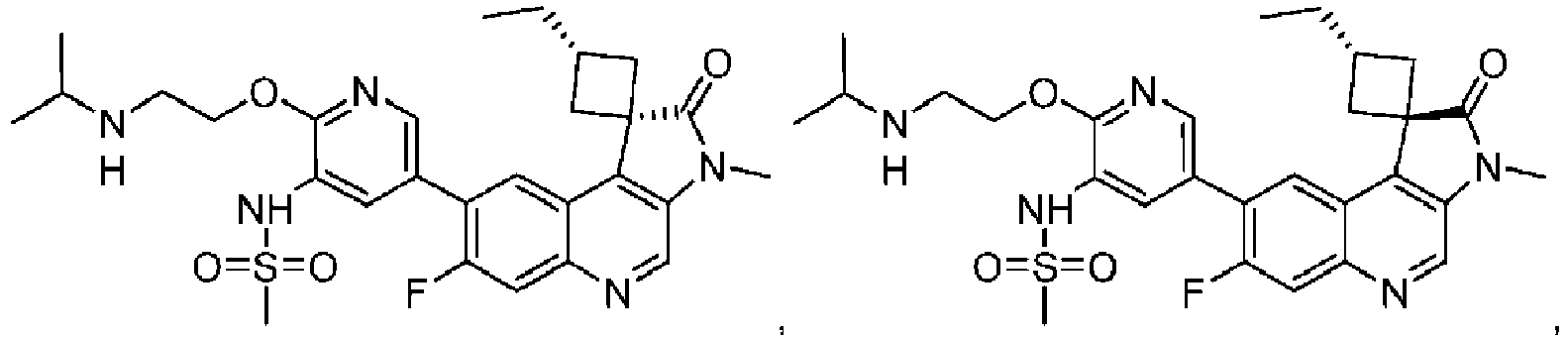

- Verbindung nach Anspruch 10 oder pharmazeutisch unbedenkliches Salz davon, wobei es sich bei der Verbindung um die folgende handelt:
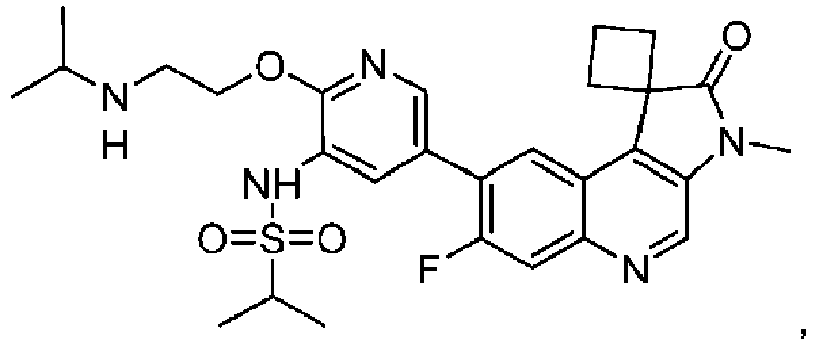
- Verbindung nach Anspruch 10 oder pharmazeutisch unbedenkliches Salz davon, wobei es sich bei der Verbindung um die folgende handelt:

- Verbindung nach Anspruch 10 oder pharmazeutisch unbedenkliches Salz davon, wobei es sich bei der Verbindung um die folgende handelt:
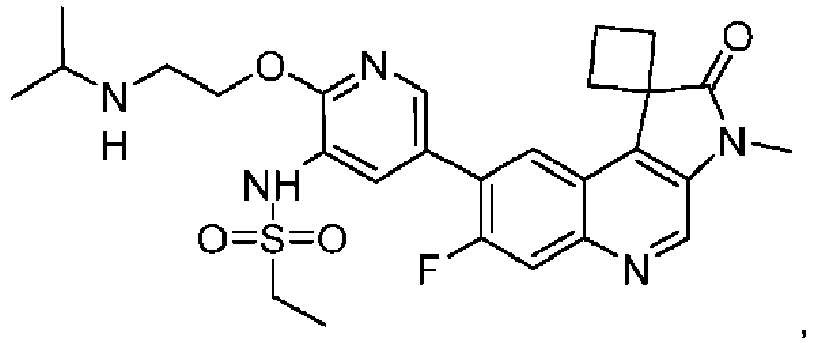
- Pharmazeutische Zusammensetzung, umfassend die Verbindung nach einem der Ansprüche 1 bis 13 oder ein pharmazeutisch unbedenkliches Salz davon und einen pharmazeutisch unbedenklichen Exzipienten.
- Verbindung oder ein pharmazeutisch unbedenkliches Salz davon nach einem der Ansprüche 1 bis 13 oder pharmazeutische Zusammensetzung nach Anspruch 14 zur Verwendung in einem Verfahren zur Behandlung einer onkologischen Erkrankung, wobei das Verfahren die Verabreichung einer therapeutisch wirksamen Menge der Verbindung nach einem der Ansprüche 1 bis 13 oder eines pharmazeutisch unbedenklichen Salzes davon oder der pharmazeutischen Zusammensetzung nach Anspruch 14 an einen dessen bedürftigen Patienten umfasst.
- Verbindung oder pharmazeutisch unbedenkliches Salz davon oder pharmazeutische Zusammensetzung zur Verwendung nach Anspruch 15, wobei:
der Patient eine Strahlentherapie erhält, wobei die Verbindung oder die pharmazeutische Zusammensetzung dem Patienten gegebenenfalls einhergehend mit der Strahlentherapie verabreicht wird oder die Verbindung oder die pharmazeutische Zusammensetzung dem Patienten vor der Strahlentherapie verabreicht wird oder die Verbindung oder die pharmazeutische Zusammensetzung dem Patienten nach der Strahlentherapie verabreicht wird, wobei gegebenenfalls:i) die Strahlentherapie externe, interne, Brachytherapie oder systemische Exposition umfasst und/oderii) die Strahlentherapie die Verabreichung eines Antikörper-Radionukleotid-Konjugats umfasst. - Verbindung oder pharmazeutisch unbedenkliches Salz davon oder pharmazeutische Zusammensetzung zur Verwendung nach Anspruch 15 oder 16, wobei:
der Patient ein Anti-Tumor-Mittel erhält, wobei gegebenenfalls:i) das Antitumormittel Cisplatin, Oxaliplatin, Carboplatin, Valrubicin, Idarubicin, Calicheamicin oder einen PARP-Inhibitor ist und/oderii) das Antitumormittel ein biologisches Antitumormittel oder ein Antitumor-Immuntherapeutikum ist und/oderiii) die Verbindung oder die pharmazeutische Zusammensetzung dem Patienten einhergehend mit dem Antitumormittel verabreicht wird oderiv) die Verbindung oder die pharmazeutische Zusammensetzung dem Patienten nach dem Antitumormittel verabreicht wird. - Verbindung oder pharmazeutisch unbedenkliches Salz davon oder pharmazeutische Zusammensetzung zur Verwendung nach einem der Ansprüche 15 bis 17, wobei:die onkologische Krankheit ein Hirnkrebs, Blasenkrebs, Brustkrebs, Krebs des Zentralnervensystems, Gebärmutterhalskrebs, Darmkrebs, Endometriumkrebs, Speiseröhrenkrebs, gastrointestinaler Stromatumor, Magenkrebs, Kopf-Hals-Krebs, Wangenschleimhautkrebs, Mundkrebs, Leberzellkarzinom, Lungenkrebs, Melanom, Merkelzellkarzinom, Mesotheliom, Nasopharynxkarzinom, Neuroblastom, Osteosarkom, Ovarialkarzinom, Bauchspeicheldrüsenkrebs, Prostatakrebs, Nierenkrebs, Speicheldrüsenkrebs, Sarkom, Hodenkrebs, Urothelkarzinom, Vulvakrebs oder Wilm-Tumor ist
und/oderdie onkologische Erkrankung Brustkrebs, Lungenkrebs, Kopf-Hals-Krebs, Bauchspeicheldrüsenkrebs, Rektumkrebs, Glioblastom, hepatozelluläres Karzinom, Cholangiokarzinom, metastische Leberläsionen, Melanom, Knochensarkom, Weichteilsarkom, Endometriumkarzinom, Gebärmutterhalskrebs, Prostatakrebs oder Merkelzellkarzinom ist.
Applications Claiming Priority (3)
| Application Number | Priority Date | Filing Date | Title |
|---|---|---|---|
| CN201910695148.4A CN112300159A (zh) | 2019-07-30 | 2019-07-30 | 用于抗肿瘤疗法中的双重atm和dna-pk抑制剂 |
| US201962883325P | 2019-08-06 | 2019-08-06 | |
| PCT/US2020/044322 WO2021022078A1 (en) | 2019-07-30 | 2020-07-30 | Dual atm and dna-pk inhibitors for use in anti-tumor therapy |
Publications (3)
| Publication Number | Publication Date |
|---|---|
| EP4003345A1 EP4003345A1 (de) | 2022-06-01 |
| EP4003345A4 EP4003345A4 (de) | 2023-07-26 |
| EP4003345B1 true EP4003345B1 (de) | 2024-12-04 |
Family
ID=74229877
Family Applications (1)
| Application Number | Title | Priority Date | Filing Date |
|---|---|---|---|
| EP20848360.2A Active EP4003345B1 (de) | 2019-07-30 | 2020-07-30 | Duale atm- und dna-pk-inhibitoren zur verwendung in der antitumortherapie |
Country Status (13)
| Country | Link |
|---|---|
| US (1) | US20220142995A1 (de) |
| EP (1) | EP4003345B1 (de) |
| JP (1) | JP7595959B2 (de) |
| KR (1) | KR20220047290A (de) |
| CN (2) | CN119684291A (de) |
| AU (1) | AU2020322026A1 (de) |
| BR (1) | BR112022001067A2 (de) |
| ES (1) | ES3008232T3 (de) |
| IL (1) | IL289542A (de) |
| MX (1) | MX2022001158A (de) |
| PH (1) | PH12022550015A1 (de) |
| WO (1) | WO2021022078A1 (de) |
| ZA (1) | ZA202201499B (de) |
Families Citing this family (10)
| Publication number | Priority date | Publication date | Assignee | Title |
|---|---|---|---|---|
| CN110386932A (zh) | 2018-04-20 | 2019-10-29 | 艾科思莱德制药公司 | 用于抗肿瘤疗法中的双重atm和dna-pk抑制剂 |
| JP2024505601A (ja) * | 2021-02-03 | 2024-02-06 | エックスラッド セラピューティクス,インコーポレイテッド | がん療法に使用するための二重atm及びdna-pk阻害剤並びに免疫療法剤の組み合わせ |
| JP2024531387A (ja) * | 2021-08-17 | 2024-08-29 | テリックス ファーマシューティカルズ (イノベーションズ) ピーティーワイ リミテッド | 併用放射線療法 |
| WO2024229406A1 (en) | 2023-05-04 | 2024-11-07 | Revolution Medicines, Inc. | Combination therapy for a ras related disease or disorder |
| WO2025034702A1 (en) | 2023-08-07 | 2025-02-13 | Revolution Medicines, Inc. | Rmc-6291 for use in the treatment of ras protein-related disease or disorder |
| TW202530228A (zh) | 2023-10-12 | 2025-08-01 | 美商銳新醫藥公司 | Ras抑制劑 |
| WO2025171296A1 (en) | 2024-02-09 | 2025-08-14 | Revolution Medicines, Inc. | Ras inhibitors |
| WO2025217307A1 (en) | 2024-04-09 | 2025-10-16 | Revolution Medicines, Inc. | Methods for predicting response to a ras(on) inhibitor and combination therapies |
| WO2025240847A1 (en) | 2024-05-17 | 2025-11-20 | Revolution Medicines, Inc. | Ras inhibitors |
| WO2025255438A1 (en) | 2024-06-07 | 2025-12-11 | Revolution Medicines, Inc. | Methods of treating a ras protein-related disease or disorder |
Family Cites Families (7)
| Publication number | Priority date | Publication date | Assignee | Title |
|---|---|---|---|---|
| DE102010035744A1 (de) * | 2010-08-28 | 2012-03-01 | Merck Patent Gmbh | Imidazolonylchinoline |
| EP3159342B1 (de) * | 2014-06-17 | 2020-08-05 | Cisen Pharmaceutical Co., Ltd. | Als mtor/pi3k-inhibitor verwendete pyridino[1,2-a]pyrimidon-analoga |
| EP3277681B1 (de) * | 2015-04-02 | 2019-05-08 | Merck Patent GmbH | Imidazolonylchinoline und deren verwendung als atm kinase inhibitoren |
| GB201519568D0 (en) * | 2015-11-05 | 2015-12-23 | Astrazeneca Ab | Imidazo[4,5-c]quinolin-2-one compounds and their use in treating cancer |
| CA3018802A1 (en) * | 2016-04-15 | 2017-10-19 | Abbvie Inc. | Bromodomain inhibitors |
| WO2019201283A1 (en) * | 2018-04-20 | 2019-10-24 | Xrad Therapeutics, Inc. | Dual atm and dna-pk inhibitors for use in anti-tumor therapy |
| CN110386932A (zh) * | 2018-04-20 | 2019-10-29 | 艾科思莱德制药公司 | 用于抗肿瘤疗法中的双重atm和dna-pk抑制剂 |
-
2020
- 2020-07-30 JP JP2022505550A patent/JP7595959B2/ja active Active
- 2020-07-30 MX MX2022001158A patent/MX2022001158A/es unknown
- 2020-07-30 CN CN202411545060.1A patent/CN119684291A/zh active Pending
- 2020-07-30 CN CN202080055262.1A patent/CN114258301B/zh active Active
- 2020-07-30 PH PH1/2022/550015A patent/PH12022550015A1/en unknown
- 2020-07-30 BR BR112022001067A patent/BR112022001067A2/pt unknown
- 2020-07-30 EP EP20848360.2A patent/EP4003345B1/de active Active
- 2020-07-30 ES ES20848360T patent/ES3008232T3/es active Active
- 2020-07-30 WO PCT/US2020/044322 patent/WO2021022078A1/en not_active Ceased
- 2020-07-30 AU AU2020322026A patent/AU2020322026A1/en active Pending
- 2020-07-30 KR KR1020227006527A patent/KR20220047290A/ko active Pending
-
2022
- 2022-01-02 IL IL289542A patent/IL289542A/en unknown
- 2022-01-27 US US17/586,277 patent/US20220142995A1/en active Pending
- 2022-02-02 ZA ZA2022/01499A patent/ZA202201499B/en unknown
Also Published As
| Publication number | Publication date |
|---|---|
| IL289542A (en) | 2022-03-01 |
| MX2022001158A (es) | 2022-02-22 |
| ZA202201499B (en) | 2023-11-29 |
| BR112022001067A2 (pt) | 2022-05-24 |
| US20220142995A1 (en) | 2022-05-12 |
| CN119684291A (zh) | 2025-03-25 |
| JP7595959B2 (ja) | 2024-12-09 |
| PH12022550015A1 (en) | 2022-11-21 |
| EP4003345A1 (de) | 2022-06-01 |
| CN114258301B (zh) | 2024-11-08 |
| WO2021022078A1 (en) | 2021-02-04 |
| CN114258301A (zh) | 2022-03-29 |
| KR20220047290A (ko) | 2022-04-15 |
| AU2020322026A1 (en) | 2022-02-03 |
| JP2022542285A (ja) | 2022-09-30 |
| EP4003345A4 (de) | 2023-07-26 |
| ES3008232T3 (en) | 2025-03-21 |
Similar Documents
| Publication | Publication Date | Title |
|---|---|---|
| EP4003345B1 (de) | Duale atm- und dna-pk-inhibitoren zur verwendung in der antitumortherapie | |
| US12195445B2 (en) | 2-amino-N-heteroaryl-nicotinamides as Nav1.8 inhibitors | |
| JP6404717B2 (ja) | アミドスピロ環状アミド及びスルホンアミド誘導体 | |
| TWI603977B (zh) | 作為激酶抑制劑之化合物及組合物 | |
| WO2019201283A1 (en) | Dual atm and dna-pk inhibitors for use in anti-tumor therapy | |
| JP7366996B2 (ja) | 抗腫瘍療法で使用するためのデュアルatm及びdna-pk阻害剤 | |
| JP2010510987A (ja) | ヘテロアリールアミド誘導体 | |
| JP5421108B2 (ja) | 2−フェノキシピリミジノン類縁体 | |
| JP2010501571A (ja) | ハロアルキル−置換ピリミジノン誘導体 | |
| JP2022539208A (ja) | チロシンキナーゼ非受容体1(tnk1)阻害剤およびその使用 | |
| AU2016377678A1 (en) | Cortistatin analogs and uses thereof | |
| CA3147111A1 (en) | Dual atm and dna-pk inhibitors for use in anti-tumor therapy | |
| RU2800756C1 (ru) | Двойные ингибиторы atm и dna-pk для применения в противоопухолевой терапии | |
| WO2020084005A1 (en) | Compounds targeting mutant calreticulin | |
| US20250268873A1 (en) | Combination of dual atm and dna-pk inhibitors and immunotherapeutic agents for use in cancer therapy | |
| HK40072201A (en) | Dual atm and dna-pk inhibitors for use in anti-tumor therapy | |
| HK40072201B (zh) | 用於抗肿瘤疗法中的双重atm和dna-pk抑制剂 | |
| WO2024186805A1 (en) | Methods of treating cancer | |
| WO2025101588A1 (en) | Tetrahydroisoquinoline heterobifunctional bcl-xl degraders | |
| HK40009984A (en) | Erbb inhibitors and uses thereof | |
| HK1255833B (en) | Hpk1 inhibitors and methods of using same | |
| HK1255833A1 (en) | Hpk1 inhibitors and methods of using same |
Legal Events
| Date | Code | Title | Description |
|---|---|---|---|
| STAA | Information on the status of an ep patent application or granted ep patent |
Free format text: STATUS: THE INTERNATIONAL PUBLICATION HAS BEEN MADE |
|
| PUAI | Public reference made under article 153(3) epc to a published international application that has entered the european phase |
Free format text: ORIGINAL CODE: 0009012 |
|
| STAA | Information on the status of an ep patent application or granted ep patent |
Free format text: STATUS: REQUEST FOR EXAMINATION WAS MADE |
|
| 17P | Request for examination filed |
Effective date: 20220126 |
|
| AK | Designated contracting states |
Kind code of ref document: A1 Designated state(s): AL AT BE BG CH CY CZ DE DK EE ES FI FR GB GR HR HU IE IS IT LI LT LU LV MC MK MT NL NO PL PT RO RS SE SI SK SM TR |
|
| DAV | Request for validation of the european patent (deleted) | ||
| DAX | Request for extension of the european patent (deleted) | ||
| REG | Reference to a national code |
Ref country code: DE Ref legal event code: R079 Free format text: PREVIOUS MAIN CLASS: A61K0031444000 Ipc: C07D0471100000 Ref country code: DE Ref legal event code: R079 Ref document number: 602020042693 Country of ref document: DE Free format text: PREVIOUS MAIN CLASS: A61K0031444000 Ipc: C07D0471100000 |
|
| P01 | Opt-out of the competence of the unified patent court (upc) registered |
Effective date: 20230519 |
|
| A4 | Supplementary search report drawn up and despatched |
Effective date: 20230628 |
|
| RIC1 | Information provided on ipc code assigned before grant |
Ipc: A61P 35/00 20060101ALI20230622BHEP Ipc: C07D 471/04 20060101ALI20230622BHEP Ipc: A61K 31/4745 20060101ALI20230622BHEP Ipc: A61K 31/4545 20060101ALI20230622BHEP Ipc: A61K 31/444 20060101ALI20230622BHEP Ipc: C07D 471/20 20060101ALI20230622BHEP Ipc: C07D 471/10 20060101AFI20230622BHEP |
|
| GRAP | Despatch of communication of intention to grant a patent |
Free format text: ORIGINAL CODE: EPIDOSNIGR1 |
|
| STAA | Information on the status of an ep patent application or granted ep patent |
Free format text: STATUS: GRANT OF PATENT IS INTENDED |
|
| INTG | Intention to grant announced |
Effective date: 20240702 |
|
| GRAS | Grant fee paid |
Free format text: ORIGINAL CODE: EPIDOSNIGR3 |
|
| GRAA | (expected) grant |
Free format text: ORIGINAL CODE: 0009210 |
|
| STAA | Information on the status of an ep patent application or granted ep patent |
Free format text: STATUS: THE PATENT HAS BEEN GRANTED |
|
| RAP3 | Party data changed (applicant data changed or rights of an application transferred) |
Owner name: XRAD THERAPEUTICS, INC. |
|
| AK | Designated contracting states |
Kind code of ref document: B1 Designated state(s): AL AT BE BG CH CY CZ DE DK EE ES FI FR GB GR HR HU IE IS IT LI LT LU LV MC MK MT NL NO PL PT RO RS SE SI SK SM TR |
|
| REG | Reference to a national code |
Ref country code: CH Ref legal event code: EP |
|
| REG | Reference to a national code |
Ref country code: DE Ref legal event code: R096 Ref document number: 602020042693 Country of ref document: DE |
|
| REG | Reference to a national code |
Ref country code: IE Ref legal event code: FG4D |
|
| REG | Reference to a national code |
Ref country code: NL Ref legal event code: FP |
|
| REG | Reference to a national code |
Ref country code: ES Ref legal event code: FG2A Ref document number: 3008232 Country of ref document: ES Kind code of ref document: T3 Effective date: 20250321 |
|
| REG | Reference to a national code |
Ref country code: LT Ref legal event code: MG9D |
|
| PG25 | Lapsed in a contracting state [announced via postgrant information from national office to epo] |
Ref country code: HR Free format text: LAPSE BECAUSE OF FAILURE TO SUBMIT A TRANSLATION OF THE DESCRIPTION OR TO PAY THE FEE WITHIN THE PRESCRIBED TIME-LIMIT Effective date: 20241204 |
|
| PG25 | Lapsed in a contracting state [announced via postgrant information from national office to epo] |
Ref country code: FI Free format text: LAPSE BECAUSE OF FAILURE TO SUBMIT A TRANSLATION OF THE DESCRIPTION OR TO PAY THE FEE WITHIN THE PRESCRIBED TIME-LIMIT Effective date: 20241204 |
|
| PG25 | Lapsed in a contracting state [announced via postgrant information from national office to epo] |
Ref country code: BG Free format text: LAPSE BECAUSE OF FAILURE TO SUBMIT A TRANSLATION OF THE DESCRIPTION OR TO PAY THE FEE WITHIN THE PRESCRIBED TIME-LIMIT Effective date: 20241204 |
|
| PG25 | Lapsed in a contracting state [announced via postgrant information from national office to epo] |
Ref country code: NO Free format text: LAPSE BECAUSE OF FAILURE TO SUBMIT A TRANSLATION OF THE DESCRIPTION OR TO PAY THE FEE WITHIN THE PRESCRIBED TIME-LIMIT Effective date: 20250304 |
|
| PG25 | Lapsed in a contracting state [announced via postgrant information from national office to epo] |
Ref country code: LV Free format text: LAPSE BECAUSE OF FAILURE TO SUBMIT A TRANSLATION OF THE DESCRIPTION OR TO PAY THE FEE WITHIN THE PRESCRIBED TIME-LIMIT Effective date: 20241204 Ref country code: GR Free format text: LAPSE BECAUSE OF FAILURE TO SUBMIT A TRANSLATION OF THE DESCRIPTION OR TO PAY THE FEE WITHIN THE PRESCRIBED TIME-LIMIT Effective date: 20250305 |
|
| PG25 | Lapsed in a contracting state [announced via postgrant information from national office to epo] |
Ref country code: RS Free format text: LAPSE BECAUSE OF FAILURE TO SUBMIT A TRANSLATION OF THE DESCRIPTION OR TO PAY THE FEE WITHIN THE PRESCRIBED TIME-LIMIT Effective date: 20250304 |
|
| REG | Reference to a national code |
Ref country code: AT Ref legal event code: MK05 Ref document number: 1748066 Country of ref document: AT Kind code of ref document: T Effective date: 20241204 |
|
| PG25 | Lapsed in a contracting state [announced via postgrant information from national office to epo] |
Ref country code: SM Free format text: LAPSE BECAUSE OF FAILURE TO SUBMIT A TRANSLATION OF THE DESCRIPTION OR TO PAY THE FEE WITHIN THE PRESCRIBED TIME-LIMIT Effective date: 20241204 |
|
| PG25 | Lapsed in a contracting state [announced via postgrant information from national office to epo] |
Ref country code: PL Free format text: LAPSE BECAUSE OF FAILURE TO SUBMIT A TRANSLATION OF THE DESCRIPTION OR TO PAY THE FEE WITHIN THE PRESCRIBED TIME-LIMIT Effective date: 20241204 |
|
| PG25 | Lapsed in a contracting state [announced via postgrant information from national office to epo] |
Ref country code: IS Free format text: LAPSE BECAUSE OF FAILURE TO SUBMIT A TRANSLATION OF THE DESCRIPTION OR TO PAY THE FEE WITHIN THE PRESCRIBED TIME-LIMIT Effective date: 20250404 |
|
| PG25 | Lapsed in a contracting state [announced via postgrant information from national office to epo] |
Ref country code: PT Free format text: LAPSE BECAUSE OF FAILURE TO SUBMIT A TRANSLATION OF THE DESCRIPTION OR TO PAY THE FEE WITHIN THE PRESCRIBED TIME-LIMIT Effective date: 20250404 |
|
| PG25 | Lapsed in a contracting state [announced via postgrant information from national office to epo] |
Ref country code: EE Free format text: LAPSE BECAUSE OF FAILURE TO SUBMIT A TRANSLATION OF THE DESCRIPTION OR TO PAY THE FEE WITHIN THE PRESCRIBED TIME-LIMIT Effective date: 20241204 |
|
| PG25 | Lapsed in a contracting state [announced via postgrant information from national office to epo] |
Ref country code: AT Free format text: LAPSE BECAUSE OF FAILURE TO SUBMIT A TRANSLATION OF THE DESCRIPTION OR TO PAY THE FEE WITHIN THE PRESCRIBED TIME-LIMIT Effective date: 20241204 Ref country code: RO Free format text: LAPSE BECAUSE OF FAILURE TO SUBMIT A TRANSLATION OF THE DESCRIPTION OR TO PAY THE FEE WITHIN THE PRESCRIBED TIME-LIMIT Effective date: 20241204 |
|
| PG25 | Lapsed in a contracting state [announced via postgrant information from national office to epo] |
Ref country code: SK Free format text: LAPSE BECAUSE OF FAILURE TO SUBMIT A TRANSLATION OF THE DESCRIPTION OR TO PAY THE FEE WITHIN THE PRESCRIBED TIME-LIMIT Effective date: 20241204 |
|
| PG25 | Lapsed in a contracting state [announced via postgrant information from national office to epo] |
Ref country code: CZ Free format text: LAPSE BECAUSE OF FAILURE TO SUBMIT A TRANSLATION OF THE DESCRIPTION OR TO PAY THE FEE WITHIN THE PRESCRIBED TIME-LIMIT Effective date: 20241204 |
|
| PGFP | Annual fee paid to national office [announced via postgrant information from national office to epo] |
Ref country code: NL Payment date: 20250726 Year of fee payment: 6 |
|
| REG | Reference to a national code |
Ref country code: DE Ref legal event code: R097 Ref document number: 602020042693 Country of ref document: DE |
|
| PG25 | Lapsed in a contracting state [announced via postgrant information from national office to epo] |
Ref country code: SE Free format text: LAPSE BECAUSE OF FAILURE TO SUBMIT A TRANSLATION OF THE DESCRIPTION OR TO PAY THE FEE WITHIN THE PRESCRIBED TIME-LIMIT Effective date: 20241204 |
|
| PGFP | Annual fee paid to national office [announced via postgrant information from national office to epo] |
Ref country code: ES Payment date: 20250801 Year of fee payment: 6 |
|
| PG25 | Lapsed in a contracting state [announced via postgrant information from national office to epo] |
Ref country code: DK Free format text: LAPSE BECAUSE OF FAILURE TO SUBMIT A TRANSLATION OF THE DESCRIPTION OR TO PAY THE FEE WITHIN THE PRESCRIBED TIME-LIMIT Effective date: 20241204 |
|
| PGFP | Annual fee paid to national office [announced via postgrant information from national office to epo] |
Ref country code: DE Payment date: 20250827 Year of fee payment: 6 |
|
| PLBE | No opposition filed within time limit |
Free format text: ORIGINAL CODE: 0009261 |
|
| STAA | Information on the status of an ep patent application or granted ep patent |
Free format text: STATUS: NO OPPOSITION FILED WITHIN TIME LIMIT |
|
| PGFP | Annual fee paid to national office [announced via postgrant information from national office to epo] |
Ref country code: IT Payment date: 20250820 Year of fee payment: 6 |
|
| REG | Reference to a national code |
Ref country code: CH Ref legal event code: L10 Free format text: ST27 STATUS EVENT CODE: U-0-0-L10-L00 (AS PROVIDED BY THE NATIONAL OFFICE) Effective date: 20251015 |
|
| PGFP | Annual fee paid to national office [announced via postgrant information from national office to epo] |
Ref country code: GB Payment date: 20250728 Year of fee payment: 6 |
|
| PGFP | Annual fee paid to national office [announced via postgrant information from national office to epo] |
Ref country code: FR Payment date: 20250825 Year of fee payment: 6 |
|
| PGFP | Annual fee paid to national office [announced via postgrant information from national office to epo] |
Ref country code: CH Payment date: 20250801 Year of fee payment: 6 |
|
| REG | Reference to a national code |
Ref country code: GB Ref legal event code: 732E Free format text: REGISTERED BETWEEN 20250925 AND 20251001 |
|
| REG | Reference to a national code |
Ref country code: CH Ref legal event code: R14 Free format text: ST27 STATUS EVENT CODE: U-0-0-R10-R14 (AS PROVIDED BY THE NATIONAL OFFICE) Effective date: 20251103 |
|
| REG | Reference to a national code |
Ref country code: DE Ref legal event code: R081 Ref document number: 602020042693 Country of ref document: DE Owner name: XRAD HOLDING CAYMAN LIMITED, KY Free format text: FORMER OWNER: XRAD THERAPEUTICS, INC., ORLANDO, FL, US |
|
| 26N | No opposition filed |
Effective date: 20250905 |
|
| REG | Reference to a national code |
Ref country code: CH Ref legal event code: Y10 Free format text: ST27 STATUS EVENT CODE: U-0-0-Y10-Y00 (AS PROVIDED BY THE NATIONAL OFFICE) Effective date: 20251113 |
|
| REG | Reference to a national code |
Ref country code: NL Ref legal event code: PD Owner name: XRAD HOLDING CAYMAN LIMITED; KY Free format text: DETAILS ASSIGNMENT: CHANGE OF OWNER(S), ASSIGNMENT; FORMER OWNER NAME: XRAD THERAPEUTICS, INC. Effective date: 20251128 |